EP0322206B1 - Compositions and methods for improving cold tolerance in animals and humans - Google Patents
Compositions and methods for improving cold tolerance in animals and humans Download PDFInfo
- Publication number
- EP0322206B1 EP0322206B1 EP88312107A EP88312107A EP0322206B1 EP 0322206 B1 EP0322206 B1 EP 0322206B1 EP 88312107 A EP88312107 A EP 88312107A EP 88312107 A EP88312107 A EP 88312107A EP 0322206 B1 EP0322206 B1 EP 0322206B1
- Authority
- EP
- European Patent Office
- Prior art keywords
- orally ingestible
- adenosine
- carbohydrate
- theobromine
- composition according
- Prior art date
- Legal status (The legal status is an assumption and is not a legal conclusion. Google has not performed a legal analysis and makes no representation as to the accuracy of the status listed.)
- Expired - Lifetime
Links
Images




Classifications
-
- A—HUMAN NECESSITIES
- A61—MEDICAL OR VETERINARY SCIENCE; HYGIENE
- A61K—PREPARATIONS FOR MEDICAL, DENTAL OR TOILETRY PURPOSES
- A61K31/00—Medicinal preparations containing organic active ingredients
- A61K31/33—Heterocyclic compounds
- A61K31/395—Heterocyclic compounds having nitrogen as a ring hetero atom, e.g. guanethidine or rifamycins
- A61K31/495—Heterocyclic compounds having nitrogen as a ring hetero atom, e.g. guanethidine or rifamycins having six-membered rings with two or more nitrogen atoms as the only ring heteroatoms, e.g. piperazine or tetrazines
- A61K31/505—Pyrimidines; Hydrogenated pyrimidines, e.g. trimethoprim
- A61K31/519—Pyrimidines; Hydrogenated pyrimidines, e.g. trimethoprim ortho- or peri-condensed with heterocyclic rings
- A61K31/52—Purines, e.g. adenine
-
- A—HUMAN NECESSITIES
- A61—MEDICAL OR VETERINARY SCIENCE; HYGIENE
- A61K—PREPARATIONS FOR MEDICAL, DENTAL OR TOILETRY PURPOSES
- A61K38/00—Medicinal preparations containing peptides
- A61K38/16—Peptides having more than 20 amino acids; Gastrins; Somatostatins; Melanotropins; Derivatives thereof
- A61K38/43—Enzymes; Proenzymes; Derivatives thereof
- A61K38/45—Transferases (2)
-
- A—HUMAN NECESSITIES
- A61—MEDICAL OR VETERINARY SCIENCE; HYGIENE
- A61K—PREPARATIONS FOR MEDICAL, DENTAL OR TOILETRY PURPOSES
- A61K38/00—Medicinal preparations containing peptides
- A61K38/16—Peptides having more than 20 amino acids; Gastrins; Somatostatins; Melanotropins; Derivatives thereof
- A61K38/43—Enzymes; Proenzymes; Derivatives thereof
- A61K38/46—Hydrolases (3)
- A61K38/50—Hydrolases (3) acting on carbon-nitrogen bonds, other than peptide bonds (3.5), e.g. asparaginase
-
- C—CHEMISTRY; METALLURGY
- C12—BIOCHEMISTRY; BEER; SPIRITS; WINE; VINEGAR; MICROBIOLOGY; ENZYMOLOGY; MUTATION OR GENETIC ENGINEERING
- C12Y—ENZYMES
- C12Y207/00—Transferases transferring phosphorus-containing groups (2.7)
- C12Y207/01—Phosphotransferases with an alcohol group as acceptor (2.7.1)
- C12Y207/0102—Adenosine kinase (2.7.1.20)
-
- C—CHEMISTRY; METALLURGY
- C12—BIOCHEMISTRY; BEER; SPIRITS; WINE; VINEGAR; MICROBIOLOGY; ENZYMOLOGY; MUTATION OR GENETIC ENGINEERING
- C12Y—ENZYMES
- C12Y305/00—Hydrolases acting on carbon-nitrogen bonds, other than peptide bonds (3.5)
- C12Y305/04—Hydrolases acting on carbon-nitrogen bonds, other than peptide bonds (3.5) in cyclic amidines (3.5.4)
- C12Y305/04004—Adenosine deaminase (3.5.4.4)
Definitions
- This invention relates to improving cold tolerance and prevention of accidental hypothermia in animals and humans.
- thermogenesis When exposed to severe cold, mammals increase their heat production to counter heat loss in order to maintain a constant body temperature. If heat loss surpasses maximum heat production, hypothermia results and unless aided by exogenous heat, death ensues. Given that defence operations and emergencies can involve prolonged cold exposure, any treatment that may enhance thermogenesis would be beneficial in reducing or eliminating the danger of becoming hypothermic.
- Theophylline (THEO) and aminophylline (AMPY; 85% theophylline, 15% ethylenediamine) have been shown to elevate maximum thermogenesis and to improve cold tolerance in animals and man in severe cold: J. App. Physiol. Vol 63(2), 1987, 589-596 and Am. J. Physiol. , Vol 21(4), 1987, 737-742.
- PDE phosphodiesterase
- adenosine In considering the possible role of adenosine in thermogenesis, adenosine is formed as an end product of ATP hydrolysis following physiological stimulation, e.g. adrenergic or local hypoxia. It is released into extracellular space and binds to adenosine receptors on the cell surface and exerts an inhibiting influence on substrate (fuel) mobilization. Since substrate availability is a critical limiting factor for full expression of heat producing capability in the cell, a shortage of fuel supply would lend less than full expression of thermogenic capability and reduced cold resistance. The use of adenosine antagonists should rectify this deficiency and amplify the body's own cold fighting ability.
- physiological stimulation e.g. adrenergic or local hypoxia. It is released into extracellular space and binds to adenosine receptors on the cell surface and exerts an inhibiting influence on substrate (fuel) mobilization. Since substrate availability is a critical limiting factor for full expression of heat producing capability in the cell,
- adenosine antagonism To test the mechanism of adenosine antagonism, a known selective adenosine receptor antagonist, 8-phenyltheophylline (8-PT) which preferentially binds to adenosine receptors was used. To test the mechanism of PDE inhibition, a selective PDE inhibitor, enprofylline (ENPRO) which is devoid of adenosine antagonism was employed.
- ENPRO enprofylline
- thermogenic effect of theobromine is disclosed and is shown to be related to its activity as an adenosine receptor antagonist.
- those studies were carried out at 22°C and were aimed at ways of countering drug-induced hypothermia, that is to say to reverse the hypothermic effect and the locomotor activity-suppressing effect of the known adenosine receptor agonists N6-cyclohexyl-adenosine (CHA) and 5'-(N-ethylcarboxamide) adenosine (NECA).
- Brown adipose tissue is the primary site for cold induced thermogenesis in mammals, and it is known that, whilst brown adipose tissue levels in man and other mammals living in temperate climates are low, brown adipose tissue levels in mammals living in cold climates are much higher, and that as man, and other animals, become acclimatised to colder temperatures, levels of brown adipose tissue do increase leading to increased thermogenesis, and hence acclimatisation of the body to the colder environment.
- brown adipose tissue thermogenesis is stimulated by caffeine, theophylline and 3-isobutyl-1-methylxanthine all as a result of phosphodiesterase inhibition, not as a result of their adenosine receptor antagonist activity.
- the in vitro studies reported in the document require extremely high levels (e.g. 5mM theophylline) of the phosphodiesterase inhibitor to bring about effective blocking of the enzyme and hence effective potentiation of brown adipose tissue thermogenesis.
- plasma theophylline levels in excess of about 0.2mM are usually fatal, the document again has little to teach the person skilled in the art with regard to an effective medication to prevent or minimize the effects of hypothermia in man or other animals due to physical exposure.
- a carbohydrate mixture consisting essentially of starch (St), sucrose (Su) and glucose (Gl), preferably in a St:Su:Gl weight ratio of 6.4:3:1 or 10.6:5:1, 15 - 50% protein, and 0 - 25% fat.
- Representative adenosine receptor antagonists for use in accordance with this invention include xanthines of the structural formula wherein R1 and R2 are H or C1-C6 alkyl group, R4 is H or CH3, and R3 is H; provided that when R1 and R2 are both CH3, R3 and R4 are not both H, and that when R1, R3 and R4 are all H, R2 is not propyl.
- the C1-C6 alkyl groups R1 and R2 may each preferably contain from 1 to 5, and particularly 1 to 4, especially 1 to 3, carbon atoms.
- adenosine antagonists are: triazoloquinazoline, pyrazoloquinoline, pyrazolopyridine and imidazopyrimidine.
- xanthine compounds which are known to have adenosine antagonistic effects, i.e. the compounds of the above formula, the following have been tested for their increased thermogenic capability in man and animals and hence their utility in accordance with the present invention to provide improved cold tolerance in animals and humans: 8-cyclopentyltheophylline (CPT); 8-phenyltheophylline (8-PT); 8-(4-(2-aminoethyl)amino) carboxylmethyloxyphenyl)- 1,3-dipropylxanthine (XAC); 8-(2-amino-4-chlorophenyl)-1,3-dipropylxanthine (PACPX); 8-(p-sulfophenyl)-1,3-dipropyl xanthine (DPSPX); caffeine (1,3,7-trimethylxanthine); and theobromine (3,7-dimethylxanthine).
- CPT 8-cyclopentyltheophy
- CPT has the advantage of being highly soluble in water and is thus the easiest to administer by injection.
- Caffeine is also easily soluble in water but its adenosine antagonistic effect is not as strong as that of CPT.
- Theobromine is not very soluble in water but this can be circumvented by using both injection and oral adminstration. Because of their insolubility in water other test compounds were dissolved in a suitable organic solvent, e.g. polyethylene glycol (8-PT) or DMSO (XAC, PACPX and DPSPX). In these controls, injections were carried out using the solvent only.
- CPT Figure 2
- PACPX Figure 7
- DPSPX Figure 8
- thermogenesis thermogenesis and cold resistance in a dose-dependent manner ( Figure 1).
- the dosage difference between the CPT and 8-PT is about 5,000 fold reflecting their concentrational differences in in vitro receptor binding studies.
- injection (i.p.) of caffeine at 20 mg/kg ( Figure 3) and theobromine at 20 mg/kg ( Figure 4) also demonstrated significant improvement on thermogenesis and cold resistance in rats.
- thermogenesis when theobromine is administered orally to rats (Figure 5), significant increase in thermogenesis was also observed.
- Oral theobromine was administered as cocoa powder and water. This is because cocoa powder contains about 1-2% of theobromine based on dry weight with little or no other xanthine compounds present as quantified by our HPLC analysis and as indicated in the open literature (e.g. Shively and Tarka, Jr., 1984, In: The methylxanthine beverages and foods: chemistry, consumption and health effects, edited by G.A. Spiller, New York: Allan Liss, p. 149-178). This indicates that through the oral route, even relatively water insoluble adenosine antagonists, such as theobromine may be quite useful as an agent for the stimulation thermogenesis and improvement of cold resistance. This has been verified in our initial studies in humans ( Figures 12 to 16).
- xanthine e.g. caffeine, theobromine
- PDE antiphosphodiesterase enzyme
- thermogenesis 49:313-316, 1981
- enprofylline is without effect on stimulation of thermogenesis ( Figure 9), confirming our contention that it is the antagonism of adenosine receptors but not the inhibition of PDE activity that is responsible for the beneficial effects of the many xanthines employed herein.
- thermogenesis effect by optimal dose of 8-PT was significantly lower than that with the optimal dose of AMPY (18.7 mg/kg, i.p.) ( Figure 10).
- Applicant has found that the deficit could be eradicated by combining optimal 8-PT dose with a lose dose of AMPY (1.25 mg/kg, i.p.).
- thermogenic effect of 8-PT when administered simultaneously with a low dose of AMPY ( Figure 10), is markedly enhanced, and is increased to the same level as that after a high dose of AMPY.
- the magnitude of HP induced by the combined drug treatment may have already reached the maximum aerobic capacity of the animal, it is difficult to distinguish whether these two compounds elicit thermogenesis in a synergistic or additive manner.
- composition of carbohydrate is by weight ratio. Numbers in brackets indicate percentage increase in heat production over control value.
- the hatched boxes indicate duration of walking on a motorized treadmill at 6.4 km/h (4 mile/hr). Arrow indicates time of ingestion of either placebo drink or nutritional supplement. Theobromine is taken orally at time 0.
- the hatched boxes indicate duration of walking on a motorized treadmill at 8 km/hr (5 mile/hr). Arrow indicates time of ingestion of placebo drink and nutritional supplement. Arrows with cocoa on top indicate time of ingestion of cocoa plus nutritional supplement (total amount of theobromine in cocoa and nutritional supplement are equivalent to those in theobromine + nutritional supplement).
- the hatched boxes indicate duration of walking on a motorized treadmill at 6.4 km/hr (4 miles/hr) for females or 8km/hr (5 miles/hr) for males. Arrow indicates time of ingesting placebo drink or nutritional supplement.
Landscapes
- Health & Medical Sciences (AREA)
- Chemical & Material Sciences (AREA)
- Life Sciences & Earth Sciences (AREA)
- General Health & Medical Sciences (AREA)
- Bioinformatics & Cheminformatics (AREA)
- Engineering & Computer Science (AREA)
- Organic Chemistry (AREA)
- Animal Behavior & Ethology (AREA)
- Public Health (AREA)
- Veterinary Medicine (AREA)
- Epidemiology (AREA)
- Pharmacology & Pharmacy (AREA)
- Medicinal Chemistry (AREA)
- Proteomics, Peptides & Aminoacids (AREA)
- Zoology (AREA)
- Biochemistry (AREA)
- General Engineering & Computer Science (AREA)
- Genetics & Genomics (AREA)
- Gastroenterology & Hepatology (AREA)
- Wood Science & Technology (AREA)
- Immunology (AREA)
- Pharmaceuticals Containing Other Organic And Inorganic Compounds (AREA)
- Fodder In General (AREA)
- Acyclic And Carbocyclic Compounds In Medicinal Compositions (AREA)
- Medicines Containing Material From Animals Or Micro-Organisms (AREA)
- Solid-Sorbent Or Filter-Aiding Compositions (AREA)
- Networks Using Active Elements (AREA)
- Macromonomer-Based Addition Polymer (AREA)
Abstract
Description
- This invention relates to improving cold tolerance and prevention of accidental hypothermia in animals and humans.
- When exposed to severe cold, mammals increase their heat production to counter heat loss in order to maintain a constant body temperature. If heat loss surpasses maximum heat production, hypothermia results and unless aided by exogenous heat, death ensues. Given that defence operations and emergencies can involve prolonged cold exposure, any treatment that may enhance thermogenesis would be beneficial in reducing or eliminating the danger of becoming hypothermic.
- Theophylline (THEO) and aminophylline (AMPY; 85% theophylline, 15% ethylenediamine) have been shown to elevate maximum thermogenesis and to improve cold tolerance in animals and man in severe cold: J. App. Physiol. Vol 63(2), 1987, 589-596 and Am. J. Physiol. , Vol 21(4), 1987, 737-742. However, their mechanism of action is widely disputed. One school of thought is that competitive inhibition of phosphodiesterase (PDE) activity and thus increased levels of intracellular cAMP for enhanced substrate conversion and mobilization is responsible. Another involves competitive antagonism against adenosine receptors, thereby releasing the antilipolytic effect of adenosine after sympathetic stimulation in the cold. Since both of these known compounds are non-selective adenosine antagonists, i.e. they exhibit other pharmacological activity, the operating mechanism was uncertain.
- In considering the possible role of adenosine in thermogenesis, adenosine is formed as an end product of ATP hydrolysis following physiological stimulation, e.g. adrenergic or local hypoxia. It is released into extracellular space and binds to adenosine receptors on the cell surface and exerts an inhibiting influence on substrate (fuel) mobilization. Since substrate availability is a critical limiting factor for full expression of heat producing capability in the cell, a shortage of fuel supply would lend less than full expression of thermogenic capability and reduced cold resistance. The use of adenosine antagonists should rectify this deficiency and amplify the body's own cold fighting ability.
- To test the mechanism of adenosine antagonism, a known selective adenosine receptor antagonist, 8-phenyltheophylline (8-PT) which preferentially binds to adenosine receptors was used. To test the mechanism of PDE inhibition, a selective PDE inhibitor, enprofylline (ENPRO) which is devoid of adenosine antagonism was employed.
- In Pharm. Biochem. Behav., Vol 25(4), 1986, 769-773 the thermogenic effect of theobromine is disclosed and is shown to be related to its activity as an adenosine receptor antagonist. However, those studies were carried out at 22°C and were aimed at ways of countering drug-induced hypothermia, that is to say to reverse the hypothermic effect and the locomotor activity-suppressing effect of the known adenosine receptor agonists N⁶-cyclohexyl-adenosine (CHA) and 5'-(N-ethylcarboxamide) adenosine (NECA). Those studies showed that it was, indeed possible to blockade CHA-and NECA-induced hypothermia using theobromine as an adenosine receptor antagonist. However those studies did not show or indicate that theobromine had any thermogenic activity per se, whether by virtue of its activity as adenosine receptor antagonist, or otherwise, such that it might be used to combat environmentally induced, as opposed to drug-induced hypothermia. Thus based on Pharm. Biochem. Behav., cited above, there is nothing that would lead the person skilled in the art towards using theobromine, or any other adenosine receptor antagonist, for that matter, as a means of either treating environmentally induced hypothermia or improving the tolerance of the human or animal body to the cold.
- Similarly with Int. J. Obes., Vol. 9, 1985, 31-42 which reviews the endocrinological and biochemical mechanisms controlling energy expenditure in brown adipose tissue at the cellular level and at total tissue level. Brown adipose tissue is the primary site for cold induced thermogenesis in mammals, and it is known that, whilst brown adipose tissue levels in man and other mammals living in temperate climates are low, brown adipose tissue levels in mammals living in cold climates are much higher, and that as man, and other animals, become acclimatised to colder temperatures, levels of brown adipose tissue do increase leading to increased thermogenesis, and hence acclimatisation of the body to the colder environment. The document shows that brown adipose tissue thermogenesis is stimulated by caffeine, theophylline and 3-isobutyl-1-methylxanthine all as a result of phosphodiesterase inhibition, not as a result of their adenosine receptor antagonist activity. Moreover, the in vitro studies reported in the document require extremely high levels (e.g. 5mM theophylline) of the phosphodiesterase inhibitor to bring about effective blocking of the enzyme and hence effective potentiation of brown adipose tissue thermogenesis. Bearing in mind that plasma theophylline levels in excess of about 0.2mM are usually fatal, the document again has little to teach the person skilled in the art with regard to an effective medication to prevent or minimize the effects of hypothermia in man or other animals due to physical exposure.
- In Psychopharm.,
Vol 58, 1978, 161-166 caffeine is described as having a negative rather than positive effect on thermogenesis in mice and showed that treatment with caffeine results in a diminished cold tolerance in mice. But that was on the basis of chronic treatment, rather than an acute single dose treatment, that chronic treatment involving 150»g/g p.o. caffeine per day every day for six-weeks, and since those findings were on the basis of chronic treatment with high levels of caffeine, they are not necessarily inconsistent with other art, nor for that matter, the present invention based on the thermogenic effect of caffeine at acute, rather than chronic levels of administration. - Finally in the prior art, Am. J. Physiol., Vol. 233, 1983, R500-R507 describes the effects of sucrose, caffeine, and cold beverages on obesity, cold resistance and adipose tissue cellularity. The results showed that the cold resistance of rats was improved quite remarkably in Coca-Cola™ consumption that increased cold resistance being accompanied by a significant increase in brown adipose tissue weight, cellularity, triglyceride content, protein content and cytochrome oxidase activity. But since those effects were apparently not obtained by caffeine consumption, pR500 left hand column line 17 and pR504 left hand column lines 14-17, thermogenesis by caffeine, and hence the utility of caffeine and other adenosine receptor antagonists in the treatment of physiological hypothermia and in increasing the cold tolerance levels in man and other animals remains extremely equivocal.
- In the studies reported above (J. App. Physiol. Vol.63(2), 1987, 589-596), theophylline was administered to rats in combination with a commercial nutrient mixture (ENSURE®) containing 14.8% protein, 31.5% fat and 53.7% carbohydrate.
- In accordance with the present invention, it has been found that, in the oral administration of an adenosine antagonist other than theophylline or aminophylline alone in combination with a nutrient supplement as a means for improving cold tolerance and enhancing thermogenesis, the composition of the nutrient supplement is critically important.
- More specifically best results are obtained using the nutrient supplement, a composition containing, oil a weight basis:
50 - 60% of a carbohydrate mixture consisting essentially of starch (St), sucrose (Su) and glucose (Gl), preferably in a St:Su:Gl weight ratio of 6.4:3:1 or 10.6:5:1,
15 - 50% protein, and
0 - 25% fat. - Representative adenosine receptor antagonists for use in accordance with this invention include xanthines of the structural formula

wherein R₁ and R₂ are H or C₁-C₆ alkyl group,
R₄ is H or CH₃, and R₃ is
H; provided that when R₁ and R₂ are both CH₃, R₃ and R₄ are not both H, and that when R₁, R₃ and R₄ are all H, R₂ is not propyl. - The C₁-C₆ alkyl groups R₁ and R₂ may each preferably contain from 1 to 5, and particularly 1 to 4, especially 1 to 3, carbon atoms.
- Other suitable adenosine antagonists are: triazoloquinazoline, pyrazoloquinoline, pyrazolopyridine and imidazopyrimidine.
- Amongst the xanthine compounds which are known to have adenosine antagonistic effects, i.e. the compounds of the above formula, the following have been tested for their increased thermogenic capability in man and animals and hence their utility in accordance with the present invention to provide improved cold tolerance in animals and humans:
8-cyclopentyltheophylline (CPT);
8-phenyltheophylline (8-PT);
8-(4-(2-aminoethyl)amino) carboxylmethyloxyphenyl)- 1,3-dipropylxanthine (XAC);
8-(2-amino-4-chlorophenyl)-1,3-dipropylxanthine (PACPX);
8-(p-sulfophenyl)-1,3-dipropyl xanthine (DPSPX);
caffeine (1,3,7-trimethylxanthine); and
theobromine (3,7-dimethylxanthine). - CPT has the advantage of being highly soluble in water and is thus the easiest to administer by injection.
- Caffeine is also easily soluble in water but its adenosine antagonistic effect is not as strong as that of CPT. Theobromine is not very soluble in water but this can be circumvented by using both injection and oral adminstration. Because of their insolubility in water other test compounds were dissolved in a suitable organic solvent, e.g. polyethylene glycol (8-PT) or DMSO (XAC, PACPX and DPSPX). In these controls, injections were carried out using the solvent only.
- The results are presented in the accompanying drawings in which:
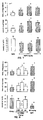
- Figure 1 is a graph which illustrates the thermogenic effect of injected 8-phenyltheophylline (8-PT) in mammals;
- Figure 2 illustrates the thermogenic effect of injected 8-cyclopentyltheophylline (CPT);
- Figure 3 illustrates the thermogenic effect of injected caffeine;
- Figure 4 illustrates the thermogenic effect of injected theobromine;
- Figure 5 illustrates the thermogenic effect of orally administered theobromine (in the form of cocoa);
- Figure 6 illustrates the thermogenic effect of injected 8-(4-(2-aminoethyl)amino)carboxylmethyloxyphenyl)-1,3-dipropylxanthine (XAC);
- Figure 7 illustrates the thermogenic effect of injected 8-(2-amino-4-chlorophenyl)-1,3-dipropyl xanthine (PACPX);
- Figure 8 illustrates the thermogenic effect of injected 8-(p-sulfophenyl)-1,3-dipropyl xanthine (DPSPX);
- Figure 9 illustrates the thermogenic effect of enprofylline (ENPRO);
- Figure 10 illustrates the thermogenic effect of 8-PT and AMPY when administered together;
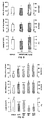
- Figure 12 illustrates the effect on cold tolerance of a female subject of theobromine (4 mg/kg p.o.) and a nutritional supplement in comparison with the nutritional supplement alone and a placebo and in accordance with the experimental protocol set out in Table 4;
- Figure 13 illustrates the effect on cold tolerance of a male subject of theobromine (4 mg/kg p.o.) and a nutritional supplement using the same protocol;
- Figure 14 illustrates the improved cold tolerance achieved in humans (3 males, 2 females), again using theobromine (4 mg/kg p.o.) and a nutritional supplement according to the protocol of Table 4;
- Figure 15 illustrates the effect of theobromine (2 mg/kg p.o.) and a nutritional supplement on the cold tolerance of two male subjects against a placebo and in accordance with the protocol set out in Table 5; and
- Figure 16 illustrates the effect of theobromine (in the form of cocoa powder containing 1.5% theobromine for an equivalent 2 mg/kg p.o.) plus a nutritional supplement on the cold tolerance of two subjects (one male, one female) against a placebo and in accordance with the experimental protocol set out in Table 6.
- As can be seen from the results presented in the drawings CPT (Figure 2), PACPX (Figure 7) and DPSPX (Figure 8) significantly increased the heat producing capability of the rats and significantly increased their cold resistance as seen by the very much higher final body temperature after 2 hours of severe cold exposure. 8-PT also significantly increased thermogenesis and cold resistance in a dose-dependent manner (Figure 1). Because of the solubility problem, which presumably affects the absorption of the injected drug following its administration, the dosage difference between the CPT and 8-PT is about 5,000 fold reflecting their concentrational differences in in vitro receptor binding studies. Similarly, injection (i.p.) of caffeine at 20 mg/kg (Figure 3) and theobromine at 20 mg/kg (Figure 4) also demonstrated significant improvement on thermogenesis and cold resistance in rats. Interestingly, when theobromine is administered orally to rats (Figure 5), significant increase in thermogenesis was also observed. Oral theobromine was administered as cocoa powder and water. This is because cocoa powder contains about 1-2% of theobromine based on dry weight with little or no other xanthine compounds present as quantified by our HPLC analysis and as indicated in the open literature (e.g. Shively and Tarka, Jr., 1984, In: The methylxanthine beverages and foods: chemistry, consumption and health effects, edited by G.A. Spiller, New York: Allan Liss, p. 149-178). This indicates that through the oral route, even relatively water insoluble adenosine antagonists, such as theobromine may be quite useful as an agent for the stimulation thermogenesis and improvement of cold resistance. This has been verified in our initial studies in humans (Figures 12 to 16).
- The result on XAC (Figure 6) are not as clean-cut as those for the other compounds; the main reason being the solubility problem. However, XAC showed a 7% increase in maximum and total thermogenesis, very close to the 10% or more found in the other compounds which elicited statistically significant increases.
- Since some of the xanthine (e.g. caffeine, theobromine) used also possess antiphosphodiesterase enzyme (PDE) activity, it is a possibility that the action of these xanthines may be through PDE inhibition rather than adenosine antagonism. To dispel this possibility, we have selected enprofylline (3-propylxanthine), which is known to have PDE inhibitory effect (IC₅₀) = 100 - 400»M) but devoid of adenosine antagonism (Persson & Kjellin, Enprofylline, a principally new antiasmatic xanthine, Acta Pharmacol. Toxicol. 49:313-316, 1981) to test its influence on thermogenesis and cold resistance. The results indicated that enprofylline is without effect on stimulation of thermogenesis (Figure 9), confirming our contention that it is the antagonism of adenosine receptors but not the inhibition of PDE activity that is responsible for the beneficial effects of the many xanthines employed herein.
- Our results also indicate that the maximum thermogenesis effect by optimal dose of 8-PT (5 mg/kg, i.p.) was significantly lower than that with the optimal dose of AMPY (18.7 mg/kg, i.p.) (Figure 10). Applicant has found that the deficit could be eradicated by combining optimal 8-PT dose with a lose dose of AMPY (1.25 mg/kg, i.p.). In fact, the thermogenic effect of 8-PT, when administered simultaneously with a low dose of AMPY (Figure 10), is markedly enhanced, and is increased to the same level as that after a high dose of AMPY. As the magnitude of HP induced by the combined drug treatment may have already reached the maximum aerobic capacity of the animal, it is difficult to distinguish whether these two compounds elicit thermogenesis in a synergistic or additive manner.
- To demonstrate that a combination of adenosine antagonist and nutritional supplement is a better treatment than the use of adenosine antagonist or nutritional supplement alone, we have conducted experiments in rats verifying this prediction. Tables 1 and 2 below show that orally administered nutritional supplement alone, either in the form of different carbohydrate mixtures or as a mixture of carbohydrates, fat and protein, enhanced heat production and the magnitude and the duration of cold tolerance.
TABLE 1 EFFECTS OF CARBOHYDRATE FEEDING ON COLD TOLERANCE IN RATS # Treatment (n-8) Total HP (Kcal) Max. HP (Kcal/15 min) Change in Tb (°C) Duration (min) Water 5 ml10.90±-0.91 1.50±0.03 -10.83±0.76 144.4±6.98 Sucrose 52% aq. solution 14.31±1.27* (31%) 1.66±0.04* (10%) -8.68±0.69 163.1±7.23* 1 Starch 55.2% aq. solution 14.60±0.98* (34%) 1.59±0.05 (6%) -9.05±1.11 166.9±5.59* Gl:Su:St (1:3:6.4) 15.20±0.98* (39%) 1.64±0.05* (9%) -7.88±0.64* 172.5±4.59* Gl:Su:St (1:6:3.2) 14.41±0.76* (32%) 1.58±0.03 (5%) -10.98±0.89 170.6±5.89* Gl:Su:St (1:5:10.6) 16.63±0.96* (53%) 1.67±0.07* (11%) -5.50±0.96* 177.5±2.20* Gl:Su:St (1:10:5.3) 15.09±1.78* (39%) 1.68±0.06* (11%) -10.33±0.97 170.0±5.38* # Feeding was by gastric tube in a volume of 5 ml 15 min prior to cold exposure.* Significantly different from water control, p<0.05 (Wilcoxin's Rank Test). Number in brackets indicate percentage increase in heat production over control value.
Gl = Glucose; Su = Sucrose; St = Starch
The composition of carbohydrate is by weight ratio, wherein 1 = 0.26g.
The carbohydrate mixtures are dissolved in water.TABLE 2 EFFECTS OF SUBSTRATE FEEDING ON COLD TOLERANCE IN RATS # Treatment (n-) Total HP (Kcal) Max. HP (Kcal/15 min) Change in Tb (°C) Duration (min) Water 5 ml16.12±0.94 1.67±0.05 -12.12±0.75 177.2±8.36 Gl:Su:St (1:5:10.6) 24.61±1.28* (53%) 1.90±0.06* (14%) -10.42±1.13 231.7±4.78* Mixture (16 Kcal) 25.83±1.64* (60%) 2.01±0.07* (20%) -8.52±1.83* 230.0±4.08* # Feeding was by gastric tube in a volume of 5 ml either 15 min (for Gl:Su:St) or 30 min (for mixture) prior to cold exposure. * Significantly different from water control, p<0.05 (Wilcoxin's Rank Test). The composition of carbohydrate is by weight ratio.
Numbers in brackets indicate percentage increase in heat production over control value.
Gl = Glucose; Su = Sucrose; St = Starch
Composition of mixture = Gl:Su:St:Egg Albumin:Corn Oil - 1:3:6.4:5:0.33 (weight ratio, wherein 1 = 0.26g).
The mixtures are dissolved in water.
Composition of mixture in terms of weight percentages, carbohydrate = 66.2%, fat = 1.9% and protein = 31.9%. - However, as illustrated in Table 3 below, the combination of a general adenosine antagonist, theobromine (administered orally in the form of cocoa powder plus water) and carbohydrate mixtures resulted in the greatest improvement of heat production and cold tolerance as compared to the treatment using water, cocoa, or nutritional supplement alone. Consequently, the decrease of body temperature (Tb) was the least and the duration of cold exposure was the longest in adenosine antagonist and nutritional supplement treatment. It is therefore likely that this combination is the best for improving cold resistance and based on Tables 2 and 3, theobromine plus a nutritional mixture including carbohydrates, protein and fat is a desirable formula.
TABLE 3 EFFECTS OF COCOA AND CARBOHYDRATE FEEDING ON COLD TOLERANCE IN RATS # Treatment (n-8) Total HP (Kcal) Max. HP (Kcal/15 min) Change in Tb (°C) Duration (min) Water 5 ml10.75±0.59 1.42±0.04 -10.45±0.62 140.6±5.26 Cocoa 1 g 11.42±0.72 (6%) 1.59±0.03* (12%) -9.84±0.46 144.4±5.26 Gl:Su:St (1:3:6.4) 16.04±0.68* (49%) 1.61±0.04* (13%) -6.85±1.26* 176.3±3.51* Cocoa 1 g + Gl:Su:St (1:3:6.4) 17.43±0.64* (61%) 1.72±0.04* (21%) -5.53±0.87* 180.0±0.00* Gl:Su:St (1:5:10.6) 16.49±0.67* (32%) 1.67±0.03 (5%) -5.75±1.12* 176.3±3.51* Cocoa 1 g + Gl:Su:St (1:5:10.6) 17.71±0.86* (65%) 1.77±0.10* (25%) -5.03±1.16* 180.0±0.00* # Feeding was by gastric tube in a volume of 5 ml 15 min prior to cold exposure. The composition is by weight ratio, wherein 1 = 0.26g.* Significantly different from water control, p<0.05 (Wilcoxin's Rank Test). + Significantly different from cocoa control, p<0.05 (Wilcoxin's Rank Test). Numbers in brackets indicate percentage increase in heat production over water control group.
Gl = Glucose; Su = Sucrose; St = Starch
The mixtures are dissolved in water. - As seen in Tables 4 to 6 and Figures 12 to 16, initial experiments in humans of both sexes have shown that the combination of orally administered theobromine in amounts of 2 to 4 mg/kg of body weight and various combinations of nutritional supplements effective in improving cold tolerance and retarding the onset of hypothermia in severe cold.
- With specific reference to Figure 12, the hatched boxes indicate duration of walking on a motorized treadmill at 6.4 km/h (4 mile/hr). Arrow indicates time of ingestion of either placebo drink or nutritional supplement. Theobromine is taken orally at time 0.
- In Figure 13, the hatched boxes indicate duration of walking on a motorized treadmill at 8 km/hr (5 mile/hr). Arrow indicates time of ingestion of placebo drink and nutritional supplement. Arrows with cocoa on top indicate time of ingestion of cocoa plus nutritional supplement (total amount of theobromine in cocoa and nutritional supplement are equivalent to those in theobromine + nutritional supplement).
- In Figure 14, the hatched boxes indicate duration of walking on a motorized treadmill at 6.4 km/hr (4 miles/hr) for females or 8km/hr (5 miles/hr) for males. Arrow indicates time of ingesting placebo drink or nutritional supplement.
- Change in rectal temperature (°C) in 3 males and 2 females walking at 6.4 to 8 km/hr (4 to 5 miles/hr) intermittently (50% of time) at - 10°C for 3 hours dressed in shorts (males) or T-shirt and shorts (females) are reported in Table 4.

- Changes in rectal temperature (°C) in two males walking at 8 km/hr (5 miles/hr) intermittently (50% of time) at -10°C for 3 hours dressed in shorts are presented in Table 5.

Change in rectal temperature (°C) in one male and one female walking at 6.4 to 8 km/hr (4-5 miles/hr) intermittently (30% of time) at -10°C for 3 hours in shorts (males) or T-shirt and shorts (females) are presented in Table 6.

Claims (6)
- An orally ingestible composition for use in improving the tolerance of man or animals to a cold environment, or for use in the treatment of hypothermia caused by exposure of the human or animal body to a cold environment, said composition comprising a thermogenically effective amount of an adenosine receptor antagonist other than theophylline or aminophylline alone in admixture with a nutrient composition containing protein, carbohydrate and optionally fat, characterised in that the carbohydrate component of the nutrient composition comprises a thermogenic mixture of starch (St.), sucrose (Su) and glucose (Gl).
- An orally ingestible composition according to claim 1, characterised in that the carbohydrate component of the nutrient composition is a mixture consisting essentially of starch, sucrose and glucose in a weight ratio of 6.4:3:1 or 10.6:5:1.
- An orally ingestible composition according to claim 1 or 2 in which the nutrient composition contains on a weight basis 50-60% carbohydrate, 15-50% protein and 0-25% fat.
- An orally ingestible composition according to claim 1, 2 or 3 wherein the adenosine receptor antagonist is a compound of the formula

R₄ is a hydrogen atom or a methyl group,
and R₃ is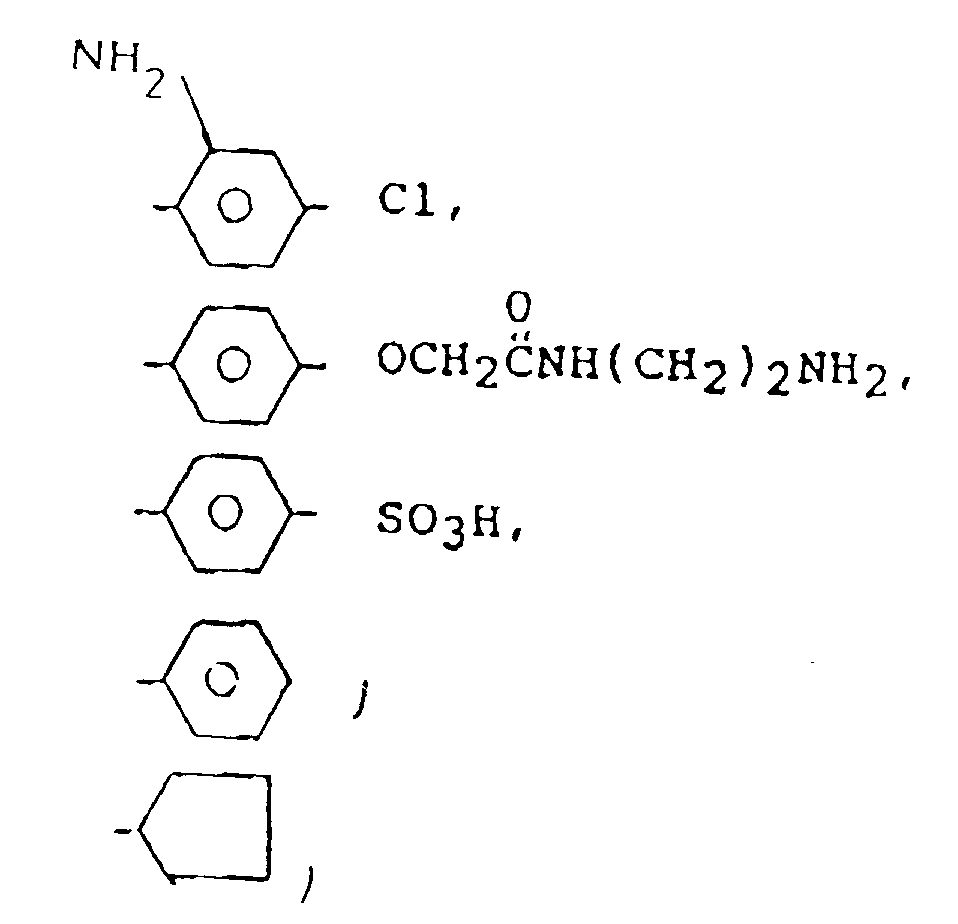
- An orally ingestible composition according to claim 1, 2 or 3 wherein the adenosine receptor antagonist is
8-cyclopentyltheophylline (CPT);
8-phenyltheophylline (8-PT);
8-(4-(2-aminoethyl)amino)carboxylmethyloxyphenyl)-1,3-dipropylxanthine (XAC);
8-(2-amino-4-chlorophenyl)-1,3-dipropylxanthine (PACPX);
8-(p-sulfophenyl)-1,3-dipropyl xanthine (DPSPX);
theobromine (3,7-dimethylxanthine). - An orally ingestible composition according to claim 1, 2 or 3 which comprises a mixture of starch, sucrose, glucose and cocoa.
Applications Claiming Priority (2)
| Application Number | Priority Date | Filing Date | Title |
|---|---|---|---|
| GB8729714 | 1987-12-21 | ||
| GB878729714A GB8729714D0 (en) | 1987-12-21 | 1987-12-21 | Compositions & method |
Publications (3)
| Publication Number | Publication Date |
|---|---|
| EP0322206A2 EP0322206A2 (en) | 1989-06-28 |
| EP0322206A3 EP0322206A3 (en) | 1991-11-21 |
| EP0322206B1 true EP0322206B1 (en) | 1995-05-24 |
Family
ID=10628795
Family Applications (1)
| Application Number | Title | Priority Date | Filing Date |
|---|---|---|---|
| EP88312107A Expired - Lifetime EP0322206B1 (en) | 1987-12-21 | 1988-12-21 | Compositions and methods for improving cold tolerance in animals and humans |
Country Status (8)
| Country | Link |
|---|---|
| EP (1) | EP0322206B1 (en) |
| AT (1) | ATE122887T1 (en) |
| CA (1) | CA1315688C (en) |
| DE (1) | DE3853874T2 (en) |
| DK (1) | DK712588A (en) |
| FI (1) | FI885872L (en) |
| GB (1) | GB8729714D0 (en) |
| HK (1) | HK119596A (en) |
Families Citing this family (1)
| Publication number | Priority date | Publication date | Assignee | Title |
|---|---|---|---|---|
| GB9622981D0 (en) * | 1996-11-05 | 1997-01-08 | Univ Wales Medicine | Cystic fibrosis medicaments |
-
1987
- 1987-12-21 GB GB878729714A patent/GB8729714D0/en active Pending
-
1988
- 1988-12-20 FI FI885872A patent/FI885872L/en not_active Application Discontinuation
- 1988-12-20 CA CA000586533A patent/CA1315688C/en not_active Expired - Lifetime
- 1988-12-21 EP EP88312107A patent/EP0322206B1/en not_active Expired - Lifetime
- 1988-12-21 DE DE3853874T patent/DE3853874T2/en not_active Expired - Lifetime
- 1988-12-21 DK DK712588A patent/DK712588A/en not_active Application Discontinuation
- 1988-12-21 AT AT88312107T patent/ATE122887T1/en not_active IP Right Cessation
-
1996
- 1996-07-04 HK HK119596A patent/HK119596A/en not_active IP Right Cessation
Non-Patent Citations (2)
| Title |
|---|
| Berlin, DE; C.-J. ESTLER et al.: "Swimming capacity of mice after prolongedtreatment with psychostimulants" * |
| L.J. Bukowiecki et al., Am. J. Physiol., 1983, Vol. 244, R500-R507, "Effects of sucrose, caffeine, and cola beverages on obesity, cold resistence, and adipose tissue cellularity" * |
Also Published As
| Publication number | Publication date |
|---|---|
| DE3853874D1 (en) | 1995-06-29 |
| GB8729714D0 (en) | 1988-02-03 |
| EP0322206A2 (en) | 1989-06-28 |
| HK119596A (en) | 1996-07-12 |
| CA1315688C (en) | 1993-04-06 |
| FI885872A7 (en) | 1989-06-22 |
| DK712588D0 (en) | 1988-12-21 |
| FI885872L (en) | 1989-06-22 |
| EP0322206A3 (en) | 1991-11-21 |
| DE3853874T2 (en) | 1995-09-21 |
| ATE122887T1 (en) | 1995-06-15 |
| DK712588A (en) | 1989-06-22 |
| FI885872A0 (en) | 1988-12-20 |
Similar Documents
| Publication | Publication Date | Title |
|---|---|---|
| CA2384111C (en) | Pharmaceutical compositions comprising an adenosine receptor agonist or antagonist | |
| JP7382147B2 (en) | Combination of DPP-4 inhibitor and α-glucosidase inhibitor | |
| US6100270A (en) | Bicyclic heterocyclic compounds for the treatment of impotence | |
| EP2035006B1 (en) | Use of allopurinol for the treatment of palmar plantar erythrodysesthesia | |
| IE58158B1 (en) | Analgesic and anti-inflammatory compositions comprising xanthines | |
| US20030027824A1 (en) | Pyrazolopyrimidinones for the treatment of female sexual dysfunction | |
| CA2349135A1 (en) | Therapies for the prevention and treatment of diabetes and obesity | |
| KR102103657B1 (en) | A3 adenosine receptor ligand for use in the treatment of ectopic fat accumulation | |
| EP1789053B1 (en) | Method of wound healing using a2b adenosine receptor antagonists | |
| US5192740A (en) | Compositions and methods for improving cold tolerance in animals and humans | |
| HK119596A (en) | Compositions and methods for improving cold tolerance in animals and humans | |
| Persson et al. | Pharmacology of anti-asthma xanthines | |
| GB2105587A (en) | Pharmaceutical compositions containing blood flow-promoting agents | |
| US5217974A (en) | Method for treating gar-transformylase tumors in mammals and reducing mammalian toxicity | |
| WO2003103675A2 (en) | Combination treatments for purinoceptor-related disorders | |
| Wang et al. | Elicitation of supramaximal thermogenesis by aminophylline in the rat | |
| CN116492347A (en) | Compound for activating AMPK and application thereof | |
| US20120231098A1 (en) | Weight loss composition | |
| Sakata et al. | Feeding patterns of theophyllinized rats and effects of dextrose on their food intake | |
| Church et al. | Adenosine as a putative mediator in asthma: its role in bronchoconstriction and modulation of histamine release from human lung mast cells and basophil leucocytes | |
| EP0505640B1 (en) | Improved therapeutic method | |
| Holgate et al. | The bronchoconstrictor activity of adenosine in asthma | |
| CA2051520E (en) | Use of folic acid and its derivatives for reducing the toxicity of gar-transformylase inhibitors | |
| Church et al. | of Histamine Release from Human Lung Mast Cells and Basophil Leucocytes |
Legal Events
| Date | Code | Title | Description |
|---|---|---|---|
| PUAI | Public reference made under article 153(3) epc to a published international application that has entered the european phase |
Free format text: ORIGINAL CODE: 0009012 |
|
| AK | Designated contracting states |
Kind code of ref document: A2 Designated state(s): AT CH DE FR GB LI SE |
|
| PUAL | Search report despatched |
Free format text: ORIGINAL CODE: 0009013 |
|
| AK | Designated contracting states |
Kind code of ref document: A3 Designated state(s): AT CH DE FR GB LI SE |
|
| RAP1 | Party data changed (applicant data changed or rights of an application transferred) |
Owner name: HER MAJESTY IN RIGHT OF CANADA AS REPRESENTED BY T |
|
| 17P | Request for examination filed |
Effective date: 19920327 |
|
| 17Q | First examination report despatched |
Effective date: 19920929 |
|
| GRAA | (expected) grant |
Free format text: ORIGINAL CODE: 0009210 |
|
| AK | Designated contracting states |
Kind code of ref document: B1 Designated state(s): AT CH DE FR GB LI SE |
|
| REF | Corresponds to: |
Ref document number: 122887 Country of ref document: AT Date of ref document: 19950615 Kind code of ref document: T |
|
| REF | Corresponds to: |
Ref document number: 3853874 Country of ref document: DE Date of ref document: 19950629 |
|
| ET | Fr: translation filed | ||
| PLBE | No opposition filed within time limit |
Free format text: ORIGINAL CODE: 0009261 |
|
| STAA | Information on the status of an ep patent application or granted ep patent |
Free format text: STATUS: NO OPPOSITION FILED WITHIN TIME LIMIT |
|
| 26N | No opposition filed | ||
| REG | Reference to a national code |
Ref country code: GB Ref legal event code: IF02 |
|
| PGFP | Annual fee paid to national office [announced via postgrant information from national office to epo] |
Ref country code: AT Payment date: 20071214 Year of fee payment: 20 Ref country code: CH Payment date: 20071116 Year of fee payment: 20 |
|
| PGFP | Annual fee paid to national office [announced via postgrant information from national office to epo] |
Ref country code: SE Payment date: 20071217 Year of fee payment: 20 |
|
| PGFP | Annual fee paid to national office [announced via postgrant information from national office to epo] |
Ref country code: GB Payment date: 20071212 Year of fee payment: 20 Ref country code: FR Payment date: 20071120 Year of fee payment: 20 |
|
| PGFP | Annual fee paid to national office [announced via postgrant information from national office to epo] |
Ref country code: DE Payment date: 20080219 Year of fee payment: 20 |
|
| REG | Reference to a national code |
Ref country code: CH Ref legal event code: PL |
|
| REG | Reference to a national code |
Ref country code: GB Ref legal event code: PE20 Expiry date: 20081220 |
|
| EUG | Se: european patent has lapsed | ||
| PG25 | Lapsed in a contracting state [announced via postgrant information from national office to epo] |
Ref country code: GB Free format text: LAPSE BECAUSE OF EXPIRATION OF PROTECTION Effective date: 20081220 |