EP0299108B1 - DNA-molecules coding for FMDH control regions and structured gene for a protein having FMDH-activity and their uses - Google Patents
DNA-molecules coding for FMDH control regions and structured gene for a protein having FMDH-activity and their uses Download PDFInfo
- Publication number
- EP0299108B1 EP0299108B1 EP87110417A EP87110417A EP0299108B1 EP 0299108 B1 EP0299108 B1 EP 0299108B1 EP 87110417 A EP87110417 A EP 87110417A EP 87110417 A EP87110417 A EP 87110417A EP 0299108 B1 EP0299108 B1 EP 0299108B1
- Authority
- EP
- European Patent Office
- Prior art keywords
- dna
- fmdh
- gene
- process according
- protein
- Prior art date
- Legal status (The legal status is an assumption and is not a legal conclusion. Google has not performed a legal analysis and makes no representation as to the accuracy of the status listed.)
- Expired - Lifetime
Links
Images







Classifications
-
- C—CHEMISTRY; METALLURGY
- C07—ORGANIC CHEMISTRY
- C07K—PEPTIDES
- C07K14/00—Peptides having more than 20 amino acids; Gastrins; Somatostatins; Melanotropins; Derivatives thereof
- C07K14/005—Peptides having more than 20 amino acids; Gastrins; Somatostatins; Melanotropins; Derivatives thereof from viruses
-
- C—CHEMISTRY; METALLURGY
- C12—BIOCHEMISTRY; BEER; SPIRITS; WINE; VINEGAR; MICROBIOLOGY; ENZYMOLOGY; MUTATION OR GENETIC ENGINEERING
- C12N—MICROORGANISMS OR ENZYMES; COMPOSITIONS THEREOF; PROPAGATING, PRESERVING, OR MAINTAINING MICROORGANISMS; MUTATION OR GENETIC ENGINEERING; CULTURE MEDIA
- C12N15/00—Mutation or genetic engineering; DNA or RNA concerning genetic engineering, vectors, e.g. plasmids, or their isolation, preparation or purification; Use of hosts therefor
- C12N15/09—Recombinant DNA-technology
- C12N15/63—Introduction of foreign genetic material using vectors; Vectors; Use of hosts therefor; Regulation of expression
- C12N15/79—Vectors or expression systems specially adapted for eukaryotic hosts
- C12N15/80—Vectors or expression systems specially adapted for eukaryotic hosts for fungi
- C12N15/81—Vectors or expression systems specially adapted for eukaryotic hosts for fungi for yeasts
- C12N15/815—Vectors or expression systems specially adapted for eukaryotic hosts for fungi for yeasts for yeasts other than Saccharomyces
-
- C—CHEMISTRY; METALLURGY
- C12—BIOCHEMISTRY; BEER; SPIRITS; WINE; VINEGAR; MICROBIOLOGY; ENZYMOLOGY; MUTATION OR GENETIC ENGINEERING
- C12N—MICROORGANISMS OR ENZYMES; COMPOSITIONS THEREOF; PROPAGATING, PRESERVING, OR MAINTAINING MICROORGANISMS; MUTATION OR GENETIC ENGINEERING; CULTURE MEDIA
- C12N9/00—Enzymes; Proenzymes; Compositions thereof; Processes for preparing, activating, inhibiting, separating or purifying enzymes
- C12N9/0004—Oxidoreductases (1.)
- C12N9/0008—Oxidoreductases (1.) acting on the aldehyde or oxo group of donors (1.2)
-
- C—CHEMISTRY; METALLURGY
- C12—BIOCHEMISTRY; BEER; SPIRITS; WINE; VINEGAR; MICROBIOLOGY; ENZYMOLOGY; MUTATION OR GENETIC ENGINEERING
- C12N—MICROORGANISMS OR ENZYMES; COMPOSITIONS THEREOF; PROPAGATING, PRESERVING, OR MAINTAINING MICROORGANISMS; MUTATION OR GENETIC ENGINEERING; CULTURE MEDIA
- C12N9/00—Enzymes; Proenzymes; Compositions thereof; Processes for preparing, activating, inhibiting, separating or purifying enzymes
- C12N9/14—Hydrolases (3)
- C12N9/24—Hydrolases (3) acting on glycosyl compounds (3.2)
- C12N9/2402—Hydrolases (3) acting on glycosyl compounds (3.2) hydrolysing O- and S- glycosyl compounds (3.2.1)
- C12N9/2405—Glucanases
- C12N9/2408—Glucanases acting on alpha -1,4-glucosidic bonds
- C12N9/2411—Amylases
- C12N9/2414—Alpha-amylase (3.2.1.1.)
- C12N9/2417—Alpha-amylase (3.2.1.1.) from microbiological source
- C12N9/242—Fungal source
-
- C—CHEMISTRY; METALLURGY
- C12—BIOCHEMISTRY; BEER; SPIRITS; WINE; VINEGAR; MICROBIOLOGY; ENZYMOLOGY; MUTATION OR GENETIC ENGINEERING
- C12Y—ENZYMES
- C12Y102/00—Oxidoreductases acting on the aldehyde or oxo group of donors (1.2)
- C12Y102/01—Oxidoreductases acting on the aldehyde or oxo group of donors (1.2) with NAD+ or NADP+ as acceptor (1.2.1)
- C12Y102/01002—Formate dehydrogenase (1.2.1.2)
-
- C—CHEMISTRY; METALLURGY
- C12—BIOCHEMISTRY; BEER; SPIRITS; WINE; VINEGAR; MICROBIOLOGY; ENZYMOLOGY; MUTATION OR GENETIC ENGINEERING
- C12Y—ENZYMES
- C12Y102/00—Oxidoreductases acting on the aldehyde or oxo group of donors (1.2)
- C12Y102/02—Oxidoreductases acting on the aldehyde or oxo group of donors (1.2) with a cytochrome as acceptor (1.2.2)
- C12Y102/02001—Formate dehydrogenase (cytochrome) (1.2.2.1)
-
- C—CHEMISTRY; METALLURGY
- C12—BIOCHEMISTRY; BEER; SPIRITS; WINE; VINEGAR; MICROBIOLOGY; ENZYMOLOGY; MUTATION OR GENETIC ENGINEERING
- C12N—MICROORGANISMS OR ENZYMES; COMPOSITIONS THEREOF; PROPAGATING, PRESERVING, OR MAINTAINING MICROORGANISMS; MUTATION OR GENETIC ENGINEERING; CULTURE MEDIA
- C12N2730/00—Reverse transcribing DNA viruses
- C12N2730/00011—Details
- C12N2730/10011—Hepadnaviridae
- C12N2730/10111—Orthohepadnavirus, e.g. hepatitis B virus
- C12N2730/10122—New viral proteins or individual genes, new structural or functional aspects of known viral proteins or genes
Definitions
- the present invention is directed to a DNA fragment comprising a promoter region of a gene coding for a protein derived from a methylotrophic yeast and having format dehydrogenase (FMDH) activity, recombinant vectors containing said fragment, microorganisms containing said vectors and a process for producing a substance using the microorganisms according to the present invention.
- FMDH format dehydrogenase
- yeast strains were isolated which are able to utilize methanol as an only carbon and energy source.
- studies were limited to the enzymatic level and concerned mainly two species, namely Hansenula polymorpha and Candida boidinii .
- methanol oxidase MOX
- FMD formaldehyde dehydrogenase
- FMDH formate dehydrogenase
- H2O2 which is generated during the first oxidation stop is degraded by catalase.
- C1 compound is assimilated by transketolase reaction of xylulose-5-(P) and formaldehyde, the latter being derived from the dissimilatory pathway. The reaction is catalysed by dihydroxyacetone synthase (DHAS).
- DHAS dihydroxyacetone synthase
- methylotrophic yeast on methanol is accompanied by changes in total protein composition. There are 3 major and about 5 minor proteins newly synthesized. Further, the growth on methanol is accompanied by appearance of huge peroxisomes. These organelles bear some of the key enzymes involved in methanol metabolism, namely, MOX, DHAS and catalase (1).
- the other two methanol enzymes FMD and FMDH are cytoplasmic proteins. In methanol grown cells, the enzymes FMDH, MOX, and DHAS constitute up to 40% of total cell protein.
- the methanol utilisation pathway is highly compartmentalised and the integration of these reactions is very complex.
- the methanol dissimilatory enzymes are regulated by glucose catabolite repression/derepression mechanism (2).
- Methanol has an additional inductive effect increasing the expression level by the factor of 2-3.
- assimilatory DHAS enzyme follows this general regulation scheme, however, during growth on limiting amounts of glucose, derepression, an additional post transcriptional mechanism, plays a role in the regulation.
- the promoters of some methanol genes are very efficient and their way of regulation is favourable to the industrial application.
- the expression of foreign proteins can be enhanced and placed under stringent control.
- the large amounts of proteins (MOX, DHAS) thus produced by methylotrophic yeast are stored in the peroxisomes. The understanding of this mechanism will help to solve some problems of the stability of foreign proteins in yeast.
- the advantage of the present invention is given by providing a DNA fragment, which comprises a promoter region of a gene coding for a protein derived from a methylotrophic yeast and having formate dehydrogenase (FMDH) activity, said gene being identical or equivalent to a FMDH gene being obtainable from the Hansenula polymorpha genome, wherein the FMDH gene is located on a 3.5 kb Bam HI- Hin dIII fragment.
- FMDH formate dehydrogenase
- FMDH cytoplasmic methanol key enzyme
- the DNA-fragment according to this invention is extremely useful in the biotechnology industry because of the above discussed characteristic that the expression of foreign proteins can be enhanced and placed under Stringent control.
- DNA fragments according to the present invention may be modified by recombinant DNA technology techniques as known in the art, resulting in a modified promoter, which still retains its promoter function.
- FIG. 5 A preferred embodiment of the DNA-molecule of this invention is shown in Fig. 5.
- FMDH regulatory sequences of the present invention are combinations of said DNA sequences with foreign genes encoding hepatitis B virus S1-S2-S amtigen and hepatitis B virus S antigen ⁇ -amylase from S. casteilii and glucoamylase from S. casteilii or invertase from Saccharomyces cerevisiae.
- DNA- fragments of this invention may further be combined to DNA-sequences which are coding for secretory signals, such as Hansenula polymorpha membrane translocation signals, preferably those from peroxisomal proteins, methanol oxidase and dihydroxyacetone synthase, Schwanniomces castelli ⁇ -amylase and glucoamylase signals, or Saccharomyces cerevisiae ⁇ -factor and invertase signals.
- secretory signals such as Hansenula polymorpha membrane translocation signals, preferably those from peroxisomal proteins, methanol oxidase and dihydroxyacetone synthase, Schwanniomces castelli ⁇ -amylase and glucoamylase signals, or Saccharomyces cerevisiae ⁇ -factor and invertase signals.
- Preparation of the DNA-fragments coding for control regions and the structural gene for protein having FMDH activity may be obtained from natural DNA and/or cDNA and/or chemically synthesized DNA, wherein the promoter region has been obtained from natural DNA and/or chemically synthesized DNA.
- Recombinant vectors can be prepared which contain the DNA fragments according to this invention either as such, coding for the regulatory regions and/or structural genes for FMDH protein and may be combined to further DNA sequences as discussed above.
- Recombinant vectors for the purposes of transferring DNA sequences into an expression system are commonly used in the art and may be properly chosen.
- the ⁇ Charon 4A phage may carry the described DNA- fragments.
- micro-organisms which are suitable for the expression of the desired genes also may be selected from known micro-organisms in the art which are adapted for recombinant DNA technologies. Micro-organisms, however, who are able to tolerate high concentrations of foreign proteins are preferred.
- micro-organisms of the genera Candida, Hansenula or Pichia are most preferred.
- the mentioned micro-organisms are able to produce the desired substances either by integration of the DNA-molecules of this invention into the chromosom of the micro-organism or by maintaining the DNA-molecules on an extra chromosomal DNA-molecule via episomal vectors.
- the proteins coded by foreign genes combined to the DNA-fragments of the present invention and being produced by the transformed micro-organisms can be obtained by culturing said micro-organisms in a manner known in the art and recovering the proteins as is also standard knowledge in the art.
- Thermophilic, homothallic strain of H. polymorpha (ATCC 34438) was used. Yeast was grown at 37°C on minimal YNB medium as described (3, 5). Induction of methanol utilisation system was achieved by growth in minimal medium containing 1% methanol; growth on 3% glucose minimal medium resulted in repression of the system.
- Charon 4 H. polymorpha DNA library was constructed by ligating partially EcoRI digested H. polymorpha DNA with Charon 4 arms as described previously (5).
- PolyA mRNA from H. polymorpha and analysis of the mRNA by an in vitro cell free rabbit reticulocyte system is described previously (5).
- mRNA labelling mRNA was partially fragmented by mild alkaline treatment (7) and labelled at the 5'-end with ⁇ -32P-ATP (Amersham).
- the differential plague filter hybridisation was performed essentially as described in (12). Recombinant phages were plated to about 3,000 pfu per plate. Plaques from each plate were blotted into a set of 5-6 replica nitro-cellulose filters (BA85, Schleicher and Schüll). The filters were hybridized to appropriate 32P-mRNA or 32P-DNA probes in 5 x SSPE. 50%, formamide, containing additionally 150 ug/ml tRNA, 10 ug/ml poly A, 5 x Denhardt's solution, 5 ug/ml rRNA from H. polymorpha isolated as described in (5, 6).
- S1 mapping experiments were performed essentially as described by Favarolo et at. (8). S1 nuclease from NEN at concentration 1,000 units/ml was used.
- Hybrid selection technique was performed as described by Büneman et at. (9). Briefly, DNA from recombinant subclones was covatently bound to DPTE derivative of Sephacryl S-500. Total mRNA was then hybridized with DNA/S-500 matrix. mRNA species not complementary to the immobilized DNA were washed out under very stringent conditions (5, 9). Hybridized mRNA was eluted with H2O at 100°C. Hybrid selected mRNA was then translated in cell-free system, and the translation products analyzed by immunoprecipitation as described previously.
- Formate dehydrogenase was purified to homogeneity from methanol grown H. polymorpha cells as described elsewhere. Antibodies against FMDH, denaturated form, were raised in rabbits according to standard procedures.
- FIG. 1 shows the comparison of in vitro translation products of mRNA from induced (lane 1), not induced (lane 2) cells, as well as the immunoprecipitates of the first preparation with specific antibodies directed against FMDH (lane 4).
- electrophoretic patterns of crude protein extracts from 1% methanol, 0.5% glycerol/0.1% glucose (derepression) and 3% glucose cultures were compared with the electrophoretic mobility of purified FMDH (lanes 7, 8, 9 and 10 respectively).
- Hybrid selection DNA from Charon4 recombinant clone JM was covalently bound to DPTE S-500 matrix, mRNA complementary to JM clone was selected and its in vitro translation products analyzed.
- Fig. 1 shows that the hybrid selected mRNA gives upon in vitro translation a major peptide product of the same elecrophoretic mobility as FMDH peptide (lane 5).
- peptides from lane 5 were precipitated with specific antibodies (lane 6), a major band of a size of FMDH and additional weak band are visible.
- lane 5 When peptides from lane 5 were precipitated with specific antibodies (lane 6), a major band of a size of FMDH and additional weak band are visible.
- lane 5 and 6 The presence of additional weak bands visible in lane 5 and 6 are probably artefacts of the used hybrid selection technique.
- Restriction map and the size and direction of transcription Restriction map of clone JM and its subclones is shown in Fig. 2.
- DNA fragments encompassing the gene were identified by hybridizing the Southern blots with 32P-labelled induced mRNA.
- Non-radioactive HindIII/EcoRI 4.1 kb fragment from plasmid p3M1 was isolated and annealed with induced and not-induced mRNA.
- the size of DNA protected by its cognate mRNA against the action of nuclease S1 was analyzed by agarose electrophoresis followed by Southern blotting and hybridization with appropriate 32P-DNA in order to visualize the fragment.
- Fig. 3, lane 1 shows that induced mRNA protects 1.2 kb long DNA fragment. This indicates that the gene codes for a protein of about 35-37,000 daltons. This value was found for the FMDH protein. Since in this MW region FMDH is the only strongly inducible protein, this result supports the identification of the gene.
- lanes a, b, c, d shows the comparison of intensity of the DNA band resulting from S1 experiments where 3 ug of DNA was hybridized with 10 ug of total polyA+ mRNA. It is also clearly visible that in mid-log phase of 3% glucose (repression) cultures, only negligible amounts of FMDH transcript is visible whereas the same culture at stationary phase shows already considerable amounts of transcript. This is a good example of derepression phenomenon - in stationary phase, glucose is exhausted.
- nucleotide sequence The nucteotide sequence of FMDH gene and encompassing region was determined by Sanger (10) and Maxam-Gilbert methods (11). The fragments to be sequenced were generated by deleting with Bal31 DNA containing the gene. Fig. 4 shows that all regions of the gene were sequenced several times in both directions. In case of doubts, M13 method data were corrected by data obtained by Maxam-Gilbert methods.
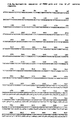
- the nucleotide sequence is presented in Fig. 5.
- the gene contains an open reading frame (ORF) of 1,020 nucleotides and code for a protein of 340 Da. The protein MW, calculated from these data, is 35,700 Da which agrees well with the values obtained by SDS-PAGE of purified protein.
- ORF open reading frame
- the "-5 promoter” was fused to the open reading frame of the bacterial ⁇ -lactamase gene (Bla).
- the gene was used in the laboratory as a very suitable model for studying the expression of foreign protein under the control of yeast promoters.
- the signal sequence of the ⁇ -lactamase was not present in the construction obtained, thus enabling the measurement of enzyme activity in yeast protein extracts.
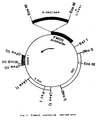
- the fused DNA fragment was cloned into the plasmid containing H. polymorpha autonomously replicating sequence (HARS1) (Fig. 6), and S. cerevisiae Ura3 gene which serves as a marker for H. polymorpha transformation.
- H. polymorpha autonomously replicating sequence (HARS1) (Fig. 6)
- S. cerevisiae Ura3 gene which serves as a marker for H. polymorpha transformation.
- the amount of ⁇ -lactamase produced in H. polymorpha transformants was measured by the enzymatic and immuno-tests.
- Table 1 shows the synthesis of ⁇ -lactamase under the control of FMDH promoter in cells grown in different media (different carbon sources).
- Table 1 shows that the isolated FMDH promoter is properly and stringently controlled by repression/derepression/induction mechanism.
- the estimation of the amount of synthesized protein shows that the system of this invention is characterised by very efficient transcription and translation of the foreign protein.
- ⁇ -lactamase was expressed in S. cerevisiae under the control of a strong S. cerevisia e PDC (pyruvate decarboxylase) promoter on 2- ⁇ m plasmid (50 copies per cell). The values obtained were lower than in the case of H. polymorpha by a factor of 5-6.
- the plasmid containing the fusion has 50-60 copies per cell.
- Hepatitis B 1,2 kb DNA fragment encodes a long S2-S1-S-protein (pre-s), which after processing (removal of S2-S1-part) is converted into the S-protein.
- Viral envelope consists of both proteins.
- hepatitis S-gene into our universal vector.
- the vector contains autonomous replication sequence (HARS), URA3 gene from S. cerevisiae as a selective marker and H. polymorpha promoter followed by short linker.
- HTS autonomous replication sequence
- URA3 gene from S. cerevisiae
- H. polymorpha promoter followed by short linker.
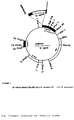
- Fig. 7 shows the construction containing the S-gene.
- H. polymorpha URA3 mutant LR9 was transformed with the above described plasmids.
- the yeast transformants were then immediately screen for the expression of HBSAg using polyclonal antibodies.
- Western blotting peroxidase-protein A or to improve sensitivity 125J - protein A.
- the screening procedure was considerably impeded by the strong cross-reactivity of the sera with H. polymorpha crude extract proteins. We were, however, able to show the expressed antigem.
- Fig. 8 shows the Western blotting Protein extracts from cells transformed with hepatitis gene grown on methanol and shows an additional antigenic band having the expected MW of S-protein.
- the control extracts from transformants grown on glucose (repression of FMDH promoter) do not have this band.
- the results shown in Fig. 8 are coming from transformants containing FMDH -9 promoter i.e. promoter derived by deleting the DNA fragment encompassing the promoter function till position -9 from the first ATG.
- ⁇ -amylase gene from yeast S. castellii.
- the gene encodes the 56 kd protein which in S. castellii is totally secreted into the medium; this secretory process is accompanied by glycosilation of the protein.
- H. polymorpha was transformed with this plasmid and the transformants were tested for the expression and secretion of ⁇ -amylase using a starch degradation test (halo formation on starch-iodine plates) or enzyme kinetik test kit ( ⁇ -amylase Merkotest A).
- H. polymorpha promoters like MOX and DAS do not respond so strongly to derepression signals.
- DAS promoter the expression under derepressed condition is additionally decreased by post-transcriptional control.
Landscapes
- Life Sciences & Earth Sciences (AREA)
- Health & Medical Sciences (AREA)
- Chemical & Material Sciences (AREA)
- Organic Chemistry (AREA)
- Genetics & Genomics (AREA)
- Engineering & Computer Science (AREA)
- Wood Science & Technology (AREA)
- Bioinformatics & Cheminformatics (AREA)
- Zoology (AREA)
- General Health & Medical Sciences (AREA)
- General Engineering & Computer Science (AREA)
- Biochemistry (AREA)
- Molecular Biology (AREA)
- Biotechnology (AREA)
- Biomedical Technology (AREA)
- Microbiology (AREA)
- Medicinal Chemistry (AREA)
- Mycology (AREA)
- Biophysics (AREA)
- Gastroenterology & Hepatology (AREA)
- Virology (AREA)
- Proteomics, Peptides & Aminoacids (AREA)
- Physics & Mathematics (AREA)
- Plant Pathology (AREA)
- Preparation Of Compounds By Using Micro-Organisms (AREA)
- Micro-Organisms Or Cultivation Processes Thereof (AREA)
- Peptides Or Proteins (AREA)
Abstract
Description
- The present invention is directed to a DNA fragment comprising a promoter region of a gene coding for a protein derived from a methylotrophic yeast and having format dehydrogenase (FMDH) activity, recombinant vectors containing said fragment, microorganisms containing said vectors and a process for producing a substance using the microorganisms according to the present invention.
- During the last decade, several yeast strains were isolated which are able to utilize methanol as an only carbon and energy source. Until recently the studies were limited to the enzymatic level and concerned mainly two species, namely Hansenula polymorpha and Candida boidinii.
- The enzymatic studies revealed that in methylotrophic yeasts methanol is oxidised via formaldehyde and formate to CO₂ by methanol oxidase (MOX), formaldehyde dehydrogenase (FMD) and formate dehydrogenase (FMDH), respectively. H₂O₂ which is generated during the first oxidation stop is degraded by catalase. C1 compound is assimilated by transketolase reaction of xylulose-5-(P) and formaldehyde, the latter being derived from the dissimilatory pathway. The reaction is catalysed by dihydroxyacetone synthase (DHAS).
- Growth of methylotrophic yeast on methanol is accompanied by changes in total protein composition. There are 3 major and about 5 minor proteins newly synthesized. Further, the growth on methanol is accompanied by appearance of huge peroxisomes. These organelles bear some of the key enzymes involved in methanol metabolism, namely, MOX, DHAS and catalase (1). The other two methanol enzymes FMD and FMDH, are cytoplasmic proteins. In methanol grown cells, the enzymes FMDH, MOX, and DHAS constitute up to 40% of total cell protein. The methanol utilisation pathway is highly compartmentalised and the integration of these reactions is very complex.
- The methanol dissimilatory enzymes are regulated by glucose catabolite repression/derepression mechanism (2). Methanol has an additional inductive effect increasing the expression level by the factor of 2-3. In H. polymorpha, assimilatory DHAS enzyme follows this general regulation scheme, however, during growth on limiting amounts of glucose, derepression, an additional post transcriptional mechanism, plays a role in the regulation.
- Recently, 3 genes encoding peroxisomal enzymes were cloned from H. polymorpha and Pichia pastoris and the analysis of nucleotide sequences of MOX genes from H. polymorpha (3) and P. pastoris (4) and DAS gene, which encodes DHAS from H. polymorpha (5) revealed that a cleavable signal sequence is not required for the transport of MOX and DHAS into the peroxisome.
- The promoters of some methanol genes are very efficient and their way of regulation is favourable to the industrial application. The expression of foreign proteins can be enhanced and placed under stringent control. The large amounts of proteins (MOX, DHAS) thus produced by methylotrophic yeast are stored in the peroxisomes. The understanding of this mechanism will help to solve some problems of the stability of foreign proteins in yeast.
- In the field of industrial biotechnology, there is a need for microbiological regulation systems by which large amounts of a particularly desired protein can be produced under stringent control. Although there are already promoter/terminator systems available which can be used in genetic engineering systems for controlling the amount of proteins to be produced, there is still a strong need for further regulatory systems to be available since it has turned out that, in biological systems, it is advantageous to provide more systems so that the most effective one can be chosen. The present systems are far from being efficient, especially when stringent regulation and high mitotic stability is required.
- It was, therefore, an object of the present invention to provide a more effective and a very easily controllable regulatory system.
- The advantage of the present invention is given by providing a DNA fragment, which comprises a promoter region of a gene coding for a protein derived from a methylotrophic yeast and having formate dehydrogenase (FMDH) activity, said gene being identical or equivalent to a FMDH gene being obtainable from the Hansenula polymorpha genome, wherein the FMDH gene is located on a 3.5 kb BamHI-HindIII fragment.
- To start more comprehensive studies on basic research and biotechnological aspects of methanol utilisation, the gene encoding the cytoplasmic methanol key enzyme FMDH was cloned. The sequence of this 1020 bp long gene and its regulatory regions have been cloned. FMDH is regulated at transcriptional level by glucose catabolite repression/deprepression/methanol induction mechanism.
- The DNA-fragment according to this invention is extremely useful in the biotechnology industry because of the above discussed characteristic that the expression of foreign proteins can be enhanced and placed under Stringent control.
- The DNA fragments according to the present invention may be modified by recombinant DNA technology techniques as known in the art, resulting in a modified promoter, which still retains its promoter function.
- A preferred embodiment of the DNA-molecule of this invention is shown in Fig. 5.
- Examples for the use of the FMDH regulatory sequences of the present invention are combinations of said DNA sequences with foreign genes encoding hepatitis B virus S1-S2-S amtigen and hepatitis B virus S antigen α-amylase from S. casteilii and glucoamylase from S. casteilii or invertase from Saccharomyces cerevisiae.
- The DNA- fragments of this invention may further be combined to DNA-sequences which are coding for secretory signals, such as Hansenula polymorpha membrane translocation signals, preferably those from peroxisomal proteins, methanol oxidase and dihydroxyacetone synthase, Schwanniomces castelli α-amylase and glucoamylase signals, or Saccharomyces cerevisiae α-factor and invertase signals.
- Preparation of the DNA-fragments coding for control regions and the structural gene for protein having FMDH activity may be obtained from natural DNA and/or cDNA and/or chemically synthesized DNA, wherein the promoter region has been obtained from natural DNA and/or chemically synthesized DNA.
- Recombinant vectors can be prepared which contain the DNA fragments according to this invention either as such, coding for the regulatory regions and/or structural genes for FMDH protein and may be combined to further DNA sequences as discussed above. Recombinant vectors for the purposes of transferring DNA sequences into an expression system are commonly used in the art and may be properly chosen. For example, the λ Charon 4A phage may carry the described DNA- fragments.
- As micro-organisms which are suitable for the expression of the desired genes also may be selected from known micro-organisms in the art which are adapted for recombinant DNA technologies. Micro-organisms, however, who are able to tolerate high concentrations of foreign proteins are preferred.
- Most preferred are micro-organisms of the genera Candida, Hansenula or Pichia.
- The mentioned micro-organisms are able to produce the desired substances either by integration of the DNA-molecules of this invention into the chromosom of the micro-organism or by maintaining the DNA-molecules on an extra chromosomal DNA-molecule via episomal vectors.
- The proteins coded by foreign genes combined to the DNA-fragments of the present invention and being produced by the transformed micro-organisms can be obtained by culturing said micro-organisms in a manner known in the art and recovering the proteins as is also standard knowledge in the art.
- The invention is now presented, in a more detailed manner, by the following specification and figures. The figures show:
- Figure 1:
- Analysis of protein crude extracts and in vitro translation products by SDS-polyacrylamid gel electrophoresis.
Lanes 7-9:Coomassie Blue stained gel; protein crude extracts from induced, derepressed and uninduced cells, respectively. Lane 10, purified FMDH. Lanes 1-3:³⁵S-labelled in vitro translation products of mRNA isolated from induced, uninduced cells and fractionated mRNA enriched in FMDH mRNA species, respectively.Lane 4; immunoprecipitation of translation products fromlane 1.Lane 5; translation of hybrid-selected mRNA. Lane 6: immunoprecipitation of translation products fromlane 5. - Figure 2:
- Restriction map of DNA fragment encompassing the FMDH gene.
The arrow shows the direction of transcription. - Figure 3:
- S1-mapping;
Lanes M1, 1, 2, 3, 4, M2, a, b, c, d, separation on alkaline agarose gel.Lanes 5, M3-separation on 6% polyacrylamide gel/8M urea. Lanes M1-M3-MW markers.Lanes 1, 2-total protection (1) of 4.1 kb Eco-RI/Hind III fragment (2) encompassing the gene.Lanes 3, 4-protection of 3'-end labelled 1.4 kb Bam HI/Hind III fragment; 3-protected band; 4-1.4 kb intact band. Lane 5-protection of 1 kb Bam HI/Pst I fragment with a single label at Bam HI site. Lanes a, b, c, d-protection of 3'-end labelled DNA fragment containing part of the gene by mRNA preparation isolated from: induced, derepressed (1% glycerol), stationary phase of 3% glucose and mid-log phase of 3% glucose cultures, respectively. - Figure 4:
- Sequencing strategy - schematic representation.
DNA fragments containing the gene were subjected to Bal31 digestion and the resulting fragments subcloned into M13 and/or pUC type vectors. The fragments were sequenced by Sanger and in the case of doubts Maxam-Gilbert methods. - Figure 5a:
- Muclectide sequence of FMDH gene and its 5', 3' control regions.
- Figure 5b:
- Nucleotide sequence of FMDH gene and its 5', 3' control regions.
- Figure 5c:
- Nucleotide sequence of FMDH gene and its 5', 3' control regions.
- Figure 6:
- Plasmid containing the fusion of bacterial β-lactamase gene with FMDH promoter.
- Figure 7:
- Plasmid containing the hepatitis S-gene; HARS - H. polymorpha autonomous replicating sequence; URA3 - S. cerevisiae gene; FMDH-promoter (-9 type promoter).
- Figure 8:
- Western blot-stained by peroxidase/protein A method. Polyclonal antibodies (not clarified) were used in this experiment:
- Lane a :
- LR9 growth on methanol
- Lane i :
- transformant w/o S-gene
- Lanes k, l, m :
- transformants with S-gene grown on glucose (repression)
- Lanes b, c, d, e, f, g :
- different transformants with S-gene grown on methanol
- Lanes n, o :
- 500 and 450 ng purified HSBAg, respectively
- Figure 9:
- Plasmid expressing α-amylase gene; symbols are the same as in Fig. 7.
- Figure 10:
- Growth of transformants on medium containing methanol (induction). Enzyme activity (U/ml) was measured in medium and in cells (intracellular enzyme level). The latter value was expressed as corresponding to 1 ml of medium.
- Figure 11:
- The formation of halo after applying on the
plate 50 ul of the medium from transformants (upper row) and from control untransformed strain LR9 (lower row). - Thermophilic, homothallic strain of H. polymorpha (ATCC 34438) was used. Yeast was grown at 37°C on minimal YNB medium as described (3, 5). Induction of methanol utilisation system was achieved by growth in minimal medium containing 1% methanol; growth on 3% glucose minimal medium resulted in repression of the system.
- E. coli L90; C600recA, hsdM, araB, was used for transformation;
E. coli JM103, thi, strA, supE, endA, sbcB, hsdR, F'traD36, proAB, lacI, ZM15, and
E. coli KH802 gal, met, supE, were used as host for phage M13 and for λ-vector Charon 4A, respectively. Plasmid DNA and RF M 13 were isolated by scaled-up alkaline minilysates methods (6) followed by CsCl ultracentrifugation. - λ-vector Charon 4A and
Charon 4 recombinant clones were isolated by scaled-up plate lysate methods (6). - H. polymorpha total DNA of the size greater than 50 kb was isolated from spheroplasts as previously described (5).
-
Charon 4 H. polymorpha DNA library was constructed by ligating partially EcoRI digested H. polymorpha DNA withCharon 4 arms as described previously (5). - PolyA mRNA from H. polymorpha and analysis of the mRNA by an in vitro cell free rabbit reticulocyte system is described previously (5).
- mRNA labelling: mRNA was partially fragmented by mild alkaline treatment (7) and labelled at the 5'-end with γ-³²P-ATP (Amersham).
- The differential plague filter hybridisation was performed essentially as described in (12). Recombinant phages were plated to about 3,000 pfu per plate. Plaques from each plate were blotted into a set of 5-6 replica nitro-cellulose filters (BA85, Schleicher and Schüll). The filters were hybridized to appropriate ³²P-mRNA or ³²P-DNA probes in 5 x SSPE. 50%, formamide, containing additionally 150 ug/ml tRNA, 10 ug/ml poly A, 5 x Denhardt's solution, 5 ug/ml rRNA from H. polymorpha isolated as described in (5, 6).
- S1 mapping experiments were performed essentially as described by Favarolo et at. (8). S1 nuclease from NEN at concentration 1,000 units/ml was used.
- Hybrid selection technique was performed as described by Büneman et at. (9). Briefly, DNA from recombinant subclones was covatently bound to DPTE derivative of Sephacryl S-500. Total mRNA was then hybridized with DNA/S-500 matrix. mRNA species not complementary to the immobilized DNA were washed out under very stringent conditions (5, 9). Hybridized mRNA was eluted with H₂O at 100°C. Hybrid selected mRNA was then translated in cell-free system, and the translation products analyzed by immunoprecipitation as described previously.
- Sequence analysis: Different overlapping fragments derived from the exonuclease Bal31 digestion of DNA fragments encompassing FMDH gene were cloned into M13 phages mp9, mp8 and into plasmid pUC12, puC13. The subcloned fragments were sequenced by Sanger et al. (10) and Maxam-Gilbert (11) methods.
- Formate dehydrogenase was purified to homogeneity from methanol grown H. polymorpha cells as described elsewhere. Antibodies against FMDH, denaturated form, were raised in rabbits according to standard procedures.
- Identification of mRNA species encoding FMDH In vitro translation products of total mRNA isolated from cells grown on 3% glucose (repression) or 1% methanol (induction) were analyzed on SDS-PAGE gels. Figure 1 shows the comparison of in vitro translation products of mRNA from induced (lane 1), not induced (lane 2) cells, as well as the immunoprecipitates of the first preparation with specific antibodies directed against FMDH (lane 4). In addition, the electrophoretic patterns of crude protein extracts from 1% methanol, 0.5% glycerol/0.1% glucose (derepression) and 3% glucose cultures were compared with the electrophoretic mobility of purified FMDH (
lanes - The results obtained clearly identified the FMDH protein positionon SDS-PAGE, and indicate that FMDH protein and its mRNA are predominant species in cells grown on methanol (induction). The position of two other predominant proteins, MOX and DHAS, is also indicated. Fig. 1 also points out that considerable expression is achieved under derepressed conditions (lane 8) and that 3% glucose represses the enzymes of methanol utilisation system. Above conclusions enabled us to isolate through sucrose gradient centrifugation mRNA fraction enriched in mRNA encoding FMDH (lane 3) in order to use it for screening procedure.
- Screening for FMDH gene
The H. polymorpha DNA bank inCharon 4 phage was screened by differential plaque hybridisation (Materials and Methods) with radioactive ³²P-labelled mRNA from induced, not induced cells and with ³²P-mRNA from a fraction enriched in FMDH mRNA (Fig. 1, lane 3). Additionally, replica filters were hybridized with ³²P-DNA probes from clones encoding MOX and DAS genes (3, 5). The latter was done to identify and eliminate the clones encoding the two other strongly inducible genes. Desired phages were selected and their DNA further characterized. - Characterisation of recombinant clones
The initial identification of a clone was achieved by hybrid selection technique, restriction mapping and establishing the size of the mRNA encoded by a given clone. - Hybrid selection
DNA from Charon4 recombinant clone JM was covalently bound to DPTE S-500 matrix, mRNA complementary to JM clone was selected and its in vitro translation products analyzed. Fig. 1 shows that the hybrid selected mRNA gives upon in vitro translation a major peptide product of the same elecrophoretic mobility as FMDH peptide (lane 5). When peptides fromlane 5 were precipitated with specific antibodies (lane 6), a major band of a size of FMDH and additional weak band are visible. In control experiment with not-induced mRNA not detectable mRNA of FMDH character was selected by this technique. The presence of additional weak bands visible inlane - These data strongly suggest that clone JM contains FMDH gene.
- Restriction map and the size and direction of transcription
Restriction map of clone JM and its subclones is shown in Fig. 2. DNA fragments encompassing the gene were identified by hybridizing the Southern blots with ³²P-labelled induced mRNA. - 8.5 kb EcoRI H. polymorpha DNA fragment from clone JM contains a gene. A further analysis allowed to subclone the gene and its presumptive regulatory regions on HindIII/EcoRI 4.1 kb fragments in pBR325.
- S1 mapping
Non-radioactive HindIII/EcoRI 4.1 kb fragment from plasmid p3M1 was isolated and annealed with induced and not-induced mRNA. The size of DNA protected by its cognate mRNA against the action of nuclease S1 was analyzed by agarose electrophoresis followed by Southern blotting and hybridization with appropriate ³²P-DNA in order to visualize the fragment. Fig. 3,lane 1 shows that induced mRNA protects 1.2 kb long DNA fragment. This indicates that the gene codes for a protein of about 35-37,000 daltons. This value was found for the FMDH protein. Since in this MW region FMDH is the only strongly inducible protein, this result supports the identification of the gene. - 3' end of the gene, transcription direction and the amount of FMDH transcript
Two fragments containing the gene, 1.0 kb BamHI/PstI and 1.4 kg HindIII/BamHI, were isolated and a 3' end label was introduced at BamHI site. Only the label on the right (Fig. 3, lane 3-4), 1.4 kb HindIII/BamHI fragment was protected by annealing with mRNA indicating the direction of transcription from left to right (arrow in Fig. 2). This size of the band (lane 4) indicates that the 3' end of the gene is located 850 bp to the right of the BamHI site. This type of experiment was also used to roughly establish the amount of FMDH mRNA species in total polyA+ mRNA isolated from cells grown under different conditions. A known amount of ³²P-3' end labelled DNA containing part of the gene was hybridized with varying amounts of mRNA. At DNA excess conditions, the radioactivity present in a band protected against S1 by a given amount of mRNA is a measure of the quantity of FMDH mRNA in the preparation. The data indicate that FMDH mRNA contributes about 7% ± 1% and 3% to 4% of total polyA+ mRNA in preparation from induced and derepressed growth condition respectively. Fig. 3, lanes a, b, c, d, shows the comparison of intensity of the DNA band resulting from S1 experiments where 3 ug of DNA was hybridized with 10 ug of total polyA+ mRNA. It is also clearly visible that in mid-log phase of 3% glucose (repression) cultures, only negligible amounts of FMDH transcript is visible whereas the same culture at stationary phase shows already considerable amounts of transcript. this is a good example of derepression phenomenon - in stationary phase, glucose is exhausted. - 5' end of the gene
1.0kb BamHI/PstI fragment with a single 5' end label at BamHI yielded upon S1 mapping the multiple bands ranging from 255-265 bp (Fig. 3, lane 5). The comparison of this value with sequence data indicated that transcription starts around position -12 from the first ATG. The lain band shows the start at "A" surrounded by pyrimidine track. - Nucleotide sequence
The nucteotide sequence of FMDH gene and encompassing region was determined by Sanger (10) and Maxam-Gilbert methods (11). The fragments to be sequenced were generated by deleting with Bal31 DNA containing the gene. Fig. 4 shows that all regions of the gene were sequenced several times in both directions. In case of doubts, M13 method data were corrected by data obtained by Maxam-Gilbert methods. The nucleotide sequence is presented in Fig. 5. The gene contains an open reading frame (ORF) of 1,020 nucleotides and code for a protein of 340 Da. The protein MW, calculated from these data, is 35,700 Da which agrees well with the values obtained by SDS-PAGE of purified protein. The gene was conclusively identified as FMDH by comparing the N-end of the gene as derived from DNA sequence with the data obtained by NH-end analysis of the purified protein. - 5'-3' end regions
In the 5'-control regulatory region of eukaryotes, a consensus sequence -3A(9)XX1AUG4GX6py was reported to be required in efficiently transcribed and translated genes (12, 13). In FMDH gene, the rule is only partly followed where the sequence -3AUG+1AUG+4AX+6A is present. The first ATG is proceeded by stop codons in all reading frames. The sequence CTATAAATA involved in eukaryotes in the initiation of transcription is found at position -40. Other features assumed to play a role in transcriptional control in yeast S. cerevisiae like CAACAA or CACACA (12) not present in FMDH. - In most of the yeasts studied until now, the gene 3' end region contains characteristic sequences which, according to some authors, play a role in proper termination of transcription and serve as polyadenylation signals (14, 15). Zared and Sherman (16), and Bennetzen and Hall (17) assumed that a sequence T-rich...TAG...TAGT(or TATGT)...AT...TTT or T...TAAATAA...A(or G)...T...A..AT play these roles. In FMDH gene, similarity to these consensus Sequences is rarely found. When looking for some potential signals, some repeating sequences were found. Sequences TTGGA and TAGG repeat twice. AAATATAA, similar to animal polyadenylation signal, is located 30 bp downstream from the end of ORF.
- In order to be able to study the functional regions of FMDH 5' upstream region, a series of deletion of this region was isolated. First, to obtain the promoter without the structural gene, a pUC type plasmid containing the 1.4 kb Bam HI fragment was subjected to Bat31 exonuclease treatment after the plasmid was linearised at a proper point. At the beginning, attention was focused on the promoter fragment which had the deletion at the position -5 from the first ATG; the fragment is called "-5 promoter". Also "-9" deleted promoter was used in some experiments.
- The "-5 promoter" was fused to the open reading frame of the bacterial β-lactamase gene (Bla). The gene was used in the laboratory as a very suitable model for studying the expression of foreign protein under the control of yeast promoters.
- The signal sequence of the β-lactamase was not present in the construction obtained, thus enabling the measurement of enzyme activity in yeast protein extracts. The fused DNA fragment was cloned into the plasmid containing H. polymorpha autonomously replicating sequence (HARS1) (Fig. 6), and S. cerevisiae Ura3 gene which serves as a marker for H. polymorpha transformation. The amount of β-lactamase produced in H. polymorpha transformants was measured by the enzymatic and immuno-tests. Table 1 shows the synthesis of β-lactamase under the control of FMDH promoter in cells grown in different media (different carbon sources).
- Table 1 shows that the isolated FMDH promoter is properly and stringently controlled by repression/derepression/induction mechanism. The estimation of the amount of synthesized protein shows that the system of this invention is characterised by very efficient transcription and translation of the foreign protein. In the control experiment, β-lactamase was expressed in S. cerevisiae under the control of a strong S. cerevisiae PDC (pyruvate decarboxylase) promoter on 2-µm plasmid (50 copies per cell). The values obtained were lower than in the case of H. polymorpha by a factor of 5-6.
TABLE 1 Production of β-lactamase clone enzymatic test (U/mg protein) immuno-test (% of total cell protein) GLU GLYC Met-OH GLU GLYC Met-OH lr 45 30 4,000 15,000 - 3-4 6-8 L 570 10,000 28,000 - 6-8 10-12 GLU - growth on 3% glucose (repression)
GLIC - growth on 1% glicerol (derepression)
Met-OH - growth on 1% methanol (induction) - In all cases, cells from late logarithmic phase were taken for measurement. The plasmid containing the fusion has 50-60 copies per cell.
- Expression of genes encoding Hepatitis B surface antigens (HSBAg) under the control of FMDH promoter
-
Hepatitis B - For our expression experiments we have used the 1,2 kb fragment as well as a shorter part of this DNA which encodes only S-protein. The latter is also able to form antigenic pseudo viral particles.
- We have inserted both hepatitis S-gene into our universal vector. As shown in Fig. 1 and
scheme 1 the vector contains autonomous replication sequence (HARS), URA3 gene from S. cerevisiae as a selective marker and H. polymorpha promoter followed by short linker. After the S-gene we have placed DNA fragment derived from H. polymorpha MOX gene exhibiting the transcription terminator function. Fig. 7 shows the construction containing the S-gene. - H. polymorpha URA3 mutant LR9 was transformed with the above described plasmids. The yeast transformants were then immediately screen for the expression of HBSAg using polyclonal antibodies. As an immuno-screening we have used Western blotting (peroxidase-protein A or to improve sensitivity ¹²⁵J - protein A). The screening procedure was considerably impeded by the strong cross-reactivity of the sera with H. polymorpha crude extract proteins. We were, however, able to show the expressed antigem.
- Fig. 8 shows the Western blotting Protein extracts from cells transformed with hepatitis gene grown on methanol and shows an additional antigenic band having the expected MW of S-protein. The control extracts from transformants grown on glucose (repression of FMDH promoter) do not have this band. The results shown in Fig. 8 are coming from transformants containing FMDH -9 promoter i.e. promoter derived by deleting the DNA fragment encompassing the promoter function till position -9 from the first ATG.
- We analysed also by testing S1-nuclease mapping mRNA produced in our transformants. The results indicate that transformants are producing a lot of S-gene mRNA species and that the transcription is stringently controlled by repression/derepression/induction mechanism.
- The above results were confirmed by positive RIA TEST of protein extracts derived from transformed cells. In the test the momoclonal antibodies directed against native S-protein were used.
- Expression and secretion of α-amylase from Schwanniomyces castelli in H. polymorpha under the control of FMDH promoter.
- To study the possibility of expressing in H. polymorpha a secretory protein we have chosen α-amylase gene from yeast S. castellii. The gene encodes the 56 kd protein which in S. castellii is totally secreted into the medium; this secretory process is accompanied by glycosilation of the protein.
- We have inserted EcoRI fragment encompassing the structural gene and its terminator into our expression plasmid (Fig. 9).
- H. polymorpha was transformed with this plasmid and the transformants were tested for the expression and secretion of α-amylase using a starch degradation test (halo formation on starch-iodine plates) or enzyme kinetik test kit (α-amylase Merkotest A).
- The results clearly show that α-amylase is produced under control of FMDH promoter. Moreover, the protein is secreted into the medium. Fig. 10 shows that in mid-log phase about 90% of the protein is secreted into the medium. Starch-iodine plate test confirmed these results (Fig. 11).
- The data also show that it is possible to get a high expression level under derepressed conditions. This feature of the system is especially very valuable and important for biotechmological applications, i.e. the synthesis of foreign proteins can begin without addition of methanol as inducer simply by exhausting glucose in the medium and/or by the addition of glycerol. A system that can be handled in such an easy way by simultaneously providing a very effective expression yielding amounts of proteins applicable in the biotechnological industry has not been provided earlier.
- In separate studies it has been shown that the other H. polymorpha promoters like MOX and DAS do not respond so strongly to derepression signals. In the case of DAS promoter, the expression under derepressed condition is additionally decreased by post-transcriptional control.
-
- 1. Douma, A.L., Veenhuis, M., Koning, W., Evers, M., and Harder, W.,
Arch of Microbiol., (1985), 145, 237. - 2. Roggenkamp, R., Janowicz, z., Stanikowski, B. and Hollemberg, C.P.
(1984) Mol. Gem. Genet. 194, 489-493. - 3. Ledeboer, A.M., Maat, J., Visser, C., Bos, J.W. Verrips, C.T., Janowicz, Z., Eckart, M., Roggenkamp, R. and Hollenberg, C.P.
(1985) Nucleic Acid Res., 3063. - 4. Ellis, S.B., et al. Isolation of alcohol oxidase and two other methanol regulatory genes from the yeast Pichia pastoris. Molecular and Cellular Biology (1985) 5:1111-21.
- 5. Janowicz, Z.A., Eckart, M.R., Drewke, C., Roggenkamp, R.O., Hollemberg, C.P., Maat, J., Ledeboer, A.M., Visser, C. and Verrips, C.T.,
Nucl. Acid. Res. (1985) 13, 3043. - 6. Williams, B.G. and Blattner, F.R. (1979) J. Virol. 29, 555.
- 7. Goldbach, R.W., Borst, P., Bollen-de-Boer, J.E. and van Bruggen, E.F.J.
(1978) Biochem. et Biophys. Acta 521, 169-186. - 8. Favarolo, J., Treisman, R. and Kamen, R.
(1980) Methods inEnzymology 65, 718. - 9. Bünemann, H., Westhoff, P. and Herrmann, R.G.
(1982) Nucl. Acid. Res. 10, 7163-7178. - 10. Sanger, F., Coulson, A.R., Barrell, B.G., Smith, A.j.H. and Roe, B.A.
(1980) J. Mol. Biol. 143, 161-178. - 11. Maxam, A.M. and Gilbert,
Methods Enzymol. (1980) 65, 499. - 12. van Dijken, S.P., Veenhuis, M. and Harder, W.
(1982) Ann. N.Y. Acad. Sci. 386, 200-216. - 13. Kozak, M.
(1981) Nucl. Acid Res. 9, 5233-5252. - 14. Sahm, H.
(1977) Adv. Biochem. Eng. 6,77-103. - 15. Veenhuis, M., van Dijken, J.P. and Harder, W.
(1983) Adv. Microbiol. Physiol. 23,2-76. - 16. Zaret, K.S. and Sherman, F.
(1982) Cell 28, 563-573. - 17. Bennetzen, J.H. and Hall, B.D.
(1982) J. Biol. Chem. 257, 3018-3025.
Claims (34)
- A process for preparing a DNA fragment, wherein said DNA fragment comprises a promoter region of a gene coding for a protein derived from a methylotrophic yeast and having formate dehydrogenase (FMDH) activity, said gene being identical or equivalent to a FMDH gene being obtainable from the Hansenula polymorpha genome, wherein the FMDH gene is located on a 3.5 kb BamHI-HindIII fragment, by isolating said DNA fragment in a manner known per se.
- The process according to claim 1, characterized in that the gene codes for a wild type FMDH protein.
- The process according to any one of claims 1 or 2, characterized in that the DNA fragment has been modified by recombinant DNA technologies, while retaining its promoter function.
- The process according to claim 1, characterized in that the DNA fragment comprises the 5' region of the nucleotide sequence shown in Figure 5.
- The process according to any one of claims 1 to 4, characterized in that the DNA fragment further comprises at least one DNA sequence encoding a foreign gene under the transcriptional control of the promoter region.
- The process according to claim 5, characterized in that the said foreign gene is selected from genes encoding:(a) Hepatitis B Virus S1-S2-S antigen(b) Hepatitis B Virus S-antigen(c) alpha-amylase from Schwanniomyces castellii(d) glucoamylase from Schwanniomyces castellii(e) invertase from Saccharomyces cerevisiae.
- The process according to any one of claims 1 to 6, characterized in that the DNA fragment comprises a DNA sequence coding for a secretory signal.
- The process according to claim 7, characterized in that the secretory signal is selected from:
Hansenula polymorpha membrane translocation signals, preferably those from peroxisomal proteins methanol oxidase and dihydroxyacetone synthase, Schwanniomyces castellii α-amylase and glucoamylase signals, Saccharomyces cerevisiae α-factor and invertase signals. - The process according to any one of claims 1 to 8, characterized in that the DNA fragment has been obtained from natural DNA and/or cDNA and/or chemically synthesized DNA, wherein the promoter region has been obtained from natural DNA and/or chemically synthesized DNA.
- A process for preparing a recombinant vector, characterized in that the DNA fragment produced according to any one of claims 1 to 9 is inserted into a cloning vector.
- A process for preparing microorganism characterized in that a vector according to claim 10 is introduced into said microorganism.
- The process according to claim 11, characterized in that the microorganism is a methylotrophic yeast.
- The process according to claim 12, characterized in that the yeast is selected from the genera Candida, Hansenula or Pichia.
- The process according to any one of claims 11 to 13, characterized in that the vector produced according to claim 10 has been introduced by transformation.
- The process according to any one of claims 11 to 14, characterized in that the vector is integrated into the genome of the microorganism or maintained as an extrachromosomal DNA molecule.
- The process according to any one of claims 11 to 15, characterized in that the microorganism tolerates high concentrations of foreign protein.
- A process for producing a useful substance, characterized in that a microorganism produced according to any one of claims 11 to 16 is cultured and the useful substance is recovered and purified in a manner known in the art.
Priority Applications (9)
| Application Number | Priority Date | Filing Date | Title |
|---|---|---|---|
| ES87110417T ES2056799T3 (en) | 1987-07-17 | 1987-07-17 | CODANT DNA MOLECULES FOR THE FMDH CONTROL AND STRUCTURAL GENE REGIONS FOR A PROTEIN THAT HAS AN FMDH ACTIVITY AND ITS USE. |
| AT87110417T ATE105858T1 (en) | 1987-07-17 | 1987-07-17 | DNA MOLECULES ENCODING FMDH CONTROL PART AND STRUCTURAL GENES FOR A PROTEIN WITH FMDH ACTIVITY AND THEIR APPLICATIONS. |
| DE3789866T DE3789866T2 (en) | 1987-07-17 | 1987-07-17 | DNA molecules that code for FMDH control sections and structural genes for a protein with FMDH activity, and their use. |
| EP87110417A EP0299108B1 (en) | 1987-07-17 | 1987-07-17 | DNA-molecules coding for FMDH control regions and structured gene for a protein having FMDH-activity and their uses |
| AU24434/88A AU2443488A (en) | 1987-07-17 | 1988-10-27 | Dna-molecules coding for fmdh control regions and structured gene for a protein having fmdh-activity and their uses |
| CA 581668 CA1339012C (en) | 1987-07-17 | 1988-10-28 | Dna-molecules coding for fmdh (formate dehydrogenase) control regions and structured gene for a protein having fmdh-activity and their uses |
| JP63277205A JP3072993B2 (en) | 1987-07-17 | 1988-11-01 | DNA molecule |
| US07/844,885 US5389525A (en) | 1987-07-17 | 1992-03-03 | DNA-molecules coding for FMDH control regions and structural gene for a protein having FMDH-activity and their use thereof |
| BR1100065-1A BR1100065A (en) | 1987-07-17 | 1996-10-17 | DNA molecules encoding fmdh control regions and a structured gene for a protein having fmdh activity and its uses |
Applications Claiming Priority (4)
| Application Number | Priority Date | Filing Date | Title |
|---|---|---|---|
| EP87110417A EP0299108B1 (en) | 1987-07-17 | 1987-07-17 | DNA-molecules coding for FMDH control regions and structured gene for a protein having FMDH-activity and their uses |
| AU24434/88A AU2443488A (en) | 1987-07-17 | 1988-10-27 | Dna-molecules coding for fmdh control regions and structured gene for a protein having fmdh-activity and their uses |
| JP63277205A JP3072993B2 (en) | 1987-07-17 | 1988-11-01 | DNA molecule |
| US07/844,885 US5389525A (en) | 1987-07-17 | 1992-03-03 | DNA-molecules coding for FMDH control regions and structural gene for a protein having FMDH-activity and their use thereof |
Publications (2)
| Publication Number | Publication Date |
|---|---|
| EP0299108A1 EP0299108A1 (en) | 1989-01-18 |
| EP0299108B1 true EP0299108B1 (en) | 1994-05-18 |
Family
ID=27422777
Family Applications (1)
| Application Number | Title | Priority Date | Filing Date |
|---|---|---|---|
| EP87110417A Expired - Lifetime EP0299108B1 (en) | 1987-07-17 | 1987-07-17 | DNA-molecules coding for FMDH control regions and structured gene for a protein having FMDH-activity and their uses |
Country Status (7)
| Country | Link |
|---|---|
| US (1) | US5389525A (en) |
| EP (1) | EP0299108B1 (en) |
| JP (1) | JP3072993B2 (en) |
| AT (1) | ATE105858T1 (en) |
| AU (1) | AU2443488A (en) |
| DE (1) | DE3789866T2 (en) |
| ES (1) | ES2056799T3 (en) |
Cited By (4)
| Publication number | Priority date | Publication date | Assignee | Title |
|---|---|---|---|---|
| US6391605B1 (en) | 1997-03-25 | 2002-05-21 | Roche Vitamins Inc. | Modified phytases |
| US7087418B2 (en) | 2001-12-19 | 2006-08-08 | Bristol-Myers Squibb Company | Pichia pastoris formate dehydrogenase and uses therefor |
| US7357936B1 (en) | 1998-10-16 | 2008-04-15 | Smithkline Beecham Biologicals, Sa | Adjuvant systems and vaccines |
| US8236528B2 (en) | 2007-01-26 | 2012-08-07 | Novozymes A/S | Method for methanol independent induction from methanol inducible promoters in Pichia |
Families Citing this family (37)
| Publication number | Priority date | Publication date | Assignee | Title |
|---|---|---|---|---|
| PL168787B1 (en) * | 1989-08-03 | 1996-04-30 | Smithkline Beecham Biolog | Method of obtaining a composite particle |
| DE69319728T2 (en) | 1992-05-23 | 1999-02-04 | Smithkline Beecham Biologicals S.A., Rixensart | Combined vaccines that contain hepatitis B surface antigen and other antigens |
| CA2138997C (en) | 1992-06-25 | 2003-06-03 | Jean-Paul Prieels | Vaccine composition containing adjuvants |
| WO1994021802A1 (en) * | 1993-03-25 | 1994-09-29 | Biosource Genetics Corporation | PICHIA PASTORIS ALCOHOL OXIDASE ZZA1 and $i(ZZA2) |
| US6699704B1 (en) | 1994-04-25 | 2004-03-02 | Roche Vitamins Inc. | Heat tolerant phytases |
| US6358722B1 (en) | 1994-04-25 | 2002-03-19 | Roche Vitamins, Inc. | Heat tolerant phytases |
| US5712114A (en) * | 1995-06-06 | 1998-01-27 | Basf Aktiengesellschaft | Compositions for expression of proteins in host cells using a preprocollagen signal sequence |
| JP3396224B2 (en) * | 1995-09-12 | 2003-04-14 | 麒麟麦酒株式会社 | Promoter / terminator of Candida voidinii formate dehydrogenase gene |
| WO1997017450A2 (en) * | 1995-11-09 | 1997-05-15 | Zymogenetics, Inc. | Compositions and methods for producing heterologous polypeptides in pichia methanolica |
| US5716808A (en) * | 1995-11-09 | 1998-02-10 | Zymogenetics, Inc. | Genetic engineering of pichia methanolica |
| US5955349A (en) * | 1996-08-26 | 1999-09-21 | Zymogenetics, Inc. | Compositions and methods for producing heterologous polypeptides in Pichia methanolica |
| US5747328A (en) * | 1996-02-28 | 1998-05-05 | Wisconsin Alumni Research Foundation | Microbial system for formaldehyde sensing and remediation |
| GB9623233D0 (en) | 1996-11-07 | 1997-01-08 | Smithkline Beecham Biolog | Vaccine composition |
| NZ330940A (en) | 1997-07-24 | 2000-02-28 | F | Production of consensus phytases from fungal origin using computer programmes |
| EP1659173A1 (en) | 1997-10-01 | 2006-05-24 | DSMIP Assets B.V. | Protein production process |
| GB9724627D0 (en) * | 1997-11-20 | 1998-01-21 | Genencor Int Bv | Gram positive microorganism formate pathway |
| US6720174B1 (en) | 1999-01-28 | 2004-04-13 | Novozymes A/S | Phytases |
| UA79735C2 (en) | 2000-08-10 | 2007-07-25 | Глаксосмітклайн Байолоджікалз С.А. | Purification of hbv antigens for use in vaccines |
| US6645739B2 (en) | 2001-07-26 | 2003-11-11 | Phoenix Pharmacologies, Inc. | Yeast expression systems, methods of producing polypeptides in yeast, and compositions relating to same |
| EP2207035B1 (en) | 2006-03-14 | 2013-10-16 | Oregon Health and Science University | Methods for detecting a mycobacterium tuberculosis infection |
| EA015964B1 (en) | 2006-09-07 | 2012-01-30 | Глаксосмитклайн Байолоджикалс С.А. | Vaccine |
| WO2008106551A2 (en) | 2007-02-28 | 2008-09-04 | The Govt. Of The U.S.A. As Represented By The Secretary Of The Dept. Of Health & Human Serv. | Brachyury polypeptides and methods for use |
| EA201490303A1 (en) | 2007-05-02 | 2014-05-30 | Глаксосмитклайн Байолоджикалс С.А. | VACCINE |
| WO2009143524A2 (en) | 2008-05-23 | 2009-11-26 | The Regents Of The University Of Michigan | Nanoemulsion vaccines |
| US9005631B2 (en) | 2008-08-04 | 2015-04-14 | The United States Of America As Represented By The Secretary Of The Department Of Health And Human Services | Membrane proximal region of HIV gp41 anchored to the lipid layer of a virus-like particle vaccine |
| WO2010099472A2 (en) | 2009-02-27 | 2010-09-02 | The U.S.A. Of America, As Represented By The Secretary, Department Of Health And Human Services | Spanx-b polypeptides and their use |
| US9181306B2 (en) | 2009-10-16 | 2015-11-10 | The United States Of America, As Represented By The Secretary, Department Of Health And Human Services | Insertion of foreign genes in rubella virus and their stable expression in a live, attenuated viral vaccine |
| EP2336152B1 (en) | 2009-12-21 | 2014-08-13 | Süd-Chemie IP GmbH & Co. KG | Thermostable xylanase for the selective hydrolysis of pentose-containing polysaccharides |
| GB201105981D0 (en) | 2011-04-08 | 2011-05-18 | Glaxosmithkline Biolog Sa | Novel process |
| US9566329B2 (en) | 2012-04-06 | 2017-02-14 | The United States Of America, As Represented By The Secretary, Department Of Health And Human Services | Live, attenuated rubella vector to express vaccine antigens |
| ES2752190T3 (en) | 2012-09-14 | 2020-04-03 | Us Health | Brachyury protein, adenoviral vectors encoding Brachyury protein and their use |
| CN105007936B (en) | 2013-03-08 | 2018-10-02 | 扬森疫苗与预防公司 | acellular pertussis vaccine |
| AU2014260123B2 (en) | 2013-04-30 | 2018-10-11 | Donald Danforth Plant Science Center | Antifungal plant proteins, peptides, and methods of use |
| CN103255163B (en) * | 2013-05-15 | 2016-01-27 | 北京民海生物科技有限公司 | A kind of EV71 virus-like particle and preparation method thereof and application |
| JPWO2015064517A1 (en) * | 2013-10-28 | 2017-03-09 | 国立大学法人岐阜大学 | Formate dehydrogenase and its utilization |
| EP4137150A1 (en) | 2015-08-03 | 2023-02-22 | The United States of America, as represented by the Secretary, Department of Health and Human Services | Brachyury deletion mutants, non-yeast vectors encoding brachyury deletion mutants, and their use |
| EP3922726A1 (en) | 2020-06-10 | 2021-12-15 | Erber Aktiengesellschaft | Truncated promoter for recombinant gene expression |
Family Cites Families (3)
| Publication number | Priority date | Publication date | Assignee | Title |
|---|---|---|---|---|
| US4876197A (en) * | 1983-02-22 | 1989-10-24 | Chiron Corporation | Eukaryotic regulatable transcription |
| US4855231A (en) * | 1984-10-30 | 1989-08-08 | Phillips Petroleum Company | Regulatory region for heterologous gene expression in yeast |
| GB8600245D0 (en) * | 1986-01-07 | 1986-02-12 | Shell Int Research | Preparation of 2-arylpropionic acids |
-
1987
- 1987-07-17 EP EP87110417A patent/EP0299108B1/en not_active Expired - Lifetime
- 1987-07-17 DE DE3789866T patent/DE3789866T2/en not_active Expired - Lifetime
- 1987-07-17 ES ES87110417T patent/ES2056799T3/en not_active Expired - Lifetime
- 1987-07-17 AT AT87110417T patent/ATE105858T1/en not_active IP Right Cessation
-
1988
- 1988-10-27 AU AU24434/88A patent/AU2443488A/en not_active Abandoned
- 1988-11-01 JP JP63277205A patent/JP3072993B2/en not_active Expired - Lifetime
-
1992
- 1992-03-03 US US07/844,885 patent/US5389525A/en not_active Expired - Lifetime
Non-Patent Citations (1)
| Title |
|---|
| "Gene und Klone" by E.L. Winnacker (1984), Verlag chemie Ed. p.404 * |
Cited By (6)
| Publication number | Priority date | Publication date | Assignee | Title |
|---|---|---|---|---|
| US6391605B1 (en) | 1997-03-25 | 2002-05-21 | Roche Vitamins Inc. | Modified phytases |
| US6734004B2 (en) | 1997-03-25 | 2004-05-11 | Roche Vitamins Inc. | Modified phytases |
| US7357936B1 (en) | 1998-10-16 | 2008-04-15 | Smithkline Beecham Biologicals, Sa | Adjuvant systems and vaccines |
| US8628784B2 (en) | 1998-10-16 | 2014-01-14 | Glaxosmithkline Biologicals S.A. | Adjuvant systems and vaccines |
| US7087418B2 (en) | 2001-12-19 | 2006-08-08 | Bristol-Myers Squibb Company | Pichia pastoris formate dehydrogenase and uses therefor |
| US8236528B2 (en) | 2007-01-26 | 2012-08-07 | Novozymes A/S | Method for methanol independent induction from methanol inducible promoters in Pichia |
Also Published As
| Publication number | Publication date |
|---|---|
| DE3789866T2 (en) | 1994-09-22 |
| US5389525A (en) | 1995-02-14 |
| AU2443488A (en) | 1990-05-03 |
| ES2056799T3 (en) | 1994-10-16 |
| DE3789866D1 (en) | 1994-06-23 |
| JPH02124093A (en) | 1990-05-11 |
| ATE105858T1 (en) | 1994-06-15 |
| JP3072993B2 (en) | 2000-08-07 |
| EP0299108A1 (en) | 1989-01-18 |
Similar Documents
| Publication | Publication Date | Title |
|---|---|---|
| US5389525A (en) | DNA-molecules coding for FMDH control regions and structural gene for a protein having FMDH-activity and their use thereof | |
| CA1291428C (en) | Yeast promoter | |
| EP0292609B1 (en) | Process and signal sequence for the extracellular production of proteinaceous material | |
| US5593858A (en) | Highly stable recombinant yeasts for the production of recombinant proteins | |
| Oudshoorn et al. | Subunit II of yeast QH2: cytochrome‐c oxidoreductase: Nucleotide sequence of the gene and features of the protein | |
| EP0073657A1 (en) | Preparation of hepatitis B surface antigen in yeast | |
| JPS62208288A (en) | Method for producing b hepatitis virus protein in yeast | |
| US5646012A (en) | Yeast promoter and use thereof | |
| EP0103201B1 (en) | Shuttle vector | |
| US5627046A (en) | Yeast promoter and its use | |
| US4997767A (en) | Yeast shuttle vector | |
| Saliola et al. | Two genes encoding putative mitochondrial alcohol dehydrogenases are present in the yeast Kluyveromyces lactis | |
| USRE40940E1 (en) | Yeast promoter and use thereof | |
| CA1313634C (en) | Strains of yeast for the expression of heterologous genes | |
| JP2973430B2 (en) | Method for producing protein by yeast using inducible system, vector and transformant thereof | |
| CA1339012C (en) | Dna-molecules coding for fmdh (formate dehydrogenase) control regions and structured gene for a protein having fmdh-activity and their uses | |
| DK175647B1 (en) | New DNA contg. formate dehydrogenase gene and its control regions - providing high level expression of foreign proteins under stringent control | |
| US5707862A (en) | Shuttle vector | |
| KR19980070038A (en) | Multi-parallel introductory self-replicating sequence derived from Hansenula polymorpha | |
| Yoshimoto et al. | Identity of the GAM3 gene with ADR6, each required for transcription of the STA1 or ADH2 gene in Saccharomyces cerevisiae | |
| JPS62253384A (en) | Controllable development of recombinant protein in yeast | |
| WO1991002057A1 (en) | Polypeptide production in fungi | |
| JPS63152982A (en) | Novel dna and use thereof | |
| EP0216573B1 (en) | Yeast promoter and method of producing heterologous proteins | |
| JP2625379B2 (en) | DNA fragment for high expression vector plasmid of yeast |
Legal Events
| Date | Code | Title | Description |
|---|---|---|---|
| PUAI | Public reference made under article 153(3) epc to a published international application that has entered the european phase |
Free format text: ORIGINAL CODE: 0009012 |
|
| AK | Designated contracting states |
Kind code of ref document: A1 Designated state(s): AT BE CH DE ES FR GB GR IT LI LU NL SE |
|
| 17P | Request for examination filed |
Effective date: 19890606 |
|
| 17Q | First examination report despatched |
Effective date: 19910627 |
|
| GRAA | (expected) grant |
Free format text: ORIGINAL CODE: 0009210 |
|
| AK | Designated contracting states |
Kind code of ref document: B1 Designated state(s): AT BE CH DE ES FR GB GR IT LI LU NL SE |
|
| REF | Corresponds to: |
Ref document number: 105858 Country of ref document: AT Date of ref document: 19940615 Kind code of ref document: T |
|
| REF | Corresponds to: |
Ref document number: 3789866 Country of ref document: DE Date of ref document: 19940623 |
|
| ITF | It: translation for a ep patent filed | ||
| ET | Fr: translation filed | ||
| REG | Reference to a national code |
Ref country code: ES Ref legal event code: FG2A Ref document number: 2056799 Country of ref document: ES Kind code of ref document: T3 |
|
| REG | Reference to a national code |
Ref country code: GR Ref legal event code: FG4A Free format text: 3012896 |
|
| EAL | Se: european patent in force in sweden |
Ref document number: 87110417.0 |
|
| PLBE | No opposition filed within time limit |
Free format text: ORIGINAL CODE: 0009261 |
|
| STAA | Information on the status of an ep patent application or granted ep patent |
Free format text: STATUS: NO OPPOSITION FILED WITHIN TIME LIMIT |
|
| 26N | No opposition filed | ||
| REG | Reference to a national code |
Ref country code: GB Ref legal event code: IF02 |
|
| PGFP | Annual fee paid to national office [announced via postgrant information from national office to epo] |
Ref country code: ES Payment date: 20050704 Year of fee payment: 19 |
|
| PGFP | Annual fee paid to national office [announced via postgrant information from national office to epo] |
Ref country code: BE Payment date: 20060718 Year of fee payment: 20 Ref country code: GB Payment date: 20060718 Year of fee payment: 20 |
|
| PGFP | Annual fee paid to national office [announced via postgrant information from national office to epo] |
Ref country code: AT Payment date: 20060720 Year of fee payment: 20 Ref country code: FR Payment date: 20060720 Year of fee payment: 20 |
|
| PGFP | Annual fee paid to national office [announced via postgrant information from national office to epo] |
Ref country code: CH Payment date: 20060724 Year of fee payment: 20 |
|
| PGFP | Annual fee paid to national office [announced via postgrant information from national office to epo] |
Ref country code: NL Payment date: 20060725 Year of fee payment: 20 Ref country code: LU Payment date: 20060725 Year of fee payment: 20 |
|
| PGFP | Annual fee paid to national office [announced via postgrant information from national office to epo] |
Ref country code: DE Payment date: 20060726 Year of fee payment: 20 |
|
| PGFP | Annual fee paid to national office [announced via postgrant information from national office to epo] |
Ref country code: GR Payment date: 20060727 Year of fee payment: 20 |
|
| PGFP | Annual fee paid to national office [announced via postgrant information from national office to epo] |
Ref country code: IT Payment date: 20060731 Year of fee payment: 20 |
|
| PG25 | Lapsed in a contracting state [announced via postgrant information from national office to epo] |
Ref country code: NL Free format text: LAPSE BECAUSE OF EXPIRATION OF PROTECTION Effective date: 20070717 |
|
| REG | Reference to a national code |
Ref country code: GB Ref legal event code: PE20 |
|
| REG | Reference to a national code |
Ref country code: CH Ref legal event code: PL |
|
| NLV7 | Nl: ceased due to reaching the maximum lifetime of a patent |
Effective date: 20070717 |
|
| EUG | Se: european patent has lapsed | ||
| REG | Reference to a national code |
Ref country code: ES Ref legal event code: FD2A Effective date: 20070718 |
|
| PG25 | Lapsed in a contracting state [announced via postgrant information from national office to epo] |
Ref country code: GB Free format text: LAPSE BECAUSE OF EXPIRATION OF PROTECTION Effective date: 20070716 |
|
| BE20 | Be: patent expired |
Owner name: *RHEIN BIOTECH G.- FUR BIOTECHNOLOGISCHE PROZESSE Effective date: 20070717 |
|
| PG25 | Lapsed in a contracting state [announced via postgrant information from national office to epo] |
Ref country code: ES Free format text: LAPSE BECAUSE OF EXPIRATION OF PROTECTION Effective date: 20070718 |
|
| PGFP | Annual fee paid to national office [announced via postgrant information from national office to epo] |
Ref country code: SE Payment date: 20060719 Year of fee payment: 20 |