EP0280407B1 - Process for the production of recombinant polypeptides with porcine growth hormone activity - Google Patents
Process for the production of recombinant polypeptides with porcine growth hormone activity Download PDFInfo
- Publication number
- EP0280407B1 EP0280407B1 EP88300687A EP88300687A EP0280407B1 EP 0280407 B1 EP0280407 B1 EP 0280407B1 EP 88300687 A EP88300687 A EP 88300687A EP 88300687 A EP88300687 A EP 88300687A EP 0280407 B1 EP0280407 B1 EP 0280407B1
- Authority
- EP
- European Patent Office
- Prior art keywords
- pgh
- dna
- recombinant
- growth hormone
- vector
- Prior art date
- Legal status (The legal status is an assumption and is not a legal conclusion. Google has not performed a legal analysis and makes no representation as to the accuracy of the status listed.)
- Expired - Lifetime
Links
- 229920001184 polypeptide Polymers 0.000 title claims abstract description 48
- 102000004196 processed proteins & peptides Human genes 0.000 title claims abstract description 48
- 108090000765 processed proteins & peptides Proteins 0.000 title claims abstract description 48
- 108010051696 Growth Hormone Proteins 0.000 title claims abstract description 45
- 238000000034 method Methods 0.000 title claims abstract description 41
- 239000000122 growth hormone Substances 0.000 title claims abstract description 40
- 230000008569 process Effects 0.000 title claims abstract description 24
- 102000018997 Growth Hormone Human genes 0.000 title claims abstract 4
- 238000004519 manufacturing process Methods 0.000 title claims description 7
- 230000003054 hormonal effect Effects 0.000 title abstract description 14
- 108091028043 Nucleic acid sequence Proteins 0.000 claims abstract description 36
- 238000012258 culturing Methods 0.000 claims abstract description 4
- 239000013612 plasmid Substances 0.000 claims description 64
- 239000013604 expression vector Substances 0.000 claims description 37
- 239000013598 vector Substances 0.000 claims description 27
- 241000588724 Escherichia coli Species 0.000 claims description 24
- 230000000694 effects Effects 0.000 claims description 18
- 241001452028 Escherichia coli DH1 Species 0.000 claims description 4
- 230000003381 solubilizing effect Effects 0.000 claims description 2
- 108020004511 Recombinant DNA Proteins 0.000 abstract description 10
- 238000002360 preparation method Methods 0.000 abstract description 9
- 239000000203 mixture Substances 0.000 abstract description 5
- 241001465754 Metazoa Species 0.000 abstract description 2
- 108090000623 proteins and genes Proteins 0.000 description 40
- 102100038803 Somatotropin Human genes 0.000 description 36
- 108020004414 DNA Proteins 0.000 description 33
- 210000004027 cell Anatomy 0.000 description 32
- 125000001360 methionine group Chemical group N[C@@H](CCSC)C(=O)* 0.000 description 31
- 239000002299 complementary DNA Substances 0.000 description 27
- 239000012634 fragment Substances 0.000 description 24
- 108020004999 messenger RNA Proteins 0.000 description 23
- KCXVZYZYPLLWCC-UHFFFAOYSA-N EDTA Chemical compound OC(=O)CN(CC(O)=O)CCN(CC(O)=O)CC(O)=O KCXVZYZYPLLWCC-UHFFFAOYSA-N 0.000 description 20
- 108091034117 Oligonucleotide Proteins 0.000 description 17
- DGVVWUTYPXICAM-UHFFFAOYSA-N β‐Mercaptoethanol Chemical compound OCCS DGVVWUTYPXICAM-UHFFFAOYSA-N 0.000 description 16
- 108091032973 (ribonucleotides)n+m Proteins 0.000 description 15
- QKNYBSVHEMOAJP-UHFFFAOYSA-N 2-amino-2-(hydroxymethyl)propane-1,3-diol;hydron;chloride Chemical compound Cl.OCC(N)(CO)CO QKNYBSVHEMOAJP-UHFFFAOYSA-N 0.000 description 15
- LFQSCWFLJHTTHZ-UHFFFAOYSA-N Ethanol Chemical compound CCO LFQSCWFLJHTTHZ-UHFFFAOYSA-N 0.000 description 15
- 102000004169 proteins and genes Human genes 0.000 description 15
- 235000018102 proteins Nutrition 0.000 description 14
- FAPWRFPIFSIZLT-UHFFFAOYSA-M Sodium chloride Chemical compound [Na+].[Cl-] FAPWRFPIFSIZLT-UHFFFAOYSA-M 0.000 description 13
- JLCPHMBAVCMARE-UHFFFAOYSA-N [3-[[3-[[3-[[3-[[3-[[3-[[3-[[3-[[3-[[3-[[3-[[5-(2-amino-6-oxo-1H-purin-9-yl)-3-[[3-[[3-[[3-[[3-[[3-[[5-(2-amino-6-oxo-1H-purin-9-yl)-3-[[5-(2-amino-6-oxo-1H-purin-9-yl)-3-hydroxyoxolan-2-yl]methoxy-hydroxyphosphoryl]oxyoxolan-2-yl]methoxy-hydroxyphosphoryl]oxy-5-(5-methyl-2,4-dioxopyrimidin-1-yl)oxolan-2-yl]methoxy-hydroxyphosphoryl]oxy-5-(6-aminopurin-9-yl)oxolan-2-yl]methoxy-hydroxyphosphoryl]oxy-5-(6-aminopurin-9-yl)oxolan-2-yl]methoxy-hydroxyphosphoryl]oxy-5-(6-aminopurin-9-yl)oxolan-2-yl]methoxy-hydroxyphosphoryl]oxy-5-(6-aminopurin-9-yl)oxolan-2-yl]methoxy-hydroxyphosphoryl]oxyoxolan-2-yl]methoxy-hydroxyphosphoryl]oxy-5-(5-methyl-2,4-dioxopyrimidin-1-yl)oxolan-2-yl]methoxy-hydroxyphosphoryl]oxy-5-(4-amino-2-oxopyrimidin-1-yl)oxolan-2-yl]methoxy-hydroxyphosphoryl]oxy-5-(5-methyl-2,4-dioxopyrimidin-1-yl)oxolan-2-yl]methoxy-hydroxyphosphoryl]oxy-5-(5-methyl-2,4-dioxopyrimidin-1-yl)oxolan-2-yl]methoxy-hydroxyphosphoryl]oxy-5-(6-aminopurin-9-yl)oxolan-2-yl]methoxy-hydroxyphosphoryl]oxy-5-(6-aminopurin-9-yl)oxolan-2-yl]methoxy-hydroxyphosphoryl]oxy-5-(4-amino-2-oxopyrimidin-1-yl)oxolan-2-yl]methoxy-hydroxyphosphoryl]oxy-5-(4-amino-2-oxopyrimidin-1-yl)oxolan-2-yl]methoxy-hydroxyphosphoryl]oxy-5-(4-amino-2-oxopyrimidin-1-yl)oxolan-2-yl]methoxy-hydroxyphosphoryl]oxy-5-(6-aminopurin-9-yl)oxolan-2-yl]methoxy-hydroxyphosphoryl]oxy-5-(4-amino-2-oxopyrimidin-1-yl)oxolan-2-yl]methyl [5-(6-aminopurin-9-yl)-2-(hydroxymethyl)oxolan-3-yl] hydrogen phosphate Polymers Cc1cn(C2CC(OP(O)(=O)OCC3OC(CC3OP(O)(=O)OCC3OC(CC3O)n3cnc4c3nc(N)[nH]c4=O)n3cnc4c3nc(N)[nH]c4=O)C(COP(O)(=O)OC3CC(OC3COP(O)(=O)OC3CC(OC3COP(O)(=O)OC3CC(OC3COP(O)(=O)OC3CC(OC3COP(O)(=O)OC3CC(OC3COP(O)(=O)OC3CC(OC3COP(O)(=O)OC3CC(OC3COP(O)(=O)OC3CC(OC3COP(O)(=O)OC3CC(OC3COP(O)(=O)OC3CC(OC3COP(O)(=O)OC3CC(OC3COP(O)(=O)OC3CC(OC3COP(O)(=O)OC3CC(OC3COP(O)(=O)OC3CC(OC3COP(O)(=O)OC3CC(OC3COP(O)(=O)OC3CC(OC3COP(O)(=O)OC3CC(OC3CO)n3cnc4c(N)ncnc34)n3ccc(N)nc3=O)n3cnc4c(N)ncnc34)n3ccc(N)nc3=O)n3ccc(N)nc3=O)n3ccc(N)nc3=O)n3cnc4c(N)ncnc34)n3cnc4c(N)ncnc34)n3cc(C)c(=O)[nH]c3=O)n3cc(C)c(=O)[nH]c3=O)n3ccc(N)nc3=O)n3cc(C)c(=O)[nH]c3=O)n3cnc4c3nc(N)[nH]c4=O)n3cnc4c(N)ncnc34)n3cnc4c(N)ncnc34)n3cnc4c(N)ncnc34)n3cnc4c(N)ncnc34)O2)c(=O)[nH]c1=O JLCPHMBAVCMARE-UHFFFAOYSA-N 0.000 description 12
- 230000015572 biosynthetic process Effects 0.000 description 12
- 230000014509 gene expression Effects 0.000 description 12
- 238000003786 synthesis reaction Methods 0.000 description 12
- XLYOFNOQVPJJNP-UHFFFAOYSA-N water Chemical compound O XLYOFNOQVPJJNP-UHFFFAOYSA-N 0.000 description 12
- 108010092799 RNA-directed DNA polymerase Proteins 0.000 description 11
- 102100031780 Endonuclease Human genes 0.000 description 10
- 235000001014 amino acid Nutrition 0.000 description 10
- 150000001413 amino acids Chemical class 0.000 description 10
- 239000008188 pellet Substances 0.000 description 10
- 239000013600 plasmid vector Substances 0.000 description 10
- PEDCQBHIVMGVHV-UHFFFAOYSA-N Glycerine Chemical compound OCC(O)CO PEDCQBHIVMGVHV-UHFFFAOYSA-N 0.000 description 9
- 230000001817 pituitary effect Effects 0.000 description 9
- 230000014616 translation Effects 0.000 description 9
- 238000013519 translation Methods 0.000 description 8
- 108020004705 Codon Proteins 0.000 description 7
- 238000004458 analytical method Methods 0.000 description 7
- 238000004587 chromatography analysis Methods 0.000 description 7
- 238000013518 transcription Methods 0.000 description 7
- 230000035897 transcription Effects 0.000 description 7
- HEDRZPFGACZZDS-UHFFFAOYSA-N Chloroform Chemical compound ClC(Cl)Cl HEDRZPFGACZZDS-UHFFFAOYSA-N 0.000 description 6
- 102000004190 Enzymes Human genes 0.000 description 6
- 108090000790 Enzymes Proteins 0.000 description 6
- TWRXJAOTZQYOKJ-UHFFFAOYSA-L Magnesium chloride Chemical compound [Mg+2].[Cl-].[Cl-] TWRXJAOTZQYOKJ-UHFFFAOYSA-L 0.000 description 6
- ISWSIDIOOBJBQZ-UHFFFAOYSA-N Phenol Chemical compound OC1=CC=CC=C1 ISWSIDIOOBJBQZ-UHFFFAOYSA-N 0.000 description 6
- VMHLLURERBWHNL-UHFFFAOYSA-M Sodium acetate Chemical compound [Na+].CC([O-])=O VMHLLURERBWHNL-UHFFFAOYSA-M 0.000 description 6
- HEMHJVSKTPXQMS-UHFFFAOYSA-M Sodium hydroxide Chemical compound [OH-].[Na+] HEMHJVSKTPXQMS-UHFFFAOYSA-M 0.000 description 6
- XSQUKJJJFZCRTK-UHFFFAOYSA-N Urea Chemical compound NC(N)=O XSQUKJJJFZCRTK-UHFFFAOYSA-N 0.000 description 6
- 239000000872 buffer Substances 0.000 description 6
- 230000008859 change Effects 0.000 description 6
- 238000006243 chemical reaction Methods 0.000 description 6
- 239000002773 nucleotide Substances 0.000 description 6
- 125000003729 nucleotide group Chemical group 0.000 description 6
- 230000001105 regulatory effect Effects 0.000 description 6
- 230000010076 replication Effects 0.000 description 6
- 239000001632 sodium acetate Substances 0.000 description 6
- 235000017281 sodium acetate Nutrition 0.000 description 6
- 239000011780 sodium chloride Substances 0.000 description 6
- 102000004594 DNA Polymerase I Human genes 0.000 description 5
- 108010017826 DNA Polymerase I Proteins 0.000 description 5
- 108050009160 DNA polymerase 1 Proteins 0.000 description 5
- 241000700159 Rattus Species 0.000 description 5
- 239000004098 Tetracycline Substances 0.000 description 5
- 230000001580 bacterial effect Effects 0.000 description 5
- 238000010367 cloning Methods 0.000 description 5
- HAAZLUGHYHWQIW-KVQBGUIXSA-N dGTP Chemical compound C1=NC=2C(=O)NC(N)=NC=2N1[C@H]1C[C@H](O)[C@@H](COP(O)(=O)OP(O)(=O)OP(O)(O)=O)O1 HAAZLUGHYHWQIW-KVQBGUIXSA-N 0.000 description 5
- 239000000499 gel Substances 0.000 description 5
- 229960002180 tetracycline Drugs 0.000 description 5
- 229930101283 tetracycline Natural products 0.000 description 5
- 235000019364 tetracycline Nutrition 0.000 description 5
- 150000003522 tetracyclines Chemical class 0.000 description 5
- 101100148606 Caenorhabditis elegans pst-1 gene Proteins 0.000 description 4
- 229920005654 Sephadex Polymers 0.000 description 4
- 239000012507 Sephadex™ Substances 0.000 description 4
- 239000007983 Tris buffer Substances 0.000 description 4
- 229960000723 ampicillin Drugs 0.000 description 4
- AVKUERGKIZMTKX-NJBDSQKTSA-N ampicillin Chemical compound C1([C@@H](N)C(=O)N[C@H]2[C@H]3SC([C@@H](N3C2=O)C(O)=O)(C)C)=CC=CC=C1 AVKUERGKIZMTKX-NJBDSQKTSA-N 0.000 description 4
- 238000000137 annealing Methods 0.000 description 4
- RGWHQCVHVJXOKC-SHYZEUOFSA-J dCTP(4-) Chemical compound O=C1N=C(N)C=CN1[C@@H]1O[C@H](COP([O-])(=O)OP([O-])(=O)OP([O-])([O-])=O)[C@@H](O)C1 RGWHQCVHVJXOKC-SHYZEUOFSA-J 0.000 description 4
- 230000029087 digestion Effects 0.000 description 4
- 238000000605 extraction Methods 0.000 description 4
- 239000005556 hormone Substances 0.000 description 4
- 229940088597 hormone Drugs 0.000 description 4
- 239000012160 loading buffer Substances 0.000 description 4
- YBYRMVIVWMBXKQ-UHFFFAOYSA-N phenylmethanesulfonyl fluoride Chemical compound FS(=O)(=O)CC1=CC=CC=C1 YBYRMVIVWMBXKQ-UHFFFAOYSA-N 0.000 description 4
- 239000000047 product Substances 0.000 description 4
- 239000006228 supernatant Substances 0.000 description 4
- 210000001519 tissue Anatomy 0.000 description 4
- LENZDBCJOHFCAS-UHFFFAOYSA-N tris Chemical compound OCC(N)(CO)CO LENZDBCJOHFCAS-UHFFFAOYSA-N 0.000 description 4
- 241000894006 Bacteria Species 0.000 description 3
- 108091026890 Coding region Proteins 0.000 description 3
- 108090001060 Lipase Proteins 0.000 description 3
- 101710149086 Nuclease S1 Proteins 0.000 description 3
- 241000282887 Suidae Species 0.000 description 3
- 238000009825 accumulation Methods 0.000 description 3
- 239000004202 carbamide Substances 0.000 description 3
- 239000001913 cellulose Substances 0.000 description 3
- 229920002678 cellulose Polymers 0.000 description 3
- 238000005119 centrifugation Methods 0.000 description 3
- SUYVUBYJARFZHO-RRKCRQDMSA-N dATP Chemical compound C1=NC=2C(N)=NC=NC=2N1[C@H]1C[C@H](O)[C@@H](COP(O)(=O)OP(O)(=O)OP(O)(O)=O)O1 SUYVUBYJARFZHO-RRKCRQDMSA-N 0.000 description 3
- SUYVUBYJARFZHO-UHFFFAOYSA-N dATP Natural products C1=NC=2C(N)=NC=NC=2N1C1CC(O)C(COP(O)(=O)OP(O)(=O)OP(O)(O)=O)O1 SUYVUBYJARFZHO-UHFFFAOYSA-N 0.000 description 3
- 239000000539 dimer Substances 0.000 description 3
- VHJLVAABSRFDPM-QWWZWVQMSA-N dithiothreitol Chemical compound SC[C@@H](O)[C@H](O)CS VHJLVAABSRFDPM-QWWZWVQMSA-N 0.000 description 3
- 230000009977 dual effect Effects 0.000 description 3
- 238000000855 fermentation Methods 0.000 description 3
- 230000004151 fermentation Effects 0.000 description 3
- 229920001519 homopolymer Polymers 0.000 description 3
- 210000003000 inclusion body Anatomy 0.000 description 3
- 238000011534 incubation Methods 0.000 description 3
- 230000006698 induction Effects 0.000 description 3
- 229910001629 magnesium chloride Inorganic materials 0.000 description 3
- 239000000463 material Substances 0.000 description 3
- 239000011541 reaction mixture Substances 0.000 description 3
- 239000000523 sample Substances 0.000 description 3
- 238000012163 sequencing technique Methods 0.000 description 3
- 239000000243 solution Substances 0.000 description 3
- 241000894007 species Species 0.000 description 3
- 239000008223 sterile water Substances 0.000 description 3
- 238000003860 storage Methods 0.000 description 3
- IJGRMHOSHXDMSA-UHFFFAOYSA-N Atomic nitrogen Chemical compound N#N IJGRMHOSHXDMSA-UHFFFAOYSA-N 0.000 description 2
- UXVMQQNJUSDDNG-UHFFFAOYSA-L Calcium chloride Chemical compound [Cl-].[Cl-].[Ca+2] UXVMQQNJUSDDNG-UHFFFAOYSA-L 0.000 description 2
- 102000053602 DNA Human genes 0.000 description 2
- 108010008286 DNA nucleotidylexotransferase Proteins 0.000 description 2
- 108010014303 DNA-directed DNA polymerase Proteins 0.000 description 2
- 102000016928 DNA-directed DNA polymerase Human genes 0.000 description 2
- 102100029764 DNA-directed DNA/RNA polymerase mu Human genes 0.000 description 2
- 241001524679 Escherichia virus M13 Species 0.000 description 2
- 206010062767 Hypophysitis Diseases 0.000 description 2
- 102000004882 Lipase Human genes 0.000 description 2
- 239000000020 Nitrocellulose Substances 0.000 description 2
- 108700026244 Open Reading Frames Proteins 0.000 description 2
- 241000283973 Oryctolagus cuniculus Species 0.000 description 2
- 108091034057 RNA (poly(A)) Proteins 0.000 description 2
- 108020005038 Terminator Codon Proteins 0.000 description 2
- 238000002835 absorbance Methods 0.000 description 2
- 239000002253 acid Substances 0.000 description 2
- 150000007513 acids Chemical class 0.000 description 2
- 125000003275 alpha amino acid group Chemical group 0.000 description 2
- 230000003321 amplification Effects 0.000 description 2
- 230000004071 biological effect Effects 0.000 description 2
- 210000000988 bone and bone Anatomy 0.000 description 2
- AIYUHDOJVYHVIT-UHFFFAOYSA-M caesium chloride Chemical compound [Cl-].[Cs+] AIYUHDOJVYHVIT-UHFFFAOYSA-M 0.000 description 2
- 239000001110 calcium chloride Substances 0.000 description 2
- 229910001628 calcium chloride Inorganic materials 0.000 description 2
- 230000015556 catabolic process Effects 0.000 description 2
- 230000006037 cell lysis Effects 0.000 description 2
- 230000000295 complement effect Effects 0.000 description 2
- OPTASPLRGRRNAP-UHFFFAOYSA-N cytosine Chemical group NC=1C=CNC(=O)N=1 OPTASPLRGRRNAP-UHFFFAOYSA-N 0.000 description 2
- 238000006731 degradation reaction Methods 0.000 description 2
- 238000010828 elution Methods 0.000 description 2
- 229960004198 guanidine Drugs 0.000 description 2
- ZRALSGWEFCBTJO-UHFFFAOYSA-N guanidine group Chemical group NC(=N)N ZRALSGWEFCBTJO-UHFFFAOYSA-N 0.000 description 2
- PJJJBBJSCAKJQF-UHFFFAOYSA-N guanidinium chloride Chemical compound [Cl-].NC(N)=[NH2+] PJJJBBJSCAKJQF-UHFFFAOYSA-N 0.000 description 2
- ZJYYHGLJYGJLLN-UHFFFAOYSA-N guanidinium thiocyanate Chemical compound SC#N.NC(N)=N ZJYYHGLJYGJLLN-UHFFFAOYSA-N 0.000 description 2
- 238000010438 heat treatment Methods 0.000 description 2
- 238000000265 homogenisation Methods 0.000 description 2
- 238000001727 in vivo Methods 0.000 description 2
- 239000007924 injection Substances 0.000 description 2
- 238000002347 injection Methods 0.000 description 2
- 238000005342 ion exchange Methods 0.000 description 2
- 238000002955 isolation Methods 0.000 description 2
- 238000012423 maintenance Methods 0.000 description 2
- 229930182817 methionine Natural products 0.000 description 2
- 229940126619 mouse monoclonal antibody Drugs 0.000 description 2
- 229920001220 nitrocellulos Polymers 0.000 description 2
- 238000003199 nucleic acid amplification method Methods 0.000 description 2
- 229920002401 polyacrylamide Polymers 0.000 description 2
- SCVFZCLFOSHCOH-UHFFFAOYSA-M potassium acetate Chemical compound [K+].CC([O-])=O SCVFZCLFOSHCOH-UHFFFAOYSA-M 0.000 description 2
- 239000002243 precursor Substances 0.000 description 2
- 238000000746 purification Methods 0.000 description 2
- 238000011084 recovery Methods 0.000 description 2
- 238000004153 renaturation Methods 0.000 description 2
- 239000011347 resin Substances 0.000 description 2
- 229920005989 resin Polymers 0.000 description 2
- 108091008146 restriction endonucleases Proteins 0.000 description 2
- SQGYOTSLMSWVJD-UHFFFAOYSA-N silver(1+) nitrate Chemical compound [Ag+].[O-]N(=O)=O SQGYOTSLMSWVJD-UHFFFAOYSA-N 0.000 description 2
- 239000012064 sodium phosphate buffer Substances 0.000 description 2
- 238000010186 staining Methods 0.000 description 2
- 239000008174 sterile solution Substances 0.000 description 2
- 239000000725 suspension Substances 0.000 description 2
- 238000011144 upstream manufacturing Methods 0.000 description 2
- 230000004584 weight gain Effects 0.000 description 2
- 235000019786 weight gain Nutrition 0.000 description 2
- 238000001262 western blot Methods 0.000 description 2
- JKMHFZQWWAIEOD-UHFFFAOYSA-N 2-[4-(2-hydroxyethyl)piperazin-1-yl]ethanesulfonic acid Chemical compound OCC[NH+]1CCN(CCS([O-])(=O)=O)CC1 JKMHFZQWWAIEOD-UHFFFAOYSA-N 0.000 description 1
- QFVHZQCOUORWEI-UHFFFAOYSA-N 4-[(4-anilino-5-sulfonaphthalen-1-yl)diazenyl]-5-hydroxynaphthalene-2,7-disulfonic acid Chemical compound C=12C(O)=CC(S(O)(=O)=O)=CC2=CC(S(O)(=O)=O)=CC=1N=NC(C1=CC=CC(=C11)S(O)(=O)=O)=CC=C1NC1=CC=CC=C1 QFVHZQCOUORWEI-UHFFFAOYSA-N 0.000 description 1
- KALSXWPXUWRLOH-UHFFFAOYSA-N 5-(2-methylsulfanylethyl)-3-phenyl-2-sulfanylideneimidazolidin-4-one Chemical compound O=C1C(CCSC)NC(=S)N1C1=CC=CC=C1 KALSXWPXUWRLOH-UHFFFAOYSA-N 0.000 description 1
- XGPFPXALZVOKRI-UHFFFAOYSA-N 5-methyl-3-phenyl-2-sulfanylideneimidazolidin-4-one Chemical compound O=C1C(C)NC(=S)N1C1=CC=CC=C1 XGPFPXALZVOKRI-UHFFFAOYSA-N 0.000 description 1
- 229920001817 Agar Polymers 0.000 description 1
- VHUUQVKOLVNVRT-UHFFFAOYSA-N Ammonium hydroxide Chemical compound [NH4+].[OH-] VHUUQVKOLVNVRT-UHFFFAOYSA-N 0.000 description 1
- 239000002028 Biomass Substances 0.000 description 1
- 241000283690 Bos taurus Species 0.000 description 1
- 241000283707 Capra Species 0.000 description 1
- 241000282693 Cercopithecidae Species 0.000 description 1
- 229910021580 Cobalt(II) chloride Inorganic materials 0.000 description 1
- 108700010070 Codon Usage Proteins 0.000 description 1
- FBPFZTCFMRRESA-KVTDHHQDSA-N D-Mannitol Chemical compound OC[C@@H](O)[C@@H](O)[C@H](O)[C@H](O)CO FBPFZTCFMRRESA-KVTDHHQDSA-N 0.000 description 1
- GUBGYTABKSRVRQ-WFVLMXAXSA-N DEAE-cellulose Chemical compound OC1C(O)C(O)C(CO)O[C@H]1O[C@@H]1C(CO)OC(O)C(O)C1O GUBGYTABKSRVRQ-WFVLMXAXSA-N 0.000 description 1
- 102000012410 DNA Ligases Human genes 0.000 description 1
- 108010061982 DNA Ligases Proteins 0.000 description 1
- 102000004163 DNA-directed RNA polymerases Human genes 0.000 description 1
- 108090000626 DNA-directed RNA polymerases Proteins 0.000 description 1
- 102000007260 Deoxyribonuclease I Human genes 0.000 description 1
- 108010008532 Deoxyribonuclease I Proteins 0.000 description 1
- 241001131785 Escherichia coli HB101 Species 0.000 description 1
- 108700039691 Genetic Promoter Regions Proteins 0.000 description 1
- WHUUTDBJXJRKMK-UHFFFAOYSA-N Glutamic acid Natural products OC(=O)C(N)CCC(O)=O WHUUTDBJXJRKMK-UHFFFAOYSA-N 0.000 description 1
- 239000007995 HEPES buffer Substances 0.000 description 1
- 108091092195 Intron Proteins 0.000 description 1
- FFEARJCKVFRZRR-BYPYZUCNSA-N L-methionine Chemical compound CSCC[C@H](N)C(O)=O FFEARJCKVFRZRR-BYPYZUCNSA-N 0.000 description 1
- 102000003960 Ligases Human genes 0.000 description 1
- 108090000364 Ligases Proteins 0.000 description 1
- 239000004367 Lipase Substances 0.000 description 1
- JLVVSXFLKOJNIY-UHFFFAOYSA-N Magnesium ion Chemical compound [Mg+2] JLVVSXFLKOJNIY-UHFFFAOYSA-N 0.000 description 1
- 229930195725 Mannitol Natural products 0.000 description 1
- 101000931108 Mus musculus DNA (cytosine-5)-methyltransferase 1 Proteins 0.000 description 1
- 125000001429 N-terminal alpha-amino-acid group Chemical group 0.000 description 1
- 108091092724 Noncoding DNA Proteins 0.000 description 1
- 101710163270 Nuclease Proteins 0.000 description 1
- 101710116435 Outer membrane protein Proteins 0.000 description 1
- 108010058846 Ovalbumin Proteins 0.000 description 1
- 102000015731 Peptide Hormones Human genes 0.000 description 1
- 108010038988 Peptide Hormones Proteins 0.000 description 1
- 102000004160 Phosphoric Monoester Hydrolases Human genes 0.000 description 1
- 108090000608 Phosphoric Monoester Hydrolases Proteins 0.000 description 1
- 244000028344 Primula vulgaris Species 0.000 description 1
- 235000016311 Primula vulgaris Nutrition 0.000 description 1
- 239000013614 RNA sample Substances 0.000 description 1
- 241000612118 Samolus valerandi Species 0.000 description 1
- 239000012506 Sephacryl® Substances 0.000 description 1
- 108091081024 Start codon Proteins 0.000 description 1
- 101000868144 Sus scrofa Somatotropin Proteins 0.000 description 1
- 239000004809 Teflon Substances 0.000 description 1
- 229920006362 Teflon® Polymers 0.000 description 1
- ZMZDMBWJUHKJPS-UHFFFAOYSA-M Thiocyanate anion Chemical compound [S-]C#N ZMZDMBWJUHKJPS-UHFFFAOYSA-M 0.000 description 1
- 108020004566 Transfer RNA Proteins 0.000 description 1
- 239000007984 Tris EDTA buffer Substances 0.000 description 1
- 229920004890 Triton X-100 Polymers 0.000 description 1
- 239000013504 Triton X-100 Substances 0.000 description 1
- 230000009471 action Effects 0.000 description 1
- 238000005273 aeration Methods 0.000 description 1
- 239000008272 agar Substances 0.000 description 1
- 239000011543 agarose gel Substances 0.000 description 1
- 230000004075 alteration Effects 0.000 description 1
- 125000000539 amino acid group Chemical group 0.000 description 1
- 239000000908 ammonium hydroxide Substances 0.000 description 1
- 229940124325 anabolic agent Drugs 0.000 description 1
- 239000003263 anabolic agent Substances 0.000 description 1
- 210000004198 anterior pituitary gland Anatomy 0.000 description 1
- 239000003242 anti bacterial agent Substances 0.000 description 1
- 229940088710 antibiotic agent Drugs 0.000 description 1
- 238000013459 approach Methods 0.000 description 1
- 230000003115 biocidal effect Effects 0.000 description 1
- 238000010804 cDNA synthesis Methods 0.000 description 1
- 229940041514 candida albicans extract Drugs 0.000 description 1
- 210000000845 cartilage Anatomy 0.000 description 1
- 210000002421 cell wall Anatomy 0.000 description 1
- 239000003638 chemical reducing agent Substances 0.000 description 1
- 238000005352 clarification Methods 0.000 description 1
- 238000003776 cleavage reaction Methods 0.000 description 1
- 238000010276 construction Methods 0.000 description 1
- 238000007796 conventional method Methods 0.000 description 1
- 238000001816 cooling Methods 0.000 description 1
- 238000005520 cutting process Methods 0.000 description 1
- NHVNXKFIZYSCEB-XLPZGREQSA-N dTTP Chemical compound O=C1NC(=O)C(C)=CN1[C@@H]1O[C@H](COP(O)(=O)OP(O)(=O)OP(O)(O)=O)[C@@H](O)C1 NHVNXKFIZYSCEB-XLPZGREQSA-N 0.000 description 1
- 230000007812 deficiency Effects 0.000 description 1
- 239000003398 denaturant Substances 0.000 description 1
- 239000005547 deoxyribonucleotide Substances 0.000 description 1
- 125000002637 deoxyribonucleotide group Chemical group 0.000 description 1
- 230000001419 dependent effect Effects 0.000 description 1
- 238000006073 displacement reaction Methods 0.000 description 1
- 238000001962 electrophoresis Methods 0.000 description 1
- 238000005516 engineering process Methods 0.000 description 1
- 230000002708 enhancing effect Effects 0.000 description 1
- 230000006862 enzymatic digestion Effects 0.000 description 1
- 230000002255 enzymatic effect Effects 0.000 description 1
- 239000006167 equilibration buffer Substances 0.000 description 1
- 239000013613 expression plasmid Substances 0.000 description 1
- 238000009313 farming Methods 0.000 description 1
- WSFSSNUMVMOOMR-UHFFFAOYSA-N formaldehyde Substances O=C WSFSSNUMVMOOMR-UHFFFAOYSA-N 0.000 description 1
- 101150055782 gH gene Proteins 0.000 description 1
- 238000001502 gel electrophoresis Methods 0.000 description 1
- 230000002068 genetic effect Effects 0.000 description 1
- 239000011521 glass Substances 0.000 description 1
- 235000013922 glutamic acid Nutrition 0.000 description 1
- 239000004220 glutamic acid Substances 0.000 description 1
- 239000007952 growth promoter Substances 0.000 description 1
- 230000003284 homeostatic effect Effects 0.000 description 1
- 239000011539 homogenization buffer Substances 0.000 description 1
- 229910052739 hydrogen Inorganic materials 0.000 description 1
- 239000001257 hydrogen Substances 0.000 description 1
- ZMZDMBWJUHKJPS-UHFFFAOYSA-N hydrogen thiocyanate Natural products SC#N ZMZDMBWJUHKJPS-UHFFFAOYSA-N 0.000 description 1
- XLYOFNOQVPJJNP-UHFFFAOYSA-M hydroxide Chemical compound [OH-] XLYOFNOQVPJJNP-UHFFFAOYSA-M 0.000 description 1
- 239000000960 hypophysis hormone Substances 0.000 description 1
- 238000000338 in vitro Methods 0.000 description 1
- 230000001939 inductive effect Effects 0.000 description 1
- 230000000977 initiatory effect Effects 0.000 description 1
- 238000004255 ion exchange chromatography Methods 0.000 description 1
- 238000005304 joining Methods 0.000 description 1
- 230000001983 lactogenic effect Effects 0.000 description 1
- 235000019421 lipase Nutrition 0.000 description 1
- 230000037356 lipid metabolism Effects 0.000 description 1
- 239000007788 liquid Substances 0.000 description 1
- 210000004185 liver Anatomy 0.000 description 1
- 238000011068 loading method Methods 0.000 description 1
- 239000013541 low molecular weight contaminant Substances 0.000 description 1
- 229910001425 magnesium ion Inorganic materials 0.000 description 1
- 239000000594 mannitol Substances 0.000 description 1
- 235000010355 mannitol Nutrition 0.000 description 1
- 239000011159 matrix material Substances 0.000 description 1
- 235000013372 meat Nutrition 0.000 description 1
- 239000012528 membrane Substances 0.000 description 1
- 229910052753 mercury Inorganic materials 0.000 description 1
- -1 mercury ions Chemical class 0.000 description 1
- 230000000813 microbial effect Effects 0.000 description 1
- 238000002156 mixing Methods 0.000 description 1
- 238000012986 modification Methods 0.000 description 1
- 230000004048 modification Effects 0.000 description 1
- 238000010369 molecular cloning Methods 0.000 description 1
- 229910052757 nitrogen Inorganic materials 0.000 description 1
- 108091027963 non-coding RNA Proteins 0.000 description 1
- 102000042567 non-coding RNA Human genes 0.000 description 1
- 108020004707 nucleic acids Proteins 0.000 description 1
- 102000039446 nucleic acids Human genes 0.000 description 1
- 150000007523 nucleic acids Chemical class 0.000 description 1
- 230000003287 optical effect Effects 0.000 description 1
- 229940092253 ovalbumin Drugs 0.000 description 1
- 239000000813 peptide hormone Substances 0.000 description 1
- 238000002135 phase contrast microscopy Methods 0.000 description 1
- 229910052698 phosphorus Inorganic materials 0.000 description 1
- 230000001766 physiological effect Effects 0.000 description 1
- 210000003635 pituitary gland Anatomy 0.000 description 1
- 108091033319 polynucleotide Proteins 0.000 description 1
- 102000040430 polynucleotide Human genes 0.000 description 1
- 239000002157 polynucleotide Substances 0.000 description 1
- 235000011056 potassium acetate Nutrition 0.000 description 1
- HJRIWDYVYNNCFY-UHFFFAOYSA-M potassium;dimethylarsinate Chemical compound [K+].C[As](C)([O-])=O HJRIWDYVYNNCFY-UHFFFAOYSA-M 0.000 description 1
- 125000002924 primary amino group Chemical group [H]N([H])* 0.000 description 1
- 238000002731 protein assay Methods 0.000 description 1
- 238000001243 protein synthesis Methods 0.000 description 1
- 230000017854 proteolysis Effects 0.000 description 1
- 230000006798 recombination Effects 0.000 description 1
- 238000005215 recombination Methods 0.000 description 1
- 230000008439 repair process Effects 0.000 description 1
- 239000012465 retentate Substances 0.000 description 1
- 108020004418 ribosomal RNA Proteins 0.000 description 1
- 229940016590 sarkosyl Drugs 0.000 description 1
- 108700004121 sarkosyl Proteins 0.000 description 1
- 230000007017 scission Effects 0.000 description 1
- 238000004062 sedimentation Methods 0.000 description 1
- 238000013207 serial dilution Methods 0.000 description 1
- 238000012807 shake-flask culturing Methods 0.000 description 1
- 229910001961 silver nitrate Inorganic materials 0.000 description 1
- 238000004513 sizing Methods 0.000 description 1
- 230000009645 skeletal growth Effects 0.000 description 1
- AJPJDKMHJJGVTQ-UHFFFAOYSA-M sodium dihydrogen phosphate Chemical compound [Na+].OP(O)([O-])=O AJPJDKMHJJGVTQ-UHFFFAOYSA-M 0.000 description 1
- KSAVQLQVUXSOCR-UHFFFAOYSA-M sodium lauroyl sarcosinate Chemical compound [Na+].CCCCCCCCCCCC(=O)N(C)CC([O-])=O KSAVQLQVUXSOCR-UHFFFAOYSA-M 0.000 description 1
- 229910000162 sodium phosphate Inorganic materials 0.000 description 1
- 238000009987 spinning Methods 0.000 description 1
- 239000007858 starting material Substances 0.000 description 1
- 238000003756 stirring Methods 0.000 description 1
- 239000011550 stock solution Substances 0.000 description 1
- 210000002303 tibia Anatomy 0.000 description 1
- 235000013619 trace mineral Nutrition 0.000 description 1
- 239000011573 trace mineral Substances 0.000 description 1
- 230000009466 transformation Effects 0.000 description 1
- 239000012137 tryptone Substances 0.000 description 1
- 239000012138 yeast extract Substances 0.000 description 1
- NWONKYPBYAMBJT-UHFFFAOYSA-L zinc sulfate Chemical compound [Zn+2].[O-]S([O-])(=O)=O NWONKYPBYAMBJT-UHFFFAOYSA-L 0.000 description 1
- 229910000368 zinc sulfate Inorganic materials 0.000 description 1
- 239000011686 zinc sulphate Substances 0.000 description 1
Images

Classifications
-
- C—CHEMISTRY; METALLURGY
- C07—ORGANIC CHEMISTRY
- C07K—PEPTIDES
- C07K14/00—Peptides having more than 20 amino acids; Gastrins; Somatostatins; Melanotropins; Derivatives thereof
- C07K14/435—Peptides having more than 20 amino acids; Gastrins; Somatostatins; Melanotropins; Derivatives thereof from animals; from humans
- C07K14/575—Hormones
- C07K14/61—Growth hormone [GH], i.e. somatotropin
-
- A—HUMAN NECESSITIES
- A61—MEDICAL OR VETERINARY SCIENCE; HYGIENE
- A61P—SPECIFIC THERAPEUTIC ACTIVITY OF CHEMICAL COMPOUNDS OR MEDICINAL PREPARATIONS
- A61P3/00—Drugs for disorders of the metabolism
Definitions
- This invention relates to the production of recombinant polypeptides having porcine growth hormone activity by culturing unicellular organisms containing synthetic DNA sequences coding for such polypeptides; to recombinant DNA technology processes for the preparation of such organisms; and to specific plasmid vectors.
- Growth hormone a polypeptide hormone
- the precursor molecule is processed by cleavage to yield the biologically active form of the hormone.
- Growth hormone well recognized as a general anabolic agent, promotes a myriad of physiological effects throughout the life-cycle. As its name implies, it is a growth promoter responsible for skeletal growth and a potentiator of protein synthesis. Growth hormone also displays insulin-potentiating properties, has weak lactogenic activity and plays a role in lipid metabolism and homeostatic maintenance.
- growth hormone is species-specific.
- bovine hormone is inactive in man and monkey, but will elicit effects in rats and goats.
- a process for the production of a recombinant polypeptide having porcine growth hormone (pGH) activity comprising:
- the process according to the first aspect of the invention is particularly suitable for preparing recombinant polypeptides pGH(met1 - 190) and pGH(4 - 190) as defined herein.
- the recombinant plasmid expression vector introduced into the unicellular organism according to the first aspect of the invention preferably includes a trp promoter.
- the unicellular organism is preferably Escherichia coli .
- the E. coli strain E. coli DH1 has been found to be particular suitable.
- a process according to the first aspect of the invention wherein the recombinant polypeptide having pGH activity is expressed as an insoluble aggregate and wherein the process according to the first aspect of the invention further comprises:
- the recombinant plasmid expression vector for use in the aforementioned aspects of the invention may be any suitable vector prepared using the techniques described below. Particularly useful vectors include pMG935, pMG936, pMG939 and pMG940 as specifically described hereinafter.
- a recombinant plasmid expression vector containing a DNA sequence encoding a recombinant polypeptide having pGH activity which vector is capable of being replicated, transcribed and translated in a unicellular organism and has a Shine-Dalgarno to ATG distance of 14 base pairs.
- the recombinant polypeptide encoded by the DNA sequence contained within the recombinant plasmid expression vector is pGH(met 1 - 190) or pGH(4 - 190).
- the recombinant plasmid expression vector preferably includes a trp promoter.
- the recombinant plasmid expression vector preferably is capable of being replicated, transcribed and translated in E. coli .
- an E. coli cell containing the vector according to the third aspect of the invention According to a fourth aspect of the invention there is provided an E. coli cell containing the vector according to the third aspect of the invention.
- Steps (1) - (3) of the process according to the first aspect of the invention may be carried out using well-known methodology, for example as described in the Examples hereinafter.
- conventional procedures may also be used.
- the isolation of the polypeptide may be conducted utilising, for example, chromatography involving ion exchange, affinity or sizing resins, and/or by sedimentation, e.g. centrifugation, or by other known techniques for the purification of polypeptides.
- solubilisation and/or renaturation may be effected using conventional techniques, for example as described in International Patent Specification WO 83/04418, UK Patent Specification 2138004 and European Patent Specification 226448.
- Particularly useful organisms for use in the process according to the first or second aspects of the invention include E. coli strains, especially E. coli DH1, containing one of the recombinant plasmid expression vectors pMG935, pMG936, pMG939, and pMG940 as described hereinafter.
- Particularly useful recombinant polypeptides prepared using the process of the invention include the porcine growth hormone variants pGH(met 1 - 190) and pGH(4 - 190). Both recombinant polypeptides have surprisingly good in vivo activity relative to the naturally occurring hormone and may be used in animals, especially pigs, for example to improve carcass quality and/or to promote weight gain.
- pGH(met 1 - 190) as used herein is intended to mean a recombinant polypeptide with the amino acid sequence of naturally occurring porcine growth hormone, additionally substituted with a methionine residue at the N-terminus.
- pGH(4 - 190) is intended to mean a polypeptide with the amino acid sequence of naturally occurring porcine growth hormone except that the first three N-terminal amono acids (Phe-Pro-Ala-) are not present.
- the plasmid expression vectors for use in the process according to the first or second aspects of the invention may be obtained using the methods described below.
- the methods generally describe in a first series of steps the preparation of plasmid vectors containing DNA sequences coding for polypeptides having porcine growth hormone activity, which are useful storage vehicles.
- a second series of steps illustrate the use of the storage vehicles to construct plasmid expression vectors for use in the processes according to the invention.
- the processes described are particularly useful for plasmid expression vectors capable of a high level of expression of pGH(met 1 - 190) and pGH(4 - 190), but are generally applicable for the preparation of vectors expressing other porcine growth hormone variants.
- the preparation of a recombinant DNA plasmid including a DNA sequence coding for a polypeptide having porcine growth hormone activity includes:
- the recombinant DNA plasmid vector so formed may include a complete copy of a porcine growth hormone polypeptide coding region, and may include a 3' untranslated sequence beyond the termination codon of the structural gene.
- the DNA sequence coding for a polypeptide having porcine growth hormone activity may be derived from mRNA, i.e. as cDNA.
- the mRNA e.g. polyadenylated mRNA, may be obtained from an appropriate tissue source; for instance, isolated from porcine pituitary tissue.
- the preparation of a DNA sequence coding for a polypeptide having porcine growth hormone activity includes:
- the extraction of polyadenylated RNA from porcine pituitary tissue may be conducted utilising a guanidine thiocyanate treatment followed by a chromatographic extraction.
- the step of preparing cDNA from mRNA may include:
- the cleaving step may be undertaken with an appropriate enzyme for example nuclease-S1.
- the plasmid vector for the cloning of the double stranded DNA may be of any suitable type, for example the plasmid vector pBR322.
- the cloning step may take any suitable form.
- the homopolymer tailing/annealing method may be used.
- the plasmid expression vector may be modified to create overhanging 3' extensions.
- pBR322 may be digested with the restriction endonuclease Pst 1.
- the plasmid vector pBR322 may also be tailed with approximately 15 nucleotides of guanidine residues.
- DNA sequence may be tailed with cytosine residues utilising terminal transferase.
- suitable host cells e.g. E. coli may be transformed with the vectors, cells transformed with vectors containing inserted DNA sequences may be selected by appropriate means, e.g. resistance to antibiotics, and inserted pGH sequences identified by ability of vector DNA to hybridise with pGH-specific polynucleotide probes.
- each of these plasmids includes a complete copy of the porcine growth hormone polypeptide coding region, extending past the 3' termination codon.
- the vector requires additional prokaryotic host-compatible operator sequences to control and promote expression of such eukaryotic genes in prokaryotic host cells; i.e. the vector must be an expression vector which is compatible with prokaryotic host cells.
- the proper replication, transcription and translation signals must be correctly arranged on the plasmid to ensure that the foreign gene will be properly expressed in the transformed cells and their progeny.
- the method of preparing a recombinant DNA plasmid expression vector including a DNA sequence coding for a polypeptide having porcine growth hormone activity and capable of being replicated, transcribed and translated in a unicellular organism includes:
- the restricted plasmid expression vector thus prepared may be of any suitable type; for example, a dual-origin vector of the kind described in the specification of published British patent application GB 2136814A.
- a dual-origin vector has one origin of replication which is responsible for the stable maintenance of plasmid at low copy number whilst the other origin, replication of which is switched on by a change in temperature or other means, directs constitutive synthesis of cloned genes.
- induction of copy number amplification in large scale cultures is relatively cheap and simple.
- a plasmid expression vector pMG197 a derivative of pMG411 (described in Gene, 1984 by Yarranton et al and in GB 2136814A) may be used as a starting material plasmid for preparing such recombinant DNA plasmid expression vectors pMG197 is a dual origin plasmid expressing met-Gastric Lipase enzyme from the trp promoter which has a Shine-Dalgarno (SD) sequence 14 base pairs upstream from the AUG start codon.
- SD Shine-Dalgarno
- pMG197 may be modified to form a restricted plasmid expression vector, for example by deleting the EcoRI site between the par locus and the c 1857 sequences and by excluding the met-Gastric Lipase gene as a BglII-EcoRI fragment.
- a recombinant DNA plasmid expression vector may be prepared using a two step process.
- the method of preparing a recombinant DNA plasmid expression vector including a DNA sequence coding for a polypeptide having porcine growth hormone activity and capable of being replicated, transcribed and translated in a unicellular organism, wherein said DNA sequence comprises a portion only of the DNA sequence coding for porcine growth hormone consisting of a synthetic 5' end sequence and a 3' end sequence, further includes:
- oligonucleotides may be used as the synthetic 3' end sequence of the said DNA sequence.
- two general types of oligonucleotides may be designed to replace the DNA coding for the first 17 amino acids (ending at the 3' ApaI Site ) of the pGH coding sequence.
- the first type of oligonucleotide, oligonucleotide met 1-17 includes a codon specifying methionine at position 1, followed by sequence coding for the first seventeen amino acids of porcine growth hormone.
- the codons chosen, whilst coding for the amino acids, preferably correspond to the most abundant tRNAs found within E. coli .
- oligonucleotide met 4-17 was similarly designed but did not include DNA coding for the first three amino.acids of pGH: PHE, PRO, ALA. Transcription from this gene would start at the codon for methionine, the amino acid normally occupying the fourth position in the pGH polypeptide chain.
- the base sequences of the two types of oligonucleotides may be chosen within the constraints of the genetic code. In order to maximise the gene expression it is found preferable to select host preferred codons which are expressed at high level in E. coli . In addition computer analysis may be performed to search for and remove regions of potential secondary structure within the ribosome binding site of the messenger RNA.
- G-C base pairs may be substituted where possible with A-T base pairs.
- Genes for the highly expressed outer membrane proteins of E. coli comprise extremely A/T rich promoter regions. These regions, responsible for the control of transcription, bind the DNA-dependent RNA polymerase which copies the messenger RNA from the DNA template.
- 5' sequence dictating translation efficiency is also found to be extremely A/T rich.
- the area between the Shine-Dalgarno sequence and the initiating ATG is believed to effect an instability on secondary structure thereby facilitating ribosome binding and subsequent translation along the message.
- a plasmid expression vector including a DNA sequence coding for a polypeptide having porcine growth hormone activity, or a portion thereof and wherein the DNA sequence has a segment at the 5' end replaced by a synthetic sequence satisfying the regulatory requirements for replication transcription and translation in a unicellular organism.
- the regulatory sequence may be selected from met 1-17 oligonucleotides and met 4-17 oligonucleotides as described above including the specific sequences mentioned.
- the synthetic oligonucleotide sequence may be ligated to an ApaI-EcoRI fragment of the DNA sequence derived from pGH29. This comprises DNA coding for amino acids 88 to 190 of pGH.
- the intermediate plasmid expression vectors are termed pMG933 and pMG934 as hereinafter specifically described. These intermediate plasmid expression vectors incorporate the synthetic met 1-17 oligonucleotides and met 4-17 oligonucleotides specifically described above respectively.
- the synthetic sequence so formed may then be joined to the restricted expression vector (BglII-EcoRI).
- the remaining fragment of the DNA sequence coding for porcine growth hormone which comprises a mid-section of DNA coding for amino acids 18-87 may then be included.
- a small Apal-Apal fragment may be isolated from an ApaI digest of the plasmid expression vector pGH29.
- the intermediate plasmid expression vector pMG933 or pMG934 may be cleaved at the ApaI restriction site and the ApaI-ApaI fragment cloned thereinto to yield expression vectors pMG935 and pMG936 respectively.
- the recombinant plasmid expression vector so formed may be used to transform suitable host cells and the transformed host cells cultured to express porcine growth hormone polypeptides as described above.
- Growth hormone comprises a major fraction of porcine pituitary proteins, and the messenger RNA for pGH is likewise abundant, constituting some 25% of total mRNA (John H. Nilson et al , J. Biol. Chem. 258 (1983)).
- the strategy for obtaining cDNA clones encoding pGH was to use the entire mRNA population as a template for cDNA synthesis and to select from the population of cDNA clones those containing the porcine GH gene. In summary this involved:
- Frozen pig anterior pituitary glands were homogenised in a glass teflon homogeniser in 0.5ml guanidine thiocyanate, 1% sarkosyl, 20mM EDTA. 1% (v/v) 2-mercaptoethanol, 50mM Tris-HCl, pH 7.0.
- the homogenate was brought to a final volume of about 3.5ml with additional homogenisation buffer, layered over 1.2ml of 5.7M CsCl containing 0.lM EDTA, pH 7.0 in a Spinco SW 50.1 centrifuge tube, and centrifuged for 17 hr at 36,000 rpm at 20°C.
- RNA was precipitated twice at -20° by the addition of 0.1 volumes of 2M potassium acetate, pH 5 and 2.5 volumes of 95% ethanol (modified from Chingwin et al . Biochem. 18, 5294 (1979)).
- RNA or more precisely polyadenylated RNA can be isolated from a mixture of RNA species by chromatography on oligo-dt (dT-cellulose). Oligo-dt (dT-cellulose), Type 77, was purchased from Pharmacia. The resin was equilibrated in sterile loading buffer (20mM Tris-HCl (pH7.6), 0.5M NaCl, 1mM EDTA, 0.1% SDS) and a 1.0ml column poured. The column was washed three times with each of a) sterile H 2 O, b) 0.1M NaOH/5mM EDTA and c) sterile H 2 O (or until the column effluent pH was less than 8).
- RNA was prepared by suspension in sterile H 2 O and heat-treatment at 65°C for 5 minutes. An equal volume of 2 x loading buffer was added to the RNA sample, which was then allowed to cool to room temperature before application to the column. Column flow-through was collected, heated to 65°C for 5 minutes, cooled and re-applied to the column. The column was then washed with 5-10 column volumes of loading buffer, followed by 4 column volumes of 20mM Tris-HCl (pH 7.6), 0.1M NaCl, 1mM EDTA, 0.1% SDS.
- the polyadenylated RNA was eluted with 2-3 column-volumes of sterile 10mM Tris-HCl (pH 7.5), 1mM EDTA, 0.05% SDS and precipitated with 3M sodium acetate and ethanol. The pellet was resuspended in sterile H 2 O and stored at -70°C. Elution of polyadenylated DNA was followed by reading the optical density at 260nm.
- polyadenylated mRNA was converted to double-stranded cDNA and inserted into a bacterial plasmid (as per "A Laboratory Guide to Molecular Cloning" - Maniatis et al (1982) Cold Spring Harbour Laboratories). Briefly, this involved synthesis of the first strand with reverse transcriptase (RNA-dependent DNA polymerase); removal of the RNA template by alkaline digestion; synthesis of the second strand with both reverse transcriptase and DNA polymerase 1 (the Klenow fragment); and finally, removal of the hairpin loop (covalently joining the first and second strands) by enzymatic digestion with nuclease-S1.
- reverse transcriptase RNA-dependent DNA polymerase
- RNasin 1ul of RNasin (approximately 25 units) was also added to inhibit any degradation of the RNA. The mixture was held for a further 15 minutes at room temperature after which, 40 units (2ul) of reverse transcriptase were added and incubation continued at 42°C for 3 hours. The reaction was stopped by the addition of 2ul 0.5M EDTA (pH 8.0), and 25ul of 150mM NaOH. The mRNA template was hydrolysed during a 1 hour incubation at 65°C. The DNA was precipitated in 3M sodium acetate and absolute EtOH at -70°C, spun for 10 minutes in an Eppendorf centrifuge and the pellet dried.
- second strand synthesis from the first strand template is achieved using DNA polymerase l in conjunction with reverse transcriptase. As both enzymes stall at different points along the template, their concurrent use increases the chance of reading through the entire length of sequence.
- the dried lst strand cDNA pellet was resuspended in 50ul of sterile H 2 O and an equal volume of 2 x 2nd-strand buffer (0.2M HEPES (pH 6.9); 20mM MgCl 2 ; 5mM dithiothreitol; 0.14 KCl; lmM DTTP; lmM dCTP; lmM dATP; lmM dGTP) was added.
- the reaction was initiated by the addition of 40 units of the Klenow fragment of DNA-polymerase 1 and held at 15°C for 20 hours.
- the DNA-polymerase 1 was inactivated by the addition of 2.0ul of 0.5M EDTA (EDTA chelates the divalent magnesium ions which are crucial components of an active enzyme complex).
- EDTA chelates the divalent magnesium ions which are crucial components of an active enzyme complex.
- the sample was extracted with equal volumes of phenol/chloroform and the ds cDNA was separated from the unincorporated dNTPs by chromatography on Sephadex G-50.
- the DNA was precipitated with 3M sodium acetate and absolute ethanol at -70°C, dried and then resuspended in 40ul of sterile water, 20ul of the cDNA was taken and to it was added, 5ul 1M Tris-HCl (pH 8.3), 7ul lM KCl, 2ul 250mM MgCl 2 , 25ul of 20mM (dATP, dTTP, dGTP, dCTP), 2ul 700 mM 2-mercaptoethanol, 7ul H 2 O and 2ul (40 units) reverse transcriptase.
- the reaction mixture was incubated at 42°C for 1 hour and then stopped by the addition of 2.0ul 0.5M EDTA.
- the mixture was extracted with an equal volume of phenol and chloroform, followed by chromatography on Sephadex G-50 to remove the unincorporated dNTPa.
- the DNA was precipitated with 3M sodium acetate and ethanol at -70°C.
- both strands are covalently bound by a single-stranded loop. This is easily removed by digestion with nuclease-S1.
- Approximately 0.5ug of double stranded cDNA was suspended in 50ul of 1mM Tris-HCl ) (pH 7.6) 0.1mM EDTA.
- 10ul of 10 x nuclease-Sl buffer (2M NaCL, 0.5M sodium acetate (pH 4.5), 10mM ZnSO 4 , 5% glycerol) was added and the reaction mixture made up to 100ul with sterile water. The reaction was initiated with the addition of 5 units of nuclease-Sl, and continued at 37°C for 30 minutes, after which time, the enzyme was inactivated by llml of 0.5mM EDTA.
- the pGH cDNA is homopolymer tailed with cytosine residues by terminal transferase. Enzyme concentration and time were determined for a chain-length of approximately 15 nucleotides. Similarly, the plasmid vector pBR322 was digested with the restriction endonuclease Pst 1 (which creates overhanging 3' extensions) and tailed with approximately 15 nucleotides of guanidine residues.
- Double-stranded cDNA and linearised plasmid DNA were treated as follows:
- DNA suspended in 55ul of sterile water, was added to an equal volume of 2 x tailing buffer (0.4M potassium cacodylate, 50mM Tris-HCl (pH 6.9), 4mM dithiothreitol, 1mM CoCl 2 , 2mM ( 3 H)dGTP (for the plasmid DNA) or 2mM ( 3 H)dCTP (for the cDNA), 500ug/ml BSA). A 10ul aliquot was used to determine the duration required for the addition of approximately fifteen nucleotides. The remaining linear plasmid DNA was incubated for 10 minutes at 37°C. The reaction was stopped by chilling to 0°C followed by the addition of 10ul of 0.5M EDTA (pH8).
- 2 x tailing buffer 0.4M potassium cacodylate, 50mM Tris-HCl (pH 6.9), 4mM dithiothreitol, 1mM CoCl 2 , 2mM ( 3 H)dGTP (for
- homopolymer-tailed DNA was separated from low-molecular weight contaminants by chromatography on Sephadex G-100 (equilibrated in 1 x annealing buffer: 1M NaCl, 0.1M Tris.Cl (pH 7.8), 1mM EDTA).
- the vector DNA and pGH cDNA were mixed and precipitated with 3M sodium acetate and ethanol at -70°C.
- the dried DNA was resuspended in 50ul of ligase buffer (30mM Tris-HCl (pH8), 4mM MgCl 2 1.2mM EDTA, l.0mM dithiothreitol and 50 ug/ml BSA).
- the reaction was catalysed by 2ul T4 DNA ligase (Pharmacia) and held at 10°C for 16 hours. A 25ul aliquot of the reaction mixture was transformed into E. coli HB101 as described below:
- the cells were then harvested by spinning in a bench centrifuge, resuspended in 6.5ml of an ice-cold, sterile solution of 50mM CaCl 2 and 10mM Tris-HCl (pH 8) and 0.2ml aliquots dispensed into prechilled tubes.
- the cells were stored to 4°C for 24 hours to increase the efficiency of transformation. After 24 hours had elapsed, plasmid DNA resuspended in TE buffer (10mM Tris-HCl (pH 8), 1mM EDTA) was added to the cells, mixed and held on ice for 30 minutes. The cells and DNA were then heat-shocked at 42°C for 2 minutes.
- Tetracycline resistant colonies were plated onto nitrocellulose filter discs in an orderly array.
- the cell walls were lysed under alkaline conditions to release the DNA which was then fixed to the filters by heat treatment at 80°C for 2 hours.
- Radiolabelled total pig pituitary cDNA was incubated with the filters at 37°C for 16 hours.
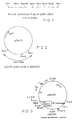
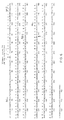
- the filters were washed in 2 x SSC, dried and autoradiographed. Positive colonies were isolated and subjected to restriction analysis with a number of four and six base cutting enzymes. A partial restriction map was compared to published sequence data ( Figure 1) and pGH clones were selected.
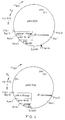
- plasmid pGH29 ( Figure 2) was found to be best suited for further manipulation.
- pGH29 included a complete copy of the porcine growth hormone cDNA, extending past the 3' stop codon.
- cDNA of genomic eukaryotic DNA does not carry the appropriate regulatory signals which (in the case of endogenous prokaryotic DNA) would ensure efficient transcription and translation of the gene.
- This shortcoming can be overcome by the engineering of synthetic oligonucleotides which can be tailored to suit preferred codon usage of the host strain and include unique restriction sites.
- Two sets of oligonucleotides designed to be ligated to the 5' Apal restriction site of the pGH gene were required to express both pGH met (1-190) and pGH (4-190) in the dual origin plasmid used. These were synthesised by phosphotriester chemistry (Patel, et al , (1982) Nucleic Acids Res. 10 , 5605 - 5620).
- Vectors for expression of hybrid porcine growth hormone polypeptides were constructed as follows:
- the respective synthetic oligonucleotides (BglII-Apal) were kinased, ligated and then restricted with Apal and BglII.
- the correct fragments were isolated from an agarose gel and then ligated to Apal-EcoRl fragments (coding for amino acids 88-190) derived from pGH29.
- the linearised fragment was joined to the BglII-EcoRl restricted expression vector (Bgl2-EcoRl), transformed into E. coli strain DHl, amplified and selected. This intermediate contained both the 5' and 3' ends of the pGH gene but lacked the mid-section coding for amino acids 18-87 of pGH.
- a small Apal-Apal fragment (approximately 200bp, coding for amino acids 18-87) was isolated from an Apal digest of pGH29 and cloned into the Apal site of the intermediate vector thereby completing the porcine growth hormone gene (Figure 4).
- the correct orientation of the plasmid was identified which gave the two expression plasmids pMG935 (met 1 to 190 pGH) and pMG936 (4 to 190pGH).
- the plasmids were transformed into E. coli DHl host strain and the constructions were checked following amplication in ampicillin supplemented L-broth media by restriction analysis and sequencing by the method of Sanger.
- the sequencing was carried out by the Sanger dideoxy method using restriction fragments of the pGH plasmids subcloned into M13 phage. Only one of the pGH plasmids, pMG936 (pGH 4 to 190) was fully sequenced, as the majority of the pGH sequence was common to both constructs. The other pGH plasmid, pMG935 (pGH met 1 to 190) was therefore only sequenced at the 5' end of the pGH gene, through the junction fragments.
- Digest "1" was a triple digest using Hpa 1, Sma 1 and EcoRl which gave two pGH gene fragments of about 470 bp and about 300 bp.
- Digest "2” was a double digest Hind 111 and Apa 1 and gave three pGH-related fragments of about 220 bp, 1000 bp and 1500 bp. All these fragments were purified from gels and S1 nuclease treated to generate blunt fragments.
- the fragments were then cloned into the bacteriophage M13 vector, which had previously been digested with EcoRV and phosphatase treated. Each clone was sequenced to obtain up to 300 bases of sequence. Overlapping restriction fragments were chosen so as to obtain the complete DNA sequence on both strands.
- the Shine-Dalgarno to ATG (SD to ATG) distance in E. coli genes which are highly expressed is commonly between 6 and 12 bases.
- the optimal sequence is not easy to-predict, since the conformation of the messenger RNA also determines the expression level and this conformation is determined by hydrogen bonding between sequences on the messenger RNA both upstream and downstream of the ribosome binding site. This includes sequences within the structural gene of the protein.
- the most effective way of determining the best sequence is to create a series of related plasmids and screen these for the highest level of protein accumulation.
- plasmids pMG935 and pMG936 were optimisation was performed on plasmids pMG935 and pMG936 respectively; it was found that plasmids pMG935 (met 1 to 190) and pMG936 (4 to 190) contained a redundant EcoRI fragment from the lipase coding sequence. This was removed, giving pMG939 and pMG940 respectively; the plasmids did not have their pGH genes or expression sequences altered.
- N-terminal amino acid sequence of recombinant pGH (met 1 to 190)
- Porcine growth hormone derived from recombinant plasmids in E. coli has been compared to natural porcine growth hormone isolated from the pituitaries of pigs. Equivalent amounts of the protein were injected into hypophysectomized rats (Long-Evans) over a four day period. Twenty-four hours after the last injection the rats were sacrificed and the right tibia isolated. The bone was cleaned and split at the proximal end in the midsagittal plane. The ipiphyseal cartilage can be distinguished from surrounding bone following staining with silver nitrate.
- the medium was inoculated with 200ml of a shake flask culture of E. coli cells containing pMG935 and grown at 34°C with aeration and stirring.
- the pH was controlled at 7.0 with ammonium hydroxide solution.
- Sterile glycerol was added at intervals to maintain an excess throughout the fermentation.
- pGH production was induced by raising the culture temperature to 42°C for 10 minutes and then cooling to 38°C. This temperature was held for a further six hours.
- the final biomass was 26g dry cell weight/l and phase contrast microscopy showed inclusion bodies within the cells.
- the cells were harvested by centrifugation for 15 minutes at 5000rpm in 11 bottles in a Beckman J6 centrifuge, and stored at -13°C until required.
- a second fermentation was carried out under identical conditions except that E. coli cells containing pMG936 were used.
Landscapes
- Health & Medical Sciences (AREA)
- Chemical & Material Sciences (AREA)
- Life Sciences & Earth Sciences (AREA)
- Organic Chemistry (AREA)
- Endocrinology (AREA)
- General Health & Medical Sciences (AREA)
- Medicinal Chemistry (AREA)
- Gastroenterology & Hepatology (AREA)
- Biochemistry (AREA)
- Biophysics (AREA)
- Zoology (AREA)
- Genetics & Genomics (AREA)
- Molecular Biology (AREA)
- Proteomics, Peptides & Aminoacids (AREA)
- Toxicology (AREA)
- Bioinformatics & Cheminformatics (AREA)
- Animal Behavior & Ethology (AREA)
- Diabetes (AREA)
- Hematology (AREA)
- Obesity (AREA)
- Chemical Kinetics & Catalysis (AREA)
- General Chemical & Material Sciences (AREA)
- Nuclear Medicine, Radiotherapy & Molecular Imaging (AREA)
- Pharmacology & Pharmacy (AREA)
- Engineering & Computer Science (AREA)
- Public Health (AREA)
- Veterinary Medicine (AREA)
- Peptides Or Proteins (AREA)
- Preparation Of Compounds By Using Micro-Organisms (AREA)
- Medicines That Contain Protein Lipid Enzymes And Other Medicines (AREA)
- Micro-Organisms Or Cultivation Processes Thereof (AREA)
- Saccharide Compounds (AREA)
- Fodder In General (AREA)
Abstract
Description
Unfortunately, the supply of natural porcine pituitary hormone falls short of its demand, and given the limitations imposed by species specificity, other natural homologues can not be used cheaply as substitutes.


| CONTROLS | RECOMBINANTS | |||
| -ve | +ve | 4-190 | 1-190 | |
| mean | 1.7 | 4.4 | 3.9 | 4.1 |
| % increase | 0 | 158% | 129% | 141% |
| -ve control : hypophysectomized rat + buffer | ||||
| +ve control : hypophysectomized rat + natural GH | ||||
| 4-190 : recombinant GH from pMG936 | ||||
| 1-190 : recombinant GH from pMG935 |
The cells were lysed using a French pressure cell (1 pass at 1200 psi). Approx. lmg DNase I was added to each suspension in order to digest DNA released on cell lysis.
pGH (met 1 - 190) The cell homogenate was centrifuged at 5000rpm for 35 minutes, to recover inclusion bodies in a partially purified form. The pellet (13g) was resuspended in 160ml sodium phosphate buffer pH7, and containing 5mM EDTA, 0.5M NaCl, 0.1mM PMSF and centrifuged again. The supernatants were discarded after SDS-PAGE which indicated that pGH was present in the pellet.
pGH (4 - 190)The cell homogenate was centrifuged at 12,000rpm for 5 minutes. The pellet (10g) was washed several times with Triton-X-100 and the supernatants discarded.
| authentic pGH | 27.7 min |
| rec pGH (met 1 to 190) | 27.5 min |
| rec pGH (4 to 190) | 27.0 min |
| mixed injection | 27.2 min |
Claims (11)
- A process for the production of a recombinant polypeptide having porcine growth hormone (pGH) activity, comprising:1) introducing into a unicellular organism a recombinant plasmid expression vector containing a DNA sequence encoding said polypeptide having pGH activity, which vector is capable of being replicated, transcribed and translated in said unicellular organism and has a Shine-Dalgarno to ATG distance of 14 base pairs;2) culturing said organism having said recombinant plasmid expression vector introduced therein;3) expressing said recombinant polypeptide having pGH activity.
- The process of claim 1, wherein the recombinant polypeptide having pGH activity is pGH(met 1-190) or pGH(4-190).
- The process of claim 1 or 2 wherein the plasmid expression vector includes a trp promoter.
- The process of any one of claims 1 to 3, wherein the unicellular organism is E. coli.
- The process of claim 4, wherein the unicellular organism is E. coli DH1.
- The process of any one of claims 1 to 5, wherein the recombinant polypeptide having pGH activity is expressed as an insoluble aggregate and wherein the process further comprises:4) isolating the insoluble aggregates;5) solubilizing the isolated insoluble aggregates; and6) recovering the recombinant polypeptide having pGH activity from the solubilised aggregate.
- A recombinant plasmid expression vector containing a DNA sequence encoding a recombinant polypeptide having pGH activity, which vector is capable of being replicated, transcribed and translated in a unicellular organism and has a Shine-Dalgarno to ATG distance of 14 base pairs.
- The vector of claim 7, wherein the recombinant polypeptide is pGH(met 1-190) or pGH(4-190).
- The vector of claim 7 or 8 which includes a trp promoter.
- The vector of any one of claims 6 to 9, wherein the unicellular organism is E. coli.
- An E. coli cell containing the vector of any one of claims 6 to 10.
Applications Claiming Priority (2)
| Application Number | Priority Date | Filing Date | Title |
|---|---|---|---|
| GB878701848A GB8701848D0 (en) | 1987-01-28 | 1987-01-28 | Polypeptides |
| GB8701848 | 1987-01-28 |
Publications (3)
| Publication Number | Publication Date |
|---|---|
| EP0280407A2 EP0280407A2 (en) | 1988-08-31 |
| EP0280407A3 EP0280407A3 (en) | 1989-02-08 |
| EP0280407B1 true EP0280407B1 (en) | 1998-08-05 |
Family
ID=10611337
Family Applications (1)
| Application Number | Title | Priority Date | Filing Date |
|---|---|---|---|
| EP88300687A Expired - Lifetime EP0280407B1 (en) | 1987-01-28 | 1988-01-27 | Process for the production of recombinant polypeptides with porcine growth hormone activity |
Country Status (12)
| Country | Link |
|---|---|
| US (1) | US5747290A (en) |
| EP (1) | EP0280407B1 (en) |
| JP (1) | JP2904490B2 (en) |
| AT (1) | ATE169333T1 (en) |
| AU (1) | AU617658B2 (en) |
| CA (1) | CA1340992C (en) |
| DE (1) | DE3856229T2 (en) |
| DK (1) | DK173162B1 (en) |
| ES (1) | ES2125216T3 (en) |
| GB (1) | GB8701848D0 (en) |
| MY (1) | MY103364A (en) |
| NZ (1) | NZ223325A (en) |
Families Citing this family (8)
| Publication number | Priority date | Publication date | Assignee | Title |
|---|---|---|---|---|
| US5104806A (en) * | 1987-03-12 | 1992-04-14 | Amgen, Inc. | Porcine growth hormone analogs encoding dna |
| US5637566A (en) * | 1988-08-24 | 1997-06-10 | Southern Cross Biotech Pty. Ltd. | Method of improving carcass quality by administering growth hormone |
| DK173142B1 (en) * | 1988-08-24 | 2000-02-07 | Natinco Nv | Method for improving meat quality and feed conversion efficiency for pigs |
| EP0363063A3 (en) * | 1988-09-29 | 1990-07-25 | Bunge (Australia) Proprietary Limited | Sheep growth hormone |
| JP2682738B2 (en) * | 1989-06-09 | 1997-11-26 | グロペップ プロプライエタリー リミテッド | Growth hormone fusion protein |
| JP2859000B2 (en) * | 1991-07-31 | 1999-02-17 | キッコーマン株式会社 | Mink growth hormone gene, novel recombinant DNA and method for producing mink growth hormone |
| US5338836A (en) * | 1992-07-29 | 1994-08-16 | American Cyanamid Company | Biologically active porcine somatotropin polypeptides and methods of using the same |
| JP4463198B2 (en) * | 2003-03-05 | 2010-05-12 | 財団法人化学及血清療法研究所 | Method for producing heterologous protein in Escherichia coli |
Family Cites Families (9)
| Publication number | Priority date | Publication date | Assignee | Title |
|---|---|---|---|---|
| US4582800A (en) * | 1982-07-12 | 1986-04-15 | Hoffmann-La Roche Inc. | Novel vectors and method for controlling interferon expression |
| CA1341012C (en) * | 1982-09-27 | 2000-06-06 | Biogen, Inc. | Dna sequences, recombinant dna molecules and processes for producing swine growth hormone-like polypeptides |
| AU2092983A (en) * | 1982-11-08 | 1984-05-17 | Genentech Inc. | Porcine growth hormone produced by recombinant dna technology |
| BG49718A3 (en) * | 1983-07-15 | 1992-01-15 | Bio- Technology General Corp | METHOD FOR OBTAINING A POLYPEPTIDE WITH SUPEROXIDE DISMUTASE ACTIVITY |
| ATE66251T1 (en) * | 1983-12-23 | 1991-08-15 | Pfizer | EXPRESSION PLASMIDS FOR THE PRODUCTION OF A HETEROLOGOUS PROTEIN IN BACTERIA. |
| CA1340597C (en) * | 1984-08-27 | 1999-06-22 | Haim Aviv | Expression vectors containing pl promoter, and engineered restriction site for convenient replacement of ribosomal binding site, plasmids containing the vectors, hosts containing the plasmids and related methods |
| US5037806A (en) * | 1985-02-22 | 1991-08-06 | Monsanto Company | Biologically active method using somatotropins |
| US4788144A (en) * | 1985-06-28 | 1988-11-29 | International Minerals & Chemical Corp. | Fermentation process for the high level production of swine growth |
| US4705848A (en) * | 1986-06-02 | 1987-11-10 | International Minerals & Chemical Corp. | Isolation of bioactive, monomeric growth hormone |
-
1987
- 1987-01-28 GB GB878701848A patent/GB8701848D0/en active Pending
-
1988
- 1988-01-26 DK DK198800358A patent/DK173162B1/en not_active IP Right Cessation
- 1988-01-27 ES ES88300687T patent/ES2125216T3/en not_active Expired - Lifetime
- 1988-01-27 DE DE3856229T patent/DE3856229T2/en not_active Expired - Fee Related
- 1988-01-27 CA CA000557438A patent/CA1340992C/en not_active Expired - Fee Related
- 1988-01-27 NZ NZ223325A patent/NZ223325A/en unknown
- 1988-01-27 EP EP88300687A patent/EP0280407B1/en not_active Expired - Lifetime
- 1988-01-27 AT AT88300687T patent/ATE169333T1/en not_active IP Right Cessation
- 1988-01-28 JP JP63018487A patent/JP2904490B2/en not_active Expired - Fee Related
- 1988-01-28 AU AU10906/88A patent/AU617658B2/en not_active Ceased
- 1988-04-20 MY MYPI88000395A patent/MY103364A/en unknown
-
1995
- 1995-06-06 US US08/468,824 patent/US5747290A/en not_active Expired - Fee Related
Also Published As
| Publication number | Publication date |
|---|---|
| NZ223325A (en) | 1991-03-26 |
| DK35888A (en) | 1988-07-29 |
| US5747290A (en) | 1998-05-05 |
| CA1340992C (en) | 2000-05-16 |
| JPS63240799A (en) | 1988-10-06 |
| DE3856229D1 (en) | 1998-09-10 |
| EP0280407A2 (en) | 1988-08-31 |
| DE3856229T2 (en) | 1999-02-11 |
| AU1090688A (en) | 1988-08-04 |
| MY103364A (en) | 1993-06-30 |
| GB8701848D0 (en) | 1987-03-04 |
| ES2125216T3 (en) | 1999-03-01 |
| ATE169333T1 (en) | 1998-08-15 |
| JP2904490B2 (en) | 1999-06-14 |
| DK35888D0 (en) | 1988-01-26 |
| AU617658B2 (en) | 1991-12-05 |
| EP0280407A3 (en) | 1989-02-08 |
| DK173162B1 (en) | 2000-02-21 |
Similar Documents
| Publication | Publication Date | Title |
|---|---|---|
| EP0047600B1 (en) | Bovine pre-growth and growth hormone | |
| CA1340371C (en) | Methods and products for facile microbial expression of dna sequences | |
| Dalbøge et al. | A novel enzymatic method for production of authentic hGH from an Escherichia coli produced hGH–precursor | |
| EP0111389A2 (en) | Substantially pure porcine growth hormone, DNA sequences therefor, and expression vehicles and transfected microorganisms for the production of porcine growth hormone | |
| JPH01501840A (en) | Fibroblast growth factor production | |
| JP2637393B2 (en) | Human gene having proinsulin and preproinsulin producing code | |
| US5747290A (en) | Process for the production of recombinant polypeptides | |
| CA1340867C (en) | Expression plasmids for improved production of heterologus protein in bacteria | |
| US5254463A (en) | Method for expression of bovine growth hormone | |
| EP0218651B1 (en) | A dna sequence | |
| EP0404458A2 (en) | Ovine follicle stimulating hormone | |
| HU197939B (en) | Process for producing deoxyribonucleic acid, or its precursor, determining human growth hormone releasing factor | |
| US6692941B1 (en) | Bovine growth hormone | |
| JPS58201797A (en) | Molecule cloning and coding gene arrangement characteristics for hog relaxin | |
| EP1758933B1 (en) | Chimeric human growth hormone derived from the placenta and pituitary isoform and processes for obtaining said chimera | |
| EP0363063A2 (en) | Sheep growth hormone | |
| AU647374B2 (en) | Sheep growth hormone | |
| KR860001922B1 (en) | Method of making an expression delivery vector for use in expressing a deoxynucleotide sequence genetically encoding bovine growth hormone | |
| KR20070035483A (en) | Chimeric Human Growth Hormone Derived from Placenta and Pituitary Subtypes and Method of Making the Chimera | |
| ZA200606318B (en) | Chimeric human growth hormone derived from the placenta and pituitary isoform and processes for obtaining said chimera | |
| IE53898B1 (en) | Microbially produced bovine growth hormone (bgh) and its use | |
| CN104672334A (en) | Preparation method of recombinant long-chain insulin-like growth factor-I |
Legal Events
| Date | Code | Title | Description |
|---|---|---|---|
| PUAI | Public reference made under article 153(3) epc to a published international application that has entered the european phase |
Free format text: ORIGINAL CODE: 0009012 |
|
| AK | Designated contracting states |
Kind code of ref document: A2 Designated state(s): AT BE CH DE ES FR GB GR IT LI LU NL SE |
|
| PUAL | Search report despatched |
Free format text: ORIGINAL CODE: 0009013 |
|
| AK | Designated contracting states |
Kind code of ref document: A3 Designated state(s): AT BE CH DE ES FR GB GR IT LI LU NL SE |
|
| 17P | Request for examination filed |
Effective date: 19890720 |
|
| 17Q | First examination report despatched |
Effective date: 19920825 |
|
| RAP1 | Party data changed (applicant data changed or rights of an application transferred) |
Owner name: SOUTHERN CROSS BIOTECH PTY.LTD. |
|
| GRAG | Despatch of communication of intention to grant |
Free format text: ORIGINAL CODE: EPIDOS AGRA |
|
| GRAG | Despatch of communication of intention to grant |
Free format text: ORIGINAL CODE: EPIDOS AGRA |
|
| GRAG | Despatch of communication of intention to grant |
Free format text: ORIGINAL CODE: EPIDOS AGRA |
|
| GRAH | Despatch of communication of intention to grant a patent |
Free format text: ORIGINAL CODE: EPIDOS IGRA |
|
| GRAH | Despatch of communication of intention to grant a patent |
Free format text: ORIGINAL CODE: EPIDOS IGRA |
|
| GRAA | (expected) grant |
Free format text: ORIGINAL CODE: 0009210 |
|
| AK | Designated contracting states |
Kind code of ref document: B1 Designated state(s): AT BE CH DE ES FR GB GR IT LI LU NL SE |
|
| PG25 | Lapsed in a contracting state [announced via postgrant information from national office to epo] |
Ref country code: GR Free format text: LAPSE BECAUSE OF NON-PAYMENT OF DUE FEES Effective date: 19980805 Ref country code: LI Free format text: LAPSE BECAUSE OF FAILURE TO SUBMIT A TRANSLATION OF THE DESCRIPTION OR TO PAY THE FEE WITHIN THE PRESCRIBED TIME-LIMIT Effective date: 19980805 Ref country code: CH Free format text: LAPSE BECAUSE OF FAILURE TO SUBMIT A TRANSLATION OF THE DESCRIPTION OR TO PAY THE FEE WITHIN THE PRESCRIBED TIME-LIMIT Effective date: 19980805 |
|
| REF | Corresponds to: |
Ref document number: 169333 Country of ref document: AT Date of ref document: 19980815 Kind code of ref document: T |
|
| REG | Reference to a national code |
Ref country code: CH Ref legal event code: EP |
|
| REF | Corresponds to: |
Ref document number: 3856229 Country of ref document: DE Date of ref document: 19980910 |
|
| RAP2 | Party data changed (patent owner data changed or rights of a patent transferred) |
Owner name: SOUTHERN CROSS BIOTECH PTY.LTD. |
|
| ET | Fr: translation filed | ||
| NLT2 | Nl: modifications (of names), taken from the european patent patent bulletin |
Owner name: SOUTHERN CROSS BIOTECH PTY.LTD. |
|
| PG25 | Lapsed in a contracting state [announced via postgrant information from national office to epo] |
Ref country code: LU Free format text: LAPSE BECAUSE OF NON-PAYMENT OF DUE FEES Effective date: 19990127 |
|
| REG | Reference to a national code |
Ref country code: CH Ref legal event code: PL |
|
| REG | Reference to a national code |
Ref country code: FR Ref legal event code: CA |
|
| REG | Reference to a national code |
Ref country code: ES Ref legal event code: FG2A Ref document number: 2125216 Country of ref document: ES Kind code of ref document: T3 |
|
| PLBE | No opposition filed within time limit |
Free format text: ORIGINAL CODE: 0009261 |
|
| STAA | Information on the status of an ep patent application or granted ep patent |
Free format text: STATUS: NO OPPOSITION FILED WITHIN TIME LIMIT |
|
| 26N | No opposition filed | ||
| REG | Reference to a national code |
Ref country code: FR Ref legal event code: TP |
|
| NLS | Nl: assignments of ep-patents |
Owner name: NATINCO N.V. |
|
| REG | Reference to a national code |
Ref country code: ES Ref legal event code: PC2A |
|
| BECA | Be: change of holder's address |
Free format text: 20000530 *NATINCO N.V.:PLAZA JOJO, CORREA 1-5 WILLEMSTED CURACAO |
|
| REG | Reference to a national code |
Ref country code: GB Ref legal event code: 732E |
|
| REG | Reference to a national code |
Ref country code: GB Ref legal event code: IF02 |
|
| PGFP | Annual fee paid to national office [announced via postgrant information from national office to epo] |
Ref country code: NL Payment date: 20060103 Year of fee payment: 19 |
|
| PGFP | Annual fee paid to national office [announced via postgrant information from national office to epo] |
Ref country code: SE Payment date: 20060105 Year of fee payment: 19 |
|
| PGFP | Annual fee paid to national office [announced via postgrant information from national office to epo] |
Ref country code: FR Payment date: 20060110 Year of fee payment: 19 |
|
| PGFP | Annual fee paid to national office [announced via postgrant information from national office to epo] |
Ref country code: AT Payment date: 20060111 Year of fee payment: 19 |
|
| PGFP | Annual fee paid to national office [announced via postgrant information from national office to epo] |
Ref country code: DE Payment date: 20060119 Year of fee payment: 19 |
|
| PGFP | Annual fee paid to national office [announced via postgrant information from national office to epo] |
Ref country code: GB Payment date: 20060125 Year of fee payment: 19 |
|
| PGFP | Annual fee paid to national office [announced via postgrant information from national office to epo] |
Ref country code: IT Payment date: 20060131 Year of fee payment: 19 |
|
| PGFP | Annual fee paid to national office [announced via postgrant information from national office to epo] |
Ref country code: ES Payment date: 20060215 Year of fee payment: 19 |
|
| PGFP | Annual fee paid to national office [announced via postgrant information from national office to epo] |
Ref country code: BE Payment date: 20060307 Year of fee payment: 19 |
|
| PG25 | Lapsed in a contracting state [announced via postgrant information from national office to epo] |
Ref country code: SE Free format text: LAPSE BECAUSE OF NON-PAYMENT OF DUE FEES Effective date: 20070128 |
|
| PG25 | Lapsed in a contracting state [announced via postgrant information from national office to epo] |
Ref country code: DE Free format text: LAPSE BECAUSE OF NON-PAYMENT OF DUE FEES Effective date: 20070801 |
|
| EUG | Se: european patent has lapsed | ||
| GBPC | Gb: european patent ceased through non-payment of renewal fee |
Effective date: 20070127 |
|
| NLV4 | Nl: lapsed or anulled due to non-payment of the annual fee |
Effective date: 20070801 |
|
| REG | Reference to a national code |
Ref country code: FR Ref legal event code: ST Effective date: 20070930 |
|
| PG25 | Lapsed in a contracting state [announced via postgrant information from national office to epo] |
Ref country code: AT Free format text: LAPSE BECAUSE OF NON-PAYMENT OF DUE FEES Effective date: 20070127 Ref country code: GB Free format text: LAPSE BECAUSE OF NON-PAYMENT OF DUE FEES Effective date: 20070127 |
|
| BERE | Be: lapsed |
Owner name: *NATINCO N.V. Effective date: 20070131 |
|
| PG25 | Lapsed in a contracting state [announced via postgrant information from national office to epo] |
Ref country code: BE Free format text: LAPSE BECAUSE OF NON-PAYMENT OF DUE FEES Effective date: 20070131 |
|
| PG25 | Lapsed in a contracting state [announced via postgrant information from national office to epo] |
Ref country code: NL Free format text: LAPSE BECAUSE OF NON-PAYMENT OF DUE FEES Effective date: 20070801 |
|
| REG | Reference to a national code |
Ref country code: ES Ref legal event code: FD2A Effective date: 20070129 |
|
| PG25 | Lapsed in a contracting state [announced via postgrant information from national office to epo] |
Ref country code: FR Free format text: LAPSE BECAUSE OF NON-PAYMENT OF DUE FEES Effective date: 20070131 |
|
| PG25 | Lapsed in a contracting state [announced via postgrant information from national office to epo] |
Ref country code: ES Free format text: LAPSE BECAUSE OF NON-PAYMENT OF DUE FEES Effective date: 20070129 |
|
| PG25 | Lapsed in a contracting state [announced via postgrant information from national office to epo] |
Ref country code: IT Free format text: LAPSE BECAUSE OF NON-PAYMENT OF DUE FEES Effective date: 20070127 |