EP0264063B1 - Reagent for removing protective groups in peptide synthesis - Google Patents
Reagent for removing protective groups in peptide synthesis Download PDFInfo
- Publication number
- EP0264063B1 EP0264063B1 EP87114672A EP87114672A EP0264063B1 EP 0264063 B1 EP0264063 B1 EP 0264063B1 EP 87114672 A EP87114672 A EP 87114672A EP 87114672 A EP87114672 A EP 87114672A EP 0264063 B1 EP0264063 B1 EP 0264063B1
- Authority
- EP
- European Patent Office
- Prior art keywords
- reagent
- protective groups
- acid
- thioanisole
- removing protective
- Prior art date
- Legal status (The legal status is an assumption and is not a legal conclusion. Google has not performed a legal analysis and makes no representation as to the accuracy of the status listed.)
- Expired - Lifetime
Links
- 239000003153 chemical reaction reagent Substances 0.000 title claims description 32
- 125000006239 protecting group Chemical group 0.000 title claims description 28
- 238000010647 peptide synthesis reaction Methods 0.000 title claims description 6
- DTQVDTLACAAQTR-UHFFFAOYSA-N Trifluoroacetic acid Chemical group OC(=O)C(F)(F)F DTQVDTLACAAQTR-UHFFFAOYSA-N 0.000 claims description 30
- HNKJADCVZUBCPG-UHFFFAOYSA-N thioanisole Chemical compound CSC1=CC=CC=C1 HNKJADCVZUBCPG-UHFFFAOYSA-N 0.000 claims description 14
- FTVLMFQEYACZNP-UHFFFAOYSA-N trimethylsilyl trifluoromethanesulfonate Chemical compound C[Si](C)(C)OS(=O)(=O)C(F)(F)F FTVLMFQEYACZNP-UHFFFAOYSA-N 0.000 claims description 14
- 239000002253 acid Substances 0.000 claims description 12
- RDOXTESZEPMUJZ-UHFFFAOYSA-N anisole Chemical compound COC1=CC=CC=C1 RDOXTESZEPMUJZ-UHFFFAOYSA-N 0.000 claims description 6
- 239000002904 solvent Substances 0.000 claims description 6
- 125000002496 methyl group Chemical group [H]C([H])([H])* 0.000 claims description 5
- 125000000217 alkyl group Chemical group 0.000 claims description 4
- LTYMSROWYAPPGB-UHFFFAOYSA-N diphenyl sulfide Chemical compound C=1C=CC=CC=1SC1=CC=CC=C1 LTYMSROWYAPPGB-UHFFFAOYSA-N 0.000 claims description 3
- UZKWTJUDCOPSNM-UHFFFAOYSA-N methoxybenzene Substances CCCCOC=C UZKWTJUDCOPSNM-UHFFFAOYSA-N 0.000 claims description 3
- 125000001424 substituent group Chemical group 0.000 claims description 3
- 108090000765 processed proteins & peptides Proteins 0.000 description 18
- 230000015572 biosynthetic process Effects 0.000 description 17
- -1 methacresol Chemical class 0.000 description 15
- 238000003786 synthesis reaction Methods 0.000 description 15
- ITMCEJHCFYSIIV-UHFFFAOYSA-N triflic acid Chemical compound OS(=O)(=O)C(F)(F)F ITMCEJHCFYSIIV-UHFFFAOYSA-N 0.000 description 11
- 102400001370 Galanin Human genes 0.000 description 10
- 101800002068 Galanin Proteins 0.000 description 10
- SLZIZIJTGAYEKK-CIJSCKBQSA-N molport-023-220-247 Chemical compound C([C@@H](C(=O)N[C@@H](C)C(=O)N[C@@H]([C@@H](C)CC)C(=O)N[C@@H](CC(O)=O)C(=O)N[C@@H](CC(N)=O)C(=O)N[C@@H](CC=1N=CNC=1)C(=O)N[C@@H](CCCNC(N)=N)C(=O)N[C@@H](CO)C(=O)N[C@@H](CC=1C=CC=CC=1)C(=O)N[C@@H](CC=1N=CNC=1)C(=O)N[C@@H](CC(O)=O)C(=O)N[C@@H](CCCCN)C(=O)N[C@@H](CC=1C=CC(O)=CC=1)C(=O)NCC(=O)N[C@@H](CC(C)C)C(=O)N[C@@H](C)C(N)=O)NC(=O)[C@H]1N(CCC1)C(=O)CNC(=O)[C@H](CC(C)C)NC(=O)[C@H](CC(C)C)NC(=O)[C@H](CC=1C=CC(O)=CC=1)NC(=O)CNC(=O)[C@H](C)NC(=O)[C@H](CO)NC(=O)[C@H](CC(N)=O)NC(=O)[C@H](CC(C)C)NC(=O)[C@@H](NC(=O)[C@H](CC=1C2=CC=CC=C2NC=1)NC(=O)CN)[C@@H](C)O)C1=CNC=N1 SLZIZIJTGAYEKK-CIJSCKBQSA-N 0.000 description 10
- 238000007086 side reaction Methods 0.000 description 9
- KRHYYFGTRYWZRS-UHFFFAOYSA-N Fluorane Chemical compound F KRHYYFGTRYWZRS-UHFFFAOYSA-N 0.000 description 8
- 235000001014 amino acid Nutrition 0.000 description 8
- 229940024606 amino acid Drugs 0.000 description 8
- 150000001413 amino acids Chemical class 0.000 description 8
- 238000006243 chemical reaction Methods 0.000 description 8
- 238000010511 deprotection reaction Methods 0.000 description 8
- 238000004128 high performance liquid chromatography Methods 0.000 description 8
- 229910000040 hydrogen fluoride Inorganic materials 0.000 description 8
- OUYCCCASQSFEME-QMMMGPOBSA-N L-tyrosine Chemical compound OC(=O)[C@@H](N)CC1=CC=C(O)C=C1 OUYCCCASQSFEME-QMMMGPOBSA-N 0.000 description 7
- 102000050488 Urotensin II Human genes 0.000 description 7
- 108010018369 Urotensin II Proteins 0.000 description 7
- 102000004196 processed proteins & peptides Human genes 0.000 description 7
- HFNHAPQMXICKCF-USJMABIRSA-N urotensin-ii Chemical compound N([C@@H](CC(O)=O)C(=O)N[C@H]1CSSC[C@H](NC(=O)[C@H](CC=2C=CC(O)=CC=2)NC(=O)[C@H](CCCCN)NC(=O)[C@H](CC=2C3=CC=CC=C3NC=2)NC(=O)[C@H](CC=2C=CC=CC=2)NC1=O)C(=O)N[C@@H](C(C)C)C(O)=O)C(=O)[C@@H]1CCCN1C(=O)[C@@H](NC(=O)[C@@H](N)CCC(O)=O)[C@@H](C)O HFNHAPQMXICKCF-USJMABIRSA-N 0.000 description 7
- 102400000470 Neuromedin-U-25 Human genes 0.000 description 6
- 101800002021 Neuromedin-U-25 Proteins 0.000 description 6
- CKLJMWTZIZZHCS-REOHCLBHSA-N L-aspartic acid Chemical compound OC(=O)[C@@H](N)CC(O)=O CKLJMWTZIZZHCS-REOHCLBHSA-N 0.000 description 5
- 241000283973 Oryctolagus cuniculus Species 0.000 description 5
- 238000010586 diagram Methods 0.000 description 5
- 239000011347 resin Substances 0.000 description 5
- 229920005989 resin Polymers 0.000 description 5
- 210000002784 stomach Anatomy 0.000 description 5
- MTCFGRXMJLQNBG-REOHCLBHSA-N (2S)-2-Amino-3-hydroxypropansäure Chemical compound OC[C@H](N)C(O)=O MTCFGRXMJLQNBG-REOHCLBHSA-N 0.000 description 4
- RTZKZFJDLAIYFH-UHFFFAOYSA-N Diethyl ether Chemical compound CCOCC RTZKZFJDLAIYFH-UHFFFAOYSA-N 0.000 description 4
- 239000006227 byproduct Substances 0.000 description 4
- 238000002523 gelfiltration Methods 0.000 description 4
- 239000000047 product Substances 0.000 description 4
- LYCAIKOWRPUZTN-UHFFFAOYSA-N Ethylene glycol Chemical compound OCCO LYCAIKOWRPUZTN-UHFFFAOYSA-N 0.000 description 3
- WHUUTDBJXJRKMK-UHFFFAOYSA-N Glutamic acid Natural products OC(=O)C(N)CCC(O)=O WHUUTDBJXJRKMK-UHFFFAOYSA-N 0.000 description 3
- DHMQDGOQFOQNFH-UHFFFAOYSA-N Glycine Chemical compound NCC(O)=O DHMQDGOQFOQNFH-UHFFFAOYSA-N 0.000 description 3
- WHUUTDBJXJRKMK-VKHMYHEASA-N L-glutamic acid Chemical compound OC(=O)[C@@H](N)CCC(O)=O WHUUTDBJXJRKMK-VKHMYHEASA-N 0.000 description 3
- AYFVYJQAPQTCCC-GBXIJSLDSA-N L-threonine Chemical compound C[C@@H](O)[C@H](N)C(O)=O AYFVYJQAPQTCCC-GBXIJSLDSA-N 0.000 description 3
- 150000003862 amino acid derivatives Chemical class 0.000 description 3
- QGZKDVFQNNGYKY-UHFFFAOYSA-N ammonia Natural products N QGZKDVFQNNGYKY-UHFFFAOYSA-N 0.000 description 3
- 125000001797 benzyl group Chemical group [H]C1=C([H])C([H])=C(C([H])=C1[H])C([H])([H])* 0.000 description 3
- 238000000034 method Methods 0.000 description 3
- WFIYPADYPQQLNN-UHFFFAOYSA-N 2-[2-(4-bromopyrazol-1-yl)ethyl]isoindole-1,3-dione Chemical compound C1=C(Br)C=NN1CCN1C(=O)C2=CC=CC=C2C1=O WFIYPADYPQQLNN-UHFFFAOYSA-N 0.000 description 2
- DDFHBQSCUXNBSA-UHFFFAOYSA-N 5-(5-carboxythiophen-2-yl)thiophene-2-carboxylic acid Chemical compound S1C(C(=O)O)=CC=C1C1=CC=C(C(O)=O)S1 DDFHBQSCUXNBSA-UHFFFAOYSA-N 0.000 description 2
- DCXYFEDJOCDNAF-REOHCLBHSA-N L-asparagine Chemical compound OC(=O)[C@@H](N)CC(N)=O DCXYFEDJOCDNAF-REOHCLBHSA-N 0.000 description 2
- AGPKZVBTJJNPAG-WHFBIAKZSA-N L-isoleucine Chemical compound CC[C@H](C)[C@H](N)C(O)=O AGPKZVBTJJNPAG-WHFBIAKZSA-N 0.000 description 2
- ROHFNLRQFUQHCH-YFKPBYRVSA-N L-leucine Chemical compound CC(C)C[C@H](N)C(O)=O ROHFNLRQFUQHCH-YFKPBYRVSA-N 0.000 description 2
- COLNVLDHVKWLRT-QMMMGPOBSA-N L-phenylalanine Chemical compound OC(=O)[C@@H](N)CC1=CC=CC=C1 COLNVLDHVKWLRT-QMMMGPOBSA-N 0.000 description 2
- KDXKERNSBIXSRK-UHFFFAOYSA-N Lysine Natural products NCCCCC(N)C(O)=O KDXKERNSBIXSRK-UHFFFAOYSA-N 0.000 description 2
- KAFHLONDOVSENM-HNNXBMFYSA-N O-Benzyl-L-tyrosine Chemical compound C1=CC(C[C@H](N)C(O)=O)=CC=C1OCC1=CC=CC=C1 KAFHLONDOVSENM-HNNXBMFYSA-N 0.000 description 2
- XUIMIQQOPSSXEZ-UHFFFAOYSA-N Silicon Chemical group [Si] XUIMIQQOPSSXEZ-UHFFFAOYSA-N 0.000 description 2
- KZSNJWFQEVHDMF-UHFFFAOYSA-N Valine Chemical compound CC(C)C(N)C(O)=O KZSNJWFQEVHDMF-UHFFFAOYSA-N 0.000 description 2
- 239000003795 chemical substances by application Substances 0.000 description 2
- 125000005842 heteroatom Chemical group 0.000 description 2
- 239000007788 liquid Substances 0.000 description 2
- 239000000463 material Substances 0.000 description 2
- 230000008707 rearrangement Effects 0.000 description 2
- 229910052710 silicon Inorganic materials 0.000 description 2
- 125000004665 trialkylsilyl group Chemical group 0.000 description 2
- CKGCFBNYQJDIGS-LBPRGKRZSA-N (2s)-2-azaniumyl-6-(phenylmethoxycarbonylamino)hexanoate Chemical compound [O-]C(=O)[C@@H]([NH3+])CCCCNC(=O)OCC1=CC=CC=C1 CKGCFBNYQJDIGS-LBPRGKRZSA-N 0.000 description 1
- UUZURPUIMYJOIL-JNRWAQIZSA-N (2s)-n-[(2s)-1-[[(2s)-1-[(2s)-2-[[(2s)-1-[[(2s)-1-amino-4-methylsulfanyl-1-oxobutan-2-yl]amino]-4-methyl-1-oxopentan-2-yl]carbamoyl]pyrrolidin-1-yl]-1-oxo-3-phenylpropan-2-yl]amino]-1-oxo-3-phenylpropan-2-yl]-5-oxopyrrolidine-2-carboxamide Chemical compound CSCC[C@@H](C(N)=O)NC(=O)[C@H](CC(C)C)NC(=O)[C@@H]1CCCN1C(=O)[C@@H](NC(=O)[C@H](CC=1C=CC=CC=1)NC(=O)[C@H]1NC(=O)CC1)CC1=CC=CC=C1 UUZURPUIMYJOIL-JNRWAQIZSA-N 0.000 description 1
- DHBXNPKRAUYBTH-UHFFFAOYSA-N 1,1-ethanedithiol Chemical compound CC(S)S DHBXNPKRAUYBTH-UHFFFAOYSA-N 0.000 description 1
- LJCZNYWLQZZIOS-UHFFFAOYSA-N 2,2,2-trichlorethoxycarbonyl chloride Chemical compound ClC(=O)OCC(Cl)(Cl)Cl LJCZNYWLQZZIOS-UHFFFAOYSA-N 0.000 description 1
- 238000005133 29Si NMR spectroscopy Methods 0.000 description 1
- YDNMHDRXNOHCJH-UHFFFAOYSA-N 3-aminopyrrolidine-2,5-dione Chemical compound NC1CC(=O)NC1=O YDNMHDRXNOHCJH-UHFFFAOYSA-N 0.000 description 1
- VHUUQVKOLVNVRT-UHFFFAOYSA-N Ammonium hydroxide Chemical compound [NH4+].[OH-] VHUUQVKOLVNVRT-UHFFFAOYSA-N 0.000 description 1
- 239000004475 Arginine Substances 0.000 description 1
- VGRHZPNRCLAHQA-IMJSIDKUSA-N Asp-Asn Chemical group OC(=O)C[C@H](N)C(=O)N[C@@H](CC(N)=O)C(O)=O VGRHZPNRCLAHQA-IMJSIDKUSA-N 0.000 description 1
- DCXYFEDJOCDNAF-UHFFFAOYSA-N Asparagine Natural products OC(=O)C(N)CC(N)=O DCXYFEDJOCDNAF-UHFFFAOYSA-N 0.000 description 1
- 102000004190 Enzymes Human genes 0.000 description 1
- 108090000790 Enzymes Proteins 0.000 description 1
- 239000004471 Glycine Substances 0.000 description 1
- ONIBWKKTOPOVIA-BYPYZUCNSA-N L-Proline Chemical compound OC(=O)[C@@H]1CCCN1 ONIBWKKTOPOVIA-BYPYZUCNSA-N 0.000 description 1
- QNAYBMKLOCPYGJ-REOHCLBHSA-N L-alanine Chemical compound C[C@H](N)C(O)=O QNAYBMKLOCPYGJ-REOHCLBHSA-N 0.000 description 1
- FFEARJCKVFRZRR-BYPYZUCNSA-N L-methionine Chemical compound CSCC[C@H](N)C(O)=O FFEARJCKVFRZRR-BYPYZUCNSA-N 0.000 description 1
- QEFRNWWLZKMPFJ-YGVKFDHGSA-N L-methionine S-oxide Chemical compound CS(=O)CC[C@H](N)C(O)=O QEFRNWWLZKMPFJ-YGVKFDHGSA-N 0.000 description 1
- QIVBCDIJIAJPQS-VIFPVBQESA-N L-tryptophane Chemical compound C1=CC=C2C(C[C@H](N)C(O)=O)=CNC2=C1 QIVBCDIJIAJPQS-VIFPVBQESA-N 0.000 description 1
- KZSNJWFQEVHDMF-BYPYZUCNSA-N L-valine Chemical compound CC(C)[C@H](N)C(O)=O KZSNJWFQEVHDMF-BYPYZUCNSA-N 0.000 description 1
- ROHFNLRQFUQHCH-UHFFFAOYSA-N Leucine Natural products CC(C)CC(N)C(O)=O ROHFNLRQFUQHCH-UHFFFAOYSA-N 0.000 description 1
- 239000004472 Lysine Substances 0.000 description 1
- ONIBWKKTOPOVIA-UHFFFAOYSA-N Proline Natural products OC(=O)C1CCCN1 ONIBWKKTOPOVIA-UHFFFAOYSA-N 0.000 description 1
- MTCFGRXMJLQNBG-UHFFFAOYSA-N Serine Natural products OCC(N)C(O)=O MTCFGRXMJLQNBG-UHFFFAOYSA-N 0.000 description 1
- AYFVYJQAPQTCCC-UHFFFAOYSA-N Threonine Natural products CC(O)C(N)C(O)=O AYFVYJQAPQTCCC-UHFFFAOYSA-N 0.000 description 1
- 239000004473 Threonine Substances 0.000 description 1
- QIVBCDIJIAJPQS-UHFFFAOYSA-N Tryptophan Natural products C1=CC=C2C(CC(N)C(O)=O)=CNC2=C1 QIVBCDIJIAJPQS-UHFFFAOYSA-N 0.000 description 1
- 239000006035 Tryptophane Substances 0.000 description 1
- 230000002378 acidificating effect Effects 0.000 description 1
- 230000009471 action Effects 0.000 description 1
- 235000004279 alanine Nutrition 0.000 description 1
- 150000001298 alcohols Chemical class 0.000 description 1
- 230000029936 alkylation Effects 0.000 description 1
- 238000005804 alkylation reaction Methods 0.000 description 1
- 150000001371 alpha-amino acids Chemical class 0.000 description 1
- 235000008206 alpha-amino acids Nutrition 0.000 description 1
- 125000000539 amino acid group Chemical group 0.000 description 1
- 229910021529 ammonia Inorganic materials 0.000 description 1
- ODKSFYDXXFIFQN-UHFFFAOYSA-N arginine Natural products OC(=O)C(N)CCCNC(N)=N ODKSFYDXXFIFQN-UHFFFAOYSA-N 0.000 description 1
- 235000009582 asparagine Nutrition 0.000 description 1
- 229960001230 asparagine Drugs 0.000 description 1
- 235000003704 aspartic acid Nutrition 0.000 description 1
- 150000001540 azides Chemical class 0.000 description 1
- 125000001584 benzyloxycarbonyl group Chemical group C(=O)(OCC1=CC=CC=C1)* 0.000 description 1
- OQFSQFPPLPISGP-UHFFFAOYSA-N beta-carboxyaspartic acid Natural products OC(=O)C(N)C(C(O)=O)C(O)=O OQFSQFPPLPISGP-UHFFFAOYSA-N 0.000 description 1
- 150000001768 cations Chemical class 0.000 description 1
- 230000000052 comparative effect Effects 0.000 description 1
- 150000001875 compounds Chemical class 0.000 description 1
- 238000009833 condensation Methods 0.000 description 1
- 230000005494 condensation Effects 0.000 description 1
- 235000018417 cysteine Nutrition 0.000 description 1
- XUJNEKJLAYXESH-UHFFFAOYSA-N cysteine Natural products SCC(N)C(O)=O XUJNEKJLAYXESH-UHFFFAOYSA-N 0.000 description 1
- 230000007812 deficiency Effects 0.000 description 1
- 150000002019 disulfides Chemical class 0.000 description 1
- VHJLVAABSRFDPM-QWWZWVQMSA-N dithiothreitol Chemical compound SC[C@@H](O)[C@H](O)CS VHJLVAABSRFDPM-QWWZWVQMSA-N 0.000 description 1
- 230000000694 effects Effects 0.000 description 1
- 125000004185 ester group Chemical group 0.000 description 1
- 125000001495 ethyl group Chemical group [H]C([H])([H])C([H])([H])* 0.000 description 1
- 238000001914 filtration Methods 0.000 description 1
- 229920002313 fluoropolymer Polymers 0.000 description 1
- 239000011521 glass Substances 0.000 description 1
- 235000013922 glutamic acid Nutrition 0.000 description 1
- 239000004220 glutamic acid Substances 0.000 description 1
- ZDXPYRJPNDTMRX-UHFFFAOYSA-N glutamine Natural products OC(=O)C(N)CCC(N)=O ZDXPYRJPNDTMRX-UHFFFAOYSA-N 0.000 description 1
- 230000036541 health Effects 0.000 description 1
- HNDVDQJCIGZPNO-UHFFFAOYSA-N histidine Natural products OC(=O)C(N)CC1=CN=CN1 HNDVDQJCIGZPNO-UHFFFAOYSA-N 0.000 description 1
- 150000002475 indoles Chemical class 0.000 description 1
- 125000001041 indolyl group Chemical group 0.000 description 1
- 230000005764 inhibitory process Effects 0.000 description 1
- 230000003993 interaction Effects 0.000 description 1
- 238000002955 isolation Methods 0.000 description 1
- AGPKZVBTJJNPAG-UHFFFAOYSA-N isoleucine Natural products CCC(C)C(N)C(O)=O AGPKZVBTJJNPAG-UHFFFAOYSA-N 0.000 description 1
- 229960000310 isoleucine Drugs 0.000 description 1
- 230000007246 mechanism Effects 0.000 description 1
- 229930182817 methionine Natural products 0.000 description 1
- 230000000269 nucleophilic effect Effects 0.000 description 1
- 150000007524 organic acids Chemical class 0.000 description 1
- COLNVLDHVKWLRT-UHFFFAOYSA-N phenylalanine Natural products OC(=O)C(N)CC1=CC=CC=C1 COLNVLDHVKWLRT-UHFFFAOYSA-N 0.000 description 1
- UYWQUFXKFGHYNT-UHFFFAOYSA-N phenylmethyl ester of formic acid Natural products O=COCC1=CC=CC=C1 UYWQUFXKFGHYNT-UHFFFAOYSA-N 0.000 description 1
- 229920005862 polyol Polymers 0.000 description 1
- 150000003077 polyols Chemical class 0.000 description 1
- 150000003138 primary alcohols Chemical class 0.000 description 1
- 125000001436 propyl group Chemical group [H]C([*])([H])C([H])([H])C([H])([H])[H] 0.000 description 1
- 235000018102 proteins Nutrition 0.000 description 1
- 102000004169 proteins and genes Human genes 0.000 description 1
- 108090000623 proteins and genes Proteins 0.000 description 1
- 238000000746 purification Methods 0.000 description 1
- 238000011084 recovery Methods 0.000 description 1
- 150000003333 secondary alcohols Chemical class 0.000 description 1
- 108010052031 septide Proteins 0.000 description 1
- 125000003607 serino group Chemical group [H]N([H])[C@]([H])(C(=O)[*])C(O[H])([H])[H] 0.000 description 1
- 150000003377 silicon compounds Chemical class 0.000 description 1
- 239000007787 solid Substances 0.000 description 1
- 239000007790 solid phase Substances 0.000 description 1
- 241000894007 species Species 0.000 description 1
- 239000000126 substance Substances 0.000 description 1
- BDHFUVZGWQCTTF-UHFFFAOYSA-M sulfonate Chemical compound [O-]S(=O)=O BDHFUVZGWQCTTF-UHFFFAOYSA-M 0.000 description 1
- 230000002194 synthesizing effect Effects 0.000 description 1
- 125000000999 tert-butyl group Chemical group [H]C([H])([H])C(*)(C([H])([H])[H])C([H])([H])[H] 0.000 description 1
- 125000005931 tert-butyloxycarbonyl group Chemical group [H]C([H])([H])C(OC(*)=O)(C([H])([H])[H])C([H])([H])[H] 0.000 description 1
- 125000003396 thiol group Chemical group [H]S* 0.000 description 1
- 125000001889 triflyl group Chemical group FC(F)(F)S(*)(=O)=O 0.000 description 1
- 229960004799 tryptophan Drugs 0.000 description 1
- OUYCCCASQSFEME-UHFFFAOYSA-N tyrosine Natural products OC(=O)C(N)CC1=CC=C(O)C=C1 OUYCCCASQSFEME-UHFFFAOYSA-N 0.000 description 1
- 239000004474 valine Substances 0.000 description 1
Images

Classifications
-
- C—CHEMISTRY; METALLURGY
- C07—ORGANIC CHEMISTRY
- C07K—PEPTIDES
- C07K1/00—General methods for the preparation of peptides, i.e. processes for the organic chemical preparation of peptides or proteins of any length
- C07K1/12—General methods for the preparation of peptides, i.e. processes for the organic chemical preparation of peptides or proteins of any length by hydrolysis, i.e. solvolysis in general
- C07K1/122—Hydrolysis with acids different from HF
-
- C—CHEMISTRY; METALLURGY
- C07—ORGANIC CHEMISTRY
- C07K—PEPTIDES
- C07K1/00—General methods for the preparation of peptides, i.e. processes for the organic chemical preparation of peptides or proteins of any length
- C07K1/06—General methods for the preparation of peptides, i.e. processes for the organic chemical preparation of peptides or proteins of any length using protecting groups or activating agents
- C07K1/061—General methods for the preparation of peptides, i.e. processes for the organic chemical preparation of peptides or proteins of any length using protecting groups or activating agents using protecting groups
- C07K1/067—General methods for the preparation of peptides, i.e. processes for the organic chemical preparation of peptides or proteins of any length using protecting groups or activating agents using protecting groups for sulfur-containing functions
-
- Y—GENERAL TAGGING OF NEW TECHNOLOGICAL DEVELOPMENTS; GENERAL TAGGING OF CROSS-SECTIONAL TECHNOLOGIES SPANNING OVER SEVERAL SECTIONS OF THE IPC; TECHNICAL SUBJECTS COVERED BY FORMER USPC CROSS-REFERENCE ART COLLECTIONS [XRACs] AND DIGESTS
- Y02—TECHNOLOGIES OR APPLICATIONS FOR MITIGATION OR ADAPTATION AGAINST CLIMATE CHANGE
- Y02P—CLIMATE CHANGE MITIGATION TECHNOLOGIES IN THE PRODUCTION OR PROCESSING OF GOODS
- Y02P20/00—Technologies relating to chemical industry
- Y02P20/50—Improvements relating to the production of bulk chemicals
- Y02P20/55—Design of synthesis routes, e.g. reducing the use of auxiliary or protecting groups
Definitions
- the present invention relates to reagent for removing protective groups attached to amino acids during peptide synthesis.
- reagent for removing protective groups in place of hydrogen fluoride currently employed.
- reagent comprising a combination of hard acid and soft base on the basis of the principle of hard-soft acid-base, the detail of which is disclosed in YAKUGAKU ZASSHI (J. Pharm. Soc. Japan), 1983, 103 , 805-818.
- the method disclosed in this article comprises employing the combination of trifluoromethanesulfonic acid (CF3SO3H) as the hard acid with thioanisole as the soft base and carrying out the removal of protective groups under acidic condition.
- CF3SO3H trifluoromethanesulfonic acid
- trifluoro-methanesulfonic acid used in this reaction is less harmful to human compared with hydrogen fluoride, we may use cheap equipment. As the possibility of side reactions is reduced, we can get peptide in high yield. However, trifluoromethanesulfonic acid is fumy and very difficult to handle. Therefore, the reagent improved has been wanted.
- trialkylsilyltrifluoromethanesulfonate R3SiO3SCF3, i. e., trialkylsilyl triphlate may be used instead of trifluoromethanesulfonic acid as the hard acid.
- Trialkylsilyl triphlate has widely been employed in organic synthesis as a strong silylating agent.
- the reagent for removing protective groups employed in peptide synthesis of the present invention comprises a combination of hard acid and soft base in a solvent and is characterized in that the hard acid is trialkylsilyltrifluoromethanesulphonate represented by the general formula R3SiO3SCF3, wherein R is an alkyl group, the soft base is either anisole, thioanisole, or diphenylsulfide, and the solvent is trifluoroacetic acid.
- alkyl group R examples include a lower alkyl group such as methyl group, ethyl group and propyl group.
- the trialkylsilyltrifluoromethanesulphonate in which the substituent R is methyl, ie., trimethylsilyltrifluoromethanesulfonate is particularly preferred since it has excellent properties and has been industrially mass-produced as a silylating agent.
- the preferred ether as the soft base is thioanisole because it seldom causes side reactions.
- Trialkylsilyltrifluoromethanesulphonate is an organic silicon compound which is chemically modified with trifluoromethanesulfonic acid as the strongest organic acid.
- the silicon atom in trimethylsilyltrifluoromethanesulfonate presents 29Si NMR chemical shift ( ⁇ ) of 46.1 ppm in a solvent (trifluoroacetic acid CF3COOH).
- ⁇ the electron density thereof is extremely lowered due to the strong electron attractive effect of trifluoromethanesulfonyl group.
- the high electron deficiency surely results in the strong interaction between the silicon atom in the hard acid (trialkylsilyltrifluoromethanesulfonate) and a hetero atom in a protective group interested.
- trialkylsilyltrifluoromethanesulphonate It is another characteristic of the trialkylsilyltrifluoromethanesulphonate that the CF3SO3 ⁇ -group which is dissociated when the sulfonate attacks such a hetero atom, is an extremely weak base or a nucleophilic species. For this reason, the occurrence of side reactions is suppressed when the trialkylsilyltrifluoromethanesulphonate is used as a reagent for removing protective groups and this makes it more effective than hydrogen fluoride as the deprotecting reagent. This fact was practically evidenced experimentally utilizing amino acid derivatives.
- Fig.1 shows a reaction mechanism in which a benzyl type protective group is removed from an amino acid derivative in a trifluoroacetic acid system containing the combination of trimethylsilyltrifluoromethanesulfonate (CH3)3SiO3SCF3 as the hard acid with thioanisole as the soft base.
- CH3SiO3SCF3 trimethylsilyltrifluoromethanesulfonate
- the reagent for removing protective groups according to the present invention provides high efficiency of deprotection and has a low tendency of causing side reaction. Therefore, the reagent of the present invention is very useful means for synthesizing peptides, proteins and enzymes.
- the reagent of the invention have no corrosive properties and is easy to handle, thus it never requires the use of containers and implements of a specific matrial. In addition, it is relatively safe to human health. Besides, it is a reagent of general-purpose properties or widely used and thus is easily available. Therefore, it is useful for reducing cost for investment and mass-producing of peptides while saving cost.
- Fig. 1 is a diagram for illustrating the reaction for removing protective groups from an amino acid derivative as shown for a benzyl protected serine residue as an example.
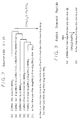
- Fig. 2 is a diagram which illustrates the synthesis of Neuromedin U-25.
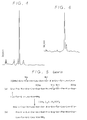
- Fig. 3 is a diagram for illustrating the synthesis of the Rabbit Stomach Peptide.
- Fig. 4 is a chart of high performance liquid chromatography of the rabbit stomach peptide.
- Fig.5 is a diagram illustraing the synthesis of Galanin.
- Fig. 6 is a chromatogram of Galanin according to high performance liquid chromatography.
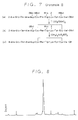
- Fig. 7 is a diagram showing the synthesis of Urotensin II.
- Fig. 8 is a chromatogram of Urotensin II obtained by high performance liquid chromatography.
- the trialkylsilyltrifluoromethanesulphonate as the hard acid may be used in the form of solid phase comprising a solid support material X to which hard acid is fixed such as R3SiO3SCF2-X.
- the occurrence of side-reactions is suppressed when the reagent according to the present invention is used.
- a primary alcohol or a polyol such as methacresol, ethanediol and dithiothreitol in order to suppress the formation of by-products due to side reactions.
- These alcohols serve to capture alkyl cations formed during the deprotecting reaction. The capture of such alkyl cations result in the formation of desired peptides in high yield and high purity because of the inhibition of intramolecular rearrangement and the like.
- protective groups of ⁇ -amino acids such as Boc, Z(OMe), Z group attached to the side chain of Lys(Z) and also Bzl or OBzl attached to Ser, Thr, Glu or Asp were quantitatively removed within 10 minutes.
- the Chp group of Asp which is an ester group of a secondary alcohol, was removed within 30 minutes at 0 °C and Tyr can be recovered approximately quantitatively from Tyr(Bzl) or Tyr(Cl-Bzl) at 0°C within 10 minutes without forming 3-Bzl-Try as a by-product.
- the removal of the group Mts from Trp(Mts) was carried out under the presence of 10 eq. ethanedithiol as the alkyl cation catcher and thus Trp was quantitatively recovered without causing alkylation of indole ring as a side reaction.
- Tyr(Bzl) was treated with a deprotecting reagent of 1M trimethylsilyltrifluoromethane-sulfonate and thioanisle / trifluoroacetic acid from which anisole is removed to get Tyr.
- the yield of Tyr after 10 minutes was 64 % and the formation of 3-Bzl-Tyr due to rearrangement was observed.
- the same reaction was repeated except that hydrogen fluoride was used in place of trimethylsilyltrifluoromethanesulfonate.
- Tyr was recovered in an yield of approximately 100 % within 10 minutes. However, the product contained 35 % of 3-Bzl-Tyr as a by-product.
- Neuromedin U-25 is a peptide comprised of 25 amino acid residues which was isolated from porcine spinal. Its structure was determined by H. Matsuo et al. as shown in Biochem. Biophys. Res. Commun. , 1985, 130 , 1078.
- the protected form of Neuromedin U-25 was prepared by successive azide condensation of six sections of peptides. Then, the protected form of Neuromedin U-25 was treated with the deprotecting reagent composed of 1M trimethylsilyltrifluoromethanesulfonate and a thioanisole / trifluoroacetic acid system in the presence of methacresol and ethanediol at 0 °C for 60 minutes to remove all protective groups. The liquid was adjusted to pH 8.0 with 5 % aqueous ammonia and treated with ammonium fluoride at 0 °C for 30 minutes to hydrolyze trimethylsilylated compounds and reverse any possible N ⁇ O shift at the residues of Ser.
- the deprotecting reagent composed of 1M trimethylsilyltrifluoromethanesulfonate and a thioanisole / trifluoroacetic acid system in the presence of methacresol and ethanediol at 0 °C for 60 minutes
- the product thus treated was then subjected to gel-filtration on SephadexG-25(trade name: manufactured and sold by Pharmacia), and then purified through high performance liquid chromatography (using TSK-GEL LS-410KG column) to obtain highly purified Neuromedin U-25 in a high yield of 52 %.
- the Rabbit Stomach Peptide is an octapeptide having the amino acid sequence shown in Fig. 3 (b).
- the protected peptide resin was prepared according to a method of Merrifield shown in J. Amer. Chem. Soc., 1963, 85 , 2149 by P. B. Merrifield. The structure of this protected peptide resin is shown in Fig. 3 (a).
- the protected peptide resin was first suspended in thioanisole / trifluoroacetic acid, 1M trimethylsilyltrifluoromethanenesulfonate was added thereto in an ice bath and stirred for 60 minutes followed by filtration to remove the resin.
- the resin was adjusted to pH 8 with 5 % ammonia in an ice bath, then was treated with ammonium fluoride for 10 minutes and subjected to gel-filtration on Sephadex G-10, followed by purification through high performance liquid chromatography (on the same column as used before).
- This deprotection reaction scheme is shown in Fig. 3.
- the Rabbit Stomach Septide was recovered in a yield of 27 %.
- the chart of this high performance liquid chromatography is shown in Fig. 4.
- Galanin contains Asp-Asn sequences, which tend to cause an amino-succinimide type side-reaction, and also contains a Trp residue as shown in Fig. 5 (b).
- the indole nucleus of the Trp residue is liable to be attacked with alkaline cations and, therefore, the synthesis of Trp-containing peptides is relatively difficult.
- Galanin could be obtained in a sufficient yield by the use of a deprotecting reagent of 1M trimethylsilyltrifluoromethanesulfonate and a thioanisole / trifluoroacetic acid system in the synthesis of Galanin.
- the protected Galanin shown in Fig. 5 (a) was treated with 1M trimethylsilyltrifluoromethanesulfonate and a thioanisole / trifluoroacetic acid system in the presence of methacresol and ethanediol at 0 °C for 120 minutes to remove all protective groups. Thereafter, the product was treated as before and crude Galanin was obtained in 86 % yield after gel-filtration. The crude Galanin was subjected to high performance liquid chromatography, a chart of which is shown in Fig. 6. As seen from the chromatogram, the purity of Galanin is 81 %. Thus, it is found that the reagent of the present invention can be used to prepare peptides containing Asp and Trp residues without any problem.
- the reagent according to the present invention was used in synthesis of Urotensin II shown in Fig. 7 (c) as a model of a Cys containing peptide.
- Urotensin II was first treated with Tl(CF3COOH)3 as shown in Fig. 7 (a) to (b) to remove protective groups of Cys and thus form disulfides. Then, the remaining protective groups were removed with 1M trimethylsilyltrifluoromethanesulfonate and a diphenylsulfide / trifluoroacetic acid system shown in Fig. 7 (b) to (c) and the product was subjected to gel-filtration on Sephadex G-10 to obtain crude Urotensin II. The crude Urotensin II was then subjected to high performance liquid chromatogrophy, a chart of which is shown in Fig. 8.
Landscapes
- Chemical & Material Sciences (AREA)
- Organic Chemistry (AREA)
- General Health & Medical Sciences (AREA)
- Life Sciences & Earth Sciences (AREA)
- Biochemistry (AREA)
- Biophysics (AREA)
- Health & Medical Sciences (AREA)
- Genetics & Genomics (AREA)
- Medicinal Chemistry (AREA)
- Molecular Biology (AREA)
- Proteomics, Peptides & Aminoacids (AREA)
- Analytical Chemistry (AREA)
- Peptides Or Proteins (AREA)
- Organic Low-Molecular-Weight Compounds And Preparation Thereof (AREA)
Description
- The present invention relates to reagent for removing protective groups attached to amino acids during peptide synthesis.
- In peptide synthesis, it is important to remove or cleave protective groups attached to amino acid at the final stage thereof and this removing reaction exerts a great influence on the result of such peptied synthesis. Hitherto, hydrogen fluoride has generally been used as reagent for removing protective groups, ie., deprotecting reagent.
- However, it is reguired to strictly select containers and implements for haudling hydrogen fluoride since it has high corrosive properties. For instance, a container or the like made of glass cannot be used and it has been obliged to employ those of fluoroplastics. Besides, hydrogen fluoride is harmful to human and, therefore, cautions for handling the same are necessary. Moreover, the use of hydrogen fluoride as the reagent for removing protective groups leads to the increase in by-products due to side reactions.
- Under such circumstances, we, the inventors of this invention have conducted various studies to develop reagent for removing protective groups in place of hydrogen fluoride currently employed. As a result of the studies, we found out reagent comprising a combination of hard acid and soft base on the basis of the principle of hard-soft acid-base, the detail of which is disclosed in YAKUGAKU ZASSHI (J. Pharm. Soc. Japan), 1983, 103, 805-818. The method disclosed in this article comprises employing the combination of trifluoromethanesulfonic acid (CF₃SO₃H) as the hard acid with thioanisole as the soft base and carrying out the removal of protective groups under acidic condition. As trifluoro-methanesulfonic acid used in this reaction is less harmful to human compared with hydrogen fluoride, we may use cheap equipment. As the possibility of side reactions is reduced, we can get peptide in high yield. However, trifluoromethanesulfonic acid is fumy and very difficult to handle. Therefore, the reagent improved has been wanted.
- We, the inventors of this invention, have continued the studies to develop a reagent for removing protective groups and we found that trialkylsilyltrifluoromethanesulfonate R₃SiO₃SCF₃, i. e., trialkylsilyl triphlate may be used instead of trifluoromethanesulfonic acid as the hard acid. Trialkylsilyl triphlate has widely been employed in organic synthesis as a strong silylating agent.
- The reagent for removing protective groups employed in peptide synthesis of the present invention, which is completed on the basis of the above-mentioned findings, comprises a combination of hard acid and soft base in a solvent and is characterized in that the hard acid is trialkylsilyltrifluoromethanesulphonate represented by the general formula R₃SiO₃SCF₃, wherein R is an alkyl group, the soft base is either anisole, thioanisole, or diphenylsulfide, and the solvent is trifluoroacetic acid.
- Preferred examples of the alkyl group R include a lower alkyl group such as methyl group, ethyl group and propyl group. The trialkylsilyltrifluoromethanesulphonate in which the substituent R is methyl, ie., trimethylsilyltrifluoromethanesulfonate is particularly preferred since it has excellent properties and has been industrially mass-produced as a silylating agent. The preferred ether as the soft base is thioanisole because it seldom causes side reactions.
- Trialkylsilyltrifluoromethanesulphonate is an organic silicon compound which is chemically modified with trifluoromethanesulfonic acid as the strongest organic acid. For example, the silicon atom in trimethylsilyltrifluoromethanesulfonate presents ²⁹Si NMR chemical shift (δ) of 46.1 ppm in a solvent (trifluoroacetic acid CF₃COOH). As seen from the value of δ, the electron density thereof is extremely lowered due to the strong electron attractive effect of trifluoromethanesulfonyl group. The high electron deficiency surely results in the strong interaction between the silicon atom in the hard acid (trialkylsilyltrifluoromethanesulfonate) and a hetero atom in a protective group interested.
- It is another characteristic of the trialkylsilyltrifluoromethanesulphonate that the CF₃SO₃⁻-group which is dissociated when the sulfonate attacks such a hetero atom, is an extremely weak base or a nucleophilic species. For this reason, the occurrence of side reactions is suppressed when the trialkylsilyltrifluoromethanesulphonate is used as a reagent for removing protective groups and this makes it more effective than hydrogen fluoride as the deprotecting reagent. This fact was practically evidenced experimentally utilizing amino acid derivatives.
- Fig.1 shows a reaction mechanism in which a benzyl type protective group

is removed from an amino acid derivative
in a trifluoroacetic acid system containing the combination of trimethylsilyltrifluoromethanesulfonate (CH₃)₃SiO₃SCF₃ as the hard acid with thioanisole
as the soft base. - As explained above, the reagent for removing protective groups according to the present invention provides high efficiency of deprotection and has a low tendency of causing side reaction. Therefore, the reagent of the present invention is very useful means for synthesizing peptides, proteins and enzymes.
- Moreover, the reagent of the invention have no corrosive properties and is easy to handle, thus it never requires the use of containers and implements of a specific matrial. In addition, it is relatively safe to human health. Besides, it is a reagent of general-purpose properties or widely used and thus is easily available. Therefore, it is useful for reducing cost for investment and mass-producing of peptides while saving cost.
- Fig. 1 is a diagram for illustrating the reaction for removing protective groups from an amino acid derivative as shown for a benzyl protected serine residue as an example. Fig. 2 is a diagram which illustrates the synthesis of Neuromedin U-25. Fig. 3 is a diagram for illustrating the synthesis of the Rabbit Stomach Peptide. Fig. 4 is a chart of high performance liquid chromatography of the rabbit stomach peptide. Fig.5 is a diagram illustraing the synthesis of Galanin. Fig. 6 is a chromatogram of Galanin according to high performance liquid chromatography. Fig. 7 is a diagram showing the synthesis of Urotensin II. Fig. 8 is a chromatogram of Urotensin II obtained by high performance liquid chromatography.
- In order to remove protective groups attached to the amino acid using the above-said trialkylsilyltrifluoromethanesulphonate as the hard acid and the ether as the soft base, it is sufficient to treat an objective material in trifluoroacetic acid as a solvent while both these reagents coexist therein.
- In this regard, the trialkylsilyltrifluoromethanesulphonate as the hard acid may be used in the form of solid phase comprising a solid support material X to which hard acid is fixed such as R₃SiO₃SCF₂-X.
- As already explained above, the occurrence of side-reactions is suppressed when the reagent according to the present invention is used. However, it is more effective to add a primary alcohol or a polyol such as methacresol, ethanediol and dithiothreitol in order to suppress the formation of by-products due to side reactions. These alcohols serve to capture alkyl cations formed during the deprotecting reaction. The capture of such alkyl cations result in the formation of desired peptides in high yield and high purity because of the inhibition of intramolecular rearrangement and the like.
- For the purpose of examining the reagents of the present invention on the function of removing protective groups, various kinds of amino acids having a variety of protective groups were treated with 1M trimethylsilyltrifluoromethane-sulfonate and thioanisole (1:1) in trifluoroacetic acid with the presence of 10 eq. methacresol at ice-bath temperature. Results obtained by periodically analyzing the amount of free amino acid during the deprotecting reaction are shown in Table 1.

- Each abbreviation appearing in the Table 1 is as follows;
-
- Z :
- benzyloxycarbonyl
- Z(OMe) :
- p-methoxybenzyloxycarbonyl
- Boc :
- tert-butoxycarbonyl
- Bzl :
- benzyl
- Cl₂-Bzl :
- 2,6-dichlorobenzyl
- Tos :
- p-toluenesulfonyl
- Mts :
- mesitylenesulfonyl
- MBS :
- p-methoxybenzenesulfonyl
- Bom :
- benzyloxymethyl
- MBzl :
- p-methoxybenzyl
- But :
- tert-butyl
- Ad :
- 1-adamantyl
- Acm :
- acetamidomethyl
- Troc :
- 2,2,2-trichloroethyloxycarbonyl
-
- Ala :
- alanine
- Arg :
- arginine
- Asn :
- asparagine
- Asp :
- aspartic acid
- Cys :
- cysteine
- Gln :
- glutamine
- Glu :
- glutamic acid
- Gly :
- glycine
- His :
- histidine
- Ile :
- isoleucine
- Leu :
- leucine
- Lys :
- lysine
- Met :
- methionine
- Phe :
- phenylalanine
- Pro :
- proline
- Ser :
- serine
- Thr :
- threonine
- Tyr :
- tyrosine
- Trp :
- tryptophane
- Val :
- valine
- As seen from the results listed in Table 1, protective groups of α-amino acids such as Boc, Z(OMe), Z group attached to the side chain of Lys(Z) and also Bzl or OBzl attached to Ser, Thr, Glu or Asp were quantitatively removed within 10 minutes. The Chp group of Asp, which is an ester group of a secondary alcohol, was removed within 30 minutes at 0 °C and Tyr can be recovered approximately quantitatively from Tyr(Bzl) or Tyr(Cl-Bzl) at 0°C within 10 minutes without forming 3-Bzl-Try as a by-product. The removal of the group Mts from Trp(Mts) was carried out under the presence of 10 eq. ethanedithiol as the alkyl cation catcher and thus Trp was quantitatively recovered without causing alkylation of indole ring as a side reaction.
- The recovery of His from His(Tos) or His(Bom) and that of Arg from Arg(Mts) or Arg[MBS) were quantitatively achieved by the treatment for 10 to 30 minutes at 0 °C. On the other hand, the removal of the group NG-NO₂ from Arg(NO₂) resisted to the action of the reagents according to the present invention as in the case of trifluoromethanesulfonic acid CF₃SO₃H and a thioanisole / trifluoroacetic acid system, however, the NG-Tos group in Arg(Tos) was removed by the treatment for 120 minutes. With respect to the removal of protective groups for sulfhydryl group of Cys, the groups MBzl, But and Ad were quantitatively removed, however, the groups Bzl and Acm were not removed. In addition, Met(O) was reduced to Met in a rate of about 44.2 % by the treatment for 60 minutes.
- As a comparative example, Tyr(Bzl) was treated with a deprotecting reagent of 1M trimethylsilyltrifluoromethane-sulfonate and thioanisle / trifluoroacetic acid from which anisole is removed to get Tyr. The yield of Tyr after 10 minutes was 64 % and the formation of 3-Bzl-Tyr due to rearrangement was observed. The same reaction was repeated except that hydrogen fluoride was used in place of trimethylsilyltrifluoromethanesulfonate. Tyr was recovered in an yield of approximately 100 % within 10 minutes. However, the product contained 35 % of 3-Bzl-Tyr as a by-product.
- Examples in which protective groups attached to amino acids at the final stage of peptide synthesis are removed with the reagent according to the present invention will hereunder be explained.
- Neuromedin U-25 is a peptide comprised of 25 amino acid residues which was isolated from porcine spinal. Its structure was determined by H. Matsuo et al. as shown in Biochem. Biophys. Res. Commun. , 1985, 130, 1078.
- As shown in Fig. 2, the protected form of Neuromedin U-25 was prepared by succesive azide condensation of six sections of peptides. Then, the protected form of Neuromedin U-25 was treated with the deprotecting reagent composed of 1M trimethylsilyltrifluoromethanesulfonate and a thioanisole / trifluoroacetic acid system in the presence of methacresol and ethanediol at 0 °C for 60 minutes to remove all protective groups. The liquid was adjusted to pH 8.0 with 5 % aqueous ammonia and treated with ammonium fluoride at 0 °C for 30 minutes to hydrolyze trimethylsilylated compounds and reverse any possible N → O shift at the residues of Ser. The product thus treated was then subjected to gel-filtration on SephadexG-25(trade name: manufactured and sold by Pharmacia), and then purified through high performance liquid chromatography (using TSK-GEL LS-410KG column) to obtain highly purified Neuromedin U-25 in a high yield of 52 %.
- On the other hand, the same procedures as those described above were repeated except that trifluoromethanesulfonic acid was used instead of trimethylsilyltrifluoromethanesulfonate and that the treatment was continued for 150 minutes. This resulted in an yield of only 47 %
- The Rabbit Stomach Peptide is an octapeptide having the amino acid sequence shown in Fig. 3 (b). The protected peptide resin was prepared according to a method of Merrifield shown in J. Amer. Chem. Soc., 1963, 85, 2149 by P. B. Merrifield. The structure of this protected peptide resin is shown in Fig. 3 (a).
- The protected peptide resin was first suspended in thioanisole / trifluoroacetic acid, 1M trimethylsilyltrifluoromethanenesulfonate was added thereto in an ice bath and stirred for 60 minutes followed by filtration to remove the resin. The resin was adjusted to pH 8 with 5 % ammonia in an ice bath, then was treated with ammonium fluoride for 10 minutes and subjected to gel-filtration on Sephadex G-10, followed by purification through high performance liquid chromatography (on the same column as used before). This deprotection reaction scheme is shown in Fig. 3. As a result, the Rabbit Stomach Septide was recovered in a yield of 27 %. The chart of this high performance liquid chromatography is shown in Fig. 4.
- The same deprotection reaction was repeated using 1M trifluoromethanesulfonic acid and a thioanisole / trifluoroacetic acid system in place of trimethylsilyltrifluoromethanesulfonate and the reaction was continued for 120 minutes at 0 °C. As a result of recovering, the yield thereof was as low as 16%.
- Galanin contains Asp-Asn sequences, which tend to cause an amino-succinimide type side-reaction, and also contains a Trp residue as shown in Fig. 5 (b). The indole nucleus of the Trp residue is liable to be attacked with alkaline cations and, therefore, the synthesis of Trp-containing peptides is relatively difficult. However, Galanin could be obtained in a sufficient yield by the use of a deprotecting reagent of 1M trimethylsilyltrifluoromethanesulfonate and a thioanisole / trifluoroacetic acid system in the synthesis of Galanin.
- First of all, the protected Galanin shown in Fig. 5 (a) was treated with 1M trimethylsilyltrifluoromethanesulfonate and a thioanisole / trifluoroacetic acid system in the presence of methacresol and ethanediol at 0 °C for 120 minutes to remove all protective groups. Thereafter, the product was treated as before and crude Galanin was obtained in 86 % yield after gel-filtration. The crude Galanin was subjected to high performance liquid chromatography, a chart of which is shown in Fig. 6. As seen from the chromatogram, the purity of Galanin is 81 %. Thus, it is found that the reagent of the present invention can be used to prepare peptides containing Asp and Trp residues without any problem.
- The reagent according to the present invention was used in synthesis of Urotensin II shown in Fig. 7 (c) as a model of a Cys containing peptide.
- The protected form of Urotensin II was first treated with Tl(CF₃COOH)₃ as shown in Fig. 7 (a) to (b) to remove protective groups of Cys and thus form disulfides. Then, the remaining protective groups were removed with 1M trimethylsilyltrifluoromethanesulfonate and a diphenylsulfide / trifluoroacetic acid system shown in Fig. 7 (b) to (c) and the product was subjected to gel-filtration on Sephadex G-10 to obtain crude Urotensin II. The crude Urotensin II was then subjected to high performance liquid chromatogrophy, a chart of which is shown in Fig. 8. The isolation yield attained after high performance liquid chromatography was 15 % which is approximately identical to that achieved in the synthesis of Cys-containing peptide using the conventional deprotecting reagent, i. e., trifluoromethanesulfonic acid. Thus, it was evidenced that the reagent of the present invention could effectively be applied to the synthesis of Cys containing peptides.
- Although the embodiments of this invention has been disclosed and discribed, it is apparent that other embodiments of the invention are possible.
Claims (4)
- Reagent for removing protecitve groups employed in peptide synthesis which comprises a combination of hard acid and soft base in a solvent characterized in that the hard acid is trialkylsilyltrifluoromethanesulphonate represented by the following general formula R₃SiO₃SCF₃, wherein R stands for an alkyl group, the soft base is either anisole, thioanisole, or diphenylsulfide, and the solvent is trifluoroacetic acid.
- The reagent for removing protective groups as claimed in claim 1 wherein said general formula R₃SiO₃SCF₃ is trimethylsilyltrifluoromethanesulfonate in which the substituent R is a methyl group.
- The reagent for removing protective groups as claimed in claim 1 wherein said soft base is thioanisole.
- The reagent for removing protective groups as claimed in claim 1 wherein said general formula R₃SiO₃SCF₃ is trimethylsilyltrifluoromethanesulfonate in which the substituent R is a methyl group and said soft base is thioanisole.
Applications Claiming Priority (2)
| Application Number | Priority Date | Filing Date | Title |
|---|---|---|---|
| JP239059/86 | 1986-10-09 | ||
| JP61239059A JPS6393796A (en) | 1986-10-09 | 1986-10-09 | Agents for deprotecting groups in peptide synthesis |
Publications (3)
| Publication Number | Publication Date |
|---|---|
| EP0264063A2 EP0264063A2 (en) | 1988-04-20 |
| EP0264063A3 EP0264063A3 (en) | 1990-02-14 |
| EP0264063B1 true EP0264063B1 (en) | 1994-02-09 |
Family
ID=17039254
Family Applications (1)
| Application Number | Title | Priority Date | Filing Date |
|---|---|---|---|
| EP87114672A Expired - Lifetime EP0264063B1 (en) | 1986-10-09 | 1987-10-08 | Reagent for removing protective groups in peptide synthesis |
Country Status (4)
| Country | Link |
|---|---|
| US (1) | US4950418A (en) |
| EP (1) | EP0264063B1 (en) |
| JP (1) | JPS6393796A (en) |
| DE (1) | DE3789041T2 (en) |
Families Citing this family (7)
| Publication number | Priority date | Publication date | Assignee | Title |
|---|---|---|---|---|
| EP0403600A4 (en) * | 1988-08-18 | 1991-03-13 | The Rockefeller University | Deprotection of protected peptides |
| SE9401079L (en) * | 1994-03-30 | 1995-10-01 | Anders Unden | New derivatives of aspartic acid and glutamic acid protected on the side chain carboxylic acid group form of esters which impede aspartimide formation in solid phase synthesis of peptides |
| JP4729752B2 (en) * | 2004-07-02 | 2011-07-20 | 国立大学法人大阪大学 | Selective deprotection of acetal |
| US10308677B2 (en) | 2014-12-19 | 2019-06-04 | Cem Corporation | Coupling method for peptide synthesis at elevated temperatures |
| US9969769B2 (en) | 2014-12-19 | 2018-05-15 | Cem Corporation | Coupling method for peptide synthesis at elevated temperatures |
| KR20250007021A (en) | 2017-06-09 | 2025-01-13 | 추가이 세이야쿠 가부시키가이샤 | Method for synthesizing peptide containing n-substituted amino acid |
| WO2020111238A1 (en) * | 2018-11-30 | 2020-06-04 | 中外製薬株式会社 | Deprotection method and resin removal method in solid-phase reaction for peptide compound or amide compound, and method for producing peptide compound |
Family Cites Families (9)
| Publication number | Priority date | Publication date | Assignee | Title |
|---|---|---|---|---|
| EP0033976B1 (en) * | 1980-02-12 | 1984-05-30 | Takeda Chemical Industries, Ltd. | Method for protecting guanidino group and restoring the same |
| JPS58134065A (en) * | 1982-02-03 | 1983-08-10 | Kaken Pharmaceut Co Ltd | Peptide and hormone preparation containing the same as an active ingredient |
| FR2567524B1 (en) * | 1984-07-10 | 1987-11-27 | Sanofi Sa | PROCESS FOR THE SYNTHESIS OF SOMATOCRININ IN LIQUID PHASE AND INTERMEDIATE PEPTIDES |
| US4689432A (en) * | 1984-09-07 | 1987-08-25 | The Regents Of The University Of California | Chelators whose affinity for calcium is decreased by illumination |
| HUT39739A (en) * | 1984-12-04 | 1986-10-29 | Ciba Geigy Ag | Process for production of derivatives of 13,3-milbemycin and medical preparatives containing thereof |
| JPS61204193A (en) * | 1985-03-05 | 1986-09-10 | Takeda Chem Ind Ltd | Production of cytosine nuceoside |
| US4731362A (en) * | 1985-08-05 | 1988-03-15 | Shionogi & Co., Ltd. | Alkylcarbamoyloxymethylcephem compounds |
| US4734512A (en) * | 1985-12-05 | 1988-03-29 | Bristol-Myers Company | Intermediates for the production of podophyllotoxin and related compounds and processes for the preparation and use thereof |
| US4684722A (en) * | 1986-01-06 | 1987-08-04 | E. R. Squibb & Sons, Inc. | Monosulfactams |
-
1986
- 1986-10-09 JP JP61239059A patent/JPS6393796A/en active Granted
-
1987
- 1987-10-08 DE DE3789041T patent/DE3789041T2/en not_active Expired - Fee Related
- 1987-10-08 EP EP87114672A patent/EP0264063B1/en not_active Expired - Lifetime
-
1989
- 1989-07-25 US US07/386,005 patent/US4950418A/en not_active Expired - Lifetime
Also Published As
| Publication number | Publication date |
|---|---|
| EP0264063A3 (en) | 1990-02-14 |
| EP0264063A2 (en) | 1988-04-20 |
| JPS6393796A (en) | 1988-04-25 |
| JPH0567158B2 (en) | 1993-09-24 |
| DE3789041D1 (en) | 1994-03-24 |
| US4950418A (en) | 1990-08-21 |
| DE3789041T2 (en) | 1994-06-16 |
Similar Documents
| Publication | Publication Date | Title |
|---|---|---|
| Clippingdale et al. | Peptide thioester preparation by Fmoc solid phase peptide synthesis for use in native chemical ligation | |
| Benoiton et al. | 2-Alkoxy-5 (4 H)-oxazolones from N-alkoxycarbonylamino acids and their implication in carbodiimide-mediated reactions in peptide synthesis | |
| Atherton et al. | Peptide synthesis. Part 2. Procedures for solid-phase synthesis using N α-fluorenylmethoxycarbonylamino-acids on polyamide supports. Synthesis of substance P and of acyl carrier protein 65–74 decapeptide | |
| Hojo et al. | Polypeptide synthesis using the S-alkyl thioester of a partially protected peptide segment. Synthesis of the DNA-binding domain of c-Myb protein (142-193)-NH2. | |
| US5856440A (en) | Solid phase process for synthesizing thymosin α1 | |
| CA2091873C (en) | Parathyroid hormone derivatives | |
| Loffet et al. | Allyl‐based groups for side‐chain protection of amino‐acids | |
| US5089474A (en) | Novel microproteins | |
| FUJIWARA et al. | Racemization-free synthesis of C-terminal cysteine-peptide using 2-chlorotrityl resin | |
| FI79329B (en) | NYTT FOERFARANDE FOER FRAMSTAELLNING AV PENTAPEPTIDEN H-ARG-X-ASP-Y-TYR-R OCH VID FOERFARANDET ANVAENDA MELLANPRODUKTER. | |
| EP0573482A1 (en) | Compounds and methods for sequencing amino acids. | |
| Albericio et al. | Mild, orthogonal solid‐phase peptide synthesis: use of Nα‐dithiasuccinoyl (Dts) amino acids and N‐(iso‐propyldithio) carbonylproline, together with p‐alkoxybenzyl ester anchoring linkages | |
| EP0264063A2 (en) | Reagent for removing protective groups in peptide synthesis | |
| BECK‐SICKINGER et al. | Sulfonation of arginine residues as side reaction in Fmoc‐peptide synthesis | |
| MITCHELL et al. | Problems associated with use of the benzyloxymethyl protecting group for histidines Formaldehyde adducts formed during cleavage by hydrogen fluoride 1 | |
| Atherton et al. | Peptide synthesis. Part 6. Protection of the sulphydryl group of cysteine in solid-phase synthesis using N α-fluorenylmethoxycarbonylamino acids. Linear oxytocin derivatives | |
| US6277958B1 (en) | Method for preparing peptide thiol ester | |
| Bonora et al. | α‐Glutamyl oligopeptides: Preparation by the solid‐phase method | |
| Mezö et al. | Synthesis of cyclic herpes simplex virus peptides containing 281–284 epitope of glycoprotein D‐1 in endo‐or exo‐position | |
| US6075141A (en) | N.sup.α -α, α-dimethyl-3,5-dialkoxybenzylcarbonyl amino acid 3,4-dihydro-3-hydroxy-4-oxo-1,2,3-benzotriazin-3-yl and pentafluorophenyl esters | |
| JP2777193B2 (en) | Method for producing peptide | |
| Nicolás et al. | A new approach to the solid-phase peptide synthesis of peptide alkyl-amides and esters | |
| WO1995026975A9 (en) | Acyclic aliphatic branched alkyl groups as constituents of protective groups bound to side chains of amino-acid moieties, and their use in the preparation of peptide, polypeptide or protein structures | |
| CA2059302A1 (en) | Peptide derivatives | |
| Brown et al. | Peptide synthesis. Part 4. Solid-phase syntheses of peptides related to gastrin |
Legal Events
| Date | Code | Title | Description |
|---|---|---|---|
| PUAI | Public reference made under article 153(3) epc to a published international application that has entered the european phase |
Free format text: ORIGINAL CODE: 0009012 |
|
| AK | Designated contracting states |
Kind code of ref document: A2 Designated state(s): DE FR GB |
|
| PUAL | Search report despatched |
Free format text: ORIGINAL CODE: 0009013 |
|
| AK | Designated contracting states |
Kind code of ref document: A3 Designated state(s): DE FR GB |
|
| 17P | Request for examination filed |
Effective date: 19900327 |
|
| 17Q | First examination report despatched |
Effective date: 19910927 |
|
| GRAA | (expected) grant |
Free format text: ORIGINAL CODE: 0009210 |
|
| AK | Designated contracting states |
Kind code of ref document: B1 Designated state(s): DE FR GB |
|
| ET | Fr: translation filed | ||
| REF | Corresponds to: |
Ref document number: 3789041 Country of ref document: DE Date of ref document: 19940324 |
|
| PGFP | Annual fee paid to national office [announced via postgrant information from national office to epo] |
Ref country code: GB Payment date: 19940929 Year of fee payment: 8 |
|
| PGFP | Annual fee paid to national office [announced via postgrant information from national office to epo] |
Ref country code: DE Payment date: 19941010 Year of fee payment: 8 |
|
| PGFP | Annual fee paid to national office [announced via postgrant information from national office to epo] |
Ref country code: FR Payment date: 19941011 Year of fee payment: 8 |
|
| PLBE | No opposition filed within time limit |
Free format text: ORIGINAL CODE: 0009261 |
|
| STAA | Information on the status of an ep patent application or granted ep patent |
Free format text: STATUS: NO OPPOSITION FILED WITHIN TIME LIMIT |
|
| 26N | No opposition filed | ||
| PG25 | Lapsed in a contracting state [announced via postgrant information from national office to epo] |
Ref country code: GB Effective date: 19951008 |
|
| GBPC | Gb: european patent ceased through non-payment of renewal fee |
Effective date: 19951008 |
|
| PG25 | Lapsed in a contracting state [announced via postgrant information from national office to epo] |
Ref country code: FR Effective date: 19960628 |
|
| PG25 | Lapsed in a contracting state [announced via postgrant information from national office to epo] |
Ref country code: DE Effective date: 19960702 |
|
| REG | Reference to a national code |
Ref country code: FR Ref legal event code: ST |