EP0254032A2 - Neutral metalloendopeptidase inhibitors in the treatment of hypertension - Google Patents
Neutral metalloendopeptidase inhibitors in the treatment of hypertension Download PDFInfo
- Publication number
- EP0254032A2 EP0254032A2 EP87108730A EP87108730A EP0254032A2 EP 0254032 A2 EP0254032 A2 EP 0254032A2 EP 87108730 A EP87108730 A EP 87108730A EP 87108730 A EP87108730 A EP 87108730A EP 0254032 A2 EP0254032 A2 EP 0254032A2
- Authority
- EP
- European Patent Office
- Prior art keywords
- alkyl
- lower alkyl
- hydrogen
- substituted
- alkoxy
- Prior art date
- Legal status (The legal status is an assumption and is not a legal conclusion. Google has not performed a legal analysis and makes no representation as to the accuracy of the status listed.)
- Withdrawn
Links
- 0 CC(CSI)C(NC(*)C(C)=O)=O Chemical compound CC(CSI)C(NC(*)C(C)=O)=O 0.000 description 16
- RYKUUTYYKYHSAJ-UHFFFAOYSA-N CC1(CNCCCC1)C1CCCCC1 Chemical compound CC1(CNCCCC1)C1CCCCC1 RYKUUTYYKYHSAJ-UHFFFAOYSA-N 0.000 description 1
- GDOPTJXRTPNYNR-UHFFFAOYSA-N CC1CCCC1 Chemical compound CC1CCCC1 GDOPTJXRTPNYNR-UHFFFAOYSA-N 0.000 description 1
- ROWJCENGCKHGTK-UHFFFAOYSA-N CCC(C)(CCC(C)C)C1CCCCC1 Chemical compound CCC(C)(CCC(C)C)C1CCCCC1 ROWJCENGCKHGTK-UHFFFAOYSA-N 0.000 description 1
- OIIJJGAFRGJQSQ-UHFFFAOYSA-N COC(c1ccccc11)OC1=O Chemical compound COC(c1ccccc11)OC1=O OIIJJGAFRGJQSQ-UHFFFAOYSA-N 0.000 description 1
- KUFFULVDNCHOFZ-UHFFFAOYSA-N Cc(cc1C)ccc1O Chemical compound Cc(cc1C)ccc1O KUFFULVDNCHOFZ-UHFFFAOYSA-N 0.000 description 1
Classifications
-
- C—CHEMISTRY; METALLURGY
- C07—ORGANIC CHEMISTRY
- C07D—HETEROCYCLIC COMPOUNDS
- C07D209/00—Heterocyclic compounds containing five-membered rings, condensed with other rings, with one nitrogen atom as the only ring hetero atom
- C07D209/02—Heterocyclic compounds containing five-membered rings, condensed with other rings, with one nitrogen atom as the only ring hetero atom condensed with one carbocyclic ring
- C07D209/04—Indoles; Hydrogenated indoles
- C07D209/10—Indoles; Hydrogenated indoles with substituted hydrocarbon radicals attached to carbon atoms of the hetero ring
- C07D209/18—Radicals substituted by carbon atoms having three bonds to hetero atoms with at the most one bond to halogen, e.g. ester or nitrile radicals
- C07D209/20—Radicals substituted by carbon atoms having three bonds to hetero atoms with at the most one bond to halogen, e.g. ester or nitrile radicals substituted additionally by nitrogen atoms, e.g. tryptophane
-
- C—CHEMISTRY; METALLURGY
- C07—ORGANIC CHEMISTRY
- C07K—PEPTIDES
- C07K14/00—Peptides having more than 20 amino acids; Gastrins; Somatostatins; Melanotropins; Derivatives thereof
- C07K14/81—Protease inhibitors
- C07K14/8107—Endopeptidase (E.C. 3.4.21-99) inhibitors
- C07K14/8146—Metalloprotease (E.C. 3.4.24) inhibitors, e.g. tissue inhibitor of metallo proteinase, TIMP
-
- A—HUMAN NECESSITIES
- A61—MEDICAL OR VETERINARY SCIENCE; HYGIENE
- A61K—PREPARATIONS FOR MEDICAL, DENTAL OR TOILETRY PURPOSES
- A61K45/00—Medicinal preparations containing active ingredients not provided for in groups A61K31/00 - A61K41/00
- A61K45/06—Mixtures of active ingredients without chemical characterisation, e.g. antiphlogistics and cardiaca
-
- A—HUMAN NECESSITIES
- A61—MEDICAL OR VETERINARY SCIENCE; HYGIENE
- A61P—SPECIFIC THERAPEUTIC ACTIVITY OF CHEMICAL COMPOUNDS OR MEDICINAL PREPARATIONS
- A61P43/00—Drugs for specific purposes, not provided for in groups A61P1/00-A61P41/00
-
- A—HUMAN NECESSITIES
- A61—MEDICAL OR VETERINARY SCIENCE; HYGIENE
- A61P—SPECIFIC THERAPEUTIC ACTIVITY OF CHEMICAL COMPOUNDS OR MEDICINAL PREPARATIONS
- A61P9/00—Drugs for disorders of the cardiovascular system
- A61P9/12—Antihypertensives
-
- C—CHEMISTRY; METALLURGY
- C07—ORGANIC CHEMISTRY
- C07K—PEPTIDES
- C07K5/00—Peptides containing up to four amino acids in a fully defined sequence; Derivatives thereof
- C07K5/04—Peptides containing up to four amino acids in a fully defined sequence; Derivatives thereof containing only normal peptide links
- C07K5/06—Dipeptides
- C07K5/06008—Dipeptides with the first amino acid being neutral
- C07K5/06017—Dipeptides with the first amino acid being neutral and aliphatic
- C07K5/06026—Dipeptides with the first amino acid being neutral and aliphatic the side chain containing 0 or 1 carbon atom, i.e. Gly or Ala
-
- C—CHEMISTRY; METALLURGY
- C07—ORGANIC CHEMISTRY
- C07K—PEPTIDES
- C07K5/00—Peptides containing up to four amino acids in a fully defined sequence; Derivatives thereof
- C07K5/04—Peptides containing up to four amino acids in a fully defined sequence; Derivatives thereof containing only normal peptide links
- C07K5/06—Dipeptides
- C07K5/06008—Dipeptides with the first amino acid being neutral
- C07K5/06078—Dipeptides with the first amino acid being neutral and aromatic or cycloaliphatic
-
- A—HUMAN NECESSITIES
- A61—MEDICAL OR VETERINARY SCIENCE; HYGIENE
- A61K—PREPARATIONS FOR MEDICAL, DENTAL OR TOILETRY PURPOSES
- A61K38/00—Medicinal preparations containing peptides
Definitions
- Human hypertension represents a disease of multiple etiologies. Included amonq these is a sodium and volume dependent low renin form of hypertension. Drugs that act to control one aspect of hypertension will not necessarily be effective in controlling another.
- NMEP neutral metalloendopeptidase
- ACE angiotensin converting enzyme
- NMEP inhibitors potentiate the activity of atrial natriuretic factors (ANF).
- Enkephalin a natural opiate receptor agonist, is known to produce analqesia, and it is also known that enkephalin is inactivated by a neutral metallopeptidase (EC 3.4.24.11) frequently referred to as enkephalinase or enkephalinase A.
- Various NMEP inhibitors have been discovered which, by their inhibition of this enzyme elicit an analgesic effect. To date, no significant cardiovascular activity has been attributed to NMEP inhibitors. The NMEP inhibitor thiorphan was found to inhibit peripheral ACE, but to have little direct cardiovascular activity in its own right: blood pressure and heart rate were not affected. See T. Baum, et al, "Enkephalinase A Inhibition by Thiorphan: Central and Peripheral Cardiovascular Effects", Eur. J. Pharm., 94(1983), pg 85-91.
- Atrial peptides or atrial natriuretic factors help to regulate blood pressure, blood volume and the excretion of water, sodium and potassium.
- ANF were found to produce a short-term reduction in blood pressure and to be useful in the treatment of conqestive heart failure. See P. Needleman et ail, "Atriopeptin: A Cardiac Hormone Intimately Involved in Fluid, Electrolyte and Blood-Pressure Homeostasis", N. Engl. J. M ed., 314, 13 (1986) pp. 828-834, and M. Cantin et al in "The Heart as an Endocrine Gland", Scientific American, 254 (1986) pq. 76-81.
- NMEP inhibitors may be combined with other drugs used in the treatment of hypertension to enhance the effects of those drugs: combinations of NMEP inhibitors and exogenous atrial peptides provide improved magnitude and duration of the antihypertensive effect when compared to the use of atrial peptides alone, and combinations of NMEP inhibitors and ACE inhibitors provide an-antihypertensive effect greater than the activity of either the NMEP inhibitor or the ACE inhibitor alone.
- ACE inhibitors drugs which are known to be effective in treating some types of hypertension, are useful in blockinq the rise in blood pressure caused by increases in vascular resistance and fluid volume due to the formation of angiotensin II from angiotensin I.
- ACE inhibitors see M. Wyvratt and A. Patchett, "Recent Developments in the Design of Anaiotensin Converting Enzyme Inhibitors" in Med. Res. Rev. Vol. 5, No. 4 (1985) pp. 483-531, incorporated herein by reference.
- the invention sought to be patented in its pharmaceutical composition aspect is an NMEP inhibitor in combination with a pharmaceutically acceptable carrier for use in treating hypertension.
- a pharmaceutical composition comprising both an NMEP inhibitor and an ACE inhibitor in combination with a pharmaceutically acceptable carrier, and a pharmaceutical composition comprising both an NMEP inhibitor and an atrial peptide in combination with a pharmaceutically acceptable carrier.
- compositions containing components of the combination therapies may be administered separately.
- any convenient combination of dosage forms may be used, e.g. oral NMEP inhibitor/oral ACE inhibitor, oral NMEP inhibitor/parenteral atrial peptide, parenteral NMEP inhibitor/oral ACE inhibitor, parenteral NMEP inhibitor/parenteral atrial peptide.
- kits are contemplated, each combining two separate units: an NMEP inhibitor pharmaceutical composition and an ACE inhibitor pharmaceutical composition in one kit, and an NMEP inhibitor pharmaceutical composition and an atrial peptide pharmaceutical composition in a second kit.
- the kit.form is particularly advantageous when the separate components must be administered in different dosage forms (e.q. oral and parenteral) or are administered at different dosage intervals.
- NMEP inhibitor When the components of a combination of an NMEP inhibitor and an atrial peptide are administered separately, it is preferred that the NMEP inhibitor be administered first.
- NMEP inhibitors contemplated for use in this invention are exemplified by, but not limited to:
- a preferred compound is N-[2-(S-acetylthiomethyl)-3-phenylpropionyl]-(S)-methionine amide.
- novel compound.s which may be mad.e by the processes d.isclosed. in US 4 513 009 and. EPA 38 046.
- novel compound.s are of three structural formulae, as follows:
- alkyl means straight or branched alkyl chains of 1 to 6 carbon atoms
- alkoxy similarly refers to alkoxy groups having 1 to 6 carbon atoms
- Cycloalkyl means cyclic alkyl groups of 3-6 carbon atoms.
- Aryl means mono-cyclic or fused ring bicyclic aromatic groups having 5 to 10 ring members wherein 0-2 ring members may independently be nitrogen, oxygen or sulfer and wherein the ring members may be substituted by one to three substituents chosen from group Y defined above.
- aryl groups are phenyl, a-naphthyl, a-naphthyl, furyl, thienyl, benzofuryl, benzothienyl, indolyl and pyridyl.
- Halo refers to fluorine, chlorine, bromine or iodine radicals.
- poly when used to describe substitution in a phenyl, alkylphenyl or alkoxyphenyl group, means 2 to 5 substituents.
- Groups R 3w and R 3aw comprising the partial structure are derived from amino acids of formula Examples of such amino acids are alanine, arginine, asparagine, aspartic acid, cysteine, glutamine, glutamic acid, glycine, histidine, isoleucine, leucine, lysine, methionine, phenylalanine, serine, threonine, tryptophan, tyrosine and valine.
- Preferred embodiments of compounds of formula I are compounds wherein R 2w is alkyl, alkyl-S(O) 0-2 (CH 2 ) q w -, R 5w (CH 2 ) k w S(O) 0-2 (CH 2 ) q w - or R 5w (CH 2 ) q w -, wherein R 5w , q w and k w are as defined above.
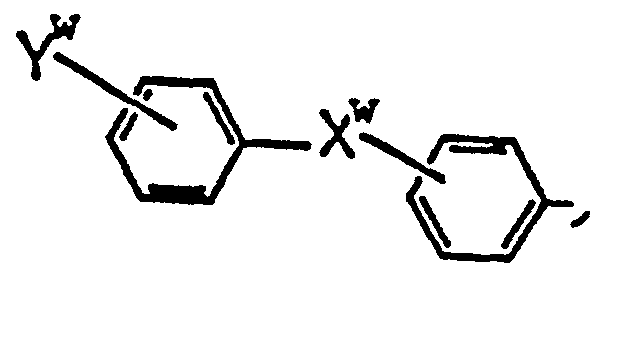
- R 1w is naphthyl, furyl, benzofuryl, benzothienyl, diphenylmethyl, aminoalkyl, Y w -C 6 H 4 -X w -C 6 H 4 -, R 4w CONH(CH 2 ) m w - or R 4w NHCO(CH 2 ) m w -, wherein Y w , X w , R 4w and m w are as defined above.
- Still another group of preferred compounds of formula I is that wherein R 3w is -OR 7w or -N R 7w R 8w , wherein R 7w and R 8w are as defined above.
- Preferred compounds of formula II are those wherein R 2aw is R 5w (CH 2 ) k w S(O) 0-2 (CH 2 ) q w - wherein R 5w , q w and k w are as defined above.
- R law is naphthyl, furyl, thienyl, benzofuryl, benzothienyl, diphenylmethyl, aminoalkyl, Y w -C 6 H 4 -X w -C 6 H 4 -, R 4w CONH(CH 2 ) m w- or R 4w NHCO(CH 2 ) m w - wherein Y w , X w , R 4w and m w are as defined above.
- a third group of preferred compounds is that wherein R law is Y w -C 6 H 4 .
- Still another group of preferred compounds of formula II is that wherein R 3w is -OR 7w or -NR 7w R 8w , wherein R 7w and R 8w are as defined above.
- Preferred compounds of formula III are those wherein R 3aw is -NHCH 2 CONH 2 , arylalkoxy or arylalkylamino. Also preferred are compounds of formula III wherein R law is naphthyl, furyl, thienyl, benzofuryl, benzothienyl, diphenylmethyl, aminoalkyl, Y w- C 6 H 4 -X w- C6H4-, R 4w CONH(CH 2 ) m w - or R 4w NHCO(CH 2 ) m w - wherein Y w , X w , R 4w and m w are as defined above.
- a third group of preferred compounds is that wherein R 1aw is substituted phenyl.
- Preferred compounds of formulae I-III are those wherein Q w is hydrogen or R 10w CO- wherein R 10w is alkyl.
- Preferred compounds of formulae I-III are those wherein Q w is hydrogen or R 10w CO- wherein R low i s alkyl.
- Compounds of this invention may, depending on the nature of functional groups, form addition salts with various inorganic and organic acids and bases.
- Such salts include salts prepared with organic and inorganic acids, e.g. HC1, HBr, H 2 SO 4 , H 3 PO 4 , methanesulfonic acid, toluenesulfonic acid, maleic acid, furmaric acid and camphorsulfonic acid.
- Salts prepared with bases include ammonium salts, alkali metal salts, e.g. sodium and potassium salts, and alkaline earth salts, e.g. calcium and magnesium salts.
- the salts may be formed by conventional means, as by reacting the free acid or base forms of the product with one or more equivalents of the appropriate base or acid in a solvent or medium in which the salt is insoluble, or in a solvent such as water which is then removed in vacuo or by freeze-drying or by exchanging the cations of an existing salt for another cation on a suitable ion exchange resin.
- R P R lw and R 1aw ;
- R r R 2w and R 2aw ;
- R t is methyl., ethyl, t-butyl or aralkyl (e.g. benzyl);
- Ac is acetyl;
- n is 0-2;
- DEC is 1-(3-dimethylaminopropyl)-3-ethylcarbodiimide hydrochloride;
- HOBT 1-hydroxybenzotriazole hydrate;
- NMM is N-methylmorpholine; and DMF is dimethylformamide.
- a propionic acid of formula 1 may be reacted with thionyl chloride to prepare the corresponding propionyl chloride, which may then be reacted with an amino acid ester of formula 2 or with the corresponding free acid 2a in an inert solvent such as acetonitrile in the presence of a base such as triethylamine to give isomers of formula 3, which may be separated as in Scheme 1.
- the following Scheme 2 is an example: wherein n, A c, R P, R r and R t are as defined above, and wherein R t may also be hydrogen.
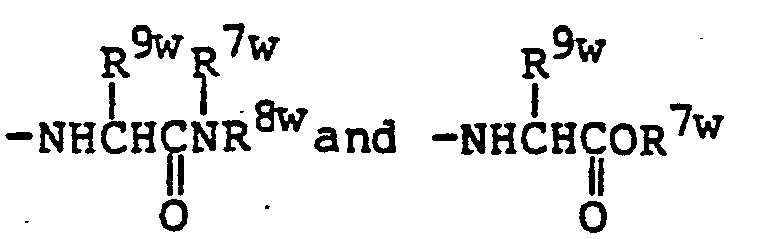
- compounds of formulae I-III wherein R 3w or R 3aw is -NR 7w R 8w may be prepared by coupling a propionyl chloride of formula 8 with an amino acid of formula 2a in the presence of a base and then coupling the desired-NR 7w R 8w group to the carboxylic group using a typical peptide-coupling reaction.
- Scheme 4 shows an example of such a procedure:
- a third method for preparing compounds of formulae I-III wherein R 3w or R 3aw i s -NR 7w R 8w comprises reacting a propionic acid of formula 1 with an amino acid t-butyl ester of formula 2, removing the t-butyl ester and coupling the -NR 7w R 8w group to the carboxylic acid group as above.
- Compounds wherein R 3w and R 3aw are are prepared analogously to those wherein R 3w and R 3aw are -NR 7w R 8w .
- Q w is R 10w CO-
- R 10w CO- may be prepared by known methods, for example by adding a mercaptoacid of formula R 10w COSH to an acrylic acid to obtain a thio-substituted propionic acid analogous to compounds of formula 1.
- Step 1 4-Biphenylmethylenemalonic acid: Heat 4-biphenyl carboxaldehyde (18.0g, 9.89 mmole) and malonic acid (10.8g, 10.4 mmole) in glacial acetic acid (6 ml) at approximately 100° for 2 hours. Cool the reaction mixture, dilute with dichloromethane and filter to give a white solid (8.76g). Concentrate the filtrate, add malonic acid (1.5g) and heat the resulting mixture at 100° for 2 hours. Cool the reaction mixture, dilute with CH 2 Cl 2 and filter to give a white solid (3.44g). Suspend the combined solids (12.20g) in water and filter to give the title compound, a pale yellow solid (9.56g), m.p. 208-9°+.
- Step 2 (4-Phenylbenzyl)malonic acid: Hydrogenate the product of Step 1 (9.50g, 3.5 mmole) in ethyl acetate (200 ml) in the presence of 10% palladium-on-charcoal (0.80g) at 50 psi for 3 hours. Filter and concentrate the reaction mixture in vacuo to give the title compound, a white solid (8.16g) m.p. 180-181°.
- Step 3 2-(4-Phenylbenzyl)acrylic acid: Treat a portion of the product of Step 2.(4.05g, 1.50 mmole) in water (20 ml) at 0-5° with 40% dimethylamine in water to pH 7-8. Add the remaining product of Step 2 (4.05g, 1.50 mmole). After 15 minutes, add aqueous formaldehyde (10.0 ml, 38%). Slowly warm the resulting mixture to room temperature and stir for 18 hours. Filter the reaction mixture, wash the white solid with water, and suspend the solid in water (150 ml). Heat this suspension at 100° for 3 hours until the solution is almost clear. Cool the solution and add concentrated hydrochloric acid to pH 2 to give a white precipitate. Filter the mixture and dry the white solid. Dissolve this white solid in hot methanol, filter and concentrate in vacuo to give the title compound, a white solid (6.68g) m.p. 168-170°.
- Step 4 3-Acetylthio-2-(4-phenylbenzyl)propionic acid: Add thioacetic acid (8.0 ml) to the product of Step 3 (6.0g, 2.77 mmole) in CH 2 Cl 2 (30 ml) and ethyl acetate (100 ml) and stir the resulting mixture at room temperature for 72 hours. Concentrate the reaction mixture in vacuo. Dissolve the residue in toluene (100 ml), and concentrate in vacuo (3 times) to give a yellow oil (6.0g).
- Step 1 Diethyl a-naphthylmethyl malonate: Add sodium metal (11.0g, 0.478 mole) to absolute ethanol (650 ml) with cooling and stirring until the sodium is dissolved. Add diethyl malonate (75.6g, 0.473 mole) over 15 minutes at room temperature. After 30 min., add a-bromomethylnaphthalene (100g, 0.452 mole) in absolute ethanol (400 ml). Heat the resulting mixture under reflux for 5 hours. Keep at room temperature for 20 hours, and concentrate in vacuo. Partition the residue between water (500 ml) and diethyl ether (700 ml). Extract the diethyl ether solution with water (200 ml), and brine (200 ml), then dry the organic layer (MgS0 4 ) and concentrate in vacuo to give the title compound, an oil (133.7g).
- Step 2 3-(l-Naphthyl)-2-ethoxycarbonylpropionic acid: To the product of Step 1 (133.7g, 0.446 mole) in absolute ethanol (400 ml) add a solution of potassium hydroxide (24.9g, 0.445 mole) in absolute ethanol (400 ml) and stir the resulting mixture at room temperature for 20 hours. Concentrate the reaction mixture in vacuo and partition the residue between ice water (lL) and diethyl ether (500 ml). Cool the aqueous solution to 0-5°C and acidify.to approximately pH 2 with 2N hydrochloric acid, keeping the temperature at 0-5°. Extract the mixture with diethyl ether, dry the organic layer (MgS0 4 ) and concentrate in vacuo to give the title compound, an oil (100g).
- Step 3 Ethyl 1-(a-naphthylmethyl)acrylate: Add to the product of Step 2 (100g, 0.367 mole) and diethylamine (39 ml) a 37% aqueous solution of formaldehyde (38 ml) over 30 min. at 0-5°C with vigorous stirring. Stir the mixture at room temperature for 7 hours and then extract with diethyl ether (3x500 ml). Extract the organic layer with 2N hydrochloric acid (2x500 ml), saturated aqueous sodium bicarbonate solution (500 ml) and brine (500 ml). Dry the organic layer (MgS0 4 ) and concentrate in vacuo to give the title compound, an oil (58.6g).
- Step 4 1-(a-Naphthylmethyl)acrylic acid: Treat the product of Step 3 (12.0g, 50 mmole) in dioxane (50 ml) with 1N sodium hydroxide (60 ml) and stir the resulting mixture at room temperature for 18 hours. Concentrate the reaction mixture under nitrogen, dilute with water and extract with ethyl acetate. Cool the aqueous solution to 0-5° and add concentrated hydrochloric acid slowly to pH 3-4 to give a white solid. Filter the reaction mixture, wash the resultant white solid with water and dry to give the title compound, a white solid (9.62g), m.p. 115-117°.
- Step 1 4-Benzoyl-2(S)-trifluoroacetamidobutyric acid: Heat at reflux for 3 hours a mixture of N-trifluoroacetyl-L-glutamic anhydride (18.0g, 80 mmol) and AlCl 3 (23.5g, 177 mmol) in dry benzene (400 ml). Allow to cool, treat with ice (400 ml), conc. HCl (100 ml), and ethylacetate (EtOAc) (400 ml). Dry the organic layer and concentrate to obtain the title compound as a brown crystalline solid (25g).
- Step 2 5-Phenyl-2(S)-trifluoroacetamidopentanoic acid: Reduce the product of Step 1 (9.7g) with Pearlman's catalyst (3.5g) in EtOAc (75 ml) and ethanol (25 ml) at 50 psi H 2 for 3 hours. Filter, concentrate and wash the resultant residue with 3:1 hexane:diethyl ether to give the title compound (7.8g).
- Step 3 N-Trifluoroacetyl-L-bishomophenylalanine, t-butyl ester: Treat the product of Step 2 (11.3g) with isobutylene (25 ml) and conc. H 2 S0 4 (1.0 ml) in CH 2 Cl 2 (100 ml) for 16 hours. Partition between diethyl ether and 1N NaHC0 3 , dry, concentrate, and chromatograph the resultant residue on silica gel, eluting with 2:1 hexane:diethyl ether to obtain 11.3g of the title compound as a colorless oil.
- Step 1 N-t-Butyloxycarbonyl-S-(4-methylbenzyl)-L-cysteine amide: React N-t-butyloxycarbonyl-S-(4-methylbenzyl)-L-cysteine (6.50g) with triethylamine (4.44g, 6.16 ml) in tetrahydrofuran (THF). Cool the mixture to 0-5°. Add ethyl chloroformate (4.77g, 3.41 ml) in THF (5 ml) dropwise over 5 min. and stir the reaction mixture for 15 min. Add ammonium hydroxide (28%, 2.0 ml) in THF (5 ml) dropwise.
- Step 1 N-(3-Acetylthio-2-Benzylpropionyl)-S-(4-Methylbenzyl)-L-Cysteine Methyl Ester (Isomers A & B): Add S-(4-methylbenzyl)-L-cysteine methyl ester, hydrochloride (1.85g, 0.77 mmole) to 3-acetylthio-2-benzyl propionic acid (1.93g, 0.81 mmole), DEC (1.46g, 0.76 mmole), HOBT (1.18g, 0.76 mmole) and NMM (2.30g, 2.5 ml, 2.27 mmole) in DMF (20 ml) and stir the resulting mixture at room temperature for 20 hours.
- Step 1 N-(3-Acetylthio-2-Benzylpropionyl)-S-(4- Methoxybenzyl)-L-Cysteine Methyl Ester (Isomers A and B) React S-(4-methoxybenzyl)-L-cysteine methyl ester hydrochloride (1.85g) and 3-acetylthio-2-benzylpropionic acid (1.95g) in the manner described in Example 1, Step 1 to give an amber oil.
- Step 1 N-(3-Acetylthio-2-Benzylpropionyl)-S-(3,4-Dimethylbenzyl)-L-Cysteine Ethyl Ester (Isomers A and B): React S-(3,4-dimethylbenzyl)-L-cysteine ethyl ester hydrochloride (2.20g) and 3-acetylthio-2-benzylpropionic acid (1.74g) in the manner described in Example 1, Step 1 to give an amber oil.
- Step 1 N-(3-Acetylthio-2-Benzylpropionyl)-S-Phenethyl-L-Cysteine Ethyl Ester, (Isomers A and B): React S-phenethyl-L-cysteine ethyl ester hydrochloride (2.85g) and 3-acetylthio-2-benzylpropionic acid, (2.38g) in a manner similar to that described in Example 1, Step 1 to give an amber oil.
- Step 2 Using the procedure described in Example 1, Step 2, separately treat Isomers A and B of Step 1 above to obtain Isomers A and B of the title compound.
- Step 1 N-(3-Acetylthio-2-Benzylpropionyl)-S-(t-Butyl)-L-Cysteine Methyl Ester (Isomers A and B): React S-(t-butyl)-L-cysteine methyl ester (2.32g) and 3-acetylthio-2-benzylpropionic acid (3.22g) in the manner described in Example 1, Step 1 to give an orange solid.
- Step 1 N-(3-Acetylthio-2-Benzylpropionyl)-L-Ethionine Ethyl Ester (Isomers A and B): React L-Ethionine ethyl ester (3.51g) and 3-acetylthio-2-benzylpropionic acid (4.37g) in a manner similar to that described in Example 1, Step 1 to give a yellow residue. Chromatograph the yellow residue on the Waters Prep 500 (2 silica gel cartridges) and elute with ethyl acetate:hexane 2:18 (16L), then ethyl acetate:hexane 3:17.
- Step 1 N-(3-Acetylthio-2-benzylpropionyl)-O-benzyl-L- tyrosine Methyl Ester (Isomers A and B): React O-benzyl-L-tryosine methyl ester hydrochloride (2.77g) and 3- acetylthio-2-benzylpropionic acid (2.05g) in a manner similar to that described in Example 1, Step 1 to give a yellow-orange oil. Chromatograph this oil on a column of silica gel (2.5L) and elute with CH 2 C1 2 :ethyl acetate 98:2 to give Isomer A, a white solid (0.84g) m.p.
- Step 1 N-(3-Acetylthio-2-Benzylpropionyl)-(S)-Bishomophenylalanine t-Butyl Ester (Isomers A and B): React (S)-bishomophenylalanine t-butyl ester hydrochloride (2.49g) and 3-acetylthio-2-benzylpropionic acid (2.39g) in the manner described in Example 1, Step 1 to give a yellow oil.
- Step 1 N-[3-Acetylthio-2(R,S)-Benzylpropionyl]-L-Methionine Methyl Ester: Add methionine methyl ester (2.00g, 1.23 mmole) to 3-acetylthio-2-benzylpropionic acid (3.01g, 1.26 mmole), DEC (2.34g, 1.22 mmole), HOBT (1.88g, 1.23 mmole) and NMM (2.34g, 2.31 mmole) in DMF (12 ml), and treat the resulting mixture as described in Example 1, Step 1 to give an amber oil (4.36g).
- Step 1 3-Acetylthio-2-(4-Phenylbenzyl)Propionyl Chloride: To 3-acetylthio-2-(4-phenylbenzyl)propionic acid (3.39g, 10.8 mmole) in toluene (25 ml) add 1% DMF in toluene (2 drops) and thionyl chloride (1.2 ml, 1.65g, 13.8 mmoles) and stir the resulting solution at room temperature for 18 hours. Concentrate the reaction mixture in vacuo, dissolve the residue in toluene (100 ml) and concentrate the solution in vacuo to give the title compound, a light brown oil (3.37g).
- Step 2 N-[3-Acetylthio-2-(4-Phenylbenzyl)Propionyl]-S-(4-Methylbenzyl)-L-Cysteine (Isomers A and B): Add the acid chloride (3.37g) from Step 1 in acetonitrile (25 ml) dropwise to S-(4-methylbenzyl)-L-cysteine hydrochloride (2.62g, 10 mmol) in acetonitrile (30 ml), water (15 ml) and triethylamine (2.8 ml), and stir the resulting mixture at room temperature for 4 hours.
- Step 3 N-[2-(4-Phenylbenzyl)-3-Mercaptopropionyl]-S-(4-Methylbenzyl)-L-Cysteine (Isomers A and B): Dissolve Isomer A of Step 2 in methanol saturated with ammonia (50 ml) at 0-5° under a nitrogen atmosphere. After 35 minutes, bubble nitrogen through the reaction mixture. Dilute the reaction mixture with water and acidify to pH 2-4 with 1N hydrochloric acid. Extract the acidic solution with ethyl acetate, dry the organic layer (M g S0 4 ) and concentrate in vacuo to give Isomer A of the title compound, a white solid (0.73g).
- Step 1 N-(3-Acetylthio-2-Benzylpropionyl)-L-Methionine Amide: In similar fashion to that described in Example 12, Step 2, convert L-methionine amide to N-(3- acetylthio-2-benzylpropionyl)-L-methionine amide. Recrystallize from hexane:CH 2 Cl 2 to obtain a solid, m.p. 101-3°. Chromatograph on silica gel with 4% methanol/CH 2 Cl 2 to obtain Isomer A, m.p. 149-51°, and Isomer B, m.p. 119-21°.
- Step 2 convert L-aspartic acid ⁇ -benzyl ester to N-(3-acetylthio-2-benzylpropionyl)-L-aspartic acid, 8-benzyl ester.
- Step 2 N-[N-(2-Benzyl-3-Mercaptopropionyl)-L-Alanyl]-L-Proline: Treat the product from Step 1 with methanol saturated with ammonia as described in Example 12, Step 3 .(before chromatography). Treat the resultant residue with zinc powder as described in Example 17.
- ACE inhibitors examples include those disclosed in the article by Wyvratt et al., cited above, and in the following patents and published patent applications:
- Atrial peptides As indicated by Needleman et al., a number of atrial peptides have been isolated so far, all having the same core sequence of 17 amino acids within a cysteine disulfide bridge, but having different N-termini lengths. These peptides represent N-terminal truncated fragments (21-48 amino acids) of a common preprohormone (151 and 152 amino acids for man and rats, respectively).
- Human, porcine and bovine carboxy-terminal 28-amino acid peptides are identical and differ from similar peptides in rats and mice in that the former contain a methionine group at position 12 while the latter contain isoleucine.
- Various synthetic analogs of naturally occurring atrial peptides also have been found to have comparable biological activity.
- Examples of atrial peptides contenplated for use in this invention are a human AP 21 (atriopeptin I), a human AP 28, a human AP 23 (atriopeptin II or APII), a human AP 24, a human AP 25, a human AP 26, a human AP 33, and the corresponding rat sequence of each of the above wherein met 12 is ile. See Table 2 for a conparison of the peptides.
- NMEP inhibitors alone and in combination with ACE inhibitors was determined according to the following procedure:
- NMEP inhibitor and ACE inhibitor were dosed subcutaneously (1 ml/kg) with vehicle. (methylcellulose, hereinafter MC), NMEP inhibitor, ACE inhibitor, or the combination of NMEP inhibitor and ACE inhibitor and blood pressure was monitored for the next 4 hours.
- the doses of NMEP inhibitor and ACE inhibitor are chosen based on amounts previously determined to be effective for inhibition of NMEP and ACE, respectively.
- The. daily antihypertensive dose of the compound or combinations of this invention is as follows: for NMEP inhibitor alone the typical dosage is 1 to 100 mg/kg of mammalian weight per day administered in single or divided dosages; for the combination of NMEP inhibitors and ACE inhibitors, the typical dosage is 1 to 100 mg of NMEP inhibitor/kg of mammalian weight per day, in single or divided dosages, plus 0.1 to 30 mg ACE inhibitor/kg of mammalian weight per day in single or divided dosages; for the combination of NMEP inhibitor and atrial peptide, the typical dosage is 1 to 100 mg of NEMP inhibitor/kq mammalian weight per day in single- or divided dosages plus 0.001 to 0.1 mq atrial peptide/kq of mammalian weight per day, in single or divided doses.
- the exact dose of any component or combination to be administered is determined by the attending clinician and is dependent on the potency of the compound administered, the age, weight, condition and response of the patient.
- the compounds or combinations of this invention may be administered to patients in a dosage range as follows: for treatment with NMEP inhibitors alone, about 10 to about 500 mg per dose given 1 to 4 times a day, giving a total daily dose of about 10 to 2000 mg per day; for the combination of NMEP inhibitor and ACE inhibitor, about 10 to about 500 mg NMEP inhibitor per dose given 1 to 4 times a day and about 5 to about 50 mg ACE inhibitor given 1 to 3 times a day (total daily dosage range of 10 to 2000 mg/day and 5 to 150 mg per day, respectively); for the combination of NMEP inhibitor and atrial peptide, .
- Typical oral formulations include tablets, capsules, syrups, elixirs and suspensions.
- Typical injectable formulations include solutions and suspensions.
- Typical pharmaceutically acceptable carriers may be used in said formulations.
- NMEP inhibitor refers to any antihypertensive NMEP inhibitor, especially the preferred compounds named on pages 6, 9 and 11.
- ACE inhibitor refers to any of the ACE inhibitors listed on pages 11-55, especially those listed in the table of preferred ACE inhibitors.
- Atrial peptide refers to any antihypertensive atrial peptide, especially those listed on page 56.
Landscapes
- Chemical & Material Sciences (AREA)
- Health & Medical Sciences (AREA)
- Organic Chemistry (AREA)
- Medicinal Chemistry (AREA)
- Life Sciences & Earth Sciences (AREA)
- General Health & Medical Sciences (AREA)
- Genetics & Genomics (AREA)
- Proteomics, Peptides & Aminoacids (AREA)
- Biochemistry (AREA)
- Biophysics (AREA)
- Molecular Biology (AREA)
- Pharmacology & Pharmacy (AREA)
- Animal Behavior & Ethology (AREA)
- Public Health (AREA)
- Veterinary Medicine (AREA)
- General Chemical & Material Sciences (AREA)
- Engineering & Computer Science (AREA)
- Gastroenterology & Hepatology (AREA)
- Epidemiology (AREA)
- Nuclear Medicine, Radiotherapy & Molecular Imaging (AREA)
- Chemical Kinetics & Catalysis (AREA)
- Bioinformatics & Cheminformatics (AREA)
- Heart & Thoracic Surgery (AREA)
- Cardiology (AREA)
- Pharmaceuticals Containing Other Organic And Inorganic Compounds (AREA)
- Medicines That Contain Protein Lipid Enzymes And Other Medicines (AREA)
- Organic Low-Molecular-Weight Compounds And Preparation Thereof (AREA)
- Peptides Or Proteins (AREA)
- Acyclic And Carbocyclic Compounds In Medicinal Compositions (AREA)
- Heterocyclic Compounds Containing Sulfur Atoms (AREA)
- Furan Compounds (AREA)
- Nitrogen Condensed Heterocyclic Rings (AREA)
- Plural Heterocyclic Compounds (AREA)
- Indole Compounds (AREA)
- Hydrogenated Pyridines (AREA)
Abstract
Description
- Human hypertension represents a disease of multiple etiologies. Included amonq these is a sodium and volume dependent low renin form of hypertension. Drugs that act to control one aspect of hypertension will not necessarily be effective in controlling another.
- We have surprisingly found that neutral metalloendopeptidase (NMEP) inhibitors lower blood pressure under conditions where angiotensin converting enzyme (ACE) inhibitors are relatively ineffective, for example in salt-dependent hypertension. NMEP inhibitors potentiate the activity of atrial natriuretic factors (ANF).
- Enkephalin, a natural opiate receptor agonist, is known to produce analqesia, and it is also known that enkephalin is inactivated by a neutral metallopeptidase (EC 3.4.24.11) frequently referred to as enkephalinase or enkephalinase A. Various NMEP inhibitors have been discovered which, by their inhibition of this enzyme elicit an analgesic effect. To date, no significant cardiovascular activity has been attributed to NMEP inhibitors. The NMEP inhibitor thiorphan was found to inhibit peripheral ACE, but to have little direct cardiovascular activity in its own right: blood pressure and heart rate were not affected. See T. Baum, et al, "Enkephalinase A Inhibition by Thiorphan: Central and Peripheral Cardiovascular Effects", Eur. J. Pharm., 94(1983), pg 85-91.
- Atrial peptides or atrial natriuretic factors, recently discovered peptide hormones secreted by the heart, help to regulate blood pressure, blood volume and the excretion of water, sodium and potassium. ANFwere found to produce a short-term reduction in blood pressure and to be useful in the treatment of conqestive heart failure. See P. Needleman et ail, "Atriopeptin: A Cardiac Hormone Intimately Involved in Fluid, Electrolyte and Blood-Pressure Homeostasis", N. Engl. J. Med., 314, 13 (1986) pp. 828-834, and M. Cantin et al in "The Heart as an Endocrine Gland", Scientific American, 254 (1986) pq. 76-81.
- We have also found that NMEP inhibitors may be combined with other drugs used in the treatment of hypertension to enhance the effects of those drugs: combinations of NMEP inhibitors and exogenous atrial peptides provide improved magnitude and duration of the antihypertensive effect when compared to the use of atrial peptides alone, and combinations of NMEP inhibitors and ACE inhibitors provide an-antihypertensive effect greater than the activity of either the NMEP inhibitor or the ACE inhibitor alone.
- ACE inhibitors, drugs which are known to be effective in treating some types of hypertension, are useful in blockinq the rise in blood pressure caused by increases in vascular resistance and fluid volume due to the formation of angiotensin II from angiotensin I. For a review of ACE inhibitors, see M. Wyvratt and A. Patchett, "Recent Developments in the Design of Anaiotensin Converting Enzyme Inhibitors" in Med. Res. Rev. Vol. 5, No. 4 (1985) pp. 483-531, incorporated herein by reference.
- The invention sought to be patented in its pharmaceutical composition aspect is an NMEP inhibitor in combination with a pharmaceutically acceptable carrier for use in treating hypertension. Also sought to be patented are a pharmaceutical composition comprising both an NMEP inhibitor and an ACE inhibitor in combination with a pharmaceutically acceptable carrier, and a pharmaceutical composition comprising both an NMEP inhibitor and an atrial peptide in combination with a pharmaceutically acceptable carrier.
- In another aspect of the invention, pharmaceutical compositions containing components of the combination therapies may be administered separately. Where the compositions are administered separately, any convenient combination of dosage forms may be used, e.g. oral NMEP inhibitor/oral ACE inhibitor, oral NMEP inhibitor/parenteral atrial peptide, parenteral NMEP inhibitor/oral ACE inhibitor, parenteral NMEP inhibitor/parenteral atrial peptide.
- Still another aspect of the invention sought to be patented is a combination of separate pharmaceutical .compositions in kit form. That is, two kits are contemplated, each combining two separate units: an NMEP inhibitor pharmaceutical composition and an ACE inhibitor pharmaceutical composition in one kit, and an NMEP inhibitor pharmaceutical composition and an atrial peptide pharmaceutical composition in a second kit. The kit.form is particularly advantageous when the separate components must be administered in different dosage forms (e.q. oral and parenteral) or are administered at different dosage intervals.
- When the components of a combination of an NMEP inhibitor and an atrial peptide are administered separately, it is preferred that the NMEP inhibitor be administered first.
- The NMEP inhibitors contemplated for use in this invention are exemplified by, but not limited to:
- thiorphan (N-[(R,S)-3-mercapto-2-benzylpropanoyl]-qlycine) and related compounds, see B.P. Rogues et al, Eur. J. Biochem., 139 (1984) 267-274;
- carboxyalkyl inhibitors such as (S)-HomoPhe-[N]-L-Phe-Gly (See R.A. Mumford, et al, Biochem. Biophys. Res. Commun., 109 (1982) 1303-1307) and N-[(R,S)-2-carboxy-3-phenypropanoyl]-L-leucine (See B.P. Rogues et al, J. Med. Chem., 26 (1983) 60-65);
- hydroxamic acid inhibitors such as N-[3(R,S)-(N-formyl-N-hydroxyamino)-1-oxo-2-benzylpropyl]qlycine, N-[3(R,S)-[(hydroxyamino)carbonyl]-2-benzyl-1-oxopropyl]-glycine and N-[3(R,S)-[(hydroxyamino)carbonyl]-2-benzyl-1-oxopropyl]-L-alaine (See B.P. Rogues, J. Med. Chem., 28 (1985) 1158-1169);
- compounds disclosed in U.S. Patent 4,610,816 having the formula

- Rl u is alkyl having from 1 to 6 carbon atoms, adamantylmethyl, cycloakylmethyl havinq from 4 to 8 carbon atoms or Au-Xu m u-Cn uH2n u- wherein XU is oxygen or sulfur, AU is phenyl which may be substituted with the group, Yu, wherein Yu is halogen, hydroxy, trifluoromethyl, alkoxy having from 1 to 6 carbon atoms, alkvl having from 1 to 6 carbon atoms, 2- and 3-furanyl, 2- and 3-thienyl, or phenyl [which may be substituted with halogen, hydroxy, trifluoromethyl, alkoxy having from 1 to 6 carbon atoms or alkyl havinq from 1 to 6 carbon atoms] benzyl [the phenyl ring of which may be substituted with the group, Yu, as defined herein], 1-and 2-naphthyl, 2- and 3-furanyl or 2- and 3-thienyl; mU is 0 or 1 and nu is 0, 1, 2, 3, or 4;
- R2 u and R6 u may be the same or different and are hydroxy, alkoxy having from 2 to 8 carbon atoms, Bu-Xu m u-Cn uH2n u-O- wherein Bu is phenyl [which may be substituted with the group, Yu, as defined herein] or 1-and 2-naphthyl, Xu, mu, and nu are as defined herein provided that when nu=0, mu=0, -OCH20CO-alkyl having from 3 to 8 carbon atoms, -OCH2CO-phenyl [the phenyl ring of which may be substituted with the group, Yu, as defined herein], 1-qlyceryl,

- R2 u may also be -NR7 uR8 u wherein R7 u and R8 u are as defined herein;
- R3 u is alkyl having from 1 to 6 carbon atoms, cycloalkylmethyl havinq from 4 to 8 carbon atoms, 2- and 3-thienylmethyl, 2- and 3-furanylmethyl, 1- and 2-naphthylmethyl, or benzyl, the phenyl ring of which may be substituted with the group, Yu, as defined herein;
- R4 u is Du-Cn uH2n u-Om u- wherein Du is hydrogen, alkyl having from 1 to 4 carbon atoms or phenyl which may be substituted with the group, Zu, wherein Zu is haloqen, hydroxy, trifluoromethyl, alkoxy having from 1 to 6 carbon atoms, or alkyl having from 1 to 6 carbon atoms; mu and nu are as defined herein;
- R4 u may also be -NR5 uCOR7 u (wherein R5 u and R7 u are defined herein), NR5 uCO2R9 u (wherein R5 u is defined herein and R9 u is alkyl having from 1 to 6 carbon atoms or phenyl which may be substituted with the group, Yu, defined herein), provided that pu is 1 or 2;
- R5 u is hydrogen or alkyl having from 1 to 6 carbon atoms; and
- pu is 0, 1 or 2.
- Preferred compounds having the above structural formula are:
- N-[N-[(L-l-carboxy-2-phenylethyl)]-L-phenylalanyl]-β-alanine;
- N-[N-[L-1-(2,2-dimethyl-1-oxopropoxy)methoxy]-carbonyl]-2-phenylethyl]-L-phenylalanyl]-β-alanine;
- N-[N-[1-(S)-carboxyl-3-phenylpropyl]-(S)-phenylalanyl]-(R)-isoserine; and
- N-[N-[l-(S)-[2-(phenoxy)ethoxycarbonyl]-3-phenylpropyl]-(S)-phenylalanyl]-(S)-isoserine.
- Compounds disclosed in European Patent Application 117,429 having the formula:

- wherein R1v is hydrogen, alkyl having from 1 to 6 carbon atoms,

- in which Av is hydrogen, halogen, hydroxy, nitro, trifluoromethyl, alkoxy having from 1 to 6 carbon atoms, alkyl having from 1 to 6 carbon atoms, 2- or 3-thienyl or phenyl which may be substituted with halogen, hydroxy, nitro, trifluoromethyl, alkoxy having from 1 to 6 carbon atoms, or alkyl having from 1 to 6 carbon atoms;
- Wv is R1v or OR1v wherein R1v is as defined above;
- Xv is -(CH2)p v-CHR3v- or -CHR3v-(CH2)p v- wherein
- pv is 0 or 1, and
- R3v is 2- or 3-thienylmethyl, 3-indolylmethyl, alkyl having from 1 to 6 carbon atoms, cycloalkyl havinq from 3 to 7 carbon atoms, cycloalkylmethyl having from 4 to 8 carbon atoms,

- in which Av is as defined above,

- Zv is o-, m- or p-phenylene, -(CHR4v)r v-[wherein rv is 1,2,3, or 4 and R4v is independently chosen from hydrogen, alkyl having from 1 to 6 carbon atoms, hydroxy, alkoxy havinq from 1 to _6 carbon atoms, cycloalkyl having from 3 to 7 carbon atoms, cycloalkylmethyl having from 4 to 8 carbon atoms, 3- indolylmethyl, hydroxymethyl, 2-(methylthio)ethyl,

- in which Av is as defined above] or
- -Bvqv-B'v-B''v-[wherein qv is 0 or 1, one of the groups, Bv, B'v or B''v is

- in which Av is as defined above and the remaining Bv, B'v and/or B''v is -CH2-],
- R2 v is hydroxy, alkoxy having from 1 to 6 carbon atoms,

- [wherein sv is 0, 1, 2, or 3],


- or alkyl having from 1 to 6 carbon atoms],


- [wherein tv is 1 or 2] ,

- [wherein uv is 1 or 2],

- R8v is

- 1 to 6 carbon atoms, and wherein Av in the groups defined for R2 v is as defined above;
- Preferred compounds having the above structural formula are
- N-[1-oxo-3-phenyl-2-(phosphonomethyl)propyl]-β-alanine and the ethyl ester thereof;
- compounds disclosed in U.S. Serial No. 32,153, filed March 27, 1987, US-Patent 4 513 009, and. EPA 38 046,having the formula

- R1aw is Yw-C6H4-, Yw-C6H4S-, Yw-C6H4O-,

- a-naphthyl, β-naphthyl, furyl, thienyl, benzofuryl, benzothienyl, H2N(CH2)mw-, diphenylmethyl,

- R2w is alkyl, alkyl-S(O)0-2(CH2)qw-, R5w(CH2)kwS(O) 0-2(CH2)qw-, alkyl-O(CH2)qw-, R5w(CH2)kw-O(CH2)qw-, R5w(CH2)qw-, H2N(CH2)qw-, cycloalkyl(CH2)kw-, R13wCONH(CH2)qw-, R13wNHCO(CH2)qw- or R6wOCO(CH2)qw-;
- R3W is -OR7w,

- R 4w and R l3w are independently hydrogen, alkyl or Y1w-C6H4-:
- R5w is Y2w-C6H4-, Y2w-C6H4S-, Y2w-C6H4O-, a-naphthyl, β-naphthyl, furyl, thienyl, benzofuryl, benzothienyl, indolyl or

- R 6w, R 7w and R8w are independently H, alkyl, hydroxyalkyl, alkoxyalkyl, aminoalkyl, alkylaminoalkyl, dialkylaminoalkyl or arylalkyl, or R 7w and R8w together with the nitrogen to which they are attached complete a 5-7 membered ring, wherein one of the 4-6 ring members comprising R7w and R8w may be a nitrogen atom, an alkyl-substituted nitrogen atom or an oxygen atom, and wherein the ring may be substituted on the ring carbon atoms with substituents chosen from alkyl and hydroxy groups;
- R9w is hydrogen, alkyl, carboxyalkyl, mercaptoalkyl, alkylthioalkyl, aminoalkyl, hydroxyalkyl, phenylalkyl, hydroxyphenylalkyl, guanidinbalkyl, imidazolylalkyl, indolylalkyl or carbamoylalkyl;
- nw is 0-2;
- mw and kw are independently 0-3;
- qw is 1-4;
- Xw and X lw are independently a bond, -0-, -S-, or -CH2-;
- Qw is hydrogen or R10wCO-;
- R10w is alkyl, hydroxyalkyl, alkoxyalkyl, dialkylaminoalkyl, Y3w-C6H4-alkyl, alkoxy, Y3w-C6H4-, naphthyl, furyl, thienyl or pyridyl;
- Yw, Y1w, Y2w and Y 3w independently represent one or more substituents selected from H, alkyl, cycloalkyl, alkoxy, OH, F, Cl, Br, CN, -CH2NH2, -C02H, -CO2alkyl, -CONH2 and phenyl;
- and the pharmaceutically acceptable acid addition salts thereof.
- A preferred compound is N-[2-(S-acetylthiomethyl)-3-phenylpropionyl]-(S)-methionine amide.
- The above general formula encompasses novel compound.s which may be mad.e by the processes d.isclosed. in US 4 513 009 and. EPA 38 046. Said. novel compound.s are of three structural formulae, as follows:

- wherein R lw is phenyl substituted by one or more substituents independently selected from alkyl, alkoxy, cycloalkyl, cyano and aminomethyl, Yw-C6H4S-, Yw-C6H4O-,

- a-naphthyl, β-naphthyl, furyl, benzofuryl, benzothienyl, H2N(CH2)m w-, diphenylmethyl,

- R2w is alkyl, alkyl-S(O)0-2(CH2)q w-, R5w(CH2)k wS(O)0-2(CH2)q w-, alkyl-O(CH2)q w-, R5w(CH2)k w-O(CH2)q w-, R5w(CH2)q w-, H2N(CH2)q w-, cycloalkyl(CH2)k w-, R13wCONH(CH2)q w-, R13wNHCO(CH2)q w- or R6wOCO(CH2)q w-;
- R3w is -OR7w, -NR7wR8w,

- R4w and R13w are independently hydrogen, alkyl or Ylw- C6H4-;
- R5w is Y 2w- C6H4-, Y2w-C6H4S-, Y2w-C6H4O-, a-naphthyl, β-naphthyl, furyl, thienyl, benzofuryl, benzothienyl, indolyl or

- R 6w, R 7w and R8w are independently H, alkyl, hydroxyalkyl, alkoxyalkyl, aminoalkyl, alkylaminoalkyl, dialkylaminoalkyl or arylalkyl, or R7w and R8w together with the nitrogen to which they are attached complete a 5-7 membered ring, wherein one of the 4-6 ring members comprising R7w and R8w may be a nitrogen atom, an. alkyl-substituted nitrogen atom or an oxygen atom, and wherein the ring may be substituted on the ring carbon atoms with substituents chosen from alkyl and hydroxy groups;
- R9w is hydrogen, alkyl, carboxyalkyl, mercaptoalkyl, alkylthioalkyl, aminoalkyl, hydroxyalkyl, phenylalkyl, hydroxyphenylalkyl, guanidinoalkyl, imidazolylalkyl, indolylalkyl, or carbamoylalkyl;
- nw is 0-2;
- mw and kw are independently 0-3;
- qw is 1-4;
- Xw and X lw are independently a bond, -0-, -S-, or -CH2-;
- Qw is hydrogen or R10wCO-;
- R10w is alkyl, hydroxyalkyl, alkoxyalkyl, dialkylaminoalkyl, Y3w-C6H4-alkyl, alkoxy, Y3w-C6H4-, naphthyl, furyl, thienyl or pyridyl;
- Yw, Y1w, Y2w and Y 3W independently represent one or more. substituents selected from H, alkyl, cycloalkyl, alkoxy, OH, F, Cl, Br, CN, -CH2NH2, -C02H, -CO2alkyl, -CONH2 and phenyl;
- and the pharmaceutically acceptable addition salts thereof;

- wherein Rlaw is Yw-C6H4-, Yw-C6H4S-, Yw-C6H4O-,
- a-naphthyl, B-naphthyl, furyl, thienyl, benzofuryl, benzothienyl, H2N(CH2)m w-, diphenylmethyl,

- R 2aw is R5aw(CH2)w kS(O)0-2(CH2)q w-, R5aw(CH2)k w-O(CH2)q w-, R5aw(CH2)q w-, or cycloalkyl-(CH2)k w, and when R3w is -NR7wR8w,

- R13wCONH(CH2)q w-, R13wNHCO(CH2)q w- or R6wOCO(CH2)q w-;
- R3w is -OR 7w, -NR7wR8w,

- R4w and R13w are independently hydrogen, alkyl or Y1w-C6H4-;
- R5aw is Y2w-C6H4- provided Y2w is not H or OH, Y2w-C6H4S-, Y2w-C6H4O-, α-naphthyl, β-naphthyl, furyl, thienyl, benzofuryl, benzothienyl or

- R 6w, R 7w and R8w are independently H, alkyl, hydroxyalkyl, alkoxyalkyl, aminoalkyl, alkylaminoalkyl, dialkylaminoalkyl or arylalkyl, or R7w and R8w together with the nitrogen to which they are attached complete a 5-7 membered ring, wherein one of the 4-6 ring members comprising R7w and R8w may be a nitrogen atom, an alkyl-substituted nitrogen atom or an oxygen atom, and wherein the ring may be substituted on the ring carbon atoms with substituents chosen from alkyl and hydroxy groups;
- R9w is hydrogen, alkyl, carboxyalkyl, mercaptoalkyl, alkylthioalkyl, aminoalkyl, hydroxyalkyl, phenylalkyl, hydroxyphenylalkyl, guanidinoalkyl, imidazolylalkyl, indolylalkyl, or carbamoylalkyl;
- nw is 0-2;
- mw and kw are independently 0-3;
- qw is 1-4;
- Xw and X lw are independently a bond, -O-, -S-, or -CH2-; Qw is hydrogen or R10wCO-;
- R10w is alkyl, hydroxyalkyi, alkoxyalkyl, dialkylaminoalkyl, Y3w-C6H4-alkyl, alkoxy, Y3w-C6H4-, naphthyl, furyl, thienyl or pyridyl;
- Yw, Y1w, Y 2w and Y 3w independently represent one or more substituents selected from H, alkyl, cycloalkyl, alkoxy, OH, F, Cl, Br, CN, -CH2NH2, -CO2H, -CO2alkyl, -CONH2 and phenyl;
- and the pharmaceutically acceptable addition salts thereof; and.

- wherein Rlaw is Yw-C6H4-, Yw-C6H4S-, Yw-C6H4O-,

- a-naphthyl, β-naphthyl, furyl, thienyl, benzofuryl, benzothienyl, H2N(CH2)m w-, diphenylmethyl,

- R 2w is alkyl, alkyl-S(O)0-2(CH2)q w-,
- R5w(CH2)k wS(O)0-2(CH2)q w-, alkyl-O(CH2)q w-, R5w(CH2)k w-O(CH2)q w-, R5w(CH2)q w-, H2N(CH2)q w-, cycloalkyl(CH2)k w-, R13wCONH(CH2)q w-, R13wNHCO(CH2)q w- or R6wOCO(CH2)q w-;
- R3aw is

- R4w and R13w are independently hydrogen, alkyl or Y1w-C6H4-;
- R5w is Y2w-C6H4-, Y2w-C6H4S-, Y2w-C6H4O-, α-naphthyl, naphthyl, furyl, thienyl, benzofuryl, benzothienyl, indolyl or

- R 6w, R 7w and R8w are independently H, alkyl, . hydroxyalkyl, alkoxyalkyl, aminoalkyl, alkylaminoalkyl, dialkylaminoalkyl or arylalkyl, or R7w and R 8w together with the nitrogen to which they are attached complete a 5-7 membered ring, wherein one of the 4-6 ring members comprising R7w and R 8w may be a nitrogen atom, an alkyl-substituted nitrogen atom or an oxygen atom, and wherein the ring may be substituted on the ring carbon atoms with substituents chosen from alkyl and hydroxy groups;
- R9w is hydrogen, alkyl, carboxyalkyl, mercaptoalkyl, alkylthioalkyl, aminoalkyl, hydroxyalkyl, phenylalkyl, hydroxyphenylalkyl, guanidinoalkyl, imidazolylalkyl, indolylalkyl, or carbamoylalkyl;
- nw is 0-2;
- mw and kw are independently 0-3;
- qw is 1-4;
- Xw and X lw are independently a bond, -0-, -S-, or -CH2-;
- Qw is hydrogen or R14wCO-;
- R10w is alkyl, hydroxyalkyl, alkoxyalkyl, dialkylaminoalkyl, Y3w-C6H4-alkyl, alkoxy, Y3w-C6H4-, naphthyl, furyl, thienyl or pyridyl;
- R llw is hydroxyalkyl or substituted phenylalkyl wherein the phenyl group is substituted by one or more groups selected from alkyl, alkoxy, cycloalkyl and cyano; R12w is H or selected from the same group as R11w; or R11w and R l2w together with the nitrogen to which they are attached complete a 5-7 membered ring wherein one of the 4-6 ring members comprising R llw and R12w may be a nitrogen atom, an alkyl-substituted nitrogen atom or an oxygen atom, and wherein the ring may be substituted on the ring carbon atoms with substituents chosen from alkyl and hydroxy groups;
- Yw, Y1w, Y 2w and Y 3w independently represent one or more substituents selected from H, alkyl, cycloalkyl, alkoxy, OH, F, Cl, Br, CN, -CH2NH2, -C02H, -CO2alkyl, -CONH2 and phenyl;
- and the pharmaceutically acceptable addition salts thereof.
- As used herein the term "alkyl" means straight or branched alkyl chains of 1 to 6 carbon atoms, and "alkoxy" similarly refers to alkoxy groups having 1 to 6 carbon atoms. "Cycloalkyl" means cyclic alkyl groups of 3-6 carbon atoms.
- "Aryl" means mono-cyclic or fused ring bicyclic aromatic groups having 5 to 10 ring members wherein 0-2 ring members may independently be nitrogen, oxygen or sulfer and wherein the ring members may be substituted by one to three substituents chosen from group Y defined above. Examples of aryl groups are phenyl, a-naphthyl, a-naphthyl, furyl, thienyl, benzofuryl, benzothienyl, indolyl and pyridyl.
- "Halo" refers to fluorine, chlorine, bromine or iodine radicals. The term "poly", when used to describe substitution in a phenyl, alkylphenyl or alkoxyphenyl group, means 2 to 5 substituents.
- Groups R 3wand R 3awcomprising the partial structure


- Preferred embodiments of compounds of formula I are compounds wherein R2w is alkyl, alkyl-S(O)0-2(CH2)q w-, R5w(CH2)k wS(O)0-2(CH2)q w- or R5w(CH2)q w-, wherein R5w, qw and kw are as defined above. Also preferred are compounds of formula I wherein R1w is naphthyl, furyl, benzofuryl, benzothienyl, diphenylmethyl, aminoalkyl, Yw-C6H4-Xw-C6H4-, R4wCONH(CH2)m w- or R4wNHCO(CH2)m w-, wherein Yw, X w, R4w and mw are as defined above. A third group of preferred compounds in that wherein R1w is substituted phenyl. Still another group of preferred compounds of formula I is that wherein R3w is -OR7w or -NR 7w R 8w, wherein R7w and R8w are as defined above.
- Preferred compounds of formula II are those wherein R 2aw is R5w(CH2)k wS(O)0-2(CH2)q w- wherein R 5w, qw and kw are as defined above. Also preferred are compounds of formula II wherein Rlaw is naphthyl, furyl, thienyl, benzofuryl, benzothienyl, diphenylmethyl, aminoalkyl, Yw-C6H4-Xw-C6H4-, R4wCONH(CH2)m w- or R4wNHCO(CH2)m w- wherein Yw, Xw, R 4w and mw are as defined above. A third group of preferred compounds is that wherein Rlaw is Yw-C6H4. Still another group of preferred compounds of formula II is that wherein R3w is -OR7w or -NR7wR8w, wherein R7w and R8w are as defined above.
- Preferred compounds of formula III are those wherein R3aw is -NHCH2CONH2, arylalkoxy or arylalkylamino. Also preferred are compounds of formula III wherein R law is naphthyl, furyl, thienyl, benzofuryl, benzothienyl, diphenylmethyl, aminoalkyl, Yw-C6H4-Xw- C6H4-, R4wCONH(CH2)m w- or R4wNHCO(CH2)m w- wherein Yw, Xw, R 4w and mw are as defined above. A third group of preferred compounds is that wherein R1aw is substituted phenyl.
- Preferred compounds of formulae I-III are those wherein Qw is hydrogen or R10wCO- wherein R10w is alkyl.
- Preferred compounds of formulae I-III are those wherein Qw is hydrogen or R10wCO- wherein R lowis alkyl.
- Compounds of this invention may, depending on the nature of functional groups, form addition salts with various inorganic and organic acids and bases. Such salts include salts prepared with organic and inorganic acids, e.g. HC1, HBr, H2SO4, H3PO4, methanesulfonic acid, toluenesulfonic acid, maleic acid, furmaric acid and camphorsulfonic acid. Salts prepared with bases include ammonium salts, alkali metal salts, e.g. sodium and potassium salts, and alkaline earth salts, e.g. calcium and magnesium salts.
- The salts may be formed by conventional means, as by reacting the free acid or base forms of the product with one or more equivalents of the appropriate base or acid in a solvent or medium in which the salt is insoluble, or in a solvent such as water which is then removed in vacuo or by freeze-drying or by exchanging the cations of an existing salt for another cation on a suitable ion exchange resin.
- Compounds of formulae I-III have two or more asymmetrical carbon atoms and therefore include various stereoisomers. All stereoisomers are included within the scope of the present invention.
- Compounds of the present invention may be prepared by using coupling reactions well known in the peptide art to join a 3-acetylthio-2-(substituted)-propionic acid of formula 1 with an amino acid ester of formula 2. The following reaction Scheme 1 is an example:

- In the above scheme, RP=R lw and R1aw; Rr=R2w and R2aw;Rt is methyl., ethyl, t-butyl or aralkyl (e.g. benzyl); Ac is acetyl; n is 0-2; DEC is 1-(3-dimethylaminopropyl)-3-ethylcarbodiimide hydrochloride; HOBT is 1-hydroxybenzotriazole hydrate; NMM is N-methylmorpholine; and DMF is dimethylformamide.
- As Scheme 1 shows, an amino acid ester of formula 2 and a 3-acetylthio propionic acid of formula 1 are reacted at room temperature in an inert solvent such as DMF in the presence of coupling agents such as DEC and HOBT in the presence of a base such as NMM. The resultant isomers are separated by chromatography and the isomers are deprotected at the acid and mercapto positions.
- Alternatively, a propionic acid of formula 1 may be reacted with thionyl chloride to prepare the corresponding propionyl chloride, which may then be reacted with an amino acid ester of formula 2 or with the corresponding free acid 2a in an inert solvent such as acetonitrile in the presence of a base such as triethylamine to give isomers of formula 3, which may be separated as in Scheme 1. The following Scheme 2 is an example:

- Compounds of formulae I-III wherein R 3wor R 3aw is -NR7wR8w are prepared by coupling reactions as described above in Schemes 1 and 2 by replacing the amino acid ester 2 with an amide or substituted amide as shown in Scheme 3:

- Alternativelv, compounds of formulae I-III wherein R3w or R3aw is -NR7wR8w may be prepared by coupling a propionyl chloride of formula 8 with an amino acid of formula 2a in the presence of a base and then coupling the desired-NR7wR8w group to the carboxylic group using a typical peptide-coupling reaction. Scheme 4 shows an example of such a procedure:


- A third method for preparing compounds of formulae I-III wherein R 3wor R 3awis -NR7wR8w comprises reacting a propionic acid of formula 1 with an amino acid t-butyl ester of formula 2, removing the t-butyl ester and coupling the -NR7wR8w group to the carboxylic acid group as above. Compounds wherein R 3w and R 3aw are
- Compounds wherein Qw is R10wCO- may be prepared by known methods, for example by adding a mercaptoacid of formula R10wCOSH to an acrylic acid to obtain a thio-substituted propionic acid analogous to compounds of formula 1.
- Starting materials of formulae 1 and 2 are known in the art or may be prepared by methods well known to those skilled in the art.
- Following are descriptions of preparations of typical starting materials and examples of procedures for preparing compounds of formulae I-III. Temperature designations, i.e. reaction conditions and melting points, are in °C.
- At room temperature, add thionyl chloride (2.8 ml, 2.2 equiv.) dropwise to N-t-butyloxycarbonyl-S-(4-methylbenzyl)-L-cysteine (5.0g) in methanol (500 ml) and heat the resulting mixture under reflux for 90 minutes. Cool the reaction mixture to room temperature and concentrate in vacuo to give the title compound, a white solid (4.31g), m.p. 158-160°,

- By the same method, other amino acid esters are prepared:
- S-Benzyl-D-cysteine ethyl ester hydrochloride, a while solid, m.p. 149-151°,

- S-(4-Methoxybenzyl)-L-cysteine methyl ester hydrochloride, a white solid, m.p. 145-6°,

- S-(3,4-Dimethylbenzyl)-L-cysteine ethyl ester hydrochloride, white solid, m.p. 161-167°,

- S-t-Butyl-L-cysteine methyl ester, an oil.
- Add thionyl chloride (2.0 ml) to absolute ethanol (25 ml) at 0-5°. To this solution add S-phenethyl-L-cysteine (2.5g, 1.11 mmole). Warm the resulting mixture to room temperature, and then heat at 60° for 5 hours. Concentrate the reaction mixture in vacuo, dissolve the resultant residue in dichloromethane (CH2Cl2), and concentrate the solution in vacuo. Dissolve the residue in absolute ethanol, treat with DARCO, filter and concentrate in vacuo to give the title compound, a white solid (2.90g) m.p. 155-156°,

- By the same method, other amino acid esters are prepared:
- O-Benzyl-L-tyrosine methyl ester hydrochloride, a white solid, m.p. 189-190,

- S-Methyl-L-cysteine ethyl ester, an oil,

- S-Ethyl-L-cysteine ethyl ester hydrochloride, a white solid, m.p. 130-3°

- Ethionine ethyl ester, hydrochloride, clear oil,

- Step 1: 4-Biphenylmethylenemalonic acid: Heat 4-biphenyl carboxaldehyde (18.0g, 9.89 mmole) and malonic acid (10.8g, 10.4 mmole) in glacial acetic acid (6 ml) at approximately 100° for 2 hours. Cool the reaction mixture, dilute with dichloromethane and filter to give a white solid (8.76g). Concentrate the filtrate, add malonic acid (1.5g) and heat the resulting mixture at 100° for 2 hours. Cool the reaction mixture, dilute with CH2Cl2 and filter to give a white solid (3.44g). Suspend the combined solids (12.20g) in water and filter to give the title compound, a pale yellow solid (9.56g), m.p. 208-9°+.
- By this method other aryl methylene malonic acids are prepared, for example:
- S-Naphthylmethylene malonic acid, a white solid, m.p. 204-205°.
- Step 2: (4-Phenylbenzyl)malonic acid: Hydrogenate the product of Step 1 (9.50g, 3.5 mmole) in ethyl acetate (200 ml) in the presence of 10% palladium-on-charcoal (0.80g) at 50 psi for 3 hours. Filter and concentrate the reaction mixture in vacuo to give the title compound, a white solid (8.16g) m.p. 180-181°.
- By this method other arylmethyl malonic acids are prepared, for example:
- β-Naphthylmethyl malonic acid, a white solid, m.p. 150-152°.
- Step 3: 2-(4-Phenylbenzyl)acrylic acid: Treat a portion of the product of Step 2.(4.05g, 1.50 mmole) in water (20 ml) at 0-5° with 40% dimethylamine in water to pH 7-8. Add the remaining product of Step 2 (4.05g, 1.50 mmole). After 15 minutes, add aqueous formaldehyde (10.0 ml, 38%). Slowly warm the resulting mixture to room temperature and stir for 18 hours. Filter the reaction mixture, wash the white solid with water, and suspend the solid in water (150 ml). Heat this suspension at 100° for 3 hours until the solution is almost clear. Cool the solution and add concentrated hydrochloric acid to pH 2 to give a white precipitate. Filter the mixture and dry the white solid. Dissolve this white solid in hot methanol, filter and concentrate in vacuo to give the title compound, a white solid (6.68g) m.p. 168-170°.
- By this method other 2-(aryl)acrylic acids are prepared, for example:
- 2-(8-naphthylmethyl)acrylic acid, a white solid, m.p. 83-84°.
- Step 4: 3-Acetylthio-2-(4-phenylbenzyl)propionic acid: Add thioacetic acid (8.0 ml) to the product of Step 3 (6.0g, 2.77 mmole) in CH2Cl2 (30 ml) and ethyl acetate (100 ml) and stir the resulting mixture at room temperature for 72 hours. Concentrate the reaction mixture in vacuo. Dissolve the residue in toluene (100 ml), and concentrate in vacuo (3 times) to give a yellow oil (6.0g). Chromatograph the oil on a column of silica gel (1.6L), eluting with CH2Cl2 (4L) CH2Cl2:methanol 1000:1 (3L), and 1000:5 (15L) to give the title compound, a white solid (3.44g), m.p. 101-103°.
- By this method, other 3-acetylthio-2-(aryl methyl)propionic acids are prepared:
- 3-Acetylthio-2-(4-chlorobenzyl)propionic acid, an oil.
- 3-Acetylthio-2-(a-naphthylmethyl)propionic acid, a white solid, m.p. 94-7°; and
- 3-Acetylthio-2-(6-naphthylmethyl)propionic acid, a white solid, m.p. 103-106°.
- Step 1: Diethyl a-naphthylmethyl malonate: Add sodium metal (11.0g, 0.478 mole) to absolute ethanol (650 ml) with cooling and stirring until the sodium is dissolved. Add diethyl malonate (75.6g, 0.473 mole) over 15 minutes at room temperature. After 30 min., add a-bromomethylnaphthalene (100g, 0.452 mole) in absolute ethanol (400 ml). Heat the resulting mixture under reflux for 5 hours. Keep at room temperature for 20 hours, and concentrate in vacuo. Partition the residue between water (500 ml) and diethyl ether (700 ml). Extract the diethyl ether solution with water (200 ml), and brine (200 ml), then dry the organic layer (MgS04) and concentrate in vacuo to give the title compound, an oil (133.7g).
- Step 2: 3-(l-Naphthyl)-2-ethoxycarbonylpropionic acid: To the product of Step 1 (133.7g, 0.446 mole) in absolute ethanol (400 ml) add a solution of potassium hydroxide (24.9g, 0.445 mole) in absolute ethanol (400 ml) and stir the resulting mixture at room temperature for 20 hours. Concentrate the reaction mixture in vacuo and partition the residue between ice water (lL) and diethyl ether (500 ml). Cool the aqueous solution to 0-5°C and acidify.to approximately pH 2 with 2N hydrochloric acid, keeping the temperature at 0-5°. Extract the mixture with diethyl ether, dry the organic layer (MgS04) and concentrate in vacuo to give the title compound, an oil (100g).
- Step 3: Ethyl 1-(a-naphthylmethyl)acrylate: Add to the product of Step 2 (100g, 0.367 mole) and diethylamine (39 ml) a 37% aqueous solution of formaldehyde (38 ml) over 30 min. at 0-5°C with vigorous stirring. Stir the mixture at room temperature for 7 hours and then extract with diethyl ether (3x500 ml). Extract the organic layer with 2N hydrochloric acid (2x500 ml), saturated aqueous sodium bicarbonate solution (500 ml) and brine (500 ml). Dry the organic layer (MgS04) and concentrate in vacuo to give the title compound, an oil (58.6g).
- Step 4: 1-(a-Naphthylmethyl)acrylic acid: Treat the product of Step 3 (12.0g, 50 mmole) in dioxane (50 ml) with 1N sodium hydroxide (60 ml) and stir the resulting mixture at room temperature for 18 hours. Concentrate the reaction mixture under nitrogen, dilute with water and extract with ethyl acetate. Cool the aqueous solution to 0-5° and add concentrated hydrochloric acid slowly to pH 3-4 to give a white solid. Filter the reaction mixture, wash the resultant white solid with water and dry to give the title compound, a white solid (9.62g), m.p. 115-117°.
- Step 1: 4-Benzoyl-2(S)-trifluoroacetamidobutyric acid: Heat at reflux for 3 hours a mixture of N-trifluoroacetyl-L-glutamic anhydride (18.0g, 80 mmol) and AlCl3 (23.5g, 177 mmol) in dry benzene (400 ml). Allow to cool, treat with ice (400 ml), conc. HCl (100 ml), and ethylacetate (EtOAc) (400 ml). Dry the organic layer and concentrate to obtain the title compound as a brown crystalline solid (25g).
- Step 2: 5-Phenyl-2(S)-trifluoroacetamidopentanoic acid: Reduce the product of Step 1 (9.7g) with Pearlman's catalyst (3.5g) in EtOAc (75 ml) and ethanol (25 ml) at 50 psi H2 for 3 hours. Filter, concentrate and wash the resultant residue with 3:1 hexane:diethyl ether to give the title compound (7.8g).
- Step 3: N-Trifluoroacetyl-L-bishomophenylalanine, t-butyl ester: Treat the product of Step 2 (11.3g) with isobutylene (25 ml) and conc. H2S04 (1.0 ml) in CH2Cl2 (100 ml) for 16 hours. Partition between diethyl ether and 1N NaHC03, dry, concentrate, and chromatograph the resultant residue on silica gel, eluting with 2:1 hexane:diethyl ether to obtain 11.3g of the title compound as a colorless oil.
- Step 4: L-Bishomophenylalanine, t-butyl ester, hydrochloride: To the product to Step 3 in EtOH (120 ml) add NaBH4 (5.2g) portionwise over 30 min. Stir another 1.5 hours, concentrate, and partition between diethyl ether and H20. Dry and concentrate to obtain an oil (8.1g). Treat with HCl:diethyl ether to give the hydrochloride salt of the title compound, white crystals (4.0g), m.p. 161-2°,

- Step 1: N-t-Butyloxycarbonyl-S-(4-methylbenzyl)-L-cysteine amide: React N-t-butyloxycarbonyl-S-(4-methylbenzyl)-L-cysteine (6.50g) with triethylamine (4.44g, 6.16 ml) in tetrahydrofuran (THF). Cool the mixture to 0-5°. Add ethyl chloroformate (4.77g, 3.41 ml) in THF (5 ml) dropwise over 5 min. and stir the reaction mixture for 15 min. Add ammonium hydroxide (28%, 2.0 ml) in THF (5 ml) dropwise. Allow the reaction mixture to warm to room temperature and stir for 18 hr. Filter the reaction mixture and concentrate the filtrate in vacuo to give a pale yellow solid. Dissolve this solid in CH2Cl2 and extract with H20. Concentrate the dried (MgS04) CH2Cl2 solution in vacuo to give a pale yellow solid (6.41g). Recrystallize this solid from EtOAc to give the title compound, a white solid (2.82g), m.p. 140-141°,

- Step 2: S-(4-Methylbenzyl)-L-cysteine amide: Treat the product of Step 1 (2.79g) in CH2Cl2 (40-ml) with trifluoroacetic acid (10 ml) at room temperature for 18 hr. Concentrate the reaction mixture in vacuo. Dissolve the residue in CH2Cl2 and concentrate in vacuo (twice). Dissolve the white solid in EtOAc and extract with 10% sodium bicarbonate solution. Dry (MgS04) the EtOAc and concentrate in vacuo to give the title compound, a white solid (1.53g) m.p. 94-95°,

- To a cold solution of isobutylene (50 ml) in dioxane (80 ml), add S-(4-methylbenzyl)-L-cysteine (5.0g) and concentrated H2S04 (10 ml). Seal the vessel, allow to warm to room temperature, and stir for 18 hr. Pour into 5% NaOH (500 ml), extract with Et20 (3x400 ml), dry (MgS04) and concentrate the Et20 in vacuo to give an oil. Treat the oil with HCl in Et2O to give the title compound, white needles (2.76g) m.p. 218° (dec).
- Step 1: N-(3-Acetylthio-2-Benzylpropionyl)-S-(4-Methylbenzyl)-L-Cysteine Methyl Ester (Isomers A & B): Add S-(4-methylbenzyl)-L-cysteine methyl ester, hydrochloride (1.85g, 0.77 mmole) to 3-acetylthio-2-benzyl propionic acid (1.93g, 0.81 mmole), DEC (1.46g, 0.76 mmole), HOBT (1.18g, 0.76 mmole) and NMM (2.30g, 2.5 ml, 2.27 mmole) in DMF (20 ml) and stir the resulting mixture at room temperature for 20 hours. Concentrate the reaction mixture in vacuo and partition the residue between EtOAc and water. Concentrate the dried (MgS04) ethyl acetate solution in vacuo to give an amber oil (3.85g). Chromatograph the oil on silica gel (Baker, 60-200 mesh) (1.5L) using EtOAc:hexane 4:21 as eluent to give Isomer A, white solid (0.64g), m.p. 101-104°,


- Step 2: N-(2-Benzyl-3-Mercaptopropionyl)-(S)-(4-Methylbenzyl)-L-Cysteine (Isomer B): Dissolve Isomer B (0.66g, 1.6 mmole) in methanol (20 ml) under a nitrogen atmosphere, cool to 0-5°, add 1N sodium hydroxide (4.8 ml), stir the mixture at 0-5° for 6 hours and then keep at that temperature for 18 hours. Concentrate the reaction mixture under nitrogen, dilute the resultant oil with water (200 ml) and ethyl acetate (200 ml) and acidify to pH 2-4 with 1N hydrochloric acid. Dry (MgS04) the ethyl acetate solution and concentrate in vacuo to give the title compound (Isomer B), a viscous oil (0.45g),

- Step 3: N-(2-Benzyl-3-Mercaptopropionyl)-(S)-4-Methylbenzyl)-L-Cysteine (Isomer A): By a procedure similar to that of Step 2 react Isomer A (0.63g) and 1N sodium hydroxide (4.5 ml) to give the title compound (Isomer A), a viscous clear oil (0.165g),

- In a similar manner, according to Example 1, Step 1, using the appropriate propionic acid, prepare:
- N-[3-Acetylthio-2-(a-naphthylmethyl)propionyl]-S-(4-methylbenzyl)-L-cysteine ethyl ester, Isomer A, m.p. 71-74°,

- N-[3-Acetylthio-2-(a-naphthylmethyl)propionyl]-S-(4-methylbenzyl)-L-cysteine ethyl ester, Isomer B, m.p. 88-90°,
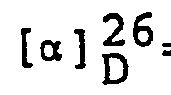
- N-[3-Acetylthio-2(β-naphthylmethyl)propionyl]-S-(4-methylbenzyl)-L-cysteine ethyl ester, Isomer A, m.p. 74-77°, [a]26= -61.0° (MeOH);
- N-[3-Acetylthio-2(β-naphthylmethyl)propionyl]-S-(4-methylbenzyl)-L-cysteine ethyl ester, Isomer B, m.p. 86-88°,

- N-[3-Acetylthio-2-(4-chlorobenzyl)propionyl]-S-benzyl-L-cysteine ethyl ester (Isomer A), m.p. 89-90°;
- N-[3-Acetylthio-2-(4-chlorobenzyl)propionyl)-S-benzyl-L-cysteine ethyl ester (Isomer B), m.p. 103-4°; and
- N-[3-Acetylthio-2-(4-chlorobenzyl)propionyl]-L-tryptophan methyl ester (Isomers A and B).
- Using the procedure of Example 1, Step 2, treat the above 3-acetylthio compounds to obtain the following. 3-mercaptopropionyl compounds:
- N-[2-(a-Naphthylmethyl)-3-mercaptopropionyl]-S-(4-methylbenzyl)-L-cysteine Isomer A, m.p. 70-75°,

- N-[2-(a-Naphthylmethyl)-3-mercaptopropionyl]-S-(4-methylbenzyl)-L-cysteine Isomer B, m.p. 48-55°,

- N-[2-(β-Naphthylmethyl)-3-mercaptopropionyl]-S-(4-methylbenzyl)-L-cysteine, Isomer A, a white foam,

- N-[2-(β-Naphthylmethyl)-3-mercaptopropionyl)-S-(4-methylbenzyl)-L-cysteine, Isomer B, a white foam,

- N-[2-(4-chlorobenzyl)-3-mercaptopropionyl]-S-benzyl-L-cysteine (Isomer A),

- N-[2-(4-chlorobenzyl)-3-mercaptopropionyl]-S-benzyl-L-cysteine (Isomer B),

- N-[2-(4-chlorobenzyl)-3-mercaptopropionyl]-L-tryptophan (Isomer A),

- N-[2-(4-chlorobenzyl)-3-mercaptopropionyl]-L-tryptophan (Isomer B),

- Step 1: N-(3-Acetylthio-2-Benzylpropionyl)-S-Benzyl-L-Cysteine, Ethyl Ester (Isomers A & B): React S-benzyl-L-cysteine ethyl ester hydrochloride (1.38g) and 3- acetylthio-2-benzyl propionic acid (1.19g) in a procedure similar to that described in Example 1, Step 1 to give a yellow oil. Chromatograph the oil on silica gel (1.5L, 60-200 mesh) using CH2Cl2:ethyl acetate 98:2 as eluant to give Isomer A, white solid (0.49g), m.p. 83-5°,


- Step 2: Using the procedure described in Example 1, Step 2, separately treat the Isomers of Step 1 above to obtain Isomers A and B of the title compound: Isomer A, a colorless oil,

- Step 1: N-(3-Acetylthio-2-Benzylpropionyl)-S-Benzyl-D-Cysteine, Ethyl Ester (Isomers A and B): React S-benzyl-D-cysteine ethyl ester hydrochloride (2.05g) and 3- acetylthio-2-benzylpropionic acid (1.77g) in a manner similar to that described in Example 1, Step 1 to give a light amber oil. Place the oil on a column of silica gel (2L, 60-200 mesh) and elute with CH2C12:ethyl acetate 98:2 to give Isomer A, white solid (0.70g), m.p. 84-85°;

- Step 2: Using the procedure described in Example 1, Step 2, separately treat the Isomers of Step 1 above to obtain Isomers A and B of the title compound: Isomer A, a colorless oil,


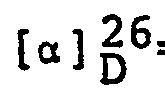
- Step 1: N-(3-Acetylthio-2-Benzylpropionyl)-S-(4- Methoxybenzyl)-L-Cysteine Methyl Ester (Isomers A and B) React S-(4-methoxybenzyl)-L-cysteine methyl ester hydrochloride (1.85g) and 3-acetylthio-2-benzylpropionic acid (1.95g) in the manner described in Example 1, Step 1 to give an amber oil. Chromatograph this oil on a column of silica gel (2L, 60-200 mesh) and elute with ethyl acetate:hexane 5:20 to give Isomer A, a clear oil (0.63g), [a]26= -66.5° (MeOH), overlap Isomer A and Isomer B (0.28g); and Isomer B, a clear oil (0.67g),

- Step 2: Using the procedure described in Example 1, Step 2 separately treat the isomers of Step 1 above to obtain Isomers A and B of the title compound: Isomer A, a viscous oil,


- Step 1: N-(3-Acetylthio-2-Benzylpropionyl)-S-(3,4-Dimethylbenzyl)-L-Cysteine Ethyl Ester (Isomers A and B): React S-(3,4-dimethylbenzyl)-L-cysteine ethyl ester hydrochloride (2.20g) and 3-acetylthio-2-benzylpropionic acid (1.74g) in the manner described in Example 1, Step 1 to give an amber oil. Place the oil on a column of silica gel (lL) and elute with ethyl acetate:hexane 25:170 (4L) and then methanol:hexane 25:170 to give a light orange oily solid. Repeat the chromatography to give Isomer A, a white solid (0.52g), m.p. 89.5-92.5°,

- Step 2: Using the procedure described in Example 1, Step 2, separately treat the Isomers of Step 1 above, to obtain Isomers A and B of the title compound: Isomer A, a clear viscous oil,


- Step 1: N-(3-Acetylthio-2-Benzylpropionyl)-S-Phenethyl-L-Cysteine Ethyl Ester, (Isomers A and B): React S-phenethyl-L-cysteine ethyl ester hydrochloride (2.85g) and 3-acetylthio-2-benzylpropionic acid, (2.38g) in a manner similar to that described in Example 1, Step 1 to give an amber oil. Chromatograph this oil on Prep 500 (2 silica gel cartridges) and elute with CH2Cl2 (4L) and then CH2Cl2:ethyl acetate 100:2 to give Isomer A, a white solid (1.32g), m.p. 63-64°, [a]26= -51.2° (MeOH); overlap Isomer A and Isomer B (0.63g); and Isomer B, white solid (1.14g), m.p. 84-86°,

- Step 2: Using the procedure described in Example 1, Step 2, separately treat Isomers A and B of Step 1 above to obtain Isomers A and B of the title compound. Isomer A, a colorless oil,


- Step 1: N-(3-Acetylthio-2-Benzylpropionyl)-S-(t-Butyl)-L-Cysteine Methyl Ester (Isomers A and B): React S-(t-butyl)-L-cysteine methyl ester (2.32g) and 3-acetylthio-2-benzylpropionic acid (3.22g) in the manner described in Example 1, Step 1 to give an orange solid. Chromatograph this solid on a column of silica gel (2L, 60-200 mesh) and elute with ethyl acetate:hexane 3:17 to give Isomer A, a clear oil (1.09g),
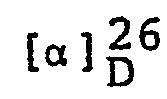

- Step 2: Using the procedure described in Example 1, Step 2, separately treat the Isomers above to obtain Isomers A and B of the title compound; Isomer A, a clear viscous oil,


- Step 1: N-(3-Acetylthio-2-Benzylpropionyl)-L-Ethionine Ethyl Ester (Isomers A and B): React L-Ethionine ethyl ester (3.51g) and 3-acetylthio-2-benzylpropionic acid (4.37g) in a manner similar to that described in Example 1, Step 1 to give a yellow residue. Chromatograph the yellow residue on the Waters Prep 500 (2 silica gel cartridges) and elute with ethyl acetate:hexane 2:18 (16L), then ethyl acetate:hexane 3:17. Repeat chromatography of the fractions.using ethyl acetate:hexane as eluant to give Isomer A, a white solid (0.89g), m.p. 84-90°,


- Step 2: Using the procedure described in Example 1, Step 2, separately treat the Isomers of Step 1 above to obtain Isomers A and B of the title compound; Isomer A, a milky viscous oil,

- Step 1: N-(3-Acetylthio-2-benzylpropionyl)-O-benzyl-L- tyrosine Methyl Ester (Isomers A and B): React O-benzyl-L-tryosine methyl ester hydrochloride (2.77g) and 3- acetylthio-2-benzylpropionic acid (2.05g) in a manner similar to that described in Example 1, Step 1 to give a yellow-orange oil. Chromatograph this oil on a column of silica gel (2.5L) and elute with CH2C12:ethyl acetate 98:2 to give Isomer A, a white solid (0.84g) m.p. 108-109°;


- Step 2: Using the procedure described in Example 1, Step 2, separately treat the Isomers of Step 1 above to obtain Isomers A and B of the title compound: Isomer A, an off- white solid,


- Step 1: N-(3-Acetylthio-2-Benzylpropionyl)-(S)-Bishomophenylalanine t-Butyl Ester (Isomers A and B): React (S)-bishomophenylalanine t-butyl ester hydrochloride (2.49g) and 3-acetylthio-2-benzylpropionic acid (2.39g) in the manner described in Example 1, Step 1 to give a yellow oil. Chromatograph this oil on Waters Prep 500 (2 silica gel cartridges) and elute with CH2Cl2 (4L) and then CH2Cl2:ethyl acetate 100:2 to give Isomer A, a colorless oil (0.99g),


- Step 2: N-(3-Acetylthio-2-Benzylpropionyl)-(S)- Bishomophenylalanine (Isomer A and B): To Isomer A of the product of Step 1 (0.97g, 0.21 mmole) in CH2Cl2 (10 ml) at 0-5°, add dropwise trifluoroacetic acid (10 ml). Warm the resulting mixture to room temperature, stir for 18 hours, and concentrate in vacuo. Dissolve the residue in CH2C12 (10 ml) and concentrate in vacuo. Treat the residue with diethyl ether (10 ml) and concentrate in vacuo to give Isomer A of the title compound, a light amber oil (0.87g), [a]66= -43.0° (MeOH).
- By this same method, convert Isomer B of Step 1 to N-(3-acetylthio-2-benzylpropionyl)-(S)-bishomophenylalanine Isomer B, a light amber oil,

- Step 3: N-(2-Benzyl-3-Mercaptopropionyl)-(S)-Bishomophenylalanine (Isomers A and B): Dissolve Isomer A of Step 2 in methanol (15 ml) at 0-5° under a nitrogen atmosphere and treat with 1N sodium hydroxide (6.3 ml). Treat the resulting mixture as described in Example 1, Step 2, to give Isomer A of the title compound, a pale yellow viscous oil (0.69g),

- By this same method, convert Isomer B of Step 2 to N-(2-benzyl-3-mercaptopropionyl)-(S)-bishomophenylalanine Isomer B, a pale yellow viscous oil, [a]26= -50.0° (MeOH).
- In a similar manner, substitute (S)-(4-methylbenzyl)-L-cysteine t-butyl ester (Preparation 6) for (S)-bishomophenylalanine in Example 10, Step 1 to obtain
- N-(3-acetylthio-2-benzylpropionyl)-(S)-(4-methylbenzyl)-L-cysteine t-butyl ester, Isomer A,

- N-(3-acetylthio-2-benzylpropionyl)-(S)-(4-methylbenzyl)-L-cysteine t-butyl ester, Isomer B,

- Treat the above esters in a manner similar to that described in Example 10, Step 2 to obtain
- N-(3-acetylthio-2-benzylpropionyl)-(S)-(4-methylbenzyl)-L-cysteine, Isomer A,

- N-(3-acetylthio-2-benzylpropionyl)-(S)-(4-methylbenzyl)-L-cysteine, Isomer B,

- Step 1: N-[3-Acetylthio-2(R,S)-Benzylpropionyl]-L-Methionine Methyl Ester: Add methionine methyl ester (2.00g, 1.23 mmole) to 3-acetylthio-2-benzylpropionic acid (3.01g, 1.26 mmole), DEC (2.34g, 1.22 mmole), HOBT (1.88g, 1.23 mmole) and NMM (2.34g, 2.31 mmole) in DMF (12 ml), and treat the resulting mixture as described in Example 1, Step 1 to give an amber oil (4.36g). Chromatograph the oil on a column of silica gel (1L 60-200 mesh) elute with CH2Cl2 (lL) and then CH2Cl2:ethyl acetate 99:1 to give the title compound, a clear oil (2.61g),

- Step 2: N-[3-Mercapto-2(R,S)-Benzylpropionyl]-L-Methionine: Dissolve the product of Step 1 in methanol (20 ml) and treat with IN NaOH (20.4 ml) as described in Example 1, Step 2 to give the title compound, a white solid, m.p. 132-5°,

- Using the method of Example 11, Step 1, other N-[3-(R,S)-Acetylthio-2-benzylpropionyl]amino acid esters are prepared:
- N-[3-Acetylthio-2(R,S)-benzylpropionyl]-S-methyl-L-cysteine ethyl ester, a clear oil,

- N-[3-Acetylthio-2(R,S)-benzylpropionyl]-S-trityl-L-cysteine methyl ester, an amber oil,

- N-[3-Acetylthio-2(R,S)-benzylpropionyl]-(S)-tryptophan methyl ester, a colorless oil,

- Using the procedure of Example 11, Step 2, convert the above 3-acetylthio compounds to the following 3-mercaptopropionyl compounds:
- N-[2(R,S)-Benzyl-3-mercaptopropionyl]-S-methyl-L-cysteine, a clear viscous oil, [a]26= -31.1° (MeOH);
- N-[2(R,S)-Benzyl-3-mercaptopropionyl]-S-trityl-L-cysteine, a white solid,

- N-[2(R,S)-Benzyl-3-mercaptopropionyl]-(S)-tryptophan, a white foam, m.p. 68-69°,
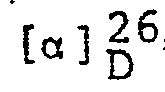
- Step 1: 3-Acetylthio-2-(4-Phenylbenzyl)Propionyl Chloride: To 3-acetylthio-2-(4-phenylbenzyl)propionic acid (3.39g, 10.8 mmole) in toluene (25 ml) add 1% DMF in toluene (2 drops) and thionyl chloride (1.2 ml, 1.65g, 13.8 mmoles) and stir the resulting solution at room temperature for 18 hours. Concentrate the reaction mixture in vacuo, dissolve the residue in toluene (100 ml) and concentrate the solution in vacuo to give the title compound, a light brown oil (3.37g).
- Step 2: N-[3-Acetylthio-2-(4-Phenylbenzyl)Propionyl]-S-(4-Methylbenzyl)-L-Cysteine (Isomers A and B): Add the acid chloride (3.37g) from Step 1 in acetonitrile (25 ml) dropwise to S-(4-methylbenzyl)-L-cysteine hydrochloride (2.62g, 10 mmol) in acetonitrile (30 ml), water (15 ml) and triethylamine (2.8 ml), and stir the resulting mixture at room temperature for 4 hours. Concentrate the reaction mixture in vacuo and partition the residue between ethyl acetate (700 ml) and water (2x200 ml) and then saturated sodium chloride solution (100 ml). Dry the ethyl acetate solution (MgS04) and concentrate in vacuo to give a brown solid. Chromatograph this solid on a column of silica gel (2L, 60-200 mesh) and elute with CH2Cl2:methanol:glacial acetic acid (97.5:2.5:0.25) to give a white foam (2.45g). Chromatograph this white foam on a column of silica gel (1.2L, 60-200 mesh) and elute with CH2Cl2:methanol:glacial acetic acid (97.5:2.5:0.25) to give the title compound, a white solid (1.04g), m.p. 123-125°, [a]26= -45.5° (MeOH); overlap Isomers A and B (0.19g); and Isomer B of the title compound, a white solid (0.86g), m.p. 131-135°,

- Step 3: N-[2-(4-Phenylbenzyl)-3-Mercaptopropionyl]-S-(4-Methylbenzyl)-L-Cysteine (Isomers A and B): Dissolve Isomer A of Step 2 in methanol saturated with ammonia (50 ml) at 0-5° under a nitrogen atmosphere. After 35 minutes, bubble nitrogen through the reaction mixture. Dilute the reaction mixture with water and acidify to pH 2-4 with 1N hydrochloric acid. Extract the acidic solution with ethyl acetate, dry the organic layer (MgS04) and concentrate in vacuo to give Isomer A of the title compound, a white solid (0.73g). Purify Isomer A by flash chromatography on silica gel (Baker flash silica gel, 40 uM) (25g) eluting with CHCl2:MeOH:gl.AcOH, 97.5:2.5:0.25, to obtain a white solid (0.549g),
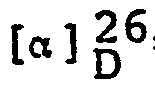
- In a similar fashion, prepare Isomer B of the title compound, a white solid,

- Step 1: N-(3-Acetylthio-2-Benzylpropionyl)-L-Methionine Amide: In similar fashion to that described in Example 12, Step 2, convert L-methionine amide to N-(3- acetylthio-2-benzylpropionyl)-L-methionine amide. Recrystallize from hexane:CH2Cl2 to obtain a solid, m.p. 101-3°. Chromatograph on silica gel with 4% methanol/CH2Cl2 to obtain Isomer A, m.p. 149-51°, and Isomer B, m.p. 119-21°.
- Step 2: N-(2-Benzyl-3-Mercaptopropionyl)-L-Methionine Amide: Treat the 3-acetylthio compound (mixture of Isomer A and B) with NH3/MeOH for 4 hours as in Example 12, Step 3, to give the title compound, [a]26= -53.5° (EtOH, c=l), a mixture of diastereomers.
- In a similar manner to that described in Example 13, Step 1, substitute the appropriate acetylthio compounds and amides and separate by chromatography to obtain:
- N-(3-Acetylthio-2-benzylpropionyl)-S-(4-methylbenzyl)-L-cysteine amide, Isomer A,

- N-(3-Acetylthio-2-benzylpropionyl)-S-(4-methylbenzyl)-L-cysteine amide, Isomer B, [a]26= -1.6° (MeOH);
- N-[3-Acetylthio-2-(4-chlorobenzylpropionyl)]-L-methionine amide, Isomer A;
- N-[3-Acetylthio-2-(4-chlorobenzylpropionyl)]-L-methionine amide, Isomer B, m.p. 166-9°;
- Treat the amides obtained above in a manner similar to that described in Example 13, Step 2 to obtain:
- N-[2-(4-Chlorobenzyl)-3-mercaptopropionyl]-L-methionine amide, Isomer A, m.p. 194°,

- N-[2-(4-Chlorobenzyl)-3-mercaptopropionyl]-L-methionine amide, Isomer B,

- N-(2-Benzyl-3-mercaptopropionyl)-S-(4-methylbenzyl)-L-cysteine amide, Isomer A, m.p. 130-2°,

- N-(2-Benzyl-3-mercaptopropionyl)-S-(4-methylbenzyl)-L-cysteine amide, Isomer B, [a]D26 = -29.0° (MeOH).
- Prepare the R and S enantiomers of 3-benzoylthio-2-benzylpropionic acid according to the procedure described in U.S. 4,329,495, herein incorporated by reference.
- In a manner similar to that described in Example 1, Step 1, condense each acid separately with L-methionine amide to obtain
- N-(3(S)-benzoylthio-2-benzylpropionyl)-L-methionine amide, m.p. 178-180°,

- N-(3(R)-benzoylthio-2-benzylpropionyl)-L-methionine amide, m.p. 145-9°,

- In similar fashion to that described in Example 12, Step 2, convert L-aspartic acid β-benzyl ester to N-(3-acetylthio-2-benzylpropionyl)-L-aspartic acid, 8-benzyl ester.
- Treat with NH3/MeOH as in Example 12, Step 3 to give the title compound,

- Using the procedure of Example 1, convert L-phenylalanyl-L-alanine benzyl ester hydrochloride to N-(N-(3-acetylthio-2-benzylpropionyl)-L-phenylalanyl]-L-alanine, benzyl ester.
- Treat with NaOH as in Example 1, Step 2 to give the crude title compound. React the product (0.62g) with zinc powder (0.5g) and 5N HC1 (10ml) in 20m1 MeOH for 1 hour. Concentrate the mixture, extract with CH2Cl2, dry, and remove the solvent to give the title compound,

- Use the same procedure to prepare N-(N-(2-benzyl-3-mercaptopropionyl)-L-phenylalanyl-L-leucine,

- Step 1: N-[N-(3-Acetylthio-2-Benzylpropionyl)-L-Alanyl]-L-Proline: Using the procedure of Example 12, Step 2, convert L-alanyl-L- proline to N-[N-(3-acetylthio-2-benzylpropionyl)-L-alanyl]-L-proline, a white foam,

- Step 2: N-[N-(2-Benzyl-3-Mercaptopropionyl)-L-Alanyl]-L-Proline: Treat the product from Step 1 with methanol saturated with ammonia as described in Example 12, Step 3 .(before chromatography). Treat the resultant residue with zinc powder as described in Example 17.
- Chromatograph the product on flash grade silica gel using CH2Cl2:MeOH:NH4OH (97.5:2.5:0.25) to give the title compound,

- Examples of ACE inhibitors are those disclosed in the article by Wyvratt et al., cited above, and in the following patents and published patent applications:
- (a) U.S. Patent No. 4,105,776 to Ondetti et al. discloses proline derivatives which are angiotensin converting enzyme (ACE) inhibitors and have the general formula

- wherein Ra is hydroxy, NH2 or lower alkoxy;
- R1 a and R4 a each is hydrogen, lower alkyl, phenyl or phenyl-lower alkyl;
- R2 a is hydrogen, lower alkyl, phenyl, substituted phenyl wherein the phenyl substituent is halo, lower alkyl or lower alkoxy, phenyl-lower alkyl, diphenyl-lower alkyl, triphenyl-lower alkyl, lower alkylthiomethyl, phenyl-lower alkylthiomethyl, lower alkanoyl-amidomethyl,

- R6 a-S-, or R7 a;
- R3 a is hydrogen, hydroxy or lower alkyl;
- R5 a is lower alkyl, phenyl or phenyl-lower alkyl;
- R6 a is lower alkyl, phenyl, substituted phenyl (wherein the phenyl substituent is halo, lower alkyl or lower alkoxy), hydroxy-lower alkyl or amino (carboxy)-lower alkyl;

- M a is 0 or S;
- ma is 1 to 3;
- n a and pa each is 0 to 2.
- (b) European Patent Application 97050 published December 28, 1983 discloses phosphinylalkanoyl substituted prolines which have the formula

- R1 p is alkyl, aryl, aralkyl, cycloalkyl or cycloalkylalkyl;
- R2 b is cycloalkyl, 3-cyclohexenyl or 2-alkyl-3-cyclohexenyl;
- R3 b is alkyl, cycloalkyl or phenyl;
- R4 b is H or alkyl;
- one of R5 b and R6 b is H and the other is alkyl-Xb-, phenyl-Xb, alkoxy, phenoxy, phenyl, cycloalkyl, alkyl or phenylalkyl; or
- RS b and R6 b together form -XbCH2CH2Xb-, Xb is S, SO or SO2;
- R7 b is H or CH(R2 b)OCOR3 b;
- nb is 0 or 1; 'aryl` is phenyl opt. substituted by halo, alkyl, alkoxy, alkylthio, OH, alkanoyl, NO2, amino, dialkylamino.and/or CF3;
- alkyl has 1-10C, cycloalkyl 3-7C, alkoxy 1-8C and alkanoyl 2-9C.
- (c) European Patent Application 83172 published July 6, 1983 discloses N-substituted acetyl-L-proline derivatives which are said to be angiotensin converting enzyme inhibitors and have the formula

- R1 c and R2 c are H, 1-7C alkyl, 1-7C haloalkyl, (CH2)mc-Dc, 1-7C aminoalkyl or a group of formula:

- Dc is cycloalkyl, furyl, thienyl or pyridinyl;
- Ac is (CH2)n-CHR21 c, NR22 c-CHR23 c or O-CHR23 c;
- nc is 0 or 1;
- qc is 0-7;
- R21 c is H, 1-7C alkyl, 1-7C haloalkyl, benzyl or phenethyl;
- R22 c is H or 1-7C alkyl;
- R23 c is H, 1-7C alkyl, 1-7C haloalkyl or (CH2)rcD1 c;
- Dl c is phenyl, 4-hydroxyphenyl, 3,4-dihydroxyphenyl, 3-indolyl, 4-imidazolyl, NH2,
- SH, 1-7C alkylthio, guanidino or CONH2;
- Xc is a group of formula (II)c-(V)c, or NR4 c- CHR5 c-COOR6 c;

- R9 c and R8 c are H and R7 c is as defined below;
- R9 c and R7 c are H and R8 c is as defined below;
- R7 c and R8 c are H and R9 c is as defined below;
- Rg c and R8 c are H and -CHR7 c- is replaced by -CR10 cR10 c:
- R9 c is H and R7 c + R8 c form a double bond;
- R9 c is H and R7 c + R8 c complete a fused benzene ring; or
- R8 c is H and R9 c + R7 c complete a fused benzene ring;
- E'c and E"c are H or E'c + E"c complete a fused benzene ring;
- R7 c is H, 1-7C alkyl, halogen, keto, OH, 2-8C alkanoyl-amino, N3, NH2, NR19 cR20 c, (CH2)m c-Dc, O-CONR15 cR15 c, 1-7C alkoxy, 1-7C alkylthio, or a group of formula (VI)c, (VII)c or (VIII)c:


- B'c is a bond or it is O or S;R8 c is keto,
- halogen, O-CONR15 cR15 c, 1-7C alkoxy, 1-7C alkylthio, or a group (VII)c or (VIII)c in which B'c is 0 or S;
- R9 c is keto or a group (VII)c in which B'c is a bond;
- R10 c is halogen or YcR16 c;
- Rll c, R'11 c, R12 c and R'12 are H or 1-7C alkyl,
- or R11 c is a group of formula (IX)c and the other 3 are H;

- R13 c is H, 1-4C alkyl, 1-4C alkoxy, 1-4C alkylthio, Cl, Br, F, CF3, OH, Ph, PhO, PhS or PhCH2;
- R14 c is H, 1-4C alkyl, 1-4C alkoxy, 1-4C alkylthio, Cl, Br, F, CF3 or OH;
- mc is 0-3;
- pc is 1-3 but it is 2 or 3 only when R13 c or R14 c is H, Me, MeO, Cl or F;
- R15 c is H or 1-4C alkyl;
- Yc is 0 or S;
- R16 c is 1-4C alkyl or group. (VII)c in which B'c is a bond; or the two R16 c groups complete a 5-or 6-membered ring in which the C atoms may each bear 1 or 2 alkyls having 1-4C;
- R4 c is H, 1-7C alkyl, cycloalkyl or (CH2)rcPh;
- R5 c is H, 1-7C alkyl or (CH2)r c-D1 c;
- r c is 1-4;
- R3c and R6 c are H, 1-7C alkyl, PhCH2, PhCH or CHR17c-O-COR18 c;
- R17 c is H, 1-7C alkyl or Ph;
- R18 c is H, 1-7C alkyl, 1-7C alkoxy or Ph; or R17 c + R18 c form (CH2)2, (CH2)3, -CH=CH or o-phenylene;
- Rl9 c is 1-7C alkyl, benzyl or phenethyl; and R20 c is H or chosen as for R19 c.
- R1 c and R2 c are H, 1-7C alkyl, 1-7C haloalkyl, (CH2)mc-Dc, 1-7C aminoalkyl or a group of formula:
- (d) European Patent Application 0 012 401 published June 25, 1980 discloses carboxyalkyl dipeptide derivatives which are said to be angiotensin converting enzyme inhibitors and have the formula

- Rd and R6d are the same or different and are hydroxy, lower alkoxy, lower alkenoxy, dilower alkylamino lower alkoxy (dimethylaminoethoxy), acylamino lower alkoxy (acetylaminoethoxy), acyloxy lower alkoxy (pivaloyloxymethoxy), aryloxy, such as phenoxy, arloweralkoxy, such as benzyloxy, substituted aryloxy or substituted arloweralkoxy wherein the substituent is methyl, halo or methoxy, amino, loweralkylamino,
- diloweralkylamino, hydroxyamino, arloweralkylamino such as benzylamino;
- R ld is hydrogen, alkyl of from 1 to 20 carbon atoms which include branched and cyclic and unsatruated (such as allyl) alkyl groups, substituted loweralkyl wherein the substituent can be halo, hydroxy, lower alkoxy, aryloxy such as phenoxy, amino, diloweralkylamino, acyamino, such as acetamido and benzamido, arylamino, guanidino, imidazolyl, indolyl, mercapto, lower.alkylthio, arylthio such as phenylthio, carboxy or carboxamido, carboloweralkoxy, aryl such as phenyl or naphthyl, substituted aryl such as phenyl wherein the substituent is lower alkyl, lower alkoxy or halo, arloweralkyl, arloweralkenyl, heteroarlower alkyl or heteroarlower alkenyl such as benzyl, styryl or indolyl ethyl, substituted arloweralkyl, substituted arloweralkenyl, substituted heteroarlower alkyl, or substituted heteroarlower alkenyl, wherein the . substituent(s) is halo, dihalo, lower alkyl, hydroxy, lower alkoxy, amino, aminomethyl, acylamino (acetylamino or benzoylamino) diloweralkylamino, loweralkylamino, carboxyl, haloloweralkyl, cyano or sulfonamido; arloweralkyl or heteroarloweralkyl substituted on the alkyl portion by amino or acylamino (acetylamino or benzoylamino);
- R 2d and R7d are the same or different and are hydrogen or lower alkyl;
- R 3d is hydrogen, lower alkyl, phenyl lower alkyl, aminomethyl phenyl lower alkyl, hydroxy phenyl lower alkyl, hydroxy lower alkyl, F acylamino lower alkyl (such as benzoylamino lower alkyl, acetylamino lower alkyl), amino lower alkyl, dimethylamino lower alkyl, halo lower alkyl, guanidino lower alkyl, imidazolyl lower alkyl, indolyl lower alkyl, mercapto lower alkyl, lower alkyl thio lower alkyl;
- R 4d is hydrogen or lower alkyl;
- R5d is hydrogen, lower alkyl, phenyl, phenyl lower alkyl, hydroxy phenyl lower alky, hydroxy lower alkyl, amino lower alkyl, guanidino lower alkyl, imidazolyl lower alkyl, indolyl lower alkyl, mercapto lower alkyl or lower alkylthio lower alkyl;
- R4d and R5d may be connected together to form an alkylene bridge of from 2 to 4 carbon atoms, an alkylene bridge of from 2 to 3 carbon atoms and one sulfur atom, an alkylene bridge of from 3 to 4 carbon atoms containing a double bond or an alkylene bridge as above substituted with hydroxy, loweralkoxy, lower alkyl or dilower alkyl;
- and the pharmaceutically acceptable salts thereof.
- (d) U.S. Patent No. 4,462,943 to Petrillo et al. discloses carboxyalkyl amino acid derivatives of substituted prolines which are angiotensin converting enzyme inhibitors and have the formula

- R4 e is a substituted proline of the formula


- R6 e is halogen, keto, azido,


- a 1- or 2-naphthyl of the formula


- a 1- or 2-naphthyloxy of the formula


- or a 1- or 2-naphthylthio of the formula

- R7 e is keto, halogen,

- or 1- or 2-naphthloxy of the formula

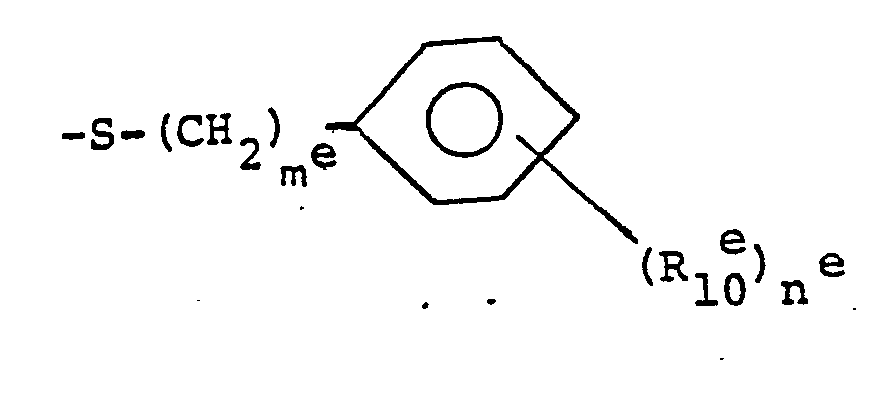
- or a 1- or 2-naphthylthio of the formula

- R8 e is keto or

- R9 e is halogen or -Ye-R13e.
- me is zero, one, two, or three.
- R10 e is hydrogen, lower alkyl of 1 to 4 carbons, lower alkoxy of 1 to 4 carbons, lower alkylthio of 1 to 4 carbons, chloro, bromo, fluoro, trifluoromethyl, hydroxy, phenyl, phenoxy, phenylthio, or phenylmethyl,
- R11 e is hydrogen, lower alkyl of 1 to 4 carbons, lower alkoxy of 1 to 4 carbons, lower alkylthio of 1 to 4 carbons, bromo, fluoro, trifluoromethyl, or hydroxy.
- ne is one, two or three provided that ne is more than one only if R10e or Rll e is hydrogen, methyl, methoxy, chloro, or fluoro.
- R12 e is hydrogen or lower alkyl of 1 to 4 carbons,
- Ye is oxygen or sulfur,
- R13 e is lower alkyl of 1 to 4 carbons.

- or the R13 e group join to complete an unsubstituted 5- or 6-membered ring or said ring in which one or more of the carbons has a lower alkyl of 1 to 4 carbons, or a di(lower alkyl of 1 to 4 carbons) substituent,
- Re and R5 e are independently selected from hydroxy, lower alkoxy, di(lower alkyl)-amino-lower alkoxy, such as dimethylaminoethoxy, lower alkyl-carbonyl-amino-lower alkoxy, such as acetylaminoethoxy, lower alkyl-carbonyloxy-lower alknxv. such as pivaloyloxymethoxy,

- wherein me, ne and R10 e are as defined above, amino, lower alkyl-amino, di(lower alkyl)-amino, hydroxyamino, benzylamino, or phene thylamino, R1 e is hydrogen, lower alkyl,

- halo substituted lower alkyl, hydroxy substituted lower alky,
- - (CH2)8 e-cycloalkyl, -(CH2)q e carboxy, -(CH2)qe-S-lower alkyl,


- wherein me, ne, R10 e and R11 e are as defined above, R14 e is lower alkyl, cycloalkyl, or

- and qe is an integer from 1 to 4,
- R2 e is hydrogen or lower alkyl,
- R3e is hydrogen, lower alkyl, halo substituted lower alkyl, hydroxy substituted lower alkyl, -(CH2)qe-NH2, -(CH2)q e-N-(lower alkyl)2,
- - (CH2)qe guanidinyl, -(CH2)qe-SH, -(CH2)qe-s-


- wherein R10 e, ne and qe are as defined above.
- R4 e is a substituted proline of the formula
- (f) U.S. Patent No. 4,470,973 to Natarajan et al. discloses substituted peptides which are angiotensin converting enzyme inhibitors and have the formula

- Xf is an amino or imino acid of the formula


- R7f is hydrogen, lower alkyl, halogen, keto, hydroxy

- azido, amino,


- a 1- or 2-naphthyl of the formula
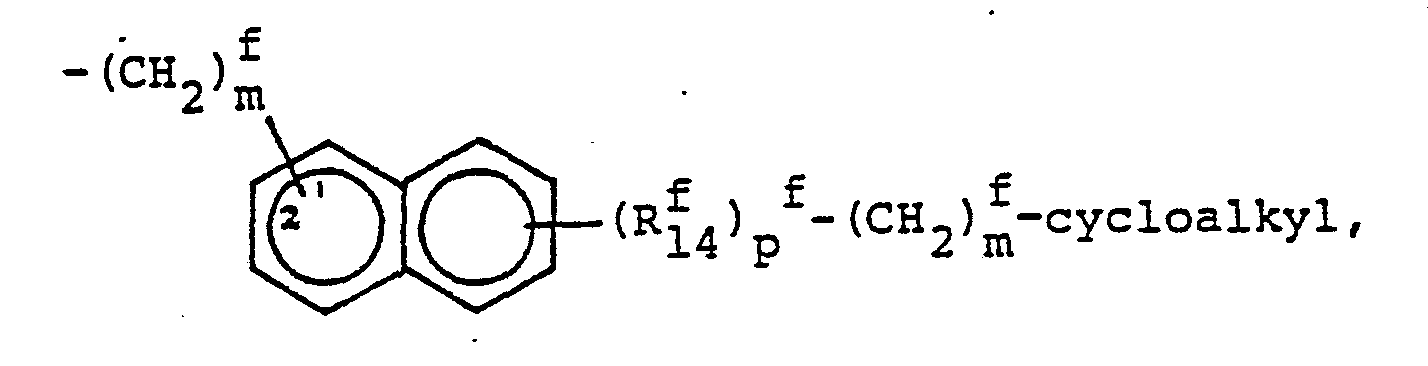


- a 1- or 2-naphthyloxy of the formula

- -S-lower alkyl,
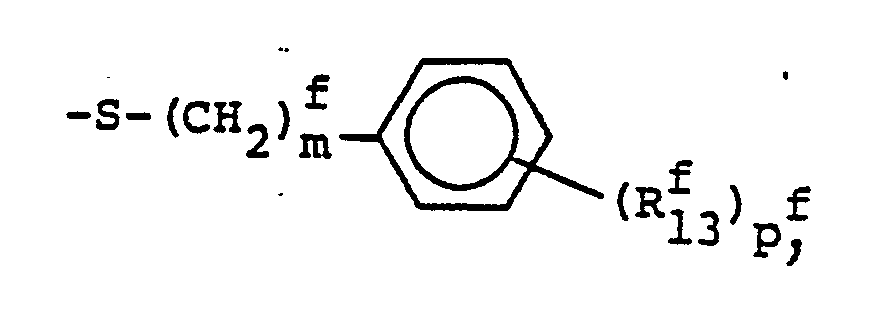
- or a 1- or 2-naphthylthio of the formula

- R8 f is keto, halogen.


- -0-lower alkyl, a 1- or 2-naphthyloxy of the formula

- -S-lower alkyl

- or a 1- or 2-naphthylthio of the formula

- R9 f is keto or

- R10 f is halogen or -Yf-R16 f.
- R11 f, R11,f, R12 f and R12,f are independently selected from hydrogen and lower alkyl or R11,f R12 f and R12,f are hydrogen and R11 f is
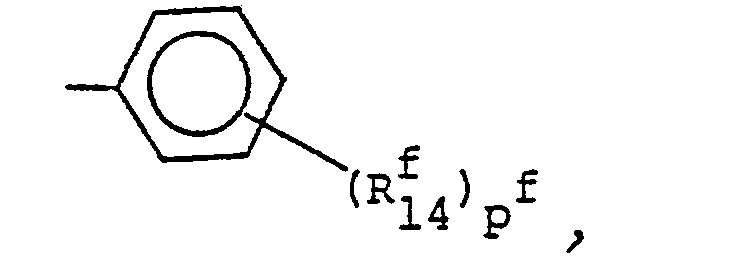
- R13 f is hydrogen, lower alkyl of 1 to 4 carbons, lower alkoxy of 1 to 4 carbons, lower alkylthio of 1 to 4 carbons, chloro, bromo, fluoro, trifluoromethyl, hydroxy, phenyl, phenoxy, phenylthio, or phenylmethyl.
- Rl4 f is hydrogen, lower alkyl of 1 to 4 carbons, lower alkoxy of 1 to 4 carbons, lower alkylthio of 1 to 4 carbons, chloro, bromo, fluoro, trifluoromethyl, or hydroxy.
- mf is zero, one, two, three, or four.
- pf is one, two or three provided that p is more than one only if R13 f or R14 f is hydrogen, methyl, methoxy, chloro, or fluoro.
- R15 f is hydrogen or lower alkyl of 1 to 4 carbons.
- Yf is oxygen or sulfur.
- R16 f is lower alkyl of 1 to 4 carbons.

- or the R16 f groups join to complete an unsubstituted 5- or 6-membered ring or said ring in which one or more of the carbons has a lower alkyl of 1 to 4 carbons or a di(lower alkyl of 1 to 4 carbons) substituent.
- R4 f is hydrogen, lower alkyl.


- R5 2 is hydrogen, lower alkyl,.


- rf is an integer from 1 to 4.
- R19 f is lower alkyl, benzyl, or phenethyl.
- R20 f is hydrogen, lower alkyl, benzyl or phenethyl.
- Rf is hydrogen, lower alkyl, cycloalkyl,

- -(CH2)2-NH2,-(CH2)3-NH2,-(CH2)4-NH2,
- -(CH2)2-OH, -(CH2)3-OH, -(CH2)4-OH,
- -(CH2)2-SH, -(CH2)3-SH, or -(CH2)4-SH.
- R1 f is hydrogen, lower alkyl, halo substituted lower alkyl,


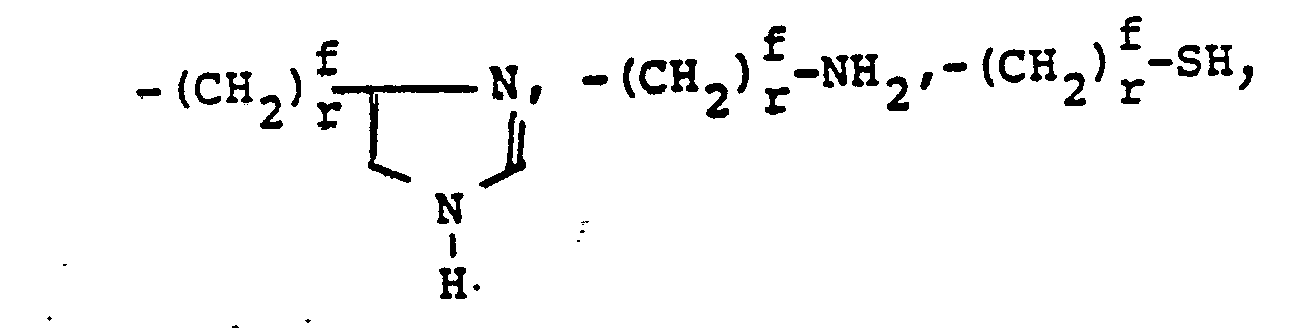
-


- provided that R1 f is hydrogen only if R1 is . other than hydrogen. R2 f is


- R3 f is hydrogen, lower alkyl
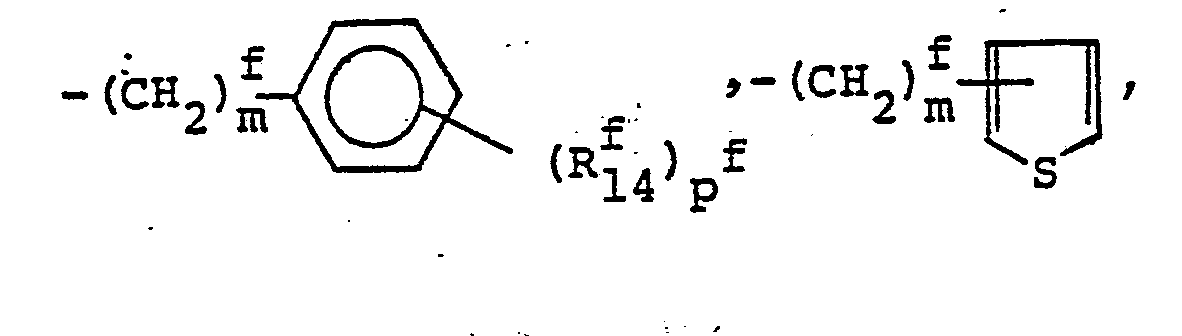

- lower alkyl ,


- wherein mf, R14 f, pf and rf are as defined above.
- R6 f is hydrogen, lower alkyl, benzyl, benzhydryl,


- R17 f is hydrogen, lower alkyl, cycloalkyl, or phenyl.
- R18 f is hydrogen, lower alkyl, lower alkoxy, or phenyl or R17 f and R18 f taken together are - (CH2)2-, -(CH2)3-, -CH=CH-, or

- R21 f and R22 f are independently selected from hydrogen and lower alkyl.
- R23 f is lower alkyl.
- R24 f is hydrogen, lower alkyl,


- Xf is an amino or imino acid of the formula
- British Specification No. 2095682 published October 6, 1982 discloses N-substituted-N-carboxyalkyl aminocarbonyl alkyl glycine derivatives which are said to be angiotensin converting enzyme inhibitors and have the formula

- (A) Rg and R9 g are OH, 1-6C alkoxy, 2-6C alkenyloxy, di-(1-6C alkyl)amino-(1-6C) alkoxy, 1-6C hydroxyalkoxy, acylamino-(1-6C)alkoxy, acyloxy- (1-6C) alkoxy, aryloxy, aryloxy- (1-6C)alkoxy, NH2, mono- or di-(1-6C alkyl)amino, hydroxyamino or aryl-(1-6C)alkylamino;
- R1 g-R5 g, R7 9 and R8 g are 1-20C alkyl, 2-20C alkenyl, 2-20C alkynyl, aryl, aryl-(1-6C) alkyl having 7-12C or heterocyclyl-(1-6C)alkyl having 7-12C;
- R6 9 is cycloalkyl, polycycloalkyl, partly saturated cycloalkyl or polycycloalkyl, cycloalkyl-(1-6C)alkyl having 3-20C, 6-10C aryl, aryl-(1-6C)alkyl, aryl-(2-6C)alkenyl or aryl-(2-6C) alkynyl; or
- R2 g and R3 g together with the C and N atoms to which they are attached or R3 g and R5 g together with the N and C atoms to which they are attached form an N-heterocycle containing 3-5C or 2-4C and a S atom;
- all alkyl, alkenyl and alkynyl are optionally substituted by OH, 1-6C alkoxy, thio(sic), 1-6C alkylthio, NH2, mono- or di(1-6C alkyl)amino, halogen or N02;
- all 'cycloalkyl' groups (including poly and partially unsaturated) are optionally substituted by halogen, 1-6C hydroxyalkyl, 1-6C alkoxy, amino-(1-6C alkyl)amino, di-(1-6C alkyl)amino, SH, 1-6C alkylthio, N02 or CF3; and aryl groups are optionally substituted hy OH, 1-6C alkoxy, NH2, mono- or di-(1-6C alkyl) amino, SH, 1-6C alkylthio, 1-6C hydroxyalkyl, 1-6C aminoalkyl, 1-6C thioalkyl, N02, halogen, CF3, OCH20, ureido or guanidino; or
- (B) Rg and Rgg are H or 1-6C alkoxy;
- R1 g and R2 g are H, 1-6C alkyl, aryl-(1-6C) alkyl having 7-12C or heterocyclyl-(l-6C) alkyl having 6-12C;
- R3 g-R5 g, R7 g and R8 g are H or 1-6C alkyl;
- R6 g is cycloalkyl, polycycloalkyl, partly saturated cycloalkyl or polycycloalkyl, cycloalkyl-(1-6C) alkyl having 3-20C, aryl or aryl-(1-6C) alkyl; and
- aryl has 6-10C and is optionally substituted by 1-6C alkyl, 2-6C alkenyl, 2-6C alkynyl, OH, 1-6C alkoxy, NH2, mono- or di-(1-6C alkyl) amino, SH, 1-6C alkylthio, 1-6C hydroxyalkyl, 1-6C aminoalkyl, 1-6C thioalkyl, N02, halogen, CF3, OCH20, ureido or guanidino.
- U.S. Patent No. 4,470,972 to Gold et al discloses 7-carboxyalkyl-aminoacyl-l,4-dithia-7- azaspiro[4.4]nonane-8-carboxylic acids which are angiotensin converting enzyme inhibitors and have the formula

- R h is lower alkyl, benzyl, benzylthio, benzyloxy, phenylthio or phenoxy;
- R1 h is hydroxy or lower alkoxy;
- R2 h is hydrogen, lower alkyl or amino lower alkyl; and the pharmaceutcally acceptable salts thereof.
- (i) European Patent Application 0 050 800 published May 5, 1982 discloses carboxyalkyl dipeptides derivatives which are said to be angiotensin converting enzyme inhibitors and have the formula

- Zi is

- Oi is

- vi is

- Ui is
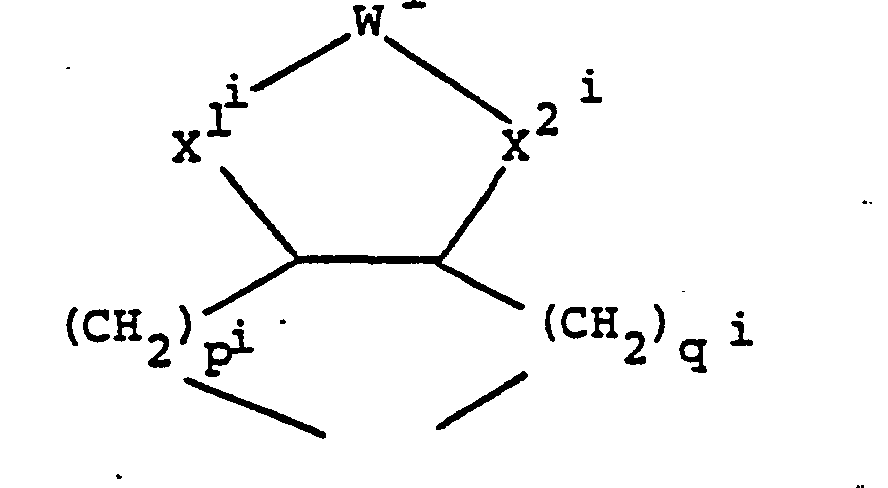
- Yi is

- Gi is CH2, ai is 0, 1, 2 or 3, bi is 0, 1, 2 or 3 with the proviso that the sum of ai and bi is 1, 2 or 3, with the proviso that the sum of ai and bi may be 1, 2 or 3 only if R1i is lower alkyl substituted with aralkylthio or aralkyloxy;
- Di is

- Ei is

- Zi is
- (j) European Patent Application 0 037 231 published October 7, 1981 discloses acyl derivatives of octahydro-lH-indole-2-carboxylic acids which are said to be angiotensin converting enzyme inhibitors and have the formula

- wherein Rj is hydrogen or lower alkyl; R1 j is hydrogen, 0
- lower alkyl, or benzyl; R2 j is hydrogen or R3 j-C-wherein R3 j is lower alkyl, heteroaryl containing 4 to 9 carbon atoms and one or two nitrogen, oxygen or sulfur atoms; phenyl, substituted phenyl having 1 or 2 substituents selected from the group consisting of fluorine, chlorine, bromine, lower alkyl or alkoxy; and n is 0 or 1; wherein lower alkyl and lower alkoxy include straight or branched groups containing 1 to 4 carbon atoms, and pharmaceutically acceptable salts of the compounds when Rj is hydrogen and when R3 j is heteroaryl containing 1 or 2 nitrogen atoms, are disclosed: Also disclosed are substituted acyl compounds of octahydro-lH-indole-2-carboxylic acid having the formula
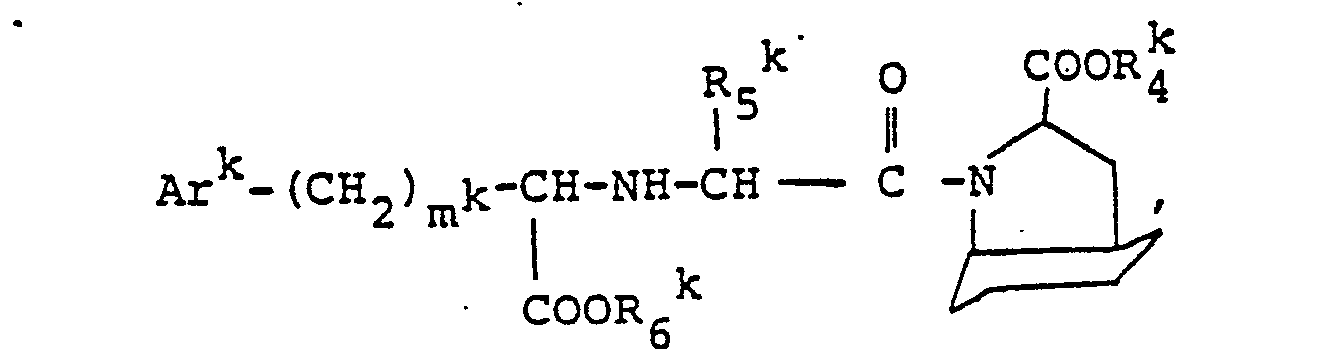
- wherein R4 k is hydrogen or lower alkyl; R5 k is hydrogen, lower alkyl or benzyl; R6 k is hydrogen or lower alkyl; Ark is phenyl or phenyl substituted with 1 or 2 substituents selected from the group consisting of fluorine, chlorine, bromine, lower alkyl, lower alkoxy, hydroxy or amino; and m is 0 to 3; wherein lower alkyl and lower alkoxy contain 1 to 4 straight or branched carbon atoms; and the pharmaceutically acceptable salts thereof.
- (L) European Patent Application 0 079 522 published May 25, 1983 discloses N-carboxymethyl(amino) lysl-proline compounds which are said to be angiotensin converting enzyme inkioitors and have the formula where
- wherein Rj is hydrogen or lower alkyl; R1 j is hydrogen, 0
- lower alkyl, or benzyl; R2 3 is hydrogen or R3 j-C-wherein R3 j is lower alkyl, heteroaryl containing 4 to 9 carbon atoms and one or two nitrogen, oxygen or sulfur atoms; phenyl, substituted phenyl having 1 or 2 substituents selected from the group consisting of fluorine, chlorine, bromine, lower alkyl or alkoxy; and n is 0 or 1; wherein lower alkyl and lower alkoxy include straight or branched groups containing 1 to 4 carbon atoms, and
- pharmaceutically acceptable salts of the compounds when Rj is hydrogen and when R3 j is heteroaryl containing 1 or 2.nitrogen atoms, are disclosed: Also disclosed are substituted acyl compounds of octahydro-lH-indole-2-carboxylic acid having the formula

- wherein R4 k is hydrogen or lower alkyl; R5 k is hydrogen, lower alkyl or benzyl; R6 k is hydrogen or lower alkyl; Ark is phenyl or phenyl substituted with 1 or 2 substituents selected from the group consisting of fluorine, chlorine, bromine, lower alkyl, lower alkoxy, hydroxy or amino; and m is 0 to 3; wherein lower alkyl and lower alkoxy contain 1 to 4 straight or branched carbon atoms; and the pharmaceutically acceptable salts thereof.
- (L) European Patent Application 0 079 522 published May 25, 1983 discloses N-carboxymethyl(amino) lysl-proline compounds which are said to be angiotensin converting enzyme inkiotors and have the formula where


- X L and Y L taken together are -CH2-CH2-;


- R4L is hydrogen; loweralkyl; aryl; substituted aryl;
- R5L is hydrogen; loweralkyl; aryl or substituted aryl;
- nL is 1 to 3;
- WL is absent; -CH2-; or

- ZL is -(CH2)m L, where m is 0 to 2, provided that mL may not be 0 and WL may not be absent at the same time; and
- R6L is hydrogen; loweralkyl; halo; or OR 4L ;
- R 2L is

- rL and sL are independently 0 to 3;
- BL is absent; -O-; -S-; or -NR8L;
- where R8L is hydrogen; loweralkyl; alkanoyl; or aroyl; and
- R7L is

- R9L is loweralkyl; aralkyl; aryl; heteroaryl; or heteroarloweralkyl and these groups substituted by hydroxy, lower alkoxy or halo; carboxyl; carboxamido; nitromethenul.
- R10L is hydrogen; loweralkyl; aryl; or amidino;
- R 11L hydrogen; loweralkyl; cyano; amidino; aryl; aroyl; loweralkanoyl;


- R12L is hydrogen; loweralkyl; halo; aralkyl; amino; cyano; mono- or diloweralkylamino; or OR4L;
- R13L is hydrogen; loweralkyl; or aryl;
- R15L is hydrogen; lower alkyl; aralkyl; or aryl.

- R 3L is C3-8 cycloalkyl and benzofused C3-8 cycloalkyl; perhydrobenzofused C3-8 cycloalkyl; aryl; substituted aryl; heteraryl; substituted heteroaryl;
- R 14L is hydrogen or loweralkyl; and, a pharmaceutically acceptable salt thereof.
- X L and Y L taken together are -CH2-CH2-;
- (m) U.S. Patent No. 4,256,761 to Suh et al discloses amides which are angiotensin converting enzyme inhibitors and have the general formula

- R1 m, R2 m, R3 m, R4 m, R5 m and R6 m are hydrogen, alkyl, alkenyl, alkynyl, phenyl-alkyl, and cycloalkyl, and may be the same or different, nm is an integer from 0 to 4 inclusive,.
- Mm is alkenyl, alkynyl, cycloalkyl, cycloalkyl- alkyl, polycycloalkyl, polycycloalkyl-alkyl, aryl, aralkyl, heteroaryl, heteroaryl-alkyl, hetero-cycloalkyl, hetero-cycloalkyl-alkyl, fused aryl-cycloalkyl, fused aryl-cycloalkyl- alkyl, fused heteroaryl-cycloalkyl, fused heteroaryl-cycloalkyl-alkyl, alkoxyalkyl, alkylthioalkyl, alkylamino-alkyl, or dialkylaminoalkyl,
- Ym is hydroxy, alkoxy, amino, or substituted amino, aminoalkanoyl, aryloxy, aminoalkoxy, or hydroxyalkoxy, and .
- R7 m is hydrogen, alkanoyl, carboxyalkanoyl, hydroxyalkanoyl, aminoalkanoyl, cyano, amidino, carbalkoxy, Z m S or

- wherein Zm is hydrogen, alkyl, hydroxyalkyl, or the radical

- wherein R1 m, R2 m, R3 m, R4 m, R5 m, R6 m nm, Mm and Ym are as described above; and where Y is hydroxy, their non-toxic, pharmaceutically acceptable alkali metal, alkaline earth metal, and amine salts.
- (n) U.S. Patent No. 4,344,949 to Hoefle et al discloses acyl derivatives of 1,2,3,4-tetrahydroisoquinoline-3-carboxylic acid compounds which are angiotensin converting enzyme inhibitors and have the formula

- wherein Rn is hydrogen, lower alkyl or aralkyl; R1 n is hydrogen, lower alkyl, or benzyl; R2 n is hydrogen or lower alkyl, and Arn is phenyl or phenyl substituted with 1 or 2 substituents selected from the group consisting of fluorine, chlo-ine, bromine, lower alkyl, lower alkoxy, hydroxy or amino; Xn and Yn are independently hydrogen, lower alkyl, lower alkoxy, lower alkylthio, lower alkylsulfinyl, lower alkylsulfonyl, hydroxy, or Xn and Yn together are methylenedioxy; mn is 0 to 3; and the pharmaceutically acceptable acid salts thereof.
- (o) European Patent 79022 published May 18, 1983 discloses N-amino acyl-azabicyclooctane carboxylic acid derivatives which have the formula

- hydroqen atoms at rinq positions 1 and 5 are cis to each other and the 3-carboxy group has the endo orientation;
- R1 o is H, allyl, vinyl or the side chain of an optionally protected naturally occurrinq a-amino acid;
- R2° is H, 1-6C alkyl, 2-6C alkenyl or aryl(1-4C alkyl);
- Yo is H or OH and Zo is H, or Y° and Zo toqether oxyqen;
- Xo is 1-6C alkyl, 2-6C alkenyl, 5-9C cycloalkyl, 6-12C aryl (optionally substituted by one to three 1-4C alkyl or alkoxy, OH, halo, nitro, amino (optionally substituted by one or two 1-4C
- (p) European Patent 46953 published March 10, 1982 discloses N-amino acyl-indoline and tetrahydro isoquinoline carboxylic acids which are angiotensin coverting enzyme inhibitors and have the formula

- nP is 0 or 1;

- R1 p and R2 p are each 1-6C alkyl, 2-6C alkenyl, 5-7C cycloalkyl, 5-7C cycloalkenyl, 7-12C cycloalkylalkyl, optionally partially hydrogenated 6-10C aryl, 7-14C aralkyl or 5-7 membered monocyclic or 8-10 membered bicyclic heterocyclyl containinq 1 or 2 S or O and/or 1-4N atoms; all R1 P and R2 p groups are optionally substituted,
- R3 P is H, 1-6C alkyl, 2-6C alkenyl or 7-14C aralkyl.
- nP is 0 or 1;
- (q) U.S. Patent No. 4,508,729 to Vincent et al. discloses substituted imino-acids which are anqiotensin . converting enzyme inhibitors and have the formula

- the ring Aq is saturated and nq=0 or 1, or the ring Aq is a benzene ring and nq=l,
- R1 q represents a lower alkyl qroup having from 1 to 4 carbon atoms which can carry an amino qroup,
- R2 q represents a hydrogen atom or a alkyl group havinq from 1 to 4 carbon atoms,
- R3 q represents a straight or branched alkyl qroup, a mono- or dicycloalkylalkyl or phenylalkyl group having no more than a total of 9 carbon atoms, or a substituted alkyl qroup of the formula:

- R5 Q=H, a lower alkyl (C1 to C4) a cycloalkyl (C3 to C6) or an alkoxycarbonyl qroup,
- Yq=S or >N-Qq where Qq=H, or an acetyl or benzyloxycarbonyl group, and
- pq=1 or 2, and
- qq=0 or 1, and the pharmaceutically acceptable salts thereof.
- (r) U.S. Patent 4,512,924 to Attwood et al. discloses bicyclic compounds which are angiotensin converting enzyme inhibitors and have the formula

- wherein Br represents a methylene (-CH2-), ethylene (-CH2-CH2-) or vinylene (-CH=CH-) group, R1r represents a hydrogen atom or an alkyl, aralkyl, amino- alkyl, monoalkylamino-alkyl, dialkylamino-alkyl, acylamino-alkyl, phthalimido-alkyl, alkoxycarbonylamino- alkyl, aryloxycarbonyl-amino-alkyl, aralkoxycarbonyl- amino-alkyl, alkylaminocarbonylamino-alkyl, arylaminocarbonylamino-alkyl, aralkylaminocarbonylamino- alkyl, alkylsulphonylamino-alkyl or arylsulphonylamino- alkyl group, R2r represents a carboxyl, alkoxycarbonyl or aralkoxycarbonyl group or a group of the formula

- R 3r represents a carboxyl, alkoxycarbonyl or aralkoxycarbonyl group, R4r and R5r each represent a hydrogen atom or R4r and R5r together represent an oxo group, R6r and R7r each represent a hydroqen atom or an alkyl or aralkyl group or R6r and R7r together with the nitrogen atom to which they are attached represent a saturated 5 membered or 6-membered heteromonocyclic ring which may contain a further nitrogen atom or an oxygen or sulphur atom, and nr stands for zero, 1 or 2, and pharmaceutically acceptable salts thereof.
- wherein Br represents a methylene (-CH2-), ethylene (-CH2-CH2-) or vinylene (-CH=CH-) group, R1r represents a hydrogen atom or an alkyl, aralkyl, amino- alkyl, monoalkylamino-alkyl, dialkylamino-alkyl, acylamino-alkyl, phthalimido-alkyl, alkoxycarbonylamino- alkyl, aryloxycarbonyl-amino-alkyl, aralkoxycarbonyl- amino-alkyl, alkylaminocarbonylamino-alkyl, arylaminocarbonylamino-alkyl, aralkylaminocarbonylamino- alkyl, alkylsulphonylamino-alkyl or arylsulphonylamino- alkyl group, R2r represents a carboxyl, alkoxycarbonyl or aralkoxycarbonyl group or a group of the formula
- (s) U.S. Patent 4,410,520 to Watthey discloses 3-amino-[1]benzazepin-2-one-1-alkanoic acids which are angiotensin converting enzyme inhibitors and have the formula

- RA s and RB s are radicals of the formula
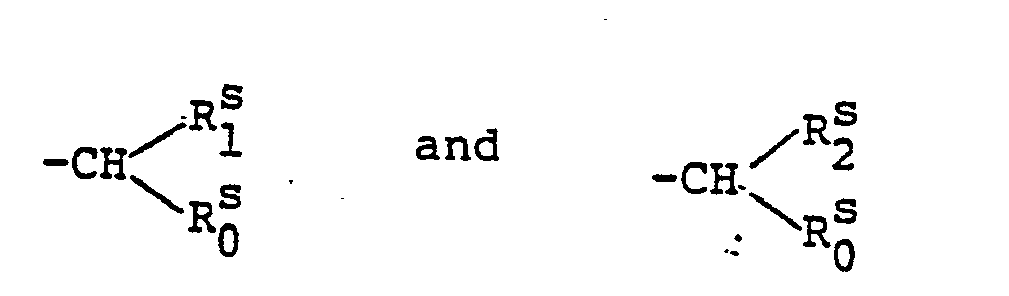
- R0 s is carboxy or a functionally modified carboxy:
- Rl s is hydrogen, lower alkyl, amino(lower) alkyl, aryl, aryl (lower) alkyl, cycloalkyl or cycloalkyl (lower) alkyl;
- R2 s is hydrogen or lower alkyl;
- R3 s and R4 s, each independently, represent hydrogen, lower alkyl, lower alkoxy, lower alkanoyloxy, hydroxy, halogen, trifluoromethyl, or
- R3 s and R4 s taken together represent lower alkylenedioxy;
- R5 s is hydrogen or lower alkyl, and
- XS represents oxo, two hydroqens, or one hydroxy together with one hydrogen; and wherein the carbocyclic ring may also be hexahydro or 6, 7, 8, 9-tetrahydro, and salts and complexes thereof.
- RA s and RB s are radicals of the formula
- (t) U.S. Patent 4,374,847 to Gruenfeld discloses l-carboxy-(alkanoyl or aralkanoyl)-indolene-2-carboxylic acids which are anqiotensin converting enzyme inhibitors and have the formula
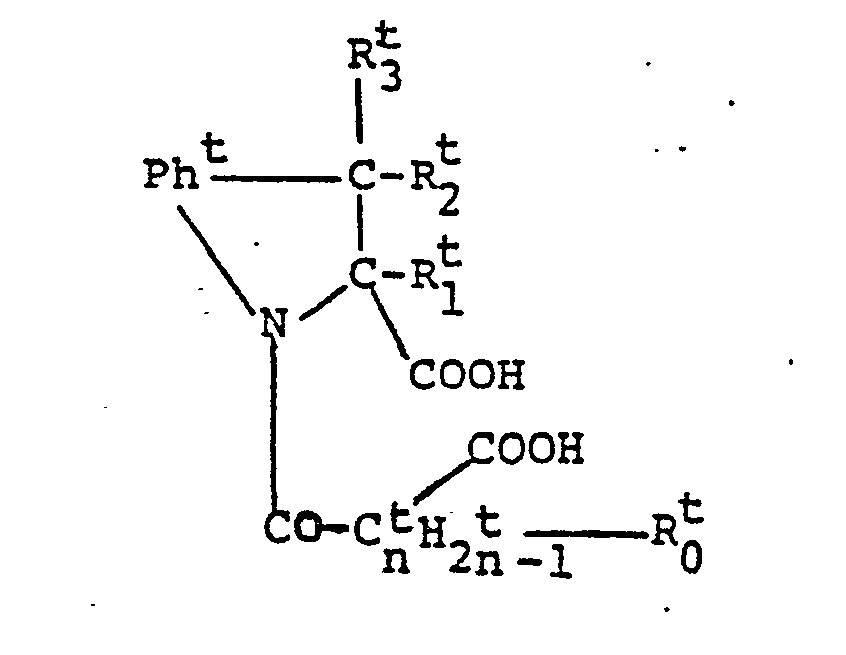
- wherein Pht is unsubstitued 1,2-phenylene, or 1,2-phenylene substituted by one to three identical or different members selected from lower alkyl, lower alkoxy, lower alkylenedioxy, hydroxy, halogeno and trifluoromethyl; Ro t is hydrogen or HPht; each of Rl t, R2 t and R3 t is hydroqen or lower alkyl; and nt is an integer from 1 to 10; the amides, mono- or di-lower alkylamides, lower alkyl esters, (amino, mono- or di- lower alkylamino, carboxy or lower carbalkoxy)-lower alkyl esters, or pharmaceutically acceptable salts thereof.
- (i) European Patent Application 0 050 800 published May 5, 1982 discloses carboxyalkyl dipeptides derivatives which are said to be angiotensin converting enzyme inhibitors and have the formula
- The following Table 1 lists ACE inhibitors preferred for use in the invention.


- As indicated by Needleman et al., a number of atrial peptides have been isolated so far, all having the same core sequence of 17 amino acids within a cysteine disulfide bridge, but having different N-termini lengths. These peptides represent N-terminal truncated fragments (21-48 amino acids) of a common preprohormone (151 and 152 amino acids for man and rats, respectively). Human, porcine and bovine carboxy-terminal 28-amino acid peptides are identical and differ from similar peptides in rats and mice in that the former contain a methionine group at position 12 while the latter contain isoleucine. Various synthetic analogs of naturally occurring atrial peptides also have been found to have comparable biological activity. Examples of atrial peptides contenplated for use in this invention are a human AP 21 (atriopeptin I), a human AP 28, a human AP 23 (atriopeptin II or APII), a human AP 24, a human AP 25, a human AP 26, a human AP 33, and the corresponding rat sequence of each of the above wherein met 12 is ile. See Table 2 for a conparison of the peptides.

- The antihypertensive effect of NMEP inhibitors, alone and in combination with ACE inhibitors was determined according to the following procedure:
- Male Sprague Dawley rats weighing 100-150 g were anesthetized with ether and the right kidney was removed. Three pellets containing Doc acetate (desoxycorticosterone acetate, DOCA, 25 mg/pellet) were implanted subcutaneously. Animals recovered from surgery, were maintained on normal rat chow and were allowed free access to a -fluid of 1% NaCl and 0.2% KC1 instead of tap water for a period of 17-30 days. This procedure results in a sustained elevation in blood pressure and is a slight modification of published procedures (e.g. Brock et al., 1982) that have been used to produce DOCA salt hypertension in the rat.
- On the day of study, animals were again anesthetized with ether and the caudal or carotid artery was cannulated for blood pressure measurement. Patency of the caudal artery cannula was maintained with a continuous infusion of dextrose in water at a rate of 0.2 ml/hr. Animals were placed into restraining cages where they recovered consciousness. Blood pressure was measured from caudal artery catheter using a Statham pressure transducer attached to a Beckman oscillographic recorder. In addition, a cardiovascular monitoring device (Buxco Electronics, Inc.) and a digital computer were used to calculate average blood pressures.
- After an equilibration period of at least 1.5 hr., animals were dosed subcutaneously (1 ml/kg) with vehicle. (methylcellulose, hereinafter MC), NMEP inhibitor, ACE inhibitor, or the combination of NMEP inhibitor and ACE inhibitor and blood pressure was monitored for the next 4 hours. The doses of NMEP inhibitor and ACE inhibitor are chosen based on amounts previously determined to be effective for inhibition of NMEP and ACE, respectively.
- The antihypertensive effect of NMEP inhibitors in combination with atrial peptides was determined according to the following procedures:
- Male spontaneously hypertensive rats (SHR), 16-18 weeks old, 270-350 g, were anesthetized with ether and the abdominal aorta was cannulated through the tail artery. The animals were then placed into restrainers to recover from anesthesia (in less than 10 min.) and remained inside throughout the experiments. Through a pressure transducer (Gould P23 series) analog blood pressure signals were registered on a Beckman 612 recorder. A Buxco digital computer was used to obtain mean arterial pressures. Patency of the arterial cannula was maintained with a continuous infusion.of 5% dextrose at 0.2 ml/hr. Animals were allowed a 90-min equilibration period. The animals first underwent a challenge with an atrial peptide such as AP23 or AP28 30 ug/kg iv and at the end of 60 min. were treated with MC vehicle or various enzyme inhibitors subcutaneously. A second atrial peptide challenge was administered 15 min. later and blood pressure was monitored for the next 90 min.
- The antihypertensive effect in SHR of NMEP inhibitors and ACE inhibitors, alone and in combination, was determined as follows:
- Animals were prepared for blood pressure measurement as described above. After stabilization, animals were dosed subcutaneously or orally with test drugs or placebo and blood pressure was monitored for the next 4 hr.
- The. daily antihypertensive dose of the compound or combinations of this invention is as follows: for NMEP inhibitor alone the typical dosage is 1 to 100 mg/kg of mammalian weight per day administered in single or divided dosages; for the combination of NMEP inhibitors and ACE inhibitors, the typical dosage is 1 to 100 mg of NMEP inhibitor/kg of mammalian weight per day, in single or divided dosages, plus 0.1 to 30 mg ACE inhibitor/kg of mammalian weight per day in single or divided dosages; for the combination of NMEP inhibitor and atrial peptide, the typical dosage is 1 to 100 mg of NEMP inhibitor/kq mammalian weight per day in single- or divided dosages plus 0.001 to 0.1 mq atrial peptide/kq of mammalian weight per day, in single or divided doses. The exact dose of any component or combination to be administered is determined by the attending clinician and is dependent on the potency of the compound administered, the age, weight, condition and response of the patient.
- The following tables show the antihypertensive activity of NMEP inhibitors alone (Table 3), in combination with an ACE inhibitor (Table 4), and in combination with an atrial peptide (Table 5).


- Generally, in treating humans having hypertension, the compounds or combinations of this invention may be administered to patients in a dosage range as follows: for treatment with NMEP inhibitors alone, about 10 to about 500 mg per dose given 1 to 4 times a day, giving a total daily dose of about 10 to 2000 mg per day; for the combination of NMEP inhibitor and ACE inhibitor, about 10 to about 500 mg NMEP inhibitor per dose given 1 to 4 times a day and about 5 to about 50 mg ACE inhibitor given 1 to 3 times a day (total daily dosage range of 10 to 2000 mg/day and 5 to 150 mg per day, respectively); for the combination of NMEP inhibitor and atrial peptide, . about 10 to about 500 mg NMEP inhibitor per dose given 1 to 4 times a day and about 0.001 to about 1 mg atrial peptide given 1 to 6 times a day (total daily dosage range of 10 to 2000 mg day and .001 to 6 mg/day, respectively). Where the components of a combination are administered separately, the number of doses of each component given per day may not necessarily be the same, e.g. where one component may have a greater duration of activity, and will therefore need to be administered less frequently.
- Typical oral formulations include tablets, capsules, syrups, elixirs and suspensions. Typical injectable formulations include solutions and suspensions. Typical pharmaceutically acceptable carriers may be used in said formulations.
- Examples of formulations follow. "NMEP inhibitor" refers to any antihypertensive NMEP inhibitor, especially the preferred compounds named on pages 6, 9 and 11. "ACE inhibitor" refers to any of the ACE inhibitors listed on pages 11-55, especially those listed in the table of preferred ACE inhibitors. "Atrial peptide" refers to any antihypertensive atrial peptide, especially those listed on page 56.
-

- Mix Item Nos. 1 and 2 in a suitable mixer for 10-15 minutes. Granulate the mixture with.Item No. 3. Mill the danp granules through a coarse screen (e.g., 1/4") if needed Dry the damp granules. Screen the dried granules if needed and mix with Item No. 4 and mix for 10-15 minutes. Add Item No. 5 and mix for 1-3 minutes. Compress the mixture to appropriate size and weight on a suitable tablet machine.
-

-

- Dissolve parabens in a portion ( 85% of the final volume) of the water for injection at 65-70°C. Cool to 25-35°C. Charge and dissolve the sodium bisulfite, disodium edetate and sodium sulfate. Charge and dissolve the NMEP inhibitor. Bring the solution to final volume by adding water for injection. Filter the solution through 0.22n membrane and fill into appropriate containers. Terminally sterilize the units by autoclaving.
-

-

-


-

-

- The above descriptions on pages 4-55 inclusive, of suitable classes of NMEP inhibitors and ACE inhibitors for use in the present invention were taken from the noted patents and publications or abstracts thereof. Reference should be made to such patents and publications themselves for their full disclosures of such classes and specific compounds within such classes, such patents and publications being incorporated herein by reference for such purposes, and as to any typographical errors or the like which may have occurred in transcription. Also, in describing such suitable NMEP inhibitors and ACE inhibitors the superscript letters a-w were included to distinguish among the various classes of compounds and the variable substituent groups thereof.
Claims (22)


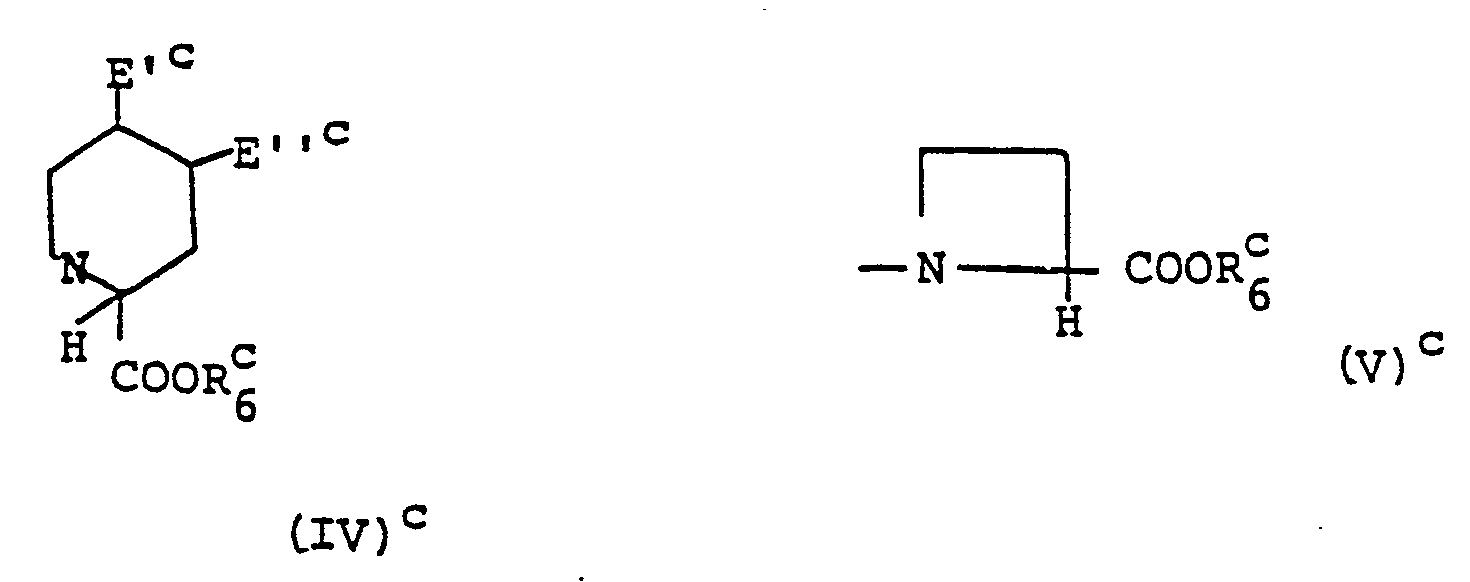


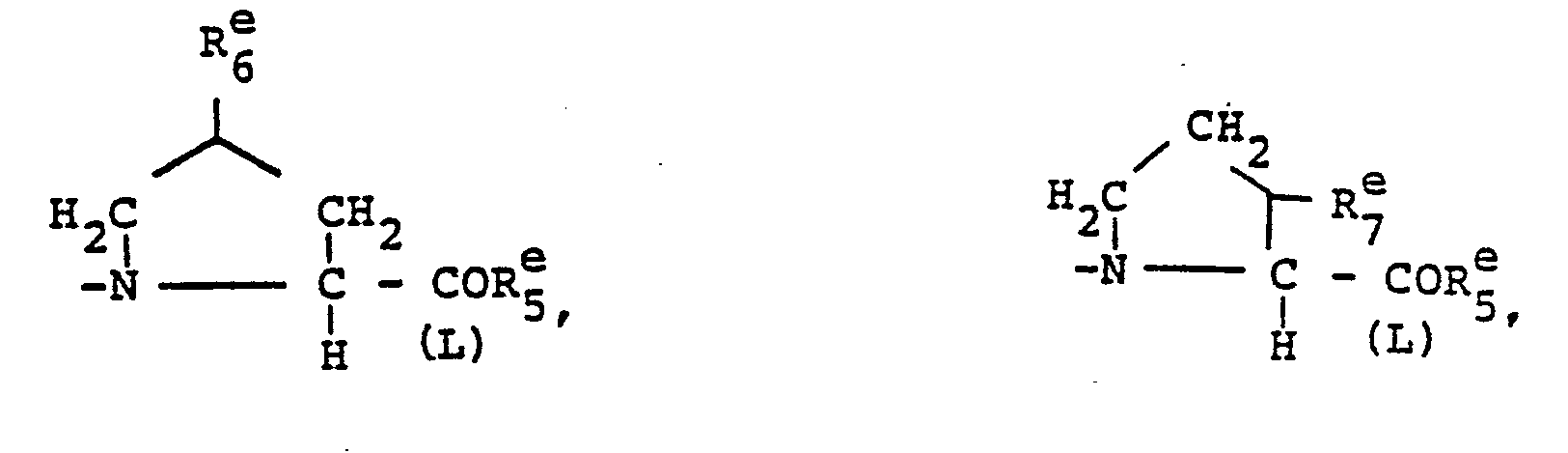


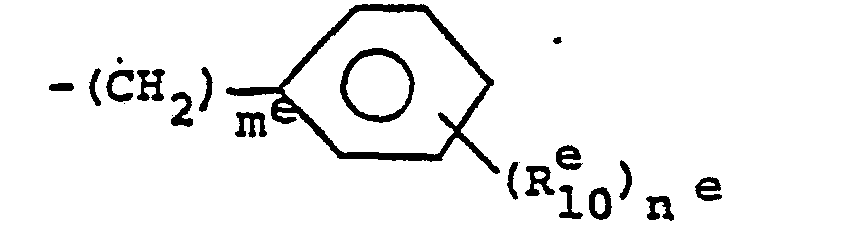


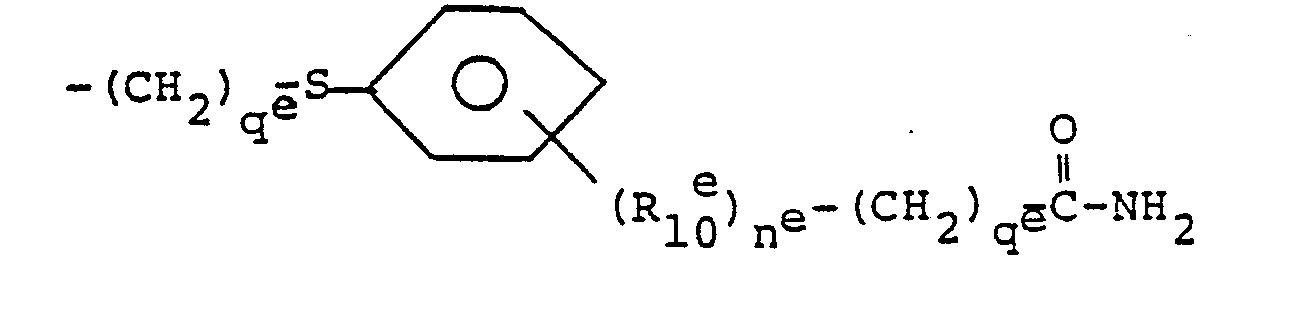


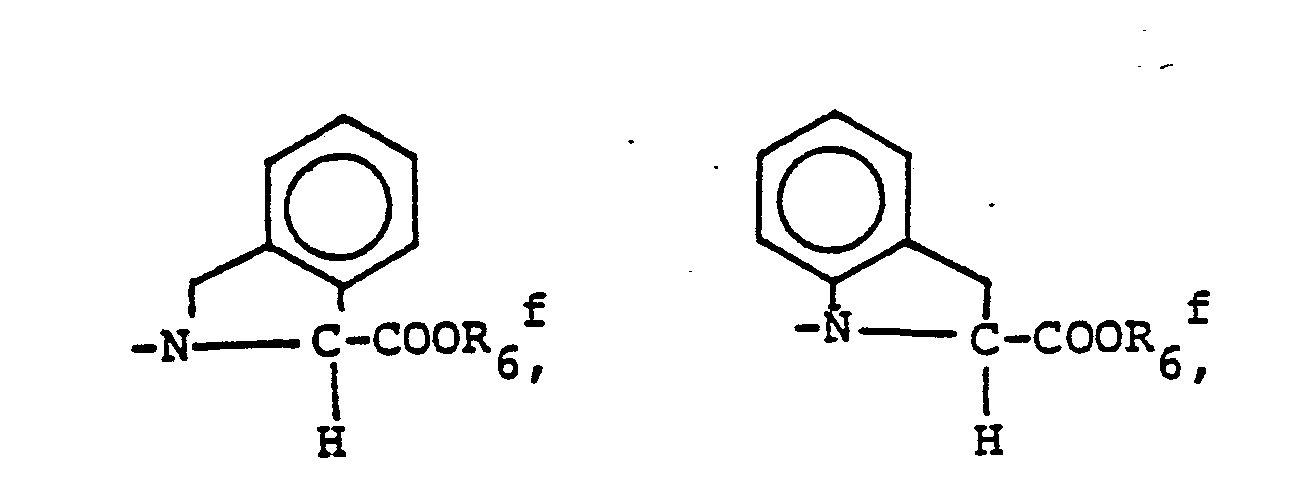


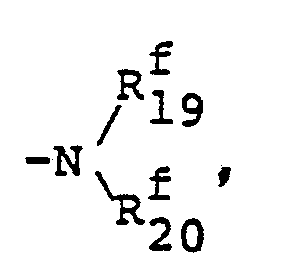
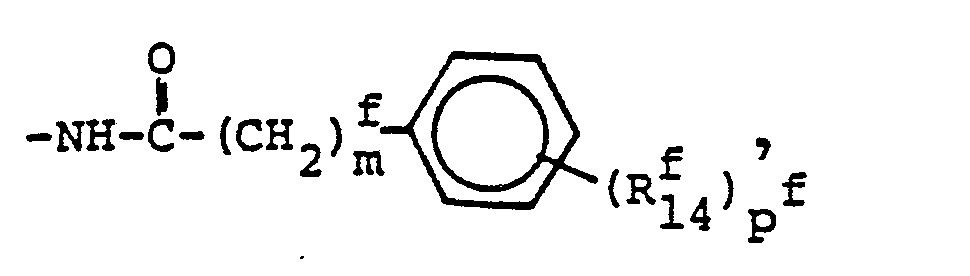


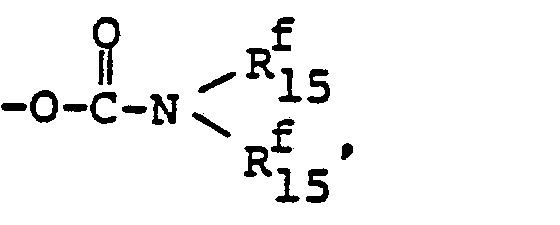


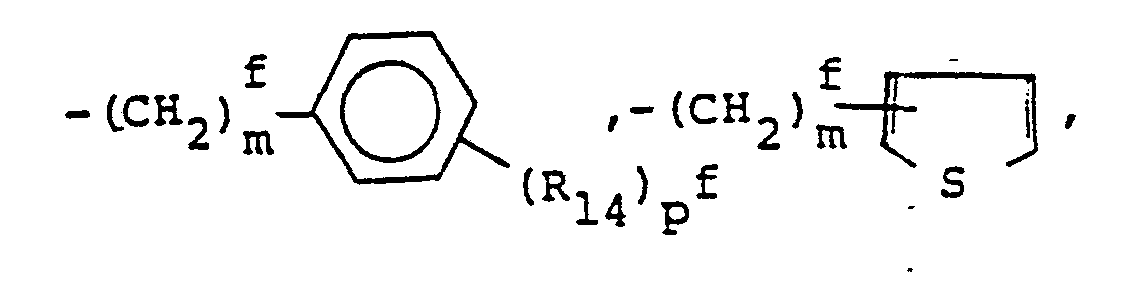





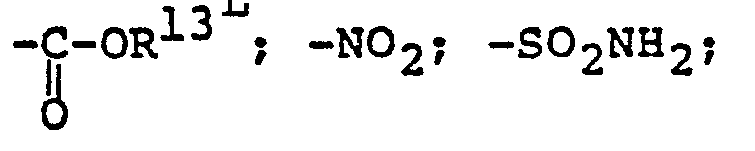
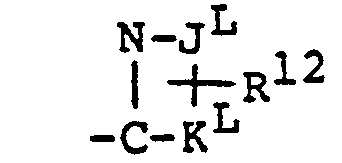
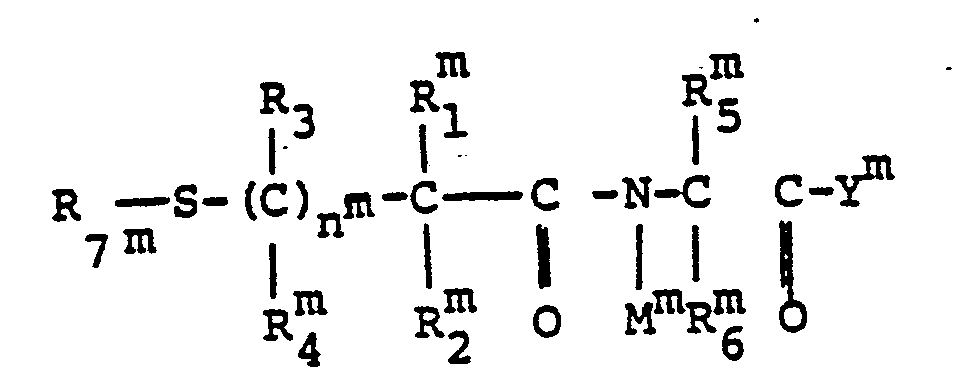


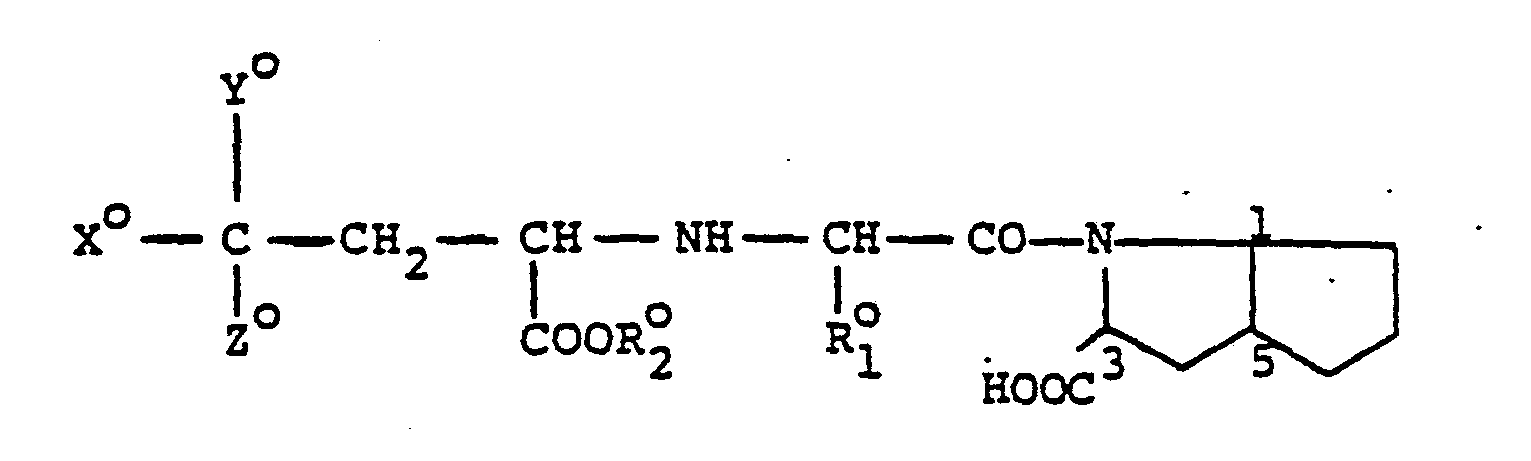


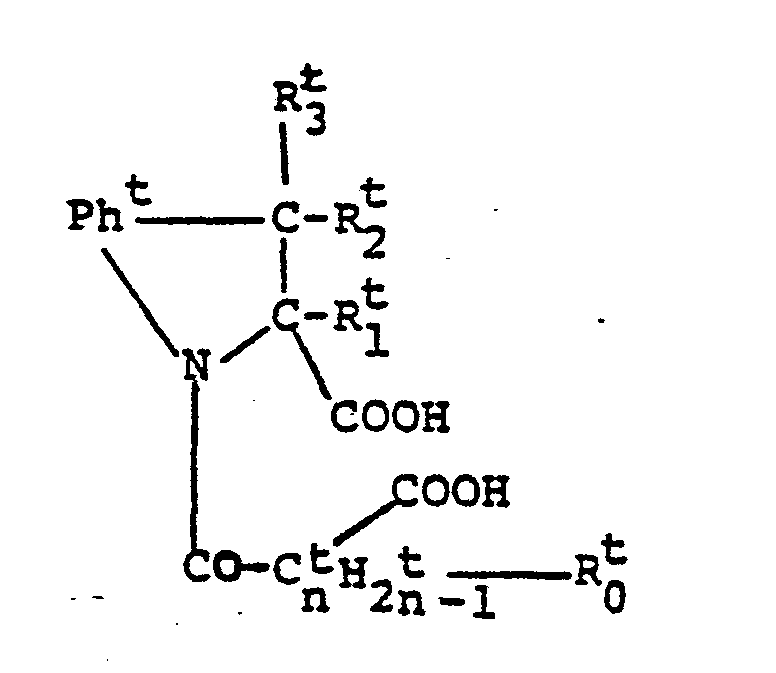


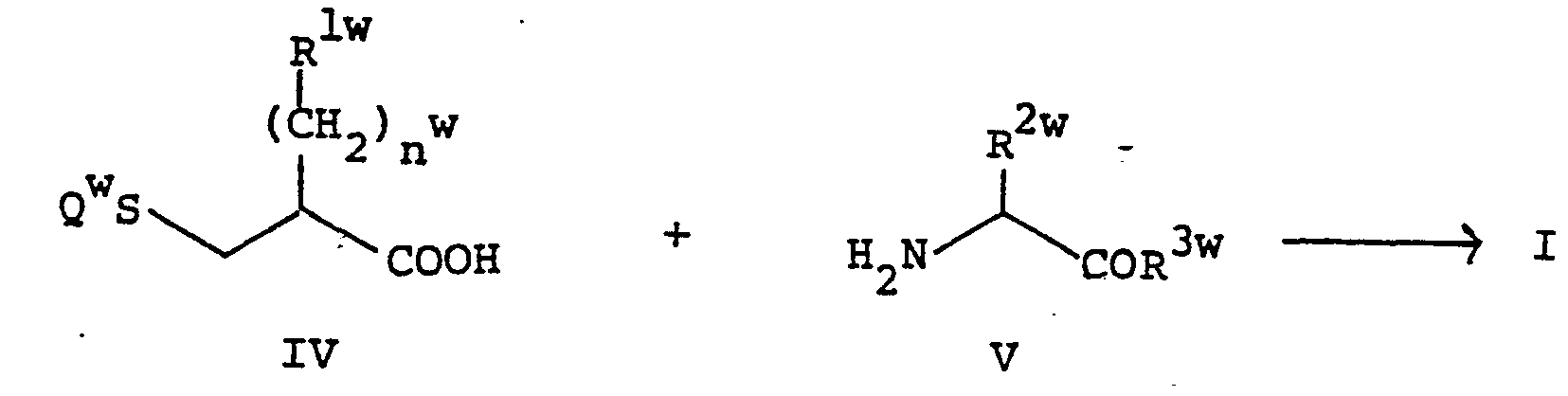


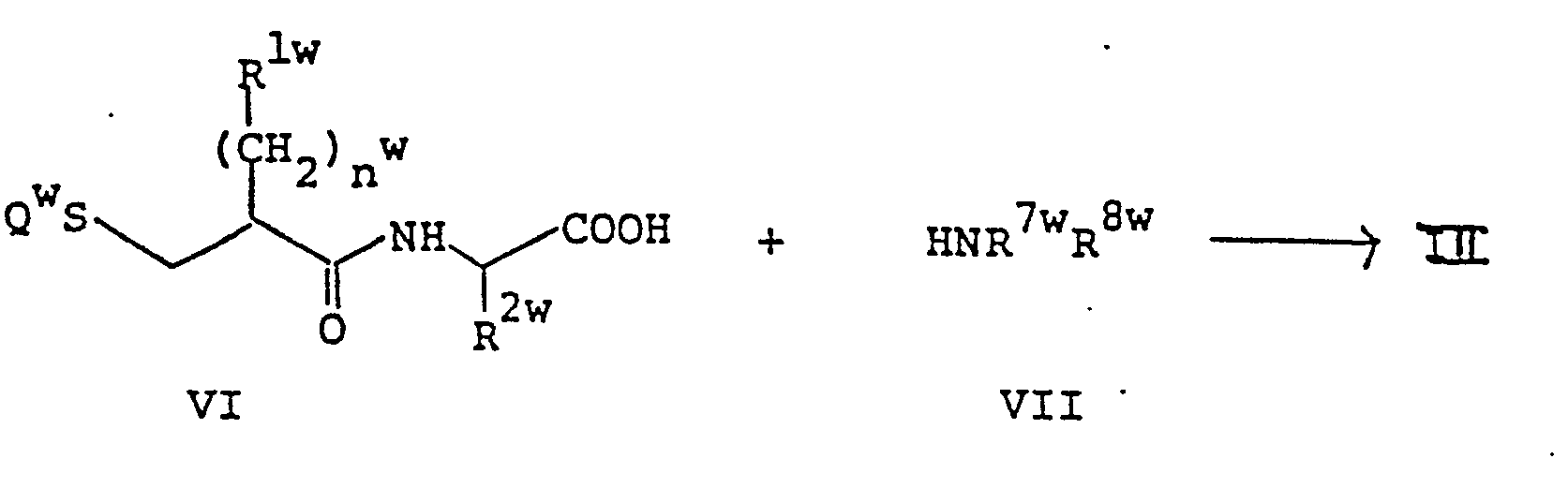
Applications Claiming Priority (4)
| Application Number | Priority Date | Filing Date | Title |
|---|---|---|---|
| US06/876,610 US4749688A (en) | 1986-06-20 | 1986-06-20 | Use of neutral metalloendopeptidase inhibitors in the treatment of hypertension |
| US876610 | 1986-06-20 | ||
| US07032153 US4801609B1 (en) | 1987-03-27 | 1987-03-27 | Mercapto-acylamino acid antihypertensives |
| US32153 | 1987-03-27 |
Related Child Applications (2)
| Application Number | Title | Priority Date | Filing Date |
|---|---|---|---|
| EP93107499.1 Division-Into | 1987-06-17 | ||
| EP93107499A Division EP0566157A1 (en) | 1986-06-20 | 1987-06-17 | Neutral metalloendopeptidase inhibitors in the treatment of hypertension |
Publications (2)
| Publication Number | Publication Date |
|---|---|
| EP0254032A2 true EP0254032A2 (en) | 1988-01-27 |
| EP0254032A3 EP0254032A3 (en) | 1990-09-05 |
Family
ID=26708050
Family Applications (1)
| Application Number | Title | Priority Date | Filing Date |
|---|---|---|---|
| EP19870108730 Withdrawn EP0254032A3 (en) | 1986-06-20 | 1987-06-17 | Neutral metalloendopeptidase inhibitors in the treatment of hypertension |
Country Status (14)
| Country | Link |
|---|---|
| US (1) | US5061710A (en) |
| EP (1) | EP0254032A3 (en) |
| JP (3) | JP2542620B2 (en) |
| KR (1) | KR940001769B1 (en) |
| AU (1) | AU636423B2 (en) |
| DK (1) | DK313887A (en) |
| FI (1) | FI872720A7 (en) |
| HU (1) | HU208952B (en) |
| IL (1) | IL82908A (en) |
| MY (1) | MY100641A (en) |
| NO (1) | NO872589L (en) |
| NZ (1) | NZ220753A (en) |
| OA (1) | OA08617A (en) |
| PT (1) | PT85124B (en) |
Cited By (20)
| Publication number | Priority date | Publication date | Assignee | Title |
|---|---|---|---|---|
| FR2616070A1 (en) * | 1987-06-08 | 1988-12-09 | Squibb & Sons Inc | NEUTRAL ENDOPEPTIDASE INHIBITORS |
| WO1990001940A1 (en) * | 1988-08-18 | 1990-03-08 | California Biotechnology Inc. | Atrial natriuretic peptide clearance inhibitors |
| FR2651229A1 (en) * | 1989-08-24 | 1991-03-01 | Inst Nat Sante Rech Med | NOVEL AMINO ACID DERIVATIVES, THEIR PREPARATION PROCESS AND THEIR THERAPEUTIC APPLICATION. |
| WO1991005796A1 (en) * | 1989-10-13 | 1991-05-02 | Schering Corporation | Carboxyalkyl dipeptide inhibitors of endopeptidases |
| EP0519738A1 (en) * | 1991-06-21 | 1992-12-23 | Tanabe Seiyaku Co., Ltd. | Dicarboxylic acid derivatives and process for preparation thereof |
| EP0533084A1 (en) * | 1991-09-16 | 1993-03-24 | Schering Corporation | Pharmaceutical compositions comprising natriuretic peptides or neutral endopeptidase inhibitors for treating and preventing myointimal proliferation |
| US5202340A (en) * | 1988-05-06 | 1993-04-13 | Ono Pharmaceutical Co., Ltd. | Amino acid derivatives |
| EP0527624A3 (en) * | 1991-08-12 | 1993-09-15 | E.R. Squibb & Sons, Inc. | Use of a selective inhibitor of neutral endopeptidase and an angiotensin converting enzyme inhibitor in the preparation of a pharmaceutical for treating congestive heart failure |
| WO1994007481A1 (en) * | 1992-10-02 | 1994-04-14 | Merck & Co., Inc. | N-(mercaptoacyl)peptidyl derivatives as antidegenerative agents |
| EP0341081B1 (en) * | 1988-05-06 | 1995-07-05 | Ono Pharmaceutical Co., Ltd. | Novel amino acid derivatives |
| US5523313A (en) * | 1992-12-28 | 1996-06-04 | Tanabe Seiyaku Co., Ltd. | Indole-containing peptide and process for preparing the same |
| RU2124503C1 (en) * | 1992-05-18 | 1999-01-10 | И.Р.Сквибб энд Санз, Инк. | Heterocyclic nitrogen-containing derivatives of carboxylic acid, method of their synthesis, pharmaceutical composition |
| WO2004050620A3 (en) * | 2002-12-03 | 2004-08-19 | Biomep Inc | Derivatives of succinic and glutaric acids and analogs thereof useful as inhibitors of phex |
| US7045653B2 (en) | 2002-12-23 | 2006-05-16 | Pfizer, Inc. | Pharmaceuticals |
| US7622496B2 (en) | 2005-12-23 | 2009-11-24 | Zealand Pharma A/S | Modified lysine-mimetic compounds |
| US7816347B2 (en) | 2004-12-15 | 2010-10-19 | Solvay Pharmaceuticals Gmbh | Pharmaceutical compositions comprising NEP-inhibitors, inhibitors of the endogenous endothelin producing system and HMG CoA reductase inhibitors |
| US7875268B2 (en) | 2004-04-06 | 2011-01-25 | L'oreal S.A. | Dimercaptoamides, compositions comprising them as reducing agents, and processes for permanently reshaping keratin fibers therewith |
| WO2012065958A1 (en) | 2010-11-16 | 2012-05-24 | Novartis Ag | Method of treating contrast-induced nephropathy |
| US8927590B2 (en) | 2006-12-21 | 2015-01-06 | Zealand Pharma A/S | Synthesis of pyrrolidine compounds |
| US11324799B2 (en) | 2017-05-05 | 2022-05-10 | Zealand Pharma A/S | Gap junction intercellular communication modulators and their use for the treatment of diabetic eye disease |
Families Citing this family (25)
| Publication number | Priority date | Publication date | Assignee | Title |
|---|---|---|---|---|
| US5262436A (en) * | 1987-03-27 | 1993-11-16 | Schering Corporation | Acylamino acid antihypertensives in the treatment of congestive heart failure |
| US5977160A (en) * | 1992-04-10 | 1999-11-02 | Brigham And Women's Hospital, Inc. | Methods for reducing risk of repeat myocardial infarction and increasing survival in heart attack victims |
| US5504080A (en) * | 1992-10-28 | 1996-04-02 | Bristol-Myers Squibb Co. | Benzo-fused lactams |
| US5508272A (en) * | 1993-06-15 | 1996-04-16 | Bristol-Myers Squibb Company | Compounds containing a fused bicycle ring and processes therefor |
| US5362727A (en) * | 1993-07-26 | 1994-11-08 | Bristol-Myers Squibb | Substituted azepino[2,1-a]isoquinoline compounds |
| US6037472A (en) * | 1993-11-04 | 2000-03-14 | Syntex (U.S.A.) Inc. | Matrix metalloprotease inhibitors |
| US5525723A (en) * | 1993-11-18 | 1996-06-11 | Bristol-Myers Squibb Co. | Compounds containing a fused multiple ring lactam |
| US5616775A (en) * | 1994-05-05 | 1997-04-01 | Bristol-Myers Squibb Co. | Process for preparing homocystein analogs useful as intermediates for compounds containing a fused bicyclic ring |
| US5587375A (en) * | 1995-02-17 | 1996-12-24 | Bristol-Myers Squibb Company | Azepinone compounds useful in the inhibition of ACE and NEP |
| DE69632338T2 (en) * | 1995-03-07 | 2005-05-12 | Santen Pharmaceutical Co., Ltd | NEW AMINO ACID DERIVATIVES HAVING AN N, N-DIALKYLAMINOPHENYL GROUP |
| US5877313A (en) * | 1995-05-17 | 1999-03-02 | Bristol-Myers Squibb | Benzo-fused azepinone and piperidinone compounds useful in the inhibition of ACE and NEP |
| US5650408A (en) * | 1995-06-07 | 1997-07-22 | Karanewsky; Donald S. | Thiazolo benzazepine containing dual action inhibitors |
| US5635504A (en) * | 1995-06-07 | 1997-06-03 | Bristol-Myers Squibb Co. | Diazepine containing dual action inhibitors |
| ATE330939T1 (en) * | 1996-09-05 | 2006-07-15 | Santen Pharmaceutical Co Ltd | AMINO ACID DERIVATIVES CONTAINING SULFUR |
| DE19906310A1 (en) * | 1999-02-16 | 2000-08-17 | Solvay Pharm Gmbh | Use of 3-(1-(2-aralkyl-2-carboxyethyl)-1-cyclopentanecarboxamido)-2,3,4,5-tetrahydro-2-oxo-1H-benz(b)azepine-1-acetic acid derivatives for treating hypertension |
| CN1939529A (en) * | 2002-01-29 | 2007-04-04 | Wyeth公司 | Compositions and methods for modulating connexin hemichannels |
| US7358248B2 (en) * | 2003-04-30 | 2008-04-15 | The Institute For Pharmaceutical Discovery Llc | Substituted amino carboxylic acids |
| AR046454A1 (en) * | 2003-11-18 | 2005-12-07 | Solvay Pharm Gmbh | USE OF A BENZAZEPIN-N-ACETIC ACID COMPOUND, PHARMACEUTICAL COMPOSITION, AND PROCEDURE FOR THE PRODUCTION OF THE PHARMACEUTICAL COMPOSITION |
| CN102088965B (en) * | 2008-05-13 | 2013-05-08 | 根梅迪卡治疗公司 | Application of salicylate (ester) conjugates in the preparation of medicines for treating metabolic disorders |
| CN102421424A (en) * | 2009-03-16 | 2012-04-18 | 根梅迪卡治疗公司 | Combination therapies for treating metabolic disorders |
| JP2012520342A (en) * | 2009-03-16 | 2012-09-06 | ジェンメディカ・セラピューティックス・ソシエダッド・リミターダ | Anti-inflammatory and antioxidant conjugates useful for treating metabolic disorders |
| US8466197B2 (en) | 2010-12-14 | 2013-06-18 | Genmedica Therapeutics Sl | Thiocarbonates as anti-inflammatory and antioxidant compounds useful for treating metabolic disorders |
| JP2017509587A (en) | 2013-12-27 | 2017-04-06 | ノーバス・インターナショナル・インコーポレイテッドNovus International,Inc. | Ethoxylated surfactant |
| US10584306B2 (en) | 2017-08-11 | 2020-03-10 | Board Of Regents Of The University Of Oklahoma | Surfactant microemulsions |
| CN108191969B (en) * | 2018-01-19 | 2021-01-01 | 渤海大学 | Two ACE-inhibiting peptides derived from Atlantic trout collagen |
Citations (24)
| Publication number | Priority date | Publication date | Assignee | Title |
|---|---|---|---|---|
| US32153A (en) | 1861-04-23 | Improvement in steam-plows | ||
| US4105776A (en) | 1976-06-21 | 1978-08-08 | E. R. Squibb & Sons, Inc. | Proline derivatives and related compounds |
| EP0012401A1 (en) | 1978-12-11 | 1980-06-25 | Merck & Co. Inc. | Carboxyalkyl dipeptide derivatives, process for preparing them and pharmaceutical composition containing them |
| US4256761A (en) | 1979-07-13 | 1981-03-17 | Usv Pharmaceutical Corporation | Antihypertensive amides |
| EP0037231A2 (en) | 1980-04-02 | 1981-10-07 | Warner-Lambert Company | Substituted acyl derivatives of octahydro-1H-indole-2-carboxylic acids |
| EP0046953A2 (en) | 1980-08-30 | 1982-03-10 | Hoechst Aktiengesellschaft | Amino acid derivatives, processes for their preparation, compositions containing them and their use |
| EP0050800A1 (en) | 1980-10-23 | 1982-05-05 | Schering Corporation | Carboxyalkyl dipeptides, processes for their production and pharmaceutical compositions containing them |
| US4329495A (en) | 1981-05-18 | 1982-05-11 | Pfizer Inc. | Enkephalinase enzyme inhibiting compounds |
| US4344949A (en) | 1980-10-03 | 1982-08-17 | Warner-Lambert Company | Substituted acyl derivatives of 1,2,3,4-tetrahydroisoquinoline-3-carboxylic acids |
| GB2095682A (en) | 1981-03-30 | 1982-10-06 | Usv Pharma Corp | Compounds of the formula |
| US4374847A (en) | 1980-10-27 | 1983-02-22 | Ciba-Geigy Corporation | 1-Carboxyalkanoylindoline-2-carboxylic acids |
| EP0079022A2 (en) | 1981-11-05 | 1983-05-18 | Hoechst Aktiengesellschaft | Derivatives of cis, endo-2-azabicyclo-(3.3.0)-octane-3-carboxylic acid, process for their preparation, medicines containing them and their use |
| EP0079522A1 (en) | 1981-11-09 | 1983-05-25 | Merck & Co. Inc. | N-Carboxymethyl(amidino)lysyl-proline antihypertensive agents |
| EP0083172A2 (en) | 1981-12-24 | 1983-07-06 | E.R. Squibb & Sons, Inc. | Phosphorus containing compounds |
| US4410520A (en) | 1981-11-09 | 1983-10-18 | Ciba-Geigy Corporation | 3-Amino-[1]-benzazepin-2-one-1-alkanoic acids |
| EP0097050A1 (en) | 1982-06-14 | 1983-12-28 | E.R. Squibb & Sons, Inc. | Esters of phosphinylalkanoyl substituted prolines |
| US4462943A (en) | 1980-11-24 | 1984-07-31 | E. R. Squibb & Sons, Inc. | Carboxyalkyl amino acid derivatives of various substituted prolines |
| EP0117429A1 (en) | 1983-01-28 | 1984-09-05 | Schering Corporation | Phosphorous containing compounds as inhibitors of enkephalinases |
| US4470973A (en) | 1982-07-19 | 1984-09-11 | E. R. Squibb & Sons, Inc. | Substituted peptide compounds |
| US4470972A (en) | 1981-04-28 | 1984-09-11 | Schering Corporation | 7-Carboxyalkylaminoacyl-1,4-dithia-7-azaspiro[4.4]-nonane-8-carboxylic acids |
| US4508729A (en) | 1979-12-07 | 1985-04-02 | Adir | Substituted iminodiacids, their preparation and pharmaceutical compositions containing them |
| US4513009A (en) | 1980-04-17 | 1985-04-23 | Societe Civile Bioprojet | Aminoacid derivatives and their therapeutic applications |
| US4512924A (en) | 1982-05-12 | 1985-04-23 | Hoffmann-La Roche Inc. | Pyridazo[1,2-a][1,2]diazepines |
| US4610816A (en) | 1980-12-18 | 1986-09-09 | Schering Corporation | Substituted dipeptides as inhibitors of enkephalinases |
Family Cites Families (13)
| Publication number | Priority date | Publication date | Assignee | Title |
|---|---|---|---|---|
| US4053651A (en) * | 1976-05-10 | 1977-10-11 | E. R. Squibb & Sons, Inc. | Compounds and method for alleviating angiotensin related hypertension |
| US4228077A (en) * | 1976-12-03 | 1980-10-14 | E. R. Squibb & Sons, Inc. | N-[2-(mercaptoalkyl)-3-mercaptoalkanoyl]-l-tryptophanes |
| CH637374A5 (en) * | 1977-12-02 | 1983-07-29 | Squibb & Sons Inc | Substituted amino acids |
| US4350704A (en) * | 1980-10-06 | 1982-09-21 | Warner-Lambert Company | Substituted acyl derivatives of octahydro-1H-indole-2-carboxylic acids |
| GB2074571B (en) * | 1980-04-11 | 1984-02-15 | Wellcome Found | Alpha-benzyl-substituted amides |
| US4401677A (en) * | 1981-10-09 | 1983-08-30 | E. R. Squibb & Sons, Inc. | Enkephalinase inhibitors |
| FR2518088B1 (en) * | 1981-12-16 | 1987-11-27 | Roques Bernard | NOVEL AMINO ACID DERIVATIVES AND THEIR THERAPEUTIC APPLICATION |
| JPS58140065A (en) * | 1982-02-10 | 1983-08-19 | Meito Sangyo Kk | Mercaptobenzyl fatty acid derivative and its preparation |
| DE3243370A1 (en) * | 1982-11-24 | 1984-05-24 | Basf Ag, 6700 Ludwigshafen | BENZOYLTHIO COMPOUNDS, THEIR PRODUCTION AND USE AS MEDICINAL PRODUCTS |
| DE3467754D1 (en) * | 1983-10-03 | 1988-01-07 | Squibb & Sons Inc | ENKEPHALINASE INHIBITORS |
| JPS61165362A (en) * | 1985-01-18 | 1986-07-26 | Meito Sangyo Kk | Mercapto fatty acid derivative and use thereof |
| US4740499A (en) * | 1986-07-28 | 1988-04-26 | Monsanto Company | Method of enhancing the bioactivity of atrial peptides |
| CA1337400C (en) * | 1987-06-08 | 1995-10-24 | Norma G. Delaney | Inhibitors of neutral endopeptidase |
-
1987
- 1987-06-17 EP EP19870108730 patent/EP0254032A3/en not_active Withdrawn
- 1987-06-18 OA OA59144A patent/OA08617A/en unknown
- 1987-06-18 MY MYPI87000833A patent/MY100641A/en unknown
- 1987-06-18 HU HU872786A patent/HU208952B/en not_active IP Right Cessation
- 1987-06-18 NZ NZ220753A patent/NZ220753A/en unknown
- 1987-06-18 IL IL82908A patent/IL82908A/en not_active IP Right Cessation
- 1987-06-18 FI FI872720A patent/FI872720A7/en not_active Application Discontinuation
- 1987-06-19 NO NO872589A patent/NO872589L/en unknown
- 1987-06-19 KR KR1019870006214A patent/KR940001769B1/en not_active Expired - Fee Related
- 1987-06-19 DK DK313887A patent/DK313887A/en not_active Application Discontinuation
- 1987-06-19 JP JP62153219A patent/JP2542620B2/en not_active Expired - Lifetime
- 1987-06-19 PT PT85124A patent/PT85124B/en not_active IP Right Cessation
- 1987-12-16 US US07/133,669 patent/US5061710A/en not_active Expired - Fee Related
-
1990
- 1990-12-27 AU AU68517/90A patent/AU636423B2/en not_active Ceased
-
1995
- 1995-08-21 JP JP7246555A patent/JP2609443B2/en not_active Expired - Lifetime
- 1995-08-21 JP JP7246554A patent/JPH08176100A/en active Pending
Patent Citations (25)
| Publication number | Priority date | Publication date | Assignee | Title |
|---|---|---|---|---|
| US32153A (en) | 1861-04-23 | Improvement in steam-plows | ||
| US4105776A (en) | 1976-06-21 | 1978-08-08 | E. R. Squibb & Sons, Inc. | Proline derivatives and related compounds |
| EP0012401A1 (en) | 1978-12-11 | 1980-06-25 | Merck & Co. Inc. | Carboxyalkyl dipeptide derivatives, process for preparing them and pharmaceutical composition containing them |
| US4256761A (en) | 1979-07-13 | 1981-03-17 | Usv Pharmaceutical Corporation | Antihypertensive amides |
| US4256761B1 (en) | 1979-07-13 | 1984-10-09 | ||
| US4508729A (en) | 1979-12-07 | 1985-04-02 | Adir | Substituted iminodiacids, their preparation and pharmaceutical compositions containing them |
| EP0037231A2 (en) | 1980-04-02 | 1981-10-07 | Warner-Lambert Company | Substituted acyl derivatives of octahydro-1H-indole-2-carboxylic acids |
| US4513009A (en) | 1980-04-17 | 1985-04-23 | Societe Civile Bioprojet | Aminoacid derivatives and their therapeutic applications |
| EP0046953A2 (en) | 1980-08-30 | 1982-03-10 | Hoechst Aktiengesellschaft | Amino acid derivatives, processes for their preparation, compositions containing them and their use |
| US4344949A (en) | 1980-10-03 | 1982-08-17 | Warner-Lambert Company | Substituted acyl derivatives of 1,2,3,4-tetrahydroisoquinoline-3-carboxylic acids |
| EP0050800A1 (en) | 1980-10-23 | 1982-05-05 | Schering Corporation | Carboxyalkyl dipeptides, processes for their production and pharmaceutical compositions containing them |
| US4374847A (en) | 1980-10-27 | 1983-02-22 | Ciba-Geigy Corporation | 1-Carboxyalkanoylindoline-2-carboxylic acids |
| US4462943A (en) | 1980-11-24 | 1984-07-31 | E. R. Squibb & Sons, Inc. | Carboxyalkyl amino acid derivatives of various substituted prolines |
| US4610816A (en) | 1980-12-18 | 1986-09-09 | Schering Corporation | Substituted dipeptides as inhibitors of enkephalinases |
| GB2095682A (en) | 1981-03-30 | 1982-10-06 | Usv Pharma Corp | Compounds of the formula |
| US4470972A (en) | 1981-04-28 | 1984-09-11 | Schering Corporation | 7-Carboxyalkylaminoacyl-1,4-dithia-7-azaspiro[4.4]-nonane-8-carboxylic acids |
| US4329495A (en) | 1981-05-18 | 1982-05-11 | Pfizer Inc. | Enkephalinase enzyme inhibiting compounds |
| EP0079022A2 (en) | 1981-11-05 | 1983-05-18 | Hoechst Aktiengesellschaft | Derivatives of cis, endo-2-azabicyclo-(3.3.0)-octane-3-carboxylic acid, process for their preparation, medicines containing them and their use |
| EP0079522A1 (en) | 1981-11-09 | 1983-05-25 | Merck & Co. Inc. | N-Carboxymethyl(amidino)lysyl-proline antihypertensive agents |
| US4410520A (en) | 1981-11-09 | 1983-10-18 | Ciba-Geigy Corporation | 3-Amino-[1]-benzazepin-2-one-1-alkanoic acids |
| EP0083172A2 (en) | 1981-12-24 | 1983-07-06 | E.R. Squibb & Sons, Inc. | Phosphorus containing compounds |
| US4512924A (en) | 1982-05-12 | 1985-04-23 | Hoffmann-La Roche Inc. | Pyridazo[1,2-a][1,2]diazepines |
| EP0097050A1 (en) | 1982-06-14 | 1983-12-28 | E.R. Squibb & Sons, Inc. | Esters of phosphinylalkanoyl substituted prolines |
| US4470973A (en) | 1982-07-19 | 1984-09-11 | E. R. Squibb & Sons, Inc. | Substituted peptide compounds |
| EP0117429A1 (en) | 1983-01-28 | 1984-09-05 | Schering Corporation | Phosphorous containing compounds as inhibitors of enkephalinases |
Non-Patent Citations (10)
| Title |
|---|
| "refers to any antihypertensive NMEP inhibitor, especially the preferred compounds named", NMEP INHIBITOR, pages 6 |
| "refers to any of the ACE inhibitors listed", ACE INHIBITOR, pages 11 - 55 |
| B.P. ROGUES, EUR. J. BIOCHEM., vol. 139, 1984, pages 267 - 274 |
| B.P. ROGUES, J. MED. CHEM., vol. 26, 1983, pages 60 - 65 |
| B.P. ROGUES, J. MED. CHEM., vol. 28, 1985, pages 1158 - 1169 |
| M. CANTIN: "The Heart as an Endocrine Gland", SCIENTIFIC AMERICAN, vol. 254, 1986, pages 76 - 81 |
| M. WYVRATT; A. PATCHETT: "Recent Developments in the Design of Angiotensin Converting Enzyme Inhibitors", MED. RES. REV., vol. 5, no. 4, 1985, pages 483 - 531 |
| P. NEEDLEMAN: "Atriopeptin: A Cardiac Hormone Intimately Involved in Fluid, Electrolyte and Blood-Pressure Homeostasis", N. ENGL. J. MED., vol. 314, no. 13, 1986, pages 828 - 834 |
| R.A. MUMFORD, BIOCHEM. BIOPHYS. RES. COMMUN., vol. 109, 1982, pages 1303 - 1307 |
| T. BAUM: "Enkephalinase A Inhibition by Thiorphan: Central and Peripheral Cardiovascular Effects", EUR. J. PHARM., vol. 94, 1983, pages 85 - 91 |
Cited By (32)
| Publication number | Priority date | Publication date | Assignee | Title |
|---|---|---|---|---|
| DE3819539A1 (en) * | 1987-06-08 | 1988-12-22 | Squibb & Sons Inc | INHIBITORS OF NEUTRAL ENDOPEPTIDASE |
| FR2616070A1 (en) * | 1987-06-08 | 1988-12-09 | Squibb & Sons Inc | NEUTRAL ENDOPEPTIDASE INHIBITORS |
| US5202340A (en) * | 1988-05-06 | 1993-04-13 | Ono Pharmaceutical Co., Ltd. | Amino acid derivatives |
| EP0341081B1 (en) * | 1988-05-06 | 1995-07-05 | Ono Pharmaceutical Co., Ltd. | Novel amino acid derivatives |
| WO1990001940A1 (en) * | 1988-08-18 | 1990-03-08 | California Biotechnology Inc. | Atrial natriuretic peptide clearance inhibitors |
| US5449662A (en) * | 1988-08-18 | 1995-09-12 | Scios Nova Inc. | Atrial natriuretic peptide clearance inhibitors which resist degradation |
| FR2651229A1 (en) * | 1989-08-24 | 1991-03-01 | Inst Nat Sante Rech Med | NOVEL AMINO ACID DERIVATIVES, THEIR PREPARATION PROCESS AND THEIR THERAPEUTIC APPLICATION. |
| WO1991002718A1 (en) * | 1989-08-24 | 1991-03-07 | Institut National De La Sante Et De La Recherche Medicale | Novel amino acid derivatives, method for preparing them, and their therapeutical applications |
| WO1991005796A1 (en) * | 1989-10-13 | 1991-05-02 | Schering Corporation | Carboxyalkyl dipeptide inhibitors of endopeptidases |
| EP0519738A1 (en) * | 1991-06-21 | 1992-12-23 | Tanabe Seiyaku Co., Ltd. | Dicarboxylic acid derivatives and process for preparation thereof |
| US5312826A (en) * | 1991-06-21 | 1994-05-17 | Tanabe Seiyaku Co., Ltd. | N,3-disubstituted alaninamide derivatives |
| EP0527624A3 (en) * | 1991-08-12 | 1993-09-15 | E.R. Squibb & Sons, Inc. | Use of a selective inhibitor of neutral endopeptidase and an angiotensin converting enzyme inhibitor in the preparation of a pharmaceutical for treating congestive heart failure |
| EP0533084A1 (en) * | 1991-09-16 | 1993-03-24 | Schering Corporation | Pharmaceutical compositions comprising natriuretic peptides or neutral endopeptidase inhibitors for treating and preventing myointimal proliferation |
| WO1993005809A1 (en) * | 1991-09-16 | 1993-04-01 | Schering Corporation | Pharmaceutical compositions comprising natriuretic peptides or neutral endopeptidase inhibitors for treating or preventing myointimal proliferation |
| RU2124503C1 (en) * | 1992-05-18 | 1999-01-10 | И.Р.Сквибб энд Санз, Инк. | Heterocyclic nitrogen-containing derivatives of carboxylic acid, method of their synthesis, pharmaceutical composition |
| US5629343A (en) * | 1992-10-02 | 1997-05-13 | Merck & Co., Inc. | N-(mercaptoacyl) peptidyl derivatives as antidegenerative agents |
| WO1994007481A1 (en) * | 1992-10-02 | 1994-04-14 | Merck & Co., Inc. | N-(mercaptoacyl)peptidyl derivatives as antidegenerative agents |
| US5523313A (en) * | 1992-12-28 | 1996-06-04 | Tanabe Seiyaku Co., Ltd. | Indole-containing peptide and process for preparing the same |
| WO2004050620A3 (en) * | 2002-12-03 | 2004-08-19 | Biomep Inc | Derivatives of succinic and glutaric acids and analogs thereof useful as inhibitors of phex |
| US7105539B2 (en) | 2002-12-03 | 2006-09-12 | Enobia Pharma | Derivatives of succinic and glutaric acids and analogs thereof useful as inhibitors of phex |
| US7365091B2 (en) | 2002-12-03 | 2008-04-29 | Enobia Pharma | Derivatives of succinic and glutaric acids and analogs thereof useful as inhibitors of PHEX |
| US7045653B2 (en) | 2002-12-23 | 2006-05-16 | Pfizer, Inc. | Pharmaceuticals |
| US7875268B2 (en) | 2004-04-06 | 2011-01-25 | L'oreal S.A. | Dimercaptoamides, compositions comprising them as reducing agents, and processes for permanently reshaping keratin fibers therewith |
| US7816347B2 (en) | 2004-12-15 | 2010-10-19 | Solvay Pharmaceuticals Gmbh | Pharmaceutical compositions comprising NEP-inhibitors, inhibitors of the endogenous endothelin producing system and HMG CoA reductase inhibitors |
| US7622496B2 (en) | 2005-12-23 | 2009-11-24 | Zealand Pharma A/S | Modified lysine-mimetic compounds |
| US8431540B2 (en) | 2005-12-23 | 2013-04-30 | Zealand Pharma A/S | Modified lysine-mimetic compounds |
| US8927590B2 (en) | 2006-12-21 | 2015-01-06 | Zealand Pharma A/S | Synthesis of pyrrolidine compounds |
| US9469609B2 (en) | 2006-12-21 | 2016-10-18 | Zealand Pharma A/S | Synthesis of pyrrolidine compounds |
| WO2012065958A1 (en) | 2010-11-16 | 2012-05-24 | Novartis Ag | Method of treating contrast-induced nephropathy |
| CN103313708A (en) * | 2010-11-16 | 2013-09-18 | 诺瓦提斯公司 | Method of treating contrast-induced nephropathy |
| CN103313708B (en) * | 2010-11-16 | 2016-03-23 | 诺瓦提斯公司 | Method of treating contrast-induced nephropathy |
| US11324799B2 (en) | 2017-05-05 | 2022-05-10 | Zealand Pharma A/S | Gap junction intercellular communication modulators and their use for the treatment of diabetic eye disease |
Also Published As
| Publication number | Publication date |
|---|---|
| JP2609443B2 (en) | 1997-05-14 |
| PT85124B (en) | 1990-08-31 |
| DK313887D0 (en) | 1987-06-19 |
| FI872720L (en) | 1987-12-21 |
| AU7445887A (en) | 1987-12-24 |
| NZ220753A (en) | 1992-02-25 |
| KR880000103A (en) | 1988-03-23 |
| IL82908A0 (en) | 1987-12-20 |
| JPH08176100A (en) | 1996-07-09 |
| EP0254032A3 (en) | 1990-09-05 |
| AU602701B2 (en) | 1990-10-25 |
| FI872720A0 (en) | 1987-06-18 |
| PT85124A (en) | 1987-07-01 |
| HUT44940A (en) | 1988-05-30 |
| FI872720A7 (en) | 1987-12-21 |
| JPH08283153A (en) | 1996-10-29 |
| US5061710A (en) | 1991-10-29 |
| KR940001769B1 (en) | 1994-03-05 |
| NO872589D0 (en) | 1987-06-19 |
| IL82908A (en) | 1991-09-16 |
| JP2542620B2 (en) | 1996-10-09 |
| AU6851790A (en) | 1991-07-18 |
| DK313887A (en) | 1987-12-21 |
| MY100641A (en) | 1990-12-29 |
| AU636423B2 (en) | 1993-04-29 |
| JPS6339855A (en) | 1988-02-20 |
| HU208952B (en) | 1994-02-28 |
| NO872589L (en) | 1987-12-21 |
| OA08617A (en) | 1988-11-30 |
Similar Documents
| Publication | Publication Date | Title |
|---|---|---|
| KR940001769B1 (en) | Use of neutral metalloendope ptidsae inhibitors in the treatment of hypertension | |
| US4929641A (en) | Mercapto-acylamino acid antihypertensives | |
| US4879309A (en) | Mercapto-acylamino acids as antihypertensives | |
| AU683658B2 (en) | Substituted azepino (2,1-a) isoquinoline compounds | |
| US4801609A (en) | Mercapto-acylamino acid antihypertensives | |
| EP0073143B1 (en) | Novel complex amido and imido derivatives of carboxyalkyl peptides and thioethers and ethers of peptides | |
| EP0007477B1 (en) | 1-(3-mercapto-2-methylpropanoyl)prolyl amino acid derivatives and salts thereof, processes for their preparation, and pharmaceutical compositions containing such compounds | |
| WO1991009840A1 (en) | Mercaptocycloacyl aminoacid endopeptidase inhibitors | |
| EP0657453A1 (en) | Angiotensin converting enzyme (ace) inhibitors containing a fused multiple ring lactam | |
| EP0052991A1 (en) | Carboxyalkyl amino acid derivatives of various substituted prolines | |
| IE873505L (en) | Aminoacid derivatives | |
| US5262436A (en) | Acylamino acid antihypertensives in the treatment of congestive heart failure | |
| US4500467A (en) | Benzoylthio compounds, their preparation and their use as drugs | |
| KR940006770B1 (en) | Mercapto-acylamino acid hypertension | |
| EP0566157A1 (en) | Neutral metalloendopeptidase inhibitors in the treatment of hypertension | |
| US5389610A (en) | Carboxyalkylcarbonyl aminoacid endopeptidase inhibitors | |
| WO1992011235A1 (en) | N-(mercaptoalkyl)amides | |
| EP0158947B1 (en) | Amino thiol dipeptides | |
| WO1987002585A2 (en) | Treating increased intraocular pressure caused by steroids | |
| AU633079B2 (en) | Mercapto-acylamino acids | |
| AU2783492A (en) | Phosphonopeptides with collagenase inhibiting activity | |
| EP0528997B1 (en) | Disulfide derivatives of mercaptoacylamino acids | |
| NZ280870A (en) | Mercaptoalkanoyldipeptide compounds and their use as neutral endopeptidase and angiotensin converting enzyme inhibtors | |
| EP0355784A1 (en) | Mercapto-acylamino acid antihypertensives | |
| CZ414291A3 (en) | Neutral metalloendopeptidase inhibitors for treating hypertension |
Legal Events
| Date | Code | Title | Description |
|---|---|---|---|
| PUAI | Public reference made under article 153(3) epc to a published international application that has entered the european phase |
Free format text: ORIGINAL CODE: 0009012 |
|
| AK | Designated contracting states |
Kind code of ref document: A2 Designated state(s): AT BE CH DE ES FR GB GR IT LI LU NL SE |
|
| PUAL | Search report despatched |
Free format text: ORIGINAL CODE: 0009013 |
|
| AK | Designated contracting states |
Kind code of ref document: A3 Designated state(s): AT BE CH DE ES FR GB GR IT LI LU NL SE |
|
| 17P | Request for examination filed |
Effective date: 19901218 |
|
| RIN1 | Information on inventor provided before grant (corrected) |
Inventor name: NEUSTADT, BERNARD R. Inventor name: HASLANGER, MARTIN F. Inventor name: LEHMAN DE GAETA, LAURA S. Inventor name: SYBERTZ, EDMUND, JR. Inventor name: CZARNIECKI, MICHAEL F. Inventor name: SMITH, ELIZABETH M. |
|
| 17Q | First examination report despatched |
Effective date: 19920626 |
|
| STAA | Information on the status of an ep patent application or granted ep patent |
Free format text: STATUS: THE APPLICATION IS DEEMED TO BE WITHDRAWN |
|
| 18D | Application deemed to be withdrawn |
Effective date: 19930522 |
|
| RIN1 | Information on inventor provided before grant (corrected) |
Inventor name: CZARNIECKI, MICHAEL F. Inventor name: SMITH, ELIZABETH M. Inventor name: LEHMAN DE GAETA, LAURA S. Inventor name: SYBERTZ, EDMUND, JR. Inventor name: HASLANGER, MARTIN F. Inventor name: NEUSTADT, BERNARD R. |