EP0245956A2 - Insulinaktivitäts-Botenstoffe, ihre Vorläufer und Anwendungen - Google Patents
Insulinaktivitäts-Botenstoffe, ihre Vorläufer und Anwendungen Download PDFInfo
- Publication number
- EP0245956A2 EP0245956A2 EP87303158A EP87303158A EP0245956A2 EP 0245956 A2 EP0245956 A2 EP 0245956A2 EP 87303158 A EP87303158 A EP 87303158A EP 87303158 A EP87303158 A EP 87303158A EP 0245956 A2 EP0245956 A2 EP 0245956A2
- Authority
- EP
- European Patent Office
- Prior art keywords
- messenger
- activity
- insulin
- enzyme
- precursor
- Prior art date
- Legal status (The legal status is an assumption and is not a legal conclusion. Google has not performed a legal analysis and makes no representation as to the accuracy of the status listed.)
- Ceased
Links
- NOESYZHRGYRDHS-UHFFFAOYSA-N insulin Chemical compound N1C(=O)C(NC(=O)C(CCC(N)=O)NC(=O)C(CCC(O)=O)NC(=O)C(C(C)C)NC(=O)C(NC(=O)CN)C(C)CC)CSSCC(C(NC(CO)C(=O)NC(CC(C)C)C(=O)NC(CC=2C=CC(O)=CC=2)C(=O)NC(CCC(N)=O)C(=O)NC(CC(C)C)C(=O)NC(CCC(O)=O)C(=O)NC(CC(N)=O)C(=O)NC(CC=2C=CC(O)=CC=2)C(=O)NC(CSSCC(NC(=O)C(C(C)C)NC(=O)C(CC(C)C)NC(=O)C(CC=2C=CC(O)=CC=2)NC(=O)C(CC(C)C)NC(=O)C(C)NC(=O)C(CCC(O)=O)NC(=O)C(C(C)C)NC(=O)C(CC(C)C)NC(=O)C(CC=2NC=NC=2)NC(=O)C(CO)NC(=O)CNC2=O)C(=O)NCC(=O)NC(CCC(O)=O)C(=O)NC(CCCNC(N)=N)C(=O)NCC(=O)NC(CC=3C=CC=CC=3)C(=O)NC(CC=3C=CC=CC=3)C(=O)NC(CC=3C=CC(O)=CC=3)C(=O)NC(C(C)O)C(=O)N3C(CCC3)C(=O)NC(CCCCN)C(=O)NC(C)C(O)=O)C(=O)NC(CC(N)=O)C(O)=O)=O)NC(=O)C(C(C)CC)NC(=O)C(CO)NC(=O)C(C(C)O)NC(=O)C1CSSCC2NC(=O)C(CC(C)C)NC(=O)C(NC(=O)C(CCC(N)=O)NC(=O)C(CC(N)=O)NC(=O)C(NC(=O)C(N)CC=1C=CC=CC=1)C(C)C)CC1=CN=CN1 NOESYZHRGYRDHS-UHFFFAOYSA-N 0.000 title claims abstract description 388
- 230000000694 effects Effects 0.000 title claims abstract description 256
- 102000004877 Insulin Human genes 0.000 title claims abstract description 194
- 108090001061 Insulin Proteins 0.000 title claims abstract description 194
- 229940125396 insulin Drugs 0.000 title claims abstract description 194
- 239000002243 precursor Substances 0.000 title claims abstract description 119
- 239000000463 material Substances 0.000 claims abstract description 236
- 102000004190 Enzymes Human genes 0.000 claims abstract description 162
- 108090000790 Enzymes Proteins 0.000 claims abstract description 162
- 102000006486 Phosphoinositide Phospholipase C Human genes 0.000 claims abstract description 85
- 108010044302 Phosphoinositide phospholipase C Proteins 0.000 claims abstract description 85
- CDAISMWEOUEBRE-UHFFFAOYSA-N inositol Chemical compound OC1C(O)C(O)C(O)C(O)C1O CDAISMWEOUEBRE-UHFFFAOYSA-N 0.000 claims abstract description 56
- 210000000170 cell membrane Anatomy 0.000 claims abstract description 41
- HVCOBJNICQPDBP-UHFFFAOYSA-N 3-[3-[3,5-dihydroxy-6-methyl-4-(3,4,5-trihydroxy-6-methyloxan-2-yl)oxyoxan-2-yl]oxydecanoyloxy]decanoic acid;hydrate Chemical compound O.OC1C(OC(CC(=O)OC(CCCCCCC)CC(O)=O)CCCCCCC)OC(C)C(O)C1OC1C(O)C(O)C(O)C(C)O1 HVCOBJNICQPDBP-UHFFFAOYSA-N 0.000 claims abstract description 34
- 229930186217 Glycolipid Natural products 0.000 claims abstract description 34
- 230000001413 cellular effect Effects 0.000 claims abstract description 27
- 150000001875 compounds Chemical class 0.000 claims abstract description 26
- 108010054479 3',5'-Cyclic-AMP Phosphodiesterases Proteins 0.000 claims abstract description 25
- 102000001707 3',5'-Cyclic-AMP Phosphodiesterases Human genes 0.000 claims abstract description 25
- 108060000200 adenylate cyclase Proteins 0.000 claims abstract description 24
- 102000030621 adenylate cyclase Human genes 0.000 claims abstract description 24
- 150000001720 carbohydrates Chemical class 0.000 claims abstract description 19
- 238000003776 cleavage reaction Methods 0.000 claims abstract description 19
- 230000007017 scission Effects 0.000 claims abstract description 19
- 101710088194 Dehydrogenase Proteins 0.000 claims abstract description 18
- 108010042204 Glycosylphosphatidylinositol diacylglycerol-lyase Proteins 0.000 claims abstract description 18
- LCTONWCANYUPML-UHFFFAOYSA-M Pyruvate Chemical compound CC(=O)C([O-])=O LCTONWCANYUPML-UHFFFAOYSA-M 0.000 claims abstract description 17
- 102000000452 Acetyl-CoA carboxylase Human genes 0.000 claims abstract description 12
- 108010016219 Acetyl-CoA carboxylase Proteins 0.000 claims abstract description 12
- 108010018763 Biotin carboxylase Proteins 0.000 claims abstract description 12
- 239000008194 pharmaceutical composition Substances 0.000 claims abstract description 5
- 229940088598 enzyme Drugs 0.000 claims description 160
- 238000000034 method Methods 0.000 claims description 86
- 210000004027 cell Anatomy 0.000 claims description 71
- 239000000126 substance Substances 0.000 claims description 65
- 102000014384 Type C Phospholipases Human genes 0.000 claims description 51
- 108010079194 Type C Phospholipases Proteins 0.000 claims description 51
- 229960000367 inositol Drugs 0.000 claims description 48
- MSWZFWKMSRAUBD-IVMDWMLBSA-N 2-amino-2-deoxy-D-glucopyranose Chemical compound N[C@H]1C(O)O[C@H](CO)[C@@H](O)[C@@H]1O MSWZFWKMSRAUBD-IVMDWMLBSA-N 0.000 claims description 47
- MSWZFWKMSRAUBD-UHFFFAOYSA-N beta-D-galactosamine Natural products NC1C(O)OC(CO)C(O)C1O MSWZFWKMSRAUBD-UHFFFAOYSA-N 0.000 claims description 46
- 229960002442 glucosamine Drugs 0.000 claims description 46
- CDAISMWEOUEBRE-GPIVLXJGSA-N inositol Chemical compound O[C@H]1[C@H](O)[C@@H](O)[C@H](O)[C@H](O)[C@@H]1O CDAISMWEOUEBRE-GPIVLXJGSA-N 0.000 claims description 46
- SQUHHTBVTRBESD-UHFFFAOYSA-N Hexa-Ac-myo-Inositol Natural products CC(=O)OC1C(OC(C)=O)C(OC(C)=O)C(OC(C)=O)C(OC(C)=O)C1OC(C)=O SQUHHTBVTRBESD-UHFFFAOYSA-N 0.000 claims description 45
- 238000006460 hydrolysis reaction Methods 0.000 claims description 43
- 150000001982 diacylglycerols Chemical class 0.000 claims description 42
- 230000007062 hydrolysis Effects 0.000 claims description 41
- 210000004185 liver Anatomy 0.000 claims description 38
- 238000011282 treatment Methods 0.000 claims description 36
- 238000004519 manufacturing process Methods 0.000 claims description 33
- 239000013077 target material Substances 0.000 claims description 31
- 238000000746 purification Methods 0.000 claims description 29
- 210000000107 myocyte Anatomy 0.000 claims description 27
- 239000000758 substrate Substances 0.000 claims description 24
- 238000012360 testing method Methods 0.000 claims description 24
- 206010012601 diabetes mellitus Diseases 0.000 claims description 22
- 238000003556 assay Methods 0.000 claims description 21
- 230000002285 radioactive effect Effects 0.000 claims description 21
- 239000000523 sample Substances 0.000 claims description 21
- 241000124008 Mammalia Species 0.000 claims description 19
- 208000037265 diseases, disorders, signs and symptoms Diseases 0.000 claims description 19
- 210000001789 adipocyte Anatomy 0.000 claims description 18
- -1 beta-D-glucosidase Proteins 0.000 claims description 18
- GUBGYTABKSRVRQ-WFVLMXAXSA-N DEAE-cellulose Chemical compound OC1C(O)C(O)C(CO)O[C@H]1O[C@@H]1C(CO)OC(O)C(O)C1O GUBGYTABKSRVRQ-WFVLMXAXSA-N 0.000 claims description 16
- 239000003153 chemical reaction reagent Substances 0.000 claims description 16
- 230000003054 hormonal effect Effects 0.000 claims description 16
- PEDCQBHIVMGVHV-UHFFFAOYSA-N Glycerine Chemical compound OCC(O)CO PEDCQBHIVMGVHV-UHFFFAOYSA-N 0.000 claims description 15
- 239000012472 biological sample Substances 0.000 claims description 14
- 238000004587 chromatography analysis Methods 0.000 claims description 14
- 230000002440 hepatic effect Effects 0.000 claims description 14
- 238000004458 analytical method Methods 0.000 claims description 13
- 239000003599 detergent Substances 0.000 claims description 13
- 239000000203 mixture Substances 0.000 claims description 13
- 239000006228 supernatant Substances 0.000 claims description 13
- LYCAIKOWRPUZTN-UHFFFAOYSA-N Ethylene glycol Chemical compound OCCO LYCAIKOWRPUZTN-UHFFFAOYSA-N 0.000 claims description 12
- 210000002966 serum Anatomy 0.000 claims description 12
- 229920000936 Agarose Polymers 0.000 claims description 11
- 241001529936 Murinae Species 0.000 claims description 11
- 229940079593 drug Drugs 0.000 claims description 11
- 239000003814 drug Substances 0.000 claims description 11
- 229940088597 hormone Drugs 0.000 claims description 11
- 239000005556 hormone Substances 0.000 claims description 11
- 102000003992 Peroxidases Human genes 0.000 claims description 9
- 108040007629 peroxidase activity proteins Proteins 0.000 claims description 9
- 125000004122 cyclic group Chemical group 0.000 claims description 8
- 230000008569 process Effects 0.000 claims description 8
- DGVVWUTYPXICAM-UHFFFAOYSA-N β‐Mercaptoethanol Chemical compound OCCS DGVVWUTYPXICAM-UHFFFAOYSA-N 0.000 claims description 8
- WTJKGGKOPKCXLL-RRHRGVEJSA-N phosphatidylcholine Chemical compound CCCCCCCCCCCCCCCC(=O)OC[C@H](COP([O-])(=O)OCC[N+](C)(C)C)OC(=O)CCCCCCCC=CCCCCCCCC WTJKGGKOPKCXLL-RRHRGVEJSA-N 0.000 claims description 7
- 230000005856 abnormality Effects 0.000 claims description 6
- 238000001514 detection method Methods 0.000 claims description 6
- OYPRJOBELJOOCE-UHFFFAOYSA-N Calcium Chemical compound [Ca] OYPRJOBELJOOCE-UHFFFAOYSA-N 0.000 claims description 5
- 241001465754 Metazoa Species 0.000 claims description 5
- 229910052791 calcium Inorganic materials 0.000 claims description 5
- 239000011575 calcium Substances 0.000 claims description 5
- DEFVIWRASFVYLL-UHFFFAOYSA-N ethylene glycol bis(2-aminoethyl)tetraacetic acid Chemical compound OC(=O)CN(CC(O)=O)CCOCCOCCN(CC(O)=O)CC(O)=O DEFVIWRASFVYLL-UHFFFAOYSA-N 0.000 claims description 5
- 150000004001 inositols Chemical class 0.000 claims description 5
- 230000004060 metabolic process Effects 0.000 claims description 5
- 210000001519 tissue Anatomy 0.000 claims description 5
- 208000001072 type 2 diabetes mellitus Diseases 0.000 claims description 5
- 206010022489 Insulin Resistance Diseases 0.000 claims description 4
- 238000005349 anion exchange Methods 0.000 claims description 4
- 239000002738 chelating agent Substances 0.000 claims description 4
- 239000003795 chemical substances by application Substances 0.000 claims description 4
- 238000006731 degradation reaction Methods 0.000 claims description 4
- GNBHRKFJIUUOQI-UHFFFAOYSA-N fluorescein Chemical compound O1C(=O)C2=CC=CC=C2C21C1=CC=C(O)C=C1OC1=CC(O)=CC=C21 GNBHRKFJIUUOQI-UHFFFAOYSA-N 0.000 claims description 4
- 210000003494 hepatocyte Anatomy 0.000 claims description 4
- 230000001575 pathological effect Effects 0.000 claims description 4
- 238000012216 screening Methods 0.000 claims description 4
- 230000009870 specific binding Effects 0.000 claims description 4
- 238000010257 thawing Methods 0.000 claims description 4
- GZCWLCBFPRFLKL-UHFFFAOYSA-N 1-prop-2-ynoxypropan-2-ol Chemical compound CC(O)COCC#C GZCWLCBFPRFLKL-UHFFFAOYSA-N 0.000 claims description 3
- ZIIUUSVHCHPIQD-UHFFFAOYSA-N 2,4,6-trimethyl-N-[3-(trifluoromethyl)phenyl]benzenesulfonamide Chemical compound CC1=CC(C)=CC(C)=C1S(=O)(=O)NC1=CC=CC(C(F)(F)F)=C1 ZIIUUSVHCHPIQD-UHFFFAOYSA-N 0.000 claims description 3
- 102000013563 Acid Phosphatase Human genes 0.000 claims description 3
- 108010051457 Acid Phosphatase Proteins 0.000 claims description 3
- 108010015133 Galactose oxidase Proteins 0.000 claims description 3
- 108010015776 Glucose oxidase Proteins 0.000 claims description 3
- 239000004366 Glucose oxidase Substances 0.000 claims description 3
- 102000053187 Glucuronidase Human genes 0.000 claims description 3
- 108010060309 Glucuronidase Proteins 0.000 claims description 3
- 102000015439 Phospholipases Human genes 0.000 claims description 3
- 108010064785 Phospholipases Proteins 0.000 claims description 3
- 108010046334 Urease Proteins 0.000 claims description 3
- JPIYZTWMUGTEHX-UHFFFAOYSA-N auramine O free base Chemical compound C1=CC(N(C)C)=CC=C1C(=N)C1=CC=C(N(C)C)C=C1 JPIYZTWMUGTEHX-UHFFFAOYSA-N 0.000 claims description 3
- 102000005936 beta-Galactosidase Human genes 0.000 claims description 3
- 108010005774 beta-Galactosidase Proteins 0.000 claims description 3
- 210000004369 blood Anatomy 0.000 claims description 3
- 239000008280 blood Substances 0.000 claims description 3
- 230000015556 catabolic process Effects 0.000 claims description 3
- 239000003937 drug carrier Substances 0.000 claims description 3
- 229940116332 glucose oxidase Drugs 0.000 claims description 3
- 235000019420 glucose oxidase Nutrition 0.000 claims description 3
- 125000002467 phosphate group Chemical group [H]OP(=O)(O[H])O[*] 0.000 claims description 3
- 229910052705 radium Inorganic materials 0.000 claims description 3
- HCWPIIXVSYCSAN-UHFFFAOYSA-N radium atom Chemical compound [Ra] HCWPIIXVSYCSAN-UHFFFAOYSA-N 0.000 claims description 3
- PYWVYCXTNDRMGF-UHFFFAOYSA-N rhodamine B Chemical compound [Cl-].C=12C=CC(=[N+](CC)CC)C=C2OC2=CC(N(CC)CC)=CC=C2C=1C1=CC=CC=C1C(O)=O PYWVYCXTNDRMGF-UHFFFAOYSA-N 0.000 claims description 3
- 208000008589 Obesity Diseases 0.000 claims description 2
- 230000004075 alteration Effects 0.000 claims description 2
- 210000001124 body fluid Anatomy 0.000 claims description 2
- 239000010839 body fluid Substances 0.000 claims description 2
- 230000001939 inductive effect Effects 0.000 claims description 2
- 230000003278 mimic effect Effects 0.000 claims description 2
- 235000020824 obesity Nutrition 0.000 claims description 2
- 230000003389 potentiating effect Effects 0.000 claims description 2
- ZSLZBFCDCINBPY-ZSJPKINUSA-N acetyl-CoA Chemical compound O[C@@H]1[C@H](OP(O)(O)=O)[C@@H](COP(O)(=O)OP(O)(=O)OCC(C)(C)[C@@H](O)C(=O)NCCC(=O)NCCSC(=O)C)O[C@H]1N1C2=NC=NC(N)=C2N=C1 ZSLZBFCDCINBPY-ZSJPKINUSA-N 0.000 claims 2
- 239000012736 aqueous medium Substances 0.000 claims 1
- 230000001225 therapeutic effect Effects 0.000 abstract description 2
- 238000012956 testing procedure Methods 0.000 abstract 1
- OKKJLVBELUTLKV-UHFFFAOYSA-N Methanol Chemical compound OC OKKJLVBELUTLKV-UHFFFAOYSA-N 0.000 description 120
- HEDRZPFGACZZDS-UHFFFAOYSA-N Chloroform Chemical compound ClC(Cl)Cl HEDRZPFGACZZDS-UHFFFAOYSA-N 0.000 description 62
- 239000000047 product Substances 0.000 description 46
- RTZKZFJDLAIYFH-UHFFFAOYSA-N Diethyl ether Chemical compound CCOCC RTZKZFJDLAIYFH-UHFFFAOYSA-N 0.000 description 44
- 102000004861 Phosphoric Diester Hydrolases Human genes 0.000 description 41
- 108090001050 Phosphoric Diester Hydrolases Proteins 0.000 description 41
- BDAGIHXWWSANSR-UHFFFAOYSA-N methanoic acid Natural products OC=O BDAGIHXWWSANSR-UHFFFAOYSA-N 0.000 description 40
- 238000004128 high performance liquid chromatography Methods 0.000 description 37
- 239000012528 membrane Substances 0.000 description 33
- 230000009471 action Effects 0.000 description 31
- 150000003905 phosphatidylinositols Chemical class 0.000 description 27
- VYPSYNLAJGMNEJ-UHFFFAOYSA-N Silicium dioxide Chemical compound O=[Si]=O VYPSYNLAJGMNEJ-UHFFFAOYSA-N 0.000 description 26
- QTBSBXVTEAMEQO-UHFFFAOYSA-N Acetic acid Chemical compound CC(O)=O QTBSBXVTEAMEQO-UHFFFAOYSA-N 0.000 description 23
- 150000002632 lipids Chemical class 0.000 description 23
- 238000004809 thin layer chromatography Methods 0.000 description 23
- 239000000872 buffer Substances 0.000 description 21
- OSWFIVFLDKOXQC-UHFFFAOYSA-N 4-(3-methoxyphenyl)aniline Chemical compound COC1=CC=CC(C=2C=CC(N)=CC=2)=C1 OSWFIVFLDKOXQC-UHFFFAOYSA-N 0.000 description 20
- 230000027455 binding Effects 0.000 description 20
- 235000019253 formic acid Nutrition 0.000 description 20
- 239000012071 phase Substances 0.000 description 19
- TUNFSRHWOTWDNC-UHFFFAOYSA-N Myristic acid Natural products CCCCCCCCCCCCCC(O)=O TUNFSRHWOTWDNC-UHFFFAOYSA-N 0.000 description 18
- 241000700159 Rattus Species 0.000 description 17
- 238000007792 addition Methods 0.000 description 16
- 239000012074 organic phase Substances 0.000 description 16
- 238000011534 incubation Methods 0.000 description 15
- 150000003904 phospholipids Chemical group 0.000 description 15
- 238000002360 preparation method Methods 0.000 description 15
- 238000002523 gelfiltration Methods 0.000 description 14
- 102000004169 proteins and genes Human genes 0.000 description 14
- 108090000623 proteins and genes Proteins 0.000 description 14
- 239000008346 aqueous phase Substances 0.000 description 13
- 235000014633 carbohydrates Nutrition 0.000 description 13
- 108040000578 enzyme regulator activity proteins Proteins 0.000 description 13
- 102000006966 enzyme regulator activity proteins Human genes 0.000 description 13
- 238000000605 extraction Methods 0.000 description 13
- CSCPPACGZOOCGX-UHFFFAOYSA-N Acetone Chemical compound CC(C)=O CSCPPACGZOOCGX-UHFFFAOYSA-N 0.000 description 12
- 235000021360 Myristic acid Nutrition 0.000 description 12
- YXFVVABEGXRONW-UHFFFAOYSA-N Toluene Chemical compound CC1=CC=CC=C1 YXFVVABEGXRONW-UHFFFAOYSA-N 0.000 description 12
- 238000001962 electrophoresis Methods 0.000 description 12
- 238000002474 experimental method Methods 0.000 description 12
- 229940076788 pyruvate Drugs 0.000 description 12
- 241000894007 species Species 0.000 description 12
- TWJNQYPJQDRXPH-UHFFFAOYSA-N 2-cyanobenzohydrazide Chemical compound NNC(=O)C1=CC=CC=C1C#N TWJNQYPJQDRXPH-UHFFFAOYSA-N 0.000 description 11
- 229910019142 PO4 Inorganic materials 0.000 description 11
- 229960000583 acetic acid Drugs 0.000 description 11
- 230000033228 biological regulation Effects 0.000 description 11
- 238000006243 chemical reaction Methods 0.000 description 11
- 238000010348 incorporation Methods 0.000 description 11
- 239000010410 layer Substances 0.000 description 11
- 108020003175 receptors Proteins 0.000 description 11
- 102000005962 receptors Human genes 0.000 description 11
- 230000000638 stimulation Effects 0.000 description 11
- 239000000284 extract Substances 0.000 description 10
- 239000012362 glacial acetic acid Substances 0.000 description 10
- 239000010452 phosphate Substances 0.000 description 10
- 238000011160 research Methods 0.000 description 10
- DQJCDTNMLBYVAY-ZXXIYAEKSA-N (2S,5R,10R,13R)-16-{[(2R,3S,4R,5R)-3-{[(2S,3R,4R,5S,6R)-3-acetamido-4,5-dihydroxy-6-(hydroxymethyl)oxan-2-yl]oxy}-5-(ethylamino)-6-hydroxy-2-(hydroxymethyl)oxan-4-yl]oxy}-5-(4-aminobutyl)-10-carbamoyl-2,13-dimethyl-4,7,12,15-tetraoxo-3,6,11,14-tetraazaheptadecan-1-oic acid Chemical compound NCCCC[C@H](C(=O)N[C@@H](C)C(O)=O)NC(=O)CC[C@H](C(N)=O)NC(=O)[C@@H](C)NC(=O)C(C)O[C@@H]1[C@@H](NCC)C(O)O[C@H](CO)[C@H]1O[C@H]1[C@H](NC(C)=O)[C@@H](O)[C@H](O)[C@@H](CO)O1 DQJCDTNMLBYVAY-ZXXIYAEKSA-N 0.000 description 9
- 108010015899 Glycopeptides Proteins 0.000 description 9
- 102000002068 Glycopeptides Human genes 0.000 description 9
- IOVCWXUNBOPUCH-UHFFFAOYSA-N Nitrous acid Chemical compound ON=O IOVCWXUNBOPUCH-UHFFFAOYSA-N 0.000 description 9
- 238000012512 characterization method Methods 0.000 description 9
- 229940105132 myristate Drugs 0.000 description 9
- 150000003906 phosphoinositides Chemical class 0.000 description 9
- 229920001467 poly(styrenesulfonates) Polymers 0.000 description 9
- 230000004044 response Effects 0.000 description 9
- 239000000377 silicon dioxide Substances 0.000 description 9
- 230000000975 bioactive effect Effects 0.000 description 8
- 238000005119 centrifugation Methods 0.000 description 8
- 238000002372 labelling Methods 0.000 description 8
- 239000003446 ligand Substances 0.000 description 8
- 235000021317 phosphate Nutrition 0.000 description 8
- XLYOFNOQVPJJNP-UHFFFAOYSA-N water Substances O XLYOFNOQVPJJNP-UHFFFAOYSA-N 0.000 description 8
- PORPENFLTBBHSG-MGBGTMOVSA-N 1,2-dihexadecanoyl-sn-glycerol-3-phosphate Chemical compound CCCCCCCCCCCCCCCC(=O)OC[C@H](COP(O)(O)=O)OC(=O)CCCCCCCCCCCCCCC PORPENFLTBBHSG-MGBGTMOVSA-N 0.000 description 7
- 101710095468 Cyclase Proteins 0.000 description 7
- FAPWRFPIFSIZLT-UHFFFAOYSA-M Sodium chloride Chemical compound [Na+].[Cl-] FAPWRFPIFSIZLT-UHFFFAOYSA-M 0.000 description 7
- 210000004899 c-terminal region Anatomy 0.000 description 7
- 230000009615 deamination Effects 0.000 description 7
- 238000006481 deamination reaction Methods 0.000 description 7
- 230000003292 diminished effect Effects 0.000 description 7
- ZCYVEMRRCGMTRW-UHFFFAOYSA-N 7553-56-2 Chemical compound [I] ZCYVEMRRCGMTRW-UHFFFAOYSA-N 0.000 description 6
- 102000002260 Alkaline Phosphatase Human genes 0.000 description 6
- 108020004774 Alkaline Phosphatase Proteins 0.000 description 6
- ATRRKUHOCOJYRX-UHFFFAOYSA-N Ammonium bicarbonate Chemical compound [NH4+].OC([O-])=O ATRRKUHOCOJYRX-UHFFFAOYSA-N 0.000 description 6
- 229910000013 Ammonium bicarbonate Inorganic materials 0.000 description 6
- JUJWROOIHBZHMG-UHFFFAOYSA-N Pyridine Chemical compound C1=CC=NC=C1 JUJWROOIHBZHMG-UHFFFAOYSA-N 0.000 description 6
- 229920005654 Sephadex Polymers 0.000 description 6
- 239000012507 Sephadex™ Substances 0.000 description 6
- ZMANZCXQSJIPKH-UHFFFAOYSA-N Triethylamine Chemical compound CCN(CC)CC ZMANZCXQSJIPKH-UHFFFAOYSA-N 0.000 description 6
- INAPMGSXUVUWAF-GCVPSNMTSA-N [(2r,3s,5r,6r)-2,3,4,5,6-pentahydroxycyclohexyl] dihydrogen phosphate Chemical compound OC1[C@H](O)[C@@H](O)C(OP(O)(O)=O)[C@H](O)[C@@H]1O INAPMGSXUVUWAF-GCVPSNMTSA-N 0.000 description 6
- 235000012538 ammonium bicarbonate Nutrition 0.000 description 6
- 239000001099 ammonium carbonate Substances 0.000 description 6
- 230000005764 inhibitory process Effects 0.000 description 6
- 229910052740 iodine Inorganic materials 0.000 description 6
- 239000011630 iodine Substances 0.000 description 6
- NBIIXXVUZAFLBC-UHFFFAOYSA-K phosphate Chemical compound [O-]P([O-])([O-])=O NBIIXXVUZAFLBC-UHFFFAOYSA-K 0.000 description 6
- 239000000243 solution Substances 0.000 description 6
- 108091003079 Bovine Serum Albumin Proteins 0.000 description 5
- 239000012983 Dulbecco’s minimal essential medium Substances 0.000 description 5
- 108091005804 Peptidases Proteins 0.000 description 5
- 239000004365 Protease Substances 0.000 description 5
- 230000007423 decrease Effects 0.000 description 5
- 238000010828 elution Methods 0.000 description 5
- 239000000499 gel Substances 0.000 description 5
- 238000000338 in vitro Methods 0.000 description 5
- 230000014759 maintenance of location Effects 0.000 description 5
- 239000002609 medium Substances 0.000 description 5
- 230000007935 neutral effect Effects 0.000 description 5
- KHIWWQKSHDUIBK-UHFFFAOYSA-N periodic acid Chemical compound OI(=O)(=O)=O KHIWWQKSHDUIBK-UHFFFAOYSA-N 0.000 description 5
- 238000011533 pre-incubation Methods 0.000 description 5
- 238000010186 staining Methods 0.000 description 5
- UCTWMZQNUQWSLP-VIFPVBQESA-N (R)-adrenaline Chemical compound CNC[C@H](O)C1=CC=C(O)C(O)=C1 UCTWMZQNUQWSLP-VIFPVBQESA-N 0.000 description 4
- 229930182837 (R)-adrenaline Natural products 0.000 description 4
- 241000283690 Bos taurus Species 0.000 description 4
- OKTJSMMVPCPJKN-UHFFFAOYSA-N Carbon Chemical compound [C] OKTJSMMVPCPJKN-UHFFFAOYSA-N 0.000 description 4
- IOVCWXUNBOPUCH-UHFFFAOYSA-M Nitrite anion Chemical compound [O-]N=O IOVCWXUNBOPUCH-UHFFFAOYSA-M 0.000 description 4
- MUBZPKHOEPUJKR-UHFFFAOYSA-N Oxalic acid Chemical compound OC(=O)C(O)=O MUBZPKHOEPUJKR-UHFFFAOYSA-N 0.000 description 4
- 102100037486 Reverse transcriptase/ribonuclease H Human genes 0.000 description 4
- 229930006000 Sucrose Natural products 0.000 description 4
- CZMRCDWAGMRECN-UGDNZRGBSA-N Sucrose Chemical compound O[C@H]1[C@H](O)[C@@H](CO)O[C@@]1(CO)O[C@@H]1[C@H](O)[C@@H](O)[C@H](O)[C@@H](CO)O1 CZMRCDWAGMRECN-UGDNZRGBSA-N 0.000 description 4
- 241000223105 Trypanosoma brucei Species 0.000 description 4
- 239000002253 acid Substances 0.000 description 4
- 230000004913 activation Effects 0.000 description 4
- 230000002411 adverse Effects 0.000 description 4
- 239000000427 antigen Substances 0.000 description 4
- 108091007433 antigens Proteins 0.000 description 4
- 102000036639 antigens Human genes 0.000 description 4
- 230000015572 biosynthetic process Effects 0.000 description 4
- 239000001913 cellulose Substances 0.000 description 4
- 229920002678 cellulose Polymers 0.000 description 4
- 230000008878 coupling Effects 0.000 description 4
- 238000010168 coupling process Methods 0.000 description 4
- 238000005859 coupling reaction Methods 0.000 description 4
- 238000002405 diagnostic procedure Methods 0.000 description 4
- 229960005139 epinephrine Drugs 0.000 description 4
- 150000004676 glycans Chemical class 0.000 description 4
- 230000007246 mechanism Effects 0.000 description 4
- YBYRMVIVWMBXKQ-UHFFFAOYSA-N phenylmethanesulfonyl fluoride Chemical compound FS(=O)(=O)CC1=CC=CC=C1 YBYRMVIVWMBXKQ-UHFFFAOYSA-N 0.000 description 4
- 235000019419 proteases Nutrition 0.000 description 4
- 239000011347 resin Substances 0.000 description 4
- 229920005989 resin Polymers 0.000 description 4
- 239000005720 sucrose Substances 0.000 description 4
- 238000002560 therapeutic procedure Methods 0.000 description 4
- MRXDGVXSWIXTQL-HYHFHBMOSA-N (2s)-2-[[(1s)-1-(2-amino-1,4,5,6-tetrahydropyrimidin-6-yl)-2-[[(2s)-4-methyl-1-oxo-1-[[(2s)-1-oxo-3-phenylpropan-2-yl]amino]pentan-2-yl]amino]-2-oxoethyl]carbamoylamino]-3-phenylpropanoic acid Chemical compound C([C@H](NC(=O)N[C@H](C(=O)N[C@@H](CC(C)C)C(=O)N[C@@H](CC=1C=CC=CC=1)C=O)C1NC(N)=NCC1)C(O)=O)C1=CC=CC=C1 MRXDGVXSWIXTQL-HYHFHBMOSA-N 0.000 description 3
- 108010039627 Aprotinin Proteins 0.000 description 3
- 208000002109 Argyria Diseases 0.000 description 3
- 101001011741 Bos taurus Insulin Proteins 0.000 description 3
- 241000283707 Capra Species 0.000 description 3
- OLVPQBGMUGIKIW-UHFFFAOYSA-N Chymostatin Natural products C=1C=CC=CC=1CC(C=O)NC(=O)C(C(C)CC)NC(=O)C(C1NC(N)=NCC1)NC(=O)NC(C(O)=O)CC1=CC=CC=C1 OLVPQBGMUGIKIW-UHFFFAOYSA-N 0.000 description 3
- 102000008186 Collagen Human genes 0.000 description 3
- 108010035532 Collagen Proteins 0.000 description 3
- 102000029816 Collagenase Human genes 0.000 description 3
- 108060005980 Collagenase Proteins 0.000 description 3
- GDBQQVLCIARPGH-UHFFFAOYSA-N Leupeptin Natural products CC(C)CC(NC(C)=O)C(=O)NC(CC(C)C)C(=O)NC(C=O)CCCN=C(N)N GDBQQVLCIARPGH-UHFFFAOYSA-N 0.000 description 3
- 108010090054 Membrane Glycoproteins Proteins 0.000 description 3
- 102000012750 Membrane Glycoproteins Human genes 0.000 description 3
- 102000003923 Protein Kinase C Human genes 0.000 description 3
- 108090000315 Protein Kinase C Proteins 0.000 description 3
- QAOWNCQODCNURD-UHFFFAOYSA-L Sulfate Chemical group [O-]S([O-])(=O)=O QAOWNCQODCNURD-UHFFFAOYSA-L 0.000 description 3
- 239000007983 Tris buffer Substances 0.000 description 3
- 230000023445 activated T cell autonomous cell death Effects 0.000 description 3
- 229960004405 aprotinin Drugs 0.000 description 3
- YZXBAPSDXZZRGB-DOFZRALJSA-N arachidonic acid Chemical compound CCCCC\C=C/C\C=C/C\C=C/C\C=C/CCCC(O)=O YZXBAPSDXZZRGB-DOFZRALJSA-N 0.000 description 3
- IXIBAKNTJSCKJM-BUBXBXGNSA-N bovine insulin Chemical compound C([C@@H](C(=O)N[C@@H](CC(C)C)C(=O)N[C@H]1CSSC[C@H]2C(=O)N[C@@H](C)C(=O)N[C@@H](CO)C(=O)N[C@H](C(=O)N[C@H](C(N[C@@H](CO)C(=O)N[C@@H](CC(C)C)C(=O)N[C@@H](CC=3C=CC(O)=CC=3)C(=O)N[C@@H](CCC(N)=O)C(=O)N[C@@H](CC(C)C)C(=O)N[C@@H](CCC(O)=O)C(=O)N[C@@H](CC(N)=O)C(=O)N[C@@H](CC=3C=CC(O)=CC=3)C(=O)N[C@@H](CSSC[C@H](NC(=O)[C@H](C(C)C)NC(=O)[C@H](CC(C)C)NC(=O)[C@H](CC=3C=CC(O)=CC=3)NC(=O)[C@H](CC(C)C)NC(=O)[C@H](C)NC(=O)[C@H](CCC(O)=O)NC(=O)[C@H](C(C)C)NC(=O)[C@H](CC(C)C)NC(=O)[C@H](CC=3NC=NC=3)NC(=O)[C@H](CO)NC(=O)CNC1=O)C(=O)NCC(=O)N[C@@H](CCC(O)=O)C(=O)N[C@@H](CCCNC(N)=N)C(=O)NCC(=O)N[C@@H](CC=1C=CC=CC=1)C(=O)N[C@@H](CC=1C=CC=CC=1)C(=O)N[C@@H](CC=1C=CC(O)=CC=1)C(=O)N[C@@H]([C@@H](C)O)C(=O)N1[C@@H](CCC1)C(=O)N[C@@H](CCCCN)C(=O)N[C@@H](C)C(O)=O)C(=O)N[C@@H](CC(N)=O)C(O)=O)=O)CSSC[C@@H](C(N2)=O)NC(=O)[C@H](CCC(N)=O)NC(=O)[C@H](CCC(O)=O)NC(=O)[C@H](C(C)C)NC(=O)[C@@H](NC(=O)CN)[C@@H](C)CC)C(C)C)NC(=O)[C@H](CCC(N)=O)NC(=O)[C@H](CC(N)=O)NC(=O)[C@@H](NC(=O)[C@@H](N)CC=1C=CC=CC=1)C(C)C)C1=CN=CN1 IXIBAKNTJSCKJM-BUBXBXGNSA-N 0.000 description 3
- 229940098773 bovine serum albumin Drugs 0.000 description 3
- 238000004113 cell culture Methods 0.000 description 3
- 238000013375 chromatographic separation Methods 0.000 description 3
- 108010086192 chymostatin Proteins 0.000 description 3
- 229920001436 collagen Polymers 0.000 description 3
- 229960002424 collagenase Drugs 0.000 description 3
- 230000002860 competitive effect Effects 0.000 description 3
- 239000000287 crude extract Substances 0.000 description 3
- 230000001419 dependent effect Effects 0.000 description 3
- 230000004069 differentiation Effects 0.000 description 3
- 230000029087 digestion Effects 0.000 description 3
- 238000010790 dilution Methods 0.000 description 3
- 239000012895 dilution Substances 0.000 description 3
- 231100000673 dose–response relationship Toxicity 0.000 description 3
- 239000012636 effector Substances 0.000 description 3
- 238000001952 enzyme assay Methods 0.000 description 3
- 238000011156 evaluation Methods 0.000 description 3
- 230000000984 immunochemical effect Effects 0.000 description 3
- ZPNFWUPYTFPOJU-LPYSRVMUSA-N iniprol Chemical compound C([C@H]1C(=O)NCC(=O)NCC(=O)N[C@H]2CSSC[C@H]3C(=O)N[C@@H](CCCCN)C(=O)N[C@@H](C)C(=O)N[C@@H](CCCNC(N)=N)C(=O)N[C@H](C(N[C@H](C(=O)N[C@@H](CCCNC(N)=N)C(=O)N[C@@H](CC=4C=CC(O)=CC=4)C(=O)N[C@@H](CC=4C=CC=CC=4)C(=O)N[C@@H](CC=4C=CC(O)=CC=4)C(=O)N[C@@H](CC(N)=O)C(=O)N[C@@H](C)C(=O)N[C@@H](CCCCN)C(=O)N[C@@H](C)C(=O)NCC(=O)N[C@@H](CC(C)C)C(=O)N[C@@H](CSSC[C@H](NC(=O)[C@H](CC(O)=O)NC(=O)[C@H](CCC(O)=O)NC(=O)[C@H](C)NC(=O)[C@H](CO)NC(=O)[C@H](CCCCN)NC(=O)[C@H](CC=4C=CC=CC=4)NC(=O)[C@H](CC(N)=O)NC(=O)[C@H](CC(N)=O)NC(=O)[C@H](CCCNC(N)=N)NC(=O)[C@H](CCCCN)NC(=O)[C@H](C)NC(=O)[C@H](CCCNC(N)=N)NC2=O)C(=O)N[C@@H](CCSC)C(=O)N[C@@H](CCCNC(N)=N)C(=O)N[C@@H]([C@@H](C)O)C(=O)N[C@@H](CSSC[C@H](NC(=O)[C@H](CC=2C=CC=CC=2)NC(=O)[C@H](CC(O)=O)NC(=O)[C@H]2N(CCC2)C(=O)[C@@H](N)CCCNC(N)=N)C(=O)N[C@@H](CC(C)C)C(=O)N[C@@H](CCC(O)=O)C(=O)N2[C@@H](CCC2)C(=O)N2[C@@H](CCC2)C(=O)N[C@@H](CC=2C=CC(O)=CC=2)C(=O)N[C@@H]([C@@H](C)O)C(=O)NCC(=O)N2[C@@H](CCC2)C(=O)N3)C(=O)NCC(=O)NCC(=O)N[C@@H](C)C(O)=O)C(=O)N[C@@H](CCC(N)=O)C(=O)N[C@H](C(=O)N[C@@H](CC=2C=CC=CC=2)C(=O)N[C@H](C(=O)N1)C(C)C)[C@@H](C)O)[C@@H](C)CC)=O)[C@@H](C)CC)C1=CC=C(O)C=C1 ZPNFWUPYTFPOJU-LPYSRVMUSA-N 0.000 description 3
- 238000002955 isolation Methods 0.000 description 3
- 108010052968 leupeptin Proteins 0.000 description 3
- GDBQQVLCIARPGH-ULQDDVLXSA-N leupeptin Chemical compound CC(C)C[C@H](NC(C)=O)C(=O)N[C@@H](CC(C)C)C(=O)N[C@H](C=O)CCCN=C(N)N GDBQQVLCIARPGH-ULQDDVLXSA-N 0.000 description 3
- 210000005229 liver cell Anatomy 0.000 description 3
- 238000005259 measurement Methods 0.000 description 3
- 230000005012 migration Effects 0.000 description 3
- 238000013508 migration Methods 0.000 description 3
- 230000004048 modification Effects 0.000 description 3
- 238000012986 modification Methods 0.000 description 3
- 230000000803 paradoxical effect Effects 0.000 description 3
- 239000003208 petroleum Substances 0.000 description 3
- 238000012552 review Methods 0.000 description 3
- 239000011734 sodium Substances 0.000 description 3
- 239000011780 sodium chloride Substances 0.000 description 3
- 238000005063 solubilization Methods 0.000 description 3
- 230000007928 solubilization Effects 0.000 description 3
- 238000000527 sonication Methods 0.000 description 3
- 238000012453 sprague-dawley rat model Methods 0.000 description 3
- 239000003774 sulfhydryl reagent Substances 0.000 description 3
- DTQVDTLACAAQTR-UHFFFAOYSA-N trifluoroacetic acid Substances OC(=O)C(F)(F)F DTQVDTLACAAQTR-UHFFFAOYSA-N 0.000 description 3
- LENZDBCJOHFCAS-UHFFFAOYSA-N tris Chemical compound OCC(N)(CO)CO LENZDBCJOHFCAS-UHFFFAOYSA-N 0.000 description 3
- LKAPTZKZHMOIRE-KVTDHHQDSA-N (2s,3s,4s,5r)-3,4-dihydroxy-5-(hydroxymethyl)oxolane-2-carbaldehyde Chemical class OC[C@H]1O[C@H](C=O)[C@@H](O)[C@@H]1O LKAPTZKZHMOIRE-KVTDHHQDSA-N 0.000 description 2
- HKJAWHYHRVVDHK-UHFFFAOYSA-N 15,16,17-trihydroxyhentriacontane-14,18-dione Chemical compound CCCCCCCCCCCCCC(=O)C(O)C(O)C(O)C(=O)CCCCCCCCCCCCC HKJAWHYHRVVDHK-UHFFFAOYSA-N 0.000 description 2
- HZAXFHJVJLSVMW-UHFFFAOYSA-N 2-Aminoethan-1-ol Chemical compound NCCO HZAXFHJVJLSVMW-UHFFFAOYSA-N 0.000 description 2
- USFZMSVCRYTOJT-UHFFFAOYSA-N Ammonium acetate Chemical compound N.CC(O)=O USFZMSVCRYTOJT-UHFFFAOYSA-N 0.000 description 2
- 239000005695 Ammonium acetate Substances 0.000 description 2
- IVOMOUWHDPKRLL-KQYNXXCUSA-N Cyclic adenosine monophosphate Chemical compound C([C@H]1O2)OP(O)(=O)O[C@H]1[C@@H](O)[C@@H]2N1C(N=CN=C2N)=C2N=C1 IVOMOUWHDPKRLL-KQYNXXCUSA-N 0.000 description 2
- YXHKONLOYHBTNS-UHFFFAOYSA-N Diazomethane Chemical compound C=[N+]=[N-] YXHKONLOYHBTNS-UHFFFAOYSA-N 0.000 description 2
- JZNWSCPGTDBMEW-UHFFFAOYSA-N Glycerophosphorylethanolamin Natural products NCCOP(O)(=O)OCC(O)CO JZNWSCPGTDBMEW-UHFFFAOYSA-N 0.000 description 2
- 102000003746 Insulin Receptor Human genes 0.000 description 2
- 108010001127 Insulin Receptor Proteins 0.000 description 2
- TWRXJAOTZQYOKJ-UHFFFAOYSA-L Magnesium chloride Chemical compound [Mg+2].[Cl-].[Cl-] TWRXJAOTZQYOKJ-UHFFFAOYSA-L 0.000 description 2
- 229910017974 NH40H Inorganic materials 0.000 description 2
- 108010059712 Pronase Proteins 0.000 description 2
- UIIMBOGNXHQVGW-UHFFFAOYSA-M Sodium bicarbonate Chemical compound [Na+].OC([O-])=O UIIMBOGNXHQVGW-UHFFFAOYSA-M 0.000 description 2
- 230000002378 acidificating effect Effects 0.000 description 2
- 230000001154 acute effect Effects 0.000 description 2
- 229940043376 ammonium acetate Drugs 0.000 description 2
- 235000019257 ammonium acetate Nutrition 0.000 description 2
- 230000003042 antagnostic effect Effects 0.000 description 2
- 235000021342 arachidonic acid Nutrition 0.000 description 2
- 230000002051 biphasic effect Effects 0.000 description 2
- 230000006406 biphasic response Effects 0.000 description 2
- 230000003197 catalytic effect Effects 0.000 description 2
- 238000005341 cation exchange Methods 0.000 description 2
- 150000001768 cations Chemical class 0.000 description 2
- 230000019522 cellular metabolic process Effects 0.000 description 2
- 230000008859 change Effects 0.000 description 2
- 239000007795 chemical reaction product Substances 0.000 description 2
- 239000000470 constituent Substances 0.000 description 2
- 230000003413 degradative effect Effects 0.000 description 2
- 230000002255 enzymatic effect Effects 0.000 description 2
- 235000019197 fats Nutrition 0.000 description 2
- 239000012894 fetal calf serum Substances 0.000 description 2
- 238000004108 freeze drying Methods 0.000 description 2
- 230000036541 health Effects 0.000 description 2
- LKPJRFVEJFVTFQ-UHFFFAOYSA-N hentriacontane-15,16,17-triol Chemical compound CCCCCCCCCCCCCCC(O)C(O)C(O)CCCCCCCCCCCCCC LKPJRFVEJFVTFQ-UHFFFAOYSA-N 0.000 description 2
- YZXBAPSDXZZRGB-UHFFFAOYSA-N icosa-5,8,11,14-tetraenoic acid Chemical compound CCCCCC=CCC=CCC=CCC=CCCCC(O)=O YZXBAPSDXZZRGB-UHFFFAOYSA-N 0.000 description 2
- 230000001900 immune effect Effects 0.000 description 2
- 238000003018 immunoassay Methods 0.000 description 2
- 239000003112 inhibitor Substances 0.000 description 2
- 230000002401 inhibitory effect Effects 0.000 description 2
- 238000011835 investigation Methods 0.000 description 2
- 238000005342 ion exchange Methods 0.000 description 2
- 238000004255 ion exchange chromatography Methods 0.000 description 2
- 238000005567 liquid scintillation counting Methods 0.000 description 2
- 230000001404 mediated effect Effects 0.000 description 2
- 230000011987 methylation Effects 0.000 description 2
- 238000007069 methylation reaction Methods 0.000 description 2
- 230000009456 molecular mechanism Effects 0.000 description 2
- 150000002772 monosaccharides Chemical class 0.000 description 2
- 239000002773 nucleotide Substances 0.000 description 2
- 125000003729 nucleotide group Chemical group 0.000 description 2
- 230000003647 oxidation Effects 0.000 description 2
- 238000007254 oxidation reaction Methods 0.000 description 2
- 239000002245 particle Substances 0.000 description 2
- 239000008188 pellet Substances 0.000 description 2
- 150000008104 phosphatidylethanolamines Chemical class 0.000 description 2
- 230000026731 phosphorylation Effects 0.000 description 2
- 238000006366 phosphorylation reaction Methods 0.000 description 2
- 229920002401 polyacrylamide Polymers 0.000 description 2
- 230000036515 potency Effects 0.000 description 2
- 238000002731 protein assay Methods 0.000 description 2
- UMJSCPRVCHMLSP-UHFFFAOYSA-N pyridine Natural products COC1=CC=CN=C1 UMJSCPRVCHMLSP-UHFFFAOYSA-N 0.000 description 2
- 238000000163 radioactive labelling Methods 0.000 description 2
- 230000001105 regulatory effect Effects 0.000 description 2
- 230000010076 replication Effects 0.000 description 2
- 230000000717 retained effect Effects 0.000 description 2
- 230000035945 sensitivity Effects 0.000 description 2
- 238000000926 separation method Methods 0.000 description 2
- 239000004017 serum-free culture medium Substances 0.000 description 2
- 238000004513 sizing Methods 0.000 description 2
- JQWHASGSAFIOCM-UHFFFAOYSA-M sodium periodate Chemical compound [Na+].[O-]I(=O)(=O)=O JQWHASGSAFIOCM-UHFFFAOYSA-M 0.000 description 2
- 230000004936 stimulating effect Effects 0.000 description 2
- 235000000346 sugar Nutrition 0.000 description 2
- 150000008163 sugars Chemical class 0.000 description 2
- 238000005406 washing Methods 0.000 description 2
- JWZZKOKVBUJMES-UHFFFAOYSA-N (+-)-Isoprenaline Chemical compound CC(C)NCC(O)C1=CC=C(O)C(O)=C1 JWZZKOKVBUJMES-UHFFFAOYSA-N 0.000 description 1
- LCTONWCANYUPML-YZRHJBSPSA-N (1-14c)pyruvate Chemical compound CC(=O)[14C](O)=O LCTONWCANYUPML-YZRHJBSPSA-N 0.000 description 1
- INAPMGSXUVUWAF-UHFFFAOYSA-L (2,3,4,5,6-pentahydroxycyclohexyl) phosphate Chemical class OC1C(O)C(O)C(OP([O-])([O-])=O)C(O)C1O INAPMGSXUVUWAF-UHFFFAOYSA-L 0.000 description 1
- ORMFXVLKUJZSRE-UHFFFAOYSA-N 1,2-dihydroxy-2-(hydroxymethyl)hexadecan-3-one Chemical compound CCCCCCCCCCCCCC(=O)C(O)(CO)CO ORMFXVLKUJZSRE-UHFFFAOYSA-N 0.000 description 1
- MMWCIQZXVOZEGG-UHFFFAOYSA-N 1,4,5-IP3 Natural products OC1C(O)C(OP(O)(O)=O)C(OP(O)(O)=O)C(O)C1OP(O)(O)=O MMWCIQZXVOZEGG-UHFFFAOYSA-N 0.000 description 1
- QKNYBSVHEMOAJP-UHFFFAOYSA-N 2-amino-2-(hydroxymethyl)propane-1,3-diol;hydron;chloride Chemical compound Cl.OCC(N)(CO)CO QKNYBSVHEMOAJP-UHFFFAOYSA-N 0.000 description 1
- QFVHZQCOUORWEI-UHFFFAOYSA-N 4-[(4-anilino-5-sulfonaphthalen-1-yl)diazenyl]-5-hydroxynaphthalene-2,7-disulfonic acid Chemical compound C=12C(O)=CC(S(O)(=O)=O)=CC2=CC(S(O)(=O)=O)=CC=1N=NC(C1=CC=CC(=C11)S(O)(=O)=O)=CC=C1NC1=CC=CC=C1 QFVHZQCOUORWEI-UHFFFAOYSA-N 0.000 description 1
- TUNFSRHWOTWDNC-JVDRHMSSSA-N 9,10-ditritiotetradecanoic acid Chemical compound C(CCCCCCCC(C(CCCC)[3H])[3H])(=O)O TUNFSRHWOTWDNC-JVDRHMSSSA-N 0.000 description 1
- YZXBAPSDXZZRGB-DOFZRALJSA-M Arachidonate Chemical compound CCCCC\C=C/C\C=C/C\C=C/C\C=C/CCCC([O-])=O YZXBAPSDXZZRGB-DOFZRALJSA-M 0.000 description 1
- 108010001478 Bacitracin Proteins 0.000 description 1
- 102000003846 Carbonic anhydrases Human genes 0.000 description 1
- 108090000209 Carbonic anhydrases Proteins 0.000 description 1
- 102000000844 Cell Surface Receptors Human genes 0.000 description 1
- 108010001857 Cell Surface Receptors Proteins 0.000 description 1
- 108090000317 Chymotrypsin Proteins 0.000 description 1
- MMWCIQZXVOZEGG-XJTPDSDZSA-N D-myo-Inositol 1,4,5-trisphosphate Chemical compound O[C@@H]1[C@H](O)[C@@H](OP(O)(O)=O)[C@H](OP(O)(O)=O)[C@@H](O)[C@@H]1OP(O)(O)=O MMWCIQZXVOZEGG-XJTPDSDZSA-N 0.000 description 1
- 102000011107 Diacylglycerol Kinase Human genes 0.000 description 1
- 108010062677 Diacylglycerol Kinase Proteins 0.000 description 1
- KCXVZYZYPLLWCC-UHFFFAOYSA-N EDTA Chemical compound OC(=O)CN(CC(O)=O)CCN(CC(O)=O)CC(O)=O KCXVZYZYPLLWCC-UHFFFAOYSA-N 0.000 description 1
- KRHYYFGTRYWZRS-UHFFFAOYSA-M Fluoride anion Chemical compound [F-] KRHYYFGTRYWZRS-UHFFFAOYSA-M 0.000 description 1
- SXRSQZLOMIGNAQ-UHFFFAOYSA-N Glutaraldehyde Chemical compound O=CCCCC=O SXRSQZLOMIGNAQ-UHFFFAOYSA-N 0.000 description 1
- 230000010740 Hormone Receptor Interactions Effects 0.000 description 1
- 102000017055 Lipoprotein Lipase Human genes 0.000 description 1
- 108010013563 Lipoprotein Lipase Proteins 0.000 description 1
- 108060008487 Myosin Proteins 0.000 description 1
- 102000003505 Myosin Human genes 0.000 description 1
- 108010058846 Ovalbumin Proteins 0.000 description 1
- WSLBJQQQZZTFBA-MLUQOLBVSA-N PIP[4'](17:0/20:4(5Z,8Z,11Z,14Z)) Chemical compound CCCCC\C=C/C\C=C/C\C=C/C\C=C/CCCC(=O)O[C@H](COC(=O)CCCCCCCCCCCCCCCC)COP(O)(=O)OC1C(O)C(O)C(OP(O)(O)=O)[C@@H](O)C1O WSLBJQQQZZTFBA-MLUQOLBVSA-N 0.000 description 1
- 108090000526 Papain Proteins 0.000 description 1
- 102000035195 Peptidases Human genes 0.000 description 1
- 108010065081 Phosphorylase b Proteins 0.000 description 1
- 102000001253 Protein Kinase Human genes 0.000 description 1
- 102000004022 Protein-Tyrosine Kinases Human genes 0.000 description 1
- 108090000412 Protein-Tyrosine Kinases Proteins 0.000 description 1
- 102000020286 Pyruvate Dehydrogenase (Lipoamide)-Phosphatase Human genes 0.000 description 1
- 108010040259 Pyruvate Dehydrogenase (Lipoamide)-Phosphatase Proteins 0.000 description 1
- 102000013009 Pyruvate Kinase Human genes 0.000 description 1
- 108020005115 Pyruvate Kinase Proteins 0.000 description 1
- 101001098815 Saccharomyces cerevisiae (strain ATCC 204508 / S288c) 3',5'-cyclic-nucleotide phosphodiesterase 2 Proteins 0.000 description 1
- 238000010266 Sephadex chromatography Methods 0.000 description 1
- BQCADISMDOOEFD-UHFFFAOYSA-N Silver Chemical compound [Ag] BQCADISMDOOEFD-UHFFFAOYSA-N 0.000 description 1
- 108090000631 Trypsin Proteins 0.000 description 1
- 102000004142 Trypsin Human genes 0.000 description 1
- 230000002159 abnormal effect Effects 0.000 description 1
- 210000001361 achilles tendon Anatomy 0.000 description 1
- 239000012190 activator Substances 0.000 description 1
- 239000013543 active substance Substances 0.000 description 1
- 239000000654 additive Substances 0.000 description 1
- 239000000533 adrenergic alpha-1 receptor agonist Substances 0.000 description 1
- 238000013019 agitation Methods 0.000 description 1
- 150000001413 amino acids Chemical class 0.000 description 1
- VZTDIZULWFCMLS-UHFFFAOYSA-N ammonium formate Chemical compound [NH4+].[O-]C=O VZTDIZULWFCMLS-UHFFFAOYSA-N 0.000 description 1
- 238000005571 anion exchange chromatography Methods 0.000 description 1
- 229940114078 arachidonate Drugs 0.000 description 1
- 229940114079 arachidonic acid Drugs 0.000 description 1
- 238000003149 assay kit Methods 0.000 description 1
- 229960003071 bacitracin Drugs 0.000 description 1
- 229930184125 bacitracin Natural products 0.000 description 1
- CLKOFPXJLQSYAH-ABRJDSQDSA-N bacitracin A Chemical compound C1SC([C@@H](N)[C@@H](C)CC)=N[C@@H]1C(=O)N[C@@H](CC(C)C)C(=O)N[C@H](CCC(O)=O)C(=O)N[C@@H]([C@@H](C)CC)C(=O)N[C@@H]1C(=O)N[C@H](CCCN)C(=O)N[C@@H]([C@@H](C)CC)C(=O)N[C@H](CC=2C=CC=CC=2)C(=O)N[C@@H](CC=2N=CNC=2)C(=O)N[C@H](CC(O)=O)C(=O)N[C@@H](CC(N)=O)C(=O)NCCCC1 CLKOFPXJLQSYAH-ABRJDSQDSA-N 0.000 description 1
- 230000008901 benefit Effects 0.000 description 1
- 230000002902 bimodal effect Effects 0.000 description 1
- 230000004071 biological effect Effects 0.000 description 1
- 230000008512 biological response Effects 0.000 description 1
- 230000005540 biological transmission Effects 0.000 description 1
- 238000009835 boiling Methods 0.000 description 1
- 239000007975 buffered saline Substances 0.000 description 1
- 125000000484 butyl group Chemical group [H]C([*])([H])C([H])([H])C([H])([H])C([H])([H])[H] 0.000 description 1
- 150000001718 carbodiimides Chemical class 0.000 description 1
- 238000012511 carbohydrate analysis Methods 0.000 description 1
- 239000000969 carrier Substances 0.000 description 1
- 125000002091 cationic group Chemical group 0.000 description 1
- 229960002376 chymotrypsin Drugs 0.000 description 1
- 238000011109 contamination Methods 0.000 description 1
- 230000001276 controlling effect Effects 0.000 description 1
- 150000001923 cyclic compounds Chemical class 0.000 description 1
- 230000001086 cytosolic effect Effects 0.000 description 1
- 230000003247 decreasing effect Effects 0.000 description 1
- 230000007812 deficiency Effects 0.000 description 1
- 230000002950 deficient Effects 0.000 description 1
- KXGVEGMKQFWNSR-LLQZFEROSA-N deoxycholic acid Chemical compound C([C@H]1CC2)[C@H](O)CC[C@]1(C)[C@@H]1[C@@H]2[C@@H]2CC[C@H]([C@@H](CCC(O)=O)C)[C@@]2(C)[C@@H](O)C1 KXGVEGMKQFWNSR-LLQZFEROSA-N 0.000 description 1
- 229960003964 deoxycholic acid Drugs 0.000 description 1
- 125000003374 diacylglycerol group Chemical group 0.000 description 1
- 238000012631 diagnostic technique Methods 0.000 description 1
- 125000005442 diisocyanate group Chemical group 0.000 description 1
- 230000003828 downregulation Effects 0.000 description 1
- 238000009509 drug development Methods 0.000 description 1
- 230000007515 enzymatic degradation Effects 0.000 description 1
- 230000009144 enzymatic modification Effects 0.000 description 1
- 229940031098 ethanolamine Drugs 0.000 description 1
- 230000004136 fatty acid synthesis Effects 0.000 description 1
- 239000000706 filtrate Substances 0.000 description 1
- 238000001914 filtration Methods 0.000 description 1
- 239000012530 fluid Substances 0.000 description 1
- OHCQJHSOBUTRHG-KGGHGJDLSA-N forskolin group Chemical group C(C)(=O)O[C@H]1[C@H]([C@@H]2[C@@]([C@]3(C(C[C@](O[C@]13C)(C)C=C)=O)O)([C@H](CCC2(C)C)O)C)O OHCQJHSOBUTRHG-KGGHGJDLSA-N 0.000 description 1
- 235000021588 free fatty acids Nutrition 0.000 description 1
- 239000012737 fresh medium Substances 0.000 description 1
- 125000000524 functional group Chemical group 0.000 description 1
- 238000005227 gel permeation chromatography Methods 0.000 description 1
- 102000034356 gene-regulatory proteins Human genes 0.000 description 1
- 108091006104 gene-regulatory proteins Proteins 0.000 description 1
- 230000023266 generation of precursor metabolites and energy Effects 0.000 description 1
- 239000011521 glass Substances 0.000 description 1
- 230000006377 glucose transport Effects 0.000 description 1
- 150000002337 glycosamines Chemical class 0.000 description 1
- 229930182470 glycoside Natural products 0.000 description 1
- 108091008039 hormone receptors Proteins 0.000 description 1
- 210000004408 hybridoma Anatomy 0.000 description 1
- 230000002209 hydrophobic effect Effects 0.000 description 1
- 125000002887 hydroxy group Chemical group [H]O* 0.000 description 1
- 239000003547 immunosorbent Substances 0.000 description 1
- 230000006872 improvement Effects 0.000 description 1
- 238000001727 in vivo Methods 0.000 description 1
- 230000002779 inactivation Effects 0.000 description 1
- 238000011081 inoculation Methods 0.000 description 1
- 230000003993 interaction Effects 0.000 description 1
- 230000003834 intracellular effect Effects 0.000 description 1
- 229940039009 isoproterenol Drugs 0.000 description 1
- 150000002540 isothiocyanates Chemical class 0.000 description 1
- 238000011005 laboratory method Methods 0.000 description 1
- 235000019626 lipase activity Nutrition 0.000 description 1
- 230000004130 lipolysis Effects 0.000 description 1
- 239000007788 liquid Substances 0.000 description 1
- 230000033001 locomotion Effects 0.000 description 1
- 229910001629 magnesium chloride Inorganic materials 0.000 description 1
- 230000010534 mechanism of action Effects 0.000 description 1
- 230000002503 metabolic effect Effects 0.000 description 1
- 229910021645 metal ion Inorganic materials 0.000 description 1
- 210000000663 muscle cell Anatomy 0.000 description 1
- 230000018791 negative regulation of catalytic activity Effects 0.000 description 1
- FEMOMIGRRWSMCU-UHFFFAOYSA-N ninhydrin Chemical compound C1=CC=C2C(=O)C(O)(O)C(=O)C2=C1 FEMOMIGRRWSMCU-UHFFFAOYSA-N 0.000 description 1
- 229940092253 ovalbumin Drugs 0.000 description 1
- 229940055729 papain Drugs 0.000 description 1
- 235000019834 papain Nutrition 0.000 description 1
- 230000036961 partial effect Effects 0.000 description 1
- 230000007170 pathology Effects 0.000 description 1
- 230000037361 pathway Effects 0.000 description 1
- 108010091212 pepstatin Proteins 0.000 description 1
- FAXGPCHRFPCXOO-LXTPJMTPSA-N pepstatin A Chemical compound OC(=O)C[C@H](O)[C@H](CC(C)C)NC(=O)[C@H](C)NC(=O)C[C@H](O)[C@H](CC(C)C)NC(=O)[C@H](C(C)C)NC(=O)[C@H](C(C)C)NC(=O)CC(C)C FAXGPCHRFPCXOO-LXTPJMTPSA-N 0.000 description 1
- 230000000737 periodic effect Effects 0.000 description 1
- 230000002093 peripheral effect Effects 0.000 description 1
- 238000005191 phase separation Methods 0.000 description 1
- 150000004633 phorbol derivatives Chemical class 0.000 description 1
- 239000002644 phorbol ester Substances 0.000 description 1
- 150000004713 phosphodiesters Chemical class 0.000 description 1
- 230000018767 positive regulation of catalytic activity Effects 0.000 description 1
- 239000000843 powder Substances 0.000 description 1
- 238000001556 precipitation Methods 0.000 description 1
- 108090000765 processed proteins & peptides Proteins 0.000 description 1
- 238000012545 processing Methods 0.000 description 1
- 230000002035 prolonged effect Effects 0.000 description 1
- 108060006633 protein kinase Proteins 0.000 description 1
- 230000009822 protein phosphorylation Effects 0.000 description 1
- 229940024999 proteolytic enzymes for treatment of wounds and ulcers Drugs 0.000 description 1
- 238000004445 quantitative analysis Methods 0.000 description 1
- 238000003127 radioimmunoassay Methods 0.000 description 1
- 108700022737 rat Fat1 Proteins 0.000 description 1
- 238000010188 recombinant method Methods 0.000 description 1
- 230000009467 reduction Effects 0.000 description 1
- 230000003578 releasing effect Effects 0.000 description 1
- 230000002441 reversible effect Effects 0.000 description 1
- 239000012146 running buffer Substances 0.000 description 1
- 239000012723 sample buffer Substances 0.000 description 1
- 238000009738 saturating Methods 0.000 description 1
- 238000003345 scintillation counting Methods 0.000 description 1
- 239000012679 serum free medium Substances 0.000 description 1
- 239000000741 silica gel Substances 0.000 description 1
- 229910002027 silica gel Inorganic materials 0.000 description 1
- 229910052709 silver Inorganic materials 0.000 description 1
- 239000004332 silver Substances 0.000 description 1
- 238000004088 simulation Methods 0.000 description 1
- 239000002356 single layer Substances 0.000 description 1
- 235000017557 sodium bicarbonate Nutrition 0.000 description 1
- 229910000030 sodium bicarbonate Inorganic materials 0.000 description 1
- 229910000033 sodium borohydride Inorganic materials 0.000 description 1
- 239000012279 sodium borohydride Substances 0.000 description 1
- 239000007790 solid phase Substances 0.000 description 1
- 230000003381 solubilizing effect Effects 0.000 description 1
- 239000002904 solvent Substances 0.000 description 1
- LXMSZDCAJNLERA-ZHYRCANASA-N spironolactone Chemical compound C([C@@H]1[C@]2(C)CC[C@@H]3[C@@]4(C)CCC(=O)C=C4C[C@H]([C@@H]13)SC(=O)C)C[C@@]21CCC(=O)O1 LXMSZDCAJNLERA-ZHYRCANASA-N 0.000 description 1
- 238000013222 sprague-dawley male rat Methods 0.000 description 1
- 239000003381 stabilizer Substances 0.000 description 1
- 238000010561 standard procedure Methods 0.000 description 1
- 210000001768 subcellular fraction Anatomy 0.000 description 1
- 125000001424 substituent group Chemical group 0.000 description 1
- 229910021653 sulphate ion Chemical group 0.000 description 1
- 239000012134 supernatant fraction Substances 0.000 description 1
- 239000013589 supplement Substances 0.000 description 1
- 230000001629 suppression Effects 0.000 description 1
- 239000000725 suspension Substances 0.000 description 1
- 238000003786 synthesis reaction Methods 0.000 description 1
- 230000002194 synthesizing effect Effects 0.000 description 1
- 239000003104 tissue culture media Substances 0.000 description 1
- 230000001052 transient effect Effects 0.000 description 1
- 230000032258 transport Effects 0.000 description 1
- PTMFUWGXPRYYMC-UHFFFAOYSA-N triethylazanium;formate Chemical compound OC=O.CCN(CC)CC PTMFUWGXPRYYMC-UHFFFAOYSA-N 0.000 description 1
- XREXPQGDOPQPAH-QKUPJAQQSA-K trisodium;[(z)-18-[1,3-bis[[(z)-12-sulfonatooxyoctadec-9-enoyl]oxy]propan-2-yloxy]-18-oxooctadec-9-en-7-yl] sulfate Chemical compound [Na+].[Na+].[Na+].CCCCCCC(OS([O-])(=O)=O)C\C=C/CCCCCCCC(=O)OCC(OC(=O)CCCCCCC\C=C/CC(CCCCCC)OS([O-])(=O)=O)COC(=O)CCCCCCC\C=C/CC(CCCCCC)OS([O-])(=O)=O XREXPQGDOPQPAH-QKUPJAQQSA-K 0.000 description 1
- 239000012588 trypsin Substances 0.000 description 1
- 229960001322 trypsin Drugs 0.000 description 1
- 230000007306 turnover Effects 0.000 description 1
- 239000003643 water by type Substances 0.000 description 1
Images






Classifications
-
- G—PHYSICS
- G01—MEASURING; TESTING
- G01N—INVESTIGATING OR ANALYSING MATERIALS BY DETERMINING THEIR CHEMICAL OR PHYSICAL PROPERTIES
- G01N33/00—Investigating or analysing materials by specific methods not covered by groups G01N1/00 - G01N31/00
- G01N33/48—Biological material, e.g. blood, urine; Haemocytometers
- G01N33/50—Chemical analysis of biological material, e.g. blood, urine; Testing involving biospecific ligand binding methods; Immunological testing
- G01N33/74—Chemical analysis of biological material, e.g. blood, urine; Testing involving biospecific ligand binding methods; Immunological testing involving hormones or other non-cytokine intercellular protein regulatory factors such as growth factors, including receptors to hormones and growth factors
-
- A—HUMAN NECESSITIES
- A61—MEDICAL OR VETERINARY SCIENCE; HYGIENE
- A61K—PREPARATIONS FOR MEDICAL, DENTAL OR TOILETRY PURPOSES
- A61K35/00—Medicinal preparations containing materials or reaction products thereof with undetermined constitution
- A61K35/12—Materials from mammals; Compositions comprising non-specified tissues or cells; Compositions comprising non-embryonic stem cells; Genetically modified cells
- A61K35/37—Digestive system
- A61K35/407—Liver; Hepatocytes
-
- C—CHEMISTRY; METALLURGY
- C07—ORGANIC CHEMISTRY
- C07K—PEPTIDES
- C07K16/00—Immunoglobulins [IGs], e.g. monoclonal or polyclonal antibodies
- C07K16/40—Immunoglobulins [IGs], e.g. monoclonal or polyclonal antibodies against enzymes
-
- C—CHEMISTRY; METALLURGY
- C12—BIOCHEMISTRY; BEER; SPIRITS; WINE; VINEGAR; MICROBIOLOGY; ENZYMOLOGY; MUTATION OR GENETIC ENGINEERING
- C12N—MICROORGANISMS OR ENZYMES; COMPOSITIONS THEREOF; PROPAGATING, PRESERVING, OR MAINTAINING MICROORGANISMS; MUTATION OR GENETIC ENGINEERING; CULTURE MEDIA
- C12N1/00—Microorganisms, e.g. protozoa; Compositions thereof; Processes of propagating, maintaining or preserving microorganisms or compositions thereof; Processes of preparing or isolating a composition containing a microorganism; Culture media therefor
-
- C—CHEMISTRY; METALLURGY
- C12—BIOCHEMISTRY; BEER; SPIRITS; WINE; VINEGAR; MICROBIOLOGY; ENZYMOLOGY; MUTATION OR GENETIC ENGINEERING
- C12P—FERMENTATION OR ENZYME-USING PROCESSES TO SYNTHESISE A DESIRED CHEMICAL COMPOUND OR COMPOSITION OR TO SEPARATE OPTICAL ISOMERS FROM A RACEMIC MIXTURE
- C12P1/00—Preparation of compounds or compositions, not provided for in groups C12P3/00 - C12P39/00, by using microorganisms or enzymes
-
- G—PHYSICS
- G01—MEASURING; TESTING
- G01N—INVESTIGATING OR ANALYSING MATERIALS BY DETERMINING THEIR CHEMICAL OR PHYSICAL PROPERTIES
- G01N33/00—Investigating or analysing materials by specific methods not covered by groups G01N1/00 - G01N31/00
- G01N33/48—Biological material, e.g. blood, urine; Haemocytometers
- G01N33/50—Chemical analysis of biological material, e.g. blood, urine; Testing involving biospecific ligand binding methods; Immunological testing
- G01N33/53—Immunoassay; Biospecific binding assay; Materials therefor
- G01N33/573—Immunoassay; Biospecific binding assay; Materials therefor for enzymes or isoenzymes
-
- A—HUMAN NECESSITIES
- A61—MEDICAL OR VETERINARY SCIENCE; HYGIENE
- A61K—PREPARATIONS FOR MEDICAL, DENTAL OR TOILETRY PURPOSES
- A61K38/00—Medicinal preparations containing peptides
-
- C—CHEMISTRY; METALLURGY
- C12—BIOCHEMISTRY; BEER; SPIRITS; WINE; VINEGAR; MICROBIOLOGY; ENZYMOLOGY; MUTATION OR GENETIC ENGINEERING
- C12R—INDEXING SCHEME ASSOCIATED WITH SUBCLASSES C12C - C12Q, RELATING TO MICROORGANISMS
- C12R2001/00—Microorganisms ; Processes using microorganisms
- C12R2001/91—Cell lines ; Processes using cell lines
Definitions
- the Applicant is an author or co-author of several articles directed to the general area of the subject matter of the present invention.
- [Applicant is a co-author with S. Jacobs, M. Siegel, and P. Cuatrecasas] "Insulin Stimulates The Release From Liver Plasma Membranes Of a Chemical Modulator of Pyruvate Dehydrogenase", BIOCHEM. BIOPHYS. RES. COMM., 102 (3) at 1041-1047, (October, 1981);
- the present invention is generally directed to materials and associated methods for the analysis and treatment of diabetic disorders, and in particular, is concerned with the identification, analysis and application of materials that may participate in the transmission and effectuation of insulin action that averts the occurrence of the diabetic condition.
- insulin action at the cellular level is not direct but rather occurs through the stimulation by insulin of its cellular receptors which in turn, cause the generation and dispatch of hitherto chemically undefined substances which stimulate certain key enzyme activities.
- Type II adult-onset diabetes a particular variety of diabetes known as Type II adult-onset diabetes
- the patient is capable of synthesizing sufficient or near sufficient quantities of insulin and likewise possesses sufficient or near sufficient cellular-receptors, however, the activities of insulin are not carried out.
- Applicant and the co-workers identified in Publication Nos. 1-4 above have conducted extensive investigations of the cellular environment, in particular with rat liver fractions, and determined that such mediators or messengers exist that appear to modulate the activities of certain key enzymes such as pyruvate dehydrogenase, adenylate cyclase and acetyl CoA carboxylase.
- the present application is therefore directed to the identification of the messenger material as to its structure, origin and action, and to corresponding diagnostic and therapeutic applications to which the messenger material may be put,.
- a messenger material for insulin activity which comprises at least one carbohydrate-based compound capable of modulating the activity of the enzymes pyruvate dehydrogenase, adenylate cyclase, acetyl CoA carboxylase and low Km cAMP phosphodiesterase from fat and liver cells, and thereby effectuating the activity of insulin on the cellular level.
- the messenger material is derivable from hepatic tissue, and in particular may be derived from hepatic plasma membranes that have been incubated with an enzyme known as a phosphatidylinositol-specific phospholipase C.
- this enzyme may be incubated with an extract derived from a culture of an insulin-responsive murine myocyte cell line, identified as the cell line BC 3 Hl, which becomes responsive to insulin upon differentiation following attainment of confluence.
- carbohydrate-containing compounds have been identified in accordance with the present invention that appear to act as messengers. These compounds share certain common characteristics, among them a non-proteinoid structure, a net negative charge believed to be attributable to the presence of a charged substituent such as phosphate or sulphate, relative polarity, and the presence of glucosamine. More specifically, the messenger compounds are believed to comprise, respectively, a 1,2 cyclic phosphodiester inositol derivative, and a 1- or 2-phosphomonoester inositol derivative, each in respective combination or mixture with glucosamine, and other carbohydrate constituents.
- the messenger material of the present invention has been found to be produced by the p ho sphodiesteratic cleavage of an inositol-containing glycolipid precursor material, the discovery of such precursor material also comprising an aspect of the present invention. Accordingly, the precursor material of the present invention is isolatable from a substrate such as hepatic cells and the insulin-responsive murine myocyte cell line, referred to above.
- the precursor material identified in accordance with the present invention has been determined to comprise a glycolipid containing the carbohydrates inositol and glucosamine, as well as a diacylglycerol. Further elucidation of the precursor material is presently in progress.
- the present invention includes a purified form of the enzyme phosphatidylinositol-glycan-specific phospholipase C which catalyzes the hyrolysis of the novel phosphatidylinositol-glycan (the precursor material) to the inositol-phosphate glycan enzyme modulators (the messenger material) and diacylglycerol.
- This enzyme which in one instance has been found in the plasma membrane fraction of rat liver, is purified by a process of solubilization with neutral non-ionic detergent, subsequent anion-exchange chromatography on a DEAE-celluse support and further hydrophobic chromatography on butyl agarose. Purification is verified by gel permeation chromatography which reveals a stokes radius of 35 Angstroms and an apparent molecular weight of 62,000.
- the enzyme has been found to be specific for glycosylated phosphatidylinositol which indicates that it is an effector for some of the metabolic actions of insulin.
- the purified form of the enzyme can be utilized in the same or a similar manner to those for the messenger material or its precursor material.
- the enzyme can serve the same purpose as the messenger material or its precursor in the diagnostic and therapeutic methods outlined above. Thus, it can be utilized to measure the amount of messenger material or its precursor or the enzyme itself in the condition of diabetes or other hormonal abnormality.
- the purified form of the enzyme can be utilized in a process for the preparation of the messenger material, thus affording an improvement in the preparation of the messenger material.
- exogenously derived precursor material could be prepared and then reacted in vitro with the enzyme of the present invention to prepare the messenger materials in commercial quantities.
- the enzyme itself culd be prepared in commericial quantities by clonal replication utilizing known recombinant techniques.
- the discovery of the insulin activity messenger material, its precursor material and the purified enzyme offers the opportunity to further investigate the exact mechanism of the action of insulin and possibly other hormones, and to formulate appropriate therapies in the instance where such action is abnormal and diabetic disorders of the type mentioned earlier herein occur.
- the messenger material and stable analogs thereof may be pharmacologically useful in the treatment of such disorders.
- the biosynthesis, generation, activities, degradation and processing of the messenger material, the precursor material and the enzyme may be the subject of various diagnostic procedures, and accordingly, all of these materials may be appropriately prepared with detectable labels for use in both in vitro and possibly in vivo diagnostic procedures. For example, radiolabeled quantities of these materials may be introduced into sample fluids and cellular systems on an in vitro basis and observed to determine the course of activity and movement.
- the invention further includes a method for detecting diabetes or other hormonal abnormalities in mammals which comprises the measurement of the production, activity or degradation of a target material selected from the group consisting of an insulin messenger material, its precursor or the enzyme, phosphatidylinositol-glycan specific phospholipase C.
- a target material selected from the group consisting of an insulin messenger material, its precursor or the enzyme, phosphatidylinositol-glycan specific phospholipase C.
- hormones or hormonal conditions such as diabetes could be identified and detected by the suppression or other alteration in the activity of the messenger material, its precursor or the aforesaid enzyme upon the target insulin-sensitive enzymes and substrates that they affect.
- cells derived for example, from the insulin-sensitive murine myocyte cell line could be innoculated with the messenger material, its precursor material, or the enzyme as a control, while parallel cellular samples could be innoculated with the same quantity of messenger material, precursor material or the enzyme and one or more agents suspected of adversely affecting insulin action. All samples could thereafter be incubated in accordance with the methods described above, and thereafter subjected to the sequence of separation techniques also defined, whereupon testing of the resulting isolates derived from the control and unknown samples could be compared to determine whether the material is adversely affected by observing the effect if any, on the listed target enzymes or substrates.
- the insulin activity messenger material, its precursor material or the enzyme phosphatidylinositol-glycan specific phospholipase C can be measured by:
- the messenger material, its precursor or the enzyme phosphatidylinositol-glycan-specific phospholipase C can also be measured by:
- an assay system for screening of potential drugs effective to treat diabetic and other possible hormonal abnormalities related to messenger activities may be prepared.
- the test drug could be administered to an untreated murine myocyte sample to determine its effect upon the production of the messenger material or upon the enzyme.
- the messenger material or the enzyme may be introduced into the cellular test system, and the prospective drug may then be introduced to the resulting cell culture and the culture may thereafter be examined to observe any changes in the activity of the messenger a material, or the enzyme either from the addition of the prospective drug alone, or the effect of added quantities of the known messenger material or enzyme.
- the present invention also relates to a method for detecting the presence or onset of diabetic or similar pathology in mammals, by measuring the activity and presence of the messenger material its precursor, or the enzyme of the present inventio.n.
- Pathological states may result from hormonal insensitivities in which cells are deficient in the biosynthesis of the precursor material, the enzyme responsible for hydrolysis of the precursor, or coupling of the hormone receptor to activation of the enzyme.
- the hormone-stimulated generation of the messenger may be unaltered, but the activity of the messenger may be diminished by enzymatic modification or degradation.
- the generation, activity or metabolism of the messenger material may be followed directly by the assay techniques discussed later on, through the use of an appropriately labeled quantity of the material.
- the messenger or the enzyme can be used to raise binding partners or antibodies that could in turn, be labeled and introduced into an appropriate medium to test for the presence of messenger material or enzyme therein, and to thereby assess the pathological state of the host from which the medium was drawn.
- both the messenger material and the enzyme and any antibodies that may be raised thereto are capable of use in connection with various diagnostic techniques, including immunoassays, such as a radioimmunoassay, using for example, an antibody to the messenger material or the enzyme that has been labeled by either radioactive addition, reduction with sodium borohydride, or radioiodination.
- immunoassays such as a radioimmunoassay, using for example, an antibody to the messenger material or the enzyme that has been labeled by either radioactive addition, reduction with sodium borohydride, or radioiodination.
- a control quantity of the messenger material, the enzyme or their antibodies, or the like may be prepared and labeled with an enzyme, a specific binding partner and/or a radioactive element, and may then be introduced into a cellular sample of a mammal believed to be suffering from a diabetic or other hormonal disorder. After the labeled material or its binding partner(s) has had an opportunity to react with receptor sites within the sample, the resulting mass may be examined by known detecting techniques, which may vary with the nature of the label attached.
- radioactive label such as the isotopes 14 C , 131 1 , 3 H , 125 1 and 35S
- known currently available counting procedures may be utilized.
- detection may be accomplished by any of the presently utilized colorimetric, spectrophotometric, fluorospectrophotometric or gasometric techniques known in the art.
- the present invention includes an assay system which may be prepared in the form of a test kit for the quantitative analysis of the extent of messenger material or enzyme activity.
- the system or test kit may comprise a labeled component prepared by one of the radioactive and/or enzymatic techniques discussed herein, coupling a label to the messenger material or the enzyme; and one or more additional immunochemical reagents, at least one of which is a free or immobilized ligand, capable either of binding with the labeled component, its binding partner, one of the components to be determined or their binding partner(s).
- the invention includes an assay system to quantitate the possible degradative activity present in tissues, cells or extacts thereof in patients with hormonal disorders.
- This system or test kit may comprise a labeled compound prepared as detailed above, with one or more chemical or immunological reagents or instructions on chromatographic degradative or modified products of the . messenger substance.
- the present invention relates to therapeutic methods of treatment for diabetic disorders, such as insulin resistance, or altered metabolism in mammals, by the administration of a physiologically effective amount of the enzyme, the precursor material, or the messenger material, or analogs synthesized according to information derived from the structure activity experiments of the present invention.
- This method of treatment is accomplished by utilizing a pharmaceutical composition comprising a physiologically effective amount of a material selected from the group consisting of the enzyme, the precursor material or an insulin activity messenger material and analogs thereof; and a pharmaceutically suitable carrier therefor.
- the condition of the patient may be monitored and appropriate of the materials of the present invention may be administered on a periodic basis to supplement the insulin activity system of the patient and to thereby counteract the adverse effects of a messenger or precursor deficiency.
- appropriate antibodies to the enzyme, the precursor material and messenger material and analogs thereof may be developed and administered in a physiologically effective amount along with a pharmaceutically acceptable carrier therefor to inhibit the action of these materials and to thereby control the insulin activity system of the patient to correct any abnormalities thereof.
- FIGURE 1 QAE-Sephadex Chromatography of PDE-Modulating Activities.
- Partially purified extracts from liver membranes were loaded onto a 10 ml QAE-Sephadex column, equilibrated in 0.05 M TEA-formate, pH 4.75.
- the column was eluted with a 40 ml linear gradient of 0.05-0.50 M TEA-formate, pH 4.75 as shown: 2 ml fractions were lyophilized, resuspended in 0.5 ml 10 mM formic acid and assayed at a 1:10 dilution for ability to stimulate cAMP phosphodiesterase in adipocyte plasma membranes.
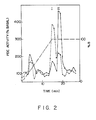
- FIGURE 2 Analytical SAX HPLC of PDE-Modulating Activities. Peaks I and II from QAE-Sephadex were separately pooled and injected onto an analytical SAX HPLC column, equilibrated with 60% methanol and eluted at 1 ml/min with a linear, 15 min gradient to 0.5 M TEA-formate, pH 3.75. One ml fractions were lyophilized, resuspended in 0.5 ml 10 mM formic acid and assayed for PDE-modulating activity.
- FIGURE 3 P-2 Gel Filtration of PDE-Modulating Activities. Pooled active fractions from analytical SAX were loaded onto a 25 ml P-2 column and eluted with 50 mM formic acid. One ml fractions were lyophilized, resuspended in 0.5 ml 10 mM formic acid and assayed for PDE-modulating activity.
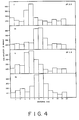
- FIGURE 4 High Voltage Thin Layer Electrophoresis.
- Purified PDE modulators were spotted on cellulose thin layer plates and electrophoresed at 500 volts for 1 hr. at pH 3.5 (pyridine/glacial acetic acid/H 2 0 (1:10:189)) or pH 1.9 (88% formic acid/glacial acetic acid/H 2 0 (50:56:1794)).
- pH 3.5 pyridine/glacial acetic acid/H 2 0 (1:10:189)
- pH 1.9 88% formic acid/glacial acetic acid/H 2 0 (50:56:1794)
- One cm regions were scraped, eluted with 50% methanol in 10 mM formic acid, evaporated to dryness, resuspended in 0.05 ml 10 mM formic acid and assayed. Inositol monophosphate migrated towards the top of the plate.
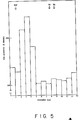
- FIGURE 5 Thin Layer Chromatography of Precursor Glycolipid.
- Organic extracts of liver membranes were streaked onto an oxalate impregnated silica gel G plate, which was twice developed in chloroform/acetone/methanol/glacial acetic acid/H 2 0 (10:4:2:21).
- One cm regions were scraped and eluted with methanol.
- Lipids were dried under H 2 , resuspended in 1 ml 50 mM ammonium bicarbonate, pH 7.4 and treated with PI-PLC for 30 min.
- PDE-modulators were extracted as detailed in Example I and assayed.
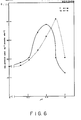
- FIGURE 6 Dose Dependence of PDE Modulation.
- the activity of CAMP phosphodiesterase was evaluated as a function of concentration of modulator. Purified Peak I or II was added to adipocyte particulate fraction of designated dilution and PDE activity was assayed.
- FIGURE 7 SAX HPLC of Radiolabeled Mediators from Insulin Treated Cells.
- BC 3 Hl cells were cultured at 37°C in Dulbecco's Minimal Essential Medium in the presence of 20% NU serum (Collaborative Research) on collagen coated 10 mm miniwells.
- Cells (1 x 10 6 /well) were preincubated with 10 uCi (A) [2,6 3 H]myoinositol or (B) [1,6 3 H]glucosamine (New England Nuclear) for 20 hours in the presence of 20% Nu Serum. Insulin was added to cells in monolayer in serum free media at a final concentration of 10 nM.
- the water soluble labeled products were purified by a modification of a previously described protocol for purification of CAMP phosphodiesterase (PDE) modulators.
- PDE CAMP phosphodiesterase
- the aqueous phases were chromatographed on DEAE-Cellulose, eluted with 0.25 TEA-formate, p H 3 .75. This fraction was eluted through a C-18 reversed phase sepak in the same buffer. Following lyophilization, the solution was eluted through Dowex 50WX-4 in 50 mM TEA-formate. pH 3.0.
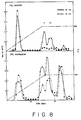
- FIGURE 8 SAX HPLC of Radiolabeled Mediators Produced by PI-PLC.
- Cells were prelabeled as described in FIGURE 7, extracted in chloroform/methanol/IN HCl (200:100:1) and centrifuged at 1000 x g for 10 min. The supernatant was dried under N 2 and resuspended in 1 mil of 50 mM ammonium bicarbonate, pH 7.4. These solutions were treated with 0.1 ug/ml PI-PLC from S. aureus for 30 min. at 37°C. Reactions were terminated by reextraction with 1 ml of chloroform/methanol/1N HCl (200:100:1) and aqueous and organic phases separated. The aqueous phases were then purified as described in FIGURE 7 and chromatographed on SAX HPLC column, eluted as described.
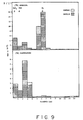
- FIGURE 9 Thin Layer Chromatography of the Radiolabeled Precursor from Insulin Treated Cells.
- A [ 3 HJinositol and B) [ 3 H]glucosamine labeled cells were treated with or without 10 nM insulin. Following extraction and phase separation, the organic phase were dried under N 2 , resuspended in chloroform/methanol/H 2 0 (9:7:2); and spotted on oxalate impregnated Silica gel G plates. These were twice developed in chloroform/acetone/methanol/glacial acetic acid/H 2 0 (10:4:2:2:1). One cm regions were scraped and radioactivity determined by scintillation counting. Phosphoinositides were identified by iodine staining of standards.
- FIGURE 10 Thin Layer Chromatography of the Radiolabeled Precursor After PI-PLC Treatment.
- Cells were labeled, extracted, treated with or without PI-PLC and reextracted as described in FIGURE 8. Organic phases were chromatographed on thin layer plates as detailed in FIGURE 9.
- FIGURE 11 Time Course of Precursor Hydrolysis by Insulin.
- Cells prelabeled with [ 3 H]inositol were treated with 10 nM insulin for the designated intervals.
- Cells were extracted and phase separated as detailed in FIGURE 7.
- Aqueous phases were chromatographed up to and including the SAX HPLC step (upper panel). Results reflect counts from a combination of Peaks I and II. The ratio of counts in these peaks were unchanged over the time course.
- FIGURE 12 Time Course of Diacylglycerol and Phosphatidic Acid Production in Response to Insulin.
- Myocytes were incubated for 20 hrs. in serum free DMEM with [9,10 3 H] myristic acid (New England Nuclear), complexed 1:1 to bovine serum albumin.
- Insulin was added to cells in fresh media for the designated intervals, and reactions were stopped by removal of media and addition of 1 ml chloroform/methanol/lN HC1 (200:100:1). 0.6ml H 2 0 was added and upper aqueous phases were discarded following centrifugation at 500 x g for 5 minutes.
- the lower, organic phases were dried under N 2 and resuspended in 1 ml diethyl ether followed by addition of 1 ml mM formic acid.
- the upper ether phase was aspirated and the lower phase reextracted with 1 ml diethyl ether.
- the combined ether phases, containing diacylglycerol, were dried under.,N 2 ,, resuspended in chloroform and spotted on silica gel G plates which were preactivated at 60°C for 1 hr. Plates were twice developed in petroleum ether/diethyl ether/glacial acetic acid (70:30:2). Five ug of unlabeled dimyristoylglycerol were added to each sample.
- FIGURE 13 Gel Filtration of Radioactive and Bioactive Mediators.
- A [ 3 H]Inositol and B) E 3 H] glycosamine labeled substances from Peak I from SAX HPLC were chromatographed on a 45 ml P-2 gel filtration column in 50 mM formic acid. Unlabeled cells were extracted by an identical procedure, and chromatographed on an SAX HPLC column, as described in FIGURE 7. Active fractions eluting in Peaks I and II were identified by stimulation of the low km cAMP phosphodiesterase (PDE) activity. This was assayed in adipocyte particulate fractions. Bioactivity in Peak I was chromatographed on the P-2 column (panel C). Fractions were collected and counted or assayed for PDE modulating activity. Radioactivity residing in Peak II from SAX exhibited identical elution volumes on this column (not shown).
- PDE cAMP phosphodiesterase
- FIGURE 14 High Voltage Electrophoresis of Radioactive and Bioactive Mediators. After gel filtration, purified radioactive and bioactive fractions residing in SAX Peak I were subject to high voltage electrophoresis on cellulose coated thin layer plates at 5 00 volts for 1 hr. The pH of the running buffer was 3 . 5 (py r idine/glacial acetic acid/H 2 (1:10:189). One cm regions were scraped and eluted with 50% methanol of 10 mM formic acid. [ 3 H]Inositol and [3HJgluc o samine labeled samples were counted. Bioactive samples were assayed for PDE modulating activity as detailed in FIGURE 13.
- Radioactive and bioactive samples exhibited identical migrations when electrophoresed at pH 1.9 (88% formic acid/glacial acetic acid/H 2 0 (50:56:1794). Radioactivity and bioactivity residing in Peak II similarly migrated slightly farther from the origin at both pH 1.9 and 3.5, as described above.
- FIGURE 15 Model for Insulin Stimulation of a Phosphoinositide Glycan-Specific Phosphidipase C.
- Some of the actions of insulin may be mediated by stimulation of the phosphodiesteratic hydrolysis of a novel phosphatidylinositol containing glycolipid.
- the binding of insulin to its receptor is linked, perhaps through a coupling protein, to the activation of a phospholipase C which selectively hydrolyses a PI-glycan containing glucosamine and other carbohydrates.
- This hydrolysis results in the generation of two potential signals: 1) an inosito-phosphate glycan messenger activity which regulates CAMP phosphodiesterase and perhaps other insulin sensitive enzymes, and 2) diacylglycerol which may selectively regulate the activity of protein kinase C or an analogous protein kinase.
- FIGURE 16 DEAE-Cellulose (DE-52) Chromatography of PI-glycan PLC.
- the supernatant fraction of the solubilized rat liver plasma membranes was applied to a 20 ml DE-52 column (2.5 cm x 5 cm) equilibrated in 1% NP-40, 25 mM Tris-HCI, pH 8.0 at 0°C.
- PI-glycan PLC was eluted with 50 mM NaCl in 0.5X NP-40, 25 mM Tris-HC1, pH 8.0 at 0°C at a flow rate of 20 ml/hr. All buffers contained 10 ug/ml each of leupeptin, aprotinin and chymostatin.
- Enzyme activity was localized by assay with [3H]C-termirtal glycopeptide of mfVSG for 1 hr at 37°C, followed by toluene extraction and analysis by TLC as described in Example V.
- the arrow refers to where elution with 50mM NaCl was begun.
- Dpm refers to counts of DAG released.
- FIGURE 17 Butyl-Agarose Chromatography of PI-glycan PLC.
- PI-glycan PLC from DE-52 was. passed through a column of Extractigel D of equivalent volume to remove detergent and adsorbed onto a 10 ml butyl-agarose column (1.5 cm x 6 cm) equilibrated in 25 mM Tris pH 8.0 at 0°C. The column was washed with 20 ml of the same buffer and then PI-glycan PLC activity was eluted with 0.1% NP-40, 25 mM Tris, pH 8.0 at 0°C at a flow rate of 20 ml/hr. Enzyme activity was identified by assay for 1 hr with C-terminal glycopeptide of mfVSG as described in Example V. Dpm refers to counts present in the organic phase following toluene extraction of the incubation mixture.
- FIGURE 18 NaDodS0 4 -PAGE of PI-glycan PLC.
- Samples from each stage of the purification were electrophoresed on 10% polyacrylamide gels.
- the enzyme in lane 4 was incubated on ice with 10% TCA for 1 hr.
- FIGURE 19 AcA 44 Molecular Sizing of PI-Glycan PLC.
- a 50 ml AcA 44 sizing column was equilibrated in 0.5% Nonidet P-40, 20% glycerol, 25 mM T ris-HCI, pH 8.0 at 0°C. Activity was localized by assay with C-terminal glycopeptide of mfVSG. The flow rate of the column was 3 ml/hr. inset: The column was standardized with myosin, phosphorylase B, bovine serum albumin, ovalbumin and carbonic anhydrase.
- FIGURES 20 and 21 Product.Analysis of PI-glycan PLC Catalyzed Hydrolysis of [3H]myristate-labeled substrates. Butyl-agarose purified PI-glycan PLC was incubated with A) mfVSG B) C-terminal glycopeptide for 2 hrs. as described in Example V. The incubation mixtures were twice extracted with chloroform:methanol and analyzed by TLC. DAG was localized both by iodine staining of dimyristylglycerol standard and by [ 3 H]-DAG produced by trypanosomal phospholipase C.
- FIGURE 22 Product Analysis of PI-glycan PLC Catalyzed Hydrolysis of [ 3 H]inositol-labeled PI-glycan purified from BC 3 HI cells as described in Example IV, Infra. After a 2 hr. incubation in 0.25 ml final volume, 1 ml of chloroform:methanol:HCI (IN) (200:100:1) was added, followed by 0.5 ml 10 mM formic acid. Solutions were centrifuged at 500 x g for 5 min., and the upper aqueous phase was directly injected onto a SAX HPLC column and eluted. Resulting fractions were analyzed by liquid scintillation counting (0 ⁇ 0) control, (0 ⁇ 0) enzyme.
- the present invention relates to the isolation and identification of particular factors, referred to hereinafter as the insulin activity messenger material, its precursor material and the purified enzyme phosphatidylinositol-glycan-specific phospholipase C, that have been found to be present on the cellular level as a result of the interaction between insulin and its receptors.
- the messenger, precursor and enzyme materials that have been identified and purified to the end extent set forth in accordance with the present invention represent materials that apparently exist on the cellular level and that are activated modified as a result of receptor binding of insulin to act on behalf of insulin to effectuate insulin activity on the cellular level.
- receptor binding of insulin promotes the phosphodiesteratic cleavage of the precursor material by the enzyme, which results in the formation of the insulin activity messenger material which then exerts its effects upon the cellular system, as exemplified by its effects shown hereinafter on the enzymes pyruvate dehydrogenase, adenylate cyclase, acetyl CoA carboxylase and low Km cAMP phosphodiesterase that, is derived from fat or liver cells.
- the activity of the messenger material with respect to all of these enzymes is reflective of activity directly resulting from the presence and regulatory effect of insulin on the cellular level.
- Insulin binds to a heterodimeric cell surface receptor which contains a hormonally responsive tyrosine kinase activity in its subunit.
- the ensuing changes in cellular metabolism are diverse, occurring within seconds or hours of hormone-receptor interaction.
- the acute regulation by insulin of enzymes controlling intermediary metabolism is observed within minutes, and is often the result of changes in the phosphorylation state of the enzyme.
- the precise biochemical link between the activated receptor and enzyme regulation remains unknown.
- PDE-modulating substances appear to generated from a novel phosphatidylinositol glycolipid precursor which has been identified by thin layer chromatography. Some of the chemical properties of these substances have been examined, indicating a complex carbohydrate-phosphate containing glucosamine and inositol.
- the present invention comprises the identification and preparation of an insulin activity messenger which comprises at least one and possibly two carbohydrate-based compounds that have been found to be capable of modulating the activity of the enzymes pyruvate dehydrogenase, adenylate cyclase, acetyl CoA carboxylase and low Km cAMP phosphodiesterase from fat cells, and thereby effectuating the activity of insulin on the cellular level.
- an insulin activity messenger comprises at least one and possibly two carbohydrate-based compounds that have been found to be capable of modulating the activity of the enzymes pyruvate dehydrogenase, adenylate cyclase, acetyl CoA carboxylase and low Km cAMP phosphodiesterase from fat cells, and thereby effectuating the activity of insulin on the cellular level.
- the messenger materials may be prepared from cells known to contain a precursor material for said messenger material such as animal hepatic cells, by incubating said cells, or a portion thereof with the enzyme of the present invention, a phosphatidylinositol-specific phospholipase C (hereinafter PI-PLC), and inducing said cells to produce said messenger material as indicated in the above discussion.
- PI-PLC phosphatidylinositol-specific phospholipase C
- the hepatic plasma membrane cells have shown particular activity in this regard, other tissues have been similarly investigated and found to offer comparable results.
- the insulin-responsive murine myocyte cell line BC 3 HI provides a particularly useful synthetic medium for the in vitro simulation of the activities identified herein, which likewise may serve capably in subsequent assay testing and antibody and drug development activities.
- the insulin activity messenger of the present invention comprises at least one complex carbohydrate having at least one phosphate substituent present as charged group and including a glucosamine component.
- the complex carbohydrate may be selected from cyclic 1,2 phosphodiester inositol derivatives and a 1- or a 2-phosphomonoester inositol derivative or mixtures of these, each in combination with a glucosamine component.
- the messenger material of the present invention comprises two compounds, the first compound comprising a mixture of a cyclic 1, 2 phosphodiesterinositol derivative and glucosamine, the second compound comprising a mixture of either a 1- or a 2-phosphomonoesterinositol. derivative, or a mixture thereof, in combination with glucosamine.
- the present invention also includes a precursor material from which the insulin activity messenger material may be produced by the phosphodiesteratic cleavage of an inositol-containing glycolipid precursor catalyzed by a phosphatidylinositol-specific phospholipase C.
- the precursor material has been identified to the extent that it contains diacylglycerol, inositol and glucsoamine components. In other respects, however, this precursor material is chemically undefined.
- the present invention further includes the preparation and purification of the enzyme phosphatidylinositol-glycan-specific phospholipase C.
- this enzyme is characterized by the following:
- this embodiment.of the invention includes a process for the purification of the enzyme which comprises conducting a detergent solubilization of rat liver plasma membranes, thereafter conducting chromatographic separation of the solubilized membranes on a DEAE-cellulose anion exchange column. Subsequently, the eluate is subjected to further chromatographic separation to remove the detergent fraction and a final chromatographic separation is then conducted on a butyl-agarose column to complete the instant purification.
- the enzyme of the present invention has numerous utilities corresponding in many respects to those utilities and applications noted respecting the messenger materials.
- measurement of the level and activity of the enzyme can likewise be used to determine the status and existance of hormonal disorders such as diabetic conditions.
- the enzyme may be utilized to prepare messenger materials on an in vitro basis and may itself be prepared by clonal replication if it is desired to develop commercial quantities thereof.
- the present invention also relates to a variety of diagnostic applications, including methods for detecting the onset or presence of insulin sensitivity disorders by measuring the activity of the messenger material, its precursor material or the enzyme.
- the messenger material or the enzyme can be used to produce antibodies to itself by a variety of known techniques, and such antibodies could then be isolated and utilized as a test for the presence and activity of the messenger material in suspect mammalian hosts.
- antibodies to an insulin activity messenger material present in the serum of a mammal which comprises at least one-carboydrate-based compound that has been found to be capable of modulating the activity of the enzymes pyruvate dehydrogenase, adenylate cyclase, acetyl CoA carboxylase, and low Km CAMP phosphodiesterase and thereby effectuating the activity of insulin on the cellular level.
- Antibody(ies) to the messenger material or the enzyme can be produced and isolated by standard methods including the well known hybridoma techniques.
- the antibody(ies) can be used in another species as though they were antigen(s) to raise antibody(ies). Both types of antibody(ies) can be used to determine the presence and extent of activity of the messenger material, its precursor or the enzyme.
- Ab l and antibody(ies) raised in another species Ab 2 .
- Particularly useful antibodies are those which are isolated from the serum of a mammal which suffers from a diabetic disorder.
- the messenger material, the precursor, or the enzyme forms complexes with one or more antibody(ies) or binding partners and one member of the complex is labeled with a detectable label.
- a complex has formed and, if desired, the amount thereof, can be determined by known methods applicable to the detection of labels.
- Ab 2 a characteristic property of Ab 2 is that it will react with Ab l .
- Ab 1 raised in one mammalian species has been used in another species as an antigen to raise the antibody Ab 2 .
- Ab 2 may be raised in goats using Ab 1 as an antigen.
- Ab2 therefore would be anti-rabbit antibody raised in goats.
- Ab 1 will be referred to as a messenger material antibody and Ab 2 will be referred to an an antibody reactive with a messenger material antibody or, in the alternative, an "anti-antibody".
- the labels most commonly employed for these studies are radioactive elements, enzymes, chemicals which fluoresce when exposed to ultraviolet light, and others.
- a number of fluorescent chemicals are known and can be utilized as labels. These include, for example, fluorescein, rhodamine and auramine.
- a particular detecting material is anti-rabbit antibody prepared in goats and conjugated with fluorescein through an isothiocyanate.
- the messenger material, its precursor or the enzyme, or their binding partners can also be labeled with a radioactive element or with an enzyme.
- the radioactive label can be detected by any of the currently available counting procedures.
- the preferred isotope may be selected from 14 C, 131j, 3H, 125 1 and 35 S .
- Enzyme labels are likewise useful, and can be detected by any of the presently utilized colorimetric, spectrophotometric, fluorospectrophotometric or gasometric techniques.
- the enzyme is conjugated to the selected particle by reaction with bridging molecules such as carbodiimides, diisocyanates, glutaraldehyde and the like. Many enzymes which can be used in these procedures are known and can be utilized. The preferred are peroxidase, beta-glucuronidase, beta-D-glucosidase, beta-D-galactosidase, urease, glucose oxidase plus peroxidase, galactose oxidase plus peroxidase and acid phosphatase.
- U.S. Patent Nos. 3,654,090; 3,850,752; and 4,016,043 are referred to by way of example for their disclosure of alternate labeling material and methods.
- a particular assay system developed and utilized in accordance with the present invention is known as a receptor assay.
- the material to be assayed is appropriately labeled and then certain cellular test colonies such as the adipocyte or myocyte cell system are innoculated with a quantity of the labeled material after which binding studies are conducted to determine the extent to which the labeled material binds to the cell receptors. In this way, differences in activity between materials can be ascertained.
- kits suitable for use by a medical specialist may be prepared to determine the presence or absence of messenger material activity in cells or cell extracts derived from patients with obesity or hormonal disorders.
- one class of such kits will contain at least the labeled messenger material, precursor or enzyme or the binding partner thereto, and an antibody specific thereto.
- Another will contain at least Ab l together with labeled Ab 2 .
- Still another will contain at least Ab l and directions, of course, depending upon the method selected, e.g., "competitive", “sandwich”, “DASP” and the like.
- the kits may also contain peripheral reagents such as buffers, stabilizers, etc.
- test kit may be prepared for the detection of the messenger, its precursor or the enzyme, comprising:
- the test kit may utilize any of the aforementioned detectable lables, i.e., enzymes, radioactive elements, chemicals which fluoresce when exposed to ultraviolet light and others.
- the diagnostic test kit may comprise:
- test kit may be prepared and used for the purposes stated above, which operates according to a predetermined protocol (e.g. "competitive”, “sandwich”, “double antibody”, etc.), and comprises:
- an assay system for screening potential drugs and other agents for the ability to mimic, counteract, block production of or potentiate the messenger material, its precursor material or the enzyme may be prepared.
- the test drug could could be administered to an observable hormonally sensitive cell to determine its effect upon cellular metabolism.
- the messenger material; its precursor material or the enzyme may be introduced into a hormonally sensitive cellular test system such as the adipocyte or myocyte BC 3 HI and the prospective drug may then be introduced into the resulting hormonally sensitive cell culture by inoculation, and the culture thereafter examined to observe any changes in the activity of the messenger material, either from the addition of the prospective drug alone, or the effect of added quantities of the known messenger material.
- the ability of a test drug to prevent or stimulate the production of the messenger material could be screened.
- the activity of the messenger material, its precursor or the enzyme with exposure to hormones can be measured by:
- This method can further comprise preparing antibodies which react with the messenger material, its precursor, or the enzyme which antibodies may be used in said method in the same manner as said messenger material, precursor or enzyme.
- a further method is that wherein a second generation of antibodies reactive with the antibodies to the messenger material, its precursor or the enzyme, are prepared which may be used in said method in the same manner as said target material and the antibodies thereto.
- One of said antibodies reactive with said messenger material or its precursor may be included in said labeled material and one of said antibodies may have placed on it a label.
- One member of said second generation of antibodies can be included in said labeled material.
- One member of said second generation of antibodies can be placed on it said label.
- Particulate fraction was prepared from 100 g of bovine liver, and suspended in 500 ml mM ammonium bicarbonate, pH 7.4. (Buffer A) at a final concentration of 2-4 mg protein/ml. This solution was incubated with 10mM for 10 min at 37°C, acidified to pH 4.0 with formic acid and sedimented at 45,000 g for 20 min. An equal volume of chloroform/methanol (2:1) was added to the supernatant, and the upper phase was aspirated and methanol was evaporated.
- Extracted lipids were treated with 1.0 ug/ml S. aureus PI-PLC for 30 min at 37°C in buffer A. Following incubation, samples were acidified to pH 4.0 and PDE-messengers were extracted with chloroform/methanol as described above.
- the low Km cAMP phosphodiesterase (PDE) from rat adipocyte particulate fraction was assayed. Rat fat cells were fractionated on discontinuous sucrose density gradients as previously described. CAMP PDE was measured for 10 min. at 30°C by the method of Thompson and Appleman as modified previously. Only the high affinity enzyme was present in this subcellular fraction. Activity was proportional to protein concentration and linear throughout 30 min. Results are means of triplicate determinations in which variability was less than 5%. Protein concentration was measured by the method of Lowry et al.
- Purified mediator fractions were subject to high voltage electrophoresis on cellulose coated thin layer plates. Plates were subject to 500 volts for 1 hr. at pH 3.5 or 1.9. 1 cm regions were scraped, eluted with 50% methanol in 10 mM formic acid, lyophilized and assayed for PDE modulating activity following resuspension in 10 mM formic acid.
- the nonadsorbed supernatant was then chromatographed on a 10 ml QAE-Sephadex column, eluted with a linear gradient of 0.05 M TEA-formate, pH 4.75 (Fig. 1).
- One ml fractions were lyophilized, resuspended in 10 mM formic acid and assayed for PDE modulating activity.
- PDE Modulating activities were further characterized by high voltage thin layer electrophoresis (Fig. 4). Both substances were electrophoresed at pH 3.5 and 1.9, eluted from plates and assayed. Each species of activity migrated towards the anode although Peak II migrated slightly farther than Peak I at pH 3.5. At pH 1.9, Peak I migrated in a broader region, indicating the possible conversion of some fraction of this activity.
- liver membranes were treated as indicated for 10 min at 37°C, centrifuged and supernatants were extracted and purified up to and including the Dowex 50WX-4 step as described earlier herein under "Experimental Procedures". Partially purified extracts were assayed for ability to modulate cAMP phosphodiesterase. Basal activity was 56.2 pmoles/mg protein-l-min-1.
- Insulin treatment of plasma membranes resulted in a 4-fold stimulation of PDE modulating activity detected after partial purification.
- purified PI-PLC from S. aureus was added to membranes at a final concentration of 1.0 ug/ml.
- This enzyme is known to hydrolyze PI and release proteins which are covalently linked to phospholipids via an inositol containing glycan anchor.
- the enzyme is free of protease activity and does not hydrolyze polyphosphoinositides or other phospholipids. (Further purification of the PI-PLC is described in Example III).
- PI-PLC addition caused a 6-fold increase in the production of messengers from membranes (Table II). Moreover, pretreatment of membranes with PI-PLC for 30 min at 37°C, followed by washing, prevented the further release of activity by insulin (data not shown - ), suggesting that prolonged exposure of plasma membranes to exogenously added PLC depleted the substrate for the action of insulin. Further purification of the messengers produced by PI-PLC revealed two peaks of activity with chromatographic and electrophoretic properties identical to those produced by insulin (data not shown).
- the above experiment details the purification of two substances from hepatic membranes which modulate the activity of the low Km cAMP phosphodiesterase in fat cells. These substances similarly regulate pyruvate dehydrogenase, adenylate cyclase and acetyl CoA carboxylase. They are rapidly produced in response to physiological levels of insulin, suggesting a role as mediators of some of the action of the hormone.
- Example I The purification procedure of Example I was modified for purification of similar substances from BC 3 HI cells incubated with [ 3 H]inositol or [3 H] gl u cosamine. Following insulin treatment and extraction, the aqueous phase was sequentially chromatographed on DEAE-Cellulose, C-18 reversed phase and Dowex 50WX-4 cation exchange. This was followed by chromatography on an SAX HPLC column (Fig. 7). Insulin treatment increased the incorporation of [3H]inositol into two peaks which eluted at 15 (I) and 18 (II) min. Minimal incorporation into these fractions was observed in control cells (Fig. 7a).
- Insulin had a similar effect on incorporation of [ 3 H]glucosamine into identical fractions (Fig. 7b), although another radioactive peak was detected at 23 min. which was unaffected by insulin. These two peaks of insulin stimulated radioactivity exhibited distinct retention times from those of 1,2 cyclic inositol monophosphate (10 min.) or inositol monophosphate (24 min.). However, Peaks I and II coeluted with two peaks of PDE modulating activity produced in these cells in response to insulin. These myocyte derived activities were indistinguishable from those purified from insulin treated liver plasma membranes.
- PDE messengers can be produced from liver membranes by addition of PI-PLC from S. aureus. These enzyme specifically hydrolyzes the phosphodiester linkage of phosphatidylinositol and those proteins covalently attached to PI via a glycan anchor. These preparations of PI-PLC were free of protease activity, and were inactive against polyphosphoinositides and other phospholipids. Cells were preincubated with [ 3 H]inositol or [3H]glucosamine, and lipids were extracted and treated with PI-PLC. After a 30 min. incubation, cells were extracted, the aqueous products were purified as described above and chromatographed on an SAX HPLC column (Fig.
- PI-PLC treatment resulted in the generation of two peaks containing [ 3 H]inositol which exhibited retention times identical to those produced by insulin in intact cells.
- [3 H] glucosamine was also incorporated into these fractions in response to PI-PLC, although a spontaneously released peak was observed at 23 min. which was unaffected by PI-PLC.
- Described above is a chemically unidentified glycolipid in liver plasma membranes which'appeared to serve as a substrate for the generation of PDE messengers by the S. aureus PI-PLC.
- the incorporation of [3H]inositol and [3H]glucosamine into this putative precursor was examined in BC 3 Hl cells. Thin layer chromatography of extracted phospholipids revealed a peak into which both [ 3 H]inositol and [3H]glucosamine were incorporated (Fig. 9).
- This glycolipid exhibited an Rf identical to the putative precursor of the PDE messenger from liver. It migrated faster than phosphatidylinositol-4-phosphate but slower than phosphatidylinositol.
- the phosphodiesteratic cleavage of a phospholipid by insulin should also be reflected by increased production of diacylglycerol, which could serve as substrate for a diglyceride kinase, producing phosphatidic acid.
- Myocytes were preincubated with [ 3 H]myristic acid and both diacylglycerol and phosphatidic acid labeling were evaluated by thin layer chromatography (Fig. 6). Insulin caused a 40% increase in [3H]myristate diacylglycerol within 1 minute. Labeled diacylglycerol decline to near basal levels by 2 minutes, and then increased, reaching a maximal 50% increase over basal by 5-10 minutes.
- each of the [ 3 H]inositol labeled peaks was digested at 25°C for 16 hrs. with alkaline phosphatase (100 U/ml) in 50 mM ammonium bicarbonate, pH 8.0. Each sample was then injected injected onto a SAX column, and counts in each peak were determined. Alkaline phosphatase treatment had no effect on counts of Peak I, but produced a 70% loss of counts in Peak II as shown in Table IV, below.
- Peak I contains a cyclic 1,2 phosphodiester inositol derivative which is not susceptible to alkaline phosphatase
- Peak II may contain phosphomonoester inositol derivative which is hydrolyzed by alkaline phosphatase.
- the cultured myocyte line, BC 3 Hl Upon differentiation, the cultured myocyte line, BC 3 Hl, develops affinity insulin receptors and several biological responses to the hormone, including glucose transport, amino acid uptake, insulin receptor down-regulation and increased labeling of certain phospholipids.
- the above experiments confirm that the apparent phosphodiesteratic cleavage of a chemically unidentified glycolipid resulting in the generation of two water soluble products as well as diacylglycerol. Both the products and putative precursor of the reaction have been identified by radioisotopic labeling with [3H]inositol and [3HJglucosamine. These labeled compounds appear to be incorporated into the water soluble products with a 1:1 stoichiometry.
- hydrolysis of the putative precursor described here and subsequent generation of carbohydrate products and diacyglycerol were also accomplished by treatment of extracted phospholipids with S. aureus PI-PLC, which specificially hydrolyzes phosphatidylinositol and releases proteins covalently anchored to phosphatidylinositol.
- S. aureus PI-PLC S. aureus PI-PLC
- insulin action may involve activation of an endogenous PLC activity which hydrolyzes a novel inositol/glucosamine containing glycolipid.
- the insulin sensitive PLC may be similar to the PLC activity identified in Trypanosoma brucei which selectively attacks the glucosamine/inositol phosphodiester anchor of the membrane bound variant surface such a selective PLC in insulin action is supported by observations that the purified trypanasoma PLC is an effective as the S. aureus enzyme in hydrolysis of the myocyte glycolipid precursor.
- the chemical identity of the putative glycolipid which serves as substrate for insulin stimulated hydrolysis remains undefined.
- This novel glycolipid shares some characteristics with the membrane glycan anchor described fro the trypansoma variant surface glycoprotein, which consists of phosphate, glucosamine and myo-inositol as well as ethanolamine and other carbohydrates. It appears that insulin causes the phosphodiesteratic cleavage of such a phospholipid, resulting in the generation of two closely related carbohydrate products which may mediate some of the acute actions of insulin. Included in this process is the obligatory production of diacylglycerol, the endogenous activator of protein kinase C.
- diacylglycerol production by insulin was previously attributed to stimulation of de novo synthesis, the transient generation of diacylglycerol has been observed in response to insulin, followed by the apparent rapid phosphorylation to phosphatidic acid.
- Diacylglycerol and the [3HJinositol labeled products appeared to arise from the same precursor, and their production was kinetically indistinguishable. It is possible that this unique pathway of diacylglycerol production may provide a selective mechanism for insulin's regulation of protein kinase C activity, and perhaps explain why phorbol esters reproduce some but not all of the effects of insulin.
- the further characterization of the molecular components involved in this process, as well as the chemical identities of the aqueous products, may elucidate many of the molecular mechanisms of insulin action.
- Bovine liver particulate fraction was prepared as described previously [Saltiel A.R., (1984) "Preparation and Characterization of Putative Insulin Mediators from Liver", METHODS IN DIABETES RESEARCH, eds. J. Larner, S. Pohl, 1:73]. Solutions were incubated in 5 mM ammonium bicarbonate, pH 7.4 with 10 nM insulin or 1 ug/ml PI-PLC as described in the figure legends. Following incubation, solutions were acidified to pH 4.0 and centrifuged at 35,000 x g for 20 minutes. Resulting supernatants were extracted with chloroform/methanol (2:1).
- the upper aqueous phase was aspirated and methanol was evaporated. Enzyme modulating activities were purified as described in Publication No. 6 listed earlier herein. Briefly, the extract was chromatographed on DEAE-Cellulose and eluted with 0.25 M triethylamine (TEA)-formate, pH 3.75. This was followed by chromatography on C-18 reversed phase resin, in the same buffer, followed by Dowex 50W X-4 in 50 mM TEA-formate, pH 3.0.
- TEA triethylamine
- the resulting eluate was lyophilized, resuspended in 50 mM TEA-formate, pH 4.5 and sequentially chromatographed on QAE-Sephadex, SAX HPLC and a P-2 gel filtration column. Only the cyclic inositol phosphate derivative residing in Peak I was examined.
- Plasma membranes were treated with 10 nM insulin or 1 ug/ml PI-PLC for 10 min. and the resulting supernatants were partially purified and assayed for enzyme modulating activity.
- the results of the assays are set forth in Table V appearing later on herein.
- Exposure of membranes to insulin caused the generation of a substance which produced a 2-3 fold stimulation of PDE and PDH and a 75% inhibition of adenylate cyclase.
- Incubation of liver membranes with S. aureus PI-PLC also caused the equivalent production of a stimulator of PDE and PDH and an inhibitor of cyclase.
- the enzyme modulator caused inhibition of cyclase activity at all concentrations of MgCl 2 tested, the effect on the MgC1 2 response was more complex.
- the addition of MgC1 2 to fat cell cyclase produced a biphasic response with respect to concentration which has been previously observed in other cyclase system, and may reflect Mn ++ induced uncoupling of cyclase from its regulatory protein(s).
- the modulator caused an inhibition of enzyme activity at MnC1 2 levels (less than 0.5 mM) which were stimulatory, but produced less inhibition at higher concentrations of this divalent cation.
- the regulation of rat liver PDH by the purified enzyme modulator was evaluated. As was described previously for the regulation of this enzyme by crude extracts from insulin treated cells or plasma membranes, stimulation of PDH activity was rapid, dose dependent and could be blocked by 100 mM HaF, suggesting activation of the PDH phosphatase as a mechanism of action.
- the effect of the enzyme modulator on the substrate dependence of PDH activity was evaluated. The modulator caused an increase in the Vmax of the enzyme, with no apparent effect on the Km .
- the dependence of PDH activity on pH was also evaluated in the presence or absence of the purified modulator. Stimulation of enzyme activity was optimal at p H 6 .5-7.5, but declined at pH 8.0.
- Liver membranes were treated with or without 10 nM insulin or 1 ug/ml PI-PLC for 10 min. at 37°C. Following centrifugation, the supernatants were extracted and purified up to and including the SAX HPLC step. Purified extracts were added to enzyme assays at a final dilution of 1:10. Enzyme activities were assayed with no additions or after addition of purified extracts from control, insulin or PI-PLC treated membrane. Percent of basal activity is expressed in parentheses. lexpressed as pmoles/mg protein-min. 2 expressed as nmoles/mg protein-min.
- Adenylate cyclase activity was assayed in fat cell plasma membranes.in the presence of the indicated additives, with or without the purified enzyme modulator. Results are expressed as pmoles cAMP mg protein -1 min -1 .
- the purified enzyme modulator was exposed to the indicated treatments, and assayed for the ability to stimulate PDE or PDH or inhibit adenylate cyclase. Results are expressed as % modulation of activity with untreated modulator. NH 4 0H and TFA treatments were carried out for 2 h rs. Methanolic HC1 was added for 0.5 hrs. at 25°C. Control activity was measured by resuspension in 100X methanol, which did not affect activity. Na Periodate and Na Nitrite were added at a final concentration of 0.2 M in 5 0 mM ammonium acetate buffer, pH 6.0 (periodate) or pH 3.5 (nitrite) at 37°C. These were compared to treatment in buffer alone, which did not alter activities.
- this insulin sensitive PLC on the PI-glycan may result in the exclusive gneration of myristate-labeled diacylglycerol, which can be distinguished from the arachidonate containing diacylglycerol derived from the hormone-stimulated hydrolysis of the phosphoinositides in these cells.
- PI-PLC Purified PI-PLC was the generous gift of Dr. Martin Low of the Oklahoma Medical Research Foundation. This enzyme was free of protease activity, and was inactive in the hydrolysis of polyphosphoinositides and other phospholipids.
- BC 3 Hl cells were cultured on collagen coated multiwell plates or petri dishes in Dulbecco's minimal essential medium (DMEM) supplemented with 20% Nu serum or 10X fetal calf serum. Cells were grown to maximal density and confluence, at which time they become responsive to insulin. Radiolabeled precursors were added for 20 hrs. in serum-free medium. [ 3 H]Myristic and arachidonic acids were complexed 1:1 to bovine serum albumin prior to addition.
- DMEM Dulbecco's minimal essential medium
- the chloroform/methanol organic phases were dried under N 2 and resuspended in 1 ml diethyl ether followed by addition of 1 ml 50 mM formic acid.
- the upper ether phase was aspirated and the lower aqueous phase was reextracted with 1 ml diethyl ether.
- the pooled ether phases were dried under N 2 , resuspended in chloroform and spotted on silica gel G plates which were preactiviated at 60°C for 1 hr. Plates were twice developed in petroleum ether/diethyl ether/glacial acetic acid (70:30:2). Five ug of unlabeled dimyristoyl glycerol, myristic acid and monomyristoyl glycerol were added as carriers to each sample.
- the phospholipid precursor was further chromatographed on a silica HPLC column, eluted with a linear, 20 min. gradient of chloroform/methanol/glacial acetic acid/H 2 0 (65:25:10:1 to 40:45:10:5) at 1 ml/min.
- the aqueous products of the hydrolysis reactions were identified on an analytical SAX HPLC column, eluted with a linear 15 min. gradient of 60% methanol to 0.5 M triethylamine-formate, pH 4.5 at 1 ml/min., as described previously by Saltiel, and Cuatrecasas, (1986), DIABETES, 35: 698-704.
- PI-glycan Previously, a novel PI-glycan was identified which served as a precursor for the insulin-dependent generation of PDE-modulating substances in liver and muscle cells.
- Cultured BC 3 Hl cells were separately incubated with [3HJinositol, [3H]glucosamine or [ 3 H]myristic acid for 20 hrs.
- Lipids were extracted, treated with or without PI-PLC purified from S. aureus, and chromatographed on thin layer plates. Extraction of phospholipids from inositol labeled cells revealed two tritiated spots which were diminished by incubation with PI-PLC. The PI-PLC sensitive spot migrating towards the solvent front coeluted with PI.
- the remaining PI-PLC sensitive spot which migrated between phosphatidylinositol-4'phosphate and phosphatidylinositol, exhibited chromatographic behavior identical to the glycolipid identified as precursor for the PI-PLC generated PDE modulators. This spot was tentatively identified as the PI-glycan. Extraction of cells preincubated with [ 3 H]glucosamine revealed one major PI-PLC sensitive spot on TLC which comigrated with the PI-glycan. [ 3 H]Myristic acid was incorporated into several lipid species, although only the radioactivity residing in spots corresponding to PI and the PI-glycan were diminished by treatment with PI-PLC.
- the radiolabeled PI-glycan could be purified further by an HPLC silica column.
- the region of the thin layer plate which contained the PI-glycan was scraped and eluted.
- the resulting substance was a poor substrate for hydrolysis by PI-PLC.
- PI-PLC lipid vesicles containing 1:1 mixtures of phosphatidylethanolamine:phosphatidylcholine
- complete hydrolysis was observed.
- the TLC-eluted lipid was reconstituted and incubated with or without PI-PLC for 2 hr., and then extracted with chloroform/methanol and phase separated. The organic phases were chromatographed on an HPLC silica column.
- a predominant peak containing labeled inositol or myristic acid was detected at 22 min. which was diminished in PI-PLC treated extracts. Twenty-four hr. incubation of this fraction with PI-PLC resulted in its complete hydrolysis.
- PI-PLC digestion of the PI-glycan both the aqueous and organic products were analyzed.
- the labeled PI-glycan was purified by HPLC and treated with PI-PLC as described above.
- the aqueous products were resolved by phase extraction and chromatographed directly on an HPLC SAX column.
- PI-PLC treatment caused the generation of one peak of radioactivity eluting at 15 min.
- This labeled substance eluted with a retention time distinct from that of cyclic 1,2 inositol monophosphate (9 min.) or 1- or 2-inositol monophosphate (24 min.).
- the PI-PLC generated radiolabeled substance corresponded to radiolabeled Peak I previously detected in insulin treated BC 3 HI cells. No radioactivity was detected in fractions corresponding to Peak II. Previous studies suggested that Peaks I and II contained cyclic and monophosphate inositol phosphate derivatives respectively. Detection of only Peak I by PI-PLC hydrolysis of the purified PI-glycan precursor followed by direct chromatography suggests that the cyclic compound may be the only-product generated initially.
- the identity of the labeled aqueous product as the previously detected, bioactive PDE-modulating substance was validated by an assay of the enzyme modulating activity produced from unlabeled precursor. Unlabeled cells were extracted and the PI-glycan was identified on HPLC by coelution with trace amounts of the labeled, purified glycolipid. The resulting silica HPLC purified PI-glycan was treated with or without PI-PLC, aqueous products were injected into an HPLC SAX column and fractions were assayed for PDE-modulating activity. A single PDE-modulating substance was identified with a retention time (15 min.) identical to that of the radiolabeled product. Further analysis of elution behavior on P-2 gel filtration columns and high voltage thin layer electrophoresis revealed that the radioactive and bioactive substances displaced identical chromatographic and electrophoretic properties.
- the purified [3H]myristic acid labeled PI-glycan was treated with or without PI-PLC, and subsequently extracted with ether. TLC of this neutral lipid fraction indicated that the PI-PLC treatment caused the generation of diacylglycerol which contained [ 3 H] myristic acid.
- Insulin Stimulates the Hydrolysis of the PI-Glycan
- insulin stimulates the production of two related complex carbohydrate-phosphate substances in BC 3 Hl cells containing inositol and glucosamine.
- the generation of these substances is accompanied by the production of diacylglycerol, followed by phosphatidic acid, and appear to result from the phosphodiesteratic cleavage of a novel PI-glycan.
- the putative insulin-sensitive PLC appears to catalyze the phosphodiesteratic cleavage of a novel glycolipid which contains PI, glucosamine and other monosaccharides and is labeled with myristic acid.
- This action of insulin causes the generation of two potential second messengers, 1) the inositol phosphate-glycan which modulates several insulin sensitve enzymes including cAMP phosphodiesterase, pyruvate dehydrogenase and adenylate cyclase, and 2) myristol diacylglycerol.
- the insulin-stimulated hydrolysis of this glycolipid does not produce inositol trisphosphate, whereas epinephrine stimulates a phosphoinositide specific-PLC, resulting in the production of inositol phosphates and arachidonyl diacylglycerol.
- PLC PI-glycan-specific- phospholipase C
- DAG diacylglycerol
- PI-Glycan Precursor Confluent cultures of BC 3 Hl myocytes were serum-deprived and labeled with [3H]inositol (0.5 uCi/ml medium) for 48 hr in serum free media. The labeled cells were extracted with chloroform:methanol:HCl (1N) (200:100:1) and the PI-glycan precursor was prepared by TLC, followed by HPLC as described in Example IV.
- Protein assay and NaDodS0 4 -PAGE The protein concentration of PI-glycan PLC was determined by the method of Lowry et al. J. BIOL. CHEM., 193:264-275 (1951). after precipitation with TCA using prepackaged reagents from Sigma. mfVSG protein was assayed by the method of Bradford, ANAL. BIOCHEM, 72:248-254 (1976), with the Bio-Rad assay. NaDodS0 4 -PAGE was performed using 10% polyacrylamide gels in Laemmli buffers . Proteins were visualized either by staining with Coomassie blue or silver.
- Plasma membranes were prepared from fresh livers obtained from 5-7, 350-500 g adult male Sprague-Dawley rats (Charles River Laboratories) by slight modification of the technique described by Neville, BIOCHEM. 810PHYS. ACTA., 154:540-552 (1968). Briefly, livers were minced and homogenized in 1 mM sodium bicarbonate buffer that contained 10 mM EGTA, 5 mM EDTA, 0.1 mM phenylmethylsulfonylfluoride. and 10 ug/ml aprotinin, leupeptin, pepstatin A, and chymostatin.
- All other buffers used during membrane purification contained 0.1 mM phenylmethylsulfonyl-fluoride.
- the liver homogenate was centrifuged for 10 minutes at 400 x g and the pellets were resuspended in 60% (w/v) sucrose to achieve a final sucrose concentration of 44%.
- Ten ml of 40% sucrose were layered over 25 ml of the homogenate, and the preparation was centrifuged for 2 hr. in Sorvall SW 27 rotor at 26,000 rpm.
- the purified membranes were washed twice with Hanks Buffered Saline Solution and finally with 25 mM Tris-HC1, pH 8.0 at 4°C.
- PI-glycan PLC Detergent Solubilization of PI-glycan PLC.
- Freshly prepared rat liver plasma membranes were suspended in 20 ml 1% NP-40, 25 mM Tris-HCI buffer, pH 8.0, containing 20 ug/ml aprotinin and 10 ug/ml chymostatin and leupeptin.
- the suspension was homogenized in a loose-fitting teflon-glass homogenizer for 10 min. at 4°C and centrifuged for 1 hr, at 100,000 x g.
- the resulting supernatant contained greater than 80% of PI-glycan PLC activity.
- PI-glycan PLC Purification of PI-glycan PLC.
- the purification of PI-glycan PLC from rat liver plasma membranes is summarized in Table VIII.
- Purified liver plasma membranes were found to be highly enriched in PI-glycan-specific PLC activity, assayed by measuring the hydrolysis of the C -terminal glycopeptide of mfVSG. Activity was not detected in the cytosolic or nuclear fractions.
- Neutral nonionic detergents such as n-octylgluco-pyranoside and NP-40 were most effective at solubilizing enzyme activity.
- the zwitterionic detergent [3-(3-cholamidopropyl)-dimethylammonia]-1-propane sulfonate and the anionic detergent sodium deoxycholate were partially successful while cationic detergents either completely inhibited or failed to solubilize the activity (data not shown).
- Twenty ml of the solubilized enzyme were applied to a 20 ml DEAE-cellulose anion exchange column. Activity was eluted with buffer that contained 50 mM NaCl (Fig 17). A broad peak of fractions which extracted radiolabel into the organic phase was observed. However, when analyzed by TLC only a few of the fractions exhibited significant DAG-releasing activity.
- the DAG producing fractions were pooled and eluted through a column of Extractigel 0 of equal volume to remove detergent.
- PI-glycan PLC was then adsorbed onto a 10 ml column of butyl-agarose.
- the enzyme was specifically eluted with 0.1% NP-40 in 25 mM Tris-HCl buffer, pH 7.5 at 0°C. Interestingly, total activity increased after this step, suggesting the removal of some 'inhibitory factor by butyl-agarose (Fig. 17, Table VIII).
- the molecular size of PI-glycan PLC was also evaluated on a 50 ml AcA 44 column, eluted in 0.5% NP-40 (Fig. 19). Activity was eluted with approximately 28 ml., indicating an apparent molecular size of 62,000 daltons with a Stokes radius of approximately 35 Angstroms. Comparison of the electrophoretic mobility and gel permeation profile of the enzyme indicates some association with detergent or lipid, but suggests that the catalytic activity of the enzyme is essentially monomeric in its active form.
- PI-glycan PLC Catalyzes the Hydrolysis of Glycosylated-PI Substrates.
- the activity of the purified phospholipase was assayed using ( 3 HJinositol-labeled PI-glycan as substrate.
- the [ 3 H]-myristylated substrates were incubated with the enzyme and the lipid reaction products were extracted with toluene or chloroform:methanol (200:1) and analyzed on a neutral lipid system (Figs. 21 and 22).
- Purified preparations of PI-glycan PLC catalyzed the cleavage of the phosphodiester bond and released DAG from both substrates.
- the hydrolysis of the [ 3 H]inositol-labeled Pl-glycan derived from BC 3 Hl myocytes by the enzyme was evaluated by chromatography of the aqueous products (Fig. 22).
- the purified PI-glycan PLC was reconstituted by sonication of the HPLC purified PI-glycan in lipid vesicles containing 1:1 mixtures of phosphatidylcholine:
- PI-glycan PLC was active against mfVSG and the BC 3 Hl derived PI-glycan, the enzyme exhibited no activity in hydrolysis of PI, PI-4,5-biphosphate, or phosphatidylcholine under a variety of reaction conditions, including variations in calcium concentration, thiol reagents, other phospholipids and additional cold substrate.
- PI-glycan PLC activity Characterization of PI-glycan PLC activity.
- the effects of cations and thiol reagents on the activity of the purified enzyme are summarized in Table IX.
- the presence of calcium was.not required for enzyme activity, and the enzyme was stimulated by treatment with the chelator EGTA.
- the analogous activity from rat liver plasma membranes was activated by exposure to sulfhydryl reagents such as 2-mercaptoethanol, and inhibited by mercurial compounds. The activity is stable for approximately 1 week at 4°C or 1 month at -20°C. Enzyme activity is stabilized by glycerol and ethylene glycol but is destroyed with repeated freeze-thawing.
- Purified PI-glycan PLC was incubated with 25 nM mfV SG in the presence of the indicated reagents for 2 hr at 37 °C. Enzyme activity was assayed as described for Table VII I. All assays were performed in duplicate variance was less than 10%.
Landscapes
- Health & Medical Sciences (AREA)
- Life Sciences & Earth Sciences (AREA)
- Chemical & Material Sciences (AREA)
- Engineering & Computer Science (AREA)
- Immunology (AREA)
- Organic Chemistry (AREA)
- Biomedical Technology (AREA)
- Biotechnology (AREA)
- General Health & Medical Sciences (AREA)
- Molecular Biology (AREA)
- Biochemistry (AREA)
- Medicinal Chemistry (AREA)
- Zoology (AREA)
- Microbiology (AREA)
- Wood Science & Technology (AREA)
- Hematology (AREA)
- Urology & Nephrology (AREA)
- Genetics & Genomics (AREA)
- Bioinformatics & Cheminformatics (AREA)
- Cell Biology (AREA)
- Virology (AREA)
- Food Science & Technology (AREA)
- Physics & Mathematics (AREA)
- Analytical Chemistry (AREA)
- General Physics & Mathematics (AREA)
- Pathology (AREA)
- General Engineering & Computer Science (AREA)
- Developmental Biology & Embryology (AREA)
- Proteomics, Peptides & Aminoacids (AREA)
- Nutrition Science (AREA)
- Physiology (AREA)
- Pharmacology & Pharmacy (AREA)
- Tropical Medicine & Parasitology (AREA)
- Veterinary Medicine (AREA)
- Public Health (AREA)
- Animal Behavior & Ethology (AREA)
- Epidemiology (AREA)
- Biophysics (AREA)
- Endocrinology (AREA)
- Mycology (AREA)
Applications Claiming Priority (2)
| Application Number | Priority Date | Filing Date | Title |
|---|---|---|---|
| US06/850,842 US4906468A (en) | 1986-04-11 | 1986-04-11 | Insulin activity messengers, their antibodies, and thereof |
| US850842 | 1986-04-11 |
Publications (2)
| Publication Number | Publication Date |
|---|---|
| EP0245956A2 true EP0245956A2 (de) | 1987-11-19 |
| EP0245956A3 EP0245956A3 (de) | 1989-05-03 |
Family
ID=25309245
Family Applications (1)
| Application Number | Title | Priority Date | Filing Date |
|---|---|---|---|
| EP87303158A Ceased EP0245956A3 (de) | 1986-04-11 | 1987-04-10 | Insulinaktivitäts-Botenstoffe, ihre Vorläufer und Anwendungen |
Country Status (4)
| Country | Link |
|---|---|
| US (1) | US4906468A (de) |
| EP (1) | EP0245956A3 (de) |
| JP (1) | JPS63119499A (de) |
| AU (1) | AU614260B2 (de) |
Cited By (4)
| Publication number | Priority date | Publication date | Assignee | Title |
|---|---|---|---|---|
| FR2666898A1 (fr) * | 1990-09-18 | 1992-03-20 | Toledano Jacques | Dispositif et procede de dosage rapide de recepteurs membranaires ou de leurs ligands. |
| EP0532915A3 (en) * | 1991-08-20 | 1994-05-18 | Hoechst Ag | Phosphoinositolglycan-peptide with insulin like activity |
| WO1996014075A1 (en) * | 1994-11-07 | 1996-05-17 | University Of Virginia Patent Foundation | Synthetic insulin mimetic substances |
| US6093697A (en) * | 1994-11-07 | 2000-07-25 | The University Of Virginia Patent Foundation | Synthetic insulin mimetic substances |
Families Citing this family (8)
| Publication number | Priority date | Publication date | Assignee | Title |
|---|---|---|---|---|
| US5428066A (en) * | 1989-03-08 | 1995-06-27 | Larner; Joseph | Method of reducing elevated blood sugar in humans |
| US5427956A (en) * | 1989-03-08 | 1995-06-27 | The University Of Virginia Patent Foundation | Quantitative analysis for diabetic condition predictor |
| US5750348A (en) * | 1989-03-08 | 1998-05-12 | The University Of Virginia Patents Foundation | Method for detecting insulin resistance |
| US5122603A (en) * | 1989-03-08 | 1992-06-16 | The University Of Virginia Alumni Patents Foundation | Purified insulin mediators and purification process for same |
| US5231031A (en) * | 1990-08-17 | 1993-07-27 | Fox Chase Cancer Center | Method for assessing risk of diabetes-associated pathologic conditions and efficacy of therapies for such conditions |
| GB9618929D0 (en) * | 1996-09-11 | 1996-10-23 | Univ London | Metal containing carbohydrates from human tissue which regulate glycogen metabolism |
| GB9618930D0 (en) | 1996-09-11 | 1996-10-23 | Univ London | Metal containing carbohydrates from human tissue which regulate lipogenic activity |
| DE19649350A1 (de) * | 1996-11-28 | 1998-06-04 | Hoechst Ag | Inositolglykane mit insulinartiger Wirkung |
-
1986
- 1986-04-11 US US06/850,842 patent/US4906468A/en not_active Expired - Fee Related
-
1987
- 1987-04-10 EP EP87303158A patent/EP0245956A3/de not_active Ceased
- 1987-04-11 JP JP62089660A patent/JPS63119499A/ja active Pending
- 1987-04-13 AU AU71463/87A patent/AU614260B2/en not_active Ceased
Non-Patent Citations (8)
| Title |
|---|
| CHEMICAL ABSTRACTS, Vol. 102, No. 15, April 15, 1985, page 73, Abstract 125692h, Columbus, Ohio, US, A.R. SALTIEL: "Preparation and characterization of putative insulin mediators for liver", & Methods Diabetes Res. 1984, 1(A), 73-9, Abstract. * |
| CHEMICAL ABSTRACTS, Vol. 95, No. 21, November 23, 1981, page 106, Abstract 181327s, Columbus, Ohio, US, A. SALTIEL et al.: "Insulin stimulates the release from liver plasma membranes of a chemical modulator of pyruvate dehydrogenase", & Biochem. Biophys. Res. Commun., 1981, 102(3), 1041-7, Abstract. * |
| CHEMICAL ABSTRACTS, Vol. 96, No. 19, May 10, 1982, page 141, Abstract 156058t, Columbus, Ohio, US, J.C. PARKER et al.: "Partial purification from hepatoma cells of an intracellular substance which mediates the effects of insulin on pyruvate dehydrogenase and low Km cyclic AMP phosphodiesterase", & Arch. Biochem. Biophys, 1982, 215(1), 339-44, Abstract. * |
| CHEMICAL ABSTRACTS, Vol. 98, No. 15, April 11, 1983, page 121, Abstract 120090z, Columbus, Ohio, US, A.R. SALTIEL et al.: "Putative mediators of insulinaction regulate hepatic acetyl CoA carboxylase activity", & Biochem. Biophys; Res. Commun; 1983, 110(3), 789-95, Abstract. * |
| Proc. Natl. Acad. Sci. USA, Vol. 84, May 1987, pages 2663-2667, J.A. FOX et al.: "Purification of a phosphatidylinositol-glycan-specific phospholipase C from liver plasma membranes: a possible target of insulin action", whole document. * |
| Proc. Natl. Acad. Sci., Vol. 83, August 1986, pages 5793-5797, A.R. SALTIEL et al.: "Insulin stimulates the generation from hepatic plasma membranes of modulators derived from an inositol glycolipid", whole document. * |
| Science, Vol. 233, August 29, 1986, pages 967-972; A.R. SALTIEL et al.: "Insulin-stimulated hydrolysis of a novel glycolopid generates modulators of cAMP phosphodiesterase", whole document. * |
| The Journal of Biological Chemistry, Vol. 262, No. 3, January 25, 1987, pages 1116-1121, US, A.R. SALTIEL et al.: "Insulin-stimulated diacylglycerol production results from the hydrolysis of a novel phosphatidylinositol glycan", whole document. * |
Cited By (6)
| Publication number | Priority date | Publication date | Assignee | Title |
|---|---|---|---|---|
| FR2666898A1 (fr) * | 1990-09-18 | 1992-03-20 | Toledano Jacques | Dispositif et procede de dosage rapide de recepteurs membranaires ou de leurs ligands. |
| EP0532915A3 (en) * | 1991-08-20 | 1994-05-18 | Hoechst Ag | Phosphoinositolglycan-peptide with insulin like activity |
| US5624903A (en) * | 1991-08-20 | 1997-04-29 | Heochst Aktiengesellschaft | Phosphoinositol-glycan-peptide with insulin-like action |
| WO1996014075A1 (en) * | 1994-11-07 | 1996-05-17 | University Of Virginia Patent Foundation | Synthetic insulin mimetic substances |
| US5652221A (en) * | 1994-11-07 | 1997-07-29 | The University Of Virginia Patent Foundation | Method of treating defective glucose metabolism using synthetic insulin substances |
| US6093697A (en) * | 1994-11-07 | 2000-07-25 | The University Of Virginia Patent Foundation | Synthetic insulin mimetic substances |
Also Published As
| Publication number | Publication date |
|---|---|
| AU7146387A (en) | 1987-10-15 |
| JPS63119499A (ja) | 1988-05-24 |
| US4906468A (en) | 1990-03-06 |
| AU614260B2 (en) | 1991-08-29 |
| EP0245956A3 (de) | 1989-05-03 |
Similar Documents
| Publication | Publication Date | Title |
|---|---|---|
| Saltiel et al. | Insulin-stimulated hydrolysis of a novel glycolipid generates modulators of cAMP phosphodiesterase | |
| US4839466A (en) | Insulin activity messengers | |
| Mato et al. | Identification of a novel insulin-sensitive glycophospholipid from H35 hepatoma cells. | |
| Larner et al. | D-chiro-inositol glycans in insulin signaling and insulin resistance | |
| Ashwell et al. | Membrane glycoproteins and recognition phenomena | |
| Iverius et al. | Human adipose tissue lipoprotein lipase: changes with feeding and relation to postheparin plasma enzyme | |
| Chan et al. | Insulin-stimulated release of lipoprotein lipase by metabolism of its phosphatidylinositol anchor | |
| Czech | Insulin action | |
| Knorr et al. | Rapid activation of human platelets by low concentrations of low‐density lipoprotein via phosphatidylinositol cycle | |
| Powell et al. | Cell surface sialic acid influences tumor cell recognition in the mixed lymphocyte reaction. | |
| EP0245956A2 (de) | Insulinaktivitäts-Botenstoffe, ihre Vorläufer und Anwendungen | |
| Müller et al. | Convergence and divergence of the signaling pathways for insulin and phosphoinositolglycans | |
| Shakir | Phospholipase A2 activity of post-heparin plasma: a rapid and sensitive assay and partial characterization | |
| Chacko | Characterization of high-density lipoprotein binding sites in rat liver and testis membranes | |
| Caro et al. | Isolation and partial characterisation of insulin-mimetic inositol phosphoglycans from human liver | |
| Schell-Frederick | Action of Thyrotropin | |
| Katzen et al. | Evidence that the insulin-like activities of concanavalin A and insulin are mediated by a common insulin receptor-linked effector system | |
| Eckel et al. | Plasma lipolytic activity: relationship to postheparin lipolytic activity and evidence for metabolic regulation | |
| Gaulton et al. | Glycosylated phosphatidylinositol molecules as second messengers | |
| Chalifour et al. | Effect of phospholipids on thyroid oligosaccharyltransferase activity and orientation. Evaluation of structural determinants for stimulation of N-glycosylation. | |
| Laccetti et al. | Ganglioside dependent return of TSH receptor function in a rat thyroid tumor with a TSH receptor defect | |
| Festoff et al. | In vitro studies of skeletal muscle membranes: Effects of denervation on the macromolecular components of cation transport in red and white skeletal muscle | |
| Romero | Inositolglycans and cellular signalling | |
| Sowell et al. | Minimal effects of phorbol esters on glucose transport and insulin sensitivity of rat skeletal muscle | |
| Brassart et al. | Catabolism of N‐glycosylprotein glycans: evidence for a degradation pathway of sialyglyco‐asparagines resulting from the combined action of the lysosomal aspartylglucosaminidase and endo‐N‐acetyl‐β‐d‐glucosaminidase: A 400‐MHz 1H‐NMR study |
Legal Events
| Date | Code | Title | Description |
|---|---|---|---|
| PUAI | Public reference made under article 153(3) epc to a published international application that has entered the european phase |
Free format text: ORIGINAL CODE: 0009012 |
|
| AK | Designated contracting states |
Kind code of ref document: A2 Designated state(s): AT BE CH DE ES FR GB GR IT LI LU NL SE |
|
| PUAL | Search report despatched |
Free format text: ORIGINAL CODE: 0009013 |
|
| AK | Designated contracting states |
Kind code of ref document: A3 Designated state(s): AT BE CH DE ES FR GB GR IT LI LU NL SE |
|
| 17P | Request for examination filed |
Effective date: 19890921 |
|
| 17Q | First examination report despatched |
Effective date: 19920129 |
|
| STAA | Information on the status of an ep patent application or granted ep patent |
Free format text: STATUS: THE APPLICATION HAS BEEN REFUSED |
|
| 18R | Application refused |
Effective date: 19940430 |
|
| RIN1 | Information on inventor provided before grant (corrected) |
Inventor name: SALTIEL, ALAN R. |