EP0208472B1 - Microbiological process for production of human lysozyme - Google Patents
Microbiological process for production of human lysozyme Download PDFInfo
- Publication number
- EP0208472B1 EP0208472B1 EP86304951A EP86304951A EP0208472B1 EP 0208472 B1 EP0208472 B1 EP 0208472B1 EP 86304951 A EP86304951 A EP 86304951A EP 86304951 A EP86304951 A EP 86304951A EP 0208472 B1 EP0208472 B1 EP 0208472B1
- Authority
- EP
- European Patent Office
- Prior art keywords
- human lysozyme
- gene
- dna
- plasmid
- yeast
- Prior art date
- Legal status (The legal status is an assumption and is not a legal conclusion. Google has not performed a legal analysis and makes no representation as to the accuracy of the status listed.)
- Expired - Lifetime
Links
Images




Classifications
-
- C—CHEMISTRY; METALLURGY
- C12—BIOCHEMISTRY; BEER; SPIRITS; WINE; VINEGAR; MICROBIOLOGY; ENZYMOLOGY; MUTATION OR GENETIC ENGINEERING
- C12N—MICROORGANISMS OR ENZYMES; COMPOSITIONS THEREOF; PROPAGATING, PRESERVING, OR MAINTAINING MICROORGANISMS; MUTATION OR GENETIC ENGINEERING; CULTURE MEDIA
- C12N9/00—Enzymes; Proenzymes; Compositions thereof; Processes for preparing, activating, inhibiting, separating or purifying enzymes
- C12N9/14—Hydrolases (3)
- C12N9/24—Hydrolases (3) acting on glycosyl compounds (3.2)
- C12N9/2402—Hydrolases (3) acting on glycosyl compounds (3.2) hydrolysing O- and S- glycosyl compounds (3.2.1)
- C12N9/2462—Lysozyme (3.2.1.17)
Definitions
- the present invention relates to a microbiological process for producing human lysozyme utilizing recombinant DNA technology.
- Lysozyme is an enzyme found in tears, saliva, nasal mucus, milk, lymphatic gland, leucocyte, serum, cartilage, lung, kidney, spleen, liver, intestinal canal, parotid gland, skin or sperm and also in urine of leukemia patients. It has the enzymatic activity, as muramidase, to hydrolyze the P-1,4-linkage between N-acetylglucosamine and N-acetylmuramine.
- lysozyme derived from human milk consists of 130 amino acids linked in the sequence given in Fig. 1 (see, for example, Funatu et al. "YOKIN KOSO” p. 55-58, KODANSHA SCIENTIFIC. JAPAN (1977)).
- Lysozyme can be used, alone or in combination with antibiotics, as a preservative for foods or an antimicrobial agent because of its bacteriolytic activity. It can also be used for the treatment of various diseases because of its blood-coagulating activity, haemostatic activity, anti-inflamatory activity and apophlegamic activity.
- Lysozyme can be isolated from human milk, urine or other human sources, but such methods are not feasible for the large scale production of human lysozyme because it is difficult to collect the human raw material and hence it can not meet even the demands for its therapeutic uses.
- the present invention provides recombinant DNA technology which will enable the large scale production of human lysozyme in a purified form at reasonable costs.
- a process for producing human lysozyme utilizing a chemically synthesized human lysozyme gene involves the following steps:
- the present inventors have already provided a process for producing human lysozyme utilizing Escherichia coli as hosts in the above mentioned procedures.
- Yeasts, Saccharomyces cerevisiae have many advantages over E. coli as the hosts to be used for the production of biologically active substances by the recombinant DNA technology. For example,
- Cultivation of yeasts is safer and easier than that of E. coli and yeasts can be cultured at a higher density than E. coli.
- the safety of the products is higher because possible contamination can more easily be prevented.
- Yeasts can stably be used for production of lysozyme because they are insensitive to lysozyme.
- yeasts have some disadvantages as the hosts for foreign genes. It is known that, in order for foreign genes to be effectively expressed, the genes must be inserted at a right place into the DNA region controlling the transcription and translation (hereinafter referred to as "5'-noncoding region") of an expression vector plasmid, but desirous DNA structure (DNA sequences) of the 5'-noncoding region for yeasts has not yet made clear to the same extent as in the case of E. coli. Accordingly. it is very difficult at the present time to design a suitable DNA structure of the 5'-noncoding region of an expression vector plasmid for a particular foreign gene for yeasts. It can only be discovered through extensive trial and error type of studies.
- lysozyme is produced at a high expression level.
- Each fragment is indicated with an arrow and given an identification code, i.e., HLY-1 through HLY-56.
- Intermediate block fragments are indicated with longer arrows and given identification codes, i.e. A to I.
- Fig. 5 is a schematic view indicating the construction of the recombinant plasmids YEpHLY-1 and YEpHLY-2.
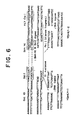
- Fig. 6 is a schematic view indicating the manner of the ligation between Gal 10 promotor region and the human lysozyme gene.
- the present invention provides an expression vector plasmid for yeasts comprising a yeast expression vector DNA containing GAL 10 promoter and a synthetic human lysozyme gene having the DNA sequence given in Fig. 2 inserted into said yeast expression vector at its insertion site and linked to said promoter through a 5'-noncoding region containing a DNA sequence which is
- the invention also provides transformant yeasts capable of producing human lysozyme produced by transforming yeast with an expression vector plasmid of the invention and a process for producing human lysozyme which comprises culturing the transformant yeasts capable of producing human lysozyme in a suitable culture medium and collecting the human lysozyme from the culture transformant yeast.
- a human lysozyme gene can be prepared by the following procedures:
- a recombinant plasmid which enables the expression of the gene by yeasts can be constructed.
- Fig. 3 there is given an example of a gene sequence wherein the translation initiation and termination codons are attached to the structural gene of Fig. 2 and restriction sites are added to 5'- and 3'- terminals of the gene. Because this synthetic human lysozyme gene has both the translation initiation and termination codons, there is less limitation in selecting expression vector plasmids to be used. It is also possible to insert this gene into an adequate vector after cleaving it with a suitable restriction enzyme (e.g., Cla I).
- a suitable restriction enzyme e.g., Cla I
- each fragment contains 11-19 bases and each set of duplexes has at least 6 complementary base sequences.
- Fig. 4 One preferred arrangement for the synthesis of the gene is given in Fig. 4.
- the chemical synthesis and purification of the fragments, phosphorylation of hydroxyl groups at the 5'- ends and ligation of the fragments are carried out according to conventional methods.
- the human lysozyme gene synthesized as above is then inserted, at an adequate insertion site, into either plasmids autonomously replicable in host cells or expression vector plasmids which are autonomously replicable and which are capable of expressing an inserted foreign gene in host cells.
- the insertion of the gene into plasmids can be carried out by the methods conventionally used in the field of molecular biology.
- Amplification of the human lysozyme gene of the present invention can be carried out using known vector plasmids such as pBR322, pAT153 (see, for example, Twigg et al. Nature, 283, 216-218 (1980)).
- Isolation of the plasmid DNA can also be carried out by a conventional method used in the field of molecular biology.
- Expression of the human lysozyme gene of the present invention is performed using various kinds of known plasmids having GAL10 promoter (Broach et al. Experimental Manipulation of Gene Expression 83-117 (1983)).
- YEp51 (Broach et al. Experimental Manipulation of Gene Expression, 83-117 (1983)) is a particularly preferred vector plasmid to be used for expression of the human lysozyme gene of the present invention.
- the direction of the gene inserted into a plasmid can be determined by cleaving the plasmid having the gene at a restriction enzyme recognition site located within the gene and also at other recognition site outside the gene and then analyzing the resulting DNA fragments by agarose gel electrophoresis according to a method conventionally used in the field of the present invention.
- E. coli for example, E. coli C600 (Nelson et al. Virology 108 338 ⁇ 350 (1981) can be used.
- yeasts transformed with the expression vector plasmids containing the synthetic human lysozyme gene are used in producing human lysozyme.
- a preferred example of yeasts as the host cells for this purpose is Saccharomyces cerevisiae, particularly S. cerevisiae KK4 strain (Nogi et al. Mol. Gen. Genet., 195, 29-34 (1984)).
- Other types of known S. cerevisiae yeasts can also be used as the host cells in producing the transformant yeasts of the present invention. For example, those listed in catalogues issued by Yeast Genetic Stock Center or some other public depositories such as American Type Culture Collection. These yeasts are available from such depositories.
- the transformation operation perse is conducted according to the procedures conventionally used in the field of molecular biology.
- the transformation procedures for E. coli are disclosed by Cohen et al. in Proc. Natl. Acad. Sci. U.S.A., 69 2110-2114 (1972) and by Maniatis et al in Molecular Cloning, 249-253 (1982); and for yeasts by Hinnen et al. Proc. Natl. Acd. Sci. U.S.A., 751929 (1978) and by Ito et al. in J. Bacteriol., 153 163-168 (1983).
- Preferred examples of the transformant yeasts are S. cerevisiae KK4 (YEpHLY-1) and S. cerevisiae KK4 (YEpHLY-2), which are obtained by the transformation of S. cerevisiae KK4 with the recombinant plasmids YEpHLY-1 and YEpHLY-2, respectively.
- Human lysozyme can be produced by cultivating the transformant yeasts obtained as above in a suitable culture medium in the manner conventionally used in the fields of molecular biology and fermentation.
- the resulting human lysozyme can be detected and quantitatively analyzed by the immunoprecipitation method, radioimmunoassay (Yuzuriha et al. Chem. Pharm. Bull., 27 2802-2806 (1979); ibid., 26 908-914 (1978)), or enzymatic activity assay (Sidhan et al. Agric. Biol. Chem., 45 1817-1823 (1981)) and Morsky. Anal. Biochem., 12877-85 (1983)).
- prepared human lysozyme can be purified and recovered by using one or more methods usually used in the fields of biochemistry or fermentation.
- the 56 oligonucleotides shown in Fig. 4 were synthesized by the solid phase synthetic method in the manner known per se (Itakura et al. Nuclei. Acids Res., 101755 (1982)).
- Commercially available polystyrene resin having a crosslinking rate of 1%. to which nucleotides were bound are used.
- Completely protected dinucleotides were either purchased from Nippon Zeon Co., Ltd., or YAMASA SHOYU CO., LTD. or prepared by a known method (Gait et al. Nucleic Acids Res., 9 1691 (1981)).
- the resulting resin was washed with 2 ml of pyridine and then treated with 1 ml of 90% aqueous pyridine containing 0.5 M pyridinealdoxime and tetramethylguanidine at 40°C for 1 day to cleave the oligonucleotide off the resin.
- the oligonucleotide was then treated with 3 ml of 28% aqueous ammonia at 60°C for 4 hours to give the pentadecamer of which protective groups were completely eliminated except dimethoxytrityl group at the 5'-end.
- the pentadecamer was then purified by high performance liquid chromatography (HPLC) with reversed phase carriers (Cosmosil 5C18 ® ; manufactured by Nakari Chemical) wherein the pentadecamer was eluted with linear gradient of acetonitrile in 0.1 M acetic acid-triethylamine buffer (pH 6.5). The eluate was then condensed to 50 ⁇ l under reduced pressure. Glacial acetic acid (final concentration 80%) was added to the condensate, and the mixture was reacted at room temperatures for 15 minutes for elimination of dimethoxytrityl group. The resulting mixture was then subjected to HPLC in the same manner as above to yield 10 OD260 units of the completely freed pentadecamer. In the same fashion, other oligonucleotides shown in Fig. 4 were synthesized.
- the human lysozyme gene was assembled from the 56 oligonucleotides prepared as above.
- the oligonucleotides were divided into 9 blocks, Blocks A through I as shown in Fig. 4.
- the oligonucleotides of each block were first ligated into a duplexe.
- the resulting duplexes were assembled into 3 fragments A-B-C, D-E-F and G-H-I, which were again ligated to form the human lysozyme gene.
- the oligonucleotides except the first (HLY-1) and the last fragment (HLY-56) were phosphorylated and then sets of the fragments were ligated.
- HLY-1 the first
- HLY-56 the last fragment
- the DNA was reacted at 11°C for 12 hours in the same reaction medium as the one used for the ligation of the oligonucleotides of the fragment A.
- the fragment A-B-C was isolated from the mixture by 18% polyacrylamide gel electrophoresis.
- fragments D-E-F and G-H-I were prepared. These fragments A-B-C, D-E-F and G-H-I were combined and ligated by reacting them at 11°C for 17 hours in the same reaction medium as used above to give the human lysozyme gene.
- the reaction mixture was used as it was.
- Plasmid pBR322 10 ⁇ g was incubated at 37°C for 2 hours in 50 pl of a reaction medium containing 10mM Tris-HCI (pH 7.5), 50 mM NaCi, 10 mM MgCl 2 and 50 units of restriction enzyme Bam HI and DNA was recovered by phenol-extraction and ethanol-precipitation.
- the resulting DNA 3.5 pg and the reaction mixture containing the human lysozyme gene were combined and the mixture was reacted at 11°C for 13 hours in 200 ⁇ l of reaction medium containing 20 mM Tris-HCI pH 7.5, 10 mM MgCl 2 , 0.4 mM ATP, 10 mM DTT and 13 units of T4 ligase.
- the restriction mapping of the DNA was carried out to select the transformants containing the recombinant plasmid into which the human lysozyme gene was inserted at Bam HI site of pBR322 in the orientation shown in Fig. 5 (Hereinafter, this plasmid is referred to as pHLY-1).
- the recombinant plasmid pHLY-1 was digested with Sau 3AI, Bam HI/Hind III and Bam HI/Xba I and subjected to 8% polyacrylamide gel electrophoresis to give 418bp. 559bp and 205bp of fragments, respectively.
- the DNA sequences of these fragments were determined by Maxam-Gilbert method (Maxam et al. Proc. Natl. Acad. Sci. USA. 74560 (1977)) to confirm that Sau 3AI fragment of 418bp of pHLY-1 has the designed DNA sequences shown in Fig 4.
- Plasmid YEp51 (3 ⁇ g) was digested with Bam HI (15 units) and Hind III (12.5 units) by reacting it in 50 ⁇ l of Buffer I (10 mM Tris-HCI pH 7.5, 100 mM NaCl, 1 mM DTT) at 30°C for 4 hours.
- DNA fragment containing GAL 10 promoter was isolated by 0.8% agarose gel electrophoresis.
- the DNA fragment (765bp) containing the human lysozyme gene was cleaved off the plasmid pHLY-1 by digesting the plasmid (30 ⁇ g) with Bam HI (140 units) and Hind III (115 units) in 70 ⁇ l of Buffer I at 37°C for 4 hours followed by electrophoresis on 5% polyacrylamide gel.
- E. coli C 600 was transformed and ampicilline (80 pg/ml) resistant transformants were selected.
- DNA was isolated from the transformants and restriction mapping of the DNA was conducted to select the transformants having the recombinant plasmid YEp51-HLY of which restriction map was given in Fig. 5.
- Approximately 7.5 Kbp of DNA fragment containing the human lysozyme gene was retrieved by digesting the plasmid YEp51-HLY (12 ⁇ g) with 40 units of Bam Hl and 90 units of Sal in 70 ⁇ l of Buffer I at 37°C for 5 hours followed by 0.7% agarose gel electrophoresis.
- the 7.5 Kb DNA fragment (2 pg) was reacted in 100 ⁇ l of reaction medium containing 250 mM sodium acetate pH 4.5, 1 mM ZnCl 2 , 100 mM NaCl and 1.5 g/ml (final concentration) of SI nuclease (Sigma) at 8°C for 10 minutes.
- Plasmid DNA was isolated from the transformants and restriction mapping of the DNA was carried out to select the transformants holding the recombinant plasmid YEpHLY-1 of which restriction mapping is shown in Fig. 5.
- the plasmid YEpHLY-1 (80 ⁇ g) was reacted in 150 ⁇ l of reaction medium containing 10 mM Tris-HCI pH 7.5. 10 mM MgCl 2 , 80 mM KCI,1 mM DTT and 240 units of restriction enzyme Cla I at 37°C for 2 hours and DNA was collected by ethanol-precipitation. The resulting DNA (10 ⁇ g) was reacted at 37°C for 60 minutes in reaction medium containing 100 mM Tris-HCI pH 8.0 and 1 unit of bacterial alkaline phosphatase. NaCl was added to the reaction mixture to a final concentration of 100 mM and DNA was recovered by extracting with phenol for 5 times and precipitating the DNA with ethanol.
- the DNA was reacted at 37°C for 45 minutes in 30 ⁇ l of reaction medium containing 50 mM Tris-HCI pH 7.6, 10 mM MgCl 2 ,5 mM DTT, 0.1 mM spermidine, 0.1 mM EDTA, 60pmol (180Ci) of [ ⁇ - 32 P] ATP (manufactured by New England Nuclease, 3.000 Ci/m mol) and 16 units of T4 polynucleotide kinase. By phenol-extraction followed by ethanol-precipitation, DNA was recovered.
- DNA sequencing of the DNA was carried out according to Maxam-Gilbert method (Maxam et al. Proc. Natl. Acad. Sci. USA. 74 560 (1977)) to confirm that it has the DNA sequences given in Fig. 6 and Fig. 2.
- the plasmid YEp51-HLY (12 ⁇ g) was digested with 40 units of Bam HI and 90 units of Sal I in 70 ⁇ l of Buffer I at 37°C for 5 hours and approximately 7.5 Kbp of DNA fragment containing the human lysozyme gene was isolated by 0.7% agarose gel electrophoresis.
- the DNAfragment (1 ⁇ g) was reacted in 25 ⁇ l of reaction medium containing 50 mM Tris-HCI pH 7.2,10 mM MgS0 4 , 0.1 mM DTT, 50 ⁇ g/ml BSA, each 2 n mol of d NTP d ATP d CTP and d TTT 9 p mol of ⁇ - 32 P.
- d CTP (Amersham, 800 Ci/m mol) and 1 unit of DNA polymerase (klenow fragment) at room temperature for 30 minutes.
- Plasmid DNA was isolated from the transformants and the restriction mapping of the DNA was carried out to select the transformants containing the plasmid YEpHLY-2 which has the restriction mapping given in Fig. 5.
- the DNA sequencing of the plasmid YEpHLY-2 was conducted in the same manner as in the case of YEP HLY-1.
- Fig. 6 shows the DNA sequencing of the junction between GAL-10 promoter region and the human lysozyme gene.
- S. cerevisiae KK4 was transformed with YEp51, YEpHLY-1 and YEpHLY-2, 5 ⁇ g-each according to the Spheroplasts method (Hinnen et al. Proc. Natl. Acad. Sci. USA. 75 1929 (1978)) and the transformants not requiring leucine were selected.
- the resulting transformants were named as S. cerevisiaeKK4 (YEp51) S. cerevisiae KK4 (YEpHLY-1) (ATCC 20801) and S. cerevisiae KK4 (YEpHLY-2) (ATCC 20802), respectively.
- S. cerevisiae KK4 (YEp51), S. cerevisiae KK4 (YEpHLY-1) and S. cerevisiae KK4 (YEpHLY-2) were grown at 37°C in 5 ml of minimal medium containing all the necessary amino acids except leucine and methionine (final concentration; 20 to 375 mg/l), adenine sulfate (final concentration; 20 mg/1) and 2% galactose as a carbon source (Sherman et al.
- the cells were again collected by centrifugation at 5,000 rpm for 5 minutes, and they are suspended in a lytic buffer (10 mM Na 3 PO 4 pH 7.2, 1 mM phenylmethanesulfonyl chloride, 50 mM EDTA, 0.9% NaCl, 10% Triton X-100, 0.5% deoxycholate and 0.5% SDS) to extract protein.
- a lytic buffer (10 mM Na 3 PO 4 pH 7.2, 1 mM phenylmethanesulfonyl chloride, 50 mM EDTA, 0.9% NaCl, 10% Triton X-100, 0.5% deoxycholate and 0.5% SDS
- rabbit anti-human lysozyme antibody The Green Cross Corporation was added and incubated at 10°C for 16 hours.
- the mixture was further incubated at room temperature for 60 minutes after 300 pl of STDS buffer (10 mM Tris-HCI pH 8.0, 1 % Triton X-100, 0.5% sodium deoxycholate, 0.5% SDS) and 90 ⁇ l of protein A-Sepharose CL-4B (Pharmacia) suspension in STDS (10% V/V) were added.
- STDS buffer 10 mM Tris-HCI pH 8.0, 1 % Triton X-100, 0.5% sodium deoxycholate, 0.5% SDS
- the mixture was then laid on 300 pl of STDS buffer containing 10% sucrose and centrifuged at 12,000 rpm for 1 minute. The precipitate was washed 4 times with 200 ⁇ l of STDS buffer. The precipitate was suspended in 50 ⁇ l of a buffer (62.5 mM Tris-Hcl pH 6.8, 10% glycerol, 2.5% SDS, 2mM2-mercaptoethanol, 5 mM EDTA, 0.001% BPB) and heated at 100°C for 5 minutes. The mixture was applied to SDS- polyacrylamide (15%)-gel electrophoresis and fluorography was carried out to analyse the protein.
- a buffer 62.5 mM Tris-Hcl pH 6.8, 10% glycerol, 2.5% SDS, 2mM2-mercaptoethanol, 5 mM EDTA, 0.001% BPB
Landscapes
- Life Sciences & Earth Sciences (AREA)
- Chemical & Material Sciences (AREA)
- Health & Medical Sciences (AREA)
- Genetics & Genomics (AREA)
- Organic Chemistry (AREA)
- Engineering & Computer Science (AREA)
- Bioinformatics & Cheminformatics (AREA)
- Zoology (AREA)
- Wood Science & Technology (AREA)
- Molecular Biology (AREA)
- Microbiology (AREA)
- Biotechnology (AREA)
- Biomedical Technology (AREA)
- Biochemistry (AREA)
- General Engineering & Computer Science (AREA)
- General Health & Medical Sciences (AREA)
- Medicinal Chemistry (AREA)
- Enzymes And Modification Thereof (AREA)
- Micro-Organisms Or Cultivation Processes Thereof (AREA)
Abstract
Description
- The present invention relates to a microbiological process for producing human lysozyme utilizing recombinant DNA technology.
- Lysozyme is an enzyme found in tears, saliva, nasal mucus, milk, lymphatic gland, leucocyte, serum, cartilage, lung, kidney, spleen, liver, intestinal canal, parotid gland, skin or sperm and also in urine of leukemia patients. It has the enzymatic activity, as muramidase, to hydrolyze the P-1,4-linkage between N-acetylglucosamine and N-acetylmuramine.
- It has been reported that the lysozyme derived from human milk consists of 130 amino acids linked in the sequence given in Fig. 1 (see, for example, Funatu et al. "YOKIN KOSO" p. 55-58, KODANSHA SCIENTIFIC. JAPAN (1977)).
- Lysozyme can be used, alone or in combination with antibiotics, as a preservative for foods or an antimicrobial agent because of its bacteriolytic activity. It can also be used for the treatment of various diseases because of its blood-coagulating activity, haemostatic activity, anti-inflamatory activity and apophlegamic activity.
- Lysozyme can be isolated from human milk, urine or other human sources, but such methods are not feasible for the large scale production of human lysozyme because it is difficult to collect the human raw material and hence it can not meet even the demands for its therapeutic uses.
- The present invention provides recombinant DNA technology which will enable the large scale production of human lysozyme in a purified form at reasonable costs.
- In principle, a process for producing human lysozyme utilizing a chemically synthesized human lysozyme gene involves the following steps:
- (1) Design of the gene
- (2) Chemical synthesis of the gene
- (3) Insertion of the gene into a suitable expression vector plasmid
- (4) Transformation of a suitable host with the resulting recombinant vector plasmid
- (5) Production of human lysozyme by cultivation of the resulting transformant and is isolation of the human lysozyme from the cultured transformant.
- The present inventors have already provided a process for producing human lysozyme utilizing Escherichia coli as hosts in the above mentioned procedures.
- Yeasts, Saccharomyces cerevisiae have many advantages over E. coli as the hosts to be used for the production of biologically active substances by the recombinant DNA technology. For example,
- Cultivation of yeasts is safer and easier than that of E. coli and yeasts can be cultured at a higher density than E. coli.
- The safety of the products is higher because possible contamination can more easily be prevented.
- It is more likely that expression products of genes of the higher animals by yeasts are produced in their right structures or natural forms.
- Yeasts can stably be used for production of lysozyme because they are insensitive to lysozyme.
- However, yeasts have some disadvantages as the hosts for foreign genes. It is known that, in order for foreign genes to be effectively expressed, the genes must be inserted at a right place into the DNA region controlling the transcription and translation (hereinafter referred to as "5'-noncoding region") of an expression vector plasmid, but desirous DNA structure (DNA sequences) of the 5'-noncoding region for yeasts has not yet made clear to the same extent as in the case of E. coli. Accordingly. it is very difficult at the present time to design a suitable DNA structure of the 5'-noncoding region of an expression vector plasmid for a particular foreign gene for yeasts. It can only be discovered through extensive trial and error type of studies.
- Under the circumstances, the present inventors have extensively studied on the production of human lysozyme utilizing transformant yeasts and accomplished the present invention. According to the present invention, lysozyme is produced at a high expression level.
-
- Fig. 1 shows the amino acid sequence of human lysozyme.
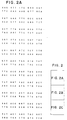
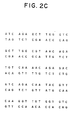
- Fig. 2 shows the DNA sequence of the synthetic structural gene coding for human lysozyme.
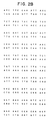
- Fig. 3 shows the DNA sequence of the synthetic human lysozyme gene wherein the translation initiation and stop codons are attached to the structural gene and restriction sites are added to the 5'- and 3'- ends of the gene.
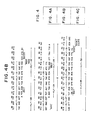
- Fig. 4 shows a set of DNA fragments constituting the synthetic human lysozyme gene and how they are assembled into the entire human lysozyme gene.
- Each fragment is indicated with an arrow and given an identification code, i.e., HLY-1 through HLY-56. Intermediate block fragments are indicated with longer arrows and given identification codes, i.e. A to I.
- Fig. 5 is a schematic view indicating the construction of the recombinant plasmids YEpHLY-1 and YEpHLY-2.
- Fig. 6 is a schematic view indicating the manner of the ligation between
Gal 10 promotor region and the human lysozyme gene. - The present invention provides an expression vector plasmid for yeasts comprising a yeast expression vector
DNA containing GAL 10 promoter and a synthetic human lysozyme gene having the DNA sequence given in Fig. 2 inserted into said yeast expression vector at its insertion site and linked to said promoter through a 5'-noncoding region containing a DNA sequence which is -

- The invention also provides transformant yeasts capable of producing human lysozyme produced by transforming yeast with an expression vector plasmid of the invention and a process for producing human lysozyme which comprises culturing the transformant yeasts capable of producing human lysozyme in a suitable culture medium and collecting the human lysozyme from the culture transformant yeast.
- According to the present invention a human lysozyme gene can be prepared by the following procedures:
- The DNA sequence coding for human lysozyme which satisfies the following conditions is first designed:
- (A) As many as possible preferential codon usages for yeasts are used.
- (B) Between or within the fragments which compose the gene, there should not be undesirable, complementary sequences.
- It is desirable for the whole gene to have the following arrangements in order to be easily used:
- (A) In order to have translation initiated and terminated, translation initiation codon as well as stop codon should be added to the 5'- and 3'- ends of the structural gene.
- (B) In order for the gene to be easily inserted into and cleaved off a plasmid, there should be restriction sites at 5'- and 3'- ends of the gene.
- (C) In order to make the selection of the transformants easier, one or more restriction sites should be incorporated within the gene. A structural gene designed as above is shown in Fig 2.
- By inserting the structural gene of the Fig. 2 into a suitable expression vector, a recombinant plasmid which enables the expression of the gene by yeasts can be constructed. In Fig. 3, there is given an example of a gene sequence wherein the translation initiation and termination codons are attached to the structural gene of Fig. 2 and restriction sites are added to 5'- and 3'- terminals of the gene. Because this synthetic human lysozyme gene has both the translation initiation and termination codons, there is less limitation in selecting expression vector plasmids to be used. It is also possible to insert this gene into an adequate vector after cleaving it with a suitable restriction enzyme (e.g., Cla I).
- For the construction of the gene designed as above, an adequate number of DNA fragments which constitute (+) or (-) strands of the gene are first synthesized and the fragments are then assembled into the gene. It is preferable that each fragment contains 11-19 bases and each set of duplexes has at least 6 complementary base sequences.
- One preferred arrangement for the synthesis of the gene is given in Fig. 4. The chemical synthesis and purification of the fragments, phosphorylation of hydroxyl groups at the 5'- ends and ligation of the fragments are carried out according to conventional methods.
- The human lysozyme gene synthesized as above is then inserted, at an adequate insertion site, into either plasmids autonomously replicable in host cells or expression vector plasmids which are autonomously replicable and which are capable of expressing an inserted foreign gene in host cells. The insertion of the gene into plasmids can be carried out by the methods conventionally used in the field of molecular biology. Amplification of the human lysozyme gene of the present invention can be carried out using known vector plasmids such as pBR322, pAT153 (see, for example, Twigg et al. Nature, 283, 216-218 (1980)). Isolation of the plasmid DNA can also be carried out by a conventional method used in the field of molecular biology.
- Expression of the human lysozyme gene of the present invention is performed using various kinds of known plasmids having GAL10 promoter (Broach et al. Experimental Manipulation of Gene Expression 83-117 (1983)).
- Among such vector plasmids, YEp51 (Broach et al. Experimental Manipulation of Gene Expression, 83-117 (1983)) is a particularly preferred vector plasmid to be used for expression of the human lysozyme gene of the present invention.
- The direction of the gene inserted into a plasmid can be determined by cleaving the plasmid having the gene at a restriction enzyme recognition site located within the gene and also at other recognition site outside the gene and then analyzing the resulting DNA fragments by agarose gel electrophoresis according to a method conventionally used in the field of the present invention.
- For the preparation and amplification of recombinant plasmids containing the human lysozyme gene, E. coli, for example, E. coli C600 (Nelson et al. Virology 108 338―350 (1981) can be used.
- According to the present invention, the yeasts transformed with the expression vector plasmids containing the synthetic human lysozyme gene are used in producing human lysozyme. A preferred example of yeasts as the host cells for this purpose is Saccharomyces cerevisiae, particularly S. cerevisiae KK4 strain (Nogi et al. Mol. Gen. Genet., 195, 29-34 (1984)). Other types of known S. cerevisiae yeasts can also be used as the host cells in producing the transformant yeasts of the present invention. For example, those listed in catalogues issued by Yeast Genetic Stock Center or some other public depositories such as American Type Culture Collection. These yeasts are available from such depositories.
- The transformation operation perse is conducted according to the procedures conventionally used in the field of molecular biology. For example, the transformation procedures for E. coli are disclosed by Cohen et al. in Proc. Natl. Acad. Sci. U.S.A., 69 2110-2114 (1972) and by Maniatis et al in Molecular Cloning, 249-253 (1982); and for yeasts by Hinnen et al. Proc. Natl. Acd. Sci. U.S.A., 751929 (1978) and by Ito et al. in J. Bacteriol., 153 163-168 (1983).
- Preferred examples of the transformant yeasts are S. cerevisiae KK4 (YEpHLY-1) and S. cerevisiae KK4 (YEpHLY-2), which are obtained by the transformation of S. cerevisiae KK4 with the recombinant plasmids YEpHLY-1 and YEpHLY-2, respectively.
- Human lysozyme can be produced by cultivating the transformant yeasts obtained as above in a suitable culture medium in the manner conventionally used in the fields of molecular biology and fermentation. The resulting human lysozyme can be detected and quantitatively analyzed by the immunoprecipitation method, radioimmunoassay (Yuzuriha et al. Chem. Pharm. Bull., 27 2802-2806 (1979); ibid., 26 908-914 (1978)), or enzymatic activity assay (Sidhan et al. Agric. Biol. Chem., 45 1817-1823 (1981)) and Morsky. Anal. Biochem., 12877-85 (1983)). Thus prepared human lysozyme can be purified and recovered by using one or more methods usually used in the fields of biochemistry or fermentation.
- The following examples are given to illustrate the present invention and not intended to limit the scope of the invention in any manner.
- For the construction of the human lysozyme gene, the 56 oligonucleotides shown in Fig. 4 were synthesized by the solid phase synthetic method in the manner known per se (Itakura et al. Nuclei. Acids Res., 101755 (1982)). Commercially available polystyrene resin having a crosslinking rate of 1%. to which nucleotides were bound are used. Completely protected dinucleotides were either purchased from Nippon Zeon Co., Ltd., or YAMASA SHOYU CO., LTD. or prepared by a known method (Gait et al. Nucleic Acids Res., 9 1691 (1981)).
- The following detailed disclosure of the synthesis of a pentadecanucleotide: Gp Ap Tp Cp Cp Gp Tp Tp Ap Gp Gp Ap Gp Tp T is given as a representative example of the synthesis of the oligonucleotides constituting the synthetic human lysozyme:
- With 1 ml of dichloromethane-isopropanol mixed solvent (85: 15, VN) containing 1 M zinc bromide, 40 mg of polystyrene resin binding completely protected thymidine (4 pmol) through linkers was treated for 30 seconds for 6 or 7 times until red color due to dimethoxytrityl cation disappeared, thereby removing dimethoxytrityl, the protective group for the 5'-hydroxyl.
- Completely protected dinucleotide; GpTp (25 mg) was treated with triethylamine-pyridine mixture (1 : 1, VN, 2 ml) at room temperature for 1 hour to eliminate cyanoethyl group of phosphoric acid of the 3'- terminal group and the mixture was azeotropically distilled with pyridine for dehydration. The resulting freed dinucleotide was condensed with the thymidine on the polystyrene resin by reacting them at 40°C for 30 minutes in 0.2 ml of anhydrous pyridine in the presence of 2,4,6-trimethylbenzenesulfonyl-3-nitrotriazolide (30 mg). After washing with 2 ml of pyridine, the resin was treated with 1 ml of pyridineacetic anhydride mixture (9 : 1, VN) containing 50 mg of dimethylaminopyridine, thereby acetylating 5'-hydroxyl group of unreacted thymidine. Subsequently, completely protected dinucleotides, GpAp, ApGp, TpTp, GpGp, TpCp and
GpAp 25 mg each were successively reacted with the resulted resin in the same manner as above to form pentadecamer. After the last condensation operation, the resulting resin was washed with 2 ml of pyridine and then treated with 1 ml of 90% aqueous pyridine containing 0.5 M pyridinealdoxime and tetramethylguanidine at 40°C for 1 day to cleave the oligonucleotide off the resin. The oligonucleotide was then treated with 3 ml of 28% aqueous ammonia at 60°C for 4 hours to give the pentadecamer of which protective groups were completely eliminated except dimethoxytrityl group at the 5'-end. The pentadecamer was then purified by high performance liquid chromatography (HPLC) with reversed phase carriers (Cosmosil 5C18®; manufactured by Nakari Chemical) wherein the pentadecamer was eluted with linear gradient of acetonitrile in 0.1 M acetic acid-triethylamine buffer (pH 6.5). The eluate was then condensed to 50 µl under reduced pressure. Glacial acetic acid (final concentration 80%) was added to the condensate, and the mixture was reacted at room temperatures for 15 minutes for elimination of dimethoxytrityl group. The resulting mixture was then subjected to HPLC in the same manner as above to yield 10 OD260 units of the completely freed pentadecamer. In the same fashion, other oligonucleotides shown in Fig. 4 were synthesized. - As shown in Fig. 4, the human lysozyme gene was assembled from the 56 oligonucleotides prepared as above. The oligonucleotides were divided into 9 blocks, Blocks A through I as shown in Fig. 4. The oligonucleotides of each block were first ligated into a duplexe. The resulting duplexes were assembled into 3 fragments A-B-C, D-E-F and G-H-I, which were again ligated to form the human lysozyme gene. In this process, the oligonucleotides except the first (HLY-1) and the last fragment (HLY-56) were phosphorylated and then sets of the fragments were ligated. As a representative example of phosphorylation and ligation of the fragments, details of construction of the block A fragment of Fig. 4 are given below.
- A mixture of the 8 fragments (HLY-2 to HLY-9), 2 pg each was incubated at 37°C for 60 minutes in 70 µl of a reaction medium containing 8.4 units of T4 polynucleotide kinase, 35 p mol of (γ-32p) ATP (2,900 Ci/m mol), 1 mM spermidine. 50 mM dithiothreitol (DTT), 100 mM MgCl2, 500 mM Tis-HCI (pH 7.5) and 1 mM EDTA. After the mixture was further incubated at 65°C for 10 minutes, it was ice-cooled. To the mixture, 2 µg of the fragment HLY-1 and 20 mM Tris-HCI (pH 7.5) were added followed by addition of 1 M Tris-HCI and 1 M MgCI2 to adjust to MgCl2 contents to 10mM. The mixture was incubated at 65°C for 10 minutes and allowed to stand at 37°C for 30 minutes and for further 20 minutes at room temperature. ATP and DTT were added to the mixture to bring their contents to 0.4 mM and 10 mM, respectively. After the mixture was incubated at 11°C for 10 minutes, T4 ligase 22 units was added to it and the mixture was incubated at 11°C for 12 hours to ligase the fragments. After the reaction was over, DNA was recovered by phenol-extraction and ethanol-precipitation and dissolved in 50 µl of TE buffer (10 mM Tris-HCI pH 7.5, 1 mM EDTA). which was stored at -20°C. In the same manner, other block fragments B through I were prepared from the sets of the oligonucleotides HLY-10 to 14, HLY-15 to 18, HLY-19 to 22. HLY-23 to 26, HLY-27 to 31, HLY-32 to 38, HLY-39 to 47 and HLY-48 to 56, respectively. The resulting reaction mixtures of the block A, B and
C fragments 25 µl each were combined and DNA was recovered from the mixture by ethanol-precipitation. The DNA was reacted at 11°C for 12 hours in the same reaction medium as the one used for the ligation of the oligonucleotides of the fragment A. The fragment A-B-C was isolated from the mixture by 18% polyacrylamide gel electrophoresis. In the same manner, fragments D-E-F and G-H-I were prepared. These fragments A-B-C, D-E-F and G-H-I were combined and ligated by reacting them at 11°C for 17 hours in the same reaction medium as used above to give the human lysozyme gene. - For insertion of the human lysozyme gene into a vector, the reaction mixture was used as it was.
-
Plasmid pBR322 10 µg was incubated at 37°C for 2 hours in 50 pl of a reaction medium containing 10mM Tris-HCI (pH 7.5), 50 mM NaCi, 10 mM MgCl2 and 50 units of restriction enzyme Bam HI and DNA was recovered by phenol-extraction and ethanol-precipitation. The resulting DNA 3.5 pg and the reaction mixture containing the human lysozyme gene were combined and the mixture was reacted at 11°C for 13 hours in 200 µl of reaction medium containing 20 mM Tris-HCI pH 7.5, 10 mM MgCl2, 0.4 mM ATP, 10 mM DTT and 13 units of T4 ligase. With the resulting mixture was transformed E. coli in the manner known in the field of the invention. The transformants resistant to ampicilline (40 pg/ml) and sensitive to tetracycline (10 µg/ml) were selected, from which DNA was retrieved. - The restriction mapping of the DNA was carried out to select the transformants containing the recombinant plasmid into which the human lysozyme gene was inserted at Bam HI site of pBR322 in the orientation shown in Fig. 5 (Hereinafter, this plasmid is referred to as pHLY-1).
- The recombinant plasmid pHLY-1 was digested with Sau 3AI, Bam HI/Hind III and Bam HI/Xba I and subjected to 8% polyacrylamide gel electrophoresis to give 418bp. 559bp and 205bp of fragments, respectively. The DNA sequences of these fragments were determined by Maxam-Gilbert method (Maxam et al. Proc. Natl. Acad. Sci. USA. 74560 (1977)) to confirm that Sau 3AI fragment of 418bp of pHLY-1 has the designed DNA sequences shown in Fig 4.
- Plasmid YEp51 (3 µg) was digested with Bam HI (15 units) and Hind III (12.5 units) by reacting it in 50 µl of Buffer I (10 mM Tris-HCI pH 7.5, 100 mM NaCl, 1 mM DTT) at 30°C for 4 hours.
- Approximately 7Kb of DNA
fragment containing GAL 10 promoter was isolated by 0.8% agarose gel electrophoresis. The DNA fragment (765bp) containing the human lysozyme gene was cleaved off the plasmid pHLY-1 by digesting the plasmid (30 µg) with Bam HI (140 units) and Hind III (115 units) in 70 µl of Buffer I at 37°C for 4 hours followed by electrophoresis on 5% polyacrylamide gel. - Thus isolated fragments (7Kb fragment: 0.35 µg; 765bp fragment: 1.2 µg) were ligated by reacting them at 15°C for 8 hours in 22 µl of Buffer 11 (66 mM TrisHCI pH 7.5, 10 mM MgCl2, 10 mM DTT, 4 mM ATP) with T4 ligase (2.6 units).
- With the reaction mixture, E. coli C 600 was transformed and ampicilline (80 pg/ml) resistant transformants were selected. DNAwas isolated from the transformants and restriction mapping of the DNA was conducted to select the transformants having the recombinant plasmid YEp51-HLY of which restriction map was given in Fig. 5.
- Approximately 7.5 Kbp of DNA fragment containing the human lysozyme gene was retrieved by digesting the plasmid YEp51-HLY (12 µg) with 40 units of Bam Hl and 90 units of Sal in 70 µl of Buffer I at 37°C for 5 hours followed by 0.7% agarose gel electrophoresis. The 7.5 Kb DNA fragment (2 pg) was reacted in 100 µl of reaction medium containing 250 mM sodium acetate pH 4.5, 1 mM ZnCl2, 100 mM NaCl and 1.5 g/ml (final concentration) of SI nuclease (Sigma) at 8°C for 10 minutes. To the reaction medium was added 10 µl of 3M sodium acetate and the mixture was treated 3 times with phenol and DNA was recovered by ethanol precipitation. The DNA was ligated by reacting it at 18°C for 15 hours in Buffer II containing 2.6 units of T4 DNA ligase and 24 units of T4 RNA ligase. With the resulting mixture, E. coli C 600 was transformed and the transformants resistant to ampicilline (80 pg/ml) were selected.
- Plasmid DNA was isolated from the transformants and restriction mapping of the DNA was carried out to select the transformants holding the recombinant plasmid YEpHLY-1 of which restriction mapping is shown in Fig. 5.
- The plasmid YEpHLY-1 (80 µg) was reacted in 150 µl of reaction medium containing 10 mM Tris-HCI pH 7.5. 10 mM MgCl2, 80 mM KCI,1 mM DTT and 240 units of restriction enzyme Cla I at 37°C for 2 hours and DNA was collected by ethanol-precipitation. The resulting DNA (10 µg) was reacted at 37°C for 60 minutes in reaction medium containing 100 mM Tris-HCI pH 8.0 and 1 unit of bacterial alkaline phosphatase. NaCl was added to the reaction mixture to a final concentration of 100 mM and DNA was recovered by extracting with phenol for 5 times and precipitating the DNA with ethanol.
- The DNA was reacted at 37°C for 45 minutes in 30 µl of reaction medium containing 50 mM Tris-HCI pH 7.6, 10 mM MgCl2,5 mM DTT, 0.1 mM spermidine, 0.1 mM EDTA, 60pmol (180Ci) of [γ-32P] ATP (manufactured by New England Nuclease, 3.000 Ci/m mol) and 16 units of T4 polynucleotide kinase. By phenol-extraction followed by ethanol-precipitation, DNA was recovered.
- The DNA was digested with Eco RI (33 units) in 50 µl of Buffer I at 37°C for 2 hours and applied to 1 % agarose gel electrophoresis to give 1.5 Kbp of DNA labled with 34P. DNA sequencing of the DNA was carried out according to Maxam-Gilbert method (Maxam et al. Proc. Natl. Acad. Sci. USA. 74 560 (1977)) to confirm that it has the DNA sequences given in Fig. 6 and Fig. 2.
- The plasmid YEp51-HLY (12 µg) was digested with 40 units of Bam HI and 90 units of Sal I in 70 µl of Buffer I at 37°C for 5 hours and approximately 7.5 Kbp of DNA fragment containing the human lysozyme gene was isolated by 0.7% agarose gel electrophoresis.
- The DNAfragment (1 µg) was reacted in 25 µl of reaction medium containing 50 mM Tris-HCI pH 7.2,10 mM MgS04, 0.1 mM DTT, 50 µg/ml BSA, each 2 n mol of d NTP d ATP d CTP and d TTT 9 p mol of α-32P. d CTP (Amersham, 800 Ci/m mol) and 1 unit of DNA polymerase (klenow fragment) at room temperature for 30 minutes. After addition of 2 µl of 250 mM ETDA, gel-filtration of the mixture with Sephadex G-508 was carried out and 32P-labeled DNA of high molecular fractions was recovered by phenol-extraction and ethanol-precipitation. The DNA was ligated by reacting it in 106 µl of reaction medium containing Buffer II, 10 units of T4 DNA ligase and 24 units of T4 DNA ligase at 18°C for 14 hours. E. coli C 600 was transformed with the reaction mixture and the ampicilline(80 µg/ml) resistant transformants were selected. Plasmid DNA was isolated from the transformants and the restriction mapping of the DNA was carried out to select the transformants containing the plasmid YEpHLY-2 which has the restriction mapping given in Fig. 5. The DNA sequencing of the plasmid YEpHLY-2 was conducted in the same manner as in the case of YEP HLY-1. Fig. 6 shows the DNA sequencing of the junction between GAL-10 promoter region and the human lysozyme gene.
- S. cerevisiae KK4 was transformed with YEp51, YEpHLY-1 and YEpHLY-2, 5µg-each according to the Spheroplasts method (Hinnen et al. Proc. Natl. Acad. Sci. USA. 75 1929 (1978)) and the transformants not requiring leucine were selected. The resulting transformants were named as S. cerevisiaeKK4 (YEp51) S. cerevisiae KK4 (YEpHLY-1) (ATCC 20801) and S. cerevisiae KK4 (YEpHLY-2) (ATCC 20802), respectively. Expression of human lysozyme
- After the transformants, S. cerevisiae KK4 (YEp51), S. cerevisiae KK4 (YEpHLY-1) and S. cerevisiae KK4 (YEpHLY-2) were grown at 37°C in 5 ml of minimal medium containing all the necessary amino acids except leucine and methionine (final concentration; 20 to 375 mg/l), adenine sulfate (final concentration; 20 mg/1) and 2% galactose as a carbon source (Sherman et al. Method in Yeast Genetics P.62 Cold Spring Harbour (1982)) until reaching their middle logarithmic phase, 50 pCi of 35S-methionine (Amersham) was added to the medium and the mixture was further incubated at 30°C for 1 hour with shaking. The cells were collected by centrifugation at 5,000 rpm for 5 minutes and incubated at 30°C for 30 minutes in a buffer containing 0.65 mg of Zymolyase 100T and 2M sorbitol.
- The cells were again collected by centrifugation at 5,000 rpm for 5 minutes, and they are suspended in a lytic buffer (10 mM Na3PO4 pH 7.2, 1 mM phenylmethanesulfonyl chloride, 50 mM EDTA, 0.9% NaCl, 10% Triton X-100, 0.5% deoxycholate and 0.5% SDS) to extract protein. To the protein extract solution (360 µl), rabbit anti-human lysozyme antibody (The Green Cross Corporation) was added and incubated at 10°C for 16 hours. The mixture was further incubated at room temperature for 60 minutes after 300 pl of STDS buffer (10 mM Tris-HCI pH 8.0, 1 % Triton X-100, 0.5% sodium deoxycholate, 0.5% SDS) and 90 µl of protein A-Sepharose CL-4B (Pharmacia) suspension in STDS (10% V/V) were added.
- The mixture was then laid on 300 pl of STDS buffer containing 10% sucrose and centrifuged at 12,000 rpm for 1 minute. The precipitate was washed 4 times with 200 µl of STDS buffer. The precipitate was suspended in 50 µl of a buffer (62.5 mM Tris-Hcl pH 6.8, 10% glycerol, 2.5% SDS, 2mM2-mercaptoethanol, 5 mM EDTA, 0.001% BPB) and heated at 100°C for 5 minutes. The mixture was applied to SDS- polyacrylamide (15%)-gel electrophoresis and fluorography was carried out to analyse the protein. In the resulting electrophoretic patterns, 14.7K dalton bands corresponding to the human lysozyme were observed with the lanes of the proteins extracted from S. cerevisiae KK4 (YEpHLV-1) and KK4 (YEpHLY-2) containing the human lysozyme gene but not with the lane of S. cerevisiae KK4 (YEp51) containing no human lysozyme gene. Thus the expression of the human lysozyme gene was confirmed.
Claims (10)

Priority Applications (1)
| Application Number | Priority Date | Filing Date | Title |
|---|---|---|---|
| AT86304951T ATE60802T1 (en) | 1985-06-26 | 1986-06-26 | MICROBIOLOGICAL PROCESS FOR THE PRODUCTION OF HUMAN LYSOZYME. |
Applications Claiming Priority (2)
| Application Number | Priority Date | Filing Date | Title |
|---|---|---|---|
| JP60139710A JPS626679A (en) | 1985-06-26 | 1985-06-26 | Biological production of human lysozyme |
| JP139710/85 | 1985-06-26 |
Publications (2)
| Publication Number | Publication Date |
|---|---|
| EP0208472A1 EP0208472A1 (en) | 1987-01-14 |
| EP0208472B1 true EP0208472B1 (en) | 1991-02-06 |
Family
ID=15251613
Family Applications (1)
| Application Number | Title | Priority Date | Filing Date |
|---|---|---|---|
| EP86304951A Expired - Lifetime EP0208472B1 (en) | 1985-06-26 | 1986-06-26 | Microbiological process for production of human lysozyme |
Country Status (4)
| Country | Link |
|---|---|
| EP (1) | EP0208472B1 (en) |
| JP (1) | JPS626679A (en) |
| AT (1) | ATE60802T1 (en) |
| DE (1) | DE3677421D1 (en) |
Families Citing this family (5)
| Publication number | Priority date | Publication date | Assignee | Title |
|---|---|---|---|---|
| CA1339912C (en) * | 1984-12-06 | 1998-06-16 | Jacques Oberto | Transformed yeasts producing lysozyme, plasmids used for this transformation, and uses thereof |
| DE3540075A1 (en) * | 1985-11-12 | 1987-05-14 | Boehringer Ingelheim Int | HUMAN LYSOZYM |
| TW205070B (en) * | 1986-06-30 | 1993-05-01 | Takeda Pharm Industry Co Ltd | |
| NO177065C (en) * | 1988-09-26 | 1995-07-12 | Labofina Sa | Process for the preparation of enzymatically active human lysozyme |
| CN104278017A (en) * | 2013-07-11 | 2015-01-14 | 上海万特医药科技有限公司 | Recombinant expression method of human lysozyme |
Family Cites Families (2)
| Publication number | Priority date | Publication date | Assignee | Title |
|---|---|---|---|---|
| EP0155189A3 (en) * | 1984-03-16 | 1987-09-16 | Genentech, Inc. | Expression of cell wall degrading proteins and host cells harboring dna encoding such protein |
| EP0181634A3 (en) * | 1984-11-14 | 1987-09-09 | Takeda Chemical Industries, Ltd. | Synthetic gene for human lysozyme |
-
1985
- 1985-06-26 JP JP60139710A patent/JPS626679A/en active Pending
-
1986
- 1986-06-26 AT AT86304951T patent/ATE60802T1/en not_active IP Right Cessation
- 1986-06-26 EP EP86304951A patent/EP0208472B1/en not_active Expired - Lifetime
- 1986-06-26 DE DE8686304951T patent/DE3677421D1/en not_active Expired - Lifetime
Also Published As
| Publication number | Publication date |
|---|---|
| JPS626679A (en) | 1987-01-13 |
| ATE60802T1 (en) | 1991-02-15 |
| DE3677421D1 (en) | 1991-03-14 |
| EP0208472A1 (en) | 1987-01-14 |
Similar Documents
| Publication | Publication Date | Title |
|---|---|---|
| Forney et al. | Developmentally controlled telomere addition in wild-type and mutant paramecia | |
| Worland et al. | Inducible overexpression, purification, and active site mapping of DNA topoisomerase II from the yeast Saccharomyces cerevisiae | |
| Knapp et al. | Transcription and processing of intervening sequences in yeast tRNA genes | |
| KR960016560B1 (en) | Human granulocyte colony stimulator polypeptide derivative, DNA encoding the same, recombinant plasmid containing DNA, microorganism containing plasmid and method for producing polypeptide | |
| Seidman et al. | Three steps in conversion of large precursor RNA into serine and proline transfer RNAs. | |
| Fukada et al. | DNA sequence of a T4 transfer RNA gene cluster | |
| Garber et al. | In vitro processing of B. mori transfer RNA precursor molecules | |
| Steege | A nucleotide change in the anticodon of an Escherichia coli serine transfer RNA results In supD–amber suppression | |
| CA1299508C (en) | Human pancreatic elastase i | |
| Sutton et al. | Trypanosome trans‐splicing utilizes 2′‐5′ branches and a corresponding debranching activity. | |
| EP0208472A1 (en) | Microbiological process for production of human lysozyme | |
| EP0133321B1 (en) | Dna gene, process for production thereof and plasmid containing the same | |
| KR950010817B1 (en) | Process for producing of recombinant human psti | |
| EP0157604B1 (en) | Porcine pancreatic elastase | |
| EP0245218B1 (en) | A plasmid vector for expression in bacillus and used for cloning the structural gene which codes for the human growth hormone and a method of producing the hormone | |
| McClain et al. | Evolution of the biosynthesis of 3′-terminal CCA residues in T-even bacteriophage transfer RNAs | |
| CN120098964B (en) | Application of efficient thermostable ribonuclease SiRe_0902 in specific recognition of GG locus | |
| JIGAMI et al. | Analysis of expression of yeast enolase 1 gene containing a longer pyrimidine-rich region located between the TATA box and transcription start site | |
| Keith et al. | The primary structure of tryptophan transfer ribonucleic acid from brewer's yeast: II.—Partial digestion with pancreatic ribonuclease and derivation of complete sequence | |
| JP2898640B2 (en) | Mutarotase expression | |
| US6265159B1 (en) | Method for producing DNA nested deletions by an in vitro reaction using transposase | |
| JP2777958B2 (en) | MboI restriction / modification enzyme gene and production method | |
| EP0248647B1 (en) | Expression vectors containing the heat shock regulatory dna sequences from a heat shock protein 83 (hsp83) gene and inducible expression by the use of the vectors | |
| JPS6322190A (en) | Production of human lysozyme by expression of its gene | |
| JP2641273B2 (en) | Mutant human lysozyme |
Legal Events
| Date | Code | Title | Description |
|---|---|---|---|
| PUAI | Public reference made under article 153(3) epc to a published international application that has entered the european phase |
Free format text: ORIGINAL CODE: 0009012 |
|
| AK | Designated contracting states |
Kind code of ref document: A1 Designated state(s): AT BE CH DE FR GB IT LI NL SE |
|
| 17P | Request for examination filed |
Effective date: 19870519 |
|
| RAP3 | Party data changed (applicant data changed or rights of an application transferred) |
Owner name: DIRECTOR-GENERAL OF THE AGENCY OF INDUSTRIAL SCIE Owner name: SUMITOMO CHEMICAL COMPANY, LIMITED |
|
| 17Q | First examination report despatched |
Effective date: 19890512 |
|
| GRAA | (expected) grant |
Free format text: ORIGINAL CODE: 0009210 |
|
| AK | Designated contracting states |
Kind code of ref document: B1 Designated state(s): AT BE CH DE FR GB IT LI NL SE |
|
| PG25 | Lapsed in a contracting state [announced via postgrant information from national office to epo] |
Ref country code: IT Free format text: LAPSE BECAUSE OF FAILURE TO SUBMIT A TRANSLATION OF THE DESCRIPTION OR TO PAY THE FEE WITHIN THE PRE;WARNING: LAPSES OF ITALIAN PATENTS WITH EFFECTIVE DATE BEFORE 2007 MAY HAVE OCCURRED AT ANY TIME BEFORE 2007. THE CORRECT EFFECTIVE DATE MAY BE DIFFERENT FROM THE ONE RECORDED.SCRIBED TIME-LIMIT Effective date: 19910206 Ref country code: AT Effective date: 19910206 Ref country code: FR Effective date: 19910206 Ref country code: BE Effective date: 19910206 Ref country code: NL Effective date: 19910206 Ref country code: SE Effective date: 19910206 |
|
| REF | Corresponds to: |
Ref document number: 60802 Country of ref document: AT Date of ref document: 19910215 Kind code of ref document: T |
|
| REF | Corresponds to: |
Ref document number: 3677421 Country of ref document: DE Date of ref document: 19910314 |
|
| PGFP | Annual fee paid to national office [announced via postgrant information from national office to epo] |
Ref country code: GB Payment date: 19910614 Year of fee payment: 6 |
|
| PGFP | Annual fee paid to national office [announced via postgrant information from national office to epo] |
Ref country code: CH Payment date: 19910627 Year of fee payment: 6 |
|
| EN | Fr: translation not filed | ||
| NLV1 | Nl: lapsed or annulled due to failure to fulfill the requirements of art. 29p and 29m of the patents act | ||
| PGFP | Annual fee paid to national office [announced via postgrant information from national office to epo] |
Ref country code: DE Payment date: 19910723 Year of fee payment: 6 |
|
| PLBI | Opposition filed |
Free format text: ORIGINAL CODE: 0009260 |
|
| 26 | Opposition filed |
Opponent name: FINA RESEARCH S.A. Effective date: 19911105 |
|
| RDAG | Patent revoked |
Free format text: ORIGINAL CODE: 0009271 |
|
| STAA | Information on the status of an ep patent application or granted ep patent |
Free format text: STATUS: PATENT REVOKED |
|
| 27W | Patent revoked |
Effective date: 19920606 |
|
| REG | Reference to a national code |
Ref country code: CH Ref legal event code: PL |
|
| GBPR | Gb: patent revoked under art. 102 of the ep convention designating the uk as contracting state |
Free format text: 920606 |