EP0197799B1 - Pharmacologically active mitomycin derivatives - Google Patents
Pharmacologically active mitomycin derivatives Download PDFInfo
- Publication number
- EP0197799B1 EP0197799B1 EP86302635A EP86302635A EP0197799B1 EP 0197799 B1 EP0197799 B1 EP 0197799B1 EP 86302635 A EP86302635 A EP 86302635A EP 86302635 A EP86302635 A EP 86302635A EP 0197799 B1 EP0197799 B1 EP 0197799B1
- Authority
- EP
- European Patent Office
- Prior art keywords
- group
- compound
- mitomycin
- formula
- oconh
- Prior art date
- Legal status (The legal status is an assumption and is not a legal conclusion. Google has not performed a legal analysis and makes no representation as to the accuracy of the status listed.)
- Expired - Lifetime
Links
- 0 CC*N[N+](C)[O-] Chemical compound CC*N[N+](C)[O-] 0.000 description 2
Classifications
-
- C—CHEMISTRY; METALLURGY
- C07—ORGANIC CHEMISTRY
- C07D—HETEROCYCLIC COMPOUNDS
- C07D487/00—Heterocyclic compounds containing nitrogen atoms as the only ring hetero atoms in the condensed system, not provided for by groups C07D451/00 - C07D477/00
- C07D487/12—Heterocyclic compounds containing nitrogen atoms as the only ring hetero atoms in the condensed system, not provided for by groups C07D451/00 - C07D477/00 in which the condensed system contains three hetero rings
- C07D487/14—Ortho-condensed systems
-
- A—HUMAN NECESSITIES
- A61—MEDICAL OR VETERINARY SCIENCE; HYGIENE
- A61P—SPECIFIC THERAPEUTIC ACTIVITY OF CHEMICAL COMPOUNDS OR MEDICINAL PREPARATIONS
- A61P35/00—Antineoplastic agents
Definitions
- the present invention relates to novel mitomycin derivatives having antibacterial and anti-tumour activities.
- Mitomycins are generally known as antibiotics having antibacterial and anti-tumour activities.
- mitomycin A, mitomycin B, mitomycin C and porfiromycin are described in Merck Index, 10th Edition.
- Mitomycin C is practically used for treating and curing human cancers in Japan and various countries of the world. Examples of the known mitomycins are shown in the following Tables 1 and 2.
- mitomycins Although mitomycins have excellent anti-tumour activity, they exhibit undesired side effects such as decrease of leucocytes. With such a background, various mitomycin derivatives have hitherto been synthesized for the purpose of increasing their activity and/or reducing their toxicity. Examples of these mitomycin derivatives include those in which the 7-amino group is substituted with a substituent containing at least one sulphur atom.
- mitomycin C and porfiromycin in which the 7-amino group is substituted with 2-mercaptoethyl group or a 2-(ethylthio) ethyl group (GB 2106096A, Japanese Published Unexamined Patent Application No. 188590/82), mitomycins in which the 7-amino group substituted with a 2-(substituted dithio) ethyl group (EP 0116208A1, Japanese Published Unexamined Patent Application Nos. 104386/84 and 175493/84, GB 2140799A, and Japanese Published Unexamined Patent Application No.
- mitomycin derivatives of symmetrical disulfide type such as 7-N, 7'-N'-dithiodiethylenedimitomycin C (EP 0116208A1, and Japanese Published Unexamined Patent Application Nos. 104386/84 and 175493/84) have been known.
- Other mitomycin derivatives are disclosed in DE-A-1 795 473, US-A-4 268 676 and DE-A-3 413 489 ( ⁇ GB ⁇ A ⁇ 2 140 799).
- mitomycin derivatives having improved properties have found that mitomycin derivatives in which the 7-amino group is substituted with an (w-acylthio) alkyl group or an (w-dithio- acyloxy) alkyl group have excellent antibacterial and anti-tumour activities with low toxicity.
- Mitomycin derivatives having such a substituent are novel compounds and are structurally very distinct from the afore-mentioned derivatives.
- the alkyl group having 1 to 8 carbon atoms may be the straight chain or branched alkyl group having 1 to 8 carbon atoms such as methyl, ethyl, n-propyl, i-propyl, n-butyl, n-pentyl, n-hexyl, n-heptyl and n-octyl groups.
- the 3-6 membered cycloalkyl group is exemplified by cyclopentyl and cyclohexyl groups.
- the alkyl group includes straight chain or branched alkyl groups having 1 to 5 carbon atoms such as methyl, ethyl, i-propyl, n-butyl and n-pentyl groups;
- the alkoxy group includes alkoxy groups having 1 to 3 carbon atoms such as methoxy, ethoxy and i-propoxy groups;
- the alkylamino group includes straight chain or branched alkylamino groups having 1 to 4 carbon atoms such as methylamino group;
- the dialkylamino group includes straight chain or branched dialkylamino groups having 1 to 4 carbon atoms such as dimethylamino and diethylamino groups;
- the alkanoylamino group includes alkanoylamino groups having 1 to 3 carbon atoms such as formamido, acetamido and n-propionamido groups; and
- the halogen atom includes
- substituents may be the same or different and the number of the substituents may be 1 to 5.
- Preferred examples of the substituents are the case where the number of the substituents is 1 to 2 and the substituents may be the same or different and selected from the said alkyl, hydroxy, alkoxy, nitro, alkylamino, alkanoylamino, cyano groups and halogen atoms as defined above.
- substituted phenyl groups are 3-chlorophenyl, 4-bromophenyl, 4-fluorophenyl, 4-methoxyphenyl, 2-methylphenyl, 4-nitrophenyl, 4-cyanophenyl, 4-t-butylphenyl, 3-dimethylaminophenyl, 2-hydroxyphenyl and 4-acetamido-4-fluorophenyl groups.
- a compound (I) may be prepared by the reaction of a compound of the formula (II): ⁇ (wherein n, R 1 , R 2 , Y and Z are as defined in the formula (I)), with a compound of the formula (111):- (wherein X is as defined in the formula (I)) in an inert solvent and in the presence of triphenylphosphine and dialkyl azodicarboxylate.
- the solvents which may be used for this reaction are anhydrous solvents and exemplified by diethyl ether, tetrahydrofuran and other ether solvents, benzene, methylene chloride or hexamethylphosphorous- triamide, which may be used alone or in combination.
- the dialkyl azodicarboxylate includes e.g. diethyl azodicarboxylate and diisopropyl azodicarboxylate.
- reaction temperature and the reaction time may vary with Compound (II) or (III) used, but usually, the reaction is carried out at a temperature of -20 to 30°C and completed in several minutes to about one hour.
- the treatment after the reaction may vary with Compound (III) used. But usually, the reaction solution is directly concentrated under reduced pressure. Alternatively, the reaction solution is extracted with a water-insoluble solvent such as chloroform, methylene chloride or ethyl acetate, and the extract is washed with e.g. water or aqueous sodium bicarbonate and concentrated. Then, either concentrate is purified e.g. by column chromatography, thin layer chromatography or recrystallization.
- a water-insoluble solvent such as chloroform, methylene chloride or ethyl acetate
- Compound (II) may be synthesized by the reaction of a mitomycin derivative having an alkoxy, acyloxy or dialkylaminomethyleneimino group at the 7-position with an w-hydroxyalkylamine.
- a mitomycin having an alkoxy group at the 7-position particularly a 7-methoxymitomycin.
- the reaction of a 7-methoxymitomycin with an alkylamine is disclosed in, for example, J. Antobiot., 189 (1968).
- 7-methoxymitomycins are mitomycins A, B, F, H, J and K, 1a-demethylmitomycin K or 9-epi-mitomycin B, as shown in Tables 1 and 2.
- Such a 7-methoxymitomycin reacts with an w-hydroxyalkylamine to produce a Compound (II) in good yield.
- any inert solvent may be used so long as it can dissolve the mitomycin used as starting material, and e.g. dimethylformamide, dimethylsulfoxide, methanol, ethanol and other alcohols, ethylene glycol or manomethyl ether may preferably be used solely or in combination.
- the reaction may be effected at room temperature, even though the reaction proceeds with heating or cooling.
- the reaction time may vary, depending upon the mitomycin and w-hydroxyalkylamine used as raw materials, and usually the reaction is completed in several ten minutes to several hours.
- the reaction product viz. Compound (II) may e.g. be purified by column chromatography or recrystallization.
- a compound of the formula (I) wherein X is [hereinafter referred to as Compound(s) (1-1)] may also be prepared by the reaction of a mitomycin derivative represented by the formula (IV): (wherein A is a leaving group selected from halogen, an unsubstituted or substituted alkanesulfonyloxy group, or an unsubstituted or substituted benzenesulfonyloxy group; and n, R 1 , R 2 , Y and Z are as defined in the formula (I)) with a metal salt of thiocarboxylic acid represented by the formula (V) (wherein R 3 is as defined in the formula (I) and M is an alkali metal or an alkaline earth metal) in an inert solvent.
- This process for preparation of Compounds (1-1) is generally superior to the afore-mentioned process for preparation of Compounds (1-1) from Compounds (II) because according to the former process byproducts derived from the starting materials or reagents are less compared with the latter process, and thus purification and isolation of Compound (1-1) are easy.
- the halogen atom includes e.g. chlorine, bromine and iodine;
- the unsubstituted or substituted alkanesulfonyloxy group includes e.g. a methanesulfonyloxy and trifluoromethanesulfonyloxy group;
- the unsubstituted or substituted benzenesulfonyloxy group includes e.g. a benzenesulfonyloxy and p-toluenesulfonyloxy group.
- the alkali metal includes e.g. lithium, sodium and potassium, and the alkaline earth metal e.g. includes magnesium.
- M divalent metal such as magnesium
- compounds of the formula (V) are represented e.g. by [(R 3 COS) 2 Mg].
- Chloroform, methylenedichloride, diethyl ether, tetrahydrofuran, dioxane, ethylene glycol dimethyl ether dimethylsulfoxide; dimethylformamide, are for example used alone or in combination as the inert solvent.
- the reaction temperature and reaction time vary with Compound (IV) or (V) used or with the concentration of Compound (V), and the reaction may generally be carried out at -10 to 50°C and completed in several minutes to several hours.
- Compound (1-1) Purification and isolation of Compound (1-1) may be carried out in the same manner as explained in those of Compound (I) in production of Compound (I) from Compound (II).
- Compound (IV) a starting material for synthesis of Compound (1-1) may be synthesized by the reaction of a mitomycin derivative having an alkoxy, acyloxy or dialkylaminomethyleneimino group at the 7- position with a compound represented by the formula (Vl): (wherein, A and n are as defined in the formulae (IV) and (I), respectively) or an acid adduct salt thereof in an inert solvent.
- any inert solvent may be used so long as it can dissolve the mitomycin used as starting material, and e.g. dimethylformamide, dimethylsulfoxide, methanol, ethanol and other alcohols or ethylene glycol monomethyl ether may preferably be used solely or in combination.
- the reaction may be effected at room temperature, even though the reaction proceeds with heating or cooling.
- the reaction time may vary, depending upon the mitomycin and Compound (VI) used as starting materials, and usually the reaction is completed in several ten minutes to several hours.
- Compound (IV) may be purified e.g. by column chromatography, thin layer chromatography or recrystallization.
- a compound of the formula (IV) wherein A is an unsubstituted or substituted alkanesulfonyloxy group, or an unsubstituted or substituted benzenesulfonyloxy group, and Z is a methyl group may also be prepared by the reaction of a compound of the formula (II) wherein Z is a methyl group with an unsubstituted or substituted alkanesulfonyl halide, an unsubstituted or substituted benzenesulfonyl halide, or an acid anhydride, respectively corresponding to the group A in an inert solvent in the presence of a base.
- the halide and acid anhydride used include e.g. methanesulfonyl chloride, trifluoromethanesulfonyl chloride, trifluoromethanesulfonic anhydride, benzenesulfonyl chloride and p-toluenesulfonyl chloride.
- the base e.g. includes triethylamine and pyridine.
- the inert solvent e.g. includes dimethylformamide, dimethylsulfoxide, tetrahydrofuran and chloroform, and these solvents are used solely or in combination. Pyridine can be used as the base as well as the solvent.
- the reaction may be carried out at 0°C to room temperature.
- the reaction temperature varies with the nature and number of equivalents of the sulfonyl halide used; usually, the reaction is complete in a few hours to about 10 hours.
- the reaction solution is diluted with a water-insoluble solvent such as chloroform, methylene chloride and ethyl acetate, washed with aqueous sodium bicarbonate and concentrated.
- the concentrate is purified by column chromatography, thin layer chromatography or recrystallization.
- Compounds (I) have excellent antibacterial and anti-tumour activities and are useful as antibacterial agents or anti-tumour agents.
- Compounds (I) generally show an enhanced anti-tumour activity and/or reduced bone marrow toxicity in comparison with mitomycin C. That is, Compounds (I) generally have a higher chemotherapeutic index (i.e., LD 50 /ED 50 ) or WBC 4000 (i.e., the minimum dose of a chemical which reduces the peripheral leucocytes number to 4000/mm 3 ) than mitomycin C.
- LD 50 /ED 50 a higher chemotherapeutic index
- WBC 4000 i.e., the minimum dose of a chemical which reduces the peripheral leucocytes number to 4000/mm 3
- Compounds (I) wherein X is and R 3 is an alkyl group having 1 to 8 carbon atoms Compounds (I) wherein R 3 is an alkyl group having 1 to 4 carbon atoms, above all, a methyl or ethyl group are preferred from the viewpoint of anti-tumour activity. Further, Compounds (I) wherein X is R 3 is a methyl or ethyl group and n is 2 or 3 are generally water-soluble. Such a water-soluble Compound (I) has enhanced utility for intravenous and intraarterial injections.
- Antibacterial activities of Compounds (1) against various bacteria are shown by the minimum growth inhibitory concentration ( ⁇ g/ml) in Table 3.
- the minimum growth inhibitory concentration was measured at pH 7.0 according to the agar dilution method.
- bacteria are indicated by the following letters.
- test compound was dissolved in a physiological sodium chloride solution with or without addition of Tween 80 (R.T.M.) and was administered into the tail vein of each mouse of a group consisting of 5 mice at a dose of 0.1-0.2 ml, 24 hours after the implantation of the tumour cells.
- the anti-tumour activity was determined in the following manner. 7 days after the implantation, the major axis (a) and the minor axis (b) of the tumour were measured to calculate a value of "a x b 2 /2" which corresponds to the volume of the tumour.
- the anti-tumour activity was expressed by the ratio (T/C) of the volume (T) of the tumours of the group of animals administered with the test compound to the corresponding volume (C) of tumours of the untreated animals.
- ED 50 shows the amount of a substance needed for reducing the volume of Sarcoma 180 solid tumours in mice to 50% on the basis of the corresponding volume of Sarcoma solid tumours in control animals.
- T/C was indicated by an arithmetic scale on the longitudinal axis and the administered amount of the test compound was indicated by a logarithmic scale on the lateral axis.
- the relationship between the dose and T/C was shown by a straight line determined by the method of least squares, from which a dose corresponding to T/C of 0.5 was obtained.
- Each animal of the test group consisting of 5 ddY mice was administered intraperitoneally once with a test compound. After the administration, the animals were observed for 14 days and deaths were noted.
- the LD 50 was determined by Behrens Körber's method.
- Sarcoma 180 solid tumour cells (5 x 10 6 ) were subcutaneously implanted into the right axilla of each mouse (body weight 20 ⁇ 2 g) of a group consisting of 5 male mice (ddY strain). 24 hours after implantation, a test compound was intraperitoneally administered to each animal. 4 days after the administration, blood (each 0.02 ml) was collected from the suborbital plexus vein of each tumour-carrying animal. The collected sample of blood was dispersed in 9.98 ml of Cell-Kit Seven solution (available from Toa Irgo Denshi K.K., Japan).
- compositions containing as an active ingredient at least one Compound (I) in association with one or more pharmaceutical carriers and/or excipients.
- Compound (I) may be dissolved, for example, in physiological sodium chloride solution, or a glucose, lactose or mannitol injection solution. Administration may be effected, for example, by intravenous injection at a dose of 0.06-5 mg/kg of body weight for one day.
- Compound (I) may be freeze-dried in accordance with the Pharmacopeia of Japan and a dry powder injectable formulation may be prepared with addition of sodium chloride.
- the anti-tumour agent may further contain well-known pharmacologically acceptable diluent(s), adjuvant(s) and/or carrier(s) such as salts which fulfil pharmaceutical utility.
- the dose of a pharmaceutical composition according to the invention may be varied depending upon, for example, the age and symptoms of each patient.
- the administration schedule may be varied depending upon the dose. Thus, administration may be effected, for example, at intervals of one or three weeks.
- oral or rectal administration is also possible, e.g. using the above doses, for which purpose tablets, capsules, powders, granules, suppositories, etc. containing appropriate excipients may be used.
- intraarterial, intraperitoneal and intrapleural administrations may also be possible using the above doses.
- Anti-tumour agents of the present invention are expected to be usable for treating, e.g.
- Compound (I) in the anti-tumour agents of the present invention is 0.01-20 mg in 20-50 ml when used as injections, and is 0.001-85 weight percent when used as tablets, capsules, powders, granules or suppositories.
- TPP triphenylphosphine
- DIAD diisopropyl azodicarboxylate
- the layer of the aqueous sodium bicarbonate solution was extracted three times with ethyl acetate (each 50 ml). The ethyl acetate layer were combined, washed with a saturated aqueous sodium bicarbonate solution and a saturated aqueous sodium chloride solution, and then dried over anhydrous sodium sulfate. After removal of the drying agent by filtration, solvent was evaporated under reduced pressure. The residue was chromatographed by using a column packed with silica gel (60 g). Elution was effected with a solvent system of chloroform/acetone/methanol (70:25:5). By TLC using the same solvent system as above, blue fractions showing an Rf value of 0.34 were collected and combined.
- the sodium bicarbonate solution layer was extracted twice with ethyl acetate.
- the ethyl acetate layers were combined, washed six times with 50 ml of a saturated aqueous solution of sodium bicarbonate and once with a saturated aqueous sodium chloride solution, and then dried over anhydrous sodium sulfate.
- the drying agent was removed by filtration, followed by evaporating the solvent under reduced pressure.
- the residue was chromatographed using a column packed with silica gel (75 g). Elution was effected with chloroform/methanol (93:7). Blue fractions which showed an Rf value of 0.33 by TLC using chloroform/methanol (9:1) were collected and combined.
- the sodium bicarbonate solution layer was extracted three times with 50 ml of ethyl acetate.
- the ethyl acetate layers were combined together, washed with a saturated aqueous solution of sodium bicarbonate (50 ml) and with a saturated aqueous solution of sodium chloride, and dried over anhydrous sodium sulfate.
- the drying agent was removed by filtration, and the solvent was removed by evaporation under reduced pressure.
- the residue was chromatographed using a column packed with silica gel (75 g). Elution was effected with chloroform/methanol (95:5).
- Compound 1 (20 g) and purified mannitol (40 g) are dissolved in water for injection to make the volume of 20 I. After the solution is aseptically filtered, 5 ml portions of the solution are put into brown vials and freeze-dried in a conventional manner to obtain freeze-dried preparations of 5 mg/vial.
- Lactose (400 g), calcium carbonate (1200 g) and carboxymethylcellulose calcium (300 g) are mixed, and 16% aqueous hydroxypropylmethylcellulose (500 g) is added thereto.
- the mixture is kneaded, granulated and dried in a conventional manner to prepare granules.
- the granules are mixed with addition of Compound 18 (10 g) and then with addition of magnesium stearate (10 g).
- the mixture is compressed with a tableting machine having a punch (diameter: 8 mm) (Model RT-15, Kikusui Seisakusho Co.) to obtain tablets (200 mg/tablet).
- the tablet contains 1 mg of Compound 18 per tablet.
- Compound 26 (50 g), crystalline cellulose (170 g), lower-substituted hydroxypropylcellulose (17 g) and magnesium stearate (3 g) are mixed in a 11-V-type blender. The mixture is compressed with a tableting machine having a punch (diameter: 9 mm) (Model RT-15 rotary type, Kikusui Seisakusho Co.) to obtain tablets (240 mg/tablet). The tablet contains 50 mg of Compound 26 per tablet.
Landscapes
- Chemical & Material Sciences (AREA)
- Organic Chemistry (AREA)
- Health & Medical Sciences (AREA)
- General Chemical & Material Sciences (AREA)
- Medicinal Chemistry (AREA)
- Nuclear Medicine, Radiotherapy & Molecular Imaging (AREA)
- Chemical Kinetics & Catalysis (AREA)
- Pharmacology & Pharmacy (AREA)
- Life Sciences & Earth Sciences (AREA)
- Animal Behavior & Ethology (AREA)
- General Health & Medical Sciences (AREA)
- Public Health (AREA)
- Veterinary Medicine (AREA)
- Pharmaceuticals Containing Other Organic And Inorganic Compounds (AREA)
- Nitrogen Condensed Heterocyclic Rings (AREA)
Description
- The present invention relates to novel mitomycin derivatives having antibacterial and anti-tumour activities.
- Mitomycins are generally known as antibiotics having antibacterial and anti-tumour activities. For example, mitomycin A, mitomycin B, mitomycin C and porfiromycin are described in Merck Index, 10th Edition. Mitomycin C is practically used for treating and curing human cancers in Japan and various countries of the world. Examples of the known mitomycins are shown in the following Tables 1 and 2.


- Although mitomycins have excellent anti-tumour activity, they exhibit undesired side effects such as decrease of leucocytes. With such a background, various mitomycin derivatives have hitherto been synthesized for the purpose of increasing their activity and/or reducing their toxicity. Examples of these mitomycin derivatives include those in which the 7-amino group is substituted with a substituent containing at least one sulphur atom.
- For example, mitomycin C and porfiromycin in which the 7-amino group is substituted with 2-mercaptoethyl group or a 2-(ethylthio) ethyl group (GB 2106096A, Japanese Published Unexamined Patent Application No. 188590/82), mitomycins in which the 7-amino group substituted with a 2-(substituted dithio) ethyl group (EP 0116208A1, Japanese Published Unexamined Patent Application Nos. 104386/84 and 175493/84, GB 2140799A, and Japanese Published Unexamined Patent Application No. 205382/84), and mitomycin derivatives of symmetrical disulfide type such as 7-N, 7'-N'-dithiodiethylenedimitomycin C (EP 0116208A1, and Japanese Published Unexamined Patent Application Nos. 104386/84 and 175493/84) have been known. Other mitomycin derivatives are disclosed in DE-A-1 795 473, US-A-4 268 676 and DE-A-3 413 489 (≡GB―A―2 140 799).
- We have sought mitomycin derivatives having improved properties, and have found that mitomycin derivatives in which the 7-amino group is substituted with an (w-acylthio) alkyl group or an (w-dithio- acyloxy) alkyl group have excellent antibacterial and anti-tumour activities with low toxicity. Mitomycin derivatives having such a substituent are novel compounds and are structurally very distinct from the afore-mentioned derivatives.
- The present invention provides mitomycin derivatives represented by the following formula (I):-


- The compound(s) of the formula (I) are hereinafter referred to as Compound(s) (I). Compounds represented by other formulae are also designated similarly.
- With regard to the definition of R3 and R4 in the formula (I), the alkyl group having 1 to 8 carbon atoms may be the straight chain or branched alkyl group having 1 to 8 carbon atoms such as methyl, ethyl, n-propyl, i-propyl, n-butyl, n-pentyl, n-hexyl, n-heptyl and n-octyl groups. In the definitions of R3 and R4, the 3-6 membered cycloalkyl group is exemplified by cyclopentyl and cyclohexyl groups.
- With regard to the definition of the substituent of the unsubstituted phenyl group, the alkyl group includes straight chain or branched alkyl groups having 1 to 5 carbon atoms such as methyl, ethyl, i-propyl, n-butyl and n-pentyl groups; the alkoxy group includes alkoxy groups having 1 to 3 carbon atoms such as methoxy, ethoxy and i-propoxy groups; the alkylamino group includes straight chain or branched alkylamino groups having 1 to 4 carbon atoms such as methylamino group; the dialkylamino group includes straight chain or branched dialkylamino groups having 1 to 4 carbon atoms such as dimethylamino and diethylamino groups; the alkanoylamino group includes alkanoylamino groups having 1 to 3 carbon atoms such as formamido, acetamido and n-propionamido groups; and the halogen atom includes fluorine, chlorine and bromine.
- These substituents may be the same or different and the number of the substituents may be 1 to 5. Preferred examples of the substituents are the case where the number of the substituents is 1 to 2 and the substituents may be the same or different and selected from the said alkyl, hydroxy, alkoxy, nitro, alkylamino, alkanoylamino, cyano groups and halogen atoms as defined above. The specific examples of the substituted phenyl groups are 3-chlorophenyl, 4-bromophenyl, 4-fluorophenyl, 4-methoxyphenyl, 2-methylphenyl, 4-nitrophenyl, 4-cyanophenyl, 4-t-butylphenyl, 3-dimethylaminophenyl, 2-hydroxyphenyl and 4-acetamido-4-fluorophenyl groups.
- A compound (I) may be prepared by the reaction of a compound of the formula (II):―


- The solvents which may be used for this reaction are anhydrous solvents and exemplified by diethyl ether, tetrahydrofuran and other ether solvents, benzene, methylene chloride or hexamethylphosphorous- triamide, which may be used alone or in combination.
- The dialkyl azodicarboxylate includes e.g. diethyl azodicarboxylate and diisopropyl azodicarboxylate.
- One equivalent each of Compound (III), triphenylphosphine and dialkyl azodicarboxylate based on Compound (II) is sufficient, but up to about 3 equivalents may be used, in order to increase the yield from Compound (II).
- The reaction temperature and the reaction time may vary with Compound (II) or (III) used, but usually, the reaction is carried out at a temperature of -20 to 30°C and completed in several minutes to about one hour.
- The treatment after the reaction may vary with Compound (III) used. But usually, the reaction solution is directly concentrated under reduced pressure. Alternatively, the reaction solution is extracted with a water-insoluble solvent such as chloroform, methylene chloride or ethyl acetate, and the extract is washed with e.g. water or aqueous sodium bicarbonate and concentrated. Then, either concentrate is purified e.g. by column chromatography, thin layer chromatography or recrystallization.
- Compound (II) may be synthesized by the reaction of a mitomycin derivative having an alkoxy, acyloxy or dialkylaminomethyleneimino group at the 7-position with an w-hydroxyalkylamine.
- The reaction of a mitomycin having an acyloxy group at the 7-position with an amine is disclosed in Japanese Published Unexamined Patent Application No. 73085/81, and the reaction of a mitomycin having a di-lower alkylaminomethyleneimino group at the 7-position with an amine is disclosed in Japanese Published Unexamined Patent Application No. 1486/84.
- However, it is preferred to use a mitomycin having an alkoxy group at the 7-position, particularly a 7-methoxymitomycin. The reaction of a 7-methoxymitomycin with an alkylamine is disclosed in, for example, J. Antobiot., 189 (1968). Examples of 7-methoxymitomycins are mitomycins A, B, F, H, J and K, 1a-demethylmitomycin K or 9-epi-mitomycin B, as shown in Tables 1 and 2. Such a 7-methoxymitomycin reacts with an w-hydroxyalkylamine to produce a Compound (II) in good yield.
- Any inert solvent may be used so long as it can dissolve the mitomycin used as starting material, and e.g. dimethylformamide, dimethylsulfoxide, methanol, ethanol and other alcohols, ethylene glycol or manomethyl ether may preferably be used solely or in combination. Usually, the reaction may be effected at room temperature, even though the reaction proceeds with heating or cooling. The reaction time may vary, depending upon the mitomycin and w-hydroxyalkylamine used as raw materials, and usually the reaction is completed in several ten minutes to several hours. The reaction product viz. Compound (II) may e.g. be purified by column chromatography or recrystallization.
- A compound of the formula (I) wherein X is


- This process for preparation of Compounds (1-1) is generally superior to the afore-mentioned process for preparation of Compounds (1-1) from Compounds (II) because according to the former process byproducts derived from the starting materials or reagents are less compared with the latter process, and thus purification and isolation of Compound (1-1) are easy.
- With regard to the definition of A in the formula (IV), the halogen atom includes e.g. chlorine, bromine and iodine; the unsubstituted or substituted alkanesulfonyloxy group includes e.g. a methanesulfonyloxy and trifluoromethanesulfonyloxy group; the unsubstituted or substituted benzenesulfonyloxy group includes e.g. a benzenesulfonyloxy and p-toluenesulfonyloxy group. Further, with regard to the definition of M in the formula (V), the alkali metal includes e.g. lithium, sodium and potassium, and the alkaline earth metal e.g. includes magnesium. When M is divalent metal such as magnesium, compounds of the formula (V) are represented e.g. by [(R3COS)2Mg].
- Chloroform, methylenedichloride, diethyl ether, tetrahydrofuran, dioxane, ethylene glycol dimethyl ether dimethylsulfoxide; dimethylformamide, are for example used alone or in combination as the inert solvent. The reaction temperature and reaction time vary with Compound (IV) or (V) used or with the concentration of Compound (V), and the reaction may generally be carried out at -10 to 50°C and completed in several minutes to several hours.
- Purification and isolation of Compound (1-1) may be carried out in the same manner as explained in those of Compound (I) in production of Compound (I) from Compound (II).
- Compound (IV), a starting material for synthesis of Compound (1-1) may be synthesized by the reaction of a mitomycin derivative having an alkoxy, acyloxy or dialkylaminomethyleneimino group at the 7- position with a compound represented by the formula (Vl):

- Any inert solvent may be used so long as it can dissolve the mitomycin used as starting material, and e.g. dimethylformamide, dimethylsulfoxide, methanol, ethanol and other alcohols or ethylene glycol monomethyl ether may preferably be used solely or in combination. Usually, the reaction may be effected at room temperature, even though the reaction proceeds with heating or cooling. The reaction time may vary, depending upon the mitomycin and Compound (VI) used as starting materials, and usually the reaction is completed in several ten minutes to several hours. Compound (IV) may be purified e.g. by column chromatography, thin layer chromatography or recrystallization.
- Further, a compound of the formula (IV) wherein A is an unsubstituted or substituted alkanesulfonyloxy group, or an unsubstituted or substituted benzenesulfonyloxy group, and Z is a methyl group may also be prepared by the reaction of a compound of the formula (II) wherein Z is a methyl group with an unsubstituted or substituted alkanesulfonyl halide, an unsubstituted or substituted benzenesulfonyl halide, or an acid anhydride, respectively corresponding to the group A in an inert solvent in the presence of a base.
- The halide and acid anhydride used include e.g. methanesulfonyl chloride, trifluoromethanesulfonyl chloride, trifluoromethanesulfonic anhydride, benzenesulfonyl chloride and p-toluenesulfonyl chloride. The base e.g. includes triethylamine and pyridine. The inert solvent e.g. includes dimethylformamide, dimethylsulfoxide, tetrahydrofuran and chloroform, and these solvents are used solely or in combination. Pyridine can be used as the base as well as the solvent.
- The reaction may be carried out at 0°C to room temperature. The reaction temperature varies with the nature and number of equivalents of the sulfonyl halide used; usually, the reaction is complete in a few hours to about 10 hours. After the completion of the reaction, the reaction solution is diluted with a water-insoluble solvent such as chloroform, methylene chloride and ethyl acetate, washed with aqueous sodium bicarbonate and concentrated. The concentrate is purified by column chromatography, thin layer chromatography or recrystallization.
- Compounds (II) are new compounds except those of the following four combinations of the groups:
- (1) n=2, R1=CH2OCONH2, R2=H, Y=CH3 and Z=H;
- (2) n=2, R1=H, R2=CH2OCONH2, Y=H and Z=CH3;
- (3) n=3, R1=CH2OCONH2, R2=H, Y=CH3 and Z=H; and
- (4) n=3, R1=CH2OCONH2, R2=H, Y=CH3 and Z=CH3.
- Compounds (II) in case of the above (1 )-(4) are disclosed or embraced in Japanese Published Examined Patent Application No. 3099/70 or 7958/63 or Japanese Published Unexamined Patent Application No. 1486/84 or 92288/81.
- Further, Compounds (IV) are new compounds except those of the following four combinations of the groups:
- (1) A=Cl, n=2, R,=CH2OCONH2, R2=H, Y=CH3 and Z=H;
- (2) A=Cl, n=2, R1=CH2OCONH2, R2=H, Y=CH3 and Z=CH3;
- (3) A=CI, n=3, R1=CH2OCONH2, R2=H, Y=CH3 and Z=H; and
- (4) A=F, n=2, R1=CH2OCONH2, R2=H, Y=CH3 and Z=H.
- Compounds (IV) in case of the above (1)―(3) are disclosed in Japanese Published Unexamined Patent Application No. 92288/81 while (4) is disclosed in GB―A―2 106 096.
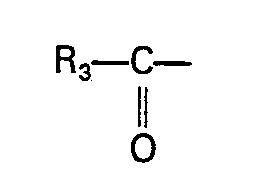
- Compounds (I) have excellent antibacterial and anti-tumour activities and are useful as antibacterial agents or anti-tumour agents. Compounds (I) generally show an enhanced anti-tumour activity and/or reduced bone marrow toxicity in comparison with mitomycin C. That is, Compounds (I) generally have a higher chemotherapeutic index (i.e., LD50/ED50) or WBC4000 (i.e., the minimum dose of a chemical which reduces the peripheral leucocytes number to 4000/mm3) than mitomycin C.
- In Compounds (I) wherein X is

- On the other hand, Compounds (I) wherein R3 is an unsubstituted or substituted phenyl group and Compounds (I) wherein X is

- The pharmacological properties of Compounds (I) were assessed by the following tests.
- Antibacterial activities of Compounds (1) against various bacteria are shown by the minimum growth inhibitory concentration (µg/ml) in Table 3. The minimum growth inhibitory concentration was measured at pH 7.0 according to the agar dilution method. In the table, bacteria are indicated by the following letters.
- SF: Streptococcus faecalis ATCC 10541
- SA: Staphylococcus aureus ATCC 6538P
- BS: Bacillus subtilis 10707
- PV: Proteus vulgaris ATCC 6897
- KP: Klebsiella pneumoniae ATCC 10031
Chemical structures of test compounds are shown in the following Table 8. -

- Anti-tumour activity against Sarcoma 180 solid tumour and toxicity.
- Taking some of Compounds (I) as examples, antitumour activity (EDso) against Sarcoma 180 solid tumour and acute toxicity (LD50) as well as effect on peripheral leucocytes number (WBC4000) are shown in Table 4.

- The experiments were performed according to the following procedures.
- 5 x 10⁶ cells of Sarcoma 180 solid tumour were intraperitoneally implanted into ddY mice. 7 days later, ascites cells were sampled. The cells were washed once with a sterilized physiological sodium chloride solution and were used to prepare a cell suspension containing 5 x 10⁷ cells per ml with a sterilized physiological sodium chloride solution. On each occasion, 0.1 ml of the cell suspension was subcutaneously implanted into the right axilla of a male mouse (ddY strain; body weight 20 ± 2 g). The test compound was dissolved in a physiological sodium chloride solution with or without addition of Tween 80 (R.T.M.) and was administered into the tail vein of each mouse of a group consisting of 5 mice at a dose of 0.1-0.2 ml, 24 hours after the implantation of the tumour cells.
- The anti-tumour activity was determined in the following manner. 7 days after the implantation, the major axis (a) and the minor axis (b) of the tumour were measured to calculate a value of "a x b2/2" which corresponds to the volume of the tumour. The anti-tumour activity was expressed by the ratio (T/C) of the volume (T) of the tumours of the group of animals administered with the test compound to the corresponding volume (C) of tumours of the untreated animals.
- ED50 shows the amount of a substance needed for reducing the volume of Sarcoma 180 solid tumours in mice to 50% on the basis of the corresponding volume of Sarcoma solid tumours in control animals.
- On graph paper, T/C was indicated by an arithmetic scale on the longitudinal axis and the administered amount of the test compound was indicated by a logarithmic scale on the lateral axis. The relationship between the dose and T/C was shown by a straight line determined by the method of least squares, from which a dose corresponding to T/C of 0.5 was obtained.
- Each animal of the test group consisting of 5 ddY mice was administered intraperitoneally once with a test compound. After the administration, the animals were observed for 14 days and deaths were noted. The LD50 was determined by Behrens Körber's method.
- Sarcoma 180 solid tumour cells (5 x 10⁶) were subcutaneously implanted into the right axilla of each mouse (body weight 20 ± 2 g) of a group consisting of 5 male mice (ddY strain). 24 hours after implantation, a test compound was intraperitoneally administered to each animal. 4 days after the administration, blood (each 0.02 ml) was collected from the suborbital plexus vein of each tumour-carrying animal. The collected sample of blood was dispersed in 9.98 ml of Cell-Kit Seven solution (available from Toa Irgo Denshi K.K., Japan). One drop of saponin solution was added to the sample to dissolve erythrocytes and then a microcell counter was used to count the number If leucocytes. On graph paper, the number of leucocytes was indicated by an arithmetic scale on the longitudinal axis and the dose of the test compound was indicated by a logarithmic scale on the lateral axis. The relationship between the number of peripheral leucocytes and the dose of the test compound was plotted and the dose (i.e., WBC4ooo) corresponding to 4000 peripheral leucocytes/mm3 (about half the number of leucocytes of normal mice) was obtained.
- Experiment as to solubility of some of Compounds (I) in water:
- 1 mg of a test compound was added to 100 pl of 0.03 M phosphate buffer (pH 7.0). The mixture was stirred at 22°C for 15 minutes and filtered through Ekicrodisc 3 (disposable filter unit, Gelman Sciences Japan Co.) to remove insoluble matters. The filtrate is a saturated solution of the test compound. Predetermined amount of the saturated solution was injected into a high performance liquid chromatograph [column: YMC-A212 (Cs) (p 6 mm, 150 mm, available from Yamamura Chemicals Lobo K.K., Japan; eluting solvent: 0.01 M-ammonium acetate/methanol, wave length for detection: 254 nm] and peak area of the chromatogram was calculated. Separately, a solution of the test compound in methanol having a certain concentration of the compound was similarly subjected to the chromatography to make the calibration curve. The solubility of the test compound was calculated by the calibration curve.
- The results are shown in Table 5.

- Thus, according to a further feature of the present invention, there are provided pharmaceutical compositions containing as an active ingredient at least one Compound (I) in association with one or more pharmaceutical carriers and/or excipients.
- For use as, for example, anti-tumour agents for mammals including human beings, Compound (I) may be dissolved, for example, in physiological sodium chloride solution, or a glucose, lactose or mannitol injection solution. Administration may be effected, for example, by intravenous injection at a dose of 0.06-5 mg/kg of body weight for one day. Compound (I) may be freeze-dried in accordance with the Pharmacopeia of Japan and a dry powder injectable formulation may be prepared with addition of sodium chloride. The anti-tumour agent may further contain well-known pharmacologically acceptable diluent(s), adjuvant(s) and/or carrier(s) such as salts which fulfil pharmaceutical utility. The dose of a pharmaceutical composition according to the invention may be varied depending upon, for example, the age and symptoms of each patient. The administration schedule may be varied depending upon the dose. Thus, administration may be effected, for example, at intervals of one or three weeks. If desired, oral or rectal administration is also possible, e.g. using the above doses, for which purpose tablets, capsules, powders, granules, suppositories, etc. containing appropriate excipients may be used. If desired, intraarterial, intraperitoneal and intrapleural administrations may also be possible using the above doses. Anti-tumour agents of the present invention are expected to be usable for treating, e.g. chronic lymphocytic leukemia, chronic myelogenous leukemia, cancer of the breast, gastric cancer, cancer of the liver, carcinoma of the colon, cancer of the rectum, lung cancer, cancer of the pancreas, carcinoma colli, carcinoma corporis, head and neck cancer. The proper content of Compound (I) in the anti-tumour agents of the present invention is 0.01-20 mg in 20-50 ml when used as injections, and is 0.001-85 weight percent when used as tablets, capsules, powders, granules or suppositories.
- Certain specific embodiments of the present invention are illustrated by the following examples and reference examples. Physicochemical data of each compound were obtained by using the following devices.
-
- IR: Shimadzu IR-27-G (measured by KBr method)
- NMR: JEOL FX-100 Spectrometer (100 MHz) or Brucker AM400 Spectrometer (400MHz). Solvents used were CDCI3 in Compounds (I) wherein X is

- MS: Hitachi M-80B Mass Spectrometer (El method or SI method)
- M.P.: Yanagimoto micro melting point apparatus (hot plate)
- TLC: Merck Art 5714 (silica gel plate)
- Chemical structures of Compounds (II) and (IV) used in the following examples are shown in Tables 6 and 7, and chemical structures of typical Compounds (I) are shown in Table 8.


- 257.1 mg of triphenylphosphine (hereinafter referred to as TPP) and 193 µl of diisopropyl azodicarboxylate (hereinafter referred to as DIAD) were dissolved in 2.0 ml of anhydrous tetrahydrofuran. The solution was stirred for 30 minutes in nitrogen atmosphere under cooling with ice water. To this solution was added 2 ml of anhydrous THF solution containing 185.3 mg of Compound 1 and 70.1 pl of thioacetic acid, and the solution was stirred further for 15 minutes with ice-cooling. Then the reaction solution was diluted with ethyl acetate (50 ml), followed by washing with a saturated aqueous solution of sodium bicarbonate. After removal of the ethyl acetate layer, the layer of the aqueous sodium bicarbonate solution was extracted three times with ethyl acetate (each 50 ml). The ethyl acetate layer were combined, washed with a saturated aqueous sodium bicarbonate solution and a saturated aqueous sodium chloride solution, and then dried over anhydrous sodium sulfate. After removal of the drying agent by filtration, solvent was evaporated under reduced pressure. The residue was chromatographed by using a column packed with silica gel (60 g). Elution was effected with a solvent system of chloroform/acetone/methanol (70:25:5). By TLC using the same solvent system as above, blue fractions showing an Rf value of 0.34 were collected and combined.
- After evaporating the solvent under reduced pressure, the residue was dissolved in a small amount of chloroform and powderized with addition of n-hexane. The solvent was evaporated under reduced pressure, and the residue was held at room temperature under reduced pressure to remove the solvent adequately, whereby Compound 1 (180.7 mg; 84.6%) was obtained as grayish blue powder.
- Starting material, reagent, appearance, yield, M.P. and MS of Compound 1 and Compounds 2-12 synthesized in the same manner as described above are shown in Table 9, and IR and NMR of these compounds in Table 10.


- 328 mg of TPP and 246 pl of DIAD were dissolved in anhydrous tetrahydrofuran (3.0 ml), and the solution were stirred for 30 minutes in argon atmosphere under cooling with ice water. To this solution was added 3.0 ml of anhydrous tetrahydrofuran which contained 189 mg of Compound b and 195 mg of 4-fluorothiobenzoic acid purified by sublimation. The mixture was stirred for 5 minutes under ice-cooling, diluted with ethyl acetate (50 ml) and washed with a saturated aqueous solution of sodium bicarbonate. After removing the ethyl acetate layer, the sodium bicarbonate solution layer was extracted twice with ethyl acetate. The ethyl acetate layers were combined, washed six times with 50 ml of a saturated aqueous solution of sodium bicarbonate and once with a saturated aqueous sodium chloride solution, and then dried over anhydrous sodium sulfate. The drying agent was removed by filtration, followed by evaporating the solvent under reduced pressure. The residue was chromatographed using a column packed with silica gel (75 g). Elution was effected with chloroform/methanol (93:7). Blue fractions which showed an Rf value of 0.33 by TLC using chloroform/methanol (9:1) were collected and combined. The solvent was evaporated under reduced pressure. The residue was dissolved in a small amount of chloroform and powderized with n-hexane. The solvent was evaporated under reduced pressure. The residue was held at room temperature under reduced pressure to remove the solvent adequately, whereby Compound 19 (213 mg; 82.5%) was obtained as grayish green powder.
- Starting material, reagent, appearance, yield, M.P. and MS of Compound 19 and Compounds 13-18 and 20-25 synthesized in the same manner as described above are shown in Table 11, and IR and NMR of these compounds in Table 12.


- 328 mg of TPP and 246 pl of DIAD were dissolved in anhydrous tetrahydrofuran (3 ml). The solution was stirred for 40 minutes in argon atmosphere under cooling with ice water. To the solution was added a solution of Compound b (189 mg) and dit]1ioacetic acid (93 ul) in tetrahydrofuran (5 ml). After stirring the mixture for 40 minutes under ice-cooling, the reaction solution was diluted with ethyl acetate (50 ml) and washed with a saturated aqueous solution of sodium bicarbonate. After removal of the ethyl acetate layer, the sodium bicarbonate solution layer was extracted three times with 50 ml of ethyl acetate. The ethyl acetate layers were combined together, washed with a saturated aqueous solution of sodium bicarbonate (50 ml) and with a saturated aqueous solution of sodium chloride, and dried over anhydrous sodium sulfate. The drying agent was removed by filtration, and the solvent was removed by evaporation under reduced pressure. The residue was chromatographed using a column packed with silica gel (75 g). Elution was effected with chloroform/methanol (95:5). Blue fractions which showed an Rf value of 0.37 by TLC chloroform/methanol (9:1) were collected and combined. After removal of the solvent by evaporation under reduced pressure, the residue was chromatographed using a column packed with silica gel (50 g). Elution was effected with chloroform/acetone/methanol (70:25:5). Blue fractions which showed an Rf value of 0.26 by TLC using the same solvent system as above were collected and combined. After removing the solvent by evaporation under reduced pressure, the residue was dissolved in a small amount of chloroform and powderized with n-hexane. The solvent was evaporated off under reduced pressure, and the residue was dried at 35°C overnight under reduced pressure to obtain Compound 27 (155 mg; 68.7%) as grayish green powder.
- Starting material, reagent, appearance, yield, M.P. and MS of Compound 27 and Compounds 26 and 28-31 synthesized in the same manner as described above are shown in Table 13, and IR and NMR of these compounds in Table 14.


- 33.0 mg of Compound p was dissolved in anhydrous dimethylsulfoxide (1 ml), and the solution was stirred in argon atmosphere at room temperature. Then, 40.1 mg of potassium thioacetate was added thereto and the mixture was stirred for one hour. The reaction solution was diluted with chloroform (30 ml) and washed with a saturated aqueous solution of sodium bicarbonate. After removal of the chloroform layer, the sodium bicarbonate solution layer was twice extracted with 30 ml of chloroform. The chloroform layers were combined together, washed with a saturated aqueous solution of sodium bicarbonate and with a saturated aqueous solution of sodium chloride, and dried over anhydrous sodium sulfate. After removal of the drying agent by filtration, solvent was evaporated off under reduced pressure. The residue was subjected to silica gel thin layer chromatography [developing solvent, chloroform/methanol (9: 1)], and the blue part exhibiting an Rf value of 0.42 was scraped and eluted using the same solvent system. After the solvent was removed by evaporation under reduced pressure, the residue was dissolved in a small amount of chloroform and powderized with n-hexane. The solvent was evaporated off under reduced pressure and the residue was held at room temperature under reduced pressure to remove the solvent adequately, whereby Compound 8 (24.8 mg, 78.5%) was obtained as grayish green powder.
- Appearance, M.P., MS, IR and NMR of Compound 8 and Compounds 1, 7, 17, 18, 21, 24 and 25 synthesized in the same manner as described above substantially accorded with those exhibited in Tables 9, 10, 11 and 12. Starting material, reagent and yield of these compounds are shown in Table 15.

- Compound 1 (20 g) and purified mannitol (40 g) are dissolved in water for injection to make the volume of 20 I. After the solution is aseptically filtered, 5 ml portions of the solution are put into brown vials and freeze-dried in a conventional manner to obtain freeze-dried preparations of 5 mg/vial.
- Lactose (400 g), calcium carbonate (1200 g) and carboxymethylcellulose calcium (300 g) are mixed, and 16% aqueous hydroxypropylmethylcellulose (500 g) is added thereto. The mixture is kneaded, granulated and dried in a conventional manner to prepare granules. The granules are mixed with addition of Compound 18 (10 g) and then with addition of magnesium stearate (10 g). The mixture is compressed with a tableting machine having a punch (diameter: 8 mm) (Model RT-15, Kikusui Seisakusho Co.) to obtain tablets (200 mg/tablet). The tablet contains 1 mg of Compound 18 per tablet.
- Compound 26 (50 g), crystalline cellulose (170 g), lower-substituted hydroxypropylcellulose (17 g) and magnesium stearate (3 g) are mixed in a 11-V-type blender. The mixture is compressed with a tableting machine having a punch (diameter: 9 mm) (Model RT-15 rotary type, Kikusui Seisakusho Co.) to obtain tablets (240 mg/tablet). The tablet contains 50 mg of Compound 26 per tablet.
- 524 mg of mitomycin B was dissolved in methanol (5 ml) and 3-amino-1-propanol (126.21.11) was added to the solution. The mixture was stirred at room temperature for 2 hours and 40 minutes. The solvent was removed by evaporation under reduced pressure and the residue was chromatographed over silica gel (60 g) in a column. Elution was effected with chloroform/methanol (9:1) and the fractions exhibiting an Rf value of 0.19 in TLC developed with the same solvent as above were collected and combined. The solvent was evaporated off under reduced pressure. The residue was dissolved in a small amount of a mixed solvent of acetone and chloroform, and powderized with n-hexane. The solvent was evaporated off under reduced pressure and the resulting powder was heated at 50°C for 3 hours under reduced pressure to obtain Compound g (576.2 mg, 98.0%) as dark blue powder.
- Starting material, yield, M.P. and MS of Compound g and Compounds a-f and h-k synthesized in the same manner as described above are shown in Table 16, and IR and NMR of these compounds in Table 17.


- 698 mg of mitomycin was dissolved in methanol (5 ml) and triethylamine (420 pl) was added to the solution. 290 mg of 2-chloroethylamine hydrochloride was added thereto, and the mixture was stirred at room temperature for 3 hours and allowed to stand overnight in a refrigerator. The reaction solution was diluted with chloroform (100 ml) and poured in a saturated aqueous solution of sodium bicarbonate. The chloroform layer was removed, and the sodium bicarbonate solution layer was extracted with chloroform (100 ml). The chloroform layer was washed with a saturated aqueous solution of sodium bicarbonate and with a saturated aqueous sodium chloride solution, and dried over anhydrous sodium sulfate. After the drying agent was removed by filtration, the solvent was evaporated off under reduced pressure. The residue was chromatographed over silica gel (150 g) in a column and eluted with chloroform/methanol (96:4). The blue fractions exhibiting an Rf value of 0.31 in TLC using chloroform/methanol (9:1) were combined. After the solvent was evaporated off under reduced pressure, the residue was dissolved in a small amount of chloroform and powderized with n-hexane. The solvent was evaporated off under reduced pressure, and the residue was held at room temprature under reduced pressure to remove the solvent adequately, whereby Compound o (528 mg, 66.6%) was obtained as greenish blue powder.
- 98 mg of 7-N-(3-hydroxypropyl) mitomycin D was dissolved in anhydrous pyridine (2 ml) and methanesulfonyl chloride (39 ul) was added thereto with ice-cooling and stirring. 3 hours thereafter, the reaction solution was diluted with ethyl acetate (50 ml) and poured in a saturated aqueous solution of sodium bicarbonate. After removal of the ethyl acetate layer, the sodium bicarbonate solution layer was twice extracted with 50 ml of ethyl acetate. The ethyl acetate layers were combined, washed with a saturated aqueous sodium bicarbonate solution and with a saturated aqueous sodium chloride solution, and dried over anhydrous sodium sulfate. After the drying agent was removed by filtration, the solvent was evaporated off under reduced pressure. The residue was chromatographed over silica gel (40 g) in a column. Elution was effected with chloroform/methanol (9:1) and the blue fractions exhibiting an Rf value of 0.32 in TLC developed with the same solvent system as above were collected and combined. The solvent was evaporated off under reduced pressure and the residue was held at room temperature under reduced pressure to remove the solvent adequately, whereby Compound p (47.3 mg, 40.3%) was obtained as grayish green powder.
- Starting materials, yield, M.P. and MS of Compounds o and p and Compounds I, m, n, q and r synthesized in the same manner as above are shown in Table 18, and IR and NMR of these compounds in Table 19.


Claims (10)


and compounds of formula (IV) as defined in claim 9 except the following compounds:
Applications Claiming Priority (6)
| Application Number | Priority Date | Filing Date | Title |
|---|---|---|---|
| JP76047/85 | 1985-04-10 | ||
| JP7604785 | 1985-04-10 | ||
| JP21044185 | 1985-09-24 | ||
| JP210441/85 | 1985-09-24 | ||
| JP271742/85 | 1985-12-03 | ||
| JP27174285 | 1985-12-03 |
Publications (2)
| Publication Number | Publication Date |
|---|---|
| EP0197799A1 EP0197799A1 (en) | 1986-10-15 |
| EP0197799B1 true EP0197799B1 (en) | 1990-09-12 |
Family
ID=27302034
Family Applications (1)
| Application Number | Title | Priority Date | Filing Date |
|---|---|---|---|
| EP86302635A Expired - Lifetime EP0197799B1 (en) | 1985-04-10 | 1986-04-09 | Pharmacologically active mitomycin derivatives |
Country Status (4)
| Country | Link |
|---|---|
| US (1) | US4771068A (en) |
| EP (1) | EP0197799B1 (en) |
| JP (1) | JPH066591B2 (en) |
| DE (1) | DE3674043D1 (en) |
Families Citing this family (6)
| Publication number | Priority date | Publication date | Assignee | Title |
|---|---|---|---|---|
| ZA86308B (en) * | 1985-02-25 | 1986-11-26 | Bristol Myers Co | In-vial deposition of 7-(dimethylaminomethylene)amino-9a-methoxy-mitosane |
| JPS63150282A (en) * | 1986-12-13 | 1988-06-22 | Kyowa Hakko Kogyo Co Ltd | Mitomycin derivative |
| JPH0249786A (en) * | 1988-05-30 | 1990-02-20 | Kyowa Hakko Kogyo Co Ltd | Novel mitomycin derivative and intermediate thereof |
| AU628846B2 (en) * | 1988-08-23 | 1992-09-24 | Georgetown University | Mitomycin derivatives having reduced bone marrow toxicity, processes for their preparation, and the uses thereof |
| JPH02167282A (en) * | 1988-09-09 | 1990-06-27 | Kyowa Hakko Kogyo Co Ltd | Mitomycin derivative |
| US5091523A (en) * | 1990-04-25 | 1992-02-25 | Georgetown University | Mitomycin derivatives having reduced bone marrow toxicity, processes for their preparation, and the uses thereof |
Citations (2)
| Publication number | Priority date | Publication date | Assignee | Title |
|---|---|---|---|---|
| EP0116208A1 (en) * | 1982-12-07 | 1984-08-22 | Kyowa Hakko Kogyo Co., Ltd. | Mitomycin analogues |
| DE3413489A1 (en) * | 1983-04-11 | 1984-10-11 | Bristol-Myers Co., New York, N.Y. | MITOMYCIN C DERIVATIVES, METHOD FOR THE PRODUCTION THEREOF AND PHARMACEUTICAL AGENTS CONTAINING IT |
Family Cites Families (13)
| Publication number | Priority date | Publication date | Assignee | Title |
|---|---|---|---|---|
| US2140799A (en) * | 1935-03-28 | 1938-12-20 | Andrew A Kucher | Multiple light sensitive tube |
| NL129868C (en) * | 1963-06-07 | |||
| US3332944A (en) * | 1964-11-02 | 1967-07-25 | American Cyanamid Co | Antibiotic derivatives of mitomycins a, b, c and porfiromycin |
| JPS5673085A (en) * | 1979-11-20 | 1981-06-17 | Kyowa Hakko Kogyo Co Ltd | Preparation of mitomycin |
| US4268676A (en) * | 1979-12-05 | 1981-05-19 | University Patents, Inc. | Mitomycin analogs |
| US4617389A (en) * | 1981-05-15 | 1986-10-14 | University Patents, Inc. | Mitomycin analogs |
| NZ199617A (en) * | 1981-05-15 | 1985-08-30 | University Patents Inc | Azirino(2',3',:3,4)pyrrolo(1,2-a)indole-4,7-dione derivatives and pharmaceutical compositions |
| ZA833967B (en) * | 1982-06-04 | 1984-02-29 | Bristol Myers Co | Amidines |
| JPS59175493A (en) * | 1983-03-25 | 1984-10-04 | Kyowa Hakko Kogyo Co Ltd | Mitomycin derivative and its preparation |
| JPS59104386A (en) * | 1982-12-07 | 1984-06-16 | Kyowa Hakko Kogyo Co Ltd | Mitomycin derivative |
| KR840008362A (en) * | 1983-04-11 | 1984-12-14 | 사무엘 제이. 두보프 | Amino disulfate |
| US4567256A (en) * | 1983-05-09 | 1986-01-28 | Bristol-Myers Company | Amidine process |
| GB2140779B (en) * | 1983-06-01 | 1986-09-17 | Horticultural Containers Limit | Collapsible containers |
-
1986
- 1986-04-09 EP EP86302635A patent/EP0197799B1/en not_active Expired - Lifetime
- 1986-04-09 JP JP61081808A patent/JPH066591B2/en not_active Expired - Lifetime
- 1986-04-09 DE DE8686302635T patent/DE3674043D1/en not_active Expired - Lifetime
- 1986-04-10 US US06/850,200 patent/US4771068A/en not_active Expired - Fee Related
Patent Citations (3)
| Publication number | Priority date | Publication date | Assignee | Title |
|---|---|---|---|---|
| EP0116208A1 (en) * | 1982-12-07 | 1984-08-22 | Kyowa Hakko Kogyo Co., Ltd. | Mitomycin analogues |
| DE3413489A1 (en) * | 1983-04-11 | 1984-10-11 | Bristol-Myers Co., New York, N.Y. | MITOMYCIN C DERIVATIVES, METHOD FOR THE PRODUCTION THEREOF AND PHARMACEUTICAL AGENTS CONTAINING IT |
| GB2140799A (en) * | 1983-04-11 | 1984-12-05 | Bristol Myers Co | Pyrroloindole derivatives |
Also Published As
| Publication number | Publication date |
|---|---|
| DE3674043D1 (en) | 1990-10-18 |
| US4771068A (en) | 1988-09-13 |
| JPS62228078A (en) | 1987-10-06 |
| JPH066591B2 (en) | 1994-01-26 |
| EP0197799A1 (en) | 1986-10-15 |
Similar Documents
| Publication | Publication Date | Title |
|---|---|---|
| US4691024A (en) | New mitomycin derivatives, preparation thereof and pharmaceutical compositions containing them | |
| EP0116208B1 (en) | Mitomycin analogues | |
| EP0280741B1 (en) | Mitomycin derivatives | |
| GB2053894A (en) | Benzodiazepines processes for producing them and compositions containing them | |
| GB2079270A (en) | Imidazo-rifamycin derivatives | |
| US4268676A (en) | Mitomycin analogs | |
| IL96643A (en) | Chiral 3'-deamino-3'-(2"(S)-methoxy-4"-morpholinyl)-doxorubicin, its preparation and pharmaceutical compositions containing it | |
| US4771068A (en) | Mitomycin derivatives having anti-tumor and antibacterial utility | |
| CA1285567C (en) | Disulfide derivatives of pyrroloindole | |
| GB2062640A (en) | Fosfomycin salt | |
| KR900008570B1 (en) | Substituted 7-oxomitoic acid and preparation method thereof | |
| US4650869A (en) | DX-52-1 compounds and process for preparing the same | |
| US4748251A (en) | 7-n-aminomethylenemitomycin derivative | |
| EP0284380B1 (en) | Mitomycin derivatives | |
| EP0272063B1 (en) | Mitomycin derivatives | |
| US4460599A (en) | Mitomycin analogs | |
| US4576945A (en) | Hexaalkylmelamine-amino-oxy compounds | |
| EP0378706B1 (en) | 5-substituted uridine derivatives and intermediates for their preparation | |
| JPS6155918B2 (en) | ||
| US5155209A (en) | R-(+) enantiomeric form of 7-(2, 3-epoxypropoxy) actinomycin D | |
| EP0485904B1 (en) | Mitomycin derivatives | |
| AU7792391A (en) | Mitomycin derivatives having reduced bone marrow toxicity, processes for their preparation, and the uses thereof | |
| EP0537555B1 (en) | Crystalline etoposide 4'-phosphate diethanolate | |
| JP2642134B2 (en) | Mitomycin derivative | |
| US4885304A (en) | Mitomycin analogs |
Legal Events
| Date | Code | Title | Description |
|---|---|---|---|
| PUAI | Public reference made under article 153(3) epc to a published international application that has entered the european phase |
Free format text: ORIGINAL CODE: 0009012 |
|
| AK | Designated contracting states |
Kind code of ref document: A1 Designated state(s): DE FR GB IT |
|
| 17P | Request for examination filed |
Effective date: 19861220 |
|
| 17Q | First examination report despatched |
Effective date: 19880629 |
|
| GRAA | (expected) grant |
Free format text: ORIGINAL CODE: 0009210 |
|
| AK | Designated contracting states |
Kind code of ref document: B1 Designated state(s): DE FR GB IT |
|
| REF | Corresponds to: |
Ref document number: 3674043 Country of ref document: DE Date of ref document: 19901018 |
|
| ET | Fr: translation filed | ||
| ITF | It: translation for a ep patent filed | ||
| PLBE | No opposition filed within time limit |
Free format text: ORIGINAL CODE: 0009261 |
|
| STAA | Information on the status of an ep patent application or granted ep patent |
Free format text: STATUS: NO OPPOSITION FILED WITHIN TIME LIMIT |
|
| 26N | No opposition filed | ||
| ITTA | It: last paid annual fee | ||
| PGFP | Annual fee paid to national office [announced via postgrant information from national office to epo] |
Ref country code: FR Payment date: 19980320 Year of fee payment: 13 |
|
| PGFP | Annual fee paid to national office [announced via postgrant information from national office to epo] |
Ref country code: GB Payment date: 19980402 Year of fee payment: 13 |
|
| PGFP | Annual fee paid to national office [announced via postgrant information from national office to epo] |
Ref country code: DE Payment date: 19980427 Year of fee payment: 13 |
|
| PG25 | Lapsed in a contracting state [announced via postgrant information from national office to epo] |
Ref country code: GB Free format text: LAPSE BECAUSE OF NON-PAYMENT OF DUE FEES Effective date: 19990409 |
|
| GBPC | Gb: european patent ceased through non-payment of renewal fee |
Effective date: 19990409 |
|
| PG25 | Lapsed in a contracting state [announced via postgrant information from national office to epo] |
Ref country code: FR Free format text: LAPSE BECAUSE OF NON-PAYMENT OF DUE FEES Effective date: 19991231 |
|
| REG | Reference to a national code |
Ref country code: FR Ref legal event code: ST |
|
| PG25 | Lapsed in a contracting state [announced via postgrant information from national office to epo] |
Ref country code: DE Free format text: LAPSE BECAUSE OF NON-PAYMENT OF DUE FEES Effective date: 20000201 |
|
| PG25 | Lapsed in a contracting state [announced via postgrant information from national office to epo] |
Ref country code: IT Free format text: LAPSE BECAUSE OF NON-PAYMENT OF DUE FEES Effective date: 20050409 |