EP0182495B1 - Immunoassay means and methods useful in human native prothrombin and human abnormal prothrombin determinations - Google Patents
Immunoassay means and methods useful in human native prothrombin and human abnormal prothrombin determinations Download PDFInfo
- Publication number
- EP0182495B1 EP0182495B1 EP85307407A EP85307407A EP0182495B1 EP 0182495 B1 EP0182495 B1 EP 0182495B1 EP 85307407 A EP85307407 A EP 85307407A EP 85307407 A EP85307407 A EP 85307407A EP 0182495 B1 EP0182495 B1 EP 0182495B1
- Authority
- EP
- European Patent Office
- Prior art keywords
- prothrombin
- abnormal
- human
- patients
- antigen
- Prior art date
- Legal status (The legal status is an assumption and is not a legal conclusion. Google has not performed a legal analysis and makes no representation as to the accuracy of the status listed.)
- Expired - Lifetime
Links
Images

Classifications
-
- G—PHYSICS
- G01—MEASURING; TESTING
- G01N—INVESTIGATING OR ANALYSING MATERIALS BY DETERMINING THEIR CHEMICAL OR PHYSICAL PROPERTIES
- G01N33/00—Investigating or analysing materials by specific methods not covered by groups G01N1/00 - G01N31/00
- G01N33/48—Biological material, e.g. blood, urine; Haemocytometers
- G01N33/50—Chemical analysis of biological material, e.g. blood, urine; Testing involving biospecific ligand binding methods; Immunological testing
- G01N33/86—Chemical analysis of biological material, e.g. blood, urine; Testing involving biospecific ligand binding methods; Immunological testing involving blood coagulating time or factors, or their receptors
-
- C—CHEMISTRY; METALLURGY
- C07—ORGANIC CHEMISTRY
- C07K—PEPTIDES
- C07K16/00—Immunoglobulins [IG], e.g. monoclonal or polyclonal antibodies
- C07K16/18—Immunoglobulins [IG], e.g. monoclonal or polyclonal antibodies against material from animals or humans
- C07K16/28—Immunoglobulins [IG], e.g. monoclonal or polyclonal antibodies against material from animals or humans against receptors, cell surface antigens or cell surface determinants
- C07K16/30—Immunoglobulins [IG], e.g. monoclonal or polyclonal antibodies against material from animals or humans against receptors, cell surface antigens or cell surface determinants from tumour cells
- C07K16/3038—Kidney, bladder
-
- C—CHEMISTRY; METALLURGY
- C07—ORGANIC CHEMISTRY
- C07K—PEPTIDES
- C07K16/00—Immunoglobulins [IG], e.g. monoclonal or polyclonal antibodies
- C07K16/18—Immunoglobulins [IG], e.g. monoclonal or polyclonal antibodies against material from animals or humans
- C07K16/36—Immunoglobulins [IG], e.g. monoclonal or polyclonal antibodies against material from animals or humans against blood coagulation factors
-
- Y—GENERAL TAGGING OF NEW TECHNOLOGICAL DEVELOPMENTS; GENERAL TAGGING OF CROSS-SECTIONAL TECHNOLOGIES SPANNING OVER SEVERAL SECTIONS OF THE IPC; TECHNICAL SUBJECTS COVERED BY FORMER USPC CROSS-REFERENCE ART COLLECTIONS [XRACs] AND DIGESTS
- Y10—TECHNICAL SUBJECTS COVERED BY FORMER USPC
- Y10S—TECHNICAL SUBJECTS COVERED BY FORMER USPC CROSS-REFERENCE ART COLLECTIONS [XRACs] AND DIGESTS
- Y10S435/00—Chemistry: molecular biology and microbiology
- Y10S435/81—Packaged device or kit
-
- Y—GENERAL TAGGING OF NEW TECHNOLOGICAL DEVELOPMENTS; GENERAL TAGGING OF CROSS-SECTIONAL TECHNOLOGIES SPANNING OVER SEVERAL SECTIONS OF THE IPC; TECHNICAL SUBJECTS COVERED BY FORMER USPC CROSS-REFERENCE ART COLLECTIONS [XRACs] AND DIGESTS
- Y10—TECHNICAL SUBJECTS COVERED BY FORMER USPC
- Y10S—TECHNICAL SUBJECTS COVERED BY FORMER USPC CROSS-REFERENCE ART COLLECTIONS [XRACs] AND DIGESTS
- Y10S436/00—Chemistry: analytical and immunological testing
- Y10S436/807—Apparatus included in process claim, e.g. physical support structures
- Y10S436/808—Automated or kit
-
- Y—GENERAL TAGGING OF NEW TECHNOLOGICAL DEVELOPMENTS; GENERAL TAGGING OF CROSS-SECTIONAL TECHNOLOGIES SPANNING OVER SEVERAL SECTIONS OF THE IPC; TECHNICAL SUBJECTS COVERED BY FORMER USPC CROSS-REFERENCE ART COLLECTIONS [XRACs] AND DIGESTS
- Y10—TECHNICAL SUBJECTS COVERED BY FORMER USPC
- Y10S—TECHNICAL SUBJECTS COVERED BY FORMER USPC CROSS-REFERENCE ART COLLECTIONS [XRACs] AND DIGESTS
- Y10S436/00—Chemistry: analytical and immunological testing
- Y10S436/811—Test for named disease, body condition or organ function
-
- Y—GENERAL TAGGING OF NEW TECHNOLOGICAL DEVELOPMENTS; GENERAL TAGGING OF CROSS-SECTIONAL TECHNOLOGIES SPANNING OVER SEVERAL SECTIONS OF THE IPC; TECHNICAL SUBJECTS COVERED BY FORMER USPC CROSS-REFERENCE ART COLLECTIONS [XRACs] AND DIGESTS
- Y10—TECHNICAL SUBJECTS COVERED BY FORMER USPC
- Y10S—TECHNICAL SUBJECTS COVERED BY FORMER USPC CROSS-REFERENCE ART COLLECTIONS [XRACs] AND DIGESTS
- Y10S436/00—Chemistry: analytical and immunological testing
- Y10S436/815—Test for named compound or class of compounds
-
- Y—GENERAL TAGGING OF NEW TECHNOLOGICAL DEVELOPMENTS; GENERAL TAGGING OF CROSS-SECTIONAL TECHNOLOGIES SPANNING OVER SEVERAL SECTIONS OF THE IPC; TECHNICAL SUBJECTS COVERED BY FORMER USPC CROSS-REFERENCE ART COLLECTIONS [XRACs] AND DIGESTS
- Y10—TECHNICAL SUBJECTS COVERED BY FORMER USPC
- Y10S—TECHNICAL SUBJECTS COVERED BY FORMER USPC CROSS-REFERENCE ART COLLECTIONS [XRACs] AND DIGESTS
- Y10S436/00—Chemistry: analytical and immunological testing
- Y10S436/825—Pretreatment for removal of interfering factors from sample
-
- Y—GENERAL TAGGING OF NEW TECHNOLOGICAL DEVELOPMENTS; GENERAL TAGGING OF CROSS-SECTIONAL TECHNOLOGIES SPANNING OVER SEVERAL SECTIONS OF THE IPC; TECHNICAL SUBJECTS COVERED BY FORMER USPC CROSS-REFERENCE ART COLLECTIONS [XRACs] AND DIGESTS
- Y10—TECHNICAL SUBJECTS COVERED BY FORMER USPC
- Y10S—TECHNICAL SUBJECTS COVERED BY FORMER USPC CROSS-REFERENCE ART COLLECTIONS [XRACs] AND DIGESTS
- Y10S530/00—Chemistry: natural resins or derivatives; peptides or proteins; lignins or reaction products thereof
- Y10S530/808—Materials and products related to genetic engineering or hybrid or fused cell technology, e.g. hybridoma, monoclonal products
Definitions
- This invention relates generally to immunoassay means and methods useful in human native prothrombin and human abnormal prothrombin determinations.
- Prothrombin is a vitamin K dependent plasma protein involved in the final stages of blood coagulation as has been well known for some time. It has a molecular weight of about 72,000 and contains about 12 percent carbohydrate. Prothrombin is a calcium-binding protein that undergoes a conformational transition in the presence of calcium as is known. The proteolytic activation of prothrombin to thrombin is a critical step in normal hemostasis. Prothrombin is synthesized in the liver where a prothrombin precursor undergoes post-translational modification to yield the functional form of prothrombin which is known as "native prothrombin" and contains y-carboxyglutamic acid.
- vitamin K antagonists such as sodium warfarin also known as Coumadin @ , a trademarked produce of Endo Laboratories division of DuPont Corp. of Wilmington, Delaware
- the prothrombin activity in the blood may be significantly diminished. This can be measured indirectly by the prothrombin time, a one- stage coagulation assay, or by direct measurement of prothrombin coagulant activity using prothrombin deficient substrate plasma. Severe liver disease may also be associated with low plasma prothrombin activity. Thus impaired synthesis of protein (liver disease), inadequate supplies of vitamin K (vitamin K deficiency) or drugs that inhibit the action of the vitamin K (sodium warfarin) lead to diminished plasma prothrombin activity in humans and other mammals.
- vitamin K antagonists such as sodium warfarin also known as Coumadin @ , a trademarked produce of Endo Laboratories division of DuPont Corp. of Wilmington, Delaware
- Coumadin @ is the trade name for warfarin. When Coumadin @ is used as an oral anticoagulant as is widely done in the therapy or prevention of thrombotic disease, it lowers the activity of vitamin K dependent blood coagulation proteins such as prothrombin. The appropriate Coumadin dose is established by monitoring the prothrombin time. The prothrombin time is maintained at one and a half to two and a half times that obtained with normal plasma.
- abnormal prothrombin In 1968 an altered form of prothrombin known as "abnormal prothrombin” and "human abnormal prothrombin” as opposed to human native prothrombin was discoverd din the plasma of human patients treated with sodium warfarin. Abnormal prothrombin has low prothrombin activity but cross reacts wtih many prothrombin antisera. Abnormal prothrombin from bovine blood was first isolated in 1972. Such abnormal prothrombin was found to have about 3 percent of the coagulant activity of an equivalent amount of native prothrombin. Otherwise, the molecular weight, carbohydrate composition and amino acid composition of the acid hydrolysate were substantially identical within experimental error.
- bovine abnormal prothrombin unlike prothrombin, does not bind to barium salts and does not bind to calcium ions. It was subsequently shown that the functional differences between abnormal and native prothrombin relate to the structural differences between these proteins and full prothrombin function requires intact calcium binding sites.
- a theretofore unknown amino acid y-carboxyglutamic acid occurred in bovine prothrombin and was lacking in abnormal bovine prothrombin. This amino acid seemed to be required for the full expression of prothrombin coagulant activity.
- Abnormal prothrombin is known to have no coagulant activity, does not bind metal ions and does not contain y-carboxyglutamic acid.
- prothrombin is synthesized in the liver in precursor form containing glutamic acid instead of y-carboxyglutamic acid.
- a carboxylation process in the liver modified gluatmic acid to form y-carboxyglutamic acid.
- This enzyme system required vitamin K and is inhibited by vitamin K antagonists.
- prothrombin time determinations Existing methods of evaluating prothrombin and other proteins in the extrinsic pathway of blood coagulation include conventional prothrombin time determinations. This does not detect abnormal prothrombin levels.
- Direct assays for prothrombin coagulant activity are carried out by mixing test plasma with varying ratios of prothrombin deficient plasma followed by clotting and comparison with a standard curve. Only functional prothrombin of the native type is measured.
- Crossed immunoelectrophoresis measures both abnormal and native prothrombin semi-quantitatively but requires similar concentrations in order to prevent the dominant species from obscuring the other, thus limiting application. Laurell rocket immunoelectrophoresis is another difficult and technically demanding test which does not distinguish between the two types of prothrombin.
- Radioimmunoassay of prothrombin has been carried out but the antibodies used in the past bind abnormal as well as normal prothrombin equally (or almost equally) and thus only total prothrombin levels are measured which are insufficient for clinical diagnostic purposes.
- Echis carinatus assays using snake venom are used to measure total prothrombin; in combination with a two-stage prothrombin assay, those assays can be used to estimate the level of abnormal prothrombin indirectly.
- a monoclonal antibody which is reactive with des-y-carboxy human (i.e., abnormal) prothrombin and is unreactive with human native prothrombin in the presence of calcium ions.
- these monoclonal antibodies are advantageously capable of forming complexes with human native prothrombin in the absence of calcium ions.
- the monoclonal antibodies are reactive to form complexes in body fluids for in vitro testing under standard laboratory conditions such as room temperature, standard atmospheric pressure, and normal variations thereof.
- immunoassay procedures known per se can be used which includes enzyme-linked assays and radioimmunoassays.
- the presence or absence of human abnormal prothrombin may be determined by carrying out an immune reaction on a plasma or serum sample with the appropriate monoclonal antibody as described above and qualitatively or quantitatively determining the presence or absence of antibody-antigen complexes using conventional procedures.
- a method of detecting the presence of human des-y-carboxy prothrombin in a biological sample comprising contacting said sample with a monoclonal antibody as described above in the presence of calcium ions, and detecting complexes between said des-y-carboxy prothrombin and said monoclonal antibody as an indication of the presence of said des-y-carboxy prothrombin in said sample.
- the presence of human abnormal prothrombin in the body of humans does not occur at levels above 0.03 micrograms per milliliter of plasma, serum or other body fluids except under conditions of liver disease, when individuals are treated with materials such as vitamin K antagonists, in cases of vitamin K deficiencies or as a result of a metabolic defect resulting in impaired carboxylation. In fact levels below 0.03 micrograms per milliliter of body fluid are believed indicative of such diseases but such lower levels cannot be monitored with the methods of this invention. The presence of any abnormal prothrombin is believed to be indicative of the diseases and disorders noted.
- immunoassay techniques can be used to determine the presence of absence of certain liver disease, to distinguish liver disease from certain other malfunctions of the body wherein there is a variation from normal in abnormal prothrombin, and to determine the amount of sodium warfarin to give patients so as to minimize the risk of thrombosis or bleeding.
- the invention provides, in a third alternative aspect thereof, a method of making a diagnosis of probable primary hepatocellular carcinoma in a human patient comprising carrying out a detection method for human des-y-carboxy prothrombin as defined above on a serum sample from said patient, a level of des-y-carboxy prothrombin equivalent to greater than about 300 ng per milliliter of serum being diagnostic for probable primary hepatocellular carcinoma.
- the monoclonal antibodies of the present invention and the detection method and diagnostic method described above can readily be extinguished from the antibodies described by Lewis et al. in "Conformation-Specific Monoclonal Antibodies directed against the Calcium-Stabilised Structure of Human Prothrombin", Biochemistry 1983,22, 948-954, and any detection methods or diagnostic methods which might be based on such monoclonal antibodies.
- the said paper by Lewis et al. describes the derivation of monoclonal antibodies from eight different clones. The antibodies were all found to bind human native prothrombin and prothrombin fragment 1. Four of these antibodies also bound des-y-carboxy human prothrombin. As to the presence of calcium ions, one antibody was bound to native human prothrombin only in the presence of such ions, but this antibody did not bind des-y-carboxy prothrombin.
- Detection and diagnosis of disorders of prothrombin biosynthesis can be carried out in humans using plasma or serum measurements of abnormal prothrombin.
- the specific assay for abnormal prothrombin is used in human plasma or serum to determine the status of prothrombin biosynthesis. This information can be correlated to specific disease states.
- Normal plasma Plasma and serum from normal individuals contain no detectable abnormal prothrombin.
- the sensitivity and specificity of the assay indicate that abnormal prothrombin can be no greater than 0.03 ⁇ g/ml.
- Native prothrombin at a normal level is about 108 pg/ml.
- Acute Hepatitis Plasma and serum from patients with acute hepatitis contain quantities of abnormal prothrombin that vary from 0.1 pg/ml to 6 pg/mi or higher.
- the native prothrombin level is usually normal, but can be above or below the normal prothrombin range.
- Cirrhosis Plasma and serum from patients with alcoholic cirrhosis have elevated abnormal prothrombin.
- the prothrombin level is usually subnormal.
- Chronic Active Hepatitis Plasma and serum from patients with chronic active hepatitis contain no detectable abnormal prothrombin.
- Vitamin K deficiency Vitamin K deficiency, on the basis of vitamin K malabsorption in the intestine, disorders of the enterohepatic circulation, nutritional deficiency, or antibiotic interference with enteric bacteria, is associated with an abnormal prothrombin and correspondingly low prothrombin. these patients respond to vitamin K.
- Hepatocellular Carcinoma Abnormal prothrombin is uniformly present. Levels vary from low to very high levels. The level of native prothrombin is normal, but variable.
- diagnosis aids include:
- Immunoassay kits can be prepared containing vials of the antibodies of this invention for use in assay techniques.
- vials of labelled or unlabelled antibody specific to human abnormal prothrombin can be prepared and packaged along with other materials for use in RIA or other immunoassay kits.
- the volume of materials in such kits and the number of components of the kits can very greatly.
- Such kits are often distributed along with instruction for carrying out immunoassay techniques to determine the presence or absence and quantitative amounts of the antigens which form antigen-antibody complexes with the antibodies of the kits.
- radioimmunoassays for abnormal prothrombin in human plasma or serum have been developed. These radioimmunoassays involve a standard double antibody precipitation method and radioiodinated antigen.
- the assay for abnormal prothrombin is sensitive to 2 nanograms per milliliter. The limits of detection of abnormal prothrombin in the presence of 150 micrograms of prothrombin is 0.03 micrograms per milliliter.
- Normal plasma contains no abnormal prothrombin. Low levels (0.2 - 8 micrograms per milliliter) of abnormal prothrombin are characteristic of various types of liver disease (hepatitis, cirrhosis, metastatic malignancy, primary hepatocellular carcinoma).
- mice were immunized with the subcutaneous injection of 25 ⁇ g of human abnormal prothrombin in complete Freund's adjuvant. Thirty and 37 days later, 10 ug of abnormal prothrombin were injected in saline. Spleen cell fusions with the Sp 2/0 plasma cell line were carried out by the method of Kohler and Milstein using 28 per cent polyethylene glycol 2000, as previously described. Cells were cultured, selected, and their supernatants assayed using standard methods, as follows:
- Clone J01-1 has been deposited in the ATCC and has been given ATCC Accession Number HB 8638.
- J01-1 antibody which is specific for calcium-free abnormal prothrombin, was carried out as follows. Prothrombin was coupled to cyanogen bromide-activated Sepharose 48 at a protein to resin ration of 2 mg/ml. Two affinity columns were prepared in which the prothrombin was coupled either in the presence or absence of 6 mM EDTA.
- J01-1 culture supernatant was concentrated 4-fold with an Amicon PM 30 membrane and dialyzed into TBS/EDTA (3 mM). This material (1.5 ml) was applied to each prothrombin-Sepharose column (1.0 x 2.3 cm) after equilibration with TBS/EDTA (3 mM). Antibody which bound was eluted with TBS/Ca++ (15 mM) after a one hour incubation in the same buffer.
- the prothrombin binding activity was assayed by a direct binding ELISA.
- a standard curve was constructed from serial dilutions of the antibody preparation.
- Purified monoclonal antibody was concentrated in dialysis tubing using dry sucrose and evaluated for purity on 8.75 percent SDS polyacrylamide gels.
- the isolated J01-1 antibody migrated as a single band upon SDS and Davis gel electrophoresis.
- J01-1 antibodies in tissue culture supernatant was prothrombin and abnormal prothrombin in the presence or absence of 5 mM CaC1 2 was evaluated using the solid phase sandwich ELISA.
- Abnormal prothrombin, deficient in y-carboxyglutamic acid has impaired metal binding properties and does not undergo a metal-induced conformational transition.
- J01-1 antibodies bound to prothrombin only in the presence of EDTA. No binding of antibody to prothrombin was detected in the presence of 5 mM CaC1 2 .
- prothrombin and polypeptide fragments of prothrombin were evaluated using a competition ELISA.
- des-(1-44) prothrombin in the presence of 15 mM CaCI 2 did not bind to the antibody.
- antibodies polyclonal or monoclonal reactive with human abnormal prothrombin and substantially unreactive with native human prothrombin can be used in immunoassays to detect the presence of abnormal prothrombin in a blood or other biological sample of a human patient; the detection of abnormal prothrombin enables a diagnosis of probable liver malfunction to be made.
- the quantification of abnormal prothrombin in a biological sample can further enable the diagnosis of probable primary hepatocellular carcinoma.
- Primary heptocellular carcinoma is a neoplasm known to be associated with syntheis of aberrant and ectopic proteins, including a-fetoprotein, abnormal vitamin B 12 binders, erythropoietin, and abnormal fibrinogens. Some of these proteins, in particular a-fetoprotein, have been used as diagnostic markers for the disease, for which early and accurate diagnosis is important in optimizing treatment and management. The presence of elevated abnormal prothrombin levels is in some respects a superior diagnostic marker for primary hepatocellular carcinoma than are some of the above proteins, as will now be discussed in greater detail.
- Taiwanese patients and 26 American patients with biopsy-confirmed hepatocellular carcinoma were studied. Serum samples were obtained from these patients before therapy. Twenty-eight patients with biopsy-documented hepatitis B surface antigen-positive chronic active hepatitis and 17 patients were metastatic carcinoma involving the liver were also studied. The mean age of the patients with hepatocellular carcinoma was 54 years. Sixty-four percent of those patients were positive for hepatitis B surface antigen.
- hepatitis B surface antibody, hepatitis core antibody, hepatitis B e antigen and hepatitis B e antibody serum markers of hepatitis B infection
- Native prothrombin and abnormal prothrombin were measured in the serum of the patients using polyclonal antibodies, described above, in the above-described competitive radioimmunoassays. Interassay variability was less than ten percent. a-fetoprotein antigen and hepatitis B surface antigen and hepatitis B surface antigen were measured in serum by competition radioimmunoassays (a-Feto-RIA Kit [Dainabot, Tokyo] and AUSRIA Kit [Abbott Laboratories, Chicago]). Prothrombin times were determined in citrated plasma according to standard methods. The data were collected and analyzed by the CLINFO system (VAX 11/730 computer).
- Fig. III The distribution of abnormal-prothrombin antigen and native-prothrombin antigen among the 76 patients with hepatocellular carcinoma is shown in Fig. III (the abnormal prothrombin which varies over five orders of magnitude, is shown on a logarithmic scale). In 91 percent (69 of 76) of these patients there was detectable abnormal prothrombin. The mean for all patients was 900 ng per milliliter (range, 0 to 67,000). There was no correlation between abnormal-prothrombin antigen and native-prothrombin antigen.
- the mean level of native-prothrombin antigen was 90,000 ⁇ 28,000 ng per milliliter which was not significantly different from the level of native prothrombin measured in normal subjects (108,000 ⁇ 19,000 ng per milliliter) (P-0.34, Student's t-test).
- the patients with hepatocellular carcinoma had normal levels of native-prothrombin antigen, unlike patients with vitamin K deficiency who, as discussed above, have depressed levels.
- the level of a-fetoprotein antigen correlated poorly with the clinical course. After resection, the a-fetoprotein level decreased from 230 to 108 ng per milliliter, with an unexplained increase of 1147 ng per milliliter at 14 months and a second decrease to 408 ng per milliliter at 17 months despite recurrence of cancer.
- Another patient had a decrease in abnormal prothrombin from 6000 to 150 ng per milliliter one week after resection (Fig. IV). He was lost to follow-up, but returned 10 months later with clinical evidence of recurrence and a concentration of abnormal-prothrombin antigen of 4200 ng per milliliter. The a-fetoprotein-antigen levels in this patient reflected the clinical course.
- Abnormal-prothrombin antigen was also measured in a 23-year-old woman with biopsy-confirmed a-fetoprotein-negative hepatocellular carcinoma who was treated with systematic chemotherapy (Fig. IV). This patient had a clinical response including a decrease in ascites, a decrease in liver size, improved appetite, and weight gain.
- the abnormal-prothrombin level decreased from a pretreatment value of 5500 ng per milliliter to 320 ng per milliliter.
- Abnormal-prothrombin antigen was also measured in 28 patients with biopsy-proved hepatitis B surface antigen-positive chronic active hepatitis, a disorder associated with the development of primary hepatocellular carcinoma (Fig. V). In these 28 patients the abnormal-prothrombin antigen levels (mean, 10 ng per milliliter) were negligible. Abnormal-prothrombin antigen was also measured in 17 patients with metastatic carcinoma involving the liver - six patients with breast cancer, three with colon cancer, two with pancreatic cancer, three with lung cancer, two with lymphoma, and one with primary adenocarcinoma of unknown origin; serum levels of the antigen were increased, with a mean value of 42 ng per milliliter.
- the a-fetoprotein and abnormal-prothrombin antigen levels were unrelated to the presence or absence of hepatitis surface antigen.
- Th mean value of serum abnormal prothrombin was 974 ng per milliliter (range, 0 to 67,000) in the patients who were surface antigen-positive and 805 ng per milliliter (range, 0 to 23,000) in the patients who were surface antigen-negative.
- abnormal prothrombin is a serum tumor marker for primary hepatocellular carcinoma. This antigen is present in most patients with hepatoma and does not disappear with the administration of parenteral vitamin K. Therefore, these patients do not have vitamin K deficiency. Abnormal-prothrombin antigen, furthermore, is eliminated or reduced with tumor resection and with chemotherapy. This evidence supports the conclusion that abnormal prothrombin results from a hepatoma-induced defect in vitamin K-dependent carboxylation.
- the low levels of abnormal prothrombin seen in nonmalignant hepatocellular disorders such as acute hepatitis, chronic active hepatitis, and cirrhosis may cause occassionally difficult in discriminating these diseases from hepatocellular carcinoma, so it is suggested that a threshold of about 300 ng per milliliter of serum (or the equivalent, if a dilution is used) as being highly suggestive of hepatoma.
- the very low levels of abnormal prothrombin that characterize chronic acute hepatitis - a frequent precursor of hepatocellular carcinoma - may allow detection of malignant transformation in patients with chronic active hepatitis who are monitored for abnormal-prothrombin antigen levels.
- the a-fetoprotein antigen and abnormal-prothrombin antigen can individually identify with high certainty approximately two-thirds of patients with primary hepatocellular carcinoma. These antigens measure alterations of different biochemical processes in the malignant hepatocyte. When used in combination, both tests offer information beyond that obtained with only a single tumor marker. If vitamin K deficiency can be excluded as a diagnostic consideration, these two tests can identify 84 percent of patients with primary hepatocellular carcinoma and are complementary tumor markers in this disease.
Landscapes
- Health & Medical Sciences (AREA)
- Chemical & Material Sciences (AREA)
- Life Sciences & Earth Sciences (AREA)
- Immunology (AREA)
- Hematology (AREA)
- Organic Chemistry (AREA)
- Molecular Biology (AREA)
- Medicinal Chemistry (AREA)
- Engineering & Computer Science (AREA)
- General Health & Medical Sciences (AREA)
- Biochemistry (AREA)
- Urology & Nephrology (AREA)
- Genetics & Genomics (AREA)
- Cell Biology (AREA)
- Biomedical Technology (AREA)
- Proteomics, Peptides & Aminoacids (AREA)
- Biophysics (AREA)
- Biotechnology (AREA)
- Pathology (AREA)
- Microbiology (AREA)
- Food Science & Technology (AREA)
- Analytical Chemistry (AREA)
- Physics & Mathematics (AREA)
- General Physics & Mathematics (AREA)
- Medicines Containing Antibodies Or Antigens For Use As Internal Diagnostic Agents (AREA)
- Peptides Or Proteins (AREA)
- Preparation Of Compounds By Using Micro-Organisms (AREA)
- Micro-Organisms Or Cultivation Processes Thereof (AREA)
- Measuring And Recording Apparatus For Diagnosis (AREA)
- Investigating Or Analysing Biological Materials (AREA)
- Medicines That Contain Protein Lipid Enzymes And Other Medicines (AREA)
Abstract
Description
- This invention relates generally to immunoassay means and methods useful in human native prothrombin and human abnormal prothrombin determinations.
- Prothrombin is a vitamin K dependent plasma protein involved in the final stages of blood coagulation as has been well known for some time. It has a molecular weight of about 72,000 and contains about 12 percent carbohydrate. Prothrombin is a calcium-binding protein that undergoes a conformational transition in the presence of calcium as is known. The proteolytic activation of prothrombin to thrombin is a critical step in normal hemostasis. Prothrombin is synthesized in the liver where a prothrombin precursor undergoes post-translational modification to yield the functional form of prothrombin which is known as "native prothrombin" and contains y-carboxyglutamic acid. In the presence of vitamin K antagonists, such as sodium warfarin also known as Coumadin@, a trademarked produce of Endo Laboratories division of DuPont Corp. of Wilmington, Delaware, or in the absence of vitamin K, the prothrombin activity in the blood may be significantly diminished. This can be measured indirectly by the prothrombin time, a one- stage coagulation assay, or by direct measurement of prothrombin coagulant activity using prothrombin deficient substrate plasma. Severe liver disease may also be associated with low plasma prothrombin activity. Thus impaired synthesis of protein (liver disease), inadequate supplies of vitamin K (vitamin K deficiency) or drugs that inhibit the action of the vitamin K (sodium warfarin) lead to diminished plasma prothrombin activity in humans and other mammals.
- Coumadin@ is the trade name for warfarin. When Coumadin@ is used as an oral anticoagulant as is widely done in the therapy or prevention of thrombotic disease, it lowers the activity of vitamin K dependent blood coagulation proteins such as prothrombin. The appropriate Coumadin dose is established by monitoring the prothrombin time. The prothrombin time is maintained at one and a half to two and a half times that obtained with normal plasma.
- In 1968 an altered form of prothrombin known as "abnormal prothrombin" and "human abnormal prothrombin" as opposed to human native prothrombin was discoverd din the plasma of human patients treated with sodium warfarin. Abnormal prothrombin has low prothrombin activity but cross reacts wtih many prothrombin antisera. Abnormal prothrombin from bovine blood was first isolated in 1972. Such abnormal prothrombin was found to have about 3 percent of the coagulant activity of an equivalent amount of native prothrombin. Otherwise, the molecular weight, carbohydrate composition and amino acid composition of the acid hydrolysate were substantially identical within experimental error. In the early 70s it was discovered that bovine abnormal prothrombin, unlike prothrombin, does not bind to barium salts and does not bind to calcium ions. It was subsequently shown that the functional differences between abnormal and native prothrombin relate to the structural differences between these proteins and full prothrombin function requires intact calcium binding sites. In the mid-70's it was discovered that a theretofore unknown amino acid y-carboxyglutamic acid occurred in bovine prothrombin and was lacking in abnormal bovine prothrombin. This amino acid seemed to be required for the full expression of prothrombin coagulant activity. Abnormal prothrombin is known to have no coagulant activity, does not bind metal ions and does not contain y-carboxyglutamic acid. Other researchers have theorized that prothrombin is synthesized in the liver in precursor form containing glutamic acid instead of y-carboxyglutamic acid. A carboxylation process in the liver modified gluatmic acid to form y-carboxyglutamic acid. This enzyme system required vitamin K and is inhibited by vitamin K antagonists.
- Many efforts have been made in the past to develop quantitative assays for determining the level of prothrombin and abnormal prothrombin in body fluids such as plasma. These methods in the past have had significant limitations. Assays have been difficult to devise in that human abnormal prothrombin and human native prothrombin both have 584 amino acids with 574 of them being identical in the two forms and the 10 remaining differing only by a carboxyl group. Although structurally nearly identical, these proteins have very different functional attributes and play different roles with regard to blood coagulation.
- Existing methods of evaluating prothrombin and other proteins in the extrinsic pathway of blood coagulation include conventional prothrombin time determinations. This does not detect abnormal prothrombin levels. Direct assays for prothrombin coagulant activity are carried out by mixing test plasma with varying ratios of prothrombin deficient plasma followed by clotting and comparison with a standard curve. Only functional prothrombin of the native type is measured. Crossed immunoelectrophoresis measures both abnormal and native prothrombin semi-quantitatively but requires similar concentrations in order to prevent the dominant species from obscuring the other, thus limiting application. Laurell rocket immunoelectrophoresis is another difficult and technically demanding test which does not distinguish between the two types of prothrombin. Radioimmunoassay of prothrombin has been carried out but the antibodies used in the past bind abnormal as well as normal prothrombin equally (or almost equally) and thus only total prothrombin levels are measured which are insufficient for clinical diagnostic purposes. Echis carinatus assays using snake venom are used to measure total prothrombin; in combination with a two-stage prothrombin assay, those assays can be used to estimate the level of abnormal prothrombin indirectly.
- None of the above assays offer a direct, quantitative, easily carried out, sensitive and specific assay for either prothrombin in the presence of abnormal prothrombin or abnormal prothrombin in the presence of normal prothrombin particularly in the human species.
- According to the invention, a monoclonal antibody is provided which is reactive with des-y-carboxy human (i.e., abnormal) prothrombin and is unreactive with human native prothrombin in the presence of calcium ions.
- Unlike polyclonal antibodies to abnormal human prothrombin, these monoclonal antibodies are advantageously capable of forming complexes with human native prothrombin in the absence of calcium ions. Preferably the monoclonal antibodies are reactive to form complexes in body fluids for in vitro testing under standard laboratory conditions such as room temperature, standard atmospheric pressure, and normal variations thereof.
- In the method of carrying out immunoassays to obtain quantitative and qualitative determinations, immunoassay procedures known per se can be used which includes enzyme-linked assays and radioimmunoassays.
- The presence or absence of human abnormal prothrombin may be determined by carrying out an immune reaction on a plasma or serum sample with the appropriate monoclonal antibody as described above and qualitatively or quantitatively determining the presence or absence of antibody-antigen complexes using conventional procedures.
- In accordance with a second and alternative aspect of the present invention, we provide a method of detecting the presence of human des-y-carboxy prothrombin in a biological sample comprising contacting said sample with a monoclonal antibody as described above in the presence of calcium ions, and detecting complexes between said des-y-carboxy prothrombin and said monoclonal antibody as an indication of the presence of said des-y-carboxy prothrombin in said sample.
- The presence of human abnormal prothrombin in the body of humans does not occur at levels above 0.03 micrograms per milliliter of plasma, serum or other body fluids except under conditions of liver disease, when individuals are treated with materials such as vitamin K antagonists, in cases of vitamin K deficiencies or as a result of a metabolic defect resulting in impaired carboxylation. In fact levels below 0.03 micrograms per milliliter of body fluid are believed indicative of such diseases but such lower levels cannot be monitored with the methods of this invention. The presence of any abnormal prothrombin is believed to be indicative of the diseases and disorders noted. Thus, immunoassay techniques can be used to determine the presence of absence of certain liver disease, to distinguish liver disease from certain other malfunctions of the body wherein there is a variation from normal in abnormal prothrombin, and to determine the amount of sodium warfarin to give patients so as to minimize the risk of thrombosis or bleeding.
- Accordingly, the invention provides, in a third alternative aspect thereof, a method of making a diagnosis of probable primary hepatocellular carcinoma in a human patient comprising carrying out a detection method for human des-y-carboxy prothrombin as defined above on a serum sample from said patient, a level of des-y-carboxy prothrombin equivalent to greater than about 300 ng per milliliter of serum being diagnostic for probable primary hepatocellular carcinoma.
- The monoclonal antibodies of the present invention and the detection method and diagnostic method described above can readily be extinguished from the antibodies described by Lewis et al. in "Conformation-Specific Monoclonal Antibodies directed against the Calcium-Stabilised Structure of Human Prothrombin", Biochemistry 1983,22, 948-954, and any detection methods or diagnostic methods which might be based on such monoclonal antibodies. The said paper by Lewis et al. describes the derivation of monoclonal antibodies from eight different clones. The antibodies were all found to bind human native prothrombin and prothrombin fragment 1. Four of these antibodies also bound des-y-carboxy human prothrombin. As to the presence of calcium ions, one antibody was bound to native human prothrombin only in the presence of such ions, but this antibody did not bind des-y-carboxy prothrombin.
- In the drawings:
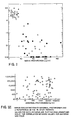
- Fig. I is a graph showing serum concentrations of native and abnormal prothrombin in patients suffering from several medical disorders.
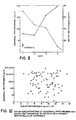
- Fig. II is a graph showing the effects of vitamin K treatment on native and abnormal prothrombin levels in a patient suffering from vitamin K deficiency.
- Fig. III is a graph showing serum concentrations of abnormal and native prothrombin in patients with hepatocellular carcinoma.
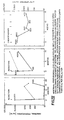
- Fig. IV is a series of three graphs showing serum abnormal prothrombin and a-fetoprotein concentrations in three hepatoma patients.
- Fig. V is a graph showing serum abnormal prothrombin concentrations in patients with three different liver disorders.
- Fig. VI is a graph showing serum abnormal prothrombin and a-fetoprotein concentrations in hepatoma patients.
- Detection and diagnosis of disorders of prothrombin biosynthesis can be carried out in humans using plasma or serum measurements of abnormal prothrombin. The specific assay for abnormal prothrombin is used in human plasma or serum to determine the status of prothrombin biosynthesis. This information can be correlated to specific disease states.
- Normal plasma: Plasma and serum from normal individuals contain no detectable abnormal prothrombin. The sensitivity and specificity of the assay indicate that abnormal prothrombin can be no greater than 0.03 µg/ml. Native prothrombin at a normal level is about 108 pg/ml.
- Acute Hepatitis: Plasma and serum from patients with acute hepatitis contain quantities of abnormal prothrombin that vary from 0.1 pg/ml to 6 pg/mi or higher. The native prothrombin level is usually normal, but can be above or below the normal prothrombin range.
- Cirrhosis: Plasma and serum from patients with alcoholic cirrhosis have elevated abnormal prothrombin. The prothrombin level is usually subnormal.
- Chronic Active Hepatitis: Plasma and serum from patients with chronic active hepatitis contain no detectable abnormal prothrombin.
- Vitamin K deficiency: Vitamin K deficiency, on the basis of vitamin K malabsorption in the intestine, disorders of the enterohepatic circulation, nutritional deficiency, or antibiotic interference with enteric bacteria, is associated with an abnormal prothrombin and correspondingly low prothrombin. these patients respond to vitamin K.
- Metastatic Cancer Involving the Liver: Abnormal prothrombin levels are elevated in patients with cancer involving destruction of the liver.
- Hepatocellular Carcinoma: Abnormal prothrombin is uniformly present. Levels vary from low to very high levels. The level of native prothrombin is normal, but variable.
- Examples of diagnosis aids include:
- (a) A patient with a prolonged prothrombin time with abnormal liver function studies may have liver disease or vitamin K deficiency. The presence of high levels of abnormal prothrombin and modestly low levels of prothrombin suggests vitamin K deficiency. Low levels of abnormal and normal levels of prothrombin indicate liver disease.
- (b) A patient is not feeling well. All hematologic and renal screening tests are normal. An elevated abnormal prothrombin level indicates occult liver disease.
- (c) A hemorrhaging patient with jaundice and significant coagulophathy is found to have an elevated abnormal prothrombin, indicating the diagnosis of liver disease and not intravascular coagulation.
- (d) A "normal" individual develops severe bleeding. A prothrombin time is prolonged. The very high abnormal prothrombin and low prothrombin suggests overdosage of warfarin i.e. factitious ingestion of warfarin.
- (e) A patient with primary melanoma two years earlier develops general constitutional symptoms. The elevated abnormal prothrombin suggest liver infiltration by cancer.
- (f) A patient is treated with warfarin to prevent recurrent thromboembolic disease. The native prothrombin is measured to be 36 pg/ml, despite a prothrombin time in the therapeutic range. The patient is identified at risk to thrombosis. The daily warfarin dose is increased and the native prothrombin monitored on a repair basis.
- Immunoassay kits can be prepared containing vials of the antibodies of this invention for use in assay techniques. For examples, vials of labelled or unlabelled antibody specific to human abnormal prothrombin can be prepared and packaged along with other materials for use in RIA or other immunoassay kits. The volume of materials in such kits and the number of components of the kits can very greatly. Such kits are often distributed along with instruction for carrying out immunoassay techniques to determine the presence or absence and quantitative amounts of the antigens which form antigen-antibody complexes with the antibodies of the kits.
- Using these immunochemicals as reagents, specific radioimmunoassays for abnormal prothrombin in human plasma or serum have been developed. These radioimmunoassays involve a standard double antibody precipitation method and radioiodinated antigen. The assay for abnormal prothrombin is sensitive to 2 nanograms per milliliter. The limits of detection of abnormal prothrombin in the presence of 150 micrograms of prothrombin is 0.03 micrograms per milliliter. Normal plasma contains no abnormal prothrombin. Low levels (0.2 - 8 micrograms per milliliter) of abnormal prothrombin are characteristic of various types of liver disease (hepatitis, cirrhosis, metastatic malignancy, primary hepatocellular carcinoma). Low to high levels of abnormal prothrombin (1-100 micrograms per milliliter) with correspondingly low levels of prothrombin correlated to the degree of vitamin K deficiency. Patients taking sodium warfarin have abnormal prothrombin levels in the range of 35 micrograms per milliliter and prothrombin levels of 10-30 micrograms per milliliter. This measurement of abnormal prothrombin and prothrombin can be used to identify (screen) and diagnose patients with disorders characterized by impaired vitamin K dependent carboxylation. These measurements can also be employed to monitor and control oral anticoagulant therapy. Lastly, they can be used to distinguish between disorders of prothrombin synthesis and disorders of accelerated prothrombin catabolism/clearance.
- While tests are normally carried out in serum or plasma they can also be carried out in whole blood with equivalent results obtained.
- While warfarin monitoring has been described, similar results are obtained when other vitamin K antagonists and anticoagulants are monitored in accordance with the methods of this invention for monitoring oral use of warfarin. Abnormal prothrombin levels in the serum of patients with several medical disorders are given in Table I below.

- Balb/c mice were immunized with the subcutaneous injection of 25 µg of human abnormal prothrombin in complete Freund's adjuvant. Thirty and 37 days later, 10 ug of abnormal prothrombin were injected in saline. Spleen cell fusions with the
Sp 2/0 plasma cell line were carried out by the method of Kohler and Milstein using 28 per cent polyethylene glycol 2000, as previously described. Cells were cultured, selected, and their supernatants assayed using standard methods, as follows: - Cells secreting anti-abnormal prothrombin antibodies were identified with two solid phase ELISA systems using abnormal prothrombin and native prothrombin. Wells which showed significantly greater reactivity with abnormal native prothrombin than prothrombin were cloned by limiting dilution. One clone, designated J01-1, produced antibodies which bound to abnormal prothrombin but reacted minimally with native prothrombin. The monoclonal antibody was defined as an IgG, by Ouchterlony immunodiffusion using type specific antisera.
- Clone J01-1 has been deposited in the ATCC and has been given ATCC Accession Number HB 8638.
- Purification of J01-1 antibody, which is specific for calcium-free abnormal prothrombin, was carried out as follows. Prothrombin was coupled to cyanogen bromide-activated Sepharose 48 at a protein to resin ration of 2 mg/ml. Two affinity columns were prepared in which the prothrombin was coupled either in the presence or absence of 6 mM EDTA.
- J01-1 culture supernatant was concentrated 4-fold with an
Amicon PM 30 membrane and dialyzed into TBS/EDTA (3 mM). This material (1.5 ml) was applied to each prothrombin-Sepharose column (1.0 x 2.3 cm) after equilibration with TBS/EDTA (3 mM). Antibody which bound was eluted with TBS/Ca++ (15 mM) after a one hour incubation in the same buffer. - The prothrombin binding activity was assayed by a direct binding ELISA. A standard curve was constructed from serial dilutions of the antibody preparation. Purified monoclonal antibody was concentrated in dialysis tubing using dry sucrose and evaluated for purity on 8.75 percent SDS polyacrylamide gels. The isolated J01-1 antibody migrated as a single band upon SDS and Davis gel electrophoresis.
- Using the direct binding ELISA, the effect Ca++, Mg++, and Mn++ on the dissociation of the antibody-antigen complex was examined. Immulon II plates containing prothrombin were washed twice with TBS, then 2 percent BSA/TBS/7 mM EDTA for 30 minutes at 23°C. EDTA and contaminating metals were removed from the wells by exhaustive washing with TBS made with water that had been rendered metal-free using a column containing Chelex 100 (BioRad). Purified additional antibody was eluted with 0.1 M glycine, pH 2.5. Under the conditions established, all of the J01-1 antibody was removed from the tissue culture supernatant.
- The results showed that increasing Ca++ concentrations were associated with decreasing antibody-antigen interraction. Half-maximal binding was observed at 0.9 mM CaCl2. In contrast, half-maximal binding was observed at 4 mM MnC12. High concentrations of Mg++ had a limited effect on antibody-antigen displacement.
- The interaction of J01-1 antibodies in tissue culture supernatant was prothrombin and abnormal prothrombin in the presence or absence of 5 mM CaC12 was evaluated using the solid phase sandwich ELISA. J01-1 antibodies bound to abnormal prothrombin in the presence or absence of calcium ions. Abnormal prothrombin, deficient in y-carboxyglutamic acid, has impaired metal binding properties and does not undergo a metal-induced conformational transition. In contrast, J01-1 antibodies bound to prothrombin only in the presence of EDTA. No binding of antibody to prothrombin was detected in the presence of 5 mM CaC12. These results indicated that this monoclonal antibody, specific for abnormal prothrombin, is also conformation-specific for the calcium-free conformer of prothrombin.
- The ability of prothrombin and polypeptide fragments of prothrombin to inhibit the interaction of J01-1 antibody with abnormal prothrombin bound to a solid phase was evaluated using a competition ELISA. Abnormal prothrombin, fragment (1-39), fragment 1, and prothrombin in the presence of 7 mM EDTA bound effectively to the J01-1 antobody. Within experimental error, it would appear that J01-1 antibody bound equivalently to an antigenic determinant expressed on these polypeptides. In contrast, des-(1-44) prothrombin in the presence of 15 mM CaCI2 did not bind to the antibody. These results indicate that the antigenic determinant against which J01-1 antibody is directed on prothrombin and abnormal prothrombin is contained within the NH2-terminal 1 to 39 amino acid residues of prothrombin and is fully expressed on fragment (1-39).
- As discussed above, antibodies (polyclonal or monoclonal) reactive with human abnormal prothrombin and substantially unreactive with native human prothrombin can be used in immunoassays to detect the presence of abnormal prothrombin in a blood or other biological sample of a human patient; the detection of abnormal prothrombin enables a diagnosis of probable liver malfunction to be made. We have discovered that the quantification of abnormal prothrombin in a biological sample can further enable the diagnosis of probable primary hepatocellular carcinoma.
- Primary heptocellular carcinoma is a neoplasm known to be associated with syntheis of aberrant and ectopic proteins, including a-fetoprotein, abnormal vitamin B12 binders, erythropoietin, and abnormal fibrinogens. Some of these proteins, in particular a-fetoprotein, have been used as diagnostic markers for the disease, for which early and accurate diagnosis is important in optimizing treatment and management. The presence of elevated abnormal prothrombin levels is in some respects a superior diagnostic marker for primary hepatocellular carcinoma than are some of the above proteins, as will now be discussed in greater detail.
- Fifty Taiwanese patients and 26 American patients with biopsy-confirmed hepatocellular carcinoma were studied. Serum samples were obtained from these patients before therapy. Twenty-eight patients with biopsy-documented hepatitis B surface antigen-positive chronic active hepatitis and 17 patients were metastatic carcinoma involving the liver were also studied. The mean age of the patients with hepatocellular carcinoma was 54 years. Sixty-four percent of those patients were positive for hepatitis B surface antigen. When other serum markers of hepatitis B infection (hepatitis B surface antibody, hepatitis core antibody, hepatitis B e antigen and hepatitis B e antibody) were measured in the Taiwanese patients, 41 of the 50 (82 percent) had evidence of hepatitis B infection.
- Native prothrombin and abnormal prothrombin were measured in the serum of the patients using polyclonal antibodies, described above, in the above-described competitive radioimmunoassays. Interassay variability was less than ten percent. a-fetoprotein antigen and hepatitis B surface antigen and hepatitis B surface antigen were measured in serum by competition radioimmunoassays (a-Feto-RIA Kit [Dainabot, Tokyo] and AUSRIA Kit [Abbott Laboratories, Chicago]). Prothrombin times were determined in citrated plasma according to standard methods. The data were collected and analyzed by the CLINFO system (VAX 11/730 computer).
- Because the values for abnormal prothrombin did not follow a normal distribution, statistical analyses included calculation of the geometric mean.
- The distribution of abnormal-prothrombin antigen and native-prothrombin antigen among the 76 patients with hepatocellular carcinoma is shown in Fig. III (the abnormal prothrombin which varies over five orders of magnitude, is shown on a logarithmic scale). In 91 percent (69 of 76) of these patients there was detectable abnormal prothrombin. The mean for all patients was 900 ng per milliliter (range, 0 to 67,000). There was no correlation between abnormal-prothrombin antigen and native-prothrombin antigen. The mean level of native-prothrombin antigen was 90,000 ± 28,000 ng per milliliter which was not significantly different from the level of native prothrombin measured in normal subjects (108,000 ± 19,000 ng per milliliter) (P-0.34, Student's t-test).
- The patients with hepatocellular carcinoma had normal levels of native-prothrombin antigen, unlike patients with vitamin K deficiency who, as discussed above, have depressed levels. The prothrombin-time index, also depressed in vitamin K deficiency, was normal in 46 to 66 patients.
- To exclude the possibility that the elevations of abnormal prothrombin in these patients reflected subclinical vitamin K deficiency, five patients were treated with parenteral doses of vitamin K (20 mg), given as a divided dose on two consecutive days, and their levels of abnormal-prothrombin antigen remeasured after seven days and compared with values in four patients with vitamin K deficiency (Table II). The levels of serum abnormal-prothrombin antigen were not significantly changed in the patients with hepatoma, but were decreased in the patients with vitamin K deficiency, as expected.

- Levels of abnormal prothrombin and a-fetoprotein were measured in two patients who underwent surgical resection of their carcinoma. Before resection, one patient had a serum abnormal-prothrombin level of 11,000 ng per milliliter, which decreased to 15 ng per milliliter by one month after resection (Fig. IV).. After 14 months the patient had not clinical or radiologic evidence of recurrence, and the abnormal-prothrombin antigen remained undetectable. At 17 months after resection, the concentration of abnormal-prothrombin antigen increased to 150 ng per milliliter and a CT scan documented recurrence of the hepatoma.
- The level of a-fetoprotein antigen correlated poorly with the clinical course. After resection, the a-fetoprotein level decreased from 230 to 108 ng per milliliter, with an unexplained increase of 1147 ng per milliliter at 14 months and a second decrease to 408 ng per milliliter at 17 months despite recurrence of cancer.
- Another patient had a decrease in abnormal prothrombin from 6000 to 150 ng per milliliter one week after resection (Fig. IV). He was lost to follow-up, but returned 10 months later with clinical evidence of recurrence and a concentration of abnormal-prothrombin antigen of 4200 ng per milliliter. The a-fetoprotein-antigen levels in this patient reflected the clinical course.
- Abnormal-prothrombin antigen was also measured in a 23-year-old woman with biopsy-confirmed a-fetoprotein-negative hepatocellular carcinoma who was treated with systematic chemotherapy (Fig. IV). This patient had a clinical response including a decrease in ascites, a decrease in liver size, improved appetite, and weight gain. The abnormal-prothrombin level decreased from a pretreatment value of 5500 ng per milliliter to 320 ng per milliliter.
- Abnormal-prothrombin antigen was also measured in 28 patients with biopsy-proved hepatitis B surface antigen-positive chronic active hepatitis, a disorder associated with the development of primary hepatocellular carcinoma (Fig. V). In these 28 patients the abnormal-prothrombin antigen levels (mean, 10 ng per milliliter) were negligible. Abnormal-prothrombin antigen was also measured in 17 patients with metastatic carcinoma involving the liver - six patients with breast cancer, three with colon cancer, two with pancreatic cancer, three with lung cancer, two with lymphoma, and one with primary adenocarcinoma of unknown origin; serum levels of the antigen were increased, with a mean value of 42 ng per milliliter.
- Sixty-seven percent of the patients with primary hepatocellular carcinoma had abnormal-prothrombin levels above 300 ng per milliliter. This exceeds the levels of abnormal prothrombin measured in all patients with chronic active hepatitis, in all but one patient with metastatic carcinoma, and in 90 percent of the patients with acute hepatitis and cirrhosis previously studied. (Blanchard et al. (1981) New England Journal of Medicine 305, 242).
- The a-fetaprotein antigen was measured in the patients with hepatocellular carcinoma and plotted against abnormal-prothrombin antigen (Fig. V). There was a poor correlation between the two antigens (r = 0.3). An a-fetoprotein-antigen level above 400 ng per milliliter has been reported to be highly suggestive of hepatocellular carcinoma, since it excludes elevations reported in most other malignant and non-malignant disorders. In 48 of the above 76 patients (63 percent), the a-fetoprotein-antigen level was above 400 ng per milliliter; among the 28 with lower levels, 16 (57 percent) had abnormal-prothrombin levels above 300 ng per milliliter. When the results of both assays were combined, 64 patients (84 percent) had elevated levels of one or both serum antigens - values highly suggestive of primary hepatocellular carcinoma.
- The a-fetoprotein and abnormal-prothrombin antigen levels were unrelated to the presence or absence of hepatitis surface antigen. Th mean value of serum abnormal prothrombin was 974 ng per milliliter (range, 0 to 67,000) in the patients who were surface antigen-positive and 805 ng per milliliter (range, 0 to 23,000) in the patients who were surface antigen-negative.
- The above results indicate that abnormal prothrombin is a serum tumor marker for primary hepatocellular carcinoma. This antigen is present in most patients with hepatoma and does not disappear with the administration of parenteral vitamin K. Therefore, these patients do not have vitamin K deficiency. Abnormal-prothrombin antigen, furthermore, is eliminated or reduced with tumor resection and with chemotherapy. This evidence supports the conclusion that abnormal prothrombin results from a hepatoma-induced defect in vitamin K-dependent carboxylation.
- The above results indicate that large elevations of abnormal prothrombin can aid in discriminating between primary hepatocellular carcinoma and other liver disorders, including metastatic liver carcinoma. This comports with what is known of prothrombin systhesis; since only the hepatocyte systhesizes and carboxylates prothrombin, large elevations of abnormal-prothrombin antigen should occur only the malignant transformations of the hepatocyte. The low levels of abnormal prothrombin seen in nonmalignant hepatocellular disorders such as acute hepatitis, chronic active hepatitis, and cirrhosis may cause occassionally difficult in discriminating these diseases from hepatocellular carcinoma, so it is suggested that a threshold of about 300 ng per milliliter of serum (or the equivalent, if a dilution is used) as being highly suggestive of hepatoma. The very low levels of abnormal prothrombin that characterize chronic acute hepatitis - a frequent precursor of hepatocellular carcinoma - may allow detection of malignant transformation in patients with chronic active hepatitis who are monitored for abnormal-prothrombin antigen levels.
- The a-fetoprotein antigen and abnormal-prothrombin antigen can individually identify with high certainty approximately two-thirds of patients with primary hepatocellular carcinoma. These antigens measure alterations of different biochemical processes in the malignant hepatocyte. When used in combination, both tests offer information beyond that obtained with only a single tumor marker. If vitamin K deficiency can be excluded as a diagnostic consideration, these two tests can identify 84 percent of patients with primary hepatocellular carcinoma and are complementary tumor markers in this disease.
Claims (7)
Priority Applications (1)
| Application Number | Priority Date | Filing Date | Title |
|---|---|---|---|
| AT85307407T ATE52141T1 (en) | 1984-10-15 | 1985-10-15 | IMMUNOTEST, MEANS AND METHODS FOR DETERMINING NATURAL AND UNUSUAL HUMAN PROTHROMBIN. |
Applications Claiming Priority (2)
| Application Number | Priority Date | Filing Date | Title |
|---|---|---|---|
| US661187 | 1984-10-15 | ||
| US06/661,187 US4769320A (en) | 1982-07-27 | 1984-10-15 | Immunoassay means and methods useful in human native prothrombin and human abnormal prothorombin determinations |
Publications (2)
| Publication Number | Publication Date |
|---|---|
| EP0182495A1 EP0182495A1 (en) | 1986-05-28 |
| EP0182495B1 true EP0182495B1 (en) | 1990-04-18 |
Family
ID=24652562
Family Applications (1)
| Application Number | Title | Priority Date | Filing Date |
|---|---|---|---|
| EP85307407A Expired - Lifetime EP0182495B1 (en) | 1984-10-15 | 1985-10-15 | Immunoassay means and methods useful in human native prothrombin and human abnormal prothrombin determinations |
Country Status (5)
| Country | Link |
|---|---|
| US (1) | US4769320A (en) |
| EP (1) | EP0182495B1 (en) |
| JP (1) | JPS61117457A (en) |
| AT (1) | ATE52141T1 (en) |
| DE (1) | DE3577233D1 (en) |
Families Citing this family (30)
| Publication number | Priority date | Publication date | Assignee | Title |
|---|---|---|---|---|
| US6258938B1 (en) * | 1983-10-28 | 2001-07-10 | Ne Medical Center Hospital, Inc. | Method for the purification and isolation of blood clotting proteins using conformation specific antibodies |
| DE3727610A1 (en) * | 1987-08-19 | 1989-03-02 | Behringwerke Ag | SYNTHETIC PEPTIDES, AGAINST THESE ANTIBODIES AND THEIR USE |
| US5147779A (en) * | 1988-06-01 | 1992-09-15 | Miles Inc. | Method for evaluating immunogenicity |
| US5272263A (en) * | 1989-04-28 | 1993-12-21 | Biogen, Inc. | DNA sequences encoding vascular cell adhesion molecules (VCAMS) |
| US5217870A (en) * | 1989-04-28 | 1993-06-08 | Biogen, Inc. | Monoclonal antibodies against CDX |
| US5532136A (en) * | 1993-06-22 | 1996-07-02 | Bionebraska, Inc. | Monoclonal antibody assay and kit for detecting metal cations in body fluids |
| US20020040008A1 (en) * | 1995-01-24 | 2002-04-04 | Wagner Denisa D. | Method for treating and preventing atherosclerosis |
| CA2230887A1 (en) * | 1996-07-27 | 1998-02-05 | Hiroyoshi Nishihara | Light emitting device, socket device and lighting device |
| US5935802A (en) * | 1998-08-10 | 1999-08-10 | Evanston Northwestern Healthcare Research Institute | Method of assaying a blood sample for prothrombin |
| US7303884B1 (en) | 1999-08-14 | 2007-12-04 | november Aktiengesellschaft Gesellschaft für Molekulare Medizin | Method for indirectly determining the blood-clotting status |
| DE19941447C2 (en) * | 1999-08-14 | 2002-06-27 | November Ag Molekulare Medizin | Procedure for the indirect determination of the blood coagulation status |
| ATE502300T1 (en) * | 2002-12-26 | 2011-04-15 | Nitto Boseki Co Ltd | IMMUNOASSAY PROCEDURE |
| EP2275443B1 (en) | 2008-04-11 | 2015-12-02 | Chugai Seiyaku Kabushiki Kaisha | Antigen-binding molecule capable of binding to two or more antigen molecules repeatedly |
| TWI440469B (en) | 2008-09-26 | 2014-06-11 | Chugai Pharmaceutical Co Ltd | Improved antibody molecules |
| US8283162B2 (en) * | 2009-03-10 | 2012-10-09 | Abbott Laboratories | Antibodies relating to PIVKAII and uses thereof |
| TWI654204B (en) * | 2010-11-30 | 2019-03-21 | Chugai Seiyaku Kabushiki Kaisha | Antibody with calcium-dependent antigen binding ability |
| CA2827923C (en) | 2011-02-25 | 2021-11-23 | Chugai Seiyaku Kabushiki Kaisha | Fc.gamma.riib-specific fc antibody |
| TW201817744A (en) | 2011-09-30 | 2018-05-16 | 日商中外製藥股份有限公司 | Therapeutic antigen-binding molecule having an FcRn binding domain that promotes antigen clearance |
| US20150050269A1 (en) | 2011-09-30 | 2015-02-19 | Chugai Seiyaku Kabushiki Kaisha | Antigen-binding molecule promoting disappearance of antigens having plurality of biological activities |
| NZ730607A (en) | 2014-12-19 | 2022-07-01 | Chugai Pharmaceutical Co Ltd | Anti-myostatin antibodies, polypeptides containing variant fc regions, and methods of use |
| SG10201710322VA (en) | 2014-12-19 | 2018-02-27 | Chugai Pharmaceutical Co Ltd | Anti-c5 antibodies and methods of use |
| WO2016125495A1 (en) | 2015-02-05 | 2016-08-11 | Chugai Seiyaku Kabushiki Kaisha | Antibodies comprising an ion concentration dependent antigen-binding domain, fc region variants, il-8-binding antibodies, and uses therof |
| TWI873632B (en) | 2015-02-27 | 2025-02-21 | 日商中外製藥股份有限公司 | Use of IL-6 receptor antibodies for preparing pharmaceutical compositions |
| WO2017110981A1 (en) | 2015-12-25 | 2017-06-29 | Chugai Seiyaku Kabushiki Kaisha | Anti-myostatin antibodies and methods of use |
| CN107727864A (en) * | 2016-07-01 | 2018-02-23 | 首都医科大学附属北京佑安医院 | The protein chip of abnormal decarboxyprothrombin, kit and preparation method thereof in a kind of detection serum |
| BR112019001902A2 (en) | 2016-08-05 | 2019-07-09 | Chugai Seiyaku Kabushiki Kaisha | prophylaxis or treatment composition for il-8-related diseases |
| JP7191833B2 (en) | 2017-01-30 | 2022-12-19 | 中外製薬株式会社 | Anti-sclerostin antibodies and uses thereof |
| US11851486B2 (en) | 2017-05-02 | 2023-12-26 | National Center Of Neurology And Psychiatry | Method for predicting and evaluating therapeutic effect in diseases related to IL-6 and neutrophils |
| JP7590873B2 (en) | 2018-02-20 | 2024-11-27 | パヴォニス ダイアグノスティクス インコーポレイテッド | Aluminum oxide surface and interface molecules |
| CN121260243A (en) * | 2025-10-20 | 2026-01-02 | 北京青莲百奥生物科技有限公司 | Method, device, medium and program product for predicting different stages of progression of colorectal cancer |
Family Cites Families (1)
| Publication number | Priority date | Publication date | Assignee | Title |
|---|---|---|---|---|
| JPS6060557A (en) * | 1983-09-13 | 1985-04-08 | Eisai Co Ltd | Method and reagent for measuring pivka-ii |
-
1984
- 1984-10-15 US US06/661,187 patent/US4769320A/en not_active Expired - Lifetime
-
1985
- 1985-10-15 DE DE8585307407T patent/DE3577233D1/en not_active Expired - Lifetime
- 1985-10-15 EP EP85307407A patent/EP0182495B1/en not_active Expired - Lifetime
- 1985-10-15 AT AT85307407T patent/ATE52141T1/en not_active IP Right Cessation
- 1985-10-15 JP JP60229763A patent/JPS61117457A/en active Granted
Non-Patent Citations (3)
| Title |
|---|
| CHEMICAL ABSTRACTS, vol. 101, no. 23, 03 Dec 1984, Columbus, OH (US); J.OWENS et al.: "Monoclonal antibodies against human abnormal (des-gamma-carboxy) prothrombin specific for the calcium-free conformer of prothrombin", p. 284, no. 206730a * |
| CHEMICAL ABSTRACTS, vol. 98, no. 21, 23 May 1983, Columbus, OH (US); H.LEE et al.: "Monoclonal antibodies to prothrombin: a study of their specifities for the different prothrombin activation products", p. 487, no. 177292w * |
| CHEMICAL ABSTRACTS, vol. 98, no. 9, 28 Feb 1983, Columbus, OH (US); R.M.LEWIS et al.: "Conformation-specific monoclonal antibodies directed against the calcium-stabilized structure of human prothrombin", p. 465, no. 70108p * |
Also Published As
| Publication number | Publication date |
|---|---|
| EP0182495A1 (en) | 1986-05-28 |
| JPH0441000B2 (en) | 1992-07-06 |
| JPS61117457A (en) | 1986-06-04 |
| ATE52141T1 (en) | 1990-05-15 |
| DE3577233D1 (en) | 1990-05-23 |
| US4769320A (en) | 1988-09-06 |
Similar Documents
| Publication | Publication Date | Title |
|---|---|---|
| EP0182495A1 (en) | Immunoassay means and methods useful in human native prothrombin and human abnormal prothrombin determinations | |
| Amiral et al. | Application of enzyme immunoassays to coagulation testing. | |
| Tsubouchi et al. | Levels of the human hepatocyte growth factor in serum of patients with various liver diseases determined by an enzyme‐linked immunosorbent assay | |
| Elms et al. | Measurement of crosslinked fibrin degradation products–an immunoassay using monoclonal antibodies | |
| Stockigt et al. | Determination of plasma renin concentration by angiotensin I immunoassay: diagnostic import of precise measurement of subnormal renin in hyperaldosteronism | |
| Plow et al. | Immunobiology of fibrinogen. Emergence of neoantigenic expressions during physiologic cleavage in vitro and in vivo | |
| Fagerhol et al. | Immunological studies on human antithrombin III: Influence of age, sex and use of oral contraceptives on serum concentration | |
| Nossel et al. | Measurement of fibrinopeptide A in human blood | |
| RU2137130C1 (en) | Method for early determining disease gravity and estimating sepsis treatment process and also means for implementing this method | |
| Cronlund et al. | Fibrinopeptide A in plasma of normal subjects and patients with disseminated intravascular coagulation and systemic lupus erythematosus. | |
| Grøndahl-Hansen et al. | Sensitive and specific enzyme-linked immunosorbent assay for urokinase-type plasminogen activator and its application to plasma from patients with breast cancer | |
| Amiral et al. | Development and performance characteristics of a competitive enzyme immunoassay for fibrinopeptide A | |
| KR0148619B1 (en) | PIVKA-X measuring method and reagent | |
| US11506674B2 (en) | Monoclonal antibody against D-dimer and diagnosis agent for detecting D-dimer, crosslinked fibrin and its derivatives containing D-dimer by using the antibody | |
| WO1989008255A1 (en) | Carcinoma orosomucoid-related antigen, a monoclonal antibody thereto, and their uses | |
| Saito et al. | Human plasma prekallikrein (Fletcher factor) clotting activity and antigen in health and disease | |
| FI109204B (en) | Immune assays and monoclonal antibodies for prothrombin activation peptides and degradation products thereof | |
| Largman et al. | [17] Radioimmunoassay determination of circulating pancreatic endopeptidases | |
| Ikemoto et al. | A useful ELISA system for human liver-type arginase, and its utility in diagnosis of liver diseases | |
| US5252712A (en) | Purified antibodies which specifically bind human abnormal prothrombin | |
| Tournier et al. | Noncompetitive enzyme immunoassay for the measurement of bronchial inhibitor in biological fluids | |
| Gelder et al. | Studies on an oncofetal antigen, POA | |
| US5049491A (en) | Immunologic detection of factor V(VA) fragments in hemorrhagic and thrombotic clinical settings | |
| Agarwal et al. | Radioimmunoassay of human salivary amylase: cross-reactivity with human and porcine pancreatic amylase and other salivary proteins | |
| Huang et al. | Enzyme-linked immunosorbent assay of serum pepsinogen I |
Legal Events
| Date | Code | Title | Description |
|---|---|---|---|
| PUAI | Public reference made under article 153(3) epc to a published international application that has entered the european phase |
Free format text: ORIGINAL CODE: 0009012 |
|
| AK | Designated contracting states |
Kind code of ref document: A1 Designated state(s): AT BE CH DE FR GB IT LI LU NL SE |
|
| 17P | Request for examination filed |
Effective date: 19860807 |
|
| 17Q | First examination report despatched |
Effective date: 19880701 |
|
| GRAA | (expected) grant |
Free format text: ORIGINAL CODE: 0009210 |
|
| AK | Designated contracting states |
Kind code of ref document: B1 Designated state(s): AT BE CH DE FR GB IT LI LU NL SE |
|
| PG25 | Lapsed in a contracting state [announced via postgrant information from national office to epo] |
Ref country code: SE Effective date: 19900418 Ref country code: NL Effective date: 19900418 |
|
| REF | Corresponds to: |
Ref document number: 52141 Country of ref document: AT Date of ref document: 19900515 Kind code of ref document: T |
|
| REF | Corresponds to: |
Ref document number: 3577233 Country of ref document: DE Date of ref document: 19900523 |
|
| ITF | It: translation for a ep patent filed | ||
| ET | Fr: translation filed | ||
| NLV1 | Nl: lapsed or annulled due to failure to fulfill the requirements of art. 29p and 29m of the patents act | ||
| PLBE | No opposition filed within time limit |
Free format text: ORIGINAL CODE: 0009261 |
|
| STAA | Information on the status of an ep patent application or granted ep patent |
Free format text: STATUS: NO OPPOSITION FILED WITHIN TIME LIMIT |
|
| 26N | No opposition filed | ||
| ITTA | It: last paid annual fee | ||
| EPTA | Lu: last paid annual fee | ||
| REG | Reference to a national code |
Ref country code: FR Ref legal event code: ST |
|
| REG | Reference to a national code |
Ref country code: FR Ref legal event code: D3 |
|
| PGFP | Annual fee paid to national office [announced via postgrant information from national office to epo] |
Ref country code: FR Payment date: 20000919 Year of fee payment: 16 |
|
| PGFP | Annual fee paid to national office [announced via postgrant information from national office to epo] |
Ref country code: DE Payment date: 20000920 Year of fee payment: 16 |
|
| PGFP | Annual fee paid to national office [announced via postgrant information from national office to epo] |
Ref country code: GB Payment date: 20000921 Year of fee payment: 16 Ref country code: AT Payment date: 20000921 Year of fee payment: 16 |
|
| PGFP | Annual fee paid to national office [announced via postgrant information from national office to epo] |
Ref country code: CH Payment date: 20000928 Year of fee payment: 16 |
|
| PGFP | Annual fee paid to national office [announced via postgrant information from national office to epo] |
Ref country code: LU Payment date: 20001004 Year of fee payment: 16 |
|
| PGFP | Annual fee paid to national office [announced via postgrant information from national office to epo] |
Ref country code: BE Payment date: 20001017 Year of fee payment: 16 |
|
| PG25 | Lapsed in a contracting state [announced via postgrant information from national office to epo] |
Ref country code: GB Free format text: LAPSE BECAUSE OF NON-PAYMENT OF DUE FEES Effective date: 20011015 Ref country code: AT Free format text: LAPSE BECAUSE OF NON-PAYMENT OF DUE FEES Effective date: 20011015 Ref country code: LU Free format text: LAPSE BECAUSE OF NON-PAYMENT OF DUE FEES Effective date: 20011015 |
|
| PG25 | Lapsed in a contracting state [announced via postgrant information from national office to epo] |
Ref country code: CH Free format text: LAPSE BECAUSE OF NON-PAYMENT OF DUE FEES Effective date: 20011031 Ref country code: LI Free format text: LAPSE BECAUSE OF NON-PAYMENT OF DUE FEES Effective date: 20011031 Ref country code: BE Free format text: LAPSE BECAUSE OF NON-PAYMENT OF DUE FEES Effective date: 20011031 |
|
| REG | Reference to a national code |
Ref country code: GB Ref legal event code: IF02 |
|
| BERE | Be: lapsed |
Owner name: NEW ENGLAND MEDICAL CENTER HOSPITALS INC. Effective date: 20011031 |
|
| GBPC | Gb: european patent ceased through non-payment of renewal fee |
Effective date: 20011015 |
|
| REG | Reference to a national code |
Ref country code: CH Ref legal event code: PL |
|
| PG25 | Lapsed in a contracting state [announced via postgrant information from national office to epo] |
Ref country code: FR Free format text: LAPSE BECAUSE OF NON-PAYMENT OF DUE FEES Effective date: 20020628 |
|
| PG25 | Lapsed in a contracting state [announced via postgrant information from national office to epo] |
Ref country code: DE Free format text: LAPSE BECAUSE OF NON-PAYMENT OF DUE FEES Effective date: 20020702 |
|
| REG | Reference to a national code |
Ref country code: FR Ref legal event code: ST |