EP0170115A1 - Thrombus dissolvent - Google Patents
Thrombus dissolvent Download PDFInfo
- Publication number
- EP0170115A1 EP0170115A1 EP85108526A EP85108526A EP0170115A1 EP 0170115 A1 EP0170115 A1 EP 0170115A1 EP 85108526 A EP85108526 A EP 85108526A EP 85108526 A EP85108526 A EP 85108526A EP 0170115 A1 EP0170115 A1 EP 0170115A1
- Authority
- EP
- European Patent Office
- Prior art keywords
- protease
- thrombus
- krill
- activity
- dissolvent
- Prior art date
- Legal status (The legal status is an assumption and is not a legal conclusion. Google has not performed a legal analysis and makes no representation as to the accuracy of the status listed.)
- Granted
Links
- 208000007536 Thrombosis Diseases 0.000 title claims abstract description 21
- 108091005804 Peptidases Proteins 0.000 claims abstract description 36
- 239000004365 Protease Substances 0.000 claims abstract description 36
- 102100037486 Reverse transcriptase/ribonuclease H Human genes 0.000 claims abstract description 36
- 241000239366 Euphausiacea Species 0.000 claims abstract description 28
- 239000006286 aqueous extract Substances 0.000 claims abstract description 13
- 230000000694 effects Effects 0.000 abstract description 21
- 238000000034 method Methods 0.000 description 10
- 239000000243 solution Substances 0.000 description 10
- 102000003990 Urokinase-type plasminogen activator Human genes 0.000 description 6
- 108090000435 Urokinase-type plasminogen activator Proteins 0.000 description 6
- 229960005356 urokinase Drugs 0.000 description 6
- 102000009123 Fibrin Human genes 0.000 description 5
- 108010073385 Fibrin Proteins 0.000 description 5
- BWGVNKXGVNDBDI-UHFFFAOYSA-N Fibrin monomer Chemical compound CNC(=O)CNC(=O)CN BWGVNKXGVNDBDI-UHFFFAOYSA-N 0.000 description 5
- 241000700159 Rattus Species 0.000 description 5
- 239000000284 extract Substances 0.000 description 5
- 229950003499 fibrin Drugs 0.000 description 5
- 230000003480 fibrinolytic effect Effects 0.000 description 5
- 239000008055 phosphate buffer solution Substances 0.000 description 5
- 239000000758 substrate Substances 0.000 description 5
- BFNBIHQBYMNNAN-UHFFFAOYSA-N ammonium sulfate Chemical compound N.N.OS(O)(=O)=O BFNBIHQBYMNNAN-UHFFFAOYSA-N 0.000 description 4
- 239000005018 casein Substances 0.000 description 4
- BECPQYXYKAMYBN-UHFFFAOYSA-N casein, tech. Chemical compound NCCCCC(C(O)=O)N=C(O)C(CC(O)=O)N=C(O)C(CCC(O)=N)N=C(O)C(CC(C)C)N=C(O)C(CCC(O)=O)N=C(O)C(CC(O)=O)N=C(O)C(CCC(O)=O)N=C(O)C(C(C)O)N=C(O)C(CCC(O)=N)N=C(O)C(CCC(O)=N)N=C(O)C(CCC(O)=N)N=C(O)C(CCC(O)=O)N=C(O)C(CCC(O)=O)N=C(O)C(COP(O)(O)=O)N=C(O)C(CCC(O)=N)N=C(O)C(N)CC1=CC=CC=C1 BECPQYXYKAMYBN-UHFFFAOYSA-N 0.000 description 4
- 235000021240 caseins Nutrition 0.000 description 4
- 239000007788 liquid Substances 0.000 description 4
- 235000013336 milk Nutrition 0.000 description 4
- 239000008267 milk Substances 0.000 description 4
- 210000004080 milk Anatomy 0.000 description 4
- 239000006228 supernatant Substances 0.000 description 4
- QTBSBXVTEAMEQO-UHFFFAOYSA-N Acetic acid Chemical compound CC(O)=O QTBSBXVTEAMEQO-UHFFFAOYSA-N 0.000 description 3
- 102000004190 Enzymes Human genes 0.000 description 3
- 108090000790 Enzymes Proteins 0.000 description 3
- 229920005654 Sephadex Polymers 0.000 description 3
- 239000012507 Sephadex™ Substances 0.000 description 3
- 239000007853 buffer solution Substances 0.000 description 3
- 238000006243 chemical reaction Methods 0.000 description 3
- 229940088598 enzyme Drugs 0.000 description 3
- 238000004108 freeze drying Methods 0.000 description 3
- 238000002955 isolation Methods 0.000 description 3
- 238000005259 measurement Methods 0.000 description 3
- 238000000746 purification Methods 0.000 description 3
- 239000007858 starting material Substances 0.000 description 3
- XLYOFNOQVPJJNP-UHFFFAOYSA-N water Substances O XLYOFNOQVPJJNP-UHFFFAOYSA-N 0.000 description 3
- CSCPPACGZOOCGX-UHFFFAOYSA-N Acetone Chemical compound CC(C)=O CSCPPACGZOOCGX-UHFFFAOYSA-N 0.000 description 2
- NBIIXXVUZAFLBC-UHFFFAOYSA-N Phosphoric acid Chemical compound OP(O)(O)=O NBIIXXVUZAFLBC-UHFFFAOYSA-N 0.000 description 2
- 206010047249 Venous thrombosis Diseases 0.000 description 2
- MZVQCMJNVPIDEA-UHFFFAOYSA-N [CH2]CN(CC)CC Chemical group [CH2]CN(CC)CC MZVQCMJNVPIDEA-UHFFFAOYSA-N 0.000 description 2
- 230000002378 acidificating effect Effects 0.000 description 2
- 229910052921 ammonium sulfate Inorganic materials 0.000 description 2
- 235000011130 ammonium sulphate Nutrition 0.000 description 2
- 239000008280 blood Substances 0.000 description 2
- 210000004369 blood Anatomy 0.000 description 2
- 238000011033 desalting Methods 0.000 description 2
- 239000003527 fibrinolytic agent Substances 0.000 description 2
- 238000002523 gelfiltration Methods 0.000 description 2
- 239000002504 physiological saline solution Substances 0.000 description 2
- 238000005185 salting out Methods 0.000 description 2
- 239000000523 sample Substances 0.000 description 2
- 230000001988 toxicity Effects 0.000 description 2
- 231100000419 toxicity Toxicity 0.000 description 2
- QKNYBSVHEMOAJP-UHFFFAOYSA-N 2-amino-2-(hydroxymethyl)propane-1,3-diol;hydron;chloride Chemical compound Cl.OCC(N)(CO)CO QKNYBSVHEMOAJP-UHFFFAOYSA-N 0.000 description 1
- 241000283690 Bos taurus Species 0.000 description 1
- 229920000298 Cellophane Polymers 0.000 description 1
- 206010008132 Cerebral thrombosis Diseases 0.000 description 1
- 206010011091 Coronary artery thrombosis Diseases 0.000 description 1
- 241000239368 Euphausia Species 0.000 description 1
- 241000239370 Euphausia superba Species 0.000 description 1
- 108010049003 Fibrinogen Proteins 0.000 description 1
- 102000008946 Fibrinogen Human genes 0.000 description 1
- 240000008609 Gloriosa superba Species 0.000 description 1
- 206010061216 Infarction Diseases 0.000 description 1
- 201000001429 Intracranial Thrombosis Diseases 0.000 description 1
- 206010072564 Peripheral artery thrombosis Diseases 0.000 description 1
- 208000010378 Pulmonary Embolism Diseases 0.000 description 1
- 241000700157 Rattus norvegicus Species 0.000 description 1
- 241001454420 Recurva Species 0.000 description 1
- 206010038831 Retinal artery thrombosis Diseases 0.000 description 1
- 102000005686 Serum Globulins Human genes 0.000 description 1
- 108010045362 Serum Globulins Proteins 0.000 description 1
- 108090000190 Thrombin Proteins 0.000 description 1
- 241000212927 Thysanoessa Species 0.000 description 1
- 238000002835 absorbance Methods 0.000 description 1
- 238000010521 absorption reaction Methods 0.000 description 1
- 150000001298 alcohols Chemical class 0.000 description 1
- 229910000147 aluminium phosphate Inorganic materials 0.000 description 1
- 210000000702 aorta abdominal Anatomy 0.000 description 1
- 230000000740 bleeding effect Effects 0.000 description 1
- 238000010241 blood sampling Methods 0.000 description 1
- 229920002678 cellulose Polymers 0.000 description 1
- 239000001913 cellulose Substances 0.000 description 1
- 239000012141 concentrate Substances 0.000 description 1
- 208000002528 coronary thrombosis Diseases 0.000 description 1
- 238000000502 dialysis Methods 0.000 description 1
- 201000010099 disease Diseases 0.000 description 1
- 208000037265 diseases, disorders, signs and symptoms Diseases 0.000 description 1
- 238000004090 dissolution Methods 0.000 description 1
- 238000007922 dissolution test Methods 0.000 description 1
- 239000012153 distilled water Substances 0.000 description 1
- 229940012952 fibrinogen Drugs 0.000 description 1
- 230000020764 fibrinolysis Effects 0.000 description 1
- 238000001914 filtration Methods 0.000 description 1
- 230000007574 infarction Effects 0.000 description 1
- 238000007912 intraperitoneal administration Methods 0.000 description 1
- 238000001990 intravenous administration Methods 0.000 description 1
- 238000004255 ion exchange chromatography Methods 0.000 description 1
- 239000012528 membrane Substances 0.000 description 1
- 238000003801 milling Methods 0.000 description 1
- 238000002156 mixing Methods 0.000 description 1
- 231100000957 no side effect Toxicity 0.000 description 1
- 239000003960 organic solvent Substances 0.000 description 1
- 230000001717 pathogenic effect Effects 0.000 description 1
- 230000001766 physiological effect Effects 0.000 description 1
- 239000000843 powder Substances 0.000 description 1
- 238000011533 pre-incubation Methods 0.000 description 1
- 238000001556 precipitation Methods 0.000 description 1
- 210000001927 retinal artery Anatomy 0.000 description 1
- 150000003839 salts Chemical class 0.000 description 1
- 238000000926 separation method Methods 0.000 description 1
- 238000002560 therapeutic procedure Methods 0.000 description 1
- 229960004072 thrombin Drugs 0.000 description 1
- YNJBWRMUSHSURL-UHFFFAOYSA-N trichloroacetic acid Chemical compound OC(=O)C(Cl)(Cl)Cl YNJBWRMUSHSURL-UHFFFAOYSA-N 0.000 description 1
- 238000000108 ultra-filtration Methods 0.000 description 1
- 210000002700 urine Anatomy 0.000 description 1
Images
Classifications
-
- C—CHEMISTRY; METALLURGY
- C12—BIOCHEMISTRY; BEER; SPIRITS; WINE; VINEGAR; MICROBIOLOGY; ENZYMOLOGY; MUTATION OR GENETIC ENGINEERING
- C12N—MICROORGANISMS OR ENZYMES; COMPOSITIONS THEREOF; PROPAGATING, PRESERVING, OR MAINTAINING MICROORGANISMS; MUTATION OR GENETIC ENGINEERING; CULTURE MEDIA
- C12N9/00—Enzymes; Proenzymes; Compositions thereof; Processes for preparing, activating, inhibiting, separating or purifying enzymes
- C12N9/14—Hydrolases (3)
- C12N9/48—Hydrolases (3) acting on peptide bonds (3.4)
- C12N9/50—Proteinases, e.g. Endopeptidases (3.4.21-3.4.25)
- C12N9/64—Proteinases, e.g. Endopeptidases (3.4.21-3.4.25) derived from animal tissue
- C12N9/6402—Proteinases, e.g. Endopeptidases (3.4.21-3.4.25) derived from animal tissue from non-mammals
-
- A—HUMAN NECESSITIES
- A61—MEDICAL OR VETERINARY SCIENCE; HYGIENE
- A61P—SPECIFIC THERAPEUTIC ACTIVITY OF CHEMICAL COMPOUNDS OR MEDICINAL PREPARATIONS
- A61P43/00—Drugs for specific purposes, not provided for in groups A61P1/00-A61P41/00
-
- A—HUMAN NECESSITIES
- A61—MEDICAL OR VETERINARY SCIENCE; HYGIENE
- A61K—PREPARATIONS FOR MEDICAL, DENTAL OR TOILETRY PURPOSES
- A61K38/00—Medicinal preparations containing peptides
Definitions
- This invention relates to thrombus dissolvents and more particularly, to thrombus dissolvents comprising an aqueous extract of krill as an effective component.
- Thrombus has relations with various diseases including peripheral artery and vein thrombosis, pulmonary embolism, cardic infarction, coronary thrombosis, cerebral thrombosis, retinal artery and vein thrombosis, presenting serious problems as a pathogenic factor.
- urokinase has a number of problems: no efficacy appears through oral administration, but the manner of administration is limited only to an intravenous drip; it is very liable to deactivate because of the short half-life period; limitation is placed on the starting material since urokinase is obtained from urine of healthy adult men; administration in large amounts is essential because the half life in blood is short and affinity for fibrin is low; and the administration in large amounts involves increasing tendency toward bleeding. Accordingly, there is a high demand for development of a novel type of thrombus dissolvent in place of urokinase.
- the present invention provides a thrombus dissolvent which comprises an effective amount of an aqueous extract of krill.
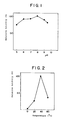
- Fig. 1 is a graph showing the pH dependence of the activity of the krill protease obtained in Example 1;
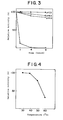
- Fig. 2 is a similar graph showing the temperature dependence of the activity;
- Fig. 3 is a graph showing the relation between protease activity and time for different pHs; and
- Fig. 4 is a graph showing the relation between protease activity and temperature.
- Krill are distributed in the seas in all parts of the world and live greatly around the Antarctic Ocean. It is estimated that the total amount of krill reaches hundreds of millions to two billions tons. A catch of 50,000,000 to 70,000,000 tons/year, which is comparable to the current total catch all over the world, is considered possible. Thus, stable supply as the starting material is ensured.
- the krill used in the present invention are not limited to specific types and may be, for example, those belonging to the genus Euphausia, e.g. superba, crystallorophias, frigida, triacantha, vellantini, lougirostris, lucens, similis, spinifera, recurva and the like, and those belonging to the genus Thysanoessa, e.g. macurura, vicina, gregaria and the like.
- Euphausia e.g. superba, crystallorophias, frigida, triacantha, vellantini, lougirostris, lucens, similis, spinifera, recurva and the like
- Thysanoessa e.g. macurura, vicina, gregaria and the like.
- the aqueous extract of krill is obtained by mixing krill or broken pieces thereof with water.
- This aqueous extract has high protease activity, and the protease isolated from the aqueous extract by ordinary enzyme isolation and purification techniques exhibits higher thrombus-dissolving activity.
- protease hereinafter referred sometimes to as krill protease
- the isolation and purification of protease is not critical, but is carried out by any known techniques. For instance, there are a number of methods including a method in which broken pieces of krill is mixed with water and allowed to stand, and the supernatant liquid is collected, to which a salt such as ammonium sulfate is added for salting-out.
- Another method comprises adding an organic solvent such as alcohols, acetone or the like, permitting protease to precipitate.
- a method which comprises concentrating the aqueous extract through ultrafiltration (using, for example, Diaflow Membrane YC, by Amicon Co., Ltd.) and freeze-drying the concentrate.
- Protease has been isolated by the above methods, followed by fractional purification by an ionexchange chromatography using diethyl aminoethyl (DEAE)-cellulose and/or DEAE-Sephadex, or by a gel filtration using Sephadex G-50. If isolation is effected using salting-out, protease may be obtained as powder by desalting and freeze-drying after filtration or centrifugal separation. The desalting may be carried out by dialysis or gel filtration using, for example, Sephadex G-25.
- the manner of administration of the aqueous krill extract is not critical, but when it is administered orally, very good thrombus-dissolving activity is exhibited.
- the amount of the extract is favorably in the range of from 10 to 500 mg/day, calculated as protease, when it is administered orally. However, the amount may be increased depending on the degree of thrombus.
- protease which is an aqueous extract of krill is as follows: LD 50 for rats exceeds 5 g/kg in the case of intraperitoneal administration and 25 g/kg in the case of oral administration.
- the mechanism of the thrombus-dissolving action of the aqueous krill extract of the invention is not known at the present stage. In view of the fact that the protease contained in the aqueous extract exhibits high activity, it is assumed that the protease serves to dissolve thrombus.
- the aqueous krill extract of the invention particularly, protease derived from krill exhibits good thrombus dissolving activity when applied through peroral administration, and is thus a very good thrombus dissolvent which is low in toxicity and involves no side effects.
- Example 1 protease activity was measured according to the following method.
- Frozen krill (Euphausia superba) were broken into fine pieces, and 400 g of the pieces was added to 1.5 liters of 0.1M phosphate buffer solution (pH 7.0), followed milling at 0°C for 2 minutes by the use of a homogenizer. The resulting homogenate was centrifuged under conditions of 0°C, 6800 x g for 30 minutes to obtain a supernatant liquid.
- the pH-activity curve of the krill protease was determined using milk casein as the substrate. The results are shown in Fig. 1.
- the pH buffer solutions used were buffer solutions of 100 mM acetic acid (pH 4.0 - 6.0), phosphoric acid (pH 6.5 - 8.0), and tris- hydrochloric acid (pH 7.5 - 9.5), which were properly used depending on the desired pH.
- the krill protease showed high activity in a fairly wide range of pH of from 6.0 - 9.0. Although the pH specificity is wide, an optimum pH is considered to be around 8.
- the influence of temperature on the krill protease activity was determined by reaction at different temperatures (0 to 60°C) for 60 minutes at a pH of 7.6 using milk casein as the substrate. The results are shown in Fig. 2, revealing that the optimum temperature was approximately 40°C.
- the krill protease was subjected to preincubation at a pH of 3 - 10 at 30°C to determine the pH stability. The results are shown in Fig. 3.
- the krill protease was stable under weakly acidic to weakly alkaline conditions, but was unstable more acidic or more alkaline conditions.
- the krill protease was allowed to stand at a predetermined temperature for 30 minutes in 0.1 M phosphate buffer solution (pH 7.6) and its activity was measured using milk casein as the substrate to determine the temperature stability. The results are shown in Fig. 4. The protease was confirmed to be deactivated at temperatures over 60°C.
- the fibrinolytic activity of the protease (65% saturated ammonium sulfate fraction) obtained in Example 1 was measured according to the fibrin plate method.
- the fibrin plate was made by a method in which bovine fibrinogen (Sigma Co., L td.) was dissolved in a 1/15 M phosphate buffer solution with a pH of 7.5 in a concentration of 0.2%, and 8 ml of the solution was charged into a Petri dish having a diameter of 90 mm, followed by dropping 0.1 ml of a thrombin solution (50 U/ml, by Mochida Seiyaku K.K.) and immediately shaking horizontally. Thereafter, 30 microliters of an enzyme solution (containing 100 micrograms of the protease) was applied onto the fibrin plate, followed by keeping the plate at 37°C for 30 minutes. As a result, fibrinolysis was apparently recognized. The results of measurement of the area of the fibrinolytic window are shown in Table 1. For control, a physiological saline solution was used instead of the enzyme solution.
- Protease (65% saturated ammonium sulfate fraction obtained in Example 1) was orally administered through probes to groups of rats (7 weeks-old, male Wistar rats), each consisting of 10 rats, in an amount of 1 g/kg.
- groups of rats (7 weeks-old, male Wistar rats), each consisting of 10 rats, in an amount of 1 g/kg.
- blood was sampled from aorta abdominals under etherization.
- physiological saline solution and urokinase (2000 IU/kg), instead of protease, were administered to rat groups, followed by repeating the blood sampling in the same manner as described above.
- the fibrinolysis-promoting action was assessed on the basis of the euglobulin dissolution test.
- the weight of the fibrin-dissolved solution was measured, with the results shown in Table 2 below.
- the group administered with protease is improved in fibrinolysis-promoting action by 30% or higher over the control group. Even when orally administered, the krill protease shows the fibrinolytic action as is different from urokinase.
Landscapes
- Health & Medical Sciences (AREA)
- Chemical & Material Sciences (AREA)
- Engineering & Computer Science (AREA)
- Life Sciences & Earth Sciences (AREA)
- Organic Chemistry (AREA)
- Bioinformatics & Cheminformatics (AREA)
- General Health & Medical Sciences (AREA)
- Biomedical Technology (AREA)
- Medicinal Chemistry (AREA)
- Zoology (AREA)
- Wood Science & Technology (AREA)
- Genetics & Genomics (AREA)
- Animal Behavior & Ethology (AREA)
- Microbiology (AREA)
- Veterinary Medicine (AREA)
- Chemical Kinetics & Catalysis (AREA)
- Molecular Biology (AREA)
- Biotechnology (AREA)
- Nuclear Medicine, Radiotherapy & Molecular Imaging (AREA)
- Public Health (AREA)
- General Chemical & Material Sciences (AREA)
- Pharmacology & Pharmacy (AREA)
- Biochemistry (AREA)
- General Engineering & Computer Science (AREA)
- Medicines Containing Material From Animals Or Micro-Organisms (AREA)
- Medicines That Contain Protein Lipid Enzymes And Other Medicines (AREA)
Abstract
Description
- This invention relates to thrombus dissolvents and more particularly, to thrombus dissolvents comprising an aqueous extract of krill as an effective component.
- Thrombus has relations with various diseases including peripheral artery and vein thrombosis, pulmonary embolism, cardic infarction, coronary thrombosis, cerebral thrombosis, retinal artery and vein thrombosis, presenting serious problems as a pathogenic factor.
- For the treatment of thrombosis, it is ordinary to effect a fibrinolytic therapy using urokinase.
- However, urokinase has a number of problems: no efficacy appears through oral administration, but the manner of administration is limited only to an intravenous drip; it is very liable to deactivate because of the short half-life period; limitation is placed on the starting material since urokinase is obtained from urine of healthy adult men; administration in large amounts is essential because the half life in blood is short and affinity for fibrin is low; and the administration in large amounts involves increasing tendency toward bleeding. Accordingly, there is a high demand for development of a novel type of thrombus dissolvent in place of urokinase.
- Under these circumstance, we made intensive studies to develop a thrombus dissolvent which can be perorally administered and places no limitation on starting materials. As a result, it was found that an extract from krill had the action of dissolving thrombus. The present invention is accomplished on the basis of the above finding.
- The present invention provides a thrombus dissolvent which comprises an effective amount of an aqueous extract of krill.
- Fig. 1 is a graph showing the pH dependence of the activity of the krill protease obtained in Example 1; Fig. 2 is a similar graph showing the temperature dependence of the activity; Fig. 3 is a graph showing the relation between protease activity and time for different pHs; and Fig. 4 is a graph showing the relation between protease activity and temperature.
- Krill are distributed in the seas in all parts of the world and live greatly around the Antarctic Ocean. It is estimated that the total amount of krill reaches hundreds of millions to two billions tons. A catch of 50,000,000 to 70,000,000 tons/year, which is comparable to the current total catch all over the world, is considered possible. Thus, stable supply as the starting material is ensured.
- The krill used in the present invention are not limited to specific types and may be, for example, those belonging to the genus Euphausia, e.g. superba, crystallorophias, frigida, triacantha, vellantini, lougirostris, lucens, similis, spinifera, recurva and the like, and those belonging to the genus Thysanoessa, e.g. macurura, vicina, gregaria and the like.
- The aqueous extract of krill is obtained by mixing krill or broken pieces thereof with water. This aqueous extract has high protease activity, and the protease isolated from the aqueous extract by ordinary enzyme isolation and purification techniques exhibits higher thrombus-dissolving activity.
- The isolation and purification of protease (hereinafter referred sometimes to as krill protease) from the aqueous extract is not critical, but is carried out by any known techniques. For instance, there are a number of methods including a method in which broken pieces of krill is mixed with water and allowed to stand, and the supernatant liquid is collected, to which a salt such as ammonium sulfate is added for salting-out. Another method comprises adding an organic solvent such as alcohols, acetone or the like, permitting protease to precipitate. Moreover, there is known a method which comprises concentrating the aqueous extract through ultrafiltration (using, for example, Diaflow Membrane YC, by Amicon Co., Ltd.) and freeze-drying the concentrate. Protease has been isolated by the above methods, followed by fractional purification by an ionexchange chromatography using diethyl aminoethyl (DEAE)-cellulose and/or DEAE-Sephadex, or by a gel filtration using Sephadex G-50. If isolation is effected using salting-out, protease may be obtained as powder by desalting and freeze-drying after filtration or centrifugal separation. The desalting may be carried out by dialysis or gel filtration using, for example, Sephadex G-25.
- The manner of administration of the aqueous krill extract is not critical, but when it is administered orally, very good thrombus-dissolving activity is exhibited.
- The amount of the extract is favorably in the range of from 10 to 500 mg/day, calculated as protease, when it is administered orally. However, the amount may be increased depending on the degree of thrombus.
- The toxicity of protease which is an aqueous extract of krill is as follows: LD50 for rats exceeds 5 g/kg in the case of intraperitoneal administration and 25 g/kg in the case of oral administration.
- The mechanism of the thrombus-dissolving action of the aqueous krill extract of the invention is not known at the present stage. In view of the fact that the protease contained in the aqueous extract exhibits high activity, it is assumed that the protease serves to dissolve thrombus.
- As will be understood from the above, the aqueous krill extract of the invention, particularly, protease derived from krill exhibits good thrombus dissolving activity when applied through peroral administration, and is thus a very good thrombus dissolvent which is low in toxicity and involves no side effects.
- The present invention is more particularly described by way of examples, which should not be construed as limiting the present invention. In Example 1, protease activity was measured according to the following method.
- One gram of milk casein was suspended in 100 ml of 0.1M phosphate buffer solution (pH 7.6) and boiled for 15 minutes for complete dissolution, thereby obtaining a substrate solution. 1 ml of the substrate solution was added to 4 ml of the buffer solution. 0.1 ml of a sample was added to the obtained solution, followed by reaction at 30°C for 60 minutes. The reaction was stopped by addition of 1 ml of a 12% trichloroacetic acid solution, followed by allowing to stand at room temperature over 30 minutes. The solution was centrifuged under conditions of 10°C, 14000 x g and 20 minutes, and the resulting supernatant liquid was subjected to measurement of its absorption at 280 nm. An activity, which could increase an absorbance by 1 at 280 nm in 10 minutes, was determined as one activity unit.
- Frozen krill (Euphausia superba) were broken into fine pieces, and 400 g of the pieces was added to 1.5 liters of 0.1M phosphate buffer solution (pH 7.0), followed milling at 0°C for 2 minutes by the use of a homogenizer. The resulting homogenate was centrifuged under conditions of 0°C, 6800 x g for 30 minutes to obtain a supernatant liquid.
- Ammonium sulfate was added to the supernatant liquid to an extent of 65% saturation, followed by allowing to stand at 0°C for 1 hour and centrifuging to obtain a salted-out, precipitation fraction. Subsequently, the fraction was dispersed in O.lM phosphate buffer solution having a pH of 7.5 and was dialyzed against distilled water by the use of a cellophane tube and desalted at 4°C, followed by freeze-drying to obtain 7.1 g of protease. The protease had an activity of 335 U/g. The physiological properties of the krill protease are as follows.
- (1) Optimum pH
- The pH-activity curve of the krill protease was determined using milk casein as the substrate. The results are shown in Fig. 1. The pH buffer solutions used were buffer solutions of 100 mM acetic acid (pH 4.0 - 6.0), phosphoric acid (pH 6.5 - 8.0), and tris- hydrochloric acid (pH 7.5 - 9.5), which were properly used depending on the desired pH. The krill protease showed high activity in a fairly wide range of pH of from 6.0 - 9.0. Although the pH specificity is wide, an optimum pH is considered to be around 8.
- The influence of temperature on the krill protease activity was determined by reaction at different temperatures (0 to 60°C) for 60 minutes at a pH of 7.6 using milk casein as the substrate. The results are shown in Fig. 2, revealing that the optimum temperature was approximately 40°C.
- The krill protease was subjected to preincubation at a pH of 3 - 10 at 30°C to determine the pH stability. The results are shown in Fig. 3. The krill protease was stable under weakly acidic to weakly alkaline conditions, but was unstable more acidic or more alkaline conditions.
- The krill protease was allowed to stand at a predetermined temperature for 30 minutes in 0.1 M phosphate buffer solution (pH 7.6) and its activity was measured using milk casein as the substrate to determine the temperature stability. The results are shown in Fig. 4. The protease was confirmed to be deactivated at temperatures over 60°C.
- Fibrinolytic Activity of Krill Protease:
- The fibrinolytic activity of the protease (65% saturated ammonium sulfate fraction) obtained in Example 1 was measured according to the fibrin plate method.
- The fibrin plate was made by a method in which bovine fibrinogen (Sigma Co., Ltd.) was dissolved in a 1/15 M phosphate buffer solution with a pH of 7.5 in a concentration of 0.2%, and 8 ml of the solution was charged into a Petri dish having a diameter of 90 mm, followed by dropping 0.1 ml of a thrombin solution (50 U/ml, by Mochida Seiyaku K.K.) and immediately shaking horizontally. Thereafter, 30 microliters of an enzyme solution (containing 100 micrograms of the protease) was applied onto the fibrin plate, followed by keeping the plate at 37°C for 30 minutes. As a result, fibrinolysis was apparently recognized. The results of measurement of the area of the fibrinolytic window are shown in Table 1. For control, a physiological saline solution was used instead of the enzyme solution.

- Protease (65% saturated ammonium sulfate fraction obtained in Example 1) was orally administered through probes to groups of rats (7 weeks-old, male Wistar rats), each consisting of 10 rats, in an amount of 1 g/kg. Ninety minutes after the oral administration, blood was sampled from aorta abdominals under etherization.
- For comparison, physiological saline solution and urokinase (2000 IU/kg), instead of protease, were administered to rat groups, followed by repeating the blood sampling in the same manner as described above.
- The fibrinolysis-promoting action was assessed on the basis of the euglobulin dissolution test. In the respective groups, the weight of the fibrin-dissolved solution was measured, with the results shown in Table 2 below.

- As will be shown in Table 2, the group administered with protease is improved in fibrinolysis-promoting action by 30% or higher over the control group. Even when orally administered, the krill protease shows the fibrinolytic action as is different from urokinase.
Claims (2)
Applications Claiming Priority (2)
| Application Number | Priority Date | Filing Date | Title |
|---|---|---|---|
| JP150667/84 | 1984-07-20 | ||
| JP15066784A JPS6130527A (en) | 1984-07-20 | 1984-07-20 | Thrombolytic agent |
Publications (2)
| Publication Number | Publication Date |
|---|---|
| EP0170115A1 true EP0170115A1 (en) | 1986-02-05 |
| EP0170115B1 EP0170115B1 (en) | 1991-06-05 |
Family
ID=15501845
Family Applications (1)
| Application Number | Title | Priority Date | Filing Date |
|---|---|---|---|
| EP85108526A Expired - Lifetime EP0170115B1 (en) | 1984-07-20 | 1985-07-09 | Thrombus dissolvent |
Country Status (3)
| Country | Link |
|---|---|
| EP (1) | EP0170115B1 (en) |
| JP (1) | JPS6130527A (en) |
| DE (1) | DE3583079D1 (en) |
Cited By (11)
| Publication number | Priority date | Publication date | Assignee | Title |
|---|---|---|---|---|
| EP0383533A1 (en) * | 1989-02-15 | 1990-08-22 | Eimei Company Ltd | Therapeutic medicament for thrombosis and method for preparation thereof |
| WO1993024142A1 (en) * | 1992-05-22 | 1993-12-09 | Phairson Medical Ab | New pharmaceutical uses of krill enzymes |
| US5945102A (en) * | 1994-11-22 | 1999-08-31 | Phairson Medical Inc. | Crustacean and fish derived multifunctional enzyme |
| EP0810875A4 (en) * | 1995-02-08 | 1999-09-01 | Phairson Medical Inc | Multifunctional enzyme |
| US5958406A (en) * | 1994-11-22 | 1999-09-28 | Phairson Medical Inc. | Acne treatment with multifunctional enzyme |
| US6232088B1 (en) | 1995-02-08 | 2001-05-15 | Phairson Medical, Inc. | Treatment and prevention of immune rejection reactions |
| EP1997498A3 (en) * | 2001-06-18 | 2009-06-03 | Neptune Technologies & Bioressources Inc. | Krill and/or marine extracts for prevention and/or treatment of cardiovascular diseases, arthritis, skin cancer, diabetes, premenstrual syndrome and transdermal transport |
| US7947270B2 (en) | 1992-05-22 | 2011-05-24 | Arcimboldo Ab | Removing dental plaque with krill enzymes |
| EP3121272A1 (en) | 2015-07-24 | 2017-01-25 | Zymetech ehf. | Novel fish trypsin isoforms and their use |
| CN111154734A (en) * | 2019-09-23 | 2020-05-15 | 中国水产科学研究院东海水产研究所 | A kind of preparation method of Antarctic krill thrombolytic enzyme |
| CN112638289A (en) * | 2018-06-28 | 2021-04-09 | 玛利塞生物技术公司 | Pharmaceutical compositions and methods for treating thrombosis and medical device delivery |
Citations (1)
| Publication number | Priority date | Publication date | Assignee | Title |
|---|---|---|---|---|
| FR2233038A1 (en) * | 1973-05-30 | 1975-01-10 | Innerfield Irving | Thrombosis treatment - by oral administration of a protease |
Family Cites Families (1)
| Publication number | Priority date | Publication date | Assignee | Title |
|---|---|---|---|---|
| JPS59501908A (en) * | 1982-10-25 | 1984-11-15 | ヘルグレン・ラルス・グスタ−ヴ・インゲ | Enzyme composition for cleaning |
-
1984
- 1984-07-20 JP JP15066784A patent/JPS6130527A/en active Pending
-
1985
- 1985-07-09 EP EP85108526A patent/EP0170115B1/en not_active Expired - Lifetime
- 1985-07-09 DE DE8585108526T patent/DE3583079D1/en not_active Expired - Fee Related
Patent Citations (1)
| Publication number | Priority date | Publication date | Assignee | Title |
|---|---|---|---|---|
| FR2233038A1 (en) * | 1973-05-30 | 1975-01-10 | Innerfield Irving | Thrombosis treatment - by oral administration of a protease |
Non-Patent Citations (2)
| Title |
|---|
| CHEMICAL ABSTRACTS, vol. 92, no. 14, 7th April 1980, page 354, no. 116420r, Columbus, Ohio, US; & JP - A - 79 119 017 (TAIYO FISHERY CO. LTD.) 14-09-1979 * |
| CHEMICAL ABSTRACTS, vol. 92, no. 14, 7th April 1980, page 354, no. 116421s, Columbus, Ohio, US; & JP - A - 79 119 011 (TAIYO FISHERY CO. LTD.) 14-09-1979 * |
Cited By (16)
| Publication number | Priority date | Publication date | Assignee | Title |
|---|---|---|---|---|
| EP0383533A1 (en) * | 1989-02-15 | 1990-08-22 | Eimei Company Ltd | Therapeutic medicament for thrombosis and method for preparation thereof |
| WO1993024142A1 (en) * | 1992-05-22 | 1993-12-09 | Phairson Medical Ab | New pharmaceutical uses of krill enzymes |
| US7947270B2 (en) | 1992-05-22 | 2011-05-24 | Arcimboldo Ab | Removing dental plaque with krill enzymes |
| US5958406A (en) * | 1994-11-22 | 1999-09-28 | Phairson Medical Inc. | Acne treatment with multifunctional enzyme |
| US6030612A (en) * | 1994-11-22 | 2000-02-29 | Phairson Medical Inc. | Antimicrobial uses of multifunctional enzyme |
| US5945102A (en) * | 1994-11-22 | 1999-08-31 | Phairson Medical Inc. | Crustacean and fish derived multifunctional enzyme |
| EP0810875A4 (en) * | 1995-02-08 | 1999-09-01 | Phairson Medical Inc | Multifunctional enzyme |
| US6232088B1 (en) | 1995-02-08 | 2001-05-15 | Phairson Medical, Inc. | Treatment and prevention of immune rejection reactions |
| EP1997498A3 (en) * | 2001-06-18 | 2009-06-03 | Neptune Technologies & Bioressources Inc. | Krill and/or marine extracts for prevention and/or treatment of cardiovascular diseases, arthritis, skin cancer, diabetes, premenstrual syndrome and transdermal transport |
| EP3121272A1 (en) | 2015-07-24 | 2017-01-25 | Zymetech ehf. | Novel fish trypsin isoforms and their use |
| EP3736331A1 (en) | 2015-07-24 | 2020-11-11 | Enzymatica AB | Novel trypsin isoforms and their use |
| US11179311B2 (en) | 2015-07-24 | 2021-11-23 | Enzymatica Ab | Trypsin isoforms and their use |
| US11918674B2 (en) | 2015-07-24 | 2024-03-05 | Enzymatica Ab | Trypsin isoforms and their use |
| CN112638289A (en) * | 2018-06-28 | 2021-04-09 | 玛利塞生物技术公司 | Pharmaceutical compositions and methods for treating thrombosis and medical device delivery |
| EP3813687A4 (en) * | 2018-06-28 | 2022-03-23 | Marizyme Biotech | Pharmaceutical compositions and methods for the treatment of thrombosis and delivery by medical devices |
| CN111154734A (en) * | 2019-09-23 | 2020-05-15 | 中国水产科学研究院东海水产研究所 | A kind of preparation method of Antarctic krill thrombolytic enzyme |
Also Published As
| Publication number | Publication date |
|---|---|
| EP0170115B1 (en) | 1991-06-05 |
| DE3583079D1 (en) | 1991-07-11 |
| JPS6130527A (en) | 1986-02-12 |
Similar Documents
| Publication | Publication Date | Title |
|---|---|---|
| US4470968A (en) | Pasteurized therapeutically active blood coagulation factor concentrates | |
| CA1244763A (en) | Blood coagulation inhibiting proteins, processes for preparing them and their uses | |
| Seegers et al. | Snake venoms and blood coagulation | |
| Sproul | Carcinoma and venous thrombosis: the frequency of association of carcinoma in the body or tail of the pancreas with multiple venous thrombosis | |
| EP0170115B1 (en) | Thrombus dissolvent | |
| EP0217341B2 (en) | Process for preparing an anticoagulating substance | |
| Pettit et al. | [65] Pyruvate dehydrogenase complex from bovine kidney and heart | |
| Tamao et al. | Effect of a selective thrombin inhibitor MCI-9038 on fibrinolysis in vitro and in vivo | |
| Stocker | Defibrinogenation with thrombin-like snake venom enzymes | |
| CA1206412A (en) | Process for the production of blood-clotting factors and preparation of factors ii and vii, prepared by this process | |
| CA1196281A (en) | Heat stabilization of plasma proteins | |
| NO832399L (en) | THROMBOLYTIC AGENT | |
| Lee et al. | Antithrombotic effects by oral administration of novel proteinase fraction from earthworm Eisenia andrei on venous thrombosis model in rats | |
| EP0020780B1 (en) | Fibrinolytic material and process for producing same | |
| US4851345A (en) | Fibrinophilic urokinase complex and method for production thereof | |
| Andersson | Isolation of thrombin-like activity from the venom of Trimeresurus okinavensis | |
| US4873222A (en) | Placenta-derived anticoagulating substance | |
| Edmunds et al. | Mast cell origin of ‘myofibrillar protease’of rat skeletal and heart muscle | |
| US4086140A (en) | Process for isolating fibrinolytic substances | |
| US4039658A (en) | Fibrinolytic substances | |
| JP3878668B2 (en) | Treatment of thrombotic diseases | |
| KR100320948B1 (en) | Thrombolytic serine protease separated and purified from a herbaceous plant and method for producing the same | |
| JPS61204130A (en) | Thrombus solubilizer | |
| Astrup et al. | The effects of sodium citrate and an excess of plasminogen on fibrinolytic agents | |
| Chung et al. | Partial purification and characterization of the enzyme which converts precursor liver protein to Factor X |
Legal Events
| Date | Code | Title | Description |
|---|---|---|---|
| PUAI | Public reference made under article 153(3) epc to a published international application that has entered the european phase |
Free format text: ORIGINAL CODE: 0009012 |
|
| AK | Designated contracting states |
Designated state(s): DE FR GB SE |
|
| 17P | Request for examination filed |
Effective date: 19860430 |
|
| 17Q | First examination report despatched |
Effective date: 19880118 |
|
| GRAA | (expected) grant |
Free format text: ORIGINAL CODE: 0009210 |
|
| AK | Designated contracting states |
Kind code of ref document: B1 Designated state(s): DE FR GB SE |
|
| REF | Corresponds to: |
Ref document number: 3583079 Country of ref document: DE Date of ref document: 19910711 |
|
| ET | Fr: translation filed | ||
| PLBE | No opposition filed within time limit |
Free format text: ORIGINAL CODE: 0009261 |
|
| STAA | Information on the status of an ep patent application or granted ep patent |
Free format text: STATUS: NO OPPOSITION FILED WITHIN TIME LIMIT |
|
| 26N | No opposition filed | ||
| PGFP | Annual fee paid to national office [announced via postgrant information from national office to epo] |
Ref country code: GB Payment date: 19920626 Year of fee payment: 8 |
|
| PGFP | Annual fee paid to national office [announced via postgrant information from national office to epo] |
Ref country code: FR Payment date: 19920707 Year of fee payment: 8 |
|
| PGFP | Annual fee paid to national office [announced via postgrant information from national office to epo] |
Ref country code: SE Payment date: 19920713 Year of fee payment: 8 |
|
| PGFP | Annual fee paid to national office [announced via postgrant information from national office to epo] |
Ref country code: DE Payment date: 19920727 Year of fee payment: 8 |
|
| PG25 | Lapsed in a contracting state [announced via postgrant information from national office to epo] |
Ref country code: GB Effective date: 19930709 |
|
| PG25 | Lapsed in a contracting state [announced via postgrant information from national office to epo] |
Ref country code: SE Effective date: 19930710 |
|
| GBPC | Gb: european patent ceased through non-payment of renewal fee |
Effective date: 19930709 |
|
| PG25 | Lapsed in a contracting state [announced via postgrant information from national office to epo] |
Ref country code: FR Effective date: 19940331 |
|
| PG25 | Lapsed in a contracting state [announced via postgrant information from national office to epo] |
Ref country code: DE Effective date: 19940401 |
|
| REG | Reference to a national code |
Ref country code: FR Ref legal event code: ST |
|
| EUG | Se: european patent has lapsed |
Ref document number: 85108526.6 Effective date: 19940210 |