EP0125919A2 - Catechol derivatives, their production and intermediates therefor, and pharmaceutical compositions containing them - Google Patents
Catechol derivatives, their production and intermediates therefor, and pharmaceutical compositions containing them Download PDFInfo
- Publication number
- EP0125919A2 EP0125919A2 EP84303257A EP84303257A EP0125919A2 EP 0125919 A2 EP0125919 A2 EP 0125919A2 EP 84303257 A EP84303257 A EP 84303257A EP 84303257 A EP84303257 A EP 84303257A EP 0125919 A2 EP0125919 A2 EP 0125919A2
- Authority
- EP
- European Patent Office
- Prior art keywords
- group
- mixture
- dihydroxyphenyl
- hydrogen atom
- dibenzyloxyphenyl
- Prior art date
- Legal status (The legal status is an assumption and is not a legal conclusion. Google has not performed a legal analysis and makes no representation as to the accuracy of the status listed.)
- Withdrawn
Links
- 0 *C1C(CC2)CCC2CC(C2)C2CC1 Chemical compound *C1C(CC2)CCC2CC(C2)C2CC1 0.000 description 10
- KGYVJUSBRARRBU-UHFFFAOYSA-N CC1(C)C=CC=CC1 Chemical compound CC1(C)C=CC=CC1 KGYVJUSBRARRBU-UHFFFAOYSA-N 0.000 description 1
- SSJZSQAHQHTIOI-UHFFFAOYSA-N CC1C(C)C=C(C2)C2C1 Chemical compound CC1C(C)C=C(C2)C2C1 SSJZSQAHQHTIOI-UHFFFAOYSA-N 0.000 description 1
- QESXQPGRMHDJSB-UHFFFAOYSA-N CCCC1C(C2)CC22C1C2 Chemical compound CCCC1C(C2)CC22C1C2 QESXQPGRMHDJSB-UHFFFAOYSA-N 0.000 description 1
- UULOZIBXBNULGP-UHFFFAOYSA-N CCCC1CC(C)C(CC(C)C)CC1 Chemical compound CCCC1CC(C)C(CC(C)C)CC1 UULOZIBXBNULGP-UHFFFAOYSA-N 0.000 description 1
- YXFVVABEGXRONW-UHFFFAOYSA-N Cc1ccccc1 Chemical compound Cc1ccccc1 YXFVVABEGXRONW-UHFFFAOYSA-N 0.000 description 1
- OAHPNATURNDKEL-UHFFFAOYSA-N NC1C2=CCC12 Chemical compound NC1C2=CCC12 OAHPNATURNDKEL-UHFFFAOYSA-N 0.000 description 1
Classifications
-
- C—CHEMISTRY; METALLURGY
- C07—ORGANIC CHEMISTRY
- C07C—ACYCLIC OR CARBOCYCLIC COMPOUNDS
- C07C59/00—Compounds having carboxyl groups bound to acyclic carbon atoms and containing any of the groups OH, O—metal, —CHO, keto, ether, groups, groups, or groups
- C07C59/40—Unsaturated compounds
- C07C59/58—Unsaturated compounds containing ether groups, groups, groups, or groups
- C07C59/64—Unsaturated compounds containing ether groups, groups, groups, or groups containing six-membered aromatic rings
-
- A—HUMAN NECESSITIES
- A61—MEDICAL OR VETERINARY SCIENCE; HYGIENE
- A61P—SPECIFIC THERAPEUTIC ACTIVITY OF CHEMICAL COMPOUNDS OR MEDICINAL PREPARATIONS
- A61P1/00—Drugs for disorders of the alimentary tract or the digestive system
- A61P1/04—Drugs for disorders of the alimentary tract or the digestive system for ulcers, gastritis or reflux esophagitis, e.g. antacids, inhibitors of acid secretion, mucosal protectants
-
- C—CHEMISTRY; METALLURGY
- C07—ORGANIC CHEMISTRY
- C07C—ACYCLIC OR CARBOCYCLIC COMPOUNDS
- C07C37/00—Preparation of compounds having hydroxy or O-metal groups bound to a carbon atom of a six-membered aromatic ring
- C07C37/001—Preparation of compounds having hydroxy or O-metal groups bound to a carbon atom of a six-membered aromatic ring by modification in a side chain
- C07C37/002—Preparation of compounds having hydroxy or O-metal groups bound to a carbon atom of a six-membered aromatic ring by modification in a side chain by transformation of a functional group, e.g. oxo, carboxyl
-
- C—CHEMISTRY; METALLURGY
- C07—ORGANIC CHEMISTRY
- C07C—ACYCLIC OR CARBOCYCLIC COMPOUNDS
- C07C37/00—Preparation of compounds having hydroxy or O-metal groups bound to a carbon atom of a six-membered aromatic ring
- C07C37/01—Preparation of compounds having hydroxy or O-metal groups bound to a carbon atom of a six-membered aromatic ring by replacing functional groups bound to a six-membered aromatic ring by hydroxy groups, e.g. by hydrolysis
- C07C37/055—Preparation of compounds having hydroxy or O-metal groups bound to a carbon atom of a six-membered aromatic ring by replacing functional groups bound to a six-membered aromatic ring by hydroxy groups, e.g. by hydrolysis the substituted group being bound to oxygen, e.g. ether group
-
- C—CHEMISTRY; METALLURGY
- C07—ORGANIC CHEMISTRY
- C07C—ACYCLIC OR CARBOCYCLIC COMPOUNDS
- C07C37/00—Preparation of compounds having hydroxy or O-metal groups bound to a carbon atom of a six-membered aromatic ring
- C07C37/62—Preparation of compounds having hydroxy or O-metal groups bound to a carbon atom of a six-membered aromatic ring by introduction of halogen; by substitution of halogen atoms by other halogen atoms
-
- C—CHEMISTRY; METALLURGY
- C07—ORGANIC CHEMISTRY
- C07C—ACYCLIC OR CARBOCYCLIC COMPOUNDS
- C07C39/00—Compounds having at least one hydroxy or O-metal group bound to a carbon atom of a six-membered aromatic ring
- C07C39/02—Compounds having at least one hydroxy or O-metal group bound to a carbon atom of a six-membered aromatic ring monocyclic with no unsaturation outside the aromatic ring
- C07C39/11—Alkylated hydroxy benzenes containing also acyclically bound hydroxy groups, e.g. saligenol
-
- C—CHEMISTRY; METALLURGY
- C07—ORGANIC CHEMISTRY
- C07C—ACYCLIC OR CARBOCYCLIC COMPOUNDS
- C07C41/00—Preparation of ethers; Preparation of compounds having groups, groups or groups
- C07C41/01—Preparation of ethers
- C07C41/18—Preparation of ethers by reactions not forming ether-oxygen bonds
- C07C41/26—Preparation of ethers by reactions not forming ether-oxygen bonds by introduction of hydroxy or O-metal groups
-
- C—CHEMISTRY; METALLURGY
- C07—ORGANIC CHEMISTRY
- C07C—ACYCLIC OR CARBOCYCLIC COMPOUNDS
- C07C43/00—Ethers; Compounds having groups, groups or groups
- C07C43/02—Ethers
- C07C43/20—Ethers having an ether-oxygen atom bound to a carbon atom of a six-membered aromatic ring
- C07C43/23—Ethers having an ether-oxygen atom bound to a carbon atom of a six-membered aromatic ring containing hydroxy or O-metal groups
-
- C—CHEMISTRY; METALLURGY
- C07—ORGANIC CHEMISTRY
- C07C—ACYCLIC OR CARBOCYCLIC COMPOUNDS
- C07C45/00—Preparation of compounds having >C = O groups bound only to carbon or hydrogen atoms; Preparation of chelates of such compounds
- C07C45/27—Preparation of compounds having >C = O groups bound only to carbon or hydrogen atoms; Preparation of chelates of such compounds by oxidation
- C07C45/29—Preparation of compounds having >C = O groups bound only to carbon or hydrogen atoms; Preparation of chelates of such compounds by oxidation of hydroxy groups
- C07C45/292—Preparation of compounds having >C = O groups bound only to carbon or hydrogen atoms; Preparation of chelates of such compounds by oxidation of hydroxy groups with chromium derivatives
-
- C—CHEMISTRY; METALLURGY
- C07—ORGANIC CHEMISTRY
- C07C—ACYCLIC OR CARBOCYCLIC COMPOUNDS
- C07C45/00—Preparation of compounds having >C = O groups bound only to carbon or hydrogen atoms; Preparation of chelates of such compounds
- C07C45/56—Preparation of compounds having >C = O groups bound only to carbon or hydrogen atoms; Preparation of chelates of such compounds from heterocyclic compounds
- C07C45/57—Preparation of compounds having >C = O groups bound only to carbon or hydrogen atoms; Preparation of chelates of such compounds from heterocyclic compounds with oxygen as the only heteroatom
- C07C45/59—Preparation of compounds having >C = O groups bound only to carbon or hydrogen atoms; Preparation of chelates of such compounds from heterocyclic compounds with oxygen as the only heteroatom in five-membered rings
-
- C—CHEMISTRY; METALLURGY
- C07—ORGANIC CHEMISTRY
- C07C—ACYCLIC OR CARBOCYCLIC COMPOUNDS
- C07C45/00—Preparation of compounds having >C = O groups bound only to carbon or hydrogen atoms; Preparation of chelates of such compounds
- C07C45/61—Preparation of compounds having >C = O groups bound only to carbon or hydrogen atoms; Preparation of chelates of such compounds by reactions not involving the formation of >C = O groups
- C07C45/67—Preparation of compounds having >C = O groups bound only to carbon or hydrogen atoms; Preparation of chelates of such compounds by reactions not involving the formation of >C = O groups by isomerisation; by change of size of the carbon skeleton
- C07C45/673—Preparation of compounds having >C = O groups bound only to carbon or hydrogen atoms; Preparation of chelates of such compounds by reactions not involving the formation of >C = O groups by isomerisation; by change of size of the carbon skeleton by change of size of the carbon skeleton
-
- C—CHEMISTRY; METALLURGY
- C07—ORGANIC CHEMISTRY
- C07C—ACYCLIC OR CARBOCYCLIC COMPOUNDS
- C07C45/00—Preparation of compounds having >C = O groups bound only to carbon or hydrogen atoms; Preparation of chelates of such compounds
- C07C45/61—Preparation of compounds having >C = O groups bound only to carbon or hydrogen atoms; Preparation of chelates of such compounds by reactions not involving the formation of >C = O groups
- C07C45/67—Preparation of compounds having >C = O groups bound only to carbon or hydrogen atoms; Preparation of chelates of such compounds by reactions not involving the formation of >C = O groups by isomerisation; by change of size of the carbon skeleton
- C07C45/68—Preparation of compounds having >C = O groups bound only to carbon or hydrogen atoms; Preparation of chelates of such compounds by reactions not involving the formation of >C = O groups by isomerisation; by change of size of the carbon skeleton by increase in the number of carbon atoms
-
- C—CHEMISTRY; METALLURGY
- C07—ORGANIC CHEMISTRY
- C07C—ACYCLIC OR CARBOCYCLIC COMPOUNDS
- C07C45/00—Preparation of compounds having >C = O groups bound only to carbon or hydrogen atoms; Preparation of chelates of such compounds
- C07C45/61—Preparation of compounds having >C = O groups bound only to carbon or hydrogen atoms; Preparation of chelates of such compounds by reactions not involving the formation of >C = O groups
- C07C45/67—Preparation of compounds having >C = O groups bound only to carbon or hydrogen atoms; Preparation of chelates of such compounds by reactions not involving the formation of >C = O groups by isomerisation; by change of size of the carbon skeleton
- C07C45/68—Preparation of compounds having >C = O groups bound only to carbon or hydrogen atoms; Preparation of chelates of such compounds by reactions not involving the formation of >C = O groups by isomerisation; by change of size of the carbon skeleton by increase in the number of carbon atoms
- C07C45/70—Preparation of compounds having >C = O groups bound only to carbon or hydrogen atoms; Preparation of chelates of such compounds by reactions not involving the formation of >C = O groups by isomerisation; by change of size of the carbon skeleton by increase in the number of carbon atoms by reaction with functional groups containing oxygen only in singly bound form
- C07C45/71—Preparation of compounds having >C = O groups bound only to carbon or hydrogen atoms; Preparation of chelates of such compounds by reactions not involving the formation of >C = O groups by isomerisation; by change of size of the carbon skeleton by increase in the number of carbon atoms by reaction with functional groups containing oxygen only in singly bound form being hydroxy groups
-
- C—CHEMISTRY; METALLURGY
- C07—ORGANIC CHEMISTRY
- C07C—ACYCLIC OR CARBOCYCLIC COMPOUNDS
- C07C45/00—Preparation of compounds having >C = O groups bound only to carbon or hydrogen atoms; Preparation of chelates of such compounds
- C07C45/61—Preparation of compounds having >C = O groups bound only to carbon or hydrogen atoms; Preparation of chelates of such compounds by reactions not involving the formation of >C = O groups
- C07C45/67—Preparation of compounds having >C = O groups bound only to carbon or hydrogen atoms; Preparation of chelates of such compounds by reactions not involving the formation of >C = O groups by isomerisation; by change of size of the carbon skeleton
- C07C45/68—Preparation of compounds having >C = O groups bound only to carbon or hydrogen atoms; Preparation of chelates of such compounds by reactions not involving the formation of >C = O groups by isomerisation; by change of size of the carbon skeleton by increase in the number of carbon atoms
- C07C45/72—Preparation of compounds having >C = O groups bound only to carbon or hydrogen atoms; Preparation of chelates of such compounds by reactions not involving the formation of >C = O groups by isomerisation; by change of size of the carbon skeleton by increase in the number of carbon atoms by reaction of compounds containing >C = O groups with the same or other compounds containing >C = O groups
-
- C—CHEMISTRY; METALLURGY
- C07—ORGANIC CHEMISTRY
- C07C—ACYCLIC OR CARBOCYCLIC COMPOUNDS
- C07C49/00—Ketones; Ketenes; Dimeric ketenes; Ketonic chelates
- C07C49/20—Unsaturated compounds containing keto groups bound to acyclic carbon atoms
- C07C49/24—Unsaturated compounds containing keto groups bound to acyclic carbon atoms containing hydroxy groups
- C07C49/245—Unsaturated compounds containing keto groups bound to acyclic carbon atoms containing hydroxy groups containing six-membered aromatic rings
-
- C—CHEMISTRY; METALLURGY
- C07—ORGANIC CHEMISTRY
- C07C—ACYCLIC OR CARBOCYCLIC COMPOUNDS
- C07C49/00—Ketones; Ketenes; Dimeric ketenes; Ketonic chelates
- C07C49/20—Unsaturated compounds containing keto groups bound to acyclic carbon atoms
- C07C49/24—Unsaturated compounds containing keto groups bound to acyclic carbon atoms containing hydroxy groups
- C07C49/245—Unsaturated compounds containing keto groups bound to acyclic carbon atoms containing hydroxy groups containing six-membered aromatic rings
- C07C49/248—Unsaturated compounds containing keto groups bound to acyclic carbon atoms containing hydroxy groups containing six-membered aromatic rings having unsaturation outside the aromatic rings
-
- C—CHEMISTRY; METALLURGY
- C07—ORGANIC CHEMISTRY
- C07C—ACYCLIC OR CARBOCYCLIC COMPOUNDS
- C07C49/00—Ketones; Ketenes; Dimeric ketenes; Ketonic chelates
- C07C49/20—Unsaturated compounds containing keto groups bound to acyclic carbon atoms
- C07C49/255—Unsaturated compounds containing keto groups bound to acyclic carbon atoms containing ether groups, groups, groups, or groups
-
- C—CHEMISTRY; METALLURGY
- C07—ORGANIC CHEMISTRY
- C07C—ACYCLIC OR CARBOCYCLIC COMPOUNDS
- C07C49/00—Ketones; Ketenes; Dimeric ketenes; Ketonic chelates
- C07C49/76—Ketones containing a keto group bound to a six-membered aromatic ring
- C07C49/84—Ketones containing a keto group bound to a six-membered aromatic ring containing ether groups, groups, groups, or groups
-
- C—CHEMISTRY; METALLURGY
- C07—ORGANIC CHEMISTRY
- C07C—ACYCLIC OR CARBOCYCLIC COMPOUNDS
- C07C59/00—Compounds having carboxyl groups bound to acyclic carbon atoms and containing any of the groups OH, O—metal, —CHO, keto, ether, groups, groups, or groups
- C07C59/40—Unsaturated compounds
- C07C59/42—Unsaturated compounds containing hydroxy or O-metal groups
- C07C59/52—Unsaturated compounds containing hydroxy or O-metal groups a hydroxy or O-metal group being bound to a carbon atom of a six-membered aromatic ring
-
- C—CHEMISTRY; METALLURGY
- C07—ORGANIC CHEMISTRY
- C07F—ACYCLIC, CARBOCYCLIC OR HETEROCYCLIC COMPOUNDS CONTAINING ELEMENTS OTHER THAN CARBON, HYDROGEN, HALOGEN, OXYGEN, NITROGEN, SULFUR, SELENIUM OR TELLURIUM
- C07F9/00—Compounds containing elements of Groups 5 or 15 of the Periodic Table
- C07F9/02—Phosphorus compounds
- C07F9/28—Phosphorus compounds with one or more P—C bonds
- C07F9/38—Phosphonic acids [RP(=O)(OH)2]; Thiophosphonic acids ; [RP(=X1)(X2H)2(X1, X2 are each independently O, S or Se)]
- C07F9/40—Esters thereof
- C07F9/4003—Esters thereof the acid moiety containing a substituent or a structure which is considered as characteristic
- C07F9/4006—Esters of acyclic acids which can have further substituents on alkyl
-
- C—CHEMISTRY; METALLURGY
- C07—ORGANIC CHEMISTRY
- C07C—ACYCLIC OR CARBOCYCLIC COMPOUNDS
- C07C2601/00—Systems containing only non-condensed rings
- C07C2601/12—Systems containing only non-condensed rings with a six-membered ring
- C07C2601/14—The ring being saturated
Definitions
- This invention relates to novel catechol derivatives useful as medicaments, to their production and intermediates used therefor, and to pharmaceutical compositions containing them.
- SRS-A As an inhibitor of histamine release, disodium cromoglycate (DSCG) is well known and as an inhibitor of actions induced by histamine, various anti-histamics are commercially available.
- SRS-A is known as a slow reactive and long acting chemical mediator while histamine is a rapid acting and short acting chemical mediator, and it has recently been recognized that SRS-A is a mixture of Leukotriens C 4 , D 4 and E 4 the structures of which have been clarified by Dr. Samuelsson .
- SRS-A i.
- Leukotriens are lipoxigenase products of polyunsaturated fatty acids (in particular, arachidonic acid) and it has been reported that SRS-A has various activities such as enhancement of mucus production, reduction of mucociliary transport, coronary artery constrictor action, reduction of cardiac contractility, etc., in addition to the actions in the above-described allergic reactions. Only a few materials have been known as the medicaments for inhibiting the production and release of SRS-A or combating the actions of SRS-A, and they have not yet been clinically used.
- the compounds of the invention are catechol derivatives represented by the general formula (I) wherein R 1 represents a hydrogen atom or a lower alkyl group; R 2 represents a hydrogen atom or a halogen atom; X represents a straight chain or branched alkylene group having 1 to 15 carbon atoms or a vinylene group; Y represents a carbonyl group or a group shown by the formula (wherein R 3 and R 4 , which may be the same or different, each represents a hydrogen atom or a lower alkyl group); and Z represents a hydrogen atom, a straight chain or branched alkyl group having 1 to 15 carbon atoms or a cycloalkyl group; the sum of the carbon atoms of said X and Z being at least 3.
- R 1 represents a hydrogen atom or a lower alkyl group
- R 2 represents a hydrogen atom or a halogen atom
- X represents a straight chain or branched alkylene group having 1 to 15 carbon atom
- lower alkyl group herein means a straight chain or branched alkyl group having 1 to 5 carbon atoms, such as a methyl group, an ethyl group, a propyl group, an isopropyl group, a butyl group, a pentyl group etc.
- halogen atom shown by R 2 in the foregoing general formula may be a chlorine atom, a bromine atom, an iodine atom or a fluorine atom.
- the "straight chain alkylene group" shown by X includes a methylene group, an ethylene group, a propylene group, a pentanylene group (or pentamethylene group, -(CH 2 ) 5 -), a hexanylene group (hexamethylene group, -(CH 2 ) 6 -), a heptanylene group (heptamethylene group, -( CH2 ) 7 -), a nonanylene'group (nonamethylene group, -(CH 2 ) 9 -), an undecanylene gorup (undecamethylene.
- the "branched alkylene group'' shown by X includes the above-described straight chain groups having a lower alkyl group of 1 to 5 carbon atoms at an optional position thereof.
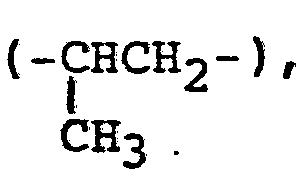
- Specific examples of the branched alkylene group are a propylene group an ethylethylene group
- Examples of the group shown by represented by Y in the foregoing general formula are a hydroxymethylene group, a methoxymethylene group, a methylhydroxy- methylene group a methylmethoxymethylene group an ethylhydroxymethylene group
- the "straight chain alkyl group" shown by Z in the foregoing general formula includes a propyl group, a pentyl group, a hexyl group, an octyl group, a nonyl group, a decyl group, a undecyl group, etc.
- the "branched alkyl group” shown by Z includes alkyl groups having a lower alkyl group of 1 to 5 carbon atoms at an optional position thereof and specific examples are an isopropyl group, an isobutyl group, a 1-methylhexyl group, a 1-ethylpentyl group, a 1,5-dimethylhexyl group, a 2,3,5-trimethylheptyl group, a 4-propyl- nonyl group, a l-hexylpeptyl group, etc.
- the "cycloalkyl group” shown by Z includes a cyclopentyl group, a cyclohexyl group, etc.
- the compound of this invention shown by the above-described general formula has at least one asymmetric carbon atom.
- the desired compounds of this invention include each separate steroisomer based on the asymmeteric carbon atom and mixtures of these steroisomers.
- the compounds of this invention shown by general formula (I) inhibit the formation and release of SRS-A, the compounds are useful for the prophylaxis and treatment of various allergic diseases (e. g., bronchial asthma, allergic rhinitis, and urticaria) and ischemic heart diseases and inflamations caused by SRS-A.
- various allergic diseases e. g., bronchial asthma, allergic rhinitis, and urticaria
- ischemic heart diseases and inflamations caused by SRS-A ischemic heart diseases and inflamations caused by SRS-A.
- the method was based on that of Orange et al 1) . Briefly, male Wister rats weighing 275 to 325 g (Shizuoka Exp. Animal Agric, Coop. Assoc.) were sensitized by intraperitoneally (i.p.) injecting 5 ml of diluted (40-fold) mouse anti-DNP reaginic serum (PCA titer: 1280). After 4 hr, 5 ml of Tyrode solution containing 250 ⁇ g heparin and 2 mg DNP-BSA was injected i.p. Test drugs (100 pg/kg) were dissolved in 0.6 ml of saline and injected i.p. 30 sec before antigen administration.
- the rats Five min.later, the rats were decapitated and the peritoneal fluid was collected by opening the peritoneal cavity into polycarbonate tubes in ice. The supernatant was separated for bioassay from the cellular residue by-centrifugation at 2000 rpm for 5 min at 4°C.
- Histamine and SRS-A were assayed using isolated guinea-pig ileum in the presence of 10 -7 M FPL-55712 and 10 -6 M mepyramine, respectively, in addition to 5 x 10 -7 M atropine.
- One unit of SRS-A refers to the concentration required to produce a contraction of the guinea-pig ileum equal in amplitude to that produced by 5 ng histamine base in that assay.
- the compounds of this invention more effectively inhibited the antigen- induced SRS-A release than histamine release, whereas DSCG inhibited the histamine release in a relatively selective manner.
- the method was based on that of Koshihara et al 1) .
- enzyme fraction from mastocytoma P-815 cells (10 7 cells/ml) was incubated with 0.2 ⁇ Ci [ 1-14 C]-arachidonic acid (56.9 Ci/mol), 0.8 mM CaCl 2 , 2 x 10 -5 M indomethacin and various concentrations of test drugs at 37°C for 5 min.
- CaCl 2 and indomethacin were omitted from the above incubation mixture and incubation was performed at 37°C for 7 min.
- the activities of 5-lipoxygenase and cyclooxygenase were expressed as the sum of radioactivities due to 5-HETE and 5,12-diHETE and due to PGD 2 , PGE 2 and PGF 2 ⁇ , respectively.
- the IC 50 values were calculated by Probit method.
- the compounds of this invention dose-dependently inhibited the formation of 5-lipoxygenase products in doses between 0.01 to 10 pM; their IC 50 values are shown in Table 2. On the contrary, at 10 ⁇ M they showed weak inhibition or enhancement of the formation of cyclooxygenase products.
- the compounds of this invention shown by general formula (I) can be stably administered orally or parenterally by themselves or as medicament compositions - [e.g., tablets,-capsules (including soft capsules, microcapsules, etc.,), powders, granules, pills, ointments, syrups,-injections, inhalators, plasters, etc.,] mixed with known pharmaceutically allowable carriers, excipients, etc.
- the dose thereof depends upon the subject to be treated, the manner of administration, the state of the disease, etc., but is ordinarily 0.1 to 500 mg per day per adult,and it is appropriate to administer the compound orally or parenterally two or three times per day.
- R l , R 2 , X, Y, and Z have the same significance as defined above;
- R' represents a protective group for the hydroxy group capable of being easily removed;
- R1 represents a protective group for the hydroxy group capable of being easily removed or a lower alkyl group;
- a 1-(3-hydroxy( or of general formula (I) 3-lower alkoxy)-4-hydroxyphenyl)alkane/ is produced by reducing or hydrolyzing the corresponding 1-(3,4-disubstituted phenyl)alkane or 1-(3,4-di substituted phenyl)alkene.
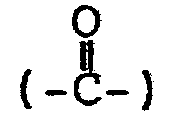
- the reduction includes (a) the removal of the protective group for the hydroxy group, (b) the the reduction of a carbonyl group shown by Y' into a hydroxymethylene group and (c) the saturation of an unsaturated bond (alkenylene group ⁇ alkylene group).
- the reduction may be performed in any order. Also, by properly selecting the conditions, the reduction may be a partial reduction.
- the removal of the protective group for the hydroxy group of the foregoing reduction (a) differs according to the kind of the protective group.
- a benzyl group, a p-methoxybenzyl group, a benzyloxycarbonyl group, a methoxymethyl group, an acetyl group, or a benzoyl group may for example be employed as a protective group and the removal of the protective group is usually performed by catalytic reduction using palladium-carbon as a catalyst, reduction by metallic sodium in liquid ammonia, acid hydrolysis or alkali hydrolysis.
- the conversion of a carbonyl group into a corresponding hydroxymethylene group of reduction (b) may be by chemical reduction using aluminum lithium hydride (LiAlH 4 ), sodium boron hydride (NaBH 4 ), etc., or catalytic reduction using palladium-carbon, etc.
- the reaction mixture thus obtained was ice-cooled, mixed with 10 ml of glacial acetic acid, and the solvent was distilled off from the mixture under reduced pressure.
- To the residue was added 50 ml of water and the product was extracted thrice each time with 5Q ml of ethyl ether.
- the extracts were combined with each other and washed twice each time with 20 ml of a saturated aqueous sodium chloride solution. After drying the extract by anhydrous magnesium sulfate, the solvent was distilled off under reduced pressure and the residue was vacuum-distilled to provide 9.7 g of dimethyl 2-oxo pentylphosphonate.
- a mixture of 2.5 g of dimethyl methylphosphonate and 15 ml of anhydrous tetrahydrofuran was cooled below -70°C and 13.5 ml of a hexane solution (10 v/w%) of n-butyl lithium cooled below -70 o C was added dropwise to the mixture with stirring under nitrogen stream over a 30 minute period followed by stirring for 15 minutes at the same temperature. Then, a mixture of 2.4 g of ethyl tridecanoate and 5 ml of anhydrous tetrahydrofuran was added dropwise to the mixture over a 10 minute period and the resultant mixture was stirred for 1 hour at a temperature below -70°C and then for 2 hours at room temperature.
- the reaction mixture thus obtained was ice-cooled, mixed with 2 ml of glacial acetic acid, the mixture was concentrated under reduced pressure, and then extracted thrice each time with 10 ml of ethyl ether.
- the extracts were combined, washed with a saturated aqueous sodium chloride solution, dried over anhydrous magnesium sulfate, and concentrated under reduced pressure to provide an oily product.
- the oily produce was applied to silica gel (40 ml) column chromatography and eluted with ethyl ether to provide 2.5 g of dimethyl 2-oxo- tetradecanoylphosphonate.
- Reference Example 9 (Raw material in Example 16) 1-(3,4-Dibenzyloxyphenyl)-2-nonanol. 0.7-1.6(15H), 2.57(2H), 3.63(1H), 5.08(4H), 6.5-7.5(13H).
- Reference Example 10 (Raw material in Example 17) 1-(3,4-Dibenzyloxyphenyl)-2-undecanol. Melting point 55-57°C. 0.7-1.6(19H), 2.57(2H), 3.59(lH), 5.07(4H), 6.5-7.5(13H).
- a mixture of 2 g of oily sodium hydride/and 90 ml of dimethyl sulfoxide was stirred for 1 hour at 55-60°C and then allowed to cool to room temperature.
- To the mixture was added dropwise a mixture of 11 g of (4-carboxybutyl)triphenylphosphonium bromide and 25 ml of dimethyl sulfoxide at room temperature. Thereafter, the mixture was stirred for 30 minutes at room temperature and then to the reaction mixture was added dropwise a mixture of 8 g of 3,4-dibenzyloxybenzaldehyde and 30 ml of dimethyl sulfoxide.
- the product was dissolved in 30 ml of ethanol and catalytically reduced using 1 g of 10% palladium-carbon as a catalyst until the absorption of hydrogen stopped. Then, the catalyst was removed by filtration and the filtrate was concentrated under reduced pressure to provide 3.8 g of 6-(3,4-dihydroxyphenyl)hexanoic acid. Melting point 109 0 C.
- a mixture of 3.8 g of 6-(3,4-dihydroxyphenyl)-hexanoic acid, 8.6 g of benzyl chloride, 9.4 g of potassium carbonate, 0.1 g of potassium iodide, 0.1 g of tetra-n-butylammonium bromide, and 50 ml of N,N-dimethylformamide was stirred overnight at room temperature. After the reaction was over, 200 ml of water was added to the reaction mixture and the product was extracted thrice each time with 100 ml of ether. The extracts were combined with each other, washed with water, dried over anhydrous magnesium sulfate, and concentrated under reduced pressure to provide a sticky product.
- the product thus obtained was dissolved in 20 ml of ether and the solution was added dropwise to a mixture of 0.5 g of lithium aluminum hydride and 50 ml of ether under ice-cooling. Thereafter, the mixture was stirred for one hour at room temperature and 30 ml of an aqueous 10% hydrochloric acid solution was added to the reaction mixture under ice-cooling. The organic layer thus formed was collected, washed with water, dried over anhydrous magnesium sulfate, and concentrated under reducced pressure to provide a sticky product.
- the .product was applied to silica gel (100 ml) column chromatography and eluted with a mixture of toluene and ethyl acetate (4 : 1) to provide 1.95 g of 6-(3,4-dibenzyloxyphenyl)hexanol.
- the product was dissolved in.10 ml of methylene chloride and the solution was added dropwise at room temperature to a methylene chloride solution (contain- ing 0.45 g of pyridine) of pyridine) of triphenylphosphine dibromide prepared from 1.57 g of triphenylphosphine and 0.88 g of bromine. Thereafter, the mixture was stirred overnight at room temperature and the reaction mixture thus obtained was washed with diluted hydrochloric acid, washed with water, dried over anhydrous magnesium sulfate, and concentrated under reduced pressure.
- the filtrate was concentrated under reduced pressure to provide an oily product.
- the product was applied to silica gel column chromatography and eluted with a mixture of toluene and ethyl acetate (8 : 2) to provide 13 g of oily 10-benzyloxy-l-decanol.
- Reference Example 18 (Raw material in Example 24) (a) To a mixture of 2.16 g of benzyl alcohol and 30 ml of dimethylformamide was added 1.2 g of oily sodium hydride (60%). After stirring the mixture for 30 minutes at 20° to 25°C, 10 g of 1,12-dibromo- dodecane was added /to the mixture in one portion followed by stirring for 2 hours at 25° to 30°C. After the reaction was over, 300 ml of water was added to the reaction mixture and the product was extracted with n-hexane. The extract was washed with over water, dried /anhydrous magnesium sulfate, and then, the solvent was distilled off.
- Example 19A (Raw material in Example 25A) (a) By following the procedure as in Reference using 1,8-dibromooctane, Example 18 (a)/8-benzyloxy-1-bromooctane was obtained as an oily product.
- Reference Example 20 (Raw material in Example 26) By following the procedure as in Reference Example 17(c) using 4-benzyloxy-3-methoxybenzaldehyde and 10-benzyloxy-l-chlorodecane, 11-bezyloxy-1-(4-benzyloxy-3-methoxyphenyl)-1-undecanol was obtained. Melting point 43 - 45°C.
- a mixture of 0.8 g of 1-(3,4-dibenzyloxyphenyl)-1,8-nonanedioneandlO ml of tetrahydrofuran was added to a solution of 0.1 g of lithium aluminum hydride in 50 ml of ether under ice-cooling followed by stirring for 2 hours at room temperature. Then, 50 ml of toluene was added to the reaction mixture and the mixture was acidified by the addition of diluted hydrochloric acid.
- the toluene layer was collected, washed with an aqueous 5% sodium hydrogencarbonate solution, washed with water, over dried /anhydrous magnesium carbonate, and concentrated under reduced pressure to provide 0.8 g of 1-(3 1 4-dibenzyloxyphenyl)-1,8-nonanediol as an oil.
- the extract was washed with water, dried over anhydrous magnesium sulfate, and the solvent was distilled off 1.6 g of under reduced pressure to provide/l-(3,4-dibenzyloxy- phenyl)-3-methyl-3-nonanol.
- the solid product was recrystallized from 10 ml of a mixture of ethyl acetate and toluene (1. : 1) to provide 1.5 g of 11-(3,4-dihydroxyphenyl)-1-undecanol.
Landscapes
- Chemical & Material Sciences (AREA)
- Organic Chemistry (AREA)
- Chemical Kinetics & Catalysis (AREA)
- Health & Medical Sciences (AREA)
- Life Sciences & Earth Sciences (AREA)
- General Health & Medical Sciences (AREA)
- Molecular Biology (AREA)
- Biochemistry (AREA)
- Nuclear Medicine, Radiotherapy & Molecular Imaging (AREA)
- Pharmacology & Pharmacy (AREA)
- Bioinformatics & Cheminformatics (AREA)
- Animal Behavior & Ethology (AREA)
- Medicinal Chemistry (AREA)
- Public Health (AREA)
- Veterinary Medicine (AREA)
- General Chemical & Material Sciences (AREA)
- Engineering & Computer Science (AREA)
- Organic Low-Molecular-Weight Compounds And Preparation Thereof (AREA)
- Acyclic And Carbocyclic Compounds In Medicinal Compositions (AREA)
Abstract
Description
- This invention relates to novel catechol derivatives useful as medicaments, to their production and intermediates used therefor, and to pharmaceutical compositions containing them.
- It is generally considered that in allergic asthma and other atopic diseases of man or anaphylactic shock in animals, several chemical mediators released from lung and other tissues cause troubles in living bodies, such as the constriction of smooth muscles, e.g., bronchi, pulmonary artery, etc., and the enhancement of vascular permeability in the skin. As such chemical mediators, there are histamine and SRS-A (slow reacting substance of anaphylaxis). Histamine plays an important role in guinea pig anaphylactic shock but not in allergic asthma in man (Eiser, "Pharmac. Ther.", 17, 239-250(1982)), whereas a number of lines of evidence suggest that SRS-A is the most important chemical mediator of allergic asthma in man (Brocklehurst, "J. Physiol.", 151, 416-435(1960); Austen and Orange, "Am. Rev. Resp. Dis.", 12, 423-436(1975); Adams and Lichtenstein, "J.Immunol.", 122, 555-562(1979)).
- "The development of medicaments for the prophylaxis, elimination, and reduction of immediate hypersensitivity reactions has aimed at inhibiting.the production and release of such chemical mediators or opposing their action.
- As an inhibitor of histamine release, disodium cromoglycate (DSCG) is well known and as an inhibitor of actions induced by histamine, various anti-histamics are commercially available. On the other hand, SRS-A is known as a slow reactive and long acting chemical mediator while histamine is a rapid acting and short acting chemical mediator, and it has recently been recognized that SRS-A is a mixture of Leukotriens C4, D4 and E4 the structures of which have been clarified by Dr. Samuelsson . SRS-A, i. e., Leukotriens are lipoxigenase products of polyunsaturated fatty acids (in particular, arachidonic acid) and it has been reported that SRS-A has various activities such as enhancement of mucus production, reduction of mucociliary transport, coronary artery constrictor action, reduction of cardiac contractility, etc., in addition to the actions in the above-described allergic reactions. Only a few materials have been known as the medicaments for inhibiting the production and release of SRS-A or combating the actions of SRS-A, and they have not yet been clinically used.
- We have found the compounds of this invention as defined hereinafter and that they are useful as medicaments capable of strongly inhibiting the formation and release of SRS-A and/or of combating the action of SRS-A.
- The compounds of the invention are catechol derivatives represented by the general formula (I)


- The term "lower alkyl group" herein means a straight chain or branched alkyl group having 1 to 5 carbon atoms, such as a methyl group, an ethyl group, a propyl group, an isopropyl group, a butyl group, a pentyl group etc.
- The "halogen atom" shown by R2 in the foregoing general formula may be a chlorine atom, a bromine atom, an iodine atom or a fluorine atom.
- The "straight chain alkylene group" shown by X includes a methylene group, an ethylene group, a propylene group, a pentanylene group (or pentamethylene group, -(CH2)5-), a hexanylene group (hexamethylene group, -(CH2)6-), a heptanylene group (heptamethylene group, -(CH2)7-), a nonanylene'group (nonamethylene group, -(CH2)9-), an undecanylene gorup (undecamethylene. group, -(CH2)11-), a tridecanylene group (tridecametylene group, -(CH2)13-), a tetradecanylene group (tetradeca- methylene group, -(CH2)14-), a pentadecanylene group (pentadecamethylene group, -(CH2)15-), etc. Also, the "branched alkylene group'' shown by X includes the above-described straight chain groups having a lower alkyl group of 1 to 5 carbon atoms at an optional position thereof. Specific examples of the branched alkylene group are a propylene group

- Examples of the group shown by


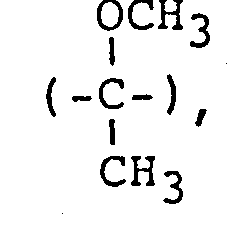

- The "straight chain alkyl group" shown by Z in the foregoing general formula includes a propyl group, a pentyl group, a hexyl group, an octyl group, a nonyl group, a decyl group, a undecyl group, etc. Also, the "branched alkyl group" shown by Z includes alkyl groups having a lower alkyl group of 1 to 5 carbon atoms at an optional position thereof and specific examples are an isopropyl group, an isobutyl group, a 1-methylhexyl group, a 1-ethylpentyl group, a 1,5-dimethylhexyl group, a 2,3,5-trimethylheptyl group, a 4-propyl- nonyl group, a l-hexylpeptyl group, etc. Also, the "cycloalkyl group" shown by Z includes a cyclopentyl group, a cyclohexyl group, etc.
- When X represents a branched alkylene group, Y represents a . group shown by

- Since the compounds of this invention shown by general formula (I) inhibit the formation and release of SRS-A, the compounds are useful for the prophylaxis and treatment of various allergic diseases (e. g., bronchial asthma, allergic rhinitis, and urticaria) and ischemic heart diseases and inflamations caused by SRS-A.
- Pharmacological experiment
- The method was based on that of Orange et al1). Briefly, male Wister rats weighing 275 to 325 g (Shizuoka Exp. Animal Agric, Coop. Assoc.) were sensitized by intraperitoneally (i.p.) injecting 5 ml of diluted (40-fold) mouse anti-DNP reaginic serum (PCA titer: 1280). After 4 hr, 5 ml of Tyrode solution containing 250 µg heparin and 2 mg DNP-BSA was injected i.p. Test drugs (100 pg/kg) were dissolved in 0.6 ml of saline and injected i.p. 30 sec before antigen administration. Five min.later, the rats were decapitated and the peritoneal fluid was collected by opening the peritoneal cavity into polycarbonate tubes in ice. The supernatant was separated for bioassay from the cellular residue by-centrifugation at 2000 rpm for 5 min at 4°C.
- Histamine and SRS-A were assayed using isolated guinea-pig ileum in the presence of 10-7M FPL-55712 and 10-6M mepyramine, respectively, in addition to 5 x 10⁻⁷ M atropine.
- One unit of SRS-A refers to the concentration required to produce a contraction of the guinea-pig ileum equal in amplitude to that produced by 5 ng histamine base in that assay.
-


- As shown in Table 1, the compounds of this invention more effectively inhibited the antigen- induced SRS-A release than histamine release, whereas DSCG inhibited the histamine release in a relatively selective manner.
- These results suggest that there is a difference in action between the compounds of this invention and DSCG.
- The method was based on that of Koshihara et al1). In the case of assay of 5-lipoxygenase activity, enzyme fraction from mastocytoma P-815 cells (10 7 cells/ml) was incubated with 0.2 µCi [1-14C]-arachidonic acid (56.9 Ci/mol), 0.8 mM CaCl2, 2 x 10⁻⁵M indomethacin and various concentrations of test drugs at 37°C for 5 min. In the case of assay of cyclooxygenase activity, CaCl2 and indomethacin were omitted from the above incubation mixture and incubation was performed at 37°C for 7 min. Both reactions were terminated by adjusting the pH of the mixture to 3.0 with HC1. After extraction of the products with 8 volume ethyl acetate, each extract was concentrated and applied to TLC plate. For the separation of HETEs and prostaglandins, thin-layer chromatography was carried out using solvent system: petroleum ether/diethyl ether/acetic acid (50:50:1) and ethyl acetate/2,2,4-trimethylpentane/acetic acid/water (11:5:2:10, upper phase), respectively. Radioactive spots were detected by autoradiography and scraped off and counted using liquid scintillation spectrometer. The activities of 5-lipoxygenase and cyclooxygenase were expressed as the sum of radioactivities due to 5-HETE and 5,12-diHETE and due to PGD2, PGE2 and PGF2α, respectively. The IC 50 values were calculated by Probit method.
- 1) Koshihara et al. (1982) FEBS Letters 143, 13-16.

- The compounds of this invention dose-dependently inhibited the formation of 5-lipoxygenase products in doses between 0.01 to 10 pM; their IC 50 values are shown in Table 2. On the contrary, at 10 µM they showed weak inhibition or enhancement of the formation of cyclooxygenase products.
- These results indicate that the compounds of this invention specifically inhibit 5-lipoxygenase.
- The compounds of this invention shown by general formula (I) can be stably administered orally or parenterally by themselves or as medicament compositions - [e.g., tablets,-capsules (including soft capsules, microcapsules, etc.,), powders, granules, pills, ointments, syrups,-injections, inhalators, plasters, etc.,] mixed with known pharmaceutically allowable carriers, excipients, etc. The dose thereof depends upon the subject to be treated, the manner of administration, the state of the disease, etc., but is ordinarily 0.1 to 500 mg per day per adult,and it is appropriate to administer the compound orally or parenterally two or three times per day.
- The compounds of this invention shown by general formula (I) can be prepared by the methods shown in the following reaction formulae:


- In the above-described methods, a 1-(3-hydroxy( or of general formula (I) 3-lower alkoxy)-4-hydroxyphenyl)alkane/is produced by reducing or hydrolyzing the corresponding 1-(3,4-disubstituted phenyl)alkane or 1-(3,4-di substituted phenyl)alkene. The reduction includes (a) the removal of the protective group for the hydroxy group, (b) the the reduction of a carbonyl group

- The reduction may be performed in any order. Also, by properly selecting the conditions, the reduction may be a partial reduction.
- The removal of the protective group for the hydroxy group of the foregoing reduction (a) differs according to the kind of the protective group. In the production method of the compounds of this invention, a benzyl group, a p-methoxybenzyl group, a benzyloxycarbonyl group, a methoxymethyl group, an acetyl group, or a benzoyl group may for example be employed as a protective group and the removal of the protective group is usually performed by catalytic reduction using palladium-carbon as a catalyst, reduction by metallic sodium in liquid ammonia, acid hydrolysis or alkali hydrolysis.
- The conversion of a carbonyl group into a corresponding hydroxymethylene group of reduction (b) may be by chemical reduction using aluminum lithium hydride (LiAlH4), sodium boron hydride (NaBH4), etc., or catalytic reduction using palladium-carbon, etc.
- Also, the reduction of an alkenylene group (-(CH2)m,CH=CH-) into an alkylene group (-(CH2)m'CH2CH2-) of the reduction (c) may be by catalytic reduction using palladium-carbon, Raneynickel catalyst, platinum black, etc.
- For the production methods of the compounds of this invention shown by general formula (I), there are further a halogenation of a benzene ring, a lower alkoxylation of a hydroxy group, etc. These reactions can be performed in ordinary manner.
- The following Examples are intended to illustrate the compounds of this invention shown by formula (I) and the production methods of the compounds but not to limit in any way.
- In addition, since the raw materials used in the following Examples include novel compounds, the production methods of these compounds are explained by the following reference Examples.
- Reference Example 1 (a)

- While stirring a mixture of 400 mg of oily sodium hydride (60%) and 50 ml of 1,2-dimethoxyethane, a mixture of 2.36 g of dimethyl/3-methyl-2-oxo)heptyl phosphonate and 5 ml of dimethoxyethane was added dropwise to the mixture at 20° to 250C. Then, after stirring the resultant mixture for 2 hours at room temperature, the reaction mixture was cooled to 5° to 7°C and a mixture of 2.3 g of 3,4-dibenzyloxybenzaldehyde and 5 ml of dimethoxyethane was added dropwise to the reaction mixture.
- After stirring the reaction mixture for 2 hours at room temperature, 300 ml of water was added to the reaction mixture and the product was extracted with 50 ml of toluene-n-hexane (1 : 1). The extract was washed with water, dried over anhydrous magnesium sulfate, and concentrated under reduced pressure to provide a sticky residue. The residue was applied to silica gel (70 ml) column chromatography and eluted with a mixture of n-hexane and ether (4 : 1) to provide 1.2 g of 1-(3,4-dibenzyloxyphenyl)-4-methyl-l-octen-3-one.
- Melting point 62 - 64°C.
- Reference Example 1 (b) (Raw material in Example 1)

- To a mixture obtained by adding 0.1 g of lithium aluminum hydride to 20 ml of ether was added 0.55 g of 1-(3,4-dibenzyloxyphenyl)-1-octen-3-one under ice-cooling and'the mixture was stirred for one hour at room temperature. To the reaction mixture was gradually added 10 ml of an aqueous 10% hydrochloric acid solution and the ether layer was collected, washed with water, and concentrated under reduced pressure to provide a solid product. By washing the product with a mixture of ether and n-hexane (1 : 3), 0.4 g of 1-(3,4-dibenzyloxyphenyl)-4-methyl-1-octen-3-ol was obtained. Melting point 77- 78°C.
- Then, by following the same procedures as in Reference Example 1 (a) and (b), the following compounds of Reference Example 2 (a) and (b) were obtained and by following the same procedure as in Reference Example 1 (a), the following compounds of Reference Examples 3 to 7 were obtained.
- Reference Example 2 (a) (Raw material in Example 3)

- Elemental analysis for C29H32O3:
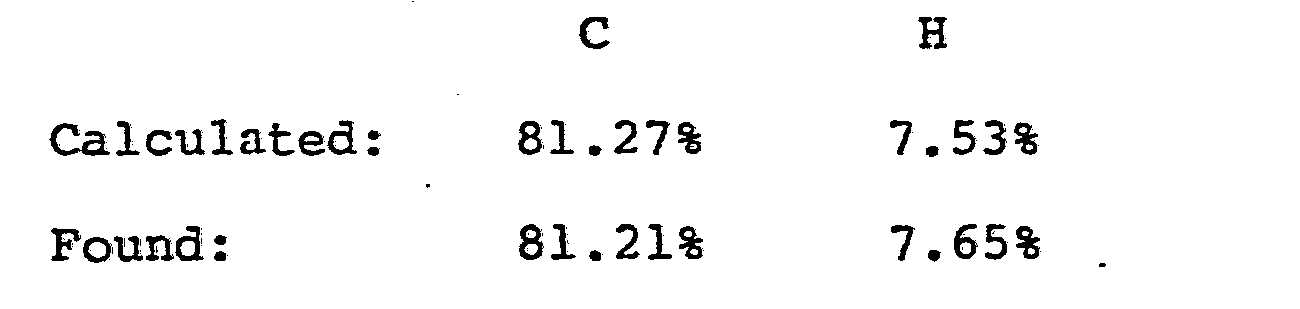
- (Using the compound obtained in the above step (a))

- Reference Example 3 (Raw material in Example 4)


- Elemental analysis for C35H44O3:

- Reference Example 4 (Raw material in Example 5)
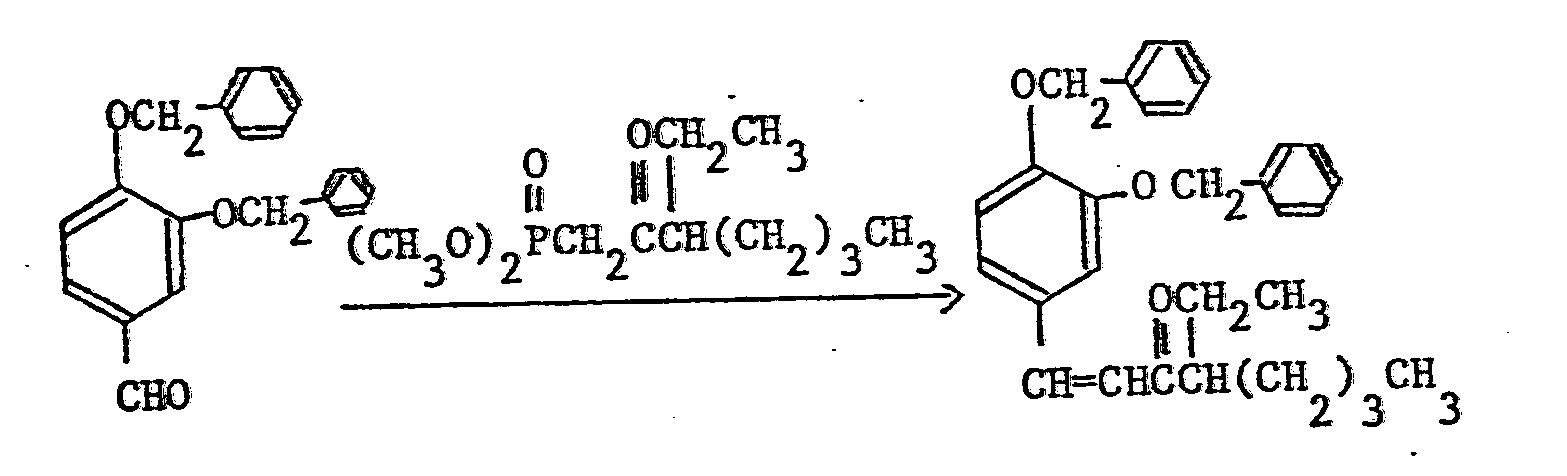
- Nuclear magnetic resonance spectra (in CDCl3, TMS internal standard, ppm.)
- 0.86(6H), 1.1-1.9(8H), 2.65(1H), 5.15(4H), 6.4-7.6(15H).
- Reference Example 5 (Raw material in Example 6)
-


- Reference Example 6 (Raw material in Example 7)

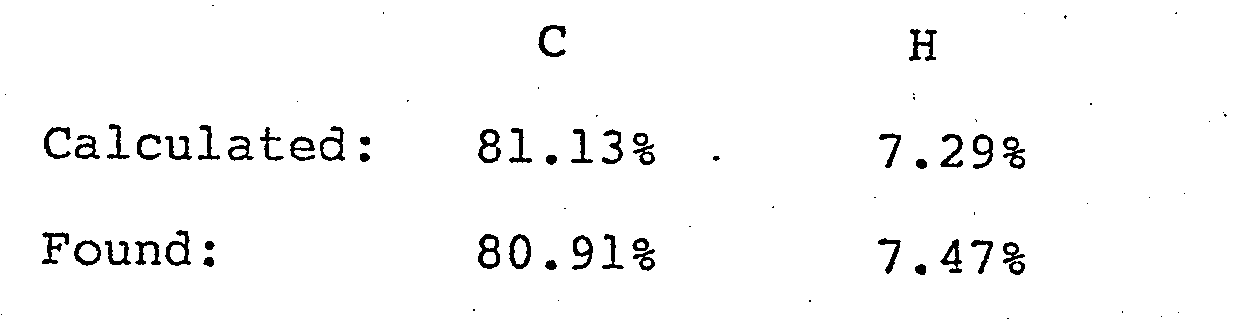
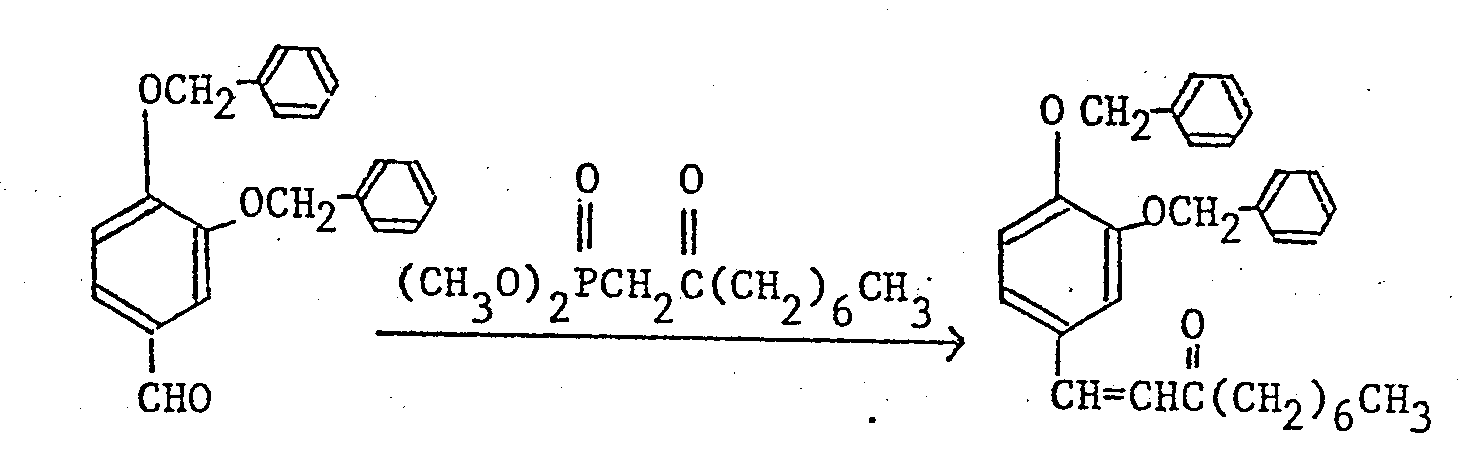
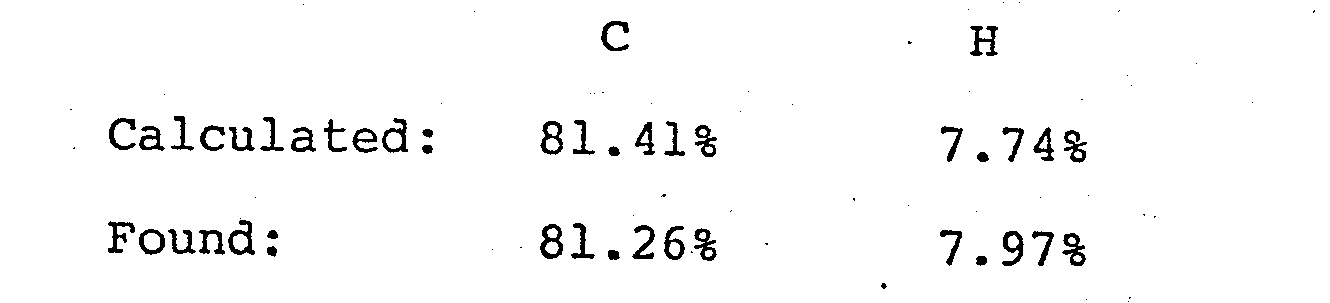
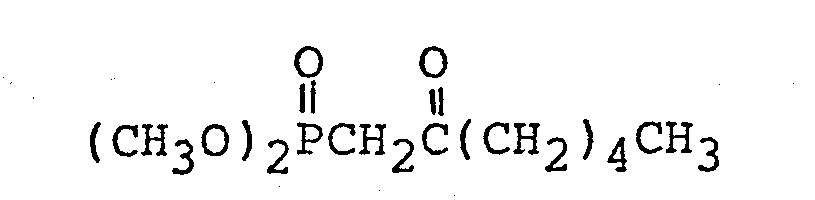
- In addition, the properties and production methods of dimethyl 2-oxoalkylphosphonates used in the above reference examples are shown below.
-

- The reaction mixture thus obtained was ice-cooled, mixed with 10 ml of glacial acetic acid, and the solvent was distilled off from the mixture under reduced pressure. To the residue was added 50 ml of water and the product was extracted thrice each time with 5Q ml of ethyl ether. The extracts were combined with each other and washed twice each time with 20 ml of a saturated aqueous sodium chloride solution. After drying the extract by anhydrous magnesium sulfate, the solvent was distilled off under reduced pressure and the residue was vacuum-distilled to provide 9.7 g of dimethyl 2-oxopentylphosphonate.

- Boiling point 95-97°C/0.9 mm Hg.
- By following the procedure as in Method A, the phosphonate compounds having the following formulae were prepared.
- Boiling point


- Method B:

- A mixture of 2.5 g of dimethyl methylphosphonate and 15 ml of anhydrous tetrahydrofuran was cooled below -70°C and 13.5 ml of a hexane solution (10 v/w%) of n-butyl lithium cooled below -70oC was added dropwise to the mixture with stirring under nitrogen stream over a 30 minute period followed by stirring for 15 minutes at the same temperature. Then, a mixture of 2.4 g of ethyl tridecanoate and 5 ml of anhydrous tetrahydrofuran was added dropwise to the mixture over a 10 minute period and the resultant mixture was stirred for 1 hour at a temperature below -70°C and then for 2 hours at room temperature.
- The reaction mixture thus obtained was ice-cooled, mixed with 2 ml of glacial acetic acid, the mixture was concentrated under reduced pressure, and then extracted thrice each time with 10 ml of ethyl ether. The extracts were combined, washed with a saturated aqueous sodium chloride solution, dried over anhydrous magnesium sulfate, and concentrated under reduced pressure to provide an oily product. The oily produce was applied to silica gel (40 ml) column chromatography and eluted with ethyl ether to provide 2.5 g of dimethyl 2-oxo- tetradecanoylphosphonate.
- Boiling-point 37-38°C.
- Reference Example 8 (Raw material in Example 13)

- After gradually adding 0.5 g of 3,4-dibenzyloxy- phenylacetaldehyde to 10 mg of an ether solution of n-octylmagnesium bromide obtained from 0.12 g of magnesium and 0.97 g of n-octyl bromide, the mixture was stirred for 30 minutes at room temperature. To the reaction mixture thus obtained was added 10 ml of an aqueous 5% hydrochloric acid solution and after stirring the mixture, the ether layer was collected. The ether solution was washed with water, dried over anhydrous magnesium sulfate, and concentrated under reduced pressure to provide 0.5 g of 1-(3,4-dibenzyl- oxyphenyl)-2-decanol.
- Melting point 55-570C (n-hexane).
- Elemental analysis for C30H38O3:

- By following the procedure as in Reference Example 8, the following compounds (Reference Examples 9 to 11) were prepared. The names of these compounds are shown below together with the melting points and/or nuclear magnetic resonance spectra (in CDCl3, TMS internal standard, ppm).
- Reference Example 9 (Raw material in Example 16) 1-(3,4-Dibenzyloxyphenyl)-2-nonanol. 0.7-1.6(15H), 2.57(2H), 3.63(1H), 5.08(4H), 6.5-7.5(13H). Reference Example 10 (Raw material in Example 17) 1-(3,4-Dibenzyloxyphenyl)-2-undecanol. Melting point 55-57°C. 0.7-1.6(19H), 2.57(2H), 3.59(lH), 5.07(4H), 6.5-7.5(13H).
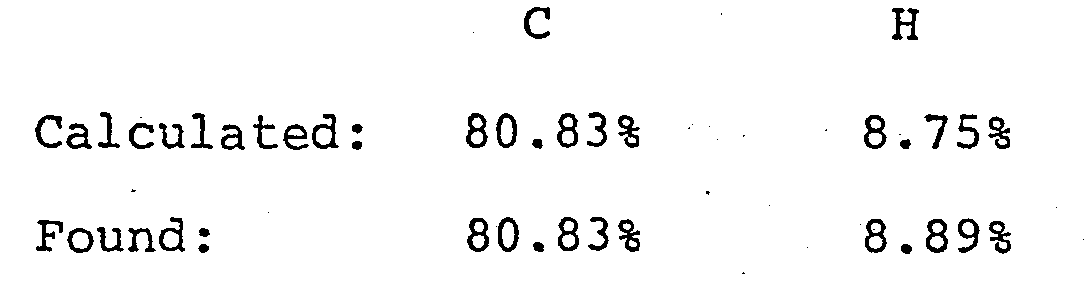
- Elemental analysis for C31H40O3:
- Melting point 73-75°C.
- Elemental analysis for C28H32O3:


- To a mixture of 15 ml of methylene chloride and 1.2 ml of pyridine was gradually added 2 g of chromic anhydride under cooling to 0°C to -5°C and after stirring the mixture for 10 minutes at 0° to -30C, a solution of 0.9 g of 3,4-dibenzyloxyphenyl-2-undecanol in 3 ml of methylene chloride was added to the mixture. After further stirring the mixture for 20 minutes at 0° to 10°C, the supernatent methylene chloride solution was concentrated under reduced pressure. The residue
- was applied to silica gel column chromatography and eluted with toluene to provide 0.8 g of 1-(3,4-dibenzyloxyphenyl)-2-undecanone.. Melting point 68°C.
- Elemental analysis for C 31 H 38 0 3 :

- Reference Example 13 (Raw material in Example 15)

- To a solution obtained by adding 200 mg of oily sodium hydride (60%) to a mixture of 25 ml of 1,2-dimethoxyethane and 10 ml of dimethyl sulfoxide was added dropwise a mixture of 1.2 g of diemthyl 2-oxooctylphosphonate and 3 ml of dimethoxyethane at 20 to 25°C. 'Thereafter, the mixture was stirred for 2 hours at room temperature and after adding thereto small pieces of dry ice, the mixture was further stirred for 5 minutes. To the reaction mixture was added 200 ml of water and the product was extracted with toluene. The extract was washed with water, dried over anhydrous magnesium sulfate, and concentrated under reduced pressure. The residue was applied to silica gel column chromatography and eluted with a mixture of toluene and ethyl acetate (10 : 1) to provide 0.5 g of 1-(3,4-dibenzyloxyphenyl)-2-decen-4-one as an oily product.
- Nuclear magnetic resonance spectra (in CDC13, TMS internal standard, ppm)
- 0.7-1.8(11H), 2.42(2H), 3.24(2H), 5.09(4H), 6.0-7.7(15H)
- Reference Example 14 (Raw material in Example 19) By following the procedure as in Reference Example 13, 1-(3,4-dibenzyloxyphenyl)-3-decen-5-one was obtained from 1-(3,4-dibenzyloxyphenyl)propionaldehyde and dimethyl 2-oxohexylphosphonate.
- Melting point 38-39°C
- Elemental analysis for C30H34O3:

- Reference Example 15 (Raw material in Example 20)

- A mixture of 2 g of oily sodium hydride/and 90 ml of dimethyl sulfoxide was stirred for 1 hour at 55-60°C and then allowed to cool to room temperature. To the mixture was added dropwise a mixture of 11 g of (4-carboxybutyl)triphenylphosphonium bromide and 25 ml of dimethyl sulfoxide at room temperature. Thereafter, the mixture was stirred for 30 minutes at room temperature and then to the reaction mixture was added dropwise a mixture of 8 g of 3,4-dibenzyloxybenzaldehyde and 30 ml of dimethyl sulfoxide. After further stirring the mixture for one hour at room temperature, 5 g of dry ice was added to the reaction mixture and after further adding thereto .250 ml of water and 50 ml of an aqueous 10% hydrochloric acid solution, the product was extracted with 300 ml of ether. The extract was washed with water, dried over anhydrous magnesium sulfate, and concentrated under reduced perssure to provide a sticky product. The product was applied to silica gel (150 ml) column chromatography and eluted with a mixture of n-hexane and ether (1 : 1) to provide 8.5 g of 6-(3,4-dibenzyl- oxyphenyl)-5-hexenoic acid. The product was dissolved in 30 ml of ethanol and catalytically reduced using 1 g of 10% palladium-carbon as a catalyst until the absorption of hydrogen stopped. Then, the catalyst was removed by filtration and the filtrate was concentrated under reduced pressure to provide 3.8 g of 6-(3,4-dihydroxyphenyl)hexanoic acid. Melting point 1090C.
-

- A mixture of 3.8 g of 6-(3,4-dihydroxyphenyl)-hexanoic acid, 8.6 g of benzyl chloride, 9.4 g of potassium carbonate, 0.1 g of potassium iodide, 0.1 g of tetra-n-butylammonium bromide, and 50 ml of N,N-dimethylformamide was stirred overnight at room temperature. After the reaction was over, 200 ml of water was added to the reaction mixture and the product was extracted thrice each time with 100 ml of ether. The extracts were combined with each other, washed with water, dried over anhydrous magnesium sulfate, and concentrated under reduced pressure to provide a sticky product. The product was applied to silica gel (150 ml) column chromatography and eluted with a mixture of toluene and ethyl acetate (19 : 1) to provide 3.4 g of benzyl 6-(3,4-dibenzyloxyphenyl)-hexanate.
- The product thus obtained was dissolved in 20 ml of ether and the solution was added dropwise to a mixture of 0.5 g of lithium aluminum hydride and 50 ml of ether under ice-cooling. Thereafter, the mixture was stirred for one hour at room temperature and 30 ml of an aqueous 10% hydrochloric acid solution was added to the reaction mixture under ice-cooling. The organic layer thus formed was collected, washed with water, dried over anhydrous magnesium sulfate, and concentrated under reducced pressure to provide a sticky product. The .product was applied to silica gel (100 ml) column chromatography and eluted with a mixture of toluene and ethyl acetate (4 : 1) to provide 1.95 g of 6-(3,4-dibenzyloxyphenyl)hexanol.
- The product was dissolved in.10 ml of methylene chloride and the solution was added dropwise at room temperature to a methylene chloride solution (contain- ing 0.45 g of pyridine) of pyridine) of triphenylphosphine dibromide prepared from 1.57 g of triphenylphosphine and 0.88 g of bromine. Thereafter, the mixture was stirred overnight at room temperature and the reaction mixture thus obtained was washed with diluted hydrochloric acid, washed with water, dried over anhydrous magnesium sulfate, and concentrated under reduced pressure. The residue was applied to silica gel (50 ml) column chromatography and eluted with a mixture of n-hexane and toluene (2 : 1) to provide 1.08 g of 6-(3,4-dibenzyloxyphenyl)hexyl bromide as an oil. Nuclear magnetic resonance spectra (in CDC13, TMS internal standard, ppm) 1.0-2.0(8H), 2.50(2H), 3.38(2H), 5.13(2H), 5.16(2H), 6.6-6.92(3H), 7.10-7.60(10H).

- A mixture of 0.5 g of 6-(3,4-dibenzyloxyphenyl)-hexyl bromide , 0.12 g of acetylacetone, 0.15 g of potassium carbonate, 0.02 g of sodium iodide, and 5 ml of ethanol was refluxed for 20 hours. To the reaction mixture was added 15 ml of water and the product was extracted with 20 ml of ether. The extract was washed with water, dried over anhydrous magnesium sulfate, and concentrated under reduced pressure to provide a sticky product. The product was applied to silica gel (45 ml) column chromatography and eluted with a mixture of toluene and ethyl acetate (30 : 1) to provide 33 mg of 9-(3,4-dibenzyloxy- phenyl)-2-nanan one as an oil.
- Nuclear magnetic resonance spectra (in CDC13, TMS internal standard, ppm):
- 1.0-2.0(10H), 2.10(3H), 2.20-2.70(4H), 3.08(2H), 3,10(2H), 6.50-7.0(3H), 7.20-7.60(10H).
-

a solution of 1.27 g of 1-(3,4-dibenzyloxy- phenyl)-4-methyl-l-octen-3-ol obtained in Reference in 5 ml of N,N-dimethylformamide Example 1/and 500 mg of methyl iodide with stirring under ice-cooling. After stirring the mixture overnight at room temperature, 150 ml of water was added to the reaction mixture and the product was extracted with 30 ml of ethyl acetate. The extract over was washed with water, dried /anhydrous magnesium sulfate, and concentrated under reduced pressure to provide a sticky product. The product was applied to silica gel (40 g) column chromatography and eluted with a mixture of n-hexane and ether (4 : 1) to provide 970 mg of 1-(3,4-dibenzyloxyphenyl)-3-methoxy-4-methyl-1- octene. Melting point 36-38°C. - Reference Example 17 (Raw material in Example 23)

- In 20 ml of xylene was dissolved 35 g of decanediol by heating and after adding thereto 1.65 g of metallic sodium at 130°C, the mixture was heated for one hour at 125 to 130oC. To the reaction mixture was added dropwise 9.5 g of benzyl chloride at 120-130°C and the mixture was further heated for one hour at 130°C. The reaction mixture was cooled to 110 C and after adding thereto 50 ml of toluene, the mixture was filtered while the mixture was in a hot state. The filtrate was ice-cooled to precipitate crystals, which were collected by filtration to recover 24 g of decanediol used as the raw material. On the other hand, the filtrate was concentrated under reduced pressure to provide an oily product. The product was applied to silica gel column chromatography and eluted with a mixture of toluene and ethyl acetate (8 : 2) to provide 13 g of oily 10-benzyloxy-l-decanol.
- Nuclear magentic resonance spectra (in CDC13, TMS, ppm):
- 1.1-2.0(16H, (CH2)8), 3.43(2H, t, -CH2O-), 3.59(2H, t, -CH2-OH), 4.47(2H, s,


- A mixture of 7 g of 10-benzyloxy-l-decanol, 8 ml of thionyl chloride, and 0.2 ml of dimethylformamide was heated to 50 to 60°C for one hour. After the reaction was over, the reaction mixture was concentrated under reduced pressure, the residue was dissolved in 50 ml of n-hexane, and after washing the solution with water, the solution was dried over anhydrous magnesium sulfate. Then, the solvent was distilled off and the residue was applied to silica gel column chromatography and eluted with toluene to provide 6.7 g of oily 10-benzyloxy-l-chlorodecane. Boiling point 135 - 140°C (0.6 - 0.9 mm Hg).
- Nuclear magnetic resonance spectra (in CDC13, TMS, ppm):
- 1.1-2.0(16H, (CH2)8), 3.43(2H, t, -CH2-O-), 3.49(2H, t, -CH2Cl), 4.47(2H, s, -OCH2-), 7.28(5H, H of benzene ring).

- To a mixture of 1 ml of anhydrous ether and 0.6 g of metallic magnesium were added 0.1 ml of ethyl iodide and a piece of iodine crystal followed by heating to initiate the reaction and then a mixture of 6.7 g of 10-benzyloxy-l-chlorodecane and 10 ml of anhydrous ether was added dropwise to the aforesaid mixture. After the reaction was over, the reaction mixture
- was refluxed for 2 hours. After cooling, the reaction mixture was added dropwise to a solution of 6 g of 3,4-dibenzyloxybenzaldehyde dissolved in 30 ml of tetrahydrofuran at 0° to 5 C. Thereafter, the mixture was stirred for 30 minutes at room temperature and after adding 300 ml of an aqueous 1% hydrochloric acid solution to the reaction mixture, the product was extracted with 100 ml of toluene. The extract was washed with water, dried over anhydrous magnesium sulfate, and then the solvent was distilled off under reduced pressure. The residue was dissovled in 30 ml of ethanol, the solution was allowed to stand overnight under cooling to 0° to 5°C, and the crystals thus precipitated were collected by filtration. By drying the crystals, 5 g of 11-benzyloxy-1-(3,4- dihenzyloxyphenyl)-1-undecanol was obtained. Melting point 50 - 52°C.
- Elemental analysis for C38H46O:

- Reference Example 18 (Raw material in Example 24) (a) To a mixture of 2.16 g of benzyl alcohol and 30 ml of dimethylformamide was added 1.2 g of oily sodium hydride (60%). After stirring the mixture for 30 minutes at 20° to 25°C, 10 g of 1,12-dibromo- dodecane was added /to the mixture in one portion followed by stirring for 2 hours at 25° to 30°C. After the reaction was over, 300 ml of water was added to the reaction mixture and the product was extracted with n-hexane. The extract was washed with over water, dried /anhydrous magnesium sulfate, and then, the solvent was distilled off. The oily residue was applied to silica gel column chromatography and eluted with a mixture of n-hexane and ether (9 : 1) to provide 3.8 g of 12-benzyloxy-l-bromododecane as an oily product.
- Nuclear magentic resonance spectra (in CDC13, TMS, ppm):
- 1.1-2.0(20H, -(CH2)10-), 3.38(2H, t, -CH2-Br), 3,44(2H, t, -CH2-0-), 4.47(2H, s, -OCH2.

- (b) By follwoing the procedure as in Reference Example 17-(c) using the compound in the above step (a), the following compound was obtained.
- 1-Benayloxy-13-(3,4-dibenzyloxyphenyl)-1-tridecanol. Melting point 51 - 53 C.
- Elemental analysis for C40H5004:

- Reference Example 19A (Raw material in Example 25A) (a) By following the procedure as in Reference using 1,8-dibromooctane, Example 18 (a)/8-benzyloxy-1-bromooctane was obtained as an oily product.
- Nuclear magentic resonance spectra (in CDCl3, TMS, ppm):
- 1.1-2.1(I2H, -(CH2)6-), 3.38(2H, t, -CH2Br), 3.44(2H, t, -CH20-), 4.47(2H, s, -OCH2-
- Elemental analysis for C36H42O4:

- (a) By following the procedure as in Reference Example 17(a) and (b) using nonanediol, 9-benzyloxy-l-chlorononane was obtained. Boiling point 128 - 130°C (0.6 - 0.7 mmHg).
- (b) By following the procedure as in Reference Example 17(c) using 9-benzyloxy-l-chlorononane, 10-benzyloxy-1-(3,4-dibenzyloxyphenyl)-1-decanol was obtained. Melting point 45 - 47°C.
- Elemental analysis for C37H44O4:

- Reference Example 20 (Raw material in Example 26) By following the procedure as in Reference Example 17(c) using 4-benzyloxy-3-methoxybenzaldehyde and 10-benzyloxy-l-chlorodecane, 11-bezyloxy-1-(4-benzyloxy-3-methoxyphenyl)-1-undecanol was obtained. Melting point 43 - 45°C.
- Elemental analysis for C32H42O4:


- To a mixture of 400 mg of oily sodium hydride (60%) and 50 ml of 1,2-dimethoxyethane was added dropwise a mixture of 3.06 g of dimethyl 2-oxooctylphosphonate and 10 ml of dimethoxyethane with stirring under ice-cooling. After adding thereto 5 ml of dimethyl sulfoxide and stirring the mixture for one hour at room temperature, a mixture of 2.22 g of 3,4- diacetoxybenzaldehyde and 10 ml of dimethoxyethane was added dropwise to the mixture. After stirring the resultant mixture for 4 hours at room temperature, 400 ml of water was added to the reaction mixture
- and the product was extracted twice each time with 50ml of ether. The extract was washed with water, dried over anhydrous magnesium sulfate, and concentrated under reduced pressure. The residue was applied to silica gel (120 g) column chromatography and eluted with a mixture of toluene and ethyl acetate (20 : 1) 2.67 g of to provide/l-(3,4-diacetoxyphenyl)-l-nonen-3-one.
- Melting point 71 - 72°C.
- By following the procedure as in Reference Example 21, the compounds of following Reference Examples 22 to 24 were prepared.
- Reference Example 22 (Raw material in Example 28)
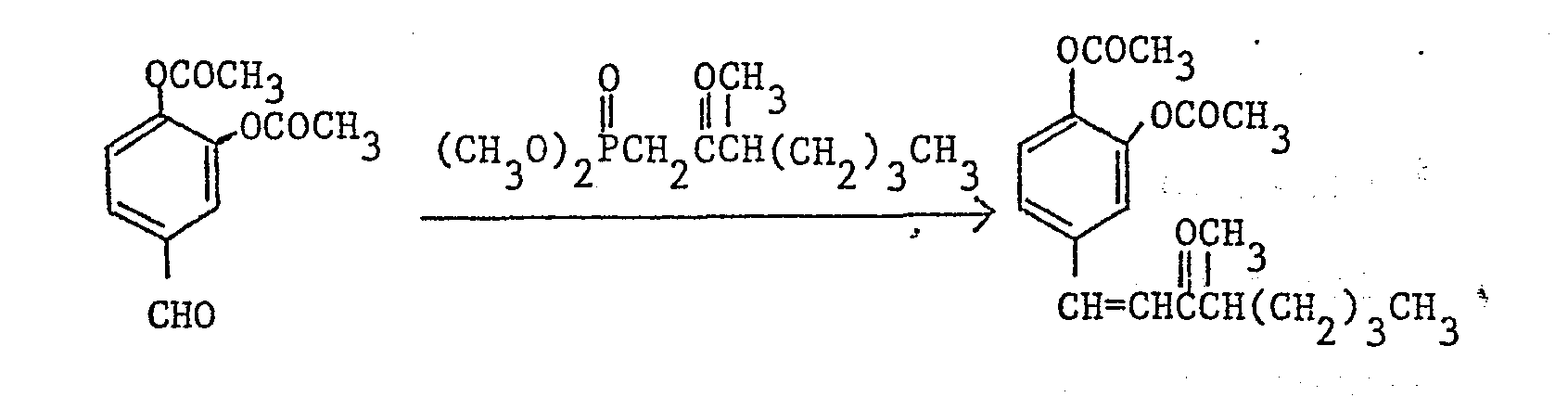
- 1-(3,4-Diacetoxyphenyl)-4-methyl-1-octen-3-one. Oily product.
- Nuclear magnetic resonance spectra (In CDC13, TMS internal standard, ppm):
- 0.89(3H), 1.05-1.9(9H), 2.30(6H), 2,75(lH), 6.6-7.7(5H).
- Reference Example 23 (Raw material in Example 29)

- Nuclear magnetic resonance spectra (in CDCl3, TMS internal standard, ppm):
- 0.88(3H), 1.05-1.9(11H), 2.30(6H), 2.77(lH), 6.66-7.7(5H).
- Reference Example 24 (Raw material in Example 30)


- Reference Example 25 (Raw material in Example 31)

- To a mixture of 12.7 g of 3,4-dibenzyloxybenzaldehyde and 150 ml of tetrahydrofuran was added dropwise an ether solution of Grignard reagent prepared from 10.4 g of 2-methyl-2-(6-bromohexyl)-1,3-dioxolane and 1.1 g of magnesium at a temperature below 5 C. After stirring the mixture for 2 hours at room temperature, water was added to the mixture and acidifying the mixture by the addition of diluted hydrochloric acid, the reaction mixture thus obtained was extracted with toluene. The extract was washed with water, dried by anhydrous magnesium sulfate, and concentrated under reduced pressure. To the residue
- were added 300 ml of acetone and 0.1 g of p-toluenesulfonic acid, the mixture was stirred overnight at room temperature and concentrated under reduced pressure. The residue was extracted with toluene and the extract was washed with an aqueous 5% sodium hydrogencarbonate solution, washed with water, dried over anhydrous magnesium sulfate, and concentrated under reduced pressure to provide an oily product. The product was applied to silica gel (500 ml) column chromatography and eluted with a mixture of toluene and ethyl acetate (19 : 1) to provide 4.4 g of 1-(3,4-dibenzyloxyphenyl)-1,8-nonanediore. Melting point 64 - 660C.
- Reference Example 26 (Raw material in Example 32)

- A mixture of 0.8 g of 1-(3,4-dibenzyloxyphenyl)-1,8-nonanedioneandlO ml of tetrahydrofuran was added to a solution of 0.1 g of lithium aluminum hydride in 50 ml of ether under ice-cooling followed by stirring for 2 hours at room temperature. Then, 50 ml of toluene was added to the reaction mixture and the mixture was acidified by the addition of diluted hydrochloric acid. The toluene layer was collected, washed with an aqueous 5% sodium hydrogencarbonate solution, washed with water, over dried /anhydrous magnesium carbonate, and concentrated under reduced pressure to provide 0.8 g of 1-(314-dibenzyloxyphenyl)-1,8-nonanediol as an oil.
- Nuclear magentic resonance spectra (in CDCl3, TMS, ppm):
- - 1.05-1.80(15H), 3.8-4.0(1H), 4.56(lH), 5.18(2H), 5.20(2H), 6.80-7.60(13H).
- Reference Example 27 (Raw material in Example 33)

- By following the procedure as in Reference Example 25 using a Grignard reagent prepared from 3 g of 3,4-dibenzyloxybenzaldehyde, 2.5 g of 2-methyl-(7-bromo- heptyl)-1,3-dioxolane,and 0.3 g of magnesium, 0.8 g of 1-(3,4-dibenzyloxyphenyl)-1,9-decanedione was obtained.
- Melting point 72 - 74°C.

- By following the procedure as in Reference Example 26 using 1 g of 1-(3,4-dibenzyloxyphenyl)-1,9-decanedione as the raw material, 1.0 g of 1-(3,4-dibenzyloxyphenyl)-1,9-decanediol was obtained. Melting point 66°C.
- Reference Example 28 (Raw material in Example 34)

- By follwoing the procedure as in Reference Example and 25 using 8 g of 3,4-dibenzylotybenzaldehyde,/a Grignard reagent prepared from 8 g of 2-ethyl-2-(6-bromo- hexyl)-1,3-dioxsolane,and 850 mg of magnesium, 2 g of 1-(3,4-dibenzyloxyphenyl)-1,8-decanedione was obtained.
- Melting point 67 - 68°C.
- Reference Example 29 (Raw material in Example 35)

- A mixture of 640 mg of oily sodium hydride (60%) and 10 ml of dimethyl sulfoxide was stirred for 45 minutes at 75 to 80°C. After cooling the mixture, 50 ml of dimethyl sulfoxide and a mixture of/8.2 g of 8-ethylenedioxynonyl triphenylphosphonium bromide prepared from 2-methyl-2-(7-bromoheptyl)-1,3-dioxolan and triphenylphosphin was added to the mixture. After 10 minutes, a mixture of 2.5 g, of 3.4-dibenzyloxybenzaldehyde and 10 ml of diemthyl sulfoxide was added to the mixture at room temperature and the resultant mixture was stirred overnight. To the reaction mixture
- was added 500 ml of water and the product was extracted with ether. The extract was washed with water, dried over anhydrous magnesium sulfate, and concentrated under reduced pressure to provide an oily product. The product was applied to silica gel (200 ml) column chromatography and eluted with a mixture of n-hexane and ether (1 : 1) to provide 1.4 g of 1-(3,4-dibenzyloxyphenyl)-9-ethylenedioxy-l-decene.
- Nuclear magnetic resonance spectra (in CDCl3, TMS, ppm):
- 1.05-1.8(11H), 1.9-2.4(2H), 3.85(4H), 5.05(4H), 6.0-7.5(15H).

- A mixture of 1.4 g of 1-(3,4-dibenzyloxyphenyl)-9-ethylenedioxy-l-decene, 50 ml of acetone, and 50 mg of p-toluenesulfonic acid was stirred overnight at room temperature. After adding thereto 50 mg of sodium carbonate, the reaction mixture was concentrated under reduced perssure, and after adding thereto 50 ml of water, the product was extracted with toluene. The extract was washed with water, dried over anhydrous magnesium sulfate, and concentrated under reduced pressure to provide 1.1 g of 1-(3,4-dibenzyloxyphenyl)-1-decen-9-one as an oil.
- Nuclear magnetic resonance spectra (in CDCl3, TMS, ppm):
- 1.05-1.8(8H), 2.1(3H), 2.1-2.6(4H), 5.16(4H), 6.0-7.6(15H).
- Reference Example 30 (Raw material in Example 36)

- By following the procedure as in Reference Example 1 (a) using 1.2 g of 4-benzyloxy-3-methoxybenzaldehyde and 1.53 g of dimethyl 2-oxooctylphosphonate, 1.27 g of 1-(4-benzyloxy-3-methoxyphenyl)-1-nonen-3-one was obtained. Melting point 78 - 81°C.
- Reference Example 31 (Raw material in Example 37)

- (a) To a solution of 1.2 g of 1-(3,4-dihydroxyphenyl)-3-nonanone in 10 ml of dimethylformamide was added 200 mg of oily sodium hydride (60%J and after stirring the mixture for 15 minutes at room temperature, 0.9 g of benzyl bromide was added to the mixture followed by stirring for 15 minutes at room temperature. After further adding thereto 200 mg of oily sodium hydride (60%) and stirring the mixture for 15 minutes at room temperature,0.9 g of benzyl bromide was added to the mixture followed by stirring for 1.5 hours at room temperature. After adding 50 ml of water to the reaction mixture, the product was extracted with toluene. The extract was washed with water, dried over anhydrous magnesium sulfate, and then the solvent was distilled off under reduced pressure. The residue was applied to silica gel column chromatography and eluted with toluene to provide 1.8 g of 1-(3,4-dibenzyloxyphenyl)-3- nonanone as a sticky product.
- Nuclear magnetic resonance spectra (in CDCl3 TMS, ppm): 0.87(3H, -CH3, 1.05-1.8(8H, -(CH2)4), 1.30(2H, -CH2-), 2.55-2.85(4H,

- (b) A solution of 1.75 g of 1-(3,4-dibenzyloxy- phenyl)-3-nonanone in 10 ml of tetrahydrofuran was cooled to 0° to 5°C and then an ether solution of a Grignard reagent prepared from 0.24 g of metallic magnesium and 1.7 g of methyl iodide was added dropwise to the mixture. Thereafter, the resultant mixture was stirred for 15 minutes and after adding thereto 50 ml of an aqueous 5% hydrochloric acid solution, the product was extracted with toluene. The extract was washed with water, dried over anhydrous magnesium sulfate, and the solvent was distilled off 1.6 g of under reduced pressure to provide/l-(3,4-dibenzyloxy- phenyl)-3-methyl-3-nonanol.
- Nuclear magnetic resonance spectra (in CDCl3, TMS, ppm):
- 0.88(3H, -CH3), 1.1-1.9(15H,

- Reference Example 32 (Raw material in Example 38)

- A solution of 0.4 g of 3-(3,4-dibenzylaxyphenyl)-propionaldehyde in 5 ml of anhydrous tetrahydrofuran was cooled to 0° to 5°C and then 5 ml of an ether solution of cyclohexyl magnesium bromide prepared from 0.12 g of metallic magnesium and 0.82 g of cyclohexyl bromide was added dropwise to the
- solvent. Thereafter, the reaction mixture was stirred for 15 minutes and after adding thereto 50 ml of an aqueous 5% hydrochloric acid solution, the product was extracted with 30 ml of toluene. The over extract was washed with water, dried /anhydrous magnesium sulfate, and the solvent was distilled off under reduced pressure to provide an oily product. The product was applied to silica gel column chromato-and eluted with toluene graphy/to provide 0.2 g of 3-(3,4-dibenzyloxyphenyl)-l-cyclo/hexyl-1-propanol. Melting point 107 - 108°C.
- Elemental analysis for C29 H 30 0 3 :

-
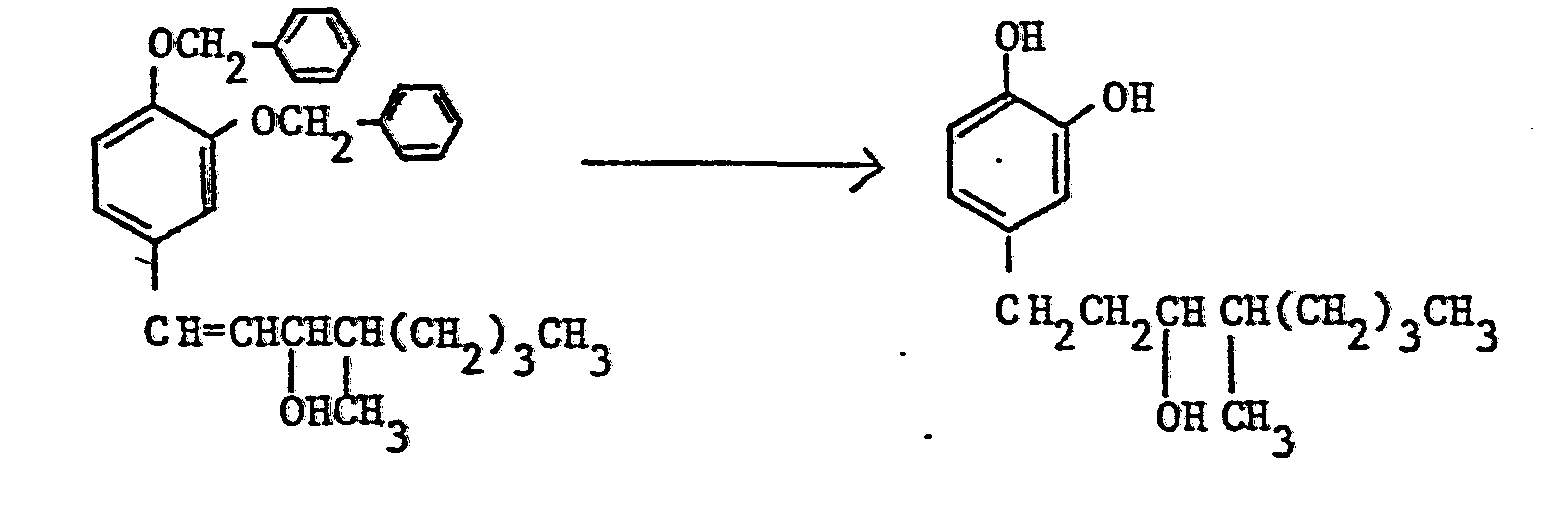
- Nuclear magnetic resonance spectra (in CDCl3, TMS internal standard, ppm):
- 0.7-1.8(15H), 2.57(2H), 3.45(1H); 6.4-6.8(3H)
-
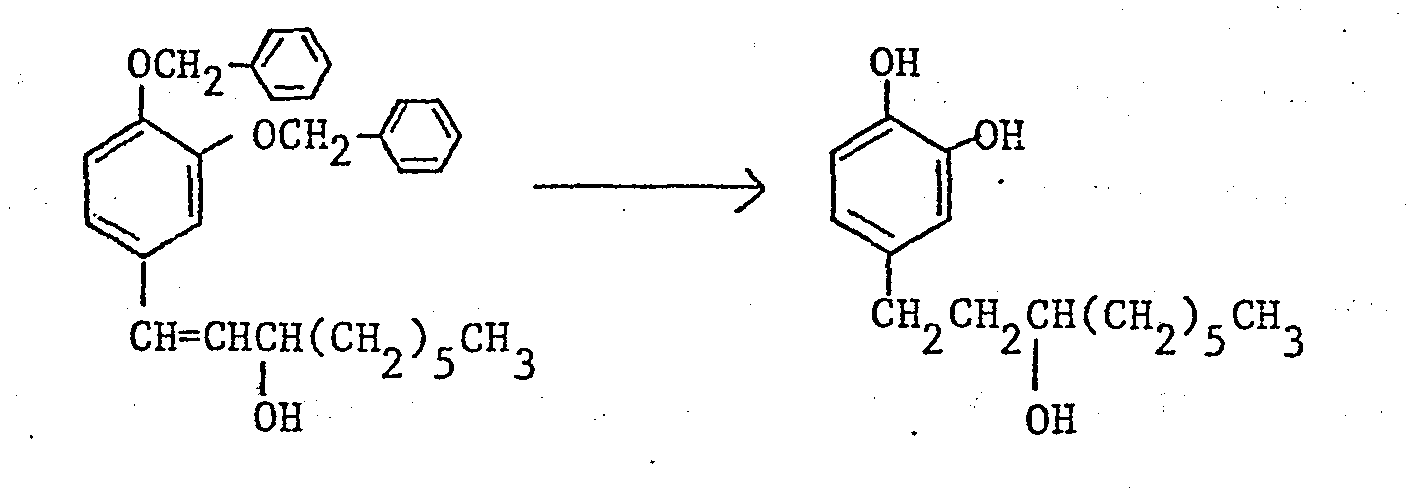
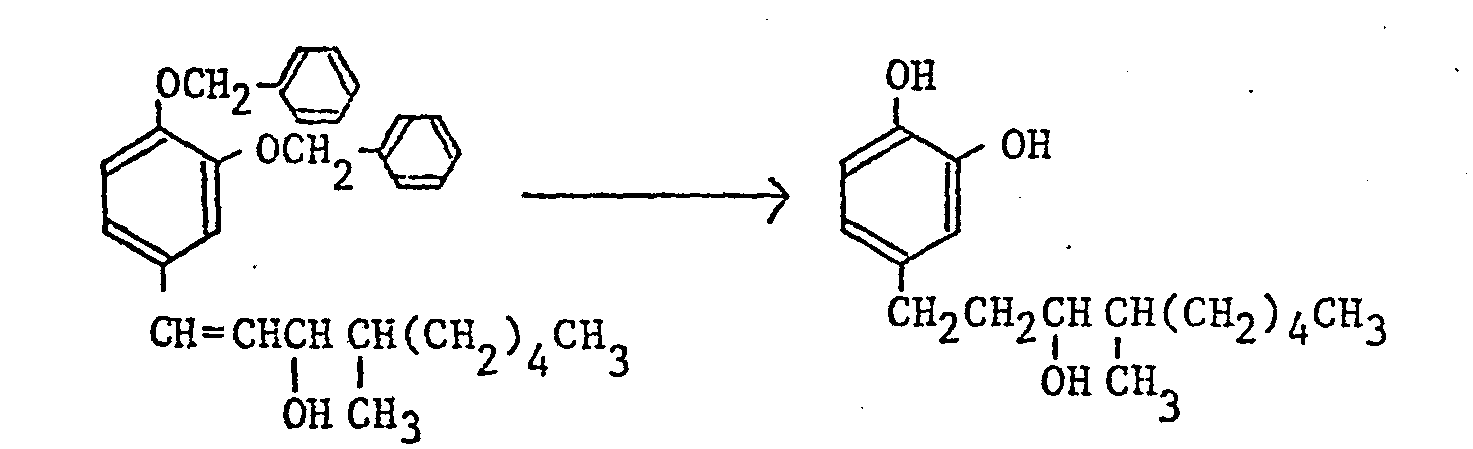
- By following the same procedure as in Example 1 using 0.85 g of 1-(3,4-dibenzyloxyphenyl)-1-nonen-3-ol, 0.4 q of 1-(3,4-dihydroxyphenyl)-3-nonanol was obtained.
- Nuclear magnetic resonance spectra (in CDC13, TMS internal standard, ppm):
- 0.8-1.9(15H), 2.55(2H), 3.60(lH), 6.4-6.8(3H)

- Using 0.2 g of 10% palladium-carbon as catalyst, 0.5 g of 1-(3,4-dibenzyloxyphenyl)-1-nonen-3-one was catalytically reduced in a mixture of 10 ml of methanol and 10 ml of ethyl acetate until the absorption of hydrogen stopped. Then, the catalyst was filtered off and the filtrate was concentrated under reduced pressure. The residue was applied to silica gel column chromatography and eluted with a mixture of toluene and ethyl acetate (10 : 1) to provide 0.2 g of white crystals of 1-(3,4-dihydroxyphenyl)-3-nonanone.
- Melting point 50 - 53°C.
- Elemental analysis for C15H22O3:

-

- In a mixture of 30 ml of ethyl acetate and 5 ml of ethanol was dissolved 1.5 g of 1-(3,4-dibenzyloxy- phenyl)-1-pentadecen-3-one and the compound was catalytically reduced using 0.2 g of 10% palladium-carbon as a catalyst until the absorption of hydrogen stopped. Then, the catalyst was filtered off and the filtrate was concentrated under reduced pressure. The residue was applied to silica gel (80 ml) column chromatography and eluted with a mixture of toluene and ethyl acetate (10 : 1) to provide 0.55 g of white crystals of 1-(3,4-dihydroxyphenyl)-3-penta- decanone (a) as the eluate first merging from the column. Melting point 67 - 68°C.
- Elemental analysis for C21H34O3:

- After the elution of 1-(3,4-dihydroxyphenyl)-3-pentadecanone was over, further elution was carried out with toluene to provide 0.1 g of 1-β,4-dihydroxyphenyl)-3-pentadecanol (b) as a white crystals. Melting point 63 - 64°C.
- Elemental analysis for E21H36O3:

- By following the procedure as in Example 4, the compounds in following Examples 5 to 8 were prepared.
- (Using the compound obtained in Reference Example 4)

- Nuclear magnetic resonance spectra (in CDCl3, TMS internal standard, ppm):
- 0.6-1.8(14H),2.3(1H), 2.67(4H), 6.4-6.8(3H)

- Nuclear magnetic resonance spectra (in CDCl3, TMS internal standard, ppm):
- 0.85(6H), 1.1-1.9(11H), 2.67(2H), 3.63(lH), 6.4-6.7(3H).
- (Using the compound obtained in Reference Example 5)


- Nuclear magnetic resonance spectra (in CDCl3, TMS internal standard, ppm):
- 0.9(3H), 1.1-1.9(6H), 2.6(2H), 3.65(1H), 6.6-6.9(3H).
- (Using the compound obtained in Reference Example 6)
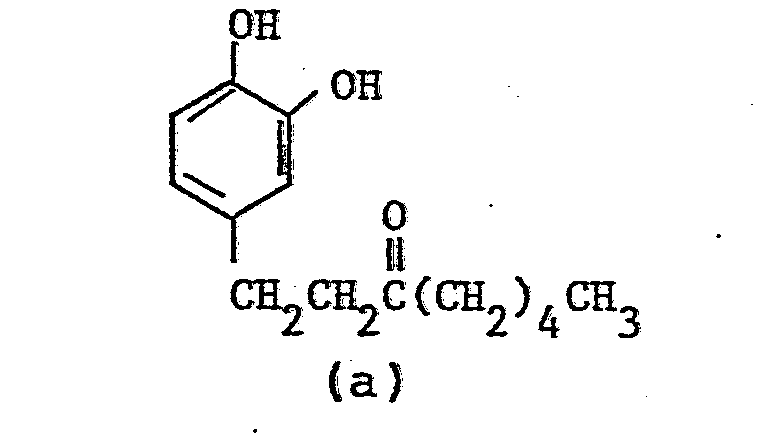

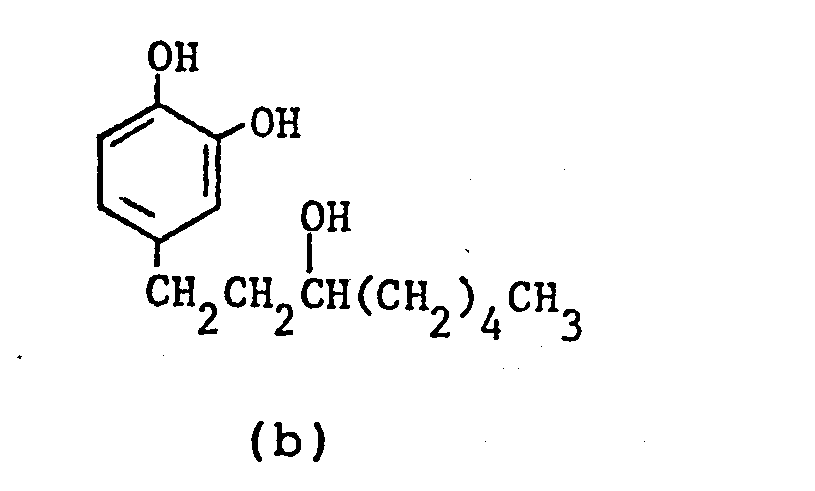
- Nuclear magnetic resonance spectra (in CDC13, TMS internal standard, ppm):
- 0.9(3H), 1.1-1.9(10H), 2.6(2H), 3.65(lH), 6.5-6.9(3H).
- (Using the compound obtained in Reference Example 7)


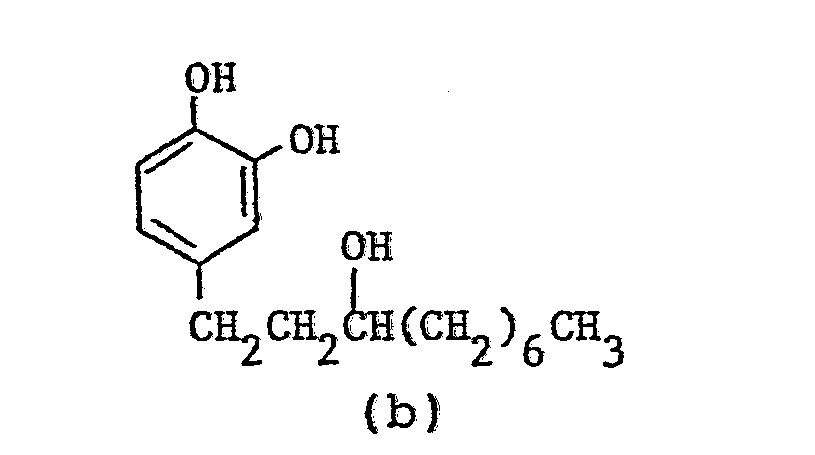
- Nuclear magnetic resonance spectra (in CDCl3, TMS internal standard, ppm):
- 0.9(3H), 1.1-1.9(14H), 2.6(2H), 3.65(1H), 6.5-6.9(3H).
- By following the procedure as in Example .1, the compounds of following Examples 9 to 11 were prepared.
-
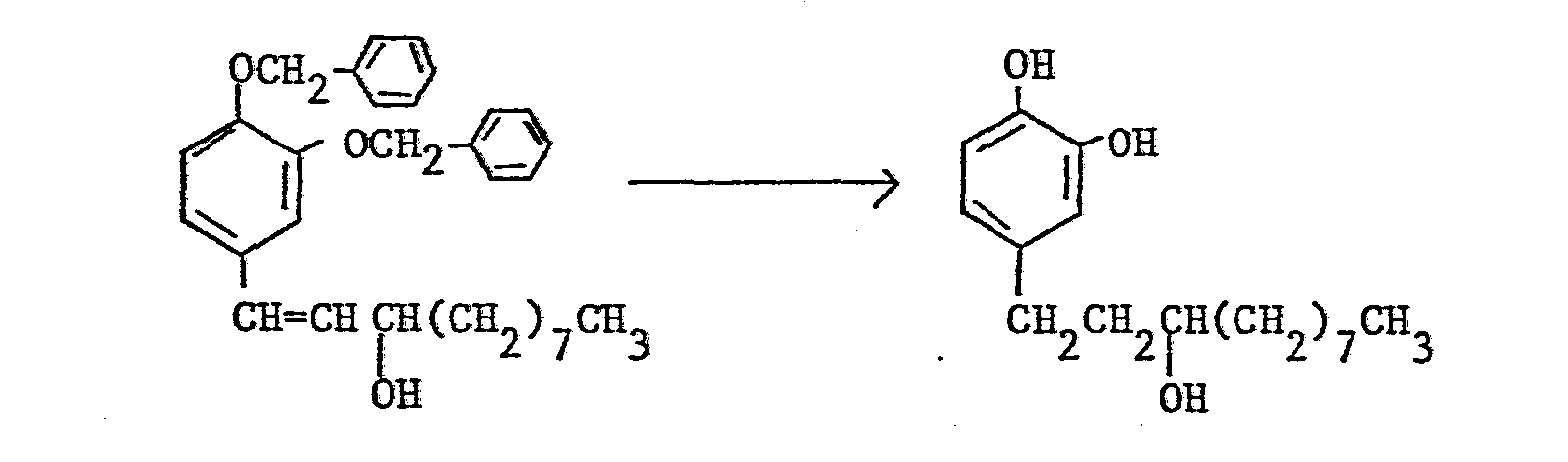
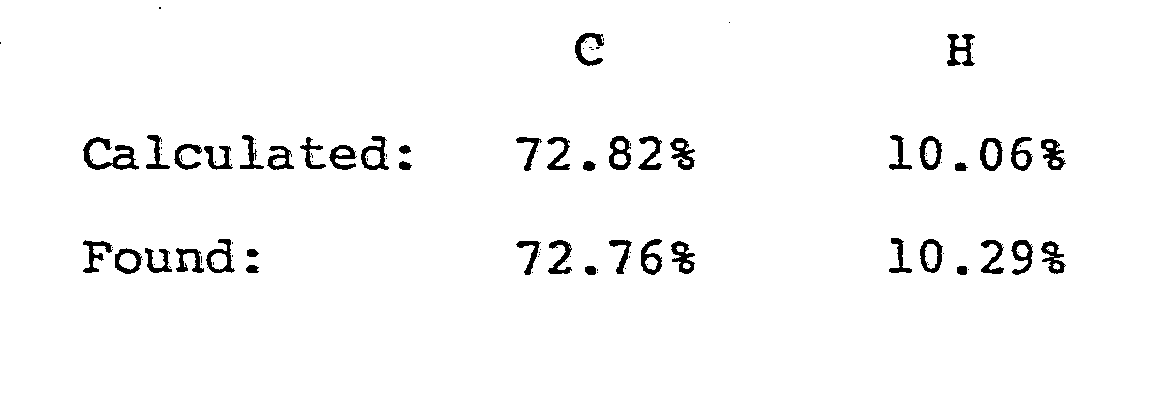
-

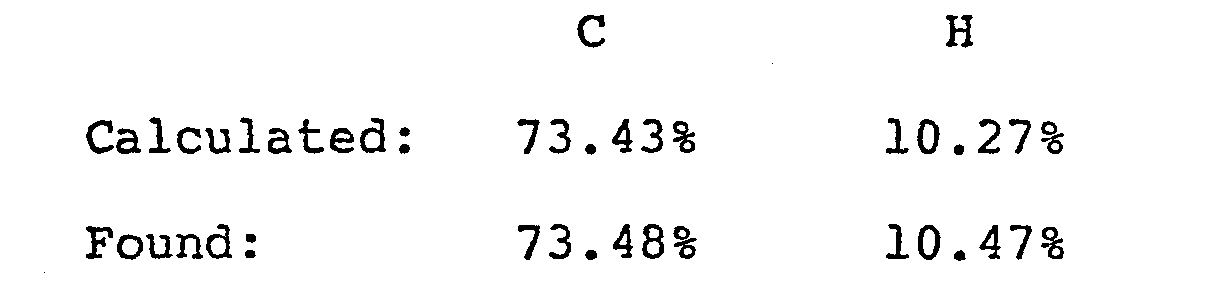
-
- Oily product.
- Nuclear magnetic resonance spectra (in CDC13, TMS internal standard, ppm):
- 0.7-1.9(17H), 2.58(2H), 3.55(lH), 6.5-6.9(3H), By following the same procedure as in Example 3, the compound of following Example 12 was prepared.
-

- Nuclear magnetic resonance spectra (in CDCl3, TMS internal standard. ppm):
- 0.6-1.8(12H), 2.5(lH), 2.74(4H), 6.4-6.8(3H)
-

- Nuclear magnetic resonance spectra (in CDC13, TMS internal standard, ppm):
- 0.89(3H, -CH3), 1.1-1.7(14H, -(CH2)7-), 1.62 (2H, -CH2-), 3.74(lH, -CH(OH)-), 6.4-6.9(3H, H of benzene ring)
-

- By following the same procedure as in Example 13 using 0.3 g of l-(3,4-dibenzyloxyphenyl)-2-undecanone, 140 mg of 1-(3,4-dihydroxyphenyl)-2-undecanone was obtained. Oily product.
- Nuclear magnetic resonance spectra (in CDC13, TMS internal standard, ppm):
- 0.86(3H, -CH3), 1.0-1.7(14H, -(CH2)7-), 2.47(2H, -CH2-), 3.56(2H, -CH2-), 6.6-6.9(3H, H of benzene ring)
-

- Oily product.
- Nuclear magnetic resonance spectra (in CDC13, TMS internal standard, ppm):
- 0.86(3H, -CH3), 1.1-1.8(14H), 1.48(2H, -CH2-), 3.61(1H,

- Example 16
- By following the same procedure as in Example 13 using 0.5 g of 1-(3,4-dibenzyloxyphenyl)-2-nonanol, 0.27 g of 1-(3,4-dihydroxyphenyl)-2-nonanol was obtained. Oily product.
- Nuclear magnetic resonance spectra (in CDC13, TMS internal standard, ppm):
- 0.89(3H, -CH3), 1.1-1.7(12H, -(CH2)6-), 1.62(2H, -CH2-), 3.75(lH, -CH(OH)-), 6.4-6.9(3H, H of benzene ring).
-

- By following the same procedure as in Example 13 using 0.5 g of 1-(3,4-dibenzyloxyphenyl)-2-undecanol, 0.29 g of 1-(3,4-dihydroxyphenyl)-2-undecanol was obtained. Melting point 56 - 58°C.
-

-

- By following the same procedure as in Example 13 using 0.15 g of 2-(3,4-dibenzyloxyphenyl)-1-cyclohexyl-l-ethanol, 0.06 g of 2-(3,4-dihdyroxyphenyl)-1-cyclohexyl-1-ethanol was obtained. Melting point 106 - 108°C.
- Elemental analysis for C14H20O3:

-
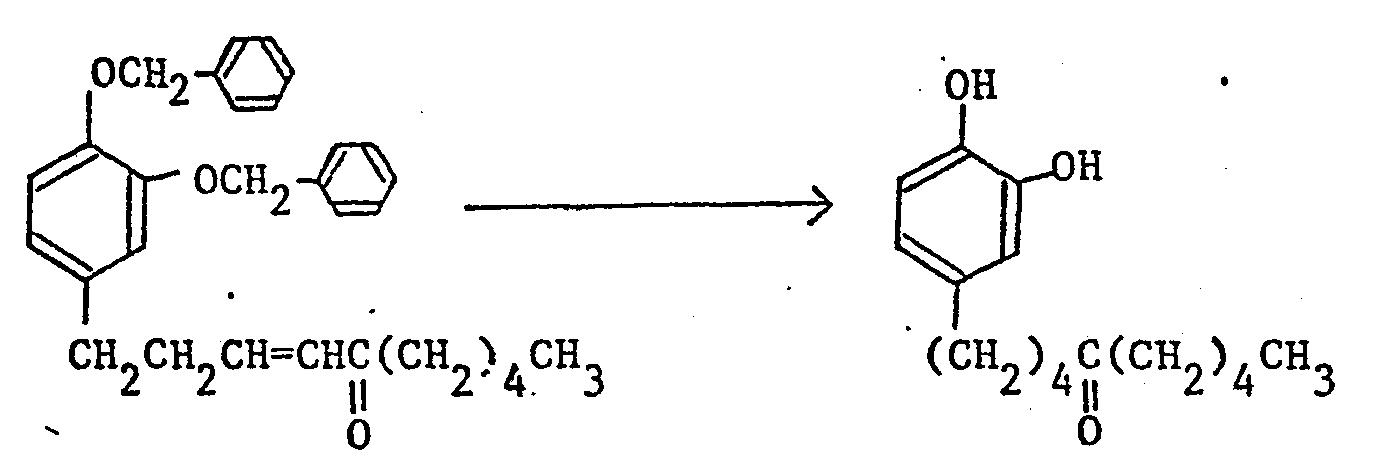
- Elemental analysis for C16H2403:
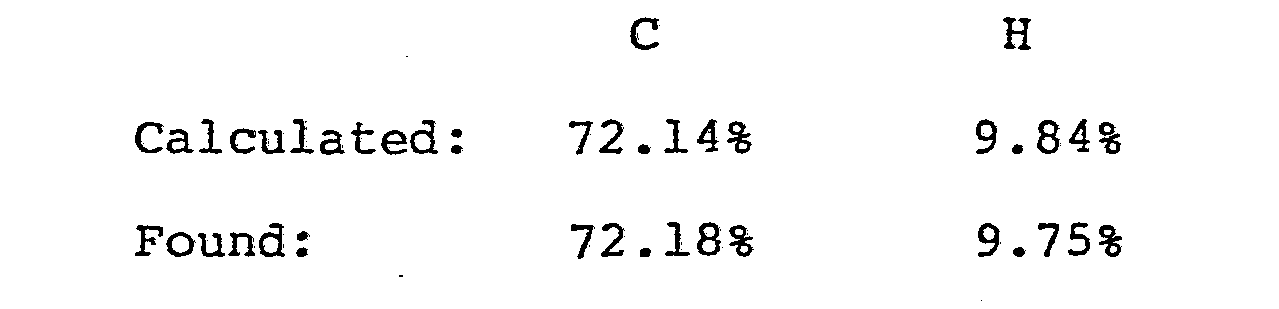
-

- By following the same procedure as in Example 13 using 0.3 g of 9-(3,4-dibenzyloxyphenyl)-2-nonanone, 0.16 g of 9-(3,4-dihydroxyphenyl)-2-nonanone was obtained. Oily product.
- Nuclear magnetic resonance spectra (in CDCl3, TMS internal standard, ppm):
- 1.0-1.80(10H), 2.16(3H), 2.30-2.60(4H), 6.50-6.90(3H).
-
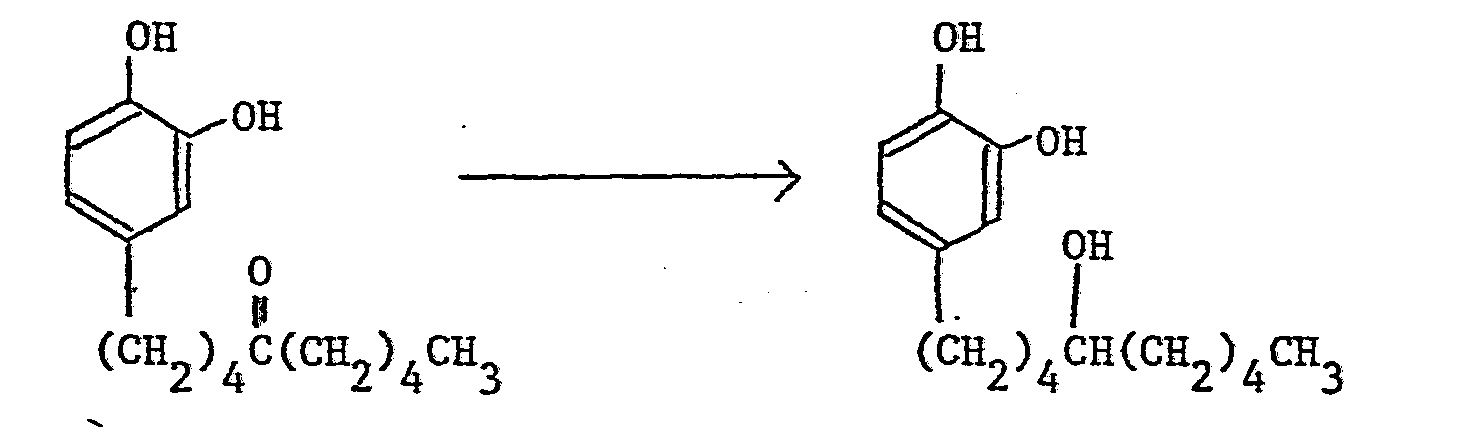
- In 1.5 ml of methanol was dissolved 150 mg of 1-(3,4-dihydroxyghenyl)-5-deeanone and 20 mg of sodium borohydride was added to the solution under ice-cooling followed by stirring for 30 minutes. Then, the solvent was distilled off from the reaction mixture and after adding 10 ml of water to the residue thus formed, the product was extracted with ether. over The extract was dried / anhydrous magnesium sulfate and the solvent was distilled off to provide white crystals of l-(3,4-dihydroxyphenyl)-5-decanol, which was collected by filtration with the addition of n-hexane. Yield 117mg.
- Elemental analysis for C16H26O3:

-

- Using 0.1 g of 10% palladium-carbon as catalyst, 560 mg of 1-(3,4-dibenzyloxyphenyl)-3-methoxy-4-methyl-1-octene was catalytically reduced in a mixture of 5 ml of methanol and 5 ml of ethyl acetate until the absorption of hydrogen stopped. Thereafter, the catalyst was filtered off and the filtrate was. concentrated under reduced perssure to provide 330 mg of oily 1-(3,4-dihydroxyphenyl)-3-methoxy-4-methyl-octane.
- Nuclear magnetic resonance spectra (in CDC13, TMS internal standard, ppm):
- 0.7-1.9(5H), 2.52(2H), 3.05(lH), 3.40(3H), 6.5-6.9(3H).
-

- Melting point 92 - 930C.
- Elemental analysis for C17H28O3:
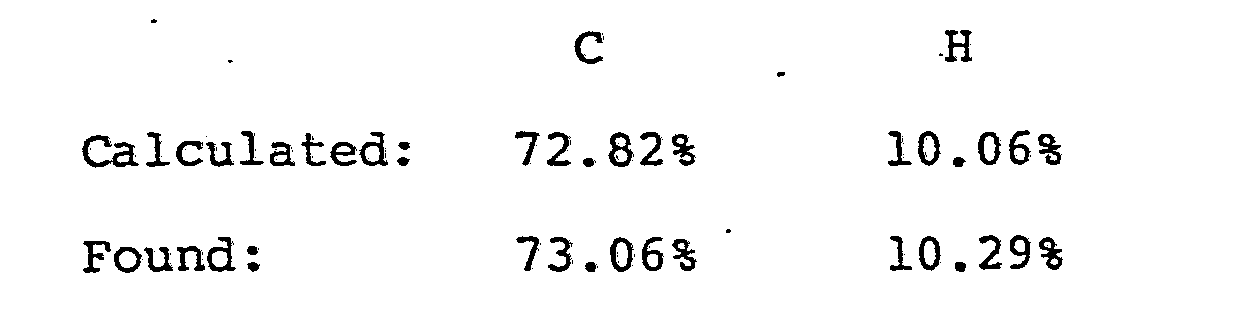
- By following the procedure as in Example 23, the compounds of following Examples 24 and 25 A, B were perpared.
- (Using the compound obtained in Reference Example 18 step (b))


- (Using the compound obtained in Reference Example 19 A step (b))


- (Using the compound obtained in Reference Example 19 B step (b))
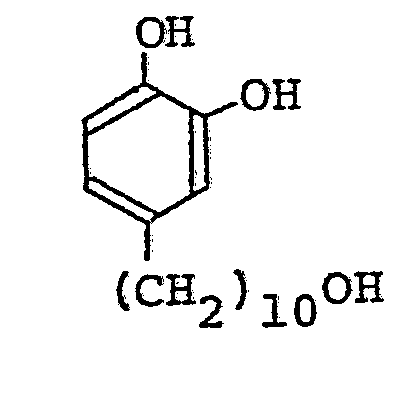
- Elemental analysis for C16H26O3:

- (Using the compound obtained in Reference Example 20)

- By following the procedure as in Example 23, 11-(4-hydroxy-3-methoxyphenyl)-1-undecanol was obtained. Melting point 72 - 74°C.
- Elemental analysis for C18H30O3:

-

- - was ice-cooled and after adding thereto 25 ml of water, the mixture was acidified with the addition of 5 ml of an aqueous 1N-hydrochloric acid solution to form crystals, which were collected by filtration and washed with water to provide 580 mg of 1-(3,4-dihydroxyphenyl)-1-nonen-3-one. Melting point 114 - 115°C.
- Elemental analysis for C15 H 20 0 3 :

-

- Nuclear magnetic resonance spectra (in CDCl3, TMS internal standard, ppm):
- 0.88(3H), 1.05-1.9(9H), 2.85(1H), 6.59-7.7(5H)
-

- By following the same procedure as in Example 28 using 1.0 g of 1-(3,4-diaGetoxyphenyl)-4-methyl-1-nonen-3-one,0.7 g of 1-(3,4-dihydroxyghenyl)-4-methyl-l-nonen-3-one was obtained as an oil.
- Nuclear magnetic resonance spectra (in CDC13, TMS internal standatd, ppm):
- 0.88(3H), 1.05-1.9(11H), 2.84(lH), 6.59-7.7(5H)
-

- By following the same procedure as in Example 27 using 0.25 g of 1-(3,4-diacetoxyphenyl)-1-decen-3-one, 0.14 g of 1-(3,4-dihydroxyphenyl)-1-decen-one was obtained. Melting point 116 - 118°C.
- Elemental analysis-for C16H22C3:

-

- was applied to silica gel (50 ml) column chromatography and eluted with a mixture of toluene and ethyl acetate (4 : 1). The crystals thus obtained were recrystallized from a mixture of toluene and n-hexane to provide 1-(3,4-dihdroxyphenyl)-8-nonan one.
- Melting point 73 - 75°C.
- Elemental analysis for C15H22O3:
-

-
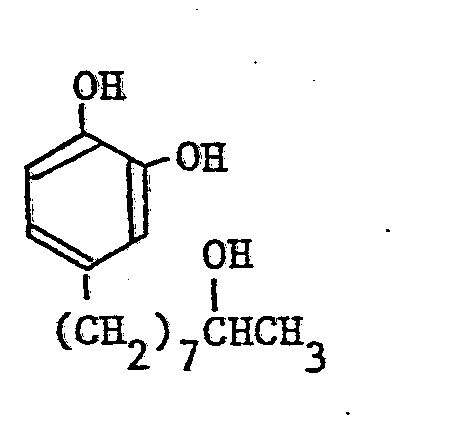
- By following the same procedure as in Example 31 using 780 mg of 1-(3,4-dibenzyloxyphenyl)-1,8-nonanediol, 210 mg of 1-(3,4-dihydroxyphenyl)-8-nonanol was obtained.
- Melting point 58 - 61°C.
- Nuclear magnetic resonance spectra (in CDC13, TMS, ppm):
- 1.0-1.8(15H), 2.48(2H), 3.84(1H), 6.5-6.9(3H)
-

- By following the same procedure as in Example 31 using 1 g of 1-(3,4-dibenzyloxyphenyl)-1,9-decanediol, 340 mg of 1-(3,4-dihydroxyphenyl)-9-decanol was obtained. Melting point 43 - 46°C.
- Nuclear magnetic resonance spectra (in CDC13, TMS, ppm):
- 1.05-1.8(17H), 2.50(2H), 3.86(lH), 6.5-6.9(3H).
-

- By following the same procedure as in Example 31 using 2 g of 1-(3,4-dibenzyloxyphenyl)-1,8-decanedion as a raw material, 200 mg of 1-(3,4-dihydroxyphenyl)-8- decanone was obtained. Melting point 76 - 78°C.
- Nuclear magnetic resonance spectra (in CDC13, TMS, ppm):
- 1.04(3H), 1.0-1.8(10H), 2.2-2.6(6H), 6.5-6.9(3H).
-

- By following the same procedure as in Example 1 using 1.02 g of 1-(3, 4- dibenzyloxyphenyl)-1-decen-9-one as a raw material, 450 mg of 1-(3,4-dihdyroxyphenyl)-9- decanone was obtained. Melting point 74 - 76°C.
- Nuclear magentic resonance spectra (in CDCl3, TMS, . ppm): 1.05-1.8(12H), 2.1(3H)-, 2.3-2.52(4H), 6.5-6.8(3H)..
-

- Nuclear magnetic resonance spectra (in CDC13, TMS, ppm) of compound (a):
- 0.9(3H), 1.0-1.8(8H), 2.4(2H), 2.5-3.0(4H), 3.88(3H), 6.5-7.0(3H)
- Nuclear magnetic resonance spectra (in CDCl3, TMS, ppm) of compound (b):
- 0.9(3H), 1.0-2.0(12H), 2.5-2.8(2H), 3.4-3.8(lH), 3.88(3H), 6.6-7.0(3H).
-

- By following the same procedure as in Example 1 using 1.4 g of 1-(3,4-dibenzyloxyphenyl)-3-methyl-3- nonanol, 0.7 g of 1-(3,4-dihdyroxyphenyl)-3-methyl-3- nonanol was obtained. Melting point 81 - 83 C.
- Elemental analysis for C16 H 26 0 3 :

-

- By following the same procedure as in Example 1 using 0.2 g of 3-(3,4-dibenzyloxyphenyl)-1-cyclohexyl-1-propanol was obtained. Melting point 118 - 119°C.
- Elemental analysis for C15H22O3:

-

- was applied to silica gel column chromatography and eluted with a mixture of toluene and ethyl acetate (2 : 1) to provide 0.5 g of 1-(2-bromo-4,5-dihydroxyphenyl)-4-methyl-3-octanol. Melting point 68 - 71°C.
- Elemental analysis for C15H23O3Br

-

-

- The above components each in an amount 1000 times the foregoing amount were mixed and then filled capsule in gelatin /to provide capsules (200 mg per capsule).
- (Inhalation) about 90 ml of After dissolving 0.1 g of ALT-118 in / mixture of (30:10:60 in weight ratio), ethanol, propylene glycol and purified water/the volume of the solution was adjusted to 100 ml using the aforesaid mixture and 10 ml each of the solution was filled in a definite container followed by sealing to provide an inhalation.
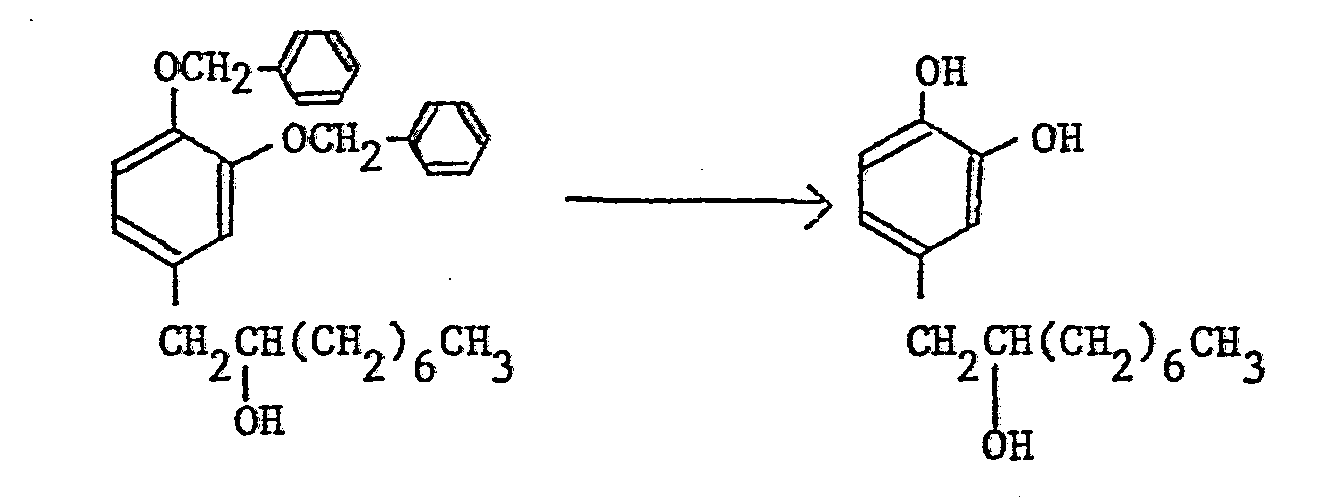
Claims (10)


Applications Claiming Priority (8)
| Application Number | Priority Date | Filing Date | Title |
|---|---|---|---|
| JP58083748A JPS59225136A (en) | 1983-05-13 | 1983-05-13 | 1-(3,4-dihydroxyphenyl)-3-hydroxy (or 3-oxo) alkane and its preparation |
| JP83748/83 | 1983-05-13 | ||
| JP58199854A JPS6092230A (en) | 1983-10-25 | 1983-10-25 | 1-(3,4-dihydroxyphenyl)alkane |
| JP199854/83 | 1983-10-25 | ||
| JP248034/83 | 1983-12-29 | ||
| JP58248034A JPS60142935A (en) | 1983-12-29 | 1983-12-29 | Omega-(3,4-dihydroxyphenyl)-omega'-hydroxyalkane |
| JP59034979A JPS60178837A (en) | 1984-02-24 | 1984-02-24 | Catechol derivative |
| JP34979/84 | 1984-02-24 |
Publications (2)
| Publication Number | Publication Date |
|---|---|
| EP0125919A2 true EP0125919A2 (en) | 1984-11-21 |
| EP0125919A3 EP0125919A3 (en) | 1987-01-21 |
Family
ID=27460019
Family Applications (1)
| Application Number | Title | Priority Date | Filing Date |
|---|---|---|---|
| EP84303257A Withdrawn EP0125919A3 (en) | 1983-05-13 | 1984-05-14 | Catechol derivatives, their production and intermediates therefor, and pharmaceutical compositions containing them |
Country Status (5)
| Country | Link |
|---|---|
| US (1) | US4618627A (en) |
| EP (1) | EP0125919A3 (en) |
| ES (1) | ES532455A0 (en) |
| PH (1) | PH19356A (en) |
| SU (1) | SU1424729A3 (en) |
Cited By (12)
| Publication number | Priority date | Publication date | Assignee | Title |
|---|---|---|---|---|
| AU574124B2 (en) * | 1984-01-20 | 1988-06-30 | Enichem Synthesis S.P.A. | Preparation of o-isopropoxyphenol |
| EP0163270A3 (en) * | 1984-05-23 | 1989-05-17 | Green Cross Corporation | A lipoxygenase inhibitor |
| US4959391A (en) * | 1985-05-24 | 1990-09-25 | Gruenenthal Gmbh | Phenol derivatives, pharmaceutical compositions containing these compounds and processes for the preparation of these compounds and compositions |
| US4963590A (en) * | 1986-11-28 | 1990-10-16 | Orion-Yhtyma Oy | Pharmacologically active compounds, methods for the preparation thereof and compositions containing the same |
| US5001152A (en) * | 1987-12-24 | 1991-03-19 | Orion Corporation Ltd. | Use of catechol-O-methyl transferase (COMT) inhibitors and their physiologically acceptable salts for ulcer treatment |
| US5112861A (en) * | 1986-11-28 | 1992-05-12 | Orion-Yhtyma Oy | Method of treating parkinson's disease using pentanedione derivatives |
| AU624366B2 (en) * | 1988-03-02 | 1992-06-11 | Terumo Kabushiki Kaisha | Catechol compounds, process for their preparation and pharmaceutical preparation containing same |
| DE4120698A1 (en) * | 1991-06-22 | 1992-12-24 | Gruenenthal Gmbh | New phenoxy-alkanol derivs. which are 5-lipoxygenase inhibitors - used to treat asthma, thrombosis, shock, ischaemic coronary infarction, etc. |
| US5283352A (en) * | 1986-11-28 | 1994-02-01 | Orion-Yhtyma Oy | Pharmacologically active compounds, methods for the preparation thereof and compositions containing the same |
| US5489614A (en) * | 1987-11-27 | 1996-02-06 | Orion-Yhtyma Oy | Catechol derivatives, their physiologically acceptable salts, esters and use |
| CN102952066A (en) * | 2011-08-30 | 2013-03-06 | 南开大学 | Synthesis and biological activity of cyanoacrylate compound containing pyridylmethyl phenyl ether structure |
| WO2021219409A1 (en) | 2020-04-30 | 2021-11-04 | Röhm Gmbh | Method for producing hydroxyalkyl(meth)acrylic acid esters by oxidative splitting of methacrolein acetals |
Families Citing this family (8)
| Publication number | Priority date | Publication date | Assignee | Title |
|---|---|---|---|---|
| US4696676A (en) * | 1986-06-27 | 1987-09-29 | International Flavors & Fragrances Inc. | Use of 1-nonen-3-ol for repelling insects |
| GR871701B (en) * | 1986-11-07 | 1988-03-04 | Oreal | Method for preparing 5,6 - dihydrixyindol, and its 3 - alkylated derivative and intermediates |
| DE3888694T2 (en) * | 1987-10-16 | 1994-08-25 | Terumo Corp | ISOPRENOID DERIVATIVES AND PRODUCT PREPARATION THAT CONTAINS THIS. |
| GB9004348D0 (en) * | 1990-02-27 | 1990-04-25 | Orion Yhtymae Oy | New use of catechol derivatives and their physiologically acceptable salts and esters |
| US7973176B2 (en) * | 2005-08-23 | 2011-07-05 | Kaneka Corporation | Process for production of aralkyloxypyrrolidine derivative |
| CN106928030A (en) * | 2010-07-15 | 2017-07-07 | 广州南沙龙沙有限公司 | The method that hydroxytyrosol is prepared using organo-metallic compound |
| WO2012068284A2 (en) * | 2010-11-16 | 2012-05-24 | Baylor University | Efficient method for preparing functionalized benzosuberenes |
| WO2012131177A1 (en) * | 2011-03-31 | 2012-10-04 | L'oreal | Use of hydroxylated derivatives of vanillin as preserving agent, preservation process, compounds and composition |
Family Cites Families (5)
| Publication number | Priority date | Publication date | Assignee | Title |
|---|---|---|---|---|
| US1306710A (en) * | 1919-06-17 | Hiroshi nomtjra | ||
| NO107714C (en) * | 1961-06-21 | |||
| US3471573A (en) * | 1965-10-04 | 1969-10-07 | Giancarlo Bramanti | Choleretic nuclear-substituted phenylalkyl carbinols |
| FR2201280A1 (en) * | 1972-10-02 | 1974-04-26 | Bush Boake Allen Ltd | Parasols prepn from vanillin and methyl alkyl ketone - in presence of catalyst system contg. weak base and weak acid, for increased yields |
| GB1479297A (en) * | 1974-07-04 | 1977-07-13 | Beecham Group Ltd | 4-substituted butan-2-ones but-3-en-2-ones butan-2-ols and but-3-en-2-ols and pharmaceutical compositions containing them |
-
1984
- 1984-05-11 ES ES532455A patent/ES532455A0/en active Granted
- 1984-05-11 SU SU843743757A patent/SU1424729A3/en active
- 1984-05-11 US US06/609,144 patent/US4618627A/en not_active Expired - Fee Related
- 1984-05-14 EP EP84303257A patent/EP0125919A3/en not_active Withdrawn
- 1984-05-18 PH PH30698A patent/PH19356A/en unknown
Cited By (16)
| Publication number | Priority date | Publication date | Assignee | Title |
|---|---|---|---|---|
| AU574124B2 (en) * | 1984-01-20 | 1988-06-30 | Enichem Synthesis S.P.A. | Preparation of o-isopropoxyphenol |
| EP0163270A3 (en) * | 1984-05-23 | 1989-05-17 | Green Cross Corporation | A lipoxygenase inhibitor |
| EP0466197A1 (en) * | 1984-05-23 | 1992-01-15 | Green Cross Corporation | A lipoxygenase inhibitor |
| US4959391A (en) * | 1985-05-24 | 1990-09-25 | Gruenenthal Gmbh | Phenol derivatives, pharmaceutical compositions containing these compounds and processes for the preparation of these compounds and compositions |
| US5446194A (en) * | 1986-11-28 | 1995-08-29 | Orion-Yhtyma Oy | Pharmacologically active catechol derivatives |
| US4963590A (en) * | 1986-11-28 | 1990-10-16 | Orion-Yhtyma Oy | Pharmacologically active compounds, methods for the preparation thereof and compositions containing the same |
| US5112861A (en) * | 1986-11-28 | 1992-05-12 | Orion-Yhtyma Oy | Method of treating parkinson's disease using pentanedione derivatives |
| AT401053B (en) * | 1986-11-28 | 1996-06-25 | Orion Yhtymae Oy | CYLINDER DERIVATIVES, METHOD FOR THE PRODUCTION THEREOF AND THEIR USE AS MEDICINAL PRODUCTS |
| US5283352A (en) * | 1986-11-28 | 1994-02-01 | Orion-Yhtyma Oy | Pharmacologically active compounds, methods for the preparation thereof and compositions containing the same |
| US5489614A (en) * | 1987-11-27 | 1996-02-06 | Orion-Yhtyma Oy | Catechol derivatives, their physiologically acceptable salts, esters and use |
| US5001152A (en) * | 1987-12-24 | 1991-03-19 | Orion Corporation Ltd. | Use of catechol-O-methyl transferase (COMT) inhibitors and their physiologically acceptable salts for ulcer treatment |
| AU624366B2 (en) * | 1988-03-02 | 1992-06-11 | Terumo Kabushiki Kaisha | Catechol compounds, process for their preparation and pharmaceutical preparation containing same |
| DE4120698A1 (en) * | 1991-06-22 | 1992-12-24 | Gruenenthal Gmbh | New phenoxy-alkanol derivs. which are 5-lipoxygenase inhibitors - used to treat asthma, thrombosis, shock, ischaemic coronary infarction, etc. |
| CN102952066A (en) * | 2011-08-30 | 2013-03-06 | 南开大学 | Synthesis and biological activity of cyanoacrylate compound containing pyridylmethyl phenyl ether structure |
| CN102952066B (en) * | 2011-08-30 | 2014-06-04 | 南开大学 | Synthesis and biological activity of cyanoacrylate compound containing pyridylmethyl phenyl ether structure |
| WO2021219409A1 (en) | 2020-04-30 | 2021-11-04 | Röhm Gmbh | Method for producing hydroxyalkyl(meth)acrylic acid esters by oxidative splitting of methacrolein acetals |
Also Published As
| Publication number | Publication date |
|---|---|
| SU1424729A3 (en) | 1988-09-15 |
| ES8505914A1 (en) | 1985-06-16 |
| US4618627A (en) | 1986-10-21 |
| ES532455A0 (en) | 1985-06-16 |
| PH19356A (en) | 1986-04-02 |
| EP0125919A3 (en) | 1987-01-21 |
Similar Documents
| Publication | Publication Date | Title |
|---|---|---|
| EP0125919A2 (en) | Catechol derivatives, their production and intermediates therefor, and pharmaceutical compositions containing them | |
| BE1000660A5 (en) | DERIVATIVES AND INDANE tetrahydronaphthalene. | |
| US4761500A (en) | Sulfamoyl-substituted phenethylamine derivatives, their preparation, and pharmaceutical compositions, containing them | |
| EP0261254B1 (en) | 3,4-dihydro-4-oxo-2h-1-benzopyranyloxy alkanoic acid derivatives | |
| US5491173A (en) | Tri-phenyl alkene derivatives and their preparation and use | |
| AU662382B2 (en) | Novel arylcycloalkyl derivatives their production and their use | |
| US4818441A (en) | Quinine derivatines | |
| US3897519A (en) | Secondary phosphoric acid esters | |
| MC1817A1 (en) | TETRAHYDRONAPHTALENE DERIVATIVES | |
| JPH037239A (en) | Novel production of alkane and alkene derivatives | |
| US6159988A (en) | Arylcycloalkyl derivatives, their production and their use | |
| EP0464858A1 (en) | A lipoxygenase inhibitor | |
| US4085222A (en) | Pharmaceutical compositions containing 1,3-dioxanes | |
| JPH06211743A (en) | Substituted benzoic acid | |
| EP0169571B1 (en) | Phenylnonatetraenic-acid derivatives, their preparation and pharmaceutical compositions containing them | |
| JPH0437812B2 (en) | ||
| US4648996A (en) | Phenyl substituted-2,4,6,8-nonatetraenoic acid | |
| US3851019A (en) | Secondary phosphoric acid esters and salts thereof | |
| EP0074873A1 (en) | Derivatives of 3-phenoxy-3-propanol, their preparation and their therapeutic use | |
| EP0025687B1 (en) | 15-methanesulfonamidoprostaglandin derivatives, pharmaceutical compositions thereof and process therefor | |
| CA1246610A (en) | Process of producing catechol derivatives | |
| US4906669A (en) | Isoprenoid derivatives and anti-ulcer agents containing the same | |
| US3995033A (en) | Secondary phosphoric acid esters, composition and method of use | |
| JPS61271238A (en) | Novel phenol derivative, medicine and manufacture | |
| US4405810A (en) | 7-Aryl-hept-5-ynoic acids and derivatives thereof |
Legal Events
| Date | Code | Title | Description |
|---|---|---|---|
| PUAI | Public reference made under article 153(3) epc to a published international application that has entered the european phase |
Free format text: ORIGINAL CODE: 0009012 |
|
| AK | Designated contracting states |
Designated state(s): AT BE CH DE FR GB IT LI NL SE |
|
| PUAL | Search report despatched |
Free format text: ORIGINAL CODE: 0009013 |
|
| AK | Designated contracting states |
Kind code of ref document: A3 Designated state(s): AT BE CH DE FR GB IT LI NL SE |
|
| 17P | Request for examination filed |
Effective date: 19870717 |
|
| RAP1 | Party data changed (applicant data changed or rights of an application transferred) |
Owner name: YAMANOUCHI PHARMACEUTICAL CO. LTD. |
|
| 17Q | First examination report despatched |
Effective date: 19890926 |
|
| STAA | Information on the status of an ep patent application or granted ep patent |
Free format text: STATUS: THE APPLICATION HAS BEEN WITHDRAWN |
|
| 18W | Application withdrawn |
Withdrawal date: 19910205 |
|
| R18W | Application withdrawn (corrected) |
Effective date: 19910205 |
|
| RIN1 | Information on inventor provided before grant (corrected) |
Inventor name: MASE, TOSHIYASU Inventor name: TOMIOKA, KENICHI Inventor name: MURASE, KIYOSHI Inventor name: ARIMA, HIDEKI |