EP0036259B1 - Method,vectors and organisms for transported cloned heterologous gene products in bacillus subtilis and e.coli - Google Patents
Method,vectors and organisms for transported cloned heterologous gene products in bacillus subtilis and e.coli Download PDFInfo
- Publication number
- EP0036259B1 EP0036259B1 EP81300858A EP81300858A EP0036259B1 EP 0036259 B1 EP0036259 B1 EP 0036259B1 EP 81300858 A EP81300858 A EP 81300858A EP 81300858 A EP81300858 A EP 81300858A EP 0036259 B1 EP0036259 B1 EP 0036259B1
- Authority
- EP
- European Patent Office
- Prior art keywords
- sequence
- subtilis
- vector
- coli
- lactamase
- Prior art date
- Legal status (The legal status is an assumption and is not a legal conclusion. Google has not performed a legal analysis and makes no representation as to the accuracy of the status listed.)
- Expired
Links
Images


Classifications
-
- C—CHEMISTRY; METALLURGY
- C12—BIOCHEMISTRY; BEER; SPIRITS; WINE; VINEGAR; MICROBIOLOGY; ENZYMOLOGY; MUTATION OR GENETIC ENGINEERING
- C12N—MICROORGANISMS OR ENZYMES; COMPOSITIONS THEREOF; PROPAGATING, PRESERVING, OR MAINTAINING MICROORGANISMS; MUTATION OR GENETIC ENGINEERING; CULTURE MEDIA
- C12N15/00—Mutation or genetic engineering; DNA or RNA concerning genetic engineering, vectors, e.g. plasmids, or their isolation, preparation or purification; Use of hosts therefor
- C12N15/09—Recombinant DNA-technology
- C12N15/63—Introduction of foreign genetic material using vectors; Vectors; Use of hosts therefor; Regulation of expression
- C12N15/74—Vectors or expression systems specially adapted for prokaryotic hosts other than E. coli, e.g. Lactobacillus, Micromonospora
- C12N15/75—Vectors or expression systems specially adapted for prokaryotic hosts other than E. coli, e.g. Lactobacillus, Micromonospora for Bacillus
-
- C—CHEMISTRY; METALLURGY
- C12—BIOCHEMISTRY; BEER; SPIRITS; WINE; VINEGAR; MICROBIOLOGY; ENZYMOLOGY; MUTATION OR GENETIC ENGINEERING
- C12N—MICROORGANISMS OR ENZYMES; COMPOSITIONS THEREOF; PROPAGATING, PRESERVING, OR MAINTAINING MICROORGANISMS; MUTATION OR GENETIC ENGINEERING; CULTURE MEDIA
- C12N15/00—Mutation or genetic engineering; DNA or RNA concerning genetic engineering, vectors, e.g. plasmids, or their isolation, preparation or purification; Use of hosts therefor
- C12N15/09—Recombinant DNA-technology
- C12N15/11—DNA or RNA fragments; Modified forms thereof; Non-coding nucleic acids having a biological activity
- C12N15/62—DNA sequences coding for fusion proteins
- C12N15/625—DNA sequences coding for fusion proteins containing a sequence coding for a signal sequence
-
- C—CHEMISTRY; METALLURGY
- C12—BIOCHEMISTRY; BEER; SPIRITS; WINE; VINEGAR; MICROBIOLOGY; ENZYMOLOGY; MUTATION OR GENETIC ENGINEERING
- C12N—MICROORGANISMS OR ENZYMES; COMPOSITIONS THEREOF; PROPAGATING, PRESERVING, OR MAINTAINING MICROORGANISMS; MUTATION OR GENETIC ENGINEERING; CULTURE MEDIA
- C12N9/00—Enzymes; Proenzymes; Compositions thereof; Processes for preparing, activating, inhibiting, separating or purifying enzymes
- C12N9/14—Hydrolases (3)
- C12N9/78—Hydrolases (3) acting on carbon to nitrogen bonds other than peptide bonds (3.5)
- C12N9/86—Hydrolases (3) acting on carbon to nitrogen bonds other than peptide bonds (3.5) acting on amide bonds in cyclic amides, e.g. penicillinase (3.5.2)
-
- C—CHEMISTRY; METALLURGY
- C07—ORGANIC CHEMISTRY
- C07K—PEPTIDES
- C07K2319/00—Fusion polypeptide
- C07K2319/01—Fusion polypeptide containing a localisation/targetting motif
- C07K2319/02—Fusion polypeptide containing a localisation/targetting motif containing a signal sequence
-
- C—CHEMISTRY; METALLURGY
- C07—ORGANIC CHEMISTRY
- C07K—PEPTIDES
- C07K2319/00—Fusion polypeptide
- C07K2319/01—Fusion polypeptide containing a localisation/targetting motif
- C07K2319/036—Fusion polypeptide containing a localisation/targetting motif targeting to the medium outside of the cell, e.g. type III secretion
-
- C—CHEMISTRY; METALLURGY
- C07—ORGANIC CHEMISTRY
- C07K—PEPTIDES
- C07K2319/00—Fusion polypeptide
- C07K2319/61—Fusion polypeptide containing an enzyme fusion for detection (lacZ, luciferase)
-
- C—CHEMISTRY; METALLURGY
- C07—ORGANIC CHEMISTRY
- C07K—PEPTIDES
- C07K2319/00—Fusion polypeptide
- C07K2319/70—Fusion polypeptide containing domain for protein-protein interaction
- C07K2319/74—Fusion polypeptide containing domain for protein-protein interaction containing a fusion for binding to a cell surface receptor
- C07K2319/75—Fusion polypeptide containing domain for protein-protein interaction containing a fusion for binding to a cell surface receptor containing a fusion for activation of a cell surface receptor, e.g. thrombopoeitin, NPY and other peptide hormones
Definitions
- This invention relates to molecular biology and, more particularly, to the so-called art of recombinant DNA. Specifically, the invention relates to a method and vectors for the production of transported cloned heterologous gene products in Bacillus subtilis or E. coli, thereby facilitating the recovery of the gene product.
- the invention describes novel genetically engineered plasmids. Examples of these organisms have been deposited with the American type Culture Collection, Rockville, Maryland, 20852. They have been assigned ATCC numbers: 31,776-31,778. ATCC number 31,776 has been assigned to plasmid pOG1196; number 31,777 has been assigned to plasmid pOG2165; and number 31,778 has been assigned to plasmid pOG2110.
- codons groups of three nucleotides in the DNA, called codons, each place one of twenty possible amino acids at a corresponding position in the protein chain.
- genetic changes may be made deliberately by the introduction of a predetermined nulceotide sequence, either synthesized or isolated from one strain or species, into the genetic makeup of another strain or species.
- the known nucleotide sequence may be selected to cause the strain or species into which it is introduced to produce, as part of the translation process, the protein encoded by the known nucleotide sequence.
- the modified strain or species proceeds with the normal replication process, it also then duplicates the inserted sequence.
- Recombinant DNA techniques involve isolating a suitable piece of DNA chain (a cloning vector) and breaking or severing the two strands of DNA of the cloning vector at the desired location where the foreign DNA is to be inserted.
- a suitable piece of DNA chain a cloning vector
- restriction enzymes particular types of proteins, called restriction enzymes. Restriction enzymes will break the DNA at particular nucleotide sequences, although with some restriction enzymes the break may not necessarily occur at the same point on the two intertwined DNA strands.
- the open ends will be complementary and will, under suitable conditions, stick together with the complementary ends lying side by side. They may then be linked together enzymatically (with ligase). This makes it possible to recombine two DNA segments from any source into a single DNA molecule.
- the recombinant DNA is then placed into a suitable host organism.
- the host organism In order for the host organism to replicate the inserted DNA, it is necessary that the recombinant DNA be inserted into the host in such a way as to become part of its genetic system.
- E. coli Bacteria in addition to the main DNA chain or chromosome, frequently have one or more independently replicating circular loops of DNA known as plasmids.
- plasmids a certain type of virus known as a lambda bacteriophage (phage) is also capable of infecting E coli and becoming part of its genetic system.
- phage lambda bacteriophage
- Recombinant DNA techniques have included the use of a variety of plasmids or phages as cloning vectors.
- the heterologous DNA is not only replicated from generation to generation, but also will produce the protein for which it codes if the proper reading frame and promoters exist.
- the desired product may be detrimental to the host cell, particularly if it is produced at a high level. In some cases, this may result in destruction of the cells, and in other cases it may result in the cells activating a defensive mechanism to degrade the desired product.
- E. coli is a member of the gram negative class of bacteria which contain two layers of membranes enclosing a periplasmic space. Many of the products produced in E. coli are secreted into this periplasmic space, if secreted at all. Few products are secreted outside the living cells into the growth media.
- Bacillus subtilis is a member of the gram positive class of bacteria which contain only a single layer of bacterial membrane. Thus B. subtilis can produce large amounts of protein which are secreted directly into the growth media.
- B. subtilis attempts to produce a useful product of heterologous gene cloned into B. subtilis and secreted into the growth media have thus far been unsuccessful.
- B. subtilis is somewhat preferable to E. coli because of a greater efficiency for plasmid mediated transformation and because it is non-pathogenic.
- the invention also provides an expression vector for use in B. subtilis or E. coli, comprising a vector which is capable of autonomous replication in B. subtilis or E. coli, respectively, and having a DNA sequence therein encoding a heterologous protein, said sequence being located and oriented in said vector such as to be under the control of the B. licheniformis beta-lactamase operator, promoter, and ribosomal binding site sequence, expression of said protein being under the control of a transport mechanism by which said protein is secreted by B. subtilis or secreted into the periplasmic space by E. coli respectively.
- the invention includes new B. subtilis and E. coli microorganisms (and their production) containing such vectors and the use of these microorganisms in the production of protein non-indigenous thereto.
- the invention also provides a vector for secretion and suitable for use in E coli or B. subtilis comprising a vector capable of autonomous replication in E. coli or B. subtilis, said latter vector comprising an operable B. licheniformis beta-lactamase operator, promoter, and ribosomal binding site sequence, a functional transport signal sequence and a site in reading frame with said signal sequence and available for insertion of a DNA sequence to be expressed under the control of said operable B. licheniformis beta-Iactamase operator, promoter, and ribosomal binding site sequence and said transport signal sequence.
- Yet a further aspect provides the use of a DNA sequce encoding a prokaryotic beta-lactamase signal sequence as a transport signal sequence in constructing vectors operable in E. coli or B. subtilis.
- the invention further includes a vector for secretion and suitable for use in E coli or B. subtilis comprising a vector capable of autonomous replication in E. coli or B. subtilis, said latter vector comprising an operable operator, promoter and ribosomal binding site sequence, a DNA sequence for a transport signal peptide functional to secrete beta-lactamase from B. subtilis and a site in reading frame with said signal sequence and available for insertion of a DNA sequence to be expressed under the control of said operable operator, promoter, and ribosomal binding site sequence and said transport signal sequence.
- a predetermined protein which is non-indigenous to B. subtilis is produced through expression by B. subtilis.
- Growth media and conditions are provided for growing a strain of B. subtilis in which a plasmid has been introduced.
- the plasmid is capable of being replicated in the strain and has a gene therein for the predetermined protein.
- the gene is located and oriented in the plasmid such as to be under the control of an operator, promoter and ribosomal binding site sequence.
- the protein is also under the control of a transport mechanism by which the protein is secreted by the host strain. Upon secretion, the protein is recovered from the growth media.
- the predetermined protein When, according to the invention, the predetermined protein is expressed in a gram negative bacteria, such as E. coli, the protein is again transported across the bacterial membrane by the transport peptide. However, here the protein is "secreted"' into the periplasmic space instead of the growth media since the gram negative bacterium has a cell wall in addition to its normal bacterial membrane. The predetermined protein can be recovered from the periplasmic space.
- a gram negative bacteria such as E. coli
- the method of the invention necessitates the use of a cloning vector organism containing a sequence of nucleotides capable of initiating the transcription and translation process.
- These nucleotides which provide an operator, promoter, and ribosomal binding site sequence, may be naturally present in the vector, may be inserted therein as a separate segment of DNA using recombinant DNA techniques, or may be part of the heterologous DNA containing the gene of interest.
- the heterologous DNA which will contain at least the structural gene for a desired protein product, is placed in the cloning vector so as to be transcribed and translated under control of the operator, promoter, and ribosomal binding site sequence.
- the nucleotides in the inserted DNA must be in the correct reading frame.
- the cloning vector include a sufficient number of nucleotides indigenous to the host cell to ensure readthrough translation from the operator, promoter, and ribosomal binding site sequence into and through the inserted heterologous DNA in the correct reading frame.
- the cloning vector utilized includes a sequence of nucleotides which comprise codons for a functional transport signal peptide sequence.
- Transport signal peptide sequences are typically short leader sequences of amino acids on newly made proteins. Although the mechanism by which the transport signal peptide sequence operates is not entirely understood, it is believed that the transport protein is excreted by the cell and withdraws that protein appended to it from the cytoplasm as the protein is made. Once the transport function has been performed by the transport signal peptide sequence, the transport sequence may be removed by natural processes.
- the heterologous DNA can be inserted into the cloning vector at a location which allows the protein for which it encodes to be transported in accordance with the transport signal peptide sequence coded by the signal codons.
- the cloned gene product can be conveniently transported to a desired destination from which the gene product may be harvested. This has several advantages. Because the destination is outside the cell in the case of B. subtilis, and in the periplasmic space in the case of E. coli, the host cells need not be destroyed to harvest the gene products, thus allowing in the former for the continuous or uninterrupted production of the gene production.
- heterologous DNA must be inserted in the cloning vector.
- the transport signal peptide sequence will immediately precede the heterologous DNA, either as part of the gene itself or having already been present in the plasmid.
- the signal sequence itself can constitute the necessary sequence of nucleotides to provide for readthrough translation of the heterologous DNA.
- the transport signal peptide sequence must be located elsewhere then immediately preceding the heterologous DNA. In such cases, it may be necessary to produce the desired peptide sequence with some additional amino-acids at the beginning (coded by the extraneous codons) in order to provide the neces- ary readthrough functions.
- a plasmid vector containing the B. licheniformis beta-lactamase gene was made and then replicated in both B. subtilis and E. coli.
- the plasmid was constructed by purifying a 3.5 kb (kilobase) EcoRI-Sstl fragment containing the beta-lactamase gene and then ligating it with a 2.1 kb. EcoRl-Sstl fragment containing the replication function of the E. coli plasmid pOPlA6 (described by Gelfand, et al., Proc. The Nat. Acad. Sci.
- plasmid pCS832 containing the entire sequences of plasmids pC194 (Cm R ) and pUB110 (Km R ) was made by ligating the two Mbol fragments of pC194 with the BamHl digested pUB110.
- the resulting plasmid carried both the Cm gene from PC194 and the km (Nm) gene from pUB110. It has a size of 7.5 kb.
- a spontaneous deletion mutant (plasmid pCS1006) was obtained from one of the sub-clones. It had lost the Hpall site originated in pC194 and known to be located in the pC194 replication region (Chang and Cohen, Molec. Gen.
- E. coli plasmid pOG2110 and B. subtilis plasmid pOG1196 contained two and three Pvull sites respectively. Equal amounts of Pvull digested pOG2110 and pOG1196 plasmid DNA were ligated and used to transform E. coli strain CS412. Cm-resistant clones were selected; all were also Ap-resistant. The composite plasmid pOG2165 isolated from one of the Cm-resistant Ap-resistant transformants was studied further. A map of this 7.5 kb plasmid is shown in Figure 4. Plasmid pOG2165 replicates in both E. coli and B. subtilis and confers upon either host both Cm- and Ap- resistance.
- B. subtilis and E. coli cells harboring plasmid pOG2165 are resistant to ampicillin as a result of the production of the B. licheniformis beta-lactamase enzyme. This can be demonstrated by means of the PVA plate assay developed by Sherratt and Collins, J. Gen. Microbiol., (1973), 76 217-230. The positive results obtained from such an assay are illustrated in Figure 5.
- pOG2165 When pOG2165 is propagated in B. subtilis BD224, both the membrane-bound and the secreted form of the heterologous beta-lactamase are synthesized. The amount produced by this strain is variable and depends upon the growth conditions used. pOG2165 can also be propagated in B. subtilis strain QB127 (Kunst, et al., Bio. Chemie. (1974) 56, 1481-1490). QB127 is a bacterial strain with the sacU" mutation which causes overproduction of several exoenzymes such as levansucrase, alpha-amylase and extra-cellular proteases. Levels of beta-lactamase detected in cultures of QB127 (pOG2165) are similar to those levels detected in BD224 (pOG2165) cultures under the same conditions.
- the bi-functional plasmid pOG2165 itself possesses unique sites for restriction enzymes Sstl, Hindlll, Pstl and Bg/ll. Insertion of DNA into the Bg/ll and the Pstl sites leads to inactivation of the B. licheniformis beta-lactamase gene and provides an easily recognizable phenotype for identifying clones carrying inserts.
- a portion of the nucleotide sequence comprising the B. licheniformis Pen P gene is diagrammed in Figure 6.
- the beta-lactamase promoter region is located between nucleotides 1 and 221 one; its precise location is unknown.
- the nucleotides which code for the amino acids comprising the signal peptide being with nucleotide 222 and end with nucleotide 323.
- the signal peptide is composed of thirty-four amino acids.
- the Pstl ' recognition site is located between nucleotide positions 259 and 264, or at amino acids thirteen through fifteen on the signal peptide chain.
- B. licheniformis produces a large amount of beta-lactamase in the secreted form (exo-enzyme).
- the secretion of this protein is believed to be result of the interaction between the bacterial membrane and the amino acid leader sequence which facilitates the transport of the protein across the single bacterial membrane barrier.
- the beta-lactamase gene was cloned and inserted into plasmids which were capable of being replicated in B. subtilis. The plasmids were then transformed into the B. subtilis hosts resulting in the secretion of beta-lactamase. This constitutes the first expression of a heterologous gene in B. subtilis and the transport of the gene products into the culture or growth media from the B. subtilis cells.
- Plasmid pTB2 carries a 4.2 kb (kilobase pair) EcoRl fragment on the pSC101 vector. This plasmid confers to the host tetracycline (the marker on pSC101) and ampicillin resistances, indicating that the beta-lactamase gene product is made as a functional enzyme which degrades ampicillin in the media.
- the beta-lactamase gene is located on the 4.2 kilobase pair EcoRl fragment mentioned above. Subsequent analysis of this fragment using various restriction enzymes and gene cloning permits deduction of the structure of the gene for this enzyme as partially mapped and shown in Figure 1.
- the primary sequence of the beta-lactamase from B. licheniformis strain 749/C has been previously determined (R. J. Meadway, Ph.D., Thesis, University of Edinburgh, 1969). From the known amino acid sequence, the Gly-Pro (position 116-117) sequence corresponds to the nucleotide sequence GGN-CCN, which in turn is the recognition sequence for endonuclease Sau961 (GGNCC).
- Trp-Pro position 222-223 sequence is coded by nucleotide codons TGG-CCN, within which the center tet- ranucleotide sequence GGCC is recognised and cleaved by endonuclease Haelll (see Roberts, in DNA Insertion Elements, Plasmids, and Episomes, 1977, ed. Bukhari, Shapiro and Adhya, Cold Spring Harbor Lab., p 757).
- the 4.2 kb cloned fragment was analyzed by a number of endonuclease, as listed in Figure 2, using the conditions specified by the supplier (New England Biolabs, Inc., Beverly, Ma 01915, 1978 catalog).
- the digested DNA was analyzed on agarose gels as described by Sharp, et a. (Biochemistry (1973) 12, 3055-63), and on acrylamide gels (Maxam and Gilbert, Proc. Natl. Acad. Sci., USA, (1973) 73,3942-46).
- the mapping data is summarized in Figure 2.
- the Sau961 site and the Haelll site were located in the 2.3 kb Pvull fragment which contains the complete beta-lactamase gene sequence. These two sites are separated by 320 nucleotides which is consistent with the protein sequence data (106 amino acids apart).
- the gene was cloned into B. subtilis using various Bacillus plasmids and using a hybrid B. subtilis-E. coli plasmid. Plasmids included pUB110 and pC221 derived plasmids.
- the B. subtilis strains harboring the recombinant plasmids become resistant to ampicillin as well as give a positive beta-lactamase reaction on PVA plates (see Figure 3).
- beta-lactamase activity was detected in cultures after bacterial cells were removed. This activity clearly indicates the successful expression of the heterologous gene in B. subtilis, as well as the transport of the protein through the bacterial membrane into the culture or growth media.
- the EcoRl fragment containing the beta-lactamase gene was cloned onto B. subtilis plasmid vectors pUB110 (Gryczan and Dubnau, Proc. Natl. Acad. Sci., USA., (1978) 75,1428-1432) and pC221 (Ehrlich, Proc. Natl. AAcad. Sci., USA, (1977) 74 1680 ⁇ 82) at the respective EcoRi sites using the procedure described above in connection with E. coli.
- the 2.3 kb Pvull fragment containing the beta-lactamase gene has also been cloned onto pUB110 at the Pvull site and the Tacl site.
- the work on the beta-lactamase gene presented in this example is the first demonstration that a new function, namely, beta-lactamase production, can be introduced into B. subtilis using gene cloning techniques and employing a bacterial beta-lactamase gene control sequence.
- this Example constitutes the first clear demonstration that a foreign gene product can be made to pass through the B. subtilis membrane barrier and be secreted as an exo-protein.
- the beta-lactamase which is a commercially useful product, is produced by a strain which does not otherwise produce this enzyme.
- the B. licheniformis beta-lactamase gene described in Example 2 was also inserted into plasmids capable of being replicated in E. coli. These plasmids were transformed into the E. coli hosts using methods identical to those described in Example 2 for B. subtilis. The E. coli cells harboring the plasmids are resistant to ampicillin as a result of the production of the B. licheniformis beta-lactamase enzyme. This is demonstrated by means of the PVA plate assay developed by Sherratt and Collins, J. Gen. Microbiol., (1973), 76 217-230.
- the secreted form of the enzyme is not transported into the culture medium as it is in B. subtilis. Since E. coli has a cell wall surrounding the limiting bacterial membrane, the heterologous protein product is transported to the periplasmic space separating the cell wall from the bacterial membrane.
- the beta-lactamase exoenzyme was allowed to accummulate the periplasmic space and was then harvested by appropriate methods.
- the beta-lactamase gene of B. licheniformis is not the only source of a signal peptide sequence that can function in B. subtilis or E. coli. As indicated above, many proteins (especially in eucaryotic cells) are transported across membranes. Although the precise amino acid sequence of the "signal region" may, in fact does, vary among different transported proteins, the folded structures of these regions, which can be predicted according to the rules of Chou and Fasman (Ann. Rev. Biochem. (1978) 47, 251-276, are very similar. Thus, the requirements for a transport signal peptide sequence can be satisfied with non-Bacillus signal peptides, provided the signal sequence encoding DNA fragment is correctly positioned downstream from the B. licheniformis* beta-lactamase promoter, and ribosomal binding site sequence.
- One such eucaryotic transport signal sequence that may be used in connection with a desired gene product is the signal or presequence preceding the insulin B chain.
- the various insulin chains, A, B and C are made as a single polypeptide and are assembled and processed in the endoplasmic reticulum on the way to being exported by the cell).
- the insulin presequence there is no convenient restriction site immediately after the signal peptide sequence which can be used to join it with a cloned gene of heterologous DNA.
- the last five nucleotides of the signal sequence in insulin are AGGCT and the first nucleotide of the insulin B chain itself is T.
- AAGCTT AACGTT
- Hindlll The enzyme cuts between the two As. If the heterologous DNA was cloned or separated using the same enzyme, Hindlll, or using a half Hindlll site bifunctional linker, the sequence will be restored when the heterologous DNA is inserted.
- the single nucleotide G x may be changed to an A to provide the Hindlll site by a procedure in which the nucleotide to be changed is exposed, altered, and the sequence reconstructed. This change results in no alteration of the next to last amino acid of the signal sequence.
- DNA litigation may be accomplished as described by Hershfield, et al., Proc. Natl. Acad. Sci., USA., (1974) 71, 3455 ⁇ 3495.
- Reverse trans- criptase may be used as a DNA polymerase such as described by Bahl, et al., Proc. Natl. Acad. Sci., USA., (1977) 74, 966-970, Transformation may proceed as described by Cohen, et al., Proc. Natl. Acad. Sci., USA., (1973) 70, 3240-3244.
- Example 4 Although the procedure described in Example 4 above is technically feasible, it is a eukaryotic leader sequence and thus the procedure may be useful only in connection with general research. Typically, a more useful approach from a commercial standpoint is in connection with a prokaryotic (bacterial) host. Although only a few such signal sequences are known in connection with prokaryotic systems, one sequence which is well characterized is the sequence from TEM beta-lactamase. (Sutcliffe, Proc. Natl. Acad. Sci., USA., (1976) 75, 3737 ⁇ 3741). This sequence is ideal for attaching to a cloned gene except that there is no convenient restriction site at the location for presequence processing. The nearest restriction site to the signal sequence is an Mbol site which would result in the attachment of 16 extraneous amino acids to the cloned gene product.
- the terminal portion of the signal sequence which is TTTGCT, may be altered, by one of the above-described techniques, to TTTGAT.
- TTTGAT a' restriction site for Bcll
- the approach described above may be used wherein a short fragment is synthesized.
- a taq site exists even further downstream. Restriction conditions may be followed for Thai as described by McConnell, et al., Nucleic Acid Res. (1978), 5, 1729 ⁇ 1739; for Mbol by Gelinas et al., J. Mol. Biol. (1977) 114,169-179; or Taql by Sato, et al., Proc. Natl. Acad. Sci., USA., (1977) 74, 542-546.
- the DNA is prepared in the host cell GM119 which lacks deoxyadenosine methylase (to avoid methylation of regions and prevent Mbol cutting).
- the restriction endonuclease SAU 3A an isoschizome of Mbol, may be used with DNA isolated from any host.
- the invention provides a method and a vector for the controlled accumulation of heterologous cloned gene products.
- the products are transferred or transported outside the host cell membrane, enabling the harvesting of the product to proceed with minimal restrictions, and avoiding the likelihood of degradation or destruction of either the host cell or the gene product itself.
Landscapes
- Health & Medical Sciences (AREA)
- Genetics & Genomics (AREA)
- Life Sciences & Earth Sciences (AREA)
- Engineering & Computer Science (AREA)
- Chemical & Material Sciences (AREA)
- Biomedical Technology (AREA)
- Wood Science & Technology (AREA)
- Zoology (AREA)
- Bioinformatics & Cheminformatics (AREA)
- Organic Chemistry (AREA)
- Biotechnology (AREA)
- General Engineering & Computer Science (AREA)
- Molecular Biology (AREA)
- Microbiology (AREA)
- Biochemistry (AREA)
- General Health & Medical Sciences (AREA)
- Plant Pathology (AREA)
- Biophysics (AREA)
- Physics & Mathematics (AREA)
- Medicinal Chemistry (AREA)
- Preparation Of Compounds By Using Micro-Organisms (AREA)
- Micro-Organisms Or Cultivation Processes Thereof (AREA)
- Peptides Or Proteins (AREA)
- Cephalosporin Compounds (AREA)
Description
- This invention relates to molecular biology and, more particularly, to the so-called art of recombinant DNA. Specifically, the invention relates to a method and vectors for the production of transported cloned heterologous gene products in Bacillus subtilis or E. coli, thereby facilitating the recovery of the gene product.
- The invention describes novel genetically engineered plasmids. Examples of these organisms have been deposited with the American type Culture Collection, Rockville, Maryland, 20852. They have been assigned ATCC numbers: 31,776-31,778. ATCC number 31,776 has been assigned to plasmid pOG1196; number 31,777 has been assigned to plasmid pOG2165; and number 31,778 has been assigned to plasmid pOG2110.
- As is well known, the particular sequence of amino acids in a given protein is determined in accordance with the code carried in the gene for that protein. In the process of translation by which proteins are formed from DNA, via messenger RNA, groups of three nucleotides in the DNA, called codons, each place one of twenty possible amino acids at a corresponding position in the protein chain.
- With the advent of recombinant DNA techniques, genetic changes may be made deliberately by the introduction of a predetermined nulceotide sequence, either synthesized or isolated from one strain or species, into the genetic makeup of another strain or species. The known nucleotide sequence may be selected to cause the strain or species into which it is introduced to produce, as part of the translation process, the protein encoded by the known nucleotide sequence. When the modified strain or species proceeds with the normal replication process, it also then duplicates the inserted sequence.
- Recombinant DNA techniques involve isolating a suitable piece of DNA chain (a cloning vector) and breaking or severing the two strands of DNA of the cloning vector at the desired location where the foreign DNA is to be inserted. To do this, particular types of proteins, called restriction enzymes, are typically used. Restriction enzymes will break the DNA at particular nucleotide sequences, although with some restriction enzymes the break may not necessarily occur at the same point on the two intertwined DNA strands. In such a case, if two different types of DNA are severed in a similar manner, the open ends will be complementary and will, under suitable conditions, stick together with the complementary ends lying side by side. They may then be linked together enzymatically (with ligase). This makes it possible to recombine two DNA segments from any source into a single DNA molecule.
- Once the DNA vector has been isolated and the foreign piece inserted therein, the recombinant DNA is then placed into a suitable host organism. In order for the host organism to replicate the inserted DNA, it is necessary that the recombinant DNA be inserted into the host in such a way as to become part of its genetic system.
- For example, in the bacterium Escherichia coli, two convenient types of cloning vectors have been utilized. E. coli Bacteria, in addition to the main DNA chain or chromosome, frequently have one or more independently replicating circular loops of DNA known as plasmids. Also, a certain type of virus known as a lambda bacteriophage (phage) is also capable of infecting E coli and becoming part of its genetic system. Recombinant DNA techniques have included the use of a variety of plasmids or phages as cloning vectors. This involves the isolation of plasmids or phages from the bacteria, the breaking open of the isolated DNA by restriction enzymes, the insertion of a foreign or heterologous piece of DNA into the plasmid or phage, the restoration of the circular form of the plasmid or the phage structure, and the return of the plasmid or phage to the E. coli cell. Once in the host, the heterologous DNA is not only replicated from generation to generation, but also will produce the protein for which it codes if the proper reading frame and promoters exist.
- Once heterologous DNA has been successfully recombined into a host microorganism, and the microorganism has produced the cloned gene product, the desired product must be recovered.
- To do this it has, up to the present invention, been necessary to destroy the cells producing the desired product in order to harvest the product itself. Also, because cells naturally contain a great many different proteins, the isolation process for the desired product may be difficult or complex.
- Finally, the desired product may be detrimental to the host cell, particularly if it is produced at a high level. In some cases, this may result in destruction of the cells, and in other cases it may result in the cells activating a defensive mechanism to degrade the desired product.
- Most recombinant DNA work to date has been carried out with E. coli. E. coli is a member of the gram negative class of bacteria which contain two layers of membranes enclosing a periplasmic space. Many of the products produced in E. coli are secreted into this periplasmic space, if secreted at all. Few products are secreted outside the living cells into the growth media.
- On the other hand, Bacillus subtilis is a member of the gram positive class of bacteria which contain only a single layer of bacterial membrane. Thus B. subtilis can produce large amounts of protein which are secreted directly into the growth media. Although the general approach to gene cloning in E. coli is applicable to B. subtilis, attempts to produce a useful product of heterologous gene cloned into B. subtilis and secreted into the growth media have thus far been unsuccessful. B. subtilis is somewhat preferable to E. coli because of a greater efficiency for plasmid mediated transformation and because it is non-pathogenic.
- According to the present invention there is provided the use of a DNA sequence homologous to B. licheniformis beta-lactamase operator, promoter, and ribosomal binding site sequence as a control sequence in constructing vectors operable in E. coli or B. subtilis.
- The invention also provides an expression vector for use in B. subtilis or E. coli, comprising a vector which is capable of autonomous replication in B. subtilis or E. coli, respectively, and having a DNA sequence therein encoding a heterologous protein, said sequence being located and oriented in said vector such as to be under the control of the B. licheniformis beta-lactamase operator, promoter, and ribosomal binding site sequence, expression of said protein being under the control of a transport mechanism by which said protein is secreted by B. subtilis or secreted into the periplasmic space by E. coli respectively.
- The invention includes new B. subtilis and E. coli microorganisms (and their production) containing such vectors and the use of these microorganisms in the production of protein non-indigenous thereto.
- The invention also provides a vector for secretion and suitable for use in E coli or B. subtilis comprising a vector capable of autonomous replication in E. coli or B. subtilis, said latter vector comprising an operable B. licheniformis beta-lactamase operator, promoter, and ribosomal binding site sequence, a functional transport signal sequence and a site in reading frame with said signal sequence and available for insertion of a DNA sequence to be expressed under the control of said operable B. licheniformis beta-Iactamase operator, promoter, and ribosomal binding site sequence and said transport signal sequence.
- Yet a further aspect provides the use of a DNA sequce encoding a prokaryotic beta-lactamase signal sequence as a transport signal sequence in constructing vectors operable in E. coli or B. subtilis.
- The invention further includes a vector for secretion and suitable for use in E coli or B. subtilis comprising a vector capable of autonomous replication in E. coli or B. subtilis, said latter vector comprising an operable operator, promoter and ribosomal binding site sequence, a DNA sequence for a transport signal peptide functional to secrete beta-lactamase from B. subtilis and a site in reading frame with said signal sequence and available for insertion of a DNA sequence to be expressed under the control of said operable operator, promoter, and ribosomal binding site sequence and said transport signal sequence.
- The invention will now be further described and illustrated in the following description, taken in connection with the accompanying drawings wherein:
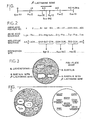
- Figure 1 is a schematic drawing providing a partial structural map of a DNA fragment which contains the gene for beta-lactamase obtained from Bacillus licheniformis;
- Figure 2 is a schematic drawing indicating correspondence between a number of the nucleotide sequences in the fragment of Figure 1 and protein sequence present in the protein for which the fragment codes, and also indicating the corresponding restriction enzyme recognition sites;
- Figure 3 is a picture indicating the typical appearance of plates upon which Bacillus subtilis strains harboring the recombinant plasmids are grown, as the plates appear after PVA assay for beta-lactamase activity;
- Figure 4 is a schematic illustration of the construction of E. coli plasmid pOG2110, B. subtilis plasmid pOG1196, and the bifunctional plasmid pOG2165;
- Figure 5 is a picture indicating the typical appearance of plates upon which various bacterial strains harboring the recombinant plasmids are grown, as the plates appear after PVA assay for beta-lactamase activity; and
- Figure 6 is a diagram of the nucleotides comprising a portion of the B. licheniformis Pen P gene.
- Very generally, and in accordance with one form of the invention, a predetermined protein which is non-indigenous to B. subtilis is produced through expression by B. subtilis. Growth media and conditions are provided for growing a strain of B. subtilis in which a plasmid has been introduced. The plasmid is capable of being replicated in the strain and has a gene therein for the predetermined protein. The gene is located and oriented in the plasmid such as to be under the control of an operator, promoter and ribosomal binding site sequence. The protein is also under the control of a transport mechanism by which the protein is secreted by the host strain. Upon secretion, the protein is recovered from the growth media.
- When, according to the invention, the predetermined protein is expressed in a gram negative bacteria, such as E. coli, the protein is again transported across the bacterial membrane by the transport peptide. However, here the protein is "secreted"' into the periplasmic space instead of the growth media since the gram negative bacterium has a cell wall in addition to its normal bacterial membrane. The predetermined protein can be recovered from the periplasmic space.
- The method of the invention necessitates the use of a cloning vector organism containing a sequence of nucleotides capable of initiating the transcription and translation process. These nucleotides, which provide an operator, promoter, and ribosomal binding site sequence, may be naturally present in the vector, may be inserted therein as a separate segment of DNA using recombinant DNA techniques, or may be part of the heterologous DNA containing the gene of interest. The heterologous DNA, which will contain at least the structural gene for a desired protein product, is placed in the cloning vector so as to be transcribed and translated under control of the operator, promoter, and ribosomal binding site sequence. For correct translation of the inserted heterologous DNA, the nucleotides in the inserted DNA must be in the correct reading frame. In addition, it may be desirable or even necessary that the cloning vector include a sufficient number of nucleotides indigenous to the host cell to ensure readthrough translation from the operator, promoter, and ribosomal binding site sequence into and through the inserted heterologous DNA in the correct reading frame.
- In accordance with the invention, the cloning vector utilized includes a sequence of nucleotides which comprise codons for a functional transport signal peptide sequence. Transport signal peptide sequences are typically short leader sequences of amino acids on newly made proteins. Although the mechanism by which the transport signal peptide sequence operates is not entirely understood, it is believed that the transport protein is excreted by the cell and withdraws that protein appended to it from the cytoplasm as the protein is made. Once the transport function has been performed by the transport signal peptide sequence, the transport sequence may be removed by natural processes.
- In accordance with the invention, the heterologous DNA can be inserted into the cloning vector at a location which allows the protein for which it encodes to be transported in accordance with the transport signal peptide sequence coded by the signal codons. Thus, the cloned gene product can be conveniently transported to a desired destination from which the gene product may be harvested. This has several advantages. Because the destination is outside the cell in the case of B. subtilis, and in the periplasmic space in the case of E. coli, the host cells need not be destroyed to harvest the gene products, thus allowing in the former for the continuous or uninterrupted production of the gene production. Also, since cells contain a great many proteins, the ability to export the cloned gene product makes the isolation and purification of the product a much simpler task. Finally, since cloned gene products, especially if produced at a high level, may be detrimental to the host cells, the ability to harvest the cloned gene products from outside of the cell membranes (if not, in the case of E. coli, the cell wall) often means that the products will not harm the cells, nor will the cells possibly produce a defensive enzyme which will degrade the gene product.
- The precise location at which the heterologous DNA must be inserted in the cloning vector will, of course, depend upon how the transport signal peptide sequence functions. In some cases, the transport signal peptide sequence will immediately precede the heterologous DNA, either as part of the gene itself or having already been present in the plasmid. The signal sequence itself can constitute the necessary sequence of nucleotides to provide for readthrough translation of the heterologous DNA. On the other hand, there may be some cases in which the transport signal peptide sequence must be located elsewhere then immediately preceding the heterologous DNA. In such cases, it may be necessary to produce the desired peptide sequence with some additional amino-acids at the beginning (coded by the extraneous codons) in order to provide the neces- ary readthrough functions.
- The following examples illustrate specific instances in which the invention may be employed, but are not intended to limit the scope of the invention:
- Construction of a plasmid for producing a transported predetermined protein non-indigenous to a host organism
- In order to provide a plasmid for producing a predetermined protein non-indigenous to a host organism, a plasmid vector containing the B. licheniformis beta-lactamase gene was made and then replicated in both B. subtilis and E. coli. The plasmid was constructed by purifying a 3.5 kb (kilobase) EcoRI-Sstl fragment containing the beta-lactamase gene and then ligating it with a 2.1 kb. EcoRl-Sstl fragment containing the replication function of the E. coli plasmid pOPlA6 (described by Gelfand, et al., Proc. The Nat. Acad. Sci. USA, (1978) 75, 5869-5873). Following transformation into competent E. coli CS412 cells (an rk -mk +Pro- derivative of C600) and a growth period adequate for expression (90 minutes), Ap-resistant transformants were obtained. Plasmids from three clones were prepared; one designated as pOG2110 was further characterized. Figure 4 details the location of the expected and observed restriction sites in pOG2110.
- To allow for replication of pOG2110 in B. subtilis, a bifunctional replicon was constructed using pOG2110 and the B. subtilis plasmid pOG1196. The construction of pOG1196 is summarized in Figure 4.
- Initially a chimeric plasmid (pCS832) containing the entire sequences of plasmids pC194 (CmR) and pUB110 (KmR) was made by ligating the two Mbol fragments of pC194 with the BamHl digested pUB110. The resulting plasmid carried both the Cm gene from PC194 and the km (Nm) gene from pUB110. It has a size of 7.5 kb. A spontaneous deletion mutant (plasmid pCS1006) was obtained from one of the sub-clones. It had lost the Hpall site originated in pC194 and known to be located in the pC194 replication region (Chang and Cohen, Molec. Gen. Genet., (1979) 168, 111-115). It still retained the replication function of pUB110 and the two resistance markers. By recircularizing the largest Hpall fragment (3.6 kb) of pCS1006, plasmid pOG1196 was obtained. This plasmid confers only Cm- resistance and possesses the replication function derived from plasmid pUB110. The map of pOG1196 is shown in Figure 4.
- E. coli plasmid pOG2110 and B. subtilis plasmid pOG1196 contained two and three Pvull sites respectively. Equal amounts of Pvull digested pOG2110 and pOG1196 plasmid DNA were ligated and used to transform E. coli strain CS412. Cm-resistant clones were selected; all were also Ap-resistant. The composite plasmid pOG2165 isolated from one of the Cm-resistant Ap-resistant transformants was studied further. A map of this 7.5 kb plasmid is shown in Figure 4. Plasmid pOG2165 replicates in both E. coli and B. subtilis and confers upon either host both Cm- and Ap- resistance.
- B. subtilis and E. coli cells harboring plasmid pOG2165 are resistant to ampicillin as a result of the production of the B. licheniformis beta-lactamase enzyme. This can be demonstrated by means of the PVA plate assay developed by Sherratt and Collins, J. Gen. Microbiol., (1973), 76 217-230. The positive results obtained from such an assay are illustrated in Figure 5.
- When pOG2165 is propagated in B. subtilis BD224, both the membrane-bound and the secreted form of the heterologous beta-lactamase are synthesized. The amount produced by this strain is variable and depends upon the growth conditions used. pOG2165 can also be propagated in B. subtilis strain QB127 (Kunst, et al., Bio. Chemie. (1974) 56, 1481-1490). QB127 is a bacterial strain with the sacU" mutation which causes overproduction of several exoenzymes such as levansucrase, alpha-amylase and extra-cellular proteases. Levels of beta-lactamase detected in cultures of QB127 (pOG2165) are similar to those levels detected in BD224 (pOG2165) cultures under the same conditions.
- The bi-functional plasmid pOG2165 itself possesses unique sites for restriction enzymes Sstl, Hindlll, Pstl and Bg/ll. Insertion of DNA into the Bg/ll and the Pstl sites leads to inactivation of the B. licheniformis beta-lactamase gene and provides an easily recognizable phenotype for identifying clones carrying inserts.
- When the exact reading frame of the DNA sequence to be inserted is known, it is possible to create a fused protein containing the leader sequence and the first 71 amino acid residues of the beta-lactamase exoenzyme by cloning into the Bglll site. Fused protein made in this way is secreted by the Bacillus cells due to the presence of the leader sequence at the amino terminus. These features make pOG2165 a useful vector for the cloning and efficient expression of heterologous genes, and the subsequent secretion of the gene product in B. subtilis and E. coli..
- On the other hand, when the exact reading frame of the DNA sequence to be inserted is known, and insertion is made at the Pstl site, a fused protein is made which will accumulate in the host organism. Since the Pstl recognition site is located in the initial portion of the nucleotide sequence coding for the signal peptide, only a portion of this sequence is transcribed before the heterologous gene sequence is encountered. Even though the fused protein is expressed, this portion of the signal peptide is insufficient to confer the normal signal peptide's secretion function. As a result, products of genes inserted at the Pstl site accumulate in the host organism.
- A portion of the nucleotide sequence comprising the B. licheniformis Pen P gene is diagrammed in Figure 6. The beta-lactamase promoter region is located between
nucleotides 1 and 221 one; its precise location is unknown. The nucleotides which code for the amino acids comprising the signal peptide being withnucleotide 222 and end with nucleotide 323. As a result, the signal peptide is composed of thirty-four amino acids. The Pstl ' recognition site is located between nucleotide positions 259 and 264, or at amino acids thirteen through fifteen on the signal peptide chain. Insertion of heterologous DNA into this Pstl site will lead to the formation of a fused protein composed of the heterologous DNA product and the first fourteen amino acids of the signal peptide chain. Such a fused protein will be expressed but not transported across the bacterial membrane. Successful secretion requires fusion with either the total signal peptide, or fusion with at least the first twenty-six amino acid residues in the signal peptide chain. - B. licheniformis produces a large amount of beta-lactamase in the secreted form (exo-enzyme). The secretion of this protein is believed to be result of the interaction between the bacterial membrane and the amino acid leader sequence which facilitates the transport of the protein across the single bacterial membrane barrier. The beta-lactamase gene was cloned and inserted into plasmids which were capable of being replicated in B. subtilis. The plasmids were then transformed into the B. subtilis hosts resulting in the secretion of beta-lactamase. This constitutes the first expression of a heterologous gene in B. subtilis and the transport of the gene products into the culture or growth media from the B. subtilis cells.
- To clone the beta-lactamase gene from the B. licheniformis strain, total chromosomal DNA from
B. licheniformis strain 749/C was isolated and digested with EcoRl restriction endonuclease. Chromosomal DNA isolated from B. licheniformis 749/C was prepared according to Marmur (J. of Molec. Biol. (1961) 3, 208-18). E. coli plasmid pSC101 is isolated from cells using the cleared lysate procedure of Kupersztoch and Helinski (Biochem. Biophys. Res. Commun. (1973) 54, 1451-59). 3 µg of chromosomal DNA and 2 ug of pSC101 DNA were digested with endonuclease EcoRl and ligated with T4 DNA ligase as described (Hershfield, et al. Proc. Natl. Acad. Sci., USA, (1974) 71,3455-59), and transformed into competent cells of E. coli strain CS412 (an rk -mk +Pro- derivative of C600) using the protocol of Cohen, et al. (Proc. Natl. Acad Sci., USA, (1972) 69, 2110-14). - Transformants resistant to ampicillin at 10 µg/ml- were selected and one of the transformants carrying recombinant plasmid designated pTB2 was characterized further. Plasmid pTB2 carries a 4.2 kb (kilobase pair) EcoRl fragment on the pSC101 vector. This plasmid confers to the host tetracycline (the marker on pSC101) and ampicillin resistances, indicating that the beta-lactamase gene product is made as a functional enzyme which degrades ampicillin in the media.
- The beta-lactamase gene is located on the 4.2 kilobase pair EcoRl fragment mentioned above. Subsequent analysis of this fragment using various restriction enzymes and gene cloning permits deduction of the structure of the gene for this enzyme as partially mapped and shown in Figure 1. The primary sequence of the beta-lactamase from
B. licheniformis strain 749/C has been previously determined (R. J. Meadway, Ph.D., Thesis, University of Edinburgh, 1969). From the known amino acid sequence, the Gly-Pro (position 116-117) sequence corresponds to the nucleotide sequence GGN-CCN, which in turn is the recognition sequence for endonuclease Sau961 (GGNCC). Similarly, the Trp-Pro (position 222-223) sequence is coded by nucleotide codons TGG-CCN, within which the center tet- ranucleotide sequence GGCC is recognised and cleaved by endonuclease Haelll (see Roberts, in DNA Insertion Elements, Plasmids, and Episomes, 1977, ed. Bukhari, Shapiro and Adhya, Cold Spring Harbor Lab., p 757). - The 4.2 kb cloned fragment was analyzed by a number of endonuclease, as listed in Figure 2, using the conditions specified by the supplier (New England Biolabs, Inc., Beverly, Ma 01915, 1978 catalog). The digested DNA was analyzed on agarose gels as described by Sharp, et a. (Biochemistry (1973) 12, 3055-63), and on acrylamide gels (Maxam and Gilbert, Proc. Natl. Acad. Sci., USA, (1973) 73,3942-46). The mapping data is summarized in Figure 2. The Sau961 site and the Haelll site were located in the 2.3 kb Pvull fragment which contains the complete beta-lactamase gene sequence. These two sites are separated by 320 nucleotides which is consistent with the protein sequence data (106 amino acids apart).
- After identification of the nucleotide sequence which contains the beta-lactamase gene, the gene was cloned into B. subtilis using various Bacillus plasmids and using a hybrid B. subtilis-E. coli plasmid. Plasmids included pUB110 and pC221 derived plasmids. The B. subtilis strains harboring the recombinant plasmids become resistant to ampicillin as well as give a positive beta-lactamase reaction on PVA plates (see Figure 3). Furthermore, beta-lactamase activity was detected in cultures after bacterial cells were removed. This activity clearly indicates the successful expression of the heterologous gene in B. subtilis, as well as the transport of the protein through the bacterial membrane into the culture or growth media.
- The EcoRl fragment containing the beta-lactamase gene was cloned onto B. subtilis plasmid vectors pUB110 (Gryczan and Dubnau, Proc. Natl. Acad. Sci., USA., (1978) 75,1428-1432) and pC221 (Ehrlich, Proc. Natl. AAcad. Sci., USA, (1977) 74 1680―82) at the respective EcoRi sites using the procedure described above in connection with E. coli. Similarly, the 2.3 kb Pvull fragment containing the beta-lactamase gene has also been cloned onto pUB110 at the Pvull site and the Tacl site.
- Litigated DNA preparations were used to transform B. subtilis strain BD224 (recE4, trpC2, thr5) by the method of Chang and Cohen, Molec. Gen. Genet., (1979) 168,111-115. Transformants resistant to ampicillin on regeneration plates were selected and tested. The production of beta-lactamase is detected by two methods; one is a sensitive plate assay developed by Sherratt and Collins, J. Gen. Microbiol., (1973) 76 217―230, the other is the iodometric assay described by Ross and O'Callaghan, (Meth. in Enzymology, (1975), 43, 69-85. B. subtilis clones resistant to ampicillin gave positive results for both tests. In addition, beta-lactamase activity was also detected in the culture after the cells were removed, indicating that the beta-lactamase is not only made, but also exported in B. subtilis.
- The cloning of heterologous genes into B. subtilis and the functional expression of these genes as intracellular proteins have been shown previously by Keggins, et al., Proc. Natl. Acad. Sci., USA., (1978) 75, 1423-1427. In this study, however, the cloned genes are genes coding for enzymes which are normally present intracellularly in wild type B. subtilis. The successful expression of genes which are non-indigenous to B. subtilis, and the successful secretion of the products of these genes was not demonstrated.
- The work on the beta-lactamase gene presented in this example is the first demonstration that a new function, namely, beta-lactamase production, can be introduced into B. subtilis using gene cloning techniques and employing a bacterial beta-lactamase gene control sequence. In addition this Example constitutes the first clear demonstration that a foreign gene product can be made to pass through the B. subtilis membrane barrier and be secreted as an exo-protein. The beta-lactamase, which is a commercially useful product, is produced by a strain which does not otherwise produce this enzyme.
- The B. licheniformis beta-lactamase gene described in Example 2 was also inserted into plasmids capable of being replicated in E. coli. These plasmids were transformed into the E. coli hosts using methods identical to those described in Example 2 for B. subtilis. The E. coli cells harboring the plasmids are resistant to ampicillin as a result of the production of the B. licheniformis beta-lactamase enzyme. This is demonstrated by means of the PVA plate assay developed by Sherratt and Collins, J. Gen. Microbiol., (1973), 76 217-230.
- When the B. licheniformis beta-lactamase gene carrying plasmids are propagated in E. coli, the secreted form of the enzyme is not transported into the culture medium as it is in B. subtilis. Since E. coli has a cell wall surrounding the limiting bacterial membrane, the heterologous protein product is transported to the periplasmic space separating the cell wall from the bacterial membrane. The beta-lactamase exoenzyme was allowed to accummulate the periplasmic space and was then harvested by appropriate methods.
- The beta-lactamase gene of B. licheniformis is not the only source of a signal peptide sequence that can function in B. subtilis or E. coli. As indicated above, many proteins (especially in eucaryotic cells) are transported across membranes. Although the precise amino acid sequence of the "signal region" may, in fact does, vary among different transported proteins, the folded structures of these regions, which can be predicted according to the rules of Chou and Fasman (Ann. Rev. Biochem. (1978) 47, 251-276, are very similar. Thus, the requirements for a transport signal peptide sequence can be satisfied with non-Bacillus signal peptides, provided the signal sequence encoding DNA fragment is correctly positioned downstream from the B. licheniformis* beta-lactamase promoter, and ribosomal binding site sequence.
- One such eucaryotic transport signal sequence that may be used in connection with a desired gene product is the signal or presequence preceding the insulin B chain. (The various insulin chains, A, B and C, are made as a single polypeptide and are assembled and processed in the endoplasmic reticulum on the way to being exported by the cell). However, in the insulin presequence there is no convenient restriction site immediately after the signal peptide sequence which can be used to join it with a cloned gene of heterologous DNA. Nevertheless, the last five nucleotides of the signal sequence in insulin are AGGCT and the first nucleotide of the insulin B chain itself is T. These six nucleotides together (AGGCTT) differ by a single nucleotide from AAGCTT which is the recognition sequence for the restriction enzyme Hindlll. The enzyme cuts between the two As. If the heterologous DNA was cloned or separated using the same enzyme, Hindlll, or using a half Hindlll site bifunctional linker, the sequence will be restored when the heterologous DNA is inserted.
- The single nucleotide Gx may be changed to an A to provide the Hindlll site by a procedure in which the nucleotide to be changed is exposed, altered, and the sequence reconstructed. This change results in no alteration of the next to last amino acid of the signal sequence.
- DNA litigation may be accomplished as described by Hershfield, et al., Proc. Natl. Acad. Sci., USA., (1974) 71, 3455―3495. Reverse trans- criptase may be used as a DNA polymerase such as described by Bahl, et al., Proc. Natl. Acad. Sci., USA., (1977) 74, 966-970, Transformation may proceed as described by Cohen, et al., Proc. Natl. Acad. Sci., USA., (1973) 70, 3240-3244.
- Although the procedure described in Example 4 above is technically feasible, it is a eukaryotic leader sequence and thus the procedure may be useful only in connection with general research. Typically, a more useful approach from a commercial standpoint is in connection with a prokaryotic (bacterial) host. Although only a few such signal sequences are known in connection with prokaryotic systems, one sequence which is well characterized is the sequence from TEM beta-lactamase. (Sutcliffe, Proc. Natl. Acad. Sci., USA., (1976) 75, 3737―3741). This sequence is ideal for attaching to a cloned gene except that there is no convenient restriction site at the location for presequence processing. The nearest restriction site to the signal sequence is an Mbol site which would result in the attachment of 16 extraneous amino acids to the cloned gene product.
- Nevertheless, the terminal portion of the signal sequence, which is TTTGCT, may be altered, by one of the above-described techniques, to TTTGAT. When the latter sequence is read along with the first few following nucleotides of the TEM beta-lactamase gene, a' restriction site for Bcll (TGATCA) exists. This results in the altering of the final amino acid from Ala to Asp and in the attaching of one extra amino acid to the gene product, either a Glu or His, depending upon what the first attached nucleotide of the heterologous DNA is.
- To accomplish the foregoing alteration in nucleotides, the approach described above may be used wherein a short fragment is synthesized. There are bracketing restriction sites upstream from the signal sequence (Thal) and a restriction site Mbol, as mentioned above, downstream. A taq site exists even further downstream. Restriction conditions may be followed for Thai as described by McConnell, et al., Nucleic Acid Res. (1978), 5, 1729―1739; for Mbol by Gelinas et al., J. Mol. Biol. (1977) 114,169-179; or Taql by Sato, et al., Proc. Natl. Acad. Sci., USA., (1977) 74, 542-546. Note that in connection with Mbol, the DNA is prepared in the host cell GM119 which lacks deoxyadenosine methylase (to avoid methylation of regions and prevent Mbol cutting). In this latter connection see Marinus and Morris Mutat. Res. (1975) 28, 15-26. Alternatively, the restriction endonuclease SAU 3A, an isoschizome of Mbol, may be used with DNA isolated from any host.
- It may be seen, therefore, that the invention provides a method and a vector for the controlled accumulation of heterologous cloned gene products. The products are transferred or transported outside the host cell membrane, enabling the harvesting of the product to proceed with minimal restrictions, and avoiding the likelihood of degradation or destruction of either the host cell or the gene product itself.
-
- 1. Bahl, C. P., Wu. R., Stawinsky, J. and Narang, S. A., Proc. Nat. Acad Sci., USA., (1977) 74:966-970.
- 2. Chang, A. and Cohen, S., Molec. Gen. Genet., (1979) 168:111-115.
- 3. Chou, P. Y. and Fasman, G. D., Ann. Rev. Biochem., (1978), 47:251-276.
- 4. Cohen, S. N. and Chang, A. C. Y., Proc. Nat. Acad. Sci., USA, (1972), 69:2110―2114.
- 5. Cohen, S. N., Chang, A. C. Y., Boyer, H. W. and Helling, R. B., Proc. Nat. Acad. Sci., USA, (1973) (70:3240-3244.
- 6. Ehrlich, S. D., Proc. Nat. Acad. Sci., USA, (1977) 74:1680-1682.
- 7. Gelinas, R. E. Myers, P. A. and Roberts, R. J.,J. Molec Biol., (1977) 114:169-179.
- 8. Gelfand, D., Shepard, H., O'Farrell, P. and Polisky, B., Proc. Nat. Acad. Sci., USA, (1978) 75:5869-5873.
- 9. Gryczan, T. J. and Dubnau, D., Proc. Nat. Acad. Sci. USA, (1978) 75:1428-1432.
- 10. Hershfield, V., Boyer, H. W., Yanofsky, C., Lovett, M. A. and Halsinki, D. R., Proc. Nat. Acad. Sci., USA, (1974) (71:3455-3459.
- 11. Keggins, K. M., Lovett, P. S. and Duvall, E. J., Proc. Nat. Acad. Sci., USA, (1978) 75:1423-1427.
- 12. Kunst. F., Pascal, M., Lepesant-Kejzlarova, J., Lepesant, J., Billault, A. and Dedonder, R., Bio. Chemie., (1974) 56:1481-1490.
- 13. Kupersztoch, Y. and Helinski, D., Biochem. Biophys. Res. Commun., (1973) 54:1451-1459.
- 14. Marinus, M. G. and Morris. N. R., Mutat. Res., (1975) 28:15-26.
- 15. Marmur, J., J. Molec. Biol., (1961) 3:208-218.
- 16. Maxam, A. and Gilbert, W., Proc. Nat. Acad. Sci., USA, (1973) 73:3942-3946.
- 17. McConnell, D. J., Searcy, D. G. and Sutcliffe, J. G., Nucleic Acids Res., (1978) 5:1729-1739.
- 18. Meadway, R. J. Ph.D. Thesis,' University of Edinburgh, (1969).
- 19. Roberts, in DNA Insertion Elements, Plasmids and Episomes, 1977, editors Bukhari, Shapiro and Adhya, Cold Spring Harbor Lab. p. 757.
- 20. Ross, G. W. and O'Callaghan, C. H., Meth. Enzymol., (1975) (43:69-85.
- 21. Sato, S., Hutchison, D. A. III and Harris, J. I., Proc. Nat. Acad. Sci. USA, (1977), 74:542-546.
- 22. Sharp, P. A., Sugden, B. and Sambrook, J., Biochem., (1973) 12:3055-3063.
- 23. Sherratt, D. J. and Collins, J. F., J. Gen. Microbiol., (1973), 76:217-230.
- 24. Sutcliffe, J. G., Proc. Nat. Acad Sci., USA, (1978), 75:3737-3741.
Claims (20)
Applications Claiming Priority (4)
| Application Number | Priority Date | Filing Date | Title |
|---|---|---|---|
| US12853780A | 1980-03-10 | 1980-03-10 | |
| US128537 | 1980-03-10 | ||
| US22180080A | 1980-12-31 | 1980-12-31 | |
| US221800 | 1980-12-31 |
Publications (3)
| Publication Number | Publication Date |
|---|---|
| EP0036259A2 EP0036259A2 (en) | 1981-09-23 |
| EP0036259A3 EP0036259A3 (en) | 1982-06-09 |
| EP0036259B1 true EP0036259B1 (en) | 1989-06-14 |
Family
ID=26826682
Family Applications (1)
| Application Number | Title | Priority Date | Filing Date |
|---|---|---|---|
| EP81300858A Expired EP0036259B1 (en) | 1980-03-10 | 1981-03-02 | Method,vectors and organisms for transported cloned heterologous gene products in bacillus subtilis and e.coli |
Country Status (9)
| Country | Link |
|---|---|
| EP (1) | EP0036259B1 (en) |
| AU (1) | AU545912B2 (en) |
| CA (1) | CA1182408A (en) |
| DE (1) | DE3177067D1 (en) |
| DK (1) | DK172711B1 (en) |
| ES (2) | ES8307895A1 (en) |
| FI (1) | FI810722A7 (en) |
| IL (1) | IL62327A0 (en) |
| NO (1) | NO810803L (en) |
Families Citing this family (57)
| Publication number | Priority date | Publication date | Assignee | Title |
|---|---|---|---|---|
| DE3005843A1 (en) * | 1980-02-16 | 1981-09-10 | Hoechst Ag, 6000 Frankfurt | GENERAL PRODUCT OF A HIGHER ORGANISM FROM A MICROORGANISM CONTAINING THIS GENE |
| US4338397A (en) * | 1980-04-11 | 1982-07-06 | President And Fellows Of Harvard College | Mature protein synthesis |
| FI64813C (en) * | 1980-12-31 | 1984-01-10 | Ilkka Antero Palva | FOERFARANDE FOER PRODUCERING AV ETT UTVALT AEGGVITEAEMNE OCH VID FOERFARANDET ANVAENDA REKOMBINANTPLASMIDVEKTORER |
| FI821466A7 (en) * | 1981-04-29 | 1982-10-30 | Biogen Nv | Bacillus cloning vectors, recombinant DNA molecules, Bacillus hosts transformed by them, and methods for expressing foreign DNA sequences and producing polypeptides encoded by them. |
| US4508826A (en) * | 1982-04-15 | 1985-04-02 | Merck & Co., Inc. | Bacteriophage DNA cloning vector TG1 and microorganisms containing TG1 |
| US4460689A (en) * | 1982-04-15 | 1984-07-17 | Merck & Co., Inc. | DNA Cloning vector TG1, derivatives, and processes of making |
| FR2533583A1 (en) * | 1982-09-24 | 1984-03-30 | Centre Nat Rech Scient | NOVEL RECOMBINANT DNA USEFUL IN THE PREPARATION OF A-AMYLASE |
| FR2537602B2 (en) * | 1982-09-24 | 1986-10-24 | Centre Nat Rech Scient | NOVEL IMPROVED RECOMBINANT DNA USEFUL IN THE PREPARATION OF A-AMYLASE BY BACILLUS SUBTIL |
| US4559300A (en) * | 1983-01-18 | 1985-12-17 | Eli Lilly And Company | Method for using an homologous bacillus promoter and associated natural or modified ribosome binding site-containing DNA sequence in streptomyces |
| US4783405A (en) * | 1983-01-18 | 1988-11-08 | Eli Lilly And Company | Recombinant DNA expression vectors useful in bacillus and other host cells |
| US4585739A (en) * | 1983-03-07 | 1986-04-29 | E. I. Du Pont De Nemours And Company | Plasmid for foreign gene expression in B. subtilis |
| DK138984A (en) * | 1983-03-08 | 1984-09-09 | Rikagaku Kenkyusho | PLASMID, METHOD OF PRODUCING IT, MICROORGANISMS CONTAINING SAME AND PROCEDURE FOR CULTIVATING THE MICROORGANISM |
| DE3486216T2 (en) * | 1983-04-25 | 1994-02-17 | Chiron Corp | Hybrid DNA synthesis of mature insulin-like growth factors. |
| US4663280A (en) * | 1983-05-19 | 1987-05-05 | Public Health Research Institute Of The City Of New York | Expression and secretion vectors and method of constructing vectors |
| US4912046A (en) * | 1983-06-27 | 1990-03-27 | Genentech, Inc. | Portable inducible control system |
| US5624829A (en) * | 1984-07-03 | 1997-04-29 | Gist-Brocades, B.V. | Transformed industrial bacillus strains and methods for making and using them |
| DE3480411D1 (en) * | 1983-07-06 | 1989-12-14 | Gist Brocades Nv | Molecular cloning and expression in industrial microorganism species |
| JPS60137291A (en) * | 1983-12-26 | 1985-07-20 | Takeda Chem Ind Ltd | Production of gene product |
| WO1986000619A1 (en) * | 1984-07-13 | 1986-01-30 | Chiron Corporation | Prepro insulin-like growth factors i and ii |
| JPH062074B2 (en) * | 1984-07-27 | 1994-01-12 | 國男 山根 | Manufacturing method of oligopeptide |
| SE8403929L (en) * | 1984-07-31 | 1986-02-21 | Sten Gatenbeck | RECOMBINANT DNA MOLECULE, TRANSFORMED MICROORGANISMS AND PROCEDURE FOR PENICILLIN V-AMIDAS PREPARATION |
| US5032510A (en) * | 1984-09-26 | 1991-07-16 | Eli Lilly And Company | Method for expression and secretion in bacillus |
| IT1177378B (en) * | 1984-12-11 | 1987-08-26 | Anic Spa | PSM112 PLASMIDIC VECTOR FOR EXPRESSION IN BACILLUS SUBTILIS |
| IT1208514B (en) * | 1985-03-19 | 1989-07-10 | Eniricerche Spa | EXPRESSING PLASMID VECTORS IN ESCHERICHIA COLI AND / OR BACILLUSSUBTILIS. |
| WO1986005812A1 (en) * | 1985-03-29 | 1986-10-09 | Biotechnica International, Inc. | Secretion vector |
| IT1186750B (en) * | 1985-07-10 | 1987-12-16 | Eniricerche Spa | CLONING VECTOR, RECOMBINANT DNA MOLECULES, BACILLUS SUBTILIS STRAWS TRANSFORMED WITH THESE MOLECULES AND METHODS FOR THE EXPRESSION OF HETEROLOGICAL GENES AND PRODUCTION AND SECRETION OF PROTEINS CODED BY THESE GENES |
| US4977089A (en) * | 1987-01-30 | 1990-12-11 | Eli Lilly And Company | Vector comprising signal peptide-encoding DNA for use in Bacillus and other microorganisms |
| EP0785273A1 (en) | 1990-11-26 | 1997-07-23 | Genetics Institute, Inc. | Paired basic amino acid converting enzyme and DNA sequence encoding it |
| GB9513371D0 (en) | 1995-06-30 | 1995-09-06 | Biocine Spa | Immunogenic detoxified mutant toxins |
| US5629167A (en) | 1994-04-19 | 1997-05-13 | Biocine S.P.A. | Detection of antibodies against Chlamydia trachomatis pgp3 antigen in patient sera by enzyme-linked immunosorbent assay |
| EP1900818A3 (en) | 1997-11-06 | 2008-06-11 | Novartis Vaccines and Diagnostics S.r.l. | Neisserial antigens |
| WO1999036544A2 (en) | 1998-01-14 | 1999-07-22 | Chiron S.P.A. | Neisseria meningitidis antigens |
| GB9808932D0 (en) | 1998-04-27 | 1998-06-24 | Chiron Spa | Polyepitope carrier protein |
| EP2261347A3 (en) | 1998-05-01 | 2012-01-11 | Novartis Vaccines and Diagnostics, Inc. | Neisseria meningitidis antigens and compositions |
| CA2372235A1 (en) | 1999-04-30 | 2000-11-09 | Rino Rappuoli | Conserved neisserial antigens |
| GB9911683D0 (en) | 1999-05-19 | 1999-07-21 | Chiron Spa | Antigenic peptides |
| GB9916529D0 (en) | 1999-07-14 | 1999-09-15 | Chiron Spa | Antigenic peptides |
| EP1226253A2 (en) | 1999-10-29 | 2002-07-31 | Chiron S.P.A. | Neisserial antigenic peptides |
| CA2871789C (en) | 2000-01-17 | 2017-04-04 | Novartis Vaccines And Diagnostics S.R.L. | Outer membrane vesicle (omv) vaccine comprising n. meningitidis serogroup b outer membrane proteins |
| ATE439372T1 (en) | 2000-10-27 | 2009-08-15 | Novartis Vaccines & Diagnostic | NUCLEIC ACIDS AND PROTEINS OF GROUP A AND B STREPTOCOCICS |
| GB0107658D0 (en) | 2001-03-27 | 2001-05-16 | Chiron Spa | Streptococcus pneumoniae |
| GB0107661D0 (en) | 2001-03-27 | 2001-05-16 | Chiron Spa | Staphylococcus aureus |
| ATE469915T1 (en) | 2001-07-27 | 2010-06-15 | Novartis Vaccines & Diagnostic | ANTIBODIES AGAINST MENINGOCOCC ADHESIN APP |
| EP2168596B1 (en) | 2001-12-12 | 2012-05-23 | Novartis Vaccines and Diagnostics S.r.l. | Immunisation against chlamydia trachomatis |
| WO2003099854A2 (en) | 2002-05-24 | 2003-12-04 | Nps Allelix Corp. | Method for enzymatic production of glp-2(1-33) and glp-2-(1-34) peptides |
| EP1513945A4 (en) | 2002-05-24 | 2008-12-24 | Restoragen Inc | PROCESS FOR UNIVERSAL ENZYMATIC PRODUCTION OF BIOACTIVE PEPTIDES |
| WO2004046177A2 (en) | 2002-11-15 | 2004-06-03 | Chiron Srl | Unexpected surface proteins in neisseria meningitidis |
| GB0227346D0 (en) | 2002-11-22 | 2002-12-31 | Chiron Spa | 741 |
| GB0308198D0 (en) | 2003-04-09 | 2003-05-14 | Chiron Srl | ADP-ribosylating bacterial toxin |
| HRP20120315T1 (en) | 2003-11-21 | 2012-05-31 | Nps Pharmaceuticals | Production of glucagon like peptide 2 and analogs |
| GB0524066D0 (en) | 2005-11-25 | 2006-01-04 | Chiron Srl | 741 ii |
| ATE522541T1 (en) | 2006-06-09 | 2011-09-15 | Novartis Ag | BACTERIAL ADHESIN CONFORMERS |
| EP2886551A3 (en) | 2008-02-21 | 2015-09-23 | Novartis AG | Meningococcal fhbp polypeptides |
| ITMI20090946A1 (en) | 2009-05-28 | 2010-11-29 | Novartis Ag | EXPRESSION OF RECOMBINANT PROTEINS |
| JP2013502918A (en) | 2009-08-27 | 2013-01-31 | ノバルティス アーゲー | Hybrid polypeptide comprising Neisseria meningitidis fHBP sequence |
| BR112012010531A2 (en) | 2009-10-27 | 2019-09-24 | Novartis Ag | "fhbp meningococcal modification polypeptides" |
| FR2954349A1 (en) | 2009-12-22 | 2011-06-24 | Agronomique Inst Nat Rech | SULFATASE SELECTIVELY MODIFYING GLYCOSAMINOGLYCANS |
Family Cites Families (7)
| Publication number | Priority date | Publication date | Assignee | Title |
|---|---|---|---|---|
| US4411994A (en) * | 1978-06-08 | 1983-10-25 | The President And Fellows Of Harvard College | Protein synthesis |
| IE48385B1 (en) * | 1978-08-11 | 1984-12-26 | Univ California | Synthesis of a eucaryotic protein by a microorganism |
| FR2442271A1 (en) * | 1978-11-27 | 1980-06-20 | Pasteur Institut | VECTOR FOR THE INSERTION OF A PROKARYOTE OR EUKARYOTE GENE, AND EXCRETION OF THE EXPRESSED PROTEIN |
| GB2048894A (en) * | 1979-05-11 | 1980-12-17 | Gist Brocades Nv | Plasmid |
| GR70279B (en) * | 1979-09-12 | 1982-09-03 | Univ California | |
| IL61982A (en) * | 1980-02-15 | 1984-01-31 | Cpc International Inc | Genetically engineered microorganisms for massive production of amyloytic enzymes and process for preparing same using the corresponding recombinant dnas containing amylase coding genes |
| US4338397A (en) * | 1980-04-11 | 1982-07-06 | President And Fellows Of Harvard College | Mature protein synthesis |
-
1981
- 1981-02-27 AU AU67902/81A patent/AU545912B2/en not_active Expired
- 1981-03-02 EP EP81300858A patent/EP0036259B1/en not_active Expired
- 1981-03-02 DE DE8181300858T patent/DE3177067D1/en not_active Expired
- 1981-03-09 FI FI810722A patent/FI810722A7/en not_active Application Discontinuation
- 1981-03-09 ES ES500201A patent/ES8307895A1/en not_active Expired
- 1981-03-09 IL IL62327A patent/IL62327A0/en unknown
- 1981-03-10 DK DK198101095A patent/DK172711B1/en not_active IP Right Cessation
- 1981-03-10 NO NO810803A patent/NO810803L/en unknown
- 1981-03-10 CA CA000372633A patent/CA1182408A/en not_active Expired
-
1982
- 1982-03-01 ES ES510011A patent/ES510011A0/en active Granted
Also Published As
| Publication number | Publication date |
|---|---|
| FI810722L (en) | 1981-09-11 |
| ES8306796A1 (en) | 1983-06-01 |
| FI810722A7 (en) | 1981-09-11 |
| EP0036259A3 (en) | 1982-06-09 |
| IL62327A0 (en) | 1981-05-20 |
| AU545912B2 (en) | 1985-08-08 |
| NO810803L (en) | 1981-09-11 |
| DK172711B1 (en) | 1999-06-07 |
| AU6790281A (en) | 1981-09-17 |
| DE3177067D1 (en) | 1989-07-20 |
| ES510011A0 (en) | 1983-06-01 |
| DK109581A (en) | 1981-09-11 |
| CA1182408A (en) | 1985-02-12 |
| EP0036259A2 (en) | 1981-09-23 |
| ES500201A0 (en) | 1983-07-01 |
| ES8307895A1 (en) | 1983-07-01 |
Similar Documents
| Publication | Publication Date | Title |
|---|---|---|
| EP0036259A2 (en) | Method,vectors and organisms for transported cloned heterologous gene products in bacillus subtilis and E.coli | |
| US5037760A (en) | Secretory signal selection vectors for extracellular protein synthesis bacilli | |
| US5882888A (en) | DNA integration by transposition | |
| US4711843A (en) | Method and vector organism for controlled accumulation of cloned heterologous gene products in Bacillus subtilis | |
| KR100530598B1 (en) | System for expressing hyperthermostable protease | |
| Youngman et al. | A novel method for the rapid cloning in Escherichia coli of Bacillus subtilis chromosomal DNA adjacent to Tn 917 insertions | |
| Heinrich et al. | The molecular organization of the lysostaphin gene and its sequences repeated in tandem | |
| JP3676369B2 (en) | Synthetic leader peptide sequences | |
| US5821088A (en) | Use of gram-positive bacteria to express recombinant proteins | |
| Smith et al. | Construction and use of signal sequence selection vectors in Escherichia coli and Bacillus subtilis | |
| US4914025A (en) | Export of intra-cellular substances | |
| JPH06503957A (en) | How to construct a synthetic leader sequence | |
| WO1993024631A1 (en) | PRODUCTION OF STREPTAVIDIN FROM $i(BACILLUS SUBTILIS) | |
| US5011772A (en) | High yield protein production system | |
| EP0546049B1 (en) | A method for rapid selection of efficient secretion vectors | |
| JPH10511845A (en) | Methods for producing extracellular proteins in bacteria | |
| JP3154720B2 (en) | Inducible expression vector | |
| EP0133756A2 (en) | Vector for expression of polypeptides | |
| JPH0146111B2 (en) | ||
| EP0063494B1 (en) | Method for producing protein from a microorganism, microorganisms for use in such method and creation thereof, vectors for use in said creation, and protein produced thereby, and transformant culture derived from said microorganisms | |
| US5212083A (en) | Sequence for stabilizing proteins in bacteria | |
| EP0868523A1 (en) | Vector for expression of n-terminally extended proteins in yeast cell | |
| US4952508A (en) | Method and vector organism for controlled accumulation of cloned heterologous gene products in Bacillus subtilis | |
| US5212070A (en) | Secretory signal selection vectors for extracellular protein synthesis in Bacilli | |
| US5858727A (en) | Secretion of outer membrane proteins of gram-negative bacteria by means of gram-positive host organisms |
Legal Events
| Date | Code | Title | Description |
|---|---|---|---|
| PUAI | Public reference made under article 153(3) epc to a published international application that has entered the european phase |
Free format text: ORIGINAL CODE: 0009012 |
|
| AK | Designated contracting states |
Designated state(s): BE CH DE FR GB IT LI LU NL SE |
|
| PUAL | Search report despatched |
Free format text: ORIGINAL CODE: 0009013 |
|
| 17P | Request for examination filed |
Effective date: 19820208 |
|
| AK | Designated contracting states |
Designated state(s): BE CH DE FR GB IT LI LU NL SE |
|
| RBV | Designated contracting states (corrected) |
Designated state(s): BE CH DE FR GB IT LI LU NL SE |
|
| RAP1 | Party data changed (applicant data changed or rights of an application transferred) |
Owner name: CETUS CORPORATION |
|
| ITF | It: translation for a ep patent filed | ||
| GRAA | (expected) grant |
Free format text: ORIGINAL CODE: 0009210 |
|
| AK | Designated contracting states |
Kind code of ref document: B1 Designated state(s): BE CH DE FR GB IT LI LU NL SE |
|
| REF | Corresponds to: |
Ref document number: 3177067 Country of ref document: DE Date of ref document: 19890720 |
|
| ET | Fr: translation filed | ||
| PLBE | No opposition filed within time limit |
Free format text: ORIGINAL CODE: 0009261 |
|
| STAA | Information on the status of an ep patent application or granted ep patent |
Free format text: STATUS: NO OPPOSITION FILED WITHIN TIME LIMIT |
|
| 26N | No opposition filed | ||
| ITTA | It: last paid annual fee | ||
| EPTA | Lu: last paid annual fee | ||
| EAL | Se: european patent in force in sweden |
Ref document number: 81300858.8 |
|
| BECH | Be: change of holder |
Free format text: 960724 *CHIRON CORP. |
|
| REG | Reference to a national code |
Ref country code: FR Ref legal event code: TP Ref country code: FR Ref legal event code: CD Ref country code: FR Ref legal event code: CA |
|
| REG | Reference to a national code |
Ref country code: CH Ref legal event code: PFA Free format text: CETUS CORPORATION TRANSFER- CETUS ONCOLOGY CORPORATION * CETUS ONCOLOGY CORPORATION TRANSFER- CHIRON CORPORATION Ref country code: CH Ref legal event code: NV Representative=s name: PATENTANWAELTE SCHAAD, BALASS, MENZL & PARTNER AG |
|
| PGFP | Annual fee paid to national office [announced via postgrant information from national office to epo] |
Ref country code: FR Payment date: 20000202 Year of fee payment: 20 |
|
| PGFP | Annual fee paid to national office [announced via postgrant information from national office to epo] |
Ref country code: CH Payment date: 20000221 Year of fee payment: 20 |
|
| PGFP | Annual fee paid to national office [announced via postgrant information from national office to epo] |
Ref country code: SE Payment date: 20000222 Year of fee payment: 20 Ref country code: GB Payment date: 20000222 Year of fee payment: 20 Ref country code: DE Payment date: 20000222 Year of fee payment: 20 |
|
| PGFP | Annual fee paid to national office [announced via postgrant information from national office to epo] |
Ref country code: NL Payment date: 20000223 Year of fee payment: 20 |
|
| PGFP | Annual fee paid to national office [announced via postgrant information from national office to epo] |
Ref country code: LU Payment date: 20000228 Year of fee payment: 20 |
|
| PGFP | Annual fee paid to national office [announced via postgrant information from national office to epo] |
Ref country code: BE Payment date: 20000317 Year of fee payment: 20 |
|
| BE20 | Be: patent expired |
Free format text: 20010302 *CHIRON CORP. |
|
| PG25 | Lapsed in a contracting state [announced via postgrant information from national office to epo] |
Ref country code: LI Free format text: LAPSE BECAUSE OF EXPIRATION OF PROTECTION Effective date: 20010301 Ref country code: GB Free format text: LAPSE BECAUSE OF EXPIRATION OF PROTECTION Effective date: 20010301 Ref country code: CH Free format text: LAPSE BECAUSE OF EXPIRATION OF PROTECTION Effective date: 20010301 |
|
| PG25 | Lapsed in a contracting state [announced via postgrant information from national office to epo] |
Ref country code: NL Free format text: LAPSE BECAUSE OF EXPIRATION OF PROTECTION Effective date: 20010302 Ref country code: LU Free format text: LAPSE BECAUSE OF EXPIRATION OF PROTECTION Effective date: 20010302 |
|
| REG | Reference to a national code |
Ref country code: GB Ref legal event code: PE20 Effective date: 20010301 |
|
| PG25 | Lapsed in a contracting state [announced via postgrant information from national office to epo] |
Ref country code: SE Free format text: THE PATENT HAS BEEN ANNULLED BY A DECISION OF A NATIONAL AUTHORITY Effective date: 20010330 |
|
| REG | Reference to a national code |
Ref country code: CH Ref legal event code: PL |
|
| NLV7 | Nl: ceased due to reaching the maximum lifetime of a patent |
Effective date: 20010302 |
|
| EUG | Se: european patent has lapsed |
Ref document number: 81300858.8 |