EP0025123B1 - Polysaccharide rbs substance, process for the production thereof and antitumor agent containing it - Google Patents
Polysaccharide rbs substance, process for the production thereof and antitumor agent containing it Download PDFInfo
- Publication number
- EP0025123B1 EP0025123B1 EP80104699A EP80104699A EP0025123B1 EP 0025123 B1 EP0025123 B1 EP 0025123B1 EP 80104699 A EP80104699 A EP 80104699A EP 80104699 A EP80104699 A EP 80104699A EP 0025123 B1 EP0025123 B1 EP 0025123B1
- Authority
- EP
- European Patent Office
- Prior art keywords
- reaction
- polysaccharide
- sulfuric acid
- substance
- precipitates
- Prior art date
- Legal status (The legal status is an assumption and is not a legal conclusion. Google has not performed a legal analysis and makes no representation as to the accuracy of the status listed.)
- Expired
Links
- 150000004676 glycans Chemical class 0.000 title claims description 45
- 229920001282 polysaccharide Polymers 0.000 title claims description 45
- 239000005017 polysaccharide Substances 0.000 title claims description 45
- 238000000034 method Methods 0.000 title claims description 20
- 239000002246 antineoplastic agent Substances 0.000 title claims description 5
- 239000000126 substance Substances 0.000 title description 49
- 238000004519 manufacturing process Methods 0.000 title description 4
- LFQSCWFLJHTTHZ-UHFFFAOYSA-N Ethanol Chemical compound CCO LFQSCWFLJHTTHZ-UHFFFAOYSA-N 0.000 claims description 76
- 238000006243 chemical reaction Methods 0.000 claims description 47
- XLYOFNOQVPJJNP-UHFFFAOYSA-N water Substances O XLYOFNOQVPJJNP-UHFFFAOYSA-N 0.000 claims description 45
- 235000007164 Oryza sativa Nutrition 0.000 claims description 36
- 235000009566 rice Nutrition 0.000 claims description 36
- 239000002244 precipitate Substances 0.000 claims description 35
- CSCPPACGZOOCGX-UHFFFAOYSA-N Acetone Chemical compound CC(C)=O CSCPPACGZOOCGX-UHFFFAOYSA-N 0.000 claims description 23
- XEKOWRVHYACXOJ-UHFFFAOYSA-N Ethyl acetate Chemical compound CCOC(C)=O XEKOWRVHYACXOJ-UHFFFAOYSA-N 0.000 claims description 21
- QAOWNCQODCNURD-UHFFFAOYSA-N sulfuric acid Substances OS(O)(=O)=O QAOWNCQODCNURD-UHFFFAOYSA-N 0.000 claims description 19
- 239000000284 extract Substances 0.000 claims description 15
- VLKZOEOYAKHREP-UHFFFAOYSA-N n-Hexane Chemical compound CCCCCC VLKZOEOYAKHREP-UHFFFAOYSA-N 0.000 claims description 14
- RTZKZFJDLAIYFH-UHFFFAOYSA-N Diethyl ether Chemical compound CCOCC RTZKZFJDLAIYFH-UHFFFAOYSA-N 0.000 claims description 13
- 239000012528 membrane Substances 0.000 claims description 13
- UHOVQNZJYSORNB-UHFFFAOYSA-N Benzene Chemical compound C1=CC=CC=C1 UHOVQNZJYSORNB-UHFFFAOYSA-N 0.000 claims description 12
- OKKJLVBELUTLKV-UHFFFAOYSA-N Methanol Chemical compound OC OKKJLVBELUTLKV-UHFFFAOYSA-N 0.000 claims description 12
- 239000003795 chemical substances by application Substances 0.000 claims description 9
- 238000005185 salting out Methods 0.000 claims description 9
- HEDRZPFGACZZDS-UHFFFAOYSA-N Chloroform Chemical compound ClC(Cl)Cl HEDRZPFGACZZDS-UHFFFAOYSA-N 0.000 claims description 8
- 239000007864 aqueous solution Substances 0.000 claims description 8
- -1 ligroin Chemical compound 0.000 claims description 8
- VZGDMQKNWNREIO-UHFFFAOYSA-N tetrachloromethane Chemical compound ClC(Cl)(Cl)Cl VZGDMQKNWNREIO-UHFFFAOYSA-N 0.000 claims description 8
- 238000000862 absorption spectrum Methods 0.000 claims description 7
- IAZDPXIOMUYVGZ-UHFFFAOYSA-N Dimethylsulphoxide Chemical compound CS(C)=O IAZDPXIOMUYVGZ-UHFFFAOYSA-N 0.000 claims description 6
- WQZGKKKJIJFFOK-GASJEMHNSA-N Glucose Natural products OC[C@H]1OC(O)[C@H](O)[C@@H](O)[C@@H]1O WQZGKKKJIJFFOK-GASJEMHNSA-N 0.000 claims description 6
- 239000008103 glucose Substances 0.000 claims description 6
- 239000003495 polar organic solvent Substances 0.000 claims description 6
- 235000002639 sodium chloride Nutrition 0.000 claims description 6
- 239000007900 aqueous suspension Substances 0.000 claims description 5
- 206010028980 Neoplasm Diseases 0.000 claims description 4
- WCUXLLCKKVVCTQ-UHFFFAOYSA-M Potassium chloride Chemical compound [Cl-].[K+] WCUXLLCKKVVCTQ-UHFFFAOYSA-M 0.000 claims description 4
- FAPWRFPIFSIZLT-UHFFFAOYSA-M Sodium chloride Chemical compound [Na+].[Cl-] FAPWRFPIFSIZLT-UHFFFAOYSA-M 0.000 claims description 4
- 150000003839 salts Chemical class 0.000 claims description 4
- MYKOKMFESWKQRX-UHFFFAOYSA-N 10h-anthracen-9-one;sulfuric acid Chemical compound OS(O)(=O)=O.C1=CC=C2C(=O)C3=CC=CC=C3CC2=C1 MYKOKMFESWKQRX-UHFFFAOYSA-N 0.000 claims description 3
- FNEHAOQZWPHONV-UHFFFAOYSA-N 9h-carbazole;sulfuric acid Chemical compound OS(O)(=O)=O.C1=CC=C2C3=CC=CC=C3NC2=C1 FNEHAOQZWPHONV-UHFFFAOYSA-N 0.000 claims description 3
- 230000002378 acidificating effect Effects 0.000 claims description 3
- BFNBIHQBYMNNAN-UHFFFAOYSA-N ammonium sulfate Chemical compound N.N.OS(O)(=O)=O BFNBIHQBYMNNAN-UHFFFAOYSA-N 0.000 claims description 3
- 229910052921 ammonium sulfate Inorganic materials 0.000 claims description 3
- 235000011130 ammonium sulphate Nutrition 0.000 claims description 3
- OHJMTUPIZMNBFR-UHFFFAOYSA-N biuret Chemical compound NC(=O)NC(N)=O OHJMTUPIZMNBFR-UHFFFAOYSA-N 0.000 claims description 3
- 239000010200 folin Substances 0.000 claims description 3
- 229910052740 iodine Inorganic materials 0.000 claims description 3
- 239000011630 iodine Substances 0.000 claims description 3
- 230000007935 neutral effect Effects 0.000 claims description 3
- FEMOMIGRRWSMCU-UHFFFAOYSA-N ninhydrin Chemical compound C1=CC=C2C(=O)C(O)(O)C(=O)C2=C1 FEMOMIGRRWSMCU-UHFFFAOYSA-N 0.000 claims description 3
- OQUKIQWCVTZJAF-UHFFFAOYSA-N phenol;sulfuric acid Chemical compound OS(O)(=O)=O.OC1=CC=CC=C1 OQUKIQWCVTZJAF-UHFFFAOYSA-N 0.000 claims description 3
- BDERNNFJNOPAEC-UHFFFAOYSA-N propan-1-ol Chemical compound CCCO BDERNNFJNOPAEC-UHFFFAOYSA-N 0.000 claims description 3
- 239000001103 potassium chloride Substances 0.000 claims description 2
- 235000011164 potassium chloride Nutrition 0.000 claims description 2
- 230000000717 retained effect Effects 0.000 claims description 2
- 239000011780 sodium chloride Substances 0.000 claims description 2
- 240000007594 Oryza sativa Species 0.000 claims 1
- 241000209094 Oryza Species 0.000 description 35
- 230000000259 anti-tumor effect Effects 0.000 description 24
- 239000000843 powder Substances 0.000 description 23
- 239000007788 liquid Substances 0.000 description 20
- 238000005119 centrifugation Methods 0.000 description 17
- 239000000203 mixture Substances 0.000 description 16
- 239000006228 supernatant Substances 0.000 description 16
- 239000012153 distilled water Substances 0.000 description 11
- QTBSBXVTEAMEQO-UHFFFAOYSA-N Acetic acid Chemical compound CC(O)=O QTBSBXVTEAMEQO-UHFFFAOYSA-N 0.000 description 10
- 238000000605 extraction Methods 0.000 description 10
- 230000002829 reductive effect Effects 0.000 description 9
- 239000000243 solution Substances 0.000 description 9
- 239000000706 filtrate Substances 0.000 description 8
- 239000004382 Amylase Substances 0.000 description 7
- 108090000790 Enzymes Proteins 0.000 description 7
- 102000004190 Enzymes Human genes 0.000 description 7
- 229940088598 enzyme Drugs 0.000 description 7
- 238000000746 purification Methods 0.000 description 7
- 238000003756 stirring Methods 0.000 description 7
- 206010003445 Ascites Diseases 0.000 description 6
- 238000004108 freeze drying Methods 0.000 description 6
- 239000003960 organic solvent Substances 0.000 description 6
- 238000000108 ultra-filtration Methods 0.000 description 6
- 239000012535 impurity Substances 0.000 description 5
- IJGRMHOSHXDMSA-UHFFFAOYSA-N Atomic nitrogen Chemical compound N#N IJGRMHOSHXDMSA-UHFFFAOYSA-N 0.000 description 4
- KFZMGEQAYNKOFK-UHFFFAOYSA-N Isopropanol Chemical compound CC(C)O KFZMGEQAYNKOFK-UHFFFAOYSA-N 0.000 description 4
- LRHPLDYGYMQRHN-UHFFFAOYSA-N N-Butanol Chemical compound CCCCO LRHPLDYGYMQRHN-UHFFFAOYSA-N 0.000 description 4
- JUJWROOIHBZHMG-UHFFFAOYSA-N Pyridine Chemical compound C1=CC=NC=C1 JUJWROOIHBZHMG-UHFFFAOYSA-N 0.000 description 4
- 208000006268 Sarcoma 180 Diseases 0.000 description 4
- 229960000583 acetic acid Drugs 0.000 description 4
- AYJRCSIUFZENHW-UHFFFAOYSA-L barium carbonate Chemical compound [Ba+2].[O-]C([O-])=O AYJRCSIUFZENHW-UHFFFAOYSA-L 0.000 description 4
- 210000004027 cell Anatomy 0.000 description 4
- OKTJSMMVPCPJKN-UHFFFAOYSA-N Carbon Chemical compound [C] OKTJSMMVPCPJKN-UHFFFAOYSA-N 0.000 description 3
- 208000003468 Ehrlich Tumor Carcinoma Diseases 0.000 description 3
- VEXZGXHMUGYJMC-UHFFFAOYSA-N Hydrochloric acid Chemical compound Cl VEXZGXHMUGYJMC-UHFFFAOYSA-N 0.000 description 3
- 241000699670 Mus sp. Species 0.000 description 3
- 108091005804 Peptidases Proteins 0.000 description 3
- 102000035195 Peptidases Human genes 0.000 description 3
- 108010059712 Pronase Proteins 0.000 description 3
- 210000000683 abdominal cavity Anatomy 0.000 description 3
- 229910052799 carbon Inorganic materials 0.000 description 3
- 238000004587 chromatography analysis Methods 0.000 description 3
- 239000012847 fine chemical Substances 0.000 description 3
- 238000002523 gelfiltration Methods 0.000 description 3
- 239000011148 porous material Substances 0.000 description 3
- 239000012266 salt solution Substances 0.000 description 3
- 210000004881 tumor cell Anatomy 0.000 description 3
- DHMQDGOQFOQNFH-UHFFFAOYSA-N Glycine Chemical compound NCC(O)=O DHMQDGOQFOQNFH-UHFFFAOYSA-N 0.000 description 2
- 229920002684 Sepharose Polymers 0.000 description 2
- 229920002472 Starch Polymers 0.000 description 2
- 239000002253 acid Substances 0.000 description 2
- 235000001014 amino acid Nutrition 0.000 description 2
- 229940024606 amino acid Drugs 0.000 description 2
- 150000001413 amino acids Chemical class 0.000 description 2
- 230000003625 amylolytic effect Effects 0.000 description 2
- 230000015572 biosynthetic process Effects 0.000 description 2
- 239000007795 chemical reaction product Substances 0.000 description 2
- 239000012141 concentrate Substances 0.000 description 2
- 230000000445 cytocidal effect Effects 0.000 description 2
- 238000001914 filtration Methods 0.000 description 2
- 239000012362 glacial acetic acid Substances 0.000 description 2
- 238000000338 in vitro Methods 0.000 description 2
- 238000011081 inoculation Methods 0.000 description 2
- BDAGIHXWWSANSR-UHFFFAOYSA-N methanoic acid Natural products OC=O BDAGIHXWWSANSR-UHFFFAOYSA-N 0.000 description 2
- 229910052757 nitrogen Inorganic materials 0.000 description 2
- 150000007524 organic acids Chemical class 0.000 description 2
- 239000003208 petroleum Substances 0.000 description 2
- 229920001467 poly(styrenesulfonates) Polymers 0.000 description 2
- 235000018102 proteins Nutrition 0.000 description 2
- 102000004169 proteins and genes Human genes 0.000 description 2
- 108090000623 proteins and genes Proteins 0.000 description 2
- UMJSCPRVCHMLSP-UHFFFAOYSA-N pyridine Natural products COC1=CC=CN=C1 UMJSCPRVCHMLSP-UHFFFAOYSA-N 0.000 description 2
- 150000003384 small molecules Chemical class 0.000 description 2
- 239000007787 solid Substances 0.000 description 2
- 235000019698 starch Nutrition 0.000 description 2
- 239000008107 starch Substances 0.000 description 2
- YNJBWRMUSHSURL-UHFFFAOYSA-N trichloroacetic acid Chemical compound OC(=O)C(Cl)(Cl)Cl YNJBWRMUSHSURL-UHFFFAOYSA-N 0.000 description 2
- NWUYHJFMYQTDRP-UHFFFAOYSA-N 1,2-bis(ethenyl)benzene;1-ethenyl-2-ethylbenzene;styrene Chemical compound C=CC1=CC=CC=C1.CCC1=CC=CC=C1C=C.C=CC1=CC=CC=C1C=C NWUYHJFMYQTDRP-UHFFFAOYSA-N 0.000 description 1
- TUSDEZXZIZRFGC-UHFFFAOYSA-N 1-O-galloyl-3,6-(R)-HHDP-beta-D-glucose Natural products OC1C(O2)COC(=O)C3=CC(O)=C(O)C(O)=C3C3=C(O)C(O)=C(O)C=C3C(=O)OC1C(O)C2OC(=O)C1=CC(O)=C(O)C(O)=C1 TUSDEZXZIZRFGC-UHFFFAOYSA-N 0.000 description 1
- WXHLLJAMBQLULT-UHFFFAOYSA-N 2-[[6-[4-(2-hydroxyethyl)piperazin-1-yl]-2-methylpyrimidin-4-yl]amino]-n-(2-methyl-6-sulfanylphenyl)-1,3-thiazole-5-carboxamide;hydrate Chemical compound O.C=1C(N2CCN(CCO)CC2)=NC(C)=NC=1NC(S1)=NC=C1C(=O)NC1=C(C)C=CC=C1S WXHLLJAMBQLULT-UHFFFAOYSA-N 0.000 description 1
- OSWFIVFLDKOXQC-UHFFFAOYSA-N 4-(3-methoxyphenyl)aniline Chemical compound COC1=CC=CC(C=2C=CC(N)=CC=2)=C1 OSWFIVFLDKOXQC-UHFFFAOYSA-N 0.000 description 1
- 108010065511 Amylases Proteins 0.000 description 1
- 102000013142 Amylases Human genes 0.000 description 1
- 239000004475 Arginine Substances 0.000 description 1
- 241000894006 Bacteria Species 0.000 description 1
- 241000221198 Basidiomycota Species 0.000 description 1
- 229920002134 Carboxymethyl cellulose Polymers 0.000 description 1
- 229920000298 Cellophane Polymers 0.000 description 1
- 241000195493 Cryptophyta Species 0.000 description 1
- 229920002271 DEAE-Sepharose Polymers 0.000 description 1
- 239000004375 Dextrin Substances 0.000 description 1
- 229920001353 Dextrin Polymers 0.000 description 1
- 239000001263 FEMA 3042 Substances 0.000 description 1
- 229920001503 Glucan Polymers 0.000 description 1
- WHUUTDBJXJRKMK-UHFFFAOYSA-N Glutamic acid Natural products OC(=O)C(N)CCC(O)=O WHUUTDBJXJRKMK-UHFFFAOYSA-N 0.000 description 1
- 239000004471 Glycine Substances 0.000 description 1
- UFHFLCQGNIYNRP-UHFFFAOYSA-N Hydrogen Chemical compound [H][H] UFHFLCQGNIYNRP-UHFFFAOYSA-N 0.000 description 1
- 108010028688 Isoamylase Proteins 0.000 description 1
- QNAYBMKLOCPYGJ-REOHCLBHSA-N L-alanine Chemical compound C[C@H](N)C(O)=O QNAYBMKLOCPYGJ-REOHCLBHSA-N 0.000 description 1
- CKLJMWTZIZZHCS-REOHCLBHSA-N L-aspartic acid Chemical compound OC(=O)[C@@H](N)CC(O)=O CKLJMWTZIZZHCS-REOHCLBHSA-N 0.000 description 1
- AGPKZVBTJJNPAG-WHFBIAKZSA-N L-isoleucine Chemical compound CC[C@H](C)[C@H](N)C(O)=O AGPKZVBTJJNPAG-WHFBIAKZSA-N 0.000 description 1
- ROHFNLRQFUQHCH-YFKPBYRVSA-N L-leucine Chemical compound CC(C)C[C@H](N)C(O)=O ROHFNLRQFUQHCH-YFKPBYRVSA-N 0.000 description 1
- FFEARJCKVFRZRR-BYPYZUCNSA-N L-methionine Chemical compound CSCC[C@H](N)C(O)=O FFEARJCKVFRZRR-BYPYZUCNSA-N 0.000 description 1
- COLNVLDHVKWLRT-QMMMGPOBSA-N L-phenylalanine Chemical compound OC(=O)[C@@H](N)CC1=CC=CC=C1 COLNVLDHVKWLRT-QMMMGPOBSA-N 0.000 description 1
- QIVBCDIJIAJPQS-VIFPVBQESA-N L-tryptophane Chemical compound C1=CC=C2C(C[C@H](N)C(O)=O)=CNC2=C1 QIVBCDIJIAJPQS-VIFPVBQESA-N 0.000 description 1
- OUYCCCASQSFEME-QMMMGPOBSA-N L-tyrosine Chemical compound OC(=O)[C@@H](N)CC1=CC=C(O)C=C1 OUYCCCASQSFEME-QMMMGPOBSA-N 0.000 description 1
- KZSNJWFQEVHDMF-BYPYZUCNSA-N L-valine Chemical compound CC(C)[C@H](N)C(O)=O KZSNJWFQEVHDMF-BYPYZUCNSA-N 0.000 description 1
- GUBGYTABKSRVRQ-QKKXKWKRSA-N Lactose Natural products OC[C@H]1O[C@@H](O[C@H]2[C@H](O)[C@@H](O)C(O)O[C@@H]2CO)[C@H](O)[C@@H](O)[C@H]1O GUBGYTABKSRVRQ-QKKXKWKRSA-N 0.000 description 1
- ROHFNLRQFUQHCH-UHFFFAOYSA-N Leucine Natural products CC(C)CC(N)C(O)=O ROHFNLRQFUQHCH-UHFFFAOYSA-N 0.000 description 1
- 239000004472 Lysine Substances 0.000 description 1
- KDXKERNSBIXSRK-UHFFFAOYSA-N Lysine Natural products NCCCCC(N)C(O)=O KDXKERNSBIXSRK-UHFFFAOYSA-N 0.000 description 1
- 241000699666 Mus <mouse, genus> Species 0.000 description 1
- 108090000526 Papain Proteins 0.000 description 1
- LRBQNJMCXXYXIU-PPKXGCFTSA-N Penta-digallate-beta-D-glucose Natural products OC1=C(O)C(O)=CC(C(=O)OC=2C(=C(O)C=C(C=2)C(=O)OC[C@@H]2[C@H]([C@H](OC(=O)C=3C=C(OC(=O)C=4C=C(O)C(O)=C(O)C=4)C(O)=C(O)C=3)[C@@H](OC(=O)C=3C=C(OC(=O)C=4C=C(O)C(O)=C(O)C=4)C(O)=C(O)C=3)[C@H](OC(=O)C=3C=C(OC(=O)C=4C=C(O)C(O)=C(O)C=4)C(O)=C(O)C=3)O2)OC(=O)C=2C=C(OC(=O)C=3C=C(O)C(O)=C(O)C=3)C(O)=C(O)C=2)O)=C1 LRBQNJMCXXYXIU-PPKXGCFTSA-N 0.000 description 1
- 108090000284 Pepsin A Proteins 0.000 description 1
- 102000057297 Pepsin A Human genes 0.000 description 1
- 239000002202 Polyethylene glycol Substances 0.000 description 1
- ONIBWKKTOPOVIA-UHFFFAOYSA-N Proline Natural products OC(=O)C1CCCN1 ONIBWKKTOPOVIA-UHFFFAOYSA-N 0.000 description 1
- 239000004365 Protease Substances 0.000 description 1
- 108010009736 Protein Hydrolysates Proteins 0.000 description 1
- 241000700159 Rattus Species 0.000 description 1
- 235000019774 Rice Bran oil Nutrition 0.000 description 1
- 206010039491 Sarcoma Diseases 0.000 description 1
- MTCFGRXMJLQNBG-UHFFFAOYSA-N Serine Natural products OCC(N)C(O)=O MTCFGRXMJLQNBG-UHFFFAOYSA-N 0.000 description 1
- 229920002125 Sokalan® Polymers 0.000 description 1
- AYFVYJQAPQTCCC-UHFFFAOYSA-N Threonine Natural products CC(O)C(N)C(O)=O AYFVYJQAPQTCCC-UHFFFAOYSA-N 0.000 description 1
- 239000004473 Threonine Substances 0.000 description 1
- 108090000631 Trypsin Proteins 0.000 description 1
- 102000004142 Trypsin Human genes 0.000 description 1
- QIVBCDIJIAJPQS-UHFFFAOYSA-N Tryptophan Natural products C1=CC=C2C(CC(N)C(O)=O)=CNC2=C1 QIVBCDIJIAJPQS-UHFFFAOYSA-N 0.000 description 1
- 239000006035 Tryptophane Substances 0.000 description 1
- KZSNJWFQEVHDMF-UHFFFAOYSA-N Valine Natural products CC(C)C(N)C(O)=O KZSNJWFQEVHDMF-UHFFFAOYSA-N 0.000 description 1
- 230000005856 abnormality Effects 0.000 description 1
- 150000001242 acetic acid derivatives Chemical class 0.000 description 1
- 150000007513 acids Chemical class 0.000 description 1
- 230000007059 acute toxicity Effects 0.000 description 1
- 231100000403 acute toxicity Toxicity 0.000 description 1
- 235000004279 alanine Nutrition 0.000 description 1
- 150000001298 alcohols Chemical class 0.000 description 1
- 108090000637 alpha-Amylases Proteins 0.000 description 1
- 235000019418 amylase Nutrition 0.000 description 1
- 238000004458 analytical method Methods 0.000 description 1
- 239000003957 anion exchange resin Substances 0.000 description 1
- 150000001450 anions Chemical class 0.000 description 1
- RJGDLRCDCYRQOQ-UHFFFAOYSA-N anthrone Chemical compound C1=CC=C2C(=O)C3=CC=CC=C3CC2=C1 RJGDLRCDCYRQOQ-UHFFFAOYSA-N 0.000 description 1
- ODKSFYDXXFIFQN-UHFFFAOYSA-N arginine Natural products OC(=O)C(N)CCCNC(N)=N ODKSFYDXXFIFQN-UHFFFAOYSA-N 0.000 description 1
- 235000003704 aspartic acid Nutrition 0.000 description 1
- QVGXLLKOCUKJST-UHFFFAOYSA-N atomic oxygen Chemical compound [O] QVGXLLKOCUKJST-UHFFFAOYSA-N 0.000 description 1
- RQPZNWPYLFFXCP-UHFFFAOYSA-L barium dihydroxide Chemical compound [OH-].[OH-].[Ba+2] RQPZNWPYLFFXCP-UHFFFAOYSA-L 0.000 description 1
- 229910001863 barium hydroxide Inorganic materials 0.000 description 1
- OQFSQFPPLPISGP-UHFFFAOYSA-N beta-carboxyaspartic acid Natural products OC(=O)C(N)C(C(O)=O)C(O)=O OQFSQFPPLPISGP-UHFFFAOYSA-N 0.000 description 1
- 229910052791 calcium Inorganic materials 0.000 description 1
- 238000010000 carbonizing Methods 0.000 description 1
- 239000001768 carboxy methyl cellulose Substances 0.000 description 1
- 235000010948 carboxy methyl cellulose Nutrition 0.000 description 1
- 239000008112 carboxymethyl-cellulose Substances 0.000 description 1
- 230000015556 catabolic process Effects 0.000 description 1
- 238000005341 cation exchange Methods 0.000 description 1
- 150000001768 cations Chemical class 0.000 description 1
- 235000013339 cereals Nutrition 0.000 description 1
- 229920001429 chelating resin Polymers 0.000 description 1
- 150000001875 compounds Chemical class 0.000 description 1
- YPHMISFOHDHNIV-FSZOTQKASA-N cycloheximide Chemical compound C1[C@@H](C)C[C@H](C)C(=O)[C@@H]1[C@H](O)CC1CC(=O)NC(=O)C1 YPHMISFOHDHNIV-FSZOTQKASA-N 0.000 description 1
- XUJNEKJLAYXESH-UHFFFAOYSA-N cysteine Natural products SCC(N)C(O)=O XUJNEKJLAYXESH-UHFFFAOYSA-N 0.000 description 1
- 231100000433 cytotoxic Toxicity 0.000 description 1
- 230000001472 cytotoxic effect Effects 0.000 description 1
- 238000006731 degradation reaction Methods 0.000 description 1
- 235000019425 dextrin Nutrition 0.000 description 1
- 238000000502 dialysis Methods 0.000 description 1
- 238000002224 dissection Methods 0.000 description 1
- 239000003814 drug Substances 0.000 description 1
- 230000000694 effects Effects 0.000 description 1
- 238000000921 elemental analysis Methods 0.000 description 1
- 150000002170 ethers Chemical class 0.000 description 1
- KSEBMYQBYZTDHS-HWKANZROSA-N ferulic acid Chemical class COC1=CC(\C=C\C(O)=O)=CC=C1O KSEBMYQBYZTDHS-HWKANZROSA-N 0.000 description 1
- 235000019253 formic acid Nutrition 0.000 description 1
- LRBQNJMCXXYXIU-QWKBTXIPSA-N gallotannic acid Chemical compound OC1=C(O)C(O)=CC(C(=O)OC=2C(=C(O)C=C(C=2)C(=O)OC[C@H]2[C@@H]([C@@H](OC(=O)C=3C=C(OC(=O)C=4C=C(O)C(O)=C(O)C=4)C(O)=C(O)C=3)[C@H](OC(=O)C=3C=C(OC(=O)C=4C=C(O)C(O)=C(O)C=4)C(O)=C(O)C=3)[C@@H](OC(=O)C=3C=C(OC(=O)C=4C=C(O)C(O)=C(O)C=4)C(O)=C(O)C=3)O2)OC(=O)C=2C=C(OC(=O)C=3C=C(O)C(O)=C(O)C=3)C(O)=C(O)C=2)O)=C1 LRBQNJMCXXYXIU-QWKBTXIPSA-N 0.000 description 1
- 239000011521 glass Substances 0.000 description 1
- 235000013922 glutamic acid Nutrition 0.000 description 1
- 239000004220 glutamic acid Substances 0.000 description 1
- 230000012010 growth Effects 0.000 description 1
- 229940093915 gynecological organic acid Drugs 0.000 description 1
- JEGUKCSWCFPDGT-UHFFFAOYSA-N h2o hydrate Chemical compound O.O JEGUKCSWCFPDGT-UHFFFAOYSA-N 0.000 description 1
- 238000010438 heat treatment Methods 0.000 description 1
- 229940059442 hemicellulase Drugs 0.000 description 1
- 108010002430 hemicellulase Proteins 0.000 description 1
- HNDVDQJCIGZPNO-UHFFFAOYSA-N histidine Natural products OC(=O)C(N)CC1=CN=CN1 HNDVDQJCIGZPNO-UHFFFAOYSA-N 0.000 description 1
- 229910052739 hydrogen Inorganic materials 0.000 description 1
- 239000001257 hydrogen Substances 0.000 description 1
- 230000007062 hydrolysis Effects 0.000 description 1
- 238000006460 hydrolysis reaction Methods 0.000 description 1
- 230000003301 hydrolyzing effect Effects 0.000 description 1
- 230000002401 inhibitory effect Effects 0.000 description 1
- 230000005764 inhibitory process Effects 0.000 description 1
- 229910001410 inorganic ion Inorganic materials 0.000 description 1
- 238000005342 ion exchange Methods 0.000 description 1
- 239000003456 ion exchange resin Substances 0.000 description 1
- 229920003303 ion-exchange polymer Polymers 0.000 description 1
- AGPKZVBTJJNPAG-UHFFFAOYSA-N isoleucine Natural products CCC(C)C(N)C(O)=O AGPKZVBTJJNPAG-UHFFFAOYSA-N 0.000 description 1
- 229960000310 isoleucine Drugs 0.000 description 1
- 239000008101 lactose Substances 0.000 description 1
- 150000002632 lipids Chemical class 0.000 description 1
- 229910052749 magnesium Inorganic materials 0.000 description 1
- 238000005259 measurement Methods 0.000 description 1
- 238000002844 melting Methods 0.000 description 1
- 230000008018 melting Effects 0.000 description 1
- 238000005374 membrane filtration Methods 0.000 description 1
- 229930182817 methionine Natural products 0.000 description 1
- 150000007522 mineralic acids Chemical class 0.000 description 1
- 210000003205 muscle Anatomy 0.000 description 1
- 231100000957 no side effect Toxicity 0.000 description 1
- 231100000956 nontoxicity Toxicity 0.000 description 1
- 235000005985 organic acids Nutrition 0.000 description 1
- 230000003647 oxidation Effects 0.000 description 1
- 238000007254 oxidation reaction Methods 0.000 description 1
- 229910052760 oxygen Inorganic materials 0.000 description 1
- 239000001301 oxygen Substances 0.000 description 1
- 229940055729 papain Drugs 0.000 description 1
- 235000019834 papain Nutrition 0.000 description 1
- 239000008188 pellet Substances 0.000 description 1
- 229940111202 pepsin Drugs 0.000 description 1
- KHIWWQKSHDUIBK-UHFFFAOYSA-N periodic acid Chemical compound OI(=O)(=O)=O KHIWWQKSHDUIBK-UHFFFAOYSA-N 0.000 description 1
- COLNVLDHVKWLRT-UHFFFAOYSA-N phenylalanine Natural products OC(=O)C(N)CC1=CC=CC=C1 COLNVLDHVKWLRT-UHFFFAOYSA-N 0.000 description 1
- 229910052698 phosphorus Inorganic materials 0.000 description 1
- OXNIZHLAWKMVMX-UHFFFAOYSA-N picric acid Chemical compound OC1=C([N+]([O-])=O)C=C([N+]([O-])=O)C=C1[N+]([O-])=O OXNIZHLAWKMVMX-UHFFFAOYSA-N 0.000 description 1
- 238000005498 polishing Methods 0.000 description 1
- 229920001223 polyethylene glycol Polymers 0.000 description 1
- 229920001184 polypeptide Polymers 0.000 description 1
- 229910052700 potassium Inorganic materials 0.000 description 1
- 102000004196 processed proteins & peptides Human genes 0.000 description 1
- 108090000765 processed proteins & peptides Proteins 0.000 description 1
- 239000000047 product Substances 0.000 description 1
- 238000010298 pulverizing process Methods 0.000 description 1
- 239000008213 purified water Substances 0.000 description 1
- 239000011541 reaction mixture Substances 0.000 description 1
- 238000010992 reflux Methods 0.000 description 1
- 238000001223 reverse osmosis Methods 0.000 description 1
- 239000008165 rice bran oil Substances 0.000 description 1
- 238000012216 screening Methods 0.000 description 1
- 230000035945 sensitivity Effects 0.000 description 1
- 229910052710 silicon Inorganic materials 0.000 description 1
- 229910052708 sodium Inorganic materials 0.000 description 1
- 239000011734 sodium Substances 0.000 description 1
- 239000002904 solvent Substances 0.000 description 1
- 238000001694 spray drying Methods 0.000 description 1
- 229910001220 stainless steel Inorganic materials 0.000 description 1
- 239000010935 stainless steel Substances 0.000 description 1
- 239000007858 starting material Substances 0.000 description 1
- 239000000758 substrate Substances 0.000 description 1
- KDYFGRWQOYBRFD-UHFFFAOYSA-N succinic acid Chemical class OC(=O)CCC(O)=O KDYFGRWQOYBRFD-UHFFFAOYSA-N 0.000 description 1
- 239000000829 suppository Substances 0.000 description 1
- 239000000725 suspension Substances 0.000 description 1
- 239000003826 tablet Substances 0.000 description 1
- 229920002258 tannic acid Polymers 0.000 description 1
- 235000015523 tannic acid Nutrition 0.000 description 1
- 229940033123 tannic acid Drugs 0.000 description 1
- WRCITXQNXAIKLR-UHFFFAOYSA-N tiadenol Chemical compound OCCSCCCCCCCCCCSCCO WRCITXQNXAIKLR-UHFFFAOYSA-N 0.000 description 1
- 230000001988 toxicity Effects 0.000 description 1
- 231100000419 toxicity Toxicity 0.000 description 1
- 229940066528 trichloroacetate Drugs 0.000 description 1
- 239000012588 trypsin Substances 0.000 description 1
- 229960001322 trypsin Drugs 0.000 description 1
- 229960004799 tryptophan Drugs 0.000 description 1
- 230000004614 tumor growth Effects 0.000 description 1
- OUYCCCASQSFEME-UHFFFAOYSA-N tyrosine Natural products OC(=O)C(N)CC1=CC=C(O)C=C1 OUYCCCASQSFEME-UHFFFAOYSA-N 0.000 description 1
- 239000004474 valine Substances 0.000 description 1
- 238000005406 washing Methods 0.000 description 1
Images

Classifications
-
- C—CHEMISTRY; METALLURGY
- C08—ORGANIC MACROMOLECULAR COMPOUNDS; THEIR PREPARATION OR CHEMICAL WORKING-UP; COMPOSITIONS BASED THEREON
- C08B—POLYSACCHARIDES; DERIVATIVES THEREOF
- C08B37/00—Preparation of polysaccharides not provided for in groups C08B1/00 - C08B35/00; Derivatives thereof
- C08B37/0006—Homoglycans, i.e. polysaccharides having a main chain consisting of one single sugar, e.g. colominic acid
- C08B37/0009—Homoglycans, i.e. polysaccharides having a main chain consisting of one single sugar, e.g. colominic acid alpha-D-Glucans, e.g. polydextrose, alternan, glycogen; (alpha-1,4)(alpha-1,6)-D-Glucans; (alpha-1,3)(alpha-1,4)-D-Glucans, e.g. isolichenan or nigeran; (alpha-1,4)-D-Glucans; (alpha-1,3)-D-Glucans, e.g. pseudonigeran; Derivatives thereof
-
- A—HUMAN NECESSITIES
- A61—MEDICAL OR VETERINARY SCIENCE; HYGIENE
- A61P—SPECIFIC THERAPEUTIC ACTIVITY OF CHEMICAL COMPOUNDS OR MEDICINAL PREPARATIONS
- A61P35/00—Antineoplastic agents
Definitions
- This invention relates to a novel polysaccharide RBS substance and to a process for the production thereof.
- the polysaccharide RBS substance can be obtained from rice bran by extracting it with hot water. This RBS substance is utilized for antitumor agent.
- polysaccharides are obtained from various sources, for example, Basidiomycetes (Japanese Patent Kokai Koho No. 94012/1978), bacteria (Japanese Patent Kokai Koho No. 76896/1979), mould (Japanese Patent Kokai Koho No. 59097/1978), algae (Japanese Patent Kokai Koho No. 28923/1977), and grains (Japanese Patent Kokai Koho No. 139713/1978). It is also known that these polysaccharides have antitumor activity. However, various problems, for example, low yields, complicated production process, toxicity, etc., are encountered in using such polysaccharides as an antitumor agent.
- the polysaccharide RBS is characterized in that the polysaccharide has a branched structure with glucose as the only sugar component and ⁇ -1,6-glucoside bonds forming the main chain, and also characterized by the following properties:
- the polysaccharide RBS substance of this invention is obtained from rice bran by extraction and purification.
- This rice bran is by-produced in obtaining polished rice from unpolished rice, and it is not limited by a variety of the unpolished rice, a producing district, a degree of polishing rate, etc.
- Prior to the extraction and purification of the polysaccharide RBS substance from the rice bran it is desirable to fully wash the rice bran in order to eliminate the contents of pulverized (or crushed) rice and other impurities.
- Those rice brans which have already been used for other purposes such for example as delipided rice bran, which is a residue after extraction of rice-bran oil from rice bran, can be used in this invention.
- the polysaccharide RBS substance of this invention is produced by adding organic solvents or salting-out agents to an extract obtained by hot water-treatment of rice bran to provide precipitates and, if desired, dissolving the obtained precipitates in water to purify them.
- the rice bran is passed through a separator, for example, a screen to remove impurities and washed with water, if necessary, after pulverization. It is desirable to remove a lipid soluble fraction by use of organic solvents, such as ethyl acetate, carbon tetrachloride, chloroform, ether, n-hexane, benzene, petroleum ether, acetone etc.
- organic solvents such as ethyl acetate, carbon tetrachloride, chloroform, ether, n-hexane, benzene, petroleum ether, acetone etc.
- the hot water-treatment of rice bran is carried out by feeding rice bran and a distilled or purified water in amount of about 5-10 times to that of the rice bran in a vessel or a pressure vessel, such for example as a stainless steel tank, an enameled tank, a glass tank, a flow system tubular extraction device and the like with or without stirring under the conditions of a pressure of from 1 to 15 bar, preferably from 1 to 5.0 bar and a temperature of from 70°C to 200°C, preferably from 100°C to 150°C for 10 minutes to 24 hours, preferably 0.5 to 5 hours. Practically it is suitable to carry out the hot water-treatment at a pressure of from 1 to 3.0 bar and a temperature of from 100°C to 140°C for 1 to 5 hours.
- the extract obtained by the hot water-treatment is subjected to operations such as filtration, centrifugation, etc. to separate solids and, if necessary, is then concentrated to an appropriate volume by applying such means as concentration at reduced pressure, ultrafiltration, etc., singly or in combination with each other.
- Polar organic solvents which can be used in this procedure include methanol, ethanol, propanol, acetone, ethyl acetate, etc.
- the amount of the polar organic solvent being used is determined taking into account the amount of the desired substance contained in the extract, etc. For example, in the case of ethanol, it may be added in such a manner that the ethanol concentration be 30 to 50% (v/v).
- the formed precipitates are preferably washed with the organic solvent as described above, for example, ethanol, etc.
- Salting-out agents which can be used in the above procedure include sodium chloride, ammonium sulfate, potassium chloride, barium hydroxide and barium carbonate.
- the salting-out agent is usually added until the degree of saturation reaches 0.5 to 1 to thereby form precipitates.
- the purification of the polysaccharide RBS substance can be carried out either prior to the addition of the organic solvent or salting-out agent to the extract or after the formation of precipitates by the addition of the organic solvent or salting-out agent followed by dissolving the precipitates in water.
- amylolytic enzyme and/or proteolytic enzyme is added to a solution containing the polysaccharide RBS substance to convert impurities existing therein, such as starch, protein, etc., into low molecular weight compounds. These low molecular weight compounds are removed at a subsequent purification step.
- amylolytic enzyme such as a-amylase, iso-amylase, pullulanase, etc.
- proteolytic enzyme such as papain, pepsin, trypsin, pronase, etc.
- other enzymes can be used. It is, however, necessary that such enzymes as glucanase, hemicellulase, etc. are excluded because they may decompose the polysaccharides.
- the enzyme is added in a ratio of from 1/1000 to 1/5000 of the substrate and that the treatment is carried out for 6 to 120 hours, preferably 12 to 48 hours.
- the following purification methods can be used: a method in which an inorganic or organic acid, such as glacial acetic acid, sulfuric acid, hydrochloric acid, sulfosalicylic acid, picric acid, tannic acid, trichloroacetic acid, etc. is added to an aqueous solution containing the above described polysaccharide RBS substance in a proportion of about 0.1 to 10 wt. %, preferably about 3 to 5 wt. %, when precipitates are formed, they are removed by such operations as filtration, centrifugation, etc.
- an inorganic or organic acid such as glacial acetic acid, sulfuric acid, hydrochloric acid, sulfosalicylic acid, picric acid, tannic acid, trichloroacetic acid, etc.
- a semipermeable membrane such as cellophane membrane, collodion membrane or the like
- an ion exchange method in which cation or anion exchanger, such as Dowex, Amberlite, Duolite, Diaion or the like, is used
- an ultrafiltration method in which a membrane having a fractional molecular weight of 1,000 to 50,000 is used
- reverse osmosis gel filtration; membrane filtration; centrifugation; treatment with active carbon; concentration and a combination thereof.
- the thus obtained polysaccharide RBS substance has the following physical and chemical properties:
- glucose was always detected by thin layer chromatographic analysis.
- the four solvents as illustrated below in the thin layer chromatographic analysis of those products obtained by complete hydrolysis of the RBS substance with formic acid and sulfuric acid no spots except for the one identified as glucose could be detected.
- the present RBS substance is polysaccharide consisting essentially of glucose as sugar component, and moreover, on the basis of the data obtained by the periodate oxidation, Smith degradation and paper chromatographic analysis of methylated sugar, it has been assumed that the RBS substance of this invention has 1,6-glucoside bond as a main chain with branched structure.
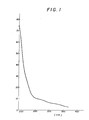
- the present RBS substance has an ultraviolet absorption spectrum as shown in Fig. 1 and an infrared absorption spectrum as shown in Fig. 2. From the infrared absorption spectrum and specific rotation, it is assumed that there exists the a-bond in the RBS substance.
- the RBS substance of this invention is polysaccharide comprising glucose as sugar component, which has a-1,6-glucoside bond as a main chain with branched structure, wherein protein (or polypeptide) and afore-described elements are bound to the a-glucan structure.
- the polysaccharide RBS substance of this invention has antitumor activity, as shown in Table 2. This has been confirmed by the following method using Sarcoma 180 and Ehrlich ascites tumors.
- the ascites was taken out with a syringe and inoculated in the abdominal cavity of mice in an amount of 0.05 milliliter per one mouse, i.e., 10 7 cells.
- a sample, RBS substance, dissolved in a physiological salt solution or suspended in a physiological salt solution to which 0.5 M carboxymethyl cellulose had been added in a sterilized homogenizer was administered in a given amount into the abdominal cavity.
- the weight was measured and, thereafter, the ascites was taken out and the volume of the ascites and the tumor cell content were measured.
- TPCV total packed cell volume
- the antitumor activity was determined according to the tumor growth rate (T/C %); that is, (TPCV of test groups/TPCV of control groups) x 100
- This method is based upon the screening method of antitumor substances which was developed by Hoshi and Kuretam (see Farumashia, 9, 464 (1973)).
- the examination of the direct cytocidal activity in vitro revealed that the present RBS substance has the cytotoxic effect on tumor cells (SV 40 transformed C3H-2K) in low concentrations of several v/ml and that it has high sensitivity in comparison with normal cells (C3H-2K).
- the polysaccharide RBS substance of this invention shows good results in inhibiting the growth of Sarcoma 180 ascites tumor of Ehrlich ascites tumor by the administration thereof into the abdominal cavity and Sarcoma 180 solid type by the oral administration thereof and, furthermore, has the direct cytocidal activity in vitro against tumor cells. For this substance, however, no side effects were observed.
- the polysaccharide RBS substance having such excellent antitumor activity can be obtained in large amounts by combinations of relatively simple procedures.
- this invention is of great importance in view of the production of antitumor substances from rice bran on a commercial scale.
- the present polysaccharide RBS substance or its pharmaceutically allowable acid salt (for example, hydrochloric acid salt, sulfuric acid salt, acetic acid salt, fumalic acid salt, succinic acid salt, etc.) is admixed with vehicles such as water, physiological salt solution, polyethyleneglycol, glycelogelatin, starch, dextrin, lactose, etc. to produce antitumor agents, such as liquid medicine, pellet, tablet, powder, suppositories, etc.
- vehicles such as water, physiological salt solution, polyethyleneglycol, glycelogelatin, starch, dextrin, lactose, etc.
- the extract so obtained was filtered and concentrated at a reduced pressure to 25 liters. Addition of 3 volume acetone to the concentrated extract resulted in the formation of precipitates. These precipitates were separated, dissolved in water to eliminate impurities, passed through Dowex 50 (H type) and freeze-dried to thereby obtain 378 grams of white-grey or non-hygroscopic powder.
- Rice bran was passed through a 300 mesh screen to remove crushed rice and the like. After washing of 20 kilograms of the thus obtained fine powder with 200 liters of distilled water, 30 liters of distilled water was added thereto, and the resulting mixture was heated at 120°C for 1 hour and, furthermore, at 100°C for 5 hours while stirring to carry out the extraction of the rice bran.
- the extract obtained was filtered and the filtrate so obtained was concentrated at reduced pressure. Thereafter, ethanol was added to the concentrate so that the concentration of ethanol be 40% by volume, and the resulting mixture was subjected to centrifugation to obtain precipitates. These precipitates were dissolved in water and freeze-dried to obtain 1,310 grams of white-grey powder.
- a filtrate obtained by the extraction of the same starting material as used in Example 2 under the same conditions as in Example 2 was concentrated at reduced pressure. Thereafter, ethanol was added to the concentrate so that the concentration of ethanol be 30% by volume. By centrifugation of the mixture, precipitates were obtained, and they were dissolved in water.
- Precipitates obtained from the mixture having ethanol concentration of 30% by volume in the same manner as in Example 3 were dissolved in water and maintained at 47°C. To this aqueous solution was added 600 milligrams of proteolytic enzyme (pronase E, produced by Kaken Kagaku Co., Ltd.) and reacted for 24 hours. After the heating of the reaction mixture at 100°C for 1 hour, by adding ethanol so that the concentration of ethanol be 50% by volume, precipitates were obtained. These precipitates were again dissolved in water, subjected twice to one day-dialysis using a 30 times amount of distilled water to remove low molecular substances, filtered and freeze-dried to thereby obtain 374 grams of white-grey powder.
- proteolytic enzyme proteolytic enzyme
- a reaction product obtained in the same manner as in Example 4 was dialyzed against running water for 1 day and after adding trichloroacetate until the concentration reached 4% (w/v), it was stored in a refrigerator overnight. After removal of precipitates, ethanol was added until the concentration reached 80% to thereby obtain precipitates. This procedure was repeated twice. Thereafter, the precipitates were dialyzed using a 100 times amount of distilled water for 2 days and freeze-dried to thereby obtain 164 grams of a white-grey spongy substance.
- the extract was filtered and concentrated under reduced pressure. Ethanol was added thereto so that the concentration of ethanol be 30% (v/v) to obtain precipitates. These precipitates were collected and again suspended in distilled water. To this suspension was added crystalline a-amylase in an amount of 1/1000 based on the amount of the precipitates and reacted at 75-80°C for 24 hours. Thereafter, pronase E was added in an amount of 1/1000 based on the amount of the precipitates and reacted at 45°C for 24 hours.
- the reaction solution was maintained at 100°C for 1 hour and, thereafter, it was cooled to ambient temperature.
- ultrafilter membrane (UK-200, produced by Toyo Kagaku Sangyo Co., Ltd.) having a fractional molecular weight of 200,000 and the remaining solution was freeze-dried, 205 grams of white-grey powder was obtained.
- the filtrate obtained by ultrafiltration in Example 6 was further subjected to ultrafiltration using ultrafilter membrane (UK-50, produced by Toyo Kagaku Sangyo Co., Ltd.) having a fractional molecular weight of 50,000, and on freeze-drying the remaining solution, 101 grams of white-grey powder was obtained.
- ultrafilter membrane UK-50, produced by Toyo Kagaku Sangyo Co., Ltd.
- Acetone precipitates obtained in the same manner as in Example 1 were separated and then dissolved in water. After removal of insoluble substances by centrifugation (18,000 Gx30 minutes), the supernatant was filtered through a membrane filter having a pore diameter of 1.0 ,am, and the filtrate obtained was further filtered through a membrane filter having a pore diameter of 0.45 ⁇ m. On freeze-drying the remaining solution, 8.3 grams of white-grey powder was obtained.
- Example 8 The filtrate obtained in Example 8 was filtered through a membrane filter having a pore diameter of 0.1 ⁇ and the obtained filtrate was filtered through an ultrafiltration membrane having a fractional molecular weight of 200,000. Thereafter, on freeze-drying the remaining solution, 368.4 grams of white-grey powder was obtained.
- Example 11 Ten kilograms of rice bran was subjected to delipid treatment under reflux by use of 50 liters of hexane and dried. The thus obtained rice bran was treated in the same manner as in Example 11 to thereby obtain 245 grams of yellow-white powder. This powder was dissolved in 1 liter of water and subjected to centrifugation. On freeze-drying the supernatant liquid so obtained, 165 grams of yellow-white powder was obtained.
- the extract was concentrated at reduced pressure. To 5 liters of the concentrated solution was added 0.3 gram of crystalline a-amylase (produced by Nagase Sangyo Co., Ltd.). The resulting mixture was kept at 60°C for 5 hours, then heated up to 100°C. Subsequently, the mixture was subjected to centrifugation to obtain 4.9 liters of a supernatant liquid to which was then added ethanol so that the concentration of ethanol be 40%. The precipitates formed were separated and collected. Thereafter, these precipitates were freeze-dried to obtain 88 grams of light yellowish brown powder.
- the so obtained filtrate was concentrated at reduced pressure and furthermore subjected to centrifugation to obtain 10 liters of a supernatant liquid.
- To this supernatant liquid was added 250 milligrams of crystalline a-amylase, and the mixture was reacted at 65°C for 24 hours and then heated up to 100°C. Thereafter, ethanol was added thereto so that the concentration of ethanol be 30% and the formed precipitates were separated and collected by centrifugation.
- Example 14 Twenty grams of the powder as obtained in Example 14 was dissolved in 500 milliliters of water and the solution so obtained was subjected to centrifugation to obtain a supernatant liquid. 480 milliliters of the supernatant liquid was treated successively with a cation exchange gel, CM Sepharose (produced by Pharmacia Fine Chemicals, Ltd.), and an anion exchange resin, DEAE Sepharose (produced by Pharmacia Fine Chemicals, Ltd.). A portion which had not been adsorbed was freeze-dried to thereby obtain 14 grams of white powder.
- CM Sepharose produced by Pharmacia Fine Chemicals, Ltd.
- DEAE Sepharose produced by Pharmacia Fine Chemicals, Ltd.
- Example 14 Twenty grams of the powder as obtained in Example 14 was dissolved in 500 milliliters of water, and 5 grams of active carbon was then added thereto. After 30 minutes, the mixture was subjected to centrifugation to obtain a supernatant liquid. This liquid was freeze-dried to obtain 18 grams of white powder.
- Example 14 Fifty grams of the powder as obtained in Example 14 was dissolved in 1 liter of water and subjected to centrifugation to obtain a supernatant liquid. This liquid was subjected to gel filtration using Sepharose 6B (produced by Pharmacia Fine Chemicals, Ltd.). The voidvolume fraction was freeze-dried to obtain 48 grams of white powder.
- Sepharose 6B produced by Pharmacia Fine Chemicals, Ltd.
Landscapes
- Chemical & Material Sciences (AREA)
- Health & Medical Sciences (AREA)
- Life Sciences & Earth Sciences (AREA)
- Chemical Kinetics & Catalysis (AREA)
- General Health & Medical Sciences (AREA)
- Organic Chemistry (AREA)
- Medicinal Chemistry (AREA)
- Polymers & Plastics (AREA)
- Materials Engineering (AREA)
- Biochemistry (AREA)
- Engineering & Computer Science (AREA)
- Molecular Biology (AREA)
- Pharmacology & Pharmacy (AREA)
- Nuclear Medicine, Radiotherapy & Molecular Imaging (AREA)
- General Chemical & Material Sciences (AREA)
- Animal Behavior & Ethology (AREA)
- Public Health (AREA)
- Veterinary Medicine (AREA)
- Polysaccharides And Polysaccharide Derivatives (AREA)
- Pharmaceuticals Containing Other Organic And Inorganic Compounds (AREA)
- Medicines Containing Plant Substances (AREA)
Description
- This invention relates to a novel polysaccharide RBS substance and to a process for the production thereof. The polysaccharide RBS substance can be obtained from rice bran by extracting it with hot water. This RBS substance is utilized for antitumor agent.
- As is known in the art, polysaccharides are obtained from various sources, for example, Basidiomycetes (Japanese Patent Kokai Koho No. 94012/1978), bacteria (Japanese Patent Kokai Koho No. 76896/1979), mould (Japanese Patent Kokai Koho No. 59097/1978), algae (Japanese Patent Kokai Koho No. 28923/1977), and grains (Japanese Patent Kokai Koho No. 139713/1978). It is also known that these polysaccharides have antitumor activity. However, various problems, for example, low yields, complicated production process, toxicity, etc., are encountered in using such polysaccharides as an antitumor agent.
- The polysaccharide RBS is characterized in that the polysaccharide has a branched structure with glucose as the only sugar component and œ-1,6-glucoside bonds forming the main chain, and also characterized by the following properties:
- retained by a semipermeable membrane;
- insoluble in alcohol, acetone, hexane, benzene, ethyl acetate, dimethylsulfoxide, ligroin, carbon tetrachloride, chloroform and ether, and soluble in water;
- neutral or slightly acidic (1% aqueous solution or suspension);
- positive in the Molisch reaction, anthrone-sulfuric acid reaction, tryptophane-sulfuric acid reaction, cystein-sulfuric acid reaction, chromotrope-sulfuric acid reaction, phenol-sulfuric acid reaction, carbazole-sulfuric acid reaction, biuret reaction, ninhydrin reaction and Lowry-Folin reaction and negative in the Elson-Morgan reaction and starch-iodine reaction;
- ultraviolet absorption spectrum shown in Fig. 1 and infrared absorption spectrum shown in Fig. 2;
- The polysaccharide RBS substance of this invention is obtained from rice bran by extraction and purification. This rice bran is by-produced in obtaining polished rice from unpolished rice, and it is not limited by a variety of the unpolished rice, a producing district, a degree of polishing rate, etc. Prior to the extraction and purification of the polysaccharide RBS substance from the rice bran, it is desirable to fully wash the rice bran in order to eliminate the contents of pulverized (or crushed) rice and other impurities. Those rice brans which have already been used for other purposes, such for example as delipided rice bran, which is a residue after extraction of rice-bran oil from rice bran, can be used in this invention.
- The polysaccharide RBS substance of this invention is produced by adding organic solvents or salting-out agents to an extract obtained by hot water-treatment of rice bran to provide precipitates and, if desired, dissolving the obtained precipitates in water to purify them.
- The rice bran is passed through a separator, for example, a screen to remove impurities and washed with water, if necessary, after pulverization. It is desirable to remove a lipid soluble fraction by use of organic solvents, such as ethyl acetate, carbon tetrachloride, chloroform, ether, n-hexane, benzene, petroleum ether, acetone etc.
- The hot water-treatment of rice bran is carried out by feeding rice bran and a distilled or purified water in amount of about 5-10 times to that of the rice bran in a vessel or a pressure vessel, such for example as a stainless steel tank, an enameled tank, a glass tank, a flow system tubular extraction device and the like with or without stirring under the conditions of a pressure of from 1 to 15 bar, preferably from 1 to 5.0 bar and a temperature of from 70°C to 200°C, preferably from 100°C to 150°C for 10 minutes to 24 hours, preferably 0.5 to 5 hours. Practically it is suitable to carry out the hot water-treatment at a pressure of from 1 to 3.0 bar and a temperature of from 100°C to 140°C for 1 to 5 hours.
- The extract obtained by the hot water-treatment is subjected to operations such as filtration, centrifugation, etc. to separate solids and, if necessary, is then concentrated to an appropriate volume by applying such means as concentration at reduced pressure, ultrafiltration, etc., singly or in combination with each other.
- By collecting precipitates formed by adding water-soluble polar organic solvent or salting-out agent to the extract, a crude polysaccharide RBS substance is obtained.
- Polar organic solvents which can be used in this procedure include methanol, ethanol, propanol, acetone, ethyl acetate, etc. The amount of the polar organic solvent being used is determined taking into account the amount of the desired substance contained in the extract, etc. For example, in the case of ethanol, it may be added in such a manner that the ethanol concentration be 30 to 50% (v/v). The formed precipitates are preferably washed with the organic solvent as described above, for example, ethanol, etc.
- Salting-out agents which can be used in the above procedure include sodium chloride, ammonium sulfate, potassium chloride, barium hydroxide and barium carbonate. The salting-out agent is usually added until the degree of saturation reaches 0.5 to 1 to thereby form precipitates.
- · The purification of the polysaccharide RBS substance can be carried out either prior to the addition of the organic solvent or salting-out agent to the extract or after the formation of precipitates by the addition of the organic solvent or salting-out agent followed by dissolving the precipitates in water.
- For the purification treatment, various known-procedures can be applied. For example, amylolytic enzyme and/or proteolytic enzyme is added to a solution containing the polysaccharide RBS substance to convert impurities existing therein, such as starch, protein, etc., into low molecular weight compounds. These low molecular weight compounds are removed at a subsequent purification step.
- As such enzymes, those which are produced or available on the market can be employed. For example, amylolytic enzyme such as a-amylase, iso-amylase, pullulanase, etc., proteolytic enzyme such as papain, pepsin, trypsin, pronase, etc., and if necessary, other enzymes can be used. It is, however, necessary that such enzymes as glucanase, hemicellulase, etc. are excluded because they may decompose the polysaccharides. In this enzyme treatment, it is preferred that the enzyme is added in a ratio of from 1/1000 to 1/5000 of the substrate and that the treatment is carried out for 6 to 120 hours, preferably 12 to 48 hours.
- Additionally, the following purification methods can be used: a method in which an inorganic or organic acid, such as glacial acetic acid, sulfuric acid, hydrochloric acid, sulfosalicylic acid, picric acid, tannic acid, trichloroacetic acid, etc. is added to an aqueous solution containing the above described polysaccharide RBS substance in a proportion of about 0.1 to 10 wt. %, preferably about 3 to 5 wt. %, when precipitates are formed, they are removed by such operations as filtration, centrifugation, etc. and subsequently the remaining acids, inorganic ions and low molecular fractions are dialyzed for 1 to 3 days against running water or distilled water by use of a semipermeable membrane, such as cellophane membrane, collodion membrane or the like; an ion exchange method in which cation or anion exchanger, such as Dowex, Amberlite, Duolite, Diaion or the like, is used; an ultrafiltration method in which a membrane having a fractional molecular weight of 1,000 to 50,000 is used; reverse osmosis; gel filtration; membrane filtration; centrifugation; treatment with active carbon; concentration and a combination thereof.
- These purification methods can be applied singly or in combination with each other, and such combinations and the order in which they are applied are subject to no limitations.
- By freeze-drying or spray-drying an aqueous solution or suspension containing the high molecular polysaccharide RBS substance which has been purified by the above described methods, light yellowish brown to whitish grey or white RBS substance in a powdery form can be obtained.
- The thus obtained polysaccharide RBS substance has the following physical and chemical properties:
- This substance does not pass through semipermeable membrane and is insoluble in organic acids or organic solvents, for example, glacial acetic acid, alcohols such as methanol, ethanol, propanol, butanol, etc., acetone, hexane, benzene, ethyl acetate, dimethyl sulfoxide, ligroin, carbon tetrachloride, chloroform, and ethers such as diethyl ether, petroleum ether, etc., but soluble or highly soluble in water;
- A 1% aqueous solution or suspension of the present substance is neutral or slightly acidic;
- The present substance has no melting point and it turns brown at 220°C and black at 280°C (carbonizing);
- Elemental analysis shows that the present substance comprises mainly carbon, hydrogen and oxygen and contains 1 % or less of nitrogen and 8% or less of ash (see Table 1);
- A 1% aqueous solution or suspension of the present substance is positive in the following color reactions: phenol-sulfuric acid reaction, anthrone-sulfuric acid reaction, carbazole-sulfuric acid reaction, tryptophane-sulfuric acid reaction, cystein-sulfuric acid reaction, chromotrope-sulfuric acid reaction and Molisch reaction, and negative in the following color reaction: Elson-Morgan reaction and starch-iodine reaction;
- The specific rotation of the present substance obtained in Example 17 as described later is

- Analysis of the nitrogen component of the present substance by a Hitachi automatic amino acid analyzer (sold by Hitachi Seisaku-sho Ltd.) shows that it has the following amino acid composition: 17.3% of glutamic acid, 10.4% of alanine, 10.3% of glycine, 9.5% of aspartic acid, 9.4% of lysine, 5.9% of threonine, 5.8% of serine, 5.6% of arginine, 5.4% of valine, 5.4% of leucine, 4.5% of proline, 3.1 % of histidine, 2.8% of isoleucine, 2.2% of phenylalanine, 1.3% of tyrosine, 1.2% of methionine, a trace ' amount of tryptophane and of cystein;
- It has been confirmed that the ash component comprises Si, P, K, Na, Ca, Mg, etc. and on the ground of the fact that the RBS substance is eluted in voidvolume on gel filtration using Sephalose 6B, it is assumed that the above elements do not exist independently as an element or compound thereof in the RBS substance, but that they exist in the state that they are bound to a skeleton of the RBS substance;
- The supernatant liquid obtained by a method which comprises hydrolyzing RBS substance with 1 N sulfuric acid, at 100°C for 3 hours and then adding barium carbonate to neutralize, is positive in the following color reactions: Molisch reaction, anthrone reaction, tryptophane-sulfuric acid reaction, cystein-sulfuric acid reaction, chromotrope-sulfuric acid reaction and the like, and slightly positive in the following color reactions: biuret reaction, ninhydrin reaction, Lowry-Folin reaction and the like;
- In the above hydrolysate, glucose was always detected by thin layer chromatographic analysis. On developing with the four solvents as illustrated below in the thin layer chromatographic analysis of those products obtained by complete hydrolysis of the RBS substance with formic acid and sulfuric acid, no spots except for the one identified as glucose could be detected.
- (1) ethyl acetate:methanol:acetic acid:water (65:15:10:10)
- (2) ethyl acetate:isopropanol:water (65:23:12)
- (3) isopropanol:pyridine:water:acetic acid (8:8:4:1)
- (4) n-butanol:pyridine:water (6:4:3)
- Thus it can be concluded that the present RBS substance is polysaccharide consisting essentially of glucose as sugar component, and moreover, on the basis of the data obtained by the periodate oxidation, Smith degradation and paper chromatographic analysis of methylated sugar, it has been assumed that the RBS substance of this invention has 1,6-glucoside bond as a main chain with branched structure.
- The present RBS substance has an ultraviolet absorption spectrum as shown in Fig. 1 and an infrared absorption spectrum as shown in Fig. 2. From the infrared absorption spectrum and specific rotation, it is assumed that there exists the a-bond in the RBS substance.
- Based upon the above described data, it is assumed that the RBS substance of this invention is polysaccharide comprising glucose as sugar component, which has a-1,6-glucoside bond as a main chain with branched structure, wherein protein (or polypeptide) and afore-described elements are bound to the a-glucan structure.
- The polysaccharide RBS substance of this invention has antitumor activity, as shown in Table 2. This has been confirmed by the following method using Sarcoma 180 and Ehrlich ascites tumors.
- A group consisting of six 4-weeks-old, 20 grams female ICR-JCL mice was used for the measurement of one sample. On the 7th day from the inoculation of Sarcoma 180 ascites tumor or Ehrlich ascites tumor, the ascites was taken out with a syringe and inoculated in the abdominal cavity of mice in an amount of 0.05 milliliter per one mouse, i.e., 107 cells. For the subsequent five days, a sample, RBS substance, dissolved in a physiological salt solution or suspended in a physiological salt solution to which 0.5 M carboxymethyl cellulose had been added in a sterilized homogenizer was administered in a given amount into the abdominal cavity. On the 7th day, the weight was measured and, thereafter, the ascites was taken out and the volume of the ascites and the tumor cell content were measured.
- The total packed cell volume (hereinafter, referred to merely as "TPCV") was calculated by following equation:
- TPCV (milliliter)=total Volume of Ascites (milliliter)xCell Ratio (%/100)
- The antitumor activity was determined according to the tumor growth rate (T/C %); that is, (TPCV of test groups/TPCV of control groups) x 100
- The activity is indicated as follows:

- This method is based upon the screening method of antitumor substances which was developed by Hoshi and Kuretam (see Farumashia, 9, 464 (1973)).
- With regard to the acute toxicity of the RBS substance, when it is orally administered to male rats at the physical administration limit of 15 grams per kilogram, no death cases are observed and there is no appreciable increase in weight. Furthermore, no abnormality was observed in appearance and dissection. Therefore, LDso is larger than 15 grams per kilogram and it can be concluded that the present RBS substance has no toxicity. These results are shown in Table 2.
- In order to examine the antitumor effect by oral administration, 106 of Sarcoma 180S cells were inoculated in the femoral muscle of ICR-JCL mice, the RBS substance was orally administered then 10 times for 10 days subsequent to the day when the inoculation was effected, and after 4 weeks, the weight of tumor was measured and compared with the control. At an administration amount of 10 milligram per kilogram, the inhibition rate was 50% or more and thus the antitumor effect was observed.
- Furthermore, the examination of the direct cytocidal activity in vitro revealed that the present RBS substance has the cytotoxic effect on tumor cells (
SV 40 transformed C3H-2K) in low concentrations of several v/ml and that it has high sensitivity in comparison with normal cells (C3H-2K). - As described above, the polysaccharide RBS substance of this invention shows good results in inhibiting the growth of Sarcoma 180 ascites tumor of Ehrlich ascites tumor by the administration thereof into the abdominal cavity and Sarcoma 180 solid type by the oral administration thereof and, furthermore, has the direct cytocidal activity in vitro against tumor cells. For this substance, however, no side effects were observed.
- According to this invention, the polysaccharide RBS substance having such excellent antitumor activity can be obtained in large amounts by combinations of relatively simple procedures. Thus, this invention is of great importance in view of the production of antitumor substances from rice bran on a commercial scale.
- The present polysaccharide RBS substance or its pharmaceutically allowable acid salt (for example, hydrochloric acid salt, sulfuric acid salt, acetic acid salt, fumalic acid salt, succinic acid salt, etc.) is admixed with vehicles such as water, physiological salt solution, polyethyleneglycol, glycelogelatin, starch, dextrin, lactose, etc. to produce antitumor agents, such as liquid medicine, pellet, tablet, powder, suppositories, etc.
- The following examples are given to illustrate this invention in greater detail.
- To 20 kilograms of rice bran was added 80 liters of distilled water, and the mixture was heated at 125°C for 30 minutes and, thereafter, at 100°C for 1 hour while stirring to carry out the extraction of the rice bran.
- The extract so obtained was filtered and concentrated at a reduced pressure to 25 liters. Addition of 3 volume acetone to the concentrated extract resulted in the formation of precipitates. These precipitates were separated, dissolved in water to eliminate impurities, passed through Dowex 50 (H type) and freeze-dried to thereby obtain 378 grams of white-grey or non-hygroscopic powder.
- The analytical values and the results of the antitumor activity of the so obtained polysaccharide are shown in Tables 1 and 2 respectively.
- Rice bran was passed through a 300 mesh screen to remove crushed rice and the like. After washing of 20 kilograms of the thus obtained fine powder with 200 liters of distilled water, 30 liters of distilled water was added thereto, and the resulting mixture was heated at 120°C for 1 hour and, furthermore, at 100°C for 5 hours while stirring to carry out the extraction of the rice bran.
- The extract obtained was filtered and the filtrate so obtained was concentrated at reduced pressure. Thereafter, ethanol was added to the concentrate so that the concentration of ethanol be 40% by volume, and the resulting mixture was subjected to centrifugation to obtain precipitates. These precipitates were dissolved in water and freeze-dried to obtain 1,310 grams of white-grey powder.
- The analytical values and the results of the antitumor activity of the above obtained polysaccharide are shown in Tables 1 and 2 respectively.
- A filtrate obtained by the extraction of the same starting material as used in Example 2 under the same conditions as in Example 2 was concentrated at reduced pressure. Thereafter, ethanol was added to the concentrate so that the concentration of ethanol be 30% by volume. By centrifugation of the mixture, precipitates were obtained, and they were dissolved in water.
- To this aqueous solution was added 600 milligrams of amylase (crystalline a-amylase, produced by Nagase Sangyo Co., Ltd.) and reacted at 75°C for 18 hours. The reaction product was maintained at 100°C for 1 hour and filtered. By adding ethanol to the filtrate so that the concentration of ethanol be 50% by volume, precipitates were obtained. These precipitates were again dissolved in water, dialyzed against running water for 3 days to remove low molecular substances, filtered and freeze-dried to obtain 394 grams of white-grey powder.
- The analytical values and the results of the antitumor activity of the above obtained polysaccharide are shown in Tables 1 and 2 respectively.
- Precipitates obtained from the mixture having ethanol concentration of 30% by volume in the same manner as in Example 3 were dissolved in water and maintained at 47°C. To this aqueous solution was added 600 milligrams of proteolytic enzyme (pronase E, produced by Kaken Kagaku Co., Ltd.) and reacted for 24 hours. After the heating of the reaction mixture at 100°C for 1 hour, by adding ethanol so that the concentration of ethanol be 50% by volume, precipitates were obtained. These precipitates were again dissolved in water, subjected twice to one day-dialysis using a 30 times amount of distilled water to remove low molecular substances, filtered and freeze-dried to thereby obtain 374 grams of white-grey powder.
- The analytical values and the results of the antitumor activity of the above obtained polysaccharide are shown in Tables 1 and 2 respectively.
- A reaction product obtained in the same manner as in Example 4 was dialyzed against running water for 1 day and after adding trichloroacetate until the concentration reached 4% (w/v), it was stored in a refrigerator overnight. After removal of precipitates, ethanol was added until the concentration reached 80% to thereby obtain precipitates. This procedure was repeated twice. Thereafter, the precipitates were dialyzed using a 100 times amount of distilled water for 2 days and freeze-dried to thereby obtain 164 grams of a white-grey spongy substance.
- The analytical values and the results of the antitumor activity of the above obtained polysaccharide are shown in Tables 1 and 2 respectively.
- To 20 kilograms of the rice bran was added 80 liters of distilled water, and the resulting mixture was heated at 110°C for 2 hours and then at 100°C for 3 hours with stirring to carry out the extraction of the rice bran.
- The extract was filtered and concentrated under reduced pressure. Ethanol was added thereto so that the concentration of ethanol be 30% (v/v) to obtain precipitates. These precipitates were collected and again suspended in distilled water. To this suspension was added crystalline a-amylase in an amount of 1/1000 based on the amount of the precipitates and reacted at 75-80°C for 24 hours. Thereafter, pronase E was added in an amount of 1/1000 based on the amount of the precipitates and reacted at 45°C for 24 hours.
- After the completion of the reaction, the reaction solution was maintained at 100°C for 1 hour and, thereafter, it was cooled to ambient temperature. When the solution was subjected to ultrafiltration using ultrafilter membrane (UK-200, produced by Toyo Kagaku Sangyo Co., Ltd.) having a fractional molecular weight of 200,000 and the remaining solution was freeze-dried, 205 grams of white-grey powder was obtained.
- The analytical values and the results of the antitumor activity of the above obtained polysaccharide are shown in Tables 1 and 2 respectively.
- The filtrate obtained by ultrafiltration in Example 6 was further subjected to ultrafiltration using ultrafilter membrane (UK-50, produced by Toyo Kagaku Sangyo Co., Ltd.) having a fractional molecular weight of 50,000, and on freeze-drying the remaining solution, 101 grams of white-grey powder was obtained.
- The analytical values and the results of the antitumor activity of the above obtained polysaccharide are shown in Tables 1 and 2 respectively.
- 75% Acetone precipitates obtained in the same manner as in Example 1 were separated and then dissolved in water. After removal of insoluble substances by centrifugation (18,000 Gx30 minutes), the supernatant was filtered through a membrane filter having a pore diameter of 1.0 ,am, and the filtrate obtained was further filtered through a membrane filter having a pore diameter of 0.45 µm. On freeze-drying the remaining solution, 8.3 grams of white-grey powder was obtained.
- The analytical values and the results of the antitumor activity of the polysaccharide obtained are shown in Tables 1 and 2 respectively.
- The filtrate obtained in Example 8 was filtered through a membrane filter having a pore diameter of 0.1 µ and the obtained filtrate was filtered through an ultrafiltration membrane having a fractional molecular weight of 200,000. Thereafter, on freeze-drying the remaining solution, 368.4 grams of white-grey powder was obtained.
- The analytical values and the results of the antitumor activity of the above obtained polysaccharide are shown in Tables 1 and 2 respectively.
- In the same manner as in Example 6 except that ammonium sulfate having a concentration of 35% (w/w) was used in place of ethanol, 190 grams of white-grey powder was obtained.
- The analytical values and the results of the antitumor activity of the above obtained polysaccharide are shown in Tables 1 and 2 respectively.
- To 10 kilograms of rice bran was added 50 liters of distilled water. The mixture obtained was heated with stirring at 100°C for 5 hours to extract and the extract was then subjected to centrifugation to obtain 46 liters of a supernatant liquid which was then concentrated at reduced pressure to 20 liters. To the concentrated supernatant liquid was added 200 milligrams of crystalline a-amylase, and the resulting mixture was maintained at 70°C for 20 hours and then heated up to 100°C. Thereafter, the mixture was subjected to centrifugation to obtain 18.5 liters of a supernatant liquid. To this supernatant liquid was added ethanol so that the concentration of ethanol be 35%, and the formed precipitates were separated and freeze-dried to obtain 238 grams of yellow-white powder.
- The analytical values and the results of the antitumor activity of the above obtained polysaccharide are shown in Tables 1 and 2 respectively.
- Ten kilograms of rice bran was subjected to delipid treatment under reflux by use of 50 liters of hexane and dried. The thus obtained rice bran was treated in the same manner as in Example 11 to thereby obtain 245 grams of yellow-white powder. This powder was dissolved in 1 liter of water and subjected to centrifugation. On freeze-drying the supernatant liquid so obtained, 165 grams of yellow-white powder was obtained.
- The analytical values and the results of the antitumor activity of the above obtained polysaccharide are shown in Tables 1 and 2 respectively.
- To 3 kilograms of rice bran was added 20 liters of water, and the resulting mixture was heated at 120°C for 2 hours while stirring to carry out the extraction of the rice bran.
- The extract was concentrated at reduced pressure. To 5 liters of the concentrated solution was added 0.3 gram of crystalline a-amylase (produced by Nagase Sangyo Co., Ltd.). The resulting mixture was kept at 60°C for 5 hours, then heated up to 100°C. Subsequently, the mixture was subjected to centrifugation to obtain 4.9 liters of a supernatant liquid to which was then added ethanol so that the concentration of ethanol be 40%. The precipitates formed were separated and collected. Thereafter, these precipitates were freeze-dried to obtain 88 grams of light yellowish brown powder.
- The analytical values and the results of the antitumor activity of the above obtained polysaccharide are shown in Tables 1 and 2 respectively.
- Twenty kilograms of rice bran was passed through a 30 mesh screen to remove impurities such as pulverized rice and it was then washed with 100 liters of water which had been treated with an ion exchange resin. To the so washed rice bran was added 50 liters of distilled water, and the resulting mixture was heated under pressure at 110°C for 3 hours while stirring to carry out the extraction of the rice bran and it was then filtered.
- The so obtained filtrate was concentrated at reduced pressure and furthermore subjected to centrifugation to obtain 10 liters of a supernatant liquid. To this supernatant liquid was added 250 milligrams of crystalline a-amylase, and the mixture was reacted at 65°C for 24 hours and then heated up to 100°C. Thereafter, ethanol was added thereto so that the concentration of ethanol be 30% and the formed precipitates were separated and collected by centrifugation.
- These precipitates were dissolved in 3 liter of water and then subjected to centrifugation to thereby obtain a supernatant liquid. This liquid was concentrated at reduced pressure to 1 liter and, furthermore, subjected to centrifugation to thereby obtain a supernatant liquid. On freeze-drying the so obtained liquid, 411 grams of light yellow-brown powder was obtained.
- Twenty grams of the powder as obtained in Example 14 was dissolved in 500 milliliters of water and the solution so obtained was subjected to centrifugation to obtain a supernatant liquid. 480 milliliters of the supernatant liquid was treated successively with a cation exchange gel, CM Sepharose (produced by Pharmacia Fine Chemicals, Ltd.), and an anion exchange resin, DEAE Sepharose (produced by Pharmacia Fine Chemicals, Ltd.). A portion which had not been adsorbed was freeze-dried to thereby obtain 14 grams of white powder.
- The analytical values and the results of the antitumor activity of the above obtained polysaccharide are shown in Tables 1 and 2 respectively.
- Twenty grams of the powder as obtained in Example 14 was dissolved in 500 milliliters of water, and 5 grams of active carbon was then added thereto. After 30 minutes, the mixture was subjected to centrifugation to obtain a supernatant liquid. This liquid was freeze-dried to obtain 18 grams of white powder.
- The analytical values and the results of the antitumor activity of the above obtained polysaccharide are shown in Tables 1 and 2 respectively.
- Fifty grams of the powder as obtained in Example 14 was dissolved in 1 liter of water and subjected to centrifugation to obtain a supernatant liquid. This liquid was subjected to gel filtration using Sepharose 6B (produced by Pharmacia Fine Chemicals, Ltd.). The voidvolume fraction was freeze-dried to obtain 48 grams of white powder.
- The analytical values and the results of the antitumor activity of the above obtained polysaccharide are shown in Tables 1 and 2 respectively.


and is produced by a process, which comprises the steps of hot water-treating a rice bran under a pressure of 1-15 bar at a temperature of 70°C-200°C for 10 minutes to 24 hours to obtain an extract, adding polar organic solvent or salting-out agent to the extract to form precipitates, and separating and collecting the precipitates, and optionally converting it into an acid-addition salt.
Claims (6)
and acid-addition salts thereof.
Applications Claiming Priority (2)
| Application Number | Priority Date | Filing Date | Title |
|---|---|---|---|
| JP54102216A JPS5943929B2 (en) | 1979-08-13 | 1979-08-13 | Polysaccharide RBS substance, its production method, and antitumor agent containing it as an active ingredient |
| JP102216/79 | 1979-08-13 |
Publications (3)
| Publication Number | Publication Date |
|---|---|
| EP0025123A2 EP0025123A2 (en) | 1981-03-18 |
| EP0025123A3 EP0025123A3 (en) | 1981-03-25 |
| EP0025123B1 true EP0025123B1 (en) | 1984-07-25 |
Family
ID=14321462
Family Applications (1)
| Application Number | Title | Priority Date | Filing Date |
|---|---|---|---|
| EP80104699A Expired EP0025123B1 (en) | 1979-08-13 | 1980-08-09 | Polysaccharide rbs substance, process for the production thereof and antitumor agent containing it |
Country Status (4)
| Country | Link |
|---|---|
| US (2) | US4357323A (en) |
| EP (1) | EP0025123B1 (en) |
| JP (1) | JPS5943929B2 (en) |
| DE (1) | DE3068681D1 (en) |
Families Citing this family (28)
| Publication number | Priority date | Publication date | Assignee | Title |
|---|---|---|---|---|
| JPS6153220A (en) * | 1984-08-22 | 1986-03-17 | Sapporo Breweries Ltd | Novel polysaccharide ron substance, its preparation and antitumor agent, immuno-regulating agent and preventive and remedy for infectious disease, containing said substance as active component |
| US4477437A (en) * | 1981-02-19 | 1984-10-16 | Toyama Chemical Co., Ltd. | Substances having carcinostatic and immunostimulating activity |
| GB2093347B (en) * | 1981-02-19 | 1985-03-27 | Toyama Chemical Co Ltd | Immunostimulant material tf-2 from fusobacterium sp |
| JPS58118519A (en) * | 1981-12-29 | 1983-07-14 | Noda Shiyokukin Kogyo Kk | Anticancer agent |
| DE3305047A1 (en) * | 1982-02-19 | 1983-09-22 | Terumo Kabushiki Kaisha trading as Terumo Corp., Tokyo | POLYSACCHARIDES, THEIR PRODUCTION AND THE THERAPEUTIC COMPOSITIONS CONTAINING THEM |
| HU188311B (en) * | 1982-03-04 | 1986-04-28 | Szendrei,Kalman,Hu | Process for producing biologically active polisaccharide concentrates and pharmaceutical compositions containing them as active agents |
| US4400570A (en) * | 1982-05-21 | 1983-08-23 | Cosden Technology, Inc. | Ethylbenzene production employing tea-silicate catalysts |
| JPS59122428A (en) * | 1982-12-28 | 1984-07-14 | Advance Res & Dev Co Ltd | Protein having cholesterol decreasing activity |
| JPS59170017A (en) * | 1983-03-18 | 1984-09-26 | Sapporo Breweries Ltd | Novel polysaccharide rdp substance, its preparation, antitumor agent, immune adjusting agent, preventive and remedy for infectious disease containing it as active ingredient |
| JPS6028401A (en) * | 1983-07-27 | 1985-02-13 | Advance Res & Dev Co Ltd | Polysaccharide active to lower triglyceride level |
| JPS6153221A (en) * | 1984-08-22 | 1986-03-17 | Sapporo Breweries Ltd | Novel polysaccharide rin substance, its preparation, and antitumor agent, immuno-regulating agent and preventive and remedy for infectious diseases, containing said substance as active component |
| JPS61151128A (en) * | 1984-12-24 | 1986-07-09 | Advance Res & Dev Co Ltd | Rna fraction having cholesterol-lowering activity |
| US6248726B1 (en) * | 1985-06-22 | 2001-06-19 | M L Laboratories Plc | Method of peritoneal dialysis using glucose polymer solutions |
| JPS625991A (en) * | 1985-07-03 | 1987-01-12 | Advance Res & Dev Co Ltd | Rna fraction having cholesterol or triglyceride lowering activity |
| IL85145A (en) * | 1987-01-23 | 1994-08-26 | Univ Australian | Anti-metastatic pharmaceutical or veterinary compositions containing modified heparin having reduced anticoagulant activity |
| US5541166A (en) * | 1987-01-23 | 1996-07-30 | The Australian National University | Sulphated polysaccharides having anti-metastatic and/or anti-inflammatory activity |
| US4956458A (en) * | 1988-05-13 | 1990-09-11 | Warner-Lambert Company | Purification of polydextrose by reverse osmosis |
| US5416070A (en) * | 1988-07-08 | 1995-05-16 | Immunotherapeutics, Inc. | Composition for macrophage activation |
| US4950645A (en) * | 1988-07-08 | 1990-08-21 | Immunotherapeutics, Inc. | Composition for macrophage activation |
| OA09249A (en) * | 1988-12-19 | 1992-06-30 | Lilly Co Eli | Compounds of macrolides. |
| WO1991006552A1 (en) * | 1989-10-30 | 1991-05-16 | Eli Lilly And Company | A83543 recovery process |
| JPH0678367B2 (en) * | 1990-05-15 | 1994-10-05 | 呉羽化学工業株式会社 | Dietary fiber, method for producing the same, and bioactive agent containing the dietary fiber |
| JP2787252B2 (en) * | 1991-06-17 | 1998-08-13 | 雪印乳業株式会社 | Colorectal cancer inhibitor |
| US5591606A (en) * | 1992-11-06 | 1997-01-07 | Dowelanco | Process for the production of A83543 compounds with Saccharopolyspora spinosa |
| US5292537A (en) * | 1992-11-12 | 1994-03-08 | Bran Tec, Inc. | Method for stabilizing rice bran and rice bran products |
| JP4258575B2 (en) * | 1993-03-12 | 2009-04-30 | ダウ・アグロサイエンス・エル・エル・シー | Novel A83543 compounds and methods for their production |
| US6001981A (en) * | 1996-06-13 | 1999-12-14 | Dow Agrosciences Llc | Synthetic modification of Spinosyn compounds |
| US6582723B2 (en) | 2001-05-03 | 2003-06-24 | Wayne F. Gorsek | Cancer immune composition for prevention and treatment of individuals |
Family Cites Families (3)
| Publication number | Priority date | Publication date | Assignee | Title |
|---|---|---|---|---|
| JPS51149388A (en) * | 1975-06-17 | 1976-12-22 | Sumitomo Chem Co Ltd | A process for preparing the carboxylated pullulan |
| US4152170A (en) * | 1975-06-18 | 1979-05-01 | Sumitomo Chemical Company, Ltd. | Cross-linked pullulan |
| US4221907A (en) * | 1979-07-09 | 1980-09-09 | American Cyanamid Company | Substituted O-α-D and O-β-D-multi-galactopyranosyl and glucopyranosyl 1→4 and 1→6 galactopyranosyl 1→6 α-D-glucopyranoses |
-
1979
- 1979-08-13 JP JP54102216A patent/JPS5943929B2/en not_active Expired
-
1980
- 1980-08-01 US US06/174,536 patent/US4357323A/en not_active Expired - Lifetime
- 1980-08-01 US US06/174,537 patent/US4366308A/en not_active Expired - Lifetime
- 1980-08-09 EP EP80104699A patent/EP0025123B1/en not_active Expired
- 1980-08-09 DE DE8080104699T patent/DE3068681D1/en not_active Expired
Also Published As
| Publication number | Publication date |
|---|---|
| DE3068681D1 (en) | 1984-08-30 |
| JPS5943929B2 (en) | 1984-10-25 |
| US4366308A (en) | 1982-12-28 |
| EP0025123A3 (en) | 1981-03-25 |
| EP0025123A2 (en) | 1981-03-18 |
| US4357323A (en) | 1982-11-02 |
| JPS5628202A (en) | 1981-03-19 |
Similar Documents
| Publication | Publication Date | Title |
|---|---|---|
| US4366308A (en) | Process for the production of polysaccharide RBS substance | |
| US4225673A (en) | Method of preparing glucan having antitumor activity | |
| US5854404A (en) | Antitumor substance extracted from grifola | |
| US4051314A (en) | Polysaccharides and method for producing same | |
| CA1044164A (en) | Glycoside hydrolase inhibiting amino sugar derivatives | |
| US4855284A (en) | Calcium and magnesium complexes of phytohemagglutinin-polyheteroglycans, their preparation and pharmaceutical formulations | |
| HU188599B (en) | Process for preparing physiologically active substance designated as ch-1 | |
| US4313934A (en) | Physiologically active polysaccharides, production and uses thereof | |
| CA1100951A (en) | TREATMENT OF TUMORS AND NEW DERIVATIVES OF .beta.-1,3- GLUCAN | |
| US4289688A (en) | Protein-bound polysaccharides | |
| US4247541A (en) | Ks-2-b | |
| EP0172559B1 (en) | Polysaccharide ron substance, production of the same and use of the same | |
| US4614733A (en) | Polysaccharides pharmaceutical compositions and the use thereof | |
| DE2701890C2 (en) | Streptomycete peptic glycoside hydrolase inhibitor and its use | |
| JP4209617B2 (en) | Method for producing chitosan oligosaccharide and method for producing chitosan oligosaccharide alcohol | |
| US4764507A (en) | Polysaccharide RDP substance | |
| JP3024864B2 (en) | Ellagic acid glycoside and method for producing the same | |
| JPH04309501A (en) | Arabinoxylooligosaccharide | |
| KR840001359B1 (en) | Manufacturing method of polysaccharide RBS material | |
| JPH0372084B2 (en) | ||
| EP0173228A2 (en) | Polysaccharide rin substance, production of the same and use of the same | |
| Attaway | Isolation and partial characterization of Caribbean palytoxin | |
| JPS5993092A (en) | Protein polysaccharide | |
| JPS5936964B2 (en) | immunostimulant | |
| CA2039978A1 (en) | .alpha.-amylase inhibitor obtained from soy-bean and production process therefor |
Legal Events
| Date | Code | Title | Description |
|---|---|---|---|
| PUAI | Public reference made under article 153(3) epc to a published international application that has entered the european phase |
Free format text: ORIGINAL CODE: 0009012 |
|
| PUAL | Search report despatched |
Free format text: ORIGINAL CODE: 0009013 |
|
| AK | Designated contracting states |
Designated state(s): DE FR GB IT |
|
| AK | Designated contracting states |
Designated state(s): DE FR GB IT |
|
| 17P | Request for examination filed |
Effective date: 19810912 |
|
| ITF | It: translation for a ep patent filed | ||
| GRAA | (expected) grant |
Free format text: ORIGINAL CODE: 0009210 |
|
| AK | Designated contracting states |
Designated state(s): DE FR GB IT |
|
| REF | Corresponds to: |
Ref document number: 3068681 Country of ref document: DE Date of ref document: 19840830 |
|
| ET | Fr: translation filed | ||
| PLBE | No opposition filed within time limit |
Free format text: ORIGINAL CODE: 0009261 |
|
| STAA | Information on the status of an ep patent application or granted ep patent |
Free format text: STATUS: NO OPPOSITION FILED WITHIN TIME LIMIT |
|
| 26N | No opposition filed | ||
| ITTA | It: last paid annual fee | ||
| PGFP | Annual fee paid to national office [announced via postgrant information from national office to epo] |
Ref country code: GB Payment date: 19960819 Year of fee payment: 17 |
|
| PGFP | Annual fee paid to national office [announced via postgrant information from national office to epo] |
Ref country code: FR Payment date: 19960823 Year of fee payment: 17 |
|
| PGFP | Annual fee paid to national office [announced via postgrant information from national office to epo] |
Ref country code: DE Payment date: 19961011 Year of fee payment: 17 |
|
| PG25 | Lapsed in a contracting state [announced via postgrant information from national office to epo] |
Ref country code: GB Free format text: LAPSE BECAUSE OF NON-PAYMENT OF DUE FEES Effective date: 19970809 |
|
| GBPC | Gb: european patent ceased through non-payment of renewal fee |
Effective date: 19970809 |
|
| PG25 | Lapsed in a contracting state [announced via postgrant information from national office to epo] |
Ref country code: FR Free format text: LAPSE BECAUSE OF NON-PAYMENT OF DUE FEES Effective date: 19980430 |
|
| PG25 | Lapsed in a contracting state [announced via postgrant information from national office to epo] |
Ref country code: DE Free format text: LAPSE BECAUSE OF NON-PAYMENT OF DUE FEES Effective date: 19980501 |
|
| REG | Reference to a national code |
Ref country code: FR Ref legal event code: ST |