EP0014471B1 - Acylated derivatives of a water extract of anemarrhenae rhizoma and hypoglycemic agents containing said derivatives - Google Patents
Acylated derivatives of a water extract of anemarrhenae rhizoma and hypoglycemic agents containing said derivatives Download PDFInfo
- Publication number
- EP0014471B1 EP0014471B1 EP80100640A EP80100640A EP0014471B1 EP 0014471 B1 EP0014471 B1 EP 0014471B1 EP 80100640 A EP80100640 A EP 80100640A EP 80100640 A EP80100640 A EP 80100640A EP 0014471 B1 EP0014471 B1 EP 0014471B1
- Authority
- EP
- European Patent Office
- Prior art keywords
- water extract
- derivatives
- water
- extract
- chimo
- Prior art date
- Legal status (The legal status is an assumption and is not a legal conclusion. Google has not performed a legal analysis and makes no representation as to the accuracy of the status listed.)
- Expired
Links
- 239000000284 extract Substances 0.000 title claims description 33
- XLYOFNOQVPJJNP-UHFFFAOYSA-N water Substances O XLYOFNOQVPJJNP-UHFFFAOYSA-N 0.000 title claims description 32
- 239000003472 antidiabetic agent Substances 0.000 title claims description 10
- 229940126904 hypoglycaemic agent Drugs 0.000 title claims description 9
- 239000003814 drug Substances 0.000 claims description 9
- 238000000502 dialysis Methods 0.000 claims description 8
- 229940079593 drug Drugs 0.000 claims description 7
- 238000000605 extraction Methods 0.000 claims description 6
- 239000004480 active ingredient Substances 0.000 claims description 5
- 125000002252 acyl group Chemical group 0.000 claims description 4
- 238000000034 method Methods 0.000 claims description 4
- 229930182490 saponin Natural products 0.000 claims description 3
- 150000007949 saponins Chemical class 0.000 claims description 3
- 235000017709 saponins Nutrition 0.000 claims description 3
- 230000001476 alcoholic effect Effects 0.000 claims description 2
- 125000000217 alkyl group Chemical group 0.000 claims description 2
- 125000006527 (C1-C5) alkyl group Chemical group 0.000 claims 1
- OKKJLVBELUTLKV-UHFFFAOYSA-N Methanol Chemical compound OC OKKJLVBELUTLKV-UHFFFAOYSA-N 0.000 description 21
- 239000000243 solution Substances 0.000 description 20
- 241000699670 Mus sp. Species 0.000 description 14
- JUJWROOIHBZHMG-UHFFFAOYSA-N Pyridine Chemical compound C1=CC=NC=C1 JUJWROOIHBZHMG-UHFFFAOYSA-N 0.000 description 12
- NOESYZHRGYRDHS-UHFFFAOYSA-N insulin Substances N1C(=O)C(NC(=O)C(CCC(N)=O)NC(=O)C(CCC(O)=O)NC(=O)C(C(C)C)NC(=O)C(NC(=O)CN)C(C)CC)CSSCC(C(NC(CO)C(=O)NC(CC(C)C)C(=O)NC(CC=2C=CC(O)=CC=2)C(=O)NC(CCC(N)=O)C(=O)NC(CC(C)C)C(=O)NC(CCC(O)=O)C(=O)NC(CC(N)=O)C(=O)NC(CC=2C=CC(O)=CC=2)C(=O)NC(CSSCC(NC(=O)C(C(C)C)NC(=O)C(CC(C)C)NC(=O)C(CC=2C=CC(O)=CC=2)NC(=O)C(CC(C)C)NC(=O)C(C)NC(=O)C(CCC(O)=O)NC(=O)C(C(C)C)NC(=O)C(CC(C)C)NC(=O)C(CC=2NC=NC=2)NC(=O)C(CO)NC(=O)CNC2=O)C(=O)NCC(=O)NC(CCC(O)=O)C(=O)NC(CCCNC(N)=N)C(=O)NCC(=O)NC(CC=3C=CC=CC=3)C(=O)NC(CC=3C=CC=CC=3)C(=O)NC(CC=3C=CC(O)=CC=3)C(=O)NC(C(C)O)C(=O)N3C(CCC3)C(=O)NC(CCCCN)C(=O)NC(C)C(O)=O)C(=O)NC(CC(N)=O)C(O)=O)=O)NC(=O)C(C(C)CC)NC(=O)C(CO)NC(=O)C(C(C)O)NC(=O)C1CSSCC2NC(=O)C(CC(C)C)NC(=O)C(NC(=O)C(CCC(N)=O)NC(=O)C(CC(N)=O)NC(=O)C(NC(=O)C(N)CC=1C=CC=CC=1)C(C)C)CC1=CN=CN1 NOESYZHRGYRDHS-UHFFFAOYSA-N 0.000 description 11
- 239000000203 mixture Substances 0.000 description 10
- HIMXGTXNXJYFGB-UHFFFAOYSA-N alloxan Chemical compound O=C1NC(=O)C(=O)C(=O)N1 HIMXGTXNXJYFGB-UHFFFAOYSA-N 0.000 description 9
- 206010012601 diabetes mellitus Diseases 0.000 description 7
- 230000002218 hypoglycaemic effect Effects 0.000 description 7
- UMJSCPRVCHMLSP-UHFFFAOYSA-N pyridine Natural products COC1=CC=CN=C1 UMJSCPRVCHMLSP-UHFFFAOYSA-N 0.000 description 6
- WQZGKKKJIJFFOK-GASJEMHNSA-N Glucose Natural products OC[C@H]1OC(O)[C@H](O)[C@@H](O)[C@@H]1O WQZGKKKJIJFFOK-GASJEMHNSA-N 0.000 description 5
- 102000004877 Insulin Human genes 0.000 description 5
- 108090001061 Insulin Proteins 0.000 description 5
- 125000002777 acetyl group Chemical group [H]C([H])([H])C(*)=O 0.000 description 5
- 238000006243 chemical reaction Methods 0.000 description 5
- 238000002474 experimental method Methods 0.000 description 5
- 229940125396 insulin Drugs 0.000 description 5
- WFDIJRYMOXRFFG-UHFFFAOYSA-N Acetic anhydride Chemical compound CC(=O)OC(C)=O WFDIJRYMOXRFFG-UHFFFAOYSA-N 0.000 description 4
- 230000010933 acylation Effects 0.000 description 4
- 238000005917 acylation reaction Methods 0.000 description 4
- 239000008280 blood Substances 0.000 description 4
- 210000004369 blood Anatomy 0.000 description 4
- 230000000694 effects Effects 0.000 description 4
- 239000008103 glucose Substances 0.000 description 4
- 239000000725 suspension Substances 0.000 description 4
- 241000416162 Astragalus gummifer Species 0.000 description 3
- LFQSCWFLJHTTHZ-UHFFFAOYSA-N Ethanol Chemical compound CCO LFQSCWFLJHTTHZ-UHFFFAOYSA-N 0.000 description 3
- 208000013016 Hypoglycemia Diseases 0.000 description 3
- HEMHJVSKTPXQMS-UHFFFAOYSA-M Sodium hydroxide Chemical compound [OH-].[Na+] HEMHJVSKTPXQMS-UHFFFAOYSA-M 0.000 description 3
- 229920001615 Tragacanth Polymers 0.000 description 3
- 239000006286 aqueous extract Substances 0.000 description 3
- 150000004676 glycans Chemical class 0.000 description 3
- 125000002887 hydroxy group Chemical group [H]O* 0.000 description 3
- 238000002329 infrared spectrum Methods 0.000 description 3
- VLKZOEOYAKHREP-UHFFFAOYSA-N n-Hexane Chemical compound CCCCCC VLKZOEOYAKHREP-UHFFFAOYSA-N 0.000 description 3
- 229920001282 polysaccharide Polymers 0.000 description 3
- 239000005017 polysaccharide Substances 0.000 description 3
- 238000002360 preparation method Methods 0.000 description 3
- 238000003756 stirring Methods 0.000 description 3
- 239000000126 substance Substances 0.000 description 3
- 239000000196 tragacanth Substances 0.000 description 3
- 229940116362 tragacanth Drugs 0.000 description 3
- 235000010487 tragacanth Nutrition 0.000 description 3
- 238000005303 weighing Methods 0.000 description 3
- HEDRZPFGACZZDS-UHFFFAOYSA-N Chloroform Chemical compound ClC(Cl)Cl HEDRZPFGACZZDS-UHFFFAOYSA-N 0.000 description 2
- LRHPLDYGYMQRHN-UHFFFAOYSA-N N-Butanol Chemical compound CCCCO LRHPLDYGYMQRHN-UHFFFAOYSA-N 0.000 description 2
- FAPWRFPIFSIZLT-UHFFFAOYSA-M Sodium chloride Chemical compound [Na+].[Cl-] FAPWRFPIFSIZLT-UHFFFAOYSA-M 0.000 description 2
- QAOWNCQODCNURD-UHFFFAOYSA-N Sulfuric acid Chemical compound OS(O)(=O)=O QAOWNCQODCNURD-UHFFFAOYSA-N 0.000 description 2
- 239000003513 alkali Substances 0.000 description 2
- 150000001412 amines Chemical class 0.000 description 2
- 238000004458 analytical method Methods 0.000 description 2
- 239000003153 chemical reaction reagent Substances 0.000 description 2
- 239000012141 concentrate Substances 0.000 description 2
- 238000000921 elemental analysis Methods 0.000 description 2
- 239000000706 filtrate Substances 0.000 description 2
- 239000000796 flavoring agent Substances 0.000 description 2
- 235000013355 food flavoring agent Nutrition 0.000 description 2
- 238000004817 gas chromatography Methods 0.000 description 2
- JVTAAEKCZFNVCJ-UHFFFAOYSA-N lactic acid Chemical compound CC(O)C(O)=O JVTAAEKCZFNVCJ-UHFFFAOYSA-N 0.000 description 2
- 208000006443 lactic acidosis Diseases 0.000 description 2
- 150000002772 monosaccharides Chemical class 0.000 description 2
- 239000003538 oral antidiabetic agent Substances 0.000 description 2
- 229940127209 oral hypoglycaemic agent Drugs 0.000 description 2
- 239000011780 sodium chloride Substances 0.000 description 2
- 239000007787 solid Substances 0.000 description 2
- 239000002904 solvent Substances 0.000 description 2
- 229940124597 therapeutic agent Drugs 0.000 description 2
- 238000005406 washing Methods 0.000 description 2
- 238000003809 water extraction Methods 0.000 description 2
- RNHDAKUGFHSZEV-UHFFFAOYSA-N 1,4-dioxane;hydrate Chemical compound O.C1COCCO1 RNHDAKUGFHSZEV-UHFFFAOYSA-N 0.000 description 1
- MYKOKMFESWKQRX-UHFFFAOYSA-N 10h-anthracen-9-one;sulfuric acid Chemical compound OS(O)(=O)=O.C1=CC=C2C(=O)C3=CC=CC=C3CC2=C1 MYKOKMFESWKQRX-UHFFFAOYSA-N 0.000 description 1
- GUBGYTABKSRVRQ-XLOQQCSPSA-N Alpha-Lactose Chemical compound O[C@@H]1[C@@H](O)[C@@H](O)[C@@H](CO)O[C@H]1O[C@@H]1[C@@H](CO)O[C@H](O)[C@H](O)[C@H]1O GUBGYTABKSRVRQ-XLOQQCSPSA-N 0.000 description 1
- 241000605445 Anemarrhena asphodeloides Species 0.000 description 1
- FBPFZTCFMRRESA-KVTDHHQDSA-N D-Mannitol Chemical compound OC[C@@H](O)[C@@H](O)[C@H](O)[C@H](O)CO FBPFZTCFMRRESA-KVTDHHQDSA-N 0.000 description 1
- WQZGKKKJIJFFOK-QTVWNMPRSA-N D-mannopyranose Chemical compound OC[C@H]1OC(O)[C@@H](O)[C@@H](O)[C@@H]1O WQZGKKKJIJFFOK-QTVWNMPRSA-N 0.000 description 1
- 241000196324 Embryophyta Species 0.000 description 1
- UFHFLCQGNIYNRP-UHFFFAOYSA-N Hydrogen Chemical compound [H][H] UFHFLCQGNIYNRP-UHFFFAOYSA-N 0.000 description 1
- 206010020751 Hypersensitivity Diseases 0.000 description 1
- GUBGYTABKSRVRQ-QKKXKWKRSA-N Lactose Natural products OC[C@H]1O[C@@H](O[C@H]2[C@H](O)[C@@H](O)C(O)O[C@@H]2CO)[C@H](O)[C@@H](O)[C@H]1O GUBGYTABKSRVRQ-QKKXKWKRSA-N 0.000 description 1
- 241000234280 Liliaceae Species 0.000 description 1
- 229930195725 Mannitol Natural products 0.000 description 1
- 238000005481 NMR spectroscopy Methods 0.000 description 1
- XKLHHHHOXMZOJJ-UHFFFAOYSA-N O.OS(O)(=O)=O.C1COCCO1 Chemical compound O.OS(O)(=O)=O.C1COCCO1 XKLHHHHOXMZOJJ-UHFFFAOYSA-N 0.000 description 1
- 241000283973 Oryctolagus cuniculus Species 0.000 description 1
- 241000612118 Samolus valerandi Species 0.000 description 1
- 244000061458 Solanum melongena Species 0.000 description 1
- 235000002597 Solanum melongena Nutrition 0.000 description 1
- 229920002472 Starch Polymers 0.000 description 1
- CZMRCDWAGMRECN-UGDNZRGBSA-N Sucrose Chemical compound O[C@H]1[C@H](O)[C@@H](CO)O[C@@]1(CO)O[C@@H]1[C@H](O)[C@@H](O)[C@H](O)[C@@H](CO)O1 CZMRCDWAGMRECN-UGDNZRGBSA-N 0.000 description 1
- 229930006000 Sucrose Natural products 0.000 description 1
- 206010067584 Type 1 diabetes mellitus Diseases 0.000 description 1
- 240000008042 Zea mays Species 0.000 description 1
- 235000005824 Zea mays ssp. parviglumis Nutrition 0.000 description 1
- 235000002017 Zea mays subsp mays Nutrition 0.000 description 1
- 238000010521 absorption reaction Methods 0.000 description 1
- WETWJCDKMRHUPV-UHFFFAOYSA-N acetyl chloride Chemical compound CC(Cl)=O WETWJCDKMRHUPV-UHFFFAOYSA-N 0.000 description 1
- 239000012346 acetyl chloride Substances 0.000 description 1
- 230000007059 acute toxicity Effects 0.000 description 1
- 231100000403 acute toxicity Toxicity 0.000 description 1
- 150000001266 acyl halides Chemical class 0.000 description 1
- 125000005233 alkylalcohol group Chemical group 0.000 description 1
- 208000026935 allergic disease Diseases 0.000 description 1
- 230000007815 allergy Effects 0.000 description 1
- -1 alloxan monohydrate Chemical class 0.000 description 1
- 229940125708 antidiabetic agent Drugs 0.000 description 1
- 239000007864 aqueous solution Substances 0.000 description 1
- 244000309464 bull Species 0.000 description 1
- DVECBJCOGJRVPX-UHFFFAOYSA-N butyryl chloride Chemical compound CCCC(Cl)=O DVECBJCOGJRVPX-UHFFFAOYSA-N 0.000 description 1
- 239000002775 capsule Substances 0.000 description 1
- 150000001720 carbohydrates Chemical class 0.000 description 1
- 229910052799 carbon Inorganic materials 0.000 description 1
- 125000004432 carbon atom Chemical group C* 0.000 description 1
- 150000001244 carboxylic acid anhydrides Chemical class 0.000 description 1
- 239000001913 cellulose Substances 0.000 description 1
- 229920002678 cellulose Polymers 0.000 description 1
- 238000005119 centrifugation Methods 0.000 description 1
- 239000003795 chemical substances by application Substances 0.000 description 1
- 239000003086 colorant Substances 0.000 description 1
- 238000004040 coloring Methods 0.000 description 1
- 150000001875 compounds Chemical class 0.000 description 1
- 235000008504 concentrate Nutrition 0.000 description 1
- 235000005822 corn Nutrition 0.000 description 1
- 235000005911 diet Nutrition 0.000 description 1
- 230000037213 diet Effects 0.000 description 1
- ORXJMBXYSGGCHG-UHFFFAOYSA-N dimethyl 2-methoxypropanedioate Chemical compound COC(=O)C(OC)C(=O)OC ORXJMBXYSGGCHG-UHFFFAOYSA-N 0.000 description 1
- 201000010099 disease Diseases 0.000 description 1
- 208000037265 diseases, disorders, signs and symptoms Diseases 0.000 description 1
- 239000003937 drug carrier Substances 0.000 description 1
- 239000000975 dye Substances 0.000 description 1
- 238000001914 filtration Methods 0.000 description 1
- 239000010419 fine particle Substances 0.000 description 1
- 239000013505 freshwater Substances 0.000 description 1
- 210000001035 gastrointestinal tract Anatomy 0.000 description 1
- 230000004153 glucose metabolism Effects 0.000 description 1
- 239000008187 granular material Substances 0.000 description 1
- UCVODTZQZHMTPN-UHFFFAOYSA-N heptanoyl chloride Chemical compound CCCCCCC(Cl)=O UCVODTZQZHMTPN-UHFFFAOYSA-N 0.000 description 1
- 150000002402 hexoses Chemical class 0.000 description 1
- 239000008240 homogeneous mixture Substances 0.000 description 1
- 229910052739 hydrogen Inorganic materials 0.000 description 1
- 239000001257 hydrogen Substances 0.000 description 1
- 230000007062 hydrolysis Effects 0.000 description 1
- 238000006460 hydrolysis reaction Methods 0.000 description 1
- 238000002347 injection Methods 0.000 description 1
- 239000007924 injection Substances 0.000 description 1
- 239000011147 inorganic material Substances 0.000 description 1
- 238000010253 intravenous injection Methods 0.000 description 1
- 239000004310 lactic acid Substances 0.000 description 1
- 235000014655 lactic acid Nutrition 0.000 description 1
- 239000008101 lactose Substances 0.000 description 1
- 239000007937 lozenge Substances 0.000 description 1
- 239000000594 mannitol Substances 0.000 description 1
- 235000010355 mannitol Nutrition 0.000 description 1
- 238000005259 measurement Methods 0.000 description 1
- 239000000401 methanolic extract Substances 0.000 description 1
- 230000004048 modification Effects 0.000 description 1
- 238000012986 modification Methods 0.000 description 1
- 230000003387 muscular Effects 0.000 description 1
- 231100000957 no side effect Toxicity 0.000 description 1
- 229940125395 oral insulin Drugs 0.000 description 1
- 229940126701 oral medication Drugs 0.000 description 1
- 239000011368 organic material Substances 0.000 description 1
- XGISHOFUAFNYQF-UHFFFAOYSA-N pentanoyl chloride Chemical compound CCCCC(Cl)=O XGISHOFUAFNYQF-UHFFFAOYSA-N 0.000 description 1
- 239000000546 pharmaceutical excipient Substances 0.000 description 1
- 230000000144 pharmacologic effect Effects 0.000 description 1
- 239000000843 powder Substances 0.000 description 1
- 238000003825 pressing Methods 0.000 description 1
- BDERNNFJNOPAEC-UHFFFAOYSA-N propan-1-ol Chemical compound CCCO BDERNNFJNOPAEC-UHFFFAOYSA-N 0.000 description 1
- RZWZRACFZGVKFM-UHFFFAOYSA-N propanoyl chloride Chemical compound CCC(Cl)=O RZWZRACFZGVKFM-UHFFFAOYSA-N 0.000 description 1
- 239000011541 reaction mixture Substances 0.000 description 1
- 210000002966 serum Anatomy 0.000 description 1
- 239000008107 starch Substances 0.000 description 1
- 235000019698 starch Nutrition 0.000 description 1
- 230000001629 suppression Effects 0.000 description 1
- 235000020357 syrup Nutrition 0.000 description 1
- 239000006188 syrup Substances 0.000 description 1
- 239000003826 tablet Substances 0.000 description 1
- 238000012360 testing method Methods 0.000 description 1
- 230000001225 therapeutic effect Effects 0.000 description 1
- 230000001988 toxicity Effects 0.000 description 1
- 231100000419 toxicity Toxicity 0.000 description 1
- 230000002485 urinary effect Effects 0.000 description 1
Images


Classifications
-
- C—CHEMISTRY; METALLURGY
- C08—ORGANIC MACROMOLECULAR COMPOUNDS; THEIR PREPARATION OR CHEMICAL WORKING-UP; COMPOSITIONS BASED THEREON
- C08B—POLYSACCHARIDES; DERIVATIVES THEREOF
- C08B37/00—Preparation of polysaccharides not provided for in groups C08B1/00 - C08B35/00; Derivatives thereof
-
- A—HUMAN NECESSITIES
- A61—MEDICAL OR VETERINARY SCIENCE; HYGIENE
- A61K—PREPARATIONS FOR MEDICAL, DENTAL OR TOILETRY PURPOSES
- A61K36/00—Medicinal preparations of undetermined constitution containing material from algae, lichens, fungi or plants, or derivatives thereof, e.g. traditional herbal medicines
- A61K36/18—Magnoliophyta (angiosperms)
- A61K36/88—Liliopsida (monocotyledons)
- A61K36/896—Liliaceae (Lily family), e.g. daylily, plantain lily, Hyacinth or narcissus
- A61K36/8964—Anemarrhena
-
- A—HUMAN NECESSITIES
- A61—MEDICAL OR VETERINARY SCIENCE; HYGIENE
- A61P—SPECIFIC THERAPEUTIC ACTIVITY OF CHEMICAL COMPOUNDS OR MEDICINAL PREPARATIONS
- A61P3/00—Drugs for disorders of the metabolism
- A61P3/08—Drugs for disorders of the metabolism for glucose homeostasis
Definitions
- This invention relates to a new hypoglycemic agent obtained from a crude drug, Anemarrhenae rhizoma which is so-called "Chimo”.
- Figures 1 to 6 illustrate infrared spectra of A-1 0 to A-15 which are water extracts of Chimo and their acylated derivatives obtained in the examples.
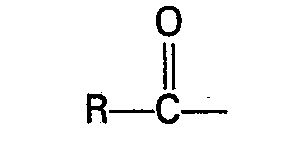
- acylated derivative of a water extract of Anemarrhenae rhizoma in which the acyl moiety is represented by the following formula: wherein
- the invention furtheron encloses a hypoglycemic agent, containing as an active ingredient the acylated derivative of water a extract of Anemarrhenae rhizoma as defined above.
- the water extract of Chimo can be prepared in a conventional manner.
- the saponins in which Chimo is rich are removed by means of an extraction with a lower alkyl alcohol such as methanol, ethanol, propanol or butanol prior to the water extraction.
- a lower alkyl alcohol such as methanol, ethanol, propanol or butanol
- the main components of the water extract are polysaccharides. Therefore, other solvents, inorganic or organic materials may be added to the water extractant, so long as they do not substantially change the water extract.
- the water extraction is normally effected at room temperature, but extraction at an elevated temperature is also possible.
- the components of lower molecular weight are removed.
- the removal of the lower molecular weight components is carried out by the usual method, for example, dialysis.
- the acylation of the water extract is effected in the usual manner.
- the water extract is acylated as follows:
- the extent of the acylation which varies with the kind of the acyl group is about 8-100%, preferably 17-66% for free hydroxyl groups present in the water extract of Chimo (the number of the hydroxyl groups is 3 per monosaccharide, when the water extract is presumed to be a polysaccharide of hexoses).
- acylated derivatives of the water extract of Chimo of this invention have hypoglycemic effect and are useful as a hypoglycemic agent and an antidiabetic agent.
- the acylated derivatives have no side effect such as hypoglycemia and their toxicity is very low. It is likely that the main reason for the appearance of the hypoglycemic effect of the acylated derivatives is not enhancement of the insulin activity but suppression of glucose absorption from digestive tract, promotion of uptake of glucose into muscular and fat tissues and promotion of glucose metabolism.
- the acylated derivatives neither increase the amount of lactic acid in blood, nor possess a side effect such as lactic acidosis.
- the acylated derivatives can be administered alone or in combination with pharmaceutically acceptable carriers, the proportion of which is determined by the solubility and chemical nature of the compound, chosen route of administration and standard pharmaceutical practice.
- the acylated derivatives may be administered orally in the form of tablets, capsules, or granules containing suitable excipients such as starch, lactose, white sugar and the like.
- the acylated derivatives may be administered sublingually in the form of troches or lozenges in which each active ingredient is mixed with sugar or corn syrups, flavoring agents and dyes, and then dehydrated sufficiently to make the mixture suitable for pressing into solid form.
- the acylated derivatives may be administered orally in the form of solutions which may contain coloring and flavoring agents. Physicians will determine the dosage of the present therapeutic agents which will be most suitable, and dosages vary with the particular patient under treatment.
- the therapeutic dosage is generally 10-1250 mg/kg orally per day.
- the first and second extract solutions were combined. Methanol was removed by a rotary evaporator and the extract was dried under reduced pressure by using a vacuum pump. Then, 140 g of methanol extract of Chimo was obtained. To the methanol treated residue of Chimo was added 2 I of water, and the mixture was stirred for 6 hours to give the gruel-like extract mixture. The solid portion of the mixture was separated by using a centrifuge Model KR-200A of Kubota Mfg. Co., to give the first aqueous extract layer. To the resultant extract residue was added 2 I of water, and the mixture was stirred. After 3 hours, the second aqueous extract layer was obtained by means of centrifugation. The first and second aqueous layers were combined and freeze-dried to give 109 g of water extract components.
- the dialysis of the above obtained freeze-dried water extract of Chimo was carried out to further concentrate the active components.
- a 100 g portion of the freeze-dried water extract was dissolved in 400 ml of water.
- a cellulose dialytic tube was packed with the above solution.
- Dialysis was effected for 8 hours with stirring 4 1 of the outer solution. Further, the outer solution was replaced by 4 I of fresh water, and then dialysis was continued for 18 hours.
- the above dialysis was effected at a temperature of 4-6°C.
- the inner solution was freeze-dried to give 44 g of dialytic inner solution components.
- the outer solutions were combined and were freeze-dried to give 50 g of the dialytic outer solution components.
- A-10 was dissolved in water and tested for anthrone-sulfuric acid reaction.
- the deep-blue color reaction indicates that A-10 is saccharides.
- A-10 was hydrolyzed under the following conditions and the monosaccharides were determined by gas chromatography.
- the trimethylsilylated substances were determined by gas chromatography.
- A-10 is a polysaccharide of formula (C 6 H 10 O 5 ) n wherein n is an integer
- the mixture was heated with stirring in an oil bath at 80°C for 8 hours, while it changed from a suspension to a homogeneous mixture.
- the pyridine-acetyl anhydride solution was subjected to reduced pressure to remove the solvent and then dissolved in chloroform.
- the gradual addition of n-hexan yielded a suspension containing fine particles.
- the suspension was filtered with suction, washed about ten-times with a few ml of n-hexane to remove pyridine thoroughly.
- the fine powder obtained by filtration was dried under reduced pressure at 80°C for 12 hours to obtain the acetyl derivatives, A-11 ⁇ 15.
- the yields of A-11 ⁇ 15 are shown in Table 1 below.
- mice Male ddY strain mice weighing 20 g on an average were used in these experiments. Alloxan diabetic mice were produced by intravenous injection of alloxan monohydrate. After two weeks from the injection, mice which had positive urinary glucose were fasted for 16 hours before experiments.
- Blood glucose level was measured just before, and 4 hr after oral administration of each 200 mg/kg of A-11 ⁇ 15 (suspended in 0.5% tragacanth solution) and oral administration of 50 mg/kg of A-10 by the method described by Momose et al. (T. Momose, A. Inaba, Y. Mukai, T. Shinkai, Chem. Pharm. Bull., 8, 514 (1960)).
- a control group of mice was administered orally with saline.
- mice Male ddY strain mice weighing 20 g on an average were fasted for 16 hours before experiments. The collection of blood samples and their measurement were made in the same manner as described in 2-1).
- mice Each 200 mg/kg of A-1 1 ⁇ 15 (suspended in 0.5% tragacanth solution) were administered orally.
- a control group of mice was administered orally with saline.
- mice Male ddY strain mice weighing 20 g on an average were administered orally with an aqueous solution of A-10 or a suspension of A-1 1 ⁇ 15 in 0.5% tragacanth solution and CD 50 value for mice was determined.
- LD 50 values were above 1250 mg/kg.
Landscapes
- Health & Medical Sciences (AREA)
- Life Sciences & Earth Sciences (AREA)
- Chemical & Material Sciences (AREA)
- Natural Medicines & Medicinal Plants (AREA)
- General Health & Medical Sciences (AREA)
- Engineering & Computer Science (AREA)
- Medicinal Chemistry (AREA)
- Chemical Kinetics & Catalysis (AREA)
- Pharmacology & Pharmacy (AREA)
- Veterinary Medicine (AREA)
- Public Health (AREA)
- Organic Chemistry (AREA)
- Animal Behavior & Ethology (AREA)
- Biotechnology (AREA)
- Microbiology (AREA)
- Epidemiology (AREA)
- Mycology (AREA)
- Medical Informatics (AREA)
- Botany (AREA)
- Materials Engineering (AREA)
- Alternative & Traditional Medicine (AREA)
- Diabetes (AREA)
- Polymers & Plastics (AREA)
- Biochemistry (AREA)
- Molecular Biology (AREA)
- Emergency Medicine (AREA)
- Nuclear Medicine, Radiotherapy & Molecular Imaging (AREA)
- General Chemical & Material Sciences (AREA)
- Obesity (AREA)
- Endocrinology (AREA)
- Hematology (AREA)
- Bioinformatics & Cheminformatics (AREA)
- Pharmaceuticals Containing Other Organic And Inorganic Compounds (AREA)
- Medicines Containing Plant Substances (AREA)
- Polysaccharides And Polysaccharide Derivatives (AREA)
Description
- This invention relates to a new hypoglycemic agent obtained from a crude drug, Anemarrhenae rhizoma which is so-called "Chimo".
- Chimo, Anemarrhenae rhizoma which has been used as a crude drug is a bulb of "Anemarrhena asphodeloides Bunge" which is a plant of the Liliaceae family growing wild in China.
- It has been known that an aqueous extract of Chimo, when administered orally, give hypoglycemic effect on normal or alloxan diabetic rabbits, and alloxan diabetic or anti-insulin serum diabetic mice (Masayasu Kimura, "Nippon Rinsho" 25, 2841 (1967)). Several synthetic oral drugs and insulin have been used so far as hypoglycemic agents in treating diabetes mellitus which is said to be one of the modern diseases on the increase. However, in some cases, synthetic oral hypoglycemic agents give side effects such as serious hypoglycemia or lactic acidosis. Furthermore, synthetic oral hypoglycemic agents are not effective for juvenile diabetes mellitus. Insulin is recognized to be the most effective hypoglycemic agent. However, the use of insulin is accompanied by a diet cure and an exercise cure under strict management of a doctor, because insulin is required to be administered parenterally and has side effects such as hypoglycemia, allergy and the like. Therefore, there is a continuing need for therapeutic agents which are effective for the treatment of diabetes mellitus and which are safe and easily applicable.
- Figures 1 to 6 illustrate infrared spectra of A-1 0 to A-15 which are water extracts of Chimo and their acylated derivatives obtained in the examples.
- It has now been found that a novel hypoglycemic agent which is obtained from Chimo is safe and can be orally administered.
- The subject matter of the present application therefore is an acylated derivative of a water extract of Anemarrhenae rhizoma, in which the acyl moiety is represented by the following formula:

- R is alkyl and preferably C,-C,-alkyl, as may be obtained by
- a) removing saponins from crude drug Chimo by alcoholic extraction,
- b) further extracting said drug with water, thereby obtaining a water extract,
- c) separating components of lower molecular weight as by dialysis and
- d) acylating by known methods the so-obtained water extract.
- The invention furtheron encloses a hypoglycemic agent, containing as an active ingredient the acylated derivative of water a extract of Anemarrhenae rhizoma as defined above.
- The water extract of Chimo can be prepared in a conventional manner. The saponins in which Chimo is rich, are removed by means of an extraction with a lower alkyl alcohol such as methanol, ethanol, propanol or butanol prior to the water extraction. As is described below, the main components of the water extract are polysaccharides. Therefore, other solvents, inorganic or organic materials may be added to the water extractant, so long as they do not substantially change the water extract.
- The water extraction is normally effected at room temperature, but extraction at an elevated temperature is also possible.
- In order to concentrate the active ingredients before acylation, the components of lower molecular weight are removed. The removal of the lower molecular weight components is carried out by the usual method, for example, dialysis.
- The acylation of the water extract is effected in the usual manner. For example, the water extract is acylated as follows:
- Freeze-dried water extract of Chimo is acylated with a carboxylic acid anhydride or a acyl halide, such as acetic anhydride, acetyl chloride, propionyl chloride, butyryl chloride, valeryl chloride, enanthyl chloride or the like in the presence of an amine (e.g., pyridine) or an alkali. Usual post-treatment yields the desired acylated derivative. The preferred acylating agents are those having one to six carbon atoms. The kinds of amine or alkali, the amounts of reagents, or reaction conditions used in the acylation can be selected as appropriate.
- The extent of the acylation which varies with the kind of the acyl group is about 8-100%, preferably 17-66% for free hydroxyl groups present in the water extract of Chimo (the number of the hydroxyl groups is 3 per monosaccharide, when the water extract is presumed to be a polysaccharide of hexoses).
- As demonstrated in the examples, the acylated derivatives of the water extract of Chimo of this invention (hereinafter referred to as "acylated derivatives") have hypoglycemic effect and are useful as a hypoglycemic agent and an antidiabetic agent.
- The acylated derivatives have no side effect such as hypoglycemia and their toxicity is very low. It is likely that the main reason for the appearance of the hypoglycemic effect of the acylated derivatives is not enhancement of the insulin activity but suppression of glucose absorption from digestive tract, promotion of uptake of glucose into muscular and fat tissues and promotion of glucose metabolism.
- In addition, the acylated derivatives neither increase the amount of lactic acid in blood, nor possess a side effect such as lactic acidosis.
- The acylated derivatives can be administered alone or in combination with pharmaceutically acceptable carriers, the proportion of which is determined by the solubility and chemical nature of the compound, chosen route of administration and standard pharmaceutical practice. For example, the acylated derivatives may be administered orally in the form of tablets, capsules, or granules containing suitable excipients such as starch, lactose, white sugar and the like. The acylated derivatives may be administered sublingually in the form of troches or lozenges in which each active ingredient is mixed with sugar or corn syrups, flavoring agents and dyes, and then dehydrated sufficiently to make the mixture suitable for pressing into solid form. The acylated derivatives may be administered orally in the form of solutions which may contain coloring and flavoring agents. Physicians will determine the dosage of the present therapeutic agents which will be most suitable, and dosages vary with the particular patient under treatment.
- The therapeutic dosage is generally 10-1250 mg/kg orally per day.
- Having generally described this invention, a more complete understanding can be obtained by reference to certain examples which are provided herein for purposes of illustration only and are not intended to be limiting in any manner.
- To five hundred grams of crushed crude drug "Chimo" was added 800 g of methanol. The mixture was stirred for 7 hours at room temperature, left overnight, and then stirred for 7 hours. The extract mixture was filtered and the residue was washed with 500 g of methanol. The filtrate and the washings were combined to give the first extract solution. The residue and 1000 g of methanol were mixed and the extraction was effected with stirring in the same manner as in the first extraction above. The mixture was filtered and the residue was washed with 500 g of methanol. The filtrate and the washings were combined to give the second extract solution.
- The first and second extract solutions were combined. Methanol was removed by a rotary evaporator and the extract was dried under reduced pressure by using a vacuum pump. Then, 140 g of methanol extract of Chimo was obtained. To the methanol treated residue of Chimo was added 2 I of water, and the mixture was stirred for 6 hours to give the gruel-like extract mixture. The solid portion of the mixture was separated by using a centrifuge Model KR-200A of Kubota Mfg. Co., to give the first aqueous extract layer. To the resultant extract residue was added 2 I of water, and the mixture was stirred. After 3 hours, the second aqueous extract layer was obtained by means of centrifugation. The first and second aqueous layers were combined and freeze-dried to give 109 g of water extract components.
- The dialysis of the above obtained freeze-dried water extract of Chimo was carried out to further concentrate the active components. A 100 g portion of the freeze-dried water extract was dissolved in 400 ml of water. A cellulose dialytic tube was packed with the above solution. Dialysis was effected for 8 hours with stirring 4 1 of the outer solution. Further, the outer solution was replaced by 4 I of fresh water, and then dialysis was continued for 18 hours. The above dialysis was effected at a temperature of 4-6°C.
- The inner solution was freeze-dried to give 44 g of dialytic inner solution components. The outer solutions were combined and were freeze-dried to give 50 g of the dialytic outer solution components.
- This freeze-dried inner solution was hereinafter referred to as "A-10".
- The infrared spectrum of A-10 is illustrated in Fig. 1 below.
- The result of elemental analysis of A-10 was as follows:

- A-10 was dissolved in water and tested for anthrone-sulfuric acid reaction. The deep-blue color reaction indicates that A-10 is saccharides.
- A-10 was hydrolyzed under the following conditions and the monosaccharides were determined by gas chromatography.
- To 100 mg of A-1 0 was added 10 ml of a solution of 1 N sulfuric acid - dioxan - water (1 N sulfuric acid was dissolved in a dioxane - water (1:3) mixture.), and the reaction was carried out at a temperature of 80°C for 8 hours. The reaction mixture was neutralized with 1.5N aqueous sodium hydroxide solution, and evaporated to dryness. The residue was extracted three times with 20 ml of pyridine, and the extract was evaporated to dryness. The solution which is prepared by dissolving 10 mg of mannitol in 10 ml of pyridine was added thereto as an internal standard substance. To 0.1 mlof the pyridine solution thus prepared was added 0.1 ml of trimethylsilylating (TMS) reagent.
- The trimethylsilylated substances were determined by gas chromatography.
- The analysis showed that 6% of D-glucose and 42% of D-mannose were formed during the hydrolysis under the above-described conditions.
- Assuming that A-10 is a polysaccharide of formula (C6H10O5)n wherein n is an integer, five different acetylated derivatives having 1 n/4, 1 n/2, 1n, 3n/2 and 3n acetyl groups per 3n hydroxyl groups, respectively, were synthesized and those are named as A-11, 12, 13, 14 and 15. To each of 5 eggplant type flasks was added 1.00 g of A-1 0 and 500 ml of dried pyridine. Then, acetyl anhydride was added slowly in an amount of 0.5 ml, 0.9 ml, 1.8 ml, 3.5 ml and 30 ml, respectively. The mixture was heated with stirring in an oil bath at 80°C for 8 hours, while it changed from a suspension to a homogeneous mixture. Upon completion of the reaction, the pyridine-acetyl anhydride solution was subjected to reduced pressure to remove the solvent and then dissolved in chloroform. The gradual addition of n-hexan yielded a suspension containing fine particles. The suspension was filtered with suction, washed about ten-times with a few ml of n-hexane to remove pyridine thoroughly.
- The fine powder obtained by filtration was dried under reduced pressure at 80°C for 12 hours to obtain the acetyl derivatives, A-11~15. The yields of A-11~15 are shown in Table 1 below.

- Infrared spectra of A-11 ~15 are shown in Figs 2~6, respectively.
- The contents of the acetyl group in A-11 ~A-15 were calculated on the basis of elemental analysis data of hydrogen and integrated values of proton in 1H1-nuclear magnetic resonance according to the following equation. In the equation, S, represents an integrated value of proton of acetyl,

- The results are shown in Table 2 below.

- Male ddY strain mice weighing 20 g on an average were used in these experiments. Alloxan diabetic mice were produced by intravenous injection of alloxan monohydrate. After two weeks from the injection, mice which had positive urinary glucose were fasted for 16 hours before experiments.
- Blood samples were collected from ocular venous plexus of mice.
- Blood glucose level was measured just before, and 4 hr after oral administration of each 200 mg/kg of A-11 ~15 (suspended in 0.5% tragacanth solution) and oral administration of 50 mg/kg of A-10 by the method described by Momose et al. (T. Momose, A. Inaba, Y. Mukai, T. Shinkai, Chem. Pharm. Bull., 8, 514 (1960)). A control group of mice was administered orally with saline.
- The results are shown in Table 3 below.

- Male ddY strain mice weighing 20 g on an average were fasted for 16 hours before experiments. The collection of blood samples and their measurement were made in the same manner as described in 2-1).
- Each 200 mg/kg of A-1 1~15 (suspended in 0.5% tragacanth solution) were administered orally. A control group of mice was administered orally with saline.
- The results are shown in Table 4 below.

- Male ddY strain mice weighing 20 g on an average were administered orally with an aqueous solution of A-10 or a suspension of A-1 1~15 in 0.5% tragacanth solution and CD50 value for mice was determined.
- As it was impossible to administer A-11 ~15 in an amount of above 1250 mg/kg, LD50 values were above 1250 mg/kg.
- When 1250 mg/kg of A-11 ~15 were administered to seven mice, none of the mice died.
- The results are shown in Table 5 below.

- Having now fully described the invention, it will be apparent to one of ordinary skill in the art that many changes and modifications can be made thereto without departing from the spirit of the invention as set forth herein.
Claims (3)

Applications Claiming Priority (2)
| Application Number | Priority Date | Filing Date | Title |
|---|---|---|---|
| JP15303/79 | 1979-02-13 | ||
| JP1530379A JPS55108403A (en) | 1979-02-13 | 1979-02-13 | Hypoglycemic |
Publications (3)
| Publication Number | Publication Date |
|---|---|
| EP0014471A2 EP0014471A2 (en) | 1980-08-20 |
| EP0014471A3 EP0014471A3 (en) | 1980-09-17 |
| EP0014471B1 true EP0014471B1 (en) | 1983-03-16 |
Family
ID=11885033
Family Applications (1)
| Application Number | Title | Priority Date | Filing Date |
|---|---|---|---|
| EP80100640A Expired EP0014471B1 (en) | 1979-02-13 | 1980-02-07 | Acylated derivatives of a water extract of anemarrhenae rhizoma and hypoglycemic agents containing said derivatives |
Country Status (4)
| Country | Link |
|---|---|
| US (1) | US4518591A (en) |
| EP (1) | EP0014471B1 (en) |
| JP (1) | JPS55108403A (en) |
| DE (1) | DE3062309D1 (en) |
Families Citing this family (6)
| Publication number | Priority date | Publication date | Assignee | Title |
|---|---|---|---|---|
| US5091181A (en) * | 1990-07-19 | 1992-02-25 | Stavros Papadakis | Asphodelus composition for increasing white blood cell count |
| US5667783A (en) * | 1993-12-13 | 1997-09-16 | Constantine Alen | Method of treating HIV positive subjects |
| RU2139718C1 (en) * | 1996-02-27 | 1999-10-20 | Центр народной медицины "Юнона" | Agent for treatment of patient with diabetes mellitus |
| KR100195886B1 (en) * | 1996-11-01 | 1999-06-15 | 김상조 | Pharmaceutical composition for treating diabetes mellitus |
| KR100317112B1 (en) * | 1999-03-18 | 2001-12-22 | 한영복 | Pharmaceutical composition comprising mixed-extract of phellodendron cortex and anemarrhena rhizoma for alalgesic and anti-inflammation |
| CN102134286A (en) * | 2011-05-11 | 2011-07-27 | 天津大学 | Method for extracting rhizoma anemarrhenae polysaccharide from rhizoma anemarrhenae decoction pieces |
-
1979
- 1979-02-13 JP JP1530379A patent/JPS55108403A/en active Granted
-
1980
- 1980-02-07 EP EP80100640A patent/EP0014471B1/en not_active Expired
- 1980-02-07 DE DE8080100640T patent/DE3062309D1/en not_active Expired
-
1982
- 1982-02-05 US US06/346,091 patent/US4518591A/en not_active Expired - Fee Related
Also Published As
| Publication number | Publication date |
|---|---|
| JPS55108403A (en) | 1980-08-20 |
| US4518591A (en) | 1985-05-21 |
| JPH0125724B2 (en) | 1989-05-19 |
| DE3062309D1 (en) | 1983-04-21 |
| EP0014471A2 (en) | 1980-08-20 |
| EP0014471A3 (en) | 1980-09-17 |
Similar Documents
| Publication | Publication Date | Title |
|---|---|---|
| US4598069A (en) | Method of treating hypoglycemia using aloes polysaccharides | |
| US20100292178A1 (en) | Method of treating non-insulin dependent diabetes mellitus and related complications | |
| US20050019435A1 (en) | Method of treating non-insulin dependent diabetes mellitus and related complications | |
| EP0270690A1 (en) | Drug for treatment and prophylaxis of kidney and liver diseases | |
| US4518591A (en) | Hypoglycemic agents | |
| GB2173500A (en) | Benz (b)indeno (2, 1-d)pyran drugs | |
| US20050287230A1 (en) | Method of producing ginsenoside 20 (R)-Rh2 and composition of matter thereof | |
| US4801582A (en) | Method and composition for treating hypoglycemia using aloe polysaccharides | |
| CA2502703C (en) | A natural compound for prevention and treatment of diabetes, process for preparing the same, and pharmaceutical use thereof | |
| EP0978278B1 (en) | 4,5-dihydroxy-2-cyclopenten-1-one for the treatment of diabetes mellitus | |
| DE3781653T2 (en) | USE OF CEMBRANE-DITERPENE COMPOUNDS FOR PRODUCING COMPOSITIONS CONTAINING INHIBITORS OF THE RELEASE OF LYSOSOMES. | |
| CN1108308C (en) | Gymnema sylvestre extract, its preparation method and application | |
| CN1438237A (en) | Echinocystic acid preparation, medicinal preparation and new use as medicine | |
| WO1991009018A1 (en) | Dioscoretine and its use as a hypoglycemic agent | |
| CN1068790C (en) | Medicinal composition containing total saponin extracted from stem and leaves of American ginseng | |
| US4501736A (en) | Extract from barrenwort | |
| CN100402055C (en) | Health-care food with blood-sugar decreasing function, and its prepn. method | |
| JPH0383929A (en) | Blood sugar depressant | |
| CN1095669C (en) | Medicine composition of saponin containing protopanaxyndiol component and preparing process and application thereof | |
| CN116350681B (en) | Herba Ixeritis Denticulatae extract with heart failure treating and/or preventing effects, and its preparation method and application | |
| JP2519443B2 (en) | Complex polysaccharide, hypoglycemic agent containing the complex polysaccharide as an active ingredient, diabetes preventive agent and health food | |
| JPS627172B2 (en) | ||
| JPH08253502A (en) | Production of very high-molecular-weight sulfated polysaccharide | |
| EP0950411B1 (en) | Process of manufacturing an extract from the Copalchi stem barks and the use of neoflavonoids for the treatment of diabetes | |
| US3950518A (en) | Hypoglycemic composition and method of use |
Legal Events
| Date | Code | Title | Description |
|---|---|---|---|
| PUAI | Public reference made under article 153(3) epc to a published international application that has entered the european phase |
Free format text: ORIGINAL CODE: 0009012 |
|
| PUAL | Search report despatched |
Free format text: ORIGINAL CODE: 0009013 |
|
| AK | Designated contracting states |
Designated state(s): CH DE FR GB NL |
|
| AK | Designated contracting states |
Designated state(s): CH DE FR GB NL |
|
| 17P | Request for examination filed |
Effective date: 19810219 |
|
| GRAA | (expected) grant |
Free format text: ORIGINAL CODE: 0009210 |
|
| AK | Designated contracting states |
Designated state(s): CH DE FR GB NL |
|
| PG25 | Lapsed in a contracting state [announced via postgrant information from national office to epo] |
Ref country code: NL Effective date: 19830316 Ref country code: CH Effective date: 19830316 |
|
| REF | Corresponds to: |
Ref document number: 3062309 Country of ref document: DE Date of ref document: 19830421 |
|
| ET | Fr: translation filed | ||
| REG | Reference to a national code |
Ref country code: CH Ref legal event code: PL |
|
| NLV1 | Nl: lapsed or annulled due to failure to fulfill the requirements of art. 29p and 29m of the patents act | ||
| PGFP | Annual fee paid to national office [announced via postgrant information from national office to epo] |
Ref country code: FR Payment date: 19841213 Year of fee payment: 6 |
|
| PGFP | Annual fee paid to national office [announced via postgrant information from national office to epo] |
Ref country code: DE Payment date: 19841220 Year of fee payment: 6 |
|
| GBPC | Gb: european patent ceased through non-payment of renewal fee | ||
| PG25 | Lapsed in a contracting state [announced via postgrant information from national office to epo] |
Ref country code: FR Free format text: LAPSE BECAUSE OF NON-PAYMENT OF DUE FEES Effective date: 19871030 |
|
| PG25 | Lapsed in a contracting state [announced via postgrant information from national office to epo] |
Ref country code: DE Effective date: 19871103 |
|
| REG | Reference to a national code |
Ref country code: FR Ref legal event code: ST |
|
| PG25 | Lapsed in a contracting state [announced via postgrant information from national office to epo] |
Ref country code: GB Effective date: 19881118 |
|
| PLBE | No opposition filed within time limit |
Free format text: ORIGINAL CODE: 0009261 |
|
| STAA | Information on the status of an ep patent application or granted ep patent |
Free format text: STATUS: NO OPPOSITION FILED WITHIN TIME LIMIT |