CN1663232A - Real-time signature embedding in video - Google Patents
Real-time signature embedding in video Download PDFInfo
- Publication number
- CN1663232A CN1663232A CN038146754A CN03814675A CN1663232A CN 1663232 A CN1663232 A CN 1663232A CN 038146754 A CN038146754 A CN 038146754A CN 03814675 A CN03814675 A CN 03814675A CN 1663232 A CN1663232 A CN 1663232A
- Authority
- CN
- China
- Prior art keywords
- signature
- audiovisual signal
- frame
- lines
- embedding
- Prior art date
- Legal status (The legal status is an assumption and is not a legal conclusion. Google has not performed a legal analysis and makes no representation as to the accuracy of the status listed.)
- Granted
Links
Images


Classifications
-
- H—ELECTRICITY
- H04—ELECTRIC COMMUNICATION TECHNIQUE
- H04N—PICTORIAL COMMUNICATION, e.g. TELEVISION
- H04N1/00—Scanning, transmission or reproduction of documents or the like, e.g. facsimile transmission; Details thereof
- H04N1/32—Circuits or arrangements for control or supervision between transmitter and receiver or between image input and image output device, e.g. between a still-image camera and its memory or between a still-image camera and a printer device
- H04N1/32101—Display, printing, storage or transmission of additional information, e.g. ID code, date and time or title
- H04N1/32144—Display, printing, storage or transmission of additional information, e.g. ID code, date and time or title embedded in the image data, i.e. enclosed or integrated in the image, e.g. watermark, super-imposed logo or stamp
- H04N1/32149—Methods relating to embedding, encoding, decoding, detection or retrieval operations
- H04N1/32154—Transform domain methods
- H04N1/32187—Transform domain methods with selective or adaptive application of the additional information, e.g. in selected frequency coefficients
- H04N1/32192—Transform domain methods with selective or adaptive application of the additional information, e.g. in selected frequency coefficients according to calculated or estimated visibility of the additional information in the image
-
- H—ELECTRICITY
- H04—ELECTRIC COMMUNICATION TECHNIQUE
- H04N—PICTORIAL COMMUNICATION, e.g. TELEVISION
- H04N21/00—Selective content distribution, e.g. interactive television or video on demand [VOD]
- H04N21/80—Generation or processing of content or additional data by content creator independently of the distribution process; Content per se
- H04N21/83—Generation or processing of protective or descriptive data associated with content; Content structuring
- H04N21/835—Generation of protective data, e.g. certificates
- H04N21/8358—Generation of protective data, e.g. certificates involving watermark
-
- H—ELECTRICITY
- H04—ELECTRIC COMMUNICATION TECHNIQUE
- H04N—PICTORIAL COMMUNICATION, e.g. TELEVISION
- H04N1/00—Scanning, transmission or reproduction of documents or the like, e.g. facsimile transmission; Details thereof
- H04N1/32—Circuits or arrangements for control or supervision between transmitter and receiver or between image input and image output device, e.g. between a still-image camera and its memory or between a still-image camera and a printer device
- H04N1/32101—Display, printing, storage or transmission of additional information, e.g. ID code, date and time or title
- H04N1/32144—Display, printing, storage or transmission of additional information, e.g. ID code, date and time or title embedded in the image data, i.e. enclosed or integrated in the image, e.g. watermark, super-imposed logo or stamp
-
- H—ELECTRICITY
- H04—ELECTRIC COMMUNICATION TECHNIQUE
- H04N—PICTORIAL COMMUNICATION, e.g. TELEVISION
- H04N1/00—Scanning, transmission or reproduction of documents or the like, e.g. facsimile transmission; Details thereof
- H04N1/32—Circuits or arrangements for control or supervision between transmitter and receiver or between image input and image output device, e.g. between a still-image camera and its memory or between a still-image camera and a printer device
- H04N1/32101—Display, printing, storage or transmission of additional information, e.g. ID code, date and time or title
- H04N1/32144—Display, printing, storage or transmission of additional information, e.g. ID code, date and time or title embedded in the image data, i.e. enclosed or integrated in the image, e.g. watermark, super-imposed logo or stamp
- H04N1/32149—Methods relating to embedding, encoding, decoding, detection or retrieval operations
- H04N1/32288—Multiple embedding, e.g. cocktail embedding, or redundant embedding, e.g. repeating the additional information at a plurality of locations in the image
- H04N1/32293—Repeating the additional information in a regular pattern
-
- H—ELECTRICITY
- H04—ELECTRIC COMMUNICATION TECHNIQUE
- H04N—PICTORIAL COMMUNICATION, e.g. TELEVISION
- H04N19/00—Methods or arrangements for coding, decoding, compressing or decompressing digital video signals
- H04N19/10—Methods or arrangements for coding, decoding, compressing or decompressing digital video signals using adaptive coding
- H04N19/102—Methods or arrangements for coding, decoding, compressing or decompressing digital video signals using adaptive coding characterised by the element, parameter or selection affected or controlled by the adaptive coding
- H04N19/103—Selection of coding mode or of prediction mode
- H04N19/112—Selection of coding mode or of prediction mode according to a given display mode, e.g. for interlaced or progressive display mode
-
- H—ELECTRICITY
- H04—ELECTRIC COMMUNICATION TECHNIQUE
- H04N—PICTORIAL COMMUNICATION, e.g. TELEVISION
- H04N19/00—Methods or arrangements for coding, decoding, compressing or decompressing digital video signals
- H04N19/46—Embedding additional information in the video signal during the compression process
- H04N19/467—Embedding additional information in the video signal during the compression process characterised by the embedded information being invisible, e.g. watermarking
-
- H—ELECTRICITY
- H04—ELECTRIC COMMUNICATION TECHNIQUE
- H04N—PICTORIAL COMMUNICATION, e.g. TELEVISION
- H04N7/00—Television systems
- H04N7/08—Systems for the simultaneous or sequential transmission of more than one television signal, e.g. additional information signals, the signals occupying wholly or partially the same frequency band, e.g. by time division
-
- H—ELECTRICITY
- H04—ELECTRIC COMMUNICATION TECHNIQUE
- H04N—PICTORIAL COMMUNICATION, e.g. TELEVISION
- H04N2201/00—Indexing scheme relating to scanning, transmission or reproduction of documents or the like, and to details thereof
- H04N2201/32—Circuits or arrangements for control or supervision between transmitter and receiver or between image input and image output device, e.g. between a still-image camera and its memory or between a still-image camera and a printer device
- H04N2201/3201—Display, printing, storage or transmission of additional information, e.g. ID code, date and time or title
- H04N2201/3225—Display, printing, storage or transmission of additional information, e.g. ID code, date and time or title of data relating to an image, a page or a document
- H04N2201/3233—Display, printing, storage or transmission of additional information, e.g. ID code, date and time or title of data relating to an image, a page or a document of authentication information, e.g. digital signature, watermark
-
- H—ELECTRICITY
- H04—ELECTRIC COMMUNICATION TECHNIQUE
- H04N—PICTORIAL COMMUNICATION, e.g. TELEVISION
- H04N2201/00—Indexing scheme relating to scanning, transmission or reproduction of documents or the like, and to details thereof
- H04N2201/32—Circuits or arrangements for control or supervision between transmitter and receiver or between image input and image output device, e.g. between a still-image camera and its memory or between a still-image camera and a printer device
- H04N2201/3201—Display, printing, storage or transmission of additional information, e.g. ID code, date and time or title
- H04N2201/3225—Display, printing, storage or transmission of additional information, e.g. ID code, date and time or title of data relating to an image, a page or a document
- H04N2201/3233—Display, printing, storage or transmission of additional information, e.g. ID code, date and time or title of data relating to an image, a page or a document of authentication information, e.g. digital signature, watermark
- H04N2201/3236—Details of authentication information generation
Landscapes
- Engineering & Computer Science (AREA)
- Multimedia (AREA)
- Signal Processing (AREA)
- Computer Security & Cryptography (AREA)
- Image Processing (AREA)
- Editing Of Facsimile Originals (AREA)
- Two-Way Televisions, Distribution Of Moving Picture Or The Like (AREA)
- Television Systems (AREA)
- Collating Specific Patterns (AREA)
- Television Signal Processing For Recording (AREA)
Abstract
Description
发明领域field of invention
本发明总体涉及信号验证领域,更具体来说,涉及为了图像和视频的验证而在视听信号中嵌置签名。The present invention relates generally to the field of signal authentication, and more particularly to embedding signatures in audiovisual signals for the authentication of images and videos.
背景技术Background technique
数字图像和视频的成功,导致这个技术在日常生活中许多领域的广泛应用。编辑、改变或修改数字图像或视频序列的技术可通过商业途径获得,允许不留痕迹地修改所述图像或视频的内容。对于各种应用,诸如在法律实施中来自保安摄影机的可作证据的图像记录、医疗文档、为保险目的的损失评估等等,有必要保证图像或视频没有被修改过,并与原始摄得的图像或视频相同。这导致信号验证系统的开发,图1中所示的这种系统是一个例子,其中,在1.20为一个在1.10获取的诸如图像或视频的视听信号生成一个签名。在1.30,该签名例如以水印的形式被嵌置到信号中。之后,在1.40,该信号被处理或篡改,在1.50被播放、记录或提取,最后在1.60被检验,以便或者保证该信号的真实性被证明,或者揭示该信号被修改。The success of digital images and video has led to widespread use of this technology in many areas of everyday life. Techniques for editing, altering or modifying digital images or video sequences are commercially available, allowing the content of said images or videos to be modified without leaving a trace. For various applications, such as evidentiary image recording from security cameras in law enforcement, medical documentation, damage assessment for insurance purposes, etc., it is necessary to ensure that the image or video has not been modified and is consistent with the original captured Image or video is the same. This has led to the development of signal verification systems, an example of which is shown in Figure 1, wherein a signature is generated at 1.20 for an audiovisual signal such as an image or video acquired at 1.10. At 1.30, the signature is embedded into the signal, for example in the form of a watermark. Thereafter, at 1.40, the signal is processed or tampered with, played, recorded or extracted at 1.50, and finally checked at 1.60 to either ensure that the authenticity of the signal is proven, or to reveal that the signal has been modified.
在视频信号中嵌置数据,这在US-B-6211919中是已知的,其中,将一个模拟视频信号转换成一个数字信号,在数字信号中嵌置数据,然后转换回模拟信号。要进行跨帧误差校正,以便补偿传输损失。那里公开的解决方案技术性质复杂,要求有大缓冲存储器用于存储视频信号的整个帧或若干帧。这些存储器昂贵,因此需要使所需存储器的数量最小化。Embedding data in video signals is known from US-B-6211919, wherein an analog video signal is converted to a digital signal, the data is embedded in the digital signal and then converted back to analog. Cross-frame error correction is to be performed in order to compensate for transmission loss. The solution disclosed there is technically complex in nature, requiring a large buffer memory for storing an entire frame or several frames of the video signal. These memories are expensive, so there is a need to minimize the amount of memory required.
此外,特别是对于上述的验证签名的应用来说,重要的是每个视频帧要拥有验证自己的能力,因为例如在上述的保安摄影机应用中,并非存储一个序列的所有的帧,而是只保留例如每第五十个帧,同样,对医疗图像来说,可能只有图像的一个子集被保留。哪个帧被记录、哪个帧被丢弃,一般是不知道的。因此,验证一个视频序列的某个帧所需的所有信息都必须可在帧自身中得到并可从帧本身导出。如果像上述文献中那样,一个帧对前导的或后继的帧有依赖,则要使得能够验证该帧,那是不可能的。Furthermore, especially for the above-mentioned application of verifying signatures, it is important that each video frame has the ability to authenticate itself, because for example in the above-mentioned security camera application, not all frames of a sequence are stored, but only For example every fiftieth frame is kept, also for medical images only a subset of images may be kept. Which frame is recorded and which frame is dropped is generally not known. Therefore, all information needed to authenticate a frame of a video sequence must be available in and derived from the frame itself. It is not possible to enable a frame to be authenticated if, as in the above-mentioned document, a frame is dependent on preceding or following frames.
签名计算和嵌置,必须在视频信号生成之后尽快进行,以防止验证信息存储在视频中之前视频被篡改。因此,如果靠近图像捕获装置、例如在保安摄影机内放置签名计算和嵌置,并且实时地对所生成的视频流进行签名计算和嵌置,则是有益的。像上述文献中那样的当今的解决方案,技术复杂且费用昂贵。Signature calculation and embedding must be performed as soon as possible after the video signal is generated to prevent the video from being tampered with before the authentication information is stored in the video. Therefore, it would be beneficial if the signature computation and embedding were placed close to the image capture device, eg inside a security camera, and performed on the generated video stream in real-time. Today's solutions, like those in the above mentioned documents, are technically complex and expensive.
最后,按照现有技术,为了把在1.20为诸如数字图像的一个视听信号计算的签名比特,在1.30以水印的形式嵌置在该视听信号本身内,必须把该视听信号的全部帧缓存在一个大的、昂贵的存储器中,与此同时计算所述视听信号的该帧的签名比特,形成具有作为有效载荷的签名比特的水印,最后把所述水印嵌置在该视听信号的该帧内。由于所需存储器的昂贵,这使这种解决方案昂贵。Finally, according to the prior art, in order to embed the signature bits calculated at 1.20 for an audiovisual signal, such as a digital image, at 1.30 in the form of a watermark within the audiovisual signal itself, all frames of the audiovisual signal must be buffered in a In a large, expensive memory, at the same time the signature bits of the frame of the audiovisual signal are calculated, a watermark is formed with the signature bits as payload, and finally the watermark is embedded in the frame of the audiovisual signal. This makes this solution expensive due to the expensive memory required.
因此,本发明要解决的问题被规定为如何对自验证的帧提供视听信号的低成本的实时生成。Therefore, the problem to be solved by the present invention is specified as how to provide a low-cost real-time generation of audiovisual signals for self-verifying frames.
发明内容Contents of the invention
按照所附的独立权利要求,通过以完全避免在计算签名比特和嵌置水印期间需要把该视听信号的整个帧缓存在一个大存储器中的方式,把一个签名嵌置在诸如视频信号或数字图像的一个视听信号中,因此显著地减少了所需存储器的成本,本发明从而克服以上指出的现有技术的缺陷。According to the appended independent claims, embedding a signature in such a video signal or digital image in such a way as to completely avoid the need to buffer the entire frame of the audiovisual signal in a large memory during the calculation of the signature bits and embedding of the watermark In an audiovisual signal of , thus significantly reducing the cost of the required memory, the invention thus overcomes the above-noted disadvantages of the prior art.
按照本发明的实施例,公开一种用于验证视听信号的方法、设备和计算机可读介质。按照这些实施例,根据所述视听信号的一个帧的第一部分构成一个签名。然后,将所形成的签名嵌置在所述视听信号中要被验证的帧的所述第一部分或该帧的至少一个第二部分中,由此所述的各部分是所述视听信号的一个水平行的模式(pattern)并且具有比整个视听信号的总行数少的行。According to embodiments of the present invention, a method, apparatus, and computer-readable medium for authenticating audiovisual signals are disclosed. According to these embodiments, a signature is formed from a first part of a frame of said audiovisual signal. The formed signature is then embedded in said first part or at least a second part of the frame to be verified in said audiovisual signal, whereby each said part is a A pattern of horizontal lines and having fewer lines than the total number of lines of the entire audiovisual signal.
因此提出一种实时的低成本解决方案,它仅需要用于视听信号的若干行的存储器,而不需要用于存储视听信号的全部帧的存储器。验证帧所需的所有信息被放入帧自身中,使得每个帧是自验证的。A real-time, low-cost solution is therefore proposed that requires memory only for a few lines of the audiovisual signal, but not for storing full frames of the audiovisual signal. All the information needed to validate a frame is put into the frame itself, making each frame self-validating.
本发明的这些和其它方面,参照以下所述的实施例,将变得显而易见并得到阐释。These and other aspects of the invention will be apparent from and elucidated with reference to the Examples described hereinafter.
附图简介Brief introduction to the drawings
在以下的详细说明中将参照附图描述本发明的优选实施例。附图中,In the following detailed description, preferred embodiments of the present invention will be described with reference to the accompanying drawings. In the attached picture,
图1表示现有技术的验证系统;Fig. 1 represents the verification system of prior art;
图2表示本发明实施例;Fig. 2 represents an embodiment of the present invention;
图3表示本发明另一个实施例;Fig. 3 represents another embodiment of the present invention;
图4表示本发明再一个实施例;Fig. 4 represents another embodiment of the present invention;
图5表示按照本发明另一个实施例的设备;和Figure 5 shows an apparatus according to another embodiment of the invention; and
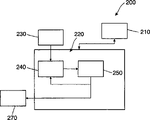
图6表示按照本方另一个实施例的计算机可读介质。Figure 6 illustrates a computer readable medium according to another embodiment of the present invention.
具体实施方式Detailed ways
尽管视频信号代表二维图像,却是按一维信号通过逐行扫描该图像而被传输和处理的。模拟或数字视频,被分类为隔行扫描的(interlaced)视频和非隔行扫描的视频,后者也称逐行扫描的(progressive scan)视频。例如,按照NTSC、PAL和SECAM标准的视频信号是隔行扫描的,大多数PC显示器是非隔行扫描的,而HDTV(高清电视)信号或者可以是较高分辨率方式中的隔行扫描的、或者可以是较低分辨率方式中的非隔行扫描的。Although a video signal represents a two-dimensional image, it is transmitted and processed as a one-dimensional signal by progressively scanning the image. Analog or digital video is classified as interlaced (interlaced) video and non-interlaced video, the latter also known as progressive scan (progressive scan) video. For example, video signals according to the NTSC, PAL, and SECAM standards are interlaced, most PC monitors are non-interlaced, and HDTV (high-definition television) signals can either be interlaced in a higher resolution mode or be Non-interlaced in lower resolution mode.
隔行扫描的视听信号,诸如视频,被定义为:所述信号的每个帧由两个场组成,由此,每个场是所述帧的一个特定的部分,含有该帧中每一相隔的水平行。在通过例如传输或显示视频而处理间隔扫描的视频时,含有包括顶端的扫描行在内的所有奇数行的场被首先处理并被称作上场;含有偶数行的场被称作下场,并被连续地处理,以生成一个帧或完整图像。因此,对于隔行扫描的信号行1、3、5…(即第一场的所有行)被首先处理,然后处理行2、4、6…(即第二场的所有行)。每个场都可以被细分为所述帧的连续行的分段(segments),即所谓的片段(slices),例如3行片段:[1、3、5]、[7、9、11]、[2、4、6]或[8、10、12]。一个隔行扫描的信号中的连续行的片段的一个特例是当第一个片段包含一个帧的所有的奇数行或偶数行并且另一个片段把包含该帧的其余的偶数行或奇数行。An interlaced audiovisual signal, such as video, is defined in which each frame of the signal consists of two fields, whereby each field is a specific portion of the frame containing every other horizontal row. When processing spaced-scanned video by, for example, transmitting or displaying video, the field containing all odd-numbered lines including the top scan line is processed first and is called the top field; the field containing the even-numbered lines is called the bottom field and is called Processed sequentially to generate a frame or complete image. Thus, for an interlaced signal lines 1, 3, 5... (ie all lines of the first field) are processed first, then lines 2, 4, 6... (ie all lines of the second field). Each field can be subdivided into segments of consecutive lines of the frame, so called slices, for example 3 line slices: [1, 3, 5], [7, 9, 11] , [2, 4, 6] or [8, 10, 12]. A special case of segments of consecutive lines in an interlaced signal is when the first segment will contain all the odd or even lines of a frame and the other segment will contain the remaining even or odd lines of the frame.
非隔行扫描的视频按顺序显示一个帧的每个行,由此,一个帧被定义为构成一个视频的一个图像序列中的一个完整图像。因此,对于非隔行扫描的信号行1、2、3…(即帧的所有行)都被处理。可以把这样一个帧细分为连续行的各个片段,例如3行的各片段:[1、2、3]或[4、5、6]。Non-interlaced video displays each line of a frame sequentially, whereby a frame is defined as a complete image in a sequence of images that make up a video. Thus, lines 1, 2, 3... (ie all lines of the frame) are processed for non-interlaced signals. Such a frame can be subdivided into segments of successive lines, eg segments of 3 lines: [1, 2, 3] or [4, 5, 6].
隔行扫描的和非隔行扫描的视频涉及捕获、传输和显示视频序列。Interlaced and non-interlaced video involve capturing, transmitting and displaying video sequences.
帧的一个部分(portion)被定义为作为所述帧的局部(例如如上面所定义的一个片段或场)的所述帧的一个单独的份额(share)。A portion of a frame is defined as a single share of the frame that is part of the frame (eg a slice or field as defined above).
诸如视频流中的数字图像的视听信号的帧的一个区域(region)被定义为所述帧内的一个空间区域,例如顶、中间、底。A region of a frame of an audiovisual signal, such as a digital image in a video stream, is defined as a spatial region within said frame, eg top, middle, bottom.
图2表示本发明一个实施例,其中,在步骤2.10中被捕获的一个视听信号被隔行扫描。该隔行扫描的视听信号的一个帧的例如由n行组成的上场,被分配到一个第一部分,并在步骤2.20中被装入并保存在一个存储器电路中。在步骤2.30中,计算该第一场的一个签名,由此,所述签名包含用于验证该帧的所有区域的信息,因为该第一场含有所有图像内容,尽管只有图像内容的交替行。随后,该视听信号中的同一个帧的例如由m行组成的下场,在步骤2.40中被分配到一个第二场,该第二场被保存在相同的存储器电路中,取代存储器电路中的第一场。所述存储器电路因此需要最大有m或n行的容量,最好有m或n个行存储器。因此,对存储器的要求被限定到以上所讨论的现有技术的要求的一半。所述签名的签名比特也需要在步骤2.50中被保存,该步骤将签名嵌置在位于所述存储器电路中的所述视听信号的第二场中。然而,与在诸如视频的视听信号中存储像素的要求相比,所述签名比特要求的存储量可以忽略不计。签名比特例如能被保存在存储器的第n行中,因为在实践中,根据帧大小而定,第二场包含的行数常常比第一场少1,即m=(n-1)。Figure 2 shows an embodiment of the invention in which an audiovisual signal captured in step 2.10 is interlaced. The upper field, for example consisting of n lines, of a frame of the interlaced audiovisual signal is allocated to a first part and loaded and stored in a memory circuit in step 2.20. In step 2.30, a signature of the first field is calculated whereby said signature contains information for authenticating all regions of the frame, since the first field contains all image content, although only alternate lines of image content. Subsequently, the lower field of the same frame of the audiovisual signal, for example consisting of m lines, is allocated in step 2.40 to a second field which is stored in the same memory circuit instead of the first field in the memory circuit. one game. The memory circuit therefore requires a capacity of at most m or n lines, preferably m or n line memories. Therefore, the memory requirements are limited to half of those of the prior art discussed above. The signature bits of the signature also need to be saved in step 2.50, which embeds the signature in the second field of the audiovisual signal located in the memory circuit. However, the signature bits require a negligible amount of storage compared to the requirements for storing pixels in an audiovisual signal such as video. The signature bits can eg be stored in the nth line of memory, since in practice, depending on the frame size, the second field often contains one less line than the first field, ie m=(n-1).
图3表示另一个实施例,其中,视听信号是非隔行扫描的,在步骤3.10中通过逐行扫描而被捕获。在步骤3.20中,把所述视听信号的一个由N个水平行组成的片段装入并保持在一个有容纳所述N行的足够容量的存储器电路中,例如N个行存储器中。然后,在步骤3.30,为所述片段计算签名。如果要将当前的签名嵌置到当前片段自身中,则直接执行步骤3.50。如果要将该签名嵌置在下一个连续的片段中,现在将把该下一个片段装入该N个行存储器中,替代当前的片段。如果当前片段已经是所述帧的最后的片段,则该签名只能被嵌置在该当前片段自身中。如果要为所有的片段嵌置一个共同签名,则在可选步骤3.50中把当前片段的签名添加到具有以前分别计算的各片段的签名的一个共同签名。如果只要把当前签名嵌置在当前位于N个行存储器的片段中,则不把它与以前计算的签名组合。在步骤3.60中,将签名嵌置在当前位于N个行存储器的片段中。随后,该视听信号或者例如通过存储或传输而作进一步处理-如果已经计算了图像的所有区域的签名,即如果已经计算了所有片段的签名的话;或者通过返回步骤3.20而把下一个片段装入存储器中-或者,如果新的片段已经被装入到N个行存储器中,则在步骤3.30直接计算签名,等等。所计算的签名比特的存储,与前面实施例中所述的相似。这个实施例只要求在存储器中保持一个片段,因此需要N个行存储器。当某个片段是在存储器中时,就有可能为该片段计算签名比特,并最好以水印的形式把该签名嵌入该片段。该水印能承载一个由该片段自己的签名比特加上在前的片段的签名比特所构成的有效载荷。因此,第i个片段能被嵌置以从片段1到i的签名比特。第一个片段只能被嵌置以第一个片段的签名比特,而最后一个片段能被嵌置以所述视听信号的整个帧中的任一或所有签名比特。因此,第一个片段的签名比特可以被嵌置在任何片段中,最好是所有片段中,而最后一个片段的签名比特只能被嵌置在最后一个片段自身中。因此,图像的自验证被保持。Figure 3 shows another embodiment in which the audiovisual signal is non-interlaced and is captured by progressive scanning in step 3.10. In step 3.20, a segment of N horizontal lines of said audiovisual signal is loaded and maintained in a memory circuit having sufficient capacity to accommodate said N lines, for example N line memories. Then, at step 3.30, a signature is calculated for said segment. If the current signature is to be embedded into the current fragment itself, then directly execute step 3.50. If the signature is to be embedded in the next consecutive segment, the next segment will now be loaded into the N line stores, replacing the current segment. The signature can only be embedded in the current segment itself if the current segment is already the last segment of the frame. If a common signature is to be embedded for all fragments, in optional step 3.50 the signature of the current fragment is added to a common signature with the signatures of the fragments previously calculated separately. If only the current signature is embedded in the segment currently located in N line stores, it is not combined with the previously computed signature. In step 3.60, the signature is embedded in the segment currently located in N line stores. Subsequently, the audiovisual signal is either further processed, for example by storage or transmission - if signatures have been calculated for all regions of the image, i.e. if signatures for all segments have been calculated; or by returning to step 3.20 to load the next segment into memory - or, if the new segment has already been loaded into N line memories, the signature is computed directly at step 3.30, etc. The storage of the calculated signature bits is similar to that described in the previous embodiments. This embodiment requires only one segment to be kept in memory, thus requiring N line memories. When a segment is in memory, it is possible to calculate signature bits for the segment and to embed the signature in the segment, preferably in the form of a watermark. The watermark can carry a payload consisting of the segment's own signature bits plus those of the preceding segment. Thus, the ith segment can be embedded with the signature bits from segment 1 to i. The first segment can only be embedded with the signature bits of the first segment, while the last segment can be embedded with any or all of the signature bits of the entire frame of the audiovisual signal. Thus, the signature bits of the first fragment can be embedded in any fragment, preferably all fragments, while the signature bits of the last fragment can only be embedded in the last fragment itself. Therefore, self-validation of images is maintained.
图4中表示了本发明的另一个实施例。在步骤4.10中,捕获一个视听信号。如上所述,视听信号是通过扫描在构成图像/帧序列中的一个图像的帧内具有一定位置的行而捕获的。在当前实施例中,不区分隔行扫描的信号和非隔行扫描的信号。在步骤4.20中,为所述视听信号的当前行计算DC值,在步骤4.20中,根据当前行的所述DC值形成签名比特。所计算的签名比特或者在步骤4.50中直接嵌置在当前行本身中,然后对下一行继续计算,一直到签名被计算出来并被嵌置在所有行中;或者在步骤4.40中,将当前所计算的签名比特保存在存储器中,供以后与(多个)后继行的签名比特或当前行的签名比特一起,甚至与对在以前各行计算的签名比特组合在一起嵌置在后继的行中,既嵌置在当前行中,又保存在存储器中,供随后使用。这样,就显示了一种用于不昂贵的实时操作的签名计算方案,它只需要一个行的存储器,而不是如第一个实施例中所述的那样存储整个场。对代表一个给定图像区的签名比特的计算,只要根据该图像区本身和其它附近图像区,这意味着由本发明处理的视听信号的一行或若干行。除此之外,签名是基于若干图像特性的,诸如DC值、边沿、瞬间(moments)或柱状图(histograms),这只要求对特性而不是像素进行计算和在存储器中存储。因此对计算签名的存储要求一般大大低于一个场存储器,如上述实施例中的那样,若干个行存储器就足够,在一定情况下,视所使用的特性而定,甚至需要更少的存储器。例如,计算DC值是通过作平均-即合计视听信号的像素的值而进行的。在这种情况下,没有必要存储像素值本身,因此与前面的实施例相比,对存储的要求被进一步最小化。类似地,对于水印的计算来说,一旦有效负荷是已知的,即完整的签名是可得到的,则形成水印一般用几个行存储器就能完成,这是因为,为了取得鲁棒性和隐匿性之间的最佳平衡,用水印对图像作修正,要涉及考虑在当前被计算的带水印像素的周围的局部区域中的图像复杂性,即诸如边沿、纹理中的图像活动性的数量等特征。这只需要若干行存储器保存附近的图像像素,而且使用以上形成签名时的相同的行存储器,而不需另外的存储器电路。Another embodiment of the invention is shown in FIG. 4 . In step 4.10, an audiovisual signal is captured. As mentioned above, the audiovisual signal is captured by scanning the lines having a position within the frames constituting one image in the sequence of images/frames. In the current embodiment, no distinction is made between interlaced and non-interlaced signals. In step 4.20, a DC value is calculated for the current line of said audiovisual signal, and in step 4.20, signature bits are formed from said DC value of the current line. The calculated signature bits are either directly embedded in the current row itself in step 4.50, and then continue to be calculated for the next row until the signature is calculated and embedded in all rows; or in step 4.40, the current bit The computed signature bits are stored in memory for later embedding in subsequent rows together with the signature bits of the (multiple) subsequent row or with the signature bits of the current row, or even in combination with the signature bits computed for previous rows, Both embedded in the current row and stored in memory for later use. In this way, a signature computation scheme for inexpensive real-time operation is shown that requires only one line of memory instead of storing the entire field as described in the first embodiment. The calculation of the signature bits representing a given image area means, as far as this image area itself and other nearby image areas are concerned, one or several lines of the audiovisual signal processed by the invention. In addition, the signature is based on several image properties, such as DC values, edges, moments or histograms, which only require computation and storage in memory on the features rather than pixels. The storage requirements for calculating the signature are therefore generally much lower than one field memory, several line memories are sufficient as in the above embodiments, and in certain cases, depending on the nature used, even less memory is required. For example, calculating the DC value is done by averaging - ie summing the values of the pixels of the audiovisual signal. In this case, there is no need to store the pixel values themselves, so storage requirements are further minimized compared to the previous embodiment. Similarly, for the computation of a watermark, once the payload is known, i.e. the complete signature is available, forming the watermark is typically done with a few line memories because, for robustness and Optimal balance between invisibility, correction of images with watermarks, involves consideration of image complexity in the local area around the currently computed watermarked pixel, i.e. the amount of image activity such as edges, textures and other features. This requires only a few line memories to hold nearby image pixels, and uses the same line memories above when forming the signature, without additional memory circuits.
图5表示本发明在用于验证视听信号的系统100中的实施例。视听信号在110中生成。视听信号最好在110中由一个诸如监视摄影机或CCD阵列的图像捕获装置摄影机和/或诸如麦克风的用于捕获音频信号的适当装置捕获。然而,视听信号也可源于一个传输信号,诸如视频信号,或者源于存储装置,诸如硬盘驱动器或类似的计算机可读介质。视听信号在设备101中按照本发明实施例被进一步处理。在110中被捕获的视听信号被输送到设备101中。所述视听信号的N行的片段被存储并保持在存储器120中。存储器120由N个行存储器构成,并包含一个额外的、用于存储签名比特的存储器。行数N比整个视听信号的行数低得多,一个例子是,在装置120中的三个行存储器用于在110中捕获的一个视听信号的480个水平行。按照上一段落的讨论,所述签名比特所需的额外存储器比所述各行所需的低得多。装置130与所述存储器电路通信,并为存储器120中的各行计算签名。签名是根据存储器120中的各行形成的。签名被形成时,将它嵌置在仍然在存储器120中保持的各行内容中。将所生成的签名保存在存储器120中供以后使用,诸如嵌置在所述视听信号的随后的片段中。所计算的签名最好是作为一个水印、最好是鲁棒(robust)的水印,被装置140所嵌置。鲁棒的水印是一种在视听信号中嵌置的水印,它不受诸如有损压缩等容许的图像操作的影响。随后,带有嵌入的签名的所述视听信号的所述行被输出到设备101之外,供在150进一步处理。随后,所述视听信号的相同帧的下N个行被装入存储器120中,为该新行的内容形成签名,并把签名-最好与以前计算并保存在存储器中的签名比特一起-嵌置在各行中。该组合的签名也由装置120计算。重复以上过程,直到为一个帧的所有行计算并嵌置了签名。然后把120中的存储内容删除,并在101中处理在110中生成的新帧。Figure 5 shows an embodiment of the invention in a system 100 for authenticating audiovisual signals. Audiovisual signals are generated in 110 . The audiovisual signals are preferably captured at 110 by an image capture device camera such as a surveillance camera or a CCD array and/or suitable means for capturing audio signals such as a microphone. However, the audiovisual signal may also originate from a transmission signal, such as a video signal, or from a storage device, such as a hard drive or similar computer readable medium. The audiovisual signal is further processed in device 101 according to an embodiment of the invention. The audiovisual signals captured in 110 are delivered to device 101 . Segments of N lines of said audiovisual signal are stored and maintained in memory 120 . Memory 120 consists of N line memories and includes an additional memory for storing signature bits. The number N of lines is much lower than that of the entire audiovisual signal, an example being three line memories in device 120 for 480 horizontal lines of an audiovisual signal captured in 110 . As discussed in the previous paragraph, the additional memory required for the signature bits is much lower than that required for the rows. Device 130 communicates with the memory circuitry and computes a signature for each row in memory 120 . A signature is formed from each row in memory 120 . When the signature is formed, it is embedded in the rows that are still held in memory 120 . The generated signature is saved in memory 120 for later use, such as embedded in a subsequent segment of the audiovisual signal. The computed signature is preferably embedded by means 140 as a watermark, preferably a robust watermark. A robust watermark is a watermark embedded in an audiovisual signal that is not affected by permissible image manipulations such as lossy compression. Said line of said audiovisual signal with the embedded signature is then output outside the device 101 for further processing at 150 . Subsequently, the next N lines of the same frame of said audiovisual signal are loaded into the memory 120, a signature is formed for the content of this new line, and the signature is embedded - preferably together with the signature bits previously calculated and stored in the memory. placed on each row. The combined signature is also calculated by the device 120 . The above process is repeated until signatures are computed and embedded for all rows of a frame. Then the stored content in 120 is deleted, and the new frame generated in 110 is processed in 101 .
设备101在系统100中最好以一个模块的形式实现,最好包含一个微处理器或者类似的电子装置,诸如可编程阵列或类似的电子电路。Device 101 is preferably implemented in system 100 as a module, preferably comprising a microprocessor or similar electronic device, such as a programmable array or similar electronic circuit.
图6表示本发明的另一个实施例,该实施例包含用于验证视听信号的系统200中的一个计算机可读介质220,由此在230生成一个视听信号。视听信号最好在230中由一个诸如监测摄影机或CCD阵列的图像捕获装置摄影机和/或诸如麦克风的用于捕获音频信号的适当装置捕获。然而,视听信号也可源于一个传输信号,诸如视频信号,或者源于存储装置,诸如硬盘驱动器或类似的计算机可读介质。第一程序模决240指令计算机210为所述视听信号的一个帧的N个行的片段形成一个签名。在第二程序模块250中,把由第一程序模块生成的所述签名,最好作为一个水印、更好是鲁棒的水印,嵌置在所述视听信号的所述帧的所述片段中。对所述帧的各行的片段重复进行由程序模块240和250执行的步骤,直到为整个帧计算并嵌置了签名。随后在270进一步处理带有嵌置的签名的该视听信号,例如验证该视听信号。FIG. 6 illustrates another embodiment of the present invention comprising a computer
在本发明的有些应用中,例如在保安图像记录中,只存储多个帧中的一个帧,例如每50个帧中的一个帧。因此重要的是在不参考前面的和后继的帧的条件下每个帧都能验证自己。按照本发明,签名被嵌置在帧自身中。因此以上方法符合这个要求,因为该方法把每个视频帧作为一个单独的静止图像处理。这也意味着该方法对静止图像和视频而者同样都适用。In some applications of the invention, for example in security image recording, only one frame out of a plurality of frames, for example one out of every 50 frames, is stored. It is therefore important that each frame authenticates itself without reference to previous and subsequent frames. According to the invention, the signature is embedded in the frame itself. The above method therefore meets this requirement because it treats each video frame as a separate still image. This also means that the method works equally well for still images as for video.
出于安全原因,签名计算和嵌置被尽可能地靠近图像捕获装置设置。这能防止在计算签名之前视频信号被篡改。因此,签名计算和随后的最好以水印方式进行的嵌置,最好在诸如摄影机的图像捕获装置内生成的视频流中实时地进行。按照本发明,视频流的一个完整帧只有一部分被存储在存储器中。因此,按照本发明的方法和设备很好地适合于签名的实时嵌置。所属技术领域的熟练人员因此将清楚地使用一种适合于实时应用的签名生成。然而,本发明并不限于特定类型的签名计算。For security reasons, the signature calculation and embedding is placed as close as possible to the image capture device. This prevents the video signal from being tampered with before the signature is calculated. Therefore, the signature calculation and subsequent embedding, preferably in the form of a watermark, preferably takes place in real-time in a video stream generated within an image capture device, such as a video camera. According to the invention, only a portion of a complete frame of the video stream is stored in memory. Therefore, the method and device according to the invention are well suited for real-time embedding of signatures. A person skilled in the art will therefore clearly use a signature generation suitable for real-time applications. However, the invention is not limited to a particular type of signature computation.
为了判断一个图像的真实性,使用一个与签名形成相类似的过程,即再次根据视听信号的一个帧的一个第一部分计算一个签名。为了验证所述部分的内容,将嵌置在所述帧的一部分中原始签名提取出来,与为该部分新计算的签名比较,由此,已经嵌入了原始签名的部分与原先为其计算了签名的部分不必是相同的部分,例如,一个帧的行1、3、5的签名,可能被嵌置在行13、15、17中。当两个签名互相不同时,就能检测到篡改。如果检测到篡改,则如果例如希望确定在内容中的什么地方发生了所述帧篡改,就根据从嵌置的签名中导出信息,进行对该修改的分析。In order to judge the authenticity of an image, a procedure similar to signature formation is used, ie a signature is calculated again from a first part of a frame of the audiovisual signal. To verify the content of the part, the original signature embedded in a part of the frame is extracted and compared with the newly calculated signature for that part, whereby the part for which the original signature has been embedded is the same as the one for which the signature was originally calculated The parts do not have to be the same part, e.g. a signature for lines 1, 3, 5 of a frame might be embedded in lines 13, 15, 17. Tampering is detected when two signatures differ from each other. If tampering is detected, an analysis of the modification is performed based on deriving information from embedded signatures, if for example it is desired to determine where in the content said frame tampering has occurred.
上述的按照本发明的信号验证的应用和用途是各种各样的,包括的示例性领域诸如有:The applications and uses of the above-described signal verification according to the present invention are various and include exemplary areas such as:
诸如用于法律实施、可作证据的成像、或指纹的保安摄影机或监视摄影机,such as security or surveillance cameras for law enforcement, evidentiary imaging, or fingerprinting,
诸如远程医疗系统、医疗扫描器和患者文档记录的保健系统,healthcare systems such as telemedicine systems, medical scanners, and patient documentation,
诸如车险、财产险、健康险的保险文档记录应用。Insurance documentation applications such as auto insurance, property insurance, health insurance.
以上参照具体实施例描述了本发明。然而,在后附的权利要求的范围内,上述优选实施例以外的其它实施例也是可能的,例如与以上的不同的场模式、通过硬件或软件执行以上方法、组合实施例中的特征-诸如在隔行扫描的视听信号内容的场内形成片段、或者用若干行存储器在隔行扫描的内容中嵌置签名,等等。The invention has been described above with reference to specific embodiments. However, other embodiments than the preferred one described above are possible within the scope of the appended claims, such as field patterns different from the above, implementation of the above methods by hardware or software, combining features in the embodiments - such as Forming segments within fields of interlaced audiovisual signal content, or embedding signatures in interlaced content with several line memories, etc.
此外,“包含”一词并不排除其它元件或步骤,“一个”一词并不排除多个和一个处理器或其它单元可以完成权利要求中所述的若干单元或电路的功能。Furthermore, the word "comprising" does not exclude other elements or steps, and the word "a" does not exclude that a plurality or one processor or other unit may perform the functions of several units or circuits stated in the claims.
Claims (16)
Applications Claiming Priority (2)
| Application Number | Priority Date | Filing Date | Title |
|---|---|---|---|
| EP02077500 | 2002-06-24 | ||
| EP02077500.3 | 2002-06-24 |
Publications (2)
| Publication Number | Publication Date |
|---|---|
| CN1663232A true CN1663232A (en) | 2005-08-31 |
| CN100385903C CN100385903C (en) | 2008-04-30 |
Family
ID=29797223
Family Applications (1)
| Application Number | Title | Priority Date | Filing Date |
|---|---|---|---|
| CNB038146754A Expired - Fee Related CN100385903C (en) | 2002-06-24 | 2003-06-12 | Real-time signature embedding in video |
Country Status (7)
| Country | Link |
|---|---|
| US (1) | US7603559B2 (en) |
| EP (1) | EP1518395A1 (en) |
| JP (1) | JP4422020B2 (en) |
| KR (1) | KR20050013239A (en) |
| CN (1) | CN100385903C (en) |
| AU (1) | AU2003239733A1 (en) |
| WO (1) | WO2004002131A1 (en) |
Families Citing this family (12)
| Publication number | Priority date | Publication date | Assignee | Title |
|---|---|---|---|---|
| US20070021195A1 (en) * | 2005-06-24 | 2007-01-25 | Campbell Steven M | Gaming system file authentication |
| WO2007145954A2 (en) * | 2006-06-07 | 2007-12-21 | Wms Gaming Inc. | Processing metadata in wagering game systems |
| US20090324199A1 (en) * | 2006-06-20 | 2009-12-31 | Koninklijke Philips Electronics N.V. | Generating fingerprints of video signals |
| US20080240490A1 (en) * | 2007-03-30 | 2008-10-02 | Microsoft Corporation | Source authentication and usage tracking of video |
| GB2457694B (en) | 2008-02-21 | 2012-09-26 | Snell Ltd | Method of Deriving an Audio-Visual Signature |
| GB2487499B (en) * | 2008-02-21 | 2013-02-27 | Snell Ltd | Method of comparing audio data |
| US20090252323A1 (en) * | 2008-04-03 | 2009-10-08 | Simon Cooper | Methods, techniques and system for maintaining security on computer systems |
| US8027468B2 (en) * | 2008-04-08 | 2011-09-27 | Honeywell International Inc. | Method and system for camera sensor fingerprinting |
| US9264627B2 (en) * | 2012-01-09 | 2016-02-16 | Lifetouch Inc. | Video photography system |
| US10251057B2 (en) * | 2016-08-29 | 2019-04-02 | International Business Machines Corporation | Authentication for device connection using visible patterns |
| WO2019195848A1 (en) | 2018-04-06 | 2019-10-10 | Deluxe One Llc | Dynamic watermarking of digital media content at point of transmission |
| US11288537B2 (en) | 2019-02-08 | 2022-03-29 | Honeywell International Inc. | Image forensics using non-standard pixels |
Family Cites Families (20)
| Publication number | Priority date | Publication date | Assignee | Title |
|---|---|---|---|---|
| JPH06233259A (en) * | 1992-10-29 | 1994-08-19 | Daewoo Electron Co Ltd | Convertor for image data scanning method |
| US5632038A (en) * | 1994-02-22 | 1997-05-20 | Dell Usa, L.P. | Secondary cache system for portable computer |
| WO1996016505A2 (en) * | 1994-11-10 | 1996-05-30 | Brooktree Corporation | System and method for generating video data and video control data in a computer system |
| US5719937A (en) * | 1995-12-06 | 1998-02-17 | Solana Technology Develpment Corporation | Multi-media copy management system |
| US5822432A (en) * | 1996-01-17 | 1998-10-13 | The Dice Company | Method for human-assisted random key generation and application for digital watermark system |
| WO1998011492A1 (en) * | 1996-09-13 | 1998-03-19 | Purdue Research Foundation | Authentication of signals using watermarks |
| US5809139A (en) * | 1996-09-13 | 1998-09-15 | Vivo Software, Inc. | Watermarking method and apparatus for compressed digital video |
| US5915027A (en) * | 1996-11-05 | 1999-06-22 | Nec Research Institute | Digital watermarking |
| US5907619A (en) * | 1996-12-20 | 1999-05-25 | Intel Corporation | Secure compressed imaging |
| US6009176A (en) * | 1997-02-13 | 1999-12-28 | International Business Machines Corporation | How to sign digital streams |
| US6211919B1 (en) | 1997-03-28 | 2001-04-03 | Tektronix, Inc. | Transparent embedment of data in a video signal |
| US5960081A (en) * | 1997-06-05 | 1999-09-28 | Cray Research, Inc. | Embedding a digital signature in a video sequence |
| JPH1132200A (en) * | 1997-07-09 | 1999-02-02 | Matsushita Electric Ind Co Ltd | Watermark data insertion method and watermark data detection method |
| US6037984A (en) * | 1997-12-24 | 2000-03-14 | Sarnoff Corporation | Method and apparatus for embedding a watermark into a digital image or image sequence |
| PT1080584E (en) * | 1998-05-20 | 2003-10-31 | Macrovision Corp | METHOD AND INSTRUMENT FOR DETECTION OF WATER BRANDS FOR SPECIFIC SCALES AND FOR ARBITRARY DISPLACEMENTS |
| US5991426A (en) * | 1998-12-18 | 1999-11-23 | Signafy, Inc. | Field-based watermark insertion and detection |
| US7020285B1 (en) * | 1999-07-13 | 2006-03-28 | Microsoft Corporation | Stealthy audio watermarking |
| JP2001036723A (en) * | 1999-07-16 | 2001-02-09 | Sony Corp | Copyright protection method, information signal transmission system, information signal output device, information signal receiving device, and information signal recording medium |
| GB2369947A (en) * | 2000-12-07 | 2002-06-12 | Sony Uk Ltd | Embedding data in fields of an image |
| US7113612B2 (en) * | 2001-03-22 | 2006-09-26 | Victor Company Of Japan, Ltd. | Apparatus for embedding and reproducing watermark into and from contents data |
-
2003
- 2003-06-12 EP EP03732922A patent/EP1518395A1/en not_active Withdrawn
- 2003-06-12 CN CNB038146754A patent/CN100385903C/en not_active Expired - Fee Related
- 2003-06-12 US US10/518,270 patent/US7603559B2/en not_active Expired - Fee Related
- 2003-06-12 KR KR10-2004-7021057A patent/KR20050013239A/en not_active Withdrawn
- 2003-06-12 JP JP2004515157A patent/JP4422020B2/en not_active Expired - Fee Related
- 2003-06-12 AU AU2003239733A patent/AU2003239733A1/en not_active Abandoned
- 2003-06-12 WO PCT/IB2003/002626 patent/WO2004002131A1/en not_active Ceased
Also Published As
| Publication number | Publication date |
|---|---|
| KR20050013239A (en) | 2005-02-03 |
| JP4422020B2 (en) | 2010-02-24 |
| US7603559B2 (en) | 2009-10-13 |
| WO2004002131A1 (en) | 2003-12-31 |
| EP1518395A1 (en) | 2005-03-30 |
| US20050232417A1 (en) | 2005-10-20 |
| JP2005531185A (en) | 2005-10-13 |
| CN100385903C (en) | 2008-04-30 |
| AU2003239733A1 (en) | 2004-01-06 |
Similar Documents
| Publication | Publication Date | Title |
|---|---|---|
| JP4035383B2 (en) | Digital watermark code generation apparatus and code generation method, digital watermark decoding apparatus and decoding method, digital watermark code generation and decoding program, and recording medium recording the same | |
| KR102858011B1 (en) | Robust selective image, video, and audio content authentication | |
| US6658135B1 (en) | Recording device | |
| US8938095B2 (en) | Verification method, verification device, and computer product | |
| CN100385903C (en) | Real-time signature embedding in video | |
| US7113613B2 (en) | Watermark information detection method | |
| CN1147123C (en) | System of changing characteristic of picture through electronic watermark | |
| US20070063884A1 (en) | Information processing apparatus, information processing system, information processing method, storage medium and program | |
| EP0947953A2 (en) | Watermarks for detecting tampering in images | |
| EP1437897A2 (en) | Methods and apparatus for embedding and detecting digital watermarks | |
| CN1184294A (en) | System for embedding authentication information into image and image change detection system | |
| CN1178511C (en) | Watermark detection method and device for special calibration and arbitrary movement | |
| CN1679051A (en) | Fingerprint embedding for medium content identification | |
| US10958926B2 (en) | Digitally watermarked compressed video image sequences | |
| US8023689B2 (en) | Robust signature for signal authentication | |
| CN100423579C (en) | Embedding of Image Verification Signatures | |
| KR101200345B1 (en) | Block-bases image authentication method using reversible watermarking based on progressive differential histogram | |
| US7269271B2 (en) | Method for digital image alteration detection and original digital image recovery | |
| Roberts | Security camera video authentication | |
| WO2021084812A1 (en) | Electronic device | |
| Ng | Cell phone images in social media: An analysis of cellphone image structure before and after social media compression | |
| JP2011250138A (en) | Image verifying method and image verifying apparatus | |
| JP2004208090A (en) | Image tampering detection method and image tampering detection device | |
| WO2026071899A1 (en) | Method and system for protecting the authenticity of machine learning model-generated video | |
| JP2009076990A (en) | Image processing method, image processing apparatus, image processing program, and storage medium |
Legal Events
| Date | Code | Title | Description |
|---|---|---|---|
| C06 | Publication | ||
| PB01 | Publication | ||
| C10 | Entry into substantive examination | ||
| SE01 | Entry into force of request for substantive examination | ||
| C14 | Grant of patent or utility model | ||
| GR01 | Patent grant | ||
| C17 | Cessation of patent right | ||
| CF01 | Termination of patent right due to non-payment of annual fee |
Granted publication date: 20080430 Termination date: 20110612 |