CN1663218A - Linkage of next-generation mobile nodes between previous-generation networks and subsequent-generation networks - Google Patents
Linkage of next-generation mobile nodes between previous-generation networks and subsequent-generation networks Download PDFInfo
- Publication number
- CN1663218A CN1663218A CN038147246A CN03814724A CN1663218A CN 1663218 A CN1663218 A CN 1663218A CN 038147246 A CN038147246 A CN 038147246A CN 03814724 A CN03814724 A CN 03814724A CN 1663218 A CN1663218 A CN 1663218A
- Authority
- CN
- China
- Prior art keywords
- address
- generation
- mobile node
- home
- agent
- Prior art date
- Legal status (The legal status is an assumption and is not a legal conclusion. Google has not performed a legal analysis and makes no representation as to the accuracy of the status listed.)
- Granted
Links
Images
Classifications
-
- H—ELECTRICITY
- H04—ELECTRIC COMMUNICATION TECHNIQUE
- H04W—WIRELESS COMMUNICATION NETWORKS
- H04W4/00—Services specially adapted for wireless communication networks; Facilities therefor
- H04W4/18—Information format or content conversion, e.g. adaptation by the network of the transmitted or received information for the purpose of wireless delivery to users or terminals
-
- H—ELECTRICITY
- H04—ELECTRIC COMMUNICATION TECHNIQUE
- H04L—TRANSMISSION OF DIGITAL INFORMATION, e.g. TELEGRAPHIC COMMUNICATION
- H04L61/00—Network arrangements, protocols or services for addressing or naming
- H04L61/09—Mapping addresses
- H04L61/25—Mapping addresses of the same type
- H04L61/2503—Translation of Internet protocol [IP] addresses
- H04L61/251—Translation of Internet protocol [IP] addresses between different IP versions
-
- H—ELECTRICITY
- H04—ELECTRIC COMMUNICATION TECHNIQUE
- H04W—WIRELESS COMMUNICATION NETWORKS
- H04W48/00—Access restriction; Network selection; Access point selection
- H04W48/16—Discovering, processing access restriction or access information
-
- H—ELECTRICITY
- H04—ELECTRIC COMMUNICATION TECHNIQUE
- H04W—WIRELESS COMMUNICATION NETWORKS
- H04W8/00—Network data management
- H04W8/26—Network addressing or numbering for mobility support
-
- H—ELECTRICITY
- H04—ELECTRIC COMMUNICATION TECHNIQUE
- H04W—WIRELESS COMMUNICATION NETWORKS
- H04W80/00—Wireless network protocols or protocol adaptations to wireless operation
- H04W80/04—Network layer protocols, e.g. mobile IP [Internet Protocol]
- H04W80/045—Network layer protocols, e.g. mobile IP [Internet Protocol] involving different protocol versions, e.g. MIPv4 and MIPv6
-
- H—ELECTRICITY
- H04—ELECTRIC COMMUNICATION TECHNIQUE
- H04W—WIRELESS COMMUNICATION NETWORKS
- H04W88/00—Devices specially adapted for wireless communication networks, e.g. terminals, base stations or access point devices
- H04W88/14—Backbone network devices
Landscapes
- Engineering & Computer Science (AREA)
- Computer Networks & Wireless Communication (AREA)
- Signal Processing (AREA)
- Mobile Radio Communication Systems (AREA)
- Data Exchanges In Wide-Area Networks (AREA)
- Small-Scale Networks (AREA)
Abstract
Description
背景 background
网络协议陈述了规定格式和通讯设备的发信号的过程。例子包括因特网协议,以及常常同时利用的传输控制协议,超文本传输协议等。当配置协议的新版本时,可能在新协议版本与以前版本之间有兼容性问题。A network protocol states the signaling procedures for specifying the format and communication devices. Examples include the Internet Protocol, and often concurrently utilized Transmission Control Protocol, Hypertext Transfer Protocol, etc. When configuring a new version of the protocol, there may be compatibility issues between the new protocol version and the previous version.
例如,大多数因特网的域和位置(site)当前使用因特网协议版本4(Ipv4)。然而,某些位置和域正迁移到因特网协议版本6(Ipv6),有时也称为因特网协议的下一代(IPng)。IPv6与IPv4不兼容。IPv6的使用提供不同的寻址结构,当IPv4“越出”可用的地址时,IPv6允许更多的地址被使用。虽然新的寻址结构具有更多的可用地址,但地址结构的改变却引起IPv6和IPv4之间的不兼容。For example, most Internet domains and sites currently use Internet Protocol version 4 (Ipv4). However, certain locations and domains are migrating to Internet Protocol Version 6 (Ipv6), sometimes referred to as Internet Protocol Next Generation (IPng). IPv6 is not compatible with IPv4. The use of IPv6 provides a different addressing structure, allowing more addresses to be used while IPv4 "outgrows" the addresses available. Although the new addressing structure has more available addresses, the change of the address structure causes incompatibility between IPv6 and IPv4.
此类不兼容性对移动用户具有大的影响。采用较新版本协议而又能有两个版本的用户能在只可用较老版本的连接的区域内漫游。这就限止用户不能以新的版本与该网络通信。例如,具有能用IPv6的移动设备的用户能漫游到只能用IPv4的区域中,但会丧失以IPv6通信的能力。Such incompatibility has a large impact on mobile users. Users with a newer version of the protocol who can have both versions can roam in areas where only older version connections are available. This restricts users from communicating with the network with newer versions. For example, a user with an IPv6-enabled mobile device can roam into an IPv4-only area, but loses the ability to communicate in IPv6.
附图简述Brief description of the attached drawings
通过参考附图阅读所揭示的内容能最好地理解本文发明的实施例,附图是:Embodiments of the invention herein are best understood by reading the disclosure with reference to the accompanying drawings, which are:
图1示出使用新的协议版本在使用老的协议版本的域中漫游的移动节点的Figure 1 shows a mobile node using a new protocol version roaming in a domain using an old protocol version
实施例。Example.
图2示出允许下一代节点穿过前一代网络进行通信的方法的实施例的流程图。Figure 2 shows a flowchart of an embodiment of a method of allowing next generation nodes to communicate across a previous generation network.
图3示出退化的两代间位置的实施例。Figure 3 shows an example of a degenerate intergenerational position.
图4示出在移动节点与其归属代理之间的包传输的示图。Figure 4 shows a diagram of packet transmission between a mobile node and its home agent.
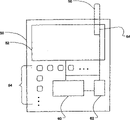
图5示出可用作移动节点的移动设备的实施例。Figure 5 illustrates an embodiment of a mobile device that may act as a mobile node.
实施例的详述Detailed description of the embodiment
如因特网协议版本4和版本6那样的当前的网络协议将数据包按其网络地址路由到目的地。通常,这些地址与固定的网络位置相关联。在移动的连网中,移动设备在与其它网络节点通信时能改变到网络的连接点,或地址。每当设备移动到不同的连接点必须获得新的网络地址并切换应用通信会话到新的地址,这使得真正的移动连网是不实际的。Current network protocols, like Internet Protocol versions 4 and 6, route data packets to their destinations by their network addresses. Typically, these addresses are associated with fixed network locations. In mobile networking, a mobile device can change its point of attachment, or address, to the network while communicating with other network nodes. Every time a device moves to a different connection point it must obtain a new network address and switch application communication sessions to the new address, making true mobile networking impractical.
为帮助理解本发明,将使用来自因特网协议(IP或IPv4)的某些说明和例子。在此描述中,将使用因特网协议的例子以帮助理解本发明的实施例。但是,对本发明的实施例的可应用性没有限止。它们可应用于IPv6和导致不兼容性的其它连网升级。To aid in the understanding of the invention, some descriptions and examples from Internet Protocol (IP or IPv4) will be used. In this description, an example of the Internet protocol will be used to help understand the embodiments of the present invention. However, there is no limit to the applicability of the embodiments of the present invention. They apply to IPv6 and other networking upgrades that cause incompatibilities.
在例子的讨论中,可以参考因特网工程任务组的文章。个人或团队能向IETF的各个工作组提交草案,这些草案可提供给公众,但它们是正在进行中的工作。这些称为因特网草案。若草案被认作为标准,则它们作为带有标识号的征求意见文件(RFC)被发表。例如,移动因特网协议版本4(Mobile(移动)IP)在RFC3220“IP Mobility Support for IPv4(IPv4的IP移动支持)”,RFC2794,和RFC3024中讨论。其它相关文档包括因特网草案“Mobility Support in IPv6(IPv6中的移动支持)”和“IPv6 over Mobile IPv4(在移动IPv4上的IPv6)”,它们讨论了移动因特网协议版本6(Mobile(移动)IPv6)。For a discussion of examples, refer to the Internet Engineering Task Force article. Individuals or teams can submit drafts to various working groups of the IETF, and these drafts are available to the public, but they are work in progress. These are called Internet-Drafts. If drafts are accepted as standards, they are published as Requests for Comments (RFCs) with an identification number. For example, Mobile Internet Protocol Version 4 (Mobile (Mobile) IP) is discussed in RFC3220 "IP Mobility Support for IPv4 (IP Mobile Support for IPv4)", RFC2794, and RFC3024. Other related documents include Internet-Drafts "Mobility Support in IPv6" and "IPv6 over Mobile IPv4 (IPv6 on Mobile IPv4)", which discuss Mobile Internet Protocol Version 6 (Mobile (Mobile) IPv6) .
在Mobile(移动)IP中,使用归属地址(home address)和转交地址(care-ofaddress)的组合来克服对移动设备目标具有固定地址的需要。归属地址是分配给移动节点的IP地址。不管该节点在何处连接因特网,IP地址保持不变。当移动节点在“归属(home)”地址,它连接于其归属网络处的链路,其中该归属网络是具有的网络前缀与移动节点的归属地址的前缀相匹配的网络。驻留在移动节点归属网络上将包穿通封装(tunnel)以便在移动节点离开归属网络时将其递交给该移动节点的路由器称为归属代理(HA)。In Mobile (mobile) IP, a combination of a home address and a care-of address is used to overcome the need to have a fixed address for mobile device targets. The home address is the IP address assigned to the mobile node. No matter where the node connects to the Internet, the IP address remains the same. When a mobile node is at a "home" address, it connects to a link at its home network, where the home network is a network with a network prefix that matches that of the mobile node's home address. A router residing on a mobile node's home network that tunnels packets for delivery to the mobile node when it leaves the home network is called a home agent (HA).
转交地址(CoA)是到移动节点的隧道(tunnel)的终点,用于在移动节点离开归属网络时转发给该移动节点的包。CoA通常是两个不同类型之一。外地代理(FA)CoA是外地代理的地址,移动节点用该地址登陆。同一地点(co-located)的CoA是外部获得的本地地址,移动节点用该地址与其自己的网络接口之一相关联。外地代理(FA)是移动节点正在“访问”的网络上的路由器或其它网络设备,或不与该移动节点的归属地址具有相同网络前缀的任何网络。FA对登录的移动节点提供路由服务。对于源自移动节点的数据传输,外地代理可用作对登录的移动节点的默认路由器。A care-of address (CoA) is the endpoint of a tunnel to a mobile node and is used to forward packets to the mobile node when the mobile node leaves the home network. A CoA is usually one of two different types. The foreign agent (FA) CoA is the address of the foreign agent with which the mobile node logs in. A co-located CoA is an externally obtained home address with which the mobile node associates with one of its own network interfaces. A foreign agent (FA) is a router or other network device on a network that a mobile node is "visiting", or any network that does not have the same network prefix as the mobile node's home address. FA provides routing services to logged-in mobile nodes. For data transmission originating from a mobile node, a foreign agent may act as a default router to a logged-on mobile node.
在通常情况,移动节点在其自己的网络内漫游。但是在其归属网络中,它不需要如CoA那样的可移动性服务。然而,一旦移动节点在其归属网络外漫游,它就需要包括CoA的可移动性服务。一般而言,移动节点在从本地代理接收到代理通告,表示该代理在不同于该移动节点的归属网络外的其它网络上时,判定它在其归属网络之外。代理通告是路由器通告的一种变化,它用于因特网通信结构,以通知数据发送设备关于路由器的可用性。Typically, a mobile node roams within its own network. But in its home network, it does not require mobility services like CoA. However, once a mobile node roams outside its home network, it needs mobility services including CoA. In general, a mobile node determines that it is outside its home network when it receives an agent advertisement from a home agent indicating that the agent is on a network other than the mobile node's home network. Proxy Advertisement is a variation of Router Advertisement, which is used in the Internet communication structure to inform data-sending devices about the availability of routers.
在接收到表明该移动节点离开归属网络的代理通告后,该移动节点将获得一个CoA。该CoA从来自可移动性代理的路由器通告中获得,可移动性代理通常是提供可移动性服务的外地代理。该CoA也能通过其它方法获得,如DHCP(动态主机配置协议)或手动配置。一旦该移动节点已获得一个CoA,它就用其归属代理登录该CoA,从而通知归属代理转发地址。一旦该归属地址被登录,归属代理将截取目标是移动节点的主地址的包,并向该移动节点的CoA地址转发该包,通常通过将该包穿通封装到CoA。After receiving the Agent Advertisement indicating that the mobile node has left the home network, the mobile node will obtain a CoA. This CoA is obtained from a router advertisement from a mobility agent, which is usually a foreign agent providing mobility services. The CoA can also be obtained by other methods such as DHCP (Dynamic Host Configuration Protocol) or manual configuration. Once the mobile node has obtained a CoA, it registers the CoA with its home agent, thereby notifying the home agent of the care-of address. Once the home address is registered, the home agent will intercept packets destined for the mobile node's primary address and forward the packet towards the mobile node's CoA address, typically by punch-through encapsulating the packet to the CoA.
在穿通封装中,除了如IP标题之类的任何现有标题,归属代理还在包之前插入新的隧道标题。新的隧道标题使用移动节点的CoA作为目标地址。在如IP-within-IP(IP-内-IP)那样的某些协议中,整个原始IP标题作为隧道包的有效载荷数据的部分被保存。In punch-through encapsulation, the Home Agent inserts a new tunnel header before the packet, in addition to any existing headers such as the IP header. The new tunnel title uses the mobile node's CoA as the destination address. In some protocols like IP-within-IP (IP-within-IP), the entire original IP header is preserved as part of the payload data of the tunneled packet.
然而,上述讨论假设,移动节点、所有中间代理和网络都使用同一协议版本。随着引入与前一代协议不兼容的下一代协议,这些过程被破坏并不再工作。使用下一代协议的移动节点若漫游到需要穿过前一代网络的通信的连接点,将不能够通信了。However, the above discussion assumes that the mobile node, all intermediate agents and the network use the same protocol version. With the introduction of next-generation protocols that are incompatible with previous-generation protocols, these processes are broken and no longer work. A mobile node using the next-generation protocol will not be able to communicate if it roams to a connection point that requires communication across the previous-generation network.
图1中示出了这种情况的一个例子。移动节点10和12已漫游到它们的下一代(NG)网络14之外。它们的NG网络位置14被称为两代间位置(intergeneration site),在迁移过程中的一类NG网络。两代间位置14具有多个NG子网,15和16是其中的两个。子网16正是移动节点10和12的归属子网。在IPv4/IPv6例子中的两代间位置称为“6to4(6到4)”位置。An example of this is shown in Figure 1. Mobile nodes 10 and 12 have roamed outside of their next generation (NG) network 14 . Their NG network sites14 are called intergenerational sites, a type of NG network in the process of migration. Intergenerational location 14 has multiple NG subnets, 15 and 16 being two of them. Subnet 16 is the home subnet of mobile nodes 10 and 12 . The intergenerational positions in the IPv4/IPv6 example are called "6to4 (6 to 4)" positions.
作为两代间位置的归属网络14的规定是指,NG位置使用两代间地址运行NG协议,且包含至少一个两代间主机(未示出)和一个两代间路由器,如边界路由器20。两代间地址是采用带有两代间前缀的NG协议构造的地址。边界路由器或两代间路由器是支持两代间伪接口的NG路由器。两代间伪接口是NG包被封装在PG包内或从PG包解封装的点,通常逻辑上等价于带有为PG网络的链路层的NG接口。除了两代间地址外,NG位置能同时运行其它NG地址类型,如原本的NG前缀。The provision of the home network 14 as an intergenerational location means that the NG location uses the intergenerational address to run the NG protocol, and includes at least one intergenerational host (not shown) and an intergenerational router, such as the border router 20 . An intergenerational address is an address constructed using the NG protocol with an intergenerational prefix. Border routers or intergenerational routers are NG routers that support intergenerational pseudo-interfaces. The intergenerational pseudo-interface is the point at which NG packets are encapsulated within or decapsulated from PG packets, and is usually logically equivalent to an NG interface with a link layer that is a PG network. In addition to intergenerational addresses, NG locations can run other NG address types at the same time, such as the original NG prefix.
在具体的例子中,两代间路由器20被称为“6to4(6到4)”路由器,归属网络14被称为6to4位置。两个子网15和16是两个IPv6子网,而归属代理是IPv6路由器。网络30是IPv4网络,外地代理22是移动IPv4代理,而两个移动节点是能用移动IPv4的IPv6的移动节点。In the specific example, the intergenerational router 20 is referred to as a "6to4 (6 to 4)" router and the home network 14 is referred to as a 6to4 location. The two subnets 15 and 16 are two IPv6 subnets, and the home agent is an IPv6 router. The network 30 is an IPv4 network, the foreign agent 22 is a mobile IPv4 agent, and the two mobile nodes are mobile IPv4-capable IPv6 mobile nodes.
可以利用带有其相关两代间设备的两代间位置的能力,从而即使来自该两代间位置的NG移动节点漫游到只通过PG网络连结的区域仍能继续通信。在图2中以流程图的形式示出允许下一代节点穿过前一代网络进行通信的方法的The capability of an intergenerational location with its associated intergenerational device can be exploited so that NG mobile nodes from that intergenerational location can continue to communicate even if they roam into areas connected only by PG networks. An overview of a method of allowing next-generation nodes to communicate across a previous-generation network is shown in flow chart form in FIG.
实施例。Example.
当移动节点检测到它已漫游到PG区域时,在40,它首先在PG协议下完成上述可移动性代理发现的过程。在41,移动节点从诸如图1所示外地代理22之类的所发现可移动性代理获得其PG CoA。PG CoA使移动节点可以在其本身和为边界路由器的其PG归属代理之间进行通信。When the mobile node detects that it has roamed into the PG area, at 40, it first completes the above-mentioned mobility agent discovery process under the PG protocol. At 41, the mobile node obtains its PG CoA from a discovered mobility agent, such as the foreign agent 22 shown in FIG. 1 . PG CoA enables a mobile node to communicate between itself and its PG home agent, which is a border router.
在42,移动节点现在能用PG归属代理登录其PG CoA。如果在开始它不具有PG归属地址,则在42它还必须从边界路由器得到PG的归属地址并登录。下面将更清楚,图1的边界路由器20将用作对移动节点的PG归属代理,并能向移动节点分配PG归属地址。At 42, the mobile node can now log into its PG CoA with the PG Home Agent. If it does not have a PG home address at the beginning, then at 42 it must also get the PG's home address from the border router and log in. As will become clearer below, the border router 20 of Figure 1 will act as a PG home agent for the mobile node and can assign a PG home address to the mobile node.
然后在43,移动节点构造两代间地址。这是使用其PG归属地址的两代间前缀的移动节点的NG CoA。在44,移动节点基于PG归属地址创建两代间伪接口。本质上,移动节点将其本身构造成退化的两代间位置。该位置是“退化的”,因为它包括移动节点本身,既作为两代间主机又作为两代间路由器。这将参考图3作更详细讨论。Then at 43, the mobile node constructs an intergenerational address. This is the NG CoA for the mobile node using the intergenerational prefix of its PG home address. At 44, the mobile node creates an intergenerational pseudo-interface based on the PG home address. Essentially, the mobile node constructs itself as a degenerate intergenerational position. This location is "degenerate" in that it includes the mobile node itself, acting both as an intergenerational host and as an intergenerational router. This will be discussed in more detail with reference to FIG. 3 .
如果节点尚未被更新过或其登录时间已过期,则该节点还要用其NG归属代理更新其从PG归属地址导出的两代间地址。当节点从一个PG域移到另一个时,它不必完成NG绑定更新,除非它以前的NG绑定已过期。NG绑定是移动节点的NG归属地址,NG CoA和绑定更新生命周期,或可移动性代理能多长时间使用该绑定。一旦节点在PG和NG中均被登录/更新,可向该移动节点发送进NG包或从该移动节点发送出NG包。若该节点漫游回到NG域,无论它是否是其归属网络,除了它不应该发送任何绑定更新以建立来自从其PG归属地址导出的两代间CoA的转发以外,该节点遵循用于绑定更新的NG协议。If the node has not been updated or its login time has expired, the node also needs to update its intergenerational address derived from the PG home address with its NG home agent. When a node moves from one PG domain to another, it does not have to complete an NG binding update unless its previous NG binding has expired. The NG binding is the mobile node's NG home address, the NG CoA and the binding update lifetime, or how long the mobility agent can use the binding. Once a node is registered/updated in both PG and NG, NG packets can be sent to and from the mobile node. If the node roams back to the NG domain, regardless of whether it is its home network or not, the node follows the rules for binding, except that it should not send any binding Determine the updated NG protocol.
如在图3中所见,移动节点10和12现在能作为隔离的两代间位置。它们使用其PG归属地址以及PG CoA来发送和接收封装到PG标题内的NG包。PG网络“见到”包被接受并从边界路由器20送出。实际上,包通过边界路由器从NG归属代理18被发出和被接收。然而,PG封装使得NG包无损通信地被发送。As seen in Figure 3, mobile nodes 10 and 12 can now serve as isolated intergenerational locations. They use their PG home address and PG CoA to send and receive NG packets encapsulated within PG headers. The PG network "see" packet is accepted and sent out from the border router 20. In practice, packets are sent and received from the NG Home Agent 18 through the Border Router. However, PG encapsulation enables NG packets to be transmitted losslessly.
使用IP环境的例子,过程将使移动节点10和12从边界路由器20管理的地址池获得或预配置IPv4地址,并随后使用这些作为它们的IPv4归属地址。移动节点随后使用它们的IPv4归属地址来构造6to4地址,并创建对应的6to4伪接口。一旦构造了6to4伪接口,移动节点就用它们的NG归属代理来执行移动IPv6。此后,移动节点10和12开始用它们的NG归属代理交换IPv6数据通信。Using the example of the IP environment, the procedure would have the mobile nodes 10 and 12 obtain or pre-configure IPv4 addresses from the address pool managed by the border router 20, and then use these as their IPv4 home addresses. Mobile nodes then use their IPv4 home addresses to construct 6to4 addresses and create corresponding 6to4 pseudo-interfaces. Once the 6to4 pseudo-interface is constructed, mobile nodes implement Mobile IPv6 with their NG home agents. Thereafter, mobile nodes 10 and 12 start exchanging IPv6 data communications with their NG home agents.
对边界路由器必须作出某些修改,以允许发生此过程。例如,两代间路由器管理由于地址损耗而可以全局非路由的一池PG地址,且该路由器必须作为对该地址池的移动PG归属代理。此外,PG域中的移动节点不应使用它们的PG地址来初始化应用通信会话。这些修改使包的发送穿过PG网络发生在NG移动节点和NG归属代理之间。Certain modifications must be made to the border routers to allow this process to occur. For example, an intergenerational router manages a pool of PG addresses that may be globally non-routable due to address loss, and the router must act as a mobile PG home agent for the address pool. Furthermore, mobile nodes in the PG domain should not use their PG address to initiate application communication sessions. These modifications enable the sending of packets across the PG network to occur between the NG mobile node and the NG home agent.
发送到移动节点的包称为正方向,而从移动节点发送出的包称为反方向。图4中示出包传输的一实施例的示图。The packet sent to the mobile node is called the forward direction, and the packet sent from the mobile node is called the reverse direction. A diagram of an embodiment of packet transmission is shown in FIG. 4 .
NG归属代理根据下一代协议(NG)接收一数据包。它根据下一代可移动性(MobileNG)协议用移动节点的两代间CoA封装它。它随后通过NG位置内部路由机制被发送到边界路由器。然后,边界路由器根据两代间协议(IG)和前一代(PG)可移动性协议(MobilePG)封装该包。然后,若使用外地代理CoA,则它被穿过PG网络路由到该外地代理,或若使用同一地点的CoA,则直接路由到该移动节点。The NG Home Agent receives a data packet according to the Next Generation Protocol (NG). It encapsulates it with the intergenerational CoA of the mobile node according to the Mobility Next Generation (MobileNG) protocol. It is then sent to the Border Router via the NG location internal routing mechanism. The border router then encapsulates the packet according to the Inter-Generation (IG) and Previous Generation (PG) Mobility Protocol (MobilePG). It is then routed through the PG network to the foreign agent if a foreign agent CoA is used, or directly to the mobile node if a co-located CoA is used.
若使用外地代理CoA,则该外地代理解封装最外层PG封装,并将该IG封装的包转发到移动节点。移动节点完成另外两个附加层解封装,以获取原始的NG包。若使用同一地点的CoA,移动节点完成所有三层解封装,以获取原始的NG包。这称为正方向,且在图中示于方向线的上方。If the foreign agent CoA is used, the foreign agent decapsulates the outermost PG encapsulation and forwards the IG-encapsulated packet to the mobile node. The mobile node completes two additional layers of decapsulation to obtain the original NG packet. With a co-location CoA, the mobile node completes all three layers of decapsulation to obtain the original NG packet. This is called the positive direction and is shown above the direction line in the figure.
反方向示于方向线的下方。移动节点用移动NG反向穿通封装、两代间协议(IG)和移动PG反向封装来封装NG包,若不使用外地代理,移动节点也可只用前两者来封装NG包。若不使用外地代理,移动节点直接将包发送到边界路由器。否则,移动节点将包发送给外地代理,后者随后应用PG封装以用来反向封装。可选地,FA和移动节点可以均不考虑移动PG反向封装。然后,边界路由器解封装前两个封装层,或若不应用移动PG反向封装时只解封装一层,并发送该包到NG归属代理。归属代理除去移动NG封装以获得原始的NG数据包。The opposite direction is shown below the direction line. The mobile node uses mobile NG reverse passthrough encapsulation, intergenerational agreement (IG) and mobile PG reverse encapsulation to encapsulate NG packets. If no foreign agent is used, the mobile node can also only use the former two to encapsulate NG packets. If no foreign agent is used, the mobile node sends the packet directly to the border router. Otherwise, the mobile node sends the packet to the foreign agent, which then applies PG encapsulation for reverse encapsulation. Optionally, neither the FA nor the MN may consider the reverse encapsulation of the mobile PG. The Border Router then decapsulates the first two encapsulation layers, or only one if no mobile PG reverse encapsulation is applied, and sends the packet to the NG Home Agent. The Home Agent removes the Mobile NG encapsulation to obtain the original NG packet.
必须忽略对移动NG的路由优化。例如,移动IPv6提供路由优化。然而当节点在IPv4域内时,忽略路由优化,因为IPv4归属地址通常是私人的,且由IPv4归属地址封装的IPv6包通常不能穿过全局IPv4路由到移动节点。Routing optimization for mobile NG must be ignored. For example, Mobile IPv6 provides route optimization. However, route optimization is ignored when the node is within the IPv4 domain, because the IPv4 home address is usually private, and IPv6 packets encapsulated by the IPv4 home address usually cannot be routed across the global IPv4 to the mobile node.
以此方式,下一代网络位置的移动节点能穿过前一代的网络与其它移动或不移动的NG节点通信。这就允许较新的NG网络一次一个位置地依次传播,而不需要在每个地方配置较新的协议,也不需要对配置的移动PG构造作任何改变。In this way, a mobile node at a next generation network location can communicate with other mobile or immobile NG nodes across the previous generation network. This allows newer NG networks to propagate sequentially one location at a time without requiring configuration of newer protocols at each location and without requiring any changes to configured mobile PG configurations.
在IP领域使用的现有技术的方法中,在因特网草案“IPv6 over Mobile IPv4(在移动IPv4上的IPv6)”中的文档规定了一个移动IPv4扩充,它能用于从移动IPv4归属代理协商IPv6地址。这将移动IPv4移动代理转变成移动节点的第一跨越(hop)IPv6路由器。然而这需要每个移动节点IPv6地址的第一个64位前缀与移动IPv4归属代理接口的一个64位前缀相同。这不能用于带多个子网的IPv6位置。Among the prior art approaches used in the IP domain, the document in the Internet-Draft "IPv6 over Mobile IPv4 (IPv6 over Mobile IPv4)" specifies a Mobile IPv4 extension that can be used to negotiate IPv6 from a Mobile IPv4 home agent. address. This turns the mobile IPv4 mobility agent into a first hop IPv6 router for the mobile node. This however requires that the first 64-bit prefix of each mobile node's IPv6 address be identical to a 64-bit prefix of the Mobile IPv4 Home Agent interface. This cannot be used for IPv6 locations with multiple subnets.
本发明的实施例能针对用作移动节点的设备,或能由机器可读代码的制品实现。图5示出能用作移动节点的移动设备的实施例。在外表,设备50可具有用户界面52,如显示器,和如小键盘或键盘54之类的控制按键。该设备也能具有如天线之类的无线链路,电缆或能连接网络的其它类型连接器56。作为例子,移动设备可以是蜂窝式电话、如掌上计算机、笔记本电脑或膝上计算机之类的便携式计算机,或网络设施。Embodiments of the invention can be directed to a device acting as a mobile node, or can be implemented by an article of manufacture of machine readable code. Figure 5 shows an embodiment of a mobile device capable of functioning as a mobile node. Externally,
在内部,该设备可具有存储器62以存储前一代和下一代归属地址。如前所述,该设备可以已经具有预定的PG归属地址。另外,该存储器存储通过通信端口64获得的前一代归属地址。存储器可以是任何类型的存储装置,如动态随机存储器(DRAM)、静态RAM和驻留在处理器60中的存储寄存器,还有许多其它选择。Internally, the device may have a
处理器60用于获得前一代转交地址。根据本发明的一个实施例,处理器首先从可移动性代理获得前一代转交地址。然后处理器使用来自存储器的前一代归属地址构造两代间地址。随后处理器使用该两代间地址创建两代间伪接口,并使用该伪接口建立与NG可移动性代理的通信。该处理器也可以用软件以制品上的机器可读码形式来升级,从而执行这些任务。The
该制品包含机器可读码,它们在被执行时使机器完成本发明实施例的过程和方法。制品可以是软盘、光盘、硬盘驱动器或其上存储指令的其它类型的存储装置。该设备可以是个人计算机的各种配置之一,如台式计算机、掌上计算机、或笔记本电脑、或网络设施,蜂窝式电话,还有许多其它选择。The article of manufacture contains machine-readable code which, when executed, causes a machine to perform the processes and methods of embodiments of the invention. The article of manufacture may be a floppy disk, compact disk, hard drive, or other type of storage device on which instructions are stored. The device can be one of various configurations of a personal computer, such as a desktop, palmtop, or notebook computer, or a network appliance, a cellular telephone, among many others.
因此,虽然到此已描述了对移动节点的特定实施例和使用前一代网络连接下一代移动节点的方法,但这并不旨在将那样的具体引用作为对本发明范围的限止,除非在下面的权利要求中有所阐述。Thus, while specific embodiments of mobile nodes and methods of connecting next-generation mobile nodes using previous-generation networks have been described thus far, such specific references are not intended to be limiting of the scope of the invention, except as described in the following set forth in the claims.
Claims (29)
Applications Claiming Priority (3)
| Application Number | Priority Date | Filing Date | Title |
|---|---|---|---|
| US10/183,188 | 2002-06-25 | ||
| US10/183,188 US20030236914A1 (en) | 2002-06-25 | 2002-06-25 | Connection of next generation mobile nodes across previous generation networks to next generation networks |
| PCT/US2003/014424 WO2004002110A1 (en) | 2002-06-25 | 2003-05-09 | Connection of next generation mobile nodes across previous generation networks to next generation networks |
Publications (2)
| Publication Number | Publication Date |
|---|---|
| CN1663218A true CN1663218A (en) | 2005-08-31 |
| CN1663218B CN1663218B (en) | 2011-10-05 |
Family
ID=29735171
Family Applications (1)
| Application Number | Title | Priority Date | Filing Date |
|---|---|---|---|
| CN038147246A Expired - Fee Related CN1663218B (en) | 2002-06-25 | 2003-05-09 | Linkage of next-generation mobile nodes between previous-generation networks and subsequent-generation networks |
Country Status (8)
| Country | Link |
|---|---|
| US (1) | US20030236914A1 (en) |
| EP (2) | EP1965562A2 (en) |
| CN (1) | CN1663218B (en) |
| AT (1) | ATE391383T1 (en) |
| AU (1) | AU2003230347A1 (en) |
| DE (1) | DE60320105T2 (en) |
| TW (1) | TWI255115B (en) |
| WO (1) | WO2004002110A1 (en) |
Cited By (4)
| Publication number | Priority date | Publication date | Assignee | Title |
|---|---|---|---|---|
| CN101115022B (en) * | 2006-07-28 | 2010-05-12 | 华为技术有限公司 | Apparatus and method for implementing node roaming in internet protocol version 6 network |
| CN1984066B (en) * | 2006-06-09 | 2010-05-12 | 华为技术有限公司 | Apparatus and method for realizing roaming of nodes in internet protocol version 4 network |
| CN101087242B (en) * | 2006-06-09 | 2010-12-08 | 华为技术有限公司 | Device and method for realizing dual-stack node bootstrapping in heterogeneous network |
| CN101268670B (en) * | 2005-09-19 | 2015-06-03 | 松下电器(美国)知识产权公司 | Multihomed mobile node, homed proxy and method for enabling simultaneous use of home network and foreign network |
Families Citing this family (19)
| Publication number | Priority date | Publication date | Assignee | Title |
|---|---|---|---|---|
| JP2007519339A (en) * | 2004-01-15 | 2007-07-12 | インタラクティブ ピープル アンプラグド アクチボラグ | Method for realizing IPv4 mobility from an IPv6 network |
| ES2291853T3 (en) * | 2004-02-16 | 2008-03-01 | Telefonaktiebolaget Lm Ericsson (Publ) | MANAGEMENT OF ADDRESSES IN ENVIRONMENTS BASED ON MOBILE IP (MOBILE IP). |
| CN1691668B (en) * | 2004-04-30 | 2010-04-28 | 华为技术有限公司 | A system and method for providing IPv6 service |
| US20060168110A1 (en) * | 2004-11-24 | 2006-07-27 | Utstarcom, Inc. | Method to facilitate use of multiple communication protocols in a communication network |
| US7881225B2 (en) | 2005-11-23 | 2011-02-01 | Comcast Cable Holdings, Llc | Customer premise equipment device-specific access-limiting for a cable modem and a customer premise equipment device |
| CA2663186C (en) | 2006-10-13 | 2017-12-12 | Firetide, Inc. | Mesh node mobility across static and mobile mesh networks |
| US8489716B2 (en) * | 2007-02-02 | 2013-07-16 | Silver Spring Networks, Inc. | Method and system of providing network addresses to in-premise devices in a utility network |
| EP2224675B1 (en) | 2007-07-27 | 2013-09-18 | BlackBerry Limited | Apparatus and methods for coordination of wireless systems |
| DE602008001344D1 (en) | 2007-07-27 | 2010-07-08 | Research In Motion Ltd | Apparatus and method for operating a wireless server |
| US9270682B2 (en) | 2007-07-27 | 2016-02-23 | Blackberry Limited | Administration of policies for wireless devices in a wireless communication system |
| EP2424194B1 (en) * | 2007-07-27 | 2017-04-19 | BlackBerry Limited | Method and system for resource sharing |
| US8914009B2 (en) | 2007-07-27 | 2014-12-16 | Blackberry Limited | Administration of wireless systems |
| ATE547875T1 (en) * | 2007-07-27 | 2012-03-15 | Research In Motion Ltd | INFORMATION EXCHANGE IN WIRELESS SERVERS |
| US10079912B2 (en) | 2007-07-27 | 2018-09-18 | Blackberry Limited | Wireless communication system installation |
| US8352550B2 (en) | 2007-07-27 | 2013-01-08 | Research In Motion Limited | Wireless communication systems |
| CN101330426B (en) * | 2007-10-15 | 2011-05-25 | 中兴通讯股份有限公司 | IPTV network interconnection architecture and interconnection method |
| US8108911B2 (en) | 2007-11-01 | 2012-01-31 | Comcast Cable Holdings, Llc | Method and system for directing user between captive and open domains |
| US9043862B2 (en) * | 2008-02-06 | 2015-05-26 | Qualcomm Incorporated | Policy control for encapsulated data flows |
| EP2273747A1 (en) * | 2009-06-30 | 2011-01-12 | Alcatel Lucent | Communication of IPv6 packets across a mobile network supporting IPv4 |
Family Cites Families (14)
| Publication number | Priority date | Publication date | Assignee | Title |
|---|---|---|---|---|
| US6580717B1 (en) * | 1996-07-04 | 2003-06-17 | Hitachi, Ltd. | Packet communication method and apparatus and a recording medium storing a packet communication program |
| JP3531367B2 (en) * | 1996-07-04 | 2004-05-31 | 株式会社日立製作所 | Translator |
| EP1773013B1 (en) * | 1996-11-01 | 2013-05-22 | Hitachi, Ltd. | Communicating method between IPv4 terminal and IPv6 terminal and IPv4-IPv6 converting apparatus |
| US6172986B1 (en) * | 1997-05-13 | 2001-01-09 | Hitachi, Ltd. | Mobile node, mobile agent and network system |
| EP1087575A1 (en) * | 1999-09-24 | 2001-03-28 | BRITISH TELECOMMUNICATIONS public limited company | Packet network interfacing |
| FI19992560L (en) * | 1999-11-30 | 2001-05-31 | Nokia Networks Oy | IP mobility in telecommunications systems |
| US6992995B2 (en) * | 2000-04-17 | 2006-01-31 | Telcordia Technologies, Inc. | Telecommunication enhanced mobile IP architecture for intra-domain mobility |
| US6992994B2 (en) * | 2000-04-17 | 2006-01-31 | Telcordia Technologies, Inc. | Methods and systems for a generalized mobility solution using a dynamic tunneling agent |
| DE60142243D1 (en) * | 2000-10-18 | 2010-07-08 | Ericsson Telefon Ab L M | SEAMLESS SUBMISSION AT MOBILE IP |
| US6862274B1 (en) * | 2000-10-26 | 2005-03-01 | Industrial Technology Research Institute | Method and system capable of providing mobility support for IPv4/IPv6 inter-networking |
| JP2002185520A (en) * | 2000-12-12 | 2002-06-28 | Fujitsu Ltd | Mobile terminal compatible router and home agent router |
| JP4491980B2 (en) * | 2001-03-05 | 2010-06-30 | ソニー株式会社 | COMMUNICATION PROCESSING SYSTEM, COMMUNICATION PROCESSING METHOD, COMMUNICATION TERMINAL DEVICE, AND PROGRAM |
| US6771962B2 (en) * | 2001-03-30 | 2004-08-03 | Nokia Corporation | Apparatus, and an associated method, by which to provide temporary identifiers to a mobile node involved in a communication handover |
| JP4075318B2 (en) * | 2001-04-18 | 2008-04-16 | 株式会社日立製作所 | Protocol conversion method and address conversion server |
-
2002
- 2002-06-25 US US10/183,188 patent/US20030236914A1/en not_active Abandoned
-
2003
- 2003-04-14 TW TW092108531A patent/TWI255115B/en active
- 2003-05-09 EP EP08006276A patent/EP1965562A2/en not_active Withdrawn
- 2003-05-09 CN CN038147246A patent/CN1663218B/en not_active Expired - Fee Related
- 2003-05-09 AU AU2003230347A patent/AU2003230347A1/en not_active Abandoned
- 2003-05-09 DE DE60320105T patent/DE60320105T2/en not_active Expired - Fee Related
- 2003-05-09 EP EP03724517A patent/EP1516472B1/en not_active Expired - Lifetime
- 2003-05-09 AT AT03724517T patent/ATE391383T1/en not_active IP Right Cessation
- 2003-05-09 WO PCT/US2003/014424 patent/WO2004002110A1/en not_active Ceased
Cited By (5)
| Publication number | Priority date | Publication date | Assignee | Title |
|---|---|---|---|---|
| CN101268670B (en) * | 2005-09-19 | 2015-06-03 | 松下电器(美国)知识产权公司 | Multihomed mobile node, homed proxy and method for enabling simultaneous use of home network and foreign network |
| CN1984066B (en) * | 2006-06-09 | 2010-05-12 | 华为技术有限公司 | Apparatus and method for realizing roaming of nodes in internet protocol version 4 network |
| CN101087242B (en) * | 2006-06-09 | 2010-12-08 | 华为技术有限公司 | Device and method for realizing dual-stack node bootstrapping in heterogeneous network |
| US8238363B2 (en) | 2006-06-09 | 2012-08-07 | Huawei Technologies Co., Ltd. | Method and apparatus for a dual-stack MN to roaming in an IPv4 network |
| CN101115022B (en) * | 2006-07-28 | 2010-05-12 | 华为技术有限公司 | Apparatus and method for implementing node roaming in internet protocol version 6 network |
Also Published As
| Publication number | Publication date |
|---|---|
| DE60320105D1 (en) | 2008-05-15 |
| TW200402973A (en) | 2004-02-16 |
| EP1516472A1 (en) | 2005-03-23 |
| EP1516472B1 (en) | 2008-04-02 |
| EP1965562A2 (en) | 2008-09-03 |
| WO2004002110A1 (en) | 2003-12-31 |
| DE60320105T2 (en) | 2009-05-14 |
| CN1663218B (en) | 2011-10-05 |
| ATE391383T1 (en) | 2008-04-15 |
| TWI255115B (en) | 2006-05-11 |
| AU2003230347A1 (en) | 2004-01-06 |
| HK1069698A1 (en) | 2005-05-27 |
| US20030236914A1 (en) | 2003-12-25 |
Similar Documents
| Publication | Publication Date | Title |
|---|---|---|
| CA2520576C (en) | Arrangement for traversing an ipv4 network by ipv6 mobile nodes | |
| EP1516472B1 (en) | Connection of next generation mobile nodes across previous generation networks to next generation networks | |
| US7940769B2 (en) | Maintaining secrecy of assigned unique local addresses for IPV6 nodes within a prescribed site during access of a wide area network | |
| US7551632B2 (en) | Arrangement for traversing an IPv4 network by IPv6 mobile routers | |
| AU2003219693B2 (en) | Methods and apparatus for Mobile IP home agent clustering | |
| CN1468474A (en) | Method and device for implementing network address translation traversal in mobile IP | |
| JP2007306602A (en) | IPv6 mobile router support | |
| US8005093B2 (en) | Providing connection between networks using different protocols | |
| EP1639778A1 (en) | Method and system for data transmission | |
| JP4430106B2 (en) | System and method for providing IPv6 service | |
| US20080089251A1 (en) | Packet Data Transmission | |
| HK1069698B (en) | Connection of next generation mobile nodes across previous generation networks to next generation networks | |
| Tantayakul et al. | Mobility mechanism between MIPv4 and MIPv6 | |
| Kuang et al. | Mobile Transmission Control Protocol (MTCP) for Mobility Management over IP networks | |
| Nguyen et al. | State of the art of mobility protocols | |
| JAMHOUR | INTEGRATING IPV4 AND IPV6 IN WIRELESS NETWORKS | |
| JAMHOUR | E-mail: jamhour@ ppgia. pucpr. br |
Legal Events
| Date | Code | Title | Description |
|---|---|---|---|
| C06 | Publication | ||
| PB01 | Publication | ||
| C10 | Entry into substantive examination | ||
| SE01 | Entry into force of request for substantive examination | ||
| C14 | Grant of patent or utility model | ||
| GR01 | Patent grant | ||
| C17 | Cessation of patent right | ||
| CF01 | Termination of patent right due to non-payment of annual fee |
Granted publication date: 20111005 Termination date: 20130509 |