CN1663217A - Data flow between a communication node and a mobile node in a mobile network - Google Patents
Data flow between a communication node and a mobile node in a mobile network Download PDFInfo
- Publication number
- CN1663217A CN1663217A CN038143038A CN03814303A CN1663217A CN 1663217 A CN1663217 A CN 1663217A CN 038143038 A CN038143038 A CN 038143038A CN 03814303 A CN03814303 A CN 03814303A CN 1663217 A CN1663217 A CN 1663217A
- Authority
- CN
- China
- Prior art keywords
- message
- mobile
- mobile network
- communication
- node
- Prior art date
- Legal status (The legal status is an assumption and is not a legal conclusion. Google has not performed a legal analysis and makes no representation as to the accuracy of the status listed.)
- Pending
Links
Images




Classifications
-
- H—ELECTRICITY
- H04—ELECTRIC COMMUNICATION TECHNIQUE
- H04W—WIRELESS COMMUNICATION NETWORKS
- H04W8/00—Network data management
- H04W8/02—Processing of mobility data, e.g. registration information at HLR [Home Location Register] or VLR [Visitor Location Register]; Transfer of mobility data, e.g. between HLR, VLR or external networks
- H04W8/08—Mobility data transfer
- H04W8/082—Mobility data transfer for traffic bypassing of mobility servers, e.g. location registers, home PLMNs or home agents
-
- H—ELECTRICITY
- H04—ELECTRIC COMMUNICATION TECHNIQUE
- H04L—TRANSMISSION OF DIGITAL INFORMATION, e.g. TELEGRAPHIC COMMUNICATION
- H04L45/00—Routing or path finding of packets in data switching networks
- H04L45/02—Topology update or discovery
-
- H—ELECTRICITY
- H04—ELECTRIC COMMUNICATION TECHNIQUE
- H04L—TRANSMISSION OF DIGITAL INFORMATION, e.g. TELEGRAPHIC COMMUNICATION
- H04L45/00—Routing or path finding of packets in data switching networks
- H04L45/34—Source routing
-
- H—ELECTRICITY
- H04—ELECTRIC COMMUNICATION TECHNIQUE
- H04W—WIRELESS COMMUNICATION NETWORKS
- H04W40/00—Communication routing or communication path finding
- H04W40/02—Communication route or path selection, e.g. power-based or shortest path routing
-
- H—ELECTRICITY
- H04—ELECTRIC COMMUNICATION TECHNIQUE
- H04W—WIRELESS COMMUNICATION NETWORKS
- H04W40/00—Communication routing or communication path finding
- H04W40/24—Connectivity information management, e.g. connectivity discovery or connectivity update
- H04W40/246—Connectivity information discovery
-
- H—ELECTRICITY
- H04—ELECTRIC COMMUNICATION TECHNIQUE
- H04W—WIRELESS COMMUNICATION NETWORKS
- H04W40/00—Communication routing or communication path finding
- H04W40/24—Connectivity information management, e.g. connectivity discovery or connectivity update
- H04W40/248—Connectivity information update
-
- H—ELECTRICITY
- H04—ELECTRIC COMMUNICATION TECHNIQUE
- H04W—WIRELESS COMMUNICATION NETWORKS
- H04W40/00—Communication routing or communication path finding
- H04W40/24—Connectivity information management, e.g. connectivity discovery or connectivity update
- H04W40/26—Connectivity information management, e.g. connectivity discovery or connectivity update for hybrid routing by combining proactive and reactive routing
-
- H—ELECTRICITY
- H04—ELECTRIC COMMUNICATION TECHNIQUE
- H04W—WIRELESS COMMUNICATION NETWORKS
- H04W40/00—Communication routing or communication path finding
- H04W40/34—Modification of an existing route
- H04W40/36—Modification of an existing route due to handover
-
- H—ELECTRICITY
- H04—ELECTRIC COMMUNICATION TECHNIQUE
- H04W—WIRELESS COMMUNICATION NETWORKS
- H04W8/00—Network data management
- H04W8/26—Network addressing or numbering for mobility support
-
- H—ELECTRICITY
- H04—ELECTRIC COMMUNICATION TECHNIQUE
- H04W—WIRELESS COMMUNICATION NETWORKS
- H04W80/00—Wireless network protocols or protocol adaptations to wireless operation
- H04W80/04—Network layer protocols, e.g. mobile IP [Internet Protocol]
-
- H—ELECTRICITY
- H04—ELECTRIC COMMUNICATION TECHNIQUE
- H04W—WIRELESS COMMUNICATION NETWORKS
- H04W84/00—Network topologies
- H04W84/005—Moving wireless networks
Landscapes
- Engineering & Computer Science (AREA)
- Computer Networks & Wireless Communication (AREA)
- Signal Processing (AREA)
- Databases & Information Systems (AREA)
- Mobile Radio Communication Systems (AREA)
- Data Exchanges In Wide-Area Networks (AREA)
- Radio Relay Systems (AREA)
Abstract
一种在移动网络中在从一个第一通信节点到第二通信节点的通信路径上发送(2000)分组的方法。该方法包括从该第二通信节点接收一个路由消息,其中该路由消息包括一个在该第一通信节点和该第二通信节点之间的中间地址列表。响应于该中间地址列表产生(3014,3038)一个优选的通信路径;并且从该第一通信节点经该优选的通信路径发送至少一个数据分组给该第二通信节点。还公开了各种通信节点、一种通信系统、各种通信消息、用于构造和发送消息的方法以及用于建立扩展的绑定超高速缓冲器的方法。由此,例如在一个嵌套(nested)移动网络情况中,确定一个最佳的数据路径,以便发送至少一个数据分组给一个预定的接收方。

A method for transmitting (2000) packets in a mobile network along a communication path from a first communication node to a second communication node. The method includes receiving a routing message from the second communication node, wherein the routing message includes a list of intermediate addresses between the first and second communication nodes. In response to the list of intermediate addresses, a preferred communication path is generated (3014, 3038); and at least one data packet is transmitted from the first communication node to the second communication node via the preferred communication path. Various communication nodes, a communication system, various communication messages, methods for constructing and transmitting messages, and methods for establishing extended binding hyperloop buffers are also disclosed. Thus, for example in a nested mobile network, an optimal data path is determined for transmitting at least one data packet to a predetermined receiver.
Description
技术领域technical field
本发明涉及数据在移动节点和数据网络之间流动的电信系统,移动节点例如是具有无线通信能力的个人数字助理,数据网络例如是互联网。The present invention relates to a telecommunications system in which data flows between a mobile node, such as a personal digital assistant having wireless communication capabilities, and a data network, such as the Internet.
背景技术Background technique
现在互联网越来越普及,并且用户日益希望可以在移动中接入互联网。为了该目的,可以采用不同类型的移动节点(即移动通信单元),例如移动电话、具有无线通信能力的个人数据助理(PDA)。Now the Internet is becoming more and more popular, and users increasingly expect to be able to access the Internet while moving. For this purpose, different types of mobile nodes (ie mobile communication units) can be used, eg mobile phones, personal data assistants (PDAs) with wireless communication capabilities.
移动用户逐渐经不同类型的固定或无线接入网络接入互联网,例如像通用移动电信系统(UMTS)网络、HiperLAN/2或IEEE802.11b局域网、蓝牙本地通信系统这样的蜂窝无线通信网络或者诸如以太网这样的固定接入等等。在移动节点和互联网之间的数据路由进一步包括一个互联网协议子网(IP子网),这样一来,路由如下:移动节点-接入网-IP子网-互联网(对于从互联网到移动节点的数据路由是相反的顺序)。Mobile users increasingly access the Internet via different types of fixed or wireless access networks, such as cellular wireless communication networks such as Universal Mobile Telecommunications System (UMTS) networks, HiperLAN/2 or IEEE802.11b local area networks, Bluetooth local communication systems, or Fixed access such as the Internet, etc. The data routing between the mobile node and the Internet further includes an Internet Protocol subnet (IP subnet), so that the routing is as follows: Mobile Node-Access Network-IP Subnet-Internet (for Internet to Mobile Node Data routing is in reverse order).
当前例如通过使用称为移动IP(Mobile-IP)可以进行从一个接入网到另一个的互联网无缝切换接入。Seamless handover access to the Internet from one access network to another is currently possible, for example by using what is known as Mobile-IP (Mobile-IP).
传统的移动性支持旨在为移动主机提供连续的互联网连接性,从而允许各个移动用户处于可移动时以及移动它们的互联网接入位置时连接到互联网。相反,网络移动性支持与整个网络改变它加入互联网拓扑的点的情形以及它在拓扑中的可接入性有关。这种移动中的网络称为移动网络。Traditional mobility support aims to provide continuous Internet connectivity to mobile hosts, allowing individual mobile users to connect to the Internet while mobile and while moving their Internet access locations. In contrast, network mobility support is concerned with situations where the entire network changes its point of joining the Internet topology and its accessibility within the topology. This mobile network is called a mobile network.
现在有这种移动网络存在的大量情形。例如,已知一种个域网(PAN,即几个个人装置加入到一个单个装置的网络),借此用户在购物中心行走时PAN可以改变它加入互联网拓扑的点。此外,网络可以嵌入公共汽车或飞机中,从而为乘客提供在运载工具上的互联网接入。乘客可以使用一个单独的通信装置(例如便携电脑)或它自己可以成为移动网络(例如PAN)。特别是,这种配置说明了移动网络访问移动网络(即嵌套移动性)的情况。There are now numerous instances where such mobile networks exist. For example, a Personal Area Network (PAN, ie a network of several personal devices joined to a single device) is known whereby the PAN can change its point of joining the Internet topology while a user is walking in a shopping mall. Additionally, the network could be embedded in a bus or airplane, providing passengers with on-board Internet access. Passengers can use a separate communication device (eg laptop) or it can be the mobile network itself (eg PAN). In particular, this configuration illustrates the case where a mobile network accesses a mobile network (ie, nested mobility).
同样,移动网络可以定义为,由加入移动移动路由器(MR)的一个或多个IP子网组成的一组节点。这些IP子网相对于互联网的其他部件即MR或所有它的加入节点(所谓的移动网络节点或MNN)来说,也可以看作是一个移动单元。Likewise, a mobile network can be defined as a set of nodes consisting of one or more IP subnets joining a mobile mobile router (MR). These IP subnetworks can also be seen as a mobile unit with respect to the rest of the Internet, ie the MR or all its joining nodes (so-called Mobile Network Nodes or MNNs).
Thierry Ernst、Hong-Yon Lach在2002年2月所著的文档[1]IETFInternet-Draft draft-ernst-monet-terminology-00.txt描述了一个可以在该应用中应用的移动网络术语的定义列表。具体是,下面的术语可以如下定义:The document [1]IETFInternet-Draft draft-ernst-monet-terminology-00.txt written by Thierry Ernst and Hong-Yon Lach in February 2002 describes a definition list of mobile network terms that can be applied in this application. Specifically, the following terms may be defined as follows:
(i)本地固定节点(LFN):永久位于移动网络中并且不改变其加入点的节点。LFN可以是本地固定主机(LFH)或本地固定路由器(LFR)。(i) Local Fixed Node (LFN): A node that is permanently located in a mobile network and does not change its joining point. The LFN can be a Local Fixed Host (LFH) or a Local Fixed Router (LFR).
(ii)本地移动节点(LMN):本地移动节点是属于该移动网络并且把它的加入点从该移动网络的一个链路上改变到该移动网络内或外的另一个链路的节点。在这点上,假定,LMN的原籍链路是该移动网络内的一个链路。LMN可以是本地移动主机(LMN)或本地移动路由器(LMR)。(ii) Local Mobile Node (LMN): A local mobile node is a node that belongs to the mobile network and changes its joining point from one link of the mobile network to another link inside or outside the mobile network. In this regard, it is assumed that the LMN's home link is a link within the mobile network. The LMN can be a Local Mobile Host (LMN) or a Local Mobile Router (LMR).
(iii)访问移动节点(VMN):VMN是不属于该移动网络并且把它的加入点从该移动网路外改变到该移动网络内(即,VMN的原籍链路不是该移动网络内的链路)的节点。加入到该移动网络内的链路的VMN在那个链路上获得一个地址。VMN可以是访问移动主机(VMN)或访问移动路由器(VMR)。(iii) Visiting Mobile Node (VMN): A VMN that does not belong to the mobile network and changes its joining point from outside the mobile network to within the mobile network (i.e., the VMN's home link is not a link within the mobile network road) nodes. A VMN joining a link within the mobile network gets an address on that link. A VMN can be a Visiting Mobile Host (VMN) or a Visiting Mobile Router (VMR).
(iv)移动网络前缀:由一个IP地址的许多初始比特组成的比特串,标识该互联网拓扑内的一个移动网络。属于该移动网络的节点(即,至少MR、LFN和LMN)共享同样的Ipv6“网络标识符”。对于一个单独的移动IP子网,该移动网络前缀是该子网的“网络标识符”。(iv) Mobile Network Prefix: A bit string consisting of many initial bits of an IP address, identifying a mobile network within the Internet topology. The nodes belonging to the mobile network (ie at least MR, LFN and LMN) share the same Ipv6 "network identifier". For a single mobile IP subnet, the mobile network prefix is the "network identifier" for that subnet.
(v)MR的出口:这是该移动网络在原籍时加入原籍链路的接口。作为替换,它是该移动网络在外部网络时加入外部链路的接口。(v) Egress of MR: This is the interface where the mobile network joins the home link when it is home. Alternatively, it is the interface on which the mobile network joins the external link when it is in the external network.
(vi)MR的入口:这是加入该移动网络内的链路上的接口。出口和入口的概念可以如下扩展到移动网络内的其他类型的节点:(vi) Ingress of MR: This is the interface on the link joining the mobile network. The concepts of egress and ingress can be extended to other types of nodes within mobile networks as follows:
(a)在移动网络内的所有主机(固定或移动)网络接口都认为是出口。他们没有一个是入口。(a) All host (fixed or mobile) network interfaces within the mobile network are considered egress. None of them are entrances.
(b)在移动网络内的固定路由器(即LFR)可以具有几个出口和入口。每个接口的类型应该在这种路由器上预先配置。出口通常是通往一个移动路由器的最短路径上的接口。移动网络内的固定路由器应该具有至少一个出口。(b) A fixed router (ie LFR) within a mobile network may have several egresses and ingresses. The type of each interface should be preconfigured on this router. Egress is usually the interface on the shortest path to a mobile router. A fixed router within a mobile network should have at least one egress.
(vii)一个MR可以具有多个出口和入口。(vii) One MR can have multiple exits and entrances.
(viii)一个移动网络可以有多个MR。(viii) A mobile network can have multiple MRs.
最近,如2001年7月David B.Johnson所著的文档[2]:IETFInternet-Draft draft-ietf-mobileip-ipv6-15.txt中所述,对于移动IPv6规范已经有许多关注和研究。关于移动IPv6的一个主要考虑在于,研究证明IPv6标准目前不能充分解决网络移动性。尤其是,2001年6月Thierry Ernst和Hong-Yon Lach所著的文档[3]:IETF Internet-Draftdraft-ernst-mobileip-ipv6-02.txt详细说明了在支持移动网络中移动IPv6遇到的一些问题。Recently, there has been a lot of attention and research on the Mobile IPv6 specification as described in the document [2]: IETF Internet-Draft draft-ietf-mobileip-ipv6-15.txt by David B. Johnson, July 2001. A major consideration regarding Mobile IPv6 is that research has shown that the IPv6 standard does not currently adequately address network mobility. In particular, the document [3] by Thierry Ernst and Hong-Yon Lach, June 2001: IETF Internet-Draftdraft-ernst-mobileip-ipv6-02.txt details some of the problems encountered in supporting Mobile IPv6 in mobile networks .
总之,已经确定即使一个MR的原籍代理(HA)能够解释定址到在MR后面操作的MNN的分组,MR的HA显然仍然不能把它们封装到适当的MR转交地址。注意,每个数据分组由一个源地址和一个目的地址。隧道封装分组(tunnelled packet)是一种其中封装有另一个分组的分组。因此,封装分组具有一对源和目的地址。进一步,被封装的分组具有附加的源和目的地址。In summary, it has been determined that even if an MR's Home Agent (HA) is able to interpret packets addressed to a MNN operating behind the MR, the MR's HA is apparently still unable to encapsulate them into the appropriate MR care-of address. Note that each data packet has a source address and a destination address. A tunneled packet is a packet that has another packet encapsulated within it. Therefore, an encapsulated packet has a pair of source and destination addresses. Further, encapsulated packets have additional source and destination addresses.
缺少特定MNN的真正位置的知识是由于,一旦该移动网络已经向一个‘访问’位置移动时HA不知道去往该移动网络的任何(是否是优选的不重要)数据路由。不幸的是,当一个MR向它的HA登记时,该MR只是通知该HA在它的路由表中记录一个主机专用路由。本发明的发明人已经认识到,使用适当的MR移动网络地址产生的优选网络路由将大大有助于该问题。The lack of knowledge of the true location of a particular MNN is due to the fact that the HA does not know any (whether preferred or not) data routes to the mobile network once the mobile network has moved towards a 'visited' location. Unfortunately, when an MR registers with its HA, the MR just informs the HA to record a host-specific route in its routing table. The inventors of the present invention have realized that using an appropriate MR mobile network address generated preferred network route will greatly contribute to this problem.
在本发明的领域中,在2002年2月C.Perkins的IEFT RFC 3220,“IP Mobility Support for IPv4”,Standards Track[4]中详细说明的移动IPv4规范中描述了在IPv4移动性的情况中如何支持网络移动性。但是,也已经确定,IPv4不能支持MR后面的MNN的路由最佳化。In the field of the present invention, in the case of IPv4 mobility is described in the Mobile IPv4 specification detailed in IEFT RFC 3220, "IP Mobility Support for IPv4", Standards Track [4] of C. Perkins, February 2002 How to support network mobility. However, it has also been determined that IPv4 cannot support the route optimization of the MNN behind the MR.
因此,在MNN和它相应的节点(CN)之间的所有(入站和出站)业务量都被传送给MR的原籍代理。在嵌套移动性的情况中该问题被恶化,在这种情况中CN希望把数据传送到在MR链路后面的一个MNN或访问一个移动网络的一个移动节点。在嵌套移动性的情况中,由于通过所有嵌套MR的所有原籍代理进行路由,因此分组被封装几次。这显然是效率很低的路由。Thus, all traffic (inbound and outbound) between the MNN and its corresponding node (CN) is delivered to the MR's Home Agent. The problem is exacerbated in the case of nested mobility, where the CN wishes to transmit data to an MNN behind the MR link or to a mobile node accessing a mobile network. In case of nested mobility, the packet is encapsulated several times due to routing through all Home Agents of all nested MRs. This is obviously a very inefficient route.
类似地,在IPv6的情况中,2001年11月T.J.Kniveton所著的文档[5]:IETF Internet-Draft draft-kniveton-mobrtr-00.txt,描述了在不修改移动IP(v4或v6)的情况下如何支持移动网络。参照图2描述解决嵌套移动性支持所提出的机制。它有同样的问题,就是如前面的段落中所述的嵌套移动路由器的原籍代理的多次隧道传送(multipletunnelling)。当一个MR,例如MR2 260已经加入到一个访问网络110(经另一个移动网络MR1链路),在MR2 260和它的HA-HA250之间建立一个双向的隧道210、215、220。当一个节点,例如LFN2 165加入到MR2 260并且希望经互联网115发送一个IP分组给CN,也就是CN2 255时,那个分组就被MR2 260(到HA2 250)隧道传送然后再被MR1 150(到HA1 240)隧道传送。多次隧道传送的数据分组然后被传送到最后MR的HA也就是HA1 240,以便隧道传送该数据。HA1 240然后经源MR的HA即HA2 250把它转发给预定的接收方CN2255。Similarly, in the case of IPv6, the document [5] by T.J. Kniveton, November 2001: IETF Internet-Draft draft-kniveton-mobrtr-00.txt, describes How to support the mobile network in the case. The proposed mechanism to address nested mobility support is described with reference to FIG. 2 . It has the same problem of multiple tunneling of home agents nested in mobile routers as described in the previous paragraph. When an MR, such as
所提出的数据路由方法以及与其相关的问题最好通过例子来描述。因此,让我们假定LFN2 165发送一个数据分组给CN2 255。该数据分组首先向MR2 255路由205。该数据分组然后被MR2 260隧道传送给HA2250。从MR2 260到HA 250的数据分组隧道传送处理根据需要首先向它链接的MR即MR1 150路由210。MR1 150进一步隧道传送该数据并且把多次隧道传送的分组转发到它的HA即HA1240。HA1 240隧道拆封(de-tunnel)MR1 150隧道传送的该数据分组并且把部分隧道拆封的分组转发220到它的原始预定接收方HA2250。HA2 250进一步隧道拆封MR2 260隧道传送的该分组并且进一步把全部隧道拆封的数据分组转发给CN2 255。The proposed data routing approach and the issues associated with it are best described by way of examples. Therefore, let us assume that
显然,所提出的解决方案不能提供对路由最佳化的任何支持,因为入站和出站分组都通过MR150、260的原籍代理进行路由。实际上,从CN2 255去往LFN2 165的分组将沿着同样的路径(以相反顺序)并且然后被嵌套MR150、260每一个的每个原籍代理240、250封装。这显然也是效率很低的路由,尤其是对在嵌套网络中有多于两级的实际情形。Clearly, the proposed solution cannot provide any support for routing optimization, since both inbound and outbound packets are routed through the home agent of MR150,260. In effect, packets going from
在2001年6月Thierry Ernst和Hong-Yon Lach所著的文档:IETFInternet-Draft draft-ernst-mobileip-v6-network-02.txt中给出的一种解决方案,提出了一种用于在移动IPv6的框架中支持网络移动性的方式。该解决方案引入了以下概念:当移动路由器漫游到访问网络时,它发送一个前缀范围绑定更新(prefix scope binding update)给它的原籍代理(HA)。不像典型的移动IPv6绑定更新消息,前缀范围绑定更新不把原籍地址和转交地址邦定在一起。A solution given in the document written by Thierry Ernst and Hong-Yon Lach in June 2001: IETFInternet-Draft draft-ernst-mobileip-v6-network-02.txt, proposes a A way to support network mobility in the framework of IPv6. This solution introduces the concept that when a mobile router roams into a visited network, it sends a prefix scope binding update to its home agent (HA). Unlike typical Mobile IPv6 Binding Update messages, Prefix Range Binding Updates do not bind the Home Address and Care-of Address together.
相反,对于一个特定的MR,该MR前缀与该MR转交地址绑定在一起。一接收到前缀与该MR的前缀相匹配的分组时,该原籍代理必须把该分组隧道传送给该MR的转交地址,该转交地址已经被标识为能够传送该隧道分组给该预定接收方。类似地,MR可以发送一个前缀-范围(prefix-scope)BU给它服务的节点的相应节点。该解决方案把一种更有效的移动网络支持引入移动IPv6,因为它可以对路由最佳化提供有限的改善。On the contrary, for a specific MR, the MR prefix is bound with the MR care-of address. Upon receiving a packet with a prefix matching the MR's prefix, the Home Agent must tunnel the packet to the MR's care-of-address, which has been identified as capable of delivering the tunneled packet to the intended recipient. Similarly, the MR can send a prefix-scope BU to the corresponding node of the node it serves. This solution introduces a more efficient mobile network support into Mobile IPv6, since it can provide limited improvement in routing optimization.
但是,该草案的范围明确排除了嵌套移动性的情况,这给有效路由最佳化提出了很大障碍。同样,在2001年6月Thierry Ernst的文档IETF Internet-Draft draft-ernst-mobileip-v6-network-02.txt中提出的解决方案也不能为许多实际应用中的路由最佳化提供有用的解决方案。在实例的情况中更多突出了该文档出现的一些问题,尤其是在嵌套移动性情况中。However, the scope of the draft explicitly excludes the case of nested mobility, which poses a significant obstacle to efficient routing optimization. Also, the solution proposed in Thierry Ernst's June 2001 document IETF draft-ernst-mobileip-v6-network-02.txt does not provide a useful solution for routing optimization in many practical applications . Some of the problems that arise from this document are highlighted more in the case of examples, especially in the case of nested mobility.
现在参照图3,描述一种使用在2001年6月Thierry Ernst和Hong-Yon Lach建议的IETF Internet-Draft draft-ernst-mobileip-v6-network-02.txt的建议在IPv6网络中路由数据分组的机制。特别是,突出了源于在嵌套移动性中使用该机制的一些问题。Referring now to Figure 3, a scheme for routing data packets in an IPv6 network using the recommendations of the IETF Internet-Draft draft-ernst-mobileip-v6-network-02.txt suggested by Thierry Ernst and Hong-Yon Lach in June 2001 is depicted mechanism. In particular, some issues stemming from using this mechanism in nested mobility are highlighted.
移动路由器MR1 150加入访问链路110。移动路由器MR2 260加入MR1的链路155。本地固定节点LFN2 165加入MR2的链路210。在此,让我们假定LFN2 165尝试与相应节点CN2 255通信。
让我们进一步假定,在图3中详细描述的简单情形的开始,MR1150和MR2 260已经把BU消息发送给他们各自的HA240、250。也就是,HA1 240知道在MR1的转交地址可以获得MR1 150的前缀。类似地,HA2 250知道在MR2的转交地址可以获得MR2 260的前缀。Let us further assume that, at the beginning of the simple scenario detailed in Figure 3, MR1150 and
当一个数据分组从CN2 255发送该LFN2 165时,CN2 255没有有关LFN2 165的实际位置的知识。因而,它发送的该数据分组因此向原籍链路-2 105路由325。HA2 250解释该数据分组并且把它隧道传送给MR2的转交地址。这可以理解,因为HA2 250知道在MR2的转交地址可以获得MR2的前缀。When a data packet is sent from the
该隧道分组(从HA2 250到MR2 260的转交地址)向链路-1 245路由320,因为MR2 260的转交地址与MR1 150的前缀相匹配。HA1 240解释该数据分组并且把它隧道传送到MR1的转交地址,即朝向访问链路110,因为HA1 240知道在MR1的转交地址可以获得MR1的前缀。The tunnel packet (from
MR1 150然后隧道拆封从HA1 240接收的数据分组。MR1 150然后把该内容转发到原始的接收方MR2 260。同时,MR1 150发送一个绑定更新给该封装分组的发送方(其是HA2 250),以便通知它MR1的前缀可以在MR1的转交地址获得。注意,从MR1的观点来看,HA2250是一个相应的节点但不是它的原籍代理(即,在BU中不设置‘H’)。直到该HA2 250接收或不接收该绑定更新。
MR2 260隧道拆封它接收的数据分组(即HA2 250封装的数据分组部分)并且把该内容(来自CN2255的原始分组)转发到LFN2 165。同时MR2 260发送一个绑定更新消息给封装分组的发送方(即CN2255),以便通知它,MR2的前缀(覆盖LFN2 165地址)可以在MR2的转交地址获得。该消息存储在CN绑定超高速缓冲器370中。The
一旦一个初始分组到达它的目的地,从CN2 255到LFN2 165的第二个或随后的分组传输将出现图4中所示的情形。在检查它的绑定超高速缓冲器370之后,CN2 255识别出,LFN2 165可以在MR的转交地址获得。Once an initial packet has reached its destination, a second or subsequent packet transmission from
因此,它发送该数据分组给MR2的转交地址,该地址具有一个用于LFN2 165的路由报头。MR2的转交地址属于MR1的链路,因此向原籍链路-1 245路由。以这种方式,通过去往和来自HA2 250的数据分组传输旁路可以得到对路由最佳化的微小改善。Therefore, it sends the data packet to the care-of address of MR2, which has a routing header for
HA1 240然后解释该数据分组并且把该分组隧道传送到MR1的转交地址,因为HA1 240知道MR1的前缀可以在MR1的转交地址获得。
MR1 150隧道拆封来自HA1 240的分组并且把该内容转发给原始预定接收方LFN2 165的移动路由器MR2 260。同时,MR1 150发送一个绑定更新给封装分组的发送方(即CN2 255),以便通知它MR1的前缀可以在MR1的转交地址获得。
当接收CN2 255发送的原始分组时,MR2 260用包含在路由报头中的地址(即,LFN2 165)代替它在该分组的目的地字段的地址,并且把该数据分组转发给最终的接收方。When receiving the original packet sent by
本发明的发明人已经认识到图4中所述的情形中的重大问题。从CN2 255到LFN2 165的所有随后分组将以与第二数据分组完全相同的方式进行路由。即,对于路由最佳化没有连续的改善。关于图5这表现得更加明显。The inventors of the present invention have recognized significant problems in the situation depicted in FIG. 4 . All subsequent packets from
现在参照图5,说明了一种已知的绑定超高速缓冲器500。该绑定超高速缓冲器包括一个条目列表,这些条目专用于嵌套移动性情形中的每个MR。该绑定超高速缓冲器条目例如包括一个MR3前缀和前缀长度530,MR3前缀和前缀长度具有一个到确定的MR3转交地址534的链接532(如果已经确定了一个转交地址的话)。该MR3条目535链接536到该绑定超高速缓冲器中的下一个条目,即MR2的条目。该MR2前缀该前缀长度520,包括一个到确定的MR2转交地址524的链接522(如果已经确定了一个转交地址的话)。对于MR1执行类似的配置和链接526,依此类推。Referring now to FIG. 5, a known
此外,绑定超高速缓冲器条目包括一个标记条目(未示出)。‘P’标记是“前缀范围(prefix scope)登记”标记。当它被设置时,在一个“原籍地址”字段中填充有该移动网络前缀(该移动路由器所通告的前缀)并且该“前缀长度”相应于该移动网路前缀的长度。Additionally, the bind cache entry includes a tag entry (not shown). The 'P' flag is a "prefix scope registration" flag. When it is set, a "Home Address" field is populated with the Mobile Network Prefix (prefix advertised by the Mobile Router) and the "Prefix Length" corresponds to the length of the Mobile Network Prefix.
在2001年6月Thierry Ernst的文档IETF Internet-Draft draft-ernst-mobileip-v6-network-02.txt规定了,对该绑定超高速缓冲器搜索一遍,搜索相应于该分组的目的地址的一个条目。作为搜索结果,没有发现任何东西(没有条目),或者已经找到该完全地址(对于一个IPv6地址是128比特都匹配,未设置P标记)或对于登记的前缀长度,该目的地址的第一部分比特与登记的前缀匹配。在后一种情况中,该目的地位于一个移动网络中。In Thierry Ernst's document IETF Internet-Draft draft-ernst-mobileip-v6-network-02.txt in June 2001, it is stipulated that the bound cache is searched once, and a search corresponding to the destination address of the packet is searched. entry. As a result of the search, nothing was found (no entry), or the full address was found (for an IPv6 address all 128 bits match, P flag not set) or for the registered prefix length, the first part of the destination address bits match Registered prefix matches. In the latter case, the destination is located in a mobile network.
因此,参照图4,当CN2 255必须发送一个分组该LFN2 165时,CN2 255仍然检查它的绑定超高速缓冲器并且查找‘在MR2260Co@520、524可以获得的MR2 260前缀’条目。CN2 255甚至不考虑‘在MR1 150Co@’510、514可以获得的MR1 150前缀’条目,因为这看起来似乎没有在LFN2地址中承载。发明人已经认识到,这种不足是因为LFN2 165的地址与MR1前缀无关。CN2 255既没有看到甚至也没有使用MR2 260Co@属于MR1前缀的事实。Therefore, referring to Figure 4, when
因此,Thierry Ernst建议可以支持的仅有的最佳化与服务通信MNN(在上面的例子中是LFN2 165)的MR(MR2 260)的HA(HA2250)相关。该解决方案实际描述了一种用于把分组直接从CN2 255发送给HA1 240的方法,而不是从CN2 255到HA2 250然后到HA1240。但是,如果有n个嵌套移动性的连续等级,那么该解决方案提供最小的路由最佳化,只不过是CN2 255 HAn-1HAn-2...HA1路径来代替CN2 255 HAnHAn-1HAn-2...HA1路径。该建议因此显然仍然不够,尤其是在嵌套网络的情况中。Therefore, Thierry Ernst suggests that the only optimization that can be supported is related to the HA (HA2250) of the MR (MR2 260) serving the communication MNN (
因此需要一种在网络移动性中支持路由最佳化的机制、设备和相关方法,尤其是在IPv6的情况中。具体是,需要在嵌套移动性的情况中支持路由最佳化,其中可以大大减轻前面提到的问题。Therefore, there is a need for a mechanism, device and related method supporting route optimization in network mobility, especially in the case of IPv6. In particular, there is a need to support route optimization in the case of nested mobility, where the aforementioned problems can be greatly mitigated.
发明内容Contents of the invention
根据本发明的一个方面,如权利要求1所述,提供一种在移动通信网络中从第一通信节点发送数据分组到第二通信节点的方法。According to an aspect of the present invention, as set forth in
根据本发明的第二方面,如权利要求13所述,提供一种通信消息。According to a second aspect of the present invention, as set forth in claim 13, there is provided a communication message.
根据本发明的第三方面,如权利要求14所述,提供一种通信消息。According to a third aspect of the present invention, as set forth in claim 14, there is provided a communication message.
根据本发明的第四方面,如权利要求16所述,提供一种通信消息。According to a fourth aspect of the present invention, as set forth in claim 16, there is provided a communication message.
根据本发明的第五方面,如权利要求17所述,提供一种通信节点。According to a fifth aspect of the present invention, as set forth in claim 17, there is provided a communication node.
根据本发明的第六方面,如权利要求18所述,提供一种通信节点。According to a sixth aspect of the present invention, as set forth in claim 18, there is provided a communication node.
根据本发明的第七方面,如权利要求19所述,提供一种存储介质。According to a seventh aspect of the present invention, as set forth in claim 19, there is provided a storage medium.
根据本发明的第八方面,如权利要求20所述,提供一种用于建立扩展的绑定超高速缓冲器的方法。According to an eighth aspect of the present invention, as set forth in claim 20, there is provided a method for establishing an extended binding cache.
根据本发明的第九方面,如权利要求21所述,提供一种用于在移动网络节点构造和发送转交路由通告消息的方法。According to a ninth aspect of the present invention, as stated in claim 21, there is provided a method for constructing and sending a Care-of-Route Advertisement message at a mobile network node.
根据本发明的第十方面,如权利要求22所述,提供一种用于在移动路由器构造和发送移动网络前缀通告消息的方法。According to a tenth aspect of the present invention, as stated in claim 22, a method for constructing and sending a mobile network prefix advertisement message at a mobile router is provided.
根据本发明的第十一方面,如权利要求23所述,提供一种存储介质。According to an eleventh aspect of the present invention, as described in claim 23, a storage medium is provided.
根据本发明的第十二方面,如权利要求24所述,提供一种设备。According to a twelfth aspect of the present invention, as set forth in claim 24, there is provided an apparatus.
根据本发明的第十三方面,如权利要求25所述,提供一种通信单元。According to a thirteenth aspect of the present invention, as set forth in claim 25, there is provided a communication unit.
根据本发明的第十四方面,如权利要求26所述,提供一种通信系统。According to a fourteenth aspect of the present invention, as set forth in claim 26, there is provided a communication system.
本发明的其他方面如从属权利要求所述。Other aspects of the invention are set out in the dependent claims.
附图说明Description of drawings
图1说明了移动网络在互联网中的移动;Figure 1 illustrates the movement of mobile networks in the Internet;
图2说明了当应用于嵌套移动性时的一种用于移动网络的已知分组数据路由机制;Figure 2 illustrates a known packet data routing mechanism for mobile networks when applied to nested mobility;
图3说明了应用于嵌套移动性时的一种用于移动网络的已知分组数据路由机制,突出了数据路由的低效率;Figure 3 illustrates a known packet data routing mechanism for mobile networks when applied to nested mobility, highlighting the inefficiencies of data routing;
图4说明了当应用于嵌套移动性时的一种用于移动网络的已知分组数据路由机制,突出了数据路由的改进处理效率很低;Figure 4 illustrates a known packet data routing mechanism for mobile networks when applied to nested mobility, highlighting that the improved processing of data routing is inefficient;
图5说明了一种在移动节点网络中路由数据分组的已知绑定超高速缓冲器。Figure 5 illustrates a known binding cache for routing data packets in a mobile node network.
现在参照附图描述本发明的示范性实施例,其中:Exemplary embodiments of the invention will now be described with reference to the accompanying drawings, in which:
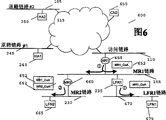
图6说明了根据本发明的优选实施例的一种用于在移动网络中通告移动路由器移动性的网络拓扑;Figure 6 illustrates a network topology for advertising the mobility of a mobile router in a mobile network according to a preferred embodiment of the present invention;
图7、图8和图9说明了根据本发明的优选实施例的MNN路由器构造和发送转交路由通告的流程图;Fig. 7, Fig. 8 and Fig. 9 have illustrated the flowchart according to the MNN router construction of the preferred embodiment of the present invention and sending and handing over the routing announcement;
图10说明了根据本发明的优选实施例的一种用于发送扩展的BU给CN的网络拓扑;FIG. 10 illustrates a network topology for sending extended BUs to CNs according to a preferred embodiment of the present invention;
图11说明了根据本发明的实施例的MNN产生转交路由的流程图;Fig. 11 illustrates the flow chart of MNN generating a care-of route according to an embodiment of the present invention;
图12和图13说明了根据本发明的优选实施例的MNN发送扩展的BU消息给它的CN的流程图;Fig. 12 and Fig. 13 have illustrated the flow chart of the CN that the MNN sends the extended BU message to its CN according to the preferred embodiment of the present invention;
图14和图15说明了根据本发明的优选实施例的MNN发送扩展的BU消息给它的CN的流程图;Fig. 14 and Fig. 15 have illustrated the flow chart of the CN that the MNN sends the extended BU message to its CN according to the preferred embodiment of the present invention;
图16说明了根据本发明的优选实施例的一种在移动网络中MNN移动网络前缀的动态发现方法;Fig. 16 illustrates a kind of dynamic discovery method of MNN mobile network prefix in mobile network according to the preferred embodiment of the present invention;
图17、图18和图19说明了根据本发明的优选实施例,MNN路由器发送移动网络前缀通告消息的处理流程;Fig. 17, Fig. 18 and Fig. 19 illustrate according to the preferred embodiment of the present invention, the processing flow of MNN router sending mobile network prefix advertisement message;
图20说明了根据本发明的优选实施例第一节点发送一个数据分组第二节点的流程;Fig. 20 illustrates the process of sending a data packet by the first node to the second node according to a preferred embodiment of the present invention;
图21说明了根据本发明的优选实施例,第一节点发送给第二节点的数据分组格式的例子;FIG. 21 illustrates an example of the format of a data packet sent by a first node to a second node according to a preferred embodiment of the present invention;
图22和图23分别说明根据本发明的优选实施例的移动网络前缀请求消息和移动网络前缀通告消息;22 and FIG. 23 respectively illustrate a mobile network prefix request message and a mobile network prefix advertisement message according to a preferred embodiment of the present invention;
图24和图25分别说明根据本发明的优选实施例的转交路由请求消息和转交路由通告消息;FIG. 24 and FIG. 25 respectively illustrate a care-of-routing request message and a care-of-routing advertisement message according to a preferred embodiment of the present invention;
图26和图27说明根据本发明的优选实施例,从LFN和VMN发送的扩展BU消息;Figures 26 and 27 illustrate extended BU messages sent from LFN and VMN according to a preferred embodiment of the present invention;
图28说明根据本发明的优选实施例的一种扩展绑定超高速缓冲器;Figure 28 illustrates an extended binding cache according to a preferred embodiment of the present invention;
图29说明根据本发明的优选实施例从一个接收的扩展BU中进行转交源路由的构造;并且Figure 29 illustrates the construction of source routing for care of from a received extended BU in accordance with a preferred embodiment of the present invention; and
图30说明根据本发明的优选实施例一个第一节点从一个第二节点接收一个扩展BU的处理。FIG. 30 illustrates the process of a first node receiving an extended BU from a second node according to the preferred embodiment of the present invention.
具体实施方式Detailed ways
当前没有标准机制来充分支持网络移动性,尤其是在用于嵌套移动性数据网络的IP6的情况中。尤其是,不能提供和支持路由最佳化。There are currently no standard mechanisms to adequately support network mobility, especially in the case of IP6 for nested mobility data networks. In particular, routing optimization cannot be provided and supported.
这是一个主要问题,因为嵌套移动性对于移动路由器应用来说是一种非常现实的情形。此外,路由最佳化对于移动网络的移动来说比对于单个移动节点的移动更加重要,因为要处理的业务量更大。This is a major problem because nested mobility is a very real situation for mobile router applications. In addition, route optimization is more important for the movement of the mobile network than for the movement of a single mobile node, because the amount of traffic to be handled is larger.
相对于在一个相应节点(通信单元)和一个本地固定节点((或者,反之亦然)之间发送至少一个数据分组中的路由最佳化来描述本发明的优选实施例。关于这一点,路由最佳化被看作一个移动网络节点(MNN)和它的相应节点(CN)之间的“最短路径”直接通信,尤其是对于存在嵌套移动性(移动网络访问移动网络)情形的移动网络内的MNN。Preferred embodiments of the present invention are described with respect to routing optimization in sending at least one data packet between a corresponding node (communication unit) and a local fixed node (or, vice versa). In this regard, routing Optimization is seen as a "shortest path" direct communication between a mobile network node (MNN) and its corresponding node (CN), especially for mobile networks with nested mobility (mobile network accessing mobile network) situations MNNs within.
设想,相应节点可以是任何能够通过数据网络(例如互联网)发送数据分组的通信单元,例如web服务器、PC或运行例如像www.yahoo.com这样的web服务器的工作站等等。CN还可以是通过任何类型的接入连接到数据网络上的任何移动数据通信单元,例如通用分组无线系统(GPRS)装置或第三代(3G)蜂窝电话、个人数据助理等等。注意,CN自己还可以位于移动网络中。It is envisaged that a corresponding node can be any communication unit capable of sending data packets over a data network (eg the Internet), eg a web server, a PC or a workstation running eg a web server like www.yahoo.com , etc. A CN may also be any mobile data communication unit connected to a data network by any type of access, such as a General Packet Radio System (GPRS) device or a third generation (3G) cellular phone, personal data assistant, etc. Note that the CN itself can also be located in the mobile network.
如在前面部分中解释的,当移动路由器(MR)移动到一个外部网络时它必须发送一个绑定更新(BU)消息给它的原籍代理(HA)。通过发送BU消息给它的HA,该MR可以为它自己和它服务的节点(MNN)维护IP获得能力。As explained in the previous section, when a Mobile Router (MR) moves to a foreign network it must send a Binding Update (BU) message to its Home Agent (HA). By sending BU messages to its HA, the MR can maintain IP acquisition capability for itself and the nodes it serves (MNN).
根据本发明的优选实施例,对于移动网络通知它的原籍代理有关它自己的新位置所使用的机制没有任何限制。在这点上,可以修改和使用任何已知的方法,例如在2001年6月Thierry Ernst、Hong-YonLach[3]:IETF Internet-Draft draft-ernst-mobileip-ipv6-02.txt或2001年11月T.J.Kniveton[5]:IETF Internet-Draft draft-kniveton-mobrtr-00.txt中描述的那些方法。对这些技术的修改能促使在嵌套移动性情况中获得路由最佳化。According to the preferred embodiment of the present invention, there is no restriction on the mechanism used by the mobile network to inform its home agent about its own new location. In this regard, any known method can be modified and used, for example in June 2001 Thierry Ernst, Hong-YonLach [3]: IETF Internet-Draft draft-ernst-mobileip-ipv6-02.txt or in November 2001 T.J. Kniveton [5]: Those methods described in IETF Internet-Draft draft-kniveton-mobrtr-00.txt. Modifications to these techniques enable routing optimization to be achieved in the case of nested mobility.
此外,在本发明的增强实施例中,示出了如何补充在2001年6月Thierry Ernst、[3]:IETF Internet-Draft draft-ernst-mobileip-ipv6-02.txt和[5]的方法以便获得在路径HA->MN(这里MN是主机或路由器)上的路由最佳化。Furthermore, in an enhanced embodiment of the present invention, it is shown how to supplement the methods of Thierry Ernst, [3]: IETF Internet-Draft draft-ernst-mobileip-ipv6-02.txt, June 2001 and [5] so that Obtain routing optimization on the path HA->MN (where MN is a host or a router).
本发明的优选实施例利用了三个关键概念,单独或优选地组合使用它们。这三个关键概念是:The preferred embodiment of the invention utilizes three key concepts, used alone or preferably in combination. The three key concepts are:
(i)在移动路由器的移动网络中通告该移动路由器的移动性,(i) advertise the mobility of the mobile router in the mobile network of the mobile router,
(ii)通过MNN发送一个或多个扩展绑定更新消息给他们各自的CN。MNN发送的扩展绑定更新消息应该包括一个“转交路由(care-ofroute)”来代替在vanilla移动IP中的单个地址。该转交路由是一个IP地址有序列表,CN使用该列表在最短路径上把它的分组源路由到MNN。(ii) Send one or more Extended Binding Update messages to their respective CNs by MNNs. The Extended Binding Update message sent by the MNN should include a "care-of route" instead of a single address in vanilla Mobile IP. The care-of route is an ordered list of IP addresses that the CN uses to route its source packets to the MNN on the shortest path.
(iii)CN接收扩展BU消息。响应于该接收到的BU消息,源路由分组通过从转交路由地址获得的路由去往MNN,以便获得路由最佳化。(iii) CN receives the extended BU message. In response to the received BU message, the source routed packet goes to the MNN via the route obtained from the care-of-routing address in order to obtain route optimization.
(A)移动路由器在移动网络中通告它的移动性:(A) The mobile router advertises its mobility in the mobile network:
对于在单个移动网络和多层集合移动网络(嵌套网络)内的MNN,为了实现路由最佳化,在此描述的本发明的概念建议使MNN知道它们加入的移动网络(或移动路由器)的移动性。这与[3]中提出的方法直接相反,[3]中移动路由器的移动性对于它的各个MNN是隐藏的。For MNNs within single mobile networks and multi-layer collective mobile networks (nested networks), in order to achieve routing optimization, the concept of the invention described here proposes to make MNNs aware of the mobile networks (or mobile routers) they join. mobility. This is in direct contrast to the approach proposed in [3], where the mobility of a mobile router is hidden from its individual MNNs.
为了宣布它已经移到一个新的加入点,移动路由器(例如MR1)将一个定址到它后面的所有节点(即,任何LFN、LMN、VMN)的“转交路由通告”消息发送到它服务的移动网络中。在嵌套网络移动性中,该消息包括MR1自己的转交地址和在集合移动网络的体系结构中在MR1上面的所有移动路由器的转交地址。上面的移动路由器的转交地址列表最好按顺序排列并且通过在集合移动网络的体系结构的每一级发送的转交路由通告来动态进行构造。To announce that it has moved to a new joining point, a mobile router (e.g., MR1) sends a "care-of-route-advertisement" message addressed to all nodes behind it (i.e., any LFN, LMN, VMN) to the mobile it serves in the network. In nested network mobility, this message includes MR1's own care-of-address and the care-of-addresses of all mobile routers above MR1 in the aggregate mobile network architecture. The mobile router's care-of-address list above is preferably sequential and dynamically constructed through care-of-routing advertisements sent at each level of the collective mobile network's architecture.
现在参照图6,说明了根据本发明的优选实施例的一个用于在移动网络内通告这种移动路由器移动性的网络拓扑600。尤其是,在图6中所示的根据本发明的优选实施例的拓扑说明支持嵌套移动性。本领域技术人员应该认识到,图6的网络中所示的元件数量有限仅是为了清楚的目的。Referring now to FIG. 6, a
图6中所示的网络拓扑说明一个第二移动网络(MR2)访问一个加入访问网络的第一移动网络(MR1)。该第一移动网络包括一个固定路由器(LFR1),它服务自己的链路。The network topology shown in Figure 6 illustrates a second mobile network (MR2) accessing a first mobile network (MR1) joining the visited network. The first mobile network comprises a fixed router (LFR1) which serves its own links.
由于MR1 650正在访问外部网络110,因此它已经获得转交地址{MR1_CoA}652。该外部网络110是固定的,因此没有在访问链路110和MR1 650之间的链路中转发的转交路由通告。根据本发明的优选实施例,MR1 650构造它自己的转交路由通告消息并且把它自己的转交地址652包括在该通告消息中。Since
该消息通过它的入口向它自己的链路(MR1链路155)内所有节点进行多播。因此在链路上的所有节点接收到该通告消息。当接收这样的一个消息时,路由器(LFR、LMR、VMR)应该提取转交地址652的有序列表并且把该列表转发到它们服务的链路上。在这点上,第二MR(MR2)660把转交地址652转发到它自己的链路(MR2链路)230。如果该路由器是不在它的原籍网络内的一个移动网络的最高路由器(即,如在MR2 660的情况中的VMR),那么它把它自己的转交地址添加到接收的列表中。MR2 660然后在一个新的有序列表产生中包括该MR2的转交地址。MR2然后产生它自己的转交路由通告消息,该消息然后将通过它自己的入口在它自己的链路(MR2链路)上多播。因此,当在第二移动网络230上通告该有序列表(MR1_CoR 652,MR2_CoR 662)时,在第一移动网络(包括MR1链路155和LFR1链路670)中通告MR1_CoR。The message is multicast through its entry to all nodes within its own link (MR1 link 155). All nodes on the link therefore receive the advertisement message. When receiving such a message, routers (LFR, LMR, VMR) should extract the ordered list of care-of-
后面描述使用扩展BU消息通知CN2 655经MR2转交地址662到达LFN2 655的最佳路由的处理。以这种方式,通过在整个网络中地址数据的改良提取、利用和通告可以确定数据分组的全部路由。The process of using the extended BU message to notify
在图6中所示的处理说明了一种可能存在许多嵌套等级的实际情形。因此,本领域技术人员应该意识到,前面提到的处理很容易可以一般化到涉及n个连续等级(n个移动路由器MR1,…,MRn和n个相应的原籍代理HA1,…,HAn)的嵌套移动性。The process shown in Figure 6 illustrates a practical situation where many levels of nesting may exist. Therefore, those skilled in the art will appreciate that the aforementioned process can be easily generalized to involve n consecutive levels (n mobile routers MR 1 , . . . , MR n and n corresponding home agents HA 1 , . . . Nested mobility of HA n ).
现在参照图7、图8和图9,说明根据本发明的优选实施例,在移动网络中的任意路由器,例如MR、VMR、LFR和LMR构造和发送将被包含在转交路由通告(CoR_Advt)消息中的转交地址列表的各种流程图700、800和900。还有,这些处理只对作为路由器(例如LFR、MR)的MNN有效。Referring now to Fig. 7, Fig. 8 and Fig. 9, illustrate that according to the preferred embodiment of the present invention, any router in the mobile network, such as MR, VMR, LFR and LMR constructs and sends to be included in the care-of-routing advertisement (CoR_Advt) message
基本上,响应于以下三个事件之一,在移动网络中的路由器将发送一个CoR_Advt消息:Basically, a router in a mobile network will send a CoR_Advt message in response to one of the following three events:
(i)如图7中所述,在它的出口上接收一个CoR_Advt消息,该出口修改它自己的CoR;(i) receive a CoR_Advt message on its egress that modifies its own CoR, as described in Figure 7;
(ii)如图8中所述周期性发送一个CoR_Advt;(ii) Periodically send a CoR_Advt as described in Figure 8;
(iii)如图9所述,在入口ifc上接收一个转交路由请求(CoR_Sol)消息。(iii) Receive a care-of-routing request (CoR_Sol) message on the ingress ifc as described in FIG. 9 .
在图7中,处理在步骤710开始。如步骤720所示,在它的出口上接收一个新的CoR_Advt消息,并且如图11的处理中进一步所述提取该转交地址列表。如果在步骤740中相应的MNN转交路由(MNN_CoR)还没有改变,该处理在步骤780结束。但是,如果在步骤740中相应的MNN_CoR地址已经被改变,如步骤750所示,该路由器建立一个新的CoR_Advt消息并且把新的MNN_CoR包括(添加)到该消息中。然后如步骤760中,该新的CoR_Advt消息通过相应的MNN的所有入口被发送到所有节点。In FIG. 7 , processing begins at
在图8中,流程图说明如果在步骤820中周期性CoR_Advt消息定时器已经到期的优选处理。在这种情况中,如步骤850中所示,该路由器建立一个新的CoR_Advt消息并且把MNN_CoR包括(添加)到它中。如步骤860中,通过相应的MNN的所有入口把该新的CoR_Advt消息然后发送到所有节点。然后在步骤870中重启该CoR_Advt消息定时器。In FIG. 8, the flowchart illustrates the preferred process if in
只有当路由器的CoR变成不是零(null)(即,包含至少一个地址)时,在移动网络中的路由器(MR、LFR、LMR、VMR)将开始CoR_Advt消息的周期性传输。设想,当路由器的CoR变成null/空时,该路由器将结束该周期性发送。例如,当MR(或一个最高级MR)移出它的原籍网络时MR将开始周期性发送并且当它(或一个最高级MR)返回到它的原籍网络时结束该周期性发送。A router (MR, LFR, LMR, VMR) in a mobile network will start periodic transmission of CoR_Advt messages only when the router's CoR becomes non-null (ie contains at least one address). It is envisioned that the router will end the periodic transmission when its CoR becomes null/empty. For example, a MR will start periodic transmissions when the MR (or a top-level MR) moves out of its home network and end the periodic transmission when it (or a top-level MR) returns to its home network.
在图9中,如步骤920所示,流程图说明了在入口ifc上接收转交路由请求(CoR_Sol)消息时的优选处理。在这种情况中,如步骤950中所示,当在入口ifc_j上接收(CoR_Sol)消息时,该路由器建立一个新的CoR_Advt消息并且把MNN_CoR包括(添加)到它中。为步骤960中发送CoR_Advt的操作设想两种可能的方法。第一种方法是通过ifc_j发送CoR_Advt消息给转交路由请求消息(CoR_Sol)的源地址中。作为替换,CoR_Advt消息可以通过ifc_j发送到链路上的所有节点。诸如,当一个移动路由器(MR)改变它的位置时,它应该发送一个CoR_Sol消息,以便回过来接收一个CoR_Advt消息。该MR然后能够计算它的新转交地址(CoR)。该CoR由在CoR_Advt消息(如果不是空的)中接收的地址有序列表构成,其中在该列表中添加有MR的新转交地址。因为该新的CoR不是空的,该MR然后开始它自己CoR_Advt消息的周期性发送。In FIG. 9, shown as
为转交路由请求和转交路由通告的实现设想几种方法。首先,该消息可以实现为用于IPv6 IETF RFC1885(ICMPv6)扩展的互联网控制消息协议,或实现为在例如用户数据报协议IETF RFC 768(UDP)、传输控制协议IETF RFC 793(TCP)等等这样的IP(v4或v6)之上的任何新协议。Several approaches are envisioned for the implementation of care-of-route requests and care-of-route advertisements. First, the message can be implemented as an Internet Control Message Protocol for IPv6 IETF RFC1885 (ICMPv6) extensions, or as a protocol in, for example, User Datagram Protocol IETF RFC 768 (UDP), Transmission Control Protocol IETF RFC 793 (TCP), etc. Any new protocol on top of IP (v4 or v6).
其次,可以把转交路由通告消息发送到IPv6的all-node link-local(所有节点本地子网)多播地址。在这种情况中,该消息只在本地链路上发送。一种优选的方式应该是把转交路由通告发送到IPv6的all-node site-local(所有节点本地网络)多播地址,这里site是该MR服务的整个移动网络。这有助于减少对移动网络中的中间路由器(在原籍的LFR、LMR)的操作,因为该转交路由通告然后将透明转发到该移动网络的所有链路。以这种方式,不需要该中间路由器(在原籍的LFR、LMR)提取并复制该CoR列表。Secondly, the care-of-route-advertisement message can be sent to the all-node link-local (all node local subnet) multicast address of IPv6. In this case, the message is only sent on the local link. A preferred way should be to send the care-of routing advertisement to the all-node site-local (all node local network) multicast address of IPv6, where site is the entire mobile network served by the MR. This helps to reduce operations on intermediate routers (LFR, LMR at home) in the mobile network, since the care-of-routing advertisement will then be transparently forwarded to all links of the mobile network. In this way, there is no need for the intermediate routers (LFR, LMR at home) to fetch and replicate the CoR list.
这些消息的优选实施是把它们定义为ICMPv6路由请求和ICMPv6路由器通告消息的扩展。转交路由通告消息应该是一个ICMPv6路由通告消息(RA),该消息包括一个新的“转交路由通告”选项。转交路由请求消息应该是ICMPv6路由器请求消息(RS),该消息包括一个新的“转交路由通告”选项。当一个路由器必须在该移动网络内宣布它的(非空)_CoR时,该转交路由通告选项应该包含在RA中。通过一个MNN明确向RA请求转交路由通告选项,转交路由通告选项可以在包含在RS中。如果该选项没有包含在该RA中,这意味着该路由器的CoR是null/空。A preferred implementation of these messages defines them as extensions of the ICMPv6 Route Solicitation and ICMPv6 Router Advertisement messages. The Care-of-Route Advertisement message shall be an ICMPv6 Router Advertisement message (RA), which includes a new "Care-of-Route Advertisement" option. The Care-of-Route Solicitation message shall be an ICMPv6 Router Solicitation message (RS), which includes a new "Care-of-Route Advertisement" option. When a router must announce its (non-empty) _CoR within the mobile network, the Care-of-Route Advertisement option should be included in the RA. The Care-of-Route Advertisement option may be included in the RS by an MNN explicitly requesting the RA for the Care-of-Route Advertisement option. If the option is not included in the RA, it means that the router's CoR is null/empty.
现在参照图24和25,分别说明根据本发明的优选实施例的转交路由请求消息和转交路由通告消息。Referring now to FIGS. 24 and 25, a care-of-route request message and a care-of-route advertisement message according to a preferred embodiment of the present invention are respectively explained.
在图24中的转交路由请求(CoR_Sol)消息2400是一个用新的“转交路由请求”选项扩展的ICMPv6路由器请求消息。它包括一个单独的IP报头2425,该报头包括一个用于主机的IP源地址2410和一个指示所有路由器的IP多播地址的IP目的地址2420。该IP报头2425后面是路由器请求消息2430,该消息包含转交路由请求(CoR_Sol)选项。The Care of Route Solicitation (CoR_Sol)
在图25中的转交路由通告(CoR_Advt)消息2500是一个用新的“转交路由通告”选项扩展的ICMPv6路由器通告消息。它包括一个单独的IP报头2525,该报头包括一个用于路由器的入口的IP源地址2510和一个指示要接收该分组的节点(或在该链路上的所有节点)的IP目的地址2520。该IP报头2530包含转交路由通告选项,该选项包括该路由器通告的转交路由(即,有序地址列表)。The Care-of-Router Advertisement (CoR_Advt) message 2500 in FIG. 25 is an ICMPv6 Router Advertisement message extended with the new "Care-of-Router Advertisement" option. It includes a single IP header 2525 that includes an IP source address 2510 for the router's ingress and an IP destination address 2520 indicating the node (or all nodes on the link) to receive the packet. The IP header 2530 contains a care-of-route-advertisement option that includes the care-of-routes (ie, ordered list of addresses) advertised by the router.
B)MNN发送扩展的绑定更新给它们相应的CN:B) MNNs send extended binding updates to their corresponding CNs:
在移动网络中任何MNN,包括LMN或VMN,都应该发送一个所谓的扩展绑定更新给它的CN,以便获得在路径CN->MNN上的最佳路由。根据本发明的优选实施例,MNN发送的扩展BU消息包括一个“转交路由”来代替移动IP中已知的单独转交地址。如上所述,转交路由是IP地址有序列表,CN可以从中获得源路由以便把它的分组通过最短路径(即路由最佳化)路由到MNN。Any MNN in a mobile network, including LMN or VMN, should send a so-called extended binding update to its CN in order to obtain the best route on the path CN->MNN. According to a preferred embodiment of the present invention, the extended BU message sent by the MNN includes a "care-of-route" instead of the separate care-of-address known in Mobile IP. As mentioned above, a care-of route is an ordered list of IP addresses from which a CN can obtain a source route in order to route its packets to the MNN via the shortest path (ie, route optimization).
现在参考图10,描述了根据本发明的优选实施例用于发送扩展BU给CN的网络拓扑1000。仅为了清楚的目的,该拓扑继续上面对照图6描述的拓扑。Referring now to FIG. 10 , a
移动网络中的每个MNN从它从上层路由器接收的转交路由通告消息中得到它的转交路由。例如,LFN1 675转交路由是一个等于MR1650的转交地址{MR1_CoA}652的单跳路由。LFN1 675然后发送一个指示它的转交地址的扩展BU消息1010给CN1 1030。Each MNN in the mobile network gets its care-of-route from the care-of-route advertisement message it receives from the upper router. For example,
相反,LFN2 665的转交路由是一个等于{MR1_CoA->MR2_CoA}的双跳路由。关于这一点,LFN2 665转交路由利用MR2 CoA 662以及来自MR2的上层路由器即MR1 650的CoA 652。LFN2 665然后发送一个指示MR1_CoA 652和MR2_CoA 662的扩展BU消息给1020。In contrast, the care-of route of
现在参照图11,描述了根据本发明的优选实施例的一种用于MNN产生自己的转交路由(MNN_CoR)的优选算法。该处理(处理A)在步骤1110开始。当在步骤1120中MNN在它的接口ifc_i上接收一个新的CoR_Advt消息时,在步骤1130它确定它是否是出口。如果它不是出口,那么忽略该CoR_Advt并且该处理在步骤1190结束。在这种情况中,该MNN的转交路由没有被改变。Referring now to FIG. 11 , a preferred algorithm for an MNN to generate its own care-of route (MNN_CoR) according to a preferred embodiment of the present invention is described. The process (process A) starts at
如果ifc_i在出口,那么在步骤1140中该MNN从CoR_Advt提取一个新的CoR(new_CoR)-IP地址有序列表,并且在步骤1150进行关于该MNN是否在原籍(即ifc_i加入它的原籍IP子网)的确定。如果该MNN在原籍,那么如果在步骤1170中路由器之间有差异,在步骤1180用新的转交路由信息代替该MNN_CoR。如果该MNN不在原籍,那么在步骤1160通过把该MNN的转交地址(在访问位置中得到的)添加到在转交路由通告消息中接收的转交地址有序列表中来构造该MNN的转交路由。If ifc_i is at egress, the MNN extracts a new CoR (new_CoR)-IP address ordered list from CoR_Advt in
注意,如果MNN不打算从路径CN->MNN或在路径HA->MNN上的路径最佳化中受益,那么MNN可能不维护这样的转交路由。但是,在本发明的优选实施例中,建议应该维护这样的转交路由知识,以便支持在[3]和[5]中描述的方法。如后面所述,以这种方式,可能在路径HA->MN上实现路由最佳化,在这里MN是主机或路由器。Note that a MNN may not maintain such a care-of route if it is not intended to benefit from path optimization on the path CN->MNN or on the path HA->MNN. However, in a preferred embodiment of the invention, it is proposed that such knowledge of care-of routing should be maintained in order to support the methods described in [3] and [5]. In this way, as described later, it is possible to achieve route optimization on the path HA->MN, where the MN is a host or a router.
注意,在图11描述的方法对于任何MNN都是有效的,不论MNN是路由器或主机,是固定的还是移动的。Note that the method described in Fig. 11 is valid for any MNN, whether the MNN is a router or a host, fixed or mobile.
现在参照图12和13,描述根据本发明的优选实施例MNN发送扩展BU消息给它的CN(和原籍代理-HA)的流程图。该流程图可以应用于任意的MNN,不论MNN是路由器或主机,是固定的还是移动的。Referring now to Figures 12 and 13, a flow chart of an MNN sending an Extended BU message to its CN (and Home Agent-HA) according to a preferred embodiment of the present invention is described. This flowchart can be applied to any MNN, no matter whether the MNN is a router or a host, whether it is fixed or mobile.
图12描述了在步骤1215中在它的出口接收一个CoR_Advt消息后发送一个扩展BU消息的流程图1200。一接收CoR_Advt消息,该MNN就执行在图11中描述的处理‘A’,以便如步骤1220所示产生它自己的CoR。如果在步骤1225它的CoR没有改变,那么该处理在步骤1265结束。但是,如果在步骤1225该CoR改变,那么在步骤1230中该MNN确定它的所有CN都需要接收一个更新CoR消息。为了在步骤1240发送一个包含该更新CoR消息的扩展BU消息,在步骤1235中该MNN从第一个CN开始逐步通过每个CN。如果在步骤1245接收包含该更新CoR消息传输的扩展BU消息的该CN不是MNN标识的最后一个CN,那么在步骤1250中处理前进到下一个CN,直到所有的CN都已经接收到该传输。FIG. 12 depicts a
对于不在原籍的MNN,如步骤1255和1260所示,一个优选的可选步骤是发送一个包括它的新转交路由(CoR)的消息给它的原籍代理(HA),该消息或者是扩展BU或者是扩展前缀范围BU(如果该MNN使用[3]发送BU给它的HA)。For the MNN that is not at home, as shown in
图13描述了在周期性发送扩展BU(EBU)给CN(如果MNN是移动主机或路由器时是HA)后发送扩展BU消息给它的CN(或它的HA)的替换流程图1300。在步骤1320,周期性发送仅仅发生在与特定CN(例如CNi)或MNN的HA相关的周期性EBU定时器到期后MNN的CoR非null时。在步骤1330,包含更新的CoR消息的扩展BU消息被发送给CNi(或HA)。在步骤1340,与各自CN(例如CNi或HA)相关的定时器功能然后被重启。Figure 13 depicts an
注意,关于图12和图13,CN可以是一个在互联网和另一个MNN(来自相同或不同的移动网络)中的固定或移动主机。Note, with respect to Figures 12 and 13, the CN can be a fixed or mobile host in the Internet and another MNN (from the same or different mobile network).
仍然参照图12和图13,如果MNN(主机或路由器)在原籍(即是在原籍的LFN、LMN),那么该MNN发送一个扩展绑定更新给所有它的CN(不给它的HA,因为它在原籍)。如果该MNN(主机或路由器)在访问网络(即,是VMN),那么该MNN发送一个扩展绑定更新给所有它的CN以及优选地还有它的原籍代理。Still referring to Fig. 12 and Fig. 13, if the MNN (host or router) is at the origin (that is, the LFN, LMN at the origin), then the MNN sends an extended binding update to all its CNs (not to its HA, because it is in origin). If the MNN (host or router) is visiting the network (ie is a VMN), then the MNN sends an Extended Binding Update to all its CNs and preferably also its Home Agent.
如果MNN想要在路径HA->MNN上获得路由最佳化,该MNN可以发送一个扩展绑定更新给它的原籍代理。该方法通过发送BU来代替它们的基本绑定更新,扩展了[3]和[5]中提出的技术。在[3]的情况中,移动路由器(MR)发送一个所谓的前缀范围BU消息给它的HA。关于这一点,我们这里定义一个称为‘扩展前缀范围绑定更新’的绑定更新消息扩展,该扩展消息包括MR转交路由来代替仅有的MR转交地址。该扩展前缀范围绑定更新可以由MR发送给它的HA,以便在路径HA->MR上实现路由最佳化。If a MNN wants to obtain route optimization on the path HA->MNN, the MNN can send an extended binding update to its home agent. This approach extends the techniques proposed in [3] and [5] by sending BUs instead of their basic binding updates. In the case of [3], the Mobile Router (MR) sends a so-called Prefix Range BU message to its HA. In this regard, we define here an extension of the Binding Update message called 'Extended Prefix Range Binding Update', which includes an MR Care-of-Route instead of only an MR Care-of-Address. This extended prefix range binding update can be sent by the MR to its HA for routing optimization on the path HA->MR.
在[5]情况中的,该移动路由器(MR)发送一个基本移动IP绑定更新。关于这一点,我们定义一个该BU消息的扩展作为‘扩展绑定更新’(如上所述)。这包括MR转交路由来代替仅有的MR转交地址。该扩展绑定更新可以由MR发送给它的HA,以便在路径HA->MR上实现路由最佳化。In the case of [5], the Mobile Router (MR) sends a Basic Mobile IP Binding Update. In this regard, we define an extension of this BU message as an 'Extended Binding Update' (described above). This includes MR care-of-routes instead of only MR care-of-addresses. This extended binding update can be sent by the MR to its HA for routing optimization on the path HA->MR.
值得一提的是,发送扩展BU消息的每个MNN最好维护一个被定义为移动IP绑定列表的扩展的‘扩展绑定列表’,在扩展绑定列表中用转交路由代替转交地址。It is worth mentioning that each MNN that sends the extended BU message preferably maintains an extended 'extended binding list' defined as the mobile IP binding list, in which the care-of route is used instead of the care-of address.
现在参照图14和图15,说明根据本发明的优选实施例,为了移动网络间通信,MNN发送一个扩展BU给它的CN(以及它的HA)的最佳化处理的流程图。设想,该增强处理通过在移动网络间通信的情况中避免发送‘无用’的扩展BU消息来改善网络性能。实际上,当同一移动网络(即没有被移动路由器从原籍隔离)的两个节点(在原籍固定或移动)发送分组给彼此时,通过在该移动网络内的路由基础设施可以自然实现路由最佳化。同样,不需要它们在彼此之间交换扩展BU消息。Referring now to FIG. 14 and FIG. 15 , a flowchart illustrating an optimal process for an MNN to send an extension BU to its CN (and its HA) for inter-mobile network communication is illustrated in accordance with a preferred embodiment of the present invention. It is envisaged that this enhanced process improves network performance by avoiding sending 'useless' extended BU messages in the case of inter-mobile network communications. In fact, when two nodes (fixed or mobile at home) on the same mobile network (i.e. not isolated from home by a mobile router) send packets to each other, routing optimality is naturally achieved by the routing infrastructure within that mobile network change. Also, they are not required to exchange extended BU messages between each other.
在图14中,作为对图12的流程图的扩展,当MNN是在原籍的主机(即在原籍的LFH、或LMH)时,如步骤1410,该MNN只发送一个扩展绑定更新给它的CN,这些CN不在同一移动网络中。还有,当MNN是在原籍的路由器(即是在原籍的LFR或LMR)时,如步骤1410,该MNN只发送一个扩展绑定更新给它的CN,这些CN不在同一移动网络中。如果在步骤1420中该MNN(主机或路由器)在访问网络(即是VMN),那么在步骤1240中该MNN只发送一个扩展绑定更新给它的CN,这些CN不在该访问移动网络中。对于在访问移动网络中的CN,在步骤1430,该MNN可以发送一个扩展绑定更新或优选地发送一个修改的扩展绑定更新,其中在修改的扩展绑定更新中在转交路由中只指定了一个地址,即只有MNN自己的转交地址。In Fig. 14, as an extension to the flow chart in Fig. 12, when the MNN is at the home host (i.e. at the home LFH, or LMH), as in
在步骤1260和1450中,该移动MNN(主机或路由器)最好还发送一个绑定更新给它的原籍代理。在这点上,下面考虑这两种情况。当该MNN移出它原籍代理网络时,该MNN最好发送一个扩展绑定更新给它的HA。当该MNN在它的原籍移动网络内的一个外部IP子网中时,该MNN可以发送一个扩展绑定更新。作为替换,即MNN可以发送一个修改的扩展绑定更新,其中在修改的扩展绑定更新中在转交路由中只指定了一个地址,即只有它自己的转交地址。In
设想,在该MNN想要在路径HA->MNN上实现路由最佳化的情况中,该MNN可以通过发送如上所述在[3]的操作中的扩展BU或在[5]的操作中的扩展前缀范围BU,来发送一个扩展BU消息给它的原籍代理。Assume that in the case where the MNN wants to achieve routing optimization on the path HA->MNN, the MNN can send the extended BU in the operation of [3] or the BU in the operation of [5] as described above Extend the Prefix Range BU to send an Extended BU message to its Home Agent.
在图15中描述对图13类似的增强,如步骤1510、1520、1530所示,发送只包含MNN_CoA的扩展消息给各个CN,这些CN与MNN在同一移动网络中操作。Similar enhancements to FIG. 13 are described in FIG. 15. As shown in
现在参照图26和27,分别说明根据本发明的优选实施例从LFN或VMN发送的扩展BU消息。Referring now to FIGS. 26 and 27, the extended BU messages transmitted from the LFN or VMN according to the preferred embodiment of the present invention are illustrated, respectively.
在图26中从LFN消息2600中发送的扩展BU包括一个单独的IP报头2625,该报头包括LFN的IP源地址2610以及用于CN地址的IP目的地址2620。IP报头2625后面是一个移动IPv6 BU消息2630,该消息包含转交路由移动性选项,该选项包含LFN的转交路由。The extended BU sent from the LFN message 2600 in FIG. 26 includes a single IP header 2625 that includes the LFN's IP source address 2610 and the IP destination address 2620 for the CN address. The IP header 2625 is followed by a Mobile IPv6 BU message 2630, which contains the Care-of-Route Mobility Option, which contains the Care-of-Route for the LFN.
在图27中从VMN消息2700中发送的扩展BU包括一个单独的IP报头2725,该报头包括该VMN转交地址的IP源地址2710以及用于CN的IP目的地址2720。该IP包头2725后面是一个移动IPv6 BU消息2730,该消息包含转交路由移动性选项,该选项包含VMN的转交路由。The extended BU sent from the VMN message 2700 in FIG. 27 includes a single IP header 2725 including the IP source address 2710 of the VMN care-of address and the IP destination address 2720 for the CN. The IP packet header 2725 is followed by a mobile IPv6 BU message 2730, which includes a care-of-routing mobility option, which includes a care-of route of the VMN.
现在参照图16,说明根据本发明的优选实施例在移动网络中用于任意MNN的移动网络前缀动态发现方法的流程图1600。关于这一点,如上所述,当发送一个EBU给所说的CN时,诸如MNN这样的节点能够知道第二节点也就是它的CN是否在与它相同的当前移动网络中。Referring now to FIG. 16 , there is illustrated a
处理(处理B)在步骤1610开始。当在步骤1620该MNN在它的接口ifc_i上接收一个新的移动网络前缀通告消息(Mobile_Network_Prefix_Advt)时,它在步骤1630确定它是否是出口。如果它不是出口,那么忽略该Mobile_Network_Prefix_Advt并且该处理在步骤1670结束。在这种情况中,该MNN的移动网络前缀(MNN_Mobile_Network_Prefix_Advt)没有被改变。如果ifc_i在出口,那么在步骤1640中该MNN从Mobile_Network_Prefix_Advt中提取一个新的Mobile_Network_Prefix(new_Mobile_Network_Prefix)和它的前缀长度(new_Mobile_Network_Prefix_Length),并且在步骤1650进行关于在ifc_i中的MNN原籍地址是否与在第一部分MNN_Mobile_Network_Prefix_Length比特上的MNN_Mobile_Network_Prefix相匹配的确定。如果匹配,那么在步骤1650中用新的信息代替MNN_Mobile_Network_Prefix和MNN_Mobile_Network_Prefix_Length,并且处理在步骤1670结束。如果不匹配,那么该处理直接在步骤1670结束。Processing (Process B) begins at
注意,在图16中描述的方法对于任何MNN都是有效的,不论MNN是路由器或主机,是固定的还是移动的。Note that the method described in Figure 16 is valid for any MNN, whether the MNN is a router or a host, fixed or mobile.
现在参照图17、图18和图19,说明根据本发明的优选实施例,移动网络中的固定路由器(即LFR)构造和发送它自己的移动网络前缀通告(Mobile_Network_Prefix_Advt)消息的流程图1700、1800和1900。Referring now to Fig. 17, Fig. 18 and Fig. 19, according to the preferred embodiment of the present invention, the flow diagrams 1700, 1800 of the mobile network prefix advertisement (Mobile_Network_Prefix_Advt) message being constructed and sent by the fixed router (ie LFR) in the mobile network and 1900.
基本上,在移动网络中的固定路由器将响应于以下三个事件之一发送一个Mobile_Network_Prefix_Advt消息:Basically, a fixed router in a mobile network will send a Mobile_Network_Prefix_Advt message in response to one of the following three events:
(i)如图17中所述,在它的出口上接收一个Mobile_Network_Prefix_Advt消息,该入口修改它自己的MNN_Mobile_Network_Prefix;(i) Receive a Mobile_Network_Prefix_Advt message on its egress as described in Figure 17, the ingress modifies its own MNN_Mobile_Network_Prefix;
(ii)如图18中所述周期性发送一个Mobile_Network_Prefix_Advt;(ii) Periodically send a Mobile_Network_Prefix_Advt as described in Figure 18;
(iii)如图19所述,在入口ifc上接收一个转交路由请求(Mobile_Network_Prefix_Sol)消息。(iii) As shown in FIG. 19, a care-of routing request (Mobile_Network_Prefix_Sol) message is received on the ingress ifc.
在图17中,处理在步骤1705开始。如步骤1710所示,在它的出口上接收一个新的Mobile_Network_Prefix_Advt消息,并且如图16的处理中进一步所述提取该新的移动网络前缀(Mobile_Network_Prefix)以及它的长度。如果在步骤1720中相应的MNN_Mobile_Network_Prefix和MNN_Mobile_Network_Prefix_Length没有被改变,那么该处理在步骤1735结束。但是,如果在步骤1720中相应的MNN_Mobile_Network_Prefix和MNN_Mobile_Network_Prefix_Length已经被改变,那么如步骤1725所示,该路由器建立一个新的Mobile_Network_Prefix_Advt消息并且把新的MNN_Mobile_Network_Prefix和MNN_Mobile_Network_Prefix_Length包括到(添加到)该消息中。如步骤1730中,该新的Mobile_Network_Prefix_Advt消息然后通过相应的MNN的所有入口被发送到所有节点。在图17中描述的流程图只能应用于移动网络中的固定路由器。In FIG. 17 , processing begins at step 1705 . As shown in step 1710, a new Mobile_Network_Prefix_Advt message is received on its egress, and the new Mobile Network Prefix (Mobile_Network_Prefix) and its length are extracted as further described in the process of FIG. 16 . If the corresponding MNN_Mobile_Network_Prefix and MNN_Mobile_Network_Prefix_Length have not been changed in step 1720 , then the process ends in step 1735 . However, if the corresponding MNN_Mobile_Network_Prefix and MNN_Mobile_Network_Prefix_Length have been changed in step 1720, then as shown in step 1725, the router creates a new Mobile_Network_Prefix_Advt message and includes (adds) the new MNN_Mobile_Network_Prefix and MNN_Mobile_Network_Prefix_Length to the message. As in step 1730, the new Mobile_Network_Prefix_Advt message is then sent to all nodes through all entries of the corresponding MNN. The flowchart described in Figure 17 can only be applied to fixed routers in mobile networks.
在图18中,流程图说明如果在步骤1810中周期性Mobile_Network_Prefix_Advt消息定时器已经到期的优选处理。在这种情况中,如步骤1815中所示,该路由器建立一个新的Mobile_Network_Prefix_Advt消息并且把MNN_Mobile_Network_Prefix和MNN_Mobile_Network_Prefix_Length包括到(添加)到它中。如步骤1820中,然后通过相应的MNN(固定路由器)的所有入口把该新的Mobile_Network_Prefix_Advt消息发送到所有节点。然后在步骤1825中重启该CoR_Advt消息定时器。In FIG. 18, the flowchart illustrates the preferred process if in step 1810 the periodic Mobile_Network_Prefix_Advt message timer has expired. In this case, as shown in step 1815, the router creates a new Mobile_Network_Prefix_Advt message and includes (adds) MNN_Mobile_Network_Prefix and MNN_Mobile_Network_Prefix_Length to it. As in step 1820, the new Mobile_Network_Prefix_Advt message is then sent to all nodes through all entries of the corresponding MNN (fixed router). The CoR_Advt message timer is then restarted in step 1825 .
只有当路由器的CoR变成不是零(null)(即,包含至少一个地址)时,在移动网络中的路由器(MR、LFR、LMR、VMR)才开始Mobile_Network_Prefix_Advt消息的周期性发送。设想,当路由器的CoR变成null/空时,该路由器将结束该周期性发送。例如,当一个MR(或一个最高层MR)移出它的原籍网络时该MR将开始周期性发送并且当它(或该最高层MR)返回到它的原籍网络时结束该周期性发送。A router (MR, LFR, LMR, VMR) in the mobile network starts periodic sending of Mobile_Network_Prefix_Advt messages only when the router's CoR becomes non-null (ie contains at least one address). It is envisioned that the router will end the periodic transmission when its CoR becomes null/empty. For example, a MR will start periodic transmission when the MR (or a top-level MR) moves out of its home network and end the periodic transmission when it (or the top-level MR) returns to its home network.
在图19中,如步骤1910所示,流程图说明了在入口ifc上接收移动网络前缀请求消息(Mobile_Network_Prefix_Sol)时的优选处理。在这种情况中,如步骤1920中所示,当在入口ifc_j上接收(Mobile_Network_Prefix_Sol)消息时,该路由器建立一个新的Mobile_Network_Prefix_Advt消息并且把MNN_Mobile_Network_Prefix和MNN_Mobile_Network_Prefix_Length包括到(添加)到它中。为步骤1925中发送Mobile_Network_Prefix_Advt的操作设想两种可能的方法。第一种方法是通过ifc_j发送该消息给移动网络前缀请求消息(Mobile_Network_Prefix_Sol)的源地址。作为替换,该移动网络前缀通告消息可以通过ifc_j发送到链路上的所有节点。图19的流程图可以应用于移动网络中的任意路由器(MR、LMR、LFR、VMR)。In FIG. 19, as shown in step 1910, the flowchart illustrates the preferred processing when receiving a Mobile Network Prefix Request message (Mobile_Network_Prefix_Sol) on the ingress ifc. In this case, as shown in step 1920, when receiving (Mobile_Network_Prefix_Sol) message on ingress ifc_j, the router creates a new Mobile_Network_Prefix_Advt message and includes (adds) MNN_Mobile_Network_Prefix and MNN_Mobile_Network_Prefix_Length to it. Two possible approaches are envisioned for the operation of sending the Mobile_Network_Prefix_Advt in step 1925 . The first method is to send the message to the source address of the mobile network prefix request message (Mobile_Network_Prefix_Sol) through ifc_j. Alternatively, the mobile network prefix advertisement message may be sent to all nodes on the link through ifc_j. The flowchart of Fig. 19 can be applied to any router (MR, LMR, LFR, VMR) in the mobile network.
注意,当一个移动路由器(MR)改变它的位置(并且因而得到一个非零(null)的CoR)时,它应该在它的入口上发送一个Mobile_Network_Prefix_Advt消息。Note that when a mobile router (MR) changes its location (and thus gets a non-null (null) CoR), it should send a Mobile_Network_Prefix_Advt message on its ingress.
该移动路由器可以从它内部配置中知道该前缀。另一方面,移动网络中的固定路由器(即IFR)不能预先知道它们所属的移动网络前缀,但是通过图17中所述的步骤能够动态发现它。这样的固定路由器当然可以发送一个Mobile_Network_Prefix_Sol消息,以便回过来接收一个Mobile_Network_Prefix_Advt。The mobile router can know the prefix from its internal configuration. On the other hand, fixed routers (ie IFRs) in a mobile network cannot know in advance which mobile network prefix they belong to, but can discover it dynamically through the steps described in FIG. 17 . Such a fixed router can of course send a Mobile_Network_Prefix_Sol message in order to receive a Mobile_Network_Prefix_Advt in return.
为移动网络前缀请求和移动网络前缀通告消息设想几种方法。首先,该消息可以实现为ICMPv6扩展或实现为IP、UDP、TCP等等之上的任意新协议。ICMP、UDP和TCP是基于IP(v4或v6)的协议:Several approaches are envisioned for the Mobile Network Prefix Request and Mobile Network Prefix Advertisement messages. First, the message can be implemented as an ICMPv6 extension or as any new protocol on top of IP, UDP, TCP, etc. ICMP, UDP and TCP are IP (v4 or v6) based protocols:
-ICMPv6:用于IPv6、IEFT RFC 1885的互联网控制消息协议- ICMPv6: Internet Control Message Protocol for IPv6, IEFT RFC 1885
-UDP:用户数据报协议,IETF RFC 768-UDP: User Datagram Protocol, IETF RFC 768
-TCP:传输控制协议,IETF RFC 793-TCP: Transmission Control Protocol, IETF RFC 793
其次,可以发送一个网络前缀通告消息给IPv6的all-node link-local多播地址。在这种情况中,该消息可以只在本地链路上发送。一种优选的方式应该是发送该转交路由通告给IPv6的all-node site-local多播地址,这里site是该MR服务的整个移动网络。这将有助于减少对移动网络中的中间路由器(即LFR)的操作,因为该消息然后将被透明转发到该移动网络的所有链路。以这种方式,不需要该中间路由器(即LFR)提取并复制该移动网络前缀。Second, a Network Prefix Advertisement message can be sent to the IPv6 all-node link-local multicast address. In this case, the message may only be sent on the local link. A preferred way should be to send the care-of-routing advertisement to the IPv6 all-node site-local multicast address, where site is the entire mobile network served by the MR. This will help reduce operations on intermediate routers (ie LFRs) in the mobile network, since the message will then be transparently forwarded to all links of the mobile network. In this way, there is no need for the intermediate router (ie LFR) to extract and duplicate the mobile network prefix.
这些消息的优选实现是把它们定义为ICMPv6路由器请求和ICMPv6路由器通告消息的扩展。移动网络前缀通告消息应该是一个ICMPv6路由器通告消息(RA),该消息包括一个新的“移动网络前缀通告”选项。移动网络前缀通告消息应该是ICMPv6路由器请求消息(RS),该消息包括一个新的“移动网络前缀通告”选项。当一个路由器必须在该移动网络内宣布该移动网络前缀时,该移动网络前缀通告选项应该包含在RA中。通过一个MNN明确向RA请求移动网络前缀通告选项,该移动网络前缀请求选项可以包含在RS中。A preferred implementation of these messages defines them as extensions of the ICMPv6 Router Solicitation and ICMPv6 Router Advertisement messages. The Mobile Network Prefix Advertisement message shall be an ICMPv6 Router Advertisement message (RA), which includes a new "Mobile Network Prefix Advertisement" option. The Mobile Network Prefix Advertisement message should be an ICMPv6 Router Solicitation (RS), which includes a new "Mobile Network Prefix Advertisement" option. When a router must announce the mobile network prefix within the mobile network, the mobile network prefix advertisement option should be included in the RA. An MNN explicitly requests the mobile network prefix announcement option from the RA, and the mobile network prefix request option may be included in the RS.
现在参照图22和图23,分别说明根据本发明的优选实施例的一个移动网络前缀请求消息和一个移动网络前缀通告消息。Referring now to FIG. 22 and FIG. 23, a mobile network prefix request message and a mobile network prefix advertisement message according to a preferred embodiment of the present invention are respectively illustrated.
在图22中的该移动网络前缀请求消息2200是一个用新的移动网络前缀请求选项扩展的ICMPv6路由器请求。它包括一个单独的IP报头2255,该报头包括一个用于主机的IP源地址2210以及一个指示所有路由器IP多播地址的IP目的地址2220。该IP报头2225后面是路由器请求消息2230,该消息包含在本文件建议的移动网络前缀请求选项。The Mobile Network Prefix Request message 2200 in Figure 22 is an ICMPv6 Router Solicitation extended with the new Mobile Network Prefix Request option. It includes a single IP header 2255 that includes an IP source address 2210 for the host and an IP destination address 2220 indicating the IP multicast address of all routers. The IP header 2225 is followed by a Router Solicitation message 2230, which contains the Mobile Network Prefix Solicitation option proposed in this document.
在图23中该移动网络前缀通告消息2300是一个用新的移动网络前缀通告选项扩展的ICMPv6路由器通告消息。它包括一个单独的IP报头2325,该报头包括一个用于路由器入口的IP源地址2310以及一个指示接收该分组的节点IP目的地址2320。该IP报头2325后面是路由器通告消息2330,该消息包括该路由器通告的移动网络前缀和移动网络前缀长度。The Mobile Network
C)相应节点和原籍代理接收扩展绑定更新:C) Corresponding nodes and home agents receive extended binding updates:
现在参照图20,流程图2000说明了根据本发明的优选实施例,第一节点基于它在扩展绑定超高速缓存器(EBC)中的提取,发送一个数据分组给第二节点。如步骤2020所示,第一节点例如CN或HA,接收一个将要发送数据分组给第二节点的指示,第二节点例如是MNN。如步骤2023,该CN在存储转交路由的一个扩展绑定超高速缓存器(EBC)内搜索MNN地址,其中该转交路由是从在扩展BU中接收的转交路由信息获得的。Referring now to FIG. 20, a flowchart 2000 illustrates a first node sending a data packet to a second node based on its fetch in the Extended Binding Cache (EBC) in accordance with the preferred embodiment of the present invention. As shown in step 2020, the first node, such as CN or HA, receives an indication that the data packet will be sent to the second node, such as MNN. In step 2023, the CN searches for the MNN address in an Extended Binding Cache (EBC) storing the care-of route obtained from the care-of route information received in the extended BU.
如果在步骤2024中找到MNN,如步骤2050,该CN(或HA)能够通过在EBC中找到的转交源路由把该分组源路由到该MNN,从而实现路由最佳化。否则,如步骤2060所示,该CN使用已知技术直接把去往该MNN的该数据分组发送给MNN的原籍地址。If the MNN is found in step 2024, as in step 2050, the CN (or HA) can route the packet source to the MNN through the care-of source route found in the EBC, thereby realizing route optimization. Otherwise, as shown in step 2060, the CN directly sends the data packet destined for the MNN to the home address of the MNN using known techniques.
现在参照图21,说明根据本发明的优选实施例,第一节点也就是一个CN发送给第二节点也就是MNN的数据分组格式的优选实例。Referring now to FIG. 21 , it illustrates a preferred example of a data packet format sent by a first node, namely a CN, to a second node, namely an MNN, according to a preferred embodiment of the present invention.
数据分组2100的格式包括一个单独的IP报头2110,该报头包括一个IP源地址2112和一个IP目的地址2114,该目的地址等于在到达MNN的CN转交源路由中的第一IP地址。该单个IP报头2110后面是一个路由报头2120,该报头包含在到达该第二节点的路由中的(m-1)个其它地址(从CN转交源路由到MNN)。该数据有效负载2130紧跟着该路由报头。The format of the data packet 2100 includes a single IP header 2110 including an IP source address 2112 and an IP destination address 2114 equal to the first IP address in the CN care-of source route to the MNN. The single IP header 2110 is followed by a routing header 2120 containing (m-1) other addresses in the route to the second node (from CN hand-off source route to MNN). The data payload 2130 immediately follows the routing header.
该数据分组2150的第二格式包括‘m’个连续的IP报头,每一个包括各自IP源地址2112、2152、2162、2172和各自目的地址2114、2154、2164、2174。因而该‘m’个连续的IP报头不需要一个单独的路由报头,数据有效负载2180紧跟着这些IP报头。连续IP报头的每一个有它自己的IP目的地址,该地址被设置等于到达MNN的CN转交源路由的IP地址之一。该第一报头包含该转交源路由(CoSR)的第一地址,第二报头包含第二地址,并且以此类推到最后报头。该最后IP报头2172、2174和数据有效负载2180一起,组成从第一节点发送到第二节点的原始分组2190。The second format of the data packet 2150 comprises 'm' consecutive IP headers, each comprising a respective IP source address 2112, 2152, 2162, 2172 and a respective destination address 2114, 2154, 2164, 2174. Thus the 'm' consecutive IP headers do not require a separate routing header, and the data payload 2180 follows these IP headers. Each of the consecutive IP headers has its own IP destination address set equal to one of the IP addresses of the CN care-of source route to the MNN. The first header contains the first address of the care-of source route (CoSR), the second header contains the second address, and so on to the last header. This final IP header 2172, 2174 together with the data payload 2180 make up the original packet 2190 sent from the first node to the second node.
应该接收扩展绑定更新的每个节点(CN、MNN、HA)应该维护一个扩展绑定超高速缓冲器(EBC)。该EBC在此定义为移动IP超高速缓冲器的扩展,在该扩展中用从在扩展绑定更新中接收的转交路由(CoR)中得到的“转交源路由”(CoSR)来代替转交地址。值得一提的是,在扩展绑定超高速缓冲器中列出的转交路由可以与扩展绑定更新中接收的转交路由稍有不同(即短一些)。Each node (CN, MNN, HA) that should receive Extended Binding Updates should maintain an Extended Binding Cache (EBC). The EBC is defined here as an extension of the Mobile IP Cache in which the Care-of Address is replaced by a "Care-of-Source Route" (CoSR) derived from a Care-of-Route (CoR) received in an Extended Binding Update. It is worth mentioning that the care-of route listed in the extended binding cache may be slightly different (ie shorter) than the care-of route received in the extended binding update.
现在参照图28,说明根据本发明的优选实施例的扩展绑定超高速缓冲器2800。Referring now to FIG. 28, an extended binding cache 2800 in accordance with a preferred embodiment of the present invention is illustrated.
扩展绑定超高速缓冲器2800包括条目2810、2840、2870的列表,每个条目专用于一个MNN的原籍地址。该扩展绑定超高速缓冲器条目2810例如包括一个第一原籍地址2815以及到第一转交源路由2820的一个链接2818(如果已经确定了一个转交路由的话)。该第一转交源路由2820包括相互链接的转交源路由地址2825、2830和2835,用来标识到达该第一原籍地址的路由。该第一条目2810链接2837到一个第二条目2840,该第二条目具有一个从第二原籍地址2845到第二转交路由2850的链接2848(如果已经确定了一个转交路由的话)。该第二转交路由2850包括相互链接的转交路由地址2855、2860和2865用来标识到第二原籍地址的路由。对第三条目2870执行类似的安排和链接2867,依此类推。The Extended Binding Cache 2800 includes a list of entries 2810, 2840, 2870, each entry being dedicated to one MNN's home address. The extended binding cache entry 2810 includes, for example, a first home address 2815 and a link 2818 to a first care-of source route 2820 (if a care-of route has been determined). The first care-of source route 2820 includes mutually linked care-of source route addresses 2825, 2830 and 2835, which are used to identify a route to the first home address. The first entry 2810 is linked 2837 to a second entry 2840 having a link 2848 from a second home address 2845 to a second care-of-route 2850 (if a care-of-route has been determined). The second care-of-route 2850 includes interlinked care-of-routing addresses 2855, 2860, and 2865 for identifying a route to the second home address. A similar arrangement and linking 2867 is performed for the third entry 2870, and so on.
在本发明的考虑中,该扩展BU还可以包括用于移动路由器(MR)前缀和前缀长度的条目。作为对[3]的扩展,这在MR发送扩展前缀范围BU给它的HA或CN时特别有用,在该前缀范围绑定更新中用CoR代替CoA。在这种情况中,在各个HA或CN的EBC中用一个‘前缀或前缀长度’字段代替该原籍地址字段。It is contemplated by the present invention that this extended BU may also include entries for Mobile Router (MR) prefixes and prefix lengths. As an extension to [3], this is especially useful when an MR sends an extended prefix range BU to its HA or CN, in which CoR replaces CoA in the prefix range binding update. In this case, the Home Address field is replaced by a 'Prefix or Prefix Length' field in the EBC of each HA or CN.
现在参照图29,说明根据本发明的优选实施例从一个接收到的扩展BU构进行转交源路由2900的构造。第一节点转交路由(N1_CoR)包含一个转交路由地址有序列表(N1_CoR[1],N1_CoR[2],...)2910。当第一节点N1从第二节点N2接收一个包含N2转交路由(N2_CoR)的扩展BU消息时,第一节点比较这两个转交路由有序列表,以确定在它们之间何时有差异2940。然后使用被确定为不同的来自N2_CoR的地址和来自N2_CoR的所有随后地址来为从N1到N2的数据分组传输产生一个新的转交源路由2930。该处理进一步参照图30的流程图进行描述。Referring now to FIG. 29 , the construction of a
现在参照图30,说明根据本发明的优选实施例确定一个将被包括在扩展绑定超高速缓冲器内的转交源路由的处理的流程图3000。第一节点(N1)从第二节点(N2)接收一个扩展绑定更新,并且需要确定将被包括在用于该条目(N2)的扩展绑定超高速缓冲器内的转交源路由。Referring now to FIG. 30, a flowchart 3000 of the process of determining a care-of source route to be included in the extended binding cache is illustrated in accordance with the preferred embodiment of the present invention. The first node (N1) receives an extended binding update from the second node (N2) and needs to determine the care-of source route to be included in the extended binding cache for the entry (N2).
该处理在步骤3002开始。当在步骤3004中一个第一节点(N1,它可以是在原籍或在外部网络的MNN,或在拓扑中的任意主机)接收一个EBD,该EBD包含一个用于第二节点(N2)的新的转交路由,在步骤3006中N1确定该N2的转交路由(在EBU中接收的)是否是空的。The process begins at step 3002. When in step 3004 a first node (N1, which can be an MNN at home or in a foreign network, or any host in the topology) receives an EBD containing a new In step 3006, N1 determines whether the N2's care-of route (received in the EBU) is empty.
如果在步骤3006在EBU中接收的用于N2的新转交路由是空的,那么如步骤3008所示,N1通过它的扩展绑定超高速缓冲器进行搜索,以便检查在该EBC中是否有用于该第二节点的条目(即转交源路由)。如果在EBC中不存在条目,那么在N1的扩展绑定超高速缓冲器中不需要用于N2的条目。当把分组发往N2的原籍地址时,来自N1的该数据分组将直接在最短路径上(不需要源路由就可以实现路由最佳化)。但是,如果在步骤3008中在EBC中存在一个条目,那么在处理在步骤3046结束之前,在步骤3010中删除第二节点条目(即N1_CoSR(to N2))。If the new care-of route for N2 received in the EBU in step 3006 is empty, then as shown in step 3008, N1 searches through its extended binding cache to check whether there is a new care-of route for N2 in the EBU. The entry of the second node (ie, the care-of source route). If there is no entry in the EBC, then no entry for N2 is needed in the Extended Binding Cache of N1. When a packet is sent to the home address of N2, the data packet from N1 will be directly on the shortest path (route optimization can be achieved without source routing). However, if there is an entry in the EBC in step 3008, then the second node entry (i.e. N1_CoSR(to N2)) is deleted in step 3010 before processing ends in step 3046.
如果在步骤3006中在EBU中接收的新N2转交路由不是空的,在步骤3012进行关于一个转交路由条目是否可用于该第一节点的确定3012。如果在步骤3012中转交路由不能用于该第一节点,如步骤3014所示,产生一个等于第二节点转交路由的第一节点(N1)转交源路由(N1_CoSR(to N2):=N2_CoR)。如步骤3016所示,N1然后把它的扩展绑定超高速缓冲器仔细搜索一遍,以便检查在EBC中是否有用于该第二节点的条目(即,一个转交路由)。如果在EBC中不存在条目,那么在步骤3020中把一个用于N2的条目添加到EBC中(N1_CoSR(to N2))。当把分组发往N2的原籍地址时,来自N1的该数据分组将直接在最短路径在(实现路由最佳化而不需要源路由)。但是,如果在步骤3008中在EBC中存在一个条目,那么在处理在步骤3046结束之前,在步骤3010中删除第二节点条目(即N1_CoSR(toN2)),并且处理在步骤3046结束。如果在步骤3016中在EBC存在一个条目,那么在处理在步骤3046结束之前,在步骤3018更新该第二节点条目(即N1_CoSR(to N2))。If the new N2 care-of-route received in the EBU is not empty in step 3006, a determination 3012 is made in step 3012 as to whether a care-of-route entry is available for the first node. If in step 3012, the care-of route cannot be used for the first node, as shown in step 3014, a first node (N1) that is equal to the second node care-of route is produced and cares of the source route (N1_CoSR(to N2):=N2_CoR). As shown in step 3016, N1 then searches through its extended binding cache to check whether there is an entry for the second node (ie, a care-of route) in the EBC. If there is no entry in the EBC, then in step 3020 an entry for N2 is added to the EBC (N1_CoSR(to N2)). When the packet is sent to the home address of N2, the data packet from N1 will be directly on the shortest path (enabling route optimization without source routing). However, if there is an entry in the EBC in step 3008, then the second node entry (ie N1_CoSR(toN2)) is deleted in step 3010 before processing ends in step 3046 and processing ends in step 3046. If there is an entry in the EBC in step 3016, then the second node entry (i.e. N1_CoSR(to N2)) is updated in step 3018 before processing ends in step 3046.
如果在步骤3012中第一节点具有它自己的转交路由,那么搜索在两个节点的转交路由(N1和N2)中的所有地址,从在步骤3022设置一个计数器(i=0)开始。在步骤3024,N1一个接一个地比较在它自己的转交路由(N1_CoR)中的IP地址以及从节点N2中接收的扩展绑定更新的转交路由中列出的IP地址。If the first node has its own care-of-route in step 3012, all addresses in the care-of-routes of both nodes (N1 and N2) are searched, starting from setting a counter (i=0) in step 3022. In step 3024, N1 compares the IP address in its own care-of-route (N1_CoR) with the IP address listed in the care-of-route of the extended binding update received from node N2, one by one.
它从该第一地址N1_CoR(1)和N1_CoR(1)开始,然后继续。如果在步骤3026中发现第一和第二转交路由的一个特定地址匹配,那么在步骤3028中,进行关于该第二节点转交路由地址是否是最后地址的确定。如果在步骤3030中,它是最后地址,那么已经搜索了N2的全部转交路由,并且如上所述该处理进行到步骤3008。如果在步骤3008该第二节点转交路由地址不是最后地址,那么在步骤3032中进行关于该第一节点转交路由地址是否是用于该第一节点的最后地址。如果在步骤3032中,该第一节点转交路由地址不是最后地址,那么在步骤3034中计数器增加,并且在步骤3024搜索下一个地址。如果在步骤3028该第一转交路由地址是最后地址,或者在步骤3026中没有发现匹配,那么该搜索处理在步骤3036停止并且在3038设置从N1到N2的转交路由。It starts from this first address N1_CoR(1) and N1_CoR(1) and continues. If in step 3026 a particular address of the first and second care-of-routes is found to match, then in step 3028 a determination is made as to whether the second node care-of-routing address is the last address. If in step 3030 it was the last address, then all care-of routes for N2 have been searched and the process proceeds to step 3008 as described above. If in step 3008 the second node care-of-routing address is not the last address, then in step 3032 a determination is made as to whether the first node care-of-routing address is the last address for the first node. If in step 3032 the first node care-of-routing address is not the last address, then in step 3034 the counter is incremented and in step 3024 the next address is searched. If the first care-of-routing address is the last address at step 3028, or no match is found at step 3026, the search process stops at step 3036 and a care-of-route from N1 to N2 is set at 3038.
在3038中,从N1到N2的转交路由被设置等于从第i个地址开始到最后一个地址的N2转交路由的地址部分的有序列表。该第i个地址是N2的转交路由地址中的循环在步骤3036停止的地址。也就是:N2_CoSR(to N2)={N2_CoSR(i)->N2 CoSR(i+1)->...->N2_CoSR(n-1)->N2_CoSR(n)}。如步骤3040所示,N1然后把它的扩展绑定超高速缓冲器仔细搜索一遍,以便检查在EBC中是否有用于该第二节点的条目(即,一个转交路由)。In 3038, the care-of-route from N1 to N2 is set equal to the ordered list of address parts of the N2 care-of-route starting from the i-th address to the last address. The ith address is the address at which the loop among the care-of-routing addresses of N2 stopped at step 3036 . That is: N2_CoSR(to N2)={N2_CoSR(i)->N2 CoSR(i+1)->...->N2_CoSR(n-1)->N2_CoSR(n)}. As shown in step 3040, N1 then searches through its extended binding cache to check whether there is an entry for the second node (ie, a care-of route) in the EBC.
如果在EBC中没有条目,那么在步骤3042把用于N2的一个条目添加到EBC中(N1_CoSR(to N2))并且该处理在步骤3046结束。如果在步骤3040中在EBC中存在条目,那么在该处理在步骤3046结束之前,在步骤3044中更新在N1的EBC中的第二节点条目(即N1_CoSR(to N2))。If there is no entry in the EBC, an entry for N2 is added to the EBC in step 3042 (N1_CoSR(to N2)) and the process ends in step 3046. If there is an entry in the EBC in step 3040, then in step 3044 the second node entry in the EBC of N1 (i.e. N1_CoSR(to N2)) is updated before the process ends at step 3046.
如果在步骤3012中N1没有转交路由(NR_CoR是空的或不存在),那么在步骤3014把从N1到N2的转交路由设置为等于N2的转交路由。也就是,N1_CoSR(to N2)=N2_CoR。然后如步骤3016所示,N1把它的扩展绑定超高速缓冲器仔细搜索一遍,以便检查在EBC中是否有用于该第二节点的条目(即,一个转交路由)。如果在EBC中没有条目,那么在步骤3020把用于N2的一个条目添加到EBC中(N1_CoSR(to N2))并且该处理在步骤3046结束。如果在步骤3016中在EBC中存在条目,那么在该处理在步骤3046结束之前,在步骤3018中更新在N1的EBC中的第二节点条目(即N1_CoSR(to N2))。If in step 3012 there is no care-of route for N1 (NR_CoR is empty or does not exist), then in step 3014 the care-of route from N1 to N2 is set equal to the care-of route of N2. That is, N1_CoSR(to N2)=N2_CoR. Then, as shown in step 3016, N1 searches through its extended binding cache to check whether there is an entry (ie, a care-of route) for the second node in the EBC. If there is no entry in the EBC, then an entry for N2 is added to the EBC in step 3020 (N1_CoSR(to N2)) and the process ends in step 3046. If there is an entry in the EBC in step 3016, then in step 3018 the second node entry in the EBC of N1 (i.e. N1_CoSR(to N2)) is updated before the process ends at step 3046.
如参照图21和图22所述,然后N1应该经该转交路由把该分组源路由到N2,以便实现路由最佳化。如之前所述,这可以以几种方式实现。第一种方式是使用IPv6路由报头。在这种情况中,在转交路由中的第一个地址被设置为IPv6报头中的目的地址并且转交路由(CoSR)的其余地址以同样的顺序在路由器报头中设置。第二种方式是主张第一节点建立一个‘n’级数据分组封装来发送,这里‘n’是转交路由中的地址数量。该封装#k将把转交路由中的地址有序列表的地址#k作为目的地址。As described with reference to Figures 21 and 22, N1 should then route the packet source to N2 via the care-of route in order to achieve route optimization. As mentioned earlier, this can be achieved in several ways. The first way is to use the IPv6 routing header. In this case, the first address in the care-of-route is set as the destination address in the IPv6 header and the remaining addresses of the care-of-route (CoSR) are set in the router header in the same order. The second way is to advocate that the first node establishes an 'n' level data packet encapsulation to send, where 'n' is the number of addresses in the care-of route. This encapsulation #k will use the address #k of the ordered list of addresses in the care-of-routing as the destination address.
此外,上述的各种步骤不需要必须地按所述的顺序执行。本领域技术人员应该认识到,可以使用替换顺序,在这种情况中在路由最佳化处理中仍然能够获得好处。Furthermore, the various steps described above do not necessarily have to be performed in the order described. Those skilled in the art will recognize that alternate orders can be used, in which case benefits can still be obtained in the route optimization process.
应该认识到,在上面实施例中的接口、地址类型、路由器等等的配置和特定细节都只是例子,本发明并不限于这些例子。本发明应该看作能够应用于互联网或其他类型的数据网络或协议及其子网的其他方面。此外,当其他网络具有相应于上面对互联网情况所述的子网和接入网时,本发明也可以应用于除了互联网之外的这些网络。It should be appreciated that the configurations and specific details of interfaces, address types, routers, etc. in the above embodiments are just examples, and the present invention is not limited to these examples. The present invention should be seen as applicable to other aspects of the Internet or other types of data networks or protocols and subnetworks thereof. Furthermore, when other networks have subnets and access networks corresponding to those described above for the case of the Internet, the present invention can also be applied to these networks other than the Internet.
本发明或至少其实施例有利于提供以下单独或组合的优点:The invention, or at least embodiments thereof, advantageously provide the following advantages alone or in combination:
(i)使用这种改进的路由最佳化技术,可以更有效地传输数据分组。(i) Using this improved routing optimization technique, data packets can be transmitted more efficiently.
(ii)改善的数据分组传输保密性,因为在该拓扑中的每个节点负责把它们自己的绑定更新发送给它们的CN和原籍代理。因此,通过发送一个绑定更新每个节点能够判定它是否希望公开它的当前位置,以便执行路由最佳化。这显然优于不允许保密性的[3]。(ii) Improved privacy of data packet transmission, since each node in the topology is responsible for sending their own binding updates to their CN and Home Agent. Therefore, by sending a binding update each node can decide whether it wishes to disclose its current location in order to perform route optimization. This is clearly superior to [3] which does not allow confidentiality.
(iii)IETF定义的用于提供“地址所有权”授权(例如,返回Route-ability)的安全解决方案在本发明的情况中仍然是可应用的。这也优于[3],因为[3]要求引入一个新的安全机制。(iii) The security solutions defined by the IETF for providing "address ownership" authorization (eg, returning Route-ability) are still applicable in the context of the present invention. This is also better than [3], since [3] requires the introduction of a new security mechanism.
(iv)在本发明中引入的新消息(例如“转交路由通告”)的安全交换非常容易实现,可以通过共享密钥(shared secret)(在节点属于同一组织的情况中)或者通过例如在移动节点(主机或路由器)访问外部网络的情况中诸如PANA这样的新IEFT协议。(iv) The secure exchange of new messages introduced in the present invention (e.g. "Care-of-Route Advertisements") is very easy to implement, either through a shared secret (in the case of nodes belonging to the same organization) or through e.g. New IEFT protocols such as PANA in case a node (host or router) accesses an external network.
(v)实现了在IPv6、IPv4或类似的数据网络协议中的有效数据路由解决方案,尤其是对于支持嵌套网络移动性的系统来说。(v) Efficient data routing solutions in IPv6, IPv4 or similar data network protocols are realized, especially for systems supporting mobility in nested networks.
在上面描述了本发明的实施例的具体优选实现,很显然,本领域技术人员能够很容易应用这些发明概念的变形和修改。The specific preferred implementations of the embodiments of the present invention have been described above, and it is obvious that variations and modifications of these inventive concepts can be easily applied by those skilled in the art.
这样,描述了在网络移动性尤其是在IPv6的情况中支持路由最佳化的机制、设备和相关方法,通过这些大大减轻了与已知机制、设备和相关方法有关的缺点。尤其是,描述了在嵌套移动性中支持路由最佳化的机制、设备和相关方法。Thus, mechanisms, devices and related methods are described to support route optimization in network mobility, especially in the context of IPv6, by which the disadvantages associated with known mechanisms, devices and related methods are greatly mitigated. In particular, mechanisms, devices and related methods supporting route optimization in nested mobility are described.
Claims (26)
Applications Claiming Priority (2)
| Application Number | Priority Date | Filing Date | Title |
|---|---|---|---|
| EP02291523.5 | 2002-06-19 | ||
| EP02291523A EP1376973B1 (en) | 2002-06-19 | 2002-06-19 | Method and apparatus for route optimisation in nested mobile networks |
Publications (1)
| Publication Number | Publication Date |
|---|---|
| CN1663217A true CN1663217A (en) | 2005-08-31 |
Family
ID=29716942
Family Applications (1)
| Application Number | Title | Priority Date | Filing Date |
|---|---|---|---|
| CN038143038A Pending CN1663217A (en) | 2002-06-19 | 2003-06-11 | Data flow between a communication node and a mobile node in a mobile network |
Country Status (7)
| Country | Link |
|---|---|
| US (1) | US7430174B2 (en) |
| EP (1) | EP1376973B1 (en) |
| CN (1) | CN1663217A (en) |
| AT (1) | ATE354241T1 (en) |
| AU (1) | AU2003250832A1 (en) |
| DE (1) | DE60218144T2 (en) |
| WO (1) | WO2004002106A2 (en) |
Cited By (7)
| Publication number | Priority date | Publication date | Assignee | Title |
|---|---|---|---|---|
| CN105284135A (en) * | 2013-03-15 | 2016-01-27 | 思科技术公司 | Supporting programmability for arbitrary events in a software defined networking environment |
| CN109842918A (en) * | 2017-11-24 | 2019-06-04 | 华为技术有限公司 | A kind of method and apparatus of wireless communication |
| CN111869170A (en) * | 2018-03-20 | 2020-10-30 | 阿弗梅德网络公司 | System and method for network slicing |
| CN113812122A (en) * | 2019-05-13 | 2021-12-17 | 128技术公司 | source-based routing |
| US11784907B2 (en) | 2019-05-13 | 2023-10-10 | 128 Technology, Inc. | Routing using segment-based metrics |
| US12081432B2 (en) | 2019-05-13 | 2024-09-03 | 128 Technology, Inc. | Service and topology exchange protocol |
| US12137045B2 (en) | 2019-05-13 | 2024-11-05 | Juniper Networks, Inc. | Metric-based multi-hop path selection |
Families Citing this family (22)
| Publication number | Priority date | Publication date | Assignee | Title |
|---|---|---|---|---|
| JP2004282172A (en) * | 2003-03-12 | 2004-10-07 | Ntt Docomo Inc | Mobile communication system, mobile communication method, server device, transfer device, and mobile communication terminal |
| US7725600B2 (en) | 2004-02-03 | 2010-05-25 | Nokia Corporation | Method and apparatus providing address management in a flat structure mobile network |
| US7873036B2 (en) | 2004-02-03 | 2011-01-18 | Nokia Siemens Networks Oy | Method and apparatus to provide group management of multiple link identifiers for collective mobility |
| SE528078C2 (en) * | 2004-02-27 | 2006-08-29 | Ortic Ab | Ways to shape profiles in a production line |
| BRPI0509030A (en) * | 2004-03-25 | 2007-08-07 | Matsushita Electric Industrial Co Ltd | system, appliance and dynamic network management method |
| JP4353056B2 (en) * | 2004-07-06 | 2009-10-28 | パナソニック株式会社 | Mobile router, home agent, router location registration method, and mobile network system |
| US8189530B2 (en) * | 2004-08-13 | 2012-05-29 | Qualcomm Incorporated | Methods and apparatus for VPN support in mobility management |
| KR100636318B1 (en) * | 2004-09-07 | 2006-10-18 | 삼성전자주식회사 | Address Ownership Authentication Method and System Using the COA Binding Protocol |
| US7590732B2 (en) | 2004-10-08 | 2009-09-15 | Telefonaktiebolaget Lm Ericsson (Publ) | Enhancement of AAA routing originated from a local access network involving intermediary network preferences |
| US7292592B2 (en) | 2004-10-08 | 2007-11-06 | Telefonaktiebolaget Lm Ericsson (Publ) | Home network-assisted selection of intermediary network for a roaming mobile terminal |
| US7298725B2 (en) * | 2004-10-08 | 2007-11-20 | Telefonaktiebolaget Lm Ericsson (Publ) | Enhancement of AAA routing initiated from a home service network involving intermediary network preferences |
| US7551926B2 (en) * | 2004-10-08 | 2009-06-23 | Telefonaktiebolaget Lm Ericsson (Publ) | Terminal-assisted selection of intermediary network for a roaming mobile terminal |
| ATE514260T1 (en) * | 2004-12-22 | 2011-07-15 | Ericsson Telefon Ab L M | METHOD AND MOBILE ROUTER IN A COMMUNICATIONS SYSTEM FOR ROUTING A DATA PACKET |
| US7886076B2 (en) | 2005-01-12 | 2011-02-08 | International Business Machines Corporation | Bypassing routing stacks using mobile internet protocol |
| JP4466434B2 (en) * | 2005-03-30 | 2010-05-26 | パナソニック株式会社 | Routing method and home agent |
| US7366111B2 (en) * | 2005-04-08 | 2008-04-29 | Cisco Technology, Inc. | Arrangement for providing optimized connections between peer routers in a tree-based ad hoc mobile network |
| US20060274672A1 (en) * | 2005-06-06 | 2006-12-07 | Narayanan Venkitaraman | System and method for reducing unnecessary traffic in a network |
| EP1764970A1 (en) | 2005-09-19 | 2007-03-21 | Matsushita Electric Industrial Co., Ltd. | Multiple interface mobile node with simultaneous home- and foreign network connection |
| KR100739803B1 (en) * | 2006-04-21 | 2007-07-13 | 삼성전자주식회사 | Handover Device and Method in Mobile Node |
| TWI368754B (en) * | 2007-12-31 | 2012-07-21 | Ind Tech Res Inst | Method and system for localization |
| US9178893B2 (en) | 2012-04-11 | 2015-11-03 | Motorola Solutions, Inc. | Secure AD HOC communication systems and methods across heterogeneous systems |
| US9189132B2 (en) * | 2012-09-29 | 2015-11-17 | Oracle International Corporation | Dynamic configurable menu using self-describing applications |
Family Cites Families (20)
| Publication number | Priority date | Publication date | Assignee | Title |
|---|---|---|---|---|
| CA1220314A (en) | 1983-10-21 | 1987-04-14 | George Bloomfield | Twisting a plastic ribbon |
| US5347450A (en) * | 1989-01-18 | 1994-09-13 | Intel Corporation | Message routing in a multiprocessor computer system |
| US5095480A (en) * | 1989-06-16 | 1992-03-10 | Fenner Peter R | Message routing system for shared communication media networks |
| US5442633A (en) * | 1992-07-08 | 1995-08-15 | International Business Machines Corporation | Shortcut network layer routing for mobile hosts |
| MY123040A (en) * | 1994-12-19 | 2006-05-31 | Salbu Res And Dev Proprietary Ltd | Multi-hop packet radio networks |
| US5883891A (en) * | 1996-04-30 | 1999-03-16 | Williams; Wyatt | Method and apparatus for increased quality of voice transmission over the internet |
| US5854899A (en) * | 1996-05-09 | 1998-12-29 | Bay Networks, Inc. | Method and apparatus for managing virtual circuits and routing packets in a network/subnetwork environment |
| US5920697A (en) * | 1996-07-11 | 1999-07-06 | Microsoft Corporation | Method of automatic updating and use of routing information by programmable and manual routing information configuration based on least lost routing |
| US5940379A (en) * | 1997-07-23 | 1999-08-17 | Motorola, Inc. | Apparatus and method for using multiple spreading codes for data transmission in a satellite communication system |
| US6587882B1 (en) * | 1997-08-01 | 2003-07-01 | Kabushiki Kaisha Toshiba | Mobile IP communication scheme using visited site or nearby network as temporal home network |
| US6799204B1 (en) * | 1999-10-22 | 2004-09-28 | Telcordia Technologies, Inc. | Method and system for dynamic registration and configuration protocol |
| WO2001031822A1 (en) * | 1999-10-22 | 2001-05-03 | Telcordia Technologies, Inc. | Method and system for dynamic registration and configuration protocol |
| US6587438B1 (en) * | 1999-12-22 | 2003-07-01 | Resonate Inc. | World-wide-web server that finds optimal path by sending multiple syn+ack packets to a single client |
| JP2001326679A (en) * | 2000-05-15 | 2001-11-22 | Fujitsu Ltd | Information device, table search device, table search method, and recording medium |
| JP3859436B2 (en) * | 2000-08-02 | 2006-12-20 | 富士通株式会社 | Communication device |
| JP4020576B2 (en) * | 2000-09-14 | 2007-12-12 | 株式会社東芝 | Packet transfer method, mobile terminal device and router device |
| US7054304B2 (en) * | 2001-01-19 | 2006-05-30 | Terited International , Inc. | Method and protocol for managing broadband IP services in a layer two broadcast network |
| US6990111B2 (en) * | 2001-05-31 | 2006-01-24 | Agilent Technologies, Inc. | Adaptive path discovery process for routing data packets in a multinode network |
| JP3670624B2 (en) * | 2001-06-07 | 2005-07-13 | 株式会社東芝 | Mobile terminal, mobile terminal communication method, mobile terminal control system driver, mobile terminal control system driver processing method, and computer program product |
| US6970445B2 (en) * | 2001-06-14 | 2005-11-29 | Flarion Technologies, Inc. | Methods and apparatus for supporting session signaling and mobility management in a communications system |
-
2002
- 2002-06-19 AT AT02291523T patent/ATE354241T1/en not_active IP Right Cessation
- 2002-06-19 EP EP02291523A patent/EP1376973B1/en not_active Expired - Lifetime
- 2002-06-19 DE DE60218144T patent/DE60218144T2/en not_active Expired - Lifetime
-
2003
- 2003-06-11 CN CN038143038A patent/CN1663217A/en active Pending
- 2003-06-11 WO PCT/EP2003/006209 patent/WO2004002106A2/en not_active Ceased
- 2003-06-11 AU AU2003250832A patent/AU2003250832A1/en not_active Abandoned
- 2003-06-11 US US10/518,140 patent/US7430174B2/en not_active Expired - Fee Related
Cited By (15)
| Publication number | Priority date | Publication date | Assignee | Title |
|---|---|---|---|---|
| US10862775B2 (en) | 2013-03-15 | 2020-12-08 | Cisco Technology, Inc. | Supporting programmability for arbitrary events in a software defined networking environment |
| CN105284135A (en) * | 2013-03-15 | 2016-01-27 | 思科技术公司 | Supporting programmability for arbitrary events in a software defined networking environment |
| CN105284135B (en) * | 2013-03-15 | 2019-07-12 | 思科技术公司 | Support the programmability of any one occurrence in software defined network environment |
| US10397073B2 (en) | 2013-03-15 | 2019-08-27 | Cisco Technology, Inc. | Supporting programmability for arbitrary events in a software defined networking environment |
| CN109842918B (en) * | 2017-11-24 | 2020-09-08 | 华为技术有限公司 | A method and apparatus for wireless communication |
| CN109842918A (en) * | 2017-11-24 | 2019-06-04 | 华为技术有限公司 | A kind of method and apparatus of wireless communication |
| CN111869170A (en) * | 2018-03-20 | 2020-10-30 | 阿弗梅德网络公司 | System and method for network slicing |
| US11516113B2 (en) | 2018-03-20 | 2022-11-29 | Microsoft Technology Licensing, Llc | Systems and methods for network slicing |
| US11784907B2 (en) | 2019-05-13 | 2023-10-10 | 128 Technology, Inc. | Routing using segment-based metrics |
| US11750508B2 (en) | 2019-05-13 | 2023-09-05 | 128 Technology, Inc. | Source-based routing |
| CN113812122A (en) * | 2019-05-13 | 2021-12-17 | 128技术公司 | source-based routing |
| US12081432B2 (en) | 2019-05-13 | 2024-09-03 | 128 Technology, Inc. | Service and topology exchange protocol |
| US12137045B2 (en) | 2019-05-13 | 2024-11-05 | Juniper Networks, Inc. | Metric-based multi-hop path selection |
| US12155553B2 (en) | 2019-05-13 | 2024-11-26 | Juniper Networks, Inc. | Metric-based multi-hop path selection |
| US12184533B2 (en) | 2019-05-13 | 2024-12-31 | 128 Technology, Inc. | Routing using segment-based metrics |
Also Published As
| Publication number | Publication date |
|---|---|
| ATE354241T1 (en) | 2007-03-15 |
| DE60218144D1 (en) | 2007-03-29 |
| US20050226189A1 (en) | 2005-10-13 |
| WO2004002106A3 (en) | 2004-03-11 |
| EP1376973B1 (en) | 2007-02-14 |
| US7430174B2 (en) | 2008-09-30 |
| DE60218144T2 (en) | 2007-10-31 |
| WO2004002106A2 (en) | 2003-12-31 |
| EP1376973A1 (en) | 2004-01-02 |
| AU2003250832A8 (en) | 2004-01-06 |
| AU2003250832A1 (en) | 2004-01-06 |
Similar Documents
| Publication | Publication Date | Title |
|---|---|---|
| CN1262090C (en) | System for managing mobile nodes in mobile network | |
| US7430174B2 (en) | Data flow between a communication node and a mobile node in a mobile network | |
| US7593377B2 (en) | Route optimization for a mobile IP network node in a mobile ad hoc network | |
| CN1288880C (en) | Wireless local area network system capable of supporting host mobility and an operation method therefor | |
| JP4794520B2 (en) | System, access gateway, home agent, and program for optimizing communication path in network-driven mobility management protocol | |
| CN1241370C (en) | Mobile terminal management system | |
| CN1435027A (en) | Mobile IP for Mobile Ad Hoc Networks | |
| CN1511404A (en) | Method and system for low overhead mobility management protocol in internet protocol layer | |
| CN1640074A (en) | Mobile management method and mobile terminal | |
| CN1659830A (en) | Method and apparatus for route optimisation in nested mobile networks | |
| CN1407772A (en) | Micro mobile network route system and method | |
| CN1842995A (en) | A method of wireless roaming | |
| CN1685669A (en) | Method for a wireless station to locate and associate with a wireless network | |
| CN1823545A (en) | Enhanced Fast Switching Procedure | |
| US20080056210A1 (en) | Moving Networks Information Server | |
| WO2006093288A1 (en) | Communication node and communication control method | |
| CN103179546B (en) | Mobile communication terminal and its communication means and location management device and its login method | |
| CN1611037A (en) | Mobile control system, mobile node used in the system, mobile control method, mobile control program, and mobile control node | |
| CN101052207A (en) | Realizing method and system for movable virtual special net | |
| CN1816171A (en) | Mobile node, base station, router and packet communication system | |
| CN1960566A (en) | Evolution mobile communication network, method for managing mobility between 3GPP and non-3GPP access network | |
| CN1691828A (en) | Handover supporting method and apparatus and handover method and apparatus | |
| CN1914883A (en) | Method and apparatus providing address management in a flat structure mobile network | |
| CN101064648A (en) | System for realizing mobile IPv6 and its method for establishing user connection | |
| CN1846360A (en) | System and method for providing mobile internet protocol terminal handover in wireless network |
Legal Events
| Date | Code | Title | Description |
|---|---|---|---|
| C06 | Publication | ||
| PB01 | Publication | ||
| C10 | Entry into substantive examination | ||
| SE01 | Entry into force of request for substantive examination | ||
| ASS | Succession or assignment of patent right |
Owner name: MOTOROLA MOBILE CO., LTD. Free format text: FORMER OWNER: MOTOROLA INC. Effective date: 20110111 |
|
| C41 | Transfer of patent application or patent right or utility model | ||
| TA01 | Transfer of patent application right |
Effective date of registration: 20110111 Address after: Illinois State Applicant after: Motorola Mobility LLC Address before: Illinois Applicant before: Motorola Inc. |
|
| C02 | Deemed withdrawal of patent application after publication (patent law 2001) | ||
| WD01 | Invention patent application deemed withdrawn after publication |
Open date: 20050831 |