CN1663184A - Communication system with an extended coverage area - Google Patents
Communication system with an extended coverage area Download PDFInfo
- Publication number
- CN1663184A CN1663184A CN03814299.6A CN03814299A CN1663184A CN 1663184 A CN1663184 A CN 1663184A CN 03814299 A CN03814299 A CN 03814299A CN 1663184 A CN1663184 A CN 1663184A
- Authority
- CN
- China
- Prior art keywords
- station
- primary
- primary station
- message
- coverage area
- Prior art date
- Legal status (The legal status is an assumption and is not a legal conclusion. Google has not performed a legal analysis and makes no representation as to the accuracy of the status listed.)
- Pending
Links
Images
Classifications
-
- H—ELECTRICITY
- H04—ELECTRIC COMMUNICATION TECHNIQUE
- H04W—WIRELESS COMMUNICATION NETWORKS
- H04W88/00—Devices specially adapted for wireless communication networks, e.g. terminals, base stations or access point devices
- H04W88/02—Terminal devices
- H04W88/04—Terminal devices adapted for relaying to or from another terminal or user
-
- H—ELECTRICITY
- H04—ELECTRIC COMMUNICATION TECHNIQUE
- H04L—TRANSMISSION OF DIGITAL INFORMATION, e.g. TELEGRAPHIC COMMUNICATION
- H04L67/00—Network arrangements or protocols for supporting network services or applications
- H04L67/01—Protocols
- H04L67/10—Protocols in which an application is distributed across nodes in the network
- H04L67/1001—Protocols in which an application is distributed across nodes in the network for accessing one among a plurality of replicated servers
-
- H—ELECTRICITY
- H04—ELECTRIC COMMUNICATION TECHNIQUE
- H04L—TRANSMISSION OF DIGITAL INFORMATION, e.g. TELEGRAPHIC COMMUNICATION
- H04L69/00—Network arrangements, protocols or services independent of the application payload and not provided for in the other groups of this subclass
- H04L69/04—Protocols for data compression, e.g. ROHC
-
- H—ELECTRICITY
- H04—ELECTRIC COMMUNICATION TECHNIQUE
- H04L—TRANSMISSION OF DIGITAL INFORMATION, e.g. TELEGRAPHIC COMMUNICATION
- H04L61/00—Network arrangements, protocols or services for addressing or naming
- H04L61/50—Address allocation
- H04L61/5038—Address allocation for local use, e.g. in LAN or USB networks, or in a controller area network [CAN]
-
- H—ELECTRICITY
- H04—ELECTRIC COMMUNICATION TECHNIQUE
- H04W—WIRELESS COMMUNICATION NETWORKS
- H04W4/00—Services specially adapted for wireless communication networks; Facilities therefor
- H04W4/18—Information format or content conversion, e.g. adaptation by the network of the transmitted or received information for the purpose of wireless delivery to users or terminals
-
- H—ELECTRICITY
- H04—ELECTRIC COMMUNICATION TECHNIQUE
- H04W—WIRELESS COMMUNICATION NETWORKS
- H04W8/00—Network data management
- H04W8/26—Network addressing or numbering for mobility support
Landscapes
- Engineering & Computer Science (AREA)
- Computer Networks & Wireless Communication (AREA)
- Signal Processing (AREA)
- Computer Security & Cryptography (AREA)
- Mobile Radio Communication Systems (AREA)
- Radio Relay Systems (AREA)
Abstract
Description
技术领域technical field
本发明涉及一种扩展无线电通信系统的无线电覆盖区的方法,并进一步涉及适合于实施所述方法的无线电设备/站。本发明尤其但不唯一适用于低成本和低数据率的主/从无线电通信系统。The invention relates to a method of extending the radio coverage area of a radio communication system and further to a radio device/station suitable for implementing said method. The invention is particularly, but not exclusively, applicable to low cost and low data rate master/slave radio communication systems.
背景技术Background technique
短程无线电网络具有一个主(或主控)站,所述主(或主控)站随后登记或者使次(或从)站与它自己相关,以形成主/从无线电通信系统和网络,在所述网络中,包含数据包的无线电消息在主站的控制下在多个站之间进行交换,所述短程无线电网络正在引来更多的关注。这种主/次站的互用性取决于每个具有预定和标准化无线电协议的设备,所述无线电协议例如是在由IEEETM采用的802系列的无线电标准中规定的那些协议。这种协议的一个众所周知的例子是蓝牙TM协议。在本专利申请的时候开发中的另一协议是由ZigBee联盟集团公司(www.zigbee.org)正在开发的协议。ZigBee联盟的主要目标是规定适合于低数据率、低功率应用的协议和无线电栈,以便结合ZigBee标准的无线电站或设备是低成本的并可互用。Short-range radio networks have a primary (or master) station that then registers or associates secondary (or slave) stations with itself to form master/slave radio communication systems and networks, where Short-range radio networks, in which radio messages containing data packets are exchanged between multiple stations under the control of a master station, are attracting more attention. The interoperability of such primary/secondary stations depends on each device having a predetermined and standardized radio protocol, such as those specified in the 802 series of radio standards adopted by IEEE™. A well-known example of such a protocol is the Bluetooth™ protocol. Another protocol in development at the time of this patent filing is that being developed by the ZigBee Alliance group of companies (www.zigbee.org). The main goal of the ZigBee Alliance is to specify protocols and radio stacks suitable for low data rate, low power applications so that radio stations or devices incorporating the ZigBee standard are low cost and interoperable.
希望这种低成本自我配置的无线电网络将开辟许多家庭用户和工业控制市场,例如在供热和照明应用中。在写本文的时候,ZigBee联盟集团公司旨在用少于$2的目标成本生产无线电站设备,这种设备具有充当微处理器的相对简单的微控制器以及有可用的有限量机载存储器。It is hoped that this low-cost self-configuring radio network will open up many markets for home users and industrial controls, for example in heating and lighting applications. At the time of writing, the ZigBee Alliance group of companies aims to produce radio station equipment with a relatively simple microcontroller acting as the microprocessor and with a limited amount of onboard memory available at a target cost of less than $2.
然而,包括一个主站和多个相关的从站或次站的ZigBee无线电通信系统在准备此申请的时候具有有限的无线电覆盖区,所述无线电覆盖区与该主站的常规无线电广播范围直接相关,估计对于在2.4GHz ISM频带中规定的16个信道之一中通信的ZigBee系统而言,其在几十米的区域内。However, a ZigBee radio communication system comprising a primary station and a number of associated secondary or secondary stations has a limited radio coverage area at the time of preparation of this application, which is directly related to the conventional radio broadcasting range of the primary station , which is estimated to be within tens of meters for a ZigBee system communicating in one of the 16 channels specified in the 2.4GHz ISM band.
因此,在控制和仪器使用的区域内,大的建筑物内的无线电通信系统和网络必须规划并仔细安装,以确保良好的无线电覆盖范围。如果被传送的次站在其主站的无线电覆盖区以外或者位于差的无线电接收区内,那么就存在问题,并因此不能从其主站接收消息或传送消息到其主站。Therefore, radiocommunication systems and networks within large buildings must be planned and carefully installed in areas where control and instrumentation are used to ensure good radio coverage. There is a problem if the transmitted secondary station is outside the radio coverage area of its primary station or is located in a poor radio reception area, and therefore cannot receive messages from or transmit messages to its primary station.
发明内容Contents of the invention
因此本发明的目的是扩展通信系统的无线电覆盖区以缓和上述问题。It is therefore an object of the present invention to extend the radio coverage area of a communication system to alleviate the above mentioned problems.
根据本发明的第一方面,提供了一种用于扩展根据预定无线电协议工作的通信系统的无线电覆盖区的方法,所述系统包括一个具有无线电覆盖区的主站、在所述覆盖区内的第一次站以及位于所述主站的无线电覆盖区外部的另一次站,所述方法包括一个消息交换过程,其中:According to a first aspect of the present invention there is provided a method for extending the radio coverage area of a communication system operating according to a predetermined radio protocol, said system comprising a master station having a radio coverage area, within said coverage area A primary station and a further secondary station located outside the radio coverage area of said primary station, said method comprising a message exchange procedure wherein:
第一次站从主站接收供另一次站用的消息;以及the first station receives a message from the master station for another station; and
发送所述消息到另一次站;以及sending said message to another station; and
第一次站从另一次站接收供主站用的消息;以及the primary station receives a message intended for the primary station from another secondary station; and
发送所述消息到主站。Send said message to the master station.
根据本发明的第二方面,提供了一种根据预定无线电协议工作的通信系统,并且所述通信系统包括一个具有无线电覆盖区的主站、在所述覆盖区内的第一次站以及位于所述主站的无线电覆盖区外部的另一次站,第一次站具有用于从从主站接收供另一次站用的消息、用于发送所述消息到另一次站、用于从另一次站接收供主站用的消息以及用于发送所述消息到主站的装置。According to a second aspect of the present invention, there is provided a communication system operating according to a predetermined radio protocol, and said communication system includes a primary station having a radio coverage area, primary stations within said coverage area, and located at said Another secondary station outside the radio coverage area of said primary station, the primary station has a means for receiving messages from the primary station intended for the other secondary station, for sending said messages to the other secondary station, for receiving messages from the other secondary station Means for receiving a message intended for a master station and for sending the message to the master station.
根据本发明的第三方面,提供了一个用在根据预定无线电协议工作的通信系统中的第一次站,并且所述通信系统拥有一个具有无线电覆盖区的主站以及位于所述主站的无线电覆盖区外部的另一次站,第一次站位于所述主站的无线电覆盖区内,并包括用于从主站接收供另一次站用的消息、用于发送所述消息到另一次站、用于从另一次站接收供主站用的消息以及用于发送所述消息到主站的装置。According to a third aspect of the present invention, there is provided a primary station for use in a communication system operating according to a predetermined radio protocol, and said communication system has a primary station having a radio coverage area and a radio located at said primary station a further secondary station outside the coverage area, the primary station being located within the radio coverage area of said primary station and comprising means for receiving messages from the primary station intended for the other secondary station, for sending said messages to the further secondary station, Means for receiving messages intended for the primary station from another secondary station and for sending said messages to the primary station.
优选地也提供了一个登记过程,其中:Preferably there is also provided a registration process wherein:
另一次站发送包含登记信息的消息到第一次站,以及the other station sends a message containing the registration information to the first station, and
第一次站发送所述登记消息到主站以向主站登记另一次站。The primary station sends the registration message to the primary station to register another secondary station with the primary station.
根据本发明,涉及在主站和位于所述主站的覆盖区外部的另一次站之间消息交换的通信经由位于主站的无线电覆盖区内的第一次站来建立。第一次站用来中继来自或到各个站的消息。优选地,第一次站登记或使另一次站与它自己相关,并且进一步传送所述登记消息到也登记所述另一次站的主站。在一个实施例中,所述登记涉及每个分配短识别码给另一次站的站,和联合或连接相应识别码的第一次站。随后根据在消息内包含的连接识别码通过第一次站路由消息。According to the invention, the communication involving the exchange of messages between a primary station and another secondary station located outside the coverage area of said primary station is established via a primary station located within the radio coverage area of the primary station. Primary stations are used to relay messages from or to various stations. Preferably, the primary station registers or associates another secondary station with itself and further transmits said registration message to the primary station which also registers said another secondary station. In one embodiment, said registration involves each station assigning a short identification code to another secondary station, and the primary station joining or concatenating the corresponding identification code. The message is then routed through the primary station based on the connection identifier contained within the message.
在一个示例实施例中,主站位于建筑物内,并形成具有其它次站的照明系统的一部分,所述其它次站包括位于灯或光源以及相关灯开关内的第一次站。所述系统根据如ZigBee联盟规定的通信协议交换包括无线电数据包的消息。主站通过提供周期参考或“信标”信号使通信(消息的交换)与第一次站(以及在它的无线电覆盖区内和先前向它登记的任何其它次站)同步。第一次站为它自己保留在信标间的时间间隔的一部分,并在这个间隔期间接收或发送任何供另一次站用的消息。第一次站也用来为其默认应用服务,在这个例子中是作为灯镇流器中的照明控制器。In an example embodiment, the primary station is located within a building and forms part of a lighting system with other secondary stations including primary stations located within lamps or light sources and associated light switches. The system exchanges messages including radio data packets according to a communication protocol as specified by the ZigBee Alliance. The primary station synchronizes communications (the exchange of messages) with the primary station (and any other secondary stations within its radio coverage area and previously registered with it) by providing a periodic reference or "beacon" signal. The primary station reserves for itself a portion of the inter-beacon interval and receives or sends any messages intended for another secondary station during this interval. The first station is also used to serve its default application, in this case as a lighting controller in a lamp ballast.
因此,在建筑物的基本设施中配备的主站具有其无线电覆盖区,所述无线电覆盖区通过在至少一个作为通信网络一部分的第一次站的基本设施内的供给有效地增加。上述第一站用来执行其以前安装的默认功能和应用,但是也能提供消息交换业务给另一次站,所述另一次站可以位于(或在将来的日子变得位于)主站的无线电覆盖区的外部。作为选择,次站周围的环境可以在将来的日子发生改变(例如在一个开敞式平面布置的办公室环境内),由此产生一个除去不能与主站建立通信的次站的能力的无线电无效点或反射区,使该次站变成另一次站。在这样的例子中第一次站可以被采用,以使消息能够通过它自己在另一次站和主站之间交换。Thus, the primary station equipped in the infrastructure of the building has its radio coverage area which is effectively increased by provision in the infrastructure of at least one primary station which is part of the communication network. The first station above is used to perform its previously installed default functions and applications, but is also capable of providing message exchange services to another station which may be located (or become located at a future date) in the radio coverage of the primary station outside of the area. Alternatively, the environment surrounding the secondary station may change at a future date (e.g., within an open floor plan office environment), thereby creating a point of radio inactivity that removes the ability of the secondary station to establish communication with the primary station Or reflective area, making this secondary station another secondary station. In such an instance the primary station may be employed to enable messages to be exchanged by itself between the other secondary station and the primary station.
因而,提供了一种灵活的基本设施,所述基本设施能够获得更大的覆盖区和更坚固的网络。而且,随着在次站和主站之间进行无线电通信的机会的增加,在不用大量的无线电覆盖范围规划的情况下,使在未来的日子次站的额外安装更容易。Thus, a flexible infrastructure is provided which enables a larger coverage area and a more robust network. Also, with the increased opportunities for radio communication between the secondary and primary stations, it is easier to install additional secondary stations in the future without extensive radio coverage planning.
附图说明Description of drawings
本发明现在将仅仅通过例子以及参考附图来进行描述,其中:The invention will now be described, by way of example only, with reference to the accompanying drawings, in which:
图1是具有一个主站和若干次站的无线电网络的示意框图。Figure 1 is a schematic block diagram of a radio network with a primary station and several secondary stations.
图2是包括根据本发明的第一次站的无线电网络的示意图。Fig. 2 is a schematic diagram of a radio network comprising a primary station according to the invention.
图3是由主站和第一次站存储的、用于和本发明的方法一起使用的表格的例子。Figure 3 is an example of a table stored by the primary station and primary station for use with the method of the present invention.
图4是表示体现本发明的一个方面的登记方法的流程图。FIG. 4 is a flowchart illustrating a registration method embodying an aspect of the present invention.
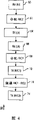
图5说明了表示根据本发明用于一种交换消息的方法的示例性步骤的流程图。Fig. 5 illustrates a flowchart representing exemplary steps for a method for exchanging messages according to the present invention.
应该注意到,上述图是示意性的,并没有按比例绘制。为了清晰和方便起见,上述图各个部分的相对尺寸和比例已经以放大或缩小的尺寸在附图中示出。相同的参考标记通常用来指在已修改和不同实施例中对应或类似的部件。It should be noted that the above figures are schematic and not drawn to scale. For the sake of clarity and convenience, relative sizes and proportions of various parts of the above-mentioned figures have been shown in the accompanying drawings in enlarged or reduced sizes. The same reference numerals are generally used to refer to corresponding or similar parts in modified and different embodiments.
具体实施例详述Detailed description of specific embodiments
在下面的例子中,在一幢建筑物内的无线照明网络用来说明本发明的原理,其中的网络和设备形成一个根据诸如由ZigBee联盟规定的ZigBee标准之类的无线电协议工作的通信系统。In the following example, a wireless lighting network within a building is used to illustrate the principles of the invention, where the network and devices form a communication system operating according to a radio protocol such as the ZigBee standard specified by the ZigBee Alliance.
一个已知的无线电网络10在图1中示意性地示出,并且它包括一个包含由微控制器或微处理器控制的收发机的主控或主站(M)12。主站12从电力线或其它合适的电源、例如发电机来加电,并且具有如图中r1指示的广播范围,其给出了由图中虚线圆指示的无线电覆盖区13。所述主站将关于多个次站14的信息存储在与微控制器连接的存储器中,每个次站具有一个唯一的64位标识符(在图中是S1、S2、S3)、一个收发机和一个微控制器以能够与主站12通信。所述次站(通常称为从站)先前已经通过枚举过程向网络主站12进行了登记,由此主站12接收次设备的唯一标识符,并向那个次设备提供更短的标识,例如8位无线电识别码(RIC1)。(所述枚举过程在2002年4月1 9日公布的申请人共同未决的国际专利申请WO0128156中进行了更充分的描述,并且读者现在可以阅读它,且其公开内容在此合并作为参考)。A known radio network 10 is shown schematically in Figure 1 and includes a master or master station (M) 12 comprising transceivers controlled by a microcontroller or microprocessor. The master station 12 is powered from the mains or other suitable power source, such as a generator, and has a broadcast range as indicated by rl in the figure, which gives a radio coverage area 13 indicated by the dashed circle in the figure. The master station stores information about a number of secondary stations 14 in a memory connected to the microcontroller, each secondary station having a unique 64-bit identifier (S1, S2, S3 in the figure), a transceiver machine and a microcontroller to be able to communicate with the master station 12. The secondary station (commonly referred to as a slave) has previously registered with the network master 12 through an enumeration process, whereby the master 12 receives the unique identifier of the secondary device and provides a shorter identification to that secondary device, An example is the 8-digit Radio Identification Code (RIC1). (The enumeration process is more fully described in Applicant's co-pending International Patent Application WO0128156, published April 19, 2002, and is now available to the reader, the disclosure of which is hereby incorporated by reference ).
在利用图1的网络的照明应用的一个示例实施例中,在吊灯和灯开关中提供了次站14,其中灯开关例如是电池供电的。在这种照明系统中,后面的枚举、所述开关和灯进行了一个配置步骤,在所述配置步骤中它们根据用户的偏好被逻辑地连接或配对。这样的配对过程使用户能够把一个设备(灯开关)和另一设备(灯)相连,并且在2002年4月19日公布的申请人共同未决的国际专利申请WO0128157中进行了更充分的描述,且感兴趣的读者现在可以为了完整性而去阅读它。因此,配对能使一个从或次站看来像是控制在网络中登记的另一个站,即使所述网络是主从拓扑结构,在所述主从拓扑结构中,从站(次站)只是直接与主控站(主站)通信,并且通常是简单的无线电设备,所述无线电设备具有有限的存储和处理资源,并因此对它们所属的网络具有有限的知识。In an example embodiment of a lighting application utilizing the network of Figure 1, a secondary station 14 is provided in chandeliers and light switches, where the light switches are battery powered, for example. In such a lighting system, the subsequent enumeration, the switches and lamps undergo a configuration step in which they are logically connected or paired according to the user's preferences. Such a pairing process enables a user to connect one device (light switch) to another device (light) and is more fully described in Applicant's co-pending International Patent Application WO0128157 published on April 19, 2002 , and interested readers can read it now for completeness. Thus, pairing enables a slave or secondary station to appear to control another station registered in the network, even if the network is a master-slave topology in which slave stations (secondary stations) are just Communicates directly with a master control station (master station) and is usually a simple radio device with limited memory and processing resources and therefore limited knowledge of the network to which they belong.
一个站是从站还是主站以及该站作何应用,取决于例如向每个从站的微控制器提供的任一专用码连同无线电协议栈,在这个例子正如ZigBee联盟所指定的协议栈。Whether a station is a slave or a master and what application the station makes depends, for example, on any dedicated code provided to the microcontroller of each slave station together with a radio protocol stack, in this example as specified by the ZigBee Alliance.
其中正如图1所示的此种网络根据所述协议工作的一种模式是在一个单一频率信道上的“信标”,其中主站12在一个单一频率信道(ZigBee在2.4GHz ISM频带上规定了16个信道)上发出周期参考或信标信号,次站接收并作出反应。所述参考信号包含哪个数据供哪个次站使用或待决状态的指示,同时次站根据多址协议作出响应。例如可以利用载波检测多址(CSMA)方法,其中收发机在发射之前校验该频率信道是空闲的。然而,这并没有避免由第二收发机在第一收发机在校验该频率信道是空闲的之后准备发送的短暂间隔期间校验频率信道产生的碰撞。可以采用诸如随机指数退避方案之类的争用裁决方案以试图避免所述第一和第二收发机在相同时刻的重试。One mode in which such a network as shown in FIG. 1 works according to the protocol is a "beacon" on a single frequency channel, where the master station 12 operates on a single frequency channel (ZigBee specifies 2.4 GHz ISM band A periodic reference or beacon signal is sent out on 16 channels, and the secondary station receives and responds. The reference signal contains an indication of which data is intended for which secondary station or pending status, while the secondary station responds according to the multiple access protocol. For example a Carrier Sense Multiple Access (CSMA) method can be used, where the transceiver checks that the frequency channel is free before transmitting. However, this does not avoid collisions produced by the second transceiver checking the frequency channel during the brief intervals when the first transceiver is preparing to transmit after checking that the frequency channel is free. A contention resolution scheme such as a random exponential backoff scheme may be employed in an attempt to avoid retries by the first and second transceivers at the same time.
当一个次站收发机在信标信号中检测到数据是待决状态的指示时,它发送包括其无线电识别码(RIC)(由主站在起始枚举期间分配)的数据请求消息给主站,并随后启动它的接收机。所述主(主控)站接收该数据请求,校验它是否具有用于该特定无线电识别码(RIC)的数据消息,如果它有,就发送一个数据包到该次站,该次站确认收到所述消息以完成该事务。另外,主站可以被置于枚举或登记模式,例如通过在主站上的用户输入按钮或通过来自次站的请求,同时主站发信号通知它正在接受信标信号中的新设备,并且新设备(例如照明遥控设备)可以加入该网络并随后根据用户的偏好和相关灯进行配对。When a secondary station transceiver detects in the beacon signal an indication that data is pending, it sends a data request message to the primary station including its radio identification code (RIC) (assigned by the primary station during initial enumeration) station, and subsequently activate its receiver. The primary (master) station receives the data request, checks if it has a data message for that particular radio identification code (RIC), and if it does, sends a data packet to the secondary station, which acknowledges The message is received to complete the transaction. Alternatively, the primary station can be placed in enumeration or registration mode, e.g. by a user input button on the primary station or by request from a secondary station, while the primary station signals that it is accepting new devices in the beacon signal, and New devices, such as lighting remote controls, can join the network and then pair with associated lights according to the user's preferences.
以这种方式建立和配置了可以工作的一个简单无线电网络,具有位于所述无线电覆盖区13内为已登记的次站服务的主站。In this way a simple operational radio network is set up and configured, with primary stations located within said radio coverage area 13 serving registered secondary stations.
如果次站被定位在一个对来自主站的传输经历了差的无线电接收的区域内,例如在该区域内接收被障碍物阻挡或接收遭受了来自另一无线电源的干扰,那么就存在问题。于是该次站被认为是在主站的无线电覆盖区的外部并且不能加入或参与该网络。Problems exist if the secondary station is located in an area that experiences poor radio reception for transmissions from the primary station, for example where reception is blocked by obstacles or reception suffers from interference from another radio source. The secondary station is then considered to be outside the radio coverage area of the primary station and cannot join or participate in the network.
图2说明了根据本发明构造的一个系统20,其中另一次站(S5)24距网络主站12(M)的距离比r1大,并因此在所述主站的无线电覆盖区的外部且因而不能与所述主站通信。然而对应于S3(在图1中)的次站在这个系统中已经被第一次站22(FSS)所代替。Figure 2 illustrates a system 20 constructed in accordance with the present invention in which another secondary station (S5) 24 is located at a greater distance from the network master station 12(M) than r1 and is thus outside the radio coverage area of said master station and thus Could not communicate with said master. However the secondary station corresponding to S3 (in Fig. 1) has been replaced in this system by the primary station 22 (FSS).
第一次站22优选地通过恒定电源30来供电,例如如果第一次站22包括于吊灯的镇流器中则所述恒定电源30将是可用的。第一次站22包括(见图2的插图)连接到收发机34和存储器36的微处理器或微控制器32,并且作为灯控制设备向主站12登记,并可以和如前所述的一个合适的灯开关设备配对。占据了配备微控制器的ZigBee无线电协议栈40的较高层40a的应用码提供了这个功能(在这种情况下是作为灯镇流器的控制器),但是另外向第一次站提供了一个登记和消息交换过程,所述登记和消息交换过程使第一次站22能够向主站12登记另一次站24,并在这之后在主站12和另一次站24之间中继消息。The first station 22 is preferably powered by a constant power supply 30 which would be available, for example, if the first station 22 was included in the ballast of the chandelier. The primary station 22 includes (see inset of FIG. 2 ) a microprocessor or microcontroller 32 connected to a transceiver 34 and memory 36, and is registered with the primary station 12 as a light control device and can communicate with the primary station 12 as previously described. A suitable light switching device is paired. The application code occupying the higher layer 40a of the ZigBee radio protocol stack 40 with a microcontroller provides this functionality (in this case as a controller for the lamp ballast), but additionally provides a A registration and message exchange process that enables a primary station 22 to register another secondary station 24 with the primary station 12 and thereafter relay messages between the primary station 12 and the other secondary station 24 .
在此实施例中,第一次站为它自己保留在主站信标(信标帧)间的时间周期的一部分,这具有的效果是:其它已登记的次站(S1,S2)在此保留周期期间不试图发送给主站12。在这周期期间,第一次站22发送它自己的参考信标信号,并为对第一次站的信标响应的任何另外的次站登记和交换消息。第一次站22事实上和另一次站24一起形成代理网络(SNW),并提供了在如由图2的虚线圆13a示意性指出的无线电覆盖区13的一个有效扩展。In this embodiment, the primary station reserves for itself a portion of the time period between primary station beacons (beacon frames), which has the effect that other registered secondary stations (S1, S2) are here No transmissions to the master station 12 are attempted during the reserve period. During this period, the primary station 22 sends its own reference beacon signal and registers and exchanges messages for any additional secondary stations that respond to the primary station's beacon. The primary station 22 in fact forms a proxy network (SNW) together with the other secondary station 24 and provides an effective extension in the radio coverage area 13 as indicated schematically by the dashed circle 13a in FIG. 2 .
示例登记过程Example registration process
图3示出了存储在第一次站22和主站12的存储器36中的数据表的例子。在登记过程期间构造如图4所示的这些表,并且这些表将参考图3和图4进行描述。在登记过程的步骤60中,第一次站22存储从另一次站24接收的一个唯一标识符[RX(UI)],并且在步骤62中将一个短的8位无线电识别码[RIC2]分配给另一次站24,并将该码和任何从所述另一次站获得的并且关于另一次站性能的其它设备信息存储在存储器36的表50中。在示出的例子中,第一次站22已经在表50中将RIC2‘1’分配给另一次站(U1为’S5’)。第一次站22随后向主站12请求登记,并在步骤64[TX(UI)]中将所述唯一标识符和在步骤60中从另一次站收集的任何其它信息发送给主站12。主站12在步骤66[RX(UI)]中接收此信息,并更新其具有用于已接收的设备标识符UI的录入项的网络表52(图3),并且进一步将一个短无线电码分配(步骤68)给该标识符。在此例子中,图3的表52具有一个UI录入项’S5’和一个分配的短无线电码RIC1‘4’。在步骤70中,主站将分配的短无线电码RIC1发送到第一次站22,所述第一次站22如该过程的步骤72所示将接收的RIC1与RIC2码相链接,所述RIC2码被分配给另一次站24。这被表示在图3的示例表50中,其中该RIC1列已经用从主站12接收并由其分配的值进行了更新。最后在步骤74中,第一次站22发送它分配[TX(RIC2)]给另一次站24的码到另一次站,因此在该代理网络上用无线电码RIC2枚举另一次站24。FIG. 3 shows an example of a data table stored in the memory 36 of the first station 22 and the master station 12 . These tables as shown in FIG. 4 are constructed during the registration process and will be described with reference to FIGS. 3 and 4 . In
示例消息交换过程Example message exchange process
通过跟随图4的过程58,第一次站22已经在存储器36中的表50中存储了无线电码(RIC1)以及还有无线电码(RIC2),所述主站已将该无线电码(RIC1)分配给了另一次站,它也已将该无线电码(RIC2)分配给了另一次站24。另一次站随后通过把它的分配的RIC2和消息一起发送来将该消息指示为是源于它自己的。另一次站一接收到这样的消息,就查寻相关的RIC1,并通过空中将该消息和相关RIC1的值发送到主站12。消息交换过程的此上行链路部分通过图5的流程图80中的例子进行了说明。By following the
类似地,由主站12产生、供另一次站24用的消息和识别码RIC1被主站发送。这个消息被第一次站22接收,所述第一次站22用存储在它的表50中的所链接的RIC2标识符替换RIC1标识符。该消息然后被第一次站22向前发送到另一次站24。消息交换过程的此下行链路部分通过图5的流程图84中的例子进行了说明。Similarly, a message generated by the primary station 12 for the other secondary station 24 and the identification code RIC1 is sent by the primary station. This message is received by the first time station 22 which replaces the RIC1 identifier with the linked RIC2 identifier stored in its table 50 . The message is then forwarded by the primary station 22 to the other secondary station 24 . This downlink portion of the message exchange process is illustrated by way of example in flowchart 84 of FIG. 5 .
因此,根据第一次站用具有存储在表50中的相关识别码替换和消息一起接收的识别码并向前发送该消息,消息在系统中进行了交换。Thus, messages are exchanged in the system upon the first time a station replaces an identification code received with a message with an associated identification code stored in table 50 and forwards the message.
在上述实施例中,根据由主站12发送的一个信标信号和由第一次站22发送的另一个信标信号,消息的交换被同步。另外,作为例子,第一次无线电站被放置在灯镇流器中。这为第一次无线电站提供了永久的功率以允许可靠的信号传输,并且由于灯镇流器通常安装在天花板上,它提供了用于传输的大的覆盖区。因此,无线照明基本设施装置包括至少一个主站和至少一个第一次站,它使更多的无线设备能够被容易地安装而不用大量的无线电覆盖范围规划或广播范围估计。In the above-described embodiment, the exchange of messages is synchronized based on one beacon signal sent by the primary station 12 and another beacon signal sent by the primary station 22 . Also, as an example, for the first time a radio station was placed in a lamp ballast. This provided permanent power to the first radio station to allow reliable signal transmission, and since lamp ballasts were usually mounted on the ceiling, it provided a large coverage area for transmission. Thus, the wireless lighting infrastructure device includes at least one primary station and at least one primary station, which enables more wireless devices to be easily installed without extensive radio coverage planning or broadcast range estimation.
例如,本发明有利地使包括热敏电阻和其它传感器的供热装置能够应用在建筑物的内部或周围,而不用进行详细和昂贵的无线电安装规划。如果包含一个无线电设备的传感器不能与主站通信,那么它可以与第一次站通信并从那儿到主站,这允许一个更快和更容易的安装。For example, the invention advantageously enables heating installations including thermistors and other sensors to be applied in or around buildings without detailed and expensive radio installation planning. If the sensor containing a radio cannot communicate with the master station, then it can communicate with the primary station and from there to the master station, which allows for a faster and easier installation.
在上面描述了一个采用星形或主/从拓扑结构的分组无线电系统,所述系统根据预定协议工作,并且其中在多个站之间的通信能够经由第一次站实现。主站覆盖区的有效增加产生了一个更坚固的通信系统。虽然上面的实施例描述了一个利用ZigBee无线电协议的系统,但是本领域的普通技术人员将认识到可以使用其它的分组无线电数据协议。Above is described a packet radio system employing a star or master/slave topology, said system operating according to a predetermined protocol, and wherein communication between a plurality of stations can be effected via a primary station. The effective increase in the coverage area of the master station results in a more robust communication system. While the above embodiments describe a system utilizing the ZigBee radio protocol, those of ordinary skill in the art will recognize that other packet radio data protocols may be used.
通过阅读本公开内容,其它的修改对本领域普通技术人员而言将是显而易见的。此种修改可以包括其它在主/次站、通信系统、基础设施及其部件部分的设计、制造和使用中已知的特征,并且可以代替或除了已经在此描述的特征而使用这些特征,而不背离本发明的精神和范围。From reading the present disclosure, other modifications will be apparent to persons of ordinary skill in the art. Such modifications may include other features known in the design, manufacture and use of primary/secondary stations, communication systems, infrastructure and component parts thereof, and may be used instead of or in addition to features already described herein, while without departing from the spirit and scope of the invention.
在本说明书和权利要求书中,在一个部件前的单词“一”或“一个”并不排除多个此种部件的存在。In the present description and claims the word "a" or "an" preceding an element does not exclude the presence of a plurality of such elements.
Claims (17)
Applications Claiming Priority (2)
| Application Number | Priority Date | Filing Date | Title |
|---|---|---|---|
| GB0214302.2 | 2002-06-21 | ||
| GBGB0214302.2A GB0214302D0 (en) | 2002-06-21 | 2002-06-21 | Communication system with an extended coverage area |
Publications (1)
| Publication Number | Publication Date |
|---|---|
| CN1663184A true CN1663184A (en) | 2005-08-31 |
Family
ID=9939010
Family Applications (1)
| Application Number | Title | Priority Date | Filing Date |
|---|---|---|---|
| CN03814299.6A Pending CN1663184A (en) | 2002-06-21 | 2003-06-06 | Communication system with an extended coverage area |
Country Status (7)
| Country | Link |
|---|---|
| US (1) | US20050208928A1 (en) |
| EP (1) | EP1518358A2 (en) |
| JP (1) | JP2005530445A (en) |
| CN (1) | CN1663184A (en) |
| AU (1) | AU2003239312A1 (en) |
| GB (1) | GB0214302D0 (en) |
| WO (1) | WO2004002068A2 (en) |
Families Citing this family (9)
| Publication number | Priority date | Publication date | Assignee | Title |
|---|---|---|---|---|
| US8183995B2 (en) * | 2005-03-08 | 2012-05-22 | Jackson Kit Wang | Systems and methods for modifying power usage |
| JP4662353B2 (en) * | 2005-08-12 | 2011-03-30 | キヤノン株式会社 | Communication system, communication apparatus, communication control device, control program, and control method |
| US7756101B2 (en) * | 2005-12-30 | 2010-07-13 | Nokia Corporation | Efficient resolution of relinquishment requests in a wireless communications network |
| WO2009031112A2 (en) * | 2007-09-07 | 2009-03-12 | Philips Intellectual Property & Standards Gmbh | Node for a network and method for establishing a distributed security architecture for a network |
| CN101796796A (en) * | 2007-09-07 | 2010-08-04 | 皇家飞利浦电子股份有限公司 | Network and method for establishing a secure network |
| CA2652731A1 (en) * | 2008-02-07 | 2009-08-07 | Mark Iv Industries Corp. | Real-time location systems and methods |
| JP5106682B2 (en) * | 2008-06-12 | 2012-12-26 | テレフオンアクチーボラゲット エル エム エリクソン(パブル) | Method and apparatus for machine-to-machine communication |
| US9077564B2 (en) * | 2009-03-03 | 2015-07-07 | Mobilitie, Llc | System and method for dynamic formation of a communication network using wireless communication devices |
| US9609513B2 (en) | 2009-03-03 | 2017-03-28 | Mobilitie, Llc | System and method for device authentication in a dynamic network using wireless communication devices |
Family Cites Families (15)
| Publication number | Priority date | Publication date | Assignee | Title |
|---|---|---|---|---|
| JPH09289675A (en) * | 1996-04-22 | 1997-11-04 | Hitachi Ltd | Wireless communication system |
| US5857144A (en) * | 1996-08-09 | 1999-01-05 | Ericsson, Inc. | In-band vehicular repeater for trunked radio system |
| JP2002535881A (en) * | 1999-01-13 | 2002-10-22 | コーニンクレッカ フィリップス エレクトロニクス エヌ ヴィ | Wireless local area network (LAN) and method of operating LAN |
| US6275500B1 (en) * | 1999-08-09 | 2001-08-14 | Motorola, Inc. | Method and apparatus for dynamic control of talk groups in a wireless network |
| US7088795B1 (en) * | 1999-11-03 | 2006-08-08 | Pulse-Link, Inc. | Ultra wide band base band receiver |
| US6775258B1 (en) * | 2000-03-17 | 2004-08-10 | Nokia Corporation | Apparatus, and associated method, for routing packet data in an ad hoc, wireless communication system |
| WO2002013413A1 (en) * | 2000-08-09 | 2002-02-14 | Statsignal Systems, Inc. | System and method for interconnecting remote devices in an automated monitoring system |
| KR100364368B1 (en) * | 2000-10-18 | 2002-12-12 | 엘지전자 주식회사 | Private Network Using Bluetooth and Communication Method Using the Network |
| US20020031101A1 (en) * | 2000-11-01 | 2002-03-14 | Petite Thomas D. | System and methods for interconnecting remote devices in an automated monitoring system |
| WO2002037771A2 (en) * | 2000-11-03 | 2002-05-10 | Telefonaktiebolaget L M Ericsson (Publ) | Systems using mobile terminals having short link radios |
| US20020077151A1 (en) * | 2000-12-18 | 2002-06-20 | Gary Matthews | Polymorphic cellular network architecture |
| US7113536B2 (en) * | 2001-04-16 | 2006-09-26 | Telefonaktiebolaget L M Ericsson (Publ) | Rendezvous point interpiconet scheduling |
| US6745038B2 (en) * | 2001-04-30 | 2004-06-01 | Motorola, Inc. | Intra-piconet location determination and tomography |
| US6830340B2 (en) * | 2001-12-26 | 2004-12-14 | Infocus Corporation | Image-rendering device |
| US6973335B2 (en) * | 2002-02-06 | 2005-12-06 | Kyocera Wireless Corp. | System and method for personal area network (PAN) distributed global optimization |
-
2002
- 2002-06-21 GB GBGB0214302.2A patent/GB0214302D0/en not_active Ceased
-
2003
- 2003-06-06 US US10/518,738 patent/US20050208928A1/en not_active Abandoned
- 2003-06-06 EP EP03732881A patent/EP1518358A2/en not_active Withdrawn
- 2003-06-06 AU AU2003239312A patent/AU2003239312A1/en not_active Abandoned
- 2003-06-06 WO PCT/IB2003/002554 patent/WO2004002068A2/en not_active Ceased
- 2003-06-06 JP JP2004515138A patent/JP2005530445A/en not_active Withdrawn
- 2003-06-06 CN CN03814299.6A patent/CN1663184A/en active Pending
Also Published As
| Publication number | Publication date |
|---|---|
| GB0214302D0 (en) | 2002-07-31 |
| US20050208928A1 (en) | 2005-09-22 |
| WO2004002068A2 (en) | 2003-12-31 |
| EP1518358A2 (en) | 2005-03-30 |
| JP2005530445A (en) | 2005-10-06 |
| WO2004002068A3 (en) | 2004-04-08 |
| AU2003239312A1 (en) | 2004-01-06 |
| AU2003239312A8 (en) | 2004-01-06 |
Similar Documents
| Publication | Publication Date | Title |
|---|---|---|
| JP4298651B2 (en) | Message routing method, wireless network and master node | |
| KR100709501B1 (en) | Method and apparatus for discovering neighbors within a piconet communication system | |
| CN102256330B (en) | Message routing in a radio network | |
| US8509202B2 (en) | Method for communicating in a network, a system and a primary station therefor | |
| KR101405688B1 (en) | Zigbee system | |
| US20060154598A1 (en) | Configuring a radio network for selective broadcast | |
| US20030137970A1 (en) | System and method for improved synchronization in a wireless network | |
| US20180212826A1 (en) | Centralized controlling system controlling interactions and cooperation between radio-operated devices operating in a mesh network supporting multiple radio communication protocols | |
| KR101679060B1 (en) | Method for communicating in a network comprising a batteryless zigbee device, network and device therefor | |
| WO2002021769A2 (en) | Transmission-scheduling coordination among collocated internet radios | |
| JP3967110B2 (en) | Communication system, master and communication method | |
| CN115104298B (en) | Method and coordinator device for selectively debugging node devices in a network | |
| US8625567B2 (en) | Method for opening channel which is used in radio communication device and radio communication system | |
| KR101413523B1 (en) | Beacon for a star network, sensor nodes in a star network, method for initializing a gateway in a star network and method for operating a star network | |
| US20060072491A1 (en) | Robust communication system | |
| CN115136652A (en) | Fast handover for optical multi-cell communication systems | |
| US20050208928A1 (en) | Communication system with an extended coverage area | |
| WO2006031021A1 (en) | Wireless network device and communication method using the wireless network device |
Legal Events
| Date | Code | Title | Description |
|---|---|---|---|
| C06 | Publication | ||
| PB01 | Publication | ||
| C10 | Entry into substantive examination | ||
| SE01 | Entry into force of request for substantive examination | ||
| AD01 | Patent right deemed abandoned | ||
| C20 | Patent right or utility model deemed to be abandoned or is abandoned |