CN1663176A - Identify network routers and paths - Google Patents
Identify network routers and paths Download PDFInfo
- Publication number
- CN1663176A CN1663176A CN038143798A CN03814379A CN1663176A CN 1663176 A CN1663176 A CN 1663176A CN 038143798 A CN038143798 A CN 038143798A CN 03814379 A CN03814379 A CN 03814379A CN 1663176 A CN1663176 A CN 1663176A
- Authority
- CN
- China
- Prior art keywords
- network
- paths
- router
- routers
- path
- Prior art date
- Legal status (The legal status is an assumption and is not a legal conclusion. Google has not performed a legal analysis and makes no representation as to the accuracy of the status listed.)
- Pending
Links
Images



Classifications
-
- H—ELECTRICITY
- H04—ELECTRIC COMMUNICATION TECHNIQUE
- H04L—TRANSMISSION OF DIGITAL INFORMATION, e.g. TELEGRAPHIC COMMUNICATION
- H04L45/00—Routing or path finding of packets in data switching networks
- H04L45/02—Topology update or discovery
- H04L45/04—Interdomain routing, e.g. hierarchical routing
-
- H—ELECTRICITY
- H04—ELECTRIC COMMUNICATION TECHNIQUE
- H04L—TRANSMISSION OF DIGITAL INFORMATION, e.g. TELEGRAPHIC COMMUNICATION
- H04L45/00—Routing or path finding of packets in data switching networks
- H04L45/02—Topology update or discovery
-
- H—ELECTRICITY
- H04—ELECTRIC COMMUNICATION TECHNIQUE
- H04L—TRANSMISSION OF DIGITAL INFORMATION, e.g. TELEGRAPHIC COMMUNICATION
- H04L45/00—Routing or path finding of packets in data switching networks
- H04L45/26—Route discovery packet
-
- H—ELECTRICITY
- H04—ELECTRIC COMMUNICATION TECHNIQUE
- H04L—TRANSMISSION OF DIGITAL INFORMATION, e.g. TELEGRAPHIC COMMUNICATION
- H04L45/00—Routing or path finding of packets in data switching networks
- H04L45/02—Topology update or discovery
- H04L45/03—Topology update or discovery by updating link state protocols
Landscapes
- Engineering & Computer Science (AREA)
- Computer Networks & Wireless Communication (AREA)
- Signal Processing (AREA)
- Data Exchanges In Wide-Area Networks (AREA)
Abstract
Description
技术领域technical field
本发明涉及用于标识通信网络中的路由器、相关联的互连通信链路以及遍历那些链路的分组所采用的路径的方法和装置,所述通信网络例如是使用因特网协议(IP)的分组网络。本发明特别适用于使用链路状态路由协议的网络,所述链路状态路由协议例如是开放最短路径优先(OSPF)或中间系统一中间系统(IS-IS)或与它们等价的任何协议。The present invention relates to methods and apparatus for identifying routers, associated interconnecting communication links, and the paths taken by packets traversing those links in a communication network, such as a packet using the Internet Protocol (IP) network. The invention is particularly applicable to networks using link-state routing protocols such as Open Shortest Path First (OSPF) or Intermediate System-Intermediate System (IS-IS) or any equivalent thereof.
背景技术Background technique
为了从众多竞争者中脱颖而出,并且为了在不损害现有成本结构和资金预算的情况下改善向用户提供的服务水平,因特网服务供应商(ISP)越来越多地采用成本优化、服务加强或服务区分机制,以在他们的网络中实现“流量管理”。这些机制包括流量工程(下文将描述)、服务质量(QoS)测量和服务水平协议(SLA)。存在可以帮助操作员实现这些“经流量管理”的网络的多种技术。对于IP网络,这包括多协议标记交换(MPLS),例如参见Internet Engineering Task Force(因特网工程任务组)的Request for comments(RFC)3031,以及区分的服务,例如参见RFC2474和2475。In order to stand out from many competitors, and in order to improve the service level provided to users without compromising the existing cost structure and capital budget, Internet service providers (ISPs) are increasingly adopting cost optimization, service enhancement or Service differentiation mechanism to enable "traffic management" in their network. These mechanisms include traffic engineering (described below), quality of service (QoS) measurements, and service level agreements (SLAs). Various technologies exist that can help operators implement these "traffic managed" networks. For IP networks, this includes Multiprotocol Label Switching (MPLS), see e.g. Internet Engineering Task Force's Request for comments (RFC) 3031, and differentiated services, see e.g. RFC2474 and 2475.
这些技术的共同点是它们在数据分组最初进入分立网络(在因特网术语中通常被称为自治系统)的入口点处使用分组分类。相反,同一分组通常将在网络的出口点处取消分类,使得接收该分组的下一网络/自治系统如果想要的话,可以以自己的方式重新分类分组。分类确保每个分组在路由经过网络时得到适当的处理。取决于在入口路由器处给予分组的分类类型,分组经过网络时将得到的处理将会不同。What these technologies have in common is that they use packet classification at the entry point where data packets initially enter a separate network (often referred to in Internet terminology as an autonomous system). Instead, the same packet will usually be declassified at the egress point of the network, so that the next network/autonomous system receiving the packet can reclassify the packet in its own way if it wants. Classification ensures that each packet is properly processed as it is routed through the network. Depending on the type of classification given to the packet at the ingress router, the packet will be treated differently as it traverses the network.
对于每个经分类的分组,中间路由器将该分组强制路由到网络上的不同逻辑路径,该路径远离在分组未被分类的情况下通常会采取的预定缺省路径。为网络内的每个源头与目的地定义至少一个缺省路径。该缺省路径通常是由内部网关协议(IGP)成本度量(metric)为每个互连定义的最小成本路径(下面将参考图4-7在OSPF的上下文中描述)。For each classified packet, intermediate routers force route the packet to a different logical path on the network away from the predetermined default path that would normally be taken if the packet had not been classified. Define at least one default path for each source and destination within the network. This default path is typically the least cost path defined for each interconnection by an Interior Gateway Protocol (IGP) cost metric (described below in the context of OSPF with reference to Figures 4-7).
因此,逻辑路径是得到不同路由(分组转发)处理的所有分组所采取的替代性非缺省路径。逻辑路径例如可以是不同于分组在未被分类的情况下通常所采取的路径的单独路径。类似地,可以由中间路由器处的不同排队处理来定义逻辑路径。在两个实施例中,根据所接收的分类,经分类的分组将得到不同的一组处理,并且与同一分组在缺省路径上路由的情况相比,给予该分组不同的一组传输特性。每个逻辑路径都具有一组给定属性,用来确定遍历路径的分组所需的传输特性,例如物理互连上的多少带宽被预留给该逻辑路径、服务水平(“铜”“银”或“金”)、最大容许抖动(jitter)或者该逻辑路径必须经过的所有特定路由器。Thus, a logical path is an alternative non-default path taken by all packets that get processed by a different route (packet forwarding). A logical path may, for example, be a separate path than the path a packet would normally take if it were not classified. Similarly, logical paths may be defined by different queuing processes at intermediate routers. In both embodiments, a classified packet will receive a different set of processing depending on the classification received, and the same packet will be given a different set of transmission characteristics than if the same packet were routed on the default path. Each logical path has a given set of attributes that determine the required transmission characteristics for packets traversing the path, such as how much bandwidth on the physical interconnect is reserved for that logical path, the level of service ("copper" "silver" or "gold"), the maximum allowable jitter, or all the specific routers that this logical path must pass through.
例如,应用流量工程的网络操作员可以决定经由专用逻辑路径将对抖动敏感的视频会议流量传输通过MPLS使能的网络。该路径不同于非视频会议流量将采取的其它缺省路径。尽管潜在地具有更多的路由器跳(hop),但是该专用路径(在这种情况下为单独物理路径)不承载任何其它流量,因而可以方便地容纳结合的话音和视频,而不会引入有害的抖动。所有其它流量都采取缺省路径,例如由IGP定义的具有最小总成本度量的路由。不管采取哪种路由,所有流量最终到达出口路由器,并且分组随后被取消分类以备传送到下一网络。如果没有这个负载平衡机制,将使用缺省路径来路由所有的网络分组,在峰值期间,这会使网络变得过载,进而丢弃或延迟分组,使得视频会议不可用并且给其它数据流量用户引起问题。For example, a network operator applying traffic engineering may decide to transmit jitter-sensitive video conferencing traffic through an MPLS-enabled network via a dedicated logical path. This path is different from the other default paths that non-video conferencing traffic would take. While potentially having more router hops, this dedicated path (in this case a separate physical path) does not carry any other traffic and thus can easily accommodate combined voice and video without introducing harmful jitter. All other traffic takes a default path, such as the route with the least total cost metric defined by the IGP. Regardless of the route taken, all traffic eventually reaches the egress router, and the packets are then declassified for delivery to the next network. Without this load balancing mechanism, all network packets would be routed using the default path, which would overload the network during peak periods, dropping or delaying packets, making video conferencing unusable and causing problems for other data traffic users .
可以在多个不同的级别上应用流量工程处理,例如针对不同用户、针对不同服务或者针对两者的结合。同样,可以采用具有不同商业目标的其它流量管理工具,例如QoS和SLA机制。QoS和SLA两者都需要在入口点和出口点处的分组分类,并且都造成其它路由策略和逻辑路径的使用,所述逻辑路径与缺省(通常是最小成本)路径不同以在网络内同时路由流量。Traffic engineering can be applied at a number of different levels, for example for different users, for different services, or for a combination of both. Likewise, other traffic management tools with different business objectives can be employed, such as QoS and SLA mechanisms. Both QoS and SLA require packet classification at ingress and egress points, and both result in the use of other routing strategies and logical paths that differ from the default (usually least cost) path to simultaneously Route traffic.
许多流量工程技术涉及网络操作的监控,例如核查是否符合采用的QoS或SLA标准,以及如果未达到该标准则及时启动补救措施或(次理想的)补偿。尝试对经流量管理的网络进行这种监控的网络管理系统的问题是,发现分组从哪里进入和离开网络以及分组的分类和后续处理是否正确。网络管理系统应当检测不正确的分组分类或内部路由器故障,其中不正确的分组分类可能引起流量被错误地路由,内部路由器故障可能引起所有流量使用同一路径而不考虑分类,无论那种情形,都会导致分组被延迟或丢弃,并且可能违反SLA。Many traffic engineering techniques involve the monitoring of network operations, such as checking compliance with adopted QoS or SLA standards, and promptly initiating remedial measures or (suboptimal) compensation if the standards are not met. A problem for a network management system attempting to do this monitoring of a traffic managed network is discovering where packets enter and leave the network and whether the classification and subsequent processing of the packets is correct. The network management system should detect incorrect packet classification, which may cause traffic to be incorrectly routed, or internal router failure, which may cause all traffic to use the same path regardless of classification, in either case, the Causes packets to be delayed or dropped, and possibly violates the SLA.
整个因特网被划分成多个管理域。例如,因特网服务供应商可能构成单个管理域。通过与邻近域(其它ISP等)订立协议以形成对等或转接关系来承载每个其它方的流量以及实现用户期望的连接,每个管理域都形成因特网的一部分。管理域含有一个或多个自治系统(AS)。AS是通常在单个技术管理(例如一个ISP)之下的一组路由器,其中:The entire Internet is divided into multiple administrative domains. For example, Internet service providers may constitute a single administrative domain. Each administrative domain forms part of the Internet by entering into agreements with neighboring domains (other ISPs, etc.) to form peering or transit relationships to carry each other's traffic and achieve user-desired connections. An administrative domain consists of one or more autonomous systems (AS). An AS is a group of routers usually under the management of a single technology (such as an ISP) where:
-对外部显示出具有单个一致的内部路由计划(使用一个和可能几个内部网关协议以及一个或多个公共度量来在该AS内路由分组);- Appears externally to have a single consistent internal routing plan (uses one and possibly several interior gateway protocols and one or more common metrics to route packets within the AS);
-呈现通过它能到达哪些目的地的一致画面;以及- Present a consistent picture of what destinations can be reached through it; and
-使用外部网关协议将分组路由到其它AS。- Routing packets to other ASs using Exterior Gateway Protocols.
这里,因特网上下文中使用的词语“网络”意指这种自治系统。在其它种类的通信系统的上下文中,词语网络应当被理解为意为操作元件集,其在概念和功能上类似于因特网AS,而不论该元件集包括整个系统还是仅仅为其一部分。Here, the word "network" as used in the context of the Internet means such an autonomous system. In the context of other kinds of communication systems, the word network should be understood to mean a set of operational elements, which is conceptually and functionally similar to an Internet AS, whether this set of elements comprises the entire system or only a part thereof.
因特网由许多管理域中的许多AS构成。在每个AS之间的每个连接处存在“边缘”路由器,并且每个边缘路由器具有实现某些类型流量管理的能力。大ISP可能具有与许多其它ISP进行交互的许多入口和出口路由器,并且具有不同的端用户。每个入口和出口路由器可以使用多种不同策略来分类并路由流量。配置、监控和管理流量管理技术中的巨大挑战是显而易见的。The Internet consists of many ASs in many administrative domains. There are "edge" routers at each connection between each AS, and each edge router has the capability to implement some type of traffic management. A large ISP may have many ingress and egress routers interacting with many other ISPs, and have different end users. Each ingress and egress router can use a number of different policies to classify and route traffic. The enormous challenges in configuring, monitoring and managing traffic management technologies are evident.
具有整个网络拓扑知识(操纵分组遍历网络的中间路由器和活动边缘路由器的身份)对于应对这些挑战有很大帮助。然而,现有分组网络技术没有以显式的形式提供可被外部工具容易地访问的这种知识,其中外部工具可以被用来促进流量管理。可以帮助解决上述挑战的作为网络补充的系统将需要从可能非常大的网络近乎实时地发送拓扑信息,并且理想地没有对现有网络和路由器性能产生明显影响。路由器通常含有网络中的路由器和链路状态的完整数据库。该信息被称为链路状态数据库,并且被用于生成每个路由器内部的路由表,以确定数据分组向着它的最终目的地而要被转发到的最优邻近路由器。例如通过RFC 2328中描述的OSPF链路状态协议(并且下文被称为OSPF协议)来产生路由表。路由器的链路状态数据库中含有的信息描述了足以达到路由器操作要求程度上的拓扑;这样的数据原则上可以从路由器逐个提取,并且可以用来产生完整拓扑描述。令人遗憾的是,使用当前的技术,在确保维护网络完整性的同时,不能以满足规模、精确度和及时的必需要求的方式来访问所需数据。Having knowledge of the overall network topology (manipulating the identities of intermediate routers and active edge routers as packets traverse the network) goes a long way toward addressing these challenges. However, existing packet networking technologies do not provide this knowledge in an explicit form that is easily accessible by external tools that can be used to facilitate traffic management. A network-complementing system that could help address the above challenges would need to send topology information from potentially very large networks in near real-time, and ideally without appreciable impact on existing network and router performance. Routers usually contain a complete database of router and link states in the network. This information is known as a link state database and is used to generate routing tables inside each router to determine the best neighboring routers to which a data packet is to be forwarded towards its final destination. Routing tables are generated, for example, by the OSPF link-state protocol described in RFC 2328 (and hereinafter referred to as the OSPF protocol). The information contained in a router's link-state database describes the topology to an extent sufficient for the router's operational requirements; such data could in principle be extracted from routers one by one and used to generate a complete topology description. Unfortunately, with current technology, the required data cannot be accessed in a manner that meets the necessary requirements of scale, accuracy, and timeliness while ensuring that network integrity is maintained.
例如,尽管使用简单网络管理协议(SNMP)的查询理论上可以用来收集所需数据,但是该方法并不适用于含有众多路由器的大网络。在确定网络完整拓扑时所需的大量SNMP查询将在路由器上加上大的处理负荷,并且产生相当大量的网络流量。此外,为了避免必须查询网络上的每个地址,其中多数地址将是诸如个人计算机或工作站之类的终端,需要预先知道路由器地址,进而强加了相当的管理负荷并且损害了网络拓扑的自动发现或验证的好处。类似的问题适用于从操作支持系统(OSS)或其它外部数据源提取信息;该信息可能不可用,可能没提供,或者可能被认为太敏感而不准通过直接访问来获取。此外,即使信息是可用的,在没有独立验证的条件下也没有对该信息是准确的任何保证。For example, although queries using the Simple Network Management Protocol (SNMP) could theoretically be used to gather the required data, this method is not suitable for large networks with many routers. The large number of SNMP queries required in determining the complete topology of the network will place a large processing load on the routers and generate a considerable amount of network traffic. Furthermore, to avoid having to query every address on the network, most of which will be endpoints such as personal computers or workstations, router addresses need to be known in advance, thereby imposing a considerable administrative load and compromising automatic discovery or Validation benefits. Similar issues apply to extracting information from an operations support system (OSS) or other external data source; the information may not be available, may not be provided, or may be deemed too sensitive to be obtained through direct access. Furthermore, even when information is available, there is no guarantee that the information is accurate without independent verification.
本发明的目标是通过帮助提供网络拓扑的描述来促进对流量管理的监控。例如,通过使用本发明获得的网络拓扑描述可以帮助网络操作员管理采用流量管理技术(例如MPLS和区分服务)的网络,或者可以用于采用核心MPLS使能的IP网络(参见RFC 2917)、IP上语音服务(还被称为因特网电话)、SLA和QoS机制。具体地说,本发明促进对在网络中的各种物理互连、路由器和子网络上实现的不同逻辑路径和任何相关联传输特性的监控。It is an object of the present invention to facilitate the monitoring of traffic management by helping to provide a description of the network topology. For example, network topology descriptions obtained by using the present invention can help network operators manage networks employing traffic management techniques such as MPLS and Differentiated Services, or can be used in core MPLS-enabled IP networks (see RFC 2917), IP Voice over voice service (also known as Internet telephony), SLA and QoS mechanisms. In particular, the present invention facilitates the monitoring of the different logical paths and any associated transmission characteristics implemented across the various physical interconnects, routers and subnetworks in the network.
发明内容Contents of the invention
根据本发明的一个方面,提供了一种用于标识可能被通信网络中的分组采用的网络范围内的路径集的方法,包括下述步骤:According to one aspect of the present invention, there is provided a method for identifying a network-wide set of paths likely to be taken by a packet in a communication network, comprising the steps of:
收集含有指示该网络的互连及该网络与其它网络的互连的信息的分组;collecting packets containing information indicative of interconnections of the network and interconnections of the network with other networks;
检测所收集分组的内容;inspect the content of the collected packets;
使用所述检测到的内容来标识网络范围内的路由器集和子网络集及它们的互连,所述路由器集和子网络集及它们的互连被网络中的通信所遍历;以及using said detected content to identify network-wide sets of routers and subnetworks and their interconnections traversed by communications in the network; and
提供一个输出,用来指示网络范围内的路由器集和子网络集及它们的互连的任何所选择部分。An output is provided indicating any selected portion of the network-wide set of routers and subnetworks and their interconnections.
上下文中的“网络范围”意为产生的网络描述并不集中于网络中任何特定的路由器或其它节点。例如0SPF在概念上在每个路由器中产生经过网络的路径的树状描述,其中以该路由器作为树的根,以作为产生期望路由表的过渡步骤。该树中不包括从该“根”路由器转发分组所不需要的路由器之间的路径。相反,本发明生成网络拓扑的描述,其中所有路由器同等重要,并且在一个典型的实现中,提供了所有路由器之间的不仅限于缺省路径的所有路径的全面视图。"Network-wide" in this context means that the resulting network description is not focused on any particular router or other node in the network. For example, OSPF conceptually generates a tree-like description of the path through the network in each router, with the router as the root of the tree, as a transitional step to generate the desired routing table. Paths between routers that are not required to forward packets from the "root" router are not included in the tree. Instead, the present invention generates a description of the network topology in which all routers are equally important and, in a typical implementation, provides a comprehensive view of all paths between all routers, not just the default path.
根据本发明的另一方面,提供了一种用于标识可能被通信网络中的分组采用的网络范围内的路径集的装置,包括:According to another aspect of the present invention, there is provided an apparatus for identifying a set of network-wide paths likely to be taken by a packet in a communication network, comprising:
收集器,用于收集含有指示该网络的互连以及该网络与其它的网络的互连的信息的分组;a collector for collecting packets containing information indicative of interconnections of the network and interconnections of the network with other networks;
检测器,用于检测所收集分组的内容;a detector for detecting the content of the collected packets;
标识器,用于使用所述检测到的内容来标识网络范围内的路由器集和子网络集及它们的互连,所述路由器集和子网络集及它们的互连被网络中的通信所遍历;以及an identifier for using said detected content to identify a network-wide set of routers and subnetworks and their interconnections traversed by communications in the network; and
输出部分,用来提供网络范围内的路由器集和子网络集及它们的互连的任何所选择部分的指示。An output section for providing an indication of any selected portions of the network-wide set of routers and subnetworks and their interconnections.
附图说明Description of drawings
通过示例并结合附图,现在将说明根据本发明的用于标识通信网络中被通信链路互连的路由器的功能的方法和装置,附图中:By way of example and with reference to the accompanying drawings, a method and an apparatus for identifying functions of routers interconnected by communication links in a communication network according to the present invention will now be described, in which:
图1示出了因特网的概念段;Figure 1 shows the conceptual segments of the Internet;
图2示出了示例性网络拓扑描述;Figure 2 shows an exemplary network topology description;
图3至图7示出了OSPF协议中定义的链路状态通告的格式;Figure 3 to Figure 7 show the format of the link state advertisement defined in the OSPF agreement;
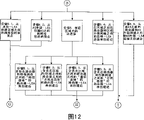
图8至13示出了用于导出网络拓扑描述的过程;以及Figures 8 to 13 illustrate the process for deriving a network topology description; and
图14示出了图1中的两个路由器发生故障后的图1的概念段。Figure 14 shows the conceptual segment of Figure 1 after two routers in Figure 1 have failed.
具体实施方式Detailed ways
参考图1,示出的因特网概念段包括自治系统AS1和连接到它的两个其它自治系统AS2和AS3的一部分。系统AS1含有两个边缘路由器10和12和三个内部路由器14、16和18,两个边缘路由器分别提供到系统AS2和AS3的外部连接,三个内部路由器只是连接到其自己AS内部的其它路由器。系统AS2和AS3类似地分别包括边缘路由器20和30和内部路由器22、24、30和34,边缘路由器用于提供到系统AS1的连接。Referring to Figure 1, the Internet conceptual segment is shown comprising an autonomous system AS1 and part of two other autonomous systems AS2 and AS3 connected to it. System AS1 contains two
每个AS需要转发AS本地的以及AS之间全局的信息,从而数据分组可以通过节点或路由器被路由到正确的目的地。在AS之间,使用被称为外部网关协议例如RFC 1771中描述的边界网关协议(BGP)的一类协议来静态或动态配置路由器(和路由)。在AS内部,使用被称为内部网关协议(IGP)例如OSPF、IS-IS或路由信息协议(RIP)的一类协议来静态或动态配置路由器(和路由)。为方便起见,下面的说明将假定使用OSPF,但是本发明可以结合实现与OSPF(包括IS-IS)类似概念和功能的其它协议来使用。Each AS needs to forward AS-local and inter-AS global information so that data packets can be routed to the correct destination through nodes or routers. Between ASs, routers (and routes) are statically or dynamically configured using a class of protocols known as Exterior Gateway Protocols such as the Border Gateway Protocol (BGP) described in RFC 1771. Inside an AS, routers (and routes) are statically or dynamically configured using a class of protocols known as Interior Gateway Protocols (IGPs) such as OSPF, IS-IS or Routing Information Protocol (RIP). For convenience, the following description will assume the use of OSPF, but the present invention can be used in conjunction with other protocols that implement similar concepts and functions to OSPF (including IS-IS).
在例如OSPF的链路状态路由协议中,每个路由器负责发布并维护一个数据库,该数据库描述用于形成含有该路由器的AS的全部或部分的区段(zone)或区域拓扑。该数据库被称为链路状态数据库。在开始工作时,基于由路由器的管理员预配置的信息,该路由器仅仅知道它自身的本地状态、它连接的接口和网络。学习并发布更多网络状态信息例如连接性的过程,是通过与AS中的其它路由器交换由OSPF协议定义的特殊数据分组来实现的。In a link-state routing protocol such as OSPF, each router is responsible for publishing and maintaining a database describing the zone or area topology used to form all or part of the AS containing that router. This database is called a link state database. At start-up, the router only knows its own local state, the interfaces and networks it is connected to, based on information pre-configured by the router's administrator. The process of learning and distributing more network state information, such as connectivity, is achieved by exchanging special data packets defined by the OSPF protocol with other routers in the AS.
最初使用例如分组多播技术来形成与邻近路由器的“邻接”。邻接是为交换路由信息的目的而与路由器的每个活动邻居形成的相互关系。一旦邻接已形成,邻接的路由器就使用根据OSPF协议进行格式化的OSPF链路状态描述分组来交换有关它们状态的信息。该过程一直持续到两个路由器共享它们在AS中的区段的拓扑的公共视图,从而在每个路由器中创建链路状态数据库。Initially "adjacencies" with neighboring routers were formed using techniques such as packet multicasting. An adjacency is a mutual relationship formed with each active neighbor of a router for the purpose of exchanging routing information. Once an adjacency has been formed, adjoining routers exchange information about their status using OSPF Link State Description packets formatted according to the OSPF protocol. This process continues until the two routers share a common view of the topology of their segments in the AS, creating a link-state database in each router.
在整个AS中完成邻接形成过程后,AS中的每个路由器结合其自身的链路状态数据库拷贝来执行相同的算法,以构造包括最小成本路径树的唯一路径表,如由IGP度量定义的那样,其中路由器的最小成本路径树是以其自身为根到每个目的地的。所得的最小成本路径变成遍历网络的所有未经分类的分组所采用的缺省路径。After completing the adjacency formation process throughout the AS, each router in the AS performs the same algorithm in conjunction with its own copy of the link-state database to construct a unique path table comprising the minimum-cost path tree, as defined by the IGP metric , where the router's minimum-cost path tree is rooted at itself to each destination. The resulting least cost path becomes the default path taken by all unclassified packets traversing the network.
如上所述,AS中的多组网络可以被一起分组成路由区域或区段。区段的拓扑不与含有该区段的AS的其它部分共享,以提供路由流量的显著减少。在区段之间交换总结分组(summary packet)以确保区段之间的连接性。As mentioned above, groups of networks in an AS can be grouped together into routing areas or segments. The topology of a segment is not shared with the rest of the AS containing the segment, providing a significant reduction in routing traffic. Summary packets are exchanged between segments to ensure connectivity between segments.
在初始生成其链路状态数据库和路由表后,如果在其网络区段内发生变化,则每个路由器重复信息交换和路由计算过程。变化可能涉及链路或路由器的添加或去除,或者链路成本的变化。为了避免链路状态数据库变为过时的可能性,在没有新的更新的情况下,分组被周期性地重新广播,通常间隔为30分钟。After initially generating its link-state database and routing tables, each router repeats the information exchange and route computation process if changes occur within its network segment. Changes may involve the addition or removal of links or routers, or changes in link costs. To avoid the possibility of the link state database becoming out of date, packets are rebroadcasted periodically, typically at 30 minute intervals, in the absence of new updates.
通过使用链路状态IGP,例如OSPF或IS-IS,本发明实现了AS中的网络拓扑的非干扰式(non-intrusive)的发现,并且实现了该拓扑的带注释表示的创建,以促进通过网络的网络范围内的路径集的后续发现。带注释的表示借助有向图(directed graph)来描述AS,其中顶点(vertice)代表路由器或网络,边(edge)代表连接到路由器的链路。注释指示所发现的与由每个顶点代表的路由器或网络有关的数据。对于路由器的情形,注释指示关联的IP地址、由IP地址指示的一组接口以及类型或功能(区段内、区段之间或自治系统之间)。对于网络而言,示出了由IP地址指示的关联的网络地址和网络掩码以及网络类型(存根(stub)、转接或外部)。转接网络是能够承载既非本地开始也非去往本地的数据流量的那些网络。存根网络类似于死胡同(cul-de-sacs),而外部网络是到AS之外其它网络的目的地。By using a link-state IGP, such as OSPF or IS-IS, the present invention enables the non-intrusive discovery of the network topology in an AS, and the creation of an annotated representation of that topology to facilitate communication through Subsequent discovery of the network-wide set of paths for the network. The annotated representation describes the AS with the help of a directed graph, where vertices represent routers or networks and edges represent links connected to routers. Annotations indicate data discovered about the router or network represented by each vertex. For the case of routers, the annotation indicates the associated IP address, the set of interfaces indicated by the IP address, and the type or function (intra-segment, inter-segment, or inter-autonomous system). For a network, the associated network address and netmask indicated by IP address and network type (stub, transit or external) are shown. Transit networks are those networks capable of carrying data traffic that is neither locally originated nor destined for locally. Stub networks are similar to cul-de-sacs, while external networks are destinations to other networks outside the AS.
图2中示出了根据本发明产生的图形示例的可视化表示。图形的边连接个体顶点。当两个路由器通过物理点到点链路附着到一起时,边连接两个路由器,而将路由器连接到网络的边指示该路由器具有网络上的接口。如IGP所定义的那样,以使用该接口进行分组转发的成本来对每条边进行注释。在OSPF中,这被称为链路度量。A visual representation of an example of a graph generated according to the present invention is shown in FIG. 2 . Graph edges connect individual vertices. When two routers are attached together by a physical point-to-point link, the edge connects the two routers, and the edge connecting the router to the network indicates that the router has an interface on the network. Each edge is annotated with the cost of packet forwarding using that interface, as defined by the IGP. In OSPF, this is called a link metric.
本发明的一个目的是生成一个拓扑,同时对网络或路由器的正常操作影响有限。该拓扑发现过程在下述意义上是非干扰性的,即,借助和路由器或其它网络元件的有限主动交互来获得所需要的信息,而不产生显著的额外网络流量。为此目的如图1所示,在存在OSPF分组的点处,至少一个探测器或监控器40被连接到AS。探测器例如可以是运行专用软件程序并通过以太网卡连接到AS的低成本计算机,例如“个人计算机”。对连接到网络的“逻辑”点进行选择,以确保可以收集由路由器广播的OSPF分组。物理上,该连接点可以是例如经由集线器或开关来自子网络的两个路由器之间的链路中的抽头,或者路由器上的端口。在OSPF条件下,在被OSPF分组所遍历的网络中的任何点处都需要连接。对于这些物理连接,探测器40中的软件程序以“混合模式(promiscuous mode)”开通到所选网络区段的网络链路或段的连接。混合模式允许探测器接收需要的OSDF分组而不必考虑它们的LAN目的地地址。所接收的分组被允许在没有干扰的情况下继续它们的旅程通过网络(而不是被接收并被从网络上去除)。或者,OSPF和其它IGP路由分组也可以被路由器自己存储在它们自身的LSDB中,并且为调试目的可以通过SNMP MIB以原始字节格式来利用。最初,对于拓扑中的每次后续改变,还可以以有限的网络影响和开销从MIB收集分组。对来自MIB的原始分组的收集需要很少数量的SNMP呼叫而不是多个SNMP呼叫,其中多个SNMP呼叫是使用SNMP的现有方法的特征。可以使用SNMP陷阱(trap)来跟踪MIB数据的改变,SNMP陷阱一旦被设置,就将向外部应用通知目标MIB数据的改变。It is an object of the present invention to generate a topology with limited impact on the normal operation of the network or router. The topology discovery process is non-intrusive in the sense that the required information is obtained with limited active interaction with routers or other network elements without generating significant additional network traffic. For this purpose, as shown in Figure 1, at least one probe or monitor 40 is connected to the AS at the point where OSPF packets are present. The detectors may for example be low-cost computers, such as "personal computers", running a dedicated software program and connected to the AS via an Ethernet card. The "logical" point of connection to the network is chosen to ensure that OSPF packets broadcast by routers can be collected. Physically, this connection point may be a tap in a link between two routers from a sub-network, eg via a hub or a switch, or a port on a router. Under OSPF conditions, connectivity is required at any point in the network traversed by an OSPF packet. For these physical connections, a software program in the
探测器40没有实现如RFC 2328描述的状态机来建立与任何路由器的邻接,因为那将需要探测器变成OSPF路由协议中的主动参与者,从而在该区段的其它路由器中创建虚假的链路状态数据库条目。对于通过监控链路来收集分组,探测器40保持是被动的,并且依赖于区段或AS中的路由器进行的OSPF分组的洪泛(flooding)过程。探测器40等待OSPF分组到达被监控的接口,而不是使用正常的OSPF机制来请求它们。在接收到每个OSPF分组之后,执行拓扑导出过程(下面将描述并在图8-13中举例说明),以增量创建期望的拓扑描述。在确定完整的拓扑描述之前,启动过程需要已经经过缺省链路状态刷新时间间隔,该间隔通常是三十分钟。变成OSPF路由协议中的主动参与者可以加速分组的收集并减少完整发现过程的时间;这种情况下的副作用很明显是增加了对网络和路由器的影响。或者,在探测器40从MIB中含有的原始分组收集OSPF路由数据时,可以在不需要启动周期的情况下获得完整且最新的拓扑。该方法还限制了对路由器或网络的影响。因此,通过继续跟踪OSPF分组,探测器可以保持与网络状态步调一致的拓扑描述。
AS所需要的探测器的数量取决于AS的大小及其组织的方式。单个探测器可以为它连接到的区段生成完整的带注释的拓扑。OSPF网络通常具有至少一个区段,其被称为主干(backbone),到这个主干的连接是优选的。经验表明,许多网络在设计上是分层次的,连接到主干的单个探测器将提供非常有用的带注释的拓扑。为了发现多区段AS的完整的带注释的拓扑,需要到每个活动区段的连接。然而,除了提供所选区段的完整的带注释的拓扑外,即使单个连接也将提供AS中的其它区段中的网络总结信息,加上通过AS的边缘路由器到外部网络的任何连接。The number of detectors needed for an AS depends on the size of the AS and how it is organized. A single detector can generate a complete annotated topology for the segment it is connected to. An OSPF network usually has at least one section, called a backbone, to which connections are preferred. Experience has shown that many networks are hierarchical in design and that a single detector connected to the backbone will provide a very useful annotated topology. In order to discover the complete annotated topology of a multi-segment AS, a connection to each active segment is required. However, in addition to providing the complete annotated topology of the selected segment, even a single connection will provide network summary information in other segments in the AS, plus any connections to external networks through the AS's edge routers.
每个探测器40收集下面描述的分组并且拷贝所选类型的分组。它随后从这些拷贝中提取数据并处理该数据以得到用于带注释的拓扑的信息。Each
在OSPF协议中定义了五种类型的分组,如下表所示。为了本发明的目的,使用了这些OSPF分组中的一种,链路状态更新分组,第四种类型。Five types of packets are defined in OSPF, as shown in the following table. For the purposes of the present invention, one of these OSPF packets is used, the Link State Update packet, a fourth type.
类型 描述 type description
1 打招呼(Hello)1 Greeting (Hello)
2 数据库描述2 Database description
3 链路状态请求3 Link state request
4 链路状态更新4 Link status update
5 链路状态确认5 Link status confirmation
打招呼分组也存在于OSPF网络上,例如在诸如因特网的广播媒介上,并且被最频繁地传输,其在给定网络段上定期出现。打招呼分组因而可以被用于向探测器40提供网络时间的准确指示。在打招呼分组到达探测器时被施加准确的时间戳。例如,基于个人计算机的探测器可以从其内部时钟或从全球定位系统(GPS)结合网络时间协议(NTP)来获得时间的准确指示。经验显示,大多数网络操作员提供可以用于此目的的准确时间服务。通过测量多个打招呼分组的间隔之间的时间(inter-interval time)并存储该结果,可以建立由正常OSPF分组序列驱动的时间流逝(passageof time)的准确内部表示。这种形式的定时器机制是提供用于确保从探测器40清除过时信息的时间基准的简便方式。然而,可以提供时间流逝准确指示的任何其它形式的定时器机制也是足够用的。Greeting packets also exist on OSPF networks, for example on broadcast media such as the Internet, and are transmitted most frequently, which occur regularly on a given network segment. The hello packet can thus be used to provide
链路状态更新分组(OSPF类型4)含有一个或多个链路状态通告(LSA),其描述网络或路由器的状态(包括路由器接口和邻接的状态)。一个区段的LSA的收集构成链路状态数据库。如下所示,存在几种类型的LSA,每个LSA类型表述AS或网络区段中的不同元件。Link State Update Packets (OSPF Type 4) contain one or more Link State Advertisements (LSAs) that describe the state of the network or router (including the state of router interfaces and adjacencies). The collection of LSAs for a section constitutes the link-state database. As shown below, there are several types of LSAs, each LSA type expressing a different element in an AS or network segment.
LS类型 描述 LS type description
1 路由器-LSA1 Router-LSA
2 网络-LSA2 Network-LSA
3 总结-LSA(IP网络)3 Summary - LSA (IP Network)
4 总结-LSA(ASBR)4 Summary-LSA(ASBR)
5 AS-外部-LSA5 AS-External-LSA
只要发生网络配置中的改变,就定期广播LSA,以确保过时的信息不会存在于网络中。每个LSA具有一个头部部分(图3中示出),该头部具有关键字(包括头部中的字段的组合)和年龄信息,其给出AS中的LSA的唯一身份。确定LSA是否应当被收入到链路状态数据库中的方法在RFC 2328,13.1和13.2节中有描述,并被探测器40用来确定其接收的LSA与其已经接收的现有LSA相比是否更新,以及该LSA是否应当被收入到其自身的链路状态数据库中。LSAs are broadcast periodically whenever changes in the network configuration occur to ensure that outdated information does not exist on the network. Each LSA has a header section (shown in Figure 3) with a key (comprising a combination of fields in the header) and age information, which gives the LSA's unique identity within the AS. The method for determining whether an LSA should be entered into the link-state database is described in RFC 2328, Sections 13.1 and 13.2, and is used by the
随着探测器的内部时钟被更新,新的时间值被用来增加链路状态数据库中的每个LSA的年龄字段。如果LSA的年龄值因此变得大于OSPF标准体系结构常数“最大年龄”(其通常被设置为一小时),则该LSA被从链路状态数据库中去除(如图8所示)。该方法提供了一种安全措施,确保过时的LSA被从探测器的链路状态数据库中去除,使得如果更新的LSA被探测器错过或者因临时链路故障而丢失时,由探测器40提供的拓扑描述将不会被不当地破坏。As the probe's internal clock is updated, the new time value is used to increment the age field of each LSA in the link-state database. If the LSA's age value thus becomes greater than the OSPF standard architectural constant "max age" (which is usually set to one hour), the LSA is removed from the link state database (as shown in Figure 8). This method provides a safeguard to ensure that outdated LSAs are removed from the probe's link-state database, so that if an updated LSA is missed by a probe or lost due to a temporary link failure, the LSA provided by the
当探测器已经首先汇编了它的链路状态数据库时,以及检测出已发生该探测器的链路状态数据库中的后续改变之后(例如,跟在接收到新的或更新的LSA之后),必须创建或刷新探测器的当前网络拓扑的带注释的描述。现在将参考图8-13来描述实现上述内容的过程。尽管第六步必须最后执行,但是所涉及的大多数步骤的准确顺序并不是关键性因素。同等地,可以为每个链路状态数据库的改变来完全重新计算拓扑,或者仅就所处理的最近LSA改变来增量计算。两种方法同等有效,并且可以选择在具体实施方式中实现起来更为简单或更合适的方法。在下面描述的例子中,首先标识拓扑顶点是方便的并且遵照常规图形构造技术。When a probe has first compiled its link-state database, and after detecting that a subsequent change in the probe's link-state database has occurred (e.g., following receipt of a new or updated LSA), MUST Create or refresh an annotated description of the Probe's current network topology. A process for achieving the above will now be described with reference to FIGS. 8-13. Although step six must be performed last, the exact sequence of most of the steps involved is not critical. Equally, the topology can be fully recalculated for every link state database change, or incrementally only for the most recent LSA change processed. Both approaches are equally valid, and one may choose whichever is simpler to implement or more suitable in a particular implementation. In the examples described below, it is convenient to first identify the topological vertices and follow conventional graph construction techniques.
步骤1(图9):标识区段内的活动子网络以及这些子网络中的活动路由器;这通过使用含有当前区段内的网络元件信息的LSA来完成,具体而言是第二类网络-LSA和第一类路由器-LSA的子集。网络-LSA指定附着到支持不只一个路由器的子网络的路由器。网络-LSA中的网络掩码字段(见图5)描述了子网络的地址空间的大小和范围,并且LSA头部的链路状态标识符字段(图3)中的IP地址标识了子网络中的第一IP地址。还提供了该子网络上的活动路由器的列表,路由器由附加路由器字段(图5)中的IP地址来指示。每个LSA为子网络上的每个活动路由器含有一个条目。 Step 1 (Figure 9): Identify the active subnets within the segment and the active routers within those subnets; this is done using an LSA that contains information about the network elements within the current segment, specifically the second type of network - LSAs and Type 1 routers - a subset of LSAs. Network-LSAs designate routers attached to subnetworks that support more than one router. The Netmask field in the Network-LSA (see Figure 5) describes the size and extent of the subnet's address space, and the IP address in the Link State Identifier field (Figure 3) in the LSA header identifies the address space in the subnetwork. of the first IP address. A list of active routers on that subnetwork is also provided, indicated by the IP address in the Additional Router field (Figure 5). Each LSA contains an entry for each active router on the subnet.
可以根据所描述的链路类型来细分路由器-LSA,并且每个路由器-LSA可以描述不同类型的几种链路。连接的类型如下所示:Router-LSAs can be subdivided according to the type of link being described, and each router-LSA can describe several links of different types. The types of connections are as follows:
类型 描述 type description
1 与另一路由器的点到点连接1 Point-to-point connection with another router
2 到转接网络的连接2 Connection to transit network
3 到存根网络的连接3 Connection to stub network
4 虚拟链路4 virtual link
在此步骤中仅考虑含有关于第三类到存根网络的链路的信息的那些路由器-LSA。对于用于描述到存根网络的连接的每个路由器-LSA,每个链路标识符字段(图4)和随后的链路数据字段给出路由器上用于到存根网络的连接的IP地址和网络掩码,所述路由器由LSA头部的通告路由器字段来标识。如果子网络上的倒数第二个路由器发生故障,使得子网络不再具有两个或更多路由器,则对应的网络-LSA可能不会从链路状态数据库中主动撤销。在这种情形下,尽管网络-LSA仍旧存在,但是其被含有描述到存根网络的连接的条目的第3类路由器-LSA所取代。因此,为了确保在本步骤中仅考虑活动网络上的活动路由器,在这两类LSA中含有的信息被组合在一起,使得由第3类路由器-LSA中的条目定义的路由器优先于有关在网络LSA中定义的相同路由器的信息。Only those router-LSAs that contain information about links of the third type to stub networks are considered in this step. For each router-LSA used to describe the connection to the stub network, each link identifier field (Figure 4) and the subsequent link data field give the IP address and network on the router used for the connection to the stub network mask, the router is identified by the Advertise Router field in the LSA header. If the penultimate router on a subnet fails such that the subnet no longer has two or more routers, the corresponding network-LSA may not be actively withdrawn from the link-state database. In this case, although the Network-LSA still exists, it is replaced by a Type 3 Router-LSA containing an entry describing the connection to the stub network. Therefore, to ensure that only active routers on active networks are considered in this step, the information contained in these two types of LSAs is combined so that routers defined by entries in Type 3 Router-LSAs take precedence over Information about the same router as defined in the LSA.
步骤2(图9):指定拓扑的内部网络顶点。为步骤1中得到的活动子网络的列表中的每个活动网络创建顶点。使用IP地址和网络掩码来对顶点加以注释,从而指定由顶点标识的子网络的身份和地址范围。这些顶点还带有类型为“内部网络”的注释。 Step 2 (Figure 9): Specify the internal network vertices of the topology. Create a vertex for each active network in the list of active sub-networks obtained in step 1. Vertices are annotated with IP addresses and netmasks, specifying the identity and address range of the subnet identified by the vertices. These vertices are also annotated with type "Internal Network".
步骤3(图9):指定拓扑的路由器顶点和他们的关联接口: Step 3 (Figure 9): Specify the router vertices of the topology and their associated interfaces:
步骤3.1:分析含有用于描述到转接网络的连接的条目的第2类路由器-LSA。这些LSA描述具有到子网络的连接的路由器,这些子网络具有不只一个入口/出口点。对于每个LSA,由LSA头部中的通告路由器字段标识的路由器的IP地址被添加到顶点列表中。由链路数据字段中的IP地址标识的活动路由器接口列表与该顶点条目相关联。在此上下文中,路由器上的接口是进行网络连接或链路的端口的同义词。Step 3.1: Analyze Type 2 Router-LSAs containing entries describing connections to transit networks. These LSAs describe routers with connections to subnetworks that have more than one entry/exit point. For each LSA, the IP address of the router identified by the Advertise Router field in the LSA header is added to the apex list. A list of active router interfaces identified by the IP address in the link data field is associated with this apex entry. In this context, an interface on a router is a synonym for a port on which a network connection or link is made.
步骤3.2:分析含有用于描述作为点到点连接的链路的条目的第1类路由器-LSA。如前所述,路由器IP地址被加入到顶点列表中,并且由链路数据字段标识的路由器接口的IP地址也被加入。Step 3.2: Analyze Type 1 Router-LSAs containing entries describing links that are point-to-point connections. As before, the router IP address is added to the vertex list, and the IP address of the router interface identified by the link data field is also added.
步骤3.3:类似的过程也被用于含有用于描述虚拟链路(虚拟链路在RFC 2328的3.1和15节中进行了描述)的条目的第4类路由器-LSA中。Step 3.3: A similar process is also used for Type 4 router-LSAs that contain entries for describing virtual links (virtual links are described in Sections 3.1 and 15 of RFC 2328).
步骤3.4:接下来分析含有关于到存根网络的连接的信息的第3类路由器-LSA。该过程与用于含有描述到转接网络的连接的条目的第2类路由器-LSA的过程相类似。然而,在这种情况下,路由器地址自身作为关联的路由器接口而被加入。这种类型路由器-LSA条目的链路数据字段没有描述路由器的接口,而是描述了所连接的存根网络的网络掩码。因此,不能确定路由器接口的IP地址接口。为了指定连接的目的,如下面所要描述的那样,这类链路的开始点被认为是路由器自身。Step 3.4: Next analyze the type 3 router-LSA which contains information about the connection to the stub network. The procedure is similar to that for a Type 2 Router-LSA containing entries describing connections to transit networks. In this case, however, the router address itself is added as the associated router interface. The link data field of this type of router-LSA entry does not describe the router's interface, but rather the netmask of the attached stub network. Therefore, the IP address interface of the router interface cannot be determined. For the purpose of specifying connections, the starting point of such a link is considered to be the router itself, as described below.
步骤3.5(图10):所指定的路由器顶点被注释有他们的关联类型。根据路由器-LSA中的VEB字段(图4)中的E和B标志来标记路由器类型。如果设置了B标志,则路由器被标记为区域之间;如果设置了E标志,则路由器被标记为AS之间或网络之间;否则顶点被标记为区域内。如果设置了V标志,则顶点是一个或多个虚拟链路的端点。Step 3.5 (Fig. 10): The designated router vertices are annotated with their associated types. The router type is marked according to the E and B flags in the VEB field (Figure 4) in the router-LSA. If the B flag is set, the router is marked as inter-area; if the E flag is set, the router is marked as inter-AS or between networks; otherwise, the vertex is marked as intra-area. If the V flag is set, the vertex is the endpoint of one or more virtual links.
步骤3.6(图11):对于每个AS外部-LSA,加入如LSA头部的通告路由器字段所标识的,且带有如“转发地址”字段(图7)中的IP地址所标识的关联接口的路由器顶点,前提是还不存在这样的顶点。顶点被注释为“AS之间的路由器”。类似地,对于每个总结-LSA,进行下述检查,即检查存在用于由通告路由器字段中的IP地址标识的路由器的顶点以及该顶点被注释为“区域内的路由器”。该步骤具有两个目的:在还没有收集到完整拓扑之前,检查数据的完整性并加速探测器启动上的发现过程。Step 3.6 (Fig. 11): For each AS-external-LSA, add the AS identified by the advertised router field of the LSA header with the associated interface as identified by the IP address in the "forwarding address" field (Fig. 7) A router vertex, if no such vertex exists yet. Vertices are annotated as "routers between ASs". Similarly, for each Summary-LSA, a check is made that there is an apex for the router identified by the IP address in the Advertise Router field and that the apex is annotated as "Router in Area". This step has two purposes: to check the integrity of the data and to speed up the discovery process on probe startup before the full topology has been collected.
步骤4.1(图12):指定拓扑的区域之间的网络顶点。为此考虑第3类和第4类总结-LSA。这些LSA描述到包括网络(第3类总结-LSA)或区域之间的路由器(第4类总结-LSA)的区域之间目的地的连接。对于两个类型中的每个总结-LSA,由网络掩码字段和通告路由器字段的IP地址标识的网络顶点被加入到顶点列表中。这些顶点被注释有“总结网络”类型。 Step 4.1 (Fig. 12): Specify the network vertices between the regions of the topology. Consider Type 3 and Type 4 summary-LSAs for this. These LSAs describe connections to inter-area destinations including networks (type 3 summary-LSAs) or routers between areas (type 4 summary-LSAs). For each summary-LSA of the two types, the network vertex identified by the netmask field and the IP address of the advertised router field is added to the vertex list. These vertices are annotated with a "Summary Network" type.
步骤4.2(图12):指定拓扑的AS之间的网络顶点。第5类AS外部-LSA被用来指定用于表示到在含有探测器40的网络外部的网络的路由的一组外部顶点。这些路由的存在已经通过预配置的静态路由描述或诸如BGP-4的外部网关协议而得知。对于这些外部路由中的每个,OSPF路由器将发布AS外部-LSA。对于每个LSA,一个顶点被加入到顶点列表中,用于由网络掩码(图7)和LSA头部的链路状态标识符字段中的IP地址标识的网络。该顶点被注释有“外部网络”类型。 Step 4.2 (Fig. 12): Specify the network vertices between the ASs of the topology. Type 5 AS External-LSAs are used to designate a set of external vertices representing routes to networks external to the network containing the
步骤5(图12和13):指定网络中的边。 Step 5 (Figures 12 and 13): Specify the edges in the network.
步骤5.1:指定转接边。含有用于描述到转接网络的连接的条目的第2类路由器-LSA被用于指定图形中的边,这些边将用来表示路由器的顶点和用来表示提供通过或转接服务的网络的任何顶点互连(转接网络是具有两个或多个单独入口/出口点的网络)。对于含有用于描述到网络的转接连接的条目的每个路由器-LSA,在正逐渐形成的拓扑描述中从链路标识符字段(图4)中定义的路由器接口到由链路数据字段定义的子网络,指定一条边(根据RFC 2328“当连接到也产生LSA的目标(即,另一路由器或转接网络)时,链路标识符等于邻近LSA的链路状态标识符”)。因此,带有对应网络-LSA的“链路状态标识符”的子网络被用于确定正在被指定的边的终点。所述边注释有遍历所述链路的成本,如度量/成本字段中所定义的那样。值得注意的是,可能存在不只两个连接到子网络顶点的边。Step 5.1: Specify the transfer edge. Type 2 router-LSAs containing entries describing connections to transit networks are used to specify the edges in the graph that will represent vertices for routers and for networks that provide transit or transit services. Any vertex is interconnected (a transit network is a network with two or more separate entry/exit points). For each router-LSA containing an entry describing a transit connection to the network, in the evolving topology description from the router interface defined in the link identifier field (Figure 4) to the , specifying an edge (according to RFC 2328 "When connected to a target that also originates the LSA (i.e., another router or transit network), the link identifier is equal to the link-state identifier of the adjacent LSA"). Thus, the subnetwork with the "Link State Identifier" of the corresponding Network-LSA is used to determine the endpoint of the edge being designated. The edge is annotated with the cost of traversing the link, as defined in the metric/cost field. It is worth noting that there may be more than two edges connecting to subnetwork vertices.
步骤5.2:指定存根边。含有用于描述到存根网络的连接的条目的路由器-LSA被用于指定相关路由器顶点和只有一个入口和出口点的网络顶点之间的边。对于含有用于描述到存根网络的连接的条目的每个第3类路由器-LSA,加入一个起点在路由器接口处而终点在存根网络处的边;在本例中接口和路由器自身具有相同的地址(直接有效寻址路由器)。边起始点由通告路由器字段指示,而目的地是由链路标识符和链路数据字段定义的子网络。子网络地址由链路标识符字段中的IP地址和链路数据中的网络掩码来指示。所述边注释有在度量/成本字段中定义的遍历所述链路的成本。Step 5.2: Specify stub edges. Router-LSAs containing entries describing connections to stub networks are used to designate edges between associated router vertices and network vertices with only one entry and exit point. For each type 3 router-LSA that contains an entry describing a connection to a stub network, add an edge originating at the router interface and terminating at the stub network; in this example the interface has the same address as the router itself (directly effectively addressing routers). The edge origin is indicated by the Advertisement Router field, while the destination is the subnetwork defined by the Link Identifier and Link Data fields. The subnet address is indicated by the IP address in the link identifier field and the netmask in the link data. The edge is annotated with the cost of traversing the link defined in the metric/cost field.
步骤5.3:指定点到点边。描述点到点和虚拟链路的路由器-LSA被用于指定直接互连路由器顶点的边。虚拟链路在RFC 2328的3.1和15节中进行了描述,并且为了生成拓扑的目的,它们可以以和点到点链路相同的方式来操纵。对于含有用于描述到另一路由器的点到点连接的条目的每个路由器-LSA(第1类)或者含有用于描述虚拟链路的条目的每个路由器-LSA(第4类),将一条边加入到逐渐形成的拓扑中。所述边从由链路数据字段中的IP地址指示的路由器接口开始,且目的地路由器由链路标识符字段中的IP地址指示。所述边注释有度量/成本字段中定义的遍历所述链路的成本。Step 5.3: Specify point-to-point edges. Router-LSAs describing point-to-point and virtual links are used to designate edges directly interconnecting router vertices. Virtual links are described in Sections 3.1 and 15 of RFC 2328, and they can be manipulated in the same way as point-to-point links for the purpose of generating topology. For each router-LSA (type 1) containing an entry describing a point-to-point connection to another router or each router-LSA (type 4) containing an entry describing a virtual link, the An edge is added to the evolving topology. The edge starts at the router interface indicated by the IP address in the link data field, and the destination router is indicated by the IP address in the link identifier field. The edge is annotated with the cost of traversing the link defined in the metric/cost field.
步骤5.4:指定区域之间的边。总结-LSA被用来指定将路由器顶点连接到用于描述任何区域之间目的地的顶点的边。存在两种类型,第3类描述的目的地是IP网络,第4类描述的目的地是其它区域之间的路由器。对于每个第3类总结-LSA,从路由器的接口(在本例中具有和路由器自身相同的地址,直接有效寻址路由器)到如链路状态标识符字段和网络掩码字段所定义的那样的区域之间的子网络加入一条边。对于第4类总结-LSA,网络掩码字段没有意义因而必须为零,而链路状态标识符是AS之间路由器的IP地址。在两种情形下,所述边都注释有度量/成本字段(图6)中定义的遍历链路的成本。Step 5.4: Specify edges between regions. Summary - LSAs are used to specify edges connecting router vertices to vertices describing destinations between any areas. There are two types, type 3 describes destinations that are IP networks, and type 4 describes destinations that are routers between other areas. For each type 3 summary-LSA, from the router's interface (which in this case has the same address as the router itself, effectively addressing the router directly) to the Add an edge to the subnetwork between the regions. For Type 4 Summary-LSAs, the Netmask field is meaningless and must be zero, while the Link State Identifier is the IP address of the router between the ASs. In both cases, the edges are annotated with the cost of traversing the link as defined in the metric/cost field (Figure 6).
步骤5.5:指定AS之间的边。AS外部-LSA被用来指定将路由器顶点连接到用于描述AS之外的任何外部目的地的顶点。对于每个AS外部-LSA,从由转发地址字段(图7)指示的路由器接口到由LSA头部中的链路状态标识符字段和网络掩码字段(图7)定义的外部网络,添加一条边。所述边注释有由E比特字段和度量/成本字段定义的遍历链路的成本。如果E-比特未被设置,则以和其它边的其它内部链路度量相同的单位来定义度量或成本。如果设置了E-比特,则链路的成本被认为大于任何其它内部链路状态路径。Step 5.5: Specify the edges between AS. AS External-LSA is used to designate a vertex connecting a router vertex to a vertex describing any external destination outside the AS. For each AS-external-LSA, add an side. The edge is annotated with the cost of traversing the link defined by the Ebit field and the metric/cost field. If the E-bit is not set, the metric or cost is defined in the same units as other internal link metrics for other edges. If the E-bit is set, the cost of the link is considered greater than any other internal link-state path.
步骤6(图13):维护可行路径的图形。探测器40必须消除任何过时信息,从而确保只有可行网络路径被报告给使用拓扑信息的流量管理或其它应用。例如,存在下述的可能性,即探测器的链路状态数据库可能含有在网络断电或故障之前到达的LSA,其中网络断电或故障引起网络的拆分。来自位于网络上远离拆分故障点一端的路由器的新LSA更新将不能到达探测器40,其中在探测器40处它们将被用来去除过时信息。为了维护准确的拓扑描述,探测器40必须消除代表受影响的路由器、网络和链路的顶点和边。 Step 6 (Figure 13): Maintain a graph of feasible paths.
例如,在图1的情况下,路由器16和18可能由于电源故障而崩溃。图14示出了所得的网络配置。探测器40将继续从在其一侧的故障或“网络拆分”处的路由器10和14接收分组。然而,位于该拆分之外的路由器12不能与路由器10和14中的任何一个来传输改变。从而探测器40和路由器10与14中的链路状态数据库将继续包含从路由器12发送的LSA。但是,这些LSA中的信息不再被认为是可靠的,因为所述信息来自探测器当前知道的路由区段之外。探测器40的目的是创建所有可能和可行网络路径的描述,所以这个描述不应该包括故障路由器16与18所处之点之外的网络部分。For example, in the case of Figure 1,
通过使用递归过程来系统地检查所有顶点,评价图形中的每个顶点的到达能力,其中递归过程开始于表示下述地点的顶点,所述地点为探测器40连接到网络的点。存在基于例如“宽度优先搜索”和“深度优先搜索”算法来确定图形中的到达能力的多种公知过程。在这些算法中,只有到每个顶点的连通边才被考虑,因而图形中的未连通部分,在本例中为路由器16和18将被消除,并且结果是一个“连通图”,其消除了从路由器12到路由器13的路径以及之外的路径。The reachability of each vertex in the graph is evaluated by systematically examining all vertices using a recursive process starting with a vertex representing the point at which the
要注意递归过程的起始顶点可以是路由器或网络,这取决于哪个元件在逻辑上最接近探测器40。例如,如果探测器通过抽头直接连接到点到点连接上,则起始点是逻辑上最近的路由器,或者,如果探测器连接到转接子网络上,则应当使用该子网络。如果探测器连接到路由器上的MIB,则应当使用该路由器。转接子网络通过每个与其连接的路由器提供到整个网络的多条可到达连接,并且在任何到达能力计算期间,必须考虑这些多条连接。所得的图形可以被输出到外部应用(例如,用于流量管理),并且仅包括探测器40当前知道的活动互连顶点。Note that the starting vertex of the recursive process can be a router or a network, depending on which element is logically closest to the
通过适当形式的进程间通信,探测器40可以将图形输出到一个或多个外部应用。例如,可以使用公知的远程过程调用机制,或者Java远程方法调用(RMI)或公用对象请求代理体系结构(CORBA)的标准中描述的机制。用于探测器40的软件也可以直接嵌入到应用软件中,以创建简单、小型、轻便的便携式系统,其可以由操作员按需绕网络传输。Through an appropriate form of inter-process communication, the
带注释的图形数据可以得到利用,从而在改变发生时,使应用认识到每个改变。这有时被称为“公布与预定”机制,由此在公布改变时,应用预定该改变。或者更为简单,新的拓扑可以在要求时被传送到应用。Annotated graphical data can be utilized to make applications aware of each change as it occurs. This is sometimes referred to as a "publish and subscribe" mechanism, whereby when a change is published, the application subscribes to the change. Or even simpler, the new topology can be communicated to the application on demand.
输出的拓扑信息可以具有几种形式,但将包括活动顶点和活动边的某些类型的列表。活动顶点的列表通常包括:由IP地址和网络掩码或前缀长度指示的顶点身份;顶点表示的网络元件的类型,例如网络、AS之间、区段之间与区段内、以及它们属于的区段和区段内。还可以包括由IP地址指示的接口的列表。边的列表通常包括它们连接的顶点(由IP地址和网络前缀指示)和使用该边所表示的链路的成本或度量。边的列表中还可以包括路由器上使用的接口,其也是由IP地址指示。The output topology information can be in several forms, but will include some type of list of active vertices and active edges. The list of active vertices usually includes: the identity of the vertices indicated by the IP address and netmask or prefix length; the type of network element represented by the vertices, such as network, inter-AS, inter-segment and intra-segment, and the section and within section. A list of interfaces indicated by IP addresses may also be included. A list of edges typically includes the vertices they connect (indicated by IP addresses and network prefixes) and a cost or metric using the link represented by the edge. Also included in the list of edges are the interfaces used on the router, which are also indicated by IP addresses.
如果应用使用“公布与预定机制”在改变发生时请求该改变,则可以通过以IP地址和网络前缀来指定顶点,来去除变为不活动的边与顶点或网络改变。类似地,要被去除的边可以以两个连接的顶点来标识。当向应用通知边或顶点不再是活动的时,还可以提供诸如边度量或顶点类型的注释信息,但这不是必须的。Edges and vertices or network changes that become inactive can be removed by specifying vertices by IP address and network prefix if the application requests the change as it occurs using the "publish and subscribe mechanism". Similarly, an edge to be removed can be identified by two connected vertices. Annotation information such as edge metric or vertex type can also be provided when an application is notified that an edge or vertex is no longer active, but this is not required.
应用使用带注释的图形数据,通过例如提取出那些用于提供任何AS之间的连接性的顶点列表来确定当前活动逻辑路径的集合。这一类型的顶点包括网络的入口和出口点,并且是如上所述应用流量分类的最可能的地点。该应用可以直接查询由那些顶点表示的路由器,来确定是否确实存在流量分类;一种可以用于这样的查询的公用机制是SNMP(RFC 1157)。用于所选流量管理系统的关联管理信息库(MIB)和SNMP在绝大多数路由器上是可用的,并且提供一种用于访问这类网络管理数据的广泛接受的机制。如果存在下述可能,即在网络上存在任何内部流量分类,则还可以搜索内部路由器顶点。这较少发生,但在某些情形下可能发生。The application uses the annotated graph data to determine the set of currently active logical paths by, for example, extracting a list of vertices that provide connectivity between any ASs. Vertices of this type include the entry and exit points of the network, and are the most likely places to apply traffic classification as described above. The application can directly query the routers represented by those vertices to determine whether traffic classification actually exists; one common mechanism that can be used for such queries is SNMP (RFC 1157). Associated Management Information Bases (MIBs) and SNMP for selected traffic management systems are available on most routers and provide a widely accepted mechanism for accessing such network management data. Internal router vertices may also be searched if there is a possibility that there are any internal traffic classifications on the network. This rarely happens, but can happen in some cases.
例如,如果流量分类正被用来通过MPLS标签交换路径(LSP)而将流量从给定的供应商沿着并非缺省最少成本路径的路径进行路由,则外部应用可以请求与当前使用的实际非最短路径有关的路由返回信息。SNMP可以再次被用来获取包括已被分配给该逻辑路径的任何传输特性的这一路径信息,所述传输特性例如是预留带宽。For example, if traffic classification is being used to route traffic from a given provider over an MPLS Label Switched Path (LSP) along a path other than the default least-cost path, an external application may request The routing return information about the shortest path. SNMP can again be used to obtain this path information including any transport characteristics that have been assigned to the logical path, such as reserved bandwidth.
所发现的拓扑数据可以被用来确定网络范围内的路径集,包括用于该拓扑的缺省路径集。要注意,来自不同源路由器的多个逻辑路径可能潜在地遍历单个互连。结果,当确定替代性逻辑路径时,必须考虑网络范围内的路径集。没能考虑网络范围内的路径集可能导致路由器、子网络或互连上的阻塞和过多指定,其中所述路由器、子网络或互连服务于来自不同源/入口路由器的多条逻辑路径。需要网络范围内的路径集来确保这些计算的有效性。为了确定这个路径集,使用递归过程基于“宽度优先搜索”或“深度优先搜索”和Dijkstra算法(RFC 2328中描述)来执行图形的遍历。这为入口/源和出口/目的地路由器的每个组合提供了网络范围内的路径集,包括最短路径。该算法的输入是有关路由器、子网络和互连的所发现的图形数据以及IGP成本度量。The discovered topology data can be used to determine a network-wide set of paths, including a default set of paths for the topology. Note that multiple logical paths from different source routers could potentially traverse a single interconnect. As a result, the network-wide set of paths must be considered when determining alternative logical paths. Failure to consider network-wide path sets can lead to congestion and over-specification on routers, subnets, or interconnects that serve multiple logical paths from different source/ingress routers. A network-wide set of paths is required to ensure the validity of these calculations. To determine this set of paths, a traversal of the graph is performed using a recursive procedure based on "breadth-first search" or "depth-first search" and Dijkstra's algorithm (described in RFC 2328). This provides a network-wide set of paths, including shortest paths, for each combination of ingress/source and egress/destination routers. The input to the algorithm is discovered graph data about routers, subnetworks, and interconnections, as well as IGP cost metrics.
例如,网络操作员可以使用组合信息(包括网络范围内的路径集和与它们关联的通过AS的成本/度量)结合覆盖请求的流量管理信息(有关LSP),来监控逻辑非缺省路径部署。该组合信息为网络操作员提供下述方面的有用帮助,例如设计新路径、LSP供应以及确保网络符合设计规范。For example, a network operator can monitor logical non-default path deployment using combined information (including network-wide set of paths and their associated costs/metrics through AS) combined with traffic management information (about LSPs) covering requests. This combined information provides network operators with useful assistance in, for example, designing new paths, LSP provisioning, and ensuring that the network conforms to design specifications.
例如,通过比较网络范围内的路径、缺省路径、活动逻辑路径和与该活动路径相关联的路由目标,可以生成一组符合与该活动逻辑路径相关联的路由目标的替代性逻辑路径。参考图1(在本例中为简单起见假定IGP路径成本类似于所遍历的路由器数量,且所有链路具有相等的最大容量),应用将计算出从路由器10到路由器12的缺省路径是通过路由器18的。在路由器10和18之间发现活动MPLS LSP,其需要等于链路最大容量的75%利用率的预留带宽。该LSP已经应AS3的管理者的请求而被建立,该管理者需要带宽的一个保障级别用于到AS2的连接。在路由器10和12之间发现了经由路由器14和16的第二路径,其被用于另一目的;该路径需要那些链路上的带宽的20%。应用确定第一LSP在缺省路径上,并且第一和第二LSP的组合负荷不大于可用最大容量。因而应用可以推荐用于第一LSP的替代性路径可以经由路由器14和路由器16,而不经由通过路由器18的缺省路径。For example, by comparing a network-wide path, a default path, an active logical path, and a routing target associated with the active logical path, a set of alternative logical paths that conform to the routing targets associated with the active logical path can be generated. Referring to Figure 1 (assuming for simplicity in this example that the IGP path cost is similar to the number of routers traversed and that all links have equal maximum capacity), the application will calculate that the default path from
使用将LSP的任何改变(例如可以由因链路故障产生的内部转接网损失所引起)都通知给外部应用的机制,可以通过提供LSP改变的即时警告来帮助操作员减轻这种故障的影响。允许路由器提供反馈的这样一种机制是SNMP陷阱机制。SNMP陷阱一旦被设置,将向外部应用通知目标MIB数据中的改变。只要LSP行为近实时反馈,新的LSP或LSP的特性的任何改变就可以被再次覆盖在改变的拓扑上。Using a mechanism that notifies external applications of any changes in LSPs (such as may be caused by internal transit loss due to link failures) can help operators mitigate the impact of such failures by providing immediate warning of LSP changes . One such mechanism that allows routers to provide feedback is the SNMP trap mechanism. SNMP traps, once set, will notify external applications of changes in the target MIB data. As long as the LSP behavior is fed back in near real time, the new LSP or any change in the characteristics of the LSP can be overwritten on the changed topology again.
因此,探测器40提供的带注释的拓扑能够在包括上述任务在内的多种网络管理任务方面来帮助操作员。所描述的过程还可以应用于但不限于其它形式的流量管理和其它技术,例如区分服务、虚拟个人网络(VPN)、IP语音、SLA和QoS机制。所述其它形式的流量管理和其它技术采用通过在入口和出口路由器处的分组分类在单独逻辑路径上的路由,作为一般最小成本路径路由的替代物。Thus, the annotated topology provided by
Claims (22)
Applications Claiming Priority (2)
| Application Number | Priority Date | Filing Date | Title |
|---|---|---|---|
| EP02255321A EP1387527A1 (en) | 2002-07-30 | 2002-07-30 | Identifying network routers and paths |
| EP02255321.8 | 2002-07-30 |
Publications (1)
| Publication Number | Publication Date |
|---|---|
| CN1663176A true CN1663176A (en) | 2005-08-31 |
Family
ID=30011248
Family Applications (1)
| Application Number | Title | Priority Date | Filing Date |
|---|---|---|---|
| CN038143798A Pending CN1663176A (en) | 2002-07-30 | 2003-07-25 | Identify network routers and paths |
Country Status (5)
| Country | Link |
|---|---|
| US (1) | US20060056328A1 (en) |
| EP (2) | EP1387527A1 (en) |
| JP (1) | JP2005535174A (en) |
| CN (1) | CN1663176A (en) |
| WO (1) | WO2004012393A2 (en) |
Cited By (8)
| Publication number | Priority date | Publication date | Assignee | Title |
|---|---|---|---|---|
| CN101192951B (en) * | 2006-11-29 | 2011-04-20 | 华为技术有限公司 | Measuring method and device for utilization rate of IPv6 network link and IPv6 network router |
| CN104168197A (en) * | 2013-05-16 | 2014-11-26 | 宇宙互联有限公司 | Transmission management device, system and method |
| CN105577426A (en) * | 2015-12-10 | 2016-05-11 | 宁波匡恩网络科技有限公司 | A network topological graph automatic discovery method based on network probes under incomplete information |
| CN107534621A (en) * | 2015-09-24 | 2018-01-02 | 慧与发展有限责任合伙企业 | Accumulator system management |
| CN107810619A (en) * | 2015-06-29 | 2018-03-16 | 谷歌有限责任公司 | System and method for inferring network topology and path metric in wide area network |
| CN109274605A (en) * | 2017-07-18 | 2019-01-25 | 中国科学院声学研究所 | Synchronous transmission method suitable for packet switching network |
| CN113596059A (en) * | 2021-08-19 | 2021-11-02 | 中国电子科技集团公司电子科学研究院 | Method and system for realizing real-time three-layer network isolation in identification network |
| CN114244761A (en) * | 2021-12-08 | 2022-03-25 | 中盈优创资讯科技有限公司 | Automatic equipment discovery method and device based on IS-IS |
Families Citing this family (58)
| Publication number | Priority date | Publication date | Assignee | Title |
|---|---|---|---|---|
| JP2003099341A (en) * | 2001-09-20 | 2003-04-04 | Canon Inc | Network device management apparatus, management system and management method, and network device |
| US7698366B2 (en) * | 2004-02-12 | 2010-04-13 | Avaya, Inc. | Method and apparatus for facilitating the transportation of medical images on a communication network |
| US20050198269A1 (en) * | 2004-02-13 | 2005-09-08 | Champagne Andrew F. | Method and system for monitoring border gateway protocol (BGP) data in a distributed computer network |
| US20060029035A1 (en) * | 2004-03-25 | 2006-02-09 | Chase Christopher J | Method and apparatus for selecting routes for distribution within IP networks |
| US7620033B2 (en) * | 2004-05-21 | 2009-11-17 | Alcatel-Lucent Usa Inc. | Method for optimal path selection in traversal of packets through network address translators |
| US7965620B2 (en) * | 2004-05-25 | 2011-06-21 | Telcordia Licensing Company, Llc | Method, computer product and system for correlating events in a network |
| US20060039288A1 (en) * | 2004-08-17 | 2006-02-23 | National Applied Research Laboratories National Center For High-Performance Computing | Network status monitoring and warning method |
| CA2549577A1 (en) * | 2004-09-09 | 2006-03-16 | Avaya Technology Corp. | Methods of and systems for network traffic security |
| US8572234B2 (en) * | 2004-11-30 | 2013-10-29 | Hewlett-Packard Development, L.P. | MPLS VPN fault management using IGP monitoring system |
| US8549176B2 (en) | 2004-12-01 | 2013-10-01 | Cisco Technology, Inc. | Propagation of routing information in RSVP-TE for inter-domain TE-LSPs |
| EP1832054B1 (en) | 2004-12-23 | 2018-03-21 | Symantec Corporation | Method and apparatus for network packet capture distributed storage system |
| US20060182129A1 (en) * | 2005-02-16 | 2006-08-17 | Mutch Karl N | Distributed markup and processing apparatus and method |
| US7606169B2 (en) | 2005-03-21 | 2009-10-20 | Rf Monolithics, Inc. | System and method for collecting routing information in a mesh network |
| US7447167B2 (en) * | 2005-03-28 | 2008-11-04 | Cisco Technology, Inc. | Method and apparatus for the creation and maintenance of a self-adjusting repository of service level diagnostics test points for network based VPNs |
| KR100714690B1 (en) * | 2005-04-07 | 2007-05-04 | 삼성전자주식회사 | Method and apparatus for detecting topology of nodes and bridges in network |
| US20060268739A1 (en) * | 2005-05-24 | 2006-11-30 | Garcia Julio C | Tracking of traffic engineering topology in an autonomous system |
| US8228818B2 (en) | 2005-06-24 | 2012-07-24 | At&T Intellectual Property Ii, Lp | Systems, methods, and devices for monitoring networks |
| US7467154B2 (en) * | 2005-06-29 | 2008-12-16 | Microsoft Corporation | Producing a locally optimal path through a lattice by overlapping search |
| US20070110034A1 (en) * | 2005-11-14 | 2007-05-17 | Broadcom Corporation, A California Corporation | Pathways analysis and control in packet and circuit switched communication networks |
| US7668173B2 (en) * | 2005-12-01 | 2010-02-23 | Azalea Networks | Method and system for an adaptive wireless routing protocol in a mesh network |
| US8570897B2 (en) * | 2005-12-16 | 2013-10-29 | Telefonaktiebolaget Lm Ericsson (Publ) | Inter-domain map-finder |
| WO2007093742A2 (en) * | 2006-02-16 | 2007-08-23 | France Telecom | Method for estimating a distance between two terminals belonging to an overlapping network superimposed to at least one underlying network |
| JP4681472B2 (en) * | 2006-02-24 | 2011-05-11 | 富士通株式会社 | Topology information collection program, topology information collection device, and topology information collection method |
| US9043487B2 (en) * | 2006-04-18 | 2015-05-26 | Cisco Technology, Inc. | Dynamically configuring and verifying routing information of broadcast networks using link state protocols in a computer network |
| US8161185B2 (en) * | 2006-04-24 | 2012-04-17 | Cisco Technology, Inc. | Method and apparatus for assigning IPv6 link state identifiers |
| US7929524B2 (en) * | 2006-09-29 | 2011-04-19 | Cisco Technology, Inc. | Apparatus and method to hide transit only multi-access networks in OSPF |
| US8391354B2 (en) * | 2007-05-14 | 2013-03-05 | Broadcom Corporation | Method and system for transforming uncompressed video traffic to network-aware ethernet traffic with A/V bridging capabilities and A/V bridging extensions |
| US8238338B2 (en) | 2007-09-14 | 2012-08-07 | Cisco Technology, Inc. | Interior gateway protocol summarization preserving internet protocol reachability information |
| US20090097418A1 (en) * | 2007-10-11 | 2009-04-16 | Alterpoint, Inc. | System and method for network service path analysis |
| US20090161658A1 (en) * | 2007-12-19 | 2009-06-25 | Solar Winds.Net | Method for selecting VOIP call path to monitor |
| CN101247267B (en) * | 2008-03-19 | 2010-09-29 | 中兴通讯股份有限公司 | Method and device for automatic discovery of three-layer virtual private network topology in network management system |
| US8400452B2 (en) * | 2008-05-08 | 2013-03-19 | Motorola Solutions, Inc. | Method and system for segmented propagation visualization |
| US8625642B2 (en) | 2008-05-23 | 2014-01-07 | Solera Networks, Inc. | Method and apparatus of network artifact indentification and extraction |
| US8521732B2 (en) | 2008-05-23 | 2013-08-27 | Solera Networks, Inc. | Presentation of an extracted artifact based on an indexing technique |
| US9264341B2 (en) * | 2009-07-24 | 2016-02-16 | Broadcom Corporation | Method and system for dynamic routing and/or switching in a network |
| US8289961B2 (en) * | 2009-08-20 | 2012-10-16 | Telefonaktiebolaget L M Ericsson (Publ) | Link state identifier collision handling |
| CN102334313B (en) * | 2009-12-25 | 2015-07-22 | 松下电器产业株式会社 | Network location recognition system and terminal location recognition device |
| JP2010124512A (en) * | 2010-03-11 | 2010-06-03 | Cloud Scope Technologies Inc | Network information presentation apparatus and method |
| JP5604928B2 (en) * | 2010-03-26 | 2014-10-15 | 富士通株式会社 | Monitoring device and monitoring program |
| US9210046B2 (en) * | 2011-03-14 | 2015-12-08 | Hewlett Packard Enterprise Development Lp | Zone-based network traffic analysis |
| US8666985B2 (en) | 2011-03-16 | 2014-03-04 | Solera Networks, Inc. | Hardware accelerated application-based pattern matching for real time classification and recording of network traffic |
| WO2013052893A1 (en) * | 2011-10-07 | 2013-04-11 | Huawei Technologies Co., Ltd. | Simple topology transparent zoning in network communications |
| JP5771832B2 (en) * | 2012-02-14 | 2015-09-02 | 株式会社日立製作所 | Transmission system, management computer, and logical path construction method |
| CN102811144B (en) * | 2012-08-16 | 2015-02-04 | 北京傲天动联技术股份有限公司 | NMS topological discovery performance testing system and method |
| US11159804B1 (en) * | 2012-09-13 | 2021-10-26 | Arris Enterprises Llc | QoE feedback based intelligent video transport stream tuning |
| US9350640B2 (en) * | 2013-02-25 | 2016-05-24 | Futurewei Technologies, Inc. | Constructing a topology-transparent zone |
| US9379964B2 (en) * | 2013-03-11 | 2016-06-28 | Futurewei Technologies, Inc. | Discovering a topology—transparent zone |
| US20150074260A1 (en) * | 2013-09-11 | 2015-03-12 | Cisco Technology, Inc. | Auto discovery and topology rendering in substation networks |
| US9660897B1 (en) * | 2013-12-04 | 2017-05-23 | Juniper Networks, Inc. | BGP link-state extensions for segment routing |
| US9331951B2 (en) | 2014-03-25 | 2016-05-03 | Telefonaktiebolaget L M Ericsson (Publ) | Path discovery in data transport networks based on statistical inference |
| CN104125154B (en) * | 2014-08-12 | 2017-09-26 | 华为技术有限公司 | Method for discovering network topology and equipment |
| EP2988451A1 (en) * | 2014-08-22 | 2016-02-24 | Vodafone IP Licensing limited | Method and system for mapping different layouts |
| US9838246B1 (en) | 2014-09-30 | 2017-12-05 | Juniper Networks, Inc. | Micro-loop prevention using source packet routing |
| CN105100713B (en) * | 2015-07-10 | 2018-04-06 | 华洋通信科技股份有限公司 | Colliery applied business flow separation method based on ospf protocol virtualization |
| CN107301504B (en) * | 2017-06-12 | 2018-06-15 | 合肥工业大学 | Leapfroged based on mixing-the production and transport coordinated dispatching method and system of path relinking |
| CN109309616B (en) * | 2017-07-27 | 2022-03-01 | 中兴通讯股份有限公司 | Notification method and device based on ISIS protocol |
| US11792301B1 (en) * | 2022-09-22 | 2023-10-17 | Amazon Technologies, Inc. | Parallelized automated creation of proxy manifests |
| US12052167B2 (en) * | 2022-09-28 | 2024-07-30 | Leve 3 Communications, LLC | Name-based routing through networks |
Family Cites Families (20)
| Publication number | Priority date | Publication date | Assignee | Title |
|---|---|---|---|---|
| US5398012A (en) * | 1992-11-24 | 1995-03-14 | International Business Machines Corporation | Distributed processing of route selection across networks and subnetworks |
| US5682479A (en) * | 1995-05-05 | 1997-10-28 | Silicon Graphics, Inc. | System and method for network exploration and access |
| US5987521A (en) * | 1995-07-10 | 1999-11-16 | International Business Machines Corporation | Management of path routing in packet communications networks |
| US5699347A (en) * | 1995-11-17 | 1997-12-16 | Bay Networks, Inc. | Method and apparatus for routing packets in networks having connection-oriented subnetworks |
| US5854899A (en) * | 1996-05-09 | 1998-12-29 | Bay Networks, Inc. | Method and apparatus for managing virtual circuits and routing packets in a network/subnetwork environment |
| US6252856B1 (en) * | 1996-12-03 | 2001-06-26 | Nortel Networks Limited | Method and apparatus for minimizing calculations required to construct multicast trees |
| US5917808A (en) * | 1997-01-17 | 1999-06-29 | Fluke Corporation | Method of identifying device types on a local area network using passive monitoring |
| US5996021A (en) * | 1997-05-20 | 1999-11-30 | At&T Corp | Internet protocol relay network for directly routing datagram from ingress router to egress router |
| US6275470B1 (en) * | 1999-06-18 | 2001-08-14 | Digital Island, Inc. | On-demand overlay routing for computer-based communication networks |
| EP1098491A3 (en) * | 1999-11-08 | 2002-12-18 | Agilent Technologies, Inc. (a Delaware corporation) | System and method for identifying related protocol data units |
| US7035934B1 (en) * | 2000-03-23 | 2006-04-25 | Verizon Corporate Services Group Inc. | System and method for improving traffic analysis and network modeling |
| US6836465B2 (en) * | 2001-11-29 | 2004-12-28 | Ipsum Networks, Inc. | Method and system for path identification in packet networks |
| US7042834B1 (en) * | 2000-07-28 | 2006-05-09 | Cisco Technology, Inc. | Method and system for routing communications among computer networks |
| US6904020B1 (en) * | 2000-11-01 | 2005-06-07 | Agilent Technologies, Inc. | System and method for monitoring communication networks using data stream characterization |
| US6807156B1 (en) * | 2000-11-07 | 2004-10-19 | Telefonaktiebolaget Lm Ericsson (Publ) | Scalable real-time quality of service monitoring and analysis of service dependent subscriber satisfaction in IP networks |
| US6744739B2 (en) * | 2001-05-18 | 2004-06-01 | Micromuse Inc. | Method and system for determining network characteristics using routing protocols |
| US6990111B2 (en) * | 2001-05-31 | 2006-01-24 | Agilent Technologies, Inc. | Adaptive path discovery process for routing data packets in a multinode network |
| US7277383B2 (en) * | 2001-10-05 | 2007-10-02 | Samsung Electronics Co., Ltd. | Redundancy mechanization protocol for a massively parallel router |
| US7120118B2 (en) * | 2001-10-18 | 2006-10-10 | Intel Corporation | Multi-path analysis for managing machine communications in a network |
| US7239613B1 (en) * | 2002-07-30 | 2007-07-03 | Nortel Networks Limited | Selective purging of routing data packets in a network |
-
2002
- 2002-07-30 EP EP02255321A patent/EP1387527A1/en not_active Withdrawn
-
2003
- 2003-07-25 EP EP03771204A patent/EP1527556A2/en not_active Withdrawn
- 2003-07-25 WO PCT/GB2003/003308 patent/WO2004012393A2/en not_active Ceased
- 2003-07-25 JP JP2004523982A patent/JP2005535174A/en active Pending
- 2003-07-25 CN CN038143798A patent/CN1663176A/en active Pending
- 2003-07-25 US US10/521,777 patent/US20060056328A1/en not_active Abandoned
Cited By (11)
| Publication number | Priority date | Publication date | Assignee | Title |
|---|---|---|---|---|
| CN101192951B (en) * | 2006-11-29 | 2011-04-20 | 华为技术有限公司 | Measuring method and device for utilization rate of IPv6 network link and IPv6 network router |
| CN104168197A (en) * | 2013-05-16 | 2014-11-26 | 宇宙互联有限公司 | Transmission management device, system and method |
| CN107810619A (en) * | 2015-06-29 | 2018-03-16 | 谷歌有限责任公司 | System and method for inferring network topology and path metric in wide area network |
| CN107810619B (en) * | 2015-06-29 | 2021-08-24 | 谷歌有限责任公司 | System and method for inferring network topology and path metrics in wide area networks |
| CN107534621A (en) * | 2015-09-24 | 2018-01-02 | 慧与发展有限责任合伙企业 | Accumulator system management |
| CN107534621B (en) * | 2015-09-24 | 2021-06-29 | 慧与发展有限责任合伙企业 | Memory system, memory component device, routing method, and readable storage medium |
| CN105577426A (en) * | 2015-12-10 | 2016-05-11 | 宁波匡恩网络科技有限公司 | A network topological graph automatic discovery method based on network probes under incomplete information |
| CN109274605A (en) * | 2017-07-18 | 2019-01-25 | 中国科学院声学研究所 | Synchronous transmission method suitable for packet switching network |
| CN113596059A (en) * | 2021-08-19 | 2021-11-02 | 中国电子科技集团公司电子科学研究院 | Method and system for realizing real-time three-layer network isolation in identification network |
| CN114244761A (en) * | 2021-12-08 | 2022-03-25 | 中盈优创资讯科技有限公司 | Automatic equipment discovery method and device based on IS-IS |
| CN114244761B (en) * | 2021-12-08 | 2023-10-31 | 中盈优创资讯科技有限公司 | IS-based equipment automatic discovery method and device |
Also Published As
| Publication number | Publication date |
|---|---|
| WO2004012393A3 (en) | 2004-03-18 |
| EP1527556A2 (en) | 2005-05-04 |
| JP2005535174A (en) | 2005-11-17 |
| US20060056328A1 (en) | 2006-03-16 |
| EP1387527A1 (en) | 2004-02-04 |
| WO2004012393A2 (en) | 2004-02-05 |
Similar Documents
| Publication | Publication Date | Title |
|---|---|---|
| US20060056328A1 (en) | Identifying network rotuters and paths | |
| US20220329458A1 (en) | Virtual Private Network VPN Service Optimization Method and Device | |
| US8942106B2 (en) | Method and apparatus for route optimization enforcement and verification | |
| US7619982B2 (en) | Active probe path management | |
| CN100555968C (en) | Automatic route tagging of BGP next hop routes in IGP | |
| US7675861B2 (en) | Active probe target management | |
| US9019865B2 (en) | Advertising traffic engineering information with the border gateway protocol | |
| CN1287307C (en) | Method and system for topology discovery by staged multiple discovery method | |
| CN106992891B (en) | A method and system for detecting abnormality in routing configuration of OSPF network | |
| US20060268739A1 (en) | Tracking of traffic engineering topology in an autonomous system | |
| CN101036355A (en) | Inter-domain TE-LSP with IGP extensions | |
| CN101036126A (en) | An efficient mechanism for fast recovery in case of border router node failure in a computer network | |
| CN101036134A (en) | Propagation of routing information in RSVP-TE for inter-domain TE-LSPs | |
| CN101252488A (en) | A multi-autonomous system router level topology processing system and method | |
| US20060227723A1 (en) | Dynamic shared risk node group (SRNG) membership discovery | |
| CN101099351A (en) | Used to trigger the packaging of path calculation requests | |
| US7702765B1 (en) | Techniques for automatically creating an iBGP mesh | |
| US7779123B2 (en) | System and method for building network model in network management application | |
| Talaulikar | Distribution of Link-State and Traffic Engineering Information Using BGP | |
| RU2803648C2 (en) | System and method for traffic routing in mpls network | |
| Talaulikar | RFC 9552: Distribution of Link-State and Traffic Engineering Information Using BGP | |
| EP3939219A1 (en) | A system and a method for routing traffic in an mpls network |
Legal Events
| Date | Code | Title | Description |
|---|---|---|---|
| C06 | Publication | ||
| PB01 | Publication | ||
| C10 | Entry into substantive examination | ||
| SE01 | Entry into force of request for substantive examination | ||
| C02 | Deemed withdrawal of patent application after publication (patent law 2001) | ||
| WD01 | Invention patent application deemed withdrawn after publication |