CN112005299A - Multiple models for understanding natural language phrases - Google Patents

Multiple models for understanding natural language phrases Download PDF

Info

Publication number
CN112005299A
CN112005299A CN201980027126.9A CN201980027126A CN112005299A CN 112005299 A CN112005299 A CN 112005299A CN 201980027126 A CN201980027126 A CN 201980027126A CN 112005299 A CN112005299 A CN 112005299A
Authority
CN
China
Prior art keywords
intent
detail
value
supplemental
encoder
Prior art date
Legal status (The legal status is an assumption and is not a legal conclusion. Google has not performed a legal analysis and makes no representation as to the accuracy of the status listed.)
Granted
Application number
CN201980027126.9A
Other languages
Chinese (zh)
Other versions
CN112005299B (en
Inventor
王昱
沈逸麟
金红霞
Current Assignee (The listed assignees may be inaccurate. Google has not performed a legal analysis and makes no representation or warranty as to the accuracy of the list.)
Samsung Electronics Co Ltd
Original Assignee
Samsung Electronics Co Ltd
Priority date (The priority date is an assumption and is not a legal conclusion. Google has not performed a legal analysis and makes no representation as to the accuracy of the date listed.)
Filing date
Publication date
Application filed by Samsung Electronics Co Ltd filed Critical Samsung Electronics Co Ltd
Publication of CN112005299A publication Critical patent/CN112005299A/en
Application granted granted Critical
Publication of CN112005299B publication Critical patent/CN112005299B/en
Active legal-status Critical Current
Anticipated expiration legal-status Critical

Links

Images

Classifications

    • GPHYSICS
    • G06COMPUTING OR CALCULATING; COUNTING
    • G06FELECTRIC DIGITAL DATA PROCESSING
    • G06F40/00Handling natural language data
    • G06F40/30Semantic analysis
    • GPHYSICS
    • G06COMPUTING OR CALCULATING; COUNTING
    • G06FELECTRIC DIGITAL DATA PROCESSING
    • G06F40/00Handling natural language data
    • G06F40/20Natural language analysis
    • GPHYSICS
    • G06COMPUTING OR CALCULATING; COUNTING
    • G06FELECTRIC DIGITAL DATA PROCESSING
    • G06F40/00Handling natural language data
    • G06F40/20Natural language analysis
    • G06F40/279Recognition of textual entities
    • G06F40/284Lexical analysis, e.g. tokenisation or collocates
    • GPHYSICS
    • G06COMPUTING OR CALCULATING; COUNTING
    • G06NCOMPUTING ARRANGEMENTS BASED ON SPECIFIC COMPUTATIONAL MODELS
    • G06N3/00Computing arrangements based on biological models
    • G06N3/02Neural networks
    • G06N3/04Architecture, e.g. interconnection topology
    • G06N3/044Recurrent networks, e.g. Hopfield networks
    • GPHYSICS
    • G06COMPUTING OR CALCULATING; COUNTING
    • G06NCOMPUTING ARRANGEMENTS BASED ON SPECIFIC COMPUTATIONAL MODELS
    • G06N3/00Computing arrangements based on biological models
    • G06N3/02Neural networks
    • G06N3/04Architecture, e.g. interconnection topology
    • G06N3/044Recurrent networks, e.g. Hopfield networks
    • G06N3/0442Recurrent networks, e.g. Hopfield networks characterised by memory or gating, e.g. long short-term memory [LSTM] or gated recurrent units [GRU]
    • GPHYSICS
    • G06COMPUTING OR CALCULATING; COUNTING
    • G06NCOMPUTING ARRANGEMENTS BASED ON SPECIFIC COMPUTATIONAL MODELS
    • G06N3/00Computing arrangements based on biological models
    • G06N3/02Neural networks
    • G06N3/04Architecture, e.g. interconnection topology
    • G06N3/045Combinations of networks
    • GPHYSICS
    • G06COMPUTING OR CALCULATING; COUNTING
    • G06NCOMPUTING ARRANGEMENTS BASED ON SPECIFIC COMPUTATIONAL MODELS
    • G06N3/00Computing arrangements based on biological models
    • G06N3/02Neural networks
    • G06N3/04Architecture, e.g. interconnection topology
    • G06N3/045Combinations of networks
    • G06N3/0455Auto-encoder networks; Encoder-decoder networks
    • GPHYSICS
    • G06COMPUTING OR CALCULATING; COUNTING
    • G06NCOMPUTING ARRANGEMENTS BASED ON SPECIFIC COMPUTATIONAL MODELS
    • G06N3/00Computing arrangements based on biological models
    • G06N3/02Neural networks
    • G06N3/04Architecture, e.g. interconnection topology
    • G06N3/047Probabilistic or stochastic networks
    • GPHYSICS
    • G06COMPUTING OR CALCULATING; COUNTING
    • G06NCOMPUTING ARRANGEMENTS BASED ON SPECIFIC COMPUTATIONAL MODELS
    • G06N3/00Computing arrangements based on biological models
    • G06N3/02Neural networks
    • G06N3/08Learning methods
    • GPHYSICS
    • G06COMPUTING OR CALCULATING; COUNTING
    • G06NCOMPUTING ARRANGEMENTS BASED ON SPECIFIC COMPUTATIONAL MODELS
    • G06N3/00Computing arrangements based on biological models
    • G06N3/02Neural networks
    • G06N3/08Learning methods
    • G06N3/09Supervised learning
    • GPHYSICS
    • G10MUSICAL INSTRUMENTS; ACOUSTICS
    • G10LSPEECH ANALYSIS TECHNIQUES OR SPEECH SYNTHESIS; SPEECH RECOGNITION; SPEECH OR VOICE PROCESSING TECHNIQUES; SPEECH OR AUDIO CODING OR DECODING
    • G10L15/00Speech recognition
    • G10L15/08Speech classification or search
    • G10L15/18Speech classification or search using natural language modelling
    • GPHYSICS
    • G10MUSICAL INSTRUMENTS; ACOUSTICS
    • G10LSPEECH ANALYSIS TECHNIQUES OR SPEECH SYNTHESIS; SPEECH RECOGNITION; SPEECH OR VOICE PROCESSING TECHNIQUES; SPEECH OR AUDIO CODING OR DECODING
    • G10L19/00Speech or audio signals analysis-synthesis techniques for redundancy reduction, e.g. in vocoders; Coding or decoding of speech or audio signals, using source filter models or psychoacoustic analysis

Landscapes

  • Engineering & Computer Science (AREA)
  • Theoretical Computer Science (AREA)
  • Physics & Mathematics (AREA)
  • Health & Medical Sciences (AREA)
  • Computational Linguistics (AREA)
  • Artificial Intelligence (AREA)
  • General Health & Medical Sciences (AREA)
  • General Physics & Mathematics (AREA)
  • General Engineering & Computer Science (AREA)
  • Biomedical Technology (AREA)
  • Mathematical Physics (AREA)
  • Data Mining & Analysis (AREA)
  • Molecular Biology (AREA)
  • Computing Systems (AREA)
  • Biophysics (AREA)
  • Life Sciences & Earth Sciences (AREA)
  • Evolutionary Computation (AREA)
  • Software Systems (AREA)
  • Audiology, Speech & Language Pathology (AREA)
  • Human Computer Interaction (AREA)
  • Acoustics & Sound (AREA)
  • Multimedia (AREA)
  • Signal Processing (AREA)
  • Probability & Statistics with Applications (AREA)
  • Machine Translation (AREA)

Abstract

The system determines an intent value based on objects in the received phrase and determines a detail value based on objects in the received phrase. The system determines an intent state value based on the intent value and the detail value, and determines a detail state value and an intent detail value based on the intent value and the detail value. The system determines other intent values based on the intent value and another object in the received phrase, and determines other detail values based on the detail values and another object in the received phrase. The system determines a general intent value based on the other intent values, the other detail values, and the intent state values, and determines another intent detail value based on the other intent values, the other detail values, and the detail state values.

Description

理解自然语言短语的多模型Multiple models for understanding natural language phrases

技术领域technical field

本公开总体上涉及理解自然语言的系统,并且更具体地,涉及理解自然语言短语的多模型。The present disclosure relates generally to systems for understanding natural language, and more particularly, to multiple models for understanding natural language phrases.

背景技术Background technique

电子设备(例如智能手机或膝上型计算机)可以包括个人数字助理,该个人数字助理可以帮助该设备的用户执行不同的任务,例如设置闹钟、接收天气预报或查看新闻更新。个人数字助理可以使用自然语言理解引擎来理解用户说出或以其他方式输入的短语。用户可以输入不同的短语,例如“Flight from Denver to Philadephia(从丹佛到费城的航班)”,表达用户查找航班信息的意图。因此,自然语言理解引擎需要执行两项任务:1)了解用户的一般意图,例如查找航班信息,以及2)了解意图细节,例如航班出发城市“Denver(丹佛)”和航班到达城市“Philadephia(费城)”。An electronic device, such as a smartphone or a laptop computer, may include a personal digital assistant that can assist the user of the device in performing different tasks, such as setting an alarm clock, receiving weather forecasts, or checking news updates. Personal digital assistants can use natural language understanding engines to understand phrases spoken or otherwise entered by the user. Users can enter different phrases, such as "Flight from Denver to Philadelphia" to express the user's intent to find flight information. Therefore, the natural language understanding engine needs to perform two tasks: 1) understand the general intent of the user, such as finding flight information, and 2) understand the intent details, such as the flight departure city "Denver (Denver)" and the flight arrival city "Philadephia (Philadelphia)" )”.

许多个人数字助理使用两种基于机器学习/规则的模型来分别执行这两项任务。即使这样的个人数字助理正确执行了一项任务,如果个人数字助理错误地执行了另一项任务,则该个人数字助理也会对用户的输入短语做出错误的响应。例如,如果用户说“Checkthe price of Apple(查看苹果的价格)”,而个人数字助理将“Check the price of…(查看…的价格)”的一般意图识别为对股票市场价格的请求,并将“…Apple(…苹果)”的意图细节识别为水果的名称,则个人数字助理无法通过尝试提供一种水果的股票市场价格来正确地做出响应。相反,如果个人数字助理将“Check the price of…”的一般意图识别为对食品价格的请求,并且将“…Apple”的意图细节识别为公司名称,则个人数字助理将无法通过尝试提供公司的食品价格来正确地做出响应。Many personal digital assistants use two machine learning/rule-based models to perform these two tasks separately. Even if such a personal digital assistant performs one task correctly, if the personal digital assistant incorrectly performs another task, the personal digital assistant may respond incorrectly to the user's input phrase. For example, if the user says "Check the price of Apple," the PDA recognizes the general intent of "Check the price of..." as a request for stock market prices and puts the The intent detail of "...Apple(...apple)" is identified as the name of a fruit, the PDA cannot respond properly by trying to provide the stock market price of a fruit. Conversely, if the PDA recognizes the general intent of "Check the price of..." as a request for food prices, and the intent detail of "...Apple" as the company name, the PDA will fail by attempting to provide the company's Food prices to respond properly.

发明内容SUMMARY OF THE INVENTION

技术问题technical problem

本公开是提供理解自然语言短语的多模型。The present disclosure is to provide a multi-model for understanding natural language phrases.

技术方案Technical solutions

在实施例中,系统理解自然语言短语。意图编码器基于接收到的短语中的对象确定意图值。细节编码器基于接收到的短语中的对象确定细节值。意图解码器基于所述意图值和所述细节值确定意图状态值。细节解码器基于所述意图值和所述细节值确定细节状态值和意图细节值。所述意图编码器基于所述意图值和所述接收到的短语中的另一个对象确定其他意图值。所述细节编码器基于所述细节值和接收到的短语中的另一个对象确定其他细节值。所述意图解码器基于所述其他意图值、所述其他细节值和所述意图状态值确定一般意图值。所述细节解码器基于所述其他意图值、所述其他细节值和所述细节状态值确定另一意图细节值。In an embodiment, the system understands natural language phrases. The intent encoder determines intent values based on the objects in the received phrases. The minutia encoder determines minutia values based on the objects in the received phrases. An intent decoder determines an intent state value based on the intent value and the detail value. A detail decoder determines a detail state value and an intent detail value based on the intent value and the detail value. The intent encoder determines other intent values based on the intent value and another object in the received phrase. The detail encoder determines other detail values based on the detail value and another object in the received phrase. The intent decoder determines a general intent value based on the other intent value, the other detail value, and the intent state value. The detail decoder determines another intent detail value based on the other intent value, the other detail value, and the detail state value.

在另一实施例中,一种方法理解自然语言短语。该方法包括意图编码器基于接收到的短语中的对象确定意图值,包括细节编码器基于接收到的短语中的对象确定细节值。该方法还包括意图解码器基于所述意图值和所述细节值确定意图状态值,包括细节解码器基于所述意图值和所述细节值确定细节状态值和意图细节值。该方法还包括所述意图编码器基于所述意图值和所述接收到的短语中的另一个对象确定其他意图值,包括所述细节编码器基于所述细节值和接收到的短语中的另一个对象确定其他细节值。该方法还包括所述意图解码器基于所述其他意图值、所述其他细节值和所述意图状态值确定一般意图值,包括所述细节解码器基于所述其他意图值、所述其他细节值和所述细节状态值确定另一意图细节值。In another embodiment, a method understands natural language phrases. The method includes an intent encoder determining an intent value based on the object in the received phrase, including a detail encoder determining a detail value based on the object in the received phrase. The method also includes an intent decoder determining an intent state value based on the intent value and the detail value, including a detail decoder determining a detail state value and an intent detail value based on the intent value and the detail value. The method also includes the intent encoder determining other intent values based on the intent value and another object in the received phrase, including the detail encoder based on the detail value and another object in the received phrase An object determines other detail values. The method also includes the intent decoder determining a general intent value based on the other intent value, the other detail value, and the intent state value, including the detail decoder determining a general intent value based on the other intent value, the other detail value and the detail state value to determine another intent detail value.

在又一实施例中,一种计算机程序产品包括计算机可读程序代码,该计算机可读程序代码包括理解自然语言短语的指令。该程序代码包括用于意图编码器基于接收的短语中的对象确定意图值以及细节编码器基于接收到的短语中的对象确定细节值的指令。该程序代码还进一步包括用于意图解码器基于意图值和细节值确定意图状态值以及细节解码器基于意图值和细节值确定细节状态值和意图细节值的指令。该程序代码包括用于意图编码器基于意图值和接收到的短语中的另一对象确定其他意图值以及细节编码器基于细节值和接收到的短语中的另一对象确定其他细节值的额外的指令。该程序代码还包括用于意图解码器基于其他意图值、其他细节值和意图状态值确定一般意图值以及细节解码器基于其他意图值、其他细节值和细节状态值确定另一意图细节值的指令。In yet another embodiment, a computer program product includes computer readable program code including instructions for understanding natural language phrases. The program code includes instructions for an intent encoder to determine an intent value based on an object in the received phrase and a detail encoder to determine a detail value based on the object in the received phrase. The program code still further includes instructions for the intent decoder to determine the intent state value based on the intent value and the detail value and the detail decoder to determine the detail state value and the intent detail value based on the intent value and the detail value. The program code includes additional means for an intent encoder to determine other intent values based on the intent value and another object in the received phrase and a detail encoder to determine other detail values based on the detail value and another object in the received phrase instruction. The program code also includes instructions for the intent decoder to determine a general intent value based on the other intent value, the other detail value and the intent state value and the detail decoder to determine another intent detail value based on the other intent value, the other detail value and the detail state value .

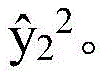
图1描绘了理解自然语言短语的多模型100的示例。在用户说“Buy Apple(购买苹果)”之后,自然语言理解引擎将用户的短语解析为“Buy(购买)”102和“Apple(苹果)”104。在时间步骤1的意图编码器106将“Buy”102的词典编号x1转换为“Buy”的一般意图编号h1 1,并且在时间步骤1的细节编码器108将“Buy”102的词典编号x1转换为“Buy”意图细节编号h1 2。在时间步骤1的意图解码器110将“Buy”一般意图编号h1 1和“Buy”意图细节编号h1 2转换为“Buy”意图状态编号s1 1,并且在时间步骤1的细节解码器112将“Buy”一般意图编号h1 1和“Buy”意图细节编号h1 2转换为“Buy”意图状态编号s1 2和确定意图细节标签y1 2=0的意图细节编号y1 2。在时间步骤2的意图编码器114将“Apple”104的词典编号x2和“Buy”一般意图编号h1 1转换为“Buy Apple”一般意图编号h2 1,并且在时间步骤2的细节编码器116将“Apple”104的词典编号x2和“Buy”意图细节编号的h1 2转换为“Apple”意图细节编号h2 2。在时间步骤2的意图解码器118将“Buy Apple”一般意图编号h2 1、“Apple”意图细节编号h2 2和“Buy”意图状态编号s1 1转换为一般意图值y2 1,该一般意图值y2 1确定一般意图类别y意图 1=“食品订单”或“股票市场购买”,并且每个一般意图类别都包括其相应的概率。在时间步骤2的细节解码器120将“Apple”一般意图编号h2 1和“Apple”意图细节编号h2 2以及“Buy”意图状态编号s1 2转换为确定意图细节标签y2 2=“水果名称”或“公司名称”的意图细节编号y2 2,并且每个标签都包括其对应的概率。如果确定了意图细节标签y2 2=“水果名称”,则自然语言理解引擎确定一般意图类别y意图 1=“食品订单”,并以“您何时要订购苹果这种水果?”的答复对用户进行响应。如果确定了意图细节标签y2 2=“公司名称”,则自然语言理解引擎确定一般意图类别y意图1=“购买股票”,并以“你想购买多少苹果公司的股票”的答复对用户进行响应。FIG. 1 depicts an example of a multi-model 100 for understanding natural language phrases. After the user says "Buy Apple", the natural language understanding engine parses the user's phrase into "Buy" 102 and "Apple" 104. The intent encoder 106 at time step 1 converts the dictionary number x 1 of "Buy" 102 to the general intent number h 1 1 of "Buy", and the detail encoder 108 at time step 1 converts the dictionary number of "Buy" 102 x 1 translates to "Buy" intent detail number h 1 2 . The intent decoder 110 at time step 1 converts the "Buy" general intent number h 1 1 and the "Buy" intent detail number h 1 2 to the "Buy" intent state number s 1 1 , and the detail decoder at time step 1 112 Converts the "Buy" general intent number h 1 1 and the "Buy" intent detail number h 1 2 to the "Buy" intent state number s 1 2 and the intent detail number y 1 2 that determines the intent detail label y 1 2 =0. The intent encoder 114 at time step 2 converts the dictionary number x 2 of "Apple" 104 and the "Buy" general intent number h 1 1 to the "Buy Apple" general intent number h 2 1 , and the details at time step 2 encode The processor 116 converts the dictionary number x 2 of the "Apple" 104 and the h 1 2 of the "Buy" intent detail number to the "Apple" intent detail number h 2 2 . The intent decoder 118 at time step 2 converts the "Buy Apple" general intent number h 2 1 , the "Apple" intent detail number h 2 2 and the "Buy" intent state number s 1 1 to the general intent value y 2 1 , which The general intent value y 2 1 identifies the general intent category y intent 1 = "food order" or "stock market purchase", and each general intent category includes its corresponding probability. The detail decoder 120 at time step 2 converts the "Apple" general intent number h 2 1 and the "Apple" intent detail number h 2 2 and the "Buy" intent state number s 1 2 to the determined intent detail label y 2 2 = " The intent detail number y 2 2 for "fruit name" or "company name", and each label includes its corresponding probability. If the intent detail label y 2 2 = "fruit name" is determined, the natural language understanding engine determines the general intent category y intent 1 = "food order" and responds with "When are you going to order a fruit like apples?" User responds. If the intent detail label y 2 2 = "company name" is determined, the natural language understanding engine determines the general intent class y intent 1 = "buy stock" and responds to the user with a response of "how much Apple stock do you want to buy" response.

提供本发明内容部分仅是为了引入某些概念,而不是确定所要求保护的主题的任何关键或必要特征。根据附图和以下详细描述,本发明的许多其他特征和实施例将变得显而易见。This Summary is provided only to introduce some concepts, rather than to identify any key or essential features of the claimed subject matter. Numerous other features and embodiments of the present invention will become apparent from the accompanying drawings and the following detailed description.

技术效果technical effect

根据本公开的各种实施例,通过理解自然语言短语的多模型,用户的输入短语可以根据其意图被正确地识别。According to various embodiments of the present disclosure, by understanding multiple models of natural language phrases, a user's input phrase can be correctly recognized according to its intent.

附图说明Description of drawings

附图示出了一个或更多个实施例。然而,附图不应被用来仅将本发明限制为示出的实施例。通过阅读以下详细说明并参考附图,各个方面和优点将变得显而易见。The figures illustrate one or more embodiments. However, the drawings should not be used to limit the invention only to the embodiments shown. Various aspects and advantages will become apparent upon reading the following detailed description with reference to the accompanying drawings.

图1示出了根据实施例的理解自然语言短语的示例多模型;1 illustrates an example multi-model for understanding natural language phrases, according to an embodiment;

图2示出了根据实施例的用于理解自然语言短语的多模型的示例系统的框图;2 illustrates a block diagram of a multi-model example system for understanding natural language phrases, according to an embodiment;

图3示出了根据实施例的被训练为理解自然语言短语的示例双模型结构;3 illustrates an example dual model structure trained to understand natural language phrases, according to an embodiment;

图4示出了根据实施例的理解自然语言短语的示例双模型结构;4 illustrates an example dual-model structure for understanding natural language phrases, according to an embodiment;

图5示出了根据实施例的理解自然语言短语的不包括解码器的示例双模型结构;5 illustrates an example dual-model structure without a decoder for understanding natural language phrases, according to an embodiment;

图6示出了根据实施例的理解自然语言短语的包括图像模型的示例三模型结构;6 illustrates an example three-model structure including an image model for understanding natural language phrases, according to an embodiment;

图7示出了根据实施例的理解自然语言短语的包括音频模型的示例三模型结构;7 illustrates an example three-model structure including an audio model for understanding natural language phrases, according to an embodiment;

图8示出了根据实施例的理解自然语言短语的包括自动建议模型的示例三模型结构;8 illustrates an example three-model structure including an automatic suggestion model for understanding natural language phrases, according to an embodiment;

图9是示出根据实施例的用于理解自然语言短语的多模型的方法的流程图;以及9 is a flowchart illustrating a multi-model method for understanding natural language phrases, according to an embodiment; and

图10是示出其中可以实现本主题的示例硬件设备的框图。10 is a block diagram illustrating an example hardware device in which the present subject matter may be implemented.

具体实施方式Detailed ways

以下描述是为了说明一个或更多个实施例的一般原理,并不意味着限制本文所保护的发明构思。此外,本文描述的特定特征可以以各种可能的组合和排列中的每一个与其他描述的特征组合使用。除非本文另有明确定义,否则所有术语均应给予其尽可能广泛的解释,包括从说明书中隐含的含义以及本领域技术人员所理解的含义和/或在词典、专论等中定义的含义。The following description is intended to illustrate the general principles of one or more embodiments, and is not meant to limit the inventive concepts protected herein. Furthermore, the specific features described herein can be used in each of the various possible combinations and permutations in combination with other described features. Unless explicitly defined otherwise herein, all terms should be given the broadest possible interpretation, including the meanings implied from the specification and the meanings understood by those skilled in the art and/or the meanings defined in dictionaries, monographs, etc. .

术语“对象”或“位置”通常指表示概念的一个单词、一组单词或一组字符。术语“接收到的短语”或“话语”通常指输入到系统中并且包括至少一个动词和至少一个名词的一组单词。术语“接收到的补充对象”通常指同样输入到系统中并表示概念的一个单词、一组单词或一组字符。术语“图像对象”通常用于指视觉表示。术语“音频对象”通常指输入到系统中的任何类型的声音,例如语音或录音。术语“建议对象”通常指表示所提出的概念的一个单词、一组单词或一组字符。The terms "object" or "location" generally refer to a word, a group of words, or a group of characters that represent a concept. The term "received phrase" or "utterance" generally refers to a set of words entered into a system and comprising at least one verb and at least one noun. The term "received supplemental object" generally refers to a word, a group of words, or a group of characters that are also input into the system and represent a concept. The term "image object" is commonly used to refer to a visual representation. The term "audio object" generally refers to any type of sound input into a system, such as speech or recordings. The term "suggestion object" generally refers to a word, group of words, or group of characters that represent a proposed concept.

术语“值”通常是指数值、代数术语或标签。术语“一般意图值”通常指与主要目的相关联的数值、代数术语或标签。术语“意图细节值”通常指与目的属性相关联的数值、代数术语或标签。The term "value" is usually an exponential value, an algebraic term, or a label. The term "general intent value" generally refers to a numerical value, algebraic term, or label associated with a primary purpose. The term "intent detail value" generally refers to a numerical value, algebraic term, or label associated with an intent attribute.

术语“意图值”通常指与目的相关联的数值、代数术语或标签。术语“细节值”通常指与目的属性相关联的数值、代数术语或标签。术语“补充值”通常指附加的数值、代数术语或标签。术语“图像值”通常指与视觉表示相关联的数值、代数术语或标签。术语“音频值”通常指与输入到系统的任何类型的声音相关联的数值、代数术语或标签。术语“建议值”通常指与建议相关联的数值、代数术语或标签。The term "intent value" generally refers to a numerical, algebraic term, or label associated with a purpose. The term "detail value" generally refers to a numerical value, algebraic term, or label associated with an attribute of interest. The term "supplementary value" generally refers to additional numerical values, algebraic terms, or labels. The term "image value" generally refers to a numerical value, algebraic term, or label associated with a visual representation. The term "audio value" generally refers to a numerical value, algebraic term, or label associated with any type of sound input to the system. The term "suggested value" generally refers to a numerical value, algebraic term, or label associated with a suggestion.

术语“意图状态值”通常指与条件和目的相关联的数值、代数术语或标签。术语“细节状态值”通常指与目的的条件和属性相关联的数值、代数术语或标签。术语“补充状态值”通常指与条件相关联的附加的数值、代数术语或标签。术语“图像状态值”通常指与条件和视觉表示相关联的数值、代数术语或标签。术语“音频状态值”通常指与条件和输入到系统中的任何类型的声音相关联的数值、代数术语或标签。术语“建议状态值”通常指与条件和建议相关联的数值、代数术语或标签。The term "intent state value" generally refers to numerical, algebraic terms, or labels associated with conditions and purposes. The term "detail state value" generally refers to numerical, algebraic terms, or labels associated with conditions and attributes of an intent. The term "supplemental state value" generally refers to an additional numerical value, algebraic term, or label associated with a condition. The term "image state value" generally refers to numerical, algebraic terms, or labels associated with conditions and visual representations. The term "audio state value" generally refers to a numerical value, algebraic term, or label associated with a condition and any type of sound input into a system. The term "advice status value" generally refers to numerical values, algebraic terms, or labels associated with conditions and recommendations.

术语“意图编码器”通常指将与目的相关联的信息或代码从一种格式转换为另一种格式的电路、软件程序或算法。术语“细节编码器”通常指将与目的的属性相关联的信息或代码从一种格式转换为另一种格式的电路、软件程序或算法。术语“补充编码器”通常指将信息或代码从一种格式转换为另一种格式的附加电路、软件程序或算法。术语“图像编码器”通常指将与视觉表示相关联的信息或代码从一种格式转换为另一种格式的电路、软件程序或算法。术语“音频编码器”通常指将与任何类型的声音相关联的信息或代码从一种格式转换为另一种格式的电路、软件程序或算法。术语“建议编码器”通常指将与建议相关联的信息或代码从一种格式转换为另一种格式的电路、软件程序或算法。The term "intent encoder" generally refers to a circuit, software program, or algorithm that converts information or code associated with a purpose from one format to another. The term "detail encoder" generally refers to a circuit, software program, or algorithm that converts information or code associated with an attribute of an object from one format to another. The term "supplemental encoder" generally refers to additional circuitry, software programs, or algorithms that convert information or code from one format to another. The term "image encoder" generally refers to a circuit, software program, or algorithm that converts information or code associated with a visual representation from one format to another. The term "audio encoder" generally refers to a circuit, software program or algorithm that converts information or code associated with any type of sound from one format to another. The term "advice encoder" generally refers to a circuit, software program, or algorithm that converts information or code associated with an advice from one format to another.

术语“意图解码器”通常指将与目的相关联的信号或代码从一种格式转换为另一种格式的电路、软件程序或算法。术语“细节解码器”通常指将与目的的属性相关联的信号或代码从一种格式转换为另一种格式的电路、软件程序或算法。术语“补充解码器”通常指将信号或代码从一种格式转换为另一种格式的附加电路、软件程序或算法。术语“图像解码器”通常指将与视觉表示相关联的信号或代码从一种格式转换为另一种格式的电路、软件程序或算法。术语“音频解码器”通常指将与任何类型的声音相关联的信号或代码从一种格式转换为另一种格式的电路、软件程序或算法。术语“建议解码器”通常指将与建议相关联的信号或代码从一种格式转换为另一种格式的电路、软件程序或算法。The term "intent decoder" generally refers to a circuit, software program, or algorithm that converts a signal or code associated with an object from one format to another. The term "detail decoder" generally refers to a circuit, software program, or algorithm that converts a signal or code associated with an attribute of an object from one format to another. The term "supplemental decoder" generally refers to additional circuits, software programs, or algorithms that convert a signal or code from one format to another. The term "image decoder" generally refers to a circuit, software program, or algorithm that converts a signal or code associated with a visual representation from one format to another. The term "audio decoder" generally refers to a circuit, software program or algorithm that converts a signal or code associated with any type of sound from one format to another. The term "advice decoder" generally refers to a circuit, software program, or algorithm that converts a signal or code associated with an advice from one format to another.

术语“参数”通常指形成定义系统或设置其操作条件的集合的数值或其他可测量因素。术语“差”通常指量不同的数量,或者一个值与另一个值相减后剩下的余数。术语“经验证的一般意图”通常指已确认的主要目的。术语“经验证的意图细节”通常指确认的目的属性。术语“响应”通常指对某事物的反应。The term "parameter" generally refers to a numerical value or other measurable factor that forms a set that defines a system or sets its operating conditions. The term "difference" generally refers to a quantitatively different amount, or the remainder left after subtracting one value from another. The term "verified general intent" generally refers to the identified primary purpose. The term "verified intent details" generally refers to validated intent attributes. The term "response" generally refers to a reaction to something.

图2示出了根据实施例的用于理解自然语言短语的系统200的框图。如图2所示,系统200可以示出云计算环境,在该云计算环境中数据、应用、服务和其他资源通过共享的数据中心被存储和传递,并且对于终端用户而言表现为单个访问点。系统200还可以代表服务器控制用于不同客户端用户的资源和服务的存储和分配的任何其他类型的分布式计算机网络环境。2 shows a block diagram of a system 200 for understanding natural language phrases, according to an embodiment. As shown in FIG. 2, system 200 may illustrate a cloud computing environment in which data, applications, services, and other resources are stored and delivered through a shared data center and appear to end users as a single point of access . System 200 may also represent any other type of distributed computer network environment that controls the storage and distribution of resources and services for different client users on behalf of a server.

在实施例中,系统200表示云计算系统,其包括第一客户端202、第二客户端204以及可以由托管公司提供的第一服务器206和第二服务器208。客户端202-204和服务器206-208经由网络210进行通信。尽管图2将第一客户端202描绘为智能手机202并且将第二客户端204描绘为膝上型计算机204,但是客户端202-204中的每一个可以是任何类型的计算机。在实施例中,可以称为自然语言服务器206的第一服务器206包括组件212-234。尽管图2描绘了具有两个客户端202-204、两个服务器206-208和一个网络210的系统200,但是系统200可以包括任何数量的客户端202-204、任何数量的服务器206-208和/或任何数量的网络210。客户端202-204和服务器206-208可以分别与图10所示和以下描述的系统1000基本相似。In an embodiment, the system 200 represents a cloud computing system that includes a first client 202, a second client 204, and a first server 206 and a second server 208, which may be provided by a hosting company. Clients 202-204 and servers 206-208 communicate via network 210. Although FIG. 2 depicts the first client 202 as a smartphone 202 and the second client 204 as a laptop computer 204, each of the clients 202-204 may be any type of computer. In an embodiment, the first server 206, which may be referred to as the natural language server 206, includes components 212-234. Although FIG. 2 depicts system 200 having two clients 202-204, two servers 206-208, and one network 210, system 200 may include any number of clients 202-204, any number of servers 206-208, and /or any number of networks 210. Clients 202-204 and servers 206-208 may be substantially similar to system 1000 shown in FIG. 10 and described below, respectively.

系统组件212-234(每个组件可以组合成较大的组件和/或划分为较小的组件)包括训练器212、个人数字助理214和自然语言理解引擎216。自然语言理解引擎216包括:意图模型218,该意图模型218包括意图编码器220和意图解码器222;细节模型224,该细节模型224包括细节编码器226和细节解码器228;以及补充模型230,该补充模型230包括补充编码器232和补充解码器234。图2描绘了系统组件212-234完全驻留在自然语言服务器206上,但是系统组件212-234也可以完全驻留在自然语言服务器206上,完全驻留在第二服务器208上,完全驻留在客户端202-204上,或部分驻留在服务器206-208上和部分驻留在客户端202-204上的任何组合中。例如,在自然语言服务器206使用训练器212来训练个人数字助理214中的自然语言理解引擎216时,自然语言服务器206可以将个人数字助理214的副本提供给智能手机202。System components 212 - 234 , each of which may be combined into larger components and/or divided into smaller components, include a trainer 212 , a personal digital assistant 214 , and a natural language understanding engine 216 . The natural language understanding engine 216 includes: an intent model 218 that includes an intent encoder 220 and an intent decoder 222; a detail model 224 that includes a detail encoder 226 and a detail decoder 228; and a complementary model 230, The supplemental model 230 includes a supplemental encoder 232 and a supplemental decoder 234 . 2 depicts system components 212-234 residing entirely on natural language server 206, but system components 212-234 may also reside entirely on natural language server 206, entirely on second server 208, entirely on second server 208, On clients 202-204, or in any combination residing partly on servers 206-208 and partly on clients 202-204. For example, when natural language server 206 uses trainer 212 to train natural language understanding engine 216 in personal digital assistant 214 , natural language server 206 may provide a copy of personal digital assistant 214 to smartphone 202 .

自然语言理解引擎216可以理解不是自然语言句子而是不完整的句子的自然语言短语,这是因为当与个人数字助理交互时,人们更可能输入的是诸如“flight from Denverto Philadephia(从丹佛到费城的航班)”这样不完整的句子短语而不是输入诸如“我想要关于从丹佛到费城的航班的信息”这样的句子。此外,如果对自然语言理解引擎216进行充分的训练以便于理解诸如“flight from Denver to Philadephia(从丹佛到费城的航班)”这样不完整的句子,那么自然语言理解引擎216会受到充分的训练以理解包括完整句子短语的完整句子,例如“我想要有关从丹佛到费城的航班的信息”。The natural language understanding engine 216 can understand natural language phrases that are not natural language sentences but incomplete sentences, because when interacting with a personal digital assistant, people are more likely to enter something like "flight from Denverto Philadephia (from Denver to Philadelphia) flight)" rather than entering a sentence such as "I would like information on a flight from Denver to Philadelphia." Furthermore, if the natural language understanding engine 216 is sufficiently trained to understand incomplete sentences such as "flight from Denver to Philadelphia", the natural language understanding engine 216 would be sufficiently trained to Comprehend full sentences that include full sentence phrases, such as "I want information about a flight from Denver to Philadelphia."

图3示出了根据实施例的用于训练以理解自然语言短语的包括解码器的双模型结构300的框图。自然语言服务器206可以具有多个基于神经的编码器-解码器模型,例如一般意图检测任务网络和意图细节检测任务网络,其可以被称为位置标签检测任务网络或位置填充检测任务网络。双向模型结构300包括用于一般意图检测任务网络的双向编码器和用于意图细节检测任务网络的双向编码器。双模型结构300可以使用双向长短期存储器(BLSTM)来实现相应的编码器,并且可以使用长短期存储器(LSTM)来实现相应的解码器。3 shows a block diagram of a dual model architecture 300 including a decoder for training to understand natural language phrases, according to an embodiment. The natural language server 206 may have a number of neural-based encoder-decoder models, such as a general intent detection task network and an intent detail detection task network, which may be referred to as a location label detection task network or a location filling detection task network. The bidirectional model structure 300 includes a bidirectional encoder for the general intent detection task network and a bidirectional encoder for the intent detail detection task network. The dual-model structure 300 may implement a corresponding encoder using a bidirectional long short-term memory (BLSTM), and may implement a corresponding decoder using a long short-term memory (LSTM).

每个编码器读取从接收到的短语前向和反向解析出来的对象序列(x1,x2,…xt)中的对象(通常是单词)。然后,用于一般意图检测任务的编码器神经网络生成隐藏状态hi 1,而用于意图细节检测任务的编码器神经网络生成隐藏状态hi 2。与分别训练一般意图模型和意图细节模型的个人数字助理系统不同,自然语言服务器206通过与其他模型共享每个模型的隐藏状态来一起使用一般意图模型和意图细节模型。例如,来自意图编码器f1的原始隐藏状态hi 1与来自意图细节编码器f2的hi-1 2连接,然后被馈送到意图解码器g1。类似地,对于意图细节模型,来自其细节编码器f2的隐藏状态hi 2与来自意图编码器f1的隐藏状态hi-1 1连接,然后被馈送到细节解码器g2。因此,BLSTM生成隐藏状态序列(h1 i,h2 i,…ht i),其中i=1对应于一般意图检测任务网络,而i=2对应于意图细节检测任务网络。为了检测一般意图,将意图编码器f1的隐藏状态h1与意图细节编码器f2的隐藏状态h2组合在一起以生成状态s1Each encoder reads objects (usually words) in a sequence of objects (x 1 , x 2 ,...x t ) parsed forward and backward from the received phrase. Then, the encoder neural network for the general intent detection task generates hidden states h i 1 , while the encoder neural network for the intent detail detection task generates hidden states h i 2 . Unlike personal digital assistant systems that train the general intent model and the intent detail model separately, the natural language server 206 uses the general intent model and the intent detail model together by sharing the hidden state of each model with other models. For example, the original hidden state h i 1 from intent encoder f 1 is concatenated with h i-1 2 from intent detail encoder f 2 and then fed to intent decoder g 1 . Similarly, for the intent detail model, the hidden state h i 2 from its detail encoder f 2 is concatenated with the hidden state h i-1 1 from the intent encoder f 1 and then fed to the detail decoder g 2 . Thus, the BLSTM generates a sequence of hidden states (h 1 i , h 2 i ,...h t i ), where i=1 corresponds to the general intent detection task network and i=2 corresponds to the intent detail detection task network. To detect general intent, the hidden state h 1 of intent encoder f 1 is combined with the hidden state h 2 of intent detail encoder f 2 to generate state s 1 :

Figure BDA0002733450920000081

Figure BDA0002733450920000082

其中

Figure BDA0002733450920000083
包含最后一个训练阶段t的所有一般意图类别的预测概率。in
Figure BDA0002733450920000083
Contains the predicted probabilities of all general intent categories for the last training epoch t.

类似地,为了检测意图细节,将来自意图细节编码器f2的隐藏状态h2与来自意图编码器f1的隐藏状态h1组合在一起以生成状态s2。然而,如果解决了序列标签问题,则意图细节解码器f2将在每个训练阶段t生成输出yt 2。在每个训练阶段:Similarly, to detect intent details, the hidden state h 2 from intent detail encoder f 2 is combined with hidden state h 1 from intent encoder f 1 to generate state s 2 . However, if the sequence labeling problem is solved, the intent-detail decoder f 2 will generate an output y t 2 at each training stage t. During each training phase:

st 2=ψ(ht-1 2,ht-1 1,st-1 2,yt-1 2)s t 2 =ψ(h t-1 2 ,h t-1 1 ,s t-1 2 ,y t-1 2 )

Figure BDA0002733450920000091

其中yt 2是在训练阶段t检测到的意图细节标签。where y t 2 is the intent detail label detected at training stage t.

自然语言服务器206可以使用具有共享隐藏状态参数的自身损失函数来训练多个任务网络。在每个训练迭代中,一般意图检测任务网络和意图细节检测任务网络都从其模型中的先前迭代中生成一组隐藏状态ht 1和ht 2。一般意图检测任务网络读取一批输入数据xi和隐藏状态ht 2,然后生成一般意图类别y意图 1The natural language server 206 may use its own loss function with shared hidden state parameters to train multiple task networks. In each training iteration, both the general intent detection task network and the intent detail detection task network generate a set of hidden states h t 1 and h t 2 from previous iterations in their models. The general intent detection task network reads a batch of input data xi and hidden state h t 2 , and then generates a general intent category y intent 1 .

例如,在系统管理员说“Flight from Denver to Philadelphia(从丹佛到费城的航班)”之后,自然语言理解引擎216将系统管理员的短语解析为“Flight(航班)”302、“from(从)”304、“Denver(丹佛)”306、“to(到)”308以及“Philadelphia(费城)”310。训练阶段1的意图编码器312将“Flight”302的词典编号x1转换为“flight”一般意图编号h1 1,而训练阶段1的细节编码器314将“Flight”302的词典编号x1转换为“flight”意图细节编号h1 2。诸如“Flight”302之类的对象的词典编号xi是诸如词语“flight”之类的对象的含义的数字表示,其可以基于与该对象相同的短语中的其他词语通过算法被转换为hi 1和hi 2,这是对象含义的其他数字表示。诸如词语“Flight”302之类的对象的值x1、x2、hi 1、hi 2、s1 1和s1 2可以表示为任意维度(例如,200)的向量。训练阶段1的意图解码器316将“flight”一般意图编号h1 1和“flight”意图细节编号h1 2转换为“flight”意图状态编号s1 1For example, after the system administrator says "Flight from Denver to Philadelphia", the natural language understanding engine 216 parses the system administrator's phrase as "Flight (flight)" 302, "from (from) 304 , “Denver” 306 , “to” 308 , and “Philadelphia” 310 . The intent encoder 312 of training stage 1 converts the dictionary number x 1 of "Flight" 302 to the "flight" general intent number h 1 1 , while the detail encoder 314 of training stage 1 converts the dictionary number x 1 of "Flight" 302 Number h 1 2 for the "flight" intent detail. The dictionary number xi of an object such as "Flight" 302 is a numerical representation of the meaning of an object such as the word "flight", which can be algorithmically converted to hi based on other words in the same phrase as the object 1 and h i 2 , which are other numerical representations of the meaning of the object. The values x 1 , x 2 , hi 1 , hi 2 , s 1 1 , and s 1 2 of an object such as the word “Flight” 302 may be represented as vectors of any dimension (eg, 200). The intent decoder 316 of training stage 1 converts the "flight" general intent number h 1 1 and the "flight" intent detail number h 1 2 to the "flight" intent state number s 1 1 .

训练阶段2的意图编码器318将“from”304的词典编号x2和“flight”一般意图编号h1 1和意图细节编号h1 2转换为“flight from(来自…的航班)”一般意图编号h2 1,并且训练阶段2的细节编码器320将“from”304的词典编号x2、“flight”一般意图编号h1 1和意图细节编号h1 2转换为“from”意图细节编号h2 2。训练阶段2的意图解码器322将“flight from”一般意图编号h2 1、“from”意图细节编号h2 2和“fight”意图状态编号s1 1转换为“flight from”意图状态编号s2 1The intent encoder 318 of training stage 2 converts the dictionary number x 2 of "from" 304 and the "flight" general intent number h 1 1 and the intent detail number h 1 2 to the "flight from (flight from)" general intent number h 2 1 , and the detail encoder 320 of training stage 2 converts the lexicon number x 2 , the “flight” general intent number h 1 1 and the intent detail number h 1 2 of the “from” 304 to the “from” intent detail number h 2 2 . The intent decoder 322 of training stage 2 converts the "flight from" general intent number h 2 1 , the "from" intent detail number h 2 2 and the "fight" intent state number s 1 1 to the "flight from" intent state number s 2 1 .

训练阶段3的意图编码器324将“Denver”306的词典编号x3、“flight from”一般意图编号h2 1和意图细节编号h2 2转换为“flight from Denver(从丹佛出发的航班)”一般意图编号h3 1,并且训练阶段3的细节编码器326将“Denver”306的词典编号x3和“from”意图细节编号h2 2转换为“Denver”意图细节编号h3 2。训练阶段3的意图解码器328将“flight fromDenver”一般意图编号h3 1、“Denver”意图细节编号h3 2和“from”意图状态编号s2 1转换为“flight from Denver”意图状态编号s3 1The intent encoder 324 of training stage 3 converts the dictionary number x 3 of "Denver" 306, the general intent number h 2 1 of "flight from" and the intent detail number h 2 2 to "flight from Denver" The general intent number h 3 1 , and the detail encoder 326 of training stage 3 converts the dictionary number x 3 of “Denver” 306 and the “from” intent detail number h 2 2 to the “Denver” intent detail number h 3 2 . The intent decoder 328 of training stage 3 converts the "flight from Denver" general intent number h 3 1 , the "Denver" intent detail number h 3 2 and the "from" intent state number s 2 1 to the "flight from Denver" intent state number s 31 .

训练阶段4的意图编码器330将“to”308的词典编号x4和“flight from Denver”一般意图编号h3 1和意图细节编号h3 2转换为“flight from Denver to(从丹佛到…的航班)”一般意图编号h4 1,训练阶段4的细节编码器332将“to”308的词典编号x4和“Denver”意图细节编号h3 2转换为“to”意图细节编号h4 2。训练阶段4的意图解码器334将“flight fromDenver to”一般意图编号h4 1、“to”意图细节编号h4 2和“flight from Denver”意图状态编号s3 1转换为“flight from Denver to”意图状态编号s4 1The intent encoder 330 of training stage 4 converts the dictionary number x 4 of "to" 308 and the general intent number h 3 1 of "flight from Denver" and the intent detail number h 3 2 to "flight from Denver to (from Denver to... flight)" general intent number h 4 1 , the detail encoder 332 of training stage 4 converts the dictionary number x 4 of "to" 308 and the "Denver" intent detail number h 3 2 to the "to" intent detail number h 4 2 . The intent decoder 334 of training stage 4 converts the "flight from Denver to" general intent number h 4 1 , the "to" intent detail number h 4 2 and the "flight from Denver" intent state number s 3 1 to "flight from Denver to" Intent state number s 4 1 .

训练阶段5的意图编码器336将“Philadelphia”310的词典编号x5和“flight fromDenver to”的一般意图编号h4 1和意图细节编号h4 2转换为“flight from Denver toPhiladelphia”一般意图编号h5 1,并且训练阶段5的细节编码器338将“Philadelphia”310的词典编号x5和“to”意图细节编号h4 2转换为“Philadelphia”意图细节编号h5 2。训练阶段5的意图解码器340将“flight from Denver to Philadelphia”一般意图编号h5 1、“Philadelphia”意图细节编号h5 2和“flight from Denver to”意图状态编号s4 1转换为确定一般意图类别y意图 1=“flight”的一般意图编号

Figure BDA0002733450920000101
其中包括一般意图类别的相应概率。训练阶段1-5(312、318、324、330和336)的意图编码器是意图模型218中的意图编码器220的示例,而训练阶段1-5(316、322、328、334和340)的意图解码器是意图模型218中的意图解码器222的示例。The intent encoder 336 of training stage 5 converts the dictionary number x 5 of "Philadelphia" 310 and the general intent number h 4 1 and intent detail number h 4 2 of "flight from Denver to" into the "flight from Denver to Philadelphia" general intent number h 5 1 , and the detail encoder 338 of training stage 5 converts the dictionary number x 5 of "Philadelphia" 310 and the "to" intent detail number h 4 2 to the "Philadelphia" intent detail number h 5 2 . The intent decoder 340 of training stage 5 converts the "flight from Denver to Philadelphia" general intent number h 5 1 , the "Philadelphia" intent detail number h 5 2 and the "flight from Denver to" intent state number s 4 1 to determine the general intent Category y intent 1 = general intent number for "flight"
Figure BDA0002733450920000101
These include the corresponding probabilities for the general intent category. The intent encoders of training stages 1-5 (312, 318, 324, 330, and 336) are examples of intent encoders 220 in the intent model 218, while training stages 1-5 (316, 322, 328, 334, and 340) The intent decoder of is an example of intent decoder 222 in intent model 218 .

一般意图模型中最后训练阶段的意图解码器通过识别出一般意图编号

Figure BDA0002733450920000111
中的哪一个对应于最大概率来确定接收到的短语的一般意图,从而确定具有一般意图类别y意图 1的相应的一般意图。下面参考图4描述一般意图模型中的意图解码器将一般意图确定为y意图 1=“查看水果价格”或“查看股票价格”的示例。The intent decoder in the final training stage of the general intent model recognizes the general intent number by
Figure BDA0002733450920000111
Which of these corresponds to the greatest probability to determine the general intent of the received phrase and thus the corresponding general intent with the general intent class y intent1 . An example in which the intent decoder in the general intent model determines the general intent as y intent 1 = "check fruit prices" or "check stock prices" is described below with reference to FIG. 4 .

自然语言服务器206基于函数L1计算一般意图检测任务网络代价,并在一般意图检测任务网络代价的基础上训练一般意图检测任务网络。使用交叉熵将L1定义为:The natural language server 206 calculates the general intent detection task network cost based on the function L1, and trains the general intent detection task network on the basis of the general intent detection task network cost. Use cross - entropy to define L1 as:

Figure BDA0002733450920000112

其中,k是一般意图类别类型的数量。where k is the number of general intent category types.

在图3的示例中,y意图 1=“flight”,并且系统管理员或算法验证了短语“flightfrom Denver to Philadephia”的一般意图类别“flight”。因此,损失函数或代价函数(数据实例的估计值与真实值之间的差的函数)的计算将导致意图编码器或意图解码器的参数变化最小(如果有的话)。在导致确定的一般意图值与经验证的一般意图值之间存在差异的其他示例中,这种差异可能导致意图编码器和/或意图解码器的参数发生任何数量的改变。In the example of Figure 3, y intent 1 = "flight", and the system administrator or algorithm verified the general intent category "flight" for the phrase "flight from Denver to Philadephia". Therefore, the computation of a loss function or cost function (a function of the difference between the estimated and true values of a data instance) will result in minimal, if any, change in the parameters of the intent encoder or intent decoder. In other examples that result in a discrepancy between the determined generic intent value and the verified generic intent value, such discrepancy may result in any number of changes in the parameters of the intent encoder and/or intent decoder.

接下来,自然语言服务器206将相同批次的数据xi与来自一般意图检测任务网络的隐藏状态ht 1一起提供给意图细节检测任务网络,这使得意图细节检测任务网络能够生成一批训练阶段2的输出yt 2Next, the natural language server 206 provides the same batch of data xi together with the hidden state ht1 from the general intent detection task network to the intent detail detection task network, which enables the intent detail detection task network to generate a batch of training phases 2's output y t 2 .

继续图3所示的示例,训练阶段1的细节解码器342将“flight”一般意图编号h1 1和“flight”意图细节编号h1 2转换为“flight”细节状态编号s1 2和确定出意图细节标签y1 2=“0”的意图细节编号

Figure BDA0002733450920000113
意图细节模型中的细节解码器通过确定与最大概率相对应的意图细节编号
Figure BDA0002733450920000114
中的一个是否具有大于意图细节概率阈值的概率然后使用意图细节标签yn 2标记相应的意图细节来确定接收到的短语中的对象的意图细节。然而,在多个意图细节编号
Figure BDA0002733450920000115
对应于大于意图细节概率阈值的概率的一些情况下,细节解码器可以用意图细节标签yn 2来标记多个对应的意图细节。下面参考图4来描述细节模型中的细节解码器将意图细节确定并标记为y5 2=“水果名称”或y5 2=“公司名称”的示例。Continuing the example shown in Figure 3, the detail decoder 342 of training stage 1 converts the "flight" general intent number h 1 1 and the "flight" intent detail number h 1 2 to the "flight" detail state number s 1 2 and determines Intent detail number of intent detail label y 1 2 = "0"
Figure BDA0002733450920000113
The detail decoder in the intent detail model works by determining the intent detail number corresponding to the maximum probability
Figure BDA0002733450920000114
Whether one of them has a probability greater than the intent-detail probability threshold and then labels the corresponding intent-detail with intent-detail labels y n 2 to determine intent-details for the object in the received phrase. However, in multiple intent details numbering
Figure BDA0002733450920000115
For some cases corresponding to probabilities greater than an intent detail probability threshold, the detail decoder may label a plurality of corresponding intent minutiae with intent detail labels y n 2 . An example in which the detail decoder in the detail model determines and labels the intent detail as y 5 2 = "fruit name" or y 5 2 = "company name" is described below with reference to FIG. 4 .

训练阶段2的细节解码器344将“flight from”一般意图编号h2 1、“from”意图细节编号h2 2和“flight”细节状态编号s1 2转换为“from”细节状态编号s2 2和确定意图细节标签y2 2=0的意图细节编号

Figure BDA0002733450920000121
训练阶段3的细节解码器346将“flight from Denver”一般意图编号h3 1、“Denver”意图细节编号h3 2和“from”细节状态编号s2 2转换为“Denver”细节状态编号s3 2和确定意图细节标签
Figure BDA0002733450920000122
的意图细节编号
Figure BDA0002733450920000123
训练阶段4的细节解码器348将“flight from Denver to”转换为一般意图编号h4 1、“to”意图细节编号h4 2和“Denver”细节状态编号s3 2转换为“to”细节状态编号s42和确定细节意图标签y4 2=0的意图细节标签
Figure BDA0002733450920000124
训练阶段5的细节解码器350将“Flight from Denver toPhiladelphia”一般意图数字h5 1、“Philadelphia”意图细节数字h5 2和“to”细节状态编号s4 2转换为确定细节意图标签y5 2=“到达地(to location)”的细节意图编号
Figure BDA0002733450920000125
训练阶段1-5(314、320、326、332和338)的细节编码器是细节模型224中的细节编码器226的示例,训练阶段1-5(342、342、344、346、348和350)的细节解码器的是细节模型224中的细节解码器226的示例。The detail decoder 344 of training stage 2 converts the "flight from" general intent number h 2 1 , the "from" intent detail number h 2 2 and the "flight" detail state number s 1 2 to the "from" detail state number s 2 2 and determine the intent detail number for the intent detail label y 2 2 =0
Figure BDA0002733450920000121
The detail decoder 346 of training stage 3 converts the "flight from Denver" general intent number h 3 1 , the "Denver" intent detail number h 3 2 and the "from" detail state number s 2 2 to the "Denver" detail state number s 3 2 and determine the intent details label
Figure BDA0002733450920000122
Intent detail number of
Figure BDA0002733450920000123
The detail decoder 348 of training stage 4 converts "flight from Denver to" to general intent number h 4 1 , "to" intent detail number h 4 2 and "Denver" detail state number s 3 2 to "to" detail state Number s42 and the intent detail label that determines the detail intent label y 4 2 =0
Figure BDA0002733450920000124
The detail decoder 350 of training stage 5 converts the "Flight from Denver to Philadelphia" general intent number h 5 1 , the "Philadelphia" intent detail number h 5 2 and the "to" detail state number s 4 2 into the determined detail intent label y 5 2 = "to location" detail intent number
Figure BDA0002733450920000125
The detail encoders of training stages 1-5 (314, 320, 326, 332, and 338) are examples of detail encoders 226 in detail model 224, and training stages 1-5 (342, 342, 344, 346, 348, and 350 ) of the detail decoder is an example of the detail decoder 226 in the detail model 224.

然后,自然语言服务器206基于函数L2计算意图细节检测任务网络代价,并且根据意图细节检测任务网络代价训练意图细节检测任务网络。使用交叉熵将L2定义为:Then, the natural language server 206 calculates the intent detail detection task network cost based on the function L2, and trains the intent detail detection task network according to the intent detail detection task network cost. Use cross - entropy to define L2 as:

Figure BDA0002733450920000126

其中,m是意图细节标签类型的数量,n是短语中对象(词语)的数量。where m is the number of intent detail label types and n is the number of objects (words) in the phrase.

在图3的示例中,y1 2=“0”、y3 2=“出发地(from position)”、y5 2=“到达地”,并且系统管理员或算法仅验证短语“flight from Denver to Philadelphia”的意图细节标签“出发地”和“到达地”。因此,损失函数或代价函数的计算将导致细节编码器和/或细节解码器的参数发生变化,从而降低生成意图细节标签y1 2=“0”的概率。在导致确定的意图细节值与经验证的意图细节值之间没有差异的其他示例中,细节编码器和/或细节解码器的参数中的变化量(如果有的话)最小。In the example of Figure 3, y 1 2 = "0", y 3 2 = "from position", y 5 2 = "arrival", and the system administrator or algorithm only validates the phrase "flight from Denver" to Philadelphia" intent detail tags "From" and "To". Therefore, the calculation of the loss function or the cost function will cause the parameters of the detail encoder and/or the detail decoder to change, thereby reducing the probability of generating the intent detail label y 1 2 =“0”. In other examples that result in no difference between the determined intent detail value and the verified intent detail value, the amount of variation, if any, in the parameters of the detail encoder and/or detail decoder is minimal.

由于针对两个不同的任务,保持两个单独的代价函数很重要,所以自然语言服务器206使用异步训练。自然语言服务器206过滤了两个任务之间的负面影响,从而克服了一种模型的结构限制。只能通过共享两个模型的隐藏状态来学习两个任务之间的交叉影响,这两个模型使用两个代价函数进行单独训练。通过减少每个任务的错误并学习有用的共享信息,可以提高所有任务的性能。Since it is important to keep two separate cost functions for two different tasks, the natural language server 206 uses asynchronous training. The natural language server 206 filters the negative effects between the two tasks, thereby overcoming the structural limitations of one model. The cross-influence between two tasks can only be learned by sharing the hidden states of the two models, which are trained separately using two cost functions. The performance of all tasks can be improved by reducing errors per task and learning useful shared information.

图4示出了根据实施例的用于理解自然语言短语的包括解码器的双模型结构400的框图。在用户说“Check the price of Apple(查看该苹果的价格)”之后,自然语言理解引擎216将用户的短语解析为“Check(查看)”402、“the(该)”404、“price(价格)”406、“of(的)”408和“apple(苹果)”410。在时间步骤1的意图编码器412将“Check”402的词典编号x1转换为“check”一般意图编号h1 1,并且时间步骤1的细节编码器414将“Check”402的词典编号x1转换为“check”意图细节编号h1 2。在时间步骤1的意图解码器416将“check”意图编号h1 1和“check”意图细节编号h1 2转换为“check”意图状态编号s1 1,并且在时间步骤1的细节解码器418将“check”一般意图编号h1 1和“check”意图细节编号h1 2转换为“check”细节状态编号s1 2和确定意图细节标签y1 2=0的意图细节编号

Figure BDA0002733450920000131
4 shows a block diagram of a dual model architecture 400 including a decoder for understanding natural language phrases, according to an embodiment. After the user says "Check the price of Apple," the natural language understanding engine 216 parses the user's phrase into "Check" 402, "the" 404, "price" )” 406 , “of(of)” 408 , and “apple” 410 . The intent encoder 412 at time step 1 converts the dictionary number x 1 of "Check" 402 to the "check" general intent number h 1 1 , and the detail encoder 414 at time step 1 converts the dictionary number x 1 of "Check" 402 Convert to "check" intent detail number h 1 2 . The intent decoder 416 at time step 1 converts the "check" intent number h 1 1 and the "check" intent detail number h 1 2 to the "check" intent state number s 1 1 , and the detail decoder 418 at time step 1 Convert "check" general intent number h 1 1 and "check" intent detail number h 1 2 to "check" detail state number s 1 2 and determine intent detail number y 1 2 = 0
Figure BDA0002733450920000131

在时间步骤2的意图编码器420将“the”404的词典编号x2、“check”一般意图编号h1 1和意图细节编号h1 2转换为“check the(查看该)”一般意图编号h2 1,在时间步骤2的细节编码器422将“the”404的词典编号x2、“check”意图细节编号h1 2和一般意图编号h1 1转换为“the”意图细节编号h2 2。在时间步骤2的意图解码器424将“check the”一般意图编号h2 1、“the”意图细节编号h2 2和“check”意图状态编号s1 1转换为“check the”意图状态序号s2 1,并且在时间步骤2的细节解码器426将“check the”一般意图编号h2 1、“the”意图细节编号h2 2和“check”细节状态编号s1 2转换为“the”细节状态编号s2 2和确定意图细节标签y2 2=0意图细节编号

Figure BDA0002733450920000132
The intent encoder 420 at time step 2 converts the dictionary number x 2 , the “check” general intent number h 1 1 and the intent detail number h 1 2 of “the” 404 to the “check the” general intent number h 2 1 , the detail encoder 422 at time step 2 converts the dictionary number x 2 , the “check” intent detail number h 1 2 and the general intent detail number h 1 1 of “the” 404 to the “the” intent detail number h 2 2 . Intent decoder 424 at time step 2 converts "check the" general intent number h 2 1 , "the" intent detail number h 2 2 and "check" intent state number s 1 1 to "check the" intent state number s 2 1 , and the detail decoder 426 at time step 2 converts "check the" general intent number h 2 1 , "the" intent detail number h 2 2 and "check" detail state number s 1 2 to "the" detail state number s 2 2 and determination intent detail label y 2 2 = 0 intent detail number
Figure BDA0002733450920000132

在时间步骤3的意图编码器428将“price”406的词典编号x3、“check the”一般意图编号h21和意图细节编号h2 2转换为“check the price(查看该价格)”一般意图编号h3 1,并且在时间步骤3的细节编码器430将“price”406的词典编号x3、“the”意图细节编号h2 2和一般意图编号h2 1转换为“price”意图细节编号h3 2。在时间步骤3的意图解码器432将“checkthe price”一般意图编号h3 1、“price”意图细节编号h3 1和“check the price”意图状态编号s2 1转换为“check the price”意图状态编号s3 1,在时间步骤3的细节解码器434将“checkthe price”一般意图编号h3 1、“price”意图细节编号h3 2和“the”细节状态编号s2 2转换为“price”细节状态编号s3 2和确定意图细节标签y3 2=0的意图细节编号

Figure BDA0002733450920000141
The intent encoder 428 at time step 3 converts the dictionary number x3 , "check the" general intent number h21, and intent detail number h22 of "price" 406 into a "check the price" general intent number h 3 1 , and the detail encoder 430 at time step 3 converts the dictionary number x 3 of "price" 406, the intent detail number h 2 2 of "the", and the general intent detail number h 2 1 to the "price" intent detail number h 3 2 . The intent decoder 432 at time step 3 converts the "check the price" general intent number h 3 1 , the "price" intent detail number h 3 1 and the "check the price" intent state number s 2 1 to the "check the price" intent State number s 3 1 , detail decoder 434 at time step 3 converts "check the price" general intent number h 3 1 , "price" intent detail number h 3 2 and "the" detail state number s 2 2 to "price""detail state number s 3 2 and the intent detail number that determines intent detail label y 3 2 = 0
Figure BDA0002733450920000141

时间步骤4的意图编码器436将“of(的)”408的词典编号x4、“check the price”一般意图编号h3 1、以及意图细节编号h3 2转换为“check the price of(查看该…的价格)”一般意图编号h4 1,在时间步骤4的细节编码器438将“of”408的词典编号x4、“price”意图细节编号h3 2和一般意图编号h3 1转换为“of”意图细节编号h4 2。在时间步骤4的意图解码器440将“check the price of”一般意图编号h4 1、“of”意图细节编号h4 2和“check the price of”意图状态编号s3 1转换为“check the price of”意图状态编号h4 1,在时间步骤4的细节解码器442将“check the price of”一般意图编号h4 1、“of”意图细节编号h4 2和“price”细节状态编号s3 2转换为“of”细节状态编号s4 2和确定意图细节标签y4 2=0的意图细节编号

Figure BDA0002733450920000142
The intent encoder 436 at time step 4 converts the dictionary number x 4 of "of(of)" 408, the "check the price" general intent number h 3 1 , and the intent detail number h 3 2 into "check the price of (check the price" The price of this)" general intent number h 4 1 , the detail encoder 438 at time step 4 converts the dictionary number x 4 of "of" 408, the "price" intent detail number h 3 2 and the general intent number h 3 1 Number h42 for the "of" intent detail. The intent decoder 440 at time step 4 converts the "check the price of" general intent number h 4 1 , the "of" intent detail number h 4 2 and the "check the price of" intent state number s 3 1 to "check the price of" price of" intent state number h 4 1 , the detail decoder 442 at time step 4 will "check the price of" general intent number h 4 1 , "of" intent detail number h 4 2 and "price" detail state number s 3 2 converts to "of" detail state number s 4 2 and determines intent detail number for intent detail label y 4 2 = 0
Figure BDA0002733450920000142

在时间步骤5的意图编码器444将“Apple”410的词典编号x5、“check the priceof”一般意图编号h4 1和意图细节编号h4 2转换为“check the price of Apple”一般意图编号h5 1,并且在时间步骤5的细节编码器446将“Apple”310的词典编号x5、“of”意图细节编号h4 2和一般意图编号h4 1转换为“Apple”意图细节编号h5 2。在时间步骤5的意图解码器448将“check the price of Apple”一般意图编号h5 1、“Apple”意图细节编号h5 2和“check theprice of”意图状态编号h4 1转换为一般意图编号

Figure BDA0002733450920000143
该一般意图编号
Figure BDA0002733450920000144
确定一般意图类别y意图 1=“check stock price(查看股票价格)”或“查看水果价格”,其中包括每个一般意图类别的对应概率,并且在时间步骤5的细节解码器450将“check the price of Apple”一般意图编号h5 1、“Apple”意图细节编号h5 2和“of”细节状态编号s4 2转换为意图细节标记
Figure BDA0002733450920000151
该意图细节标记
Figure BDA0002733450920000152
确定意图细节标签y5 2=“公司名称”或“水果名称”,其包括每个标签的相应概率。然后,自然语言理解引擎216可以通过以下答复对用户做出响应:“您想知道苹果这种水果的价格还是苹果公司的股票价格?”。与使用两个不相关的模型来实现用于理解自然语言短语的单独的一般意图任务和意图细节任务的典型的个人数字助理相反,双模型结构400同时执行两个任务,这通过在两个任务网络之间共享有用的信息来提高每个任务的性能。因此,双模型结构400使个人数字助理214比典型的个人数字助理更好地理解模糊的自然语言短语。The intent encoder 444 at time step 5 converts the dictionary number x 5 of "Apple" 410, the "check the price of" general intent number h 4 1 and the intent detail number h 4 2 into the "check the price of Apple" general intent number h 5 1 , and the detail encoder 446 at time step 5 converts the dictionary number x 5 of "Apple" 310, the "of" intent detail number h 4 2 , and the general intent number h 4 1 to the "Apple" intent detail number h 5 2 . The intent decoder 448 at time step 5 converts the "check the price of Apple" general intent number h 5 1 , the "Apple" intent detail number h 5 2 and the "check the price of" intent state number h 4 1 to general intent numbers
Figure BDA0002733450920000143
the general intent number
Figure BDA0002733450920000144
Determine the general intent category y intent1 = "check stock price" or "check fruit price", which includes the corresponding probability for each general intent category, and the detail decoder 450 at time step 5 will "check the price of Apple" general intent number h 5 1 , "Apple" intent detail number h 5 2 , and "of" detail state number s 4 2 are converted to intent detail tags
Figure BDA0002733450920000151
The intent detail tag
Figure BDA0002733450920000152
Determine the intent detail labels y 5 2 = "company name" or "fruit name", which includes the corresponding probability for each label. The natural language understanding engine 216 may then respond to the user with the following reply: "Would you like to know the price of the fruit apple or the stock price of Apple Inc.?". In contrast to typical personal digital assistants that use two unrelated models to implement separate general intent tasks and intent detail tasks for understanding natural language phrases, the dual-model architecture 400 performs both tasks simultaneously, which is achieved by Useful information is shared between networks to improve the performance of each task. Thus, the dual model architecture 400 enables the personal digital assistant 214 to understand vague natural language phrases better than typical personal digital assistants.

图5示出了根据实施例的用于理解自然语言短语的不包括解码器的双模型结构500的框图。在该双模型结构500中,不存在以前的双模型结构300和400中那样的解码器。用于一般意图检测任务的编码器在最后一个时间步骤n仅生成一个检测到的一般意图类别y意图 1,其中n等于接收到的短语中的对象(词语)的数量。状态值yt 1和一般意图类别y意图 1生成为:5 shows a block diagram of a dual model architecture 500 without a decoder for understanding natural language phrases, according to an embodiment. In this dual-model architecture 500, there is no decoder as in the previous dual-model architectures 300 and 400. The encoder for the general intent detection task generates only one detected general intent category y intent1 at the last time step n , where n is equal to the number of objects (words) in the received phrase. The state value y t 1 and the general intent category y intent 1 are generated as:

Figure BDA0002733450920000155

Figure BDA0002733450920000153

对于意图细节检测任务,编码器的基本结构与用于一般意图检测任务的编码器相似,其不同之处在于,在每个时间步骤t都生成一个意图细节标签yt 2。意图细节编码器还从两个编码器中获得隐藏状态ht-1 1和ht-1 2以及意图细节标签yt-1 2,以生成下一个状态值ht 2和意图细节标签yt 2。这些在数学上表示为:For the intent detail detection task, the basic structure of the encoder is similar to that used for the general intent detection task, except that an intent detail label y t 2 is generated at each time step t. The intent detail encoder also obtains the hidden states h t-1 1 and h t-1 2 and the intent detail label y t-1 2 from the two encoders to generate the next state value h t 2 and the intent detail label y t 2 . These are represented mathematically as:

ht 2=ψ(ht-1 2,ht-1 1,yt-1 2)h t 2 =ψ(h t-1 2 ,h t-1 1 ,y t-1 2 )

Figure BDA0002733450920000154

例如,图5示出了根据实施例的用于理解自然语言短语的不包括解码器的双模型结构500的框图。在用户说“flight from Denver to Philadelphia”之后,自然语言理解引擎216将用户的短语解析为“Flight”502、“from”504、“Denver”506、“to”508和“Philadelphia”510。在时间步骤1的意图编码器512将“Flight”502的词典编号x1转换为“flight”一般意图编号h1 1,并且在时间步骤1的细节编码器514将“Flight”502的词典编号x1转换为“flight”意图细节编号h1 2。在时间步骤1的意图编码器512将“flight”一般意图编号h1 1和“flight”意图细节编号h1 2转换为“flight”一般意图状态编号

Figure BDA0002733450920000161
并且在时间步骤1的细节编码器514将“flight”一般意图编号h1 1和“flight”意图细节编号h1 2转换为确定意图细节标签y1 2=0的“flight”意图细节状态编号
Figure BDA0002733450920000162
For example, FIG. 5 shows a block diagram of a dual-model architecture 500 that does not include a decoder for understanding natural language phrases, according to an embodiment. After the user says "flight from Denver to Philadelphia," the natural language understanding engine 216 parses the user's phrase into "Flight" 502, "from" 504, "Denver" 506, "to" 508, and "Philadelphia" 510. The intent encoder 512 at time step 1 converts the dictionary number x 1 of "Flight" 502 to the "flight" general intent number h 1 1 , and the detail encoder 514 at time step 1 converts the dictionary number x of "Flight" 502 1 translates to "flight" intent detail number h 1 2 . The intent encoder 512 at time step 1 converts the "flight" general intent number h 1 1 and the "flight" intent detail number h 1 2 to the "flight" general intent state number
Figure BDA0002733450920000161
And the detail encoder 514 at time step 1 converts the "flight" general intent number h 1 1 and the "flight" intent detail number h 1 2 to the "flight" intent detail state number determining the intent detail label y 1 2 =0
Figure BDA0002733450920000162

在时间步骤2的意图编码器516将“from”504的词典编号x2和“flight”一般意图状态编号

Figure BDA0002733450920000163
转换为“flight from”一般意图编号h2 1,并且在时间步骤2的细节编码器518将“from”504的词典编号x2和“flight”意图细节状态编号
Figure BDA0002733450920000164
转换为“from”意图细节编号h2 2。在时间步骤2的意图编码器516将“flight from”一般意图编号h2 1和“from”意图细节编号h2 2转换为“flight from”一般意图状态编号
Figure BDA0002733450920000165
并且在时间步骤2的细节编码器518将“flight from”一般意图编号h2 1和“from”意图细节编号h2 2转换为确定意图细节标签y2 2=0的“from”意图细节状态编号
Figure BDA0002733450920000166
The intent encoder 516 at time step 2 converts the dictionary number of "from" 504 x 2 and the "flight" general intent state number
Figure BDA0002733450920000163
Convert to "flight from" general intent number h 2 1 and detail encoder 518 at time step 2 converts "from"504's dictionary number x 2 and "flight" intent detail state number
Figure BDA0002733450920000164
Convert to "from" intent detail number h 2 2 . The intent encoder 516 at time step 2 converts the "flight from" general intent number h 2 1 and the "from" intent detail number h 2 2 to the "flight from" general intent state number
Figure BDA0002733450920000165
And the detail encoder 518 at time step 2 converts the "flight from" general intent number h 2 1 and the "from" intent detail number h 2 2 to the "from" intent detail state number determining the intent detail label y 2 2 =0.
Figure BDA0002733450920000166

在时间步骤3的意图编码器520将“Denver”506的词典编号x3和“flight from”一般意图状态编号

Figure BDA0002733450920000167
转换为“flight from Denver(从丹佛出发的航班)”一般意图编号h3 1,并且在时间步骤3的细节编码器522将“Denver”506的词典编号x3和“froms”意图细节状态编号
Figure BDA0002733450920000168
转换为“Denver”意图细节编号h2 2。在时间步骤3的意图编码器520将“flight fromDenver”一般意图编号h3 1和“Denver”意图细节编号h3 2转换为“flight from Denver”一般意图状态编号
Figure BDA0002733450920000169
并且在时间步骤3的细节编码器522将“flight from Denver”一般意图编号h3 1和“Denver”意图细节编号h3 2转换为确定意图细节标签y3 2=“出发地”的“Denver”细节状态编号
Figure BDA00027334509200001610
The intent encoder 520 at time step 3 converts the dictionary number of "Denver" 506 x3 and the "flight from" general intent state number
Figure BDA0002733450920000167
Convert to "flight from Denver" general intent number h 3 1 and detail encoder 522 at time step 3 x 3 the dictionary number of "Denver" 506 and the "froms" intent detail state number
Figure BDA0002733450920000168
Convert to "Denver" intent detail number h 2 2 . The intent encoder 520 at time step 3 converts the "flight from Denver" general intent number h 3 1 and the "Denver" intent detail number h 3 2 to the "flight from Denver" general intent state number
Figure BDA0002733450920000169
And the detail encoder 522 at time step 3 converts the "flight from Denver" general intent number h 3 1 and the "Denver" intent detail number h 3 2 to "Denver" which determines the intent detail label y 3 2 = "Departure" detail status number
Figure BDA00027334509200001610

在时间步骤4的意图编码器524将“to”508的词典编号x4和“flight from Denver”一般意图状态编号

Figure BDA00027334509200001611
转换为“flight from Denver to”一般意图编号h4 1,并且在时间步骤4的细节编码器526将“to”508的词典编号x4和“Denver”意图细节编号h3 2转换为意图细节编号h4 2。在时间步骤4的意图编码器524将“flight from Denver to”一般意图编号h4 1和“to”意图细节编号h4 2转换为“flight from Denver to”一般意图状态编号
Figure BDA0002733450920000171
并且在时间步骤4的细节编码器526将“flight from Denver to”一般意图编号
Figure BDA0002733450920000172
和“to”意图细节编号h4 2转换为确定意图细节标签y4 2=0的“to”意图细节状态编号
Figure BDA0002733450920000173
The intent encoder 524 at time step 4 x 4 the dictionary number of "to" 508 and the general intent state number of "flight from Denver"
Figure BDA00027334509200001611
Convert to "flight from Denver to" general intent number h 4 1 , and at time step 4 the detail encoder 526 converts the dictionary number x 4 of "to" 508 and the "Denver" intent detail number h 3 2 to the intent detail number h 4 2 . The intent encoder 524 at time step 4 converts the "flight from Denver to" general intent number h 4 1 and the "to" intent detail number h 4 2 to the "flight from Denver to" general intent state number
Figure BDA0002733450920000171
and the detail encoder 526 at time step 4 will number the "flight from Denver to" general intent
Figure BDA0002733450920000172
and the "to" intent detail number h 4 2 is converted to the "to" intent detail state number that determines the intent detail label y 4 2 = 0
Figure BDA0002733450920000173

时间步骤5的意图编码器528将“Philadelphia”510的词典编号x5和“flight fromDenver to”一般意图状态编号

Figure BDA0002733450920000174
转换为“flight from Denver to Philadelphia”一般意图编号h5 1,并且在时间步骤5的细节编码器530将“Philadelphia”510的词典编号x5和“to”意图细节状态编号
Figure BDA0002733450920000175
转换为“Philadelphia”意图细节编号h5 2。时间步骤5的意图编码器528将“flight from Denver to Philadelphia”一般意图编号h5 1和“Philadelphia”意图细节编号h5 2转换为确定一般意图类别y意图 1=“flight”的一般意图状态编号
Figure BDA0002733450920000176
在时间步骤5的细节编码器530将“flight from Denver to Philadelphia”一般意图编号h5 1和“Philadelphia”意图细节编号h5 2转换为确定意图细节标签y5 2=“到达地”的细节状态编号
Figure BDA0002733450920000177
The intent encoder 528 at time step 5 takes the dictionary number of "Philadelphia" 510 x 5 and the general intent state number of "flight from Denver to"
Figure BDA0002733450920000174
Convert to "flight from Denver to Philadelphia" general intent number h 5 1 , and detail encoder 530 at time step 5 converts "Philadelphia"510's dictionary number x 5 and "to" intent detail state number
Figure BDA0002733450920000175
Convert to "Philadelphia" intent detail number h 5 2 . The intent encoder 528 at time step 5 converts the "flight from Denver to Philadelphia" general intent number h 5 1 and the "Philadelphia" intent detail number h 5 2 into a general intent state number that determines the general intent class y intent 1 = "flight"
Figure BDA0002733450920000176
The detail encoder 530 at time step 5 converts the "flight from Denver to Philadelphia" general intent number h 5 1 and the "Philadelphia" intent detail number h 5 2 to detail states that determine intent detail label y 5 2 = "arrival" Numbering
Figure BDA0002733450920000177

先前的示例是基于双模型结构-具有共享隐藏状态信息的被异步训练用于两个相关任务的两个模型。该概念可以进一步扩展到针对一个任务或多个相关任务异步训练多个模型的情况。除了一般意图模型和意图细节模型之外,自然语言服务器206可以通过与一般意图模型和意图细节模型共享其隐藏状态来添加另一种模型以根据给定的训练数据进行学习。类似地,通过连接三个模型的隐藏状态,一般意图模型和意图细节模型的隐藏状态也可以与新模型共享。如上所述,这三个模型也可以异步训练。The previous example is based on a dual-model structure - two models with shared hidden state information that are asynchronously trained for two related tasks. This concept can be further extended to the case of asynchronously training multiple models for one task or multiple related tasks. In addition to the general intent model and the intent detail model, the natural language server 206 may add another model to learn from the given training data by sharing its hidden state with the general intent model and the intent detail model. Similarly, by concatenating the hidden states of the three models, the hidden states of the general intent model and the intent detail model can also be shared with the new model. As mentioned above, the three models can also be trained asynchronously.

例如,基于视觉的查询回答任务的主要目的是找到基于给定图像的问题的答案。典型模型将图像特征和问题特征同时作为输入,并将它们一起训练。自然语言理解引擎214使用不同的异步训练后的模型获取多种类型的数据,并找到它们之间的内部交叉影响。例如,问题“how many surfers(有多少个冲浪者)?”与给定的图像(该图像描绘了在海滩上的四个人,其中一个人拿着冲浪板,另一个人在冲浪时站在冲浪板上)有较强的相关性。自然语言理解引擎216通过识别图像中的“how many surfers”来回应该问题,这可以由使用不同的方法的注意力图来显示,例如通过用冲浪者1标签、冲浪者2标签和冲浪者3标签给图片中的三个被识别为冲浪者的人加标签。自然语言理解引擎216可以提供注意力图,标记目标人群并正确回答,这是典型自然语言理解引擎所无法实现的。For example, the main purpose of vision-based query answering tasks is to find answers to questions based on a given image. A typical model takes both image features and question features as input and trains them together. The natural language understanding engine 214 takes multiple types of data using different asynchronously trained models and finds internal cross effects between them. For example, the question "how many surfers?" is associated with a given image (which depicts four people on a beach, one holding a surfboard and the other standing on the surf while surfing) board) has a strong correlation. The natural language understanding engine 216 responds to this question by recognizing "how many surfers" in the image, which can be shown by attention maps using different methods, such as by giving the surfer 1 tag, surfer 2 tag, and surfer 3 tag Three people in the picture who were identified as surfers were tagged. The natural language understanding engine 216 can provide attention maps, label the target population and answer correctly, which is not possible with typical natural language understanding engines.

图6示出了根据实施例的用于理解自然语言短语的包括图像模型的三模型结构600的框图。在用户说“how many surfers?”并提供了海滩上四个人的图像之后,自然语言理解引擎216将用户的短语解析为“How(有)”602、“many(多少)”604和“surfers(冲浪者)”606,并将图像划分为颜色层608、纹理层610和对比层612。时间步骤1的意图编码器614将“How”602的词典编号x1转换为“how”一般意图编号h1 1,时间步骤1的细节编码器616将“How”602的词典编号x1转换为“how”意图细节编号h1 2,并且时间步骤1的图像编码器618将颜色层608的词典编号z1转换为颜色图像编号h1 3。时间步骤1的意图解码器620将“how”一般意图编号h1 1、“how”意图细节编号h1 2和颜色图像编号h1 3转换为“how”意图状态编号s1 1。在时间步骤1的细节解码器622将“how”一般意图编号h1 1、“how”意图细节编号h1 2和颜色图像编号h1 3转换为“how”细节状态编号s1 2和确定意图细节标签y1 2=0的意图细节编号

Figure BDA0002733450920000181
在时间步骤1的图像解码器622将“how”一般意图编号h1 1、“how”意图细节编号h1 2和颜色图像编号h1 3转换为“how”图像状态编号s1 3和用冲浪者1标签标记的注意力图1y1 3。6 shows a block diagram of a three-model structure 600 including image models for understanding natural language phrases, according to an embodiment. After the user says "how many surfers?" and provides an image of four people on the beach, the natural language understanding engine 216 parses the user's phrase into "How" 602, "many" 604, and "surfers( Surfer)" 606, and divides the image into a color layer 608, a texture layer 610, and a contrast layer 612. The intent encoder 614 of time step 1 converts the dictionary number x 1 of "How" 602 to the "how" general intent number h 1 1 , and the detail encoder 616 of time step 1 converts the dictionary number x 1 of "How" 602 to "how" intends detail number h 1 2 , and image encoder 618 at time step 1 converts dictionary number z 1 of color layer 608 to color image number h 1 3 . The intent decoder 620 at time step 1 converts the "how" general intent number h 1 1 , the "how" intent detail number h 1 2 and the color image number h 1 3 to the "how" intent state number s 1 1 . Detail decoder 622 at time step 1 converts "how" general intent number h 1 1 , "how" intent detail number h 1 2 and color image number h 1 3 to "how" detail state number s 1 2 and determines the intent Intent detail number for detail label y 1 2 =0
Figure BDA0002733450920000181
Image decoder 622 at time step 1 converts "how" general intent number h 1 1 , "how" intent detail number h 1 2 and color image number h 1 3 to "how" image state number s 1 3 and uses surf The attention map 1y 1 3 labeled by the subject 1 label.

在时间步骤2的意图编码器626将“how”604的词典编号x2和“how”一般意图编号h1 1转换为“how many(有多少)”一般意图编号h2 1,在时间步骤2的细节编码器628将“many”604的词典编号x2和“how”意图细节编号h1 2转换为“many”意图细节编号h2 2,并且在时间步骤2的图像编码器630将纹理层610的词典编号z2和颜色图像编号h1 3转换为纹理图像编号h2 3。在时间步骤2的意图解码器632将“how many”一般意图编号h2 1、“many”意图细节编号h2 2、纹理图像编号h2 3和“how”意图状态编号s1 1转换为“how many”意图状态编号s2 1。在时间步骤2的细节解码器634将“how many”一般意图编号h2 1、“many”意图细节编号h2 2、纹理图像编号h2 3和“how”细节状态编号s1 2转换为“many”细节状态编号s2 2和确定意图细节标签y2 2=0的“many”意图细节编号

Figure BDA0002733450920000191
在时间步骤2的图像解码器636将“how many”一般意图编号h2 1、“many”意图细节编号h2 2、纹理图像编号h2 3和“how”图像状态编号s1 3转换为“many”图像状态编号s2 3和用冲浪者2标签标记的纹理注意力图2y2 3。The intent encoder 626 at time step 2 converts the dictionary number x 2 of "how" 604 and the "how" general intent number h 1 1 to the "how many" general intent number h 2 1 , at time step 2 The detail encoder 628 of "many" 604 converts the dictionary number x 2 and the "how" intent detail number h 1 2 to the "many" intent detail number h 2 2 , and the image encoder 630 at time step 2 converts the texture layer The dictionary number z 2 and the color image number h 1 3 of 610 are converted to the texture image number h 2 3 . The intent decoder 632 at time step 2 converts the "how many" general intent number h 2 1 , the "many" intent detail number h 2 2 , the texture image number h 2 3 and the "how" intent state number s 1 1 to " how many" intent state number s 2 1 . The detail decoder 634 at time step 2 converts the "how many" general intent number h 2 1 , the "many" intent detail number h 2 2 , the texture image number h 2 3 and the "how" detail state number s 1 2 to ""many" detail state number s 2 2 and "many" intent detail number that determines intent detail label y 2 2 = 0
Figure BDA0002733450920000191
Image decoder 636 at time step 2 converts "how many" general intent number h 2 1 , "many" intent detail number h 2 2 , texture image number h 2 3 and "how" image state number s 1 3 to "many" image state number s 2 3 and texture attention map 2y 2 3 labeled with surfer2 label.

在时间步骤3的意图编码器638将“surfers”606的词典编号x3和“how many”一般意图编号h2 1转换为“how many surfers”一般意图编号h3 1,在时间步骤3的细节编码器640将“surfers”606的词典编号x3和“many”意图细节编号h2 2转换为“surfers”意图细节编号h3 2,并且在时间步骤3的图像编码器642将对比层612的词典数字z3和“many”图像编号h2 3转换为对比图像编号h3 3。在时间步骤3的意图解码器644将“how many surfers”一般意图编号h3 1、“surfers”意图细节编号h3 2、对比图像编号h3 3和“many”意图状态编号s2 1转换为确定一般意图类别y意图 1=“计数”的“how many surfers”一般意图状态编号

Figure BDA0002733450920000192
在时间步骤3的细节解码器646将“how many surfers”一般意图编号h3 1、“surfers”意图细节编号h3 2、对比图像编号h3 3和“many”细节状态编号s2 2转换为确定意图细节标签y3 2=“surfers”的“surfers”意图细节编号
Figure BDA0002733450920000193
在时间步骤3的图像解码器648将“how many surfers”一般意图编号h3 1、“surfers”意图细节编号h3 2、对比图像编号h3 3和纹理图像编号s2 3转换为用冲浪者1标签和冲浪者2标签标注的对比注意力图3y3 3。时间步骤1-3的图像编码器(618、630和642)是补充模型230中的补充编码器232的示例,时间步骤1-3的图像解码器(624、636和648)是补充模型230中的补充解码器234的示例。然后,自然语言理解引擎216可以在用户提供的图像中以“2个冲浪者”的计数来回复用户,并可能通过将注意力图1-3彼此叠加来使用注意力图1-3来识别被标记的冲浪者1和冲浪者2的位置。尽管图6描绘了三模型结构内的图像模型,但是该图像模型可以作为一个模型并入双模型结构中,而另一模型则将一般意图模型和意图细节模型组合到文本模型中。与典型的个人数字助理所使用的模型相反,该图像模型将图像和自然语言短语同时作为输入并一起训练。三模型结构600可以使用不同模型获取这些类型的异步训练后的数据,并找到它们之间的内部交叉影响,从而提供更准确的结果。The intent encoder 638 at time step 3 converts the dictionary number x 3 of "surfers" 606 and the "how many" general intent number h 2 1 to the "how many surfers" general intent number h 3 1 , details at time step 3 The encoder 640 converts the dictionary number x 3 of "surfers" 606 and the "many" intent detail number h 2 2 to the "surfers" intent detail number h 3 2 , and the image encoder 642 at time step 3 compares the Dictionary number z 3 and "many" image number h 2 3 are converted to contrast image number h 3 3 . The intent decoder 644 at time step 3 converts the "how many surfers" general intent number h 3 1 , the "surfers" intent detail number h 3 2 , the contrast image number h 3 3 and the "many" intent state number s 2 1 into Determine general intent class y intent1 = "how many surfers" general intent state number for "count"
Figure BDA0002733450920000192
The detail decoder 646 at time step 3 converts the "how many surfers" general intent number h 3 1 , the "surfers" intent detail number h 3 2 , the contrast image number h 3 3 and the "many" detail state number s 2 2 into Determine the "surfers" intent detail number for the intent detail label y 3 2 = "surfers"
Figure BDA0002733450920000193
The image decoder 648 at time step 3 converts the "how many surfers" general intent number h 3 1 , the "surfers" intent detail number h 3 2 , the contrast image number h 3 3 and the texture image number s 2 3 to surfer Contrastive attention map 3y 3 3 annotated by 1 label and surfer 2 label. The image encoders (618, 630, and 642) of time steps 1-3 are examples of the complementary encoder 232 in the complementary model 230, and the image decoders (624, 636, and 648) of the time steps 1-3 are examples of the complementary model 230 An example of the supplemental decoder 234 of . The natural language understanding engine 216 may then reply to the user with a count of "2 surfers" in the user-provided image and use the attention maps 1-3 to identify the flagged The location of Surfer 1 and Surfer 2. Although Figure 6 depicts an image model within a three-model structure, the image model can be incorporated into a two-model structure as one model, while another model combines the general intent model and intent detail model into a text model. Contrary to the models used by typical personal digital assistants, this image model takes both images and natural language phrases as input and is trained together. The three-model architecture 600 can take these types of asynchronously trained data using different models and find the internal cross-effects between them, thereby providing more accurate results.

图7示出了根据实施例的用于理解自然语言短语的包括音频记录模型的三模型结构700的框图。对于此示例,系统用户希望收听四个小时时长的在此期间讨论了诉讼的音频记录的每个部分,而不必收听整个记录。在用户说“when is litigation discussed(什么时候讨论了诉讼)?”之后,自然语言理解引擎216将用户的短语解析为“When(什么时候)”702、“is(是)”704、“litigation(诉讼)”706和“discussed(讨论了)”708,并将音频记录解析为音频记录的第一个小时710、音频记录的第二个小时712、音频记录的第三个小时714和音频记录的第四个小时716。在时间步骤1的意图编码器718将“When”702的词典编号x1转换为“when”一般意图编号h1 1,在时间步骤1的细节编码器720将“When”702的词典编号x1转换为“when”意图细节编号h1 2,并且在时间步骤1的音频编码器722将音频记录的第一个小时710的音频编号z1转换为第一个小时的音频编号h1 3。在时间步骤1的意图解码器724将“when”一般意图编号h1 1、“when”意图细节编号h1 2和第一个小时的音频编号h1 3转换为“when”意图状态编号s1 1。在时间步骤1的细节解码器726将“when”一般意图编号h1 1、“when”意图细节编号h1 2和第一个小时的音频编号h1 3转换为“when”细节状态编号s1 2和确定意图细节标签y1 2=0的意图细节编号

Figure BDA0002733450920000201
在时间步骤1的音频解码器728将“when”一般意图编号h1 1、“when”意图细节编号h1 2和第一个小时的音频编号h1 3转换为第一个小时的音频状态编号s1 3和确定第一个小时的音频标签y1 3=0的第一个小时的音频编号
Figure BDA0002733450920000202
7 shows a block diagram of a three-model structure 700 including an audio recording model for understanding natural language phrases, according to an embodiment. For this example, a user of the system would like to listen to each portion of a four-hour audio recording during which the lawsuit was discussed, without having to listen to the entire recording. After the user says "when is litigation discussed?", the natural language understanding engine 216 parses the user's phrase into "When" 702, "is" 704, "litigation( lawsuit)” 706 and “discussed” 708, and parses the audio recording into the first hour of the audio recording 710, the second hour of the audio recording 712, the third hour of the audio recording 714, and the Fourth hour 716. The intent encoder 718 at time step 1 converts the dictionary number x 1 of "When" 702 to the "when" general intent number h 1 1 , and the detail encoder 720 at time step 1 converts the dictionary number x 1 of "When" 702 Convert to "when" intent detail number h 1 2 , and audio encoder 722 at time step 1 converts audio number z 1 of the first hour 710 of the audio recording to audio number h 1 3 of the first hour. The intent decoder 724 at time step 1 converts the "when" general intent number h 1 1 , the "when" intent detail number h 1 2 and the first hour audio number h 1 3 to the "when" intent state number s 1 1 . The detail decoder 726 at time step 1 converts the "when" general intent number h 1 1 , the "when" intent detail number h 1 2 and the first hour audio number h 1 3 to the "when" detail state number s 1 2 and determine the intent detail number for the intent detail label y 1 2 =0
Figure BDA0002733450920000201
The audio decoder 728 at time step 1 converts the "when" general intent number h 1 1 , the "when" intent detail number h 1 2 and the first hour audio number h 1 3 to the first hour audio state number s 1 3 and the audio number of the first hour for which the audio label y 1 3 = 0 is determined for the first hour
Figure BDA0002733450920000202

时间步骤2的意图编码器730将“is”704的词典编号x2和“when”一般意图编号h1 1转换为“when is(什么时候是)”一般意图编号h2 1,时间步骤2的细节编码器732将“is”704的词典编号x2和“when”意图细节h1 2变为“is”意图细节编号h2 2,并且在时间步骤2的音频编码器734将音频记录的第二个小时712的音频编号z2和第一个小时的音频编号h1 3转换为第二个小时的音频编号h2 3。在时间步骤2的意图解码器736将“when is”一般意图编号h2 1、“is”意图细节编号h2 2、第二个小时的音频编号h2 3和“when”意图状态编号s1 1转换为“when is”意图状态编号s2 1。在时间步骤2的细节解码器738将“when is”一般意图编号h2 1、“is”意图细节编号h2 2、第二个小时的音频编号h2 3和“when”细节状态编号s1 2转换为“is”细节状态编号s2 2和确定意图细节标签y2 2=0的意图细节编号

Figure BDA0002733450920000211
在时间步骤2的音频解码器740将“whenis”一般意图编号h2 1、“is”意图细节编号h2 2、第二个小时的音频状态编号s2 3和第一个小时的音频状态编号s1 3转换为第二个小时的音频状态编号s2 3和确定意图细节标签y2 3=0的意图细节编号
Figure BDA0002733450920000212
The intent encoder 730 at time step 2 converts the dictionary number x 2 of "is" 704 and the "when" general intent number h 1 1 to the "when is" general intent number h 2 1 , the time step 2 The detail encoder 732 changes the dictionary number x 2 of the "is" 704 and the "when" intent detail h 1 2 to the "is" intent detail number h 2 2 , and the audio encoder 734 at time step 2 converts the audio recording The audio number z 2 of the second hour 712 and the audio number h 1 3 of the first hour are converted into the audio number h 2 3 of the second hour. The intent decoder 736 at time step 2 converts the "when is" general intent number h 2 1 , the "is" intent detail number h 2 2 , the second hour audio number h 2 3 and the "when" intent state number s 1 1 translates to "when is" intent state number s 2 1 . The detail decoder 738 at time step 2 converts the "when is" general intent number h 2 1 , the "is" intent detail number h 2 2 , the second hour audio number h 2 3 and the "when" detail state number s 1 2 converts to "is" detail state number s 2 2 and determines intent detail number for intent detail label y 2 2 = 0
Figure BDA0002733450920000211
The audio decoder 740 at time step 2 converts the "whenis" general intent number h 2 1 , the "is" intent detail number h 2 2 , the second hour audio state number s 2 3 and the first hour audio state number s 1 3 translates to the audio state number s 2 3 of the second hour and determines the intent detail number of the intent detail label y 2 3 = 0
Figure BDA0002733450920000212

在时间步骤3的意图编码器742将“litigation”706的词典编号x3和“when is”一般意图编号h2 1转换为“when is litigation(什么时候是诉讼)”一般意图编号h3 1,在时间步骤3的细节编码器744将“litigation”706的词典编号x3和“is”意图细节h2 2转换为“litigation”意图细节编号h3 2,并且在时间步骤3的音频编码器746将音频记录的第三个小时714的音频编号z3和第二个小时的音频编号h2 3转换为第三个小时的音频编号h3 3。时间步骤3的意图解码器748将“when is litigation”一般意图编号h3 1、“litigation”意图细节编号h3 2、第三个小时的音频编号h3 3和“when is litigation”意图状态编号s2 1转换为“whenis litigation”意图状态编号s3 1。在时间步骤3的细节解码器750将“when is litigation”一般意图编号h3 1、“litigation”意图细节编号h3 2、第三个小时的音频编号h3 3和“is”细节状态编号s2 2转换为“litigation”意图状态编号s3 2和确定意图细节标签y3 2=“话题(topic)”的意图细节编号

Figure BDA0002733450920000213
在时间步骤3的音频解码器752将“when is litigation”一般意图编号h3 1、“litigation”意图细节编号h3 2、第三个小时的音频编号h3 3和第二个小时的音频状态编号s2 3转换为第三个小时音频状态编号s3 3和确定第三个小时的音频标签y3 3=0的第三个小时的音频编号
Figure BDA0002733450920000214
The intent encoder 742 at time step 3 converts the dictionary number x 3 of "litigation" 706 and the general intent number h 2 1 of "when is" to the general intent number h 3 1 of "when is litigation", The detail encoder 744 at time step 3 converts the dictionary number x 3 of the "litigation" 706 and the "is" intent detail h 2 2 to the "litigation" intent detail number h 3 2 , and the audio encoder 746 at time step 3 Convert the audio number z 3 of the third hour 714 of the audio recording and the audio number h 2 3 of the second hour to the audio number h 3 3 of the third hour. The intent decoder 748 at time step 3 numbers the "when is litigation" general intent number h31 , the "litigation" intent detail number h32 , the third hour audio number h33 , and the "when is litigation" intent state number s21 transitions to " whenis litigation " intent state number s31 . The detail decoder 750 at time step 3 converts the "when is litigation" general intent number h 3 1 , the "litigation" intent detail number h 3 2 , the third hour audio number h 3 3 and the "is" detail state number s 2 2 Convert to "litigation" intent state number s 3 2 and determine intent detail label y 3 2 = "topic" intent detail number
Figure BDA0002733450920000213
The audio decoder 752 at time step 3 converts the "when is litigation" general intent number h 3 1 , the "litigation" intent detail number h 3 2 , the third hour audio number h 3 3 and the second hour audio state The number s 2 3 is converted to the third hour audio state number s 3 3 and the audio number of the third hour with the audio label y 3 3 = 0 determined for the third hour
Figure BDA0002733450920000214

在时间步骤4的意图编码器754将“discussed”708的词典编号x4和“when islitigation”的一般意图编号h3 1转换为“when is litigation discussed”一般意图编号h4 1,在时间步骤4的细节编码器756将“discussed”708的词典编号x4和“litigation”意图细节编号h3 2转换为“discussed”意图细节编号h4 2。在时间步骤4的音频编码器758将音频记录的第四个小时716的音频编号z4和第三个小时的音频编号h3 3转换为第四个小时的音频编号h4 3。在时间步骤4的意图解码器760将“when is litigation discussed”一般意图编号h4 1、“discussed”意图细节编号h4 2、第四个小时的音频编号h4 3和“when is litigation”意图状态编号s3 1转换为确定一般意图类别y意图 1=“时间”的“when is litigation discussed”一般意图编号

Figure BDA0002733450920000221
在时间步骤4的细节解码器762将“when is litigation discussed”一般意图编号h4 1、“discussed”意图细节编号h4 2、第四个小时的音频编号h4 3和“litigation”细节状态编号s3 2转换为确定意图细节标签y4 2=0的“litigation”意图细节编号
Figure BDA0002733450920000222
在时间步骤4的音频解码器764将“when is litigation discussed”一般意图编号h4 1、“discussed”意图细节编号h4 2、第四个小时的音频编号h4 3和第三个小时的音频状态编号s3 3转换为确定第四个小时的音频标签y4 3=“3:19到3:38的第四个小时的音频编号
Figure BDA0002733450920000223
然后,自然语言理解引擎216可以用“音频记录包括从3:19到3:38的诉讼讨论”的回复来回复用户,从而为用户节省了本是用来听这3个小时19分钟录音的三小时以上的时间。尽管图7描绘了三模型结构中的音频模型,但是音频模型可以作为一个模型包含在双模型结构中,而另一模型将一般意图模型和意图细节模型组合到文本模型中。The intent encoder 754 at time step 4 converts the dictionary number x 4 of "discussed" 708 and the general intent number h 3 1 of "when islitigation" to the general intent number h 4 1 of " when is litigation discussed", at time step 4 The detail encoder 756 converts the dictionary number x 4 of "discussed" 708 and the "litigation" intent detail number h 3 2 to the "discussed" intent detail number h 4 2 . The audio encoder 758 at time step 4 converts the audio number z 4 of the fourth hour 716 and the audio number h 3 3 of the third hour of the audio recording to the audio number h 4 3 of the fourth hour. The intent decoder 760 at time step 4 places the "when is discussed litigation" general intent number h 4 1 , the "discussed" intent detail number h 4 2 , the fourth hour audio number h 4 3 and the "when is litigation" intent State number s 3 1 transitions to "when is litigation discussed" general intent number determining general intent class y intent 1 = "time"
Figure BDA0002733450920000221
The detail decoder 762 at time step 4 assigns the "when is discussed litigation" general intent number h 4 1 , the "discussed" intent detail number h 4 2 , the fourth hour audio number h 4 3 and the "litigation" detail state number s 3 2 is converted to the "litigation" intent detail number that determines the intent detail label y 4 2 =0
Figure BDA0002733450920000222
The audio decoder 764 at time step 4 places the "when is discussed litigation" general intent number h 4 1 , the "discussed" intent detail number h 4 2 , the fourth hour of audio number h 4 3 and the third hour of audio The state number s 3 3 is converted to determine the audio number of the fourth hour of the audio label y 4 3 = "3:19 to 3:38 of the fourth hour of the audio number
Figure BDA0002733450920000223
The natural language understanding engine 216 can then reply to the user with a response that "the audio recording includes the litigation discussion from 3:19 to 3:38," saving the user three hours and 19 minutes of listening to the recording. hours or more. Although Figure 7 depicts the audio model in a three-model structure, the audio model can be included as one model in a two-model structure, while another model combines the general intent model and the intent-specific model into a text model.

图8示出了根据实施例的用于理解自然语言短语的包括语言模型的三模型结构800的框图。在用户输入文本“Flight from Denver to Philadelphia”之后,自然语言理解引擎216将用户的短语解析为“Flight”802、“from”804、“Denver”806、“to”808和“Philadelphia”810,并使用自动建议的语言模型从基于先前词语的时间步骤1的词汇集812、时间步骤2的词汇集814、时间步骤3的词汇集816、时间步骤4的词汇集818、时间步骤5的词汇集816中选择预测出的词语。在时间步骤1的意图编码器822将“Flight”802的词典编号x1转换为“flight”一般意图编号h1 1,在时间步骤1的细节编码器824将“Flight”802的词典编号x1转换为“flight”意图细节编号h1 2,在时间步骤1的建议编码器826将词汇集812的词典编号z1转换为第一词汇编号h1 3。在时间步骤1的意图解码器828将“flight”一般意图编号h1 1、“flight”意图细节编号h1 2和第一词汇编号h1 3转换为“flight”意图状态编号s1 1。在时间步骤1的细节解码器830将“flight”一般意图编号h1 1、“flight”意图细节编号h1 2和第一词汇编号h1 3转换为“flight”细节状态编号s1 2和确定意图细节标签y1 2=0的“flight”意图细节编号

Figure BDA0002733450920000231
在时间步骤1的建议解码器832将“flight”一般意图编号h1 1、“flight”意图细节编号h1 2和第一词汇编号h1 3转换为第一词汇建议状态编号s1 3和确定第一个词汇标签y1 3=“机票”的第一词汇编号数
Figure BDA0002733450920000232
8 shows a block diagram of a three-model architecture 800 including a language model for understanding natural language phrases, according to an embodiment. After the user enters the text "Flight from Denver to Philadelphia", the natural language understanding engine 216 parses the user's phrase into "Flight" 802, "from" 804, "Denver" 806, "to" 808, and "Philadelphia" 810, and Using an auto-suggested language model from the previous word-based vocabulary set for time step 1 812, vocabulary set for time step 2 814, vocabulary set for time step 3 816, vocabulary set for time step 4 818, vocabulary set for time step 5 816 Select the predicted word in . The intent encoder 822 at time step 1 converts the dictionary number x 1 of "Flight" 802 to the "flight" general intent number h 1 1 , and the detail encoder 824 at time step 1 converts the dictionary number x 1 of "Flight" 802 Converting to the "flight" intent detail number h 1 2 , the suggestion encoder 826 at time step 1 converts the dictionary number z 1 of the vocabulary set 812 to the first vocabulary number h 1 3 . The intent decoder 828 at time step 1 converts the "flight" general intent number h 1 1 , the "flight" intent detail number h 1 2 and the first vocabulary number h 1 3 to the "flight" intent state number s 1 1 . The detail decoder 830 at time step 1 converts the "flight" general intent number h 1 1 , the "flight" intent detail number h 1 2 and the first vocabulary number h 1 3 to the "flight" detail state number s 1 2 and OK "flight" intent detail number with intent detail label y 1 2 = 0
Figure BDA0002733450920000231
The suggestion decoder 832 at time step 1 converts the "flight" general intent number h 1 1 , the "flight" intent detail number h 1 2 and the first word number h 1 3 to the first word suggestion state number s 1 3 and OK The first vocabulary label y 1 3 = the number of the first vocabulary number of "air tickets"
Figure BDA0002733450920000232

在时间步骤2的意图编码器834将“from”804的词典编号x2和“flight”一般意图编h1 1转换为“flight from(来自…的航班)”的一般意图编号h2 1,在时间步骤2的细节编码器836将“from”804的词典编号x2和“flight”一般意图编号h1 2转换为“from”意图细节编号h2 2,并且在时间步骤2的建议编码器838将时间步骤2的词汇集814的词典编号z2和第一词汇编号h1 3转换为第二词汇编号h2 3。在时间步骤2的意图解码器840将“flight from”一般意图编号h2 1、“from”意图细节编号h2 2、第二词汇编号h2 3和“flight”意图状态编编号s1 1转换为“flight from”意图状态编号s2 1。在时间步骤2的细节解码器842将“flight from”一般意图编号h2 1、“from”意图细节编号h2 2、第二词汇编号h2 3和“flight”细节状态编号s1 2转换为“from”细节状态编号s2 2和确定意图细节标签y2 2=0的“from”意图细节编号
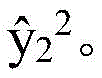
Figure BDA0002733450920000233
在时间步骤2的建议解码器844将“flight from”一般意图编号h2 1、“from”意图细节编号h2 2、第二词汇编号h2 3和第一词汇状态编号s1 3转换为第二词汇状态编号s2 3和确定第二词汇标签y2 3=“状态”的第二词汇编号
Figure BDA0002733450920000234
The intent encoder 834 at time step 2 converts the dictionary number x 2 of "from" 804 and the general intent number h 1 1 of "flight" to the general intent number h 2 1 of "flight from", at The detail encoder 836 at time step 2 converts the dictionary number x 2 of "from" 804 and the "flight" general intent number h 1 2 to the "from" intent detail number h 2 2 , and the suggestion encoder 838 at time step 2 The dictionary number z 2 and the first word number h 1 3 of the vocabulary set 814 of time step 2 are converted to the second word number h 2 3 . The intent decoder 840 at time step 2 converts the "flight from" general intent number h 2 1 , the "from" intent detail number h 2 2 , the second vocabulary number h 2 3 and the "flight" intent state number s 1 1 Number s 2 1 for the "flight from" intent state. The detail decoder 842 at time step 2 converts the "flight from" general intent number h 2 1 , the "from" intent detail number h 2 2 , the second vocabulary number h 2 3 and the "flight" detail state number s 1 2 to "from" detail state number s 2 2 and "from" intent detail number that determines intent detail label y 2 2 = 0
Figure BDA0002733450920000233
The suggestion decoder 844 at time step 2 converts the "flight from" general intent number h 2 1 , the "from" intent detail number h 2 2 , the second lexical number h 2 3 and the first lexical state number s 1 3 to the first lexical state number s 1 3 Two lexical state numbers s 2 3 and a second lexical number determining the second lexical label y 2 3 = "state"
Figure BDA0002733450920000234

在时间步骤3的意图编码器846将“Denver”806的词典编号x3和“flight from”一般意图编号h2 1转换为“flight from Denver”一般意图编号h3 1,在时间步骤3的细节编码器848将“Denver”306的词典编号x3和“from”意图细节编号h2 2转换为“Denver”意图细节编号h3 2,并且在时间步骤3的建议编码器850将时间步骤3的词汇集816的词典编号z3和第二词汇编号h2 3转换为第三词汇编号h3 3。在时间步骤3的意图解码器852将“flight from Denver”一般意图编号h3 1、“Denver”意图细节编号h3 2、第三词汇编号h3 3和“from”意图状态编号s2 1转换为“flight from Denver”意图状态编号s3 1。在时间步骤3的细节解码器854将“flightfrom Denver”一般意图编号h3 1、“Denver”意图细节编号h3 2、第三词汇编号h3 3和“from”细节状态编号s2 2转换为“Denver”细节状态编号s3 2和确定意图细节标签y3 2=“出发地”的“Denver”意图细节编号

Figure BDA0002733450920000241
在时间步骤3的建议解码器856将“flight from Denver”一般意图编号h3 1、“Denver”意图细节编号h3 2、第三词汇编号h3 3和第二词汇状态编号s2 3转换为第三词汇状态编号s3 3和确定第三词汇标签y3 3=“时间”的第三词汇编号
Figure BDA0002733450920000242
The intent encoder 846 at time step 3 converts the dictionary number x 3 of "Denver" 806 and the "flight from" general intent number h 2 1 to the "flight from Denver" general intent number h 3 1 , details at time step 3 The encoder 848 converts the dictionary number x 3 of "Denver" 306 and the "from" intent detail number h 2 2 to the "Denver" intent detail number h 3 2 , and the suggestion encoder 850 at time step 3 converts the The dictionary number z 3 and the second vocabulary number h 2 3 of the vocabulary set 816 are converted into the third vocabulary number h 3 3 . The intent decoder 852 at time step 3 translates the "flight from Denver" general intent number h 3 1 , the "Denver" intent detail number h 3 2 , the third vocabulary number h 3 3 and the "from" intent state number s 2 1 Number s 3 1 for the "flight from Denver" intent state. The detail decoder 854 at time step 3 converts the "flight from Denver" general intent number h 3 1 , the "Denver" intent detail number h 3 2 , the third vocabulary number h 3 3 and the "from" detail state number s 2 2 to "Denver" detail state number s 3 2 and "Denver" intent detail number for "Denver" intent detail label y 3 2 = "Departure"
Figure BDA0002733450920000241
The suggestion decoder 856 at time step 3 converts the "flight from Denver" general intent number h 3 1 , the "Denver" intent detail number h 3 2 , the third lexical number h 3 3 and the second lexical state number s 2 3 into The third vocabulary state number s 3 3 and the third vocabulary number determining the third vocabulary label y 3 3 = "time"
Figure BDA0002733450920000242

在时间步骤4的意图编码器858将“to”808的词典编号x4和“flight from Denver”一般意图编号h3 1转换为“flight from Denver to”一般意图编号h4 1,在时间步骤4的细节编码器860将“to”808的词典编号x4和“Denver”意图细节编号h3 2转换为“to”意图细节编号h4 2,并且在时间步骤4的建议编码器862将时间步骤4的词汇集818的词典编号z4和第三词汇编号h3 3转换为第四词汇编号h4 3。在时间步骤4的意图解码器864将“flight from Denver”一般意图编号h4 1、“to”意图细节编号h4 2、第四词汇编号h4 3和“flight from Denver”意图状态编号s3 1转换为“flight from Denver to”意图状态编号s4 1。在时间步骤4的细节解码器866将“flight from Denver to”一般意图编号h4 1、“to”意图细节编号h4 2、第四词汇编号h4 3和“flight”细节状态编号s3 2转换为“to”细节状态编号s4 2和确定意图细节标签y4 2=0的“to”意图细节编号

Figure BDA0002733450920000243
在时间步骤4的建议解码器868将“flight from Denver to”一般意图编号h4 1、“to”意图细节编号h4 2、第四词汇编号h4 3和第三词汇状态编号s3 3转换为第四词汇状态编号s4 3和确定第四词汇标签y4 3=“登机口”的第四词汇编号
Figure BDA0002733450920000244
The intent encoder 858 at time step 4 converts the dictionary number x 4 of "to" 808 and the "flight from Denver" general intent number h 3 1 to the "flight from Denver to" general intent number h 4 1 , at time step 4 The detail encoder 860 of the "to" 808 converts the dictionary number x 4 and the "Denver" intent detail number h 3 2 to the "to" intent detail number h 4 2 , and the suggestion encoder 862 at time step 4 converts the time step The dictionary number z 4 and the third vocabulary number h 3 3 of the vocabulary set 818 of 4 are converted to the fourth vocabulary number h 4 3 . The intent decoder 864 at time step 4 assigns the "flight from Denver" general intent number h 4 1 , the "to" intent detail number h 4 2 , the fourth vocabulary number h 4 3 and the "flight from Denver" intent state number s 3 1 translates to "flight from Denver to" intent state number s 4 1 . The detail decoder 866 at time step 4 converts the "flight from Denver to" general intent number h 4 1 , the "to" intent detail number h 4 2 , the fourth vocabulary number h 4 3 and the "flight" detail state number s 3 2 Transition to "to" detail state number s 4 2 and determine "to" intent detail number with intent detail label y 4 2 = 0
Figure BDA0002733450920000243
The suggestion decoder 868 at time step 4 converts the "flight from Denver to" general intent number h 4 1 , the "to" intent detail number h 4 2 , the fourth lexical number h 4 3 and the third lexical state number s 3 3 Number s 4 3 for the fourth lexical state and identify the fourth lexical number for the fourth lexical label y 4 3 = "Gate"
Figure BDA0002733450920000244

在时间步骤5的意图编码器870将“Philadelphia”810的词典编号x5和“flightfrom Denver to”一般意图编号h4 1转换为“Flight from Denver to Philadelphia”一般意图编号h5 1,在时间步骤5的细节编码器872将“Philadelphia”810的词典编号x5和“to”意图细节编号h4 2转换为“Philadelphia”意图细节编号h5 2,并且在时间步骤5的建议编码器874将时间步骤5的词汇集820的词典编号z5和第四词汇编号h4 3转换为第五词汇编号h5 3。在时间步骤5的意图解码器876将“Flight from Denver to Philadelphia”一般意图编号h5 1、“Philadelphia”意图细节编号h5 2、第五词汇表编号h5 3和“flight from Denver to”意图状态编号s4 1转换为确定一般意图类别y意图 1=“flight”的“Flight from Denver toPhiladelphia”一般意图编号

Figure BDA0002733450920000251
时间步骤5的细节解码器878将“Flight from Denver toPhiladelphia”一般意图编号h5 1、“Philadelphia”意图细节编号h5 2、第五词汇编号h5 3和“to”细节状态编号s4 2转换为确定了意图细节标签y5 2=“到达地”的“Philadelphia”意图细节编号
Figure BDA0002733450920000252
在时间步骤5的建议解码器880将“Flight from Denver to Philadelphia”一般意图编号h5 1、“Philadelphia”意图细节编号h5 2、第五词汇编号h5 3和第四词汇状态编号s4 3转换为确定第五词汇标签y5 3=0的第五词汇编号
Figure BDA0002733450920000253
然后,自然语言理解引擎216可以通过自动建议其他文本输入选项y1 3=“机票”、y2 3=“状态”、y3 3=“时间”和y4 3=“登机口”来响应用户输入文本“Flight from Denver to Philadelphia”。尽管图8描绘了三模型结构中的自动建议模型,但是可以将自动建议作为一个模型并入双模型结构中,而另一模型则将一般意图模型和意图细节模型组合到文本模型中。The intent encoder 870 at time step 5 converts the dictionary number x 5 of "Philadelphia" 810 and the "flight from Denver to" general intent number h 4 1 to the "Flight from Denver to Philadelphia" general intent number h 5 1 , at time step The detail encoder 872 of 5 converts the dictionary number x 5 of "Philadelphia" 810 and the "to" intent detail number h 4 2 to the "Philadelphia" intent detail number h 5 2 , and the suggestion encoder 874 at time step 5 converts the time The dictionary number z 5 and the fourth vocabulary number h 4 3 of the vocabulary set 820 in step 5 are converted into the fifth vocabulary number h 5 3 . The intent decoder 876 at time step 5 assigns the "Flight from Denver to Philadelphia" general intent number h 5 1 , the "Philadelphia" intent detail number h 5 2 , the fifth vocabulary number h 5 3 and the "flight from Denver to" intent State number s 4 1 transitions to "Flight from Denver to Philadelphia" general intent number determining general intent category y intent 1 = "flight"
Figure BDA0002733450920000251
The detail decoder 878 at time step 5 converts the "Flight from Denver to Philadelphia" general intent number h 5 1 , the "Philadelphia" intent detail number h 5 2 , the fifth vocabulary number h 5 3 and the "to" detail state number s 4 2 Intent detail number for "Philadelphia" for which intent detail label y 5 2 = "arrival"
Figure BDA0002733450920000252
The suggestion decoder 880 at time step 5 assigns the "Flight from Denver to Philadelphia" general intent number h 5 1 , the "Philadelphia" intent detail number h 5 2 , the fifth lexical number h 5 3 and the fourth lexical state number s 4 3 Convert to the fifth word number that determines the fifth word label y 5 3 =0
Figure BDA0002733450920000253
The natural language understanding engine 216 may then respond by automatically suggesting additional text entry options y 1 3 = "ticket", y 2 3 = "status", y 3 3 = "time", and y 4 3 = "gate" The user enters the text "Flight from Denver to Philadelphia". Although Figure 8 depicts an auto-suggestion model in a three-model structure, it is possible to incorporate auto-suggestion as one model into a two-model structure, while another model combines the general intent model and the intent detail model into a text model.

自然语言服务器206可以将附加信号用于基于视觉的提问回答任务。例如,自然语言服务器206可以使用图像模型、文本问题模型和语音信号模型,这使人们能够通过输入文本和讲话两者来针对给定图像提出问题。通过共享它们的隐藏状态信息,这三个模型可以通过利用来自三个不同数据源的重要信息来同时工作,以提高基于视觉的查询回答任务的性能。The natural language server 206 may use additional signals for vision-based question answering tasks. For example, the natural language server 206 may use image models, text question models, and speech signal models, which enable people to ask questions about a given image by both entering text and speaking. By sharing their hidden state information, the three models can work simultaneously by leveraging important information from three different data sources to improve the performance of vision-based query answering tasks.

图9是示出根据实施例的用于理解自然语言短语的多模型的方法的流程图。流程图900示出了作为图2的客户端202-204和/或服务器206-208中和/或之间所涉及的某些步骤的流程图框示出的方法动作。9 is a flowchart illustrating a multi-model method for understanding natural language phrases, according to an embodiment. Flowchart 900 illustrates method actions shown as flowchart blocks of certain steps involved in and/or between clients 202-204 and/or servers 206-208 of FIG.

框902:意图编码器基于接收到短语中的对象确定意图值。系统将词语的词典编号从输入的短语转换为一般意图编号。例如但不限于,这可以包括在训练阶段4的意图编码器330将“to”308的词典编号x4和“flight from Denver”一般意图编号h3 1转换为“flightfrom Denver to”一般意图编号h4 1。基于图4所示的示例模型,在时间步骤4的意图编码器436将“of”408的词典编号x4和“check the price”一般意图编号h3 1转换为“check theprice of”一般意图编号h4 1Block 902: The intent encoder determines an intent value based on the object in the received phrase. The system converts the dictionary number of the word from the entered phrase to the general intent number. For example and without limitation, this may include converting the dictionary number x 4 of "to" 308 and the "flight from Denver" general intent number h 3 1 to the "flight from Denver to" general intent number h by the intent encoder 330 in training stage 4 41 . Based on the example model shown in Figure 4, the intent encoder 436 at time step 4 converts the dictionary number x 4 of "of" 408 and the general intent number h 3 1 of "check the price" to the general intent number of "check the price of" h 4 1 .

基于图6所示的示例模型,在时间步骤2的意图编码器626将“many”604的词典编号x2和“how”一般意图编号h1 1转换为“how many”一般意图编号h2 1。基于图7所示的示例模型,在时间步骤3的意图编码器742将“litigation”706的词典编号x3和“When is”一般意图编号h2 1转换为“When is litigation”一般意图编号h3 1。基于图8所示的示例模型,在时间步骤4的意图编码器858将“to”808的词典编号x4和“Flight from Denver”一般意图编号h3 1转换为“Flight from Denver to”一般意图编号h4 1Based on the example model shown in Figure 6, the intent encoder 626 at time step 2 converts the dictionary number x 2 of "many" 604 and the "how" general intent number h 1 1 to the "how many" general intent number h 2 1 . Based on the example model shown in Figure 7, the intent encoder 742 at time step 3 converts the dictionary number x 3 of "litigation" 706 and the general intent number h 2 1 of "When is" to the general intent number h of "When is litigation" 31 . Based on the example model shown in Figure 8, the intent encoder 858 at time step 4 converts the dictionary number x 4 of "to" 808 and the "Flight from Denver" general intent number h 3 1 to the "Flight from Denver to" general intent Number h 4 1 .

框904:在生成一般意图编号时,细节编码器基于接收到的短语中的对象确定细节值。系统将词语的词典编号从输入的短语转换为意图细节编号。例如但不限于,这可以包括在训练阶段4的细节编码器332将“to”308的词典编号x4和“Denver”意图细节编号h3 2转换为“to”意图细节编号h4 2。基于图4所示的示例模型,在时间步骤4的细节编码器438将“of”408的词典编号x4和“price”意图细节编号h3 2转换为“of”意图细节编号h4 2Block 904: In generating the general intent number, the detail encoder determines a detail value based on the object in the received phrase. The system converts the dictionary number of the word from the entered phrase to the intent detail number. For example and without limitation, this may include converting the dictionary number x 4 of "to" 308 and the "Denver" intent detail number h 3 2 to the "to" intent detail number h 4 2 by the detail encoder 332 in training stage 4. Based on the example model shown in Figure 4 , the detail encoder 438 at time step 4 converts the dictionary number x 4 of "of" 408 and the "price" intent detail number h32 to the "of" intent detail number h42 .

基于图6所示的示例模型,在时间步骤2的细节编码器628将“many”604的词典编号x2和“how”意图细节编号h1 2转换为“many”意图细节编号h2 2。基于图7所示的示例模型,在时间步骤3的细节编码器744将“litigation”706的词典编号x3和“is”意图细节编号h2 2转换为“litigation”意图细节编号h3 2。基于图8所示的示例模型,在时间步骤4的细节编码器860将“to”808的词典编号x4和“Denver”意图细节编号h3 2转换为“to”意图细节编号h4 2Based on the example model shown in Figure 6, the detail encoder 628 at time step 2 converts the dictionary number x 2 and the "how" intent detail number h 1 2 of "many" 604 to the "many" intent detail number h 2 2 . Based on the example model shown in Figure 7, the detail encoder 744 at time step 3 converts the dictionary number x 3 and the "is" intent detail number h 2 2 of "litigation" 706 to the "litigation" intent detail number h 3 2 . Based on the example model shown in Figure 8 , the detail encoder 860 at time step 4 converts the dictionary number x 4 of "to" 808 and the "Denver" intent detail number h32 to the "to" intent detail number h42 .

框906:在生成一般意图和意图细节的编号的过程中,补充编码器可选地基于接收到的补充对象确定多个补充值。系统将另一个对象的词典编号转换为其他编号,例如图像、音频或建议编号。在实施例中,这可以包括在时间步骤2的图像编码器630将纹理层610的词典编号z2和颜色图像编号h1 3转换为纹理图像编号h2 3Block 906: In generating the general intent and intent detail numbering, the supplemental encoder optionally determines a plurality of supplemental values based on the received supplemental objects. The system converts another object's dictionary number to another number, such as an image, audio, or suggestion number. In an embodiment, this may include the image encoder 630 at time step 2 converting the dictionary number z 2 and the color image number h 1 3 of the texture layer 610 to a texture image number h 2 3 .

基于图7所示的示例模型,在时间步骤3的音频编码器746将记录的第三个小时714的音频编号z3和第二个小时的音频编号h2 3转换为第三个小时的音频编号h3 3。基于图8所示的示例模型,在时间步骤4的建议编码器862将时间步骤4的词汇集818的词典编号z4和第三词汇编号h3 3转换为第四词汇编号h4 3Based on the example model shown in Figure 7, the audio encoder 746 at time step 3 converts the recorded audio number z 3 for the third hour 714 and audio number h 2 3 for the second hour into the third hour of audio Number h 3 3 . Based on the example model shown in FIG. 8, suggestion encoder 862 at time step 4 converts dictionary number z 4 and third word number h 3 3 of vocabulary set 818 at time step 4 into fourth word number h 4 3 .

框908:在生成了意图值和细节值之后,意图解码器基于意图值和细节值确定意图状态值。系统将隐藏状态转换为一般意图状态编号。例如但不限于,这可以包括在训练阶段4的意图解码器334将“flight from Denver to”一般意图编号h4 1、“to”意图细节编号h4 2和“flight from Denver”意图状态编号s3 1转换为“flight from Denver to”意图状态编号s4 1。基于图4所示的示例模型,在时间步骤4的意图解码器440将“check the price of”一般意图编号h4 1、“of”意图细节编号h4 2和“check the price”意图状态编号s3 1转换为“checkthe price of”意图状态编号s4 1Block 908: After generating the intent value and the detail value, the intent decoder determines an intent state value based on the intent value and the detail value. The system converts the hidden state to a general intent state number. For example and without limitation, this may include intent decoder 334 in training stage 4 converting the "flight from Denver to" general intent number h 4 1 , the "to" intent detail number h 4 2 and the "flight from Denver" intent state number s 3 1 translates to "flight from Denver to" intent state number s 4 1 . Based on the example model shown in Figure 4 , the intent decoder 440 at time step 4 assigns the "check the price of" general intent number h41 , the "of" intent detail number h42 , and the "check the price" intent state number s 3 1 translates to "check the price of" intent state number s 4 1 .

基于图6所示的示例模型,时间步骤2的意图解码器632将“how many”一般意图编号h2 1、“many”意图细节编号h2 2、纹理图像编号h2 3和“how”意图状态编号s1 1转换为“howmany”意图状态编号s2 1。基于图7所示的示例模型,在时间步骤3的意图解码器748将“whenis litigation”一般意图编号h3 1、“litigation”意图细节编号h3 2、第三个小时的音频编号h3 3和“when is”意图状态编号s2 1转换为“when is litigation”意图状态编号s3 1。基于图8所示的示例模型,在时间步骤4的意图解码器864将“flight from Denver to”一般意图编号h4 1、“to”意图细节编号4 2、第四词汇编号h4 3和“flight from Denver”意图状态编号s3 1转换为“flight from Denver to”意图状态编号s4 1Based on the example model shown in FIG. 6, the intent decoder 632 at time step 2 converts the "how many" general intent number h 2 1 , the "many" intent detail number h 2 2 , the texture image number h 2 3 and the "how" intent State number s 1 1 transitions to "howmany" intent state number s 2 1 . Based on the example model shown in FIG. 7, the intent decoder 748 at time step 3 assigns the "whenis litigation" general intent number h 3 1 , the "litigation" intent detail number h 3 2 , the third hour audio number h 3 3 and "when is" intent state number s 2 1 transitions to "when is litigation" intent state number s 3 1 . Based on the example model shown in FIG. 8, the intent decoder 864 at time step 4 assigns the "flight from Denver to" general intent number h 4 1 , the "to" intent detail number 4 2 , the fourth vocabulary number h 4 3 and ""flight from Denver" intent state number s 3 1 translates to "flight from Denver to" intent state number s 4 1 .

框910:在生成意图值和细节值之后,细节解码器基于意图值和细节值确定细节状态值和意图细节值。系统将隐藏状态转换为意图细节状态编号和意图细节标签。例如但不限于,这可以包括训练阶段4的细节解码器348将“flight from Denver to”一般意图编号h4 1、“to”意图细节编号h4 2和“flight”细节状态编号s3 2转换为“to”细节状态编号s4 2和确定意图细节标签y4 2=0的意图细节编号

Figure BDA0002733450920000271
基于图4所示的示例模型,在时间步骤4的细节解码器442将“check the price of”一般意图编号h4 1、“of”意图细节编号h4 2和“price”细节状态编号s3 2转换为“of”细节状态编号s4 2和确定意图细节标签y4 2=0的“of”意图细节编号
Figure BDA0002733450920000281
Block 910: After generating the intent value and the detail value, the detail decoder determines the detail state value and the intent detail value based on the intent value and the detail value. The system converts the hidden state to the intent detail state number and intent detail label. For example and without limitation, this may include training stage 4 detail decoder 348 to convert "flight from Denver to" general intent number h 4 1 , "to" intent detail number h 4 2 and "flight" detail state number s 3 2 Numbers the "to" detail state number s 4 2 and the intent detail number that determines the intent detail label y 4 2 = 0
Figure BDA0002733450920000271
Based on the example model shown in FIG. 4, the detail decoder 442 at time step 4 converts the "check the price of" general intent number h 4 1 , the "of" intent detail number h 4 2 and the "price" detail state number s 3 2 converts to "of" detail state number s 4 2 and determines "of" intent detail number with intent detail label y 4 2 = 0
Figure BDA0002733450920000281

基于图6所示的示例模型,在时间步骤2的细节解码器634将“how many”一般意图编号h2 1、“many”意图细节编号h2 2、纹理图像编号h2 3和“how”细节状态编号s1 2转换为“many”细节状态编号s2 2和具有意图细节标签y2 2=0的“many”意图细节编号

Figure BDA0002733450920000282
基于图7所示的示例模型,在时间步骤3的细节解码器750将“when is litigation”一般意图编号h3 1、“litigation”意图细节编号h3 2、第三个小时的音频编号h3 3和“is”细节状态编号s2 2转换为“litigation”意图状态编号s3 2和确定意图细节标签y3 2=“话题”的“litigation”意图细节编号
Figure BDA0002733450920000283
基于图8所描绘的示例模型,时间步骤4的细节解码器866将“flight from Denverto”一般意图编号h4 1、“to”意图细节编号h4 2、第四词汇编号h4 3和“flight”细节状态编号s3 2转换为“to”细节状态编号s4 2和确定意图细节标签y4 2=0的“to”意图细节编号
Figure BDA0002733450920000284
Based on the example model shown in FIG. 6, the detail decoder 634 at time step 2 converts the "how many" general intent number h 2 1 , the "many" intent detail number h 2 2 , the texture image number h 2 3 and "how" Detail state number s 1 2 is converted to "many" detail state number s 2 2 and "many" intent detail number with intent detail label y 2 2 =0
Figure BDA0002733450920000282
Based on the example model shown in FIG. 7, the detail decoder 750 at time step 3 assigns the "when is litigation" general intent number h 3 1 , the "litigation" intent detail number h 3 2 , the third hour audio number h 3 3 and "is" detail state number s 2 2 converts to "litigation" intent state number s 3 2 and determines intent detail label y 3 2 = "litigation" intent detail number of "topic"
Figure BDA0002733450920000283
Based on the example model depicted in FIG. 8, the detail decoder 866 at time step 4 converts the “flight from Denverto” general intent number h 4 1 , the “to” intent detail number h 4 2 , the fourth vocabulary number h 4 3 , and the “flight” intent detail number h 4 2 . "detail state number s 3 2 transitions to "to" detail state number s 4 2 and determines "to" intent detail number with intent detail label y 4 2 = 0
Figure BDA0002733450920000284

框912:在生成意图值和细节值之后,补充解码器可选地基于意图值、细节值和多个补充值确定补充状态值和一个补充值。系统将隐藏状态转换为状态编号和其他模型的标签,例如图像、音频或建议模型。在实施例中,这可以包括在时间步骤的2图像解码器636将“how many”一般意图编号h2 1、“many”意图细节编号h2 2、纹理图像编号h2 3和“how”图像状态编号s1 2转换为“many”图像状态编号s2 3和包括冲浪者2标签的纹理注意力图2y2 3Block 912: After generating the intent value and the detail value, the supplemental decoder determines a supplemental state value and a supplemental value, optionally based on the intent value, the detail value, and the plurality of supplemental values. The system translates hidden states into state numbers and labels for other models, such as images, audio, or suggested models. In an embodiment, this may include at time step the 2-image decoder 636 converts the "how many" general intent number h 2 1 , the "many" intent detail number h 2 2 , the texture image number h 2 3 and the "how" image State number s 1 2 translates to "many" image state number s 2 3 and a texture attention map 2y 2 3 that includes the surfer2 label.

基于图7所示的示例模型,在时间步骤3的音频解码器752将“when islitigation”一般意图编号h3 1、“litigation”意图细节编号h3 2、第三个小时的音频编号h3 3和第二个小时的音频状态编号s2 3转换为第三个小时的音频状态编号s3 3以及确定第三个小时的音频标签y3 3=0的第三个小时的音频编号

Figure BDA0002733450920000285
基于图8所示的示例模型,在时间步骤4的建议解码器868将“flight from Denver to”一般意图编号h4 1、“to”意图细节编号h4 2、第四词汇编号h4 3和第三词汇状态编号s3 3转换为第四词汇状态编号s4 3和确定第四词汇标签y4 3=“机票”的第四词汇编号
Figure BDA0002733450920000286
Based on the example model shown in Figure 7, the audio decoder 752 at time step 3 assigns the "when islitigation" general intent number h 3 1 , the "litigation" intent detail number h 3 2 , and the third hour audio number h 3 3 And the audio state number s 2 3 of the second hour is converted to the audio state number s 3 3 of the third hour and the audio number of the third hour that determines the audio label y 3 3 = 0 of the third hour
Figure BDA0002733450920000285
Based on the example model shown in Figure 8, the suggestion decoder 868 at time step 4 assigns the "flight from Denver to" general intent number h 4 1 , the "to" intent detail number h 4 2 , the fourth vocabulary number h 4 3 and The third lexical state number s 3 3 is converted to the fourth lexical state number s 4 3 and the fourth lexical number determining the fourth lexical label y 4 3 = "ticket"
Figure BDA0002733450920000286

框914:在对一些值进行解码之后,意图编码器基于意图值和接收到的短语中的另一个对象确定其他意图值。系统将词语的词典编号从输入的短语转换为一般意图编号。例如但不限于,这可以包括在训练阶段5的意图编码器336将“Philadelphia”310的词典编号x5和“flight from Denver to”一般意图编号h4 1转换为“flight from Denver toPhiladelphia”一般意图编号h5 1。基于图4所示的示例模型,在时间步骤5的意图编码器444将“Apple”410的词典编号x5和“check the price of”一般意图编号h4 1转换为“check theprice of Apple”一般意图编号h5 1Block 914: After decoding some values, the intent encoder determines other intent values based on the intent value and another object in the received phrase. The system converts the dictionary number of the word from the entered phrase to the general intent number. For example and without limitation, this may include converting the dictionary number x 5 of "Philadelphia" 310 and the "flight from Denver to" general intent number h 4 1 to the "flight from Denver to Philadelphia" general intent by the intent encoder 336 in training stage 5 Number h 5 1 . Based on the example model shown in Figure 4, the intent encoder 444 at time step 5 converts the dictionary number x 5 of "Apple" 410 and the general intent number h 4 1 of "check the price of" to the "check the price of Apple" general Intent number h 5 1 .

基于图6所示的示例模型,在时间步骤3的意图编码器638将“surfers”606的词典编号x3和“how many”一般意图编号h2 1转换为“how many surfers”一般意图编号h3 1。基于图7所示的示例模型,在时间步骤4的意图编码器752将“discussed”708的词典编号x4和“whenis litigation”的一般意图编号h3 1转换为“when is litigation discussed”一般意图编号h4 1。基于图8所示的示例模型,在时间步骤5的意图编码器870将“Philadelphia”810的词典编号x5和“flight from Denver to”一般意图编号h4 1转换为“flight from Denver toPhiladelphia”一般意图编号h5 1Based on the example model shown in Figure 6, the intent encoder 638 at time step 3 converts the dictionary number x 3 of "surfers" 606 and the "how many" general intent number h 2 1 to the "how many surfers" general intent number h 31 . Based on the example model shown in Figure 7, the intent encoder 752 at time step 4 converts the dictionary number x 4 for "discussed" 708 and the general intent number h 3 1 for "when is litigation discussed" into the "when is litigation discussed" general intent Number h 4 1 . Based on the example model shown in Figure 8, the intent encoder 870 at time step 5 converts the dictionary number x 5 of "Philadelphia" 810 and the general intent number h 4 1 of "flight from Denver to" to "flight from Denver to Philadelphia" general Intent number h 5 1 .

框916:在解码了一些值之后,细节编码器基于细节值和接收到的短语中的另一对象确定其他细节值。系统将词语的词典编号从输入的短语转换为意图细节编号。例如但不限于,这可以包括在训练阶段5的细节编码器338将“Philadelphia”310的词典编号x5和“to”意图细节编号h4 2转换为“Philadelphia”意图细节编号h5 2。基于图4所示的示例模型,在时间步骤5的细节编码器446将“Apple”310的词典编号x5和“of”意图细节编号h4 2转换为“Apple”意图细节编号h5 2Block 916: After decoding some values, the minutiae encoder determines other minutiae values based on the minutiae value and another object in the received phrase. The system converts the dictionary number of the word from the entered phrase to the intent detail number. For example and without limitation, this may include converting the dictionary number x 5 and the "to" intent detail number h 4 2 of "Philadelphia" 310 to the "Philadelphia" intent detail number h 5 2 by the detail encoder 338 in training stage 5. Based on the example model shown in Figure 4 , the detail encoder 446 at time step 5 converts the dictionary number x 5 of "Apple" 310 and the "of" intent detail number h42 to the "Apple" intent detail number h52 .

基于图6所示的示例模型,在时间步骤3的细节编码器640将“surfers”606的词典编号x3和“many”意图细节编号h2 2转换为“surfers”意图细节编号h3 2。基于图7所示的示例模型,在时间步骤4的细节编码器754将“discussed”708的词典编号x4和“litigation”意图细节编号h3 2转换为“discussed”意图细节编号h4 2。基于图8所示的示例模型,在时间步骤5的细节编码器872将“Philadelphia”810的词典编号x5和“to”意图细节编号h4 2转换为“Philadelphia”意图细节编号h5 2Based on the example model shown in Figure 6, the detail encoder 640 at time step 3 converts the dictionary number x 3 of "surfers" 606 and the "many" intent detail number h 2 2 to the "surfers" intent detail number h 3 2 . Based on the example model shown in Figure 7, the detail encoder 754 at time step 4 converts the dictionary number x 4 of "discussed" 708 and the "litigation" intent detail number h 3 2 to the "discussed" intent detail number h 4 2 . Based on the example model shown in Figure 8, the detail encoder 872 at time step 5 converts the dictionary number x 5 and the "to" intent detail number h 4 2 of "Philadelphia" 810 to the "Philadelphia" intent detail number h 5 2 .

框918:在对一些值进行解码之后,补充编码器可选地基于其他意图值、其他细节值和接收到的补充对象确定其他补充值。系统将另一个对象的词典编号转换为其他编号,例如图像、音频或建议编号。在实施例中,这可以包括在时间步骤3的图像编码器642将对比层612的词典编号z3和“many”图像编号h2 3转换为对比图像编号h3 3Block 918: After decoding some values, the supplemental encoder optionally determines other supplemental values based on other intent values, other detail values, and received supplemental objects. The system converts another object's dictionary number to another number, such as an image, audio, or suggestion number. In an embodiment, this may include the image encoder 642 at time step 3 converting the dictionary number z 3 and the "many" image number h 2 3 of the contrast layer 612 to the contrast image number h 3 3 .

基于图7所示的示例模型,在时间步骤4的音频编码器756将记录的第四个小时716的音频编号z4和第三个小时的音频编号h3 3转换为第四个小时的音频编号h4 3。基于图8所示的示例模型,在时间步骤5的建议编码器874将时间步骤5的词汇集820的词典编号z5和第四词汇编号h4 3转换为第五词汇编号h5 3Based on the example model shown in FIG. 7, the audio encoder 756 at time step 4 converts the recorded audio number z 4 for the fourth hour 716 and audio number h 3 3 for the third hour into the fourth hour of audio Number h 4 3 . Based on the example model shown in FIG. 8, suggestion encoder 874 at time step 5 converts dictionary number z 5 and fourth word number h 4 3 of vocabulary set 820 at time step 5 into fifth word number h 5 3 .

框920:在生成了意图值和细节值之后,意图解码器基于其他意图值、其他细节值和意图状态值确定一般意图值。系统识别该一般意图。例如但不限于,这可以包括在训练阶段5的意图解码器340将“flight from Denver to Philadephia”一般意图编号h5 1、“Philadephia”意图细节编号h5 2和“flight from Denver to”意图状态编号s4 1转换为确定一般意图类别y意图 1=“flight”的一般意图编号

Figure BDA0002733450920000305
基于图4所示的示例模型,在时间步骤5的意图解码器448将“check the price of Apple”一般意图编号h5 1、“Apple”意图细节编号h5 2以及“check the price of”的意图状态编号s4 1转换为一般意图编号
Figure BDA0002733450920000301
该一般意图编号
Figure BDA0002733450920000302
确定一般意图类别y意图 1=“查看股票价格”或“查看水果价格”。Block 920: After generating the intent value and the detail value, the intent decoder determines a general intent value based on the other intent value, the other detail value, and the intent state value. The system recognizes this general intent. For example and without limitation, this may include the intent decoder 340 in training stage 5 placing the "flight from Denver to Philadephia" general intent number h 5 1 , the "Philadephia" intent detail number h 5 2 and the "flight from Denver to" intent state The number s 4 1 translates to the general intent number identifying the general intent category y intent 1 = "flight"
Figure BDA0002733450920000305
Based on the example model shown in FIG. 4 , the intent decoder 448 at time step 5 converts the “check the price of Apple” general intent number h 5 1 , the “Apple” intent detail number h 5 2 , and the “check the price of” Intent state number s 4 1 converts to general intent number
Figure BDA0002733450920000301
the general intent number
Figure BDA0002733450920000302
Determine general intent class y intent 1 = "Check stock prices" or "Check fruit prices".

基于图6所示的示例模型,在时间步骤3的意图解码器644将“how many surfers”一般意图编号h3 1、“surfers”意图细节编号h3 2、对比图像编号h3 3和“many”意图状态编号s2 1转换为确定了一般意图类别y意图 1=“计数”的“how many surfers”一般意图状态编号

Figure BDA0002733450920000303
基于图7所示的示例模型,在时间步骤4的意图解码器758将“when is litigationdiscussed”一般意图编号h4 1、“discussed”意图细节编号h4 2、第四个小时的音频编号h4 3和“when is litigation”意图状态编号s3 1转换为确定一般意图类别y意图 1=“时间”的“whenis litigation discussed”一般意图编号
Figure BDA0002733450920000304
基于图8所示的示例模型,在时间步骤5的意图解码器876将“flight from Denver to Philadelphia”一般意图编号h5 1、“Philadelphia”意图细节编号h5 2、第五词汇编号h5 3和“flight from Denver to”意图状态编号s4 1转换为确定一般意图类别y意图 1=“flight”的“flight from Denver toPhiladelphia”一般意图编号
Figure BDA0002733450920000311
Based on the example model shown in Figure 6, the intent decoder 644 at time step 3 assigns the "how many surfers" general intent number h 3 1 , the "surfers" intent detail number h 3 2 , the contrast image number h 3 3 and the "many" intent "intent state number s 2 1 transitions to the "how many surfers" general intent state number that identifies the general intent category y intent 1 = "count"
Figure BDA0002733450920000303
Based on the example model shown in FIG. 7, the intent decoder 758 at time step 4 assigns the "when is litigationdiscussed" general intent number h 4 1 , the "discussed" intent detail number h 4 2 , the fourth hour audio number h 4 3 and "when is litigation" intent state number s 3 1 transitions to "when is litigation discussed" general intent number determining general intent class y intent 1 = "when"
Figure BDA0002733450920000304
Based on the example model shown in Figure 8, the intent decoder 876 at time step 5 assigns the "flight from Denver to Philadelphia" general intent number h 5 1 , the "Philadelphia" intent detail number h 5 2 , and the fifth vocabulary number h 5 3 and "flight from Denver to" intent state number s 4 1 transitions to "flight from Denver to Philadelphia" general intent number determining general intent class y intent 1 = "flight"
Figure BDA0002733450920000311

框922:在生成意图值和细节值之后,细节解码器基于其他意图值、其他细节值和细节状态值确定另一意图细节值。系统将隐藏状态转换为意图细节状态编号和意图细节标签。例如但不限于,这可以包括训练阶段5处的细节解码器350将“flight from Denver toPhiladelphia”一般意图编号h5 1、“Philadelphia”意图细节编号h5 2和“to”细节状态编号s4 2转换为确定意图细节标签y5 2=“到达地”的意图细节编号

Figure BDA0002733450920000312
基于图4所示的示例模型,在时间步骤5的细节解码器450将“check the price of Apple”一般意图编号h5 1、“Apple”意图细节编号h5 2、和“of”细节状态编号s4 2转换为意图细节编号
Figure BDA0002733450920000313
该意图细节编号
Figure BDA0002733450920000314
确定意图细节标签y5 2=“公司名称”或“水果名称”。Block 922: After generating the intent value and the detail value, the detail decoder determines another intent detail value based on the other intent value, the other detail value, and the detail state value. The system converts the hidden state to the intent detail state number and intent detail label. For example and without limitation, this may include the detail decoder 350 at training stage 5 converting the "flight from Denver to Philadelphia" general intent number h 5 1 , the "Philadelphia" intent detail number h 5 2 and the "to" detail state number s 4 2 Converted to the intent detail number that determines the intent detail label y 5 2 = "Arrival"
Figure BDA0002733450920000312
Based on the example model shown in FIG. 4, the detail decoder 450 at time step 5 assigns the "check the price of Apple" general intent number h 5 1 , the "Apple" intent detail number h 5 2 , and the "of" detail state number s 4 2 converts to intent detail number
Figure BDA0002733450920000313
The intent detail number
Figure BDA0002733450920000314
Determine the intent detail label y 5 2 = "company name" or "fruit name".

基于图6所示的示例模型,在时间步骤3的细节解码器646将“how many surfers”一般意图编号h3 1、“surfers”意图细节编号h3 2、对比图像编号h3 3和“many”细节状态编号s2 2转换为“surfers”意图细节编号

Figure BDA0002733450920000315
该意图细节编号
Figure BDA0002733450920000316
确定意图细节标签y3 2=“surfers”。根据图7所示的示例模型,时间步骤5的细节解码器760将“when is litigationdiscussed”一般意图编号h4 1、“discussed”意图细节编号h4 2、第四个小时的音频编号h4 3和“litigation”细节状态编号s3 2转换为确定意图细节标签y4 2=0的“discussed”意图细节编号
Figure BDA0002733450920000317
基于图8所示的示例模型,在时间步骤5的细节解码器878将“flight from Denverto Philadelphia”一般意图编号h5 1、“Philadelphia”意图细节编号h5 2、第五词汇编号h5 3和“to”细节状态编号s4 2转换为确定意图细节标签y5 2=“到达地”的“Philadelphia”意图细节编号
Figure BDA0002733450920000318
Based on the example model shown in Figure 6, the detail decoder 646 at time step 3 assigns the "how many surfers" general intent number h 3 1 , the "surfers" intent detail number h 3 2 , the contrast image number h 3 3 and the "many" intent number h 3 2 . "detail state number s 2 2 converts to "surfers" intent detail number
Figure BDA0002733450920000315
The intent detail number
Figure BDA0002733450920000316
Determine the intent detail label y 3 2 = "surfers". According to the example model shown in Figure 7, the detail decoder 760 at time step 5 will "when is litigationdiscussed" general intent number h 4 1 , "discussed" intent detail number h 4 2 , fourth hour audio number h 4 3 and "litigation" detail state number s 3 2 translates to "discussed" intent detail number with determination intent detail label y 4 2 = 0
Figure BDA0002733450920000317
Based on the example model shown in FIG. 8, the detail decoder 878 at time step 5 assigns the "flight from Denverto Philadelphia" general intent number h 5 1 , the "Philadelphia" intent detail number h 5 2 , the fifth vocabulary number h 5 3 and "to" detail state number s 4 2 transitions to "Philadelphia" intent detail number with determination intent detail label y 5 2 = "arrival"
Figure BDA0002733450920000318

框924:除了确定一般意图外,补充解码器还可以根据其他意图值、其他细节值和补充状态值确定另一补充值。系统将隐藏状态转换为另一个模型的标签,例如图像、音频记录或自动建议。在实施例中,这可以包括在时间步骤3的图像解码器648将“how manysurfers”一般意图编号h3 1、“surfers”意图细节编号h3 2、对比图像编号h3 3和纹理图像编号s2 3转换为包含冲浪者1标签和冲浪者2标签的对比注意力图3y3 3Block 924: In addition to determining the general intent, the supplemental decoder may determine another supplemental value based on other intent values, other detail values, and supplemental state values. The system translates the hidden state into a label for another model, such as an image, audio recording, or auto-suggestion. In an embodiment, this may include the "how manysurfers" general intent number h 3 1 , the "surfers" intent detail number h 3 2 , the contrast image number h 3 3 and the texture image number s by the image decoder 648 at time step 3 2 3 is transformed into a contrastive attention graph 3y 3 3 containing the labels of surfer 1 and surfer 2.

基于图7所示的示例模型,在时间步骤4的音频解码器762将“when is litigationdiscussed”一般意图编号h4 1、“discussed”意图细节编号h4 2、第四个小时的音频编号h4 3和第三个小时的音频状态编号s3 3转换为确定第四个小时的音频标签y4 3=“3:19至3:38”的第四个小时的音频编号

Figure BDA0002733450920000321
基于图8所示的示例模型,在时间步骤5的建议解码器880将“flight from Denver to Philadelphia”一般意图编号h5 1、“Philadelphia”意图细节编号h5 2、第五词汇编号h5 3和第四词汇状态编号s4 3转换为确定第五词汇标签y5 3=0的第五词汇编号
Figure BDA0002733450920000322
Based on the example model shown in Figure 7, the audio decoder 762 at time step 4 assigns the "when is litigationdiscussed" general intent number h 4 1 , the "discussed" intent detail number h 4 2 , the fourth hour audio number h 4 3 and the audio state number s 3 3 of the third hour is converted to the audio number of the fourth hour that determines the audio label of the fourth hour y 4 3 = "3:19 to 3:38"
Figure BDA0002733450920000321
Based on the example model shown in Figure 8, the suggestion decoder 880 at time step 5 assigns the "flight from Denver to Philadelphia" general intent number h 5 1 , the "Philadelphia" intent detail number h 5 2 , and the fifth vocabulary number h 5 3 and the fourth lexical state number s 4 3 is converted to the fifth lexical number that determines the fifth lexical label y 5 3 =0
Figure BDA0002733450920000322

框926:在确定了一般意图值之后,基于确定的一般意图值和经验证的一般意图之间的差,可选地在意图编码器和/或意图解码器中修改参数。系统基于一般意图类别的正确性训练一般意图模型。例如但不限于,这可以包括训练器212基于y意图 1=“flight”来计算损失函数,以及系统管理员验证短语“flight from Denver to Philadephia”的一般意图类别“flight”。因此,训练器212对意图编码器或意图解码器的参数进行最小的改变(如果有的话)。Block 926: After determining the general intent value, optionally modify parameters in the intent encoder and/or intent decoder based on the difference between the determined general intent value and the verified general intent. The system trains a general intent model based on the correctness of the general intent category. For example and without limitation, this may include the trainer 212 computing a loss function based on y intent 1 = "flight", and the system administrator verifying the general intent category "flight" for the phrase "flight from Denver to Philadephia". Thus, trainer 212 makes minimal, if any, changes to the parameters of the intent encoder or intent decoder.

框928:在确定了各种意图细节值之后,可选地在细节编码器和/或细节解码器中基于确定的意图细节值和/或确定的其他意图细节值与至少一个经验证的意图细节之间的差来修改参数。系统基于意图细节标签的正确性来训练意图细节模型。例如但不限于,这可以包括训练器212基于y1 2=“0”、y3 2=“出发地”、y5 2=“到达地”来计算损失函数,以及系统管理员仅验证短语“flight from Denver to Philadephia”的意图细节标签“出发地”和“到达地”。因此,训练器212改变细节编码器和/或细节解码器中的参数,以减小生成意图细节标签y1 2=“0”的概率。Block 928: After the various intent detail values are determined, optionally in the detail encoder and/or detail decoder based on the determined intent detail value and/or the determined other intent detail values and at least one verified intent detail The difference between to modify the parameters. The system trains the intent detail model based on the correctness of intent detail labels. For example and without limitation, this may include the trainer 212 calculating a loss function based on y 1 2 = "0", y 3 2 = "Origin", y 5 2 = "Arrival", and the system administrator only validating the phrase ""flight from Denver to Philadelphia" intent detail tags "Departure" and "Arrival". Thus, trainer 212 changes parameters in the detail encoder and/or detail decoder to reduce the probability of generating the intent detail label y 1 2 = "0".

框930:在多个模型理解了接收到的短语之后,可选地输出对接收到的短语的响应,该响应是基于确定的一般意图值、确定的意图细节值和/或确定的其他意图细节值。系统输出对多个模型所理解的自然语言短语的响应。在实施例中,这可以包括自然语言理解引擎216以回答“您什么时候要订购苹果这种水果(When do you want to order deliveryof the fruit apple)?”或“您想购买多少苹果公司的股票(How much stock do you wantto purchase in the company Apple)?”来回复用户。Block 930: After the plurality of models understand the received phrase, optionally output a response to the received phrase based on the determined general intent value, the determined intent detail value, and/or the determined other intent detail value. The system outputs responses to natural language phrases understood by multiple models. In an embodiment, this may include the natural language understanding engine 216 to answer "When do you want to order delivery of the fruit apple?" or "How much Apple stock do you want to buy? How much stock do you want to purchase in the company Apple)?" to the user.

基于图6所示的示例模型,自然语言理解引擎216通过用户提供的图像中的“2个冲浪者”的计数来响应用户,并使用注意力图1-3识别标注了冲浪者1和2的位置。基于图7所示的示例模型,自然语言理解引擎216以“音频记录包括从3:19到3:38的诉讼讨论”的答复对用户做出响应,从而为用户节省了本是用来听这3个小时19分钟录音的三小时以上的时间。基于图8所示的示例模型,自然语言理解引擎216通过自动建议其他文本输入选项y1 3=“机票”、y2 3=“状态”、y3 3=“时间”、y4 3=“登机口”来响应用户输入的文本“flight fromDenver to Philadephia”。Based on the example model shown in Figure 6, the natural language understanding engine 216 responds to the user with a count of "2 surfers" in the user-provided image, and uses the attention maps 1-3 to identify locations where surfers 1 and 2 are annotated . Based on the example model shown in FIG. 7, the natural language understanding engine 216 responds to the user with a reply that "the audio recording includes litigation discussion from 3:19 to 3:38", thereby saving the user the time to listen to this More than three hours of 3 hours and 19 minutes of recording. Based on the example model shown in FIG. 8, the natural language understanding engine 216 automatically suggests additional text input options y 1 3 = "ticket", y 2 3 = "status", y 3 3 = "time", y 4 3 = " boarding gate" in response to the text "flight from Denver to Philadelphia" entered by the user.

尽管图9描绘了以特定顺序出现的框902-930,但是框902-930可以以另一顺序出现。在其他实施方式中,框902-930中的每个框也可以与其他框组合执行和/或一些框可以划分为不同的框集合。在其他实施方式中,可以省略框902-930中的至少一个。例如,可以省略框906、912、918、924、926、928和930。Although FIG. 9 depicts blocks 902-930 appearing in a particular order, blocks 902-930 may appear in another order. In other embodiments, each of blocks 902-930 may also be performed in combination with other blocks and/or some blocks may be divided into different sets of blocks. In other implementations, at least one of blocks 902-930 may be omitted. For example, blocks 906, 912, 918, 924, 926, 928, and 930 may be omitted.

根据本公开的实施例,一种方法包括:意图编码器基于接收到的短语中的对象确定意图值;细节编码器基于接收到的短语中的对象确定细节值;意图解码器基于所述意图值和所述细节值确定意图状态值;所述意图编码器基于所述意图值和接收到的短语中的另一对象确定其他意图值;所述细节编码器基于所述细节值和接收到的短语中的另一对象确定其他细节值;所述意图解码器基于所述其他意图值、所述其他细节值和所述意图状态值确定一般意图值;以及所述细节解码器基于所述其他意图值、所述其他细节值和所述细节状态值确定另一意图细节值。According to an embodiment of the present disclosure, a method includes: an intent encoder determining an intent value based on an object in a received phrase; a detail encoder determining a detail value based on the object in the received phrase; an intent decoder based on the intent value and the detail value to determine an intent state value; the intent encoder to determine other intent values based on the intent value and another object in the received phrase; the detail encoder based on the detail value and the received phrase another object in determines an additional detail value; the intent decoder determines a general intent value based on the other intent value, the other detail value, and the intent state value; and the detail decoder determines a general intent value based on the other intent value , the other detail value and the detail state value determine another intent detail value.

根据本公开的实施例,所述方法还包括:基于确定的一般意图值与经验证的一般意图之间的差来修改所述意图编码器和所述意图解码器中的至少一个中的参数;或者基于确定的意图细节值和确定的其他意图细节值中的至少一个与至少一个经验证的意图细节之间的差来修改所述细节编码器和所述细节解码器中的至少一个中的参数。According to an embodiment of the present disclosure, the method further comprises: modifying parameters in at least one of the intent encoder and the intent decoder based on a difference between the determined general intent value and the verified general intent; or modifying parameters in at least one of the detail encoder and the detail decoder based on a difference between at least one of the determined intent detail value and the determined other intent detail value and at least one verified intent detail .

根据本公开的实施例,该方法还包括:输出对接收到的短语的响应,所述响应基于确定的一般意图值、确定的意图细节值和确定的其他意图细节值中的至少一个。According to an embodiment of the present disclosure, the method further includes outputting a response to the received phrase, the response based on at least one of the determined general intent value, the determined intent detail value, and the determined other intent detail value.

根据本公开的实施例,该方法还包括:补充编码器基于接收到的补充对象确定多个补充值;补充解码器基于所述意图值、所述细节值和所述多个补充值确定补充状态值和一个补充值;所述补充编码器基于所述意图值、所述细节值和接收到的补充对象确定其他补充值;以及所述补充解码器基于所述其他意图值、所述其他细节值和所述补充状态值来确定另一补充值。According to an embodiment of the present disclosure, the method further includes: a supplemental encoder determining a plurality of supplementary values based on the received supplementary object; a supplementary decoder determining a supplemental state based on the intent value, the detail value and the plurality of supplementary values value and one supplemental value; the supplemental encoder determines other supplemental values based on the intent value, the detail value, and the received supplemental object; and the supplemental decoder determines the other supplemental value based on the other intent value, the other detail value and the supplemental state value to determine another supplemental value.

根据本公开的实施例,所述补充编码器包括图像编码器,所述多个补充值包括图像值,接收到的补充对象包括图像对象,所述补充解码器包括图像解码器,所述补充状态值包括图像状态值,所述一个补充值包括图像值,所述其他补充值包括其他图像值,并且所述另一补充值包括另一图像值。According to an embodiment of the present disclosure, the complementary encoder includes an image encoder, the plurality of complementary values includes image values, the received complementary object includes an image object, the complementary decoder includes an image decoder, and the complementary state The values include an image state value, the one complementary value includes an image value, the other complementary value includes another image value, and the other complementary value includes another image value.

根据本公开的实施例,所述补充编码器之一包括音频编码器,所述多个补充值包括音频值,接收到的补充对象包括音频对象,所述补充解码器包括音频解码器,所述补充状态值包括音频状态值,所述一个补充值包括音频值,所述其他补充值包括其他音频值,所述另一补充值包括另一音频值,所述补充编码器包括建议编码器,所述多个补充值包括建议值,接收到的补充对象包括建议对象,所述补充解码器包括建议解码器,所述补充状态值包括建议状态值,所述一个补充值包括建议值,所述其他补充值包括其他建议值,并且所述另一补充值包括另一建议值。According to an embodiment of the present disclosure, one of the complementary encoders includes an audio encoder, the plurality of complementary values includes audio values, the received complementary object includes an audio object, the complementary decoder includes an audio decoder, the The supplemental state value includes an audio state value, the one supplemental value includes an audio value, the other complementary value includes another audio value, the other complementary value includes another audio value, the complementary encoder includes a suggested encoder, and the The plurality of supplementary values include suggested values, the received supplemental object includes a suggested object, the supplemental decoder includes a suggested decoder, the complementary state value includes a suggested state value, the one complementary value includes a suggested value, and the other The supplemental value includes other suggested values, and the other supplemental value includes another suggested value.

根据本公开的实施例,一种方法包括:由意图编码器基于接收到的短语中的对象来确定意图值;细节编码器基于接收到的短语中的对象确定细节值;意图解码器基于所述意图值和所述细节值确定意图状态值;所述意图编码器基于所述意图值和接收到的短语中的另一个对象确定其他意图值;所述细节编码器基于所述细节值和接收到的短语中的另一个对象确定其他细节值;所述意图解码器基于所述其他意图值、所述其他细节值和所述意图状态值确定一般意图值;基于确定的一般意图值和经验证的一般意图之间的差来修改所述意图编码器和所述意图解码器中的至少一个中的参数。According to an embodiment of the present disclosure, a method includes: determining, by an intent encoder, an intent value based on an object in a received phrase; a detail encoder determining a detail value based on the object in the received phrase; and an intent decoder based on the the intent value and the detail value determine an intent state value; the intent encoder determines other intent values based on the intent value and another object in the received phrase; the detail encoder is based on the detail value and the received another object in the phrase of ' determines an additional detail value; the intent decoder determines a general intent value based on the other intent value, the other detail value, and the intent state value; based on the determined general intent value and the verified A difference between the general intents to modify parameters in at least one of the intent encoder and the intent decoder.

根据本公开的实施例,所述方法还包括:细节解码器基于所述意图值和所述细节值确定细节状态值和意图细节值;所述细节解码器基于所述其他意图值、所述其他细节值和所述细节状态值确定另一意图细节值;以及基于确定的意图细节值和确定的其他意图细节值中的至少一个与至少一个经验证的意图细节之间的差来修改所述细节编码器和所述细节解码器中的至少一个中的参数。According to an embodiment of the present disclosure, the method further includes: a detail decoder determining a detail state value and an intent detail value based on the intent value and the detail value; the detail decoder based on the other intent values, the other The detail value and the detail status value determine another intent detail value; and modify the detail based on a difference between at least one of the determined intent detail value and the determined other intent detail value and at least one verified intent detail parameters in at least one of the encoder and the detail decoder.

将描述可以在其中实现主题的示例性硬件设备。本领域普通技术人员将理解,图10所示的元件可以根据系统实现而变化。参考图10,用于实现本文公开的主题的示例性系统包括硬件设备1000,其包括处理器1002、存储器1004、存储装置1006、数据输入模块1008、显示适配器1010、通信接口1012、以及将元件1004-1012耦接到处理器1002的总线1014。Exemplary hardware devices in which the subject matter may be implemented will be described. Those of ordinary skill in the art will understand that the elements shown in FIG. 10 may vary depending on the system implementation. 10 , an exemplary system for implementing the subject matter disclosed herein includes a hardware device 1000 including a processor 1002 , a memory 1004 , a storage device 1006 , a data input module 1008 , a display adapter 1010 , a communication interface 1012 , and an element 1004 -1012 is coupled to the bus 1014 of the processor 1002.

总线1014可以包括任何类型的总线架构。示例包括存储器总线、外围总线、局部总线等。处理器1002是指令执行机器、装置或设备,并且可以包括微处理器、数字信号处理器、图形处理单元、专用集成电路(ASIC)、现场可编程门阵列(FPGA)等。处理器1002可以配置为执行存储在存储器1004和/或存储装置1006中和/或通过数据输入模块1008接收的程序指令。在本公开的实施例中,处理器1002可以包括或控制意图解码器(例如,意图编码器220)、意图解码器(例如,意图解码器22)、细节编码器(例如,细节编码器226)、细节解码器(例如,细节解码器228)、补充编码器(例如,补充编码器232)和/或补充解码器(例如,补充解码器234)。The bus 1014 may comprise any type of bus architecture. Examples include memory buses, peripheral buses, local buses, and the like. The processor 1002 is an instruction-executing machine, apparatus, or device, and may include a microprocessor, a digital signal processor, a graphics processing unit, an application specific integrated circuit (ASIC), a field programmable gate array (FPGA), or the like. Processor 1002 may be configured to execute program instructions stored in memory 1004 and/or storage device 1006 and/or received through data input module 1008 . In an embodiment of the present disclosure, processor 1002 may include or control an intent decoder (eg, intent encoder 220 ), an intent decoder (eg, intent decoder 22 ), a detail encoder (eg, detail encoder 226 ) , a detail decoder (eg, detail decoder 228), a supplemental encoder (eg, supplemental encoder 232), and/or a supplemental decoder (eg, supplemental decoder 234).

存储器1004可以包括只读存储器(ROM)1016和随机存取存储器(RAM)1018。存储器1004可以被配置为在设备1000的操作期间存储程序指令和数据。在各个实施例中,存储器1004可以包括多种存储技术中的任何一种,例如静态随机存取存储器(SRAM)或动态RAM(DRAM),例如包括诸如双数据速率同步DRAM(DDR SDRAM)、纠错码同步DRAM(ECC SDRAM)或RAMBUS DRAM(RDRAM)。存储器1004还可包括诸如非易失性闪存RAM(NVRAM)或ROM的非易失性存储技术。在一些实施例中,可以预期的是,存储器1004可以包括诸如前述的技术以及未特别提及的其他技术的组合。当主题在计算机系统中实现时,包含帮助在计算机系统内的元件之间(例如在启动期间)传递信息的基本例程的基本输入/输出系统(BIOS)1020被存储在ROM 1016中。Memory 1004 may include read only memory (ROM) 1016 and random access memory (RAM) 1018 . Memory 1004 may be configured to store program instructions and data during operation of device 1000 . In various embodiments, memory 1004 may include any of a variety of storage technologies, such as static random access memory (SRAM) or dynamic RAM (DRAM), including, for example, such as double data rate synchronous DRAM (DDR SDRAM), Error code synchronous DRAM (ECC SDRAM) or RAMBUS DRAM (RDRAM). The memory 1004 may also include non-volatile storage technology such as non-volatile flash RAM (NVRAM) or ROM. In some embodiments, it is contemplated that the memory 1004 may include a combination of techniques such as the foregoing, as well as others not specifically mentioned. When the subject matter is implemented in a computer system, a basic input/output system (BIOS) 1020 , which contains basic routines that help transfer information between elements within the computer system (eg, during startup), is stored in ROM 1016 .

存储装置1006可以包括:闪存数据存储设备,用于从闪存读取和写入到闪存;硬盘驱动器,用于从硬盘读取和写入到硬盘;磁盘驱动器,用于从磁盘驱动器读取或写入到磁盘驱动器;和/或用于从写入可移动光盘(例如CD ROM,DVD或其他光学介质)读取或写入到可移动光盘的光盘驱动器。驱动器及其相关的计算机可读介质为硬件设备1000提供了计算机可读指令、数据结构、程序模块和其他数据的非易失性存储。Storage 1006 may include: flash data storage devices for reading from and writing to flash memory; hard drives for reading from and writing to hard disks; disk drives for reading from and writing to disk drives disk drives; and/or optical disk drives for reading from and writing to removable optical disks (eg, CD ROMs, DVDs, or other optical media). The drives and their associated computer-readable media provide hardware device 1000 with non-volatile storage of computer-readable instructions, data structures, program modules, and other data.

注意,本文描述的方法可以体现在存储在计算机可读介质中的可执行指令中,以供指令执行机器、装置或设备(例如基于计算机或包含处理器的机器、装置或设备)使用或与其结合使用。本领域技术人员将认识到,对于一些实施例,可以使用其他类型的计算机可读介质,其可以存储可由计算机访问的数据,例如磁带、闪存卡、数字视频光盘、伯努利墨盒等。在示例性操作环境中,RAM、ROM等也可以被使用。如这里所使用的,“计算机可读介质”可以包括任何适当的介质中的一个或多个,用于以电子、磁性、光学和电磁格式中的一种或多种存储计算机程序的可执行指令,从而使得指令执行机器、系统、装置或设备可以从计算机可读介质读取(或获取)指令并执行用于执行所描述的方法的指令。常规示例性计算机可读介质的非详尽列表包括:便携式计算机软盘;RAM;ROM;可擦可编程只读存储器(EPROM或闪存);光学存储设备,包括便携式光盘(CD)、便携式数字视频光盘(DVD)、高清DVD(HD-DVDTM)和蓝光光盘;等等。Note that the methods described herein may be embodied in executable instructions stored in a computer-readable medium for use by or in conjunction with an instruction-executing machine, apparatus, or device (eg, a computer-based or processor-containing machine, apparatus, or device) use. Those skilled in the art will recognize that, for some embodiments, other types of computer-readable media may be used, which may store data accessible by a computer, such as magnetic tapes, flash memory cards, digital video discs, Bernoulli ink cartridges, and the like. In an exemplary operating environment, RAM, ROM, etc. may also be used. As used herein, a "computer-readable medium" may include one or more of any suitable medium for storing executable instructions of a computer program in one or more of electronic, magnetic, optical, and electromagnetic formats , so that the instruction-executing machine, system, apparatus, or device can read (or retrieve) the instructions from the computer-readable medium and execute the instructions for performing the described methods. A non-exhaustive list of conventional exemplary computer readable media includes: portable computer floppy disks; RAM; ROM; erasable programmable read only memory (EPROM or flash memory); optical storage devices, including portable compact discs (CDs), portable digital video discs ( DVD), High Definition DVD (HD-DVD ) and Blu-ray Disc; and the like.

多个程序模块可以存储在存储装置1006、ROM 1016或RAM 1018上,包括操作系统1022、一个或更多个应用程序1024、程序数据1026和其他程序模块1028。用户可以将命令和信息通过数据输入模块1008输入到硬件设备1000中。数据输入模块1008可以包括诸如键盘、触摸屏、定点设备等的机构。其他外部输入设备(未显示)通过外部数据输入接口1030连接到硬件设备1000。例如但不限于,外部输入设备可以包括麦克风、操纵杆、游戏手柄、碟形卫星天线、扫描仪等。在一些实施例中,外部输入设备可以包括视频或音频输入设备,诸如摄像机、静态照相机等。数据输入模块1008可以被配置为从设备1000的一个或更多个用户接收输入并将输入通过总线1014传送到处理器1002和/或存储器1004。A number of program modules may be stored on storage device 1006 , ROM 1016 , or RAM 1018 , including operating system 1022 , one or more application programs 1024 , program data 1026 , and other program modules 1028 . The user may input commands and information into the hardware device 1000 through the data input module 1008 . The data entry module 1008 may include mechanisms such as a keyboard, touch screen, pointing device, and the like. Other external input devices (not shown) are connected to the hardware device 1000 through the external data input interface 1030 . For example and without limitation, external input devices may include microphones, joysticks, gamepads, satellite dishes, scanners, and the like. In some embodiments, external input devices may include video or audio input devices, such as video cameras, still cameras, and the like. Data input module 1008 may be configured to receive input from one or more users of device 1000 and communicate the input over bus 1014 to processor 1002 and/or memory 1004 .

显示器1032也经由显示器适配器1010连接到总线1014。显示器1032可以被配置为向一个或更多个用户显示设备1000的输出。在一些实施例中,例如触摸屏的给定设备可以充当数据输入模块1008和显示器1032两者。外部显示设备还可以经由外部显示接口1034连接到总线1014。未示出的输出设备(例如,扬声器和打印机)可以连接到硬件设备1000。Display 1032 is also connected to bus 1014 via display adapter 1010 . Display 1032 may be configured to display output of device 1000 to one or more users. In some embodiments, a given device, such as a touch screen, may serve as both the data input module 1008 and the display 1032 . External display devices may also be connected to bus 1014 via external display interface 1034 . Output devices, not shown, such as speakers and printers, may be connected to hardware device 1000 .

硬件设备1000可以使用经由通信接口1012到一个或更多个远程节点(未示出)的逻辑连接在联网环境中操作。远程节点可以是另一台计算机、服务器、路由器、对等设备或其他公共网络节点,并且通常包括上述相对于硬件设备1000的许多或所有元件。通信接口1012可以与无线网络和/或有线网络接口。无线网络的示例包括例如蓝牙网络、无线个人局域网、无线802.11局域网(LAN)和/或无线电话网络(例如,蜂窝、PCS或GSM网络)。有线网络的示例包括例如LAN、光纤网络、有线个人局域网、电话网络和/或广域网(WAN)。这样的联网环境在企业内部网、因特网、办公室、企业范围的计算机网络等中是常见的。在一些实施例中,通信接口1012可以包括被配置为支持存储器1004与其他设备之间的直接存储器访问(DMA)传输的逻辑。Hardware device 1000 may operate in a networked environment using logical connections via communication interface 1012 to one or more remote nodes (not shown). A remote node may be another computer, server, router, peer-to-peer device, or other public network node, and typically includes many or all of the elements described above with respect to hardware device 1000. Communication interface 1012 may interface with a wireless network and/or a wired network. Examples of wireless networks include, for example, Bluetooth networks, wireless personal area networks, wireless 802.11 local area networks (LANs), and/or wireless telephone networks (eg, cellular, PCS, or GSM networks). Examples of wired networks include, for example, LANs, fiber optic networks, wired personal area networks, telephone networks, and/or wide area networks (WANs). Such networking environments are commonplace in corporate intranets, the Internet, offices, enterprise-wide computer networks, and the like. In some embodiments, communication interface 1012 may include logic configured to support direct memory access (DMA) transfers between memory 1004 and other devices.

在联网环境中,相对于硬件设备1000或其部分描述的程序模块可以存储在远程存储设备中,例如存储在服务器上。将理解的是,可以使用在硬件设备1000和其他设备之间建立通信链路的其他硬件和/或软件。In a networked environment, program modules described with respect to hardware device 1000 or portions thereof may be stored in a remote storage device, such as on a server. It will be appreciated that other hardware and/or software that establishes communication links between hardware device 1000 and other devices may be used.

应当理解,图10所示的硬件设备1000的布置仅仅是一种可能的实现方式,并且其他布置也是可能的。还应该理解的是,由权利要求书所限定的,下面描述的并且在各种框图中示出的各种系统组件(和装置)表示被配置为执行本文描述的功能的逻辑组件。例如,这些系统组件(和装置)中的一个或更多个可以全部或部分地通过硬件设备1000的布置中所示的至少一些组件来实现。It should be understood that the arrangement of the hardware device 1000 shown in FIG. 10 is only one possible implementation, and other arrangements are also possible. It should also be understood that, as defined by the claims, the various system components (and apparatus) described below and illustrated in the various block diagrams represent logical components configured to perform the functions described herein. For example, one or more of these system components (and apparatus) may be implemented in whole or in part by at least some of the components shown in the arrangement of hardware device 1000 .

根据本发明的一个实施例,一种系统包括一个或更多个处理器;存储多个指令的非暂时性计算机可读介质,所述指令在执行时使所述一个或更多个处理器执行以下操作:意图编码器基于接收到的短语中的对象确定意图值;细节编码器基于接收到的短语中的对象确定细节值;意图解码器基于所述意图值和所述细节值确定意图状态值;细节解码器基于所述意图值和所述细节值确定细节状态值和意图细节值;所述意图编码器基于所述意图值和所述接收到的短语中的另一个对象确定其他意图值;所述细节编码器基于所述细节值和所述接收到的短语中的另一个对象确定其他细节值;所述意图解码器基于所述其他意图值、所述其他细节值和所述意图状态值确定一般意图值;以及所述细节解码器基于所述其他意图值、所述其他细节值和所述细节状态值确定另一意图细节值。According to one embodiment of the present invention, a system includes one or more processors; a non-transitory computer-readable medium storing a plurality of instructions that, when executed, cause the one or more processors to execute The following operations: an intent encoder determines an intent value based on the object in the received phrase; a detail encoder determines a detail value based on the object in the received phrase; an intent decoder determines an intent state value based on the intent value and the detail value ; a detail decoder determines a detail state value and an intent detail value based on the intent value and the detail value; the intent encoder determines other intent values based on the intent value and another object in the received phrase; the detail encoder determines a further detail value based on the detail value and another object in the received phrase; the intent decoder determines a further detail value based on the other intent value, the other detail value and the intent state value determining a general intent value; and the detail decoder determining another intent detail value based on the other intent value, the other detail value, and the detail state value.

根据本公开的实施例,所述多个指令在被执行时使所述一个或更多个处理器进一步执行以下至少一个操作:基于确定的一般意图值与经验证的一般意图之间的差来修改所述意图编码器和所述意图解码器中的至少一个中的参数;或者基于确定的意图细节值和确定的其他意图细节值中的至少一个与至少一个经验证的意图细节之间的差来修改所述细节编码器和所述细节解码器中的至少一个中的参数。According to an embodiment of the present disclosure, the plurality of instructions, when executed, cause the one or more processors to further perform at least one of: based on a difference between the determined general intent value and the verified general intent modifying parameters in at least one of the intent encoder and the intent decoder; or based on a difference between at least one of the determined intent detail value and the determined other intent detail values and at least one verified intent detail to modify parameters in at least one of the detail encoder and the detail decoder.

根据本公开的实施例,所述多个指令在被执行时使所述一个或更多个处理器进一步执行以下操作:输出对接收到的短语的响应,所述响应基于确定的一般意图值、确定的意图细节值和确定的其他意图细节值中的至少一个。According to an embodiment of the present disclosure, the plurality of instructions, when executed, cause the one or more processors to further perform the following operations: output a response to the received phrase, the response being based on the determined general intent value, At least one of the determined intent detail value and the determined other intent detail values.

根据本公开的实施例,所述多个指令在被执行时将进一步使所述一个或更多个处理器执行以下操作:补充编码器基于接收到的补充对象确定多个补充值;补充解码器基于所述意图值、所述细节值和所述多个补充值确定补充状态值和一个补充值;所述补充编码器基于所述意图值、所述细节值和接收到的补充对象确定其他补充值;以及所述补充解码器基于所述其他意图值、所述其他细节值和所述补充状态值来确定另一补充值。According to embodiments of the present disclosure, the plurality of instructions, when executed, will further cause the one or more processors to perform the following operations: a supplemental encoder to determine a plurality of supplemental values based on the received supplemental object; a supplemental decoder A supplemental state value and one supplemental value are determined based on the intent value, the detail value, and the plurality of supplementary values; the supplemental encoder determines other supplementary values based on the intent value, the detail value, and the received supplemental object. and the supplemental decoder determines another supplemental value based on the other intent value, the other detail value, and the supplemental state value.

根据本公开的实施例,所述补充编码器包括图像编码器,所述多个补充值包括图像值,接收到的补充对象包括图像对象,所述补充解码器包括图像解码器,所述补充状态值包括图像状态值,所述一个补充值包括图像值,所述其他补充值包括其他图像值,并且所述另一补充值包括另一图像值。According to an embodiment of the present disclosure, the complementary encoder includes an image encoder, the plurality of complementary values includes image values, the received complementary object includes an image object, the complementary decoder includes an image decoder, and the complementary state The values include an image state value, the one complementary value includes an image value, the other complementary value includes another image value, and the other complementary value includes another image value.

根据本公开的实施例所述补充编码器之一包括音频编码器,所述多个补充值包括音频值,接收到的补充对象包括音频对象,所述补充解码器包括音频解码器,所述补充状态值包括音频状态值,所述一个补充值包括音频值,所述其他补充值包括其他音频值,所述另一补充值包括另一音频值,所述补充编码器包括建议编码器,所述多个补充值包括建议值,接收到的补充对象包括建议对象,所述补充解码器包括建议解码器,所述补充状态值包括建议状态值,所述一个补充值包括建议值,所述其他补充值包括其他建议值,并且所述另一补充值包括另一建议值。According to an embodiment of the present disclosure, one of the complementary encoders includes an audio encoder, the plurality of complementary values includes audio values, the received complementary object includes an audio object, the complementary decoder includes an audio decoder, and the complementary the state value includes an audio state value, the one complementary value includes an audio value, the other complementary value includes another audio value, the other complementary value includes another audio value, the complementary encoder includes a suggestion encoder, the The plurality of supplementary values include suggested values, the received supplementary object includes a suggested object, the supplemental decoder includes a suggested decoder, the complementary state value includes a suggested state value, the one complementary value includes a suggested value, and the other complementary value includes a suggested value. The top-up value includes another suggested value, and the other supplemental value includes another suggested value.

根据本公开的实施例,一种计算机程序产品包括当从非暂时性计算机可读介质检索时由一个或更多个处理器执行的计算机可读程序代码。该程序代码包括指令以便:意图编码器基于接收到的短语中的对象确定意图值;细节编码器基于接收到的短语中的对象确定细节值;意图解码器基于所述意图值和所述细节值确定意图状态值;细节解码器基于所述意图值和所述细节值确定细节状态值和意图细节值;所述意图编码器基于所述意图值和所述接收到的短语中的另一个对象确定其他意图值;所述细节编码器基于所述细节值和所述接收到的短语中的另一个对象确定其他细节值;所述意图解码器基于所述其他意图值、所述其他细节值和所述意图状态值确定一般意图值;以及所述细节解码器基于所述其他意图值、所述其他细节值和所述细节状态值确定另一意图细节值。According to an embodiment of the present disclosure, a computer program product includes computer readable program code executed by one or more processors when retrieved from a non-transitory computer readable medium. The program code includes instructions for: an intent encoder to determine an intent value based on an object in a received phrase; a detail encoder to determine a detail value based on an object in the received phrase; an intent decoder based on the intent value and the detail value determining an intent state value; a detail decoder determining a detail state value and an intent detail value based on the intent value and the detail value; the intent encoder determining based on the intent value and another object in the received phrase other intent value; the detail encoder determines other detail value based on the detail value and another object in the received phrase; the intent decoder is based on the other intent value, the other detail value and the the intent state value determines a general intent value; and the detail decoder determines another intent detail value based on the other intent value, the other detail value, and the detail state value.

根据本公开的实施例,所述程序代码还包括指令以便:基于确定的一般意图值与经验证的一般意图之间的差来修改所述意图编码器和所述意图解码器中的至少一个中的参数;或者基于确定的意图细节值和确定的其他意图细节值中的至少一个与至少一个经验证的意图细节之间的差来修改所述细节编码器和所述细节解码器中的至少一个中的参数。According to an embodiment of the present disclosure, the program code further includes instructions to: modify at least one of the intent encoder and the intent decoder based on a difference between the determined general intent value and the verified general intent or modifying at least one of the detail encoder and the detail decoder based on a difference between at least one of the determined intent detail value and the determined other intent detail value and at least one verified intent detail parameters in .

根据本公开的实施例,程序代码还包括指令以便:输出对接收到的短语的响应,所述响应基于确定的一般意图值、确定的意图细节值和确定的其他意图细节值中的至少一个。According to an embodiment of the present disclosure, the program code further includes instructions to output a response to the received phrase, the response being based on at least one of the determined general intent value, the determined intent detail value, and the determined other intent detail value.

根据本公开的实施例,程序代码还包括指令以便:补充编码器基于接收到的补充对象确定多个补充值;补充解码器基于所述意图值、所述细节值和所述多个补充值确定补充状态值和一个补充值;所述补充编码器基于所述意图值、所述细节值和接收到的补充对象确定其他补充值;以及所述补充解码器基于所述其他意图值、所述其他细节值和所述补充状态值来确定另一补充值。According to an embodiment of the present disclosure, the program code further includes instructions for: a supplemental encoder to determine a plurality of supplemental values based on the received supplemental object; a supplemental decoder to determine based on the intent value, the detail value and the plurality of supplemental values a complementary state value and one complementary value; the complementary encoder determines other complementary values based on the intent value, the detail value, and the received complementary object; and the complementary decoder determines the other complementary value based on the other intent value, the other The detail value and the supplemental state value determine another supplemental value.

根据本公开的实施例,所述补充编码器包括图像编码器,所述多个补充值包括图像值,接收到的补充对象包括图像对象,所述补充解码器包括图像解码器,所述补充状态值包括图像状态值,所述一个补充值包括图像值,所述其他补充值包括其他图像值,并且所述另一补充值包括另一图像值。According to an embodiment of the present disclosure, the complementary encoder includes an image encoder, the plurality of complementary values includes image values, the received complementary object includes an image object, the complementary decoder includes an image decoder, and the complementary state The values include an image state value, the one complementary value includes an image value, the other complementary value includes another image value, and the other complementary value includes another image value.

根据本公开的实施例,所述补充编码器之一包括音频编码器,所述多个补充值包括音频值,接收到的补充对象包括音频对象,所述补充解码器包括音频解码器,所述补充状态值包括音频状态值,所述一个补充值包括音频值,所述其他补充值包括其他音频值,所述另一补充值包括另一音频值,所述补充编码器包括建议编码器,所述多个补充值包括建议值,接收到的补充对象包括建议对象,所述补充解码器包括建议解码器,所述补充状态值包括建议状态值,所述一个补充值包括建议值,所述其他补充值包括其他建议值,并且所述另一补充值包括另一建议值。According to an embodiment of the present disclosure, one of the complementary encoders includes an audio encoder, the plurality of complementary values includes audio values, the received complementary object includes an audio object, the complementary decoder includes an audio decoder, the The supplemental state value includes an audio state value, the one supplemental value includes an audio value, the other complementary value includes another audio value, the other complementary value includes another audio value, the complementary encoder includes a suggested encoder, and the The plurality of supplementary values include suggested values, the received supplemental object includes a suggested object, the supplemental decoder includes a suggested decoder, the complementary state value includes a suggested state value, the one complementary value includes a suggested value, and the other The supplemental value includes other suggested values, and the other supplemental value includes another suggested value.

另外,尽管这些组件中的至少一个至少部分地被实现为电子硬件组件,并因此构成机器,但是其他组件可以以软件、硬件、或软件和硬件的组合来实现。更具体地,由权利要求书限定的至少一个组件至少部分地被实现为电子硬件组件,诸如指令执行机器(例如,基于处理器或包含处理器的机器)和/或专用电路或电路(例如,相互连接以执行特定功能的离散逻辑门),如图10所示。Additionally, while at least one of these components is implemented at least in part as an electronic hardware component, and thus constitutes a machine, other components may be implemented in software, hardware, or a combination of software and hardware. More specifically, at least one component defined by the claims is implemented at least in part as an electronic hardware component, such as an instruction-executing machine (eg, a processor-based or processor-containing machine) and/or a special purpose circuit or circuitry (eg, discrete logic gates that are connected to each other to perform a specific function), as shown in Figure 10.

其他组件可以用软件、硬件、或软件和硬件的组合来实现。而且,可以组合这些其他组件中的一些或全部,可以完全省略其中的一些,并且可以添加附加组件,同时仍实现本文所述的功能。因此,本文描述的主题可以以许多不同的变形来体现,并且所有这样的变体都被认为在所要求保护的范围内。Other components may be implemented in software, hardware, or a combination of software and hardware. Also, some or all of these other components may be combined, some of them may be omitted entirely, and additional components may be added, while still implementing the functionality described herein. Accordingly, the subject matter described herein may be embodied in many different variations, and all such variations are considered to be within the scope of what is claimed.

在上面的描述中,除非另外指出,否则将参考由一个或多个设备执行的动作的行为和符号表示来描述主题。这样,可以理解,有时被称为计算机执行的这种动作和操作包括处理单元对结构化形式的数据的操纵。该操作转换数据或将其保存在计算机的存储系统中的位置,以本领域技术人员熟知的方式重新配置或以其他方式改变设备的操作。维护数据的数据结构是存储器的物理位置,具有由数据格式定义的特定属性。然而,尽管在上下文中描述了主题,但是这并不意味着是限制性的,因为本领域技术人员将理解,下文中描述的各种动作和操作也可以以硬件来实现。In the above description, unless otherwise indicated, the subject matter will be described with reference to acts and symbolic representations of actions performed by one or more devices. As such, it is to be understood that such acts and operations, which are sometimes referred to as computer execution, include the manipulation of data in structured form by a processing unit. This operation transforms the data or saves its location in the computer's storage system, reconfigures or otherwise changes the operation of the device in a manner well known to those skilled in the art. A data structure that maintains data is a physical location in memory with specific properties defined by the data format. However, although the subject matter has been described in the context, this is not meant to be limiting, as those skilled in the art will understand that the various acts and operations described below can also be implemented in hardware.

为了促进对上述主题的理解,根据动作序列描述了许多方面。由权利要求书限定的这些方面中的至少一个是由电子硬件组件执行的。例如,将认识到,各种动作可以由专用电路或电路系统,由一个或更多个处理器执行的程序指令,或两者的组合来执行。本文对任何动作序列的描述并不旨在暗示必须遵循为执行该序列而描述的特定顺序。除非本文另外指出或与上下文明显矛盾,否则本文描述的所有方法可以以任何合适的顺序执行。To facilitate understanding of the above-mentioned subject matter, many aspects are described in terms of action sequences. At least one of the aspects defined by the claims is performed by an electronic hardware component. For example, it will be appreciated that the various acts may be performed by special purpose circuitry or circuitry, program instructions executed by one or more processors, or a combination of both. Description of any sequence of actions herein is not intended to imply that the particular order described for performing the sequence must be followed. All methods described herein can be performed in any suitable order unless otherwise indicated herein or otherwise clearly contradicted by context.

尽管已经通过示例的方式并且根据特定实施例描述了一种或多种实施方式,但是应当理解,一种或多种实施方式不限于所公开的实施方式。相反,本发明意图涵盖对本领域技术人员显而易见的各种修改和类似布置。因此,所附权利要求书的范围应被赋予最宽泛的解释,以涵盖所有这样的修改和类似的布置。Although one or more implementations have been described by way of example and in terms of specific embodiments, it should be understood that the one or more implementations are not limited to the disclosed implementations. On the contrary, the invention is intended to cover various modifications and similar arrangements apparent to those skilled in the art. Therefore, the scope of the appended claims should be accorded the broadest interpretation so as to encompass all such modifications and similar arrangements.

Claims (15)

1.一种设备,所述设备包括:1. A device comprising: 一个或更多个处理器;以及one or more processors; and 非暂时性计算机可读介质,所述非暂时性计算机可读介质存储有多个指令,所述指令在被执行时使所述一个或更多个处理器执行以下操作:A non-transitory computer-readable medium having stored thereon a plurality of instructions that, when executed, cause the one or more processors to: 意图编码器基于接收到的短语中的对象确定意图值;The intent encoder determines the intent value based on the object in the received phrase; 细节编码器基于接收到的短语中的对象确定细节值;The detail encoder determines the detail value based on the object in the received phrase; 意图解码器基于所述意图值和所述细节值确定意图状态值;an intent decoder determines an intent state value based on the intent value and the detail value; 细节解码器基于所述意图值和所述细节值确定细节状态值和意图细节值;a detail decoder determines a detail state value and an intent detail value based on the intent value and the detail value; 所述意图编码器基于所述意图值和接收到的短语中的另一个对象确定其他意图值;the intent encoder determines other intent values based on the intent value and another object in the received phrase; 所述细节编码器基于所述细节值和接收到的短语中的所述另一个对象确定其他细节值;the detail encoder determines other detail values based on the detail value and the other object in the received phrase; 所述意图解码器基于所述其他意图值、所述其他细节值和所述意图状态值确定一般意图值;以及the intent decoder determines a general intent value based on the other intent value, the other detail value, and the intent state value; and 所述细节解码器基于所述其他意图值、所述其他细节值和所述细节状态值确定另一意图细节值。The detail decoder determines another intent detail value based on the other intent value, the other detail value, and the detail state value. 2.根据权利要求1所述的设备,其中,所述多个指令在被执行时使所述一个或更多个处理器进一步执行以下至少一个操作:2. The apparatus of claim 1, wherein the plurality of instructions, when executed, cause the one or more processors to further perform at least one of the following operations: 基于确定的一般意图值与经验证的一般意图之间的差来修改所述意图编码器和所述意图解码器中的至少一个中的参数;或者modifying parameters in at least one of the intent encoder and the intent decoder based on a difference between the determined general intent value and the verified general intent; or 基于确定的意图细节值和确定的其他意图细节值中的至少一个与至少一个经验证的意图细节之间的差来修改所述细节编码器和所述细节解码器中的至少一个中的参数。A parameter in at least one of the detail encoder and the detail decoder is modified based on a difference between at least one of the determined intent detail value and the determined other intent detail value and at least one verified intent detail. 3.根据权利要求1所述的设备,其中,所述多个指令在被执行时使所述一个或更多个处理器进一步执行以下操作:3. The apparatus of claim 1, wherein the plurality of instructions, when executed, cause the one or more processors to further: 输出对接收到的短语的响应,所述响应基于确定的一般意图值、确定的意图细节值和确定的其他意图细节值中的至少一个。A response to the received phrase is output, the response being based on at least one of the determined general intent value, the determined intent detail value, and the determined other intent detail value. 4.根据权利要求1所述的设备,其中,所述多个指令在被执行时使所述一个或更多个处理器进一步执行以下操作:4. The apparatus of claim 1, wherein the plurality of instructions, when executed, cause the one or more processors to further: 补充编码器基于接收到的补充对象确定多个补充值;the supplemental encoder determines a plurality of supplementary values based on the received supplementary object; 补充解码器基于所述意图值、所述细节值和所述多个补充值确定补充状态值和一个补充值;a supplemental decoder determining a supplemental state value and a supplemental value based on the intent value, the detail value, and the plurality of supplemental values; 所述补充编码器基于所述意图值、所述细节值和接收到的补充对象确定其他补充值;以及the supplemental encoder determines other supplemental values based on the intent value, the detail value, and the received supplemental object; and 所述补充解码器基于所述其他意图值、所述其他细节值和所述补充状态值确定另一补充值。The supplemental decoder determines another supplemental value based on the other intent value, the other detail value, and the supplemental state value. 5.根据权利要求4所述的设备,其中,5. The apparatus of claim 4, wherein, 所述补充编码器包括图像编码器,The supplemental encoder includes an image encoder, 所述多个补充值包括图像值,the plurality of supplemental values include image values, 接收到的补充对象包括图像对象,The received supplementary objects include image objects, 所述补充解码器包括图像解码器,The supplemental decoder includes an image decoder, 所述补充状态值包括图像状态值,The supplemental state value includes an image state value, 所述一个补充值包括图像值,the one supplemental value includes an image value, 所述其他补充值包括其他图像值,并且the other supplemental values include other image values, and 所述另一补充值包括另一图像值。The other supplemental value includes another image value. 6.根据权利要求4所述的设备,其中,6. The apparatus of claim 4, wherein, 所述补充编码器包括音频编码器,The supplemental encoder includes an audio encoder, 所述多个补充值包括音频值,the plurality of supplemental values include audio values, 接收到的补充对象包括音频对象,The received supplementary objects include audio objects, 所述补充解码器包括音频解码器,The supplemental decoder includes an audio decoder, 所述补充状态值包括音频状态值,The supplemental state value includes an audio state value, 所述一个补充值包括音频值,the one supplemental value includes an audio value, 所述其他补充值包括其他音频值,the other supplemental values include other audio values, 所述另一补充值包括另一音频值,the further supplemental value includes another audio value, 所述补充编码器包括建议编码器,the supplemental encoder includes a suggestion encoder, 所述多个补充值包括建议值,the plurality of supplemental values include suggested values, 接收到的补充对象包括建议对象,Received supplementary objects include suggested objects, 所述补充解码器包括建议解码器,the supplemental decoder includes a suggestion decoder, 所述补充状态值包括建议状态值,the supplemental status values include suggested status values, 所述一个补充值包括建议值,The one supplemental value includes a suggested value, 所述其他补充值包括其他建议值,并且the other supplemental values include other suggested values, and 所述另一补充值包括另一建议值。The further supplemental value includes another suggested value. 7.一种方法,所述方法包括:7. A method comprising: 意图编码器基于接收到的短语中的对象确定意图值;The intent encoder determines the intent value based on the object in the received phrase; 细节编码器基于接收到的短语中的对象确定细节值;The detail encoder determines the detail value based on the object in the received phrase; 意图解码器基于所述意图值和所述细节值确定意图状态值;an intent decoder determines an intent state value based on the intent value and the detail value; 细节解码器基于所述意图值和所述细节值确定细节状态值和意图细节值;a detail decoder determines a detail state value and an intent detail value based on the intent value and the detail value; 所述意图编码器基于所述意图值和接收到的短语中的另一个对象确定其他意图值;the intent encoder determines other intent values based on the intent value and another object in the received phrase; 所述细节编码器基于所述细节值和接收到的短语中的所述另一个对象确定其他细节值;the detail encoder determines other detail values based on the detail value and the other object in the received phrase; 所述意图解码器基于所述其他意图值、所述其他细节值和所述意图状态值确定一般意图值;以及the intent decoder determines a general intent value based on the other intent value, the other detail value, and the intent state value; and 所述细节解码器基于所述其他意图值、所述其他细节值和所述细节状态值确定另一意图细节值。The detail decoder determines another intent detail value based on the other intent value, the other detail value, and the detail state value. 8.根据权利要求7所述的方法,其中,所述方法还包括以下至少之一:8. The method of claim 7, wherein the method further comprises at least one of the following: 基于确定的一般意图值与经验证的一般意图之间的差来修改所述意图编码器和所述意图解码器中的至少一个中的参数;或者modifying parameters in at least one of the intent encoder and the intent decoder based on a difference between the determined general intent value and the verified general intent; or 基于确定的意图细节值和确定的其他意图细节值中的至少一个与至少一个经验证的意图细节之间的差来修改所述细节编码器和所述细节解码器中的至少一个中的参数。A parameter in at least one of the detail encoder and the detail decoder is modified based on a difference between at least one of the determined intent detail value and the determined other intent detail value and at least one verified intent detail. 9.根据权利要求7所述的方法,其中,所述方法还包括:9. The method of claim 7, wherein the method further comprises: 输出对接收到的短语的响应,所述响应基于确定的一般意图值、确定的意图细节值和确定的其他意图细节值中的至少一个。A response to the received phrase is output, the response being based on at least one of the determined general intent value, the determined intent detail value, and the determined other intent detail value. 10.根据权利要求7所述的方法,其中,所述方法还包括:10. The method of claim 7, wherein the method further comprises: 补充编码器基于接收到的补充对象确定多个补充值;the supplemental encoder determines a plurality of supplementary values based on the received supplementary object; 补充解码器基于所述意图值、所述细节值和所述多个补充值确定补充状态值和一个补充值;a supplemental decoder determining a supplemental state value and a supplemental value based on the intent value, the detail value, and the plurality of supplemental values; 所述补充编码器基于所述意图值、所述细节值和接收到的补充对象确定其他补充值;以及the supplemental encoder determines other supplemental values based on the intent value, the detail value, and the received supplemental object; and 所述补充解码器基于所述其他意图值、所述其他细节值和所述补充状态值确定另一补充值。The supplemental decoder determines another supplemental value based on the other intent value, the other detail value, and the supplemental state value. 11.根据权利要求10所述的方法,其中,11. The method of claim 10, wherein, 所述补充编码器包括图像编码器,The supplemental encoder includes an image encoder, 所述多个补充值包括图像值,the plurality of supplemental values include image values, 接收到的补充对象包括图像对象,The received supplementary objects include image objects, 所述补充解码器包括图像解码器,The supplemental decoder includes an image decoder, 所述补充状态值包括图像状态值,The supplemental state value includes an image state value, 所述一个补充值包括图像值,the one supplemental value includes an image value, 所述其他补充值包括其他图像值,并且the other supplemental values include other image values, and 所述另一补充值包括另一图像值。The other supplemental value includes another image value. 12.根据权利要求10所述的方法,其中,12. The method of claim 10, wherein, 所述补充编码器包括音频编码器,The supplemental encoder includes an audio encoder, 所述多个补充值包括音频值,the plurality of supplemental values include audio values, 接收到的补充对象包括音频对象,The received supplementary objects include audio objects, 所述补充解码器包括音频解码器,The supplemental decoder includes an audio decoder, 所述补充状态值包括音频状态值,The supplemental state value includes an audio state value, 所述一个补充值包括音频值,the one supplemental value includes an audio value, 所述其他补充值包括其他音频值,the other supplemental values include other audio values, 所述另一补充值包括另一音频值,the further supplemental value includes another audio value, 所述补充编码器包括建议编码器,the supplemental encoder includes a suggestion encoder, 所述多个补充值包括建议值,the plurality of supplemental values include suggested values, 接收到的补充对象包括建议对象,Received supplementary objects include suggested objects, 所述补充解码器包括建议解码器,the supplemental decoder includes a suggestion decoder, 所述补充状态值包括建议状态值,the supplemental status values include suggested status values, 所述一个补充值包括建议值,The one supplemental value includes a suggested value, 所述其他补充值包括其他建议值,并且the other supplemental values include other suggested values, and 所述另一补充值包括另一建议值。The further supplemental value includes another suggested value. 13.一种方法,所述方法包括:13. A method comprising: 意图编码器基于接收到的短语中的对象确定意图值;The intent encoder determines the intent value based on the object in the received phrase; 细节编码器基于接收到的短语中的对象确定细节值;The detail encoder determines the detail value based on the object in the received phrase; 意图解码器基于所述意图值和所述细节值确定意图状态值;an intent decoder determines an intent state value based on the intent value and the detail value; 所述意图编码器基于所述意图值和接收到的短语中的另一个对象确定其他意图值;the intent encoder determines other intent values based on the intent value and another object in the received phrase; 所述细节编码器基于所述细节值和接收到的短语中的所述另一个对象确定其他细节值;the detail encoder determines other detail values based on the detail value and the other object in the received phrase; 所述意图解码器基于所述其他意图值、所述其他细节值和所述意图状态值确定一般意图值;以及the intent decoder determines a general intent value based on the other intent value, the other detail value, and the intent state value; and 基于确定的一般意图值和经验证的一般意图之间的差来修改所述意图编码器和所述意图解码器中的至少一个中的参数。Parameters in at least one of the intent encoder and the intent decoder are modified based on a difference between the determined general intent value and the verified general intent. 14.根据权利要求13所述的方法,其中,所述方法还包括:14. The method of claim 13, wherein the method further comprises: 细节解码器基于所述意图值和所述细节值确定细节状态值和意图细节值;a detail decoder determines a detail state value and an intent detail value based on the intent value and the detail value; 所述细节解码器基于所述其他意图值、所述其他细节值和所述细节状态值确定另一意图细节值;以及the detail decoder determines another intent detail value based on the other intent value, the other detail value, and the detail state value; and 基于确定的意图细节值和确定的其他意图细节值中的至少一个与至少一个经验证的意图细节之间的差来修改所述细节编码器和所述细节解码器中的至少一个中的参数。A parameter in at least one of the detail encoder and the detail decoder is modified based on a difference between at least one of the determined intent detail value and the determined other intent detail value and at least one verified intent detail. 15.一种计算机程序产品,所述计算机程序产品包括当从非暂时性计算机可读介质检索时由一个或更多个处理器执行的计算机可读程序代码,所述程序代码包括用于实现根据权利要求1至7中任一项所述的方法的指令。15. A computer program product comprising computer readable program code executed by one or more processors when retrieved from a non-transitory computer readable medium, the program code comprising Instructions for the method of any of claims 1 to 7.
CN201980027126.9A 2018-04-25 2019-04-25 Multiple models for understanding natural language phrases Active CN112005299B (en)

Applications Claiming Priority (5)

Application Number Priority Date Filing Date Title
US201862662610P 2018-04-25 2018-04-25
US62/662,610 2018-04-25
US16/390,241 2019-04-22
US16/390,241 US10902211B2 (en) 2018-04-25 2019-04-22 Multi-models that understand natural language phrases
PCT/KR2019/005000 WO2019209040A1 (en) 2018-04-25 2019-04-25 Multi-models that understand natural language phrases

Publications (2)

Publication Number Publication Date
CN112005299A true CN112005299A (en) 2020-11-27
CN112005299B CN112005299B (en) 2023-12-22

Family

ID=68292623

Family Applications (1)

Application Number Title Priority Date Filing Date
CN201980027126.9A Active CN112005299B (en) 2018-04-25 2019-04-25 Multiple models for understanding natural language phrases

Country Status (4)

Country Link
US (1) US10902211B2 (en)
EP (1) EP3747005A4 (en)
CN (1) CN112005299B (en)
WO (1) WO2019209040A1 (en)

Families Citing this family (9)

* Cited by examiner, † Cited by third party
Publication number Priority date Publication date Assignee Title
US10902211B2 (en) * 2018-04-25 2021-01-26 Samsung Electronics Co., Ltd. Multi-models that understand natural language phrases
WO2020017166A1 (en) * 2018-07-20 2020-01-23 ソニー株式会社 Information processing device, information processing system, information processing method, and program
US11423225B2 (en) * 2019-07-03 2022-08-23 Samsung Electronics Co., Ltd. On-device lightweight natural language understanding (NLU) continual learning
US11263407B1 (en) * 2020-09-01 2022-03-01 Rammer Technologies, Inc. Determining topics and action items from conversations
US11093718B1 (en) 2020-12-01 2021-08-17 Rammer Technologies, Inc. Determining conversational structure from speech
US11302314B1 (en) 2021-11-10 2022-04-12 Rammer Technologies, Inc. Tracking specialized concepts, topics, and activities in conversations
US12266355B2 (en) * 2022-03-09 2025-04-01 Amazon Technologies, Inc. Shared encoder for natural language understanding processing
US12499990B2 (en) * 2022-05-26 2025-12-16 Verily Life Sciences Llc Combined vision and language learning models for automated medical reports generation
US11599713B1 (en) 2022-07-26 2023-03-07 Rammer Technologies, Inc. Summarizing conversational speech

Citations (12)

* Cited by examiner, † Cited by third party
Publication number Priority date Publication date Assignee Title
CN1551103A (en) * 2003-05-01 2004-12-01 System with composite statistical and rules-based grammar model for speech recognition and natural language understanding
US20120053945A1 (en) * 2010-08-30 2012-03-01 Honda Motor Co., Ltd. Belief tracking and action selection in spoken dialog systems
US20160196820A1 (en) * 2015-01-03 2016-07-07 Microsoft Technology Licensing, Llc. Generation of language understanding systems and methods
CN105874530A (en) * 2013-10-30 2016-08-17 格林伊登美国控股有限责任公司 Predicting Phrase Recognition Quality in Automatic Speech Recognition Systems
CN106575502A (en) * 2014-09-26 2017-04-19 英特尔公司 Systems and methods for providing non-lexical cues in synthesized speech
CN107004408A (en) * 2014-12-09 2017-08-01 微软技术许可有限责任公司 Method and system for determining user intent in a spoken dialog based on converting at least a portion of a semantic knowledge graph into a probabilistic state graph
CN107491468A (en) * 2016-06-11 2017-12-19 苹果公司 App integration with digital assistants
CN107516511A (en) * 2016-06-13 2017-12-26 微软技术许可有限责任公司 A text-to-speech learning system for intent recognition and emotion
CN107533542A (en) * 2015-01-23 2018-01-02 微软技术许可有限责任公司 Method for understanding incomplete natural language queries
US20180067923A1 (en) * 2016-09-07 2018-03-08 Microsoft Technology Licensing, Llc Knowledge-guided structural attention processing
CN107810496A (en) * 2015-06-30 2018-03-16 微软技术许可有限责任公司 User text analysis
CN107924680A (en) * 2015-08-17 2018-04-17 三菱电机株式会社 Speech understanding system

Family Cites Families (19)

* Cited by examiner, † Cited by third party
Publication number Priority date Publication date Assignee Title
EP1818837B1 (en) * 2006-02-10 2009-08-19 Harman Becker Automotive Systems GmbH System for a speech-driven selection of an audio file and method therefor
WO2014144949A2 (en) * 2013-03-15 2014-09-18 Apple Inc. Training an at least partial voice command system
KR102267561B1 (en) 2016-01-28 2021-06-22 한국전자통신연구원 Apparatus and method for comprehending speech
US9858263B2 (en) * 2016-05-05 2018-01-02 Conduent Business Services, Llc Semantic parsing using deep neural networks for predicting canonical forms
US11783173B2 (en) * 2016-06-23 2023-10-10 Microsoft Technology Licensing, Llc Multi-domain joint semantic frame parsing
US11449744B2 (en) * 2016-06-23 2022-09-20 Microsoft Technology Licensing, Llc End-to-end memory networks for contextual language understanding
US10268679B2 (en) * 2016-12-02 2019-04-23 Microsoft Technology Licensing, Llc Joint language understanding and dialogue management using binary classification based on forward and backward recurrent neural network
US10229680B1 (en) * 2016-12-29 2019-03-12 Amazon Technologies, Inc. Contextual entity resolution
US10170107B1 (en) * 2016-12-29 2019-01-01 Amazon Technologies, Inc. Extendable label recognition of linguistic input
US10600406B1 (en) * 2017-03-20 2020-03-24 Amazon Technologies, Inc. Intent re-ranker
US10366690B1 (en) * 2017-05-15 2019-07-30 Amazon Technologies, Inc. Speech recognition entity resolution
US10482904B1 (en) * 2017-08-15 2019-11-19 Amazon Technologies, Inc. Context driven device arbitration
US10546583B2 (en) * 2017-08-30 2020-01-28 Amazon Technologies, Inc. Context-based device arbitration
US11182122B2 (en) * 2017-12-08 2021-11-23 Amazon Technologies, Inc. Voice control of computing devices
US10503468B2 (en) * 2017-12-08 2019-12-10 Amazon Technologies, Inc. Voice enabling applications
CN108228820A (en) 2017-12-30 2018-06-29 厦门太迪智能科技有限公司 User's query intention understanding method, system and terminal
US10783879B2 (en) * 2018-02-22 2020-09-22 Oath Inc. System and method for rule based modifications to variable slots based on context
US10685669B1 (en) * 2018-03-20 2020-06-16 Amazon Technologies, Inc. Device selection from audio data
US10902211B2 (en) * 2018-04-25 2021-01-26 Samsung Electronics Co., Ltd. Multi-models that understand natural language phrases

Patent Citations (12)

* Cited by examiner, † Cited by third party
Publication number Priority date Publication date Assignee Title
CN1551103A (en) * 2003-05-01 2004-12-01 System with composite statistical and rules-based grammar model for speech recognition and natural language understanding
US20120053945A1 (en) * 2010-08-30 2012-03-01 Honda Motor Co., Ltd. Belief tracking and action selection in spoken dialog systems
CN105874530A (en) * 2013-10-30 2016-08-17 格林伊登美国控股有限责任公司 Predicting Phrase Recognition Quality in Automatic Speech Recognition Systems
CN106575502A (en) * 2014-09-26 2017-04-19 英特尔公司 Systems and methods for providing non-lexical cues in synthesized speech
CN107004408A (en) * 2014-12-09 2017-08-01 微软技术许可有限责任公司 Method and system for determining user intent in a spoken dialog based on converting at least a portion of a semantic knowledge graph into a probabilistic state graph
US20160196820A1 (en) * 2015-01-03 2016-07-07 Microsoft Technology Licensing, Llc. Generation of language understanding systems and methods
CN107533542A (en) * 2015-01-23 2018-01-02 微软技术许可有限责任公司 Method for understanding incomplete natural language queries
CN107810496A (en) * 2015-06-30 2018-03-16 微软技术许可有限责任公司 User text analysis
CN107924680A (en) * 2015-08-17 2018-04-17 三菱电机株式会社 Speech understanding system
CN107491468A (en) * 2016-06-11 2017-12-19 苹果公司 App integration with digital assistants
CN107516511A (en) * 2016-06-13 2017-12-26 微软技术许可有限责任公司 A text-to-speech learning system for intent recognition and emotion
US20180067923A1 (en) * 2016-09-07 2018-03-08 Microsoft Technology Licensing, Llc Knowledge-guided structural attention processing

Non-Patent Citations (2)

* Cited by examiner, † Cited by third party
Title
BING LIU等: "Attention-Based Recurrent Neural Network Models for Joint Intent Detection and Slot Filling", ARXIV:1609.01454, pages 686 - 687 *
GRÉGOIRE MESNIL等: "Using Recurrent Neural Networks for Slot Filling in Spoken Language Understanding", IEEE/ACM TRANSACTIONS ON AUDIO, SPEECH, AND LANGUAGE PROCESSING, pages 530 - 539 *

Also Published As

Publication number Publication date
US20190332668A1 (en) 2019-10-31
CN112005299B (en) 2023-12-22
EP3747005A4 (en) 2021-04-28
WO2019209040A1 (en) 2019-10-31
US10902211B2 (en) 2021-01-26
EP3747005A1 (en) 2020-12-09

Similar Documents

Publication Publication Date Title
CN112005299B (en) Multiple models for understanding natural language phrases
US11900056B2 (en) Stylistic text rewriting for a target author
CN113692616A (en) Phoneme-based contextualization for cross-language speech recognition in an end-to-end model
US12249317B2 (en) Joint unsupervised and supervised training for multilingual ASR
US11657811B2 (en) Modification of voice commands based on sensitivity
KR20180001889A (en) Language processing method and apparatus
US11929062B2 (en) End-to-end spoken language understanding without full transcripts
US12230249B2 (en) Supervised and unsupervised training with contrastive loss over sequences
US12412566B2 (en) Lookup-table recurrent language model
US20230252225A1 (en) Automatic Text Summarisation Post-processing for Removal of Erroneous Sentences
WO2018023356A1 (en) Machine translation method and apparatus
US20240304178A1 (en) Using text-injection to recognize speech without transcription
WO2014036827A1 (en) Text correcting method and user equipment
JP7034027B2 (en) Recognition device, recognition method and recognition program
CN117378005A (en) Multilingual rescoring model for automatic speech recognition
JP7348447B2 (en) Speaker diarization correction method and system utilizing text-based speaker change detection
US8401855B2 (en) System and method for generating data for complex statistical modeling for use in dialog systems
CN110287498B (en) Hierarchical translation method, device and storage medium
CN119234269A (en) Detecting unintentional memory in a language model fusion ASR system
CN115391542A (en) Classification model training method, text classification method, device and equipment
CN120167072A (en) Using token-level loss to enhance training of sequence transduction models
US20240185841A1 (en) Parameter-efficient model reprogramming for cross-lingual speech recognition
CN120340475A (en) Meeting minutes generation method, device, computer readable medium and electronic device
CN116484864A (en) Data identification method and related equipment
US11361761B2 (en) Pattern-based statement attribution

Legal Events

Date Code Title Description
PB01 Publication
PB01 Publication
SE01 Entry into force of request for substantive examination
GR01 Patent grant
GR01 Patent grant