CN111663294A - Artificial intelligence device and its action method - Google Patents
Artificial intelligence device and its action method Download PDFInfo
- Publication number
- CN111663294A CN111663294A CN202010021645.9A CN202010021645A CN111663294A CN 111663294 A CN111663294 A CN 111663294A CN 202010021645 A CN202010021645 A CN 202010021645A CN 111663294 A CN111663294 A CN 111663294A
- Authority
- CN
- China
- Prior art keywords
- laundry
- information
- washing
- processor
- group
- Prior art date
- Legal status (The legal status is an assumption and is not a legal conclusion. Google has not performed a legal analysis and makes no representation as to the accuracy of the status listed.)
- Granted
Links
Images


Classifications
-
- G—PHYSICS
- G05—CONTROLLING; REGULATING
- G05B—CONTROL OR REGULATING SYSTEMS IN GENERAL; FUNCTIONAL ELEMENTS OF SUCH SYSTEMS; MONITORING OR TESTING ARRANGEMENTS FOR SUCH SYSTEMS OR ELEMENTS
- G05B13/00—Adaptive control systems, i.e. systems automatically adjusting themselves to have a performance which is optimum according to some preassigned criterion
- G05B13/02—Adaptive control systems, i.e. systems automatically adjusting themselves to have a performance which is optimum according to some preassigned criterion electric
- G05B13/0265—Adaptive control systems, i.e. systems automatically adjusting themselves to have a performance which is optimum according to some preassigned criterion electric the criterion being a learning criterion
- G05B13/027—Adaptive control systems, i.e. systems automatically adjusting themselves to have a performance which is optimum according to some preassigned criterion electric the criterion being a learning criterion using neural networks only
-
- D—TEXTILES; PAPER
- D06—TREATMENT OF TEXTILES OR THE LIKE; LAUNDERING; FLEXIBLE MATERIALS NOT OTHERWISE PROVIDED FOR
- D06F—LAUNDERING, DRYING, IRONING, PRESSING OR FOLDING TEXTILE ARTICLES
- D06F25/00—Washing machines with receptacles, e.g. perforated, having a rotary movement, e.g. oscillatory movement, the receptacle serving both for washing and for centrifugally separating water from the laundry and having further drying means, e.g. using hot air
-
- G—PHYSICS
- G06—COMPUTING OR CALCULATING; COUNTING
- G06N—COMPUTING ARRANGEMENTS BASED ON SPECIFIC COMPUTATIONAL MODELS
- G06N3/00—Computing arrangements based on biological models
- G06N3/02—Neural networks
- G06N3/08—Learning methods
-
- D—TEXTILES; PAPER
- D06—TREATMENT OF TEXTILES OR THE LIKE; LAUNDERING; FLEXIBLE MATERIALS NOT OTHERWISE PROVIDED FOR
- D06F—LAUNDERING, DRYING, IRONING, PRESSING OR FOLDING TEXTILE ARTICLES
- D06F29/00—Combinations of a washing machine with other separate apparatus in a common frame or the like, e.g. with rinsing apparatus
-
- D—TEXTILES; PAPER
- D06—TREATMENT OF TEXTILES OR THE LIKE; LAUNDERING; FLEXIBLE MATERIALS NOT OTHERWISE PROVIDED FOR
- D06F—LAUNDERING, DRYING, IRONING, PRESSING OR FOLDING TEXTILE ARTICLES
- D06F33/00—Control of operations performed in washing machines or washer-dryers
- D06F33/30—Control of washing machines characterised by the purpose or target of the control
-
- D—TEXTILES; PAPER
- D06—TREATMENT OF TEXTILES OR THE LIKE; LAUNDERING; FLEXIBLE MATERIALS NOT OTHERWISE PROVIDED FOR
- D06F—LAUNDERING, DRYING, IRONING, PRESSING OR FOLDING TEXTILE ARTICLES
- D06F33/00—Control of operations performed in washing machines or washer-dryers
- D06F33/50—Control of washer-dryers characterised by the purpose or target of the control
-
- D—TEXTILES; PAPER
- D06—TREATMENT OF TEXTILES OR THE LIKE; LAUNDERING; FLEXIBLE MATERIALS NOT OTHERWISE PROVIDED FOR
- D06F—LAUNDERING, DRYING, IRONING, PRESSING OR FOLDING TEXTILE ARTICLES
- D06F34/00—Details of control systems for washing machines, washer-dryers or laundry dryers
- D06F34/04—Signal transfer or data transmission arrangements
- D06F34/05—Signal transfer or data transmission arrangements for wireless communication between components, e.g. for remote monitoring or control
-
- D—TEXTILES; PAPER
- D06—TREATMENT OF TEXTILES OR THE LIKE; LAUNDERING; FLEXIBLE MATERIALS NOT OTHERWISE PROVIDED FOR
- D06F—LAUNDERING, DRYING, IRONING, PRESSING OR FOLDING TEXTILE ARTICLES
- D06F34/00—Details of control systems for washing machines, washer-dryers or laundry dryers
- D06F34/14—Arrangements for detecting or measuring specific parameters
- D06F34/18—Condition of the laundry, e.g. nature or weight
-
- D—TEXTILES; PAPER
- D06—TREATMENT OF TEXTILES OR THE LIKE; LAUNDERING; FLEXIBLE MATERIALS NOT OTHERWISE PROVIDED FOR
- D06F—LAUNDERING, DRYING, IRONING, PRESSING OR FOLDING TEXTILE ARTICLES
- D06F39/00—Details of washing machines not specific to a single type of machines covered by groups D06F9/00 - D06F27/00
- D06F39/04—Heating arrangements
-
- D—TEXTILES; PAPER
- D06—TREATMENT OF TEXTILES OR THE LIKE; LAUNDERING; FLEXIBLE MATERIALS NOT OTHERWISE PROVIDED FOR
- D06F—LAUNDERING, DRYING, IRONING, PRESSING OR FOLDING TEXTILE ARTICLES
- D06F58/00—Domestic laundry dryers
- D06F58/32—Control of operations performed in domestic laundry dryers
- D06F58/34—Control of operations performed in domestic laundry dryers characterised by the purpose or target of the control
-
- G—PHYSICS
- G06—COMPUTING OR CALCULATING; COUNTING
- G06V—IMAGE OR VIDEO RECOGNITION OR UNDERSTANDING
- G06V20/00—Scenes; Scene-specific elements
- G06V20/20—Scenes; Scene-specific elements in augmented reality scenes
-
- D—TEXTILES; PAPER
- D06—TREATMENT OF TEXTILES OR THE LIKE; LAUNDERING; FLEXIBLE MATERIALS NOT OTHERWISE PROVIDED FOR
- D06F—LAUNDERING, DRYING, IRONING, PRESSING OR FOLDING TEXTILE ARTICLES
- D06F2103/00—Parameters monitored or detected for the control of domestic laundry washing machines, washer-dryers or laundry dryers
-
- D—TEXTILES; PAPER
- D06—TREATMENT OF TEXTILES OR THE LIKE; LAUNDERING; FLEXIBLE MATERIALS NOT OTHERWISE PROVIDED FOR
- D06F—LAUNDERING, DRYING, IRONING, PRESSING OR FOLDING TEXTILE ARTICLES
- D06F2103/00—Parameters monitored or detected for the control of domestic laundry washing machines, washer-dryers or laundry dryers
- D06F2103/02—Characteristics of laundry or load
-
- D—TEXTILES; PAPER
- D06—TREATMENT OF TEXTILES OR THE LIKE; LAUNDERING; FLEXIBLE MATERIALS NOT OTHERWISE PROVIDED FOR
- D06F—LAUNDERING, DRYING, IRONING, PRESSING OR FOLDING TEXTILE ARTICLES
- D06F2105/00—Systems or parameters controlled or affected by the control systems of washing machines, washer-dryers or laundry dryers
-
- D—TEXTILES; PAPER
- D06—TREATMENT OF TEXTILES OR THE LIKE; LAUNDERING; FLEXIBLE MATERIALS NOT OTHERWISE PROVIDED FOR
- D06F—LAUNDERING, DRYING, IRONING, PRESSING OR FOLDING TEXTILE ARTICLES
- D06F2105/00—Systems or parameters controlled or affected by the control systems of washing machines, washer-dryers or laundry dryers
- D06F2105/58—Indications or alarms to the control system or to the user
-
- D—TEXTILES; PAPER
- D06—TREATMENT OF TEXTILES OR THE LIKE; LAUNDERING; FLEXIBLE MATERIALS NOT OTHERWISE PROVIDED FOR
- D06F—LAUNDERING, DRYING, IRONING, PRESSING OR FOLDING TEXTILE ARTICLES
- D06F34/00—Details of control systems for washing machines, washer-dryers or laundry dryers
- D06F34/14—Arrangements for detecting or measuring specific parameters
Landscapes
- Engineering & Computer Science (AREA)
- Textile Engineering (AREA)
- Computer Networks & Wireless Communication (AREA)
- Artificial Intelligence (AREA)
- Physics & Mathematics (AREA)
- Evolutionary Computation (AREA)
- Theoretical Computer Science (AREA)
- General Physics & Mathematics (AREA)
- Health & Medical Sciences (AREA)
- Software Systems (AREA)
- Biomedical Technology (AREA)
- Computational Linguistics (AREA)
- Molecular Biology (AREA)
- Computing Systems (AREA)
- General Engineering & Computer Science (AREA)
- Data Mining & Analysis (AREA)
- Mathematical Physics (AREA)
- General Health & Medical Sciences (AREA)
- Biophysics (AREA)
- Computer Vision & Pattern Recognition (AREA)
- Medical Informatics (AREA)
- Automation & Control Theory (AREA)
- Life Sciences & Earth Sciences (AREA)
- Multimedia (AREA)
- Image Analysis (AREA)
Abstract
Description
技术领域technical field
本发明涉及人工智能设备,更具体而言,涉及一种根据洗涤物能够选择最 佳的洗涤物处理装置的人工智能设备。The present invention relates to artificial intelligence equipment, and more particularly, to an artificial intelligence equipment that can select the best laundry treatment device according to the laundry.
背景技术Background technique
在现代,洗涤物处理装置或洗涤辅助装置是所有家庭中必不可少的家用电 器。In modern times, laundry treatment units or washing aids are essential household appliances in all households.
需要洗涤的衣物、床上用品或玩偶等是由各种材质构成的,按照各个材质 类别进行洗涤时所要求的事项是不同的。因此,为了向各种材质提供适合的洗 涤功能,目前的洗涤装置或洗涤辅助装置提供各种洗涤程序。Clothes, bedding, and dolls to be washed are made of various materials, and the items required for washing are different for each material category. Therefore, in order to provide suitable washing functions for various materials, current washing devices or washing auxiliary devices provide various washing programs.
另外,对于现有的洗涤物处理装置或洗涤辅助装置而言,当用户选择预设 的洗涤程序时,提供相应洗涤程序,或者,当用户在每次进行洗涤时都对每个 洗涤步骤设定参数时,仅提供反映了相应参数的洗涤程序的功能。In addition, for the existing laundry treatment device or washing auxiliary device, when the user selects a preset washing program, a corresponding washing program is provided, or, when the user performs washing each time, the user sets each washing step. parameters, only the function of washing programs that reflect the corresponding parameters is provided.
并且,近年来,由于家中具有多个洗涤物处理装置,因此,在用户想要洗 涤复合材料的洗涤物的情况下,存在有难以判断要放入到哪个洗涤物处理装置 的问题。In addition, in recent years, since there are a plurality of laundry processing apparatuses at home, when a user wants to wash the laundry of the composite material, there is a problem that it is difficult to determine which laundry processing apparatus to put in.
发明内容SUMMARY OF THE INVENTION
本发明涉及一种,在存在有功能不同的多个洗涤物处理装置的情况下,能 够从多个洗涤物处理装置中推荐对由不同纤维材料构成的洗涤物进行洗涤的 最佳洗涤物处理装置的人工智能设备。The present invention relates to an optimum laundry processing apparatus capable of recommending washing of laundry composed of different fiber materials from among the plurality of laundry processing apparatuses when there are multiple laundry processing apparatuses with different functions. artificial intelligence device.
本发明的目的在于,提供一种最佳的洗涤程序,当投入的洗涤物由不同特 性的复合纤维材质构成时,所述最佳的洗涤程序能够使所有洗涤物的损伤度最 小化,与此同时能够满足适当的洗涤能力。The purpose of the present invention is to provide an optimal washing program, which can minimize the damage of all the laundry when the incoming laundry is composed of composite fiber materials with different characteristics, and this At the same time, it can meet the appropriate washing capacity.
并且,本发明的目的在于,提供一种自动识别投入到洗涤物处理装置中的 洗涤物,并分析每个洗涤物的材质混合比,并且通过洗涤程序学习模型来提供 定制型洗涤程序。Another object of the present invention is to provide a washing program that automatically recognizes the laundry thrown into the laundry processing apparatus, analyzes the material mixing ratio of each laundry, and provides a customized washing program through a washing program learning model.
根据本发明一实施例的人工智能设备,检测存在于周边的多个洗涤物处理 装置,并且通过将洗涤物所属的洗涤组的特征信息与多个洗涤物处理装置中的 每一个的特征信息进行比较,来能够确定多个洗涤物处理装置中的匹配分数最 高的洗涤物处理装置。According to an artificial intelligence device of an embodiment of the present invention, a plurality of laundry processing apparatuses existing in the surrounding area are detected, and the characteristic information of the washing group to which the laundry belongs is detected with the characteristic information of each of the plurality of laundry processing apparatuses. By comparison, the laundry processing apparatus with the highest matching score among the plurality of laundry processing apparatuses can be determined.
本发明的实施例的人工智能设备的动作方法可以包括:检测多个洗涤物处 理装置的步骤;获取针对洗涤物的洗涤物信息和检测到的多个洗涤物处理装置 中的每一个的特征信息的步骤;基于获取到的洗涤物信息而确定所述洗涤物所 属的洗涤物组的步骤;将所确定的洗涤物组的特征信息与多个所述洗涤物处理 装置中的每一个的特征信息进行比较的步骤;根据比较结果,将多个所述洗涤 物处理装置中的任意一个洗涤物处理装置确定为用于洗涤所述洗涤物的设备 的步骤;以及向所确定的洗涤物处理装置发送所述洗涤物信息的步骤。The action method of the artificial intelligence device according to the embodiment of the present invention may include: the steps of detecting a plurality of laundry processing apparatuses; acquiring laundry information for the laundry and characteristic information of each of the detected multiple laundry processing apparatuses step of determining the laundry group to which the laundry belongs based on the acquired laundry information; combining the characteristic information of the determined laundry group with the characteristic information of each of the plurality of laundry processing devices the step of comparing; the step of determining, according to the comparison result, any one laundry processing device among the plurality of laundry processing devices as a device for washing the laundry; and sending the determined laundry processing device to the determined laundry processing device the steps of the laundry information.
由于选择用于对洗涤物进行洗涤的最佳洗涤物处理装置,因此,能够使洗 涤物的损伤度最小化,并且能够使洗涤力最大化。Since the optimum laundry treatment device for washing the laundry is selected, the degree of damage to the laundry can be minimized and the washing power can be maximized.
因可以自动地选择衣物处理装置,因此用户无需选择需要洗涤洗涤物的洗 涤物处理装置,从而能够提供便利性。Since the laundry treating apparatus can be automatically selected, the user does not need to select the laundry treating apparatus that needs to wash the laundry, so that convenience can be provided.
根据本发明的实施例,在投入了多个洗涤物的情况下,通过提供最优化的 洗涤程序来能够使洗涤物的损伤度最小化,并且能够提高洗涤能力。According to the embodiments of the present invention, in the case where a plurality of laundry is thrown in, the degree of damage to the laundry can be minimized by providing an optimized washing program, and the washing ability can be improved.
并且,能够减少用户在进行洗涤之前单独地掌握羊毛、棉、羊绒、合成纤 维等布料的特性而需要设定洗涤-漂洗-脱水的现有的辛苦。In addition, it is possible to reduce the conventional trouble that the user needs to set washing-rinsing-drying by individually grasping the properties of fabrics such as wool, cotton, cashmere, and synthetic fibers before washing.
并且,消费者倾向于对洗涤前/后的衣物护理的关心正在增加,并且与过 去不同地,随着时尚界的新材质的开发以及根据用途和偏好对各种纤维进行改 性,因此,可以期待对于开发由两种以上纤维材质制成的衣物的趋势的弹性应 对效果。Also, consumers tend to be more concerned about laundry care before/after washing, and unlike in the past, with the development of new materials in the fashion industry and the modification of various fibers according to use and preference, it is possible to The elastic response to the trend of developing clothes made of two or more fiber materials is expected.
附图说明Description of drawings
图1是用于说明人工神经网络的学习装置的框图。FIG. 1 is a block diagram for explaining a learning apparatus of an artificial neural network.
图2是用于说明本发明一实施例的终端的结构的框图。FIG. 2 is a block diagram for explaining a configuration of a terminal according to an embodiment of the present invention.
图3是用于说明本发明一实施例的洗涤物处理装置的结构的框图。3 is a block diagram for explaining the configuration of the laundry processing apparatus according to the embodiment of the present invention.
图4是用于说明本发明一实施例的洗涤物处理装置的洗涤程序确定方法 的流程图。Fig. 4 is a flowchart for explaining a method for determining a washing program of the laundry processing apparatus according to an embodiment of the present invention.
图5是用于说明根据本发明一实施例的利用由摄像头拍摄到的标签图像 来获取洗涤物信息的过程的图。Fig. 5 is a diagram for explaining a process of acquiring laundry information using a label image captured by a camera according to an embodiment of the present invention.
图6和图7是用于说明本发明一实施例的基线信息的图。6 and 7 are diagrams for explaining baseline information of an embodiment of the present invention.
图8是用于说明根据本发明一实施例的利用由标签识别到的洗涤物信息 和基线信息来生成可输入于学习模型的形式、即洗涤编码数据的过程的流程 图。Fig. 8 is a flow chart for explaining a process of generating a form inputable to a learning model, i.e., wash-coded data, using laundry information and baseline information identified by tags, according to an embodiment of the present invention.
图9是用于说明根据本发明实施例的通过标签识别来生成洗涤编码数据 的具体示例的图。Fig. 9 is a diagram for explaining a specific example of generating wash-coded data by tag recognition according to an embodiment of the present invention.
图10是用于说明根据本发明一实施例的生成洗涤程序学习模型的过程的 流程图。Fig. 10 is a flowchart for explaining a process of generating a washing program learning model according to an embodiment of the present invention.
图11是用于说明根据本发明一实施例的对由多种材质构成的洗涤物确定 主要材质的过程的图。Fig. 11 is a diagram for explaining a process of determining a main material for laundry composed of a plurality of materials according to an embodiment of the present invention.
图12是示出根据本发明一实施例的主要材质被分类为三个洗涤组的结果 的图。Fig. 12 is a graph showing the result of classifying main materials into three washing groups according to an embodiment of the present invention.
图13是示出根据本发明实施例的提取洗涤组的特征值的结果的图。FIG. 13 is a diagram illustrating a result of extracting feature values of a washing group according to an embodiment of the present invention.
图14是以矩阵形式表示实际损伤度y和推定损伤度(Wx+b)的图。FIG. 14 is a diagram showing the actual damage degree y and the estimated damage degree (Wx+b) in the form of a matrix.
图15是说明根据本发明实施例的通过将洗涤程序学习模型应用于洗涤物 编码数据来获取用于最佳洗涤程序的洗涤控制变量的值的过程的图。Fig. 15 is a diagram illustrating a process of acquiring values of wash control variables for an optimal wash program by applying a wash program learning model to laundry encoded data according to an embodiment of the present invention.
图16是用于说明根据本发明一实施例的在将洗涤物投入到洗涤物处理装 置时自动地推荐最佳的洗涤程序的方案的图。Fig. 16 is a diagram for explaining a scheme of automatically recommending an optimal washing program when the laundry is put into the laundry processing apparatus according to an embodiment of the present invention.
图17是说明用于提供本发明一实施例的最佳洗涤程序的用户方案的图。FIG. 17 is a diagram illustrating a user scheme for providing an optimal washing program according to an embodiment of the present invention.
图18是用于说明本发明又一实施例的洗涤物处理装置的动作方法的流程 图。Fig. 18 is a flowchart for explaining an operation method of the laundry processing apparatus according to still another embodiment of the present invention.
图19是用于说明本发明一实施例的洗涤物处理装置获取外部洗涤物处理 装置的特征信息的过程的图。Fig. 19 is a diagram for explaining a process of acquiring characteristic information of an external laundry processing apparatus by the laundry processing apparatus according to an embodiment of the present invention.
图20是本发明一实施例的包括外部洗涤物处理装置的特征信息的图。FIG. 20 is a diagram including characteristic information of an external laundry processing apparatus according to an embodiment of the present invention.
图21是用于说明本发明一实施例的利用匹配规则模型来确定外部洗涤物 处理装置的过程的流程图。Fig. 21 is a flowchart for explaining a process of determining an external laundry processing device using a matching rule model according to an embodiment of the present invention.
图22是示出本发明一实施例的洗涤物组和洗涤物组的特征值的示例的 图,图23是用于说明本发明一实施例的对洗涤物组的特征值进行加工的洗涤 物组的特征要素编码值的示例的图。Fig. 22 is a diagram showing an example of a laundry group and a characteristic value of a laundry group according to an embodiment of the present invention, and Fig. 23 is a diagram for explaining the laundry in which the characteristic value of the laundry group is processed according to an embodiment of the present invention Plot of an example of a feature feature encoding value for a group.
图24是用于说明本发明一实施例的包括对外部洗涤物处理装置的特征要 素进行了编码的值的图表的图。Fig. 24 is a diagram for explaining a graph including values coded for characteristic elements of the external laundry processing apparatus according to an embodiment of the present invention.
图25是用于说明本发明一实施例的匹配规则模型的一个示例的图。FIG. 25 is a diagram for explaining an example of a matching rule model according to an embodiment of the present invention.
图26是示出本发明一实施例的多个外部洗涤物处理装置中的每一个的分 数(score)求和结果的图。Fig. 26 is a graph showing the result of the summation of scores for each of a plurality of external laundry treatment apparatuses according to an embodiment of the present invention.
图27是示出本发明实施例的多个洗涤物组中的每一个被映射到任意一个 外部洗涤物处理装置的示例的图。Fig. 27 is a diagram showing an example in which each of the plurality of laundry groups according to the embodiment of the present invention is mapped to any one of the external laundry treatment apparatuses.
图28是用于说明本发明一实施例的洗涤物处理装置输出与对每个洗涤物 组执行洗涤的洗涤物处理装置相关的信息的示例的图。Fig. 28 is a diagram for explaining an example in which the laundry processing apparatus according to an embodiment of the present invention outputs information related to the laundry processing apparatus that performs washing for each laundry group.
具体实施方式Detailed ways
下面,将参照附图详细描述本说明书中公开的实施例,无论附图符号如何, 相同或相似的构成要素赋予相同的附图标记,并且将省略对此的重复描述。以 下描述中使用的结构要素的后缀“模块”和“部”仅出于考虑说明书的容易撰 写而赋予或混用,它们本身并不具有彼此区分的含义或作用。并且,在描述本 说明书中公开的实施例时,如果判断对相关的公知技术的具体描述可能会混淆 本说明书中公开的实施例的主旨,则省略其详细描述。并且,附图仅是用于使 本说明书中公开的实施例容易理解,本说明书中公开的技术思想并不受附图限 制,本发明的思想和技术范围内的所有变更、等同物以及替代物应当被理解为 包括在本发明的思想和技术范围。Hereinafter, the embodiments disclosed in the present specification will be described in detail with reference to the accompanying drawings, the same or similar constituent elements are assigned the same reference numerals regardless of the reference numerals, and repeated descriptions thereof will be omitted. The suffixes 'module' and 'section' of structural elements used in the following description are given or mixed only in consideration of ease of writing the description, and they themselves do not have meanings or roles to distinguish from each other. Also, in describing the embodiments disclosed in this specification, if it is judged that specific descriptions of related well-known technologies may obscure the gist of the embodiments disclosed in this specification, detailed descriptions thereof will be omitted. In addition, the accompanying drawings are only for easy understanding of the embodiments disclosed in this specification, the technical ideas disclosed in this specification are not limited by the accompanying drawings, and all changes, equivalents, and substitutes within the idea and technical scope of the present invention It should be construed as being included in the idea and technical scope of the present invention.
包括诸如第一、第二等的序数的术语可以用于说明各种构成要素,但是所 述构成要素并不受所述术语的限制。所述术语仅用于将一个构成要素从另一个 构成要素区分的目的。Terms including ordinal numbers such as first, second, etc. may be used to describe various constituent elements, but the constituent elements are not limited by the terms. The terms are used only for the purpose of distinguishing one element from another element.
当提及一个构成元素与另一构成要素“连接”或“接通”时,应理解为可 以与另一构成要素直接连接或连接,或者它们之间还可以存在其他构成要素。 相反,当提及一个构成要素与另一构成要素“直接连接”或“直接接通”时, 应理解为它们之间不存在其他构成要素。When a constituent element is referred to as being "connected" or "connected" to another constituent element, it should be understood that the other constituent element may be directly connected or connected, or that other constituent elements may exist between them. Conversely, when one element is referred to as being "directly connected" or "directly connected" to another element, it should be understood that there are no other elements in between.
人工智能(artificial intelligence,AI)作为计算机工学和信息技术的一个 领域,涉及一种研究如何使计算机以类似于人类智能的方式进行思考、学习、 自我开发等的方法,表示使计算机能够模仿人类的智能行为。Artificial intelligence (AI), as a field of computer engineering and information technology, involves a method of studying how to make computers think, learn, develop themselves, etc. in a manner similar to human intelligence. intelligent behavior.
并且,人工智能其本身并不存在,而是直接或间接地与计算机科学的其他 领域连接很多关联性。尤其,在现代中,已经进行了许多尝试来将人工智能要 素导入到信息技术的各个领域,以用于解决这些领域中的问题。Moreover, artificial intelligence does not exist by itself, but directly or indirectly connects many connections with other fields of computer science. In particular, in modern times, many attempts have been made to introduce artificial intelligence elements into various fields of information technology for solving problems in these fields.
机器学习(machine learning)作为人工智能的一个领域,其是向计算机 赋予在没有程序的情况下也能学习的能力的研究领域。As a field of artificial intelligence, machine learning is a field of research in which a computer is given the ability to learn without a program.
具体而言,机器学习可以是指,研究和构建基于经验数据进行学习并执行 预测,并且提高自身性能的系统以及用于该系统的算法的技术。机器学习的算 法并不执行严格定义了的静态的程序命令,而是采取构建特定模型,以将输入 数据为基础而进行预测或激发决策的方式。Specifically, machine learning can refer to the research and construction of a system that learns and performs predictions based on empirical data, and improves its own performance, and the algorithms used for the system. Machine learning algorithms do not execute strictly defined static program commands, but instead take the form of building specific models to make predictions or inspire decisions based on input data.
术语“机器学习(machine learning)”可以与术语“机械学习”混用。The term "machine learning" may be used interchangeably with the term "machine learning".
在机械学习中,针对如何分类数据,已经开发了许多的机械学习算法。其 典型例子包括决策树(Decision Tree)或贝叶斯网络(Bayesian network)、 支持向量机(supportvector machine,SVM)以及人工神经网络(Artificial n eural network)等。In machine learning, many machine learning algorithms have been developed for how to classify data. Typical examples include decision tree (Decision Tree) or Bayesian network (Bayesian network), support vector machine (support vector machine, SVM) and artificial neural network (Artificial neural network).
决策树是,通过将决策规则(Decision Rule)以树结构进行图表化来执行 分类和预测的分析方法。A decision tree is an analysis method that performs classification and prediction by graphing decision rules (Decision Rules) in a tree structure.
贝叶斯网络是,以图表结构表示多个变量之间的概率关系(条件独立性:conditional independence)的模型。贝叶斯网络适合于基于无监督学习(unsup ervisedlearning)的数据挖掘(data mining)。A Bayesian network is a model that expresses a probability relationship (conditional independence: conditional independence) among a plurality of variables in a graph structure. Bayesian network is suitable for data mining based on unsupervised learning.
支持向量机是,用于进行模式识别(pattern recognition)和数据分析的监 督学习(supervised learning)的模型,主要用于分类和回归分析。SVM is a supervised learning model for pattern recognition and data analysis, mainly for classification and regression analysis.
人工神经网络(Artificial Neural Network,ANN)是生物神经元的工作原 理和神经元之间的连接关系的模型,并且是被称为节点(node)或处理元素(p rocessingelement)的多个神经元以层(Layer)结构的形式连接的信息处理系 统。Artificial Neural Network (ANN) is a model of the working principle of biological neurons and the connection relationship between neurons, and is a network of multiple neurons called nodes or processing elements. An information processing system connected in the form of a layer structure.
人工神经网络(Artificial Neural Network,ANN)是在机械学习中所使用 的模型,是一种受机械学习和认知科学中的生物学神经网络(尤其是动物的中 枢神经系统中的大脑)启发的统计学习算法。Artificial Neural Network (ANN) is a model used in machine learning, which is inspired by biological neural networks in machine learning and cognitive science (especially the brain in the animal's central nervous system). Statistical learning algorithms.
具体而言,人工神经网络(Artificial Neural Network,ANN)可以表示一 个整体模型,其中,由突触的结合而形成网络的人工神经元(节点)通过学习 来改变突触的结合强度,从而具有解决问题能力。Specifically, the Artificial Neural Network (ANN) can represent an overall model, in which the artificial neurons (nodes) forming the network by the combination of synapses change the synaptic binding strength by learning, so as to have a solution to the problem. problem ability.
术语人工神经网络(Artificial Neural Network,ANN)可以与术语神经网 络(Neural Network)混用。The term Artificial Neural Network (ANN) can be used interchangeably with the term Neural Network.
人工神经网络(Artificial Neural Network,ANN)可以包括多个层(laye r),每个层可以包括多个神经元(neuron)。并且,人工神经网络(Artificial Neural Network,ANN)可以包括使神经元(neuron)和神经元(neuron)相 连接的突触(synapse)。An artificial neural network (Artificial Neural Network, ANN) may include multiple layers (layers), and each layer may include multiple neurons (neurons). Also, an Artificial Neural Network (ANN) may include a synapse that connects a neuron with a neuron.
人工神经网络(Artificial Neural Network,ANN)通常可以由以下三个因 素定义,即,(1)不同的层(layer)的神经元之间的连接模式,(2)对连接 的权重进行更新的学习过程,以及(3)对从之前的层(layer)接收到的输入 进行加权求和,由此生成输出值的激活函数。Artificial Neural Network (ANN) can usually be defined by the following three factors, namely, (1) the connection patterns between neurons in different layers, (2) the learning of updating the connection weights process, and (3) a weighted summation of the inputs received from previous layers, thereby generating an activation function for the output values.
人工神经网络(Artificial Neural Network,ANN)可以包括诸如深度神经 网络(DNN:Deep Neural Network)、递归神经网络(RNN:Recurrent Neu ral Network)、双向递归深度神经网络(BRDNN:Bidirectional Recurrent De ep Neural Network)、多层感知器(MLP:Multilayer Perceptron)、卷积神 经网络(CNN:Convolutional Neural Network)方式的网络模型,但并不限于 此。Artificial neural network (Artificial Neural Network, ANN) may include, for example, Deep Neural Network (DNN: Deep Neural Network), Recurrent Neural Network (RNN: Recurrent Neural Network), Bidirectional Recurrent Deep Neural Network (BRDNN: Bidirectional Recurrent De ep Neural Network) ), Multilayer Perceptron (MLP: Multilayer Perceptron), Convolutional Neural Network (CNN: Convolutional Neural Network) network model, but not limited to this.
在本说明书中,术语“层(layer)”可以与术语“阶层”混用。In this specification, the term "layer" may be used interchangeably with the term "layer".
根据阶层(layer)数,人工神经网络(Artificial Neural Network,ANN) 分为单层神经网络(Single Layer Neural Networks)和多层神经网络(Multi Layer NeuralNetworks)。According to the number of layers, artificial neural networks (Artificial Neural Network, ANN) are divided into single-layer neural networks (Single Layer Neural Networks) and multi-layer neural networks (Multi Layer Neural Networks).
通常的单层神经网络(Single Layer Neural Networks)由输入层和输出层 构成。The usual single-layer neural network (Single Layer Neural Networks) consists of an input layer and an output layer.
并且,通常的多层神经网络(Multi Layer Neural Networks)由输入层、 隐藏层以及输出层构成。In addition, a general multi-layer neural network (Multi Layer Neural Networks) is composed of an input layer, a hidden layer, and an output layer.
输入层(input layer)是接收外部的数据的层,输入层的神经元数量与所 输入的变量的数量相同,隐藏层(hidden layer)位于输入层和输出层之间, 所述隐藏层从输入层接收信号并提取特征,然后传输到输出层。输出层(outp ut layer)从隐藏层接收信号并输出到外部。神经元之间的输入信号乘以具有0 到1之间的值的各个连接强度,然后求和,如果该和大于神经元的临界值,则 激活神经元,并且通过激活函数体现出输出值。The input layer (input layer) is a layer that receives external data. The number of neurons in the input layer is the same as the number of input variables. The hidden layer (hidden layer) is located between the input layer and the output layer. The layer receives the signal and extracts features, which are then passed to the output layer. The output layer receives the signal from the hidden layer and outputs it to the outside. The input signal between neurons is multiplied by the individual connection strengths with values between 0 and 1, then summed, if the sum is greater than the neuron's critical value, the neuron is activated and the output value is represented by the activation function.
另外,在输入层(input layer)和输出层(output layer)之间包括多个隐 藏层(hidden layer)的深度神经网络(Deep Neural Network,DNN)可以是 实现作为机械学习(machine learning)技术的一种类型的深度学习(deep lea rning)的典型的人工神经网络。In addition, a Deep Neural Network (DNN) including a plurality of hidden layers between an input layer and an output layer may be implemented as a machine learning technique A typical artificial neural network for a type of deep learning.
另外,术语“深度学习(deep learning)”可以与术语“深层学习”混用。Additionally, the term "deep learning" may be used interchangeably with the term "deep learning".
人工神经网络(Artificial Neural Network,ANN)可以利用训练数据(tr ainingdata)进行学习(training)。在此,学习(training)可以是指,为了实 现对输入数据进行分类(classification)、回归分析(regression)或聚类(clu stering)等目的,利用学习数据确定人工神经网络(Artificial Neural Network, ANN)的参数(parameter)的过程。作为人工神经网络(Artificial Neural Ne twork,ANN)的参数的典型例子,可以举出赋予突触的权重(weight)或应 用于神经元的偏差(bias)。Artificial neural network (Artificial Neural Network, ANN) can use training data (training data) for learning (training). Here, training may refer to determining an Artificial Neural Network (ANN) by using the learning data in order to achieve classification, regression analysis, or clustering of input data. ) of the parameters (parameter) of the process. Typical examples of parameters of an artificial neural network (ANN) include weights given to synapses or biases applied to neurons.
通过训练数据来学习到的人工神经网络可以根据输入数据所具有的模式 对输入数据进行分类(classification)或聚类(clustering)。The artificial neural network learned by training data can classify or cluster the input data according to the patterns that the input data has.
另外,在本说明书中,可以将利用训练数据来学习了的人工神经网络称 为学习模型(a trained model)。In this specification, an artificial neural network learned using training data may be referred to as a trained model.
接下来,对人工神经网络(Artificial Neural Network,ANN)的学习方式 进行描述。Next, the learning method of the Artificial Neural Network (ANN) is described.
人工神经网络(Artificial Neural Network,ANN)的学习方式可以大体上 划分为监督学习(Supervised Learning)、无监督学习(Unsupervised Learnin g)、半监督学习(semi-supervised learning)以及强化学习(Reinforcement l earning)。The learning methods of Artificial Neural Network (ANN) can be roughly divided into Supervised Learning, Unsupervised Learning, Semi-supervised Learning and Reinforcement Learning ).
监督学习(Supervised Learning)是,一种用于从训练数据(Training Da ta)推导出一个函数的机械学习(Machine Learning)中的方法。Supervised Learning is a method in Machine Learning for deriving a function from training data.
此外,在以如上所述的方式推导出的函数中,输出连续值可以被称为回归 分析(Regression),预测输入向量的类别(class)并输出可以被称为分类(C lassification)。Furthermore, in the function derived in the manner as described above, outputting continuous values may be referred to as regression analysis, and predicting the class of the input vector and outputting may be referred to as classification.
在监督学习中,在提供了针对训练数据(training data)的标签(label) 的状态下,使人工神经网络(Artificial Neural Network,ANN)进行学习。In supervised learning, an Artificial Neural Network (ANN) is made to learn in a state where a label for training data (training data) is provided.
在此,标签(label)可以表示,当训练数据(training data)被输入到人 工神经网络(Artificial Neural Network,ANN)时,由人工神经网络(Artific ial NeuralNetwork,ANN)需要推断出正确答案(或结果值)。Here, the label (label) can indicate that when the training data (training data) is input to the artificial neural network (Artificial Neural Network, ANN), the artificial neural network (Artificial Neural Network, ANN) needs to infer the correct answer (or result value).
在本说明书中,当训练数据(training data)被输入时,由人工神经网络(Artificial Neural Network,ANN)需要推断出的正确答案(或结果值)被称 为标签(label)或标记数据(labeling data)。In this specification, when training data is input, the correct answer (or result value) that needs to be inferred by the Artificial Neural Network (ANN) is called label or labeling data).
并且,在本说明书中,将为了使人工神经网络(Artificial Neural Networ k,ANN)进行学习而在训练数据(training data)标记标签(label)称为,在 训练数据(training data)标记(labeling)标记数据(labeling data)。In addition, in this specification, labeling the training data (training data) in order to cause the artificial neural network (ANN) to learn is referred to as labeling (labeling) in the training data (training data). Labeling data.
在该情况下,训练数据(training data)和与训练数据相对应的标签(lab el)构成一个训练集(training set),并且可以以训练集(training set)的形 式输入到人工神经网络(Artificial Neural Network,ANN)。In this case, the training data and the labels corresponding to the training data constitute a training set, and can be input to the artificial neural network in the form of the training set. Neural Network, ANN).
另外,训练数据(training data)表示多个特征(feature),在训练数据标 记(labeling)出标签(label)可以是指在训练数据(training data)所表示的 特征标有标签(label)。在该情况下,训练数据(training data)可以以向量 形式表示输入个体的特征。In addition, the training data (training data) represents a plurality of features (features), and labeling (labeling) in the training data (labeling) may mean that the features represented by the training data (training data) are marked with a label (label). In this case, the training data may represent the features of the input individuals in the form of a vector.
人工神经网络(Artificial Neural Network,ANN)可以利用训练数据和标 记数据(labeling data)来推导出针对训练数据和标记数据(labeling data)之 间的关联关系的函数。并且,人工神经网络(Artificial Neural Network,AN N)可以通过对推导出的函数的评价来确定(最优化)人工神经网络(Artifici al Neural Network,ANN)的参数。An artificial neural network (Artificial Neural Network, ANN) can use the training data and the labeling data to derive a function for the correlation between the training data and the labeling data. And, the artificial neural network (Artificial Neural Network, ANN) can determine (optimize) the parameters of the artificial neural network (Artificial Neural Network, ANN) by evaluating the derived function.
无监督学习(Unsupervised Learning)作为机械学习中的一种,其不存在 针对训练数据的标签(label)。As a type of machine learning, Unsupervised Learning does not have labels for training data.
具体而言,无监督学习(Unsupervised Learning)可以是,使人工神经网 络进行学习的学习方法,以在训练数据本身寻找模式并进行分类,而不是训练 数据和与训练数据相对应的标签(label)之间的关联关系。Specifically, Unsupervised Learning can be a learning method that enables an artificial neural network to learn to find patterns and classify in the training data itself, rather than the training data and labels corresponding to the training data. relationship between.
作为无监督学习(Unsupervised Learning)的例子,可以举出聚类(Clust ering)或独立成分分析(Independent Component Analysis)。Examples of unsupervised learning include clustering and independent component analysis.
在本说明书中,术语“聚类”可以与术语“聚类(Clustering)”混用。In this specification, the term "clustering" may be used interchangeably with the term "clustering".
作为利用无监督学习的人工神经网络的一例,可以举出生成对抗神经网络(Generative Adversarial Network,GAN)、自动编码器(Autoencoder,AE)。Examples of artificial neural networks using unsupervised learning include Generative Adversarial Networks (GANs) and Autoencoders (AEs).
生成对抗神经网络(Generative Adversarial Network,GAN)是,生成器(generator)和鉴别器(discriminator)两个不同的人工智能竞争并改善性能的 机器学习方法。Generative Adversarial Network (GAN) is a machine learning method in which two different artificial intelligences, a generator and a discriminator, compete and improve performance.
在该情况下,生成器(generator)作为创造新的数据的模型,可以基于原 始数据生成新的数据。In this case, a generator is a model for creating new data, and can generate new data based on original data.
并且,鉴别器(discriminator)作为识别数据模式的模型,可以执行:对 生成器(generator)基于原始数据而生成的新数据的真实与否进行鉴别。Also, as a model for recognizing data patterns, a discriminator can perform discriminating whether new data generated by a generator based on the original data is genuine or not.
此外,生成器(generator)可以接收未能欺骗鉴别器(discriminator)的数 据并进行学习,鉴别器(discriminator)可以从生成器(generator)接收被欺骗 了的数据并进行学习。由此,生成器(generator)可以进化成能够最大程度地 欺骗鉴别器(discriminator),并且,可以进化成能够更好地对由鉴别器(dis criminator)的原始数据和生成器(generator)生成的数据进行区分。In addition, the generator can receive data that fails to fool the discriminator and learn, and the discriminator can receive data from the generator that has been fooled and learn. From this, the generator can evolve to be able to fool the discriminator to the greatest extent, and it can evolve to be able to better understand the original data from the discriminator and the generator generated by the discriminator. data are differentiated.
自动编码器(Autoencoder,AE)是,以将输入本身再现成输出作为目的 的神经网络。An autoencoder (AE) is a neural network whose purpose is to reproduce the input itself as an output.
自动编码器(Autoencoder,AE)包括输入层、隐藏层以及输出层,输入 数据穿过输入层并输入到隐藏层。Autoencoder (AE) includes an input layer, a hidden layer and an output layer, and the input data passes through the input layer and is input to the hidden layer.
在该情况下,由于隐藏层的节点数小于输入层的节点数,因此减小了数据 的维数,由此执行压缩或编码。In this case, since the number of nodes of the hidden layer is smaller than that of the input layer, the dimension of data is reduced, thereby performing compression or encoding.
并且,从隐藏层输出的数据将会进入到输出层。在该情况下,由于输出层 的节点数大于隐藏层的节点数,因此增加了数据的维数,据此,将会执行解压 缩或解码。And, the data output from the hidden layer will go to the output layer. In this case, since the number of nodes in the output layer is greater than the number of nodes in the hidden layer, the dimensionality of the data is increased, according to which decompression or decoding is performed.
另外,自动编码器(Autoencoder,AE)通过学习来调整神经元的连接强 度,由此使输入数据由隐藏层数据表示。在隐藏层中,信息以数量少于输入层 的神经元表示,并且,将输入数据再现成输出可以是指隐藏层从输入数据中发 现隐藏了的模式并进行了表示。In addition, Autoencoder (AE) adjusts the connection strength of neurons through learning, thereby making input data represented by hidden layer data. In the hidden layer, information is represented by fewer neurons than the input layer, and reproducing the input data into the output can mean that the hidden layer finds and represents hidden patterns from the input data.
半监督学习(Semi-Supervised Learning)作为机械学习中的一种,可以是 指同时使用标记了标签(label)的训练数据和未标记标签(label)的训练数据 的学习方法。Semi-Supervised Learning (Semi-Supervised Learning), as a kind of machine learning, can refer to a learning method that uses both labeled training data and unlabeled training data.
作为半监督学习的技术(technique)中的一种,有着一种在对未标记标签 的训练数据的标签进行推断之后,利用所推断出的标签进行学习的技术,这种 技术可以在标记中消耗的成本较高的情况下使用。As one of the techniques of semi-supervised learning, there is a technique of learning using the inferred labels after inferring the labels of unlabeled training data, which can consume in labeling used at higher cost.
强化学习(Reinforcement learning)是一种理论,即,若给出了代理(Ag ent)在每个瞬间能够判断出需要进行哪种行动的环境,则可以在没有数据的 情况下通过经验寻找最佳途径。Reinforcement learning is a theory that, given an environment in which an agent can determine which action needs to be taken at each moment, it can be empirically searched for the best solution without data. way.
强化学习(Reinforcement Learning)主要通过马尔可夫决策过程(Marko vDecision Process,MDP)能够执行。Reinforcement learning (Reinforcement Learning) can be performed mainly through Marko vDecision Process (MDP).
对马尔可夫决策过程(Markov Decision Process,MDP)进行描述,第一, 给出由代理采取下一个行动所需的信息所构成的环境,第二,定义代理在该环 境中如何进行行动,第三,定义为若代理成功采取某种行为则给予奖励(rewa rd),若未能采取某种行为则给予惩罚(penalty),第四,重复进行经验,直 至将来的奖励达到最高点,从而导出最佳的策略(policy)。Describe the Markov Decision Process (MDP), first, it gives the environment composed of the information that the agent needs to take the next action, second, it defines how the agent will act in this environment, and third Third, it is defined as reward (reward) if the agent successfully takes a certain behavior, and punishment (penalty) if it fails to take a certain behavior. Fourth, repeat the experience until the future reward reaches the highest point, thereby deriving the best policy.
图1是用于说明人工神经网络的学习装置1000的框图。FIG. 1 is a block diagram of a
人工神经网络的学习装置1000可以包括数据输入部1010、处理器1020 以及人工神经网络1030。The artificial neural
数据输入部1010可以接收输入数据。在该情况下,数据输入部1010可以 接收训练数据,还可以接收未被加工的数据。The
当数据输入部1010接收未被加工的数据时,处理器1020可以对接收到的 数据进行预处理,由此生成可输入于人工神经网络1030的训练数据。When the
人工神经网络1030可以由硬件、软件或硬件和软件的组合实现,在人工 神经网络1030的一部分或全部由软件实现的情况下,构成人工神经网络1030 的一个以上的命令语可以存储于在人工神经网络的学习装置1000中包括的存 储器(未图示)。The artificial
处理器1020可以将训练数据或训练集(training set)输入到人工神经网 络1030,由此使人工神经网络1030进行训练(training)。The
具体而言,处理器1020使用如前所述的各种学习方法来使人工神经网络(Artificial Neural Network,ANN)反复进行学习,从而能够确定(最优化) 人工神经网络(Artificial Neural Network,ANN)的参数。Specifically, the
如上所述,在本说明书中,可以将通过利用训练数据学习来确定参数的人 工神经网络称为学习模型(a trained model)。As described above, in this specification, an artificial neural network that determines parameters by learning using training data may be referred to as a trained model.
另外,学习模型(a trained model)可以在对新的输入数据而不是训练数 据的结果值进行推断的过程中使用。Alternatively, a trained model can be used in the process of inferring on new input data rather than the resulting values of the training data.
另外,学习模型(a trained model)可以在搭载于人工神经网络的学习装 置1000的状态下推断出结果值,还可以被传输到另一装置并搭载。In addition, a learned model (a trained model) may infer the result value in the state of the
在将学习模型(a trained model)传输到另一装置的情况下,人工神经网 络的学习装置1000可以包括用于与另一装置进行通信的通信部(未图示)。In the case of transmitting a trained model to another device, the artificial neural
在图2中,对可以用作另一装置的终端100进行描述。In FIG. 2, the terminal 100 that can be used as another device is described.
在本说明书中描述的终端可以包括手机、智能电话(smart phone)、笔 记本电脑(laptop computer)、数字广播终端、个人数字助理(PDA:persona l digitalassistants)、便携式多媒体播放器(PMP:portable multimedia playe r)、导航仪、触屏平板PC(slate PC)、平板PC(tablet PC)、超级本(ul trabook)、可穿戴装置(wearabledevice,例如,智能手表(smartwatch)、 智能眼镜(smart glass)、头戴式显示器(HMD:headmounted display)) 等。The terminals described in this specification may include mobile phones, smart phones, laptop computers, digital broadcasting terminals, personal digital assistants (PDA: personal digital assistants), portable multimedia players (PMP) r), navigator, touch screen tablet PC (slate PC), tablet PC (tablet PC), ultrabook (ul trabook), wearable device (wearable device, for example, smart watch (smartwatch), smart glasses (smart glass), Head-mounted display (HMD: headmounted display)) and so on.
然而,本说明书中记载的实施例的终端100还可以应用于数字TV、台式 计算机、数字标牌等固定终端。However, the
并且,本发明的实施例的终端100还可以应用于固定或可移动的机器人。Moreover, the
并且,本发明的实施例的终端100可以执行语音代理功能。语音代理可以 是,识别用户的语音,并将与所识别到的用户的语音相对应的响应以语音形式 输出的程序。Also, the
终端100可以包括无线通信部110、输入部120、学习处理器130、检测 部140、输出部150、接口部160、存储器170、处理器180以及电源供应部1 90。The terminal 100 may include a
学习模型(a trained model)可以搭载于终端100。A learned model (a trained model) may be mounted on the
另外,学习模型(a trained model)可以由硬件、软件或硬件和软件的组 合实现,在学习模型(a trained model)的一部分或全部由软件实现的情况下, 构成学习模型(atrained model)的一个以上命令语可以存储在存储器170。In addition, the learning model (a trained model) can be implemented by hardware, software or a combination of hardware and software, in the case where a part or all of the learning model (a trained model) is implemented by software, it constitutes one of the learned models (atrained model) The above command words may be stored in the
无线通信部110可以包括广播接收模块111、移动通信模块112、无线互 联网模块113、近距离通信模块114、位置信息模块115中的至少一个模块。The
广播接收模块111经由广播频道从外部的广播管理服务器接收广播信号 和/或与广播相关的信息。The
移动通信模块112在基于用于进行移动通信的技术标准或通信方式(例 如,全球移动通信系统(GSM:Global System for Mobile communication)、 码分多址(CDMA:CodeDivision Multi Access)、码分多址2000(CDMA2 000:Code Division Multi Access2000)、增强型优化语音数据或增强型仅语 音数据(EV-DO:Enhanced Voice-DataOptimized or Enhanced Voice-Data Only)、宽带CDMA(WCDMA:Wideband CDMA)、高速下行链路分组接 入(HSDPA:High Speed Downlink Packet Access)、高速上行链路分组接 入(HSUPA:High Speed Uplink Packet Access)、长期演进(LTE:Long Term Evolution)、高级长期演进(LTE-A:Long Term Evolution-Advanced) 等)构建的移动通信网上与基站、外部终端、服务器中的至少一个收发无线信 号。The
无线互联网模块113是指用于无线互联网接入的模块,可以内置或外接于 终端100。无线互联网模块113构成为在基于无线互联网技术的通信网络上收 发无线信号。The
例如,无线互联网技术包括无线局域网(WLAN:Wireless LAN)、无线 保真(Wi-Fi:Wireless-Fidelity)、无线保真直连(Wi-Fi Direct:Wireless Fi delity Direct)、数字生活网络联盟(DLNA:Digital Living Network Allianc e)、无线宽带(WiBro:WirelessBroadband)、全球微波接入互操作性(Wi MAX:World Interoperability for MicrowaveAccess)、高速下行链路分组接 入(HSDPA:High Speed Downlink Packet Access)、高速上行链路分组接 入(HSUPA:High Speed Uplink Packet Access)、长期演进(LTE:Long TermEvolution)、高级长期演进(LTE-A:Long Term Evolution-Advanced) 等。For example, wireless Internet technologies include Wireless Local Area Network (WLAN: Wireless LAN), Wireless Fidelity (Wi-Fi: Wireless-Fidelity), Wireless Fidelity Direct (Wi-Fi Direct: Wireless Fi delity Direct), Digital Living Network Alliance (DLNA) : Digital Living Network Allianc e), Wireless Broadband (WiBro: WirelessBroadband), World Interoperability for Microwave Access (Wi MAX: World Interoperability for Microwave Access), High Speed Downlink Packet Access (HSDPA: High Speed Downlink Packet Access), High Speed Uplink Packet Access (HSUPA), Long Term Evolution (LTE), Long Term Evolution-Advanced (LTE-A), and the like.
近距离通信模块114用于进行近距离通信(Short range communication), 可以利用蓝牙(BluetoothTM)、射频识别(RFID:Radio Frequency Identifica tion)、红外线通信(Infrared Data Association;IrDA)、超宽带(UWB:Ul tra Wideband)、紫峰(ZigBee)、近场通信(NFC:Near Field Communicat ion)、无线保真(Wi-Fi:Wireless-Fidelity)、无线保真直连(Wi-Fi Direct)、 无线通用串行总线(Wireless USB:Wireless UniversalSerial Bus)技术中的 至少一种来支持近距离通信。The short-
位置信息模块115是用于获取移动终端的位置(或当前位置)的模块,其 典型例子包括全球定位系统(GPS:Global Positioning System)模块或无线保 真(WiFi:WirelessFidelity)模块。例如,当移动终端利用GPS模块时,可 以利用由GPS卫星发送的信号来获得移动终端的位置。The
输入部120可以包括:用于输入影像信号的摄像头121;用于接收音频信 号的麦克风122;以及用于接收由用户输入的信息的用户输入部123。The
由输入部120收集的语音数据或图像数据可以被分析,并处理为用户的控 制命令。The voice data or image data collected by the
输入部120用于输入影像信息(或信号)、音频信息(或信号)、数据或 由用户输入的信息,为了输入影像信息,终端100可以包括一个或多个摄像头 121。The
摄像头121对在视频通话模式或拍摄模式下由图像传感器获得的静止影 像或视频等的图像帧进行处理。已被处理的图像帧可以显示在显示部151或存 储在存储器170中。The
麦克风122将外部的声音信号处理为电子语音数据。根据在终端100中执 行的功能(或运行的应用程序),可以以各种方式利用已被处理的语音数据。 另外,麦克风122可以实现各种噪音消除算法,以消除在接收外部的声音信号 的过程中所产生的噪音(noise)。The
用户输入部123用于接收由用户输入的信息,若经由用户输入部123输入 信息,则处理器180可以控制终端100的动作,以响应所输入的信息。The
用户输入部123可以包括机械式(mechanical)输入手段(或者机械键, 例如,位于终端100的正/背面或侧面的按钮、薄膜开关(dome switch)、滚 轮、触合式开关等)以及触摸式输入手段。作为一例,触摸式输入手段可以由 通过软件处理来显示于触摸屏的虚拟键(virtual key)、软键(soft key)或可 视键(visual key)构成,或者可以由配置在所述触摸屏以外的部分的触摸键 (touch key)构成。The
学习处理器130可以构成为接收、分类、存储以及输出为进行数据挖掘、 数据分析、智能决策、机器学习算法以及技术而被利用的信息。
学习处理器130可以包括一个以上存储器单元,其构成为存储由终端接 收、检测、检测、生成、以预定或其他方式输出的数据,或者由另一组件、设 备、终端或与终端通信的装置接收、检测、检测、生成、以预定或其他方式输 出的数据。The learning
学习处理器130可以包括存储器,其整合于终端或在终端中实现。在一部 分实施例中,学习处理器130可以使用存储器170实现。The learning
选择性地或附加地,学习处理器130可以使用与终端有关的存储器来实 现,例如,直接结合于终端的外部存储器或在与终端进行通信的服务器中维护 的存储器。Alternatively or additionally, the learning
在另一实施例中,学习处理器130可以使用在云计算环境中维护的存储 器、或通过诸如网络的通信方式能够由终端访问的另一远程存储器位置来实 现。In another embodiment, the learning
学习处理器130通常构成为将用于监督或无监督学习、数据挖掘、预测分 析或其他机器的数据存储在一个以上数据库中,以便识别、索引、分类、操纵、 存储、检索以及输出数据。The learning
存储于学习处理器130中的信息可以使用各种不同类型的数据分析算法 和机器学习算法中的任一种,并且通过处理器180或终端的一个以上其他控制 器被使用。The information stored in the
作为这种算法的例子包括k-近邻系统、模糊逻辑(例如:可能性理论)、 神经网络、玻尔兹曼机、矢量量化、脉冲神经网络、支持矢量机、最大余量分 类器、爬山算法、归纳逻辑系统贝叶斯网络、Petri网(例如:有限状态机、米 利机、摩尔有限状态机)、分类器树(例如:感知器树、支持向量树、马尔可 夫树、决策树森林、随机森林)、人工融合、传感器融合、图像融合、强化学 习、增强现实、模式识别、自动计划等。Examples of such algorithms include k-nearest neighbor systems, fuzzy logic (eg, likelihood theory), neural networks, Boltzmann machines, vector quantization, spiking neural networks, support vector machines, maximum margin classifiers, hill climbing algorithms , Inductive Logic Systems Bayesian Networks, Petri Nets (eg: Finite State Machines, Millikin Machines, Moore Finite State Machines), Classifier Trees (eg: Perceptron Trees, Support Vector Trees, Markov Trees, Decision Tree Forests, Random forest), artificial fusion, sensor fusion, image fusion, reinforcement learning, augmented reality, pattern recognition, automatic planning, etc.
处理器180可以使用数据分析和机械学习算法来做出决定,或者基于所生 成的信息而确定或预测终端的至少一个可执行的动作。为此,处理器180可以 请求、检索、接收或使用学习处理器130的数据,并且可以对所述终端进行控 制,以执行所述至少一个的可执行动作中的预测的动作或判断为优选的动作。The
处理器180可以执行实现智能仿真(即,基于知识的系统、推理系统以及 知识获取系统)的各种功能。这可以适用于包括适应系统、机械学习系统、人 工神经网络等的各种类型的系统(例如,模糊逻辑系统)。The
处理器180可以包括能够进行伴随语音和自然语言语音处理的运算的子 模块,诸如I/O处理模块、环境条件模块、语音-文本(STT)处理模块、自然 语言处理模块、工作流程处理模块以及服务处理模块。The
这些子模块分别,可以具有对终端中的一个以上的系统或数据和模型、或 者针对这些子集(set)或超集的接入(access)。并且,这些子模块分别可以 提供包括词汇搜索、用户数据、工作流程模型、服务模型以及自动语音识别(A SR)系统在内的各种功能。These sub-modules, respectively, may have access to more than one system or data and model in the terminal, or to these subsets or supersets. And, these sub-modules can respectively provide various functions including vocabulary search, user data, workflow model, service model and automatic speech recognition (ASR) system.
在另一实施例中,可以通过所述子模块、系统或数据和模型来实现处理器 180或终端的其他方面。In another embodiment, the
在一部分示例中,基于学习处理器130的数据,处理器180可以构成为基 于以用户输入或自然语言输入表达的语境条件或用户的意图而检测和检测要 求事项。In some examples, based on data from learning
处理器180可以基于语境条件或用户的意图而主动地导出并获取完全确 定要求事项所需的信息。例如,处理器180可以通过分析包括历史输入和输出、 模式匹配、明确词、输入意图等的历史数据,来主动地导出确定要求事项所需 的信息。The
处理器180可以基于语境条件或用户的意图,确定用于执行响应于要求事 项的功能的任务(task)流程。The
处理器180为了从学习处理器130收集用于处理和存储的信息,可以构成 为通过终端中的一个以上检测组件来收集、检测、提取、检测和/或接收用于 数据分析和机器学习作业的信号或数据。The
信息收集可以包括:通过传感器检测信息;提取存储于存储器170中的信 息;或者通过通信手段从另一终端、实体或外部存储装置接收信息。Information collection may include: detecting information through sensors; extracting information stored in
处理器180可以从终端收集使用历史信息并进行存储。The
处理器180可以使用所存储的使用历史信息和预测建模,来确定用于执行 特定功能的最佳匹配。The
处理器180可以通过检测部140接收或检测周围环境信息或其他信息。The
处理器180可以通过无线通信部110接收广播信号和/或广播相关信息、 无线信号、无线数据。The
处理器180可以从输入部120接收图像信息(或相应信号)、音频信息(或 相应信号)、数据或用户输入信息。The
处理器180可以实时地接收信息,并对信息(例如,知识图表、命令策略、 个性化数据库、对话引擎等)进行处理或分类,并且将被处理的信息存储到存 储器170或学习处理器130。The
当基于数据分析、机器学习算法以及技术而确定终端动作时,处理器180 可以对终端的构成要素进行控制,以执行所确定的动作。此外,处理器180可 以根据控制命令控制终端,以执行所确定的动作。When terminal actions are determined based on data analysis, machine learning algorithms, and techniques, the
当执行特定动作时,处理器180通过数据分析、机器学习算法以及技术来 分析用于表示特定动作的执行的历史信息,并且,可以基于分析的信息而对先 前学习的信息进行更新。When a particular action is performed, the
因此,处理器180可以基于更新后的信息,与学习处理器130一起提高数 据分析、机器学习算法以及技术的未来性能的准确性。Thus,
检测部140可以包括用于对移动终端的内部信息、围绕移动终端的周围环 境信息以及用户信息中的至少一种信息进行检测的一个以上传感器。The
例如,检测部140可以包括接近传感器(proximity sensor)141、照度传 感器(illumination sensor)142、触摸传感器(touch sensor)、加速度传感器 (accelerationsensor)、磁传感器(magnetic sensor)、重力传感器(G-sens or)、陀螺仪传感器(gyroscope sensor)、运动传感器(motion sensor)、R GB传感器、红外传感器(IR传感器:infrared sensor)、指纹识别传感器(fi nger scan sensor)、超声传感器(ultrasonicsensor)、光学传感器(optical s ensor,例如,摄像头(参照121))、麦克风(microphone,参照122)、电 池电量计(battery gauge)、环境传感器(例如,气压计、湿度计、温度计、 辐射检测传感器、热传感器、气体传感器等)、化学传感器(例如,电子鼻、 保健传感器、生物传感器等)中的至少一种。另外,本说明书中公开的移动终 端可以对这些传感器中的至少两个以上的传感器检测的信息进行组合并利用。For example, the
输出部150用于产生与视觉、听觉或触觉等相关的输出,其可以包括显示 部151、声音输出部152、触觉模块153、光输出部154中的至少一种。The
显示部151显示(输出)终端100中进行处理的信息。例如,显示部151 可以显示终端100中运行的应用程序的执行画面信息、或者根据上述执行画面 信息的用户界面(UI:User Interface)、图形用户界面(GUI:Graphic User Interface)信息。The
显示部151可以与触摸传感器形成中间层结构或形成为一体,从而能够实 现触摸屏。这种触摸屏作为在终端100和用户之间提供输入界面的用户输入部 123而起到功能,并且可以提供终端100和用户之间的输出界面。The
声音输出部152可以在呼叫信号接收、通话模式或录音模式、语音识别模 式、广播接收模式等模式下,输出从无线通信部110接收或存储在存储器170 中的音频数据。The
声音输出部152可以包括接收器(receiver)、扬声器(speaker)、蜂鸣 器(buzzer)中的至少一种以上。The
触觉模块(haptic module)153生成用户可以感觉到的各种触觉效果。由 触觉模块153所生成的触觉效果的典型例子可以是振动。A
光输出部154利用终端100的光源的光,来输出用于通知事件发生的信号。 作为终端100中所发生的事件的示例可以包括消息的接收、呼叫信号的接收、 未接电话、闹钟、日程提醒、邮件的接收、基于应用程序的信息接收等。The
接口部160起到与连接于终端100的各种种类的外部设备之间的通路功 能。这种接口部160可以包括有线/无线耳麦端口(port)、外部充电器端口(p ort)、有线/无线数据端口(port)、存储卡(memory card)端口、用于连接 具有识别模块的装置的端口(port)、音频I/O(Input/Output)端口(port)、 视频I/O(Input/Output)端口(port)、耳机端口(port)中的至少一种。在终 端100中,对应于与所述接口部160相连接的外部设备而执行与连接的外部设 备相关的适当控制。The
另外,识别模块是存储用于验证终端100的使用权限的各种信息的芯片, 可以包括用户认证模块(user identify module;UIM)、订户认证模块(subs criber identitymodule;SIM)、通用用户认证模块(universal subscriber iden tity module;USIM)等。具备识别模块的装置(以下,称为“识别装置”) 可以制作成智能卡(smart card)形式。因此,识别装置可以经由所述接口部 160与终端100连接。In addition, the identification module is a chip that stores various information for verifying the use authority of the terminal 100, and may include a user identification module (UIM), a subscriber identification module (SIM), a general user identification module ( universal subscriber identity module; USIM) and so on. A device provided with an identification module (hereinafter, referred to as an "identification device") can be produced in the form of a smart card. Therefore, the identification device can be connected to the terminal 100 via the
存储器170存储用于支持终端100的各种功能的数据。The
存储器170可以存储终端100中所运行的多个应用程序(application prog ram或应用(application))、用于使终端100进行动作的数据、命令语、用 于使学习处理器130进行动作的数据(例如,用于机械学习的至少一种算法信 息等)。The
除了与所述应用程序相关的动作以外,处理器180通常对终端100的整体 动作进行控制。处理器180可以通过上述构成要素来对输入或输出的信号、数 据、信息等进行处理,或者可以驱动存储在存储器170中的应用程序,从而能 够向用户提供适当的信息或功能,或者进行处理。The
并且,处理器180为了驱动存储在存储器170中的应用程序,可以控制与 图1一起描述的构成要素中的至少一部分。此外,处理器180为了驱动所述应 用程序,可以使终端100中所包括的构成要素中的至少两种以上彼此组合而进 行动作。Also, the
电源供应部190在处理器180的控制下接收外部电源、内部电源,从而向 终端100中所包括的各个构成要素供应电源。这种电源供应部190包括电池, 所述电池可以是内置型电池或可更换形式的电池。The
另外,如前所述,处理器180对与应用程序相关的动作进行控制,并且通 常对终端100的整体动作进行控制。例如,若所述移动终端的状态满足设定条 件,则处理器180可以执行或解除用于限制用户针对应用的控制命令的输入的 锁定状态。Additionally, as previously described,
图3是用于说明本发明一实施例的洗涤物处理装置的结构的框图。3 is a block diagram for explaining the configuration of the laundry processing apparatus according to the embodiment of the present invention.
参照图3,洗涤物处理装置300可以包括图2中示出的终端100和洗涤部 310等。Referring to FIG. 3, the
终端100作为洗涤物处理装置300的内部构成要素,可以构成为模块化。The terminal 100 can be configured in a modular manner as an internal component of the
洗涤物处理装置300可以包括:图2中示出的终端100的内部构成要素; 与洗涤部310并列的构成要素。The
洗涤部310可以包括:执行与洗涤相关的功能的洗涤模块311;执行与烘 干相关的功能的烘干模块312;以及执行与其他衣物管理相关的功能的衣物管 理模块313;中的至少一个模块以上。The
洗涤模块311可以执行与浸泡、洗涤、漂洗以及脱水等的洗涤相关的功能。The
烘干模块312可以利用各种方法执行用于烘干洗涤物的功能,作为典型, 可以利用风(热风或冷风)对洗涤物进行烘干。The
衣物管理模块313可以执行衣物悬挂、干洗、除尘、杀菌、除皱以及熨烫 等各种与衣物管理相关的功能。The
处理器180或设置于洗涤部310的控制处理器314,通过对洗涤部310的 洗涤模块311、烘干模块312或衣物管理模块313所包括的构成要素进行控制, 来提供各种各样的洗涤功能。The
输入部120和传感器部140可以收集有关洗涤部310的使用和控制的与用 户的交互作用相关的数据。例如,输入部120和传感器部140可以收集基于语 音或交互作用的程序选择信息和控制信息等。The
输出部150可以输出与洗涤部310的使用和控制相关的信息。例如,输出 部150可以输出与洗涤、烘干以及衣物管理对应的程序信息、使用记录、控制 信息等。The
存储器170可以存储与洗涤部310的使用和控制相关的信息。例如,存储 器170可以存储与洗涤、烘干以及衣物管理对应的程序信息、使用记录、控制 信息等。The
具体而言,洗涤模块311可以包括:洗涤桶311a,其用于储存洗涤水; 滚筒311b,其以能够旋转的方式设置于所述洗涤桶内,洗涤物投入到所述滚 筒311b;驱动部311c,其用于使所述滚筒进行旋转;供水部311d,其用于供 应所述洗涤水;泵311e,其使所述洗涤水进行循环或排出;以及排水部311f, 其用于排放所述排出的洗涤水;等。Specifically, the
用于容纳洗涤物的滚筒311b,以能够旋转的方式设置于洗涤桶311a内。 滚筒311b用于容纳洗涤物,在所述滚筒311b的正面或顶面配置有用于投入洗 涤物的入口,并且以大致水平或垂直的旋转中心线为中心进行旋转。在滚筒3 11b形成有多个通孔,使得洗涤桶311a内的水可以流入到滚筒311b内。The
然而,在此使用的术语“水平”或“垂直”并不是作为数学上的严格意义 使用。即,如实施例中所述,即使旋转中心线相对于水平或垂直倾斜规定角度, 也接近于水平或垂直,因此,可以说是实质上水平或垂直。However, the terms "horizontal" or "vertical" as used herein are not used in a strict mathematical sense. That is, as described in the embodiments, even if the rotation center line is inclined by a predetermined angle with respect to the horizontal or vertical, it is close to the horizontal or vertical, so it can be said to be substantially horizontal or vertical.
供水部311d可以包括供水阀、供水管以及供水软管等。The
当进行供水时,穿过供水阀、供水管的洗涤水可以在洗涤剂分配器中与洗 涤剂进行混合,然后,可以经由供水软管供应到洗涤桶311a。When supplying water, the wash water passing through the water supply valve and the water supply pipe may be mixed with detergent in the detergent dispenser, and then may be supplied to the
另外,直接供水管可以与供水阀连接,使得洗涤水不与洗涤剂混合而经由 直接供水管直接供应到洗涤桶311a内。In addition, the direct water supply pipe may be connected to the water supply valve so that the wash water is directly supplied into the
泵311e起到将洗涤水排出到外部的排水泵311e和使洗涤水进行循环的循 环泵311e的功能,然而,与此不同,排水泵311e和循环泵311e可以分开设 置。Unlike the
泵311e可以与设置于排水部311f的排水管连接,并且将洗涤水经由排水 管排出到外部。并且,泵311e可以与循环水供应管连接,由此将存储在洗涤 桶311a内的洗涤水经由循环水供应管而喷射到滚筒311b内部,从而能够使洗 涤水进行循环。The
滚筒311b的内侧面可以包括朝向滚筒311b的内部凸出的一个以上凸出 部。The inner side of the
凸出部可以是配置于滚筒311b的内侧面的提升器,或者是形成为一体的 压纹。在滚筒311b的内侧面设置有提升器或形成有压纹的情况下,当滚筒31 1b进行旋转时,洗涤物可以被提升器反复进行提起后掉落的过程。The protruding portion may be a lifter disposed on the inner surface of the
驱动部311c用于使滚筒311b进行旋转,并且,在驱动部311c的作用下 进行旋转的驱动轴可以穿过洗涤桶311a的背面部并与滚筒311b相结合。The driving
驱动部311c可以包括能够控制速度的马达。The driving
此时,马达可以是具有直接驱动方式的逆变器马达(Inverter Direct Driv eMotor).At this time, the motor may be an inverter motor with a direct drive method (Inverter Direct Drive eMotor).
控制处理器314可以接收驱动部311c的马达的输出值(例如,输出电流), 并以此为基础对驱动部311c的马达的转数(或旋转速度)进行控制,使得其 追随预设的目标转数(或目标旋转速度)。并且,控制处理器314可以根据驱 动模式对驱动部311c的马达的驱动进行控制。The
此外,烘干模块312可以包括:滚筒312a,洗涤物投入到所述滚筒312a; 驱动部312b,其使所述滚筒进行旋转;加热部312c,其对空气进行加热;送 风风扇312d,其使内部空气进行循环;以及排气部312e,其用于排出内部空 气;等。In addition, the
滚筒312a作为对烘干物进行烘干的空间,以能够旋转的方式设置于本体 的内部。此外,在滚筒312a的内部可以设置有一个以上的提升器,所述提升 器用于使烘干物上升并掉落。The
滚筒312a与吸气口(未图示)连接,空气可以通过送风风扇312d流入到 内部。The
驱动部312b使滚筒312a进行旋转,在驱动部312b的作用下进行旋转的 驱动轴可以与滚筒312a结合。The
驱动部312b可以包括能够控制速度的马达。The
此时,马达可以是具有直接驱动方式的逆变器马达(Inverter Direct Driv eMotor)。At this time, the motor may be an inverter motor (Inverter Direct Drive eMotor) having a direct drive method.
控制处理器314可以接收驱动部312b的马达的输出值(例如,输出电流), 并以此为基础对驱动部312b的马达的转数(或旋转速度)进行控制,使得其 追随预设的目标转数(或目标旋转速度)。并且,控制处理器314可以根据驱 动模式对驱动部312b的马达的驱动进行控制。The
加热部312c可以包括加热部,所述加热部对滚筒312a内部的空气或从外 部流入的空气进行加热。The
加热部可以使用气体式或电力式等各种能量源来加热空气,在电力式的情 况下,可以使用线圈加热器。The heating unit can use various energy sources such as gas type and electric type to heat air, and in the case of electric type, a coil heater can be used.
加热部312c可以包括多个加热部,每个加热部可以彼此不同,还可以利 用各种能量源,并且每一个的性能都可以不同。The
送风风扇312d使被加热部312c加热的空气或滚筒312a内部的空气进行 循环。The
排气部312e对滚筒312a内部的空气起到引导的作用,使得其能够排出到 外部,所述排气部312e可以包括排气管和空气过滤器等。The
此外,衣物管理模块313可以包括:作为能够放置衣物的空间的衣物容器 313a;用于使设置于衣物容器313a的置物架进行移动的驱动部313b;用于使 内部空气进行循环的送风风扇313c;空气过滤器313d;杀菌部313e;以及褶 皱管理部313f;等。In addition, the
衣物容器313a是用于容纳作为被管理或处理的对象的衣物(或洗涤物) 的空间,其可以包括能够固定衣物的置物架。例如,衣物容器可以包括衣架和 能够悬挂衣架的挂钩、或诸如躯干和人体模型的立体形状等。The clothes container 313a is a space for accommodating clothes (or laundry) which is an object to be managed or treated, and may include a rack capable of fixing the clothes. For example, the clothing container may include hangers and hooks from which the hangers can be hung, or three-dimensional shapes such as torso and mannequins, and the like.
衣物容器313a与吸气口(未图示)连接,空气可以通过送风风扇313c流 入。The clothes container 313a is connected to a suction port (not shown), and air can be drawn in by the blower fan 313c.
驱动部313b可以对置物架进行驱动,使得悬挂于置物架的衣物进行预设 动作。The driving
例如,驱动部313b可以以使置物架和悬挂于置物架的衣物基于预定的振 动模式进行振动的方式动作。随着悬挂的衣物发生振动,可以去除附着或粘附 于衣物的灰尘或异物等。For example, the
驱动部313b可以包括能够控制速度的马达。The
此时,马达可以是具有直接驱动方式的逆变器马达(Inverter Direct Driv eMotor)。At this time, the motor may be an inverter motor (Inverter Direct Drive eMotor) having a direct drive method.
控制处理器314可以接收驱动部313b的马达的输出值(例如,输出电流), 并以此为基础对驱动部313b的马达的转数(或旋转速度)进行控制,使得其 追随预设的目标转数(或目标旋转速度)。并且,控制处理器314可以根据驱 动模式对驱动部313b的马达的驱动进行控制。The
送风风扇313c将从衣物容器313a的外部流入的空气或衣物容器313a内 部的空气供应到衣物容器内部,由此使空气进行循环。The blower fan 313c circulates the air by supplying the air flowing in from the outside of the clothes container 313a or the air inside the clothes container 313a into the clothes container.
送风风扇313c可以设置成使向容纳于衣物容器313a的衣物供应的空气发 生撞击,或者可以对空气的供应方向进行控制。The blower fan 313c may be provided to impinge the air supplied to the clothes accommodated in the clothes container 313a, or the supply direction of the air may be controlled.
例如,送风风扇313c可以将空气喷射到容纳的衣物,使得附着或粘附于 衣物的灰尘从衣物掉落,或者可以去除衣物的湿气。For example, the blowing fan 313c may spray air to accommodated laundry so that dust adhering to or adhering to the laundry falls from the laundry, or may remove moisture from the laundry.
当衣物容器313a的内部空气进行循环或内部空气排出到外部时,空气过 滤器313d对灰尘等进行过滤。The
杀菌部313e可以包括对所容纳的衣物进行杀菌的各种杀菌装置。The sterilizing
例如,杀菌装置可以包括:采用臭氧的杀菌装置;和采用紫外线的杀菌装 置等。For example, the sterilization device may include: a sterilization device using ozone; a sterilization device using ultraviolet rays, and the like.
褶皱管理部313f减少或去除所容纳的衣物的褶皱,可以包括蒸汽供应器、 熨斗以及熨烫板等。The
蒸汽供应器可以对供应的水进行加热而产生蒸汽,并且将蒸汽自然地供应 到衣物容器313a,或者直接喷射到所容纳的衣物。The steam supplier may heat the supplied water to generate steam, and naturally supply the steam to the clothes container 313a, or directly spray it to accommodated clothes.
熨斗和熨烫板设置于衣物容器313a的内部。此外,可以根据考虑到作为 熨烫对象的衣物的形状、位置以及材质等而确定的熨烫操作信息,对该动作进 行控制。The iron and ironing board are provided inside the clothes container 313a. In addition, the action can be controlled based on ironing operation information determined in consideration of the shape, position, material, etc. of the clothes to be ironed.
此时,熨烫动作信息可以包括熨斗和熨烫板的位置/动线、熨烫温度/时间 等。At this time, the ironing action information may include the position/movement line of the iron and the ironing board, the ironing temperature/time, and the like.
控制处理器314可以对驱动部313b或单独设置于褶皱管理部313f的驱动 部进行控制,由此控制熨斗和熨烫板的动作,并且,根据熨烫动作信息而可以 控制熨斗和熨烫板。The
图4是用于说明本发明一实施例的洗涤物处理装置的洗涤程序确定方法 的流程图。Fig. 4 is a flowchart for explaining a method for determining a washing program of the laundry processing apparatus according to an embodiment of the present invention.
参照图4,洗涤物处理装置300的处理器180获取洗涤物信息(S401)。4, the
在一实施例中,处理器180可以基于由摄像头121拍摄到的影像而获取洗 涤物的洗涤物信息。In one embodiment, the
洗涤物信息可以包括洗涤物的材质混合比、洗涤处理注意事项、洗涤物的 颜色中的一种以上。The laundry information may include one or more of the material mixing ratio of the laundry, the precautions for washing processing, and the color of the laundry.
由摄像头121拍摄到的影像可以包括附着于洗涤物的标签图像。The image captured by the
处理器180可以通过识别标签图像中包括的文本或洗涤物处理图像,来获 取洗涤物信息。The
根据本发明的又一实施例,在洗涤物附着有近场通信(NFC:Near FieldCommunication)标签或非接触式射频识别(RFID:Radio Frequency Identific ation)标签的情况下,处理器180还可以通过本身具备的NFC读取器、RFID 读取器来识别所述标签,由此获取洗涤物信息。According to yet another embodiment of the present invention, when the laundry is attached with a near field communication (NFC: Near Field Communication) tag or a non-contact radio frequency identification (RFID: Radio Frequency Identification) tag, the
作为又一例,在洗涤物附带有QR码的情况下,处理器180可以通过识别 QR码获取洗涤物信息。As another example, in the case that the laundry is accompanied by a QR code, the
并且,处理器180还可以通过能够识别洗涤物的材质的传感器来获取洗涤 物信息。In addition, the
图5是用于说明根据本发明一实施例的利用由摄像头拍摄到的标签图像 来获取洗涤物信息的过程的图。Fig. 5 is a diagram for explaining a process of acquiring laundry information using a label image captured by a camera according to an embodiment of the present invention.
参照图5,洗涤物500附着有标签510。Referring to FIG. 5 , a
标签510包括:洗涤物500的材质混合比(或纤维的组成)511;和表示 处理注意事项的洗涤处理图像513。The
洗涤物处理装置300的摄像头121可以拍摄包括标签510的标签图像。The
处理器180可以通过识别拍摄的标签图像,来获取包括材质混合比和洗涤 物处理图像的洗涤物信息。The
处理器180可以利用光学字符识别(Optical Character Recognition,OCR) 技术来识别包括于标签图像中的文本。The
处理器180可以利用公知的图像识别算法,来识别包括于标签图像中的洗 涤物处理图像。The
处理器180可以识别包括于标签图像中的洗涤物的唯一型号,由此进一步 获取洗涤物的颜色信息。The
再次对图4进行描述。Fig. 4 is described again.
洗涤物处理装置300的处理器180将获取到的洗涤物信息与预先存储的基 线信息进行匹配,由此生成洗涤物编码数据(S403)。The
基线信息可以包括每种材质的推荐洗涤程序、执行每种材质的推荐洗涤程 序时的质量损伤度、材质洗涤处理信息中的一种以上。The baseline information may include one or more of the recommended washing program for each material, the degree of quality damage when the recommended washing program for each material is performed, and material washing treatment information.
存储器170可以存储基线信息。可以从学习装置1000或云服务器周期性 地接收基线信息。
参照图6,对基线信息进行描述。6, the baseline information will be described.
图6和图7是用于说明本发明一实施例的基线信息的图。6 and 7 are diagrams for explaining baseline information of an embodiment of the present invention.
基线信息可以包括每种材质的洗涤处理信息600、包括每种材质的推荐洗 涤程序以及质量损伤度的表700。Baseline information may include wash
参照图6,示出了表示每种材质的洗涤处理图像信息的材质洗涤处理信息 600。Referring to Fig. 6, there is shown material
材质洗涤处理信息600可以包括:多种材质中的每一种材质的洗涤处理图 像;和与每个洗涤处理图像相对应的文本。The texture
每种材质的洗涤处理图像,可以在识别包括于标签510中的洗涤处理图像 513的过程中使用。The washing process image for each material can be used in the process of identifying the
另外,基线信息可以还包括针对除了图6中示出的多种材质以外的其他材 质的洗涤处理信息。In addition, the baseline information may further include washing process information for other materials than the various materials shown in FIG. 6 .
参照图7,示出了包括与多种材质中的每一种相对应的推荐洗涤程序和损 伤度的表700。Referring to Figure 7, a table 700 is shown that includes recommended wash programs and damage levels corresponding to each of a variety of materials.
例如,在棉的推荐洗涤程序的情况下,洗涤时间为15分钟,漂洗次数为 3次,脱水强度为强,水流强度为强。在该情况下,棉的损伤度可以设定为1。For example, in the case of the recommended washing program for cotton, the washing time is 15 minutes, the number of rinses is 3 times, the spin intensity is strong, and the water flow intensity is strong. In this case, the damage degree of cotton can be set to 1.
根据本发明的又一实施例,代替脱水强度可以使用脱水次数,并且,代替 水流强度可以使用能够表示水流强度的数值。According to still another embodiment of the present invention, the number of times of dehydration may be used instead of the dehydration intensity, and a numerical value capable of expressing the water flow intensity may be used instead of the water flow intensity.
损伤度具有从0到10的值,当执行推荐洗涤程序时,所述损伤度可以表 示材质的质量损伤程度。The damage degree has a value from 0 to 10, which can indicate the quality damage degree of the material when the recommended washing program is carried out.
当材质是容易损伤的材质时,损伤度可以被设定为较高的值。When the material is easily damaged, the damage degree can be set to a higher value.
处理器180可以将获取到的洗涤物信息与图6和图7中示出的基线信息进 行比较,由此生成洗涤编码数据。The
对利用获取的洗涤物信息和基线信息来生成洗涤编码数据的过程进行描 述。The process of generating wash-coded data using the acquired laundry information and baseline information is described.
图8是用于说明根据本发明一实施例的利用由标签识别到的洗涤物信息 和基线信息来可输入于学习模型的形式、即洗涤编码数据的过程的流程图。Fig. 8 is a flowchart for explaining a process of using laundry information and baseline information identified by tags to form a form that can be input into a learning model, i.e., wash-coded data, according to an embodiment of the present invention.
参照图8,处理器180基于基线信息,设定具有与材质的种类相对应的数 量的元素的向量(S801)。Referring to Fig. 8 , the
例如,在存储于基线信息中的材质的种类为12种的情况下,向量可以具 有12个元素。For example, when the types of materials stored in the baseline information are 12, the vector may have 12 elements.
并且,12个元素的顺序可以预先被指定。在此,12个只是示例性的数值。Also, the order of the 12 elements can be specified in advance. Here, 12 are only exemplary values.
处理器180利用由标签识别到的洗涤物的材质混合比,来将值分配给向量 的每个元素(S803)。The
处理器180可以根据材质混合比将材质的比率值而分配给与每种材质相 对应的元素。The
处理器180将由标签识别到的洗涤处理图像与基线信息进行比较,由此将 洗涤方法转换为数据集(S805)。The
在一实施例中,处理器180可以将洗涤处理图像与包括于基线信息中的材 质洗涤处理信息600进行比较,由此将洗涤方法转换为二进制数据或真实数 据。In one embodiment, the
例如,根据比较结果,当可水洗时,处理器180可以将所述洗涤物处理图 像转换为1,当不可水洗时,处理器180可以将所述洗涤物处理图像转换为0。For example, according to the comparison result, the
作为另一例,当适合洗涤水温为40度时,处理器180通过包括适合洗涤 水温的洗涤处理图像来将所述洗涤处理图像转换为40。As another example, when the suitable washing water temperature is 40 degrees, the
处理器180组合向元素分配了值的向量和数据集来生成洗涤编码数据(S 807)。The
参照图9,对步骤S801至S807进行详细描述。Referring to FIG. 9 , steps S801 to S807 will be described in detail.
图9是用于说明根据本发明实施例的通过标签识别来生成洗涤编码数据 的具体示例的图。Fig. 9 is a diagram for explaining a specific example of generating wash-coded data by tag recognition according to an embodiment of the present invention.
参照图9,标签910可以包括洗涤物的材质混合比911和洗涤处理图像9 13。Referring to FIG. 9 , a label 910 may include a material mixing ratio 911 of laundry and a washing process image 913 .
处理器180可以通过识别标签910来获取材质混合比911。The
如果存储于基线信息中的材质的种类为12种,则处理器180可以对12个 元素的每一个生成应用了材质混合比911的向量930。If the types of materials stored in the baseline information are 12, the
具体而言,在一个洗涤物中的棉的比率为96%且一个洗涤物中的涤纶的比 率为4%的情况下,可以将0.96分配给向量930的棉元素931,将0.4分配给 氨纶元素933,并且可以向其他元素分配0。Specifically, with a ratio of cotton in one wash of 96% and a ratio of polyester in one wash of 4%, 0.96 can be assigned to the
在一实施例中,在一个洗涤物中混合有三种以上的材质的情况下,处理器 180可以将值分配给三种以上的材质中的比率较大的两种材质相对应的元素。In one embodiment, in the case where three or more materials are mixed in one wash, the
并且,处理器180可以将包括于标签910中的每个洗涤处理图像913转换 为二进制数据或真实数据。And, the
例如,在包括可水洗图像的情况下,处理器180可以将可水洗图像转换为 1。For example, where a washable image is included, the
例如,在包括40度的适合洗涤水温图像的情况下,处理器180可以将所 述图像转换为40。当所述数值为预先指定的第一特定值以上时,处理器180 可以将所述数值转换为用于表示只可温水洗涤的2。For example, in the case of including a suitable washing water temperature image of 40 degrees, the
当所述数值小于预先指定的第一特定值且为第二特定值以上时,处理器1 80可以将所述数值转换为用于表示可冷水/温水洗涤的1。When the numerical value is less than the pre-designated first specific value and is greater than or equal to the second specific value, the
当所述数值小于预先指定的第二特定值时,处理器180可以将所述数值转 换为用于表示只可冷水洗涤的0。When the numerical value is less than a pre-designated second specific value, the
处理器180可以生成组合了向量930和数据集950的洗涤编码数据970。
洗涤编码数据970可以用作洗涤程序学习模型的输入数据。Wash encoded
再次对图4进行描述。Fig. 4 is described again.
洗涤物处理装置300的处理器180将洗涤程序学习模型应用于所生成的洗 涤物编码数据,由此确定最佳的洗涤程序(S405)。The
在一实施例中,洗涤程序学习模型可以是,向由复合材质组成的洗涤物提 供最佳的洗涤程序的模型。In one embodiment, the washing program learning model may be a model that provides an optimal washing program for laundry composed of composite materials.
洗涤程序学习模型可以是基于基线信息而预先学习了的模型。The washing program learning model may be a pre-learned model based on baseline information.
洗涤程序学习模型可以是,对于多个洗涤组中的每一个的学习模型,利用 基线信息来学习洗涤控制变量的最佳权重值,并且,利用学习到的最佳权重值 来学习洗涤控制变量的值。The washing program learning model may be a learning model for each of the plurality of washing groups that uses baseline information to learn the optimal weight value of the wash control variable, and uses the learned optimal weight value to learn the optimal weight value of the wash control variable. value.
可以从如图1中描述的学习装置1000的外部服务器接收洗涤程序学习模 型。The washing program learning model may be received from an external server of the
下面,对生成洗涤程序学习模型的过程进行描述。Next, the process of generating the washing program learning model will be described.
图10是用于说明根据本发明一实施例的生成洗涤程序学习模型的过程的 流程图。Fig. 10 is a flowchart for explaining a process of generating a washing program learning model according to an embodiment of the present invention.
参照图10,处理器180基于存储于基线信息中的每种洗涤物的材质混合 比,决定用于确定洗涤程序的主要材质(S1001)。Referring to FIG. 10, the
在一实施例中,针对由多种材质构成的一种洗涤物,处理器180可以将材 质的比率与损伤度的乘积为最大的材质确定为主要材质。In one embodiment, for a laundry composed of multiple materials, the
基线信息可以是用于生成洗涤程序学习模型的参考信息。The baseline information may be reference information for generating a washing program learning model.
对此将参照图11进行描述。This will be described with reference to FIG. 11 .
图11是用于说明根据本发明一实施例的对由多种材质构成的洗涤物确定 主要材质的过程的图。Fig. 11 is a diagram for explaining a process of determining a main material for laundry composed of a plurality of materials according to an embodiment of the present invention.
基线信息可以包括向量,所述向量包括与多个洗涤物中的每一个相对应的 材质混合比的信息。The baseline information may include a vector including information on a material mixing ratio corresponding to each of the plurality of washes.
参照图11,示出了包括与第一洗涤物1101的材质混合比相关的信息的第 一向量1103。11, a
在第一洗涤物1101的情况下,其由拉绒、羊毛、聚酯、毛发构成,比率 分别为0.1/0.5/0.3/0.3。In the case of the
处理器180可以利用存储在基线信息中的表格(table)700来提取每种材 质的损伤度。The
处理器180可以计算每种材质的混合比与所述材质的损伤度的乘积。参照 图11,示出了对第一洗涤物1101计算出每种材质的混合比与所述材质的损伤 度的乘积的第一表格1105。The
例如,在拉绒的情况下,混合比与损伤度的乘积为0.5(0.1X5)。For example, in the case of brushing, the product of the mixing ratio and the degree of damage is 0.5 (0.1×5).
在羊毛的情况下,混合比与损伤度的乘积为2.5(0.5X5)。在聚酯的情况 下,混合比与损伤度的乘积为0.1(0.1X1)。在毛发(hair)的情况下,混合 比与损伤度的乘积为2.7(0.3X9)。In the case of wool, the product of the mixing ratio and the degree of damage is 2.5 (0.5X5). In the case of polyester, the product of the mixing ratio and the degree of damage is 0.1 (0.1X1). In the case of hair, the product of the mixing ratio and the damage degree is 2.7 (0.3X9).
处理器180可以将与混合比和损伤度的乘积为最大的材质相对应的毛发 确定为第一洗涤物1101的主要材质。The
处理器180可以利用包括第二洗涤物1111的材质混合比的信息的第二向 量1113和每种材质的损伤度,来生成第二表格1115。The
处理器180可以将与混合比和损伤度的乘积为最大的材质相对应的丙烯 酸纤维确定为第二洗涤物1111的主要材质。The
处理器180可以利用包括第三洗涤物1121的材质混合比的信息的第三向 量1123和每种材质的损伤度,来生成第三表格1125。The
处理器180可以将与混合比和损伤度的乘积为最大的材质相对应的羊毛 确定为第三洗涤物1121的主要材质。The
如上所述,处理器180可以确定每种洗涤物的主要材质,并且标记所确定 的主要材质。As described above, the
再次对图10进行描述。Fig. 10 will be described again.
处理器180将确定的主要材质分类为多个洗涤组(S1003)。The
处理器180根据可水洗与否、洗涤物处理装置300的可使用与否、可蒸煮 与否,可以将确定的主要材质分类为三个洗涤组。The
将确定的主要材质分类为多个洗涤组的原因是,可水洗与否、洗涤物处理 装置300的可使用与否、可蒸煮与否可能会成为对洗涤物的损伤度影响最大的 因素。The reason for classifying the determined main materials into a plurality of washing groups is that whether the laundry can be washed or not, whether the
图12是示出根据本发明一实施例的主要材质被分类为三个洗涤组的结果 的图。Fig. 12 is a graph showing the result of classifying main materials into three washing groups according to an embodiment of the present invention.
参照图12,第一洗涤组1210可以是,包括可水洗、可使用洗涤物处理装 置300以及可蒸煮的材质的组。Referring to Fig. 12, the
第二洗涤组1230可以是,包括可水洗洗涤、可使用洗涤物处理装置300、 但不可蒸煮的材质的组。The
第三洗涤组1250可以是,包括不可水洗的材质的组。The third wash group 1250 may be a group including non-washable materials.
再次对图10进行描述。Fig. 10 will be described again.
处理器180确定所分类的多个洗涤组中的每个洗涤特征值(S1005)。The
处理器180基于基线信息中所包括的表700,能够提取每个洗涤组的洗涤 特征值。Based on the table 700 included in the baseline information, the
具体而言,处理器180可以从表格700提取洗涤组所包含的材质中的每一 种的洗涤时间、漂洗次数、脱水强度、适合水温、水流强度。Specifically, the
处理器180可以从所提取的洗涤时间中提取最大值和最小值,从漂洗次数 中提取最大值和最小值,从脱水强度中提取最大程度和最小程度,从适合水温 中提取最大值和最小值,从水流强度中提取最大程度和最小程度。The
处理器180可以将提取结果确定为所述洗涤组的特征值。The
图13是示出根据本发明实施例的提取洗涤组的特征值的结果的图。FIG. 13 is a diagram illustrating a result of extracting feature values of a washing group according to an embodiment of the present invention.
参照图13,示出了包括第一洗涤组1210的特征值的第一特征值表1310 和包括第二洗涤组1230的特征值的第二特征值表1330。13 , a first feature value table 1310 including feature values of the
在第一特征值表1310中示出了,最长洗涤时间为12分钟,最小洗涤时间 为9分钟,最大漂洗次数为2次,最小漂洗次数为2次,最大脱水强度和最小 脱水强度为低,最高适合水温为温/冷,最低适合水温为冷,最大水流强度为 中等,最小水流强度为低。As shown in the first characteristic value table 1310, the maximum washing time is 12 minutes, the minimum washing time is 9 minutes, the maximum number of rinsing is 2, the minimum number of rinsing is 2, the maximum spin intensity and the minimum spin intensity are low , the highest suitable water temperature is warm/cold, the lowest suitable water temperature is cold, the maximum water flow intensity is medium, and the minimum water flow intensity is low.
在第二特征值表格1330中示出了,最长洗涤时间为7分钟,最小洗涤时 间为15分钟,最大漂洗次数为3次,最小漂洗次数为3次,最大脱水强度和 最小脱水强度为高,最高适合水温为温,最低适合水温为温,最大水流强度为 高,最小水流强度为高。It is shown in the second characteristic value table 1330 that the maximum washing time is 7 minutes, the minimum washing time is 15 minutes, the maximum number of rinsing is 3 times, the minimum number of rinsing is 3 times, the maximum dehydration intensity and the minimum dehydration intensity are high , the highest suitable water temperature is Temp, the lowest suitable water temperature is Temp, the maximum water flow intensity is high, and the minimum water flow intensity is high.
再次对图10进行描述。Fig. 10 will be described again.
处理器180利用深度学习算法,对每个洗涤组的损伤度确定针对洗涤控制 变量的最佳权重值(S1007)。The
处理器180可以利用损失函数(Loss function)来确定每个洗涤组的损失 函数的值形成为最小的最佳权重值。The
损失函数的值形成为最小化,可以是指使洗涤物的实际损伤度与推断的损 伤度之间的差异最小化。The value of the loss function is formed to minimize, which may mean minimizing the difference between the actual damage degree of the laundry and the inferred damage degree.
可以通过以下数学式1来表示损失函数。The loss function can be represented by the following
[数学式1][Mathematical formula 1]
£(x;W,b)=||y-(Wx+b)||2 £(x; W, b)=||y-(Wx+b)|| 2
y是表示实际损伤度的实际损伤度向量,x是包括用于确定洗涤程序的洗 涤控制变量的洗涤控制变量向量,W是表示每个洗涤控制变量对损伤度的影 响程度的权重向量,b可以是表示因洗涤控制变量以外的因素而引起的外部因 素损伤度向量。y is the actual damage degree vector representing the actual damage degree, x is the wash control variable vector including wash control variables used to determine the wash program, W is the weight vector representing the degree of influence of each wash control variable on the damage degree, and b can be is a vector representing the damage degree of external factors caused by factors other than washing control variables.
外部因素损伤度集(set)可以是预先存储在基线信息中的集。The external factor damage degree set may be a set pre-stored in the baseline information.
尤其,W可以是包括针对N个洗涤物组中每一个的五个洗涤控制变量的 权重的向量。In particular, W may be a vector comprising weights for the five wash control variables for each of the N wash groups.
(Wx+b)表示最能表现实际损伤度y的推断损伤度,损失函数L(x;W, b)的目的在于为了获得使实际损伤度与推定损伤度之间的差异最小化的权重 集。(Wx+b) represents the estimated damage degree that best represents the actual damage degree y, and the purpose of the loss function L(x; W, b) is to obtain a weight set that minimizes the difference between the actual damage degree and the estimated damage degree .
如图14所示,实际损伤度y和推定损伤度(Wx+b)可以以矩阵形式表示。As shown in FIG. 14 , the actual damage degree y and the estimated damage degree (Wx+b) can be expressed in a matrix form.
图14是以矩阵形式表示实际损伤度y和推定损伤度(Wx+b)的图。FIG. 14 is a diagram showing the actual damage degree y and the estimated damage degree (Wx+b) in the form of a matrix.
尤其,W可以包括与多个洗涤组中的每一个相对应的多个权重集。In particular, W may include multiple sets of weights corresponding to each of the multiple wash groups.
例如,第一权重集1410是,包括与第一洗涤组1210的洗涤控制变量相对 应的权重值的集。For example, the first weight set 1410 is a set that includes weight values corresponding to wash control variables of the
第二权重集1420是,包括与第二洗涤组(1220)的洗涤控制变量相对应 的权重值的集。The second set of
再次对步骤S1007进行描述。Step S1007 will be described again.
洗涤控制变量集可以包括:表示洗涤时间的洗涤时间变量(x1);表示漂 洗次数的漂洗次数变量(x2);表示脱水次数或脱水强度的脱水次数变量(或 脱水强度)(x3);表示洗涤水温的洗涤水温变量(x4);以及表示水流强度 的水流强度变量(x5)。The wash control variable set may include: a wash time variable (x1) representing wash time; a rinse number variable (x2) representing the number of rinses; a spin number variable (or spin intensity) (x3) representing the number of spins or spin intensity; The wash water temperature variable (x4) of the water temperature; and the water flow intensity variable (x5) representing the water flow intensity.
处理器180可以将包括于基线信息中的每个材质的洗涤时间、漂洗次数、 脱水次数、水流强度、适当水温、实际损伤度、外部因素损伤度作为输入数据, 并且利用深度学习算法或梯度下降法(Gradient descent method)来确定(或 学习)使损失函数的值形成为最小化的权重集。The
在此,深度学习算法可以使用监督学习、元学习中的任意一种学习方式, 但这仅是示例性的。Here, the deep learning algorithm may use any one of supervised learning and meta-learning, but this is only an example.
并且,为了确定最佳的权重值,可以使用诸如多层感知(MLP:Multi-lay erperceptron)的梯度下降法,但这仅是示例性的。Also, in order to determine the optimal weight value, a gradient descent method such as Multi-layer Perceptron (MLP) may be used, but this is only exemplary.
并且,当用户使用洗涤物处理装置300时,所输入的新的洗涤物信息将会 累计,从而权重值随着学习能够进化。Also, when the user uses the
处理器180可以获取最佳权重集,所述最佳权重值包括与每个洗涤组相对 应的使损失函数形成为最小化的权重值。The
例如,处理器180可以获取:与第一洗涤组1210相对应的第一最佳权重 集;和与第二洗涤组1230相对应的第二最佳权重集。For example, the
处理器180利用控制优化技术,对与每个洗涤组相对应的最佳权重值确定 洗涤控制变量的值(S1009)。The
处理器180可以利用基于哈密顿量(Hamiltonian)的控制优化技术,针对 目标函数确定使洗涤物的损伤度最小化且使洗涤力最大化的洗涤控制变量的 值。The
基于Hamiltonian的控制优化技术是,利用针对x、y的函数f的轨道(tr ajectory)为合理的值,来当存在时寻找使推定了介质变数的模型a=f(x,y; c)的a值最小化的x和y的技法。The Hamiltonian-based control optimization technique is to use the trajectory (trajectory) of the function f with respect to x, y as a reasonable value, to find the model a=f(x, y; c) that estimates the medium variable when it exists. A technique for minimizing the x and y values of a.
在本发明的实施例中,基于Hamiltonian的控制优化技术可以在寻找用于 使由如下[数学式2]所表示的目标函数的值最小化的xi值的过程中使用。In an embodiment of the present invention, a Hamiltonian-based control optimization technique may be used in the process of finding the value of xi for minimizing the value of the objective function expressed by the following [Equation 2].
可以通过如下[数学式2]来表示目标函数。The objective function can be expressed by the following [Mathematical formula 2].
[数学式2][Mathematical formula 2]

W对应于洗涤组,并且可以表示在步骤S1007中被确定的权重集。W corresponds to a washing group, and can represent the weight set determined in step S1007.
xi可以表示洗涤控制变量。xi may represent wash control variables.
x1可以是表示洗涤时间的变量,x2可以是表示漂洗次数的变量,x3可以 是表示脱水次数或脱水强度的变量,x4是表示洗涤水温的变量,x5可以是表 示水流强度的变量。x1 may be a variable representing washing time, x2 may be a variable representing the number of rinses, x3 may be a variable representing the number of spins or spin intensity, x4 may be a variable representing wash water temperature, and x5 may be a variable representing water flow intensity.
λ是拉格朗日(Lagrangian coefficient)常数。λ is a Lagrangian coefficient constant.


多个洗涤物在洗涤物处理装置300被识别并分类为多个洗涤物组的情况 下,


多个洗涤物在洗涤物处理装置300中被识别并分类为多个洗涤物组的情 况下,


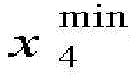


在只利用以上进行说明的损失函数的情况下,在寻找洗涤控制变量的最佳 值的过程中,最佳值可能会作为不适用的结果值而获得,因此,随着利用目标 函数,洗涤程序控制变量的值的范围可能被限制。In the case of using only the loss function explained above, in the process of finding the optimal value of the wash control variable, the optimal value may be obtained as an inapplicable result value. Therefore, with the use of the objective function, the washing program The range of values for the control variable may be restricted.
被确定的洗涤控制变量的值可以在执行投入到洗涤物处理装置300的洗 涤物的最佳洗涤程序中使用。The determined values of the wash control variables can be used in performing an optimal wash program for the laundry put into the
另外,当发生

[数学式3][Mathematical formula 3]

当发生

图15是说明根据本发明实施例的通过将洗涤程序学习模型应用于洗涤物 编码数据来获取用于最佳洗涤程序的洗涤控制变量的值的过程的图。Fig. 15 is a diagram illustrating a process of acquiring values of wash control variables for an optimal wash program by applying a wash program learning model to laundry encoded data according to an embodiment of the present invention.
参照图15,处理器180基于在步骤S403生成的洗涤物编码数据,确定一 个以上的洗涤物组(S1501)。Referring to Fig. 15, the
处理器180可以利用图9中示出的洗涤物编码数据900中所包括的材质混 合比,来确定洗涤物所属的洗涤物组。The
在又一实施例中,在多个洗涤物被投入到洗涤物处理装置300的情况下, 处理器180可以获取多个洗涤物各自的洗涤物编码数据。In yet another embodiment, when a plurality of laundry items are put into the
处理器180可以基于与多个洗涤物中的每一个相对应的洗涤物编码数据, 确定多个洗涤物各自所属的洗涤物组。The
处理器180获取与被确定的一个以上的洗涤物组相对应的洗涤控制变量 的值(S1503)。The
通过步骤S1007,处理器180可以确定与每个洗涤物组相对应的最佳权重 集。Through step S1007, the
处理器180可以将被确定的洗涤物组的特征值和被确定的最佳权重值应 用到以[数学式2]表示的目标函数中,从而获取目标函数的值形成为最小的洗 涤控制变量的值。The
在一实施例中,当多个洗涤物被分类为多个洗涤组时,处理器180可以将 与多个洗涤物组相对应的特征值集和权重集应用于目标函数中,从而获取目标 函数的值形成为最小的洗涤控制变量的值。In one embodiment, when multiple laundry items are classified into multiple washing groups, the
处理器180将包括获取到的洗涤控制变量的值的洗涤控制命令传输到洗 涤模块311(S1505)。The
洗涤模块311可以根据从处理器180接收到的洗涤控制命令,执行应用了 洗涤控制变量的值的洗涤。The
再次对图4进行描述。Fig. 4 is described again.
洗涤物处理装置300的处理器180,以基于被确定的洗涤控制变量的值的 洗涤程序而进行洗涤(S407)。The
对此将参照图16进行描述。This will be described with reference to FIG. 16 .
图16是用于说明根据本发明一实施例的在将洗涤物投入到洗涤物处理装 置300时自动地推荐最佳的洗涤程序的方案的图。Fig. 16 is a diagram for explaining a scheme of automatically recommending an optimal washing program when the laundry is put into the
参照图16,多个洗涤物1600可以被投入到洗涤物处理装置300。Referring to FIG. 16 , a plurality of
洗涤物处理装置300可以通过设置于洗涤物处理装置300的摄像头(未图 示)来识别洗涤物的标签,从而获取洗涤物信息。The
洗涤物处理装置300可以将洗涤物信息转换为洗涤物编码数据,并且将洗 涤程序学习模型应用到被转换的洗涤物编码数据,由此能够提供最佳的洗涤程 序。The
洗涤物处理装置300可以将洗涤物编码数据作为输入数据,并且利用预先 学习的权重集来获取与最佳的洗涤程序相对应的洗涤控制变量的值。The
洗涤物处理装置300可以对洗涤模块311进行控制,使得能够以与获取到 的洗涤控制变量的值相对应的洗涤程序对多个洗涤物1600进行洗涤。The
例如,在多个洗涤物1600全部属于组A(图12的第一洗涤组)1210的 情况下,洗涤物处理装置300可以获取一种洗涤程序,在所述洗涤程序中,洗 涤时间设定为13分钟,漂洗次数设定为3次,脱水次数设定为4次,洗涤水 温设定为冷水,水流强度设定为中。For example, when the plurality of
作为又一例,在多个洗涤物1600全部属于组B(图12的第二洗涤组)1 230的情况下,洗涤物处理装置300可以设计出一种洗涤程序,在所述洗涤程 序中,洗涤时间为9分钟,漂洗次数为2次,脱水次数为3次,洗涤水温为温 水,水流强度为强。As another example, in the case where the plurality of
在多个洗涤物1600属于组A或组B的情况下,洗涤物处理装置300可以 设计出一种洗涤程序,在所述洗涤程序中,洗涤时间为11分钟,漂洗次数为 3次,脱水次数为3次,洗涤水温为冷水,水流强度为中。In the case where a plurality of
由此,针对材质不同的多个洗涤物,用户仅仅通过识别标签的行为来能够 获得使多个洗涤物的损伤度最小化,并且使洗涤力最大化的洗涤结果。As a result, for a plurality of laundry items with different materials, the user can obtain a washing result that minimizes the degree of damage to the plurality of laundry items and maximizes the washing power only by recognizing the behavior of the tags.
图17是说明用于提供本发明一实施例的最佳洗涤程序的用户方案的图。FIG. 17 is a diagram illustrating a user scheme for providing an optimal washing program according to an embodiment of the present invention.
参照图17,洗涤物处理装置300可以具备人工洗涤按钮399。Referring to FIG. 17 ,
当将多个洗涤物投入到洗涤物处理装置300时,人工洗涤按钮399可以是 自动推荐最佳的洗涤程序的按钮。The
当多个洗涤物被投入到洗涤物处理装置300且选择了人工洗涤按钮399 时,洗涤物处理装置300可以显示出用于分析洗涤物的材质的材质分析画面1 710。When a plurality of laundry is put into the
洗涤物处理装置300可以将洗涤物信息转换为编码数据,并且利用转换的 编码数据来确定洗涤物的材质。The
洗涤物处理装置300可以将材质分析画面1710的信息传输到移动终端10 0。在该情况下,材质分析画面1710也可以显示在用户的移动终端100上。The
假如,在检测到互不相同的洗涤组的材质的情况下,洗涤物处理装置300 可以显示通知消息1720,所述通知消息1720通知检测到了不同洗涤组的材质, 并且询问是否需要分开或一起进行洗涤。If, in the case where the materials of different washing groups are detected, the
通知消息1720还可以通过声音输出部152输出。The
通知消息1720可以被传输到移动终端100,并显示在移动终端100上。The
当接收到将互不相同的洗涤组的洗涤物一起进行洗涤的输入时,洗涤物处 理装置300可以基于洗涤物编码数据而确定洗涤控制变量的值。When receiving an input to wash the laundry of mutually different wash groups together, the
洗涤物处理装置300可以显示进度消息1730,所述进度消息1730用于通 知与被确定的洗涤控制变量的值相对应的洗涤程序正在进行。The
进度消息1730可以通过声音输出部152输出,或者可以被传输到移动终 端100并显示在移动终端100上。The
另外,基于洗涤物的材质分析结果,在检测到不可水洗或必需干洗的材质 的洗涤物时,洗涤物处理装置300可以输出不可洗涤的警告消息1750。In addition, based on the result of the material analysis of the laundry, when a laundry of a material that cannot be washed with water or must be dry-cleaned is detected, the
警告消息1750可以通过声音输出部152输出,或者可以被传输到移动终 端100并显示在移动终端100上。The
可以通过警告消息1750引导用户使用洗涤物的正确的洗涤方法。The user may be guided to use the correct washing method of the laundry through the
图18是用于说明本发明又一实施例的洗涤物处理装置的动作方法的流程 图。Fig. 18 is a flowchart for explaining an operation method of the laundry processing apparatus according to still another embodiment of the present invention.
洗涤物处理装置300的处理器180对位于周围的多个外部洗涤物处理装置 进行检测(S1801)。The
处理器180可以通过近距离通信模块114来对位于周边的多个外部洗涤物 处理装置的存在与否进行检测。The
处理器180可以对位于距其自身一定距离范围内的外部洗涤物处理装置 进行检测。The
处理器180可以通过近距离通信模块114将用于请求设备的识别信息的请 求信号以广播方式发送到外部,并且,可以接收响应于所发送的请求信号而传 送的包括识别信息的响应信号。The
处理器180可以利用接收到的响应中所包括的识别信息,来识别位于周边 的外部洗涤物处理装置。识别信息可以包括设备的型号名称、设备的名称中的 一个以上。The
处理器180获取检测到的多个外部洗涤物处理装置中的每一个的特征信 息(S1803)。The
外部洗涤物处理装置的特征信息可以包括容量、是否具有煮洗功能、是否 具有蒸汽洗功能、是否具有少量洗涤功能、洗涤力、平均损伤度、消耗功率中 的一个以上。The characteristic information of the external laundry treatment apparatus may include one or more of capacity, whether it has a boil-wash function, whether it has a steam washing function, whether it has a small amount of washing function, washing power, average damage degree, and power consumption.
基于开发设备时能够通过实验获得的统计值,可以获取外部洗涤物处理装 置的洗涤力和平均损伤度。Based on the statistical values that can be obtained experimentally when the equipment is developed, the washing power and the average damage degree of the external laundry treatment device can be obtained.
尤其,平均损伤度可以是相对的值。In particular, the average damage degree may be a relative value.
处理器180可以利用检测到的外部洗涤物处理装置的型号名称,来获取外 部洗涤物处理装置的特征信息。The
处理器180可以将外部洗涤物处理装置的型号名称发送到云服务器,并且 从云服务器接收外部洗涤物处理装置的特征信息。The
对此,将参照图19进行描述。In this regard, description will be made with reference to FIG. 19 .
图19是用于说明本发明一实施例的洗涤物处理装置获取外部洗涤物处理 装置的特征信息的过程的图。Fig. 19 is a diagram for explaining a process of acquiring characteristic information of an external laundry processing apparatus by the laundry processing apparatus according to an embodiment of the present invention.
洗涤物处理装置300可以对位于一定距离范围内的外部洗涤物处理装置3 00-1、300-2、300-3的存在进行检测。The
根据用户的请求,洗涤物处理装置300可以执行用于管理其他的外部洗涤 物处理装置300-1、300-2、300-3的管理器作用。According to a user's request, the
管理器作用可以是,检测周边的外部洗涤物处理装置,并且收集检测到的 外部洗涤物处理装置的识别信息的作用。并且,管理器作用可以是,收集与洗 涤物相对应的洗涤物信息,并且确定用于洗涤洗涤物的洗涤物处理装置的作 用。The role of the manager may be a role of detecting peripheral external laundry processing apparatuses and collecting identification information of the detected external laundry processing apparatuses. Also, the role of the manager may be to collect laundry information corresponding to the laundry, and to determine the role of the laundry processing device for washing the laundry.
洗涤物处理装置300可以从外部洗涤物处理装置300-1、300-2、300-3中 的每一个接收型号名称。The
洗涤物处理装置300可以将包括接收到的型号名称的特征信息请求经由 无线互联网模块113而发送到云服务器1900。The
云服务器1900根据从洗涤物处理装置300接收到的特征信息的请求,可 以提取与每个型号名称相对应的特征信息。The
云服务器1900可以存储与洗涤物处理装置中的每一个相对应的特征信 息。The
洗涤物处理装置300可以从云服务器1900接收每个外部洗涤物处理装置 300-1、300-2、300-3的特征信息。The
云服务器1900可以是图1中示出的学习装置1000,但这只是示例,云服 务器1900还可以是与学习装置1000分开的装置。The
另外,作为又一例,洗涤物处理装置300可以将多个外部洗涤物处理装置 中的每一个的特征信息对应于型号名称而存储于存储器170中。在此情况下, 洗涤物处理装置300无需将接收到的外部洗涤物处理装置的型号名称发送到 云服务器1900,可以通过搜索存储器170来获取所述外部洗涤物处理装置的 特征信息。In addition, as another example, the
另外,第一外部洗涤物处理装置至第三外部洗涤物处理装置300-1、300- 2、300-3均可以包括图3中示出的所有构成要素。In addition, each of the first to third external laundry treatment devices 300-1, 300-2, 300-3 may include all the constituent elements shown in FIG. 3 .
图20是本发明一实施例的包括外部洗涤物处理装置的特征信息的图。FIG. 20 is a diagram including characteristic information of an external laundry processing apparatus according to an embodiment of the present invention.
参照图20,示出了洗涤物处理装置300收集到的外部洗涤物处理装置中 的每一个特征信息。Referring to FIG. 20, each characteristic information of the external laundry treating apparatus collected by the
在煮洗功能的情况下,如X/O/△,可以分为三种情况。In the case of the boiling and washing function, such as X/O/△, it can be divided into three cases.
X可以表示不可以执行煮洗功能,O可以表示可以执行煮洗功能,并且, △可以表示根据洗涤物的种类能够选择性地执行煮洗功能。X may indicate that the boil-wash function cannot be performed, O may indicate that the boil-wash function can be performed, and Δ may indicate that the boil-wash function can be selectively performed according to the type of laundry.
在蒸汽洗功能的情况下,如X/O,可以分为两种情况。In the case of the steam wash function, such as X/O, it can be divided into two cases.
X可以表示不可以执行蒸汽功能,O可以表示可以执行蒸汽功能。X may indicate that the steam function cannot be performed, and O may indicate that the steam function can be performed.
在少量洗涤功能的情况下,如X/O,可以分为两种情况。In the case of a small amount of washing function, such as X/O, it can be divided into two cases.
X可以表示不可以执行少量洗涤功能,O可以表示可以执行少量洗涤功 能。在此,少量可以是指预设的洗涤物的重量。X may indicate that a small amount of washing function cannot be performed, and O may indicate that a small amount of washing function can be performed. Here, the small amount may refer to a preset weight of laundry.
洗涤力可以具有0至5的值。洗涤力表示洗涤物的洗涤强度,其可以是相 对的值。The detergency can have a value from 0 to 5. The washing power represents the washing strength of the laundry, which can be a relative value.
平均损伤度可以具有0至5的值。平均损伤度表示对洗涤物进行洗涤时的 洗涤物被损伤的平均值,其也可以是相对的值。The average damage degree can have a value from 0 to 5. The average damage degree represents the average value of damage to the laundry when the laundry is washed, and may be a relative value.
消耗功率表示每个外部洗涤物处理装置所消耗的功率。The power consumption represents the power consumed by each external laundry treatment device.
再次对图18进行描述。Fig. 18 will be described again.
然后,处理器180获取包括针对洗涤物的信息的洗涤物信息(S1805)。Then, the
洗涤物信息可以包括洗涤物的材质混合比、洗涤处理注意事项、洗涤物的 颜色中的一个以上。The laundry information may include one or more of the material mixing ratio of the laundry, the precautions for washing processing, and the color of the laundry.
处理器180可以通过摄像头121拍摄附着于洗涤物的标签图像,并且,可 以从拍摄到的标签图像获取洗涤物信息。The
具体而言,处理器180可以通过识别标签图像中所包括的文本或洗涤物处 理图像来获取洗涤物的信息。对此的描述与图5中的描述相同。Specifically, the
作为又一例,在洗涤物附着有NFC标签或RFID标签的情况下,处理器1 80可以通过自身所具备的NFC读取器、RFID读取器来识别所述标签,由此 获取洗涤物信息。As yet another example, when the laundry is attached with an NFC tag or an RFID tag, the
另外,处理器180可以基于获取到的洗涤信息而确定洗涤物的洗涤组。In addition, the
确定洗涤物的洗涤组的过程可以使用图11和图12的实施例。The process of determining the wash group of the laundry may use the embodiments of FIGS. 11 and 12 .
处理器180基于匹配规则模型,确定多个外部洗涤物处理装置中的与获取 到的洗涤物信息相对应的洗涤物处理装置(S1807)。Based on the matching rule model, the
在一实施例中,匹配规则模型可以是,使洗涤物组与最合适于洗涤物组的 洗涤物处理装置相互匹配的模型。In one embodiment, the matching rule model may be a model for matching a laundry group with a laundry treatment device most suitable for the laundry group.
匹配规则模型可以是利用洗涤物组的特征信息和外部洗涤物处理装置的 特征信息,来匹配(或确定)用于执行洗涤物的洗涤的任意一个的外部洗涤物 处理装置的模型。The matching rule model may be a model for matching (or determining) any one of the external laundry processing apparatuses for performing washing of the laundry using the characteristic information of the laundry group and the characteristic information of the external laundry processing apparatus.
具体而言,匹配规则模型可以是,根据洗涤物组的特征要素和外部洗涤物 处理装置的特征要素之间的匹配结果而计算出分数,由此确定用于执行洗涤物 的洗涤的外部洗涤物处理装置的模型。Specifically, the matching rule model may be such that a score is calculated based on the matching result between the characteristic elements of the laundry group and the characteristic elements of the external laundry treatment device, thereby determining the external laundry for performing the washing of the laundry. Model of the processing device.
可以从学习装置1000接收匹配规则模型,并且可以存储于存储器170。The matching rule model may be received from the
作为又一例,匹配规则模型可以是,通过洗涤物处理装置300的学习处理 器130或处理器180来获得的模型。As yet another example, the matching rule model may be a model obtained by the learning
图21是用于说明根据本发明一实施例的利用匹配规则模型来确定外部洗 涤物处理装置的过程的流程图。Fig. 21 is a flowchart for explaining a process of determining an external laundry processing device using a matching rule model according to an embodiment of the present invention.
在图21中,举例描述了洗涤物处理装置300获取匹配规则模型的情况, 但并不限于此,学习装置1000获取匹配规则模型,洗涤物处理装置300从学 习装置1000接收匹配规则模型也可。21 , the case where the
处理器180将洗涤物组的特征要素中的每一个与相关的外部洗涤物处理 装置的特征要素中的每一个进行比较(S2101)。The
在一实施例中,洗涤物组可以是根据图11和图12的实施例而确定的组。In an embodiment, the laundry group may be a group determined according to the embodiments of FIGS. 11 and 12 .
洗涤物组的特征要素可以是根据洗涤组的特征值而提取的要素。The characteristic element of the laundry group may be an element extracted from the characteristic value of the laundry group.
洗涤物组的特征要素的值可以是对洗涤物组的特征值进行编码的值。The value of the characteristic element of the laundry group may be a value encoding the characteristic value of the laundry group.
对此,将参照图22和图23进行描述。This will be described with reference to FIGS. 22 and 23 .
图22是示出根据本发明一实施例的洗涤物组和洗涤物组的特征值的示例 的图,图23是用于说明本发明一实施例的对洗涤物组的特征值进行加工的洗 涤物组的特征要素编码值的示例的图。Fig. 22 is a diagram showing an example of a laundry group and a characteristic value of a laundry group according to an embodiment of the present invention, and Fig. 23 is a diagram for explaining washing in which the characteristic value of the laundry group is processed according to an embodiment of the present invention A graph of an example of a feature element encoding value for an object group.
参照图22,示出了包括多个主要(main)材料的一个洗涤物组2210。洗 涤物可以根据构成洗涤物的主要材料而被确定出洗涤组。Referring to Figure 22, a
并且,洗涤物组2210可以是分类为可水洗且可煮洗的组。And, the
洗涤物组2210的特征值表(table)2230示出了,最长洗涤时间为17分 钟,最小洗涤时间为15分钟,最大漂洗次数为3次,最小漂洗次数为3次, 最大脱水强度和最小脱水轻度为强,最高适当水温为温、最低适当水温为温, 最大水流强度为强,最小水流强度为强。The characteristic value table 2230 of the
处理器180可以利用洗涤物组2210的分类特性和特征值表2230,来获取 洗涤物组2210的特征要素和每个特征要素的编码值。The
洗涤物组2210的分类特性可以是可水洗和可煮洗的特性。The classification properties of the
洗涤物组2210的特征要素可以包括可煮洗、可蒸汽洗、洗涤物数量、平 均损伤度、平均洗涤时间、平均漂洗次数、平均脱水强度。The characteristic elements of the
在洗涤物组2210可煮洗的情况下,处理器180可以将编码值设为2,在 根据情况可进行煮洗的情况下,可以将编码值设为1,在不可煮洗的情况下, 可以将编码值设为0。In the case that the
在洗涤物组2210可蒸汽洗的情况下,处理器180可以将编码值设为1, 在不可蒸汽洗的情况下,可以将编码值设为0。In the case that the
处理器180可以将属于洗涤物组2210的洗涤物的数量设为编码值。The
处理器180可以平均属于洗涤物组2210的洗涤物(主要材料)中的每一 个的损伤度,并且将获得的值设为平均损伤度的编码值。The
处理器180可以将特征值表2230的最长洗涤时间和最小洗涤时间的平均 值设为平均洗涤时间的编码值。The
处理器180可以将特征值表2230的最大漂洗次数和最小漂洗次数之间的 平均值设为平均漂洗次数的编码值。The
处理器180可以将特征值表2230的最大脱水强度和最小脱水强度的平均 值设为平均脱水强度的编码值。The
参照图23,示出了柱状图(graph)2300,其示出了对洗涤物组2210的特 征要素中的每一个进行了编码的值。Referring to Figure 23, a
参照柱状图2300,示出了可煮洗的编码值为2,可蒸汽洗的编码值为1, 洗涤物数量的编码值为5,平均损伤度的编码值为5,平均洗涤时间的编码值 为17,平均漂洗时间的编码值为3。Referring to the
图24是用于说明本发明一实施例的包括对外部洗涤物处理装置的特征要 素进行了编码的值的图表的图。Fig. 24 is a diagram for explaining a graph including values coded for characteristic elements of the external laundry processing apparatus according to an embodiment of the present invention.
参照图24,示出了柱状图2400,其示出了针对滚筒洗衣机的特征要素的 编码值。Referring to Figure 24, a
滚筒洗衣机的特征要素可以包括可煮洗与否、可蒸汽洗与否、少量洗涤功 能、滚筒洗衣机平均施加于洗涤物的平均损伤度、洗涤力。The characteristic elements of the front-loading washing machine may include boil-washable or not, steam-washable or not, a small amount of washing function, the average degree of damage applied to the laundry by the front-loading washing machine, and the washing power.
滚筒洗衣机的针对可煮洗与否的编码值可以为2,针对可蒸汽洗与否的编 码值可以为1,针对可少量洗涤与否的编码值可以为1,滚筒洗衣机平均施加 于洗涤物的平均损伤度的编码值可以为3,洗涤力的编码值可以为3。The coded value of the front-loading washing machine can be 2 for whether it can be boiled or not, the coded value of whether it can be steam washed or not can be 1, and the coded value of whether it can be washed in a small amount can be 1. The coded value of average damage may be 3, and the coded value of detergency may be 3.
再次对图21进行描述。Fig. 21 will be described again.
处理器180根据比较结果而分配与每个特征要素相对应的分数(S2103)。The
处理器180可以将洗涤物组2210的特征要素的编码值与滚筒洗衣机的特 征要素的编码值进行比较。The
对此,将参照图25进行描述。In this regard, description will be made with reference to FIG. 25 .
图25是用于说明本发明一实施例的匹配规则模型的一个示例的图。FIG. 25 is a diagram for explaining an example of a matching rule model according to an embodiment of the present invention.
匹配规则模型2500可以是,通过将洗涤物组2210的特征要素中的每一个 与相对应的滚筒洗衣机的特征要素中的每一个进行比较来分配分数,并输出分 数的求和结果的模型。The
处理器180可以通过使洗涤物组2210的特征要素中的每一个与相关的滚 筒洗衣机的特征要素中的每一个相互匹配,来进行比较。The
每个相对应的特征要素的编码值的范围可以被事先设定。例如,可煮洗与 否的编码值的范围可以是0至2之间的值。The range of the coded value of each corresponding feature element can be set in advance. For example, the range of coded values for cookable or not can be a value between 0 and 2.
可蒸汽洗与否的编码值的范围可以是0至1之间的值。The range of coded values for steam washable or not can be a value between 0 and 1.
洗涤物数量的编码值的范围可以是0至15之间的值。The coded value for the number of laundry can range from a value between 0 and 15.
平均损伤度的编码值的范围可以是0至5之间的值。The coded value for the average damage degree can range from a value between 0 and 5.
洗涤力的编码值的范围可以是0至5之间的值。The coded value of the detergency can range from a value between 0 and 5.
处理器180可以将针对洗涤物组的可煮洗与否的编码值(2)与滚筒洗衣 机的可煮洗与否的编码值(2)进行比较。The
处理器180可以基于编码值的差异而分配分数。The
例如,在可煮洗与否、可蒸汽洗与否的编码值一致的情况下,可以赋予较 高的分数。For example, if the coded values of boil-washable or steam-washable match, a higher score may be assigned.
作为又一例,在洗涤物组2210中所包括的洗涤物数量的编码值为预设值 以下,并且洗涤物处理装置的可少量洗涤与否的编码值为1的情况下,可以赋 予较高的分数。As another example, in the case where the code value of the number of laundry included in the
作为又一例,洗涤物组2210的平均损伤度的编码值越大,可以向平均损 伤度的编码值较小的洗涤物处理装置分配给较高的分数。As a further example, the larger the code value of the average damage degree of the
作为又一例,洗涤物组2210的平均洗涤时间和平均漂洗时间的编码值越 大,可以向洗涤力的编码值较大的洗涤物处理装置分配给较高的分数。As yet another example, the larger the coded values of the average washing time and the average rinsing time of the
参照图25的匹配规则模型2500示出了,根据洗涤物组2210的特征要素 的编码值和与其相匹配的洗涤物处理装置的特征要素之间的编码值而分配的 分数。Referring to the
图25中,示出了按照基于洗涤物组2210和滚筒洗衣机之间的匹配的每个 特征要素类别进行了分配的分数。In Fig. 25, the scores assigned for each feature element category based on the matching between the
再次对图21进行描述。Fig. 21 will be described again.
处理器180对分配了的分数进行求和(S2105),将求和结果为最大的外 部洗涤物处理装置确定为需要执行洗涤物的洗涤的设备(S2107)。The
处理器180可以针对洗涤物组2210与多个外部洗涤物处理装置中的每一 个执行基于图25的匹配。The
当然,处理器180针对洗涤物组还可以与其自身执行基于图25的匹配。Of course, the
处理器180可以将洗涤物处理装置300和检测到的多个外部洗涤物处理装 置中的分数最高的外部洗涤物处理装置确定为需要执行洗涤物的洗涤的设备。The
图26是示出本发明一实施例的多个外部洗涤物处理装置中的每一个的分 数求和结果的图。Fig. 26 is a graph showing the result of the summation of scores for each of a plurality of external laundry treatment apparatuses according to an embodiment of the present invention.
即,洗涤物处理装置300可以基于匹配规则模型,对在周边检测到的第一 外部洗涤物处理装置300-1、第二外部洗涤物处理装置300-2以及第三外部洗 涤物处理装置300-3中的每一个算出分数。That is, the
参照图26,第一外部洗涤物处理装置300-1的求和分数为34分,第二外 部洗涤物处理装置300-2的求和分数为41分,第三外部洗涤物处理装置300- 3的求和分数为29分。26 , the summed score of the first external laundry treatment device 300-1 is 34 points, the summed score of the second external laundry treatment device 300-2 is 41 points, and the third external laundry treatment device 300-3 The summed score is 29 points.
处理器180可以将求和分数为最大的第二外部洗涤物处理装置300-2确定 为需要对洗涤物进行洗涤的最合适的设备。The
如上所述,根据发明的实施例,通过选择需要对洗涤物进行洗涤的最佳洗 涤物处理装置,来能够使洗涤物的损伤度最小化,并且能够使洗涤力最大化。As described above, according to the embodiments of the invention, the degree of damage to the laundry can be minimized and the washing power can be maximized by selecting an optimum laundry treatment device that needs to wash the laundry.
用户无需选择需要对洗涤物进行洗涤的洗涤物处理装置而自动选择洗涤 物处理装置,因此,能够提高便利性。The user does not need to select the laundry processing apparatus to be washed with the laundry, but automatically selects the laundry processing apparatus, so that convenience can be improved.
再次对图18进行描述。Fig. 18 will be described again.
处理器180将洗涤物信息发送到已被确定的外部洗涤物处理装置(S180 9)。The
处理器180可以将洗涤物信息经由近距离通信模块114而发送到确定为需 要执行洗涤的外部洗涤物处理装置。The
随后,所发送的洗涤物信息可以在为确定最佳洗涤程序中被使用。The sent laundry information can then be used in determining the optimal washing program.
所述外部洗涤物处理装置可以根据图4的实施例利用洗涤物信息来确定 多个洗涤控制变数的值,并且,可以通过基于所确定的多个洗涤控制变数的值 的洗涤程序来执行洗涤物的洗涤。The external laundry treatment apparatus may determine the values of a plurality of washing control variables using the laundry information according to the embodiment of FIG. 4 , and may execute the laundry through a washing program based on the determined values of the plurality of washing control variables. washing.
另外,图18和图21的每个步骤都记载成由洗涤物处理装置300执行,但 并不限于此,还可以由终端100执行。18 and 21 are described as being executed by the
即,终端100可以对周边的洗涤物处理装置进行检测,并获取检测到的洗 涤物处理装置的识别信息。That is, the terminal 100 can detect surrounding laundry processing apparatuses, and acquire identification information of the detected laundry processing apparatuses.
终端100可以利用获取到的识别信息来获取检测到的洗涤物处理装置的 特征信息,并且,可以基于获取到的特征信息和洗涤物信息而确定需要对洗涤 物进行洗涤的最佳洗涤物处理装置。The terminal 100 can use the acquired identification information to acquire the feature information of the detected laundry processing device, and can determine the optimal laundry processing device that needs to wash the laundry based on the acquired feature information and laundry information .
另外,终端100还可以命名为人工智能设备。In addition, the terminal 100 may also be named as an artificial intelligence device.
图27是示出本发明实施例的多个洗涤物组中的每一个被映射到任意一个 外部洗涤物处理装置的示例的图。Fig. 27 is a diagram showing an example in which each of the plurality of laundry groups according to the embodiment of the present invention is mapped to any one of the external laundry treatment apparatuses.
每个洗涤物组包括多个洗涤物。Each laundry group includes a plurality of laundry.
洗涤物处理装置300可以基于匹配规则模型而确定与每个洗涤物组匹配 的外部洗涤物处理装置。The
例如,洗涤物处理装置300可以将洗涤物组A2710与第一外部洗涤物处 理装置300-1进行匹配。For example, the
洗涤物处理装置300可以将洗涤物组B2730与第二外部洗涤物处理装置3 00-2进行匹配。The
洗涤物处理装置300可以将洗涤物组C2750与第三外部洗涤物处理装置3 00-3进行匹配。The
图28是用于说明本发明一实施例的洗涤物处理装置输出与对每个洗涤物 组执行洗涤的洗涤物处理装置相关的信息的示例的图。Fig. 28 is a diagram for explaining an example in which the laundry processing apparatus according to an embodiment of the present invention outputs information related to the laundry processing apparatus that performs washing for each laundry group.
洗涤物处理装置300可以经由输出部150输出洗涤处理信息2800。The
例如,在洗涤物处理装置300具有显示器部151的情况下,可以经由显示 器部151显示洗涤处理信息2800。For example, when
在洗涤物处理装置300具有声音输出部152的情况下,可以经由语音输出 洗涤处理信息2800。When
洗涤处理信息2800可以包括:多个洗涤物组中的每一个所包含的洗涤物 的主要材料和主要材料的数量、可煮洗与否、可蒸汽洗与否、可移染性较高的 颜色的洗涤物数量。The
洗涤处理信息2800还可以包括引导信息,所述引导信息用于引导洗涤物 应当被放入到哪个外部洗涤物处理装置。The
引导信息还可以包括需要由用户指定的选项(追加煮洗过程功能与否、追 加蒸汽功能与否等)。The guidance information may also include options that need to be specified by the user (whether or not to add a brew cycle function, whether to add a steam function, etc.).
如上所述,在多个洗涤物形成一个洗涤物组的情况下,本发明实施例的洗 涤物处理装置可以推荐适合于所述洗涤物组的洗涤物处理装置。As described above, in the case where a plurality of laundry forms a laundry group, the laundry processing apparatus according to the embodiment of the present invention may recommend a laundry processing apparatus suitable for the laundry group.
由此,可以将所述洗涤物在最佳洗涤状态下进行洗涤。Thereby, the laundry can be washed in an optimum washing state.
前述的本发明可以在写入程序的介质被实现为计算机可读的代码。计算机 可读介质包括存储有可以由计算机系统读取的数据的所有种类的记录设备。计 算机可读介质的例子可以包括硬盘驱动器(HDD:Hard Disk Drive)、固态 驱动器(SSD:Solid StateDisk)、硅磁盘驱动器(SDD:Silicon Disk Drive)、 只读存储器(ROM)、随机存取存储器(RAM)、光盘只读存储器(CD-RO M)、磁带、软盘、光数据存储装置等。并且,所述计算机可以包括终端的处 理器180。The aforementioned present invention can be implemented as computer-readable codes in a program-written medium. The computer-readable medium includes all kinds of recording devices in which data readable by a computer system are stored. Examples of the computer-readable medium may include a hard disk drive (HDD: Hard Disk Drive), a solid state drive (SSD: Solid StateDisk), a silicon disk drive (SDD: Silicon Disk Drive), a read only memory (ROM), a random access memory ( RAM), compact disk read only memory (CD-ROM), magnetic tapes, floppy disks, optical data storage devices, and the like. Also, the computer may include the
Claims (15)
Applications Claiming Priority (2)
| Application Number | Priority Date | Filing Date | Title |
|---|---|---|---|
| PCT/KR2019/002717 WO2020184735A1 (en) | 2019-03-08 | 2019-03-08 | Artificial intelligence device and method for operating same |
| KRPCT/KR2019/002717 | 2019-03-08 |
Publications (2)
| Publication Number | Publication Date |
|---|---|
| CN111663294A true CN111663294A (en) | 2020-09-15 |
| CN111663294B CN111663294B (en) | 2022-11-04 |
Family
ID=69804444
Family Applications (1)
| Application Number | Title | Priority Date | Filing Date |
|---|---|---|---|
| CN202010021645.9A Active CN111663294B (en) | 2019-03-08 | 2020-01-09 | Artificial intelligence device and its action method |
Country Status (5)
| Country | Link |
|---|---|
| US (1) | US11513478B2 (en) |
| EP (1) | EP3705617B1 (en) |
| KR (1) | KR102881824B1 (en) |
| CN (1) | CN111663294B (en) |
| WO (1) | WO2020184735A1 (en) |
Cited By (5)
| Publication number | Priority date | Publication date | Assignee | Title |
|---|---|---|---|---|
| CN112905591A (en) * | 2021-02-04 | 2021-06-04 | 成都信息工程大学 | Data table connection sequence selection method based on machine learning |
| CN113378149A (en) * | 2021-06-10 | 2021-09-10 | 青岛海洋科学与技术国家实验室发展中心 | Artificial intelligence-based two-way mobile communication identity verification method and system |
| CN115538089A (en) * | 2021-06-30 | 2022-12-30 | 无锡小天鹅电器有限公司 | Clothes washing control method and device |
| CN116122005A (en) * | 2021-11-15 | 2023-05-16 | 佛山市顺德海尔电器有限公司 | Control method of clothes treatment device and clothes treatment device |
| WO2023207170A1 (en) * | 2022-04-25 | 2023-11-02 | 青岛海尔科技有限公司 | Washing program recommendation method and apparatus, storage medium, and electronic apparatus |
Families Citing this family (11)
| Publication number | Priority date | Publication date | Assignee | Title |
|---|---|---|---|---|
| KR102881824B1 (en) * | 2019-03-08 | 2025-11-07 | 엘지전자 주식회사 | Artificial intelligence device and its operating method |
| KR102910552B1 (en) * | 2020-01-15 | 2026-01-12 | 삼성전자주식회사 | Electronic apparatus and control method thereof |
| KR102836922B1 (en) * | 2020-02-20 | 2025-07-22 | 엘지전자 주식회사 | Laundry Treatment Apparatus and Control Method for the same |
| US12037737B2 (en) * | 2020-06-05 | 2024-07-16 | Glenn Edwin Cunningham, III | Sports equipment drying device |
| JP7671141B2 (en) * | 2020-12-17 | 2025-05-01 | 東芝ライフスタイル株式会社 | Drying System |
| CN112580726B (en) * | 2020-12-22 | 2024-06-14 | 杭州开元之江清洗连锁有限公司 | Clothes classification processing method and device, intelligent terminal and storage medium |
| CN115992426A (en) * | 2021-10-18 | 2023-04-21 | 青岛海尔洗衣机有限公司 | Clothing Type Recognition Method |
| CN114960103B (en) * | 2022-06-30 | 2025-07-29 | 海信冰箱有限公司 | Clothes treatment equipment and control method thereof |
| US12618191B2 (en) * | 2022-10-12 | 2026-05-05 | Haier Us Appliance Solutions, Inc. | Adaptive scent dispensing for dryer appliance based on input from linked washer appliance |
| US12534840B2 (en) * | 2023-01-17 | 2026-01-27 | Haier Us Appliance Solutions, Inc. | Unlocking laundry appliances with acoustic waves |
| KR102699475B1 (en) * | 2024-05-27 | 2024-08-30 | 주식회사 이노피아테크 | Method for providing automation service and compensating evaluation based on smart home and the apparatus thereof |
Citations (11)
| Publication number | Priority date | Publication date | Assignee | Title |
|---|---|---|---|---|
| US20050109070A1 (en) * | 2002-01-22 | 2005-05-26 | Midori Kobayashi | Laundry system including home terminal device and laundry apparatus with communicating function |
| US20050140506A1 (en) * | 2003-12-26 | 2005-06-30 | Oh Min J. | Monitoring system and method for home appliance placed within certain distance |
| CN101298738A (en) * | 2008-06-18 | 2008-11-05 | 南京乐金熊猫电器有限公司 | Washings storage apparatus, related clothes processing system and clothes processing method thereof |
| EP2441871A2 (en) * | 2010-10-13 | 2012-04-18 | Samsung Electronics Co., Ltd. | Control method of washing machine |
| CN202273103U (en) * | 2011-09-07 | 2012-06-13 | 赵松林 | Separated mixed-type dry-cleaning water-washing and drying all-in-one machine |
| CN104846588A (en) * | 2015-04-27 | 2015-08-19 | 小米科技有限责任公司 | Intelligent washing method and device |
| KR20160004238A (en) * | 2015-12-18 | 2016-01-12 | 주식회사 크립텍스 | Smart washing service system |
| CN107893309A (en) * | 2017-10-31 | 2018-04-10 | 珠海格力电器股份有限公司 | Washing method and device and washing method and device |
| CN108221267A (en) * | 2016-12-15 | 2018-06-29 | 北京智能管家科技有限公司 | A kind of control method for washing machine and device |
| CN108866934A (en) * | 2018-08-13 | 2018-11-23 | 济南大学 | A kind of laundry mode control system and method based on artificial intelligence |
| DE102017209857A1 (en) * | 2017-06-12 | 2018-12-13 | Henkel Ag & Co. Kgaa | Detection of contamination and / or property of at least part of a textile |
Family Cites Families (15)
| Publication number | Priority date | Publication date | Assignee | Title |
|---|---|---|---|---|
| EP1143313B1 (en) | 2000-03-29 | 2009-07-08 | Lg Electronics Inc. | Communication-controlled washing system and method for operating the same |
| KR100336125B1 (en) * | 2000-03-29 | 2002-05-10 | 구자홍 | Washing system and The washing method for communication control |
| US7469288B2 (en) * | 2003-10-24 | 2008-12-23 | Robert John Tuttle | Apparatus for monitoring the status of multiple laundry appliances |
| US7040039B1 (en) * | 2004-12-23 | 2006-05-09 | Richard Stein | Clothes dryer with lint detector |
| CA2505565C (en) * | 2005-04-28 | 2008-09-16 | Camco Inc. | Apparatus and method for controlling a clothes dryer |
| KR101580173B1 (en) * | 2011-02-01 | 2015-12-24 | 삼성전자 주식회사 | Washing machine, power management apparatus and method for controlling the same |
| KR20130070815A (en) * | 2011-12-20 | 2013-06-28 | 동부대우전자 주식회사 | Integrated management apparatus of washing machine and control method thereof |
| KR102114860B1 (en) * | 2013-09-04 | 2020-05-25 | 엘지전자 주식회사 | Home appliance, home appliance system and a controlling method of home appliance |
| KR102217559B1 (en) | 2014-03-10 | 2021-02-19 | 엘지전자 주식회사 | Apparatus for controlling washing machine and method thereof |
| KR101613962B1 (en) * | 2014-11-20 | 2016-04-20 | 엘지전자 주식회사 | Clothes treating apparatus with a heat pump system and control method for the same |
| EP3485274B1 (en) | 2016-07-15 | 2024-04-24 | Henkel AG & Co. KGaA | Method for ascertaining treatment parameters of a textile by means of structural information |
| US9951465B1 (en) * | 2016-10-24 | 2018-04-24 | Haier Us Appliance Solutions, Inc. | Dryer appliance and sensor assembly thereof |
| US12049724B2 (en) * | 2018-09-12 | 2024-07-30 | Lg Electronics Inc. | Clothing registration device and clothing recommendation device, and online system comprising same |
| KR102881824B1 (en) * | 2019-03-08 | 2025-11-07 | 엘지전자 주식회사 | Artificial intelligence device and its operating method |
| WO2020202135A2 (en) * | 2019-04-02 | 2020-10-08 | Luminati Networks Ltd. | System and method for managing non-direct url fetching service |
-
2019
- 2019-03-08 KR KR1020197020404A patent/KR102881824B1/en active Active
- 2019-03-08 US US16/497,760 patent/US11513478B2/en active Active
- 2019-03-08 WO PCT/KR2019/002717 patent/WO2020184735A1/en not_active Ceased
-
2020
- 2020-01-09 CN CN202010021645.9A patent/CN111663294B/en active Active
- 2020-02-20 EP EP20158638.5A patent/EP3705617B1/en active Active
Patent Citations (11)
| Publication number | Priority date | Publication date | Assignee | Title |
|---|---|---|---|---|
| US20050109070A1 (en) * | 2002-01-22 | 2005-05-26 | Midori Kobayashi | Laundry system including home terminal device and laundry apparatus with communicating function |
| US20050140506A1 (en) * | 2003-12-26 | 2005-06-30 | Oh Min J. | Monitoring system and method for home appliance placed within certain distance |
| CN101298738A (en) * | 2008-06-18 | 2008-11-05 | 南京乐金熊猫电器有限公司 | Washings storage apparatus, related clothes processing system and clothes processing method thereof |
| EP2441871A2 (en) * | 2010-10-13 | 2012-04-18 | Samsung Electronics Co., Ltd. | Control method of washing machine |
| CN202273103U (en) * | 2011-09-07 | 2012-06-13 | 赵松林 | Separated mixed-type dry-cleaning water-washing and drying all-in-one machine |
| CN104846588A (en) * | 2015-04-27 | 2015-08-19 | 小米科技有限责任公司 | Intelligent washing method and device |
| KR20160004238A (en) * | 2015-12-18 | 2016-01-12 | 주식회사 크립텍스 | Smart washing service system |
| CN108221267A (en) * | 2016-12-15 | 2018-06-29 | 北京智能管家科技有限公司 | A kind of control method for washing machine and device |
| DE102017209857A1 (en) * | 2017-06-12 | 2018-12-13 | Henkel Ag & Co. Kgaa | Detection of contamination and / or property of at least part of a textile |
| CN107893309A (en) * | 2017-10-31 | 2018-04-10 | 珠海格力电器股份有限公司 | Washing method and device and washing method and device |
| CN108866934A (en) * | 2018-08-13 | 2018-11-23 | 济南大学 | A kind of laundry mode control system and method based on artificial intelligence |
Cited By (6)
| Publication number | Priority date | Publication date | Assignee | Title |
|---|---|---|---|---|
| CN112905591A (en) * | 2021-02-04 | 2021-06-04 | 成都信息工程大学 | Data table connection sequence selection method based on machine learning |
| CN113378149A (en) * | 2021-06-10 | 2021-09-10 | 青岛海洋科学与技术国家实验室发展中心 | Artificial intelligence-based two-way mobile communication identity verification method and system |
| CN113378149B (en) * | 2021-06-10 | 2022-06-03 | 青岛海洋科学与技术国家实验室发展中心 | Artificial intelligence-based two-way mobile communication identity verification method and system |
| CN115538089A (en) * | 2021-06-30 | 2022-12-30 | 无锡小天鹅电器有限公司 | Clothes washing control method and device |
| CN116122005A (en) * | 2021-11-15 | 2023-05-16 | 佛山市顺德海尔电器有限公司 | Control method of clothes treatment device and clothes treatment device |
| WO2023207170A1 (en) * | 2022-04-25 | 2023-11-02 | 青岛海尔科技有限公司 | Washing program recommendation method and apparatus, storage medium, and electronic apparatus |
Also Published As
| Publication number | Publication date |
|---|---|
| KR102881824B1 (en) | 2025-11-07 |
| KR20210125122A (en) | 2021-10-18 |
| EP3705617A1 (en) | 2020-09-09 |
| WO2020184735A1 (en) | 2020-09-17 |
| EP3705617B1 (en) | 2023-12-06 |
| US20210333763A1 (en) | 2021-10-28 |
| US11513478B2 (en) | 2022-11-29 |
| CN111663294B (en) | 2022-11-04 |
Similar Documents
| Publication | Publication Date | Title |
|---|---|---|
| CN111663294B (en) | Artificial intelligence device and its action method | |
| CN111379119B (en) | Laundry processing apparatus and method for determining washing program thereof | |
| US11692293B2 (en) | AI-based laundry treatment apparatus and operation method thereof | |
| CN111334972B (en) | Washing scheduling device and method thereof | |
| EP3666954B2 (en) | Washing machine | |
| US11568206B2 (en) | System, method and apparatus for machine learning | |
| US11429822B2 (en) | Fabric identifying method, apparatus, and system | |
| CN111325349B (en) | Clothes dispatching device | |
| CN111334982B (en) | Laundry treatment apparatus and method of operating the same | |
| US20200040508A1 (en) | Method, device and system of controlling clothing treating courses according to clothing materials | |
| Yang et al. | SenseFi: A library and benchmark on deep-learning-empowered WiFi human sensing | |
| KR20200095076A (en) | Apparatus for providing laundry treating information based on artificial intelligence |
Legal Events
| Date | Code | Title | Description |
|---|---|---|---|
| PB01 | Publication | ||
| PB01 | Publication | ||
| SE01 | Entry into force of request for substantive examination | ||
| SE01 | Entry into force of request for substantive examination | ||
| GR01 | Patent grant | ||
| GR01 | Patent grant |