CN111563243A - A trusted identity authentication platform based on WeChat applet - Google Patents
A trusted identity authentication platform based on WeChat applet Download PDFInfo
- Publication number
- CN111563243A CN111563243A CN202010357863.XA CN202010357863A CN111563243A CN 111563243 A CN111563243 A CN 111563243A CN 202010357863 A CN202010357863 A CN 202010357863A CN 111563243 A CN111563243 A CN 111563243A
- Authority
- CN
- China
- Prior art keywords
- authentication
- real
- platform
- card
- user
- Prior art date
- Legal status (The legal status is an assumption and is not a legal conclusion. Google has not performed a legal analysis and makes no representation as to the accuracy of the status listed.)
- Pending
Links
Images


Classifications
-
- G—PHYSICS
- G06—COMPUTING OR CALCULATING; COUNTING
- G06F—ELECTRIC DIGITAL DATA PROCESSING
- G06F21/00—Security arrangements for protecting computers, components thereof, programs or data against unauthorised activity
- G06F21/30—Authentication, i.e. establishing the identity or authorisation of security principals
- G06F21/31—User authentication
- G06F21/32—User authentication using biometric data, e.g. fingerprints, iris scans or voiceprints
-
- G—PHYSICS
- G06—COMPUTING OR CALCULATING; COUNTING
- G06F—ELECTRIC DIGITAL DATA PROCESSING
- G06F21/00—Security arrangements for protecting computers, components thereof, programs or data against unauthorised activity
- G06F21/30—Authentication, i.e. establishing the identity or authorisation of security principals
- G06F21/44—Program or device authentication
-
- G—PHYSICS
- G06—COMPUTING OR CALCULATING; COUNTING
- G06F—ELECTRIC DIGITAL DATA PROCESSING
- G06F21/00—Security arrangements for protecting computers, components thereof, programs or data against unauthorised activity
- G06F21/30—Authentication, i.e. establishing the identity or authorisation of security principals
- G06F21/45—Structures or tools for the administration of authentication
- G06F21/46—Structures or tools for the administration of authentication by designing passwords or checking the strength of passwords
-
- H—ELECTRICITY
- H04—ELECTRIC COMMUNICATION TECHNIQUE
- H04L—TRANSMISSION OF DIGITAL INFORMATION, e.g. TELEGRAPHIC COMMUNICATION
- H04L63/00—Network architectures or network communication protocols for network security
- H04L63/04—Network architectures or network communication protocols for network security for providing a confidential data exchange among entities communicating through data packet networks
- H04L63/0428—Network architectures or network communication protocols for network security for providing a confidential data exchange among entities communicating through data packet networks wherein the data content is protected, e.g. by encrypting or encapsulating the payload
- H04L63/0442—Network architectures or network communication protocols for network security for providing a confidential data exchange among entities communicating through data packet networks wherein the data content is protected, e.g. by encrypting or encapsulating the payload wherein the sending and receiving network entities apply asymmetric encryption, i.e. different keys for encryption and decryption
-
- H—ELECTRICITY
- H04—ELECTRIC COMMUNICATION TECHNIQUE
- H04L—TRANSMISSION OF DIGITAL INFORMATION, e.g. TELEGRAPHIC COMMUNICATION
- H04L63/00—Network architectures or network communication protocols for network security
- H04L63/08—Network architectures or network communication protocols for network security for authentication of entities
- H04L63/083—Network architectures or network communication protocols for network security for authentication of entities using passwords
-
- H—ELECTRICITY
- H04—ELECTRIC COMMUNICATION TECHNIQUE
- H04L—TRANSMISSION OF DIGITAL INFORMATION, e.g. TELEGRAPHIC COMMUNICATION
- H04L63/00—Network architectures or network communication protocols for network security
- H04L63/08—Network architectures or network communication protocols for network security for authentication of entities
- H04L63/0861—Network architectures or network communication protocols for network security for authentication of entities using biometrical features, e.g. fingerprint, retina-scan
-
- H—ELECTRICITY
- H04—ELECTRIC COMMUNICATION TECHNIQUE
- H04L—TRANSMISSION OF DIGITAL INFORMATION, e.g. TELEGRAPHIC COMMUNICATION
- H04L63/00—Network architectures or network communication protocols for network security
- H04L63/08—Network architectures or network communication protocols for network security for authentication of entities
- H04L63/0876—Network architectures or network communication protocols for network security for authentication of entities based on the identity of the terminal or configuration, e.g. MAC address, hardware or software configuration or device fingerprint
-
- H—ELECTRICITY
- H04—ELECTRIC COMMUNICATION TECHNIQUE
- H04L—TRANSMISSION OF DIGITAL INFORMATION, e.g. TELEGRAPHIC COMMUNICATION
- H04L9/00—Cryptographic mechanisms or cryptographic arrangements for secret or secure communications; Network security protocols
- H04L9/32—Cryptographic mechanisms or cryptographic arrangements for secret or secure communications; Network security protocols including means for verifying the identity or authority of a user of the system or for message authentication, e.g. authorization, entity authentication, data integrity or data verification, non-repudiation, key authentication or verification of credentials
- H04L9/3236—Cryptographic mechanisms or cryptographic arrangements for secret or secure communications; Network security protocols including means for verifying the identity or authority of a user of the system or for message authentication, e.g. authorization, entity authentication, data integrity or data verification, non-repudiation, key authentication or verification of credentials using cryptographic hash functions
- H04L9/3239—Cryptographic mechanisms or cryptographic arrangements for secret or secure communications; Network security protocols including means for verifying the identity or authority of a user of the system or for message authentication, e.g. authorization, entity authentication, data integrity or data verification, non-repudiation, key authentication or verification of credentials using cryptographic hash functions involving non-keyed hash functions, e.g. modification detection codes [MDCs], MD5, SHA or RIPEMD
Landscapes
- Engineering & Computer Science (AREA)
- Computer Security & Cryptography (AREA)
- Computer Hardware Design (AREA)
- General Engineering & Computer Science (AREA)
- Theoretical Computer Science (AREA)
- Computer Networks & Wireless Communication (AREA)
- Signal Processing (AREA)
- Computing Systems (AREA)
- Physics & Mathematics (AREA)
- General Physics & Mathematics (AREA)
- Software Systems (AREA)
- Power Engineering (AREA)
- Health & Medical Sciences (AREA)
- Biomedical Technology (AREA)
- General Health & Medical Sciences (AREA)
- Management, Administration, Business Operations System, And Electronic Commerce (AREA)
Abstract
本发明公开了一种基于微信小程序的可信身份认证平台,该平台中的数据通信安全机制是平台的基础模块,上层的认证均基于该模块,在用户登录认证、数据传输安全和内部接口密文调用等阶段分别应用了不同的数据安全机制,多维度保护了平台中的数据。采用了实名+实证+实人三重认证机制,其中实名认证初步确保了用户实名安全;实证认证对身份证进行识别,可以确保身份证的真实性;实人认证人脸识别和活体检测,以确保用户为真实活体本人。本发明基于微信小程序开发系统架构,充分利用OCR图像识别、NFC技术、人脸识别、活体检测等新一代身份识别技术,最终使用WXML等语言编程实现客户端和服务器端的设计,搭建手机端的可信任身份认证平台。
The invention discloses a trusted identity authentication platform based on WeChat applet. The data communication security mechanism in the platform is the basic module of the platform, and the upper-layer authentication is based on the module. Different data security mechanisms are applied in stages such as ciphertext invocation, and the data in the platform is protected in multiple dimensions. The triple authentication mechanism of real name + evidence + real person is adopted, in which real-name authentication preliminarily ensures the security of the user's real name; empirical authentication identifies the ID card, which can ensure the authenticity of the ID card; The user is a real living person. The invention is based on the WeChat applet development system architecture, makes full use of new-generation identification technologies such as OCR image recognition, NFC technology, face recognition, and living body detection, and finally uses language programming such as WXML to realize the design of the client and the server, and builds a mobile terminal that can be Trust the authentication platform.
Description
技术领域technical field
本发明属于计算机技术领域,具体地说,涉及一种基于微信小程序的可信身份认证平台。The invention belongs to the field of computer technology, and in particular relates to a trusted identity authentication platform based on WeChat applet.
背景技术Background technique
近年来,随着云计算、大数据等现代网络技术的迅速发展,身份认证在民用和军事领域的应用越来越广泛和深入,金融交易、社区管理、快递物流等行业的快速发展对在线身份认证技术的要求也越来越高。但鉴于网络环境错综复杂,网络在线身份认证在给人们带来便利的同时,也成为不法人员进行非法活动的滋生地,如何提高在线身份认证的安全等级,确保用户信息安全是急需进行研究的课题。为此,本文重点研究了在线身份认证安全隐患,针对安全通信潜在威胁设计了多重安全处理机制,一定程度上保证了用户信息传递安全;针对认证处理潜在威胁,以身份证为基础可信任根,根据认证业务需求,实现了“实名+实证+实人”三层安全可信的身份认证;最后实现了一个可信任的身份认证验证系统,用以验证各种安全机制,一定程度上满足了安全需求。In recent years, with the rapid development of modern network technologies such as cloud computing and big data, the application of identity authentication in the civilian and military fields has become more and more extensive and in-depth. The requirements for certification technology are also increasing. However, in view of the complex network environment, online identity authentication not only brings convenience to people, but also becomes a breeding ground for illegal activities. How to improve the security level of online identity authentication and ensure the security of user information is an urgent research topic. To this end, this paper focuses on the security risks of online identity authentication, and designs multiple security processing mechanisms for the potential threats of secure communication, which ensures the security of user information transmission to a certain extent; According to the requirements of the authentication business, a three-layer secure and reliable identity authentication of "real name + evidence + real person" is realized; finally, a trusted identity authentication verification system is implemented to verify various security mechanisms, which satisfies the security requirements to a certain extent. need.
发明内容SUMMARY OF THE INVENTION
本发明的目的在于提供一种基于微信小程序的可信身份认证平台,综合考虑数据通信安全的基础上,实现了在用户登录认证、数据传输安全和内部接口密文调用等阶段分别应用了不同的数据安全机制,多维度保护了平台中的数据;在保证平台使用安全的前提下,设计并实现一个可信任身份认证平台。以身份证为基础可信任根,可根据认证业务需求,实现三类不同的认证方式,即“实名+实证+实人”认证。The purpose of the present invention is to provide a trusted identity authentication platform based on WeChat applet, on the basis of comprehensively considering the security of data communication, it realizes that different applications are applied in the stages of user login authentication, data transmission security and internal interface ciphertext invocation. The data security mechanism protects the data in the platform in multiple dimensions; on the premise of ensuring the security of the platform, a trusted identity authentication platform is designed and implemented. Based on the ID card as the root of trust, three different authentication methods can be realized according to the needs of the authentication business, namely "real name + evidence + real person" authentication.
其具体技术方案为:Its specific technical solutions are:
本发明设计的综合考虑数据通信安全的基于微信小程序的可信身份认证平台,包括数据通信安全模块、客户端和服务器端,实现三类不同的认证方式。The WeChat applet-based trusted identity authentication platform designed by the present invention includes a data communication security module, a client and a server, and realizes three different authentication modes.
第一层次为实名认证。需要对二代身份证正面的人员信息拍照,通过OCR技术识别获取姓名、身份证号等卡面信息进行信息收集,并与后台数据库进行比对。The first level is real-name authentication. It is necessary to take photos of the personnel information on the front of the second-generation ID card, and use OCR technology to identify and obtain card information such as name, ID number, etc. for information collection, and compare it with the background database.
第二层次为实名+实证认证。在实名认证通过的基础上,利用具有NFC功能的智能设备对证件的合法性进行确认,并以此获取基础可信任根;以基础可信任根为索引,从公安部获取申请人的基础信息、人像比对源信息,集合生物行为识别及生物人脸特征比对等手段来确认申请人证件合法、基本信息有效及本人申请。The second level is real-name + empirical authentication. On the basis of passing the real-name authentication, use the smart device with NFC function to confirm the legitimacy of the certificate, and use this to obtain the basic trusted root; The source information of the portrait is compared, and the biometric behavior recognition and biometric facial feature comparison and other means are combined to confirm the legality of the applicant's documents, the validity of the basic information and the application by the applicant.
第三层次为实名+实证+实人认证。增加了人脸生物特征比对环节,利用活体检测技术,确定采集对象为生物人,以预置的人像/证件照片作为可信数据源进行对比,可确定申请人信息的准确性。The third level is real name + evidence + real person authentication. A face biometric comparison link has been added. Using live detection technology, it is determined that the collection object is a biological person, and the preset portrait/certificate photo is used as a trusted data source for comparison to determine the accuracy of the applicant's information.
进一步,所述数据通信安全中,在用户登录认证环节使用了动态口令卡或短信验证码等动态口令验证,以及登录设备MAC地址验证等技术;数据传输环节对登录认证信息采用了MD5加密技术,对正常使用时的关键数据采用了RSA非对称加密技术。Further, in the data communication security, dynamic password verification such as a dynamic password card or SMS verification code is used in the user login authentication link, as well as technologies such as login device MAC address verification; the data transmission link adopts the MD5 encryption technology for the login authentication information, RSA asymmetric encryption technology is used for the key data in normal use.
进一步,所述客户端的设计使用微信前端开发语言WXML和WXSS,以及脚本语言WXS,在WXML中将按钮绑定到相关函数上,拼接参数后以POST的方式发送JSON请求,通过URL地址发送给AI接口实现功能并回传参数,最后页面重定向到下一页。Further, the design of the client side uses the WeChat front-end development languages WXML and WXSS, and the scripting language WXS, in WXML, the button is bound to the relevant function, after splicing the parameters, the JSON request is sent in the POST mode, and sent to the AI through the URL address. The interface implements the function and returns parameters, and finally the page redirects to the next page.
进一步,所述服务器端作为MVC设计中的M层,提供了读写数据库到API的封装;平台采用Node.js作为后端开发平台实现对MongoDB数据库的读取,与微信小程序端进行交互并返回JSON数据包的功能,其中使用Express框架搭建服务端;前后端使用HTTPS协议通信,传输JSON格式数据。Further, the server side, as the M layer in the MVC design, provides the encapsulation of reading and writing database to API; the platform uses Node.js as the back-end development platform to read the MongoDB database, interact with the WeChat applet and communicate with each other. The function of returning JSON data packets, in which the Express framework is used to build the server; the front-end and back-end use the HTTPS protocol to communicate and transmit JSON format data.
进一步,第一层次实名认证中采用OCR身份证识别,绑定一个无参数的函数uploadIdImage函数到上传身份证照片按钮上,先调用微信API拉取相册或者摄像头,获取用户身份证照片后,将其用Base64编码,拼接百度身份证OCR参数后发送至百度AI接口;随后将识别的结果解析,与数据库中存储的内容进行比较,通过后进入下一步。Further, in the first-level real-name authentication, OCR ID card recognition is used, and a function uploadIdImage without parameters is bound to the upload ID photo button, and the WeChat API is called first to pull the photo album or camera, and after obtaining the user ID photo, upload it. Use Base64 encoding, splicing Baidu ID card OCR parameters and send to Baidu AI interface; then parse the recognized result, compare it with the content stored in the database, and go to the next step after passing.
进一步,第二层次实名+实证认证中,采用NFC近距离读卡。首先测试手机开启NFC功能的返回值并初始化NFC模块,然后完成wx.onHCEMessage的消息监听并发送消息,将shizhengCert函数绑定到读取NFC按钮上;通过南京亿数身份证读取API对身份证进行识别;在身份证芯片验证成功后,将修改flag值,转至人脸活体检测模块。Further, in the second-level real-name + empirical authentication, NFC proximity card reading is used. First test the return value of the NFC function on the mobile phone and initialize the NFC module, then complete the message monitoring of wx.onHCEMessage and send the message, bind the shizhengCert function to the read NFC button; read the ID card through the Nanjing Yishu ID card API. Perform identification; after the ID card chip verification is successful, the flag value will be modified and transferred to the face live detection module.
进一步,第三层次实名+实证+实人认证中,采用人脸识别和人脸活体检测。将uploadRealImage函数绑定到实人认证按钮上;函数调用相机接口,拍照获取图片之后拼接参数,和服务端数据库中预置的身份鉴别图片一起经过Base64编码,发送给百度AI人脸识别API后端进行比对,返回对比相似度比分,若比分大于等于80,则认证成功。另外,为了检测用户为活体,还需要调用百度活体检测API进行活体检测,若用户按要求完成了预制的动作后,则可确认用户为活体。Further, in the third level of real-name + empirical + real-person authentication, face recognition and face liveness detection are used. Bind the uploadRealImage function to the real-person authentication button; the function calls the camera interface, takes a picture to get the picture, stitches the parameters, and encodes it with the preset identification picture in the server database through Base64 encoding, and sends it to the Baidu AI face recognition API backend Perform a comparison and return the comparison similarity score. If the score is greater than or equal to 80, the authentication is successful. In addition, in order to detect that the user is a living body, it is also necessary to call the Baidu living body detection API for living body detection. If the user completes the prefabricated actions as required, the user can be confirmed as a living body.
与现有技术相比,本发明的有益效果为:Compared with the prior art, the beneficial effects of the present invention are:
本发明基于微信小程序开发的系统架构,充分利用数据安全(MD5、RSA)、OCR识别、NFC技术、人脸识别、活体检测等新一代身份识别技术,最终使用WXML、Node.js等语言编程实现客户端和服务器端的设计,搭建了手机端的可信任身份认证平台。本平台优点体现如下:The invention is based on the system architecture developed by the WeChat applet, fully utilizes the new generation of identity recognition technologies such as data security (MD5, RSA), OCR recognition, NFC technology, face recognition, and living body detection, and finally uses WXML, Node.js and other languages for programming. Realize the design of client and server, and build a trusted identity authentication platform for mobile phones. The advantages of this platform are as follows:
1、本发明充分考虑了数据通信安全,分用户登录认证、数据传输安全和内部接口密文调用等阶段分别应用了不同的数据安全机制,多维度保护了平台中的数据。其中用户登录认证保证了用户使用正确的口令和正确的设备登录平台。数据传输安全分类别采用不同的加密技术,保证了用户在与平台交互过程中的关键敏感数据的安全,实现了即使关键数据在传输时被截获,也无法被有效复现的目的。内部接口密文调用通过将平台提供给客户端调用的接口进行转义,利用不相关的“字母+数字”代号来表示,可以进一步避免被恶意用户非法调用或破解;另外,在内部接口中每次都会对调用的客户端进行身份信息验证,再次确保了调用安全。1. The present invention fully considers data communication security, and applies different data security mechanisms in stages such as user login authentication, data transmission security, and internal interface ciphertext invocation, and multi-dimensionally protects the data in the platform. The user login authentication ensures that the user logs in to the platform with the correct password and correct device. Data transmission security classification adopts different encryption technologies to ensure the security of key sensitive data in the process of user interaction with the platform, and realize the purpose that even if the key data is intercepted during transmission, it cannot be effectively reproduced. The ciphertext call of the internal interface is escaped by the interface provided by the platform to the client to call, and is represented by an irrelevant "alphanumeric" code, which can further avoid being illegally called or cracked by malicious users; Each time, the identity information of the calling client will be verified, and the security of the call will be ensured again.
2、本发明采用了“实名+实证+实人”三重认证机制,确保了用户为真实本人且为活体。其中,实名认证通过OCR技术对用户身份证正面信息进行识别,并将识别后的信息与用户预先注册存储在平台的身份信息进行比对,初步确保了用户实名安全。实证认证通过NFC技术对身份证进行识别,获取基础可信任根,并基于它获取公安部身份证数据库真实身份信息,并进行再次比对,这样可以确保身份证的真实性。实人认证通过对用户的人脸进行拍照,并与实证认证阶段获取的真实身份证人脸图像进行比对,以确保用户是本人;另外,为了进一步确保用户为真实活体本人,还增加了活体检测,并穿插抓拍人脸正面图片进行再比对,通过双重认证机制确保了用户的合法身份。2. The present invention adopts the triple authentication mechanism of "real name + evidence + real person", which ensures that the user is the real person and the living body. Among them, real-name authentication uses OCR technology to identify the positive information of the user's ID card, and compares the identified information with the user's pre-registered and stored identity information on the platform, which preliminarily ensures the security of the user's real name. Empirical authentication identifies the ID card through NFC technology, obtains the basic root of trust, and obtains the real identity information of the ID card database of the Ministry of Public Security based on it, and compares it again, so as to ensure the authenticity of the ID card. Real person authentication takes a photo of the user's face and compares it with the face image of the real ID card obtained in the verification stage to ensure that the user is the person; in addition, in order to further ensure that the user is the real person, a living Detection, and interspersed snapshots of frontal face pictures for re-comparison, through the two-factor authentication mechanism to ensure the legal identity of the user.
附图说明Description of drawings
图1为登录认证时数据传输安全机制;Figure 1 shows the data transmission security mechanism during login authentication;
图2为一次迭代;Figure 2 shows one iteration;
图3为正常使用时数据传输安全机制;Figure 3 shows the data transmission security mechanism in normal use;
图4为客户端调用接口安全验证示意图;Fig. 4 is a schematic diagram of client calling interface security verification;
图5为客户端调用实名认证接口示意图;5 is a schematic diagram of a client calling a real-name authentication interface;
图6为客户端调用实证认证接口示意图;FIG. 6 is a schematic diagram of a client calling an empirical authentication interface;
图7为客户端调用实人认证接口示意图;7 is a schematic diagram of a client calling a real person authentication interface;
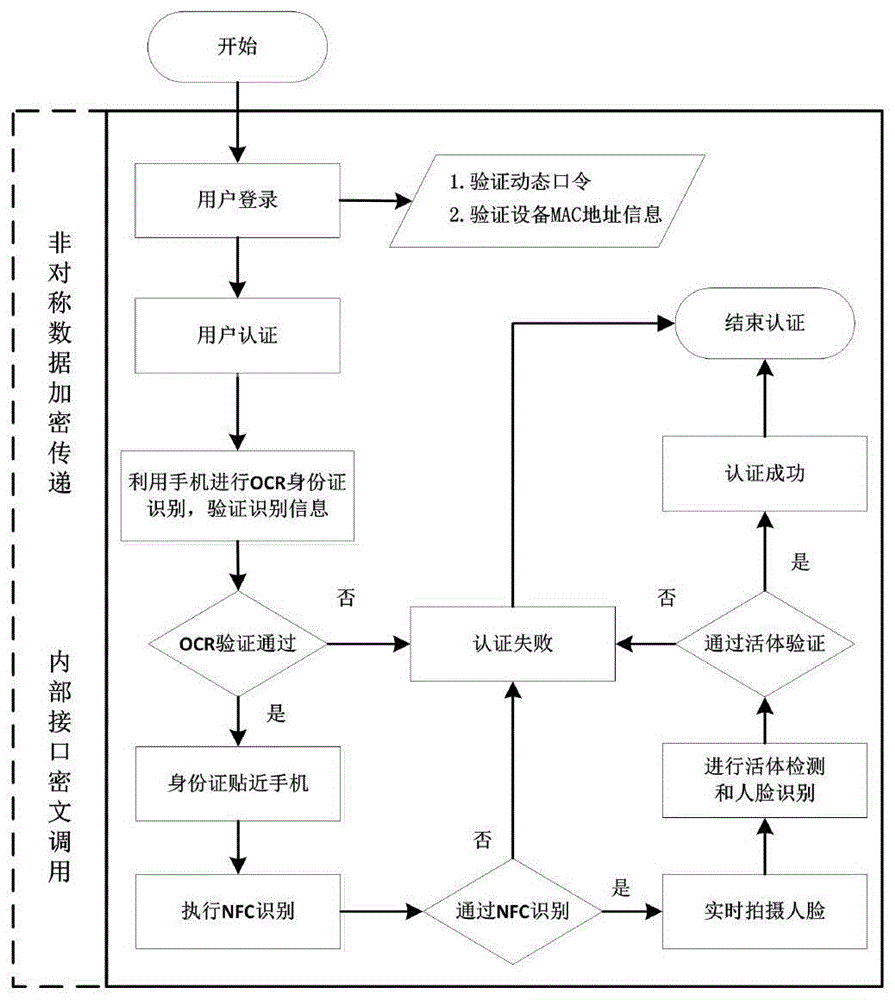
图8为用户认证流程图;Fig. 8 is a flow chart of user authentication;
图9为平台功能模块图;Fig. 9 is the platform function module diagram;
图10为平台功能结构图;Figure 10 is a functional structure diagram of the platform;
图11前端界面设计关系图;Figure 11 Front-end interface design diagram;
图12为服务器端项目架构;Figure 12 shows the server-side project architecture;
图13为登陆页面;Figure 13 is the landing page;
图14为实名认证;Figure 14 shows real-name authentication;
图15为实证认证;Figure 15 shows the empirical certification;
图16为获取身份凭证。Figure 16 shows the acquisition of identity credentials.
图17实人认证。Figure 17 Real person authentication.
具体实施方式Detailed ways
下面结合附图和具体实施过程对本发明的实施方案作进一步详细地说明。The embodiments of the present invention will be described in further detail below with reference to the accompanying drawings and specific implementation processes.
1、数据通信安全设计1. Data communication security design
进行数据通信安全设计主要是防止非法用户。用户在使用前必须提前注册登记动态口令卡、手机号码、移动设备MAC信息。这样非法用户无法准确获取每次登录口令,且无法使用未注册设备进行系统登录,使得其无法非法使用系统。另外,正常用户在使用系统过程中,所传递的关键数据均进行非对称加密,所调用的服务接口均经过密文处理,使得非法用户即使截获信息,也无法复现数据,进一步阻挡了非法用户。The main purpose of data communication security design is to prevent illegal users. Users must register the dynamic password card, mobile phone number, and mobile device MAC information in advance before use. In this way, illegal users cannot accurately obtain each login password, and cannot use unregistered devices to log in to the system, so that they cannot use the system illegally. In addition, during the process of using the system, the key data transmitted by normal users are all encrypted asymmetrically, and the service interfaces called are processed by ciphertext, so that even if the illegal user intercepts the information, the data cannot be reproduced, which further blocks the illegal user. .
(1)用户登录认证(1) User login authentication
用户登录认证作为可信身份认证平台的第一层安全防护,可以初步确保当前登录方式为准合法用户使用合法设备登录。As the first layer of security protection of the trusted identity authentication platform, user login authentication can preliminarily ensure that the current login method is a quasi-legitimate user using a legitimate device to log in.
1)动态口令验证1) Dynamic password verification
用户在使用可信身份认证平台时,无需再使用传统的“用户名+密码”,而是改用动态口令方式。此处动态口令可以采用两种方式:一是动态口令卡;二是短信验证码。When users use the trusted identity authentication platform, they no longer need to use the traditional "username + password", but instead use the dynamic password method. There are two ways to use the dynamic password here: one is the dynamic password card; the other is the SMS verification code.
方式一:动态口令卡。Method 1: Dynamic password card.
此种方式适用于用户登录设备不具备短信通信功能的情况。用户在可信身份认证平台注册时,附带下发电子口令卡,该卡记录了一个50×50的二维矩阵,矩阵每一单元格为4位“数字+字母”组合。样例如下:This method is suitable for the situation where the user login device does not have the SMS communication function. When the user registers on the trusted identity authentication platform, an electronic password card is issued, which records a 50×50 two-dimensional matrix, and each cell of the matrix is a combination of 4 digits and letters. An example is as follows:
表1电子动态口令卡Table 1 Electronic dynamic password card

用户在登录时,系统会随机给用户下发一个标签组合,例如“A2B2”。当用户获取这个随机标签后,可以查找电子口令卡,进而获知当前动态密码为“qT7m”。服务端同样维护了与该用户相同的电子口令卡,用于提取相同的动态口令以验证客户端用户口令的正确性。When a user logs in, the system will randomly issue a tag combination to the user, such as "A2B2". After the user obtains this random label, he can search for the electronic password card, and then learn that the current dynamic password is "qT7m". The server also maintains the same electronic password card as the user, which is used to extract the same dynamic password to verify the correctness of the client user's password.
方式二:短信验证码。Method 2: SMS verification code.
此种方式适用于用户登录设备具备短信通信功能的情况。用户在可信身份认证平台注册时,提供手机号码,用于接收服务端发送的随机验证码。用户在每次登录时,选择短信验证登录方式,则系统会向用户注册手机号码发送随机验证码。用户可借此验证码登录系统。This method is applicable to the situation where the user's login device has the SMS communication function. When the user registers on the trusted identity authentication platform, he provides a mobile phone number to receive the random verification code sent by the server. Each time the user logs in, he selects the SMS verification login method, and the system will send a random verification code to the user's registered mobile phone number. Users can use this verification code to log in to the system.
2)登录设备MAC地址验证2) Login device MAC address verification
通过动态口令认证确保了当前用户为准合法用户,但无法保证该准合法用户所使用的登录设备的合法性。为此,本发明增加了对登录设备MAC地址的验证。The dynamic password authentication ensures that the current user is a quasi-legitimate user, but cannot guarantee the legitimacy of the login device used by the quasi-legitimate user. To this end, the present invention increases the verification of the MAC address of the login device.
用户在登录时,客户端自动获取当前登录设备的MAC地址信息,会同动态口令一起发送给服务端进行验证。服务端验证收到的MAC地址信息与用户注册时提供的MAC地址信息是否一致,以确定是否是合法登录设备。When a user logs in, the client automatically obtains the MAC address information of the currently logged in device, and sends it to the server together with the dynamic password for verification. The server verifies whether the received MAC address information is consistent with the MAC address information provided by the user during registration to determine whether it is a legitimate login device.
(2)数据传输安全(2) Data transmission security
无论是用户登录信息还是正常认证过程信息,都需要通过无线网络经Internet进行传输,当数据不经过任何处理,则是以明文形式进行传输,这样就存在数据传输泄密安全隐患。为了提高可信身份认证平台的安全等级,则需要对传输数据进行加密。所传输的数据主要分为两类:一是登录认证信息;二是正常使用过程中的关键信息。下面分别针对这两类信息进行加密处理。Whether it is user login information or information in the normal authentication process, it needs to be transmitted over the Internet through a wireless network. When the data is not processed, it is transmitted in plaintext, so there is a security risk of data transmission leakage. In order to improve the security level of the trusted identity authentication platform, it is necessary to encrypt the transmitted data. The transmitted data is mainly divided into two categories: one is login authentication information; the other is key information during normal use. The following two types of information are encrypted respectively.
种类一:登录认证信息Type 1: Login authentication information
本发明为了防止登录认证信息在网络传输时被截获破解,平台考虑增加MD5(Message-digest Algorithm 5)对登录认证信息进行加密。MD5作为目前常用的一种Hash加密算法,专门针对理论上任意长的输入产生固定128位长输出。在用户A和B通信的过程中,为了保证认证信息在传送过程中没有被修改,A把自己的信息通过散列函数生成哈希值,附在消息尾部,B收到消息后,重新计算哈希值,如果哈希值比对一致,则表示在传送过程中信息未被篡改,反之则表明信息被篡改。流程如图1所示。In the present invention, in order to prevent the login authentication information from being intercepted and cracked during network transmission, the platform considers adding MD5 (Message-digest Algorithm 5) to encrypt the login authentication information. As a commonly used Hash encryption algorithm, MD5 is designed to generate a fixed 128-bit long output for theoretically arbitrarily long input. In the process of communication between users A and B, in order to ensure that the authentication information is not modified during the transmission process, A generates a hash value of its own information through a hash function, and attaches it to the end of the message. After receiving the message, B recalculates the hash value. If the hash value is consistent, it means that the information has not been tampered with during the transmission process, otherwise, it means that the information has been tampered with. The process is shown in Figure 1.
算法加密处理过程具体包含了如下几个步骤:The algorithm encryption process includes the following steps:
Ⅰ.消息填充Ⅰ. Message filling
首先填充消息,使其长度为(n×512﹣64)位,其中n为大于0的整数。注意,即使消息本身长度为448=(1×512﹣64)位,满足要求,还是需要继续填充512位为960=(2×512﹣64)位。填充的内容由一个1和后续的0组成。然后,在填充内容的后面再附上64位,这64位存放的内容是填充之前消息的长度,一旦消息长度大于264,则取其对264取模的结果进行填充。First, the message is padded so that its length is (n×512-64) bits, where n is an integer greater than 0. Note that even if the length of the message itself is 448=(1×512﹣64) bits, which meets the requirements, it is still necessary to continue to fill 512 bits to 960=(2×512﹣64) bits. The padding consists of a 1 followed by a 0. Then, 64 bits are attached to the back of the padding content. The content stored in these 64 bits is the length of the message before padding. Once the message length is greater than 264, the result of taking the modulo of 264 is used for padding.
填充过后,消息的长度为512×L,则可将消息分为每512位长一组的Y0,Y1,……,YL-1,再把每一个分组Y分为16个32比特长的字单位,这样消息为N=L×16个字,因此消息还可以按字表示为M[0,……,N-1]。After padding, the length of the message is 512×L, then the message can be divided into Y0, Y1, ..., YL-1 in groups of 512 bits each, and then each group Y is divided into 16 words of 32 bits long unit, so the message is N=L×16 words, so the message can also be expressed as M[0, . . . , N-1] in words.
Ⅱ.缓冲区初始化Ⅱ. Buffer initialization
Hash函数的中间结果和最终结果保存在128位的缓冲区当中,缓冲区用32位的寄存器表示。可用4个32比特长的字表示:A、B、C、D。初始值以十六进制表示为A=01234567,B=89ABCDEF,C=FEDCBA98,D=76543210。The intermediate and final results of the Hash function are stored in a 128-bit buffer, which is represented by a 32-bit register. It can be represented by four 32-bit words: A, B, C, D. The initial values are expressed in hexadecimal as A=01234567, B=89ABCDEF, C=FEDCBA98, D=76543210.
Ⅲ.HMD5运算Ⅲ.HMD5 operation
以分组为单位对信息进行处理,每一分组Yq(q=0,……,L-1)都经过压缩函数HMD5处理。HMD5是算法的核心,一次算法包括有4轮处理过程。HMD5的4轮处理过程结构一致,但所用的逻辑函数不同,可分别表示为F、G、H、I。只不过每一轮用到的逻辑函数各不相同,同时每一步的输入函数也有所不同。The information is processed in units of groups, and each group Yq (q=0, . . . , L-1) is processed by the compression function HMD5. HMD5 is the core of the algorithm, and one algorithm includes 4 rounds of processing. The four-round processing process of HMD5 has the same structure, but the logic functions used are different, which can be expressed as F, G, H, and I respectively. It's just that the logic function used in each round is different, and the input function of each step is also different.
表2 4轮的逻辑函数Table 2 Logical function of 4 rounds
每轮的输入为当前处理的512位分组Yq和缓冲区当前的A、B、C、D值,输出继续存储缓冲区中生成新的A、B、C、D。每轮要完成16步重复迭代运算,四轮共计64步完成。64步途中每一步都按照图2示流程进行迭代,其中X[k]是当前分组Yq的第k个32位字,T[i]作为消除输入数据规律性的数据。The input of each round is the currently processed 512-bit group Yq and the current values of A, B, C, and D in the buffer, and the output continues to store new A, B, C, and D in the buffer. Each round needs to complete 16 steps of repeated iterative operations, and a total of 64 steps are completed in four rounds. Each step in the 64 steps is iterated according to the process shown in Figure 2, where X[k] is the kth 32-bit word of the current packet Yq, and T[i] is the data to eliminate the regularity of the input data.
每一轮循环左移的情况不同,第一轮分别左移7、12、17、22位,第二轮分别左移5、9、14、22位,第三轮分别左移4、11、16、23位,第四轮分别左移6、10、15、21位。The situation of each round of cyclic left shift is different. The first round is shifted to the left by 7, 12, 17, and 22 bits, the second round is shifted to the left by 5, 9, 14, and 22 bits, and the third round is shifted to the left by 4, 11, and 22 bits. 16, 23 bits, the fourth round shifts 6, 10, 15, 21 bits to the left, respectively.
最终第四轮的输出与第一轮的输入进行模232相加结果为输出,也就是下一个分组进行运算的缓冲区初始值。Finally, the output of the fourth round and the input of the first round are added modulo 232 and the result is the output, that is, the initial value of the buffer for the operation of the next packet.
Ⅳ.输出Ⅳ. Output
全部L个512位分组按照上述描述处理完,最后一个分组的128位输出即为所有迭代得出的哈希值。All L 512-bit groups are processed according to the above description, and the 128-bit output of the last group is the hash value obtained by all iterations.
种类二:正常使用时关键数据传输信息Type 2: Key data transmission information during normal use
在用户登录成功后进行关键数据传输时,也需要进行加密处理。此处主要是解决用户登录后正常进行数据操作的传递安全问题。此时数据分为两大类:一是字符信息数据,如姓名、身份证号、身份证基础可信任根等;二是图片数据,如人脸图片等。为了缩短处理时间,提高加密效率,此处仅对于字符敏感信息数据使用非对称密码加密技术(RSA)。令客户端持有公钥,而后台数据处理端持有私钥,在保证私钥安全的基础上,完成加密传输数据。利用RSA加密实现平台的数据传递安全原理如图3所示。When the key data is transmitted after the user logs in successfully, encryption processing is also required. The main purpose here is to solve the transmission security problem of normal data operations after the user logs in. At this time, the data is divided into two categories: one is character information data, such as name, ID number, ID card basic trustworthy root, etc.; the other is image data, such as face pictures. In order to shorten the processing time and improve the encryption efficiency, asymmetric cryptographic encryption technology (RSA) is only used here for character-sensitive information data. The client holds the public key, and the background data processing terminal holds the private key. On the basis of ensuring the security of the private key, the encrypted data transmission is completed. Figure 3 shows the data transmission security principle of the platform using RSA encryption.
使用RSA算法,把选取的两大素数之积n和公钥e存储于手机端数据库SQLite中,另外还要把整数n和私钥d存储于平台数据库中。在数据传输的过程中,客户端向服务端发送的内容包括用户真正需要传输的正常关键信息数据(如身份证号等),以及已被MD5算法加密处理过的“动态口令+设备MAC”客户身份信息(身份认证在用户登录中已验证完备,此处进行验证的是用户每一步操作的合法性)。全部内容利用RSA算法加密后,再发送至服务端。Using the RSA algorithm, the product n and the public key e of the two selected prime numbers are stored in the mobile phone database SQLite, and the integer n and the private key d are also stored in the platform database. In the process of data transmission, the content sent by the client to the server includes the normal key information data that the user really needs to transmit (such as ID number, etc.), as well as the "dynamic password + device MAC" that has been encrypted by the MD5 algorithm. Identity information (identity authentication has been fully verified during user login, and the verification here is the legitimacy of each step of the user's operation). All content is encrypted with RSA algorithm and then sent to the server.
每一次数据传输的目的都是调用在服务端的某个或某些具体的接口。以用户进行实证认证为例,在服务端接收到经RSA公钥加密过的客户身份信息和身份证基础可信任根等数据后,服务端的处理过程如下:The purpose of each data transfer is to call one or some specific interfaces on the server. Taking the user's empirical authentication as an example, after the server receives the customer identity information encrypted by the RSA public key and the basic trust root of the ID card and other data, the processing process of the server is as follows:
ⅰ解密。首先对加密内容进行RSA私钥解密得到身份信息和正常数据。i Decryption. First, decrypt the encrypted content with the RSA private key to obtain identity information and normal data.
ⅱ验真。其次需要再次根据服务端存储的动态口令(MD5加密值)进行内容比较验证身份信息。ii. Verification. Secondly, it is necessary to perform content comparison and verification of identity information again according to the dynamic password (MD5 encrypted value) stored in the server.
ⅲ服务。最后验证身份信息无误后,处理正常的数据请求,实现后续服务。iii Service. Finally, after verifying that the identity information is correct, process normal data requests and implement subsequent services.
每一次数据传输过程都需要调用某个或某些接口服务,每个服务都必须经过解密验真无误的步骤才处理真正的服务。因为对所有服务而言解密和验真都属于必须经过的步骤,为了简化代码的书写,在服务端中实现将解密函数和比较动态口令(MD5加密值)函数作为公共函数供所有的服务函数调用。Each data transmission process needs to call one or some interface services, and each service must go through the steps of decryption and verification before processing the real service. Because decryption and verification are necessary steps for all services, in order to simplify the writing of the code, the decryption function and the comparison dynamic password (MD5 encrypted value) function are implemented in the server as public functions for all service functions to call. .
(3)内部接口密文调用(3) Internal interface ciphertext call
用户客户端若要使用可信身份认证平台提供的服务,必须通过网络调用平台提供的接口。一般服务端为了方便用户调用,会将功能接口以显示的具有一定含义的命名方式暴露给用户,这种方式对于确需公开给大众用户自主调用时可以避免混淆,达到“见名知意”的目的,如用户开发地图应用时所调用的百度地图接口等。但是对于本可信身份认证平台来说,将服务端接口以这种方式提供给客户端调用,必然会造成一定的安全隐患。为此,本发明通过将具有含义的明文接口及其参数转换为“字母+数字”组合代号方式,可以一定程度上防止接口被非法人员截获后通过接口名字和参数获知接口功能,进而进行恶意调用。经过转换后接口即使被非法获取也无法“见名知意”,增加了安全性。如下表3所示。If the user client wants to use the services provided by the trusted identity authentication platform, it must call the interface provided by the platform through the network. Generally, in order to facilitate user invocation, the server will expose the functional interface to the user in a naming method with a certain meaning. This method can avoid confusion when it is really necessary to be disclosed to the public for independent invocation. The purpose, such as the Baidu map interface called by the user when developing the map application, etc. However, for this trusted identity authentication platform, providing the server interface to the client in this way will inevitably cause certain security risks. For this reason, the present invention can prevent the interface from being intercepted by illegal personnel to learn the interface function through the interface name and parameters, and then make malicious calls by converting the plaintext interface and its parameters with meaning into the "alphanumeric" combination code method. . After the conversion, even if the interface is illegally obtained, it will not be able to "know the name", which increases the security. As shown in Table 3 below.
表3接口转义示例Table 3 Interface escaping example

另外,为了进一步增加接口的安全性,平台在每个接口中还会验证接口调用设备的MAC地址,这样可以防止非法用户通过非法设备调用接口。流程如图4所示。In addition, in order to further increase the security of the interface, the platform will also verify the MAC address of the interface calling device in each interface, which can prevent illegal users from calling the interface through illegal devices. The process is shown in Figure 4.
2、实名、实证和实人认证设计2. Design of real-name, empirical and real-person authentication
通过以上验证后,可以初步确保“准合法用户”使用“合法设备”登录可信身份认证平台,之所以是“准合法用户”是因为可能会存在非法用户盗取合法用户设备进行登录的情况。为此,还需要对“准合法用户”的身份进行深层次的认证。本发明采用“实名+实证+实人”认证设计,主要是认证合法用户。首先需要认证用户身份证信息,通过OCR识别用户身份证表面文字信息,确保用户信息与注册的身份证信息相一致。其次,为了防止身份证为非法仿制证件,还必须通过手机NFC功能对用户提供的身份证进行读卡验证操作,确保身份证卡片的真实性。最后,为了确保用户为真实本人且为活体,必须通过活体检测和人脸识别功能对用户进行验证。After passing the above verification, it can be preliminarily ensured that "quasi-legitimate users" use "legitimate devices" to log in to the trusted identity authentication platform. The reason for "quasi-legitimate users" is that there may be cases where illegal users steal legal user devices to log in. To this end, the identity of the "quasi-legitimate user" needs to be deeply authenticated. The present invention adopts the authentication design of "real name + evidence + real person", mainly to authenticate legal users. First, the user ID card information needs to be authenticated, and the surface text information of the user ID card needs to be identified through OCR to ensure that the user information is consistent with the registered ID card information. Secondly, in order to prevent the ID card from being an illegal imitation certificate, the ID card provided by the user must be read and verified through the NFC function of the mobile phone to ensure the authenticity of the ID card. Finally, to ensure that the user is real and alive, the user must be authenticated through liveness detection and face recognition.
(1)实名认证(1) Real-name authentication
实名认证主要是验证用户身份证正面信息与其在可信身份认证平台预留的身份信息是否一致。过程为:“准合法用户”通过移动客户终端(如具有NFC和拍照功能的手机等)调用平台实名认证接口,对身份证正面进行拍照,并上传至平台服务端;然后平台服务端采用OCR技术对其中的关键信息(如姓名、出生年月、性别、身份证号等)进行识别;最后比对客户端提供的信息与客户在平台预留的信息一致性,并返回结果。流程如图5所示。Real-name authentication is mainly to verify whether the positive information of the user's ID card is consistent with the identity information reserved on the trusted identity authentication platform. The process is: "quasi-legitimate users" call the platform's real-name authentication interface through a mobile client terminal (such as a mobile phone with NFC and camera functions), take a photo of the front of the ID card, and upload it to the platform server; then the platform server uses OCR technology Identify the key information (such as name, date of birth, gender, ID number, etc.); finally, compare the information provided by the client with the information reserved by the client on the platform, and return the result. The process is shown in Figure 5.
(2)实证认证(2) Evidence certification
通过实名认证后,可以初步确认用户的身份关键信息的合法性,但是也存在一定漏洞。比如非法用户提供的身份证是仿制证件或提供的身份证照片为其它途径获取等,此时仅通过实名认证已经无法确认“准合法用户”的身份,为此必须再增加实证认证。After passing the real-name authentication, the legitimacy of the key information of the user's identity can be preliminarily confirmed, but there are also certain loopholes. For example, the ID card provided by the illegal user is a fake ID card or the ID card photo provided is obtained by other means, etc. At this time, the identity of the "quasi-legitimate user" cannot be confirmed only through real-name authentication.
实证认证主要是验证“准合法用户”提供的身份证是否是真实证件,可以排除假冒仿制证件或仅提供身份证照片所带来的安全隐患。过程为:“准合法用户”通过具有NFC功能的移动客户端调用平台实证认证接口,此时要确保客户端的NFC功能是开启状态;将身份证实体贴近客户端,客户端会与身份证之间简历NFC连接,并获取身份证中芯片所存储的基础可信任根等信息;客户端将识别出的基础可信任根等信息上传至服务端;服务端以基础可信任根为索引,从公安部网站获取申请人的基础信息、人像比对源等信息,并跟客户端在实名阶段所提供的身份证关键信息进行再次比对,从而确保了“准合法用户”提供的身份证的真实性。流程如图6所示。Empirical authentication is mainly to verify whether the ID card provided by the "quasi-legitimate user" is a real ID card, which can eliminate the security risks caused by counterfeiting and imitating ID cards or only providing ID photos. The process is: "quasi-legitimate users" call the platform verification interface through the mobile client with NFC function. At this time, make sure that the NFC function of the client is turned on; when the ID card entity is close to the client, the client and the ID card will communicate with each other. Resume the NFC connection, and obtain the basic trustworthy root and other information stored in the chip in the ID card; the client uploads the identified basic trustworthy root and other information to the server; the server uses the basic trustworthy root as an index, from the Ministry of Public Security The website obtains the applicant's basic information, portrait comparison source and other information, and compares it again with the key information of the ID card provided by the client in the real-name stage, thus ensuring the authenticity of the ID card provided by the "quasi-legal user". The process is shown in Figure 6.
(3)实人认证(3) Real person authentication
通过实名认证和实证认证后,可以初步确保“准合法用户”提供了真实的身份证件来进行身份认证,但仍然存在一定漏洞。比如非法用户盗用了合法用户的手机和身份证时,若仅基于以上认证方式,则无法准确识别出其中的非法性,为此必须再增加实人认证。After passing real-name authentication and empirical authentication, it can be preliminarily ensured that "quasi-legitimate users" provide real identity documents for identity authentication, but there are still certain loopholes. For example, when an illegal user steals a legal user's mobile phone and ID card, if only based on the above authentication methods, the illegality cannot be accurately identified. For this reason, real-person authentication must be added.
实人认证主要是验证“准合法用户”确系本人,且为活体,可以排除非法用户仅通过证件冒名认证的安全隐患。过程为:“准合法用户”通过移动客户端的摄像头对自己头像进行拍照,将照片上传至服务端;服务端通过人脸识别技术将客户端上传的人脸图片与通过实证认证阶段获取的身份证上的头像进行比对,确认当前操作验证过程的是“本人”。但此时还无法完全确保是真实的“本人”,因为客户端提供的用于进行人脸识别的人脸图片可能是预先拍摄的,为此还需要进行活体检测。系统预设眨眼、摇头等多种动作,并自定义生效动作及校验顺序。每次进行活体检测时,“准合法用户”按照系统提示,做出相应的动作,系统会随机抓取多图进行活体判断。这样即可保证当前用户为活体,又防止非法用户提前录制。为了进一步确保当前活体是合法用户本人,在进行活体检测过程中会对用户正面图片进行抓拍,并与实证认证阶段获取的身份证上的头像进行再次比对。这样通过双重验证机制,最终确定“准合法用户”为“合法用户”本人,且为活体。流程如图7所示。Real-person authentication is mainly to verify that the "quasi-legitimate user" is indeed himself and is alive, which can eliminate the potential security risks of illegal users who only pass the authentication of their credentials. The process is as follows: "quasi-legitimate users" take pictures of their avatars through the camera of the mobile client, and upload the photos to the server; the server uses face recognition technology to combine the face picture uploaded by the client with the ID card obtained through the empirical authentication stage. Compare the avatars on the screen to confirm that the current operation verification process is "I". However, at this time, it cannot be completely ensured that it is the real "person", because the face picture provided by the client for face recognition may be pre-photographed, and liveness detection is also required for this purpose. The system presets various actions such as blinking and shaking his head, and customizes the effective action and verification sequence. Each time a liveness test is performed, the "quasi-legitimate user" will follow the system prompts and make corresponding actions, and the system will randomly grab multiple images for liveness judgment. This can ensure that the current user is a living body, and prevent illegal users from recording in advance. In order to further ensure that the current living body is the legitimate user, the frontal picture of the user will be captured during the living body detection process, and will be compared with the avatar on the ID card obtained during the verification phase. In this way, through the double verification mechanism, it is finally determined that the "quasi-legal user" is the "legitimate user" himself and is a living body. The process is shown in Figure 7.
通过“实名+实证+实人”认证后,基本可以确定“准合法用户”为“合法用户”,进而可以进行后续操作。After passing the "real name + evidence + real person" authentication, the "quasi-legal user" can basically be determined as a "legitimate user", and then follow-up operations can be performed.
3可信任身份认证平台总体方案3 Overall scheme of trusted identity authentication platform
本发明基于微信小程序的系统架构,综合考虑数据通信安全,设计并实现了一个可信任身份认证平台。该平台根据认证业务需求,实现了“实名+实证+实人”三重认证机制。Based on the system architecture of the WeChat applet, the invention comprehensively considers the security of data communication, and designs and implements a trusted identity authentication platform. According to the needs of the authentication business, the platform has realized the triple authentication mechanism of "real name + evidence + real person".
3.1平台认证流程3.1 Platform Certification Process
平台认证流程如图8所示。The platform authentication process is shown in Figure 8.
(1)平台分别在用户登录认证、数据传输安全和内部接口密文调用等阶段应用了不同的数据安全机制,多维度确保数据安全。(1) The platform applies different data security mechanisms in the stages of user login authentication, data transmission security, and internal interface ciphertext calling to ensure data security in multiple dimensions.
(2)通过“实名+实证+实人”三重认证机制,最终确保用户的合法性。(2) Through the triple authentication mechanism of "real name + evidence + real person", the legitimacy of users is ultimately ensured.
第一层次为“实名”认证。需要对二代身份证正面的人员信息拍照,通过OCR技术识别获取姓名、身份证号等卡面信息进行信息收集,并与后台数据库进行比对。The first level is "real-name" authentication. It is necessary to take photos of the personnel information on the front of the second-generation ID card, and use OCR technology to identify and obtain card information such as name, ID number, etc. for information collection, and compare it with the background database.
第二层次为“实名+实证”认证。在实名认证通过的基础上,利用具有NFC功能的智能设备对证件的合法性进行确认,并以此获取基础可信任根。以基础可信任根为索引,从公安部身份证数据库获取申请人的基础信息、人像比对源信息,通过比对再次确认申请人证件合法、基本信息有效及本人申请。The second level is "real name + evidence" certification. On the basis of passing the real-name authentication, a smart device with NFC function is used to confirm the legitimacy of the certificate and obtain the basic root of trust. Based on the basic trusted root as an index, obtain the applicant's basic information and portrait comparison source information from the ID card database of the Ministry of Public Security, and reconfirm the applicant's certificate is legal, the basic information is valid and the application is made by himself.
第三层次为“实名+实证+实人”认证。因系统无法确认现场采集对象是生物人像还是照片人人像,因此“实名+实证”仍然存在假冒的漏洞。而“实名+实证+实人”认证较“实名+实证”认证有了很大的进步,增加了人脸生物特征比对环节,利用活体检测技术,确定采集对象为生物人,以预置的人像/证件照片作为可信数据源进行对比,可确定申请人的合法性。The third level is "real name + evidence + real person" certification. Because the system cannot confirm whether the object collected on the spot is a biological portrait or a photographic portrait, there is still a fake loophole in the "real name + evidence". The "real name + evidence + real person" authentication has made great progress compared with the "real name + evidence" authentication, adding a face biometric comparison link, using the living body detection technology to determine that the collection object is a biological person, and using the preset The portrait/passport photo is compared as a trusted data source to determine the legitimacy of the applicant.
基于平台的认证流程,设计平台功能模块如图9所示,功能结构如图10所示。Based on the authentication process of the platform, the functional modules of the design platform are shown in Figure 9, and the functional structure is shown in Figure 10.
3.2平台数据库设计3.2 Platform database design
(1)服务端MongoDB数据库设计(1) Server-side MongoDB database design
由于身份认证涉及的数据大多是个人身份信息,具有数据体量大、结构简单、频率快等特点,对读写数据的效率要求非常高,因此使用MongoDB作为服务端后台数据库。另外出于安全性的考虑,数据库中的个人身份信息并没有采用用户输入方式验证,而是在部署应用时由DBA从可信数据源进行导入。数据字典如下表4所示:Since most of the data involved in identity authentication is personal identity information, which has the characteristics of large data volume, simple structure, and fast frequency, the efficiency of reading and writing data is very high, so MongoDB is used as the server-side background database. In addition, for security reasons, the personal identity information in the database is not verified by user input, but is imported by the DBA from a trusted data source when the application is deployed. The data dictionary is shown in Table 4 below:
表4 MongoDB数据库数据字典Table 4 MongoDB database data dictionary
(2)客户端数据库设计(2) Client database design
在认证过程中,客户端需要加密存储动态口令卡、RSA非对称加密公钥等信息。本发明采用SQLite数据库用于客户端数据的存储。During the authentication process, the client needs to encrypt and store information such as the dynamic password card and the RSA asymmetric encryption public key. The present invention adopts SQLite database for storage of client data.
表5动态口令卡Table 5 Dynamic password card
表6 RSA公钥Table 6 RSA public key
注意:以上数据库内容需要设置访问权限,只有注册客户端才保存该数据库,且数据库中的内容,尤其是动态口令要加密存储。Note: The above database content needs to be set access rights, only the registered client can save the database, and the content in the database, especially the dynamic password, should be encrypted and stored.
3.3客户端设计3.3 Client Design
平台基于微信小程序,对各个认证功能模块的调用实现可信的身份认证,力求便捷、高效、简约,在这里使用微信前端开发语言WXML和WXSS,以及脚本语言WXS。其中WXML是微信基于HTML设计的一套标签语言,实现了基本的组件、事件系统和数据双向绑定,并采用Mustache模板引擎;WXSS是兼容CSS的微信小程序样式表规范,在CSS的基础上扩展了许多有用的功能;WXS则是基于JS语法的微信脚本语言,内部封装了微信的基本API并可以兼容大多数JS脚本。根据功能需求,该框架所要设计实现的特点如下:The platform is based on the WeChat applet, and calls each authentication function module to achieve credible identity authentication, striving for convenience, efficiency and simplicity. Here, the WeChat front-end development languages WXML and WXSS, and the scripting language WXS are used. Among them, WXML is a set of markup language designed by WeChat based on HTML, which realizes the basic components, event system and data two-way binding, and adopts the Mustache template engine; WXSS is a CSS-compatible WeChat applet style sheet specification, based on CSS Expands many useful functions; WXS is a WeChat scripting language based on JS syntax, which encapsulates the basic API of WeChat and is compatible with most JS scripts. According to the functional requirements, the characteristics of the framework to be designed and implemented are as follows:
1.系统界面布局大方简约,融合安全元素;1. The system interface layout is generous and simple, integrating security elements;
2.实现“实名+实证+实人”三层认证过程,操作流程简单方便;2. Realize the three-tier authentication process of "real name + evidence + real person", and the operation process is simple and convenient;
3.系统可扩展性较强,便于日后根据需求变更修改系统;3. The system has strong scalability, which is convenient for changing and modifying the system according to the needs in the future;
4.系统运行稳定,鲁棒性强;4. The system runs stably and has strong robustness;
5.基于微信小程序实现,不依赖其他终端设备,便于部署使用;5. Implemented based on WeChat applet, does not depend on other terminal equipment, easy to deploy and use;
6.可以集成在其他系统中作为子系统提供身份认证的功能。6. It can be integrated in other systems as a subsystem to provide the function of identity authentication.
界面设计分为三级界面,具体关系如图11所示。The interface design is divided into three levels of interfaces, and the specific relationship is shown in Figure 11.
3.4服务器端设计3.4 Server-side design
服务器端作为MVC设计中的M层,提供了读写数据库到API的封装。平台采用Node.js作为后端开发平台,实现对MongoDB数据库的读取、与微信小程序端进行交互并返回JSON数据包的功能,其中使用Express框架搭建服务端。前后端使用HTTPS协议通信,传输JSON格式数据。该后端设计的优点有:As the M layer in the MVC design, the server side provides the encapsulation of reading and writing database to API. The platform uses Node.js as the back-end development platform to realize the functions of reading the MongoDB database, interacting with the WeChat applet and returning JSON data packets. The Express framework is used to build the server. The front-end and back-end communicate using the HTTPS protocol and transmit data in JSON format. The advantages of this backend design are:
1.Node.js代码原生异步处理,在可能具有阻塞的场景中(如DB读写,网络、磁盘请求)具有响应速度快的优势;1. The native asynchronous processing of Node.js code has the advantage of fast response in scenarios that may be blocked (such as DB read and write, network, disk requests);
2.Express.js框架以路由栈为线索构建代码,封装了其他服务器端,便于快速实现后端API搭建;2. The Express.js framework uses the routing stack as a clue to build the code and encapsulates other server-side, which is convenient for the rapid realization of the back-end API construction;
3.MongoDB数据库原生提供异步连接支持,每次读写都是异步请求,避免在后端使用线程池,可以节省计算资源提高处理效率。3. The MongoDB database natively provides asynchronous connection support, and each read and write is an asynchronous request, avoiding the use of thread pools in the backend, which can save computing resources and improve processing efficiency.
服务器端架构如图12所示。app.js为框架入口,其中注册了Express.js框架所需的一系列中间件,进行了基础路由配置等。bin/文件夹存放框架启动配置,www文件中配置了服务器启动的端口、IP等信息。cert/文件夹存放SSL证书,用以启动HTTPS服务器。package.json文件为项目依赖树。public/文件夹为静态资源目录。routes/文件夹为路由目录。The server-side architecture is shown in Figure 12. app.js is the framework entry, which registers a series of middleware required by the Express.js framework, performs basic routing configuration, etc. The bin/ folder stores the framework startup configuration, and the www file configures the server startup port, IP and other information. The cert/ folder holds the SSL certificate, which is used to start the HTTPS server. The package.json file is the project dependency tree. The public/ folder is the static resource directory. The routes/ folder is the routing directory.
4身份识别方案4 Identification scheme
4.1OCR身份证识别4.1 OCR ID Card Recognition
OCR身份证识别技术基于深度学习算法,融合多种图像处理技术,可以精准识别公民身份证上的图像文字信息并返回和后台数据库进行比对,经过对比选用百度OCR证件识别API实现,具体设计如下:The OCR ID card recognition technology is based on deep learning algorithms and integrates various image processing technologies. It can accurately identify the image and text information on the citizen ID card and return it to the background database for comparison. After comparison, Baidu OCR ID card recognition API is used to realize the specific design as follows. :
绑定一个无参数的函数uploadIdImage函数到“上传身份证照片”按钮上,先调用微信API拉取相册或者摄像头,获取用户身份证照片后,将其用Base64编码,拼接百度身份证OCR参数后发送至百度AI接口。随后将识别的结果解析,与数据库中存储的内容进行比较,通过后进入后续认证环节。Bind a parameterless function uploadIdImage function to the "Upload ID card photo" button, first call the WeChat API to pull the photo album or camera, get the user ID card photo, encode it with Base64, splicing the Baidu ID card OCR parameters and send it to Baidu AI interface. Then parse the identification result, compare it with the content stored in the database, and enter the subsequent authentication link after passing.
4.2NFC近距离读卡4.2NFC proximity card reading
因为我国公民的身份证由公安使用国密算法加密,没有密钥无法对身份证卡面信息进行解密,可以采用南京亿数信息科技有限公司的身份证网络读取SDK用于对身份证芯片信息进行读取。另外,本发明基于微信小程序的框架开发,而小程序正好能够提供基于NCE模式的NFC开发接口,通过获取证件的NFC信号确认证件的真实性。以下是结合小程序NFC接口开发文档进行的开发步骤:Because the ID cards of Chinese citizens are encrypted by the public security using the national secret algorithm, the information on the ID card cannot be decrypted without the key. The ID card network reading SDK of Nanjing Yishu Information Technology Co., Ltd. can be used to read the ID card chip information. to read. In addition, the present invention is developed based on the framework of the WeChat applet, and the applet can provide an NFC development interface based on the NCE mode, and the authenticity of the certificate is confirmed by obtaining the NFC signal of the certificate. The following are the development steps combined with the Mini Program NFC interface development documentation:
首先测试手机开启NFC功能的返回值并初始化NFC模块,然后完成wx.onHCEMessage的消息监听并发送消息,将shizhengCert函数绑定到读取NFC按钮上。在身份证芯片验证成功后,将修改flag值,转至后续认证环节。First, test the return value of the NFC function on the mobile phone and initialize the NFC module, then complete the message monitoring of wx.onHCEMessage and send the message, and bind the shizhengCert function to the read NFC button. After the ID card chip verification is successful, the flag value will be modified and transferred to the subsequent authentication link.
4.3人脸活体检测4.3 Face liveness detection
目前人脸活体检测可以接入的平台有Face++、阿里云、腾讯云、百度云等,综合考虑接口稳定性、价格技术等因素,最重要的是百度人脸识别API可以实现手机端调用相机实时拍摄人脸的功能,可以判断重复拍摄照片、视频中的人脸所产生的摩尔纹。另外百度人脸识别AI实现,具有稳定可靠、识别精度高,并且采用接口+SDK双重融合检测,可抵御照片、视频等攻击。接入的步骤和OCR身份证识别技术类似。具体设计如下:At present, the platforms that can be connected to face live detection include Face++, Alibaba Cloud, Tencent Cloud, Baidu Cloud, etc. Considering factors such as interface stability, price technology, etc., the most important thing is that Baidu face recognition API can realize real-time camera calls from mobile phones. The function of photographing faces can determine the moiré patterns produced by the faces in the repeated photos and videos. In addition, Baidu face recognition AI implementation is stable and reliable, with high recognition accuracy, and adopts the dual fusion detection of interface + SDK, which can resist attacks such as photos and videos. The access steps are similar to the OCR ID card recognition technology. The specific design is as follows:
将uploadRealImage函数绑定到实人认证按钮上。函数调用相机接口进行人脸拍摄,并将图片传至服务端。服务端之后拼接参数,将客户端上传图片和数据库中预置的身份鉴别图片一起经过Base64编码,发送给百度AI人脸识别API后端进行比对,返回对比相似度比分,若比分大于等于80,则认证成功。另外,为了检测用户为活体,还需要调用百度活体检测API进行活体检测,若用户按要求完成了预制的动作后,则可确认用户为活体。Bind the uploadRealImage function to the real person authentication button. The function calls the camera interface to capture the face and transmit the image to the server. After the server splices the parameters, the uploaded image from the client and the preset identification image in the database are Base64 encoded, and sent to the Baidu AI face recognition API backend for comparison, and the comparison similarity score is returned, if the score is greater than or equal to 80 , the authentication is successful. In addition, in order to detect that the user is a living body, it is also necessary to call the Baidu living body detection API for living body detection. If the user completes the prefabricated actions as required, the user can be confirmed as a living body.
5功能测试5 Functional tests
使用微信开发者工具进行平台认证过程的测试,内容包括用户登录、实名认证、实证认证、实人认证、获取身份凭证。测试过程如下:Use WeChat developer tools to test the platform authentication process, including user login, real-name authentication, empirical authentication, real-person authentication, and obtaining identity credentials. The test process is as follows:
(1)开启后台腾讯云服务器;(1) Open the background Tencent cloud server;
(2)打开微信开发者工具,导入项目代码,输入AppID;(2) Open the WeChat developer tool, import the project code, and enter the AppID;
(3)Node手动部署,建立与服务器的连接;(3) Node is manually deployed to establish a connection with the server;
(4)设置相关参数进行测试。(4) Set relevant parameters for testing.
登录界面如图13所示。实名认证界面如图14所示。实证认证界面如图15、图16所示。实人认证界面如图17所示。The login interface is shown in Figure 13. The real-name authentication interface is shown in Figure 14. The demonstration authentication interface is shown in Figure 15 and Figure 16. The real person authentication interface is shown in Figure 17.
以上所述,仅为本发明较佳的具体实施方式,本发明的保护范围不限于此,任何熟悉本技术领域的技术人员在本发明披露的技术范围内,可显而易见地得到的技术方案的简单变化或等效替换均落入本发明的保护范围内。The above are only preferred specific embodiments of the present invention, and the protection scope of the present invention is not limited thereto. Any person skilled in the art can obviously obtain the simplicity of the technical solution within the technical scope disclosed in the present invention. Variations or equivalent substitutions fall within the protection scope of the present invention.
Claims (7)
Priority Applications (1)
| Application Number | Priority Date | Filing Date | Title |
|---|---|---|---|
| CN202010357863.XA CN111563243A (en) | 2020-04-29 | 2020-04-29 | A trusted identity authentication platform based on WeChat applet |
Applications Claiming Priority (1)
| Application Number | Priority Date | Filing Date | Title |
|---|---|---|---|
| CN202010357863.XA CN111563243A (en) | 2020-04-29 | 2020-04-29 | A trusted identity authentication platform based on WeChat applet |
Publications (1)
| Publication Number | Publication Date |
|---|---|
| CN111563243A true CN111563243A (en) | 2020-08-21 |
Family
ID=72070637
Family Applications (1)
| Application Number | Title | Priority Date | Filing Date |
|---|---|---|---|
| CN202010357863.XA Pending CN111563243A (en) | 2020-04-29 | 2020-04-29 | A trusted identity authentication platform based on WeChat applet |
Country Status (1)
| Country | Link |
|---|---|
| CN (1) | CN111563243A (en) |
Cited By (12)
| Publication number | Priority date | Publication date | Assignee | Title |
|---|---|---|---|---|
| CN112165579A (en) * | 2020-10-10 | 2021-01-01 | 北京明略昭辉科技有限公司 | Standard shooting method, system, computer equipment and storage medium |
| CN112598837A (en) * | 2020-11-24 | 2021-04-02 | 福州芸鼎互链信息科技有限公司 | Method for realizing self-service face input through information interaction access control |
| CN113194023A (en) * | 2020-11-02 | 2021-07-30 | 常熟理工学院 | Lost certificate recovery system and control method thereof |
| CN113271591A (en) * | 2021-05-25 | 2021-08-17 | 广州瀚信通信科技股份有限公司 | Two-standard four-real data encryption interaction method and device based on 5G slice network |
| CN113660254A (en) * | 2021-08-12 | 2021-11-16 | 上海酷栈科技有限公司 | Cloud desktop distributed network terminal security access strategy, device and system |
| CN115226102A (en) * | 2021-01-11 | 2022-10-21 | 深圳市雄帝科技股份有限公司 | Identity authentication method, system and readable storage medium based on communication network |
| CN115361164A (en) * | 2022-07-11 | 2022-11-18 | 中国建设银行股份有限公司 | Processing method and device for account application request, computer equipment and storage medium |
| CN116055122A (en) * | 2022-12-21 | 2023-05-02 | 北京新能源汽车股份有限公司 | Real-name information authentication method, authentication device, storage medium and server |
| CN116994380A (en) * | 2023-09-21 | 2023-11-03 | 浙江口碑网络技术有限公司 | An information interaction method and device |
| CN117541317A (en) * | 2023-12-12 | 2024-02-09 | 湖南中科拓达信息科技有限公司 | Face recognition consumption distribution method and system based on data security |
| CN119211938A (en) * | 2024-11-26 | 2024-12-27 | 蚂蚁智信(杭州)信息技术有限公司 | Method, device, storage medium and electronic device for identity authentication |
| CN119475294A (en) * | 2024-11-04 | 2025-02-18 | 江苏全天软件有限公司 | A scientific and technological data information consulting service platform |
Citations (14)
| Publication number | Priority date | Publication date | Assignee | Title |
|---|---|---|---|---|
| CN103095659A (en) * | 2011-11-03 | 2013-05-08 | 北京神州泰岳软件股份有限公司 | Account login method and system in internet |
| CN103269270A (en) * | 2013-04-25 | 2013-08-28 | 安徽杨凌科技有限公司 | Real-name authentication safe login method and system based on cell phone number |
| CN105138985A (en) * | 2015-08-25 | 2015-12-09 | 北京拓明科技有限公司 | Real-name authentication method based on WeChat public number and system |
| CN105703910A (en) * | 2016-04-18 | 2016-06-22 | 中邮建技术有限公司 | Dynamic password verifying method based on Wechat service number |
| CN106068518A (en) * | 2013-12-03 | 2016-11-02 | 安东尼奥·费雷拉·德索萨 | An electronic system for querying and verifying the authenticity, validity and limitations of the National Driving License (CNH), Vehicle Registration Certificate (CRV) and Vehicle Registration and Licensing Certificate (CRLV) using proximity data reading technology |
| CN106682647A (en) * | 2017-01-20 | 2017-05-17 | 上海易销科技股份有限公司 | Human and identity authentication integrated system and method based on face recognition |
| CN106789077A (en) * | 2016-12-29 | 2017-05-31 | 北京握奇智能科技有限公司 | A kind of real name identification method and system |
| CN108173870A (en) * | 2018-01-15 | 2018-06-15 | 广州大白互联网科技有限公司 | A kind of net for authentication demonstrate,proves generation method and system |
| CN109145063A (en) * | 2018-09-04 | 2019-01-04 | 奥壹科技(广州)有限公司 | Sincere authentication method, the authentication method of identity information and device |
| CN109413086A (en) * | 2018-11-16 | 2019-03-01 | 阿里巴巴集团控股有限公司 | Line coker tests the method and device of identity information |
| CN109598663A (en) * | 2018-11-16 | 2019-04-09 | 阿里巴巴集团控股有限公司 | Method and device for providing and acquiring security identity information |
| CN109684801A (en) * | 2018-11-16 | 2019-04-26 | 阿里巴巴集团控股有限公司 | The generation of electronic certificate is signed and issued and verification method and device |
| US20190332754A1 (en) * | 2018-03-05 | 2019-10-31 | The Boogie Badge, Inc. | Digital identity authentication and verification system, method, and device |
| CN110472714A (en) * | 2019-08-22 | 2019-11-19 | 广东创能科技股份有限公司 | A program and method for multi-channel real-person empirical verification |
-
2020
- 2020-04-29 CN CN202010357863.XA patent/CN111563243A/en active Pending
Patent Citations (14)
| Publication number | Priority date | Publication date | Assignee | Title |
|---|---|---|---|---|
| CN103095659A (en) * | 2011-11-03 | 2013-05-08 | 北京神州泰岳软件股份有限公司 | Account login method and system in internet |
| CN103269270A (en) * | 2013-04-25 | 2013-08-28 | 安徽杨凌科技有限公司 | Real-name authentication safe login method and system based on cell phone number |
| CN106068518A (en) * | 2013-12-03 | 2016-11-02 | 安东尼奥·费雷拉·德索萨 | An electronic system for querying and verifying the authenticity, validity and limitations of the National Driving License (CNH), Vehicle Registration Certificate (CRV) and Vehicle Registration and Licensing Certificate (CRLV) using proximity data reading technology |
| CN105138985A (en) * | 2015-08-25 | 2015-12-09 | 北京拓明科技有限公司 | Real-name authentication method based on WeChat public number and system |
| CN105703910A (en) * | 2016-04-18 | 2016-06-22 | 中邮建技术有限公司 | Dynamic password verifying method based on Wechat service number |
| CN106789077A (en) * | 2016-12-29 | 2017-05-31 | 北京握奇智能科技有限公司 | A kind of real name identification method and system |
| CN106682647A (en) * | 2017-01-20 | 2017-05-17 | 上海易销科技股份有限公司 | Human and identity authentication integrated system and method based on face recognition |
| CN108173870A (en) * | 2018-01-15 | 2018-06-15 | 广州大白互联网科技有限公司 | A kind of net for authentication demonstrate,proves generation method and system |
| US20190332754A1 (en) * | 2018-03-05 | 2019-10-31 | The Boogie Badge, Inc. | Digital identity authentication and verification system, method, and device |
| CN109145063A (en) * | 2018-09-04 | 2019-01-04 | 奥壹科技(广州)有限公司 | Sincere authentication method, the authentication method of identity information and device |
| CN109413086A (en) * | 2018-11-16 | 2019-03-01 | 阿里巴巴集团控股有限公司 | Line coker tests the method and device of identity information |
| CN109598663A (en) * | 2018-11-16 | 2019-04-09 | 阿里巴巴集团控股有限公司 | Method and device for providing and acquiring security identity information |
| CN109684801A (en) * | 2018-11-16 | 2019-04-26 | 阿里巴巴集团控股有限公司 | The generation of electronic certificate is signed and issued and verification method and device |
| CN110472714A (en) * | 2019-08-22 | 2019-11-19 | 广东创能科技股份有限公司 | A program and method for multi-channel real-person empirical verification |
Non-Patent Citations (2)
| Title |
|---|
| DZP_CODER: "微信小程序 页面跳转 传递参数 https://blog.csdn.net/qq_31383345/article/details/52795212", 《CSDN》 * |
| 宋宪荣,张猛: "网络可信身份认证技术问题研究", 《网络空间安全》 * |
Cited By (15)
| Publication number | Priority date | Publication date | Assignee | Title |
|---|---|---|---|---|
| CN112165579A (en) * | 2020-10-10 | 2021-01-01 | 北京明略昭辉科技有限公司 | Standard shooting method, system, computer equipment and storage medium |
| CN113194023B (en) * | 2020-11-02 | 2023-06-20 | 常熟理工学院 | Lost document retrieval system and its control method |
| CN113194023A (en) * | 2020-11-02 | 2021-07-30 | 常熟理工学院 | Lost certificate recovery system and control method thereof |
| CN112598837A (en) * | 2020-11-24 | 2021-04-02 | 福州芸鼎互链信息科技有限公司 | Method for realizing self-service face input through information interaction access control |
| CN115226102A (en) * | 2021-01-11 | 2022-10-21 | 深圳市雄帝科技股份有限公司 | Identity authentication method, system and readable storage medium based on communication network |
| CN113271591A (en) * | 2021-05-25 | 2021-08-17 | 广州瀚信通信科技股份有限公司 | Two-standard four-real data encryption interaction method and device based on 5G slice network |
| CN113660254A (en) * | 2021-08-12 | 2021-11-16 | 上海酷栈科技有限公司 | Cloud desktop distributed network terminal security access strategy, device and system |
| CN115361164A (en) * | 2022-07-11 | 2022-11-18 | 中国建设银行股份有限公司 | Processing method and device for account application request, computer equipment and storage medium |
| CN116055122A (en) * | 2022-12-21 | 2023-05-02 | 北京新能源汽车股份有限公司 | Real-name information authentication method, authentication device, storage medium and server |
| CN116994380A (en) * | 2023-09-21 | 2023-11-03 | 浙江口碑网络技术有限公司 | An information interaction method and device |
| CN116994380B (en) * | 2023-09-21 | 2024-01-02 | 浙江口碑网络技术有限公司 | An information interaction method and device |
| CN118097858A (en) * | 2023-09-21 | 2024-05-28 | 浙江口碑网络技术有限公司 | Information interaction method and device |
| CN117541317A (en) * | 2023-12-12 | 2024-02-09 | 湖南中科拓达信息科技有限公司 | Face recognition consumption distribution method and system based on data security |
| CN119475294A (en) * | 2024-11-04 | 2025-02-18 | 江苏全天软件有限公司 | A scientific and technological data information consulting service platform |
| CN119211938A (en) * | 2024-11-26 | 2024-12-27 | 蚂蚁智信(杭州)信息技术有限公司 | Method, device, storage medium and electronic device for identity authentication |
Similar Documents
| Publication | Publication Date | Title |
|---|---|---|
| CN111563243A (en) | A trusted identity authentication platform based on WeChat applet | |
| US12160515B2 (en) | Non-fungible token authentication | |
| US8752158B2 (en) | Identity management with high privacy features | |
| Bernabe et al. | ARIES: Evaluation of a reliable and privacy-preserving European identity management framework | |
| CN101374050A (en) | Device, system and method for realizing identity authentication | |
| US20130121490A1 (en) | Method and apparatus for trust based data scanning, capture, and transfer | |
| Xu et al. | Fog-enabled private blockchain-based identity authentication scheme for smart home | |
| Yeh et al. | A robust mobile payment scheme with smart contract-based transaction repository | |
| Crossman et al. | Study of authentication with IoT testbed | |
| CN114616795B (en) | Security mechanism for preventing retry or replay attacks | |
| CN111404695B (en) | Token request verification method and device | |
| CN101951321A (en) | Device, system and method for realizing identity authentication | |
| CN107634834A (en) | A kind of trusted identity authentication method based on the more scenes in multiple terminals | |
| CN110460588A (en) | Realize method, apparatus, the computer system and storage medium of Information Authentication | |
| CN110351254B (en) | Access operation execution method and device | |
| CN103561000B (en) | A kind of carry out the method for multimedia authentication, device and browser | |
| CN105681350A (en) | Zero interaction double-factor authentication system and method | |
| Han et al. | Efficient Multifactor Two‐Server Authenticated Scheme under Mobile Cloud Computing | |
| CN105516134B (en) | A kind of authentication method and system of the system integration | |
| KR101975471B1 (en) | Block Chain Using Methods With Web Login | |
| Lin et al. | WSN integrated authentication schemes based on Internet of Things | |
| Wu et al. | Research of eid mobile identity authentication method | |
| Jain et al. | Four-factor authentication with emerging cybersecurity for mobile transactions | |
| CN114398620A (en) | Single sign-on method, system, electronic device, and readable medium | |
| CN114978552B (en) | Security management method, device, equipment and medium of mailbox verification code |
Legal Events
| Date | Code | Title | Description |
|---|---|---|---|
| PB01 | Publication | ||
| PB01 | Publication | ||
| SE01 | Entry into force of request for substantive examination | ||
| SE01 | Entry into force of request for substantive examination | ||
| RJ01 | Rejection of invention patent application after publication |
Application publication date: 20200821 |
|
| RJ01 | Rejection of invention patent application after publication |