CN101848552B - Method for controlling channel access and related communication device - Google Patents
Method for controlling channel access and related communication device Download PDFInfo
- Publication number
- CN101848552B CN101848552B CN2010101495323A CN201010149532A CN101848552B CN 101848552 B CN101848552 B CN 101848552B CN 2010101495323 A CN2010101495323 A CN 2010101495323A CN 201010149532 A CN201010149532 A CN 201010149532A CN 101848552 B CN101848552 B CN 101848552B
- Authority
- CN
- China
- Prior art keywords
- mobile device
- access
- value
- coefficient
- persistent value
- Prior art date
- Legal status (The legal status is an assumption and is not a legal conclusion. Google has not performed a legal analysis and makes no representation as to the accuracy of the status listed.)
- Expired - Fee Related
Links
Images




Classifications
-
- H—ELECTRICITY
- H04—ELECTRIC COMMUNICATION TECHNIQUE
- H04W—WIRELESS COMMUNICATION NETWORKS
- H04W74/00—Wireless channel access
- H04W74/08—Non-scheduled access, e.g. ALOHA
- H04W74/0833—Random access procedures, e.g. with 4-step access
- H04W74/0841—Random access procedures, e.g. with 4-step access with collision treatment
-
- H—ELECTRICITY
- H04—ELECTRIC COMMUNICATION TECHNIQUE
- H04W—WIRELESS COMMUNICATION NETWORKS
- H04W74/00—Wireless channel access
- H04W74/002—Transmission of channel access control information
- H04W74/006—Transmission of channel access control information in the downlink, i.e. towards the terminal
-
- H—ELECTRICITY
- H04—ELECTRIC COMMUNICATION TECHNIQUE
- H04W—WIRELESS COMMUNICATION NETWORKS
- H04W74/00—Wireless channel access
- H04W74/08—Non-scheduled access, e.g. ALOHA
- H04W74/0833—Random access procedures, e.g. with 4-step access
Landscapes
- Engineering & Computer Science (AREA)
- Computer Networks & Wireless Communication (AREA)
- Signal Processing (AREA)
- Mobile Radio Communication Systems (AREA)
Abstract
Description
技术领域 technical field
本发明涉及一种用于一无线通讯系统的方法及相关移动装置,太白山涉及一种用于一无线通讯系统的一移动装置中控制信道存取的方法及使用该方法的移动装置。The present invention relates to a method for a wireless communication system and related mobile devices. Taibai Mountain relates to a method for controlling channel access in a mobile device of a wireless communication system and a mobile device using the method.
背景技术 Background technique
无线蜂巢小区网络(以下简称小区网络)提供支持移动电话装置的基础架构,其由位多个蜂巢小区所组成,以涵盖不同的区域范围。在每一蜂巢小区中心设置有一基站,用来提供移动装置与后端电信基干网络间的连结,规划两端之间通话的数据传输路径。A wireless cellular network (hereinafter referred to as a cellular network) provides an infrastructure for supporting mobile phone devices, and is composed of a plurality of cellular cells to cover different areas. A base station is installed at the center of each cell to provide the connection between the mobile device and the back-end telecommunications backbone network, and to plan the data transmission path for calls between the two ends.
在一移动装置主动与基站联系前,基站无法得知其小区涵盖范围内有该移动装置存在。在一通用移动通讯系统(Universal MobileTelecommunication System,UMTS)中,移动装置(亦可称之为客户端(UserEquipment,UE))通过一随机存取通道(Random Access Channel,RACH)与基站进行初始的通讯联系。然而,移动装置首先必须取得目前所在的蜂巢小区的随机存取通道特性。有别于其它的系统信息,随机存取信道特性是由基站通过一广播信道(broadcast channel,BCH)提供给小区内的所用移动装置。Before a mobile device actively contacts the base station, the base station cannot know that the mobile device exists within the coverage area of its cell. In a Universal Mobile Telecommunications System (UMTS), a mobile device (also referred to as a client (User Equipment, UE)) communicates initially with a base station through a random access channel (Random Access Channel, RACH) connect. However, the mobile device must first obtain the random access channel characteristics of the cell it is currently in. Different from other system information, the random access channel characteristics are provided by the base station to all mobile devices in the cell through a broadcast channel (BCH).
此外,客户端可通过至少一随机存取信道对基站进行存取。藉由随机存取,一蜂巢小区内同时可有多个客户端通过随机存取通道,尝试存取小区。这样由多个客户端同时尝试存取的结果会造成传输相互碰撞,而导致信道容量降低。因此,为了减少碰撞,通用移动通讯系统使用下列的存取伺服级别(Access Service Class,ASC)定义一特定的客户端如何使用这些随机存取通道以及使用这些随机存取信道的频率。In addition, the UE can access the base station through at least one random access channel. With random access, multiple clients in a cell can simultaneously try to access the cell through the random access channel. As a result of simultaneous access attempts by multiple clients, transmissions collide with each other, resulting in reduced channel capacity. Therefore, in order to reduce collisions, the UMTS uses the following Access Service Class (ASC) to define how a specific client uses these random access channels and the frequency of using these random access channels.
其中,P(N)=2-(N-1)。Among them, P(N)=2- (N-1) .
存取伺服级别的级别可通过一编号i来区别,编号i用来定义物理随机存取信道(Physical Random Access Channel,PRACH)资源中的特定资源区块,其范围可表示为0≤i≤NumASC≤7,其表示存取伺服级别的最大个数为8。此外,存取伺服级别相关于持续值(Persistence Value)Pi。每一存取伺服级别所相关的持续值Pi可由动态持续电平(Dynamic Persistence Level)N=1,...,8得知,而持续缩放因子(Persistence Scaling Factors)si是由通用移动通讯系统的基站广播给所有客户端。The level of the access servo level can be distinguished by a number i, which is used to define a specific resource block in the physical random access channel (Physical Random Access Channel, PRACH) resource, and its range can be expressed as 0≤i≤NumASC ≤7, which means that the maximum number of access servo levels is 8. In addition, the access servo level is related to the persistence value (Persistence Value) Pi. Persistence values Pi associated with each access servo level can be obtained from Dynamic Persistence Levels (Dynamic Persistence Level) N=1,...,8, and Persistence Scaling Factors (Persistence Scaling Factors) si are determined by the Universal Mobile Communications System The base station broadcasts to all clients.
其中,存取伺服级别ASC#0被指派为最高优先级,而存取伺服级别ASC#7被指派为最低优先级。存取伺服级别ASC#0用于较高优先级及更多物理随机存取信道资源的紧急发话等服务。由上可知,相关于存取伺服级别ASC#0的持续值P0永远设定为1。其它的持续值可从广播信令计算得知。因此,网络端通过上述的持续值,控制着客户端随机存取通道的传输。Among them, the access servo class ASC#0 is assigned as the highest priority, and the access servo class ASC#7 is assigned as the lowest priority. The access service class ASC#0 is used for services such as emergency calling with higher priority and more physical random access channel resources. It can be seen from the above that the persistence value P0 related to the access servo level ASC#0 is always set to 1. Other persistence values can be calculated from broadcast signaling. Therefore, the network controls the transmission of the random access channel of the client through the above-mentioned persistent value.
然而,如果同时有很大数量的客户端被分至存取伺服级别ASC#0(即持续值皆设为1),且这些客户端皆通过随机存取信道持续尝试与基站通讯时,例如:尝试发起紧急通话,则随机存取通道会有超载的情形,以致于碰撞情况太频繁使得相关随机存取讯息无法传送到基站,因而降低客户端随机存取通道的传输成功率。However, if a large number of clients are assigned to the access service class ASC#0 (that is, the persistent value is set to 1) at the same time, and these clients are all trying to communicate with the base station through the random access channel, for example: When trying to initiate an emergency call, the random access channel will be overloaded, so that the collisions are too frequent so that relevant random access messages cannot be transmitted to the base station, thereby reducing the transmission success rate of the client random access channel.
发明内容 Contents of the invention
因此,本发明提供一种控制通道存取的方法及其相关移动装置,以改善传输成功率以及达到高速传输率以及支持多重系统。Therefore, the present invention provides a method for controlling channel access and its related mobile device, so as to improve the transmission success rate, achieve high transmission rate and support multiple systems.
本发明揭示一种用于一无线通讯系统的一移动装置中控制信道存取的方法。该方法包含有从一基站接收一动态持续电平;根据该动态持续电平以及储存于该移动装置的至少一持续系数,决定一持续值;比较该持续值与一随机数值;以及根据该持续值与该随机数值的一比较结果,判断用来将一讯息从该移动装置传送至该基站的一信道是否被允许存取。The invention discloses a method for controlling channel access in a mobile device of a wireless communication system. The method includes receiving a dynamic persistence level from a base station; determining a persistence value according to the dynamic persistence level and at least one persistence coefficient stored in the mobile device; comparing the persistence value with a random value; and according to the persistence A comparison result of the value and the random value determines whether a channel used to transmit a message from the mobile device to the base station is allowed to be accessed.
本发明还揭示一种用于一无线通讯系统的移动装置,用来控制信道存取。该移动装置包含有一储存单元以及一处理器,该储存单元用来储存至少一持续系数以及一处理方法所对应的一程序代码,而该处理器耦接于该储存单元,用来执行该处理方法。其中该处理方法包含有:由该无线通讯系统的一基站接收一动态持续电平;根据该动态持续电平以及储存于该移动装置的至少一持续系数,决定一持续值;比较该持续值与该移动装置的一随机数值;以及根据该持续值与该随机数值的一比较结果,判断用来将一讯息从该移动装置传送至该基站的一信道是否被允许存取。The invention also discloses a mobile device used in a wireless communication system for controlling channel access. The mobile device includes a storage unit and a processor, the storage unit is used to store at least one persistence coefficient and a program code corresponding to a processing method, and the processor is coupled to the storage unit to execute the processing method . Wherein the processing method includes: receiving a dynamic persistence level by a base station of the wireless communication system; determining a persistence value according to the dynamic persistence level and at least one persistence coefficient stored in the mobile device; comparing the persistence value with a random value of the mobile device; and judging whether a channel for transmitting a message from the mobile device to the base station is allowed to be accessed according to a comparison result of the persistent value and the random value.
本发明还揭示一种用于一无线通讯系统的移动装置,用来控制信道存取,以避免通道过载。该移动装置包含有一无线单元、一储存单元、一第一数值决定单元、一比较单元以及一存取判断单元。该无线单元,用来接收该无线通讯系统的一基站所传送的一动态持续电平。该储存单元,用来储存至少一持续系数。该第一数值决定单元,用来根据该动态持续电平以及该至少一持续系数,决定一持续值。该比较单元,用来比较该持续值与该移动装置的一随机数值。该存取判断单元,用来根据该持续值与该随机数值的一比较结果,判断用来将一讯息从该移动装置传送至该基站的一信道是否被允许存取。The invention also discloses a mobile device used in a wireless communication system for controlling channel access to avoid channel overload. The mobile device includes a wireless unit, a storage unit, a first value determination unit, a comparison unit and an access judgment unit. The wireless unit is used for receiving a dynamic continuous level transmitted by a base station of the wireless communication system. The storage unit is used for storing at least one persistence coefficient. The first value determining unit is used for determining a persistence value according to the dynamic persistence level and the at least one persistence coefficient. The comparison unit is used for comparing the persistence value with a random value of the mobile device. The access judging unit is used for judging whether a channel for transmitting a message from the mobile device to the base station is allowed to be accessed according to a comparison result between the persistent value and the random value.
附图说明 Description of drawings
图1为本发明实施例一无线通讯系统的示意图。FIG. 1 is a schematic diagram of a wireless communication system according to an embodiment of the present invention.
图2为本发明实施例一通讯装置的示意图。FIG. 2 is a schematic diagram of a communication device according to an embodiment of the present invention.
图3为图2中通用移动通讯系统的程序代码的示意图。FIG. 3 is a schematic diagram of the program code of the universal mobile communication system in FIG. 2 .
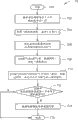
图4为本发明实施例一传输控制程序的流程图。FIG. 4 is a flowchart of a transmission control program according to an embodiment of the present invention.
图5为本发明实施例一传输控制程序的流程图。FIG. 5 is a flowchart of a transmission control program according to an embodiment of the present invention.
图6为本发明实施例一持续值架构。FIG. 6 is a persistent value structure according to an embodiment of the present invention.
图7为本发明实施例一传输控制程序的流程图。FIG. 7 is a flowchart of a transmission control program according to an embodiment of the present invention.
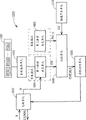
图8为本发明实施例一移动装置的示意图。FIG. 8 is a schematic diagram of a mobile device according to an embodiment of the present invention.
图9为本发明实施例用持续系数组的示意图。FIG. 9 is a schematic diagram of a set of persistence coefficients used in an embodiment of the present invention.
图10为本发明实施例一移动装置的示意图。FIG. 10 is a schematic diagram of a mobile device according to an embodiment of the present invention.
附图符号说明Description of reference symbols
10 无线通讯系统10 Wireless communication system
20、80、1200 移动装置20, 80, 1200 mobile devices
200 处理装置200 processing device
210 储存单元210 storage unit
220 通讯接口单元220 Communication interface unit
230 控制单元230 Control Unit
214 程序代码214 Program code
212 储存数据212 Store data
300 无线资源控制层300 radio resource control layer
310 无线链路控制层310 radio link control layer
320 媒体存取控制层320 Media Access Control Layer
330 物理层330 physical layer
40、50、70 流程40, 50, 70 process
400、402、404、406 步骤400, 402, 404, 406 steps
408、410 步骤408, 410 steps
500、502、504、506 步骤500, 502, 504, 506 steps
508、510、512 步骤508, 510, 512 steps
700、702、704、706 步骤700, 702, 704, 706 steps
708、710、712、714、716 步骤708, 710, 712, 714, 716 steps
800、1000 无线单元800, 1000 wireless unit
810、1010 数值取得单元810, 1010 Value acquisition unit
820、1020 储存单元820, 1020 storage unit
830 数值决定单元830 Numerical decision unit
840、1040 比较单元840, 1040 comparison unit
850、1050 存取判断单元850, 1050 access judgment unit
1030 第一数值决定单元1030 The first numerical decision unit
1060 第二数值决定单元1060 Second value decision unit
1070 系数选择单元1070 Coefficient selection unit
N 动态持续电平N Dynamic Sustained Level
CH_MSG 讯息CH_MSG Message
PV、P0 持续值PV, P0 Persistence value
CMP_RES 比较结果CMP_RES Comparison Results
RN 随机数值RN random value
P0V、P0C 持续值参数P0V, P0C Persistence Value Parameters
A0-An 持续系数A0-An Sustainability Coefficient
PCS(1)-PCS(k) 持续系数组PCS(1)-PCS(k) Persistence coefficient group
具体实施方式 Detailed ways
请参考图1,图1为本发明实施例的一无线通讯系统10的示意图。无线通讯系统10较佳地可为一通用移动通讯系统(Universal MobileTelecommunications System,UMTS)或其它通讯系统,其简略地是由一网络端及多个移动装置所组成。一通用陆地全球无线存取网络(UMTSTerrestrial Radio Access Network,UTRAN),为网络端的一部分,其可包含多个基站(Node-Bs或Base Stations),而至少一基站可作为一蜂巢小区以提供特定陆地区域的无线涵盖范围。移动装置可视作客户端,可为移动电话、个人数字助理(Personal Digital Assistant,PDA)、笔记计算机或其它具有处理器可进行无线通讯的装置。此外,根据传输方向,网络端及客户端可视为一传送器及一接收器。举例来说,对于一上链路(Uplink,UL)传输,客户端为传送端而网络端为接收端;对于一下链路(Downlink,DL)传输,网络端为传送端而客户端为接收端。Please refer to FIG. 1 , which is a schematic diagram of a
在通用移动通讯系统中,蜂巢小区可提供移动装置多种不同的服务,这些服务通过存取伺服级别(access service class,ASC)被区分成不同优先级的群组。在取得服务之前,移动装置在初次存取蜂巢小区时执行一随机存取程序,因此需要利用一传输控制程序以存取一随机存取通道(RandomAccess Channel,RACH)。不同的存取伺服级别,相对应的传输控制程序亦不相同。每一移动装置包含至少一持续系数,其用于具有最高服务优先级(如:一紧急通话)的存取伺服级别。持续系数可于移动装置制造期间预先设定好,或经由服务提供者提供而储存在一用户识别模块中(SubscriberIdentity Module,SIM)。此外,制造商可根据移动装置所支持系统的类别以及数量,预先规划配置所生产的移动装置的持续系数值。In a universal mobile communication system, a cell can provide various services for mobile devices, and these services are divided into groups with different priorities by access service classes (ASC). Before obtaining the service, the mobile device performs a random access procedure when first accessing the cell, so it needs to use a transmission control procedure to access a Random Access Channel (RACH). Different access servo levels correspond to different transmission control programs. Each mobile device includes at least one persistence factor for the access service class with the highest service priority (eg, an emergency call). The persistence factor can be preset during the manufacture of the mobile device, or stored in a Subscriber Identity Module (SIM) provided by the service provider. In addition, the manufacturer can pre-plan and configure the duration coefficient value of the produced mobile device according to the type and quantity of the systems supported by the mobile device.
为了执行前述相关传输控制程序,移动装置需要一动态持续电平,其由网络端根据所服务的移动装置的信道存取请求的分析计算得出。为了执行不对应于最高服务优先级的存取伺服级的相关传输控制程序,客户端另外需要从网络端取得缩放因子(Scaling Factor)。决定传输控制程序的传输时序的详细操作于下文说明。In order to execute the above-mentioned related transmission control procedures, the mobile device needs a dynamic persistence level, which is calculated by the network according to the analysis of the channel access requests of the served mobile devices. In order to execute the relevant transmission control procedures of the access server level not corresponding to the highest service priority, the client needs to obtain the scaling factor (Scaling Factor) from the network side additionally. The detailed operation of determining the transmission timing of the transmission control program is described below.
请参考图2,图2为本发明实施例一移动装置20的示意图。移动装置20可为图1中的移动装置(客户端),其包含一处理装置200、一储存单元210、一通讯接口单元220以及一控制单元230。处理装置200可为一微处理器或一特殊应用集成电路(application-specific integrated circuit,ASIC)。储存单元210可为任何数据储存装置,其用来储存一储存数据212,并可通过处理装置200读取以及处理。举例来说,储存单元210可为用户识别模块(subscriber identity module,SIM)、非挥发性存储器(non-volatile memory)、只读式存储器(read-only memory,ROM)、随机存取存储器(random-accessmemory,RAM)、光盘只读存储器(CD-ROMs)、磁带(magnetic tapes)、硬盘(hard disks)、光学数据储存装置(optical data storage devices)等等,而不限于此。控制单元230根据处理器200的处理结果,控制通讯接口单元220及移动装置20的状态和相关操作。通讯接口单元220可为一无线收发器,其根据处理装置200的运算结果用来与其它通讯装置(例如:基站)进行无线通讯。储存数据212包含有对应于最高服务优先级的存取伺服级别的持续系数A0-An,以及一程序代码214,其对应于用来根据移动装置20的存取伺服级别,控制随机存取信道的流程。持续系数A0-An可由制造商直接设定,并储存在非挥发性存储器中,如:只读式存储器。或是,持续系数A0-An可由服务提供者设定时,并储存于用户识别模块中。Please refer to FIG. 2 , which is a schematic diagram of a
请参考图3,图3为本发明实施例用于通用移动通讯系统的程序代码214的示意图。程序代码214包含有多个通讯协议层级的程序代码,其通讯协议层级程序代码从上到下为一无线资源控制(Radio Resource Control,RRC)层300、一无线链路控制(Radio Link Control,RLC)层310、一媒体存取控制(Medium Access Control,MAC)层320以及一物理(Physical,PHY)层330。Please refer to FIG. 3 , which is a schematic diagram of the
无线资源控制层300可从基站广播的系统信息区块(System InformationBlock,SIB)取得分配给相关的存取伺服级别的相关信息。以通用移动通讯系统为例,无线资源控制层300可从一系统信息区块类别7(SIB type 7)取得动态持续电平,以及从一系统信息区块类别5(SIB type 5)或类别5bis或系统信息区块类别6(SIB type 6),取得持续缩放因子(Persistence ScalingFactor)。此外,无线资源控制层300可从网络端取得物理层330的相关资源信息。The
媒体存取层320在执行上述的传输控制程序中扮演着重要的角色,其于通讯装置20需要与网络端建立链接时,决定是否传送一随机存取信道讯息(即,是否要存取随机存取通道)。当随机存取信道讯息被决定需要传送时,媒体存取控制层320发送请求至物理层330。当移动装置20设定以具有最高服务优先级的存取伺服级别存取随机存取信道时,媒体存取控制层320根据动态持续电平及所储存的持续系数A0-An,执行一传输控制程序。对于其它优先级的存取伺服级别的信道存取而言,媒体存取控制320是根据从网络端取得的动态持续电平及持续缩放因子执行传输控制程序。The
物理层330用来控制空中接口上的信号的传送及接收。对于随机存取通道的存取而言,物理层330于接收到媒体存取控制层320的请求时,可根据一时槽化ALOHA机制(slotted ALOHA scheme),在一物理随机存取信道(Physical Random Access Channel,PRACH)上传送随机存取信道讯息。The
时槽化ALOHA机制为一开放式系统互连(Open SystemInterconnection)层第2层机制,于开放式系统互连层第2层机制中,移动装置可在一预设的时间间隔或存取时槽上尝试执行随机存取通道传输。这些存取时槽可组成子通道(sub-channel),以让一特定的存取伺服级别来使用。举例来说,紧急服务的所有话务数据流可被设定为高优先级,并藉此可被给予较多数量的子信道使用,使得物理层330具有更多的存取时槽可选择,并提高成功存取随机存取通道的可能性。分配给每一存取伺服级别的子信道的信道信息(信道编号)可由无线资源控制层300传递至物理层330。The time-slotted ALOHA mechanism is an Open
物理层330直到接收媒体存取控制层320所传送的请求时,才尝试执行用于传送随机存取信道讯息的物理随机存取信道传输。如此一来,若随机存取信道讯息传输失败且网络端发送未收讫错误(NegativeAcknowledgement,NACK)时,物理层330直到接收到来自媒体存取控制层320指示重传的请求,才会重传随机存取信道讯息。也就是说,媒体存取控制层320控制时槽化ALOHA机制的一随机回复时间(Back-off Time)。随机回复时间也由传输控制程序所控制。如果执行数次传输控制程序后随机存取信道依然不被允许存取,则所设定的随机退让时间会越长,反之则越短。The
请参考图4,图4为本发明实施例一传输控制程序40的流程图。传输控制程序40用于一无线通讯系统的一移动装置中,用来控制相关于最高优先级的服务的通道存取。传输控制程序40可编译成储存数据212的程序代码214。传输控制程序40包含下列步骤:Please refer to FIG. 4 , which is a flowchart of a transmission control program 40 according to an embodiment of the present invention. The transmission control program 40 is used in a mobile device in a wireless communication system to control channel access related to the highest priority service. The transmission control program 40 can be compiled into a
步骤400:开始。Step 400: start.
步骤402:从一基站接收一动态持续电平。Step 402: Receive a dynamic persistence level from a base station.
步骤404:根据该动态持续电平以及储存于该移动装置的至少一持续系数,决定一持续值。Step 404: Determine a persistence value according to the dynamic persistence level and at least one persistence coefficient stored in the mobile device.
步骤406:比较该持续值与该移动装置的一随机数值。Step 406: Compare the persistent value with a random value of the mobile device.
步骤408:根据该持续值与该随机数值的一比较结果,判断用来将一讯息从该移动装置传送至该基站的一信道是否被允许存取。Step 408: Determine whether a channel for transmitting a message from the mobile device to the base station is allowed to be accessed according to a comparison result of the persistence value and the random value.
步骤410:结束。Step 410: end.
根据传输控制程序40,移动装置于信道上的任何传输发生前,从基站接收动态持续电平,并于此之后判断通道是否被允许存取。当信道存取被允许时,移动装置传送讯息至基站,该讯息可用于最高优先级的服务,例如紧急通话服务。持续值可由动态持续电平及储存于移动装置的至少一持续系数决定。举例来说,PV=A0+A1*P(N)+...+An*P(N),其中PV为持续值;A0-An为持续系数;P(N)为动态持续电平N的函数。所决定的持续值被拿来与移动装置所产生的随机数值做比较。根据比较结果,移动装置判断信道存取是否被允许。举例来说,当比较结果指示持续值小于随机值时,通道被判断为允许存取。此外,藉由适当地配置持续系数以及相关的多项式,持续值与随机参数的数值范围可调整至相同。According to the transmission control procedure 40, the mobile device receives the dynamic persistence level from the base station before any transmission on the channel occurs, and thereafter determines whether the channel is allowed to be accessed. When channel access is granted, the mobile device sends a message to the base station, which can be used for the highest priority service, such as an emergency call service. The persistence value can be determined by a dynamic persistence level and at least one persistence coefficient stored in the mobile device. For example, PV=A0+A1*P(N)+...+An*P(N), where PV is the sustain value; A0-An is the sustain coefficient; P(N) is the dynamic sustain level N function. The determined persistence value is compared with the random value generated by the mobile device. According to the comparison result, the mobile device determines whether the channel access is allowed. For example, when the comparison result indicates that the persistent value is smaller than the random value, the channel is determined to allow access. In addition, by properly configuring the persistence coefficients and related polynomials, the value ranges of the persistence value and the random parameter can be adjusted to be the same.
此外,当传输控制程序40中传送到基站的讯息传送失败时,移动装置则需要进行重传。在此情况下,移动装置可再次执行传输控制程序40以控制前述随机回复时间。In addition, when the transmission of the message sent to the base station in the transmission control procedure 40 fails, the mobile device needs to retransmit. In this case, the mobile device can execute the transmission control program 40 again to control the aforementioned random recovery time.
通用移动通讯系统(UMTS system)从高到低具有八种存取伺服级别,可由存取伺服级别ASC#0-ASC#7表示。也就是说,存取伺服级别ASC#0对应最高优先服务。基站(Node-B)通过系统信息区块类别7广播动态持续电平N,以及通过系统信息区块类别5广播持续缩放因子s2-s7。在此情况下,请参考图5,图5为根据图4概念的一传输控制程序50的流程图。传输控制程序50用于一移动装置,其中该移动装置利用存取伺服级别为ASC#0存取随机存取通道且储存有持续系数A0以及A1。传输控制程序50包含有下列步骤:The UMTS system has eight access servo levels from high to low, which can be represented by access servo levels ASC#0-
步骤500:开始。Step 500: start.
步骤502:接收动态持续电平N。Step 502: Receive a dynamic persistence level N.
步骤504:取得一随机数值Ri,其中0≤Ri<1。Step 504: Obtain a random value Ri, where 0≤Ri<1.
步骤506:通过一多项式[A0+A1*P(N)],决定对应于存取伺服级别ASC#0的一持续值P0,其中P(N)=2-(N-1)。Step 506: Determine a persistent value P0 corresponding to the access servo level ASC#0 through a polynomial [A0+A1*P(N)], wherein P(N)=2- (N-1) .
步骤508:判断持续值P0是否小于或等于随机数值Ri,若是,执行步骤510;若否,执行步骤512。Step 508: Determine whether the persistence value P0 is less than or equal to the random value Ri, if yes, perform
步骤510:起始物理随机存取信道传输。Step 510: Initiate PRACH transmission.
步骤512:结束。Step 512: end.
根据传输控制程序50,移动装置利用结果值永远介于0到1之间的多项式[A0+A1*P(N)],以配合随机数值Ri的数值范围。如此一来,持续值P0永远介于0到1之间。当持续值P0小于或等于随机数值Ri,这代表随机存取通道被允许存取,因此移动装置起始物理随机存取信道传输。According to the
制造商可对移动装置设定不同A0以及A1数值。具有不同A0以及A1数值的移动装置在起始物理随机存取信道传输上具有不同的先后顺序,即使他们皆具有相同的存取伺服级别ASC#0。或者,制造商亦可对移动装置设定相同A0以及A1数值。Manufacturers can set different A0 and A1 values for mobile devices. Mobile devices with different values of A0 and A1 have different priorities in initiating PRACH transmissions even though they all have the same ASC#0. Alternatively, the manufacturer can also set the same A0 and A1 values for the mobile device.
由上述可知,传输控制程序40以及50的持续系数可由制造商或服务提供者事先设定。如此最大的优点为移动装置之间能具有最佳化的持续值架构,其架构如图6所示。由于过多的移动装置在一短期间内同时被允许信道存取会造成信道超载,因此对于多个具有高优先级服务请求(如:紧急发话)的移动装置,适当的分配不同的持续值(或持续系数)可错开这些移动装置被允许存取信道的时间。如此一来,对于具有高优先级服务请求的移动装置,其信道传输的成功机率可大幅提升。From the above, it can be seen that the duration coefficients of the
除了图5以外,请参考图7,图7为本发明实施例一传输控制程序70的流程图。传输控制程序70用于一移动装置,其随机存取通道存取的存取伺服级别为ASC#1到ASC#7中任何一者。传输控制程序70包含有下列步骤:In addition to FIG. 5 , please refer to FIG. 7 , which is a flowchart of a
步骤700:开始。Step 700: start.
步骤702:接收动态持续电平N以及缩放因子s2-s7。Step 702: Receive dynamic persistence level N and scaling factors s2-s7.
步骤704:取得一随机数值Ri,其中0≤Ri<1。Step 704: Obtain a random value Ri, where 0≤Ri<1.
步骤706:决定该移动装置所使用的存取伺服级别ASC#j为何者。Step 706: Determine the access server class ASC#j used by the mobile device.
步骤708:当ASC#j为ASC#1时,通过P(N)决定一持续值P1。Step 708: When ASC#j is
步骤710:当ASC#j为ASC#2到ASC#7中任何一者时,通过sj*P(N)决定对应于ASC#j的一持续值Pj。Step 710: When ASC#j is any one of
步骤712:判断所决定的持续值是否小于或等于随机数值Ri?若是,执行步骤714;若否,执行步骤716。Step 712: Determine whether the determined persistence value is less than or equal to the random value Ri? If yes, go to step 714; if not, go to step 716.
步骤714:起始物理随机存取信道传输。Step 714: Initiate PRACH transmission.
步骤716:结束。Step 716: end.
在传输控制程序70中,所决定的值续值P1-P7的任一个永远介于0到1之间,以配合随机数值Ri的数值范围。当存取伺服级别ASC#j为存取伺服级别ASC#1时,移动装置利用P(N)决定持续值P1;当存取伺服级别ASC#j为存取伺服级别ASC#2时,移动装置利用多项式s2*P(N)决定持续值P2,并依此类推。接着,当所决定的持续值小于或等于随机数值Ri时,移动装置起始用于随机存取信道存取的物理随机存取信道传输。In the
归纳传输控制程序50以及70,存取伺服级别与持续值的关系可表示如下:Summarizing the
ASC#0:P0=A0+A1*P(N),其中P(N)=2-(N-1);ASC#0: P0=A0+A1*P(N), where P(N)=2-(N-1);
ASC#1:P1=P(N);ASC#1: P1=P(N);
ASC#2:P2=S2*P(N);ASC#2: P2=S2*P(N);
ASC#3:P3=S3*P(N);ASC#3: P3=S3*P(N);
ASC#4:P4=S4*P(N);ASC#4: P4=S4*P(N);
ASC#5:P5=S5*P(N);ASC#5: P5=S5*P(N);
ASC#6:P6=S6*P(N);ASC#6: P6=S6*P(N);
ASC#7:P7=S7*P(N).ASC#7: P7=S7*P(N).
需注意的是,随机数值的数值范围并不限定于0到1之间,本领域的技术人员可根据系统需求或成本考虑加以变更。It should be noted that the value range of the random value is not limited to 0 to 1, and those skilled in the art can change it according to system requirements or cost considerations.
请参考图8,图8为本发明实施例一移动装置80的示意图。移动装置80可用来实现传输控制程序40以及50,且包含一无线单元800、一数值产生单元810、一储存单元820、一数值决定单元830、一比较单元840以及一存取判断单元850。无线单元800负责传送以及接收无线讯号,因此可从基站接收一动态持续电平N。储存单元820储存持续系数A0-An以及一多项式[A0+A1*P(N)+...+An*P(N)],其中P(N)等于2-(N-1)。数值决定单元830根据动态持续电平N及存于储存单元820的持续系数A0-An,利用前述多项式决定持续值PV(即,PV=A0+A1*P(N)+...+An*P(N))。数值产生单元810用来产生一随机数值RN。比较单元840比较持续值PV与随机数值RN,并产生一比较结果CMP_RES。存取判断单元850根据比较结果CMP_RES,判断一通道是否被允许存取。举例来说,当比较结果CMP_RES指示持续值PV不大于随机数值RN时,存取判断单元850判断信道允许被存取。当无线单元800通过存取判断单元850得知信道允许被存取后,则进行通道存取并且藉此传送一讯息CH_MSG。由于移动装置80可用来实现传输控制程序40以及50,因此详细的操作方式请参考前文,于此不再赘述。Please refer to FIG. 8 , which is a schematic diagram of a
另一方面,对于一特定的存取伺服级别(如:用于存取伺服级别ASC#0的持续值),移动装置可具有超过一个持续值参数。举例来说,移动装置可具有一变量模式以及一常数模式,且具有对应的持续值参数P0C以及P0V。在变量模式中,持续值参数P0V的持续值可根据传输控制程序40以及类似概念的传输控制程序决定。在常数模式中,移动装置决定持续值参数P0C的持续值为一常数,其用来让对应的存取判断结果永远指示通道允许存取。存取判断结果可为持续值参数P0C与随机数值(例如:上述的随机数值Ri)比较所产生的一比较结果举例来说,持续值参数P0C可设定为1,且永远大于随机数值Ri,使得移动装置永远判定随机存取通道被允许存取。换句话说,在常数模式下,物理随机存取信道传输总是可被起始。此外,该随机数值可专属于常数模式或同时用于两模式。On the other hand, the mobile device may have more than one persistent value parameter for a specific access servo level (eg, persistent value for accessing servo level ASC#0). For example, the mobile device may have a variable mode and a constant mode with corresponding persistent value parameters POC and POV. In the variable mode, the persistent value of the persistent value parameter POV can be determined according to the transmission control program 40 and transmission control programs of similar concept. In the constant mode, the mobile device determines that the persistent value of the persistent value parameter POC is a constant, which is used to make the corresponding access judgment result always indicate that the channel allows access. The access judgment result can be a comparison result generated by comparing the persistent value parameter POC with a random value (for example: the random value Ri mentioned above). For example, the persistent value parameter POC can be set to 1, which is always greater than the random value Ri, This makes the mobile device always determine that the random access channel is allowed to access. In other words, in constant mode, PRACH transmission can always be initiated. Additionally, the random value can be specific to the constant mode or used in both modes at the same time.
在常数模式(无论是否为预设模式)被执行后,当常数模式下引发的传输满足下述至少一情形时,移动装置会转换至变量模式:After the constant mode (whether it is the default mode or not) is executed, the mobile device will switch to the variable mode when the transmission caused by the constant mode satisfies at least one of the following conditions:
(A1)当未收到关于被允许存取通道的一传输的确认收讫(Acknowledgement,ACK)时。(A1) When no acknowledgment (Acknowledgment, ACK) is received for a transmission that is allowed to access the channel.
(A2)当有一紧急发话传输且紧急通话传输已失败长达一预设时间时。(A2) When there is an emergency call transmission and the emergency call transmission has failed for a preset time.
(A3)当有一紧急发话传输且紧急通话传输已失败达到一预设次数时。(A3) When there is an emergency call transmission and the emergency call transmission has failed for a preset number of times.
(A4)当常数模式的比较结果指示信道被允许存取但关于持续值参数P0C的传输未被基站收讫确认时。(A4) When the comparison result of the constant mode indicates that the channel is allowed to be accessed but the transmission of the persistence value parameter POC is not acknowledged by the base station.
此外,当变量模式的比较结果指示信道不允许存取时,移动装置也可转换至常数模式决定持续值参数P0C为一常数。接着,移动装置根据持续值参数P0C与随机数值所产生的常数模式的比较结果,判断通道是否被允许存取,其中随机数值可专属常数模式或同时用于两模式。同样地,当变量模式下引发的传输满足条件(A1)、(A2)、(A3)以及(B4)中的至少一种情形时,移动装置会从变量模式转换至常数模式。其中(B4)为当变量模式的比较结果指示信道被允许存取但关于持续值参数P0V的传输未被基站收讫确认时。In addition, when the comparison result of the variable mode indicates that the channel is not allowed to be accessed, the mobile device can also switch to the constant mode to determine the persistent value parameter POC to be a constant. Next, the mobile device judges whether the channel is allowed to be accessed according to the comparison result of the persistent value parameter POC and the constant mode generated by the random value, wherein the random value can be used exclusively for the constant mode or for both modes at the same time. Likewise, when the transmission triggered in the variable mode satisfies at least one of the conditions (A1), (A2), (A3) and (B4), the mobile device will switch from the variable mode to the constant mode. Wherein (B4) is when the comparison result of the variable mode indicates that the channel is allowed to be accessed but the transmission of the persistent value parameter POV is not acknowledged by the base station.
变量/常数模式架构可用作于高速传输及高成功率传输的考虑下。当移动装置的数量没有多到造成蜂巢小区或涵盖范围沉重负载时,此情况下较适合采用常数模式及相关的持续值参数P0C以达到高速传输的目的。这是因为在常数模式的传输控制程序下,所有移动装置于每次存取判断皆获得允许存取通道的结果。此外,常数模式意味着每个移动装置在起始传输上具有相同的优先级,即使属于相同的存取伺服级别。另一方面,当移动装置的数量多到造成蜂巢小区或涵盖范围沉重负载时,此情况下较适合采用变量模式以及相关的持续值参数P0V以达到高成功率传输的目的。这是因为所有的移动装置不会在一同一时期内皆获得允许存取通道的判断结果,如此一来,未超载的通道不会发生超载,或是对于超载的通道,超载的状况不会恶化。The variable/constant mode architecture can be used in consideration of high-speed transmission and high success rate transmission. When the number of mobile devices is not so large as to cause a heavy load on the cell or the coverage area, it is more suitable to use the constant mode and the related persistent value parameter POC to achieve the purpose of high-speed transmission. This is because under the transmission control procedure of the constant mode, all mobile devices obtain the result of allowing the access channel in each access judgment. Furthermore, constant mode means that each mobile device has the same priority in initiating transmissions, even if it belongs to the same access servo class. On the other hand, when the number of mobile devices is large enough to cause a heavy load on the cell or the coverage area, it is more suitable to use the variable mode and the related persistent value parameter POV to achieve the purpose of high success rate transmission. This is because all mobile devices will not obtain the judgment result of allowing access to the channel in the same period, so that the channel that is not overloaded will not be overloaded, or the overloaded channel will not worsen. .
需注意的是,常数模式或变量模式皆可设定为预设模式。此外,当任一模式失败时,常数模式或变量模式可交替使用一预设次数。It should be noted that either the constant mode or the variable mode can be set as the default mode. In addition, when either mode fails, the constant mode or the variable mode can be used alternately for a preset number of times.
除了常数模式或变量模式的架构配置以外,支持多重无线存取技术(radio access technologies,RATs)的移动装置还可储存多组对应于变量模式的持续系数组,例如:无线存取技术可包含全球移动通讯系统、通用移动通讯系统、长期演进式系统、全球互通微波存取(Worldwide Interoperabilityfor Microwave Access,WiMAX)以及无线高传真网络(wireless fidelity,WiFi)。每一持续系数组可对应于一种无线存取技术。举例来说,图9为本发明实施例用于多重无线存取技术的持续参数P0V的持续系数组。如果用于某一无线存取技术的常数/变量模式架构皆不允许信道存取或皆于模式执行后发生传输失败(例如:紧急通话的传输失败)时,移动装置可转换至或交递至其它的无线存取技术,并使用对应的变量模式的持续系数组。In addition to the architecture configuration of constant mode or variable mode, mobile devices supporting multiple radio access technologies (RATs) can also store multiple sets of continuous coefficient sets corresponding to variable modes, for example: RATs can include global Mobile communication system, universal mobile communication system, long-term evolution system, Worldwide Interoperability for Microwave Access (WiMAX) and wireless high-fidelity network (wireless fidelity, WiFi). Each set of persistence coefficients may correspond to a RAT. For example, FIG. 9 is a set of persistence coefficients for the persistence parameter POV for multiple RATs according to an embodiment of the present invention. If none of the constant/variable mode frameworks for a certain RAT allow channel access or fail to transmit after mode execution (for example: transmission failure for an emergency call), the mobile device can switch to or handover to Other RATs, and use the corresponding set of persistent coefficients of the variable mode.
举例来说,通用移动通讯系统的移动装置使用常数模式,并藉此使用对应于存取伺服级别ASC#0且持续值设为1的持续值参数P0C。移动装置判断紧急通话是否已失败长达一段预设时间或者是失败达到一预设次数。如果是,移动装置则转换到变量模式,之后根据传输控制流程40,决定存取伺服级别ASC#0的持续值参数P0V的持续值。此后,移动装置判断是否紧急通话是否仍然失败长达预设时间或者是达到预设次数。如果是,移动装置转换至使用下列至少一种无线存取技术如:全球移动通讯系统、长期演进式系统、全球互通微波存取以及无线高传真网络,以传送紧急讯息。移动装置从上述无线存取技术中选择最合适的无线存取技术网络,并根据此无线存取技术的变量模式中所储存的持续系数,传送紧急讯息。以图9为例,如果选择了全球移动通讯系统,移动装置进入变量模式并根据A0=0.99以及A1=0.01传送紧急讯息。此外,不同的无线存取技术下移动装置可通过变量模式,存取不同类型的通道。For example, the mobile device of the UMTS uses the constant mode, and thereby uses the persistent value parameter POC corresponding to the access servo level ASC#0 and the persistent value is set to 1. The mobile device determines whether the emergency call has failed for a preset period of time or has failed for a preset number of times. If yes, the mobile device switches to the variable mode, and then determines the persistent value of the persistent value parameter POV of the access servo level ASC#0 according to the transmission control process 40 . Thereafter, the mobile device judges whether the emergency call still fails for a preset time or reaches a preset number of times. If yes, the mobile device transitions to use at least one of the following radio access technologies, such as GSM, LTE, GIS, and WHA, to transmit the emergency message. The mobile device selects the most suitable RAT network from the above-mentioned RATs, and transmits the emergency message according to the persistence coefficient stored in the variable mode of the RAT. Taking FIG. 9 as an example, if GSM is selected, the mobile device enters the variable mode and sends an emergency message according to A0=0.99 and A1=0.01. In addition, under different wireless access technologies, mobile devices can access different types of channels through variable modes.
请参考图10,图10为本发明实施例一移动装置1200的示意图。移动装置1200用来实现前述传输控制程序40以及50、常数/变量模式架构以及支持多重无线存取技术的持续系数组配置方法。在此情况下,客户端1200包含有一无线单元1000、一数值产生单元1010、一储存单元1020、一第一数值决定单元1030、一比较单元1040、一存取判断单元1050、一第二数值决定单元1060以及一系数选择单元1070。由于移动装置1200可实现传输控制程序40以及50,因此无线单元1000、数值产生单元1010、第一数值决定单元1030、比较单元1040、存取判断单元1050的功能可分别同于上述的无线单元800、数值产生单元810、储存单元820、数值决定单元830、比较单元840以及存取判断单元850。而类似的操作方式于此不再赘述。Please refer to FIG. 10 , which is a schematic diagram of a
在移动装置1200中,储存单元1020包含有分别对应于无线存取技术RAT(1)-RAT(k)的持续系数组PCS(1)-PCS(k)。当移动装置1200操作于一特定的无线存取技术时,在此以无线存取技术RAT(k)为例,移动装置1200具有常数模式(CNT)以及变量(VAR)模式,其分别利用第一数值决定单元1030以及第二数值决定单元1060。在VAR模式下,移动装置1200利用第一数值决定单元1030,并根据动态持续电平N以及持续系数组PCS(k),决定持续值参数P0V的持续值。在CNT模式下,移动装置先关闭第一数值决定单元1030,再利用第二数值决定单元1060设定持续值参数P0C的持续值为一常数L。第二数值决定单元1060可于CNT模式之前或于CNT模式中的移动装置1200判断信道不允许存取之后,开始运作。在CNT模式下,存取判断单元1050可根据设定为L的持续值PV与随机数值RN的比较结果CMP_RES判断通道可允许存取。此外,当CNT模式下引发的传输(CH_MSG讯息传输)没有被收讫确认,或当CNT模式下引发的传输是用于紧急发话而紧急发话已失败达到预设时间或已失败达到预设次数时,移动装置1200改以VAR模式。In the
无线存取技术RAT(k)的VRT以及CNT模式可能同时失败或同时符合上述A(1)-A(3)的情形。在此情况下,移动装置1200可交递至另一无线存取技术,在此以无线存取技术RAT(1)为例,在此情况下,系数选择单元1070选择持续系数组PCS(1),以用于无线存取技术RAT(1)下的VRA模式。The VRT and CNT modes of the RAT(k) may fail at the same time or meet the above conditions A(1)-A(3) at the same time. In this case, the
综上所述,上述的实施例根据储存于移动装置的系数提供存取通道的方法,以允许制造商或服务提供者通过预先的配置系数,实施移动装置端较适当的信道存取策略,以进一步地改善传输成功机率(或避免通道超载)。此外,实施例也提供一种双模式方法,用以兼顾高速以及高成功率传输以及支持多重无线存取技术的持续系数架构。In summary, the above-mentioned embodiments provide a method for accessing channels based on the coefficients stored in the mobile device, allowing manufacturers or service providers to implement more appropriate channel access strategies on the mobile device side through pre-configured coefficients, so as to Further improve the probability of successful transmission (or avoid overloading the channel). In addition, the embodiment also provides a dual-mode method, which is used for both high-speed and high-success rate transmission and the persistence coefficient architecture supporting multiple RATs.
以上所述仅为本发明的较佳实施例,凡依本发明的权利要求所做的均等变化与修饰,皆应属本发明的涵盖范围。The above descriptions are only preferred embodiments of the present invention, and all equivalent changes and modifications made according to the claims of the present invention shall fall within the scope of the present invention.
Claims (15)
Applications Claiming Priority (2)
| Application Number | Priority Date | Filing Date | Title |
|---|---|---|---|
| US16303609P | 2009-03-24 | 2009-03-24 | |
| US61/163,036 | 2009-03-24 |
Publications (2)
| Publication Number | Publication Date |
|---|---|
| CN101848552A CN101848552A (en) | 2010-09-29 |
| CN101848552B true CN101848552B (en) | 2012-11-07 |
Family
ID=42314278
Family Applications (1)
| Application Number | Title | Priority Date | Filing Date |
|---|---|---|---|
| CN2010101495323A Expired - Fee Related CN101848552B (en) | 2009-03-24 | 2010-03-24 | Method for controlling channel access and related communication device |
Country Status (4)
| Country | Link |
|---|---|
| US (1) | US8351951B2 (en) |
| EP (1) | EP2234418B1 (en) |
| CN (1) | CN101848552B (en) |
| TW (1) | TWI393472B (en) |
Families Citing this family (9)
| Publication number | Priority date | Publication date | Assignee | Title |
|---|---|---|---|---|
| EP2391173B1 (en) * | 2010-05-31 | 2013-06-05 | Research In Motion Limited | Method and apparatus for back-off algorithm having different retry time classes |
| US8861348B2 (en) * | 2011-05-04 | 2014-10-14 | Nokia Corporation | Random access improvement |
| CN102958132B (en) | 2011-08-29 | 2016-02-03 | 华为技术有限公司 | A kind of accidental access method, mobile terminal and mobile communication system |
| US9338717B2 (en) | 2012-07-19 | 2016-05-10 | Qualcomm Incorporated | Methods and apparatus for increasing emergency call success rate by reducing retries in the same domain |
| GB2504338B (en) * | 2012-07-26 | 2014-08-06 | Thales Holdings Uk Plc | Methods of channel contention in communications networks, and apparatus thereof |
| WO2014109532A1 (en) * | 2013-01-09 | 2014-07-17 | Lg Electronics Inc. | Method and apparatus for controlling beacon transmission in wireless communication system |
| CN104662964B (en) * | 2013-02-06 | 2019-04-23 | 华为技术有限公司 | A network access control method, device and system |
| US20160278128A1 (en) * | 2015-03-19 | 2016-09-22 | Qualcomm Incorporated | Enhanced rach algorithm for multi-sim devices |
| US9843913B2 (en) | 2015-06-12 | 2017-12-12 | At&T Intellectual Property I, L.P. | e911 call continuity for WiFi offload |
Citations (1)
| Publication number | Priority date | Publication date | Assignee | Title |
|---|---|---|---|---|
| CN101272561A (en) * | 2007-03-21 | 2008-09-24 | 华硕电脑股份有限公司 | Method and related device for wireless communication system processing random access program |
Family Cites Families (9)
| Publication number | Priority date | Publication date | Assignee | Title |
|---|---|---|---|---|
| EP1212853B1 (en) * | 2000-06-02 | 2005-08-31 | Samsung Electronics Co., Ltd. | Method for selecting rach in a cdma mobile communication system |
| US6771632B2 (en) * | 2000-12-19 | 2004-08-03 | Interdigital Technology Corporation | Sub-channels for the random access channel in time division duplex |
| US7733896B2 (en) | 2002-08-19 | 2010-06-08 | Alcatel-Lucent Usa Inc. | Dynamic access priority scheme |
| US20070064665A1 (en) * | 2005-08-23 | 2007-03-22 | Interdigital Technology Corporation | Method and apparatus for accessing an uplink random access channel in a single carrier frequency division multiple access system |
| RU2426261C2 (en) * | 2005-09-08 | 2011-08-10 | Эл Джи Электроникс Инк. | Method and protocol for processing attempts at accessing communication system |
| KR101005681B1 (en) | 2005-10-31 | 2011-01-05 | 엘지전자 주식회사 | Method of receiving and transmitting control information of mobile communication terminal |
| WO2008050228A2 (en) * | 2006-10-26 | 2008-05-02 | Nokia Corporation | Method for immediate access to a random access channel |
| US20080159160A1 (en) * | 2006-12-29 | 2008-07-03 | Deepak Das | Method of dynamic persistance control in wireless communication |
| US8446820B2 (en) * | 2009-03-05 | 2013-05-21 | Qualcomm Incorporated | Changes to access procedure for ASC 0 for UMTS |
-
2010
- 2010-03-03 US US12/716,286 patent/US8351951B2/en not_active Expired - Fee Related
- 2010-03-05 EP EP10002301A patent/EP2234418B1/en not_active Not-in-force
- 2010-03-24 TW TW099108709A patent/TWI393472B/en not_active IP Right Cessation
- 2010-03-24 CN CN2010101495323A patent/CN101848552B/en not_active Expired - Fee Related
Patent Citations (1)
| Publication number | Priority date | Publication date | Assignee | Title |
|---|---|---|---|---|
| CN101272561A (en) * | 2007-03-21 | 2008-09-24 | 华硕电脑股份有限公司 | Method and related device for wireless communication system processing random access program |
Also Published As
| Publication number | Publication date |
|---|---|
| TWI393472B (en) | 2013-04-11 |
| EP2234418A3 (en) | 2010-11-03 |
| TW201036476A (en) | 2010-10-01 |
| US8351951B2 (en) | 2013-01-08 |
| EP2234418A2 (en) | 2010-09-29 |
| US20100248731A1 (en) | 2010-09-30 |
| EP2234418B1 (en) | 2012-09-05 |
| CN101848552A (en) | 2010-09-29 |
Similar Documents
| Publication | Publication Date | Title |
|---|---|---|
| EP3909331B1 (en) | Method and apparatus for lbt failure detection | |
| TWI393472B (en) | Method for controlling channel access and related communication device | |
| CN111819907B (en) | Method and device for determining access and service priority in next generation network | |
| US8086173B2 (en) | Method for implementing random access of new access node and communication system thereof | |
| EP1623518B1 (en) | Method for providing multi-level access services in common access channel | |
| EP3018944B1 (en) | Method of handling cell reselection | |
| US8954076B2 (en) | Cooperative communication between terminals in wireless communication system supporting multi-radio access technology | |
| US20070147326A1 (en) | Qos-based multi-protocol uplink access | |
| US12185365B2 (en) | Random access method and device, and storage medium | |
| EP3562252B1 (en) | Random access preamble transmission method and device therefor | |
| KR20160054623A (en) | Base station assistance for random access performance improvement | |
| EP0677223A4 (en) | AUTOMATIC RETRANSMISSION REQUEST. | |
| RU2701991C1 (en) | Radio network node, wireless device and methods | |
| US20250071818A1 (en) | Congestion reducing method performed by a user equipment in communication systems | |
| CN117395804B (en) | Method and device for reporting random access process | |
| CN103199970B (en) | Method and device for processing hybrid automatic repeat request confirmation receipt response | |
| CN113519185B (en) | Method for operating user equipment using a cellular network base station | |
| CN113938901A (en) | Information transmission method, communication device and computer readable storage medium | |
| US8798088B1 (en) | Dynamic management of network-resource usage based on network loading | |
| CN113613256B (en) | Method for determining size of competition window and related product | |
| EP4179739B1 (en) | Wireless multi-carrier configuration and selection | |
| WO2009079312A1 (en) | Methods and systems for inital ranging | |
| US20230363010A1 (en) | Random access type selection method and apparatus, device, and storage medium | |
| US8130728B1 (en) | Dynamic transmission of DCD and UCD messages in a WiMAX network | |
| WO2016020005A1 (en) | Method, apparatus and system for per-ue basis traffic steering in wlan-3gpp interworking |
Legal Events
| Date | Code | Title | Description |
|---|---|---|---|
| C06 | Publication | ||
| PB01 | Publication | ||
| C10 | Entry into substantive examination | ||
| SE01 | Entry into force of request for substantive examination | ||
| C14 | Grant of patent or utility model | ||
| GR01 | Patent grant | ||
| CF01 | Termination of patent right due to non-payment of annual fee |
Granted publication date: 20121107 Termination date: 20200324 |
|
| CF01 | Termination of patent right due to non-payment of annual fee |