CN100414503C - Apparatus and method for restoring synchronization to an object-oriented software application in a controlled runtime environment - Google Patents
Apparatus and method for restoring synchronization to an object-oriented software application in a controlled runtime environment Download PDFInfo
- Publication number
- CN100414503C CN100414503C CNB2004800139894A CN200480013989A CN100414503C CN 100414503 C CN100414503 C CN 100414503C CN B2004800139894 A CNB2004800139894 A CN B2004800139894A CN 200480013989 A CN200480013989 A CN 200480013989A CN 100414503 C CN100414503 C CN 100414503C
- Authority
- CN
- China
- Prior art keywords
- program code
- synchronization
- execution
- thread
- code
- Prior art date
- Legal status (The legal status is an assumption and is not a legal conclusion. Google has not performed a legal analysis and makes no representation as to the accuracy of the status listed.)
- Expired - Fee Related
Links
Images


Classifications
-
- G—PHYSICS
- G06—COMPUTING OR CALCULATING; COUNTING
- G06F—ELECTRIC DIGITAL DATA PROCESSING
- G06F9/00—Arrangements for program control, e.g. control units
- G06F9/06—Arrangements for program control, e.g. control units using stored programs, i.e. using an internal store of processing equipment to receive or retain programs
- G06F9/46—Multiprogramming arrangements
- G06F9/52—Program synchronisation; Mutual exclusion, e.g. by means of semaphores
-
- G—PHYSICS
- G06—COMPUTING OR CALCULATING; COUNTING
- G06F—ELECTRIC DIGITAL DATA PROCESSING
- G06F8/00—Arrangements for software engineering
- G06F8/40—Transformation of program code
- G06F8/41—Compilation
- G06F8/44—Encoding
- G06F8/443—Optimisation
-
- G—PHYSICS
- G06—COMPUTING OR CALCULATING; COUNTING
- G06F—ELECTRIC DIGITAL DATA PROCESSING
- G06F9/00—Arrangements for program control, e.g. control units
- G06F9/06—Arrangements for program control, e.g. control units using stored programs, i.e. using an internal store of processing equipment to receive or retain programs
- G06F9/44—Arrangements for executing specific programs
- G06F9/455—Emulation; Interpretation; Software simulation, e.g. virtualisation or emulation of application or operating system execution engines
- G06F9/45504—Abstract machines for programme code execution, e.g. Java virtual machine [JVM], interpreters, emulators
- G06F9/45516—Runtime code conversion or optimisation
- G06F9/45525—Optimisation or modification within the same instruction set architecture, e.g. HP Dynamo
Landscapes
- Engineering & Computer Science (AREA)
- Software Systems (AREA)
- Theoretical Computer Science (AREA)
- General Engineering & Computer Science (AREA)
- Physics & Mathematics (AREA)
- General Physics & Mathematics (AREA)
- Devices For Executing Special Programs (AREA)
- Stored Programmes (AREA)
Abstract
Description
技术领域 technical field
本公开总地涉及受控运行时环境,更具体地说,涉及用于在受控运行时环境中恢复同步到面向对象的软件应用的装置和方法。The present disclosure relates generally to a controlled runtime environment, and more particularly, to an apparatus and method for restoring synchronization to an object-oriented software application in a controlled runtime environment.
背景技术 Background technique
对日益增加的软件应用可移植性的需要(即,在具有不同的硬件、操作系统等的多种平台上执行给定的软件应用的能力)以及减少独立软件开发商(ISV)抢占市场的时间的需要已经导致日益增多的受控运行时环境的开发和使用。The need for increasing software application portability (i.e., the ability to execute a given software application on multiple platforms with different hardware, operating systems, etc.) and reducing time to market for independent software vendors (ISVs) The need has led to the development and use of increasingly controlled runtime environments.
受控运行时环境一般使用动态编程语言,例如Java、C#等来实现。通常被称为运行时环境的软件引擎(例如Java虚拟机(JVM)、公共语言运行时(CLR)等)执行动态程序语言指令。运行时环境插入在将被执行的动态程序语言指令(例如,Java程序或源代码)和目标执行平台(即,执行动态程序的计算机的硬件和操作系统)之间,或者说在两者之间起到接口的作用,使得动态程序可以以与平台无关的方式来执行。The controlled runtime environment is generally implemented using a dynamic programming language, such as Java, C#, and the like. A software engine (eg, Java Virtual Machine (JVM), Common Language Runtime (CLR), etc.), commonly referred to as a runtime environment, executes dynamic program language instructions. The runtime environment is inserted between the dynamic program language instructions to be executed (for example, a Java program or source code) and the target execution platform (that is, the hardware and operating system of the computer executing the dynamic program), or between the two Acts as an interface so that dynamic programs can be executed in a platform-independent manner.
动态程序语言指令(例如Java指令)不是被静态编译并直接链接到本机码或机器码以供目标平台(即,目标处理系统或平台的操作系统和硬件)执行的。相反,动态程序语言指令被静态编译为中间语言,而中间语言可以被即时(JIT)编译器解释或者接着编译为可由目标处理系统或平台执行的本机码或机器码。一般地,JIT编译器是由容留在目标处理平台(例如计算机系统)的操作系统中的运行时环境来提供的。因此,运行时环境,具体地说是JIT编译器将与平台无关的程序指令(例如,Java字节码、C#字节码等)翻译成本机码(即,可由底层的目标处理系统或平台执行的机器码)。Dynamic programming language instructions, such as Java instructions, are not statically compiled and linked directly to native or machine code for execution by the target platform (ie, the operating system and hardware of the target processing system or platform). In contrast, dynamic programming language instructions are statically compiled into an intermediate language that can be interpreted by a just-in-time (JIT) compiler or subsequently compiled into native or machine code executable by a target processing system or platform. Typically, a JIT compiler is provided by a runtime environment hosted in an operating system of a target processing platform (eg, a computer system). Therefore, the runtime environment, specifically the JIT compiler, translates platform-independent program instructions (e.g., Java bytecode, C# bytecode, etc.) into native code (i.e., executable by the underlying target processing system or platform) machine code).
为了提高整体产率,很多动态编程语言以及它们提供支持的受控运行时环境都提供使并发编程技术(例如,多线程技术)能够被利用的基础结构。具体地说,很多动态编程语言都提供同步特征或操作,以使得多个并发的执行线程能够共享或者访问给定的对象及其变量,而不会引起冲突或争用。例如,在全局可访问对象(即,公共对象)的情形中,软件设计者一般假定在运行时期间会发生冲突或争用,并且在对象内包括适当的同步操作,以防止这样的冲突或争用。按照这种方式,软件设计者可以保证全局可访问对象是“线程安全的”(即,可以没有冲突或争用地被用于多线程运行时环境中)。To improve overall productivity, many dynamic programming languages and the controlled runtime environments they support provide an infrastructure that enables concurrent programming techniques (eg, multithreading techniques) to be exploited. Specifically, many dynamic programming languages provide synchronization features or operations to enable multiple concurrent threads of execution to share or access a given object and its variables without conflict or contention. For example, in the case of globally accessible objects (i.e., public objects), software designers generally assume that conflicts or contentions will occur during runtime, and include appropriate synchronization operations within the objects to prevent such conflicts or contentions. use. In this way, software designers can ensure that globally accessible objects are "thread-safe" (ie, can be used in a multi-threaded runtime environment without conflicts or contention).
不幸的是,与对象同步相关联的处理开销导致执行时间的大幅减少。例如,在一些公知的Java应用和基准程序(benchmark)的情形中,同步开销可能会占用整个执行时间的10%到20%。此外,不管在运行时期间是否真的需要这种同步,同步通常都被用作在运行时期间防止发生争用(特别是在对象库的情形中)的防护措施。Unfortunately, the processing overhead associated with object synchronization results in a drastic reduction in execution time. For example, in the case of some well-known Java applications and benchmarks, synchronization overhead may occupy 10% to 20% of the entire execution time. Furthermore, synchronization is often used during runtime as a safeguard against race conditions, especially in the case of object libraries, whether or not such synchronization is actually needed during runtime.
已知的逸出分析(escape analysis)技术可被用来提高包括不必要同步在内的代码的整体执行速度。总地来说,已知的逸出分析技术采用一种完整程序分析,以便能够去除与在程序的运行时执行期间将不会为之发生争用的全局对象和非全局对象相关联的同步操作。已知的逸出分析技术是基于静态链接代码模型的,该模型假定在运行时期间将不会加载任何新的对象类。然而,一些流行的编程语言,例如Java和CLI都提供了动态类加载特征,该特征允许将要在运行时上下文中被调用的函数或方法的动态链接。在一些情形中,将一个类动态地加载到正在执行先前已优化程序(例如,同步已被完全或部分去除的程序)的运行时环境中,这可能导致程序工作在非安全方式下(例如数据争用)或者发生故障。虽然已知的基于静态链接代码模型的逸出分析技术可被用来从静态链接代码中去除同步,但是当先前失去同步的(即,经过优化的)代码随后因被动态加载的类的影响又需要同步时,这些已知的技术不支持恢复同步到先前失去同步的代码。此外,其他开放世界的特征,例如反射和本机法可以使逸出分析无效,从而导致不安全的执行条件。Known escape analysis techniques may be used to improve the overall execution speed of code including unnecessary synchronization. In general, known escape analysis techniques employ a full program analysis to be able to remove synchronization operations associated with global and non-global objects for which contention will not occur during the program's runtime execution . Known escape analysis techniques are based on a statically linked code model that assumes that no new object classes will be loaded during runtime. However, some popular programming languages, such as Java and CLI, provide a dynamic class loading feature that allows dynamic linking of functions or methods to be called in a runtime context. In some cases, dynamically loading a class into a runtime environment that is executing a previously optimized program (for example, a program in which synchronization has been completely or partially contention) or malfunction. While known escape analysis techniques based on the statically linked code model can be used to remove synchronization from statically linked code, when previously out-of-sync (i.e., optimized) code subsequently reappears due to dynamically loaded classes When synchronization is required, these known techniques do not support resuming synchronization to previously out-of-sync code. Additionally, other open-world features such as reflection and native methods can invalidate escape analysis, leading to unsafe execution conditions.
发明内容 Contents of the invention
为了解决上述技术问题,本发明的一方面在于提供一种恢复同步到程序代码的方法,所述方法包括确定类对象是否已被动态加载;当确定所述类对象已被动态加载时,对所述程序代码执行逸出分析;确定在初始逸出分析期间做出的假设是否有效;以及如果在初始逸出分析期间所做的假设不再有效,那么恢复同步到因所述类对象的加载而受到影响的所述程序代码中的至少一部分。In order to solve the above-mentioned technical problems, one aspect of the present invention is to provide a method for restoring synchronization to program code, the method comprising determining whether the class object has been dynamically loaded; when it is determined that the class object has been dynamically loaded, The program code performs escape analysis; determines whether the assumptions made during the initial escape analysis are valid; and if the assumptions made during the initial escape analysis are no longer valid, resuming synchronization to the At least a portion of said program code is affected.
本发明的另一方面在于提供一种用于恢复同步到程序代码的设备,所述设备包括确定类对象是否已被动态加载的装置;当确定所述类对象已被动态加载时,对所述程序代码执行逸出分析的装置;确定在初始逸出分析期间做出的假设是否有效的装置;以及如果在初始逸出分析期间所做的假设不再有效,那么恢复同步到因所述类对象的加载而受到影响的所述程序代码中的至少一部分的装置。Another aspect of the present invention is to provide a device for restoring synchronization to program code, the device comprising means for determining whether a class object has been dynamically loaded; when it is determined that the class object has been dynamically loaded, the means for program code to perform escape analysis; means for determining whether assumptions made during initial escape analysis are valid; and if assumptions made during initial escape analysis are no longer valid, resuming synchronization to an object due to said class The loading of at least a portion of the program code is affected by the means.
本发明的再一方面在于提供一种恢复同步到程序代码的方法,所述方法包括对所述程序代码反复执行逸出分析;识别所述程序代码中将为其恢复同步的至少一个部分;暂停与所述程序代码相关联的至少一个执行线程;将所述程序代码修补为原始的同步版本;以及对与所述至少一个执行线程相关联的代码进行锁定/解锁补偿。A further aspect of the present invention is to provide a method of resuming synchronization to program code, the method comprising iteratively performing escape analysis on the program code; identifying at least one portion of the program code for which synchronization is to be resumed; suspending at least one thread of execution associated with the program code; patching the program code to an original synchronized version; and performing lock/unlock compensation on code associated with the at least one thread of execution.
本发明的再又一方面在于提供一种具有与之相关联的操作系统的计算机系统,所述计算机系统包括:可操作地耦合到所述操作系统的运行时环境;可操作地耦合到所述运行时环境的即时编译器,其中所述即时编译器被配置为:响应于所述运行时环境接收到新的类,执行程序代码的逸出分析;识别与将为之恢复同步的程序代码相关联的至少一个调用地点;以及恢复同步到所述至少一个调用地点。Yet another aspect of the present invention is to provide a computer system having an operating system associated therewith, the computer system comprising: a runtime environment operatively coupled to the operating system; A just-in-time compiler for a runtime environment, wherein the just-in-time compiler is configured to: perform escape analysis of program code in response to the runtime environment receiving a new class; at least one call site associated with the link; and resuming synchronization to the at least one call site.
附图说明 Description of drawings
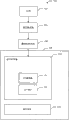
图1是可被用来实现这里描述的同步恢复装置和方法的示例性体系结构的框图。FIG. 1 is a block diagram of an exemplary architecture that may be used to implement the synchronization recovery apparatus and methods described herein.
图2图示了与在逸出分析之后已为之去除同步的类相关联的基于Java的代码示例。FIG. 2 illustrates a Java-based code example associated with a class for which synchronization has been desynchronized after escape analysis.
图3图示了用于另一类的基于Java的代码示例,所述类如果被动态加载,则使对调用地点A的同步去除无效。Figure 3 illustrates a Java-based code example for another class that, if dynamically loaded, would invalidate the synchronization removal of call site A.
图4是图1中所示的即时编译器可被配置来恢复同步到受动态加载的类影响的调用地点的示例性方式的流程图。4 is a flowchart of an exemplary manner in which the just-in-time compiler shown in FIG. 1 may be configured to resume synchronization to call sites affected by dynamically loaded classes.
图5是图1中所示的即时编译器可被配置来恢复同步到受影响的调用地点的示例性方式的更详细流程图。5 is a more detailed flowchart of an exemplary manner in which the just-in-time compiler shown in FIG. 1 may be configured to resume synchronization to affected call sites.
图6是描绘一种图1中所示的即时编译器可被配置来为与受影响的调用地点相关联的每个线程执行锁定/解锁补偿的方式的示例性伪码。6 is exemplary pseudo-code depicting one manner in which the just-in-time compiler shown in FIG. 1 may be configured to perform lock/unlock compensation for each thread associated with the affected call-site.
图7图示了不管与调用地点A相关联的类的动态加载,仍保持对其的同步去除有效的基于Java的代码示例。Figure 7 illustrates a Java-based code example that keeps synchronous removal of a class associated with callsite A in effect despite its dynamic loading.
图8和9图解式描绘了一种示例性的方式,图1中所示的即时编译器可被配置来以此方式执行解锁补偿操作。8 and 9 diagrammatically depict one exemplary manner in which the just-in-time compiler shown in FIG. 1 may be configured to perform unlock compensation operations.
图10是描绘一种方式的示例性代码,以此方式,cookie COMP_UNLOCK_TAG可被用来在堆栈展开上下文中恢复返回地址。FIG. 10 is exemplary code depicting a manner in which cookie COMP_UNLOCK_TAG can be used to restore return addresses in a stack unwinding context.
图11是可被用来实现这里描述的装置和方法的示例性处理器系统。Figure 11 is an example processor system that may be used to implement the apparatus and methods described herein.
具体实施方式 Detailed ways
图1是可被用来实现这里描述的同步恢复装置和方法的示例性体系结构100的框图。对于示例性的体系结构100,由一种或多种动态编程语言和/或指令组成的一个或多个软件应用102被提供给语言编译器104。应用102可以使用与平台无关的语言来编写,例如Java或C#。然而,也可以使用其他动态的或与平台无关的计算机语言或指令。另外,应用102中的一些或全部可被存储在将要执行该应用的系统中。附加地或替换地,应用中的一些或全部可被存储在与将要执行应用102的系统相互独立(并且可能位于远端)的系统上。FIG. 1 is a block diagram of an
语言编译器104静态编译应用102中的一个或多个,以生成编译后的代码106。编译后代码106是以二进制格式存储在存储器(未示出)中的中间语言代码或指令(例如,当编译后(complied)的应用是用Java写的时,是字节码)。对于应用102,编译后的代码106可被本地存储在将要在其上执行编译后代码106的目标系统108上。目标系统108可以是下面参考图11所详细描述的计算机系统等。目标系统108可以与一个或多个终端用户等相关联。附加地或替换地,编译后代码106可以经由一条或多条通信链路被传递到目标系统108,所述通信链路例如是局域网、因特网、蜂窝系统或其他无线通信系统等。
编译后代码106的一个或多个部分(例如一个或多个软件应用)可以由目标系统108来执行。具体地说,操作系统110,例如Windows、Linux等容留可执行编译后代码106的一个或多个部分的运行时环境112。例如,如果编译后的代码106包括Java字节码,那么运行时环境112就是建立在执行Java字节码的Java虚拟机(JVM)等之上。运行时环境112将编译后代码106的一个或多个部分(即,中间语言指令或代码)加载到运行时环境112可以访问的存储器(未示出)中。优选地,运行时环境112将整个应用(或者有可能是多个应用)加载到存储器中,并验证编译后的或中间语言代码106的类型安全性。One or more portions of compiled code 106 (eg, one or more software applications) may be executed by
在应用或者多个应用被运行时环境112加载到存储器中之后,与正在执行的应用所调用的、或者为执行该应用所需的方法或对象相关联的中间语言指令可以由即时(JIT)编译器114来处理。JIT编译器114编译中间语言指令,以生成由计算机系统108内的一个或多个处理器(例如,图11中所示的处理器1122)执行的本机码或机器码。After the application or applications are loaded into memory by the
JIT编译器114可以将本机码(即,与计算机系统108兼容的,或者可由计算机系统108执行的机器码)存储在JIT内存缓存(JIT IMC)116中。按照这种方式,运行时环境112可以重复使用与先前编译过的、被调用一次以上的方法相关联的本机码。换言之,被编译为本机码并被存储在JIT IMC 116中的中间语言指令可以被运行时环境112重复使用并执行多次。JIT
虽然JIT IMC 116被描绘为实现在运行时环境112内,但是JIT IMC 116的其他配置也是可能的。例如,JIT IMC 116可以是操作系统110所容留的其他运行时模块、会话或环境(未示出)内的另一个数据结构的一部分。在其他实施例中,特别是涉及虚拟调用的实施例中,可以实现JIT IMC 116,使得与将被调用的方法相关联的本机码被存储在公知的数据结构中,例如虚拟分派(dispatch)表。Although
总的来说,动态编程语言例如Java提供两种类型的使软件设计者能够生成线程安全码或软件对象(software object)的同步。同步后的软件对象一次仅可以由一个执行线程来访问,从而防止与该对象所使用的参数或变量相关的冲突或争用的发生。换言之,全局对象以及可由一个以上的执行线程访问的其他对象可以通过引入软件锁定和解锁机制而成为线程安全的,上述机制防止一个以上的线程同时访问对象。一种这样类型的同步使得代码块(即,一条或多条语句)被同步。另一种这样类型的同步使得方法(即,对代码块的调用)被同步。In general, dynamic programming languages such as Java provide two types of synchronization that enable software designers to generate thread-safe code or software objects. A synchronized software object can only be accessed by one thread of execution at a time, thereby preventing conflicts or contentions from occurring with respect to parameters or variables used by the object. In other words, global objects, as well as other objects that can be accessed by more than one thread of execution, can be made thread-safe by introducing software locking and unlocking mechanisms that prevent more than one thread from accessing the object at the same time. One such type of synchronization causes a block of code (ie, one or more statements) to be synchronized. Another such type of synchronization causes methods (ie, calls to code blocks) to be synchronized.
动态编程语言为了同步代码块和方法,一般既提供高级或语言级同步语句,又提供低级或受控运行时级原语。例如,在Java的情况下,关键字“synchronized(已同步)”在语言级(即,高级)被用来宣告一个块或方法将受到同步保护。另外,在Java的情况下,对应于语言级关键字“synchronized”的低级或受控运行时原语是“monitorenter”和“monitorexit”。然而,为了简化以下的讨论,低级同步原语将被称为“lock(锁定)”和“unlock(解锁)”,而高级或语言级同步语句将使用关键字“synchronized”来表示。Dynamic programming languages generally provide both high-level or language-level synchronization statements and low-level or controlled runtime-level primitives for synchronizing code blocks and methods. For example, in the case of Java, the keyword "synchronized" is used at the language level (ie, high level) to declare that a block or method is to be protected by synchronization. Also, in the case of Java, the low-level or controlled runtime primitives corresponding to the language-level keyword "synchronized" are "monitorenter" and "monitorexit". However, to simplify the discussion below, low-level synchronization primitives will be referred to as "lock" and "unlock", while high-level or language-level synchronization statements will be denoted using the keyword "synchronized".
如上所述,已知的逸出分析技术一般采用完整程序分析,该分析基于的假设是:一旦程序执行已经启动(即,在运行时期间),将不会加载附加的对象类。具体地说,用于执行逸出分析的算法可以使用上下文敏感型方法,这些方法对编译后的程序执行过程间(inter-procedural)分析,以确定被传递给被调用者(例如,被调用的方法、对象等)的参数是否被指定为静态变量。这样的完整程序分析或过程间分析是基于以下假设:在运行时期间将不加载新的对象类,并且这些分析通常被称为封闭世界分析。这样的封闭世界分析经常可导致激进的同步码优化。换言之,与在这样的封闭世界分析时不发生争用的全局对象和非全局对象相关联的所有同步操作都可以被消除,从而大大加快JIT编译器114可执行代码的速率。As noted above, known escape analysis techniques generally employ full program analysis based on the assumption that no additional object classes will be loaded once program execution has started (ie, during runtime). Specifically, algorithms for performing escape analysis may use context-sensitive methods that perform inter-procedural analysis of compiled programs to determine method, object, etc.) are specified as static variables. Such full program analysis or interprocedural analysis is based on the assumption that no new object classes will be loaded during runtime, and these analyzes are often referred to as closed world analysis. Such closed-world analysis can often lead to aggressive synchronization code optimizations. In other words, all synchronization operations associated with global and non-global objects that do not contend in such a closed world analysis can be eliminated, thereby greatly speeding up the rate at which
这里描述的同步恢复装置和方法使得受控运行时环境(例如JVM环境)能够即时编译以下代码:所述代码基于新的类将不被动态加载(即,在运行时期间加载)的假设,已在一开始被优化为激进地去除同步操作。因而,初始优化(即,去同步)可以基于传统的或已知的逸出分析,这种分析执行封闭世界类型的分析,导致例如与不发生争用的全局对象或非全局对象相关联的同步操作的去除。然而,与已知的技术相反,这里描述的同步恢复装置和方法可以用在动态类加载上下文中。具体地说,这里描述的重新同步装置和方法使得JIT编译器(例如,JIT编译器114)能够判定新加载的类是否以使在初始的封闭世界类逸出分析期间做出的优化判决(例如,同步操作去除)无效的方式改变当前正被执行的程序的行为。换言之,当JIT编译器114在运行时或者它当前正在处理的程序或代码的执行期间遇到新加载的类时,对包括新加载的类在内的完整程序执行逸出分析,并且同步操作被恢复到需要来防止在多个执行线程之间的冲突或争用的代码或程序。下面将更详细地描述,这里描述的同步恢复装置和方法可以恢复同步到(修补同步回到)作为初始的封闭世界逸出分析的结果先前已被去同步的调用地点。另外,这里描述的同步恢复装置和方法还分析运行时上下文,并生成补偿代码,例如锁定和解锁操作,以保持正确的同步语义。The synchronization recovery apparatus and methods described herein enable a controlled runtime environment (such as a JVM environment) to just-in-time compile code that has Optimized at the beginning to aggressively remove sync operations. Thus, the initial optimization (i.e., desynchronization) may be based on traditional or known escape analysis, which performs a closed-world type of analysis, resulting in, for example, synchronization associated with non-contended global or non-global objects Action removal. However, contrary to known techniques, the synchronization recovery apparatus and methods described herein can be used in the context of dynamic class loading. Specifically, the resynchronization apparatus and methods described herein enable a JIT compiler (e.g., JIT compiler 114) to determine whether a newly loaded class escapes optimization decisions made during analysis of an initial closed-world class (e.g., , synchronization operation removed) changes the behavior of the currently executing program in an invalid way. In other words, when the
动态加入的类(即,在程序的运行时执行期间加入的)可以无效初始的封闭世界类逸出分析的结果,为了更好地理解这种示例性的状况,在图2和3中提供了示例性的基于Java的代码。具体地说,图2描绘了示例性的基于Java的代码,在对图2所示代码的初始的封闭世界类逸出分析期间,为了所述代码可以从调用地点A去除同步。更具体地说,因为至少在一开始的时候,“obj”没有逸出方法“caller”,所以可以从调用地点A去除同步。换言之,对于在当前正在执行方法“caller”的执行线程之外的执行线程而言,“obj”不是可访问的或者说可用的。结果,在用“foo”的未同步版本完成初始的封闭世界类型的逸出分析之后,“foo”的同步版本可以被取代。Dynamically added classes (i.e., added during the runtime execution of the program) can invalidate the results of the initial closed-world class escape analysis. To better understand this exemplary situation, Figures 2 and 3 provide Exemplary Java-based code. Specifically, FIG. 2 depicts exemplary Java-based code for which synchronization may be removed from call-site A during an initial closed-world class escape analysis of the code shown in FIG. 2 . More specifically, since "obj" does not escape method "caller", at least initially, synchronization can be removed from call site A. In other words, "obj" is not accessible or available to threads of execution other than the thread of execution currently executing method "caller". As a result, the synchronized version of "foo" can be replaced after the initial closed-world type escape analysis is done with the unsynchronized version of "foo".
图3描绘了包括从“Class 1”导出的新类“Class 2”在内的基于Java的代码示例。如果在包含图2所示代码的程序正被执行时,对象“Class2”被动态加载,那么在Class1中定义的公共静态字段“global”也可以是Class2的一个实例。因此,因为在Class2内的虚拟方法“do_nothing”指定“obj”为“global”,所以“obj”对多个执行线程变为可用(即,逸出所述线程)结果,在调用地点A处的同步去除不再有效,程序的继续操作可能需要与调用地点A相关联的代码的重新同步。Figure 3 depicts a Java-based code example including a new class "
图4是图1中所示的即时编译器114可被配置来恢复同步到或者重新同步受动态加载的类(例如,结合图2和3所描述的Class2)影响的调用地点的示例性方式的流程图。一开始,运行时环境112判断一些开放世界特征(例如,新的类被加载(框400))是否存在并将有可能破坏或无效先前做出的去同步决定。如果JIT编译器114在框400处确定不存在新加载的类,那么JIT编译器停留在框400处。相反,如果JIT编译器114确定新的类已被加载(框400),则JIT编译器114对当前正被执行的整个程序,包括新加载的类在内执行逸出分析(框402)。可以使用任何需要的技术来实现逸出分析,以识别逸出线程的对象(即,同时可由一个以上的执行线程来访问的对象)。FIG. 4 is an illustration of an exemplary manner in which the just-in-
在逸出分析(框402)之后,JIT编译器114确定在新的类加载(框400)之前,在初始的完整程序分析期间所做出的假设是否保持有效(框404)。换言之,JIT编译器114判断逸出分析(框402)是否已确定新加载的类改变了程序的行为,以致于多个执行线程现在可以访问原先是线程安全的(即,一次只由一个执行线程访问,因此没有逸出它当前的执行线程),但现在不是线程安全的对象。具体地说,新加载的类可以导致早先的逸出分析所做决定的失效以及用于去除与某一调用地点相关联的非必要同步语句的优化例程。在早先的逸出分析期间所执行的去同步通常都是基于以下假设,即一个或多个对象将会保持线程安全。例如,一旦加载了在图3中所示的代码内定义的新类(即,Class2),在对图2中所示的代码执行的初始逸出分析期间所做的假设将会失效。After escape analysis (block 402 ), the
无论如何,如果JIT编译器114确定在先前的逸出分析期间所做的假设不再有效(例如,一个或多个对象不再是线程安全的,并且可能需要重新同步),那么JIT编译器114识别因目前的错误假设受到影响或冲击的调用地点(框406)。在已经识别出受影响的调用地点(框406)之后,JIT编译器114恢复同步到这些地点中的每一个(框408),下面将结合图5来更详细地描述。In any event, if
图5是JIT编译器114可被配置来恢复同步到受影响的调用地点(图4的框408)的示例性方式的更详细流程图。首先,JIT编译器114暂停所有当前活动的执行线程(框500)。按此方式暂停执行线程保证了如以下描述所完成的修补(patching)和锁定/解锁补偿可以以安全的方式来实现(即,不损害当前正在执行的进程)。此外,因为实际当中,新类的动态加载在运行时期间不是很频繁的活动,所以与所有线程活动的完全暂停相关联的开销(即,时延)对整体产率的影响几乎可以忽略不计。FIG. 5 is a more detailed flowchart of an exemplary manner in which the
在当前正在执行的线程已经暂停(框500)之后,JIT编译器114将受影响的调用地点修补回它们原始的同步版本(框502)。例如,如果目标代码地址已被改变为引用一个方法的去同步版本,则该目标代码地址可以被改变回(即,修改为)原始的目标调用地址。After the currently executing thread has been suspended (block 500), the
在修补(框502)之后,JIT编译器114根据需要为每一个暂停的线程执行锁定/解锁补偿(框504)。如果在修补(框502)前完成的对非同步代码的调用之后,并且在返回到正在调用的程序之前,一个或多个线程已经被暂停,那么就需要锁定/解锁补偿。在这些情况下,在修补(框502)后立即取消线程活动暂停,这样允许JIT编译器114调用一个方法的同步版本,而同一方法已经启动(即,在框500处暂停之前已启动)的非同步版本将继续执行。结果,与该方法相关联的对象可以同时被两个执行线程访问,这可能导致对于一个或多个资源的不安全条件。After patching (block 502), the
可以参考图2和3中所示的示例性代码来理解使用锁定/解锁补偿的方式。举例来说,如果JIT编译器114确定在Class2已被加载后,在调用地点A处的同步去除不再有效(即,在图4的框402处的逸出分析已识别出一个或多个逸出其执行线程的对象),则JIT编译器114完成调用地点A的重新同步(即,恢复同步到调用地点A)(图4的框408)。如果在执行锁定/解锁补偿(图5的框504)时,JIT编译器114确定第一执行线程当前正与对“foo”的非同步版本的活动调用相关联,则需要锁定/解锁补偿。具体地说,如果第一线程在“global”变成Class2的一个实例的同时开始执行“global.do_nothing(this)”,其利用“do_nothing”方法将“obj”指定为“global”,那么第二线程可以同时执行“global.foo()”。结果,JIT编译器114可以在相同的“obj”上执行“foo”的同步和非同步两个版本,从而违反了同步语义,并建立了不安全的共享资源条件。The manner in which lock/unlock compensation is used can be understood with reference to the example code shown in FIGS. 2 and 3 . For example, if
图6是描绘一种图1中所示的JIT编译器114可被配置来为与受影响的调用地点相关联的每个线程执行锁定/解锁补偿(图5的框504)的一种方式的示例性伪码。具体地说,图6中所描绘的示例性方法从栈顶到栈底遍访所有的堆栈帧(即,与当前活动的线程相关联的帧)。更具体地说,图6中所描绘的示例性方法通过对z反复执行锁定操作,其中z是“<x,y>”的被调用者,并且它是堆栈上的最后一帧(即,在堆栈上是活动的),从而对于每个受影响的地点“<x,y>”(即,必须为其恢复同步的每个调用地点)保持正确的同步语义。在z是静态方法的情况下,对类对象执行锁定操作。相反,如果z是一个实例方法(instance method)(即,涉及虚调用),则JIT编译器114使用任何需要的技术来定位将对其执行锁定操作的对象。FIG. 6 is a diagram depicting one manner in which the
函数“compensate_lock_unlock()”可被用来执行锁定操作,以保持正确的锁定顺序。另外,这个函数还保证正确的解锁顺序被执行。例如,如果正由JIT编译器114处理的代码是基于Java的,那么锁定和解锁操作必须被正确地配对,以实现同步的方法。具体地说,有两个地方必须执行解锁对象:一旦退出同步方法之后,以及在例外处理中同步方法的破坏性展开期间。The function "compensate_lock_unlock()" can be used to perform lock operations in order to maintain the correct order of locks. Additionally, this function ensures that the correct unlock sequence is performed. For example, if the code being processed by the
图6中所描绘的示例性方法使得JIT编译器114能够仅仅补偿代码中受新加入的类影响的那些部分,而将代码中未受新加载的类影响的部分留着不动。换言之,简单地修补一个方法的非同步版本的尾部代码可能会超出必要地反优化代码,因为运行时环境对于未受新加载的类影响的其他调用地点可能需要(或者在不引入争用的情况下能够使用)所述方法的去同步版本。具体地说,由JIT编译器114执行的逸出分析可以单独地识别受新加载的类影响的调用地点(即,可以安全去除同步的原始假设对其不再有效的调用地点)以及调用所述方法的去同步版本对其仍然安全的那些调用地点。The exemplary approach depicted in FIG. 6 enables the
图7图示了不管Class2(图2)的动态加载,同步去除对其仍保持有效的基于Java的代码示例。具体地说,当Class2被新加载时,在调用地点B对非同步的“foo”的调用仍保持有效,这是因为逸出分析确定“obj”的类型不是Class2类型的。Fig. 7 illustrates a Java-based code example for which synchronous removal remains in effect despite the dynamic loading of Class2 (Fig. 2). Specifically, when Class2 is newly loaded, a call to an asynchronous "foo" at call-site B remains valid because escape analysis determines that the type of "obj" is not of type Class2.
图8和9描绘了一种示例性的方式,在图6的示例性伪码中所示的compensate_lock_unlock方法可以以此方式完成。总的来说,compensate_lock_unlock函数使得JIT编译器114能够将位于与当前正被执行的非同步方法相关联的堆栈帧的底部的返回地址重定向到或“劫持”到执行适当的解锁操作的桩代码(stub code)。对于图8中所示的例子,JIT编译器114识别需要为其执行解锁操作的非同步方法“foo”的返回地址的位置。如图9中所示,JIT编译器114用桩代码的地址替换非同步方法foo’的堆栈帧中的返回地址。因而,当非同步方法foo’的执行结束时,控制权被转移给适当的桩代码。接着,桩代码执行需要的解锁操作,并使JIT编译器114能够跳回到原始的返回地址。桩代码包括硬编码的句柄地址,该地址代表了需要为其执行解锁操作的对象的实际地址。8 and 9 depict an exemplary manner in which the compensate_lock_unlock method shown in the exemplary pseudocode of FIG. 6 can be accomplished. In general, the compensate_lock_unlock function enables the
图10是描绘一种方式的示例性伪码,以此方式,cookie COMP_UNLOCK_TAG可以与图8和9中所描绘的示例性技术结合起来,用于在堆栈展开上下文中恢复返回地址。在堆栈展开上下文中,运行时环境(例如,虚拟机)一般依赖于返回地址找到堆栈内的下一帧。例如,公知的开放运行时平台(ORP)将每个方法的起始和结束地址存储在查找表中。因而,给定了一个代码地址,虚拟机就可以经由查找表找到包含该代码地址的方法。然而,如参考图8和9所述地重定向或劫持返回地址将使得查找操作不能找到正确的下一帧。FIG. 10 is exemplary pseudo-code depicting a manner in which cookie COMP_UNLOCK_TAG may be used in conjunction with the exemplary techniques depicted in FIGS. 8 and 9 to recover return addresses in the context of stack unwinding. In the context of stack unwinding, the runtime environment (eg, a virtual machine) generally relies on the return address to find the next frame within the stack. For example, the well-known Open Runtime Platform (ORP) stores the start and end addresses of each method in a lookup table. Thus, given a code address, the virtual machine can find the method containing the code address via a lookup table. However, redirecting or hijacking the return address as described with reference to Figures 8 and 9 will prevent the seek operation from finding the correct next frame.
图10中所示的伪码包括cookie COMP_UNLOCK_TAG,这意味着与这个标签相邻的代码是补偿解锁桩代码(stub code)。如图9所示,实际的返回地址和COMP_UNLOCK_TAG在桩代码之前被紧紧捆绑在一起。结果,如果JIT编译器114没有在查找表中找到关联的方法,则JIT编译器114检查与之相邻的字是不是cookie COMP_UNLOCK_TAG。如果找到了cookie,则JIT编译器114返回实际的返回地址,该地址紧跟在cookie之前。cookieCOMP_UNLOCK_TAG被定义为一个非法代码序列,使得JIT编译器114不将cookie与编译后代码相互混淆。The pseudocode shown in Figure 10 includes the cookie COMP_UNLOCK_TAG, which means that the code adjacent to this tag is the compensation unlock stub code. As shown in Figure 9, the actual return address and COMP_UNLOCK_TAG are tightly bound together before stubbing the code. As a result, if the
在破坏性堆栈展开过程的情形中,JIT编译器114通过经由上面参考图10所描述的COMP_UNLOCK_TAG cookie来识别当前活动的堆栈帧,从包含在桩代码中的句柄地址提取实际对象引用,并对对象执行解锁操作,从而补偿缺失的解锁操作。In the case of a destructive stack unwinding process, the
虽然前面以示例的方式将锁定/解锁补偿描述为结合方法或调用来使用,但是本领域的技术人员将很容易意识到,这里所描述的技术和装置可以被容易地调整为与代码块一起使用,以取得类似的或相同的结果。While lock/unlock compensation has been described above by way of example for use in conjunction with methods or calls, those skilled in the art will readily appreciate that the techniques and apparatus described herein can be readily adapted for use with code blocks , to achieve similar or identical results.
图11是可被用来实现这里描述的装置和方法的示例性处理器系统1120的框图。例如,这里所描述的方法可以被实现为存储在存储器上,并由耦合到存储器的处理器来执行的指令。如图11所示,处理器系统1120包括耦合到互连总线或网络1124的处理器1122。处理器1122可以是任何适合的处理器、处理单元或微处理器,例如Intel Itanium

图11的处理器1122被耦合到芯片组1128,该芯片组1128包括存储器控制器1130和输入/输出(I/O)控制器1132。众所公知,芯片组一般提供I/O和存储器管理功能以及多个通用和/或专用寄存器、计时器等,它们可以由耦合到该芯片组的一个或多个处理器来访问或使用。存储器控制器1130完成以下功能:使处理器1122(如果有多个处理器的话,就是多个处理器)能够访问系统存储器1134,该存储器可以包括任何需要类型的易失性存储器,例如静态随机访问存储器(SRAM)、动态随机访问存储器(DRAM)等。I/O控制器1132完成以下功能:使处理器1122能够经由I/O总线1140与外围输入/输出(I/O)设备1136和1138通信。I/O设备1136和1138可以是任何需要类型的I/O设备,例如键盘、视频显示器或监视器、鼠标等。虽然存储器控制器1130和I/O控制器1132在图11中被图示为芯片组1128内的独立功能模块,但是这些模块完成的功能可以被集成在单个半导体电路内,或者可以使用两个或更多单独的集成电路来实现。
虽然这里已描述了某些方法、装置和制品,但是本专利的覆盖范围不限于此。相反,本专利覆盖正好落入所附权利要求书在字面上或者在等同原则下的范围内的所有方法、装置和制品。Although certain methods, apparatus, and articles of manufacture have been described herein, the scope of coverage of this patent is not limited thereto. On the contrary, this patent covers all methods, apparatus and articles of manufacture fairly falling within the scope of the appended claims either literally or under the doctrine of equivalents.
Claims (27)
Applications Claiming Priority (2)
| Application Number | Priority Date | Filing Date | Title |
|---|---|---|---|
| US10/441,357 US7603663B2 (en) | 2003-05-20 | 2003-05-20 | Apparatus and methods for restoring synchronization to object-oriented software applications in managed runtime environments |
| US10/441,357 | 2003-05-20 |
Publications (2)
| Publication Number | Publication Date |
|---|---|
| CN1791860A CN1791860A (en) | 2006-06-21 |
| CN100414503C true CN100414503C (en) | 2008-08-27 |
Family
ID=33449972
Family Applications (1)
| Application Number | Title | Priority Date | Filing Date |
|---|---|---|---|
| CNB2004800139894A Expired - Fee Related CN100414503C (en) | 2003-05-20 | 2004-03-19 | Apparatus and method for restoring synchronization to an object-oriented software application in a controlled runtime environment |
Country Status (6)
| Country | Link |
|---|---|
| US (1) | US7603663B2 (en) |
| EP (1) | EP1625497B1 (en) |
| CN (1) | CN100414503C (en) |
| AT (1) | ATE361494T1 (en) |
| DE (1) | DE602004006253T2 (en) |
| WO (1) | WO2004104823A2 (en) |
Families Citing this family (26)
| Publication number | Priority date | Publication date | Assignee | Title |
|---|---|---|---|---|
| US7395382B1 (en) * | 2004-08-10 | 2008-07-01 | Sun Microsystems, Inc. | Hybrid software/hardware transactional memory |
| US7467272B2 (en) * | 2004-12-16 | 2008-12-16 | International Business Machines Corporation | Write protection of subroutine return addresses |
| US8108844B2 (en) | 2006-06-20 | 2012-01-31 | Google Inc. | Systems and methods for dynamically choosing a processing element for a compute kernel |
| US8024708B2 (en) * | 2006-06-20 | 2011-09-20 | Google Inc. | Systems and methods for debugging an application running on a parallel-processing computer system |
| US8146066B2 (en) * | 2006-06-20 | 2012-03-27 | Google Inc. | Systems and methods for caching compute kernels for an application running on a parallel-processing computer system |
| US7814486B2 (en) * | 2006-06-20 | 2010-10-12 | Google Inc. | Multi-thread runtime system |
| US8375368B2 (en) * | 2006-06-20 | 2013-02-12 | Google Inc. | Systems and methods for profiling an application running on a parallel-processing computer system |
| US8261270B2 (en) | 2006-06-20 | 2012-09-04 | Google Inc. | Systems and methods for generating reference results using a parallel-processing computer system |
| US8136102B2 (en) | 2006-06-20 | 2012-03-13 | Google Inc. | Systems and methods for compiling an application for a parallel-processing computer system |
| US8381202B2 (en) * | 2006-06-20 | 2013-02-19 | Google Inc. | Runtime system for executing an application in a parallel-processing computer system |
| US8443348B2 (en) | 2006-06-20 | 2013-05-14 | Google Inc. | Application program interface of a parallel-processing computer system that supports multiple programming languages |
| US8136104B2 (en) | 2006-06-20 | 2012-03-13 | Google Inc. | Systems and methods for determining compute kernels for an application in a parallel-processing computer system |
| US7908259B2 (en) * | 2006-08-25 | 2011-03-15 | Teradata Us, Inc. | Hardware accelerated reconfigurable processor for accelerating database operations and queries |
| US8286238B2 (en) * | 2006-09-29 | 2012-10-09 | Intel Corporation | Method and apparatus for run-time in-memory patching of code from a service processor |
| US8429623B2 (en) * | 2007-01-16 | 2013-04-23 | Oracle America Inc. | Processing engine for enabling a set of code intended for a first platform to be executed on a second platform |
| US8245212B2 (en) * | 2008-02-22 | 2012-08-14 | Microsoft Corporation | Building call tree branches and utilizing break points |
| US8438554B1 (en) * | 2008-12-11 | 2013-05-07 | Nvidia Corporation | System, method, and computer program product for removing a synchronization statement |
| US8849780B2 (en) * | 2009-11-02 | 2014-09-30 | Sap Ag | System and method for automation of consistent lock management |
| US8972994B2 (en) | 2009-12-23 | 2015-03-03 | Intel Corporation | Method and apparatus to bypass object lock by speculative execution of generated bypass code shell based on bypass failure threshold in managed runtime environment |
| US8789026B2 (en) * | 2011-08-02 | 2014-07-22 | International Business Machines Corporation | Technique for compiling and running high-level programs on heterogeneous computers |
| US8694961B2 (en) * | 2012-04-03 | 2014-04-08 | Microsoft Corporation | Thread-agile execution of dynamic programming language programs |
| JP5660097B2 (en) * | 2012-09-18 | 2015-01-28 | 横河電機株式会社 | Fault tolerant system |
| JP5630671B2 (en) * | 2012-09-18 | 2014-11-26 | 横河電機株式会社 | Fault tolerant system |
| CN109117277B (en) * | 2017-06-23 | 2020-11-27 | 上海木鸡网络科技有限公司 | Method and device for simulating synchronous blocking in asynchronous environment, storage medium, server and terminal |
| CN107391381A (en) * | 2017-07-31 | 2017-11-24 | 东南大学 | A kind of concurrent program method of testing and its test system that strategy is split based on lock object |
| CN113238800B (en) * | 2021-05-25 | 2022-06-28 | 上海安路信息科技股份有限公司 | Stack frame structure and function calling method and system |
Citations (1)
| Publication number | Priority date | Publication date | Assignee | Title |
|---|---|---|---|---|
| US20020040470A1 (en) * | 1998-11-16 | 2002-04-04 | Insignia Solutions, Plc | Method and system of testing and verifying computer code in a multi-threaded environment |
Family Cites Families (1)
| Publication number | Priority date | Publication date | Assignee | Title |
|---|---|---|---|---|
| US6671707B1 (en) * | 1999-10-19 | 2003-12-30 | Intel Corporation | Method for practical concurrent copying garbage collection offering minimal thread block times |
-
2003
- 2003-05-20 US US10/441,357 patent/US7603663B2/en not_active Expired - Fee Related
-
2004
- 2004-03-19 EP EP04785453A patent/EP1625497B1/en not_active Expired - Lifetime
- 2004-03-19 DE DE602004006253T patent/DE602004006253T2/en not_active Expired - Lifetime
- 2004-03-19 CN CNB2004800139894A patent/CN100414503C/en not_active Expired - Fee Related
- 2004-03-19 WO PCT/US2004/008589 patent/WO2004104823A2/en not_active Ceased
- 2004-03-19 AT AT04785453T patent/ATE361494T1/en not_active IP Right Cessation
Patent Citations (1)
| Publication number | Priority date | Publication date | Assignee | Title |
|---|---|---|---|---|
| US20020040470A1 (en) * | 1998-11-16 | 2002-04-04 | Insignia Solutions, Plc | Method and system of testing and verifying computer code in a multi-threaded environment |
Also Published As
| Publication number | Publication date |
|---|---|
| EP1625497B1 (en) | 2007-05-02 |
| US20040237073A1 (en) | 2004-11-25 |
| DE602004006253D1 (en) | 2007-06-14 |
| WO2004104823A2 (en) | 2004-12-02 |
| EP1625497A2 (en) | 2006-02-15 |
| DE602004006253T2 (en) | 2008-01-10 |
| WO2004104823A3 (en) | 2005-01-27 |
| CN1791860A (en) | 2006-06-21 |
| ATE361494T1 (en) | 2007-05-15 |
| US7603663B2 (en) | 2009-10-13 |
Similar Documents
| Publication | Publication Date | Title |
|---|---|---|
| US7603663B2 (en) | Apparatus and methods for restoring synchronization to object-oriented software applications in managed runtime environments | |
| CN102279765B (en) | Pre-compiling hosted managed code | |
| US6507946B2 (en) | Process and system for Java virtual method invocation | |
| US6557168B1 (en) | System and method for minimizing inter-application interference among static synchronized methods | |
| JP4783471B2 (en) | Method performed by a computer system that calls and executes a method of a class | |
| US6567974B1 (en) | Small memory footprint system and method for separating applications within a single virtual machine | |
| JP3320358B2 (en) | Compiling method, exception handling method, and computer | |
| EP1618474B1 (en) | Apparatus and methods for desynchronizing object-oriented software applications in managed runtime environments | |
| US20120296626A1 (en) | Instruction set emulation for guest operating systems | |
| US6901586B1 (en) | Safe language static variables initialization in a multitasking system | |
| US6851114B1 (en) | Method for improving the performance of safe language multitasking | |
| GB2378535A (en) | Method and apparatus for suspending a software virtual machine | |
| WO2001097018A2 (en) | Method and apparatus for enabling threads to reach a consistent state without explicit thread suspension | |
| US7168071B2 (en) | Method and system of permitting stack allocation to programs having open-world features | |
| US7844946B2 (en) | Methods and apparatus to form a transactional objective instruction construct from lock-based critical sections | |
| US8201158B2 (en) | System and program product for implementing single threaded optimizations in a potentially multi-threaded environment | |
| US7788653B2 (en) | Apparatus and methods for performing generational escape analysis in managed runtime environments | |
| US8650579B1 (en) | Containment for computer-software update installation processes | |
| US6865738B2 (en) | Method and apparatus for managing independent asynchronous I/O operations within a virtual machine | |
| US8490115B2 (en) | Ambient state for asynchronous methods | |
| CN120010835A (en) | Application development method, device, electronic device and storage medium | |
| US20040039746A1 (en) | Protecting object identity in a language with built-in synchronization objects | |
| Karlsson | The GNU Emacs Architecture: Unlocking the Core |
Legal Events
| Date | Code | Title | Description |
|---|---|---|---|
| C06 | Publication | ||
| PB01 | Publication | ||
| C10 | Entry into substantive examination | ||
| SE01 | Entry into force of request for substantive examination | ||
| C14 | Grant of patent or utility model | ||
| GR01 | Patent grant | ||
| CF01 | Termination of patent right due to non-payment of annual fee | ||
| CF01 | Termination of patent right due to non-payment of annual fee |
Granted publication date: 20080827 Termination date: 20200319 |