WO2025129186A1 - Clostridioides difficile vaccine and methods of use - Google Patents
Clostridioides difficile vaccine and methods of use Download PDFInfo
- Publication number
- WO2025129186A1 WO2025129186A1 PCT/US2024/060394 US2024060394W WO2025129186A1 WO 2025129186 A1 WO2025129186 A1 WO 2025129186A1 US 2024060394 W US2024060394 W US 2024060394W WO 2025129186 A1 WO2025129186 A1 WO 2025129186A1
- Authority
- WO
- WIPO (PCT)
- Prior art keywords
- seq
- rna
- variant
- fragment
- composition
- Prior art date
- Legal status (The legal status is an assumption and is not a legal conclusion. Google has not performed a legal analysis and makes no representation as to the accuracy of the status listed.)
- Pending
Links
Classifications
-
- A—HUMAN NECESSITIES
- A61—MEDICAL OR VETERINARY SCIENCE; HYGIENE
- A61P—SPECIFIC THERAPEUTIC ACTIVITY OF CHEMICAL COMPOUNDS OR MEDICINAL PREPARATIONS
- A61P31/00—Antiinfectives, i.e. antibiotics, antiseptics, chemotherapeutics
- A61P31/04—Antibacterial agents
-
- A—HUMAN NECESSITIES
- A61—MEDICAL OR VETERINARY SCIENCE; HYGIENE
- A61K—PREPARATIONS FOR MEDICAL, DENTAL OR TOILETRY PURPOSES
- A61K39/00—Medicinal preparations containing antigens or antibodies
- A61K39/02—Bacterial antigens
- A61K39/08—Clostridium, e.g. Clostridium tetani
-
- C—CHEMISTRY; METALLURGY
- C07—ORGANIC CHEMISTRY
- C07K—PEPTIDES
- C07K14/00—Peptides having more than 20 amino acids; Gastrins; Somatostatins; Melanotropins; Derivatives thereof
- C07K14/195—Peptides having more than 20 amino acids; Gastrins; Somatostatins; Melanotropins; Derivatives thereof from bacteria
- C07K14/33—Peptides having more than 20 amino acids; Gastrins; Somatostatins; Melanotropins; Derivatives thereof from bacteria from Clostridium (G)
-
- C—CHEMISTRY; METALLURGY
- C12—BIOCHEMISTRY; BEER; SPIRITS; WINE; VINEGAR; MICROBIOLOGY; ENZYMOLOGY; MUTATION OR GENETIC ENGINEERING
- C12N—MICROORGANISMS OR ENZYMES; COMPOSITIONS THEREOF; PROPAGATING, PRESERVING, OR MAINTAINING MICROORGANISMS; MUTATION OR GENETIC ENGINEERING; CULTURE MEDIA
- C12N15/00—Mutation or genetic engineering; DNA or RNA concerning genetic engineering, vectors, e.g. plasmids, or their isolation, preparation or purification; Use of hosts therefor
- C12N15/09—Recombinant DNA-technology
- C12N15/63—Introduction of foreign genetic material using vectors; Vectors; Use of hosts therefor; Regulation of expression
- C12N15/67—General methods for enhancing the expression
-
- A—HUMAN NECESSITIES
- A61—MEDICAL OR VETERINARY SCIENCE; HYGIENE
- A61K—PREPARATIONS FOR MEDICAL, DENTAL OR TOILETRY PURPOSES
- A61K39/00—Medicinal preparations containing antigens or antibodies
- A61K2039/51—Medicinal preparations containing antigens or antibodies comprising whole cells, viruses or DNA/RNA
- A61K2039/53—DNA (RNA) vaccination
-
- A—HUMAN NECESSITIES
- A61—MEDICAL OR VETERINARY SCIENCE; HYGIENE
- A61K—PREPARATIONS FOR MEDICAL, DENTAL OR TOILETRY PURPOSES
- A61K39/00—Medicinal preparations containing antigens or antibodies
- A61K2039/555—Medicinal preparations containing antigens or antibodies characterised by a specific combination antigen/adjuvant
- A61K2039/55505—Inorganic adjuvants
-
- A—HUMAN NECESSITIES
- A61—MEDICAL OR VETERINARY SCIENCE; HYGIENE
- A61K—PREPARATIONS FOR MEDICAL, DENTAL OR TOILETRY PURPOSES
- A61K39/00—Medicinal preparations containing antigens or antibodies
- A61K2039/555—Medicinal preparations containing antigens or antibodies characterised by a specific combination antigen/adjuvant
- A61K2039/55511—Organic adjuvants
- A61K2039/55522—Cytokines; Lymphokines; Interferons
- A61K2039/55527—Interleukins
- A61K2039/55533—IL-2
-
- A—HUMAN NECESSITIES
- A61—MEDICAL OR VETERINARY SCIENCE; HYGIENE
- A61K—PREPARATIONS FOR MEDICAL, DENTAL OR TOILETRY PURPOSES
- A61K39/00—Medicinal preparations containing antigens or antibodies
- A61K2039/555—Medicinal preparations containing antigens or antibodies characterised by a specific combination antigen/adjuvant
- A61K2039/55511—Organic adjuvants
- A61K2039/55555—Liposomes; Vesicles, e.g. nanoparticles; Spheres, e.g. nanospheres; Polymers
-
- A—HUMAN NECESSITIES
- A61—MEDICAL OR VETERINARY SCIENCE; HYGIENE
- A61K—PREPARATIONS FOR MEDICAL, DENTAL OR TOILETRY PURPOSES
- A61K39/00—Medicinal preparations containing antigens or antibodies
- A61K2039/57—Medicinal preparations containing antigens or antibodies characterised by the type of response, e.g. Th1, Th2
- A61K2039/575—Medicinal preparations containing antigens or antibodies characterised by the type of response, e.g. Th1, Th2 humoral response
-
- A—HUMAN NECESSITIES
- A61—MEDICAL OR VETERINARY SCIENCE; HYGIENE
- A61K—PREPARATIONS FOR MEDICAL, DENTAL OR TOILETRY PURPOSES
- A61K39/00—Medicinal preparations containing antigens or antibodies
- A61K2039/70—Multivalent vaccine
Definitions
- Clostridioides difficile VACCINE AND METHODS OF USE CROSS REFERENCE TO RELATED APPLICATIONS This application claims priority to U.S. Provisional Application No. 63/610,388, filed December 14, 2023, which is hereby incorporated by reference herein in its entirety.
- BACKGROUND C. difficile is a spore-forming anaerobic bacterium that infects the colon, causing a wide range of disorders that vary in severity from mild diarrhea to toxic megacolon and death.
- C. difficile is the most commonly reported nosocomial pathogen, and C. difficile infection (CDI) is a major public health threat worldwide.
- CDI C. difficile infection
- the invention relates to a composition comprising at least one RNA molecule encoding at least one C. difficile antigen.
- at least one C. difficile antigen comprises C. difficile toxin A (TcdA), C. difficile toxin B (TcdB), PPEP-1 (Zmp1), CdeM, CWP84, CWP66, ZupT, or CspC, a fragment or variant thereof, or any combination thereof.
- the composition comprises a combination of RNA molecules encoding at least two C.
- the composition comprises at least two of TcdA, TcdB, PPEP-1, CdeM, CWP84, CWP66, ZupT, CspC, or fragments or variants thereof.
- the composition comprises a combination of RNA molecules encoding TcdA, TcdB, PPEP-1, and CdeM, or fragments or variants thereof.
- the composition comprises a combination of RNA molecules encoding TcdA and TcdB, or fragments or variants thereof.
- the composition comprises a combination of RNA molecules encoding TcdA, TcdB, and PPEP-1, or fragments or variants thereof.
- the fragment of TcdA or TcdB comprises a receptor binding domain (RBD) including a combined repetitive oligopeptide (CROPs) domain.
- the composition comprises an RNA molecule encoding a variant of at least one C. difficile antigen comprising an amino acid substitution which disrupts an N-glycosylation site.
- the RNA molecule comprises a nucleic acid sequence encoding an amino acid sequence having at least 80% identity to an amino acid sequence of: a) a TcdA antigen comprising an amino acid sequence of SEQ ID NO:1, SEQ ID NO:2, SEQ ID NO:3, SEQ ID NO:4, SEQ ID NO:5, SEQ ID NO:6 or SEQ ID NO:7, or a fragment or variant thereof; b) a TcdB antigen comprising an amino acid sequence of SEQ ID NO:8, SEQ ID NO:9, SEQ ID NO:10, SEQ ID NO:11, SEQ ID NO:12, SEQ ID NO:13 or SEQ ID NO:14, or a fragment or variant thereof; c) a PPEP-1 antigen comprising an amino acid sequence of SEQ ID NO:15, SEQ ID NO:16, SEQ ID NO:17, SEQ ID NO:18, SEQ ID NO:19, SEQ ID NO:20 or SEQ ID NO:21, or a fragment or variant thereof
- the composition comprises an RNA molecule comprising a nucleic acid sequence having at least 80% identity to SEQ ID NO:34, SEQ ID NO:35, SEQ ID NO:36, SEQ ID NO:37, SEQ ID NO:38, SEQ ID NO:39, SEQ ID NO:40, SEQ ID NO:41, SEQ ID NO:42, SEQ ID NO:43, or SEQ ID NO:44, or a fragment or variant thereof, encoding a TcdA antigen.
- the composition comprises an RNA molecule comprising a nucleic acid sequence having at least 80% identity to SEQ ID NO:45, SEQ ID NO:46, SEQ ID NO:47, SEQ ID NO:48, SEQ ID NO:49, SEQ ID NO:50, SEQ ID NO:51, SEQ ID NO:52, SEQ ID NO:53, SEQ ID NO:54, or SEQ ID NO:55, or a fragment or variant thereof, encoding a TcdB antigen.
- the composition comprises an RNA molecule comprising a nucleic acid sequence having at least 80% identity to SEQ ID NO:56, SEQ ID NO:57, SEQ ID NO:58, SEQ ID NO:59, SEQ ID NO:60, SEQ ID NO:61, SEQ ID NO:62, SEQ ID NO:63, SEQ ID NO:64, SEQ ID NO:65, or SEQ ID NO:66, or a fragment or variant thereof, encoding a PPEP-1 antigen.
- the composition comprises an RNA molecule comprising a nucleic acid sequence having at least 80% identity to SEQ ID NO:79 or SEQ ID NO:80, or a fragment or variant thereof encoding a CWP66 antigen. In one embodiment, the composition comprises an RNA molecule comprising a nucleic acid sequence having at least 80% identity to f SEQ ID NO:81 or SEQ ID NO:82, or a fragment or variant thereof, encoding a ZupT antigen.
- the composition comprises an RNA molecule comprising a nucleic acid sequence having at least 80% identity to SEQ ID NO:83, SEQ ID NO:84, SEQ ID NO:85, SEQ ID NO:86, SEQ ID NO:87 or SEQ ID NO:88, encoding a CspC antigen.
- the composition comprises a combination of RNA molecules encoding at least two amino acid sequences selected from: a) an RNA molecule encoding SEQ ID NO:1, SEQ ID NO:2, SEQ ID NO:3, SEQ ID NO:4, SEQ ID NO:5, SEQ ID NO:6 or SEQ ID NO:7, or a fragment or variant thereof; b) an RNA molecule encoding SEQ ID NO:8, SEQ ID NO:9, SEQ ID NO:10, SEQ ID NO:11, SEQ ID NO:12, SEQ ID NO:13 or SEQ ID NO:14, or a fragment or variant thereof; c) an RNA molecule encoding SEQ ID NO:15, SEQ ID NO:16, SEQ ID NO:17, SEQ ID NO:18, SEQ ID NO:19, SEQ ID NO:20 or SEQ ID NO:21, or a fragment or variant thereof; d) an RNA molecule encoding SEQ ID NO:22, SEQ ID NO:23, SEQ ID NO:
- the composition comprises a combination of RNA molecules encoding at least three amino acid sequences selected from: a) an RNA molecule encoding SEQ ID NO:1, SEQ ID NO:2, SEQ ID NO:3, SEQ ID NO:4, SEQ ID NO:5, SEQ ID NO:6 or SEQ ID NO:7, or a fragment or variant thereof; b) an RNA molecule encoding SEQ ID NO:8, SEQ ID NO:9, SEQ ID NO:10, SEQ ID NO:11, SEQ ID NO:12, SEQ ID NO:13 or SEQ ID NO:14, or a fragment or variant thereof; c) an RNA molecule encoding SEQ ID NO:15, SEQ ID NO:16, SEQ ID NO:17, SEQ ID NO:18, SEQ ID NO:19, SEQ ID NO:20 or SEQ ID NO:21, or a fragment or variant thereof; d) an RNA molecule encoding SEQ ID NO:22, SEQ ID NO:23, SEQ ID NO:
- the RNA molecule is mRNA, self-replicating RNA, self-amplifying RNA, or circular RNA.
- at least one RNA molecule is a nucleoside modified RNA molecule comprising at least one modified nucleoside.
- at least one modified nucleoside comprises pseudouridine, 1-methyl pseudouridine, or 5-methyl- uridine.
- the RNA molecule comprises a nucleic acid sequence encoding a leader sequence, a tag or signal peptide.
- the RNA molecule further comprises a linker.
- the composition comprises one or more lipid nanoparticle (LNP), wherein the one or more RNA molecules are partially or fully encapsulated within the one or more LNP.
- the composition comprises a combination of at least two LNPs, wherein each LNP encapsulates an RNA molecule encoding a C. difficile antigen.
- each LNP encapsulates an RNA molecule encoding TcdA, TcdB, PPEP-1, CdeM, CWP84, CWP66, ZupT, or CspC.
- the invention relates to a pharmaceutical composition comprising at least one RNA molecule encoding at least one C. difficile antigen, wherein the at least one C.
- the difficile antigen comprises TcdA, TcdB, PPEP-1, CdeM, CWP84, CWP66, ZupT, or CspC, a fragment or variant thereof, or any combination thereof.
- the composition further comprises at least one pharmaceutically acceptable excipient.
- the invention relates to a combination comprising: (i) a first pharmaceutical composition comprising a first RNA molecule, wherein the first RNA molecule encodes at least one C. difficile antigen, wherein the at least one C.
- difficile antigen comprises TcdA, TcdB, PPEP-1, CdeM, CWP84, CWP66, ZupT, CspC, a fragment thereof, or a variant thereof; and (ii) a second pharmaceutical composition comprising a second RNA molecule, wherein the second RNA molecule encodes at least one C. difficile antigen, wherein the at least one C.
- the difficile antigen comprises TcdA, TcdB, PPEP-1, CdeM, CWP84, CWP66, ZupT, CspC, a fragment thereof, or a variant thereof, wherein the first RNA molecule and the second RNA molecule are not the same, and wherein the RNA molecules are partially or fully encapsulated within one or more LNPs.
- the invention relates to a combination comprising: (i) a first pharmaceutical composition comprising a first RNA molecule, wherein the first RNA molecule encodes at least one C. difficile antigen, wherein the at least one C.
- a difficile antigen comprises TcdA, TcdB, PPEP-1, CdeM, CWP84, CWP66, ZupT, CspC, a fragment thereof, or a variant thereof; (ii) a second pharmaceutical composition comprising a second RNA molecule, wherein the second RNA molecule encodes at least one C. difficile antigen, wherein the at least one C. difficile antigen comprises TcdA, TcdB, PPEP-1, CdeM, CWP84, CWP66, ZupT, CspC, a fragment thereof, or a variant thereof; and (iii) a third pharmaceutical composition comprising a third RNA molecule, wherein the third RNA molecule encodes at least one C.
- the invention relates to a method of inducing an immune response against at least one strain of C. difficile infection in a subject, comprising administering a composition comprising at least one RNA molecule encoding at least one C. difficile antigen, wherein the at least one C.
- the composition is for use in the treatment or prevention of a C. difficile infection in a subject comprising administering one or more doses of the composition to a subject.
- the composition comprising at least one RNA molecule encoding at least one C. difficile antigen, wherein the at least one C. difficile antigen comprises TcdA, TcdB, PPEP-1, CdeM, CWP84, CWP66, ZupT, or CspC, a fragment or variant thereof, or any combination thereof, further comprises a delivery vehicle.
- Figure 16A depicts survival as a percentage of live animals per group.
- Figure 17A through Figure 17C depict results from example experiments demonstrating exemplary TcdA/TcdB/PPEP-1 RNA-LNP vaccines protect against infection with diverse C. difficile strains.
- C57BL6/J mice were immunized IM with either 1 ⁇ g of an exemplary TcdA/TcdB (bivalent) RNA-LNP vaccine or 1 ⁇ g of an exemplary TcdA/TcdB/PPEP-1 (trivalent) RNA-LNP vaccine. Unimmunized mice served as negative controls.
- FIG. 18A and Figure 19B depict a model of vaccination against C. difficile infection.
- Figure 19A depicts acute C. difficile infection in unvaccinated mice.
- C. difficile toxins target the intestinal epithelium and cause severe pathology and gastrointestinal disease leading to morbidity and mortality.
- Figure 19B depicts RNA-LNP vaccination against C.
- RNA-LNP vaccines encoding TcdA, TcdB, and PPEP-1 elicit systemic and mucosal antigen-specific immune responses.
- anti-toxin IgG and IgA protect mice from disease and inclusion of PPEP-1 as an immunogen improves decolonization of toxigenic C. difficile from the gastrointestinal tract.
- Figure 20A through Figure 20K depicts the results of example experiments demonstrating RNA-LNP vaccines provide long-term protection against CDI.
- Figure 20A and Figure 20B depict antigen-specific antibodies in sera (Figure 20A) and feces (Figure 20B) measured by ELISA at 14 and 40+ days after the last immunization with 1 ⁇ g of bivalent or trivalent RNA-LNPs.
- Figure 20C depicts antigen- specific memory B cells in the spleen 40+ days post-immunization measured by flow cytometry.
- Figure 20D to Figure 20G depict the results of example experiments wherein mice were infected with 10,000 spores of C. difficile (VPI 10463) 40 days after last immunization.
- Figure 20D depicts a schematic of experimental design.
- Figure 20E depicts survival
- Figure 20F depicts weight loss
- Figure 20G depicts clinical sickness monitored over course of infection.
- Figure 20H to Figure 20K depict the results of example experiments wherein mice were infected with 10,000 C. difficile VPI 10463 spores two weeks after the last immunization and re-infected with 10,000 VPI 10463 spores 26 weeks after initial infection.
- Figure 20H depicts a schematic of experimental design.
- Figure 20I depicts survival
- Figure 20J depicts weight loss
- Figure 20K depicts clinical scores.
- ND not detectable.
- n 4 to 10 mice per group.
- Data are represented as box and whiskers (Figure 20A and Figure 20B), mean ⁇ SD ( Figure 20C, Figure 20F to Figure 20G, and Figure 20J and Figure 20K), or percent survival (Figure 20E) and (Figure 20I).
- Figure 21A through Figure 21J depict the results of example experiments demonstrating RNA-LNP vaccine targeting vegetative and spore proteins protects against CDI and elicits antibodies in non-human primates.
- Figure 21A depicts the amino acid sequence identity of CdeM from our RNA construct compared to 137 C. difficile strains across five clades.
- Figure 21C depicts a survival curve
- Figure 21D depicts weight loss
- Figure 21E clinical scores
- Figure 21F to Figure 21I depict C. difficile CFUs (Figure 21F and Figure 21H) and toxin titers (Figure 21G and Figure 21I) in feces over time.
- Figure 21J depicts antigen-specific IgG titers in a macaque at baseline (na ⁇ ve), after prime (day 21), and boost (day 35) immunizations with 200 ⁇ g of tetravalent RNA-LNP. ND, not detectable.
- n 5 mice per group, two independent experiments.
- Figure 22A through Figure 22D depict the results of example experiments demonstrating trivalent RNA-LNP vaccine elicits antigen-specific antibodies in hamsters.
- Syrian golden hamsters were immunized with 3 or 6 ⁇ g of trivalent RNA-LNPs (blue), 6 ⁇ g of trivalent recombinant protein with alum (grey) or 6 ⁇ g of empty LNP (eLNP, black)
- Figure 22A depicts the experimental schematic.
- Figure 22B depicts weight changes after vaccination.
- Figure 22C depicts serum and Figure 22D depicts mucosal TcdA-, TcdB-, and PPEP-1-specific IgG antibodies were measured by endpoint ELISA.
- FIG. 22A Data are represented as mean ⁇ SD ( Figure 22A) or mean ⁇ SEM ( Figure 22B and Figure 22C).
- n 6 hamsters per group.
- Figure 23 depicts the results of example experiments demonstrating vaccination elicits immune response independent of infection model. Systemic IgG titers 2 weeks after boost or infection. For C.d only, mice received cefoperazone followed by 100,000 spores of CD196. Vaccine only mice received two 1 ⁇ g trivalent RNA-LNP immunizations.
- Vaccine + C.d mice were immunized then infected with VPI 10463.
- C.d + vaccine mice were infected with CD196 then immunized twice with 1 ⁇ g trivalent RNA-LNP. ND, not detectable.
- N 4-5 mice per group, 2 independent experiments. Data are represented as box and whiskers.
- Figure 24A and Figure 24B depict the results of example experiments demonstrating RNA-LNP vaccination against CdeM elicits antigen specific immune response.
- Figure 24A depicts the schematic representation of RNA construct used in this study. Elements encoded in the representation include the signal peptide (SP), modified putative N-glycosylation sites (*), and the polyA tail.
- SP signal peptide
- * modified putative N-glycosylation sites
- polyA tail CdeM, C. difficile exosporium morphogenic protein.
- Figure 24B depicts Mucosal IgA (left) and IgG (right) titers 2 weeks after boost or infection.
- Vaccine only received two 1 ⁇ g tetravalent RNA-LNP immunizations.
- Vaccine + C.d mice were infected with VPI 10463 after immunization with tetravalent RNA-LNP. Connecting line represents paired samples.
- N 4-5 mice per group, 2 independent experiments. Significance by Wilcoxon matched-pairs signed rank test.
- Figure 25 depicts anti-toxin IgG and IgA titers measured on 8 weeks old female BL6 mice immunized with of 1 ⁇ g of bivalent TcdA and TcdB CROP RNA-LNP vaccines two weeks before breeding. Serum samples were collected at 14 days post- delivery of the first litter.
- Figure 26 depicts the anti-toxin IgG and IgA titers in stomach content measured on pups 2 weeks after birth. The dotted lines show the Antibody titers in serum of dams at the day of stomach content collection.
- Figure 27 depicts anti-toxin IgG and IgA titers in feces measured on pups 2 weeks after birth.
- FIG. 28 depicts Anti-toxin IgG and IgA titers measured on serum from control animals (dams) and in the stomach and feces of pups from control animals.
- Figure 29 depicts the results of example experiments wherein hamsters were injected with 2 ⁇ g/antigen at days 0 and 21. Serum was collected at days 21 and 36. Endpoint ELISA titers were measured on serum samples.
- DETAILED DESCRIPTION C. difficile is a spore-forming anaerobic bacterium that infects the colon, causing a wide range of disorders that vary in severity from mild diarrhea to toxic megacolon and death (H.
- C. difficile is the most commonly reported nosocomial pathogen, and C. difficile infection (CDI) is a major public health threat worldwide (F. C. Lessa, et al., N Engl J Med.2015;(372):2369-2370). The Centers for Disease Control and Prevention recently classified C.
- a fragment of TcdA is a fragment comprising a receptor binding domain (RBD) including a combined repetitive oligopeptide (CROPs) domain.
- the TcdA antigen comprises SEQ ID NO:1, SEQ ID NO:2, SEQ ID NO:3, SEQ ID NO:4, SEQ ID NO:5, SEQ ID NO:6 or SEQ ID NO:7.
- at least one C. difficile antigen comprises toxin B (TcdB), or a fragment or variant thereof.
- a fragment of TcdB is a fragment comprising a RBD including a combined repetitive oligopeptide (CROPs) domain.
- the TcdB antigen comprises SEQ ID NO:8, SEQ ID NO:9, SEQ ID NO:10, SEQ ID NO:11, SEQ ID NO:12, SEQ ID NO:13 or SEQ ID NO:14.
- at least one C. difficile antigen comprises Pro-Pro endopeptidase 1 (PPEP-1/Zmp1), or a fragment or variant thereof.
- the PPEP-1 antigen comprises SEQ ID NO:15, SEQ ID NO:16, SEQ ID NO:17, SEQ ID NO:18, SEQ ID NO:19, SEQ ID NO:20 or SEQ ID NO:21.
- at least one C is selected from SEQ ID NO:8, SEQ ID NO:9, SEQ ID NO:10, SEQ ID NO:11, SEQ ID NO:12, SEQ ID NO:13 or SEQ ID NO:14.
- at least one C. difficile antigen comprises Pro-Pro endopeptidase 1 (PPEP-1/Zmp1), or a fragment or variant thereof.
- CdeM exosporium morphogenic protein CdeM
- the CdeM antigen comprises SEQ ID NO:22, SEQ ID NO:23, SEQ ID NO:24 or SEQ ID NO:25.
- at least one C. difficile antigen comprises cell surface protein cwp84 (CWP84), or a fragment or variant thereof.
- the CWP84 antigen comprises SEQ ID NO:26 or SEQ ID NO:27.
- at least one C. difficile antigen comprises cell surface-associated protein CWP66 (CWP66), or a fragment or variant thereof.
- the CWP66 comprises SEQ ID NO:28.
- a composition comprises a combination of LNPs comprising a combination of nucleoside-modified RNA or mRNA molecules encoding a combination of at least one of TcdA, TcdB, PPEP-1, CdeM, CWP84, CWP66, ZupT, and CspC, or a fragment or variant thereof, and at least one additional C. difficile antigen.
- a composition comprises one or more LNP(s) comprising one or more nucleoside-modified RNA or mRNA molecule encoding a combination of TcdA and TcdB, or fragments or variants thereof. In some embodiments, a composition comprises one or more LNP comprising one or more nucleoside-modified RNA molecule encoding a combination of TcdA, TcdB, and PPEP- 1, or fragments or variants thereof.
- a composition comprises a combination of a first LNP molecule comprising a nucleoside-modified RNA molecule encoding TcdA and a second LNP molecule comprising a nucleoside-modified RNA molecule encoding TcdB.
- a composition comprises a combination of a first LNP molecule comprising a nucleoside-modified RNA molecule encoding SEQ ID NO:1, SEQ ID NO:2, SEQ ID NO:3, SEQ ID NO:4, SEQ ID NO:5, SEQ ID NO:6 or SEQ ID NO:7, or a fragment or variant thereof, and a second LNP molecule comprising a nucleoside- modified RNA molecule encoding SEQ ID NO:8, SEQ ID NO:9, SEQ ID NO:10, SEQ ID NO:11, SEQ ID NO:12, SEQ ID NO:13 or SEQ ID NO:14, or a fragment or variant thereof.
- a composition comprises a first LNP molecule comprising a nucleoside-modified RNA molecule encoding TcdA, a second LNP molecule comprising a nucleoside-modified RNA molecule encoding TcdB, and a third LNP molecule comprising a nucleoside-modified RNA molecule encoding PPEP-1.
- a composition comprises a first LNP molecule comprising a nucleoside-modified RNA molecule encoding SEQ ID NO:1, SEQ ID NO:2, SEQ ID NO:3, SEQ ID NO:4, SEQ ID NO:5, SEQ ID NO:6 or SEQ ID NO:7, or a fragment or variant thereof, a second LNP molecule comprising a nucleoside-modified RNA molecule encoding SEQ ID NO:8, SEQ ID NO:9, SEQ ID NO:10, SEQ ID NO:11, SEQ ID NO:12, SEQ ID NO:13 or SEQ ID NO:14, or a fragment or variant thereof, and a third LNP molecule comprising a nucleoside-modified RNA molecule encoding SEQ ID NO:15, SEQ ID NO:16, SEQ ID NO:17, SEQ ID NO:18, SEQ ID NO:19, SEQ ID NO:20 or SEQ ID NO:21 or a fragment or variant thereof.
- a composition comprises a first LNP molecule comprising a nucleoside-modified RNA molecule comprising SEQ ID NO:34, SEQ ID NO:35, SEQ ID NO:36, SEQ ID NO:37, SEQ ID NO:38, SEQ ID NO:39, SEQ ID NO:40, SEQ ID NO:41, SEQ ID NO:42, SEQ ID NO:43, or SEQ ID NO:44, or a fragment or variant thereof, a second LNP molecule comprising a nucleoside-modified RNA molecule comprising SEQ ID NO:45, SEQ ID NO:46, SEQ ID NO:47, SEQ ID NO:48, SEQ ID NO:49, SEQ ID NO:50, SEQ ID NO:51, SEQ ID NO:52, SEQ ID NO:53, SEQ ID NO:54, or SEQ ID NO:55, or a fragment or variant thereof, and a third LNP molecule comprising a nucleoside-modified RNA molecule comprising SEQ ID NO:
- the disclosure relates to methods of treating or preventing a disease or disorder associated with C. difficile using the modified C. difficile antigens described herein, or compositions comprising the modified C. difficile antigens described herein.
- All technical and scientific terms used herein have the same meaning as commonly understood by one of ordinary skill in the art to which this disclosure belongs. As used herein, each of the following terms has the meaning associated with it in this section.
- the articles “a” and “an” are used herein to refer to one or to more than one (i.e., to at least one) of the grammatical object of the article.
- an element means one element or more than one element.
- antibody encompasses antibody fragments, which refers to a portion of an intact antibody and refers to the antigenic determining variable regions of an intact antibody.
- Antibodies or antibody fragments as described herein may exist in a variety of forms including, for example, polyclonal antibodies, monoclonal antibodies, Fab, F(ab)2, Fab’, F(ab’)2, and Fv fragments, linear antibodies, scFv antibodies, and multispecific antibodies as well as single chain antibodies and humanized antibodies (Harlow et al., 1999, In: Using Antibodies: A Laboratory Manual, Cold Spring Harbor Laboratory Press, NY; Harlow et al., 1989, In: Antibodies: A Laboratory Manual, Cold Spring Harbor, New York; Houston et al., 1988, Proc.
- antigen or “Ag,” as used herein, is defined as a molecule that binds to an antibody or a T cell receptor. Any macromolecule, including virtually all proteins or peptides, can serve as an antigen. Furthermore, antigens can be derived from recombinant or genomic DNA or RNA. Furthermore, one skilled in the art will understand that an antigen need not be encoded solely by a full-length nucleotide sequence of a gene. The present disclosure provides, but is not limited to, the use of partial nucleotide sequences.
- an antigen need not be encoded by a “gene” at all.
- An antigen can be generated, synthesized, or can be derived from a biological sample.
- a biological sample can include, but is not limited to a tissue sample, a tumor sample, a cell, or a biological fluid.
- the term “immunogen,” as used herein, is intended to denote a substance of matter, which is capable of inducing an immune response in an individual. This immune response may involve either antibody production, or the activation of specific immunogenically-competent cells, or both.
- an immunogen elicits a humoral response.
- an immunogen elicits a cellular response.
- the immune response is an adaptive immune response.
- any DNA or RNA which comprises a nucleotide sequence or a partial nucleotide sequence encoding a protein that elicits an immune response therefore encodes an “immunogen” as that term is used herein.
- the immune response significantly engages pathogenic agents that share immunological features with the immunogen.
- Immunogen refers to any substance introduced into the body in order to generate an immune response. That substance can a physical molecule, such as a protein, or can be encoded by a vector, such as DNA, RNA, or a virus.
- a composition described herein is an immunogen.
- a RNA molecule described herein is an immunogen.
- an RNA molecule described herein encodes an immunogen.
- a composition e.g., a pharmaceutical composition, immunogenic compsition, vaccine
- immunogen means a process involving the activation and/or induction of an effector function in, by way of non-limiting examples, a T cell, B cell, natural killer (NK) cell, and/or an antigen-presenting cell (APC).
- an immune response includes, but is not limited to, any detectable antigen-specific activation and/or induction of a helper T cell or cytotoxic T cell activity or response, production of antibodies, antigen presenting cell activity or infiltration, macrophage activity or infiltration, neutrophil activity or infiltration, and the like.
- the term “immunogenic composition,” as used herein, refers to any molecule that induces an immune response upon administration.
- An immunogenic composition may comprise an antigen (e.g., a peptide or polypeptide), a nucleic acid encoding an antigen, a cell expressing or presenting an antigen or cellular component, a virus expressing or presenting an antigen or cellular component, or any combination thereof.
- vaccine refers to an immunogenic composition that provides protective immunity upon inoculation into a subject.
- encoding refers to the inherent property of specific sequences of nucleotides in a polynucleotide, such as a gene, a cDNA, or an RNA (e.g., mRNA), to serve as templates for synthesis of other polymers and macromolecules in biological processes having either a defined sequence of nucleotides (e.g., rRNA, tRNA and mRNA) or a defined sequence of amino acids and the biological properties resulting therefrom.
- vectors are known in the art including, but not limited to, linear polynucleotides, polynucleotides associated with ionic or amphiphilic compounds, plasmids, and viruses.
- vector includes an autonomously replicating plasmid or a virus.
- the term should also be construed to include non-plasmid and non-viral compounds which facilitate transfer of nucleic acid into cells, such as, for example, polylysine compounds, liposomes, and the like.
- viral vectors include, but are not limited to, adenoviral vectors, adeno-associated virus vectors, retroviral vectors, and the like.
- the identity between two sequences can be determined by using the BLASTP algorithm for amino acid sequences or the BLASTN algorithm for nucleotide sequences (BLAST Manual, Altschul, S., et al., NCBI NLM NIH Bethesda, Md.20894, Altschul, S., et al., J. Mol. Biol.215: 403-410 (1990)).
- variant refers (i) a portion or fragment of a referenced nucleotide sequence; (ii) the complement of a referenced nucleotide sequence or portion thereof; (iii) a nucleic acid that is substantially identical to a referenced nucleic acid or the complement thereof; or (iv) a nucleic acid that hybridizes under stringent conditions to the referenced nucleic acid, complement thereof, or a sequence substantially identical thereto.
- a variant may be a nucleic acid sequence that is substantially identical over the full length of the full gene sequence or a fragment thereof.
- the nucleic acid sequence may be 80%, 81%, 82%, 83%, 84%, 85%, 86%, 87%, 88%, 89%, 90%, 91%, 92%, 93%, 94%, 95%, 96%, 97%, 98%, 99%, or 100% identical over the full length of the gene sequence or a fragment thereof.
- the term “variant,” as used with respect to a peptide or polypeptide refers to a peptide or polypeptide that differs in amino acid sequence by the insertion, deletion, or conservative substitution of amino acids, but retain at least one biological activity. Variant may also refer to a protein with an amino acid sequence that is substantially identical to a referenced protein with an amino acid sequence that retains at least one biological activity.
- a conservative substitution of an amino acid i.e., replacing an amino acid with a different amino acid of similar properties (e.g., hydrophilicity, degree and distribution of charged regions) is recognized in the art as typically involving a minor change. These minor changes can be identified, in part, by considering the hydropathic index of amino acids, as understood in the art. (Kyte et al., 1982, J. Mol. Biol.157:105- 132). The hydropathic index of an amino acid is based on a consideration of its hydrophobicity and charge. It is known in the art that amino acids of similar hydropathic indexes can be substituted and still retain protein function. In one embodiment, amino acids having hydropathic indexes of ⁇ 2 are substituted.
- hydrophilicity of amino acids can also be used to reveal substitutions that would result in proteins retaining biological function.
- a consideration of the hydrophilicity of amino acids in the context of a peptide permits calculation of the greatest local average hydrophilicity of that peptide, a useful measure that has been reported to correlate well with antigenicity and immunogenicity.
- U.S. Patent No.4,554,101 incorporated fully herein by reference.
- Substitution of amino acids having similar hydrophilicity values can result in peptides retaining biological activity, for example immunogenicity, as is understood in the art. Substitutions may be performed with amino acids having hydrophilicity values within ⁇ 2 of each other.
- hydrophobicity index and the hydrophilicity value of amino acids are influenced by the particular side chain of that amino acid. Consistent with that observation, amino acid substitutions that are compatible with biological function are understood to depend on the relative similarity of the amino acids, and particularly the side chains of those amino acids, as revealed by the hydrophobicity, hydrophilicity, charge, size, and other properties.
- a variant may be an amino acid sequence that is substantially identical over the full length of the amino acid sequence or fragment thereof.
- the amino acid sequence may be 80%, 81%, 82%, 83%, 84%, 85%, 86%, 87%, 88%, 89%, 90%, 91%, 92%, 93%, 94%, 95%, 96%, 97%, 98%, 99%, or 100% identical over the full length of the amino acid sequence or a fragment thereof.
- fragment or “functional fragment,” as used herein, refer to a fragment of an antigen or a nucleic acid sequence encoding an antigen that, when administered to a subject, provides an increased immune response. Fragments are generally 10 or more amino acids or nucleic acids in length. “Fragment” may mean a polypeptide fragment of an antigen that is capable of eliciting an immune response in a subject.
- a fragment of an antigen may be 100% identical to the full length except missing at least one amino acid from the N and/or C terminal, in each case with or without signal peptides and/or a methionine at position 1. Fragments may comprise 20% or more, 25% or more, 30% or more, 35% or more, 40% or more, 45% or more, 50% or more, 55% or more, 60% or more, 65% or more, 70% or more, 75% or more, 80% or more, 85% or more, 90% or more, 91% or more, 92% or more, 93% or more, 94% or more, 95% or more, 96% or more, 97% or more, 98% or more, 99% or more percent of the length of the particular full-length antigen, excluding any heterologous signal peptide added.
- the fragment may comprise a fragment of a polypeptide that is 95% or more, 96% or more, 97% or more, 98% or more or 99% or more identical to the antigen and additionally comprise an N terminal methionine or heterologous signal peptide which is not included when calculating percent identity.
- a fragment of a nucleic acid sequence that encodes an antigen may be 100% identical to the full length except missing at least one nucleotide from the 5’ and/or 3’ end, in each case with or without sequences encoding signal peptides and/or a methionine at position 1.
- Fragments may comprise 20% or more, 25% or more, 30% or more, 35% or more, 40% or more, 45% or more, 50% or more, 55% or more, 60% or more, 65% or more, 70% or more, 75% or more, 80% or more, 85% or more, 90% or more, 91% or more, 92% or more, 93% or more, 94% or more, 95% or more, 96% or more, 97% or more, 98% or more, 99% or more percent of the length of the particular full length coding sequence, excluding any heterologous signal peptide added.
- the fragment may comprise a fragment that encode a polypeptide that is 95% or more, 96% or more, 97% or more, 98% or more or 99% or more identical to the antigen and additionally optionally comprise sequence encoding an N terminal methionine or heterologous signal peptide which is not included when calculating percent identity.
- isolated means (1) altered or removed from the natural state and/or (2) separated from at least some of the components with which it was associated when initially produced (whether in nature and/or in an experimental setting) and/or otherwise previously associated, and/or (3) designed, produced, prepared, and/or manufactured by the hand of man.
- a nucleic acid or a peptide naturally present in a living subject is not “isolated,” but the same nucleic acid or peptide partially or completely separated from the coexisting materials of its natural state is “isolated.”
- An isolated nucleic acid or protein can exist in substantially purified form, or can exist in a non-native environment such as, for example, a host cell.
- nucleosides nucleobase bound to ribose or deoxyribose sugar via N-glycosidic linkage
- nucleotide sequence encoding an amino acid sequence includes all nucleotide sequences that are degenerate versions of each other and that encode the same amino acid sequence. Nucleotide sequences that encode proteins and RNA may include introns. The phrase nucleotide sequence that encodes a protein or an RNA may also include introns to the extent that the nucleotide sequence encoding the protein may in some version contain an intron(s).
- the nucleotide sequence may contain modified nucleosides that are capable of being translated by translational machinery in a cell. Exemplary modified nucleosides are described elsewhere herein.
- an RNA e.g., an IVT mRNA
- the nucleotide sequence may contain a sequence where some or all cytodines are replaced with methylated cytidine, or another modified nucleoside, such as those described elsewhere herein.
- operably linked refers to functional linkage between (1) a regulatory sequence and a heterologous nucleic acid sequence resulting in expression of the latter or (2) between two heterologous nucleic acid sequences resulting in expression of both.
- a first nucleic acid sequence is operably linked with a second nucleic acid sequence when the first nucleic acid sequence is placed in a functional relationship with the second nucleic acid sequence.
- a promoter is operably linked to a coding sequence if the promoter affects the transcription or expression of the coding sequence.
- operably linked DNA or RNA sequences are contiguous and, where necessary to join two protein coding regions, in the same reading frame.
- nucleotide is defined as a chain of nucleotides.
- nucleic acids are polymers of nucleotides.
- nucleic acids and polynucleotides as used herein are interchangeable.
- nucleic acids are polynucleotides, which can be hydrolyzed into the monomeric “nucleotides.” The monomeric nucleotides can be hydrolyzed into nucleosides.
- polynucleotides include, but are not limited to, all nucleic acid sequences which are obtained by any means available in the art, including, without limitation, recombinant means, i.e., the cloning of nucleic acid sequences from a recombinant library or a cell genome, using ordinary cloning technology and PCRTM, and the like, and by synthetic means.
- recombinant means i.e., the cloning of nucleic acid sequences from a recombinant library or a cell genome, using ordinary cloning technology and PCRTM, and the like, and by synthetic means.
- polyribonucleotide as used herein, is defined as a chain of ribonucleotides.
- nucleic acids are polymers of ribonucleotides. Thus, nucleic acids and polyribonucleotides as used herein are interchangeable.
- nucleic acids are polyribonucleotides, which can be hydrolyzed into the monomeric “nucleotides.”
- the monomeric nucleotides can be hydrolyzed into nucleosides.
- polynucleotides include, but are not limited to, all nucleic acid sequences which are obtained by any means available in the art, including, without limitation, recombinant means, i.e., the cloning of nucleic acid sequences from a recombinant library or a cell genome, using ordinary cloning technology and PCRTM, and the like, and by synthetic means.
- nucleoside-modified nucleic acid refers to a nucleic acid comprising at least one modified nucleoside.
- modified nucleoside refers to a nucleoside with a modification. For example, over one hundred different nucleoside modifications have been identified in RNA (Rozenski, et al., 1999, The RNA Modification Database: 1999 update. Nucl Acids Res 27: 196-197).
- peptide “polypeptide,” and “protein” are used interchangeably herein, and refer to a compound comprised of amino acid residues covalently linked by peptide bonds.
- a protein or peptide must contain at least two amino acids, and no limitation is placed on the maximum number of amino acids that can comprise a protein’s or peptide’s sequence.
- Polypeptides include any peptide or protein comprising two or more amino acids joined to each other by peptide bonds.
- the term refers to both short chains, which also commonly are referred to in the art as peptides, oligopeptides and oligomers, for example, and to longer chains, which generally are referred to in the art as proteins, of which there are many types.
- Polypeptides include, for example, biologically active fragments, substantially homologous polypeptides, oligopeptides, homodimers, heterodimers, variants of polypeptides, modified polypeptides, derivatives, analogs, fusion proteins, among others.
- the polypeptides include natural peptides, recombinant peptides, synthetic peptides, or a combination thereof.
- promoter refers to a DNA sequence recognized by the synthetic machinery of the cell, or introduced synthetic machinery, required to initiate the specific transcription of a polynucleotide sequence.
- a promoter that is recognized by bacteriophage RNA polymerase and is used to generate the RNA by in vitro transcription.
- adjuvant is defined as any molecule to enhance an antigen-specific adaptive immune response.
- pseudouridine refers to m 1 acp 3 ⁇ (1-methyl-3-(3-amino-3- carboxypropyl) pseudouridine), m 1 ⁇ (1-methylpseudouridine), ⁇ m (2’-O- methylpseudouridine, m 5 D (5-methyldihydrouridine), m 3 ⁇ (3-methylpseudouridine), a pseudouridine moiety that is not further modified, a monophosphate, diphosphate, or triphosphate of any of the above pseudouridines, or to any other pseudouridine known in the art.
- Multilamellar liposomes have multiple lipid layers separated by aqueous medium. They form spontaneously when phospholipids are suspended in an excess of aqueous solution. The lipid components undergo self-rearrangement before the formation of closed structures and entrap water and dissolved solutes between the lipid bilayers (Ghosh et al., 1991 Glycobiology 5: 505-10). However, compositions that have different structures in solution than the normal vesicular structure are also encompassed. For example, the lipids may assume a micellar structure or merely exist as nonuniform aggregates of lipid molecules. Also contemplated are lipofectamine-nucleic acid complexes.
- the induced immune response is examined by measuring IFN-gamma produced and released by CTL in the presence of antigen- presenting cells that carry immobilized peptide or a combination of peptides by visualizing using anti-IFN-gamma antibodies, such as an ELISPOT assay.
- induction of immunity by expression of C. difficile antigens is confirmed by observing the induction of antibody production against C. difficile antigens. For example, when antibodies against an antigen are induced in a laboratory subject immunized with the composition encoding the antigens, and when antigen-associated pathology is suppressed by those antibodies, the composition is determined to induce immunity.
- the composition comprises a combination of IVT RNA molecules encoding a combination of TcdA, TcdB, and PPEP-1, or fragments or variants thereof.
- an RNA molecule encoding a C. difficile antigen further comprises a sequence encoding a tag or signal peptide.
- an RNA molecule encoding a C. difficile antigen further comprises a sequence encoding a 6XHis tag.
- an RNA molecule includes additional sequences that encode a linker or tag sequences that are linked to an antigen by a peptide bond.
- the difficile antigen further comprises a sequence encoding at least one secretion signal.
- the at least one secretion signal is a modified IL-2 secretion signal MRMQLLLLIALSLALVTNS (SEQ ID NO:33).
- the RNA molecule includes an additional sequence that encodes a ferritin domain.
- the RNA molecule includes an additional sequence that encodes a protease cleavage site.
- an RNA molecule encodes a C. difficile antigen modified to disrupt at least one putative N-glycosylation site.
- putative N-glycosylation sites are disrupted by substituting an asparagine residue at a predicted N-glycosylation site with a glutamine (N to Q), lysine (N to K), alanine (N to A), or aspartic acid (N to D).
- Putative N-glycosylation sites that have been modified with an N to Q modification are represented by a “q” in the sequences provided in Table 1.
- the “q” is modified to a lysine, alanine or aspartic acid.
- an RNA molecule encoding a C. difficile antigen comprises a nucleotide sequence encoding an amino acid sequence as set forth in Table 1.
- an RNA encoding a TcdA antigen encodes SEQ ID NO:1, SEQ ID NO:2, SEQ ID NO:3, SEQ ID NO:4, SEQ ID NO:5, SEQ ID NO:6 or SEQ ID NO:7, or a fragment or variant thereof.
- Exemplary putative N-glycosylation sites that can be modified include, but are not limited to, those indicated by a lower case “q” in SEQ ID NO:1, SEQ ID NO:2, SEQ ID NO:3, SEQ ID NO:4, SEQ ID NO:5, SEQ ID NO:6 or SEQ ID NO:7.
- an RNA molecule encoding a TcdA antigen encodes at least a fragment of SEQ ID NO:1, SEQ ID NO:2, SEQ ID NO:3, SEQ ID NO:4, SEQ ID NO:5, SEQ ID NO:6 or SEQ ID NO:7 having at least 50%, 55%, 60%, 65%, 70%, 75%, 80%, 85%, 86%, 87%, 88%, 89%, 90%, 91%, 92%, 93%, 94%, 95%, 96%, 97%, 98%, 99%, of the full length of SEQ ID NO:1, SEQ ID NO:2, SEQ ID NO:3, SEQ ID NO:4, SEQ ID NO:5, SEQ ID NO:6 or SEQ ID NO:7.
- an RNA encoding a TcdB antigen encodes SEQ ID NO:8, SEQ ID NO:9, SEQ ID NO:10, SEQ ID NO:11, SEQ ID NO:12, SEQ ID NO:13 or SEQ ID NO:14, or a fragment or variant thereof.
- a nucleic acid molecule encoding a TcdB antigen encodes an amino acid sequence having at least 75%, 80%, 85%, 86%, 87%, 88%, 89%, 90%, 91%, 92%, 93%, 94%, 95%, 96%, 97%, 98%, 99%, or more sequence identity to SEQ ID NO:8, SEQ ID NO:9, SEQ ID NO:10, SEQ ID NO:11, SEQ ID NO:12, SEQ ID NO:13 or SEQ ID NO:14.
- the variant of the TcdB antigen comprises a modification of at least one putative N- glycosylation site.
- Exemplary putative N-glycosylation sites that can be modified include, but are not limited to, those indicated by a lower case “q” in SEQ ID NO:8, SEQ ID NO:9, SEQ ID NO:10, SEQ ID NO:11, SEQ ID NO:12, SEQ ID NO:13 or SEQ ID NO:14.
- an RNA molecule encoding a TcdB antigen encodes at least a fragment of SEQ ID NO:8, SEQ ID NO:9, SEQ ID NO:10, SEQ ID NO:11, SEQ ID NO:12, SEQ ID NO:13 or SEQ ID NO:14 having at least 50%, 55%, 60%, 65%, 70%, 75%, 80%, 85%, 86%, 87%, 88%, 89%, 90%, 91%, 92%, 93%, 94%, 95%, 96%, 97%, 98%, 99%, of the full length of SEQ ID NO:8, SEQ ID NO:9, SEQ ID NO:10, SEQ ID NO:11, SEQ ID NO:12, SEQ ID NO:13 or SEQ ID NO:14.
- an RNA encoding a PPEP-1 antigen encodes SEQ ID NO:15, SEQ ID NO:16, SEQ ID NO:17, SEQ ID NO:18, SEQ ID NO:19, SEQ ID NO:20 or SEQ ID NO:21, or a fragment or variant thereof.
- a nucleic acid molecule encoding a PPEP-1 antigen encodes an amino acid sequence having at least 75%, 80%, 85%, 86%, 87%, 88%, 89%, 90%, 91%, 92%, 93%, 94%, 95%, 96%, 97%, 98%, 99%, or more sequence identity to SEQ ID NO:15, SEQ ID NO:16, SEQ ID NO:17, SEQ ID NO:18, SEQ ID NO:19, SEQ ID NO:20 or SEQ ID NO:21.
- the variant of the PPEP-1 antigen comprises a modification of at least one putative N-glycosylation site.
- Exemplary putative N- glycosylation sites that can be modified include, but are not limited to, those indicated by a lower case “q” in SEQ ID NO:15, SEQ ID NO:16, SEQ ID NO:17, SEQ ID NO:18, SEQ ID NO:19, SEQ ID NO:20 or SEQ ID NO:21.
- an RNA molecule encoding a PPEP-1 antigen encodes at least a fragment of SEQ ID NO:15, SEQ ID NO:16, SEQ ID NO:17, SEQ ID NO:18, SEQ ID NO:19, SEQ ID NO:20 or SEQ ID NO:21 having at least 50%, 55%, 60%, 65%, 70%, 75%, 80%, 85%, 86%, 87%, 88%, 89%, 90%, 91%, 92%, 93%, 94%, 95%, 96%, 97%, 98%, 99%, of the full length of SEQ ID NO:15, SEQ ID NO:16, SEQ ID NO:17, SEQ ID NO:18, SEQ ID NO:19, SEQ ID NO:20 or SEQ ID NO:21.
- an RNA encoding a CdeM antigen encodes SEQ ID NO:22, SEQ ID NO:23, SEQ ID NO:24 or SEQ ID NO:25 or a fragment or variant thereof.
- a nucleic acid molecule encoding a CdeM antigen encodes an amino acid sequence having at least 75%, 80%, 85%, 86%, 87%, 88%, 89%, 90%, 91%, 92%, 93%, 94%, 95%, 96%, 97%, 98%, 99%, or more sequence identity to SEQ ID NO:22, SEQ ID NO:23, SEQ ID NO:24 or SEQ ID NO:25.
- the variant of the CdeM antigen comprises a modification of at least one putative N-glycosylation site.
- putative N-glycosylation sites that can be modified include, but are not limited to, those indicated by a lower case “q” in SEQ ID NO:22, SEQ ID NO:23, SEQ ID NO:24 or SEQ ID NO:25.
- an RNA molecule encoding a CdeM antigen encodes at least a fragment of SEQ ID NO:22, SEQ ID NO:23, SEQ ID NO:24 or SEQ ID NO:25 having at least 50%, 55%, 60%, 65%, 70%, 75%, 80%, 85%, 86%, 87%, 88%, 89%, 90%, 91%, 92%, 93%, 94%, 95%, 96%, 97%, 98%, 99%, of the full length of SEQ ID NO:22, SEQ ID NO:23, SEQ ID NO:24 or SEQ ID NO:25.
- an RNA encoding a CWP84 antigen encodes SEQ ID NO:26 or SEQ ID NO:27, or a fragment or variant thereof.
- a nucleic acid molecule encoding a CWP84 antigen encodes an amino acid sequence having at least 75%, 80%, 85%, 86%, 87%, 88%, 89%, 90%, 91%, 92%, 93%, 94%, 95%, 96%, 97%, 98%, 99%, or more sequence identity to SEQ ID NO:26 or SEQ ID NO:27.
- the variant of the CWP84 antigen comprises a modification of at least one putative N-glycosylation site.
- Exemplary putative N- glycosylation sites that can be modified include, but are not limited to, those indicated by a lower case “q” in SEQ ID NO:26 or SEQ ID NO:27.
- the “q” can be modified to an alternative amino acid residue such as “K”, “D” or “A.”
- an RNA molecule encoding a CWP84 antigen encodes at least a fragment of SEQ ID NO:26 or SEQ ID NO:27 having at least 50%, 55%, 60%, 65%, 70%, 75%, 80%, 85%, 86%, 87%, 88%, 89%, 90%, 91%, 92%, 93%, 94%, 95%, 96%, 97%, 98%, 99%, of the full length of SEQ ID NO:26 or SEQ ID NO:27.
- the RNA encodes a CWP84 antigen operably linked to an IL-2 leader sequence (SEQ ID NO:33). Therefore, in some embodiments, the RNA encodes SEQ ID NO:26 or SEQ ID NO:27 operably linked to SEQ ID NO:33. In some embodiments, an RNA encoding a CWP66 antigen encodes SEQ ID NO:28, or a fragment or variant thereof.
- a nucleic acid molecule encoding a CWP66 antigen encodes an amino acid sequence having at least 75%, 80%, 85%, 86%, 87%, 88%, 89%, 90%, 91%, 92%, 93%, 94%, 95%, 96%, 97%, 98%, 99%, or more sequence identity to SEQ ID NO:28.
- the variant of the CWP66 antigen comprises a modification of at least one putative N- glycosylation site. Exemplary putative N-glycosylation sites that can be modified include, but are not limited to, those indicated by a lower case “q” in SEQ ID NO:28.
- an RNA molecule encoding a CWP66 antigen encodes at least a fragment of SEQ ID NO:28 having at least 50%, 55%, 60%, 65%, 70%, 75%, 80%, 85%, 86%, 87%, 88%, 89%, 90%, 91%, 92%, 93%, 94%, 95%, 96%, 97%, 98%, 99%, of the full length of SEQ ID NO:28.
- the RNA encodes a CWP66 antigen operably linked to an IL-2 leader sequence (SEQ ID NO:33).
- the RNA encodes SEQ ID NO:28 operably linked to SEQ ID NO:33.
- an RNA encoding a ZupT antigen encodes SEQ ID NO:29, or a fragment or variant thereof.
- a nucleic acid molecule encoding a ZupT antigen encodes an amino acid sequence having at least 75%, 80%, 85%, 86%, 87%, 88%, 89%, 90%, 91%, 92%, 93%, 94%, 95%, 96%, 97%, 98%, 99%, or more sequence identity to SEQ ID NO:29.
- the variant of the ZupT antigen comprises a modification of at least one putative N-glycosylation site.
- an RNA molecule encoding a ZupT antigen encodes at least a fragment of SEQ ID NO:29 having at least 50%, 55%, 60%, 65%, 70%, 75%, 80%, 85%, 86%, 87%, 88%, 89%, 90%, 91%, 92%, 93%, 94%, 95%, 96%, 97%, 98%, 99%, of the full length of SEQ ID NO:29.
- the RNA encodes a ZupT antigen operably linked to an IL-2 leader sequence (SEQ ID NO:33). Therefore, in some embodiments, the RNA encodes SEQ ID NO:29 operably linked to SEQ ID NO:33.
- Exemplary putative N-glycosylation sites that can be modified include, but are not limited to, those indicated by a lower case “q” in SEQ ID NO:30, SEQ ID NO:31 or SEQ ID NO:32.
- the “q” can be modified to an alternative amino acid residue such as “K”, “D” or “A.”
- an RNA molecule encoding a CspC antigen0 encodes at least a fragment of SEQ ID NO:30, SEQ ID NO:31 or SEQ ID NO:32 having at least 50%, 55%, 60%, 65%, 70%, 75%, 80%, 85%, 86%, 87%, 88%, 89%, 90%, 91%, 92%, 93%, 94%, 95%, 96%, 97%, 98%, 99%, of the full length of SEQ ID NO:30, SEQ ID NO:31 or SEQ ID NO:32.
- phage T7 RNA polymerase can extend the 3’ end of the transcript beyond the last base of the template (Schenborn and Mierendorf, Nuc Acids Res., 13:6223-36 (1985); Nacheva and Berzal-Herranz, Eur. J. Biochem., 270:1485-65 (2003)).
- One conventional method of integration of polyA/T stretches into a DNA template is molecular cloning.
- polyA/T sequence integrated into plasmid DNA can cause plasmid instability, which can be ameliorated through the use of recombination incompetent bacterial cells for plasmid propagation.
- Poly(A) tails of RNAs can be further extended following in vitro transcription with the use of a poly(A) polymerase, such as E. coli polyA polymerase (E- PAP) or yeast polyA polymerase.
- E- PAP E. coli polyA polymerase
- yeast polyA polymerase E. coli polyA polymerase
- increasing the length of a poly(A) tail from 100 nucleotides to between 300 and 400 nucleotides results in about a two-fold increase in the translation efficiency of the RNA.
- attachment of different chemical groups to the 3’ end can increase RNA stability. Such attachment can contain modified/artificial nucleotides, aptamers and other compounds.
- ATP analogs can be incorporated into the poly(A) tail using poly(A) polymerase. ATP analogs can further increase the stability of the RNA.
- RNAs produced by the methods to include a 5’ cap1 structure can be generated using Vaccinia capping enzyme and 2’-O-methyltransferase enzymes (CellScript, Madison, WI).
- 5’ cap is provided using techniques known in the art and described herein (Cougot, et al., Trends in Biochem. Sci., 29:436-444 (2001); Stepinski, et al., RNA, 7:1468-95 (2001); Elango, et al., Biochim. Biophys. Res. Commun., 330:958-966 (2005)).
- RNA of the present disclosure is introduced to a cell with a method comprising the use of TransIT ® -mRNA transfection Kit (Mirus, Madison WI), which, in some instances, provides high efficiency, low toxicity, transfection.
- Nucleoside-modified RNA comprises a nucleoside-modified nucleic acid encoding a C. difficile antigen as described herein.
- a composition of the present disclosure comprises a plurality of nucleoside-modified nucleic acid molecules encoding a plurality of C. difficile antigens as described herein.
- a composition comprises a nucleoside-modified RNA.
- a composition comprises a nucleoside- modified RNA.
- Nucleoside-modified RNA have particular advantages over non-modified RNA, including for example, increased stability, low or absent innate immunogenicity, and enhanced translation.
- Nucleoside-modified RNA useful in the present disclosure is further described in U.S. Patent Nos.8,278,036, 8,691,966, and 8,835,108, each of which is incorporated by reference herein in its entirety.
- a nucleoside- modified nucleic acid molecule is purified using chromatography methods, including but not limited to HPLC and fast protein liquid chromatography (FPLC).
- FPLC fast protein liquid chromatography
- An exemplary FPLC-based purification procedure is described in Weissman et al., 2013, Methods Mol Biol, 969: 43-54. Exemplary purification procedures are also described in U.S. Patent Application Publication No. US2016/0032316, which is hereby incorporated by reference in its entirety.
- the present disclosure encompasses RNA, oligoribonucleotide, and polyribonucleotide molecules comprising pseudouridine or a modified nucleoside.
- a composition comprises an isolated nucleic acid encoding an antigen, wherein a nucleic acid comprises a pseudouridine or a modified nucleoside.
- a composition comprises a vector, comprising an isolated nucleic acid encoding an antigen, adjuvant, or combination thereof, wherein the nucleic acid comprises a pseudouridine or a modified nucleoside.
- the nucleoside-modified RNA of the present disclosure is IVT RNA, as described elsewhere herein.
- a nucleoside-modified RNA is synthesized by T7 phage RNA polymerase.
- a nucleoside-modified RNA is synthesized by SP6 phage RNA polymerase. In some embodiments, a nucleoside-modified RNA is synthesized by T3 phage RNA polymerase. In some embodiments, a modified nucleoside is m 1 acp 3 ⁇ (1-methyl-3-(3- amino-3-carboxypropyl) pseudouridine. In some embodiments, a modified nucleoside is m 1 ⁇ (1-methylpseudouridine). In some embodiments, the modified nucleoside is ⁇ m (2’- O-methylpseudouridine).
- a fraction of modified residues is 0.2%. In some embodiments, a fraction is 0.3%. In some embodiments, a fraction is 0.4%. In some embodiments, a fraction is 0.5%. In some embodiments, a fraction is 0.6%. In some embodiments, a fraction is 0.7%. In some embodiments, a fraction is 0.8%. In some embodiments, a fraction is 0.9%. In some embodiments, a fraction is 1%. In some embodiments, a fraction is 1.5%. In some embodiments, 2%. In some embodiments, a fraction is 2.5%. In some embodiments, a fraction is 3%. In some embodiments, a fraction is 4%. In some embodiments, a fraction is 5%.
- a fraction is 6%. In some embodiments, a fraction is 7%. In some embodiments, a fraction is 8%. In some embodiments, a fraction is 9%. In some embodiments, a fraction is 10%. In some embodiments, a fraction is 12%. In some embodiments, a fraction is 14%. In some embodiments, a fraction is 16%. In some embodiments, a fraction is 18%. In some embodiments, a fraction is 20%. In some embodiments, a fraction is 25%. In some embodiments, a fraction is 30%. In some embodiments, a fraction is 35%. In some embodiments, a fraction is 40%. In some embodiments, a fraction is 45%. In some embodiments, a fraction is 50%.
- a fraction is less than 40%. In some embodiments, a fraction is less than 50%. In some embodiments, a fraction is less than 60%. In some embodiments, a fraction is less than 70%. In some embodiments, 0.1% of the residues of a given nucleoside (i.e., uridine, cytidine, guanosine, or adenosine) are modified. In some embodiments, a fraction of modified residues is 0.2%. In some embodiments, a fraction is 0.3%. In some embodiments, a fraction is 0.4%. In some embodiments, a fraction is 0.5%. In some embodiments, a fraction is 0.6%. In some embodiments, a fraction is 0.7%. In some embodiments, a fraction is 0.8%.
- a given nucleoside i.e., uridine, cytidine, guanosine, or adenosine
- a fraction is 18%. In some embodiments, a fraction is 20%. In some embodiments, a fraction is 25%. In some embodiments, a fraction is 30%. In some embodiments, a fraction is 35%. In some embodiments, a fraction is 40%. In some embodiments, a fraction is 45%. In some embodiments, a fraction is 50%. In some embodiments, a fraction is 55%. In some embodiments, a fraction is 60%. In some embodiments, a fraction is 65%. In some embodiments, a fraction is 70%. In some embodiments, a fraction is 75%. In some embodiments, a fraction is 80%. In some embodiments, a fraction is 85%. In some embodiments, a fraction is 90%.
- a fraction is 91%. In some embodiments, a fraction is 92%. In some embodiments, a fraction is 93%. In some embodiments, a fraction is 94%. In some embodiments, a fraction is 95%. In some embodiments, a fraction is 96%. In some embodiments, a fraction is 97%. In some embodiments, a fraction is 98%. In some embodiments, a fraction is 99%. In some embodiments, a fraction is 100%. In some embodiments, a fraction of a given nucleotide that is modified is less than 8%. In some embodiments, a fraction is less than 10%. In some embodiments, a fraction is less than 5%. In some embodiments, a fraction is less than 3%.
- a fraction is less than 1%. In some embodiments, a fraction is less than 2%. In some embodiments, a fraction is less than 4%. In some embodiments, a fraction is less than 6%. In some embodiments, a fraction is less than 12%. In some embodiments, a fraction is less than 15%. In some embodiments, a fraction is less than 20%. In some embodiments, a fraction is less than 30%. In some embodiments, a fraction is less than 40%. In some embodiments, a fraction is less than 50%. In some embodiments, a fraction is less than 60%. In some embodiments, a fraction is less than 70%. In some embodiments, a composition comprises a purified preparation of single-stranded nucleoside modified RNA.
- an adaptive immune response is increased by an 8-fold factor. In some embodiments, an adaptive immune response is increased by a 9-fold factor. In some embodiments, an adaptive immune response is increased by a 10-fold factor. In some embodiments, an adaptive immune response is increased by a 15-fold factor. In some embodiments, an adaptive immune response is increased by a 20-fold factor. In some embodiments, an adaptive immune response is increased by a 50-fold factor. In some embodiments, an adaptive immune response is increased by a 100-fold factor. In some embodiments, an adaptive immune response is increased by a 200-fold factor. In some embodiments, an adaptive immune response is increased by a 500-fold factor. In some embodiments, an adaptive immune response is increased by a 1000-fold factor.
- an adaptive immune response is increased by a 2000-fold factor. In some embodiments, an adaptive immune response is increased by another fold difference. In some embodiments, “induces significantly more robust adaptive immune response” refers to a detectable increase in an adaptive immune response. In some embodiments, the term refers to a fold increase in the adaptive immune response (e.g., 1 of the fold increases enumerated above). In some embodiments, the term refers to an increase such that the nucleoside-modified RNA can be administered at a lower dose or frequency than an unmodified RNA molecule while still inducing a similarly effective adaptive immune response.
- the increase is such that the nucleoside-modified RNA can be administered using a single dose to induce an effective adaptive immune response.
- the nucleoside-modified RNA of the present disclosure exhibits significantly less innate immunogenicity than an unmodified in vitro- synthesized RNA molecule of the same sequence.
- the modified RNA molecule exhibits an innate immune response that is 2-fold less than its unmodified counterpart.
- innate immunogenicity is reduced by a 3-fold factor.
- innate immunogenicity is reduced by a 4-fold factor.
- innate immunogenicity is reduced by a 5-fold factor.
- innate immunogenicity is reduced by a 6-fold factor.
- innate immunogenicity is reduced by a 7-fold factor. In some embodiments, innate immunogenicity is reduced by an 8-fold factor. In some embodiments, innate immunogenicity is reduced by a 9-fold factor. In some embodiments, innate immunogenicity is reduced by a 10-fold factor. In some embodiments, innate immunogenicity is reduced by a 15-fold factor. In some embodiments, innate immunogenicity is reduced by a 20-fold factor. In some embodiments, innate immunogenicity is reduced by a 50-fold factor. In some embodiments, innate immunogenicity is reduced by a 100-fold factor. In some embodiments, innate immunogenicity is reduced by a 200-fold factor.
- the term refers to a decrease such that an effective amount of the nucleoside-modified RNA can be administered without triggering a detectable innate immune response. In some embodiments, the term refers to a decrease such that the nucleoside-modified RNA can be repeatedly administered without eliciting an innate immune response sufficient to detectably reduce production of the protein encoded by the modified RNA. In some embodiments, the decrease is such that the nucleoside-modified RNA can be repeatedly administered without eliciting an innate immune response sufficient to eliminate detectable production of the protein encoded by the modified RNA. Lipid Nanoparticle In some embodiments, delivery of nucleoside-modified RNA comprises any suitable delivery method, including exemplary RNA transfection methods described elsewhere herein.
- delivery of a nucleoside-modified RNA to a subject comprises mixing the nucleoside-modified RNA with a transfection reagent prior to the step of contacting.
- a method of present disclosure further comprises administering nucleoside-modified RNA together with a transfection reagent.
- a transfection reagent is a cationic lipid reagent.
- a transfection reagent is a cationic polymer reagent.
- a transfection reagent is a lipid-based transfection reagent.
- a transfection reagent is a protein-based transfection reagent.
- a transfection reagent is a carbohydrate-based transfection reagent. In some embodiments, a transfection reagent is a cationic lipid- based transfection reagent. In some embodiments, a transfection reagent is a cationic polymer-based transfection reagent. In some embodiments, a transfection reagent is a polyethyleneimine based transfection reagent. In some embodiments, a transfection reagent is calcium phosphate. In some embodiments, a transfection reagent is Lipofectin ® , Lipofectamine ® , or TransIT ® . In some embodiments, a transfection reagent is any other transfection reagent known in the art.
- a transfection reagent forms a liposome.
- liposomes increase intracellular stability, increase uptake efficiency and improve biological activity.
- liposomes are hollow spherical vesicles composed of lipids arranged in a similar fashion as those lipids, which make up a cell membrane.
- liposomes have an internal aqueous space for entrapping water-soluble compounds and range in size from 0.05 to several microns in diameter.
- liposomes can deliver RNA to cells in a biologically active form.
- a composition comprises a LNP comprising one or more nucleic acid molecules described herein.
- a composition comprises an LNP and one or more nucleoside-modified RNA molecules encoding one or more antigens, adjuvants, or a combination thereof.
- adjuvants include, but are not limited to, alpha-interferon, gamma-interferon, platelet derived growth factor (PDGF), TNF ⁇ , TNF ⁇ , GM-CSF, epidermal growth factor (EGF), cutaneous T cell- attracting chemokine (CTACK), epithelial thymus-expressed chemokine (TECK), A proliferation-inducing ligand (APRIL), IL-2, mucosae-associated epithelial chemokine (MEC), IL-12, IL-15, IL-21, MHC, CD80, CD86.
- PDGF platelet derived growth factor
- TNF ⁇ TNF ⁇
- GM-CSF epidermal growth factor
- EGF epidermal growth factor
- CTL epidermal growth factor
- CTACK cutaneous T cell
- genes which may be useful adjuvants include those encoding: MCP-I, MIP-Ia, MIP-Ip, IL-8, RANTES, L-selectin, P- selectin, E-selectin, CD34, GlyCAM-1, MadCAM-1, LFA-I, VLA-I, Mac-1, pl50.95, PECAM, ICAM-I, ICAM-2, ICAM-3, CD2, LFA-3, M-CSF, G-CSF, IL-4, mutant forms of IL-18, CD40, CD40L, vascular growth factor, fibroblast growth factor, IL-7, nerve growth factor, vascular endothelial growth factor, Fas, TNF receptor, Fit, Apo-1, p55, WSL-I, DR3, TRAMP, Apo-3, AIR, LARD, NGRF, DR4, DR5, KILLER, TRAIL-R2, TRICK2, DR6, Caspase ICE, Fos, c-jun, Sp-I, Ap-I
- the adjuvant comprises an RNA molecule (e.g., an mRNA) encoding alpha-interferon, gamma-interferon, platelet derived growth factor (PDGF), TNF ⁇ , TNF ⁇ , GM-CSF, epidermal growth factor (EGF), cutaneous T cell- attracting chemokine (CTACK), epithelial thymus-expressed chemokine (TECK), A proliferation-inducing ligand (APRIL), IL-2, mucosae-associated epithelial chemokine (MEC), IL-12, IL-15, IL-21, MHC, CD80, CD86.
- an RNA molecule e.g., an mRNA
- PDGF platelet derived growth factor
- TNF ⁇ TNF ⁇
- TNF ⁇ GM-CSF
- EGF epidermal growth factor
- CTL epidermal growth factor
- CTACK cutaneous T cell- attracting chemokine
- TECK epithelial
- genes which may be useful adjuvants include those encoding: MCP-I, MIP-Ia, MIP-Ip, IL-8, RANTES, L-selectin, P- selectin, E-selectin, CD34, GlyCAM-1, MadCAM-1, LFA-I, VLA-I, Mac-1, pl50.95, PECAM, ICAM-I, ICAM-2, ICAM-3, CD2, LFA-3, M-CSF, G-CSF, IL-4, mutant forms of IL-18, CD40, CD40L, vascular growth factor, fibroblast growth factor, IL-7, nerve growth factor, vascular endothelial growth factor, Fas, TNF receptor, Fit, Apo-1, p55, WSL-I, DR3, TRAMP, Apo-3, AIR, LARD, NGRF, DR4, DR5, KILLER, TRAIL-R2, TRICK2, DR6, Caspase ICE, Fos, c-jun, Sp-I, Ap-I
- the adjuvant is ASO3, Squalene, liposomes, chitosan, or Matrix M.
- the adjuvant is alum.
- the LNP is a particle having at least one dimension on the order of nanometers (e.g., 1-1,000 nm).
- a lipid nanoparticle comprises one or more lipids.
- a lipid comprises a lipid of Formula (I), (II) or (III).
- lipid nanoparticles are included in a formulation comprising a nucleoside-modified RNA as described herein.
- such lipid nanoparticles comprise a cationic lipid (e.g., a lipid of Formula (I), (II) or (III)) and one or more excipient selected from neutral lipids, charged lipids, steroids and polymer conjugated lipids (e.g., a pegylated lipid such as a pegylated lipid of structure (IV).
- a cationic lipid e.g., a lipid of Formula (I), (II) or (III)
- excipient selected from neutral lipids, charged lipids, steroids and polymer conjugated lipids
- a pegylated lipid such as a pegylated lipid of structure (IV).
- the nucleoside-modified RNA is encapsulated in the lipid portion of a lipid nanoparticle or an aqueous space enveloped by some or all of the lipid portion of a lipid nanoparticle, thereby protecting it from enzymatic degradation or other undesirable effects induced by the mechanisms of the host organism or cells, e.g., an adverse immune response.
- lipid nanoparticles have a mean diameter of from about 30 nm to about 150 nm, from about 40 nm to about 150 nm, from about 50 nm to about 150 nm, from about 60 nm to about 130 nm, from about 70 nm to about 110 nm, from about 70 nm to about 100 nm, from about 80 nm to about 100 nm, from about 90 nm to about 100 nm, from about 70 to about 90 nm, from about 80 nm to about 90 nm, from about 70 nm to about 80 nm, or about 30 nm, 35 nm, 40 nm, 45 nm, 50 nm, 55 nm, 60 nm, 65 nm, 70 nm, 75 nm, 80 nm, 85 nm, 90 nm, 95 nm, 100 nm, 105 nm, 110 nm, 115 nm, 120 nm
- a nucleoside-modified RNA when present in the lipid nanoparticles, is resistant in aqueous solution to degradation with a nuclease.
- an LNP may comprise any lipid capable of forming a particle to which the one or more RNA molecules are attached, or in which one or more RNA molecules are encapsulated.
- an LNP comprises one or more cationic lipids, and one or more stabilizing lipids. Stabilizing lipids include neutral lipids and pegylated lipids.
- an LNP comprises a cationic lipid.
- a cationic lipid comprises any of a number of lipid species which carry a net positive charge at a selective pH, such as physiological pH.
- such lipids include, but are not limited to, N,N-dioleyl-N,N-dimethylammonium chloride (DODAC); N-(2,3-dioleyloxy)propyl)-N,N,N-trimethylammonium chloride (DOTMA); N,N-distearyl-N,N-dimethylammonium bromide (DDAB); N-(2,3-dioleoyloxy)propyl)- N,N,N-trimethylammonium chloride (DOTAP); 3-(N—(N′,N′-dimethylaminoethane)- carbamoyl)cholesterol (DC-Chol), N-(1-(2,3-dioleoyloxy)propyl)-N-2- (sperminecarboxamido)e
- DODAC N,N
- cationic lipids are available which can be used in the present disclosure.
- these include LIPOFECTIN ® (commercially available cationic liposomes comprising DOTMA and 1,2-dioleoyl-sn-3-phosphoethanolamine (DOPE), from GIBCO/BRL, Grand Island, N.Y.); LIPOFECTAMINE ® (commercially available cationic liposomes comprising N- (1-(2,3-dioleyloxy)propyl)-N-(2-(sperminecarboxamido)ethyl)-N,N-dimethylammonium trifluoroacetate (DOSPA) and (DOPE), from GIBCO/BRL); and TRANSFECTAM ® (commercially available cationic lipids comprising dioctadecylamidoglycyl carboxyspermine (DOGS) in ethanol from Promega Corp., Madison, Wis.).
- LIPOFECTIN ® commercially available cationic liposomes
- the following lipids are cationic and have a positive charge at below physiological pH: DODAP, DODMA, DMDMA, 1,2-dilinoleyloxy-N,N- dimethylaminopropane (DLinDMA), 1,2-dilinolenyloxy-N,N-dimethylaminopropane (DLenDMA).
- a cationic lipid is an amino lipid. Suitable amino lipids useful in the present disclosure include those described in WO 2012/016184, incorporated herein by reference in its entirety.
- Representative amino lipids include, but are not limited to, 1,2-dilinoleyoxy-3-(dimethylamino)acetoxypropane (DLin-DAC), 1,2- dilinoleyoxy-3-morpholinopropane (DLin-MA), 1,2-dilinoleoyl-3-dimethylaminopropane (DLinDAP), 1,2-dilinoleylthio-3-dimethylaminopropane (DLin-S-DMA), 1-linoleoyl-2- linoleyloxy-3-dimethylaminopropane (DLin-2-DMAP), 1,2-dilinoleyloxy-3- trimethylaminopropane chloride salt (DLin-TMA.Cl), 1,2-dilinoleoyl-3- trimethylaminopropane chloride salt (DLin-TAP.Cl), 1,2-dilinoleyloxy-3-(N- methylpiperazino)propane (DLin-MPZ
- suitable amino lipids include those having the formula: wherein R1 and R2 are either the same or different and independently optionally substituted C 10 -C 24 alkyl, optionally substituted C 10 -C 24 alkenyl, optionally substituted C 10 -C 24 alkynyl, or optionally substituted C 10 -C 24 acyl; R3 and R4 are either the same or different and independently optionally substituted C1-C6 alkyl, optionally substituted C2-C6 alkenyl, or optionally substituted C2- C 6 alkynyl or R 3 and R 4 may join to form an optionally substituted heterocyclic ring of 4 to 6 carbon atoms and 1 or 2 heteroatoms chosen from nitrogen and oxygen; R5 is either absent or present and when present is hydrogen or C1-C6 alkyl; m, n, and p are either the same or different and independently either 0 or 1 with the proviso that m, n, and p are not simultaneously 0; q is 0, 1,
- R 1 and R 2 are each linoleyl, and the amino lipid is a dilinoleyl amino lipid. In some embodiments, the amino lipid is a dilinoleyl amino lipid. In some embodiments, a representative useful dilinoleyl amino lipid has the formula:
- a cationic lipid is a DLin-K-DMA. In some embodiments, a cationic lipid is DLin-KC2-DMA (DLin-K-DMA above, wherein n is 2).
- R 1a and R 1b are not isopropyl when a is 6 or n-butyl when a is 8.
- R 8 and R 9 are each independently unsubstituted C 1 -C 12 alkyl; or R 8 and R 9 , together with the nitrogen atom to which they are attached, form a 5, 6 or 7-membered heterocyclic ring comprising one nitrogen atom;
- carbon-carbon double bond refers to one of a following structure: wherein R a and R b are, at each occurrence, independently H or a substituent. For example, in some embodiments R a and R b are, at each occurrence, independently H, C 1 -C 12 alkyl or cycloalkyl, for example H or C 1 -C 12 alkyl.
- a lipid compounds of Formula (I) have the following structure (Ia): In some embodiments, a lipid compounds of Formula (I) have the following structure (Ib): In some embodiments, a lipid compounds of Formula (I) have the following structure (Ic): In some embodiments, a lipid compound of Formula (I), comprises a, b, c and d, wherein each are independently an integer from 2 to 12 or an integer from 4 to 12. In some embodiments, a, b, c and d are each independently an integer from 8 to 12 or 5 to 9. In some embodiments, a is 0. In some embodiments, a is 1. In some embodiments, a is 2. In more embodiments, a is 3. In some embodiments, a is 4.
- a is 5. In some embodiments, a is 6. In some embodiments, a is 7. In some embodiments, a is 8. In some embodiments, a is 9. In some embodiments, a is 10. In some embodiments, a is 11. In some embodiments, a is 12. In some embodiments, a is 13. In some embodiments, a is 14. In some embodiments, a is 15. In some embodiments, a is 16. In some embodiments of Formula (I), b is 1. In some embodiments, b is 2. In some embodiments, b is 3. In some embodiments, b is 4. In some embodiments, b is 5. In some embodiments, b is 6. In some embodiments, b is 7. In some embodiments, b is 8.
- b is 9. In some embodiments, b is 10. In some embodiments, b is 11. In some embodiments, b is 12. In some embodiments, b is 13. In some embodiments, b is 14. In some embodiments, b is 15. In some embodiments, b is 16. In some embodiments of Formula (I), c is 1. In some embodiments, c is 2. In some embodiments, c is 3. In some embodiments, c is 4. In some embodiments, c is 5. In some embodiments, c is 6. In some embodiments, c is 7. In some embodiments, c is 8. In some embodiments, c is 9. In some embodiments, c is 10. In some embodiments, c is 11. In some embodiments, c is 12.
- c is 13. In some embodiments, c is 14. In some embodiments, c is 15. In some embodiments, c is 16. In some embodiments of Formula (I), d is 0. In some embodiments, d is 1. In some embodiments, d is 2. In some embodiments, d is 3. In some embodiments, d is 4. In some embodiments, d is 5. In some embodiments, d is 6. In some embodiments, d is 7. In some embodiments, d is 8. In some embodiments, d is 9. In some embodiments, d is 10. In some embodiments, d is 11. In some embodiments, d is 12. In some embodiments, d is 13. In some embodiments, d is 14. In some embodiments, d is 15.
- the sum of a and b and the sum of c and d are both the same integer which may range from 14 to 24. In some embodiments, a. b, c and d are selected such the sum of a and b and the sum of c and d is 12 or greater. In some embodiments, e is 1. In some embodiments, e is 2. In some embodiments, I substituents at R 1a , R 2a , R 3a and R 4a of Formula (I) are not particularly limited. In some embodiments, R 1a , R 2a , R 3a and R 4a are H at each occurrence.
- At least one of R 1a , R 2a , R 3a and R 4a is C1-C12 alkyl. In some embodiments, at least one of R 1a , R 2a , R 3a and R 4a is C1-C8 alkyl. In some embodiments, at least one of R 1a , R 2a , R 3a and R 4a is C1-C6 alkyl. In some embodiments, the C 1 -C 8 alkyl is methyl, ethyl, n-propyl, iso-propyl, n-butyl, iso-butyl, tert-butyl, n- hexyl or n-octyl.
- R 4b together with the carbon atom to which it is bound is taken together with an adjacent R 4b and the carbon atom to which it is bound to form a carbon-carbon double bond.
- the substituents at R 5 and R 6 of Formula (I) are not particularly limited in the foregoing embodiments.
- one or both of R 5 or R 6 is methyl.
- one or both of R 5 or R 6 is cycloalkyl for example cyclohexyl.
- a cycloalkyl may be substituted or not substituted.
- a cycloalkyl is substituted with C1-C12 alkyl, for example tert-butyl.
- R 7 are not particularly limited in the foregoing embodiments of Formula (I).
- at least one R 7 is H.
- R 7 is H at each occurrence.
- R 7 is C 1 -C 12 alkyl.
- one of R 8 or R 9 is methyl.
- both R 8 and R 9 are methyl.
- R 8 and R 9 together with the nitrogen atom to which they are attached, form a 5, 6 or 7-membered heterocyclic ring.
- one of L 1 or L 2 is a direct bond.
- a “direct bond” means the group (e.g., L 1 or L 2 ) is absent.
- each of L 1 and L 2 is a direct bond.
- R 1a and R 1b for at least one occurrence of R 1a and R 1b , R 1a is H or C1-C12 alkyl, and R 1b together with the carbon atom to which it is bound is taken together with an adjacent R 1b and the carbon atom to which it is bound to form a carbon-carbon double bond.
- R 4a is H or C1-C12 alkyl
- R 4b together with the carbon atom to which it is bound is taken together with an adjacent R 4b and the carbon atom to which it is bound to form a carbon-carbon double bond
- R 2a is H or C1-C12 alkyl
- R 2b together with the carbon atom to which it is bound is taken together with an adjacent R 2b and the carbon atom to which it is bound to form a carbon-carbon double bond.
- R 3a is H or C1-C12 alkyl
- R 3b together with the carbon atom to which it is bound is taken together with an adjacent R 3b and the carbon atom to which it is bound to form a carbon-carbon double bond.
- a lipid compound has one of the following structures (IIC) or (IID): wherein e, f, g and h are each independently an integer from 1 to 12.
- the lipid compound has structure (IIC).
- the lipid compound has structure (IID).
- e, f, g and h are each independently an integer from 4 to 10.
- a, b, c and d are each independently an integer from 2 to 12 or an integer from 4 to 12.
- a, b, c and d are each independently an integer from 8 to 12 or 5 to 9.
- a is 0.
- a is 1.
- a is 2.
- a is 3.
- a is 4.
- a is 5.
- a is 6.
- a is 7.
- a 8. In some embodiments, a is 9.
- a is 10. In some embodiments, a is 11. In some embodiments, a is 12. In some embodiments, a is 13. In some embodiments, a is 14. In some embodiments, a is 15. In some embodiments, a is 16. In some embodiments of Formula (II), b is 1. In some embodiments, b is 2. In some embodiments, b is 3. In yet some embodiments, b is 4. In some embodiments, b is 5. In some embodiments, b is 6. In some embodiments, b is 7. In some embodiments, b is 8. In some embodiments, b is 9. In some embodiments, b is 10. In some embodiments, b is 11. In some embodiments, b is 12. In some embodiments, b is 13.
- b is 14. In some embodiments, b is 15. In some embodiments, b is 16. In some embodiments of Formula (II), c is 1. In some embodiments, c is 2. In some embodiments, c is 3. In some embodiments, c is 4. In some embodiments, c is 5. In some embodiments, c is 6. In some embodiments, c is 7. In some embodiments, c is 8. In some embodiments, c is 9. In some embodiments, c is 10. In some embodiments, c is 11. In some embodiments, c is 12. In some embodiments, c is 13. In some embodiments, c is 14. In some embodiments, c is 15. In some embodiments, c is 16. In some embodiments of Formula (II), d is 0.
- d is 1. In some embodiments, d is 2. In some embodiments, d is 3. In some embodiments, d is 4. In some embodiments, d is 5. In some embodiments, d is 6. In some embodiments, d is 7. In some embodiments, d is 8. In some embodiments, d is 9. In some embodiments, d is 10. In some embodiments, d is 11. In some embodiments, d is 12. In some embodiments, d is 13. In some embodiments, d is 14. In some embodiments, d is 15. In some embodiments, d is 16. In some embodiments of Formula (II), e is 1. In some embodiments, e is 2. In some embodiments, e is 3. In some embodiments, e is 4.
- e is 5. In some embodiments, e is 6. In some embodiments, e is 7. In some embodiments, e is 8. In some embodiments, e is 9. In some embodiments, e is 10. In some embodiments, e is 11. In some embodiments, e is 12. In some embodiments of Formula (II), f is 1. In some embodiments, f is 2. In some embodiments, f is 3. In some embodiments, f is 4. In some embodiments, f is 5. In some embodiments, f is 6. In some embodiments, f is 7. In some embodiments, f is 8. In some embodiments, f is 9. In some embodiments, f is 10. In some embodiments, f is 11. In some embodiments, f is 12.
- g is 1. In some embodiments, g is 2. In some embodiments, g is 3. In some embodiments, g is 4. In some embodiments, g is 5. In some embodiments, g is 6. In some embodiments, g is 7. In some embodiments, g is 8. In some embodiments, g is 9. In some embodiments, g is 10. In some embodiments, g is 11. In some embodiments, g is 12. In some embodiments of Formula (II), h is 1. In some embodiments, e is 2. In some embodiments, h is 3. In some embodiments, h is 4. In some embodiments, e is 5. In some embodiments, h is 6. In some embodiments, h is 7. In some embodiments, h is 8.
- h is 9. In some embodiments, h is 10. In some embodiments, h is 11. In some embodiments, h is 12.
- a and d are the same. In some embodiments, b and c are the same. In some embodiments and a and d are the same and b and c are the same. In some embodiments, the sum of a and b and the sum of c and d of Formula (II) are factors which may be varied to obtain a lipid having the desired properties. In some embodiments, a and b are chosen such that their sum is an integer ranging from 14 to 24. In some embodiments, c and d are chosen such that their sum is an integer ranging from 14 to 24.
- the sum of a and b and the sum of c and d are the same. In some embodiments, the sum of a and b and the sum of c and d are both the same integer which may range from 14 to 24. In some embodiments, a. b, c and d are selected such that the sum of a and b and the sum of c and d is 12 or greater. In some embodiments, the substituents at R 1a , R 2a , R 3a and R 4a of Formula (II) are not particularly limited. In some embodiments, at least one of R 1a , R 2a , R 3a and R 4a is H.
- R 1a , R 2a , R 3a and R 4a are H at each occurrence. In some embodiments at least one of R 1a , R 2a , R 3a and R 4a is C1-C12 alkyl. In some embodiments at least one of R 1a , R 2a , R 3a and R 4a is C 1 -C 8 alkyl. In some embodiments at least one of R 1a , R 2a , R 3a and R 4a is C1-C6 alkyl.
- the C1-C8 alkyl is methyl, ethyl, n-propyl, iso-propyl, n-butyl, iso-butyl, tert-butyl, n-hexyl or n-octyl.
- R 1a , R 1b , R 4a and R 4b are C1-C12 alkyl at each occurrence.
- at least one of R 1b , R 2b , R 3b and R 4b is H or R 1b , R 2b , R 3b and R 4b are H at each occurrence.
- R 1b together with the carbon atom to which it is bound is taken together with an adjacent R 1b and the carbon atom to which it is bound to form a carbon-carbon double bond.
- R 4b together with the carbon atom to which it is bound is taken together with an adjacent R 4b and the carbon atom to which it is bound to form a carbon-carbon double bond.
- the substituents at R 5 and R 6 of Formula (II) are not particularly limited in the foregoing embodiments.
- one of R 5 or R 6 is methyl.
- each of R 5 or R 6 is methyl.
- R b is branched C1-C15 alkyl.
- R b has one of the following structures: .
- one of R 8 or R 9 is methyl.
- both R 8 and R 9 are methyl.
- R 8 and R 9 together with the nitrogen atom to which they are attached, form a 5, 6 or 7-membered heterocyclic ring.
- R 8 and R 9 together with the nitrogen atom to which they are attached, form a 5-membered heterocyclic ring, for example a pyrrolidinyl ring. In some embodiments, R 8 and R 9 , together with the nitrogen atom to which they are attached, form a 6-membered heterocyclic ring, for example a piperazinyl ring.
- G 3 is C 2 -C 4 alkylene, for example C 3 alkylene.
- a lipid compound has one of the structures set forth in Table 4 below. Table 4: Representative Lipids of Formula (II).
- LNPs comprise a lipid of Formula (II), a nucleoside- modified RNA and one or more excipient selected from neutral lipids, steroids and pegylated lipids.
- a lipid of Formula (II) is compound II-9.
- a lipid of Formula (II) is compound II-10.
- a lipid of Formula (II) is compound II-11.
- a lipid of Formula (II) is compound II-12.
- a lipid of Formula (II) is compound II-32.
- the lipid has one of the following structures (IIIA) or (IIIB): 3 6 wherein: A is a 3 to 8-membered cycloalkyl or cycloalkylene ring; R 6 is, at each occurrence, independently H, OH or C1-C24 alkyl; n is an integer ranging from 1 to 15.
- the lipid has structure (IIIA), and in some embodiments, the lipid has structure (IIIB).
- the lipid has one of the following structures (IIIC) or (IIID): wherein y and z are each independently integers ranging from 1 to 12.
- the lipid has one of the following structures (IIIE) or (IIIF):
- the lipid has one of the following structures (IIIG), (IIIH), (IIII), or (IIIJ):
- n is an integer ranging from 2 to 12, for example from 2 to 8 or from 2 to 4.
- n is 3, 4, 5 or 6.
- n is 3.
- n is 4.
- n is 5.
- n is 6.
- y and z are each independently an integer ranging from 2 to 10.
- y and z are each independently an integer ranging from 4 to 9 or from 4 to 6.
- R 6 is H.
- R 6 is C 1 -C 24 alkyl.
- R 6 is OH.
- G 3 is unsubstituted. In some embodiments, G3 is substituted. In some embodiments, G 3 is linear C 1 -C 24 alkylene or linear C1-C24 alkenylene. In some embodiments of Formula (III), R 1 or R 2 , or both, is C 6 -C 24 alkenyl.
- R 1 and R 2 each, independently have the following structure: wherein: R 7a and R 7b are, at each occurrence, independently H or C1-C12 alkyl; and a is an integer from 2 to 12, wherein R 7a , R 7b and a are each selected such that R 1 and R 2 each independently comprise from 6 to 20 carbon atoms.
- a is an integer ranging from 5 to 9 or from 8 to 12.
- at least one occurrence of R 7a is H.
- R 7a is H at each occurrence.
- at least one occurrence of R 7b is C1-C8 alkyl.
- C 1 -C 8 alkyl is methyl, ethyl, n-propyl, iso-propyl, n-butyl, iso-butyl, tert- butyl, n-hexyl or n-octyl.
- R 1 or R 2 has one of the following structures: ; ; ; ; ; ; ; .
- R 4 is methyl or ethyl.
- the cationic lipid of Formula (III) has one of the structures set forth in Table 5 below. Table 5: Representative Compounds of Formula (III).
- LNPs comprise a lipid of Formula (III), a nucleoside- modified RNA and one or more excipient selected from neutral lipids, steroids and pegylated lipids.
- a lipid of Formula (III) is compound III-3.
- a lipid of Formula (III) is compound III-7.
- a cationic lipid is present in a LNP in an amount from about 30 to about 95 mole percent.
- a cationic lipid is present in a LNP in an amount from about 30 to about 70 mole percent.
- a cationic lipid is present in a LNP in an amount from about 40 to about 60 mole percent.
- a cationic lipid is present in a LNP in an amount of about 50 mole percent.
- a LNP comprises only cationic lipids.
- a LNP comprises one or more additional lipids which stabilize the formation of particles during their formation.
- suitable stabilizing lipids include neutral lipids and anionic lipids.
- exemplary anionic lipids include, but are not limited to, phosphatidylglycerol, cardiolipin, diacylphosphatidylserine, diacylphosphatidic acid, N- dodecanoylphosphatidylethanolamines, N-succinylphosphatidylethanolamines, N- glutarylphosphatidylethanolamines, lysylphosphatidylglycerols, palmitoyloleyolphosphatidylglycerol (POPG), and other anionic modifying groups joined to neutral lipids.
- phosphatidylglycerol cardiolipin
- diacylphosphatidylserine diacylphosphatidic acid
- N- dodecanoylphosphatidylethanolamines N-succinylphosphatidylethanolamines
- N- glutarylphosphatidylethanolamines N- glutarylphosphatidylethanolamines
- exemplary neutral lipids include, for example, distearoylphosphatidylcholine (DSPC), dioleoylphosphatidylcholine (DOPC), dipalmitoylphosphatidylcholine (DPPC), dioleoylphosphatidylglycerol (DOPG), dipalmitoylphosphatidylglycerol (DPPG), dioleoyl-phosphatidylethanolamine (DOPE), palmitoyloleoylphosphatidylcholine (POPC), palmitoyloleoyl-phosphatidylethanolamine (POPE) and dioleoyl-phosphatidylethanolamine 4-(N-maleimidomethyl)-cyclohexane-1- carboxylate (DOPE-mal), dipalmitoyl phosphatidyl ethanolamine (DPPE), dimyristoylphosphoethanolamine (DMPE), distearoyl-phosphatidylethanolamine (DSPE)
- R 10 and R 11 are each independently a straight or branched, saturated or unsaturated alkyl chain containing 14 carbon atoms. In some embodiments, R 10 and R 11 are each independently a5 straight or branched, saturated or unsaturated alkyl chain containing 16 carbon atoms. In some embodiments, R 10 and R 11 are each independently a straight or branched, saturated or unsaturated alkyl chain containing 18 carbon atoms. In still some embodiments, R 10 is a straight or branched, saturated or unsaturated alkyl chain containing 12 carbon atoms and R 11 is a straight or branched, saturated or unsaturated alkyl chain containing 140 carbon atoms.
- a LNP comprises one or more targeting moieties, which are capable of targeting a LNP to a cell or cell population.
- a targeting moiety is a ligand, which directs a LNP to a receptor found on a cell surface.
- a LNP comprises one or more internalization domains.
- a LNP comprises one or more domains, which bind to a cell to induce internalization of thae LNP.
- lipid of Formula (I) e.g., compound C-7 or C9
- Method C General Reaction Scheme 3
- R is a saturated or unsaturated C1-C24 alkyl or saturated or unsaturated cycloalkyl
- m is 0 or 1
- n is an integer from 1 to 24.
- compounds of structure C-1 can be purchased from commercial sources or prepared according to methods familiar to one of ordinary skill in the art.
- D-1 and D-2 can be purchased from commercial sources or prepared according to methods familiar to one of ordinary skill in the art.
- a solution of D-1 and D-2 is treated with a reducing agent (e.g., sodium triacetoxyborohydride) to obtain D-3 after any necessary work up.
- a solution of D-3 and a base e.g. trimethylamine, DMAP
- acyl chloride D-4 or carboxylic acid and DCC
- D-5 can be reduced with LiAlH4 D-6 to give D-7 after any necessary work up and/or purification.
- GENERAL REACTION SCHEME 6 provides an exemplary method (Method F) for preparation of Lipids of Formula (III).
- G 1 , G 3 , R 1 and R 3 in General Reaction Scheme 6 are as defined herein for Formula (III), and G1’ refers to a one-carbon shorter homologue of G1.
- General Reaction Scheme 6 depicts preparation of a lipids of Formula (III), wherein G 1 and G 2 are the same; however, this is not a required aspect of the present disclosure and modifications to the above reaction scheme are possible to yield compounds wherein G 1 and G 2 are different.
- the functional groups of intermediate compounds may need to be protected by suitable protecting groups.
- such functional groups include hydroxy, amino, mercapto and carboxylic acid.
- suitable protecting groups for carboxylic acid include alkyl, aryl or arylalkyl esters.
- protecting groups may be added or removed in accordance with standard techniques, which are known to one skilled in the art and as described herein. The use of protecting groups is described in detail in Green, T.W. and P.G.M. Wutz, Protective Groups in Organic Synthesis (1999), 3rd Ed., Wiley.
- the protecting group may also be a polymer resin such as a Wang resin, Rink resin or a 2-chlorotrityl-chloride resin.
- an LNP comprises a cationic lipid.
- a cationic lipid may comprise from about 10 mol % to about 100 mol %, about 20 mol % to about 100 mol %, about 30 mol % to about 100 mol %, about 40 mol % to about 100 mol %, or about 50 mol % to about 100 mol % of total lipid present in a lipid composition utilized in accordance with the present disclosure.
- an LNP comprises a PEG lipid.
- a PEG lipid may comprise from about 10 mol % to about 100 mol %, about 20 mol % to about 100 mol %, about 30 mol % to about 100 mol %, about 40 mol % to about 100 mol %, or about 50 mol % to about 100 mol % of total lipid present in a lipid composition utilized in accordance with the present disclosure.
- an LNP comprises a phospholipid.
- a phospholipid may comprise from about 10 mol % to about 100 mol %, about 20 mol % to about 100 mol %, about 30 mol % to about 100 mol %, about 40 mol % to about 100 mol %, or about 50 mol % to about 100 mol % of total lipid present in a lipid composition utilized in accordance with the present disclosure.
- an LNP comprises cholesterol.
- cholesterol may comprise from about 10 mol % to about 100 mol %, about 20 mol % to about 100 mol %, about 30 mol % to about 100 mol %, about 40 mol % to about 100 mol %, or about 50 mol % to about 100 mol % of total lipid present in a lipid composition utilized in accordance with the present disclosure.
- SAPN self-assembling peptide nanoparticle
- SAPN Self-assembling protein nanoparticles
- SAPN may be formed by the assembly of one or more polypeptide chains comprising at least one antigen and at least one protein oligomerization domain.
- the fusion molecule comprises a polypeptide fusion molecule comprising a fusion of a C. difficile antigen described herein linked to an oligomerization domain.
- the fusion molecule comprises a polynucleotide fusion molecule comprising a fusion of a nucleic acid molecule encoding a C. difficile antigen described herein (e.g, an mRNA) linked to a nucleic acid molecule encoding an oligomerization domain.
- the oligomerization domain comprises ferritin, or a fragment or variant thereof.
- compositions are principally directed to pharmaceutical compositions which are suitable for ethical administration to humans, it will be understood by the skilled artisan that such compositions are generally suitable for administration to subjects of all sorts. Modification of pharmaceutical compositions suitable for administration to humans in order to render the compositions suitable for administration to various subjects is well understood, and the ordinarily skilled veterinary pharmacologist can design and perform such modification with merely ordinary, if any, experimentation.
- a pharmaceutical composition is administered to a human or other primate, or another mammal including commercially relevant mammals such as non-human primates, cattle, pigs, horses, sheep, cats, and dogs.
- compositions described herein may be prepared, packaged, or sold in formulations suitable for ophthalmic, oral, rectal, vaginal, parenteral, topical, pulmonary, intranasal, buccal, intravenous, intracerebroventricular, intradermal, intramuscular, or another route of administration.
- a pharmaceutical composition is formulated to include projected nanoparticles, liposomal preparations, resealed erythrocytes containing an active ingredient, and immunogenic-based formulations.
- a pharmaceutical composition may be prepared, packaged, or sold in bulk, as a single unit dose, or as a plurality of single unit doses.
- a “unit dose” is a discrete amount of a pharmaceutical composition comprising a predetermined amount of an active ingredient (e.g., an RNA molecule).
- an amount of an active ingredient is generally equal to a dosage of an active ingredient, which would be administered to a subject, or a convenient fraction of such a dosage such as, for example, one-half or one-third of such a dosage.
- relative amounts of an active ingredient, the pharmaceutically acceptable carrier, and any additional ingredients in a pharmaceutical composition of the present disclosure will vary, depending upon identity, size, and condition of a subject treated and further depending upon a route by which a composition is to be administered.
- a composition may comprise between 0.1% and 100% (w/w) active ingredient.
- a pharmaceutical composition of the present disclosure may further comprise one or more additional pharmaceutically active agents.
- a pharmaceutical composition of the invention may further comprise one or more additional adjuvants.
- Exemplary adjuvants include, but are not limited to, aluminum-based adjuvant and monophosphoryl lipid A.
- a pharmaceutical composition of the invention may further comprise a biological response modifier, a chemokine, a cytokine, a ⁇ -chain receptor cytokine, A proliferation-inducing ligand (APRIL), IL-2, IL-7, IL-12, IL-15, and IL-21, or an immune checkpoint agonist or antagonist, or a nucleic acid molecule encoding the same.
- a pharmaceutical composition is or comprises a controlled- or sustained -release formulation. Controlled- or sustained-release formulations of a pharmaceutical composition of the present disclosure may be made using conventional technology.
- parenteral administration thus includes, but is not limited to, administration of a pharmaceutical composition by injection of a composition, by application of a composition through a surgical incision, by application of a composition through a tissue-penetrating non-surgical wound, and the like.
- parenteral administration comprises intraocular, intravitreal, subcutaneous, intraperitoneal, intramuscular, intradermal, intrasternal injection, intratumoral, intravenous, intracerebroventricular and kidney dialytic infusion techniques.
- formulations of a pharmaceutical composition suitable for parenteral administration comprise an active ingredient combined with a pharmaceutically acceptable carrier, such as sterile water or sterile isotonic saline.
- a formulation may be prepared, packaged, or sold in a form suitable for bolus administration or for continuous administration.
- injectable formulations may be prepared, packaged, or sold in unit dosage form, such as in ampules or in multi-dose containers containing a preservative.
- a pharmaceutical composition comprises suspensions, solutions, emulsions in oily or aqueous vehicles, pastes, and implantable sustained-release or biodegradable formulations.
- a pharmaceutical composition further comprises one or more additional ingredients including, but not limited to, suspending, stabilizing, or dispersing agents.
- a pharmaceutical composition formulated for parenteral administration comprises an active ingredient provided in dry (i.e. powder or granular) form for reconstitution with a suitable vehicle (e.g. sterile pyrogen-free water) prior to parenteral administration of a reconstituted composition.
- a pharmaceutical composition may be prepared, packaged, or sold in a form of a sterile injectable aqueous or oily suspension or solution.
- a suspension or solution may be formulated according to the known art, and may comprise, in addition to an active ingredient, additional ingredients such as the dispersing agents, wetting agents, or suspending agents described herein.
- a sterile injectable formulation may be prepared using a non-toxic parenterally-acceptable diluent or solvent, such as water or 1,3-butane diol, for example.
- acceptable diluents and solvents comprise Ringer’s solution, isotonic sodium chloride solution, and fixed oils such as synthetic mono- or di-glycerides.
- a parentally administrable formulation of a pharmaceutical composition comprises an active ingredient in microcrystalline form, in a liposomal preparation, or as a component of a biodegradable polymer systems.
- compositions for sustained release or implantation may comprise pharmaceutically acceptable polymeric or hydrophobic materials such as an emulsion, an ion exchange resin, a sparingly soluble polymer, or a sparingly soluble salt.
- a pharmaceutical composition may be prepared, packaged, or sold in a formulation suitable for pulmonary administration via a buccal cavity.
- a pharmaceutical composition suitable for pulmonary administration comprises dry particles which comprise the active ingredient and which have a diameter in the range from about 0.5 to about 7 nanometers.
- a formulation may comprise dry particles which comprise an active ingredient and which have a diameter in the range from about 1 to about 6 nanometers.
- compositions are in a form of dry powders for administration using a device comprising a dry powder reservoir to which a stream of propellant may be directed to disperse a powder or using a self-propelling solvent/powder-dispensing container such as a device comprising an active ingredient dissolved or suspended in a low-boiling propellant in a sealed container.
- such powders comprise particles wherein at least 98% of the particles by weight have a diameter greater than 0.5 nanometers and at least 95% of the particles by number have a diameter less than 7 nanometers.
- dry powder compositions include a solid fine powder diluent such as sugar and are conveniently provided in a unit dose form.
- low boiling propellants generally include liquid propellants having a boiling point of below 65°F at atmospheric pressure.
- a propellant may constitute 50 to 99.9% (w/w) of the composition, and an active ingredient may constitute 0.1 to 20% (w/w) of the composition.
- a propellant may further comprise additional ingredients such as a liquid non-ionic or solid anionic surfactant or a solid diluent (in some instances having a particle size of the same order as particles comprising the active ingredient).
- formulations of a pharmaceutical composition suitable for parenteral administration comprise an active ingredient combined with a pharmaceutically acceptable carrier, such as sterile water or sterile isotonic saline.
- a pharmaceutically acceptable carrier such as sterile water or sterile isotonic saline.
- such formulations may be prepared, packaged, or sold in a form suitable for bolus administration or for continuous administration.
- injectable formulations may be prepared, packaged, or sold in unit dosage form, such as in ampules or in multi-dose containers containing a preservative.
- formulations for parenteral administration include, but are not limited to, suspensions, solutions, emulsions in oily or aqueous vehicles, pastes, and implantable sustained- release or biodegradable formulations.
- such formulations may further comprise one or more additional ingredients including, but not limited to, suspending, stabilizing, or dispersing agents.
- a formulation for parenteral administration comprise an active ingredient in dry (i.e., powder or granular) form for reconstitution with a suitable vehicle (e.g., sterile pyrogen-free water) prior to parenteral administration of the reconstituted composition.
- a pharmaceutical compositions may be prepared, packaged, or sold in a form of a sterile injectable aqueous or oily suspension or solution.
- a suspension or solution may be formulated according to the known art, and may comprise, in addition to an active ingredient, additional ingredients such as the dispersing agents, wetting agents, or suspending agents described herein.
- a sterile injectable formulation may be prepared using a non-toxic parenterally-acceptable diluent or solvent, such as water or 1,3-butane diol, for example.
- compositions for sustained release or implantation may comprise pharmaceutically acceptable polymeric or hydrophobic materials such as an emulsion, an ion exchange resin, a sparingly soluble polymer, or a sparingly soluble salt.
- compositions described herein can induce an immune response in a subject.
- provided methods include administering a composition comprising at least one lipid nanoparticle (LNP) comprising at least one nucleoside-modified RNA molecule encoding at least one antigen, wherein the at least one antigen comprises toxin A (TcdA) or a fragment thereof comprising at least a receptor binding domain (RBD), toxin B (TcdB) or a fragment thereof comprising at least a RBD, Pro-Pro endopeptidase 1 (PPEP-1/Zmp1), exosporium morphogenic protein CdeM, cell surface protein cwp84 (CWP84), CWP66, ZupT, Bile acid germinant receptor pseudoprotease CspC (CspC), or any combination thereof to a subject in need thereof to treat a disease or disorder or to prevent or reduce at least one symptom of a disease associated with C.
- LNP lipid nanoparticle
- TcdA toxin A
- RBD receptor binding domain
- TcdB toxin B
- the present disclosure provides methods of inducing an adaptive immune response against C. difficile in a subject comprising administering at least one RNA molecule (e.g., a nucleoside modified RNA molecule) encoding a C difficile antigen or a composition (e.g., an LNP) comprising at least one RNA molecule (e.g., a nucleoside modified RNA molecule) encoding a C. difficile antigen.
- provided methods provide immunity in a subject to multiple strains of C. difficile, C. difficile infection, or to a disease or disorder associated with C.
- a composition is administered to a human subject having an infection, disease, or disorder associated with C. difficile.
- a composition is administered to a subject at risk for developing an infection, disease, or disorder associated with C. difficile.
- a composition may be administered to a subject who is at risk for being in contact with C. difficile.
- a composition is administered to a subject who is on antibiotics that increase risk of contracting C. difficile.
- Populations of interest for administration of a composition described herein include, but are not limited to, older adults (e.g., over 65 years of age), those with a recent stay at a hospital or nursing home, those with a weakened immune system, such as people with HIV/AIDS, cancer, organ transplant patients taking immunosuppressive drugs, individuals taking high-risk antibiotics, hospitalized individuals, individuals with gastrointestinal or autoimmune disorders that heighten risk of C. difficile infection (e.g. inflammatory bowel disease), those with repeated episodes of recurrent and/or refractory C. difficile infection, children, or gravid subjects, and other populations at heightened risk for developing C . difficile infection.
- a composition described herein include, but are not limited to, older adults (e.g., over 65 years of age), those with a recent stay at a hospital or nursing home, those with a weakened immune system, such as people with HIV/AIDS, cancer, organ transplant patients taking immunosuppressive drugs, individuals taking high-risk antibiotics, hospitalized individuals, individuals with gastrointestinal or autoimmune disorders
- a composition is administered to a non-human animal subject having an infection, disease, or disorder associated with C. difficile. In some embodiments, a composition is administered to a non-human animal subject at risk for developing an infection, disease, or disorder associated with C. difficile. In some embodiments, a composition may be administered to a subject who is at risk for being in contact with C. difficile. In some embodiments, a composition is administered to a non- human animal subject who is on antibiotics that increase the risk of contracting C. difficile.
- Non-human animal subjects of interest for administration of an exemplary RNA- LNP a composition described herein include, but are not limited to, dogs, cats, horses, pigs, calves, hamsters, guinea pigs, rats, and rabbits.
- provided methods comprise administering a composition comprising one or more nucleoside-modified nucleic acid molecules encoding one or more C. difficile antigens selected from TcdA, TcdB, PPEP-1, CdeM, CWP84, CWP66, ZupT, or CspC, a fragment or variant thereof, and any combination thereof.
- provided methods comprise administering a composition comprising nucleoside-modified nucleic acid molecules encoding TcdA, TcdB, PPEP-1, and CdeM, or fragments or variants thereof. In some embodiments, provided methods comprise administering a composition comprising nucleoside-modified nucleic acid molecules encoding TcdA and TcdB or fragments or variants thereof. In some embodiments, provided methods comprise administering a composition comprising nucleoside-modified nucleic acid molecules encoding TcdA, TcdB, and PPEP-1 or fragments or variants thereof.
- provided methods comprise administering one or more compositions, each composition comprising one or more nucleoside-modified nucleic acid molecules encoding one or more C. difficile antigens comprising TcdA, TcdB, PPEP-1, CdeM, CWP84, CWP66, ZupT, CspC, or fragment thereof, or any combination thereof.
- provided methods comprise administering a first composition comprising one or more nucleoside-modified nucleic acid molecules encoding one or more C.
- provided methods comprise administering a single composition.
- provided methods comprise administering a plurality of compositions, each composition comprising one or more nucleoside-modified nucleic acid molecules encoding one or more C. difficile antigens described herein. In some embodiments, provided methods comprise a staggered administration of a plurality of compositions. In some embodiments, provided methods comprise administering a first LNP comprising a nucleoside-modified RNA molecule encoding TcdA, or a fragment thereof, and a second LNP comprising a nucleoside-modified RNA molecule encoding TcdB, or a fragment thereof.
- provided methods comprise administering a first LNP comprising a nucleoside-modified RNA molecule encoding TcdA, or a fragment thereof, a second LNP comprising a nucleoside-modified RNA molecule encoding TcdB, or a fragment thereof, and a third LNP comprising a nucleoside-modified RNA molecule encoding PPEP-1, or a fragment thereof.
- provided methods comprise administering a single composition comprising a plurality of LNPs.
- provides methods comprise administering a plurality of compositions comprising a plurality of LNPs.
- the method comprises a staggered administration of a plurality of compositions comprising a plurality of LNPs.
- provided methods comprise administering a first LNP comprising a nucleoside-modified RNA comprising a nucleotide sequence corresponding to SEQ ID NO:34, SEQ ID NO:35, SEQ ID NO:36, SEQ ID NO:37, SEQ ID NO:38, SEQ ID NO:39, SEQ ID NO:40, SEQ ID NO:41, SEQ ID NO:42, SEQ ID NO:43, or SEQ ID NO:44, or a fragment or variant thereof, and a second LNP comprising a nucleoside-modified RNA molecule comprising a nucleotide sequence corresponding to SEQ ID NO:45, SEQ ID NO:46, SEQ ID NO:47, SEQ ID NO:48, SEQ ID NO:49, SEQ ID NO:50, SEQ ID NO:51, SEQ ID NO:52, SEQ ID NO:
- a method comprises systemic administration of a subject, including for example enteral or parenteral administration.
- a method comprises intradermal delivery of a composition.
- a method comprises intravenous delivery of a composition.
- a method comprises intramuscular delivery of a composition.
- a method comprises subcutaneous delivery of a composition.
- a method comprises inhalation of a composition.
- a method comprises intranasal delivery of a composition.
- a composition is administered to a subject in conjunction with another agent.
- C. difficile spores the primary mode of transmission for this pathogen—are highly resistant to traditional chemical disinfectants, phagocytosis, and antimicrobials (A. N. Edwards et al., Front. Microbiol.2016;(7):1698; D. Paredes-Sabja et al., PLOS ONE. 2012;(7):e43635), presenting a major challenge in treating CDI. It was postulated that addition of a spore-specific immunogen could further improve the vaccine.
- the C. difficile exosporium morphogenic protein (CdeM) a cysteine-rich protein expressed on the outer spore coat that is specific to C. difficile among other spore-formers in the gut was selected (P.
- RNA-LNP vaccines Although a single immunization was sufficient to induce anti-TcdA and anti-CdeM IgG, two immunizations were necessary for antigen-specific IgG against all immunogens (Figure 21J), further highlighting the capacity of RNA-LNP vaccines to elicit robust immunity against bacterial toxins and virulence factors.
- Figure 21J This study provides evidence for the value of the mRNA-LNP vaccine platform for the treatment and prevention of CDI. It has been shown that clinically relevant doses of RNA-LNP vaccines elicit robust systemic and mucosal immunity against several C. difficile virulence factors simultaneously in multiple clinically relevant animal models.
- RNA encapsulation efficiency of LNP was determined using a modified Quant-iT RiboGreen RNA assay (Invitrogen). Endotoxin levels were determined using a Limulus Amebocyte Lysate (LAL) chromogenic assay found to be ⁇ 0.5 endotoxin unit (EU)/mL.
- LAL Limulus Amebocyte Lysate
- EU endotoxin unit
- the nucleotide sequence for the PaLoc region was inferred and extracted by the locations of the flank genes cdu1 and cdd1. These nucleotide sequences served to construct an original nucleotide-specific BLAST database. To enhance the likelihood of detecting diverse toxin genes, additional sequences of toxin genes and the PaLoc region were incorporated into the database. The raw sequencing reads from 54 representative toxigenic strains were downloaded and assembled (K. E. Dingle, et al., Genome Biol Evol.2014;(6):36-52). The initial round of blastn was conducted against the genomes of these 54 toxigenic strains using the original database, setting the parameters to accommodate more gaps and mismatches to boost the coverage of hits.
- sequences from the highest-scoring hits were subsequently extracted and used as seed sequences in a new BLAST database. Genomes of good quality were also used to infer and extract sequences from the PaLoc region using flanking genes cdd1 and cdu1. A conserved non-coding region of 115 bp was employed as a marker for non-toxigenic strains (V. Braun, et al., Gene.1996;(181):29-38). A second round of blastn was performed against the 137 genomes included in the previous phylogenetic analysis, using sequences from the new BLAST database. An arbitrary threshold of 80% coverage and 80% identity was applied to the highest-scoring hits and used as criteria for determining the presence or absence of genes.
- RNA- LNPs (1 mg/mL) were diluted (1:10) in PBS and added to each well at a final dose of 2.5 ⁇ g/well.
- Membranes were blocked with 5% skimmed milk extract, washed and incubated for 2 hours with primary antibodies against TcdA and TcdB (Abcam 19953 and 252712) at a final concentration of 4 ⁇ g/mL.
- PPEP-1 was detected using a polyclonal serum from immunized mice (Boosted sera at 1:100 dilution, incubation 4 hours). Membranes were then washed three times using 1X TBST and incubated for 1 hour in the presence of an HRP conjugated donkey anti-goat IgG (Abcam 97040) to detect TcdA and TcdB.
- PPEP-1 was detected using an anti-mouse IgG (Abcam 97040).
- the muscle cells were cultured in the presence of the Primary Skeletal Muscle Growth Kit (ATCC PCS-950-040). Cells were seeded in 96-well plates at a density of 10,000 cells per well and transfected with 1 or 3 ⁇ g TcdA or TcdB RNA-LNP. Full-length recombinant TcdA (8619-GT-020) or TcdB (6246-GT-020), recombinant 5 Luciferase RNA-LNP (Luc LNP), and untreated cells were used as controls.
- TcdA 8619-GT-020
- TcdB 6246-GT-020
- recombinant 5 Luciferase RNA-LNP Luc LNP
- TcdA, TcdB, PPEP-1, and CdeM proteins were codon optimized for expression in E. coli, gene synthesized at Genscript, and cloned into the pET30a vector.
- N terminal 6XHIS tag followed by the TEV recognition/cleavage site was introduced after the start (ATG) codon of all three constructs to allow for purification using affinity chromatography.
- E. coli BL21 (DE3) form NEB was transformed, and positive clones were used to inoculate 1 L cultures.
- Recombinant proteins from the supernatant were concentrated, and purified using the NI- IDA column on an AKTA Avant 150 system. Purified proteins were cleaved with the TEV protease buffer exchanged into PBS and 5% sucrose (pH 7.4), filter sterilized, quantified using the micro-BCA assay (Pierce), aliquoted and stored at -80C.
- TcdA, TcdB and PPEP-1 protein were prepared using the Lightning-Link R-Phycoerythrin (R-PE) and Lightning-Link (R) Rapid Alexa Fluor 647 conjugation reagents (Novus Biologicals, 703-0010 and 336- 0005).
- TcdA, TcdB and PPEP-1 were diluted to 0.5 mg/mL in PBS and 50 ⁇ g reacted in the presence of 1:10 (v/v) of LL modifier for 3 hours at room temperature. The labeling reaction was stopped in the presence of 1:10 (v/v) LL quencher for 30 minutes and stored at 4°C until use.
- Tfh cells 2 million cells were stained with anti-mouse CD16/32 antibody for 20 minutes and stained with an anti-CXCR5- biotin for 30 minutes on ice, washed twice and incubated with Streptavidin BV-421 in the presence of surface antibodies (Table 3) for 30 minutes, washed, fixed and permeabilized with the FoxP3/Transcription Factor Staining Kit (eBioScience) according to the manufacturer instructions and stained for Bcl6. Following intracellular staining, cells were washed twice, fixed in 300 ⁇ L 1% paraformaldehyde for acquisition. The gating strategy, as well as the antibody list and catalog numbers are provided (Table 5; Figure 4A).
- Table 5 Antibodies used for immunophenotyping of Tfh cells Germinal Center (GC) and Memory B cells: 2 million cells per sample incubated with antimouse CD16/32 antibody for 20 min at 4°C. Cells were then washed with FACS buffer (2% FBS in PBS) and stained for 1 h using antibodies (Table 3). Following staining, cells were washed twice, and fixed in 300 ⁇ L 1% paraformaldehyde for acquisition. The gating strategy, as well as the antibody list, fluorescent TcdA and TcdB RBD probes, and catalog numbers are provided (Table 3, Figure 4B-D).
- T cells 2 million splenocytes were stimulated with 2.5 ⁇ g/mL of TcdA CROP, or TcdB CROP, or PPEP-1 peptide pools (15 mers, 4 amino acid overlapping peptide pool) in a FACS tube for 6 hours at 37°C, 5% CO2 with 2 mg/mL anti-CD28 (Tonbo, 40-0281-M001) providing costimulation. Stimulations proceeded for 1 hour before adding 5 mg/mL brefeldin A (Biolegend, 420601), 2 mM monensin (Biolegend, 420701), and 5 mg/mL anti-CD107a (Biolegend, 121610) Alexa Fluor 647 for 5 hours.
- brefeldin A Biolegend, 420601
- 2 mM monensin Biolegend, 420701
- 5 mg/mL anti-CD107a Biolegend, 121610
- DMSO served as a negative control and the combination of 50 mg/mL phorbol 12- myristate 13-acetate and 1 mg/mL ionomycin served as a positive control.
- samples were washed with PBS, stained with Live/Dead Aqua for 5 minutes, blocked using anti-mouse CD16/32 antibody for 20 minutes, and stained extracellularly for 30 minutes using antibodies (Table 4).
- Cells were washed in FACS buffer, fixed and permeabilized using the Cytofix/Cytoperm kit (BD Biosciences, 554714), and stained intracellularly using antibodies for 30 min (Table 4). Following intracellular staining, cells were washed twice, and fixed in 300 ⁇ L 1% paraformaldehyde for acquisition.
- mice were immunized twice i.m. with 1 or 5 ⁇ g of TcdA or TcdB monovalent RNA-LNP or monovalent recombinant protein vaccine with or without alum adjuvant (details on vaccine preparation below). Two weeks after last immunization, immunized mice were either challenged i.p. with five times the previously determined LD100 (625ng rTcdA, 125ng rTcdB) and monitored for behavior, body condition, and mortality every 4 hours post-injection or terminally bled.
- LD100 LD100
- Serum from immunized mice was diluted 1:20 in PBS and incubated with rTcdA or rTcdB LD100 (150 or 25 ng respectively) for 1 hour at 37 °C. Na ⁇ ve mice were then challenged i.p. with recombinant toxin alone, monovalent immunized serum + recombinant toxin, or control (unvaccinated) serum + recombinant toxin and monitored for behavior, body condition, and mortality every 4 hours postinjection.
- Mouse immunization and C. difficile infection 5-week-old male and female C57BL/6J mice (Jackson Laboratories, strain no.000664) were used in most studies and BALB/c (Jackson Laboratories, strain no.
- RNA-LNPs (1-5 ⁇ g) were mixed at 1:1 w/w ratio, diluted up to 50 ⁇ L in PBS, and administered intra-muscularly into the hind leg within two hours of thaw.
- Antibiotic treatment was administered by providing 0.5g/L cefoperazone in their drinking water ad libitum for 5 days, followed by a 2-day recovery period before C. difficile infection via oral gavage. Two different C.
- mice were immunized as described above.40 days after last immunization, mice were either euthanized for analysis of vaccine-induced immune responses or infected with C. difficile as described above.
- C57BL/6J mice were re-infected with C. difficile 200+ days after primary infection as described above.
- Feces were homogenized in 1 mL PBS 8 and centrifuged for 10 minutes at 10,000 x g.
- Sera or fecal supernatants were serially diluted in the blocking solution, added to plates, and incubated for two hours at room temperature. Plates were washed three times before the addition of horseradish peroxidase-conjugated anti-mouse secondary antibody specific to total mouse IgG (1:10,000) and IgA (1:5,000), anti-rhesus IgG (1:20,000), or anti-hamster IgG (1:8,000) in blocking buffer. Plates were incubated for 1.5 hours, washed three times before the addition of tetramethylbenzidine (TMB) substrate solution.
- TMB tetramethylbenzidine
- Antigen-specific antibody end-point dilution titer was defined as the highest dilution of serum or feces to give an OD greater than the cut- off OD value determined using the Frey Method (A. Frey, et al., J Immunol Methods. 1998;(221):35-41). Fecal antibody titers were normalized to gram of feces. C. difficile enumeration, and toxin titers C.
- C. difficile burdens were quantified by collecting fecal samples at indicated timepoints and plating on taurocholate cycloserine cefoxitin fructose agar (TCCFA).
- C. difficile toxin titers were quantified in the stool using a previously described Vero cell cytotoxicity assay (J. P. Zackular, et al., Nat Med.2016;(22):1330- 1334). Briefly, fecal samples were homogenized in sterile PBS, pelleted, and supernatant was filtered through a 0.2um filter. Supernatant was diluted along a tenfold series and incubated overnight with Vero monolayers.
- Toxin titers in stool were calculated as the reciprocal value of the highest dilution that rounded 100% of the cells and normalized per gram of feces. Histology and scoring Samples were fixed in 10% neutral buffered formalin (NBF) prefilled HistoTainerTM II, dehydrated in graded ethanol series, cleared with xylene and embedded in paraffin. Sections (5 ⁇ m) were collected on SuperfrostTM Plus stain slides (Fisher Scientific, Ottawa, ON, Canada), and stained with Hematoxylin and Eosin. Slides were scanned using a NanoZoomer digital slide scanner (Hamamatsu, Boston, MA, USA) and visualized using the NDP® view 2.0 software (Hamamatsu, Boston, MA, USA).
- Sections were scored in a blind manner by a pathologist based on previously described criteria (C. M. Theriot et al., Gut Microbes.2011;(2):326–334). Histological scores were reported as a cumulative score of three independent criteria: inflammation, edema, and epithelial cell damage.
- DNA extraction from Stool Mice were co-housed for one week before experimental manipulation. Stool samples were collected at indicated timepoints for microbiota analysis. Microbial genomic DNA was extracted using DNeasy Power Soil Kit (Qiagen). 16S rRNA gene library prep Barcoded PCR primers annealing to the V4 region of the 16S rRNA gene were used for library generation.
- PCR reactions were carried out in duplicate using Q5 High-Fidelity DNA Polymerase (NEB, Ipswich, MA). Each PCR reaction contained 0.5 ⁇ M of each primer, 0.34 U Q5 Pol, 1X Buffer, 0.2 mM dNTPs, and 5.0 ⁇ l DNA in a total volume of 50 ⁇ l. Cycling conditions were as follows: 1 cycle of 98oC for 1 minute; 20 cycles of 98oC for 10 seconds, 56oC for 20 seconds, and 72oC for 20 seconds; and 1 cycle of 72oC for 8 minutes. After amplification, duplicate PCR reactions were pooled and then purified using a 1:1 volume of SPRI beads. DNA in each sample was then quantified using PicoGreen and pooled in equal molar amounts.
- the resulting library was sequenced on the Illumina MiSeq using 2x250 bp chemistry. Extraction blanks and 9 DNA-free water were subjected to the same amplification and purification procedure to allow for empirical assessment of environmental and reagent contamination. Positive controls, consisting of five artificial 16S gene fragments synthesized in gene blocks and combined in known abundances, were also included. Bioinformatics processing and statistical analysis Sequence data were processed using QIIME2 (E. Bolyen et al., Nat. Biotechnol.2019;(37):852–857). Read pairs were processed to identify amplicon sequence variants with DADA2 (B. Callahan et al., Nat. Methods.2016;(13):581–583).
- Taxonomic assignments were generated by comparison to the Silva reference database version 132 (C. Quast et al., Nucleic Acids Res.2013;(41):D590–D596), using the na ⁇ ve Bayes classifier implemented in scikit-bio (N. Bokulich et al., Microbiome.2018;(6):90).
- a phylogenetic tree was inferred from the sequence data using MAFFT (K. Katoh et al., Mol. Biol. Evol.2013;(30):772–780). Similarity between samples were assessed by weighted and unweighted UniFrac distance (C. Lozupone et al., Appl. Environ.
- NHPs received two immunizations separated by 21 days, and blood was collected at day 1, 8, 21, and 35 post injection. Plasma and PBMCs were separated and stored until use.
- Statistical analysis Data are presented as mean ⁇ SD or mean ⁇ SEM where indicated. Graph schematics and illustrations were created using iTOL v6.8 (I. Letunic et al., Nucleic Acids Res.2021;(49):W293–W296 ), SPICE 6 (M. Roederer et al., Cytometry A.
- Example 3 Maternal antibody transmission after RNA-LNP vaccination. 8 weeks old female BL6 mice were immunized once with a dose of 1 ⁇ g of bivalent TcdA and TcdB CROP RNA-LNP vaccines two weeks before breeding. Mice were left to breed and transferred into a new cage once pregnancies were confirmed. Neonates were challenged with C.difficile VPI10463 at day 8 after birth ( Figure 26 and Figure 27). Matching controls were not challenged and used as controls (NT). The total stomach content or feces from Pups (neonates) were collected 2 weeks after birth (day 14) and analyzed using an Endpoint ELISA.
- FIG. 25 depicts the anti-toxin IgG and IgA titers measured on 8 weeks old female BL6 mice immunized with of 1 ⁇ g of bi-valent TcdA and TcdB CROP RNA- LNP vaccines two weeks before breeding. Serum samples were collected at 14 days post delivery of the first litter.
- Figure 26 and Figure 27 depict Anti-toxin IgG and IgA titers in stomach content and feces respectively measured on pups 2 weeks after birth. The dotted line shows the antibody titers in serum of dams at the day of stomach content and feces collection.
- Figure 28 depicts Anti-toxin IgG and IgA titers measured on serum from control animals (dams) and in the stomach and feces of pups from control animals. As expected, no antibodies were detected in any of the samples. These example experiments show that maternal antibodies are transferred to pups as demonstrated by the anti-toxin specific antibodies in stomach contents and feces. Pups from unvaccinated mice did not have anti-toxin specific antibodies.
- the disclosures of each and every patent, patent application, and publication cited herein are hereby incorporated herein by reference in their entirety. While this has been disclosed with reference to specific embodiments, it is apparent that some embodiments and variations of this may be devised by others skilled in the art without departing from the true spirit and scope of the. The appended claims are intended to be construed to include all such embodiments and equivalent variations.
Landscapes
- Health & Medical Sciences (AREA)
- Life Sciences & Earth Sciences (AREA)
- Chemical & Material Sciences (AREA)
- Organic Chemistry (AREA)
- Genetics & Genomics (AREA)
- General Health & Medical Sciences (AREA)
- Medicinal Chemistry (AREA)
- Engineering & Computer Science (AREA)
- Public Health (AREA)
- Wood Science & Technology (AREA)
- Zoology (AREA)
- Biophysics (AREA)
- Molecular Biology (AREA)
- Microbiology (AREA)
- Bioinformatics & Cheminformatics (AREA)
- Pharmacology & Pharmacy (AREA)
- General Engineering & Computer Science (AREA)
- Animal Behavior & Ethology (AREA)
- Biochemistry (AREA)
- Veterinary Medicine (AREA)
- Biotechnology (AREA)
- Biomedical Technology (AREA)
- Proteomics, Peptides & Aminoacids (AREA)
- Medicines Containing Antibodies Or Antigens For Use As Internal Diagnostic Agents (AREA)
- Epidemiology (AREA)
- Plant Pathology (AREA)
- Mycology (AREA)
- Immunology (AREA)
- Oncology (AREA)
- Gastroenterology & Hepatology (AREA)
- Physics & Mathematics (AREA)
- Chemical Kinetics & Catalysis (AREA)
- General Chemical & Material Sciences (AREA)
- Nuclear Medicine, Radiotherapy & Molecular Imaging (AREA)
- Communicable Diseases (AREA)
- Pharmaceuticals Containing Other Organic And Inorganic Compounds (AREA)
Abstract
The present disclosure provides compositions (e.g., pharmaceutical compositions, e.g., RNA-LNP vaccines) for delivery of C. difficile antigens and related technologies (e.g., components thereof and/or methods relating thereto).
Description
Clostridioides difficile VACCINE AND METHODS OF USE CROSS REFERENCE TO RELATED APPLICATIONS This application claims priority to U.S. Provisional Application No. 63/610,388, filed December 14, 2023, which is hereby incorporated by reference herein in its entirety. BACKGROUND C. difficile is a spore-forming anaerobic bacterium that infects the colon, causing a wide range of disorders that vary in severity from mild diarrhea to toxic megacolon and death. In the United States, C. difficile is the most commonly reported nosocomial pathogen, and C. difficile infection (CDI) is a major public health threat worldwide. Thus, there is a need for compositions and methods for treating and preventing C. difficile infection. This invention fulfills this unmet need. SUMMARY OF THE INVENTION In one embodiment, the invention relates to a composition comprising at least one RNA molecule encoding at least one C. difficile antigen. In one embodiment, at least one C. difficile antigen comprises C. difficile toxin A (TcdA), C. difficile toxin B (TcdB), PPEP-1 (Zmp1), CdeM, CWP84, CWP66, ZupT, or CspC, a fragment or variant thereof, or any combination thereof. In one embodiment, the composition comprises a combination of RNA molecules encoding at least two C. difficile antigens, wherein the composition comprises at least two of TcdA, TcdB, PPEP-1, CdeM, CWP84, CWP66, ZupT, CspC, or fragments or variants thereof. In one embodiment, the composition comprises a combination of RNA molecules encoding TcdA, TcdB, PPEP-1, and CdeM, or fragments or variants thereof. In one embodiment, the composition comprises a combination of RNA molecules encoding TcdA and TcdB, or fragments or variants thereof. In one embodiment, the composition comprises a combination of RNA molecules encoding TcdA, TcdB, and PPEP-1, or fragments or variants thereof.
In one embodiment, the fragment of TcdA or TcdB comprises a receptor binding domain (RBD) including a combined repetitive oligopeptide (CROPs) domain. In one embodiment, the composition comprises an RNA molecule encoding a variant of at least one C. difficile antigen comprising an amino acid substitution which disrupts an N-glycosylation site. In one embodiment, the RNA molecule comprises a nucleic acid sequence encoding an amino acid sequence having at least 80% identity to an amino acid sequence of: a) a TcdA antigen comprising an amino acid sequence of SEQ ID NO:1, SEQ ID NO:2, SEQ ID NO:3, SEQ ID NO:4, SEQ ID NO:5, SEQ ID NO:6 or SEQ ID NO:7, or a fragment or variant thereof; b) a TcdB antigen comprising an amino acid sequence of SEQ ID NO:8, SEQ ID NO:9, SEQ ID NO:10, SEQ ID NO:11, SEQ ID NO:12, SEQ ID NO:13 or SEQ ID NO:14, or a fragment or variant thereof; c) a PPEP-1 antigen comprising an amino acid sequence of SEQ ID NO:15, SEQ ID NO:16, SEQ ID NO:17, SEQ ID NO:18, SEQ ID NO:19, SEQ ID NO:20 or SEQ ID NO:21, or a fragment or variant thereof; d) a CdeM antigen comprising an amino acid sequence of SEQ ID NO:22, SEQ ID NO:23, SEQ ID NO:24 or SEQ ID NO:25, or a fragment or variant thereof; e) a CWP84 antigen comprising an amino acid sequence of SEQ ID NO:26 or SEQ ID NO:27, or a fragment or variant thereof; f) a CWP66 antigen comprising an amino acid sequence of SEQ ID NO:28, or a fragment or variant thereof; g) a ZupT antigen comprising an amino acid sequence of SEQ ID NO:29, or a fragment or variant thereof; or h) a CspC antigen comprising an amino acid sequence of SEQ ID NO:30, SEQ ID NO:31 or SEQ ID NO:32, or a fragment or variant thereof. In one embodiment, the composition comprises an RNA molecule comprising a nucleic acid sequence having at least 80% identity to SEQ ID NO:34, SEQ ID NO:35, SEQ ID NO:36, SEQ ID NO:37, SEQ ID NO:38, SEQ ID NO:39, SEQ ID NO:40, SEQ ID NO:41, SEQ ID NO:42, SEQ ID NO:43, or SEQ ID NO:44, or a
fragment or variant thereof, encoding a TcdA antigen. In one embodiment, the composition comprises an RNA molecule comprising a nucleic acid sequence having at least 80% identity to SEQ ID NO:45, SEQ ID NO:46, SEQ ID NO:47, SEQ ID NO:48, SEQ ID NO:49, SEQ ID NO:50, SEQ ID NO:51, SEQ ID NO:52, SEQ ID NO:53, SEQ ID NO:54, or SEQ ID NO:55, or a fragment or variant thereof, encoding a TcdB antigen. In one embodiment, the composition comprises an RNA molecule comprising a nucleic acid sequence having at least 80% identity to SEQ ID NO:56, SEQ ID NO:57, SEQ ID NO:58, SEQ ID NO:59, SEQ ID NO:60, SEQ ID NO:61, SEQ ID NO:62, SEQ ID NO:63, SEQ ID NO:64, SEQ ID NO:65, or SEQ ID NO:66, or a fragment or variant thereof, encoding a PPEP-1 antigen. In one embodiment, the composition comprises an RNA molecule comprising a nucleic acid sequence having at least 80% identity to SEQ ID NO:67, SEQ ID NO:68, SEQ ID NO:69, SEQ ID NO:70, SEQ ID NO:71, SEQ ID NO:72, SEQ ID NO:73, or SEQ ID NO:74, or a fragment or variant thereof, encoding a CdeM antigen. In one embodiment, the composition comprises an RNA molecule comprising a nucleic acid sequence having at least 80% identity to SEQ ID NO:75, SEQ ID NO:76, SEQ ID NO:77 or SEQ ID NO:78, or a fragment or variant thereof, encoding a CWP84 antigen. In one embodiment, the composition comprises an RNA molecule comprising a nucleic acid sequence having at least 80% identity to SEQ ID NO:79 or SEQ ID NO:80, or a fragment or variant thereof encoding a CWP66 antigen. In one embodiment, the composition comprises an RNA molecule comprising a nucleic acid sequence having at least 80% identity to f SEQ ID NO:81 or SEQ ID NO:82, or a fragment or variant thereof, encoding a ZupT antigen. In one embodiment, the composition comprises an RNA molecule comprising a nucleic acid sequence having at least 80% identity to SEQ ID NO:83, SEQ ID NO:84, SEQ ID NO:85, SEQ ID NO:86, SEQ ID NO:87 or SEQ ID NO:88, encoding a CspC antigen. In one embodiment, the composition comprises a combination of RNA molecules, wherein the combination of RNA molecules comprises at least one of: a) an RNA molecule encoding SEQ ID NO:1, SEQ ID NO:2, SEQ ID NO:3, SEQ ID NO:4, SEQ ID NO:5, SEQ ID NO:6 or SEQ ID NO:7, or a fragment or variant thereof; b) an RNA molecule encoding SEQ ID NO:8, SEQ ID NO:9, SEQ ID NO:10,
SEQ ID NO:11, SEQ ID NO:12, SEQ ID NO:13 or SEQ ID NO:14, or a fragment or variant thereof; c) an RNA molecule encoding SEQ ID NO:15, SEQ ID NO:16, SEQ ID NO:17, SEQ ID NO:18, SEQ ID NO:19, SEQ ID NO:20 or SEQ ID NO:21, or a fragment or variant thereof; d) an RNA molecule encoding SEQ ID NO:22, SEQ ID NO:23, SEQ ID NO:24 or SEQ ID NO:25, or a fragment or variant thereof; e) an RNA molecule encoding SEQ ID NO:26 or SEQ ID NO:27, or a fragment or variant thereof; f) an RNA molecule encoding SEQ ID NO:28, or a fragment or variant thereof; g) an RNA molecule encoding SEQ ID NO:29, or a fragment or variant thereof; and h) an RNA molecule encoding SEQ ID NO:30, SEQ ID NO:31 or SEQ ID NO:32, or a fragment or variant thereof. In one embodiment, the composition comprises a combination of RNA molecules encoding at least two amino acid sequences selected from: a) an RNA molecule encoding SEQ ID NO:1, SEQ ID NO:2, SEQ ID NO:3, SEQ ID NO:4, SEQ ID NO:5, SEQ ID NO:6 or SEQ ID NO:7, or a fragment or variant thereof; b) an RNA molecule encoding SEQ ID NO:8, SEQ ID NO:9, SEQ ID NO:10, SEQ ID NO:11, SEQ ID NO:12, SEQ ID NO:13 or SEQ ID NO:14, or a fragment or variant thereof; c) an RNA molecule encoding SEQ ID NO:15, SEQ ID NO:16, SEQ ID NO:17, SEQ ID NO:18, SEQ ID NO:19, SEQ ID NO:20 or SEQ ID NO:21, or a fragment or variant thereof; d) an RNA molecule encoding SEQ ID NO:22, SEQ ID NO:23, SEQ ID NO:24 or SEQ ID NO:25, or a fragment or variant thereof; e) an RNA molecule encoding SEQ ID NO:26 or SEQ ID NO:27, or a fragment or variant thereof; f) an RNA molecule encoding SEQ ID NO:28, or a fragment or variant thereof; g) an RNA molecule encoding SEQ ID NO:29, or a fragment or variant thereof;
and h) an RNA molecule encoding SEQ ID NO:30, SEQ ID NO:31 or SEQ ID NO:32, or a fragment or variant thereof. In one embodiment, the composition comprises a combination of RNA molecules encoding at least three amino acid sequences selected from: a) an RNA molecule encoding SEQ ID NO:1, SEQ ID NO:2, SEQ ID NO:3, SEQ ID NO:4, SEQ ID NO:5, SEQ ID NO:6 or SEQ ID NO:7, or a fragment or variant thereof; b) an RNA molecule encoding SEQ ID NO:8, SEQ ID NO:9, SEQ ID NO:10, SEQ ID NO:11, SEQ ID NO:12, SEQ ID NO:13 or SEQ ID NO:14, or a fragment or variant thereof; c) an RNA molecule encoding SEQ ID NO:15, SEQ ID NO:16, SEQ ID NO:17, SEQ ID NO:18, SEQ ID NO:19, SEQ ID NO:20 or SEQ ID NO:21, or a fragment or variant thereof; d) an RNA molecule encoding SEQ ID NO:22, SEQ ID NO:23, SEQ ID NO:24 or SEQ ID NO:25, or a fragment or variant thereof; e) an RNA molecule encoding SEQ ID NO:26 or SEQ ID NO:27, or a fragment or variant thereof; f) an RNA molecule encoding SEQ ID NO:28, or a fragment or variant thereof; g) an RNA molecule encoding SEQ ID NO:29, or a fragment or variant thereof; and h) an RNA molecule encoding SEQ ID NO:30, SEQ ID NO:31 or SEQ ID NO:32, or a fragment or variant thereof. In one embodiment, the RNA molecule is mRNA, self-replicating RNA, self-amplifying RNA, or circular RNA. In one embodiment, at least one RNA molecule is a nucleoside modified RNA molecule comprising at least one modified nucleoside. In one embodiment, at least one modified nucleoside comprises pseudouridine, 1-methyl pseudouridine, or 5-methyl- uridine. In one embodiment, the RNA molecule comprises a nucleic acid sequence encoding a leader sequence, a tag or signal peptide. In one embodiment, the RNA
molecule further comprises a linker. In one embodiment, the composition comprises one or more lipid nanoparticle (LNP), wherein the one or more RNA molecules are partially or fully encapsulated within the one or more LNP. In one embodiment, the composition comprises a combination of at least two LNPs, wherein each LNP encapsulates an RNA molecule encoding a C. difficile antigen. In one embodiment, each LNP encapsulates an RNA molecule encoding TcdA, TcdB, PPEP-1, CdeM, CWP84, CWP66, ZupT, or CspC. In one embodiment, the invention relates to a pharmaceutical composition comprising at least one RNA molecule encoding at least one C. difficile antigen, wherein the at least one C. difficile antigen comprises TcdA, TcdB, PPEP-1, CdeM, CWP84, CWP66, ZupT, or CspC, a fragment or variant thereof, or any combination thereof. In one embodiment, the composition further comprises at least one pharmaceutically acceptable excipient. In one embodiment, the invention relates to a combination comprising: (i) a first pharmaceutical composition comprising a first RNA molecule, wherein the first RNA molecule encodes at least one C. difficile antigen, wherein the at least one C. difficile antigen comprises TcdA, TcdB, PPEP-1, CdeM, CWP84, CWP66, ZupT, CspC, a fragment thereof, or a variant thereof; and (ii) a second pharmaceutical composition comprising a second RNA molecule, wherein the second RNA molecule encodes at least one C. difficile antigen, wherein the at least one C. difficile antigen comprises TcdA, TcdB, PPEP-1, CdeM, CWP84, CWP66, ZupT, CspC, a fragment thereof, or a variant thereof, wherein the first RNA molecule and the second RNA molecule are not the same, and wherein the RNA molecules are partially or fully encapsulated within one or more LNPs. In one embodiment, the invention relates to a combination comprising: (i) a first pharmaceutical composition comprising a first RNA molecule, wherein the first RNA molecule encodes at least one C. difficile antigen, wherein the at least one C. difficile antigen comprises TcdA, TcdB, PPEP-1, CdeM, CWP84, CWP66, ZupT, CspC, a fragment thereof, or a variant thereof;
(ii) a second pharmaceutical composition comprising a second RNA molecule, wherein the second RNA molecule encodes at least one C. difficile antigen, wherein the at least one C. difficile antigen comprises TcdA, TcdB, PPEP-1, CdeM, CWP84, CWP66, ZupT, CspC, a fragment thereof, or a variant thereof; and (iii) a third pharmaceutical composition comprising a third RNA molecule, wherein the third RNA molecule encodes at least one C. difficile antigen, wherein the at least one C. difficile antigen comprises TcdA, TcdB, PPEP-1, CdeM, CWP84, CWP66, ZupT, CspC, a fragment thereof, or a variant thereof; wherein the first RNA molecule, the second RNA molecule, and the third RNA molecule are not the same, and wherein the RNA molecules are partially or fully encapsulated within one or more LNPs. In one embodiment, the invention relates to a method of inducing an immune response against at least one strain of C. difficile infection in a subject, comprising administering a composition comprising at least one RNA molecule encoding at least one C. difficile antigen, wherein the at least one C. difficile antigen comprises TcdA, TcdB, PPEP-1, CdeM, CWP84, CWP66, ZupT, or CspC, a fragment or variant thereof, or any combination thereof, or a pharmaceutical composition comprising at least one RNA molecule encoding at least one C. difficile antigen, wherein the at least one C. difficile antigen comprises TcdA, TcdB, PPEP-1, CdeM, CWP84, CWP66, ZupT, or CspC, a fragment or variant thereof, or any combination thereof. In one embodiment, the invention relates to a method of treating or preventing a disease or disorder associated with C. difficile infection in a subject, comprising administering a composition comprising at least one RNA molecule encoding at least one C. difficile antigen, wherein the at least one C. difficile antigen comprises TcdA, TcdB, PPEP-1, CdeM, CWP84, CWP66, ZupT, or CspC, a fragment or variant thereof, or any combination thereof, or a pharmaceutical composition comprising at least one RNA molecule encoding at least one C. difficile antigen, wherein the at least one C. difficile antigen comprises TcdA, TcdB, PPEP-1, CdeM, CWP84, CWP66, ZupT, or CspC. In one embodiment, the composition is administered by an intradermal, subcutaneous, inhalation, intranasal, or intramuscular delivery route. In one embodiment, the method comprises a single administration of the composition. In one embodiment, the
method comprises multiple administrations of the composition. In one embodiment, the composition induces a broad immune response against multiple strains of C. difficile in a cell, tissue or subject. In one embodiment, the composition induces a protective immune response in the subject. In one embodiment, the composition challenges and/or hinders C. difficile colonization in a subject. In one embodiment, the disease or disorder is colitis or diarrhea. In one embodiment, administration does not affect intestinal microbiota in the subject. In one embodiment, the composition is for use in the treatment or prevention of a C. difficile infection in a subject comprising administering one or more doses of the composition to a subject. In one embodiment, the composition is for use in the treatment or prevention of a C. difficile infection in a subject comprising administering one or more doses of the composition to a subject. In one embodiment, the composition comprising at least one RNA molecule encoding at least one C. difficile antigen, wherein the at least one C. difficile antigen comprises TcdA, TcdB, PPEP-1, CdeM, CWP84, CWP66, ZupT, or CspC, a fragment or variant thereof, or any combination thereof, further comprises a delivery vehicle. In one embodiment, the delivery vehicle is poly(ethylenimine) PEI, chitosan, Janus dendrimers, dendrimers, lipopolymers, or a one component system. In one embodiment, the composition comprising at least one RNA molecule encoding at least one C. difficile antigen, wherein the at least one C. difficile antigen comprises TcdA, TcdB, PPEP-1, CdeM, CWP84, CWP66, ZupT, or CspC, a fragment or variant thereof, or any combination thereof, further comprises an adjuvant. In one embodiment, the adjuvant is alum, ASO3, squalene, liposomes, chitosan, Matrix M, a cytokine, a nucleic acid molecule encoding an adjuvant molecule, or any combination thereof. In one embodiment, the nucleic acid molecule encodes IL-12, IL-21, or APRIL. In one embodiment, the composition comprises an RNA molecule encoding at least one C. difficile antigen, wherein the at least one C. difficile antigen comprises TcdA, TcdB, PPEP-1, CdeM, CWP84, CWP66, ZupT, or CspC, a fragment or variant thereof, operably linked to nucleotide sequence encoding an oligomerization domain. In one embodiment, the oligomerization domain comprises ferritin, or a fragment or variant thereof.
In one embodiment, the invention relates to a composition comprising a fusion molecule comprising a fusion of a C. difficile antigen to an oligomerization domain. In one embodiment, the oligomerization domain comprises ferritin, or a fragment or variant thereof. In one embodiment, the C. difficile antigen comprises an amino acid sequence having at least 80% identity to an amino acid sequence of: a) a TcdA antigen comprising an amino acid sequence of SEQ ID NO:1, SEQ ID NO:2, SEQ ID NO:3, SEQ ID NO:4, SEQ ID NO:5, SEQ ID NO:6 or SEQ ID NO:7, or a fragment or variant thereof; b) a TcdB antigen comprising an amino acid sequence of SEQ ID NO:8, SEQ ID NO:9, SEQ ID NO:10, SEQ ID NO:11, SEQ ID NO:12, SEQ ID NO:13 or SEQ ID NO:14, or a fragment or variant thereof; c) a PPEP-1 antigen comprising an amino acid sequence of SEQ ID NO:15, SEQ ID NO:16, SEQ ID NO:17, SEQ ID NO:18, SEQ ID NO:19, SEQ ID NO:20 or SEQ ID NO:21, or a fragment or variant thereof; d) a CdeM antigen comprising an amino acid sequence of SEQ ID NO:22, SEQ ID NO:23, SEQ ID NO:24 or SEQ ID NO:25, or a fragment or variant thereof; e) a CWP84 antigen comprising an amino acid sequence of SEQ ID NO:26 or SEQ ID NO:27, or a fragment or variant thereof; f) a CWP66 antigen comprising an amino acid sequence of SEQ ID NO:28, or a fragment or variant thereof; g) a ZupT antigen comprising an amino acid sequence of SEQ ID NO:29, or a fragment or variant thereof; or h) a CspC antigen comprising an amino acid sequence of SEQ ID NO:30, SEQ ID NO:31 or SEQ ID NO:32, or a fragment or variant thereof. BRIEF DESCRIPTION OF THE DRAWINGS The following detailed description of embodiments provided herein will be better understood when read in conjunction with the appended drawings. It should be understood that embodiments provided in the present disclosure are not limited to the precise arrangements and instrumentalities of the embodiments shown in the drawings. Figure 1A through Figure 1L depict an approach, construct design, and
physicochemical characterization of exemplary RNA-LNP formulations used in the assessment of immunogenicity and potency of an exemplary multivalent vaccine against C. difficile. Figure 1A depicts a maximum likelihood Phylogenetic tree illustrating the amino acid sequence identity of TcdA, TcdB, and PPEP-1 from the RNA constructs compared with 137 unique representative C. difficile strains. Strains are grouped across five distinct phylogenomic clades, represented by different colors. Figure 1B-Figure 1E depicts the results of example experiments where mice were immunized intramuscularly (i.m.) once (Figure 1C) or twice (Figure 1B, Figure 1D, and Figure 1E) with 1 or 5 μg of bivalent RNA-LNPs (TcdA/TcdB) (green), trivalent RNA-LNPs (TcdA/TcdB/PPEP-1) (purple), or trivalent recombinant protein with alum (gray). Age-matched naïve mice served as unvaccinated controls. Figure 1B depicts the results of example experiments wherein two weeks post-boost, TcdA-, TcdB-, and PPEP-1–specific antibodies in sera (left, middle, and right, respectively), were measured by ELISA. Figure 1C depicts the results of example experiments wherein two weeks after prime, total number of T follicular helper (Tfh) cells in draining lymph nodes (dLN) were measured by flow cytometry. Figure 1D and Figure 1E depict the results of example experiments wherein two weeks post-boost, total germinal center (GC) B cells (Figure 1D) and antigen- specific B cells (Figure 1E) were measured in the spleen by flow cytometry. Figure 1F and Figure 1G depicts the results of example experiments wherein two weeks after immunization, mice were challenged intraperitoneally (i.p.) with 625 ng recombinant TcdA (Figure 1F) or 125 ng recombinant TcdB (Figure 1G) and monitored for survival. Figure 1B to Figure 1G n = 5 to 14 mice per group, two independent experiments. Data are represented as mean ± SEM with fold change (Figure 1B), mean ± SD (Figure 1C to Figure 1E), or percent survival (Figure 1F and Figure 1G). Statistics by one-way analysis of variance (ANOVA) with Tukey’s multiple comparisons (Figure 1C to Figure 1E) or log-rank (Mantel-Cox) test (Figure 1F and Figure 1G). Stats in Figure 1F and Figure 1G are shown between 5 μg RNA-LNP vaccines against other conditions. *P < 0.05, **P < 0.01, ***P < 0.001, ****P < 0.0001. Figure 1H depicts a schematic representation of exemplary RNA constructs used in this study. Elements encoded in the representation include a signal peptide (or secretion signal), exemplary modified putative N- glycosylation sites (*), percent GC in an open reading frame and a polyA tail. TcdA,
Toxin A; TcdB, Toxin B; PPEP-1, Pro-Pro endopeptidase-1. Figure 1I shows a table summarizing exemplary LNP compositions used in this study. DSPC, distearoyl-sn- glycero-3-phosphocholine; PEG-DMG, dimyristoyl-rac-glycero-3- methoxypolyethyleneglycol. Figure 1J shows a table summarizing LNP physicochemical parameters, acceptance criteria, and batch to batch consistency of exemplary LNP compositions as described herein. Figure 1K depicts results of example experiments wherein Neuro2a cells were transfected with RNA-LNP (LNP), RNA, or untreated (NT). 24 hours post-transfection cells were lysed, and protein expression was detected via Western Blot with primary antibodies against TcdA and TcdB. PPEP-1 was detected using a polyclonal serum from immunized mice. Figure 1L depicts the results of example experiments demonstrating viability of human umbilical vein endothelial cells (HUVEC), kidney epithelial cells (VERO), colorectal adenocarcinoma cells (CACO-2), and primary muscle cells transfected with Luciferase (Luc), TcdA, or TcdB RNA-LNP or treated with recombinant TcdA or TcdB. Dotted line represents 80% toxicity. Data represented as mean ± SD. Statistics comparing treatments to untransfected by one-way ANOVA with Dunnett’s multiple comparisons test. *p <0.05, ** p<0.01, *** p<0.001, **** p<0.0001. Figure 2A through Figure 2D depict the results of example experiments demonstrating potency of humoral, cellular, and polyfunctional immune response elicited by an exemplary TcdA/TcdB/PPEP-1 RNA-LNP. Mice were immunized twice with 1µg trivalent RNA-LNPs. Splenocytes were isolated two weeks after the immunization and stimulated with either peptide pools (Figure 2A and Figure 2B) or TcdA recombinant protein (Figure 2C and Figure 2D). Peptide-responsive CD8+ (Figure 2A and Figure 2C) and CD4+ (Figure 2B and Figure 2D) T cells were assessed after stimulation with peptide pools for 6 hours, followed by stimulation with brefeldin A, monensin, and anti-CD107a, via intracellular cytokine staining. Cell frequencies were measured using flow cytometry. n = 3-5 mice per group. Data represented as mean ± SD. Statistics by one-way ANOVA with Tukey’s multiple comparisons test. * p <0.05, ** p<0.01, *** p<0.001, **** p<0.0001. Figure 3A and Figure 3B depict example experiments showing dose dependent antigen-specific B cell responses in dLN to an exemplary TcdA/TcdB/PPEP-1 RNA-LNP. C57Bl/6J mice were immunized once with either 1 µg (low) or 5 µg (high) of
an exemplary bivalent RNA-LNP, an exemplary trivalent RNA-LNP, a trivalent recombinant protein with alum adjuvant, or 5 µg of luciferase RNA-LNP. Draining lymph nodes were collected two weeks after the immunization or from age matched unvaccinated controls (naïve), and (Figure 3A) total germinal center (GC) B cells and (Figure 3B) TcdA- (left), TcdB- (middle), and PPEP-1- (right) specific B cells were measured by flow cytometry and calculated per 10,000 cells. n = 5 mice per group, 2 independent experiments. Data represented as mean ± SD. Statistics by one-way ANOVA with Tukey’s multiple comparisons test. * p <0.05, ** p<0.01, *** p<0.001, **** p<0.0001. Figure 4A through Figure 4D depict results from example experiments demonstrating Tfh and B cell subset gating and antigen probe staining. Figure 4A depicts gating of Tfh cells as singlets, live, TCRβ+B220-CD4+CD8- CD62L-PD-1+CXCR5+. Figure 4B depicts gating of spleen isotype-switched B cells as singlets, live, dumpnegative, CD19+B220+, and IgD-IgM-. Figure 4C depicts antigen probe staining for TcdA, TcdB, and PPEP-1 on isotype switched splenic B cells from naïve (top row) and trivalent LNP-treated (bottom row) mice. Figure 4D depicts Gating of germinal center B cells within isotype switched B cells in the spleen. Figure 5A and Figure 5B depict results from example experiments, wherein naive mice were injected i.p. with recombinant TcdA or TcdB treated with serum from unvaccinated (control) or monovalent mRNA-LNP vaccinated mice and monitored for survival. n = 5 mice per group. Data are represented as percent live animals. Red line represents LD100. Statistical analysis in by Log-rank (Mantel-Cox) test. *p <0.05, ** p<0.01, *** p<0.001, **** p<0.0001. Figure 6A through Figure 6E depict results from example experiments demonstrating exemplary TcdA/TcdB/PPEP-1 RNA-LNPs do not induce changes to the intestinal microbiota composition before or after antibiotic treatment. Stool samples were collected from mice that were immunized with bivalent or trivalent RNA-LNPs or unimmunized mice for 16S rRNA gene sequencing prior to immunization (d-35, pre- vaccine), two weeks post-immunization (d-7, post-vaccine), and one-week post- cefoperazone (abx) treatment (d0, post-antibiotics). Figure 6A depicts a schematic of experimental design. Mice were immunized twice with 1µg of bivalent or trivalent RNA-
LNPs. Seven days after the second immunization, mice were treated with cefoperazone in their drinking water for 5 days, followed by a 2-day recovery period on normal water. Figure 6B depicts the Shannon diversity measurement of fecal samples taken from different vaccine timepoints. Figure 6C depicts a principal component analysis at the operational taxonomic unit level. Each dot represents a unique sample from within each experimental group (color) taken at unique timepoints following vaccination (shape). Figure 6D depicts Shannon diversity measurement of fecal samples collected post- antibiotic treatment. Figure 6E depicts a principal component analysis at the operational taxonomic unit level. Each dot represents a unique sample from within each experimental group (color) taken post-antibiotic treatment. Figure 7 depicts results from example experiments demonstrating exemplary TcdA/TcdB/PPEP-1 RNA-LNPs do not induce changes to the intestinal microbiota composition before or after antibiotic treatment. The relative abundance of other Clostridia spp. separated by the vaccine timepoint at which the sample was collected are shown. *p <0.05, ** p<0.01, *** p<0.001, **** p<0.0001. Number of mice per group: untreated (n=10), antibiotics only (n=28), bivalent (n=25) and trivalent (n=25). Figure 8A and Figure 8B depict the results of example experiments demonstrating the phylum composition of intestinal microbiota following RNA-LNP vaccination. Mice were immunized twice with 1μg of bivalent or trivalent RNA-LNPs. Seven days after the second immunization, mice were treated with cefoperazone (abx) in their drinking water for 5 days, followed by a 2-day recovery period on normal water. Stool samples were collected for 16S rRNA gene sequencing prior to immunization (d- 35, pre-vaccine), two weeks post-immunization (d-7, post-vaccine), and one-week post- antibiotics treatment (d0, post-antibiotics). Percent abundance of phylum composition (Figure 8A) pre-vaccine and post-vaccine and (Figure 8B) post-antibiotic treatment, depicted by the colors of each of the bars. Figure 9A through Figure 9K depict the results of example experiments demonstrating exemplary TcdA/TcdB/PPEP-1 RNA-LNP vaccines protect against lethal CDI and induce mucosal antibody responses. Figure 9A depicts a schematic of experimental design. Mice were immunized i.m. with 1µg bivalent (green) or trivalent (purple) RNA-LNPs. Seven days after boost, they were placed on a 5-day course of
cefoperazone (abx) in their drinking water. Seven days after the start of abx, they were challenged with 10,000 spores of C. difficile (VPI10463). Mice were monitored for survival (Figure 9B) weight loss (Figure 9C) over the course of infection. Weight loss, animal behavior, and stool consistency was scored from 0-4 and represented as a cumulative clinical sickness score (Figure 9D). Figure 9E depicts Ceca pathology scores on day 2 post-infection. Figure 9F and Figure 9G depict C. difficile CFUs (Figure 9F) and C. difficile toxin titers (Figure 9G) in stools over time. Dotted lines indicate assay limit of detection (LoD). Figure 9H and Figure 9I depict Mucosal IgA (Figure 9H) and IgG (Figure 9I) titers 2 weeks after boost or infection were measured by ELISA. For C.d only, mice received cefoperazone followed by 100,000 spores of C. difficile CD196. Vaccine- only mice received two 1 μg trivalent RNA-LNP immunizations. Vaccine + C.d mice were immunized then infected with C. difficile VPI 10463. C.d + vaccine mice were infected with CD196 then immunized twice with 1 μg trivalent RNA-LNP. ND, not detectable. n = 4 to 5 mice per group, two independent experiments. Data are represented as mean ± SD (Figure 9C to Figure 9E), mean ± SEM (Figure 9F to Figure 9G), or box and whiskers (Figure 9H and Figure 9I). Statistics by log-rank (Mantel-Cox) (Figure 9B), two-way ANOVA with Tukey’s multiple comparisons (Figure 9C and Figure 9D), one- way ANOVA with Tukey’s multiple comparisons (Figure 9E), Mann-Whitney (Figure 9F and Figure 9G), or Kruskal-Wallis multiple comparisons test (Figure 9H and Figure 9I). *P < 0.05, **P < 0.01, ***P < 0.001, ****P < 0.0001. Ceca were harvested on day 2 post-infection, fixed in formalin, and stained with hemoxylin and eosin for blinded scoring by a pathologist. Edema, cellular infiltration and epithelial damage for the cecum and colon was scored from 0–4 and represented as a cumulative pathology score (Figure 9J). Representative images of tissue (Figure 9K). Figure 10A and Figure 10B depict the results of example experiments demonstrating exemplary TcdA/TcdB/PPEP-1 RNA-LNP induce mucosal antibody responses. Data in Figure 10A were analyzed by Kruskal-Wallis multiple comparisons test. Data in Figure 10B were analyzed by Wilcoxon matched pairs signed rank test. *p <0.05, ** p<0.01, *** p<0.001, **** p<0.0001. Color denotes from which group unvaccinated group significantly differs. Data were combined from two independent experiments.
Figure 11A through Figure 11C depict results from example experiments demonstrating exemplary RNA-LNP vaccines against TcdA/TcdB/PPEP-1 elicit antigen- specific antibodies across different mouse genetic backgrounds. Figure 11A shows Balb/c mice immunized IM twice with 1 µg (low) of an exemplary trivalent RNA-LNP or a trivalent recombinant protein with alum as adjuvant. Serum was collected two weeks after a last immunization or age-matched unvaccinated controls, and TcdA (left), TcdB (middle), and PPEP-1 (right) specific IgG antibodies were measured by endpoint ELISA. Figure 11B shows Balb/c (left) mice immunized IM once with either 1 µg (low) or 5 µg (high) of an exemplary trivalent RNA-LNP. Serum was collected two weeks after a last immunization or age-matched unvaccinated controls, and TcdA, TcdB, and PPEP-1 specific IgG antibodies were measured by endpoint ELISA. Symbols represent individual mice. Brackets indicated fold change. Figure 11C depicts results from example experiments showing increased valency does not affect antigen-specific antibody responses to TcdA/TcdB/PPEP-1. C57BL/6J mice were immunized once with 1µg of monovalent TcdA/TcdB/PPEP-1 (blue), bivalent (green), or trivalent (purple) RNA- LNPs. Sera were collected two weeks after the last immunization, and TcdA, TcdB, and PPEP-1 specific IgG antibodies were measured by endpoint ELISA. Data represented as mean ± SEM. Five mice were included per group. Statistical analysis by Kruskal-Wallis test with Dunn’s multiple comparison test (TcdA and TcdB) or Mann Whitney test (PPEP-1). * p <0.05, ** p<0.01, *** p<0.001, **** p<0.0001. Figure 12A through Figure 12E depict example experiments showing dose dependent antigen-specific antibody responses to multivalent RNA-LNPs. Figure 12A depicts the results of example experiments wherein C57Bl/6J mice were immunized with either exemplary i.m. once with either 1µg or 5µg of trivalent RNA-LNP. Figure 12B and Figure 12C depict the results of example experiments demonstrating mice were immunized i.m. once (prime, P) or twice (boost, B) with either 1µg or 5µg of bivalent (Figure 12B) or trivalent (Figure 12C) RNA-LNP vaccines. Sera were collected two weeks after the indicated immunization and TcdA-, TcdB-, and PPEP-1-specific IgG antibodies were measured by endpoint ELISA. n = 5 mice per group, 2 independent experiments. Data are represented as mean ± SEM. Brackets indicate fold change. Statistics by Mann-Whitney test (Figure 12A) or Wilcoxon test (Figure 12B and Figure
12C). P values shown when p<0.05. Figure 12D and Figure 12E depict the results of example experiments wherein Mice were immunized once (Figure 12D) or twice (Figure 12E) with 1µg of trivalent RNA-LNP (purple), or trivalent recombinant protein with alum (grey). Sera were collected two weeks after the last immunization or from age- matched unvaccinated controls (white), and TcdA, TcdB, and PPEP-1 specific IgA antibodies were measured by endpoint ELISA. n = 5-9 mice per group, 2 independent experiments. Data are represented as mean ± SEM. Brackets indicate fold change. Statistics by Kruskal-Wallis test with Dunn’s multiple comparison test. Figure 13 depicts the gating strategy for CD4+ and CD8+ T cell intracellular cytokine staining. Representative flow cytometry plots of unstimulated splenocytes stained. Figure 14A- Figure 14B depict results from example experiments depicting humoral immune response protects mice from lethal dose 100 (LD100) of TcdA and TcdB. Mice were injected i.p. with increasing doses of recombinant TcdA (Figure 14A) or TcdB (Figure 14B) and monitored for survival. Figure 15A- Figure 15F depict results from example experiments demonstrating one immunization with an exemplary TcdA/TcdB/PPEP-1 RNA-LNP protects mice from lethal CDI. C57BL6/J mice were immunized IM once (prime) or twice (prime + boost) with either 1μg of exemplary TcdA/TcdB (bivalent) or 1 µg of exemplary TcdA/TcdB/PPEP-1 (trivalent), 5µg PPEP-1 monovalent (blue) RNA-LNPs or 1µg trivalent recombinant protein + alum (grey) RNA-LNP vaccine. Seven days after the second immunization, mice were treated with cefoperazone and challenged with 10,000 spores of C. difficile (VPI 10463). All animals were monitored daily for (Figure 15A, Figure 15C, Figure 15E) survival and (Figure 15B, Figure 15D, Figure 15F) weight loss. n = 5 mice per group, two independent experiments. Data are represented as percent live animals (Figure 15A, Figure 15C, Figure 15E) or mean ± SD (Figure 15B, Figure 15D, Figure 15F). Statistics by Log-rank (Mantel-Cox) test (Figure 15A, Figure 15C, Figure 15E), two-way ANOVA (Figure 15B, Figure 15D) or mixed effect model with Tukey’s multiple comparisons test (Figure 15F). Color denotes from which group Cd + bivalent group significantly differs. * p <0.05, ** p<0.01, *** p<0.001, **** p<0.0001. Figure 16A and Figure 16B depict results from example experiments
demonstrating low dose of exemplary TcdA/TcdB RNA-LNP vaccines protect from lethal CDI. Low dose PPEP-1 does not. C57BL6/J mice were immunized IM once with either 1 µg of an exemplary TcdA/TcdB (bivalent) RNA-LNP vaccine, 5 µg of an exemplary TcdA/TcdB (bivalent) RNA-LNP vaccine, or 5 µg of an exemplary PPEP-1 (monovalent) RNA-LNP vaccine and challenged with 10,000 spores of C. difficile (VPI 10463). All animals were monitored daily for survival and weight loss. Figure 16A depicts survival as a percentage of live animals per group. Figure 16B depicts weight loss as a percentage of starting weight. Symbols represent mean and error bars represent ± SD. n=5 mice/group in one independent experiment. Figure 17A through Figure 17C depict results from example experiments demonstrating exemplary TcdA/TcdB/PPEP-1 RNA-LNP vaccines protect against infection with diverse C. difficile strains. C57BL6/J mice were immunized IM with either 1 µg of an exemplary TcdA/TcdB (bivalent) RNA-LNP vaccine or 1 µg of an exemplary TcdA/TcdB/PPEP-1 (trivalent) RNA-LNP vaccine. Unimmunized mice served as negative controls. All animals were challenged with 100,000 spores of C. difficile (CD196) and monitored daily for survival, weight loss, behavior, stool consistency. Figure 17A depicts survival as a percentage of live animals per group. Figure 17 depicts weight loss as a percentage of starting weight. Symbols represent mean and error bars represent ± SD. Figure 17C depicts clinical sickness score measured as a composite score of weight loss, behavior, and stool consistency. n = 5 mice/group. Data are representative of two independent experiments. Color denotes from which group unvaccinated group significantly differs. * p <0.05, ** p<0.01, *** p<0.001, **** p<0.0001. Figure 18A and 18B depict results from example experiments demonstrating the characterization of antigen-specific, polyfunctional T cells. Peptide- responsive CD4+ (Figure 18A) and CD8+ (Figure 18B) T cells in spleen were assessed by flow cytometry after stimulation with peptide pools for 6h in the presence of brefeldin A, monensin, and anti-CD107a, and subsequent extra and intracellular staining. Boolean gating was used to determine expression of multiple intracellular cytokines. SPICE 6 was used for visualization. Figure 19A and Figure 19B depict a model of vaccination against C. difficile infection. Figure 19A depicts acute C. difficile infection in unvaccinated mice. C.
difficile toxins target the intestinal epithelium and cause severe pathology and gastrointestinal disease leading to morbidity and mortality. Figure 19B depicts RNA-LNP vaccination against C. difficile virulence factors. Immunization with RNA-LNP vaccines encoding TcdA, TcdB, and PPEP-1 elicit systemic and mucosal antigen-specific immune responses. When vaccinated mice are infected with C. difficile, anti-toxin IgG and IgA protect mice from disease and inclusion of PPEP-1 as an immunogen improves decolonization of toxigenic C. difficile from the gastrointestinal tract. Figure 20A through Figure 20K depicts the results of example experiments demonstrating RNA-LNP vaccines provide long-term protection against CDI. Figure 20A and Figure 20B depict antigen-specific antibodies in sera (Figure 20A) and feces (Figure 20B) measured by ELISA at 14 and 40+ days after the last immunization with 1 μg of bivalent or trivalent RNA-LNPs. Figure 20C depicts antigen- specific memory B cells in the spleen 40+ days post-immunization measured by flow cytometry. Figure 20D to Figure 20G depict the results of example experiments wherein mice were infected with 10,000 spores of C. difficile (VPI 10463) 40 days after last immunization. Figure 20D depicts a schematic of experimental design. Figure 20E depicts survival, Figure 20F depicts weight loss, and Figure 20G depicts clinical sickness monitored over course of infection. Figure 20H to Figure 20K depict the results of example experiments wherein mice were infected with 10,000 C. difficile VPI 10463 spores two weeks after the last immunization and re-infected with 10,000 VPI 10463 spores 26 weeks after initial infection. Figure 20H depicts a schematic of experimental design. Figure 20I depicts survival, Figure 20J depicts weight loss, and Figure 20K depicts clinical scores. ND, not detectable. n = 4 to 10 mice per group. Data are represented as box and whiskers (Figure 20A and Figure 20B), mean ± SD (Figure 20C, Figure 20F to Figure 20G, and Figure 20J and Figure 20K), or percent survival (Figure 20E) and (Figure 20I). Statistics by Mann-Whitney (Figure 20A and Figure 20B), log- rank (Mantel-Cox) (Figure 20E and Figure 20I), or two-way ANOVA with Tukey’s multiple comparisons test (Figure 20F, Figure 20G, Figure 20J, and Figure 20K). *P < 0.05, **P < 0.01, ***P < 0.001, ****P < 0.0001. Figure 21A through Figure 21J depict the results of example experiments demonstrating RNA-LNP vaccine targeting vegetative and spore proteins protects against
CDI and elicits antibodies in non-human primates. Figure 21A depicts the amino acid sequence identity of CdeM from our RNA construct compared to 137 C. difficile strains across five clades. Figure 21B depicts antigen-specific antibodies in sera 14 days after the last immunization with 1 μg of RNA-LNPs measured by ELISA. Figure 21C to Figure 21I depict the results of example experiments wherein mice were immunized twice (i.m.) with 1 μg of tetravalent (red), spore trivalent (TcdA/ TcdB/CdeM) (blue), vegetative trivalent (TcdA/TcdB/PPEP-1) (purple), or CdeM monovalent (orange) RNA-LNPs. Two weeks after the last immunization, mice were treated with cefoperazone and infected with 10,000 C. difficile spores (VPI 10463). Figure 21C depicts a survival curve, Figure 21D depicts weight loss, and Figure 21E clinical scores. Figure 21F to Figure 21I depict C. difficile CFUs (Figure 21F and Figure 21H) and toxin titers (Figure 21G and Figure 21I) in feces over time. Figure 21J depicts antigen-specific IgG titers in a macaque at baseline (naïve), after prime (day 21), and boost (day 35) immunizations with 200 μg of tetravalent RNA-LNP. ND, not detectable. n = 5 mice per group, two independent experiments. Data represented as mean ± SD (Figure 21A, Figure 21D, and Figure 21E), percent survival (Figure 21C), or mean ± SEM (Figure 21B and Figure 21F-Figure 21I). Data in Figure 21J show fold change compared with control macaque. Statistics by log- rank (Mantel-Cox) (Figure 21C), two-way ANOVA with Tukey’s multiple comparisons test (Figure 21D and Figure 21E), or Kruskal-Wallis multiple comparisons test (Figure 21B, and Figure 21F to Figure 21I). *P < 0.05, **P < 0.01, ***P < 0.001, ****P < 0.0001. Figure 22A through Figure 22D depict the results of example experiments demonstrating trivalent RNA-LNP vaccine elicits antigen-specific antibodies in hamsters. Syrian golden hamsters were immunized with 3 or 6µg of trivalent RNA-LNPs (blue), 6µg of trivalent recombinant protein with alum (grey) or 6µg of empty LNP (eLNP, black) Figure 22A depicts the experimental schematic. Figure 22B depicts weight changes after vaccination. Figure 22C depicts serum and Figure 22D depicts mucosal TcdA-, TcdB-, and PPEP-1-specific IgG antibodies were measured by endpoint ELISA. Data are represented as mean ± SD (Figure 22A) or mean ± SEM (Figure 22B and Figure 22C). n = 6 hamsters per group. Statistics by Kruskal-Wallis test with Dunn’s multiple comparison test. * p <0.05, ** p<0.01, *** p<0.001, **** p<0.0001.
Figure 23 depicts the results of example experiments demonstrating vaccination elicits immune response independent of infection model. Systemic IgG titers 2 weeks after boost or infection. For C.d only, mice received cefoperazone followed by 100,000 spores of CD196. Vaccine only mice received two 1µg trivalent RNA-LNP immunizations. Vaccine + C.d, mice were immunized then infected with VPI 10463. C.d + vaccine, mice were infected with CD196 then immunized twice with 1µg trivalent RNA-LNP. ND, not detectable. N = 4-5 mice per group, 2 independent experiments. Data are represented as box and whiskers. Figure 24A and Figure 24B depict the results of example experiments demonstrating RNA-LNP vaccination against CdeM elicits antigen specific immune response. Figure 24A depicts the schematic representation of RNA construct used in this study. Elements encoded in the representation include the signal peptide (SP), modified putative N-glycosylation sites (*), and the polyA tail. CdeM, C. difficile exosporium morphogenic protein. Figure 24B depicts Mucosal IgA (left) and IgG (right) titers 2 weeks after boost or infection. Vaccine only received two 1µg tetravalent RNA-LNP immunizations. Vaccine + C.d, mice were infected with VPI 10463 after immunization with tetravalent RNA-LNP. Connecting line represents paired samples. N = 4-5 mice per group, 2 independent experiments. Significance by Wilcoxon matched-pairs signed rank test. Figure 25 depicts anti-toxin IgG and IgA titers measured on 8 weeks old female BL6 mice immunized with of 1μg of bivalent TcdA and TcdB CROP RNA-LNP vaccines two weeks before breeding. Serum samples were collected at 14 days post- delivery of the first litter. Figure 26 depicts the anti-toxin IgG and IgA titers in stomach content measured on pups 2 weeks after birth. The dotted lines show the Antibody titers in serum of dams at the day of stomach content collection. Figure 27 depicts anti-toxin IgG and IgA titers in feces measured on pups 2 weeks after birth. The dotted line shows the antibody titers in serum of dams at the day of feces collection. Figure 28 depicts Anti-toxin IgG and IgA titers measured on serum from control animals (dams) and in the stomach and feces of pups from control animals.
Figure 29 depicts the results of example experiments wherein hamsters were injected with 2μg/antigen at days 0 and 21. Serum was collected at days 21 and 36. Endpoint ELISA titers were measured on serum samples. DETAILED DESCRIPTION C. difficile is a spore-forming anaerobic bacterium that infects the colon, causing a wide range of disorders that vary in severity from mild diarrhea to toxic megacolon and death (H. Dudukgian, et al., J Gastrointest Surg.2010;(14):315-322; C. P. Kelly, J. T. LaMont, Annu Rev Med.1998;(49):375-390; V. K. Viswanathan, et al., Gut Microbes.2010;(1):234-242). In the United States, C. difficile is the most commonly reported nosocomial pathogen, and C. difficile infection (CDI) is a major public health threat worldwide (F. C. Lessa, et al., N Engl J Med.2015;(372):2369-2370). The Centers for Disease Control and Prevention recently classified C. difficile as a threat-level urgent pathogen (CDC, Antibiotic resistance threats in the United States.2019), which is reinforced by high recurrence rates (H. Dudukgian, et al., J Gastrointest Surg. 2010;(14):315-322; V. K. Viswanathan, et al., Gut Microbes.2010;(1):234-242; F. C. Lessa, et al., N Engl J Med.2015;(372):2369-2370), increasing CDI-associated healthcare costs (F. C. Lessa, et al., N Engl J Med.2015;(372):2369-2370), on-going emergence of antibiotic-resistance (H. Huang, et al., Int J Antimicrob Agents. 2009;(34):516-522; N. Khanafer, et al., Anaerobe.2016;(37):43-48), and marked rise in community-acquired infection (E. Ofori, et al., J Hosp Infect.2018;(99):436-442). These factors underscore the need for the development of novel preventative and therapeutic measures. The pathogenesis of CDI is primarily driven by the action of two potent toxins, which cause robust damage to the epithelium and lead to a hyperinflammatory immune response (M. C. Abt, et al., Nat Rev Microbiol.2016;(14):609-620; B. Nibbering, et al., Front Microbiol.2021;(12):804949). These large multi-domain toxins, toxin A (TcdA) and toxin B (TcdB), target Rho family small GTPases, leading to inactivation, subsequent actin condensation, and eventual cell death via either apoptosis or necrosis (M. C. Abt, et al., Nat Rev Microbiol.2016;(14):609-620; S. L. Kordus, et al., Nat Rev Microbiol.2022;(20):285-298; W. K. Smits, et al., Nat Rev Dis Primers.
2016;(2):16020). While the immune response to CDI is crucial for protection against translocation of microbiota and for mucosal barrier healing, this hyperinflammatory reaction also contributes significantly to disease pathogenesis and can impede recovery (R. E. El Feghaly, et al., Clin Infect Dis.2013;(56):1713-1721; T. S. Steiner, et al., Clin Diagn Lab Immunol.1997;(4):719-722; H. Yu et al., Clin Vaccine Immunol.2017;(24)). Clinical observations in humans and preclinical work suggest that immunological therapies have promise as prevention and treatment options for CDI (J. F. Bruxelle, et al., Adv Exp Med Biol.2018;(1050):197-225). Previous clinical trials have focused on vaccine candidates targeting toxin A and B (M. Henderson, et al., Vaccines (Basel). 2017;(5)); however, there remain substantial opportunities for enhancing current vaccine approaches in the treatment and prevention of CDI. For instance, antibodies generated against the secreted toxins will not directly impede C. difficile colonization of the intestine or promote clearance, raising concerns about the possibility of persistent asymptomatic carriage and increased transmission of disease (T. V. Riley, et al., Vaccine. 2019;(37):7300-7306). To address this challenge, several research groups have explored the potential of cell surface proteins, spore coat proteins and surface layer polysaccharides as vaccine antigens (S. Pechine, et al., Front Microbiol.2018;(9):1009). While multiple immunogens have shown promise in preventing and treating CDI, none have achieved the goal of ensuring long-lasting clearance of C. difficile. The unprecedented speed of development and high levels of protection demonstrated in clinical and preclinical studies have firmly established mRNA-LNP vaccines as a leading platform for the advancement of vaccines and therapeutics against emerging infectious diseases, including lethal bacterial infections (E. Kon, et al., Sci Adv. 2023;(9):eadg1036). However, there are limited mRNA-LNP vaccines for bacterial pathogens and no mRNA-LNP vaccines against enteric pathogens to date. The present disclosure relates to compositions and methods for inducing an immune response against C. difficile infection (CDI) in a subject. In some embodiments, the present disclosure provides a composition comprising at least one RNA molecule encoding at least one C. difficile antigen. In some embodiments, the present disclosure provides a composition comprising at least one mRNA molecule encoding at least one C. difficile antigen.
In some embodiments, at least one C. difficile antigen comprises toxin A (TcdA) or a fragment or variant thereof. In some embodiments, a fragment of TcdA is a fragment comprising a receptor binding domain (RBD) including a combined repetitive oligopeptide (CROPs) domain. In some embodiments, the TcdA antigen comprises SEQ ID NO:1, SEQ ID NO:2, SEQ ID NO:3, SEQ ID NO:4, SEQ ID NO:5, SEQ ID NO:6 or SEQ ID NO:7. In some embodiments, at least one C. difficile antigen comprises toxin B (TcdB), or a fragment or variant thereof. In some embodiments, a fragment of TcdB is a fragment comprising a RBD including a combined repetitive oligopeptide (CROPs) domain. In some embodiments, the TcdB antigen comprises SEQ ID NO:8, SEQ ID NO:9, SEQ ID NO:10, SEQ ID NO:11, SEQ ID NO:12, SEQ ID NO:13 or SEQ ID NO:14. In some embodiments, at least one C. difficile antigen comprises Pro-Pro endopeptidase 1 (PPEP-1/Zmp1), or a fragment or variant thereof. In some embodiments, the PPEP-1 antigen comprises SEQ ID NO:15, SEQ ID NO:16, SEQ ID NO:17, SEQ ID NO:18, SEQ ID NO:19, SEQ ID NO:20 or SEQ ID NO:21. In some embodiments, at least one C. difficile antigen comprises exosporium morphogenic protein CdeM (CdeM), or a fragment or variant thereof. In some embodiments, the CdeM antigen comprises SEQ ID NO:22, SEQ ID NO:23, SEQ ID NO:24 or SEQ ID NO:25. In some embodiments, at least one C. difficile antigen comprises cell surface protein cwp84 (CWP84), or a fragment or variant thereof. In some embodiments, the CWP84 antigen comprises SEQ ID NO:26 or SEQ ID NO:27. In some embodiments, at least one C. difficile antigen comprises cell surface-associated protein CWP66 (CWP66), or a fragment or variant thereof. In some embodiments, the CWP66 comprises SEQ ID NO:28. In some embodiments, at least one C. difficile antigen comprises putative zinc (Zn) transporter ZupT (ZupT), or a fragment or variant thereof. In some embodiments, the ZupT antigen comprises SEQ ID NO:29. In some embodiments, at least one C. difficile antigen comprises bile acid germinant receptor pseudoprotease CspC (CspC), or a fragment or variant thereof. In
some embodiments, the CspC antigen comprises SEQ ID NO:30, SEQ ID NO:31 or SEQ ID NO:32. In some embodiments, the present disclosure provides a composition comprising a combination of at least two RNA molecules (e.g., a combination of at least two IVT mRNA molecules) encoding a combination of at least two C. difficile antigens, or fragments or variants thereof. In some embodiments, the disclosure provides a composition comprising a combination of 2, 3, 4, 5, 6, 7, or 8 of TcdA, TcdB, PPEP-1, CdeM, CWP84, CWP66, ZupT, or CspC, or fragments or variants thereof. In some embodiments, the present disclosure provides a composition comprising a combination of RNA molecules (e.g., a combination of IVT mRNA molecules) encoding a combination of TcdA and TcdB, or fragments or variants thereof. In some embodiments, the present disclosure provides a composition comprising a combination of RNA molecules (e.g., a combination of IVT mRNA molecules) encoding a combination of TcdA, TcdB, and PPEP-1, or fragments or variants thereof In some embodiments, an RNA molecule is a nucleoside modified RNA or mRNA molecule. In some embodiments, RNA molecules described herein (e.g., nucleoside-modified RNA or mRNA molecules) are encapsulated in one or more lipid nanoparticles (LNPs). In some embodiments, a composition comprises at least one LNP comprising at least one nucleoside-modified RNA or mRNA molecule encoding at least one C. difficile antigen (e.g., TcdA, TcdB, PPEP-1, CdeM, CWP84, CWP66, ZupT, or CspC, fragments, or variants thereof, or any combination thereof). In some embodiments, a composition comprises a combination of LNPs comprising a combination of nucleoside-modified RNA or mRNA molecules encoding a combination of at least two C. difficile antigens. For example, in some embodiments, a composition comprises a combination of LNPs comprising a combination of nucleoside-modified RNA or mRNA molecules encoding a combination of at least one of TcdA, TcdB, PPEP-1, CdeM, CWP84, CWP66, ZupT, and CspC, or a fragment or variant thereof, and at least one additional C. difficile antigen. In some embodiments, a composition comprises a combination of LNPs comprising a combination of nucleoside-modified RNA or mRNA molecules encoding a combination of at least two of TcdA, TcdB, PPEP-1, CdeM, CWP84, CWP66, ZupT, and CspC, or a fragment or variant thereof. In some
embodiments, a composition comprises one or more LNP comprising one or more nucleoside-modified RNA molecule encoding a combination of TcdA, TcdB, PPEP-1, CdeM, or fragments or variants thereof. In some embodiments, a composition comprises one or more LNP(s) comprising one or more nucleoside-modified RNA or mRNA molecule encoding a combination of TcdA and TcdB, or fragments or variants thereof. In some embodiments, a composition comprises one or more LNP comprising one or more nucleoside-modified RNA molecule encoding a combination of TcdA, TcdB, and PPEP- 1, or fragments or variants thereof. In some embodiments, a composition comprises a combination of a first LNP molecule comprising a nucleoside-modified RNA molecule encoding TcdA and a second LNP molecule comprising a nucleoside-modified RNA molecule encoding TcdB. In some embodiments, a composition comprises a combination of a first LNP molecule comprising a nucleoside-modified RNA molecule encoding SEQ ID NO:1, SEQ ID NO:2, SEQ ID NO:3, SEQ ID NO:4, SEQ ID NO:5, SEQ ID NO:6 or SEQ ID NO:7, or a fragment or variant thereof, and a second LNP molecule comprising a nucleoside- modified RNA molecule encoding SEQ ID NO:8, SEQ ID NO:9, SEQ ID NO:10, SEQ ID NO:11, SEQ ID NO:12, SEQ ID NO:13 or SEQ ID NO:14, or a fragment or variant thereof. In some embodiments, a composition comprises a first LNP molecule comprising a nucleoside-modified RNA molecule comprising SEQ ID NO:34, SEQ ID NO:35, SEQ ID NO:36, SEQ ID NO:37, SEQ ID NO:38, SEQ ID NO:39, SEQ ID NO:40, SEQ ID NO:41, SEQ ID NO:42, SEQ ID NO:43, or SEQ ID NO:44, or a fragment or variant thereof, and a second LNP molecule comprising a nucleoside-modified RNA molecule comprising SEQ ID NO:45, SEQ ID NO:46, SEQ ID NO:47, SEQ ID NO:48, SEQ ID NO:49, SEQ ID NO:50, SEQ ID NO:51, SEQ ID NO:52, SEQ ID NO:53, SEQ ID NO:54, or SEQ ID NO:55, or a fragment or variant thereof. In some embodiments, a composition comprises a first LNP molecule comprising a nucleoside-modified RNA molecule encoding TcdA, a second LNP molecule comprising a nucleoside-modified RNA molecule encoding TcdB, and a third LNP molecule comprising a nucleoside-modified RNA molecule encoding PPEP-1. In some embodiments, a composition comprises a first LNP molecule comprising a nucleoside-modified RNA molecule encoding SEQ ID NO:1, SEQ ID NO:2, SEQ ID
NO:3, SEQ ID NO:4, SEQ ID NO:5, SEQ ID NO:6 or SEQ ID NO:7, or a fragment or variant thereof, a second LNP molecule comprising a nucleoside-modified RNA molecule encoding SEQ ID NO:8, SEQ ID NO:9, SEQ ID NO:10, SEQ ID NO:11, SEQ ID NO:12, SEQ ID NO:13 or SEQ ID NO:14, or a fragment or variant thereof, and a third LNP molecule comprising a nucleoside-modified RNA molecule encoding SEQ ID NO:15, SEQ ID NO:16, SEQ ID NO:17, SEQ ID NO:18, SEQ ID NO:19, SEQ ID NO:20 or SEQ ID NO:21 or a fragment or variant thereof. In some embodiments, a composition comprises a first LNP molecule comprising a nucleoside-modified RNA molecule comprising SEQ ID NO:34, SEQ ID NO:35, SEQ ID NO:36, SEQ ID NO:37, SEQ ID NO:38, SEQ ID NO:39, SEQ ID NO:40, SEQ ID NO:41, SEQ ID NO:42, SEQ ID NO:43, or SEQ ID NO:44, or a fragment or variant thereof, a second LNP molecule comprising a nucleoside-modified RNA molecule comprising SEQ ID NO:45, SEQ ID NO:46, SEQ ID NO:47, SEQ ID NO:48, SEQ ID NO:49, SEQ ID NO:50, SEQ ID NO:51, SEQ ID NO:52, SEQ ID NO:53, SEQ ID NO:54, or SEQ ID NO:55, or a fragment or variant thereof, and a third LNP molecule comprising a nucleoside-modified RNA molecule comprising SEQ ID NO:56, SEQ ID NO:57, SEQ ID NO:58, SEQ ID NO:59, SEQ ID NO:60, SEQ ID NO:61, SEQ ID NO:62, SEQ ID NO:63, SEQ ID NO:64, SEQ ID NO:65, or SEQ ID NO:66. In some embodiments, the disclosure relates to methods of treating or preventing a disease or disorder associated with C. difficile using the modified C. difficile antigens described herein, or compositions comprising the modified C. difficile antigens described herein. Definitions Unless defined otherwise, all technical and scientific terms used herein have the same meaning as commonly understood by one of ordinary skill in the art to which this disclosure belongs. As used herein, each of the following terms has the meaning associated with it in this section. The articles “a” and “an” are used herein to refer to one or to more than one (i.e., to at least one) of the grammatical object of the article. By way of example, “an
element” means one element or more than one element. “About” as used herein when referring to a measurable value such as an amount, a temporal duration, and the like, is meant to encompass variations of ±20%, ±10%, ±5%, ±1%, or ±0.1% from the specified value, as such variations are appropriate to perform the disclosed methods. The term “antibody,” as used herein, refers to an immunoglobulin molecule, which specifically binds with an antigen. Antibodies can be intact immunoglobulins derived from natural sources or from recombinant sources and can be immunoreactive portions of intact immunoglobulins. Natural antibodies are typically tetramers of immunoglobulin molecules. The term “antibody” as used herein encompasses antibody fragments, which refers to a portion of an intact antibody and refers to the antigenic determining variable regions of an intact antibody. Antibodies or antibody fragments as described herein may exist in a variety of forms including, for example, polyclonal antibodies, monoclonal antibodies, Fab, F(ab)2, Fab’, F(ab’)2, and Fv fragments, linear antibodies, scFv antibodies, and multispecific antibodies as well as single chain antibodies and humanized antibodies (Harlow et al., 1999, In: Using Antibodies: A Laboratory Manual, Cold Spring Harbor Laboratory Press, NY; Harlow et al., 1989, In: Antibodies: A Laboratory Manual, Cold Spring Harbor, New York; Houston et al., 1988, Proc. Natl. Acad. Sci. USA 85:5879-5883; Bird et al., 1988, Science 242:423-426). The term “antigen” or “Ag,” as used herein, is defined as a molecule that binds to an antibody or a T cell receptor. Any macromolecule, including virtually all proteins or peptides, can serve as an antigen. Furthermore, antigens can be derived from recombinant or genomic DNA or RNA. Furthermore, one skilled in the art will understand that an antigen need not be encoded solely by a full-length nucleotide sequence of a gene. The present disclosure provides, but is not limited to, the use of partial nucleotide sequences. Moreover, an antigen need not be encoded by a “gene” at all. An antigen can be generated, synthesized, or can be derived from a biological sample. Such a biological sample can include, but is not limited to a tissue sample, a tumor sample, a cell, or a biological fluid. The term “immunogen,” as used herein, is intended to denote a substance
of matter, which is capable of inducing an immune response in an individual. This immune response may involve either antibody production, or the activation of specific immunogenically-competent cells, or both. In some embodiments, an immunogen elicits a humoral response. In some embodiments, an immunogen elicits a cellular response. In some embodiments, the immune response is an adaptive immune response. Any DNA or RNA, which comprises a nucleotide sequence or a partial nucleotide sequence encoding a protein that elicits an immune response therefore encodes an “immunogen” as that term is used herein. In some embodiments, the immune response significantly engages pathogenic agents that share immunological features with the immunogen. “Immunogen” refers to any substance introduced into the body in order to generate an immune response. That substance can a physical molecule, such as a protein, or can be encoded by a vector, such as DNA, RNA, or a virus. In some embodiments, a composition described herein is an immunogen. In some embodiments, a RNA molecule described herein is an immunogen. In some embodiments, an RNA molecule described herein encodes an immunogen. In some embodiments, a composition (e.g., a pharmaceutical composition, immunogenic compsition, vaccine) described herein comprises an immunogen. The term “immune response,” as used herein, means a process involving the activation and/or induction of an effector function in, by way of non-limiting examples, a T cell, B cell, natural killer (NK) cell, and/or an antigen-presenting cell (APC). Thus, an immune response, as would be understood by the skilled artisan, includes, but is not limited to, any detectable antigen-specific activation and/or induction of a helper T cell or cytotoxic T cell activity or response, production of antibodies, antigen presenting cell activity or infiltration, macrophage activity or infiltration, neutrophil activity or infiltration, and the like. The term “immunogenic composition,” as used herein, refers to any molecule that induces an immune response upon administration. An immunogenic composition may comprise an antigen (e.g., a peptide or polypeptide), a nucleic acid encoding an antigen, a cell expressing or presenting an antigen or cellular component, a virus expressing or presenting an antigen or cellular component, or any combination thereof. The term “vaccine,” as used herein, refers to an immunogenic composition
that provides protective immunity upon inoculation into a subject. The term “encoding,” as used herein, refers to the inherent property of specific sequences of nucleotides in a polynucleotide, such as a gene, a cDNA, or an RNA (e.g., mRNA), to serve as templates for synthesis of other polymers and macromolecules in biological processes having either a defined sequence of nucleotides (e.g., rRNA, tRNA and mRNA) or a defined sequence of amino acids and the biological properties resulting therefrom. Thus, a gene encodes a protein if transcription and translation of RNA corresponding to that gene produces the protein in a cell or other biological system. Both the coding strand, the nucleotide sequence of which is identical to the RNA sequence and is usually provided in sequence listings, and the non-coding strand, used as the template for transcription of a gene or cDNA, can be referred to as encoding the protein or other product of that gene or cDNA. The term “vector,” as used herein, refers to a composition of matter which comprises an isolated nucleic acid and which can be used to deliver the isolated nucleic acid to the interior of a cell. Numerous vectors are known in the art including, but not limited to, linear polynucleotides, polynucleotides associated with ionic or amphiphilic compounds, plasmids, and viruses. Thus, the term “vector” includes an autonomously replicating plasmid or a virus. The term should also be construed to include non-plasmid and non-viral compounds which facilitate transfer of nucleic acid into cells, such as, for example, polylysine compounds, liposomes, and the like. Examples of viral vectors include, but are not limited to, adenoviral vectors, adeno-associated virus vectors, retroviral vectors, and the like. The term “expression vector,” as used herein, refers to a vector comprising a recombinant polynucleotide comprising expression control sequences operatively linked to a nucleotide sequence to be expressed. An expression vector comprises sufficient cis-acting elements for expression; other elements for expression can be supplied by the host cell or in an in vitro expression system. Expression vectors include all those known in the art, such as cosmids, plasmids (e.g., naked or contained in liposomes), RNA, and viruses (e.g., lentiviruses, retroviruses, adenoviruses, and adeno- associated viruses) that incorporate the recombinant polynucleotide. The terms “homologous” or “identical,” as used herein in reference to
nucleotide or amino acid sequences, refers to the sequence similarity or sequence identity between two polypeptides or between two nucleic acid molecules. When a position in both of two compared sequences is occupied by the same base or amino acid monomer subunit, e.g., if a position in each of two DNA molecules is occupied by adenine, then the molecules are homologous at that position. The percent of homology between two sequences is a function of the number of matching or homologous positions shared by the two sequences divided by the number of positions compared X 100. For example, if 6 of 10 of the positions in two sequences are matched or homologous then the two sequences are 60% homologous. By way of example, the DNA sequences ATTGCC and TATGGC share 50% homology. Generally, a comparison is made when two sequences are aligned to give maximum homology. The terms “substantially homologous” or “substantially identical,” as used herein in reference to amino acid or nucleotide sequences, refers to a sequence having a degree of identity with respect to a second sequence of at least 60%, of at least 65%, of at least 70%, of at least 75%, of at least 80%, of at least 85%, of at least 90%, of at least 91%, of at least 92%, of at least 93%, of at least 94%, of at least 95%, of at least 96%, of at least 97%, of at least 98%, of at least 99%, or of at least 99.5%. The identity between two sequences can be determined by using the BLASTP algorithm for amino acid sequences or the BLASTN algorithm for nucleotide sequences (BLAST Manual, Altschul, S., et al., NCBI NLM NIH Bethesda, Md.20894, Altschul, S., et al., J. Mol. Biol.215: 403-410 (1990)). The term “variant,” as used herein with respect to a nucleic acid, refers (i) a portion or fragment of a referenced nucleotide sequence; (ii) the complement of a referenced nucleotide sequence or portion thereof; (iii) a nucleic acid that is substantially identical to a referenced nucleic acid or the complement thereof; or (iv) a nucleic acid that hybridizes under stringent conditions to the referenced nucleic acid, complement thereof, or a sequence substantially identical thereto. A variant may be a nucleic acid sequence that is substantially identical over the full length of the full gene sequence or a fragment thereof. The nucleic acid sequence may be 80%, 81%, 82%, 83%, 84%, 85%, 86%, 87%, 88%, 89%, 90%, 91%, 92%, 93%, 94%, 95%, 96%, 97%, 98%, 99%, or 100% identical over the full length of the gene sequence or a fragment thereof.
The term “variant,” as used with respect to a peptide or polypeptide, refers to a peptide or polypeptide that differs in amino acid sequence by the insertion, deletion, or conservative substitution of amino acids, but retain at least one biological activity. Variant may also refer to a protein with an amino acid sequence that is substantially identical to a referenced protein with an amino acid sequence that retains at least one biological activity. A conservative substitution of an amino acid, i.e., replacing an amino acid with a different amino acid of similar properties (e.g., hydrophilicity, degree and distribution of charged regions) is recognized in the art as typically involving a minor change. These minor changes can be identified, in part, by considering the hydropathic index of amino acids, as understood in the art. (Kyte et al., 1982, J. Mol. Biol.157:105- 132). The hydropathic index of an amino acid is based on a consideration of its hydrophobicity and charge. It is known in the art that amino acids of similar hydropathic indexes can be substituted and still retain protein function. In one embodiment, amino acids having hydropathic indexes of ±2 are substituted. The hydrophilicity of amino acids can also be used to reveal substitutions that would result in proteins retaining biological function. A consideration of the hydrophilicity of amino acids in the context of a peptide permits calculation of the greatest local average hydrophilicity of that peptide, a useful measure that has been reported to correlate well with antigenicity and immunogenicity. U.S. Patent No.4,554,101, incorporated fully herein by reference. Substitution of amino acids having similar hydrophilicity values can result in peptides retaining biological activity, for example immunogenicity, as is understood in the art. Substitutions may be performed with amino acids having hydrophilicity values within ±2 of each other. Both the hydrophobicity index and the hydrophilicity value of amino acids are influenced by the particular side chain of that amino acid. Consistent with that observation, amino acid substitutions that are compatible with biological function are understood to depend on the relative similarity of the amino acids, and particularly the side chains of those amino acids, as revealed by the hydrophobicity, hydrophilicity, charge, size, and other properties. A variant may be an amino acid sequence that is substantially identical over the full length of the amino acid sequence or fragment thereof. The amino acid sequence may be 80%, 81%, 82%, 83%, 84%, 85%, 86%, 87%, 88%, 89%, 90%, 91%, 92%, 93%, 94%, 95%, 96%, 97%, 98%, 99%, or 100% identical over the full length of the amino
acid sequence or a fragment thereof. The terms “fragment” or “functional fragment,” as used herein, refer to a fragment of an antigen or a nucleic acid sequence encoding an antigen that, when administered to a subject, provides an increased immune response. Fragments are generally 10 or more amino acids or nucleic acids in length. “Fragment” may mean a polypeptide fragment of an antigen that is capable of eliciting an immune response in a subject. A fragment of an antigen may be 100% identical to the full length except missing at least one amino acid from the N and/or C terminal, in each case with or without signal peptides and/or a methionine at position 1. Fragments may comprise 20% or more, 25% or more, 30% or more, 35% or more, 40% or more, 45% or more, 50% or more, 55% or more, 60% or more, 65% or more, 70% or more, 75% or more, 80% or more, 85% or more, 90% or more, 91% or more, 92% or more, 93% or more, 94% or more, 95% or more, 96% or more, 97% or more, 98% or more, 99% or more percent of the length of the particular full-length antigen, excluding any heterologous signal peptide added. The fragment may comprise a fragment of a polypeptide that is 95% or more, 96% or more, 97% or more, 98% or more or 99% or more identical to the antigen and additionally comprise an N terminal methionine or heterologous signal peptide which is not included when calculating percent identity. A fragment of a nucleic acid sequence that encodes an antigen may be 100% identical to the full length except missing at least one nucleotide from the 5’ and/or 3’ end, in each case with or without sequences encoding signal peptides and/or a methionine at position 1. Fragments may comprise 20% or more, 25% or more, 30% or more, 35% or more, 40% or more, 45% or more, 50% or more, 55% or more, 60% or more, 65% or more, 70% or more, 75% or more, 80% or more, 85% or more, 90% or more, 91% or more, 92% or more, 93% or more, 94% or more, 95% or more, 96% or more, 97% or more, 98% or more, 99% or more percent of the length of the particular full length coding sequence, excluding any heterologous signal peptide added. The fragment may comprise a fragment that encode a polypeptide that is 95% or more, 96% or more, 97% or more, 98% or more or 99% or more identical to the antigen and additionally optionally comprise sequence encoding an N terminal methionine or heterologous signal peptide which is not included when calculating percent identity. The term “isolated,” as used herein, means (1) altered or removed from the
natural state and/or (2) separated from at least some of the components with which it was associated when initially produced (whether in nature and/or in an experimental setting) and/or otherwise previously associated, and/or (3) designed, produced, prepared, and/or manufactured by the hand of man. In some embodiments, a nucleic acid or a peptide naturally present in a living subject is not “isolated,” but the same nucleic acid or peptide partially or completely separated from the coexisting materials of its natural state is “isolated.” An isolated nucleic acid or protein can exist in substantially purified form, or can exist in a non-native environment such as, for example, a host cell. In the context of the present disclosure, the following abbreviations for the commonly occurring nucleosides (nucleobase bound to ribose or deoxyribose sugar via N-glycosidic linkage) are used. “A” refers to adenosine, “C” refers to cytidine, “G” refers to guanosine, “T” refers to thymidine, and “U” refers to uridine. Unless otherwise specified, a “nucleotide sequence encoding an amino acid sequence” includes all nucleotide sequences that are degenerate versions of each other and that encode the same amino acid sequence. Nucleotide sequences that encode proteins and RNA may include introns. The phrase nucleotide sequence that encodes a protein or an RNA may also include introns to the extent that the nucleotide sequence encoding the protein may in some version contain an intron(s). In addition, the nucleotide sequence may contain modified nucleosides that are capable of being translated by translational machinery in a cell. Exemplary modified nucleosides are described elsewhere herein. For example, an RNA (e.g., an IVT mRNA) where some or all of the uridines have been replaced with pseudouridine, 1-methyl pseudouridine, 5-methyl- uridine or another modified nucleoside, such as those described elsewhere herein. In some embodiments, the nucleotide sequence may contain a sequence where some or all cytodines are replaced with methylated cytidine, or another modified nucleoside, such as those described elsewhere herein. The term “operably linked,” as used herein, refers to functional linkage between (1) a regulatory sequence and a heterologous nucleic acid sequence resulting in expression of the latter or (2) between two heterologous nucleic acid sequences resulting in expression of both. For example, a first nucleic acid sequence is operably linked with a second nucleic acid sequence when the first nucleic acid sequence is placed in a
functional relationship with the second nucleic acid sequence. For instance, a promoter is operably linked to a coding sequence if the promoter affects the transcription or expression of the coding sequence. Generally, operably linked DNA or RNA sequences are contiguous and, where necessary to join two protein coding regions, in the same reading frame. The term “polynucleotide,” as used herein, is defined as a chain of nucleotides. Furthermore, nucleic acids are polymers of nucleotides. Thus, nucleic acids and polynucleotides as used herein are interchangeable. One skilled in the art has the general knowledge that nucleic acids are polynucleotides, which can be hydrolyzed into the monomeric “nucleotides.” The monomeric nucleotides can be hydrolyzed into nucleosides. As used herein polynucleotides include, but are not limited to, all nucleic acid sequences which are obtained by any means available in the art, including, without limitation, recombinant means, i.e., the cloning of nucleic acid sequences from a recombinant library or a cell genome, using ordinary cloning technology and PCR™, and the like, and by synthetic means. The term “polyribonucleotide,” as used herein, is defined as a chain of ribonucleotides. Furthermore, nucleic acids are polymers of ribonucleotides. Thus, nucleic acids and polyribonucleotides as used herein are interchangeable. One skilled in the art has the general knowledge that nucleic acids are polyribonucleotides, which can be hydrolyzed into the monomeric “nucleotides.” The monomeric nucleotides can be hydrolyzed into nucleosides. As used herein polynucleotides include, but are not limited to, all nucleic acid sequences which are obtained by any means available in the art, including, without limitation, recombinant means, i.e., the cloning of nucleic acid sequences from a recombinant library or a cell genome, using ordinary cloning technology and PCR™, and the like, and by synthetic means. The term “nucleoside-modified nucleic acid,” as used herein, refers to a nucleic acid comprising at least one modified nucleoside. The term “modified nucleoside,” as used herein, refers to a nucleoside with a modification. For example, over one hundred different nucleoside modifications have been identified in RNA (Rozenski, et al., 1999, The RNA Modification Database: 1999 update. Nucl Acids Res 27: 196-197).
The terms “peptide,” “polypeptide,” and “protein” are used interchangeably herein, and refer to a compound comprised of amino acid residues covalently linked by peptide bonds. A protein or peptide must contain at least two amino acids, and no limitation is placed on the maximum number of amino acids that can comprise a protein’s or peptide’s sequence. Polypeptides include any peptide or protein comprising two or more amino acids joined to each other by peptide bonds. As used herein, the term refers to both short chains, which also commonly are referred to in the art as peptides, oligopeptides and oligomers, for example, and to longer chains, which generally are referred to in the art as proteins, of which there are many types. “Polypeptides” include, for example, biologically active fragments, substantially homologous polypeptides, oligopeptides, homodimers, heterodimers, variants of polypeptides, modified polypeptides, derivatives, analogs, fusion proteins, among others. The polypeptides include natural peptides, recombinant peptides, synthetic peptides, or a combination thereof. The term “promoter,” as used herein, refers to a DNA sequence recognized by the synthetic machinery of the cell, or introduced synthetic machinery, required to initiate the specific transcription of a polynucleotide sequence. By way of one non-limiting example, a promoter that is recognized by bacteriophage RNA polymerase and is used to generate the RNA by in vitro transcription. The term “adjuvant,” as used herein, is defined as any molecule to enhance an antigen-specific adaptive immune response. The term “pseudouridine” refers to m1acp3Ψ (1-methyl-3-(3-amino-3- carboxypropyl) pseudouridine), m1Ψ (1-methylpseudouridine), Ψm (2’-O- methylpseudouridine, m5D (5-methyldihydrouridine), m3Ψ (3-methylpseudouridine), a pseudouridine moiety that is not further modified, a monophosphate, diphosphate, or triphosphate of any of the above pseudouridines, or to any other pseudouridine known in the art. The term “lipid nanoparticle” or “LNP,” as used herein, refers to a particle having at least one dimension on the order of nanometers (e.g., 1-1,000 nm), which includes one or more lipids. The term “lipid,” as used herein, refers to a group of organic compounds
that are derivatives of fatty acids (e.g., esters) and are generally characterized by being insoluble in water but soluble in many organic solvents. Lipids are usually divided in at least three classes: (1) “simple lipids” which include fats and oils as well as waxes; (2) “compound lipids” which include phospholipids and glycolipids; and (3) “derived lipids” such as steroids. The term “cationic lipid,” as used herein, refers to a lipid that is cationic or becomes cationic (protonated) as the pH is lowered below the pK of the ionizable group of the lipid, but is progressively more neutral at higher pH values. At pH values below the pK, the lipid is then able to associate with negatively charged nucleic acids. In some embodiments, the cationic lipid comprises a zwitterionic lipid that assumes a positive charge on pH decrease. The term “neutral lipid,” as used herein, refers to any one of a number of lipid species that exist in either an uncharged or neutral zwitterionic form at physiological pH. Representative neutral lipids include diacylphosphatidylcholines, diacylphosphatidylethanolamines, ceramides, sphingomyelins, dihydro sphingomyelins, cephalins, and cerebrosides. The term “anionic lipid,” as used herein, refers to any lipid that is negatively charged at physiological pH. The term “polymer conjugated lipid,” as used herein, refers to a molecule comprising both a lipid portion and a polymer portion. An example of a polymer conjugated lipid is a pegylated lipid. The term “pegylated lipid,” as used herein, refers to a molecule comprising both a lipid portion and a polyethylene glycol portion. Pegylated lipids are known in the art and include 1-(monomethoxy-polyethyleneglycol)-2,3-dimyristoylglycerol (PEG-s- DMG) and the like. The term “liposome,” as used herein, is a generic term encompassing a variety of single and multilamellar lipid vehicles formed by the generation of enclosed lipid bilayers or aggregates. Liposomes can be characterized as having vesicular structures with a phospholipid bilayer membrane and an inner aqueous medium. Multilamellar liposomes have multiple lipid layers separated by aqueous medium. They
form spontaneously when phospholipids are suspended in an excess of aqueous solution. The lipid components undergo self-rearrangement before the formation of closed structures and entrap water and dissolved solutes between the lipid bilayers (Ghosh et al., 1991 Glycobiology 5: 505-10). However, compositions that have different structures in solution than the normal vesicular structure are also encompassed. For example, the lipids may assume a micellar structure or merely exist as nonuniform aggregates of lipid molecules. Also contemplated are lipofectamine-nucleic acid complexes. The terms “subject,” “patient,” “individual,” and the like are used interchangeably herein, and refer to any animal, or cells thereof whether in vitro or in situ, amenable to the methods described herein. In some non-limiting embodiments, the patient, subject or individual is a mammal, bird, poultry, cattle, pig, horse, sheep, ferret, primate, dog, cat, guinea pig, rabbit, bat, or human. The term “disease,” as used herein, is a state of health of a subject wherein the subject cannot maintain homeostasis, and wherein if the disease is not ameliorated then the subject’s health continues to deteriorate. The term “disorder,” as used herein, refers to a state of health in a subject in which the subject is able to maintain homeostasis, but in which the subject’s state of health is less favorable than it would be in the absence of the disorder. Left untreated, a disorder does not necessarily cause a further decrease in the subject’s state of health. The term “modulating,” as used herein, means mediating a detectable increase or decrease in the level of a response in a subject compared with the level of a response in the subject in the absence of a treatment or compound, and/or compared with the level of a response in an otherwise identical but untreated subject. The term encompasses perturbing and/or affecting a native signal or response thereby mediating a beneficial therapeutic response in a subject, such as a human. The term “treat,” as used herein in reference to a disease, means to reduce the frequency or severity of at least one sign or symptom of a disease or disorder experienced by a subject. The term “effective amount” as used herein, means an amount which provides a therapeutic or prophylactic benefit. The term “therapeutic” as used herein means a treatment and/or
prophylaxis. A therapeutic effect is obtained by suppression, diminution, remission, prevention, or eradication of at least one sign or symptom of a disease or disorder. The term “therapeutically effective amount” refers to the amount of the subject compound that will elicit the biological or medical response of a tissue, system, or subject that is being sought by the researcher, veterinarian, medical doctor or other clinician. The term “therapeutically effective amount” includes that amount of a compound that, when administered, is sufficient to prevent development of, or alleviate to some extent, one or more of the signs or symptoms of the disorder or disease being treated. The therapeutically effective amount will vary depending on the compound, the disease and its severity and the age, weight, etc., of the subject to be treated. The term “transfected” or “transformed” or “transduced” as used herein refers to a process by which exogenous nucleic acid is transferred or introduced into the host cell. A “transfected” or “transformed” or “transduced” cell is one which has been transfected, transformed or transduced with exogenous nucleic acid. The cell includes the primary subject cell and its progeny. The phrase “under transcriptional control” or “operatively linked” with reference to a promoter as used herein means that the promoter is in the correct location and orientation in relation to a polynucleotide to control the initiation of transcription by RNA polymerase and expression of the polynucleotide. As used herein, “additional ingredients” include, but are not limited to, one or more of the following: excipients; surface active agents; dispersing agents; inert diluents; granulating and disintegrating agents; binding agents; lubricating agents; sweetening agents; flavoring agents; coloring agents; preservatives; physiologically degradable compositions such as gelatin; aqueous vehicles and solvents; oily vehicles and solvents; suspending agents; dispersing or wetting agents; emulsifying agents, demulcents; buffers; salts; thickening agents; fillers; emulsifying agents; antioxidants; antibiotics; antifungal agents; stabilizing agents; and pharmaceutically acceptable polymeric or hydrophobic materials. Other “additional ingredients” which may be included in the pharmaceutical compositions of the present disclosure are known in the art and described, for example in Remington’s Pharmaceutical Sciences (1985, Genaro, ed., Mack Publishing Co., Easton, PA), which is incorporated herein by reference.
Ranges: throughout this disclosure, various aspects of the present disclosure can be presented in a range format. It should be understood that the description in range format is merely for convenience and brevity and should not be construed as an inflexible limitation on the scope of the present disclosure. Accordingly, the description of a range should be considered to have specifically disclosed all the possible subranges as well as individual numerical values within that range. For example, description of a range such as from 1 to 6 should be considered to have specifically disclosed subranges such as from 1 to 3, from 1 to 4, from 1 to 5, from 2 to 4, from 2 to 6, from 3 to 6 etc., as well as individual numbers within that range, for example, 1, 2, 2.7, 3, 4, 5, 5.3, and 6. This applies regardless of the breadth of the range. Immunogenic Compositions Among other things, in some embodiments, the provided compositions for inducing an immune response against C. difficile infection (CDI) in a subject. In some embodiments, the provided compositions are immunogenic compositions (e.g., an immunotherapeutic composition, pharmaceutical composition, or vaccine). In some embodiments, the present disclosure provides an immunogenic composition (e.g., an immunotherapeutic composition, pharmaceutical composition, or vaccine) for inducing an immune response against C. difficile infection (CDI) in a subject. In some embodiments, an immunogenic composition is a vaccine. In some embodiments, an immunogenic composition (e.g., an immunotherapeutic composition, pharmaceutical composition, or vaccine) induces an immune response against C. difficile in a cell, tissue or subject. In some embodiments, an immunogenic composition (e.g., an immunotherapeutic composition, pharmaceutical composition, or vaccine) induces a broad immune response against multiple strains of C. difficile in a cell, tissue or subject. In some embodiments, an immunogenic composition (e.g., an immunotherapeutic composition, pharmaceutical composition, or vaccine) induces a protective immune response in a subject. In some embodiments, the immunogenic composition (e.g. an immunotherapeutic composition, pharmaceutical composition, or vaccine) is a composition for human medical use. In some embodiments, the immunogenic composition (e.g., an immunotherapeutic composition, pharmaceutical composition, or
vaccine) is a composition for veterinary use. In some embodiments, a composition is or comprises a pharmaceutical composition (e.g., an immunotherapeutic composition or vaccine). In some embodiments, a composition is, or comprises, an RNA-LNP composition (e.g., an RNA-LNP immunogenic composition or an RNA-LNP vaccine). In some embodiments, a composition is or comprises an mRNA-LNP composition (e.g., an mRNA-LNP immunogenic composition or an mRNA-LNP vaccine). In some embodiments, one or more RNA molecules encoding one or more C. difficile antigen (e.g., TcdA, TcdB, PPEP-1, CdeM, CWP84, CWP66, ZupT, CspC, fragments, or variants thereof, or any combination thereof) might also be formulated with an adjuvant. In some embodiments, a composition (e.g., an immunotherapeutic composition, pharmaceutical composition, or vaccine) may comprise one or more adjuvants. In some embodiments, a composition (e.g., an immunotherapeutic composition, pharmaceutical composition, or vaccine) and its various components, may be prepared and/or administered by any method disclosed herein. In some embodiments, the induction of immunity by the expression of the C. difficile antigens are detected by observing an in vivo or in vitro response of all or any part of the immune system in a host against one or more of the antigens (e.g., TcdA, TcdB, PPEP-1, CdeM, CWP84, CWP66, ZupT, CspC, fragments, or variants thereof, or any combination thereof). For example, a method for detecting the induction of cytotoxic T lymphocytes is well known. A foreign substance that enters the living body is presented to T cells and B cells by the action of antigen presenting cells (APCs). Some T cells that respond to the antigen presented by APC in an antigen specific manner differentiate into cytotoxic T cells (also referred to as cytotoxic T lymphocytes or CTLs) due to stimulation by the antigen. These antigen-stimulated cells then proliferate. This process is referred to herein as “activation” of T cells. Therefore, in some embodiments, CTL induction by an epitope of a polypeptide or peptide or combinations thereof is evaluated by presenting an epitope of a polypeptide or peptide or combinations thereof to a T cell by APC, and detecting the induction of CTL. Furthermore, APCs have the effect of activating B cells, CD4+ T cells, CD8+ T cells, macrophages, eosinophils and NK cells. The present disclosure provides methods for evaluating the inducing
action of CTL using APCs, including but not limited to dendritic cells (DCs) and peripheral blood mononuclear cells (PBMCs). Detection of T cells having cytotoxic effects against the cells of interest after the contact with APC shows that the epitope of a polypeptide or peptide or combinations thereof has an activity of inducing the cytotoxic T cells. Furthermore, in some embodiments, the induced immune response is examined by measuring IFN-gamma produced and released by CTL in the presence of antigen- presenting cells that carry immobilized peptide or a combination of peptides by visualizing using anti-IFN-gamma antibodies, such as an ELISPOT assay. In some embodiments, induction of immunity by expression of C. difficile antigens is confirmed by observing the induction of antibody production against C. difficile antigens. For example, when antibodies against an antigen are induced in a laboratory subject immunized with the composition encoding the antigens, and when antigen-associated pathology is suppressed by those antibodies, the composition is determined to induce immunity. In some embodiments, specificity of an antibody response induced in a subject includes binding to many regions of a delivered antigen, as well as the induction of neutralization capable antibodies that that prevent infection or reduce disease severity. In some embodiments, induction of immunity by expression of C. difficile antigens is confirmed by observing the induction of T cells, such as CD4+ T cells, CD8+ T cells, or a combination thereof. For example, CD4+ T cells can also lyse target cells, but mainly supply help in the induction of other types of immune responses, including CTL and antibody generation. The type of CD4+ T cell help can be characterized, as Th1, Th2, Th9, Th17, T regulatory (Treg), or T follicular helper (Tfh) cells. Each subtype of CD4+ T cell supplies help to certain types of immune responses. In some embodiments, a composition selectively induces T follicular helper cells, which drive potent antibody responses. Nucleic Acids Among other things, the present disclosure provides compositions. In some embodiments, a composition provided herein induces an immune response in a subject. In some embodiments, a composition comprises an RNA molecule. An RNA
molecule is also referred to herein as a polyribonucleotide. In various embodiments the RNA molecule is an mRNA, a self-replicating RNA, self-amplifying RNA (saRNA), circular RNA, plasmids, siRNA, miRNA, antisense oligonucleotides, a gene editing component (for example, a guide RNA a tracr RNA, sgRNA, an mRNA encoding an RNA-guided nuclease, a gene or base editing protein, a zinc-finger nuclease, a Talen, a CRISPR nuclease, such as Cas9, a DNA molecule to be inserted or serve as a template for repair), and the like, or a combination thereof. In some embodiments, the composition comprises an mRNA molecule. In some embodiments, the composition comprises a self-amplifying RNA molecule. In some embodiments, a composition comprises a circular RNA molecule. In some embodiments, a composition comprises at least one RNA molecule encoding at least one C. difficile antigen. Exemplary C. difficile antigens that can be included in a composition of the present disclosure include, but are not limited to, TcdA, TcdB, PPEP-1, CdeM, CWP84, CWP66, ZupT, and CspC, and fragments or variants thereof. In some embodiments, a composition comprises one or more RNA molecules encoding any combination of TcdA, TcdB, PPEP-1, CdeM, CWP84, CWP66, ZupT, and CspC, or fragments or variants thereof. In some embodiments, a composition comprises one or more RNA molecules encoding a combination of TcdA, TcdB, PPEP-1, and CdeM, or fragments or variants thereof. In some embodiments, a composition comprises one or more RNA molecules encoding a combination of TcdA and TcdB, or fragments or variants thereof. In some embodiments, a composition comprises one or more RNA molecules encoding a combination of TcdA, TcdB, and PPEP-1, or fragments or variants thereof. In some embodiments, the composition comprises one or more mRNA molecules encoding at least one C. difficile antigen. In some embodiments, one or more mRNA molecule encodes TcdA, TcdB, PPEP-1, CdeM, CWP84, CWP66, ZupT, or CspC, or a fragment or variant thereof. In some embodiments, one or more mRNA molecule encodes a combination of one or more of TcdA, TcdB, PPEP-1, CdeM, CWP84, CWP66, ZupT, or CspC, or a fragment or variant thereof. In some embodiments, a composition comprises one or more mRNA molecules encoding a combination of TcdA, TcdB, PPEP-1, and CdeM, or fragments or variants thereof. In
some embodiments, a composition comprises one or more mRNA molecules encoding a combination of TcdA and TcdB, or fragments or variants thereof. In some embodiments, a composition comprises one or more mRNA molecules encoding a combination of TcdA, TcdB, and PPEP-1, or fragments or variants thereof. In some embodiments, the composition comprises one or more in vitro transcribed (IVT) RNA molecules encoding at least one C. difficile antigen. In some embodiments, the IVT RNA molecule encodes TcdA, TcdB, PPEP-1, CdeM, CWP84, CWP66, ZupT, or CspC, or a fragment or variant thereof. In some embodiments, the composition comprises a combination of IVT RNA molecules encoding a combination of two or more of TcdA, TcdB, PPEP-1, CdeM, CWP84, CWP66, ZupT, or CspC, or a fragments or variants thereof. In some embodiments, the composition comprises a combination of IVT RNA molecules encoding a combination of TcdA, TcdB, PPEP-1, and CdeM or fragments or variants thereof. In some embodiments, the composition comprises a combination of IVT RNA molecules encoding a combination of TcdA and TcdB, or fragments or variants thereof. In some embodiments, the composition comprises a combination of IVT RNA molecules encoding a combination of TcdA, TcdB, and PPEP-1, or fragments or variants thereof. In some embodiments, an RNA molecule encoding a C. difficile antigen further comprises a sequence encoding a tag or signal peptide. In some embodiments, an RNA molecule encoding a C. difficile antigen further comprises a sequence encoding a 6XHis tag. In some embodiments, an RNA molecule includes additional sequences that encode a linker or tag sequences that are linked to an antigen by a peptide bond. In some embodiments, an RNA molecule encoding a C. difficile antigen further comprises a sequence encoding at least one secretion signal. In some embodiments, the at least one secretion signal is a modified IL-2 secretion signal MRMQLLLLIALSLALVTNS (SEQ ID NO:33). In some embodiments, the RNA molecule includes an additional sequence that encodes a ferritin domain. In some embodiments, the RNA molecule includes an additional sequence that encodes a protease cleavage site. In some embodiments, an RNA molecule encodes a C. difficile antigen modified to disrupt at least one putative N-glycosylation site. In some embodiments,
putative N-glycosylation sites are disrupted by substituting an asparagine residue at a predicted N-glycosylation site with a glutamine (N to Q), lysine (N to K), alanine (N to A), or aspartic acid (N to D). Putative N-glycosylation sites that have been modified with an N to Q modification are represented by a “q” in the sequences provided in Table 1. In some embodiments, the “q” is modified to a lysine, alanine or aspartic acid. In some embodiments, an RNA molecule encoding a C. difficile antigen comprises a nucleotide sequence encoding an amino acid sequence as set forth in Table 1. Table 1: Amino acid sequences of C. difficile antigens.


 In some embodiments, an RNA encoding a TcdA antigen encodes SEQ ID NO:1, SEQ ID NO:2, SEQ ID NO:3, SEQ ID NO:4, SEQ ID NO:5, SEQ ID NO:6 or SEQ ID NO:7, or a fragment or variant thereof. In some embodiments, a nucleic acid molecule encoding a TcdA antigen encodes an amino acid sequence having at least 75%, 80%, 85%, 86%, 87%, 88%, 89%, 90%, 91%, 92%, 93%, 94%, 95%, 96%, 97%, 98%, 99%, or more sequence identity to SEQ ID NO:1, SEQ ID NO:2, SEQ ID NO:3, SEQ ID NO:4, SEQ ID NO:5, SEQ ID NO:6 or SEQ ID NO:7. In some embodiments, the variant of the TcdA antigen comprises a modification of at least one putative N-glycosylation site. Exemplary putative N-glycosylation sites that can be modified include, but are not limited to, those indicated by a lower case “q” in SEQ ID NO:1, SEQ ID NO:2, SEQ ID NO:3, SEQ ID NO:4, SEQ ID NO:5, SEQ ID NO:6 or SEQ ID NO:7. In various embodiments, the “q” can be modified to an alternative amino acid residue such as “K”, “D” or “A.” In some embodiments, an RNA molecule encoding a TcdA antigen encodes at least a fragment of SEQ ID NO:1, SEQ ID NO:2, SEQ ID NO:3, SEQ ID NO:4, SEQ ID NO:5, SEQ ID NO:6 or SEQ ID NO:7 having at least 50%, 55%, 60%, 65%, 70%, 75%, 80%, 85%, 86%, 87%, 88%, 89%, 90%, 91%, 92%, 93%, 94%, 95%, 96%, 97%, 98%, 99%, of the full length of SEQ ID NO:1, SEQ ID NO:2, SEQ ID NO:3, SEQ ID NO:4, SEQ ID NO:5, SEQ ID NO:6 or SEQ ID NO:7. In some embodiments, an RNA encoding a TcdB antigen encodes SEQ ID NO:8, SEQ ID NO:9, SEQ ID NO:10, SEQ ID NO:11, SEQ ID NO:12, SEQ ID NO:13 or SEQ ID NO:14, or a fragment or variant thereof. In some embodiments, a nucleic acid molecule encoding a TcdB antigen encodes an amino acid sequence having at least 75%, 80%, 85%, 86%, 87%, 88%, 89%, 90%, 91%, 92%, 93%, 94%, 95%, 96%, 97%, 98%, 99%, or more sequence identity to SEQ ID NO:8, SEQ ID NO:9, SEQ ID NO:10, SEQ ID NO:11, SEQ ID NO:12, SEQ ID NO:13 or SEQ ID NO:14. In some embodiments, the variant of the TcdB antigen comprises a modification of at least one putative N-
glycosylation site. Exemplary putative N-glycosylation sites that can be modified include, but are not limited to, those indicated by a lower case “q” in SEQ ID NO:8, SEQ ID NO:9, SEQ ID NO:10, SEQ ID NO:11, SEQ ID NO:12, SEQ ID NO:13 or SEQ ID NO:14. In various embodiments, the “q” can be modified to an alternative amino acid residue such as “K”, “D” or “A.” In some embodiments, an RNA molecule encoding a TcdB antigen encodes at least a fragment of SEQ ID NO:8, SEQ ID NO:9, SEQ ID NO:10, SEQ ID NO:11, SEQ ID NO:12, SEQ ID NO:13 or SEQ ID NO:14 having at least 50%, 55%, 60%, 65%, 70%, 75%, 80%, 85%, 86%, 87%, 88%, 89%, 90%, 91%, 92%, 93%, 94%, 95%, 96%, 97%, 98%, 99%, of the full length of SEQ ID NO:8, SEQ ID NO:9, SEQ ID NO:10, SEQ ID NO:11, SEQ ID NO:12, SEQ ID NO:13 or SEQ ID NO:14. In some embodiments, an RNA encoding a PPEP-1 antigen encodes SEQ ID NO:15, SEQ ID NO:16, SEQ ID NO:17, SEQ ID NO:18, SEQ ID NO:19, SEQ ID NO:20 or SEQ ID NO:21, or a fragment or variant thereof. In some embodiments, a nucleic acid molecule encoding a PPEP-1 antigen encodes an amino acid sequence having at least 75%, 80%, 85%, 86%, 87%, 88%, 89%, 90%, 91%, 92%, 93%, 94%, 95%, 96%, 97%, 98%, 99%, or more sequence identity to SEQ ID NO:15, SEQ ID NO:16, SEQ ID NO:17, SEQ ID NO:18, SEQ ID NO:19, SEQ ID NO:20 or SEQ ID NO:21. In some embodiments, the variant of the PPEP-1 antigen comprises a modification of at least one putative N-glycosylation site. Exemplary putative N- glycosylation sites that can be modified include, but are not limited to, those indicated by a lower case “q” in SEQ ID NO:15, SEQ ID NO:16, SEQ ID NO:17, SEQ ID NO:18, SEQ ID NO:19, SEQ ID NO:20 or SEQ ID NO:21. In various embodiments, the “q” can be modified to an alternative amino acid residue such as “K”, “D” or “A.” In some embodiments, an RNA molecule encoding a PPEP-1 antigen encodes at least a fragment of SEQ ID NO:15, SEQ ID NO:16, SEQ ID NO:17, SEQ ID NO:18, SEQ ID NO:19, SEQ ID NO:20 or SEQ ID NO:21 having at least 50%, 55%, 60%, 65%, 70%, 75%, 80%, 85%, 86%, 87%, 88%, 89%, 90%, 91%, 92%, 93%, 94%, 95%, 96%, 97%, 98%, 99%, of the full length of SEQ ID NO:15, SEQ ID NO:16, SEQ ID NO:17, SEQ ID NO:18, SEQ ID NO:19, SEQ ID NO:20 or SEQ ID NO:21. In some embodiments, an RNA encoding a CdeM antigen encodes SEQ
ID NO:22, SEQ ID NO:23, SEQ ID NO:24 or SEQ ID NO:25 or a fragment or variant thereof. In some embodiments, a nucleic acid molecule encoding a CdeM antigen encodes an amino acid sequence having at least 75%, 80%, 85%, 86%, 87%, 88%, 89%, 90%, 91%, 92%, 93%, 94%, 95%, 96%, 97%, 98%, 99%, or more sequence identity to SEQ ID NO:22, SEQ ID NO:23, SEQ ID NO:24 or SEQ ID NO:25. In some embodiments, the variant of the CdeM antigen comprises a modification of at least one putative N-glycosylation site. Exemplary putative N-glycosylation sites that can be modified include, but are not limited to, those indicated by a lower case “q” in SEQ ID NO:22, SEQ ID NO:23, SEQ ID NO:24 or SEQ ID NO:25. In various embodiments, the “q” can be modified to an alternative amino acid residue such as “K”, “D” or “A.” In some embodiments, an RNA molecule encoding a CdeM antigen encodes at least a fragment of SEQ ID NO:22, SEQ ID NO:23, SEQ ID NO:24 or SEQ ID NO:25 having at least 50%, 55%, 60%, 65%, 70%, 75%, 80%, 85%, 86%, 87%, 88%, 89%, 90%, 91%, 92%, 93%, 94%, 95%, 96%, 97%, 98%, 99%, of the full length of SEQ ID NO:22, SEQ ID NO:23, SEQ ID NO:24 or SEQ ID NO:25. In some embodiments, an RNA encoding a CWP84 antigen encodes SEQ ID NO:26 or SEQ ID NO:27, or a fragment or variant thereof. In some embodiments, a nucleic acid molecule encoding a CWP84 antigen encodes an amino acid sequence having at least 75%, 80%, 85%, 86%, 87%, 88%, 89%, 90%, 91%, 92%, 93%, 94%, 95%, 96%, 97%, 98%, 99%, or more sequence identity to SEQ ID NO:26 or SEQ ID NO:27. In some embodiments, the variant of the CWP84 antigen comprises a modification of at least one putative N-glycosylation site. Exemplary putative N- glycosylation sites that can be modified include, but are not limited to, those indicated by a lower case “q” in SEQ ID NO:26 or SEQ ID NO:27. In various embodiments, the “q” can be modified to an alternative amino acid residue such as “K”, “D” or “A.” In some embodiments, an RNA molecule encoding a CWP84 antigen encodes at least a fragment of SEQ ID NO:26 or SEQ ID NO:27 having at least 50%, 55%, 60%, 65%, 70%, 75%, 80%, 85%, 86%, 87%, 88%, 89%, 90%, 91%, 92%, 93%, 94%, 95%, 96%, 97%, 98%, 99%, of the full length of SEQ ID NO:26 or SEQ ID NO:27. In some embodiments, the RNA encodes a CWP84 antigen operably linked to an IL-2 leader sequence (SEQ ID NO:33). Therefore, in some embodiments, the RNA encodes SEQ ID NO:26 or SEQ ID
NO:27 operably linked to SEQ ID NO:33. In some embodiments, an RNA encoding a CWP66 antigen encodes SEQ ID NO:28, or a fragment or variant thereof. In some embodiments, a nucleic acid molecule encoding a CWP66 antigen encodes an amino acid sequence having at least 75%, 80%, 85%, 86%, 87%, 88%, 89%, 90%, 91%, 92%, 93%, 94%, 95%, 96%, 97%, 98%, 99%, or more sequence identity to SEQ ID NO:28. In some embodiments, the variant of the CWP66 antigen comprises a modification of at least one putative N- glycosylation site. Exemplary putative N-glycosylation sites that can be modified include, but are not limited to, those indicated by a lower case “q” in SEQ ID NO:28. In various embodiments, the “q” can be modified to an alternative amino acid residue such as “K”, “D” or “A.” In some embodiments, an RNA molecule encoding a CWP66 antigen encodes at least a fragment of SEQ ID NO:28 having at least 50%, 55%, 60%, 65%, 70%, 75%, 80%, 85%, 86%, 87%, 88%, 89%, 90%, 91%, 92%, 93%, 94%, 95%, 96%, 97%, 98%, 99%, of the full length of SEQ ID NO:28. In some embodiments, the RNA encodes a CWP66 antigen operably linked to an IL-2 leader sequence (SEQ ID NO:33). Therefore, in some embodiments, the RNA encodes SEQ ID NO:28 operably linked to SEQ ID NO:33. In some embodiments, an RNA encoding a ZupT antigen encodes SEQ ID NO:29, or a fragment or variant thereof. In some embodiments, a nucleic acid molecule encoding a ZupT antigen encodes an amino acid sequence having at least 75%, 80%, 85%, 86%, 87%, 88%, 89%, 90%, 91%, 92%, 93%, 94%, 95%, 96%, 97%, 98%, 99%, or more sequence identity to SEQ ID NO:29. In some embodiments, the variant of the ZupT antigen comprises a modification of at least one putative N-glycosylation site. In some embodiments, an RNA molecule encoding a ZupT antigen encodes at least a fragment of SEQ ID NO:29 having at least 50%, 55%, 60%, 65%, 70%, 75%, 80%, 85%, 86%, 87%, 88%, 89%, 90%, 91%, 92%, 93%, 94%, 95%, 96%, 97%, 98%, 99%, of the full length of SEQ ID NO:29. In some embodiments, the RNA encodes a ZupT antigen operably linked to an IL-2 leader sequence (SEQ ID NO:33). Therefore, in some embodiments, the RNA encodes SEQ ID NO:29 operably linked to SEQ ID NO:33. In some embodiments, an RNA encoding a CspC antigen encodes SEQ ID NO:30, SEQ ID NO:31 or SEQ ID NO:32, or a fragment or variant thereof. In some
embodiments, a nucleic acid molecule encoding a CspC antigen encodes an amino acid sequence having at least 75%, 80%, 85%, 86%, 87%, 88%, 89%, 90%, 91%, 92%, 93%, 94%, 95%, 96%, 97%, 98%, 99%, or more sequence identity to SEQ ID NO:30, SEQ ID NO:31 or SEQ ID NO:32. In some embodiments, the variant of the CspC antigen comprises a modification of at least one putative N-glycosylation site. Exemplary putative N-glycosylation sites that can be modified include, but are not limited to, those indicated by a lower case “q” in SEQ ID NO:30, SEQ ID NO:31 or SEQ ID NO:32. In various embodiments, the “q” can be modified to an alternative amino acid residue such as “K”, “D” or “A.” In some embodiments, an RNA molecule encoding a CspC antigen0 encodes at least a fragment of SEQ ID NO:30, SEQ ID NO:31 or SEQ ID NO:32 having at least 50%, 55%, 60%, 65%, 70%, 75%, 80%, 85%, 86%, 87%, 88%, 89%, 90%, 91%, 92%, 93%, 94%, 95%, 96%, 97%, 98%, 99%, of the full length of SEQ ID NO:30, SEQ ID NO:31 or SEQ ID NO:32. In some embodiments, an RNA molecule comprises a 5’ UTR, a 3’UTR, and/or a5 polyA tail. Exemplary sequences of RNA molecules encoding the C. difficile antigens including 5’ UTR, 3’UTR and a polyA tail are provided in Table 2, with the 5’ UTR and 3’UTR sequences indicated with underlining. In some embodiments, an RNA molecule encoding a C. difficile antigen comprises a nucleotide sequence as set forth in Table 2. 0 Table 2. Nucleotide sequences of C. difficile antigens
In some embodiments, an RNA encoding a TcdA antigen encodes SEQ ID NO:1, SEQ ID NO:2, SEQ ID NO:3, SEQ ID NO:4, SEQ ID NO:5, SEQ ID NO:6 or SEQ ID NO:7, or a fragment or variant thereof. In some embodiments, a nucleic acid molecule encoding a TcdA antigen encodes an amino acid sequence having at least 75%, 80%, 85%, 86%, 87%, 88%, 89%, 90%, 91%, 92%, 93%, 94%, 95%, 96%, 97%, 98%, 99%, or more sequence identity to SEQ ID NO:1, SEQ ID NO:2, SEQ ID NO:3, SEQ ID NO:4, SEQ ID NO:5, SEQ ID NO:6 or SEQ ID NO:7. In some embodiments, the variant of the TcdA antigen comprises a modification of at least one putative N-glycosylation site. Exemplary putative N-glycosylation sites that can be modified include, but are not limited to, those indicated by a lower case “q” in SEQ ID NO:1, SEQ ID NO:2, SEQ ID NO:3, SEQ ID NO:4, SEQ ID NO:5, SEQ ID NO:6 or SEQ ID NO:7. In various embodiments, the “q” can be modified to an alternative amino acid residue such as “K”, “D” or “A.” In some embodiments, an RNA molecule encoding a TcdA antigen encodes at least a fragment of SEQ ID NO:1, SEQ ID NO:2, SEQ ID NO:3, SEQ ID NO:4, SEQ ID NO:5, SEQ ID NO:6 or SEQ ID NO:7 having at least 50%, 55%, 60%, 65%, 70%, 75%, 80%, 85%, 86%, 87%, 88%, 89%, 90%, 91%, 92%, 93%, 94%, 95%, 96%, 97%, 98%, 99%, of the full length of SEQ ID NO:1, SEQ ID NO:2, SEQ ID NO:3, SEQ ID NO:4, SEQ ID NO:5, SEQ ID NO:6 or SEQ ID NO:7. In some embodiments, an RNA encoding a TcdB antigen encodes SEQ ID NO:8, SEQ ID NO:9, SEQ ID NO:10, SEQ ID NO:11, SEQ ID NO:12, SEQ ID NO:13 or SEQ ID NO:14, or a fragment or variant thereof. In some embodiments, a nucleic acid molecule encoding a TcdB antigen encodes an amino acid sequence having at least 75%, 80%, 85%, 86%, 87%, 88%, 89%, 90%, 91%, 92%, 93%, 94%, 95%, 96%, 97%, 98%, 99%, or more sequence identity to SEQ ID NO:8, SEQ ID NO:9, SEQ ID NO:10, SEQ ID NO:11, SEQ ID NO:12, SEQ ID NO:13 or SEQ ID NO:14. In some embodiments, the variant of the TcdB antigen comprises a modification of at least one putative N-
glycosylation site. Exemplary putative N-glycosylation sites that can be modified include, but are not limited to, those indicated by a lower case “q” in SEQ ID NO:8, SEQ ID NO:9, SEQ ID NO:10, SEQ ID NO:11, SEQ ID NO:12, SEQ ID NO:13 or SEQ ID NO:14. In various embodiments, the “q” can be modified to an alternative amino acid residue such as “K”, “D” or “A.” In some embodiments, an RNA molecule encoding a TcdB antigen encodes at least a fragment of SEQ ID NO:8, SEQ ID NO:9, SEQ ID NO:10, SEQ ID NO:11, SEQ ID NO:12, SEQ ID NO:13 or SEQ ID NO:14 having at least 50%, 55%, 60%, 65%, 70%, 75%, 80%, 85%, 86%, 87%, 88%, 89%, 90%, 91%, 92%, 93%, 94%, 95%, 96%, 97%, 98%, 99%, of the full length of SEQ ID NO:8, SEQ ID NO:9, SEQ ID NO:10, SEQ ID NO:11, SEQ ID NO:12, SEQ ID NO:13 or SEQ ID NO:14. In some embodiments, an RNA encoding a PPEP-1 antigen encodes SEQ ID NO:15, SEQ ID NO:16, SEQ ID NO:17, SEQ ID NO:18, SEQ ID NO:19, SEQ ID NO:20 or SEQ ID NO:21, or a fragment or variant thereof. In some embodiments, a nucleic acid molecule encoding a PPEP-1 antigen encodes an amino acid sequence having at least 75%, 80%, 85%, 86%, 87%, 88%, 89%, 90%, 91%, 92%, 93%, 94%, 95%, 96%, 97%, 98%, 99%, or more sequence identity to SEQ ID NO:15, SEQ ID NO:16, SEQ ID NO:17, SEQ ID NO:18, SEQ ID NO:19, SEQ ID NO:20 or SEQ ID NO:21. In some embodiments, the variant of the PPEP-1 antigen comprises a modification of at least one putative N-glycosylation site. Exemplary putative N- glycosylation sites that can be modified include, but are not limited to, those indicated by a lower case “q” in SEQ ID NO:15, SEQ ID NO:16, SEQ ID NO:17, SEQ ID NO:18, SEQ ID NO:19, SEQ ID NO:20 or SEQ ID NO:21. In various embodiments, the “q” can be modified to an alternative amino acid residue such as “K”, “D” or “A.” In some embodiments, an RNA molecule encoding a PPEP-1 antigen encodes at least a fragment of SEQ ID NO:15, SEQ ID NO:16, SEQ ID NO:17, SEQ ID NO:18, SEQ ID NO:19, SEQ ID NO:20 or SEQ ID NO:21 having at least 50%, 55%, 60%, 65%, 70%, 75%, 80%, 85%, 86%, 87%, 88%, 89%, 90%, 91%, 92%, 93%, 94%, 95%, 96%, 97%, 98%, 99%, of the full length of SEQ ID NO:15, SEQ ID NO:16, SEQ ID NO:17, SEQ ID NO:18, SEQ ID NO:19, SEQ ID NO:20 or SEQ ID NO:21. In some embodiments, an RNA encoding a CdeM antigen encodes SEQ
ID NO:22, SEQ ID NO:23, SEQ ID NO:24 or SEQ ID NO:25 or a fragment or variant thereof. In some embodiments, a nucleic acid molecule encoding a CdeM antigen encodes an amino acid sequence having at least 75%, 80%, 85%, 86%, 87%, 88%, 89%, 90%, 91%, 92%, 93%, 94%, 95%, 96%, 97%, 98%, 99%, or more sequence identity to SEQ ID NO:22, SEQ ID NO:23, SEQ ID NO:24 or SEQ ID NO:25. In some embodiments, the variant of the CdeM antigen comprises a modification of at least one putative N-glycosylation site. Exemplary putative N-glycosylation sites that can be modified include, but are not limited to, those indicated by a lower case “q” in SEQ ID NO:22, SEQ ID NO:23, SEQ ID NO:24 or SEQ ID NO:25. In various embodiments, the “q” can be modified to an alternative amino acid residue such as “K”, “D” or “A.” In some embodiments, an RNA molecule encoding a CdeM antigen encodes at least a fragment of SEQ ID NO:22, SEQ ID NO:23, SEQ ID NO:24 or SEQ ID NO:25 having at least 50%, 55%, 60%, 65%, 70%, 75%, 80%, 85%, 86%, 87%, 88%, 89%, 90%, 91%, 92%, 93%, 94%, 95%, 96%, 97%, 98%, 99%, of the full length of SEQ ID NO:22, SEQ ID NO:23, SEQ ID NO:24 or SEQ ID NO:25. In some embodiments, an RNA encoding a CWP84 antigen encodes SEQ ID NO:26 or SEQ ID NO:27, or a fragment or variant thereof. In some embodiments, a nucleic acid molecule encoding a CWP84 antigen encodes an amino acid sequence having at least 75%, 80%, 85%, 86%, 87%, 88%, 89%, 90%, 91%, 92%, 93%, 94%, 95%, 96%, 97%, 98%, 99%, or more sequence identity to SEQ ID NO:26 or SEQ ID NO:27. In some embodiments, the variant of the CWP84 antigen comprises a modification of at least one putative N-glycosylation site. Exemplary putative N- glycosylation sites that can be modified include, but are not limited to, those indicated by a lower case “q” in SEQ ID NO:26 or SEQ ID NO:27. In various embodiments, the “q” can be modified to an alternative amino acid residue such as “K”, “D” or “A.” In some embodiments, an RNA molecule encoding a CWP84 antigen encodes at least a fragment of SEQ ID NO:26 or SEQ ID NO:27 having at least 50%, 55%, 60%, 65%, 70%, 75%, 80%, 85%, 86%, 87%, 88%, 89%, 90%, 91%, 92%, 93%, 94%, 95%, 96%, 97%, 98%, 99%, of the full length of SEQ ID NO:26 or SEQ ID NO:27. In some embodiments, the RNA encodes a CWP84 antigen operably linked to an IL-2 leader sequence (SEQ ID NO:33). Therefore, in some embodiments, the RNA encodes SEQ ID NO:26 or SEQ ID
NO:27 operably linked to SEQ ID NO:33. In some embodiments, an RNA encoding a CWP66 antigen encodes SEQ ID NO:28, or a fragment or variant thereof. In some embodiments, a nucleic acid molecule encoding a CWP66 antigen encodes an amino acid sequence having at least 75%, 80%, 85%, 86%, 87%, 88%, 89%, 90%, 91%, 92%, 93%, 94%, 95%, 96%, 97%, 98%, 99%, or more sequence identity to SEQ ID NO:28. In some embodiments, the variant of the CWP66 antigen comprises a modification of at least one putative N- glycosylation site. Exemplary putative N-glycosylation sites that can be modified include, but are not limited to, those indicated by a lower case “q” in SEQ ID NO:28. In various embodiments, the “q” can be modified to an alternative amino acid residue such as “K”, “D” or “A.” In some embodiments, an RNA molecule encoding a CWP66 antigen encodes at least a fragment of SEQ ID NO:28 having at least 50%, 55%, 60%, 65%, 70%, 75%, 80%, 85%, 86%, 87%, 88%, 89%, 90%, 91%, 92%, 93%, 94%, 95%, 96%, 97%, 98%, 99%, of the full length of SEQ ID NO:28. In some embodiments, the RNA encodes a CWP66 antigen operably linked to an IL-2 leader sequence (SEQ ID NO:33). Therefore, in some embodiments, the RNA encodes SEQ ID NO:28 operably linked to SEQ ID NO:33. In some embodiments, an RNA encoding a ZupT antigen encodes SEQ ID NO:29, or a fragment or variant thereof. In some embodiments, a nucleic acid molecule encoding a ZupT antigen encodes an amino acid sequence having at least 75%, 80%, 85%, 86%, 87%, 88%, 89%, 90%, 91%, 92%, 93%, 94%, 95%, 96%, 97%, 98%, 99%, or more sequence identity to SEQ ID NO:29. In some embodiments, the variant of the ZupT antigen comprises a modification of at least one putative N-glycosylation site. In some embodiments, an RNA molecule encoding a ZupT antigen encodes at least a fragment of SEQ ID NO:29 having at least 50%, 55%, 60%, 65%, 70%, 75%, 80%, 85%, 86%, 87%, 88%, 89%, 90%, 91%, 92%, 93%, 94%, 95%, 96%, 97%, 98%, 99%, of the full length of SEQ ID NO:29. In some embodiments, the RNA encodes a ZupT antigen operably linked to an IL-2 leader sequence (SEQ ID NO:33). Therefore, in some embodiments, the RNA encodes SEQ ID NO:29 operably linked to SEQ ID NO:33. In some embodiments, an RNA encoding a CspC antigen encodes SEQ ID NO:30, SEQ ID NO:31 or SEQ ID NO:32, or a fragment or variant thereof. In some
embodiments, a nucleic acid molecule encoding a CspC antigen encodes an amino acid sequence having at least 75%, 80%, 85%, 86%, 87%, 88%, 89%, 90%, 91%, 92%, 93%, 94%, 95%, 96%, 97%, 98%, 99%, or more sequence identity to SEQ ID NO:30, SEQ ID NO:31 or SEQ ID NO:32. In some embodiments, the variant of the CspC antigen comprises a modification of at least one putative N-glycosylation site. Exemplary putative N-glycosylation sites that can be modified include, but are not limited to, those indicated by a lower case “q” in SEQ ID NO:30, SEQ ID NO:31 or SEQ ID NO:32. In various embodiments, the “q” can be modified to an alternative amino acid residue such as “K”, “D” or “A.” In some embodiments, an RNA molecule encoding a CspC antigen0 encodes at least a fragment of SEQ ID NO:30, SEQ ID NO:31 or SEQ ID NO:32 having at least 50%, 55%, 60%, 65%, 70%, 75%, 80%, 85%, 86%, 87%, 88%, 89%, 90%, 91%, 92%, 93%, 94%, 95%, 96%, 97%, 98%, 99%, of the full length of SEQ ID NO:30, SEQ ID NO:31 or SEQ ID NO:32. In some embodiments, an RNA molecule comprises a 5’ UTR, a 3’UTR, and/or a5 polyA tail. Exemplary sequences of RNA molecules encoding the C. difficile antigens including 5’ UTR, 3’UTR and a polyA tail are provided in Table 2, with the 5’ UTR and 3’UTR sequences indicated with underlining. In some embodiments, an RNA molecule encoding a C. difficile antigen comprises a nucleotide sequence as set forth in Table 2. 0 Table 2. Nucleotide sequences of C. difficile antigens


 In some embodiments, an RNA encoding a TcdA antigen comprises a nucleic acid sequence of SEQ ID NO:34, SEQ ID NO:35, SEQ ID NO:36, SEQ ID NO:37, SEQ ID NO:38, SEQ ID NO:39, SEQ ID NO:40, SEQ ID NO:41, SEQ ID NO:42, SEQ ID NO:43, or SEQ ID NO:44, or a fragment or variant thereof. In some embodiments, an RNA encoding a TcdA antigen comprises a nucleoside modified RNA molecule comprising a sequence corresponding to a nucleic acid sequence of SEQ ID NO:34, SEQ ID NO:35, SEQ ID NO:36, SEQ ID NO:37, SEQ ID NO:38, SEQ ID NO:39, SEQ ID NO:40, SEQ ID NO:41, SEQ ID NO:42, SEQ ID NO:43, or SEQ ID NO:44, or a fragment or variant thereof, wherein one or more “t” nucleotides is substituted with a pseudouridine or 1-methy-pseudouridine. In some embodiments, a nucleic acid molecule encoding a TcdA antigen comprises a nucleic acid sequence having at least 75%, 80%, 85%, 86%, 87%, 88%, 89%, 90%, 91%, 92%, 93%, 94%, 95%, 96%, 97%, 98%, 99%, or more sequence identity to SEQ ID NO:34, SEQ ID NO:35, SEQ ID NO:36, SEQ ID NO:37, SEQ ID NO:38, SEQ ID NO:39, SEQ ID NO:40, SEQ ID NO:41, SEQ ID NO:42, SEQ ID NO:43, or SEQ ID NO:44, or a nucleoside modified RNA corresponding to SEQ ID NO:34, SEQ ID NO:35, SEQ ID NO:36, SEQ ID NO:37, SEQ ID NO:38, SEQ ID NO:39, SEQ ID NO:40, SEQ ID NO:41, SEQ ID NO:42, SEQ ID NO:43, or SEQ ID NO:44. In some embodiments, an RNA molecule encoding a TcdA antigen comprises at least a fragment of SEQ ID NO:34, SEQ ID NO:35, SEQ ID NO:36, SEQ ID NO:37, SEQ ID NO:38, SEQ ID NO:39, SEQ ID NO:40, SEQ ID NO:41, SEQ ID NO:42, SEQ ID NO:43, or SEQ ID NO:44 comprising at least 50%, 55%, 60%, 65%, 70%, 75%, 80%, 85%, 86%, 87%, 88%, 89%, 90%, 91%, 92%, 93%, 94%, 95%, 96%, 97%, 98%, or 99% of the full length of SEQ ID NO:34, SEQ ID NO:35, SEQ ID NO:36, SEQ ID NO:37, SEQ ID NO:38, SEQ ID NO:39, SEQ ID NO:40, SEQ ID NO:41, SEQ ID NO:42, SEQ ID NO:43, or SEQ ID NO:44, or a nucleoside modified RNA corresponding to a fragment of SEQ ID NO:34, SEQ ID NO:35, SEQ ID NO:36, SEQ ID NO:37, SEQ ID NO:38, SEQ ID NO:39, SEQ ID NO:40, SEQ ID NO:41, SEQ ID NO:42, SEQ ID NO:43, or SEQ ID NO:44. In some embodiments, an RNA encoding a TcdB antigen comprises a nucleic acid sequence of SEQ ID NO:45, SEQ ID NO:46, SEQ ID NO:47, SEQ ID NO:48, SEQ ID NO:49, SEQ ID NO:50, SEQ ID NO:51, SEQ ID NO:52, SEQ ID
NO:53, SEQ ID NO:54, or SEQ ID NO:55, or a fragment or variant thereof. In some embodiments, an RNA encoding a TcdB antigen comprises a nucleoside modified RNA molecule comprising a sequence corresponding to a nucleic acid sequence of SEQ ID NO:45, SEQ ID NO:46, SEQ ID NO:47, SEQ ID NO:48, SEQ ID NO:49, SEQ ID NO:50, SEQ ID NO:51, SEQ ID NO:52, SEQ ID NO:53, SEQ ID NO:54, or SEQ ID NO:55, or a fragment or variant thereof, wherein one or more “t” nucleotides is substituted with a pseudouridine or 1-methy-pseudouridine. In some embodiments, a nucleic acid molecule encoding a TcdB antigen comprises a nucleic acid sequence having at least 75%, 80%, 85%, 86%, 87%, 88%, 89%, 90%, 91%, 92%, 93%, 94%, 95%, 96%, 97%, 98%, 99%, or more sequence identity to SEQ ID NO:45, SEQ ID NO:46, SEQ ID NO:47, SEQ ID NO:48, SEQ ID NO:49, SEQ ID NO:50, SEQ ID NO:51, SEQ ID NO:52, SEQ ID NO:53, SEQ ID NO:54, or SEQ ID NO:55, or a nucleoside modified RNA corresponding to SEQ ID NO:45, SEQ ID NO:46, SEQ ID NO:47, SEQ ID NO:48, SEQ ID NO:49, SEQ ID NO:50, SEQ ID NO:51, SEQ ID NO:52, SEQ ID NO:53, SEQ ID NO:54, or SEQ ID NO:55. In some embodiments, an RNA molecule encoding a TcdB antigen comprises at least a fragment of SEQ ID NO:45, SEQ ID NO:46, SEQ ID NO:47, SEQ ID NO:48, SEQ ID NO:49, SEQ ID NO:50, SEQ ID NO:51, SEQ ID NO:52, SEQ ID NO:53, SEQ ID NO:54, or SEQ ID NO:55 comprising at least 50%, 55%, 60%, 65%, 70%, 75%, 80%, 85%, 86%, 87%, 88%, 89%, 90%, 91%, 92%, 93%, 94%, 95%, 96%, 97%, 98%, or 99% of the full length of SEQ ID NO:45, SEQ ID NO:46, SEQ ID NO:47, SEQ ID NO:48, SEQ ID NO:49, SEQ ID NO:50, SEQ ID NO:51, SEQ ID NO:52, SEQ ID NO:53, SEQ ID NO:54, or SEQ ID NO:55, or a nucleoside modified RNA corresponding to a fragment of SEQ ID NO:45, SEQ ID NO:46, SEQ ID NO:47, SEQ ID NO:48, SEQ ID NO:49, SEQ ID NO:50, SEQ ID NO:51, SEQ ID NO:52, SEQ ID NO:53, SEQ ID NO:54, or SEQ ID NO:55. In some embodiments, an RNA encoding a PPEP-1 antigen comprises a nucleic acid sequence of SEQ ID NO:56, SEQ ID NO:57, SEQ ID NO:58, SEQ ID NO:59, SEQ ID NO:60, SEQ ID NO:61, SEQ ID NO:62, SEQ ID NO:63, SEQ ID NO:64, SEQ ID NO:65, or SEQ ID NO:66, or a fragment or variant thereof. In some embodiments, an RNA encoding a PPEP-1 antigen comprises a nucleoside modified RNA molecule comprising a sequence corresponding to a nucleic acid sequence of SEQ
ID NO:56, SEQ ID NO:57, SEQ ID NO:58, SEQ ID NO:59, SEQ ID NO:60, SEQ ID NO:61, SEQ ID NO:62, SEQ ID NO:63, SEQ ID NO:64, SEQ ID NO:65, or SEQ ID NO:66, or a fragment or variant thereof, wherein one or more “t” nucleotides is substituted with a pseudouridine or 1-methy-pseudouridine. In some embodiments, a nucleic acid molecule encoding a PPEP-1 antigen comprises a nucleic acid sequence having at least 75%, 80%, 85%, 86%, 87%, 88%, 89%, 90%, 91%, 92%, 93%, 94%, 95%, 96%, 97%, 98%, 99%, or more sequence identity to SEQ ID NO:56, SEQ ID NO:57, SEQ ID NO:58, SEQ ID NO:59, SEQ ID NO:60, SEQ ID NO:61, SEQ ID NO:62, SEQ ID NO:63, SEQ ID NO:64, SEQ ID NO:65, or SEQ ID NO:66, or a nucleoside modified RNA corresponding to SEQ ID NO:56, SEQ ID NO:57, SEQ ID NO:58, SEQ ID NO:59, SEQ ID NO:60, SEQ ID NO:61, SEQ ID NO:62, SEQ ID NO:63, SEQ ID NO:64, SEQ ID NO:65, or SEQ ID NO:66. In some embodiments, an RNA molecule encoding a PPEP-1 antigen comprises at least a fragment of SEQ ID NO:56, SEQ ID NO:57, SEQ ID NO:58, SEQ ID NO:59, SEQ ID NO:60, SEQ ID NO:61, SEQ ID NO:62, SEQ ID NO:63, SEQ ID NO:64, SEQ ID NO:65, or SEQ ID NO:66 comprising at least 50%, 55%, 60%, 65%, 70%, 75%, 80%, 85%, 86%, 87%, 88%, 89%, 90%, 91%, 92%, 93%, 94%, 95%, 96%, 97%, 98%, or 99% of the full length of SEQ ID NO:56, SEQ ID NO:57, SEQ ID NO:58, SEQ ID NO:59, SEQ ID NO:60, SEQ ID NO:61, SEQ ID NO:62, SEQ ID NO:63, SEQ ID NO:64, SEQ ID NO:65, or SEQ ID NO:66, or a nucleoside modified RNA corresponding to a fragment of SEQ ID NO:56, SEQ ID NO:57, SEQ ID NO:58, SEQ ID NO:59, SEQ ID NO:60, SEQ ID NO:61, SEQ ID NO:62, SEQ ID NO:63, SEQ ID NO:64, SEQ ID NO:65, or SEQ ID NO:66. In some embodiments, an RNA encoding a CdeM antigen comprises a nucleic acid sequence of SEQ ID NO:67, SEQ ID NO:68, SEQ ID NO:69, SEQ ID NO:70, SEQ ID NO:71, SEQ ID NO:72, SEQ ID NO:73, or SEQ ID NO:74, or a fragment or variant thereof. In some embodiments, an RNA encoding a CdeM antigen comprises a nucleoside modified RNA molecule comprising a sequence corresponding to a nucleic acid sequence of SEQ ID NO:67, SEQ ID NO:68, SEQ ID NO:69, SEQ ID NO:70, SEQ ID NO:71, SEQ ID NO:72, SEQ ID NO:73, or SEQ ID NO:74, or a fragment or variant thereof, wherein one or more “t” nucleotides is substituted with a
pseudouridine or 1-methy-pseudouridine. In some embodiments, a nucleic acid molecule encoding a CdeM antigen comprises a nucleic acid sequence having at least 75%, 80%, 85%, 86%, 87%, 88%, 89%, 90%, 91%, 92%, 93%, 94%, 95%, 96%, 97%, 98%, 99%, or more sequence identity to SEQ ID NO:67, SEQ ID NO:68, SEQ ID NO:69, SEQ ID NO:70, SEQ ID NO:71, SEQ ID NO:72, SEQ ID NO:73, or SEQ ID NO:74, or a nucleoside modified RNA corresponding to SEQ ID NO:67, SEQ ID NO:68, SEQ ID NO:69, SEQ ID NO:70, SEQ ID NO:71, SEQ ID NO:72, SEQ ID NO:73, or SEQ ID NO:74. In some embodiments, an RNA molecule encoding a CdeM antigen comprises at least a fragment of SEQ ID NO:67, SEQ ID NO:68, SEQ ID NO:69, SEQ ID NO:70, SEQ ID NO:71, SEQ ID NO:72, SEQ ID NO:73, or SEQ ID NO:74 comprising at least 50%, 55%, 60%, 65%, 70%, 75%, 80%, 85%, 86%, 87%, 88%, 89%, 90%, 91%, 92%, 93%, 94%, 95%, 96%, 97%, 98%, or 99% of the full length of SEQ ID NO:67, SEQ ID NO:68, SEQ ID NO:69, SEQ ID NO:70, SEQ ID NO:71, SEQ ID NO:72, SEQ ID NO:73, or SEQ ID NO:74, or a nucleoside modified RNA corresponding to a fragment of SEQ ID NO:67, SEQ ID NO:68, SEQ ID NO:69, SEQ ID NO:70, SEQ ID NO:71, SEQ ID NO:72, SEQ ID NO:73, or SEQ ID NO:74. In some embodiments, an RNA encoding a CWP84 antigen comprises a nucleic acid sequence of SEQ ID NO:75, SEQ ID NO:76, SEQ ID NO:77 or SEQ ID NO:78, or a fragment or variant thereof. In some embodiments, an RNA encoding a CWP84 antigen comprises a nucleoside modified RNA molecule comprising a sequence corresponding to a nucleic acid sequence of SEQ ID NO:75, SEQ ID NO:76, SEQ ID NO:77 or SEQ ID NO:78, or a fragment or variant thereof, wherein one or more “t” nucleotides is substituted with a pseudouridine or 1-methy-pseudouridine. In some embodiments, a nucleic acid molecule encoding a CWP84 antigen comprises a nucleic acid sequence having at least 75%, 80%, 85%, 86%, 87%, 88%, 89%, 90%, 91%, 92%, 93%, 94%, 95%, 96%, 97%, 98%, 99%, or more sequence identity to SEQ ID NO:75, SEQ ID NO:76, SEQ ID NO:77 or SEQ ID NO:78, or a nucleoside modified RNA corresponding to SEQ ID NO:75, SEQ ID NO:76, SEQ ID NO:77 or SEQ ID NO:78. In some embodiments, an RNA molecule encoding a CWP84 antigen comprises at least a fragment of SEQ ID NO:75, SEQ ID NO:76, SEQ ID NO:77 or SEQ ID NO:78 comprising at least 50%, 55%, 60%, 65%, 70%, 75%, 80%, 85%, 86%, 87%, 88%, 89%,
90%, 91%, 92%, 93%, 94%, 95%, 96%, 97%, 98%, or 99% of the full length of SEQ ID NO:75, SEQ ID NO:76, SEQ ID NO:77 or SEQ ID NO:78, or a nucleoside modified RNA corresponding to a fragment of SEQ ID NO:75, SEQ ID NO:76, SEQ ID NO:77 or SEQ ID NO:78. In some embodiments, an RNA encoding a CWP66 antigen comprises a nucleic acid sequence of SEQ ID NO:79 or SEQ ID NO:80, or a fragment or variant thereof. In some embodiments, an RNA encoding a CWP66 antigen comprises a nucleoside modified RNA molecule comprising a sequence corresponding to a nucleic acid sequence of SEQ ID NO:79 or SEQ ID NO:80, or a fragment or variant thereof, wherein one or more “t” nucleotides is substituted with a pseudouridine or 1-methy- pseudouridine. In some embodiments, a nucleic acid molecule encoding a CWP66 antigen comprises a nucleic acid sequence having at least 75%, 80%, 85%, 86%, 87%, 88%, 89%, 90%, 91%, 92%, 93%, 94%, 95%, 96%, 97%, 98%, 99%, or more sequence identity to SEQ ID NO:79 or SEQ ID NO:80, or a nucleoside modified RNA corresponding to SEQ ID NO:79 or SEQ ID NO:80. In some embodiments, an RNA molecule encoding a CWP66 antigen comprises at least a fragment of SEQ ID NO:79 or SEQ ID NO:80 comprising at least 50%, 55%, 60%, 65%, 70%, 75%, 80%, 85%, 86%, 87%, 88%, 89%, 90%, 91%, 92%, 93%, 94%, 95%, 96%, 97%, 98%, or 99% of the full length of SEQ ID NO:79 or SEQ ID NO:80, or a nucleoside modified RNA corresponding to a fragment of SEQ ID NO:79 or SEQ ID NO:80. In some embodiments, an RNA encoding a ZupT antigen comprises a nucleic acid sequence of SEQ ID NO:81 or SEQ ID NO:82, or a fragment or variant thereof. In some embodiments, an RNA encoding a ZupT antigen comprises a nucleoside modified RNA molecule comprising a sequence corresponding to a nucleic acid sequence of SEQ ID NO:81 or SEQ ID NO:82, or a fragment or variant thereof, wherein one or more “t” nucleotides is substituted with a pseudouridine or 1-methy-pseudouridine. In some embodiments, a nucleic acid molecule encoding a ZupT antigen comprises a nucleic acid sequence having at least 75%, 80%, 85%, 86%, 87%, 88%, 89%, 90%, 91%, 92%, 93%, 94%, 95%, 96%, 97%, 98%, 99%, or more sequence identity to SEQ ID NO:81 or SEQ ID NO:82, or a nucleoside modified RNA corresponding SEQ ID NO:81 or SEQ ID NO:82. In some embodiments, an RNA molecule encoding a ZupT antigen
comprises at least a fragment of SEQ ID NO:81 or SEQ ID NO:82 comprising at least 50%, 55%, 60%, 65%, 70%, 75%, 80%, 85%, 86%, 87%, 88%, 89%, 90%, 91%, 92%, 93%, 94%, 95%, 96%, 97%, 98%, or 99% of the full length of SEQ ID NO:81 or SEQ ID NO:82, or a nucleoside modified RNA corresponding to a fragment of SEQ ID NO:81 or SEQ ID NO:82. In some embodiments, an RNA encoding a CspC antigen comprises a nucleic acid sequence of SEQ ID NO:83, SEQ ID NO:84, SEQ ID NO:85, SEQ ID NO:86, SEQ ID NO:87 or SEQ ID NO:88, or a fragment or variant thereof. In some embodiments, an RNA encoding a CspC antigen comprises a nucleoside modified RNA molecule comprising a sequence corresponding to a nucleic acid sequence of SEQ ID NO:83, SEQ ID NO:84, SEQ ID NO:85, SEQ ID NO:86, SEQ ID NO:87 or SEQ ID NO:88, or a fragment or variant thereof, wherein one or more “t” nucleotides is substituted with a pseudouridine or 1-methy-pseudouridine. In some embodiments, a nucleic acid molecule encoding a CspC antigen comprises a nucleic acid sequence having at least 75%, 80%, 85%, 86%, 87%, 88%, 89%, 90%, 91%, 92%, 93%, 94%, 95%, 96%, 97%, 98%, 99%, or more sequence identity to SEQ ID NO:83, SEQ ID NO:84, SEQ ID NO:85, SEQ ID NO:86, SEQ ID NO:87 or SEQ ID NO:88, or a nucleoside modified RNA corresponding to SEQ ID NO:83, SEQ ID NO:84, SEQ ID NO:85, SEQ ID NO:86, SEQ ID NO:87 or SEQ ID NO:88. In some embodiments, an RNA molecule encoding a CspC antigen comprises at least a fragment of SEQ ID NO:83, SEQ ID NO:84, SEQ ID NO:85, SEQ ID NO:86, SEQ ID NO:87 or SEQ ID NO:88 comprising at least 50%, 55%, 60%, 65%, 70%, 75%, 80%, 85%, 86%, 87%, 88%, 89%, 90%, 91%, 92%, 93%, 94%, 95%, 96%, 97%, 98%, or 99% of the full length of SEQ ID NO:83, SEQ ID NO:84, SEQ ID NO:85, SEQ ID NO:86, SEQ ID NO:87 or SEQ ID NO:88, or a nucleoside modified RNA corresponding to a fragment of SEQ ID NO:83, SEQ ID NO:84, SEQ ID NO:85, SEQ ID NO:86, SEQ ID NO:87 or SEQ ID NO:88. An RNA described herein can be made using any methodology in the art, including, but not limited to, in vitro transcription, chemical synthesis, or the like. In some embodiments, an RNA molecule is an RNA molecule made by in vitro transcription in the presence of a mixture of nucleotides comprising pseudouridine triphosphate in place of uridine triphosphate. In some embodiments, a pseudouridine is m1acp3Ψ (1-
methyl-3-(3-amino-3-carboxypropyl) pseudouridine). In some embodiments, a pseudouridine is m1Ψ (1-methylpseudouridine). In some embodiments, a pseudouridine is Ψm (2’-O-methylpseudouridine). In some embodiments, a pseudouridine is m5D (5- methyldihydrouridine). In some embodiments, a pseudouridine is m3Ψ (3- methylpseudouridine). In some embodiments, a pseudouridine is a pseudouridine moiety that is not further modified. An RNA sequence encoding at least one C. difficile antigen as described herein can alternatively comprise sequence variations with respect to an original nucleotide sequence, for example, substitutions, insertions and/or deletions of one or more nucleotides, with a condition that a resulting polynucleotide encodes a polypeptide according to the present disclosure. Therefore, the scope of the present disclosureincludes nucleotide sequences that are substantially homologous or substantially identical to the nucleotide sequences recited herein and encode C. difficile antigens of the present disclosure. A nucleotide sequence that is substantially homologous to an RNA molecule encoding an antigen can typically be isolated from a producer organism of the antigen based on information contained in a nucleotide sequence by means of introducing conservative or non-conservative substitutions, for example. In some embodiments, modifications include insertion of one or more nucleotides in a sequence, addition of one or more nucleotides in any end of a sequence, or deletion of one or more nucleotides in any end or inside a sequence. A degree of identity between two polyribonucleotides is determined using computer algorithms and methods that are widely known for the persons skilled in the art. In some embodiments, an RNA molecule is operatively bound to a translational control element. In some embodiments, an RNA molecule further comprises an operatively bound regulatory sequence for expression of an RNA molecule, thus forming an expression cassette. Vectors A nucleic acid sequence(s) coding for C. difficile antigen(s) of the present disclosure can be obtained using recombinant methods known in the art, such as, for
example by screening libraries from cells expressing a gene, by deriving a gene from a vector known to include the same, or by isolating directly from cells and tissues containing the same, using standard techniques. Alternatively, a gene of interest can be produced synthetically. In some embodiments, nucleic acid molecules can be cloned into a number of types of vectors. For example, a nucleic acid can be cloned into a vector including, but not limited to a plasmid, a phagemid, a phage derivative, an animal virus, a PCR- generated linear DNA sequence, and a cosmid. In some embodiments, a vector is an expression vector, replication vector, probe generation vector, sequencing vector and a vector optimized for in vitro transcription. In some embodiments, nucleic acid molecules can be introduced into a host cell via methods known in the art including, colloidal dispersion systems, such as macromolecule complexes, nanocapsules, microspheres, beads, and lipid-based systems including oil-in-water emulsions, micelles, mixed micelles, carbohydrates, peptides, cationic polymers, and liposomes. In some embodiments, a colloidal system for use as a delivery vehicle in vitro and in vivo is a liposome (e.g., an artificial membrane vesicle). In some embodiments, a non-viral delivery system is utilized. In some embodiments, a non-viral delivery system is a liposome. In some embodiments, a lipid formulation is used for introduction of nucleic acids (e.g., RNA) into a host cell (in vitro, ex vivo or in vivo). In some embodiments, a nucleic acid (e.g., RNA) may be associated with a lipid. In some embodiments, a nucleic acid (e.g., RNA) associated with a lipid may be encapsulated in an aqueous interior of a liposome, interspersed within a lipid bilayer of a liposome, attached to a liposome via a linking molecule that is associated with both a liposome and an oligonucleotide, entrapped in a liposome, complexed with a liposome, dispersed in a solution containing a lipid, mixed with a lipid, combined with a lipid, contained as a suspension in a lipid, contained or complexed with a micelle, or otherwise associated with a lipid. In some embodiments, lipid, lipid/RNA or lipid/expression vector associated compositions are not limited to any particular structure in solution. In some embodiments, they may be present in a bilayer structure, as micelles, or with a “collapsed” structure, they may also simply be interspersed in a solution, possibly forming aggregates that are not uniform in size or shape. In some embodiments, a lipids
is a fatty substance which may be naturally occurring or a synthetic lipid. In some embodiments, lipids include fatty droplets that naturally occur in a cytoplasm as well as a class of compounds which contain long-chain aliphatic hydrocarbons and their derivatives, such as fatty acids, alcohols, amines, amino alcohols, and aldehydes. In some embodiments, lipids suitable for use in accordance with the present disclosure can be obtained from commercial sources. For example, dimyristyl phosphatidylcholine (“DMPC”) can be obtained from Sigma, St. Louis, MO; dicetyl phosphate (“DCP”) can be obtained from K & K Laboratories (Plainview, NY); cholesterol (“Choi”) can be obtained from Calbiochem-Behring; dimyristyl phosphatidylglycerol (“DMPG”) and other lipids may be obtained from Avanti Polar Lipids, Inc. (Birmingham, AL). In some embodiments, stock solutions of lipids in chloroform or chloroform/methanol can be stored at about -20°C. In some embodiments, chloroform is used as it is more readily evaporated than methanol. A variety of assays to confirm presence of an RNA sequence in a host cell may be performed. In some embodiments, such assays include, for example, “molecular biological” assays well known to those of skill in the art, such as Northern blotting and RT-PCR; “biochemical” assays, such as detecting presence or absence of a particular peptide, e.g., by immunogenic means (ELISAs and Western blots) or by assays described herein to identify agents falling within the scope of the present disclosure. In vitro transcribed RNA In some embodiments, a composition of the present disclosure comprises a combination of in vitro transcribed (IVT) RNA molecules encoding C. difficile antigens of the present disclosure. In some embodiments, an IVT RNA can be introduced to a cell as a form of transient transfection. RNA is produced by in vitro transcription using a plasmid DNA template generated synthetically. DNA of interest from any source can be directly converted by PCR into a template for in vitro RNA synthesis using appropriate primers and RNA polymerase. A source of DNA can be, for example, genomic DNA, plasmid DNA, phage DNA, cDNA, synthetic DNA sequence or any other appropriate source of DNA. In some embodiments, a desired template for in vitro transcription is a C. difficile antigen capable of inducing an adaptive immune response. In some
embodiments, a desired template for in vitro transcription is an adjuvant capable of enhancing an adaptive immune response. In some embodiments, DNA to be used for PCR contains an open reading frame. DNA can be from a naturally occurring DNA sequence from the genome of an organism. In some embodiments, DNA is a full-length gene of interest of a portion of a gene. A gene can include some or all of the 5’ and/or 3’ untranslated regions (UTRs). A gene can include exons and introns. In some embodiments, DNA to be used for PCR is a human gene. In another embodiment, DNA to be used for PCR is a human gene, including 5’ and 3’ UTRs. In another embodiment, DNA to be used for PCR is a gene from a pathogenic or commensal organism, including bacteria, viruses, parasites, and fungi. In another embodiment, DNA to be used for PCR is from a pathogenic or commensal organism, including bacteria, viruses, parasites, and fungi, including 5’ and 3’ UTRs. DNA can alternatively be an artificial DNA sequence that is not normally expressed in a naturally occurring organism. An exemplary artificial DNA sequence is one that contains portions of genes that are ligated together to form an open reading frame that encodes a fusion protein. Portions of DNA that are ligated together can be from a single organism or from more than one organism. Genes that can be used as sources of DNA for PCR include genes that encode polypeptides that induce or enhance an adaptive immune response in an organism. In some instances, genes are useful for a short-term treatment. In some instances, genes have limited safety concerns regarding dosage of an expressed gene. In some embodiments, a plasmid is used to generate a template for in vitro transcription of RNA, which is used for transfection. Chemical structures with the ability to promote stability and/or translation efficiency may also be used. In some embodiments, RNA has 5’ and 3’ UTRs. In some embodiments, a 5’ UTR is between zero and 3000 nucleotides in length. A length of 5’ and 3’ UTR sequences to be added to the coding region can be altered by different methods, including, but not limited to, designing primers for PCR that anneal to different regions of UTRs. Using this approach, one of ordinary skill in the art can modify 5’ and 3’ UTR lengths required to achieve optimal translation efficiency following transfection of a transcribed RNA.
5’ and 3’ UTRs can be the naturally occurring, endogenous 5’ and 3’ UTRs for the gene of interest. Alternatively, UTR sequences that are not endogenous to a gene of interest can be added by incorporating UTR sequences into the forward and reverse primers or by any other modifications of the template. The use of UTR sequences that are not endogenous to a gene of interest can be useful for modifying the stability and/or translation efficiency of an RNA. For example, AU-rich elements in 3’ UTR sequences can decrease the stability of RNA. Therefore, 3’ UTRs can be selected or designed to increase the stability of the transcribed RNA based on properties of UTRs that are well known in the art. In some embodiments, a 5’ UTR can contain a Kozak sequence of an endogenous gene. Alternatively, when a 5’ UTR that is not endogenous to a gene of interest is being added by PCR as described above, a consensus Kozak sequence can be redesigned by adding a 5’ UTR sequence. Kozak sequences can increase the efficiency of translation of some RNA transcripts but does not appear to be required for all RNAs to enable efficient translation. In some embodiments, a 5’ UTR can be derived from an RNA virus whose RNA genome is stable in cells. In some embodiments, various nucleotide analogues can be used in a 3’ or 5’ UTR to impede exonuclease degradation of the RNA. To enable synthesis of RNA from a DNA template, a promoter of transcription should be attached to the DNA template upstream of the sequence to be transcribed. When a sequence that functions as a promoter for an RNA polymerase is added to the 5’ end of the forward primer, a RNA polymerase promoter becomes incorporated into the PCR product upstream of the open reading frame that is to be transcribed. In some embodiments, a promoter is a T7 RNA polymerase promoter, as described elsewhere herein. Other useful promoters include, but are not limited to, T3 and SP6 RNA polymerase promoters. Consensus nucleotide sequences for T7, T3 and SP6 promoters are known in the art. In some embodiments, RNA has both a cap on the 5’ end and a 3’ poly(A) tail, which can determine ribosome binding, initiation of translation and stability of RNA in the cell. On a circular DNA template, for instance, plasmid DNA, RNA polymerase produces a long concatameric product, which is not suitable for expression in eukaryotic
cells. Transcription of plasmid DNA linearized at the end of a 3’ UTR results in normal sized RNA, which is effective in eukaryotic transfection when it is polyadenylated after transcription. On a linear DNA template, phage T7 RNA polymerase can extend the 3’ end of the transcript beyond the last base of the template (Schenborn and Mierendorf, Nuc Acids Res., 13:6223-36 (1985); Nacheva and Berzal-Herranz, Eur. J. Biochem., 270:1485-65 (2003)). One conventional method of integration of polyA/T stretches into a DNA template is molecular cloning. However, polyA/T sequence integrated into plasmid DNA can cause plasmid instability, which can be ameliorated through the use of recombination incompetent bacterial cells for plasmid propagation. Poly(A) tails of RNAs can be further extended following in vitro transcription with the use of a poly(A) polymerase, such as E. coli polyA polymerase (E- PAP) or yeast polyA polymerase. In some embodiments, increasing the length of a poly(A) tail from 100 nucleotides to between 300 and 400 nucleotides results in about a two-fold increase in the translation efficiency of the RNA. Additionally, attachment of different chemical groups to the 3’ end can increase RNA stability. Such attachment can contain modified/artificial nucleotides, aptamers and other compounds. For example, ATP analogs can be incorporated into the poly(A) tail using poly(A) polymerase. ATP analogs can further increase the stability of the RNA. 5’ caps also provide stability to RNA molecules. In some embodiments, RNAs produced by the methods to include a 5’ cap1 structure. Such cap1 structure can be generated using Vaccinia capping enzyme and 2’-O-methyltransferase enzymes (CellScript, Madison, WI). Alternatively, 5’ cap is provided using techniques known in the art and described herein (Cougot, et al., Trends in Biochem. Sci., 29:436-444 (2001); Stepinski, et al., RNA, 7:1468-95 (2001); Elango, et al., Biochim. Biophys. Res. Commun., 330:958-966 (2005)). RNA can be introduced into target cells using any of a number of different methods, for instance, commercially available methods which include, but are not limited to, electroporation (Amaxa Nucleofector-II (Amaxa Biosystems, Cologne, Germany)), (ECM 830 (BTX) (Harvard Instruments, Boston, Mass.) or the Gene Pulser II (BioRad,
Denver, Colo.), Multiporator (Eppendort, Hamburg Germany), cationic liposome mediated transfection using lipofection, polymer encapsulation, peptide mediated transfection, or biolistic particle delivery systems such as “gene guns” (see, for example, Nishikawa, et al. Hum Gene Ther., 12(8):861-70 (2001)). In some embodiments RNA of the present disclosure is introduced to a cell with a method comprising the use of TransIT®-mRNA transfection Kit (Mirus, Madison WI), which, in some instances, provides high efficiency, low toxicity, transfection. Nucleoside-modified RNA In some embodiments, a composition of the present disclosure comprises a nucleoside-modified nucleic acid encoding a C. difficile antigen as described herein. In some embodiments, a composition of the present disclosure comprises a plurality of nucleoside-modified nucleic acid molecules encoding a plurality of C. difficile antigens as described herein. For example, in some embodiments, a composition comprises a nucleoside-modified RNA. In some embodiments, a composition comprises a nucleoside- modified RNA. Nucleoside-modified RNA have particular advantages over non-modified RNA, including for example, increased stability, low or absent innate immunogenicity, and enhanced translation. Nucleoside-modified RNA useful in the present disclosure is further described in U.S. Patent Nos.8,278,036, 8,691,966, and 8,835,108, each of which is incorporated by reference herein in its entirety. In some embodiments, nucleoside-modified RNA does not activate any pathophysiologic pathways, translates very efficiently and almost immediately following delivery, and serve as templates for continuous protein production in vivo lasting for several days to weeks (Karikó et al., 2008, Mol Ther 16:1833-1840; Karikó et al., 2012, Mol Ther 20:948-953). The amount of RNA required to exert a physiological effect is small, making it applicable for human therapy. For example, as described herein, nucleoside-modified RNA encoding an antigen has demonstrated the ability to induce antigen-specific antibody production. For example, in some instances, antigen encoded by nucleoside-modified RNA induces greater production of antigen-specific antibody production as compared to antigen encoded by non-modified RNA.
In some instances, expressing a protein by delivering the encoding RNA has many benefits over methods that use protein, plasmid DNA or viral vectors. During RNA transfection, the coding sequence of the desired protein is the only substance delivered to cells, thus avoiding all the side effects associated with plasmid backbones, viral genes, and viral proteins. More importantly, unlike DNA- and viral-based vectors, the RNA does not carry the risk of being incorporated into the genome and protein production starts immediately after RNA delivery. For example, high levels of circulating proteins have been measured within 15 to 30 minutes of in vivo injection of the encoding RNA. In some embodiments, using RNA rather than the protein also has many advantages. Half-lives of proteins in the circulation or in tissues are often short, thus protein treatment would need frequent dosing, while RNA provides a template for continuous protein production for several days to weeks. Purification of proteins is problematic, and they can contain aggregates and other impurities that cause adverse effects (Kromminga and Schellekens, 2005, Ann NY Acad Sci 1050:257-265). In some embodiments, the nucleoside-modified RNA comprises the naturally occurring modified-nucleoside pseudouridine. In some embodiments, inclusion of pseudouridine makes the RNA more stable, non-immunogenic, and highly translatable (Karikó et al., 2008, Mol Ther 16:1833-1840; Anderson et al., 2010, Nucleic Acids Res 38:5884-5892; Anderson et al., 2011, Nucleic Acids Research 39:9329-9338; Karikó et al., 2011, Nucleic Acids Research 39:e142; Karikó et al., 2012, Mol Ther 20:948-953; Karikó et al., 2005, Immunity 23:165-175). It has been demonstrated that the presence of modified nucleosides, including pseudouridines in RNA suppress their innate immunogenicity (Karikó et al., 2005, Immunity 23:165-175). Further, protein-encoding, in vitro-transcribed RNA containing pseudouridine can be translated more efficiently than RNA containing no or other modified nucleosides (Karikó et al., 2008, Mol Ther 16:1833-1840). Subsequently, it is shown that the presence of pseudouridine improves the stability of RNA (Anderson et al., 2011, Nucleic Acids Research 39:9329-9338) and abates both activation of PKR and inhibition of translation (Anderson et al., 2010, Nucleic Acids Res 38:5884-5892). Similar effects as described for pseudouridine have also been observed for RNA containing 1-methyl-pseudouridine.
In some embodiments, a nucleoside-modified nucleic acid molecule is a purified nucleoside-modified nucleic acid molecule. For example, in some embodiments, a composition is purified to remove double-stranded contaminants. In some instances, a preparative high-performance liquid chromatography (HPLC) purification procedure is used to obtain pseudouridine-containing RNA that has superior translational potential and no innate immunogenicity (Karikó et al., 2011, Nucleic Acids Research 39:e142). Administering HPLC-purified, pseudouridine-containing RNA coding for erythropoietin into mice and macaques resulted in a significant increase of serum EPO levels (Karikó et al., 2012, Mol Ther 20:948-953), thus confirming that pseudouridine-containing RNA is suitable for in vivo protein therapy. In some embodiments, a nucleoside-modified nucleic acid molecule is purified using non-HPLC methods. In some instances, a nucleoside- modified nucleic acid molecule is purified using chromatography methods, including but not limited to HPLC and fast protein liquid chromatography (FPLC). An exemplary FPLC-based purification procedure is described in Weissman et al., 2013, Methods Mol Biol, 969: 43-54. Exemplary purification procedures are also described in U.S. Patent Application Publication No. US2016/0032316, which is hereby incorporated by reference in its entirety. The present disclosure encompasses RNA, oligoribonucleotide, and polyribonucleotide molecules comprising pseudouridine or a modified nucleoside. In some embodiments, a composition comprises an isolated nucleic acid encoding an antigen, wherein a nucleic acid comprises a pseudouridine or a modified nucleoside. In some embodiments, a composition comprises a vector, comprising an isolated nucleic acid encoding an antigen, adjuvant, or combination thereof, wherein the nucleic acid comprises a pseudouridine or a modified nucleoside. In some embodiments, the nucleoside-modified RNA of the present disclosure is IVT RNA, as described elsewhere herein. For example, in some embodiments, a nucleoside-modified RNA is synthesized by T7 phage RNA polymerase. In some embodiments, a nucleoside-modified RNA is synthesized by SP6 phage RNA polymerase. In some embodiments, a nucleoside-modified RNA is synthesized by T3 phage RNA polymerase. In some embodiments, a modified nucleoside is m1acp3Ψ (1-methyl-3-(3-
amino-3-carboxypropyl) pseudouridine. In some embodiments, a modified nucleoside is m1Ψ (1-methylpseudouridine). In some embodiments, the modified nucleoside is Ψm (2’- O-methylpseudouridine). In some embodiments, a modified nucleoside is m5D (5- methyldihydrouridine). In some embodiments, a modified nucleoside is m3Ψ (3- methylpseudouridine). In some embodiments, a modified nucleoside is a pseudouridine moiety that is not further modified. In some embodiments, a modified nucleoside is a monophosphate, diphosphate, or triphosphate of any of the above pseudouridines. In some embodiments, a modified nucleoside is any other pseudouridine-like nucleoside known in the art. In some embodiments, a nucleoside that is modified in a nucleoside- modified RNA of the present disclosure is uridine (U). In some embodiments, a modified nucleoside is cytidine (C). In some embodiments, a modified nucleoside is adenosine (A). In some embodiments, a modified nucleoside is guanosine (G). In some embodiments, a modified nucleoside of the present disclosure is m5C (5-methylcytidine). In some embodiments, a modified nucleoside is m5U (5- methyluridine). In some embodiments, a modified nucleoside is m6A (N6- methyladenosine). In some embodiments, a modified nucleoside is s2U (2-thiouridine). In some embodiments, a modified nucleoside is Ψ (pseudouridine). In some embodiments, a modified nucleoside is Um (2’-O-methyluridine). In some embodiments, a modified nucleoside is m1A (1-methyladenosine); m2A (2-methyladenosine); Am (2’-O-methyladenosine); ms2m6A (2-methylthio-N6- methyladenosine); i6A (N6-isopentenyladenosine); ms2i6A (2-methylthio- N6isopentenyladenosine); io6A (N6-(cis-hydroxyisopentenyl)adenosine); ms2io6A (2- methylthio-N6-(cis-hydroxyisopentenyl) adenosine); g6A (N6- glycinylcarbamoyladenosine); t6A (N6-threonylcarbamoyladenosine); ms2t6A (2- methylthio-N6-threonyl carbamoyladenosine); m6t6A (N6-methyl-N6- threonylcarbamoyladenosine); hn6A(N6-hydroxynorvalylcarbamoyladenosine); ms2hn6A (2-methylthio-N6-hydroxynorvalyl carbamoyladenosine); Ar(p) (2’-O-ribosyladenosine (phosphate)); I (inosine); m1I (1-methylinosine); m1Im (1,2’-O-dimethylinosine); m3C (3- methylcytidine); Cm (2’-O-methylcytidine); s2C (2-thiocytidine); ac4C (N4- acetylcytidine); f5C (5-formylcytidine); m5Cm (5,2’-O-dimethylcytidine); ac4Cm (N4-
acetyl-2’-O-methylcytidine); k2C (lysidine); m1G (1-methylguanosine); m2G (N2- methylguanosine); m7G (7-methylguanosine); Gm (2’-O-methylguanosine); m22G (N2,N2-dimethylguanosine); m2Gm (N2,2’-O-dimethylguanosine); m2 2Gm (N2,N2,2’-O- trimethylguanosine); Gr(p) (2’-O-ribosylguanosine (phosphate)); yW (wybutosine); o2yW (peroxywybutosine); OHyW (hydroxywybutosine); OHyW* (undermodified hydroxywybutosine); imG (wyosine); mimG (methylwyosine); Q (queuosine); oQ (epoxyqueuosine); galQ (galactosyl-queuosine); manQ (mannosyl-queuosine); preQ0 (7- cyano-7-deazaguanosine); preQ1 (7-aminomethyl-7-deazaguanosine); G+ (archaeosine); D (dihydrouridine); m5Um (5,2’-O-dimethyluridine); s4U (4-thiouridine); m5s2U (5- methyl-2-thiouridine); s2Um (2-thio-2’-O-methyluridine); acp3U (3-(3-amino-3- carboxypropyl)uridine); ho5U (5-hydroxyuridine); mo5U (5-methoxyuridine); cmo5U (uridine 5-oxyacetic acid); mcmo5U (uridine 5-oxyacetic acid methyl ester); chm5U (5- (carboxyhydroxymethyl)uridine)); mchm5U (5-(carboxyhydroxymethyl)uridine methyl ester); mcm5U (5-methoxycarbonylmethyluridine); mcm5Um (5- methoxycarbonylmethyl-2’-O-methyluridine); mcm5s2U (5-methoxycarbonylmethyl-2- thiouridine); nm5s2U (5-aminomethyl-2-thiouridine); mnm5U (5- methylaminomethyluridine); mnm5s2U (5-methylaminomethyl-2-thiouridine); mnm5se2U (5-methylaminomethyl-2-selenouridine); ncm5U (5-carbamoylmethyluridine); ncm5Um (5-carbamoylmethyl-2’-O-methyluridine); cmnm5U (5- carboxymethylaminomethyluridine); cmnm5Um (5-carboxymethylaminomethyl-2’-O- methyluridine); cmnm5s2U (5-carboxymethylaminomethyl-2-thiouridine); m62A (N6,N6- dimethyladenosine); Im (2’-O-methylinosine); m4C (N4-methylcytidine); m4Cm (N4,2’- O-dimethylcytidine); hm5C (5-hydroxymethylcytidine); m3U (3-methyluridine); cm5U (5- carboxymethyluridine); m6Am (N6,2’-O-dimethyladenosine); m62Am (N6,N6,O-2’- trimethyladenosine); m2,7G (N2,7-dimethylguanosine); m2,2,7G (N2,N2,7- trimethylguanosine); m3Um (3,2’-O-dimethyluridine); m5D (5-methyldihydrouridine); f5Cm (5-formyl-2’-O-methylcytidine); m1Gm (1,2’-O-dimethylguanosine); m1Am (1,2’-O-dimethyladenosine); τm5U (5-taurinomethyluridine); τm5s2U (5-taurinomethyl-2- thiouridine)); imG-14 (4-demethylwyosine); imG2 (isowyosine); or ac6A (N6- acetyladenosine). In some embodiments, a nucleoside-modified RNA of the present
disclosure comprises a combination of 2 or more of the above modifications. In some embodiments, a nucleoside-modified RNA comprises a combination of 3 or more of the above modifications. In some embodiments, a nucleoside-modified RNA comprises a combination of more than 3 of the above modifications. In some embodiments, between 0.1% and 100% of residues in a nucleoside-modified RNA of the present disclosure are modified (e.g., either by the presence of pseudouridine, 1-methyl-pseudouridine, 5-methyl-uridine or another modified nucleoside base). In some embodiments, a fraction of modified residues is 0.1%. In some embodiments, a fraction of modified residues is 0.2%. In some embodiments, a fraction is 0.3%. In some embodiments, a fraction is 0.4%. In some embodiments, a fraction is 0.5%. In some embodiments, a fraction is 0.6%. In some embodiments, a fraction is 0.7%. In some embodiments, a fraction is 0.8%. In some embodiments, a fraction is 0.9%. In some embodiments, a fraction is 1%. In some embodiments, a fraction is 1.5%. In some embodiments, a fraction is 2%. In some embodiments, a fraction is 2.5%. In some embodiments, a fraction is 3%. In some embodiments, a fraction is 4%. In some embodiments, a fraction is 5%. In some embodiments, a fraction is 6%. In some embodiments, a fraction is 7%. In some embodiments, a fraction is 8%. In some embodiments, a fraction is 9%. In some embodiments, a fraction is 10%. In some embodiments, a fraction is 12%. In some embodiments, a fraction is 14%. In some embodiments, a fraction is 16%. In some embodiments, a fraction is 18%. In some embodiments, a fraction is 20%. In some embodiments, a fraction is 25%. In some embodiments, a fraction is 30%. In some embodiments, a fraction is 35%. In some embodiments, a fraction is 40%. In some embodiments, a fraction is 45%. In some embodiments, a fraction is 50%. In some embodiments, a fraction is 55%. In some embodiments, a fraction is 60%. In some embodiments, a fraction is 65%. In some embodiments, a fraction is 70%. In some embodiments, a fraction is 75%. In some embodiments, a fraction is 80%. In some embodiments, a fraction is 85%. In some embodiments, a fraction is 90%. In some embodiments, a fraction is 91%. In some embodiments, a fraction is 92%. In some embodiments, a fraction is 93%. In some embodiments, a fraction is 94%. In some embodiments, a fraction is 95%. In some embodiments, a fraction is 96%. In some
embodiments, a fraction is 97%. In some embodiments, a fraction is 98%. In some embodiments, a fraction is 99%. In some embodiments, a fraction is 100%. In some embodiments, a fraction is less than 5%. In some embodiments, a fraction is less than 3%. In some embodiments, a fraction is less than 1%. In some embodiments, a fraction is less than 2%. In some embodiments, a fraction is less than 4%. In some embodiments, a fraction is less than 6%. In some embodiments, a fraction is less than 8%. In some embodiments, a fraction is less than 10%. In some embodiments, a fraction is less than 12%. In some embodiments, a fraction is less than 15%. In some embodiments, a fraction is less than 20%. In some embodiments, a fraction is less than 30%. In some embodiments, a fraction is less than 40%. In some embodiments, a fraction is less than 50%. In some embodiments, a fraction is less than 60%. In some embodiments, a fraction is less than 70%. In some embodiments, 0.1% of the residues of a given nucleoside (i.e., uridine, cytidine, guanosine, or adenosine) are modified. In some embodiments, a fraction of modified residues is 0.2%. In some embodiments, a fraction is 0.3%. In some embodiments, a fraction is 0.4%. In some embodiments, a fraction is 0.5%. In some embodiments, a fraction is 0.6%. In some embodiments, a fraction is 0.7%. In some embodiments, a fraction is 0.8%. In some embodiments, a fraction is 0.9%. In some embodiments, a fraction is 1%. In some embodiments, a fraction is 1.5%. In some embodiments, a fraction is 2%. In some embodiments, a fraction is 2.5%. In some embodiments, a fraction is 3%. In some embodiments, a fraction is 4%. In some embodiments, a fraction is 5%. In some embodiments, a fraction is 6%. In some embodiments, a fraction is 7%. In some embodiments, a fraction is 8%. In some embodiments, a fraction is 9%. In some embodiments, a fraction is 10%. In some embodiments, a fraction is 12%. In some embodiments, a fraction is 14%. In some embodiments, a fraction is 16%. In some embodiments, a fraction is 18%. In some embodiments, a fraction is 20%. In some embodiments, a fraction is 25%. In some embodiments, a fraction is 30%. In some embodiments, a fraction is 35%. In some embodiments, a fraction is 40%. In some embodiments, a fraction is 45%. In some embodiments, a fraction is 50%. In some embodiments, a fraction is 55%. In some embodiments, a fraction is 60%. In some embodiments, a fraction is 65%. In some
embodiments, a fraction is 70%. In some embodiments, a fraction is 75%. In some embodiments, a fraction is 80%. In some embodiments, a fraction is 85%. In some embodiments, a fraction is 90%. In some embodiments, a fraction is 91%. In some embodiments, a fraction is 92%. In some embodiments, a fraction is 93%. In some embodiments, a fraction is 94%. In some embodiments, a fraction is 95%. In some embodiments, a fraction is 96%. In some embodiments, a fraction is 97%. In some embodiments, a fraction is 98%. In some embodiments, a fraction is 99%. In some embodiments, a fraction is 100%. In some embodiments, a fraction of a given nucleotide that is modified is less than 8%. In some embodiments, a fraction is less than 10%. In some embodiments, a fraction is less than 5%. In some embodiments, a fraction is less than 3%. In some embodiments, a fraction is less than 1%. In some embodiments, a fraction is less than 2%. In some embodiments, a fraction is less than 4%. In some embodiments, a fraction is less than 6%. In some embodiments, a fraction is less than 12%. In some embodiments, a fraction is less than 15%. In some embodiments, a fraction is less than 20%. In some embodiments, a fraction is less than 30%. In some embodiments, a fraction is less than 40%. In some embodiments, a fraction is less than 50%. In some embodiments, a fraction is less than 60%. In some embodiments, a fraction is less than 70%. In some embodiments, a composition comprises a purified preparation of single-stranded nucleoside modified RNA. For example, in some embodiments, a purified preparation of single-stranded nucleoside modified RNA is substantially free of double stranded RNA (dsRNA). In some embodiments, a purified preparation is at least 90%, or at least 91%, or at least 92%, or at least 93 % or at least 94%, or at least 95%, or at least 96%, or at least 97%, or at least 98%, or at least 99%, or at least 99.5%, or at least 99.9% single stranded nucleoside modified RNA, relative to all other nucleic acid molecules (DNA, dsRNA, etc.). In some embodiments, a nucleoside-modified RNA of the present disclosure is translated in a cell more efficiently than an unmodified RNA molecule with a same sequence. In some embodiments, a nucleoside-modified RNA exhibits enhanced ability to be translated by a target cell. In some embodiments, translation is enhanced by a factor of 2-fold relative to its unmodified counterpart. In some embodiments, translation
is enhanced by a 3-fold factor. In some embodiments, translation is enhanced by a 4-fold factor. In some embodiments, translation is enhanced by a 5-fold factor. In some embodiments, translation is enhanced by a 6-fold factor. In some embodiments, translation is enhanced by a 7-fold factor. In some embodiments, translation is enhanced by an 8-fold factor. In some embodiments, translation is enhanced by a 9-fold factor. In some embodiments, translation is enhanced by a 10-fold factor. In some embodiments, translation is enhanced by a 15-fold factor. In some embodiments, translation is enhanced by a 20-fold factor. In some embodiments, translation is enhanced by a 50-fold factor. In some embodiments, translation is enhanced by a 100-fold factor. In some embodiments, translation is enhanced by a 200-fold factor. In some embodiments, translation is enhanced by a 500-fold factor. In some embodiments, translation is enhanced by a 1000- fold factor. In some embodiments, translation is enhanced by a 2000-fold factor. In some embodiments, a factor is 10-1000-fold. In some embodiments, a factor is 10-100-fold. In some embodiments, a factor is 10-200-fold. In some embodiments, a factor is 10-300- fold. In some embodiments, a factor is 10-500-fold. In some embodiments, a factor is 20- 1000-fold. In some embodiments, a factor is 30-1000-fold. In some embodiments, a factor is 50-1000-fold. In some embodiments, a factor is 100-1000-fold. In some embodiments, a factor is 200-1000-fold. In some embodiments, translation is enhanced by any other significant amount or range of amounts. In some embodiments, a nucleoside-modified antigen-encoding RNA of the present disclosure induces a significantly more robust adaptive immune response as compared with an unmodified in vitro-synthesized RNA molecule of the same sequence. In some embodiments, a modified RNA molecule induces an adaptive immune response that is 2-fold greater than its unmodified counterpart. In some embodiments, an adaptive immune response is increased by a 3-fold factor. In some embodiments, an adaptive immune response is increased by a 4-fold factor. In some embodiments, an adaptive immune response is increased by a 5-fold factor. In some embodiments, an adaptive immune response is increased by a 6-fold factor. In some embodiments, an adaptive immune response is increased by a 7-fold factor. In some embodiments, an adaptive immune response is increased by an 8-fold factor. In some embodiments, an adaptive immune response is increased by a 9-fold factor. In some embodiments, an adaptive
immune response is increased by a 10-fold factor. In some embodiments, an adaptive immune response is increased by a 15-fold factor. In some embodiments, an adaptive immune response is increased by a 20-fold factor. In some embodiments, an adaptive immune response is increased by a 50-fold factor. In some embodiments, an adaptive immune response is increased by a 100-fold factor. In some embodiments, an adaptive immune response is increased by a 200-fold factor. In some embodiments, an adaptive immune response is increased by a 500-fold factor. In some embodiments, an adaptive immune response is increased by a 1000-fold factor. In some embodiments, an adaptive immune response is increased by a 2000-fold factor. In some embodiments, an adaptive immune response is increased by another fold difference. In some embodiments, “induces significantly more robust adaptive immune response” refers to a detectable increase in an adaptive immune response. In some embodiments, the term refers to a fold increase in the adaptive immune response (e.g., 1 of the fold increases enumerated above). In some embodiments, the term refers to an increase such that the nucleoside-modified RNA can be administered at a lower dose or frequency than an unmodified RNA molecule while still inducing a similarly effective adaptive immune response. In some embodiments, the increase is such that the nucleoside-modified RNA can be administered using a single dose to induce an effective adaptive immune response. In some embodiments, the nucleoside-modified RNA of the present disclosure exhibits significantly less innate immunogenicity than an unmodified in vitro- synthesized RNA molecule of the same sequence. In some embodiments, the modified RNA molecule exhibits an innate immune response that is 2-fold less than its unmodified counterpart. In some embodiments, innate immunogenicity is reduced by a 3-fold factor. In some embodiments, innate immunogenicity is reduced by a 4-fold factor. In some embodiments, innate immunogenicity is reduced by a 5-fold factor. In some embodiments, innate immunogenicity is reduced by a 6-fold factor. In some embodiments, innate immunogenicity is reduced by a 7-fold factor. In some embodiments, innate immunogenicity is reduced by an 8-fold factor. In some embodiments, innate immunogenicity is reduced by a 9-fold factor. In some embodiments, innate immunogenicity is reduced by a 10-fold factor. In some
embodiments, innate immunogenicity is reduced by a 15-fold factor. In some embodiments, innate immunogenicity is reduced by a 20-fold factor. In some embodiments, innate immunogenicity is reduced by a 50-fold factor. In some embodiments, innate immunogenicity is reduced by a 100-fold factor. In some embodiments, innate immunogenicity is reduced by a 200-fold factor. In some embodiments, innate immunogenicity is reduced by a 500-fold factor. In some embodiments, innate immunogenicity is reduced by a 1000-fold factor. In some embodiments, innate immunogenicity is reduced by a 2000-fold factor. In some embodiments, innate immunogenicity is reduced by another fold difference. In some embodiments, “exhibits significantly less innate immunogenicity” refers to a detectable decrease in innate immunogenicity. In some embodiments, the term refers to a fold decrease in innate immunogenicity (e.g., 1 of the fold decreases enumerated above). In some embodiments, the term refers to a decrease such that an effective amount of the nucleoside-modified RNA can be administered without triggering a detectable innate immune response. In some embodiments, the term refers to a decrease such that the nucleoside-modified RNA can be repeatedly administered without eliciting an innate immune response sufficient to detectably reduce production of the protein encoded by the modified RNA. In some embodiments, the decrease is such that the nucleoside-modified RNA can be repeatedly administered without eliciting an innate immune response sufficient to eliminate detectable production of the protein encoded by the modified RNA. Lipid Nanoparticle In some embodiments, delivery of nucleoside-modified RNA comprises any suitable delivery method, including exemplary RNA transfection methods described elsewhere herein. In some embodiments, delivery of a nucleoside-modified RNA to a subject comprises mixing the nucleoside-modified RNA with a transfection reagent prior to the step of contacting. In some embodiments, a method of present disclosure further comprises administering nucleoside-modified RNA together with a transfection reagent. In some embodiments, a transfection reagent is a cationic lipid reagent. In some embodiments, a transfection reagent is a cationic polymer reagent.
In some embodiments, a transfection reagent is a lipid-based transfection reagent. In some embodiments, a transfection reagent is a protein-based transfection reagent. In some embodiments, a transfection reagent is a carbohydrate-based transfection reagent. In some embodiments, a transfection reagent is a cationic lipid- based transfection reagent. In some embodiments, a transfection reagent is a cationic polymer-based transfection reagent. In some embodiments, a transfection reagent is a polyethyleneimine based transfection reagent. In some embodiments, a transfection reagent is calcium phosphate. In some embodiments, a transfection reagent is Lipofectin®, Lipofectamine®, or TransIT®. In some embodiments, a transfection reagent is any other transfection reagent known in the art. In some embodiments, a transfection reagent forms a liposome. In some embodiments, liposomes increase intracellular stability, increase uptake efficiency and improve biological activity. In some embodiments, liposomes are hollow spherical vesicles composed of lipids arranged in a similar fashion as those lipids, which make up a cell membrane. In some embodiments, liposomes have an internal aqueous space for entrapping water-soluble compounds and range in size from 0.05 to several microns in diameter. In some embodiments, liposomes can deliver RNA to cells in a biologically active form. In some embodiments, a composition comprises a LNP comprising one or more nucleic acid molecules described herein. In some embodiments, a composition comprises an LNP and one or more nucleoside-modified RNA molecules encoding one or more antigens, adjuvants, or a combination thereof. Exemplary adjuvants include, but are not limited to, alpha-interferon, gamma-interferon, platelet derived growth factor (PDGF), TNFα, TNFβ, GM-CSF, epidermal growth factor (EGF), cutaneous T cell- attracting chemokine (CTACK), epithelial thymus-expressed chemokine (TECK), A proliferation-inducing ligand (APRIL), IL-2, mucosae-associated epithelial chemokine (MEC), IL-12, IL-15, IL-21, MHC, CD80, CD86. Other genes which may be useful adjuvants include those encoding: MCP-I, MIP-Ia, MIP-Ip, IL-8, RANTES, L-selectin, P- selectin, E-selectin, CD34, GlyCAM-1, MadCAM-1, LFA-I, VLA-I, Mac-1, pl50.95, PECAM, ICAM-I, ICAM-2, ICAM-3, CD2, LFA-3, M-CSF, G-CSF, IL-4, mutant forms of IL-18, CD40, CD40L, vascular growth factor, fibroblast growth factor, IL-7, nerve
growth factor, vascular endothelial growth factor, Fas, TNF receptor, Fit, Apo-1, p55, WSL-I, DR3, TRAMP, Apo-3, AIR, LARD, NGRF, DR4, DR5, KILLER, TRAIL-R2, TRICK2, DR6, Caspase ICE, Fos, c-jun, Sp-I, Ap-I, Ap-2, p38, p65Rel, MyD88, IRAK, TRAF6, IkB, Inactive NIK, SAP K, SAP-I, JNK, interferon response genes, NFkB, Bax, TRAIL, TRAILrec, TRAILrecDRC5, TRAIL-R3, TRAIL-R4, RANK, RANK LIGAND, Ox40, Ox40 LIGAND, NKG2D, MICA, MICB, NKG2A, NKG2B, NKG2C, NKG2E, NKG2F, TAP 1, TAP2, anti-CTLA4-sc, anti-LAG3-Ig, anti-TIM3-Ig, and functional fragments thereof. In some embodiments, the adjuvant comprises an RNA molecule (e.g., an mRNA) encoding alpha-interferon, gamma-interferon, platelet derived growth factor (PDGF), TNFα, TNFβ, GM-CSF, epidermal growth factor (EGF), cutaneous T cell- attracting chemokine (CTACK), epithelial thymus-expressed chemokine (TECK), A proliferation-inducing ligand (APRIL), IL-2, mucosae-associated epithelial chemokine (MEC), IL-12, IL-15, IL-21, MHC, CD80, CD86. Other genes which may be useful adjuvants include those encoding: MCP-I, MIP-Ia, MIP-Ip, IL-8, RANTES, L-selectin, P- selectin, E-selectin, CD34, GlyCAM-1, MadCAM-1, LFA-I, VLA-I, Mac-1, pl50.95, PECAM, ICAM-I, ICAM-2, ICAM-3, CD2, LFA-3, M-CSF, G-CSF, IL-4, mutant forms of IL-18, CD40, CD40L, vascular growth factor, fibroblast growth factor, IL-7, nerve growth factor, vascular endothelial growth factor, Fas, TNF receptor, Fit, Apo-1, p55, WSL-I, DR3, TRAMP, Apo-3, AIR, LARD, NGRF, DR4, DR5, KILLER, TRAIL-R2, TRICK2, DR6, Caspase ICE, Fos, c-jun, Sp-I, Ap-I, Ap-2, p38, p65Rel, MyD88, IRAK, TRAF6, IkB, Inactive NIK, SAP K, SAP-I, JNK, interferon response genes, NFkB, Bax, TRAIL, TRAILrec, TRAILrecDRC5, TRAIL-R3, TRAIL-R4, RANK, RANK LIGAND, Ox40, Ox40 LIGAND, NKG2D, MICA, MICB, NKG2A, NKG2B, NKG2C, NKG2E, NKG2F, TAP 1, TAP2, anti-CTLA4-sc, anti-LAG3-Ig, or anti-TIM3-Ig, or functional fragments thereof. In some embodiments, the adjuvant is ASO3, Squalene, liposomes, chitosan, or Matrix M. In some embodiments, the adjuvant is alum. In some embodiments, the LNP is a particle having at least one dimension on the order of nanometers (e.g., 1-1,000 nm). In some embodiments, a lipid nanoparticle comprises one or more lipids. In some embodiments, a lipid comprises a lipid of Formula (I), (II) or (III).
In some embodiments, lipid nanoparticles are included in a formulation comprising a nucleoside-modified RNA as described herein. In some embodiments, such lipid nanoparticles comprise a cationic lipid (e.g., a lipid of Formula (I), (II) or (III)) and one or more excipient selected from neutral lipids, charged lipids, steroids and polymer conjugated lipids (e.g., a pegylated lipid such as a pegylated lipid of structure (IV). In some embodiments, the nucleoside-modified RNA is encapsulated in the lipid portion of a lipid nanoparticle or an aqueous space enveloped by some or all of the lipid portion of a lipid nanoparticle, thereby protecting it from enzymatic degradation or other undesirable effects induced by the mechanisms of the host organism or cells, e.g., an adverse immune response. In some embodiments, lipid nanoparticles have a mean diameter of from about 30 nm to about 150 nm, from about 40 nm to about 150 nm, from about 50 nm to about 150 nm, from about 60 nm to about 130 nm, from about 70 nm to about 110 nm, from about 70 nm to about 100 nm, from about 80 nm to about 100 nm, from about 90 nm to about 100 nm, from about 70 to about 90 nm, from about 80 nm to about 90 nm, from about 70 nm to about 80 nm, or about 30 nm, 35 nm, 40 nm, 45 nm, 50 nm, 55 nm, 60 nm, 65 nm, 70 nm, 75 nm, 80 nm, 85 nm, 90 nm, 95 nm, 100 nm, 105 nm, 110 nm, 115 nm, 120 nm, 125 nm, 130 nm, 135 nm, 140 nm, 145 nm, or 150 nm, and are substantially non-toxic. In some embodiments, a nucleoside-modified RNA, when present in the lipid nanoparticles, is resistant in aqueous solution to degradation with a nuclease. In some embodiments, an LNP may comprise any lipid capable of forming a particle to which the one or more RNA molecules are attached, or in which one or more RNA molecules are encapsulated. In some embodiments, an LNP comprises one or more cationic lipids, and one or more stabilizing lipids. Stabilizing lipids include neutral lipids and pegylated lipids. In some embodiments, an LNP comprises a cationic lipid. In some embodiments, a cationic lipid comprises any of a number of lipid species which carry a net positive charge at a selective pH, such as physiological pH. In some embodiments, such lipids include, but are not limited to, N,N-dioleyl-N,N-dimethylammonium chloride
(DODAC); N-(2,3-dioleyloxy)propyl)-N,N,N-trimethylammonium chloride (DOTMA); N,N-distearyl-N,N-dimethylammonium bromide (DDAB); N-(2,3-dioleoyloxy)propyl)- N,N,N-trimethylammonium chloride (DOTAP); 3-(N—(N′,N′-dimethylaminoethane)- carbamoyl)cholesterol (DC-Chol), N-(1-(2,3-dioleoyloxy)propyl)-N-2- (sperminecarboxamido)ethyl)-N,N-dimethylammonium trifluoracetate (DOSPA), dioctadecylamidoglycyl carboxyspermine (DOGS), 1,2-dioleoyl-3-dimethylammonium propane (DODAP), N,N-dimethyl-2,3-dioleoyloxy)propylamine (DODMA), and N-(1,2- dimyristyloxyprop-3-yl)-N,N-dimethyl-N-hydroxyethyl ammonium bromide (DMRIE). Additionally, a number of commercial preparations of cationic lipids are available which can be used in the present disclosure. In some embodiments, these include LIPOFECTIN® (commercially available cationic liposomes comprising DOTMA and 1,2-dioleoyl-sn-3-phosphoethanolamine (DOPE), from GIBCO/BRL, Grand Island, N.Y.); LIPOFECTAMINE® (commercially available cationic liposomes comprising N- (1-(2,3-dioleyloxy)propyl)-N-(2-(sperminecarboxamido)ethyl)-N,N-dimethylammonium trifluoroacetate (DOSPA) and (DOPE), from GIBCO/BRL); and TRANSFECTAM® (commercially available cationic lipids comprising dioctadecylamidoglycyl carboxyspermine (DOGS) in ethanol from Promega Corp., Madison, Wis.). In some embodiments, the following lipids are cationic and have a positive charge at below physiological pH: DODAP, DODMA, DMDMA, 1,2-dilinoleyloxy-N,N- dimethylaminopropane (DLinDMA), 1,2-dilinolenyloxy-N,N-dimethylaminopropane (DLenDMA). In some embodiments, a cationic lipid is an amino lipid. Suitable amino lipids useful in the present disclosure include those described in WO 2012/016184, incorporated herein by reference in its entirety. Representative amino lipids include, but are not limited to, 1,2-dilinoleyoxy-3-(dimethylamino)acetoxypropane (DLin-DAC), 1,2- dilinoleyoxy-3-morpholinopropane (DLin-MA), 1,2-dilinoleoyl-3-dimethylaminopropane (DLinDAP), 1,2-dilinoleylthio-3-dimethylaminopropane (DLin-S-DMA), 1-linoleoyl-2- linoleyloxy-3-dimethylaminopropane (DLin-2-DMAP), 1,2-dilinoleyloxy-3- trimethylaminopropane chloride salt (DLin-TMA.Cl), 1,2-dilinoleoyl-3- trimethylaminopropane chloride salt (DLin-TAP.Cl), 1,2-dilinoleyloxy-3-(N- methylpiperazino)propane (DLin-MPZ), 3-(N,N-dilinoleylamino)-1,2-propanediol
(DLinAP), 3-(N,N-dioleylamino)-1,2-propanediol (DOAP), 1,2-dilinoleyloxo-3-(2-N,N- dimethylamino)ethoxypropane (DLin-EG-DMA), and 2,2-dilinoleyl-4- dimethylaminomethyl-[1,3]-dioxolane (DLin-K-DMA). In some embodiments, suitable amino lipids include those having the formula:
In some embodiments, an RNA encoding a TcdA antigen comprises a nucleic acid sequence of SEQ ID NO:34, SEQ ID NO:35, SEQ ID NO:36, SEQ ID NO:37, SEQ ID NO:38, SEQ ID NO:39, SEQ ID NO:40, SEQ ID NO:41, SEQ ID NO:42, SEQ ID NO:43, or SEQ ID NO:44, or a fragment or variant thereof. In some embodiments, an RNA encoding a TcdA antigen comprises a nucleoside modified RNA molecule comprising a sequence corresponding to a nucleic acid sequence of SEQ ID NO:34, SEQ ID NO:35, SEQ ID NO:36, SEQ ID NO:37, SEQ ID NO:38, SEQ ID NO:39, SEQ ID NO:40, SEQ ID NO:41, SEQ ID NO:42, SEQ ID NO:43, or SEQ ID NO:44, or a fragment or variant thereof, wherein one or more “t” nucleotides is substituted with a pseudouridine or 1-methy-pseudouridine. In some embodiments, a nucleic acid molecule encoding a TcdA antigen comprises a nucleic acid sequence having at least 75%, 80%, 85%, 86%, 87%, 88%, 89%, 90%, 91%, 92%, 93%, 94%, 95%, 96%, 97%, 98%, 99%, or more sequence identity to SEQ ID NO:34, SEQ ID NO:35, SEQ ID NO:36, SEQ ID NO:37, SEQ ID NO:38, SEQ ID NO:39, SEQ ID NO:40, SEQ ID NO:41, SEQ ID NO:42, SEQ ID NO:43, or SEQ ID NO:44, or a nucleoside modified RNA corresponding to SEQ ID NO:34, SEQ ID NO:35, SEQ ID NO:36, SEQ ID NO:37, SEQ ID NO:38, SEQ ID NO:39, SEQ ID NO:40, SEQ ID NO:41, SEQ ID NO:42, SEQ ID NO:43, or SEQ ID NO:44. In some embodiments, an RNA molecule encoding a TcdA antigen comprises at least a fragment of SEQ ID NO:34, SEQ ID NO:35, SEQ ID NO:36, SEQ ID NO:37, SEQ ID NO:38, SEQ ID NO:39, SEQ ID NO:40, SEQ ID NO:41, SEQ ID NO:42, SEQ ID NO:43, or SEQ ID NO:44 comprising at least 50%, 55%, 60%, 65%, 70%, 75%, 80%, 85%, 86%, 87%, 88%, 89%, 90%, 91%, 92%, 93%, 94%, 95%, 96%, 97%, 98%, or 99% of the full length of SEQ ID NO:34, SEQ ID NO:35, SEQ ID NO:36, SEQ ID NO:37, SEQ ID NO:38, SEQ ID NO:39, SEQ ID NO:40, SEQ ID NO:41, SEQ ID NO:42, SEQ ID NO:43, or SEQ ID NO:44, or a nucleoside modified RNA corresponding to a fragment of SEQ ID NO:34, SEQ ID NO:35, SEQ ID NO:36, SEQ ID NO:37, SEQ ID NO:38, SEQ ID NO:39, SEQ ID NO:40, SEQ ID NO:41, SEQ ID NO:42, SEQ ID NO:43, or SEQ ID NO:44. In some embodiments, an RNA encoding a TcdB antigen comprises a nucleic acid sequence of SEQ ID NO:45, SEQ ID NO:46, SEQ ID NO:47, SEQ ID NO:48, SEQ ID NO:49, SEQ ID NO:50, SEQ ID NO:51, SEQ ID NO:52, SEQ ID
NO:53, SEQ ID NO:54, or SEQ ID NO:55, or a fragment or variant thereof. In some embodiments, an RNA encoding a TcdB antigen comprises a nucleoside modified RNA molecule comprising a sequence corresponding to a nucleic acid sequence of SEQ ID NO:45, SEQ ID NO:46, SEQ ID NO:47, SEQ ID NO:48, SEQ ID NO:49, SEQ ID NO:50, SEQ ID NO:51, SEQ ID NO:52, SEQ ID NO:53, SEQ ID NO:54, or SEQ ID NO:55, or a fragment or variant thereof, wherein one or more “t” nucleotides is substituted with a pseudouridine or 1-methy-pseudouridine. In some embodiments, a nucleic acid molecule encoding a TcdB antigen comprises a nucleic acid sequence having at least 75%, 80%, 85%, 86%, 87%, 88%, 89%, 90%, 91%, 92%, 93%, 94%, 95%, 96%, 97%, 98%, 99%, or more sequence identity to SEQ ID NO:45, SEQ ID NO:46, SEQ ID NO:47, SEQ ID NO:48, SEQ ID NO:49, SEQ ID NO:50, SEQ ID NO:51, SEQ ID NO:52, SEQ ID NO:53, SEQ ID NO:54, or SEQ ID NO:55, or a nucleoside modified RNA corresponding to SEQ ID NO:45, SEQ ID NO:46, SEQ ID NO:47, SEQ ID NO:48, SEQ ID NO:49, SEQ ID NO:50, SEQ ID NO:51, SEQ ID NO:52, SEQ ID NO:53, SEQ ID NO:54, or SEQ ID NO:55. In some embodiments, an RNA molecule encoding a TcdB antigen comprises at least a fragment of SEQ ID NO:45, SEQ ID NO:46, SEQ ID NO:47, SEQ ID NO:48, SEQ ID NO:49, SEQ ID NO:50, SEQ ID NO:51, SEQ ID NO:52, SEQ ID NO:53, SEQ ID NO:54, or SEQ ID NO:55 comprising at least 50%, 55%, 60%, 65%, 70%, 75%, 80%, 85%, 86%, 87%, 88%, 89%, 90%, 91%, 92%, 93%, 94%, 95%, 96%, 97%, 98%, or 99% of the full length of SEQ ID NO:45, SEQ ID NO:46, SEQ ID NO:47, SEQ ID NO:48, SEQ ID NO:49, SEQ ID NO:50, SEQ ID NO:51, SEQ ID NO:52, SEQ ID NO:53, SEQ ID NO:54, or SEQ ID NO:55, or a nucleoside modified RNA corresponding to a fragment of SEQ ID NO:45, SEQ ID NO:46, SEQ ID NO:47, SEQ ID NO:48, SEQ ID NO:49, SEQ ID NO:50, SEQ ID NO:51, SEQ ID NO:52, SEQ ID NO:53, SEQ ID NO:54, or SEQ ID NO:55. In some embodiments, an RNA encoding a PPEP-1 antigen comprises a nucleic acid sequence of SEQ ID NO:56, SEQ ID NO:57, SEQ ID NO:58, SEQ ID NO:59, SEQ ID NO:60, SEQ ID NO:61, SEQ ID NO:62, SEQ ID NO:63, SEQ ID NO:64, SEQ ID NO:65, or SEQ ID NO:66, or a fragment or variant thereof. In some embodiments, an RNA encoding a PPEP-1 antigen comprises a nucleoside modified RNA molecule comprising a sequence corresponding to a nucleic acid sequence of SEQ
ID NO:56, SEQ ID NO:57, SEQ ID NO:58, SEQ ID NO:59, SEQ ID NO:60, SEQ ID NO:61, SEQ ID NO:62, SEQ ID NO:63, SEQ ID NO:64, SEQ ID NO:65, or SEQ ID NO:66, or a fragment or variant thereof, wherein one or more “t” nucleotides is substituted with a pseudouridine or 1-methy-pseudouridine. In some embodiments, a nucleic acid molecule encoding a PPEP-1 antigen comprises a nucleic acid sequence having at least 75%, 80%, 85%, 86%, 87%, 88%, 89%, 90%, 91%, 92%, 93%, 94%, 95%, 96%, 97%, 98%, 99%, or more sequence identity to SEQ ID NO:56, SEQ ID NO:57, SEQ ID NO:58, SEQ ID NO:59, SEQ ID NO:60, SEQ ID NO:61, SEQ ID NO:62, SEQ ID NO:63, SEQ ID NO:64, SEQ ID NO:65, or SEQ ID NO:66, or a nucleoside modified RNA corresponding to SEQ ID NO:56, SEQ ID NO:57, SEQ ID NO:58, SEQ ID NO:59, SEQ ID NO:60, SEQ ID NO:61, SEQ ID NO:62, SEQ ID NO:63, SEQ ID NO:64, SEQ ID NO:65, or SEQ ID NO:66. In some embodiments, an RNA molecule encoding a PPEP-1 antigen comprises at least a fragment of SEQ ID NO:56, SEQ ID NO:57, SEQ ID NO:58, SEQ ID NO:59, SEQ ID NO:60, SEQ ID NO:61, SEQ ID NO:62, SEQ ID NO:63, SEQ ID NO:64, SEQ ID NO:65, or SEQ ID NO:66 comprising at least 50%, 55%, 60%, 65%, 70%, 75%, 80%, 85%, 86%, 87%, 88%, 89%, 90%, 91%, 92%, 93%, 94%, 95%, 96%, 97%, 98%, or 99% of the full length of SEQ ID NO:56, SEQ ID NO:57, SEQ ID NO:58, SEQ ID NO:59, SEQ ID NO:60, SEQ ID NO:61, SEQ ID NO:62, SEQ ID NO:63, SEQ ID NO:64, SEQ ID NO:65, or SEQ ID NO:66, or a nucleoside modified RNA corresponding to a fragment of SEQ ID NO:56, SEQ ID NO:57, SEQ ID NO:58, SEQ ID NO:59, SEQ ID NO:60, SEQ ID NO:61, SEQ ID NO:62, SEQ ID NO:63, SEQ ID NO:64, SEQ ID NO:65, or SEQ ID NO:66. In some embodiments, an RNA encoding a CdeM antigen comprises a nucleic acid sequence of SEQ ID NO:67, SEQ ID NO:68, SEQ ID NO:69, SEQ ID NO:70, SEQ ID NO:71, SEQ ID NO:72, SEQ ID NO:73, or SEQ ID NO:74, or a fragment or variant thereof. In some embodiments, an RNA encoding a CdeM antigen comprises a nucleoside modified RNA molecule comprising a sequence corresponding to a nucleic acid sequence of SEQ ID NO:67, SEQ ID NO:68, SEQ ID NO:69, SEQ ID NO:70, SEQ ID NO:71, SEQ ID NO:72, SEQ ID NO:73, or SEQ ID NO:74, or a fragment or variant thereof, wherein one or more “t” nucleotides is substituted with a
pseudouridine or 1-methy-pseudouridine. In some embodiments, a nucleic acid molecule encoding a CdeM antigen comprises a nucleic acid sequence having at least 75%, 80%, 85%, 86%, 87%, 88%, 89%, 90%, 91%, 92%, 93%, 94%, 95%, 96%, 97%, 98%, 99%, or more sequence identity to SEQ ID NO:67, SEQ ID NO:68, SEQ ID NO:69, SEQ ID NO:70, SEQ ID NO:71, SEQ ID NO:72, SEQ ID NO:73, or SEQ ID NO:74, or a nucleoside modified RNA corresponding to SEQ ID NO:67, SEQ ID NO:68, SEQ ID NO:69, SEQ ID NO:70, SEQ ID NO:71, SEQ ID NO:72, SEQ ID NO:73, or SEQ ID NO:74. In some embodiments, an RNA molecule encoding a CdeM antigen comprises at least a fragment of SEQ ID NO:67, SEQ ID NO:68, SEQ ID NO:69, SEQ ID NO:70, SEQ ID NO:71, SEQ ID NO:72, SEQ ID NO:73, or SEQ ID NO:74 comprising at least 50%, 55%, 60%, 65%, 70%, 75%, 80%, 85%, 86%, 87%, 88%, 89%, 90%, 91%, 92%, 93%, 94%, 95%, 96%, 97%, 98%, or 99% of the full length of SEQ ID NO:67, SEQ ID NO:68, SEQ ID NO:69, SEQ ID NO:70, SEQ ID NO:71, SEQ ID NO:72, SEQ ID NO:73, or SEQ ID NO:74, or a nucleoside modified RNA corresponding to a fragment of SEQ ID NO:67, SEQ ID NO:68, SEQ ID NO:69, SEQ ID NO:70, SEQ ID NO:71, SEQ ID NO:72, SEQ ID NO:73, or SEQ ID NO:74. In some embodiments, an RNA encoding a CWP84 antigen comprises a nucleic acid sequence of SEQ ID NO:75, SEQ ID NO:76, SEQ ID NO:77 or SEQ ID NO:78, or a fragment or variant thereof. In some embodiments, an RNA encoding a CWP84 antigen comprises a nucleoside modified RNA molecule comprising a sequence corresponding to a nucleic acid sequence of SEQ ID NO:75, SEQ ID NO:76, SEQ ID NO:77 or SEQ ID NO:78, or a fragment or variant thereof, wherein one or more “t” nucleotides is substituted with a pseudouridine or 1-methy-pseudouridine. In some embodiments, a nucleic acid molecule encoding a CWP84 antigen comprises a nucleic acid sequence having at least 75%, 80%, 85%, 86%, 87%, 88%, 89%, 90%, 91%, 92%, 93%, 94%, 95%, 96%, 97%, 98%, 99%, or more sequence identity to SEQ ID NO:75, SEQ ID NO:76, SEQ ID NO:77 or SEQ ID NO:78, or a nucleoside modified RNA corresponding to SEQ ID NO:75, SEQ ID NO:76, SEQ ID NO:77 or SEQ ID NO:78. In some embodiments, an RNA molecule encoding a CWP84 antigen comprises at least a fragment of SEQ ID NO:75, SEQ ID NO:76, SEQ ID NO:77 or SEQ ID NO:78 comprising at least 50%, 55%, 60%, 65%, 70%, 75%, 80%, 85%, 86%, 87%, 88%, 89%,
90%, 91%, 92%, 93%, 94%, 95%, 96%, 97%, 98%, or 99% of the full length of SEQ ID NO:75, SEQ ID NO:76, SEQ ID NO:77 or SEQ ID NO:78, or a nucleoside modified RNA corresponding to a fragment of SEQ ID NO:75, SEQ ID NO:76, SEQ ID NO:77 or SEQ ID NO:78. In some embodiments, an RNA encoding a CWP66 antigen comprises a nucleic acid sequence of SEQ ID NO:79 or SEQ ID NO:80, or a fragment or variant thereof. In some embodiments, an RNA encoding a CWP66 antigen comprises a nucleoside modified RNA molecule comprising a sequence corresponding to a nucleic acid sequence of SEQ ID NO:79 or SEQ ID NO:80, or a fragment or variant thereof, wherein one or more “t” nucleotides is substituted with a pseudouridine or 1-methy- pseudouridine. In some embodiments, a nucleic acid molecule encoding a CWP66 antigen comprises a nucleic acid sequence having at least 75%, 80%, 85%, 86%, 87%, 88%, 89%, 90%, 91%, 92%, 93%, 94%, 95%, 96%, 97%, 98%, 99%, or more sequence identity to SEQ ID NO:79 or SEQ ID NO:80, or a nucleoside modified RNA corresponding to SEQ ID NO:79 or SEQ ID NO:80. In some embodiments, an RNA molecule encoding a CWP66 antigen comprises at least a fragment of SEQ ID NO:79 or SEQ ID NO:80 comprising at least 50%, 55%, 60%, 65%, 70%, 75%, 80%, 85%, 86%, 87%, 88%, 89%, 90%, 91%, 92%, 93%, 94%, 95%, 96%, 97%, 98%, or 99% of the full length of SEQ ID NO:79 or SEQ ID NO:80, or a nucleoside modified RNA corresponding to a fragment of SEQ ID NO:79 or SEQ ID NO:80. In some embodiments, an RNA encoding a ZupT antigen comprises a nucleic acid sequence of SEQ ID NO:81 or SEQ ID NO:82, or a fragment or variant thereof. In some embodiments, an RNA encoding a ZupT antigen comprises a nucleoside modified RNA molecule comprising a sequence corresponding to a nucleic acid sequence of SEQ ID NO:81 or SEQ ID NO:82, or a fragment or variant thereof, wherein one or more “t” nucleotides is substituted with a pseudouridine or 1-methy-pseudouridine. In some embodiments, a nucleic acid molecule encoding a ZupT antigen comprises a nucleic acid sequence having at least 75%, 80%, 85%, 86%, 87%, 88%, 89%, 90%, 91%, 92%, 93%, 94%, 95%, 96%, 97%, 98%, 99%, or more sequence identity to SEQ ID NO:81 or SEQ ID NO:82, or a nucleoside modified RNA corresponding SEQ ID NO:81 or SEQ ID NO:82. In some embodiments, an RNA molecule encoding a ZupT antigen
comprises at least a fragment of SEQ ID NO:81 or SEQ ID NO:82 comprising at least 50%, 55%, 60%, 65%, 70%, 75%, 80%, 85%, 86%, 87%, 88%, 89%, 90%, 91%, 92%, 93%, 94%, 95%, 96%, 97%, 98%, or 99% of the full length of SEQ ID NO:81 or SEQ ID NO:82, or a nucleoside modified RNA corresponding to a fragment of SEQ ID NO:81 or SEQ ID NO:82. In some embodiments, an RNA encoding a CspC antigen comprises a nucleic acid sequence of SEQ ID NO:83, SEQ ID NO:84, SEQ ID NO:85, SEQ ID NO:86, SEQ ID NO:87 or SEQ ID NO:88, or a fragment or variant thereof. In some embodiments, an RNA encoding a CspC antigen comprises a nucleoside modified RNA molecule comprising a sequence corresponding to a nucleic acid sequence of SEQ ID NO:83, SEQ ID NO:84, SEQ ID NO:85, SEQ ID NO:86, SEQ ID NO:87 or SEQ ID NO:88, or a fragment or variant thereof, wherein one or more “t” nucleotides is substituted with a pseudouridine or 1-methy-pseudouridine. In some embodiments, a nucleic acid molecule encoding a CspC antigen comprises a nucleic acid sequence having at least 75%, 80%, 85%, 86%, 87%, 88%, 89%, 90%, 91%, 92%, 93%, 94%, 95%, 96%, 97%, 98%, 99%, or more sequence identity to SEQ ID NO:83, SEQ ID NO:84, SEQ ID NO:85, SEQ ID NO:86, SEQ ID NO:87 or SEQ ID NO:88, or a nucleoside modified RNA corresponding to SEQ ID NO:83, SEQ ID NO:84, SEQ ID NO:85, SEQ ID NO:86, SEQ ID NO:87 or SEQ ID NO:88. In some embodiments, an RNA molecule encoding a CspC antigen comprises at least a fragment of SEQ ID NO:83, SEQ ID NO:84, SEQ ID NO:85, SEQ ID NO:86, SEQ ID NO:87 or SEQ ID NO:88 comprising at least 50%, 55%, 60%, 65%, 70%, 75%, 80%, 85%, 86%, 87%, 88%, 89%, 90%, 91%, 92%, 93%, 94%, 95%, 96%, 97%, 98%, or 99% of the full length of SEQ ID NO:83, SEQ ID NO:84, SEQ ID NO:85, SEQ ID NO:86, SEQ ID NO:87 or SEQ ID NO:88, or a nucleoside modified RNA corresponding to a fragment of SEQ ID NO:83, SEQ ID NO:84, SEQ ID NO:85, SEQ ID NO:86, SEQ ID NO:87 or SEQ ID NO:88. An RNA described herein can be made using any methodology in the art, including, but not limited to, in vitro transcription, chemical synthesis, or the like. In some embodiments, an RNA molecule is an RNA molecule made by in vitro transcription in the presence of a mixture of nucleotides comprising pseudouridine triphosphate in place of uridine triphosphate. In some embodiments, a pseudouridine is m1acp3Ψ (1-
methyl-3-(3-amino-3-carboxypropyl) pseudouridine). In some embodiments, a pseudouridine is m1Ψ (1-methylpseudouridine). In some embodiments, a pseudouridine is Ψm (2’-O-methylpseudouridine). In some embodiments, a pseudouridine is m5D (5- methyldihydrouridine). In some embodiments, a pseudouridine is m3Ψ (3- methylpseudouridine). In some embodiments, a pseudouridine is a pseudouridine moiety that is not further modified. An RNA sequence encoding at least one C. difficile antigen as described herein can alternatively comprise sequence variations with respect to an original nucleotide sequence, for example, substitutions, insertions and/or deletions of one or more nucleotides, with a condition that a resulting polynucleotide encodes a polypeptide according to the present disclosure. Therefore, the scope of the present disclosureincludes nucleotide sequences that are substantially homologous or substantially identical to the nucleotide sequences recited herein and encode C. difficile antigens of the present disclosure. A nucleotide sequence that is substantially homologous to an RNA molecule encoding an antigen can typically be isolated from a producer organism of the antigen based on information contained in a nucleotide sequence by means of introducing conservative or non-conservative substitutions, for example. In some embodiments, modifications include insertion of one or more nucleotides in a sequence, addition of one or more nucleotides in any end of a sequence, or deletion of one or more nucleotides in any end or inside a sequence. A degree of identity between two polyribonucleotides is determined using computer algorithms and methods that are widely known for the persons skilled in the art. In some embodiments, an RNA molecule is operatively bound to a translational control element. In some embodiments, an RNA molecule further comprises an operatively bound regulatory sequence for expression of an RNA molecule, thus forming an expression cassette. Vectors A nucleic acid sequence(s) coding for C. difficile antigen(s) of the present disclosure can be obtained using recombinant methods known in the art, such as, for
example by screening libraries from cells expressing a gene, by deriving a gene from a vector known to include the same, or by isolating directly from cells and tissues containing the same, using standard techniques. Alternatively, a gene of interest can be produced synthetically. In some embodiments, nucleic acid molecules can be cloned into a number of types of vectors. For example, a nucleic acid can be cloned into a vector including, but not limited to a plasmid, a phagemid, a phage derivative, an animal virus, a PCR- generated linear DNA sequence, and a cosmid. In some embodiments, a vector is an expression vector, replication vector, probe generation vector, sequencing vector and a vector optimized for in vitro transcription. In some embodiments, nucleic acid molecules can be introduced into a host cell via methods known in the art including, colloidal dispersion systems, such as macromolecule complexes, nanocapsules, microspheres, beads, and lipid-based systems including oil-in-water emulsions, micelles, mixed micelles, carbohydrates, peptides, cationic polymers, and liposomes. In some embodiments, a colloidal system for use as a delivery vehicle in vitro and in vivo is a liposome (e.g., an artificial membrane vesicle). In some embodiments, a non-viral delivery system is utilized. In some embodiments, a non-viral delivery system is a liposome. In some embodiments, a lipid formulation is used for introduction of nucleic acids (e.g., RNA) into a host cell (in vitro, ex vivo or in vivo). In some embodiments, a nucleic acid (e.g., RNA) may be associated with a lipid. In some embodiments, a nucleic acid (e.g., RNA) associated with a lipid may be encapsulated in an aqueous interior of a liposome, interspersed within a lipid bilayer of a liposome, attached to a liposome via a linking molecule that is associated with both a liposome and an oligonucleotide, entrapped in a liposome, complexed with a liposome, dispersed in a solution containing a lipid, mixed with a lipid, combined with a lipid, contained as a suspension in a lipid, contained or complexed with a micelle, or otherwise associated with a lipid. In some embodiments, lipid, lipid/RNA or lipid/expression vector associated compositions are not limited to any particular structure in solution. In some embodiments, they may be present in a bilayer structure, as micelles, or with a “collapsed” structure, they may also simply be interspersed in a solution, possibly forming aggregates that are not uniform in size or shape. In some embodiments, a lipids
is a fatty substance which may be naturally occurring or a synthetic lipid. In some embodiments, lipids include fatty droplets that naturally occur in a cytoplasm as well as a class of compounds which contain long-chain aliphatic hydrocarbons and their derivatives, such as fatty acids, alcohols, amines, amino alcohols, and aldehydes. In some embodiments, lipids suitable for use in accordance with the present disclosure can be obtained from commercial sources. For example, dimyristyl phosphatidylcholine (“DMPC”) can be obtained from Sigma, St. Louis, MO; dicetyl phosphate (“DCP”) can be obtained from K & K Laboratories (Plainview, NY); cholesterol (“Choi”) can be obtained from Calbiochem-Behring; dimyristyl phosphatidylglycerol (“DMPG”) and other lipids may be obtained from Avanti Polar Lipids, Inc. (Birmingham, AL). In some embodiments, stock solutions of lipids in chloroform or chloroform/methanol can be stored at about -20°C. In some embodiments, chloroform is used as it is more readily evaporated than methanol. A variety of assays to confirm presence of an RNA sequence in a host cell may be performed. In some embodiments, such assays include, for example, “molecular biological” assays well known to those of skill in the art, such as Northern blotting and RT-PCR; “biochemical” assays, such as detecting presence or absence of a particular peptide, e.g., by immunogenic means (ELISAs and Western blots) or by assays described herein to identify agents falling within the scope of the present disclosure. In vitro transcribed RNA In some embodiments, a composition of the present disclosure comprises a combination of in vitro transcribed (IVT) RNA molecules encoding C. difficile antigens of the present disclosure. In some embodiments, an IVT RNA can be introduced to a cell as a form of transient transfection. RNA is produced by in vitro transcription using a plasmid DNA template generated synthetically. DNA of interest from any source can be directly converted by PCR into a template for in vitro RNA synthesis using appropriate primers and RNA polymerase. A source of DNA can be, for example, genomic DNA, plasmid DNA, phage DNA, cDNA, synthetic DNA sequence or any other appropriate source of DNA. In some embodiments, a desired template for in vitro transcription is a C. difficile antigen capable of inducing an adaptive immune response. In some
embodiments, a desired template for in vitro transcription is an adjuvant capable of enhancing an adaptive immune response. In some embodiments, DNA to be used for PCR contains an open reading frame. DNA can be from a naturally occurring DNA sequence from the genome of an organism. In some embodiments, DNA is a full-length gene of interest of a portion of a gene. A gene can include some or all of the 5’ and/or 3’ untranslated regions (UTRs). A gene can include exons and introns. In some embodiments, DNA to be used for PCR is a human gene. In another embodiment, DNA to be used for PCR is a human gene, including 5’ and 3’ UTRs. In another embodiment, DNA to be used for PCR is a gene from a pathogenic or commensal organism, including bacteria, viruses, parasites, and fungi. In another embodiment, DNA to be used for PCR is from a pathogenic or commensal organism, including bacteria, viruses, parasites, and fungi, including 5’ and 3’ UTRs. DNA can alternatively be an artificial DNA sequence that is not normally expressed in a naturally occurring organism. An exemplary artificial DNA sequence is one that contains portions of genes that are ligated together to form an open reading frame that encodes a fusion protein. Portions of DNA that are ligated together can be from a single organism or from more than one organism. Genes that can be used as sources of DNA for PCR include genes that encode polypeptides that induce or enhance an adaptive immune response in an organism. In some instances, genes are useful for a short-term treatment. In some instances, genes have limited safety concerns regarding dosage of an expressed gene. In some embodiments, a plasmid is used to generate a template for in vitro transcription of RNA, which is used for transfection. Chemical structures with the ability to promote stability and/or translation efficiency may also be used. In some embodiments, RNA has 5’ and 3’ UTRs. In some embodiments, a 5’ UTR is between zero and 3000 nucleotides in length. A length of 5’ and 3’ UTR sequences to be added to the coding region can be altered by different methods, including, but not limited to, designing primers for PCR that anneal to different regions of UTRs. Using this approach, one of ordinary skill in the art can modify 5’ and 3’ UTR lengths required to achieve optimal translation efficiency following transfection of a transcribed RNA.
5’ and 3’ UTRs can be the naturally occurring, endogenous 5’ and 3’ UTRs for the gene of interest. Alternatively, UTR sequences that are not endogenous to a gene of interest can be added by incorporating UTR sequences into the forward and reverse primers or by any other modifications of the template. The use of UTR sequences that are not endogenous to a gene of interest can be useful for modifying the stability and/or translation efficiency of an RNA. For example, AU-rich elements in 3’ UTR sequences can decrease the stability of RNA. Therefore, 3’ UTRs can be selected or designed to increase the stability of the transcribed RNA based on properties of UTRs that are well known in the art. In some embodiments, a 5’ UTR can contain a Kozak sequence of an endogenous gene. Alternatively, when a 5’ UTR that is not endogenous to a gene of interest is being added by PCR as described above, a consensus Kozak sequence can be redesigned by adding a 5’ UTR sequence. Kozak sequences can increase the efficiency of translation of some RNA transcripts but does not appear to be required for all RNAs to enable efficient translation. In some embodiments, a 5’ UTR can be derived from an RNA virus whose RNA genome is stable in cells. In some embodiments, various nucleotide analogues can be used in a 3’ or 5’ UTR to impede exonuclease degradation of the RNA. To enable synthesis of RNA from a DNA template, a promoter of transcription should be attached to the DNA template upstream of the sequence to be transcribed. When a sequence that functions as a promoter for an RNA polymerase is added to the 5’ end of the forward primer, a RNA polymerase promoter becomes incorporated into the PCR product upstream of the open reading frame that is to be transcribed. In some embodiments, a promoter is a T7 RNA polymerase promoter, as described elsewhere herein. Other useful promoters include, but are not limited to, T3 and SP6 RNA polymerase promoters. Consensus nucleotide sequences for T7, T3 and SP6 promoters are known in the art. In some embodiments, RNA has both a cap on the 5’ end and a 3’ poly(A) tail, which can determine ribosome binding, initiation of translation and stability of RNA in the cell. On a circular DNA template, for instance, plasmid DNA, RNA polymerase produces a long concatameric product, which is not suitable for expression in eukaryotic
cells. Transcription of plasmid DNA linearized at the end of a 3’ UTR results in normal sized RNA, which is effective in eukaryotic transfection when it is polyadenylated after transcription. On a linear DNA template, phage T7 RNA polymerase can extend the 3’ end of the transcript beyond the last base of the template (Schenborn and Mierendorf, Nuc Acids Res., 13:6223-36 (1985); Nacheva and Berzal-Herranz, Eur. J. Biochem., 270:1485-65 (2003)). One conventional method of integration of polyA/T stretches into a DNA template is molecular cloning. However, polyA/T sequence integrated into plasmid DNA can cause plasmid instability, which can be ameliorated through the use of recombination incompetent bacterial cells for plasmid propagation. Poly(A) tails of RNAs can be further extended following in vitro transcription with the use of a poly(A) polymerase, such as E. coli polyA polymerase (E- PAP) or yeast polyA polymerase. In some embodiments, increasing the length of a poly(A) tail from 100 nucleotides to between 300 and 400 nucleotides results in about a two-fold increase in the translation efficiency of the RNA. Additionally, attachment of different chemical groups to the 3’ end can increase RNA stability. Such attachment can contain modified/artificial nucleotides, aptamers and other compounds. For example, ATP analogs can be incorporated into the poly(A) tail using poly(A) polymerase. ATP analogs can further increase the stability of the RNA. 5’ caps also provide stability to RNA molecules. In some embodiments, RNAs produced by the methods to include a 5’ cap1 structure. Such cap1 structure can be generated using Vaccinia capping enzyme and 2’-O-methyltransferase enzymes (CellScript, Madison, WI). Alternatively, 5’ cap is provided using techniques known in the art and described herein (Cougot, et al., Trends in Biochem. Sci., 29:436-444 (2001); Stepinski, et al., RNA, 7:1468-95 (2001); Elango, et al., Biochim. Biophys. Res. Commun., 330:958-966 (2005)). RNA can be introduced into target cells using any of a number of different methods, for instance, commercially available methods which include, but are not limited to, electroporation (Amaxa Nucleofector-II (Amaxa Biosystems, Cologne, Germany)), (ECM 830 (BTX) (Harvard Instruments, Boston, Mass.) or the Gene Pulser II (BioRad,
Denver, Colo.), Multiporator (Eppendort, Hamburg Germany), cationic liposome mediated transfection using lipofection, polymer encapsulation, peptide mediated transfection, or biolistic particle delivery systems such as “gene guns” (see, for example, Nishikawa, et al. Hum Gene Ther., 12(8):861-70 (2001)). In some embodiments RNA of the present disclosure is introduced to a cell with a method comprising the use of TransIT®-mRNA transfection Kit (Mirus, Madison WI), which, in some instances, provides high efficiency, low toxicity, transfection. Nucleoside-modified RNA In some embodiments, a composition of the present disclosure comprises a nucleoside-modified nucleic acid encoding a C. difficile antigen as described herein. In some embodiments, a composition of the present disclosure comprises a plurality of nucleoside-modified nucleic acid molecules encoding a plurality of C. difficile antigens as described herein. For example, in some embodiments, a composition comprises a nucleoside-modified RNA. In some embodiments, a composition comprises a nucleoside- modified RNA. Nucleoside-modified RNA have particular advantages over non-modified RNA, including for example, increased stability, low or absent innate immunogenicity, and enhanced translation. Nucleoside-modified RNA useful in the present disclosure is further described in U.S. Patent Nos.8,278,036, 8,691,966, and 8,835,108, each of which is incorporated by reference herein in its entirety. In some embodiments, nucleoside-modified RNA does not activate any pathophysiologic pathways, translates very efficiently and almost immediately following delivery, and serve as templates for continuous protein production in vivo lasting for several days to weeks (Karikó et al., 2008, Mol Ther 16:1833-1840; Karikó et al., 2012, Mol Ther 20:948-953). The amount of RNA required to exert a physiological effect is small, making it applicable for human therapy. For example, as described herein, nucleoside-modified RNA encoding an antigen has demonstrated the ability to induce antigen-specific antibody production. For example, in some instances, antigen encoded by nucleoside-modified RNA induces greater production of antigen-specific antibody production as compared to antigen encoded by non-modified RNA.
In some instances, expressing a protein by delivering the encoding RNA has many benefits over methods that use protein, plasmid DNA or viral vectors. During RNA transfection, the coding sequence of the desired protein is the only substance delivered to cells, thus avoiding all the side effects associated with plasmid backbones, viral genes, and viral proteins. More importantly, unlike DNA- and viral-based vectors, the RNA does not carry the risk of being incorporated into the genome and protein production starts immediately after RNA delivery. For example, high levels of circulating proteins have been measured within 15 to 30 minutes of in vivo injection of the encoding RNA. In some embodiments, using RNA rather than the protein also has many advantages. Half-lives of proteins in the circulation or in tissues are often short, thus protein treatment would need frequent dosing, while RNA provides a template for continuous protein production for several days to weeks. Purification of proteins is problematic, and they can contain aggregates and other impurities that cause adverse effects (Kromminga and Schellekens, 2005, Ann NY Acad Sci 1050:257-265). In some embodiments, the nucleoside-modified RNA comprises the naturally occurring modified-nucleoside pseudouridine. In some embodiments, inclusion of pseudouridine makes the RNA more stable, non-immunogenic, and highly translatable (Karikó et al., 2008, Mol Ther 16:1833-1840; Anderson et al., 2010, Nucleic Acids Res 38:5884-5892; Anderson et al., 2011, Nucleic Acids Research 39:9329-9338; Karikó et al., 2011, Nucleic Acids Research 39:e142; Karikó et al., 2012, Mol Ther 20:948-953; Karikó et al., 2005, Immunity 23:165-175). It has been demonstrated that the presence of modified nucleosides, including pseudouridines in RNA suppress their innate immunogenicity (Karikó et al., 2005, Immunity 23:165-175). Further, protein-encoding, in vitro-transcribed RNA containing pseudouridine can be translated more efficiently than RNA containing no or other modified nucleosides (Karikó et al., 2008, Mol Ther 16:1833-1840). Subsequently, it is shown that the presence of pseudouridine improves the stability of RNA (Anderson et al., 2011, Nucleic Acids Research 39:9329-9338) and abates both activation of PKR and inhibition of translation (Anderson et al., 2010, Nucleic Acids Res 38:5884-5892). Similar effects as described for pseudouridine have also been observed for RNA containing 1-methyl-pseudouridine.
In some embodiments, a nucleoside-modified nucleic acid molecule is a purified nucleoside-modified nucleic acid molecule. For example, in some embodiments, a composition is purified to remove double-stranded contaminants. In some instances, a preparative high-performance liquid chromatography (HPLC) purification procedure is used to obtain pseudouridine-containing RNA that has superior translational potential and no innate immunogenicity (Karikó et al., 2011, Nucleic Acids Research 39:e142). Administering HPLC-purified, pseudouridine-containing RNA coding for erythropoietin into mice and macaques resulted in a significant increase of serum EPO levels (Karikó et al., 2012, Mol Ther 20:948-953), thus confirming that pseudouridine-containing RNA is suitable for in vivo protein therapy. In some embodiments, a nucleoside-modified nucleic acid molecule is purified using non-HPLC methods. In some instances, a nucleoside- modified nucleic acid molecule is purified using chromatography methods, including but not limited to HPLC and fast protein liquid chromatography (FPLC). An exemplary FPLC-based purification procedure is described in Weissman et al., 2013, Methods Mol Biol, 969: 43-54. Exemplary purification procedures are also described in U.S. Patent Application Publication No. US2016/0032316, which is hereby incorporated by reference in its entirety. The present disclosure encompasses RNA, oligoribonucleotide, and polyribonucleotide molecules comprising pseudouridine or a modified nucleoside. In some embodiments, a composition comprises an isolated nucleic acid encoding an antigen, wherein a nucleic acid comprises a pseudouridine or a modified nucleoside. In some embodiments, a composition comprises a vector, comprising an isolated nucleic acid encoding an antigen, adjuvant, or combination thereof, wherein the nucleic acid comprises a pseudouridine or a modified nucleoside. In some embodiments, the nucleoside-modified RNA of the present disclosure is IVT RNA, as described elsewhere herein. For example, in some embodiments, a nucleoside-modified RNA is synthesized by T7 phage RNA polymerase. In some embodiments, a nucleoside-modified RNA is synthesized by SP6 phage RNA polymerase. In some embodiments, a nucleoside-modified RNA is synthesized by T3 phage RNA polymerase. In some embodiments, a modified nucleoside is m1acp3Ψ (1-methyl-3-(3-
amino-3-carboxypropyl) pseudouridine. In some embodiments, a modified nucleoside is m1Ψ (1-methylpseudouridine). In some embodiments, the modified nucleoside is Ψm (2’- O-methylpseudouridine). In some embodiments, a modified nucleoside is m5D (5- methyldihydrouridine). In some embodiments, a modified nucleoside is m3Ψ (3- methylpseudouridine). In some embodiments, a modified nucleoside is a pseudouridine moiety that is not further modified. In some embodiments, a modified nucleoside is a monophosphate, diphosphate, or triphosphate of any of the above pseudouridines. In some embodiments, a modified nucleoside is any other pseudouridine-like nucleoside known in the art. In some embodiments, a nucleoside that is modified in a nucleoside- modified RNA of the present disclosure is uridine (U). In some embodiments, a modified nucleoside is cytidine (C). In some embodiments, a modified nucleoside is adenosine (A). In some embodiments, a modified nucleoside is guanosine (G). In some embodiments, a modified nucleoside of the present disclosure is m5C (5-methylcytidine). In some embodiments, a modified nucleoside is m5U (5- methyluridine). In some embodiments, a modified nucleoside is m6A (N6- methyladenosine). In some embodiments, a modified nucleoside is s2U (2-thiouridine). In some embodiments, a modified nucleoside is Ψ (pseudouridine). In some embodiments, a modified nucleoside is Um (2’-O-methyluridine). In some embodiments, a modified nucleoside is m1A (1-methyladenosine); m2A (2-methyladenosine); Am (2’-O-methyladenosine); ms2m6A (2-methylthio-N6- methyladenosine); i6A (N6-isopentenyladenosine); ms2i6A (2-methylthio- N6isopentenyladenosine); io6A (N6-(cis-hydroxyisopentenyl)adenosine); ms2io6A (2- methylthio-N6-(cis-hydroxyisopentenyl) adenosine); g6A (N6- glycinylcarbamoyladenosine); t6A (N6-threonylcarbamoyladenosine); ms2t6A (2- methylthio-N6-threonyl carbamoyladenosine); m6t6A (N6-methyl-N6- threonylcarbamoyladenosine); hn6A(N6-hydroxynorvalylcarbamoyladenosine); ms2hn6A (2-methylthio-N6-hydroxynorvalyl carbamoyladenosine); Ar(p) (2’-O-ribosyladenosine (phosphate)); I (inosine); m1I (1-methylinosine); m1Im (1,2’-O-dimethylinosine); m3C (3- methylcytidine); Cm (2’-O-methylcytidine); s2C (2-thiocytidine); ac4C (N4- acetylcytidine); f5C (5-formylcytidine); m5Cm (5,2’-O-dimethylcytidine); ac4Cm (N4-
acetyl-2’-O-methylcytidine); k2C (lysidine); m1G (1-methylguanosine); m2G (N2- methylguanosine); m7G (7-methylguanosine); Gm (2’-O-methylguanosine); m22G (N2,N2-dimethylguanosine); m2Gm (N2,2’-O-dimethylguanosine); m2 2Gm (N2,N2,2’-O- trimethylguanosine); Gr(p) (2’-O-ribosylguanosine (phosphate)); yW (wybutosine); o2yW (peroxywybutosine); OHyW (hydroxywybutosine); OHyW* (undermodified hydroxywybutosine); imG (wyosine); mimG (methylwyosine); Q (queuosine); oQ (epoxyqueuosine); galQ (galactosyl-queuosine); manQ (mannosyl-queuosine); preQ0 (7- cyano-7-deazaguanosine); preQ1 (7-aminomethyl-7-deazaguanosine); G+ (archaeosine); D (dihydrouridine); m5Um (5,2’-O-dimethyluridine); s4U (4-thiouridine); m5s2U (5- methyl-2-thiouridine); s2Um (2-thio-2’-O-methyluridine); acp3U (3-(3-amino-3- carboxypropyl)uridine); ho5U (5-hydroxyuridine); mo5U (5-methoxyuridine); cmo5U (uridine 5-oxyacetic acid); mcmo5U (uridine 5-oxyacetic acid methyl ester); chm5U (5- (carboxyhydroxymethyl)uridine)); mchm5U (5-(carboxyhydroxymethyl)uridine methyl ester); mcm5U (5-methoxycarbonylmethyluridine); mcm5Um (5- methoxycarbonylmethyl-2’-O-methyluridine); mcm5s2U (5-methoxycarbonylmethyl-2- thiouridine); nm5s2U (5-aminomethyl-2-thiouridine); mnm5U (5- methylaminomethyluridine); mnm5s2U (5-methylaminomethyl-2-thiouridine); mnm5se2U (5-methylaminomethyl-2-selenouridine); ncm5U (5-carbamoylmethyluridine); ncm5Um (5-carbamoylmethyl-2’-O-methyluridine); cmnm5U (5- carboxymethylaminomethyluridine); cmnm5Um (5-carboxymethylaminomethyl-2’-O- methyluridine); cmnm5s2U (5-carboxymethylaminomethyl-2-thiouridine); m62A (N6,N6- dimethyladenosine); Im (2’-O-methylinosine); m4C (N4-methylcytidine); m4Cm (N4,2’- O-dimethylcytidine); hm5C (5-hydroxymethylcytidine); m3U (3-methyluridine); cm5U (5- carboxymethyluridine); m6Am (N6,2’-O-dimethyladenosine); m62Am (N6,N6,O-2’- trimethyladenosine); m2,7G (N2,7-dimethylguanosine); m2,2,7G (N2,N2,7- trimethylguanosine); m3Um (3,2’-O-dimethyluridine); m5D (5-methyldihydrouridine); f5Cm (5-formyl-2’-O-methylcytidine); m1Gm (1,2’-O-dimethylguanosine); m1Am (1,2’-O-dimethyladenosine); τm5U (5-taurinomethyluridine); τm5s2U (5-taurinomethyl-2- thiouridine)); imG-14 (4-demethylwyosine); imG2 (isowyosine); or ac6A (N6- acetyladenosine). In some embodiments, a nucleoside-modified RNA of the present
disclosure comprises a combination of 2 or more of the above modifications. In some embodiments, a nucleoside-modified RNA comprises a combination of 3 or more of the above modifications. In some embodiments, a nucleoside-modified RNA comprises a combination of more than 3 of the above modifications. In some embodiments, between 0.1% and 100% of residues in a nucleoside-modified RNA of the present disclosure are modified (e.g., either by the presence of pseudouridine, 1-methyl-pseudouridine, 5-methyl-uridine or another modified nucleoside base). In some embodiments, a fraction of modified residues is 0.1%. In some embodiments, a fraction of modified residues is 0.2%. In some embodiments, a fraction is 0.3%. In some embodiments, a fraction is 0.4%. In some embodiments, a fraction is 0.5%. In some embodiments, a fraction is 0.6%. In some embodiments, a fraction is 0.7%. In some embodiments, a fraction is 0.8%. In some embodiments, a fraction is 0.9%. In some embodiments, a fraction is 1%. In some embodiments, a fraction is 1.5%. In some embodiments, a fraction is 2%. In some embodiments, a fraction is 2.5%. In some embodiments, a fraction is 3%. In some embodiments, a fraction is 4%. In some embodiments, a fraction is 5%. In some embodiments, a fraction is 6%. In some embodiments, a fraction is 7%. In some embodiments, a fraction is 8%. In some embodiments, a fraction is 9%. In some embodiments, a fraction is 10%. In some embodiments, a fraction is 12%. In some embodiments, a fraction is 14%. In some embodiments, a fraction is 16%. In some embodiments, a fraction is 18%. In some embodiments, a fraction is 20%. In some embodiments, a fraction is 25%. In some embodiments, a fraction is 30%. In some embodiments, a fraction is 35%. In some embodiments, a fraction is 40%. In some embodiments, a fraction is 45%. In some embodiments, a fraction is 50%. In some embodiments, a fraction is 55%. In some embodiments, a fraction is 60%. In some embodiments, a fraction is 65%. In some embodiments, a fraction is 70%. In some embodiments, a fraction is 75%. In some embodiments, a fraction is 80%. In some embodiments, a fraction is 85%. In some embodiments, a fraction is 90%. In some embodiments, a fraction is 91%. In some embodiments, a fraction is 92%. In some embodiments, a fraction is 93%. In some embodiments, a fraction is 94%. In some embodiments, a fraction is 95%. In some embodiments, a fraction is 96%. In some
embodiments, a fraction is 97%. In some embodiments, a fraction is 98%. In some embodiments, a fraction is 99%. In some embodiments, a fraction is 100%. In some embodiments, a fraction is less than 5%. In some embodiments, a fraction is less than 3%. In some embodiments, a fraction is less than 1%. In some embodiments, a fraction is less than 2%. In some embodiments, a fraction is less than 4%. In some embodiments, a fraction is less than 6%. In some embodiments, a fraction is less than 8%. In some embodiments, a fraction is less than 10%. In some embodiments, a fraction is less than 12%. In some embodiments, a fraction is less than 15%. In some embodiments, a fraction is less than 20%. In some embodiments, a fraction is less than 30%. In some embodiments, a fraction is less than 40%. In some embodiments, a fraction is less than 50%. In some embodiments, a fraction is less than 60%. In some embodiments, a fraction is less than 70%. In some embodiments, 0.1% of the residues of a given nucleoside (i.e., uridine, cytidine, guanosine, or adenosine) are modified. In some embodiments, a fraction of modified residues is 0.2%. In some embodiments, a fraction is 0.3%. In some embodiments, a fraction is 0.4%. In some embodiments, a fraction is 0.5%. In some embodiments, a fraction is 0.6%. In some embodiments, a fraction is 0.7%. In some embodiments, a fraction is 0.8%. In some embodiments, a fraction is 0.9%. In some embodiments, a fraction is 1%. In some embodiments, a fraction is 1.5%. In some embodiments, a fraction is 2%. In some embodiments, a fraction is 2.5%. In some embodiments, a fraction is 3%. In some embodiments, a fraction is 4%. In some embodiments, a fraction is 5%. In some embodiments, a fraction is 6%. In some embodiments, a fraction is 7%. In some embodiments, a fraction is 8%. In some embodiments, a fraction is 9%. In some embodiments, a fraction is 10%. In some embodiments, a fraction is 12%. In some embodiments, a fraction is 14%. In some embodiments, a fraction is 16%. In some embodiments, a fraction is 18%. In some embodiments, a fraction is 20%. In some embodiments, a fraction is 25%. In some embodiments, a fraction is 30%. In some embodiments, a fraction is 35%. In some embodiments, a fraction is 40%. In some embodiments, a fraction is 45%. In some embodiments, a fraction is 50%. In some embodiments, a fraction is 55%. In some embodiments, a fraction is 60%. In some embodiments, a fraction is 65%. In some
embodiments, a fraction is 70%. In some embodiments, a fraction is 75%. In some embodiments, a fraction is 80%. In some embodiments, a fraction is 85%. In some embodiments, a fraction is 90%. In some embodiments, a fraction is 91%. In some embodiments, a fraction is 92%. In some embodiments, a fraction is 93%. In some embodiments, a fraction is 94%. In some embodiments, a fraction is 95%. In some embodiments, a fraction is 96%. In some embodiments, a fraction is 97%. In some embodiments, a fraction is 98%. In some embodiments, a fraction is 99%. In some embodiments, a fraction is 100%. In some embodiments, a fraction of a given nucleotide that is modified is less than 8%. In some embodiments, a fraction is less than 10%. In some embodiments, a fraction is less than 5%. In some embodiments, a fraction is less than 3%. In some embodiments, a fraction is less than 1%. In some embodiments, a fraction is less than 2%. In some embodiments, a fraction is less than 4%. In some embodiments, a fraction is less than 6%. In some embodiments, a fraction is less than 12%. In some embodiments, a fraction is less than 15%. In some embodiments, a fraction is less than 20%. In some embodiments, a fraction is less than 30%. In some embodiments, a fraction is less than 40%. In some embodiments, a fraction is less than 50%. In some embodiments, a fraction is less than 60%. In some embodiments, a fraction is less than 70%. In some embodiments, a composition comprises a purified preparation of single-stranded nucleoside modified RNA. For example, in some embodiments, a purified preparation of single-stranded nucleoside modified RNA is substantially free of double stranded RNA (dsRNA). In some embodiments, a purified preparation is at least 90%, or at least 91%, or at least 92%, or at least 93 % or at least 94%, or at least 95%, or at least 96%, or at least 97%, or at least 98%, or at least 99%, or at least 99.5%, or at least 99.9% single stranded nucleoside modified RNA, relative to all other nucleic acid molecules (DNA, dsRNA, etc.). In some embodiments, a nucleoside-modified RNA of the present disclosure is translated in a cell more efficiently than an unmodified RNA molecule with a same sequence. In some embodiments, a nucleoside-modified RNA exhibits enhanced ability to be translated by a target cell. In some embodiments, translation is enhanced by a factor of 2-fold relative to its unmodified counterpart. In some embodiments, translation
is enhanced by a 3-fold factor. In some embodiments, translation is enhanced by a 4-fold factor. In some embodiments, translation is enhanced by a 5-fold factor. In some embodiments, translation is enhanced by a 6-fold factor. In some embodiments, translation is enhanced by a 7-fold factor. In some embodiments, translation is enhanced by an 8-fold factor. In some embodiments, translation is enhanced by a 9-fold factor. In some embodiments, translation is enhanced by a 10-fold factor. In some embodiments, translation is enhanced by a 15-fold factor. In some embodiments, translation is enhanced by a 20-fold factor. In some embodiments, translation is enhanced by a 50-fold factor. In some embodiments, translation is enhanced by a 100-fold factor. In some embodiments, translation is enhanced by a 200-fold factor. In some embodiments, translation is enhanced by a 500-fold factor. In some embodiments, translation is enhanced by a 1000- fold factor. In some embodiments, translation is enhanced by a 2000-fold factor. In some embodiments, a factor is 10-1000-fold. In some embodiments, a factor is 10-100-fold. In some embodiments, a factor is 10-200-fold. In some embodiments, a factor is 10-300- fold. In some embodiments, a factor is 10-500-fold. In some embodiments, a factor is 20- 1000-fold. In some embodiments, a factor is 30-1000-fold. In some embodiments, a factor is 50-1000-fold. In some embodiments, a factor is 100-1000-fold. In some embodiments, a factor is 200-1000-fold. In some embodiments, translation is enhanced by any other significant amount or range of amounts. In some embodiments, a nucleoside-modified antigen-encoding RNA of the present disclosure induces a significantly more robust adaptive immune response as compared with an unmodified in vitro-synthesized RNA molecule of the same sequence. In some embodiments, a modified RNA molecule induces an adaptive immune response that is 2-fold greater than its unmodified counterpart. In some embodiments, an adaptive immune response is increased by a 3-fold factor. In some embodiments, an adaptive immune response is increased by a 4-fold factor. In some embodiments, an adaptive immune response is increased by a 5-fold factor. In some embodiments, an adaptive immune response is increased by a 6-fold factor. In some embodiments, an adaptive immune response is increased by a 7-fold factor. In some embodiments, an adaptive immune response is increased by an 8-fold factor. In some embodiments, an adaptive immune response is increased by a 9-fold factor. In some embodiments, an adaptive
immune response is increased by a 10-fold factor. In some embodiments, an adaptive immune response is increased by a 15-fold factor. In some embodiments, an adaptive immune response is increased by a 20-fold factor. In some embodiments, an adaptive immune response is increased by a 50-fold factor. In some embodiments, an adaptive immune response is increased by a 100-fold factor. In some embodiments, an adaptive immune response is increased by a 200-fold factor. In some embodiments, an adaptive immune response is increased by a 500-fold factor. In some embodiments, an adaptive immune response is increased by a 1000-fold factor. In some embodiments, an adaptive immune response is increased by a 2000-fold factor. In some embodiments, an adaptive immune response is increased by another fold difference. In some embodiments, “induces significantly more robust adaptive immune response” refers to a detectable increase in an adaptive immune response. In some embodiments, the term refers to a fold increase in the adaptive immune response (e.g., 1 of the fold increases enumerated above). In some embodiments, the term refers to an increase such that the nucleoside-modified RNA can be administered at a lower dose or frequency than an unmodified RNA molecule while still inducing a similarly effective adaptive immune response. In some embodiments, the increase is such that the nucleoside-modified RNA can be administered using a single dose to induce an effective adaptive immune response. In some embodiments, the nucleoside-modified RNA of the present disclosure exhibits significantly less innate immunogenicity than an unmodified in vitro- synthesized RNA molecule of the same sequence. In some embodiments, the modified RNA molecule exhibits an innate immune response that is 2-fold less than its unmodified counterpart. In some embodiments, innate immunogenicity is reduced by a 3-fold factor. In some embodiments, innate immunogenicity is reduced by a 4-fold factor. In some embodiments, innate immunogenicity is reduced by a 5-fold factor. In some embodiments, innate immunogenicity is reduced by a 6-fold factor. In some embodiments, innate immunogenicity is reduced by a 7-fold factor. In some embodiments, innate immunogenicity is reduced by an 8-fold factor. In some embodiments, innate immunogenicity is reduced by a 9-fold factor. In some embodiments, innate immunogenicity is reduced by a 10-fold factor. In some
embodiments, innate immunogenicity is reduced by a 15-fold factor. In some embodiments, innate immunogenicity is reduced by a 20-fold factor. In some embodiments, innate immunogenicity is reduced by a 50-fold factor. In some embodiments, innate immunogenicity is reduced by a 100-fold factor. In some embodiments, innate immunogenicity is reduced by a 200-fold factor. In some embodiments, innate immunogenicity is reduced by a 500-fold factor. In some embodiments, innate immunogenicity is reduced by a 1000-fold factor. In some embodiments, innate immunogenicity is reduced by a 2000-fold factor. In some embodiments, innate immunogenicity is reduced by another fold difference. In some embodiments, “exhibits significantly less innate immunogenicity” refers to a detectable decrease in innate immunogenicity. In some embodiments, the term refers to a fold decrease in innate immunogenicity (e.g., 1 of the fold decreases enumerated above). In some embodiments, the term refers to a decrease such that an effective amount of the nucleoside-modified RNA can be administered without triggering a detectable innate immune response. In some embodiments, the term refers to a decrease such that the nucleoside-modified RNA can be repeatedly administered without eliciting an innate immune response sufficient to detectably reduce production of the protein encoded by the modified RNA. In some embodiments, the decrease is such that the nucleoside-modified RNA can be repeatedly administered without eliciting an innate immune response sufficient to eliminate detectable production of the protein encoded by the modified RNA. Lipid Nanoparticle In some embodiments, delivery of nucleoside-modified RNA comprises any suitable delivery method, including exemplary RNA transfection methods described elsewhere herein. In some embodiments, delivery of a nucleoside-modified RNA to a subject comprises mixing the nucleoside-modified RNA with a transfection reagent prior to the step of contacting. In some embodiments, a method of present disclosure further comprises administering nucleoside-modified RNA together with a transfection reagent. In some embodiments, a transfection reagent is a cationic lipid reagent. In some embodiments, a transfection reagent is a cationic polymer reagent.
In some embodiments, a transfection reagent is a lipid-based transfection reagent. In some embodiments, a transfection reagent is a protein-based transfection reagent. In some embodiments, a transfection reagent is a carbohydrate-based transfection reagent. In some embodiments, a transfection reagent is a cationic lipid- based transfection reagent. In some embodiments, a transfection reagent is a cationic polymer-based transfection reagent. In some embodiments, a transfection reagent is a polyethyleneimine based transfection reagent. In some embodiments, a transfection reagent is calcium phosphate. In some embodiments, a transfection reagent is Lipofectin®, Lipofectamine®, or TransIT®. In some embodiments, a transfection reagent is any other transfection reagent known in the art. In some embodiments, a transfection reagent forms a liposome. In some embodiments, liposomes increase intracellular stability, increase uptake efficiency and improve biological activity. In some embodiments, liposomes are hollow spherical vesicles composed of lipids arranged in a similar fashion as those lipids, which make up a cell membrane. In some embodiments, liposomes have an internal aqueous space for entrapping water-soluble compounds and range in size from 0.05 to several microns in diameter. In some embodiments, liposomes can deliver RNA to cells in a biologically active form. In some embodiments, a composition comprises a LNP comprising one or more nucleic acid molecules described herein. In some embodiments, a composition comprises an LNP and one or more nucleoside-modified RNA molecules encoding one or more antigens, adjuvants, or a combination thereof. Exemplary adjuvants include, but are not limited to, alpha-interferon, gamma-interferon, platelet derived growth factor (PDGF), TNFα, TNFβ, GM-CSF, epidermal growth factor (EGF), cutaneous T cell- attracting chemokine (CTACK), epithelial thymus-expressed chemokine (TECK), A proliferation-inducing ligand (APRIL), IL-2, mucosae-associated epithelial chemokine (MEC), IL-12, IL-15, IL-21, MHC, CD80, CD86. Other genes which may be useful adjuvants include those encoding: MCP-I, MIP-Ia, MIP-Ip, IL-8, RANTES, L-selectin, P- selectin, E-selectin, CD34, GlyCAM-1, MadCAM-1, LFA-I, VLA-I, Mac-1, pl50.95, PECAM, ICAM-I, ICAM-2, ICAM-3, CD2, LFA-3, M-CSF, G-CSF, IL-4, mutant forms of IL-18, CD40, CD40L, vascular growth factor, fibroblast growth factor, IL-7, nerve
growth factor, vascular endothelial growth factor, Fas, TNF receptor, Fit, Apo-1, p55, WSL-I, DR3, TRAMP, Apo-3, AIR, LARD, NGRF, DR4, DR5, KILLER, TRAIL-R2, TRICK2, DR6, Caspase ICE, Fos, c-jun, Sp-I, Ap-I, Ap-2, p38, p65Rel, MyD88, IRAK, TRAF6, IkB, Inactive NIK, SAP K, SAP-I, JNK, interferon response genes, NFkB, Bax, TRAIL, TRAILrec, TRAILrecDRC5, TRAIL-R3, TRAIL-R4, RANK, RANK LIGAND, Ox40, Ox40 LIGAND, NKG2D, MICA, MICB, NKG2A, NKG2B, NKG2C, NKG2E, NKG2F, TAP 1, TAP2, anti-CTLA4-sc, anti-LAG3-Ig, anti-TIM3-Ig, and functional fragments thereof. In some embodiments, the adjuvant comprises an RNA molecule (e.g., an mRNA) encoding alpha-interferon, gamma-interferon, platelet derived growth factor (PDGF), TNFα, TNFβ, GM-CSF, epidermal growth factor (EGF), cutaneous T cell- attracting chemokine (CTACK), epithelial thymus-expressed chemokine (TECK), A proliferation-inducing ligand (APRIL), IL-2, mucosae-associated epithelial chemokine (MEC), IL-12, IL-15, IL-21, MHC, CD80, CD86. Other genes which may be useful adjuvants include those encoding: MCP-I, MIP-Ia, MIP-Ip, IL-8, RANTES, L-selectin, P- selectin, E-selectin, CD34, GlyCAM-1, MadCAM-1, LFA-I, VLA-I, Mac-1, pl50.95, PECAM, ICAM-I, ICAM-2, ICAM-3, CD2, LFA-3, M-CSF, G-CSF, IL-4, mutant forms of IL-18, CD40, CD40L, vascular growth factor, fibroblast growth factor, IL-7, nerve growth factor, vascular endothelial growth factor, Fas, TNF receptor, Fit, Apo-1, p55, WSL-I, DR3, TRAMP, Apo-3, AIR, LARD, NGRF, DR4, DR5, KILLER, TRAIL-R2, TRICK2, DR6, Caspase ICE, Fos, c-jun, Sp-I, Ap-I, Ap-2, p38, p65Rel, MyD88, IRAK, TRAF6, IkB, Inactive NIK, SAP K, SAP-I, JNK, interferon response genes, NFkB, Bax, TRAIL, TRAILrec, TRAILrecDRC5, TRAIL-R3, TRAIL-R4, RANK, RANK LIGAND, Ox40, Ox40 LIGAND, NKG2D, MICA, MICB, NKG2A, NKG2B, NKG2C, NKG2E, NKG2F, TAP 1, TAP2, anti-CTLA4-sc, anti-LAG3-Ig, or anti-TIM3-Ig, or functional fragments thereof. In some embodiments, the adjuvant is ASO3, Squalene, liposomes, chitosan, or Matrix M. In some embodiments, the adjuvant is alum. In some embodiments, the LNP is a particle having at least one dimension on the order of nanometers (e.g., 1-1,000 nm). In some embodiments, a lipid nanoparticle comprises one or more lipids. In some embodiments, a lipid comprises a lipid of Formula (I), (II) or (III).
In some embodiments, lipid nanoparticles are included in a formulation comprising a nucleoside-modified RNA as described herein. In some embodiments, such lipid nanoparticles comprise a cationic lipid (e.g., a lipid of Formula (I), (II) or (III)) and one or more excipient selected from neutral lipids, charged lipids, steroids and polymer conjugated lipids (e.g., a pegylated lipid such as a pegylated lipid of structure (IV). In some embodiments, the nucleoside-modified RNA is encapsulated in the lipid portion of a lipid nanoparticle or an aqueous space enveloped by some or all of the lipid portion of a lipid nanoparticle, thereby protecting it from enzymatic degradation or other undesirable effects induced by the mechanisms of the host organism or cells, e.g., an adverse immune response. In some embodiments, lipid nanoparticles have a mean diameter of from about 30 nm to about 150 nm, from about 40 nm to about 150 nm, from about 50 nm to about 150 nm, from about 60 nm to about 130 nm, from about 70 nm to about 110 nm, from about 70 nm to about 100 nm, from about 80 nm to about 100 nm, from about 90 nm to about 100 nm, from about 70 to about 90 nm, from about 80 nm to about 90 nm, from about 70 nm to about 80 nm, or about 30 nm, 35 nm, 40 nm, 45 nm, 50 nm, 55 nm, 60 nm, 65 nm, 70 nm, 75 nm, 80 nm, 85 nm, 90 nm, 95 nm, 100 nm, 105 nm, 110 nm, 115 nm, 120 nm, 125 nm, 130 nm, 135 nm, 140 nm, 145 nm, or 150 nm, and are substantially non-toxic. In some embodiments, a nucleoside-modified RNA, when present in the lipid nanoparticles, is resistant in aqueous solution to degradation with a nuclease. In some embodiments, an LNP may comprise any lipid capable of forming a particle to which the one or more RNA molecules are attached, or in which one or more RNA molecules are encapsulated. In some embodiments, an LNP comprises one or more cationic lipids, and one or more stabilizing lipids. Stabilizing lipids include neutral lipids and pegylated lipids. In some embodiments, an LNP comprises a cationic lipid. In some embodiments, a cationic lipid comprises any of a number of lipid species which carry a net positive charge at a selective pH, such as physiological pH. In some embodiments, such lipids include, but are not limited to, N,N-dioleyl-N,N-dimethylammonium chloride
(DODAC); N-(2,3-dioleyloxy)propyl)-N,N,N-trimethylammonium chloride (DOTMA); N,N-distearyl-N,N-dimethylammonium bromide (DDAB); N-(2,3-dioleoyloxy)propyl)- N,N,N-trimethylammonium chloride (DOTAP); 3-(N—(N′,N′-dimethylaminoethane)- carbamoyl)cholesterol (DC-Chol), N-(1-(2,3-dioleoyloxy)propyl)-N-2- (sperminecarboxamido)ethyl)-N,N-dimethylammonium trifluoracetate (DOSPA), dioctadecylamidoglycyl carboxyspermine (DOGS), 1,2-dioleoyl-3-dimethylammonium propane (DODAP), N,N-dimethyl-2,3-dioleoyloxy)propylamine (DODMA), and N-(1,2- dimyristyloxyprop-3-yl)-N,N-dimethyl-N-hydroxyethyl ammonium bromide (DMRIE). Additionally, a number of commercial preparations of cationic lipids are available which can be used in the present disclosure. In some embodiments, these include LIPOFECTIN® (commercially available cationic liposomes comprising DOTMA and 1,2-dioleoyl-sn-3-phosphoethanolamine (DOPE), from GIBCO/BRL, Grand Island, N.Y.); LIPOFECTAMINE® (commercially available cationic liposomes comprising N- (1-(2,3-dioleyloxy)propyl)-N-(2-(sperminecarboxamido)ethyl)-N,N-dimethylammonium trifluoroacetate (DOSPA) and (DOPE), from GIBCO/BRL); and TRANSFECTAM® (commercially available cationic lipids comprising dioctadecylamidoglycyl carboxyspermine (DOGS) in ethanol from Promega Corp., Madison, Wis.). In some embodiments, the following lipids are cationic and have a positive charge at below physiological pH: DODAP, DODMA, DMDMA, 1,2-dilinoleyloxy-N,N- dimethylaminopropane (DLinDMA), 1,2-dilinolenyloxy-N,N-dimethylaminopropane (DLenDMA). In some embodiments, a cationic lipid is an amino lipid. Suitable amino lipids useful in the present disclosure include those described in WO 2012/016184, incorporated herein by reference in its entirety. Representative amino lipids include, but are not limited to, 1,2-dilinoleyoxy-3-(dimethylamino)acetoxypropane (DLin-DAC), 1,2- dilinoleyoxy-3-morpholinopropane (DLin-MA), 1,2-dilinoleoyl-3-dimethylaminopropane (DLinDAP), 1,2-dilinoleylthio-3-dimethylaminopropane (DLin-S-DMA), 1-linoleoyl-2- linoleyloxy-3-dimethylaminopropane (DLin-2-DMAP), 1,2-dilinoleyloxy-3- trimethylaminopropane chloride salt (DLin-TMA.Cl), 1,2-dilinoleoyl-3- trimethylaminopropane chloride salt (DLin-TAP.Cl), 1,2-dilinoleyloxy-3-(N- methylpiperazino)propane (DLin-MPZ), 3-(N,N-dilinoleylamino)-1,2-propanediol
(DLinAP), 3-(N,N-dioleylamino)-1,2-propanediol (DOAP), 1,2-dilinoleyloxo-3-(2-N,N- dimethylamino)ethoxypropane (DLin-EG-DMA), and 2,2-dilinoleyl-4- dimethylaminomethyl-[1,3]-dioxolane (DLin-K-DMA). In some embodiments, suitable amino lipids include those having the formula:
 wherein R1 and R2 are either the same or different and independently optionally substituted C10-C24 alkyl, optionally substituted C10-C24 alkenyl, optionally substituted C10-C24 alkynyl, or optionally substituted C10-C24 acyl; R3 and R4 are either the same or different and independently optionally substituted C1-C6 alkyl, optionally substituted C2-C6 alkenyl, or optionally substituted C2- C6 alkynyl or R3 and R4 may join to form an optionally substituted heterocyclic ring of 4 to 6 carbon atoms and 1 or 2 heteroatoms chosen from nitrogen and oxygen; R5 is either absent or present and when present is hydrogen or C1-C6 alkyl; m, n, and p are either the same or different and independently either 0 or 1 with the proviso that m, n, and p are not simultaneously 0; q is 0, 1, 2, 3, or 4; and Y and Z are either the same or different and independently O, S, or NH. In some embodiments, R1 and R2 are each linoleyl, and the amino lipid is a dilinoleyl amino lipid. In some embodiments, the amino lipid is a dilinoleyl amino lipid. In some embodiments, a representative useful dilinoleyl amino lipid has the formula:


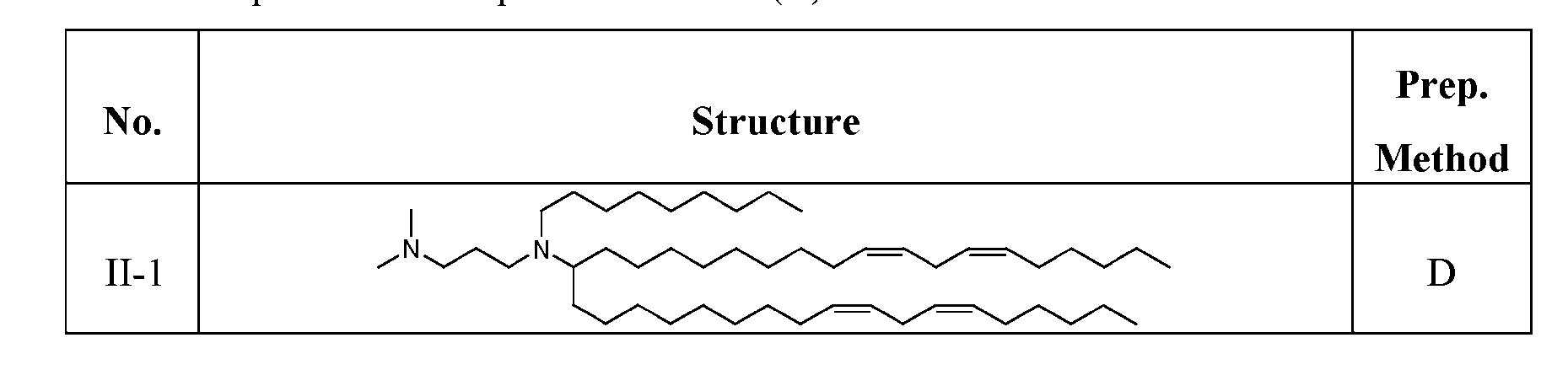


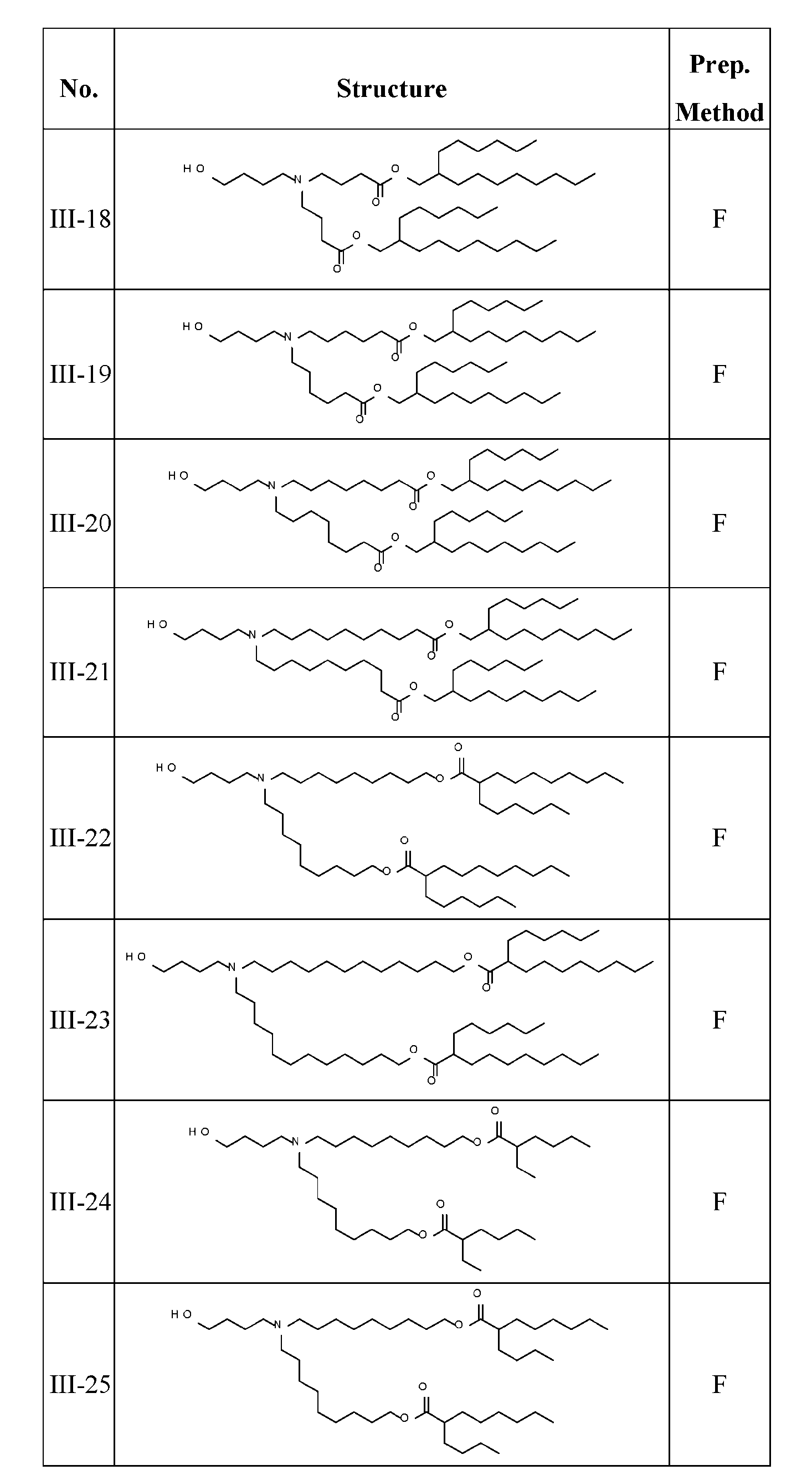


Claims
CLAIMS is claimed is: 1. A composition comprising at least one RNA molecule encoding at least C. difficile antigen, wherein the at least one C. difficile antigen comprises TcdA, TcdB, -1, CdeM, CWP84, CWP66, ZupT, or CspC, a fragment or variant thereof, or any ination thereof.
2. The composition of claim 1, wherein the composition comprises a ination of RNA molecules encoding at least two C. difficile antigens, wherein the osition comprises at least two of TcdA, TcdB, PPEP-1, CdeM, CWP84, CWP66, ZupT, , or fragments or variants thereof.
3. The composition of claim 2, comprising a combination of RNA moleculesding TcdA and TcdB, or fragments or variants thereof.
4. The composition of claim 2, comprising a combination of RNA moleculesding TcdA, TcdB, and PPEP-1, or fragments or variants thereof.
5. The composition of claim 1, wherein the composition comprises ament of TcdA or TcdB comprising a receptor binding domain (RBD) including a combined tive oligopeptide (CROPs) domain.
6. The composition of claim 1, wherein the composition comprises an RNA cule encoding a variant of at least one C. difficile antigen comprising an amino acid itution which disrupts an N-glycosylation site.
7. The composition of claim 1, wherein the RNA molecule comprises a ic acid sequence encoding an amino acid sequence having at least 80% identity to an amino equence of: a) a TcdA antigen comprising an amino acid sequence of SEQ ID NO:1, SEQ ID
, SEQ ID NO:3, SEQ ID NO:4, SEQ ID NO:5, SEQ ID NO:6 or SEQ ID NO:7, or ament or variant thereof; b) a TcdB antigen comprising an amino acid sequence of SEQ ID NO:8, SEQ ID , SEQ ID NO:10, SEQ ID NO:11, SEQ ID NO:12, SEQ ID NO:13 or SEQ ID NO:14, or ament or variant thereof; c) a PPEP-1 antigen comprising an amino acid sequence of SEQ ID NO:15, SEQ O:16, SEQ ID NO:17, SEQ ID NO:18, SEQ ID NO:19, SEQ ID NO:20 or SEQ ID NO:21, ragment or variant thereof; d) a CdeM antigen comprising an amino acid sequence of SEQ ID NO:22, SEQ O:23, SEQ ID NO:24 or SEQ ID NO:25, or a fragment or variant thereof; e) a CWP84 antigen comprising an amino acid sequence of SEQ ID NO:26 or ID NO:27, or a fragment or variant thereof; f) a CWP66 antigen comprising an amino acid sequence of SEQ ID NO:28, or ament or variant thereof; g) a ZupT antigen comprising an amino acid sequence of SEQ ID NO:29, or ament or variant thereof; or h) a CspC antigen comprising an amino acid sequence of SEQ ID NO:30, SEQ ID 1 or SEQ ID NO:32, or a fragment or variant thereof.
8. The composition of claim 1, comprising at least one of: a) an RNA molecule comprising a nucleotide sequence of SEQ ID NO:34, SEQ O:35, SEQ ID NO:36, SEQ ID NO:37, SEQ ID NO:38, SEQ ID NO:39, SEQ ID NO:40, ID NO:41, SEQ ID NO:42, SEQ ID NO:43, or SEQ ID NO:44, or a fragment or variant of, encoding a TcdA antigen; b) an RNA molecule comprising a nucleotide sequence of SEQ ID NO:45, SEQ O:46, SEQ ID NO:47, SEQ ID NO:48, SEQ ID NO:49, SEQ ID NO:50, SEQ ID NO:51, ID NO:52, SEQ ID NO:53, SEQ ID NO:54, or SEQ ID NO:55, or a fragment or variant of , encoding a TcdB antigen; c) an RNA molecule comprising a nucleotide sequence of SEQ ID NO:56, SEQ O:57, SEQ ID NO:58, SEQ ID NO:59, SEQ ID NO:60, SEQ ID NO:61, SEQ ID NO:62,
ID NO:63, SEQ ID NO:64, SEQ ID NO:65, or SEQ ID NO:66, or a fragment or variantof, encoding a PPEP-1 antigen; d) an RNA molecule comprising a nucleotide sequence of SEQ ID NO:67, SEQO:68, SEQ ID NO:69, SEQ ID NO:70, SEQ ID NO:71, SEQ ID NO:72, SEQ ID NO:73, or ID NO:74, or a fragment or variant thereof, encoding a CdeM antigen; e) an RNA molecule comprising a nucleotide sequence of SEQ ID NO:75, SEQO:76, SEQ ID NO:77 or SEQ ID NO:78, or a fragment or variant thereof, encoding a84 antigen; f) an RNA molecule comprising a nucleotide sequence of SEQ ID NO:79 or SEQO:80, or a fragment or variant thereof encoding a CWP66 antigen; g) an RNA molecule comprising a nucleotide sequence of SEQ ID NO:81 or SEQO:82, or a fragment or variant thereof, encoding a ZupT antigen; or h) an RNA molecule comprising a nucleotide sequence of SEQ ID NO:83, SEQO:84, SEQ ID NO:85, SEQ ID NO:86, SEQ ID NO:87 or SEQ ID NO:88, encoding a CspCen.
9. The composition of claim 1, comprising a combination of RNA molecules,ein the combination of RNA molecules comprises at least one selected from: a) an RNA molecule encoding SEQ ID NO:1, SEQ ID NO:2, SEQ ID NO:3, SEQO:4, SEQ ID NO:5, SEQ ID NO:6 or SEQ ID NO:7, or a fragment or variant thereof; b) an RNA molecule encoding SEQ ID NO:8, SEQ ID NO:9, SEQ ID NO:10, ID NO:11, SEQ ID NO:12, SEQ ID NO:13 or SEQ ID NO:14, or a fragment or variantof; c) an RNA molecule encoding SEQ ID NO:15, SEQ ID NO:16, SEQ ID NO:17, ID NO:18, SEQ ID NO:19, SEQ ID NO:20 or SEQ ID NO:21, or a fragment or variantof; d) an RNA molecule encoding SEQ ID NO:22, SEQ ID NO:23, SEQ ID NO:24Q ID NO:25, or a fragment or variant thereof; e) an RNA molecule encoding SEQ ID NO:26 or SEQ ID NO:27, or a fragmentriant thereof; f) an RNA molecule encoding SEQ ID NO:28, or a fragment or variant thereof;
g) an RNA molecule encoding SEQ ID NO:29, or a fragment or variant thereof; h) an RNA molecule encoding SEQ ID NO:30, SEQ ID NO:31 or SEQ ID 2, or a fragment or variant thereof.
10. The composition of claim 9, comprising a combination of RNA moleculesding at least two amino acid sequences selected from: a) an RNA molecule encoding SEQ ID NO:1, SEQ ID NO:2, SEQ ID NO:3, SEQO:4, SEQ ID NO:5, SEQ ID NO:6 or SEQ ID NO:7, or a fragment or variant thereof; b) an RNA molecule encoding SEQ ID NO:8, SEQ ID NO:9, SEQ ID NO:10, ID NO:11, SEQ ID NO:12, SEQ ID NO:13 or SEQ ID NO:14, or a fragment or variantof; c) an RNA molecule encoding SEQ ID NO:15, SEQ ID NO:16, SEQ ID NO:17, ID NO:18, SEQ ID NO:19, SEQ ID NO:20 or SEQ ID NO:21, or a fragment or variantof; d) an RNA molecule encoding SEQ ID NO:22, SEQ ID NO:23, SEQ ID NO:24 Q ID NO:25, or a fragment or variant thereof; e) an RNA molecule encoding SEQ ID NO:26 or SEQ ID NO:27, or a fragmentriant thereof; f) an RNA molecule encoding SEQ ID NO:28, or a fragment or variant thereof; g) an RNA molecule encoding SEQ ID NO:29, or a fragment or variant thereof; h) an RNA molecule encoding SEQ ID NO:30, SEQ ID NO:31 or SEQ ID 2, or a fragment or variant thereof.
11. The composition of claim 9, comprising a combination of RNA moleculesding at least three amino acid sequences selected from: a) an RNA molecule encoding SEQ ID NO:1, SEQ ID NO:2, SEQ ID NO:3, SEQO:4, SEQ ID NO:5, SEQ ID NO:6 or SEQ ID NO:7, or a fragment or variant thereof; b) an RNA molecule encoding SEQ ID NO:8, SEQ ID NO:9, SEQ ID NO:10, ID NO:11, SEQ ID NO:12, SEQ ID NO:13 or SEQ ID NO:14, or a fragment or variant
of; c) an RNA molecule encoding SEQ ID NO:15, SEQ ID NO:16, SEQ ID NO:17, ID NO:18, SEQ ID NO:19, SEQ ID NO:20 or SEQ ID NO:21, or a fragment or variant of; d) an RNA molecule encoding SEQ ID NO:22, SEQ ID NO:23, SEQ ID NO:24 Q ID NO:25, or a fragment or variant thereof; e) an RNA molecule encoding SEQ ID NO:26 or SEQ ID NO:27, or a fragment riant thereof; f) an RNA molecule encoding SEQ ID NO:28, or a fragment or variant thereof; g) an RNA molecule encoding SEQ ID NO:29, or a fragment or variant thereof; h) an RNA molecule encoding SEQ ID NO:30, SEQ ID NO:31 or SEQ ID 2, or a fragment or variant thereof.
12. The composition of any one of claims 1 to 11 wherein the RNA moleculeRNA, self-replicating RNA, self-amplifying RNA, or circular RNA.
13. The composition of any one of claims 1 to 12, wherein at least one RNA cule is a nucleoside modified RNA molecule comprising at least one modified nucleoside.
14. The composition of claim 13, wherein at least one modified nucleoside rises pseudouridine, 1-methyl pseudouridine, 2’-O-methylpseudouridine, 5- yldihydrouridine, 3-methylpseudouridine, 5-methyl-uridine, methoxyuridine, rouridine, 5,2’-O-dimethyluridine, 4-thiouridine, 5-methyl-2-thiouridine, 2-thio-2’-O- yluridine, (3-(3-amino-3-carboxypropyl)uridine); 5-hydroxyuridine; 5-methoxyuridine;ne 5-oxyacetic acid; uridine 5-oxyacetic acid methyl ester; 5- oxyhydroxymethyl)uridine); 5-(carboxyhydroxymethyl)uridine methyl ester; 5- oxycarbonylmethyluridine; 5-methoxycarbonylmethyl-2’-O-methyluridine; 5- oxycarbonylmethyl-2-thiouridine; 5-aminomethyl-2-thiouridine; 5- ylaminomethyluridine; 5-methylaminomethyl-2-thiouridine; 5-methylaminomethyl-2- ouridine; 5-carbamoylmethyluridine; 5-carbamoylmethyl-2’-O-methyluridine; 5-
xymethylaminomethyluridine; 5-carboxymethylaminomethyl-2’-O-methyluridine; or 5- xymethylaminomethyl-2-thiouridine.
15. The composition of any one of claims 1-14, wherein the RNA molecule rises a nucleic acid sequence encoding a leader sequence, a tag or signal peptide.
16. The composition of any one of claims 1-15, wherein the RNA moleculeer comprises a linker.
17. The composition of any one of claims 1-16, wherein the composition rises one or more lipid nanoparticle (LNP), wherein the one or more RNA molecules are lly or fully encapsulated within the one or more LNP.
18. A pharmaceutical composition comprising the composition of any one of s 1-17 and at least one pharmaceutically acceptable excipient.
19. A combination comprising: (i) a first pharmaceutical composition comprising a first RNA cule, wherein the first RNA molecule encodes at least one C. difficile antigen, wherein the st one C. difficile antigen comprises TcdA, TcdB, PPEP-1, CdeM, CWP84, CWP66, ZupT, , a fragment thereof, or a variant thereof; and (ii) a second pharmaceutical composition comprising a second RNA cule, wherein the second RNA molecule encodes at least one C. difficile antigen, wherein least one C. difficile antigen comprises TcdA, TcdB, PPEP-1, CdeM, CWP84, CWP66, , CspC, a fragment thereof, or a variant thereof, wherein the first RNA molecule and the second RNA molecule are not the same, wherein the RNA molecules are partially or fully encapsulated within one or more LNPs.
20. A combination comprising: (i) a first pharmaceutical composition comprising a first RNA cule, wherein the first RNA molecule encodes at least one C. difficile antigen, wherein the
st one C. difficile antigen comprises TcdA, TcdB, PPEP-1, CdeM, CWP84, CWP66, ZupT, , a fragment thereof, or a variant thereof; (ii) a second pharmaceutical composition comprising a second RNA cule, wherein the second RNA molecule encodes at least one C. difficile antigen, wherein least one C. difficile antigen comprises TcdA, TcdB, PPEP-1, CdeM, CWP84, CWP66, , CspC, a fragment thereof, or a variant thereof; and (iii) a third pharmaceutical composition comprising a third RNA molecule, ein the third RNA molecule encodes at least one C. difficile antigen, wherein the at least one ficile antigen comprises TcdA, TcdB, PPEP-1, CdeM, CWP84, CWP66, ZupT, CspC, ament thereof, or a variant thereof; wherein the first RNA molecule, the second RNA molecule, and the third RNA cule are not the same, and wherein the RNA molecules are partially or fully encapsulated n one or more LNPs.
21. A method of inducing an immune response against at least one strain of C. ile infection in a subject, comprising administering a composition according to any one of s 1-17, or a combination according to claim 19 or 20, or a pharmaceutical composition ding to claim 18.
22. A method of treating or preventing a disease or disorder associated with C. ile infection in a subject, comprising administering a composition according to any one of s 1-17, or a combination according to claim 19 or 20 or a pharmaceutical composition ding to claim 18.
23. The method of claim 21 or 22, wherein the composition is administered by very route selected from the group consisting of intradermal, subcutaneous, inhalation,nasal, and intramuscular.
24. The method of any one of claims 21-23, wherein the method comprises a e administration of the composition.
25. The method of any one of claims 21-23, wherein the method comprises ple administrations of the composition.
26. The method of claim 21, wherein the composition induces a broadune response against multiple strains of C. difficile in a cell, tissue or subject.
27. The method of claim 21, wherein the composition induces a protectiveune response in the subject.
28. The method of claim 21, wherein the composition challenges and/or rs C. difficile colonization in a subject.
29. The method of claim 21, wherein the disease or disorder is colitis orhea.
30. The method of claim 21, wherein administration does not affect intestinalobiota in the subject.
31. The composition of any one of claims 1-17 for use in the treatment or ntion of a C. difficile infection in a subject comprising administering one or more doses ofomposition to a subject.
32. The pharmaceutical composition of claim 18 for use in the treatment or ntion of a C. difficile infection in a subject comprising administering one or more doses ofomposition to a subject.
33. The combination of claim 19 or 20 for use in the treatment or prevention C. difficile infection in a subject comprising administering one or more doses of the osition to a subject.
34. The composition of any one of claims 1-16, or the combination of any one
ims 19 or 20, wherein the composition further comprises a delivery vehicle.
35. The composition of claim 34, wherein the delivery vehicle is selected fromethylenimine) PEI, chitosan, Janus dendrimers, dendrimers, lipopolymers, and a one onent system.
36. The composition of any one of claims 1-18, or the combination of any one ims 19 or 20, wherein the composition further comprises an adjuvant.
37. The composition of claim 36, wherein the adjuvant is selected from thep consisting of alum, ASO3, squalene, liposomes, chitosan, Matrix M, a cytokine, a nucleic molecule encoding a cytokine, or any combination thereof.
38. The composition of claim 37, wherein the cytokine is IL-12, IL-21, or L.
39. The composition of any one of claims 1-18, or the combination of any one ims 19 or 20, wherein the sequence encoding the antigen is operably linked to nucleotide nce encoding an oligomerization domain.
40. The composition of claim 39, wherein the oligomerization domain rises ferritin, or a fragment or variant thereof.
41. A composition comprising a fusion molecule comprising a fusion of a C.ile antigen to an oligomerization domain.
42. The composition of claim 41, wherein the oligomerization domain rises ferritin, or a fragment or variant thereof.
43. The composition of claim 41, wherein the C. difficile antigen comprises ano acid sequence having at least 80% identity to an amino acid sequence of:
a) a TcdA antigen comprising an amino acid sequence of SEQ ID NO:1, SEQ ID , SEQ ID NO:3, SEQ ID NO:4, SEQ ID NO:5, SEQ ID NO:6 or SEQ ID NO:7, or ament or variant thereof; b) a TcdB antigen comprising an amino acid sequence of SEQ ID NO:8, SEQ ID , SEQ ID NO:10, SEQ ID NO:11, SEQ ID NO:12, SEQ ID NO:13 or SEQ ID NO:14, or ament or variant thereof; c) a PPEP-1 antigen comprising an amino acid sequence of SEQ ID NO:15, SEQ O:16, SEQ ID NO:17, SEQ ID NO:18, SEQ ID NO:19, SEQ ID NO:20 or SEQ ID NO:21, ragment or variant thereof; d) a CdeM antigen comprising an amino acid sequence of SEQ ID NO:22, SEQ O:23, SEQ ID NO:24 or SEQ ID NO:25, or a fragment or variant thereof; e) a CWP84 antigen comprising an amino acid sequence of SEQ ID NO:26 or ID NO:27, or a fragment or variant thereof; f) a CWP66 antigen comprising an amino acid sequence of SEQ ID NO:28, or ament or variant thereof; g) a ZupT antigen comprising an amino acid sequence of SEQ ID NO:29, or ament or variant thereof; or h) a CspC antigen comprising an amino acid sequence of SEQ ID NO:30, SEQ ID 1 or SEQ ID NO:32, or a fragment or variant thereof.
Applications Claiming Priority (2)
| Application Number | Priority Date | Filing Date | Title |
|---|---|---|---|
| US202363610388P | 2023-12-14 | 2023-12-14 | |
| US63/610,388 | 2023-12-14 |
Publications (1)
| Publication Number | Publication Date |
|---|---|
| WO2025129186A1 true WO2025129186A1 (en) | 2025-06-19 |
Family
ID=96058574
Family Applications (1)
| Application Number | Title | Priority Date | Filing Date |
|---|---|---|---|
| PCT/US2024/060394 Pending WO2025129186A1 (en) | 2023-12-14 | 2024-12-16 | Clostridioides difficile vaccine and methods of use |
Country Status (1)
| Country | Link |
|---|---|
| WO (1) | WO2025129186A1 (en) |
Citations (4)
| Publication number | Priority date | Publication date | Assignee | Title |
|---|---|---|---|---|
| US8852600B2 (en) * | 2006-06-08 | 2014-10-07 | The Rockefeller University | Codon-optimized DNA molecules encoding the receptor binding domains of Clostridium difficile toxins A and B, and methods of use thereof |
| US9446112B2 (en) * | 2011-07-12 | 2016-09-20 | Philadelphia Health & Education Corporation | Clostridium difficile DNA vaccine |
| US11149286B1 (en) * | 2020-08-17 | 2021-10-19 | Mayo Foundation For Medical Education And Research | Adenovirus vectors and methods for using adenovirus vectors |
| WO2023020992A1 (en) * | 2021-08-16 | 2023-02-23 | Glaxosmithkline Biologicals Sa | Novel methods |
-
2024
- 2024-12-16 WO PCT/US2024/060394 patent/WO2025129186A1/en active Pending
Patent Citations (4)
| Publication number | Priority date | Publication date | Assignee | Title |
|---|---|---|---|---|
| US8852600B2 (en) * | 2006-06-08 | 2014-10-07 | The Rockefeller University | Codon-optimized DNA molecules encoding the receptor binding domains of Clostridium difficile toxins A and B, and methods of use thereof |
| US9446112B2 (en) * | 2011-07-12 | 2016-09-20 | Philadelphia Health & Education Corporation | Clostridium difficile DNA vaccine |
| US11149286B1 (en) * | 2020-08-17 | 2021-10-19 | Mayo Foundation For Medical Education And Research | Adenovirus vectors and methods for using adenovirus vectors |
| WO2023020992A1 (en) * | 2021-08-16 | 2023-02-23 | Glaxosmithkline Biologicals Sa | Novel methods |
Similar Documents
| Publication | Publication Date | Title |
|---|---|---|
| US12161709B2 (en) | Compositions for inducing an immune response against zika virus | |
| US20250281593A1 (en) | Nucleoside-modified mRNA-lipid nanoparticle lineage vaccine for hepatitis C virus | |
| US20230248818A1 (en) | Nucleoside-modified RNA for Inducing an Immune Response Against SARS-CoV-2 | |
| US20250018021A1 (en) | Norovirus vaccine and methods of use | |
| WO2024256962A1 (en) | Method for stabilizing rna | |
| US20250114439A1 (en) | mRNA VACCINES AGAINST TICK SALIVARY PROTEINS, AND METHODS OF USING SAME | |
| WO2025129186A1 (en) | Clostridioides difficile vaccine and methods of use | |
| US20240358821A1 (en) | P7 Containing Nucleoside-modified mRNA-lipid Nanoparticle Lineage Vaccine for Hepatitis C Virus | |
| WO2025202834A1 (en) | Polynucleotide compositions and uses thereof |
Legal Events
| Date | Code | Title | Description |
|---|---|---|---|
| 121 | Ep: the epo has been informed by wipo that ep was designated in this application |
Ref document number: 24905077 Country of ref document: EP Kind code of ref document: A1 |