WO2025111402A1 - Anti-amyloid beta antibodies and related compositions and methods thereof - Google Patents
Anti-amyloid beta antibodies and related compositions and methods thereof Download PDFInfo
- Publication number
- WO2025111402A1 WO2025111402A1 PCT/US2024/056778 US2024056778W WO2025111402A1 WO 2025111402 A1 WO2025111402 A1 WO 2025111402A1 US 2024056778 W US2024056778 W US 2024056778W WO 2025111402 A1 WO2025111402 A1 WO 2025111402A1
- Authority
- WO
- WIPO (PCT)
- Prior art keywords
- acid sequence
- amyloid beta
- seq
- amino acid
- antigen
- Prior art date
- Legal status (The legal status is an assumption and is not a legal conclusion. Google has not performed a legal analysis and makes no representation as to the accuracy of the status listed.)
- Pending
Links
Classifications
-
- C—CHEMISTRY; METALLURGY
- C07—ORGANIC CHEMISTRY
- C07K—PEPTIDES
- C07K16/00—Immunoglobulins [IG], e.g. monoclonal or polyclonal antibodies
- C07K16/18—Immunoglobulins [IG], e.g. monoclonal or polyclonal antibodies against material from animals or humans
-
- A—HUMAN NECESSITIES
- A61—MEDICAL OR VETERINARY SCIENCE; HYGIENE
- A61K—PREPARATIONS FOR MEDICAL, DENTAL OR TOILETRY PURPOSES
- A61K40/00—Cellular immunotherapy
- A61K40/30—Cellular immunotherapy characterised by the recombinant expression of specific molecules in the cells of the immune system
- A61K40/31—Chimeric antigen receptors [CAR]
-
- A—HUMAN NECESSITIES
- A61—MEDICAL OR VETERINARY SCIENCE; HYGIENE
- A61K—PREPARATIONS FOR MEDICAL, DENTAL OR TOILETRY PURPOSES
- A61K40/00—Cellular immunotherapy
- A61K40/40—Cellular immunotherapy characterised by antigens that are targeted or presented by cells of the immune system
- A61K40/41—Vertebrate antigens
- A61K40/414—Nervous system antigens
-
- A—HUMAN NECESSITIES
- A61—MEDICAL OR VETERINARY SCIENCE; HYGIENE
- A61P—SPECIFIC THERAPEUTIC ACTIVITY OF CHEMICAL COMPOUNDS OR MEDICINAL PREPARATIONS
- A61P25/00—Drugs for disorders of the nervous system
-
- A—HUMAN NECESSITIES
- A61—MEDICAL OR VETERINARY SCIENCE; HYGIENE
- A61P—SPECIFIC THERAPEUTIC ACTIVITY OF CHEMICAL COMPOUNDS OR MEDICINAL PREPARATIONS
- A61P25/00—Drugs for disorders of the nervous system
- A61P25/28—Drugs for disorders of the nervous system for treating neurodegenerative disorders of the central nervous system, e.g. nootropic agents, cognition enhancers, drugs for treating Alzheimer's disease or other forms of dementia
-
- C—CHEMISTRY; METALLURGY
- C07—ORGANIC CHEMISTRY
- C07K—PEPTIDES
- C07K2317/00—Immunoglobulins specific features
- C07K2317/20—Immunoglobulins specific features characterized by taxonomic origin
- C07K2317/24—Immunoglobulins specific features characterized by taxonomic origin containing regions, domains or residues from different species, e.g. chimeric, humanized or veneered
-
- C—CHEMISTRY; METALLURGY
- C07—ORGANIC CHEMISTRY
- C07K—PEPTIDES
- C07K2317/00—Immunoglobulins specific features
- C07K2317/30—Immunoglobulins specific features characterized by aspects of specificity or valency
- C07K2317/33—Crossreactivity, e.g. for species or epitope, or lack of said crossreactivity
-
- C—CHEMISTRY; METALLURGY
- C07—ORGANIC CHEMISTRY
- C07K—PEPTIDES
- C07K2317/00—Immunoglobulins specific features
- C07K2317/30—Immunoglobulins specific features characterized by aspects of specificity or valency
- C07K2317/34—Identification of a linear epitope shorter than 20 amino acid residues or of a conformational epitope defined by amino acid residues
-
- C—CHEMISTRY; METALLURGY
- C07—ORGANIC CHEMISTRY
- C07K—PEPTIDES
- C07K2317/00—Immunoglobulins specific features
- C07K2317/50—Immunoglobulins specific features characterized by immunoglobulin fragments
- C07K2317/52—Constant or Fc region; Isotype
-
- C—CHEMISTRY; METALLURGY
- C07—ORGANIC CHEMISTRY
- C07K—PEPTIDES
- C07K2317/00—Immunoglobulins specific features
- C07K2317/60—Immunoglobulins specific features characterized by non-natural combinations of immunoglobulin fragments
-
- C—CHEMISTRY; METALLURGY
- C07—ORGANIC CHEMISTRY
- C07K—PEPTIDES
- C07K2317/00—Immunoglobulins specific features
- C07K2317/60—Immunoglobulins specific features characterized by non-natural combinations of immunoglobulin fragments
- C07K2317/62—Immunoglobulins specific features characterized by non-natural combinations of immunoglobulin fragments comprising only variable region components
- C07K2317/622—Single chain antibody (scFv)
-
- C—CHEMISTRY; METALLURGY
- C07—ORGANIC CHEMISTRY
- C07K—PEPTIDES
- C07K2317/00—Immunoglobulins specific features
- C07K2317/60—Immunoglobulins specific features characterized by non-natural combinations of immunoglobulin fragments
- C07K2317/64—Immunoglobulins specific features characterized by non-natural combinations of immunoglobulin fragments comprising a combination of variable region and constant region components
-
- C—CHEMISTRY; METALLURGY
- C07—ORGANIC CHEMISTRY
- C07K—PEPTIDES
- C07K2317/00—Immunoglobulins specific features
- C07K2317/70—Immunoglobulins specific features characterized by effect upon binding to a cell or to an antigen
- C07K2317/76—Antagonist effect on antigen, e.g. neutralization or inhibition of binding
-
- C—CHEMISTRY; METALLURGY
- C07—ORGANIC CHEMISTRY
- C07K—PEPTIDES
- C07K2317/00—Immunoglobulins specific features
- C07K2317/90—Immunoglobulins specific features characterized by (pharmaco)kinetic aspects or by stability of the immunoglobulin
- C07K2317/92—Affinity (KD), association rate (Ka), dissociation rate (Kd) or EC50 value
Definitions
- the present disclosure relates to anti-amyloid beta antibodies, including antigenbinding fragments thereof.
- the present disclosure further relates to recombinant receptors containing such antibodies, including chimeric antigen receptors (CARs), and conjugates which contain such antibodies.
- CARs chimeric antigen receptors
- the disclosure further relates to engineered cells expressing such antibodies and use thereof in the diagnosis, monitoring, and treatment of a disease or condition, including Alzheimer’s Disease. Background
- AD Amyloid beta
- AD is associated with various diseases and conditions, including neurodegenerative diseases such as Alzheimer’s Disease (AD).
- AD is the most common age-related dementia.
- AD is the number of people living with AD and the cost of delivered care is rising.
- AD is now the sixth leading cause of deaths in the United States.
- AD-associated mortalities have increased by 123%.
- AD cannot be prevented, cured, or slowed, thereby making the treatment of this disease an important unmet medical need.
- Ap The key pathological protein of AD is Ap, which can misfold in different forms, such as in a soluble form as a monomer or oligomer, and in an insoluble form as a plaque.
- Oligomeric Ap oAP is the most toxic form.
- anti-Ap antibodies that specifically bind to the highly toxic oAp form but not to certain other forms, such as monomeric Ap, are needed.
- an anti-amyloid beta antibody or antigen-binding fragment thereof comprising a heavy chain variable (VH) region and a light chain variable (VL) region
- the VH region comprises a heavy chain complementarity determining region 1 (CDR-H1), a heavy chain complementarity determining region 2 (CDR-H2), and a heavy chain complementarity determining region 3 (CDR-H3) comprising the amino acid sequences of SEQ ID NOs: 5, 6, and 7, respectively
- the VL region comprises a light chain complementarity determining region 1 (CDR-L1), a light chain complementarity determining region 2 (CDR-L2) and a light chain complementarity determining region 3 (CDR-L3) comprising the amino acid sequences of SEQ ID NOs: 8, 9, and 10, respectively.
- an anti-amyloid beta antibody or antigen-binding fragment thereof comprising a heavy chain variable (VH) region and a light chain variable (VL) region
- the VH region comprises a heavy chain complementarity determining region 1 (CDR-H1), a heavy chain complementarity determining region 2 (CDR-H2), and a heavy chain complementarity determining region 3 (CDR-H3) contained within the VH region comprising the amino acid sequence set forth in SEQ ID NO: 1
- the VL region comprises a light chain complementarity determining region 1 (CDR-L1), a light chain complementarity determining region 2 (CDR-L2) and a light chain complementarity determining region 3 (CDR-L3) contained within the VH region comprising the amino acid sequence set forth in SEQ ID NO: 2.
- the VH region comprises a CDR-H1, a CDR-H2, and a CDR-H3 comprising the sequence set forth in SEQ ID NOs: 5, 6, and 7, respectively
- the VL region comprises a CDR-L1, a CDR-L2, and a CDR-L3 comprising the sequence set forth in SEQ ID NOs: 8, 9, and 10, respectively.
- the VH region is or comprises an amino acid sequence having at least at or about 85%, 86%, 87%, 88%, 89%, 90%, 91%, 92%, 93%, 94%, 95%, 96%, 97%, 98% or 99% sequence identity to the amino acid sequence of SEQ ID NO: 1.
- the VL region is or comprises an amino acid sequence having at least at or about 85%, 86%, 87%, 88%, 89%, 90%, 91%, 92%, 93%, 94%, 95%, 96%, 97%, 98% or 99% sequence identity to the amino acid sequence of SEQ ID NO: 2.
- the VH region is or comprises an amino acid sequence having at least at or about 85%, 86%, 87%, 88%, 89%, 90%, 91%, 92%, 93%, 94%, 95%, 96%, 97%, 98% or 99% sequence identity to the amino acid sequence of SEQ ID NO: 1
- the VL region is or comprises an amino acid sequence having at least at or about 85%, 86%, 87%, 88%, 89%, 90%, 91%, 92%, 93%, 94%, 95%, 96%, 97%, 98% or 99% sequence identity to the amino acid sequence of SEQ ID NO: 2.
- the VH region is or comprises the amino acid sequence of SEQ ID NO: 1.
- the VL region is or comprises the amino acid sequence of SEQ ID NO: 2.
- the VH region is or comprises the amino acid sequence of SEQ ID NO: 1
- the VL region is or comprises the amino acid sequence of SEQ ID NO: 2.
- the antibody or antigen-binding fragment thereof specifically binds to human amyloid beta. In some of any of such embodiments, the antibody or antigen-binding fragment thereof specifically binds to oligomeric amyloid beta (oAP) and/or fibrillar amyloid beta. In some of any of such embodiments, the antibody or antigen-binding fragment thereof specifically binds to oligomeric amyloid beta (oAP) and fibrillar amyloid beta. In some of any of such embodiments, the antibody or antigen-binding fragment thereof does not bind to monomeric amyloid beta.
- the antibody is a chimeric antibody. In some of any of such embodiments, the antibody is a humanized antibody.
- the antibody or antigen-binding fragment thereof is recombinant. In some of any of such embodiments, the antibody or antigenbinding fragment thereof is monoclonal.
- the anti-amyloid beta antibody or antigenbinding fragment thereof is an antigen-binding fragment.
- the antigen-binding fragment is selected from the group consisting of Fab fragments, F(ab’)2 fragments, Fab’ fragments, Fv fragments, an scFv, or a single domain antibody.
- the antibody or antigen-binding fragment thereof is a single-chain fragment.
- the single-chain fragment comprises the VH and VL regions joined by a linker, optionally a flexible immunoglobulin linker.
- the nucleic acid encoding an immunoglobulin linker comprises the nucleic acid sequence of SEQ ID NO: 20, or a nucleic acid sequence having at least 80%, 81%, 82%, 83%, 84%, 85%, 86%, 87%, 88%, 89%, 90%, 91%, 92%, 93%, 94%, 95%, 96%, 97%, 98%, or 99% sequence identity to the nucleic acid sequence of SEQ ID NO: 20.
- the antigen-binding fragment thereof is or comprises an scFv comprising the VH region and the VL region.
- a bispecific antibody comprising a first antigen-binding domain that specifically binds to amyloid beta and a second antigen-binding domain that specifically binds to a second antigen
- the first antigen-binding domain comprises a first heavy chain variable (VH) region and a first light chain variable (VL) region
- the first VH region comprises a heavy chain complementarity determining region 1 (CDR-H1), a heavy chain complementarity determining region 2 (CDR-H2), and a heavy chain complementarity determining region 3 (CDR-H3) comprising the amino acid sequences of SEQ ID NOs: 5, 6, and 7, respectively
- the first VL region comprises a light chain complementarity determining region 1 (CDR-L1), a light chain complementarity determining region 2 (CDR-L2) and a light chain complementarity determining region 3 (CDR-L3) comprising the amino acid sequences of SEQ ID NOs: 8, 9, and 10, respectively
- the first VH region is or comprises an amino acid sequence having at least at or about 85%, 86%, 87%, 88%, 89%, 90%, 91%, 92%, 93%, 94%, 95%, 96%, 97%, 98% or 99% sequence identity to the amino acid sequence of SEQ ID NO: 1.
- the first VL region is or comprises an amino acid sequence having at least at or about 85%, 86%, 87%, 88%, 89%, 90%, 91%, 92%, 93%, 94%, 95%, 96%, 97%, 98% or 99% sequence identity to the amino acid sequence of SEQ ID NO: 2.
- the first VH region is or comprises an amino acid sequence having at least at or about 85%, 86%, 87%, 88%, 89%, 90%, 91%, 92%, 93%, 94%, 95%, 96%, 97%, 98% or 99% sequence identity to the amino acid sequence of SEQ ID NO: 1
- the first VL region is or comprises an amino acid sequence having at least at or about 85%, 86%, 87%, 88%, 89%, 90%, 91%, 92%, 93%, 94%, 95%, 96%, 97%, 98% or 99% sequence identity to the amino acid sequence of SEQ ID NO: 2.
- the first VH region is or comprises the amino acid sequence of SEQ ID NO: 1. In some of any of such embodiments, the first VL region is or comprises the amino acid sequence of SEQ ID NO: 2. In some of any of such embodiments, the first VH region is or comprises the amino acid sequence of SEQ ID NO: 1, and the first VL region is or comprises the amino acid sequence of SEQ ID NO: 2.
- the second antigen is a tau protein.
- conjugate comprising any anti-amyloid beta antibody or antigen-binding fragment thereof described herein or any bispecific antibody described herein, and a heterologous molecule or moiety.
- the heterologous molecule or moiety is a therapeutic agent, an imaging agent, or a detectable moiety.
- the heterologous molecule or moiety is a therapeutic agent and the therapeutic agent is an anti-inflammatory agent.
- the heterologous molecule or moiety is an imaging agent and the imaging agent is a radionuclide.
- the heterologous molecule or moiety is a detectable moiety selected from the group consisting of radionuclides, enzymes, fluorescent moieties or proteins, and luminescent moieties.
- a chimeric antigen receptor comprising an extracellular antigen-binding domain comprising any anti-amyloid beta antibody or antigen-binding fragment thereof or any bispecific antibody described herein, a transmembrane domain, and an intracellular signaling domain.
- the extracellular antigen-binding domain comprises any anti-amyloid beta antibody or antigen-binding fragment thereof described herein.
- polynucleotide(s) comprising a nucleic acid encoding any anti-amyloid beta antibody or antigen-binding domain thereof described herein, or a heavy chain and/or a light chain thereof.
- polynucleotide(s) comprising a nucleic acid encoding: a VH region comprising the amino acid sequence of SEQ ID NO: 1 and/or a VL region comprising the amino acid sequence of SEQ ID NO: 2.
- a polynucleotide(s) comprising a nucleic acid encoding: a VH region comprising a CDR-1, a CDR-2, and a CDR-3 comprising the amino acid sequences of SEQ ID NOs: 5, 6, and 7, respectively; and/or a VL region comprising a CDR-1, a CDR-2, and a CDR-3 comprising the amino acid sequences of SEQ ID NOs: 8, 9, and 10, respectively.
- the nucleic acid comprises: the nucleic acid sequence of SEQ ID NOs: 3, or a nucleic acid sequence having at least 80%, 81%, 82%, 83%, 84%, 85%, 86%, 87%, 88%, 89%, 90%, 91%, 92%, 93%, 94%, 95%, 96%, 97%, 98%, or 99% sequence identity to the nucleic acid sequence of SEQ ID NOs: 3; and/or the nucleic acid sequence of SEQ ID NOs: 4, or a nucleic acid sequence having at least 80%, 81%, 82%, 83%, 84%, 85%, 86%, 87%, 88%, 89%, 90%, 91%, 92%, 93%, 94%, 95%, 96%, 97%, 98%, or 99% sequence identity to the nucleic acid sequence of SEQ ID NOs: 4.
- the nucleic acid comprises: the nucleic acid sequence of SEQ ID NOs: 17, or a nucleic acid sequence having at least 80%, 81%, 82%, 83%, 84%, 85%, 86%, 87%, 88%, 89%, 90%, 91%, 92%, 93%, 94%, 95%, 96%, 97%, 98%, or 99% sequence identity to the nucleic acid sequence of SEQ ID NOs: 17; and/or the nucleic acid sequence of SEQ ID NOs: 18, or a nucleic acid sequence having at least 80%, 81%, 82%, 83%, 84%, 85%, 86%, 87%, 88%, 89%, 90%, 91%, 92%, 93%, 94%, 95%, 96%, 97%, 98%, or 99% sequence identity to the nucleic acid sequence of SEQ ID NOs: 18.
- Also provided herein is a vector, comprising any polynucleotide described herein.
- a host cell comprising any anti-amyloid beta antibody or antigen-binding fragment thereof described herein, any bispecific antibody described herein, any conjugate described herein, any CAR described herein, any polynucleotide(s) described herein, or any vector described herein.
- an engineered cell comprising any anti-amyloid beta antibody or antigen-binding fragment thereof described herein, any bispecific antibody described herein, any conjugate described herein, any CAR described herein, any polynucleotide(s) described herein, or any vector described herein.
- the cell is an immune cell. In some of any of such embodiments, the cell is a natural killer (NK) cell or a T cell. In some of any of such embodiments, the cell is a T cell and the T cell. In some of any of such embodiments, the T cell is a CD4+ T cell or a CD8+ T cell.
- NK natural killer
- the T cell is a CD4+ T cell or a CD8+ T cell.
- Also provided herein is a method of producing an antibody comprising culturing any host cell described herein under conditions in which the antibody or antigen-binding fragment thereof is expressed. In some embodiments, the method further comprises recovering the antibody or antigen-binding fragment thereof.
- an anti-amyloid beta antibody or antigen-binding fragment thereof produced by any of the method of production described herein.
- composition comprising any engineered cell described herein.
- composition comprising any anti-amyloid beta antibody or antigen-binding fragment thereof described herein, any bispecific antibody described herein, any conjugate described herein, or any CAR described herein.
- compositions comprising a population of any engineered cell described herein, wherein the population of the engineered cell comprises CD4+ T cells and/or CD8+ T cells. In some embodiments, the population of the engineered cell comprises CD4+ T cells and CD8+ T cells. In some of any of such embodiments, the composition further comprises a pharmaceutically acceptable excipient.
- a method of treatment comprising administering any antiamyloid beta antibody or antigen-binding fragment thereof described herein, any bispecific antibody described herein, any conjugate described herein, any CAR described herein, any engineered cell described herein, or any composition described herein, to a subject having a disease or condition.
- Also provided herein is a method of treating Alzheimer’ s Disease, comprising administering any anti-amyloid beta antibody or antigen-binding fragment thereof described herein, any bispecific antibody described herein, any conjugate described herein, any CAR described herein, any engineered cell described herein, or any composition described herein, to a subject having Alzheimer’s Disease.
- Also provided herein is a method of diagnosing a disease or condition, comprising: administering a conjugate comprising any anti-amyloid beta antibody or antigen binding fragment thereof described herein and a heterologous molecule or moiety that is a imaging agent or a detectable moiety, to a subject having or suspected or having a disease or condition; and imaging or detecting the imaging agent or the detectable moiety.
- Also provided herein is a method of diagnosing a disease or condition, comprising: (a) contacting a sample from a subject having or suspected of having a disease or condition with a conjugate comprising any anti-amyloid beta antibody or antigen binding fragment thereof described herein and a heterologous molecule or moiety that is a imaging agent or a detectable moiety, and (b) detecting the anti-amyloid beta antibody or antigen-binding fragment thereof bound to amyloid beta.
- the sample is or comprises cells, tissue lysate, blood, serum, protein, and/or tissue.
- the imaging agent is radionuclide.
- the detectable moiety is selected from a group consisting of radionuclides, enzymes, fluorescent moieties or proteins, and luminescent moieties.
- the method is performed ex vivo or in vitro.
- Also provided herein is a method of monitoring the treatment of a disease or condition, comprising: administering a conjugate comprising any anti-amyloid beta antibody or antigen binding fragment thereof described herein and a heterologous molecule or moiety that is a imaging agent or a detectable moiety, to a subject having a disease or condition, wherein the subject was previously administered a therapy for treating the disease or condition; and imaging or detecting the imaging agent or the detectable moiety.
- the therapy an immunotherapy.
- the therapy is or comprises administering a cholinesterase inhibitor, an N-methyl-D-aspartate (NMD A) antagonist, granulocyte-macrophage colony-stimulating factor (GM-CSF), a casein kinase 1 delta (CK1-5) inhibitor, a vasopressin receptor 1A (VI AR) antagonist, a sigma-2 receptor antagonist, or an O-GlcNAcase (OGA) inhibitor.
- NMD A N-methyl-D-aspartate
- GM-CSF granulocyte-macrophage colony-stimulating factor
- CK1-5 casein kinase 1 delta
- VI AR vasopressin receptor 1A
- sigma-2 receptor antagonist a sigma-2 receptor antagonist
- O-GlcNAcase O-GlcNAcase
- the therapy is or comprises administering any anti-amyloid beta antibody or antigen-binding fragment thereof described herein, any bispecific antibody described herein, any conjugate described herein, any CAR described herein, any engineered cell described herein, or any composition described herein.
- the therapy is or comprises administering an anti-amyloid beta antibody or antigen-binding fragment thereof.
- the disease or condition is associated with amyloid beta.
- the disease or condition is associated with aggregates of amyloid beta.
- the aggregates of amyloid beta are oligomeric amyloid beta, fibrillar amyloid beta, and/or amyloid beta plaques.
- the disease or condition is associated with amyloid beta plaque formation.
- the disease or condition is associated with: deposition of amyloid beta or amyloid beta plaques; and/or increased deposition of amyloid beta or amyloid beta plaques as compared to a subject without the disease or condition; and/or presence of amyloid beta; and/or increased presence of amyloid beta as compared to a subject without the disease or condition; and/or presence of oligomeric amyloid beta; and/or increased presence of oligomeric amyloid beta as compared to a subject without the disease or condition.
- the disease or condition is associated with increased deposition of amyloid beta or amyloid beta plaques as compared to a subject without the disease or condition.
- the disease or condition is a neurological condition. In some of any of such embodiments, the disease or condition is a neurodegenerative disease.
- the disease or condition is Alzheimer’s Disease, mild cognitive impairment, Lewy body dementia, neurodegeneration in Down Syndrome, hereditary cerebral hemorrhage with amyloidosis, Down’s syndrome, Vascular dementia, Subcortical vascular dementia, Cerebral amyloid angiopathy, Inflammatory cerebral amyloid angiopathy, Cerebral amyloidoma, Dementia with Lewy bodies, Diffuse Lewy body disease, Parkinson’s disease, Parkinson’s disease with dementia, or Post ischemic stroke.
- the disease or condition is Alzheimer’s Disease.
- the Alzheimer’s Disease is associated with amyloid beta.
- the Alzheimer’s Disease is associated with aggregates of amyloid beta.
- the aggregates of amyloid beta are oligomeric amyloid beta, fibrillar amyloid beta, and/or amyloid beta plaques.
- the Alzheimer’s Disease is associated with amyloid beta plaque formation.
- the Alzheimer’s Disease is associated with: deposition of amyloid beta or amyloid beta plaques; and/or increased deposition of amyloid beta or amyloid beta plaques as compared to a subject without Alzheimer’s Disease; and/or presence of amyloid beta; and/or increased presence of amyloid beta as compared to a subject without Alzheimer’s Disease; and/or presence of oligomeric amyloid beta; and/or increased presence of oligomeric amyloid beta as compared to a subject without Alzheimer’s Disease.
- the Alzheimer’s Disease is associated with increased deposition of amyloid beta or amyloid beta plaques as compared to a subject without Alzheimer’s Disease.
- the subject is a human.
- FIG. 1A shows the root mean square deviation over time of the computation model oligomeric form of the Ap protein (oAP) as compared to the reference protein.
- FIG. IB shows the root mean square fluctuation by residue location of the computation model oAp protein as compared to the reference protein.
- FIG. 1C shows the solvent accessible surface area of the oAp protein.
- FIG. ID shows the chemical structure of the solvent accessible surface area of the oAp protein.
- FIG. 2 shows the binding of polyclonal hybridoma cells and aducanumab against the linear CGEDVGSG (SEQ ID NO: 12) peptide by ELISA.
- FIG. 3 shows the binding of monoclonal hybridoma cells against the linear CGEDVGSG (SEQ ID NO: 12) peptide by ELISA.
- FIG. 4A shows the binding of mAbl-IgM present in the hybridoma supernatant to 5 g/ml human Ap peptide by ELISA.
- the concentration of the mAbl-IgM and the secondary antibody were serially diluted.
- FIG. 4B shows the binding of a commercial antiamyloid beta antibody (aducanumab) to 5 pg/ml human Ap peptide by ELISA.
- the concentration of the mAbl-IgM and the secondary antibody were serially diluted.
- FIG. 4C shows the binding of mAbl-IgM present in the hybridoma supernatant to 0.5 pg/ml human Ap peptide by ELISA.
- FIG. 4D shows the binding of aducanumab to 0.5 pg/ml human Ap peptide by ELISA. The concentration of the mAbl-IgM and the secondary antibody were serially diluted.
- FIG. 4E shows the background binding of mAbl-IgM present in the hybridoma supernatant to control bovine serum albumin (BSA) by ELISA. The concentration of the mAbl-IgM and the secondary antibody were serially diluted.
- FIG. 4F shows the background binding of aducanumab to control BSA by ELISA. The concentration of the mAbl-IgM and the secondary antibody were serially diluted.
- FIG. 5 shows the binding of mAbl-IgM to Ap plaque on mouse brain tissue, as compared to 6E10 anti human-Ap antibody, by immunofluorescent microscopy.
- FIG. 6 shows the aggregation of the Ap protein monomers to form oligomers and fibrils, visualized by Transmission Electron Microscopy (TEM).
- TEM Transmission Electron Microscopy
- FIG. 7 shows the binding of mAbl-IgM to various forms of Ap protein, as compared to aducanumab.
- FIG. 8 shows the binding of mAbl-IgG2a, mAbl-IgM and aducanumab against the human Ap peptide by ELISA.
- FIG. 9 shows the binding of mAbl-IgG2a to Ap plaque on mouse brain tissue by immunofluorescent microscopy.
- FIG. 10A and FIG. 10B show the binding of mAbl-IgG2a to the monomeric, oligomeric or fibril form of Ap protein, as compared to aducanumab.
- FIG. 11A and FIG. 11B show the binding of mAbl-IgG2a to the monomeric form of Ap protein, as compared to Lecanemab.
- FIG. 12A-FIG. 12D show the binding of the mAbl-IgG2a to the monomeric or oligomeric form of the Ap protein, as compared to lecanemab and aducanumab, using Surface Plasmon Resonance (SPR).
- SPR Surface Plasmon Resonance
- FIG. 13 shows an exemplary schematic of the human CAR T cell ScFv design.
- FIG. 14 shows an exemplary schematic of the mouse CAR T cell ScFv design.
- amyloid beta including anti-amyloid beta antibodies or antigen-binding fragments thereof, recombinant receptors, e.g., chimeric antigen receptors, containing such antibodies or fragments thereof, nucleic acids encoding such antibodies or fragments thereof, and cells, e.g., engineered cells, expressing and/or producing such antibodies or fragments thereof. Also provided are methods of making and using the antibodies and fragments as well as cells expressing or containing the antibodies or fragments thereof. In some embodiments, the provided antiamyloid beta antibodies or antigen-binding fragments thereof can be utilized in the treatment of a disease or condition, such as neurodegenerative diseases, e.g., Alzheimer’s Disease (AD).
- AD Alzheimer’s Disease
- the provided anti-amyloid beta antibodies or antigen-binding fragments thereof can be utilized for the diagnosis of a disease or condition, such as AD. In some embodiments, the provided anti-amyloid beta antibodies or antigen-binding fragments thereof can be utilized for monitoring the progression of a disease or condition, such as AD.
- Ap is found in different forms, which can be due to misfolding.
- Ap can be in a soluble form as a monomer or oligomer and can also be in an insoluble form as a fibril or a plaque.
- the oligomer, fibril, and plaque forms of Ap are aggregate forms, which are more toxic and therapeutically relevant than the non- aggregated monomeric form. Both oligomeric and fibril forms of Ap are known to exert neurotoxic and synaptotoxic effects.
- Oligomeric Ap (oAP) is known to be the most toxic form of Ap, thereby making it a desirable target for treatment, diagnosis, and monitoring of diseases or conditions associated with Ap, such as AD.
- monomeric Ap is generally considered to be less toxic, although they may have distinct neuroprotective physiological functions.
- An additional advantage to selectively binding to aggregate forms of Ap while not binding to the monomeric form of Ap is that it can allow for a lower dose to be administered to the subject. For instance, without being limited to this theory, it is believed that for a multivalent antibody that binds to both monomeric and aggregated forms of Ap, the binding to the monomer can create sink-like conditions, thereby requiring a higher antibody dose to ensure there is sufficient binding to the aggregated forms of Ap, particularly the oligomeric form, in order to effectively target the pathologic forms of Ap. As such, selectively targeting the aggregated forms of Ap while not binding to the monomeric form of Ap overcomes this drawback and can allow for lower doses of the antibody, which is also advantageous in that it can reduce side effects that may be associated with higher doses.
- an anti-Ap antibody or antigen-binding fragment thereof that selectively binds to aggregated forms of Ap, namely oligomeric and fibril forms, while avoiding binding to monomeric Ap, would be advantageous in multiple ways for the treatment of diseases or conditions, such as AD, where Ap is involved in the pathogenesis of the disease or condition.
- antibodies generated for selectively binding to aggregated species of Ap including oligomeric amyloid beta (oAP).
- the anti-amyloid beta antibodies or antigen-binding fragments thereof specifically bind to oligomeric amyloid beta (oAP). In some embodiments, the anti-amyloid beta antibodies or antigen-binding fragments thereof that specifically bind to oAP do not bind to monomeric Ap or do not bind to monomeric Ap within the level of detection.
- the anti-amyloid beta antibodies or antigen-binding fragments thereof are chimeric antibodies. In some embodiments, the anti-amyloid beta antibodies or antigen-binding fragments thereof are chimeric antibodies that bind to human amyloid beta. In some embodiments, the anti-amyloid beta antibodies or antigen-binding fragments thereof demonstrate improved binding specificity to oligomeric amyloid beta, as compared to other anti-amyloid beta antibodies.
- All publications, including patent documents, scientific articles and databases, referred to in this application are incorporated by reference in their entirety for all purposes to the same extent as if each individual publication were individually incorporated by reference. If a definition set forth herein is contrary to or otherwise inconsistent with a definition set forth in the patents, applications, published applications and other publications that are herein incorporated by reference, the definition set forth herein prevails over the definition that is incorporated herein by reference.
- amyloid beta A
- recombinant receptors e.g., chimeric antigen receptors, containing such antibodies or fragments thereof, nucleic acids encoding such antibodies or fragments thereof, and cells, e.g., engineered cells, expressing and/or producing such antibodies or fragments thereof, as well as methods of making and using any of the foregoing.
- anti-amyloid beta antibodies including functional antibody fragments, including those comprising a heavy chain variable region and a light chain variable region as provided herein, including variants thereof.
- the present disclosure includes anti-amyloid beta antibodies and antigen-binding fragments thereof that were found to selectively bind to aggregate forms of amyloid beta but not to monomeric amyloid beta.
- This is advantageous because, inter alia, the aggregate forms of amyloid beta, particularly oligomeric amyloid beta, are considered to be the most toxic form of amyloid beta in diseases and conditions associated with amyloid beta, such as Alzheimer’ s Disease, thereby providing an antibody or antigen -binding fragment thereof that is selective for the therapeutically and diagnostically relevant form of amyloid beta.
- the anti-amyloid beta antibody or antigen-binding fragment thereof provided herein is particularly advantageous over other anti-amyloid beta antibodies.
- an anti-amyloid beta antibody or antigen-binding fragment thereof comprising a heavy chain variable region comprising a heavy chain complementarity determining region 1 (CDR-H1), a heavy chain complementarity determining region 2 (CDR-H2), and a heavy chain complementarity determining region 3 (CDR-H3) comprising the amino acid sequences of SEQ ID NOs: 5, 6, and 7, respectively; and a light chain variable region comprising a light chain complementarity determining region 1 (CDR-L1), a light chain complementarity determining region 2 (CDR-L2) and a light chain complementarity determining region 3 (CDR-L3) comprising the amino acid sequences of SEQ ID NOs: 8, 9, and 10, respectively.
- CDR-H1 heavy chain complementarity determining region 1
- CDR-H2 heavy chain complementarity determining region 2
- CDR-H3 heavy chain complementarity determining region 3
- an anti-amyloid beta antibody or antigenbinding fragment thereof comprising a heavy chain variable (VH) region and a light chain variable (VL) region
- the VH region comprises a heavy chain complementarity determining region 1 (CDR-H1), a heavy chain complementarity determining region 2 (CDR-H2), and a heavy chain complementarity determining region 3 (CDR-H3) contained within the VH region comprising the amino acid sequence set forth in SEQ ID NO: 1
- the VL region comprises a light chain complementarity determining region 1 (CDR-L1), a light chain complementarity determining region 2 (CDR-L2) and a light chain complementarity determining region 3 (CDR-L3) contained within the VH region comprising the amino acid sequence set forth in SEQ ID NO: 2.
- polynucleotides comprising nucleic acid sequences encoding all or a portion of such antibodies or antigen-binding fragments thereof, such as a heavy chain and/or a light chain, or a variable region thereof.
- anti-amyloid beta antibodies are chimeric antibodies.
- the anti- amyloid beta antibody or antigen-binding fragment thereof specifically binds to a particular epitope or region of amyloid beta that is or is contained within residues 22 to 26 of amyloid beta (EDVGS; SEQ ID NO: 11).
- the anti-amyloid beta antibody or antigen-binding fragment thereof binds to or specifically binds to an epitope of amyloid beta that is or comprises the amino acid sequence of SEQ ID NO: 11.
- the anti-amyloid beta antibody or antigen-binding fragment thereof binds to or specifically binds to an epitope of amyloid beta that is comprised within the amino acid sequence of SEQ ID NO: 11. In some embodiments, the anti-amyloid beta antibody or antigen-binding fragment thereof binds to or specifically binds to an epitope of amyloid beta that is or comprises the amino acid sequence of SEQ ID NO: 14. In some embodiments, the anti-amyloid beta antibody or antigen-binding fragment thereof binds to or specifically binds to an epitope of amyloid beta that is comprised within the amino acid sequence of SEQ ID NO: 14.
- the anti-amyloid beta antibody or antigen-binding fragment thereof is an antibody, such as a monoclonal antibody and/or a recombinant antibody. In some embodiments, the anti-amyloid beta antibody or antigen-binding fragment thereof is an intact or full-length antibody.
- the anti-amyloid beta or antigen-binding fragment thereof is an antigen-binding fragment.
- the antigen-binding fragment is selected from among fragment antigen binding (Fab) fragments, F(ab’)2 fragments, Fab’ fragments, Fv fragments, recombinant IgG (rlgG) fragments, heavy chain variable (VH) regions capable of specifically binding the antigen, single chain antibody fragments, including single chain variable fragments (scFv), and single domain antibodies (e.g., sdAb, sdFv, nanobody, VHH) fragments.
- the anti-amyloid beta antibody or antigen-binding fragment thereof includes genetically engineered and/or otherwise modified forms of immunoglobulins, such as intrabodies, peptibodies, chimeric antibodies, fully human antibodies, humanized antibodies, and heteroconjugate antibodies, multispecific, e.g., bispecific or trispecific, antibodies, diabodies, triabodies, and tetrabodies, tandem di-scFv, tandem tri-scFv.
- the anti-amyloid beta antibody or antigen-binding fragment thereof is an antibody of any class or sub-class, including IgG and sub-classes thereof, IgM, IgE, IgA, and IgD.
- the anti-amyloid beta antibody or antigen-binding fragment thereof is an IgM antibody.
- the antiamyloid beta antibody or antigen-binding fragment thereof is an IgG2a antibody.
- antibodies include complementarity determining regions (CDRs) and framework regions (FRs) in their variable regions.
- CDRs are known to refer to noncontiguous sequences of amino acids within antibody variable regions, which confer antigen specificity and/or binding affinity.
- CDR-H1, CDR-H2, CDR-H3 there are three CDRs in each heavy chain variable region (CDR-H1, CDR-H2, CDR-H3) and three CDRs in each light chain variable region (CDR-L1, CDR-L2, CDR-L3), which are separated by FRs that refer to the non-CDR portions of the variable regions of the heavy and light chains.
- FR-H1, FR-H2, FR-H3, and FR-H4 there are four FRs in each full-length heavy chain variable region (FR-H1, FR-H2, FR-H3, and FR-H4), and four FRs in each full-length light chain variable region (FR-L1, FR-L2, FR- L3, and FR-L4).
- the boundaries of a given CDR or FR may vary depending on the scheme used for identification.
- the Kabat scheme is based on structural alignments
- the Chothia scheme is based on structural information. Numbering for both the Kabat and Chothia schemes is based upon the most common antibody region sequence lengths, in some cases with insertions. Insertions in the sequence relative to the standard numbering scheme are indicated using insertion letter codes. For example, residues that are inserted between residues L30 and L31 are indicated as L31A, L31B, etc. Deletions in the sequence relative to the standard scheme are accommodated by skipping numbers. The two schemes place certain insertions and deletions (“indels”) at different positions, resulting in differential numbering.
- the Chothia numbering scheme is nearly identical to the Kabat numbering scheme, except that insertions are placed at structural positions and topologically equivalents residues do get assigned the same numbers.
- the Contact scheme is based on analysis of complex crystal structures and is similar in many respects to the Chothia numbering scheme.
- the AbM scheme is a compromise between Kabat and Chothia definitions based on that used by Oxford Molecular’s AbM antibody modeling software.
- the IgBLAST scheme is based on matching to germline V, D and J genes, and can be determined using National Center for Biotechnology Information (NCBI)’s IgBLAST tool.
- Kabat numbering can be determined by known sequence rules as described in, for example, Kabat et al. (1991), “Sequences of Proteins of Immunological Interest,” 5th Ed. Public Health Service, National Institutes of Health, Bethesda, MD.
- the Kabat numbering scheme in some aspects can include any of the following rules to designate CDRs: CDR-L1 starts at approximately residue 24 of the light chain, always has a preceding C residue, and always has a following W residue; the end of CDR-L1 is defined by a stretch of 3 residues, where the W residue can be followed by Y, L, or F, followed by Q or L; CDR- 1 has a length of 10 to 17 residues; CDR-L2 always starts 16 residues after the end of CDR-L1; the two residues before CDR- L2 are I and Y but can also be V and Y, I and K, or I and F; CDR-L2 is always 7 residues long; CDR-L3 always starts 33 residues after the end of CDR-L2, always has a preceding C residue, and is strictly followed by a F-G-X-G sequence motif, where X is any amino acid; CDR-L3 has a length of 7 to 11 residues; CDR-H
- boundary positions of certain CDRs can differ based on different definitions for the CDRs (See e.g., Martin, ACR, Antibody Information: How to identify the CDRs by looking at a sequence [online] bioinf.org.uk/abs/info.html).
- the boundary positions for CDR-L1 according to Chothia numbering can be L26— L32 (Chothia et al., Science, 1986; 233(4765):755-8 and Chothia C. and Lesk A.M. J Mol Biol, 1987; 196(4):901-17).
- the boundary positions for CDR-L1 can be L25— L32 (Al-Lazikani et al., J Mol Biol, 1997; 273(4):927-48).
- the boundary positions for CDR-L2 can be L50— L52 and for CDR-L3 can be L91— L96 (Chothia et al., Science, 1986; 233(4765):755-8; Chothia C. and Lesk A.M. J Mol Biol, 1987; 196(4):901- 17; and Al-Lazikani et al., J Mol Biol, 1997; 273(4):927-48).
- the boundary positions for CDR-H1 according to Chothia numbering can be H26— H32 (Chothia et al., Science, 1986; 233(4765):755-8; Chothia C. and Lesk A.M. J Mol Biol, 1987; 196(4):901-17; and Al-Lazikani et al., J Mol Biol, 1997; 273(4):927-48).
- the boundary positions for CDR-H2 can be H53— H55 (Chothia et al., Science, 1986; 233(4765):755-8 and Chothia C. and Lesk A.M.
- the boundary positions for CDR-H3 can be H96— H101 (Chothia et al., Science, 1986; 233(4765):755-8 and Chothia C. and Lesk A.M. J Mol Biol., 1987; 196(4):901-17).
- the boundary positions for CDR-H3 can be H92— H104 (Morea et al., Biophys Chem, 1997; 68(1-3): 9-16 and Morea et al., J Mol Biol., 1998; 275(2): 269-94).
- Table 1 below, exemplifies exemplary numbering and lists exemplary position boundaries of CDR-L1, CDR-L2, CDR-L3 and CDR-H1, CDR-H2, CDR-H3 as identified by Kabat, Chothia, AbM, and Contact schemes, respectively.
- residue numbering is listed using both the Kabat and Chothia numbering schemes.
- FRs are located between CDRs, for example, with FR-L1 located before CDR-L1, FR-L2 located between CDR-L1 and CDR-L2, FR-L3 located between CDR-L2 and CDR-L3 and so forth.
- the antibodies or antigen-binding fragments thereof are defined by the individual specified CDRs (e.g., CDR-H1, CDR-H2, CDR-H3), of the given antibody or region thereof, such as a variable region thereof.
- CDRs e.g., CDR-H1, CDR-H2, CDR-H3
- the antibody or antigen-binding fragment thereof is defined by specific CDRs using a certain numbering scheme, e.g., Kabat, such embodiments also encompass complementary determining regions as defined by any of the aforementioned schemes, or other known schemes.
- a particular CDR e.g., a CDR-H3
- a CDR-H3 contains the amino acid sequence of a corresponding CDR in a given VH or VL region amino acid sequence
- a CDR has a sequence of the corresponding CDR (e.g., CDR-H3) within the variable region, as defined by any of the aforementioned schemes, or other known schemes.
- an antibody or antigen-binding fragment thereof comprises a CDR-H1, a CDR-H2, and a CDR-H3 as contained within a given VH region amino acid sequence and a CDR-L1, a CDR-L2, and a CDR-L3 as contained within a given VL region amino acid sequence
- the CDRs can be defined by any of the aforementioned schemes, such as Kabat, Chothia, AbM, IgBLAST, IMGT, or Contact method, or other known scheme.
- specific CDR sequences are specified. Exemplary CDR sequences of provided antibodies are described using the Kabat numbering scheme, although it is understood that a provided antibody can include CDRs as described according to any of the other aforementioned numbering schemes or other known numbering schemes.
- FR or individual specified FR(s) e.g., FR- Hl, FR-H2, FR-H3, FR-H4, FR-L1, FR-L2, FR-L3, and/or FR-L4
- FR- Hl FR- Hl
- FR- Hl FR- Hl, FR-H2, FR-H3, FR-H4, FR-L1, FR-L2, FR-L3, and/or FR-L4
- the scheme for identification of a particular CDR, FR, or FRs or CDRs is specified, such as the CDR as defined by the Kabat, Chothia, AbM, IgBLAST, IMGT, or Contact method, or other known schemes.
- the particular amino acid sequence of a CDR or FR is given.
- an antibody or antigen-binding fragment thereof comprises a FR-H1, a FR-H2, a FR-H3, and a FR-H4 as contained within a given VH region amino acid sequence and a FR-L1, a FR-L2, a FR-L3, and a FR-L4 as contained within a given VL region amino acid sequence
- the FRs can be defined by any of the aforementioned schemes, such as Kabat, Chothia, AbM, IgBLAST, IMGT, or Contact method, or other known scheme.
- the anti-amyloid beta antibodies or antigen-binding fragments thereof are defined by their variable region or variable domain, which refers to the domain of an antibody heavy or light chain that is involved in binding the antibody to antigen.
- variable regions of the heavy chain and light chain (VH and VL, respectively) of a native antibody generally have similar structures, with each domain comprising four conserved framework regions (FRs) and three CDRs (See, e.g., Kindt et al. Kuby Immunology, 6th ed., W.H. Freeman and Co., page 91 (2007)).
- FRs conserved framework regions
- a single VH or VL domain may be sufficient to confer antigen-binding specificity.
- antibodies that bind a particular antigen may be isolated using a VH or VL domain from an antibody that binds the antigen to screen a library of complementary VL or VH domains, respectively. See, e.g., Portolano et al., J. Immunol. 150:880-887 (1993); Clarkson et al., Nature 352:624-628 (1991).
- an antigen binding fragment comprises all CDRs of a variable heavy chain (VH) and variable light chain (VL) sequence from antibodies that bind amyloid beta set forth herein.
- the anti-amyloid beta antibody or antigen-binding fragment thereof is an antigen-binding fragment selected from the group consisting of Fv, Fab, Fab’, Fab’-SH, F(ab’)2; diabodies; linear antibodies; heavy chain variable (VH) regions, single-chain antibody molecules such as scFvs and single-domain antibodies comprising only the VH region; and multispecific antibodies formed from antibody fragments.
- the antigen-binding fragment is a Fab fragment.
- the Fab fragment is composed of or comprises an entire L chain along with the variable region domain of the H chain (VH), and the first constant domain of one heavy chain (CHI).
- the antibody is or comprises an antibody fragment comprising a variable heavy chain (VH) and a variable light chain (VL) region.
- the antibodies are single-chain antibody fragments comprising a heavy chain variable (VH) region and/or a light chain variable (VL) region, such as scFvs.
- Antibody fragments can be made by various techniques, including but not limited to proteolytic digestion of an intact antibody as well as production by recombinant host cells.
- the antibodies are recombinantly -produced fragments, such as fragments comprising arrangements that do not occur naturally, such as those with two or more antibody regions or chains joined by synthetic linkers, e.g., peptide linkers, and/or that are may not be produced by enzyme digestion of a naturally-occurring intact antibody.
- the antibody fragments are scFvs.
- the antigen-binding fragment is a F(ab) comprising a covalent heterodimer of the VH chain and VL chain.
- the antigen-binding fragment is an F(ab)2 comprising two F(ab) fragments.
- the antigen-binding fragment is an Fv fragment.
- the Fv fragment comprises a non-covalent VH:VL heterodimer.
- the VH:VL heterodimer comprises an antigen-binding site which retains much of the antigen recognition and binding capabilities of the native antibody molecule, but lacking the CHI and CL domains contained within a Fab.
- single chain fragments such as single chain Fv (scFv) antibodies
- scFv single chain Fv
- the antigenbinding fragment is an scFv.
- the anti-amyloid beta antibodies or antigen-binding fragments thereof are chimeric antibodies.
- the chimeric antibody is created by fusing the variable regions of an antibody from one species (e.g., mouse) to the constant domain of an antibody from another species (e.g., human).
- the constant domain of the chimeric antibody is of human origin.
- the constant domain of the chimeric antibody is from a different Ig class from the parent antibody, including IgA (including subclasses IgAl and IgA2), IgD, IgE, IgG (including subclasses IgGl, IgG2, IgG3, and IgG4), and IgM.
- the constant domain of the chimeric antibody is comprised of CH2 and CH3 domains from one or more of the different Ig classes.
- the anti-amyloid beta antibody or antigen-binding fragment thereof is a humanized antibody.
- the humanized antibody is modified such that substantially all amino acid residues of the CDRs are derived from nonhuman CDRs, e.g., mouse, and all or substantially all amino acid residues of the framework regions (FRs) are derived from human FRs.
- the humanized antibody comprises at least a portion of an antibody constant region derived from a human antibody.
- the humanized antibody is a humanized form of a non-human antibody, which is a variant of the non-human antibody that has undergone humanization, typically to reduce immunogenicity to humans, while retaining the specificity and affinity of the parental non-human antibody.
- some FR residues in a humanized antibody are substituted with corresponding residues from a non-human antibody, such as the antibody from which the CDRs are derived, e.g., to restore or improve the specificity and/or affinity of the antibody.
- the anti-amyloid beta antibody or antigen-binding fragment thereof is humanized by replacing the mouse framework regions with human framework regions. In some embodiments, the anti-amyloid beta antibody or antigen-binding fragment thereof is humanized by replacing the mouse framework regions with human framework regions and replacing the mouse constant regions with human constant regions. In some embodiments, the anti-amyloid beta antibody or antigen-binding fragment thereof is humanized by substituting amino acid residues in the mouse framework regions with amino acid residues present in the corresponding positions in human antibodies. In some embodiments, the anti-amyloid beta antibody or antigen-binding fragment thereof is humanized by substituting amino acid residues in the mouse framework regions and the mouse constant regions with amino acid residues present in the corresponding positions in human antibodies.
- the antibodies described herein may be provided in the form of a UniBody®.
- a UniBody® is an IgG4 antibody with the hinge region removed (see GenMab Utrecht, The Netherlands; see also, e.g., US20090226421). This antibody technology creates a stable, smaller antibody format with an anticipated longer therapeutic window than current small antibody formats. IgG4 antibodies are considered inert and thus do not interact with the immune system. Fully human IgG4 antibodies may be modified by eliminating the hinge region of the antibody to obtain half-molecule fragments having distinct stability properties relative to the corresponding intact IgG4 (GenMab, Utrecht). Halving the IgG4 molecule leaves only one area on the UniBody® that can bind to cognate antigens (e.g., disease targets) and the UniBody® therefore binds univalently to only one site on target cells.
- the anti-amyloid beta antibodies or antigen-binding fragments thereof are “non-naturally occurring” antibodies.
- the non- naturally occurring antibodies comprise one or more amino acid modifications, such that the resultant antibody is substantially non-naturally occurring (e.g., does not exist in nature).
- the one or more amino acid modifications comprise point mutations, wherein a naturally occurring amino acid is substituted for another naturally occurring amino acid.
- the one or more amino acid modifications comprise point mutations wherein a non-naturally occurring amino acid is substituted for a naturally occurring amino acid.
- the non-naturally occurring antibody is an antibody that is conjugated to a heterologous molecule or moiety, such as a detectable marker.
- the VL region is or comprises an amino acid sequence having at least at or about 85%, 86%, 87%, 88%, 89%, 90%, 91%, 92%, 93%, 94%, 95%, 96%, 97%, 98% or 99% sequence identity to the amino acid sequence of SEQ ID NO: 2.
- the anti-amyloid beta antibody or antigen-binding fragment thereof is a mature anti-amyloid beta antibody or antigen-binding fragment thereof following cleavage of the signal peptide on the heavy chain and/or the light chain.
- the anti-amyloid beta antibody or antigen-binding fragment thereof prior to cleavage of the signal peptide, comprises a VH region comprising the amino acid sequence of SEQ ID NO: 15, and a VL region comprising the amino acid sequence of SEQ ID NO: 16.
- the anti-amyloid beta antibody or antigen-binding fragment thereof comprises a VH region comprising the amino acid sequence of SEQ ID NO: 1, and a VL region comprising the amino acid sequence of SEQ ID NO: 2.
- amino acid sequence modification(s) of the antibodies described herein are contemplated. For example, it may be desirable to improve the binding affinity and/or other biological properties of the antibody.
- amino acid sequence variants of an antibody may be prepared by introducing appropriate nucleotide changes into a polynucleotide that encodes the antibody, or a chain thereof, or by peptide synthesis. Such modifications include, for example, deletions from, and/or insertions into and/or substitutions of, residues within the amino acid sequences of the antibody. Any combination of deletion, insertion, and substitution may be made to arrive at the final antibody, provided that the final construct possesses the desired characteristics (e.g., high affinity binding to oligomeric amyloid beta).
- the amino acid changes may alter post- translational processes of the antibody, such as changing the number or position of glycosylation sites. Any of the variations and modifications described above for polypeptides of the present invention may be included in antibodies of the present invention.
- the antibodies include one or more amino acid variations, e.g., substitutions, deletions, insertions, and/or mutations, compared to the sequence of an antibody described herein.
- Exemplary variants include those designed to improve the binding affinity and/or other biological properties of the antibody.
- Amino acid sequence variants of an antibody may be prepared by introducing appropriate modifications into the nucleotide sequence encoding the antibody, or by peptide synthesis. Such modifications include, for example, deletions from, and/or insertions into and/or substitutions of residues within the amino acid sequences of the antibody. Any combination of deletion, insertion, and substitution can be made to arrive at the final construct, provided that the final construct possesses the desired characteristics, e.g., antigen-binding.
- the antibodies include one or more amino acid substitutions, e.g., as compared to an antibody sequence described herein and/or compared to a sequence of a natural repertoire, e.g., human repertoire.
- Sites of interest for substitutional mutagenesis include the CDRs and FRs.
- Amino acid substitutions may be introduced into an antibody of interest and the products screened for a desired activity, e.g., retained/improved antigen binding, decreased immunogenicity, improved half-life, and/or improved effector function, such as the ability to promote antibody-dependent cellular cytotoxicity (ADCC) or complement-dependent cytotoxicity (CDC).
- ADCC antibody-dependent cellular cytotoxicity
- CDC complement-dependent cytotoxicity
- one or more residues within a CDR of a parent antibody is/are substituted.
- the substitution is made to revert a sequence or position in the sequence to a germline sequence, such as an antibody sequence found in the germline (e.g., human germline), for example, to reduce the likelihood of immunogenicity, e.g., upon administration to a human subject.
- alterations are made in CDR “hotspots,” residues encoded by codons that undergo mutation at high frequency during the somatic maturation process (see, e.g., Chowdhury, Methods Mol. Biol. 207:179-196 (2008)), and/or residues that contact antigen, with the resulting variant VH or VL being tested for binding affinity.
- Affinity maturation by constructing and reselecting from secondary libraries has been described, e.g., in Hoogenboom et al. in Methods in Molecular Biology 178:1-37 (O’Brien et al., ed., Human Press, Totowa, NJ, (2001)).
- affinity maturation diversity is introduced into the variable genes chosen for maturation by any of a variety of methods (e.g., error-prone PCR, chain shuffling, or oligonucleotide-directed mutagenesis).
- a secondary library is then created. The library is then screened to identify any antibody variants with the desired affinity.
- Another method to introduce diversity involves CDR- directed approaches, in which several CDR residues (e.g., 4-6 residues at a time) are randomized.
- CDR residues involved in antigen binding may be specifically identified, e.g., using alanine scanning mutagenesis or modeling.
- CDR-H3 and CDR-L3 in particular are often targeted.
- substitutions, insertions, or deletions may occur within one or more CDRs so long as such alterations do not substantially reduce the ability of the antibody to bind antigen.
- conservative alterations e.g., conservative substitutions as provided herein
- Such alterations may, for example, be outside of antigen contacting residues in the CDRs.
- each CDR either is unaltered, or contains no more than one, two or three amino acid substitutions.
- an N-linked glycosylation which is a glycosylation site that occurs at asparagines in the consensus sequence -Asn-Xaa-Ser/Thr is removed or inserted. In some embodiments, one or more re replaced with another amino acid to remove the glycosylation site.
- modified antibodies are those having one or more amino acid modifications in the Fc region, such as those having a human Fc region sequence or other portion of a constant region (e.g., a human IgGl, IgG2, IgG3 or IgG4 Fc region) comprising an amino acid modification (e.g. a substitution) at one or more amino acid positions.
- a human Fc region sequence or other portion of a constant region e.g., a human IgGl, IgG2, IgG3 or IgG4 Fc region
- an amino acid modification e.g. a substitution
- Such modifications can be made, e.g., to improve half-life, alter binding to one or more types of Fc receptors, and/or alter effector functions.
- cysteine engineered antibodies such as “thioMAbs” and other cysteine engineered variants, in which one or more residues of an antibody are substituted with cysteine residues, in order to generate reactive thiol groups at accessible sites, e.g., for use in conjugation of agents and linker- agents, to produce immunoconjugates.
- Cysteine engineered antibodies are described, e.g., in U.S. Patent Nos. 7,855,275 and 7,521,541.
- the antibodies are modified to contain additional nonproteinaceous moieties, including water soluble polymers.
- exemplary polymers include, but are not limited to, polyethylene glycol (PEG), copolymers of ethylene glycol/propylene glycol, carboxymethylcellulose, dextran, polyvinyl alcohol, polyvinyl pyrrolidone, poly-1, 3-dioxolane, poly-l,3,6-trioxane, ethylene/maleic anhydride copolymer, polyaminoacids (either homopolymers or random copolymers), and dextran or poly (n- vinyl pyrrolidone)poly ethylene glycol, propropylene glycol homopolymers, prolypropylene oxide/ethylene oxide co-polymers, polyoxyethylated polyols (e.g., glycerol), polyvinyl alcohol, and mixtures thereof.
- PEG polyethylene glycol
- Polyethylene glycol propionaldehyde may have advantages in manufacturing due to its stability in water.
- the polymer may be of any molecular weight and may be branched or unbranched.
- the number of polymers attached to the antibody may vary, and if more than one polymer is attached, they can be the same or different molecules. In general, the number and/or type of polymers used for derivatization can be determined based on considerations including, but not limited to, the particular properties or functions of the antibody to be improved, whether the antibody derivative will be used in a therapy under defined conditions, etc.
- Antibodies, and antigen-binding fragments and variants thereof, of the present invention may also be modified to include a detectable label, e.g., an epitope tag or label, e.g., for use in purification, diagnostic, or monitoring applications, such as those as described in Section III.
- a detectable label e.g., an epitope tag or label
- These may be conjugated to the antibody as a fusion protein or conjugate, e.g., using a linker or linking group.
- linker or linking group There are many linking groups known in the art for making antibody conjugates, including, for example, those disclosed in U.S. Pat. No. 5,208,020 or EP Patent 0 425 235 Bl, and Chari et al., Cancer Research 52: 127-131 (1992).
- Linking groups include disulfide groups, thioester groups, acid labile groups, photolabile groups, peptidase labile groups, or esterase labile groups, as disclosed in the above-identified patents.
- tags and/or labels can include, but are not limited to, FLAG tags, poly-histidine tags (e.g. 6xHis), cMyc tags, glutathione-S-transferase tags, avidin, fluorescent labels, polymer particles, metal particles, haptens, enzyme labels, luminescent labels, electrochemiluminescent labels, bioluminescent labels, radioisotopes, or oligonucleotides.
- amyloid beta-binding polypeptides that are multi- specific containing at least one antibody or antigen-binding fragment that binds amyloid beta and one or more additional binding domains.
- the one or more additional domains bind to a second antigen or protein other than amyloid beta.
- the further antigen or protein may be an antigen associated with a disease or condition, such as a neurodegenerative disease, e.g., Alzheimer’s Disease.
- the one or more additional binding domain is an antibody or antigen-binding fragment specific for the second antigen or protein.
- the second antigen is associated with the pathogenesis of a neurodegenerative disease, such as Alzheimer’s Disease.
- the second antigen is a tau protein.
- a provided binding molecule is a bispecific antibody.
- the bispecific antibody comprises an amyloid beta binding domain that specifically binds to amyloid beta, and second antigen-binding domain that specifically binds to a second antigen.
- the second antigen-domain is an antibody or antigen-binding fragment specific for the second antigen or protein.
- the second antigen or protein is associated with a disease or condition, such as a neurodegenerative disease, e.g., Alzheimer’s Disease.
- the second antigen is a tau protein.
- a bispecific antibody comprising a first antigenbinding domain that specifically binds to amyloid beta and a second antigen-binding domain that specifically binds to a second antigen
- the first antigen-binding domain comprises a first heavy chain variable (VH) region and a first light chain variable (VL) region
- the first VH region comprises a heavy chain complementarity determining region 1 (CDR-H1), a heavy chain complementarity determining region 2 (CDR-H2), and a heavy chain complementarity determining region 3 (CDR-H3) comprising the amino acid sequences of SEQ ID NOs: 5, 6, and 7, respectively
- the first VL region comprises a light chain complementarity determining region 1 (CDR-L1), a light chain complementarity determining region 2 (CDR-L2) and a light chain complementarity determining region 3 (CDR-L3) comprising the amino acid sequences of SEQ ID NOs: 8, 9, and 10,
- the first VH region is or comprises an amino acid sequence having at least at or about 85%, 86%, 87%, 88%, 89%, 90%, 91%, 92%, 93%, 94%, 95%, 96%, 97%, 98% or 99% sequence identity to the amino acid sequence of SEQ ID NO: 1.
- the first VL region is or comprises an amino acid sequence having at least at or about 85%, 86%, 87%, 88%, 89%, 90%, 91%, 92%, 93%, 94%, 95%, 96%, 97%, 98% or 99% sequence identity to the amino acid sequence of SEQ ID NO: 2.
- the first VH region is or comprises an amino acid sequence having at least at or about 85%, 86%, 87%, 88%, 89%, 90%, 91%, 92%, 93%, 94%, 95%, 96%, 97%, 98% or 99% sequence identity to the amino acid sequence of SEQ ID NO: 1
- the first VL region is or comprises an amino acid sequence having at least at or about 85%, 86%, 87%, 88%, 89%, 90%, 91%, 92%, 93%, 94%, 95%, 96%, 97%, 98% or 99% sequence identity to the amino acid sequence of SEQ ID NO: 2.
- the first VH region is or comprises an amino acid sequence having at least at or about 85% sequence identity to the amino acid sequence of SEQ ID NO: 1. In some embodiments, the first VL region is or comprises an amino acid sequence having at least at or about 85% sequence identity to the amino acid sequence of SEQ ID NO: 2. In some embodiments, the first VH region is or comprises an amino acid sequence having at least at or about 85% sequence identity to the amino acid sequence of SEQ ID NO: 1, and the first VL region is or comprises an amino acid sequence having at least at or about 85% sequence identity to the amino acid sequence of SEQ ID NO: 2.
- the first VH region is or comprises an amino acid sequence having at least at or about 90% sequence identity to the amino acid sequence of SEQ ID NO: 1.
- the first VL region is or comprises an amino acid sequence having at least at or about 90% sequence identity to the amino acid sequence of SEQ ID NO: 2.
- the first VH region is or comprises an amino acid sequence having at least at or about 90% sequence identity to the amino acid sequence of SEQ ID NO: 1
- the first VL region is or comprises an amino acid sequence having at least at or about 90% sequence identity to the amino acid sequence of SEQ ID NO: 2.
- the first VH region is or comprises an amino acid sequence having at least at or about 95% sequence identity to the amino acid sequence of SEQ ID NO: 1.
- the first VL region is or comprises an amino acid sequence having at least at or about 95% sequence identity to the amino acid sequence of SEQ ID NO: 2.
- the first VH region is or comprises an amino acid sequence having at least at or about 95% sequence identity to the amino acid sequence of SEQ ID NO: 1
- the first VL region is or comprises an amino acid sequence having at least at or about 95% sequence identity to the amino acid sequence of SEQ ID NO: 2.
- the first VH region is or comprises the amino acid sequence of SEQ ID NO: 1. In some embodiments, the first VL region is or comprises the amino acid sequence of SEQ ID NO: 2. In some embodiments, the first VH region is or comprises the amino acid sequence of SEQ ID NO: 1, and the first VL region is or comprises the amino acid sequence of SEQ ID NO: 2.
- the second antigen is an antigen other than amyloid beta, such as an antigen other than amyloid beta that is associated with a disease or condition provided herein, such as Alzheimer’s Disease.
- the second antigen is a tau protein.
- the tau protein is a human tau protein.
- conjugates comprising an anti-amyloid beta antibody or antigen-binding fragment provided herein and a heterologous molecule or moiety, such as any anti-amyloid beta antibody or antigen-binding fragment thereof provided herein, such as in Section I.A-B, or any bispecific antibody provided herein, such as in Section I.C.
- the conjugate comprises an anti-amyloid beta antibody or antigen-binding fragment thereof comprising a heavy chain variable (VH) region comprising a heavy chain complementarity determining region 1 (CDR-H1), a heavy chain complementarity determining region 2 (CDR-H2), and a heavy chain complementarity determining region 3 (CDR-H3) comprising the amino acid sequences of SEQ ID NOs: 5, 6, and 7, respectively; and a light chain variable (VL) region comprising a light chain complementarity determining region 1 (CDR-L1), a light chain complementarity determining region 2 (CDR-L2) and a light chain complementarity determining region 3 (CDR-L3) comprising the amino acid sequences of SEQ ID NOs: 8, 9, and 10, respectively.
- VH heavy chain variable
- CDR-H2 heavy chain complementarity determining region 1
- CDR-H2 heavy chain complementarity determining region 2
- CDR-H3 heavy chain complementarity determining region 3
- the VH region is or comprises an amino acid sequence having at least at or about 90% sequence identity to the amino acid sequence of SEQ ID NO: 1.
- the VL region is or comprises an amino acid sequence having at least at or about 90% sequence identity to the amino acid sequence of SEQ ID NO: 2.
- the VH region is or comprises an amino acid sequence having at least at or about 90% sequence identity to the amino acid sequence of SEQ ID NO: 1
- the VL region is or comprises an amino acid sequence having at least at or about 90% sequence identity to the amino acid sequence of SEQ ID NO: 2.
- the VH region is or comprises an amino acid sequence having at least at or about 95% sequence identity to the amino acid sequence of SEQ ID NO: 1.
- the VL region is or comprises an amino acid sequence having at least at or about 95% sequence identity to the amino acid sequence of SEQ ID NO: 2. In some embodiments, the VH region is or comprises an amino acid sequence having at least at or about 95% sequence identity to the amino acid sequence of SEQ ID NO: 1, and the VL region is or comprises an amino acid sequence having at least at or about 95% sequence identity to the amino acid sequence of SEQ ID NO: 2.
- the heterologous molecule or moiety is a therapeutic agent.
- the therapeutic agent is any therapeutic agent for treating or providing amelioration or palliative relief of one or more signs or symptoms of a disease or condition, such as a neurodegenerative disease, e.g., Alzheimer’s Disease.
- the therapeutic agent is an anti-inflammatory agent.
- the anti-amyloid beta antibody or antigen-binding fragment thereof is conjugated to a radioisotope, wherein the radioisotope is a metal or non-metal radioisotope.
- the anti-amyloid beta antibody or antigen-binding fragment thereof is conjugated to a radioisotope, wherein the radioisotope is selected from nC, 18 F, 76 Br, 124 I, 68 Ga, ⁇ Sc, 64 Cu, 86 Y, 55 Co, 72 As, 89 Zr, 123 I, 131 I, " m ’Tc, m In, 67 Ga, and 1 77 LU.
- the anti-amyloid beta antibody or antigen-binding fragment thereof is conjugated to an MRI contrast agent.
- the MRI contrast agent is selected from paramagnetic metal complexes (e.g. complexes containing gadolinium (III), dysprosium (III), or manganese (II)) or superparamagnetic agents (e.g. iron oxide nanoparticles (SPION) or ultrasmall superparamagnetic iron oxide (USPIO)),
- the anti-amyloid beta antibody or antigen-binding fragment thereof is conjugated to a CT contrast agent (e.g. iodinated compounds).
- the heterologous molecule or moiety is an imaging agent or a detectable moiety.
- the imaging agent or detectable moiety is or comprises a label, which can generate a detectable signal, indirectly or directly.
- conjugates can be used for research or diagnostic applications, such as for the in vivo detection of amyloid beta.
- the label is preferably capable of producing, either directly or indirectly, a detectable signal.
- the label may be radio-opaque or a radioisotope, such as 3H, 14C, 32P, 35S, 1231, 1251, 1311; a fluorescent (fluorophore) or chemiluminescent (chromophore) compound, such as fluorescein isothiocyanate, rhodamine or luciferin; an enzyme, such as alkaline phosphatase, P-galactosidase or horseradish peroxidase; an imaging agent; or a metal ion.
- a radioisotope such as 3H, 14C, 32P, 35S, 1231, 1251, 1311
- a fluorescent (fluorophore) or chemiluminescent (chromophore) compound such as fluorescein isothiocyanate, rhodamine or luciferin
- an enzyme such as alkaline phosphatase, P-galactosidase or horseradish peroxidase
- the label is a radioactive atom for scintigraphic studies, for example 99Tc or 1231, or a spin label for nuclear magnetic resonance (NMR) imaging (also known as magnetic resonance imaging, MRI), such as zirconium-89, iodine-123, iodine-131, indium-i l l, fluorine-19, carbon-13, nitrogen-15, oxygen- 17, gadolinium, manganese or iron.
- NMR nuclear magnetic resonance
- Zirconium-89 may be complexed to various metal chelating agents and conjugated to antibodies, e.g., for PET imaging (WO 2011/056983).
- the conjugates may be prepared using any methods known in the art. See, e.g., WO 2009/067800, WO 2011/133886, and U.S. Patent Application Publication No. 2014322129, incorporated by reference herein in their entirety.
- the linkage of an antibody or antigen binding fragment to a moiety is a direct or indirect linkage.
- the attachment can be covalent or non-covalent, e.g., via a biotin- streptavidin non-covalent interaction.
- a moiety can be attached by alkylation (e.g., at the epsilon-amino group lysines or the N-terminus of antibodies), reductive amination of oxidized carbohydrate, transesterification between hydroxyl and carboxyl groups, amidation at amino groups or carboxyl groups, and conjugation to thiols.
- the attachment of a moiety can be by chemical conjugation and linkage methods known in the art.
- the moiety can be linked to an antibody by a linker.
- linkers such as peptide linkers, cleavable linkers, non-cleavable linkers or linkers that aid in the conjugation reaction, can be used to link or conjugate the effector moieties to the antibody or antigen-binding fragment.
- Attachment of a linker to an antibody can be accomplished in a variety of ways, such as through surface lysines, reductive-coupling to oxidized carbohydrates, and through cysteine residues liberated by reducing interchain disulfide linkages.
- a variety of antibody drug conjugate linkage systems are known in the art, including hydrazone-, disulfide- and peptide-based linkages.
- the linker may be composed of one or more linker components.
- the linker typically has two reactive functional groups, i.e. bivalency in a reactive sense.
- Bivalent linker reagents which are useful to attach two or more functional or biologically active moieties, such as peptides, nucleic acids, drugs, toxins, antibodies, haptens, and reporter groups are known, and methods have been described their resulting conjugates (Hermanson, G. T. (1996) Bioconjugate Techniques; Academic Press: New York, p 234- 242).
- CARs chimeric antigen receptors
- CARs that comprise any of the anti-amyloid beta antibodies or antigen-binding fragments thereof provided herein, any of the multi- specific antibodies or antigen-binding fragments thereof provided herein, or any of the conjugates comprising the anti-amyloid beta antibodies or antigen-binding fragments thereof provided herein, such as any of those as described in Sections I.A-D.
- a chimeric antigen receptor comprising an extracellular antigen-binding domain that comprises any of the provided anti-amyloid beta antibodies or antigen binding fragments thereof, a transmembrane domain, and an intracellular signaling region comprises one or more signaling domains.
- a chimeric antigen receptor comprising an extracellular antigen-binding domain that comprises any of the provided multi- specific antibodies (e.g., bispecific antibodies) or any of the provided conjugates, a transmembrane domain, and an intracellular signaling region comprises one or more signaling domains.
- the CAR comprises an extracellular antigen-binding domain that comprises any of the anti-amyloid beta antibodies or antigen binding fragments provided herein.
- the CAR comprises an extracellular antigen-binding domain that comprises any of the conjugates provided herein.
- the extracellular antigen binding domain which form the antigen binding unit of the CAR “binds” or is “capable of binding”, i.e. targets, a target antigen with sufficient affinity such the CAR is useful in therapy in targeting a cell or tissue expressing the target antigen.
- the CAR comprises an extracellular antigen-binding domain that comprises a variable heavy chain (VH) region comprising a heavy chain complementarity determining region 1 (CDR-H1), a heavy chain complementarity determining region 2 (CDR-H2), and a heavy chain complementarity determining region 3 (CDR-H3) comprising the amino acid sequences of SEQ ID NOs: 5, 6, and 7, respectively, and a VL region comprising a light chain complementarity determining region 1 (CDR-L1), a light chain complementarity determining region 2 (CDR-L2) and a light chain complementarity determining region 3 (CDR-L3) comprising the amino acid sequences of SEQ ID NOs: 8, 9, and 10, respectively.
- VH variable heavy chain
- CDR-H1 heavy chain complementarity determining region 1
- CDR-H2 heavy chain complementarity determining region 2
- CDR-H3 heavy chain complementarity determining region 3
- the CAR comprises a VH region comprising a heavy chain complementarity determining region 1 (CDR-H1), a heavy chain complementarity determining region 2 (CDR-H2), and a heavy chain complementarity determining region 3 (CDR-H3) contained within the VH region comprising the amino acid sequence set forth in SEQ ID NO: 1, and a VL region comprising a light chain complementarity determining region 1 (CDR-L1), a light chain complementarity determining region 2 (CDR-L2) and a light chain complementarity determining region 3 (CDR-L3) contained within the VH region comprising the amino acid sequence set forth in SEQ ID NO: 2.
- CDR-H1 heavy chain complementarity determining region 1
- CDR-H2 heavy chain complementarity determining region 2
- CDR-H3 heavy chain complementarity determining region 3
- the VH region comprises a CDR-H1, a CDR-H2, and a CDR- H3 comprising the sequence set forth in SEQ ID NOs: 5, 6, and 7, respectively
- the VL region comprises a CDR-L1, a CDR-L2, and a CDR-L3 comprising the sequence set forth in SEQ ID NOs: 8, 9, and 10, respectively.
- the VH region is or comprises an amino acid sequence having at least at or about 85%, 86%, 87%, 88%, 89%, 90%, 91%, 92%, 93%, 94%, 95%, 96%, 97%, 98% or 99% sequence identity to the amino acid sequence of SEQ ID NO: 1.
- the VL region is or comprises an amino acid sequence having at least at or about 85%, 86%, 87%, 88%, 89%, 90%, 91%, 92%, 93%, 94%, 95%, 96%, 97%, 98% or 99% sequence identity to the amino acid sequence of SEQ ID NO: 2.
- the VH region is or comprises an amino acid sequence having at least at or about 85%, 86%, 87%, 88%, 89%, 90%, 91%, 92%, 93%, 94%, 95%, 96%, 97%, 98% or 99% sequence identity to the amino acid sequence of SEQ ID NO: 1
- the VL region is or comprises an amino acid sequence having at least at or about 85%, 86%, 87%, 88%, 89%, 90%, 91%, 92%, 93%, 94%, 95%, 96%, 97%, 98% or 99% sequence identity to the amino acid sequence of SEQ ID NO: 2.
- the VH region is or comprises an amino acid sequence having at least at or about 85% sequence identity to the amino acid sequence of SEQ ID NO: 1.
- the VL region is or comprises an amino acid sequence having at least at or about 85% sequence identity to the amino acid sequence of SEQ ID NO: 2.
- the VH region is or comprises an amino acid sequence having at least at or about 85% sequence identity to the amino acid sequence of SEQ ID NO: 1, and the VL region is or comprises an amino acid sequence having at least at or about 85% sequence identity to the amino acid sequence of SEQ ID NO: 2.
- the VH region is or comprises an amino acid sequence having at least at or about 90% sequence identity to the amino acid sequence of SEQ ID NO: 1.
- the VL region is or comprises an amino acid sequence having at least at or about 90% sequence identity to the amino acid sequence of SEQ ID NO: 2.
- the VH region is or comprises an amino acid sequence having at least at or about 90% sequence identity to the amino acid sequence of SEQ ID NO: 1
- the VL region is or comprises an amino acid sequence having at least at or about 90% sequence identity to the amino acid sequence of SEQ ID NO: 2.
- the VH region is or comprises an amino acid sequence having at least at or about 95% sequence identity to the amino acid sequence of SEQ ID NO: 1.
- the VL region is or comprises an amino acid sequence having at least at or about 95% sequence identity to the amino acid sequence of SEQ ID NO: 2.
- the VH region is or comprises an amino acid sequence having at least at or about 95% sequence identity to the amino acid sequence of SEQ ID NO: 1
- the VL region is or comprises an amino acid sequence having at least at or about 95% sequence identity to the amino acid sequence of SEQ ID NO: 2.
- the VH region is or comprises the amino acid sequence of SEQ ID NO: 1.
- the VL region is or comprises the amino acid sequence of SEQ ID NO: 2.
- the VH region is or comprises the amino acid sequence of SEQ ID NO: 1
- the VL region is or comprises the amino acid sequence of SEQ ID NO: 2.
- the extracellular antigen-binding domain comprises a variable heavy chain (VH) region comprising the amino acid sequence set forth in SEQ ID NO: 1, and a variable heavy light (VL) region comprising the amino acid sequence set forth in SEQ ID NO: 2.
- VH variable heavy chain
- VL variable heavy light
- variable heavy chain (VH) fragment comprises a CDR-1 that comprises the amino acid sequence set forth in SEQ ID NO: 5 or has a sequence at least at or about 80%, 81, 82, 83, 84, 85, 86, 87, 88, 89, 90, 91, 92, 93, 94, 95, 96, 97, 98, or 99% identical to such a sequence.
- variable heavy chain (VH) fragment comprises a CDR-2 that comprises the amino acid sequence set forth in SEQ ID NO: 6 or has a sequence at least at or about 80%, 81, 82, 83, 84, 85, 86, 87, 88, 89, 90, 91, 92, 93, 94, 95, 96, 97, 98, or 99% identical to such a sequence.
- variable heavy chain (VH) fragment comprises a CDR-3 that comprises the amino acid sequence set forth in SEQ ID NO: 7 or has a sequence at least at or about 80%, 81, 82, 83, 84, 85, 86, 87, 88, 89, 90, 91, 92, 93, 94, 95, 96, 97, 98, or 99% identical to such a sequence.
- variable heavy light (VL) fragment comprises a CDR-1 that comprises the amino acid sequence set forth in SEQ ID NO: 8 or has a sequence at least at or about 80%, 81, 82, 83, 84, 85, 86, 87, 88, 89, 90, 91, 92, 93, 94, 95, 96, 97, 98, or 99% identical to such a sequence.
- variable heavy light (VL) fragment comprises a CDR-2 that comprises the amino acid sequence set forth in SEQ ID NO: 9 or has a sequence at least at or about 80%, 81, 82, 83, 84, 85, 86, 87, 88, 89, 90, 91, 92, 93, 94, 95, 96, 97, 98, or 99% identical to such a sequence.
- variable heavy light (VL) fragment comprises a CDR-3 that comprises the amino acid sequence set forth in SEQ ID NO: 10 or has a sequence at least at or about 80%, 81, 82, 83, 84, 85, 86, 87, 88, 89, 90, 91, 92, 93, 94, 95, 96, 97, 98, or 99% identical to such a sequence.
- the CAR comprises an extracellular antigen-binding domain that is an scFv comprising a VH region and a VL region connected by a linker.
- the scFv comprises any VH region and any VE region disclosed herein.
- the scFv comprises the amino acid sequence of SEQ ID NO: 49 or 50, or an amino acid sequence having at least at or about 80%, 85%, 90%, 91%, 92%, 93%, 94%, 95%, 96%, 97%, 98%, or 99% sequence identity to the amino acid sequence of SEQ ID NO: 49 or 50.
- the scFv comprises the amino acid sequence of SEQ ID NO: 49, or an amino acid sequence having at least at or about 80%, 85%, 90%, 91%, 92%, 93%, 94%, 95%, 96%, 97%, 98%, or 99% sequence identity to the amino acid sequence of SEQ ID NO: 49.
- the scFv comprises the amino acid sequence of SEQ ID NO: 50, or an amino acid sequence having at least at or about 80%, 85%, 90%, 91%, 92%, 93%, 94%, 95%, 96%, 97%, 98%, or 99% sequence identity to the amino acid sequence of SEQ ID NO: 50.
- the scFv is encoded by a nucleic acid comprising the nucleic acid sequence of SEQ ID NO: 54, or a nucleic acid sequence having at least at or about 80%, 85%, 90%, 91%, 92%, 93%, 94%, 95%, 96%, 97%, 98%, or 99% sequence identity to the nucleic acid sequence of SEQ ID NO: 54.
- the scFv is encoded by a nucleic acid comprising the nucleic acid sequence of SEQ ID NO: 53 or 56, or a nucleic acid sequence having at least at or about 80%, 85%, 90%, 91%, 92%, 93%, 94%, 95%, 96%, 97%, 98%, or 99% sequence identity to the nucleic acid sequence of SEQ ID NO: 53 or 56.
- the scFv is encoded by a nucleic acid comprising the nucleic acid sequence of SEQ ID NO: 53, or a nucleic acid sequence having at least at or about 80%, 85%, 90%, 91%, 92%, 93%, 94%, 95%, 96%, 97%, 98%, or 99% sequence identity to the nucleic acid sequence of SEQ ID NO: 53.
- the scFv is encoded by a nucleic acid comprising the nucleic acid sequence of SEQ ID NO: 56, or a nucleic acid sequence having at least at or about 80%, 85%, 90%, 91%, 92%, 93%, 94%, 95%, 96%, 97%, 98%, or 99% sequence identity to the nucleic acid sequence of SEQ ID NO: 56.
- the transmembrane domain of a CAR is a domain that typically crosses or is capable of crossing or spanning the plasma membrane and is connected, directly or indirectly (e.g. via a spacer, such as an immunoglobulin hinge sequence) to the extracellular antigen binding domain and the endoplasmic portion containing the intracellular signaling domain.
- the nucleic acid encoding a hinge region comprises the nucleic acid sequence of SEQ ID NO: 23, or a nucleic acid sequence having at least 80%, 81%, 82%, 83%, 84%, 85%, 86%, 87%, 88%, 89%, 90%, 91%, 92%, 93%, 94%, 95%, 96%, 97%, 98%, or 99% sequence identity to the nucleic acid sequence of SEQ ID NO: 23.
- the immunoglobulin hinge sequence is a mouse CD8 hinge region, e.g., a mouse CD8 hinge region comprising encoded by the nucleic acid sequence of SEQ ID NO: 28 or comprising the amino acid sequence of SEQ ID NO: 41.
- the nucleic acid encoding a hinge region comprises the nucleic acid sequence of SEQ ID NO: 28, or a nucleic acid sequence having at least 80%, 81%, 82%, 83%, 84%, 85%, 86%, 87%, 88%, 89%, 90%, 91%, 92%, 93%, 94%, 95%, 96%, 97%, 98%, or 99% sequence identity to the nucleic acid sequence of SEQ ID NO: 28.
- the human CD8 hinge region comprises the amino acid sequence set forth in SEQ ID NO: 36 or has a sequence at least at or about 80%, 81, 82, 83, 84, 85, 86, 87, 88, 89, 90, 91, 92, 93, 94, 95, 96, 97, 98, or 99% identical to such a sequence.
- the mouse CD8 hinge region comprises the amino acid sequence set forth in SEQ ID NO: 41 or has a sequence at least at or about 80%, 81, 82, 83, 84, 85, 86, 87, 88, 89, 90, 91, 92, 93, 94, 95, 96, 97, 98, or 99% identical to such a sequence.
- the transmembrane domain of the CAR is a transmembrane region of a transmembrane protein (for example Type I transmembrane proteins), an artificial hydrophobic sequence or a combination thereof.
- the transmembrane domain comprises the CD3zeta domain, the CD8 domain, or CD28 transmembrane domain.
- Other transmembrane domains will be apparent to those of skill in the art and may be used in connection with embodiments of a CAR provided herein.
- the transmembrane domain is a CD8 transmembrane domain.
- the CD8 transmembrane domain is a human CD8 transmembrane domain or a mouse CD8 transmembrane domain.
- the nucleic acid encoding a human CD8 transmembrane domain comprises the nucleic acid sequence of SEQ ID NO: 24, or a nucleic acid sequence having at least 80%, 81%, 82%, 83%, 84%, 85%, 86%, 87%, 88%, 89%, 90%, 91%, 92%, 93%, 94%, 95%, 96%, 97%, 98%, or 99% sequence identity to the nucleic acid sequence of SEQ ID NO: 24.
- the nucleic acid encoding a mouse CD8 transmembrane domain comprises the nucleic acid sequence of SEQ ID NO: 29, or a nucleic acid sequence having at least 80%, 81%, 82%, 83%, 84%, 85%, 86%, 87%, 88%, 89%, 90%, 91%, 92%, 93%, 94%, 95%, 96%, 97%, 98%, or 99% sequence identity to the nucleic acid sequence of SEQ ID NO: 29.
- the transmembrane domain is a human CD8 transmembrane domain and comprises the amino acid sequence set forth in SEQ ID NO: 37 or has a sequence at least at or about 80%, 81, 82, 83, 84, 85, 86, 87, 88, 89, 90, 91, 92, 93, 94, 95, 96, 97, 98, or 99% identical to such a sequence.
- the transmembrane domain is a mouse CD8 transmembrane domain and comprises the amino acid sequence set forth in SEQ ID NO: 42 or has a sequence at least at or about 80%, 81, 82, 83, 84, 85, 86, 87, 88, 89, 90, 91, 92, 93, 94, 95, 96, 97, 98, or 99% identical to such a sequence.
- the intracellular signaling domain or intracellular signaling region of a CAR provided herein contains one or more intracellular signaling domain that transmits a signal to a T cell upon engagement of the antigen binding domain of the CAR, such as upon binding antigen.
- the intracellular signaling domain comprises an intracellular signaling domain, e.g., a CD3 zeta intracellular signaling domain, and a costimulatory signaling domain, e.g., a CD28 costimulatory signaling domain.
- the intracellular signaling domain comprises a human CD3 zeta intracellular signaling domain.
- the nucleic acid encoding a human CD3 zeta intracellular signaling domain comprises the nucleic acid sequence of SEQ ID NO: 26, or a nucleic acid sequence having at least 80%, 81%, 82%, 83%, 84%, 85%, 86%, 87%, 88%, 89%, 90%, 91%, 92%, 93%, 94%, 95%, 96%, 97%, 98%, or 99% sequence identity to the nucleic acid sequence of SEQ ID NO: 26.
- the intracellular signaling domain comprises a mouse CD3 zeta intracellular signaling domain.
- the nucleic acid encoding a mouse CD3 zeta intracellular signaling domain comprises the nucleic acid sequence of SEQ ID NO: 31, or a nucleic acid sequence having at least 80%, 81%, 82%, 83%, 84%, 85%, 86%, 87%, 88%, 89%, 90%, 91%, 92%, 93%, 94%, 95%, 96%, 97%, 98%, or 99% sequence identity to the nucleic acid sequence of SEQ ID NO: 31.
- the mouse CD3 zeta intracellular signaling domain comprises the amino acid sequence set forth in SEQ ID NO: 44 or has a sequence at least at or about 80%, 81, 82, 83, 84, 85, 86, 87, 88, 89, 90, 91, 92, 93, 94, 95, 96, 97, 98, or 99% identical to such a sequence.
- the intracellular signaling domain or intracellular signaling region of a CAR can further contain an intracellular signaling domain derived from a costimulatory molecule. Accordingly, in some embodiments, the intracellular signaling domain further comprises a costimulatory signaling domain. In such examples, such a signaling domain may enhance CAR-T cell activity, such as via enhancement of proliferation, survival and/or development of memory cells, after antigen specific engagement, for example, compared to a CAR that only contains an ITAM containing signaling domain, e.g. CD3 zeta.
- the co-stimulatory domain is a functional signaling domain obtained from a protein selected from: CD28, CD137 (4-IBB), CD134 (0X40), DapIO, CD27, CD2, CD5, ICAM-1, LFA-1 (CD1 la/CD18), Lek, TNFR- I, TNFR-II, Fas, CD30, CD40 or combinations thereof.
- the costimulatory signaling domain is derived or obtained from a human protein.
- the costimulatory signaling domain is derived or obtained from human CD28 or human CD137 (4-IBB).
- the costimulatory signaling domain is a CD28 costimulatory signaling domain.
- the costimulatory signaling domain is a human CD28 costimulatory signaling domain.
- the nucleic acid encoding a human CD28 costimulatory signaling domain comprises the nucleic acid sequence of SEQ ID NO: 25, or a nucleic acid sequence having at least 80%, 81%, 82%, 83%, 84%, 85%, 86%, 87%, 88%, 89%, 90%, 91%, 92%, 93%, 94%, 95%, 96%, 97%, 98%, or 99% sequence identity to the nucleic acid sequence of SEQ ID NO: 25.
- the human CD28 costimulatory signaling domain comprises the amino acid sequence set forth in SEQ ID NO: 38 or has a sequence at least at or about 80%, 81, 82, 83, 84, 85, 86, 87, 88, 89, 90, 91, 92, 93, 94, 95, 96, 97, 98, or 99% identical to such a sequence.
- the nucleic acid encoding a mouse CD28 costimulatory signaling domain comprises the nucleic acid sequence of SEQ ID NO: 30, or a nucleic acid sequence having at least 80%, 81%, 82%, 83%, 84%, 85%, 86%, 87%, 88%, 89%, 90%, 91%, 92%, 93%, 94%, 95%, 96%, 97%, 98%, or 99% sequence identity to the nucleic acid sequence of SEQ ID NO: 30.
- the mouse CD28 costimulatory signaling domain comprises the amino acid sequence set forth in SEQ ID NO: 43 or has a sequence at least at or about 80%, 81, 82, 83, 84, 85, 86, 87, 88, 89, 90, 91, 92, 93, 94, 95, 96, 97, 98, or 99% identical to such a sequence.
- the CAR further comprises a hinge or spacer region which connects the extracellular antigen binding domain and the transmembrane domain.
- This hinge or spacer region can be used to achieve different lengths and flexibility of the resulting CAR.
- Examples of the hinge or spacer region that can be used include, but are not limited to, Fc fragments of antibodies or fragments or derivatives thereof, hinge regions of antibodies, or fragments or derivatives thereof, CH2 regions of antibodies, CH3 regions of antibodies, artificial spacer sequences, for example peptide sequences, or combinations thereof.
- Other hinge or spacer region will be apparent to those of skill in the art and may be used.
- the hinge is an lgG4 hinge or a CD8A hinge.
- the CAR further comprises a CD8 hinge domain.
- the CD8 hinge region is a human CD8 hinge region or a mouse CD8 hinge region.
- the human CD8 hinge domain comprises the amino acid sequence of SEQ ID NO: 36, or an amino acid sequence having at least 80%, 85%, 90%, 95%, 96%, 97%, 98%, or 99% sequence identity to the amino acid sequence of SEQ ID NO: 36.
- the mouse CD8 hinge domain comprises the amino acid sequence of SEQ ID NO: 41, or an amino acid sequence having at least 80%, 85%, 90%, 95%, 96%, 97%, 98%, or 99% sequence identity to the amino acid sequence of SEQ ID NO: 41.
- the nucleic acid encoding a CAR comprises the nucleic acid sequence of SEQ ID NO: 33, or a nucleic acid sequence having at least 80%, 81%, 82%, 83%, 84%, 85%, 86%, 87%, 88%, 89%, 90%, 91%, 92%, 93%, 94%, 95%, 96%, 97%, 98%, or 99% sequence identity to the nucleic acid sequence of SEQ ID NO: 33, as seen in FIG. 13.
- the CAR comprises the amino acid sequence of SEQ ID NO: 46 or 48, or an amino acid sequence having at least 80%, 81%, 82%, 83%, 84%, 85%, 86%, 87%, 88%, 89%, 90%, 91%, 92%, 93%, 94%, 95%, 96%, 97%, 98%, or 99% sequence identity to the amino acid sequence of SEQ ID NO: 46 or 48.
- the CAR comprises the amino acid sequence of SEQ ID NO: 46, or an amino acid sequence having at least 80%, 81%, 82%, 83%, 84%, 85%, 86%, 87%, 88%, 89%, 90%, 91%, 92%, 93%, 94%, 95%, 96%, 97%, 98%, or 99% sequence identity to the amino acid sequence of SEQ ID NO: 46.
- the CAR comprises the amino acid sequence of SEQ ID NO: 48, or an amino acid sequence having at least 80%, 81%, 82%, 83%, 84%, 85%, 86%, 87%, 88%, 89%, 90%, 91%, 92%, 93%, 94%, 95%, 96%, 97%, 98%, or 99% sequence identity to the amino acid sequence of SEQ ID NO: 48.
- the CAR comprises the amino acid sequence of SEQ ID NO: 46.
- the CAR comprises the amino acid sequence of SEQ ID NO: 48.
- the nucleic acid encoding a CAR comprises the nucleic acid sequence of SEQ ID NO: 32, or a nucleic acid sequence having at least 80%, 81%, 82%, 83%, 84%, 85%, 86%, 87%, 88%, 89%, 90%, 91%, 92%, 93%, 94%, 95%, 96%, 97%, 98%, or 99% sequence identity to the nucleic acid sequence of SEQ ID NO: 32, as seen in FIG. 14.
- the CAR comprises the amino acid sequence of SEQ ID NO: 45 or 47, or an amino acid sequence having at least 80%, 81%, 82%, 83%, 84%, 85%, 86%, 87%, 88%, 89%, 90%, 91%, 92%, 93%, 94%, 95%, 96%, 97%, 98%, or 99% sequence identity to the amino acid sequence of SEQ ID NO: 45 or 47.
- the CAR comprises the amino acid sequence of SEQ ID NO: 45, or an amino acid sequence having at least 80%, 81%, 82%, 83%, 84%, 85%, 86%, 87%, 88%, 89%, 90%, 91%, 92%, 93%, 94%, 95%, 96%, 97%, 98%, or 99% sequence identity to the amino acid sequence of SEQ ID NO: 45.
- the CAR comprises the amino acid sequence of SEQ ID NO: 47, or an amino acid sequence having at least 80%, 81%, 82%, 83%, 84%, 85%, 86%, 87%, 88%, 89%, 90%, 91%, 92%, 93%, 94%, 95%, 96%, 97%, 98%, or 99% sequence identity to the amino acid sequence of SEQ ID NO: 47.
- the CAR comprises the amino acid sequence of SEQ ID NO: 45.
- the CAR comprises the amino acid sequence of SEQ ID NO: 47.
- engineered cells that comprise or express any of the provided antibodies or antigen-binding fragments thereof, any of the provided multispecific antibodies or antigen-binding fragments thereof, e.g., bispecific antibodies or antigen-binding fragments thereof, any of the provided conjugates, or any of the provided chimeric antigen receptors (CARs).
- an engineered cell that comprises any of the anti-amyloid beta antibodies or antigen-binding fragments thereof provided herein, such as any of those described in Section I.A-B.
- an engineered cell that comprises any of the bispecific antibodies provided herein, such as any of those described in Section I.C.
- an engineered cell that comprises any of the conjugates provided herein, such as any of those described in Section I.D.
- an engineered cell that comprises any of the CARs provided herein, such as any of those described in Section I.E.
- a population of any of the engineered cells provided herein such as: (a) a population of an engineered cell that comprises any of the anti-amyloid beta antibodies or antigen-binding fragments thereof provided herein, such as any of those described in Section I.A-B; (b) a population of an engineered cell that comprises any of the bispecific antibodies provided herein, such as any of those described in Section I.C; (c) a population of an engineered cell that comprises any of the conjugates provided herein, such as any of those described in Section I.D; (d) a population of an engineered cell that comprises any of the conjugates provided herein, such as any of those described in Section I.D; or (e) a population of an engineered cell that comprises any of the CARs provided herein, such as any of those described in Section I.E.
- the engineered cell is a cell selected from the group consisting of a T cell, a Natural Killer (NK) cell, a cytotoxic T lymphocyte (CTL), a regulatory T cell, hematopoietic stem cells, and/or pluripotent embryonic/induced stem cells.
- the engineered cell is an immune cell.
- the immune cell is a T cell or an NK cell.
- the cell is a T cell.
- the cell is a T cell, such as a CD4 or CD8 T cell.
- the cells are autologous to the subject.
- T cells may be isolated from a patient (also called primary T cells) for engineering, e.g. transfection or transduction, with a CAR nucleic acid construct.
- primary T-cells can be purified ex vivo (CD4 cells or CD8 cells or both) and stimulated with a TCR/CD28 agonists, such as anti-CD3/anti-CD28 coated beads.
- a recombinant expression vector encoding the anti-amyloid beta antibody or antigen-binding fragment thereof, such as any of those described in Section I.A-B, and/or the CAR comprising the anti-amyloid beta antibody or antigen-binding fragment thereof, such as any of those described in Section I.E can be stably introduced into the primary T cells through standard lentiviral or retroviral transduction protocols or plasmid electroporation strategies.
- the anti- amyloid beta antibody or antigen-binding fragment thereof and/or CAR engineered cells can be assayed for appropriate function by a variety of means.
- proliferation or cytokine assays e.g., IFN-gamma expression
- Exemplary standard endpoints are percent lysis of a target cell line, proliferation of the engineered T-cell, or IFN-gamma protein expression in culture supernatant.
- the ability to stimulate activation of T cells upon stimulation of the CAR, e.g. via antigen can be assessed, such as by monitoring expression of activation markers such as CD69, CD44, or CD62L, proliferation and/or cytokine production.
- the present disclosure also provides polynucleotide(s) comprising a nucleic acid or nucleic acids encoding any antibody or antigen-binding fragment thereof provided herein, such as any of the anti-amyloid beta antibodies or antigen-binding fragments thereof, or any heavy chain and/or light chain thereof, including any variable region thereof.
- the nucleic acid(s) of the present disclosure may comprise a polynucleotide sequence encoding any one of the anti-amyloid beta antibodies or antigen-binding fragments thereof disclosed herein.
- the polypeptide sequences may be used to determine appropriate nucleic acid sequences encoding the particular antibody disclosed thereby.
- the nucleic acid sequence may be optimized to reflect particular codon "preferences" for various expression systems according to standard methods well known to those of skill in the art.
- the anti-amyloid beta antibody or antigen-binding fragment thereof is further codon optimized.
- the codon optimization can be performed using any available method.
- nucleic acid molecules are those that comprise polynucleotides that encode one or more polypeptides e.g., an immunoglobulin heavy chain and/or light chain, or a variable region thereof) of a provided anti-amyloid beta antibody or antigenbinding fragment thereof.
- polypeptides e.g., an immunoglobulin heavy chain and/or light chain, or a variable region thereof
- a polynucleotide(s) comprising a nucleic acid encoding any anti-amyloid beta antibody or antigen-binding domain thereof provided herein, such as in Section I.A-B, or a heavy chain and/or a light chain or variable region thereof.
- a polynucleotide(s) comprising a nucleic acid encoding: a VH region comprising a CDR-1, a CDR-2, and a CDR-3 comprising the amino acid sequences of SEQ ID NOs: 5, 6, and 7, respectively; and/or a VL region comprising a CDR-1, a CDR-2, and a CDR-3 comprising the amino acid sequences of SEQ ID NOs: 8, 9, and 10, respectively.
- a polynucleotide(s) comprising a nucleic acid encoding: a VH region comprising a CDR-1, a CDR-2, and a CDR-3 comprising the amino acid sequences of SEQ ID NOs: 5, 6, and 7, respectively; and a VL region comprising a CDR-1, a CDR-2, and a CDR-3 comprising the amino acid sequences of SEQ ID NOs: 8, 9, and 10, respectively.
- a polynucleotide(s) comprising a nucleic acid encoding: a VH region comprising the amino acid sequence of SEQ ID NO: 1, or an amino acid sequence having at least 85%, 86%, 87%, 88%, 98%, 90%, 91%, 92%, 93%, 94%, 95%, 96%, 97%, 98%, or 99% sequence identity to the amino acid sequence of SEQ ID NO: 1; and/or a VL region comprising the amino acid sequence of SEQ ID NO: 2, or an amino acid sequence having at least 85%, 86%, 87%, 88%, 98%, 90%, 91%, 92%, 93%, 94%, 95%, 96%, 97%, 98%, or 99% sequence identity to the amino acid sequence of SEQ ID NO: 2.
- a polynucleotide(s) comprising a nucleic acid encoding: a VH region comprising the amino acid sequence of SEQ ID NO: 1, and/or a VL region comprising the amino acid sequence of SEQ ID NO: 2.
- a polynucleotide(s) comprising a nucleic acid encoding: a VH region comprising the amino acid sequence of SEQ ID NO: 1, or a VL region comprising the amino acid sequence of SEQ ID NO: 2.
- a polynucleotide(s) comprising a nucleic acid encoding: a VH region comprising the amino acid sequence of SEQ ID NO: 1 and a VL region comprising the amino acid sequence of SEQ ID NO: 2.
- the nucleic acid encodes a VH region and comprises the nucleic acid sequence of SEQ ID NO: 3, or a nucleic acid sequence having at least 80%, 81%, 82%, 83%, 84%, 85%, 86%, 87%, 88%, 89%, 90%, 91%, 92%, 93%, 94%, 95%, 96%, 97%, 98%, or 99% sequence identity to the nucleic acid sequence of SEQ ID NO: 3; and/or encodes a VL region and comprises the nucleic acid sequence of SEQ ID NO: 4, or a nucleic acid sequence having at least 80%, 81%, 82%, 83%, 84%, 85%, 86%, 87%, 88%, 89%, 90%, 91%, 92%, 93%, 94%, 95%, 96%, 97%, 98%, or 99% sequence identity to the nucleic acid sequence of SEQ ID NO: 4.
- the nucleic acid comprises: the nucleic acid sequence of SEQ
- the nucleic acid comprises: the nucleic acid sequence of SEQ ID NO: 3, or a nucleic acid sequence having at least 85% sequence identity to the nucleic acid sequence of SEQ ID NO: 3; and/or the nucleic acid sequence of SEQ ID NO: 4, or a nucleic acid sequence having at least 85% sequence identity to the nucleic acid sequence of SEQ ID NO: 4.
- the nucleic acid comprises: the nucleic acid sequence of SEQ ID NO: 3, or a nucleic acid sequence having at least 90% sequence identity to the nucleic acid sequence of SEQ ID NO: 3; and/or the nucleic acid sequence of SEQ ID NO: 4, or a nucleic acid sequence having at least 90% sequence identity to the nucleic acid sequence of SEQ ID NO: 4.
- the nucleic acid comprises: the nucleic acid sequence of SEQ ID NO: 3, or a nucleic acid sequence having at least 95% sequence identity to the nucleic acid sequence of SEQ ID NO: 3; and/or the nucleic acid sequence of SEQ ID NO: 4, or a nucleic acid sequence having at least 95% sequence identity to the nucleic acid sequence of SEQ ID NO: 4.
- the nucleic acid encodes a VH region and comprises the nucleic acid sequence of SEQ ID NO: 17, or a nucleic acid sequence having at least 80%, 81%, 82%, 83%, 84%, 85%, 86%, 87%, 88%, 89%, 90%, 91%, 92%, 93%, 94%, 95%, 96%, 97%, 98%, or 99% sequence identity to the nucleic acid sequence of SEQ ID NO: 17; and/or encodes a VL region and comprises the nucleic acid sequence of SEQ ID NO: 18, or a nucleic acid sequence having at least 80%, 81%, 82%, 83%, 84%, 85%, 86%, 87%, 88%, 89%, 90%, 91%, 92%, 93%, 94%, 95%, 96%, 97%, 98%, or 99% sequence identity to the nucleic acid sequence of SEQ ID NO: 18.
- the nucleic acid comprises: the nucleic acid sequence of SEQ
- nucleic acid sequence of SEQ ID NO: 17 or a nucleic acid sequence having at least 80%, 81%, 82%, 83%, 84%, 85%, 86%, 87%, 88%, 89%, 90%, 91%, 92%, 93%, 94%, 95%, 96%, 97%, 98%, or 99% sequence identity to the nucleic acid sequence of SEQ ID NOs: 17; and/or the nucleic acid sequence of SEQ ID NO: 18, or a nucleic acid sequence having at least 80%, 81%, 82%, 83%, 84%, 85%, 86%, 87%, 88%, 89%, 90%, 91%, 92%, 93%, 94%, 95%, 96%, 97%, 98%, or 99% sequence identity to the nucleic acid sequence of SEQ ID NO: 18.
- the nucleic acid comprises: the nucleic acid sequence of SEQ
- the nucleic acid comprises: the nucleic acid sequence of SEQ ID NO: 17, or a nucleic acid sequence having at least 85% sequence identity to the nucleic acid sequence of SEQ ID NO: 17; and/or the nucleic acid sequence of SEQ ID NO: 18, or a nucleic acid sequence having at least 85% sequence identity to the nucleic acid sequence of SEQ ID NO: 18.
- the nucleic acid comprises: the nucleic acid sequence of SEQ ID NO: 17, or a nucleic acid sequence having at least 90% sequence identity to the nucleic acid sequence of SEQ ID NO: 17; and/or the nucleic acid sequence of SEQ ID NO: 18, or a nucleic acid sequence having at least 90% sequence identity to the nucleic acid sequence of SEQ ID NO: 18.
- the nucleic acid encodes a VH region and comprises the nucleic acid sequence of SEQ ID NO: 21 or 51, or a nucleic acid sequence having at least 80%, 81%, 82%, 83%, 84%, 85%, 86%, 87%, 88%, 89%, 90%, 91%, 92%, 93%, 94%, 95%, 96%, 97%, 98%, or 99% sequence identity to the nucleic acid sequence of SEQ ID NO: 21 or 51 ; and/or encodes a VL region and comprises the nucleic acid sequence of SEQ ID NO: 22 or 52, or a nucleic acid sequence having at least 80%, 81%, 82%, 83%, 84%, 85%, 86%, 87%, 88%, 89%, 90%, 91%, 92%, 93%, 94%, 95%, 96%, 97%, 98%, or 99% sequence identity to the nucleic acid sequence of SEQ ID NO: 22 or 52.
- the nucleic acid comprises: the nucleic acid sequence of SEQ ID NO: 21 or 51, or a nucleic acid sequence having at least 80%, 81%, 82%, 83%, 84%, 85%, 86%, 87%, 88%, 89%, 90%, 91%, 92%, 93%, 94%, 95%, 96%, 97%, 98%, or 99% sequence identity to the nucleic acid sequence of SEQ ID NO: 21 or 51; and/or the nucleic acid sequence of SEQ ID NO: 22 or 52, or a nucleic acid sequence having at least 80%, 81%, 82%, 83%, 84%, 85%, 86%, 87%, 88%, 89%, 90%, 91%, 92%, 93%, 94%, 95%, 96%, 97%, 98%, or 99% sequence identity to the nucleic acid sequence of SEQ ID NO: 22 or 52.
- the nucleic acid comprises: the nucleic acid sequence of SEQ ID NO: 21 or 51, or a nucleic acid sequence having at least 80% sequence identity to the nucleic acid sequence of SEQ ID NO: 21 or 51; and/or the nucleic acid sequence of SEQ ID NO: 22 or 52, or a nucleic acid sequence having at least 80% sequence identity to the nucleic acid sequence of SEQ ID NO: 22 or 52.
- the nucleic acid comprises: the nucleic acid sequence of SEQ ID NO: 21 or 51, or a nucleic acid sequence having at least 90% sequence identity to the nucleic acid sequence of SEQ ID NO: 21 or 51; and/or the nucleic acid sequence of SEQ ID NO: 22 or 52, or a nucleic acid sequence having at least 90% sequence identity to the nucleic acid sequence of SEQ ID NO: 22 or 52.
- the nucleic acid comprises: the nucleic acid sequence of SEQ ID NO: 21 or 51, or a nucleic acid sequence having at least 95% sequence identity to the nucleic acid sequence of SEQ ID NO: 21 or 51; and/or the nucleic acid sequence of SEQ ID NO: 22 or 52, or a nucleic acid sequence having at least 95% sequence identity to the nucleic acid sequence of SEQ ID NO: 22 or 52.
- the nucleic acid encodes a VH region and comprises the nucleic acid sequence of SEQ ID NO: 21, or a nucleic acid sequence having at least 80%, 81%, 82%, 83%, 84%, 85%, 86%, 87%, 88%, 89%, 90%, 91%, 92%, 93%, 94%, 95%, 96%, 97%, 98%, or 99% sequence identity to the nucleic acid sequence of SEQ ID NO: 21.
- the nucleic acid encodes a VL region and comprises the nucleic acid sequence of SEQ ID NO: 22, or a nucleic acid sequence having at least 80%, 81%, 82%, 83%, 84%, 85%, 86%, 87%, 88%, 89%, 90%, 91%, 92%, 93%, 94%, 95%, 96%, 97%, 98%, or 99% sequence identity to the nucleic acid sequence of SEQ ID NO: 22.
- the nucleic acid encodes a VH region and comprises the nucleic acid sequence of SEQ ID NO: 51, or a nucleic acid sequence having at least 80%, 81%, 82%, 83%, 84%, 85%, 86%, 87%, 88%, 89%, 90%, 91%, 92%, 93%, 94%, 95%, 96%, 97%, 98%, or 99% sequence identity to the nucleic acid sequence of SEQ ID NO: 51.
- the nucleic acid encodes a VL region and comprises the nucleic acid sequence of SEQ ID NO: 52, or a nucleic acid sequence having at least 80%, 81%, 82%, 83%, 84%, 85%, 86%, 87%, 88%, 89%, 90%, 91%, 92%, 93%, 94%, 95%, 96%, 97%, 98%, or 99% sequence identity to the nucleic acid sequence of SEQ ID NO: 52.
- the nucleic acid encodes a VH region and comprises the nucleic acid sequence of SEQ ID NO: 21, or a nucleic acid sequence having at least 80%, 81%, 82%, 83%, 84%, 85%, 86%, 87%, 88%, 89%, 90%, 91%, 92%, 93%, 94%, 95%, 96%, 97%, 98%, or 99% sequence identity to the nucleic acid sequence of SEQ ID NO: 21; and the nucleic acid encodes a VL region and comprises the nucleic acid sequence of SEQ ID NO: 22, or a nucleic acid sequence having at least 80%, 81%, 82%, 83%, 84%, 85%, 86%, 87%, 88%, 89%, 90%, 91%, 92%, 93%, 94%, 95%, 96%, 97%, 98%, or 99% sequence identity to the nucleic acid sequence of SEQ ID NO: 22.
- nucleic acid encoding a CAR such as any of the CARs disclosed herein, e.g., in Section I.E.
- the nucleic acid encoding the CAR comprises the nucleic acid sequence of SEQ ID NO: 32, or a nucleic acid sequence having at least 80%, 81%, 82%, 83%, 84%, 85%, 86%, 87%, 88%, 89%, 90%, 91%, 92%, 93%, 94%, 95%, 96%, 97%, 98%, or 99% sequence identity to the nucleic acid sequence of SEQ ID NO: 32.
- the nucleic acid encoding the CAR comprises the nucleic acid sequence of SEQ ID NO: 33, or a nucleic acid sequence having at least 80%, 81%, 82%, 83%, 84%, 85%, 86%, 87%, 88%, 89%, 90%, 91%, 92%, 93%, 94%, 95%, 96%, 97%, 98%, or 99% sequence identity to the nucleic acid sequence of SEQ ID NO: 33.
- the nucleic acid encoding the CAR comprises the nucleic acid sequence of SEQ ID NO: 57, or a nucleic acid sequence having at least 80%, 81%, 82%, 83%, 84%, 85%, 86%, 87%, 88%, 89%, 90%, 91%, 92%, 93%, 94%, 95%, 96%, 97%, 98%, or 99% sequence identity to the nucleic acid sequence of SEQ ID NO: 57.
- the nucleic acid encoding the CAR comprises the nucleic acid sequence of SEQ ID NO: 58, or a nucleic acid sequence having at least 80%, 81%, 82%, 83%, 84%, 85%, 86%, 87%, 88%, 89%, 90%, 91%, 92%, 93%, 94%, 95%, 96%, 97%, 98%, or 99% sequence identity to the nucleic acid sequence of SEQ ID NO: 58.
- the nucleic acid(s) is an isolated nucleic acid(s).
- the polynucleotides may include those encompassing natural and/or non-naturally occurring nucleotides and bases, e.g., including those with backbone modifications.
- the terms “nucleic acid molecule”, “nucleic acid”, “sequence of nucleotides”, and “polynucleotide” may be used interchangeably, and refer to a polymer of nucleotides. Such polymers of nucleotides may contain natural and/or non-natural nucleotides, and include, but are not limited to, DNA, RNA, and PNA.
- Nucleic acid sequence refers to the linear sequence of nucleotides that comprise the nucleic acid molecule or polynucleotide.
- the heavy chain and the light chain are expressed from one nucleic acid molecule, or from two separate nucleic acid molecules, as two separate polypeptides.
- a single polynucleotide encodes a single polypeptide comprising both a heavy chain variable domain fragment and a light chain variable domain fragment linked together.
- a nucleic acid of the present disclosure may be operably linked to a transcriptional control element, e.g., a promoter, and enhancer, etc. Suitable promoter and enhancer elements are known to those of skill in the art.
- a polynucleotide encoding a heavy chain or light chain of an anti-amyloid beta antibody comprises a nucleotide sequence that encodes a leader sequence, which, when translated, is located at the N terminus of the heavy chain or light chain.
- the leader sequence may be the native heavy or light chain leader sequence, or may be another heterologous leader sequence.
- Nucleic acid molecules may be constructed using conventional recombinant DNA techniques well-known in the art.
- a nucleic acid molecule is an expression vector that is suitable for expression in a selected host cell.
- Vectors comprising polynucleotides that encode anti-amyloid beta heavy chains and/or anti-amyloid beta light chains or variable regions thereof are provided herein. Vectors comprising polynucleotides that encode anti-amyloid beta heavy chains and/or anti-amyloid beta light chains or variable regions thereof are also provided herein.
- the vector is selected from the group consisting of a DNA vector, an RNA vector, a plasmid, a lentiviral vector, an adenoviral vector, an adeno-associated viral vector, and a retroviral vector.
- the vector is an expression vector.
- a nucleic acid of the present disclosure may be present within an expression vector and/or a cloning vector.
- Bacterial pBs, phagescript, PsiX174, pBluescript SK, pBs KS, pNH8a, pNH16a, pNH18a, pNH46a (Stratagene, La Jolla, Calif., USA); pTrc99A, pKK223-3, pKK233-3, pDR540, and pRIT5 (Pharmacia, Uppsala, Sweden).
- Eukaryotic pWLneo, pSV2cat, pOG44, PXR1, pSG (Stratagene) pSVK3, pBPV, pMSG and pSVL (Pharmacia).
- Expression vectors generally have convenient restriction sites located near the promoter sequence to provide for the insertion of nucleic acid sequences encoding heterologous proteins.
- a selectable marker operative in the expression host may be present.
- Suitable expression vectors include, but are not limited to, viral vectors (e.g. viral vectors based on vaccinia virus; poliovirus; adenovirus (see, e.g., Li et al., Invest. Opthalmol. Vis. Sci. (1994) 35: 2543-2549; Borras et al., Gene Ther. (1999) 6: 515-524; Li and Davidson, Proc. Natl. Acad. Sci.
- viral vectors e.g. viral vectors based on vaccinia virus; poliovirus; adenovirus (see, e.g., Li et al., Invest. Opthalmol. Vis. Sci. (1994) 35: 2543-2549; Borras et al., Gene
- a retroviral vector e.g., Murine Leukemia Virus, spleen necrosis virus, and vectors derived from retroviruses such as Rous Sarcoma Virus, Harvey Sarcoma Virus, avian leukosis virus, human immunodeficiency virus, myeloproliferative sarcoma virus, and mammary tumor virus; and the like.
- Additional expression vectors suitable for use are, e.g., without limitation, a lentivirus vector, a gamma retrovirus vector, a foamy virus vector, an adeno-associated virus vector, an adenovirus vector, a pox virus vector, a herpes virus vector, an engineered hybrid virus vector, a transposon mediated vector, and the like.
- Viral vector technology is well known in the art and is described, for example, in Sambrook et al., 2012, Molecular Cloning: A Laboratory Manual, volumes 1-4, Cold Spring Harbor Press, NY), and in other virology and molecular biology manuals.
- Viruses, which are useful as vectors include, but are not limited to, retroviruses, adenoviruses, adeno- associated viruses, herpes viruses, and lentiviruses.
- a suitable vector contains an origin of replication functional in at least one organism, a promoter sequence, convenient restriction endonuclease sites, and one or more selectable markers, (e.g., WO 01/96584; WO 01/29058; and U.S. Pat. No. 6,326,193).
- a vector comprises a first polynucleotide sequence encoding a heavy chain or variable region thereof and a second polynucleotide sequence encoding a light chain or variable region thereof.
- the heavy chain and light chain are expressed from the vector as two separate polypeptides.
- the heavy chain variable domain fragment and light chain variable domain fragment are expressed as part of a single polypeptide, such as, for example, when the antibody is an scFv.
- a host cell comprising any of the vectors or nucleic acids disclosed herein.
- the host cell may be of eukaryotic, prokaryotic, mammalian, or bacterial origin.
- Exemplary eukaryotic cells that may be used to express polypeptides include, but are not limited to, COS cells, including COS 7 cells; HEK293 cells, including HEK293-6E cells; CHO cells, including CHO-S, DG44. Lecl3 CHO cells, and FUT8 CHO cells; PER.C6® cells (Crucell); and NSO cells.
- anti-amyloid beta heavy chains and/or anti-amyloid beta light chains may be expressed in yeast. See, e.g., U.S. Publication No. US 2006/0270045 Al.
- nucleic acids may be transiently or stably transfected in the desired host cells, according to any suitable method.
- host cells comprising any of the polynucleotides or vectors described herein.
- host cells are capable of over-expressing heterologous DNAs can be used for the purpose of isolating the genes encoding the antibody, polypeptide or protein of interest.
- mammalian host cells include but not limited to COS, HeLa, and CHO cells. See also PCT Publication No. WO 87/04462.
- Suitable non-mammalian host cells include prokaryotes (such as E. coli or B. sublilis) and yeast (such as 5. cerevisiae, S. pombe; or K. laclis).
- Also provided herein are methods of producing an antibody comprising culturing any of the cells, e.g., host cells, provided herein under conditions in which the antibody or antigen-binding fragment thereof is expressed.
- the nucleic acids encoding an anti- amyloid beta antibody or antigen-binding fragment thereof are introduced directly into a host cell, and the cell incubated under conditions sufficient to induce expression of the encoded antibody. Expression may conveniently be achieved by culturing under appropriate conditions recombinant host cells containing the nucleic acid.
- an antibody or antigen-binding fragment thereof may be isolated and/or purified using any suitable technique, and then used as desired. Accordingly, in some embodiments, the method of producing an antibody further comprises recovering the antibody or antigen-binding fragment thereof.
- compositions e.g., pharmaceutical compositions, comprising any of the provided anti-amyloid beta antibodies or antigen-binding fragments thereof, any of the provided multi- specific antibodies, e.g., bispecific antibodies, or antigen-binding fragments thereof, any of the provided conjugates, any of the provided CARs as described herein, or any of the engineered cells as described herein.
- composition comprising a population of any of the anti-amyloid beta antibodies or antigen-binding fragments thereof provided herein, such as any of those described in Section I.A-B, wherein the population of the engineered cell comprises CD4+ T cells and/or CD8+ T cells.
- composition comprising any of the bispecific antibodies provided herein, such as any of those described in Section I.C.
- composition comprising any of the conjugates provided herein, such as any of those described in Section I.D.
- composition comprising any of the CARs provided herein, such as any of those described in Section I.E.
- composition comprising any of the populations of engineered cells provided herein, such as any of those described in Section I.F.
- composition comprising a population of any of the engineered cells provided herein, such as any of those described in Section I.F, wherein the population of the engineered cell comprises CD4+ T cells and/or CD8+ T cells.
- the population of the engineered cell comprises CD4+ T cells. In some embodiments, the population of the engineered cell comprises CD8+ T cells. In some embodiments, the population of the engineered cell comprises CD4+ T cells and CD8+ T cells.
- the composition e.g., pharmaceutical composition
- the pharmaceutical composition can contain one or more excipients for modifying, maintaining or preserving, for example, the pH, osmolarity, viscosity, clarity, color, isotonicity, odor, sterility, stability, rate of dissolution or release, adsorption, or penetration of the composition.
- compositions may comprise buffers such as neutral buffered saline, phosphate buffered saline and the like; carbohydrates such as glucose, mannose, sucrose or dextrans, mannitol; proteins; polypeptides or amino acids such as glycine; antioxidants; chelating agents such as EDTA or glutathione; adjuvants (e.g., aluminum hydroxide); and preservatives.
- buffers such as neutral buffered saline, phosphate buffered saline and the like
- carbohydrates such as glucose, mannose, sucrose or dextrans, mannitol
- proteins such as glucose, mannose, sucrose or dextrans, mannitol
- proteins such as glucose, mannose, sucrose or dextrans, mannitol
- proteins such as glucose, mannose, sucrose or dextrans, mannitol
- proteins such as glucose, mannose, sucrose or dextrans, mannitol
- proteins such as glucose, mannose
- the composition is for use in treating a subject having a disease or condition, such as a neurodegenerative disease, e.g., Alzheimer’s Disease.
- the composition e.g., pharmaceutical composition
- the composition is for use in diagnosing a subject having a disease or condition, such as a neurodegenerative disease, e.g., Alzheimer’s Disease.
- the composition e.g., pharmaceutical composition
- the pharmaceutical composition is a solid, such as a powder, capsule, or tablet.
- the components of the pharmaceutical composition can be lyophilized.
- the solid pharmaceutical composition is reconstituted or dissolved in a liquid prior to administration.
- the pharmaceutical composition is a liquid, for example a provided protein dissolved in an aqueous solution (such as physiological saline or Ringer’s solution).
- the pH of the pharmaceutical composition is between about 4.0 and about 8.5 (such as between about 4.0 and about 5.0, between about 4.5 and about 5.5, between about 5.0 and about 6.0, between about 5.5 and about 6.5, between about 6.0 and about 7.0, between about 6.5 and about 7.5, between about 7.0 and about 8.0, or between about 7.5 and about 8.5).
- the pharmaceutical composition comprises a pharmaceutically-acceptable excipient, for example a filler, binder, coating, preservative, lubricant, flavoring agent, sweetening agent, coloring agent, a solvent, a buffering agent, a chelating agent, or stabilizer.
- a pharmaceutically-acceptable excipient for example a filler, binder, coating, preservative, lubricant, flavoring agent, sweetening agent, coloring agent, a solvent, a buffering agent, a chelating agent, or stabilizer.
- pharmaceutically-acceptable fillers include cellulose, dibasic calcium phosphate, calcium carbonate, microcrystalline cellulose, sucrose, lactose, glucose, mannitol, sorbitol, maltol, pregelatinized starch, corn starch, or potato starch.
- Examples of pharmaceutically-acceptable binders include polyvinylpyrrolidone, starch, lactose, xylitol, sorbitol, maltitol, gelatin, sucrose, polyethylene glycol, methyl cellulose, or cellulose.
- Examples of pharmaceutically- acceptable coatings include hydroxypropyl methylcellulose (HPMC), shellac, corn protein zein, or gelatin.
- Examples of pharmaceutically-acceptable disintegrants include polyvinylpyrrolidone, carboxymethyl cellulose, or sodium starch glycolate.
- Examples of pharmaceutically-acceptable lubricants include polyethylene glycol, magnesium stearate, or stearic acid.
- Examples of pharmaceutically-acceptable preservatives include methyl parabens, ethyl parabens, propyl paraben, benzoic acid, or sorbic acid.
- Examples of pharmaceutically-acceptable sweetening agents include sucrose, saccharine, aspartame, or sorbitol.
- Examples of pharmaceutically-acceptable buffering agents include carbonates, citrates, gluconates, acetates, phosphates, or tartrates.
- the pharmaceutical composition further comprises an agent for the controlled or sustained release of the product, such as injectable microspheres, bio- erodible particles, polymeric compounds (polylactic acid, polyglycolic acid), beads, or liposomes.
- an agent for the controlled or sustained release of the product such as injectable microspheres, bio- erodible particles, polymeric compounds (polylactic acid, polyglycolic acid), beads, or liposomes.
- the pharmaceutical composition is sterile. Sterilization may be accomplished by filtration through sterile filtration membranes or radiation. Where the composition is lyophilized, sterilization using this method may be conducted either prior to or following lyophilization and reconstitution.
- the composition for parenteral administration may be stored in lyophilized form or in solution.
- parenteral compositions generally are placed into a container having a sterile access port, for example, an intravenous solution bag or vial having a stopper pierceable by a hypodermic injection needle.
- a pharmaceutically acceptable carrier may be a pharmaceutically acceptable material, composition, or vehicle.
- the carrier may be a liquid or solid filler, diluent, excipient, solvent, or encapsulating material, or some combination thereof.
- Each component of the carrier must be “pharmaceutically acceptable” in that it must be compatible with the other ingredients of the formulation. It also must be suitable for contact with any tissue, organ, or portion of the body that it may encounter, meaning that it must not carry a risk of toxicity, irritation, allergic response, immunogenicity, or any other complication that excessively outweighs its therapeutic benefits.
- the pharmaceutical composition is for administration to a subject.
- dosages and routes of administration of the pharmaceutical composition are determined according to the size and condition of the subject, according to standard pharmaceutical practice.
- the therapeutically effective dose can be estimated initially either in cell culture assays or in animal models such as mice, rats, rabbits, dogs, pigs, or monkeys. An animal model may also be used to determine the appropriate concentration range and route of administration. Such information can then be used to determine useful doses and routes for administration in humans. The exact dosage will be determined in light of factors related to the subject requiring treatment. Dosage and administration are adjusted to provide sufficient levels of the active compound or to maintain the desired effect. Factors that may be taken into account include the severity of the disease state, the general health of the subject, the age, weight, and gender of the subject, time and frequency of administration, drug combination(s), reaction sensitivities, and response to therapy.
- the frequency of dosing will depend upon the pharmacokinetic parameters of the molecule in the formulation used.
- a composition is administered until a dosage is reached that achieves the desired effect.
- the composition may therefore be administered as a single dose, or as multiple doses (at the same or different concentrations/dosages) over time, or as a continuous infusion. Further refinement of the appropriate dosage is routinely made. Appropriate dosages may be ascertained through use of appropriate dose-response data.
- the pharmaceutical composition is for administration to a subject through any route, including orally, transdermally, by inhalation, intravenously, intra-arterially, intramuscularly, direct application to a wound site, application to a surgical site, intraperitoneally, by suppository, subcutaneously, intradermally, transcutaneously, by nebulization, intrapleurally, intraventricularly, intra-articularly, intraocularly, or intraspinally.
- a provided pharmaceutical formulation may, for example, be in a form suitable for intravenous infusion.
- the dosage of the pharmaceutical composition is a single dose or a repeated dose.
- the doses are given to a subject once per day, twice per day, three times per day, or four or more times per day.
- about 1 or more (such as about 2 or more, about 3 or more, e.g., T.I.W., about 4 or more, about 5 or more, about 6 or more, or about 7 or more) doses are given in a week.
- multiple doses are given over the course of days, weeks, months, or years.
- a disease or condition e.g., Alzheimer’s Disease
- diagnosis of a disease or condition e.g., Alzheimer’s Disease
- monitoring of disease or condition e.g., Alzheimer’s Disease
- Illustrative subjects include mammalian subjects, such as farm animals, domestic animals, and human patients.
- the subject is a human subject.
- subject and patient are used interchangeably herein.
- the disease or condition is a neurodegenerative disease, e.g., Alzheimer’s Disease.
- the disease or condition is a neurologic disease associated with amyloid beta.
- the disease or condition is a neurologic disease associated with amyloid beta aggregates, such as amyloid beta plaques.
- a subject is selected that is known or suspected as having a disease or condition associated with amyloid beta, such as Alzheimer’s Disease.
- any anti-amyloid beta antibody or antigen-binding fragment thereof provided herein any multi- specific antibody, e.g., bispecific antibody, or antigen-binding fragment provided herein, any conjugate provided herein, any CAR provided herein, any engineered cells provided herein, or any composition, e.g., pharmaceutical composition, provided herein, for use in the manufacture of a medicament for any of the uses described herein, such as for treatment, diagnosis, or monitoring.
- Also provided herein are methods for the prevention and/or treatment of a disease or condition in a subject that comprises administering to a subject having a disease or condition, such as Alzheimer’s Disease, any anti-amyloid beta antibody or antigen-binding fragment thereof provided herein, any multi- specific antibody, e.g., bispecific antibody, or antigen-binding fragment provided herein, any conjugate provided herein, any CAR provided herein, any engineered cells provided herein, or any composition, e.g., pharmaceutical composition, provided herein.
- a disease or condition such as Alzheimer’s Disease, any anti-amyloid beta antibody or antigen-binding fragment thereof provided herein, any multi- specific antibody, e.g., bispecific antibody, or antigen-binding fragment provided herein, any conjugate provided herein, any CAR provided herein, any engineered cells provided herein, or any composition, e.g., pharmaceutical composition, provided herein.
- any anti-amyloid beta antibody or antigen-binding fragment thereof provided herein any multi- specific antibody, e.g., bispecific antibody, or antigen-binding fragment provided herein, any conjugate provided herein, any CAR provided herein, any engineered cells provided herein, or any composition, e.g., pharmaceutical composition, provided herein, for use in the manufacture of a medicament for treatment of a disease or condition, such as Alzheimer’s Disease.
- provided herein is a method of treatment, comprising administering any anti-amyloid beta antibody or antigen-binding fragment thereof provided herein, any bispecific antibody provided herein, any conjugate provided herein, any CAR provided herein, any engineered cell provided herein, or any composition provided herein, to a subject having a disease or condition.
- the subject is in need of treatment for the disease or condition.
- the subject is administered a pharmaceutically active amount of an antibody or antigen-binding fragment thereof, a multi- specific antibody or antigen-binding fragment thereof, a conjugate, a CAR, an engineered cell, and/or a pharmaceutical composition as described herein.
- alleviation or treatment of a disease or condition involves the lessening of one or more symptoms or medical problems associated with the disease or condition.
- the therapeutically effective amount of the drug can accomplish one or a combination of the following: slowing clinical disease progression over time, e.g., over the course of 12 months, 18 months, or 24 months; reducing the level or concentration of amyloid beta, e.g., reducing the level or concentration of oligomeric and/or fibril forms of amyloid beta; and/or reducing the level or concentration of amyloid beta plaques.
- a composition of this disclosure can be used to prevent the onset or reoccurrence of the disease or condition in the subject.
- the disease or condition is a neurologic condition, such as any of the neurologic conditions described herein.
- a neurologic condition such as a neurodegenerative disease, e.g., Alzheimer’s Disease
- methods of treating a neurologic condition comprising administering to a subject having a neurologic condition, such as Alzheimer’s Disease, any anti-amyloid beta antibody or antigen-binding fragment thereof provided herein, any multi- specific antibody or antigenbinding fragment provided herein, any conjugate provided herein, any CAR provided herein, any engineered cells provided herein, or any pharmaceutical composition provided herein.
- the disease or condition is associated with amyloid beta.
- the disease or condition is associated with aggregates of amyloid beta.
- the aggregate form can be any aggregate form of amyloid beta that is associated with the disease or condition, such as an oligomeric or fibrillar form, or plaque aggregation.
- the aggregates of amyloid beta are oligomeric amyloid beta, fibrillar amyloid beta, and/or amyloid beta plaques.
- the aggregates of amyloid beta comprise oligomeric amyloid beta.
- the aggregates of amyloid beta comprise fibrillar amyloid beta.
- the aggregates of amyloid beta comprise amyloid beta plaques.
- the aggregates of amyloid beta comprise oligomeric amyloid beta, fibrillar amyloid beta, and amyloid beta plaques.
- the disease or condition is associated with amyloid beta plaque formation.
- the disease or condition is associated with: (i) deposition of amyloid beta or amyloid beta plaques; and/or (ii) increased deposition of amyloid beta or amyloid beta plaques as compared to a subject without the disease or condition; and/or (iii) presence of amyloid beta; and/or (iv) increased presence of amyloid beta as compared to a subject without the disease or condition; and/or (v) presence of oligomeric amyloid beta; and/or (vi) increased presence of oligomeric amyloid beta as compared to a subject without the disease or condition.
- the disease or condition is associated with increased deposition of amyloid beta or amyloid beta plaques as compared to a subject without the disease or condition. [0279] In some embodiments, the disease or condition is associated with deposition of amyloid beta or amyloid beta plaques. In some embodiments, the disease or condition is associated with increased deposition of amyloid beta or amyloid beta plaques as compared to a subject without the disease or condition. In some embodiments, the disease or condition is associated with presence of amyloid beta. In some embodiments, the disease or condition is associated with increased presence of amyloid beta as compared to a subject without the disease or condition. In some embodiments, the disease or condition is associated with presence of oligomeric amyloid beta.
- the disease or condition is associated with increased presence of oligomeric amyloid beta as compared to a subject without the disease or condition. In some embodiments, the disease or condition is associated with increased deposition of amyloid beta or amyloid beta plaques as compared to a subject without the disease or condition.
- the amyloid beta is or comprises Ap42.
- Ap42 is a form of amyloid beta that includes amino acid residues 1-42. In some embodiments, Ap42 comprises the amino acid sequence of SEQ ID NO: 13.
- the disease or condition is Alzheimer’s Disease.
- the disease or condition is a neurological condition.
- the disease or condition is a neurodegenerative disease.
- the disease or condition is Alzheimer’s Disease, mild cognitive impairment, Lewy body dementia, neurodegeneration in Down Syndrome, hereditary cerebral hemorrhage with amyloidosis, Vascular dementia, Subcortical vascular dementia, Cerebral amyloid angiopathy, Inflammatory cerebral amyloid angiopathy, Cerebral amyloidoma, Dementia with Lewy bodies, Diffuse Lewy body disease, Parkinson’s disease, Parkinson’s disease with dementia, or Post ischemic stroke.
- the disease or condition is Alzheimer’s Disease. In some embodiments, the disease or condition is mild cognitive impairment. In some embodiments, the disease or condition is Lewy body dementia. In some embodiments, the disease or condition is neurodegeneration in Down Syndrome. In some embodiments, the disease or condition is hereditary cerebral hemorrhage with amyloidosis. In some embodiments, the disease or condition is Vascular dementia. In some embodiments, the disease or condition is Subcortical vascular dementia. In some embodiments, the disease or condition is Cerebral amyloid angiopathy. In some embodiments, the disease or condition is Inflammatory cerebral amyloid angiopathy. In some embodiments, the disease or condition is Cerebral amyloidoma.
- the disease or condition is Dementia with Lewy bodies. In some embodiments, the disease or condition is Diffuse Lewy body disease. In some embodiments, the disease or condition is Parkinson’s disease. In some embodiments, the disease or condition is Parkinson’s disease with dementia. In some embodiments, the disease or condition is Post ischemic stroke.
- the disease or condition is Alzheimer’s Disease.
- the Alzheimer’s Disease is associated with amyloid beta.
- the Alzheimer’s Disease is associated with aggregates of amyloid beta.
- the aggregates of amyloid beta are oligomeric amyloid beta, fibrillar amyloid beta, and/or amyloid beta plaques.
- the Alzheimer’s Disease is associated with amyloid beta plaque formation.
- the Alzheimer’s Disease is associated with: (i) deposition of amyloid beta or amyloid beta plaques; and/or (ii) increased deposition of amyloid beta or amyloid beta plaques as compared to a subject without Alzheimer’s Disease; and/or (iii) presence of amyloid beta; and/or (iv) increased presence of amyloid beta as compared to a subject without Alzheimer’s Disease; and/or (v) presence of oligomeric amyloid beta; and/or (vi) increased presence of oligomeric amyloid beta as compared to a subject without Alzheimer’s Disease.
- the Alzheimer’s Disease is associated with deposition of amyloid beta or amyloid beta plaques. In some embodiments, the Alzheimer’s Disease is associated with increased deposition of amyloid beta or amyloid beta plaques as compared to a subject without Alzheimer’s Disease. In some embodiments, the Alzheimer’s Disease is associated with presence of amyloid beta. In some embodiments, the Alzheimer’s Disease is associated with increased presence of amyloid beta as compared to a subject without Alzheimer’s Disease. In some embodiments, the Alzheimer’s Disease is associated with presence of oligomeric amyloid beta. In some embodiments, the Alzheimer’s Disease is associated with increased presence of oligomeric amyloid beta as compared to a subject without Alzheimer’s Disease. [0285] In some embodiments, the Alzheimer’s Disease is associated with increased deposition of amyloid beta or amyloid beta plaques as compared to a subject without Alzheimer’s Disease.
- a method of treating a neurologic condition can comprise administering an effective amount of any of the pharmaceutical compositions described herein to a subject with the neurologic condition.
- the effective amount of the pharmaceutical composition can be administered to inhibit, halt, or reverse progression of the neurologic condition, e.g., Alzheimer’s Disease.
- the disease or condition e.g., neurologic condition, such as Alzheimer’s Disease, is treated in a human subject in vivo by administration of the therapeutic composition into the patient.
- the anti-amyloid beta antibody or antigen-binding fragment such as those described in section I-A, the anti-amyloid beta multi- specific antibodies or antigen-binding fragments thereof such as those described in section I-B, conjugates of any of those antibodies, such as described in section I-D, chimeric antigen receptors using any of the antibodies such as described in section I-E, engineered cells or populations of engineered cells using the antibodies such as in section I-F, and compositions, e.g., pharmaceutical compositions, such as described in Section II, are useful in treating, alleviating a symptom of, ameliorating and/or delaying the progression of a disease or condition.
- the disease or condition is associated with amyloid beta.
- the disease or condition is associated with aberrant expression, accumulation, or deposition, of amyloid beta. In some embodiments, the disease or condition is associated with amyloid beta plaque formation. In some embodiments, the disease or condition is associated with amyloid beta plaque formation in the brain of the subject.
- the disease or condition is Alzheimer’s Disease, mild cognitive impairment, Lewy body dementia, neurodegeneration in Down Syndrome, hereditary cerebral hemorrhage with amyloidosis, Vascular dementia, Subcortical vascular dementia, Cerebral amyloid angiopathy, Inflammatory cerebral amyloid angiopathy, Cerebral amyloidoma, Dementia with Lewy bodies, Diffuse Lewy body disease, Parkinson’s disease, Parkinson’s disease with dementia, or Post ischemic stroke.
- the disease or condition is Alzheimer’s Disease.
- the disease or condition is amyloidosis.
- the disease or condition is Alzheimer’s Disease or amyloidosis.
- compositions of the invention can be administered in dosages and routes and at times to be determined in appropriate pre-clinical and clinical experimentation and trials. Compositions may be administered multiple times at dosages within these ranges. Administration of the compositions may be combined with other methods useful to treat the desired disease or condition as determined by those of skill in the art. Typically, precise amount of the compositions of the present disclosure to be administered can be determined by a physician with consideration of individual differences in age, weight, stage of disease, extent of amyloid beta plaque deposition, and condition of the patient (subject).
- the anti- amyloid beta antibody or antigen-binding fragment thereof, or engineered cell, or composition, e.g., pharmaceutical composition, comprising the same, of the present disclosure can be administered alone or in combination with other modes of treatment or therapies. They can be provided before, substantially contemporaneous with, or after other modes of treatment (i.e., concurrently or sequentially).
- the method of treatment described herein can further comprise administering a cholinesterase inhibitor, an N-methyl-D-aspartate (NMDA) antagonist, granulocyte-macrophage colonystimulating factor (GM-CSF), a casein kinase 1 delta (CK1-5) inhibitor, a vasopressin receptor 1A (VI AR) antagonist, a sigma-2 receptor antagonist, or an O-GlcNAcase (OGA) inhibitor.
- the cholinesterase inhibitor is selected from the group consisting of rivastigmine, galantamine, and donepezil.
- the method of treatment described herein further comprises administering a cholinesterase inhibitor.
- the method of treatment described herein further comprises administering an N-methyl-D-aspartate (NMDA) antagonist. In some embodiments, the method of treatment described herein further comprises administering a granulocytemacrophage colony-stimulating factor (GM-CSF). In some embodiments, the method of treatment described herein further comprises administering a casein kinase 1 delta (CK1- 5) inhibitor. In some embodiments, the method of treatment described herein further comprises administering a vasopressin receptor 1A (VI AR) antagonist. In some embodiments, the method of treatment described herein further comprises administering a sigma-2 receptor antagonist. In some embodiments, the method of treatment described herein further comprises administering an O-GlcNAcase (OGA) inhibitor.
- NMDA N-methyl-D-aspartate
- GM-CSF granulocytemacrophage colony-stimulating factor
- CK1- 5 casein kinase 1 delta
- VI AR vasopressin receptor
- Also provided herein are methods of diagnosing a disease or condition comprising: administering a conjugate comprising any anti-amyloid beta antibody or antigen binding fragment thereof provided herein and a heterologous molecule or moiety that is a imaging agent or a detectable moiety, to a subject having or suspected or having a disease or condition; and imaging or detecting the imaging agent or the detectable moiety.
- the imaging agent is radionuclide.
- the detectable moiety is selected from a group consisting of radionuclides, enzymes, fluorescent moieties or proteins, and luminescent moieties.
- Also provided herein is a method of diagnosing a disease or condition, comprising: (a) contacting a sample from a subject having or suspected of having a disease or condition with a conjugate comprising any anti-amyloid beta antibody or antigen binding fragment thereof provided herein and a heterologous molecule or moiety that is a imaging agent or a detectable moiety, and (b) detecting the anti-amyloid beta antibody or antigen-binding fragment thereof bound to amyloid beta.
- any anti-amyloid beta antibody or antigen-binding fragment thereof provided herein any multi- specific antibody, e.g., bispecific antibody, or antigen-binding fragment provided herein, any conjugate provided herein, any CAR provided herein, any engineered cells provided herein, or any composition, e.g., pharmaceutical composition, provided herein, for use in the manufacture of a medicament for diagnosis of a disease or condition, such as Alzheimer’s Disease.
- the sample comprises amyloid beta.
- the sample comprises an aggregate form of amyloid beta, such as oligomeric amyloid beta.
- the sample comprises oligomeric amyloid beta.
- the sample is or comprises cells, tissue lysate, blood, serum, protein, and/or tissue, optionally wherein the sample is a brain biopsy.
- the sample is a brain sample.
- the sample is a brain biopsy sample.
- the sample is a biopsy.
- kits that include (a) contacting a composition comprising a sample from a subject (e.g. cells, tissue lysate, blood, serum, protein, and/or tissue) with an anti-amyloid beta antibody or antigen-binding fragment thereof provided herein, or an anti-amyloid beta antibody immunoconjugate provided herein, that binds to or recognizes amyloid beta, and (b) detecting the anti-amyloid beta antibody or antigenbinding fragment thereof bound to amyloid beta.
- a subject e.g. cells, tissue lysate, blood, serum, protein, and/or tissue
- an anti-amyloid beta antibody or antigen-binding fragment thereof provided herein, or an anti-amyloid beta antibody immunoconjugate provided herein, that binds to or recognizes amyloid beta
- the methods comprises (a) contacting a cell, cell population, tissue, tissue lysate, blood, serum, or protein isolate from a subject that expresses or is suspected to express amyloid beta, e.g., oligomeric amyloid beta, with an anti-amyloid beta antibody or antigen-binding fragment thereof provided herein, or an anti-amyloid beta antibody immunoconjugate provided herein, that binds to or recognizes amyloid beta, and (b) detecting the anti-amyloid beta antibody or antigen-binding fragment thereof bound to amyloid beta.
- amyloid beta e.g., oligomeric amyloid beta
- the methods include (a) contacting a cell population which expresses or is suspected as expressing amyloid beta, e.g., oligomeric amyloid beta, with an anti-amyloid beta antibody or antigen-binding fragment thereof provided herein, or an anti-amyloid beta antibody immunoconjugate provided herein, that binds to or recognizes amyloid beta, and (b) selecting cells bound with the anti-amyloid beta antibody or antigen-binding fragment thereof and (c) quantifying the amount of anti-amyloid beta antibody or antigen-binding fragment thereof that is bound to quantify the expression of amyloid beta in the cell population or the number or frequency of cells in the sample expressing amyloid beta.
- amyloid beta e.g., oligomeric amyloid beta
- the sample and/or composition has, is likely to have, and/or is suspected of having a disease or condition associated with amyloid beta or characterized by increased expression or deposition of amyloid beta or an aggregated form thereof.
- the disease or condition is associated with amyloid beta.
- the disease or condition is associated with aggregates of amyloid beta.
- the aggregate form can be any aggregate form of amyloid beta that is associated with the disease or condition, such as an oligomeric or fibrillar form, or plaque aggregation.
- the aggregates of amyloid beta are oligomeric amyloid beta, fibrillar amyloid beta, and/or amyloid beta plaques.
- the aggregates of amyloid beta comprise oligomeric amyloid beta.
- the aggregates of amyloid beta comprise fibrillar amyloid beta.
- the aggregates of amyloid beta comprise amyloid beta plaques.
- the aggregates of amyloid beta comprise oligomeric amyloid beta, fibrillar amyloid beta, and amyloid beta plaques.
- the disease or condition is associated with amyloid beta plaque formation.
- the disease or condition is associated with: (i) deposition of amyloid beta or amyloid beta plaques; and/or (ii) increased deposition of amyloid beta or amyloid beta plaques as compared to a subject without the disease or condition; and/or (iii) presence of amyloid beta; and/or (iv) increased presence of amyloid beta as compared to a subject without the disease or condition; and/or (v) presence of oligomeric amyloid beta; and/or (vi) increased presence of oligomeric amyloid beta as compared to a subject without the disease or condition.
- the disease or condition is associated with increased deposition of amyloid beta or amyloid beta plaques as compared to a subject without the disease or condition.
- the disease or condition is associated with deposition of amyloid beta or amyloid beta plaques. In some embodiments, the disease or condition is associated with increased deposition of amyloid beta or amyloid beta plaques as compared to a subject without the disease or condition. In some embodiments, the disease or condition is associated with presence of amyloid beta. In some embodiments, the disease or condition is associated with increased presence of amyloid beta as compared to a subject without the disease or condition. In some embodiments, the disease or condition is associated with presence of oligomeric amyloid beta. In some embodiments, the disease or condition is associated with increased presence of oligomeric amyloid beta as compared to a subject without the disease or condition. In some embodiments, the disease or condition is associated with increased deposition of amyloid beta or amyloid beta plaques as compared to a subject without the disease or condition.
- the disease or condition is Alzheimer’s Disease.
- the disease or condition is a neurological condition.
- the disease or condition is a neurodegenerative disease.
- the disease or condition is Alzheimer’s Disease, mild cognitive impairment, Lewy body dementia, neurodegeneration in Down Syndrome, hereditary cerebral hemorrhage with amyloidosis, Vascular dementia, Subcortical vascular dementia, Cerebral amyloid angiopathy, Inflammatory cerebral amyloid angiopathy, Cerebral amyloidoma, Dementia with Lewy bodies, Diffuse Lewy body disease, Parkinson’s disease, Parkinson’s disease with dementia, or Post ischemic stroke.
- the disease or condition is Alzheimer’s Disease.
- the Alzheimer’s Disease is associated with amyloid beta.
- the Alzheimer’s Disease is associated with aggregates of amyloid beta.
- the aggregates of amyloid beta are oligomeric amyloid beta, fibrillar amyloid beta, and/or amyloid beta plaques.
- the Alzheimer’s Disease is associated with amyloid beta plaque formation.
- the Alzheimer’s Disease is associated with: (i) deposition of amyloid beta or amyloid beta plaques; and/or (ii) increased deposition of amyloid beta or amyloid beta plaques as compared to a subject without Alzheimer’s Disease; and/or (iii) presence of amyloid beta; and/or (iv) increased presence of amyloid beta as compared to a subject without Alzheimer’s Disease; and/or (v) presence of oligomeric amyloid beta; and/or (vi) increased presence of oligomeric amyloid beta as compared to a subject without Alzheimer’s Disease.
- the Alzheimer’s Disease is associated with deposition of amyloid beta or amyloid beta plaques. In some embodiments, the Alzheimer’s Disease is associated with increased deposition of amyloid beta or amyloid beta plaques as compared to a subject without Alzheimer’s Disease. In some embodiments, the Alzheimer’s Disease is associated with presence of amyloid beta. In some embodiments, the Alzheimer’s Disease is associated with increased presence of amyloid beta as compared to a subject without Alzheimer’s Disease. In some embodiments, the
- Alzheimer’s Disease is associated with presence of oligomeric amyloid beta. In some embodiments, the Alzheimer’s Disease is associated with increased presence of oligomeric amyloid beta as compared to a subject without Alzheimer’s Disease.
- the Alzheimer’s Disease is associated with increased deposition of amyloid beta or amyloid beta plaques as compared to a subject without Alzheimer’s Disease.
- the amyloid beta or fragment thereof is in circulation of a subject or is present in the brain of a subject.
- detection of amyloid beta or a threshold amount of amyloid beta in a brain or tissue thereof, or in circulation is used to diagnose a subject with a disease or condition, e.g., a disease or condition associated with amyloid beta.
- amyloid beta expression or protein levels is associated with a disease or condition.
- amyloid beta is associated with Alzheimer’s Disease, mild cognitive impairment, Lewy body dementia, neurodegeneration in Down Syndrome, hereditary cerebral hemorrhage with amyloidosis, Vascular dementia, Subcortical vascular dementia, Cerebral amyloid angiopathy, Inflammatory cerebral amyloid angiopathy, Cerebral amyloidoma, Dementia with Lewy bodies, Diffuse Lewy body disease, Parkinson’s disease, Parkinson’s disease with dementia, and Post ischemic stroke.
- amyloid beta is associated with Alzheimer’s Disease.
- amyloid beta is associated with mild cognitive impairment.
- amyloid beta is associated with Lewy body dementia.
- amyloid beta is associated with neurodegeneration in Down Syndrome. In some embodiments, amyloid beta is associated with hereditary cerebral hemorrhage with amyloidosis. In some embodiments, amyloid beta is associated with Vascular dementia. In some embodiments, amyloid beta is associated with Subcortical vascular dementia. In some embodiments, amyloid beta is associated with Cerebral amyloid angiopathy. In some embodiments, amyloid beta is associated with Inflammatory cerebral amyloid angiopathy. In some embodiments, amyloid beta is associated with Cerebral amyloidoma. In some embodiments, amyloid beta is associated with Dementia with Lewy bodies.
- amyloid beta is associated with Diffuse Lewy body disease. In some embodiments, amyloid beta is associated with Parkinson’s disease. In some embodiments, amyloid beta is associated with Parkinson’s disease with dementia. In some embodiments, amyloid beta is associated with Post ischemic stroke. [0308] In some embodiments, amyloid beta expression or protein levels are detected in a tissue from a subject, e.g., brain tissue. In some embodiments, the tissue is taken by a biopsy.
- the amyloid beta, amyloid beta expression, or amyloid beta protein levels being detected, measured, or quantified are total amyloid beta levels or a form thereof. In some embodiments, the amyloid beta, amyloid beta expression, or amyloid beta protein levels being detected, measured, or quantified, are total levels of an aggregate form of amyloid beta. In some embodiments, the amyloid beta, amyloid beta expression, or amyloid beta protein levels being detected, measured, or quantified, are total levels of oligomeric and/or fibrillar amyloid beta.
- the amyloid beta, amyloid beta expression, or amyloid beta protein levels being detected, measured, or quantified are based on the level, concentration, or presence, of amyloid beta plaques. In some embodiments, the amyloid beta, amyloid beta expression, or amyloid beta protein levels being detected, measured, or quantified, does not include monomeric amyloid beta. In some embodiments, the amyloid beta, amyloid beta expression, or amyloid beta protein levels being detected, measured, or quantified, are total levels of oligomeric and/or fibrillar amyloid beta, and does not include levels of monomeric amyloid beta.
- the anti-amyloid beta antibody or antigen-binding fragment thereof, or conjugate thereof is administered to a subject having or suspected of having a disease or condition, such as a neurological condition, e.g., Alzheimer’s Disease.
- a disease or condition such as a neurological condition, e.g., Alzheimer’s Disease.
- the location and/or quantity of the antiamyloid beta antibody or antigen-binding fragment thereof or conjugate thereof is measured.
- the location and/or quantity of the anti-amyloid beta antibody or antigen-binding fragment thereof or conjugate thereof is used to determine if the subject has a disease or condition, such as Alzheimer’s Disease.
- the anti-amyloid beta antibody or antigen-binding fragment thereof is conjugated to a heterologous molecule or moiety that is an imaging agent or a detectable moiety.
- the imaging agent is radionuclide.
- the detectable moiety is selected from a group consisting of radionuclides, enzymes, fluorescent moieties or proteins, and luminescent moieties.
- the anti-amyloid beta antibody is conjugated to tracer (e.g. radioisotope, MRI contrast agent, or CT contrast agents).
- the antiamyloid beta antibody or antigen-binding fragment thereof is conjugated to a radioisotope, wherein the radio isotope is a metal or non-metal radioisotope.
- the anti-amyloid beta antibody or antigen-binding fragment thereof is conjugated to a radioisotope, wherein the radioisotope is selected from n C, 18 F, 76 Br, 124 I, 6 8 Ga, ⁇ Sc, 64 Cu, 86 Y, 55 CO, 72 AS, 89 Zr, 123 I, 131 I, 99m Tc, n i In, 67 Ga, and 177 Lu.
- the anti-amyloid beta antibody or antigen-binding fragment thereof is conjugated to an MRI contrast agent.
- the MRI contrast agent is selected from paramagnetic metal complexes (e.g. complexes containing gadolinium (III), dysprosium (III), or manganese (II)) or superparamagnetic agents (e.g. iron oxide nanoparticles (SPION) or ultrasmall superparamagnetic iron oxide (USPIO)),
- the anti-amyloid beta is conjugated to a CT contrast agent (e.g. iodinated compounds).
- the anti-amyloid beta antibody is conjugated to a tracer and is administered to a subject before the antibody localization and/or quantity is detected using magnetic resonance imaging (MRI), computed tomography (CT), ultrasound, positron emission tomography (PET), single-photon emission computed tomography (SPECT), optical imaging, scintigraphy, planar gamma imaging or photoacoustic imaging.
- MRI magnetic resonance imaging
- CT computed tomography
- PET positron emission tomography
- SPECT single-photon emission computed tomography
- optical imaging scintigraphy
- planar gamma imaging or photoacoustic imaging planar gamma imaging or photoacoustic imaging.
- the subject or is suspected of having a disease or condition that is a neurological condition In some embodiments, the subject or is suspected of having a disease or condition that is a neurological condition associated with amyloid beta, such as Alzheimer’s Disease. In some embodiments, the neurological condition is a neurodegenerative disease associated with amyloid beta deposition in the brain. In some embodiments, the disease or condition is a neurological disease that is confirmed to have expression of amyloid beta in the brain of the subject.
- the disease or condition is associated with: (i) deposition of amyloid beta or amyloid beta plaques; and/or (ii) increased deposition of amyloid beta or amyloid beta plaques as compared to a subject without the disease or condition; and/or (iii) presence of amyloid beta; and/or (iv) increased presence of amyloid beta as compared to a subject without the disease or condition; and/or (v) presence of oligomeric amyloid beta; and/or (vi) increased presence of oligomeric amyloid beta as compared to a subject without the disease or condition.
- the Alzheimer’s Disease is associated with deposition of amyloid beta or amyloid beta plaques.
- the disease or condition is associated with deposition of amyloid beta or amyloid beta plaques. In some embodiments, the disease or condition is associated with increased deposition of amyloid beta or amyloid beta plaques as compared to a subject without the disease or condition. In some embodiments, the disease or condition is associated with presence of amyloid beta. In some embodiments, the disease or condition is associated with increased presence of amyloid beta as compared to a subject without the disease or condition. In some embodiments, the disease or condition is associated with presence of oligomeric amyloid beta. In some embodiments, the disease or condition is associated with increased presence of oligomeric amyloid beta as compared to a subject without the disease or condition. In some embodiments, the disease or condition is associated with increased deposition of amyloid beta or amyloid beta plaques as compared to a subject without the disease or condition. In some embodiments, the disease or condition is Alzheimer’s Disease.
- the disease or condition is a neurological condition.
- the disease or condition is a neurodegenerative disease.
- the disease or condition is Alzheimer’s Disease, mild cognitive impairment, Lewy body dementia, neurodegeneration in Down Syndrome, hereditary cerebral hemorrhage with amyloidosis, Vascular dementia, Subcortical vascular dementia, Cerebral amyloid angiopathy, Inflammatory cerebral amyloid angiopathy, Cerebral amyloidoma, Dementia with Lewy bodies, Diffuse Lewy body disease, Parkinson’s disease, Parkinson’s disease with dementia, or Post ischemic stroke.
- the disease or condition is Alzheimer’s Disease.
- the Alzheimer’s Disease is associated with amyloid beta.
- the Alzheimer’s Disease is associated with aggregates of amyloid beta.
- the aggregates of amyloid beta are oligomeric amyloid beta, fibrillar amyloid beta, and/or amyloid beta plaques.
- the Alzheimer’s Disease is associated with amyloid beta plaque formation.
- the Alzheimer’s Disease is associated with: (i) deposition of amyloid beta or amyloid beta plaques; and/or (ii) increased deposition of amyloid beta or amyloid beta plaques as compared to a subject without Alzheimer’s Disease; and/or (iii) presence of amyloid beta; and/or (iv) increased presence of amyloid beta as compared to a subject without Alzheimer’s Disease; and/or (v) presence of oligomeric amyloid beta; and/or (vi) increased presence of oligomeric amyloid beta as compared to a subject without Alzheimer’s Disease.
- the Alzheimer’s Disease is associated with deposition of amyloid beta or amyloid beta plaques. In some embodiments, the Alzheimer’s Disease is associated with increased deposition of amyloid beta or amyloid beta plaques as compared to a subject without Alzheimer’s Disease. In some embodiments, the Alzheimer’s Disease is associated with presence of amyloid beta. In some embodiments, the Alzheimer’s Disease is associated with increased presence of amyloid beta as compared to a subject without Alzheimer’s Disease. In some embodiments, the Alzheimer’s Disease is associated with presence of oligomeric amyloid beta. In some embodiments, the Alzheimer’s Disease is associated with increased presence of oligomeric amyloid beta as compared to a subject without Alzheimer’s Disease.
- the Alzheimer’s Disease is associated with increased deposition of amyloid beta or amyloid beta plaques as compared to a subject without Alzheimer’s Disease.
- the disease or condition is associated with amyloid beta. In some embodiments, the disease or condition is associated with aberrant expression, accumulation, or deposition, of amyloid beta. In some embodiments, the disease or condition is associated with amyloid beta plaque formation. In some embodiments, the disease or condition is associated with amyloid beta plaque formation in the brain of the subject.
- the disease or condition is Alzheimer’s Disease, mild cognitive impairment, Lewy body dementia, neurodegeneration in Down Syndrome, hereditary cerebral hemorrhage with amyloidosis, Vascular dementia, Subcortical vascular dementia, Cerebral amyloid angiopathy, Inflammatory cerebral amyloid angiopathy, Cerebral amyloidoma, Dementia with Lewy bodies, Diffuse Lewy body disease, Parkinson’s disease, Parkinson’s disease with dementia, or Post ischemic stroke.
- the disease or condition is Alzheimer’s Disease.
- the disease or condition is amyloidosis.
- the disease or condition is Alzheimer’s Disease or amyloidosis.
- the method of diagnosis is performed in vivo. In some embodiments, the method of diagnosis is performed ex vivo or in vitro. In some embodiments, the method of diagnosis is performed ex vivo. In some embodiments, the method of diagnosis is performed in vitro.
- Also provided herein are methods for the monitoring of a disease or condition in a subject that comprises: (a) administering a conjugate comprising any of the anti-amyloid beta antibodies or antigen binding fragments thereof provided herein and a heterologous molecule or moiety that is a imaging agent or a detectable moiety, to a subject having a disease or condition, wherein the subject was previously administered a therapy for treating the disease or condition; and (b) imaging or detecting the imaging agent or the detectable moiety.
- Also provided herein are methods of monitoring that include (a) contacting a composition comprising a sample from a subject (e.g. cells, tissue lysate, blood, serum, protein, and/or tissue) with an anti-amyloid beta antibody or antigen-binding fragment thereof provided herein, or an anti-amyloid beta antibody immunoconjugate provided herein, that binds to or recognizes amyloid beta, and (b) detecting the anti-amyloid beta antibody or antigen-binding fragment thereof bound to the amyloid beta.
- a composition comprising a sample from a subject (e.g. cells, tissue lysate, blood, serum, protein, and/or tissue) with an anti-amyloid beta antibody or antigen-binding fragment thereof provided herein, or an anti-amyloid beta antibody immunoconjugate provided herein, that binds to or recognizes amyloid beta, and (b) detecting the anti-amyloid beta antibody or antigen-binding fragment thereof bound to the amyloid beta.
- any anti-amyloid beta antibody or antigen-binding fragment thereof provided herein any multi- specific antibody, e.g., bispecific antibody, or antigen-binding fragment provided herein, any conjugate provided herein, any CAR provided herein, any engineered cells provided herein, or any composition, e.g., pharmaceutical composition, provided herein, for use in the manufacture of a medicament for monitoring of a disease or condition, such as Alzheimer’s Disease.
- the methods of monitoring comprise (a) contacting a cell, cell population, tissue, tissue lysate, blood, serum, or protein isolate from a subject which may express amyloid beta with an anti-amyloid beta antibody or antigen-binding fragment thereof provided herein, or an anti-amyloid beta antibody immunoconjugate provided herein, that binds to or recognizes the amyloid beta, and (b) detecting the antiamyloid beta antibody or antigen-binding fragment thereof bound to the target antibody or antigen-binding fragment thereof.
- the methods of monitoring comprise (a) contacting a cell population which may express amyloid beta with an anti-amyloid beta antibody or antigen-binding fragment thereof provided herein, or an anti-amyloid beta antibody immunoconjugate provided herein, that binds to or recognizes amyloid beta, and (b) selecting cells bound with the anti-amyloid beta antibody or antigen-binding fragment thereof and (c) quantifying the amount of anti-amyloid beta antibody or antigen-binding fragment thereof that is bound to quantify the expression of amyloid beta in the cell population.
- the cell population is comprised within a blood sample.
- the cell population is comprised within a tissue sample, e.g., a brain tissue sample.
- the method of monitoring is a method of monitoring treatment of a disease or condition, such as a neurological disease, e.g., Alzheimer’s Disease.
- a disease or condition such as a neurological disease, e.g., Alzheimer’s Disease.
- the imaging or detecting indicates the presence of or expression level, e.g., relative expression level, of amyloid beta and/or the presence of or number of amyloid beta plaques and/or the presence of or number of aggregate forms of amyloid beta, such as oligomeric amyloid beta and/or fibrillar amyloid beta.
- the expression of amyloid beta correlates with the severity of the disease or condition, e.g., Alzheimer’s Disease, and is useful in monitoring response to therapy, monitoring disease progression, and the like.
- Illustrative subjects include mammalian subjects, such as farm animals, domestic animals, and human patients.
- the subject is a human subject.
- subject and patient are used interchangeably herein.
- the subject is in need of the monitoring of the disease or condition.
- the subject is administered a pharmaceutically active amount of an antibody or antigen-binding fragment thereof, a multi- specific antibody or antigen-binding fragment thereof, a conjugate, a CAR, an engineered cell, and/or a pharmaceutical composition for the treatment of the disease of condition.
- the methods include detecting the presence of a amyloid beta in an amyloid beta-associated disease or condition, e.g., Alzheimer’s Disease.
- the methods include monitoring the progression of the disease or condition.
- a decrease in the level or detection of amyloid beta, or an aggregate form thereof, as compared to an earlier time point, e.g., a time point preceding or immediately preceding treatment, indicates that progression of the disease or condition is delayed, attenuated, or reversed.
- a decrease in the level or detection of amyloid beta, or an aggregate form thereof, as compared to an earlier time point, e.g., a time point preceding or immediately preceding treatment indicates that the subject is responding to the treatment.
- an increase in the level or detection of amyloid beta, or an aggregate form thereof, as compared to an earlier time point, e.g., a time point preceding or immediately preceding treatment indicates that the disease or condition has progressed and/or is worsening, e.g., is a progressive disease.
- an increase in the level or detection of amyloid beta, or an aggregate form thereof, as compared to an earlier time point, e.g., a time point preceding or immediately preceding treatment indicates that the subject is not responding to the treatment and/or that an additional treatment should be administered.
- a sample may be obtained from a patient suspected of having a disease or condition associated with elevated amyloid beta expression and assayed for the expression level of amyloid beta.
- the methods can be used to monitor the presence of amyloid beta or amyloid beta plaques over time, e.g., before, during, and/or after treatment. In some embodiments, such methods can further include monitoring the progression of the disease or condition over time.
- the antibodies described herein can be used after to the administration of the cell therapy, to monitor the subject and/or to assess treatment outcomes and response to the therapy.
- the article of manufacture and/or kits further contain reagents for measuring the level of particular biomarkers, e.g., immune cell biomarkers, that are associated with response, and instructions for measuring.
- the methods in some embodiments include incubating a biological sample with the antibody and/or administering the antibody to a subject.
- a biological sample includes a cell or tissue, such as brain tissue or a blood sample. Such a method may be an in vitro, ex vivo, or in vivo method.
- an anti-amyloid beta antibody is used to select subjects eligible for therapy with an anti-amyloid beta antibodies or antigen-binding fragments thereof or engineered cells comprising such molecules, e.g. where amyloid beta is a biomarker for selection of patients.
- a sample such as a cell, tissue sample, e.g., brain tissue sample, blood sample, lysate, composition, or other sample derived therefrom is contacted with the antibody or formation of a complex between the antibody and the sample (e.g., region or epitope of amyloid beta in the sample) is determined or detected.
- the sample When binding in the test sample is demonstrated or detected as compared to a reference cell of the same tissue type, it may indicate the presence of an associated disease or condition. In some embodiments, the presence of, or accumulated presence of, or deposition of, amyloid beta plaques in the brain, indicates that the subject has the disease or condition. In some embodiments, the sample is from human tissues.
- the imaging or detecting can be performed using any suitable method available in the art, including any method for imaging or detecting any imaging agent, such as a radionuclide, or any detectable moieties, such as radionuclides, enzymes, fluorescent moieties or proteins, and luminescent moieties.
- any imaging agent such as a radionuclide
- any detectable moieties such as radionuclides, enzymes, fluorescent moieties or proteins, and luminescent moieties.
- measurement of the expression level of amyloid beta is used to monitor a disease or condition.
- the measurement is in vitro.
- the measurement is ex vivo.
- Various methods known in the art for detecting specific antibody-antigen binding can be used.
- Exemplary immunoassays include an immunofluorescence assay, an aptamer-based assay, a histological or cytological assay, or an mRNA expression level assay.
- the in vitro assay is selected from among an enzyme linked immunosorbent assay (ELISA), immunoblotting, immunoprecipitation, radioimmunoassay (RIA), immuno staining, flow cytometry assay, surface plasmon resonance (SPR), chemiluminescence assay, lateral flow immunoassay, inhibition assay and avidity assay.
- the assay is an immunoassay, in situ hybridization, immunohistochemistry, multiplexed immunohistochemistry, or 5-plex immunofluorescent immunohistochemistry.
- the antibody specifically binds the biomarker, e.g., immune cell biomarker.
- measurement of the expression level of amyloid beta for the purpose of monitoring a disease or condition is performed in vivo.
- the antibody can be labeled with a detectable moiety including but not limited to radioisotopes, fluorescent labels, and various enzyme- substrate labels know in the art.
- a detectable moiety including but not limited to radioisotopes, fluorescent labels, and various enzyme- substrate labels know in the art.
- Methods of conjugating labels to antibodies are known in the art.
- An indicator moiety, or label group can be attached to the anti-amyloid beta antibody or antigen-binding fragment thereof and may be selected so as to meet the needs of various uses of the method which are often dictated by the availability of assay equipment and compatible immunoassay procedures.
- Exemplary labels include radionuclides (e.g.
- enzymes e.g., alkaline phosphatase, horseradish peroxidase, luciferase, or P-glactosidase
- fluorescent moieties or proteins e.g., fluorescein, rhodamine, phycoerythrin, GFP, or BFP
- luminescent moieties e.g., QdotTM nanoparticles supplied by the Quantum Dot Corporation, Palo Alto, Calif.
- the antibody is conjugated to an indicator moiety, or label group, and is administered to a subject prior to antibody detection using magnetic resonance imaging (MRI), computed tomography (CT), ultrasound, positron emission tomography (PET), single-photon emission computed tomography (SPECT), optical imaging, scintigraphy, planar gamma imaging or photoacoustic imaging.
- MRI magnetic resonance imaging
- CT computed tomography
- PET positron emission tomography
- SPECT single-photon emission computed tomography
- optical imaging scintigraphy
- planar gamma imaging or photoacoustic imaging planar gamma imaging or photoacoustic imaging.
- the monitoring is used to indicate the presence of or the number or density of amyloid beta and/or aggregated forms thereof and/or amyloid beta plaques, such as the presence of or the number or density of amyloid beta and/or aggregated forms thereof and/or amyloid beta plaques in the brain.
- the antibody need not be labeled, and the presence thereof can be detected using a labeled secondary antibody which binds to the primary antibody.
- the provided methods may help monitoring a subject’s response to a treatment or therapy.
- the treatment is a therapy is selected from the group consisting of an small molecule inhibitors, immunotherapy, antibody therapy, adoptive cell therapy, and surgery.
- the treatment is a cell therapy, such as a CAR-T cell therapy.
- the therapy is or comprises administration of any of the compositions, e.g., pharmaceutical compositions, described herein.
- the therapy is or comprises administration of any of the anti-amyloid beta antibodies or antigen-binding fragments thereof.
- the small molecule inhibitors comprise one or more of a cholinesterase inhibitor, an N-methyl-D- aspartate (NMDA) antagonist, a casein kinase 1 delta (CK1-5) inhibitor, a vasopressin receptor 1A (VI AR) antagonist, a sigma-2 receptor antagonist, and/or an O-GlcNAcase (OGA) inhibitor.
- NMDA N-methyl-D- aspartate
- CK1-5 casein kinase 1 delta
- VI AR vasopressin receptor 1A
- sigma-2 receptor antagonist a sigma-2 receptor antagonist
- O-GlcNAcase O-GlcNAcase
- the treatment is a cholinesterase inhibitor, an N- methyl-D-aspartate (NMD A) antagonist, granulocyte-macrophage colony-stimulating factor (GM-CSF), a casein kinase 1 delta (CK1-5) inhibitor, a vasopressin receptor 1A (VI AR) antagonist, a sigma-2 receptor antagonist, or an O-GlcNAcase (OGA) inhibitor.
- NMD A N- methyl-D-aspartate
- GM-CSF granulocyte-macrophage colony-stimulating factor
- CK1-5 casein kinase 1 delta
- VI AR vasopressin receptor 1A
- sigma-2 receptor antagonist a sigma-2 receptor antagonist
- O-GlcNAcase O-GlcNAcase
- the subject has a disease or condition that is a neurological condition.
- the subject has a disease or condition that is a neurological condition associated with amyloid beta, such as Alzheimer’s Disease.
- the neurological condition is a neurodegenerative disease associated with amyloid beta deposition in the brain.
- the disease or condition is a neurological disease that is confirmed to have expression of amyloid beta in the brain of the subject.
- the disease or condition is associated with: (i) deposition of amyloid beta or amyloid beta plaques; and/or (ii) increased deposition of amyloid beta or amyloid beta plaques as compared to a subject without the disease or condition; and/or (iii) presence of amyloid beta; and/or (iv) increased presence of amyloid beta as compared to a subject without the disease or condition; and/or (v) presence of oligomeric amyloid beta; and/or (vi) increased presence of oligomeric amyloid beta as compared to a subject without the disease or condition.
- the Alzheimer’s Disease is associated with deposition of amyloid beta or amyloid beta plaques.
- the disease or condition is associated with increased deposition of amyloid beta or amyloid beta plaques as compared to a subject without the disease or condition.
- the disease or condition is Alzheimer’s Disease.
- the disease or condition is a neurological condition.
- the disease or condition is a neurodegenerative disease.
- the disease or condition is Alzheimer’s Disease, mild cognitive impairment, Lewy body dementia, neurodegeneration in Down Syndrome, hereditary cerebral hemorrhage with amyloidosis, Vascular dementia, Subcortical vascular dementia, Cerebral amyloid angiopathy, Inflammatory cerebral amyloid angiopathy, Cerebral amyloidoma, Dementia with Lewy bodies, Diffuse Lewy body disease, Parkinson’s disease, Parkinson’s disease with dementia, or Post ischemic stroke.
- the disease or condition is Alzheimer’s Disease.
- the Alzheimer’s Disease is associated with amyloid beta.
- the Alzheimer’s Disease is associated with aggregates of amyloid beta.
- the aggregates of amyloid beta are oligomeric amyloid beta, fibrillar amyloid beta, and/or amyloid beta plaques.
- the Alzheimer’s Disease is associated with amyloid beta plaque formation.
- the Alzheimer’s Disease is associated with: (i) deposition of amyloid beta or amyloid beta plaques; and/or (ii) increased deposition of amyloid beta or amyloid beta plaques as compared to a subject without Alzheimer’s Disease; and/or (iii) presence of amyloid beta; and/or (iv) increased presence of amyloid beta as compared to a subject without Alzheimer’s Disease; and/or (v) presence of oligomeric amyloid beta; and/or (vi) increased presence of oligomeric amyloid beta as compared to a subject without Alzheimer’s Disease.
- the Alzheimer’s Disease is associated with deposition of amyloid beta or amyloid beta plaques. In some embodiments, the Alzheimer’s Disease is associated with increased deposition of amyloid beta or amyloid beta plaques as compared to a subject without Alzheimer’s Disease. In some embodiments, the Alzheimer’s Disease is associated with presence of amyloid beta. In some embodiments, the Alzheimer’s Disease is associated with increased presence of amyloid beta as compared to a subject without Alzheimer’s Disease. In some embodiments, the Alzheimer’s Disease is associated with presence of oligomeric amyloid beta. In some embodiments, the Alzheimer’s Disease is associated with increased presence of oligomeric amyloid beta as compared to a subject without Alzheimer’s Disease. [0349] In some embodiments, the Alzheimer’s Disease is associated with increased deposition of amyloid beta or amyloid beta plaques as compared to a subject without Alzheimer’s Disease.
- the disease or condition is Alzheimer’s Disease, mild cognitive impairment, Lewy body dementia, neurodegeneration in Down Syndrome, hereditary cerebral hemorrhage with amyloidosis, Vascular dementia, Subcortical vascular dementia, Cerebral amyloid angiopathy, Inflammatory cerebral amyloid angiopathy, Cerebral amyloidoma, Dementia with Lewy bodies, Diffuse Lewy body disease, Parkinson’s disease, Parkinson’s disease with dementia, or Post ischemic stroke.
- the disease or condition is Alzheimer’s Disease.
- the disease or condition is amyloidosis.
- the disease or condition is Alzheimer’s Disease or amyloidosis.
- the methods provided herein may identify that a subject is not likely to respond to the therapy soon after the therapy is administered, so that the therapeutic regimen for the subject may be modified.
- the subject is a human.
- Kits can optionally include one or more components such as instructions for use, devices and additional reagents e.g., sterilized water or saline solutions for dilution of the compositions and/or reconstitution of lyophilized protein), and components, such as tubes, containers and syringes for practice of the methods.
- additional reagents e.g., sterilized water or saline solutions for dilution of the compositions and/or reconstitution of lyophilized protein
- components such as tubes, containers and syringes for practice of the methods.
- kits can further contain reagents for collection of samples, preparation and processing of samples, and/or reagents for quantitating the amount of one or more surface markers in a sample, such as, but not limited to, detection reagents, such as antibodies, buffers, substrates for enzymatic staining, chromagens or other materials, such as slides, containers, microtiter plates, and optionally, instructions for performing the methods.
- detection reagents such as antibodies, buffers, substrates for enzymatic staining, chromagens or other materials, such as slides, containers, microtiter plates, and optionally, instructions for performing the methods.
- kits can be provided as articles of manufacture that include packing materials for the packaging of the cells, antibodies or reagents, or compositions thereof, or one or more other components.
- the kits can contain containers, bottles, tubes, vial and any packaging material suitable for separating or organizing the components of the kit.
- the one or more containers may be formed from a variety of materials such as glass or plastic.
- the one or more containers hold a composition comprising cells or an antibody or other reagents for use in the methods.
- the article of manufacture or kit herein may comprise the cells, antibodies or reagents in separate containers or in the same container.
- the one or more containers holding the composition may be a single-use vial or a multi-use vial, which, in some cases, may allow for repeat use of the composition.
- the article of manufacture or kit may further comprise a second container comprising a suitable diluent.
- the article of manufacture or kit may further include other materials desirable from a commercial, therapeutic, and user standpoint, including other buffers, diluents, filters, needles, syringes, therapeutic agents and/or package inserts with instructions for use.
- the kit can, optionally, include instructions. Instructions typically include a tangible expression describing the cell composition, reagents and/or antibodies and, optionally, other components included in the kit, and methods for using such. In some embodiments, the instructions indicate methods for using the cell compositions and antibodies for administration to a subject for treating a disease or condition, such as in accord with any of the provided embodiments. In some embodiments, the instructions are provided as a label or a package insert, which is on or associated with the container. In some embodiments, the instructions may indicate directions for reconstitution and/or use of the composition.
- an optionally substituted group means that the group is unsubstituted or is substituted.
- antibody herein is used in the broadest sense and includes polyclonal and monoclonal antibodies, including intact antibodies and functional (antigen-binding) antibody fragments, including fragment antigen binding (Fab) fragments, F(ab’)2 fragments, Fab’ fragments, Fv fragments, recombinant IgG (rlgG) fragments, heavy chain variable (VH) regions capable of specifically binding the antigen, single chain antibody fragments, including single chain variable fragments (scFv), and single domain antibodies (e.g., sdAb, sdFv, nanobody, VHH) fragments.
- Fab fragment antigen binding
- rlgG fragment antigen binding
- VH heavy chain variable
- immunoglobulins such as intrabodies, peptibodies, chimeric antibodies, fully human antibodies, humanized antibodies, and heteroconjugate antibodies, multispecific, e.g., bispecific or trispecific, antibodies, diabodies, triabodies, and tetrabodies, tandem di-scFv, tandem tri-scFv.
- antibody should be understood to encompass functional antibody fragments thereof also referred to herein as “antigen-binding fragments.”
- the term also encompasses intact or full-length antibodies, including antibodies of any class or sub-class, including IgG and sub-classes thereof, IgM, IgE, IgA, IgG2a and IgD.
- CDR complementarity determining region
- HVR hypervariable region
- FR-H1, FR-H2, FR-H3, and FR- H4 there are four FRs in each full-length heavy chain variable region (FR-H1, FR-H2, FR-H3, and FR- H4), and four FRs in each full-length light chain variable region (FR-L1, FR-L2, FR-L3, and FR-L4).
- CDR complementary determining region
- individual specified CDRs e.g., CDR-H1, CDR-H2, CDR-H3
- CDR-H1, CDR-H2, CDR-H3 individual specified CDRs (e.g., CDR-H1, CDR-H2, CDR-H3), of a given antibody or region thereof, such as a variable region thereof, should be understood to encompass a (or the specific) complementary determining region as defined by any of the aforementioned schemes, or other known schemes.
- a particular CDR e.g., a CDR-H3
- a CDR-H3 contains the amino acid sequence of a corresponding CDR in a given VH or VL region amino acid sequence
- a CDR has a sequence of the corresponding CDR (e.g., CDR-H3) within the variable region, as defined by any of the aforementioned schemes, or other known schemes.
- variable region refers to the domain of an antibody heavy or light chain that is involved in binding the antibody to antigen.
- the variable regions of the heavy chain and light chain (Vn and VL, respectively) of a native antibody generally have similar structures, with each domain comprising four conserved framework regions (FRs) and three CDRs (See, e.g., Kindt et al. Kuby Immunology, 6th ed., W.H. Freeman and Co., page 91 (2007)).
- FRs conserved framework regions
- antibodies that bind a particular antigen may be isolated using a VH or VL domain from an antibody that binds the antigen to screen a library of complementary VL or VH domains, respectively. See, e.g., Portolano et al., J. Immunol. 150:880-887 (1993); Clarkson et al., Nature 352:624- 628 (1991).
- antibody fragment or “antigen-binding fragment” as used herein refers to a molecule other than an intact antibody that comprises a portion of an intact antibody that binds the antigen to which the intact antibody binds.
- an antigen binding fragment includes all CDRs of a variable heavy chain (VH) and variable light chain (VL) sequence from antibodies that bind amyloid beta set forth herein.
- VH variable heavy chain
- VL variable light chain
- antibody fragments include but are not limited to Fv, Fab, Fab’, Fab’-SH, F(ab’)2; diabodies; linear antibodies; heavy chain variable (VH) regions, single-chain antibody molecules such as scFvs and single-domain antibodies comprising only the VH region; and multispecific antibodies formed from antibody fragments.
- Papain digestion of antibodies produce two identical antigen-binding fragments, called "Fab” fragments, and a residual "Fc” fragment, a designation reflecting the ability to crystallize readily.
- the Fab fragment is composed of an entire L chain along with the variable region domain of the H chain (VH), and the first constant domain of one heavy chain (CHI).
- Each Fab fragment is monovalent with respect to antigen binding, i.e., it has a single antigen-binding site.
- Pepsin treatment of an antibody yields a single large F(ab')2 fragment which roughly corresponds to two disulfide linked Fab fragments having different antigen-binding activity and is still capable of cross-linking antigen.
- Fab' fragments differ from Fab fragments by having a few additional residues at the carboxy terminus of the CHI domain including one or more cysteines from the antibody hinge region.
- Fab'-SH is the designation herein for Fab' in which the cysteine residue(s) of the constant domains bear a free thiol group.
- F(ab')2 antibody fragments originally were produced as pairs of Fab' fragments which have hinge cysteines between them. Other chemical couplings of antibody fragments are also known.
- F(ab) refers to two of the protein fragments resulting from proteolytic cleavage of immunoglobulin G (IgG) molecules by the enzyme papain. Each F(ab) comprises a covalent heterodimer of the VH chain and VL chain and includes an intact antigen-binding site.
- F(ab)2 refers to a protein fragment of IgG generated by proteolytic cleavage by the enzyme pepsin. Each F(ab')2 fragment comprises two F(ab) fragments, thus comprising both antigen-binding sites.
- An “Fv fragment” for use according to certain embodiments of the present invention can be produced by preferential proteolytic cleavage of an IgM, and on rare occasions of an IgG or IgA immunoglobulin molecule. Fv fragments are, however, more commonly derived using recombinant techniques known in the art.
- the Fv fragment includes a non-covalent VH::VE heterodimer including an antigen-binding site which retains much of the antigen recognition and binding capabilities of the native antibody molecule, but lacking the CHI and CE domains contained within a Fab.
- VH::VE heterodimer including an antigen-binding site which retains much of the antigen recognition and binding capabilities of the native antibody molecule, but lacking the CHI and CE domains contained within a Fab.
- heterologous antibodies are created by fusing the variable regions of an antibody from one species (e.g., mouse) to the constant domain of an antibody from another species (e.g., human). These antibodies may be produced through recombinant molecular biological techniques or may be physically conjugated together.
- the heterologous Fc domain is of human origin.
- the heterologous Fc domain may be from a different Ig class from the parent antibody, including IgA (including subclasses IgAl and IgA2), IgD, IgE, IgG (including subclasses IgGl, IgG2, IgG3, and IgG4), and IgM.
- the heterologous Fc domain may be comprised of CH2 and CH3 domains from one or more of the different Ig classes.
- a “humanized antibody” is an antibody in which all of substantially all amino acid residues of the CDRs are derived from non-human CDRs and all of substantially all amino acid residues of the framework regions (FRs) are derived from human FRs.
- a humanized antibody may optionally comprise at least a portion of an antibody constant region derived from a human antibody.
- a “humanized form” of a nonhuman antibody refers to a variant of the non-human antibody that has undergone humanization, typically to reduce immunogenicity to humans, while retaining the specificity and affinity of the parental non-human antibody.
- some FR residues in a humanized antibody are substituted with corresponding residues from a non-human antibody, such as the antibody from which the CDRs are derived, e.g., to restore or improve the specificity and/or affinity of the antibody.
- non-naturally occurring antibodies can refer to antibodies that comprise one or more amino acid modifications, such that the resultant antibody is substantially non-naturally occurring (e.g., does not exist in nature).
- These amino acid modifications can include point mutations, wherein a naturally occurring amino acid is substituted for another naturally occurring amino acid.
- the amino acid modifications can include point mutations wherein a non-naturally occurring amino acid is substituted for a naturally occurring amino acid.
- Non-naturally occurring antibodies can also refer to antibodies that are conjugated to a heterologous protein or compound, such as a detectable marker.
- the term “monoclonal antibody” as used herein refers to an antibody obtained from or within a population of substantially homogeneous antibodies, i.e., the individual antibodies comprising the population are identical, except for possible variants containing naturally occurring mutations or arising during production of a monoclonal antibody preparation, such variants generally being present in minor amounts.
- each monoclonal antibody of a monoclonal antibody preparation is directed against a single epitope on an antigen. The term is not to be construed as requiring production of the antibody by any particular method.
- a monoclonal antibody may be made by a variety of techniques, including but not limited to generation from a hybridoma, recombinant DNA methods, phage-display and other antibody display methods.
- nucleic acid molecule refers to a polymer of nucleotides.
- polymers of nucleotides may contain natural and/or non-natural nucleotides, and include, but are not limited to, DNA, RNA, and PNA.
- Nucleic acid sequence refers to the linear sequence of nucleotides comprised in the nucleic acid molecule or polynucleotide.
- isolated refers to a molecule that has been separated from at least some of the components with which it is typically found in nature or produced.
- a polypeptide is referred to as “isolated” when it is separated from at least some of the components of the cell in which it was produced.
- a polypeptide is secreted by a cell after expression, physically separating the supernatant containing the polypeptide from the cell that produced it is considered to be “isolating” the polypeptide.
- a polynucleotide is referred to as “isolated” when it is not part of the larger polynucleotide (such as, for example, genomic DNA or mitochondrial DNA, in the case of a DNA polynucleotide) in which it is typically found in nature, or is separated from at least some of the components of the cell in which it was produced, for example, in the case of an RNA polynucleotide.
- a DNA polynucleotide that is contained in a vector inside a host cell may be referred to as “isolated”.
- polypeptide and “protein” are used interchangeably to refer to a polymer of amino acid residues, and are not limited to a minimum length. Such polymers of amino acid residues may contain natural or non-natural amino acid residues, and include, but are not limited to, peptides, oligopeptides, dimers, trimers, and multimers of amino acid residues. Both full-length proteins and fragments thereof are encompassed by the definition.
- the terms also include post-expression modifications of the polypeptide, for example, glycosylation, sialylation, acetylation, phosphorylation, and the like.
- polypeptide refers to a protein which includes modifications, such as deletions, additions, and substitutions (generally conservative in nature), to the native sequence, as long as the protein maintains the desired activity. These modifications may be deliberate, as through site-directed mutagenesis, or may be accidental, such as through mutations of hosts which produce the proteins or errors due to PCR amplification.
- isolated protein means that a subject protein (1) is free of at least some other proteins with which it would typically be found in nature, (2) is essentially free of other proteins from the same source, e.g., from the same species, (3) is expressed by a cell from a different species, (4) has been separated from at least about 50 percent of polynucleotides, lipids, carbohydrates, or other materials with which it is associated in nature, (5) is not associated (by covalent or noncovalent interaction) with portions of a protein with which the "isolated protein" is associated in nature, (6) is operably associated (by covalent or noncovalent interaction) with a polypeptide with which it is not associated in nature, or (7) does not occur in nature.
- Such an isolated protein can be encoded by genomic DNA, cDNA, mRNA or other RNA, of may be of synthetic origin, or any combination thereof.
- the isolated protein is substantially pure or substantially free from proteins or polypeptides or other contaminants that are found in its natural environment that would interfere with its use (therapeutic, diagnostic, prophylactic, research or otherwise).
- nucleic acids or proteins generally denotes a nucleic acid or polypeptide that is substantially free from other components as determined by analytical techniques well known in the art (e.g., a purified polypeptide or polynucleotide forms a discrete band in an electrophoretic gel, chromatographic eluate, and/or a media subjected to density gradient centrifugation).
- nucleic acid or polypeptide that gives rise to essentially one band in an electrophoretic gel is “purified.”
- a purified nucleic acid or protein is at least about 50% pure, usually at least about 75%, 80%, 85%, 90%, 95%, 96%, 99% or more pure (e.g., percent by weight or on a molar basis).
- recombinant indicates that the material (e.g., a nucleic acid or a polypeptide) has been artificially (i.e., non-naturally) altered by human intervention. The alteration can be performed on the material within, or removed from, its natural environment or state.
- a “recombinant nucleic acid” is one that is made by recombining nucleic acids, e.g., during cloning, affinity modification, DNA shuffling or other well-known molecular biological procedures.
- a “recombinant DNA molecule,” is comprised of segments of DNA joined together by means of such molecular biological techniques.
- recombinant protein or “recombinant polypeptide” as used herein refers to a protein molecule which is expressed using a recombinant DNA molecule.
- a “recombinant host cell” is a cell that contains and/or expresses a recombinant nucleic acid or that is otherwise altered by genetic engineering, such as by introducing into the cell a nucleic acid molecule encoding a recombinant protein, such as an immunomodulatory protein provided herein.
- Transcriptional control signals in eukaryotes comprise “promoter” and “enhancer” elements. Promoters and enhancers consist of short arrays of DNA sequences that interact specifically with cellular proteins involved in transcription.
- Promoter and enhancer elements have been isolated from a variety of eukaryotic sources including genes in yeast, insect and mammalian cells and viruses (analogous control elements, i.e., promoters, are also found in prokaryotes). The selection of a particular promoter and enhancer depends on what cell type is to be used to express the protein of interest.
- substantially pure means an object species is the predominant species present i.e., on a molar basis it is more abundant than any other individual species in the composition), and a substantially purified fraction is a composition wherein the object species comprises at least about 50 percent (on a molar basis) of all macromolecular species present. Generally, a substantially pure composition will comprise more than about 80 percent of all macromolecular species present in the composition, for example, in some embodiments, more than about 85%, 90%, 95%, and 99%. In some embodiments, the object species is purified to essential homogeneity (contaminant species cannot be detected in the composition by conventional detection methods) wherein the composition consists essentially of a single macromolecular species.
- substantially similar denotes a sufficiently high degree of similarity between two or more numeric values such that one of skill in the art would consider the difference between the two or more values to be of little or no biological and/or statistical significance within the context of the biological characteristic measured by said value.
- the two or more substantially similar values differ by no more than about any one of 5%, 10%, 15%, 20%, 25%, or 50%.
- a polypeptide “variant” means a biologically active polypeptide having at least about 80% amino acid sequence identity with the native sequence polypeptide after aligning the sequences and introducing gaps, if necessary, to achieve the maximum percent sequence identity, and not considering any conservative substitutions as part of the sequence identity.
- Such variants include, for instance, polypeptides wherein one or more amino acid residues are added, or deleted, at the N- or C-terminus of the polypeptide.
- a variant will have at least about 80% amino acid sequence identity.
- a variant will have at least about 90% amino acid sequence identity.
- a variant will have at least about 95% amino acid sequence identity with the native sequence polypeptide.
- percent (%) amino acid sequence identity or “homology” or “% sequence identity” with respect to a peptide, polypeptide or antibody sequence are defined as the percentage of amino acid residues in a candidate sequence that are identical with the amino acid residues in the specific peptide or polypeptide sequence, after aligning the sequences and introducing gaps, if necessary, to achieve the maximum percent sequence identity, and not considering any conservative substitutions as part of the sequence identity. Alignment for purposes of determining percent amino acid sequence identity can be achieved in various ways that are within the skill in the art, for instance, using publicly available computer software such as BLAST, BLAST-2, ALIGN or MEGALIGNTM (DNASTAR) software. Those skilled in the art can determine appropriate parameters for measuring alignment, including any algorithms needed to achieve maximal alignment over the full length of the sequences being compared.
- An amino acid substitution may include but are not limited to the replacement of one amino acid in a polypeptide with another amino acid. Exemplary substitutions are shown in Table 2. Amino acid substitutions may be introduced into an antibody of interest and the products screened for a desired activity, for example, retained/improved antigen binding, decreased immunogenicity, or improved ADCC or CDC.
- Amino acids may be grouped according to common side-chain properties:
- Non-conservative substitutions will entail exchanging a member of one of these classes for another class.
- the term “conservative amino acid substitution” as used herein means an amino acid substitution in which an amino acid residue is substituted by another amino acid residue having a side chain R group with similar chemical properties (e.g., charge or hydrophobicity).
- groups of amino acids that have side chains with similar chemical properties include 1) aliphatic side chains: glycine, alanine, valine, leucine, and isoleucine; 2) aliphatic -hydroxyl side chains: serine and threonine; 3) amide-containing side chains: asparagine and glutamine; 4) aromatic side chains: phenylalanine, tyrosine, and tryptophan; 5) basic side chains: lysine, arginine, and histidine; 6) acidic side chains: aspartic acid and glutamic acid; and 7) sulfur-containing side chains: cysteine and methionine.
- Conservative amino acids substitution groups are: valine-leucine-isoleucine, phenylalanine-tyrosine, lysine-arginine, alanine-valine, glutamate-aspartate, and asparagine-glutamine.
- nucleotides or amino acid positions “correspond to” nucleotides or amino acid positions in a disclosed sequence refers to nucleotides or amino acid positions identified upon alignment with the disclosed sequence based on structural sequence alignment or using a standard alignment algorithm, such as the GAP algorithm. By aligning the sequences, one skilled in the art can identify corresponding residues, for example, using conserved and identical amino acid residues as guides.
- a protein of the invention may specifically bind to more than one distinct species of target molecule due to cross -reactivity.
- Solid-phase ELISA immunoassays, ForteBio Octet or Biacore measurements can be used to determine specific binding between two proteins.
- interactions between two binding proteins have dissociation constants (Kd) less than about IxlO' 5 M, and often as low as about 1 x 10 2 M. In certain aspects of the present disclosure, interactions between two binding proteins have dissociation constants of less than about IxlO' 6 M, IxlO' 7 M, IxlO' 8 M, IxlO' 9 M, IxlO' 10 M, or IxlO' 11 M or less.
- affinity with reference to binding refers to the strength of the sum total of noncovalent interactions between a single binding site of a molecule (for example, an antibody) and its binding partner (for example, an antigen).
- the affinity or the apparent affinity of a molecule X for its partner Y can generally be represented by the dissociation constant (KD) or the Ko-apparent, respectively.
- KD dissociation constant
- Affinity can be measured by common methods known in the art (such as, for example, ELISA KD, KinExA, flow cytometry, and/or surface plasmon resonance devices), including those described herein. Such methods include, but are not limited to, methods involving BIAcore®, Octet®, or flow cytometry.
- the KD of the antigen-binding molecule is measured by flow cytometry using an antigen-expressing cell line and fitting the mean fluorescence measured at each antibody concentration to a non-linear one- site binding equation (Prism Software graphpad).
- vector is used to describe a polynucleotide that can be engineered to contain a cloned polynucleotide or polynucleotides that can be propagated in a host cell.
- a vector can include one or more of the following elements: an origin of replication, one or more regulatory sequences (such as, for example, promoters and/or enhancers) that regulate the expression of the polypeptide of interest, and/or one or more selectable marker genes (such as, for example, antibiotic resistance genes and genes that can be used in colorimetric assays, for example, P-galactosidase).
- expression vector refers to a vector that is used to express a polypeptide of interest, e.g., an anti-amyloid beta antibody or antigenbinding fragment thereof, or a heavy or light chain thereof, in a host cell.
- a “host cell” refers to a cell that may be or has been a recipient of a vector or isolated polynucleotide.
- Host cells may be prokaryotic cells or eukaryotic cells.
- Exemplary eukaryotic cells include mammalian cells, such as primate or non-primate animal cells; fungal cells, such as yeast; plant cells; and insect cells.
- Nonlimiting exemplary mammalian cells include, but are not limited to, NSO cells, PER.C6® cells (Crucell), and 293 and CHO cells, and their derivatives, such as 293-6E, CHO-DG44, CHO-K1, CHO-S, and CHO-DS cells.
- Host cells include progeny of a single host cell, and the progeny may not necessarily be completely identical (in morphology or in genomic DNA complement) to the original parent cell due to natural, accidental, or deliberate mutation.
- a host cell includes cells transfected in vivo with a polynucleotide(s) a provided herein.
- expression refers to the process by which a polynucleotide is transcribed from a DNA template (such as into an mRNA or other RNA transcript) and/or the process by which a transcribed mRNA is subsequently translated into peptide, polypeptides or proteins.
- Transcripts and encoded polypeptides may be collectively referred to as “gene product.” If the polynucleotide is derived from genomic DNA, expression may include splicing of the mRNA in a eukaryotic cell.
- the terms “individual” and “subject” are used interchangeably herein to refer to an animal; for example a mammal.
- patient includes human and veterinary subjects.
- methods of treating mammals including, but not limited to, humans, rodents, simians, felines, canines, equines, bovines, porcines, ovines, caprines, mammalian laboratory animals, mammalian farm animals, mammalian sport animals, and mammalian pets, are provided.
- the subject can be male or female and can be any suitable age, including infant, juvenile, adolescent, adult, and geriatric subjects.
- the subject to receive the treatment can be a patient, designating the fact that the subject has been identified as having a disorder of relevance to the treatment, or being at adequate risk of contracting the disorder.
- the subject is a human, such as a human patient.
- composition refers to any mixture of two or more products, substances, or compounds, including cells or antibodies. It may be a solution, a suspension, liquid, powder, a paste, aqueous, non-aqueous or any combination thereof.
- the preparation is generally in such form as to permit the biological activity of the active ingredient (e.g. antibody) to be effective.
- a “pharmaceutically acceptable carrier” refers to an ingredient in a pharmaceutical formulation, other than an active ingredient, which is nontoxic to a subject.
- a pharmaceutically acceptable carrier includes, but is not limited to, a buffer, excipient, stabilizer, or preservative.
- treatment refers to clinical intervention designed to alter the natural course of the individual or cell being treated during the course of clinical pathology. Desirable effects of treatment include decreasing the rate of disease progression, ameliorating or palliating the disease state, and remission or improved prognosis.
- An individual is successfully “treated”, for example, if one or more symptoms associated with a disease or condition (e.g., an amyloid beta-mediated disease, such as Alzheimer’s Disease) are mitigated or eliminated.
- a disease or condition e.g., an amyloid beta-mediated disease, such as Alzheimer’s Disease
- an individual is successfully “treated” if treatment results in increasing the quality of life of those suffering from a disease, decreasing the dose of other medications required for treating the disease, reducing the frequency of recurrence of the disease, lessening severity of the disease, delaying the development or progression of the disease, and/or prolonging survival of individuals.
- an “effective amount” refers to at least an amount effective, at dosages and for periods of time necessary, to achieve the desired or indicated effect, including a therapeutic or prophylactic result.
- An effective amount can be provided in one or more administrations.
- a “therapeutically effective amount” is at least the minimum dose of cells required to effect a measurable improvement of a particular disease or condition.
- a therapeutically effective amount herein may vary according to factors such as the disease state, age, sex, and weight of the patient.
- a therapeutically effective amount may also be one in which any toxic or detrimental effects of the antibody are outweighed by the therapeutically beneficial effects.
- a “prophylactic ally effective amount” refers to an amount effective, at the dosages and for periods of time necessary, to achieve the desired prophylactic result. Typically but not necessarily, since a prophylactic dose is used in subjects prior to or at the earlier stage of disease, the prophylactic ally effective amount can be less than the therapeutically effective amount.
- a “disease” or “condition” or “disorder” as used herein refers to a condition where treatment is needed and/or desired.
- a disease or condition as described herein includes, but is not limited to, diseases or conditions that are associated with and/or caused by, at least in part, amyloid beta, such as Alzheimer’s Disease, mild cognitive impairment, Lewy body dementia, neurodegeneration in Down Syndrome, hereditary cerebral hemorrhage with amyloidosis, Vascular dementia, Subcortical vascular dementia, Cerebral amyloid angiopathy, Inflammatory cerebral amyloid angiopathy, Cerebral amyloidoma, Dementia with Lewy bodies, Diffuse Lewy body disease, Parkinson’s disease, Parkinson’s disease with dementia, or Post ischemic stroke.
- amyloid beta such as Alzheimer’s Disease, mild cognitive impairment, Lewy body dementia, neurodegeneration in Down Syndrome, hereditary cerebral hemorrhage with amyloidosis, Vascular dementia, Sub
- neurological condition refers to a condition of the brain, central nervous system, peripheral nervous system, or any combination thereof.
- the neurological condition can, in some instances, be characterized by one or more of neuronal damage, neuronal dysfunction, and neuronal death, and any combination thereof.
- Neurological conditions include such conditions associated with and/or caused by, at least in part, amyloid beta, such as Alzheimer’s Disease.
- Neurological conditions as described herein includes, but is not limited to, neurological conditions that are associated with and/or caused by, at least in part, amyloid beta, such as Alzheimer’ s Disease, mild cognitive impairment, Lewy body dementia, neurodegeneration in Down Syndrome, hereditary cerebral hemorrhage with amyloidosis, Vascular dementia, Subcortical vascular dementia, Cerebral amyloid angiopathy, Inflammatory cerebral amyloid angiopathy, Cerebral amyloidoma, Dementia with Lewy bodies, Diffuse Lewy body disease, Parkinson’s disease, Parkinson’s disease with dementia, or Post ischemic stroke.
- amyloid beta such as Alzheimer’ s Disease, mild cognitive impairment, Lewy body dementia, neurodegeneration in Down Syndrome, hereditary cerebral hemorrhage with amyloidosis, Vascular dementia, Subcortical vascular dementia, Cerebral amyloid angiopathy, Inflammatory cerebral amyloid angiopathy, Cerebral amy
- neurodegenerative disease refers to any condition that affects neurons and involves progressive loss of neuronal structure, progressive loss of neuronal function, or progressive neuronal cell death.
- Neurodegenerative diseases include such diseases associated with and/or caused by, at least in part, amyloid beta, such as Alzheimer’s Disease.
- Neurodegenerative diseases as described herein includes, but is not limited to, neurodegenerative diseases that are associated with and/or caused by, at least in part, amyloid beta, such as Alzheimer’s Disease, mild cognitive impairment, Lewy body dementia, neurodegeneration in Down Syndrome, hereditary cerebral hemorrhage with amyloidosis, Vascular dementia, Subcortical vascular dementia, Cerebral amyloid angiopathy, Inflammatory cerebral amyloid angiopathy, Cerebral amyloidoma, Dementia with Lewy bodies, Diffuse Lewy body disease, Parkinson’s disease, Parkinson’s disease with dementia, or Post ischemic stroke.
- amyloid beta such as Alzheimer’s Disease, mild cognitive impairment, Lewy body dementia, neurodegeneration in Down Syndrome, hereditary cerebral hemorrhage with amyloidosis, Vascular dementia, Subcortical vascular dementia, Cerebral amyloid angiopathy, Inflammatory cerebral amyloid angiopathy, Cerebral am
- a disease or condition e.g., a neurological disease, such as a neurodegenerative disease
- amyloid beta or a particular form thereof e.g., an aggregate form, such as oligomeric and/or fibrillar amyloid beta and/or amyloid beta plaques
- the recognizable relationship is a relationship in which the disease or condition or a sign or symptom thereof is caused, at least in part, by the amyloid beta or the particular form thereof.
- the recognizable relationship is a relationship in which subjects having the disease or condition exhibit a presence of and/or increased expression of the amyloid beta or the particular form thereof, as compared to subjects not having the disease or condition.
- combination refers to any association between or among two or more items.
- the combination can be two or more separate items, such as two compositions or two collections, can be a mixture thereof, such as a single mixture of the two or more items, or any variation thereof.
- the elements of a combination are generally functionally associated or related.
- kits are packaged combinations that optionally includes other elements, such as additional agents and instructions for use of the combination or elements thereof, for a purpose including, but not limited to, therapeutic uses.
- wild-type or “natural” or “native,” which are used interchangeably, as used herein is used in connection with biological materials such as nucleic acid molecules, proteins, host cells, and the like, that are found in nature and not modified by human intervention.
- An anti-amyloid beta antibody or antigen-binding fragment thereof comprising a heavy chain variable (VH) region and a light chain variable (VL) region
- the VH region comprises a heavy chain complementarity determining region 1 (CDR-H1), a heavy chain complementarity determining region 2 (CDR-H2), and a heavy chain complementarity determining region 3 (CDR-H3) comprising the amino acid sequences of SEQ ID NOs: 5, 6, and 7, respectively
- the VL region comprises a light chain complementarity determining region 1 (CDR-L1), a light chain complementarity determining region 2 (CDR-L2) and a light chain complementarity determining region 3 (CDR-L3) comprising the amino acid sequences of SEQ ID NOs: 8, 9, and 10, respectively.
- An anti-amyloid beta antibody or antigen-binding fragment thereof comprising a heavy chain variable (VH) region and a light chain variable (VL) region, wherein: the VH region comprises a heavy chain complementarity determining region 1 (CDR-H1), a heavy chain complementarity determining region 2 (CDR-H2), and a heavy chain complementarity determining region 3 (CDR-H3) contained within the VH region comprising the amino acid sequence set forth in SEQ ID NO: 1, and the VL region comprises a light chain complementarity determining region 1 (CDR-L1), a light chain complementarity determining region 2 (CDR- L2) and a light chain complementarity determining region 3 (CDR-L3) contained within the VH region comprising the amino acid sequence set forth in SEQ ID NO: 2.
- the VH region comprises a heavy chain complementarity determining region 1 (CDR-H1), a heavy chain complementarity determining region 2 (CDR-H2), and a heavy chain complementarity
- VH region comprises a CDR-H1, a CDR-H2, and a CDR-H3 comprising the sequence set forth in SEQ ID NOs: 5, 6, and 7, respectively
- VL region comprises a CDR-L1, a CDR-L2, and a CDR-L3 comprising the sequence set forth in SEQ ID NOs: 8, 9, and 10, respectively.
- VH region is or comprises an amino acid sequence having at least at or about 85%, 86%, 87%, 88%, 89%, 90%, 91%, 92%, 93%, 94%, 95%, 96%, 97%, 98% or 99% sequence identity to the amino acid sequence of SEQ ID NO: 1.
- VL region is or comprises an amino acid sequence having at least at or about 85%, 86%, 87%, 88%, 89%, 90%, 91%, 92%, 93%, 94%, 95%, 96%, 97%, 98% or 99% sequence identity to the amino acid sequence of SEQ ID NO: 2.
- VH region is or comprises an amino acid sequence having at least at or about 85%, 86%, 87%, 88%, 89%, 90%, 91%, 92%, 93%, 94%, 95%, 96%, 97%, 98% or 99% sequence identity to the amino acid sequence of SEQ ID NO: 1
- VL region is or comprises an amino acid sequence having at least at or about 85%, 86%, 87%, 88%, 89%, 90%, 91%, 92%, 93%, 94%, 95%, 96%, 97%, 98% or 99% sequence identity to the amino acid sequence of SEQ ID NO: 2.
- VH region is or comprises the amino acid sequence of SEQ ID NO: 1
- VL region is or comprises the amino acid sequence of SEQ ID NO: 2.
- anti-amyloid beta antibody or antigen-binding fragment thereof of any of embodiments 1-9, wherein the antibody or antigen -binding fragment thereof specifically binds to human amyloid beta.
- anti-amyloid beta antibody or antigen-binding fragment thereof of any of embodiments 1-10, wherein the antibody or antigen-binding fragment thereof specifically binds to oligomeric amyloid beta (oAP) and/or fibrillar amyloid beta.
- oAP oligomeric amyloid beta
- anti-amyloid beta antibody or antigen-binding fragment thereof of any of embodiments 1-11, wherein the antibody or antigen-binding fragment thereof specifically binds to oligomeric amyloid beta (oAP) and fibrillar amyloid beta.
- oAP oligomeric amyloid beta
- anti-amyloid beta antibody or antigen-binding fragment thereof of any of embodiments 1-24, wherein the antigen-binding fragment thereof is or comprises an scFv comprising the VH region and the VL region.
- a bispecific antibody comprising a first antigen-binding domain that specifically binds to amyloid beta and a second antigen-binding domain that specifically binds to a second antigen
- the first antigen-binding domain comprises a first heavy chain variable (VH) region and a first light chain variable (VL) region
- the first VH region comprises a heavy chain complementarity determining region 1 (CDR-H1), a heavy chain complementarity determining region 2 (CDR-H2), and a heavy chain complementarity determining region 3 (CDR-H3) comprising the amino acid sequences of SEQ ID NOs: 5, 6, and 7, respectively
- the first VL region comprises a light chain complementarity determining region 1 (CDR-L1), a light chain complementarity determining region 2 (CDR- L2) and a light chain complementarity determining region 3 (CDR-L3) comprising the amino acid sequences of SEQ ID NOs: 8, 9, and 10, respectively, and wherein the first antigen
- a conjugate comprising the anti-amyloid beta antibody or antigen-binding fragment thereof of any of embodiments 1-27 or the bispecific antibody of any one of embodiments 28-35, and a heterologous molecule or moiety.
- a chimeric antigen receptor comprising an extracellular antigen-binding domain comprising the anti-amyloid beta antibody or antigen-binding fragment thereof of any of embodiments 1-27 or the bispecific antibody of any one of embodiments 28-35, a transmembrane domain, and an intracellular signaling domain.
- the CAR of embodiment 41 or embodiment 42, wherein the extracellular antigen-binding domain is an scFv comprising the amino acid sequence of SEQ ID NO: 49 or 50, or an amino acid sequence having at least 80%, 81%, 82%, 83%, 84%, 85%, 86%, 87%, 88%, 89%, 90%, 91%, 92%, 93%, 94%, 95%, 96%, 97%, 98%, or 99% sequence identity to the amino acid sequence of SEQ ID NO: 49 or 50.
- transmembrane domain comprises the amino acid sequence of SEQ ID NO: 37, or an amino acid sequence having at least 80%, 81%, 82%, 83%, 84%, 85%, 86%, 87%, 88%, 89%, 90%, 91%, 92%, 93%, 94%, 95%, 96%, 97%, 98%, or 99% sequence identity to the amino acid sequence of SEQ ID NO: 37.
- the intracellular signaling domain comprises a CD3 zeta intracellular signaling domain.
- the CD3 zeta intracellular signaling domain comprises the amino acid sequence of SEQ ID NO: 39, or an amino acid sequence having at least 80%, 81%, 82%, 83%, 84%, 85%, 86%, 87%, 88%, 89%, 90%, 91%, 92%, 93%, 94%, 95%, 96%, 97%, 98%, or 99% sequence identity to the amino acid sequence of SEQ ID NO: 39.
- CD28 costimulatory signaling domain comprises the amino acid sequence of SEQ ID NO: 38, or an amino acid sequence having at least 80%, 81%, 82%, 83%, 84%, 85%, 86%, 87%, 88%, 89%, 90%, 91%, 92%, 93%, 94%, 95%, 96%, 97%, 98%, or 99% sequence identity to the amino acid sequence of SEQ ID NO: 38.
- the CAR of any one of embodiments 41-43, wherein the transmembrane domain comprises the amino acid sequence of SEQ ID NO: 42, or an amino acid sequence having at least 80%, 81%, 82%, 83%, 84%, 85%, 86%, 87%, 88%, 89%, 90%, 91%, 92%, 93%, 94%, 95%, 96%, 97%, 98%, or 99% sequence identity to the amino acid sequence of SEQ ID NO: 42.
- the CAR of embodiment 52, wherein the CD3 zeta intracellular signaling domain comprises the amino acid sequence of SEQ ID NO: 44, or an amino acid sequence having at least 80%, 81%, 82%, 83%, 84%, 85%, 86%, 87%, 88%, 89%, 90%, 91%, 92%, 93%, 94%, 95%, 96%, 97%, 98%, or 99% sequence identity to the amino acid sequence of SEQ ID NO: 44.
- CD28 costimulatory signaling domain comprises the amino acid sequence of SEQ ID NO: 43, or an amino acid sequence having at least 80%, 81%, 82%, 83%, 84%, 85%, 86%, 87%, 88%, 89%, 90%, 91%, 92%, 93%, 94%, 95%, 96%, 97%, 98%, or 99% sequence identity to the amino acid sequence of SEQ ID NO: 43.
- a polynucleotide(s) comprising a nucleic acid encoding the anti-amyloid beta antibody or antigen-binding domain thereof of any of embodiments 1-27, or a heavy chain and/or a light chain thereof.
- a polynucleotide(s) comprising a nucleic acid encoding: a VH region comprising the amino acid sequence of SEQ ID NO: 1 and/or a VL region comprising the amino acid sequence of SEQ ID NO: 2.
- a polynucleotide(s) comprising a nucleic acid encoding: a VH region comprising a CDR-1, a CDR-2, and a CDR-3 comprising the amino acid sequences of SEQ ID NOs: 5, 6, and 7, respectively; and/or a VL region comprising a CDR-1, a CDR-2, and a CDR- 3 comprising the amino acid sequences of SEQ ID NOs: 8, 9, and 10, respectively.
- nucleic acid comprises:
- nucleic acid sequence of SEQ ID NOs: 3 or a nucleic acid sequence having at least 80%, 81%, 82%, 83%, 84%, 85%, 86%, 87%, 88%, 89%, 90%, 91%, 92%, 93%, 94%, 95%, 96%, 97%, 98%, or 99% sequence identity to the nucleic acid sequence of SEQ ID NO: 3; and/or the nucleic acid sequence of SEQ ID NOs: 4, or a nucleic acid sequence having at least 80%, 81%, 82%, 83%, 84%, 85%, 86%, 87%, 88%, 89%, 90%, 91%, 92%, 93%, 94%, 95%, 96%, 97%, 98%, or 99% sequence identity to the nucleic acid sequence of SEQ ID NO: 4; or (b) the nucleic acid sequence of SEQ ID NOs: 21, or a nucleic acid sequence having at least 80%, 81%, 82%, 83%, 84%, 85%,
- nucleic acid sequence of SEQ ID NO: 53 or a nucleic acid sequence having at least 80%, 81%, 82%, 83%, 84%, 85%, 86%, 87%, 88%, 89%, 90%, 91%, 92%, 93%, 94%, 95%, 96%, 97%, 98%, or 99% sequence identity to the nucleic acid sequence of SEQ ID NO: 53; or
- nucleic acid sequence of SEQ ID NO: 54 (d) the nucleic acid sequence of SEQ ID NO: 54, or a nucleic acid sequence having at least 80%, 81%, 82%, 83%, 84%, 85%, 86%, 87%, 88%, 89%, 90%, 91%, 92%, 93%, 94%, 95%, 96%, 97%, 98%, or 99% sequence identity to the nucleic acid sequence of SEQ ID NO: 54.
- nucleic acid comprises:
- nucleic acid sequence of SEQ ID NO: 17 or a nucleic acid sequence having at least 80%, 81%, 82%, 83%, 84%, 85%, 86%, 87%, 88%, 89%, 90%, 91%, 92%, 93%, 94%, 95%, 96%, 97%, 98%, or 99% sequence identity to the nucleic acid sequence of SEQ ID NO: 17; and/or the nucleic acid sequence of SEQ ID NO: 18, or a nucleic acid sequence having at least 80%, 81%, 82%, 83%, 84%, 85%, 86%, 87%, 88%, 89%, 90%, 91%, 92%, 93%, 94%, 95%, 96%, 97%, 98%, or 99% sequence identity to the nucleic acid sequence of SEQ ID NO: 18; or
- nucleic acid sequence of SEQ ID NO: 51 (b) the nucleic acid sequence of SEQ ID NO: 51, or a nucleic acid sequence having at least 80%, 81%, 82%, 83%, 84%, 85%, 86%, 87%, 88%, 89%, 90%, 91%, 92%, 93%, 94%, 95%, 96%, 97%, 98%, or 99% sequence identity to the nucleic acid sequence of SEQ ID NO: 51; and/or the nucleic acid sequence of SEQ ID NO: 52, or a nucleic acid sequence having at least
- nucleic acid sequence of SEQ ID NO: 52 (c) the nucleic acid sequence of SEQ ID NO: 55, or a nucleic acid sequence having at least 80%, 81%, 82%, 83%, 84%, 85%, 86%, 87%, 88%, 89%, 90%, 91%, 92%, 93%, 94%, 95%, 96%, 97%, 98%, or 99% sequence identity to the nucleic acid sequence of SEQ ID NO: 52; or a nucleic acid sequence having at least 80%, 81%, 82%, 83%, 84%, 85%, 86%, 87%, 88%, 89%, 90%, 91%, 92%, 93%, 94%, 95%, 96%, 97%, 98%, or 99% sequence identity to the nucleic acid sequence of SEQ ID NO: 55; or
- nucleic acid sequence of SEQ ID NO: 56 (d) the nucleic acid sequence of SEQ ID NO: 56, or a nucleic acid sequence having at least 80%, 81%, 82%, 83%, 84%, 85%, 86%, 87%, 88%, 89%, 90%, 91%, 92%, 93%, 94%, 95%, 96%, 97%, 98%, or 99% sequence identity to the nucleic acid sequence of SEQ ID NO: 56.
- a vector comprising the polynucleotide of any one of embodiments 58-62.
- a host cell comprising the anti-amyloid beta antibody or antigen-binding fragment thereof of any of embodiments 1-27, the bispecific antibody of any one of embodiments 28-35, the conjugate of any of embodiments 36-40, the CAR of any one of embodiments 41-57, the polynucleotide(s) of any one of embodiments 58-62, or the vector of embodiment 63.
- An engineered cell comprising the anti-amyloid beta antibody or antigenbinding fragment thereof of any of embodiments 1-27, the bispecific antibody of any one of embodiments 28-35, the conjugate of any of embodiments 36-40, the CAR of any one of embodiments 41-57, the polynucleotide(s) of any one of embodiments 58-62, or the vector of embodiment 63.
- 67 The engineered cell of embodiment 65 or embodiment 66, wherein the cell is a natural killer (NK) cell or a T cell.
- NK natural killer
- a method of producing an antibody comprising culturing the host cell of embodiment 64 under conditions in which the antibody or antigen-binding fragment thereof is expressed.
- composition comprising the engineered cell of any of embodiments 65-69.
- composition comprising the anti-amyloid beta antibody or antigen-binding fragment thereof of any of embodiments 1-27 and 72, the bispecific antibody of any one of embodiments 28-35, the conjugate of any of embodiments 36-40, or the CAR of any one of embodiments 41-57.
- composition comprising a population of the engineered cell of any one of embodiments 65-69, wherein the population of the engineered cell comprises CD4+ T cells and/or CD8+ T cells.
- composition of embodiment 75, wherein the population of the engineered cell comprises CD4+ T cells and CD8+ T cells.
- a method of treatment comprising administering the anti-amyloid beta antibody or antigen-binding fragment thereof of any of embodiments 1-27 and 72, the bispecific of any one of embodiments 28-35, the conjugate of any of embodiments 36-40, the CAR of any one of embodiments 41-57, the engineered cell of any one of embodiments 65-69, or the composition of any of embodiments 73-77, to a subject having a disease or condition.
- a method of treating Alzheimer’s Disease comprising administering the antiamyloid beta antibody or antigen-binding fragment thereof of any of embodiments 1-27 and 72, the bispecific of any one of embodiments 28-35, the conjugate of any of embodiments 36- 40, the CAR of any one of embodiments 41-57, the engineered cell of any one of embodiments 65-69, or the composition of any of embodiments 73-77, to a subject having Alzheimer’s Disease.
- a method of diagnosing a disease or condition comprising: administering a conjugate comprising the anti-amyloid beta antibody or antigen binding fragment thereof of any of embodiments 1-27 and 72 and a heterologous molecule or moiety that is a imaging agent or a detectable moiety, to a subject having or suspected or having a disease or condition; and imaging or detecting the imaging agent or the detectable moiety.
- a method of diagnosing a disease or condition comprising: (a) contacting a sample from a subject having or suspected of having a disease or condition with a conjugate comprising the anti-amyloid beta antibody or antigen binding fragment thereof of any of embodiments 1-27 and 72 and a heterologous molecule or moiety that is a imaging agent or a detectable moiety, and (b) detecting the anti-amyloid beta antibody or antigen-binding fragment thereof bound to amyloid beta.
- sample is or comprises cells, tissue lysate, blood, serum, protein, and/or tissue.
- detectable moiety is selected from a group consisting of radionuclides, enzymes, fluorescent moieties or proteins, and luminescent moieties.
- a method of monitoring the treatment of a disease or condition comprising: administering a conjugate comprising the anti-amyloid beta antibody or antigen binding fragment thereof of any of embodiments 1-27 and 72 and a heterologous molecule or moiety that is a imaging agent or a detectable moiety, to a subject having a disease or condition, wherein the subject was previously administered a therapy for treating the disease or condition; and imaging or detecting the imaging agent or the detectable moiety.
- a cholinesterase inhibitor an N-methyl-D-aspartate (NMD A) antagonist, granulocyte-macrophage colony- stimulating factor (GM-CSF), a casein kinase 1 delta (CK1- 5) inhibitor, a vasopressin receptor 1A (VI AR) antagonist, a sigma-2 receptor antagonist, or an O-GlcNAcase (OGA) inhibitor.
- NMD A N-methyl-D-aspartate
- GM-CSF granulocyte-macrophage colony- stimulating factor
- CK1- 5 casein kinase 1 delta
- VIP AR vasopressin receptor 1A
- sigma-2 receptor antagonist a sigma-2 receptor antagonist
- O-GlcNAcase O-GlcNAcase
- any of embodiments 78 and 80-94 wherein the disease or condition is associated with: deposition of amyloid beta or amyloid beta plaques; and/or increased deposition of amyloid beta or amyloid beta plaques as compared to a subject without the disease or condition; and/or presence of amyloid beta; and/or increased presence of amyloid beta as compared to a subject without the disease or condition; and/or presence of oligomeric amyloid beta; and/or increased presence of oligomeric amyloid beta as compared to a subject without the disease or condition.
- any of embodiments 78 and 80-98 wherein the disease or condition is Alzheimer’s Disease, mild cognitive impairment, Lewy body dementia, neurodegeneration in Down Syndrome, hereditary cerebral hemorrhage with amyloidosis, Down’s syndrome, Vascular dementia, Subcortical vascular dementia, Cerebral amyloid angiopathy, Inflammatory cerebral amyloid angiopathy, Cerebral amyloidoma, Dementia with Lewy bodies, Diffuse Lewy body disease, Parkinson’s disease, Parkinson’s disease with dementia, or Post ischemic stroke.
- the disease or condition is Alzheimer’s Disease.
- Alzheimer’s Disease is associated with: deposition of amyloid beta or amyloid beta plaques; and/or increased deposition of amyloid beta or amyloid beta plaques as compared to a subject without Alzheimer’s Disease; and/or presence of amyloid beta; and/or increased presence of amyloid beta as compared to a subject without Alzheimer’s Disease; and/or presence of oligomeric amyloid beta; and/or increased presence of oligomeric amyloid beta as compared to a subject without Alzheimer’s Disease.
- Alzheimer’s Disease is associated with increased deposition of amyloid beta or amyloid beta plaques as compared to a subject without Alzheimer’s Disease.
- This Example describes the generation of aggregated amyloid beta (AP) protein antibodies.
- AP amyloid beta
- Commercially available humanized antibody aducanumab targets the amyloid beta (AP) protein in its aggregated form.
- Ap can misfold as soluble monomers and oligomers and as insoluble plaques.
- oligomeric Ap oAP
- antibodies are commercially available for oAP targeting, cross reactivity with other forms of Ap is common. Thus far, there are no antibodies available for exclusively targeting oAp.
- stable monoclonal antibodies that exclusively target this oligomeric form of the Ap protein were developed.
- Ap42 is a 42 amino acid peptide of Ap that is most implicated in the pathogenesis of neurologic diseases such as Alzheimer’s Disease, and the epitope region changes depending upon the misfolding of Ap. However, certain misfolded species are more highly represented than others.
- the protein structure of oAp was identified and conjugated to a-hemolysin to stabilize oligomeric structure (PDB: 7OIQ, EMD- 12696). Computational modeling was used to provide a three-dimensional representation of the oAp protein in order to identify specific oAp epitopes.
- TIP3P model Truncated octahedral boundary explicit water (TIP3P model) was used as a solvated model for the protein simulation. Limited difference in the change in structure over time between the computation model oAp protein and the reference protein was seen, as determined by the root mean square deviation (RMSD) over time (FIG. 1A). Specific amino acid residues in the oAp protein contributing to the protein structural flexibility were determined by measuring the root mean square fluctuation (RMSF) by residue location (FIG. IB).
- RMSD root mean square deviation
- the solvent accessible surface area was determined and the surface epitope sequence EDVGS (SEQ ID NO: 11) was identified (FIG. 1C- FIG. ID).
- the sequence was synthesized with the addition of extra residues CG on the N-terminus and the extra residue of G on the C-terminus of the peptide to form of cyclic peptide c[CGEDVGSG (SEQ ID NO: 12)].
- the cyclic peptide is expected to be more immunogenic compared to the linear form of the peptide, thereby generating a stronger antibody response. Further, the cyclical form of the peptide is more representative of the oAp epitope than the linear form.
- the cyclic peptide c[CGEDVGSG (SEQ ID NO: 12)] was used to generate murine monoclonal antibodies against the oAp epitope.
- the peptide c[CGEDVGSG (SEQ ID NO: 12)] was first conjugated to the adjuvant keyhole limpet hemocyanin (KLH) to further stimulate an immune response.
- KLH adjuvant keyhole limpet hemocyanin
- mice were immunized on day 0 with 25 pg of the conjugated peptide mixed with Freund’s complete adjuvant. During week 2 and week 8, the mice were further immunized with 25 pg of the conjugated peptide mixed with Freund’s incomplete adjuvant. At the end of 8 weeks, mice were euthanized, and spleen antibody-producing B cells were recovered. Hybridoma cells were then generated by fusing the murine B cells with NS-1 myeloma cells. Hybridomas were grown in hypoxanthine-aminopterin-thymidine (HAT) medium for 12-14 days to remove the unfused myeloma cells. Cells were then screened for specificity against the linear CGEDVGSG peptide (SEQ ID NO: 12) by ELISA.
- HAT hypoxanthine-aminopterin-thymidine
- ELISA plates were coated with human Ap peptide (5pg peptide/mL coating buffer, 50 pL per well) washed and blocked with 1% BSA in PBS with 0.1% Tween 20. The plates were then incubated overnight at 4°C with hybridoma supernatants (50-300 pL) or aducanumab (1:10000 dilution in PBS). After incubation, plates were washed and incubated with secondary HRP-anti-mouse IgG (1: 1000 dilution) for hybridoma supernatants or HRP- anti-human IgG (1:1000 dilution) for aducanumab for 1 hr at 37°C. Plates were then washed and incubated with 100 pL per well of HRP substrate (ABTS Solution Roche Diagnostics 1684 302), allowed to develop color for ⁇ 20 min and absorbance read at 410 nm.
- HRP substrate ABTS Solution Roche Diagnostics 1684 302
- mAbl-IgM includes an IgM constant domain.
- mAbl-IgM includes a VH region comprising the amino acid sequence of SEQ ID NO: 1, and a VL region comprising the nucleic acid sequence of SEQ ID NO: 2 (without signal peptides).
- the VH region includes a CDR-1, a CDR-2, and a CDR-3 comprising the amino acid sequences of SEQ ID NOs: 5, 6, and 7, respectively, and the VL region includes a CDR-1, a CDR-2, and a CDR-3 comprising the amino acid sequences of SEQ ID NOs: 8, 9, and 10, respectively, based on Kabat numbering.
- SEQ ID NO: 12 linear CGEDVGSG peptide
- ELISA plates were coated with 100 pl of 5 pg/ml (FIG. 4A and FIG. 4B) or 0.5 pg/ml of human Ap peptide (FIG. 4C and FIG. 4D) or 3 pg/ml of bovine serum albumin (FIG. 4E and FIG. 4F). Plates were coated overnight at 4°C and washed. Plates were blocked with 200 pl of 1% BSA at 37°C. Following washing, the plates were stored at - 20°C until used. Ten-fold serially diluted 100 pl hybridoma supernatant was added to different rows so that 6 wells of each row received the same dilution of hybridoma supernatant.
- mAbl-IgM demonstrated comparable binding to the Ap protein as compared to the FDA-approved aducanumab.
- Ap can misfold as soluble monomers and oligomers and as insoluble plaques.
- various forms of the Ap protein form from aggregation with the oAp form of the protein being the most toxic.
- Synthetic human Ap peptide (Genscript, cat: RP10017) was reconstituted in hexafluoroisopropanol at a concentration of 1 mg/ml, aliquoted, air-dried, vacuumconcentrated to form a film, and dissolved in dimethyl sulfoxide (DMSO) at a concentration of 5 mg/ml.
- DMSO dimethyl sulfoxide
- Ap oligomers and Ap fibrils were prepared by diluting DMSO- reconstituted monomeric into PBS at a concentration of 100 pg/ml and incubating at 37 °C for at least 3 days and 1 week, respectively. The solution was centrifuged at
- Example 1 The mAbl-IgM generated in Example 1 is further humanized and optimized for expression.
- mAbl-IgM is humanized by replacing the mouse framework regions with human framework regions.
- mAbl-IgM is humanized by replacing the mouse framework regions with human framework regions and replacing the mouse constant regions with human constant regions.
- mAbl-IgM is humanized by substituting amino acid residues in the mouse framework regions with amino acid residues present in the corresponding positions in human antibodies.
- mAbl-IgM is humanized by substituting amino acid residues in the mouse framework regions and the mouse constant regions with amino acid residues present in the corresponding positions in human antibodies.
- the humanized mAbl-IgM is further codon optimized using available methods to result in the most permissive expression of the antibody or antigen-binding fragment thereof, e.g., an scFv.
- This Example describes the generation of aggregated amyloid beta (AP) protein antibodies with a IgG2a backbone.
- the mAbl-IgM generated in Example 1 was modified to includes its VH and VL sequences on a mouse IgG2a backbone, thereby creating mouse IgG2a monoclonal antibodies against the oAp epitope (mAbl-IgG2a).
- the constant domain of the mAbl-IgM was replaced with an IgG2a constant domain to generate the mAbl-IgG2a antibody.
- ELISA plates were coated with human Ap peptide (5pg peptide/mL coating buffer, 50 pL per well) washed and blocked with 1% BSA in PBS with 0.1% Tween 20. Ten-fold serially diluted mAbl-IgG2a was added to the wells, starting at 1:100 dilution. Similarly, commercially available aducanumab and mAbl-IgM were added to separate wells at a 1:1000 dilution. The plates were incubated overnight at 4°C.
- mAbl-IgG2a demonstrated comparable binding to the Ap protein as compared to the mAbl-IgM generated in Example 1.
- a dot-blot assay was used to determine the specificity of mAbl-IgG2a for the oAp form of the protein, described in Example 2 (FIG. 10A-FIG. 10B).
- Samples of freshly prepared monomeric, oligomeric, or fibril Ap peptides were immunoprecipitated at different concentrations with mAbl-IgG2a or aducanumab.
- the samples were dot- blotted onto a nitrocellulose membrane and detected with a biotinylated pan-Ap antibody. As seen in FIG. 10A and FIG.
- mAbl-IgG2a did not bind to the monomeric form of the peptide, while aducanumab showed substantial binding to the monomeric form.
- mAbl-IgG2a did bind to the oligomeric and fibril forms of the protein.
- mAbl-IgG2a demonstrated similar specificity binding against the oAp form of the protein when compared to the FDA-approved Lecanemab.
- Lecanemab has been reported to have activity against the oligomer and fibril forms of the Ap protein.
- mAbl-IgG2a bound in lower levels to the monomeric form of the Ap protein when compared to Lecanemab.
- FIG. 12A mAbl-IgG2a did not bind to the monomeric form of the peptide, while aducanumab showed substantial binding to the monomeric form.
- FIG. 12B mAbl-IgG2a showed specificity for the oligomeric form of the Ap protein.
- FIG. 12C and FIG. 12D Similar results are shown in FIG. 12C and FIG. 12D, demonstrating high specificity of the mAbl-IgG2a antibody to the oAp form of the protein.
- Chimeric antigen receptors were designed, with antigen-binding regions (VH and VL sequences) against the oligomer form of the amyloid beta (AP) protein as described in Example 1 and used in mAbl-IgM and mAbl-IgG2a.
- Mouse and human scFv CARs were designed using the VH and VL chain sequences described in Example 1, with or without a signal peptide on each variable region (FIG. 13 and FIG. 14).
- Each CAR further contained a leader sequence, a linker to link the VH and VL regions, a CD8- derived hinge region, a CD8-derived transmembrane domain, a CD28-derived costimulation region and a CD3zeta intracellular signaling domain.
- Respective SEQ ID NOs included in the CAR designs are outlined in Table E2 and Table E3 below.
- Exemplary anti-amyloid beta CARs include those comprising an scFv comprising the amino acid sequence of SEQ ID NO: 49 (no signal peptide) or SEQ ID NO: 50 (with a signal peptide), and comprise the amino acid sequence of SEQ ID NO: 48 (no signal peptide) or SEQ ID NO: 46 (with a signal peptide) for a human CAR, or comprise the amino acid sequence of SEQ ID NO: 47 (no signal peptide) or SEQ ID NO: 45 (with a signal peptide), such as shown in Tables E2 and E3.
Landscapes
- Health & Medical Sciences (AREA)
- Chemical & Material Sciences (AREA)
- Life Sciences & Earth Sciences (AREA)
- General Health & Medical Sciences (AREA)
- Organic Chemistry (AREA)
- Animal Behavior & Ethology (AREA)
- Public Health (AREA)
- Veterinary Medicine (AREA)
- Engineering & Computer Science (AREA)
- Neurology (AREA)
- Neurosurgery (AREA)
- Biomedical Technology (AREA)
- Bioinformatics & Cheminformatics (AREA)
- Medicinal Chemistry (AREA)
- Epidemiology (AREA)
- Pharmacology & Pharmacy (AREA)
- Chemical Kinetics & Catalysis (AREA)
- General Chemical & Material Sciences (AREA)
- Nuclear Medicine, Radiotherapy & Molecular Imaging (AREA)
- Psychiatry (AREA)
- Hospice & Palliative Care (AREA)
- Immunology (AREA)
- Biochemistry (AREA)
- Biophysics (AREA)
- Genetics & Genomics (AREA)
- Molecular Biology (AREA)
- Proteomics, Peptides & Aminoacids (AREA)
- Peptides Or Proteins (AREA)
Abstract
Provided are anti-amyloid beta antibodies or antigen-binding fragments thereof, and chimeric antigen receptors (CARs), conjugates, and multi-specific antibodies that include the same. Also provided are methods of making and using the antibodies or antigen-binding fragments thereof, as well as engineered cells expressing or containing the same.
Description
ANTI-AMYLOID BETA ANTIBODIES AND RELATED COMPOSITIONS AND METHODS THEREOF
CROSS-REFERENCE TO RELATED APPLICATIONS
[0001] This application claims priority from U.S. provisional application No. 63/601,688, filed November 21, 2023, and U.S. provisional application No. 63/678,447, filed August 01, 2024, the contents of which are incorporated by reference in their entirety.
INCORPORATION BY REFERENCE OF SEQUENCE LISTING
[0002] The present application is being filed along with a Sequence Listing in electronic format. The content of the electronic sequence listing (166982000540seqlist.xml; Size: 68,637 bytes; and Date of Creation: November 12, 2024) is herein incorporated by reference in its entirety.
Statement Regarding Federally Sponsored Research or Development
[0003] This invention was made with government support under Grant Nos. P01 DA028555; R01 NS036126; P01 NS031492; P01 MH064570; P01 NS043985; P30 MH062261; R01 AG043540; R01 NS034239; R01 MH128009; and R01 MH121402, all awarded by the National Institutes of Health. The government has certain rights in the invention.
Field
[0004] The present disclosure relates to anti-amyloid beta antibodies, including antigenbinding fragments thereof. The present disclosure further relates to recombinant receptors containing such antibodies, including chimeric antigen receptors (CARs), and conjugates which contain such antibodies. The disclosure further relates to engineered cells expressing such antibodies and use thereof in the diagnosis, monitoring, and treatment of a disease or condition, including Alzheimer’s Disease.
Background
[0005] Amyloid beta (AP) is associated with various diseases and conditions, including neurodegenerative diseases such as Alzheimer’s Disease (AD). AD is the most common age-related dementia. Nationwide, the number of people living with AD and the cost of delivered care is rising. AD is now the sixth leading cause of deaths in the United States. From 2000 to 2015, AD-associated mortalities have increased by 123%. AD cannot be prevented, cured, or slowed, thereby making the treatment of this disease an important unmet medical need. The key pathological protein of AD is Ap, which can misfold in different forms, such as in a soluble form as a monomer or oligomer, and in an insoluble form as a plaque. Oligomeric Ap (oAP) is the most toxic form. At the present, no oAp antibody has entered a clinical trial, and tested antibodies have so far demonstrated affinity for multiple Ap forms that leads to a reduced effective dose of antibody against oAp, which is likely due to competitive binding. Accordingly, anti-Ap antibodies that specifically bind to the highly toxic oAp form but not to certain other forms, such as monomeric Ap, are needed. Provided are embodiments, including anti-Ap antibodies and antigen-binding fragments thereof, and uses thereof, that meet such needs.
Summary
[0006] Provided herein is an anti-amyloid beta antibody or antigen-binding fragment thereof, comprising a heavy chain variable (VH) region and a light chain variable (VL) region, wherein: the VH region comprises a heavy chain complementarity determining region 1 (CDR-H1), a heavy chain complementarity determining region 2 (CDR-H2), and a heavy chain complementarity determining region 3 (CDR-H3) comprising the amino acid sequences of SEQ ID NOs: 5, 6, and 7, respectively, and the VL region comprises a light chain complementarity determining region 1 (CDR-L1), a light chain complementarity determining region 2 (CDR-L2) and a light chain complementarity determining region 3 (CDR-L3) comprising the amino acid sequences of SEQ ID NOs: 8, 9, and 10, respectively.
[0007] Also provided herein is an anti-amyloid beta antibody or antigen-binding fragment thereof, comprising a heavy chain variable (VH) region and a light chain variable (VL) region, wherein: the VH region comprises a heavy chain complementarity determining region 1 (CDR-H1), a heavy chain complementarity determining region 2 (CDR-H2), and
a heavy chain complementarity determining region 3 (CDR-H3) contained within the VH region comprising the amino acid sequence set forth in SEQ ID NO: 1, and the VL region comprises a light chain complementarity determining region 1 (CDR-L1), a light chain complementarity determining region 2 (CDR-L2) and a light chain complementarity determining region 3 (CDR-L3) contained within the VH region comprising the amino acid sequence set forth in SEQ ID NO: 2.
[0008] In some embodiments, the VH region comprises a CDR-H1, a CDR-H2, and a CDR-H3 comprising the sequence set forth in SEQ ID NOs: 5, 6, and 7, respectively, and the VL region comprises a CDR-L1, a CDR-L2, and a CDR-L3 comprising the sequence set forth in SEQ ID NOs: 8, 9, and 10, respectively.
[0009] In some of any of such embodiments, the VH region is or comprises an amino acid sequence having at least at or about 85%, 86%, 87%, 88%, 89%, 90%, 91%, 92%, 93%, 94%, 95%, 96%, 97%, 98% or 99% sequence identity to the amino acid sequence of SEQ ID NO: 1. In some of any of such embodiments, the VL region is or comprises an amino acid sequence having at least at or about 85%, 86%, 87%, 88%, 89%, 90%, 91%, 92%, 93%, 94%, 95%, 96%, 97%, 98% or 99% sequence identity to the amino acid sequence of SEQ ID NO: 2. In some of any of such embodiments, the VH region is or comprises an amino acid sequence having at least at or about 85%, 86%, 87%, 88%, 89%, 90%, 91%, 92%, 93%, 94%, 95%, 96%, 97%, 98% or 99% sequence identity to the amino acid sequence of SEQ ID NO: 1, and the VL region is or comprises an amino acid sequence having at least at or about 85%, 86%, 87%, 88%, 89%, 90%, 91%, 92%, 93%, 94%, 95%, 96%, 97%, 98% or 99% sequence identity to the amino acid sequence of SEQ ID NO: 2.
[0010] In some of any of such embodiments, the VH region is or comprises the amino acid sequence of SEQ ID NO: 1. In some of any of such embodiments, the VL region is or comprises the amino acid sequence of SEQ ID NO: 2. In some of any of such embodiments, the VH region is or comprises the amino acid sequence of SEQ ID NO: 1, and the VL region is or comprises the amino acid sequence of SEQ ID NO: 2.
[0011] In some of any of such embodiments, the antibody or antigen-binding fragment thereof specifically binds to human amyloid beta. In some of any of such embodiments, the antibody or antigen-binding fragment thereof specifically binds to oligomeric amyloid beta (oAP) and/or fibrillar amyloid beta. In some of any of such embodiments, the antibody or antigen-binding fragment thereof specifically binds to oligomeric amyloid
beta (oAP) and fibrillar amyloid beta. In some of any of such embodiments, the antibody or antigen-binding fragment thereof does not bind to monomeric amyloid beta.
[0012] In some of any of such embodiments, the antibody is a chimeric antibody. In some of any of such embodiments, the antibody is a humanized antibody.
[0013] In some of any of such embodiments, the antibody or antigen-binding fragment thereof is recombinant. In some of any of such embodiments, the antibody or antigenbinding fragment thereof is monoclonal.
[0014] In some of any of such embodiments, the anti-amyloid beta antibody or antigenbinding fragment thereof is an antigen-binding fragment. In some of any of such embodiments, the antigen-binding fragment is selected from the group consisting of Fab fragments, F(ab’)2 fragments, Fab’ fragments, Fv fragments, an scFv, or a single domain antibody.
[0015] In some of any of such embodiments, the antibody or antigen-binding fragment thereof is a single-chain fragment. In some of any of such embodiments, the single-chain fragment comprises the VH and VL regions joined by a linker, optionally a flexible immunoglobulin linker. In some embodiments, the nucleic acid encoding an immunoglobulin linker comprises the nucleic acid sequence of SEQ ID NO: 20, or a nucleic acid sequence having at least 80%, 81%, 82%, 83%, 84%, 85%, 86%, 87%, 88%, 89%, 90%, 91%, 92%, 93%, 94%, 95%, 96%, 97%, 98%, or 99% sequence identity to the nucleic acid sequence of SEQ ID NO: 20. In some of any of such embodiments, the antigen-binding fragment thereof is or comprises an scFv comprising the VH region and the VL region.
[0016] Also provided herein is a bispecific antibody, comprising a first antigen-binding domain that specifically binds to amyloid beta and a second antigen-binding domain that specifically binds to a second antigen, wherein the first antigen-binding domain comprises a first heavy chain variable (VH) region and a first light chain variable (VL) region, and wherein the first VH region comprises a heavy chain complementarity determining region 1 (CDR-H1), a heavy chain complementarity determining region 2 (CDR-H2), and a heavy chain complementarity determining region 3 (CDR-H3) comprising the amino acid sequences of SEQ ID NOs: 5, 6, and 7, respectively, and the first VL region comprises a light chain complementarity determining region 1 (CDR-L1), a light chain complementarity determining region 2 (CDR-L2) and a light chain
complementarity determining region 3 (CDR-L3) comprising the amino acid sequences of SEQ ID NOs: 8, 9, and 10, respectively, and wherein the first antigen-binding domain and the second antigen-binding domain are different.
[0017] In some embodiments, the first VH region is or comprises an amino acid sequence having at least at or about 85%, 86%, 87%, 88%, 89%, 90%, 91%, 92%, 93%, 94%, 95%, 96%, 97%, 98% or 99% sequence identity to the amino acid sequence of SEQ ID NO: 1. In some of any of such embodiments, the first VL region is or comprises an amino acid sequence having at least at or about 85%, 86%, 87%, 88%, 89%, 90%, 91%, 92%, 93%, 94%, 95%, 96%, 97%, 98% or 99% sequence identity to the amino acid sequence of SEQ ID NO: 2. In some of any of such embodiments, the first VH region is or comprises an amino acid sequence having at least at or about 85%, 86%, 87%, 88%, 89%, 90%, 91%, 92%, 93%, 94%, 95%, 96%, 97%, 98% or 99% sequence identity to the amino acid sequence of SEQ ID NO: 1, and the first VL region is or comprises an amino acid sequence having at least at or about 85%, 86%, 87%, 88%, 89%, 90%, 91%, 92%, 93%, 94%, 95%, 96%, 97%, 98% or 99% sequence identity to the amino acid sequence of SEQ ID NO: 2.
[0018] In some of any of such embodiments, the first VH region is or comprises the amino acid sequence of SEQ ID NO: 1. In some of any of such embodiments, the first VL region is or comprises the amino acid sequence of SEQ ID NO: 2. In some of any of such embodiments, the first VH region is or comprises the amino acid sequence of SEQ ID NO: 1, and the first VL region is or comprises the amino acid sequence of SEQ ID NO: 2.
[0019] In some of any of such embodiments, the second antigen is a tau protein.
[0020] Also provided herein is a conjugate, comprising any anti-amyloid beta antibody or antigen-binding fragment thereof described herein or any bispecific antibody described herein, and a heterologous molecule or moiety.
[0021] In some embodiments, the heterologous molecule or moiety is a therapeutic agent, an imaging agent, or a detectable moiety. In some of any of such embodiments, the heterologous molecule or moiety is a therapeutic agent and the therapeutic agent is an anti-inflammatory agent. In some of any of such embodiments, the heterologous molecule or moiety is an imaging agent and the imaging agent is a radionuclide. In some of any of such embodiments, the heterologous molecule or moiety is a detectable moiety selected
from the group consisting of radionuclides, enzymes, fluorescent moieties or proteins, and luminescent moieties.
[0022] Also provided herein is a chimeric antigen receptor (CAR) comprising an extracellular antigen-binding domain comprising any anti-amyloid beta antibody or antigen-binding fragment thereof or any bispecific antibody described herein, a transmembrane domain, and an intracellular signaling domain. In some embodiments, the extracellular antigen-binding domain comprises any anti-amyloid beta antibody or antigen-binding fragment thereof described herein.
[0023] Also provided herein is a polynucleotide(s) comprising a nucleic acid encoding any anti-amyloid beta antibody or antigen-binding domain thereof described herein, or a heavy chain and/or a light chain thereof.
[0024] Also provided herein is a polynucleotide(s) comprising a nucleic acid encoding: a VH region comprising the amino acid sequence of SEQ ID NO: 1 and/or a VL region comprising the amino acid sequence of SEQ ID NO: 2.
[0025] Also provided herein is a polynucleotide(s) comprising a nucleic acid encoding: a VH region comprising a CDR-1, a CDR-2, and a CDR-3 comprising the amino acid sequences of SEQ ID NOs: 5, 6, and 7, respectively; and/or a VL region comprising a CDR-1, a CDR-2, and a CDR-3 comprising the amino acid sequences of SEQ ID NOs: 8, 9, and 10, respectively.
[0026] In some of any of such embodiments, the nucleic acid comprises: the nucleic acid sequence of SEQ ID NOs: 3, or a nucleic acid sequence having at least 80%, 81%, 82%, 83%, 84%, 85%, 86%, 87%, 88%, 89%, 90%, 91%, 92%, 93%, 94%, 95%, 96%, 97%, 98%, or 99% sequence identity to the nucleic acid sequence of SEQ ID NOs: 3; and/or the nucleic acid sequence of SEQ ID NOs: 4, or a nucleic acid sequence having at least 80%, 81%, 82%, 83%, 84%, 85%, 86%, 87%, 88%, 89%, 90%, 91%, 92%, 93%, 94%, 95%, 96%, 97%, 98%, or 99% sequence identity to the nucleic acid sequence of SEQ ID NOs: 4.
[0027] In some of any of such embodiments, the nucleic acid comprises: the nucleic acid sequence of SEQ ID NOs: 17, or a nucleic acid sequence having at least 80%, 81%, 82%, 83%, 84%, 85%, 86%, 87%, 88%, 89%, 90%, 91%, 92%, 93%, 94%, 95%, 96%, 97%, 98%, or 99% sequence identity to the nucleic acid sequence of SEQ ID NOs: 17; and/or the nucleic acid sequence of SEQ ID NOs: 18, or a nucleic acid sequence having at least
80%, 81%, 82%, 83%, 84%, 85%, 86%, 87%, 88%, 89%, 90%, 91%, 92%, 93%, 94%, 95%, 96%, 97%, 98%, or 99% sequence identity to the nucleic acid sequence of SEQ ID NOs: 18.
[0028] Also provided herein is a vector, comprising any polynucleotide described herein.
[0029] Also provided herein is a host cell comprising any anti-amyloid beta antibody or antigen-binding fragment thereof described herein, any bispecific antibody described herein, any conjugate described herein, any CAR described herein, any polynucleotide(s) described herein, or any vector described herein.
[0030] Also provided herein is an engineered cell comprising any anti-amyloid beta antibody or antigen-binding fragment thereof described herein, any bispecific antibody described herein, any conjugate described herein, any CAR described herein, any polynucleotide(s) described herein, or any vector described herein.
[0031] In some embodiments, the cell is an immune cell. In some of any of such embodiments, the cell is a natural killer (NK) cell or a T cell. In some of any of such embodiments, the cell is a T cell and the T cell. In some of any of such embodiments, the T cell is a CD4+ T cell or a CD8+ T cell.
[0032] Also provided herein is a method of producing an antibody comprising culturing any host cell described herein under conditions in which the antibody or antigen-binding fragment thereof is expressed. In some embodiments, the method further comprises recovering the antibody or antigen-binding fragment thereof.
[0033] Also provided herein is an anti-amyloid beta antibody or antigen-binding fragment thereof produced by any of the method of production described herein.
[0034] Also provided herein is a composition comprising any engineered cell described herein.
[0035] Also provided herein is a composition comprising any anti-amyloid beta antibody or antigen-binding fragment thereof described herein, any bispecific antibody described herein, any conjugate described herein, or any CAR described herein.
[0036] Also provided herein is a composition comprising a population of any engineered cell described herein, wherein the population of the engineered cell comprises CD4+ T cells and/or CD8+ T cells. In some embodiments, the population of the engineered cell comprises CD4+ T cells and CD8+ T cells. In some of any of such embodiments, the composition further comprises a pharmaceutically acceptable excipient.
[0037] Also provided herein is a method of treatment, comprising administering any antiamyloid beta antibody or antigen-binding fragment thereof described herein, any bispecific antibody described herein, any conjugate described herein, any CAR described herein, any engineered cell described herein, or any composition described herein, to a subject having a disease or condition.
[0038] Also provided herein is a method of treating Alzheimer’ s Disease, comprising administering any anti-amyloid beta antibody or antigen-binding fragment thereof described herein, any bispecific antibody described herein, any conjugate described herein, any CAR described herein, any engineered cell described herein, or any composition described herein, to a subject having Alzheimer’s Disease.
[0039] Also provided herein is a method of diagnosing a disease or condition, comprising: administering a conjugate comprising any anti-amyloid beta antibody or antigen binding fragment thereof described herein and a heterologous molecule or moiety that is a imaging agent or a detectable moiety, to a subject having or suspected or having a disease or condition; and imaging or detecting the imaging agent or the detectable moiety.
[0040] Also provided herein is a method of diagnosing a disease or condition, comprising: (a) contacting a sample from a subject having or suspected of having a disease or condition with a conjugate comprising any anti-amyloid beta antibody or antigen binding fragment thereof described herein and a heterologous molecule or moiety that is a imaging agent or a detectable moiety, and (b) detecting the anti-amyloid beta antibody or antigen-binding fragment thereof bound to amyloid beta.
[0041] In some embodiments, the sample is or comprises cells, tissue lysate, blood, serum, protein, and/or tissue.
[0042] In some of any of such embodiments, the imaging agent is radionuclide. In some of any of such embodiments, the detectable moiety is selected from a group consisting of radionuclides, enzymes, fluorescent moieties or proteins, and luminescent moieties.
[0043] In some of any of such embodiments, the method is performed ex vivo or in vitro.
[0044] Also provided herein is a method of monitoring the treatment of a disease or condition, comprising: administering a conjugate comprising any anti-amyloid beta antibody or antigen binding fragment thereof described herein and a heterologous molecule or moiety that is a imaging agent or a detectable moiety, to a subject having a
disease or condition, wherein the subject was previously administered a therapy for treating the disease or condition; and imaging or detecting the imaging agent or the detectable moiety.
[0045] In some embodiments, the therapy an immunotherapy. In some embodiments, the therapy is or comprises administering a cholinesterase inhibitor, an N-methyl-D-aspartate (NMD A) antagonist, granulocyte-macrophage colony-stimulating factor (GM-CSF), a casein kinase 1 delta (CK1-5) inhibitor, a vasopressin receptor 1A (VI AR) antagonist, a sigma-2 receptor antagonist, or an O-GlcNAcase (OGA) inhibitor.
[0046] In some embodiments, the therapy is or comprises administering any anti-amyloid beta antibody or antigen-binding fragment thereof described herein, any bispecific antibody described herein, any conjugate described herein, any CAR described herein, any engineered cell described herein, or any composition described herein.
[0047] In some embodiments, the therapy is or comprises administering an anti-amyloid beta antibody or antigen-binding fragment thereof.
[0048] In some of any of such embodiments, the disease or condition is associated with amyloid beta. In some of any of such embodiments, the disease or condition is associated with aggregates of amyloid beta. In some embodiments, the aggregates of amyloid beta are oligomeric amyloid beta, fibrillar amyloid beta, and/or amyloid beta plaques.
[0049] In some of any of such embodiments, the disease or condition is associated with amyloid beta plaque formation.
[0050] In some of any of such embodiments, the disease or condition is associated with: deposition of amyloid beta or amyloid beta plaques; and/or increased deposition of amyloid beta or amyloid beta plaques as compared to a subject without the disease or condition; and/or presence of amyloid beta; and/or increased presence of amyloid beta as compared to a subject without the disease or condition; and/or presence of oligomeric amyloid beta; and/or increased presence of oligomeric amyloid beta as compared to a subject without the disease or condition.
[0051] In some of any of such embodiments, the disease or condition is associated with increased deposition of amyloid beta or amyloid beta plaques as compared to a subject without the disease or condition.
[0052] In some of any of such embodiments, the disease or condition is a neurological condition. In some of any of such embodiments, the disease or condition is a neurodegenerative disease.
[0053] In some of any of such embodiments, the disease or condition is Alzheimer’s Disease, mild cognitive impairment, Lewy body dementia, neurodegeneration in Down Syndrome, hereditary cerebral hemorrhage with amyloidosis, Down’s syndrome, Vascular dementia, Subcortical vascular dementia, Cerebral amyloid angiopathy, Inflammatory cerebral amyloid angiopathy, Cerebral amyloidoma, Dementia with Lewy bodies, Diffuse Lewy body disease, Parkinson’s disease, Parkinson’s disease with dementia, or Post ischemic stroke.
[0054] In some of any of such embodiments, the disease or condition is Alzheimer’s Disease. In some embodiments, the Alzheimer’s Disease is associated with amyloid beta. In some of any of such embodiments, the Alzheimer’s Disease is associated with aggregates of amyloid beta. In some embodiments, the aggregates of amyloid beta are oligomeric amyloid beta, fibrillar amyloid beta, and/or amyloid beta plaques. In some of any of such embodiments, the Alzheimer’s Disease is associated with amyloid beta plaque formation.
[0055] In some of any of such embodiments, the Alzheimer’s Disease is associated with: deposition of amyloid beta or amyloid beta plaques; and/or increased deposition of amyloid beta or amyloid beta plaques as compared to a subject without Alzheimer’s Disease; and/or presence of amyloid beta; and/or increased presence of amyloid beta as compared to a subject without Alzheimer’s Disease; and/or presence of oligomeric amyloid beta; and/or increased presence of oligomeric amyloid beta as compared to a subject without Alzheimer’s Disease. In some of any of such embodiments, the Alzheimer’s Disease is associated with increased deposition of amyloid beta or amyloid beta plaques as compared to a subject without Alzheimer’s Disease.
[0056] In some of any of such embodiments, the subject is a human.
Brief Description of the Drawings
[0057] FIG. 1A shows the root mean square deviation over time of the computation model oligomeric form of the Ap protein (oAP) as compared to the reference protein. FIG. IB
shows the root mean square fluctuation by residue location of the computation model oAp protein as compared to the reference protein. FIG. 1C shows the solvent accessible surface area of the oAp protein. FIG. ID shows the chemical structure of the solvent accessible surface area of the oAp protein.
[0058] FIG. 2 shows the binding of polyclonal hybridoma cells and aducanumab against the linear CGEDVGSG (SEQ ID NO: 12) peptide by ELISA.
[0059] FIG. 3 shows the binding of monoclonal hybridoma cells against the linear CGEDVGSG (SEQ ID NO: 12) peptide by ELISA.
[0060] FIG. 4A shows the binding of mAbl-IgM present in the hybridoma supernatant to 5 g/ml human Ap peptide by ELISA. The concentration of the mAbl-IgM and the secondary antibody were serially diluted. FIG. 4B shows the binding of a commercial antiamyloid beta antibody (aducanumab) to 5 pg/ml human Ap peptide by ELISA. The concentration of the mAbl-IgM and the secondary antibody were serially diluted. FIG. 4C shows the binding of mAbl-IgM present in the hybridoma supernatant to 0.5 pg/ml human Ap peptide by ELISA. The concentration of the mAbl-IgM and the secondary antibody were serially diluted. FIG. 4D shows the binding of aducanumab to 0.5 pg/ml human Ap peptide by ELISA. The concentration of the mAbl-IgM and the secondary antibody were serially diluted. FIG. 4E shows the background binding of mAbl-IgM present in the hybridoma supernatant to control bovine serum albumin (BSA) by ELISA. The concentration of the mAbl-IgM and the secondary antibody were serially diluted. FIG. 4F shows the background binding of aducanumab to control BSA by ELISA. The concentration of the mAbl-IgM and the secondary antibody were serially diluted.
[0061] FIG. 5 shows the binding of mAbl-IgM to Ap plaque on mouse brain tissue, as compared to 6E10 anti human-Ap antibody, by immunofluorescent microscopy.
[0062] FIG. 6 shows the aggregation of the Ap protein monomers to form oligomers and fibrils, visualized by Transmission Electron Microscopy (TEM).
[0063] FIG. 7 shows the binding of mAbl-IgM to various forms of Ap protein, as compared to aducanumab.
[0064] FIG. 8 shows the binding of mAbl-IgG2a, mAbl-IgM and aducanumab against the human Ap peptide by ELISA.
[0065] FIG. 9 shows the binding of mAbl-IgG2a to Ap plaque on mouse brain tissue by immunofluorescent microscopy.
[0066] FIG. 10A and FIG. 10B show the binding of mAbl-IgG2a to the monomeric, oligomeric or fibril form of Ap protein, as compared to aducanumab.
[0067] FIG. 11A and FIG. 11B show the binding of mAbl-IgG2a to the monomeric form of Ap protein, as compared to Lecanemab.
[0068] FIG. 12A-FIG. 12D show the binding of the mAbl-IgG2a to the monomeric or oligomeric form of the Ap protein, as compared to lecanemab and aducanumab, using Surface Plasmon Resonance (SPR).
[0069] FIG. 13 shows an exemplary schematic of the human CAR T cell ScFv design.
[0070] FIG. 14 shows an exemplary schematic of the mouse CAR T cell ScFv design.
Detailed Description
[0071] Provided are strategies for targeting amyloid beta (AP), including anti-amyloid beta antibodies or antigen-binding fragments thereof, recombinant receptors, e.g., chimeric antigen receptors, containing such antibodies or fragments thereof, nucleic acids encoding such antibodies or fragments thereof, and cells, e.g., engineered cells, expressing and/or producing such antibodies or fragments thereof. Also provided are methods of making and using the antibodies and fragments as well as cells expressing or containing the antibodies or fragments thereof. In some embodiments, the provided antiamyloid beta antibodies or antigen-binding fragments thereof can be utilized in the treatment of a disease or condition, such as neurodegenerative diseases, e.g., Alzheimer’s Disease (AD). In some embodiments, the provided anti-amyloid beta antibodies or antigen-binding fragments thereof can be utilized for the diagnosis of a disease or condition, such as AD. In some embodiments, the provided anti-amyloid beta antibodies or antigen-binding fragments thereof can be utilized for monitoring the progression of a disease or condition, such as AD.
[0072] Ap is found in different forms, which can be due to misfolding. For instance, Ap can be in a soluble form as a monomer or oligomer and can also be in an insoluble form as a fibril or a plaque. The oligomer, fibril, and plaque forms of Ap are aggregate forms, which are more toxic and therapeutically relevant than the non- aggregated monomeric form. Both oligomeric and fibril forms of Ap are known to exert neurotoxic and synaptotoxic effects. Oligomeric Ap (oAP) is known to be the most toxic form of Ap,
thereby making it a desirable target for treatment, diagnosis, and monitoring of diseases or conditions associated with Ap, such as AD. In contrast, monomeric Ap is generally considered to be less toxic, although they may have distinct neuroprotective physiological functions. An additional advantage to selectively binding to aggregate forms of Ap while not binding to the monomeric form of Ap is that it can allow for a lower dose to be administered to the subject. For instance, without being limited to this theory, it is believed that for a multivalent antibody that binds to both monomeric and aggregated forms of Ap, the binding to the monomer can create sink-like conditions, thereby requiring a higher antibody dose to ensure there is sufficient binding to the aggregated forms of Ap, particularly the oligomeric form, in order to effectively target the pathologic forms of Ap. As such, selectively targeting the aggregated forms of Ap while not binding to the monomeric form of Ap overcomes this drawback and can allow for lower doses of the antibody, which is also advantageous in that it can reduce side effects that may be associated with higher doses.
[0073] Thus, an anti-Ap antibody or antigen-binding fragment thereof that selectively binds to aggregated forms of Ap, namely oligomeric and fibril forms, while avoiding binding to monomeric Ap, would be advantageous in multiple ways for the treatment of diseases or conditions, such as AD, where Ap is involved in the pathogenesis of the disease or condition. Accordingly, provided herein are antibodies generated for selectively binding to aggregated species of Ap, including oligomeric amyloid beta (oAP).
[0074] In some embodiments, the anti-amyloid beta antibodies or antigen-binding fragments thereof specifically bind to oligomeric amyloid beta (oAP). In some embodiments, the anti-amyloid beta antibodies or antigen-binding fragments thereof that specifically bind to oAP do not bind to monomeric Ap or do not bind to monomeric Ap within the level of detection.
[0075] In some embodiments, the anti-amyloid beta antibodies or antigen-binding fragments thereof are chimeric antibodies. In some embodiments, the anti-amyloid beta antibodies or antigen-binding fragments thereof are chimeric antibodies that bind to human amyloid beta. In some embodiments, the anti-amyloid beta antibodies or antigen-binding fragments thereof demonstrate improved binding specificity to oligomeric amyloid beta, as compared to other anti-amyloid beta antibodies.
[0076] All publications, including patent documents, scientific articles and databases, referred to in this application are incorporated by reference in their entirety for all purposes to the same extent as if each individual publication were individually incorporated by reference. If a definition set forth herein is contrary to or otherwise inconsistent with a definition set forth in the patents, applications, published applications and other publications that are herein incorporated by reference, the definition set forth herein prevails over the definition that is incorporated herein by reference.
[0077] The section headings used herein are for organizational purposes only and are not to be construed as limiting the subject matter described.
I. TARGETING AMYLOID BETA
[0078] Provided are strategies for targeting amyloid beta ( A|3), including anti-amyloid beta antibodies or antigen-binding fragments thereof, recombinant receptors, e.g., chimeric antigen receptors, containing such antibodies or fragments thereof, nucleic acids encoding such antibodies or fragments thereof, and cells, e.g., engineered cells, expressing and/or producing such antibodies or fragments thereof, as well as methods of making and using any of the foregoing.
A. Anti-Amyloid Beta antibodies and antigen-binding fragments thereof
[0079] Provided herein are anti-amyloid beta antibodies, including functional antibody fragments, including those comprising a heavy chain variable region and a light chain variable region as provided herein, including variants thereof.
[0080] The present disclosure includes anti-amyloid beta antibodies and antigen-binding fragments thereof that were found to selectively bind to aggregate forms of amyloid beta but not to monomeric amyloid beta. This is advantageous because, inter alia, the aggregate forms of amyloid beta, particularly oligomeric amyloid beta, are considered to be the most toxic form of amyloid beta in diseases and conditions associated with amyloid beta, such as Alzheimer’ s Disease, thereby providing an antibody or antigen -binding fragment thereof that is selective for the therapeutically and diagnostically relevant form of amyloid beta. Other advantages are described herein and will be apparent to a skilled artisan. As such,
the anti-amyloid beta antibody or antigen-binding fragment thereof provided herein is particularly advantageous over other anti-amyloid beta antibodies.
[0081] Accordingly, provided herein, in some embodiments, is an anti-amyloid beta antibody or antigen-binding fragment thereof comprising a heavy chain variable region comprising a heavy chain complementarity determining region 1 (CDR-H1), a heavy chain complementarity determining region 2 (CDR-H2), and a heavy chain complementarity determining region 3 (CDR-H3) comprising the amino acid sequences of SEQ ID NOs: 5, 6, and 7, respectively; and a light chain variable region comprising a light chain complementarity determining region 1 (CDR-L1), a light chain complementarity determining region 2 (CDR-L2) and a light chain complementarity determining region 3 (CDR-L3) comprising the amino acid sequences of SEQ ID NOs: 8, 9, and 10, respectively.
[0082] Also provided, in some embodiments, is an anti-amyloid beta antibody or antigenbinding fragment thereof, comprising a heavy chain variable (VH) region and a light chain variable (VL) region, wherein: the VH region comprises a heavy chain complementarity determining region 1 (CDR-H1), a heavy chain complementarity determining region 2 (CDR-H2), and a heavy chain complementarity determining region 3 (CDR-H3) contained within the VH region comprising the amino acid sequence set forth in SEQ ID NO: 1, and the VL region comprises a light chain complementarity determining region 1 (CDR-L1), a light chain complementarity determining region 2 (CDR-L2) and a light chain complementarity determining region 3 (CDR-L3) contained within the VH region comprising the amino acid sequence set forth in SEQ ID NO: 2.
[0083] Also provided are polynucleotides comprising nucleic acid sequences encoding all or a portion of such antibodies or antigen-binding fragments thereof, such as a heavy chain and/or a light chain, or a variable region thereof.
[0084] Among the provided anti-amyloid beta antibodies are chimeric antibodies. In some embodiments, the anti- amyloid beta antibody or antigen-binding fragment thereof specifically binds to a particular epitope or region of amyloid beta that is or is contained within residues 22 to 26 of amyloid beta (EDVGS; SEQ ID NO: 11). In some embodiments, the anti-amyloid beta antibody or antigen-binding fragment thereof binds to or specifically binds to an epitope of amyloid beta that is or comprises the amino acid sequence of SEQ ID NO: 11. In some embodiments, the anti-amyloid beta antibody or antigen-binding fragment thereof binds to or specifically binds to an epitope of amyloid
beta that is comprised within the amino acid sequence of SEQ ID NO: 11. In some embodiments, the anti-amyloid beta antibody or antigen-binding fragment thereof binds to or specifically binds to an epitope of amyloid beta that is or comprises the amino acid sequence of SEQ ID NO: 14. In some embodiments, the anti-amyloid beta antibody or antigen-binding fragment thereof binds to or specifically binds to an epitope of amyloid beta that is comprised within the amino acid sequence of SEQ ID NO: 14.
[0085] In some embodiments, the anti-amyloid beta antibody or antigen-binding fragment thereof is an antibody, such as a monoclonal antibody and/or a recombinant antibody. In some embodiments, the anti-amyloid beta antibody or antigen-binding fragment thereof is an intact or full-length antibody.
[0086] In some embodiments, the anti-amyloid beta or antigen-binding fragment thereof is an antigen-binding fragment. In some embodiments, the antigen-binding fragment is selected from among fragment antigen binding (Fab) fragments, F(ab’)2 fragments, Fab’ fragments, Fv fragments, recombinant IgG (rlgG) fragments, heavy chain variable (VH) regions capable of specifically binding the antigen, single chain antibody fragments, including single chain variable fragments (scFv), and single domain antibodies (e.g., sdAb, sdFv, nanobody, VHH) fragments.
[0087] In some embodiments, the anti-amyloid beta antibody or antigen-binding fragment thereof includes genetically engineered and/or otherwise modified forms of immunoglobulins, such as intrabodies, peptibodies, chimeric antibodies, fully human antibodies, humanized antibodies, and heteroconjugate antibodies, multispecific, e.g., bispecific or trispecific, antibodies, diabodies, triabodies, and tetrabodies, tandem di-scFv, tandem tri-scFv. In some embodiments, the anti-amyloid beta antibody or antigen-binding fragment thereof is an antibody of any class or sub-class, including IgG and sub-classes thereof, IgM, IgE, IgA, and IgD. In some embodiments, the anti-amyloid beta antibody or antigen-binding fragment thereof is an IgM antibody. In some embodiments, the antiamyloid beta antibody or antigen-binding fragment thereof is an IgG2a antibody.
[0088] In general, antibodies include complementarity determining regions (CDRs) and framework regions (FRs) in their variable regions. CDRs are known to refer to noncontiguous sequences of amino acids within antibody variable regions, which confer antigen specificity and/or binding affinity. In general, there are three CDRs in each heavy chain variable region (CDR-H1, CDR-H2, CDR-H3) and three CDRs in each light chain
variable region (CDR-L1, CDR-L2, CDR-L3), which are separated by FRs that refer to the non-CDR portions of the variable regions of the heavy and light chains. In general, there are four FRs in each full-length heavy chain variable region (FR-H1, FR-H2, FR-H3, and FR-H4), and four FRs in each full-length light chain variable region (FR-L1, FR-L2, FR- L3, and FR-L4).
[0089] The precise amino acid sequence boundaries of a given CDR or FR can be readily determined using any of a number of well-known schemes, including those described by Kabat et al. (1991), “Sequences of Proteins of Immunological Interest,” 5th Ed. Public Health Service, National Institutes of Health, Bethesda, MD (“Kabat” numbering scheme); Al-Lazikani et al., J Mol Biol, 1997; 273(4):927-48 (“Chothia” numbering scheme); MacCallum et al., J. Mol. Biol, 1996; 262:732-745.” (“Contact” numbering scheme); Lefranc MP et al., Dev Comp Immunol, 2003; 27(l):55-77 (“IMGT” numbering scheme); Honegger A and Pliickthun A, J Mol Biol, 2001; 309(3):657-70, (“Aho” numbering scheme); Martin et al., PNAS, 1989; 86(23):9268-9272, (“AbM” numbering scheme); and Ye et al., Nucleic Acids Res. 2013; 41(Web Server issue):W34-40, (“IgBLAST numbering scheme). Details regarding various numbering schemes are also described in, for example, Jarasch et al., Proteins, 2017; 85(l):65-71 ; Martin et al., Bioinformatics tools for antibody engineering. In: Diibel, S. (editor) Handbook of Therapeutic Antibodies, Vol. 1. Wiley- VCH, Weinheim, Germany; Martin, A.C.R. (2010). Protein Sequence and Structure Analysis of Antibody Variable Domains. In: Kontermann, R., Diibel, S. (eds) Antibody Engineering. Springer Protocols Handbooks. Springer, Berlin, Heidelberg; and Martin, ACR, Antibody Information: How to identify the CDRs by looking at a sequence [online] bioinf.org.uk/abs/info.html, all of which are incorporated by reference in their entireties. Various prediction algorithm tools are available and known for numbering antibody residues and CDRs (e.g., AbYsis, Abnum, AbYmod, AbRSA, IgBLAST, IMGT, or ANARCI).
[0090] The boundaries of a given CDR or FR may vary depending on the scheme used for identification. For example, the Kabat scheme is based on structural alignments, while the Chothia scheme is based on structural information. Numbering for both the Kabat and Chothia schemes is based upon the most common antibody region sequence lengths, in some cases with insertions. Insertions in the sequence relative to the standard numbering scheme are indicated using insertion letter codes. For example, residues that are inserted
between residues L30 and L31 are indicated as L31A, L31B, etc. Deletions in the sequence relative to the standard scheme are accommodated by skipping numbers. The two schemes place certain insertions and deletions (“indels”) at different positions, resulting in differential numbering. For instance, the Chothia numbering scheme is nearly identical to the Kabat numbering scheme, except that insertions are placed at structural positions and topologically equivalents residues do get assigned the same numbers. The Contact scheme is based on analysis of complex crystal structures and is similar in many respects to the Chothia numbering scheme. The AbM scheme is a compromise between Kabat and Chothia definitions based on that used by Oxford Molecular’s AbM antibody modeling software. The IgBLAST scheme is based on matching to germline V, D and J genes, and can be determined using National Center for Biotechnology Information (NCBI)’s IgBLAST tool.
[0091] In some embodiments, Kabat numbering can be determined by known sequence rules as described in, for example, Kabat et al. (1991), “Sequences of Proteins of Immunological Interest,” 5th Ed. Public Health Service, National Institutes of Health, Bethesda, MD. In some embodiments, the Kabat numbering scheme in some aspects can include any of the following rules to designate CDRs: CDR-L1 starts at approximately residue 24 of the light chain, always has a preceding C residue, and always has a following W residue; the end of CDR-L1 is defined by a stretch of 3 residues, where the W residue can be followed by Y, L, or F, followed by Q or L; CDR- 1 has a length of 10 to 17 residues; CDR-L2 always starts 16 residues after the end of CDR-L1; the two residues before CDR- L2 are I and Y but can also be V and Y, I and K, or I and F; CDR-L2 is always 7 residues long; CDR-L3 always starts 33 residues after the end of CDR-L2, always has a preceding C residue, and is strictly followed by a F-G-X-G sequence motif, where X is any amino acid; CDR-L3 has a length of 7 to 11 residues; CDR-H1 starts at approximately position 26 of the heavy chain; the first amino acid in CDR-H1 is always 9 residues after a conserved C residue; CDR-H1 is followed by an invariant W residue followed by typically V, but also can be I or A; CDR-H1 has a length of 5 to 7 residues; CDR-H2 always starts at 15 residues after the end of CDR-H1; the first residue in CDR-H2 is usually preceded by the sequence motif L-E-W-I-G but a number of variations exist; the end of CDR-H2 is defined by a motif of 3 residues - the first residue of the motif of 3 residues can be either K or R, the second residue of the motif of 3 residues can be L, I, V, F, T, or A, the third residue of the motif of 3 residues can be T, S, I, or A; CDR-H2 has a length of 16 to 19 residues; CDR-H3
always starts 33 residues after the end of CDR-H2 and is always 3 residues after a C residue - the first residue of CDR-H3 is preceded by the conserved C residue followed by two residues, which are usually A-R; the residues following CDR-H3 is strictly followed by a W-G-X-G sequence motif, where the X is any amino acid; CDR-H3 typically has a length of 3 to 25 residues; CDR-H3 can be much longer than 25 residues.
[0092] In some cases, according to the Chothia numbering scheme, exact boundary positions of certain CDRs can differ based on different definitions for the CDRs (See e.g., Martin, ACR, Antibody Information: How to identify the CDRs by looking at a sequence [online] bioinf.org.uk/abs/info.html). For example, in some instances, the boundary positions for CDR-L1 according to Chothia numbering can be L26— L32 (Chothia et al., Science, 1986; 233(4765):755-8 and Chothia C. and Lesk A.M. J Mol Biol, 1987; 196(4):901-17). In some instances, the boundary positions for CDR-L1 can be L25— L32 (Al-Lazikani et al., J Mol Biol, 1997; 273(4):927-48). In some instances, the boundary positions for CDR-L2 can be L50— L52 and for CDR-L3 can be L91— L96 (Chothia et al., Science, 1986; 233(4765):755-8; Chothia C. and Lesk A.M. J Mol Biol, 1987; 196(4):901- 17; and Al-Lazikani et al., J Mol Biol, 1997; 273(4):927-48). In some instances, the boundary positions for CDR-H1 according to Chothia numbering can be H26— H32 (Chothia et al., Science, 1986; 233(4765):755-8; Chothia C. and Lesk A.M. J Mol Biol, 1987; 196(4):901-17; and Al-Lazikani et al., J Mol Biol, 1997; 273(4):927-48). In some instances, the boundary positions for CDR-H2 can be H53— H55 (Chothia et al., Science, 1986; 233(4765):755-8 and Chothia C. and Lesk A.M. J Mol Biol, 1987, 196(4):901-17); H52a-H55 (Tramontane et al., J Mol Biol, 1990, 215(1): 175-82), or H52-H56 (Al- Lazikani et al., J Mol Biol., 1997; 273(4):927-48). In some instances, the boundary positions for CDR-H3 can be H96— H101 (Chothia et al., Science, 1986; 233(4765):755-8 and Chothia C. and Lesk A.M. J Mol Biol., 1987; 196(4):901-17). In some instances, the boundary positions for CDR-H3 can be H92— H104 (Morea et al., Biophys Chem, 1997; 68(1-3): 9-16 and Morea et al., J Mol Biol., 1998; 275(2): 269-94).
[0093] Table 1, below, exemplifies exemplary numbering and lists exemplary position boundaries of CDR-L1, CDR-L2, CDR-L3 and CDR-H1, CDR-H2, CDR-H3 as identified by Kabat, Chothia, AbM, and Contact schemes, respectively. For CDR-H1, residue numbering is listed using both the Kabat and Chothia numbering schemes. FRs are located between CDRs, for example, with FR-L1 located before CDR-L1, FR-L2 located between
CDR-L1 and CDR-L2, FR-L3 located between CDR-L2 and CDR-L3 and so forth. It is noted that because the shown Kabat numbering scheme places insertions at H35A and H35B, the end of the Chothia CDR-H1 loop when numbered using the shown Kabat numbering convention varies between H32 and H34, depending on the length of the loop.

1 - Kabat et al. (1991), “Sequences of Proteins of Immunological Interest,” 5th Ed. Public
Health Service, National Institutes of Health, Bethesda, MD; 2 - Al-Lazikani et al., J Mol Biol., 1997; 273(4):927-48).
[0094] In some embodiments, the antibodies or antigen-binding fragments thereof are defined by the individual specified CDRs (e.g., CDR-H1, CDR-H2, CDR-H3), of the given antibody or region thereof, such as a variable region thereof. Although in some embodiments the antibody or antigen-binding fragment thereof is defined by specific CDRs using a certain numbering scheme, e.g., Kabat, such embodiments also encompass complementary determining regions as defined by any of the aforementioned schemes, or other known schemes. For example, where it is stated in some embodiments that a particular CDR (e.g., a CDR-H3) contains the amino acid sequence of a corresponding CDR in a given VH or VL region amino acid sequence, it is understood that such a CDR has a sequence of the corresponding CDR (e.g., CDR-H3) within the variable region, as defined by any of the aforementioned schemes, or other known schemes. In some embodiments, where it is stated that an antibody or antigen-binding fragment thereof comprises a CDR-H1, a CDR-H2, and a CDR-H3 as contained within a given VH region amino acid sequence and a CDR-L1, a CDR-L2, and a CDR-L3 as contained within a given VL region amino acid sequence, the CDRs can be defined by any of the aforementioned schemes, such as Kabat, Chothia, AbM, IgBLAST, IMGT, or Contact method, or other known scheme. In some embodiments, specific CDR sequences are specified. Exemplary CDR sequences of provided antibodies are described using the
Kabat numbering scheme, although it is understood that a provided antibody can include CDRs as described according to any of the other aforementioned numbering schemes or other known numbering schemes.
[0095] Likewise, unless otherwise specified, a FR or individual specified FR(s) (e.g., FR- Hl, FR-H2, FR-H3, FR-H4, FR-L1, FR-L2, FR-L3, and/or FR-L4), of a given antibody or region thereof, such as a variable region thereof, should be understood to encompass a (or the specific) framework region as defined by any of the known schemes. In some instances, the scheme for identification of a particular CDR, FR, or FRs or CDRs is specified, such as the CDR as defined by the Kabat, Chothia, AbM, IgBLAST, IMGT, or Contact method, or other known schemes. In other cases, the particular amino acid sequence of a CDR or FR is given. In some embodiments, where it is stated that an antibody or antigen-binding fragment thereof comprises a FR-H1, a FR-H2, a FR-H3, and a FR-H4 as contained within a given VH region amino acid sequence and a FR-L1, a FR-L2, a FR-L3, and a FR-L4 as contained within a given VL region amino acid sequence, the FRs can be defined by any of the aforementioned schemes, such as Kabat, Chothia, AbM, IgBLAST, IMGT, or Contact method, or other known scheme.
[0096] In some embodiments, the anti-amyloid beta antibodies or antigen-binding fragments thereof are defined by their variable region or variable domain, which refers to the domain of an antibody heavy or light chain that is involved in binding the antibody to antigen. In general, variable regions of the heavy chain and light chain (VH and VL, respectively) of a native antibody generally have similar structures, with each domain comprising four conserved framework regions (FRs) and three CDRs (See, e.g., Kindt et al. Kuby Immunology, 6th ed., W.H. Freeman and Co., page 91 (2007)). In some embodiments, a single VH or VL domain may be sufficient to confer antigen-binding specificity. Furthermore, antibodies that bind a particular antigen may be isolated using a VH or VL domain from an antibody that binds the antigen to screen a library of complementary VL or VH domains, respectively. See, e.g., Portolano et al., J. Immunol. 150:880-887 (1993); Clarkson et al., Nature 352:624-628 (1991).
[0097] Among the provided antibodies are antibody fragments. Typically, an antigen binding fragment comprises all CDRs of a variable heavy chain (VH) and variable light chain (VL) sequence from antibodies that bind amyloid beta set forth herein. In some embodiments, the anti-amyloid beta antibody or antigen-binding fragment thereof is an
antigen-binding fragment selected from the group consisting of Fv, Fab, Fab’, Fab’-SH, F(ab’)2; diabodies; linear antibodies; heavy chain variable (VH) regions, single-chain antibody molecules such as scFvs and single-domain antibodies comprising only the VH region; and multispecific antibodies formed from antibody fragments. In some embodiments, the antigen-binding fragment is a Fab fragment. In some embodiments, the Fab fragment is composed of or comprises an entire L chain along with the variable region domain of the H chain (VH), and the first constant domain of one heavy chain (CHI). In some embodiments, the antibody is or comprises an antibody fragment comprising a variable heavy chain (VH) and a variable light chain (VL) region. In particular embodiments, the antibodies are single-chain antibody fragments comprising a heavy chain variable (VH) region and/or a light chain variable (VL) region, such as scFvs.
[0098] Antibody fragments can be made by various techniques, including but not limited to proteolytic digestion of an intact antibody as well as production by recombinant host cells. In some embodiments, the antibodies are recombinantly -produced fragments, such as fragments comprising arrangements that do not occur naturally, such as those with two or more antibody regions or chains joined by synthetic linkers, e.g., peptide linkers, and/or that are may not be produced by enzyme digestion of a naturally-occurring intact antibody. In some embodiments, the antibody fragments are scFvs.
[0099] In some embodiments, the antigen-binding fragment is a F(ab) comprising a covalent heterodimer of the VH chain and VL chain.
[0100] In some embodiments, the antigen-binding fragment is an F(ab)2 comprising two F(ab) fragments.
[0101] In some embodiments, the antigen-binding fragment is an Fv fragment. In some embodiments, the Fv fragment comprises a non-covalent VH:VL heterodimer. The VH:VL heterodimer comprises an antigen-binding site which retains much of the antigen recognition and binding capabilities of the native antibody molecule, but lacking the CHI and CL domains contained within a Fab. Inbar et al. (1972) Proc. Nat. Acad. Sci. USA 69:2659-2662; Hochman et al. (1976) Biochem 15:2206-2210; and Ehrlich et al. (1980) Biochem 79:4091-4096.
[0102] In certain embodiments, single chain fragments, such as single chain Fv (scFv) antibodies, are contemplated and may be prepared using standard molecular biology techniques following the teachings of the present application with regard to selecting
antibodies having the desired specificity. Accordingly, in some embodiments, the antigenbinding fragment is an scFv.
[0103] In some embodiments, the anti-amyloid beta antibodies or antigen-binding fragments thereof are chimeric antibodies. In some embodiments, the chimeric antibody is created by fusing the variable regions of an antibody from one species (e.g., mouse) to the constant domain of an antibody from another species (e.g., human). In some embodiments, the constant domain of the chimeric antibody is of human origin. In some embodiments, the constant domain of the chimeric antibody is from a different Ig class from the parent antibody, including IgA (including subclasses IgAl and IgA2), IgD, IgE, IgG (including subclasses IgGl, IgG2, IgG3, and IgG4), and IgM. In some embodiments, the constant domain of the chimeric antibody is comprised of CH2 and CH3 domains from one or more of the different Ig classes.
[0104] In some embodiments, the anti-amyloid beta antibody or antigen-binding fragment thereof is a humanized antibody. In some embodiments, the humanized antibody is modified such that substantially all amino acid residues of the CDRs are derived from nonhuman CDRs, e.g., mouse, and all or substantially all amino acid residues of the framework regions (FRs) are derived from human FRs. In some embodiments, the humanized antibody comprises at least a portion of an antibody constant region derived from a human antibody. In some embodiments, the humanized antibody is a humanized form of a non-human antibody, which is a variant of the non-human antibody that has undergone humanization, typically to reduce immunogenicity to humans, while retaining the specificity and affinity of the parental non-human antibody. In some embodiments, some FR residues in a humanized antibody are substituted with corresponding residues from a non-human antibody, such as the antibody from which the CDRs are derived, e.g., to restore or improve the specificity and/or affinity of the antibody.
[0105] In some embodiments, the anti-amyloid beta antibody or antigen-binding fragment thereof is humanized by replacing the mouse framework regions with human framework regions. In some embodiments, the anti-amyloid beta antibody or antigen-binding fragment thereof is humanized by replacing the mouse framework regions with human framework regions and replacing the mouse constant regions with human constant regions. In some embodiments, the anti-amyloid beta antibody or antigen-binding fragment thereof is humanized by substituting amino acid residues in the mouse framework regions with amino
acid residues present in the corresponding positions in human antibodies. In some embodiments, the anti-amyloid beta antibody or antigen-binding fragment thereof is humanized by substituting amino acid residues in the mouse framework regions and the mouse constant regions with amino acid residues present in the corresponding positions in human antibodies.
[0106] In some embodiments, the anti-amyloid beta antibody or antigen-binding fragment thereof is an scFv. A scFv polypeptide is a covalently linked VH:VL heterodimer which is expressed from a gene fusion including VH- and VL-encoding genes linked by a linker, e.g., a peptide-encoding linker. Huston et al. (1988) Proc. Nat. Acad. Sci. USA S5(16):5879-5883. A number of methods have been described to discern chemical structures for converting the naturally aggregated — but chemically separated — light and heavy polypeptide chains from an antibody V region into an scFv molecule which will fold into a three-dimensional structure substantially similar to the structure of an antigenbinding site. See, e.g., U.S. Pat. Nos. 5,091,513 and 5,132,405, to Huston et al.', and U.S. Pat. No. 4,946,778, to Ladner et al.
[0107] In certain embodiments, the antibodies described herein may be provided in the form of a UniBody®. A UniBody® is an IgG4 antibody with the hinge region removed (see GenMab Utrecht, The Netherlands; see also, e.g., US20090226421). This antibody technology creates a stable, smaller antibody format with an anticipated longer therapeutic window than current small antibody formats. IgG4 antibodies are considered inert and thus do not interact with the immune system. Fully human IgG4 antibodies may be modified by eliminating the hinge region of the antibody to obtain half-molecule fragments having distinct stability properties relative to the corresponding intact IgG4 (GenMab, Utrecht). Halving the IgG4 molecule leaves only one area on the UniBody® that can bind to cognate antigens (e.g., disease targets) and the UniBody® therefore binds univalently to only one site on target cells.
[0108] In certain embodiments, the anti-amyloid beta antibodies or antigen-binding fragments thereof are “non-naturally occurring” antibodies. In some embodiments, the non- naturally occurring antibodies comprise one or more amino acid modifications, such that the resultant antibody is substantially non-naturally occurring (e.g., does not exist in nature). In some embodiments, the one or more amino acid modifications comprise point mutations, wherein a naturally occurring amino acid is substituted for another naturally
occurring amino acid. In some embodiments, the one or more amino acid modifications comprise point mutations wherein a non-naturally occurring amino acid is substituted for a naturally occurring amino acid. In some embodiments, the non-naturally occurring antibody is an antibody that is conjugated to a heterologous molecule or moiety, such as a detectable marker.
[0109] Among the provided antibodies are monoclonal antibodies, including monoclonal antibody fragments. A “monoclonal antibody” refers to an antibody obtained from or within a population of substantially homogeneous antibodies, i.e., the individual antibodies comprising the population are identical, except for possible variants containing naturally occurring mutations or arising during production of a monoclonal antibody preparation, such variants generally being present in minor amounts. In contrast to polyclonal antibody preparations, which typically include different antibodies directed against different epitopes, each monoclonal antibody of a monoclonal antibody preparation is directed against a single epitope on an antigen.
[0110] Anti-amyloid beta antibodies may be purified by any suitable method. Such methods include, but are not limited to, the use of affinity matrices or hydrophobic interaction chromatography. Suitable affinity ligands such as ligands that bind antibody constant regions. For example, a Protein A, Protein G, Protein A/G, or an antibody affinity column may be used to bind the constant region and to purify an anti-amyloid beta antibody. Hydrophobic interactive chromatography, for example, a butyl or phenyl column, may also suitable for purifying some polypeptides such as antibodies. Ion exchange chromatography (e.g., anion exchange chromatography and/or cation exchange chromatography) may also suitable for purifying some polypeptides such as antibodies. Mixed-mode chromatography (e.g., reversed phase/anion exchange, reversed phase/cation exchange, hydrophilic interaction/anion exchange, hydrophilic interaction/cation exchange, etc.) may also suitable for purifying some polypeptides such as antibodies. Many methods of purifying polypeptides are known in the art.
[0111] In some aspects, the antibody or the antigen-binding fragments of the antibody is isolated.
[0112] The present disclosure contemplates variants of the antibodies disclosed herein. In some aspects, the antibody comprises a variable heavy chain (VH) fragment that comprises the amino acid sequence set forth in SEQ ID NO: 1 or has a sequence having at
least at or about 80%, 81, 82, 83, 84, 85, 86, 87, 88, 89, 90, 91, 92, 93, 94, 95, 96, 97, 98, or 99% sequence identity to the amino acid sequence set forth in SEQ ID NO: 1. In some aspects, the antibody comprises a variable heavy light (VL) fragment that comprises the amino acid sequence set forth in SEQ ID NO: 2 or has a sequence having at least at or about 80%, 81, 82, 83, 84, 85, 86, 87, 88, 89, 90, 91, 92, 93, 94, 95, 96, 97, 98, or 99% sequence identity to the amino acid sequence set forth in SEQ ID NO: 2.
[0113] In some aspects, the variable heavy chain (VH) fragment comprises a CDR-1 that comprises the amino acid sequence set forth in SEQ ID NO: 5 or has a sequence having at least at or about 80%, 81, 82, 83, 84, 85, 86, 87, 88, 89, 90, 91, 92, 93, 94, 95, 96, 97, 98, or 99% sequence identity to the amino acid sequence set forth in SEQ ID NO: 5. In some aspects, the variable heavy chain (VH) fragment comprises a CDR-2 that comprises the amino acid sequence set forth in SEQ ID NO: 6 or has a sequence having at least at or about 80%, 81, 82, 83, 84, 85, 86, 87, 88, 89, 90, 91, 92, 93, 94, 95, 96, 97, 98, or 99% sequence identity to the amino acid sequence set forth in SEQ ID NO: 6. In some aspects, the variable heavy chain (VH) fragment comprises a CDR-3 that comprises the amino acid sequence set forth in SEQ ID NO: 7 or has a sequence having at least at or about 80%, 81, 82, 83, 84, 85, 86, 87, 88, 89, 90, 91, 92, 93, 94, 95, 96, 97, 98, or 99% sequence identity to the amino acid sequence set forth in SEQ ID NO: 7.
[0114] In some aspects, the variable heavy light (VL) fragment comprises a CDR-1 that comprises the amino acid sequence set forth in SEQ ID NO: 8 or has a sequence having at least at or about 80%, 81, 82, 83, 84, 85, 86, 87, 88, 89, 90, 91, 92, 93, 94, 95, 96, 97, 98, or 99% sequence identity to the amino acid sequence set forth in SEQ ID NO: 8. In some aspects, the variable heavy light (VL) fragment comprises a CDR-2 that comprises the amino acid sequence set forth in SEQ ID NO: 9 or has a sequence having at least at or about 80%, 81, 82, 83, 84, 85, 86, 87, 88, 89, 90, 91, 92, 93, 94, 95, 96, 97, 98, or 99% sequence identity to the amino acid sequence set forth in SEQ ID NO: 9. In some aspects, the variable heavy light (VL) fragment comprises a CDR-3 that comprises the amino acid sequence set forth in SEQ ID NO: 10 or has a sequence having at least at or about 80%, 81, 82, 83, 84, 85, 86, 87, 88, 89, 90, 91, 92, 93, 94, 95, 96, 97, 98, or 99% sequence identity to the amino acid sequence set forth in SEQ ID NO: 10.
[0115] In some embodiments, the heavy chain variable region comprises a heavy chain complementarity determining region 1 (CDR-H1), a heavy chain complementarity
determining region 2 (CDR-H2), and a heavy chain complementarity determining region 3 (CDR-H3) comprising the amino acid sequences of SEQ ID NOs: 5, 6, and 7, respectively. In some embodiments, the light chain variable regions comprises a light chain complementarity determining region 1 (CDR-L1), a light chain complementarity determining region 2 (CDR-L2) and a light chain complementarity determining region 3 (CDR-L3) comprising the amino acid sequences of SEQ ID NOs: 8, 9, and 10, respectively. [0116] In some embodiments, the VH region comprises a heavy chain complementarity determining region 1 (CDR-H1), a heavy chain complementarity determining region 2 (CDR-H2), and a heavy chain complementarity determining region 3 (CDR-H3) comprising the amino acid sequences of SEQ ID NOs: 5, 6, and 7, respectively, and the VL region comprises a light chain complementarity determining region 1 (CDR-L1), a light chain complementarity determining region 2 (CDR-L2) and a light chain complementarity determining region 3 (CDR-L3) comprising the amino acid sequences of SEQ ID NOs: 8, 9, and 10, respectively. In some embodiments, the VH region comprises a heavy chain complementarity determining region 1 (CDR-H1), a heavy chain complementarity determining region 2 (CDR-H2), and a heavy chain complementarity determining region 3 (CDR-H3) contained within the VH region comprising the amino acid sequence set forth in SEQ ID NO: 1, and the VL region comprises a light chain complementarity determining region 1 (CDR-L1), a light chain complementarity determining region 2 (CDR-L2) and a light chain complementarity determining region 3 (CDR-L3) contained within the VH region comprising the amino acid sequence set forth in SEQ ID NO: 2. The CDR sequences of SEQ ID NOs: 5-10 are based on Kabat numbering. However, in some embodiments, the CDR sequences can be based on any other available numbering scheme, such as Chothia, AbM, Contact, or IMGT.
[0117] In some embodiments, the CDR sequences described herein are based on Kabat numbering.
[0118] In some embodiments, the VH region comprises a CDR-H1, a CDR-H2, and a CDR- H3 comprising the sequence set forth in SEQ ID NOs: 5, 6, and 7, respectively, and the VL region comprises a CDR-L1, a CDR-L2, and a CDR-L3 comprising the sequence set forth in SEQ ID NOs: 8, 9, and 10, respectively. In some embodiments, the VH region is or comprises an amino acid sequence having at least at or about 85%, 86%, 87%, 88%, 89%, 90%, 91%, 92%, 93%, 94%, 95%, 96%, 97%, 98% or 99% sequence identity to the amino
acid sequence of SEQ ID NO: 1. In some embodiments, the VL region is or comprises an amino acid sequence having at least at or about 85%, 86%, 87%, 88%, 89%, 90%, 91%, 92%, 93%, 94%, 95%, 96%, 97%, 98% or 99% sequence identity to the amino acid sequence of SEQ ID NO: 2. In some embodiments, the VH region is or comprises an amino acid sequence having at least at or about 85%, 86%, 87%, 88%, 89%, 90%, 91%, 92%, 93%, 94%, 95%, 96%, 97%, 98% or 99% sequence identity to the amino acid sequence of SEQ ID NO: 1, and the VL region is or comprises an amino acid sequence having at least at or about 85%, 86%, 87%, 88%, 89%, 90%, 91%, 92%, 93%, 94%, 95%, 96%, 97%, 98% or 99% sequence identity to the amino acid sequence of SEQ ID NO: 2.
[0119] In some embodiments, the VH region is or comprises an amino acid sequence having at least at or about 90% sequence identity to the amino acid sequence of SEQ ID NO: 1. In some embodiments, the VL region is or comprises an amino acid sequence having at least at or about 90% sequence identity to the amino acid sequence of SEQ ID NO: 2. In some embodiments, the VH region is or comprises an amino acid sequence having at least at or about 90% sequence identity to the amino acid sequence of SEQ ID NO: 1, and the VL region is or comprises an amino acid sequence having at least at or about 90% sequence identity to the amino acid sequence of SEQ ID NO: 2. In some embodiments, the VH region is or comprises an amino acid sequence having at least at or about 95% sequence identity to the amino acid sequence of SEQ ID NO: 1. In some embodiments, the VL region is or comprises an amino acid sequence having at least at or about 95% sequence identity to the amino acid sequence of SEQ ID NO: 2. In some embodiments, the VH region is or comprises an amino acid sequence having at least at or about 95% sequence identity to the amino acid sequence of SEQ ID NO: 1, and the VL region is or comprises an amino acid sequence having at least at or about 95% sequence identity to the amino acid sequence of SEQ ID NO: 2.
[0120] In some embodiments, the VH region is or comprises the amino acid sequence of SEQ ID NO: 1. In some embodiments, the VL region is or comprises the amino acid sequence of SEQ ID NO: 2. In some embodiments, the VH region is or comprises the amino acid sequence of SEQ ID NO: 1, and the VL region is or comprises the amino acid sequence of SEQ ID NO: 2.
[0121] In some embodiments, the anti-amyloid beta or antigen-binding fragment thereof is an scFv comprising any VH region and any VL region disclosed herein. In some
embodiments, the anti-amyloid beta or antigen-binding fragment thereof is an scFv comprising the amino acid sequence of SEQ ID NO: 49 or 50. In some embodiments, the anti-amyloid beta or antigen-binding fragment thereof is an scFv comprising the amino acid sequence of SEQ ID NO: 49. In some embodiments, the anti-amyloid beta or antigen-binding fragment thereof is an scFv comprising the amino acid sequence of SEQ ID NO: 50.
[0122] In some embodiments, the anti-amyloid beta antibody or antigen-binding fragment thereof specifically binds to human amyloid beta. In some embodiments, the human amyloid beta comprises the amino acid sequence of SEQ ID NO: 13. In some embodiments, the anti-amyloid beta antibody or antigen-binding fragment thereof specifically binds to human oligomeric amyloid beta (oAP) and/or human fibrillar amyloid beta. In some embodiments, the anti-amyloid beta antibody or antigen-binding fragment thereof specifically binds to aggregate forms of amyloid beta. In some embodiments, the anti-amyloid beta antibody or antigen-binding fragment thereof does not bind to monomeric amyloid beta. In some embodiments, the anti-amyloid beta antibody or antigen-binding fragment thereof specifically binds to aggregate forms of amyloid beta but does not bind to monomeric amyloid beta.
[0123] In some embodiments, the anti-amyloid beta antibody or antigen-binding fragment thereof specifically binds to oligomeric amyloid beta (oAP) and/or fibrillar amyloid beta. In some embodiments, the anti-amyloid beta antibody or antigen-binding fragment thereof specifically binds to oligomeric amyloid beta (oAP) and fibrillar amyloid beta. In some embodiments, the amyloid beta is human.
[0124] In some aspects, the antibody or the antigen-binding fragments of the antibody is isolated.
[0125] In some embodiments, the anti-amyloid beta antibody or antigen-binding fragment thereof is a mature anti-amyloid beta antibody or antigen-binding fragment thereof following cleavage of the signal peptide on the heavy chain and/or the light chain. In some embodiments, prior to cleavage of the signal peptide, the anti-amyloid beta antibody or antigen-binding fragment thereof comprises a VH region comprising the amino acid sequence of SEQ ID NO: 15, and a VL region comprising the amino acid sequence of SEQ ID NO: 16. In some embodiments, following cleavage of the signal peptide, the anti-amyloid beta antibody or antigen-binding fragment thereof comprises a VH region
comprising the amino acid sequence of SEQ ID NO: 1, and a VL region comprising the amino acid sequence of SEQ ID NO: 2.
[0126] In some embodiments, the anti-amyloid beta antibody or antigen-binding fragment thereof binds to Ap42. Ap42 is a form of amyloid beta that includes amino acid residues 1-42. In some embodiments, Ap42 comprises the amino acid sequence of SEQ ID NO: 13.
[0127] It was discovered that the anti-amyloid beta antibody or antigen-binding fragment thereof of embodiments provided herein advantageously binds to oligomeric Ap (oAP), which is known to be the most toxic form of Ap, but does not bind to the less toxic monomeric form. This is advantageous in multiple ways. For instance, selectivity for oAP makes these antibodies desirable for use in treatment, diagnosis, and monitoring of diseases or conditions associated with Ap, such as AD. Moreover, selectively binding to aggregate forms of Ap, such as oAP and fibrillar forms, while not binding to the monomeric form of Ap, can allow for a lower dose of the antibody to be administered to the subject. For instance, without being limited to this theory, binding to both monomeric and aggregated forms of Ap may require a higher antibody dose to ensure there is sufficient binding to the aggregated forms of Ap, particularly the oligomeric form, in order to effectively target the pathologic forms of Ap.
[0128] The present disclosure also contemplates variants of the antibodies or antigenbinding fragments thereof disclosed herein.
B. Variants and Modifications
[0129] Amino acid sequence modification(s) of the antibodies described herein are contemplated. For example, it may be desirable to improve the binding affinity and/or other biological properties of the antibody. For example, amino acid sequence variants of an antibody may be prepared by introducing appropriate nucleotide changes into a polynucleotide that encodes the antibody, or a chain thereof, or by peptide synthesis. Such modifications include, for example, deletions from, and/or insertions into and/or substitutions of, residues within the amino acid sequences of the antibody. Any combination of deletion, insertion, and substitution may be made to arrive at the final antibody, provided that the final construct possesses the desired characteristics (e.g., high affinity binding to oligomeric amyloid beta). The amino acid changes may alter post-
translational processes of the antibody, such as changing the number or position of glycosylation sites. Any of the variations and modifications described above for polypeptides of the present invention may be included in antibodies of the present invention.
[0130] In certain embodiments, the antibodies include one or more amino acid variations, e.g., substitutions, deletions, insertions, and/or mutations, compared to the sequence of an antibody described herein. Exemplary variants include those designed to improve the binding affinity and/or other biological properties of the antibody. Amino acid sequence variants of an antibody may be prepared by introducing appropriate modifications into the nucleotide sequence encoding the antibody, or by peptide synthesis. Such modifications include, for example, deletions from, and/or insertions into and/or substitutions of residues within the amino acid sequences of the antibody. Any combination of deletion, insertion, and substitution can be made to arrive at the final construct, provided that the final construct possesses the desired characteristics, e.g., antigen-binding.
[0131] In certain embodiments, the antibodies include one or more amino acid substitutions, e.g., as compared to an antibody sequence described herein and/or compared to a sequence of a natural repertoire, e.g., human repertoire. Sites of interest for substitutional mutagenesis include the CDRs and FRs. Amino acid substitutions may be introduced into an antibody of interest and the products screened for a desired activity, e.g., retained/improved antigen binding, decreased immunogenicity, improved half-life, and/or improved effector function, such as the ability to promote antibody-dependent cellular cytotoxicity (ADCC) or complement-dependent cytotoxicity (CDC).
[0132] In some embodiments, one or more residues within a CDR of a parent antibody (e.g. a humanized or human antibody) is/are substituted. In some embodiments, the substitution is made to revert a sequence or position in the sequence to a germline sequence, such as an antibody sequence found in the germline (e.g., human germline), for example, to reduce the likelihood of immunogenicity, e.g., upon administration to a human subject.
[0133] In some embodiments, alterations are made in CDR “hotspots,” residues encoded by codons that undergo mutation at high frequency during the somatic maturation process (see, e.g., Chowdhury, Methods Mol. Biol. 207:179-196 (2008)), and/or residues that contact antigen, with the resulting variant VH or VL being tested for binding affinity. Affinity maturation by constructing and reselecting from secondary libraries has been
described, e.g., in Hoogenboom et al. in Methods in Molecular Biology 178:1-37 (O’Brien et al., ed., Human Press, Totowa, NJ, (2001)). In some embodiments of affinity maturation, diversity is introduced into the variable genes chosen for maturation by any of a variety of methods (e.g., error-prone PCR, chain shuffling, or oligonucleotide-directed mutagenesis). A secondary library is then created. The library is then screened to identify any antibody variants with the desired affinity. Another method to introduce diversity involves CDR- directed approaches, in which several CDR residues (e.g., 4-6 residues at a time) are randomized. CDR residues involved in antigen binding may be specifically identified, e.g., using alanine scanning mutagenesis or modeling. CDR-H3 and CDR-L3 in particular are often targeted.
[0134] In certain embodiments, substitutions, insertions, or deletions may occur within one or more CDRs so long as such alterations do not substantially reduce the ability of the antibody to bind antigen. For example, conservative alterations (e.g., conservative substitutions as provided herein) that do not substantially reduce binding affinity may be made in CDRs. Such alterations may, for example, be outside of antigen contacting residues in the CDRs. In certain embodiments of the variant VH and VL sequences provided above, each CDR either is unaltered, or contains no more than one, two or three amino acid substitutions.
[0135] Amino acid sequence insertions include amino- and/or carboxyl-terminal fusions ranging in length from one residue to polypeptides containing a hundred or more residues, as well as intrasequence insertions of single or multiple amino acid residues. Examples of terminal insertions include an antibody with an N-terminal methionyl residue. Other insertional variants of the antibody molecule include the fusion to the N- or C-terminus of the antibody to an enzyme or a polypeptide which increases the serum half-life of the antibody.
[0136] In certain embodiments, the antibody is altered to increase or decrease the extent to which the antibody is glycosylated, for example, by removing or inserting one or more glycosylation sites by altering the amino acid sequence and/or by modifying the oligosaccharide(s) attached to the glycosylation sites, e.g., using certain cell lines.
[0137] In some embodiments, an N-linked glycosylation, which is a glycosylation site that occurs at asparagines in the consensus sequence -Asn-Xaa-Ser/Thr is removed or inserted.
In some embodiments, one or more re replaced with another amino acid to remove the glycosylation site.
[0138] Exemplary modifications, variants, and cell lines are described, e.g., in Patent Publication Nos. US 2003/0157108, US 2004/0093621, US 2003/0157108; WO 2000/61739; WO 2001/29246; US 2003/0115614; US 2002/0164328; US 2004/0093621; US 2004/0132140; US 2004/0110704; US 2004/0110282; US 2004/0109865; WO 2003/085119; WO 2003/084570; WO 2005/035586; WO 2005/035778; W02005/053742; W02002/031140; Okazaki et al. J. Mol. Biol. 336:1239-1249 (2004); Yamane-Ohnuki et al. Biotech. Bioeng. 87: 614 (2004). Ripka et al. Arch. Biochem. Biophys. 249:533-545 (1986); US Pat Appl No US 2003/0157108 Al, Presta, L; and WO 2004/056312 Al, Yamane-Ohnuki et al. Biotech. Bioeng. 87: 614 (2004); Kanda, Y. et al., Biotechnol. Bioeng., 94(4):680-688 (2006); and W02003/085107); WO 2003/011878 (Jean-Mairet et al.); US Patent No. 6,602,684 (Umana et al.); and US 2005/0123546 (Umana et al.); WO 1997/30087 (Patel et al.); WO 1998/58964 (Raju, S.); and WO 1999/22764 (Raju, S.).
[0139] Among the modified antibodies are those having one or more amino acid modifications in the Fc region, such as those having a human Fc region sequence or other portion of a constant region (e.g., a human IgGl, IgG2, IgG3 or IgG4 Fc region) comprising an amino acid modification (e.g. a substitution) at one or more amino acid positions.
[0140] Such modifications can be made, e.g., to improve half-life, alter binding to one or more types of Fc receptors, and/or alter effector functions.
[0141] Also among the variants are cysteine engineered antibodies such as “thioMAbs” and other cysteine engineered variants, in which one or more residues of an antibody are substituted with cysteine residues, in order to generate reactive thiol groups at accessible sites, e.g., for use in conjugation of agents and linker- agents, to produce immunoconjugates. Cysteine engineered antibodies are described, e.g., in U.S. Patent Nos. 7,855,275 and 7,521,541.
[0142] In some embodiments, the antibodies are modified to contain additional nonproteinaceous moieties, including water soluble polymers. Exemplary polymers include, but are not limited to, polyethylene glycol (PEG), copolymers of ethylene glycol/propylene glycol, carboxymethylcellulose, dextran, polyvinyl alcohol, polyvinyl pyrrolidone, poly-1, 3-dioxolane, poly-l,3,6-trioxane, ethylene/maleic anhydride copolymer, polyaminoacids (either homopolymers or random copolymers), and dextran or
poly (n- vinyl pyrrolidone)poly ethylene glycol, propropylene glycol homopolymers, prolypropylene oxide/ethylene oxide co-polymers, polyoxyethylated polyols (e.g., glycerol), polyvinyl alcohol, and mixtures thereof. Polyethylene glycol propionaldehyde may have advantages in manufacturing due to its stability in water. The polymer may be of any molecular weight and may be branched or unbranched. The number of polymers attached to the antibody may vary, and if more than one polymer is attached, they can be the same or different molecules. In general, the number and/or type of polymers used for derivatization can be determined based on considerations including, but not limited to, the particular properties or functions of the antibody to be improved, whether the antibody derivative will be used in a therapy under defined conditions, etc.
[0143] Antibodies, and antigen-binding fragments and variants thereof, of the present invention may also be modified to include a detectable label, e.g., an epitope tag or label, e.g., for use in purification, diagnostic, or monitoring applications, such as those as described in Section III. These may be conjugated to the antibody as a fusion protein or conjugate, e.g., using a linker or linking group. There are many linking groups known in the art for making antibody conjugates, including, for example, those disclosed in U.S. Pat. No. 5,208,020 or EP Patent 0 425 235 Bl, and Chari et al., Cancer Research 52: 127-131 (1992). Linking groups include disulfide groups, thioester groups, acid labile groups, photolabile groups, peptidase labile groups, or esterase labile groups, as disclosed in the above-identified patents. Examples of tags and/or labels can include, but are not limited to, FLAG tags, poly-histidine tags (e.g. 6xHis), cMyc tags, glutathione-S-transferase tags, avidin, fluorescent labels, polymer particles, metal particles, haptens, enzyme labels, luminescent labels, electrochemiluminescent labels, bioluminescent labels, radioisotopes, or oligonucleotides.
C. Multi-specific Antibodies
[0144] Provided herein are amyloid beta-binding polypeptides that are multi- specific containing at least one antibody or antigen-binding fragment that binds amyloid beta and one or more additional binding domains. Typically, the one or more additional domains bind to a second antigen or protein other than amyloid beta. In some aspects, the further antigen or protein may be an antigen associated with a disease or condition, such as a neurodegenerative disease, e.g., Alzheimer’s Disease. In some embodiments, the one or
more additional binding domain is an antibody or antigen-binding fragment specific for the second antigen or protein. In some embodiments, the second antigen is associated with the pathogenesis of a neurodegenerative disease, such as Alzheimer’s Disease. In some embodiments, the second antigen is a tau protein.
[0145] In some embodiments, a provided binding molecule is a bispecific antibody. In some embodiments, the bispecific antibody comprises an amyloid beta binding domain that specifically binds to amyloid beta, and second antigen-binding domain that specifically binds to a second antigen. In some embodiments, the second antigen-domain is an antibody or antigen-binding fragment specific for the second antigen or protein. In some embodiments, the second antigen or protein is associated with a disease or condition, such as a neurodegenerative disease, e.g., Alzheimer’s Disease. In some embodiments, the second antigen is a tau protein.
[0146] Accordingly, provided herein is a bispecific antibody, comprising a first antigenbinding domain that specifically binds to amyloid beta and a second antigen-binding domain that specifically binds to a second antigen, wherein the first antigen-binding domain comprises a first heavy chain variable (VH) region and a first light chain variable (VL) region, and wherein the first VH region comprises a heavy chain complementarity determining region 1 (CDR-H1), a heavy chain complementarity determining region 2 (CDR-H2), and a heavy chain complementarity determining region 3 (CDR-H3) comprising the amino acid sequences of SEQ ID NOs: 5, 6, and 7, respectively, and the first VL region comprises a light chain complementarity determining region 1 (CDR-L1), a light chain complementarity determining region 2 (CDR-L2) and a light chain complementarity determining region 3 (CDR-L3) comprising the amino acid sequences of SEQ ID NOs: 8, 9, and 10, respectively, and wherein the first antigen-binding domain and the second antigen-binding domain are different.
[0147] In some embodiments, the first VH region is or comprises an amino acid sequence having at least at or about 85%, 86%, 87%, 88%, 89%, 90%, 91%, 92%, 93%, 94%, 95%, 96%, 97%, 98% or 99% sequence identity to the amino acid sequence of SEQ ID NO: 1. In some embodiments, the first VL region is or comprises an amino acid sequence having at least at or about 85%, 86%, 87%, 88%, 89%, 90%, 91%, 92%, 93%, 94%, 95%, 96%, 97%, 98% or 99% sequence identity to the amino acid sequence of SEQ ID NO: 2. In some embodiments, the first VH region is or comprises an amino acid sequence having at least at
or about 85%, 86%, 87%, 88%, 89%, 90%, 91%, 92%, 93%, 94%, 95%, 96%, 97%, 98% or 99% sequence identity to the amino acid sequence of SEQ ID NO: 1, and the first VL region is or comprises an amino acid sequence having at least at or about 85%, 86%, 87%, 88%, 89%, 90%, 91%, 92%, 93%, 94%, 95%, 96%, 97%, 98% or 99% sequence identity to the amino acid sequence of SEQ ID NO: 2. In some embodiments, the first VH region is or comprises an amino acid sequence having at least at or about 85% sequence identity to the amino acid sequence of SEQ ID NO: 1. In some embodiments, the first VL region is or comprises an amino acid sequence having at least at or about 85% sequence identity to the amino acid sequence of SEQ ID NO: 2. In some embodiments, the first VH region is or comprises an amino acid sequence having at least at or about 85% sequence identity to the amino acid sequence of SEQ ID NO: 1, and the first VL region is or comprises an amino acid sequence having at least at or about 85% sequence identity to the amino acid sequence of SEQ ID NO: 2.
[0148] In some embodiments, the first VH region is or comprises an amino acid sequence having at least at or about 90% sequence identity to the amino acid sequence of SEQ ID NO: 1. In some embodiments, the first VL region is or comprises an amino acid sequence having at least at or about 90% sequence identity to the amino acid sequence of SEQ ID NO: 2. In some embodiments, the first VH region is or comprises an amino acid sequence having at least at or about 90% sequence identity to the amino acid sequence of SEQ ID NO: 1, and the first VL region is or comprises an amino acid sequence having at least at or about 90% sequence identity to the amino acid sequence of SEQ ID NO: 2.
[0149] In some embodiments, the first VH region is or comprises an amino acid sequence having at least at or about 95% sequence identity to the amino acid sequence of SEQ ID NO: 1. In some embodiments, the first VL region is or comprises an amino acid sequence having at least at or about 95% sequence identity to the amino acid sequence of SEQ ID NO: 2. In some embodiments, the first VH region is or comprises an amino acid sequence having at least at or about 95% sequence identity to the amino acid sequence of SEQ ID NO: 1, and the first VL region is or comprises an amino acid sequence having at least at or about 95% sequence identity to the amino acid sequence of SEQ ID NO: 2.
[0150] In some embodiments, the first VH region is or comprises the amino acid sequence of SEQ ID NO: 1. In some embodiments, the first VL region is or comprises the amino acid sequence of SEQ ID NO: 2. In some embodiments, the first VH region is or comprises the
amino acid sequence of SEQ ID NO: 1, and the first VL region is or comprises the amino acid sequence of SEQ ID NO: 2.
[0151] In some embodiments, the second antigen is an antigen other than amyloid beta, such as an antigen other than amyloid beta that is associated with a disease or condition provided herein, such as Alzheimer’s Disease. In some embodiments, the second antigen is a tau protein. In some embodiments, the tau protein is a human tau protein.
D. Conjugates
[0152] Provided herein are conjugates comprising an anti-amyloid beta antibody or antigen-binding fragment provided herein and a heterologous molecule or moiety, such as any anti-amyloid beta antibody or antigen-binding fragment thereof provided herein, such as in Section I.A-B, or any bispecific antibody provided herein, such as in Section I.C.
[0153] In some embodiments, the conjugate comprises an anti-amyloid beta antibody or antigen-binding fragment thereof comprising a heavy chain variable (VH) region comprising a heavy chain complementarity determining region 1 (CDR-H1), a heavy chain complementarity determining region 2 (CDR-H2), and a heavy chain complementarity determining region 3 (CDR-H3) comprising the amino acid sequences of SEQ ID NOs: 5, 6, and 7, respectively; and a light chain variable (VL) region comprising a light chain complementarity determining region 1 (CDR-L1), a light chain complementarity determining region 2 (CDR-L2) and a light chain complementarity determining region 3 (CDR-L3) comprising the amino acid sequences of SEQ ID NOs: 8, 9, and 10, respectively.
[0154] In some embodiments, the VH region is or comprises an amino acid sequence having at least at or about 85%, 86%, 87%, 88%, 89%, 90%, 91%, 92%, 93%, 94%, 95%, 96%, 97%, 98% or 99% sequence identity to the amino acid sequence of SEQ ID NO: 1. In some embodiments, the VL region is or comprises an amino acid sequence having at least at or about 85%, 86%, 87%, 88%, 89%, 90%, 91%, 92%, 93%, 94%, 95%, 96%, 97%, 98% or 99% sequence identity to the amino acid sequence of SEQ ID NO: 2. In some embodiments, the VH region is or comprises an amino acid sequence having at least at or about 85%, 86%, 87%, 88%, 89%, 90%, 91%, 92%, 93%, 94%, 95%, 96%, 97%, 98% or 99% sequence identity to the amino acid sequence of SEQ ID NO: 1, and the VL region is or comprises an amino acid sequence having at least at or about 85%, 86%, 87%, 88%, 89%, 90%, 91%,
92%, 93%, 94%, 95%, 96%, 97%, 98% or 99% sequence identity to the amino acid sequence of SEQ ID NO: 2.
[0155] In some embodiments, the VH region is or comprises an amino acid sequence having at least at or about 90% sequence identity to the amino acid sequence of SEQ ID NO: 1. In some embodiments, the VL region is or comprises an amino acid sequence having at least at or about 90% sequence identity to the amino acid sequence of SEQ ID NO: 2. In some embodiments, the VH region is or comprises an amino acid sequence having at least at or about 90% sequence identity to the amino acid sequence of SEQ ID NO: 1, and the VL region is or comprises an amino acid sequence having at least at or about 90% sequence identity to the amino acid sequence of SEQ ID NO: 2. In some embodiments, the VH region is or comprises an amino acid sequence having at least at or about 95% sequence identity to the amino acid sequence of SEQ ID NO: 1. In some embodiments, the VL region is or comprises an amino acid sequence having at least at or about 95% sequence identity to the amino acid sequence of SEQ ID NO: 2. In some embodiments, the VH region is or comprises an amino acid sequence having at least at or about 95% sequence identity to the amino acid sequence of SEQ ID NO: 1, and the VL region is or comprises an amino acid sequence having at least at or about 95% sequence identity to the amino acid sequence of SEQ ID NO: 2.
[0156] In some embodiments, the VH region is or comprises the amino acid sequence of SEQ ID NO: 1. In some embodiments, the VL region is or comprises the amino acid sequence of SEQ ID NO: 2. In some embodiments, the VH region is or comprises the amino acid sequence of SEQ ID NO: 1, and the VL region is or comprises the amino acid sequence of SEQ ID NO: 2.
[0157] In some embodiments, the heterologous molecule or moiety is a therapeutic agent, an imaging agent, or a detectable moiety. In some embodiments, the conjugates provided herein can be used in methods of diagnosing a subject having a disease or condition, e.g., a disease or condition associated with amyloid beta expression, such as Alzheimer’s Disease. In some embodiments, the conjugates provided herein can be used in methods of monitoring treatment of a subject having a disease or condition, e.g., a disease or condition associated with amyloid beta expression, such as Alzheimer’s Disease. For instance, in some embodiments, conjugates provided herein can be used to detect or image amyloid beta aggregates, such as amyloid beta plaques. In some embodiments, the amyloid beta
being detected or imaged is or comprises oligomeric amyloid beta; and/or is specific to aggregate forms of amyloid beta, such as oligomeric or fibril amyloid beta; and/or is not monomeric amyloid beta. In some embodiments, the amyloid beta being detected or imaged is not monomeric amyloid beta.
[0158] In some embodiments, the heterologous molecule or moiety is a therapeutic agent. In some embodiments, the therapeutic agent is any therapeutic agent for treating or providing amelioration or palliative relief of one or more signs or symptoms of a disease or condition, such as a neurodegenerative disease, e.g., Alzheimer’s Disease. In some embodiments, the therapeutic agent is an anti-inflammatory agent.
[0159] In some embodiments, the anti-amyloid beta antibody or antigen-binding fragment thereof is conjugated to a radioisotope, wherein the radioisotope is a metal or non-metal radioisotope. In some embodiments, the anti-amyloid beta antibody or antigen-binding fragment thereof is conjugated to a radioisotope, wherein the radioisotope is selected from nC, 18F, 76Br, 124I, 68Ga, ^Sc, 64Cu, 86Y, 55Co, 72As, 89Zr, 123I, 131I, "m’Tc, mIn, 67Ga, and 177LU. In some embodiments, the anti-amyloid beta antibody or antigen-binding fragment thereof is conjugated to an MRI contrast agent. In some embodiments, the MRI contrast agent is selected from paramagnetic metal complexes (e.g. complexes containing gadolinium (III), dysprosium (III), or manganese (II)) or superparamagnetic agents (e.g. iron oxide nanoparticles (SPION) or ultrasmall superparamagnetic iron oxide (USPIO)), In some embodiments, the anti-amyloid beta antibody or antigen-binding fragment thereof is conjugated to a CT contrast agent (e.g. iodinated compounds).
[0160] In some embodiments, the heterologous molecule or moiety is an imaging agent or a detectable moiety.
[0161] In some embodiments, the imaging agent or detectable moiety is or comprises a label, which can generate a detectable signal, indirectly or directly. These conjugates can be used for research or diagnostic applications, such as for the in vivo detection of amyloid beta. The label is preferably capable of producing, either directly or indirectly, a detectable signal. For example, the label may be radio-opaque or a radioisotope, such as 3H, 14C, 32P, 35S, 1231, 1251, 1311; a fluorescent (fluorophore) or chemiluminescent (chromophore) compound, such as fluorescein isothiocyanate, rhodamine or luciferin; an enzyme, such as alkaline phosphatase, P-galactosidase or horseradish peroxidase; an imaging agent; or a metal ion. In some embodiments, the label is a radioactive atom for
scintigraphic studies, for example 99Tc or 1231, or a spin label for nuclear magnetic resonance (NMR) imaging (also known as magnetic resonance imaging, MRI), such as zirconium-89, iodine-123, iodine-131, indium-i l l, fluorine-19, carbon-13, nitrogen-15, oxygen- 17, gadolinium, manganese or iron. Zirconium-89 may be complexed to various metal chelating agents and conjugated to antibodies, e.g., for PET imaging (WO 2011/056983).
[0162] The conjugates may be prepared using any methods known in the art. See, e.g., WO 2009/067800, WO 2011/133886, and U.S. Patent Application Publication No. 2014322129, incorporated by reference herein in their entirety.
[0163] In some embodiments, the linkage of an antibody or antigen binding fragment to a moiety, such as a therapeutic agent, an imaging agent, or a detectable moiety or other heterologous moiety, is a direct or indirect linkage. In some embodiments, the attachment can be covalent or non-covalent, e.g., via a biotin- streptavidin non-covalent interaction. For example, a moiety can be attached by alkylation (e.g., at the epsilon-amino group lysines or the N-terminus of antibodies), reductive amination of oxidized carbohydrate, transesterification between hydroxyl and carboxyl groups, amidation at amino groups or carboxyl groups, and conjugation to thiols. In some embodiments, the attachment of a moiety can be by chemical conjugation and linkage methods known in the art. In some embodiments, the moiety can be linked to an antibody by a linker. In some embodiments, linkers such as peptide linkers, cleavable linkers, non-cleavable linkers or linkers that aid in the conjugation reaction, can be used to link or conjugate the effector moieties to the antibody or antigen-binding fragment. Attachment of a linker to an antibody can be accomplished in a variety of ways, such as through surface lysines, reductive-coupling to oxidized carbohydrates, and through cysteine residues liberated by reducing interchain disulfide linkages. A variety of antibody drug conjugate linkage systems are known in the art, including hydrazone-, disulfide- and peptide-based linkages.
[0164] In some embodiments, the linker may be composed of one or more linker components. For covalent attachment of the antibody and the drug moiety the linker typically has two reactive functional groups, i.e. bivalency in a reactive sense. Bivalent linker reagents which are useful to attach two or more functional or biologically active moieties, such as peptides, nucleic acids, drugs, toxins, antibodies, haptens, and reporter groups are known, and methods have been described their resulting conjugates
(Hermanson, G. T. (1996) Bioconjugate Techniques; Academic Press: New York, p 234- 242).
E. Chimeric Antigen Receptors (CARs)
[0165] Also provided herein are chimeric antigen receptors (CARs) that comprise any of the anti-amyloid beta antibodies or antigen-binding fragments thereof provided herein, any of the multi- specific antibodies or antigen-binding fragments thereof provided herein, or any of the conjugates comprising the anti-amyloid beta antibodies or antigen-binding fragments thereof provided herein, such as any of those as described in Sections I.A-D.
[0166] Accordingly, in some embodiments, provided herein is a chimeric antigen receptor (CAR) comprising an extracellular antigen-binding domain that comprises any of the provided anti-amyloid beta antibodies or antigen binding fragments thereof, a transmembrane domain, and an intracellular signaling region comprises one or more signaling domains.
[0167] Accordingly, in some embodiments, provided herein is a chimeric antigen receptor (CAR) comprising an extracellular antigen-binding domain that comprises any of the provided multi- specific antibodies (e.g., bispecific antibodies) or any of the provided conjugates, a transmembrane domain, and an intracellular signaling region comprises one or more signaling domains. In some embodiments, the CAR comprises an extracellular antigen-binding domain that comprises any of the anti-amyloid beta antibodies or antigen binding fragments provided herein. In some embodiments, the CAR comprises an extracellular antigen-binding domain that comprises any of the conjugates provided herein.
[0168] In some embodiments, the CAR comprises a human transmembrane domain and a human intracellular signaling domain. In some embodiments, the CAR comprises a mouse transmembrane domain and a mouse intracellular signaling domain. In some embodiments, the CAR comprises a human transmembrane domain, a human hinge domain, and a human intracellular signaling domain. In some embodiments, the CAR comprises a mouse transmembrane domain, a mouse hinge domain, and a mouse intracellular signaling domain.
[0169] In some embodiments, the CAR comprises an extracellular antigen-binding domain that comprises any of the transmembrane domains provided herein. In some
embodiments, the CAR comprises an extracellular antigen-binding domain that comprises any of the intracellular signaling region comprising one or more signaling domains provided herein.
[0170] In general, the extracellular antigen binding domain which form the antigen binding unit of the CAR “binds” or is “capable of binding,” i.e. targets, a target antigen with sufficient affinity such the CAR is useful in therapy in targeting a cell or tissue expressing the target antigen.
[0171] In general, the extracellular antigen binding domain which form the antigen binding unit of the CAR “binds” or is “capable of binding”, i.e. targets, a target antigen with sufficient affinity such the CAR is useful in therapy in targeting a cell or tissue expressing the target antigen.
[0172] In some embodiments, the CAR comprises an extracellular antigen-binding domain that comprises a variable heavy chain (VH) region comprising a heavy chain complementarity determining region 1 (CDR-H1), a heavy chain complementarity determining region 2 (CDR-H2), and a heavy chain complementarity determining region 3 (CDR-H3) comprising the amino acid sequences of SEQ ID NOs: 5, 6, and 7, respectively, and a VL region comprising a light chain complementarity determining region 1 (CDR-L1), a light chain complementarity determining region 2 (CDR-L2) and a light chain complementarity determining region 3 (CDR-L3) comprising the amino acid sequences of SEQ ID NOs: 8, 9, and 10, respectively.
[0173] In some embodiments, the CAR comprises a VH region comprising a heavy chain complementarity determining region 1 (CDR-H1), a heavy chain complementarity determining region 2 (CDR-H2), and a heavy chain complementarity determining region 3 (CDR-H3) contained within the VH region comprising the amino acid sequence set forth in SEQ ID NO: 1, and a VL region comprising a light chain complementarity determining region 1 (CDR-L1), a light chain complementarity determining region 2 (CDR-L2) and a light chain complementarity determining region 3 (CDR-L3) contained within the VH region comprising the amino acid sequence set forth in SEQ ID NO: 2.
[0174] In some embodiments, the VH region comprises a CDR-H1, a CDR-H2, and a CDR- H3 comprising the sequence set forth in SEQ ID NOs: 5, 6, and 7, respectively, and the VL region comprises a CDR-L1, a CDR-L2, and a CDR-L3 comprising the sequence set forth in SEQ ID NOs: 8, 9, and 10, respectively. In some embodiments, the VH region is or
comprises an amino acid sequence having at least at or about 85%, 86%, 87%, 88%, 89%, 90%, 91%, 92%, 93%, 94%, 95%, 96%, 97%, 98% or 99% sequence identity to the amino acid sequence of SEQ ID NO: 1. In some embodiments, the VL region is or comprises an amino acid sequence having at least at or about 85%, 86%, 87%, 88%, 89%, 90%, 91%, 92%, 93%, 94%, 95%, 96%, 97%, 98% or 99% sequence identity to the amino acid sequence of SEQ ID NO: 2. In some embodiments, the VH region is or comprises an amino acid sequence having at least at or about 85%, 86%, 87%, 88%, 89%, 90%, 91%, 92%, 93%, 94%, 95%, 96%, 97%, 98% or 99% sequence identity to the amino acid sequence of SEQ ID NO: 1, and the VL region is or comprises an amino acid sequence having at least at or about 85%, 86%, 87%, 88%, 89%, 90%, 91%, 92%, 93%, 94%, 95%, 96%, 97%, 98% or 99% sequence identity to the amino acid sequence of SEQ ID NO: 2.
[0175] In some embodiments, the VH region is or comprises an amino acid sequence having at least at or about 85% sequence identity to the amino acid sequence of SEQ ID NO: 1. In some embodiments, the VL region is or comprises an amino acid sequence having at least at or about 85% sequence identity to the amino acid sequence of SEQ ID NO: 2. In some embodiments, the VH region is or comprises an amino acid sequence having at least at or about 85% sequence identity to the amino acid sequence of SEQ ID NO: 1, and the VL region is or comprises an amino acid sequence having at least at or about 85% sequence identity to the amino acid sequence of SEQ ID NO: 2.
[0176] In some embodiments, the VH region is or comprises an amino acid sequence having at least at or about 90% sequence identity to the amino acid sequence of SEQ ID NO: 1. In some embodiments, the VL region is or comprises an amino acid sequence having at least at or about 90% sequence identity to the amino acid sequence of SEQ ID NO: 2. In some embodiments, the VH region is or comprises an amino acid sequence having at least at or about 90% sequence identity to the amino acid sequence of SEQ ID NO: 1, and the VL region is or comprises an amino acid sequence having at least at or about 90% sequence identity to the amino acid sequence of SEQ ID NO: 2.
[0177] In some embodiments, the VH region is or comprises an amino acid sequence having at least at or about 95% sequence identity to the amino acid sequence of SEQ ID NO: 1. In some embodiments, the VL region is or comprises an amino acid sequence having at least at or about 95% sequence identity to the amino acid sequence of SEQ ID NO: 2. In some embodiments, the VH region is or comprises an amino acid sequence having at least at or
about 95% sequence identity to the amino acid sequence of SEQ ID NO: 1, and the VL region is or comprises an amino acid sequence having at least at or about 95% sequence identity to the amino acid sequence of SEQ ID NO: 2.
[0178] In some embodiments, the VH region is or comprises the amino acid sequence of SEQ ID NO: 1. In some embodiments, the VL region is or comprises the amino acid sequence of SEQ ID NO: 2. In some embodiments, the VH region is or comprises the amino acid sequence of SEQ ID NO: 1, and the VL region is or comprises the amino acid sequence of SEQ ID NO: 2.
[0179] In some embodiments, the extracellular antigen-binding domain comprises a variable heavy chain (VH) region comprising the amino acid sequence set forth in SEQ ID NO: 1, and a variable heavy light (VL) region comprising the amino acid sequence set forth in SEQ ID NO: 2.
[0180] In some aspects, the variable heavy chain (VH) fragment comprises a CDR-1 that comprises the amino acid sequence set forth in SEQ ID NO: 5 or has a sequence at least at or about 80%, 81, 82, 83, 84, 85, 86, 87, 88, 89, 90, 91, 92, 93, 94, 95, 96, 97, 98, or 99% identical to such a sequence. In some aspects, the variable heavy chain (VH) fragment comprises a CDR-2 that comprises the amino acid sequence set forth in SEQ ID NO: 6 or has a sequence at least at or about 80%, 81, 82, 83, 84, 85, 86, 87, 88, 89, 90, 91, 92, 93, 94, 95, 96, 97, 98, or 99% identical to such a sequence. In some aspects, the variable heavy chain (VH) fragment comprises a CDR-3 that comprises the amino acid sequence set forth in SEQ ID NO: 7 or has a sequence at least at or about 80%, 81, 82, 83, 84, 85, 86, 87, 88, 89, 90, 91, 92, 93, 94, 95, 96, 97, 98, or 99% identical to such a sequence.
[0181] In some aspects, the variable heavy light (VL) fragment comprises a CDR-1 that comprises the amino acid sequence set forth in SEQ ID NO: 8 or has a sequence at least at or about 80%, 81, 82, 83, 84, 85, 86, 87, 88, 89, 90, 91, 92, 93, 94, 95, 96, 97, 98, or 99% identical to such a sequence. In some aspects, the variable heavy light (VL) fragment comprises a CDR-2 that comprises the amino acid sequence set forth in SEQ ID NO: 9 or has a sequence at least at or about 80%, 81, 82, 83, 84, 85, 86, 87, 88, 89, 90, 91, 92, 93, 94, 95, 96, 97, 98, or 99% identical to such a sequence. In some aspects, the variable heavy light (VL) fragment comprises a CDR-3 that comprises the amino acid sequence set
forth in SEQ ID NO: 10 or has a sequence at least at or about 80%, 81, 82, 83, 84, 85, 86, 87, 88, 89, 90, 91, 92, 93, 94, 95, 96, 97, 98, or 99% identical to such a sequence.
[0182] In some embodiments, the CAR comprises an extracellular antigen-binding domain that is an scFv comprising a VH region and a VL region connected by a linker. In some embodiments, the scFv comprises any VH region and any VE region disclosed herein. In some embodiments, the scFv comprises the amino acid sequence of SEQ ID NO: 49 or 50, or an amino acid sequence having at least at or about 80%, 85%, 90%, 91%, 92%, 93%, 94%, 95%, 96%, 97%, 98%, or 99% sequence identity to the amino acid sequence of SEQ ID NO: 49 or 50. In some embodiments, the scFv comprises the amino acid sequence of SEQ ID NO: 49, or an amino acid sequence having at least at or about 80%, 85%, 90%, 91%, 92%, 93%, 94%, 95%, 96%, 97%, 98%, or 99% sequence identity to the amino acid sequence of SEQ ID NO: 49. In some embodiments, the scFv comprises the amino acid sequence of SEQ ID NO: 50, or an amino acid sequence having at least at or about 80%, 85%, 90%, 91%, 92%, 93%, 94%, 95%, 96%, 97%, 98%, or 99% sequence identity to the amino acid sequence of SEQ ID NO: 50.
[0183] In some embodiments, the scFv is encoded by a nucleic acid comprising the nucleic acid sequence of SEQ ID NO: 54 or 55, or a nucleic acid sequence having at least at or about 80%, 85%, 90%, 91%, 92%, 93%, 94%, 95%, 96%, 97%, 98%, or 99% sequence identity to the nucleic acid sequence of SEQ ID NO: 54 or 55. In some embodiments, the scFv is encoded by a nucleic acid comprising the nucleic acid sequence of SEQ ID NO: 54, or a nucleic acid sequence having at least at or about 80%, 85%, 90%, 91%, 92%, 93%, 94%, 95%, 96%, 97%, 98%, or 99% sequence identity to the nucleic acid sequence of SEQ ID NO: 54. In some embodiments, the scFv is encoded by a nucleic acid comprising the nucleic acid sequence of SEQ ID NO: 55, or a nucleic acid sequence having at least at or about 80%, 85%, 90%, 91%, 92%, 93%, 94%, 95%, 96%, 97%, 98%, or 99% sequence identity to the nucleic acid sequence of SEQ ID NO: 55.
[0184] In some embodiments, the scFv is encoded by a nucleic acid comprising the nucleic acid sequence of SEQ ID NO: 53 or 56, or a nucleic acid sequence having at least at or about 80%, 85%, 90%, 91%, 92%, 93%, 94%, 95%, 96%, 97%, 98%, or 99% sequence identity to the nucleic acid sequence of SEQ ID NO: 53 or 56. In some embodiments, the scFv is encoded by a nucleic acid comprising the nucleic acid sequence of SEQ ID NO: 53, or a nucleic acid sequence having at least at or about 80%, 85%, 90%, 91%, 92%, 93%,
94%, 95%, 96%, 97%, 98%, or 99% sequence identity to the nucleic acid sequence of SEQ ID NO: 53. In some embodiments, the scFv is encoded by a nucleic acid comprising the nucleic acid sequence of SEQ ID NO: 56, or a nucleic acid sequence having at least at or about 80%, 85%, 90%, 91%, 92%, 93%, 94%, 95%, 96%, 97%, 98%, or 99% sequence identity to the nucleic acid sequence of SEQ ID NO: 56.
[0185] In provided embodiments, the transmembrane domain of a CAR is a domain that typically crosses or is capable of crossing or spanning the plasma membrane and is connected, directly or indirectly (e.g. via a spacer, such as an immunoglobulin hinge sequence) to the extracellular antigen binding domain and the endoplasmic portion containing the intracellular signaling domain.
[0186] In some embodiments, the transmembrane domain of a CAR is connected, directly or indirectly, by an immunoglobulin hinge sequence. In some embodiments, the immunoglobulin hinge sequence is a CD8 hinge region. In some embodiments, the CD8 hinge region is a human CD8 hinge region or a mouse CD8 hinge region. In some embodiments, the immunoglobulin hinge sequence is a human CD8 hinge region, e.g., a human CD8 hinge region comprising encoded by the nucleic acid sequence of SEQ ID NO: 23 or comprising the amino acid sequence of SEQ ID NO: 36. In some embodiments, the nucleic acid encoding a hinge region comprises the nucleic acid sequence of SEQ ID NO: 23, or a nucleic acid sequence having at least 80%, 81%, 82%, 83%, 84%, 85%, 86%, 87%, 88%, 89%, 90%, 91%, 92%, 93%, 94%, 95%, 96%, 97%, 98%, or 99% sequence identity to the nucleic acid sequence of SEQ ID NO: 23.
[0187] In some embodiments, the immunoglobulin hinge sequence is a mouse CD8 hinge region, e.g., a mouse CD8 hinge region comprising encoded by the nucleic acid sequence of SEQ ID NO: 28 or comprising the amino acid sequence of SEQ ID NO: 41. In some embodiments, the nucleic acid encoding a hinge region comprises the nucleic acid sequence of SEQ ID NO: 28, or a nucleic acid sequence having at least 80%, 81%, 82%, 83%, 84%, 85%, 86%, 87%, 88%, 89%, 90%, 91%, 92%, 93%, 94%, 95%, 96%, 97%, 98%, or 99% sequence identity to the nucleic acid sequence of SEQ ID NO: 28. In some aspects, the human CD8 hinge region comprises the amino acid sequence set forth in SEQ ID NO: 36 or has a sequence at least at or about 80%, 81, 82, 83, 84, 85, 86, 87, 88, 89, 90, 91, 92, 93, 94, 95, 96, 97, 98, or 99% identical to such a sequence. In some aspects, the mouse CD8 hinge region comprises the amino acid sequence set forth in SEQ ID NO: 41 or has a
sequence at least at or about 80%, 81, 82, 83, 84, 85, 86, 87, 88, 89, 90, 91, 92, 93, 94, 95, 96, 97, 98, or 99% identical to such a sequence.
[0188] In one embodiment, the transmembrane domain of the CAR is a transmembrane region of a transmembrane protein (for example Type I transmembrane proteins), an artificial hydrophobic sequence or a combination thereof. In one embodiment, the transmembrane domain comprises the CD3zeta domain, the CD8 domain, or CD28 transmembrane domain. Other transmembrane domains will be apparent to those of skill in the art and may be used in connection with embodiments of a CAR provided herein. In some embodiments, the transmembrane domain is a CD8 transmembrane domain. In some embodiments, the CD8 transmembrane domain is a human CD8 transmembrane domain or a mouse CD8 transmembrane domain.
[0189] In some embodiments, the nucleic acid encoding a human CD8 transmembrane domain comprises the nucleic acid sequence of SEQ ID NO: 24, or a nucleic acid sequence having at least 80%, 81%, 82%, 83%, 84%, 85%, 86%, 87%, 88%, 89%, 90%, 91%, 92%, 93%, 94%, 95%, 96%, 97%, 98%, or 99% sequence identity to the nucleic acid sequence of SEQ ID NO: 24.
[0190] In some embodiments, the nucleic acid encoding a mouse CD8 transmembrane domain comprises the nucleic acid sequence of SEQ ID NO: 29, or a nucleic acid sequence having at least 80%, 81%, 82%, 83%, 84%, 85%, 86%, 87%, 88%, 89%, 90%, 91%, 92%, 93%, 94%, 95%, 96%, 97%, 98%, or 99% sequence identity to the nucleic acid sequence of SEQ ID NO: 29.
[0191] In some aspects, the transmembrane domain is a human CD8 transmembrane domain and comprises the amino acid sequence set forth in SEQ ID NO: 37 or has a sequence at least at or about 80%, 81, 82, 83, 84, 85, 86, 87, 88, 89, 90, 91, 92, 93, 94, 95, 96, 97, 98, or 99% identical to such a sequence.
[0192] In some aspects, the transmembrane domain is a mouse CD8 transmembrane domain and comprises the amino acid sequence set forth in SEQ ID NO: 42 or has a sequence at least at or about 80%, 81, 82, 83, 84, 85, 86, 87, 88, 89, 90, 91, 92, 93, 94, 95, 96, 97, 98, or 99% identical to such a sequence.
[0193] In provided embodiments, the intracellular signaling domain or intracellular signaling region of a CAR provided herein contains one or more intracellular signaling domain that transmits a signal to a T cell upon engagement of the antigen binding domain
of the CAR, such as upon binding antigen. In some embodiments, the intracellular signaling domain comprises an intracellular signaling domain, e.g., a CD3 zeta intracellular signaling domain, and a costimulatory signaling domain, e.g., a CD28 costimulatory signaling domain.
[0194] In some embodiments, the intracellular region contains an intracellular signaling domain that is or contains an IT AM signaling domain. Exemplary intracellular signaling domains include, for example, a signaling domain derived from , chain of the T-cell receptor complex or any of its homologs (e.g., q chain, FcsRIy and P chains, MB 1 (Iga) chain, B29 (Ig) chain, etc.), human CD3zeta chain, CD3 polypeptides (A, 5 and a), syk family tyrosine kinases (Syk, ZAP 70, etc.), src family tyrosine kinases (Lek, Fyn, Lyn, etc.) and other molecules involved in T-cell transduction, such as CD2, CD5, 0X40 and CD28. In particular embodiments, the intracellular signaling region contains an intracellular signaling domain derived from the human CD3 zeta chain.
[0195] In some embodiments, the intracellular signaling domain comprises a CD3 zeta intracellular signaling domain.
[0196] In some embodiments, the intracellular signaling domain comprises a human CD3 zeta intracellular signaling domain. In some embodiments, the nucleic acid encoding a human CD3 zeta intracellular signaling domain comprises the nucleic acid sequence of SEQ ID NO: 26, or a nucleic acid sequence having at least 80%, 81%, 82%, 83%, 84%, 85%, 86%, 87%, 88%, 89%, 90%, 91%, 92%, 93%, 94%, 95%, 96%, 97%, 98%, or 99% sequence identity to the nucleic acid sequence of SEQ ID NO: 26. In some aspects, the human CD3 zeta intracellular signaling domain comprises the amino acid sequence set forth in SEQ ID NO: 39 or has a sequence at least at or about 80%, 81, 82, 83, 84, 85, 86, 87, 88, 89, 90, 91, 92, 93, 94, 95, 96, 97, 98, or 99% identical to such a sequence.
[0197] In some embodiments, the intracellular signaling domain comprises a mouse CD3 zeta intracellular signaling domain. In some embodiments, the nucleic acid encoding a mouse CD3 zeta intracellular signaling domain comprises the nucleic acid sequence of SEQ ID NO: 31, or a nucleic acid sequence having at least 80%, 81%, 82%, 83%, 84%, 85%, 86%, 87%, 88%, 89%, 90%, 91%, 92%, 93%, 94%, 95%, 96%, 97%, 98%, or 99% sequence identity to the nucleic acid sequence of SEQ ID NO: 31. In some aspects, the mouse CD3 zeta intracellular signaling domain comprises the amino acid sequence set forth
in SEQ ID NO: 44 or has a sequence at least at or about 80%, 81, 82, 83, 84, 85, 86, 87, 88, 89, 90, 91, 92, 93, 94, 95, 96, 97, 98, or 99% identical to such a sequence.
[0198] In some embodiments, the intracellular signaling domain or intracellular signaling region of a CAR can further contain an intracellular signaling domain derived from a costimulatory molecule. Accordingly, in some embodiments, the intracellular signaling domain further comprises a costimulatory signaling domain. In such examples, such a signaling domain may enhance CAR-T cell activity, such as via enhancement of proliferation, survival and/or development of memory cells, after antigen specific engagement, for example, compared to a CAR that only contains an ITAM containing signaling domain, e.g. CD3 zeta. In some embodiments, the co-stimulatory domain is a functional signaling domain obtained from a protein selected from: CD28, CD137 (4-IBB), CD134 (0X40), DapIO, CD27, CD2, CD5, ICAM-1, LFA-1 (CD1 la/CD18), Lek, TNFR- I, TNFR-II, Fas, CD30, CD40 or combinations thereof. In particular embodiments, the costimulatory signaling domain is derived or obtained from a human protein. In some aspects, the costimulatory signaling domain is derived or obtained from human CD28 or human CD137 (4-IBB). In some embodiments, the costimulatory signaling domain is a CD28 costimulatory signaling domain.
[0199] In some embodiments, the costimulatory signaling domain is a human CD28 costimulatory signaling domain.
[0200] In some embodiments, the nucleic acid encoding a human CD28 costimulatory signaling domain comprises the nucleic acid sequence of SEQ ID NO: 25, or a nucleic acid sequence having at least 80%, 81%, 82%, 83%, 84%, 85%, 86%, 87%, 88%, 89%, 90%, 91%, 92%, 93%, 94%, 95%, 96%, 97%, 98%, or 99% sequence identity to the nucleic acid sequence of SEQ ID NO: 25. In some aspects, the human CD28 costimulatory signaling domain comprises the amino acid sequence set forth in SEQ ID NO: 38 or has a sequence at least at or about 80%, 81, 82, 83, 84, 85, 86, 87, 88, 89, 90, 91, 92, 93, 94, 95, 96, 97, 98, or 99% identical to such a sequence.
[0201] In some embodiments, the nucleic acid encoding a mouse CD28 costimulatory signaling domain comprises the nucleic acid sequence of SEQ ID NO: 30, or a nucleic acid sequence having at least 80%, 81%, 82%, 83%, 84%, 85%, 86%, 87%, 88%, 89%, 90%, 91%, 92%, 93%, 94%, 95%, 96%, 97%, 98%, or 99% sequence identity to the nucleic acid sequence of SEQ ID NO: 30.
[0202] In some aspects, the mouse CD28 costimulatory signaling domain comprises the amino acid sequence set forth in SEQ ID NO: 43 or has a sequence at least at or about 80%, 81, 82, 83, 84, 85, 86, 87, 88, 89, 90, 91, 92, 93, 94, 95, 96, 97, 98, or 99% identical to such a sequence.
[0203] In particular embodiments, the CAR further comprises a hinge or spacer region which connects the extracellular antigen binding domain and the transmembrane domain. This hinge or spacer region can be used to achieve different lengths and flexibility of the resulting CAR. Examples of the hinge or spacer region that can be used include, but are not limited to, Fc fragments of antibodies or fragments or derivatives thereof, hinge regions of antibodies, or fragments or derivatives thereof, CH2 regions of antibodies, CH3 regions of antibodies, artificial spacer sequences, for example peptide sequences, or combinations thereof. Other hinge or spacer region will be apparent to those of skill in the art and may be used. In one embodiment, the hinge is an lgG4 hinge or a CD8A hinge. In some embodiments, the CAR further comprises a CD8 hinge domain. In some embodiments, the CD8 hinge region is a human CD8 hinge region or a mouse CD8 hinge region. In some embodiments, the human CD8 hinge domain comprises the amino acid sequence of SEQ ID NO: 36, or an amino acid sequence having at least 80%, 85%, 90%, 95%, 96%, 97%, 98%, or 99% sequence identity to the amino acid sequence of SEQ ID NO: 36. In some embodiments, the mouse CD8 hinge domain comprises the amino acid sequence of SEQ ID NO: 41, or an amino acid sequence having at least 80%, 85%, 90%, 95%, 96%, 97%, 98%, or 99% sequence identity to the amino acid sequence of SEQ ID NO: 41. In some embodiments, the nucleic acid encoding a CAR comprises the nucleic acid sequence of SEQ ID NO: 33, or a nucleic acid sequence having at least 80%, 81%, 82%, 83%, 84%, 85%, 86%, 87%, 88%, 89%, 90%, 91%, 92%, 93%, 94%, 95%, 96%, 97%, 98%, or 99% sequence identity to the nucleic acid sequence of SEQ ID NO: 33, as seen in FIG. 13. In some embodiments, the CAR comprises the amino acid sequence of SEQ ID NO: 46 or 48, or an amino acid sequence having at least 80%, 81%, 82%, 83%, 84%, 85%, 86%, 87%, 88%, 89%, 90%, 91%, 92%, 93%, 94%, 95%, 96%, 97%, 98%, or 99% sequence identity to the amino acid sequence of SEQ ID NO: 46 or 48. In some embodiments, the CAR comprises the amino acid sequence of SEQ ID NO: 46, or an amino acid sequence having at least 80%, 81%, 82%, 83%, 84%, 85%, 86%, 87%, 88%, 89%, 90%, 91%, 92%, 93%, 94%, 95%, 96%, 97%, 98%, or 99% sequence identity to the amino acid sequence of SEQ
ID NO: 46. In some embodiments, the CAR comprises the amino acid sequence of SEQ ID NO: 48, or an amino acid sequence having at least 80%, 81%, 82%, 83%, 84%, 85%, 86%, 87%, 88%, 89%, 90%, 91%, 92%, 93%, 94%, 95%, 96%, 97%, 98%, or 99% sequence identity to the amino acid sequence of SEQ ID NO: 48. In some embodiments, the CAR comprises the amino acid sequence of SEQ ID NO: 46. In some embodiments, the CAR comprises the amino acid sequence of SEQ ID NO: 48.
[0204] In some embodiments, the nucleic acid encoding a CAR comprises the nucleic acid sequence of SEQ ID NO: 32, or a nucleic acid sequence having at least 80%, 81%, 82%, 83%, 84%, 85%, 86%, 87%, 88%, 89%, 90%, 91%, 92%, 93%, 94%, 95%, 96%, 97%, 98%, or 99% sequence identity to the nucleic acid sequence of SEQ ID NO: 32, as seen in FIG. 14. In some embodiments, the CAR comprises the amino acid sequence of SEQ ID NO: 45 or 47, or an amino acid sequence having at least 80%, 81%, 82%, 83%, 84%, 85%, 86%, 87%, 88%, 89%, 90%, 91%, 92%, 93%, 94%, 95%, 96%, 97%, 98%, or 99% sequence identity to the amino acid sequence of SEQ ID NO: 45 or 47. In some embodiments, the CAR comprises the amino acid sequence of SEQ ID NO: 45, or an amino acid sequence having at least 80%, 81%, 82%, 83%, 84%, 85%, 86%, 87%, 88%, 89%, 90%, 91%, 92%, 93%, 94%, 95%, 96%, 97%, 98%, or 99% sequence identity to the amino acid sequence of SEQ ID NO: 45. In some embodiments, the CAR comprises the amino acid sequence of SEQ ID NO: 47, or an amino acid sequence having at least 80%, 81%, 82%, 83%, 84%, 85%, 86%, 87%, 88%, 89%, 90%, 91%, 92%, 93%, 94%, 95%, 96%, 97%, 98%, or 99% sequence identity to the amino acid sequence of SEQ ID NO: 47. In some embodiments, the CAR comprises the amino acid sequence of SEQ ID NO: 45. In some embodiments, the CAR comprises the amino acid sequence of SEQ ID NO: 47.
F. Engineered Cells
[0205] Also provided herein are engineered cells that comprise or express any of the provided antibodies or antigen-binding fragments thereof, any of the provided multispecific antibodies or antigen-binding fragments thereof, e.g., bispecific antibodies or antigen-binding fragments thereof, any of the provided conjugates, or any of the provided chimeric antigen receptors (CARs).
[0206] In some embodiments, provided herein is an engineered cell that comprises any of the anti-amyloid beta antibodies or antigen-binding fragments thereof provided herein, such as any of those described in Section I.A-B.
[0207] In some embodiments, provided herein is an engineered cell that comprises any of the bispecific antibodies provided herein, such as any of those described in Section I.C.
[0208] In some embodiments, provided herein is an engineered cell that comprises any of the conjugates provided herein, such as any of those described in Section I.D.
[0209] In some embodiments, provided herein is an engineered cell that comprises any of the CARs provided herein, such as any of those described in Section I.E.
[0210] Also provided herein is a population of any of the engineered cells provided herein, such as: (a) a population of an engineered cell that comprises any of the anti-amyloid beta antibodies or antigen-binding fragments thereof provided herein, such as any of those described in Section I.A-B; (b) a population of an engineered cell that comprises any of the bispecific antibodies provided herein, such as any of those described in Section I.C; (c) a population of an engineered cell that comprises any of the conjugates provided herein, such as any of those described in Section I.D; (d) a population of an engineered cell that comprises any of the conjugates provided herein, such as any of those described in Section I.D; or (e) a population of an engineered cell that comprises any of the CARs provided herein, such as any of those described in Section I.E.
[0211] In some embodiments, the engineered cell is a cell selected from the group consisting of a T cell, a Natural Killer (NK) cell, a cytotoxic T lymphocyte (CTL), a regulatory T cell, hematopoietic stem cells, and/or pluripotent embryonic/induced stem cells. In some embodiments, the engineered cell is an immune cell. In some embodiments, the immune cell is a T cell or an NK cell. In some embodiments, the cell is a T cell. In some embodiments, the cell is a T cell, such as a CD4 or CD8 T cell. In some embodiments, the cells are autologous to the subject. For example, in some embodiments, T cells may be isolated from a patient (also called primary T cells) for engineering, e.g. transfection or transduction, with a CAR nucleic acid construct.
[0212] In an exemplary example, primary T-cells can be purified ex vivo (CD4 cells or CD8 cells or both) and stimulated with a TCR/CD28 agonists, such as anti-CD3/anti-CD28 coated beads. After an activation process, a recombinant expression vector encoding the anti-amyloid beta antibody or antigen-binding fragment thereof, such as any of those
described in Section I.A-B, and/or the CAR comprising the anti-amyloid beta antibody or antigen-binding fragment thereof, such as any of those described in Section I.E, can be stably introduced into the primary T cells through standard lentiviral or retroviral transduction protocols or plasmid electroporation strategies.
[0213] The anti- amyloid beta antibody or antigen-binding fragment thereof and/or CAR engineered cells, e.g., T cells, can be assayed for appropriate function by a variety of means. In some cases, proliferation or cytokine assays (e.g., IFN-gamma expression) can be used to assess the function of engineered T-cells. Exemplary standard endpoints are percent lysis of a target cell line, proliferation of the engineered T-cell, or IFN-gamma protein expression in culture supernatant. In some cases, the ability to stimulate activation of T cells upon stimulation of the CAR, e.g. via antigen, can be assessed, such as by monitoring expression of activation markers such as CD69, CD44, or CD62L, proliferation and/or cytokine production.
G. Nucleic Acids and Expression Vectors and Methods of Producing Antibodies
[0214] The present disclosure also provides polynucleotide(s) comprising a nucleic acid or nucleic acids encoding any antibody or antigen-binding fragment thereof provided herein, such as any of the anti-amyloid beta antibodies or antigen-binding fragments thereof, or any heavy chain and/or light chain thereof, including any variable region thereof. The nucleic acid(s) of the present disclosure may comprise a polynucleotide sequence encoding any one of the anti-amyloid beta antibodies or antigen-binding fragments thereof disclosed herein. The polypeptide sequences may be used to determine appropriate nucleic acid sequences encoding the particular antibody disclosed thereby. The nucleic acid sequence may be optimized to reflect particular codon "preferences" for various expression systems according to standard methods well known to those of skill in the art. In some embodiments, the anti-amyloid beta antibody or antigen-binding fragment thereof is further codon optimized. The codon optimization can be performed using any available method.
[0215] Among the provided nucleic acid molecules are those that comprise polynucleotides that encode one or more polypeptides e.g., an immunoglobulin heavy chain and/or light chain, or a variable region thereof) of a provided anti-amyloid beta antibody or antigenbinding fragment thereof.
[0216] Accordingly, in some embodiments, provided herein is a polynucleotide(s) comprising a nucleic acid encoding any anti-amyloid beta antibody or antigen-binding domain thereof provided herein, such as in Section I.A-B, or a heavy chain and/or a light chain or variable region thereof.
[0217] In some embodiments, provided herein is a polynucleotide(s) comprising a nucleic acid encoding: a VH region comprising a CDR-1, a CDR-2, and a CDR-3 comprising the amino acid sequences of SEQ ID NOs: 5, 6, and 7, respectively; and/or a VL region comprising a CDR-1, a CDR-2, and a CDR-3 comprising the amino acid sequences of SEQ ID NOs: 8, 9, and 10, respectively. In some embodiments, provided herein is a polynucleotide(s) comprising a nucleic acid encoding: a VH region comprising a CDR-1, a CDR-2, and a CDR-3 comprising the amino acid sequences of SEQ ID NOs: 5, 6, and 7, respectively; and a VL region comprising a CDR-1, a CDR-2, and a CDR-3 comprising the amino acid sequences of SEQ ID NOs: 8, 9, and 10, respectively.
[0218] In some embodiments, provided herein is a polynucleotide(s) comprising a nucleic acid encoding: a VH region comprising the amino acid sequence of SEQ ID NO: 1, or an amino acid sequence having at least 85%, 86%, 87%, 88%, 98%, 90%, 91%, 92%, 93%, 94%, 95%, 96%, 97%, 98%, or 99% sequence identity to the amino acid sequence of SEQ ID NO: 1; and/or a VL region comprising the amino acid sequence of SEQ ID NO: 2, or an amino acid sequence having at least 85%, 86%, 87%, 88%, 98%, 90%, 91%, 92%, 93%, 94%, 95%, 96%, 97%, 98%, or 99% sequence identity to the amino acid sequence of SEQ ID NO: 2.
[0219] In some embodiments, provided herein is a polynucleotide(s) comprising a nucleic acid encoding: a VH region comprising the amino acid sequence of SEQ ID NO: 1, and/or a VL region comprising the amino acid sequence of SEQ ID NO: 2. In some embodiments, provided herein is a polynucleotide(s) comprising a nucleic acid encoding: a VH region comprising the amino acid sequence of SEQ ID NO: 1, or a VL region comprising the amino acid sequence of SEQ ID NO: 2. In some embodiments, provided herein is a polynucleotide(s) comprising a nucleic acid encoding: a VH region comprising the amino acid sequence of SEQ ID NO: 1 and a VL region comprising the amino acid sequence of SEQ ID NO: 2.
[0220] In some embodiments, the nucleic acid encodes a VH region and comprises the nucleic acid sequence of SEQ ID NO: 3, or a nucleic acid sequence having at least 80%,
81%, 82%, 83%, 84%, 85%, 86%, 87%, 88%, 89%, 90%, 91%, 92%, 93%, 94%, 95%, 96%, 97%, 98%, or 99% sequence identity to the nucleic acid sequence of SEQ ID NO: 3; and/or encodes a VL region and comprises the nucleic acid sequence of SEQ ID NO: 4, or a nucleic acid sequence having at least 80%, 81%, 82%, 83%, 84%, 85%, 86%, 87%, 88%, 89%, 90%, 91%, 92%, 93%, 94%, 95%, 96%, 97%, 98%, or 99% sequence identity to the nucleic acid sequence of SEQ ID NO: 4.
[0221] In some embodiments, the nucleic acid comprises: the nucleic acid sequence of SEQ
ID NO: 3, or a nucleic acid sequence having at least 80%, 81%, 82%, 83%, 84%, 85%, 86%, 87%, 88%, 89%, 90%, 91%, 92%, 93%, 94%, 95%, 96%, 97%, 98%, or 99% sequence identity to the nucleic acid sequence of SEQ ID NO: 3; and/or the nucleic acid sequence of SEQ ID NO: 4, or a nucleic acid sequence having at least 80%, 81%, 82%, 83%, 84%, 85%, 86%, 87%, 88%, 89%, 90%, 91%, 92%, 93%, 94%, 95%, 96%, 97%, 98%, or 99% sequence identity to the nucleic acid sequence of SEQ ID NO: 4.
[0222] In some embodiments, the nucleic acid comprises: the nucleic acid sequence of SEQ
ID NO: 3, or a nucleic acid sequence having at least 80% sequence identity to the nucleic acid sequence of SEQ ID NO: 3; and/or the nucleic acid sequence of SEQ ID NO: 4, or a nucleic acid sequence having at least 80% sequence identity to the nucleic acid sequence of SEQ ID NO: 4. In some embodiments, the nucleic acid comprises: the nucleic acid sequence of SEQ ID NO: 3, or a nucleic acid sequence having at least 85% sequence identity to the nucleic acid sequence of SEQ ID NO: 3; and/or the nucleic acid sequence of SEQ ID NO: 4, or a nucleic acid sequence having at least 85% sequence identity to the nucleic acid sequence of SEQ ID NO: 4. In some embodiments, the nucleic acid comprises: the nucleic acid sequence of SEQ ID NO: 3, or a nucleic acid sequence having at least 90% sequence identity to the nucleic acid sequence of SEQ ID NO: 3; and/or the nucleic acid sequence of SEQ ID NO: 4, or a nucleic acid sequence having at least 90% sequence identity to the nucleic acid sequence of SEQ ID NO: 4. In some embodiments, the nucleic acid comprises: the nucleic acid sequence of SEQ ID NO: 3, or a nucleic acid sequence having at least 95% sequence identity to the nucleic acid sequence of SEQ ID NO: 3; and/or the nucleic acid sequence of SEQ ID NO: 4, or a nucleic acid sequence having at least 95% sequence identity to the nucleic acid sequence of SEQ ID NO: 4.
[0223] In some embodiments, the nucleic acid encodes a VH region and comprises the nucleic acid sequence of SEQ ID NO: 17, or a nucleic acid sequence having at least 80%,
81%, 82%, 83%, 84%, 85%, 86%, 87%, 88%, 89%, 90%, 91%, 92%, 93%, 94%, 95%, 96%, 97%, 98%, or 99% sequence identity to the nucleic acid sequence of SEQ ID NO: 17; and/or encodes a VL region and comprises the nucleic acid sequence of SEQ ID NO: 18, or a nucleic acid sequence having at least 80%, 81%, 82%, 83%, 84%, 85%, 86%, 87%, 88%, 89%, 90%, 91%, 92%, 93%, 94%, 95%, 96%, 97%, 98%, or 99% sequence identity to the nucleic acid sequence of SEQ ID NO: 18.
[0224] In some embodiments, the nucleic acid comprises: the nucleic acid sequence of SEQ
ID NO: 17, or a nucleic acid sequence having at least 80%, 81%, 82%, 83%, 84%, 85%, 86%, 87%, 88%, 89%, 90%, 91%, 92%, 93%, 94%, 95%, 96%, 97%, 98%, or 99% sequence identity to the nucleic acid sequence of SEQ ID NOs: 17; and/or the nucleic acid sequence of SEQ ID NO: 18, or a nucleic acid sequence having at least 80%, 81%, 82%, 83%, 84%, 85%, 86%, 87%, 88%, 89%, 90%, 91%, 92%, 93%, 94%, 95%, 96%, 97%, 98%, or 99% sequence identity to the nucleic acid sequence of SEQ ID NO: 18.
[0225] In some embodiments, the nucleic acid comprises: the nucleic acid sequence of SEQ
ID NO: 17, or a nucleic acid sequence having at least 80% sequence identity to the nucleic acid sequence of SEQ ID NO: 17; and/or the nucleic acid sequence of SEQ ID NO: 18, or a nucleic acid sequence having at least 80% sequence identity to the nucleic acid sequence of SEQ ID NO: 18. In some embodiments, the nucleic acid comprises: the nucleic acid sequence of SEQ ID NO: 17, or a nucleic acid sequence having at least 85% sequence identity to the nucleic acid sequence of SEQ ID NO: 17; and/or the nucleic acid sequence of SEQ ID NO: 18, or a nucleic acid sequence having at least 85% sequence identity to the nucleic acid sequence of SEQ ID NO: 18. In some embodiments, the nucleic acid comprises: the nucleic acid sequence of SEQ ID NO: 17, or a nucleic acid sequence having at least 90% sequence identity to the nucleic acid sequence of SEQ ID NO: 17; and/or the nucleic acid sequence of SEQ ID NO: 18, or a nucleic acid sequence having at least 90% sequence identity to the nucleic acid sequence of SEQ ID NO: 18. In some embodiments, the nucleic acid comprises: the nucleic acid sequence of SEQ ID NO: 17, or a nucleic acid sequence having at least 95% sequence identity to the nucleic acid sequence of SEQ ID NO: 17; and/or the nucleic acid sequence of SEQ ID NO: 18, or a nucleic acid sequence having at least 95% sequence identity to the nucleic acid sequence of SEQ ID NO: 18.
[0226] In some embodiments, the nucleic acid encodes a VH region and comprises the nucleic acid sequence of SEQ ID NO: 21 or 51, or a nucleic acid sequence having at least
80%, 81%, 82%, 83%, 84%, 85%, 86%, 87%, 88%, 89%, 90%, 91%, 92%, 93%, 94%, 95%, 96%, 97%, 98%, or 99% sequence identity to the nucleic acid sequence of SEQ ID NO: 21 or 51 ; and/or encodes a VL region and comprises the nucleic acid sequence of SEQ ID NO: 22 or 52, or a nucleic acid sequence having at least 80%, 81%, 82%, 83%, 84%, 85%, 86%, 87%, 88%, 89%, 90%, 91%, 92%, 93%, 94%, 95%, 96%, 97%, 98%, or 99% sequence identity to the nucleic acid sequence of SEQ ID NO: 22 or 52.
[0227] In some embodiments, the nucleic acid comprises: the nucleic acid sequence of SEQ ID NO: 21 or 51, or a nucleic acid sequence having at least 80%, 81%, 82%, 83%, 84%, 85%, 86%, 87%, 88%, 89%, 90%, 91%, 92%, 93%, 94%, 95%, 96%, 97%, 98%, or 99% sequence identity to the nucleic acid sequence of SEQ ID NO: 21 or 51; and/or the nucleic acid sequence of SEQ ID NO: 22 or 52, or a nucleic acid sequence having at least 80%, 81%, 82%, 83%, 84%, 85%, 86%, 87%, 88%, 89%, 90%, 91%, 92%, 93%, 94%, 95%, 96%, 97%, 98%, or 99% sequence identity to the nucleic acid sequence of SEQ ID NO: 22 or 52.
[0228] In some embodiments, the nucleic acid comprises: the nucleic acid sequence of SEQ ID NO: 21 or 51, or a nucleic acid sequence having at least 80% sequence identity to the nucleic acid sequence of SEQ ID NO: 21 or 51; and/or the nucleic acid sequence of SEQ ID NO: 22 or 52, or a nucleic acid sequence having at least 80% sequence identity to the nucleic acid sequence of SEQ ID NO: 22 or 52. In some embodiments, the nucleic acid comprises: the nucleic acid sequence of SEQ ID NO: 21 or 51, or a nucleic acid sequence having at least 85% sequence identity to the nucleic acid sequence of SEQ ID NO: 21 or 51; and/or the nucleic acid sequence of SEQ ID NO: 22 or 52, or a nucleic acid sequence having at least 85% sequence identity to the nucleic acid sequence of SEQ ID NO: 22 or 52. In some embodiments, the nucleic acid comprises: the nucleic acid sequence of SEQ ID NO: 21 or 51, or a nucleic acid sequence having at least 90% sequence identity to the nucleic acid sequence of SEQ ID NO: 21 or 51; and/or the nucleic acid sequence of SEQ ID NO: 22 or 52, or a nucleic acid sequence having at least 90% sequence identity to the nucleic acid sequence of SEQ ID NO: 22 or 52. In some embodiments, the nucleic acid comprises: the nucleic acid sequence of SEQ ID NO: 21 or 51, or a nucleic acid sequence having at least 95% sequence identity to the nucleic acid sequence of SEQ ID NO: 21 or 51; and/or the nucleic acid sequence of SEQ ID NO: 22 or 52, or a nucleic acid sequence
having at least 95% sequence identity to the nucleic acid sequence of SEQ ID NO: 22 or 52.
[0229] In some embodiments, the nucleic acid encodes a VH region and comprises the nucleic acid sequence of SEQ ID NO: 21, or a nucleic acid sequence having at least 80%, 81%, 82%, 83%, 84%, 85%, 86%, 87%, 88%, 89%, 90%, 91%, 92%, 93%, 94%, 95%, 96%, 97%, 98%, or 99% sequence identity to the nucleic acid sequence of SEQ ID NO: 21. In some embodiments, the nucleic acid encodes a VL region and comprises the nucleic acid sequence of SEQ ID NO: 22, or a nucleic acid sequence having at least 80%, 81%, 82%, 83%, 84%, 85%, 86%, 87%, 88%, 89%, 90%, 91%, 92%, 93%, 94%, 95%, 96%, 97%, 98%, or 99% sequence identity to the nucleic acid sequence of SEQ ID NO: 22. In some embodiments, the nucleic acid encodes a VH region and comprises the nucleic acid sequence of SEQ ID NO: 51, or a nucleic acid sequence having at least 80%, 81%, 82%, 83%, 84%, 85%, 86%, 87%, 88%, 89%, 90%, 91%, 92%, 93%, 94%, 95%, 96%, 97%, 98%, or 99% sequence identity to the nucleic acid sequence of SEQ ID NO: 51. In some embodiments, the nucleic acid encodes a VL region and comprises the nucleic acid sequence of SEQ ID NO: 52, or a nucleic acid sequence having at least 80%, 81%, 82%, 83%, 84%, 85%, 86%, 87%, 88%, 89%, 90%, 91%, 92%, 93%, 94%, 95%, 96%, 97%, 98%, or 99% sequence identity to the nucleic acid sequence of SEQ ID NO: 52. In some embodiments, the nucleic acid encodes a VH region and comprises the nucleic acid sequence of SEQ ID NO: 21, or a nucleic acid sequence having at least 80%, 81%, 82%, 83%, 84%, 85%, 86%, 87%, 88%, 89%, 90%, 91%, 92%, 93%, 94%, 95%, 96%, 97%, 98%, or 99% sequence identity to the nucleic acid sequence of SEQ ID NO: 21; and the nucleic acid encodes a VL region and comprises the nucleic acid sequence of SEQ ID NO: 22, or a nucleic acid sequence having at least 80%, 81%, 82%, 83%, 84%, 85%, 86%, 87%, 88%, 89%, 90%, 91%, 92%, 93%, 94%, 95%, 96%, 97%, 98%, or 99% sequence identity to the nucleic acid sequence of SEQ ID NO: 22.
[0230] In some embodiments, provided herein is a nucleic acid encoding a CAR, such as any of the CARs disclosed herein, e.g., in Section I.E. In some embodiments, the nucleic acid encoding the CAR comprises the nucleic acid sequence of SEQ ID NO: 32, or a nucleic acid sequence having at least 80%, 81%, 82%, 83%, 84%, 85%, 86%, 87%, 88%, 89%, 90%, 91%, 92%, 93%, 94%, 95%, 96%, 97%, 98%, or 99% sequence identity to the nucleic acid sequence of SEQ ID NO: 32. In some embodiments, the nucleic acid encoding the
CAR comprises the nucleic acid sequence of SEQ ID NO: 33, or a nucleic acid sequence having at least 80%, 81%, 82%, 83%, 84%, 85%, 86%, 87%, 88%, 89%, 90%, 91%, 92%, 93%, 94%, 95%, 96%, 97%, 98%, or 99% sequence identity to the nucleic acid sequence of SEQ ID NO: 33. In some embodiments, the nucleic acid encoding the CAR comprises the nucleic acid sequence of SEQ ID NO: 57, or a nucleic acid sequence having at least 80%, 81%, 82%, 83%, 84%, 85%, 86%, 87%, 88%, 89%, 90%, 91%, 92%, 93%, 94%, 95%, 96%, 97%, 98%, or 99% sequence identity to the nucleic acid sequence of SEQ ID NO: 57. In some embodiments, the nucleic acid encoding the CAR comprises the nucleic acid sequence of SEQ ID NO: 58, or a nucleic acid sequence having at least 80%, 81%, 82%, 83%, 84%, 85%, 86%, 87%, 88%, 89%, 90%, 91%, 92%, 93%, 94%, 95%, 96%, 97%, 98%, or 99% sequence identity to the nucleic acid sequence of SEQ ID NO: 58.
[0231] In some embodiments, the nucleic acid(s) is an isolated nucleic acid(s). The polynucleotides may include those encompassing natural and/or non-naturally occurring nucleotides and bases, e.g., including those with backbone modifications. The terms “nucleic acid molecule”, “nucleic acid”, “sequence of nucleotides”, and “polynucleotide” may be used interchangeably, and refer to a polymer of nucleotides. Such polymers of nucleotides may contain natural and/or non-natural nucleotides, and include, but are not limited to, DNA, RNA, and PNA. “Nucleic acid sequence” refers to the linear sequence of nucleotides that comprise the nucleic acid molecule or polynucleotide.
[0232] In some such embodiments, the heavy chain and the light chain are expressed from one nucleic acid molecule, or from two separate nucleic acid molecules, as two separate polypeptides. In some embodiments, such as when an antibody is an scFv, a single polynucleotide encodes a single polypeptide comprising both a heavy chain variable domain fragment and a light chain variable domain fragment linked together.
[0233] This disclosure is not intended to be limited with regard to the source of the antibody or the manner in which it is made. Various procedures known within the art may be used for the production of monoclonal antibodies directed against amyloid beta (See, for example, Antibodies: A Laboratory Manual, Harlow E, and Lane D, 1988, Cold Spring Harbor Laboratory Press, Cold Spring Harbor, NY, incorporated herein by reference). In some embodiments, the anti-amyloid beta antibodies, and antigen binding fragments thereof, are recombinantly expressed and produced.
[0234] In some embodiments, a nucleic acid of the present disclosure may be operably linked to a transcriptional control element, e.g., a promoter, and enhancer, etc. Suitable promoter and enhancer elements are known to those of skill in the art.
[0235] In some embodiments, a polynucleotide encoding a heavy chain or light chain of an anti-amyloid beta antibody comprises a nucleotide sequence that encodes a leader sequence, which, when translated, is located at the N terminus of the heavy chain or light chain. The leader sequence may be the native heavy or light chain leader sequence, or may be another heterologous leader sequence.
[0236] Nucleic acid molecules may be constructed using conventional recombinant DNA techniques well-known in the art. In some embodiments, a nucleic acid molecule is an expression vector that is suitable for expression in a selected host cell.
[0237] Vectors comprising polynucleotides that encode anti-amyloid beta heavy chains and/or anti-amyloid beta light chains or variable regions thereof are provided herein. Vectors comprising polynucleotides that encode anti-amyloid beta heavy chains and/or anti-amyloid beta light chains or variable regions thereof are also provided herein. In certain embodiments, the vector is selected from the group consisting of a DNA vector, an RNA vector, a plasmid, a lentiviral vector, an adenoviral vector, an adeno-associated viral vector, and a retroviral vector. In certain embodiments, the vector is an expression vector. A nucleic acid of the present disclosure may be present within an expression vector and/or a cloning vector. An expression vector can include a selectable marker, an origin of replication, and other features that provide for replication and/or maintenance of the vector. Suitable expression vectors include, e.g., plasmids, viral vectors, and the like. Large numbers of suitable vectors and promoters are known to those of skill in the art; many are commercially available for generating a subject recombinant construct. The following vectors are provided by way of example and should not be construed in anyway as limiting: Bacterial: pBs, phagescript, PsiX174, pBluescript SK, pBs KS, pNH8a, pNH16a, pNH18a, pNH46a (Stratagene, La Jolla, Calif., USA); pTrc99A, pKK223-3, pKK233-3, pDR540, and pRIT5 (Pharmacia, Uppsala, Sweden). Eukaryotic: pWLneo, pSV2cat, pOG44, PXR1, pSG (Stratagene) pSVK3, pBPV, pMSG and pSVL (Pharmacia).
[0238] Expression vectors generally have convenient restriction sites located near the promoter sequence to provide for the insertion of nucleic acid sequences encoding heterologous proteins. A selectable marker operative in the expression host may be present.
Suitable expression vectors include, but are not limited to, viral vectors (e.g. viral vectors based on vaccinia virus; poliovirus; adenovirus (see, e.g., Li et al., Invest. Opthalmol. Vis. Sci. (1994) 35: 2543-2549; Borras et al., Gene Ther. (1999) 6: 515-524; Li and Davidson, Proc. Natl. Acad. Sci. USA (1995) 92: 7700-7704; Sakamoto et al., H. Gene Ther. (1999) 5: 1088-1097; WO 94/12649, WO 93/03769; WO 93/19191; WO 94/28938; WO 95/11984 and WO 95/00655); adeno-associated virus (see, e.g., Ali et al., Hum. Gene Ther. (1998) 9: 81-86, Flannery et al., Proc. Natl. Acad. Sci. USA (1997) 94: 6916-6921; Bennett et al., Invest. Opthalmol. Vis. Sci. (1997) 38: 2857-2863; Jomary et al., Gene Ther. (1997) 4:683 690, Rolling et al., Hum. Gene Ther. (1999) 10: 641-648; Ali et al., Hum. Mol. Genet. (1996) 5: 591-594; Srivastava in WO 93/09239, Samulski et al., J. Vir. (1989) 63: 3822- 3828; Mendelson et al., Virol. (1988) 166: 154-165; and Flotte et al., Proc. Natl. Acad. Sci. USA (1993) 90: 10613-10617); SV40; herpes simplex virus; human immunodeficiency virus (see, e.g., Miyoshi et al., Proc. Natl. Acad. Sci. USA (1997) 94: 10319-23; Takahashi et al., J. Virol. (1999) 73: 7812-7816); a retroviral vector (e.g., Murine Leukemia Virus, spleen necrosis virus, and vectors derived from retroviruses such as Rous Sarcoma Virus, Harvey Sarcoma Virus, avian leukosis virus, human immunodeficiency virus, myeloproliferative sarcoma virus, and mammary tumor virus); and the like.
[0239] Additional expression vectors suitable for use are, e.g., without limitation, a lentivirus vector, a gamma retrovirus vector, a foamy virus vector, an adeno-associated virus vector, an adenovirus vector, a pox virus vector, a herpes virus vector, an engineered hybrid virus vector, a transposon mediated vector, and the like. Viral vector technology is well known in the art and is described, for example, in Sambrook et al., 2012, Molecular Cloning: A Laboratory Manual, volumes 1-4, Cold Spring Harbor Press, NY), and in other virology and molecular biology manuals. Viruses, which are useful as vectors include, but are not limited to, retroviruses, adenoviruses, adeno- associated viruses, herpes viruses, and lentiviruses.
[0240] In general, a suitable vector contains an origin of replication functional in at least one organism, a promoter sequence, convenient restriction endonuclease sites, and one or more selectable markers, (e.g., WO 01/96584; WO 01/29058; and U.S. Pat. No. 6,326,193).
[0241] In some embodiments, a vector comprises a first polynucleotide sequence encoding a heavy chain or variable region thereof and a second polynucleotide sequence encoding a light chain or variable region thereof. In some embodiments, the heavy chain and light
chain are expressed from the vector as two separate polypeptides. In some embodiments, the heavy chain variable domain fragment and light chain variable domain fragment are expressed as part of a single polypeptide, such as, for example, when the antibody is an scFv.
[0242] Also provided is a host cell comprising any of the vectors or nucleic acids disclosed herein. The host cell may be of eukaryotic, prokaryotic, mammalian, or bacterial origin. Exemplary eukaryotic cells that may be used to express polypeptides include, but are not limited to, COS cells, including COS 7 cells; HEK293 cells, including HEK293-6E cells; CHO cells, including CHO-S, DG44. Lecl3 CHO cells, and FUT8 CHO cells; PER.C6® cells (Crucell); and NSO cells. In some embodiments, anti-amyloid beta heavy chains and/or anti-amyloid beta light chains may be expressed in yeast. See, e.g., U.S. Publication No. US 2006/0270045 Al.
[0243] Introduction of one or more nucleic acids into a desired host cell may be accomplished by any method, including but not limited to, calcium phosphate transfection, DEAE-dextran mediated transfection, cationic lipid-mediated transfection, electroporation, transduction, infection, etc. Nonlimiting exemplary methods are described, e.g., in Sambrook et al., Molecular Cloning, A Laboratory Manual, 3rd ed. Cold Spring Harbor Laboratory Press (2001). Nucleic acids may be transiently or stably transfected in the desired host cells, according to any suitable method.
[0244] Also provided herein are host cells comprising any of the polynucleotides or vectors described herein. In some embodiments host cells are capable of over-expressing heterologous DNAs can be used for the purpose of isolating the genes encoding the antibody, polypeptide or protein of interest. Non-limiting examples of mammalian host cells include but not limited to COS, HeLa, and CHO cells. See also PCT Publication No. WO 87/04462. Suitable non-mammalian host cells include prokaryotes (such as E. coli or B. sublilis) and yeast (such as 5. cerevisiae, S. pombe; or K. laclis).
[0245] Also provided herein are methods of producing an antibody, comprising culturing any of the cells, e.g., host cells, provided herein under conditions in which the antibody or antigen-binding fragment thereof is expressed. In some embodiments, the nucleic acids encoding an anti- amyloid beta antibody or antigen-binding fragment thereof are introduced directly into a host cell, and the cell incubated under conditions sufficient to induce expression of the encoded antibody. Expression may conveniently be achieved by culturing
under appropriate conditions recombinant host cells containing the nucleic acid. Following production by expression, an antibody or antigen-binding fragment thereof, may be isolated and/or purified using any suitable technique, and then used as desired. Accordingly, in some embodiments, the method of producing an antibody further comprises recovering the antibody or antigen-binding fragment thereof.
IL PHARMACEUTICAL COMPOSITIONS
[0246] Provided herein are compositions, e.g., pharmaceutical compositions, comprising any of the provided anti-amyloid beta antibodies or antigen-binding fragments thereof, any of the provided multi- specific antibodies, e.g., bispecific antibodies, or antigen-binding fragments thereof, any of the provided conjugates, any of the provided CARs as described herein, or any of the engineered cells as described herein.
[0247] In some embodiments, provided herein is a composition comprising a population of any of the anti-amyloid beta antibodies or antigen-binding fragments thereof provided herein, such as any of those described in Section I.A-B, wherein the population of the engineered cell comprises CD4+ T cells and/or CD8+ T cells.
[0248] In some embodiments, provided herein is a composition comprising any of the bispecific antibodies provided herein, such as any of those described in Section I.C.
[0249] In some embodiments, provided herein is a composition comprising any of the conjugates provided herein, such as any of those described in Section I.D.
[0250] In some embodiments, provided herein is a composition comprising any of the CARs provided herein, such as any of those described in Section I.E.
[0251] In some embodiments, provided herein is a composition comprising any of the populations of engineered cells provided herein, such as any of those described in Section I.F.
[0252] In some embodiments, provided herein is a composition comprising a population of any of the engineered cells provided herein, such as any of those described in Section I.F, wherein the population of the engineered cell comprises CD4+ T cells and/or CD8+ T cells.
[0253] In some embodiments, the population of the engineered cell comprises CD4+ T cells. In some embodiments, the population of the engineered cell comprises CD8+ T cells.
In some embodiments, the population of the engineered cell comprises CD4+ T cells and CD8+ T cells.
[0254] In some embodiments, the composition, e.g., pharmaceutical composition, can further comprise a pharmaceutically acceptable excipient. For example, the pharmaceutical composition can contain one or more excipients for modifying, maintaining or preserving, for example, the pH, osmolarity, viscosity, clarity, color, isotonicity, odor, sterility, stability, rate of dissolution or release, adsorption, or penetration of the composition. Such compositions may comprise buffers such as neutral buffered saline, phosphate buffered saline and the like; carbohydrates such as glucose, mannose, sucrose or dextrans, mannitol; proteins; polypeptides or amino acids such as glycine; antioxidants; chelating agents such as EDTA or glutathione; adjuvants (e.g., aluminum hydroxide); and preservatives.
[0255] In some embodiments, the composition, e.g., pharmaceutical composition, is for use in treating a subject having a disease or condition, such as a neurodegenerative disease, e.g., Alzheimer’s Disease. In some embodiments, the composition, e.g., pharmaceutical composition, is for use in diagnosing a subject having a disease or condition, such as a neurodegenerative disease, e.g., Alzheimer’s Disease. In some embodiments, the composition, e.g., pharmaceutical composition, is for use in monitoring a subject having a disease or condition, such as a neurodegenerative disease, e.g., Alzheimer’s Disease.
[0256] In some embodiments, the pharmaceutical composition is a solid, such as a powder, capsule, or tablet. For example, the components of the pharmaceutical composition can be lyophilized. In some embodiments, the solid pharmaceutical composition is reconstituted or dissolved in a liquid prior to administration.
[0257] In some embodiments, the pharmaceutical composition is a liquid, for example a provided protein dissolved in an aqueous solution (such as physiological saline or Ringer’s solution). In some embodiments, the pH of the pharmaceutical composition is between about 4.0 and about 8.5 (such as between about 4.0 and about 5.0, between about 4.5 and about 5.5, between about 5.0 and about 6.0, between about 5.5 and about 6.5, between about 6.0 and about 7.0, between about 6.5 and about 7.5, between about 7.0 and about 8.0, or between about 7.5 and about 8.5).
[0258] In some embodiments, the pharmaceutical composition comprises a pharmaceutically-acceptable excipient, for example a filler, binder, coating, preservative, lubricant, flavoring agent, sweetening agent, coloring agent, a solvent, a buffering agent, a
chelating agent, or stabilizer. Examples of pharmaceutically-acceptable fillers include cellulose, dibasic calcium phosphate, calcium carbonate, microcrystalline cellulose, sucrose, lactose, glucose, mannitol, sorbitol, maltol, pregelatinized starch, corn starch, or potato starch. Examples of pharmaceutically-acceptable binders include polyvinylpyrrolidone, starch, lactose, xylitol, sorbitol, maltitol, gelatin, sucrose, polyethylene glycol, methyl cellulose, or cellulose. Examples of pharmaceutically- acceptable coatings include hydroxypropyl methylcellulose (HPMC), shellac, corn protein zein, or gelatin. Examples of pharmaceutically-acceptable disintegrants include polyvinylpyrrolidone, carboxymethyl cellulose, or sodium starch glycolate. Examples of pharmaceutically-acceptable lubricants include polyethylene glycol, magnesium stearate, or stearic acid. Examples of pharmaceutically-acceptable preservatives include methyl parabens, ethyl parabens, propyl paraben, benzoic acid, or sorbic acid. Examples of pharmaceutically-acceptable sweetening agents include sucrose, saccharine, aspartame, or sorbitol. Examples of pharmaceutically-acceptable buffering agents include carbonates, citrates, gluconates, acetates, phosphates, or tartrates.
[0259] In some embodiments, the pharmaceutical composition further comprises an agent for the controlled or sustained release of the product, such as injectable microspheres, bio- erodible particles, polymeric compounds (polylactic acid, polyglycolic acid), beads, or liposomes.
[0260] In some embodiments, the pharmaceutical composition is sterile. Sterilization may be accomplished by filtration through sterile filtration membranes or radiation. Where the composition is lyophilized, sterilization using this method may be conducted either prior to or following lyophilization and reconstitution. The composition for parenteral administration may be stored in lyophilized form or in solution. In addition, parenteral compositions generally are placed into a container having a sterile access port, for example, an intravenous solution bag or vial having a stopper pierceable by a hypodermic injection needle.
[0261] A pharmaceutically acceptable carrier may be a pharmaceutically acceptable material, composition, or vehicle. For example, the carrier may be a liquid or solid filler, diluent, excipient, solvent, or encapsulating material, or some combination thereof. Each component of the carrier must be “pharmaceutically acceptable” in that it must be compatible with the other ingredients of the formulation. It also must be suitable for contact
with any tissue, organ, or portion of the body that it may encounter, meaning that it must not carry a risk of toxicity, irritation, allergic response, immunogenicity, or any other complication that excessively outweighs its therapeutic benefits.
[0262] In some embodiments, the pharmaceutical composition is for administration to a subject. Generally, dosages and routes of administration of the pharmaceutical composition are determined according to the size and condition of the subject, according to standard pharmaceutical practice. For example, the therapeutically effective dose can be estimated initially either in cell culture assays or in animal models such as mice, rats, rabbits, dogs, pigs, or monkeys. An animal model may also be used to determine the appropriate concentration range and route of administration. Such information can then be used to determine useful doses and routes for administration in humans. The exact dosage will be determined in light of factors related to the subject requiring treatment. Dosage and administration are adjusted to provide sufficient levels of the active compound or to maintain the desired effect. Factors that may be taken into account include the severity of the disease state, the general health of the subject, the age, weight, and gender of the subject, time and frequency of administration, drug combination(s), reaction sensitivities, and response to therapy.
[0263] The frequency of dosing will depend upon the pharmacokinetic parameters of the molecule in the formulation used. Typically, a composition is administered until a dosage is reached that achieves the desired effect. The composition may therefore be administered as a single dose, or as multiple doses (at the same or different concentrations/dosages) over time, or as a continuous infusion. Further refinement of the appropriate dosage is routinely made. Appropriate dosages may be ascertained through use of appropriate dose-response data.
[0264] In some embodiments, the pharmaceutical composition is for administration to a subject through any route, including orally, transdermally, by inhalation, intravenously, intra-arterially, intramuscularly, direct application to a wound site, application to a surgical site, intraperitoneally, by suppository, subcutaneously, intradermally, transcutaneously, by nebulization, intrapleurally, intraventricularly, intra-articularly, intraocularly, or intraspinally.
[0265] A provided pharmaceutical formulation may, for example, be in a form suitable for intravenous infusion.
[0266] In some embodiments, the dosage of the pharmaceutical composition is a single dose or a repeated dose. In some embodiments, the doses are given to a subject once per day, twice per day, three times per day, or four or more times per day. In some embodiments, about 1 or more (such as about 2 or more, about 3 or more, e.g., T.I.W., about 4 or more, about 5 or more, about 6 or more, or about 7 or more) doses are given in a week. In some embodiments, multiple doses are given over the course of days, weeks, months, or years.
III. METHODS OF USE
[0267] Provided herein are methods of use of the provided anti-amyloid beta antibodies or antigen-binding fragments thereof, the provided multi- specific antibodies or antigenbinding fragments thereof, the provided conjugates, or the provided CARs, including pharmaceutical compositions thereof, which can be used in a variety of therapeutic applications, such as the treatment of a disease or condition, e.g., Alzheimer’s Disease, diagnosis of a disease or condition, e.g., Alzheimer’s Disease, and/or monitoring of disease or condition, e.g., Alzheimer’s Disease, progression.
[0268] Illustrative subjects include mammalian subjects, such as farm animals, domestic animals, and human patients. In particular embodiments, the subject is a human subject. The terms subject and patient are used interchangeably herein.
[0269] In some embodiments, the disease or condition is a neurodegenerative disease, e.g., Alzheimer’s Disease. In some embodiments, the disease or condition is a neurologic disease associated with amyloid beta. In some embodiments, the disease or condition is a neurologic disease associated with amyloid beta aggregates, such as amyloid beta plaques. In some embodiments, a subject is selected that is known or suspected as having a disease or condition associated with amyloid beta, such as Alzheimer’s Disease.
[0270] Also provided herein are any anti-amyloid beta antibody or antigen-binding fragment thereof provided herein, any multi- specific antibody, e.g., bispecific antibody, or antigen-binding fragment provided herein, any conjugate provided herein, any CAR provided herein, any engineered cells provided herein, or any composition, e.g., pharmaceutical composition, provided herein, for use in the manufacture of a medicament for any of the uses described herein, such as for treatment, diagnosis, or monitoring.
A. Methods of Treatment
[0271] Also provided herein are methods for the prevention and/or treatment of a disease or condition in a subject that comprises administering to a subject having a disease or condition, such as Alzheimer’s Disease, any anti-amyloid beta antibody or antigen-binding fragment thereof provided herein, any multi- specific antibody, e.g., bispecific antibody, or antigen-binding fragment provided herein, any conjugate provided herein, any CAR provided herein, any engineered cells provided herein, or any composition, e.g., pharmaceutical composition, provided herein.
[0272] Also provided herein are any anti-amyloid beta antibody or antigen-binding fragment thereof provided herein, any multi- specific antibody, e.g., bispecific antibody, or antigen-binding fragment provided herein, any conjugate provided herein, any CAR provided herein, any engineered cells provided herein, or any composition, e.g., pharmaceutical composition, provided herein, for use in the manufacture of a medicament for treatment of a disease or condition, such as Alzheimer’s Disease.
[0273] In some embodiments, provided herein is a method of treatment, comprising administering any anti-amyloid beta antibody or antigen-binding fragment thereof provided herein, any bispecific antibody provided herein, any conjugate provided herein, any CAR provided herein, any engineered cell provided herein, or any composition provided herein, to a subject having a disease or condition.
[0274] Generally, the subject is in need of treatment for the disease or condition. In some embodiments, the subject is administered a pharmaceutically active amount of an antibody or antigen-binding fragment thereof, a multi- specific antibody or antigen-binding fragment thereof, a conjugate, a CAR, an engineered cell, and/or a pharmaceutical composition as described herein.
[0275] Generally, alleviation or treatment of a disease or condition involves the lessening of one or more symptoms or medical problems associated with the disease or condition. For example, in the case of Alzheimer’s Disease, the therapeutically effective amount of the drug can accomplish one or a combination of the following: slowing clinical disease progression over time, e.g., over the course of 12 months, 18 months, or 24 months; reducing the level or concentration of amyloid beta, e.g., reducing the level or concentration of oligomeric and/or fibril forms of amyloid beta; and/or reducing the level or concentration
of amyloid beta plaques. In some embodiments, a composition of this disclosure can be used to prevent the onset or reoccurrence of the disease or condition in the subject.
[0276] In some embodiments, the disease or condition is a neurologic condition, such as any of the neurologic conditions described herein. Accordingly, in some embodiments, provided herein are methods of treating a neurologic condition, such as a neurodegenerative disease, e.g., Alzheimer’s Disease, comprising administering to a subject having a neurologic condition, such as Alzheimer’s Disease, any anti-amyloid beta antibody or antigen-binding fragment thereof provided herein, any multi- specific antibody or antigenbinding fragment provided herein, any conjugate provided herein, any CAR provided herein, any engineered cells provided herein, or any pharmaceutical composition provided herein.
[0277] In some embodiments, the disease or condition is associated with amyloid beta. In some embodiments, the disease or condition is associated with aggregates of amyloid beta. The aggregate form can be any aggregate form of amyloid beta that is associated with the disease or condition, such as an oligomeric or fibrillar form, or plaque aggregation. In some embodiments, the aggregates of amyloid beta are oligomeric amyloid beta, fibrillar amyloid beta, and/or amyloid beta plaques. In some embodiments, the aggregates of amyloid beta comprise oligomeric amyloid beta. In some embodiments, the aggregates of amyloid beta comprise fibrillar amyloid beta. In some embodiments, the aggregates of amyloid beta comprise amyloid beta plaques. In some embodiments, the aggregates of amyloid beta comprise oligomeric amyloid beta, fibrillar amyloid beta, and amyloid beta plaques. In some embodiments, the disease or condition is associated with amyloid beta plaque formation.
[0278] In some embodiments, the disease or condition is associated with: (i) deposition of amyloid beta or amyloid beta plaques; and/or (ii) increased deposition of amyloid beta or amyloid beta plaques as compared to a subject without the disease or condition; and/or (iii) presence of amyloid beta; and/or (iv) increased presence of amyloid beta as compared to a subject without the disease or condition; and/or (v) presence of oligomeric amyloid beta; and/or (vi) increased presence of oligomeric amyloid beta as compared to a subject without the disease or condition. In some embodiments, the disease or condition is associated with increased deposition of amyloid beta or amyloid beta plaques as compared to a subject without the disease or condition.
[0279] In some embodiments, the disease or condition is associated with deposition of amyloid beta or amyloid beta plaques. In some embodiments, the disease or condition is associated with increased deposition of amyloid beta or amyloid beta plaques as compared to a subject without the disease or condition. In some embodiments, the disease or condition is associated with presence of amyloid beta. In some embodiments, the disease or condition is associated with increased presence of amyloid beta as compared to a subject without the disease or condition. In some embodiments, the disease or condition is associated with presence of oligomeric amyloid beta. In some embodiments, the disease or condition is associated with increased presence of oligomeric amyloid beta as compared to a subject without the disease or condition. In some embodiments, the disease or condition is associated with increased deposition of amyloid beta or amyloid beta plaques as compared to a subject without the disease or condition. In some embodiments, the amyloid beta is or comprises Ap42. Ap42 is a form of amyloid beta that includes amino acid residues 1-42. In some embodiments, Ap42 comprises the amino acid sequence of SEQ ID NO: 13.
[0280] In some embodiments, the disease or condition is Alzheimer’s Disease.
[0281] In some embodiments, the disease or condition is a neurological condition. In some embodiments, the disease or condition is a neurodegenerative disease. In some embodiments, the disease or condition is Alzheimer’s Disease, mild cognitive impairment, Lewy body dementia, neurodegeneration in Down Syndrome, hereditary cerebral hemorrhage with amyloidosis, Vascular dementia, Subcortical vascular dementia, Cerebral amyloid angiopathy, Inflammatory cerebral amyloid angiopathy, Cerebral amyloidoma, Dementia with Lewy bodies, Diffuse Lewy body disease, Parkinson’s disease, Parkinson’s disease with dementia, or Post ischemic stroke.
[0282] In some embodiments, the disease or condition is Alzheimer’s Disease. In some embodiments, the disease or condition is mild cognitive impairment. In some embodiments, the disease or condition is Lewy body dementia. In some embodiments, the disease or condition is neurodegeneration in Down Syndrome. In some embodiments, the disease or condition is hereditary cerebral hemorrhage with amyloidosis. In some embodiments, the disease or condition is Vascular dementia. In some embodiments, the disease or condition is Subcortical vascular dementia. In some embodiments, the disease or condition is Cerebral amyloid angiopathy. In some embodiments, the disease or
condition is Inflammatory cerebral amyloid angiopathy. In some embodiments, the disease or condition is Cerebral amyloidoma. In some embodiments, the disease or condition is Dementia with Lewy bodies. In some embodiments, the disease or condition is Diffuse Lewy body disease. In some embodiments, the disease or condition is Parkinson’s disease. In some embodiments, the disease or condition is Parkinson’s disease with dementia. In some embodiments, the disease or condition is Post ischemic stroke.
[0283] In some embodiments, the disease or condition is Alzheimer’s Disease. In some embodiments, the Alzheimer’s Disease is associated with amyloid beta. In some embodiments, the Alzheimer’s Disease is associated with aggregates of amyloid beta. In some embodiments, the aggregates of amyloid beta are oligomeric amyloid beta, fibrillar amyloid beta, and/or amyloid beta plaques. In some embodiments, the Alzheimer’s Disease is associated with amyloid beta plaque formation. In some embodiments, the Alzheimer’s Disease is associated with: (i) deposition of amyloid beta or amyloid beta plaques; and/or (ii) increased deposition of amyloid beta or amyloid beta plaques as compared to a subject without Alzheimer’s Disease; and/or (iii) presence of amyloid beta; and/or (iv) increased presence of amyloid beta as compared to a subject without Alzheimer’s Disease; and/or (v) presence of oligomeric amyloid beta; and/or (vi) increased presence of oligomeric amyloid beta as compared to a subject without Alzheimer’s Disease.
[0284] In some embodiments, the Alzheimer’s Disease is associated with deposition of amyloid beta or amyloid beta plaques. In some embodiments, the Alzheimer’s Disease is associated with increased deposition of amyloid beta or amyloid beta plaques as compared to a subject without Alzheimer’s Disease. In some embodiments, the Alzheimer’s Disease is associated with presence of amyloid beta. In some embodiments, the Alzheimer’s Disease is associated with increased presence of amyloid beta as compared to a subject without Alzheimer’s Disease. In some embodiments, the Alzheimer’s Disease is associated with presence of oligomeric amyloid beta. In some embodiments, the Alzheimer’s Disease is associated with increased presence of oligomeric amyloid beta as compared to a subject without Alzheimer’s Disease.
[0285] In some embodiments, the Alzheimer’s Disease is associated with increased deposition of amyloid beta or amyloid beta plaques as compared to a subject without
Alzheimer’s Disease.
[0286] In some embodiments, a method of treating a neurologic condition, e.g., Alzheimer’s Disease, can comprise administering an effective amount of any of the pharmaceutical compositions described herein to a subject with the neurologic condition. The effective amount of the pharmaceutical composition can be administered to inhibit, halt, or reverse progression of the neurologic condition, e.g., Alzheimer’s Disease. In some embodiments, the disease or condition, e.g., neurologic condition, such as Alzheimer’s Disease, is treated in a human subject in vivo by administration of the therapeutic composition into the patient.
[0287] In some embodiments, the anti-amyloid beta antibody or antigen-binding fragment such as those described in section I-A, the anti-amyloid beta multi- specific antibodies or antigen-binding fragments thereof such as those described in section I-B, conjugates of any of those antibodies, such as described in section I-D, chimeric antigen receptors using any of the antibodies such as described in section I-E, engineered cells or populations of engineered cells using the antibodies such as in section I-F, and compositions, e.g., pharmaceutical compositions, such as described in Section II, are useful in treating, alleviating a symptom of, ameliorating and/or delaying the progression of a disease or condition. In some embodiments, the disease or condition is associated with amyloid beta. In some embodiments, the disease or condition is associated with aberrant expression, accumulation, or deposition, of amyloid beta. In some embodiments, the disease or condition is associated with amyloid beta plaque formation. In some embodiments, the disease or condition is associated with amyloid beta plaque formation in the brain of the subject. In some embodiments, the disease or condition is Alzheimer’s Disease, mild cognitive impairment, Lewy body dementia, neurodegeneration in Down Syndrome, hereditary cerebral hemorrhage with amyloidosis, Vascular dementia, Subcortical vascular dementia, Cerebral amyloid angiopathy, Inflammatory cerebral amyloid angiopathy, Cerebral amyloidoma, Dementia with Lewy bodies, Diffuse Lewy body disease, Parkinson’s disease, Parkinson’s disease with dementia, or Post ischemic stroke. In some embodiments, the disease or condition is Alzheimer’s Disease. In some embodiments, the
disease or condition is amyloidosis. In some embodiments, the disease or condition is Alzheimer’s Disease or amyloidosis.
[0288] Compositions of the invention can be administered in dosages and routes and at times to be determined in appropriate pre-clinical and clinical experimentation and trials. Compositions may be administered multiple times at dosages within these ranges. Administration of the compositions may be combined with other methods useful to treat the desired disease or condition as determined by those of skill in the art. Typically, precise amount of the compositions of the present disclosure to be administered can be determined by a physician with consideration of individual differences in age, weight, stage of disease, extent of amyloid beta plaque deposition, and condition of the patient (subject).
[0289] The anti- amyloid beta antibody or antigen-binding fragment thereof, or engineered cell, or composition, e.g., pharmaceutical composition, comprising the same, of the present disclosure can be administered alone or in combination with other modes of treatment or therapies. They can be provided before, substantially contemporaneous with, or after other modes of treatment (i.e., concurrently or sequentially). In some embodiments, the method of treatment described herein can further comprise administering a cholinesterase inhibitor, an N-methyl-D-aspartate (NMDA) antagonist, granulocyte-macrophage colonystimulating factor (GM-CSF), a casein kinase 1 delta (CK1-5) inhibitor, a vasopressin receptor 1A (VI AR) antagonist, a sigma-2 receptor antagonist, or an O-GlcNAcase (OGA) inhibitor. In some embodiments, the cholinesterase inhibitor is selected from the group consisting of rivastigmine, galantamine, and donepezil. In some embodiments, the method of treatment described herein further comprises administering a cholinesterase inhibitor. In some embodiments, the method of treatment described herein further comprises administering an N-methyl-D-aspartate (NMDA) antagonist. In some embodiments, the method of treatment described herein further comprises administering a granulocytemacrophage colony-stimulating factor (GM-CSF). In some embodiments, the method of treatment described herein further comprises administering a casein kinase 1 delta (CK1- 5) inhibitor. In some embodiments, the method of treatment described herein further comprises administering a vasopressin receptor 1A (VI AR) antagonist. In some embodiments, the method of treatment described herein further comprises administering a sigma-2 receptor antagonist. In some embodiments, the method of treatment described herein further comprises administering an O-GlcNAcase (OGA) inhibitor.
B. Methods of Diagnosis
[0290] Also provided herein are methods involving use of one or more of the antiamyloid beta antibodies or antigen-binding fragments thereof, and/or molecules (e.g. conjugates and complexes) containing one or more of such anti-amyloid beta antibodies or antigen-binding fragments thereof, for detecting, binding, selecting, and/or isolating amyloid beta or tissues expressing amyloid beta. In certain embodiments, the provided one or more steps of contacting, incubating, and/or exposing the one or more antiamyloid beta antibodies or antigen-binding fragments thereof to a sample and/or composition in vivo, in vitro, or ex vivo.
[0291] Also provided herein are methods of diagnosing a disease or condition, comprising: administering a conjugate comprising any anti-amyloid beta antibody or antigen binding fragment thereof provided herein and a heterologous molecule or moiety that is a imaging agent or a detectable moiety, to a subject having or suspected or having a disease or condition; and imaging or detecting the imaging agent or the detectable moiety. In some embodiments, the imaging agent is radionuclide. In some embodiments, the detectable moiety is selected from a group consisting of radionuclides, enzymes, fluorescent moieties or proteins, and luminescent moieties.
[0292] Also provided herein is a method of diagnosing a disease or condition, comprising: (a) contacting a sample from a subject having or suspected of having a disease or condition with a conjugate comprising any anti-amyloid beta antibody or antigen binding fragment thereof provided herein and a heterologous molecule or moiety that is a imaging agent or a detectable moiety, and (b) detecting the anti-amyloid beta antibody or antigen-binding fragment thereof bound to amyloid beta.
[0293] Also provided herein are any anti-amyloid beta antibody or antigen-binding fragment thereof provided herein, any multi- specific antibody, e.g., bispecific antibody, or antigen-binding fragment provided herein, any conjugate provided herein, any CAR provided herein, any engineered cells provided herein, or any composition, e.g., pharmaceutical composition, provided herein, for use in the manufacture of a medicament for diagnosis of a disease or condition, such as Alzheimer’s Disease.
[0294] In some embodiments, the sample comprises amyloid beta. In some embodiments, the sample comprises an aggregate form of amyloid beta, such as
oligomeric amyloid beta. In some embodiments, the sample comprises oligomeric amyloid beta. In some embodiments, the sample is or comprises cells, tissue lysate, blood, serum, protein, and/or tissue, optionally wherein the sample is a brain biopsy. In some embodiments, the sample is a brain sample. In some embodiments, the sample is a brain biopsy sample. In some embodiments, the sample is a biopsy.
[0295] Also provided herein are methods that include (a) contacting a composition comprising a sample from a subject (e.g. cells, tissue lysate, blood, serum, protein, and/or tissue) with an anti-amyloid beta antibody or antigen-binding fragment thereof provided herein, or an anti-amyloid beta antibody immunoconjugate provided herein, that binds to or recognizes amyloid beta, and (b) detecting the anti-amyloid beta antibody or antigenbinding fragment thereof bound to amyloid beta.
[0296] In some embodiments, the methods comprises (a) contacting a cell, cell population, tissue, tissue lysate, blood, serum, or protein isolate from a subject that expresses or is suspected to express amyloid beta, e.g., oligomeric amyloid beta, with an anti-amyloid beta antibody or antigen-binding fragment thereof provided herein, or an anti-amyloid beta antibody immunoconjugate provided herein, that binds to or recognizes amyloid beta, and (b) detecting the anti-amyloid beta antibody or antigen-binding fragment thereof bound to amyloid beta.
[0297] In some embodiments, the methods include (a) contacting a cell population which expresses or is suspected as expressing amyloid beta, e.g., oligomeric amyloid beta, with an anti-amyloid beta antibody or antigen-binding fragment thereof provided herein, or an anti-amyloid beta antibody immunoconjugate provided herein, that binds to or recognizes amyloid beta, and (b) selecting cells bound with the anti-amyloid beta antibody or antigen-binding fragment thereof and (c) quantifying the amount of anti-amyloid beta antibody or antigen-binding fragment thereof that is bound to quantify the expression of amyloid beta in the cell population or the number or frequency of cells in the sample expressing amyloid beta.
[0298] In some embodiments, the sample and/or composition has, is likely to have, and/or is suspected of having a disease or condition associated with amyloid beta or characterized by increased expression or deposition of amyloid beta or an aggregated form thereof.
[0299] In some embodiments, the disease or condition is associated with amyloid beta.
In some embodiments, the disease or condition is associated with aggregates of amyloid beta. The aggregate form can be any aggregate form of amyloid beta that is associated with the disease or condition, such as an oligomeric or fibrillar form, or plaque aggregation. In some embodiments, the aggregates of amyloid beta are oligomeric amyloid beta, fibrillar amyloid beta, and/or amyloid beta plaques. In some embodiments, the aggregates of amyloid beta comprise oligomeric amyloid beta. In some embodiments, the aggregates of amyloid beta comprise fibrillar amyloid beta. In some embodiments, the aggregates of amyloid beta comprise amyloid beta plaques. In some embodiments, the aggregates of amyloid beta comprise oligomeric amyloid beta, fibrillar amyloid beta, and amyloid beta plaques. In some embodiments, the disease or condition is associated with amyloid beta plaque formation.
[0300] In some embodiments, the disease or condition is associated with: (i) deposition of amyloid beta or amyloid beta plaques; and/or (ii) increased deposition of amyloid beta or amyloid beta plaques as compared to a subject without the disease or condition; and/or (iii) presence of amyloid beta; and/or (iv) increased presence of amyloid beta as compared to a subject without the disease or condition; and/or (v) presence of oligomeric amyloid beta; and/or (vi) increased presence of oligomeric amyloid beta as compared to a subject without the disease or condition. In some embodiments, the disease or condition is associated with increased deposition of amyloid beta or amyloid beta plaques as compared to a subject without the disease or condition.
[0301] In some embodiments, the disease or condition is associated with deposition of amyloid beta or amyloid beta plaques. In some embodiments, the disease or condition is associated with increased deposition of amyloid beta or amyloid beta plaques as compared to a subject without the disease or condition. In some embodiments, the disease or condition is associated with presence of amyloid beta. In some embodiments, the disease or condition is associated with increased presence of amyloid beta as compared to a subject without the disease or condition. In some embodiments, the disease or condition is associated with presence of oligomeric amyloid beta. In some embodiments, the disease or condition is associated with increased presence of oligomeric amyloid beta as compared to a subject without the disease or condition. In some embodiments, the
disease or condition is associated with increased deposition of amyloid beta or amyloid beta plaques as compared to a subject without the disease or condition.
[0302] In some embodiments, the disease or condition is Alzheimer’s Disease.
[0303] In some embodiments, the disease or condition is a neurological condition. In some embodiments, the disease or condition is a neurodegenerative disease. In some embodiments, the disease or condition is Alzheimer’s Disease, mild cognitive impairment, Lewy body dementia, neurodegeneration in Down Syndrome, hereditary cerebral hemorrhage with amyloidosis, Vascular dementia, Subcortical vascular dementia, Cerebral amyloid angiopathy, Inflammatory cerebral amyloid angiopathy, Cerebral amyloidoma, Dementia with Lewy bodies, Diffuse Lewy body disease, Parkinson’s disease, Parkinson’s disease with dementia, or Post ischemic stroke.
[0304] In some embodiments, the disease or condition is Alzheimer’s Disease. In some embodiments, the Alzheimer’s Disease is associated with amyloid beta. In some embodiments, the Alzheimer’s Disease is associated with aggregates of amyloid beta. In some embodiments, the aggregates of amyloid beta are oligomeric amyloid beta, fibrillar amyloid beta, and/or amyloid beta plaques. In some embodiments, the Alzheimer’s Disease is associated with amyloid beta plaque formation. In some embodiments, the Alzheimer’s Disease is associated with: (i) deposition of amyloid beta or amyloid beta plaques; and/or (ii) increased deposition of amyloid beta or amyloid beta plaques as compared to a subject without Alzheimer’s Disease; and/or (iii) presence of amyloid beta; and/or (iv) increased presence of amyloid beta as compared to a subject without Alzheimer’s Disease; and/or (v) presence of oligomeric amyloid beta; and/or (vi) increased presence of oligomeric amyloid beta as compared to a subject without Alzheimer’s Disease.
[0305] In some embodiments, the Alzheimer’s Disease is associated with deposition of amyloid beta or amyloid beta plaques. In some embodiments, the Alzheimer’s Disease is associated with increased deposition of amyloid beta or amyloid beta plaques as compared to a subject without Alzheimer’s Disease. In some embodiments, the Alzheimer’s Disease is associated with presence of amyloid beta. In some embodiments, the Alzheimer’s Disease is associated with increased presence of amyloid beta as compared to a subject without Alzheimer’s Disease. In some embodiments, the
Alzheimer’s Disease is associated with presence of oligomeric amyloid beta. In some
embodiments, the Alzheimer’s Disease is associated with increased presence of oligomeric amyloid beta as compared to a subject without Alzheimer’s Disease.
[0306] In some embodiments, the Alzheimer’s Disease is associated with increased deposition of amyloid beta or amyloid beta plaques as compared to a subject without Alzheimer’s Disease.
[0307] In some embodiments, the amyloid beta or fragment thereof is in circulation of a subject or is present in the brain of a subject. In some embodiments, detection of amyloid beta or a threshold amount of amyloid beta in a brain or tissue thereof, or in circulation, is used to diagnose a subject with a disease or condition, e.g., a disease or condition associated with amyloid beta. In some embodiments, amyloid beta expression or protein levels is associated with a disease or condition. In some embodiments, amyloid beta is associated with Alzheimer’s Disease, mild cognitive impairment, Lewy body dementia, neurodegeneration in Down Syndrome, hereditary cerebral hemorrhage with amyloidosis, Vascular dementia, Subcortical vascular dementia, Cerebral amyloid angiopathy, Inflammatory cerebral amyloid angiopathy, Cerebral amyloidoma, Dementia with Lewy bodies, Diffuse Lewy body disease, Parkinson’s disease, Parkinson’s disease with dementia, and Post ischemic stroke. In some embodiments, amyloid beta is associated with Alzheimer’s Disease. In some embodiments, amyloid beta is associated with mild cognitive impairment. In some embodiments, amyloid beta is associated with Lewy body dementia. In some embodiments, amyloid beta is associated with neurodegeneration in Down Syndrome. In some embodiments, amyloid beta is associated with hereditary cerebral hemorrhage with amyloidosis. In some embodiments, amyloid beta is associated with Vascular dementia. In some embodiments, amyloid beta is associated with Subcortical vascular dementia. In some embodiments, amyloid beta is associated with Cerebral amyloid angiopathy. In some embodiments, amyloid beta is associated with Inflammatory cerebral amyloid angiopathy. In some embodiments, amyloid beta is associated with Cerebral amyloidoma. In some embodiments, amyloid beta is associated with Dementia with Lewy bodies. In some embodiments, amyloid beta is associated with Diffuse Lewy body disease. In some embodiments, amyloid beta is associated with Parkinson’s disease. In some embodiments, amyloid beta is associated with Parkinson’s disease with dementia. In some embodiments, amyloid beta is associated with Post ischemic stroke.
[0308] In some embodiments, amyloid beta expression or protein levels are detected in a tissue from a subject, e.g., brain tissue. In some embodiments, the tissue is taken by a biopsy.
[0309] In some embodiments, the amyloid beta, amyloid beta expression, or amyloid beta protein levels being detected, measured, or quantified, are total amyloid beta levels or a form thereof. In some embodiments, the amyloid beta, amyloid beta expression, or amyloid beta protein levels being detected, measured, or quantified, are total levels of an aggregate form of amyloid beta. In some embodiments, the amyloid beta, amyloid beta expression, or amyloid beta protein levels being detected, measured, or quantified, are total levels of oligomeric and/or fibrillar amyloid beta. In some embodiments, the amyloid beta, amyloid beta expression, or amyloid beta protein levels being detected, measured, or quantified, are based on the level, concentration, or presence, of amyloid beta plaques. In some embodiments, the amyloid beta, amyloid beta expression, or amyloid beta protein levels being detected, measured, or quantified, does not include monomeric amyloid beta. In some embodiments, the amyloid beta, amyloid beta expression, or amyloid beta protein levels being detected, measured, or quantified, are total levels of oligomeric and/or fibrillar amyloid beta, and does not include levels of monomeric amyloid beta.
[0310] In some embodiments, the anti-amyloid beta antibody or antigen-binding fragment thereof, or conjugate thereof, is administered to a subject having or suspected of having a disease or condition, such as a neurological condition, e.g., Alzheimer’s Disease. In some embodiments, after administering to the subject, the location and/or quantity of the antiamyloid beta antibody or antigen-binding fragment thereof or conjugate thereof is measured. In some embodiments, the location and/or quantity of the anti-amyloid beta antibody or antigen-binding fragment thereof or conjugate thereof is used to determine if the subject has a disease or condition, such as Alzheimer’s Disease.
[0311] In some embodiments, the anti-amyloid beta antibody or antigen-binding fragment thereof is conjugated to a heterologous molecule or moiety that is an imaging agent or a detectable moiety. In some embodiments, the imaging agent is radionuclide. In some embodiments, the detectable moiety is selected from a group consisting of radionuclides, enzymes, fluorescent moieties or proteins, and luminescent moieties.
[0312] In some embodiments, the anti-amyloid beta antibody is conjugated to tracer (e.g. radioisotope, MRI contrast agent, or CT contrast agents). In some embodiments, the antiamyloid beta antibody or antigen-binding fragment thereof is conjugated to a radioisotope, wherein the radio isotope is a metal or non-metal radioisotope. In some embodiments, the anti-amyloid beta antibody or antigen-binding fragment thereof is conjugated to a radioisotope, wherein the radioisotope is selected from nC, 18F, 76Br, 124I, 68Ga, ^Sc, 64Cu, 86Y, 55CO, 72AS, 89Zr, 123I, 131I, 99mTc, n iIn, 67Ga, and 177Lu. In some embodiments, the anti-amyloid beta antibody or antigen-binding fragment thereof is conjugated to an MRI contrast agent. In some embodiments, the MRI contrast agent is selected from paramagnetic metal complexes (e.g. complexes containing gadolinium (III), dysprosium (III), or manganese (II)) or superparamagnetic agents (e.g. iron oxide nanoparticles (SPION) or ultrasmall superparamagnetic iron oxide (USPIO)), In some embodiments, the anti-amyloid beta is conjugated to a CT contrast agent (e.g. iodinated compounds).
[0313] In some embodiments, the anti-amyloid beta antibody is conjugated to a tracer and is administered to a subject before the antibody localization and/or quantity is detected using magnetic resonance imaging (MRI), computed tomography (CT), ultrasound, positron emission tomography (PET), single-photon emission computed tomography (SPECT), optical imaging, scintigraphy, planar gamma imaging or photoacoustic imaging.
[0314] In some embodiments, the subject or is suspected of having a disease or condition that is a neurological condition. In some embodiments, the subject or is suspected of having a disease or condition that is a neurological condition associated with amyloid beta, such as Alzheimer’s Disease. In some embodiments, the neurological condition is a neurodegenerative disease associated with amyloid beta deposition in the brain. In some embodiments, the disease or condition is a neurological disease that is confirmed to have expression of amyloid beta in the brain of the subject.
[0315] In some embodiments, the disease or condition is associated with: (i) deposition of amyloid beta or amyloid beta plaques; and/or (ii) increased deposition of amyloid beta or amyloid beta plaques as compared to a subject without the disease or condition; and/or (iii) presence of amyloid beta; and/or (iv) increased presence of amyloid beta as compared to a subject without the disease or condition; and/or (v) presence of oligomeric
amyloid beta; and/or (vi) increased presence of oligomeric amyloid beta as compared to a subject without the disease or condition. In some embodiments, the Alzheimer’s Disease is associated with deposition of amyloid beta or amyloid beta plaques.
[0316] In some embodiments, the disease or condition is associated with deposition of amyloid beta or amyloid beta plaques. In some embodiments, the disease or condition is associated with increased deposition of amyloid beta or amyloid beta plaques as compared to a subject without the disease or condition. In some embodiments, the disease or condition is associated with presence of amyloid beta. In some embodiments, the disease or condition is associated with increased presence of amyloid beta as compared to a subject without the disease or condition. In some embodiments, the disease or condition is associated with presence of oligomeric amyloid beta. In some embodiments, the disease or condition is associated with increased presence of oligomeric amyloid beta as compared to a subject without the disease or condition. In some embodiments, the disease or condition is associated with increased deposition of amyloid beta or amyloid beta plaques as compared to a subject without the disease or condition. In some embodiments, the disease or condition is Alzheimer’s Disease.
[0317] In some embodiments, the disease or condition is a neurological condition. In some embodiments, the disease or condition is a neurodegenerative disease. In some embodiments, the disease or condition is Alzheimer’s Disease, mild cognitive impairment, Lewy body dementia, neurodegeneration in Down Syndrome, hereditary cerebral hemorrhage with amyloidosis, Vascular dementia, Subcortical vascular dementia, Cerebral amyloid angiopathy, Inflammatory cerebral amyloid angiopathy, Cerebral amyloidoma, Dementia with Lewy bodies, Diffuse Lewy body disease, Parkinson’s disease, Parkinson’s disease with dementia, or Post ischemic stroke.
[0318] In some embodiments, the disease or condition is Alzheimer’s Disease. In some embodiments, the Alzheimer’s Disease is associated with amyloid beta. In some embodiments, the Alzheimer’s Disease is associated with aggregates of amyloid beta. In some embodiments, the aggregates of amyloid beta are oligomeric amyloid beta, fibrillar amyloid beta, and/or amyloid beta plaques. In some embodiments, the Alzheimer’s Disease is associated with amyloid beta plaque formation. In some embodiments, the Alzheimer’s Disease is associated with: (i) deposition of amyloid beta or amyloid beta plaques; and/or (ii) increased deposition of amyloid beta or amyloid beta plaques as
compared to a subject without Alzheimer’s Disease; and/or (iii) presence of amyloid beta; and/or (iv) increased presence of amyloid beta as compared to a subject without Alzheimer’s Disease; and/or (v) presence of oligomeric amyloid beta; and/or (vi) increased presence of oligomeric amyloid beta as compared to a subject without Alzheimer’s Disease.
[0319] In some embodiments, the Alzheimer’s Disease is associated with deposition of amyloid beta or amyloid beta plaques. In some embodiments, the Alzheimer’s Disease is associated with increased deposition of amyloid beta or amyloid beta plaques as compared to a subject without Alzheimer’s Disease. In some embodiments, the Alzheimer’s Disease is associated with presence of amyloid beta. In some embodiments, the Alzheimer’s Disease is associated with increased presence of amyloid beta as compared to a subject without Alzheimer’s Disease. In some embodiments, the Alzheimer’s Disease is associated with presence of oligomeric amyloid beta. In some embodiments, the Alzheimer’s Disease is associated with increased presence of oligomeric amyloid beta as compared to a subject without Alzheimer’s Disease.
[0320] In some embodiments, the Alzheimer’s Disease is associated with increased deposition of amyloid beta or amyloid beta plaques as compared to a subject without Alzheimer’s Disease.
[0321] In some embodiments, the disease or condition is associated with amyloid beta. In some embodiments, the disease or condition is associated with aberrant expression, accumulation, or deposition, of amyloid beta. In some embodiments, the disease or condition is associated with amyloid beta plaque formation. In some embodiments, the disease or condition is associated with amyloid beta plaque formation in the brain of the subject. In some embodiments, the disease or condition is Alzheimer’s Disease, mild cognitive impairment, Lewy body dementia, neurodegeneration in Down Syndrome, hereditary cerebral hemorrhage with amyloidosis, Vascular dementia, Subcortical vascular dementia, Cerebral amyloid angiopathy, Inflammatory cerebral amyloid angiopathy, Cerebral amyloidoma, Dementia with Lewy bodies, Diffuse Lewy body disease, Parkinson’s disease, Parkinson’s disease with dementia, or Post ischemic stroke. In some embodiments, the disease or condition is Alzheimer’s Disease. In some embodiments, the disease or condition is amyloidosis. In some embodiments, the disease or condition is Alzheimer’s Disease or amyloidosis.
[0322] In some embodiments, the method of diagnosis is performed in vivo. In some embodiments, the method of diagnosis is performed ex vivo or in vitro. In some embodiments, the method of diagnosis is performed ex vivo. In some embodiments, the method of diagnosis is performed in vitro.
C. Methods of Monitoring
[0323] Also provided herein are methods for the monitoring of a disease or condition in a subject that comprises: (a) administering a conjugate comprising any of the anti-amyloid beta antibodies or antigen binding fragments thereof provided herein and a heterologous molecule or moiety that is a imaging agent or a detectable moiety, to a subject having a disease or condition, wherein the subject was previously administered a therapy for treating the disease or condition; and (b) imaging or detecting the imaging agent or the detectable moiety.
[0324] Also provided herein are methods of monitoring that include (a) contacting a composition comprising a sample from a subject (e.g. cells, tissue lysate, blood, serum, protein, and/or tissue) with an anti-amyloid beta antibody or antigen-binding fragment thereof provided herein, or an anti-amyloid beta antibody immunoconjugate provided herein, that binds to or recognizes amyloid beta, and (b) detecting the anti-amyloid beta antibody or antigen-binding fragment thereof bound to the amyloid beta.
[0325] Also provided herein are any anti-amyloid beta antibody or antigen-binding fragment thereof provided herein, any multi- specific antibody, e.g., bispecific antibody, or antigen-binding fragment provided herein, any conjugate provided herein, any CAR provided herein, any engineered cells provided herein, or any composition, e.g., pharmaceutical composition, provided herein, for use in the manufacture of a medicament for monitoring of a disease or condition, such as Alzheimer’s Disease.
[0326] In some embodiments, the methods of monitoring comprise (a) contacting a cell, cell population, tissue, tissue lysate, blood, serum, or protein isolate from a subject which may express amyloid beta with an anti-amyloid beta antibody or antigen-binding fragment thereof provided herein, or an anti-amyloid beta antibody immunoconjugate provided herein, that binds to or recognizes the amyloid beta, and (b) detecting the antiamyloid beta antibody or antigen-binding fragment thereof bound to the target antibody or antigen-binding fragment thereof.
[0327] In some embodiments, the methods of monitoring comprise (a) contacting a cell population which may express amyloid beta with an anti-amyloid beta antibody or antigen-binding fragment thereof provided herein, or an anti-amyloid beta antibody immunoconjugate provided herein, that binds to or recognizes amyloid beta, and (b) selecting cells bound with the anti-amyloid beta antibody or antigen-binding fragment thereof and (c) quantifying the amount of anti-amyloid beta antibody or antigen-binding fragment thereof that is bound to quantify the expression of amyloid beta in the cell population. In some embodiments, the cell population is comprised within a blood sample. In some embodiments, the cell population is comprised within a tissue sample, e.g., a brain tissue sample.
[0328] In some embodiments, the method of monitoring is a method of monitoring treatment of a disease or condition, such as a neurological disease, e.g., Alzheimer’s Disease.
[0329] In some embodiments, the imaging or detecting indicates the presence of or expression level, e.g., relative expression level, of amyloid beta and/or the presence of or number of amyloid beta plaques and/or the presence of or number of aggregate forms of amyloid beta, such as oligomeric amyloid beta and/or fibrillar amyloid beta. In some embodiments, the expression of amyloid beta correlates with the severity of the disease or condition, e.g., Alzheimer’s Disease, and is useful in monitoring response to therapy, monitoring disease progression, and the like.
[0330] Illustrative subjects include mammalian subjects, such as farm animals, domestic animals, and human patients. In particular embodiments, the subject is a human subject. The terms subject and patient are used interchangeably herein.
[0331] Generally, the subject is in need of the monitoring of the disease or condition. In some embodiments, the subject is administered a pharmaceutically active amount of an antibody or antigen-binding fragment thereof, a multi- specific antibody or antigen-binding fragment thereof, a conjugate, a CAR, an engineered cell, and/or a pharmaceutical composition for the treatment of the disease of condition. In some embodiments, the methods include detecting the presence of a amyloid beta in an amyloid beta-associated disease or condition, e.g., Alzheimer’s Disease. In some embodiments, the methods include monitoring the progression of the disease or condition. In some embodiments, a decrease in the level or detection of amyloid beta, or an aggregate form thereof, as compared to an
earlier time point, e.g., a time point preceding or immediately preceding treatment, indicates that progression of the disease or condition is delayed, attenuated, or reversed. In some embodiments, a decrease in the level or detection of amyloid beta, or an aggregate form thereof, as compared to an earlier time point, e.g., a time point preceding or immediately preceding treatment, indicates that the subject is responding to the treatment.
[0332] In some embodiments, an increase in the level or detection of amyloid beta, or an aggregate form thereof, as compared to an earlier time point, e.g., a time point preceding or immediately preceding treatment, indicates that the disease or condition has progressed and/or is worsening, e.g., is a progressive disease. In some embodiments, an increase in the level or detection of amyloid beta, or an aggregate form thereof, as compared to an earlier time point, e.g., a time point preceding or immediately preceding treatment, indicates that the subject is not responding to the treatment and/or that an additional treatment should be administered.
[0333] Thus, in some embodiments, a sample may be obtained from a patient suspected of having a disease or condition associated with elevated amyloid beta expression and assayed for the expression level of amyloid beta. In some embodiments, the methods can be used to monitor the presence of amyloid beta or amyloid beta plaques over time, e.g., before, during, and/or after treatment. In some embodiments, such methods can further include monitoring the progression of the disease or condition over time.
[0334] In some embodiments, the antibodies described herein can be used after to the administration of the cell therapy, to monitor the subject and/or to assess treatment outcomes and response to the therapy. For example, in some embodiments, the article of manufacture and/or kits further contain reagents for measuring the level of particular biomarkers, e.g., immune cell biomarkers, that are associated with response, and instructions for measuring. The methods in some embodiments include incubating a biological sample with the antibody and/or administering the antibody to a subject. In certain embodiments, a biological sample includes a cell or tissue, such as brain tissue or a blood sample. Such a method may be an in vitro, ex vivo, or in vivo method. In one embodiment, an anti-amyloid beta antibody is used to select subjects eligible for therapy with an anti-amyloid beta antibodies or antigen-binding fragments thereof or engineered cells comprising such molecules, e.g. where amyloid beta is a biomarker for selection of patients.
[0335] In some embodiments, a sample, such as a cell, tissue sample, e.g., brain tissue sample, blood sample, lysate, composition, or other sample derived therefrom is contacted with the antibody or formation of a complex between the antibody and the sample (e.g., region or epitope of amyloid beta in the sample) is determined or detected. When binding in the test sample is demonstrated or detected as compared to a reference cell of the same tissue type, it may indicate the presence of an associated disease or condition. In some embodiments, the presence of, or accumulated presence of, or deposition of, amyloid beta plaques in the brain, indicates that the subject has the disease or condition. In some embodiments, the sample is from human tissues.
[0336] In some embodiments, the imaging or detecting can be performed using any suitable method available in the art, including any method for imaging or detecting any imaging agent, such as a radionuclide, or any detectable moieties, such as radionuclides, enzymes, fluorescent moieties or proteins, and luminescent moieties.
[0337] In some embodiments, measurement of the expression level of amyloid beta is used to monitor a disease or condition. In some embodiments, the measurement is in vitro. In some embodiments, the measurement is ex vivo. Various methods known in the art for detecting specific antibody-antigen binding can be used. Exemplary immunoassays include an immunofluorescence assay, an aptamer-based assay, a histological or cytological assay, or an mRNA expression level assay. In some embodiments, the in vitro assay is selected from among an enzyme linked immunosorbent assay (ELISA), immunoblotting, immunoprecipitation, radioimmunoassay (RIA), immuno staining, flow cytometry assay, surface plasmon resonance (SPR), chemiluminescence assay, lateral flow immunoassay, inhibition assay and avidity assay. In some embodiments, the assay is an immunoassay, in situ hybridization, immunohistochemistry, multiplexed immunohistochemistry, or 5-plex immunofluorescent immunohistochemistry. In some embodiments, the antibody specifically binds the biomarker, e.g., immune cell biomarker. General techniques to be used in performing the various immunoassays noted above are known to those of ordinary skill in the art.
[0338] In some embodiments, measurement of the expression level of amyloid beta for the purpose of monitoring a disease or condition is performed in vivo. For purposes of monitoring a disease or condition, the antibody can be labeled with a detectable moiety including but not limited to radioisotopes, fluorescent labels, and various enzyme-
substrate labels know in the art. Methods of conjugating labels to antibodies are known in the art. An indicator moiety, or label group, can be attached to the anti-amyloid beta antibody or antigen-binding fragment thereof and may be selected so as to meet the needs of various uses of the method which are often dictated by the availability of assay equipment and compatible immunoassay procedures. Exemplary labels include radionuclides (e.g. 125I, 1311, 35S, 3H, or 32P), enzymes (e.g., alkaline phosphatase, horseradish peroxidase, luciferase, or P-glactosidase), fluorescent moieties or proteins (e.g., fluorescein, rhodamine, phycoerythrin, GFP, or BFP), or luminescent moieties (e.g., Qdot™ nanoparticles supplied by the Quantum Dot Corporation, Palo Alto, Calif.). In some embodiments, the antibody is conjugated to an indicator moiety, or label group, and is administered to a subject prior to antibody detection using magnetic resonance imaging (MRI), computed tomography (CT), ultrasound, positron emission tomography (PET), single-photon emission computed tomography (SPECT), optical imaging, scintigraphy, planar gamma imaging or photoacoustic imaging.
[0339] In some embodiments, the monitoring is used to indicate the presence of or the number or density of amyloid beta and/or aggregated forms thereof and/or amyloid beta plaques, such as the presence of or the number or density of amyloid beta and/or aggregated forms thereof and/or amyloid beta plaques in the brain.
[0340] In some embodiments, the antibody need not be labeled, and the presence thereof can be detected using a labeled secondary antibody which binds to the primary antibody.
[0341] In some embodiments, the provided methods may help monitoring a subject’s response to a treatment or therapy.
[0342] In some embodiments, the treatment is a therapy is selected from the group consisting of an small molecule inhibitors, immunotherapy, antibody therapy, adoptive cell therapy, and surgery. In some embodiments, the treatment is a cell therapy, such as a CAR-T cell therapy. In some embodiments, the therapy is or comprises administration of any of the compositions, e.g., pharmaceutical compositions, described herein. In some embodiments, the therapy is or comprises administration of any of the anti-amyloid beta antibodies or antigen-binding fragments thereof. In some embodiments, the small molecule inhibitors comprise one or more of a cholinesterase inhibitor, an N-methyl-D- aspartate (NMDA) antagonist, a casein kinase 1 delta (CK1-5) inhibitor, a vasopressin receptor 1A (VI AR) antagonist, a sigma-2 receptor antagonist, and/or an O-GlcNAcase
(OGA) inhibitor. In some embodiments, the treatment is a cholinesterase inhibitor, an N- methyl-D-aspartate (NMD A) antagonist, granulocyte-macrophage colony-stimulating factor (GM-CSF), a casein kinase 1 delta (CK1-5) inhibitor, a vasopressin receptor 1A (VI AR) antagonist, a sigma-2 receptor antagonist, or an O-GlcNAcase (OGA) inhibitor.
[0343] In some embodiments, the subject has a disease or condition that is a neurological condition. In some embodiments, the subject has a disease or condition that is a neurological condition associated with amyloid beta, such as Alzheimer’s Disease. In some embodiments, the neurological condition is a neurodegenerative disease associated with amyloid beta deposition in the brain. In some embodiments, the disease or condition is a neurological disease that is confirmed to have expression of amyloid beta in the brain of the subject.
[0344] In some embodiments, the disease or condition is associated with: (i) deposition of amyloid beta or amyloid beta plaques; and/or (ii) increased deposition of amyloid beta or amyloid beta plaques as compared to a subject without the disease or condition; and/or (iii) presence of amyloid beta; and/or (iv) increased presence of amyloid beta as compared to a subject without the disease or condition; and/or (v) presence of oligomeric amyloid beta; and/or (vi) increased presence of oligomeric amyloid beta as compared to a subject without the disease or condition. In some embodiments, the Alzheimer’s Disease is associated with deposition of amyloid beta or amyloid beta plaques.
[0345] In some embodiments, the disease or condition is associated with deposition of amyloid beta or amyloid beta plaques. In some embodiments, the disease or condition is associated with increased deposition of amyloid beta or amyloid beta plaques as compared to a subject without the disease or condition. In some embodiments, the disease or condition is associated with presence of amyloid beta. In some embodiments, the disease or condition is associated with increased presence of amyloid beta as compared to a subject without the disease or condition. In some embodiments, the disease or condition is associated with presence of oligomeric amyloid beta. In some embodiments, the disease or condition is associated with increased presence of oligomeric amyloid beta as compared to a subject without the disease or condition. In some embodiments, the disease or condition is associated with increased deposition of amyloid beta or amyloid beta plaques as compared to a subject without the disease or condition. In some embodiments, the disease or condition is Alzheimer’s Disease.
[0346] In some embodiments, the disease or condition is a neurological condition. In some embodiments, the disease or condition is a neurodegenerative disease. In some embodiments, the disease or condition is Alzheimer’s Disease, mild cognitive impairment, Lewy body dementia, neurodegeneration in Down Syndrome, hereditary cerebral hemorrhage with amyloidosis, Vascular dementia, Subcortical vascular dementia, Cerebral amyloid angiopathy, Inflammatory cerebral amyloid angiopathy, Cerebral amyloidoma, Dementia with Lewy bodies, Diffuse Lewy body disease, Parkinson’s disease, Parkinson’s disease with dementia, or Post ischemic stroke.
[0347] In some embodiments, the disease or condition is Alzheimer’s Disease. In some embodiments, the Alzheimer’s Disease is associated with amyloid beta. In some embodiments, the Alzheimer’s Disease is associated with aggregates of amyloid beta. In some embodiments, the aggregates of amyloid beta are oligomeric amyloid beta, fibrillar amyloid beta, and/or amyloid beta plaques. In some embodiments, the Alzheimer’s Disease is associated with amyloid beta plaque formation. In some embodiments, the Alzheimer’s Disease is associated with: (i) deposition of amyloid beta or amyloid beta plaques; and/or (ii) increased deposition of amyloid beta or amyloid beta plaques as compared to a subject without Alzheimer’s Disease; and/or (iii) presence of amyloid beta; and/or (iv) increased presence of amyloid beta as compared to a subject without Alzheimer’s Disease; and/or (v) presence of oligomeric amyloid beta; and/or (vi) increased presence of oligomeric amyloid beta as compared to a subject without Alzheimer’s Disease.
[0348] In some embodiments, the Alzheimer’s Disease is associated with deposition of amyloid beta or amyloid beta plaques. In some embodiments, the Alzheimer’s Disease is associated with increased deposition of amyloid beta or amyloid beta plaques as compared to a subject without Alzheimer’s Disease. In some embodiments, the Alzheimer’s Disease is associated with presence of amyloid beta. In some embodiments, the Alzheimer’s Disease is associated with increased presence of amyloid beta as compared to a subject without Alzheimer’s Disease. In some embodiments, the Alzheimer’s Disease is associated with presence of oligomeric amyloid beta. In some embodiments, the Alzheimer’s Disease is associated with increased presence of oligomeric amyloid beta as compared to a subject without Alzheimer’s Disease.
[0349] In some embodiments, the Alzheimer’s Disease is associated with increased deposition of amyloid beta or amyloid beta plaques as compared to a subject without
Alzheimer’s Disease.
[0350] In some embodiments, the disease or condition is associated with amyloid beta. In some embodiments, the disease or condition is associated with aberrant expression, accumulation, or deposition, of amyloid beta. In some embodiments, the disease or condition is associated with amyloid beta plaque formation. In some embodiments, the disease or condition is associated with amyloid beta plaque formation in the brain of the subject. In some embodiments, the disease or condition is Alzheimer’s Disease, mild cognitive impairment, Lewy body dementia, neurodegeneration in Down Syndrome, hereditary cerebral hemorrhage with amyloidosis, Vascular dementia, Subcortical vascular dementia, Cerebral amyloid angiopathy, Inflammatory cerebral amyloid angiopathy, Cerebral amyloidoma, Dementia with Lewy bodies, Diffuse Lewy body disease, Parkinson’s disease, Parkinson’s disease with dementia, or Post ischemic stroke. In some embodiments, the disease or condition is Alzheimer’s Disease. In some embodiments, the disease or condition is amyloidosis. In some embodiments, the disease or condition is Alzheimer’s Disease or amyloidosis.
[0351] In some embodiments, the methods provided herein may identify that a subject is not likely to respond to the therapy soon after the therapy is administered, so that the therapeutic regimen for the subject may be modified.
[0352] In some embodiments, the subject is a human.
IV. ARTICLES OF MANUFACTURE OR KITS
[0353] Provided herein are articles of manufacture and kits comprising the provided compositions, e.g., pharmaceutical compositions. In some embodiments, the kit comprises any of the provided compositions and instructions for administering the composition to a subject. In some embodiments, the kit comprises any of the provided compositions and instructions for its use in treatment, diagnosis, and/or monitoring, such as any of the methods of diagnosis or methods of monitoring provided herein, e.g., in Sections IIIA-C.
[0354] Kits can optionally include one or more components such as instructions for use, devices and additional reagents e.g., sterilized water or saline solutions for dilution of the compositions and/or reconstitution of lyophilized protein), and components, such as tubes,
containers and syringes for practice of the methods. In some embodiments, the kits can further contain reagents for collection of samples, preparation and processing of samples, and/or reagents for quantitating the amount of one or more surface markers in a sample, such as, but not limited to, detection reagents, such as antibodies, buffers, substrates for enzymatic staining, chromagens or other materials, such as slides, containers, microtiter plates, and optionally, instructions for performing the methods. Those of skill in the art will recognize many other possible containers and plates and reagents that can be used in accord with the provided methods.
[0355] In some embodiments, the kits can be provided as articles of manufacture that include packing materials for the packaging of the cells, antibodies or reagents, or compositions thereof, or one or more other components. For example, the kits can contain containers, bottles, tubes, vial and any packaging material suitable for separating or organizing the components of the kit. The one or more containers may be formed from a variety of materials such as glass or plastic. In some embodiments, the one or more containers hold a composition comprising cells or an antibody or other reagents for use in the methods. The article of manufacture or kit herein may comprise the cells, antibodies or reagents in separate containers or in the same container.
[0356] In some embodiments, the one or more containers holding the composition may be a single-use vial or a multi-use vial, which, in some cases, may allow for repeat use of the composition. In some embodiments, the article of manufacture or kit may further comprise a second container comprising a suitable diluent. The article of manufacture or kit may further include other materials desirable from a commercial, therapeutic, and user standpoint, including other buffers, diluents, filters, needles, syringes, therapeutic agents and/or package inserts with instructions for use.
[0357] In some embodiments, the kit can, optionally, include instructions. Instructions typically include a tangible expression describing the cell composition, reagents and/or antibodies and, optionally, other components included in the kit, and methods for using such. In some embodiments, the instructions indicate methods for using the cell compositions and antibodies for administration to a subject for treating a disease or condition, such as in accord with any of the provided embodiments. In some embodiments, the instructions are provided as a label or a package insert, which is on or associated with
the container. In some embodiments, the instructions may indicate directions for reconstitution and/or use of the composition.
V. DEFINITIONS
[0358] Unless defined otherwise, all terms of art, notations and other technical and scientific terms or terminology used herein are intended to have the same meaning as is commonly understood by one of ordinary skill in the art to which the claimed subject matter pertains. In some cases, terms with commonly understood meanings are defined herein for clarity and/or for ready reference, and the inclusion of such definitions herein should not necessarily be construed to represent a substantial difference over what is generally understood in the art.
[0359] It is understood that embodiments of the invention described herein include “consisting” and/or “consisting essentially of’ embodiments. As used herein, the singular form “a”, “an”, and “the” includes plural references unless indicated otherwise. Use of the term “or” herein is not meant to imply that alternatives are mutually exclusive.
[0360] In this application, the use of “or” means “and/or” unless expressly stated or understood by one skilled in the art. In the context of a multiple dependent claim, the use of “or” refers back to more than one preceding independent or dependent claim.
[0361] The term “about” as used herein refers to the usual error range for the respective value readily known to the skilled person in this technical field. Reference to “about” a value or parameter herein includes (and describes) embodiments that are directed to that value or parameter per se. For example, description referring to “about X” includes description of “X”.
[0362] As used herein, "optional" or "optionally" means that the subsequently described event or circumstance does or does not occur, and that the description includes instances where said event or circumstance occurs and instances where it does not. For example, an optionally substituted group means that the group is unsubstituted or is substituted.
[0363] The term “antibody” herein is used in the broadest sense and includes polyclonal and monoclonal antibodies, including intact antibodies and functional (antigen-binding) antibody fragments, including fragment antigen binding (Fab) fragments, F(ab’)2 fragments, Fab’ fragments, Fv fragments, recombinant IgG (rlgG) fragments, heavy chain variable (VH) regions capable of specifically binding the antigen, single chain antibody
fragments, including single chain variable fragments (scFv), and single domain antibodies (e.g., sdAb, sdFv, nanobody, VHH) fragments. The term encompasses genetically engineered and/or otherwise modified forms of immunoglobulins, such as intrabodies, peptibodies, chimeric antibodies, fully human antibodies, humanized antibodies, and heteroconjugate antibodies, multispecific, e.g., bispecific or trispecific, antibodies, diabodies, triabodies, and tetrabodies, tandem di-scFv, tandem tri-scFv. Unless otherwise stated, the term “antibody” should be understood to encompass functional antibody fragments thereof also referred to herein as “antigen-binding fragments.” The term also encompasses intact or full-length antibodies, including antibodies of any class or sub-class, including IgG and sub-classes thereof, IgM, IgE, IgA, IgG2a and IgD.
[0364] The terms “complementarity determining region,” and “CDR,” synonymous with “hypervariable region” or “HVR,” are known to refer to non-contiguous sequences of amino acids within antibody variable regions, which confer antigen specificity and/or binding affinity. In general, there are three CDRs in each heavy chain variable region (CDR-H1, CDR-H2, CDR-H3) and three CDRs in each light chain variable region (CDR- Ll, CDR-L2, CDR-L3). “Framework regions” and “FR” are known to refer to the non- CDR portions of the variable regions of the heavy and light chains. In general, there are four FRs in each full-length heavy chain variable region (FR-H1, FR-H2, FR-H3, and FR- H4), and four FRs in each full-length light chain variable region (FR-L1, FR-L2, FR-L3, and FR-L4).
[0365] Unless otherwise specified, a “CDR” or “complementary determining region,” or individual specified CDRs (e.g., CDR-H1, CDR-H2, CDR-H3), of a given antibody or region thereof, such as a variable region thereof, should be understood to encompass a (or the specific) complementary determining region as defined by any of the aforementioned schemes, or other known schemes. For example, where it is stated that a particular CDR (e.g., a CDR-H3) contains the amino acid sequence of a corresponding CDR in a given VH or VL region amino acid sequence, it is understood that such a CDR has a sequence of the corresponding CDR (e.g., CDR-H3) within the variable region, as defined by any of the aforementioned schemes, or other known schemes.
[0366] The term “variable region” or “variable domain” refers to the domain of an antibody heavy or light chain that is involved in binding the antibody to antigen. The variable regions of the heavy chain and light chain (Vn and VL, respectively) of a native
antibody generally have similar structures, with each domain comprising four conserved framework regions (FRs) and three CDRs (See, e.g., Kindt et al. Kuby Immunology, 6th ed., W.H. Freeman and Co., page 91 (2007)). A single VH or VL domain may be sufficient to confer antigen-binding specificity. Furthermore, antibodies that bind a particular antigen may be isolated using a VH or VL domain from an antibody that binds the antigen to screen a library of complementary VL or VH domains, respectively. See, e.g., Portolano et al., J. Immunol. 150:880-887 (1993); Clarkson et al., Nature 352:624- 628 (1991).
[0367] The term “antibody fragment” or “antigen-binding fragment” as used herein refers to a molecule other than an intact antibody that comprises a portion of an intact antibody that binds the antigen to which the intact antibody binds. Typically, an antigen binding fragment includes all CDRs of a variable heavy chain (VH) and variable light chain (VL) sequence from antibodies that bind amyloid beta set forth herein. Examples of antibody fragments include but are not limited to Fv, Fab, Fab’, Fab’-SH, F(ab’)2; diabodies; linear antibodies; heavy chain variable (VH) regions, single-chain antibody molecules such as scFvs and single-domain antibodies comprising only the VH region; and multispecific antibodies formed from antibody fragments. Papain digestion of antibodies produce two identical antigen-binding fragments, called "Fab" fragments, and a residual "Fc" fragment, a designation reflecting the ability to crystallize readily. The Fab fragment is composed of an entire L chain along with the variable region domain of the H chain (VH), and the first constant domain of one heavy chain (CHI). Each Fab fragment is monovalent with respect to antigen binding, i.e., it has a single antigen-binding site. Pepsin treatment of an antibody yields a single large F(ab')2 fragment which roughly corresponds to two disulfide linked Fab fragments having different antigen-binding activity and is still capable of cross-linking antigen. Fab' fragments differ from Fab fragments by having a few additional residues at the carboxy terminus of the CHI domain including one or more cysteines from the antibody hinge region. Fab'-SH is the designation herein for Fab' in which the cysteine residue(s) of the constant domains bear a free thiol group. F(ab')2 antibody fragments originally were produced as pairs of Fab'
fragments which have hinge cysteines between them. Other chemical couplings of antibody fragments are also known.
[0368] The term “F(ab)” refers to two of the protein fragments resulting from proteolytic cleavage of immunoglobulin G (IgG) molecules by the enzyme papain. Each F(ab) comprises a covalent heterodimer of the VH chain and VL chain and includes an intact antigen-binding site.
[0369] The term “F(ab)2” refers to a protein fragment of IgG generated by proteolytic cleavage by the enzyme pepsin. Each F(ab')2 fragment comprises two F(ab) fragments, thus comprising both antigen-binding sites.
[0370] An “Fv fragment” for use according to certain embodiments of the present invention can be produced by preferential proteolytic cleavage of an IgM, and on rare occasions of an IgG or IgA immunoglobulin molecule. Fv fragments are, however, more commonly derived using recombinant techniques known in the art. The Fv fragment includes a non-covalent VH::VE heterodimer including an antigen-binding site which retains much of the antigen recognition and binding capabilities of the native antibody molecule, but lacking the CHI and CE domains contained within a Fab. Inbar et al. (1972) Proc. Nat. Acad. Sci. USA 69:2659-2662; Hochman et al. (1976) Biochem 15:2706-2710; and Ehrlich et al. (1980) Biochem 79:4091-4096.
[0371] In general, “chimeric” antibodies are created by fusing the variable regions of an antibody from one species (e.g., mouse) to the constant domain of an antibody from another species (e.g., human). These antibodies may be produced through recombinant molecular biological techniques or may be physically conjugated together. In certain embodiments, the heterologous Fc domain is of human origin. In further embodiments, the heterologous Fc domain may be from a different Ig class from the parent antibody, including IgA (including subclasses IgAl and IgA2), IgD, IgE, IgG (including subclasses IgGl, IgG2, IgG3, and IgG4), and IgM. In further embodiments, the heterologous Fc domain may be comprised of CH2 and CH3 domains from one or more of the different Ig classes.
[0372] In general, a “humanized antibody” is an antibody in which all of substantially all amino acid residues of the CDRs are derived from non-human CDRs and all of substantially all amino acid residues of the framework regions (FRs) are derived from human FRs. A humanized antibody may optionally comprise at least a portion of an
antibody constant region derived from a human antibody. A “humanized form” of a nonhuman antibody refers to a variant of the non-human antibody that has undergone humanization, typically to reduce immunogenicity to humans, while retaining the specificity and affinity of the parental non-human antibody. In some embodiments, some FR residues in a humanized antibody are substituted with corresponding residues from a non-human antibody, such as the antibody from which the CDRs are derived, e.g., to restore or improve the specificity and/or affinity of the antibody.
[0373] As used herein, “non-naturally occurring” antibodies can refer to antibodies that comprise one or more amino acid modifications, such that the resultant antibody is substantially non-naturally occurring (e.g., does not exist in nature). These amino acid modifications can include point mutations, wherein a naturally occurring amino acid is substituted for another naturally occurring amino acid. In some embodiments, the amino acid modifications can include point mutations wherein a non-naturally occurring amino acid is substituted for a naturally occurring amino acid. Non-naturally occurring antibodies can also refer to antibodies that are conjugated to a heterologous protein or compound, such as a detectable marker.
[0374] The term “monoclonal antibody” as used herein refers to an antibody obtained from or within a population of substantially homogeneous antibodies, i.e., the individual antibodies comprising the population are identical, except for possible variants containing naturally occurring mutations or arising during production of a monoclonal antibody preparation, such variants generally being present in minor amounts. In contrast to polyclonal antibody preparations, which typically include different antibodies directed against different epitopes, each monoclonal antibody of a monoclonal antibody preparation is directed against a single epitope on an antigen. The term is not to be construed as requiring production of the antibody by any particular method. A monoclonal antibody may be made by a variety of techniques, including but not limited to generation from a hybridoma, recombinant DNA methods, phage-display and other antibody display methods.
[0375] The terms “nucleic acid molecule”, “nucleic acid” and “polynucleotide” may be used interchangeably, and refer to a polymer of nucleotides. Such polymers of nucleotides may contain natural and/or non-natural nucleotides, and include, but are not limited to,
DNA, RNA, and PNA. “Nucleic acid sequence” refers to the linear sequence of nucleotides comprised in the nucleic acid molecule or polynucleotide.
[0376] The term “isolated” as used herein refers to a molecule that has been separated from at least some of the components with which it is typically found in nature or produced. For example, a polypeptide is referred to as “isolated” when it is separated from at least some of the components of the cell in which it was produced. Where a polypeptide is secreted by a cell after expression, physically separating the supernatant containing the polypeptide from the cell that produced it is considered to be “isolating” the polypeptide. Similarly, a polynucleotide is referred to as “isolated” when it is not part of the larger polynucleotide (such as, for example, genomic DNA or mitochondrial DNA, in the case of a DNA polynucleotide) in which it is typically found in nature, or is separated from at least some of the components of the cell in which it was produced, for example, in the case of an RNA polynucleotide. Thus, a DNA polynucleotide that is contained in a vector inside a host cell may be referred to as “isolated”.
[0377] The terms “polypeptide” and “protein” are used interchangeably to refer to a polymer of amino acid residues, and are not limited to a minimum length. Such polymers of amino acid residues may contain natural or non-natural amino acid residues, and include, but are not limited to, peptides, oligopeptides, dimers, trimers, and multimers of amino acid residues. Both full-length proteins and fragments thereof are encompassed by the definition. The terms also include post-expression modifications of the polypeptide, for example, glycosylation, sialylation, acetylation, phosphorylation, and the like. Furthermore, for purposes of the present disclosure, a “polypeptide” refers to a protein which includes modifications, such as deletions, additions, and substitutions (generally conservative in nature), to the native sequence, as long as the protein maintains the desired activity. These modifications may be deliberate, as through site-directed mutagenesis, or may be accidental, such as through mutations of hosts which produce the proteins or errors due to PCR amplification.
[0378] The term "isolated protein" referred to herein means that a subject protein (1) is free of at least some other proteins with which it would typically be found in nature, (2) is essentially free of other proteins from the same source, e.g., from the same species, (3) is expressed by a cell from a different species, (4) has been separated from at least about 50 percent of polynucleotides, lipids, carbohydrates, or other materials with which it is
associated in nature, (5) is not associated (by covalent or noncovalent interaction) with portions of a protein with which the "isolated protein" is associated in nature, (6) is operably associated (by covalent or noncovalent interaction) with a polypeptide with which it is not associated in nature, or (7) does not occur in nature. Such an isolated protein can be encoded by genomic DNA, cDNA, mRNA or other RNA, of may be of synthetic origin, or any combination thereof. In certain embodiments, the isolated protein is substantially pure or substantially free from proteins or polypeptides or other contaminants that are found in its natural environment that would interfere with its use (therapeutic, diagnostic, prophylactic, research or otherwise).
[0379] The term “purified” as applied to nucleic acids or proteins generally denotes a nucleic acid or polypeptide that is substantially free from other components as determined by analytical techniques well known in the art (e.g., a purified polypeptide or polynucleotide forms a discrete band in an electrophoretic gel, chromatographic eluate, and/or a media subjected to density gradient centrifugation). For example, a nucleic acid or polypeptide that gives rise to essentially one band in an electrophoretic gel is “purified.” A purified nucleic acid or protein is at least about 50% pure, usually at least about 75%, 80%, 85%, 90%, 95%, 96%, 99% or more pure (e.g., percent by weight or on a molar basis).
[0380] The term “recombinant” indicates that the material (e.g., a nucleic acid or a polypeptide) has been artificially (i.e., non-naturally) altered by human intervention. The alteration can be performed on the material within, or removed from, its natural environment or state. For example, a “recombinant nucleic acid” is one that is made by recombining nucleic acids, e.g., during cloning, affinity modification, DNA shuffling or other well-known molecular biological procedures. A “recombinant DNA molecule,” is comprised of segments of DNA joined together by means of such molecular biological techniques. The term “recombinant protein” or “recombinant polypeptide” as used herein refers to a protein molecule which is expressed using a recombinant DNA molecule. A “recombinant host cell” is a cell that contains and/or expresses a recombinant nucleic acid or that is otherwise altered by genetic engineering, such as by introducing into the cell a nucleic acid molecule encoding a recombinant protein, such as an immunomodulatory protein provided herein. Transcriptional control signals in eukaryotes comprise “promoter” and “enhancer” elements. Promoters and enhancers consist of short arrays of DNA sequences that interact specifically with cellular proteins involved in transcription.
Promoter and enhancer elements have been isolated from a variety of eukaryotic sources including genes in yeast, insect and mammalian cells and viruses (analogous control elements, i.e., promoters, are also found in prokaryotes). The selection of a particular promoter and enhancer depends on what cell type is to be used to express the protein of interest.
[0381] As used herein, “substantially pure” means an object species is the predominant species present i.e., on a molar basis it is more abundant than any other individual species in the composition), and a substantially purified fraction is a composition wherein the object species comprises at least about 50 percent (on a molar basis) of all macromolecular species present. Generally, a substantially pure composition will comprise more than about 80 percent of all macromolecular species present in the composition, for example, in some embodiments, more than about 85%, 90%, 95%, and 99%. In some embodiments, the object species is purified to essential homogeneity (contaminant species cannot be detected in the composition by conventional detection methods) wherein the composition consists essentially of a single macromolecular species.
[0382] The term “substantially similar” or “substantially the same,” as used herein, denotes a sufficiently high degree of similarity between two or more numeric values such that one of skill in the art would consider the difference between the two or more values to be of little or no biological and/or statistical significance within the context of the biological characteristic measured by said value. In some embodiments the two or more substantially similar values differ by no more than about any one of 5%, 10%, 15%, 20%, 25%, or 50%.
[0383] A polypeptide “variant” means a biologically active polypeptide having at least about 80% amino acid sequence identity with the native sequence polypeptide after aligning the sequences and introducing gaps, if necessary, to achieve the maximum percent sequence identity, and not considering any conservative substitutions as part of the sequence identity. Such variants include, for instance, polypeptides wherein one or more amino acid residues are added, or deleted, at the N- or C-terminus of the polypeptide. In some embodiments, a variant will have at least about 80% amino acid sequence identity. In some embodiments, a variant will have at least about 90% amino acid sequence identity. In some embodiments, a variant will have at least about 95% amino acid sequence identity with the native sequence polypeptide.
[0384] As used herein, “percent (%) amino acid sequence identity” or “homology” or “% sequence identity” with respect to a peptide, polypeptide or antibody sequence are defined as the percentage of amino acid residues in a candidate sequence that are identical with the amino acid residues in the specific peptide or polypeptide sequence, after aligning the sequences and introducing gaps, if necessary, to achieve the maximum percent sequence identity, and not considering any conservative substitutions as part of the sequence identity. Alignment for purposes of determining percent amino acid sequence identity can be achieved in various ways that are within the skill in the art, for instance, using publicly available computer software such as BLAST, BLAST-2, ALIGN or MEGALIGNTM (DNASTAR) software. Those skilled in the art can determine appropriate parameters for measuring alignment, including any algorithms needed to achieve maximal alignment over the full length of the sequences being compared.
[0385] An amino acid substitution may include but are not limited to the replacement of one amino acid in a polypeptide with another amino acid. Exemplary substitutions are shown in Table 2. Amino acid substitutions may be introduced into an antibody of interest and the products screened for a desired activity, for example, retained/improved antigen binding, decreased immunogenicity, or improved ADCC or CDC.

[0386] Amino acids may be grouped according to common side-chain properties:
(1) hydrophobic: Norleucine, Met, Ala, Vai, Leu, He;
(2) neutral hydrophilic: Cys, Ser, Thr, Asn, Gin;
(3) acidic: Asp, Glu;
(4) basic: His, Lys, Arg;
(5) residues that influence chain orientation: Gly, Pro;
(6) aromatic: Trp, Tyr, Phe.
[0387] Non-conservative substitutions will entail exchanging a member of one of these classes for another class.
[0388] The term “conservative amino acid substitution” as used herein means an amino acid substitution in which an amino acid residue is substituted by another amino acid residue having a side chain R group with similar chemical properties (e.g., charge or hydrophobicity). Examples of groups of amino acids that have side chains with similar chemical properties include 1) aliphatic side chains: glycine, alanine, valine, leucine, and isoleucine; 2) aliphatic -hydroxyl side chains: serine and threonine; 3) amide-containing side chains: asparagine and glutamine; 4) aromatic side chains: phenylalanine, tyrosine, and tryptophan; 5) basic side chains: lysine, arginine, and histidine; 6) acidic side chains: aspartic acid and glutamic acid; and 7) sulfur-containing side chains: cysteine and
methionine. Conservative amino acids substitution groups are: valine-leucine-isoleucine, phenylalanine-tyrosine, lysine-arginine, alanine-valine, glutamate-aspartate, and asparagine-glutamine.
[0389] The term, “corresponding to” with reference to positions of a protein, such as recitation that nucleotides or amino acid positions “correspond to” nucleotides or amino acid positions in a disclosed sequence, such as set forth in the Sequence Listing, refers to nucleotides or amino acid positions identified upon alignment with the disclosed sequence based on structural sequence alignment or using a standard alignment algorithm, such as the GAP algorithm. By aligning the sequences, one skilled in the art can identify corresponding residues, for example, using conserved and identical amino acid residues as guides.
[0390] The term “specifically binds” as used herein means the ability of a protein, under specific binding conditions, to bind to a target protein such that its affinity or avidity is at least 10 times as great, but optionally 50, 100, 250 or 500 times as great, or even at least 1000 times as great as the average affinity or avidity of the same protein to a collection of random peptides or polypeptides of sufficient statistical size. A specifically binding protein need not bind exclusively to a single target molecule but may specifically bind to more than one target molecule. In some cases, a specifically binding protein may bind to a protein that has similarity in structural conformation with the target protein (e.g., paralogs or orthologs). Those of skill will recognize that specific binding to a molecule having the same function in a different species of animal (i.e., ortholog) or to a molecule having a substantially similar epitope as the target molecule (e.g., paralog) is possible and does not detract from the specificity of binding which is determined relative to a statistically valid collection of unique non-targets (e.g., random polypeptides). Thus, a protein of the invention may specifically bind to more than one distinct species of target molecule due to cross -reactivity. Solid-phase ELISA immunoassays, ForteBio Octet or Biacore measurements can be used to determine specific binding between two proteins. Generally, interactions between two binding proteins have dissociation constants (Kd) less than about IxlO'5 M, and often as low as about 1 x 10 2 M. In certain aspects of the present disclosure, interactions between two binding proteins have dissociation constants of less than about IxlO'6 M, IxlO'7 M, IxlO'8 M, IxlO'9 M, IxlO'10 M, or IxlO'11 M or less.
[0391] The term “affinity” with reference to binding refers to the strength of the sum total of noncovalent interactions between a single binding site of a molecule (for example, an antibody) and its binding partner (for example, an antigen). The affinity or the apparent affinity of a molecule X for its partner Y can generally be represented by the dissociation constant (KD) or the Ko-apparent, respectively. Affinity can be measured by common methods known in the art (such as, for example, ELISA KD, KinExA, flow cytometry, and/or surface plasmon resonance devices), including those described herein. Such methods include, but are not limited to, methods involving BIAcore®, Octet®, or flow cytometry. In some embodiments, the KD of the antigen-binding molecule is measured by flow cytometry using an antigen-expressing cell line and fitting the mean fluorescence measured at each antibody concentration to a non-linear one- site binding equation (Prism Software graphpad).
[0392] The term “vector” is used to describe a polynucleotide that can be engineered to contain a cloned polynucleotide or polynucleotides that can be propagated in a host cell. A vector can include one or more of the following elements: an origin of replication, one or more regulatory sequences (such as, for example, promoters and/or enhancers) that regulate the expression of the polypeptide of interest, and/or one or more selectable marker genes (such as, for example, antibiotic resistance genes and genes that can be used in colorimetric assays, for example, P-galactosidase). The term “expression vector” refers to a vector that is used to express a polypeptide of interest, e.g., an anti-amyloid beta antibody or antigenbinding fragment thereof, or a heavy or light chain thereof, in a host cell.
[0393] A “host cell” refers to a cell that may be or has been a recipient of a vector or isolated polynucleotide. Host cells may be prokaryotic cells or eukaryotic cells. Exemplary eukaryotic cells include mammalian cells, such as primate or non-primate animal cells; fungal cells, such as yeast; plant cells; and insect cells. Nonlimiting exemplary mammalian cells include, but are not limited to, NSO cells, PER.C6® cells (Crucell), and 293 and CHO cells, and their derivatives, such as 293-6E, CHO-DG44, CHO-K1, CHO-S, and CHO-DS cells. Host cells include progeny of a single host cell, and the progeny may not necessarily be completely identical (in morphology or in genomic DNA complement) to the original parent cell due to natural, accidental, or deliberate mutation. A host cell includes cells transfected in vivo with a polynucleotide(s) a provided herein.
[0394] The term “expression” refers to the process by which a polynucleotide is transcribed from a DNA template (such as into an mRNA or other RNA transcript) and/or the process
by which a transcribed mRNA is subsequently translated into peptide, polypeptides or proteins. Transcripts and encoded polypeptides may be collectively referred to as “gene product.” If the polynucleotide is derived from genomic DNA, expression may include splicing of the mRNA in a eukaryotic cell.
[0395] The terms “individual” and “subject” are used interchangeably herein to refer to an animal; for example a mammal. The term patient includes human and veterinary subjects. In some embodiments, methods of treating mammals, including, but not limited to, humans, rodents, simians, felines, canines, equines, bovines, porcines, ovines, caprines, mammalian laboratory animals, mammalian farm animals, mammalian sport animals, and mammalian pets, are provided. The subject can be male or female and can be any suitable age, including infant, juvenile, adolescent, adult, and geriatric subjects. In some embodiments, the subject to receive the treatment can be a patient, designating the fact that the subject has been identified as having a disorder of relevance to the treatment, or being at adequate risk of contracting the disorder. In particular embodiments, the subject is a human, such as a human patient.
[0396] The term “composition” refers to any mixture of two or more products, substances, or compounds, including cells or antibodies. It may be a solution, a suspension, liquid, powder, a paste, aqueous, non-aqueous or any combination thereof. The preparation is generally in such form as to permit the biological activity of the active ingredient (e.g. antibody) to be effective.
[0397] A “pharmaceutically acceptable carrier” refers to an ingredient in a pharmaceutical formulation, other than an active ingredient, which is nontoxic to a subject. A pharmaceutically acceptable carrier includes, but is not limited to, a buffer, excipient, stabilizer, or preservative.
[0398] As used herein, the term “treatment” or “treating” refers to clinical intervention designed to alter the natural course of the individual or cell being treated during the course of clinical pathology. Desirable effects of treatment include decreasing the rate of disease progression, ameliorating or palliating the disease state, and remission or improved prognosis. An individual is successfully “treated”, for example, if one or more symptoms associated with a disease or condition (e.g., an amyloid beta-mediated disease, such as Alzheimer’s Disease) are mitigated or eliminated. For example, an individual is successfully “treated” if treatment results in increasing the quality of life of those suffering
from a disease, decreasing the dose of other medications required for treating the disease, reducing the frequency of recurrence of the disease, lessening severity of the disease, delaying the development or progression of the disease, and/or prolonging survival of individuals.
[0399] An “effective amount” refers to at least an amount effective, at dosages and for periods of time necessary, to achieve the desired or indicated effect, including a therapeutic or prophylactic result. An effective amount can be provided in one or more administrations. A “therapeutically effective amount” is at least the minimum dose of cells required to effect a measurable improvement of a particular disease or condition. In some embodiments, a therapeutically effective amount is the amount of a composition that reduces the severity, the duration and/or the symptoms associated with a neurological condition, e.g., a neurodegenerative disease, such as Alzheimer’s Disease, mild cognitive impairment, Lewy body dementia, neurodegeneration in Down Syndrome, hereditary cerebral hemorrhage with amyloidosis, Vascular dementia, Subcortical vascular dementia, Cerebral amyloid angiopathy, Inflammatory cerebral amyloid angiopathy, Cerebral amyloidoma, Dementia with Lewy bodies, Diffuse Lewy body disease, Parkinson’s disease, Parkinson’s disease with dementia, or Post ischemic stroke. A therapeutically effective amount herein may vary according to factors such as the disease state, age, sex, and weight of the patient. A therapeutically effective amount may also be one in which any toxic or detrimental effects of the antibody are outweighed by the therapeutically beneficial effects. A “prophylactic ally effective amount” refers to an amount effective, at the dosages and for periods of time necessary, to achieve the desired prophylactic result. Typically but not necessarily, since a prophylactic dose is used in subjects prior to or at the earlier stage of disease, the prophylactic ally effective amount can be less than the therapeutically effective amount.
[0400] A “disease” or “condition” or “disorder” as used herein refers to a condition where treatment is needed and/or desired. A disease or condition as described herein includes, but is not limited to, diseases or conditions that are associated with and/or caused by, at least in part, amyloid beta, such as Alzheimer’s Disease, mild cognitive impairment, Lewy body dementia, neurodegeneration in Down Syndrome, hereditary cerebral hemorrhage with amyloidosis, Vascular dementia, Subcortical vascular dementia, Cerebral amyloid angiopathy, Inflammatory cerebral amyloid angiopathy, Cerebral amyloidoma, Dementia
with Lewy bodies, Diffuse Lewy body disease, Parkinson’s disease, Parkinson’s disease with dementia, or Post ischemic stroke.
[0401] The term “neurological condition” refers to a condition of the brain, central nervous system, peripheral nervous system, or any combination thereof. The neurological condition can, in some instances, be characterized by one or more of neuronal damage, neuronal dysfunction, and neuronal death, and any combination thereof. Neurological conditions include such conditions associated with and/or caused by, at least in part, amyloid beta, such as Alzheimer’s Disease. Neurological conditions as described herein includes, but is not limited to, neurological conditions that are associated with and/or caused by, at least in part, amyloid beta, such as Alzheimer’ s Disease, mild cognitive impairment, Lewy body dementia, neurodegeneration in Down Syndrome, hereditary cerebral hemorrhage with amyloidosis, Vascular dementia, Subcortical vascular dementia, Cerebral amyloid angiopathy, Inflammatory cerebral amyloid angiopathy, Cerebral amyloidoma, Dementia with Lewy bodies, Diffuse Lewy body disease, Parkinson’s disease, Parkinson’s disease with dementia, or Post ischemic stroke.
[0402] The term “neurodegenerative disease” refers to any condition that affects neurons and involves progressive loss of neuronal structure, progressive loss of neuronal function, or progressive neuronal cell death. Neurodegenerative diseases include such diseases associated with and/or caused by, at least in part, amyloid beta, such as Alzheimer’s Disease. Neurodegenerative diseases as described herein includes, but is not limited to, neurodegenerative diseases that are associated with and/or caused by, at least in part, amyloid beta, such as Alzheimer’s Disease, mild cognitive impairment, Lewy body dementia, neurodegeneration in Down Syndrome, hereditary cerebral hemorrhage with amyloidosis, Vascular dementia, Subcortical vascular dementia, Cerebral amyloid angiopathy, Inflammatory cerebral amyloid angiopathy, Cerebral amyloidoma, Dementia with Lewy bodies, Diffuse Lewy body disease, Parkinson’s disease, Parkinson’s disease with dementia, or Post ischemic stroke.
[0403] The term “associated with” as used in the context of, e.g., a disease or condition, e.g., a neurological disease, such as a neurodegenerative disease, being “associated with” amyloid beta or a particular form thereof, e.g., an aggregate form, such as oligomeric and/or fibrillar amyloid beta and/or amyloid beta plaques, refers to a disease or condition having a recognizable relationship with the amyloid beta or the particular form thereof. In some
instances, the recognizable relationship is a relationship in which the disease or condition or a sign or symptom thereof is caused, at least in part, by the amyloid beta or the particular form thereof. In some instances, the recognizable relationship is a relationship in which subjects having the disease or condition exhibit a presence of and/or increased expression of the amyloid beta or the particular form thereof, as compared to subjects not having the disease or condition.
[0404] As used herein, combination refers to any association between or among two or more items. The combination can be two or more separate items, such as two compositions or two collections, can be a mixture thereof, such as a single mixture of the two or more items, or any variation thereof. The elements of a combination are generally functionally associated or related.
[0405] As used herein, a kit is a packaged combination that optionally includes other elements, such as additional agents and instructions for use of the combination or elements thereof, for a purpose including, but not limited to, therapeutic uses.
[0406] The term “wild-type” or “natural” or “native,” which are used interchangeably, as used herein is used in connection with biological materials such as nucleic acid molecules, proteins, host cells, and the like, that are found in nature and not modified by human intervention.
VI. EXEMPLARY EMBODIMENTS
[0407] Among the provided embodiments are:
1. An anti-amyloid beta antibody or antigen-binding fragment thereof, comprising a heavy chain variable (VH) region and a light chain variable (VL) region, wherein: the VH region comprises a heavy chain complementarity determining region 1 (CDR-H1), a heavy chain complementarity determining region 2 (CDR-H2), and a heavy chain complementarity determining region 3 (CDR-H3) comprising the amino acid sequences of SEQ ID NOs: 5, 6, and 7, respectively, and the VL region comprises a light chain complementarity determining region 1 (CDR-L1), a light chain complementarity determining region 2 (CDR-L2) and a light chain complementarity determining region 3 (CDR-L3) comprising the amino acid sequences of SEQ ID NOs: 8, 9, and 10, respectively.
2. An anti-amyloid beta antibody or antigen-binding fragment thereof, comprising a heavy chain variable (VH) region and a light chain variable (VL) region, wherein: the VH region comprises a heavy chain complementarity determining region 1 (CDR-H1), a heavy chain complementarity determining region 2 (CDR-H2), and a heavy chain complementarity determining region 3 (CDR-H3) contained within the VH region comprising the amino acid sequence set forth in SEQ ID NO: 1, and the VL region comprises a light chain complementarity determining region 1 (CDR-L1), a light chain complementarity determining region 2 (CDR- L2) and a light chain complementarity determining region 3 (CDR-L3) contained within the VH region comprising the amino acid sequence set forth in SEQ ID NO: 2.
3. The anti-amyloid beta antibody or antigen-binding fragment thereof of embodiment 2, wherein the VH region comprises a CDR-H1, a CDR-H2, and a CDR-H3 comprising the sequence set forth in SEQ ID NOs: 5, 6, and 7, respectively, and the VL region comprises a CDR-L1, a CDR-L2, and a CDR-L3 comprising the sequence set forth in SEQ ID NOs: 8, 9, and 10, respectively.
4. The anti-amyloid beta antibody or antigen-binding fragment thereof of any of embodiments 1-3, wherein the VH region is or comprises an amino acid sequence having at least at or about 85%, 86%, 87%, 88%, 89%, 90%, 91%, 92%, 93%, 94%, 95%, 96%, 97%, 98% or 99% sequence identity to the amino acid sequence of SEQ ID NO: 1.
5. The anti-amyloid beta antibody or antigen-binding fragment thereof of any of embodiments 1-4, wherein the VL region is or comprises an amino acid sequence having at least at or about 85%, 86%, 87%, 88%, 89%, 90%, 91%, 92%, 93%, 94%, 95%, 96%, 97%, 98% or 99% sequence identity to the amino acid sequence of SEQ ID NO: 2.
6. The anti-amyloid beta antibody or antigen-binding fragment thereof of any of embodiments 1-5, wherein the VH region is or comprises an amino acid sequence having at least at or about 85%, 86%, 87%, 88%, 89%, 90%, 91%, 92%, 93%, 94%, 95%, 96%, 97%, 98% or 99% sequence identity to the amino acid sequence of SEQ ID NO: 1, and the VL region is or comprises an amino acid sequence having at least at or about 85%, 86%, 87%, 88%, 89%, 90%, 91%, 92%, 93%, 94%, 95%, 96%, 97%, 98% or 99% sequence identity to the amino acid sequence of SEQ ID NO: 2.
7. The anti-amyloid beta antibody or antigen-binding fragment thereof of any of embodiments 1-6, wherein the VH region is or comprises the amino acid sequence of SEQ ID NO: 1.
8. The anti-amyloid beta antibody or antigen-binding fragment thereof of any of embodiments 1-6, wherein the VL region is or comprises the amino acid sequence of SEQ ID
NO: 2.
9. The anti-amyloid beta antibody or antigen-binding fragment thereof of any of embodiments 1-4, wherein the VH region is or comprises the amino acid sequence of SEQ ID NO: 1, and the VL region is or comprises the amino acid sequence of SEQ ID NO: 2.
10. The anti-amyloid beta antibody or antigen-binding fragment thereof of any of embodiments 1-9, wherein the antibody or antigen -binding fragment thereof specifically binds to human amyloid beta.
11. The anti-amyloid beta antibody or antigen-binding fragment thereof of any of embodiments 1-10, wherein the antibody or antigen-binding fragment thereof specifically binds to oligomeric amyloid beta (oAP) and/or fibrillar amyloid beta.
12. The anti-amyloid beta antibody or antigen-binding fragment thereof of any of embodiments 1-11, wherein the antibody or antigen-binding fragment thereof specifically binds to oligomeric amyloid beta (oAP) and fibrillar amyloid beta.
13. The anti-amyloid beta antibody or antigen-binding fragment thereof of any of embodiments 1-12, wherein the antibody or antigen-binding fragment thereof does not bind to monomeric amyloid beta.
14. The anti-amyloid beta antibody or antigen-binding fragment thereof of any of embodiments 1-13, wherein the antibody is a chimeric antibody.
15. The anti-amyloid beta antibody or antigen-binding fragment thereof of any of embodiments 1-13, wherein the antibody is a humanized antibody.
16. The anti-amyloid beta antibody or antigen-binding fragment thereof of any of embodiments 1-15, wherein the antibody or antigen-binding fragment thereof is recombinant.
17. The anti-amyloid beta antibody or antigen-binding fragment thereof of any of embodiments 1-16, wherein the antibody or antigen-binding fragment thereof is monoclonal.
18. The anti-amyloid beta antibody or antigen-binding fragment thereof of any of embodiments 1-17, wherein the anti- amyloid beta antibody or antigen-binding fragment thereof is an IgG2a antibody and/or comprises an IgG2a constant domain.
19. The anti-amyloid beta antibody or antigen-binding fragment thereof of any of embodiments 1-17, wherein the anti- amyloid beta antibody or antigen-binding fragment thereof is an IgM antibody and/or comprises an IgM constant domain.
20. The anti-amyloid beta antibody or antigen-binding fragment thereof of any of embodiments 1-19, wherein the anti- amyloid beta antibody or antigen-binding fragment thereof is an antigen-binding fragment.
21. The anti-amyloid beta antibody or antigen-binding fragment thereof of embodiment 20, wherein the antigen-binding fragment is selected from the group consisting of Fab fragments, F(ab’)2 fragments, Fab’ fragments, Fv fragments, an scFv, or a single domain antibody.
22. The anti-amyloid beta antibody or antigen-binding fragment thereof of any of embodiments 1-21, which is a single-chain fragment.
23. The anti-amyloid beta antibody or antigen-binding fragment thereof of embodiment 22, wherein the single-chain fragment comprises the VH and VL regions joined by a linker, optionally a flexible immunoglobulin linker.
24. The anti-amyloid beta antibody or antigen-binding fragment thereof of embodiment 23, wherein the linker comprises the amino acid sequence of SEQ ID NO: 35, or an amino acid sequence having at least at or about 80%, 85%, 86%, 87%, 88%, 89%, 90%, 91%, 92%, 93%, 94%, 95%, 96%, 97%, 98% or 99% sequence identity to the amino acid sequence of SEQ ID NO: 35.
25. The anti-amyloid beta antibody or antigen-binding fragment thereof of any of embodiments 1-24, wherein the antigen-binding fragment thereof is or comprises an scFv comprising the VH region and the VL region.
26. The anti-amyloid beta antibody or antigen-binding fragment thereof of any of embodiments 1-25, wherein the scFv comprises the amino acid sequence of SEQ ID NO: 49 or 50, or an amino acid sequence having at least at or about 80%, 85%, 86%, 87%, 88%, 89%, 90%, 91%, 92%, 93%, 94%, 95%, 96%, 97%, 98% or 99% sequence identity to the amino acid sequence of SEQ ID NO: 49 or 50.
27. The anti-amyloid beta antibody or antigen-binding fragment thereof of any of embodiments 1-26, wherein the scFv comprises the amino acid sequence of SEQ ID NO: 49 or 50.
28. A bispecific antibody, comprising a first antigen-binding domain that specifically binds to amyloid beta and a second antigen-binding domain that specifically binds to a second antigen, wherein the first antigen-binding domain comprises a first heavy chain variable (VH) region and a first light chain variable (VL) region, and wherein the first VH region
comprises a heavy chain complementarity determining region 1 (CDR-H1), a heavy chain complementarity determining region 2 (CDR-H2), and a heavy chain complementarity determining region 3 (CDR-H3) comprising the amino acid sequences of SEQ ID NOs: 5, 6, and 7, respectively, and the first VL region comprises a light chain complementarity determining region 1 (CDR-L1), a light chain complementarity determining region 2 (CDR- L2) and a light chain complementarity determining region 3 (CDR-L3) comprising the amino acid sequences of SEQ ID NOs: 8, 9, and 10, respectively, and wherein the first antigen-binding domain and the second antigen-binding domain are different.
29. The bispecific antibody of embodiment 28, wherein the first VH region is or comprises an amino acid sequence having at least at or about 85%, 86%, 87%, 88%, 89%, 90%, 91%, 92%, 93%, 94%, 95%, 96%, 97%, 98% or 99% sequence identity to the amino acid sequence of SEQ ID NO: 1.
30. The bispecific antibody of embodiment 28 or embodiment 29, wherein the first VL region is or comprises an amino acid sequence having at least at or about 85%, 86%, 87%, 88%, 89%, 90%, 91%, 92%, 93%, 94%, 95%, 96%, 97%, 98% or 99% sequence identity to the amino acid sequence of SEQ ID NO: 2.
31. The bispecific antibody of any of embodiments 28-30, wherein the first VH region is or comprises an amino acid sequence having at least at or about 85%, 86%, 87%, 88%, 89%, 90%, 91%, 92%, 93%, 94%, 95%, 96%, 97%, 98% or 99% sequence identity to the amino acid sequence of SEQ ID NO: 1, and the first VL region is or comprises an amino acid sequence having at least at or about 85%, 86%, 87%, 88%, 89%, 90%, 91%, 92%, 93%, 94%, 95%, 96%, 97%, 98% or 99% sequence identity to the amino acid sequence of SEQ ID NO: 2.
32. The bispecific antibody of any of embodiments 28-31, wherein the first VH region is or comprises the amino acid sequence of SEQ ID NO: 1.
33. The bispecific antibody of any of embodiments 28-32, wherein the first VL region is or comprises the amino acid sequence of SEQ ID NO: 2.
34. The bispecific antibody of any of embodiments 28-33, wherein the first VH region is or comprises the amino acid sequence of SEQ ID NO: 1, and the first VL region is or comprises the amino acid sequence of SEQ ID NO: 2.
35. The bispecific antibody of any one of embodiments 28-34, wherein the second antigen is a tan protein.
I ll
36. A conjugate, comprising the anti-amyloid beta antibody or antigen-binding fragment thereof of any of embodiments 1-27 or the bispecific antibody of any one of embodiments 28-35, and a heterologous molecule or moiety.
37. The conjugate of embodiment 36, wherein the heterologous molecule or moiety is a therapeutic agent, an imaging agent, or a detectable moiety.
38. The conjugate of embodiment 36 or embodiment 37, wherein the heterologous molecule or moiety is a therapeutic agent and the therapeutic agent is an anti-inflammatory agent.
39. The conjugate of embodiment 36 or embodiment 37, wherein the heterologous molecule or moiety is an imaging agent and the imaging agent is a radionuclide.
40. The conjugate of embodiment 36 or embodiment 37, wherein the heterologous molecule or moiety is a detectable moiety selected from the group consisting of radionuclides, enzymes, fluorescent moieties or proteins, and luminescent moieties.
41. A chimeric antigen receptor (CAR) comprising an extracellular antigen-binding domain comprising the anti-amyloid beta antibody or antigen-binding fragment thereof of any of embodiments 1-27 or the bispecific antibody of any one of embodiments 28-35, a transmembrane domain, and an intracellular signaling domain.
42. The CAR of embodiment 41, wherein the extracellular antigen-binding domain comprises the anti-amyloid beta antibody or antigen-binding fragment thereof of any of embodiments 1-22.
43. The CAR of embodiment 41 or embodiment 42, wherein the extracellular antigen-binding domain is an scFv comprising the amino acid sequence of SEQ ID NO: 49 or 50, or an amino acid sequence having at least 80%, 81%, 82%, 83%, 84%, 85%, 86%, 87%, 88%, 89%, 90%, 91%, 92%, 93%, 94%, 95%, 96%, 97%, 98%, or 99% sequence identity to the amino acid sequence of SEQ ID NO: 49 or 50.
44. The CAR of any one of embodiments 41-43, wherein the transmembrane domain comprises the amino acid sequence of SEQ ID NO: 37, or an amino acid sequence having at least 80%, 81%, 82%, 83%, 84%, 85%, 86%, 87%, 88%, 89%, 90%, 91%, 92%, 93%, 94%, 95%, 96%, 97%, 98%, or 99% sequence identity to the amino acid sequence of SEQ ID NO: 37.
45. The CAR of any one of embodiments 41-44, wherein the intracellular signaling domain comprises a CD3 zeta intracellular signaling domain.
46. The CAR of embodiment 45, wherein the CD3 zeta intracellular signaling domain comprises the amino acid sequence of SEQ ID NO: 39, or an amino acid sequence having at least 80%, 81%, 82%, 83%, 84%, 85%, 86%, 87%, 88%, 89%, 90%, 91%, 92%, 93%, 94%, 95%, 96%, 97%, 98%, or 99% sequence identity to the amino acid sequence of SEQ ID NO: 39.
47. The CAR of any one of embodiments 41-46, wherein the intracellular signaling domain further comprises a costimulatory signaling domain.
48. The CAR of embodiment 47, wherein the costimulatory signaling domain is a CD28 costimulatory signaling domain.
49. The CAR of embodiment 48, wherein the CD28 costimulatory signaling domain comprises the amino acid sequence of SEQ ID NO: 38, or an amino acid sequence having at least 80%, 81%, 82%, 83%, 84%, 85%, 86%, 87%, 88%, 89%, 90%, 91%, 92%, 93%, 94%, 95%, 96%, 97%, 98%, or 99% sequence identity to the amino acid sequence of SEQ ID NO: 38.
50. The CAR of any one of embodiments 41-49, wherein the CAR comprises the amino acid sequence of SEQ ID NO: 46 or 48, or an amino acid sequence having at least 80%, 81%, 82%, 83%, 84%, 85%, 86%, 87%, 88%, 89%, 90%, 91%, 92%, 93%, 94%, 95%, 96%, 97%, 98%, or 99% sequence identity to the amino acid sequence of SEQ ID NO: 46 or 48.
51. The CAR of any one of embodiments 41-43, wherein the transmembrane domain comprises the amino acid sequence of SEQ ID NO: 42, or an amino acid sequence having at least 80%, 81%, 82%, 83%, 84%, 85%, 86%, 87%, 88%, 89%, 90%, 91%, 92%, 93%, 94%, 95%, 96%, 97%, 98%, or 99% sequence identity to the amino acid sequence of SEQ ID NO: 42.
52. The CAR of any one of embodiments 41-43 and 51, wherein the intracellular signaling domain comprises a CD3 zeta intracellular signaling domain.
53. The CAR of embodiment 52, wherein the CD3 zeta intracellular signaling domain comprises the amino acid sequence of SEQ ID NO: 44, or an amino acid sequence having at least 80%, 81%, 82%, 83%, 84%, 85%, 86%, 87%, 88%, 89%, 90%, 91%, 92%, 93%, 94%, 95%, 96%, 97%, 98%, or 99% sequence identity to the amino acid sequence of SEQ ID NO: 44.
54. The CAR of any one of embodiments 41-43 and 51-53, wherein the intracellular signaling domain further comprises a costimulatory signaling domain.
55. The CAR of embodiment 54, wherein the costimulatory signaling domain is a CD28 costimulatory signaling domain.
56. The CAR of embodiment 55, wherein the CD28 costimulatory signaling domain comprises the amino acid sequence of SEQ ID NO: 43, or an amino acid sequence having at least 80%, 81%, 82%, 83%, 84%, 85%, 86%, 87%, 88%, 89%, 90%, 91%, 92%, 93%, 94%, 95%, 96%, 97%, 98%, or 99% sequence identity to the amino acid sequence of SEQ ID NO: 43.
57. The CAR of any one of embodiments 41-43 and 51-56, wherein the CAR comprises the amino acid sequence of SEQ ID NO: 45 or 47, or an amino acid sequence having at least 80%, 81%, 82%, 83%, 84%, 85%, 86%, 87%, 88%, 89%, 90%, 91%, 92%, 93%, 94%, 95%, 96%, 97%, 98%, or 99% sequence identity to the amino acid sequence of SEQ ID NO: 45 or 47.
58. A polynucleotide(s) comprising a nucleic acid encoding the anti-amyloid beta antibody or antigen-binding domain thereof of any of embodiments 1-27, or a heavy chain and/or a light chain thereof.
59. A polynucleotide(s) comprising a nucleic acid encoding: a VH region comprising the amino acid sequence of SEQ ID NO: 1 and/or a VL region comprising the amino acid sequence of SEQ ID NO: 2.
60. A polynucleotide(s) comprising a nucleic acid encoding: a VH region comprising a CDR-1, a CDR-2, and a CDR-3 comprising the amino acid sequences of SEQ ID NOs: 5, 6, and 7, respectively; and/or a VL region comprising a CDR-1, a CDR-2, and a CDR- 3 comprising the amino acid sequences of SEQ ID NOs: 8, 9, and 10, respectively.
61. The polynucleotide of any one of embodiments 58-60, wherein the nucleic acid comprises:
(a) the nucleic acid sequence of SEQ ID NOs: 3, or a nucleic acid sequence having at least 80%, 81%, 82%, 83%, 84%, 85%, 86%, 87%, 88%, 89%, 90%, 91%, 92%, 93%, 94%, 95%, 96%, 97%, 98%, or 99% sequence identity to the nucleic acid sequence of SEQ ID NO: 3; and/or the nucleic acid sequence of SEQ ID NOs: 4, or a nucleic acid sequence having at least 80%, 81%, 82%, 83%, 84%, 85%, 86%, 87%, 88%, 89%, 90%, 91%, 92%, 93%, 94%, 95%, 96%, 97%, 98%, or 99% sequence identity to the nucleic acid sequence of SEQ ID NO: 4; or
(b) the nucleic acid sequence of SEQ ID NOs: 21, or a nucleic acid sequence having at least 80%, 81%, 82%, 83%, 84%, 85%, 86%, 87%, 88%, 89%, 90%, 91%, 92%, 93%, 94%, 95%, 96%, 97%, 98%, or 99% sequence identity to the nucleic acid sequence of SEQ ID NO: 21; and/or the nucleic acid sequence of SEQ ID NOs: 22, or a nucleic acid sequence having at least 80%, 81%, 82%, 83%, 84%, 85%, 86%, 87%, 88%, 89%, 90%, 91%, 92%, 93%, 94%, 95%, 96%, 97%, 98%, or 99% sequence identity to the nucleic acid sequence of SEQ ID NO: 22; or
(c) the nucleic acid sequence of SEQ ID NO: 53, or a nucleic acid sequence having at least 80%, 81%, 82%, 83%, 84%, 85%, 86%, 87%, 88%, 89%, 90%, 91%, 92%, 93%, 94%, 95%, 96%, 97%, 98%, or 99% sequence identity to the nucleic acid sequence of SEQ ID NO: 53; or
(d) the nucleic acid sequence of SEQ ID NO: 54, or a nucleic acid sequence having at least 80%, 81%, 82%, 83%, 84%, 85%, 86%, 87%, 88%, 89%, 90%, 91%, 92%, 93%, 94%, 95%, 96%, 97%, 98%, or 99% sequence identity to the nucleic acid sequence of SEQ ID NO: 54.
62. The polynucleotide of any one of embodiments 58-60, wherein the nucleic acid comprises:
(a) the nucleic acid sequence of SEQ ID NO: 17, or a nucleic acid sequence having at least 80%, 81%, 82%, 83%, 84%, 85%, 86%, 87%, 88%, 89%, 90%, 91%, 92%, 93%, 94%, 95%, 96%, 97%, 98%, or 99% sequence identity to the nucleic acid sequence of SEQ ID NO: 17; and/or the nucleic acid sequence of SEQ ID NO: 18, or a nucleic acid sequence having at least 80%, 81%, 82%, 83%, 84%, 85%, 86%, 87%, 88%, 89%, 90%, 91%, 92%, 93%, 94%, 95%, 96%, 97%, 98%, or 99% sequence identity to the nucleic acid sequence of SEQ ID NO: 18; or
(b) the nucleic acid sequence of SEQ ID NO: 51, or a nucleic acid sequence having at least 80%, 81%, 82%, 83%, 84%, 85%, 86%, 87%, 88%, 89%, 90%, 91%, 92%, 93%, 94%, 95%, 96%, 97%, 98%, or 99% sequence identity to the nucleic acid sequence of SEQ ID NO: 51; and/or the nucleic acid sequence of SEQ ID NO: 52, or a nucleic acid sequence having at least
80%, 81%, 82%, 83%, 84%, 85%, 86%, 87%, 88%, 89%, 90%, 91%, 92%, 93%, 94%, 95%, 96%, 97%, 98%, or 99% sequence identity to the nucleic acid sequence of SEQ ID NO: 52;
(c) the nucleic acid sequence of SEQ ID NO: 55, or a nucleic acid sequence having at least 80%, 81%, 82%, 83%, 84%, 85%, 86%, 87%, 88%, 89%, 90%, 91%, 92%, 93%, 94%, 95%, 96%, 97%, 98%, or 99% sequence identity to the nucleic acid sequence of SEQ ID NO: 55; or
(d) the nucleic acid sequence of SEQ ID NO: 56, or a nucleic acid sequence having at least 80%, 81%, 82%, 83%, 84%, 85%, 86%, 87%, 88%, 89%, 90%, 91%, 92%, 93%, 94%, 95%, 96%, 97%, 98%, or 99% sequence identity to the nucleic acid sequence of SEQ ID NO: 56.
63. A vector, comprising the polynucleotide of any one of embodiments 58-62.
64. A host cell comprising the anti-amyloid beta antibody or antigen-binding fragment thereof of any of embodiments 1-27, the bispecific antibody of any one of embodiments 28-35, the conjugate of any of embodiments 36-40, the CAR of any one of embodiments 41-57, the polynucleotide(s) of any one of embodiments 58-62, or the vector of embodiment 63.
65. An engineered cell comprising the anti-amyloid beta antibody or antigenbinding fragment thereof of any of embodiments 1-27, the bispecific antibody of any one of embodiments 28-35, the conjugate of any of embodiments 36-40, the CAR of any one of embodiments 41-57, the polynucleotide(s) of any one of embodiments 58-62, or the vector of embodiment 63.
66. The engineered cell of embodiment 65, wherein the cell is an immune cell.
67. The engineered cell of embodiment 65 or embodiment 66, wherein the cell is a natural killer (NK) cell or a T cell.
68. The engineered cell of any of embodiments 65-67, wherein the cell is a T cell and the T cell.
69. The engineered cell of embodiment 68, wherein the T cell is a CD4+ T cell or a CD8+ T cell.
70. A method of producing an antibody comprising culturing the host cell of embodiment 64 under conditions in which the antibody or antigen-binding fragment thereof is expressed.
71. The method of embodiment 70, further comprising recovering the antibody or antigen-binding fragment thereof.
72. An anti- amyloid beta antibody or antigen-binding fragment thereof produced by the method of embodiment 70 or embodiment 71.
73. A composition comprising the engineered cell of any of embodiments 65-69.
74. A composition comprising the anti-amyloid beta antibody or antigen-binding fragment thereof of any of embodiments 1-27 and 72, the bispecific antibody of any one of embodiments 28-35, the conjugate of any of embodiments 36-40, or the CAR of any one of embodiments 41-57.
75. A composition comprising a population of the engineered cell of any one of embodiments 65-69, wherein the population of the engineered cell comprises CD4+ T cells and/or CD8+ T cells.
76. The composition of embodiment 75, wherein the population of the engineered cell comprises CD4+ T cells and CD8+ T cells.
77. The composition of any one of embodiments 73-76, further comprising a pharmaceutically acceptable excipient.
78. A method of treatment, comprising administering the anti-amyloid beta antibody or antigen-binding fragment thereof of any of embodiments 1-27 and 72, the bispecific of any one of embodiments 28-35, the conjugate of any of embodiments 36-40, the CAR of any one of embodiments 41-57, the engineered cell of any one of embodiments 65-69, or the composition of any of embodiments 73-77, to a subject having a disease or condition.
79. A method of treating Alzheimer’s Disease, comprising administering the antiamyloid beta antibody or antigen-binding fragment thereof of any of embodiments 1-27 and 72, the bispecific of any one of embodiments 28-35, the conjugate of any of embodiments 36- 40, the CAR of any one of embodiments 41-57, the engineered cell of any one of embodiments 65-69, or the composition of any of embodiments 73-77, to a subject having Alzheimer’s Disease.
80. A method of diagnosing a disease or condition, comprising: administering a conjugate comprising the anti-amyloid beta antibody or antigen binding fragment thereof of any of embodiments 1-27 and 72 and a heterologous molecule or moiety that is a imaging agent or a detectable moiety, to a subject having or suspected or having a disease or condition; and imaging or detecting the imaging agent or the detectable moiety.
81. A method of diagnosing a disease or condition, comprising: (a) contacting a sample from a subject having or suspected of having a disease or condition with a conjugate
comprising the anti-amyloid beta antibody or antigen binding fragment thereof of any of embodiments 1-27 and 72 and a heterologous molecule or moiety that is a imaging agent or a detectable moiety, and (b) detecting the anti-amyloid beta antibody or antigen-binding fragment thereof bound to amyloid beta.
82. The method of embodiment 81, wherein the sample is or comprises cells, tissue lysate, blood, serum, protein, and/or tissue.
83. The method of any one of embodiments 80-82, wherein the imaging agent is radionuclide.
84. The method of any one of embodiments 80-82, wherein the detectable moiety is selected from a group consisting of radionuclides, enzymes, fluorescent moieties or proteins, and luminescent moieties.
85. The method of any one of embodiments 81-84, wherein the method is performed ex vivo or in vitro.
86. A method of monitoring the treatment of a disease or condition, comprising: administering a conjugate comprising the anti-amyloid beta antibody or antigen binding fragment thereof of any of embodiments 1-27 and 72 and a heterologous molecule or moiety that is a imaging agent or a detectable moiety, to a subject having a disease or condition, wherein the subject was previously administered a therapy for treating the disease or condition; and imaging or detecting the imaging agent or the detectable moiety.
87. The method of embodiment 86, wherein the therapy an immunotherapy.
88. The method of embodiment 86, wherein the therapy is or comprises administering a cholinesterase inhibitor, an N-methyl-D-aspartate (NMD A) antagonist, granulocyte-macrophage colony- stimulating factor (GM-CSF), a casein kinase 1 delta (CK1- 5) inhibitor, a vasopressin receptor 1A (VI AR) antagonist, a sigma-2 receptor antagonist, or an O-GlcNAcase (OGA) inhibitor.
89. The method of embodiment 86, wherein the therapy is or comprises administering the anti-amyloid beta antibody or antigen-binding fragment thereof of any of embodiments 1-27 and 72, the bispecific antibody of any one of embodiments 28-35, the CAR of any one of embodiments 41-57, the engineered cell of any one of embodiments 65-69, or the composition of any of embodiments 73-77.
90. The method of embodiment 86, wherein the therapy is or comprises administering an anti-amyloid beta antibody or antigen-binding fragment thereof.
91. The method of any of embodiments 78 and 80-90, wherein the disease or condition is associated with amyloid beta.
92. The method of any one of embodiments 78 and 80-91, wherein the disease or condition is associated with aggregates of amyloid beta.
93. The method of embodiment 92, wherein the aggregates of amyloid beta are oligomeric amyloid beta, fibrillar amyloid beta, and/or amyloid beta plaques.
94. The method of any of embodiments 78 and 80-93, wherein the disease or condition is associated with amyloid beta plaque formation.
95. The method of any of embodiments 78 and 80-94, wherein the disease or condition is associated with: deposition of amyloid beta or amyloid beta plaques; and/or increased deposition of amyloid beta or amyloid beta plaques as compared to a subject without the disease or condition; and/or presence of amyloid beta; and/or increased presence of amyloid beta as compared to a subject without the disease or condition; and/or presence of oligomeric amyloid beta; and/or increased presence of oligomeric amyloid beta as compared to a subject without the disease or condition.
96. The method of any of embodiments 78 and 80-95, wherein the disease or condition is associated with increased deposition of amyloid beta or amyloid beta plaques as compared to a subject without the disease or condition.
97. The method of any one of embodiments 78 and 80-96, wherein the disease or condition is a neurological condition.
98. The method of any one of embodiments 78 and 80-97, wherein the disease or condition is a neurodegenerative disease.
99. The method of any of embodiments 78 and 80-98, wherein the disease or condition is Alzheimer’s Disease, mild cognitive impairment, Lewy body dementia, neurodegeneration in Down Syndrome, hereditary cerebral hemorrhage with amyloidosis, Down’s syndrome, Vascular dementia, Subcortical vascular dementia, Cerebral amyloid angiopathy, Inflammatory cerebral amyloid angiopathy, Cerebral amyloidoma, Dementia with Lewy bodies, Diffuse Lewy body disease, Parkinson’s disease, Parkinson’s disease with dementia, or Post ischemic stroke.
100. The method of any of embodiments 78 and 80-99, wherein the disease or condition is Alzheimer’s Disease.
101. The method of embodiment 79, wherein the Alzheimer’s Disease is associated with amyloid beta.
102. The method of embodiment 79 or embodiment 101, wherein the Alzheimer’s Disease is associated with aggregates of amyloid beta.
103. The method of embodiment 102, wherein the aggregates of amyloid beta are oligomeric amyloid beta, fibrillar amyloid beta, and/or amyloid beta plaques.
104. The method of any of embodiments 79 and 101-103, wherein the Alzheimer’s Disease is associated with amyloid beta plaque formation.
105. The method of any of embodiments 79 and 101-104, wherein the Alzheimer’s Disease is associated with: deposition of amyloid beta or amyloid beta plaques; and/or increased deposition of amyloid beta or amyloid beta plaques as compared to a subject without Alzheimer’s Disease; and/or presence of amyloid beta; and/or increased presence of amyloid beta as compared to a subject without Alzheimer’s Disease; and/or presence of oligomeric amyloid beta; and/or increased presence of oligomeric amyloid beta as compared to a subject without Alzheimer’s Disease.
106. The method of any of embodiments 79 and 101-105, wherein the Alzheimer’s Disease is associated with increased deposition of amyloid beta or amyloid beta plaques as compared to a subject without Alzheimer’s Disease.
107. The method of any of embodiments 78-106, wherein the subject is a human.
VII. EXAMPLES
[0408] The examples discussed below are intended to be purely exemplary of the invention and should not be considered to limit the invention in any way. The examples are not intended to represent that the experiments below are all or the only experiments performed.
Example 1 Generation of aggregated amyloid beta protein antibodies

[0409] This Example describes the generation of aggregated amyloid beta (AP) protein antibodies.
[0410] Commercially available humanized antibody aducanumab targets the amyloid beta (AP) protein in its aggregated form. However, Ap can misfold as soluble monomers and oligomers and as insoluble plaques. Amongst the Ap forms, oligomeric Ap (oAP) is most toxic and drives disease. While antibodies are commercially available for oAP targeting, cross reactivity with other forms of Ap is common. Thus far, there are no antibodies available for exclusively targeting oAp. Herein, stable monoclonal antibodies that exclusively target this oligomeric form of the Ap protein were developed.
[0411] Ap42 is a 42 amino acid peptide of Ap that is most implicated in the pathogenesis of neurologic diseases such as Alzheimer’s Disease, and the epitope region changes depending upon the misfolding of Ap. However, certain misfolded species are more highly represented than others. From the literature, the protein structure of oAp was identified and conjugated to a-hemolysin to stabilize oligomeric structure (PDB: 7OIQ, EMD- 12696). Computational modeling was used to provide a three-dimensional representation of the oAp protein in order to identify specific oAp epitopes. Using Molecular Modeling and Molecular Dynamics Simulations suite, the oAp sequence and structure was extracted and simulations were performed against published methods (Gibbs et al., 2019, PMID 31285517; Peng et al., 2018, PMID 30351123). Truncated octahedral boundary explicit water (TIP3P model) was used as a solvated model for the protein simulation. Limited difference in the change in structure over time between the computation model oAp protein and the reference protein was seen, as determined by the root mean square deviation (RMSD) over time (FIG. 1A). Specific amino acid residues in the oAp protein contributing to the protein structural flexibility were determined by measuring the root mean square fluctuation (RMSF) by residue location (FIG. IB). The solvent accessible surface area was determined and the surface epitope sequence EDVGS (SEQ ID NO: 11) was identified (FIG. 1C- FIG. ID). The sequence was synthesized with the addition of extra residues CG on the N-terminus and the extra residue of G on the C-terminus of the peptide to form of cyclic peptide c[CGEDVGSG (SEQ ID NO: 12)].
[0412] The cyclic peptide is expected to be more immunogenic compared to the linear form of the peptide, thereby generating a stronger antibody response. Further, the cyclical form of the peptide is more representative of the oAp epitope than the linear form. The cyclic peptide c[CGEDVGSG (SEQ ID NO: 12)] was used to generate murine
monoclonal antibodies against the oAp epitope. The peptide c[CGEDVGSG (SEQ ID NO: 12)] was first conjugated to the adjuvant keyhole limpet hemocyanin (KLH) to further stimulate an immune response. C57/B6/129 mice were immunized on day 0 with 25 pg of the conjugated peptide mixed with Freund’s complete adjuvant. During week 2 and week 8, the mice were further immunized with 25 pg of the conjugated peptide mixed with Freund’s incomplete adjuvant. At the end of 8 weeks, mice were euthanized, and spleen antibody-producing B cells were recovered. Hybridoma cells were then generated by fusing the murine B cells with NS-1 myeloma cells. Hybridomas were grown in hypoxanthine-aminopterin-thymidine (HAT) medium for 12-14 days to remove the unfused myeloma cells. Cells were then screened for specificity against the linear CGEDVGSG peptide (SEQ ID NO: 12) by ELISA.
[0413] ELISA plates were coated with human Ap peptide (5pg peptide/mL coating buffer, 50 pL per well) washed and blocked with 1% BSA in PBS with 0.1% Tween 20. The plates were then incubated overnight at 4°C with hybridoma supernatants (50-300 pL) or aducanumab (1:10000 dilution in PBS). After incubation, plates were washed and incubated with secondary HRP-anti-mouse IgG (1: 1000 dilution) for hybridoma supernatants or HRP- anti-human IgG (1:1000 dilution) for aducanumab for 1 hr at 37°C. Plates were then washed and incubated with 100 pL per well of HRP substrate (ABTS Solution Roche Diagnostics 1684 302), allowed to develop color for ~20 min and absorbance read at 410 nm.
[0414] As seen in FIG. 2, two primary ELISA wells were identified as demonstrating strong binding to the linear peptide. Limiting dilution of the positive clones was performed to identify the monoclonal hybridoma cells with high specificity (FIG. 3). The monoclonal hybridoma cell with the highest antibody production was identified, isotyped (IgM/kappa), and the antibody variable domain was sequenced. Hereafter, the generated antibody is referred to as mAbl-IgM. mAbl-IgM includes an IgM constant domain.
[0415] Amino acid sequences (SEQ ID NOs) of the mAbl-IgM that was generated are listed in Table El. mAbl-IgM includes a VH region comprising the amino acid sequence of SEQ ID NO: 1, and a VL region comprising the nucleic acid sequence of SEQ ID NO: 2 (without signal peptides). The VH region includes a CDR-1, a CDR-2, and a CDR-3 comprising the amino acid sequences of SEQ ID NOs: 5, 6, and 7, respectively, and the VL region includes a CDR-1, a CDR-2, and a CDR-3 comprising
the amino acid sequences of SEQ ID NOs: 8, 9, and 10, respectively, based on Kabat numbering.

Example 2 Assessment of aggregated amyloid beta (AB) protein antibodies
[0416] The mAbl-IgM generated in Example 1 was assessed for binding specificity.
[0417] Binding of mAbl-IgM present in the hybridoma supernatant to different dilutions of the linear CGEDVGSG peptide (SEQ ID NO: 12) (0.5 pg/mL or 5 pg/mL) (see FIG.4A, FIG. 4C, and FIG. 4E), as compared to the commercially available antibody aducanumab (see FIG. 4B, FIG. 4D, and FIG. 4F), was tested by serial dilution of each antibody and measured by ELISA.
[0418] ELISA plates were coated with 100 pl of 5 pg/ml (FIG. 4A and FIG. 4B) or 0.5 pg/ml of human Ap peptide (FIG. 4C and FIG. 4D) or 3 pg/ml of bovine serum albumin (FIG. 4E and FIG. 4F). Plates were coated overnight at 4°C and washed. Plates were blocked with 200 pl of 1% BSA at 37°C. Following washing, the plates were stored at - 20°C until used. Ten-fold serially diluted 100 pl hybridoma supernatant was added to different rows so that 6 wells of each row received the same dilution of hybridoma supernatant. Similarly, commercially available aducanumab was diluted 10-fold, starting from 1:100 dilution. Supernatants were incubated overnight at 4°C, and plates were washed five times. For the secondary antibody, 50 pl of 10-fold serially diluted HRP- goat-anti mouse IgG was added into each column starting from 1:1000 dilution so that each column received the same dilution of the secondary antibody. This created a gradient of primary and secondary antibodies in each well of a 96-well plate to identify the best possible combination of minimum primary and secondary antibodies required for the assay. This assay also eliminated the possibility of non-specific binding as the plate is coated with the same amount of antigen with a gradient of primary and secondary antibodies. After washing, 50 pl of TMB substrate was added to the plate for blue color development. Plates were read after 15 minutes of adding TMB at 650nm. As seen in
FIG. 4A- FIG. 4D, mAbl-IgM demonstrated comparable binding to the Ap protein as compared to the FDA-approved aducanumab.
[0419] Similarly, positive binding of mAbl-IgM was also visualized by immunofluorescent microscopy against Ap plaque on tissue, as seen in FIG. 5, in comparison to a commercial anti-amyloid beta antibody (6E10 anti human- Ap antibody). 30 pm thick brain sections of 20-month-old transgenic APP/PS1 mice stored at -80°C were thawed and hydrated by adding 1 ml of 4% PFA and incubated in a shaker for 15 minutes with gentle agitation. Transgenic APP/PS1 mice produce a human amyloid beta protein, thereby allowing for detection using antibodies directed against human amyloid beta. Hydrated sections were transferred to 24- well plate and rinsed thrice with 500ul of PBS for 5 minutes each. Sections were then blocked using 500 pl of 10% normal goat serum for 1 hour at room temperature. After blocking, sections were incubated with 200 pl of hybridoma supernatant or the commercial antibody (6E10 anti human-Ap antibody) overnight at 4°C with shaking. Sections were washed thrice with 500 pl PBS containing 0.1% triton. For secondary antibody binding, sections were incubated with either Alexa Fluor 555 (AF 555)-goat-anti-mouse IgM or AF 568-donkey-anti-mouse IgG for 1 hour at room temperature. Sections were washed thrice with PBS, transferred to slides and mounted with slow fade reagent for imaging. As seen in FIG. 5, mAbl-IgM was confirmed to demonstrate comparable binding to the Ap protein as compared to the commercially available 6E10 anti human-Ap antibody.
[0420] As discussed above, Ap can misfold as soluble monomers and oligomers and as insoluble plaques. As outlined in FIG. 6, various forms of the Ap protein form from aggregation, with the oAp form of the protein being the most toxic. Ap protein aggregation in FIG. 6 was visualized by Transmission Electron Microscopy (TEM) (bar = 500 nm). Synthetic human Ap peptide (Genscript, cat: RP10017) was reconstituted in hexafluoroisopropanol at a concentration of 1 mg/ml, aliquoted, air-dried, vacuumconcentrated to form a film, and dissolved in dimethyl sulfoxide (DMSO) at a concentration of 5 mg/ml. Ap oligomers and Ap fibrils were prepared by diluting DMSO- reconstituted monomeric into PBS at a concentration of 100 pg/ml and incubating at 37 °C for at least 3 days and 1 week, respectively. The solution was centrifuged at
14,000g for 15 min at 4°C, and oligomers were recovered from the supernatant following the shorter 3-day incubation, whereas fibrils were recovered from the pellet following the
7-day incubation. TEM imaging of the Ap monomers, oligomers and fibrils were acquired using a FEI Quanta 200 scanning electron microscope (Hillsboro, OR) operated at 5.0 kV.
[0421] While FDA-approved aducanumab targets oAp, there is generous cross reactivity with the other Ap forms, including less toxic monomeric forms, leading to reduced effective dose of the antibody against oAp, likely due to competitive binding. Specificity of mAbl-IgM for the oAp form of the protein was determined by dot blot assay (FIG. 7). Samples of freshly prepared monomeric, soluble oligomeric, or insoluble fibrillar Ap peptides were immunoprecipitated with monoclonal hybridoma antibody supernatants or aducanumab. The samples were dot-blotted onto a nitrocellulose membrane and detected with a biotinylated pan-Ap antibody. As seen in FIG. 7, mAbl-IgM showed specificity to the oligomeric and fibril forms of the Ap protein without also binding to the monomeric form, while aducanumab showed substantial binding to all forms of the protein, including the monomeric form.
[0422] Together, these results support the conclusion that mAbl-IgM demonstrated higher binding specificity for the oligomeric form of the Ap protein than the commercially available aducanumab.
Example 3 Humanization of mAbl-IgM
[0423] The mAbl-IgM generated in Example 1 is further humanized and optimized for expression.
[0424] In one strategy for humanization, mAbl-IgM is humanized by replacing the mouse framework regions with human framework regions.
[0425] In another strategy for humanization, mAbl-IgM is humanized by replacing the mouse framework regions with human framework regions and replacing the mouse constant regions with human constant regions.
[0426] In another strategy for humanization, mAbl-IgM is humanized by substituting amino acid residues in the mouse framework regions with amino acid residues present in the corresponding positions in human antibodies.
[0427] In another strategy for humanization, mAbl-IgM is humanized by substituting amino acid residues in the mouse framework regions and the mouse constant regions with amino acid residues present in the corresponding positions in human antibodies.
[0428] The humanized mAbl-IgM is further codon optimized using available methods to result in the most permissive expression of the antibody or antigen-binding fragment thereof, e.g., an scFv.
Example 4 Generation of aggregated amyloid beta protein antibodies

[0429] This Example describes the generation of aggregated amyloid beta (AP) protein antibodies with a IgG2a backbone.
[0430] The mAbl-IgM generated in Example 1 was modified to includes its VH and VL sequences on a mouse IgG2a backbone, thereby creating mouse IgG2a monoclonal antibodies against the oAp epitope (mAbl-IgG2a). In other words, the constant domain of the mAbl-IgM was replaced with an IgG2a constant domain to generate the mAbl-IgG2a antibody.
[0431] The mAbl-IgG2a generated was assessed for binding specificity.
[0432] ELISA plates were coated with human Ap peptide (5pg peptide/mL coating buffer, 50 pL per well) washed and blocked with 1% BSA in PBS with 0.1% Tween 20. Ten-fold serially diluted mAbl-IgG2a was added to the wells, starting at 1:100 dilution. Similarly, commercially available aducanumab and mAbl-IgM were added to separate wells at a 1:1000 dilution. The plates were incubated overnight at 4°C. After incubation, plates were washed and incubated with secondary HRP-anti-mouse IgG (1: 1000 dilution) for mAbl-IgG2a and mAbl-IgM or HRP-anti-human IgG (1:1000 dilution) for aducanumab for 1 hr at 37°C. Plates were then washed and incubated with 100 p L per well of HRP substrate (ABTS Solution Roche Diagnostics 1684 302), allowed to develop color for ~20 min and absorbance read at 410 nm.
[0433] As seen in FIG. 8, mAbl-IgG2a demonstrated comparable binding to the Ap protein as compared to the mAbl-IgM generated in Example 1.
[0434] Similarly, positive binding of mAbl-IgG2a was also visualized by immunofluorescent microscopy against Ap plaque on tissue (FIG. 9), as described in Example 2. As seen in FIG. 9, mAbl-IgG2a demonstrated positive binding to the oligomeric form of the Ap protein.
[0435] A dot-blot assay was used to determine the specificity of mAbl-IgG2a for the oAp form of the protein, described in Example 2 (FIG. 10A-FIG. 10B). Samples of freshly prepared monomeric, oligomeric, or fibril Ap peptides were immunoprecipitated
at different concentrations with mAbl-IgG2a or aducanumab. The samples were dot- blotted onto a nitrocellulose membrane and detected with a biotinylated pan-Ap antibody. As seen in FIG. 10A and FIG. 10B, mAbl-IgG2a did not bind to the monomeric form of the peptide, while aducanumab showed substantial binding to the monomeric form. mAbl-IgG2a did bind to the oligomeric and fibril forms of the protein. mAbl-IgG2a demonstrated similar specificity binding against the oAp form of the protein when compared to the FDA-approved Lecanemab. Lecanemab has been reported to have activity against the oligomer and fibril forms of the Ap protein. As seen in FIG. 11A and FIG. 11B, however, mAbl-IgG2a bound in lower levels to the monomeric form of the Ap protein when compared to Lecanemab.
[0436] Additional experiments using surface plasmon resonance (SPR) were performed to assess the binding kinetics of mAbl-IgG2a to the monomeric and oligomeric forms of the Ap protein. Monomeric and oligomeric forms of the Ap protein were immobilized on CDM chips. FDA-approved lecanemab, aducanumab or mAbl-IgG2a were passed over the sensor surface containing the forms of the Ap protein. Antibody binding kinetics were then determined by fitting the SPR sensograms to a 1:1 Langmuir binding model.
[0437] As seen in FIG. 12A, mAbl-IgG2a did not bind to the monomeric form of the peptide, while aducanumab showed substantial binding to the monomeric form. In contrast, in FIG. 12B, mAbl-IgG2a showed specificity for the oligomeric form of the Ap protein. Similar results are shown in FIG. 12C and FIG. 12D, demonstrating high specificity of the mAbl-IgG2a antibody to the oAp form of the protein.
[0438] Together, these results support the conclusion that mAbl-IgG2a demonstrated higher binding specificity for the oligomeric form and lower binding to the monomeric form of the Ap protein than the commercially available aducanumab.
Example 5 Generation of chimeric antigen receptors (CARs) against aggregated amyloid beta (AB) proteins
[0439] Chimeric antigen receptors (CAR) were designed, with antigen-binding regions (VH and VL sequences) against the oligomer form of the amyloid beta (AP) protein as described in Example 1 and used in mAbl-IgM and mAbl-IgG2a. Mouse and human scFv CARs were designed using the VH and VL chain sequences described in Example 1, with or without a signal peptide on each variable region (FIG. 13 and FIG. 14). Each
CAR further contained a leader sequence, a linker to link the VH and VL regions, a CD8- derived hinge region, a CD8-derived transmembrane domain, a CD28-derived costimulation region and a CD3zeta intracellular signaling domain. Respective SEQ ID NOs included in the CAR designs are outlined in Table E2 and Table E3 below. Exemplary anti-amyloid beta CARs include those comprising an scFv comprising the amino acid sequence of SEQ ID NO: 49 (no signal peptide) or SEQ ID NO: 50 (with a signal peptide), and comprise the amino acid sequence of SEQ ID NO: 48 (no signal peptide) or SEQ ID NO: 46 (with a signal peptide) for a human CAR, or comprise the amino acid sequence of SEQ ID NO: 47 (no signal peptide) or SEQ ID NO: 45 (with a signal peptide), such as shown in Tables E2 and E3.
Table E2: Human CAR sequences

Table E3: Mouse CAR sequences


[0440] The present invention is not intended to be limited in scope to the particular disclosed embodiments, which are provided, for example, to illustrate various aspects of the invention. Various modifications to the compositions and methods described will become apparent from the description and teachings herein. Such variations may be practiced without departing from the true scope and spirit of the disclosure and are intended to fall within the scope of the present disclosure.
SEQUENCES


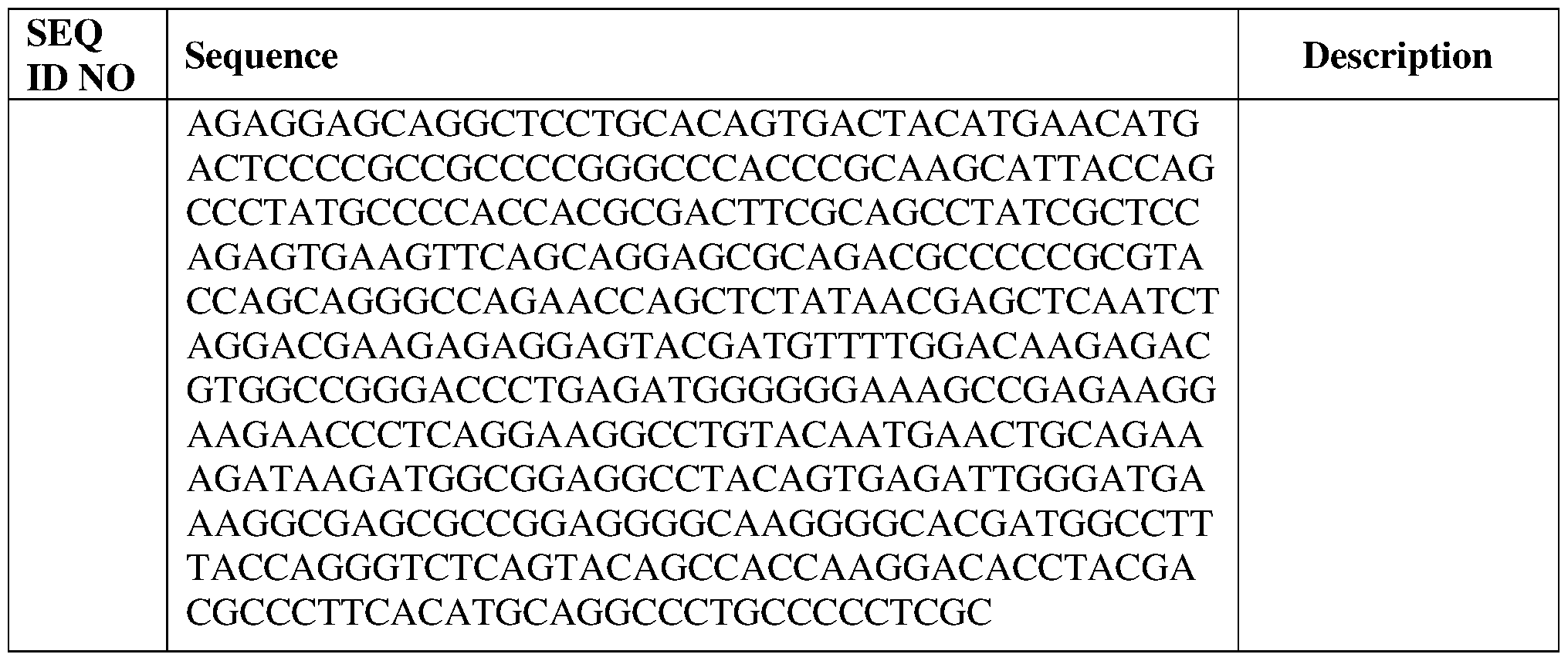
Claims
1. An anti-amyloid beta antibody or antigen-binding fragment thereof, comprising a heavy chain variable (VH) region and a light chain variable (VL) region, wherein: the VH region comprises a heavy chain complementarity determining region 1 (CDR- Hl), a heavy chain complementarity determining region 2 (CDR-H2), and a heavy chain complementarity determining region 3 (CDR-H3) comprising the amino acid sequences of SEQ ID NOs: 5, 6, and 7, respectively, and the VL region comprises a light chain complementarity determining region 1 (CDR- Ll), a light chain complementarity determining region 2 (CDR-L2) and a light chain complementarity determining region 3 (CDR-L3) comprising the amino acid sequences of SEQ ID NOs: 8, 9, and 10, respectively.
2. An anti-amyloid beta antibody or antigen-binding fragment thereof, comprising a heavy chain variable (VH) region and a light chain variable (VL) region, wherein: the VH region comprises a heavy chain complementarity determining region 1 (CDR- Hl), a heavy chain complementarity determining region 2 (CDR-H2), and a heavy chain complementarity determining region 3 (CDR-H3) contained within the VH region comprising the amino acid sequence set forth in SEQ ID NO: 1, and the VL region comprises a light chain complementarity determining region 1 (CDR-L1), a light chain complementarity determining region 2 (CDR-L2) and a light chain complementarity determining region 3 (CDR-L3) contained within the VH region comprising the amino acid sequence set forth in SEQ ID NO: 2.
3. The anti- amyloid beta antibody or antigen-binding fragment thereof of claim 2, wherein the VH region comprises a CDR-H1, a CDR-H2, and a CDR-H3 comprising the sequence set forth in SEQ ID NOs: 5, 6, and 7, respectively, and the VL region comprises a CDR-L1, a CDR-L2, and a CDR-L3 comprising the sequence set forth in SEQ ID NOs: 8, 9, and 10, respectively.
4. The anti-amyloid beta antibody or antigen-binding fragment thereof of any of claims 1-3, wherein the VH region is or comprises an amino acid sequence having at least at or about 85%, 86%, 87%, 88%, 89%, 90%, 91%, 92%, 93%, 94%, 95%, 96%, 97%, 98% or 99% sequence identity to the amino acid sequence of SEQ ID NO: 1.
5. The anti-amyloid beta antibody or antigen-binding fragment thereof of any of claims 1-4, wherein the VL region is or comprises an amino acid sequence having at least at or about 85%, 86%, 87%, 88%, 89%, 90%, 91%, 92%, 93%, 94%, 95%, 96%, 97%, 98% or 99% sequence identity to the amino acid sequence of SEQ ID NO: 2.
6. The anti-amyloid beta antibody or antigen-binding fragment thereof of any of claims 1-5, wherein the VH region is or comprises an amino acid sequence having at least at or about 85%, 86%, 87%, 88%, 89%, 90%, 91%, 92%, 93%, 94%, 95%, 96%, 97%, 98% or 99% sequence identity to the amino acid sequence of SEQ ID NO: 1, and the VL region is or comprises an amino acid sequence having at least at or about 85%, 86%, 87%, 88%, 89%, 90%, 91%, 92%, 93%, 94%, 95%, 96%, 97%, 98% or 99% sequence identity to the amino acid sequence of SEQ ID NO: 2.
7. The anti-amyloid beta antibody or antigen-binding fragment thereof of any of claims 1-6, wherein the VH region is or comprises the amino acid sequence of SEQ ID NO: 1.
8. The anti-amyloid beta antibody or antigen-binding fragment thereof of any of claims 1-6, wherein the VL region is or comprises the amino acid sequence of SEQ ID NO: 2.
9. The anti-amyloid beta antibody or antigen-binding fragment thereof of any of claims 1-4, wherein the VH region is or comprises the amino acid sequence of SEQ ID NO: 1, and the VL region is or comprises the amino acid sequence of SEQ ID NO: 2.
10. The anti-amyloid beta antibody or antigen-binding fragment thereof of any of claims 1-9, wherein the antibody or antigen-binding fragment thereof specifically binds to human amyloid beta.
11. The anti-amyloid beta antibody or antigen-binding fragment thereof of any of claims 1-10, wherein the antibody or antigen-binding fragment thereof specifically binds to oligomeric amyloid beta (oAP) and/or fibrillar amyloid beta.
12. The anti-amyloid beta antibody or antigen-binding fragment thereof of any of claims 1-11, wherein the antibody or antigen-binding fragment thereof specifically binds to oligomeric amyloid beta (oAP) and fibrillar amyloid beta.
13. The anti-amyloid beta antibody or antigen-binding fragment thereof of any of claims 1-12, wherein the antibody or antigen-binding fragment thereof does not bind to monomeric amyloid beta.
14. The anti-amyloid beta antibody or antigen-binding fragment thereof of any of claims 1-13, wherein the antibody is a chimeric antibody.
15. The anti-amyloid beta antibody or antigen-binding fragment thereof of any of claims 1-13, wherein the antibody is a humanized antibody.
16. The anti-amyloid beta antibody or antigen-binding fragment thereof of any of claims 1-15, wherein the antibody or antigen-binding fragment thereof is recombinant.
17. The anti-amyloid beta antibody or antigen-binding fragment thereof of any of claims 1-16, wherein the antibody or antigen-binding fragment thereof is monoclonal.
18. The anti-amyloid beta antibody or antigen-binding fragment thereof of any of claims 1-17, wherein the anti-amyloid beta antibody or antigen-binding fragment thereof is an IgG2a antibody and/or comprises an IgG2a constant domain.
19. The anti-amyloid beta antibody or antigen-binding fragment thereof of any of claims 1-17, wherein the anti-amyloid beta antibody or antigen-binding fragment thereof is an IgM antibody and/or comprises an IgM constant domain.
20. The anti-amyloid beta antibody or antigen-binding fragment thereof of any of claims 1-19, wherein the anti-amyloid beta antibody or antigen-binding fragment thereof is an antigen-binding fragment.
21. The anti-amyloid beta antibody or antigen-binding fragment thereof of claim 20, wherein the antigen-binding fragment is selected from the group consisting of Fab fragments, F(ab’)2 fragments, Fab’ fragments, Fv fragments, an scFv, or a single domain antibody.
22. The anti-amyloid beta antibody or antigen-binding fragment thereof of any of claims 1-21, which is a single-chain fragment.
23. The anti-amyloid beta antibody or antigen-binding fragment thereof of claim
22, wherein the single-chain fragment comprises the VH and VL regions joined by a linker, optionally a flexible immunoglobulin linker.
24. The anti-amyloid beta antibody or antigen-binding fragment thereof of claim
23, wherein the linker comprises the amino acid sequence of SEQ ID NO: 35, or an amino acid sequence having at least at or about 80%, 85%, 86%, 87%, 88%, 89%, 90%, 91%, 92%, 93%, 94%, 95%, 96%, 97%, 98% or 99% sequence identity to the amino acid sequence of SEQ ID NO: 35.
25. The anti-amyloid beta antibody or antigen-binding fragment thereof of any of claims 1-24, wherein the antigen-binding fragment thereof is or comprises an scFv comprising the VH region and the VL region.
26. The anti-amyloid beta antibody or antigen-binding fragment thereof of any of claims 1-25, wherein the scFv comprises the amino acid sequence of SEQ ID NO: 49 or 50, or an amino acid sequence having at least at or about 80%, 85%, 86%, 87%, 88%, 89%, 90%, 91%, 92%, 93%, 94%, 95%, 96%, 97%, 98% or 99% sequence identity to the amino acid sequence of SEQ ID NO: 49 or 50.
27. The anti-amyloid beta antibody or antigen-binding fragment thereof of any of claims 1-26, wherein the scFv comprises the amino acid sequence of SEQ ID NO: 49 or 50.
28. A bispecific antibody, comprising a first antigen-binding domain that specifically binds to amyloid beta and a second antigen-binding domain that specifically binds to a second antigen, wherein the first antigen-binding domain comprises a first heavy chain variable (VH) region and a first light chain variable (VL) region, and wherein the first VH region comprises a heavy chain complementarity determining region 1 (CDR-H1), a heavy chain complementarity determining region 2 (CDR-H2), and a heavy chain complementarity determining region 3 (CDR-H3) comprising the amino acid sequences of SEQ ID NOs: 5, 6, and 7, respectively, and the first VL region comprises a light chain complementarity determining region 1 (CDR-L1), a light chain complementarity determining region 2 (CDR- L2) and a light chain complementarity determining region 3 (CDR-L3) comprising the amino acid sequences of SEQ ID NOs: 8, 9, and 10, respectively, and wherein the first antigen-binding domain and the second antigen-binding domain are different.
29. The bispecific antibody of claim 28, wherein the first VH region is or comprises an amino acid sequence having at least at or about 85%, 86%, 87%, 88%, 89%, 90%, 91%, 92%, 93%, 94%, 95%, 96%, 97%, 98% or 99% sequence identity to the amino acid sequence of SEQ ID NO: 1.
30. The bispecific antibody of claim 28 or claim 29, wherein the first VL region is or comprises an amino acid sequence having at least at or about 85%, 86%, 87%, 88%, 89%, 90%, 91%, 92%, 93%, 94%, 95%, 96%, 97%, 98% or 99% sequence identity to the amino acid sequence of SEQ ID NO: 2.
31. The bispecific antibody of any of claims 28-30, wherein the first VH region is or comprises an amino acid sequence having at least at or about 85%, 86%, 87%, 88%, 89%, 90%, 91%, 92%, 93%, 94%, 95%, 96%, 97%, 98% or 99% sequence identity to the amino acid sequence of SEQ ID NO: 1, and the first VL region is or comprises an amino acid sequence having at least at or about 85%, 86%, 87%, 88%, 89%, 90%, 91%, 92%, 93%, 94%,
95%, 96%, 97%, 98% or 99% sequence identity to the amino acid sequence of SEQ ID NO:
2.
32. The bispecific antibody of any of claims 28-31, wherein the first VH region is or comprises the amino acid sequence of SEQ ID NO: 1.
33. The bispecific antibody of any of claims 28-32, wherein the first VL region is or comprises the amino acid sequence of SEQ ID NO: 2.
34. The bispecific antibody of any of claims 28-33, wherein the first VH region is or comprises the amino acid sequence of SEQ ID NO: 1, and the first VL region is or comprises the amino acid sequence of SEQ ID NO: 2.
35. The bispecific antibody of any one of claims 28-34, wherein the second antigen is a tau protein.
36. A conjugate, comprising the anti-amyloid beta antibody or antigen-binding fragment thereof of any of claims 1-27 or the bispecific antibody of any one of claims 28-35, and a heterologous molecule or moiety.
37. The conjugate of claim 36, wherein the heterologous molecule or moiety is a therapeutic agent, an imaging agent, or a detectable moiety.
38. The conjugate of claim 36 or claim 37, wherein the heterologous molecule or moiety is a therapeutic agent and the therapeutic agent is an anti-inflammatory agent.
39. The conjugate of claim 36 or claim 37, wherein the heterologous molecule or moiety is an imaging agent and the imaging agent is a radionuclide.
40. The conjugate of claim 36 or claim 37, wherein the heterologous molecule or moiety is a detectable moiety selected from the group consisting of radionuclides, enzymes, fluorescent moieties or proteins, and luminescent moieties.
41. A chimeric antigen receptor (CAR) comprising an extracellular antigen-binding domain comprising the anti-amyloid beta antibody or antigen-binding fragment thereof of any of claims 1-27 or the bispecific antibody of any one of claims 28-35, a transmembrane domain, and an intracellular signaling domain.
42. The CAR of claim 41, wherein the extracellular antigen-binding domain comprises the anti-amyloid beta antibody or antigen-binding fragment thereof of any of claims 1-22.
43. The CAR of claim 41 or claim 42, wherein the extracellular antigen -binding domain is an scFv comprising the amino acid sequence of SEQ ID NO: 49 or 50, or an amino acid sequence having at least 80%, 81%, 82%, 83%, 84%, 85%, 86%, 87%, 88%, 89%, 90%, 91%, 92%, 93%, 94%, 95%, 96%, 97%, 98%, or 99% sequence identity to the amino acid sequence of SEQ ID NO: 49 or 50.
44. The CAR of any one of claims 41-43, wherein the transmembrane domain comprises the amino acid sequence of SEQ ID NO: 37, or an amino acid sequence having at least 80%, 81%, 82%, 83%, 84%, 85%, 86%, 87%, 88%, 89%, 90%, 91%, 92%, 93%, 94%, 95%, 96%, 97%, 98%, or 99% sequence identity to the amino acid sequence of SEQ ID NO: 37.
45. The CAR of any one of claims 41-44, wherein the intracellular signaling domain comprises a CD3 zeta intracellular signaling domain.
46. The CAR of claim 45, wherein the CD3 zeta intracellular signaling domain comprises the amino acid sequence of SEQ ID NO: 39, or an amino acid sequence having at least 80%, 81%, 82%, 83%, 84%, 85%, 86%, 87%, 88%, 89%, 90%, 91%, 92%, 93%, 94%, 95%, 96%, 97%, 98%, or 99% sequence identity to the amino acid sequence of SEQ ID NO: 39.
47. The CAR of any one of claims 41 -46, wherein the intracellular signaling domain further comprises a costimulatory signaling domain.
48. The CAR of claim 47, wherein the costimulatory signaling domain is a CD28 costimulatory signaling domain.
49. The CAR of claim 48, wherein the CD28 costimulatory signaling domain comprises the amino acid sequence of SEQ ID NO: 38, or an amino acid sequence having at least 80%, 81%, 82%, 83%, 84%, 85%, 86%, 87%, 88%, 89%, 90%, 91%, 92%, 93%, 94%, 95%, 96%, 97%, 98%, or 99% sequence identity to the amino acid sequence of SEQ ID NO: 38.
50. The CAR of any one of claims 41-49, wherein the CAR comprises the amino acid sequence of SEQ ID NO: 46 or 48, or an amino acid sequence having at least 80%, 81%, 82%, 83%, 84%, 85%, 86%, 87%, 88%, 89%, 90%, 91%, 92%, 93%, 94%, 95%, 96%, 97%, 98%, or 99% sequence identity to the amino acid sequence of SEQ ID NO: 46 or 48.
51. The CAR of any one of claims 41-43, wherein the transmembrane domain comprises the amino acid sequence of SEQ ID NO: 42, or an amino acid sequence having at least 80%, 81%, 82%, 83%, 84%, 85%, 86%, 87%, 88%, 89%, 90%, 91%, 92%, 93%, 94%, 95%, 96%, 97%, 98%, or 99% sequence identity to the amino acid sequence of SEQ ID NO: 42.
52. The CAR of any one of claims 41-43 and 51, wherein the intracellular signaling domain comprises a CD3 zeta intracellular signaling domain.
53. The CAR of claim 52, wherein the CD3 zeta intracellular signaling domain comprises the amino acid sequence of SEQ ID NO: 44, or an amino acid sequence having at least 80%, 81%, 82%, 83%, 84%, 85%, 86%, 87%, 88%, 89%, 90%, 91%, 92%, 93%, 94%, 95%, 96%, 97%, 98%, or 99% sequence identity to the amino acid sequence of SEQ ID NO: 44.
54. The CAR of any one of claims 41-43 and 51-53, wherein the intracellular signaling domain further comprises a costimulatory signaling domain.
55. The CAR of claim 54, wherein the costimulatory signaling domain is a CD28 costimulatory signaling domain.
56. The CAR of claim 55, wherein the CD28 costimulatory signaling domain comprises the amino acid sequence of SEQ ID NO: 43, or an amino acid sequence having at least 80%, 81%, 82%, 83%, 84%, 85%, 86%, 87%, 88%, 89%, 90%, 91%, 92%, 93%, 94%, 95%, 96%, 97%, 98%, or 99% sequence identity to the amino acid sequence of SEQ ID NO: 43.
57. The CAR of any one of claims 41-43 and 51-56, wherein the CAR comprises the amino acid sequence of SEQ ID NO: 45 or 47, or an amino acid sequence having at least 80%, 81%, 82%, 83%, 84%, 85%, 86%, 87%, 88%, 89%, 90%, 91%, 92%, 93%, 94%, 95%, 96%, 97%, 98%, or 99% sequence identity to the amino acid sequence of SEQ ID NO: 45 or 47.
58. A polynucleotide(s) comprising a nucleic acid encoding the anti-amyloid beta antibody or antigen-binding domain thereof of any of claims 1-27, or a heavy chain and/or a light chain thereof.
59. A polynucleotide(s) comprising a nucleic acid encoding: a VH region comprising the amino acid sequence of SEQ ID NO: 1 and/or a VL region comprising the amino acid sequence of SEQ ID NO: 2.
60. A polynucleotide(s) comprising a nucleic acid encoding: a VH region comprising a CDR-1, a CDR-2, and a CDR-3 comprising the amino acid sequences of SEQ ID NOs: 5, 6, and 7, respectively; and/or a VL region comprising a CDR-1, a CDR-2, and a CDR- 3 comprising the amino acid sequences of SEQ ID NOs: 8, 9, and 10, respectively.
61. The polynucleotide of any one of claims 58-60, wherein the nucleic acid comprises:
(a) the nucleic acid sequence of SEQ ID NOs: 3, or a nucleic acid sequence having at least 80%, 81%, 82%, 83%, 84%, 85%, 86%, 87%, 88%, 89%, 90%, 91%, 92%, 93%, 94%,
95%, 96%, 97%, 98%, or 99% sequence identity to the nucleic acid sequence of SEQ ID NO: 3; and/or the nucleic acid sequence of SEQ ID NOs: 4, or a nucleic acid sequence having at least 80%, 81%, 82%, 83%, 84%, 85%, 86%, 87%, 88%, 89%, 90%, 91%, 92%, 93%, 94%, 95%, 96%, 97%, 98%, or 99% sequence identity to the nucleic acid sequence of SEQ ID NO: 4; or
(b) the nucleic acid sequence of SEQ ID NOs: 21, or a nucleic acid sequence having at least 80%, 81%, 82%, 83%, 84%, 85%, 86%, 87%, 88%, 89%, 90%, 91%, 92%, 93%, 94%, 95%, 96%, 97%, 98%, or 99% sequence identity to the nucleic acid sequence of SEQ ID NO: 21; and/or the nucleic acid sequence of SEQ ID NOs: 22, or a nucleic acid sequence having at least 80%, 81%, 82%, 83%, 84%, 85%, 86%, 87%, 88%, 89%, 90%, 91%, 92%, 93%, 94%, 95%, 96%, 97%, 98%, or 99% sequence identity to the nucleic acid sequence of SEQ ID NO: 22; or
(c) the nucleic acid sequence of SEQ ID NO: 53, or a nucleic acid sequence having at least 80%, 81%, 82%, 83%, 84%, 85%, 86%, 87%, 88%, 89%, 90%, 91%, 92%, 93%, 94%, 95%, 96%, 97%, 98%, or 99% sequence identity to the nucleic acid sequence of SEQ ID NO: 53; or
(d) the nucleic acid sequence of SEQ ID NO: 54, or a nucleic acid sequence having at least 80%, 81%, 82%, 83%, 84%, 85%, 86%, 87%, 88%, 89%, 90%, 91%, 92%, 93%, 94%, 95%, 96%, 97%, 98%, or 99% sequence identity to the nucleic acid sequence of SEQ ID NO: 54.
62. The polynucleotide of any one of claims 58-60, wherein the nucleic acid comprises:
(a) the nucleic acid sequence of SEQ ID NO: 17, or a nucleic acid sequence having at least 80%, 81%, 82%, 83%, 84%, 85%, 86%, 87%, 88%, 89%, 90%, 91%, 92%, 93%, 94%, 95%, 96%, 97%, 98%, or 99% sequence identity to the nucleic acid sequence of SEQ ID NO: 17; and/or the nucleic acid sequence of SEQ ID NO: 18, or a nucleic acid sequence having at least 80%, 81%, 82%, 83%, 84%, 85%, 86%, 87%, 88%, 89%, 90%, 91%, 92%, 93%, 94%, 95%, 96%, 97%, 98%, or 99% sequence identity to the nucleic acid sequence of SEQ ID NO: 18; or
(b) the nucleic acid sequence of SEQ ID NO: 51, or a nucleic acid sequence having at least 80%, 81%, 82%, 83%, 84%, 85%, 86%, 87%, 88%, 89%, 90%, 91%, 92%, 93%, 94%, 95%, 96%, 97%, 98%, or 99% sequence identity to the nucleic acid sequence of SEQ ID NO: 51 ; and/or the nucleic acid sequence of SEQ ID NO: 52, or a nucleic acid sequence having at least 80%, 81%, 82%, 83%, 84%, 85%, 86%, 87%, 88%, 89%, 90%, 91%, 92%, 93%, 94%, 95%, 96%, 97%, 98%, or 99% sequence identity to the nucleic acid sequence of SEQ ID NO: 52;
(c) the nucleic acid sequence of SEQ ID NO: 55, or a nucleic acid sequence having at least 80%, 81%, 82%, 83%, 84%, 85%, 86%, 87%, 88%, 89%, 90%, 91%, 92%, 93%, 94%, 95%, 96%, 97%, 98%, or 99% sequence identity to the nucleic acid sequence of SEQ ID NO: 55; or
(d) the nucleic acid sequence of SEQ ID NO: 56, or a nucleic acid sequence having at least 80%, 81%, 82%, 83%, 84%, 85%, 86%, 87%, 88%, 89%, 90%, 91%, 92%, 93%, 94%, 95%, 96%, 97%, 98%, or 99% sequence identity to the nucleic acid sequence of SEQ ID NO: 56.
63. A vector, comprising the polynucleotide of any one of claims 58-62.
64. A host cell comprising the anti-amyloid beta antibody or antigen-binding fragment thereof of any of claims 1-27, the bispecific antibody of any one of claims 28-35, the conjugate of any of claims 36-40, the CAR of any one of claims 41-57, the polynucleotide(s) of any one of claims 58-62, or the vector of claim 63.
65. An engineered cell comprising the anti-amyloid beta antibody or antigenbinding fragment thereof of any of claims 1-27, the bispecific antibody of any one of claims 28-35, the conjugate of any of claims 36-40, the CAR of any one of claims 41-57, the polynucleotide(s) of any one of claims 58-62, or the vector of claim 63.
66. The engineered cell of claim 65, wherein the cell is an immune cell.
67. The engineered cell of claim 65 or claim 66, wherein the cell is a natural killer
(NK) cell or a T cell.
68. The engineered cell of any of claims 65-67, wherein the cell is a T cell and the T cell.
69. The engineered cell of claim 68, wherein the T cell is a CD4+ T cell or a CD8+ T cell.
70. A method of producing an antibody comprising culturing the host cell of claim 64 under conditions in which the antibody or antigen-binding fragment thereof is expressed.
71. The method of claim 70, further comprising recovering the antibody or antigenbinding fragment thereof.
72. An anti- amyloid beta antibody or antigen-binding fragment thereof produced by the method of claim 70 or claim 71.
73. A composition comprising the engineered cell of any of claims 65-69.
74. A composition comprising the anti-amyloid beta antibody or antigen-binding fragment thereof of any of claims 1-27 and 72, the bispecific antibody of any one of claims 28- 35, the conjugate of any of claims 36-40, or the CAR of any one of claims 41-57.
75. A composition comprising a population of the engineered cell of any one of claims 65-69, wherein the population of the engineered cell comprises CD4+ T cells and/or CD8+ T cells.
76. The composition of claim 75, wherein the population of the engineered cell comprises CD4+ T cells and CD8+ T cells.
77. The composition of any one of claims 73-76, further comprising a pharmaceutically acceptable excipient.
78. A method of treatment, comprising administering the anti-amyloid beta antibody or antigen-binding fragment thereof of any of claims 1-27 and 72, the bispecific of any one of claims 28-35, the conjugate of any of claims 36-40, the CAR of any one of claims 41-57, the engineered cell of any one of claims 65-69, or the composition of any of claims 73- 77, to a subject having a disease or condition.
79. A method of treating Alzheimer’s Disease, comprising administering the antiamyloid beta antibody or antigen-binding fragment thereof of any of claims 1-27 and 72, the bispecific of any one of claims 28-35, the conjugate of any of claims 36-40, the CAR of any one of claims 41-57, the engineered cell of any one of claims 65-69, or the composition of any of claims 73-77, to a subject having Alzheimer’s Disease.
80. A method of diagnosing a disease or condition, comprising: administering a conjugate comprising the anti-amyloid beta antibody or antigen binding fragment thereof of any of claims 1-27 and 72 and a heterologous molecule or moiety that is a imaging agent or a detectable moiety, to a subject having or suspected or having a disease or condition; and imaging or detecting the imaging agent or the detectable moiety.
81. A method of diagnosing a disease or condition, comprising:
(a) contacting a sample from a subject having or suspected of having a disease or condition with a conjugate comprising the anti-amyloid beta antibody or antigen binding fragment thereof of any of claims 1-27 and 72 and a heterologous molecule or moiety that is a imaging agent or a detectable moiety, and (b) detecting the anti- amyloid beta antibody or antigen-binding fragment thereof bound to amyloid beta.
82. The method of claim 81, wherein the sample is or comprises cells, tissue lysate, blood, serum, protein, and/or tissue.
83. The method of any one of claims 80-82, wherein the imaging agent is radionuclide.
84. The method of any one of claims 80-82, wherein the detectable moiety is selected from a group consisting of radionuclides, enzymes, fluorescent moieties or proteins, and luminescent moieties.
85. The method of any one of claims 81-84, wherein the method is performed ex vivo or in vitro.
86. A method of monitoring the treatment of a disease or condition, comprising: administering a conjugate comprising the anti-amyloid beta antibody or antigen binding fragment thereof of any of claims 1-27 and 72 and a heterologous molecule or moiety that is a imaging agent or a detectable moiety, to a subject having a disease or condition, wherein the subject was previously administered a therapy for treating the disease or condition; and imaging or detecting the imaging agent or the detectable moiety.
87. The method of claim 86, wherein the therapy an immunotherapy.
88. The method of claim 86, wherein the therapy is or comprises administering a cholinesterase inhibitor, an N-methyl-D-aspartate (NMDA) antagonist, granulocytemacrophage colony- stimulating factor (GM-CSF), a casein kinase 1 delta (CK1-5) inhibitor, a vasopressin receptor 1 A (V 1 AR) antagonist, a sigma-2 receptor antagonist, or an O-GlcNAcase (OGA) inhibitor.
89. The method of claim 86, wherein the therapy is or comprises administering the anti-amyloid beta antibody or antigen-binding fragment thereof of any of claims 1-27 and 72, the bispecific antibody of any one of claims 28-35, the CAR of any one of claims 41-57, the engineered cell of any one of claims 65-69, or the composition of any of claims 73-77.
90. The method of claim 86, wherein the therapy is or comprises administering an anti-amyloid beta antibody or antigen-binding fragment thereof.
91. The method of any of claims 78 and 80-90, wherein the disease or condition is associated with amyloid beta.
92. The method of any one of claims 78 and 80-91, wherein the disease or condition is associated with aggregates of amyloid beta.
93. The method of claim 92, wherein the aggregates of amyloid beta are oligomeric amyloid beta, fibrillar amyloid beta, and/or amyloid beta plaques.
94. The method of any of claims 78 and 80-93, wherein the disease or condition is associated with amyloid beta plaque formation.
95. The method of any of claims 78 and 80-94, wherein the disease or condition is associated with: deposition of amyloid beta or amyloid beta plaques; and/or increased deposition of amyloid beta or amyloid beta plaques as compared to a subject without the disease or condition; and/or presence of amyloid beta; and/or increased presence of amyloid beta as compared to a subject without the disease or condition; and/or presence of oligomeric amyloid beta; and/or increased presence of oligomeric amyloid beta as compared to a subject without the disease or condition.
96. The method of any of claims 78 and 80-95, wherein the disease or condition is associated with increased deposition of amyloid beta or amyloid beta plaques as compared to a subject without the disease or condition.
97. The method of any one of claims 78 and 80-96, wherein the disease or condition is a neurological condition.
98. The method of any one of claims 78 and 80-97, wherein the disease or condition is a neurodegenerative disease.
99. The method of any of claims 78 and 80-98, wherein the disease or condition is Alzheimer’ s Disease, mild cognitive impairment, Lewy body dementia, neurodegeneration in
Down Syndrome, hereditary cerebral hemorrhage with amyloidosis, Down’s syndrome, Vascular dementia, Subcortical vascular dementia, Cerebral amyloid angiopathy, Inflammatory cerebral amyloid angiopathy, Cerebral amyloidoma, Dementia with Lewy bodies, Diffuse Lewy body disease, Parkinson’s disease, Parkinson’s disease with dementia, or Post ischemic stroke.
100. The method of any of claims 78 and 80-99, wherein the disease or condition is Alzheimer’s Disease.
101. The method of claim 79, wherein the Alzheimer’s Disease is associated with amyloid beta.
102. The method of claim 79 or claim 101, wherein the Alzheimer’s Disease is associated with aggregates of amyloid beta.
103. The method of claim 102, wherein the aggregates of amyloid beta are oligomeric amyloid beta, fibrillar amyloid beta, and/or amyloid beta plaques.
104. The method of any of claims 79 and 101-103, wherein the Alzheimer’s Disease is associated with amyloid beta plaque formation.
105. The method of any of claims 79 and 101-104, wherein the Alzheimer’s Disease is associated with: deposition of amyloid beta or amyloid beta plaques; and/or increased deposition of amyloid beta or amyloid beta plaques as compared to a subject without Alzheimer’s Disease; and/or presence of amyloid beta; and/or increased presence of amyloid beta as compared to a subject without Alzheimer’s Disease; and/or presence of oligomeric amyloid beta; and/or
increased presence of oligomeric amyloid beta as compared to a subject without Alzheimer’s Disease.
106. The method of any of claims 79 and 101-105, wherein the Alzheimer’s Disease is associated with increased deposition of amyloid beta or amyloid beta plaques as compared to a subject without Alzheimer’s Disease.
107. The method of any of claims 78-106, wherein the subject is a human.
Applications Claiming Priority (4)
| Application Number | Priority Date | Filing Date | Title |
|---|---|---|---|
| US202363601688P | 2023-11-21 | 2023-11-21 | |
| US63/601,688 | 2023-11-21 | ||
| US202463678447P | 2024-08-01 | 2024-08-01 | |
| US63/678,447 | 2024-08-01 |
Publications (1)
| Publication Number | Publication Date |
|---|---|
| WO2025111402A1 true WO2025111402A1 (en) | 2025-05-30 |
Family
ID=93925117
Family Applications (1)
| Application Number | Title | Priority Date | Filing Date |
|---|---|---|---|
| PCT/US2024/056778 Pending WO2025111402A1 (en) | 2023-11-21 | 2024-11-20 | Anti-amyloid beta antibodies and related compositions and methods thereof |
Country Status (1)
| Country | Link |
|---|---|
| WO (1) | WO2025111402A1 (en) |
Citations (48)
| Publication number | Priority date | Publication date | Assignee | Title |
|---|---|---|---|---|
| WO1987004462A1 (en) | 1986-01-23 | 1987-07-30 | Celltech Limited | Recombinant dna sequences, vectors containing them and method for the use thereof |
| US4946778A (en) | 1987-09-21 | 1990-08-07 | Genex Corporation | Single polypeptide chain binding molecules |
| US5091513A (en) | 1987-05-21 | 1992-02-25 | Creative Biomolecules, Inc. | Biosynthetic antibody binding sites |
| US5132405A (en) | 1987-05-21 | 1992-07-21 | Creative Biomolecules, Inc. | Biosynthetic antibody binding sites |
| WO1993003769A1 (en) | 1991-08-20 | 1993-03-04 | THE UNITED STATES OF AMERICA, represented by THE SECRETARY, DEPARTEMENT OF HEALTH AND HUMAN SERVICES | Adenovirus mediated transfer of genes to the gastrointestinal tract |
| US5208020A (en) | 1989-10-25 | 1993-05-04 | Immunogen Inc. | Cytotoxic agents comprising maytansinoids and their therapeutic use |
| WO1993009239A1 (en) | 1991-11-08 | 1993-05-13 | Research Corporation Technologies, Inc. | Adeno-associated virus-2 basal vectors |
| WO1993019191A1 (en) | 1992-03-16 | 1993-09-30 | Centre National De La Recherche Scientifique | Defective recombinant adenoviruses expressing cytokines for use in antitumoral treatment |
| WO1994012649A2 (en) | 1992-12-03 | 1994-06-09 | Genzyme Corporation | Gene therapy for cystic fibrosis |
| WO1994028938A1 (en) | 1993-06-07 | 1994-12-22 | The Regents Of The University Of Michigan | Adenovirus vectors for gene therapy sponsorship |
| WO1995000655A1 (en) | 1993-06-24 | 1995-01-05 | Mc Master University | Adenovirus vectors for gene therapy |
| WO1995011984A2 (en) | 1993-10-25 | 1995-05-04 | Canji, Inc. | Recombinant adenoviral vector and methods of use |
| EP0425235B1 (en) | 1989-10-25 | 1996-09-25 | Immunogen Inc | Cytotoxic agents comprising maytansinoids and their therapeutic use |
| WO1997030087A1 (en) | 1996-02-16 | 1997-08-21 | Glaxo Group Limited | Preparation of glycosylated antibodies |
| WO1998058964A1 (en) | 1997-06-24 | 1998-12-30 | Genentech, Inc. | Methods and compositions for galactosylated glycoproteins |
| WO1999022764A1 (en) | 1997-10-31 | 1999-05-14 | Genentech, Inc. | Methods and compositions comprising glycoprotein glycoforms |
| WO2000061739A1 (en) | 1999-04-09 | 2000-10-19 | Kyowa Hakko Kogyo Co., Ltd. | Method for controlling the activity of immunologically functional molecule |
| WO2001029246A1 (en) | 1999-10-19 | 2001-04-26 | Kyowa Hakko Kogyo Co., Ltd. | Process for producing polypeptide |
| WO2001029058A1 (en) | 1999-10-15 | 2001-04-26 | University Of Massachusetts | Rna interference pathway genes as tools for targeted genetic interference |
| US6326193B1 (en) | 1999-11-05 | 2001-12-04 | Cambria Biosciences, Llc | Insect control agent |
| WO2001096584A2 (en) | 2000-06-12 | 2001-12-20 | Akkadix Corporation | Materials and methods for the control of nematodes |
| WO2002031140A1 (en) | 2000-10-06 | 2002-04-18 | Kyowa Hakko Kogyo Co., Ltd. | Cells producing antibody compositions |
| US20020164328A1 (en) | 2000-10-06 | 2002-11-07 | Toyohide Shinkawa | Process for purifying antibody |
| WO2003011878A2 (en) | 2001-08-03 | 2003-02-13 | Glycart Biotechnology Ag | Antibody glycosylation variants having increased antibody-dependent cellular cytotoxicity |
| US20030115614A1 (en) | 2000-10-06 | 2003-06-19 | Yutaka Kanda | Antibody composition-producing cell |
| US6602684B1 (en) | 1998-04-20 | 2003-08-05 | Glycart Biotechnology Ag | Glycosylation engineering of antibodies for improving antibody-dependent cellular cytotoxicity |
| US20030157108A1 (en) | 2001-10-25 | 2003-08-21 | Genentech, Inc. | Glycoprotein compositions |
| WO2003084570A1 (en) | 2002-04-09 | 2003-10-16 | Kyowa Hakko Kogyo Co., Ltd. | DRUG CONTAINING ANTIBODY COMPOSITION APPROPRIATE FOR PATIENT SUFFERING FROM FcϜRIIIa POLYMORPHISM |
| WO2003085107A1 (en) | 2002-04-09 | 2003-10-16 | Kyowa Hakko Kogyo Co., Ltd. | Cells with modified genome |
| WO2003085119A1 (en) | 2002-04-09 | 2003-10-16 | Kyowa Hakko Kogyo Co., Ltd. | METHOD OF ENHANCING ACTIVITY OF ANTIBODY COMPOSITION OF BINDING TO FcϜ RECEPTOR IIIa |
| US20040093621A1 (en) | 2001-12-25 | 2004-05-13 | Kyowa Hakko Kogyo Co., Ltd | Antibody composition which specifically binds to CD20 |
| US20040110282A1 (en) | 2002-04-09 | 2004-06-10 | Kyowa Hakko Kogyo Co., Ltd. | Cells in which activity of the protein involved in transportation of GDP-fucose is reduced or lost |
| US20040109865A1 (en) | 2002-04-09 | 2004-06-10 | Kyowa Hakko Kogyo Co., Ltd. | Antibody composition-containing medicament |
| US20040132140A1 (en) | 2002-04-09 | 2004-07-08 | Kyowa Hakko Kogyo Co., Ltd. | Production process for antibody composition |
| WO2004056312A2 (en) | 2002-12-16 | 2004-07-08 | Genentech, Inc. | Immunoglobulin variants and uses thereof |
| WO2005035778A1 (en) | 2003-10-09 | 2005-04-21 | Kyowa Hakko Kogyo Co., Ltd. | PROCESS FOR PRODUCING ANTIBODY COMPOSITION BY USING RNA INHIBITING THE FUNCTION OF α1,6-FUCOSYLTRANSFERASE |
| WO2005035586A1 (en) | 2003-10-08 | 2005-04-21 | Kyowa Hakko Kogyo Co., Ltd. | Fused protein composition |
| US20050123546A1 (en) | 2003-11-05 | 2005-06-09 | Glycart Biotechnology Ag | Antigen binding molecules with increased Fc receptor binding affinity and effector function |
| WO2005053742A1 (en) | 2003-12-04 | 2005-06-16 | Kyowa Hakko Kogyo Co., Ltd. | Medicine containing antibody composition |
| US20060270045A1 (en) | 2003-10-22 | 2006-11-30 | Keck Graduate Institute | Methods of synthesizing heteromultimeric polypeptides in yeast using a haploid mating strategy |
| US7521541B2 (en) | 2004-09-23 | 2009-04-21 | Genetech Inc. | Cysteine engineered antibodies and conjugates |
| WO2009067800A1 (en) | 2007-11-27 | 2009-06-04 | Viventia Biotech Inc. | Antibodies against a cancer-associated epitope of variant nfkbib and uses thereof |
| US20090226421A1 (en) | 2005-11-28 | 2009-09-10 | Genmab A/S | Recombinant monovalent antibodies and methods for production thereof |
| WO2011056983A1 (en) | 2009-11-05 | 2011-05-12 | Genentech, Inc. | Zirconium-radiolabeled, cysteine engineered antibody conjugates |
| WO2011133886A2 (en) | 2010-04-23 | 2011-10-27 | Genentech, Inc. | Production of heteromultimeric proteins |
| US20140322129A1 (en) | 2013-03-14 | 2014-10-30 | Genentech, Inc. | Anti-b7-h4 antibodies and immunoconjugates |
| US20200181247A1 (en) * | 2017-07-18 | 2020-06-11 | The University Of British Columbia | Antibodies to Amyloid Beta |
| US20230141177A1 (en) * | 2020-03-31 | 2023-05-11 | The University Of British Columbia | Antibodies to misfolded amyloid beta |
-
2024
- 2024-11-20 WO PCT/US2024/056778 patent/WO2025111402A1/en active Pending
Patent Citations (50)
| Publication number | Priority date | Publication date | Assignee | Title |
|---|---|---|---|---|
| WO1987004462A1 (en) | 1986-01-23 | 1987-07-30 | Celltech Limited | Recombinant dna sequences, vectors containing them and method for the use thereof |
| US5091513A (en) | 1987-05-21 | 1992-02-25 | Creative Biomolecules, Inc. | Biosynthetic antibody binding sites |
| US5132405A (en) | 1987-05-21 | 1992-07-21 | Creative Biomolecules, Inc. | Biosynthetic antibody binding sites |
| US4946778A (en) | 1987-09-21 | 1990-08-07 | Genex Corporation | Single polypeptide chain binding molecules |
| EP0425235B1 (en) | 1989-10-25 | 1996-09-25 | Immunogen Inc | Cytotoxic agents comprising maytansinoids and their therapeutic use |
| US5208020A (en) | 1989-10-25 | 1993-05-04 | Immunogen Inc. | Cytotoxic agents comprising maytansinoids and their therapeutic use |
| WO1993003769A1 (en) | 1991-08-20 | 1993-03-04 | THE UNITED STATES OF AMERICA, represented by THE SECRETARY, DEPARTEMENT OF HEALTH AND HUMAN SERVICES | Adenovirus mediated transfer of genes to the gastrointestinal tract |
| WO1993009239A1 (en) | 1991-11-08 | 1993-05-13 | Research Corporation Technologies, Inc. | Adeno-associated virus-2 basal vectors |
| WO1993019191A1 (en) | 1992-03-16 | 1993-09-30 | Centre National De La Recherche Scientifique | Defective recombinant adenoviruses expressing cytokines for use in antitumoral treatment |
| WO1994012649A2 (en) | 1992-12-03 | 1994-06-09 | Genzyme Corporation | Gene therapy for cystic fibrosis |
| WO1994028938A1 (en) | 1993-06-07 | 1994-12-22 | The Regents Of The University Of Michigan | Adenovirus vectors for gene therapy sponsorship |
| WO1995000655A1 (en) | 1993-06-24 | 1995-01-05 | Mc Master University | Adenovirus vectors for gene therapy |
| WO1995011984A2 (en) | 1993-10-25 | 1995-05-04 | Canji, Inc. | Recombinant adenoviral vector and methods of use |
| WO1997030087A1 (en) | 1996-02-16 | 1997-08-21 | Glaxo Group Limited | Preparation of glycosylated antibodies |
| WO1998058964A1 (en) | 1997-06-24 | 1998-12-30 | Genentech, Inc. | Methods and compositions for galactosylated glycoproteins |
| WO1999022764A1 (en) | 1997-10-31 | 1999-05-14 | Genentech, Inc. | Methods and compositions comprising glycoprotein glycoforms |
| US6602684B1 (en) | 1998-04-20 | 2003-08-05 | Glycart Biotechnology Ag | Glycosylation engineering of antibodies for improving antibody-dependent cellular cytotoxicity |
| WO2000061739A1 (en) | 1999-04-09 | 2000-10-19 | Kyowa Hakko Kogyo Co., Ltd. | Method for controlling the activity of immunologically functional molecule |
| WO2001029058A1 (en) | 1999-10-15 | 2001-04-26 | University Of Massachusetts | Rna interference pathway genes as tools for targeted genetic interference |
| WO2001029246A1 (en) | 1999-10-19 | 2001-04-26 | Kyowa Hakko Kogyo Co., Ltd. | Process for producing polypeptide |
| US6326193B1 (en) | 1999-11-05 | 2001-12-04 | Cambria Biosciences, Llc | Insect control agent |
| WO2001096584A2 (en) | 2000-06-12 | 2001-12-20 | Akkadix Corporation | Materials and methods for the control of nematodes |
| US20030115614A1 (en) | 2000-10-06 | 2003-06-19 | Yutaka Kanda | Antibody composition-producing cell |
| US20020164328A1 (en) | 2000-10-06 | 2002-11-07 | Toyohide Shinkawa | Process for purifying antibody |
| WO2002031140A1 (en) | 2000-10-06 | 2002-04-18 | Kyowa Hakko Kogyo Co., Ltd. | Cells producing antibody compositions |
| WO2003011878A2 (en) | 2001-08-03 | 2003-02-13 | Glycart Biotechnology Ag | Antibody glycosylation variants having increased antibody-dependent cellular cytotoxicity |
| US20030157108A1 (en) | 2001-10-25 | 2003-08-21 | Genentech, Inc. | Glycoprotein compositions |
| US20040093621A1 (en) | 2001-12-25 | 2004-05-13 | Kyowa Hakko Kogyo Co., Ltd | Antibody composition which specifically binds to CD20 |
| WO2003084570A1 (en) | 2002-04-09 | 2003-10-16 | Kyowa Hakko Kogyo Co., Ltd. | DRUG CONTAINING ANTIBODY COMPOSITION APPROPRIATE FOR PATIENT SUFFERING FROM FcϜRIIIa POLYMORPHISM |
| WO2003085107A1 (en) | 2002-04-09 | 2003-10-16 | Kyowa Hakko Kogyo Co., Ltd. | Cells with modified genome |
| WO2003085119A1 (en) | 2002-04-09 | 2003-10-16 | Kyowa Hakko Kogyo Co., Ltd. | METHOD OF ENHANCING ACTIVITY OF ANTIBODY COMPOSITION OF BINDING TO FcϜ RECEPTOR IIIa |
| US20040110704A1 (en) | 2002-04-09 | 2004-06-10 | Kyowa Hakko Kogyo Co., Ltd. | Cells of which genome is modified |
| US20040110282A1 (en) | 2002-04-09 | 2004-06-10 | Kyowa Hakko Kogyo Co., Ltd. | Cells in which activity of the protein involved in transportation of GDP-fucose is reduced or lost |
| US20040109865A1 (en) | 2002-04-09 | 2004-06-10 | Kyowa Hakko Kogyo Co., Ltd. | Antibody composition-containing medicament |
| US20040132140A1 (en) | 2002-04-09 | 2004-07-08 | Kyowa Hakko Kogyo Co., Ltd. | Production process for antibody composition |
| WO2004056312A2 (en) | 2002-12-16 | 2004-07-08 | Genentech, Inc. | Immunoglobulin variants and uses thereof |
| WO2005035586A1 (en) | 2003-10-08 | 2005-04-21 | Kyowa Hakko Kogyo Co., Ltd. | Fused protein composition |
| WO2005035778A1 (en) | 2003-10-09 | 2005-04-21 | Kyowa Hakko Kogyo Co., Ltd. | PROCESS FOR PRODUCING ANTIBODY COMPOSITION BY USING RNA INHIBITING THE FUNCTION OF α1,6-FUCOSYLTRANSFERASE |
| US20060270045A1 (en) | 2003-10-22 | 2006-11-30 | Keck Graduate Institute | Methods of synthesizing heteromultimeric polypeptides in yeast using a haploid mating strategy |
| US20050123546A1 (en) | 2003-11-05 | 2005-06-09 | Glycart Biotechnology Ag | Antigen binding molecules with increased Fc receptor binding affinity and effector function |
| WO2005053742A1 (en) | 2003-12-04 | 2005-06-16 | Kyowa Hakko Kogyo Co., Ltd. | Medicine containing antibody composition |
| US7855275B2 (en) | 2004-09-23 | 2010-12-21 | Genentech, Inc. | Cysteine engineered antibodies and conjugates |
| US7521541B2 (en) | 2004-09-23 | 2009-04-21 | Genetech Inc. | Cysteine engineered antibodies and conjugates |
| US20090226421A1 (en) | 2005-11-28 | 2009-09-10 | Genmab A/S | Recombinant monovalent antibodies and methods for production thereof |
| WO2009067800A1 (en) | 2007-11-27 | 2009-06-04 | Viventia Biotech Inc. | Antibodies against a cancer-associated epitope of variant nfkbib and uses thereof |
| WO2011056983A1 (en) | 2009-11-05 | 2011-05-12 | Genentech, Inc. | Zirconium-radiolabeled, cysteine engineered antibody conjugates |
| WO2011133886A2 (en) | 2010-04-23 | 2011-10-27 | Genentech, Inc. | Production of heteromultimeric proteins |
| US20140322129A1 (en) | 2013-03-14 | 2014-10-30 | Genentech, Inc. | Anti-b7-h4 antibodies and immunoconjugates |
| US20200181247A1 (en) * | 2017-07-18 | 2020-06-11 | The University Of British Columbia | Antibodies to Amyloid Beta |
| US20230141177A1 (en) * | 2020-03-31 | 2023-05-11 | The University Of British Columbia | Antibodies to misfolded amyloid beta |
Non-Patent Citations (60)
| Title |
|---|
| ALI ET AL., HUM. GENE THER., vol. 9, 1998, pages 81 - 86 |
| ALI ET AL., HUM. MOL. GENET, vol. 5, 1996, pages 591 - 594 |
| AL-LAZIKANI ET AL., J MOL BIOL, vol. 273, no. 4, 1997, pages 927 - 48 |
| AL-LAZIKANI ET AL., J MOL BIOL., vol. 273, no. 4, 1997, pages 927 - 48 |
| BENNETT ET AL., INVEST. OPTHALMOL. VIS. SCI., vol. 38, 1997, pages 2857 - 2863 |
| BORRAS ET AL., GENE THER., vol. 6, 1999, pages 515 - 524 |
| CHARI ET AL., CANCER RESEARCH, vol. 52, 1992, pages 127 - 131 |
| CHOTHIA C.LESK A.M., J MOL BIOL, vol. 196, no. 4, 1987, pages 901 - 17 |
| CHOTHIA CLESK A.M, J MOL BIOL., vol. 196, no. 4, 1987, pages 901 - 17 |
| CHOTHIA ET AL., SCIENCE, vol. 233, no. 4765, 1986, pages 755 - 8 |
| CHOWDHURY, METHODS MOL. BIOL., vol. 207, 2008, pages 179 - 196 |
| CLARKSON ET AL., NATURE, vol. 352, 1991, pages 624 - 628 |
| CUMMINGS JEFFREY ET AL: "Anti-Amyloid Monoclonal Antibodies for the Treatment of Alzheimer's Disease", BIODRUGS, vol. 38, no. 1, 13 November 2023 (2023-11-13), NZ, pages 5 - 22, XP093141588, ISSN: 1173-8804, Retrieved from the Internet <URL:https://link.springer.com/article/10.1007/s40259-023-00633-2/fulltext.html> DOI: 10.1007/s40259-023-00633-2 * |
| EHRLICH ET AL., BIOCHEM, vol. 19, 1980, pages 4091 - 4096 |
| FAB. INBAR ET AL., PROC. NAT. ACAD. SCI. USA, vol. 69, 1972, pages 2659 - 2662 |
| FLANNERY ET AL., PROC. NATL. ACAD. SCI. USA, vol. 94, 1997, pages 10319 - 6921 |
| FLOTTE ET AL., PROC. NATL. ACAD. SCI. USA, vol. 90, 1993, pages 10613 - 10617 |
| GIBBS EBRIMA ET AL: "A Rationally Designed Humanized Antibody Selective for Amyloid Beta Oligomers in Alzheimer's Disease", SCIENTIFIC REPORTS, vol. 9, no. 9870, 8 July 2019 (2019-07-08), pages 1 - 9, XP055927831, Retrieved from the Internet <URL:https://www.nature.com/articles/s41598-019-46306-5.pdf> DOI: 10.1038/s41598-019-46306-5 * |
| GIBBS ET AL., PMID, 2019, pages 31285517 |
| GUO-FANG CHEN ET AL: "Amyloid beta: structure, biology and structure-based therapeutic development", ACTA PHARMACOLOGICA SINICA, vol. 38, no. 9, 17 July 2017 (2017-07-17), GB, pages 1205 - 1235, XP055758508, ISSN: 1671-4083, DOI: 10.1038/aps.2017.28 * |
| HOCHMAN ET AL., BIOCHEM, vol. 15, 1976, pages 2706 - 2710 |
| HONEGGER APLUCKTHUN A, J MOL BIOL, vol. 309, no. 3, 2001, pages 657 - 70 |
| HOOGENBOOM ET AL.: "Molecular Cloning, A Laboratory Manual", vol. 178, 2001, COLD SPRING HARBOR LABORATORY PRESS, pages: 1 - 37 |
| HUSTON ET AL., PROC. NAT. ACAD. SCI. USA, vol. 85, no. 16, 1988, pages 5879 - 5883 |
| JARASCH ET AL., PROTEINS, vol. 85, no. 1, 2017, pages 65 - 71 |
| JOMARY ET AL., GENE THER., vol. 4, no. 683, 1997, pages 690 |
| KANDA, Y. ET AL., BIOTECHNOL. BIOENG., vol. 94, no. 4, 2006, pages 680 - 688 |
| KARRAN ERIC ET AL: "The amyloid hypothesis in Alzheimer disease: new insights from new therapeutics", NATURE REVIEWS DRUG DISCOVERY, NATURE PUBLISHING GROUP, GB, vol. 21, no. 4, 17 February 2022 (2022-02-17), pages 306 - 318, XP037798861, ISSN: 1474-1776, [retrieved on 20220217], DOI: 10.1038/S41573-022-00391-W * |
| KINDT ET AL.: "Kuby Immunology", 2007, W.H. FREEMAN AND CO, pages: 91 |
| LEFRANC MP ET AL., DEV COMP IMMUNOL, vol. 27, no. 1, 2003, pages 55 - 77 |
| LI ET AL., INVEST. OPTHALMOL. VIS. SCI., vol. 35, 1994, pages 2543 - 2549 |
| LIDAVIDSON, PROC. NATL. ACAD. SCI. USA, vol. 92, 1995, pages 7700 - 7704 |
| MACCALLUM ET AL., J. MOL. BIOL, vol. 262, 1996, pages 732 - 745 |
| MARTIN ET AL., PNAS, vol. 86, no. 23, 1989, pages 9268 - 9272 |
| MARTIN ET AL.: "Handbook of Therapeutic Antibodies", vol. 1, WILEY-VCH, article "Bioinformatics tools for antibody engineering" |
| MARTIN, A.C.R.: "Antibody Engineering. Springer Protocols Handbooks.", 2010, SPRINGER, article "Protein Sequence and Structure Analysis of Antibody Variable Domains" |
| MARTIN, ACR, ANTIBODY INFORMATION: HOW TO IDENTIFY THE CDRS BY LOOKING AT A SEQUENCE |
| MENDELSON ET AL., VIROL., vol. 166, 1988, pages 154 - 165 |
| MING JIN ET AL: "An in vitro paradigm to assess potential anti-A[beta] antibodies for Alzheimer's disease", NATURE COMMUNICATIONS, vol. 9, no. 1, 11 July 2018 (2018-07-11), XP055739917, DOI: 10.1038/s41467-018-05068-w * |
| MOREA ET AL., BIOPHYS CHEM, vol. 68, no. 1-3, 1997, pages 9 - 16 |
| MOREA ET AL., J MOL BIOL., vol. 275, no. 2, 1998, pages 269 - 94 |
| OKAZAKI ET AL., J. MOL. BIOL., vol. 336, 2004, pages 1239 - 1249 |
| PENG ET AL., PMID, 2018, pages 30351123 |
| PORTOLANO ET AL., J. IMMUNOL., vol. 150, 1993, pages 880 - 887 |
| RIPKA ET AL., ARCH. BIOCHEM. BIOPHYS., vol. 249, 1986, pages 533 - 545 |
| ROLLING ET AL., HUM. GENE THER., vol. 10, 1999, pages 641 - 648 |
| SAETZLER VALERIE ET AL: "Development of Beta-Amyloid-Specific CAR-Tregs for the Treatment of Alzheimer's Disease", CELLS, vol. 12, no. 16, 21 August 2023 (2023-08-21), pages 2115, XP093109064, ISSN: 2073-4409, DOI: 10.3390/cells12162115 * |
| SAKAMOTO ET AL., H. GENE THER., vol. 5, 1999, pages 1088 - 1097 |
| SAMBROOK ET AL.: "Molecular Cloning: A Laboratory Manual", vol. 1-4, 2012, COLD SPRING HARBOR PRESS |
| SAMULSKI ET AL., J. VIR., vol. 63, 1989, pages 3822 - 3828 |
| SANDBERG ANDERS ET AL: "A[beta]42 oligomer-specific antibody ALZ-201 reduces the neurotoxicity of Alzheimer's disease brain extracts", ALZHEIMERS RES THER, vol. 14, no. 1, 1 December 2022 (2022-12-01), London, UK, pages 1 - 20, XP093147931, ISSN: 1758-9193, Retrieved from the Internet <URL:https://link.springer.com/article/10.1186/s13195-022-01141-1/fulltext.html> DOI: 10.1186/s13195-022-01141-1 * |
| SCHREINER THOMAS GABRIEL ET AL: "The Roles of the Amyloid Beta Monomers in Physiological and Pathological Conditions", BIOMEDICINES, vol. 11, no. 5, 10 May 2023 (2023-05-10), Basel, pages 1411, XP093248641, ISSN: 2227-9059, DOI: 10.3390/biomedicines11051411 * |
| SÖDERBERG LINDA ET AL: "Lecanemab, Aducanumab, and Gantenerumab - Binding Profiles to Different Forms of Amyloid-Beta Might Explain Efficacy and Side Effects in Clinical Trials for Alzheimer's Disease", NEUROTHERAPEUTICS, vol. 20, no. 1, 17 October 2022 (2022-10-17), Cham, pages 195 - 206, XP093064339, ISSN: 1933-7213, Retrieved from the Internet <URL:https://link.springer.com/content/pdf/10.1007/s13311-022-01308-6.pdf?pdf=button> DOI: 10.1007/s13311-022-01308-6 * |
| TAKAHASHI ET AL., J. VIROL., vol. 73, 1999, pages 7812 - 7816 |
| TING YANG ET AL: "A highly sensitive novel immunoassay specifically detects low levels of soluble A? oligomers in human cerebrospinal fluid", ALZHEIMERS RES THER, BIOMED CENTRAL LTD, LONDON, UK, vol. 7, no. 1, 22 March 2015 (2015-03-22), pages 14, XP021218613, ISSN: 1758-9193, DOI: 10.1186/S13195-015-0100-Y * |
| TRAMONTANO ET AL., J MOL BIOL, vol. 215, no. 1, 1990, pages 175 - 82 |
| VITEK GRACE E. ET AL: "Lecanemab (BAN2401): an anti-beta-amyloid monoclonal antibody for the treatment of Alzheimer disease", EXPERT OPINION ON INVESTIGATIONAL DRUGS, vol. 32, no. 2, 1 February 2023 (2023-02-01), UK, pages 89 - 94, XP093248868, ISSN: 1354-3784, DOI: 10.1080/13543784.2023.2178414 * |
| YAMANE-OHNUKI ET AL., BIOTECH. BIOENG., vol. 87, 2004, pages 614 |
| YE ET AL., NUCLEIC ACIDS RES., vol. 41, 2013, pages W34 - 40 |
| ZHANG YUN ET AL: "Amyloid [beta]-based therapy for Alzheimer's disease: challenges, successes and future", SIGNAL TRANSDUCTION AND TARGETED THERAPY, vol. 8, no. 1, 30 June 2023 (2023-06-30), XP093138363, ISSN: 2059-3635, Retrieved from the Internet <URL:https://www.nature.com/articles/s41392-023-01484-7> DOI: 10.1038/s41392-023-01484-7 * |
Similar Documents
| Publication | Publication Date | Title |
|---|---|---|
| JP7843068B2 (en) | antibodies that recognize tau | |
| JP7587304B2 (en) | Tau recognition antibody | |
| US20200010563A1 (en) | Anti-mcam antibodies and associated methods of use | |
| JP7630834B2 (en) | Tau recognition antibody | |
| JP7623699B2 (en) | Tau recognition antibody | |
| WO2016125017A1 (en) | Anti-garp protein and uses thereof | |
| US20230071609A1 (en) | Apolipoprotein L1-Specific Antibodies and Methods of Use | |
| JP7753264B2 (en) | Antibodies that recognize sortilin | |
| CA3118818A1 (en) | Antibodies recognizing tau | |
| CA3242070A1 (en) | Antibodies recognizing sortilin | |
| WO2025111402A1 (en) | Anti-amyloid beta antibodies and related compositions and methods thereof | |
| US20250230251A1 (en) | Antibodies targeting il-18 receptor beta (il-18rb) and related methods | |
| WO2025199352A2 (en) | Antibodies specific for solute carrier family 34 member 2 (slc34a2) | |
| WO2025240670A2 (en) | Anti-pd-1 antibodies and related binding molecules and methods and uses thereof | |
| HK40116870A (en) | Antibodies recognizing sortilin | |
| HK40115573A (en) | Antibodies recognizing tau | |
| HK40121102A (en) | Antibodies recognizing tau | |
| TW202528352A (en) | Klrb1 binding agents and methods of use thereof | |
| HK40120191A (en) | Antibodies recognizing tau | |
| EA047155B1 (en) | ANTIBODIES RECOGNIZING TAU | |
| EA052378B1 (en) | USE OF TAU-RECEPTING ANTIBODIES IN TAU-RELATED DISORDERS | |
| BR112018072389B1 (en) | Isolated monoclonal antibody and its use, pharmaceutical composition, method of humanizing a mouse antibody and method for producing a humanized, chimeric or gilded antibody. | |
| HK1233282B (en) | Anti-mcam antibodies and associated methods of use | |
| HK1233282A1 (en) | Anti-mcam antibodies and associated methods of use |
Legal Events
| Date | Code | Title | Description |
|---|---|---|---|
| 121 | Ep: the epo has been informed by wipo that ep was designated in this application |
Ref document number: 24827302 Country of ref document: EP Kind code of ref document: A1 |