WO2025022656A1 - 車両ソフトウェア自動設定システム、車両ソフトウェア自動設定方法、及び車両制御装置 - Google Patents
車両ソフトウェア自動設定システム、車両ソフトウェア自動設定方法、及び車両制御装置 Download PDFInfo
- Publication number
- WO2025022656A1 WO2025022656A1 PCT/JP2023/027594 JP2023027594W WO2025022656A1 WO 2025022656 A1 WO2025022656 A1 WO 2025022656A1 JP 2023027594 W JP2023027594 W JP 2023027594W WO 2025022656 A1 WO2025022656 A1 WO 2025022656A1
- Authority
- WO
- WIPO (PCT)
- Prior art keywords
- validity
- vehicle
- work
- identification information
- equipment
- Prior art date
- Legal status (The legal status is an assumption and is not a legal conclusion. Google has not performed a legal analysis and makes no representation as to the accuracy of the status listed.)
- Ceased
Links
Images




Classifications
-
- B—PERFORMING OPERATIONS; TRANSPORTING
- B60—VEHICLES IN GENERAL
- B60R—VEHICLES, VEHICLE FITTINGS, OR VEHICLE PARTS, NOT OTHERWISE PROVIDED FOR
- B60R16/00—Electric or fluid circuits specially adapted for vehicles and not otherwise provided for; Arrangement of elements of electric or fluid circuits specially adapted for vehicles and not otherwise provided for
- B60R16/02—Electric or fluid circuits specially adapted for vehicles and not otherwise provided for; Arrangement of elements of electric or fluid circuits specially adapted for vehicles and not otherwise provided for electric constitutive elements
-
- G—PHYSICS
- G06—COMPUTING OR CALCULATING; COUNTING
- G06F—ELECTRIC DIGITAL DATA PROCESSING
- G06F8/00—Arrangements for software engineering
- G06F8/60—Software deployment
- G06F8/65—Updates
Definitions
- Patent Document 1 proposes technology for updating car software via wireless communication.
- the present invention has been made to solve the above problems, and the object of the present invention is to ensure the validity of the installation and installation procedures of vehicle equipment and to provide automatic safety service updates.
- the present invention comprises a vehicle control device and a management device.
- the vehicle control device has an equipment change detection unit that detects equipment installed in the vehicle, an equipment information recognition unit that recognizes identification information of the equipment, and a validity inquiry unit that uses the identification information to inquire about the possibility and validity of work on the equipment.
- the management device has a validity confirmation unit that uses the identification information inquired by the validity inquiry unit to confirm the possibility and validity of work on the equipment and respond to the vehicle control device, and a software selection and distribution unit that selects software related to equipment confirmed by the validity confirmation unit as being permitted for work and distributes it to the vehicle control device.
- the present invention ensures the validity of the installation and installation procedures of vehicle equipment and provides automatic safety service updates.
- the present invention is applicable, for example, to a computing device for vehicle control capable of communicating with an on-board ECU (Electronic Control Unit) for an Advanced Driver Assistance System (ADAS) or Autonomous Driving (AD).
- ECU Electronic Control Unit
- ADAS Advanced Driver Assistance System
- AD Autonomous Driving
- the validity inquiry unit inquires about the feasibility and validity of equipment using the equipment identification information.
- the feasibility of equipment work includes the feasibility of the equipment identification information and the feasibility of the equipment installation procedure
- the validity of the equipment includes the validity of the equipment identification information and the validity of the equipment installation procedure.
- the vehicle software application unit applies (updates) to the vehicle the software selected and distributed by the software selection and distribution unit (software selection and distribution unit 212) of the management device (management center 20) described below.
- the validity confirmation unit uses the identification information of the equipment inquired by the validity inquiry unit (validity confirmation unit 123 of the vehicle control device 10) to confirm whether the equipment can be worked on and its validity, and responds to the vehicle control device (vehicle control device 10).
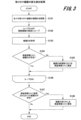
- step S110 determines in step S110 that there has been a change in the mounted equipment (if step S110 returns Yes).
- the process proceeds to step S200.
- step S200 the validity confirmation unit 123 queries the management center 20 about the validity of the mounting procedure for the mounted equipment that has changed. Also, in this process, the validity confirmation unit 123 updates the validity of the mounting procedure in the mounting information 131 based on the response to the validity inquiry received from the management center 20. Details of this process will be described later in FIG. 4. In the following description, the mounted equipment for which a change has been detected will sometimes be abbreviated to "equipment” and the "mounting procedure" to "procedure”.
- the validity confirmation unit 123 judges whether or not work on the procedure is to be refused based on the response to the validity inquiry from the management center 20 (step S210). In this process, if the response from the management center 20 includes a response of "work permitted”, the validity confirmation unit 123 judges that work on the procedure is permitted, and step S210 returns a Yes judgment. On the other hand, if the response from the management center 20 includes a response of "work refused", the validity confirmation unit 123 judges that work on the procedure is to be refused, and step S310 returns a No judgment.
- the validity confirmation unit 123 judges whether the equipment status is work refusal based on the response to the validity inquiry from the management center 20 (step S310). In this process, if the response from the management center 20 includes a response of "work permitted”, the validity confirmation unit 123 judges that the equipment status is work permitted, and step S310 returns a Yes judgment. On the other hand, if the response from the management center 20 includes a response of "work refusal”, the validity confirmation unit 123 judges that the equipment status is work refusal, and step S310 returns a No judgment.
- step S310 determines that the device status is work refusal (if step S310 determines that work is refusal). the process proceeds to step S500, which will be described later.
- step S310 if the validity confirmation unit 123 determines that the equipment status is work permitted (if the determination in step S310 is "work permitted"), the process of step S400 is performed.
- the vehicle software update unit 124 performs a process of applying the software and setting information related to the installed equipment. Note that the detailed process of step S400 will be described later in FIG. 8.
- step S500 the processing in step S500.
- the validity confirmation unit 123 of the vehicle control device 10 confirms the validity of all attached devices of the vehicle control device. Also, in this processing, the validity confirmation unit 123 confirms the validity of the device state and the validity of the procedure in the implementation information 131 linked to the device ID of each device. Also, in this processing, the vehicle control device 10 shares the implementation information 131 with the management center 20 via the network.
- the implementation information update unit 213 of the management center 20 updates the implementation information 131 shared from the vehicle control device 10 to the implementation information 221 of the management center 20.
- the validity confirmation unit 123 determines whether or not there is any equipment of which validity has not been approved among all the installed equipment (step S510). In this process, if the validity confirmation unit 123 confirms in the process of step S500 that the equipment state validity and procedure validity in the implementation information 131 linked to the equipment IDs of all the equipment are "approved”, it determines that there is no unapproved equipment, and the judgment in step S510 is No. On the other hand, if the validity confirmation unit 123 confirms in the process of step S500 that the equipment state validity and/or procedure validity in the implementation information 131 linked to the equipment IDs is "unapproved”, it determines that there is an unapproved equipment, and the judgment in step S510 is Yes.
- the installed device confirmation result notification unit 125 notifies the vehicle owner of a warning state indicating the unapproved state of the installed device whose validity has not been approved (step S520).
- the warning notification to the vehicle owner may be sent via the owner's smartphone app, or may be displayed on the center panel of the vehicle. In this process, warning notifications may be sent separately for unapproved procedure validity and unapproved device state validity.
- step S510 determines in step S510 that there is no unapproved equipment (if step S510 returns No)
- the installed equipment confirmation result notification unit 125 cancels the warning notification (step S530).
- step S520 or step S530 the automatic software setting process associated with the vehicle equipment change ends.
- Fig. 3 is a flowchart showing the procedure for detecting a change in an installed device in the vehicle control device 10 of the vehicle software automatic setting system 1 according to this embodiment. The process described below is called and executed as a subroutine in step S100 of the process shown in Fig. 2.
- the installed device ID recognition unit 121 of the vehicle control device 10 recognizes the device IDs of all installed devices in the vehicle (step S101).
- the mounting information change detection unit 122 of the vehicle control device 10 starts a loop process that is performed several times for the device recognized by the mounted device ID recognition unit 121 (step S102).
- the implementation information change detection unit 122 acquires one of the recognized device IDs (step S103). Note that each time the loop process is repeated, the implementation information change detection unit 122 acquires the device IDs one by one in sequence.
- the implementation information change detection unit 122 determines whether the acquired device ID is present in the implementation information 131 (step S104).
- step S104 If, in the process of step S104, it is determined that the device ID is not present in the implementation information 131 (if the determination in step S104 is No), the implementation information change detection unit 122 updates (registers) the new installation of the device in the implementation information 131 (step S105).
- step S104 if the implementation information change detection unit 122 determines that a device ID is present in the implementation information 131 (if the determination is Yes in step S104), or after the process of step S105, the current loop process ends (step S106).
- the implementation information change detection unit 122 determines whether there are any device IDs in the implementation information 131 that were not found (step S107).
- step S107 if the mounting information change detection unit 122 determines that there is no device ID that was not searched for in the mounting information 131 (if the determination is No in step S107), or after the process of step S108, the process of detecting changes in the attached device ends.
- Fig. 4 is a flowchart showing the procedure for inquiring about the validity of an installation procedure in the vehicle control device 10 of the vehicle software automatic setting system 1 according to this embodiment. The process described below is called and executed as a subroutine in step S200 of the process shown in Fig. 2.
- the validity confirmation unit 123 of the vehicle control device 10 acquires vehicle location information at the time of initial detection of connection of the attached device in order to identify the work location (step S201).
- the vehicle location information is calculated by, for example, comparing GPS information and detection information from sensors such as cameras and LiDAR (Light Detection And Ranging) with map information.
- the validity confirmation unit 123 transmits the acquired vehicle position information to the management center 20 and inquires about the validity of the equipment installation procedure (step S202).
- the management center 20 confirms whether the work can be performed and the validity of the installation procedure in response to the procedure validity inquiry received from the vehicle control device 10, and responds with the confirmation result to the vehicle control device 10.
- the installation procedure validity inquiry response process in the management center 20 will be described in detail later with reference to FIG. 5.
- the validity confirmation unit 123 determines whether the work can be performed based on the confirmation result returned from the management center 20 (step S203).
- step S204 determines that the validity of the procedure included in the returned confirmation result is "approved” (if the determination is "approved” in step S204)
- the process of step S206 is performed.
- the validity confirmation unit 123 updates the procedure validity linked to the device ID of the attached device in the implementation information 131 to "approved” (step S205).
- step S204 if the validity confirmation unit 123 determines that the validity of the procedure included in the returned confirmation result is "unapproved” (if the determination is "unapproved” in step S204), the process of step S206 is performed.
- the validity confirmation unit 123 updates the procedure validity linked to the device ID of the installation device in the implementation information 131 to "unapproved”. If the determination is "work rejected” in step S203, the procedure validity inquiry process ends after the process of step S205 or step S206.
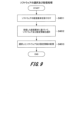
- FIG. 5 is a flowchart showing the procedure for handling an inquiry about the validity of an installation procedure in the management center 20 of the vehicle software automatic configuration system 1 according to this embodiment. The process described below starts when the management center 20 receives an inquiry about the validity of an installation procedure from a vehicle.
- the validity confirmation unit 211 of the management center 20 accepts an inquiry about the validity of the installation procedure (step S251).
- step S252 if the validity confirmation unit 211 determines that the vehicle's location information is not a work location preregistered in the storage device 22 (if the determination at step S252 is No), it confirms with the vehicle owner whether or not work can be performed (step S254).
- step S255 if the owner's response is a refusal to perform the work (if the determination in step S255 is No), the validity confirmation unit 211 responds to the vehicle control device 10 with a refusal to perform the work (step S256).
- step S302 if the returned confirmation result includes "work permission” (if the result of the judgment in step S302 is "work permission"), the validity confirmation unit 123 judges the validity of the equipment status based on the confirmation result (step S303).
- step S303 If, in the process of step S303, the validity confirmation unit 123 determines that the validity of the device status included in the returned confirmation result is "approved” (if the determination is "approved” in step S303), the process of step S304 is performed. In the process of step S304, the validity confirmation unit 123 updates the device status validity linked to the device ID of the installed device in the implementation information 131 to "approved".
- the validity confirmation unit determines that the device does not meet the safety standard based on the device identification information
- the validity confirmation unit determines that the validity of the device identification information is not approved and confirms the workability of the device identification information with the owner of the vehicle.
- the validity confirmation unit determines that the workability of the device identification information is permitted.
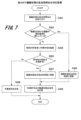
- the validity confirmation unit 211 determines whether the device having the device ID included in the validity inquiry meets the safety standards, which are the minimum technical standards for safety or pollution prevention (step S352).
- step S352 if the validity confirmation unit 211 determines that the equipment does not meet the safety standards (if the determination at step S352 is No), it confirms with the vehicle owner whether the work can be performed (step S354).
- step S355 If, in the processing of step S355, it is determined that the owner's response is a refusal to perform the work (if the determination is No in step S355), the validity confirmation unit 211 responds to the vehicle control device 10 with a refusal to perform the work (step S356).
- step S355 if the validity confirmation unit 211 determines that the owner's response is permission to work (Yes in step S355), it updates the validity of the installed equipment status to "unapproved” (step S357). In this process, the validity confirmation unit 211 updates the equipment status validity linked to the equipment ID of the installed equipment in the implementation information 221 to "unapproved".
- the validity confirmation unit 211 responds to the vehicle control device 10 with the work permission and the updated equipment validity (step S358).
- the management center 20 ends the process of responding to an inquiry about the validity of the installed equipment status.
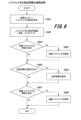
- the vehicle software update unit 124 determines whether or not there is an update to the in-vehicle software (step S403). In this process, if the received software includes in-vehicle software, the vehicle software update unit 124 compares the version information of the received in-vehicle software with the version information of the in-vehicle software currently in operation, and makes a determination based on the comparison result. If the version information of the received in-vehicle software differs from the version information of the in-vehicle software currently in operation, the vehicle software update unit 124 determines that there is an update, and step S403 results in a Yes determination.
- step S403 results in a No determination.
- step S403 if the vehicle software update unit 124 determines that there is no update to the in-vehicle software (if the determination in step S403 is No), or after the process of step S403, it determines whether or not there is an update to the setting information (step S405).
- the vehicle software update unit 124 compares the received setting information with the setting information in operation, and makes a determination based on the comparison result. If the received setting information differs from the setting information in operation, the vehicle software update unit 124 determines that there is an update, and step S405 results in a Yes determination. On the other hand, if the received setting information is the same as the setting information in operation, the vehicle software update unit 124 determines that there is no update, and step S405 results in a No determination.
- step S405 If, in the process of step S405, it is determined that there is an update to the setting information (if the determination is Yes in step S405), the vehicle software update unit 124 applies the received setting information (step S406).
- step S407 if the vehicle software update unit 124 determines that there is no update to the equipment software (if the determination is No in step S407), or after the process of step S408, the process of applying the software and setting information ends.
- FIG. 9 is a flowchart showing a procedure for software selection and distribution processing in the management center 20 of the vehicle software automatic setting system 1 according to this embodiment. The processing described below starts when the management center 20 receives a software distribution request from the vehicle control device 10.
- the software selection and distribution unit 212 of the management center 20 receives a software distribution request (step S4011).
- the software selection and distribution unit 212 selects software and setting information based on the received distribution request (step S4012).
- the software selection and distribution unit 212 selects in-vehicle software, device software, and setting information that have been verified by the vehicle manufacturer from the SW and setting management information 222 of the storage device 22, using the implementation information 131 linked to the device ID included in the received distribution request and the service menu that the vehicle manufacturer provides to the vehicle as keys.
- the software selection and distribution unit 212 distributes the selected software and setting information to the vehicle control device 10 (step S4013). After the processing of step S4013, the software selection and distribution process ends. Note that a standardized wireless communication method can be used as the distribution method.
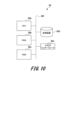
- FIG. 10 is a block diagram showing an example of the hardware configuration of the vehicle control device 10 and the management center 20 according to this embodiment.
- the information processing device 30 includes a CPU 30a, a ROM (Read Only Memory) 30b, a RAM (Random Access Memory) 30c, a storage device 30d, and an input/output interface 30e.
- the CPU 30a, ROM 30b, RAM 30c, storage device 30d, and input/output interface 30e are connected by a bus 30f so as to be able to send and receive information data to and from each other.
- the CPU 30a is an example of the CPU 12 of the vehicle control device 10 and the CPU 21 of the management center 20, and controls the operation of each part in the vehicle control device 10 or the management center 20.
- a GPU Graphics Processing Unit
- the CPU 30a and the GPU may be used together.
- ROM 30b is composed of a storage medium such as a non-volatile memory, and stores programs and data that are executed and referenced by CPU 30a.
- RAM 30c is composed of a storage medium such as a volatile memory, and temporarily stores information (data) required for each process performed by CPU 30a.
- the storage device 30d is composed of a computer-readable non-transient recording medium that stores the program executed by the CPU 30a, and is composed of a storage device such as an HDD (Hard Disk Drive).
- the storage device 30d is an example of the storage device 13 of the vehicle control device 10 and the storage device 22 of the management center 20, and stores the implementation information 131, implementation information 221, SW and setting management information 222, etc. described in FIG. 1, as well as programs for the CPU 30a to control each part, the OS (Operating System), controller programs, and data. Note that some of the programs and data stored in the storage device 30d may be stored in the ROM 30b.
- the computer-readable non-transient recording medium that stores the program executed by the CPU 30a is not limited to an HDD, and may be, for example, a recording medium such as an SSD (Solid State Drive), a CD (Compact Disc)-ROM, or a DVD (Digital Versatile Disc)-ROM.
- SSD Solid State Drive
- CD Compact Disc
- DVD Digital Versatile Disc
- the input/output interface 30e transmits and receives information data to and from outside the information processing device 30 under the control of the CPU 30a.
- the vehicle control device 10 of the vehicle software automatic setting system 1 detects a change in the installed equipment, and inquires of the vehicle management center 20 about the changed installed equipment state and the validity of the installation procedure of the equipment (validity of the equipment).
- the management center 20 of the vehicle software automatic setting system 1 also checks whether the work can be performed and the validity, and responds with the confirmation result to the vehicle control device 10. Only when the equipment state and the installation procedure of the equipment are permitted for work, the vehicle control device 10 requests the management center 20 to deliver software and setting information associated with the change in the installed equipment, and applies the software and setting information to the vehicle.
- the vehicle control device 10 also notifies the vehicle owner of a warning state indicating that the validity of equipment whose validity has not been approved.
- the vehicle software automatic setting system 1 selects software (services) related to equipment that meets safety standards at a work location approved by the vehicle manufacturer or a work location approved by the vehicle owner, and automatically applies (updates) the software (services) to the vehicle. Furthermore, the vehicle software automatic configuration system 1 notifies the vehicle owner of devices whose validity has not been approved, allowing the vehicle owner to grasp the validity of the devices installed in the vehicle. Therefore, the vehicle software automatic configuration system 1 according to this embodiment can ensure the validity of the installation and installation procedure of devices in the vehicle, and provide a safe automatic update service.
- the vehicle software automatic setting system 1 according to the second embodiment of the present invention has the same configuration as the vehicle software automatic setting system 1 according to the first embodiment, so a duplicated description will be omitted.
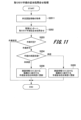
- FIG. 11 is a flowchart showing the steps of the process for inquiring about the validity of an installation procedure in the vehicle control device 10 of the vehicle software automatic setting system 1 according to this embodiment.
- the validity confirmation unit 123 does not acquire vehicle position information when the connection of the installation device is initially detected (step S201 in FIG. 4), but instead performs the process of step S2011 shown in FIG. 11.
- the processes other than step S2011 shown in FIG. 11 are the same as the processes shown in FIG. 4, so repeated explanations will be omitted.
- step S2011 specific authentication information is acquired to authenticate the worker who installed the equipment.
- the validity confirmation unit 123 of the vehicle control device 10 acquires the specific authentication information, which includes authentication information of a certification device that certifies the work permission to connect to a vehicle-specific diagnostic device (ODB2: On-Board Diagnostics 2) provided for each worker at the dealer or designated factory, and authentication information (password, biometric authentication, etc.) of an authentication device that the worker individually owns (e.g., the worker's smartphone).
- ODB2 On-Board Diagnostics 2
- authentication information password, biometric authentication, etc.
- the validity confirmation unit 123 transmits the acquired specific authentication information to the management center 20 and inquires about the validity of the installation procedure (step S202).
- the management center 20 receives an inquiry about the validity of the installation procedure of the vehicle control device 10, the validity of the installation procedure inquiry response process is performed.
- the validity confirmation unit (validity confirmation unit 211) determines that the worker who installed the device is a worker with a pre-registered work permit based on the specified authentication information for authenticating the worker who installed the device, the validity of the installation procedure of the device is approved, and the possibility of the installation of the device is confirmed as being permitted.
- validity confirmation unit determines that the worker who installed the device is not a worker with a pre-registered work permit based on the specified authentication information for authenticating the worker who installed the device
- the validity of the installation procedure of the device is confirmed as being unapproved, and the owner of the vehicle is asked whether the installation procedure of the device is permitted.
- the validity confirmation unit determines that the possibility of the installation of the device is permitted. A specific processing procedure will be described with reference to FIG. 12.
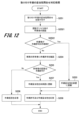
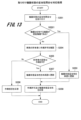
- FIG. 12 is a flowchart showing the procedure for the process of responding to inquiries about the validity of the installation procedure in the management center 20 of the vehicle software automatic setting system 1 according to this embodiment.
- the validity confirmation unit 211 of the management center 20 performs the processes of steps S2521 and S2522 shown in FIG. 12 instead of step S252 in FIG. 5.
- the validity confirmation unit 211 compares the specified authentication information included in the received validity inquiry with the specified authentication information preregistered in the storage device 22 to authenticate the worker.
- the validity confirmation unit 211 determines whether the worker is a worker with a work permit (step S2522). In this process, if the specific authentication information included in the received validity inquiry matches the specific authentication information registered in advance, the validity confirmation unit 211 determines that the worker is a worker with a work permit, and step S2522 returns Yes. On the other hand, if the specific authentication information included in the received validity inquiry does not match the specific authentication information registered in advance, the validity confirmation unit 211 determines that the worker is not a worker with a work permit, and step S2522 returns No.
- step S2522 If, in the process of step S2522, the validity confirmation unit 211 determines that the worker is a worker with a work permit (if the determination in step S2522 is Yes), the process of step S253 is performed.
- step S2522 if the validity confirmation unit 211 determines that the worker is not a worker with a work permit (if the determination of step S2522 is No), the process of step S254 is performed. Note that the processes from step S2522 onwards are the same as the processes shown in FIG. 5, so a duplicated description will be omitted.
- the vehicle software automatic setting system 1 according to the second embodiment of the present invention does not check the validity of the work location, but checks whether the worker at the dealer or the designated factory is a worker with work permission. That is, the vehicle software automatic setting system 1 according to the second embodiment of the present invention ensures that the worker and the work location are authorized by checking authentication information such as dedicated equipment, tools, and dedicated certification dongles that are associated with the worker and are held by the dealer or the designated factory. Therefore, the vehicle software automatic setting system 1 according to the second embodiment of the present invention has the same effect as the vehicle software automatic setting system 1 according to the first embodiment, and can further improve the safety of the automatic service update. Furthermore, according to the vehicle software automatic setting system 1 according to the second embodiment of the present invention, even when the vehicle position cannot be obtained, the validity of the installation of the vehicle equipment and the installation procedure can be ensured, and a safe automatic service update can be provided.
- the vehicle software automatic setting system 1 according to the third embodiment of the present invention has the same configuration as the vehicle software automatic setting system 1 according to the first embodiment, so that a duplicated description will be omitted.
- the validity confirmation unit determines based on the device identification information that the device is a pre-authenticated device, the validity of the device identification information is approved and the workability of the device identification information is confirmed as work permitted. Furthermore, if the validity confirmation unit (validity confirmation unit 211) determines based on the device identification information that the device is not a pre-authenticated device, the validity of the device identification information is confirmed as not approved and confirms the workability of the device identification information with the owner of the vehicle. Furthermore, if the device identification information is approved by the owner, the validity confirmation unit (validity confirmation unit 211) determines that the workability of the device identification information is work permitted. A specific processing procedure will be described with reference to FIG. 13.
- FIG. 13 is a flowchart showing the procedure for the process of responding to an inquiry about the validity of the installed device state in the management center 20 of the vehicle software automatic setting system 1 according to this embodiment.
- the validity confirmation unit 211 of the management center 20 performs the process of step S3521 shown in FIG. 13 instead of step S352 in FIG. 7.
- the validity confirmation unit 211 determines whether the device having the device ID included in the validity inquiry is an authenticated device.
- An authenticated device is a device in which the installed device has been authenticated in advance for the same vehicle model by the vehicle manufacturer. That is, in this embodiment, the validity confirmation unit 211 checks the safety standards (see step S352 in FIG. 7) to confirm the authentication information of a device with higher safety. Note that the processes from step S3521 onwards are the same as the processes shown in FIG. 7, so repeated explanations will be omitted.
- the vehicle software automatic configuration system 1 according to the third embodiment of the present invention checks authentication information of a device that is safer than the safety standards when checking the validity of an installed device. Therefore, the vehicle software automatic configuration system 1 according to the third embodiment of the present invention has the same effects as the vehicle software automatic configuration system 1 according to the first embodiment, and can further improve the safety of automatic service updates.
- the present invention is not limited to the above-described embodiments, and various other applications and modifications are possible without departing from the gist of the present invention as set forth in the claims.
- the above-described embodiments have described in detail and specifically the configuration of the vehicle software automatic setting system in order to easily explain the present invention, and are not necessarily limited to having all of the configurations described.
- the control lines and information lines shown are those that are considered necessary for the explanation, and not all control lines and information lines in the product are necessarily shown. In reality, it can be considered that almost all components are connected to each other.
- Vehicle software automatic setting system 10... Vehicle control device, 11... Device, 12, 21... CPU, 13, 22... Storage device, 20... Management center, 121... Installed device ID recognition unit, 122... Implementation information change detection unit, 123, 211... Validity confirmation unit, 124... Vehicle software update unit, 125... Installed device confirmation result notification unit, 131, 221... Implementation information, 212... Software selection and distribution unit, 213... Implementation information update unit, 222... SW and setting management information
Landscapes
- Engineering & Computer Science (AREA)
- Software Systems (AREA)
- General Engineering & Computer Science (AREA)
- Theoretical Computer Science (AREA)
- Computer Security & Cryptography (AREA)
- Physics & Mathematics (AREA)
- General Physics & Mathematics (AREA)
- Mechanical Engineering (AREA)
- Management, Administration, Business Operations System, And Electronic Commerce (AREA)
- Stored Programmes (AREA)
Abstract
Description
[車両ソフトウェア自動設定システムの機能構成例]
まず、本発明の第1実施形態に係る車両ソフトウェア自動設定システム1の機能構成例について説明する。図1は、本実施形態に係る車両ソフトウェア自動設定システム1の機能構成例を示す図である。車両ソフトウェア自動設定システム1は、図1に示すように、車両制御装置10と、管理センター20(管理装置の一例)とを備える。車両制御装置10と、管理センター20とは、インターネット等の公衆回線、専用回線等で構成されるネットワークを介して互いに情報データの送受信ができるように接続される。
次に、車両ソフトウェア自動設定システム1における、車両機器変更に伴うソフトウェア自動設定処理の手順について説明する。図2は、本実施形態に係る車両ソフトウェア自動設定システム1における、車両機器変更に伴うソフトウェア自動設定処理の手順を示すフローチャートである。以下に説明する処理は、車両が起動すると開始する。
次に、車両ソフトウェア自動設定システム1の車両制御装置10における、取り付け機器の変化検出処理の手順について説明する。図3は、本実施形態に係る車両ソフトウェア自動設定システム1の車両制御装置10における、取り付け機器の変化検出処理の手順を示すフローチャートである。以下に説明する処理は、図2に示す処理のステップS100において、サブルーチンとして呼び出されて実行される。
次に、車両ソフトウェア自動設定システム1の車両制御装置10における、取り付け手順の妥当性問合せ処理の手順について説明する。図4は、本実施形態に係る車両ソフトウェア自動設定システム1の車両制御装置10における、取り付け手順の妥当性問合せ処理の手順を示すフローチャートである。以下に説明する処理は、図2に示す処理のステップS200において、サブルーチンとして呼び出されて実行される。
次に、車両ソフトウェア自動設定システム1の管理センター20における、取り付け手順の妥当性問合せ対応処理について説明する。この処理では、妥当性確認部(妥当性確認部211)は、車両の位置情報に基づいて、車両の位置が予め登録された作業許可の作業場所であると判定した場合、機器の取り付け手順の妥当性が承認であり、機器の取り付け手順の作業可否が作業許可であると確定する。また、妥当性確認部(妥当性確認部211)は、車両の位置情報に基づいて、車両の位置が予め登録された作業許可の作業場所でないと判定した場合、機器の取り付け手順の妥当性が未承認であると確定し、機器の取り付け手順の作業可否を、車両の所有者へ確認する。また、妥当性確認部(妥当性確認部211)は、機器の取り付け手順が所有者により許可された場合、機器の取り付け手順の作業可否が作業許可であると確定する。具体的な処理手順は、図5を用いて説明する。
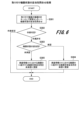
次に、車両ソフトウェア自動設定システム1の車両制御装置10における、取り付け機器状態の妥当性問合せ処理の手順について説明する。図6は、本実施形態に係る車両ソフトウェア自動設定システム1の車両制御装置10における、取り付け機器状態の妥当性問合せ処理の手順を示すフローチャートである。以下に説明する処理は、図2に示す処理のステップS300において、サブルーチンとして呼び出されて実行される。
次に、車両ソフトウェア自動設定システム1の管理センター20における、取り付け機器状態の妥当性問合せ対応処理について説明する。この処理では、妥当性確認部(妥当性確認部211)は、機器の識別情報に基づいて、機器が保安基準に満たしていると判定した場合、機器の識別情報の妥当性が承認であり、機器の識別情報の作業可否が作業許可であると確定する。また、妥当性確認部(妥当性確認部211)は、機器の識別情報に基づいて、機器が保安基準に満たしていないと判定した場合、機器の識別情報の妥当性が未承認であると確定し、機器の識別情報の作業可否を、車両の所有者へ確認する。また、妥当性確認部(妥当性確認部211)は、機器の識別情報が所有者により許可された場合、機器の識別情報の作業可否が作業許可であると確定する。具体的な処理手順は、図7を用いて説明する。
次に、車両制御装置10におけるソフトウェア及び設定情報の適用処理の手順について説明する。図8は、本実施形態に係る車両ソフトウェア自動設定システム1の車両制御装置10における、ソフトウェア及び設定情報の適用処理の手順を示すフローチャートである。以下に説明する処理は、図2に示す処理のステップS400において、サブルーチンとして呼び出されて実行される。
次に、管理センター20におけるソフトウェアの選択及び配信処理の手順について説明する。図9は、本実施形態に係る車両ソフトウェア自動設定システム1の管理センター20における、ソフトウェアの選択及び配信処理の手順を示すフローチャートである。以下に説明する処理は、管理センター20が車両制御装置10からソフトウェアの配信要求を受信すると開始する。
次に、車両制御装置10及び管理センター20を構成する情報処理装置30のハードウェア構成例について説明する。図10は、本実施形態に係る車両制御装置10及び管理センター20のハードウェア構成例を示すブロック図である。
上述したように、本実施形態に係る車両ソフトウェア自動設定システム1の車両制御装置10は、取り付け機器の変化を検出し、変化のある取り付け機器状態及び機器の取り付け手順の妥当性(機器の妥当性)を車両の管理センター20へ問い合わせる。また、車両ソフトウェア自動設定システム1の管理センター20は、作業可否及び妥当性を確認して、確認結果を車両制御装置10に応答する。また、車両制御装置10は、機器状態及び機器の取り付け手順が作業許可された場合のみ、管理センター20へ取り付け機器の変化に伴うソフトウェア及び設定情報の配信を要求して自車両に適用する。また、車両制御装置10は、妥当性が未承認である機器について、妥当性が未承認であることを示すワーニング状態を車両の所有者に通知する。すなわち、車両ソフトウェア自動設定システム1は、車両メーカーが許可した作業場所、又は、車両の所有者が許可したが作業場所における、保安基準を満たしている機器に関するソフトウェア(サービス)を選択して自動に車両に適用(アップデート)する。また、車両ソフトウェア自動設定システム1は、妥当性が未承認の機器について車両の所有者に通知することにより、車両の所有者が車両に取り付けられている機器の妥当性を把握することができる。このため、本実施形態に係る車両ソフトウェア自動設定システム1によれば、車両の機器の取り付け及び取り付け手順の妥当性を確保でき、安全のサービス自動アップデートを提供することである。
次に、本発明の第2実施形態に係る車両ソフトウェア自動設定システム1の車両制御装置10における、取り付け手順の妥当性問合せ処理の手順について説明する。なお、本発明の第2実施形態に係る車両ソフトウェア自動設定システム1は、第1実施形態に係る車両ソフトウェア自動設定システム1と同じ構成を有するので、重複説明は省略する。
上述したように、本発明の第2実施形態に係る車両ソフトウェア自動設定システム1は、作業場所の妥当性を確認することでなく、ディーラー又は指定工場における作業者が作業許可の作業者であるか否かを確認する。すなわち、第2実施形態に係る車両ソフトウェア自動設定システム1は、ディーラーや指定工場などに保有される、作業員に紐付けられる専用機器、ツール、専用の証明ドングル等の認証情報を確認することにより、許可された作業員及び作業場所を担保する。このため、本発明の第2実施形態に係る車両ソフトウェア自動設定システム1は、第1実施形態に係る車両ソフトウェア自動設定システム1と同じ効果を有するとともに、サービス自動アップデートの安全性をさらに向上することができる。また、本発明の第2実施形態に係る車両ソフトウェア自動設定システム1によれば、車両位置を取得できない場合にも、車両の機器の取り付け及び取り付け手順の妥当性を確保でき、安全のサービス自動アップデートを提供することである。
次に、本発明の第3実施形態に係る車両ソフトウェア自動設定システム1の管理センター20における、取り付け機器状態の妥当性問合せ対応処理の手順について説明する。なお、本発明の第3実施形態に係る車両ソフトウェア自動設定システム1は、第1実施形態に係る車両ソフトウェア自動設定システム1と同じ構成を有するので、重複説明は省略する。
上述したように、本発明の第3実施形態に係る車両ソフトウェア自動設定システム1は、取り付け機器妥当性を確認する際、保安基準より安全性の高い機器の認証情報を確認する。このため、本発明の第3実施形態に係る車両ソフトウェア自動設定システム1は、第1実施形態に係る車両ソフトウェア自動設定システム1と同じ効果を有するとともに、サービス自動アップデートの安全性をさらに向上することができる。
例えば、上述した各実施形態は本発明を分かりやすく説明するために車両ソフトウェア自動設定システムの構成を詳細かつ具体的に説明したものであり、必ずしも説明した全ての構成を備えるものに限定されない。また、ここで説明した実施形態の構成の一部を他の実施形態の構成に置き換えることは可能であり、さらにはある実施形態の構成に他の実施形態の構成を加えることも可能である。また、各実施形態の構成の一部について、他の構成の追加、削除、置換をすることも可能である。
また、制御線や情報線は説明上必要と考えられるものを示しており、製品上必ずしも全ての制御線や情報線を示しているとは限らない。実際には殆ど全ての構成が相互に接続されていると考えてもよい。
Claims (16)
- 車両制御装置と、管理装置と、を備え、
前記車両制御装置は、
車両に取り付けられた機器を検出する機器変更検出部と、
前記機器の識別情報を認識する機器情報認識部と、
前記識別情報を用いて、前記機器の作業可否及び妥当性を問い合わせる妥当性問合せ部と、を有し、
前記管理装置は、
前記妥当性問合せ部が問い合わせる前記識別情報を用いて、前記機器の前記作業可否及び前記妥当性を確認して前記車両制御装置に応答する妥当性確認部と、
前記妥当性確認部により、作業許可であると確認された前記機器に関連するソフトウェアを選択して前記車両制御装置に配信するソフトウェア選択及び配信部と、を有する
車両ソフトウェア自動設定システム。 - 前記車両制御装置は、前記妥当性確認部により、前記機器の前記妥当性が未承認であると応答された場合、前記機器の前記妥当性が未承認であることを示すワーニング状態を通知する通知部を備える
請求項1に記載の車両ソフトウェア自動設定システム。 - 前記車両制御装置は、前記ソフトウェア選択及び配信部により選択され、かつ配信された前記ソフトウェアを前記車両に適用する車両ソフトウェア適用部を備える
請求項2に記載の車両ソフトウェア自動設定システム。 - 前記機器の前記作業可否は、前記識別情報の作業可否、及び、前記機器の取り付け手順の作業可否を含み、
前記機器の前記妥当性は、前記識別情報の妥当性、及び、前記機器の取り付け手順の妥当性を含む
請求項1に記載の車両ソフトウェア自動設定システム。 - 前記妥当性確認部は、前記車両の位置情報に基づいて、前記車両の位置が予め登録された作業許可の作業場所であると判定した場合、前記機器の取り付け手順の妥当性が承認であり、前記機器の取り付け手順の作業可否が作業許可であると確定する
請求項4に記載の車両ソフトウェア自動設定システム。 - 前記妥当性確認部は、前記車両の位置情報に基づいて、前記車両の位置が予め登録された作業許可の作業場所でないと判定した場合、前記機器の取り付け手順の妥当性が未承認であると確定し、前記機器の取り付け手順の作業可否を、前記車両の所有者へ確認する
請求項4に記載の車両ソフトウェア自動設定システム。 - 前記妥当性確認部は、前記機器の取り付けを行った作業者を認証するための所定認証情報に基づいて、前記作業者が予め登録された作業許可の作業者であると判定した場合、前記機器の取り付け手順の妥当性が承認であり、前記機器の取り付け手順の作業可否が作業許可であると確定する
請求項4に記載の車両ソフトウェア自動設定システム。 - 前記妥当性確認部は、前記機器の取り付けを行った作業者を認証するための所定認証情報に基づいて、前記作業者が予め登録された作業許可の作業者でないと判定した場合、前記機器の取り付け手順の妥当性が未承認であると確定し、前記機器の取り付け手順の作業可否を、前記車両の所有者へ確認する
請求項4に記載の車両ソフトウェア自動設定システム。 - 前記妥当性確認部は、前記機器の取り付け手順が前記所有者により許可された場合、前記機器の取り付け手順の作業可否が作業許可であると確定する
請求項6に記載の車両ソフトウェア自動設定システム。 - 前記妥当性確認部は、前記機器の前記識別情報に基づいて、前記機器が保安基準に満たしていると判定した場合、前記機器の前記識別情報の妥当性が承認であり、前記機器の前記識別情報の作業可否が作業許可であると確定する
請求項4に記載の車両ソフトウェア自動設定システム。 - 前記妥当性確認部は、前記機器の前記識別情報に基づいて、前記機器が保安基準に満たしていないと判定した場合、前記機器の前記識別情報の妥当性が未承認であると確定し、前記機器の前記識別情報の作業可否を、前記車両の所有者へ確認する
請求項4に記載の車両ソフトウェア自動設定システム。 - 前記妥当性確認部は、前記機器の前記識別情報に基づいて、前記機器が予め認証済の機器であると判定した場合、前記機器の前記識別情報の妥当性が承認であり、前記機器の前記識別情報の作業可否が作業許可であると確定する
請求項4に記載の車両ソフトウェア自動設定システム。 - 前記妥当性確認部は、前記機器の前記識別情報に基づいて、前記機器が予め認証済の機器でないと判定した場合、前記機器の前記識別情報の妥当性が未承認であると確定し、前記機器の前記識別情報の作業可否を、前記車両の所有者へ確認する
請求項4に記載の車両ソフトウェア自動設定システム。 - 前記妥当性確認部は、前記機器の前記識別情報が前記所有者により許可された場合、前記機器の前記識別情報の作業可否が作業許可であると確定する
請求項11に記載の車両ソフトウェア自動設定システム。 - 車両制御装置と、管理装置と、を備える車両ソフトウェア自動設定システムにおける車両ソフトウェア自動設定方法であって、
前記車両制御装置は、
車両に取り付けられた機器を検出するステップと、
前記機器の識別情報を認識するステップと、
前記識別情報を用いて、前記機器の作業可否及び妥当性を問い合わせるステップと、を含み、
前記管理装置は、
前記車両制御装置が問い合わせる前記識別情報を用いて、前記機器の前記作業可否及び前記妥当性を確認して前記車両制御装置に応答するステップと、
作業許可であると確認された前記機器に関連するソフトウェアを選択して前記車両制御装置に配信するステップと、含む
車両ソフトウェア自動設定方法。 - 車両に取り付けられた機器を検出する実装情報変更検出部と、
前記機器の識別情報を認識する機器情報認識部と、
前記識別情報を用いて、前記機器の作業可否及び妥当性を問い合わせる妥当性問合せ部と、を備える
車両制御装置。
Priority Applications (3)
| Application Number | Priority Date | Filing Date | Title |
|---|---|---|---|
| DE112023006388.5T DE112023006388T5 (de) | 2023-07-27 | 2023-07-27 | Automatischesfahrzeugsoftware-einstellsystem, automatisches einstellverfahren für fahrzeugsoftware und fahrzeugsteuerungseinrichtung |
| JP2025535539A JPWO2025022656A1 (ja) | 2023-07-27 | 2023-07-27 | |
| PCT/JP2023/027594 WO2025022656A1 (ja) | 2023-07-27 | 2023-07-27 | 車両ソフトウェア自動設定システム、車両ソフトウェア自動設定方法、及び車両制御装置 |
Applications Claiming Priority (1)
| Application Number | Priority Date | Filing Date | Title |
|---|---|---|---|
| PCT/JP2023/027594 WO2025022656A1 (ja) | 2023-07-27 | 2023-07-27 | 車両ソフトウェア自動設定システム、車両ソフトウェア自動設定方法、及び車両制御装置 |
Publications (1)
| Publication Number | Publication Date |
|---|---|
| WO2025022656A1 true WO2025022656A1 (ja) | 2025-01-30 |
Family
ID=94374665
Family Applications (1)
| Application Number | Title | Priority Date | Filing Date |
|---|---|---|---|
| PCT/JP2023/027594 Ceased WO2025022656A1 (ja) | 2023-07-27 | 2023-07-27 | 車両ソフトウェア自動設定システム、車両ソフトウェア自動設定方法、及び車両制御装置 |
Country Status (3)
| Country | Link |
|---|---|
| JP (1) | JPWO2025022656A1 (ja) |
| DE (1) | DE112023006388T5 (ja) |
| WO (1) | WO2025022656A1 (ja) |
Citations (3)
| Publication number | Priority date | Publication date | Assignee | Title |
|---|---|---|---|---|
| JP2008523519A (ja) * | 2004-12-15 | 2008-07-03 | ローベルト ボッシュ ゲゼルシャフト ミット ベシュレンクテル ハフツング | 複数のプラグインを含む電子システムを初期化する方法 |
| JP2012093899A (ja) * | 2010-10-26 | 2012-05-17 | Hitachi Ltd | 計算機システム、シミュレーション方法、及びプログラム |
| JP2014500697A (ja) * | 2010-10-27 | 2014-01-09 | 本田技研工業株式会社 | 充電ステーションまでのルート指定をするシステムおよび方法 |
Family Cites Families (1)
| Publication number | Priority date | Publication date | Assignee | Title |
|---|---|---|---|---|
| JP7509081B2 (ja) | 2021-05-11 | 2024-07-02 | トヨタ自動車株式会社 | 情報処理装置、情報処理方法、及び、プログラム |
-
2023
- 2023-07-27 WO PCT/JP2023/027594 patent/WO2025022656A1/ja not_active Ceased
- 2023-07-27 JP JP2025535539A patent/JPWO2025022656A1/ja active Pending
- 2023-07-27 DE DE112023006388.5T patent/DE112023006388T5/de active Pending
Patent Citations (3)
| Publication number | Priority date | Publication date | Assignee | Title |
|---|---|---|---|---|
| JP2008523519A (ja) * | 2004-12-15 | 2008-07-03 | ローベルト ボッシュ ゲゼルシャフト ミット ベシュレンクテル ハフツング | 複数のプラグインを含む電子システムを初期化する方法 |
| JP2012093899A (ja) * | 2010-10-26 | 2012-05-17 | Hitachi Ltd | 計算機システム、シミュレーション方法、及びプログラム |
| JP2014500697A (ja) * | 2010-10-27 | 2014-01-09 | 本田技研工業株式会社 | 充電ステーションまでのルート指定をするシステムおよび方法 |
Also Published As
| Publication number | Publication date |
|---|---|
| JPWO2025022656A1 (ja) | 2025-01-30 |
| DE112023006388T5 (de) | 2026-03-05 |
Similar Documents
| Publication | Publication Date | Title |
|---|---|---|
| US10142420B2 (en) | On-board web server telematics systems and methods | |
| US6694235B2 (en) | Vehicular relay device, in-vehicle communication system, failure diagnostic system, vehicle management device, server device and detection and diagnostic program | |
| US10956555B2 (en) | Management system, vehicle, and information processing method | |
| US10616176B2 (en) | Virtual DNS record updating method for dynamic IP address change of vehicle hosted server | |
| JP5900390B2 (ja) | アクセス制限装置、車載通信システム及び通信制限方法 | |
| US10499219B2 (en) | Information sharing system, computer, and information sharing method without using confidential information provided in advance | |
| US11414050B2 (en) | Multimode vehicle proximity security | |
| JP6327344B2 (ja) | ネットワークシステム、通信制御方法および記憶媒体 | |
| CN113873498A (zh) | 服务器、管理方法、非临时存储介质及软件更新装置、中心、空中下载主机 | |
| US9238450B1 (en) | Vehicle master reset | |
| WO2020170732A1 (ja) | センター装置、データ配信システム及び配信制御プログラム | |
| CN111355701A (zh) | 针对连接性的基于策略和令牌的授权框架 | |
| US20150188961A1 (en) | On board vehicle media controller | |
| CN112448998A (zh) | 分布式车辆网络访问授权 | |
| JP5418677B2 (ja) | 制御装置 | |
| KR102773959B1 (ko) | 플릿 시스템에서 엣지 컴퓨팅을 이용한 이동체 공유 방법 및 장치 | |
| US20200293304A1 (en) | Vehicle computer update authentication | |
| CN120076953A (zh) | 安全访问操作数据的方法和系统 | |
| KR20150089697A (ko) | 모바일 단말을 이용한 스마트 카 보안 시스템 및 그 방법 | |
| JP7013921B2 (ja) | 検証端末 | |
| US20190340846A1 (en) | Local vehicle performance evaluation | |
| Kim et al. | Compare of vehicle management over the air and on-board diagnostics | |
| JP7434205B2 (ja) | プログラム更新管理システム、移動体故障診断装置、プログラム更新管理方法 | |
| JP2020086540A (ja) | メンテナンスサーバ装置、車両メンテナンスシステム、コンピュータプログラム及び車両メンテナンス方法 | |
| JP7739811B2 (ja) | ソフトウェア更新装置及びソフトウェア更新制御方法 |
Legal Events
| Date | Code | Title | Description |
|---|---|---|---|
| 121 | Ep: the epo has been informed by wipo that ep was designated in this application |
Ref document number: 23946734 Country of ref document: EP Kind code of ref document: A1 |
|
| ENP | Entry into the national phase |
Ref document number: 2025535539 Country of ref document: JP Kind code of ref document: A |
|
| WWE | Wipo information: entry into national phase |
Ref document number: 112023006388 Country of ref document: DE |
|
| WWP | Wipo information: published in national office |
Ref document number: 112023006388 Country of ref document: DE |
|
| 122 | Ep: pct application non-entry in european phase |
Ref document number: 23946734 Country of ref document: EP Kind code of ref document: A1 |