WO2025019609A2 - Methods for preparation of cannabinoid receptor active compounds - Google Patents
Methods for preparation of cannabinoid receptor active compounds Download PDFInfo
- Publication number
- WO2025019609A2 WO2025019609A2 PCT/US2024/038415 US2024038415W WO2025019609A2 WO 2025019609 A2 WO2025019609 A2 WO 2025019609A2 US 2024038415 W US2024038415 W US 2024038415W WO 2025019609 A2 WO2025019609 A2 WO 2025019609A2
- Authority
- WO
- WIPO (PCT)
- Prior art keywords
- catalyst
- reaction
- mol
- reagents
- thc
- Prior art date
- Legal status (The legal status is an assumption and is not a legal conclusion. Google has not performed a legal analysis and makes no representation as to the accuracy of the status listed.)
- Ceased
Links
Classifications
-
- C—CHEMISTRY; METALLURGY
- C07—ORGANIC CHEMISTRY
- C07D—HETEROCYCLIC COMPOUNDS
- C07D311/00—Heterocyclic compounds containing six-membered rings having one oxygen atom as the only hetero atom, condensed with other rings
- C07D311/02—Heterocyclic compounds containing six-membered rings having one oxygen atom as the only hetero atom, condensed with other rings ortho- or peri-condensed with carbocyclic rings or ring systems
- C07D311/78—Ring systems having three or more relevant rings
- C07D311/80—Dibenzopyrans; Hydrogenated dibenzopyrans
Definitions
- the current disclosure is directed to a method for accessing cannabinoid receptor-active compounds via homogeneous catalytic reduction of unsaturated precursors, and, more particularly, to a method for accessing hexahydrocannabinols via stereoselective cooperative hydrogen-atom transfer of tetrahydrocannabinols.
- HHC hexahydrocannabinol
- a 9 -THC and A 8 -THC have been known since the first synthesis by Adams in 1940 (see: Qureshi, M. N.; et al. Estimation of biologically active cannabinoids in cannabis indica by gas chromatography-mass spectrometry (GC-MS). World Appl. Sci. J. 2012, 19, 918-923; Collins, A. C.; et al.
- HHC hexahydrocannabinol
- H4CBD hexahydrocannabidiol
- HHCs are legal as a result of the United States 2018 Farm Bill, yet, on the other hand, the United States Drug Enforcement Administration (DEA) considers HHCs a Schedule I substance. Nevertheless, HHCs have become increasingly available to the public in the United States, where they are typically sold as a mixture of isomers, despite chemical and biological studies of these compounds remaining very sparse.
- DEA United States Drug Enforcement Administration
- Various embodiments are directed to a method for accessing CBi and CB2 receptor-active compounds via a cooperative hydrogen-atom transfer reaction including: providing an unsaturated precursor, wherein the unsaturated precursor is a natural or synthetic compound including at least one double bond; providing a set of reagents at least including: a catalyst loading of a catalyst, a source amount of a hydrogen radical atom source, an agent amount of a reducing agent, and a solvent; and exposing the unsaturated precursor to the set of reagents and allowing the unsaturated precursor and the set of reagents to react for a reaction duration at a reaction temperature to obtain a cannabinoid, wherein the cannabinoid is a CBi and CB2 receptor-active compound.
- the cannabinoid is a single stereoisomer or a mixture of stereoisomers of hexahydrocannabinol.
- the cannabinoid is a compound selected from the group consisting of: (9R)-HHC, (9S)-HHC, or any mixture thereof.
- the unsaturated precursor is an isomer of tetrahydrocannabinol selected from the group consisting of: A 9 -THC, A 8 -THC, and any mixture thereof.
- the unsaturated precursor is a natural or synthetic CB1 and CB2 receptor-active compound including at least one double bond.
- the cooperative hydrogen-atom transfer reaction is stereoselective.
- the catalyst is a metal-based catalyst.
- the catalyst comprises a metal selected from the group consisting of: iron (Fe), manganese (Mn), cobalt (Co), and any combination thereof.
- the catalyst is an iron-based catalyst.
- iron-based catalyst is Fe(acac)3.
- the hydrogen radical atom source is a reagent selected from the group consisting of: an alcohol, a thiol, and any combination thereof.
- the hydrogen radical atom source is a thiol selected from the group consisting of: thiophenol (PhSH), 2,4-Dimethylbenzenethiol (2,4- diMePhSH), 4-methoxythiophenol (4-MeOPhSH), and any combination thereof.
- the solvent is the hydrogen radical atom source.
- the reducing agent is a silane.
- the silane is phenylsilane (PhSiHs).
- the catalyst loading is above 10 mol %.
- the catalyst loading is above 20 mol %.
- the catalyst loading is above 30 mol %.
- the catalyst loading is 40 mol % or above.
- the set of reagents is provided portionwise over the reaction duration.
- the set of reagents is provided in two equal portions over the reaction duration, such that one portion is provided at the start of the reaction duration, and one portion is provided at a later point of the reaction duration.
- the set of reagents is provided portion-wise as any number and size of portions provided throughout the reaction duration as needed to optimize the yield of the cannabinoid.
- the reaction duration is 8 hours to 168 hours.
- the reaction duration is 17 to 72 hours.
- the reaction duration is 21 to 48 hours.
- the reaction temperature is room temperature.
- the source amount is the same amount as the catalyst loading.
- the agent amount is 2 — 8 equivalents relative to the unsaturated precursor.
- the set of reagents includes: 10 — 40 mol % Fe(acac)3 as the catalyst, 10 — 40 mol % PhSH in n-PrOH, 2 — 8 equiv. of PhSiHs relative to the unsaturated precursor, and ethanol as the solvent.
- the set of reagents includes: 40 mol % Fe(acac)3 as the catalyst, 40 mol % PhSH in n-PrOH, 8 equiv. of PhSiHs relative to the unsaturated precursor, and ethanol as the solvent, and wherein the set of reagents is provided in two equal portions over a period of 17 hours.
- FIG. 1A shows cannabinoids 1-3
- FIG. 1B shows emerging hexahydrocannabinols (HHCs) 4a and 4b, according to prior art.
- FIGs. 2A and 2B schematically illustrate reduction of 9 -trans- tetrahydrocannabinol (A 9 -THC) to HHCs 4a and 4b and tabulate various tested reduction reaction conditions, along with the corresponding outcomes, wherein superscript a indicates isolated yields; b — ratios determined from isolated material using 1 H NMR; c - yields reflecting the average of two isolation experiments; d — 38% yield of recovered 1, average from two isolation experiments; e — reaction conditions comprising: 20 mol % of Fe(acac)3, 20 mol % of PhSH, and 4 equiv.
- a 9 -THC 9 -trans- tetrahydrocannabinol
- PhSiHs initially added portion-wise, followed by the second portion after 27 h; / — 22% yield of recovered 1 ;
- j reaction conditions comprising: 10 mol % of Fe(acac)3, 10 mol % of PhSH, and 2 equiv.
- PhSiHs initially added portion-wise, followed by the second portion after 24 h, and then a third portion after 48 h;
- k reaction conditions comprising: 20 mol % of Fe(acac)3, 20 mol % of PhSH, and 4 equiv. PhSiHs, initially added portion-wise, followed by the second portion after 24 h;
- 2,4-diMePhSH is 2,4-Dimethylbenzenethiol;
- m 26% yield of recovered 1 ;
- n — 4-MeOPhSH is 4-methoxythiophenol; while o — 16% yield of recovered 1 ; p — 30% yield of recovered 1, in accordance with embodiments of the application.
- FIGs. 3A and 3B schematically illustrate cooperative hydrogen-atom transfer (HAT) of THCs to HHCs, wherein FIG. 3B additionally provides outcome data for optimized HAT reduction of A 8 -THC to HHCs 4a and 4b, with superscript a denoting yield reflecting the average of two isolation experiments, in accordance with embodiments of the application.
- HAT hydrogen-atom transfer
- FIG. 4 provides structures of the lowest energy conformers (displayed using CYLview, bottom) for 4a-Me and 4b-Me compounds (top), in accordance with embodiments of the application.
- FIGs. 5A through 5C illustrate and provide data for radio ligand binding affinity studies of HHCs and A 9 -THC towards human CBi and CB2 cannabinoid receptor, wherein FIG. 5A provides a summary of the studies, with error values representing the standard deviation; FIG. 5B shows plotted inhibition of binding for human CB1 receptor in transfected Chem-1 cell lysate after treatment with 1 , 4a, and 4b; and FIG.
- 5C shows plotted inhibition of binding for human CB2 receptor in transfected CHO cell lysate after treatment with 1, 4a, and 4b; and wherein the provided data represents two replicate experiments, with error bars showing standard deviation (error bars omitted for clarity if the range is smaller than the data symbol), and the /-intercept constrained to zero, unless otherwise noted, in accordance with embodiments of the application.
- FIGs. 6A through 6C illustrate and provide data for functional activity studies of HHCs and A 9 -THC towards human CB1 and CB2 cannabinoid receptor, wherein FIG. 5A provides a summary of the studies, with error values representing the standard deviation; FIG. 5B shows plotted response of human CB1 receptor expressed in transfected CHO cells after treatment with 1 , 4a, and 4b, determined by measuring their effects on cAMP concentration; and FIG.
- 5C shows plotted response of human CB2 receptor expressed in transfected CHO cells after treatment with 1, 4a, and 4b, determined by measuring their effects on cAMP concentration; and wherein the provided data represents two replicate experiments, with error bars showing the standard deviation (error bars omitted for clarity if the range is smaller than the data symbol) and the Y- intercept constrained to zero unless otherwise noted, in accordance with embodiments of the application.
- FIG. 7 provides illustrative examples of cannabinoids accessible via HAT from various THC precursors in accordance with embodiments of the application.
- FIG. 8 provides an illustrative example of accessing a cannabinoid via HAT from cannabidiol (CBD) in accordance with embodiments of the application.
- a cannabinoid is a naturally occurring or unnatural compound capable of interacting with cannabinoid receptors (CBi and CB2)
- the unsaturated precursors are compounds comprising at least one double bond.
- the unsaturated precursors are cannabinoids comprising at least one double bond.
- the homogeneous catalytic reduction is cooperative hydrogen-atom transfer (HAT) reaction relying on a set of HAT reagents and reaction conditions.
- the method is stereoselective, efficient, and safe.
- the cannabinoids are hexahydrocannabinols (HHCs).
- the unsaturated precursors are tetrahydrocannabinols (THCs).
- the HHCs are (9R)-HHC and (9S)-HHC, while THCs are A 9 -THC, A 8 -THC, or any mixture thereof.
- the set of HAT reagents comprises a catalyst, a hydrogen radical atom source, a reducing agent, and a solvent.
- the catalyst is a metal-based catalyst.
- the catalyst comprises a metal selected from the group comprising: iron (Fe), manganese (Mn), cobalt (Co), and any combination thereof.
- the catalyst is an iron-based catalyst.
- the iron-based catalyst is Fe(acac)3.
- the hydrogen radical atom source is a reagent selected from the group comprising: an alcohol, a thiol, and any combination thereof.
- the hydrogen radical atom source is a thiol selected from the group comprising (but not limited to): thiophenol (PhSH), 2,4-Dimethylbenzenethiol (2,4-diMePhSH), 4-methoxythiophenol (4-MeOPhSH), and any combination thereof.
- the reducing agent is a silane.
- the silane is phenylsilane (PhSiFh).
- a 9 -THC (1 , FIG. 1A) is the primary active component of marijuana that is associated with intoxication (Iversen, L. The pharmacology of delta-9- Tetrahydrocannabinol (THC). In The Science of Marijuana, 3rd Edition; Oxford University Press, 2018; p 22-C2.F7, the disclosure of which is incorporated herein by reference).
- 1 is also the active pharmaceutical ingredient (API) in the FDA-approved drugs Marinol and Syndros. These drugs are used to treat nausea and vomiting caused by cancer chemotherapy, in addition to loss of appetite and weight loss in patients with HIV/AIDS.
- a 8 -trans-tetrahydrocannabinol (A 8 -THC, 3 in FIG. 1 A), a minor constituent of cannabis with a structure similar to 1. 3 has become commonly available to the public in many states, both with and without marijuana legalization, yet remains non-FDA-approved, unregulated, and generally under-studied (Erickson, B. E. Delta-8- THC craze concerns chemists. In Chem. Eng. News, 2021 , the disclosure of which is incorporated herein by reference).
- FIG. 1B shows two isomers of HHC - 4a and 4b, and illustrates that, when HHC is accessed synthetically from A 9 -THC (1) or A 8 -THC (3), two diastereomers can form based on the stereochemistry at C9: (9R)-HHC (4a) and (9S)- HHC (4b).
- the 9R isomer 4a is sometimes referred to as the “methyl equatorial” isomer of HHC in the literature
- the 9S isomer 4b is sometimes referred to as the “methyl axial” isomer.
- the ratio of isomers 4a and 4b within commercially available HHC varies significantly, presumably, although not to be bound by any theory, based on the method of production and purification.
- 4a and 4b are typically prepared via catalytic hydrogenation of THCs (as described, for example, in: Adams, R.; et al. Structure of cannabidiol. XII. Isomerization to tetrahydrocannabinols. J. Am. Chem. Soc. 1941 , 63, 2209-2213; Adams, R. Marihuana active compounds. U.S. Patent No. US2419937A, March 27, 1944; and Gaoni, Y.; Mechoulam, R. Hashish - VII The isomerization of cannabidiol to tetrahydrocannabinols.
- Heavy metals testing in active pharmaceutical ingredients an alternate approach. Pharmazie 2010, 65, 15-18; and Miyamoto, H.; et al. Effective method to remove metal elements from pharmaceutical intermediates with polychelated resin scavenger. Org. Process Res. Dev. 2015, 19, 1054-1061 ; the disclosures of which are incorporated herein by reference), the presence of even trace amounts of residual heavy metals bears significant toxicity concerns.
- HHCs 4a and 4b are available in the literature (for examples, see: Edery, H.; et al. Structural requirements for cannabinoid activity. Ann. N. Y. Acad. Sci. 1971 , 191, 40-53; Mechoulam, R.; et al. Stereochemical requirements for cannabinoid activity. J. Med. Chem. 1980, 23, 1068-1072; Consroe, P.; et al. Use of a potential rabbit model for structure-behavioral activity studies of cannabinoids. J. Med. Chem. 1982, 25, 596-599; Edery, H.; et al.
- Novel 1',1'-chain substituted hexahydrocannabinols 9/3Hydroxy-3-(1 -hexyl-cyclobut-1 -yl)- hexahydrocannabinol (AM2389) a highly potent cannabinoid receptor 1 (CBi) agonist. J. Med. Chem. 2010, 53, 6996-7010; the disclosures of which are incorporated herein by reference).
- the psychoactive effects of 4a and 4b have been demonstrated in rabbits and nonhuman primates, using either individual isomers or mixtures. With regard to therapeutic potential, studies have shown that HHCs 4a and 4b may be valuable leads for the treatment of colon cancer and ocular hypotony.
- HHC isomers 4a and 4b are also commonly associated with intoxicating effects. Therefore, individually investigating the biological characteristics of HHC isomers 4a and 4b would provide greater insight into their therapeutic potential.
- This application is directed to embodiments of a method for facile and effective access to cannabinoids via a homogenous catalytic reduction of unsaturated precursors, wherein a cannabinoid is a naturally occurring or unnatural compound capable of interacting with cannabinoid receptors CB1 and CB2.
- the unsaturated precursors are compounds comprising at least one double bond.
- the unsaturated precursors are cannabinoids comprising at least one double bond. More specifically, in many embodiments, the cannabinoids are stereoisomers of hexahydrocannabinol (HHC). In many such embodiments, the unsaturated precursors are tetrahydrocannabinol (THC).
- the THC is an isomer of THC selected from the group consisting of: A 9 -THC, A 8 -THC, and any mixture thereof.
- the stereoisomer of HHC is an isomer selected from the group consisting of: (9R)-HHC, (9S)-HHC, or any mixture thereof.
- the homogeneous catalytic reduction is cooperative hydrogen-atom transfer (HAT) reaction relying on a set of HAT reagents and reaction conditions.
- HAT hydrogen-atom transfer
- the method avoids potentially dangerous catalytic hydrogenation conditions and toxic heavy metals.
- the method is stereoselective.
- the set of HAT reagents comprises a catalyst, a hydrogen radical atom source, a reducing agent and a solvent.
- the catalyst is a metal-based catalyst.
- the catalyst comprises a metal selected from the group comprising: iron (Fe), manganese (Mn), cobalt (Co), and any combination thereof.
- the catalyst is an iron-based catalyst.
- the iron-based catalyst is Fe(acac)3.
- the hydrogen radical atom source is a reagent selected from the group comprising: an alcohol, a thiol, and any combination thereof.
- the hydrogen radical atom source is a thiol selected from the group comprising (but not limited to): thiophenol (PhSH), 2,4-Dimethylbenzenethiol (2,4-diMePhSH), 4-methoxythiophenol (4-MeOPhSH), and any combination thereof.
- the solvent such as, for example an alcohol
- the solvent is a substance selected from the group comprising (but not limited to): an ethereal solvent, such as THF and diethyl ether; an aromatic solvent, such as benzene and toluene; a chlorinated solvent; such as DCM and chloroform; and any combination thereof.
- the reducing agent is a silane.
- the silane is phenylsilane (PhSiHs).
- the set of HAT reaction conditions comprises: a catalyst loading of the catalyst, a source amount of the hydrogen radical atom source, an agent amount of the reducing agent, a reaction duration, and a reaction temperature.
- the catalyst loading is above 10 mol %.
- the catalyst loading is above 20 mol %.
- the catalyst loading is above 30 mol %.
- the catalyst loading is 40 mol % or above.
- the source amount is the same amount as the catalyst loading.
- the agent amount is 2 — 8 equivalents relative to the unsaturated precursors.
- the HAT reaction conditions comprise: 10 — 40 mol % Fe(acac)s catalyst, 10 — 40 mol % PhSH in n-PrOH, 2 — 8 equiv. of PhSiHs relative to the unsaturated precursor of choice, and ethanol as the solvent.
- the reagents - the catalyst, the hydrogen radical atom source, and the reducing agent - are added portion-wise over the reaction duration.
- the reagents are split up into two equal portions, wherein one portion is added at the start of the reaction duration, and the second portion is added at a later point of the reaction duration.
- the reagents are split into any number and size of portions added throughout the reaction duration as needed to optimize the yield of the cannabinoids.
- the reaction duration is 8 to 168 hours.
- the reaction duration is 17 to 72 hours.
- the reaction duration is 21 to 48 hours.
- the reaction temperature is room temperature.
- the HAT reaction conditions comprise: 40 mol % Fe(acac)3 catalyst, 40 mol % PhSH in n- PrOH, 8 equiv. of PhSiHs relative to the unsaturated precursor of choice, added in two portions over a period of 17 hours, and ethanol as the solvent, all at room temperature.
- FIGs. 2A and 2B provide a comparison of a series of experiments wherein A 9 - THC (1) was subjected to various catalytic reduction conditions, including those of many embodiments, expected to produce HHCs 4a and 4b.
- FIGs. 2A and 2B systematically and consistently provide and compare diastereoselectivities and yields of the various tested hydrogenation conditions, wherein such consistency of data is lacking in other reports available to date to those practicing the art.
- entry 1 of the table provided in FIG. 2A illustrates the outcome of the heterogenous hydrogenation conditions relying on PtO2 catalyst (originally used by Adams in the 1940s for the reduction of 1).
- HAT reaction conditions of many embodiments are very attractive for applications in cannabinoid synthesis for many reasons.
- HAT reaction conditions offer greatly enhanced safety over heterogenous catalytic reduction methods, including those reported in FIG. 2A, as they do not require any pyrophoric reagents.
- HAT protocols reported by Shenvi in Iwasaki, K.; et al. Simple, Chemoselective Hydrogenation with Thermodynamic Stereocontrol. J. Am. Chem. Soc. 2014, 136, 4, 1300-1303, the disclosure of which is incorporated herein by reference; Herzon in King, S. M.; et al.
- the Fe-based HAT protocol reported by West is especially attractive, as all reagents required by this protocol are readily available, and iron is considered a metal of minimal health concern.
- this HAT method offers high levels of thermodynamically controlled diastereoselectivity (Green, S. A.; et al. The high chemofidelity of metal-catalyzed hydrogen atom transfer. Acc. Chem. Res. 2018, 51, 2628-2640, the disclosure of which is incorporated herein by reference).
- the Fe-based HAT conditions provide the highest selectivity and favor the formation of isomer 4a, which is an important advantage in view of the high activity of 4a demonstrated herein.
- HAT reduction conditions are applied to either THC isomer (1 or 3) to obtain HHCs (FIG. 3A). More specifically, FIG. 3B schematically depicts and provides outcome data for application of HAT reduction protocol, optimized according to many embodiments of the instantly disclosed method, to A 8 -THC (3), which is an isomer of 1. As seen from FIG. 3B, and according to many embodiments, 4a and 4b can be obtained from 3 in yields that are similar to those obtained from 1 (up to 77%, or higher) and with comparable to 1’s stereoselectivity for 4a, with 4a:4b ratio of 11.0 to 1 , respectively.
- FIG. 4 illustrates density functional theory (DFT) calculations performed using wB97X-D (6-31 G*) for 4a-Me and 4b-Me, which are the simplified structures of 4a and 4b, wherein the pentyl group of HHC is replaced with methyl for simplicity of calculations.
- DFT density functional theory
- thermodynamic control is presumably operative in the reductions of 1 or 3 to favor formation of the product bearing an equatorial methyl group (i.e. , 4a, analogous to computed structure 4a-Me).
- the stereoselectivity of the instant homogenous catalytic reduction method is an important advantage in the synthesis of HHCs and other cannabinoids having stereoisomers, since different stereoisomers are expected to have distinct biological activities, including distinct interactions with CB1 and CB2 receptors (the two receptor typically used to assess biological activities of cannabinoids), and, as such, distinct uses for therapeutic purposes.
- FIGs 5A through 6C provide schematics and data allowing to compare the individual activities of 4a and 4b towards human CB1 and CB2 receptors. More specifically, pure synthetic samples of 4a and 4b were prepared (>19:1 dr) for use in the cannabinoid receptor studies presented in FIGs 5A through 60. Furthermore, it should be noted here that, given the relative product distribution of the different reduction protocols, 4a was accessed using HAT reduction of 1 according to many embodiments, whereas 4b was prepared using heterogenous catalytic hydrogenation of 1 according to one of the prior art protocols (i.e. , according to the protocol described in entry 4 of the table in FIG. 2A).
- Conformationally restrained analogs of pravadoline nanomolar potent, enantioselective, (aminoalkyl) indole agonists of the cannabinoid receptor. J. Med. Chem. 1992, 35, 124-135, the disclosure of which is incorporated herein by reference) was used to determine nonspecific binding.
- the CB2 binding assay was conducted with cellular lysates of CHO cells transfected with the human CB2 cannabinoid receptor. Displacement of radio-labeled [ 3 H]WIN 55212-2 by the tested compounds measured specific binding and WIN 55212-2 was used to determine nonspecific binding.
- the CB1 and CB2 functional assays were conducted using CHO cells transfected with human CB1 and CB2 cannabinoid receptors, respectively. Efficacy of the tested compounds was determined by measuring changes in cAMP concentrations relative to controls using homogeneous time-resolved fluorescence (HTRF), as discussed in Degorce, F.; et al. HTRF: A technology tailored for drug discovery - A review of theoretical aspects and recent applications. Curr. Chem. Genomics 2009, 3, 22-32, the disclosure of which is incorporated herein by reference.
- HTRF homogeneous time-resolved fluorescence
- 4a (triangles plot line) binds both receptors with an affinity an order of magnitude higher than that of 4b (circles plot line), demonstrating stronger binding of the (9R)-HHC 4a diastereomer.
- the binding affinity of 4a is similar to that of A 9 -THC (1 , squares plot line) for both cannabinoid receptors.
- 4a shows modest selectivity (1.8x) for CB1, whereas there is no significant selectivity of 4b between the CB1 or CB2 receptors.
- FIGs. 6B and 6C show that 4a (triangles plot line) has 17- and 9-fold increases in potency, as compared to 4b (circles plot line) for CB1 and CB2, respectively.
- HHC diastereomers which only differ in the directionality of the C9 methyl group, demonstrate such significant bioactivity differences highlights the effect of subtle structural modifications to the cannabinoid scaffolds, and illustrates the need to thoroughly understand the activity of individual compounds (rather than racemic mixtures), especially as new cannabinoids become available.
- the advantages of the instant homogenous catalytic reduction method for applications in the synthesis of HHCs and other cannabinoids include safer reagents (that might potentially contaminate the consumer product), in addition to the method’s stereoselectivity affording products of overall higher purity.
- the homogenous catalytic reduction method described herein offers safe, effective, and stereoselective access to a variety of valuable cannabinoids, including the few illustrative examples shown in FIG. 7. More specifically, in many embodiments, the homogenous catalytic reduction method employing HAT conditions, especially when optimized according to the method described herein, allow for safe and efficient access to HHCs isomers from various THC isomers in excellent yields comparable to those achieved via heterogenous catalytic reduction methods typically used in the art, and with superior stereoselectivity for more bioactive (9R)-HHC isomer. In contrast, the heterogenous hydrogenation conditions typically employed in the synthesis of HHCs from THCs are less stereoselective, leading to mixtures of isomers being offered to consumers.
- the method comprises more than one step (reaction), i.e., a plurality of steps, wherein each step requires step-specific reagents and conditions, and further wherein one of the plurality of steps is HAT reaction, as illustrated, for example, in FIG. 8.
- a cannabidiol (CBD) molecule is converted to THC in two steps, one of which is HAT reaction.
- the plurality of steps is conducted separately, with isolation of products at each step; while, in some other embodiments, the plurality of steps is conducted sequentially in a one-pot fashion.
- the homogenous catalytic reduction method avoids significant safety risks during the production process.
- the homogenous catalytic reduction method described herein enable efficient and safe access to compositionally and stereochemically pure established and new cannabis- derived compounds.
- Diimide 5 is a known compound and was prepared following the literature procedure (such as Groves, J. T.; Ma, K. W. Carbon cluster compounds. Generation and reorganization of the homobullvalenyl cation, an 11 -fold degenerate species. J. Am. Chem. Soc. 1977, 99, 4076 — 4082, the disclosure of which is incorporated herein by reference).
- Fe(acac)3 (99%), Pd/C (10% weight), and [lr(cod)PCy3Py]PFe (Crabtree’s Catalyst) were purchased from Strem Chemicals. Absolute ethanol was obtained from EMD Millipore Corporation. Phenylsilane (PhSiH4, 97%) and reagent grade n-propanol were obtained from Oakwood Chemicals. Thiophenol (PhSH, 97%), PtO2 (Adams’ catalyst), Pt/C (5% weight), Rh/C (5% weight), RhCI(PPh)3 (Wilkinson's catalyst), C0CI3, and LiAIH4 (2.0 M solution in THF) were obtained from Sigma Aldrich.
- a solution of A 9 -THC (1, 0.292 mL of a 51.4 mg/mL solution in hexanes; 15.0 mg, 47.7 pmol, 1.00 equiv) in a 1-dram vial containing a magnetic stir bar was concentrated under reduced pressure to afford a light-yellow oil.
- the material was then dissolved in ethanol (477 pL dried over 4A MS, 0.100 molar).
- a solution of A 9 -THC (1 , 0.230 mL of a 65.2 mg/mL solution in ethanol; 15.0 mg, 48.0 pmol, 1 .00 equiv) was concentrated under reduced pressure to afford a light-yellow oil. Then, PtO 2 (1.1 mg, 4.8 pmol, 0.100 equiv) followed by acetic acid (2.00 mL, 35.0 mmol, 0.0240 molar) were added to the reaction vial. The reaction vial was first sparged with nitrogen for 1 minute and then hydrogen gas (1 atm) was bubbled through the reaction mixture for 10 mins. The reaction was left to stir under hydrogen gas for 4 h. After 4 h, the reaction was filtered through a plug of celite (4 cm) in a monster pipette eluting with
- Crabtree s catalyst conditions (FIG. 2A, entry 5) (as described in Crabtree, R. Iridium compounds in catalysis. Acc. Chem. Res. 1979, 12, 331 — 337, the disclosure of which is incorporated herein by reference):
- a solution of A 9 -THC (1 , 0.206 mL of a 65.2 mg/mL solution in ethanol; 13.4 mg, 42.6 pmol, 1 .00 equiv) was concentrated under reduced pressure to afford a light-yellow oil. Then, Crabtree’s catalyst (3.43 mg, 4.26 pmol, 0.100 equiv) was added inside the glove box. Next, CH2CI2 (1.78 mL, 42.6 mmol, 0.0240 molar) was then added outside of the glovebox and the vial was cooled to 0 °C in an ice bath. The reaction vial was first sparged with nitrogen for 1 minute and then hydrogen gas (1 atm) was bubbled through the reaction mixture for 10 mins.
- Wilkinson’s catalyst (4.4 mg, 4.8 pmol, 0.100 equiv) was weighed out and added to a vial. Next, a solution of A 9 -THC (1, 0.230 mL of a 65.2 mg/mL solution in ethanol; 15.0 mg, 48.0 pmol, 1 .00 equiv), ethanol (0.250 mL dried over 4A MS, 0.100 molar), and benzene (0.250 mL, 0.100 molar) were added. The reaction vial was first sparged with nitrogen for 1 minute and then hydrogen gas (1 atm) was bubbled through the reaction mixture for 10 mins. The reaction was left to stir under hydrogen gas for 16 h.
- Diimide 5 (27.8 mg, 143.0 pmol, 3.00 equiv) was added to a vial.
- a solution of A 9 - THC (1, 0.230 mL of a 65.2 mg/mL solution in ethanol; 15.0 mg, 48.0 pmol, 1 .00 equiv), ethanol (0.77 mL dried over 4A MS, 0.062 molar), and acetic acid (21.8 pL, 382 pmol, 8.00 equiv) were added.
- the reaction was left to stir for 16 h at 23 °C under nitrogen. After 16 h, the reaction was filtered through a plug of celite (4 cm) in a monster pipette eluting with EtOAc (10 mL).
- a solution of A 9 -THC (1 , 0.230 mL of a 65.2 mg/mL solution in ethanol; 15.0 mg, 48.0 pmol, 1 .00 equiv) was concentrated under reduced pressure to afford a light-yellow oil. Then, C0CI2 (3.10 mg, 24.0 pmol, 0.500 equiv) and THF (2.00 mL, 48.0 mmol, 0.0240 molar) were added to the vial inside a glove box. The vial was removed from the glove box and cooled to -78 °C in a dry ice acetone bath under nitrogen.
- LiAIFU (12.0 pL of a 2.0 molar solution in THF, 24.0 pmol, 0.500 equiv) was added slowly via a micro syringe.
- the reaction was left to stir and warm to 23 °C for 16 h.
- the reaction was filtered through a plug of celite (4 cm) in a monster pipette eluting with EtOAc (10 mL).
- the crude material was then concentrated under reduced pressure and purified via preparative TLC plate (100% benzene) to give the desired product 4 (1.60 mg, 11 % yield, dr could not be determined) as a clear oil as well as recovered starting material 1 (10.2 mg, 68% yield) as a light-yellow oil.
- a solution of A 9 -THC (1 , 0.30 mL of a 50.1 mg/mL solution in hexanes; 15.0 mg, 47.7 pmol, 1.00 equiv) was added to a vial.
- Ethanol (477 pL dried over 4A MS, 0.100 molar) was then added to the vial.
- Phenylsilane (5.20 pL, 42.0 pmol, 2.00 equiv) via a micro syringe
- Fe(acac)3 (0.740 mg, 2.10 pmol, 0.200 equiv) weighted out under air
- thiophenol (4.20 pL of a 0.500 molar solution in n-propanol, 2.10 pmol, 0.200 equiv) via a micro syringe were added.
- the reaction was then purged with nitrogen for 10 mins and then the nitrogen line removed.
- the reaction was left to stir for 27 h.
- a solution of A 8 -THC (3, 0.303 mL of a 49.6 mg/mL solution in ethanol; 15.0 mg, 47.7 pmol, 1.00 equiv) in a 1-dram vial containing a magnetic stir bar was concentrated under reduced pressure to afford a light-yellow oil.
- the material was then dissolved in ethanol (477 pL dried over 4A MS, 0.100 molar).
- the samples are filtered rapidly under vacuum through glass fiber filters (GF/B, Packard) presoaked with 0.3% PEI and rinsed several times with an ice-cold buffer containing 50 mM Tris-HCI (pH 7.4), 500 mM NaCI and 0.1 % BSA using a 96-sample cell harvester (Unifilter, Packard).
- the filters are dried, and then counted for radioactivity in a scintillation counter (Topcount, Packard) using a scintillation cocktail (Microscint 0, Packard). The results are expressed as a percent inhibition of the control radioligand specific binding.
- the standard reference compound is CP 55940 which is tested in each experiment at several concentrations to obtain a competition curve from which its IC50 is calculated.
- the results are expressed as a percent inhibition of control specific binding: 100-(measured specific binding/control specific binding*100) obtained in the presence of the test compounds.
- the ICso values concentration causing a half-maximal inhibition of control specific binding
- Hill coefficients were determined by non-linear regression analysis of the competition curves generated with mean replicate values using Prism equation curve fitting, log(inhibitor) vs response - variable slope (four parameter) (GraphPad Prism version 9.5.0 for Mac, GraphPad Software, San Diego, California, USA, www.graphpad.com). The bottom of the line was constrained to zero unless otherwise noted.
- the inhibition constants (Ki) were calculated using the Cheng Prusoff equation using Prism software.
- Table 2 Data for 4b
- Table 3 Data for 1
- the filters are dried, and then counted for radioactivity in a scintillation counter (Topcount, Packard) using a scintillation cocktail (Microscint 0, Packard). The results are expressed as a percent inhibition of the control radioligand specific binding.
- the standard reference compound WIN 55212-2 is tested in each experiment at several concentrations to obtain a competition curve from which its IC50 is calculated.
- the results are expressed as a percent inhibition of control specific binding: 100-(measured specific binding/control specific binding*100) obtained in the presence of the test compounds.
- the IC50 values concentration causing a half-maximal inhibition of control specific binding
- Hill coefficients were determined by non-linear regression analysis of the competition curves generated with mean replicate values using Prism equation curve fitting, log(inhibitor) vs response - variable slope (four parameter). The bottom of the line was constrained to zero unless otherwise noted.
- the inhibition constants (Ki) were calculated using the Cheng Prusoff equation using Prism software.
- the cells are lysed and the fluorescence acceptor (D2-labeled cAMP) and fluorescence donor (anti-cAMP antibody labeled with europium cryptate) are added.
- the cAMP concentration is determined by dividing the signal measured at 665 nm by that measured at 620 nm (ratio). The results are expressed as a percent of the control response to 10 nM CP 55940.
- the standard reference agonist is CP 55940, which is tested in each experiment at several concentrations to generate a concentration-response curve from which its ECso value is calculated. [0098] The results are expressed as a percent of control agonist response: measured response/control response*100 obtained in the presence of the test compounds.
- the ECso values were determined by non-linear regression analysis of the concentration-response curves generated with mean replicate values using Prism equation curve fitting, log(agonist) vs response - variable slope (four parameter). The bottom of the line was constrained to zero.
- HBSS buffer Invitrogen
- 20 mM HEPES pH 7.4
- adenylyl cyclase activator NKH 477 is added at a final concentration of 3 pM.
- the cells are lysed and the fluorescence acceptor (D2-labeled cAMP) and fluorescence donor (anti-cAMP antibody labeled with europium cryptate) are added.
- the cAMP concentration is determined by dividing the signal measured at 665 nm by that measured at 620 nm (ratio). The results are expressed as a percent of the control response to 100 nM WIN 55212-2.
- the standard reference agonist is WIN 55212-2, which is tested in each experiment at several concentrations to generate a concentration-response curve from which its ECso value is calculated.
- results are expressed as a percent of control agonist response: measured response/control response*100 obtained in the presence of the test compounds.
- the ECso values were determined by non-linear regression analysis of the concentration-response curves generated with mean replicate values using Prism equation curve fitting, log(agonist) vs response - variable slope (four parameter). The bottom of the line was constrained to zero.
- a method for accessing CBi and CB2 receptor-active compounds via a cooperative hydrogen-atom transfer reaction comprising: providing an unsaturated precursor, wherein the unsaturated precursor is a natural or synthetic compound comprising at least one double bond; providing a set of reagents at least comprising: a catalyst loading of a catalyst, a source amount of a hydrogen radical atom source, an agent amount of a reducing agent, and a solvent; and exposing the unsaturated precursor to the set of reagents and allowing the unsaturated precursor and the set of reagents to react for a reaction duration at a reaction temperature to obtain a cannabinoid, wherein the cannabinoid is a CB1 and CB2 receptor-active compound.
- the cannabinoid is a compound selected from the group consisting of: (9R)-HHC, (9S)-HHC, or any mixture thereof.
- the unsaturated precursor is an isomer of tetrahydrocannabinol selected from the group consisting of: A 9 -THC, A 8 -THC, and any mixture thereof.
- the unsaturated precursor is a natural or synthetic CB1 and CB2 receptor-active compound comprising at least one double bond.
- the cooperative hydrogen-atom transfer reaction is stereoselective.
- the catalyst is a metal-based catalyst.
- the catalyst comprises a metal selected from the group consisting of: iron (Fe), manganese (Mn), cobalt (Co), and any combination thereof.
- the method of claim 8 wherein the catalyst is an iron-based catalyst.
- the hydrogen radical atom source is a reagent selected from the group consisting of: an alcohol, a thiol, and any combination thereof.
- the hydrogen radical atom source is a thiol selected from the group consisting of: thiophenol (PhSH), 2,4-Dimethylbenzenethiol (2,4- diMePhSH), 4-methoxythiophenol (4-MeOPhSH), and any combination thereof.
- the solvent is the hydrogen radical atom source.
- the reducing agent is a silane.
- the silane is phenylsilane (PhSiHs).
- the method of claim 1 wherein the catalyst loading is above 10 mol %.
- the method of claim 1 wherein the set of reagents is provided portion-wise over the reaction duration.
- the method of claim 20, wherein the set of reagents is provided portion-wise as any number and size of portions provided throughout the reaction duration as needed to optimize the yield of the cannabinoid.
- the method of claim 1 wherein the reaction duration is 8 hours to 168 hours.
- the method of claim 1 wherein the reaction temperature is room temperature.
- the method of claim 1 wherein the source amount is the same amount as the catalyst loading.
- the method of claim 1 wherein the agent amount is 2 — 8 equivalents relative to the unsaturated precursor.
- the method of claim 1 wherein the set of reagents comprises: 10 — 40 mol % Fe(acac)3 as the catalyst, 10 — 40 mol % PhSH in n-PrOH, 2 — 8 equiv. of PhSiHs relative to the unsaturated precursor, and ethanol as the solvent.
- the set of reagents comprises: 40 mol % Fe(acac)3 as the catalyst, 40 mol % PhSH in n-PrOH, 8 equiv. of PhSiHs relative to the unsaturated precursor, and ethanol as the solvent, and wherein the set of reagents is provided in two equal portions over a period of 17 hours.
- the current disclosure is directed to a method for accessing cannabinoid receptor-active compounds via homogeneous catalytic reduction of unsaturated precursors, and, more particularly, to a method for accessing hexahydrocannabinols via stereoselective cooperative hydrogen-atom transfer of tetrahydrocannabinols.
- HHC hexahydrocannabinol
- a 9 -THC and A 8 -THC have been known since the first synthesis by Adams in 1940 (see: Qureshi, M. N.; et al. Estimation of biologically active cannabinoids in cannabis indica by gas chromatography-mass spectrometry (GC-MS). World Appl. Sci. J. 2012, 19, 918-923; Collins, A. C.; et al.
- HHC hexahydrocannabinol
- H4CBD hexahydrocannabidiol
- HHCs are legal as a result of the United States 2018 Farm Bill, yet, on the other hand, the United States Drug Enforcement Administration (DEA) considers HHCs a Schedule I substance. Nevertheless, HHCs have become increasingly available to the public in the United States, where they are typically sold as a mixture of isomers, despite chemical and biological studies of these compounds remaining very sparse.
- DEA United States Drug Enforcement Administration
- Various embodiments are directed to a method for accessing CBi and CB2 receptor-active compounds via a cooperative hydrogen-atom transfer reaction including: providing an unsaturated precursor, wherein the unsaturated precursor is a natural or synthetic compound including at least one double bond;
- a set of reagents at least including: a catalyst loading of a catalyst, a source amount of a hydrogen radical atom source, an agent amount of a reducing agent, and a solvent; and exposing the unsaturated precursor to the set of reagents and allowing the unsaturated precursor and the set of reagents to react for a reaction duration at a reaction temperature to obtain a cannabinoid, wherein the cannabinoid is a CBi and CB2 receptor-active compound.
- the cannabinoid is a single stereoisomer or a mixture of stereoisomers of hexahydrocannabinol.
- the cannabinoid is a compound selected from the group consisting of: (9R)-HHC, (9S)-HHC, or any mixture thereof.
- the unsaturated precursor is an isomer of tetrahydrocannabinol selected from the group consisting of: A 9 -THC, A 8 -THC, and any mixture thereof.
- the unsaturated precursor is a natural or synthetic CB1 and CB2 receptor-active compound including at least one double bond.
- the cooperative hydrogen-atom transfer reaction is stereoselective.
- the catalyst is a metal-based catalyst.
- the catalyst comprises a metal selected from the group consisting of: iron (Fe), manganese (Mn), cobalt (Co), and any combination thereof.
- the catalyst is an iron-based catalyst.
- iron-based catalyst is Fe(acac)3.
- the hydrogen radical atom source is a reagent selected from the group consisting of: an alcohol, a thiol, and any combination thereof.
- the hydrogen radical atom source is a thiol selected from the group consisting of: thiophenol (PhSH), 2,4-Dimethylbenzenethiol (2,4- diMePhSH), 4-methoxythiophenol (4-MeOPhSH), and any combination thereof.
- the solvent is the hydrogen radical atom source.
- the reducing agent is a silane.
- the silane is phenylsilane (PhSiHs).
- the catalyst loading is above 10 mol %.
- the catalyst loading is above 20 mol %.
- the catalyst loading is above 30 mol %.
- the catalyst loading is 40 mol % or above.
- the set of reagents is provided portionwise over the reaction duration.
- the set of reagents is provided in two equal portions over the reaction duration, such that one portion is provided at the start of the reaction duration, and one portion is provided at a later point of the reaction duration.
- the set of reagents is provided portion-wise as any number and size of portions provided throughout the reaction duration as needed to optimize the yield of the cannabinoid.
- the reaction duration is 8 hours to 168 hours.
- the reaction duration is 17 to 72 hours.
- the reaction duration is 21 to 48 hours.
- the reaction temperature is room temperature.
- the source amount is the same amount as the catalyst loading.
- the agent amount is 2 — 8 equivalents relative to the unsaturated precursor.
- the set of reagents includes: 10 — 40 mol % Fe(acac)3 as the catalyst, 10 — 40 mol % PhSH in n-PrOH, 2 — 8 equiv. of PhSiHs relative to the unsaturated precursor, and ethanol as the solvent.
- the set of reagents includes: 40 mol % Fe(acac)3 as the catalyst, 40 mol % PhSH in n-PrOH, 8 equiv. of PhSiHs relative to the unsaturated precursor, and ethanol as the solvent, and wherein the set of reagents is provided in two equal portions over a period of 17 hours.
- FIG. 1A shows cannabinoids 1-3
- FIG. 1B shows emerging hexahydrocannabinols (HHCs) 4a and 4b, according to prior art.
- FIGs. 2A and 2B schematically illustrate reduction of 9 -trans- tetrahydrocannabinol (A 9 -THC) to HHCs 4a and 4b and tabulate various tested reduction reaction conditions, along with the corresponding outcomes, wherein superscript a indicates isolated yields; b — ratios determined from isolated material using 1 H NMR; c - yields reflecting the average of two isolation experiments; d — 38% yield of recovered 1, average from two isolation experiments; e — reaction conditions comprising: 20 mol % of Fe(acac)3, 20 mol % of PhSH, and 4 equiv.
- a 9 -THC 9 -trans- tetrahydrocannabinol
- FIGs. 3A and 3B schematically illustrate cooperative hydrogen-atom transfer (HAT) of THCs to HHCs, wherein FIG. 3B additionally provides outcome data for optimized HAT reduction of A 8 -THC to HHCs 4a and 4b, with superscript a denoting yield reflecting the average of two isolation experiments, in accordance with embodiments of the application.
- HAT hydrogen-atom transfer
- FIG. 4 provides structures of the lowest energy conformers (displayed using CYLview, bottom) for 4a-Me and 4b-Me compounds (top), in accordance with embodiments of the application.
- FIGs. 5A through 5C illustrate and provide data for radio ligand binding affinity studies of HHCs and A 9 -THC towards human CBi and CB2 cannabinoid receptor, wherein FIG. 5A provides a summary of the studies, with error values representing the standard deviation; FIG. 5B shows plotted inhibition of binding for human CB1 receptor in transfected Chem-1 cell lysate after treatment with 1 , 4a, and 4b; and FIG.
- 5C shows plotted inhibition of binding for human CB2 receptor in transfected CHO cell lysate after treatment with 1, 4a, and 4b; and wherein the provided data represents two replicate experiments, with error bars showing standard deviation (error bars omitted for clarity if the range is smaller than the data symbol), and the /-intercept constrained to zero, unless otherwise noted, in accordance with embodiments of the application.
- FIGs. 6A through 6C illustrate and provide data for functional activity studies of HHCs and A 9 -THC towards human CB1 and CB2 cannabinoid receptor, wherein FIG. 5A provides a summary of the studies, with error values representing the standard deviation; FIG. 5B shows plotted response of human CB1 receptor expressed in transfected CHO cells after treatment with 1 , 4a, and 4b, determined by measuring their effects on cAMP concentration; and FIG. 5C shows plotted response of human CB2 receptor expressed in transfected CHO cells after treatment with 1, 4a, and 4b,
- FIG. 7 provides illustrative examples of cannabinoids accessible via HAT from various THC precursors in accordance with embodiments of the application.
- FIG. 8 provides an illustrative example of accessing a cannabinoid via HAT from cannabidiol (CBD) in accordance with embodiments of the application.
- a cannabinoid is a naturally occurring or unnatural compound capable of interacting with cannabinoid receptors (CBi and CB2)
- the unsaturated precursors are compounds comprising at least one double bond.
- the unsaturated precursors are cannabinoids comprising at least one double bond.
- the homogeneous catalytic reduction is cooperative hydrogen-atom transfer (HAT) reaction relying on a set of HAT reagents and reaction conditions.
- the method is stereoselective, efficient, and safe.
- the cannabinoids are hexahydrocannabinols (HHCs).
- the unsaturated precursors are tetrahydrocannabinols (THCs).
- the HHCs are (9R)-HHC and (9S)-HHC, while THCs are A 9 -THC, A 8 -THC, or any mixture thereof.
- the set of HAT reagents comprises a catalyst, a hydrogen radical atom source, a reducing agent, and a solvent.
- the catalyst is a metal-based catalyst.
- the cannabinoids are hexahydrocannabinols (HHCs).
- the unsaturated precursors are tetrahydrocannabinols (THCs).
- the HHCs are (9R)-HHC and (9S)-HHC, while THCs are A 9 -THC, A 8 -THC, or any mixture thereof
- the catalyst comprises a metal selected from the group comprising: iron (Fe), manganese (Mn), cobalt (Co), and any combination thereof.
- the catalyst is an iron-based catalyst.
- the iron-based catalyst is Fe(acac)3.
- the hydrogen radical atom source is a reagent selected from the group comprising: an alcohol, a thiol, and any combination thereof.
- the hydrogen radical atom source is a thiol selected from the group comprising (but not limited to): thiophenol (PhSH), 2,4-Dimethylbenzenethiol (2,4-diMePhSH), 4-methoxythiophenol (4-MeOPhSH), and any combination thereof.
- the reducing agent is a silane.
- the silane is phenylsilane (PhSiFh).
- a 9 -THC (1 , FIG. 1A) is the primary active component of marijuana that is associated with intoxication (Iversen, L. The pharmacology of delta-9- Tetrahydrocannabinol (THC). In The Science of Marijuana, 3rd Edition; Oxford University Press, 2018; p 22-C2.F7, the disclosure of which is incorporated herein by reference).
- 1 is also the active pharmaceutical ingredient (API) in the FDA-approved drugs Marinol and Syndros. These drugs are used to treat nausea and vomiting caused by cancer chemotherapy, in addition to loss of appetite and weight loss in patients with HIV/AIDS.
- a 8 -trans-tetrahydrocannabinol (A 8 -THC, 3 in FIG. 1 A), a minor constituent of cannabis with a structure similar to 1. 3 has become commonly available to the public in many states, both with and without marijuana legalization, yet remains non-FDA-approved, unregulated, and generally under-studied (Erickson, B. E. Delta-8-
- FIG. 1B shows two isomers of HHC - 4a and 4b, and illustrates that, when HHC is accessed synthetically from A 9 -THC (1) or A 8 -THC (3), two diastereomers can form based on the stereochemistry at C9: (9R)-HHC (4a) and (9S)- HHC (4b).
- the 9R isomer 4a is sometimes referred to as the “methyl equatorial” isomer of HHC in the literature
- the 9S isomer 4b is sometimes referred to as the “methyl axial” isomer.
- the ratio of isomers 4a and 4b within commercially available HHC varies significantly, presumably, although not to be bound by any theory, based on the method of production and purification.
- 4a and 4b are typically prepared via catalytic hydrogenation of THCs (as described, for example, in: Adams, R.; et al. Structure of cannabidiol. XII. Isomerization to tetrahydrocannabinols. J. Am. Chem. Soc. 1941 , 63, 2209-2213; Adams, R. Marihuana active compounds. U.S. Patent No. US2419937A, March 27, 1944; and Gaoni, Y.; Mechoulam, R. Hashish - VII The isomerization of cannabidiol to tetrahydrocannabinols.
- HHCs 4a and 4b are available in the literature (for examples, see: Edery, H.; et al. Structural requirements for cannabinoid activity. Ann. N. Y. Acad. Sci. 1971 , 191, 40-53; Mechoulam, R.; et al. Stereochemical requirements for cannabinoid activity. J. Med. Chem. 1980, 23, 1068-1072; Consroe, P.; et al. Use of a potential rabbit model for structure-behavioral activity studies of cannabinoids. J. Med. Chem. 1982, 25, 596-599; Edery, H.; et al.
- Novel 1',1'-chain substituted hexahydrocannabinols 9/3Hydroxy-3-(1 -hexyl-cyclobut-1 -yl)- hexahydrocannabinol (AM2389) a highly potent cannabinoid receptor 1 (CBi) agonist. J. Med. Chem. 2010, 53, 6996-7010; the disclosures of which are incorporated herein by reference).
- the psychoactive effects of 4a and 4b have been demonstrated in rabbits
- HHCs 4a and 4b may be valuable leads for the treatment of colon cancer and ocular hypotony.
- One recent study shows promising cardiac safety and cytotoxicity profiles for the mixture of HHC isomers using in vitro assays.
- Systematic in vitro assay data showing potency or binding affinity of enantioenriched 4a or 4b to the cannabinoid receptors type 1 or 2 (CBi or CB2), have yet to be published.
- cannabinoids that bind to either the CB1 or CB2 receptor may be associated with both adverse effects and therapeutic potential, depending on a variety of factors (An, D.; et al. Targeting cannabinoid receptors: Current status and prospects of natural products. Int. J. Mol. Sci. 2020, 21, 5064; and Lutz, B. Neurobiology of cannabinoid receptor signaling. Dialogues Clin. Neurosci. 2020, 22, 207-222; the disclosures of which are incorporated herein by reference). Cannabinoids that bind to the CB1 receptor are also commonly associated with intoxicating effects. Therefore, individually investigating the biological characteristics of HHC isomers 4a and 4b would provide greater insight into their therapeutic potential.
- This application is directed to embodiments of a method for facile and effective access to cannabinoids via a homogenous catalytic reduction of unsaturated precursors, wherein a cannabinoid is a naturally occurring or unnatural compound capable of interacting with cannabinoid receptors CB1 and CB2.
- the unsaturated precursors are compounds comprising at least one double bond.
- the unsaturated precursors are cannabinoids comprising at least one double bond. More specifically, in many embodiments, the cannabinoids are stereoisomers of hexahydrocannabinol (HHC). In many such embodiments, the unsaturated precursors are tetrahydrocannabinol (THC).
- the THC is an isomer of THC selected from the group consisting of: A 9 -THC, A 8 -THC, and any mixture thereof.
- the stereoisomer of HHC is an isomer selected from the group consisting of: (9R)-HHC, (9S)-HHC, or any mixture thereof.
- the homogeneous catalytic reduction is cooperative hydrogen-atom transfer (HAT) reaction relying on a set of HAT reagents and reaction conditions.
- HAT hydrogen-atom transfer
- the method avoids potentially dangerous catalytic hydrogenation conditions and toxic heavy metals.
- the method is stereoselective.
- the set of HAT reagents comprises a catalyst, a hydrogen radical atom source, a reducing agent and a solvent.
- the catalyst is a metal-based catalyst.
- the catalyst comprises a metal selected from the group comprising: iron (Fe), manganese (Mn), cobalt (Co), and any combination thereof.
- the catalyst is an iron-based catalyst.
- the iron-based catalyst is Fe(acac)3.
- the hydrogen radical atom source is a reagent selected from the group comprising: an alcohol, a thiol, and any combination thereof.
- the hydrogen radical atom source is a thiol selected from the group comprising (but not limited to): thiophenol (PhSH), 2,4-Dimethylbenzenethiol (2,4-diMePhSH), 4-methoxythiophenol (4-MeOPhSH), and any combination thereof.
- the solvent such as, for example an alcohol, is the hydrogen radical atom source.
- the solvent is a substance selected from the group comprising (but not limited to): an ethereal solvent, such as THF and diethyl ether; an aromatic solvent, such as benzene and toluene; a chlorinated solvent; such as DCM and chloroform; and any combination thereof.
- the reducing agent is a silane.
- the silane is phenylsilane (PhSiHs).
- the set of HAT reaction conditions comprises: a catalyst loading of the catalyst, a source amount of the hydrogen radical atom source, an agent amount of the reducing agent, a reaction duration, and a reaction temperature.
- the catalyst loading is above 10 mol %.
- the catalyst loading is above 20 mol %.
- the catalyst loading is above 30 mol %.
- the catalyst loading is 40 mol % or above.
- the source amount is the same amount as the catalyst loading.
- the agent amount is 2 — 8 equivalents relative to the unsaturated precursors.
- the HAT reaction conditions comprise: 10 — 40 mol % Fe(acac)s catalyst, 10 — 40 mol % PhSH in n-PrOH, 2 — 8 equiv. of PhSiHs relative to the unsaturated precursor of choice, and ethanol as the solvent.
- the reagents - the catalyst, the hydrogen radical atom source, and the reducing agent - are added portion-wise over the reaction duration.
- the reagents are split up into two equal portions, wherein one portion is added at the start of the reaction duration, and the second portion is added at a later point of the reaction duration.
- the reagents are split into any number and size of portions added throughout the reaction duration as needed to optimize the yield of the cannabinoids.
- the reaction duration is 8 to 168 hours.
- the reaction duration is 17 to 72 hours.
- the reaction duration is 21 to 48 hours.
- the reaction temperature is room temperature.
- the HAT reaction conditions comprise: 40 mol % Fe(acac)3 catalyst, 40 mol % PhSH in n- PrOH, 8 equiv. of PhSiHs relative to the unsaturated precursor of choice, added in two portions over a period of 17 hours, and ethanol as the solvent, all at room temperature.
- FIGs. 2A and 2B provide a comparison of a series of experiments wherein A 9 - THC (1) was subjected to various catalytic reduction conditions, including those of many embodiments, expected to produce HHCs 4a and 4b.
- FIGs. 2A and 2B systematically and consistently provide and compare diastereoselectivities and yields of the various tested hydrogenation conditions, wherein such consistency of data is lacking in other reports available to date to those practicing the art.
- entry 1 of the table provided in FIG. 2A illustrates the outcome of the heterogenous hydrogenation conditions relying on PtO2 catalyst (originally used by Adams in the 1940s for the reduction of 1).
- HAT reaction conditions of many embodiments are very attractive for applications in cannabinoid synthesis for many reasons.
- HAT reaction conditions offer greatly enhanced safety over heterogenous catalytic reduction methods, including those reported in FIG. 2A, as they do not require any
- the Fe-based HAT protocol reported by West is especially attractive, as all reagents required by this protocol are readily available, and iron is considered a metal of minimal health concern.
- this HAT method offers high levels of thermodynamically controlled diastereoselectivity (Green, S. A.; et al. The high chemofidelity of metal-catalyzed hydrogen atom transfer. Acc. Chem. Res. 2018, 51, 2628-2640, the disclosure of which is incorporated herein by reference).
- the Fe-based HAT conditions provide the highest selectivity and favor the formation of isomer 4a, which is an important advantage in view of the high activity of 4a demonstrated herein.
- HAT reduction conditions are applied to either THC isomer (1 or 3) to obtain HHCs (FIG. 3A). More specifically, FIG. 3B schematically depicts and provides outcome data for application of HAT reduction protocol, optimized according to many embodiments of the instantly disclosed method, to A 8 -THC (3), which is an isomer of 1. As seen from FIG. 3B, and according to many embodiments, 4a and 4b can be obtained from 3 in yields that are similar to those obtained from 1 (up to 77%, or higher)
- FIG. 4 illustrates density functional theory (DFT) calculations performed using wB97X-D (6-31 G*) for 4a-Me and 4b-Me, which are the simplified structures of 4a and 4b, wherein the pentyl group of HHC is replaced with methyl for simplicity of calculations.
- DFT density functional theory
- thermodynamic control is presumably operative in the reductions of 1 or 3 to favor formation of the product bearing an equatorial methyl group (i.e. , 4a, analogous to computed structure 4a-Me).
- the stereoselectivity of the instant homogenous catalytic reduction method is an important advantage in the synthesis of HHCs and other cannabinoids having stereoisomers, since different stereoisomers are expected to have distinct biological activities, including distinct interactions with CB1 and CB2 receptors (the two receptor typically used to assess biological activities of cannabinoids), and, as such, distinct uses for therapeutic purposes.
- FIGs 5A through 6C provide schematics and data allowing to compare the individual activities of 4a and 4b towards human CB1 and CB2 receptors.
- the CBi binding assay was conducted with cellular lysates of Chem-1 cells transfected with human CBi cannabinoid receptor. Furthermore, displacement of radio-labeled [ 3 H]CP 55940 (as discussed in Devane, W. A.; et al. Determination and characterization of a cannabinoid receptor in rat brain. Mol. Pharmacol. 1988, 34, 605-613, the disclosure of which is incorporated herein by reference) by the tested compounds measured specific binding and WIN 55212-2 (as discussed in D’Ambra, T. E.; et al. Conformationally restrained analogs of pravadoline: nanomolar potent, enantioselective, (aminoalkyl) indole agonists of the cannabinoid
- Efficacy of the tested compounds was determined by measuring changes in cAMP concentrations relative to controls using homogeneous time-resolved fluorescence (HTRF), as discussed in Degorce, F.; et al. HTRF: A technology tailored for drug discovery - A review of theoretical aspects and recent applications. Curr. Chem. Genomics 2009, 3, 22-32, the disclosure of which is incorporated herein by reference.
- HTRF homogeneous time-resolved fluorescence
- 4a (triangles plot line) binds both receptors with an affinity an order of magnitude higher than that of 4b (circles plot line), demonstrating stronger binding of the (9R)-HHC 4a diastereomer.
- the binding affinity of 4a is similar to that of A 9 -THC (1 , squares plot line) for both cannabinoid receptors.
- 4a shows modest selectivity (1.8x) for CB1, whereas there is no significant selectivity of 4b between the CB1 or CB2 receptors.
- FIGs. 6B and 6C show that 4a (triangles plot line) has 17- and 9-fold increases in potency, as compared to 4b (circles plot line) for CB1 and CB2, respectively.
- the observed activity of 4a is similar to that of A 9 -THC (1 , squares plot line).
- both HHCs 4a are similar to that of A 9 -THC (1 , squares plot line).
- both HHCs 4a are similar to that of A 9
- the advantages of the instant homogenous catalytic reduction method for applications in the synthesis of HHCs and other cannabinoids include safer reagents (that might potentially contaminate the consumer product), in addition to the method’s stereoselectivity affording products of overall higher purity.
- the homogenous catalytic reduction method described herein offers safe, effective, and stereoselective access to a variety of valuable cannabinoids, including the few illustrative examples shown in FIG. 7. More specifically, in many embodiments, the homogenous catalytic reduction method employing HAT conditions, especially when optimized according to the method described herein, allow for safe and efficient access to HHCs isomers from various THC isomers in excellent yields comparable to those achieved via heterogenous catalytic reduction methods typically used in the art, and with superior stereoselectivity for more bioactive (9R)-HHC isomer. In contrast, the heterogenous hydrogenation conditions typically employed in the synthesis of HHCs from THCs are less stereoselective, leading to mixtures of isomers being offered to consumers.
- the method comprises more than one step (reaction), i.e., a plurality of steps, wherein each step requires step-specific reagents and conditions, and further wherein one of the plurality of steps is HAT reaction, as illustrated, for example, in FIG. 8.
- a cannabidiol (CBD) molecule is converted to THC in two steps, one of which is HAT reaction.
- the plurality of steps is conducted separately, with isolation of products at each step; while, in some other embodiments, the plurality of steps is conducted sequentially in a one-pot fashion.
- the homogenous catalytic reduction method avoids significant safety risks during the production process.
- the homogenous catalytic reduction method described herein enable efficient and safe access to compositionally and stereochemically pure established and new cannabis- derived compounds.
- 22 molecular weight is number average molecular weight, temperature is in degrees Celsius, and pressure is at or near atmospheric.
- Diimide 5 is a known compound and was prepared following the literature procedure (such as Groves, J. T.; Ma, K. W. Carbon cluster compounds. Generation and reorganization of the homobullvalenyl cation, an 11 -fold degenerate species. J. Am. Chem. Soc. 1977, 99, 4076 — 4082, the disclosure of which is incorporated herein by reference).
- Fe(acac)3 (99%), Pd/C (10% weight), and [lr(cod)PCy3Py]PFe (Crabtree’s Catalyst) were purchased from Strem Chemicals. Absolute ethanol was obtained from EMD Millipore Corporation. Phenylsilane (PhSiH4, 97%) and reagent grade n-propanol were obtained from Oakwood Chemicals. Thiophenol (PhSH, 97%), PtO2 (Adams’ catalyst), Pt/C (5% weight), Rh/C (5% weight), RhCI(PPh)3 (Wilkinson's catalyst), C0CI3, and LiAIH4 (2.0 M solution in THF) were obtained from Sigma Aldrich.
- a solution of A 9 -THC (1, 0.292 mL of a 51.4 mg/mL solution in hexanes; 15.0 mg, 47.7 pmol, 1.00 equiv) in a 1-dram vial containing a magnetic stir bar was concentrated under reduced pressure to afford a light-yellow oil.
- the material was then dissolved in ethanol (477 pL dried over 4A MS, 0.100 molar).
- a solution of A 9 -THC (1 , 0.230 mL of a 65.2 mg/mL solution in ethanol; 15.0 mg, 48.0 pmol, 1 .00 equiv) was concentrated under reduced pressure to afford a light-yellow oil. Then, PtO 2 (1.1 mg, 4.8 pmol, 0.100 equiv) followed by acetic acid (2.00 mL, 35.0 mmol, 0.0240 molar) were added to the reaction vial. The reaction vial was first sparged with nitrogen for 1 minute and then hydrogen gas (1 atm) was bubbled through the reaction mixture for 10 mins. The reaction was left to stir under hydrogen gas for 4 h. After 4 h, the reaction was filtered through a plug of celite (4 cm) in a monster pipette eluting with
- Crabtree s catalyst conditions (FIG. 2A, entry 5) (as described in Crabtree, R. Iridium compounds in catalysis. Acc. Chem. Res. 1979, 12, 331 — 337, the disclosure of which is incorporated herein by reference):
- a solution of A 9 -THC (1 , 0.206 mL of a 65.2 mg/mL solution in ethanol; 13.4 mg, 42.6 pmol, 1 .00 equiv) was concentrated under reduced pressure to afford a light-yellow oil. Then, Crabtree’s catalyst (3.43 mg, 4.26 pmol, 0.100 equiv) was added inside the glove box. Next, CH2CI2 (1.78 mL, 42.6 mmol, 0.0240 molar) was then added outside of the glovebox and the vial was cooled to 0 °C in an ice bath. The reaction vial was first sparged with nitrogen for 1 minute and then hydrogen gas (1 atm) was bubbled through the reaction mixture for 10 mins.
- Wilkinson’s catalyst (4.4 mg, 4.8 pmol, 0.100 equiv) was weighed out and added to a vial. Next, a solution of A 9 -THC (1, 0.230 mL of a 65.2 mg/mL solution in ethanol; 15.0 mg, 48.0 pmol, 1 .00 equiv), ethanol (0.250 mL dried over 4A MS, 0.100 molar), and benzene (0.250 mL, 0.100 molar) were added. The reaction vial was first sparged with nitrogen for 1 minute and then hydrogen gas (1 atm) was bubbled through the reaction mixture for 10 mins. The reaction was left to stir under hydrogen gas for 16 h. After 16 h, the reaction was filtered through a plug of celite (4 cm) in a monster pipette eluting with EtOAc (10
- Diimide 5 (27.8 mg, 143.0 pmol, 3.00 equiv) was added to a vial.
- a solution of A 9 - THC (1, 0.230 mL of a 65.2 mg/mL solution in ethanol; 15.0 mg, 48.0 pmol, 1 .00 equiv), ethanol (0.77 mL dried over 4A MS, 0.062 molar), and acetic acid (21.8 pL, 382 pmol, 8.00 equiv) were added.
- the reaction was left to stir for 16 h at 23 °C under nitrogen. After 16 h, the reaction was filtered through a plug of celite (4 cm) in a monster pipette eluting with EtOAc (10 mL).
- a solution of A 9 -THC (1 , 0.230 mL of a 65.2 mg/mL solution in ethanol; 15.0 mg, 48.0 pmol, 1 .00 equiv) was concentrated under reduced pressure to afford a light-yellow oil.
- a solution of A 9 -THC (1 , 0.30 mL of a 50.1 mg/mL solution in hexanes; 15.0 mg, 47.7 pmol, 1.00 equiv) was added to a vial.
- Ethanol (477 pL dried over 4A MS, 0.100 molar) was then added to the vial.
- Phenylsilane (5.20 pL, 42.0 pmol, 2.00 equiv) via a micro syringe
- Fe(acac)3 (0.740 mg, 2.10 pmol, 0.200 equiv) weighted out under air
- thiophenol (4.20 pL of a 0.500 molar solution in n-propanol, 2.10 pmol, 0.200 equiv) via a micro syringe were added.
- the reaction was then purged with nitrogen for 10 mins and then the nitrogen line removed.
- the reaction was left to stir for 27 h.
- a solution of A 8 -THC (3, 0.303 mL of a 49.6 mg/mL solution in ethanol; 15.0 mg, 47.7 pmol, 1.00 equiv) in a 1-dram vial containing a magnetic stir bar was concentrated under reduced pressure to afford a light-yellow oil.
- the material was then dissolved in ethanol (477 pL dried over 4A MS, 0.100 molar).
- the samples are filtered rapidly under vacuum through glass fiber filters (GF/B, Packard) presoaked with 0.3% PEI and rinsed several times with an ice-cold buffer containing 50 mM Tris-HCI (pH 7.4), 500 mM NaCI and 0.1 % BSA using a 96-sample cell harvester (Unifilter, Packard).
- the filters are dried, and then counted for radioactivity in a scintillation counter (Topcount, Packard) using a scintillation cocktail (Microscint 0, Packard). The results are expressed as a percent inhibition of the control radioligand specific binding.
- the standard reference compound is CP 55940 which is tested in each experiment at several concentrations to obtain a competition curve from which its IC50 is calculated.
- results are expressed as a percent inhibition of control specific binding: 100-(measured specific binding/control specific binding*100) obtained in the presence of the test compounds.
- Table 2 Data for 4b
- Table 3 Data for 1
- the filters are dried, and then counted for radioactivity in a scintillation counter (Topcount, Packard) using a scintillation cocktail (Microscint 0, Packard). The results are expressed as a percent inhibition of the control radioligand specific binding.
- the standard reference compound WIN 55212-2 is tested in each experiment at several concentrations to obtain a competition curve from which its IC50 is calculated.
- the results are expressed as a percent inhibition of control specific binding: 100-(measured specific binding/control specific binding*100) obtained in the presence of the test compounds.
- the IC50 values concentration causing a half-maximal inhibition of control specific binding
- Hill coefficients were determined by non-linear regression analysis of the competition curves generated with mean replicate values using Prism equation curve fitting, log(inhibitor) vs response - variable slope (four parameter). The bottom of the line was constrained to zero unless otherwise noted.
- the inhibition constants (Ki) were calculated using the Cheng Prusoff equation using Prism software.
- the cells are lysed and the fluorescence acceptor (D2-labeled cAMP) and fluorescence donor (anti-cAMP antibody labeled with europium cryptate) are added.
- the cAMP concentration is determined by dividing the signal measured at 665 nm by that measured at 620 nm (ratio). The results are expressed as a percent of the control response to 10 nM CP 55940.
- the standard reference agonist is CP 55940, which is tested in each experiment at several concentrations to generate a concentration-response curve from which its ECso value is calculated. [0098] The results are expressed as a percent of control agonist response: measured response/control response*100 obtained in the presence of the test compounds.
- the ECso values were determined by non-linear regression analysis of the concentration-response curves generated with mean replicate values using Prism equation curve fitting, log(agonist) vs response - variable slope (four parameter). The bottom of the line was constrained to zero.
- HBSS buffer Invitrogen
- 20 mM HEPES pH 7.4
- adenylyl cyclase activator NKH 477 is added at a final concentration of 3 pM.
- the cells are lysed and the fluorescence acceptor (D2-labeled cAMP) and fluorescence donor (anti-cAMP antibody labeled with europium cryptate) are added.
- the cAMP concentration is determined by dividing the signal measured at 665 nm by that measured at 620 nm (ratio). The results are expressed as a percent of the control response to 100 nM WIN 55212-2.
- the standard reference agonist is WIN 55212-2, which is tested in each experiment at several concentrations to generate a concentration-response curve from which its ECso value is calculated.
- results are expressed as a percent of control agonist response: measured response/control response*100 obtained in the presence of the test compounds.
- the ECso values were determined by non-linear regression analysis of the concentration-response curves generated with mean replicate values using Prism equation curve fitting, log(agonist) vs response - variable slope (four parameter). The bottom of the line was constrained to zero.
Landscapes
- Chemical & Material Sciences (AREA)
- Organic Chemistry (AREA)
- Organic Low-Molecular-Weight Compounds And Preparation Thereof (AREA)
- Low-Molecular Organic Synthesis Reactions Using Catalysts (AREA)
Abstract
A method for accessing CB1 and CB2 receptor-active compounds via a homogeneous catalytic reduction of unsaturated precursors is described. The method is safe, effective, and stereoselective. In particular, the method employing optimized cooperative hydrogen-atom transfer (HAT) reaction conditions affords HHCs from THCs in excellent yield and with superior stereoselectivity for the more bioactive isomer (9R)-HHC.
Description
METHODS FOR PREPARATION OF CANNABINOID RECEPTOR ACTIVE COMPOUNDS
CROSS-REFERENCE TO RELATED APPLICATIONS
[0001] The present application claims priority under 35 U.S.C. 119(e) to U.S. Provisional Application No. 63/514,060, filed July 17, 2023, the disclosure of which is incorporated herein by reference in its entirety.
FIELD OF THE INVENTION
[0002] The current disclosure is directed to a method for accessing cannabinoid receptor-active compounds via homogeneous catalytic reduction of unsaturated precursors, and, more particularly, to a method for accessing hexahydrocannabinols via stereoselective cooperative hydrogen-atom transfer of tetrahydrocannabinols.
BACKGROUND OF THE INVENTION
[0003] The cannabis industry has undergone remarkable evolution in recent years. Despite marijuana, which is cannabis having >0.3% (weight/weight) of 9-trans- tetrahydrocannabinol (A9-THC) compound (as provided in, for example, Sacco, L. N. Evolution of Marijuana as a Controlled Substance and the Federal-State Policy Gap. Congressional Research Service, April 7, 2022, the disclosure of which is incorporated herein by reference), being illegal in many parts of the world and stigmatized for decades, many states in the United States (U.S.) have now legalized or decriminalized the use of marijuana-based products (Lampe, J. R. Recent Developments in Marijuana Law. Congressional Research Service, Dec. 6, 2022, the disclosure of which is incorporated herein by reference). Similarly, there has been an increase in U.S. federal legislation (see Erickson, B. E. Cannabis research bill clears U.S. Congress. Chem. Eng. News, 2022, the disclosure of which is incorporated herein by reference), with a particular focus on accelerating the pace of research needed to address numerous challenges in the field (see, for example: Wadman, M. New U.S. law aims to light up medical research on cannabis. Science 2022, 378, 1035; Devitt, T.; et al., Pandora’s box the dangers of a
national, unregulated, hemp-derived intoxicating cannabinoid market. California Cannabis Industry Association, 2022; and Legal weed, broken promises: A Times series on the fallout of legal pot in California. Los Angeles Times. Sept. 8, 2022, updated Dec. 29, 2022; the disclosures of which are incorporated herein by reference). In particular, efforts by organic and medicinal chemists can be both instrumental in informing cannabisbased policies and regulations, ensuring the safe and fair use of cannabinoids, and also lead to the discovery of new medicines.
[0004] For example, hexahydrocannabinol (HHC) is a derivative of the psychoactive cannabinoids A9-THC and A8-THC that have been known since the first synthesis by Adams in 1940 (see: Qureshi, M. N.; et al. Estimation of biologically active cannabinoids in cannabis indica by gas chromatography-mass spectrometry (GC-MS). World Appl. Sci. J. 2012, 19, 918-923; Collins, A. C.; et al. Characterization of hexahydrocannabinol (HHC) diastereomers, and hexahydrocannabidiol (H4CBD) diastereomers using NMR, HPLC, and GC-MS. Res. Square 2022, 1, DOI: 10.21203/rs.3.rs-2322468/v1 ; and Adams, R.; et al. Structure of cannabidiol. VI. Isomerization of cannabidiol to tetrahydrocannabinol, a physiologically active product. Conversion of cannabidiol to cannabinol. J. Am. Chem. Soc. 1940, 62, 2402-2405; the disclosures of which are incorporated herein by reference). Conflicting views regarding the federal legality of HHCs exist, wherein, according to one perspective, HHCs are legal as a result of the United States 2018 Farm Bill, yet, on the other hand, the United States Drug Enforcement Administration (DEA) considers HHCs a Schedule I substance. Nevertheless, HHCs have become increasingly available to the public in the United States, where they are typically sold as a mixture of isomers, despite chemical and biological studies of these compounds remaining very sparse.
SUMMARY OF THE INVENTION
[0005] Various embodiments are directed to a method for accessing CBi and CB2 receptor-active compounds via a cooperative hydrogen-atom transfer reaction including: providing an unsaturated precursor, wherein the unsaturated precursor is a natural or synthetic compound including at least one double bond;
providing a set of reagents at least including: a catalyst loading of a catalyst, a source amount of a hydrogen radical atom source, an agent amount of a reducing agent, and a solvent; and exposing the unsaturated precursor to the set of reagents and allowing the unsaturated precursor and the set of reagents to react for a reaction duration at a reaction temperature to obtain a cannabinoid, wherein the cannabinoid is a CBi and CB2 receptor-active compound.
[0006] In various such embodiments, the cannabinoid is a single stereoisomer or a mixture of stereoisomers of hexahydrocannabinol.
[0007] In still various such embodiments, the cannabinoid is a compound selected from the group consisting of: (9R)-HHC, (9S)-HHC, or any mixture thereof.
[0008] In still yet various embodiments, the unsaturated precursor is an isomer of tetrahydrocannabinol selected from the group consisting of: A9-THC, A8-THC, and any mixture thereof.
[0009] In yet still various such embodiments, the unsaturated precursor is a natural or synthetic CB1 and CB2 receptor-active compound including at least one double bond.
[0010] In yet various such embodiments, the cooperative hydrogen-atom transfer reaction is stereoselective.
[0011] In various such embodiments, the catalyst is a metal-based catalyst.
[0012] In still various such embodiments, the catalyst comprises a metal selected from the group consisting of: iron (Fe), manganese (Mn), cobalt (Co), and any combination thereof.
[0013] In yet still various such embodiments, the catalyst is an iron-based catalyst.
[0014] In still yet various such embodiments, wherein the iron-based catalyst is Fe(acac)3.
[0015] In yet various such embodiments, the hydrogen radical atom source is a reagent selected from the group consisting of: an alcohol, a thiol, and any combination thereof.
[0016] In various such embodiments, the hydrogen radical atom source is a thiol selected from the group consisting of: thiophenol (PhSH), 2,4-Dimethylbenzenethiol (2,4- diMePhSH), 4-methoxythiophenol (4-MeOPhSH), and any combination thereof.
[0017] In various such embodiments, the solvent is the hydrogen radical atom source. [0018] In still various such embodiments, the reducing agent is a silane.
[0019] In yet still various such embodiments, the silane is phenylsilane (PhSiHs).
[0020] In still yet various such embodiments, the catalyst loading is above 10 mol %.
[0021] In yet various such embodiments, the catalyst loading is above 20 mol %.
[0022] In various such embodiments, the catalyst loading is above 30 mol %.
[0023] In still various such embodiments, the catalyst loading is 40 mol % or above.
[0024] In yet still various such embodiments, the set of reagents is provided portionwise over the reaction duration.
[0025] In still yet various such embodiments, the set of reagents is provided in two equal portions over the reaction duration, such that one portion is provided at the start of the reaction duration, and one portion is provided at a later point of the reaction duration. [0026] In yet various such embodiments, the set of reagents is provided portion-wise as any number and size of portions provided throughout the reaction duration as needed to optimize the yield of the cannabinoid.
[0027] In various such embodiments, the reaction duration is 8 hours to 168 hours.
[0028] In still various such embodiments, the reaction duration is 17 to 72 hours.
[0029] In yet still various such embodiments, the reaction duration is 21 to 48 hours.
[0030] In still yet various such embodiments, the reaction temperature is room temperature.
[0031] In yet various such embodiments, the source amount is the same amount as the catalyst loading.
[0032] In various such embodiments, the agent amount is 2 — 8 equivalents relative to the unsaturated precursor.
[0033] In still various such embodiments, the set of reagents includes: 10 — 40 mol % Fe(acac)3 as the catalyst, 10 — 40 mol % PhSH in n-PrOH, 2 — 8 equiv. of PhSiHs relative to the unsaturated precursor, and ethanol as the solvent.
[0034] In yet still various such embodiments, the set of reagents includes: 40 mol % Fe(acac)3 as the catalyst, 40 mol % PhSH in n-PrOH, 8 equiv. of PhSiHs relative to the unsaturated precursor, and ethanol as the solvent, and wherein the set of reagents is provided in two equal portions over a period of 17 hours.
[0035] Additional embodiments and features are set forth in part in the description that follows, and in part will become apparent to those skilled in the art upon examination of the specification or may be learned by the practice of the disclosed subject matter. A further understanding of the nature and advantages of the present disclosure may be realized by reference to the remaining portions of the specification and the drawings, which forms a part of this disclosure.
BRIEF DESCRIPTION OF THE DRAWINGS
[0036] These and other features and advantages of the present invention will be better understood by reference to the following detailed description when considered in conjunction with the accompanying data and figures, wherein:
[0037] FIG. 1A shows cannabinoids 1-3, while FIG. 1B shows emerging hexahydrocannabinols (HHCs) 4a and 4b, according to prior art.
[0038] FIGs. 2A and 2B schematically illustrate reduction of 9-trans- tetrahydrocannabinol (A9-THC) to HHCs 4a and 4b and tabulate various tested reduction reaction conditions, along with the corresponding outcomes, wherein superscript a indicates isolated yields; b — ratios determined from isolated material using 1H NMR; c - yields reflecting the average of two isolation experiments; d — 38% yield of recovered 1, average from two isolation experiments; e — reaction conditions comprising: 20 mol % of Fe(acac)3, 20 mol % of PhSH, and 4 equiv. PhSiHs, initially added portion-wise, followed by the second portion after 17 h; f — 10% yield of recovered 1 , average from two isolation experiments; g — 25% yield of recovered 1; h — reaction conditions comprising: 10 mol % of Fe(acac)3, 10 mol % of PhSH, and 2 equiv. PhSiHs, initially added portion-wise, followed by the second portion after 27 h; / — 22% yield of recovered 1 ; j — reaction conditions comprising: 10 mol % of Fe(acac)3, 10 mol % of PhSH, and 2 equiv. PhSiHs, initially added portion-wise, followed by the second portion after 24 h, and then a third
portion after 48 h; k — reaction conditions comprising: 20 mol % of Fe(acac)3, 20 mol % of PhSH, and 4 equiv. PhSiHs, initially added portion-wise, followed by the second portion after 24 h; / — 2,4-diMePhSH is 2,4-Dimethylbenzenethiol; m — 26% yield of recovered 1 ; n — 4-MeOPhSH is 4-methoxythiophenol; while o — 16% yield of recovered 1 ; p — 30% yield of recovered 1, in accordance with embodiments of the application.
[0039] FIGs. 3A and 3B schematically illustrate cooperative hydrogen-atom transfer (HAT) of THCs to HHCs, wherein FIG. 3B additionally provides outcome data for optimized HAT reduction of A8-THC to HHCs 4a and 4b, with superscript a denoting yield reflecting the average of two isolation experiments, in accordance with embodiments of the application.
[0040] FIG. 4 provides structures of the lowest energy conformers (displayed using CYLview, bottom) for 4a-Me and 4b-Me compounds (top), in accordance with embodiments of the application.
[0041] FIGs. 5A through 5C illustrate and provide data for radio ligand binding affinity studies of HHCs and A9-THC towards human CBi and CB2 cannabinoid receptor, wherein FIG. 5A provides a summary of the studies, with error values representing the standard deviation; FIG. 5B shows plotted inhibition of binding for human CB1 receptor in transfected Chem-1 cell lysate after treatment with 1 , 4a, and 4b; and FIG. 5C shows plotted inhibition of binding for human CB2 receptor in transfected CHO cell lysate after treatment with 1, 4a, and 4b; and wherein the provided data represents two replicate experiments, with error bars showing standard deviation (error bars omitted for clarity if the range is smaller than the data symbol), and the /-intercept constrained to zero, unless otherwise noted, in accordance with embodiments of the application.
[0042] FIGs. 6A through 6C illustrate and provide data for functional activity studies of HHCs and A9-THC towards human CB1 and CB2 cannabinoid receptor, wherein FIG. 5A provides a summary of the studies, with error values representing the standard deviation; FIG. 5B shows plotted response of human CB1 receptor expressed in transfected CHO cells after treatment with 1 , 4a, and 4b, determined by measuring their effects on cAMP concentration; and FIG. 5C shows plotted response of human CB2 receptor expressed in transfected CHO cells after treatment with 1, 4a, and 4b,
determined by measuring their effects on cAMP concentration; and wherein the provided data represents two replicate experiments, with error bars showing the standard deviation (error bars omitted for clarity if the range is smaller than the data symbol) and the Y- intercept constrained to zero unless otherwise noted, in accordance with embodiments of the application.
[0043] FIG. 7 provides illustrative examples of cannabinoids accessible via HAT from various THC precursors in accordance with embodiments of the application.
[0044] FIG. 8 provides an illustrative example of accessing a cannabinoid via HAT from cannabidiol (CBD) in accordance with embodiments of the application.
DETAILED DISCLOSURE
[0045] The embodiments of the invention described herein are not intended to be exhaustive or to limit the invention to precise forms disclosed. Rather, the embodiments selected for description have been chosen to enable one skilled in the art to practice the invention.
[0046] Turning to the drawings, schemes, and data, embodiments of a method for synthesis of cannabinoids from unsaturated precursors via a homogeneous catalytic reduction, wherein a cannabinoid is a naturally occurring or unnatural compound capable of interacting with cannabinoid receptors (CBi and CB2), are provided. In many embodiments, the unsaturated precursors are compounds comprising at least one double bond. In many embodiments, the unsaturated precursors are cannabinoids comprising at least one double bond. In many embodiments, the homogeneous catalytic reduction is cooperative hydrogen-atom transfer (HAT) reaction relying on a set of HAT reagents and reaction conditions. In many embodiments the method is stereoselective, efficient, and safe. In many embodiments, the cannabinoids are hexahydrocannabinols (HHCs). In many such embodiments, the unsaturated precursors are tetrahydrocannabinols (THCs). In some embodiments, the HHCs are (9R)-HHC and (9S)-HHC, while THCs are A9-THC, A8-THC, or any mixture thereof. In many embodiments, the set of HAT reagents comprises a catalyst, a hydrogen radical atom source, a reducing agent, and a solvent. In many embodiments, the catalyst is a metal-based catalyst. In many embodiments, the
catalyst comprises a metal selected from the group comprising: iron (Fe), manganese (Mn), cobalt (Co), and any combination thereof. In many embodiments, the catalyst is an iron-based catalyst. In many embodiments, the iron-based catalyst is Fe(acac)3. In many embodiments, the hydrogen radical atom source is a reagent selected from the group comprising: an alcohol, a thiol, and any combination thereof. In many embodiments, the hydrogen radical atom source is a thiol selected from the group comprising (but not limited to): thiophenol (PhSH), 2,4-Dimethylbenzenethiol (2,4-diMePhSH), 4-methoxythiophenol (4-MeOPhSH), and any combination thereof. In some embodiments, the reducing agent is a silane. In some such embodiments, the silane is phenylsilane (PhSiFh).
[0047] A9-THC (1 , FIG. 1A) is the primary active component of marijuana that is associated with intoxication (Iversen, L. The pharmacology of delta-9- Tetrahydrocannabinol (THC). In The Science of Marijuana, 3rd Edition; Oxford University Press, 2018; p 22-C2.F7, the disclosure of which is incorporated herein by reference). However, from a therapeutic standpoint, 1 is also the active pharmaceutical ingredient (API) in the FDA-approved drugs Marinol and Syndros. These drugs are used to treat nausea and vomiting caused by cancer chemotherapy, in addition to loss of appetite and weight loss in patients with HIV/AIDS. Notably, whereas 1 on its own is a Schedule 1 substance, Marinol is a Schedule 3 substance, and Syndros is a Schedule 2 substance. [0048] Accordingly, analogs of 1 have become highly sought after for both medicinal and nonmedicinal purposes (Willner, N. The Controlled Substances Act leaves pathway for intoxicating hemp-derived cannabinoids. MJBizDaily, Feb. 1 , 2022, the disclosure of which is incorporated herein by reference), yet the availability of derivatives of 1 remains a major contemporary challenge for both medicinal use and regulatory studies. For example, THC derivative Nabilone (2, FIG. 1A) is sold as a racemate under the trade name Cesamet and is used for the treatment of chronic pain in Canada. It is also FDA- approved for chemotherapy-induced vomiting or nausea in the United States. A contrasting example is A8-trans-tetrahydrocannabinol (A8-THC, 3 in FIG. 1 A), a minor constituent of cannabis with a structure similar to 1. 3 has become commonly available to the public in many states, both with and without marijuana legalization, yet remains non-FDA-approved, unregulated, and generally under-studied (Erickson, B. E. Delta-8-
THC craze concerns chemists. In Chem. Eng. News, 2021 , the disclosure of which is incorporated herein by reference).
[0049] Furthermore, FIG. 1B shows two isomers of HHC - 4a and 4b, and illustrates that, when HHC is accessed synthetically from A9-THC (1) or A8-THC (3), two diastereomers can form based on the stereochemistry at C9: (9R)-HHC (4a) and (9S)- HHC (4b). The 9R isomer 4a is sometimes referred to as the “methyl equatorial” isomer of HHC in the literature, whereas the 9S isomer 4b is sometimes referred to as the “methyl axial” isomer. It is expected that different properties and biological effects exist for the two diastereomers. Notably, the ratio of isomers 4a and 4b within commercially available HHC varies significantly, presumably, although not to be bound by any theory, based on the method of production and purification.
[0050] 4a and 4b are typically prepared via catalytic hydrogenation of THCs (as described, for example, in: Adams, R.; et al. Structure of cannabidiol. XII. Isomerization to tetrahydrocannabinols. J. Am. Chem. Soc. 1941 , 63, 2209-2213; Adams, R. Marihuana active compounds. U.S. Patent No. US2419937A, March 27, 1944; and Gaoni, Y.; Mechoulam, R. Hashish - VII The isomerization of cannabidiol to tetrahydrocannabinols. Tetrahedron 1966, 22, 1481 -1488; the disclosures of which are incorporated herein by reference), despite such methods having a number of drawbacks. For example, one drawback of the hydrogenation methods currently employed in the synthesis of HHC is low stereoselectivity, resulting in a mixture of isomeric products. Moreover, fires, runaway reactions, and explosions are well-known dangers associated with catalytic hydrogenation and such dangers can vary based on the conditions employed (for examples, see: Solis, N. 2 dead after explosive fire at suspected hemp lab in Canoga Park. Los Angeles Times, Oct. 19, 2021 ; Ruscitto, A. What is HHC? Cannabis Business Times. Feb. 9, 2022; Chandra, T.; Zebrowski, J. P. Hazards associated with laboratory scale hydrogenations. J. Chem. Health Saf. 2016, 23, 16-25; and Fannes, C.; et al. Influence of solvents and additives on the pyrophoricity of palladium on carbon catalyst after hydrogenation. Org. Process Res. Dev. 2021 , 25, 2438-2441 ; the disclosures of which are incorporated herein by reference). In addition, trace heavy metals (e.g., Pt or Pd) may remain after catalytic hydrogenation due to leaching or
dissolution of the catalyst. Although the extent to which trace metals remain in the hydrogenation products can vary based on the catalyst employed, the reaction conditions used, as well as the exact purification methods (as explained in, for example: Raghuram, P.; et al. Heavy metals testing in active pharmaceutical ingredients: an alternate approach. Pharmazie 2010, 65, 15-18; and Miyamoto, H.; et al. Effective method to remove metal elements from pharmaceutical intermediates with polychelated resin scavenger. Org. Process Res. Dev. 2015, 19, 1054-1061 ; the disclosures of which are incorporated herein by reference), the presence of even trace amounts of residual heavy metals bears significant toxicity concerns.
[0051] Moreover, only limited biological studies of HHCs 4a and 4b are available in the literature (for examples, see: Edery, H.; et al. Structural requirements for cannabinoid activity. Ann. N. Y. Acad. Sci. 1971 , 191, 40-53; Mechoulam, R.; et al. Stereochemical requirements for cannabinoid activity. J. Med. Chem. 1980, 23, 1068-1072; Consroe, P.; et al. Use of a potential rabbit model for structure-behavioral activity studies of cannabinoids. J. Med. Chem. 1982, 25, 596-599; Edery, H.; et al. Activity of novel aminocannabinoids in baboons. J. Med. Chem. 1984, 27, 1370-1373; Thapa, D.; et al. Induction of p53-independent apoptosis by a novel synthetic hexahydrocannabinol analog is mediated via Sp1 -dependent NSAID-activated gene-1 in colon cancer cells. Biochem. Pharmacol. 2010, 80, 62-71 ; Elsohly, M. A.; et al. Cannabinoids in glaucoma II: The effect of different cannabinoids on intraocular pressure of the rabbit. Curr. Eye Res. 1984, 3, 841 -850; Collins, A.; et al. Nonclinical in vitro safety assessment summary of hemp derived (RZS)-hexahydrocannabinol ((R/S)-HHC). Cannabis Sci. Technol. 2022, 5, 23-27; Harvey, D. J.; Brown, N. K. Comparative in vitro metabolism of the cannabinoids. Pharmacol., Biochem. Behav. 1991 , 40, 533-540; Sanchez Montero, J. M.; et al. Analogues of cannabinoids as multitarget drugs in the treatment of Alzheimer’s disease. Eur. J. Pharmacol. 2021 , 895, 173875; and Nikas, S. P.; et al. Novel 1',1'-chain substituted hexahydrocannabinols: 9/3Hydroxy-3-(1 -hexyl-cyclobut-1 -yl)- hexahydrocannabinol (AM2389) a highly potent cannabinoid receptor 1 (CBi) agonist. J. Med. Chem. 2010, 53, 6996-7010; the disclosures of which are incorporated herein by reference). The psychoactive effects of 4a and 4b have been demonstrated in rabbits
and nonhuman primates, using either individual isomers or mixtures. With regard to therapeutic potential, studies have shown that HHCs 4a and 4b may be valuable leads for the treatment of colon cancer and ocular hypotony. One recent study shows promising cardiac safety and cytotoxicity profiles for the mixture of HHC isomers using in vitro assays. There is also one report regarding the in vitro binding affinity of (±)-4a in human cannabinoid receptors. Systematic in vitro assay data showing potency or binding affinity of enantioenriched 4a or 4b to the cannabinoid receptors type 1 or 2 (CBi or CB2), have yet to be published. Of note, cannabinoids that bind to either the CB1 or CB2 receptor may be associated with both adverse effects and therapeutic potential, depending on a variety of factors (An, D.; et al. Targeting cannabinoid receptors: Current status and prospects of natural products. Int. J. Mol. Sci. 2020, 21, 5064; and Lutz, B. Neurobiology of cannabinoid receptor signaling. Dialogues Clin. Neurosci. 2020, 22, 207-222; the disclosures of which are incorporated herein by reference). Cannabinoids that bind to the CB1 receptor are also commonly associated with intoxicating effects. Therefore, individually investigating the biological characteristics of HHC isomers 4a and 4b would provide greater insight into their therapeutic potential.
[0052] This application is directed to embodiments of a method for facile and effective access to cannabinoids via a homogenous catalytic reduction of unsaturated precursors, wherein a cannabinoid is a naturally occurring or unnatural compound capable of interacting with cannabinoid receptors CB1 and CB2. In many embodiments, the unsaturated precursors are compounds comprising at least one double bond. In many embodiments, the unsaturated precursors are cannabinoids comprising at least one double bond. More specifically, in many embodiments, the cannabinoids are stereoisomers of hexahydrocannabinol (HHC). In many such embodiments, the unsaturated precursors are tetrahydrocannabinol (THC). In many embodiments, the THC is an isomer of THC selected from the group consisting of: A9-THC, A8-THC, and any mixture thereof. In many embodiments, the stereoisomer of HHC is an isomer selected from the group consisting of: (9R)-HHC, (9S)-HHC, or any mixture thereof. In many embodiments, the homogeneous catalytic reduction is cooperative hydrogen-atom transfer (HAT) reaction relying on a set of HAT reagents and reaction conditions. In many
embodiments, the method avoids potentially dangerous catalytic hydrogenation conditions and toxic heavy metals. In many embodiments, the method is stereoselective. [0053] In many embodiments, the set of HAT reagents comprises a catalyst, a hydrogen radical atom source, a reducing agent and a solvent. In many embodiments, the catalyst is a metal-based catalyst. In many embodiments, the catalyst comprises a metal selected from the group comprising: iron (Fe), manganese (Mn), cobalt (Co), and any combination thereof. In many embodiments, the catalyst is an iron-based catalyst. In many embodiments, the iron-based catalyst is Fe(acac)3. In many embodiments, the hydrogen radical atom source is a reagent selected from the group comprising: an alcohol, a thiol, and any combination thereof. In some embodiments, the hydrogen radical atom source is a thiol selected from the group comprising (but not limited to): thiophenol (PhSH), 2,4-Dimethylbenzenethiol (2,4-diMePhSH), 4-methoxythiophenol (4-MeOPhSH), and any combination thereof. In some embodiments, the solvent, such as, for example an alcohol, is the hydrogen radical atom source. However, in some embodiments, the solvent is a substance selected from the group comprising (but not limited to): an ethereal solvent, such as THF and diethyl ether; an aromatic solvent, such as benzene and toluene; a chlorinated solvent; such as DCM and chloroform; and any combination thereof. In many embodiments, the reducing agent is a silane. In some such embodiments, the silane is phenylsilane (PhSiHs).
[0054] In many embodiments, the set of HAT reaction conditions comprises: a catalyst loading of the catalyst, a source amount of the hydrogen radical atom source, an agent amount of the reducing agent, a reaction duration, and a reaction temperature. In many such embodiments, the catalyst loading is above 10 mol %. In many embodiments, the catalyst loading is above 20 mol %. In many embodiments, the catalyst loading is above 30 mol %. In many embodiments, the catalyst loading is 40 mol % or above. In many embodiments, the source amount is the same amount as the catalyst loading. In many embodiments, the agent amount is 2 — 8 equivalents relative to the unsaturated precursors. Accordingly, in many embodiments, the HAT reaction conditions comprise: 10 — 40 mol % Fe(acac)s catalyst, 10 — 40 mol % PhSH in n-PrOH, 2 — 8 equiv. of PhSiHs relative to the unsaturated precursor of choice, and ethanol as the solvent.
[0055] In many embodiments, the reagents - the catalyst, the hydrogen radical atom source, and the reducing agent - are added portion-wise over the reaction duration. In some such embodiments, the reagents are split up into two equal portions, wherein one portion is added at the start of the reaction duration, and the second portion is added at a later point of the reaction duration. However, in many embodiments, the reagents are split into any number and size of portions added throughout the reaction duration as needed to optimize the yield of the cannabinoids. In many embodiments, the reaction duration is 8 to 168 hours. In many embodiments, the reaction duration is 17 to 72 hours. In many embodiments, the reaction duration is 21 to 48 hours. In many embodiments, the reaction temperature is room temperature. Accordingly, in many embodiments, the HAT reaction conditions comprise: 40 mol % Fe(acac)3 catalyst, 40 mol % PhSH in n- PrOH, 8 equiv. of PhSiHs relative to the unsaturated precursor of choice, added in two portions over a period of 17 hours, and ethanol as the solvent, all at room temperature.
Reduction of A9-THC (1) and A8-THC (3).
[0056] FIGs. 2A and 2B provide a comparison of a series of experiments wherein A9- THC (1) was subjected to various catalytic reduction conditions, including those of many embodiments, expected to produce HHCs 4a and 4b. In particular, FIGs. 2A and 2B systematically and consistently provide and compare diastereoselectivities and yields of the various tested hydrogenation conditions, wherein such consistency of data is lacking in other reports available to date to those practicing the art. To this end, entry 1 of the table provided in FIG. 2A illustrates the outcome of the heterogenous hydrogenation conditions relying on PtO2 catalyst (originally used by Adams in the 1940s for the reduction of 1). As seen from the table, roughly equimolar amounts of 4a and 4b were obtained with this method in good overall yield. Furthermore, similar results were observed when Pt/C was used as the hydrogenation catalyst (entry 2, FIG. 2A). Moreover, although the use of Rh/C as the hydrogenation/reduction catalyst proved to be ineffective (entry 3, FIG. 2A), hydrogenation using Pd/C delivered 4a and 4b in a ratio of 1 to 3.9, respectively, and good overall yield (entry 4, FIG. 2A).
[0057] Next, homogeneous hydrogenation conditions not known in the art for the reduction of 1 were examined (entries 5 — 15, FIGs. 2A and 2B). As such, the use of Ir catalyst (Crabtree’s catalyst, entry 5, FIG. 2A) proved less effective than any of the tested heterogenous hydrogenation conditions (entries 1 — 4, FIG. 2A), while Rh catalyst (Wilkinson’s catalyst, entry 6, FIG. 2A) was completely unsuccessful. In addition, the reduction with diimide 5 (entry 7, FIG. 2A) also proved unproductive. Furthermore, stoichiometric metal hydride reduction conditions, such as described in Ashby, E. C.; Lin, J. J. Selective reduction of alkenes and alkynes by the reagent lithium aluminum hydride- transition-metal halide. J. Org. Chem. 1978, 43, 2567-2572, the disclosure of which is incorporated herein by reference (entry 8, FIG. 2A) afforded low overall yield of the desired products.
[0058] Nevertheless, cooperative hydrogen-atom transfer (HAT) homogenous reduction conditions, such as described in Kattamuri, P. V. and West, J. G. in Cooperative hydrogen atom transfer: From theory to applications. Synlett 2021 , 32, 1179-1186 (the disclosure of which is incorporated herein by reference), and such as those of many embodiments, but which have never been reported for the reduction of 1 , proved to be promising in the reduction of 1 to 4a and 4b when applied according to the Fe-based HAT protocol of West (see Kattamuri, P. V.; West, J. G. Hydrogenation of alkenes via cooperative hydrogen atom transfer. J. Am. Chem. Soc. 2020, 142, 19316-19326, the disclosure of which is incorporated herein by reference) as is, and demonstrated exceptional stereoselectivity for 4a, although afforded low overall yield (entry 9, FIG. 2B). However, optimization of West protocol according to many embodiments of the instant method, wherein the loading of reagents is increased and the reagents are added portionwise in two additions over 17 hours, rather than in bulk at once, significantly improves the combined yield of 4a and 4b (up to 74%, or higher), while maintaining the instant method’s high stereoselectivity for 4a with 4a:4b ratio of 9.5:1 (entries 10 — 17, FIG. 2B).
[0059] In general, HAT reaction conditions of many embodiments are very attractive for applications in cannabinoid synthesis for many reasons. As one important advantage, HAT reaction conditions offer greatly enhanced safety over heterogenous catalytic reduction methods, including those reported in FIG. 2A, as they do not require any
pyrophoric reagents. For example, in some embodiments, HAT protocols, reported by Shenvi in Iwasaki, K.; et al. Simple, Chemoselective Hydrogenation with Thermodynamic Stereocontrol. J. Am. Chem. Soc. 2014, 136, 4, 1300-1303, the disclosure of which is incorporated herein by reference; Herzon in King, S. M.; et al. A Method for the Selective Hydrogenation of Alkenyl Halides to Alkyl Halides. J. Am. Chem. Soc. 2014, 136, 19, 6884-6887, the disclosure of which is incorporated herein by reference; and Norton in Gu, Y.; et al. Highly Selective Hydrogenation of C— C Bonds Catalyzed by a Rhodium Hydride. J. Am. Chem. Soc. 2021 , 143, 25, 9657-9663, the disclosure of which is incorporated herein by reference, are adapted according to the instant method. In addition, photoredox catalysis HAT protocols, such as, for example, reported by Matsunaga in Kamei, Y.; et al. Silane- and peroxide-free hydrogen atom transfer hydrogenation using ascorbic acid and cobalt-photoredox dual catalysis. Nat. Commun. 12, 966 (2021 ), the disclosure of which is incorporated herein by reference, are also appropriate according to some embodiments.
[0060] Furthermore, the Fe-based HAT protocol reported by West is especially attractive, as all reagents required by this protocol are readily available, and iron is considered a metal of minimal health concern. Moreover, this HAT method offers high levels of thermodynamically controlled diastereoselectivity (Green, S. A.; et al. The high chemofidelity of metal-catalyzed hydrogen atom transfer. Acc. Chem. Res. 2018, 51, 2628-2640, the disclosure of which is incorporated herein by reference). In particular, in the reduction of 1 according to many embodiments of the instantly described method, the Fe-based HAT conditions provide the highest selectivity and favor the formation of isomer 4a, which is an important advantage in view of the high activity of 4a demonstrated herein. [0061] In many embodiments, HAT reduction conditions are applied to either THC isomer (1 or 3) to obtain HHCs (FIG. 3A). More specifically, FIG. 3B schematically depicts and provides outcome data for application of HAT reduction protocol, optimized according to many embodiments of the instantly disclosed method, to A8-THC (3), which is an isomer of 1. As seen from FIG. 3B, and according to many embodiments, 4a and 4b can be obtained from 3 in yields that are similar to those obtained from 1 (up to 77%, or higher)
and with comparable to 1’s stereoselectivity for 4a, with 4a:4b ratio of 11.0 to 1 , respectively.
[0062] FIG. 4 illustrates density functional theory (DFT) calculations performed using wB97X-D (6-31 G*) for 4a-Me and 4b-Me, which are the simplified structures of 4a and 4b, wherein the pentyl group of HHC is replaced with methyl for simplicity of calculations. These calculations allow to consider the relative energies of 4a and 4b and, as such, provide rationalization for the diastereoselectivity in the HAT reduction of 1 and 3 according to many embodiments. It should be noted here that a 1989 study by Reggio and co-workers suggested that 4a is energetically favorable (see Reggio, P. H.; et al. The importance of the Orientation of the C9 Substituent to cannabinoid activity. J. Med. Chem. 1989, 32, 1630-1635, the disclosure of which is incorporated herein by reference), but computations using higher levels of theory now accessible have not been performed. To this end, following conformational searching, the lowest ground-state energies for 4a and 4b were compared, and it was found that 4a-Me was thermodynamically favored over 4b- Me by 1 .42 kcal/mol. Notably, such difference in energy corresponds to a diastereomeric ratio (dr) of ~10: 1 , which is consistent with the experimental observations described herein. Therefore, in accordance with general mechanistic considerations for HAT reductions of the instantly disclosed method, thermodynamic control is presumably operative in the reductions of 1 or 3 to favor formation of the product bearing an equatorial methyl group (i.e. , 4a, analogous to computed structure 4a-Me).
CBi and CB2 Receptor Activity of HHC Isomers
[0063] In many embodiments, the stereoselectivity of the instant homogenous catalytic reduction method is an important advantage in the synthesis of HHCs and other cannabinoids having stereoisomers, since different stereoisomers are expected to have distinct biological activities, including distinct interactions with CB1 and CB2 receptors (the two receptor typically used to assess biological activities of cannabinoids), and, as such, distinct uses for therapeutic purposes.
[0064] Accordingly, FIGs 5A through 6C provide schematics and data allowing to compare the individual activities of 4a and 4b towards human CB1 and CB2 receptors.
More specifically, pure synthetic samples of 4a and 4b were prepared (>19:1 dr) for use in the cannabinoid receptor studies presented in FIGs 5A through 60. Furthermore, it should be noted here that, given the relative product distribution of the different reduction protocols, 4a was accessed using HAT reduction of 1 according to many embodiments, whereas 4b was prepared using heterogenous catalytic hydrogenation of 1 according to one of the prior art protocols (i.e. , according to the protocol described in entry 4 of the table in FIG. 2A). Here, biological assays were performed by Eurofins Discovery; a radioligand binding assay was used to determine K, and ICso values (as described in, for example: Munro, S.; et al. Molecular characterization of a peripheral receptor for cannabinoids. Nature 1993, 365, 61 -65; and Rinaldi-Carmona, M.; et al. Characterization of two cloned human CBi cannabinoid receptor isoforms. J. Pharmacol. Exp. Ther. 1996, 278, 871 -878, the disclosures of which are incorporated herein by reference); and a GPCR functional assay was used to study potency and determine ECso values (as described in: Felder, C. C.; et al. Comparison of the pharmacology and signal transduction of the human cannabinoid CBi and CB2 receptors. Mol. Pharmacol. 1995, 48, 443-450, the disclosure of which is incorporated herein by reference). Furthermore, the assays used human cannabinoid receptors with the appropriate reference standards as described herein in the Exemplary Embodiments section. In addition, A9-THC (1), which is a known partial agonist for both CBi and CB2, was simultaneously evaluated to provide a point of comparison under the same assay conditions (as discussed in Howlett, A. C.; et al. International Union of Pharmacology. XXVII. Classification of cannabinoid receptors. Pharmacol. Rev. 2002, 54, 161 -202, the disclosure of which is incorporated herein by reference). More specifically, the CBi binding assay was conducted with cellular lysates of Chem-1 cells transfected with human CBi cannabinoid receptor. Furthermore, displacement of radio-labeled [3H]CP 55940 (as discussed in Devane, W. A.; et al. Determination and characterization of a cannabinoid receptor in rat brain. Mol. Pharmacol. 1988, 34, 605-613, the disclosure of which is incorporated herein by reference) by the tested compounds measured specific binding and WIN 55212-2 (as discussed in D’Ambra, T. E.; et al. Conformationally restrained analogs of pravadoline: nanomolar potent, enantioselective, (aminoalkyl) indole agonists of the cannabinoid
receptor. J. Med. Chem. 1992, 35, 124-135, the disclosure of which is incorporated herein by reference) was used to determine nonspecific binding. On the other hand, the CB2 binding assay was conducted with cellular lysates of CHO cells transfected with the human CB2 cannabinoid receptor. Displacement of radio-labeled [3H]WIN 55212-2 by the tested compounds measured specific binding and WIN 55212-2 was used to determine nonspecific binding. The CB1 and CB2 functional assays were conducted using CHO cells transfected with human CB1 and CB2 cannabinoid receptors, respectively. Efficacy of the tested compounds was determined by measuring changes in cAMP concentrations relative to controls using homogeneous time-resolved fluorescence (HTRF), as discussed in Degorce, F.; et al. HTRF: A technology tailored for drug discovery - A review of theoretical aspects and recent applications. Curr. Chem. Genomics 2009, 3, 22-32, the disclosure of which is incorporated herein by reference.
[0065] More specifically, FIG. 5A provides schematic structures of all the tested substrates and shows that both 4a (Ki = 15 nM at CB1 and 13 nM at CB2) and 4b (K, = 176 nM at CB1 and 105 nM at CB2) bind to the CB1 and CB2 receptors with nanomolar affinity in the radio ligand assay. Furthermore, a comparison of the binding of each individual diastereomer to the CB1 and CB2 receptors shows minimal selectivity (1 .2-1 ,7x for CB2) for binding to one receptor over the other. However, as shown in FIGs. 5B and 5C, 4a (triangles plot line) binds both receptors with an affinity an order of magnitude higher than that of 4b (circles plot line), demonstrating stronger binding of the (9R)-HHC 4a diastereomer. Of note, the binding affinity of 4a is similar to that of A9-THC (1 , squares plot line) for both cannabinoid receptors.
[0066] Furthermore, FIG. 6A provides schematic structures of all the tested substrates again, and shows that 4a (EC50 = 3.4 nM at CB1 and 6.2 nM at CB2) and 4b (EC50 = 57 nM at CB1 and 56 nM at CB2) demonstrate excitatory activity at the CB1 and CB2 receptors in the functional assay. Of note, 4a shows modest selectivity (1.8x) for CB1, whereas there is no significant selectivity of 4b between the CB1 or CB2 receptors. Furthermore, FIGs. 6B and 6C show that 4a (triangles plot line) has 17- and 9-fold increases in potency, as compared to 4b (circles plot line) for CB1 and CB2, respectively. Notably, the observed activity of 4a is similar to that of A9-THC (1 , squares plot line). However, both HHCs 4a
and 4b are partial agonists of both receptors, similarly to A9-THC (1). Collectively, the results of the binding and functional assays presented herein demonstrate significant biological differences between HHC diastereomers 4a and 4b, and further underscore the need for separating the two, preferably at the production stage, for medical and nonmedical uses and studies. The fact that HHC diastereomers, which only differ in the directionality of the C9 methyl group, demonstrate such significant bioactivity differences highlights the effect of subtle structural modifications to the cannabinoid scaffolds, and illustrates the need to thoroughly understand the activity of individual compounds (rather than racemic mixtures), especially as new cannabinoids become available.
Chemical Composition of HHC Products.
[0067] In many embodiments, the advantages of the instant homogenous catalytic reduction method for applications in the synthesis of HHCs and other cannabinoids include safer reagents (that might potentially contaminate the consumer product), in addition to the method’s stereoselectivity affording products of overall higher purity. These are important benefits and advantages of the instantly disclosed method, in view of both the different biological profiles of HHC isomers shown herein and, at the same time, poor control/oversight over the chemical composition of recreational HHC products that are becoming increasingly widespread. For example, an examination of the online certificates of analysis for > 60 HHC-containing products offered for public sale revealed the 4a:4b ratios ranging from 0.2:1 to 2.4:1 (average of 1.4:1 ), while 15 of the examined products lacked this information all together (Table A). As such, roughly 15%-70% of a given sample’s HHC content is composed of the more potent isomer 4a. able A: Ratios of 4a to 4b of Commercial Samples


 provide Certificates of Analyses online for their products.
N/A = Not Applicable
[0068] Moreover, despite the fact that catalytic hydrogenation employing heavy metals (i.e. , Pd or Pt) is typically the final step in the synthesis of HHCs from THCs, the analysis of consumer products for such contaminants is concerningly lacking. Notably, although testing for arsenic, mercury, lead, and cadmium is typically available as required by cannabis laws in most states, testing for Pd or Pt is rarely requested or offered at most cannabis analytical testing facilities working with consumer products, which is in stark contrast to well-established practices for pharmaceutical production. Therefore, the wide variability in chemical composition of the available to public HHC products, in addition to the potential presence of production-related heavy metals, pose significant public health risks, which could be mitigated by employing the instantly described method in the production of HHC and other cannabinoid products.
[0069] Accordingly, in many embodiments, the homogenous catalytic reduction method described herein offers safe, effective, and stereoselective access to a variety of valuable cannabinoids, including the few illustrative examples shown in FIG. 7. More
specifically, in many embodiments, the homogenous catalytic reduction method employing HAT conditions, especially when optimized according to the method described herein, allow for safe and efficient access to HHCs isomers from various THC isomers in excellent yields comparable to those achieved via heterogenous catalytic reduction methods typically used in the art, and with superior stereoselectivity for more bioactive (9R)-HHC isomer. In contrast, the heterogenous hydrogenation conditions typically employed in the synthesis of HHCs from THCs are less stereoselective, leading to mixtures of isomers being offered to consumers.
[0070] In some embodiments, the method comprises more than one step (reaction), i.e., a plurality of steps, wherein each step requires step-specific reagents and conditions, and further wherein one of the plurality of steps is HAT reaction, as illustrated, for example, in FIG. 8. In this particular example, a cannabidiol (CBD) molecule is converted to THC in two steps, one of which is HAT reaction. In some embodiments the plurality of steps is conducted separately, with isolation of products at each step; while, in some other embodiments, the plurality of steps is conducted sequentially in a one-pot fashion.
[0071] In many embodiments, the homogenous catalytic reduction method avoids significant safety risks during the production process. In many embodiments, the homogenous catalytic reduction method described herein enable efficient and safe access to compositionally and stereochemically pure established and new cannabis- derived compounds.
EXEMPLARY EMBODIMENTS
[0072] The following examples are put forth so as to provide those of ordinary skill in the art with a complete disclosure and description of how to make and use the present invention, and are not intended to limit the scope of what the inventors regard as their invention nor are they intended to represent that the experiments below are all or the only experiments performed. Efforts have been made to ensure accuracy with respect to numbers used (e.g. amounts, temperature, etc.) but some experimental errors and deviations should be accounted for. Unless indicated otherwise, parts are parts by weight,
molecular weight is number average molecular weight, temperature is in degrees Celsius, and pressure is at or near atmospheric.
Materials and Methods
[0073] Unless stated otherwise, reactions were conducted in flame-dried glassware under an atmosphere of nitrogen using anhydrous solvents (passed through activated alumina columns or dried over 4A molecular sieves). All commercially obtained reagents were used as received unless otherwise specified. A9-THC (1) was purchased from Cayman Chemical (https://www.caymanchem.com; item #12068) under DEA approval (DEA license # RG0538338). A8-THC (3) is a known compound and was prepared following the literature procedure. The 1 H NMR spectral data matched that reported in the literature (see, for example, Hoffmann, G.; et al. Synthesis of para (-)-A8-THC triflate as a building block for the preparation of THC derivatives bearing different side chains. Org. Lett. 2019, 21, 563-566, the disclosure of which is incorporated herein by reference). Diimide 5 is a known compound and was prepared following the literature procedure (such as Groves, J. T.; Ma, K. W. Carbon cluster compounds. Generation and reorganization of the homobullvalenyl cation, an 11 -fold degenerate species. J. Am. Chem. Soc. 1977, 99, 4076 — 4082, the disclosure of which is incorporated herein by reference). Fe(acac)3 (99%), Pd/C (10% weight), and [lr(cod)PCy3Py]PFe (Crabtree’s Catalyst) were purchased from Strem Chemicals. Absolute ethanol was obtained from EMD Millipore Corporation. Phenylsilane (PhSiH4, 97%) and reagent grade n-propanol were obtained from Oakwood Chemicals. Thiophenol (PhSH, 97%), PtO2 (Adams’ catalyst), Pt/C (5% weight), Rh/C (5% weight), RhCI(PPh)3 (Wilkinson's catalyst), C0CI3, and LiAIH4 (2.0 M solution in THF) were obtained from Sigma Aldrich. AcOH was obtained from Fisher Scientific. H2 gas was obtained from Airgas Inc. Unless stated otherwise, reactions were performed at room temperature (approximately 23 °C). Thin layer chromatography (TLC) was conducted with EMD gel 60 F254 pre-coated plates (0.25 mm) and visualized using a combination of UV light and potassium permanganate or anisaldehyde staining. Preparative thin layer chromatography (pTLC) was conducted with EMD gel 60 F254 pre-coated plates (0.5 mm) and visualized using UV light and
anisaldehyde staining. Silicycle Siliaflash P60 (particle size 0.040-0.063 mm) was used for flash column chromatography. 1 H NMR were recorded on Bruker spectrometers (400 MHz and 500 MHz) and are reported relative to deuterated solvent signals.
General note about HHC stereochemistry
[0074] The language in the literature about the stereochemistry of HHCs isomers is convoluted, especially regarding “HHC enantiomers.” This is due to the fact that HHCs possess 3 stereocenters and therefore 8 stereoisomers. Here, the C10a (S) and C6a (R) stereocenters remain fixed based on the stereochemistry of THC. As such, the C9 stereocenter formed in HHC creates the diastereomers discussed, referred to as either (9R) or (9S)-HHC (4a and 4b respectively).
Experimental Procedures
[0075] A. Optimized HAT Conditions to Access HHCs 4a and 4b from A9 -THC (1 ):

A solution of A9-THC (1, 0.292 mL of a 51.4 mg/mL solution in hexanes; 15.0 mg, 47.7 pmol, 1.00 equiv) in a 1-dram vial containing a magnetic stir bar was concentrated under reduced pressure to afford a light-yellow oil. The material was then dissolved in ethanol (477 pL dried over 4A MS, 0.100 molar). Phenylsilane (23.7 pL, 191 pmol, 4.00 equiv) via a micro syringe, Fe(acac)s (3.37 mg, 9.54 pmol, 0.200 equiv) weighted out under air, and thiophenol (19.1 pL of a 0.500 molar solution in n-propanol, 9.54 pmol, 0.200 equiv) via a micro syringe were added. The reaction was then purged with nitrogen for 10 mins. Then, the reaction was allowed to stir at 23 °C under nitrogen for 17 h. After 17 h, a second portion of phenylsilane (23.7 pL, 191 pmol, 4.00 equiv), Fe(acac)3 (3.37 mg, 9.54 pmol, 0.200 equiv), and thiophenol (19.1 pL of a 0.500 molar solution in n-propanol, 9.54 pmol, 0.200 equiv) were added sequentially. The reaction was purged with nitrogen for 10 mins. The reaction was left to stir at 23 °C under nitrogen for another 4 h. After a total
reaction time of 21 h, the reaction was concentrated under reduced pressure and then filtered through a monster pipette containing silica (4.0 cm) with 40% EtOAc in hexane (10 mL) followed by benzene (2.0 mL). The crude material was purified by preparative TLC (100% benzene) to afford 4 as a clear oil (74% yield, 9.5:1 dr favoring 4a, average of two experiments: 73% yield, 9.8:1 dr favoring 4a and 75% yield, 9.1 :1 dr favoring 4a). Spectral data matched those reported in the literature (see, for example: Tietze, L.-F.; et al. Stereo- and regioselective synthesis of enantiomerically pure (+)- and (-)- hexahydrocannabinol by intramolecular cycloaddition. Angew. Chem. Int. Ed. Engl., 1982, 21, 221 — 222; and Archer, R. A.; et al. Structural studies of cannabinoids. A theoretical and proton magnetic resonance analysis. J. Am. Chem. Soc. 1970, 92, 5200 — 5206, the disclosures of which are incorporated herein by reference). Recovered starting material 1 (10% yield, average of two experiments: 9% yield and 10% yield) was also collected as a clear oil. To obtain an analytical sample for biological evaluation, the mixture of diastereomers was further purified by iterative preparative TLC (100% benzene) to afford 4a with >24: 1 dr. (9R)-HHC 4a: 1 H NMR (500 MHz, CDCh): 5 6.25 (d, J = 1 .5 Hz, 1 H),
6.08 (d, J = 1.5 Hz, 1 H), 4.64 (s, 1 H), 3.06-2.99 (m, 1 H), 2.50-2.35 (m, 3H), 1.91-1.80 (m, 2H), 1 .67-1 .58 (m, 1 H), 1 .58-1 .53 (m, 3H), 1 .45 (td, J = 11 .4, 2.6 Hz, 1 H), 1 .36 (s, 3H), 1.33-1.27 (m, 3H), 1.17-1.07 (m, 2H), 1.07 (s, 3H), 0.94 (d, J = 6.7 Hz, 3H), 0.90- 0.86 (m, 3H), 0.82-0.74 (m, 1 H).; 13C NMR (125 MHz, C6D6): 5 155.8, 155.5, 142.5, 110.7,
110.6, 107.8, 76.7, 49.4, 39.4, 36.0, 35.9, 35.8, 33.1 , 31.8, 31.2, 28.3, 28.0, 23.0, 22.9, 19.2, 14.2; HRMS-ESI (m/z) [M + H]+ calcd for C2iH33O2 +, 317.2480; found 317.2487.
[0076] B. Optimization of A9-THC (1) Reduction (FIGs. 2A and 2B):
[0077] Adams’ catalyst conditions (FIG. 2A, entry 1 ):

A solution of A9-THC (1 , 0.230 mL of a 65.2 mg/mL solution in ethanol; 15.0 mg, 48.0 pmol, 1 .00 equiv) was concentrated under reduced pressure to afford a light-yellow oil. Then, PtO2 (1.1 mg, 4.8 pmol, 0.100 equiv) followed by acetic acid (2.00 mL, 35.0 mmol,
0.0240 molar) were added to the reaction vial. The reaction vial was first sparged with nitrogen for 1 minute and then hydrogen gas (1 atm) was bubbled through the reaction mixture for 10 mins. The reaction was left to stir under hydrogen gas for 4 h. After 4 h, the reaction was filtered through a plug of celite (4 cm) in a monster pipette eluting with
EtOAc (10 mL). The organic layer was rinsed with water (2 mL x 2), then the organic layer was collected, dried over MgSCh, and concentrated under reduced pressure. The crude material was purified by preparative TLC (100% benzene) to afford 4 as a clear oil
(12.0 mg, 79% yield, 1.1 :1 dr favoring 4a).
[0078] Pt/C conditions: (FIG. 2A, entry 2):

To a solution of A9-THC (1, 0.230 mL of a 65.2 mg/mL solution in ethanol; 15.0 mg, 48.0 pmol, 1.00 equiv) was added Pt/C (19.0 mg, 5% wt, 4.8 pmol, 0.100 equiv) and ethanol (1.77 mL dried over 4A MS, 0.0270 molar). The reaction vial was first sparged with nitrogen for 1 minute and then hydrogen gas (1 atm) was bubbled through the reaction mixture while it stirred for 10 mins. The reaction was left to stir under hydrogen gas for 16 h. After 16 h, the reaction was filtered through a plug of celite (4 cm) in a monster pipette eluting with EtOAc (10 mL). The crude material was concentrated under reduced pressure and then purified via preparative TLC (100% benzene) to afford 4 as a clear oil (10.7 mg, 71 % yield, 1 :1.1 dr favoring 4b).
[0079] Rh/C conditions: (FIG. 2A, entry

J

To a solution of A9-THC (1, 0.230 mL of a 65.2 mg/mL solution in ethanol; 15.0 mg, 48.0 pmol, 1.00 equiv) was added Rh/C (9.5 mg, 5% wt, 4.8 pmol, 0.100 equiv) and ethanol (1.77 mL dried over 4A MS, 0.027 molar). The reaction vial was first sparged with nitrogen for 1 minute and then hydrogen gas (1 atm) was bubbled through the reaction mixture for
10 mins. The reaction was left to stir under hydrogen gas for 16 h. After 16 h, the reaction was filtered through a plug of celite (4 cm) in a monster pipette eluting with EtOAc (10 mL). The crude material was then concentrated under reduced pressure and purified via preparative TLC plate (100% benzene) to give recovered starting material 1 (12.7 mg, 85% yield) as a light-yellow oil.
[0080] Pd/C conditions (FIG. 2A, entry 4) (as described in Scialdone, M. A. Hydrogenation of cannabis oil. US Patent No. US9694040B2, the disclosure of which is incorporated herein by reference):

To a solution of A9-THC (1, 0.230 mL of a 65.2 mg/mL solution in ethanol; 15.0 mg, 48.0 pmol, 1.00 equiv) was added Pd/C (5.1 mg, 10% wt, 4.8 pmol, 0.100 equiv) and ethanol (1.77 mL dried over 4A MS, 0.0270 molar). The reaction vial was first sparged with nitrogen for 1 minute and then hydrogen gas (1 atm) was bubbled through the reaction mixture for 10 mins. The reaction was left to stir under hydrogen gas for 24 h. After 24 h, the reaction was filtered through a plug of celite (4 cm) in a monster pipette eluting with EtOAc (10 mL). The crude material was then concentrated under reduced pressure and purified via preparative TLC plate (100% benzene) to give the desired product 4 (11 .5 mg, 76% yield, 1 :3.9 drfavoring 4b) as a clear oil. To obtain an analytical sample for biological evaluation, the mixture of diastereomers was further purified by iterative preparative TLC (100% benzene) to afford 4b with >24:1 dr. (9S)-HHC 4b: 1H NMR (500 MHz, CDCh): 6 6.24 (d, J = 1 .5 Hz, 1 H), 6.07 (d, J = 1 .5 Hz, 1 H), 4.63 (s, 1 H), 2.87 (dtd, J = 13.2, 2.6, 1.4 Hz, 1 H), 2.67 (td, J = 11.5, 3.0 Hz, 1 H), 2.42 (td, J = 7.6, 2.9 Hz, 2H), 2.16-2.07 (m, 1 H), 1.69-1.59 (m, 3H), 1.59-1.51 (m, 2H), 1.50-1.44 (m, 1 H), 1.36 (s, 3H), 1.34-1.27 (m, 6H), 1.13 (d, J = 7.4 Hz, 3H), 1.09 (s, 3H), 0.91-0.85 (m, 3H).; 13C NMR (125 MHz, C6D6): 5 156.1 , 155.3, 142.4, 110.8, 110.7, 107.8, 76.6, 50.3, 36.5, 35.9, 32.5, 31.9, 31.2, 29.9, 28.4, 27.8, 23.3, 23.0, 19.2, 19.0, 14.2; HRMS-ESI (m/z) [M + H]+ calcd for C21 H33O2+, 317.2480; found 317.2482.
[0081] Crabtree’s catalyst conditions (FIG. 2A, entry 5) (as described in Crabtree, R. Iridium compounds in catalysis. Acc. Chem. Res. 1979, 12, 331 — 337, the disclosure of which is incorporated herein by reference):

A solution of A9-THC (1 , 0.206 mL of a 65.2 mg/mL solution in ethanol; 13.4 mg, 42.6 pmol, 1 .00 equiv) was concentrated under reduced pressure to afford a light-yellow oil. Then, Crabtree’s catalyst (3.43 mg, 4.26 pmol, 0.100 equiv) was added inside the glove box. Next, CH2CI2 (1.78 mL, 42.6 mmol, 0.0240 molar) was then added outside of the glovebox and the vial was cooled to 0 °C in an ice bath. The reaction vial was first sparged with nitrogen for 1 minute and then hydrogen gas (1 atm) was bubbled through the reaction mixture for 10 mins. The reaction was left to stir under hydrogen gas for 4 h and warm to 23 °C. After 4 h, the reaction was filtered through a plug of celite (4 cm) in a monster pipette eluting with EtOAc (10 mL). The crude material was then concentrated under reduced pressure and purified via preparative TLC plate (100% benzene) to give the desired product 4 (8.50 mg, 63% yield, 1 :2.0 dr favoring 4b) as a clear oil as well as recovered starting material 1 (1 .9 mg, 14% yield) as a light-yellow oil.
[0082] Wilkinson’s catalyst conditions (FIG. 2A, entry 6):

Wilkinson’s catalyst (4.4 mg, 4.8 pmol, 0.100 equiv) was weighed out and added to a vial. Next, a solution of A9-THC (1, 0.230 mL of a 65.2 mg/mL solution in ethanol; 15.0 mg, 48.0 pmol, 1 .00 equiv), ethanol (0.250 mL dried over 4A MS, 0.100 molar), and benzene (0.250 mL, 0.100 molar) were added. The reaction vial was first sparged with nitrogen for 1 minute and then hydrogen gas (1 atm) was bubbled through the reaction mixture for 10 mins. The reaction was left to stir under hydrogen gas for 16 h. After 16 h, the reaction was filtered through a plug of celite (4 cm) in a monster pipette eluting with EtOAc (10
mL). The crude material was then concentrated under reduced pressure and purified via preparative TLC plate (100% benzene) to give recovered starting material 1 (14.0 mg, 93% yield) as a light-yellow oil.
[0083] Diimide 5 conditions (FIG. 2A, entry 7) (as described in Onyango, E. O.; et al. Syntheses of 1 -Bromo-8-methylnaphthalene and 1-Bromo-5-methylnaphthalene. J. Org. Chem. 2015, 80, 5970 — 5972, the disclosure of which is incorporated herein by reference):

Diimide 5 (27.8 mg, 143.0 pmol, 3.00 equiv) was added to a vial. Next, a solution of A9- THC (1, 0.230 mL of a 65.2 mg/mL solution in ethanol; 15.0 mg, 48.0 pmol, 1 .00 equiv), ethanol (0.77 mL dried over 4A MS, 0.062 molar), and acetic acid (21.8 pL, 382 pmol, 8.00 equiv) were added. The reaction was left to stir for 16 h at 23 °C under nitrogen. After 16 h, the reaction was filtered through a plug of celite (4 cm) in a monster pipette eluting with EtOAc (10 mL). The crude material was then concentrated under reduced pressure and purified via a monster pipette silica column (4 cm) eluting with benzene (10 mL) to give recovered starting material 1 (12.5 mg, 83% yield) as a light-yellow oil.
[0084] CoCl2/LiAIH4 conditions (FIG. 2A, entry 8) (as described in Ashby, E. C.; Lin, J. J. Selective reduction of alkenes and alkynes by the reagent lithium aluminum hydride- transition-metal halide. J. Org. Chem. 1978, 43, 25Q7 — 2572, the disclosure of which is incorporated herein by reference):

A solution of A9-THC (1 , 0.230 mL of a 65.2 mg/mL solution in ethanol; 15.0 mg, 48.0 pmol, 1 .00 equiv) was concentrated under reduced pressure to afford a light-yellow oil.
Then, C0CI2 (3.10 mg, 24.0 pmol, 0.500 equiv) and THF (2.00 mL, 48.0 mmol, 0.0240 molar) were added to the vial inside a glove box. The vial was removed from the glove box and cooled to -78 °C in a dry ice acetone bath under nitrogen. Then, LiAIFU (12.0 pL of a 2.0 molar solution in THF, 24.0 pmol, 0.500 equiv) was added slowly via a micro syringe. The reaction was left to stir and warm to 23 °C for 16 h. After 16 h, the reaction was filtered through a plug of celite (4 cm) in a monster pipette eluting with EtOAc (10 mL). The crude material was then concentrated under reduced pressure and purified via preparative TLC plate (100% benzene) to give the desired product 4 (1.60 mg, 11 % yield, dr could not be determined) as a clear oil as well as recovered starting material 1 (10.2 mg, 68% yield) as a light-yellow oil.
[0085] West HAT conditions (FIG. 2B, entry 9):

A solution of A9-THC (1 , 0.30 mL of a 50.1 mg/mL solution in hexanes; 15.0 mg, 47.7 pmol, 1.00 equiv) was added to a vial. Ethanol (477 pL dried over 4A MS, 0.100 molar) was then added to the vial. Phenylsilane (5.20 pL, 42.0 pmol, 2.00 equiv) via a micro syringe, Fe(acac)3 (0.740 mg, 2.10 pmol, 0.200 equiv) weighted out under air, and thiophenol (4.20 pL of a 0.500 molar solution in n-propanol, 2.10 pmol, 0.200 equiv) via a micro syringe were added. The reaction was then purged with nitrogen for 10 mins and then the nitrogen line removed. The reaction was left to stir for 27 h. After 27 h, the reaction was filtered through a plug of silica (4 cm) in a monster pipette eluting with 40% EtOAc in hexanes (10 mL) and benzene (2 mL). The crude material was then concentrated under reduced pressure and purified via preparative TLC plate (100% benzene) to give the desired product 4 (23% yield, average of two experiments: 10% yield, 9.2: 1 dr favoring 4a, and 36% yield, 9.6: 1 dr favoring 4a) as a clear oil as well as recovered starting material 1 (38% yield, average of two experiments: 37% yield and 39% yield) as a light-yellow oil.
[0086] C. Optimized HAT Conditions to Access HHCs 4a and 4b from A8-THC (3):

A solution of A8-THC (3, 0.303 mL of a 49.6 mg/mL solution in ethanol; 15.0 mg, 47.7 pmol, 1.00 equiv) in a 1-dram vial containing a magnetic stir bar was concentrated under reduced pressure to afford a light-yellow oil. The material was then dissolved in ethanol (477 pL dried over 4A MS, 0.100 molar). Phenylsilane (23.7 pL, 191 pmol, 4.00 equiv) via a microsyringe, Fe(acac)3 (3.37 mg, 19.54 pmol, 0.200 equiv) weighted out in air, and thiophenol (19.7 pL of a 0.500 molar solution in n-propanol, 9.54 pmol, 0.200 equiv) via a micro syringe were added to the vial. The reaction was then purged with nitrogen for 10 mins. Then the reaction was allowed to stir at 23 °C under nitrogen for 17 h. After 17 h, a second portion of phenylsilane (23.7 pL, 191 pmol, 4.00 equiv), Fe(acac)3 (3.37 mg,
19.54 pmol, 0.200 equiv), and thiophenol (19.7 pL of a 0.500 molar solution in n-propanol,
9.54 pmol, 0.200 equiv) were added sequentially. The reaction was left to stir at 23 °C under nitrogen for another 4 h. After a total reaction time of 21 h, the reaction was concentrated under reduced pressure and then filtered through a monster pipette containing silica (4.0 cm) with 40% EtOAc in hexane (10 mL) followed by benzene (2.0 mL). The crude material was purified by preparative TLC (100% benzene) to afford the desired product 4 as a clear oil (77% yield, 11.0:1 dr favoring 4a, average of two experiments: 76% yield, 11.3:1 dr favoring 4a and 78% yield, 10.6:1 dr favoring 4a). Spectral data matched those reported in the literature.
Computational Methods:
[0087] All calculations were carried out with Spartan 20 (version 1.1.3 for Mac, Wavefunction, Inc., Irvine, California, USA, www.wavefun.com). An initial geometry optimization was performed with ©B97X-D functional (as described in Chai, J.-D. Head- Gordon, M. Long-range corrected hybrid density functionals with damped atom — atom dispersion corrections. Phys. Chem. Chem. Phys. 2008, 10, 6615 — 6620, the disclosure of which is incorporated herein by reference) and the 6-31 G* basis set. The resultant
structures were then submitted for a conformational search using molecular mechanics. Four rounds of bond rotations were investigated for the hydroxyl group as well as chain flips of all C(sp3) atoms in the rings. The conformers obtained were then optimized using the same level of theory as for geometry optimizations. Frequency analysis was conducted to verify the stationary points to be minima. Optimized structures are presented in FIG. 4 using CYLview (C. Y. Legault, CYLview20; Universite de Sherbrooke: Quebec, Montreal, Canada, www.cylview.org, the disclosure of which is incorporated herein by reference).
CBi and CB2 Receptor Studies Conducted by Eurofins Discovery
[0088] A. Human CB1 Cannabinoid Receptor (Agonist Radioligand), Binding Assay:
Evaluation of the affinity of compounds for the human CB1 cannabinoid receptor in transfected Chem-1 cells determined in a radioligand binding assay.
[0089] Experimental protocol: Cell membrane homogenates (20 pg protein) are incubated for 30 min at 22 °C with 2 nM [3H]CP 55940 in the absence or presence of the test compound in a buffer containing 50 mM Tris-HCI (pH 7.4), 5 mM MgCl2, 2.5 mM EDTA and 0.3% BSA. Nonspecific binding is determined in the presence of 10 pM WIN 55212-2. Following incubation, the samples are filtered rapidly under vacuum through glass fiber filters (GF/B, Packard) presoaked with 0.3% PEI and rinsed several times with an ice-cold buffer containing 50 mM Tris-HCI (pH 7.4), 500 mM NaCI and 0.1 % BSA using a 96-sample cell harvester (Unifilter, Packard). The filters are dried, and then counted for radioactivity in a scintillation counter (Topcount, Packard) using a scintillation cocktail (Microscint 0, Packard). The results are expressed as a percent inhibition of the control radioligand specific binding. The standard reference compound is CP 55940 which is tested in each experiment at several concentrations to obtain a competition curve from which its IC50 is calculated.
[0090] The results are expressed as a percent inhibition of control specific binding: 100-(measured specific binding/control specific binding*100) obtained in the presence of the test compounds.
[0091] The ICso values (concentration causing a half-maximal inhibition of control specific binding) and Hill coefficients (nH) were determined by non-linear regression analysis of the competition curves generated with mean replicate values using Prism equation curve fitting, log(inhibitor) vs response - variable slope (four parameter) (GraphPad Prism version 9.5.0 for Mac, GraphPad Software, San Diego, California, USA, www.graphpad.com). The bottom of the line was constrained to zero unless otherwise noted. The inhibition constants (Ki) were calculated using the Cheng Prusoff equation using Prism software.
Table 1 : Data for 4a

Table 2: Data for 4b
 Table 3: Data for 1

[0092] B. Human CB2 Cannabinoid Receptor (Agonist Radioligand), Binding Assay:
Evaluation of the affinity of compounds for the human CB2 cannabinoid receptor in transfected CHO cells determined in a radioligand binding assay.
[0093] Experimental protocol: Cell membrane homogenates (12 pg protein) are incubated for 120 min at 37 °C with 0.8 nM [3H]WIN 55212-2 in the absence or presence of the test compound in a buffer containing 50 mM HEPES/Tris (pH 7.4), 5 mM MgCl2, 2.5 mM EGTA and 0.1 % BSA. Nonspecific binding is determined in the presence of 5 pM WIN 55212-2. Following incubation, the samples are filtered rapidly under vacuum through glass fiber filters (GF/B, Packard) presoaked with 0.3% PEI and rinsed several times with ice-cold 50 mM Tris-HCI using a 96-sample cell harvester (Unifilter, Packard). The filters are dried, and then counted for radioactivity in a scintillation counter (Topcount, Packard) using a scintillation cocktail (Microscint 0, Packard). The results are expressed as a percent inhibition of the control radioligand specific binding. The standard reference compound WIN 55212-2 is tested in each experiment at several concentrations to obtain a competition curve from which its IC50 is calculated.
[0094] The results are expressed as a percent inhibition of control specific binding: 100-(measured specific binding/control specific binding*100) obtained in the presence of the test compounds.
[0095] The IC50 values (concentration causing a half-maximal inhibition of control specific binding) and Hill coefficients (nH) were determined by non-linear regression analysis of the competition curves generated with mean replicate values using Prism equation curve fitting, log(inhibitor) vs response - variable slope (four parameter). The bottom of the line was constrained to zero unless otherwise noted. The inhibition constants (Ki) were calculated using the Cheng Prusoff equation using Prism software.
Table 4: Data for 4a

Table 5: Data for 4b
 Table 6: Data for 1

[0096] C. Human Cannabinoid CBi Receptor (Agonist Effect), GPCR Functional Assay:
Evaluation of the agonist activity of compounds at the human CBi receptor expressed in transfected CHO cells, determined by measuring their effects on cAMP modulation using the HTRF detection method.
[0097] Experimental protocol: The cells are suspended in HBSS buffer (Invitrogen) complemented with 20 mM HEPES (pH 7.4), then distributed in microplates at a density of 5.103 cells/well in the presence of either of the following: HBSS (basal control), the reference agonist at 30 nM (stimulated control) or various concentrations (ECso determination), or the test compounds. Thereafter, the adenylyl cyclase activator forskolin is added at a final concentration of 25 pM. Following 30 min incubation at 37 °C, the cells are lysed and the fluorescence acceptor (D2-labeled cAMP) and fluorescence donor (anti-cAMP antibody labeled with europium cryptate) are added. After 60 min at room temperature, the fluorescence transfer is measured at 7ex = 337 nm and 7em = 620 and 665 nm using a microplate reader (Envison, Perkin Elmer). The cAMP concentration is determined by dividing the signal measured at 665 nm by that measured at 620 nm (ratio). The results are expressed as a percent of the control response to 10 nM CP 55940. The standard reference agonist is CP 55940, which is tested in each experiment at several concentrations to generate a concentration-response curve from which its ECso value is calculated.
[0098] The results are expressed as a percent of control agonist response: measured response/control response*100 obtained in the presence of the test compounds.
[0099] The ECso values (concentration producing a half-maximal response) were determined by non-linear regression analysis of the concentration-response curves generated with mean replicate values using Prism equation curve fitting, log(agonist) vs response - variable slope (four parameter). The bottom of the line was constrained to zero.
Table 7: Data for 4a


[00100] D. Human Cannabinoid CB2 Receptor (Agonist Effect), GPCR Functional Assay:
Evaluation of the agonist activity of compounds at the human CB2 receptor expressed in transfected CHO cells, determined by measuring their effects on cAMP modulation using the HTRF detection method.
[00101] Experimental protocol: The cells are suspended in HBSS buffer (Invitrogen) complemented with 20 mM HEPES (pH 7.4), then distributed in microplates at a density of 7.5x10³ cells/well in the presence of either of the following: HBSS (basal control), the reference agonist at 100 nM (stimulated control) or various concentrations (EC50 determination), or the test compounds. Thereafter, the adenylyl cyclase activator NKH 477 is added at a final concentration of 3 pM. Following 10 min incubation at 37 °C, the cells are lysed and the fluorescence acceptor (D2-labeled cAMP) and fluorescence donor (anti-cAMP antibody labeled with europium cryptate) are added. After 60 min at room temperature, the fluorescence transfer is measured at Xex = 337 nm and Xem = 620 and 665 nm using a microplate reader (Envison, Perkin Elmer). The cAMP concentration is determined by dividing the signal measured at 665 nm by that measured at 620 nm (ratio). The results are expressed as a percent of the control response to 100 nM WIN 55212-2.
The standard reference agonist is WIN 55212-2, which is tested in each experiment at several concentrations to generate a concentration-response curve from which its ECso value is calculated.
[00102] The results are expressed as a percent of control agonist response: measured response/control response*100 obtained in the presence of the test compounds.
[00103] The ECso values (concentration producing a half-maximal response) were determined by non-linear regression analysis of the concentration-response curves generated with mean replicate values using Prism equation curve fitting, log(agonist) vs response - variable slope (four parameter). The bottom of the line was constrained to zero.
Table 10: Data for 4a

Table 11 : Data for 4b

Table 12: Data for 1
 DOCTRINE OF EQUIVALENTS
[00104] This description of the invention has been presented for the purposes of illustration and description. It is not intended to be exhaustive or to limit the invention to the precise form described, and many modifications and variations are possible in light of the teaching above. The embodiments were chosen and described in order to best explain the principles of the invention and its practical applications. This description will enable others skilled in the art to best utilize and practice the invention in various embodiments and with various modifications as are suited to a particular use. The scope of the invention is defined by the following claims.
CLAIMS:
1 . A method for accessing CBi and CB2 receptor-active compounds via a cooperative hydrogen-atom transfer reaction comprising: providing an unsaturated precursor, wherein the unsaturated precursor is a natural or synthetic compound comprising at least one double bond; providing a set of reagents at least comprising: a catalyst loading of a catalyst, a source amount of a hydrogen radical atom source, an agent amount of a reducing agent, and a solvent; and exposing the unsaturated precursor to the set of reagents and allowing the unsaturated precursor and the set of reagents to react for a reaction duration at a reaction temperature to obtain a cannabinoid, wherein the cannabinoid is a CB1 and CB2 receptor-active compound.
2. The method of claim 1 , wherein the cannabinoid is a single stereoisomer or a mixture of stereoisomers of hexahydrocannabinol.
3. The method of claim 2, wherein the cannabinoid is a compound selected from the group consisting of: (9R)-HHC, (9S)-HHC, or any mixture thereof.
4. The method of claim 2, wherein the unsaturated precursor is an isomer of tetrahydrocannabinol selected from the group consisting of: A9-THC, A8-THC, and any mixture thereof.
5. The method of claim 1 , wherein the unsaturated precursor is a natural or synthetic CB1 and CB2 receptor-active compound comprising at least one double bond.
6. The method of claim 1 , wherein the cooperative hydrogen-atom transfer reaction is stereoselective.
The method of claim 1 , wherein the catalyst is a metal-based catalyst. The method of claim 1 , wherein the catalyst comprises a metal selected from the group consisting of: iron (Fe), manganese (Mn), cobalt (Co), and any combination thereof. The method of claim 8, wherein the catalyst is an iron-based catalyst. The method of claim 9, wherein the iron-based catalyst is Fe(acac)3. The method of claim 1 , wherein the hydrogen radical atom source is a reagent selected from the group consisting of: an alcohol, a thiol, and any combination thereof. The method of claim 11 , wherein the hydrogen radical atom source is a thiol selected from the group consisting of: thiophenol (PhSH), 2,4-Dimethylbenzenethiol (2,4- diMePhSH), 4-methoxythiophenol (4-MeOPhSH), and any combination thereof. The method of claim 11 , wherein the solvent is the hydrogen radical atom source. The method of claim 1 , wherein the reducing agent is a silane. The method of claim 14, wherein the silane is phenylsilane (PhSiHs). The method of claim 1 , wherein the catalyst loading is above 10 mol %. The method of claim 16, wherein the catalyst loading is above 20 mol %. The method of claim 17, wherein the catalyst loading is above 30 mol %. The method of claim 18, wherein the catalyst loading is 40 mol % or above.
The method of claim 1 , wherein the set of reagents is provided portion-wise over the reaction duration. The method of claim 20, wherein the set of reagents is provided in two equal portions over the reaction duration, such that one portion is provided at the start of the reaction duration, and one portion is provided at a later point of the reaction duration. The method of claim 20, wherein the set of reagents is provided portion-wise as any number and size of portions provided throughout the reaction duration as needed to optimize the yield of the cannabinoid. The method of claim 1 , wherein the reaction duration is 8 hours to 168 hours. The method of claim 23, wherein the reaction duration is 17 to 72 hours. The method of claim 24, wherein the reaction duration is 21 to 48 hours. The method of claim 1 , wherein the reaction temperature is room temperature. The method of claim 1 , wherein the source amount is the same amount as the catalyst loading. The method of claim 1 , wherein the agent amount is 2 — 8 equivalents relative to the unsaturated precursor. The method of claim 1 , wherein the set of reagents comprises: 10 — 40 mol % Fe(acac)3 as the catalyst, 10 — 40 mol % PhSH in n-PrOH, 2 — 8 equiv. of PhSiHs relative to the unsaturated precursor, and ethanol as the solvent.
The method of claim 29, wherein the set of reagents comprises: 40 mol % Fe(acac)3 as the catalyst, 40 mol % PhSH in n-PrOH, 8 equiv. of PhSiHs relative to the unsaturated precursor, and ethanol as the solvent, and wherein the set of reagents is provided in two equal portions over a period of 17 hours.
METHODS FOR PREPARATION OF CANNABINOID RECEPTOR ACTIVE COMPOUNDS
CROSS-REFERENCE TO RELATED APPLICATIONS
[0001] The present application claims priority under 35 U.S.C. 119(e) to U.S. Provisional Application No. 63/514,060, filed July 17, 2023, the disclosure of which is incorporated herein by reference in its entirety.
FIELD OF THE INVENTION
[0002] The current disclosure is directed to a method for accessing cannabinoid receptor-active compounds via homogeneous catalytic reduction of unsaturated precursors, and, more particularly, to a method for accessing hexahydrocannabinols via stereoselective cooperative hydrogen-atom transfer of tetrahydrocannabinols.
BACKGROUND OF THE INVENTION
[0003] The cannabis industry has undergone remarkable evolution in recent years. Despite marijuana, which is cannabis having >0.3% (weight/weight) of 9-trans- tetrahydrocannabinol (A9-THC) compound (as provided in, for example, Sacco, L. N. Evolution of Marijuana as a Controlled Substance and the Federal-State Policy Gap. Congressional Research Service, April 7, 2022, the disclosure of which is incorporated herein by reference), being illegal in many parts of the world and stigmatized for decades, many states in the United States (U.S.) have now legalized or decriminalized the use of marijuana-based products (Lampe, J. R. Recent Developments in Marijuana Law. Congressional Research Service, Dec. 6, 2022, the disclosure of which is incorporated herein by reference). Similarly, there has been an increase in U.S. federal legislation (see Erickson, B. E. Cannabis research bill clears U.S. Congress. Chem. Eng. News, 2022, the disclosure of which is incorporated herein by reference), with a particular focus on accelerating the pace of research needed to address numerous challenges in the field (see, for example: Wadman, M. New U.S. law aims to light up medical research on cannabis. Science 2022, 378, 1035; Devitt, T.; et al., Pandora’s box the dangers of a
1
national, unregulated, hemp-derived intoxicating cannabinoid market. California Cannabis Industry Association, 2022; and Legal weed, broken promises: A Times series on the fallout of legal pot in California. Los Angeles Times. Sept. 8, 2022, updated Dec. 29, 2022; the disclosures of which are incorporated herein by reference). In particular, efforts by organic and medicinal chemists can be both instrumental in informing cannabisbased policies and regulations, ensuring the safe and fair use of cannabinoids, and also lead to the discovery of new medicines.
[0004] For example, hexahydrocannabinol (HHC) is a derivative of the psychoactive cannabinoids A9-THC and A8-THC that have been known since the first synthesis by Adams in 1940 (see: Qureshi, M. N.; et al. Estimation of biologically active cannabinoids in cannabis indica by gas chromatography-mass spectrometry (GC-MS). World Appl. Sci. J. 2012, 19, 918-923; Collins, A. C.; et al. Characterization of hexahydrocannabinol (HHC) diastereomers, and hexahydrocannabidiol (H4CBD) diastereomers using NMR, HPLC, and GC-MS. Res. Square 2022, 1, DOI: 10.21203/rs.3.rs-2322468/v1 ; and Adams, R.; et al. Structure of cannabidiol. VI. Isomerization of cannabidiol to tetrahydrocannabinol, a physiologically active product. Conversion of cannabidiol to cannabinol. J. Am. Chem. Soc. 1940, 62, 2402-2405; the disclosures of which are incorporated herein by reference). Conflicting views regarding the federal legality of HHCs exist, wherein, according to one perspective, HHCs are legal as a result of the United States 2018 Farm Bill, yet, on the other hand, the United States Drug Enforcement Administration (DEA) considers HHCs a Schedule I substance. Nevertheless, HHCs have become increasingly available to the public in the United States, where they are typically sold as a mixture of isomers, despite chemical and biological studies of these compounds remaining very sparse.
SUMMARY OF THE INVENTION
[0005] Various embodiments are directed to a method for accessing CBi and CB2 receptor-active compounds via a cooperative hydrogen-atom transfer reaction including: providing an unsaturated precursor, wherein the unsaturated precursor is a natural or synthetic compound including at least one double bond;
2
providing a set of reagents at least including: a catalyst loading of a catalyst, a source amount of a hydrogen radical atom source, an agent amount of a reducing agent, and a solvent; and exposing the unsaturated precursor to the set of reagents and allowing the unsaturated precursor and the set of reagents to react for a reaction duration at a reaction temperature to obtain a cannabinoid, wherein the cannabinoid is a CBi and CB2 receptor-active compound.
[0006] In various such embodiments, the cannabinoid is a single stereoisomer or a mixture of stereoisomers of hexahydrocannabinol.
[0007] In still various such embodiments, the cannabinoid is a compound selected from the group consisting of: (9R)-HHC, (9S)-HHC, or any mixture thereof.
[0008] In still yet various embodiments, the unsaturated precursor is an isomer of tetrahydrocannabinol selected from the group consisting of: A9-THC, A8-THC, and any mixture thereof.
[0009] In yet still various such embodiments, the unsaturated precursor is a natural or synthetic CB1 and CB2 receptor-active compound including at least one double bond.
[0010] In yet various such embodiments, the cooperative hydrogen-atom transfer reaction is stereoselective.
[0011] In various such embodiments, the catalyst is a metal-based catalyst.
[0012] In still various such embodiments, the catalyst comprises a metal selected from the group consisting of: iron (Fe), manganese (Mn), cobalt (Co), and any combination thereof.
[0013] In yet still various such embodiments, the catalyst is an iron-based catalyst.
[0014] In still yet various such embodiments, wherein the iron-based catalyst is Fe(acac)3.
[0015] In yet various such embodiments, the hydrogen radical atom source is a reagent selected from the group consisting of: an alcohol, a thiol, and any combination thereof.
3
[0016] In various such embodiments, the hydrogen radical atom source is a thiol selected from the group consisting of: thiophenol (PhSH), 2,4-Dimethylbenzenethiol (2,4- diMePhSH), 4-methoxythiophenol (4-MeOPhSH), and any combination thereof.
[0017] In various such embodiments, the solvent is the hydrogen radical atom source. [0018] In still various such embodiments, the reducing agent is a silane.
[0019] In yet still various such embodiments, the silane is phenylsilane (PhSiHs).
[0020] In still yet various such embodiments, the catalyst loading is above 10 mol %.
[0021] In yet various such embodiments, the catalyst loading is above 20 mol %.
[0022] In various such embodiments, the catalyst loading is above 30 mol %.
[0023] In still various such embodiments, the catalyst loading is 40 mol % or above.
[0024] In yet still various such embodiments, the set of reagents is provided portionwise over the reaction duration.
[0025] In still yet various such embodiments, the set of reagents is provided in two equal portions over the reaction duration, such that one portion is provided at the start of the reaction duration, and one portion is provided at a later point of the reaction duration. [0026] In yet various such embodiments, the set of reagents is provided portion-wise as any number and size of portions provided throughout the reaction duration as needed to optimize the yield of the cannabinoid.
[0027] In various such embodiments, the reaction duration is 8 hours to 168 hours.
[0028] In still various such embodiments, the reaction duration is 17 to 72 hours.
[0029] In yet still various such embodiments, the reaction duration is 21 to 48 hours.
[0030] In still yet various such embodiments, the reaction temperature is room temperature.
[0031] In yet various such embodiments, the source amount is the same amount as the catalyst loading.
[0032] In various such embodiments, the agent amount is 2 — 8 equivalents relative to the unsaturated precursor.
[0033] In still various such embodiments, the set of reagents includes: 10 — 40 mol % Fe(acac)3 as the catalyst, 10 — 40 mol % PhSH in n-PrOH, 2 — 8 equiv. of PhSiHs relative to the unsaturated precursor, and ethanol as the solvent.
4
[0034] In yet still various such embodiments, the set of reagents includes: 40 mol % Fe(acac)3 as the catalyst, 40 mol % PhSH in n-PrOH, 8 equiv. of PhSiHs relative to the unsaturated precursor, and ethanol as the solvent, and wherein the set of reagents is provided in two equal portions over a period of 17 hours.
[0035] Additional embodiments and features are set forth in part in the description that follows, and in part will become apparent to those skilled in the art upon examination of the specification or may be learned by the practice of the disclosed subject matter. A further understanding of the nature and advantages of the present disclosure may be realized by reference to the remaining portions of the specification and the drawings, which forms a part of this disclosure.
BRIEF DESCRIPTION OF THE DRAWINGS
[0036] These and other features and advantages of the present invention will be better understood by reference to the following detailed description when considered in conjunction with the accompanying data and figures, wherein:
[0037] FIG. 1A shows cannabinoids 1-3, while FIG. 1B shows emerging hexahydrocannabinols (HHCs) 4a and 4b, according to prior art.
[0038] FIGs. 2A and 2B schematically illustrate reduction of 9-trans- tetrahydrocannabinol (A9-THC) to HHCs 4a and 4b and tabulate various tested reduction reaction conditions, along with the corresponding outcomes, wherein superscript a indicates isolated yields; b — ratios determined from isolated material using 1H NMR; c - yields reflecting the average of two isolation experiments; d — 38% yield of recovered 1, average from two isolation experiments; e — reaction conditions comprising: 20 mol % of Fe(acac)3, 20 mol % of PhSH, and 4 equiv. PhSiHs, initially added portion-wise, followed by the second portion after 17 h; f — 10% yield of recovered 1 , average from two isolation experiments; g — 25% yield of recovered 1; h — reaction conditions comprising: 10 mol % of Fe(acac)3, 10 mol % of PhSH, and 2 equiv. PhSiHs, initially added portion-wise, followed by the second portion after 27 h; / — 22% yield of recovered 1 ; j — reaction conditions comprising: 10 mol % of Fe(acac)3, 10 mol % of PhSH, and 2 equiv. PhSiHs, initially added portion-wise, followed by the second portion after 24 h, and then a third
5
portion after 48 h; k — reaction conditions comprising: 20 mol % of Fe(acac)3, 20 mol % of PhSH, and 4 equiv. PhSiHs, initially added portion-wise, followed by the second portion after 24 h; / — 2,4-diMePhSH is 2,4-Dimethylbenzenethiol; m — 26% yield of recovered 1 ; n — 4-MeOPhSH is 4-methoxythiophenol; while o — 16% yield of recovered 1 ; p — 30% yield of recovered 1, in accordance with embodiments of the application.
[0039] FIGs. 3A and 3B schematically illustrate cooperative hydrogen-atom transfer (HAT) of THCs to HHCs, wherein FIG. 3B additionally provides outcome data for optimized HAT reduction of A8-THC to HHCs 4a and 4b, with superscript a denoting yield reflecting the average of two isolation experiments, in accordance with embodiments of the application.
[0040] FIG. 4 provides structures of the lowest energy conformers (displayed using CYLview, bottom) for 4a-Me and 4b-Me compounds (top), in accordance with embodiments of the application.
[0041] FIGs. 5A through 5C illustrate and provide data for radio ligand binding affinity studies of HHCs and A9-THC towards human CBi and CB2 cannabinoid receptor, wherein FIG. 5A provides a summary of the studies, with error values representing the standard deviation; FIG. 5B shows plotted inhibition of binding for human CB1 receptor in transfected Chem-1 cell lysate after treatment with 1 , 4a, and 4b; and FIG. 5C shows plotted inhibition of binding for human CB2 receptor in transfected CHO cell lysate after treatment with 1, 4a, and 4b; and wherein the provided data represents two replicate experiments, with error bars showing standard deviation (error bars omitted for clarity if the range is smaller than the data symbol), and the /-intercept constrained to zero, unless otherwise noted, in accordance with embodiments of the application.
[0042] FIGs. 6A through 6C illustrate and provide data for functional activity studies of HHCs and A9-THC towards human CB1 and CB2 cannabinoid receptor, wherein FIG. 5A provides a summary of the studies, with error values representing the standard deviation; FIG. 5B shows plotted response of human CB1 receptor expressed in transfected CHO cells after treatment with 1 , 4a, and 4b, determined by measuring their effects on cAMP concentration; and FIG. 5C shows plotted response of human CB2 receptor expressed in transfected CHO cells after treatment with 1, 4a, and 4b,
6
determined by measuring their effects on cAMP concentration; and wherein the provided data represents two replicate experiments, with error bars showing the standard deviation (error bars omitted for clarity if the range is smaller than the data symbol) and the Y- intercept constrained to zero unless otherwise noted, in accordance with embodiments of the application.
[0043] FIG. 7 provides illustrative examples of cannabinoids accessible via HAT from various THC precursors in accordance with embodiments of the application.
[0044] FIG. 8 provides an illustrative example of accessing a cannabinoid via HAT from cannabidiol (CBD) in accordance with embodiments of the application.
DETAILED DISCLOSURE
[0045] The embodiments of the invention described herein are not intended to be exhaustive or to limit the invention to precise forms disclosed. Rather, the embodiments selected for description have been chosen to enable one skilled in the art to practice the invention.
[0046] Turning to the drawings, schemes, and data, embodiments of a method for synthesis of cannabinoids from unsaturated precursors via a homogeneous catalytic reduction, wherein a cannabinoid is a naturally occurring or unnatural compound capable of interacting with cannabinoid receptors (CBi and CB2), are provided. In many embodiments, the unsaturated precursors are compounds comprising at least one double bond. In many embodiments, the unsaturated precursors are cannabinoids comprising at least one double bond. In many embodiments, the homogeneous catalytic reduction is cooperative hydrogen-atom transfer (HAT) reaction relying on a set of HAT reagents and reaction conditions. In many embodiments the method is stereoselective, efficient, and safe. In many embodiments, the cannabinoids are hexahydrocannabinols (HHCs). In many such embodiments, the unsaturated precursors are tetrahydrocannabinols (THCs). In some embodiments, the HHCs are (9R)-HHC and (9S)-HHC, while THCs are A9-THC, A8-THC, or any mixture thereof. In many embodiments, the set of HAT reagents comprises a catalyst, a hydrogen radical atom source, a reducing agent, and a solvent. In many embodiments, the catalyst is a metal-based catalyst. In many embodiments, the
7
catalyst comprises a metal selected from the group comprising: iron (Fe), manganese (Mn), cobalt (Co), and any combination thereof. In many embodiments, the catalyst is an iron-based catalyst. In many embodiments, the iron-based catalyst is Fe(acac)3. In many embodiments, the hydrogen radical atom source is a reagent selected from the group comprising: an alcohol, a thiol, and any combination thereof. In many embodiments, the hydrogen radical atom source is a thiol selected from the group comprising (but not limited to): thiophenol (PhSH), 2,4-Dimethylbenzenethiol (2,4-diMePhSH), 4-methoxythiophenol (4-MeOPhSH), and any combination thereof. In some embodiments, the reducing agent is a silane. In some such embodiments, the silane is phenylsilane (PhSiFh).
[0047] A9-THC (1 , FIG. 1A) is the primary active component of marijuana that is associated with intoxication (Iversen, L. The pharmacology of delta-9- Tetrahydrocannabinol (THC). In The Science of Marijuana, 3rd Edition; Oxford University Press, 2018; p 22-C2.F7, the disclosure of which is incorporated herein by reference). However, from a therapeutic standpoint, 1 is also the active pharmaceutical ingredient (API) in the FDA-approved drugs Marinol and Syndros. These drugs are used to treat nausea and vomiting caused by cancer chemotherapy, in addition to loss of appetite and weight loss in patients with HIV/AIDS. Notably, whereas 1 on its own is a Schedule 1 substance, Marinol is a Schedule 3 substance, and Syndros is a Schedule 2 substance. [0048] Accordingly, analogs of 1 have become highly sought after for both medicinal and nonmedicinal purposes (Willner, N. The Controlled Substances Act leaves pathway for intoxicating hemp-derived cannabinoids. MJBizDaily, Feb. 1 , 2022, the disclosure of which is incorporated herein by reference), yet the availability of derivatives of 1 remains a major contemporary challenge for both medicinal use and regulatory studies. For example, THC derivative Nabilone (2, FIG. 1A) is sold as a racemate under the trade name Cesamet and is used for the treatment of chronic pain in Canada. It is also FDA- approved for chemotherapy-induced vomiting or nausea in the United States. A contrasting example is A8-trans-tetrahydrocannabinol (A8-THC, 3 in FIG. 1 A), a minor constituent of cannabis with a structure similar to 1. 3 has become commonly available to the public in many states, both with and without marijuana legalization, yet remains non-FDA-approved, unregulated, and generally under-studied (Erickson, B. E. Delta-8-
8
THC craze concerns chemists. In Chem. Eng. News, 2021 , the disclosure of which is incorporated herein by reference).
[0049] Furthermore, FIG. 1B shows two isomers of HHC - 4a and 4b, and illustrates that, when HHC is accessed synthetically from A9-THC (1) or A8-THC (3), two diastereomers can form based on the stereochemistry at C9: (9R)-HHC (4a) and (9S)- HHC (4b). The 9R isomer 4a is sometimes referred to as the “methyl equatorial” isomer of HHC in the literature, whereas the 9S isomer 4b is sometimes referred to as the “methyl axial” isomer. It is expected that different properties and biological effects exist for the two diastereomers. Notably, the ratio of isomers 4a and 4b within commercially available HHC varies significantly, presumably, although not to be bound by any theory, based on the method of production and purification.
[0050] 4a and 4b are typically prepared via catalytic hydrogenation of THCs (as described, for example, in: Adams, R.; et al. Structure of cannabidiol. XII. Isomerization to tetrahydrocannabinols. J. Am. Chem. Soc. 1941 , 63, 2209-2213; Adams, R. Marihuana active compounds. U.S. Patent No. US2419937A, March 27, 1944; and Gaoni, Y.; Mechoulam, R. Hashish - VII The isomerization of cannabidiol to tetrahydrocannabinols. Tetrahedron 1966, 22, 1481 -1488; the disclosures of which are incorporated herein by reference), despite such methods having a number of drawbacks. For example, one drawback of the hydrogenation methods currently employed in the synthesis of HHC is low stereoselectivity, resulting in a mixture of isomeric products. Moreover, fires, runaway reactions, and explosions are well-known dangers associated with catalytic hydrogenation and such dangers can vary based on the conditions employed (for examples, see: Solis, N. 2 dead after explosive fire at suspected hemp lab in Canoga Park. Los Angeles Times, Oct. 19, 2021 ; Ruscitto, A. What is HHC? Cannabis Business Times. Feb. 9, 2022; Chandra, T.; Zebrowski, J. P. Hazards associated with laboratory scale hydrogenations. J. Chem. Health Saf. 2016, 23, 16-25; and Fannes, C.; et al. Influence of solvents and additives on the pyrophoricity of palladium on carbon catalyst after hydrogenation. Org. Process Res. Dev. 2021 , 25, 2438-2441 ; the disclosures of which are incorporated herein by reference). In addition, trace heavy metals (e.g., Pt or Pd) may remain after catalytic hydrogenation due to leaching or
9
dissolution of the catalyst. Although the extent to which trace metals remain in the hydrogenation products can vary based on the catalyst employed, the reaction conditions used, as well as the exact purification methods (as explained in, for example: Raghuram, P.; et al. Heavy metals testing in active pharmaceutical ingredients: an alternate approach. Pharmazie 2010, 65, 15-18; and Miyamoto, H.; et al. Effective method to remove metal elements from pharmaceutical intermediates with polychelated resin scavenger. Org. Process Res. Dev. 2015, 19, 1054-1061 ; the disclosures of which are incorporated herein by reference), the presence of even trace amounts of residual heavy metals bears significant toxicity concerns.
[0051] Moreover, only limited biological studies of HHCs 4a and 4b are available in the literature (for examples, see: Edery, H.; et al. Structural requirements for cannabinoid activity. Ann. N. Y. Acad. Sci. 1971 , 191, 40-53; Mechoulam, R.; et al. Stereochemical requirements for cannabinoid activity. J. Med. Chem. 1980, 23, 1068-1072; Consroe, P.; et al. Use of a potential rabbit model for structure-behavioral activity studies of cannabinoids. J. Med. Chem. 1982, 25, 596-599; Edery, H.; et al. Activity of novel aminocannabinoids in baboons. J. Med. Chem. 1984, 27, 1370-1373; Thapa, D.; et al. Induction of p53-independent apoptosis by a novel synthetic hexahydrocannabinol analog is mediated via Sp1 -dependent NSAID-activated gene-1 in colon cancer cells. Biochem. Pharmacol. 2010, 80, 62-71 ; Elsohly, M. A.; et al. Cannabinoids in glaucoma II: The effect of different cannabinoids on intraocular pressure of the rabbit. Curr. Eye Res. 1984, 3, 841 -850; Collins, A.; et al. Nonclinical in vitro safety assessment summary of hemp derived (RZS)-hexahydrocannabinol ((R/S)-HHC). Cannabis Sci. Technol. 2022, 5, 23-27; Harvey, D. J.; Brown, N. K. Comparative in vitro metabolism of the cannabinoids. Pharmacol., Biochem. Behav. 1991 , 40, 533-540; Sanchez Montero, J. M.; et al. Analogues of cannabinoids as multitarget drugs in the treatment of Alzheimer’s disease. Eur. J. Pharmacol. 2021 , 895, 173875; and Nikas, S. P.; et al. Novel 1',1'-chain substituted hexahydrocannabinols: 9/3Hydroxy-3-(1 -hexyl-cyclobut-1 -yl)- hexahydrocannabinol (AM2389) a highly potent cannabinoid receptor 1 (CBi) agonist. J. Med. Chem. 2010, 53, 6996-7010; the disclosures of which are incorporated herein by reference). The psychoactive effects of 4a and 4b have been demonstrated in rabbits
10
and nonhuman primates, using either individual isomers or mixtures. With regard to therapeutic potential, studies have shown that HHCs 4a and 4b may be valuable leads for the treatment of colon cancer and ocular hypotony. One recent study shows promising cardiac safety and cytotoxicity profiles for the mixture of HHC isomers using in vitro assays. There is also one report regarding the in vitro binding affinity of (±)-4a in human cannabinoid receptors. Systematic in vitro assay data showing potency or binding affinity of enantioenriched 4a or 4b to the cannabinoid receptors type 1 or 2 (CBi or CB2), have yet to be published. Of note, cannabinoids that bind to either the CB1 or CB2 receptor may be associated with both adverse effects and therapeutic potential, depending on a variety of factors (An, D.; et al. Targeting cannabinoid receptors: Current status and prospects of natural products. Int. J. Mol. Sci. 2020, 21, 5064; and Lutz, B. Neurobiology of cannabinoid receptor signaling. Dialogues Clin. Neurosci. 2020, 22, 207-222; the disclosures of which are incorporated herein by reference). Cannabinoids that bind to the CB1 receptor are also commonly associated with intoxicating effects. Therefore, individually investigating the biological characteristics of HHC isomers 4a and 4b would provide greater insight into their therapeutic potential.
[0052] This application is directed to embodiments of a method for facile and effective access to cannabinoids via a homogenous catalytic reduction of unsaturated precursors, wherein a cannabinoid is a naturally occurring or unnatural compound capable of interacting with cannabinoid receptors CB1 and CB2. In many embodiments, the unsaturated precursors are compounds comprising at least one double bond. In many embodiments, the unsaturated precursors are cannabinoids comprising at least one double bond. More specifically, in many embodiments, the cannabinoids are stereoisomers of hexahydrocannabinol (HHC). In many such embodiments, the unsaturated precursors are tetrahydrocannabinol (THC). In many embodiments, the THC is an isomer of THC selected from the group consisting of: A9-THC, A8-THC, and any mixture thereof. In many embodiments, the stereoisomer of HHC is an isomer selected from the group consisting of: (9R)-HHC, (9S)-HHC, or any mixture thereof. In many embodiments, the homogeneous catalytic reduction is cooperative hydrogen-atom transfer (HAT) reaction relying on a set of HAT reagents and reaction conditions. In many
11
embodiments, the method avoids potentially dangerous catalytic hydrogenation conditions and toxic heavy metals. In many embodiments, the method is stereoselective. [0053] In many embodiments, the set of HAT reagents comprises a catalyst, a hydrogen radical atom source, a reducing agent and a solvent. In many embodiments, the catalyst is a metal-based catalyst. In many embodiments, the catalyst comprises a metal selected from the group comprising: iron (Fe), manganese (Mn), cobalt (Co), and any combination thereof. In many embodiments, the catalyst is an iron-based catalyst. In many embodiments, the iron-based catalyst is Fe(acac)3. In many embodiments, the hydrogen radical atom source is a reagent selected from the group comprising: an alcohol, a thiol, and any combination thereof. In some embodiments, the hydrogen radical atom source is a thiol selected from the group comprising (but not limited to): thiophenol (PhSH), 2,4-Dimethylbenzenethiol (2,4-diMePhSH), 4-methoxythiophenol (4-MeOPhSH), and any combination thereof. In some embodiments, the solvent, such as, for example an alcohol, is the hydrogen radical atom source. However, in some embodiments, the solvent is a substance selected from the group comprising (but not limited to): an ethereal solvent, such as THF and diethyl ether; an aromatic solvent, such as benzene and toluene; a chlorinated solvent; such as DCM and chloroform; and any combination thereof. In many embodiments, the reducing agent is a silane. In some such embodiments, the silane is phenylsilane (PhSiHs).
[0054] In many embodiments, the set of HAT reaction conditions comprises: a catalyst loading of the catalyst, a source amount of the hydrogen radical atom source, an agent amount of the reducing agent, a reaction duration, and a reaction temperature. In many such embodiments, the catalyst loading is above 10 mol %. In many embodiments, the catalyst loading is above 20 mol %. In many embodiments, the catalyst loading is above 30 mol %. In many embodiments, the catalyst loading is 40 mol % or above. In many embodiments, the source amount is the same amount as the catalyst loading. In many embodiments, the agent amount is 2 — 8 equivalents relative to the unsaturated precursors. Accordingly, in many embodiments, the HAT reaction conditions comprise: 10 — 40 mol % Fe(acac)s catalyst, 10 — 40 mol % PhSH in n-PrOH, 2 — 8 equiv. of PhSiHs relative to the unsaturated precursor of choice, and ethanol as the solvent.
12
[0055] In many embodiments, the reagents - the catalyst, the hydrogen radical atom source, and the reducing agent - are added portion-wise over the reaction duration. In some such embodiments, the reagents are split up into two equal portions, wherein one portion is added at the start of the reaction duration, and the second portion is added at a later point of the reaction duration. However, in many embodiments, the reagents are split into any number and size of portions added throughout the reaction duration as needed to optimize the yield of the cannabinoids. In many embodiments, the reaction duration is 8 to 168 hours. In many embodiments, the reaction duration is 17 to 72 hours. In many embodiments, the reaction duration is 21 to 48 hours. In many embodiments, the reaction temperature is room temperature. Accordingly, in many embodiments, the HAT reaction conditions comprise: 40 mol % Fe(acac)3 catalyst, 40 mol % PhSH in n- PrOH, 8 equiv. of PhSiHs relative to the unsaturated precursor of choice, added in two portions over a period of 17 hours, and ethanol as the solvent, all at room temperature.
Reduction of A9-THC (1) and A8-THC (3).
[0056] FIGs. 2A and 2B provide a comparison of a series of experiments wherein A9- THC (1) was subjected to various catalytic reduction conditions, including those of many embodiments, expected to produce HHCs 4a and 4b. In particular, FIGs. 2A and 2B systematically and consistently provide and compare diastereoselectivities and yields of the various tested hydrogenation conditions, wherein such consistency of data is lacking in other reports available to date to those practicing the art. To this end, entry 1 of the table provided in FIG. 2A illustrates the outcome of the heterogenous hydrogenation conditions relying on PtO2 catalyst (originally used by Adams in the 1940s for the reduction of 1). As seen from the table, roughly equimolar amounts of 4a and 4b were obtained with this method in good overall yield. Furthermore, similar results were observed when Pt/C was used as the hydrogenation catalyst (entry 2, FIG. 2A). Moreover, although the use of Rh/C as the hydrogenation/reduction catalyst proved to be ineffective (entry 3, FIG. 2A), hydrogenation using Pd/C delivered 4a and 4b in a ratio of 1 to 3.9, respectively, and good overall yield (entry 4, FIG. 2A).
13
[0057] Next, homogeneous hydrogenation conditions not known in the art for the reduction of 1 were examined (entries 5 — 15, FIGs. 2A and 2B). As such, the use of Ir catalyst (Crabtree’s catalyst, entry 5, FIG. 2A) proved less effective than any of the tested heterogenous hydrogenation conditions (entries 1 — 4, FIG. 2A), while Rh catalyst (Wilkinson’s catalyst, entry 6, FIG. 2A) was completely unsuccessful. In addition, the reduction with diimide 5 (entry 7, FIG. 2A) also proved unproductive. Furthermore, stoichiometric metal hydride reduction conditions, such as described in Ashby, E. C.; Lin, J. J. Selective reduction of alkenes and alkynes by the reagent lithium aluminum hydride- transition-metal halide. J. Org. Chem. 1978, 43, 2567-2572, the disclosure of which is incorporated herein by reference (entry 8, FIG. 2A) afforded low overall yield of the desired products.
[0058] Nevertheless, cooperative hydrogen-atom transfer (HAT) homogenous reduction conditions, such as described in Kattamuri, P. V. and West, J. G. in Cooperative hydrogen atom transfer: From theory to applications. Synlett 2021 , 32, 1179-1186 (the disclosure of which is incorporated herein by reference), and such as those of many embodiments, but which have never been reported for the reduction of 1 , proved to be promising in the reduction of 1 to 4a and 4b when applied according to the Fe-based HAT protocol of West (see Kattamuri, P. V.; West, J. G. Hydrogenation of alkenes via cooperative hydrogen atom transfer. J. Am. Chem. Soc. 2020, 142, 19316-19326, the disclosure of which is incorporated herein by reference) as is, and demonstrated exceptional stereoselectivity for 4a, although afforded low overall yield (entry 9, FIG. 2B). However, optimization of West protocol according to many embodiments of the instant method, wherein the loading of reagents is increased and the reagents are added portionwise in two additions over 17 hours, rather than in bulk at once, significantly improves the combined yield of 4a and 4b (up to 74%, or higher), while maintaining the instant method’s high stereoselectivity for 4a with 4a:4b ratio of 9.5:1 (entries 10 — 17, FIG. 2B).
[0059] In general, HAT reaction conditions of many embodiments are very attractive for applications in cannabinoid synthesis for many reasons. As one important advantage, HAT reaction conditions offer greatly enhanced safety over heterogenous catalytic reduction methods, including those reported in FIG. 2A, as they do not require any
14
pyrophoric reagents. For example, in some embodiments, HAT protocols, reported by Shenvi in Iwasaki, K.; et al. Simple, Chemoselective Hydrogenation with Thermodynamic Stereocontrol. J. Am. Chem. Soc. 2014, 136, 4, 1300-1303, the disclosure of which is incorporated herein by reference; Herzon in King, S. M.; et al. A Method for the Selective Hydrogenation of Alkenyl Halides to Alkyl Halides. J. Am. Chem. Soc. 2014, 136, 19, 6884-6887, the disclosure of which is incorporated herein by reference; and Norton in Gu, Y.; et al. Highly Selective Hydrogenation of C— C Bonds Catalyzed by a Rhodium Hydride. J. Am. Chem. Soc. 2021 , 143, 25, 9657-9663, the disclosure of which is incorporated herein by reference, are adapted according to the instant method. In addition, photoredox catalysis HAT protocols, such as, for example, reported by Matsunaga in Kamei, Y.; et al. Silane- and peroxide-free hydrogen atom transfer hydrogenation using ascorbic acid and cobalt-photoredox dual catalysis. Nat. Commun. 12, 966 (2021 ), the disclosure of which is incorporated herein by reference, are also appropriate according to some embodiments.
[0060] Furthermore, the Fe-based HAT protocol reported by West is especially attractive, as all reagents required by this protocol are readily available, and iron is considered a metal of minimal health concern. Moreover, this HAT method offers high levels of thermodynamically controlled diastereoselectivity (Green, S. A.; et al. The high chemofidelity of metal-catalyzed hydrogen atom transfer. Acc. Chem. Res. 2018, 51, 2628-2640, the disclosure of which is incorporated herein by reference). In particular, in the reduction of 1 according to many embodiments of the instantly described method, the Fe-based HAT conditions provide the highest selectivity and favor the formation of isomer 4a, which is an important advantage in view of the high activity of 4a demonstrated herein. [0061] In many embodiments, HAT reduction conditions are applied to either THC isomer (1 or 3) to obtain HHCs (FIG. 3A). More specifically, FIG. 3B schematically depicts and provides outcome data for application of HAT reduction protocol, optimized according to many embodiments of the instantly disclosed method, to A8-THC (3), which is an isomer of 1. As seen from FIG. 3B, and according to many embodiments, 4a and 4b can be obtained from 3 in yields that are similar to those obtained from 1 (up to 77%, or higher)
15
and with comparable to 1’s stereoselectivity for 4a, with 4a:4b ratio of 11.0 to 1 , respectively.
[0062] FIG. 4 illustrates density functional theory (DFT) calculations performed using wB97X-D (6-31 G*) for 4a-Me and 4b-Me, which are the simplified structures of 4a and 4b, wherein the pentyl group of HHC is replaced with methyl for simplicity of calculations. These calculations allow to consider the relative energies of 4a and 4b and, as such, provide rationalization for the diastereoselectivity in the HAT reduction of 1 and 3 according to many embodiments. It should be noted here that a 1989 study by Reggio and co-workers suggested that 4a is energetically favorable (see Reggio, P. H.; et al. The importance of the Orientation of the C9 Substituent to cannabinoid activity. J. Med. Chem. 1989, 32, 1630-1635, the disclosure of which is incorporated herein by reference), but computations using higher levels of theory now accessible have not been performed. To this end, following conformational searching, the lowest ground-state energies for 4a and 4b were compared, and it was found that 4a-Me was thermodynamically favored over 4b- Me by 1 .42 kcal/mol. Notably, such difference in energy corresponds to a diastereomeric ratio (dr) of ~10: 1 , which is consistent with the experimental observations described herein. Therefore, in accordance with general mechanistic considerations for HAT reductions of the instantly disclosed method, thermodynamic control is presumably operative in the reductions of 1 or 3 to favor formation of the product bearing an equatorial methyl group (i.e. , 4a, analogous to computed structure 4a-Me).
CBi and CB2 Receptor Activity of HHC Isomers
[0063] In many embodiments, the stereoselectivity of the instant homogenous catalytic reduction method is an important advantage in the synthesis of HHCs and other cannabinoids having stereoisomers, since different stereoisomers are expected to have distinct biological activities, including distinct interactions with CB1 and CB2 receptors (the two receptor typically used to assess biological activities of cannabinoids), and, as such, distinct uses for therapeutic purposes.
[0064] Accordingly, FIGs 5A through 6C provide schematics and data allowing to compare the individual activities of 4a and 4b towards human CB1 and CB2 receptors.
16
More specifically, pure synthetic samples of 4a and 4b were prepared (>19:1 dr) for use in the cannabinoid receptor studies presented in FIGs 5A through 60. Furthermore, it should be noted here that, given the relative product distribution of the different reduction protocols, 4a was accessed using HAT reduction of 1 according to many embodiments, whereas 4b was prepared using heterogenous catalytic hydrogenation of 1 according to one of the prior art protocols (i.e. , according to the protocol described in entry 4 of the table in FIG. 2A). Here, biological assays were performed by Eurofins Discovery; a radioligand binding assay was used to determine K, and ICso values (as described in, for example: Munro, S.; et al. Molecular characterization of a peripheral receptor for cannabinoids. Nature 1993, 365, 61 -65; and Rinaldi-Carmona, M.; et al. Characterization of two cloned human CBi cannabinoid receptor isoforms. J. Pharmacol. Exp. Ther. 1996, 278, 871 -878, the disclosures of which are incorporated herein by reference); and a GPCR functional assay was used to study potency and determine ECso values (as described in: Felder, C. C.; et al. Comparison of the pharmacology and signal transduction of the human cannabinoid CBi and CB2 receptors. Mol. Pharmacol. 1995, 48, 443-450, the disclosure of which is incorporated herein by reference). Furthermore, the assays used human cannabinoid receptors with the appropriate reference standards as described herein in the Exemplary Embodiments section. In addition, A9-THC (1), which is a known partial agonist for both CBi and CB2, was simultaneously evaluated to provide a point of comparison under the same assay conditions (as discussed in Howlett, A. C.; et al. International Union of Pharmacology. XXVII. Classification of cannabinoid receptors. Pharmacol. Rev. 2002, 54, 161 -202, the disclosure of which is incorporated herein by reference). More specifically, the CBi binding assay was conducted with cellular lysates of Chem-1 cells transfected with human CBi cannabinoid receptor. Furthermore, displacement of radio-labeled [3H]CP 55940 (as discussed in Devane, W. A.; et al. Determination and characterization of a cannabinoid receptor in rat brain. Mol. Pharmacol. 1988, 34, 605-613, the disclosure of which is incorporated herein by reference) by the tested compounds measured specific binding and WIN 55212-2 (as discussed in D’Ambra, T. E.; et al. Conformationally restrained analogs of pravadoline: nanomolar potent, enantioselective, (aminoalkyl) indole agonists of the cannabinoid
17
receptor. J. Med. Chem. 1992, 35, 124-135, the disclosure of which is incorporated herein by reference) was used to determine nonspecific binding. On the other hand, the CB2 binding assay was conducted with cellular lysates of CHO cells transfected with the human CB2 cannabinoid receptor. Displacement of radio-labeled [3H]WIN 55212-2 by the tested compounds measured specific binding and WIN 55212-2 was used to determine nonspecific binding. The CB1 and CB2 functional assays were conducted using CHO cells transfected with human CB1 and CB2 cannabinoid receptors, respectively. Efficacy of the tested compounds was determined by measuring changes in cAMP concentrations relative to controls using homogeneous time-resolved fluorescence (HTRF), as discussed in Degorce, F.; et al. HTRF: A technology tailored for drug discovery - A review of theoretical aspects and recent applications. Curr. Chem. Genomics 2009, 3, 22-32, the disclosure of which is incorporated herein by reference.
[0065] More specifically, FIG. 5A provides schematic structures of all the tested substrates and shows that both 4a (Ki = 15 nM at CB1 and 13 nM at CB2) and 4b (K, = 176 nM at CB1 and 105 nM at CB2) bind to the CB1 and CB2 receptors with nanomolar affinity in the radio ligand assay. Furthermore, a comparison of the binding of each individual diastereomer to the CB1 and CB2 receptors shows minimal selectivity (1 .2-1 ,7x for CB2) for binding to one receptor over the other. However, as shown in FIGs. 5B and 5C, 4a (triangles plot line) binds both receptors with an affinity an order of magnitude higher than that of 4b (circles plot line), demonstrating stronger binding of the (9R)-HHC 4a diastereomer. Of note, the binding affinity of 4a is similar to that of A9-THC (1 , squares plot line) for both cannabinoid receptors.
[0066] Furthermore, FIG. 6A provides schematic structures of all the tested substrates again, and shows that 4a (EC50 = 3.4 nM at CB1 and 6.2 nM at CB2) and 4b (EC50 = 57 nM at CB1 and 56 nM at CB2) demonstrate excitatory activity at the CB1 and CB2 receptors in the functional assay. Of note, 4a shows modest selectivity (1.8x) for CB1, whereas there is no significant selectivity of 4b between the CB1 or CB2 receptors. Furthermore, FIGs. 6B and 6C show that 4a (triangles plot line) has 17- and 9-fold increases in potency, as compared to 4b (circles plot line) for CB1 and CB2, respectively. Notably, the observed activity of 4a is similar to that of A9-THC (1 , squares plot line). However, both HHCs 4a
18
and 4b are partial agonists of both receptors, similarly to A9-THC (1). Collectively, the results of the binding and functional assays presented herein demonstrate significant biological differences between HHC diastereomers 4a and 4b, and further underscore the need for separating the two, preferably at the production stage, for medical and nonmedical uses and studies. The fact that HHC diastereomers, which only differ in the directionality of the C9 methyl group, demonstrate such significant bioactivity differences highlights the effect of subtle structural modifications to the cannabinoid scaffolds, and illustrates the need to thoroughly understand the activity of individual compounds (rather than racemic mixtures), especially as new cannabinoids become available.
Chemical Composition of HHC Products.
[0067] In many embodiments, the advantages of the instant homogenous catalytic reduction method for applications in the synthesis of HHCs and other cannabinoids include safer reagents (that might potentially contaminate the consumer product), in addition to the method’s stereoselectivity affording products of overall higher purity. These are important benefits and advantages of the instantly disclosed method, in view of both the different biological profiles of HHC isomers shown herein and, at the same time, poor control/oversight over the chemical composition of recreational HHC products that are becoming increasingly widespread. For example, an examination of the online certificates of analysis for > 60 HHC-containing products offered for public sale revealed the 4a:4b ratios ranging from 0.2:1 to 2.4:1 (average of 1.4:1 ), while 15 of the examined products lacked this information all together (Table A). As such, roughly 15%-70% of a given sample’s HHC content is composed of the more potent isomer 4a. able A: Ratios of 4a to 4b of Commercial Samples

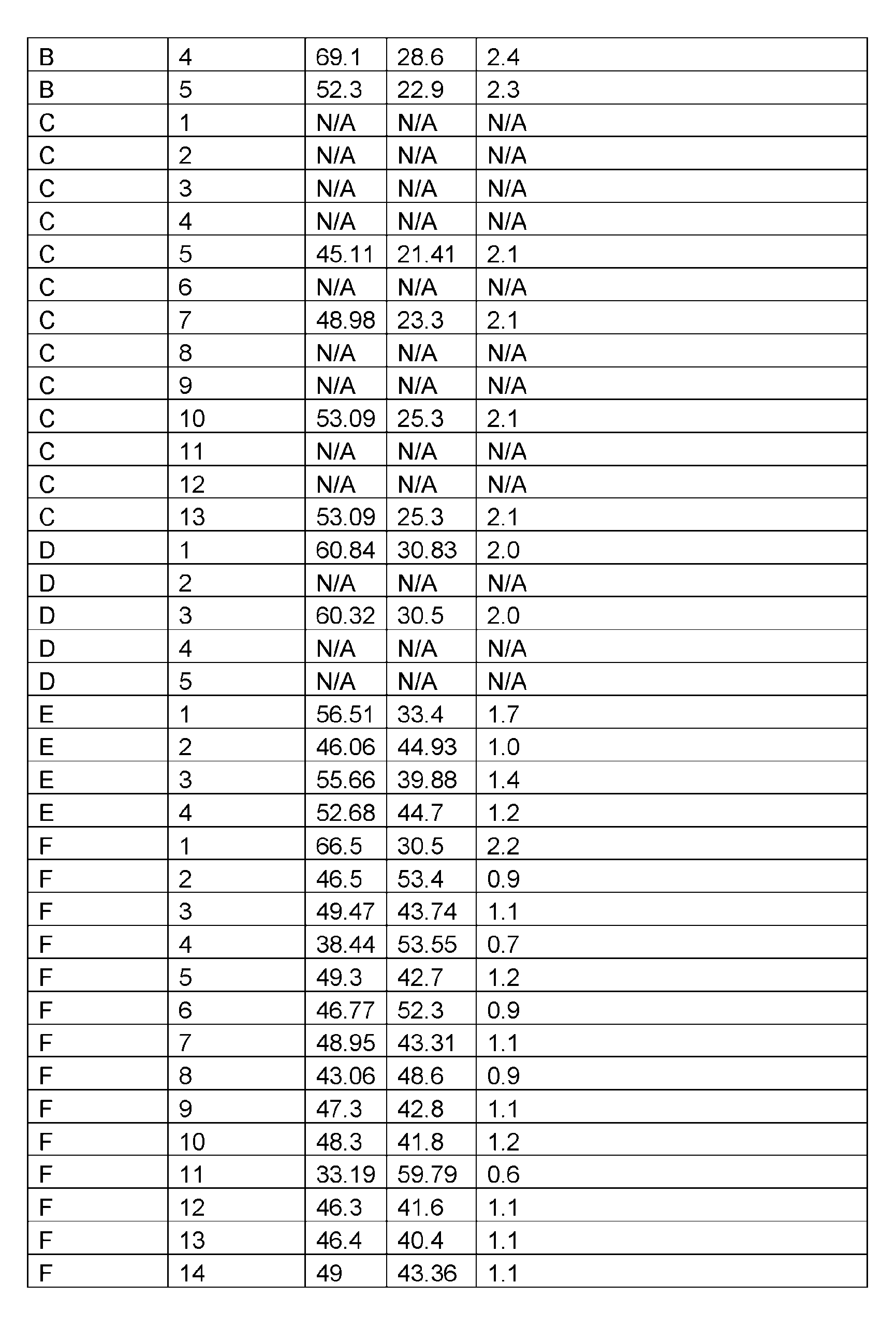
 provide Certificates of Analyses online for their products.
N/A = Not Applicable
[0068] Moreover, despite the fact that catalytic hydrogenation employing heavy metals (i.e. , Pd or Pt) is typically the final step in the synthesis of HHCs from THCs, the analysis of consumer products for such contaminants is concerningly lacking. Notably, although testing for arsenic, mercury, lead, and cadmium is typically available as required by cannabis laws in most states, testing for Pd or Pt is rarely requested or offered at most cannabis analytical testing facilities working with consumer products, which is in stark contrast to well-established practices for pharmaceutical production. Therefore, the wide variability in chemical composition of the available to public HHC products, in addition to the potential presence of production-related heavy metals, pose significant public health risks, which could be mitigated by employing the instantly described method in the production of HHC and other cannabinoid products.
[0069] Accordingly, in many embodiments, the homogenous catalytic reduction method described herein offers safe, effective, and stereoselective access to a variety of valuable cannabinoids, including the few illustrative examples shown in FIG. 7. More
specifically, in many embodiments, the homogenous catalytic reduction method employing HAT conditions, especially when optimized according to the method described herein, allow for safe and efficient access to HHCs isomers from various THC isomers in excellent yields comparable to those achieved via heterogenous catalytic reduction methods typically used in the art, and with superior stereoselectivity for more bioactive (9R)-HHC isomer. In contrast, the heterogenous hydrogenation conditions typically employed in the synthesis of HHCs from THCs are less stereoselective, leading to mixtures of isomers being offered to consumers.
[0070] In some embodiments, the method comprises more than one step (reaction), i.e., a plurality of steps, wherein each step requires step-specific reagents and conditions, and further wherein one of the plurality of steps is HAT reaction, as illustrated, for example, in FIG. 8. In this particular example, a cannabidiol (CBD) molecule is converted to THC in two steps, one of which is HAT reaction. In some embodiments the plurality of steps is conducted separately, with isolation of products at each step; while, in some other embodiments, the plurality of steps is conducted sequentially in a one-pot fashion.
[0071] In many embodiments, the homogenous catalytic reduction method avoids significant safety risks during the production process. In many embodiments, the homogenous catalytic reduction method described herein enable efficient and safe access to compositionally and stereochemically pure established and new cannabis- derived compounds.
EXEMPLARY EMBODIMENTS
[0072] The following examples are put forth so as to provide those of ordinary skill in the art with a complete disclosure and description of how to make and use the present invention, and are not intended to limit the scope of what the inventors regard as their invention nor are they intended to represent that the experiments below are all or the only experiments performed. Efforts have been made to ensure accuracy with respect to numbers used (e.g. amounts, temperature, etc.) but some experimental errors and deviations should be accounted for. Unless indicated otherwise, parts are parts by weight,
22
molecular weight is number average molecular weight, temperature is in degrees Celsius, and pressure is at or near atmospheric.
Materials and Methods
[0073] Unless stated otherwise, reactions were conducted in flame-dried glassware under an atmosphere of nitrogen using anhydrous solvents (passed through activated alumina columns or dried over 4A molecular sieves). All commercially obtained reagents were used as received unless otherwise specified. A9-THC (1) was purchased from Cayman Chemical (https://www.caymanchem.com; item #12068) under DEA approval (DEA license # RG0538338). A8-THC (3) is a known compound and was prepared following the literature procedure. The 1 H NMR spectral data matched that reported in the literature (see, for example, Hoffmann, G.; et al. Synthesis of para (-)-A8-THC triflate as a building block for the preparation of THC derivatives bearing different side chains. Org. Lett. 2019, 21, 563-566, the disclosure of which is incorporated herein by reference). Diimide 5 is a known compound and was prepared following the literature procedure (such as Groves, J. T.; Ma, K. W. Carbon cluster compounds. Generation and reorganization of the homobullvalenyl cation, an 11 -fold degenerate species. J. Am. Chem. Soc. 1977, 99, 4076 — 4082, the disclosure of which is incorporated herein by reference). Fe(acac)3 (99%), Pd/C (10% weight), and [lr(cod)PCy3Py]PFe (Crabtree’s Catalyst) were purchased from Strem Chemicals. Absolute ethanol was obtained from EMD Millipore Corporation. Phenylsilane (PhSiH4, 97%) and reagent grade n-propanol were obtained from Oakwood Chemicals. Thiophenol (PhSH, 97%), PtO2 (Adams’ catalyst), Pt/C (5% weight), Rh/C (5% weight), RhCI(PPh)3 (Wilkinson's catalyst), C0CI3, and LiAIH4 (2.0 M solution in THF) were obtained from Sigma Aldrich. AcOH was obtained from Fisher Scientific. H2 gas was obtained from Airgas Inc. Unless stated otherwise, reactions were performed at room temperature (approximately 23 °C). Thin layer chromatography (TLC) was conducted with EMD gel 60 F254 pre-coated plates (0.25 mm) and visualized using a combination of UV light and potassium permanganate or anisaldehyde staining. Preparative thin layer chromatography (pTLC) was conducted with EMD gel 60 F254 pre-coated plates (0.5 mm) and visualized using UV light and
anisaldehyde staining. Silicycle Siliaflash P60 (particle size 0.040-0.063 mm) was used for flash column chromatography. 1 H NMR were recorded on Bruker spectrometers (400 MHz and 500 MHz) and are reported relative to deuterated solvent signals.
General note about HHC stereochemistry
[0074] The language in the literature about the stereochemistry of HHCs isomers is convoluted, especially regarding “HHC enantiomers.” This is due to the fact that HHCs possess 3 stereocenters and therefore 8 stereoisomers. Here, the C10a (S) and C6a (R) stereocenters remain fixed based on the stereochemistry of THC. As such, the C9 stereocenter formed in HHC creates the diastereomers discussed, referred to as either (9R) or (9S)-HHC (4a and 4b respectively).
Experimental Procedures
[0075] A. Optimized HAT Conditions to Access HHCs 4a and 4b from A9 -THC (1 ):

A solution of A9-THC (1, 0.292 mL of a 51.4 mg/mL solution in hexanes; 15.0 mg, 47.7 pmol, 1.00 equiv) in a 1-dram vial containing a magnetic stir bar was concentrated under reduced pressure to afford a light-yellow oil. The material was then dissolved in ethanol (477 pL dried over 4A MS, 0.100 molar). Phenylsilane (23.7 pL, 191 pmol, 4.00 equiv) via a micro syringe, Fe(acac)s (3.37 mg, 9.54 pmol, 0.200 equiv) weighted out under air, and thiophenol (19.1 pL of a 0.500 molar solution in n-propanol, 9.54 pmol, 0.200 equiv) via a micro syringe were added. The reaction was then purged with nitrogen for 10 mins. Then, the reaction was allowed to stir at 23 °C under nitrogen for 17 h. After 17 h, a second portion of phenylsilane (23.7 pL, 191 pmol, 4.00 equiv), Fe(acac)3 (3.37 mg, 9.54 pmol, 0.200 equiv), and thiophenol (19.1 pL of a 0.500 molar solution in n-propanol, 9.54 pmol, 0.200 equiv) were added sequentially. The reaction was purged with nitrogen for 10 mins. The reaction was left to stir at 23 °C under nitrogen for another 4 h. After a total
reaction time of 21 h, the reaction was concentrated under reduced pressure and then filtered through a monster pipette containing silica (4.0 cm) with 40% EtOAc in hexane (10 mL) followed by benzene (2.0 mL). The crude material was purified by preparative TLC (100% benzene) to afford 4 as a clear oil (74% yield, 9.5:1 dr favoring 4a, average of two experiments: 73% yield, 9.8:1 dr favoring 4a and 75% yield, 9.1 :1 dr favoring 4a). Spectral data matched those reported in the literature (see, for example: Tietze, L.-F.; et al. Stereo- and regioselective synthesis of enantiomerically pure (+)- and (-)- hexahydrocannabinol by intramolecular cycloaddition. Angew. Chem. Int. Ed. Engl., 1982, 21, 221 — 222; and Archer, R. A.; et al. Structural studies of cannabinoids. A theoretical and proton magnetic resonance analysis. J. Am. Chem. Soc. 1970, 92, 5200 — 5206, the disclosures of which are incorporated herein by reference). Recovered starting material 1 (10% yield, average of two experiments: 9% yield and 10% yield) was also collected as a clear oil. To obtain an analytical sample for biological evaluation, the mixture of diastereomers was further purified by iterative preparative TLC (100% benzene) to afford 4a with >24: 1 dr. (9R)-HHC 4a: 1 H NMR (500 MHz, CDCh): 5 6.25 (d, J = 1 .5 Hz, 1 H),
6.08 (d, J = 1.5 Hz, 1 H), 4.64 (s, 1 H), 3.06-2.99 (m, 1 H), 2.50-2.35 (m, 3H), 1.91-1.80 (m, 2H), 1 .67-1 .58 (m, 1 H), 1 .58-1 .53 (m, 3H), 1 .45 (td, J = 11 .4, 2.6 Hz, 1 H), 1 .36 (s, 3H), 1.33-1.27 (m, 3H), 1.17-1.07 (m, 2H), 1.07 (s, 3H), 0.94 (d, J = 6.7 Hz, 3H), 0.90- 0.86 (m, 3H), 0.82-0.74 (m, 1 H).; 13C NMR (125 MHz, C6D6): 5 155.8, 155.5, 142.5, 110.7,
110.6, 107.8, 76.7, 49.4, 39.4, 36.0, 35.9, 35.8, 33.1 , 31.8, 31.2, 28.3, 28.0, 23.0, 22.9, 19.2, 14.2; HRMS-ESI (m/z) [M + H]+ calcd for C2iH33O2 +, 317.2480; found 317.2487.
[0076] B. Optimization of A9-THC (1) Reduction (FIGs. 2A and 2B):
[0077] Adams’ catalyst conditions (FIG. 2A, entry 1 ):

A solution of A9-THC (1 , 0.230 mL of a 65.2 mg/mL solution in ethanol; 15.0 mg, 48.0 pmol, 1 .00 equiv) was concentrated under reduced pressure to afford a light-yellow oil. Then, PtO2 (1.1 mg, 4.8 pmol, 0.100 equiv) followed by acetic acid (2.00 mL, 35.0 mmol,
0.0240 molar) were added to the reaction vial. The reaction vial was first sparged with nitrogen for 1 minute and then hydrogen gas (1 atm) was bubbled through the reaction mixture for 10 mins. The reaction was left to stir under hydrogen gas for 4 h. After 4 h, the reaction was filtered through a plug of celite (4 cm) in a monster pipette eluting with
EtOAc (10 mL). The organic layer was rinsed with water (2 mL x 2), then the organic layer was collected, dried over MgSCh, and concentrated under reduced pressure. The crude material was purified by preparative TLC (100% benzene) to afford 4 as a clear oil
(12.0 mg, 79% yield, 1.1 :1 dr favoring 4a).
[0078] Pt/C conditions: (FIG. 2A, entry 2):

To a solution of A9-THC (1, 0.230 mL of a 65.2 mg/mL solution in ethanol; 15.0 mg, 48.0 pmol, 1.00 equiv) was added Pt/C (19.0 mg, 5% wt, 4.8 pmol, 0.100 equiv) and ethanol (1.77 mL dried over 4A MS, 0.0270 molar). The reaction vial was first sparged with nitrogen for 1 minute and then hydrogen gas (1 atm) was bubbled through the reaction mixture while it stirred for 10 mins. The reaction was left to stir under hydrogen gas for 16 h. After 16 h, the reaction was filtered through a plug of celite (4 cm) in a monster pipette eluting with EtOAc (10 mL). The crude material was concentrated under reduced pressure and then purified via preparative TLC (100% benzene) to afford 4 as a clear oil (10.7 mg, 71 % yield, 1 :1.1 dr favoring 4b).
[0079] Rh/C conditions: (FIG. 2A, entry

J

To a solution of A9-THC (1, 0.230 mL of a 65.2 mg/mL solution in ethanol; 15.0 mg, 48.0 pmol, 1.00 equiv) was added Rh/C (9.5 mg, 5% wt, 4.8 pmol, 0.100 equiv) and ethanol (1.77 mL dried over 4A MS, 0.027 molar). The reaction vial was first sparged with nitrogen for 1 minute and then hydrogen gas (1 atm) was bubbled through the reaction mixture for
26
10 mins. The reaction was left to stir under hydrogen gas for 16 h. After 16 h, the reaction was filtered through a plug of celite (4 cm) in a monster pipette eluting with EtOAc (10 mL). The crude material was then concentrated under reduced pressure and purified via preparative TLC plate (100% benzene) to give recovered starting material 1 (12.7 mg, 85% yield) as a light-yellow oil.
[0080] Pd/C conditions (FIG. 2A, entry 4) (as described in Scialdone, M. A. Hydrogenation of cannabis oil. US Patent No. US9694040B2, the disclosure of which is incorporated herein by reference):

To a solution of A9-THC (1, 0.230 mL of a 65.2 mg/mL solution in ethanol; 15.0 mg, 48.0 pmol, 1.00 equiv) was added Pd/C (5.1 mg, 10% wt, 4.8 pmol, 0.100 equiv) and ethanol (1.77 mL dried over 4A MS, 0.0270 molar). The reaction vial was first sparged with nitrogen for 1 minute and then hydrogen gas (1 atm) was bubbled through the reaction mixture for 10 mins. The reaction was left to stir under hydrogen gas for 24 h. After 24 h, the reaction was filtered through a plug of celite (4 cm) in a monster pipette eluting with EtOAc (10 mL). The crude material was then concentrated under reduced pressure and purified via preparative TLC plate (100% benzene) to give the desired product 4 (11 .5 mg, 76% yield, 1 :3.9 drfavoring 4b) as a clear oil. To obtain an analytical sample for biological evaluation, the mixture of diastereomers was further purified by iterative preparative TLC (100% benzene) to afford 4b with >24:1 dr. (9S)-HHC 4b: 1H NMR (500 MHz, CDCh): 6 6.24 (d, J = 1 .5 Hz, 1 H), 6.07 (d, J = 1 .5 Hz, 1 H), 4.63 (s, 1 H), 2.87 (dtd, J = 13.2, 2.6, 1.4 Hz, 1 H), 2.67 (td, J = 11.5, 3.0 Hz, 1 H), 2.42 (td, J = 7.6, 2.9 Hz, 2H), 2.16-2.07 (m, 1 H), 1.69-1.59 (m, 3H), 1.59-1.51 (m, 2H), 1.50-1.44 (m, 1 H), 1.36 (s, 3H), 1.34-1.27 (m, 6H), 1.13 (d, J = 7.4 Hz, 3H), 1.09 (s, 3H), 0.91-0.85 (m, 3H).; 13C NMR (125 MHz, C6D6): 5 156.1 , 155.3, 142.4, 110.8, 110.7, 107.8, 76.6, 50.3, 36.5, 35.9, 32.5, 31.9, 31.2, 29.9, 28.4, 27.8, 23.3, 23.0, 19.2, 19.0, 14.2; HRMS-ESI (m/z) [M + H]+ calcd for C21 H33O2+, 317.2480; found 317.2482.
[0081] Crabtree’s catalyst conditions (FIG. 2A, entry 5) (as described in Crabtree, R. Iridium compounds in catalysis. Acc. Chem. Res. 1979, 12, 331 — 337, the disclosure of which is incorporated herein by reference):

A solution of A9-THC (1 , 0.206 mL of a 65.2 mg/mL solution in ethanol; 13.4 mg, 42.6 pmol, 1 .00 equiv) was concentrated under reduced pressure to afford a light-yellow oil. Then, Crabtree’s catalyst (3.43 mg, 4.26 pmol, 0.100 equiv) was added inside the glove box. Next, CH2CI2 (1.78 mL, 42.6 mmol, 0.0240 molar) was then added outside of the glovebox and the vial was cooled to 0 °C in an ice bath. The reaction vial was first sparged with nitrogen for 1 minute and then hydrogen gas (1 atm) was bubbled through the reaction mixture for 10 mins. The reaction was left to stir under hydrogen gas for 4 h and warm to 23 °C. After 4 h, the reaction was filtered through a plug of celite (4 cm) in a monster pipette eluting with EtOAc (10 mL). The crude material was then concentrated under reduced pressure and purified via preparative TLC plate (100% benzene) to give the desired product 4 (8.50 mg, 63% yield, 1 :2.0 dr favoring 4b) as a clear oil as well as recovered starting material 1 (1 .9 mg, 14% yield) as a light-yellow oil.
[0082] Wilkinson’s catalyst conditions (FIG. 2A, entry 6):

Wilkinson’s catalyst (4.4 mg, 4.8 pmol, 0.100 equiv) was weighed out and added to a vial. Next, a solution of A9-THC (1, 0.230 mL of a 65.2 mg/mL solution in ethanol; 15.0 mg, 48.0 pmol, 1 .00 equiv), ethanol (0.250 mL dried over 4A MS, 0.100 molar), and benzene (0.250 mL, 0.100 molar) were added. The reaction vial was first sparged with nitrogen for 1 minute and then hydrogen gas (1 atm) was bubbled through the reaction mixture for 10 mins. The reaction was left to stir under hydrogen gas for 16 h. After 16 h, the reaction was filtered through a plug of celite (4 cm) in a monster pipette eluting with EtOAc (10
28
mL). The crude material was then concentrated under reduced pressure and purified via preparative TLC plate (100% benzene) to give recovered starting material 1 (14.0 mg, 93% yield) as a light-yellow oil.
[0083] Diimide 5 conditions (FIG. 2A, entry 7) (as described in Onyango, E. O.; et al. Syntheses of 1 -Bromo-8-methylnaphthalene and 1-Bromo-5-methylnaphthalene. J. Org. Chem. 2015, 80, 5970 — 5972, the disclosure of which is incorporated herein by reference):

Diimide 5 (27.8 mg, 143.0 pmol, 3.00 equiv) was added to a vial. Next, a solution of A9- THC (1, 0.230 mL of a 65.2 mg/mL solution in ethanol; 15.0 mg, 48.0 pmol, 1 .00 equiv), ethanol (0.77 mL dried over 4A MS, 0.062 molar), and acetic acid (21.8 pL, 382 pmol, 8.00 equiv) were added. The reaction was left to stir for 16 h at 23 °C under nitrogen. After 16 h, the reaction was filtered through a plug of celite (4 cm) in a monster pipette eluting with EtOAc (10 mL). The crude material was then concentrated under reduced pressure and purified via a monster pipette silica column (4 cm) eluting with benzene (10 mL) to give recovered starting material 1 (12.5 mg, 83% yield) as a light-yellow oil.
[0084] CoCl2/LiAIH4 conditions (FIG. 2A, entry 8) (as described in Ashby, E. C.; Lin, J. J. Selective reduction of alkenes and alkynes by the reagent lithium aluminum hydride- transition-metal halide. J. Org. Chem. 1978, 43, 25Q7 — 2572, the disclosure of which is incorporated herein by reference):

A solution of A9-THC (1 , 0.230 mL of a 65.2 mg/mL solution in ethanol; 15.0 mg, 48.0 pmol, 1 .00 equiv) was concentrated under reduced pressure to afford a light-yellow oil.
29
Then, C0CI2 (3.10 mg, 24.0 pmol, 0.500 equiv) and THF (2.00 mL, 48.0 mmol, 0.0240 molar) were added to the vial inside a glove box. The vial was removed from the glove box and cooled to -78 °C in a dry ice acetone bath under nitrogen. Then, LiAIFU (12.0 pL of a 2.0 molar solution in THF, 24.0 pmol, 0.500 equiv) was added slowly via a micro syringe. The reaction was left to stir and warm to 23 °C for 16 h. After 16 h, the reaction was filtered through a plug of celite (4 cm) in a monster pipette eluting with EtOAc (10 mL). The crude material was then concentrated under reduced pressure and purified via preparative TLC plate (100% benzene) to give the desired product 4 (1.60 mg, 11 % yield, dr could not be determined) as a clear oil as well as recovered starting material 1 (10.2 mg, 68% yield) as a light-yellow oil.
[0085] West HAT conditions (FIG. 2B, entry 9):

A solution of A9-THC (1 , 0.30 mL of a 50.1 mg/mL solution in hexanes; 15.0 mg, 47.7 pmol, 1.00 equiv) was added to a vial. Ethanol (477 pL dried over 4A MS, 0.100 molar) was then added to the vial. Phenylsilane (5.20 pL, 42.0 pmol, 2.00 equiv) via a micro syringe, Fe(acac)3 (0.740 mg, 2.10 pmol, 0.200 equiv) weighted out under air, and thiophenol (4.20 pL of a 0.500 molar solution in n-propanol, 2.10 pmol, 0.200 equiv) via a micro syringe were added. The reaction was then purged with nitrogen for 10 mins and then the nitrogen line removed. The reaction was left to stir for 27 h. After 27 h, the reaction was filtered through a plug of silica (4 cm) in a monster pipette eluting with 40% EtOAc in hexanes (10 mL) and benzene (2 mL). The crude material was then concentrated under reduced pressure and purified via preparative TLC plate (100% benzene) to give the desired product 4 (23% yield, average of two experiments: 10% yield, 9.2: 1 dr favoring 4a, and 36% yield, 9.6: 1 dr favoring 4a) as a clear oil as well as recovered starting material 1 (38% yield, average of two experiments: 37% yield and 39% yield) as a light-yellow oil.
[0086] C. Optimized HAT Conditions to Access HHCs 4a and 4b from A8-THC (3):

A solution of A8-THC (3, 0.303 mL of a 49.6 mg/mL solution in ethanol; 15.0 mg, 47.7 pmol, 1.00 equiv) in a 1-dram vial containing a magnetic stir bar was concentrated under reduced pressure to afford a light-yellow oil. The material was then dissolved in ethanol (477 pL dried over 4A MS, 0.100 molar). Phenylsilane (23.7 pL, 191 pmol, 4.00 equiv) via a microsyringe, Fe(acac)3 (3.37 mg, 19.54 pmol, 0.200 equiv) weighted out in air, and thiophenol (19.7 pL of a 0.500 molar solution in n-propanol, 9.54 pmol, 0.200 equiv) via a micro syringe were added to the vial. The reaction was then purged with nitrogen for 10 mins. Then the reaction was allowed to stir at 23 °C under nitrogen for 17 h. After 17 h, a second portion of phenylsilane (23.7 pL, 191 pmol, 4.00 equiv), Fe(acac)3 (3.37 mg,
19.54 pmol, 0.200 equiv), and thiophenol (19.7 pL of a 0.500 molar solution in n-propanol,
9.54 pmol, 0.200 equiv) were added sequentially. The reaction was left to stir at 23 °C under nitrogen for another 4 h. After a total reaction time of 21 h, the reaction was concentrated under reduced pressure and then filtered through a monster pipette containing silica (4.0 cm) with 40% EtOAc in hexane (10 mL) followed by benzene (2.0 mL). The crude material was purified by preparative TLC (100% benzene) to afford the desired product 4 as a clear oil (77% yield, 11.0:1 dr favoring 4a, average of two experiments: 76% yield, 11.3:1 dr favoring 4a and 78% yield, 10.6:1 dr favoring 4a). Spectral data matched those reported in the literature.
Computational Methods:
[0087] All calculations were carried out with Spartan 20 (version 1.1.3 for Mac, Wavefunction, Inc., Irvine, California, USA, www.wavefun.com). An initial geometry optimization was performed with ©B97X-D functional (as described in Chai, J.-D. Head- Gordon, M. Long-range corrected hybrid density functionals with damped atom — atom dispersion corrections. Phys. Chem. Chem. Phys. 2008, 10, 6615 — 6620, the disclosure of which is incorporated herein by reference) and the 6-31 G* basis set. The resultant
31
structures were then submitted for a conformational search using molecular mechanics. Four rounds of bond rotations were investigated for the hydroxyl group as well as chain flips of all C(sp3) atoms in the rings. The conformers obtained were then optimized using the same level of theory as for geometry optimizations. Frequency analysis was conducted to verify the stationary points to be minima. Optimized structures are presented in FIG. 4 using CYLview (C. Y. Legault, CYLview20; Universite de Sherbrooke: Quebec, Montreal, Canada, www.cylview.org, the disclosure of which is incorporated herein by reference).
CBi and CB2 Receptor Studies Conducted by Eurofins Discovery
[0088] A. Human CB1 Cannabinoid Receptor (Agonist Radioligand), Binding Assay:
Evaluation of the affinity of compounds for the human CB1 cannabinoid receptor in transfected Chem-1 cells determined in a radioligand binding assay.
[0089] Experimental protocol: Cell membrane homogenates (20 pg protein) are incubated for 30 min at 22 °C with 2 nM [3H]CP 55940 in the absence or presence of the test compound in a buffer containing 50 mM Tris-HCI (pH 7.4), 5 mM MgCl2, 2.5 mM EDTA and 0.3% BSA. Nonspecific binding is determined in the presence of 10 pM WIN 55212-2. Following incubation, the samples are filtered rapidly under vacuum through glass fiber filters (GF/B, Packard) presoaked with 0.3% PEI and rinsed several times with an ice-cold buffer containing 50 mM Tris-HCI (pH 7.4), 500 mM NaCI and 0.1 % BSA using a 96-sample cell harvester (Unifilter, Packard). The filters are dried, and then counted for radioactivity in a scintillation counter (Topcount, Packard) using a scintillation cocktail (Microscint 0, Packard). The results are expressed as a percent inhibition of the control radioligand specific binding. The standard reference compound is CP 55940 which is tested in each experiment at several concentrations to obtain a competition curve from which its IC50 is calculated.
[0090] The results are expressed as a percent inhibition of control specific binding: 100-(measured specific binding/control specific binding*100) obtained in the presence of the test compounds.
32
[0091] The ICso values (concentration causing a half-maximal inhibition of control specific binding) and Hill coefficients (nH) were determined by non-linear regression analysis of the competition curves generated with mean replicate values using Prism equation curve fitting, log(inhibitor) vs response - variable slope (four parameter) (GraphPad Prism version 9.5.0 for Mac, GraphPad Software, San Diego, California, USA, www.graphpad.com). The bottom of the line was constrained to zero unless otherwise noted. The inhibition constants (Ki) were calculated using the Cheng Prusoff equation using Prism software.
Table 1 : Data for 4a

Table 2: Data for 4b
 Table 3: Data for 1

[0092] B. Human CB2 Cannabinoid Receptor (Agonist Radioligand), Binding Assay:
Evaluation of the affinity of compounds for the human CB2 cannabinoid receptor in transfected CHO cells determined in a radioligand binding assay.
[0093] Experimental protocol: Cell membrane homogenates (12 pg protein) are incubated for 120 min at 37 °C with 0.8 nM [3H]WIN 55212-2 in the absence or presence of the test compound in a buffer containing 50 mM HEPES/Tris (pH 7.4), 5 mM MgCl2, 2.5 mM EGTA and 0.1 % BSA. Nonspecific binding is determined in the presence of 5 pM WIN 55212-2. Following incubation, the samples are filtered rapidly under vacuum through glass fiber filters (GF/B, Packard) presoaked with 0.3% PEI and rinsed several times with ice-cold 50 mM Tris-HCI using a 96-sample cell harvester (Unifilter, Packard). The filters are dried, and then counted for radioactivity in a scintillation counter (Topcount, Packard) using a scintillation cocktail (Microscint 0, Packard). The results are expressed as a percent inhibition of the control radioligand specific binding. The standard reference compound WIN 55212-2 is tested in each experiment at several concentrations to obtain a competition curve from which its IC50 is calculated.
[0094] The results are expressed as a percent inhibition of control specific binding: 100-(measured specific binding/control specific binding*100) obtained in the presence of the test compounds.
[0095] The IC50 values (concentration causing a half-maximal inhibition of control specific binding) and Hill coefficients (nH) were determined by non-linear regression analysis of the competition curves generated with mean replicate values using Prism equation curve fitting, log(inhibitor) vs response - variable slope (four parameter). The bottom of the line was constrained to zero unless otherwise noted. The inhibition constants (Ki) were calculated using the Cheng Prusoff equation using Prism software.
Table 4: Data for 4a

Table 5: Data for 4b
 Table 6: Data for 1

[0096] C. Human Cannabinoid CBi Receptor (Agonist Effect), GPCR Functional Assay:
Evaluation of the agonist activity of compounds at the human CBi receptor expressed in transfected CHO cells, determined by measuring their effects on cAMP modulation using the HTRF detection method.
[0097] Experimental protocol: The cells are suspended in HBSS buffer (Invitrogen) complemented with 20 mM HEPES (pH 7.4), then distributed in microplates at a density of 5.103 cells/well in the presence of either of the following: HBSS (basal control), the reference agonist at 30 nM (stimulated control) or various concentrations (ECso determination), or the test compounds. Thereafter, the adenylyl cyclase activator forskolin is added at a final concentration of 25 pM. Following 30 min incubation at 37 °C, the cells are lysed and the fluorescence acceptor (D2-labeled cAMP) and fluorescence donor (anti-cAMP antibody labeled with europium cryptate) are added. After 60 min at room temperature, the fluorescence transfer is measured at 7ex = 337 nm and 7em = 620 and 665 nm using a microplate reader (Envison, Perkin Elmer). The cAMP concentration is determined by dividing the signal measured at 665 nm by that measured at 620 nm (ratio). The results are expressed as a percent of the control response to 10 nM CP 55940. The standard reference agonist is CP 55940, which is tested in each experiment at several concentrations to generate a concentration-response curve from which its ECso value is calculated.
[0098] The results are expressed as a percent of control agonist response: measured response/control response*100 obtained in the presence of the test compounds.
[0099] The ECso values (concentration producing a half-maximal response) were determined by non-linear regression analysis of the concentration-response curves generated with mean replicate values using Prism equation curve fitting, log(agonist) vs response - variable slope (four parameter). The bottom of the line was constrained to zero.
Table 7: Data for 4a


[00100] D. Human Cannabinoid CB2 Receptor (Agonist Effect), GPCR Functional Assay:
Evaluation of the agonist activity of compounds at the human CB2 receptor expressed in transfected CHO cells, determined by measuring their effects on cAMP modulation using the HTRF detection method.
[00101] Experimental protocol: The cells are suspended in HBSS buffer (Invitrogen) complemented with 20 mM HEPES (pH 7.4), then distributed in microplates at a density of 7.5x10³ cells/well in the presence of either of the following: HBSS (basal control), the reference agonist at 100 nM (stimulated control) or various concentrations (EC50 determination), or the test compounds. Thereafter, the adenylyl cyclase activator NKH 477 is added at a final concentration of 3 pM. Following 10 min incubation at 37 °C, the cells are lysed and the fluorescence acceptor (D2-labeled cAMP) and fluorescence donor (anti-cAMP antibody labeled with europium cryptate) are added. After 60 min at room temperature, the fluorescence transfer is measured at Xex = 337 nm and Xem = 620 and 665 nm using a microplate reader (Envison, Perkin Elmer). The cAMP concentration is determined by dividing the signal measured at 665 nm by that measured at 620 nm (ratio). The results are expressed as a percent of the control response to 100 nM WIN 55212-2.
The standard reference agonist is WIN 55212-2, which is tested in each experiment at several concentrations to generate a concentration-response curve from which its ECso value is calculated.
[00102] The results are expressed as a percent of control agonist response: measured response/control response*100 obtained in the presence of the test compounds.
[00103] The ECso values (concentration producing a half-maximal response) were determined by non-linear regression analysis of the concentration-response curves generated with mean replicate values using Prism equation curve fitting, log(agonist) vs response - variable slope (four parameter). The bottom of the line was constrained to zero.
Table 10: Data for 4a

Table 11 : Data for 4b

Table 12: Data for 1
 DOCTRINE OF EQUIVALENTS
[00104] This description of the invention has been presented for the purposes of illustration and description. It is not intended to be exhaustive or to limit the invention to the precise form described, and many modifications and variations are possible in light of the teaching above. The embodiments were chosen and described in order to best explain the principles of the invention and its practical applications. This description will enable others skilled in the art to best utilize and practice the invention in various embodiments and with various modifications as are suited to a particular use. The scope of the invention is defined by the following claims.
41
Claims
1 . A method for accessing CBi and CB2 receptor-active compounds via a cooperative hydrogen-atom transfer reaction comprising: providing an unsaturated precursor, wherein the unsaturated precursor is a natural or synthetic compound comprising at least one double bond; providing a set of reagents at least comprising: a catalyst loading of a catalyst, a source amount of a hydrogen radical atom source, an agent amount of a reducing agent, and a solvent; and exposing the unsaturated precursor to the set of reagents and allowing the unsaturated precursor and the set of reagents to react for a reaction duration at a reaction temperature to obtain a cannabinoid, wherein the cannabinoid is a CB1 and CB2 receptor-active compound.
2. The method of claim 1 , wherein the cannabinoid is a single stereoisomer or a mixture of stereoisomers of hexahydrocannabinol.
3. The method of claim 2, wherein the cannabinoid is a compound selected from the group consisting of: (9R)-HHC, (9S)-HHC, or any mixture thereof.
4. The method of claim 2, wherein the unsaturated precursor is an isomer of tetrahydrocannabinol selected from the group consisting of: A9-THC, A8-THC, and any mixture thereof.
5. The method of claim 1 , wherein the unsaturated precursor is a natural or synthetic CB1 and CB2 receptor-active compound comprising at least one double bond.
6. The method of claim 1 , wherein the cooperative hydrogen-atom transfer reaction is stereoselective.
42
7. The method of claim 1 , wherein the catalyst is a metal-based catalyst.
8. The method of claim 1 , wherein the catalyst comprises a metal selected from the group consisting of: iron (Fe), manganese (Mn), cobalt (Co), and any combination thereof.
9. The method of claim 8, wherein the catalyst is an iron-based catalyst.
10. The method of claim 9, wherein the iron-based catalyst is Fe(acac)3.
11. The method of claim 1 , wherein the hydrogen radical atom source is a reagent selected from the group consisting of: an alcohol, a thiol, and any combination thereof.
12. The method of claim 11 , wherein the hydrogen radical atom source is a thiol selected from the group consisting of: thiophenol (PhSH), 2,4-Dimethylbenzenethiol (2,4- diMePhSH), 4-methoxythiophenol (4-MeOPhSH), and any combination thereof.
13. The method of claim 11 , wherein the solvent is the hydrogen radical atom source.
14. The method of claim 1 , wherein the reducing agent is a silane.
15. The method of claim 14, wherein the silane is phenylsilane (PhSiHs).
16. The method of claim 1 , wherein the catalyst loading is above 10 mol %.
17. The method of claim 16, wherein the catalyst loading is above 20 mol %.
18. The method of claim 17, wherein the catalyst loading is above 30 mol %.
19. The method of claim 18, wherein the catalyst loading is 40 mol % or above.
43
20. The method of claim 1 , wherein the set of reagents is provided portion-wise over the reaction duration.
21. The method of claim 20, wherein the set of reagents is provided in two equal portions over the reaction duration, such that one portion is provided at the start of the reaction duration, and one portion is provided at a later point of the reaction duration.
22. The method of claim 20, wherein the set of reagents is provided portion-wise as any number and size of portions provided throughout the reaction duration as needed to optimize the yield of the cannabinoid.
23. The method of claim 1 , wherein the reaction duration is 8 hours to 168 hours.
24. The method of claim 23, wherein the reaction duration is 17 to 72 hours.
25. The method of claim 24, wherein the reaction duration is 21 to 48 hours.
26. The method of claim 1 , wherein the reaction temperature is room temperature.
27. The method of claim 1 , wherein the source amount is the same amount as the catalyst loading.
28. The method of claim 1 , wherein the agent amount is 2 — 8 equivalents relative to the unsaturated precursor.
29. The method of claim 1 , wherein the set of reagents comprises: 10 — 40 mol % Fe(acac)3 as the catalyst, 10 — 40 mol % PhSH in n-PrOH, 2 — 8 equiv. of PhSiHs relative to the unsaturated precursor, and ethanol as the solvent.
44
0. The method of claim 29, wherein the set of reagents comprises: 40 mol % Fe(acac)3 as the catalyst, 40 mol % PhSH in n-PrOH, 8 equiv. of PhSiHs relative to the unsaturated precursor, and ethanol as the solvent, and wherein the set of reagents is provided in two equal portions over a period of 17 hours.
Applications Claiming Priority (2)
| Application Number | Priority Date | Filing Date | Title |
|---|---|---|---|
| US202363514060P | 2023-07-17 | 2023-07-17 | |
| US63/514,060 | 2023-07-17 |
Publications (2)
| Publication Number | Publication Date |
|---|---|
| WO2025019609A2 true WO2025019609A2 (en) | 2025-01-23 |
| WO2025019609A3 WO2025019609A3 (en) | 2025-05-01 |
Family
ID=94282637
Family Applications (1)
| Application Number | Title | Priority Date | Filing Date |
|---|---|---|---|
| PCT/US2024/038415 Ceased WO2025019609A2 (en) | 2023-07-17 | 2024-07-17 | Methods for preparation of cannabinoid receptor active compounds |
Country Status (1)
| Country | Link |
|---|---|
| WO (1) | WO2025019609A2 (en) |
Family Cites Families (2)
| Publication number | Priority date | Publication date | Assignee | Title |
|---|---|---|---|---|
| US2419937A (en) * | 1944-03-27 | 1947-05-06 | Adams Roger | Marihuana active compounds |
| JP2018515608A (en) * | 2015-05-07 | 2018-06-14 | シャルダン, マーク アンドリューSCIALDONE, Mark Andrew | Hydrogenation of cannabis oil |
-
2024
- 2024-07-17 WO PCT/US2024/038415 patent/WO2025019609A2/en not_active Ceased
Also Published As
| Publication number | Publication date |
|---|---|
| WO2025019609A3 (en) | 2025-05-01 |
Similar Documents
| Publication | Publication Date | Title |
|---|---|---|
| Mechoulam et al. | Syntheses of. DELTA. 1-tetrahydrocannabinol and related cannabinoids | |
| Kitson et al. | Learning from nature: advances in geldanamycin-and radicicol-based inhibitors of Hsp90 | |
| Korotaev et al. | Recent advances in the chemistry of 3-nitro-2 H-and 3-nitro-4 H-chromenes | |
| Banday et al. | Benzylidine pregnenolones and their oximes as potential anticancer agents: synthesis and biological evaluation | |
| EP1633733B1 (en) | Cannabinoid derivatives, methods of making, and use thereof | |
| Kim et al. | Synthetic nat-or ent-steroids in as few as five chemical steps from epichlorohydrin | |
| Suzuki et al. | Synthesis of the azatricyclic core of FR901483 by bridgehead vinylation via an anti-Bredt iminium ion | |
| Widen et al. | Helenalin Analogues Targeting NF‐κB p65: Thiol Reactivity and Cellular Potency Studies of Varied Electrophiles | |
| Li et al. | Synthesis of spirolactone-type diterpenoid derivatives from kaurene-type oridonin with improved antiproliferative effects and their apoptosis-inducing activity in human hepatoma Bel-7402 cells | |
| Attanasi et al. | Regioselective formation of 5-methylene-6-methoxy-1, 4, 5, 6-tetrahydropyridazines from the [4+ 2]-cycloaddition reaction of in situ generated 1, 2-diaza-1, 3-dienes with methoxyallene | |
| Lima et al. | It takes two to tango: synthesis of cytotoxic quinones containing two redox active centers with potential antitumor activity | |
| Teterina et al. | A highly efficient and stereoselective cycloaddition of nitrones to N-arylitaconimides | |
| Zeng et al. | Electrochemical Synthesis of 2-Selenylnaphthalenes with Alkynyl Alkyl Alcohols and Diselenides | |
| da Silva Martins et al. | Selective oxidation of lupeol by iodosylbenzene catalyzed by manganese porphyrins | |
| Taber et al. | Grubbs's cross metathesis of eugenol with cis-2-butene-1, 4-diol to make a natural product. An organometallic experiment for the undergraduate lab | |
| Hurem et al. | A catalytic, oxidative synthesis of olivetol, methyl olivetolate and orthogonally protected methyl ether derivatives | |
| Parmar et al. | A base-catalyzed, domino aldol/hetero-Diels–Alder synthesis of tricyclic pyrano [3, 4-c] chromenes in glycerol | |
| Zhang et al. | Total Synthesis of Pallamolides A− E | |
| Millimaci et al. | Synthesis of Neocannabinoids Using Controlled Friedel–Crafts Reactions | |
| Mondal et al. | Well‐Defined Mn (II)‐complex Catalyzed Switchable De (hydrogenative) Csp3‐H Functionalization of Methyl Heteroarenes: A Sustainable Approach for Diversification of Heterocyclic Motifs | |
| Wang et al. | Efficient construction of 3-arylquinolin-4 (1H)-ones via in situ Meinwald rearrangement/intramolecular reductive cyclization of 2′-nitrochalcone epoxides | |
| EP0570920A1 (en) | Probe for cannabinoid receptors | |
| Li et al. | An efficient regioselective synthesis of 8-Formylhomoisoflavonoids with neuroprotective activity by enhancing autophagy | |
| Zhu et al. | Synthesis of 5α, 6-Dihydroveragranines A and B | |
| Terzidis et al. | Chromeno [2, 3-c] pyrroles by one-pot multicomponent domino addition–amination reaction |
Legal Events
| Date | Code | Title | Description |
|---|---|---|---|
| 121 | Ep: the epo has been informed by wipo that ep was designated in this application |
Ref document number: 24843924 Country of ref document: EP Kind code of ref document: A2 |
|
| NENP | Non-entry into the national phase |
Ref country code: DE |