WO2025019334A2 - Antibody-drug conjugates and linkers and methods of use thereof - Google Patents
Antibody-drug conjugates and linkers and methods of use thereof Download PDFInfo
- Publication number
- WO2025019334A2 WO2025019334A2 PCT/US2024/037838 US2024037838W WO2025019334A2 WO 2025019334 A2 WO2025019334 A2 WO 2025019334A2 US 2024037838 W US2024037838 W US 2024037838W WO 2025019334 A2 WO2025019334 A2 WO 2025019334A2
- Authority
- WO
- WIPO (PCT)
- Prior art keywords
- antibody
- drug
- mab
- linker
- payload
- Prior art date
- Legal status (The legal status is an assumption and is not a legal conclusion. Google has not performed a legal analysis and makes no representation as to the accuracy of the status listed.)
- Ceased
Links
Classifications
-
- A—HUMAN NECESSITIES
- A61—MEDICAL OR VETERINARY SCIENCE; HYGIENE
- A61K—PREPARATIONS FOR MEDICAL, DENTAL OR TOILETRY PURPOSES
- A61K47/00—Medicinal preparations characterised by the non-active ingredients used, e.g. carriers or inert additives; Targeting or modifying agents chemically bound to the active ingredient
- A61K47/50—Medicinal preparations characterised by the non-active ingredients used, e.g. carriers or inert additives; Targeting or modifying agents chemically bound to the active ingredient the non-active ingredient being chemically bound to the active ingredient, e.g. polymer-drug conjugates
- A61K47/51—Medicinal preparations characterised by the non-active ingredients used, e.g. carriers or inert additives; Targeting or modifying agents chemically bound to the active ingredient the non-active ingredient being chemically bound to the active ingredient, e.g. polymer-drug conjugates the non-active ingredient being a modifying agent
- A61K47/68—Medicinal preparations characterised by the non-active ingredients used, e.g. carriers or inert additives; Targeting or modifying agents chemically bound to the active ingredient the non-active ingredient being chemically bound to the active ingredient, e.g. polymer-drug conjugates the non-active ingredient being a modifying agent the modifying agent being an antibody, an immunoglobulin or a fragment thereof, e.g. an Fc-fragment
- A61K47/6801—Drug-antibody or immunoglobulin conjugates defined by the pharmacologically or therapeutically active agent
- A61K47/6803—Drugs conjugated to an antibody or immunoglobulin, e.g. cisplatin-antibody conjugates
- A61K47/68031—Drugs conjugated to an antibody or immunoglobulin, e.g. cisplatin-antibody conjugates the drug being an auristatin
-
- A—HUMAN NECESSITIES
- A61—MEDICAL OR VETERINARY SCIENCE; HYGIENE
- A61K—PREPARATIONS FOR MEDICAL, DENTAL OR TOILETRY PURPOSES
- A61K47/00—Medicinal preparations characterised by the non-active ingredients used, e.g. carriers or inert additives; Targeting or modifying agents chemically bound to the active ingredient
- A61K47/50—Medicinal preparations characterised by the non-active ingredients used, e.g. carriers or inert additives; Targeting or modifying agents chemically bound to the active ingredient the non-active ingredient being chemically bound to the active ingredient, e.g. polymer-drug conjugates
- A61K47/51—Medicinal preparations characterised by the non-active ingredients used, e.g. carriers or inert additives; Targeting or modifying agents chemically bound to the active ingredient the non-active ingredient being chemically bound to the active ingredient, e.g. polymer-drug conjugates the non-active ingredient being a modifying agent
- A61K47/68—Medicinal preparations characterised by the non-active ingredients used, e.g. carriers or inert additives; Targeting or modifying agents chemically bound to the active ingredient the non-active ingredient being chemically bound to the active ingredient, e.g. polymer-drug conjugates the non-active ingredient being a modifying agent the modifying agent being an antibody, an immunoglobulin or a fragment thereof, e.g. an Fc-fragment
- A61K47/6801—Drug-antibody or immunoglobulin conjugates defined by the pharmacologically or therapeutically active agent
- A61K47/6803—Drugs conjugated to an antibody or immunoglobulin, e.g. cisplatin-antibody conjugates
-
- A—HUMAN NECESSITIES
- A61—MEDICAL OR VETERINARY SCIENCE; HYGIENE
- A61K—PREPARATIONS FOR MEDICAL, DENTAL OR TOILETRY PURPOSES
- A61K47/00—Medicinal preparations characterised by the non-active ingredients used, e.g. carriers or inert additives; Targeting or modifying agents chemically bound to the active ingredient
- A61K47/50—Medicinal preparations characterised by the non-active ingredients used, e.g. carriers or inert additives; Targeting or modifying agents chemically bound to the active ingredient the non-active ingredient being chemically bound to the active ingredient, e.g. polymer-drug conjugates
- A61K47/51—Medicinal preparations characterised by the non-active ingredients used, e.g. carriers or inert additives; Targeting or modifying agents chemically bound to the active ingredient the non-active ingredient being chemically bound to the active ingredient, e.g. polymer-drug conjugates the non-active ingredient being a modifying agent
- A61K47/68—Medicinal preparations characterised by the non-active ingredients used, e.g. carriers or inert additives; Targeting or modifying agents chemically bound to the active ingredient the non-active ingredient being chemically bound to the active ingredient, e.g. polymer-drug conjugates the non-active ingredient being a modifying agent the modifying agent being an antibody, an immunoglobulin or a fragment thereof, e.g. an Fc-fragment
- A61K47/6835—Medicinal preparations characterised by the non-active ingredients used, e.g. carriers or inert additives; Targeting or modifying agents chemically bound to the active ingredient the non-active ingredient being chemically bound to the active ingredient, e.g. polymer-drug conjugates the non-active ingredient being a modifying agent the modifying agent being an antibody, an immunoglobulin or a fragment thereof, e.g. an Fc-fragment the modifying agent being an antibody or an immunoglobulin bearing at least one antigen-binding site
- A61K47/6849—Medicinal preparations characterised by the non-active ingredients used, e.g. carriers or inert additives; Targeting or modifying agents chemically bound to the active ingredient the non-active ingredient being chemically bound to the active ingredient, e.g. polymer-drug conjugates the non-active ingredient being a modifying agent the modifying agent being an antibody, an immunoglobulin or a fragment thereof, e.g. an Fc-fragment the modifying agent being an antibody or an immunoglobulin bearing at least one antigen-binding site the antibody targeting a receptor, a cell surface antigen or a cell surface determinant
-
- A—HUMAN NECESSITIES
- A61—MEDICAL OR VETERINARY SCIENCE; HYGIENE
- A61K—PREPARATIONS FOR MEDICAL, DENTAL OR TOILETRY PURPOSES
- A61K47/00—Medicinal preparations characterised by the non-active ingredients used, e.g. carriers or inert additives; Targeting or modifying agents chemically bound to the active ingredient
- A61K47/50—Medicinal preparations characterised by the non-active ingredients used, e.g. carriers or inert additives; Targeting or modifying agents chemically bound to the active ingredient the non-active ingredient being chemically bound to the active ingredient, e.g. polymer-drug conjugates
- A61K47/51—Medicinal preparations characterised by the non-active ingredients used, e.g. carriers or inert additives; Targeting or modifying agents chemically bound to the active ingredient the non-active ingredient being chemically bound to the active ingredient, e.g. polymer-drug conjugates the non-active ingredient being a modifying agent
- A61K47/68—Medicinal preparations characterised by the non-active ingredients used, e.g. carriers or inert additives; Targeting or modifying agents chemically bound to the active ingredient the non-active ingredient being chemically bound to the active ingredient, e.g. polymer-drug conjugates the non-active ingredient being a modifying agent the modifying agent being an antibody, an immunoglobulin or a fragment thereof, e.g. an Fc-fragment
- A61K47/6835—Medicinal preparations characterised by the non-active ingredients used, e.g. carriers or inert additives; Targeting or modifying agents chemically bound to the active ingredient the non-active ingredient being chemically bound to the active ingredient, e.g. polymer-drug conjugates the non-active ingredient being a modifying agent the modifying agent being an antibody, an immunoglobulin or a fragment thereof, e.g. an Fc-fragment the modifying agent being an antibody or an immunoglobulin bearing at least one antigen-binding site
- A61K47/6851—Medicinal preparations characterised by the non-active ingredients used, e.g. carriers or inert additives; Targeting or modifying agents chemically bound to the active ingredient the non-active ingredient being chemically bound to the active ingredient, e.g. polymer-drug conjugates the non-active ingredient being a modifying agent the modifying agent being an antibody, an immunoglobulin or a fragment thereof, e.g. an Fc-fragment the modifying agent being an antibody or an immunoglobulin bearing at least one antigen-binding site the antibody targeting a determinant of a tumour cell
- A61K47/6855—Medicinal preparations characterised by the non-active ingredients used, e.g. carriers or inert additives; Targeting or modifying agents chemically bound to the active ingredient the non-active ingredient being chemically bound to the active ingredient, e.g. polymer-drug conjugates the non-active ingredient being a modifying agent the modifying agent being an antibody, an immunoglobulin or a fragment thereof, e.g. an Fc-fragment the modifying agent being an antibody or an immunoglobulin bearing at least one antigen-binding site the antibody targeting a determinant of a tumour cell the tumour determinant being from breast cancer cell
-
- A—HUMAN NECESSITIES
- A61—MEDICAL OR VETERINARY SCIENCE; HYGIENE
- A61K—PREPARATIONS FOR MEDICAL, DENTAL OR TOILETRY PURPOSES
- A61K47/00—Medicinal preparations characterised by the non-active ingredients used, e.g. carriers or inert additives; Targeting or modifying agents chemically bound to the active ingredient
- A61K47/50—Medicinal preparations characterised by the non-active ingredients used, e.g. carriers or inert additives; Targeting or modifying agents chemically bound to the active ingredient the non-active ingredient being chemically bound to the active ingredient, e.g. polymer-drug conjugates
- A61K47/51—Medicinal preparations characterised by the non-active ingredients used, e.g. carriers or inert additives; Targeting or modifying agents chemically bound to the active ingredient the non-active ingredient being chemically bound to the active ingredient, e.g. polymer-drug conjugates the non-active ingredient being a modifying agent
- A61K47/68—Medicinal preparations characterised by the non-active ingredients used, e.g. carriers or inert additives; Targeting or modifying agents chemically bound to the active ingredient the non-active ingredient being chemically bound to the active ingredient, e.g. polymer-drug conjugates the non-active ingredient being a modifying agent the modifying agent being an antibody, an immunoglobulin or a fragment thereof, e.g. an Fc-fragment
- A61K47/6835—Medicinal preparations characterised by the non-active ingredients used, e.g. carriers or inert additives; Targeting or modifying agents chemically bound to the active ingredient the non-active ingredient being chemically bound to the active ingredient, e.g. polymer-drug conjugates the non-active ingredient being a modifying agent the modifying agent being an antibody, an immunoglobulin or a fragment thereof, e.g. an Fc-fragment the modifying agent being an antibody or an immunoglobulin bearing at least one antigen-binding site
- A61K47/6851—Medicinal preparations characterised by the non-active ingredients used, e.g. carriers or inert additives; Targeting or modifying agents chemically bound to the active ingredient the non-active ingredient being chemically bound to the active ingredient, e.g. polymer-drug conjugates the non-active ingredient being a modifying agent the modifying agent being an antibody, an immunoglobulin or a fragment thereof, e.g. an Fc-fragment the modifying agent being an antibody or an immunoglobulin bearing at least one antigen-binding site the antibody targeting a determinant of a tumour cell
- A61K47/6857—Medicinal preparations characterised by the non-active ingredients used, e.g. carriers or inert additives; Targeting or modifying agents chemically bound to the active ingredient the non-active ingredient being chemically bound to the active ingredient, e.g. polymer-drug conjugates the non-active ingredient being a modifying agent the modifying agent being an antibody, an immunoglobulin or a fragment thereof, e.g. an Fc-fragment the modifying agent being an antibody or an immunoglobulin bearing at least one antigen-binding site the antibody targeting a determinant of a tumour cell the tumour determinant being from lung cancer cell
-
- A—HUMAN NECESSITIES
- A61—MEDICAL OR VETERINARY SCIENCE; HYGIENE
- A61K—PREPARATIONS FOR MEDICAL, DENTAL OR TOILETRY PURPOSES
- A61K39/00—Medicinal preparations containing antigens or antibodies
- A61K2039/505—Medicinal preparations containing antigens or antibodies comprising antibodies
-
- C—CHEMISTRY; METALLURGY
- C07—ORGANIC CHEMISTRY
- C07K—PEPTIDES
- C07K16/00—Immunoglobulins [IG], e.g. monoclonal or polyclonal antibodies
- C07K16/18—Immunoglobulins [IG], e.g. monoclonal or polyclonal antibodies against material from animals or humans
- C07K16/28—Immunoglobulins [IG], e.g. monoclonal or polyclonal antibodies against material from animals or humans against receptors, cell surface antigens or cell surface determinants
- C07K16/2803—Immunoglobulins [IG], e.g. monoclonal or polyclonal antibodies against material from animals or humans against receptors, cell surface antigens or cell surface determinants against the immunoglobulin superfamily
- C07K16/2827—Immunoglobulins [IG], e.g. monoclonal or polyclonal antibodies against material from animals or humans against receptors, cell surface antigens or cell surface determinants against the immunoglobulin superfamily against B7 molecules, e.g. CD80, CD86
-
- C—CHEMISTRY; METALLURGY
- C07—ORGANIC CHEMISTRY
- C07K—PEPTIDES
- C07K2317/00—Immunoglobulins specific features
- C07K2317/20—Immunoglobulins specific features characterized by taxonomic origin
- C07K2317/24—Immunoglobulins specific features characterized by taxonomic origin containing regions, domains or residues from different species, e.g. chimeric, humanized or veneered
-
- C—CHEMISTRY; METALLURGY
- C07—ORGANIC CHEMISTRY
- C07K—PEPTIDES
- C07K2317/00—Immunoglobulins specific features
- C07K2317/70—Immunoglobulins specific features characterized by effect upon binding to a cell or to an antigen
-
- C—CHEMISTRY; METALLURGY
- C07—ORGANIC CHEMISTRY
- C07K—PEPTIDES
- C07K2317/00—Immunoglobulins specific features
- C07K2317/70—Immunoglobulins specific features characterized by effect upon binding to a cell or to an antigen
- C07K2317/76—Antagonist effect on antigen, e.g. neutralization or inhibition of binding
-
- C—CHEMISTRY; METALLURGY
- C07—ORGANIC CHEMISTRY
- C07K—PEPTIDES
- C07K2317/00—Immunoglobulins specific features
- C07K2317/70—Immunoglobulins specific features characterized by effect upon binding to a cell or to an antigen
- C07K2317/77—Internalization into the cell
Definitions
- compositions and methods disclosed herein address these and other needs.
- the disclosed subject matter in one aspect, relates to bioconjugation and linkers relating thereto.
- an antibody-drug conjugate comprising a monoclonal antibody (mAb), a first payload conjugated to the mAb via a first bivalent linker, and a second payload conjugated to the mAb via a second bivalent linker; wherein the first linker, second linker, or any combination thereof, comprise a phosphine-azide linker, a N- succinimidyl S-acetylthioacetate sulfo-succinimidyl-4-(7V-maleimidomethyl)cyclohexane-l- carboxylate (SATA sulfo-SMCC) linker, a sulfo-succinimidyl-4-(7V- maleimidomethyl)cyclohexane-l -carboxylate (sulfo-SMCC) linker, or a dibromomal eimide (DBM) linker.
- mAb monoclonal antibody
- a method of upregulating tumoral immunity of a subject in need thereof comprising administering to the subject a therapeutically effective amount of the antibody-drug conjugate disclosed herein.
- a method of reducing growth of a tumor in a subject in need thereof comprising administering to the subject a therapeutically effective amount of the antibody-drug conjugate disclosed herein.
- a method of inhibiting a protein in a cell in need thereof comprising administering to the cell a therapeutically effective amount of the antibody-drug conjugate disclosed herein, wherein the antibody in the antibody-drug conjugate inhibits the protein.
- an antibody-drug conjugate comprising a monoclonal antibody (mAb) and a payload conjugated to the mAb via a bivalent linker, wherein the bivalent linker comprises a phosphine-azide linker or a N-succinimidyl S-acetylthioacetate sulfo- succinimidyl-4-(A-maleimidomethyl)cyclohexane-l-carboxylate (sulfo-SMCC) (SATA sulfo- SMCC) linker.
- mAb monoclonal antibody
- the bivalent linker comprises a phosphine-azide linker or a N-succinimidyl S-acetylthioacetate sulfo- succinimidyl-4-(A-maleimidomethyl)cyclohexane-l-carboxylate (sulfo-SMCC) (SATA sulfo- SMCC) link
- Ri and R2 are selected in combination such that one of Ri and R2 comprises an antibody and the other of Ri and R2 comprises a drug;
- X is selected from -O-, -S-, and -NH- amine, amide, ester, or any combination thereof; and
- W is selected from -O-, -S-, and -NH-.
- Also provided herein is a method of covalently linking a first payload to a second payload, the method comprising: reacting the first payload with a compound according to Formula III:
- R5 is selected from H, C1-20 alkyl, C2-20 alkenyl, C2-20 alkynyl, 6-20 membered aryl, 7-20 membered alkylaryl, 3-20 membered cycloalkyl, C1-20 acyl, C1-20 alkoxy, 7-20 membered aryloxy, C1-20 alkylamino, C2-20 dialkylamino, halogen, or amino, to form a first precursor; reacting the second payload with a compound according to Formula IV:
- R3 and R4 are selected in combination such that one of R3 and R4 comprises an antibody and the other of R3 and R4 comprises a drug; wherein Z is selected from -O-, -S-, and -NH-; and wherein A is selected from -O-, -S-, and -NH-.
- Re is selected from is selected from H, C1-20 alkyl, C2-20 alkenyl, C2-20 alkynyl, 6-20 membered aryl, 7-20 membered alkylaryl, 3-20 membered cycloalkyl, C1-20 acyl, C1-20 alkoxy, 7-20 membered aryloxy, C1-20 alkylamino, C2-20 dialkylamino, halogen, or amino, to form a first precursor; reacting the second payload with a compound according to Formula VII:
- R7 is selected from is selected from H, C1-20 alkyl, C2-20 alkenyl, C2-20 alkynyl,
- FIG. 1 shows a synergetic mechanism of anti-CD276 mAb-MMAF-TLR 7/8 agonist to treat TNBCs.
- Step 1 is dualADC targeting and binding to the surface receptor CD276 of TNBC cells.
- Step 2 is internalization.
- Step 3 is drug release.
- Step 4 is MMAF-induced inhibition of microtubule polymerization.
- Step 5 is TLR 7/8 agonist-induced cytotoxicity.
- Step 6 is immune cell activation by anti-CD276 mAb and TLR 7/8 agonist.
- FIG. 2 shows a synthetic pathway for constructing an example dual payload antibodydrug conjugate comprising a chemotherapy drug, an immunotherapy drug, DBM linker, and a phosphine-azide linker.
- FIGS. 3A-3E show construction of DualADC via cysteine and lysine.
- FIG. 3 A shows structure of DualADC CD276 mAb-MMAF/IMQ.
- FIG. 3B shows structure of DaulADC.
- FIG. 3C shows HPLC confirmed the conjugation of single payload and dual payloads with chimeric anti-CD276 mAb.
- FIG. 3D shows MALDI-TOF MS to validate the right molecular weight of mAb, single ADC (mAb-MMAF, mAb-IMQ) and DualADC (mAb-MMAF/IMQ).
- FIG. 3E shows SDS-PAGE of ADCs.
- M Marker
- 1 CD276 mAb
- 2 mAb-MMAF
- 3 mAb-IMQ
- 4 mAb-MMAF/IMQ.
- FIGS. 4A-4F show in vitro evaluations of DualADC using humanized CD276 mAb.
- the TNBC MDA-MB-231, MDA-MB-468 and 4T1 cells are used in cytotoxicity studies with free drugs and single-payload ADC as controls.
- FIG. 4A shows anti-TNBC cytotoxicity and IC50 of free DM1 and MMAF drugs.
- FIG. 4B shows cytotoxicity and IC50 of IMQ.
- FIG. 4C shows EC50 of IMQ on human and murine TLR8 + HEK cells.
- FIG. 4D shows anti-TNBC cytotoxicity and IC50 of single-payload ADC (mAb-MMAF).
- FIG. 4E shows cytotoxicity and IC50 of single-payload (mAb-IMQ).
- FIG. 4F cytotoxicity and IC50 of DualADC mAb- MMAF/IMQ.
- FIGS. 5A-5D show anti-tumor efficacy of Dual ADC in TNBC PDX xenograft model.
- FIG. 5B shows body weight.
- FIG. 5C shows white light images at 14 days after treatment stopped.
- FIG. 5D shows IHC staining of TNBC PDX tumor tissue. The scale bar equals 20 pm.
- FIGS. 6A-6E shows anti-TNBC efficacy of 276 mAb-MMAF/IMQ in immunocompetent models.
- FIG. 6A shows tumor volume post treatment following schedule of Q7Dx4 as indicated by black arrow. Data were presented as mean ⁇ SEM. * ⁇ 0.05 vs. saline using ANOVA followed by Dunnett’ s /-test.
- FIG. 6B shows weight of terminal wet tumors treated with 16 mg/kg of DualADCs using chimeric CD276 mAb and humanized 276 mAb.
- FIG. 6C shows H&E staining of major organs. Scale bar equals 70 pm.
- FIG. 6D shows IHC staining of harvested tumors using markers of cell proliferation (Ki67), apoptosis (CCasp3), immune checkpoint inhibition (PD-1), and filtration and activation of CD8 + T, NK and macrophage cells (CD8, CD45, F4/80). Scale bar equals 20 pm.
- FIG. 6E shows HE staining to analyze TNBC cell death in treatment group. Scale bar equals 40 pm.
- FIGS. 7A-7B show analysis of tumoral cytokines and general toxicity post treatment of dual-payload ADC. The same mice as in FIG. 6 were used here.
- FIG. 7A Luminex assay identified several enhanced cytokines and downregulated PD-1 in TME.
- FIG. 7B The complete blood cell counts. 1 : Saline (control); 2: 8 mg/kg mAb-MMAF (control); 3: 8 mg/kg mAb-IMQ (control); 4: 8 mg/kg mAb-MMAF/IMQ; 5: 16 mg/kg mAb-MMAF/IMQ; 6: 24 mg/kg mAb-MMAF/IMQ.
- FIGS. 8A-8D show analysis of immune cell infiltration and immune functions in TME using single-cell RNA sequencing (scRNA-Seq).
- the tumor tissues were harvested from the same animal study in FIG. 6.
- FIG. 8A shows overview of all cell types in TNBC tumors.
- FIG. 8B shows immune functions in TME.
- FIG. 8C shows immune responses of macrophage.
- FIG. 8D shows analysis of mitotic activities.
- FIG. 9 shows a synthetic pathway for constructing an example dual payload antibodydrug conjugate comprising a chemotherapy drug, an immunotherapy drug, DBM linker, and a SATA sulfo-SMCC linker.
- FIGS. 10A-10D show development and engineering of CD276 mAb.
- FIG. 10A shows murine anti-human CD276 mAb development using hybridoma technology.
- FIG. 10B shows structures of murine, chimeric, and humanized anti-human CD276 mAb.
- FIG. 10C shows production of humanized anti-CD276 mAb using CHO cells. Dynamis medium fed with glucose, L-glutamine and Feed C. 30-mL culture in 125-mL shaker flask at 130 rpm, 5% CO2, and 37°C.
- FIG. 10D shows flow cytometry to compare the surface binding of engineered CD276 mAh to normal breast cells and TNBC cells.
- FIGS. 11A-11C show evaluations of TNBC targeting and internalization of chimeric anti-CD276 mAb in vitro and in vivo.
- FIG. 11 A shows confocal imaging to test surface binding at 12 hrs after incubation and internalization of mAb-Cy5.5 (red) with MDA-MB-468 (green).
- FIGS. 11B-11C show live-animal IVIS to confirm mouse and human TNBC-targeting by CD276 mAb in vivo at 24 hrs post tail vein injection of fluorescent dye Cy5.5-labelled mAb (40 or 50 pg), followed with scarification, tumor and organs harvest and ex vivo imaging.
- FIGS. 12A-12D show in vitro cytotoxicity of free TLR agonists and chimeric CD276 mAb-directed ADCs. Ag#2 is the IMQ used in this study.
- FIG. 12A shows cytotoxicity assay and IC50 values of various free TLR 7/8 agonists on MDA-MB-468.
- FIG. 12B shows cytotoxicity assay and IC50 values of various free TLR 7/8 agonists on 4T1.
- FIG. 12C shows cytotoxicity and IC50 of chimeric anti-CD276 mAb-conjugated single-payload ADC (ChimAb- MMAF).
- FIG. 12A shows cytotoxicity assay and IC50 values of various free TLR 7/8 agonists on MDA-MB-468.
- FIG. 12B shows cytotoxicity assay and IC50 values of various free TLR 7/8 agonists on 4T1.
- FIG. 12C shows cytotoxicity and IC50 of chimeric anti-CD276 mAb
- 12D shows cytotoxicity and IC50 of chimeric anti-CD276 mAb-based dualpayload ADC (ChimAb-MMAF/IMQ). Data are presented as average ⁇ STDEV.
- n 3.
- MTT assay seeding density of 3,000-5,000 cells/well (MDA-MB-468 and MD-MB-231) or 1,000 cells/well (4T1), five-day treatment, 37°C, 5% CO2, 96-well plate, and relative viability detected with MTT assay kit.
- FIGS. 13 A-13B show profiles of body weight of immunocompetent models treated with DualADC.
- FIG. 14 shows additional tumoral cytokine data collected using Luminex assay with customer designed biomarker standards.
- the 4Tl-FLuc xenografted female BALB/cJ mice were treated with saline (control) and dual-payload ADC (24 mg/kg mAb-MMAF/IMQ).
- n 6-8.
- FIGS. 15A-15C show anti-TNBC efficacy of dual-payload ADC (chimeric CD276 mAb-MMAF/IMQ) in immunocompromised models.
- FIG. 15A shows tumor volume post treatment following schedule of Q5Dx5 as indicated by the black arrows. Tumor volume was measured with calipers and calculated as ellipsoid. Data were presented as mean ⁇ SEM. * ⁇ 0.05 vs. saline using ANOVA followed by Dunnett’s /-test.
- FIG. 15B shows profiles of body weight change.
- FIG. 15C shows IVIS bioluminescence and white light images at 14 days after the final treatment injection.
- FIG. 16A shows serum titer of Dual ADC.
- FIG. 16B shows PK parameters.
- FIGS. 17A and 17B show construction of an example Dual ADC via cysteine and lysine.
- FIG. 17A shows an example chemical structure of a DualADC comprising a DBM linker and a sulfo-SMCC linker.
- FIG. 17B shows a corresponding schematic of the DualADC.
- FIGS. 18A-18H show construction of single-payload ADC via lysine or cysteine.
- FIG. 18A shows mAb-MMAF conjugate via lysine using bridging linker of DBM.
- FIG. 18B shows mAb-DMl conjugate via lysine using linker of Sulfo-SMCC.
- FIG. 18C shows mAb-TLR agonist conjugate via lysine using linker of Sulfo-SMCC and SATA modification.
- FIG. 18D shows mAb-TLR agonist conjugate via synthesized linker of phosphine-azide.
- FIGS. 18E-18H are ADC (and mAb) characterizations using HPLC corresponding to FIGS. 18A-18D, respectively.
- ratios, concentrations, amounts, and other numerical data can be expressed herein in a range format. It can be further understood that the endpoints of each of the ranges are significant both in relation to the other endpoint, and independently of the other endpoint. It is also understood that there are a number of values disclosed herein, and that each value is also herein disclosed as “about” that particular value in addition to the value itself. For example, if the value “10” is disclosed, then “about 10” is also disclosed. Ranges can be expressed herein as from “about” one particular value, and/or to “about” another particular value. Similarly, when values are expressed as approximations, by use of the antecedent “about,” it can be understood that the particular value forms a further aspect. For example, if the value “about 10” is disclosed, then “10” is also disclosed.
- a further aspect includes from the one particular value and/or to the other particular value.
- ranges excluding either or both of those included limits are also included in the disclosure, e.g., the phrase “x to y” includes the range from ‘x’ to ‘y ’ as well as the range greater than ‘x’ and less than ‘y’.
- the range can also be expressed as an upper limit, e.g., ‘about x, y, z, or less’ and should be interpreted to include the specific ranges of ‘about x’, ‘about y’, and ‘about z’ as well as the ranges of Tess than x’, less than y’, and Tess than z’.
- the phrase ‘about x, y, z, or greater’ should be interpreted to include the specific ranges of ‘about x’, ‘about y’, and ‘about z’ as well as the ranges of ‘greater than x’, greater than y’, and ‘greater than z’.
- the phrase “about ‘x’ to ‘y’”, where ‘x’ and ‘y’ are numerical values includes “about ‘x’ to about ‘y’”.
- a numerical range of “about 0.1% to 5%” should be interpreted to include not only the explicitly recited values of about 0.1% to about 5%, but also include individual values (e.g., about 1%, about 2%, about 3%, and about 4%) and the subranges (e.g., about 0.5% to about 1.1%; about 5% to about 2.4%; about 0.5% to about 3.2%, and about 0.5% to about 4.4%, and other possible sub-ranges) within the indicated range.
- the terms “about,” “approximate,” “at or about,” and “substantially” mean that the amount or value in question can be the exact value or a value that provides equivalent results or effects as recited in the claims or taught herein. That is, it is understood that amounts, sizes, formulations, parameters, and other quantities and characteristics are not and need not be exact but may be approximate and/or larger or smaller, as desired, reflecting tolerances, conversion factors, rounding off, measurement error and the like, and other factors known to those of skill in the art such that equivalent results or effects are obtained. In some circumstances, the value that provides equivalent results or effects cannot be reasonably determined.
- the term “substantially free,” when used in the context of a composition or component of a composition that is substantially absent, is intended to refer to an amount that is then about 1 % by weight or less, e.g., less than about 0.5 % by weight, less than about 0.1 % by weight, less than about 0.05 % by weight, or less than about 0.01 % by weight of the stated material, based on the total weight of the composition.
- subject preferably refers to a human in need of treatment with an anti -cancer agent or treatment for any purpose, and more preferably a human in need of such a treatment to treat cancer, or a precancerous condition or lesion.
- patient can also refer to non-human animals, preferably mammals such as dogs, cats, horses, cows, pigs, sheep and non-human primates, among others, that are in need of treatment with an anti-cancer agent or treatment.
- reduce or other forms of the word, such as “reducing” or “reduction,” is meant lowering of an event or characteristic e.g., tumor growth). It is understood that this is typically in relation to some standard or expected value, in other words it is relative, but that it is not always necessary for the standard or relative value to be referred to.
- reduced tumor growth means reducing the rate of growth of a tumor relative to a standard or a control (e.g., an untreated tumor).
- treatment refers to the medical management of a patient with the intent to cure, ameliorate, stabilize, or prevent a disease, pathological condition, or disorder.
- This term includes active treatment, that is, treatment directed specifically toward the improvement of a disease, pathological condition, or disorder, and also includes causal treatment, that is, treatment directed toward removal of the cause of the associated disease, pathological condition, or disorder.
- active treatment that is, treatment directed specifically toward the improvement of a disease, pathological condition, or disorder
- causal treatment that is, treatment directed toward removal of the cause of the associated disease, pathological condition, or disorder.
- palliative treatment that is, treatment designed for the relief of symptoms rather than the curing of the disease, pathological condition, or disorder
- preventative treatment that is, treatment directed to minimizing or partially or completely inhibiting the development of the associated disease, pathological condition, or disorder
- supportive treatment that is, treatment employed to supplement another specific therapy directed toward the improvement of the associated disease, pathological condition, or disorder.
- terapéuticaally effective refers to the amount of the composition used is of sufficient quantity to ameliorate one or more causes or symptoms of a disease or disorder. Such amelioration only requires a reduction or alteration, not necessarily elimination.
- organic moieties mentioned when defining variable positions within the general formulae described herein are collective terms for the individual substituents encompassed by the organic moiety.
- the prefix C n -C m preceding a group or moiety indicates, in each case, the possible number of carbon atoms in the group or moiety that follows.
- the term “substituted” is contemplated to include all permissible substituents of organic compounds.
- the permissible substituents include acyclic and cyclic, branched and unbranched, carbocyclic and heterocyclic, and aromatic and nonaromatic substituents of organic compounds.
- Illustrative substituents include, for example, those described below.
- the permissible substituents can be one or more and the same or different for appropriate organic compounds.
- the heteroatoms, such as nitrogen can have hydrogen substituents and/or any permissible substituents of organic compounds described herein which satisfy the valencies of the heteroatoms.
- substitution or “substituted with” include the implicit proviso that such substitution is in accordance with permitted valence of the substituted atom and the substituent, and that the substitution results in a stable compound, e.g., a compound that does not spontaneously undergo transformation such as by rearrangement, cyclization, elimination, etc.
- Z 1 ,” “Z 2 ,” “Z 3 ,” and “Z 4 ” are used herein as generic symbols to represent various specific substituents. These symbols can be any substituent, not limited to those disclosed herein, and when they are defined to be certain substituents in one instance, they can, in another instance, be defined as some other substituents.
- alkyl refers to saturated, straight-chained or branched saturated hydrocarbon moieties. Unless otherwise specified, C1-C24 (e.g., C1-C22, C1-C20, Ci- Ci8, C1-C16, C1-C14, C1-C12, C1-C10, Ci-Cs, Ci-Ce, or C1-C4) alkyl groups are intended.
- alkyl groups include methyl, ethyl, propyl, 1 -methyl -ethyl, butyl, 1 -methylpropyl, 2-methyl-propyl, 1,1 -dimethyl -ethyl, pentyl, 1-methyl-butyl, 2-methyl-butyl, 3-methyl- butyl, 2,2-dimethyl-propyl, 1 -ethyl -propyl, hexyl, 1,1 -dimethyl -propyl, 1,2-dimethyl-propyl, 1 -methyl -pentyl, 2-methyl-pentyl, 3-methyl-pentyl, 4-methyl-pentyl, 1,1-dimethyl-butyl, 1,2- dimethyl-butyl, 1,3-dimethyl-butyl, 2,2-dimethyl-butyl, 2,3-dimethyl-butyl, 3, 3 -dimethylbutyl, 1-ethyl-butyl, 2-ethyl,
- Alkyl substituents may be unsubstituted or substituted with one or more chemical moieties.
- the alkyl group can be substituted with one or more groups including, but not limited to, hydroxyl, halogen, acetal, acyl, alkyl, alkoxy, alkenyl, alkynyl, aryl, heteroaryl, aldehyde, amino, cyano, carboxylic acid, ester, ether, carbonate ester, carbamate ester, ketone, nitro, phosphonyl, silyl, sulfo-oxo, sulfonyl, sulfone, sulfoxide, or thiol, as described below, provided that the substituents are sterically compatible and the rules of chemical bonding and strain energy are satisfied.
- alkyl is generally used to refer to both unsubstituted alkyl groups and substituted alkyl groups; however, substituted alkyl groups are also specifically referred to herein by identifying the specific substituent(s) on the alkyl group.
- halogenated alkyl or “haloalkyl” specifically refers to an alkyl group that is substituted with one or more halides (halogens; e.g., fluorine, chlorine, bromine, or iodine).
- alkoxyalkyl specifically refers to an alkyl group that is substituted with one or more alkoxy groups, as described below.
- alkylamino specifically refers to an alkyl group that is substituted with one or more amino groups, as described below, and the like.
- alkyl is used in one instance and a specific term such as “alkylalcohol” is used in another, it is not meant to imply that the term “alkyl” does not also refer to specific terms such as “alkylalcohol” and the like. This practice is also used for other groups described herein.
- cycloalkyl refers to both unsubstituted and substituted cycloalkyl moieties
- the substituted moieties can, in addition, be specifically identified herein; for example, a particular substituted cycloalkyl can be referred to as, e.g., an “alkylcycloalkyl.”
- a substituted alkoxy can be specifically referred to as, e.g., a “halogenated alkoxy”
- a particular substituted alkenyl can be, e.g., an “alkenylalcohol,” and the like.
- the practice of using a general term, such as “cycloalkyl,” and a specific term, such as “alkylcycloalkyl,” is not meant to imply that the general term does not also include the specific term.
- alkenyl refers to unsaturated, straight-chained, or branched hydrocarbon moieties containing a double bond.
- C2-C24 e.g., C2- C22, C2-C20, C2-C18, C2-C16, C2-C14, C2-C12, C2-C10, C 2 -C 8 , C 2 -C 6 , or C2-C4 alkenyl groups are intended.
- Alkenyl groups may contain more than one unsaturated bond.
- Examples include ethenyl, 1 -propenyl, 2-propenyl, 1 -methylethenyl, 1-butenyl, 2-butenyl, 3-butenyl, 1-methyl- 1 -propenyl, 2-methyl-l -propenyl, l-methyl-2-propenyl, 2-methyl-2-propenyl, 1 -pentenyl, 2- pentenyl, 3 -pentenyl, 4-pentenyl, 1 -methyl- 1-butenyl, 2-methyl- 1-butenyl, 3 -methyl- 1- butenyl, 1 -methyl -2-butenyl, 2-methyl-2-butenyl, 3-methyl-2-butenyl, l-methyl-3-butenyl, 2- methyl-3-butenyl, 3-methyl-3-butenyl, l,l-dimethyl-2-propenyl, 1,2-dimethyl-l -propenyl,
- Alkenyl substituents may be unsubstituted or substituted with one or more chemical moieties.
- suitable substituents include, for example, alkyl, alkoxy, alkenyl, alkynyl, aryl, heteroaryl, acetal, acyl, aldehyde, amino, cyano, carboxylic acid, ester, ether, carbonate ester, carbamate ester, halide, hydroxyl, ketone, nitro, phosphonyl, silyl, sulfo-oxo, sulfonyl, sulfone, sulfoxide, or thiol, as described below, provided that the substituents are sterically compatible and the rules of chemical bonding and strain energy are satisfied.
- alkynyl represents straight-chained or branched hydrocarbon moieties containing a triple bond.
- C2-C24 e.g., C2-C24, C2-C20, C2- Ci8, C2-C16, C2-C14, C2-C12, C2-C10, C2-C8, C2-C6, or C2-C4 alkynyl groups are intended.
- Alkynyl groups may contain more than one unsaturated bond.
- Examples include C2-Ce-alkynyl, such as ethynyl, 1-propynyl, 2-propynyl (or propargyl), 1-butynyl, 2-butynyl, 3-butynyl, 1- methyl-2-propynyl, 1 -pentynyl, 2-pentynyl, 3 -pentynyl, 4-pentynyl, 3 -methyl- 1-butynyl, 1- methyl-2-butynyl, 1 -methyl -3-butynyl, 2-methyl-3-butynyl, l,l-dimethyl-2-propynyl, 1-ethyl- 2-propynyl, 1-hexynyl, 2-hexynyl, 3-hexynyl, 4-hexynyl, 5-hexynyl, 3-methyl-l-pentynyl, 4- methyl-1 -pentynyl, 1 -
- Alkynyl substituents may be unsubstituted or substituted with one or more chemical moieties.
- suitable substituents include, for example, alkyl, alkoxy, alkenyl, alkynyl, aryl, heteroaryl, acetal, acyl, aldehyde, amino, cyano, carboxylic acid, ester, ether, carbonate ester, carbamate ester, halide, hydroxyl, ketone, nitro, phosphonyl, silyl, sulfooxo, sulfonyl, sulfone, sulfoxide, or thiol, as described below.
- aryl refers to groups that include a monovalent aromatic carbocyclic group of from 3 to 50 carbon atoms.
- Aryl groups can include a single ring or multiple condensed rings.
- aryl groups include Ce-Cio aryl groups. Examples of aryl groups include, but are not limited to, benzene, phenyl, biphenyl, naphthyl, tetrahydronaphthyl, phenylcyclopropyl, phenoxybenzene, and indanyl.
- aryl also includes “heteroaryl,” which is defined as a group that contains an aromatic group that has at least one heteroatom incorporated within the ring of the aromatic group.
- heteroatoms include, but are not limited to, nitrogen, oxygen, sulfur, and phosphorus.
- non-heteroaryl which is also included in the term “aryl,” defines a group that contains an aromatic group that does not contain a heteroatom.
- the aryl substituents may be unsubstituted or substituted with one or more chemical moieties.
- substituents include, for example, alkyl, alkoxy, alkenyl, alkynyl, aryl, heteroaryl, acetal, acyl, aldehyde, amino, cyano, carboxylic acid, ester, ether, carbonate ester, carbamate ester, halide, hydroxyl, ketone, nitro, phosphonyl, silyl, sulfo-oxo, sulfonyl, sulfone, sulfoxide, or thiol as described herein.
- the term “biaryl” is a specific type of aryl group and is included in the definition of aryl. Biaryl refers to two aryl groups that are bound together via a fused ring structure, as in naphthalene, or are attached via one or more carbon-carbon bonds, as in biphenyl.
- cycloalkyl as used herein is a non-aromatic carbon-based ring composed of at least three carbon atoms.
- examples of cycloalkyl groups include, but are not limited to, cyclopropyl, cyclobutyl, cyclopentyl, cyclohexyl, etc.
- heterocycloalkyl is a cycloalkyl group as defined above where at least one of the carbon atoms of the ring is substituted with a heteroatom such as, but not limited to, nitrogen, oxygen, sulfur, or phosphorus.
- the cycloalkyl group and heterocycloalkyl group can be substituted or unsubstituted.
- the cycloalkyl group and heterocycloalkyl group can be substituted with one or more groups including, but not limited to, alkyl, alkoxy, alkenyl, alkynyl, aryl, heteroaryl, acetal, acyl, aldehyde, amino, cyano, carboxylic acid, ester, ether, carbonate ester, carbamate ester, halide, hydroxyl, ketone, nitro, phosphonyl, silyl, sulfo-oxo, sulfonyl, sulfone, sulfoxide, or thiol as described herein.
- acyl as used herein is represented by the formula -C(O)Z' where Z 1 can be a hydrogen, hydroxyl, alkoxy, alkyl, alkenyl, alkynyl, aryl, heteroaryl, cycloalkyl, cycloalkenyl, heterocycloalkyl, or heterocycloalkenyl group described above.
- Z 1 can be a hydrogen, hydroxyl, alkoxy, alkyl, alkenyl, alkynyl, aryl, heteroaryl, cycloalkyl, cycloalkenyl, heterocycloalkyl, or heterocycloalkenyl group described above.
- acyl can be used interchangeably with “carbonyl.”
- alkoxy is an alkyl group bound through a single, terminal ether linkage; that is, an “alkoxy” group can be defined as to a group of the formula Z'-O-, where Z 1 is unsubstituted or substituted alkyl as defined above. Unless otherwise specified, alkoxy groups wherein Z 1 is a C1-C24 (e.g., C1-C22, C1-C20, Ci-Cis, C1-C16, C1-C14, C1-C12, C1-C10, Ci-Cs, Ci-Ce, or C1-C4) alkyl group are intended.
- C1-C24 e.g., C1-C22, C1-C20, Ci-Cis, C1-C16, C1-C14, C1-C12, C1-C10, Ci-Cs, Ci-Ce, or C1-C4 alkyl group are intended.
- Examples include methoxy, ethoxy, propoxy, 1 -methyl-ethoxy, butoxy, 1-methyl-propoxy, 2-methyl -propoxy, 1,1 -dimethyl-ethoxy, pentoxy, 1-methyl-butyloxy, 2-methyl -butoxy, 3 -methyl -butoxy, 2,2-di- methyl-propoxy, 1 -ethyl -propoxy, hexoxy, 1,1-dimethyl-propoxy, 1,2-dimethyl -propoxy, 1- methyl-pentoxy, 2-methyl-pentoxy, 3-methyl-pentoxy, 4-methyl-penoxy, 1,1-dimethyl- butoxy, 1,2-dimethyl-butoxy, 1,3 -dimethyl -butoxy, 2,2-dimethyl-butoxy, 2,3-dimethyl- butoxy, 3, 3 -dimethyl -butoxy, 1-ethyl-butoxy, 2-ethylbutoxy, 1,1,2-trimethyl-propoxy, 1,2,2- trimethyl-propoxy, 1
- halide or “halogen” or “halo” as used herein refers to fluorine, chlorine, bromine, and iodine.
- amine or “amino” as used herein are represented by the formula — NZ J Z 2 Z 3 , where Z 1 , Z 2 , and Z 3 can each be substitution group as described herein, such as hydrogen, an alkyl, alkenyl, alkynyl, aryl, heteroaryl, cycloalkyl, cycloalkenyl, heterocycloalkyl, or heterocycloalkenyl group described above.
- amide or “amido” as used herein are represented by the formula — C(O)NZ 1 Z 2 , where Z 1 and Z 2 can each be substitution group as described herein, such as hydrogen, an alkyl, alkenyl, alkynyl, aryl, heteroaryl, cycloalkyl, cycloalkenyl, heterocycloalkyl, or heterocycloalkenyl group described above.
- esters as used herein is represented by the formula — OC(O)Z 1 or — C(O)OZ 1 , where Z 1 can be an alkyl, alkenyl, alkynyl, aryl, heteroaryl, cycloalkyl, cycloalkenyl, heterocycloalkyl, or heterocycloalkenyl group described above.
- R 1 ,” “R 2 ,” “R 3 ,” “R n ,” etc., where n is some integer, as used herein can, independently, possess one or more of the groups listed above.
- R 1 is a straight chain alkyl group
- one of the hydrogen atoms of the alkyl group can optionally be substituted with a hydroxyl group, an alkoxy group, an amine group, an alkyl group, a halide, and the like.
- a first group can be incorporated within second group or, alternatively, the first group can be pendant (i.e., attached) to the second group.
- an alkyl group comprising an amino group the amino group can be incorporated within the backbone of the alkyl group.
- the amino group can be attached to the backbone of the alkyl group.
- the nature of the group(s) that is (are) selected will determine if the first group is embedded or attached to the second group.
- a formula with chemical bonds shown only as solid lines and not as wedges or dashed lines contemplates each possible stereoisomer or mixture of stereoisomer (e.g., each enantiomer, each diastereomer, each meso compound, a racemic mixture, or scalemic mixture).
- an antibody-drug comprising a monoclonal antibody (mAb), a first payload conjugated to the mAb via a first bivalent linker, and a second payload conjugated to the mAb via a second bivalent linker; wherein the first bivalent linker, second bivalent linker, or any combination thereof, comprise a phosphine-azide linker, a N-succinimidyl S- acetylthioacetate sulfo-succinimidyl-4-(A-maleimidomethyl)cyclohexane-l -carboxylate (SATA sulfo-SMCC) linker, a sulfo-succinimidyl-4-(A-maleimidomethyl)cyclohexane-l- carboxylate (sulfo-SMCC) linker, or a dibromomaleimide (DBM) linker.
- mAb monoclonal antibody
- a DBM linker is a compound comprising a dibromomaleimide and a carboxylic acid connected by a carbon chain having from 2 to 13 substituted or unsubstituted carbons.
- a SATA sulfo-SMCC linker comprises a sulhydryl moiety, a succinimidyl moiety, an acetate moiety, and a cyclohexane moiety.
- a sulfo-SMCC linker comprises a succinimidyl moiety, an acetate moiety, and a cyclohexane moiety.
- a phosphine-azide linker comprises an azide moiety and a triphenyl phosphine moiety.
- the first bivalent linker comprises the phosphine-azide linker or the SATA sulfo-SMCC linker.
- the first bivalent linker comprises the DBM linker or the sulfo- SMCC linker.
- the second bivalent linker comprises the phosphine-azide linker or the SATA sulfo-SMCC linker.
- the second bivalent linker comprises the DBM linker or the sulfo- SMCC linker.
- the first bivalent linker comprises the DBM linker
- the second bivalent linker comprises any one of the sulfo-SMCC linker, the SATA sulfo-SMCC linker, or the phosphine-azide linker.
- the first bivalent linker is the DBM linker
- the second bivalent linker is the phosphine-azide linker
- the first bivalent linker is the DBM linker
- the second bivalent linker is the sulfo-SMCC linker
- the first bivalent linker is the DBM linker
- the second bivalent linker is the SATA sulfo-SMCC linker.
- the first bivalent linker covalently links the first payload to a cysteine residue present in the mAb.
- the first bivalent linker covalently links the first payload to a lysine residue present in the mAb.
- the second bivalent linker covalently links the second payload to a cysteine residue present in the mAh
- the second bivalent linker covalently links the second payload to a lysine residue present in the mAb.
- Lysine is an amino acid that is a precursor to many proteins. It contains an alpha-amino group, an alpha-carboxylic acid group, and a side chain lysyl. It is encoded by the codons AAA and AAG. The alpha-carbon is chiral, and lysine may refer to either enantiomer or a racemic mixture of both.
- Cysteine is a proteinogenic amino acid with the formula HOOC-CH(-NH2)-CH2-SH.
- the thiol side chain in cysteine can participate in enzymatic reactions as a nucleophile. Cysteine is chiral and encoded by the codons UGU and UGC.
- cysteine and/or lysine are present on the monoclonal antibody and act as binding sites for the linkers to conjugate the mAb to the first and/or second payload.
- the mAb is a murine antibody, a chimeric antibody, or a humanized antibody.
- the mAb inhibits CD276 or SSTR2.
- CD-276 Cluster of Differentiation 276; B7-H3
- CD-276 is a human protein encoded by the CD276 gene.
- CD-276 is a 316 amino acid-long type I transmembrane protein.
- the mAb inhibits SSTR2 (Somatostatin receptor2).
- SSTR2 is a protein that in humans is encoded by the SSTR2 gene.
- the SSTR2 gene is located on chromosome 17 on the long arm in position 25.1 in humans.
- the first payload comprises a chemotherapy drug.
- Chemotherapy drugs are cytotoxic by means of interfering with cell division (mitosis). Chemotherapy drugs are a means via which to damage or stress the cancerous cells in a subject. Chemotherapy drugs comprise alkylating agents, antimetabolites, anti -microtubule agents, topoisomerase inhibitors, antineoplastic agents, and cytotoxic antibiotics.
- the chemotherapy drug comprises an antineoplastic drug.
- An antineoplastic agent is an agent that controls or kills cancer cells.
- Antineoplastic drugs are cytotoxic and are generally more damaging to dividing cells than resting cells.
- the antineoplastic drug comprises monomethyl auristatin E (MMAE) or monomethyl auristatin F (MMAF).
- MMAE monomethyl auristatin E
- MMAF monomethyl auristatin F
- the chemotherapy drug comprises Altretamine, Bendamustine, Busulfan, Carmustine, Chlorambucil, Cyclophosphamide, dacarbazine, Ifosfamide, Lomustine, Lurbinectedin, Mechlorethamine, Melphalan, Procarbazine, Streptozocin, Temozolomide, Thiotepa, Trabectedin, Carboplatin, Cisplatin, Oxaliplatin, Bleomycin, Dactinomycin, Daunorubicin, Doxorubicin, Epirubicin, Idarubicin, Mitomycin, Mitoxantrone, Plicamycin, Valrubicin, Methotrexate, Pemetrexed, Pralatrexate, Trimetrexate, Azathioprine, Cladribine, Fludarabine, Mercaptopurine, Thioguanine, Azacitidine, Capecitabine, Cytarabine, Decitabine, Floxuridine, Fluorouraci
- the second payload comprises an immunotherapy drug.
- Immunotherapy drug is a type of cancer treatment that helps a subject’s immune system fight cancer. It is a type of biological therapy, using substances made from living organisms. Immunotherapy types include immune checkpoint inhibitors, T-cell transfer therapy, monoclonal antibodies, treatment vaccines, and immune system modulators.
- the immunotherapy drug comprises a toll like receptor agonist.
- Toll like receptors are a class of proteins that play a key role in the innate immune system. They are single-spanning receptors and include TLR1, TLR2, TLR3, TLR4, TLR5, TLR6, TLR7, TLR8, TLR9, TLR10, TLR11, TLR12, and TLR13. Humans lack gees for TLR11, TLR12, and TLR13 and mice lack a functional gene for TLR10.
- the receptors TLE1, TLR2, TLR4, TLR5, TLR6, and TLR10 are located on the cell membrane and TLR3, TLR7, TLR8, and TLR9 are located in intracellular vesicles.
- the immunotherapy drug comprises a toll like receptor 7 or 8 (TLR 7/8) agonist.
- TLR7/8 agonists stimulate the innate immune system to harness an anti-CTCL effect by the production of cytokines.
- TLRs recognize microbes by binding to pathogen- associated molecular patterns. This binding activates immunity and inflammatory cascades.
- the TLR 7/8 agonist comprises imidazoquinoline.
- Imidazoquinolines is a tricyclic organic molecule and includes imiquimod, gardiquimod, and resiquimod.
- the immunotherapy drug comprises brexucabtagene autoleucel, trastuzumab, aldesleukin, amivantamab, atezolizumab, avelumab, axicabtagene ciloleucel, belantamab mafodotin, bevacizumab, blinatumomab, brentuximab vedotin, cemiplimab, cetuximab, ciltacabtagene, daratumumab, daratumumab, dostarlimab, durvalumab, elotuzumab, enfortumab vedotin, epcoritamab, gemtuzumab, glofitamab, ibritumomab tioxetan, idecabtagene vicleucel, inotuzumab ozogamicin, ipilimumab, isatux
- an antibody-drug conjugate comprising a monoclonal antibody (mAb) and a payload conjugated to the mAb via a bivalent linker, wherein the bivalent linker comprises a phosphine-azide linker or a N-succinimidyl S-acetylthioacetate sulfo- succinimidyl-4-(A-maleimidomethyl)cyclohexane-l-carboxylate (sulfo-SMCC) (SATA sulfo- SMCC) linker.
- mAb monoclonal antibody
- the bivalent linker comprises a phosphine-azide linker or a N-succinimidyl S-acetylthioacetate sulfo- succinimidyl-4-(A-maleimidomethyl)cyclohexane-l-carboxylate (sulfo-SMCC) (SATA sulfo- SMCC) link
- the bivalent linker comprises the phosphine-azide linker.
- the bivalent linker comprises the SATA sulfo-SMCC linker.
- the bivalent linker covalently links the payload to a cysteine residue present in the mAb.
- the bivalent linker covalently links the payload to a lysine residue present in the mAb.
- the mAb is a murine antibody, a chimeric antibody, or a humanized antibody.
- the mAb inhibits CD276 or SSTR2.
- the mAb inhibits SSTR2.
- the payload comprises a chemotherapy drug.
- the antineoplastic drug comprises MMAE or MMAF.
- the payload comprises an immunotherapy drug.
- the TLR 7/8 agonist comprises an imidazoquinoline.
- the immunotherapy drug comprises brexucabtagene autoleucel, trastuzumab, aldesleukin, amivantamab, atezolizumab, avelumab, axicabtagene ciloleucel, belantamab mafodotin, bevacizumab, blinatumomab, brentuximab vedotin, cemiplimab, cetuximab, ciltacabtagene, daratumumab, daratumumab, dostarlimab, durvalumab, elotuzumab, enfortumab vedotin, epcoritamab, gemtuzumab, glofitamab, ibritumomab tioxetan, idecabtagene vicleucel, inotuzumab ozogamicin, ipilimumab, isatux
- Ri and R2 are selected in combination such that one of Ri and R2 comprises an antibody and the other of Ri and R2 comprises a drug;
- X is selected from -O-, -S-, and -NH-; and
- W is selected from -O-, -S-, and -NH-.
- W is NH
- Ri comprises the antibody.
- the mAb is a murine antibody, a chimeric antibody, or a humanized antibody.
- the mAb inhibits CD276 or SSTR2.
- the mAb inhibits CD276.
- the immunotherapy drug comprises a toll like receptor agonist, such as toll like receptor 7 or 8 (TLR 7/8) agonist.
- a toll like receptor agonist such as toll like receptor 7 or 8 (TLR 7/8) agonist.
- the TLR 7/8 agonist comprises imidazoquinoline.
- the immunotherapy drug comprises brexucabtagene autoleucel, trastuzumab, aldesleukin, amivantamab, atezolizumab, avelumab, axicabtagene ciloleucel, belantamab mafodotin, bevacizumab, blinatumomab, brentuximab vedotin, cemiplimab, cetuximab, ciltacabtagene, daratumumab, daratumumab, dostarlimab, durvalumab, elotuzumab, enfortumab vedotin, epcoritamab, gemtuzumab, glofitamab, ibritumomab tioxetan, idecabtagene vicleucel, inotuzumab ozogamicin, ipilimumab, isatux
- the present disclosure in one aspect, provides for a method of treating a disease in a subject in need thereof comprising administering to the subject a therapeutically effective amount of the antibody-drug conjugate as disclosed herein.
- the disease is cancer.
- the cancer is triple negative breast cancer (TNBC), glioblastoma (GBM), or non-small cell lung cancer (NSCLC).
- TNBC triple negative breast cancer
- GBM glioblastoma
- NSCLC non-small cell lung cancer
- Also provided herein is a method of upregulating tumoral immunity of a subject in need thereof comprising administering to the subject a therapeutically effective amount of the antibody-drug conjugate as disclosed herein.
- the tumor is a squamous cell carcinoma, large cell carcinoma, adenocarcinoma, invasive ductal carcinoma, ductal carcinoma in situ, adenoid cystic carcinoma, mucoepidermoid carcinoma, glioblastoma, or any combination thereof.
- LCC Large cell carcinoma
- NSCLC is a type of NSCLC that is a group of malignant neoplasms that are undifferentiated. It is the least common type of NSCLC, comprising about 10% to 15% of all NSCLC diagnoses. It can tend to grow and spread more rapidly than other forms of lung cancer.
- CD276 is an immune checkpoint molecule that inhibits the secretion of effector cytokines (IFN- y, TNF-a, IL-4), as well as the immune function of natural killer (NK) and T cells.
- the combined anti-CD276 enoblituzumab/anti-PD-1 retifanlimab, vobramitamab duocarmazine, and bispecific antibody targeting CD276/CD3 were evaluated to treat head/neck cancer in phase I trial (NCT02475213) or multiple cancers in phase I/II trial (MGD009, MGC018). It is demonstrated herein that targeting CD276 could cover the majority of TNBC patients and upregulate tumoral immunity, rendering it a promising therapeutic strategy for aggressive TNBCs. Therefore, developed and engineered herein is a new CD276 mAb to construct a combined chemo-immunotherapy.
- TLR 7/8 agonists play a pivotal role in recruiting and activating immune cells within the immunologically "cold" tumor microenvironment (TME). These agonists exhibit lower toxicity compared to immune checkpoint blockers (ICBs), such as anti- PD-1/PD-L1 mAbs. Furthermore, TLR 7/8 agonists have been found to impede cancer cell proliferation, induce apoptosis, and stimulate the release of cytokines (e.g., IL-2/6/8/10/12/18, IFN-a/y, TNF-a) by immune cells; Table 1. Despite these promising immunotherapeutic effects, the administration of free TLR agonists lacking tumor selectivity may induce a potentially lethal cytokine storm and other adverse side effects. To overcome this challenge, used herein was anti-CD276 mAb to precisely deliver TLR 7/8 agonists, thereby fostering the upregulation of tumoral immunity in TNBC.
- cytokines e.g., IL-2/6/8/10/12/18, IFN-a/y
- the Mouse carrying TNBC PDX (Jackson Lab, Cat# J000103917) were purchased from Jackson Lab (Bar Harbor, ME, USA), then PDX was harvested, passaged and maintained in NSG mice or freshly frozen and stored in a liquid nitrogen tank.
- the Expi293 cells for chimeric CD276 mAh production were maintained in Expi293 Expression medium supplemented with 4 mM glutamax and 6 g/L glucose.
- the CHO cells producing humanized anti-CD276 mAh were kept in Dynamis medium supplemented with 4 mM L-glutamine and 6 g/L glucose. All cell lines were incubated at 37°C and 5% or 8% CO2 in a humidified incubator (Eppendorf, Enfield, CT, USA).
- the peptide cloned from the extracellular domain (Leu29-Pro245) of human CD276 was used to stimulate immune response in BALB/cJ mice (Jackson Lab). Blood samples were collected from the tail vein to titrate serum concentration of CD276 mAb using ELISA at 14- 21 days post-immunization. Once mAb was detected, splenocytes were harvested and fused with myeloma cells Sp2/0-Agl4 (ATCC) to generate hybridoma, followed by limiting dilution with a seeding density of 1 ⁇ 4 cells/well in 96-well plates. The top hybridoma clones with high mAb titer and CD276 binding were sequenced.
- the murine anti-human CD276 mAb was first engineered by constructing a chimeric CD276 mAb which grafts the complementary-determining region (CDR) with a truncated Fc region of human IgGl. Then a humanized CD276 mAb was constructed by combining the murine framework regions (FRs) and three human CDRs.
- CDR complementary-determining region
- the transient production system was used to generate chimeric CD276 mAb from Expi293F cells in a 2-L stirred-tank bioreactor (Temp of 37°C, Agt of 140 rpm, DO of 40%, and pH of 7.2) or shaker flask culture (Temp of 37°C, Agt of 130 rpm, CO2 of 8%).
- the stable CHO production cells were developed to produce humanized CD276 mAb under similar conditions as above.
- a liquid chromatography system Bio-Rad, Hercules, CA, USA
- Bio-Scale Mini UNOsphere SUPrA affinity chromatography cartridges Protein A column, Bio-Rad
- a bifunctional dibromomal eimide (DBM) linker was used to cross-link mAb interchain cysteines and carry four MMAF (Monomethylauristatin F) drugs.
- the 5 mM TCEP, dissolved in DI water at pH 7, and 5 mg/mL mAb in PBS were mixed with a molar ratio of 44: 1 and performed at 37°C for 0.5 hrs to completely reduce the disulfide bonds in mAb.
- the 10 mM commercial DBM-MMAF payload was prepared in DMSO, and 7 molar equivalents were added to the completely reduced mAb with 1-hr incubation at room temperature.
- the crude ADC was purified using a Protein A column with a liquid chromatography system.
- the LC- purified ADC was buffer-exchanged into PBS using a 2 kDa Slide- A-Lyzer Dialysis Cassette and concentrated to a higher concentration with 10 kDa MWCO PES concentrators.
- the ADC purity, drug-antibody ratio (DAR) and homogeneity were tested using HPLC (Shimadzu, Columbia, MD, USA) equipped with a MAbPac hydrophobicity interaction chromatography (HlC)-butyl column (5 pm, 4.6 * 100 mm).
- HPLC Shiadzu, Columbia, MD, USA
- HPLC MAbPac hydrophobicity interaction chromatography
- the mobile phase A of 2 M ammonium sulfate and 100 mM sodium phosphate at pH 7.0 and mobile phase B of 100 mM sodium phosphate at pH 7.0 were used in HPLC analysis.
- the CD276 +++ TNBC PDX identified from the Jackson Lab PDX lines through transcript analysis and IHC staining, was used following our published procedure. Briefly, the PDX tumors were minced into small fragments (Ixlxl mm 3 ), loaded into a 1-mL sterile syringe connected with a 13G needle (BD, Franklin Lakes, NJ, USA), and s.c. injected into the rear flank of 5 ⁇ 7-week-old NSG female mice with 40-50-pL implantation for each mouse.
- TNBC ER7PR7HER2
- TMA patient tissue microarray
- Cat#BR1303, 126 cores 33 human normal organs tissue microarray
- US Biomax Dermat, MD, USA
- the harvested tumor tissues were either fresh frozen or fixed in 4% formalin.
- the fixed tissues were dehydrated through graded ethanol solutions, embedded in paraffin blocks, and sectioned with 4-5 pm thickness using a microtome and mounted onto glass slides.
- Chromium Next GEM RNA Profiling Sample Fixation Kit (PN-1000414, lOx Genomics, Pleasanton, CA, USA) was used to fix tissue by mixing 1 mL of fixation buffer with 25 mg of tissue, followed by fine mince and incubation at 4°C for 16-24 hours without agitation. After fixation, tissue samples were centrifuged, washed with chilled PBS, and resuspended in 1 mL of tissue resuspension buffer. The fixed tissues supplemented with pre-warmed dissociation buffer were dissociated using an Octo Dissociator according to the manufacturer's instructions.
- the dissociated tissue samples were filtered through a 30 pm filter, centrifuged and resuspended in 1 mL of chilled quenching buffer. Cell concentration was determined using an automated cell counter with fluorescent nucleic acid staining. The dissociated tumor samples were stored in 50% glycerol with enhancer at -80°C until single-cell library generation.
- the quality control of cDNA was evaluated using an Agilent Bioanalyzer aiming for the final library molecules with P5 and P7 priming sites used in Illumina sequencers.
- single-cell library construction was started using the lOx barcoded ligated probe products, and sequenced using the NovaSeq 6000 flow cell 100-cycle kit (Illumina, San Diego, CA, USA) in a Readl :i7:i5:Read2 format of 28: 10: 10:90 bp at 10X Genomics. Demultiplexed fastq files were subsequently utilized for analysis.
- Three FASTQ files stored raw reads information of index reads, forward reads from the paired-end sequencing, and reverse reads from paired-end sequencing were processed using 10X Genomics Cloud Analysis embedded in Cell Ranger Multi version 7.1.0 and the mouse reference genome mm 10 2020- A were used for the alignment.
- the sequencing quality control (QC) was performed using Windows and Linux based FastQC (version 0.12.1).
- the count-by- gene matrix was analyzed using ‘Seurat’ (version 4.3.0.1, PMID: 34062119) package in R (version 4.3.0).
- the SCTransform function developed by Christoph Hafemeister and Rahul Satija was used to normalize and scale data.
- CellMarker 2.0, PanglaoDB and Tabula Muris database were used to annotate different cell types.
- Differential expression genes were identified between groups among all the cell types and the integrated cells using Seurat built-in function PrepSCTFindMarkers and FindMarkers . All the tests were operated based on Wilcoxon sum rank test. Notable, the parameters of min.pct and logfc. threshold were set to 0 for further GSEA pathway enrichment.
- the gseGO function embedded in cluster Profiler package (version 4.8.2) was used to operate GSEA pathway enrichment with the adjusted p value of 0.05, sourced from the Gene Ontology database (http s : //geneontol ogy . org/) .
- MMAF exhibited IC50 values of 151.0, 143.0 and 103.7 nM for these three cell lines, respectively (FIG. 4A).
- IMQ with high TNBC cytotoxicity was identified from the tested TLR7/8 agonists, including two IMQs, AXC715 and R848 (FIG. 12).
- the IMQ1 showing IC50 values of 10.4, 6.2 and 11.4 pM in three TNBC lines (FIG.
- IMQ had EC50 values of 24.5 and 6.7 pM in TLR 8 overexpressing human and murine HEK 293 cells (FIG. 4C).
- the IC50 values of humanized CD276 mAb (Hu276 mAb)-MMAF were 175.0 nM (MDA-MB-231), 50.7 nM (MDA-MB- 468) and 125.4 nM (4T1) as described in FIG. 4D. Similar to free IMQ, Hu276 mAb-IMQ revealed IC50 values of 7.7 pM (MDA-MB-231), 6.9 pM (MDA-MB-468), and 13.1 pM (4Tl).
- the DualADC Hu276 mAb-MMAF/IMQ (FIG. 4F), with IC50 values of 18.8 nM (MDA-MB- 231), 16.9 nM (MDA-MB-468) and 40.8 nM (4T1), had the highest cytotoxicity or potency to TNBC cells as compared to free drugs and single-payload ADCs.
- the PDX models capitulating tumor heterogeneity and tumor microenvironment are crucial to fully evaluate the newly developed targeted therapy.
- PDX tumor volume without treatment reached -1,700 mm 3 on Day 29 post treatment.
- Both Hu276 mAb-MMAF and Hu276 mAb-MMAF/IMQ completely inhibited tumor growth with a final volume of -0 mm 3 on Day 7, and no recurrence was observed after stopping treatment during Day 15-29 (FIGS. 5 A and 5C).
- the body weight profiles showed no difference between ADCs and saline groups (FIG. 5B).
- the IHC staining of TNBC PDX without treatment confirmed the positive expression of CD276 (FIG. 5D).
- DualADC also reduced tumor intensity and slightly downregulated PD-1 expression.
- the expression of the proliferation marker (Ki67) was downregulated, and the apoptosis marker (CCasp3) was upregulated significantly in TNBC tumor treated with DualADC.
- the H&E staining of tumor tissues showed healthy TNBC cells in the saline group, a certain level of cell death in single-payload ADC (mAb-MMAF, mAb-IMQ) groups, and severe cell death in DualADC (mAb-MMAF/IMQ) group (FIG. 6E).
- Luminex assay of tumor tissues harvested at the end of treatment had several tumoral cytokines, such as TFN-y, TNF-a and IL-6, with obvious enhancement, which confirmed the targeted delivery of IMQ by mAb and its immunotherapy in TNBC tumor (FIG. 7 A).
- Additional tumoral cytokines (TFN-y, TNF-a, IL-6, IL-10, IL-2, IL-4, MCP-1) profiles of TNBC from Dual ADC group were summarized in FIG. 14. These results confirmed that TLR 7/8 agonist boosted cytokine secretion in TME.
- About 4.2-6.0 pg of IMQ was detected in the TME (NOT cell lysis) of 1 mg of tumor samples at the end of the animal study, but an advanced analysis of the drug’s dynamic distribution in tumor is needed in future studies.
- CBC analysis of whole blood samples showed neither mAb-MMAF and mAb- IMQ nor mAb-MMAF/IMQ significantly changed erythrocytes (red blood cell, hemoglobin, hematocrit) and thrombocyte (platelet, plateletcrit), as summarized in FIG. 7B.
- the leukocyte cell counts (white blood cell, neutrophil, lymphocyte, monocyte, eosinophils, basophile) of mice treated with 24 mg/kg of dual-payload ADC were higher than that treated with 16 mg/kg of DualADC. There was no anemia or blood clot observed during the treatment with ADCs.
- scRNA-Seq of TNBC identified and quantitated all cell types in tumor tissues, including tumor cells, myoepithelial cells, endothelial cells, fibroblasts, stromal cells, CD8 + T cells, dendritic cells, neutrophils, macrophages, and leukocytes (FIG. 8A). It was found that the percentage of immune cells infiltrated in the TME of 16 mg/kg DualADC group was 43.1%, much higher than 15.3% in saline group. These data were consistent with the H4C staining as presented in FIG. 6D but provided an accurate count of the immune cells.
- the counts and gene ratio of tumoral cells involved in various immune functions were summarized in FIG. 8B.
- the immune regulation functions of macrophages (FIG. 8C), neutrophils, CD8 + T cells, dendritic cells, leukocytes, and other cells were observed in the tumor.
- the analysis of tumor cell distribution in different mitotic stages confirmed the MMAF caused inhibition of cell proliferation (FIG. 8D).
- FIG. 15A showed that TNBC tumor volume was reduced to 15-17 mm 3 on Day 22 in 16 mg/kg of ADC treatment groups and 660 mm 3 in saline group. No TNBC recurrence was observed 14 days after treatment was stopped. The change of body weight had no obvious difference among the treatment and saline groups (FIG. 15B).
- the endpoint IVIS imaging (FIG. 15C, left) and white light imaging (FIG. 15C, right) validated the high anti-TNBC efficacy of CD276-targeted ADC, e.g. reduced tumor volume and burden.
- the PK parameters were assessed using 4T1 xenografted BALB/cJ models.
- the serum concentration profiles of CD276 mAb-MMAF/IMQ were presented in FIG. 16A.
- ti/2 1.21-2.99 days
- Cmax 21.39-93.37 pg/mL
- D 6.48-16.66 mg/kg
- T 5.13-7.10 days. None of the tested DualADC doses apparently affected mouse body weight, survival, and general health, including water intake, breathing and locomotion, while maximal toxicity dosage was not reached.
- Targeted therapies such as mAb, ADC and small molecule inhibitors, have been developed to treat solid tumors, but none has been offered to treat primary and metastatic TNBCs due to a lack of promising targets.
- This example confirmed the overexpression of CD276 receptor in the majority (over 60%) of TNBC patient tissues and multiple TNBC subtypes, consistent with TCGA transcript analysis and literature report of CD276 in 80% of breast cancers.
- CD276 inhibits the immune functions of NK and T cells and reduces the secretion of effector cytokines as an immune checkpoint.
- This example developed an innovative CD276-targeted therapy by establishing a new platform to conjugate dual payloads with mAb, aiming to eliminate TNBC cells in vivo through synergistic anti -cancer mechanisms.
- the cross activity of CD276 mAb allowed us to evaluate the anti-TNBC efficacy and mechanism of DualADCs in mouse models.
- This therapy had high specificity to CD276 + tumor, effective tumor cell death, obvious immune cell infiltration and cytokine secretion in TEM.
- the tumor burden in all animal studies was significantly reduced, highlighting its great potential as a targeted therapy for TNBC treatment.
- DualADC Different from traditional ADC using mAb to carry a single payload, our DualADC is comprised of CD276 mAb, a highly potent drug (MMAF), and an immune booster TLR agonist (IMQ).
- MMAF highly potent drug
- IMQ immune booster TLR agonist
- the concept of using DualADC to target and treat TNBCs (and other cancers) is innovative due to several advantages.
- DualADC combines different drugs with synergistic cancer therapeutic mechanisms, upregulating tumoral immunity while simultaneously inducing direct cancer cell death.
- the integration of chemotherapy and immunotherapy in one molecule could improve circulation stability, reduce side effects, and improve anti-cancer efficacy, especially for highly aggressive and heterogeneous cancers.
- the established DualADC platform enables conjugating two different drugs at two sites (e.g., cysteine and lysine).
- the conjugation strategy enables optimization of the ratio of two payloads.
- the cancer cells and immune cells might have different responses to the dual payloads, so the flexibility to adjust the ratio between two payloads could achieve optimal anti-cancer efficacy.
- targeting CD276 could cover 60% of TNBC patients (and other CD276 + cancers), improve therapeutic efficacy by targeted delivery of drugs to tumor microenvironment, and reduce dose and dosage.
- the engineered anti-CD276 mAbs could improve its plasma stability, biological function, and thereby translational potential, which need further evaluations in advanced animal models.
- the anti-CD276 mAb can effectively and specifically target the TNBC xenografts with minimal off-target and deliver payloads in vivo.
- the clinical data and literature reports reported that blockade of CD276 can neutralize the inhibitory signaling, reactivate immune cells and restore effector immune functions.
- This study showed that anti- CD276 mAb reactivated the immune functions in TME by increasing the infiltration of activated NK and T cells.
- the combination of CD276 mAb with other therapies such as enoblituzumab/retifanlimab and vobramitamab duocarmazine, shows great potential in preclinical or clinical studies.
- Pattern recognition receptor (PRR) agonists such as TLR agonists
- TLR agonists have been developed to treat cancer and other diseases, which target innate immune systems and stimulate immune responses via the MYD88 and other pathways.
- PRR agonists including TLR 7/8/9 agonists, RIG-I, MDA-5, and STING, have been investigated in preclinical studies or clinical trials. Administration of free TLR agonists which lack tumor selectivity, may cause fatal cytokine storm and other side effects.
- the conjugation linkers and strategies developed in this study enable delivering TLR agonists to tumors directly, overcoming the challenge of systematic toxicity.
- TLR 7/8 agonists targeting delivered with our anti-CD276 mAb, inhibit TNBC cancer proliferation, induce tumor cell apoptosis, and stimulate the production of multiple cytokines by immune cells that are activated in TME.
- the tumor-associated antigen released by dead tumor cells can lead to a cascade of adaptive immune responses through antibody-dependent cellular phagocytosis.
- MMAF potent payload
- IMQ immune boosting reagent
- the combination of MMAF and IMQ in one DualADC is more efficient in killing TNBC cells by integrating different anti-cancer mechanisms, which has great potential to bypass drug resistance, overcome cancer recurrence, and improve survival.
- the heterogenous TNBCs with low CD276 expression could be targeted with other mAbs via alternative receptors such as EGFR, Trop-2, LSR or GRP56 as combined therapies, which could be investigated in future studies.
- this example developed an innovative therapy, CD276-targeted dualpayload antibody-drug conjugate, which combines chemotherapy and immunotherapy into one molecule aiming to eliminate the aggressive and heterogeneous TNBCs.
- the promising anti- TNBC efficacy and minimal side effects were validated in multiple mouse models and post treatment analyses.
- the concept of targeted delivery of dual payloads with synergistic functions is novel and readily translationable.
- Example 2 mAb and ADC Purification Using Liquid Chromatography (LC) mAb: monoclonal antibody
- ADC antibody-drug conjugate
- mAb sample either as is or diluted 1 : 10 or 1 :5 into buffer Al .
- Buffer Al was used for binding human and guinea pig IgG. Buffer A2 was used for all others. The recommended column equilibration interval was excessive under most conditions but was used as a default until specific equilibration requirements are established.
- citrate for the low pH buffer is predicated on the broad pH range achievable with phosphate/citrate systems. If a higher pH range is required, add boric acid to the binding buffer.
- CIP cleaning-in-place
- binding buffer e.g. Buffer Al
- neutral pH 7-8
- the column can be periodically washed with a solution consisting of 0.1M sodium hydroxide. Allow to stand for 1 hour, then wash with buffer until a neutral pH is reached.
- Sample was exchanged into the starting buffer or diluted to the starting buffer concentration. This was achieved by diluting the sample to the ionic strength of the starting buffer, dialyzing against the starting buffer, or exchanging into the starting buffer. All samples were filtered through a 0.45um filter prior to column application.
- CIP agents include 25% acetic acid, 8 M urea, 1% Trition X-100, 6 M potassium thiocyanate, 70% ethanol, 30% isopropyl alcohol, 1 N NaOH, and 6 M guanidine hydrochloride.
- FIG. 1 shows synergetic mechanisms of anti-CD276 mAb-MMAF (DM1)/TLR 7/8 agonist to treat TNBCs, wherein 1. shows DualADC targeting and binding to the surface receptor CD276 of TNBC cells, 2. shows internalization, 3. shows drug release, 4. shows MMAF -induced inhibition of microtubule polymerization, 5. shows TLR 7/8 agonist-induced cytotoxicity, and 6. Shows immune cells activation by anti-CD276 mAb and TLR 7/8 agonist.
- DualADC Construct 1 shows synergetic mechanisms of anti-CD276 mAb-MMAF (DM1)/TLR 7/8 agonist to treat TNBCs, wherein 1. shows DualADC targeting and binding to the surface receptor CD276 of TNBC cells, 2. shows internalization, 3. shows drug release, 4. shows MMAF -induced inhibition of microtubule polymerization, 5. shows TLR 7/8 agonist-induced cytotoxicity, and 6. Shows immune cells activation by anti-CD276 mAb and TLR 7/8 agonist
- FIGS. 3A-3E show construction of DualADC via cysteine and lysine.
- FIG. 3 A shows structure of DualADC CD276 mAb-MMAF/IMQ.
- FIG. 3B shows structure of DaulADC.
- FIG. 3C shows HPLC confirmed the conjugation of single payload and dual payloads with chimeric anti-CD276 mAh.
- FIG. 3D shows MALDI-TOF MS to validate the right molecular weight of mAh, single ADC (mAb-MMAF, mAb-IMQ) and DualADC (mAb-MMAF/IMQ).
- FIG. 3E shows SDS-PAGE of ADCs.
- M Marker
- 1 CD276 mAb
- 2 mAb-MMAF
- 3 mAb-IMQ
- 4 mAb-MMAF/IMQ.
- the synthesis pathway for DualADC Construct 1 is shown in FIG. 2.
- the steps resulting in conjugation of the DBM linker occur first and subsequently, the phosphine and azide are conjugated to the agonist.
- the resulting phosphine-azide linker is conjugated first and the DBM linker results from the second conjugation step. Conjugation can happen in either order.
- phosphine and azide can be conjugated to the antibody and drug in either order (e.g., conjugation of phosphine first and then azide second or azide first and then phosphine second).
- FIGS. 17A and 17B show construction of an example Dual ADC via cysteine and lysine.
- FIG. 17A shows a corresponding schematic of the Dual ADC comprising a DBM linker and a phosphine-azide linker.
- FIG. 17B shows an example chemical structure of a Dual ADC comprising a DBM linker and a sulfo-SMCC linker.
- the synthesis pathway for DualADC Construct 2 is shown in FIG. 9.
- the steps resulting in conjugation of the DBM linker occur first and subsequently, the SATA and sulfo-SMCC are conjugated to the agonist.
- the resulting SATA sulfo-SMCC linker is conjugated first and the DB linker results from the second conjugation step. Conjugation can happen in either order.
- SATA and sulfo-SMCC can be conjugated to the antibody and drug in either order (e.g., conjugation of SATA first and then sulfo-SMCC or sulfo-SMCC first and then SATA second).
- FIGS. 18A-18H show construction of single-payload ADC via lysine or cysteine.
- FIG. 18A show mAb-MMAF conjugate via lysine using bridging linker of DBM.
- FIG. 18B shows mAb-DMl conjugate via lysine using linker of Sulfo-SMCC.
- FIG. 18C shows mAb-TLR agonist conjugate via lysine using linker of Sulfo-SMCC and SATA modification.
- FIG. 18D shows mAb-TLR agonist conjugate via synthesized linker of phosphine-azide.
- FIGS. 18E-18H are ADC (and mAb) characterizations using HPLC corresponding to FIGS. 18A-18D, respectively.
- FIGS. 4A-4F show in vitro evaluations of DualADC using humanized CD276 mAb.
- the TNBC MDA-MB-231, MDA-MB-468 and 4T1 cells are used in cytotoxicity studies with free drugs and single-payload ADC as controls.
- FIG. 4A shows anti-TNBC cytotoxicity and IC50 of free DM1 and MMAF drugs.
- FIG. 4B shows cytotoxicity and IC50 of IMQ.
- FIG. 4C shows EC50 of IMQ on human and murine TLR8 + HEK cells.
- FIG. 4D shows anti-TNBC cytotoxicity and IC50 of single-payload ADC (mAb-MMAF).
- FIG. 4E shows cytotoxicity and IC50 of single-payload (mAb-IMQ).
- FIG. 4F cytotoxicity and IC50 of DualADC mAb- MMAF/IMQ.
- FIGS. 5A-5D show anti-tumor efficacy of Dual ADC in TNBC PDX xenograft model.
- FIG. 5B shows body weight.
- FIG. 5C shows white light images at 14 days after treatment stopped.
- FIG. 5D shows H4C staining of TNBC PDX tumor tissue. The scale bar equals 20 pm.
- FIGS. 6A-6E shows anti-TNBC efficacy of 276 mAb-MMAF/IMQ in immunocompetent models.
- FIG. 6A shows tumor volume post treatment following schedule of Q7Dx4 as indicated by black arrow. Data were presented as mean ⁇ SEM. * ⁇ 0.05 v . saline using ANOVA followed by Dunnett’s Z-test.
- FIG. 6b shows weight of terminal wet tumors treated with 16 mg/kg of DualADCs using chimeric CD276 mAh and humanized 276 mAh.
- FIG. 6C shows H&E staining of major organs. Scale bar equals 70 gm.
- FIG. 6D shows IHC staining of harvested tumors using markers of cell proliferation (Ki67), apoptosis (CCasp3), immune checkpoint inhibition (PD-1), and filtration and activation of CD8 + T, NK and macrophage cells (CD8, CD45, F4/80). Scale bar equals 20 gm.
- FIG. 6E shows HE staining to analyze TNBC cell death in treatment group. Scale bar equals 40 pm.
- FIG. 13 shows profiles of body weight of immunocompetent models treated with DualADC.
- FIGS. 7A-7B show analysis of tumoral cytokines and general toxicity post treatment of dual-payload ADC. The same mice as in FIG. 6 were used here.
- A Luminex assay identified several enhanced cytokines and downregulated PD-1 in TME.
- B The complete blood cell counts. 1 : Saline (control); 2: 8 mg/kg mAb-MMAF (control); 3: 8 mg/kg mAb-IMQ (control); 4: 8 mg/kg mAb-MMAF/IMQ; 5: 16 mg/kg mAb-MMAF/IMQ; 6: 24 mg/kg mAb- MMAF/IMQ.
- FIGS. 8A-8D show analysis of immune cell infiltration and immune functions in TME using single-cell RNA sequencing (scRNA-Seq).
- the tumor tissues were harvested from the same animal study in FIG. 6.
- FIG. 8A shows overview of all cell types in TNBC tumors.
- FIG. 8B shows immune functions in TME.
- FIG. 8C shows immune responses of macrophage.
- FIG. 8D shows analysis of mitotic activities.
- FIGS. 15A-15C show anti-TNBC efficacy of dual-payload ADC (chimeric CD276 mAb-MMAF/IMQ) in immunocompromised models.
- FIG. 15A shows tumor volume post treatment following schedule of Q5Dx5 as indicated by the black arrows. Tumor volume was measured with calipers and calculated as ellipsoid. Data were presented as mean ⁇ SEM. * ⁇ 0.05 vs. saline using ANOVA followed by Dunnett’s /-test.
- FIG. 15B shows profiles of body weight change.
- FIG. 15C shows IVIS bioluminescence and white light images at 14 days after the final treatment injection.
- FIG. 16A shows serum titer of Dual ADC.
- FIG. 16B shows PK parameters.
- SEQ ID NO: 1 (Signal peptide of heavy chain)
- SEQ ID NO: 2 (Murine framework region 1 (FR1) of heavy chain)
- SEQ ID NO: 4 (Murine FR3 of heavy chain)
- SEQ ID NO: 6 Human complementarity determining region 1 (CDR1) of heavy chain
- SEQ ID NO: 7 Human CDR2 of heavy chain
- SEQ ID NO: 8 Human CDR3 of heavy chain
- ALHNHYTQKSLSLSPGK- indicates a stop codon.
- SEQ ID NO: 11 (Signal peptide of light chain)
- SEQ ID NO: 12 (Murine FR1 of light chain)
- SEQ ID NO: 16 Human CDR1 of light chain
- SEQ ID NO: 17 Human CDR2 of light chain
- SEQ ID NO: 18 Human CDR3 of light chain
- SEQ ID NO: 21 (Signal peptide of heavy chain)
- SEQ ID NO: 22 (Murine framework region 1 (FR1) of heavy chain)
- SEQ ID NO: 24 (Murine FR3 of heavy chain)
- SEQ ID NO: 25 (Murine FR4 of heavy chain)
- SEQ ID NO: 26 Human complementarity determining region 1 (CDR1) of heavy chain
- SEQ ID NO: 27 Human CDR2 of heavy chain
- SEQ ID NO: 28 Human CDR3 of heavy chain
- SEQ ID NO: 31 (Signal peptide of light chain)
- SEQ ID NO: 34 (Murine FR3 of light chain)
- SEQ ID NO: 36 Human CDR1 of light chain
- SEQ ID NO: 37 Human CDR2 of light chain
- SEQ ID NO: 38 Human CDR3 of light chain
- SEQ ID NO: 41 (Signal peptide of heavy chain) MGWSYIILFLVATATGVHS
- SEQ ID NO: 42 (Murine framework region 1 (FR1) of heavy chain)
- SEQ ID NO: 44 (Murine FR3 of heavy chain)
- SEQ ID NO: 45 (Murine FR4 of heavy chain)
- SEQ ID NO: 46 Human complementarity determining region 1 (CDR1) of heavy chain
- SEQ ID NO: 47 Human CDR2 of heavy chain
- SEQ ID NO: 48 Human CDR3 of heavy chain
- ALHNHYTQKSLSLSPGK- indicates a stop codon.
- SEQ ID NO: 52 (Murine FR1 of light chain)
- SEQ ID NO: 54 (Murine FR3 of light chain)
- SEQ ID NO: 55 (Murine FR4 of light chain)
- SEQ ID NO: 56 Human CDR1 of light chain
- SEQ ID NO: 58 Human CDR3 of light chain
Landscapes
- Health & Medical Sciences (AREA)
- Life Sciences & Earth Sciences (AREA)
- Engineering & Computer Science (AREA)
- Bioinformatics & Cheminformatics (AREA)
- Immunology (AREA)
- Chemical & Material Sciences (AREA)
- Medicinal Chemistry (AREA)
- General Health & Medical Sciences (AREA)
- Veterinary Medicine (AREA)
- Pharmacology & Pharmacy (AREA)
- Animal Behavior & Ethology (AREA)
- Public Health (AREA)
- Epidemiology (AREA)
- Cell Biology (AREA)
- Oncology (AREA)
- Organic Chemistry (AREA)
- Pulmonology (AREA)
- Proteomics, Peptides & Aminoacids (AREA)
- Molecular Biology (AREA)
- Genetics & Genomics (AREA)
- Biophysics (AREA)
- Biochemistry (AREA)
- Medicines Containing Antibodies Or Antigens For Use As Internal Diagnostic Agents (AREA)
- Pharmaceuticals Containing Other Organic And Inorganic Compounds (AREA)
- Peptides Or Proteins (AREA)
- Medicines That Contain Protein Lipid Enzymes And Other Medicines (AREA)
- Chemical Kinetics & Catalysis (AREA)
- General Chemical & Material Sciences (AREA)
- Nuclear Medicine, Radiotherapy & Molecular Imaging (AREA)
- Physics & Mathematics (AREA)
- Optics & Photonics (AREA)
Abstract
Description


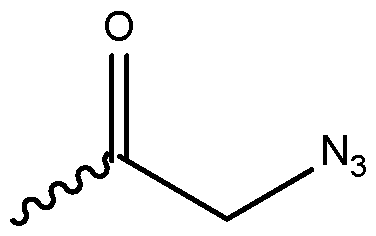


Claims


Priority Applications (4)
| Application Number | Priority Date | Filing Date | Title |
|---|---|---|---|
| IL325885A IL325885A (en) | 2023-07-14 | 2024-07-12 | Antibody-drug conjugates and linkers and methods of use thereof |
| KR1020267004945A KR20260038292A (en) | 2023-07-14 | 2024-07-12 | Antibody-drug conjugates and linkers and methods of using the same |
| CN202480058466.9A CN121843721A (en) | 2023-07-14 | 2024-07-12 | Antibody-drug conjugates and linkers and their application |
| EP24843755.0A EP4727596A2 (en) | 2023-07-14 | 2024-07-12 | Antibody-drug conjugates and linkers and methods of use thereof |
Applications Claiming Priority (2)
| Application Number | Priority Date | Filing Date | Title |
|---|---|---|---|
| US202363513635P | 2023-07-14 | 2023-07-14 | |
| US63/513,635 | 2023-07-14 |
Publications (3)
| Publication Number | Publication Date |
|---|---|
| WO2025019334A2 true WO2025019334A2 (en) | 2025-01-23 |
| WO2025019334A3 WO2025019334A3 (en) | 2025-05-01 |
| WO2025019334A9 WO2025019334A9 (en) | 2026-01-08 |
Family
ID=94282497
Family Applications (2)
| Application Number | Title | Priority Date | Filing Date |
|---|---|---|---|
| PCT/US2024/037844 Ceased WO2025019340A2 (en) | 2023-07-14 | 2024-07-12 | Cd276 antibody and methods of use thereof |
| PCT/US2024/037838 Ceased WO2025019334A2 (en) | 2023-07-14 | 2024-07-12 | Antibody-drug conjugates and linkers and methods of use thereof |
Family Applications Before (1)
| Application Number | Title | Priority Date | Filing Date |
|---|---|---|---|
| PCT/US2024/037844 Ceased WO2025019340A2 (en) | 2023-07-14 | 2024-07-12 | Cd276 antibody and methods of use thereof |
Country Status (5)
| Country | Link |
|---|---|
| EP (2) | EP4727596A2 (en) |
| KR (2) | KR20260039770A (en) |
| CN (2) | CN121843721A (en) |
| IL (2) | IL325886A (en) |
| WO (2) | WO2025019340A2 (en) |
Family Cites Families (7)
| Publication number | Priority date | Publication date | Assignee | Title |
|---|---|---|---|---|
| US8907107B2 (en) * | 2009-10-23 | 2014-12-09 | Hae Therapeutics Limited | Fluorescent near infra-red (NIR) dyes |
| US8889884B1 (en) * | 2011-07-14 | 2014-11-18 | Pierce Biotechnology, Inc. | Phosphine derivatives of fluorescent compounds |
| JP6744212B2 (en) * | 2013-06-21 | 2020-08-19 | イナート・ファルマ・ソシエテ・アノニムInnate Pharma Pharma S.A. | Enzymatic binding of polypeptides |
| JP2022517952A (en) * | 2019-01-10 | 2022-03-11 | ロズウェル バイオテクノロジーズ,インコーポレイテッド | Conductive synthetic peptides for molecular electronics |
| WO2020238926A1 (en) * | 2019-05-28 | 2020-12-03 | Single Cell Technology, Inc. | Anti-b7-h3 antibodies |
| CN114761430A (en) * | 2019-09-26 | 2022-07-15 | 奥里尼斯生物科学股份有限公司 | Chimeric protein targeting PD-L1 and application thereof |
| EP4221750A4 (en) * | 2020-09-30 | 2024-11-13 | Merck Sharp & Dohme LLC | BINDING PROTEINS AND ANTIGEN-BINDING FRAGMENTS THEREOF FOR BINDING ABETA |
-
2024
- 2024-07-12 IL IL325886A patent/IL325886A/en unknown
- 2024-07-12 KR KR1020267004941A patent/KR20260039770A/en active Pending
- 2024-07-12 KR KR1020267004945A patent/KR20260038292A/en active Pending
- 2024-07-12 EP EP24843755.0A patent/EP4727596A2/en active Pending
- 2024-07-12 WO PCT/US2024/037844 patent/WO2025019340A2/en not_active Ceased
- 2024-07-12 EP EP24843759.2A patent/EP4727977A2/en active Pending
- 2024-07-12 WO PCT/US2024/037838 patent/WO2025019334A2/en not_active Ceased
- 2024-07-12 CN CN202480058466.9A patent/CN121843721A/en active Pending
- 2024-07-12 IL IL325885A patent/IL325885A/en unknown
- 2024-07-12 CN CN202480058467.3A patent/CN121843964A/en active Pending
Also Published As
| Publication number | Publication date |
|---|---|
| CN121843721A (en) | 2026-04-10 |
| WO2025019340A3 (en) | 2025-04-17 |
| IL325886A (en) | 2026-03-01 |
| KR20260039770A (en) | 2026-03-20 |
| IL325885A (en) | 2026-03-01 |
| KR20260038292A (en) | 2026-03-18 |
| WO2025019334A3 (en) | 2025-05-01 |
| WO2025019334A9 (en) | 2026-01-08 |
| EP4727596A2 (en) | 2026-04-22 |
| EP4727977A2 (en) | 2026-04-22 |
| CN121843964A (en) | 2026-04-10 |
| WO2025019340A2 (en) | 2025-01-23 |
Similar Documents
| Publication | Publication Date | Title |
|---|---|---|
| Zhou et al. | A dual-payload antibody–drug conjugate targeting CD276/B7-H3 elicits cytotoxicity and immune activation in triple-negative breast cancer | |
| TWI812438B (en) | Use of antibody drug conjugate | |
| JP2021063124A (en) | Biological materials and uses thereof | |
| US20240335385A1 (en) | Ionizable amine lipids and lipid nanoparticles | |
| WO2023001894A9 (en) | Extracellular vesicles from microalgae, their preparation, and uses | |
| US20210369862A1 (en) | Therapeutic nanoparticles and methods of use thereof | |
| US20240358841A1 (en) | Nanomaterials comprising tetravalent lipid compounds | |
| JP7623279B2 (en) | Combining small molecule CD47 inhibitors with other anticancer drugs | |
| US20240335543A1 (en) | Ionizable amine and ester lipids and lipid nanoparticles | |
| US20240335542A1 (en) | Nanomaterials comprising disulfides | |
| EP4608424A1 (en) | Extracellular vesicles from microalgae, their biodistribution upon intranasal administration, and uses thereof | |
| RU2729192C1 (en) | Monomethyl auristatin e conjugate for preparing a composition for treating prostate cancer | |
| CN118201625A (en) | Microalgae extracellular vesicles, preparation and use thereof | |
| JP2025505440A (en) | Microalgae-derived extracellular vesicles, their biodistribution upon administration and uses | |
| EP4727596A2 (en) | Antibody-drug conjugates and linkers and methods of use thereof | |
| JP2021529762A (en) | IN SITU spray bioresponsive immunotherapy gel for postoperative treatment | |
| Wang et al. | Multifunctional extracellular vesicles inhibiting autophagy ameliorate immunotherapy in non-small cell lung cancer | |
| AU2022315530B2 (en) | Extracellular vesicles from microalgae, their preparation, and uses | |
| AU2024293488A1 (en) | Activatable tyrosine-protein kinase membrane receptor (ror) antibody-drug conjugates and uses thereof | |
| KR20260040609A (en) | Tyrosine-Protein Kinase Receptor 1 (ROR1) Antibody-Drug Conjugate and Uses thereof | |
| CN106344930A (en) | Preparation and application of molecular site-directed targeted and activated short peptide adriamycin | |
| TW202506190A (en) | Method for treating drug-low-sensitive cancer by administration of anti-muc1 antibody-drug conjugate | |
| JP2025541984A (en) | Drug conjugate compounds for stimulating anti-tumor immune responses |
Legal Events
| Date | Code | Title | Description |
|---|---|---|---|
| 121 | Ep: the epo has been informed by wipo that ep was designated in this application |
Ref document number: 24843755 Country of ref document: EP Kind code of ref document: A2 |
|
| WWE | Wipo information: entry into national phase |
Ref document number: 325885 Country of ref document: IL |
|
| ENP | Entry into the national phase |
Ref document number: 2026501637 Country of ref document: JP Kind code of ref document: A |
|
| WWE | Wipo information: entry into national phase |
Ref document number: 2024843755 Country of ref document: EP |
|
| ENP | Entry into the national phase |
Ref document number: 2024843755 Country of ref document: EP Effective date: 20260116 |
|
| ENP | Entry into the national phase |
Ref document number: 2024843755 Country of ref document: EP Effective date: 20260116 |
|
| WWP | Wipo information: published in national office |
Ref document number: 325885 Country of ref document: IL |
|
| ENP | Entry into the national phase |
Ref document number: 2024843755 Country of ref document: EP Effective date: 20260116 |
|
| ENP | Entry into the national phase |
Ref document number: 1020267004945 Country of ref document: KR Free format text: ST27 STATUS EVENT CODE: A-0-1-A10-A15-NAP-PA0105 (AS PROVIDED BY THE NATIONAL OFFICE) |
|
| WWE | Wipo information: entry into national phase |
Ref document number: 1020267004945 Country of ref document: KR Ref document number: 202617016105 Country of ref document: IN |
|
| NENP | Non-entry into the national phase |
Ref country code: DE |
|
| 121 | Ep: the epo has been informed by wipo that ep was designated in this application |
Ref document number: 24843755 Country of ref document: EP Kind code of ref document: A2 |
|
| WWP | Wipo information: published in national office |
Ref document number: 202617016105 Country of ref document: IN |
|
| WWP | Wipo information: published in national office |
Ref document number: 1020267004945 Country of ref document: KR |
|
| WWP | Wipo information: published in national office |
Ref document number: 2024843755 Country of ref document: EP |