WO2025015136A1 - 4-hydroxybenozate esters for treatment of hpdl deficiency and other deficiencies of coq10 headgroup synthesis - Google Patents
4-hydroxybenozate esters for treatment of hpdl deficiency and other deficiencies of coq10 headgroup synthesis Download PDFInfo
- Publication number
- WO2025015136A1 WO2025015136A1 PCT/US2024/037534 US2024037534W WO2025015136A1 WO 2025015136 A1 WO2025015136 A1 WO 2025015136A1 US 2024037534 W US2024037534 W US 2024037534W WO 2025015136 A1 WO2025015136 A1 WO 2025015136A1
- Authority
- WO
- WIPO (PCT)
- Prior art keywords
- compound
- group
- hpdl
- formula
- subject
- Prior art date
- Legal status (The legal status is an assumption and is not a legal conclusion. Google has not performed a legal analysis and makes no representation as to the accuracy of the status listed.)
- Pending
Links
Classifications
-
- C—CHEMISTRY; METALLURGY
- C07—ORGANIC CHEMISTRY
- C07C—ACYCLIC OR CARBOCYCLIC COMPOUNDS
- C07C229/00—Compounds containing amino and carboxyl groups bound to the same carbon skeleton
- C07C229/02—Compounds containing amino and carboxyl groups bound to the same carbon skeleton having amino and carboxyl groups bound to acyclic carbon atoms of the same carbon skeleton
- C07C229/04—Compounds containing amino and carboxyl groups bound to the same carbon skeleton having amino and carboxyl groups bound to acyclic carbon atoms of the same carbon skeleton the carbon skeleton being acyclic and saturated
- C07C229/06—Compounds containing amino and carboxyl groups bound to the same carbon skeleton having amino and carboxyl groups bound to acyclic carbon atoms of the same carbon skeleton the carbon skeleton being acyclic and saturated having only one amino and one carboxyl group bound to the carbon skeleton
- C07C229/08—Compounds containing amino and carboxyl groups bound to the same carbon skeleton having amino and carboxyl groups bound to acyclic carbon atoms of the same carbon skeleton the carbon skeleton being acyclic and saturated having only one amino and one carboxyl group bound to the carbon skeleton the nitrogen atom of the amino group being further bound to hydrogen atoms
-
- A—HUMAN NECESSITIES
- A61—MEDICAL OR VETERINARY SCIENCE; HYGIENE
- A61K—PREPARATIONS FOR MEDICAL, DENTAL OR TOILETRY PURPOSES
- A61K31/00—Medicinal preparations containing organic active ingredients
- A61K31/21—Esters, e.g. nitroglycerine, selenocyanates
- A61K31/215—Esters, e.g. nitroglycerine, selenocyanates of carboxylic acids
- A61K31/22—Esters, e.g. nitroglycerine, selenocyanates of carboxylic acids of acyclic acids, e.g. pravastatin
- A61K31/222—Esters, e.g. nitroglycerine, selenocyanates of carboxylic acids of acyclic acids, e.g. pravastatin with compounds having aromatic groups, e.g. dipivefrine, ibopamine
-
- C—CHEMISTRY; METALLURGY
- C07—ORGANIC CHEMISTRY
- C07K—PEPTIDES
- C07K5/00—Peptides containing up to four amino acids in a fully defined sequence; Derivatives thereof
- C07K5/04—Peptides containing up to four amino acids in a fully defined sequence; Derivatives thereof containing only normal peptide links
- C07K5/06—Dipeptides
- C07K5/06008—Dipeptides with the first amino acid being neutral
- C07K5/06017—Dipeptides with the first amino acid being neutral and aliphatic
- C07K5/06034—Dipeptides with the first amino acid being neutral and aliphatic the side chain containing 2 to 4 carbon atoms
- C07K5/06052—Val-amino acid
-
- A—HUMAN NECESSITIES
- A61—MEDICAL OR VETERINARY SCIENCE; HYGIENE
- A61P—SPECIFIC THERAPEUTIC ACTIVITY OF CHEMICAL COMPOUNDS OR MEDICINAL PREPARATIONS
- A61P25/00—Drugs for disorders of the nervous system
- A61P25/28—Drugs for disorders of the nervous system for treating neurodegenerative disorders of the central nervous system, e.g. nootropic agents, cognition enhancers, drugs for treating Alzheimer's disease or other forms of dementia
Definitions
- Some aspects of the present invention relate to methods of treating neurodegenerative, neurodevelopmental, or psychiatric disease, aging, obesity, diabetes, metabolic syndrome, insulin resistance, hyperlipidemia, cachexia, chronic fatigue syndrome, wound healing / non-healing wounds, cardiac disease, heart failure, hypertension, immune deficiency, cancer, vitamin deficiency, or infertility.
- STATEMENT REGARDING FEDERALLY SPONSORED RESEARCH OR DEVELOPMENT [0003] This invention was made with government support under R35 GM147119 awarded by the National Institutes of Health. The government has certain rights in the invention.
- Coenzyme Q is an essential component of eukaryotic cells. It plays an important role in mitochondrial ATP synthesis and functions as an antioxidant in mitochondrial membranes.
- CoQ10 requires more than ten genes for its biosynthesis. Mutations in these genes cause primary CoQ10 deficiency, a clinically and genetically heterogeneous disorder. Deficiency of CoQ10 is also associated with a number of human diseases and age-related chronic conditions such as, but not limited to, metabolic syndrome and diabetes, neurodegenerative disorders, cardiovascular diseases, and human fertility (Hernández-Camacho et al., “Coenzyme Q 10 Supplementation in Aging and Disease,” Front Physiol.
- Cerebral palsy is a progressive and disabling neurodevelopmental disease of childhood, with an incidence as high as 4 in 1000 live births. Although CP was initially thought to be due to hypoxia at birth, it is now thought to be mostly due to pre-natal insults, and up to 50% of cases have no known cause.
- R 1 is selected from the group
- R2 is selected from the group
- R3 is selected from the group consisting of H and C1-C3 alkyl
- R 4 is selected from the group consisting of H .
- a of formula: 3 173227771v2 243735.000336 is provided herein.
- n is 0 or 1;
- R1 is selected from the group ;
- R2 is selected from the group
- R 3 is selected from the group consisting of H and C 1 -C 3 alkyl;
- R4 is selected from the group consisting of H , and
- R 5 is selected from the group consisting of H .
- HPDL 4- hydroxyphenylpyruvate dioxygenase-like
- a method of increasing CoQ10 biosynthesis in a subject in need thereof comprises administering to the subject a therapeutically 4 173227771v2 243735.000336 effective amount of the compound(s), the pharmaceutical composition comprising the compound(s), or the dosage form comprising the compound(s) described herein.
- Figure 3 shows mean concentrations of mouse PO data for 4-HB esters.
- the terms “about” or “approximately” for any numerical values or ranges indicate a suitable dimensional tolerance that allows the part or collection of components to function for its intended purpose as described herein. More specifically, “about” or “approximately” may refer to the range of values ⁇ 20% of the recited value, e.g. “about 90%” may refer to the range of values from 71% to 99%.
- alkyl is given its ordinary meaning in the art and can include saturated aliphatic groups, including straight-chain alkyl groups, branched-chain alkyl groups, cycloalkyl (alicyclic) groups, alkyl substituted cycloalkyl groups, and cycloalkyl substituted alkyl groups.
- a straight chain or branched chain alkyl has about 1–20 carbon atoms in its backbone (e.g., C1-20 for straight chain, C2-20 for branched chain), and alternatively, about 1–10 carbon atoms, or about 1 to 6 carbon atoms.
- a cycloalkyl ring has from about 3–10 carbon atoms in their ring structure where such rings are 7 173227771v2 243735.000336 monocyclic or bicyclic, and alternatively about 5, 6 or 7 carbons in the ring structure.
- a cycloalkyl group is a cyclopropyl, a cyclobutyl, a cyclopentyl, or a cyclohexyl group.
- an alkyl group can be a lower alkyl group, wherein a lower alkyl group comprises 1–4 carbon atoms (e.g., C 1-4 for straight chain lower alkyls).
- alkyl refers to an alkylene group.
- a substituent e.g., -B
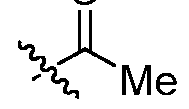
- a substituent can be represented as a , where denotes a point of attachment.
- structures depicted herein are also meant to include all isomeric (e.g., enantiomeric, diastereomeric, and geometric (or conformational)) forms of the structure; for example, the R and S configurations for each asymmetric center, (Z) and (E) double bond isomers, and (Z) and (E) conformational isomers.
- the present application also includes pharmaceutically acceptable salts of the compounds described herein.
- pharmaceutically acceptable salts include a subset of the “salts” described above which are conventional non-toxic salts of the parent compound formed, for example, from non-toxic inorganic or organic acids. Lists of suitable salts are found in Remington's Pharmaceutical Sciences, 17th ed., Mack Publishing Company, Easton, Pa., 1985, p. 1418 and Berge, SM et al, Journal of Pharmaceutical Science, 1977, 66, 1, 1-19.
- pharmaceutically acceptable salts can comprise a suitable cation selected from 8 173227771v2 243735.000336 aluminum, arginine, benzathine, calcium, chloroprocaine, choline, diethanolamine, ethanolamine, ethylenediamine, lysine, magnesium, histidine, lithium, meglumine, potassium, procaine, sodium, triethylamine, or zinc.
- phrases “pharmaceutically acceptable” is employed herein to refer to those compounds, materials, compositions, and/or dosage forms which are, within the scope of sound medical judgment, suitable for use in contact with the tissues of human beings and animals without excessive toxicity, irritation, allergic response, or other problem or complication, commensurate with a reasonable benefit/risk ratio.
- prodrug as used herein includes a chemical which may be transformed in vivo to a pharmacologically active drug.
- the term “metabolite” as used herein includes a chemical that a given agent is transformed into in vivo.
- the enantiomeric excess, or “ee,” for a given pair of enantiomers is the percentage of the major enantiomer less the percentage of the minor enantiomer.
- a “racemate” or “racemic mixture” is an equal mixture of two enantiomers and therefore has 0% ee.
- the term “enantiomerically enriched” or “enantioenriched” as used herein includes compounds that are mixtures with one enantiomer's being present in excess over the other (ee >0% and ⁇ 100%). For example, a sample of 40% ee consists of 70% of the major enantiomer and 30% of the minor enantiomer.
- enantiomerically pure or “enantiopure” as used herein includes compounds where the quantification of the minor enantiomer becomes difficult, e.g., with an ee of 99% or greater. Ideally, enantiopure compounds consist of a single enantiomer only.
- sample as used herein includes any biological specimen obtained from a subject or patient.
- Samples that can be used in the methods of the present disclosure include, without limitation, tumor sample, whole blood, plasma, serum, red blood cells, white blood cells (e.g., peripheral blood mononuclear cells (PBMC), polymorphonuclear (PMN) cells), ductal lavage fluid, nipple aspirate, lymph (e.g., disseminated tumor cells of the lymph node), bone marrow aspirate, saliva, urine, stool (i.e., feces), sputum, bronchial lavage fluid, tears, fine needle aspirate (e.g., harvested by random periareolar fine needle aspiration), any other bodily fluid, a tissue sample such as a biopsy (e.g., needle biopsy), and cellular extracts thereof.
- PBMC peripheral blood mononuclear cells
- PMN polymorphonuclear
- the sample when the subject is a pregnant female, the sample may be a fetal DNA sample (e.g., cell-free fetal DNA (cffDNA)). 9 173227771v2 243735.000336 [00037]
- a fetal DNA sample e.g., cell-free fetal DNA (cffDNA)
- cffDNA cell-free fetal DNA
- the terms “treat” or “treatment” of a state, disorder or condition include: (1) preventing or delaying the appearance of at least one clinical or sub-clinical symptom of the state, disorder or condition developing in a subject that may be afflicted with or predisposed to the state, disorder or condition but does not yet experience or display clinical or subclinical symptoms of the state, disorder or condition; or (2) inhibiting the state, disorder or condition, i.e., arresting, reducing or delaying the development of the disease or a relapse thereof (in case of maintenance treatment) or at least one clinical or sub-clinical symptom thereof; or (3) relieving the disease, i.e., causing regression of the state, disorder or condition or at least one of its clinical or sub-clinical symptoms.
- an “effective amount” of a compound described herein refers to an amount sufficient to elicit the desired biological response, i.e., treating the state, disorder or condition.
- the effective amount of a compound described herein may vary depending on such factors as the desired biological endpoint, the pharmacokinetics of the compound, the condition being treated, the mode of administration, and the age and health of the subject.
- An effective amount encompasses therapeutic and prophylactic treatment.
- a “therapeutically effective amount” of a compound described herein is an amount sufficient to provide a therapeutic benefit in the treatment of a state, disorder or condition or to delay or minimize one or more symptoms associated with the state, disorder or condition.
- a therapeutically effective amount of a compound means an amount of therapeutic agent, alone or in combination with other therapies, which provides a therapeutic benefit in the treatment of the condition.
- the term “therapeutically effective amount” can encompass an amount that improves overall therapy, reduces or avoids symptoms or causes of the condition, and/or enhances the therapeutic efficacy of another therapeutic agent.
- reference to a component is intended also to include composition of a 10 173227771v2 243735.000336 plurality of components.
- References to a composition containing “a” constituent is intended to include other constituents in addition to the one named.
- the terms “a,” “an,” and “the” do not denote a limitation of quantity, but rather denote the presence of “at least one” of the referenced item.
- terminology will be resorted to for the sake of clarity. It is intended that each term contemplates its broadest meaning as understood by those skilled in the art and includes all technical equivalents which operate in a similar manner to accomplish a similar purpose.
- Hpdl-/- mice die by postpartum day 15.
- Treatment of Hpdl-/- mice with 4-HMA or 4-HB enables survival of ⁇ 1 year and substantially improves their neurological symptoms.
- treatment with 4-HB could 11 173227771v2 243735.000336 rescue variants in any of the CoQ headgroup synthesis enzymes.
- 4-HMA has a chiral center and 4-HB is not very soluble.
- the present disclosure is based on the discovery of 4-HB esters with improved solubility in water, which will assist in their formulation and oral delivery.
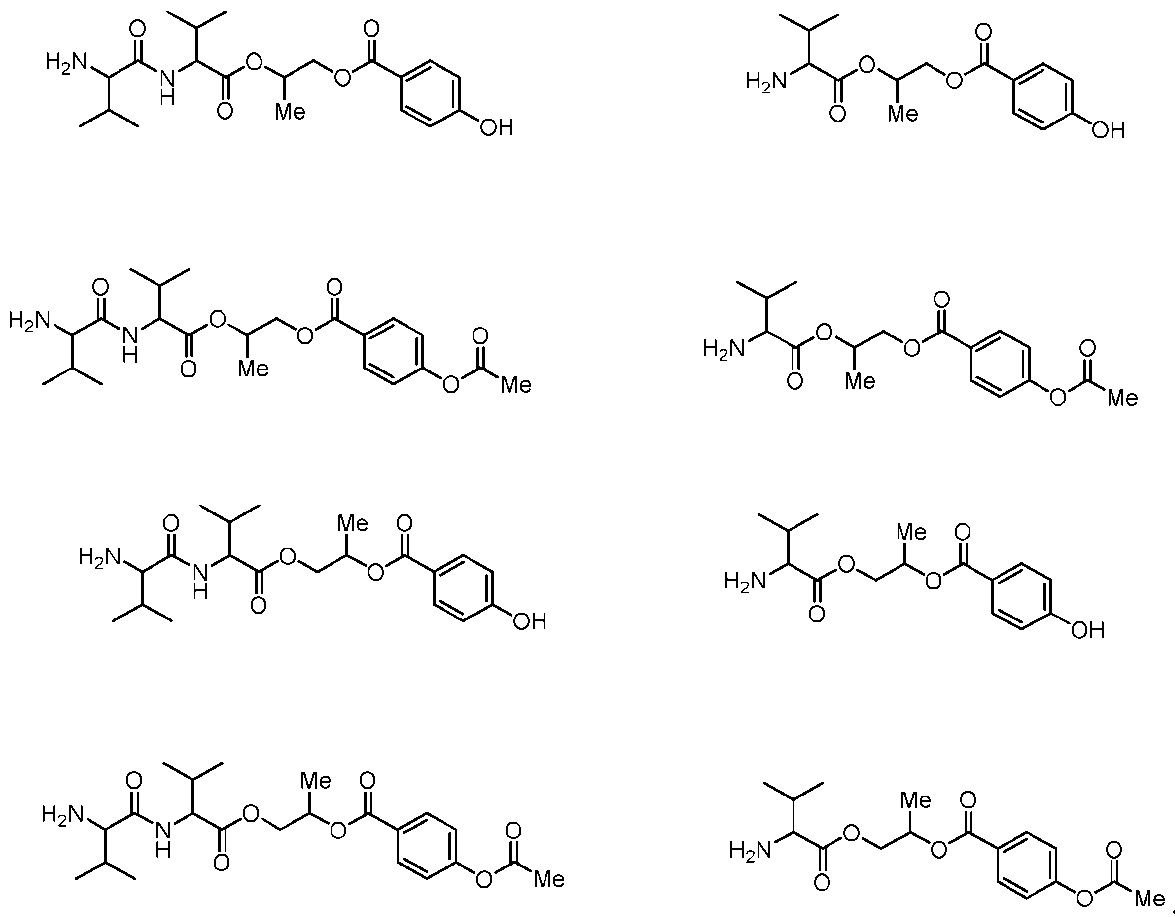
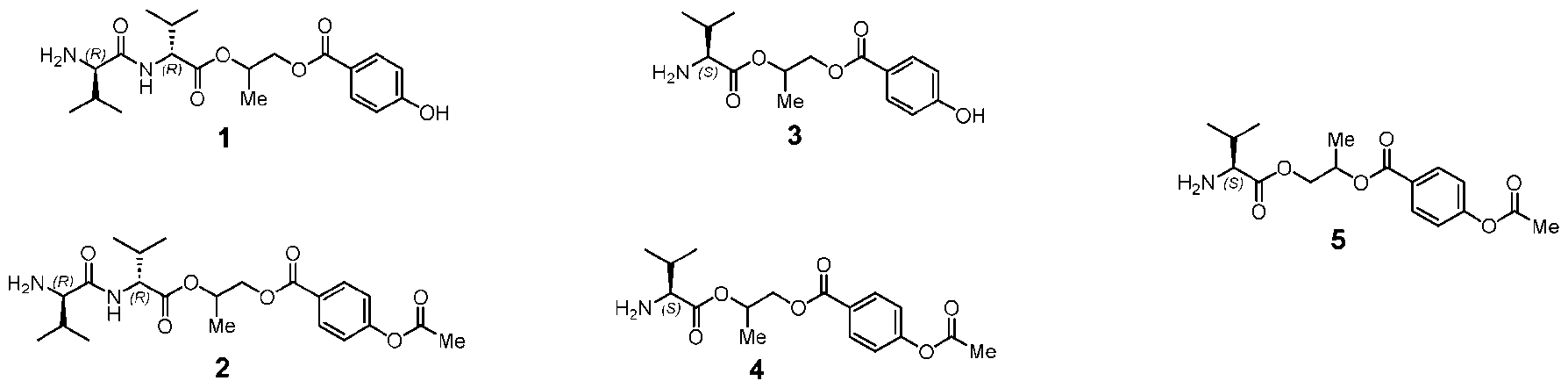
- Four exemplary esters of 4-HB according to the present invention are shown in Figure 1. All four of these compounds improved the development and survival of Hpdl-/- mice.
- esters of 4-HB described in the present disclosure will enable delivery of higher doses of 4-HB as they are more soluble and, thus, improve the formulation of this relatively insoluble molecule.
- the use of these compounds will also eliminate the need for the chiral center of 4-HMA.
- these 4-HB esters could treat any patient with variants in the known and unknown enzymes of CoQ headgroup synthesis, or with decreased CoQ headgroup synthesis due to medical conditions, such as premature delivery.
- valine esters have increased bioavailability of a pharmaceutical (Majumdar et al., “Bioreversion and Oral Bioavailability of the l ⁇ Valine Dipeptide Ester Prodrug of Acyclovir, Val ⁇ Valacyclovir, in Sprague ⁇ Dawley Rats,” Clinical Research and Regulatory Affairs 21(1):67–79 (2004); Purifoy et al., “Review of Research Leading to New Anti-Herpesvirus Agents in Clinical Development: Valaciclovir Hydrochloride (256U, the L-Valyl Ester of Acyclovir) and 882C, a Specific Agent for Varicella Zoster Virus,” J. Med. Virol.
- R 1 is selected from the group ;
- R2 is selected from the group
- R 3 is selected from the group consisting of H and C 1 -C 3 alkyl, and
- R4 is selected from the group consisting of H .
- R1 is H. [00051] In one .
- R 2 is H.
- R 3 is H.
- R3 is methyl.
- R 4 is H. [00057] In one .
- the compound has a structure selected from the group consisting of: [00062]
- R1 is selected from the group ;
- R2 is selected from the group
- R 3 is selected from the group consisting of H and C 1 -C 3 alkyl;
- R4 is selected from the group consisting of H and
- R 5 is selected from the group consisting of H .
- the compound has according to Formula (V): , or a R1 is selected from the group ; R 2 is selected from the group R3 is selected from the group consisting of H and C1-C3 alkyl; R 4 is selected from the group consisting of H , and R5 is selected from the group consisting of H . 16 173227771v2 243735.000336 [00064]
- the compound has a structure according to Formula (Va): . [00065] In one to Formula (Vb): .
- R1 is selected from the group ;
- R 2 is selected from the group
- R 3 is selected from the group consisting of H and C 1 -C 3 alkyl;
- R4 is selected from the group consisting of H , and
- R 5 is selected from the group consisting of H .
- R1 is H. [00068] In one .
- R2 is H. 17 173227771v2 243735.000336
- R 3 is H.
- R3 is methyl.
- R4 is H. [00074] In one .
- a compound described herein e.g., a compound of Formula (I), Formula (II), Formula (III), Formula (IV), Formula (V), and/or Formula (Formula (VI) as described above
- a compound described herein is provided as an enantioenriched mixture of the R-enantiomer.
- the compound described herein is present with an enantiomeric excess (ee) of the R- enantiomer of about 20% or greater, or about 30% or greater, or about 40% or greater, or about 50% or greater, or about 60% or greater, or about 70% or greater, or about 80% or greater, or about 85% or greater, or about 90% or greater, or about 95% or greater, or about 96% or greater, or about 97% or greater, or about 98% or greater, or about 99% or greater, or about 99.5% or greater, or about 99.9% or greater.
- ee enantiomeric excess
- the compound described herein e.g., a compound of Formula (I), Formula (II), Formula (III), Formula (IV), Formula (V), and/or Formula (Formula (VI) as described above
- an enantiomeric excess (ee) of the R-enantiomer of at least about 20%, or at least about 30%, or at least about 40%, or at least about 50%, or at least about 60%, or at least about 70%, or at least about 80%, or at least about 85%, or at least about 90%, or at least about 95%, or at least about 98%, or at least about 99%.
- the compound described herein e.g., the compound of Formula (I), Formula (II), Formula (III), Formula (IV), Formula (V), and/or Formula (Formula (VI) as described above
- the compound described herein is provided as the enantiopure R-enantiomer.
- a compound described herein e.g., a compound of Formula (I), Formula (II), Formula (III), Formula (IV), Formula (V), and/or Formula (Formula (VI) as described above
- the compound described herein is present with an enantiomeric excess (ee) of the S- 20 173227771v2 243735.000336 enantiomer of about 20% or greater, or about 30% or greater, or about 40% or greater, or about 50% or greater, or about 60% or greater, or about 70% or greater, or about 80% or greater, or about 85% or greater, or about 90% or greater, or about 95% or greater, or about 96% or greater, or about 97% or greater, or about 98% or greater, or about 99% or greater, or about 99.5% or greater, or about 99.9% or greater.
- ee enantiomeric excess of the S- 20 173227771v2 243735.000336 enantiomer of about 20% or greater, or about 30% or greater, or about 40% or greater, or about 50% or greater, or about 60% or greater, or about 70% or greater, or about 80% or greater, or about 85% or greater, or about 90% or greater, or about 95% or greater, or about 96% or greater, or
- the a compound described herein e.g., a compound of Formula (I), Formula (II), Formula (III), Formula (IV), Formula (V), and/or Formula (Formula (VI) as described above
- an enantiomeric excess (ee) of the S-enantiomer of at least about 20%, or at least about 30%, or at least about 40%, or at least about 50%, or at least about 60%, or at least about 70%, or at least about 80%, or at least about 85%, or at least about 90%, or at least about 95%, or at least about 98%, or at least about 99%.
- compositions and Administration also provides pharmaceutical compositions comprising a compound described herein (e.g., a compound of Formula (I), Formula (II), Formula (III), Formula (IV), Formula (V), and/or Formula (Formula (VI) as described above), or a pharmaceutically acceptable salt, solvate, hydrate, polymorph, co-crystals, tautomer, stereoisomer, isotopically labeled derivative, or prodrug thereof, wherein R 1 , R 2 , R 3 , and R 4 are as defined above.
- a compound described herein e.g., a compound of Formula (I), Formula (II), Formula (III), Formula (IV), Formula (V), and/or Formula (Formula (VI) as described above
- a pharmaceutically acceptable salt, solvate, hydrate, polymorph, co-crystals, tautomer, stereoisomer, isotopically labeled derivative, or prodrug thereof wherein R 1 , R 2 , R 3 , and R
- a compound has the structure according to Formula (I): (I) or a pharmaceutically R 1 is selected from the group ; R2 is selected from the group R3 is selected from the group consisting of H and C1-C3 alkyl, and R 4 is selected from the group consisting of H .
- R 1 is H. 21 173227771v2 243735.000336 [00087] In one .
- R 3 is H.
- R3 is methyl.
- R 4 is H. [00093] In one .
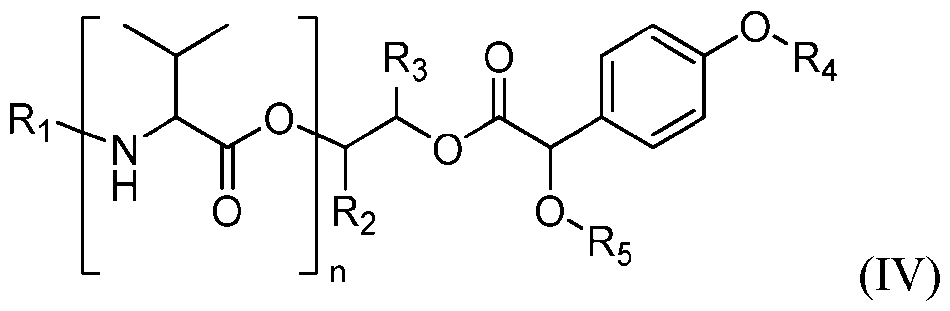
- the compound selected from the group consisting of: or a [00097] In one embodiment, the compound has a structure selected from the group consisting of: , 23 173227771v2 243735.000336 [00098] In another aspect, provided herein is a compound having the structure according to Formula (IV): or a n is 0 or 1; R 1 is selected from the group ; R2 is selected from the group R3 is selected from the group consisting of H and C1-C3 alkyl; R 4 is selected from the group consisting of H , and R5 is selected from the group consisting of H and .
- the compound has a structure according to Formula (V): , or a R1 is selected from the group ; R2 is selected from the group R 3 is selected from the group consisting of H and C 1 -C 3 alkyl; R4 is selected from the group consisting of H , and 24 173227771v2 243735.000336 R5 is selected from the group consisting of H .
- the compound has according to Formula (Va): .
- Formula (Vb) In one to Formula (Vb): .
- R 1 is selected from the group ;
- R2 is selected from the group
- R3 is selected from the group consisting of H and C1-C3 alkyl;
- R 4 is selected from the group consisting of H , and .
- R 1 is selected from the group ;
- R2 is selected from the group
- R3 is selected from the group consisting of H and C1-C3 alkyl;
- R 4 is selected from the group consisting of H , and .
- R 2 is methyl.
- R2 is H.
- R3 is H.
- R 3 is methyl.
- R4 is H. [000110] In one .
- the esters of 4-HB described in the present disclosure may increase bioavailability and/or half-life (t 1/2 ) of 4-HB. In one embodiment, the esters of 4-HB described in the present disclosure have higher bioavailability than 4-HB. In one embodiment, the esters of 4-HB described in the present disclosure have a longer half-life than 4-HB.
- the esters of 4-HB according to the present disclosure have a pKa that is higher than pKa of 4-HB.
- the esters of 4-HB according to the present disclosure (or 4- HB released from the esters according to the present disclosure) have a half-life (t1/2) that is longer than about 0.2 hr, about 0.25 hr, about 0.30 hr, about 0.35 hr, about 0.40 hr, about 0.45 hr, about 0.50 hr, about 0.55 hr, about 0.60 hr, or about 0.65 hr.
- t 1/2 of the esters of 4-HB according to the present disclosure is longer than the t1/2 of 4-HB.
- the esters of 4-HB according to the present disclosure (or 4-HB released from the esters according to the present disclosure) have a t 1/2 that is about 0.05 hr, about 0.10 hr, about 0.15 hr, about 0.20 hr, about 0.25 hr, or about 0.30 hr longer than the t1/2 of 4-HB.
- the esters of 4-HB according to the present disclosure (or 4-HB released from the esters according to the present disclosure) have a t 1/2 that is at least 0.05 hr, at least 0.10 hr, at least 0.15 hr, at least 0.20 hr, at least 0.25 hr, or at least 0.30 hr longer than the t1/2 of 4-HB.
- the esters of 4-HB according to the present disclosure have a low but steady concentration in the plasma.
- the effective amount of the compound in the composition may be useful for treating or preventing (or both) a disease or disorder associated with aberrant activity (e.g., reduced or abolished activity) of HPDL, treating or preventing (or both) a disease associated with abnormal 28 173227771v2 243735.000336 production of CoQ10 (e.g., insufficient CoQ10 production), modulating HPDL expression and/or activity, and/or modulating (e.g., increasing) CoQ10 production as a single agent, a mixture, or in combination with one or more additional pharmaceutical agents.
- the effective amount of the compound in the composition may be useful for treating or preventing (or both) a disease or disorder associated with upregulated activity of HPDL, and/or inhibiting HPDL expression and/or activity as a single agent, a mixture, or in combination with one or more additional pharmaceutical agents.
- An effective amount of a compound may vary from about 0.001 mg/kg to about 1000 mg/kg in one or more dose administrations for one or several days (depending on the mode of administration).
- the effective amount per dose varies from about 0.001 mg/kg to about 1000 mg/kg, from about 0.01 mg/kg to about 750 mg/kg, from about 0.1 mg/kg to about 500 mg/kg, from about 1.0 mg/kg to about 250 mg/kg, and from about 10.0 mg/kg to about 150 mg/kg.
- Pharmaceutical compositions described herein can be prepared by any method known in the art of pharmacology.
- Such preparatory methods include the steps of bringing the compound(s) described herein (i.e., the “active ingredient”) into association with a carrier or excipient, and/or one or more other accessory ingredients, and then, if necessary and/or desirable, shaping, and/or packaging the product into a desired single- or multi-dose unit.
- Pharmaceutical compositions can be prepared, packaged, and/or sold in bulk, as a single unit dose, and/or as a plurality of single unit doses.
- a “unit dose” is a discrete amount of the pharmaceutical composition comprising a predetermined amount of the active ingredient.
- the amount of the active ingredient is generally equal to the dosage of the active ingredient which would be administered to a subject and/or a convenient fraction of such a dosage such as, for example, one-half or one-third of such a dosage.
- Relative amounts of the active ingredient, the pharmaceutically acceptable excipient, and/or any additional ingredients in a pharmaceutical composition of the invention will vary, depending upon the identity, size, and/or condition of the subject treated and further depending upon the route by which the composition is to be administered.
- the composition may comprise between 0.1% and 100% (w/w) of the active ingredient.
- compositions used in the manufacture of provided pharmaceutical compositions include inert diluents, dispersing and/or granulating agents, surface 29 173227771v2 243735.000336 active agents and/or emulsifiers, disintegrating agents, binding agents, preservatives, buffering agents, lubricating agents, and/or oils. Excipients such as cocoa butter and suppository waxes, coloring agents, coating agents, sweetening, flavoring, and perfuming agents may also be present in the composition.
- Exemplary diluents include calcium carbonate, sodium carbonate, calcium phosphate, dicalcium phosphate, calcium sulfate, calcium hydrogen phosphate, sodium phosphate lactose, sucrose, cellulose, microcrystalline cellulose, kaolin, mannitol, sorbitol, inositol, sodium chloride, dry starch, cornstarch, powdered sugar, and mixtures thereof.
- Exemplary granulating and/or dispersing agents include potato starch, corn starch, tapioca starch, sodium starch glycolate, clays, alginic acid, guar gum, citrus pulp, agar, bentonite, cellulose, and wood products, natural sponge, cation-exchange resins, calcium carbonate, silicates, sodium carbonate, cross-linked poly(vinyl-pyrrolidone) (crospovidone), sodium carboxymethyl starch (sodium starch glycolate), carboxymethyl cellulose, cross-linked sodium carboxymethyl cellulose (croscarmellose), methylcellulose, pregelatinized starch (starch 1500), microcrystalline starch, water insoluble starch, calcium carboxymethyl cellulose, magnesium aluminum silicate (Veegum), sodium lauryl sulfate, quaternary ammonium compounds, and mixtures thereof.
- crospovidone cross-linked poly(vinyl-pyrrolidone)
- sodium carboxymethyl starch sodium starch glycolate
- Exemplary surface active agents and/or emulsifiers include natural emulsifiers (e.g., acacia, agar, alginic acid, sodium alginate, tragacanth, chondrux, cholesterol, xanthan, pectin, gelatin, egg yolk, casein, wool fat, cholesterol, wax, and lecithin), colloidal clays (e.g., bentonite (aluminum silicate) and Veegum (magnesium aluminum silicate)), long chain amino acid derivatives, high molecular weight alcohols (e.g., stearyl alcohol, cetyl alcohol, oleyl alcohol, triacetin monostearate, ethylene glycol distearate, glyceryl monostearate, propylene glycol monostearate, and polyvinyl alcohol), carbomers (e.g., carboxy polymethylene, polyacrylic acid, acrylic acid polymer, and carboxyvinyl polymer), carrageenan, cell
- Exemplary binding agents include starch (e.g., cornstarch and starch paste), gelatin, sugars (e.g., sucrose, glucose, dextrose, dextrin, molasses, lactose, lactitol, mannitol, etc.), natural and synthetic gums (e.g., acacia, sodium alginate, extract of Irish moss, panwar gum, ghatti gum, mucilage of isapol husks, carboxymethylcellulose, methylcellulose, ethylcellulose, hydroxyethylcellulose, hydroxypropyl cellulose, hydroxypropyl methylcellulose, microcrystalline cellulose, cellulose acetate, poly(vinyl-pyrrolidone), magnesium aluminum silicate (Veegum), and larch arabogalactan), alginates, polyethylene oxide, polyethylene glycol, inorganic calcium salts, silicic acid, polymethacrylates, waxes, water, alcohol, and/
- Exemplary preservatives include antioxidants, chelating agents, antimicrobial preservatives, antifungal preservatives, antiprotozoan preservatives, alcohol preservatives, acidic preservatives, and other preservatives.
- the preservative is an antioxidant.
- the preservative is a chelating agent.
- antioxidants include alpha tocopherol, ascorbic acid, acorbyl palmitate, butylated hydroxyanisole, butylated hydroxytoluene, monothioglycerol, potassium metabisulfite, propionic acid, propyl gallate, sodium ascorbate, sodium bisulfite, sodium metabisulfite, and sodium sulfite.
- Exemplary chelating agents include ethylenediaminetetraacetic acid (EDTA) and salts and hydrates thereof (e.g., sodium edetate, disodium edetate, trisodium edetate, calcium disodium edetate, dipotassium edetate, and the like), citric acid and salts and hydrates thereof (e.g., citric acid monohydrate), fumaric acid and salts and hydrates thereof, malic acid and salts and hydrates thereof, phosphoric acid and salts and hydrates thereof, and tartaric acid and salts and hydrates thereof.
- EDTA ethylenediaminetetraacetic acid
- salts and hydrates thereof e.g., sodium edetate, disodium edetate, trisodium edetate, calcium disodium edetate, dipotassium edetate, and the like
- citric acid and salts and hydrates thereof e.g., citric acid mono
- Exemplary antimicrobial preservatives include benzalkonium chloride, benzethonium chloride, benzyl alcohol, bronopol, cetrimide, cetylpyridinium chloride, chlorhexidine, chlorobutanol, chlorocresol, chloroxylenol, cresol, ethyl alcohol, glycerin, 31 173227771v2 243735.000336 hexetidine, imidurea, phenol, phenoxyethanol, phenylethyl alcohol, phenylmercuric nitrate, propylene glycol, and thimerosal.
- Exemplary antifungal preservatives include butyl paraben, methyl paraben, ethyl paraben, propyl paraben, benzoic acid, hydroxybenzoic acid, potassium benzoate, potassium sorbate, sodium benzoate, sodium propionate, and sorbic acid.
- Exemplary alcohol preservatives include ethanol, polyethylene glycol, phenol, phenolic compounds, bisphenol, chlorobutanol, hydroxybenzoate, and phenylethyl alcohol.
- Exemplary acidic preservatives include vitamin A, vitamin C, vitamin E, beta- carotene, citric acid, acetic acid, dehydroacetic acid, ascorbic acid, sorbic acid, and phytic acid.
- Other preservatives include tocopherol, tocopherol acetate, deteroxime mesylate, cetrimide, butylated hydroxyanisol (BHA), butylated hydroxytoluened (BHT), ethylenediamine, sodium lauryl sulfate (SLS), sodium lauryl ether sulfate (SLES), sodium bisulfite, sodium metabisulfite, potassium sulfite, potassium metabisulfite, Glydant Plus, Phenonip, methylparaben, Germall 115, Germaben II, Neolone, Kathon, and Euxyl.
- Exemplary buffering agents include citrate buffer solutions, acetate buffer solutions, phosphate buffer solutions, ammonium chloride, calcium carbonate, calcium chloride, calcium citrate, calcium glubionate, calcium gluceptate, calcium gluconate, D-gluconic acid, calcium glycerophosphate, calcium lactate, propanoic acid, calcium levulinate, pentanoic acid, dibasic calcium phosphate, phosphoric acid, tribasic calcium phosphate, calcium hydroxide phosphate, potassium acetate, potassium chloride, potassium gluconate, potassium mixtures, dibasic potassium phosphate, monobasic potassium phosphate, potassium phosphate mixtures, sodium acetate, sodium bicarbonate, sodium chloride, sodium citrate, sodium lactate, dibasic sodium phosphate, monobasic sodium phosphate, sodium phosphate mixtures, tromethamine, magnesium hydroxide, aluminum hydroxide, alginic acid, pyrogen-free water, isotonic saline
- Exemplary lubricating agents include magnesium stearate, calcium stearate, stearic acid, silica, talc, malt, glyceryl behanate, hydrogenated vegetable oils, polyethylene glycol, sodium benzoate, sodium acetate, sodium chloride, leucine, magnesium lauryl sulfate, sodium lauryl sulfate, and mixtures thereof.
- Exemplary natural oils include almond, apricot kernel, avocado, babassu, bergamot, black current seed, borage, cade, camomile, canola, caraway, carnauba, castor, 32 173227771v2 243735.000336 cinnamon, cocoa butter, coconut, cod liver, coffee, corn, cotton seed, emu, eucalyptus, evening primrose, fish, flaxseed, geraniol, gourd, grape seed, hazel nut, hyssop, isopropyl myristate, jojoba, kukui nut, lavandin, lavender, lemon, litsea cubeba, macademia nut, mallow, mango seed, meadowfoam seed, mink, nutmeg, olive, orange, orange roughy, palm, palm kernel, peach kernel, peanut, poppy seed, pumpkin seed, rapeseed, rice bran, rosemary, safflower, sandalwood,
- Exemplary synthetic oils include, but are not limited to, butyl stearate, caprylic triglyceride, capric triglyceride, cyclomethicone, diethyl sebacate, dimethicone 360, isopropyl myristate, mineral oil, octyldodecanol, oleyl alcohol, silicone oil, and mixtures thereof.
- Liquid dosage forms for oral and parenteral administration include pharmaceutically acceptable emulsions, microemulsions, solutions, suspensions, syrups, and elixirs.
- the liquid dosage forms may comprise inert diluents commonly used in the art such as, for example, water or other solvents, solubilizing agents and emulsifiers such as ethyl alcohol, isopropyl alcohol, ethyl carbonate, ethyl acetate, benzyl alcohol, benzyl benzoate, propylene glycol, 1,3-butylene glycol, dimethylformamide, oils (e.g., cottonseed, groundnut, corn, germ, olive, castor, and sesame oils), glycerol, tetrahydrofurfuryl alcohol, polyethylene glycols and fatty acid esters of sorbitan, and mixtures thereof.
- inert diluents commonly used in the art such as, for example, water or other solvents, solubilizing agents and emulsifiers such as ethyl alcohol, isopropyl alcohol, ethyl carbonate, ethyl acetate,
- the oral compositions can include adjuvants such as wetting agents, emulsifying and suspending agents, sweetening, flavoring, and perfuming agents.
- adjuvants such as wetting agents, emulsifying and suspending agents, sweetening, flavoring, and perfuming agents.
- the conjugates of the invention are mixed with solubilizing agents such as CremophorTM, alcohols, oils, modified oils, glycols, polysorbates, cyclodextrins, polymers, and mixtures thereof.
- solubilizing agents such as CremophorTM, alcohols, oils, modified oils, glycols, polysorbates, cyclodextrins, polymers, and mixtures thereof.
- injectable preparations for example, sterile injectable aqueous or oleaginous suspensions can be formulated according to the known art using suitable dispersing or wetting agents and suspending agents.
- the sterile injectable preparation can be a sterile injectable solution, suspension, or emulsion in a nontoxic parenterally acceptable diluent or solvent, for example, as a solution in 1,3-butanediol.
- a nontoxic parenterally acceptable diluent or solvent for example, as a solution in 1,3-butanediol.
- acceptable vehicles and solvents that can be employed are water, Ringer's solution, U.S.P. and isotonic sodium chloride solution.
- sterile, fixed oils are conventionally employed as a solvent or suspending medium.
- any bland 33 173227771v2 243735.000336 fixed oil can be employed including synthetic mono- or diglycerides.
- fatty acids such as oleic acid are used in the preparation of injectables.
- the injectable formulations can be sterilized, for example, by filtration through a bacterial-retaining filter, or by incorporating sterilizing agents in the form of sterile solid compositions which can be dissolved or dispersed in sterile water or other sterile injectable medium prior to use.
- sterilizing agents in the form of sterile solid compositions which can be dissolved or dispersed in sterile water or other sterile injectable medium prior to use.
- compositions for rectal or vaginal administration are typically suppositories which can be prepared by mixing the conjugates of this invention with suitable non-irritating excipients or carriers such as cocoa butter, polyethylene glycol, or a suppository wax which are solid at ambient temperature but liquid at body temperature and therefore melt in the rectum or vaginal cavity and release the active ingredient.
- suitable non-irritating excipients or carriers such as cocoa butter, polyethylene glycol, or a suppository wax which are solid at ambient temperature but liquid at body temperature and therefore melt in the rectum or vaginal cavity and release the active ingredient.
- Solid dosage forms for oral administration include capsules, tablets, pills, powders, and granules.
- the active ingredient is mixed with at least one inert, pharmaceutically acceptable excipient or carrier such as sodium citrate or dicalcium phosphate and/or (a) fillers or extenders such as starches, lactose, sucrose, glucose, mannitol, and silicic acid, (b) binders such as, for example, carboxymethylcellulose, alginates, gelatin, polyvinylpyrrolidinone, sucrose, and acacia, (c) humectants such as glycerol, (d) disintegrating agents such as agar, calcium carbonate, potato or tapioca starch, alginic acid, certain silicates, and sodium carbonate, (e) solution retarding agents such as paraffin, (f) absorption accelerators such as quaternary ammonium compounds, (g) wetting agents such as, for example, cetyl alcohol and glycerol monostearate, (h) absorbents such as kaolin and bentonite clay, and (a) fillers or
- the dosage form may include a buffering agent. 34 173227771v2 243735.000336
- Solid compositions of a similar type can be employed as fillers in soft and hard- filled gelatin capsules using such excipients as lactose or milk sugar as well as high molecular weight polyethylene glycols and the like.
- the solid dosage forms of tablets, dragees, capsules, pills, and granules can be prepared with coatings and shells such as enteric coatings and other coatings well known in the art of pharmacology. They may optionally comprise opacifying agents.
- compositions can also be in a form of a composition that releases the active ingredient(s) only, or preferentially, in a certain part of the intestinal tract, optionally, in a delayed manner.
- encapsulating compositions which can be used include polymeric substances and waxes.
- Solid compositions of a similar type can be employed as fillers in soft and hard-filled gelatin capsules using such excipients as lactose or milk sugar as well as high molecular weight polyethylene glycols and the like.
- the active ingredient can be in a micro-encapsulated form with one or more excipients as noted above.
- the solid dosage forms of tablets, dragees, capsules, pills, and granules can be prepared with coatings and shells such as enteric coatings, release controlling coatings, and other coatings well known in the pharmaceutical formulating art.
- the active ingredient can be admixed with at least one inert diluent such as sucrose, lactose, or starch.
- Such dosage forms may comprise, as is normal practice, additional substances other than inert diluents, e.g., tableting lubricants and other tableting aids such a magnesium stearate and microcrystalline cellulose.
- the dosage forms may comprise buffering agents.
- Dosage forms for topical and/or transdermal administration of a compound of this invention may include ointments, pastes, creams, lotions, gels, powders, solutions, sprays, inhalants and/or patches.
- the active ingredient is admixed under sterile conditions with a pharmaceutically acceptable carrier or excipient and/or any needed preservatives and/or buffers as can be required.
- the present invention contemplates the use of transdermal patches, which often have the added advantage of providing controlled delivery of an active ingredient to the body.
- dosage forms can be prepared, for example, by dissolving and/or dispensing the active ingredient in the proper medium.
- the rate can 35 173227771v2 243735.000336 be controlled by either providing a rate controlling membrane and/or by dispersing the active ingredient in a polymer matrix and/or gel.
- Formulations suitable for topical administration include, but are not limited to, liquid and/or semi-liquid preparations such as liniments, lotions, oil-in-water and/or water-in-oil emulsions such as creams, ointments, and/or pastes, and/or solutions and/or suspensions.
- Topically administrable formulations may, for example, comprise from about 1% to about 10% (w/w) active ingredient, although the concentration of the active ingredient can be as high as the solubility limit of the active ingredient in the solvent.
- Formulations for topical administration may further comprise one or more of the additional ingredients described herein.
- a pharmaceutical composition of the invention can be prepared, packaged, and/or sold in a formulation suitable for pulmonary administration via the buccal cavity.
- Such a formulation may comprise dry particles which comprise the active ingredient and which have a diameter in the range from about 0.5 to about 7 nanometers, or from about 1 to about 6 nanometers.
- Such compositions are conveniently in the form of dry powders for administration using a device comprising a dry powder reservoir to which a stream of propellant can be directed to disperse the powder and/or using a self-propelling solvent/powder dispensing container such as a device comprising the active ingredient dissolved and/or suspended in a low-boiling propellant in a sealed container.
- Such powders comprise particles wherein at least 98% of the particles by weight have a diameter greater than 0.5 nanometers and at least 95% of the particles by number have a diameter less than 7 nanometers.
- Dry powder compositions may include a solid fine powder diluent such as sugar and are conveniently provided in a unit dose form.
- Low boiling propellants generally include liquid propellants having a boiling point of below 65° F at atmospheric pressure. Generally the propellant may constitute 50 to 99.9% (w/w) of the composition, and the active ingredient may constitute 0.1 to 20% (w/w) of the composition.
- the propellant may further comprise additional ingredients such as a liquid non-ionic and/or solid anionic surfactant and/or a solid diluent (which may have a particle size of the same order as particles comprising the active ingredient).
- additional ingredients such as a liquid non-ionic and/or solid anionic surfactant and/or a solid diluent (which may have a particle size of the same order as particles comprising the active ingredient).
- Pharmaceutical compositions of the invention formulated for pulmonary delivery may provide the active ingredient in the form of droplets of a solution and/or suspension.
- Such 36 173227771v2 243735.000336 formulations can be prepared, packaged, and/or sold as aqueous and/or dilute alcoholic solutions and/or suspensions, optionally sterile, comprising the active ingredient, and may conveniently be administered using any nebulization and/or atomization device.
- Such formulations may further comprise one or more additional ingredients including, but not limited to, a flavoring agent such as saccharin sodium, a volatile oil, a buffering agent, a surface active agent, and/or a preservative such as methylhydroxybenzoate.
- a flavoring agent such as saccharin sodium
- a volatile oil such as a liquid oil
- a buffering agent such as a liquid oil
- a surface active agent such as methylhydroxybenzoate
- a preservative such as methylhydroxybenzoate.
- the droplets provided by this route of administration may have an average diameter in the range from about 0.1 to about 200 nanometers.
- Formulations described herein as being useful for pulmonary delivery are useful for intranasal delivery of a pharmaceutical composition of the invention.
- Another formulation suitable for intranasal administration is a coarse powder comprising the active ingredient and having an average particle from about 0.2 to 500 micrometers.
- Formulations for nasal administration may, for example, comprise from about as little as 0.1% (w/w) to as much as 100% (w/w) of the active ingredient, and may comprise one or more of the additional ingredients described herein.
- a pharmaceutical composition of the invention can be prepared, packaged, and/or sold in a formulation for buccal administration.
- Such formulations may, for example, be in the form of tablets and/or lozenges made using conventional methods, and may contain, for example, 0.1 to 20% (w/w) active ingredient, the balance comprising an orally dissolvable and/or degradable composition and, optionally, one or more of the additional ingredients described herein.
- formulations for buccal administration may comprise a powder and/or an aerosolized and/or atomized solution and/or suspension comprising the active ingredient.
- Such powdered, aerosolized, and/or aerosolized formulations when dispersed, may have an average particle and/or droplet size in the range from about 0.1 to about 200 nanometers, and may further comprise one or more of the additional ingredients described herein.
- a pharmaceutical composition of the invention can be prepared, packaged, and/or sold in a formulation for ophthalmic administration.
- Such formulations may, for example, be in the form of eye drops including, for example, a 0.1/1.0% (w/w) solution and/or suspension of the active ingredient in an aqueous or oily liquid carrier or excipient.
- Such drops may further comprise buffering agents, salts, and/or one or more other of the additional ingredients described herein.
- 37 173227771v2 243735.000336 Other opthalmically-administrable formulations which are useful include those which comprise the active ingredient in microcrystalline form and/or in a liposomal preparation. Ear drops and/or eye drops are contemplated as being within the scope of this invention. [000157] Although the descriptions of pharmaceutical compositions provided herein are principally directed to pharmaceutical compositions which are suitable for administration to humans, it will be understood by the skilled artisan that such compositions are generally suitable for administration to animals of all sorts.
- compositions suitable for administration to humans in order to render the compositions suitable for administration to various animals is well understood, and the ordinarily skilled veterinary pharmacologist can design and/or perform such modification with ordinary experimentation.
- Compounds provided herein are typically formulated in dosage unit form for ease of administration and uniformity of dosage. It will be understood, however, that the total daily usage of the compositions of the present invention will be decided by the attending physician within the scope of sound medical judgment.
- the specific therapeutically effective dose level for any particular subject or organism will depend upon a variety of factors including the disease being treated and the severity of the disorder; the activity of the specific active ingredient employed; the specific composition employed; the age, body weight, general health, sex, and diet of the subject; the time of administration, route of administration, and rate of excretion of the specific active ingredient employed; the duration of the treatment; drugs used in combination or coincidental with the specific active ingredient employed; and like factors well known in the medical arts.
- the compounds and compositions provided herein can be administered by any route, including enteral (e.g., oral), parenteral, intravenous, intramuscular, intra-arterial, intramedullary, intrathecal, subcutaneous, intraventricular, transdermal, intradermal, rectal, intravaginal, intraperitoneal, topical (as by powders, ointments, creams, and/or drops), mucosal, nasal, bucal, sublingual; by intratracheal instillation, bronchial instillation, and/or inhalation; and/or as an oral spray, nasal spray, and/or aerosol.
- enteral e.g., oral
- parenteral intravenous, intramuscular, intra-arterial, intramedullary
- intrathecal subcutaneous, intraventricular, transdermal, intradermal, rectal, intravaginal, intraperitoneal
- topical as by powders, ointments, creams, and/or drops
- mucosal nasal,
- Specifically contemplated routes are oral administration, intravenous administration (e.g., systemic intravenous injection), regional administration via blood and/or lymph supply, and/or direct administration to an affected site.
- intravenous administration e.g., systemic intravenous injection
- regional administration via blood and/or lymph supply
- direct administration to an affected site.
- the most appropriate route of administration will depend upon a variety of factors including the nature of the agent (e.g., its stability in the environment of the gastrointestinal tract), and/or the condition of the subject (e.g., whether the subject is able to tolerate oral administration). 38 173227771v2 243735.000336 [000160]
- the exact amount of a compound required to achieve an effective amount will vary from subject to subject, depending, for example, on species, age, and general condition of a subject, severity of the side effects or disorder, identity of the particular compound, mode of administration, and the like.
- the desired dosage can be delivered three times a day, two times a day, once a day, every other day, every third day, every week, every two weeks, every three weeks, or every four weeks.
- the desired dosage can be delivered using multiple administrations (e.g., two, three, four, five, six, seven, eight, nine, ten, eleven, twelve, thirteen, fourteen, or more administrations).
- an effective amount of a compound for administration one or more times a day to a 70 kg adult human may comprise about 0.0001 mg to about 3000 mg, about 0.0001 mg to about 2000 mg, about 0.0001 mg to about 1000 mg, about 0.001 mg to about 1000 mg, about 0.01 mg to about 1000 mg, about 0.1 mg to about 1000 mg, about 1 mg to about 1000 mg, about 1 mg to about 100 mg, about 10 mg to about 1000 mg, or about 100 mg to about 1000 mg, of a compound per unit dosage form.
- the compounds described herein may be at dosage levels sufficient to deliver from about 0.001 mg/kg to about 100 mg/kg, from about 0.01 mg/kg to about 50 mg/kg, preferably from about 0.1 mg/kg to about 40 mg/kg, preferably from about 0.5 mg/kg to about 30 mg/kg, from about 0.01 mg/kg to about 10 mg/kg, from about 0.1 mg/kg to about 10 mg/kg, and more preferably from about 1 mg/kg to about 25 mg/kg, of subject body weight per day, one or more times a day, to obtain the desired therapeutic and/or prophylactic effect.
- dose ranges as described herein provide guidance for the administration of provided pharmaceutical compositions to an adult.
- the amount to be administered to, for example, a child or an adolescent can be determined by a medical practitioner or person skilled in the art and can be lower or the same as that administered to an adult.
- a compound or composition, as described herein can be administered in combination with one or more additional pharmaceutical agents (e.g., therapeutically and/or prophylactically active agents).
- the compounds or compositions can be administered in combination with additional pharmaceutical agents that improve their activity (e.g., activity in treating or preventing (or both) a disease or disorder associated with aberrant activity (e.g., reduced or abolished activity) of HPDL, treating or preventing (or both) a disease associated with abnormal production of CoQ10 (e.g., insufficient CoQ10 production), modulating 39 173227771v2 243735.000336 HPDL expression and/or activity, and/or modulating (e.g., increasing) CoQ10 production), bioavailability, reduce and/or modify their metabolism, inhibit their excretion, and/or modify their distribution within the body of a subject.
- additional pharmaceutical agents that improve their activity (e.g., activity in treating or preventing (or both) a disease or disorder associated with aberrant activity (e.g., reduced or abolished activity) of HPDL, treating or preventing (or both) a disease associated with abnormal production of CoQ10 (e.g., insufficient CoQ10 production), modulating
- the compound or composition can be administered concurrently with, prior to, or subsequent to, one or more additional pharmaceutical agents, which may be useful as, e.g., combination therapies.
- Pharmaceutical agents include therapeutically active agents.
- Pharmaceutical agents also include prophylactically active agents.
- Each additional pharmaceutical agent may be administered at a dose and/or on a time schedule determined for that pharmaceutical agent.
- the additional pharmaceutical agents may also be administered together with each other and/or with the compound or composition described herein in a single dose or administered separately in different doses.
- the particular combination to employ in a regimen will take into account compatibility of the inventive compound with the additional pharmaceutical agent(s) and/or the desired therapeutic and/or prophylactic effect to be achieved.
- the additional pharmaceutical agent(s) utilized in combination be utilized at levels that do not exceed the levels at which they are utilized individually. In some embodiments, the levels utilized in combination will be lower than those utilized individually.
- Methods of the Treatment and Uses [000166]
- the present invention also provides methods of using the compound(s), or pharmaceutical composition comprising the compound(s), or the dosage form comprising the compound(s) described herein for treating or preventing a disease or disorder.
- the disease or disorder is related to or caused by one or more mutations in the HPDL gene.
- Such mutations may be present in one or both alleles in the HPDL gene.
- the one or more mutations in the HPDL gene is bi-allelic.
- the one or more mutations in the HPDL gene result in reduced or abolished activity and/or expression of the HPDL protein.
- Mutations in the HPDL gene that may be associated with a childhood neurodegenerative disease have been described (Ghosh et al., “Biallelic Variants in HPDL, Encoding 4-Hydroxyphenylpyruvate Dioxygenase-Like Protein, Lead to an Infantile Neurodegenerative Condition,” Genet. Med.
- Leu176Pro (c.527 T > C; rs773333490), p.Ala78Thr, p.Gly126Ser, p.Leu164Pro, p.Gly301Val, p.Gly50Asp (c.149G>A), p.Trp157Arg (c.469T>C), p.Cys168Tyr (c.503G>A), p.Trp179Cys (c.537G>C), p.Leu217Pro (c.650T>C), p.Leu234Pro (c.701T>C), p.Leu248Pro (c.743T>C), p.His251Gln (c.753C>A), p.Gly260Glu (c.779G>A), p.Ile266Thr (c.797T>C), p.Tyr287His (c.859T>C), p.His163
- the disease or disorder is related to or caused by one or more mutations in additional gene(s) involved in CoQ10 headgroup synthesis. Such mutations may be present in one or both alleles in the target gene.
- the one or more mutations in additional gene(s) involved in CoQ10 headgroup synthesis result in reduced or abolished activity and/or expression of the protein(s) produced by said gene(s).
- the additional gene(s) involved in CoQ10 headgroup synthesis may include, but are not limited to, Tyrosine Aminotransferase (TAT), Lactate Dehydrogenase D (LDHD), D-2- Hydroxyglutarate Dehydrogenase (D2HGDH), Aldehyde Dehydrogenase 3 Family Member A1 (ALDH3A1), 4-hydroxybenzoate polyprenyltransferase, mitochondrial, (COQ2), Ubiquinone biosynthesis monooxygenase COQ6, mitochondrial (COQ6), Ubiquinone biosynthesis O- methyltransferase, mitochondrial (COQ3), 2-methoxy-6-polyprenyl-1,4-benzoquinol methylase, mitochondrial (COQ3), 2-methoxy-6
- Non-limiting examples of mutations in such genes include, but are not limited to, LDHD mutations Arg370Trp, Thr463Met, Trp376Cys; D2HGDH mutations Val444Ala, Ile147Ser, c.293-23A>G 41 173227771v2 243735.000336 (IVS1AS, A-G, -23), c.685-2A>G (IVS4AS, A-G, -2), Asn439Asp, 326dupTC, Asp375Tyr; COQ2 mutations Tyr297Cys, Arg197His, Asn228Ser, Ser146Asn, Met128Val, Val393Ala, Arg387Ter, Arg387Gln, 1198delT; COQ5 mutation 9.6-kb Dup; and COQ7 mutation Val141Glu.
- a method of treating a 4-hydroxyphenylpyruvate dioxygenase-like (HPDL)-related disease or disorder in a subject in need thereof comprises administering to the subject a therapeutically effective amount of the compound(s), or pharmaceutical composition comprising the compound(s), or the dosage form comprising the compound(s) described herein.
- a method of increasing CoQ10 biosynthesis in a subject in need thereof comprises administering to the subject a therapeutically effective amount of the compound(s), pharmaceutical composition comprising the compound(s), or the dosage form comprising the compound(s) described herein.
- the compound(s), pharmaceutical composition comprising the compound(s), or the dosage form comprising the compound(s) of the present disclosure may be useful in treating a neurodegenerative, neurodevelopmental, or psychiatric disease, aging, obesity, diabetes, metabolic syndrome, insulin resistance, hyperlipidemia, cachexia, chronic fatigue syndrome, wound healing / non-healing wounds, cardiac disease, heart failure, hypertension, immune deficiency, cancer, vitamin deficiency, or infertility.
- the compound(s), pharmaceutical composition comprising the compound(s), or the dosage form comprising the compound(s) of the present disclosure may be useful in treating a childhood neurodegenerative or neurodevelopmental disease.
- Non-limiting examples of childhood neurodegenerative diseases include cerebral palsy including autosomal recessive spastic cerebral palsy, mitochondrial diseases, neonatal encephalopathy, adolescent- onset spastic paraplegia, pure and complicated hereditary spastic paraplegia.
- the compound(s), the pharmaceutical composition(s), or the dosage form(s) of the present disclosure may be useful in treating cerebral palsy.
- the child when the subject being treated is a child, the child may be treated with the compound(s), the pharmaceutical composition(s), or the dosage form(s) of the present disclosure, in utero, immediately after birth, or in postpartum days.
- the method may involve treating a newborn or infant by administering the compound(s), the pharmaceutical composition(s), or the dosage form(s) of the present disclosure, to the newborn or infant.
- the method may involve treating an unborn fetus by administering the compound(s), the pharmaceutical composition(s), or the dosage form(s) of the present disclosure, to the pregnant female.
- the compound(s), the pharmaceutical composition(s), or the dosage form(s) of the present disclosure may be useful in treating an adult neurodegenerative disease.
- Non-limiting examples of adult neurodegenerative diseases include Alzheimer’s disease, amyotrophic lateral sclerosis (ALS), frontotemporal dementia, chronic traumatic encephalopathy, and Parkinson’s disease.
- ALS amyotrophic lateral sclerosis
- GWAS genome-wide association study
- HPDL HPDL
- the compound(s), the pharmaceutical composition(s), or the dosage form(s) of the present disclosure may be useful in treating a psychiatric diseases.
- Non- limiting examples of psychiatric diseases include schizophrenia, major depressive disorder, and bipolar disorders.
- the compound(s), the pharmaceutical composition(s), or the dosage form(s) of the present disclosure may be useful in treating aging, obesity, metabolic syndrome, diabetes, insulin resistance, or hyperlipidemia, in which mitochondrial function declines.
- the compound(s), the pharmaceutical composition(s), or the dosage form(s) of the present disclosure may be useful in treating cachexia or chronic fatigue syndrome.
- the compound(s), the pharmaceutical composition(s), or the dosage form(s) of the present disclosure may be useful in treating a cardiac disease.
- cardiac diseases include myocardial infarction, heart failure, and hypertension.
- the compound(s), the pharmaceutical composition(s), or the dosage form(s) of the present disclosure may be useful in treating an immune deficiency or vitamin deficiencies (e.g. scurvy, which has low vitamin C). 43 173227771v2 243735.000336 [000187]
- the compound(s), the pharmaceutical composition(s), or the dosage form(s) of the present disclosure may be useful in treating an autosomal recessive spastic paraplegia-83 (SPG83).
- SPG83 is a neurologic disorder characterized by progressive lower limb spasticity resulting in gait instability.
- the compound(s), the pharmaceutical composition(s), or the dosage form(s) of the present disclosure may be useful in treating a neurodevelopmental disorder with progressive spasticity and brain white matter abnormalities (NEDSWMA).
- NEDSWMA is an autosomal recessive disorder characterized by impaired psychomotor development apparent in infancy. Affected individuals show poor overall growth, progressive microcephaly, and axial hypotonia, with later onset of spasticity. The disorder is progressive. Some patients show normal early development, but later have regression of motor, cognitive, and language skills.
- the compound(s), the pharmaceutical composition(s), or the dosage form(s) of the present disclosure may be useful in wound healing and/or treating non- healing wounds.
- Additional diseases that may be treated with the compound(s), the pharmaceutical composition(s), or the dosage form(s) of the present disclosure include but, are not limited to, a kidney disease, inflammation, and/or those described in, for example, Hernández-Camacho et al., “Coenzyme Q 10 Supplementation in Aging and Disease,” Front. Physiol.9:44 (2016); Doimo et al., “Genetics of Coenzyme q10 Deficiency,” Mol. Syndromol. 5(3-4):156-62 (2014), which are hereby incorporated by reference in their entirety.
- the methods of the present disclosure may include administering to the subject a therapeutically effective amount of an activator of HPDL.
- activator of HPDL is the vitamin C, or a pharmaceutically acceptable salt, prodrug, solvate, or hydrate thereof.
- Vitamin C may activate dioxygenases including HPDL. Treatment with vitamin C may activate HPDL and stimulate it to generate enough 4-HMA to compensate low 4- HMA levels due to inactive HPDL.
- the subject is a mammal. In some embodiments, the subject is a human. In some embodiments, the subject is a child, including an unborn fetus, a newborn, an infant, or a toddler. In some embodiments, the subject is an adult.
- treating an unborn fetus using methods described herein may involve treating a pregnant female carrying the unborn fetus.
- the subject can be a 44 173227771v2 243735.000336 pregnant female and the one or more mutations in the HPDL gene and/or additional gene(s) involved in CoQ10 headgroup synthesis can be present in the fetal DNA derived from the pregnant female.
- EXAMPLES [000193] The following examples illustrate specific aspects of the instant description. The examples should not be construed as limiting, as the examples merely provide specific understanding and practice of the embodiments and their various aspects.
Landscapes
- Chemical & Material Sciences (AREA)
- Health & Medical Sciences (AREA)
- Organic Chemistry (AREA)
- Medicinal Chemistry (AREA)
- Life Sciences & Earth Sciences (AREA)
- General Health & Medical Sciences (AREA)
- Animal Behavior & Ethology (AREA)
- Pharmacology & Pharmacy (AREA)
- Veterinary Medicine (AREA)
- Public Health (AREA)
- Engineering & Computer Science (AREA)
- Biomedical Technology (AREA)
- Biophysics (AREA)
- Epidemiology (AREA)
- Biochemistry (AREA)
- Proteomics, Peptides & Aminoacids (AREA)
- Molecular Biology (AREA)
- Genetics & Genomics (AREA)
- Bioinformatics & Cheminformatics (AREA)
- Emergency Medicine (AREA)
- Neurosurgery (AREA)
- Neurology (AREA)
- Hospice & Palliative Care (AREA)
- Psychiatry (AREA)
- Chemical Kinetics & Catalysis (AREA)
- General Chemical & Material Sciences (AREA)
- Nuclear Medicine, Radiotherapy & Molecular Imaging (AREA)
- Acyclic And Carbocyclic Compounds In Medicinal Compositions (AREA)
Abstract
Description




Claims




Priority Applications (2)
| Application Number | Priority Date | Filing Date | Title |
|---|---|---|---|
| AU2024294612A AU2024294612A1 (en) | 2023-07-12 | 2024-07-11 | 4-hydroxybenozate esters for treatment of hpdl deficiency and other deficiencies of coq10 headgroup synthesis |
| IL325742A IL325742A (en) | 2023-07-12 | 2024-07-11 | 4-hydroxybenozate esters for treatment of hpdl deficiency and other deficiencies of coq10 headgroup synthesis |
Applications Claiming Priority (4)
| Application Number | Priority Date | Filing Date | Title |
|---|---|---|---|
| US202363526421P | 2023-07-12 | 2023-07-12 | |
| US63/526,421 | 2023-07-12 | ||
| US202463662587P | 2024-06-21 | 2024-06-21 | |
| US63/662,587 | 2024-06-21 |
Publications (1)
| Publication Number | Publication Date |
|---|---|
| WO2025015136A1 true WO2025015136A1 (en) | 2025-01-16 |
Family
ID=94216433
Family Applications (1)
| Application Number | Title | Priority Date | Filing Date |
|---|---|---|---|
| PCT/US2024/037534 Pending WO2025015136A1 (en) | 2023-07-12 | 2024-07-11 | 4-hydroxybenozate esters for treatment of hpdl deficiency and other deficiencies of coq10 headgroup synthesis |
Country Status (3)
| Country | Link |
|---|---|
| AU (1) | AU2024294612A1 (en) |
| IL (1) | IL325742A (en) |
| WO (1) | WO2025015136A1 (en) |
Cited By (1)
| Publication number | Priority date | Publication date | Assignee | Title |
|---|---|---|---|---|
| US12558329B2 (en) | 2021-01-20 | 2026-02-24 | New York University | Methods and compositions for treating 4-hydroxyphenylpyruvate dioxygenase-like (HPDL)-related diseases or disorders |
Citations (3)
| Publication number | Priority date | Publication date | Assignee | Title |
|---|---|---|---|---|
| WO2010047775A2 (en) * | 2008-10-20 | 2010-04-29 | Xenoport, Inc. | Methods of synthesizing a levodopa ester prodrug |
| WO2022159473A1 (en) * | 2021-01-20 | 2022-07-28 | New York University | Methods and compositions for treating 4-hydroxyphenylpyruvate dioxygenase-like (hpdl)-related diseases or disorders |
| US20220251295A1 (en) * | 2019-06-28 | 2022-08-11 | Dynamic Biologics Inc. | Levodopa polymeric conjugates, formulations thereof, and their uses for the treatment of parkinson's disease |
-
2024
- 2024-07-11 IL IL325742A patent/IL325742A/en unknown
- 2024-07-11 WO PCT/US2024/037534 patent/WO2025015136A1/en active Pending
- 2024-07-11 AU AU2024294612A patent/AU2024294612A1/en active Pending
Patent Citations (3)
| Publication number | Priority date | Publication date | Assignee | Title |
|---|---|---|---|---|
| WO2010047775A2 (en) * | 2008-10-20 | 2010-04-29 | Xenoport, Inc. | Methods of synthesizing a levodopa ester prodrug |
| US20220251295A1 (en) * | 2019-06-28 | 2022-08-11 | Dynamic Biologics Inc. | Levodopa polymeric conjugates, formulations thereof, and their uses for the treatment of parkinson's disease |
| WO2022159473A1 (en) * | 2021-01-20 | 2022-07-28 | New York University | Methods and compositions for treating 4-hydroxyphenylpyruvate dioxygenase-like (hpdl)-related diseases or disorders |
Non-Patent Citations (2)
| Title |
|---|
| DATABASE PUBCHEM SUBSTANCE 4 October 2017 (2017-10-04), XP093266987, Database accession no. 187564854 * |
| DATABASE PUBCHEM SUBSTANCE 5 December 2007 (2007-12-05), XP093266984, Database accession no. 43898548 * |
Cited By (1)
| Publication number | Priority date | Publication date | Assignee | Title |
|---|---|---|---|---|
| US12558329B2 (en) | 2021-01-20 | 2026-02-24 | New York University | Methods and compositions for treating 4-hydroxyphenylpyruvate dioxygenase-like (HPDL)-related diseases or disorders |
Also Published As
| Publication number | Publication date |
|---|---|
| IL325742A (en) | 2026-03-01 |
| AU2024294612A1 (en) | 2026-01-22 |
Similar Documents
| Publication | Publication Date | Title |
|---|---|---|
| US8048926B2 (en) | L-DOPA amide derivatives and uses thereof | |
| US20080255224A1 (en) | Pharmacological treatment of psoriasis | |
| AU2024294612A1 (en) | 4-hydroxybenozate esters for treatment of hpdl deficiency and other deficiencies of coq10 headgroup synthesis | |
| JPH0710820A (en) | Ester of l-carnitine with hydroxy acid ester and medicinal composition for treatment of skin desease | |
| CN115974854B (en) | Phenol-based alkenylphthalide pyrazolone compounds and preparation methods and uses thereof | |
| EP2588463B1 (en) | Metronidazole esters for treating rosacea | |
| WO2024166058A1 (en) | Compositions comprising psilocybin, optionally in combination with n-acylethanolamines and uses thereof | |
| CN121079078A (en) | Compositions comprising lysergic acid diacetamide optionally in combination with N-acyl ethanolamine and uses thereof | |
| EP4626420A1 (en) | Crystalline forms of a piperidine inhibitor of slc6a19 function | |
| WO2025137572A1 (en) | Coq10 repletion using 4-hma | |
| US20050234025A1 (en) | Compositions comprising one or more policosanols and/or policosanoic acids combined with sterol and/or steroid based ascorbic acid derivatives, and uses thereof | |
| CA3032453A1 (en) | Pharmaceutical formulations and their use | |
| WO2026055480A1 (en) | Hpdl inhibitors to treat non-malignant diseases | |
| US8802710B2 (en) | Metronidazole esters for treating rosacea | |
| CN117242076A (en) | Thiophene-based compounds and their use as BCKDK inhibitors | |
| WO2023143345A1 (en) | Tofacitinib-containing pharmaceutical composition for topical application, preparation, and use thereof | |
| EP3893914B1 (en) | Maleate of scy-635 and uses thereof in medicine | |
| US8796325B2 (en) | Metronidazole esters for treating rosacea | |
| CN103260614B (en) | Conjoint therapy | |
| WO2025199182A1 (en) | Treatment with 4-hydroxybenzoic acid to augment coq10 production | |
| EP4665317A1 (en) | Compositions comprising ketamine, optionally in combination with n-acylethanolamines, and uses thereof | |
| WO2026064725A1 (en) | Coq10 headgroup repletion in the treatment of niemann-pick disease and other diseases | |
| CN120936351A (en) | Compositions comprising 3, 4-methylenedioxymethamphetamine, optionally in combination with N-acylethanolamine, and uses thereof | |
| CN113679676A (en) | Pharmaceutical composition of levoketorolac and preparation method thereof | |
| WO2014180264A1 (en) | Stable organic amine salt of fosphenytoin and preparation method and use thereof |
Legal Events
| Date | Code | Title | Description |
|---|---|---|---|
| 121 | Ep: the epo has been informed by wipo that ep was designated in this application |
Ref document number: 24840539 Country of ref document: EP Kind code of ref document: A1 |
|
| WWE | Wipo information: entry into national phase |
Ref document number: AU2024294612 Country of ref document: AU |
|
| WWE | Wipo information: entry into national phase |
Ref document number: 325742 Country of ref document: IL |
|
| ENP | Entry into the national phase |
Ref document number: 2024294612 Country of ref document: AU Date of ref document: 20240711 Kind code of ref document: A |
|
| WWP | Wipo information: published in national office |
Ref document number: 325742 Country of ref document: IL |
|
| WWE | Wipo information: entry into national phase |
Ref document number: 2024840539 Country of ref document: EP |
|
| NENP | Non-entry into the national phase |
Ref country code: DE |