WO2025009332A1 - 生成装置 - Google Patents
生成装置 Download PDFInfo
- Publication number
- WO2025009332A1 WO2025009332A1 PCT/JP2024/020931 JP2024020931W WO2025009332A1 WO 2025009332 A1 WO2025009332 A1 WO 2025009332A1 JP 2024020931 W JP2024020931 W JP 2024020931W WO 2025009332 A1 WO2025009332 A1 WO 2025009332A1
- Authority
- WO
- WIPO (PCT)
- Prior art keywords
- prompt
- data
- unit
- generating
- medical
- Prior art date
- Legal status (The legal status is an assumption and is not a legal conclusion. Google has not performed a legal analysis and makes no representation as to the accuracy of the status listed.)
- Ceased
Links
Images









Classifications
-
- G—PHYSICS
- G06—COMPUTING OR CALCULATING; COUNTING
- G06F—ELECTRIC DIGITAL DATA PROCESSING
- G06F40/00—Handling natural language data
- G06F40/20—Natural language analysis
- G06F40/279—Recognition of textual entities
-
- G—PHYSICS
- G16—INFORMATION AND COMMUNICATION TECHNOLOGY [ICT] SPECIALLY ADAPTED FOR SPECIFIC APPLICATION FIELDS
- G16H—HEALTHCARE INFORMATICS, i.e. INFORMATION AND COMMUNICATION TECHNOLOGY [ICT] SPECIALLY ADAPTED FOR THE HANDLING OR PROCESSING OF MEDICAL OR HEALTHCARE DATA
- G16H10/00—ICT specially adapted for the handling or processing of patient-related medical or healthcare data
- G16H10/60—ICT specially adapted for the handling or processing of patient-related medical or healthcare data for patient-specific data, e.g. for electronic patient records
Definitions
- the present invention relates to a generation device, a generation method, and a recording medium.
- Patent Document 1 describes an electronic medical record system that works in conjunction with a related system that requires the output of patient information.
- the electronic medical record system has a patient information storage unit in which patient information is stored as an electronic medical record for each patient.
- the electronic medical record system also accepts a user's selection for a patient's name from the patient information displayed on a terminal by the related system, obtains patient information corresponding to the patient for which the selection was accepted from the patient information storage unit, and displays the medical record information of that patient as the obtained patient information.
- Patent Document 1 also discloses that the medical record information includes medical information such as records in SOAP format ("S (subjective): subjective information", “O (objective): objective information”, “A (assessment): evaluation”, and “P (plan): plan (treatment)”).
- SOAP format S (subjective): subjective information
- one of the objectives of this disclosure is to provide a generation device, generation method, and recording medium that can solve the above-mentioned problems.
- the generating device in the present disclosure comprises: An acquisition unit that acquires medical data and a summary of the medical data in the electronic medical record; a prompt generation unit that generates a prompt, which is an instruction for a trained model used when generating a summary corresponding to an updated portion of the medical data to which data has been added, based on the medical data and the summary acquired by the acquisition unit;
- the structure is as follows.
- the production method in the present disclosure includes: An information processing device, Obtaining medical data in an electronic medical record and a summary of the medical data;
- the system is configured to generate a prompt, which is an instruction to the trained model and is used when generating a summary corresponding to the updated portion of the medical data to which data has been added, based on the acquired medical data and summary.
- the recording medium in the present disclosure is In the information processing device, Obtaining medical data in an electronic medical record and a summary of the medical data; A computer-readable recording medium having recorded thereon a program for implementing a process of generating prompts, which are instructions to a trained model, based on acquired medical data and summaries and are used when generating summaries corresponding to updated portions of medical data to which data has been added.
- the generating device in the present disclosure is a target data acquisition unit that acquires medical data to which data has been added as target data for generating a summary; a summary generation unit that generates a summary of the medical data acquired by the data acquisition unit for generating ...
- the configuration has the following:
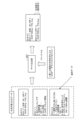
- FIG. 1 is a diagram showing an overview of a medical support system according to the present disclosure.
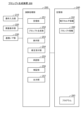
- 1 is a block diagram showing an example of the configuration of a prompt generating device.
- FIG. 2 is a diagram showing an example of information included in electronic medical record information.
- FIG. 11 is a diagram illustrating an example of information included in prompt information.
- 11 is a diagram illustrating an example of processing by a prompt generating unit;
- FIG. 11 is a diagram illustrating an example of processing by a prompt generating unit;
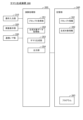
- FIG. FIG. 2 is a block diagram showing a configuration example of a summary generating device.
- 11 is a diagram for explaining an example of processing by a summary generation unit;
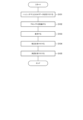
- FIG. 10 is a flowchart showing an example of the operation of the prompt generating device.
- FIG. 13 is a flowchart showing an example of the operation of the summary generating device.
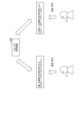
- FIG. 13 is a diagram illustrating another example of the configuration of the medical support system.
- FIG. 1 is a diagram illustrating an example of a prompt management device.
- FIG. 2 is a diagram illustrating an example of a hardware configuration of a generating device according to the present disclosure.
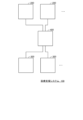
- FIG. 2 is a block diagram showing an example of the configuration of a generating device.
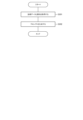
- 13 is a flowchart illustrating an example of the operation of the generating device.
- FIG. 2 is a block diagram showing an example configuration of a second generating device in the present disclosure.
- FIG. 1 is a diagram showing an overview of the medical support system 100.
- FIG. 2 is a block diagram showing a configuration example of the prompt generation device 200.
- FIG. 3 is a diagram showing an example of information included in the electronic medical record information 241.
- FIG. 4 is a diagram showing an example of the prompt information 242.
- FIGS. 5 and 6 are diagrams for explaining an example of the processing of the prompt generation unit 252.
- FIG. 7 is a block diagram showing an example of the configuration of the summary generation device 300.
- FIG. 8 is a diagram showing an example of the processing of the summary generation unit 353.
- FIG. 9 is a flowchart showing an example of the operation of the prompt generation device 200.
- FIG. 1 is a diagram showing an overview of the medical support system 100.
- FIG. 2 is a block diagram showing a configuration example of the prompt generation device 200.
- FIG. 3 is a diagram showing an example of information included in the electronic medical record information 241.
- FIG. 4 is a diagram showing an example of the prompt information
- FIG. 10 is a flowchart showing an example of the operation of the summary generation device 300.
- FIG. 11 is a diagram showing another configuration example of the medical support system 100.
- FIG. 12 is a diagram for explaining an example of the prompt management device 400.
- the drawings may be associated with one or more embodiments.
- a medical support system 100 that generates a prompt, which is an instruction for a trained model, and generates a hash summary corresponding to an updated portion of SOAP (Subjective Objective Assessment Plan) data using the generated prompt.
- the medical support system 100 generates a prompt to be used when generating a hash summary corresponding to an added portion of the SOAP data, based on the SOAP data and a hash summary that is a summary of the SOAP data.
- the medical support system 100 can generate a prompt using a technique such as that described in Non-Patent Document 1.
- the medical support system 100 can accept confirmation of the generated prompt by a doctor and corrections based on the confirmation results.
- the medical assistance system 100 can also generate a hash summary corresponding to the updated portion of the SOAP data by using the SOAP data to which data has been added according to medical treatment, etc., and the above-mentioned prompt.
- the medical assistance system 100 may generate a hash summary corresponding to the updated portion of the SOAP data by using a model that has been learned in advance.
- the medical support system 100 can also manage the generated prompts.
- the generated prompts are less likely to be considered personal information. Therefore, by making it possible to centrally manage and use prompts generated by multiple devices, the generated prompts can be used efficiently.
- SOAP data refers to medical data written in SOAP format in electronic medical records, etc.
- medical records are written according to four items: subjective information (S), objective information (O), assessment (A), and treatment plan (P).
- S subjective information
- O objective information
- A assessment
- P treatment plan
- a hash summary refers to a summary of SOAP data generated based on SOAP data or the like.
- the summary of SOAP data is defined as the term hash summary.
- the hash summary may be a summary of SOAP data written in any part other than the hash part exemplified above.
- a hash summary is added each time SOAP data is added. Therefore, it is considered that the hash summary can be a label for the SOAP data.
- the combination of the SOAP data and the hash summary can be considered as training data.
- the generation of a hash summary corresponding to the updated part of the SOAP data described above may be realized by training a localized large-scale language model (LLM: Large Language Model) or any other language model using the training data.
- LLM Large Language Model
- a prompt refers to an instruction to be input to a model used when generating the above-mentioned hash summary.
- the prompt may include instructions, commands, conditions, constraints, etc. to be input to the above-mentioned model.
- a large-scale language model is used. Therefore, the prompt may be an instruction using a language. In other words, the prompt may be a sentence using Japanese, English, etc.
- FIG. 1 shows an example of the overall configuration of a medical assistance system 100.
- the medical assistance system 100 includes, for example, a prompt generation device 200 and a summary generation device 300.
- the prompt generation device 200 and the summary generation device 300 can be connected to each other via a wired or wireless connection so that they can communicate with each other.
- the configuration of the medical assistance system 100 is not limited to the above example.
- the medical assistance system 100 may include configurations other than those exemplified above, such as including multiple electronic medical record terminals.
- the medical assistance system 100 may also be configured from a single information processing device that has the function of the prompt generation device 200 and the function of the summary generation device 300.
- the prompt generating device 200 is an information processing device that generates a prompt based on SOAP data and a hash summary.
- FIG. 2 shows an example of the configuration of the prompt generating device 200.
- the main components of the prompt generating device 200 include, for example, an operation input unit 210, a screen display unit 220, a communication I/F unit 230, a memory unit 240, and an arithmetic processing unit 250.
- FIG. 2 illustrates an example in which the functions of the prompt generation device 200 are realized using one information processing device.
- the functions of the prompt generation device 200 may be realized using multiple information processing devices, for example, on the cloud.
- the prompt generation device 200 may not include some of the configurations exemplified above, such as not having the operation input unit 210 or the screen display unit 220, or may have configurations other than those exemplified above.
- the operation input unit 210 is made up of operation input devices such as a keyboard and a mouse.
- the operation input unit 210 detects operations by a doctor or other person who operates the prompt generating device 200 and outputs the operations to the calculation processing unit 250.
- the screen display unit 220 is composed of a screen display device such as a liquid crystal display or an organic electroluminescence (EL) display.
- the screen display unit 220 can display various information stored in the memory unit 240 on the screen in response to instructions from the calculation processing unit 250.
- the communication I/F unit 230 is composed of a data communication circuit and the like.
- the communication I/F unit 230 performs data communication with external devices such as an electronic medical record terminal and a summary generation device 300 connected via a communication line.
- the storage unit 240 is a storage device such as a hard disk or memory.
- the storage unit 240 stores processing information and programs 243 necessary for various processes in the arithmetic processing unit 250.
- the programs 243 are loaded into the arithmetic processing unit 250 and executed to realize various processing units.
- the programs 243 are loaded in advance from an external device or recording medium via a data input/output function such as the communication I/F unit 230, and are stored in the storage unit 240.
- Main information stored in the storage unit 240 includes, for example, electronic medical record information 241 and prompt information 242.
- the electronic medical record information 241 includes SOAP data, a hash summary, and the like.
- the various information included in the electronic medical record information 241 is acquired in advance using any means, such as accepting input using the operation input unit 210, or the reception unit 251 accepting input from an external device such as an electronic medical record terminal via the communication I/F unit 230, and is stored in the memory unit 240.
- the various information included in the electronic medical record information 241 may be updated in response to the reception unit 251 accepting input from an external device such as an electronic medical record terminal via the communication I/F unit 230.
- FIG. 3 shows an example of information contained in electronic medical record information 241.
- electronic medical record information 241 includes SOAP data and a hash summary.
- the SOAP data can include data corresponding to one or more medical examinations.
- data can be added to the SOAP data each time a medical examination is performed.
- the hash summary is a summary of the SOAP data. The hash summary can be added in response to the addition of SOAP data.
- the SOAP data and hash summary may be associated with attribute information indicating the attributes of the person who input the SOAP data or hash summary.
- the attribute information may indicate at least some of the attributes of the doctor, medical department, facility, etc.
- the attribute information may also indicate attributes other than those exemplified above.
- the prompt information 242 includes prompts, which are instructions to be input to the model.
- the prompt information 242 is updated in response to, for example, the approval unit 255 (described below) receiving approval from a doctor or the like.
- the prompt information 242 may also be updated in response to, for example, the prompt generation unit 252 generating a prompt.
- FIG. 4 shows an example of prompt information 242.
- identification data is information for identifying prompt data including one or more prompts.
- the prompt generation unit 252 can generate prompts for any attribute, such as for each doctor, each medical department, or each facility. Identification data may be added to identify the prompt generated for each attribute.
- prompt information 242 can include prompt data for each attribute.
- the arithmetic processing unit 250 has an arithmetic device such as a CPU (Central Processing Unit) and its peripheral circuits.
- the arithmetic processing unit 250 reads and executes a program 243 from the storage unit 240, thereby implementing various processing units by having the above hardware and the program 243 work together.
- the main processing units implemented by the arithmetic processing unit 250 include, for example, a reception unit 251, a prompt generation unit 252, a display unit 253, a correction reception unit 254, an approval unit 255, a verification unit 256, and an output unit 257.
- the arithmetic processing unit 250 may have a GPU (Graphic Processing Unit), a DSP (Digital Signal Processor), an MPU (Micro Processing Unit), an FPU (Floating point number Processing Unit), a PPU (Physics Processing Unit), a TPU (Tensor Processing Unit), a quantum processor, a microcontroller, or a combination of these.
- GPU Graphic Processing Unit
- DSP Digital Signal Processor
- MPU Micro Processing Unit
- FPU Floating point number Processing Unit
- PPU Physicals Processing Unit
- TPU Transsor Processing Unit
- quantum processor a microcontroller, or a combination of these.
- the reception unit 251 receives SOAP data, hash summaries, and the like from an external device such as an electronic medical record terminal. At this time, the reception unit 251 may receive attribute information indicating the attributes of the inputter who input the SOAP data or hash summary from the external device such as an electronic medical record terminal, along with the SOAP data or hash summary. The reception unit 251 also stores the received SOAP data, hash summaries, and the like in the storage unit 240 as electronic medical record information 241. The reception unit 251 may receive the SOAP data, hash summaries, and the like at any time.
- the prompt generation unit 252 generates a prompt to be used when generating a hash summary corresponding to an additional portion of the SOAP data, based on the SOAP data and a hash summary that is a summary of the SOAP data. For example, the prompt generation unit 252 can generate one or more prompts based on a combination of the SOAP data and a hash summary, as illustrated in FIG. 5.
- the prompt generating unit 252 generates one or more prompts by inputting the SOAP data into a trained model such as a localized LLM.
- the prompt generating unit 252 also inputs the SOAP data and the generated prompt into a model used when generating a hash summary.
- the prompt generating unit 252 acquires a generated hash summary generated in response to the input of the SOAP data and the generated prompt.
- the prompt generating unit 252 calculates a predetermined score by calculating the similarity between the generated hash summary and a previously acquired hash summary. In other words, the prompt generating unit 252 can calculate a score indicating how close the generated hash summary generated using the generated prompt is to the correct answer.
- the prompt generating unit 252 may also select a prompt based on the calculated score, such as selecting a prompt with a score equal to or greater than a predetermined threshold from among the generated prompts.
- the prompt generation unit 252 may generate the generated hash summary by transmitting the generated prompt to the summary generation device 300 described below, or by acquiring in advance a model to be used when generating the hash summary from the summary generation device 300. Furthermore, in the present disclosure, there is no particular limitation on the method used by the prompt generation unit 252 when calculating the score.
- the prompt generation unit 252 may generate a prompt using a method such as that described in Non-Patent Document 1.
- Non-Patent Document 1 describes a technology called APE (Automatic Prompt Engineer) that creates a list of prompts to be used when outputting results according to the input, based on an input sentence and a result.
- APE Automatic Prompt Engineer
- the input sentence corresponds to SOAP data
- the result corresponds to a hash summary.
- APE Automatic Prompt Engineer
- the prompt generation unit 252 can generate a prompt for each attribute, such as for each doctor or each medical department.
- the contents of the SOAP data and hash summaries may differ significantly depending on the attributes, such as for each doctor or each medical department.
- the display unit 253 displays the prompt generated by the prompt generation unit 252 on the screen display unit 220 or the like.
- the display unit 253 may also display information indicating the calculated score and attributes together with the prompt on the screen display unit 220.
- the modification receiving unit 254 accepts modifications to the prompt generated by the prompt generating unit 252 in response to operations by the doctor or the like on the operation input unit 210 or the like.
- the prompt is an instruction using language. Therefore, a doctor or the like who checks the prompt displayed on the screen display unit 220 can easily check whether the prompt is in line with his or her intentions. In addition, a doctor or the like who checks the prompt displayed on the screen display unit 220 can easily modify the prompt to better suit his or her intentions.
- the approval unit 255 accepts approval by a doctor or the like of the prompt generated by the prompt generation unit 252 in response to an operation by the doctor or the like on the operation input unit 210 or the like. For example, a doctor or the like who has checked the prompt displayed on the screen display unit 220 may approve the prompt using the approval unit 255 after correcting the prompt via the correction acceptance unit 254. Furthermore, upon accepting the approval, the approval unit 255 stores the approved prompt as prompt information 242 in the storage unit 240. Note that when a prompt is generated for each attribute, the approval unit 255 may associate identification data according to the attribute with the generated prompt and store them in the storage unit 240.
- the verification unit 256 inputs the prompt generated by the prompt generation unit 252 into a model used when generating a hash summary, thereby generating a hash summary according to the generated prompt.
- the verification unit 256 may obtain in advance the model used when generating the hash summary from the summary generation device 300, and generate the above-mentioned hash summary in a sandbox.
- the verification unit 256 can also display the results of the verification on the screen display unit 220.
- the doctor or the like may correct the prompt after checking both the prompt displayed on the screen display unit 220 and the results of the verification.
- the correction receiving unit 254 can accept corrections to the prompt made by the doctor or the like after checking the results of the verification by the verification unit 256.
- the acceptance of approval by the approval unit 255 may also be performed after verification by the verification unit 256.
- the output unit 257 transmits prompts and the like included in the prompt information 242 to an external device.
- the output unit 257 can transmit a prompt included in the prompt information 242 to an external device such as the summary generation device 300 in response to an instruction from the summary generation device 300.
- the output unit 257 may transmit a prompt and the like together with the identification data.
- the output unit 257 can transmit all of the prompts included in the prompt information 242 to an external device such as the summary generation device 300 in response to an instruction from the summary generation device 300.
- the output unit 257 may transmit only some of the prompts included in the prompt information 242 to an external device, such as transmitting only the prompts associated with the attributes according to the instruction in response to an instruction from the summary generation device 300.
- the prompt generation device 200 may be configured with a part of the configuration illustrated in FIG. 2, such as omitting at least one of the correction receiving unit 254, the approval unit 255, and the verification unit 256.
- the summary generation device 300 is an information processing device that uses SOAP data to which data has been added based on medical examinations, etc., and the prompt generated by the prompt generation device 200 to generate a hash summary corresponding to the updated portion of the SOAP data.
- FIG. 7 shows an example of the configuration of the summary generation device 300.
- the summary generation device 300 has, as its main components, for example, an operation input unit 310, a screen display unit 320, a communication I/F unit 330, a memory unit 340, and an arithmetic processing unit 350.
- the summary generation device 300 may have the same modified example as the prompt generation device 200 described above.
- the configurations of the operation input unit 310, screen display unit 320, and communication I/F unit 330 may be the same as those of the operation input unit 210, screen display unit 220, and communication I/F unit 230 described above. Therefore, a description of the operation input unit 310, screen display unit 320, and communication I/F unit 330 will be omitted.
- the storage unit 340 is a storage device such as a hard disk or memory.
- the storage unit 340 stores processing information and programs 343 necessary for various processes in the arithmetic processing unit 350.
- the programs 343 are loaded into the arithmetic processing unit 350 and executed to realize various processing units.
- the programs 343 are loaded in advance from an external device or recording medium via a data input/output function such as the communication I/F unit 330, and are stored in the storage unit 340. Examples of the main information stored in the storage unit 340 include prompt information 341 and generation target information 342.
- the prompt information 341 includes a prompt generated by the prompt generating device 200.
- identification data may be associated with a prompt.
- the prompt information 341 is updated in response to the prompt acquiring unit 351 acquiring a prompt from the prompt generating device 200, etc.
- the generation target information 342 includes data for which a hash summary is to be generated.
- the generation target information 342 may include, as data for which a hash summary is to be generated, SOAP data to which data has been added in response to new medical treatment, and a hash summary generated based on the SOAP data prior to the addition of the data.
- the generation target information 342 may include only SOAP data to which data has been added in response to new medical treatment, as data for which a hash summary is to be generated.
- the generation target information 342 is acquired and updated by the generation target data acquisition unit 352 accepting data input from an external device such as an electronic medical record terminal via the communication I/F unit 330.
- the arithmetic processing unit 350 has an arithmetic device such as a CPU and its peripheral circuits.
- the arithmetic processing unit 350 reads and executes the program 343 from the storage unit 340, thereby implementing various processing units through cooperation between the above hardware and the program 343.
- the main processing units implemented by the arithmetic processing unit 350 include, for example, a prompt acquisition unit 351, a target data acquisition unit 352, a summary generation unit 353, and an output unit 354. Note that the arithmetic processing unit 350 may have a GPU or the like instead of the above-mentioned CPU.
- the prompt acquisition unit 351 acquires from the prompt generation device 200 a prompt generated by the prompt generation device 200.
- the prompt acquisition unit 351 may acquire identification data and a prompt.
- the prompt acquisition unit 351 also stores the acquired prompt in the storage unit 340 as prompt information 341.
- the prompt acquisition unit 351 may acquire a prompt from the prompt generation device 200 at any timing.
- the target data acquisition unit 352 acquires data for which a hash summary is to be generated from an external device such as an electronic medical record terminal. For example, the target data acquisition unit 352 acquires, as data for which a hash summary is to be generated, SOAP data to which data has been added in response to new medical treatment, etc., and a hash summary generated based on the SOAP data prior to the addition of the data. The target data acquisition unit 352 may acquire, as data for which a hash summary is to be generated, SOAP data to which data has been added in response to new medical treatment, etc. The target data acquisition unit 352 may also acquire information indicating attributes along with the data for which a hash summary is to be generated. The target data acquisition unit 352 then stores the acquired data for which a hash summary is to be generated in the storage unit 340 as target information 342.
- the summary generation unit 353 generates a hash summary corresponding to the updated portion of the SOAP data based on the data for which a hash summary is to be generated, acquired by the target data acquisition unit 352, and the prompt acquired by the prompt acquisition unit 351.
- the summary generation unit 353 may generate a hash summary including a portion corresponding to the updated portion of the SOAP data, in response to the above input.
- the summary generation unit 353 has a model generated by training a localized large-scale language model (LLM) or any other language model using a combination of SOAP data and hash summaries as training data.
- LLM localized large-scale language model
- the summary generation unit 353 has a model trained to output a hash summary in response to input of SOAP data or a combination of SOAP data with added data and the hash summary before the data was added.
- the summary generation unit 353 inputs the SOAP data with added data and the hash summary generated based on the SOAP data before the data was added, which are the data for which the hash summary is to be generated, to the model, and also inputs a prompt to the model.
- the summary generation unit 353 can generate a hash summary corresponding to the updated portion of the SOAP data as an output from the model in response to the above input.
- the summary generation unit 353 may identify a prompt based on the information indicating the attributes acquired by the target data acquisition unit 352, and input the identified prompt into the above-mentioned model.
- the prompt to be input may be selected according to an operation on the operation input unit 310, in addition to the above-mentioned example.
- the configuration may be such that a doctor or the like selects a prompt to be input from among the prompts included in the prompt information 341, and the selected prompt is input into the model.
- the summary generation unit 353 may have a model for each attribute by training using teacher data for each attribute, or may have a model that does not depend on attributes by training regardless of the attribute. In other words, the summary generation unit 353 may have only one model, or may have multiple models. Note that when the summary generation unit 353 has multiple models, the summary generation unit 353 may select a model to use depending on information indicating the attributes acquired by the target data acquisition unit 352.
- the output unit 354 outputs the hash summary etc. generated by the summary generation unit 353.
- the output unit 354 can display the hash summary etc. on the screen display unit 320, or transmit it to an external device such as an electronic medical record terminal via the communication I/F unit 330.
- FIG. 9 is a flowchart showing an example of the operation of the prompt generating device 200.
- the reception unit 251 receives SOAP data, a hash summary, and the like from an external device such as an electronic medical record terminal (step S101).
- the reception unit 251 may receive attribute information indicating the attributes of the person who input the SOAP data or hash summary from the external device such as an electronic medical record terminal, along with the SOAP data or hash summary.
- the prompt generation unit 252 generates a prompt to be used when generating a hash summary corresponding to the additional portion of the SOAP data, based on the SOAP data and a hash summary that is a summary of the SOAP data (step S102).
- the prompt generation unit 252 may generate a prompt for each attribute, such as for each doctor.
- the prompt generation unit 252 can generate a prompt using a technique such as that described in Non-Patent Document 1.
- the display unit 253 displays the prompt generated by the prompt generation unit 252 on the screen display unit 220 or the like (step S103).
- the display unit 253 may display information indicating the calculated score, attributes, etc., together with the prompt on the screen display unit 220.
- the modification receiving unit 254 receives modifications to the prompt generated by the prompt generating unit 252 in response to operations by the doctor or the like on the operation input unit 210 or the like (step S104).
- the prompt is an instruction using language. Therefore, a doctor or the like who checks the prompt displayed on the screen display unit 220 can easily check whether the prompt is in line with his or her intentions.
- the approval unit 255 receives approval from the doctor or the like for the prompt generated by the prompt generation unit 252 in response to an operation by the doctor or the like on the operation input unit 210 or the like (step S105). Furthermore, upon receiving approval, the approval unit 255 stores the approved prompt as prompt information 242 in the storage unit 240. Note that if a prompt is generated for each attribute, the approval unit 255 may associate identification data according to the attribute with the generated prompt and store them in the storage unit 240.
- the prompt generation device 200 may be configured to verify the prompt.
- FIG. 10 is a flowchart showing an example of the operation of the summary generation device 300.
- the target data acquisition unit 352 acquires data for which a hash summary is to be generated from an external device such as an electronic medical record terminal (step S201).
- the target data acquisition unit 352 acquires, as data for which a hash summary is to be generated, SOAP data to which data has been added in response to new medical treatment, etc., and a hash summary generated based on the SOAP data prior to the addition of data.
- the summary generation unit 353 generates a hash summary corresponding to the updated portion of the SOAP data, based on the data for which the hash summary is to be generated, acquired by the target data acquisition unit 352, and the prompt acquired by the prompt acquisition unit 351 (step S202).
- the summary generation unit 353 may perform the above generation using a model that has been trained in advance using a combination of the SOAP data and the hash summary as training data.
- the summary generation unit 353 may also be configured to select the prompt to be input based on information indicating attributes, etc.
- the output unit 354 outputs the hash summary generated by the summary generation unit 353 (step S203).
- the output unit 354 can display the hash summary on the screen display unit 320, or transmit it to an external device such as an electronic medical record terminal via the communication I/F unit 330.
- the prompt generating device 200 has a receiving unit 251 and a prompt generating unit 252.
- a prompt it is possible to generate a prompt to be used when generating a hash summary corresponding to an additional portion of the SOAP data, based on the SOAP data and hash summary received by the receiving unit 251.
- the prompt generation unit 252 can also be configured to generate a prompt for each attribute.
- the contents of SOAP data and hash summaries can vary greatly depending on attributes, such as for each doctor or department. By generating a prompt for each attribute, it is possible to more accurately infer hash summaries according to the attributes.
- the prompt generation unit 252 also generates a prompt, which is an instruction using language. Therefore, a doctor or the like who checks the prompt generated by the prompt generation unit 252 can easily check whether the prompt is in line with his or her intentions. Furthermore, the doctor or the like can easily modify the prompt to better suit his or her intentions depending on the results of the check.
- the summary generation device 300 also has a prompt acquisition unit 351, a target data acquisition unit 352, and a summary generation unit 353.
- the summary generation unit 353 can generate a hash summary that corresponds to the updated portion of the SOAP data, using the prompt acquired by the prompt acquisition unit 351 and the target data acquired by the target data acquisition unit 352. This can reduce the effort required to generate a hash summary.
- the configuration of the medical assistance system 100 is not limited to the example shown in FIG. 1.
- the prompts generated by the prompt generation device 200 are instructions for a model, and have little personal information aspect. Therefore, as shown in FIG. 11, the medical assistance system 100 may have a prompt management device 400 that collectively manages the prompts generated by multiple prompt generation devices 200.
- the prompt management device 400 is an information processing device that obtains prompts from multiple prompt generation devices 200 that are communicatively connected. For example, if the medical assistance system 100 has a prompt management device 400, the output unit 257 of the prompt generation device 200 may output prompt information 242 to the prompt management device 400. In addition, the prompt management device 400 can transmit prompts that it manages to multiple summary generation devices 300 that are communicatively connected and to other external devices such as electronic medical record terminals.
- the medical support system 100 can centrally manage and utilize the prompts generated by each prompt generation device 200, as shown in FIG. 12. As a result, the medical support system 100 can more efficiently utilize the generated prompts.
- the hash summary corresponding to the SOAP data before data is added is standardized to a certain extent.
- the above standardization may be achieved by establishing rules to a certain extent on the method of writing when generating a hash summary corresponding to the SOAP data before data is added.
- Fig. 13 is a diagram showing a hardware configuration example of the generating device 500.
- Fig. 14 is a block diagram showing a configuration example of the generating device 500.
- Fig. 15 is a flowchart showing an operation example of the generating device 500.
- Fig. 16 is a block diagram showing a configuration example of a generating device 600 which is a second generating device in the present disclosure.
- a generating device 500 that generates a prompt based on medical data such as SOAP data and a summary such as a hash summary will be described. Also, a generating device 600 that generates a summary using the prompt generated by the generating device 500 will be described.
- Fig. 13 shows an example of the hardware configuration of the generating device 500. Referring to Fig. 13, the generating device 500 has the following hardware configuration, as an example.
- ⁇ CPU Central Processing Unit
- ROM Read Only Memory
- RAM Random Access Memory
- Program group 504 loaded into RAM 503
- a storage device 505 for storing the programs 504
- a drive device 506 that reads and writes data from and to a recording medium 510 outside the information processing device.
- a communication interface 507 that connects to a communication network 511 outside the information processing device
- Input/output interface 508 for inputting and outputting data
- a bus 509 that connects each component
- the generating device 500 can realize the functions of the acquiring unit 521 and the prompt generating unit 522 shown in FIG. 14 by having the CPU 501 acquire the group of programs 504 and execute them.
- the group of programs 504 is stored in advance in the storage device 505 or the ROM 502, for example, and is loaded into the RAM 503 or the like by the CPU 501 for execution as necessary.
- the group of programs 504 may be supplied to the CPU 501 via the communication network 511, or may be stored in advance in the recording medium 510, and the drive device 506 may read out the programs and supply them to the CPU 501.
- FIG. 13 shows an example of the hardware configuration of the generating device 500.
- the hardware configuration of the generating device 500 is not limited to the above-mentioned case.
- the generating device 500 may be configured with only a part of the above-mentioned configuration, such as not having the drive device 506.
- the CPU 501 may be a GPU as exemplified in the first embodiment.
- the acquisition unit 521 acquires medical data in the electronic medical record and a summary of the medical data.
- the acquisition unit 521 may acquire the SOAP data described in the first embodiment as the medical data.
- the acquisition unit 521 may also acquire the hash summary described in the first embodiment as the summary.
- the acquisition unit 521 can acquire the medical data and the summary from an external device such as an electronic medical record terminal.
- the prompt generation unit 522 generates a prompt to be used when generating a summary corresponding to the updated portion of the medical data to which data has been added.
- the prompt generation unit 522 can generate a prompt based on the medical data and summary acquired by the acquisition unit 521.
- the prompt generation unit 522 may generate an instruction using a language such as Japanese as the prompt.
- FIG. 15 is a flowchart showing an example of the operation of the generating device 500.
- the acquiring unit 521 acquires medical data in an electronic medical record and a summary of the medical data (step S301).
- the acquiring unit 521 can acquire the medical data and the summary from an external device such as an electronic medical record terminal.
- the prompt generation unit 522 generates a prompt, which is an instruction for the trained model to be used when generating a summary corresponding to the updated portion of the medical data to which data has been added, based on the medical data and summary acquired by the acquisition unit 521 (step S302).
- the prompt generation unit 522 may generate the prompt using the technology described in Non-Patent Document 1.
- the above is an example of the operation of the generating device 500.
- the generating device 500 has an acquiring unit 521 and a prompt generating unit 522.
- the prompt generating unit 522 can generate a prompt based on the medical data and summary acquired by the acquiring unit 521. As a result, it becomes possible to generate a summary using the generated prompt. This makes it possible to reduce the effort required when generating a summary.
- the generating device 500 described above can be realized by incorporating a specific program into an information processing device such as the generating device 500.
- a program that is another form of the present disclosure is a program that acquires medical data in an electronic medical record and a summary of the medical data into an information processing device such as the generating device 500, and generates a prompt, which is an instruction to a trained model, based on the acquired medical data and summary, which is used when generating a summary corresponding to an updated portion of the medical data to which data has been added.
- the generation method executed by an information processing device such as the above-mentioned generating device 500 is a method in which the information processing device such as the generating device 500 acquires medical data and a summary of the medical data in the electronic medical record, and generates a prompt, which is an instruction to the trained model, based on the acquired medical data and summary, which is used when generating a summary corresponding to an updated portion of the medical data to which data has been added.
- the generating device 600 in this disclosure is an information processing device that generates a summary using the prompt generated by the generating device 500.
- the hardware configuration of the generating device 600 may be similar to that of the generating device 500 illustrated in FIG. 13.
- the generating device 600 can realize the functions of the generation target data acquisition unit 621 and the summary generation unit 622 shown in FIG. 16 by having a CPU acquire a group of programs and execute them.
- the target data acquisition unit 621 acquires the medical data to which data has been added as target data for generating a summary.
- the target data acquisition unit 621 may acquire the target data from an external device such as an electronic medical record terminal.
- the summary generation unit 622 has a model that has been trained using a combination of medical data in the electronic medical record and a summary of the medical data as training data.
- the summary generation unit 622 also generates a summary of the medical data acquired by the data acquisition unit 621 to be generated by inputting into the model the medical data acquired by the data acquisition unit 621 to be generated and a prompt that has been generated in advance based on the medical data in the electronic medical record and the summary of the medical data.
- the prompt may be generated by the generation device 500, for example.
- the generating device 600 has a target data acquisition unit 621 and a summary generating unit 622.
- the summary generating unit 622 can generate a summary based on the medical data and prompts acquired by the target data acquisition unit 621. This can reduce the effort required when generating a summary.
- the generating device 600 described above can be realized by incorporating a predetermined program into an information processing device such as the generating device 600.
- a program that is another form of the present disclosure is a program for realizing a process in which medical data with added data is acquired as target data for generating a summary into an information processing device such as the generating device 600, and a prompt that has been generated in advance based on the acquired medical data and the summary of the medical data in the electronic medical record is input to a model that has been trained using a combination of the medical data in the electronic medical record and a summary of the medical data as training data, thereby generating a summary of the acquired medical data.
- the generation method executed by an information processing device such as the generating device 600 described above is a method in which the information processing device such as the generating device 600 acquires medical data with added data as target data for generating a summary, and generates a summary of the acquired medical data by inputting the acquired medical data and a prompt that has been generated in advance based on the medical data and the summary of the medical data in the electronic medical record to a model that has been trained using a combination of the medical data in the electronic medical record and the summary of the medical data as training data.
- (Appendix 1) An acquisition unit that acquires medical data and a summary of the medical data in the electronic medical record; a prompt generation unit that generates a prompt, which is an instruction for a trained model used when generating a summary corresponding to an updated portion of the medical data to which data has been added, based on the medical data and the summary acquired by the acquisition unit; A generating device having the above configuration.
- the prompt generation unit is configured to generate the prompt by inputting the medical data acquired by the acquisition unit into a pre-trained model; The generating device according to claim 1, wherein the prompt generating unit generates the prompt for each attribute by inputting medical data to a model for each predetermined attribute.
- (Appendix 3) a display unit that displays the prompt generated by the prompt generating unit; a correction receiving unit that receives a correction to the prompt displayed by the display unit; 3.
- the generating device of claim 1 or 2, (Appendix 4) a verification unit that generates a summary corresponding to the prompt by inputting the prompt generated by the prompt generation unit and the medical data used to generate the prompt into a trained model used to generate a summary corresponding to an updated portion of the medical data to which data has been added;
- the generating device according to claim 3 wherein the modification receiving unit receives a modification to the prompt that has been verified by the verifying unit.
- (Appendix 5) a target data acquisition unit that acquires medical data to which data has been added as target data for generating a summary; a summary generation unit that generates a summary corresponding to an updated portion of the medical data acquired by the generation target data acquisition unit, based on the prompt generated by the prompt generation unit and the medical data acquired by the generation target data acquisition unit; 5.
- the generating device further comprising: (Appendix 6)
- the summary generation unit selects the prompt to be input from the prompts generated by the prompt generation unit based on information indicating attributes, and generates a summary corresponding to an updated portion of the medical data acquired by the generation target data acquisition unit based on the selected prompt and the medical data acquired by the generation target data acquisition unit.
- (Appendix 7) 7.
- the generating device further comprising an output unit configured to output the prompt generated by the prompt generating unit to a management device that manages the prompt.
- an output unit configured to output the prompt generated by the prompt generating unit to a management device that manages the prompt.
- Appendix 8 An information processing device, Obtaining medical data in an electronic medical record and a summary of the medical data; A method for generating prompts, which are instructions to a trained model, for use in generating a summary corresponding to an updated portion of medical data to which data has been added, based on the acquired medical data and summary.
- Appendix 8-1 When generating the prompt, the acquired medical data is input into a pre-trained model to generate the prompt; The method according to claim 8, wherein when generating the prompt, the prompt is generated for each attribute by inputting clinical data into a model for each predetermined attribute.
- Appendix 8-2 Displaying the generated prompt, The generating method according to claim 8 or 8-1, further comprising accepting modifications to the displayed prompt.
- (Appendix 8-3) a verification process for generating a summary corresponding to the updated portion of the medical data to which data has been added, by inputting the generated prompt and the medical data used to generate the prompt into a trained model used to generate a summary corresponding to the updated portion of the medical data to which data has been added, and The generating method according to claim 8-2, further comprising accepting modifications to the verified prompt.
- (Appendix 8-4) Acquire the medical data to which the data has been added as target data for generating a summary; A generation method according to any one of Supplementary Note 8 to Supplementary Note 8-3, which generates a summary corresponding to an updated portion of the medical data acquired as the data to be generated based on the generated prompt and the medical data acquired as the data to be generated.
- Appendix 8-5 A generation method as described in Appendix 8-4, in which, when generating a summary, a prompt to be input is selected from the prompts generated based on information indicating attributes, and a summary corresponding to an updated portion of the medical data acquired as the data to be generated is generated based on the selected prompt and the medical data acquired as the data to be generated.
- Appendix 8-6) The generating method according to any one of Supplementary Note 8 to Supplementary Note 8-5, further comprising outputting the generated prompt to a management device that manages the prompt.
- Appendix 8-7 A generation method according to any one of appendices 8 to 8-6, comprising obtaining, as medical data in an electronic medical record, SOAP data, which is medical data written in SOAP (Subjective Objective Assessment Plan) format, and obtaining a summary of the SOAP data as a summary of the medical data.
- SOAP Subject Objective Assessment Plan
- Appendix 8-8 The method according to any one of claims 8 to 8-7, further comprising generating the prompt by generating the prompt indicating the instruction as a sentence using language.
- (Appendix 9) In the information processing device, Obtaining medical data in an electronic medical record and a summary of the medical data; A program for implementing a process to generate prompts, which are instructions to a trained model, used when generating summaries corresponding to updated portions of medical data to which data has been added, based on the acquired medical data and summaries.
- (Appendix 9-1) When generating the prompt, the acquired medical data is input into a pre-trained model to generate the prompt; The program according to claim 9, wherein when generating the prompt, the prompt is generated for each attribute by inputting clinical data into a model for each predetermined attribute.
- (Appendix 9-2) Displaying the generated prompt, The program according to claim 9 or 9-1, which accepts corrections to the displayed prompt.
- Appendix 9-3 a verification process for generating a summary corresponding to the updated portion of the medical data to which data has been added, by inputting the generated prompt and the medical data used to generate the prompt into a trained model used to generate a summary corresponding to the updated portion of the medical data to which data has been added, and The program described in Appendix 9-2, which accepts modifications to the verified prompt.
- Appendix 9-4) Acquire the medical data to which the data has been added as target data for generating a summary; A program described in any one of Appendix 9 to Appendix 9-3, which generates a summary corresponding to an updated portion of the medical data acquired as the data to be generated based on the generated prompt and the medical data acquired as the data to be generated.
- Appendix 9-5 A program as described in Appendix 9-4, which, when generating a summary, selects a prompt to be input from the prompts generated based on information indicating attributes, and generates a summary corresponding to an updated portion of the medical data acquired as the data to be generated based on the selected prompt and the medical data acquired as the data to be generated.
- Appendix 9-6 The program according to any one of claims 9 to 9-5, further comprising: outputting the generated prompt to a management device that manages the prompt.
- Appendix 9-7) A program as described in any one of appendices 9 to 9-6, which acquires SOAP data, which is medical data written in SOAP (Subjective Objective Assessment Plan) format, as medical data in an electronic medical record, and acquires a summary of the SOAP data as a summary of the medical data.
- Appendix 9-8) The program according to any one of claims 9 to 9-7, further comprising generating the prompt as a sentence using a language, the prompt indicating the instruction when the prompt is generated.
- Appendix 10) a target data acquisition unit that acquires medical data to which data has been added as target data for generating a summary; a summary generation unit that generates a summary of the medical data acquired by the data acquisition unit for generating ...
- a generating device having the above configuration.
- the programs described in the above embodiments and appendices may be stored in a storage device or a computer-readable recording medium.
- the recording medium may be a portable medium such as a flexible disk, an optical disk, a magneto-optical disk, or a semiconductor memory.
- Prompt generation device 210 Operation input unit 220 Screen display unit 230 Communication I/F unit 240 Storage unit 241 Electronic medical record information 242 Prompt information 243 Program 250 Calculation processing unit 251 Acceptance unit 252 Prompt generation unit 253 Display unit 254 Correction acceptance unit 255 Approval unit 256 Verification unit 257 Output unit 300 Summary generation device 310 Operation input unit 320 Screen display unit 330 Communication I/F unit 340 Storage unit 341 Prompt information 342 Generation target information 343 Program 350 Calculation processing unit 351 Prompt acquisition unit 352 Generation target data acquisition unit 353 Summary generation unit 354 Output unit 400 Prompt management device 500 Generation device 501 CPU 502 ROM 503 RAM 504 Program group 505 Storage device 506 Drive device 507 Communication interface 508 Input/output interface 509 Bus 510 Recording medium 511 Communication network 521 Acquisition unit 522 Prompt generation unit 600 Generation device 621 Generation target data acquisition unit 622 Summary generation unit
Landscapes
- Engineering & Computer Science (AREA)
- Health & Medical Sciences (AREA)
- Theoretical Computer Science (AREA)
- General Health & Medical Sciences (AREA)
- Public Health (AREA)
- Primary Health Care (AREA)
- Medical Informatics (AREA)
- Artificial Intelligence (AREA)
- Audiology, Speech & Language Pathology (AREA)
- Computational Linguistics (AREA)
- Physics & Mathematics (AREA)
- General Engineering & Computer Science (AREA)
- General Physics & Mathematics (AREA)
- Epidemiology (AREA)
- Medical Treatment And Welfare Office Work (AREA)
Abstract
生成装置は、電子カルテにおける診療データと、診療データの要約と、を取得する取得部と、データを追加した診療データの更新部分に対応する要約を生成する際に用いる、学習済みモデルに対する指示であるプロンプトを、前記取得部が取得した診療データと要約とに基づいて生成するプロンプト生成部と、を有する。
Description
本発明は、生成装置、生成方法、記録媒体に関する。
電子的なシステムにおいて診療の経過などを記入する電子カルテという技術が知られている。
このような技術の一例として、例えば、特許文献1がある。例えば、特許文献1には、患者情報の出力が必要な関連システムと連携した電子カルテシステムが記載されている。特許文献1によると、電子カルテシステムは、患者情報が患者毎に電子カルテとして記憶された患者情報記憶部を備えている。また、電子カルテシステムは、関連システムが端末に表示した患者情報のうち、患者の名前に対してユーザから選択を受付け、選択を受付けた患者に対応する患者情報を、患者情報記憶部から取得し、取得した患者情報として、当該患者のカルテ情報を表示する。また、特許文献1によると、カルテ情報として、SOAP形式(「S(subjective):主観的情報」「O(objective): 客観的情報」「A(assessment): 評価」「P(plan): 計画(治療)」)による記録等の診療情報が含まれる旨が開示されている。
Yongchao Zhou et al." Large Language Models Are Human-Level Prompt Engineers"[令和5年6月12日検索],インターネット<URL:https://arxiv.org/abs/2211.01910>
特許文献1に記載されているような電子カルテは、読み込みに時間がかかることがある。そのため、このような問題に対処することなどを目的に、診察ごとのSOAPデータとは別に、過去の診療情報におけるSOAPデータの要約であるサマリを記載することが一般に行われている。
ここで、上記のようなサマリは医師本人の手で作成されることが多い。そのため、サマリ作成時に手間がかかっていた。このように、サマリ作成時の手間を抑制することが難しい、という課題が生じていた。
そこで、本開示は、上述した課題を解決することが可能な生成装置、生成方法、記録媒体を提供することを目的の一つとする。
かかる目的を達成するため本開示における生成装置は、
電子カルテにおける診療データと、診療データの要約と、を取得する取得部と、
データを追加した診療データの更新部分に対応する要約を生成する際に用いる、学習済みモデルに対する指示であるプロンプトを、前記取得部が取得した診療データと要約とに基づいて生成するプロンプト生成部と、
という構成をとる。
電子カルテにおける診療データと、診療データの要約と、を取得する取得部と、
データを追加した診療データの更新部分に対応する要約を生成する際に用いる、学習済みモデルに対する指示であるプロンプトを、前記取得部が取得した診療データと要約とに基づいて生成するプロンプト生成部と、
という構成をとる。
また、本開示における生成方法は、
情報処理装置が、
電子カルテにおける診療データと、診療データの要約と、を取得し、
データを追加した診療データの更新部分に対応する要約を生成する際に用いる、学習済みモデルに対する指示であるプロンプトを、取得した診療データと要約とに基づいて生成する
という構成をとる。
情報処理装置が、
電子カルテにおける診療データと、診療データの要約と、を取得し、
データを追加した診療データの更新部分に対応する要約を生成する際に用いる、学習済みモデルに対する指示であるプロンプトを、取得した診療データと要約とに基づいて生成する
という構成をとる。
また、本開示における記録媒体は、
情報処理装置に、
電子カルテにおける診療データと、診療データの要約と、を取得し、
データを追加した診療データの更新部分に対応する要約を生成する際に用いる、学習済みモデルに対する指示であるプロンプトを、取得した診療データと要約とに基づいて生成する
処理を実現させるためのプログラムを記録した、コンピュータが読み取り可能な記録媒体である。
情報処理装置に、
電子カルテにおける診療データと、診療データの要約と、を取得し、
データを追加した診療データの更新部分に対応する要約を生成する際に用いる、学習済みモデルに対する指示であるプロンプトを、取得した診療データと要約とに基づいて生成する
処理を実現させるためのプログラムを記録した、コンピュータが読み取り可能な記録媒体である。
また、本開示における生成装置は、
要約を生成する対象となる生成対象データとして、データを追加した診療データを取得する生成対象データ取得部と、
電子カルテにおける診療データと、診療データの要約と、の組み合わせを教師データとして用いた学習を行ったモデルに対して、前記生成対象データ取得部が取得した診療データと、電子カルテにおける診療データと診療データの要約とに基づいて予め生成されたプロンプトと、を入力することで、前記生成対象データ取得部が取得した診療データの要約を生成する要約生成部と、
を有する
という構成をとる。
要約を生成する対象となる生成対象データとして、データを追加した診療データを取得する生成対象データ取得部と、
電子カルテにおける診療データと、診療データの要約と、の組み合わせを教師データとして用いた学習を行ったモデルに対して、前記生成対象データ取得部が取得した診療データと、電子カルテにおける診療データと診療データの要約とに基づいて予め生成されたプロンプトと、を入力することで、前記生成対象データ取得部が取得した診療データの要約を生成する要約生成部と、
を有する
という構成をとる。
上述したような各構成によると、サマリ作成時の手間を抑制することができる。
[第1の実施形態]
本開示における診療支援システム100の構成例について、図1から図12までを参照して説明する。図1は、診療支援システム100の概要を示す図である。図2は、プロンプト生成装置200の構成例を示すブロック図である。図3は、電子カルテ情報241に含まれる情報の一例を示す図である。図4は、プロンプト情報242の一例を示す図である。図5、図6は、プロンプト生成部252の処理例を説明するための図である。図7は、サマリ生成装置300の構成例を示すブロック図である。図8は、サマリ生成部353の処理例を説明するための図である。図9は、プロンプト生成装置200の動作例を示すフローチャートである。図10は、サマリ生成装置300の動作例を示すフローチャートである。図11は、診療支援システム100の他の構成例を示す図である。図12は、プロンプト管理装置400の一例を説明するための図である。なお、本開示において図面は、1以上の各実施の形態に関連づけられてよい。
本開示における診療支援システム100の構成例について、図1から図12までを参照して説明する。図1は、診療支援システム100の概要を示す図である。図2は、プロンプト生成装置200の構成例を示すブロック図である。図3は、電子カルテ情報241に含まれる情報の一例を示す図である。図4は、プロンプト情報242の一例を示す図である。図5、図6は、プロンプト生成部252の処理例を説明するための図である。図7は、サマリ生成装置300の構成例を示すブロック図である。図8は、サマリ生成部353の処理例を説明するための図である。図9は、プロンプト生成装置200の動作例を示すフローチャートである。図10は、サマリ生成装置300の動作例を示すフローチャートである。図11は、診療支援システム100の他の構成例を示す図である。図12は、プロンプト管理装置400の一例を説明するための図である。なお、本開示において図面は、1以上の各実施の形態に関連づけられてよい。
本開示の第1の実施形態では、学習済みモデルに対する指示であるプロンプトを生成したり、生成したプロンプトを用いてSOAP(Subjective Objective Assessment Plan)データの更新部分に対応するハッシュサマリを生成したりする診療支援システム100について説明する。例えば、診療支援システム100は、SOAPデータとSOAPデータの要約であるハッシュサマリとに基づいて、SOAPデータの追加部分に対応するハッシュサマリを生成する際に用いるプロンプトを生成する。一例として、診療支援システム100は、非特許文献1に記載されているような技術を用いて、プロンプトを生成することができる。また、診療支援システム100は、生成したプロンプトに対する医師の確認や、確認の結果に応じた修正などを受け付けることができる。
また、診療支援システム100は、診療などに応じてデータを追加したSOAPデータと上述したプロンプトとを用いて、SOAPデータの更新部分に対応するハッシュサマリを生成することができる。一例として、診療支援システム100は、予め学習したモデルなどを用いることで、SOAPデータの更新部分に対応するハッシュサマリの生成を行ってよい。
また、診療支援システム100は、生成したプロンプトの管理を行うことができる。生成したプロンプトは、個人情報としての側面が薄れる。そのため、複数の装置で生成したプロンプトを一括で管理、活用可能とすることで、生成したプロンプトの効率的な活用を図ることができる。
なお、本開示において、SOAPデータとは、電子カルテなどにおいてSOAP形式で記載された診療データのことなどをいう。SOAP形式の診療データでは、主観的情報(S:subjective)、客観的情報(O:objective)、評価(A:assessment)、計画(治療(P:plan)の4つの項目に沿って診療の記録などが記載されている。なお、SOAPデータでは、上記のように大まかな枠組みは定まっている。しかしながら、具体的な記載の仕方や内容は、施設、診療科、医師などによって大きく異なっている可能性がある。
また、ハッシュサマリとは、SOAPデータなどに基づいて生成されるSOAPデータの要約のことをいう。本開示においては、電子カルテのうちSOAPを記載する部分の上部分(通称、ハッシュ部分という)に記載される要約であるため、SOAPデータの要約のことをハッシュサマリという単語で定義する。ただし、ハッシュサマリは、上記例示したハッシュ部分以外の任意の箇所に記載されたSOAPデータの要約などであってもよい。例えば、ハッシュサマリは、SOAPデータが追加されるごとに追記される。そのため、ハッシュサマリはSOAPデータに対するラベルになりうるものと考えられる。換言すると、SOAPデータとハッシュサマリの組み合わせは教師データとみなすことができる。例えば、上述したSOAPデータの更新部分に対応するハッシュサマリの生成は、上記教師データを用いて、ローカル化した大規模言語モデル(LLM:Large Language Model)やそのほか任意の言語モデルの訓練を行うことなどにより実現してよい。
また、本開示において、プロンプトとは、上述したハッシュサマリの生成を行う際に用いるモデルに対して入力する指示のことなどをいう。プロンプトには、上記モデルに入力する指示、命令、条件、制約などを含むことができる。上述したように、本開示においては大規模言語モデルなどを用いる。そのため、プロンプトは言語を用いた指示などであってよい。つまり、プロンプトは、日本語や英語などを用いた文章などであってよい。
図1は、診療支援システム100全体の構成例を示している。図1を参照すると、診療支援システム100は、例えば、プロンプト生成装置200とサマリ生成装置300とを含んでいる。図1で示すように、プロンプト生成装置200とサマリ生成装置300とは、有線または無線により互いに通信可能なよう接続することができる。
なお、診療支援システム100の構成は、上記例示した場合に限定されない。例えば、診療支援システム100は、複数の電子カルテ端末を含むなど上記例示した以外の構成を含んでもよい。また、診療支援システム100は、プロンプト生成装置200としての機能とサマリ生成装置300としての機能とを有する1台の情報処理装置などから構成されてもよい。
プロンプト生成装置200は、SOAPデータとハッシュサマリとに基づいてプロンプトを生成する情報処理装置である。図2は、プロンプト生成装置200の構成例を示している。図2を参照すると、プロンプト生成装置200は、主な構成要素として、例えば、操作入力部210と、画面表示部220と、通信I/F部230と、記憶部240と、演算処理部250と、を有している。
なお、図2では、1台の情報処理装置を用いてプロンプト生成装置200としての機能を実現する場合について例示している。しかしながら、プロンプト生成装置200としての機能のうちの少なくとも一部は、例えばクラウド上に実現されるなど、複数台の情報処理装置を用いて実現されてもよい。また、プロンプト生成装置200は、操作入力部210や画面表示部220を有さないなど上記例示した構成の一部を含まなくてもよいし、上記例示した以外の構成を有してもよい。
操作入力部210は、キーボード、マウスなどの操作入力装置からなる。操作入力部210は、プロンプト生成装置200を操作する医師などの操作を検出して演算処理部250に出力する。
画面表示部220は、液晶ディスプレイや有機EL(electro-luminescence)などの画面表示装置からなる。画面表示部220は、演算処理部250からの指示に応じて、記憶部240に格納されている各種情報などを画面表示することができる。
通信I/F部230は、データ通信回路などからなる。通信I/F部230は、通信回線を介して接続された電子カルテ端末やサマリ生成装置300などの外部装置との間でデータ通信を行う。
記憶部240は、ハードディスクやメモリなどの記憶装置である。記憶部240は、演算処理部250における各種処理に必要な処理情報やプログラム243を記憶する。プログラム243は、演算処理部250に読み込まれて実行されることにより各種処理部を実現する。プログラム243は、通信I/F部230などのデータ入出力機能を介して外部装置や記録媒体から予め読み込まれ、記憶部240に保存されている。記憶部240で記憶される主な情報としては、例えば、電子カルテ情報241、プロンプト情報242などがある。
電子カルテ情報241は、SOAPデータやハッシュサマリなどを含んでいる。電子カルテ情報241に含まれる各種情報は、操作入力部210を用いた入力を受け付けること、受付部251が通信I/F部230を介して電子カルテ端末などの外部装置から入力を受け付けること、など任意の手段を用いて予め取得されており、記憶部240に格納されている。電子カルテ情報241に含まれる各種情報は、受付部251が通信I/F部230を介して電子カルテ端末などの外部装置から入力を受け付けることに応じて更新されてもよい。
図3は、電子カルテ情報241に含まれる情報の一例を示している。例えば、図3で示すように、電子カルテ情報241には、SOAPデータとハッシュサマリとが含まれている。図3で示すように、SOAPデータは、1つまたは複数の診察に応じたデータを含むことができる。一例として、SOAPデータは、診察を行うごとにデータを追加することができる。また、ハッシュサマリはSOAPデータの要約である。ハッシュサマリは、SOAPデータの追加に応じて追記することができる。
なお、電子カルテ情報241では、SOAPデータやハッシュサマリなどと、SOAPデータやハッシュサマリの入力を行った入力者の属性を示す属性情報などが関連づけられていてもよい。例えば、属性情報は、医師、診療科、施設などの属性のうちの少なくとも一部を示すことができる。属性情報は、上記例示した以外の属性を示してもよい。
プロンプト情報242は、モデルに対して入力する指示であるプロンプトを含んでいる。プロンプト情報242は、後述する承認部255が医師などによる承認を受け付けることなどに応じて更新される。プロンプト情報242は、プロンプト生成部252がプロンプトを生成することなどに応じて更新されてもよい。
図4は、プロンプト情報242の一例を示している。図4で例示するように、プロンプト情報242では、例えば、識別データとプロンプトデータとが関連づけられている。ここで、識別データは、1つまたは複数のプロンプトを含むプロンプトデータを識別するための情報である。例えば、プロンプト生成部252は、医師ごと、診療科ごと、施設ごとなど、任意の属性ごとにプロンプトを生成することができる。識別データは、属性ごとに生成されたプロンプトを識別するために付与されたものであってよい。例えば、以上のように、プロンプト情報242には、属性ごとのプロンプトデータを含むことができる。
演算処理部250は、CPU(Central Processing Unit)などの演算装置とその周辺回路を有する。演算処理部250は、記憶部240からプログラム243を読み込んで実行することにより、上記ハードウェアとプログラム243とを協働させて各種処理部を実現する。演算処理部250で実現される主な処理部としては、例えば、受付部251、プロンプト生成部252、表示部253、修正受付部254、承認部255、検証部256、出力部257などがある。
なお、演算処理部250は、上述したCPUの代わりに、GPU(Graphic Processing Unit)、DSP(Digital Signal Processor)、MPU(Micro Processing Unit)、FPU(Floating point number Processing Unit)、PPU(Physics Processing Unit)、TPU(Tensor Processing Unit)、量子プロセッサ、マイクロコントローラ、又は、これらの組み合わせなどを有してもよい。
受付部251(取得部)は、電子カルテ端末などの外部装置から、SOAPデータやハッシュサマリなどを受け付ける。この際、受付部251は、SOAPデータやハッシュサマリなどとともに、電子カルテ端末などの外部装置からSOAPデータやハッシュサマリの入力を行った入力者の属性を示す属性情報を受け付けてもよい。また、受付部251は、受け付けたSOAPデータやハッシュサマリなどを電子カルテ情報241として記憶部240に格納する。なお、受付部251は、任意のタイミングでSOAPデータやハッシュサマリなどを受け付けてよい
プロンプト生成部252は、SOAPデータとSOAPデータの要約であるハッシュサマリとに基づいて、SOAPデータの追加部分に対応するハッシュサマリを生成する際に用いるプロンプトを生成する。例えば、プロンプト生成部252は、図5で例示するように、SOAPデータとハッシュサマリとの組み合わせに基づいて、1つまたは複数のプロンプトを生成することができる。
例えば、プロンプト生成部252は、SOAPデータをローカル化したLLMなどの学習済みのモデルに入力することなどにより、1つまたは複数のプロンプトを生成する。また、プロンプト生成部252は、ハッシュサマリの生成を行う際に用いるモデルに対して、上記
SOAPデータや生成したプロンプトを入力する。これにより、プロンプト生成部252は、SOAPデータと生成したプロンプトとの入力に応じて生成される生成ハッシュサマリを取得する。その後、プロンプト生成部252は、生成ハッシュサマリと、予め取得したハッシュサマリと、の間の類似度などを算出することにより、所定のスコアを算出する。つまり、プロンプト生成部252は、生成したプロンプトを用いて生成した生成ハッシュサマリがどれほど正解に近いかを示すスコアなどを算出することができる。また、プロンプト生成部252は、生成したプロンプトのうちスコアが所定閾値以上となるプロンプトを選択するなど、算出したスコアに基づくプロンプトの選択を行ってもよい。なお、プロンプト生成部252は、生成したプロンプトを後述するサマリ生成装置300に対して送信したり、ハッシュサマリを生成する際に用いるモデルをサマリ生成装置300から予め取得しておいたりすることなどに応じて、生成ハッシュサマリの生成を行ってよい。また、本開示においては、プロンプト生成部252がスコアを算出する際に用いる方法については特に限定しない。
SOAPデータや生成したプロンプトを入力する。これにより、プロンプト生成部252は、SOAPデータと生成したプロンプトとの入力に応じて生成される生成ハッシュサマリを取得する。その後、プロンプト生成部252は、生成ハッシュサマリと、予め取得したハッシュサマリと、の間の類似度などを算出することにより、所定のスコアを算出する。つまり、プロンプト生成部252は、生成したプロンプトを用いて生成した生成ハッシュサマリがどれほど正解に近いかを示すスコアなどを算出することができる。また、プロンプト生成部252は、生成したプロンプトのうちスコアが所定閾値以上となるプロンプトを選択するなど、算出したスコアに基づくプロンプトの選択を行ってもよい。なお、プロンプト生成部252は、生成したプロンプトを後述するサマリ生成装置300に対して送信したり、ハッシュサマリを生成する際に用いるモデルをサマリ生成装置300から予め取得しておいたりすることなどに応じて、生成ハッシュサマリの生成を行ってよい。また、本開示においては、プロンプト生成部252がスコアを算出する際に用いる方法については特に限定しない。
例えば以上のように、プロンプト生成部252は、非特許文献1に記載されているような方法を用いてプロンプトを生成してよい。ここで、非特許文献1には、入力文章と結果から、入力に応じて結果を出力する際に用いるプロンプトのリストを作成するAPE(Automatic Prompt Engineer)という技術が記載されている。本開示の場合、入力文章がSOAPデータに相当し、結果がハッシュサマリに相当する。非特許文献1に記載されているように、APEを用いることで、複数のプロンプトを生成するともに、生成した各プロンプトのスコアを算出することができる。
なお、図6で示すように、SOAPデータとハッシュサマリの組み合わせの入力を属性ごとに行うことで、プロンプト生成部252は、医師ごとや診療科ごとなどの属性ごとにプロンプトの生成を行うことができる。SOAPデータやハッシュサマリは、医師ごとや診療科ごとなど属性に応じて内容が大きく異なる場合がある。属性ごとにプロンプトを生成することで、より精度よく属性に応じたハッシュサマリの推論などを行うことができる。
表示部253は、プロンプト生成部252が生成したプロンプトを画面表示部220上などに表示する。表示部253は、プロンプトとともに算出したスコアや属性を示す情報などを画面表示部220上に表示してもよい。
修正受付部254は、操作入力部210などに対する医師などの操作に応じて、プロンプト生成部252が生成したプロンプトの修正を受け付ける。上述したように、本開示の場合、プロンプトは言語を用いた指示となる。そのため、画面表示部220上に表示されたプロンプトを確認した医師などは、容易に自分の意に沿うプロンプトであるか否かを確認することができる。また、画面表示部220上に表示されたプロンプトを確認した医師などは、容易により自分の意に沿うようにプロンプトを修正することができる。
承認部255は、操作入力部210などに対する医師などの操作に応じて、プロンプト生成部252が生成したプロンプトに対する医師などによる承認を受け付ける。例えば、画面表示部220上に表示されたプロンプトの確認を行った医師などは、修正受付部254を介してプロンプトの修正を行った上で、承認部255を用いたプロンプトの承認を行ってもよい。また、承認部255は、承認を受け付けると、承認されたプロンプトをプロンプト情報242として記憶部240に格納する。なお、属性ごとにプロンプトが生成されている場合、承認部255は、属性に応じた識別データと生成したプロンプトとを関連づけて記憶部240に格納してもよい。
検証部256は、プロンプト生成部252が生成したプロンプトをハッシュサマリの生成を行う際に用いるモデルに対して入力することで、生成したプロンプトに応じたハッシュサマリを生成する。検証部256は、ハッシュサマリを生成する際に用いるモデルをサマリ生成装置300から予め取得しておき、サンドボックスで上記ハッシュサマリの生成を行ってもよい。
また、検証部256は、検証の結果などを画面表示部220上に表示することができる。この場合、医師などは、画面表示部220上に表示されたプロンプトと検証の結果とを両方確認したうえで、プロンプトの修正を行ってよい。つまり、修正受付部254は、検証部256による検証の結果を確認したうえで医師などが行ったプロンプトに対する修正を受け付けることができる。同様に、承認部255による承認の受け付けも、検証部256による検証の後に行われてもよい。
出力部257は、プロンプト情報242に含まれるプロンプトなどを外部装置に対して送信する。例えば、出力部257は、サマリ生成装置300からの指示などに応じて、プロンプト情報242に含まれるプロンプトをサマリ生成装置300などの外部装置に対して送信することができる。出力部257は、識別データとともにプロンプトなどの送信を行ってもよい。なお、出力部257は、サマリ生成装置300からの指示などに応じて、プロンプト情報242に含まれるすべてのプロンプトをサマリ生成装置300などの外部装置に対して送信することができる。出力部257は、サマリ生成装置300からの指示などに応じて指示に応じた属性と関連付けられているプロンプトのみを送信するなど、プロンプト情報242に含まれるプロンプトのうち一部のプロンプトのみを外部装置に対して送信してもよい。
以上が、プロンプト生成装置200の構成例である。なお、プロンプト生成装置200は、修正受付部254、承認部255、検証部256などのうちの少なくとも1つを有さないなど、図2で例示した構成のうちの一部から構成されていてもよい。
サマリ生成装置300は、診察などに応じてデータを追加したSOAPデータとプロンプト生成装置200が生成したプロンプトとを用いて、SOAPデータの更新部分に対応するハッシュサマリを生成する情報処理装置である。図7は、サマリ生成装置300の構成例を示している。図7を参照すると、サマリ生成装置300は、主な構成要素として、例えば、操作入力部310と、画面表示部320と、通信I/F部330と、記憶部340と、演算処理部350と、を有している。
なお、サマリ生成装置300は、上述したプロンプト生成装置200と同様の変形例を有してもよい。また、操作入力部310、画面表示部320、通信I/F部330の構成は、上述した操作入力部210、画面表示部220、通信I/F部230と同様であってよい。そのため、操作入力部310、画面表示部320、通信I/F部330の説明は省略する。
記憶部340は、ハードディスクやメモリなどの記憶装置である。記憶部340は、演算処理部350における各種処理に必要な処理情報やプログラム343を記憶する。プログラム343は、演算処理部350に読み込まれて実行されることにより各種処理部を実現する。プログラム343は、通信I/F部330などのデータ入出力機能を介して外部装置や記録媒体から予め読み込まれ、記憶部340に保存されている。記憶部340で記憶される主な情報としては、例えば、プロンプト情報341、生成対象情報342などがある。
プロンプト情報341は、プロンプト生成装置200が生成したプロンプトなどを含んでいる。プロンプト情報341では、識別データとプロンプトとが関連づけられていてもよい。プロンプト情報341は、プロンプト取得部351がプロンプト生成装置200からプロンプトを取得することなどに応じて更新される。
生成対象情報342は、ハッシュサマリの生成対象となるデータを含んでいる。例えば、生成対象情報342には、ハッシュサマリの生成対象となるデータとして、新規の診療などに応じてデータを追加したSOAPデータと、データ追加前までのSOAPデータに基づいて生成されたハッシュサマリと、などを含むことができる。生成対象情報342には、ハッシュサマリの生成対象となるデータとして、新規の診療などに応じてデータを追加したSOAPデータのみが含まれてもよい。生成対象情報342は、生成対象データ取得部352が通信I/F部330を介して電子カルテ端末などの外部装置からデータの入力を受け付けることなどにより取得され、更新される。
演算処理部350は、CPUなどの演算装置とその周辺回路を有する。演算処理部350は、記憶部340からプログラム343を読み込んで実行することにより、上記ハードウェアとプログラム343とを協働させて各種処理部を実現する。演算処理部350で実現される主な処理部としては、例えば、プロンプト取得部351、生成対象データ取得部352、サマリ生成部353、出力部354などがある。なお、演算処理部350は、上述したCPUの代わりに、GPUなどを有してもよい。
プロンプト取得部351は、プロンプト生成装置200から当該プロンプト生成装置200が生成したプロンプトを取得する。プロンプト取得部351は、識別データとプロンプトとを取得してもよい。また、プロンプト取得部351は、取得したプロンプトをプロンプト情報341として記憶部340に格納する。なお、プロンプト取得部351は、任意のタイミングでプロンプト生成装置200からプロンプトを取得してよい。
生成対象データ取得部352は、電子カルテ端末などの外部装置から、ハッシュサマリの生成対象となるデータを取得する。例えば、生成対象データ取得部352は、ハッシュサマリ生成対象となるデータとして、新規の診療などに応じてデータを追加したSOAPデータと、データ追加前までのSOAPデータに基づいて生成されたハッシュサマリと、を取得する。生成対象データ取得部352は、ハッシュサマリ生成対象となるデータとして、新規の診療などに応じてデータを追加したSOAPデータを取得してもよい。また、生成対象データ取得部352は、ハッシュサマリ生成対象となるデータとともに属性を示す情報などを取得してもよい。その後、生成対象データ取得部352は、取得したハッシュサマリ生成対象となるデータを生成対象情報342として記憶部340に格納する。
サマリ生成部353は、図8で示すように、生成対象データ取得部352が取得したハッシュサマリ生成対象となるデータと、プロンプト取得部351が取得したプロンプトと、に基づいて、SOAPデータの更新部分に対応するハッシュサマリを生成する。サマリ生成部353は、上記入力に応じて、SOAPデータの更新部分に対応する部分を含むハッシュサマリを生成してもよい。
一例として、サマリ生成部353は、SOAPデータとハッシュサマリの組み合わせを教師データとして用いて、ローカル化した大規模言語モデル(LLM:Large Language Model)やそのほか任意の言語モデルの訓練を行うことで生成したモデルを有している。換言すると、サマリ生成部353は、SOAPデータ、または、データを追加したSOAPデータとデータ追加前ハッシュサマリとの組み合わせの入力に応じてハッシュサマリを出力するよう訓練したモデルを有している。例えば、サマリ生成部353は、ハッシュサマリ生成対象となるデータである、データを追加したSOAPデータとデータ追加前までのSOAPデータに基づいて生成されたハッシュサマリと、をモデルに入力するとともに、プロンプトをモデルに入力する。これに応じて、サマリ生成部353は、上記入力に応じたモデルからの出力として、SOAPデータの更新部分に対応するハッシュサマリを生成することができる。
なお、サマリ生成部353は、生成対象データ取得部352が取得した属性を示す情報に基づいてプロンプトを特定して、特定したプロンプトを上述したモデルに入力してもよい。入力するプロンプトの選択は、上記例示した場合のほか、操作入力部310に対する操作などに応じて行われてもよい。つまり、医師などがプロンプト情報341に含まれるプロンプトの中から入力するプロンプトを選択して、選択したプロンプトをモデルに入力するよう構成してもよい。
また、サマリ生成部353は、属性ごとの教師データを用いた訓練を行うことで、属性ごとのモデルを有していてもよいし、属性によらずに訓練を行うことで属性に依存しないモデルを有していてもよい。つまり、サマリ生成部353は、1つのモデルのみを有していてもよいし、複数のモデルを有していてもよい。なお、サマリ生成部353が複数のモデルを有する場合、サマリ生成部353は、生成対象データ取得部352が取得した属性を示す情報などに応じて使用するモデルの選択を行ってよい。
出力部354は、サマリ生成部353が生成したハッシュサマリなどを出力する。例えば、出力部354は、ハッシュサマリなどを画面表示部320上に表示させたり、通信I/F部330を介して電子カルテ端末などの外部装置に対して送信したりすることができる。
以上が、サマリ生成装置300の構成例である。続いて、図9、図10を参照して、プロンプト生成装置200とサマリ生成装置300の動作例について説明する。まず、図9を参照して、プロンプト生成装置200の動作例について説明する。
図9は、プロンプト生成装置200の動作例を示すフローチャートである。図9を参照すると、受付部251は、電子カルテ端末などの外部装置から、SOAPデータやハッシュサマリなどを受け付ける(ステップS101)。この際、受付部251は、SOAPデータやハッシュサマリなどとともに、電子カルテ端末などの外部装置からSOAPデータやハッシュサマリの入力を行った入力者の属性を示す属性情報を受け付けてもよい。
プロンプト生成部252は、SOAPデータとSOAPデータの要約であるハッシュサマリとに基づいて、SOAPデータの追加部分に対応するハッシュサマリを生成する際に用いるプロンプトを生成する(ステップS102)。プロンプト生成部252は、医師ごとなどの属性ごとにプロンプトを生成してもよい。例えば、プロンプト生成部252は、非特許文献1に記載されているような技術を用いてプロンプトの生成を行うことができる。
表示部253は、プロンプト生成部252が生成したプロンプトを画面表示部220上などに表示する(ステップS103)。表示部253は、プロンプトとともに算出したスコアや属性を示す情報などを画面表示部220上に表示してもよい。
修正受付部254は、操作入力部210などに対する医師などの操作に応じて、プロンプト生成部252が生成したプロンプトの修正を受け付ける(ステップS104)。上述したように、本開示の場合、プロンプトは言語を用いた指示となる。そのため、画面表示部220上に表示されたプロンプトを確認した医師などは、容易に自分の意に沿うプロンプトであるか否かを確認することができる。
承認部255は、操作入力部210などに対する医師などの操作に応じて、プロンプト生成部252が生成したプロンプトに対する医師などによる承認を受け付ける(ステップS105)。また、承認部255は、承認を受け付けると、承認されたプロンプトをプロンプト情報242として記憶部240に格納する。なお、属性ごとにプロンプトが生成されている場合、承認部255は、属性に応じた識別データと生成したプロンプトとを関連づけて記憶部240に格納してもよい。
以上が、プロンプト生成装置200の動作例である。なお、ステップS103から105までの処理のうちの少なくとも一部は省略されてもよい。また、プロンプト生成装置200は、プロンプトの検証を行うよう構成してもよい。
続いて、図10を参照してサマリ生成装置300の動作例について説明する。図10は、サマリ生成装置300の動作例を示すフローチャートである。図10を参照すると、生成対象データ取得部352は、電子カルテ端末などの外部装置から、ハッシュサマリの生成対象となるデータを取得する(ステップS201)。例えば、生成対象データ取得部352は、ハッシュサマリ生成対象となるデータとして、新規の診療などに応じてデータを追加したSOAPデータと、データ追加前までのSOAPデータに基づいて生成されたハッシュサマリと、を取得する。
サマリ生成部353は、生成対象データ取得部352が取得したハッシュサマリ生成対象となるデータと、プロンプト取得部351が取得したプロンプトと、に基づいて、SOAPデータの更新部分に対応するハッシュサマリを生成する(ステップS202)。サマリ生成部353は、SOAPデータとハッシュサマリの組み合わせを教師データとして用いて予め学習したモデルを用いて上記生成を行ってよい。また、サマリ生成部353は、属性を示す情報などに基づいて入力するプロンプトの選択を行うよう構成してもよい。
出力部354は、サマリ生成部353が生成したハッシュサマリなどを出力する(ステップS203)。例えば、出力部354は、ハッシュサマリなどを画面表示部320上に表示させたり、通信I/F部330を介して電子カルテ端末などの外部装置に対して送信したりすることができる。
以上が、サマリ生成装置300の動作例である。
このように、プロンプト生成装置200は、受付部251とプロンプト生成部252とを有している。このような構成によると、受付部251が受け付けたSOAPデータとハッシュサマリとに基づいて、SOAPデータの追加部分に対応するハッシュサマリを生成する際に用いるプロンプトを生成することができる。その結果、生成したプロンプトを用いたハッシュサマリの生成を行うことが出来るようになる。これにより、ハッシュサマリ生成時の手間を抑制することができる。
また、プロンプト生成部252は、属性ごとにプロンプトの生成を行うよう構成することができる。SOAPデータやハッシュサマリは、医師ごとや診療科ごとなど属性に応じて内容が大きく異なる場合がある。属性ごとにプロンプトを生成することで、より精度よく属性に応じたハッシュサマリの推論などを行うことができる。
また、プロンプト生成部252は、言語を用いた指示であるプロンプトを生成する。そのため、プロンプト生成部252が生成したプロンプトを確認した医師などは、容易に自分の意に沿うプロンプトであるか否かを確認することができる。また、医師などは、確認の結果に応じて、容易により自分の意に沿うようにプロンプトを修正することができる。
また、サマリ生成装置300は、プロンプト取得部351と生成対象データ取得部352とサマリ生成部353とを有している。このような構成によると、サマリ生成部353は、プロンプト取得部351が取得したプロンプトと生成対象データ取得部352が取得した生成対象データとを用いて、SOAPデータの更新部分に対応するハッシュサマリを生成することができる。これにより、ハッシュサマリ生成時の手間を抑制することができる。
なお、診療支援システム100の構成は、図1で例示した場合に限定されない。例えば、本開示においてプロンプト生成装置200が生成するプロンプトは、モデルに対する指示などであり、個人情報としての側面が薄くなる。そのため、図11で示すように、診療支援システム100は、複数のプロンプト生成装置200が生成したプロンプトを一括で管理するプロンプト管理装置400を有してもよい。
図11で示すように、プロンプト管理装置400は、通信可能に接続された複数のプロンプト生成装置200からプロンプトを取得する情報処理装置である。例えば、診療支援システム100がプロンプト管理装置400を有する場合、プロンプト生成装置200が有する出力部257は、プロンプト管理装置400に対してプロンプト情報242の出力を行ってよい。また、プロンプト管理装置400は、通信可能に接続された複数のサマリ生成装置300やそのほか電子カルテ端末などの外部装置に対して、自装置で管理するプロンプトの送信を行うことができる。
診療支援システム100がプロンプト管理装置400を有することで、図12で示すように、各プロンプト生成装置200が生成したプロンプトの一括管理、活用を行うことができる。その結果、診療支援システム100は、生成したプロンプトのより効率的な活用を図ることができる。
また、本開示で説明したプロンプト生成装置200やサマリ生成装置300を用いる場合、データ追加前のSOAPデータに対応するハッシュサマリは、ある程度標準化されていることがより望ましい。例えば、データ追加前のSOAPデータに対応するハッシュサマリを生成する際の記載方法をある程度ルール化しておくなどの方法により、上記標準化を行っておいてもよい。
[第2の実施形態]
次に、図13から図16までを参照して、生成装置500について説明する。図13は、生成装置500のハードウェア構成例を示す図である。図14は、生成装置500の構成例を示すブロック図である。図15は、生成装置500の動作例を示すフローチャートである。図16は、本開示における第2の生成装置である生成装置600の構成例を示すブロック図である。
次に、図13から図16までを参照して、生成装置500について説明する。図13は、生成装置500のハードウェア構成例を示す図である。図14は、生成装置500の構成例を示すブロック図である。図15は、生成装置500の動作例を示すフローチャートである。図16は、本開示における第2の生成装置である生成装置600の構成例を示すブロック図である。
本開示の第2の実施形態においては、SOAPデータなどの診療データとハッシュサマリなどの要約とに基づいてプロンプトを生成する生成装置500について説明する。また、生成装置500が生成したプロンプトを用いた要約の生成を行う生成装置600について説明する。図13は、生成装置500のハードウェア構成例を示している。図13を参照すると、生成装置500は、一例として、以下のようなハードウェア構成を有している。
・CPU(Central Processing Unit)501(演算装置)
・ROM(Read Only Memory)502(記憶装置)
・RAM(Random Access Memory)503(記憶装置)
・RAM503にロードされるプログラム群504
・プログラム群504を格納する記憶装置505
・情報処理装置外部の記録媒体510の読み書きを行うドライブ装置506
・情報処理装置外部の通信ネットワーク511と接続する通信インタフェース507
・データの入出力を行う入出力インタフェース508
・各構成要素を接続するバス509
・CPU(Central Processing Unit)501(演算装置)
・ROM(Read Only Memory)502(記憶装置)
・RAM(Random Access Memory)503(記憶装置)
・RAM503にロードされるプログラム群504
・プログラム群504を格納する記憶装置505
・情報処理装置外部の記録媒体510の読み書きを行うドライブ装置506
・情報処理装置外部の通信ネットワーク511と接続する通信インタフェース507
・データの入出力を行う入出力インタフェース508
・各構成要素を接続するバス509
また、生成装置500は、プログラム群504をCPU501が取得して当該CPU501が実行することで、図14に示す取得部521、プロンプト生成部522としての機能を実現することができる。なお、プログラム群504は、例えば、予め記憶装置505やROM502に格納されており、必要に応じてCPU501がRAM503などにロードして実行する。また、プログラム群504は、通信ネットワーク511を介してCPU501に供給されてもよいし、予め記録媒体510に格納されており、ドライブ装置506が該プログラムを読み出してCPU501に供給してもよい。
なお、図13は、生成装置500のハードウェア構成例を示している。生成装置500のハードウェア構成は上述した場合に限定されない。例えば、生成装置500は、ドライブ装置506を有さないなど、上述した構成の一部から構成されてもよい。また、CPU501は、第1の実施形態で例示したGPUなどであってもよい。
取得部521は、電子カルテにおける診療データと、診療データの要約と、を取得する。例えば、取得部521は、診療データとして、第1の実施形態で説明したSOAPデータを取得してもよい。また、取得部521は、要約として、第1の実施形態で説明したハッシュサマリを取得してもよい。一例として、取得部521は、電子カルテ端末などの外部装置から診療データや要約を取得することができる。
プロンプト生成部522は、データを追加した診療データの更新部分に対応する要約を生成する際に用いるプロンプトを生成する。本開示の場合、プロンプト生成部522は、取得部521が取得した診療データと要約とに基づいてプロンプトを生成することができる。例えば、プロンプト生成部522は、プロンプトとして、日本語などの言語を用いた指示を生成してよい。
以上が、生成装置500の構成例である。続いて、図15を参照して、生成装置500の動作例について説明する。
図15は、生成装置500の動作例を示すフローチャートである。図15を参照すると、取得部521は、電子カルテにおける診療データと、診療データの要約と、を取得する(ステップS301)。例えば、取得部521は、電子カルテ端末などの外部装置から診療データや要約を取得することができる。
プロンプト生成部522は、データを追加した診療データの更新部分に対応する要約を生成する際に用いる、学習済みモデルに対する指示であるプロンプトを、取得部521が取得した診療データと要約とに基づいて生成する(ステップS302)。例えば、プロンプト生成部522は、非特許文献1に記載の技術を用いてプロンプトの生成を行ってもよい。
以上が、生成装置500の動作例である。
このように、生成装置500は、取得部521とプロンプト生成部522とを有している。このような構成によると、プロンプト生成部522は、取得部521が取得した診療データと要約とに基づいてプロンプトを生成することができる。その結果、生成したプロンプトを用いた要約の生成を行うことが出来るようになる。これにより、要約(サマリ)生成時の手間を抑制することができる。
なお、上述した生成装置500は、当該生成装置500などの情報処理装置に所定のプログラムが組み込まれることで実現できる。具体的に、本開示の他の形態であるプログラムは、生成装置500などの情報処理装置に、電子カルテにおける診療データと、診療データの要約と、を取得し、データを追加した診療データの更新部分に対応する要約を生成する際に用いる、学習済みモデルに対する指示であるプロンプトを、取得した診療データと要約とに基づいて生成するプログラムである。
また、上述した生成装置500などの情報処理装置により実行される生成方法は、生成装置500などの情報処理装置が、電子カルテにおける診療データと、診療データの要約と、を取得し、データを追加した診療データの更新部分に対応する要約を生成する際に用いる、学習済みモデルに対する指示であるプロンプトを、取得した診療データと要約とに基づいて生成する、という方法である。
上述した構成を有する、プログラム、又は、プログラムを記録したコンピュータが読み取り可能な記録媒体、又は、生成方法、などであっても、上述した生成装置500と同様の作用・効果を奏するために、上述した本開示の目的を達成することができる。
また、本開示における生成装置600は、生成装置500が生成したプロンプトを用いた要約の生成を行う情報処理装置である。生成装置600のハードウェア構成は、図13で例示した生成装置500と同様であってよい。また、生成装置600は、プログラム群をCPUが取得して当該CPUが実行することで、図16に示す生成対象データ取得部621、要約生成部622しての機能を実現することができる。
生成対象データ取得部621は、要約を生成する対象となる生成対象データとして、データを追加した診療データを取得する。例えば、生成対象データ取得部621は、電子カルテ端末などの外部装置から生成対象データを取得してよい。
要約生成部622は、電子カルテにおける診療データと、診療データの要約と、の組み合わせを教師データとして用いた学習を行ったモデルを有している。また、要約生成部622は、上記モデルに対して、生成対象データ取得部621が取得した診療データと、電子カルテにおける診療データと診療データの要約とに基づいて予め生成されたプロンプトと、を入力することで、生成対象データ取得部621が取得した診療データの要約を生成する。なお、プロンプトは、生成装置500が生成したものなどであってよい。
このように、生成装置600は、生成対象データ取得部621と要約生成部622とを有している。このような構成によると、要約生成部622は、生成対象データ取得部621が取得した診療データとプロンプトとに基づいて要約を生成することができる。これにより、要約(サマリ)生成時の手間を抑制することができる。
なお、上述した生成装置600は、当該生成装置600などの情報処理装置に所定のプログラムが組み込まれることで実現できる。具体的に、本開示の他の形態であるプログラムは、生成装置600などの情報処理装置に、要約を生成する対象となる生成対象データとして、データを追加した診療データを取得し、電子カルテにおける診療データと、診療データの要約と、の組み合わせを教師データとして用いた学習を行ったモデルに対して、取得した診療データと、電子カルテにおける診療データと診療データの要約とに基づいて予め生成されたプロンプトと、を入力することで、取得した診療データの要約を生成する、処理を実現するためのプログラムである。
また、上述した生成装置600などの情報処理装置により実行される生成方法は、生成装置600などの情報処理装置が、要約を生成する対象となる生成対象データとして、データを追加した診療データを取得し、電子カルテにおける診療データと、診療データの要約と、の組み合わせを教師データとして用いた学習を行ったモデルに対して、取得した診療データと、電子カルテにおける診療データと診療データの要約とに基づいて予め生成されたプロンプトと、を入力することで、取得した診療データの要約を生成する、という方法である。
上述した構成を有する、プログラム、又は、プログラムを記録したコンピュータが読み取り可能な記録媒体、又は、生成方法、又は、生成装置600、などであっても、上述した生成装置500と同様の作用・効果を奏するために、上述した本開示の目的を達成することができる。
<付記>
上記実施形態の一部又は全部は、以下の付記のようにも記載されうる。以下、本開示における生成装置などの概略を説明する。ただし、本開示は、以下の構成に限定されない。
上記実施形態の一部又は全部は、以下の付記のようにも記載されうる。以下、本開示における生成装置などの概略を説明する。ただし、本開示は、以下の構成に限定されない。
(付記1)
電子カルテにおける診療データと、診療データの要約と、を取得する取得部と、
データを追加した診療データの更新部分に対応する要約を生成する際に用いる、学習済みモデルに対する指示であるプロンプトを、前記取得部が取得した診療データと要約とに基づいて生成するプロンプト生成部と、
を有する
生成装置。
(付記2)
前記プロンプト生成部は、前記取得部が取得した診療データを予め学習したモデルに入力することで、前記プロンプトを生成するよう構成され、
前記プロンプト生成部は、モデルに対する診療データの入力を所定の属性ごとに行うことで、属性ごとに前記プロンプトの生成を行う
付記1に記載の生成装置。
(付記3)
前記プロンプト生成部が生成した前記プロンプトを表示する表示部と、
前記表示部が表示した前記プロンプトに対する修正を受け付ける修正受付部と、
を有する
付記1または付記2に記載の生成装置。
(付記4)
データを追加した診療データの更新部分に対応する要約を生成する際に用いる学習済みモデルに対して、前記プロンプト生成部が生成した前記プロンプトと当該プロンプトを生成する際に用いた診療データとを入力することで、前記プロンプトに応じた要約を生成する検証部を有し、
前記修正受付部は、前記検証部が検証を行った前記プロンプトに対する修正を受け付ける
付記3に記載の生成装置。
(付記5)
要約を生成する対象となる生成対象データとして、データを追加した診療データを取得する生成対象データ取得部と、
前記プロンプト生成部が生成した前記プロンプトと、前記生成対象データ取得部が取得した診療データと、に基づいて、前記生成対象データ取得部が取得した診療データの更新部分に対応する要約を生成する要約生成部と、
を有する
付記1から付記4までのうちのいずれか1項に記載の生成装置。
(付記6)
前記要約生成部は、属性を示す情報に基づいて前記プロンプト生成部が生成した前記プロンプトの中から入力する前記プロンプトを選択して、選択した前記プロンプトと、前記生成対象データ取得部が取得した診療データと、に基づいて、前記生成対象データ取得部が取得した診療データの更新部分に対応する要約を生成する
付記5に記載に生成装置。
(付記7)
前記プロンプト生成部が生成した前記プロンプトを、当該プロンプトの管理を行う管理装置に対して出力する出力部を有する
付記1から付記6までのうちのいずれか1項に記載の生成装置。
(付記7―1)
前記取得部は、電子カルテにおける診療データとして、SOAP(Subjective Objective Assessment Plan)形式で記載した診療データであるSOAPデータを取得し、診療データの要約として前記SOAPデータの要約を取得する
請求項1から請求項7までのうちのいずれか1項に記載の生成装置。
(付記7-2)
前記プロンプト生成部は、言語を用いた文章として指示を示す前記プロンプトを生成する
請求項1から請求項7-1までのうちのいずれか1項に記載の生成装置。
(付記8)
情報処理装置が、
電子カルテにおける診療データと、診療データの要約と、を取得し、
データを追加した診療データの更新部分に対応する要約を生成する際に用いる、学習済みモデルに対する指示であるプロンプトを、取得した診療データと要約とに基づいて生成する
生成方法。
(付記8-1)
前記プロンプトを生成する際、取得した診療データを予め学習したモデルに入力することで、前記プロンプトを生成し、
前記プロンプトを生成する際、モデルに対する診療データの入力を所定の属性ごとに行うことで、属性ごとに前記プロンプトの生成を行う
付記8に記載の生成方法。
(付記8-2)
生成した前記プロンプトを表示し、
表示した前記プロンプトに対する修正を受け付ける
付記8または付記8-1に記載の生成方法。
(付記8-3)
データを追加した診療データの更新部分に対応する要約を生成する際に用いる学習済みモデルに対して、生成した前記プロンプトと当該プロンプトを生成する際に用いた診療データとを入力することで、前記プロンプトに応じた要約を生成する検証処理を行い、
検証を行った前記プロンプトに対する修正を受け付ける
付記8-2に記載の生成方法。
(付記8-4)
要約を生成する対象となる生成対象データとして、データを追加した診療データを取得し、
生成した前記プロンプトと、前記生成対象データとして取得した診療データと、に基づいて、前記生成対象データとして取得した診療データの更新部分に対応する要約を生成する
付記8から付記8-3までのうちのいずれか1項に記載の生成方法。
(付記8-5)
要約を生成する際、属性を示す情報に基づいて生成した前記プロンプトの中から入力する前記プロンプトを選択して、選択した前記プロンプトと、前記生成対象データとして取得した診療データと、に基づいて、前記生成対象データとして取得した診療データの更新部分に対応する要約を生成する
付記8-4に記載の生成方法。
(付記8-6)
生成した前記プロンプトを、当該プロンプトの管理を行う管理装置に対して出力する
付記8から付記8-5までのうちのいずれか1項に記載の生成方法。
(付記8-7)
電子カルテにおける診療データとして、SOAP(Subjective Objective Assessment Plan)形式で記載した診療データであるSOAPデータを取得し、診療データの要約として前記SOAPデータの要約を取得する
付記8から付記8-6までのうちのいずれか1項に記載の生成方法。
(付記8-8)
前記プロンプトを生成する際、言語を用いた文章として指示を示す前記プロンプトを生成する
付記8から付記8-7までのうちのいずれか1項に記載の生成方法。
(付記9)
情報処理装置に、
電子カルテにおける診療データと、診療データの要約と、を取得し、
データを追加した診療データの更新部分に対応する要約を生成する際に用いる、学習済みモデルに対する指示であるプロンプトを、取得した診療データと要約とに基づいて生成する
処理を実現するためのプログラム。
(付記9-1)
前記プロンプトを生成する際、取得した診療データを予め学習したモデルに入力することで、前記プロンプトを生成し、
前記プロンプトを生成する際、モデルに対する診療データの入力を所定の属性ごとに行うことで、属性ごとに前記プロンプトの生成を行う
付記9に記載のプログラム。
(付記9-2)
生成した前記プロンプトを表示し、
表示した前記プロンプトに対する修正を受け付ける
付記9または付記9-1に記載のプログラム。
(付記9-3)
データを追加した診療データの更新部分に対応する要約を生成する際に用いる学習済みモデルに対して、生成した前記プロンプトと当該プロンプトを生成する際に用いた診療データとを入力することで、前記プロンプトに応じた要約を生成する検証処理を行い、
検証を行った前記プロンプトに対する修正を受け付ける
付記9-2に記載のプログラム。
(付記9-4)
要約を生成する対象となる生成対象データとして、データを追加した診療データを取得し、
生成した前記プロンプトと、前記生成対象データとして取得した診療データと、に基づいて、前記生成対象データとして取得した診療データの更新部分に対応する要約を生成する
付記9から付記9-3までのうちのいずれか1項に記載のプログラム。
(付記9-5)
要約を生成する際、属性を示す情報に基づいて生成した前記プロンプトの中から入力する前記プロンプトを選択して、選択した前記プロンプトと、前記生成対象データとして取得した診療データと、に基づいて、前記生成対象データとして取得した診療データの更新部分に対応する要約を生成する
付記9-4に記載のプログラム。
(付記9-6)
生成した前記プロンプトを、当該プロンプトの管理を行う管理装置に対して出力する
付記9から付記9-5までのうちのいずれか1項に記載のプログラム。
(付記9-7)
電子カルテにおける診療データとして、SOAP(Subjective Objective Assessment Plan)形式で記載した診療データであるSOAPデータを取得し、診療データの要約として前記SOAPデータの要約を取得する
付記9から付記9-6までのうちのいずれか1項に記載のプログラム。
(付記9-8)
前記プロンプトを生成する際、言語を用いた文章として指示を示す前記プロンプトを生成する
付記9から付記9-7までのうちのいずれか1項に記載のプログラム。
(付記10)
要約を生成する対象となる生成対象データとして、データを追加した診療データを取得する生成対象データ取得部と、
電子カルテにおける診療データと、診療データの要約と、の組み合わせを教師データとして用いた学習を行ったモデルに対して、前記生成対象データ取得部が取得した診療データと、電子カルテにおける診療データと診療データの要約とに基づいて予め生成されたプロンプトと、を入力することで、前記生成対象データ取得部が取得した診療データの要約を生成する要約生成部と、
を有する
生成装置。
電子カルテにおける診療データと、診療データの要約と、を取得する取得部と、
データを追加した診療データの更新部分に対応する要約を生成する際に用いる、学習済みモデルに対する指示であるプロンプトを、前記取得部が取得した診療データと要約とに基づいて生成するプロンプト生成部と、
を有する
生成装置。
(付記2)
前記プロンプト生成部は、前記取得部が取得した診療データを予め学習したモデルに入力することで、前記プロンプトを生成するよう構成され、
前記プロンプト生成部は、モデルに対する診療データの入力を所定の属性ごとに行うことで、属性ごとに前記プロンプトの生成を行う
付記1に記載の生成装置。
(付記3)
前記プロンプト生成部が生成した前記プロンプトを表示する表示部と、
前記表示部が表示した前記プロンプトに対する修正を受け付ける修正受付部と、
を有する
付記1または付記2に記載の生成装置。
(付記4)
データを追加した診療データの更新部分に対応する要約を生成する際に用いる学習済みモデルに対して、前記プロンプト生成部が生成した前記プロンプトと当該プロンプトを生成する際に用いた診療データとを入力することで、前記プロンプトに応じた要約を生成する検証部を有し、
前記修正受付部は、前記検証部が検証を行った前記プロンプトに対する修正を受け付ける
付記3に記載の生成装置。
(付記5)
要約を生成する対象となる生成対象データとして、データを追加した診療データを取得する生成対象データ取得部と、
前記プロンプト生成部が生成した前記プロンプトと、前記生成対象データ取得部が取得した診療データと、に基づいて、前記生成対象データ取得部が取得した診療データの更新部分に対応する要約を生成する要約生成部と、
を有する
付記1から付記4までのうちのいずれか1項に記載の生成装置。
(付記6)
前記要約生成部は、属性を示す情報に基づいて前記プロンプト生成部が生成した前記プロンプトの中から入力する前記プロンプトを選択して、選択した前記プロンプトと、前記生成対象データ取得部が取得した診療データと、に基づいて、前記生成対象データ取得部が取得した診療データの更新部分に対応する要約を生成する
付記5に記載に生成装置。
(付記7)
前記プロンプト生成部が生成した前記プロンプトを、当該プロンプトの管理を行う管理装置に対して出力する出力部を有する
付記1から付記6までのうちのいずれか1項に記載の生成装置。
(付記7―1)
前記取得部は、電子カルテにおける診療データとして、SOAP(Subjective Objective Assessment Plan)形式で記載した診療データであるSOAPデータを取得し、診療データの要約として前記SOAPデータの要約を取得する
請求項1から請求項7までのうちのいずれか1項に記載の生成装置。
(付記7-2)
前記プロンプト生成部は、言語を用いた文章として指示を示す前記プロンプトを生成する
請求項1から請求項7-1までのうちのいずれか1項に記載の生成装置。
(付記8)
情報処理装置が、
電子カルテにおける診療データと、診療データの要約と、を取得し、
データを追加した診療データの更新部分に対応する要約を生成する際に用いる、学習済みモデルに対する指示であるプロンプトを、取得した診療データと要約とに基づいて生成する
生成方法。
(付記8-1)
前記プロンプトを生成する際、取得した診療データを予め学習したモデルに入力することで、前記プロンプトを生成し、
前記プロンプトを生成する際、モデルに対する診療データの入力を所定の属性ごとに行うことで、属性ごとに前記プロンプトの生成を行う
付記8に記載の生成方法。
(付記8-2)
生成した前記プロンプトを表示し、
表示した前記プロンプトに対する修正を受け付ける
付記8または付記8-1に記載の生成方法。
(付記8-3)
データを追加した診療データの更新部分に対応する要約を生成する際に用いる学習済みモデルに対して、生成した前記プロンプトと当該プロンプトを生成する際に用いた診療データとを入力することで、前記プロンプトに応じた要約を生成する検証処理を行い、
検証を行った前記プロンプトに対する修正を受け付ける
付記8-2に記載の生成方法。
(付記8-4)
要約を生成する対象となる生成対象データとして、データを追加した診療データを取得し、
生成した前記プロンプトと、前記生成対象データとして取得した診療データと、に基づいて、前記生成対象データとして取得した診療データの更新部分に対応する要約を生成する
付記8から付記8-3までのうちのいずれか1項に記載の生成方法。
(付記8-5)
要約を生成する際、属性を示す情報に基づいて生成した前記プロンプトの中から入力する前記プロンプトを選択して、選択した前記プロンプトと、前記生成対象データとして取得した診療データと、に基づいて、前記生成対象データとして取得した診療データの更新部分に対応する要約を生成する
付記8-4に記載の生成方法。
(付記8-6)
生成した前記プロンプトを、当該プロンプトの管理を行う管理装置に対して出力する
付記8から付記8-5までのうちのいずれか1項に記載の生成方法。
(付記8-7)
電子カルテにおける診療データとして、SOAP(Subjective Objective Assessment Plan)形式で記載した診療データであるSOAPデータを取得し、診療データの要約として前記SOAPデータの要約を取得する
付記8から付記8-6までのうちのいずれか1項に記載の生成方法。
(付記8-8)
前記プロンプトを生成する際、言語を用いた文章として指示を示す前記プロンプトを生成する
付記8から付記8-7までのうちのいずれか1項に記載の生成方法。
(付記9)
情報処理装置に、
電子カルテにおける診療データと、診療データの要約と、を取得し、
データを追加した診療データの更新部分に対応する要約を生成する際に用いる、学習済みモデルに対する指示であるプロンプトを、取得した診療データと要約とに基づいて生成する
処理を実現するためのプログラム。
(付記9-1)
前記プロンプトを生成する際、取得した診療データを予め学習したモデルに入力することで、前記プロンプトを生成し、
前記プロンプトを生成する際、モデルに対する診療データの入力を所定の属性ごとに行うことで、属性ごとに前記プロンプトの生成を行う
付記9に記載のプログラム。
(付記9-2)
生成した前記プロンプトを表示し、
表示した前記プロンプトに対する修正を受け付ける
付記9または付記9-1に記載のプログラム。
(付記9-3)
データを追加した診療データの更新部分に対応する要約を生成する際に用いる学習済みモデルに対して、生成した前記プロンプトと当該プロンプトを生成する際に用いた診療データとを入力することで、前記プロンプトに応じた要約を生成する検証処理を行い、
検証を行った前記プロンプトに対する修正を受け付ける
付記9-2に記載のプログラム。
(付記9-4)
要約を生成する対象となる生成対象データとして、データを追加した診療データを取得し、
生成した前記プロンプトと、前記生成対象データとして取得した診療データと、に基づいて、前記生成対象データとして取得した診療データの更新部分に対応する要約を生成する
付記9から付記9-3までのうちのいずれか1項に記載のプログラム。
(付記9-5)
要約を生成する際、属性を示す情報に基づいて生成した前記プロンプトの中から入力する前記プロンプトを選択して、選択した前記プロンプトと、前記生成対象データとして取得した診療データと、に基づいて、前記生成対象データとして取得した診療データの更新部分に対応する要約を生成する
付記9-4に記載のプログラム。
(付記9-6)
生成した前記プロンプトを、当該プロンプトの管理を行う管理装置に対して出力する
付記9から付記9-5までのうちのいずれか1項に記載のプログラム。
(付記9-7)
電子カルテにおける診療データとして、SOAP(Subjective Objective Assessment Plan)形式で記載した診療データであるSOAPデータを取得し、診療データの要約として前記SOAPデータの要約を取得する
付記9から付記9-6までのうちのいずれか1項に記載のプログラム。
(付記9-8)
前記プロンプトを生成する際、言語を用いた文章として指示を示す前記プロンプトを生成する
付記9から付記9-7までのうちのいずれか1項に記載のプログラム。
(付記10)
要約を生成する対象となる生成対象データとして、データを追加した診療データを取得する生成対象データ取得部と、
電子カルテにおける診療データと、診療データの要約と、の組み合わせを教師データとして用いた学習を行ったモデルに対して、前記生成対象データ取得部が取得した診療データと、電子カルテにおける診療データと診療データの要約とに基づいて予め生成されたプロンプトと、を入力することで、前記生成対象データ取得部が取得した診療データの要約を生成する要約生成部と、
を有する
生成装置。
なお、上記各実施形態及び付記において記載したプログラムは、記憶装置に記憶されていたり、コンピュータが読み取り可能な記録媒体に記録されていたりする。例えば、記録媒体は、フレキシブルディスク、光ディスク、光磁気ディスク、及び、半導体メモリ等の可搬性を有する媒体である。
以上、上記各実施形態を参照して本開示を説明したが、本開示は、上述した実施形態に限定されるものではない。本開示の構成や詳細には、本開示の範囲内で当業者が理解しうる様々な変更をすることができる。そして、各実施の形態は、適宜他の実施の形態と組み合わせることができる。
なお、本発明は、日本国にて2023年7月5日に特許出願された特願2023-110532の特許出願に基づく優先権主張の利益を享受するものであり、当該特許出願に記載された内容は、全て本明細書に含まれるものとする。
100 診療支援システム
200 プロンプト生成装置
210 操作入力部
220 画面表示部
230 通信I/F部
240 記憶部
241 電子カルテ情報
242 プロンプト情報
243 プログラム
250 演算処理部
251 受付部
252 プロンプト生成部
253 表示部
254 修正受付部
255 承認部
256 検証部
257 出力部
300 サマリ生成装置
310 操作入力部
320 画面表示部
330 通信I/F部
340 記憶部
341 プロンプト情報
342 生成対象情報
343 プログラム
350 演算処理部
351 プロンプト取得部
352 生成対象データ取得部
353 サマリ生成部
354 出力部
400 プロンプト管理装置
500 生成装置
501 CPU
502 ROM
503 RAM
504 プログラム群
505 記憶装置
506 ドライブ装置
507 通信インタフェース
508 入出力インタフェース
509 バス
510 記録媒体
511 通信ネットワーク
521 取得部
522 プロンプト生成部
600 生成装置
621 生成対象データ取得部
622 要約生成部
200 プロンプト生成装置
210 操作入力部
220 画面表示部
230 通信I/F部
240 記憶部
241 電子カルテ情報
242 プロンプト情報
243 プログラム
250 演算処理部
251 受付部
252 プロンプト生成部
253 表示部
254 修正受付部
255 承認部
256 検証部
257 出力部
300 サマリ生成装置
310 操作入力部
320 画面表示部
330 通信I/F部
340 記憶部
341 プロンプト情報
342 生成対象情報
343 プログラム
350 演算処理部
351 プロンプト取得部
352 生成対象データ取得部
353 サマリ生成部
354 出力部
400 プロンプト管理装置
500 生成装置
501 CPU
502 ROM
503 RAM
504 プログラム群
505 記憶装置
506 ドライブ装置
507 通信インタフェース
508 入出力インタフェース
509 バス
510 記録媒体
511 通信ネットワーク
521 取得部
522 プロンプト生成部
600 生成装置
621 生成対象データ取得部
622 要約生成部
Claims (10)
- 電子カルテにおける診療データと、診療データの要約と、を取得する取得部と、
データを追加した診療データの更新部分に対応する要約を生成する際に用いる、学習済みモデルに対する指示であるプロンプトを、前記取得部が取得した診療データと要約とに基づいて生成するプロンプト生成部と、
を有する
生成装置。 - 前記プロンプト生成部は、前記取得部が取得した診療データを予め学習したモデルに入力することで、前記プロンプトを生成するよう構成され、
前記プロンプト生成部は、モデルに対する診療データの入力を所定の属性ごとに行うことで、属性ごとに前記プロンプトの生成を行う
請求項1に記載の生成装置。 - 前記プロンプト生成部が生成した前記プロンプトを表示する表示部と、
前記表示部が表示した前記プロンプトに対する修正を受け付ける修正受付部と、
を有する
請求項1に記載の生成装置。 - データを追加した診療データの更新部分に対応する要約を生成する際に用いる学習済みモデルに対して、前記プロンプト生成部が生成した前記プロンプトと当該プロンプトを生成する際に用いた診療データとを入力することで、前記プロンプトに応じた要約を生成する検証部を有し、
前記修正受付部は、前記検証部が検証を行った前記プロンプトに対する修正を受け付ける
請求項3に記載の生成装置。 - 要約を生成する対象となる生成対象データとして、データを追加した診療データを取得する生成対象データ取得部と、
前記プロンプト生成部が生成した前記プロンプトと、前記生成対象データ取得部が取得した診療データと、に基づいて、前記生成対象データ取得部が取得した診療データの更新部分に対応する要約を生成する要約生成部と、
を有する
請求項1に記載の生成装置。 - 前記要約生成部は、属性を示す情報に基づいて前記プロンプト生成部が生成した前記プロンプトの中から入力する前記プロンプトを選択して、選択した前記プロンプトと、前記生成対象データ取得部が取得した診療データと、に基づいて、前記生成対象データ取得部が取得した診療データの更新部分に対応する要約を生成する
請求項5に記載に生成装置。 - 前記プロンプト生成部が生成した前記プロンプトを、当該プロンプトの管理を行う管理装置に対して出力する出力部を有する
請求項1に記載の生成装置。 - 情報処理装置が、
電子カルテにおける診療データと、診療データの要約と、を取得し、
データを追加した診療データの更新部分に対応する要約を生成する際に用いる、学習済みモデルに対する指示であるプロンプトを、取得した診療データと要約とに基づいて生成する
生成方法。 - 情報処理装置に、
電子カルテにおける診療データと、診療データの要約と、を取得し、
データを追加した診療データの更新部分に対応する要約を生成する際に用いる、学習済みモデルに対する指示であるプロンプトを、取得した診療データと要約とに基づいて生成する
処理を実現するためのプログラムを記録した、コンピュータが読み取り可能な記録媒体。 - 要約を生成する対象となる生成対象データとして、データを追加した診療データを取得する生成対象データ取得部と、
電子カルテにおける診療データと、診療データの要約と、の組み合わせを教師データとして用いた学習を行ったモデルに対して、前記生成対象データ取得部が取得した診療データと、電子カルテにおける診療データと診療データの要約とに基づいて予め生成されたプロンプトと、を入力することで、前記生成対象データ取得部が取得した診療データの要約を生成する要約生成部と、
を有する
生成装置。
Applications Claiming Priority (2)
| Application Number | Priority Date | Filing Date | Title |
|---|---|---|---|
| JP2023-110532 | 2023-07-05 | ||
| JP2023110532A JP2025008391A (ja) | 2023-07-05 | 2023-07-05 | 生成装置 |
Publications (1)
| Publication Number | Publication Date |
|---|---|
| WO2025009332A1 true WO2025009332A1 (ja) | 2025-01-09 |
Family
ID=94171842
Family Applications (1)
| Application Number | Title | Priority Date | Filing Date |
|---|---|---|---|
| PCT/JP2024/020931 Ceased WO2025009332A1 (ja) | 2023-07-05 | 2024-06-07 | 生成装置 |
Country Status (2)
| Country | Link |
|---|---|
| JP (1) | JP2025008391A (ja) |
| WO (1) | WO2025009332A1 (ja) |
Citations (2)
| Publication number | Priority date | Publication date | Assignee | Title |
|---|---|---|---|---|
| WO2020050266A1 (ja) * | 2018-09-04 | 2020-03-12 | エニシア株式会社 | 診療記録要約情報生成装置、診療記録要約情報生成方法およびプログラム |
| CN112002384A (zh) * | 2020-07-14 | 2020-11-27 | 金蝶医疗软件科技有限公司 | 病历信息的汇总方法、装置、计算机设备和存储介质 |
-
2023
- 2023-07-05 JP JP2023110532A patent/JP2025008391A/ja active Pending
-
2024
- 2024-06-07 WO PCT/JP2024/020931 patent/WO2025009332A1/ja not_active Ceased
Patent Citations (2)
| Publication number | Priority date | Publication date | Assignee | Title |
|---|---|---|---|---|
| WO2020050266A1 (ja) * | 2018-09-04 | 2020-03-12 | エニシア株式会社 | 診療記録要約情報生成装置、診療記録要約情報生成方法およびプログラム |
| CN112002384A (zh) * | 2020-07-14 | 2020-11-27 | 金蝶医疗软件科技有限公司 | 病历信息的汇总方法、装置、计算机设备和存储介质 |
Non-Patent Citations (1)
| Title |
|---|
| ZHOU YONGCHAO, MURESANU ANDREI IOAN, HAN ZIWEN, PASTER KEIRAN, PITIS SILVIU, CHAN HARRIS, BA JIMMY: "LARGE LANGUAGE MODELS ARE HUMAN-LEVEL PROMPT ENGINEERS", ARXIV [ONLINE], 10 March 2023 (2023-03-10), XP093258681 * |
Also Published As
| Publication number | Publication date |
|---|---|
| JP2025008391A (ja) | 2025-01-20 |
Similar Documents
| Publication | Publication Date | Title |
|---|---|---|
| US20190272902A1 (en) | System and method for review of automated clinical documentation | |
| CN113435180B (zh) | 文本纠错方法、装置、电子设备及存储介质 | |
| US11531807B2 (en) | System and method for customized text macros | |
| JP2025152786A (ja) | 情報処理装置、プログラム及び情報処理方法 | |
| CN112527278A (zh) | 智能表单生成及发布方法、装置、终端及存储介质 | |
| CN116821303A (zh) | 对话信息生成方法、装置、服务器及存储介质 | |
| WO2025009332A1 (ja) | 生成装置 | |
| CN115223592A (zh) | 语音会话质检方法、装置、设备及存储介质 | |
| JP2025130550A (ja) | プログラム、情報処理方法及び情報処理装置 | |
| WO2022192893A1 (en) | Artificial intelligence system and method for generating medical impressions from text-based medical reports | |
| JP3251190U (ja) | 医療支援装置 | |
| US20120254789A1 (en) | Method, apparatus and computer program product for providing improved clinical documentation | |
| JP2022035097A (ja) | レセプトデータ有意性判定プログラム、レセプトデータ有意性判定方法、及び、情報処理装置 | |
| US20250005302A1 (en) | Information processing apparatus, information processing method, and recording medium | |
| US12405981B2 (en) | Information processing apparatus, information processing method, and storage medium | |
| JP7664334B2 (ja) | 情報処理システム、端末装置、情報処理方法及びプログラム | |
| JP7632937B1 (ja) | プログラム、情報処理装置、方法及びシステム | |
| JP7683064B1 (ja) | 情報処理装置、情報処理方法およびプログラム | |
| US20260105533A1 (en) | Information processing apparatus, support method, and a non-transitory recording medium | |
| WO2025150134A1 (ja) | 情報処理装置、検査支援方法、及び検査支援プログラム | |
| JP6914989B2 (ja) | 編集支援システム、および編集支援方法 | |
| JP2026067823A (ja) | 情報処理システム | |
| JP2026057021A (ja) | パラメータ生成装置、パラメータ生成方法及びパラメータ生成プログラム | |
| CN118550408A (zh) | 一种数据处理方法、装置、终端设备及存储介质 | |
| WO2025013278A1 (ja) | 情報処理装置、支援方法、および支援プログラム |
Legal Events
| Date | Code | Title | Description |
|---|---|---|---|
| 121 | Ep: the epo has been informed by wipo that ep was designated in this application |
Ref document number: 24835850 Country of ref document: EP Kind code of ref document: A1 |
|
| NENP | Non-entry into the national phase |
Ref country code: DE |