WO2025009040A1 - 情報処理装置、情報処理方法、および、情報処理プログラム - Google Patents
情報処理装置、情報処理方法、および、情報処理プログラム Download PDFInfo
- Publication number
- WO2025009040A1 WO2025009040A1 PCT/JP2023/024684 JP2023024684W WO2025009040A1 WO 2025009040 A1 WO2025009040 A1 WO 2025009040A1 JP 2023024684 W JP2023024684 W JP 2023024684W WO 2025009040 A1 WO2025009040 A1 WO 2025009040A1
- Authority
- WO
- WIPO (PCT)
- Prior art keywords
- worker
- evaluation value
- task
- workers
- value
- Prior art date
- Legal status (The legal status is an assumption and is not a legal conclusion. Google has not performed a legal analysis and makes no representation as to the accuracy of the status listed.)
- Ceased
Links
Images


Classifications
-
- G—PHYSICS
- G06—COMPUTING OR CALCULATING; COUNTING
- G06Q—INFORMATION AND COMMUNICATION TECHNOLOGY [ICT] SPECIALLY ADAPTED FOR ADMINISTRATIVE, COMMERCIAL, FINANCIAL, MANAGERIAL OR SUPERVISORY PURPOSES; SYSTEMS OR METHODS SPECIALLY ADAPTED FOR ADMINISTRATIVE, COMMERCIAL, FINANCIAL, MANAGERIAL OR SUPERVISORY PURPOSES, NOT OTHERWISE PROVIDED FOR
- G06Q10/00—Administration; Management
- G06Q10/06—Resources, workflows, human or project management; Enterprise or organisation planning; Enterprise or organisation modelling
- G06Q10/063—Operations research, analysis or management
- G06Q10/0631—Resource planning, allocation, distributing or scheduling for enterprises or organisations
Definitions
- the present invention relates to an information processing device, an information processing method, and an information processing program for optimally allocating workers to each task.
- a technology has been proposed to optimally assign each worker to each task based on the skills and costs of each worker.
- the objective of the present invention is to optimally allocate workers to each task, including their motivation.
- the present invention is characterized by comprising an estimation unit that estimates, for each worker, a first evaluation value which is a subjective evaluation value of the likelihood that the worker will succeed in the task, a second evaluation value which is a subjective evaluation value of the attractiveness of the secondary effect of performing the task, and a third evaluation value which is a subjective evaluation value of the likelihood that the performance of the task will result in a secondary effect, based on the tasks of each worker and the analysis results of the communication log and questionnaire results for the tasks of each worker, and an allocation calculation unit that calculates a motivation value for each worker when performing each task based on the estimated first evaluation value, second evaluation value, and third evaluation value of each worker, calculates an allocation of workers for each task that optimizes the evaluation value including the motivation value of each worker based on the calculated motivation value for each worker when performing each task, and outputs the calculated allocation of workers for each task.
- the present invention makes it possible to optimally allocate workers to each task, taking into account each worker's motivation.
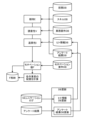
- FIG. 1 is a diagram for explaining an overview of an information processing device.
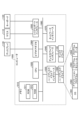
- FIG. 2 is a diagram illustrating an example of the configuration of an information processing device.
- FIG. 3 is a diagram showing an example of the evaluation values of expectation E, volition V, and instrumentality I estimated by the information processing device.
- FIG. 4 is a diagram for explaining an example of estimating the evaluation value of expectation E.
- FIG. 5 is a diagram showing an example of the motivation requirement DB of FIG.
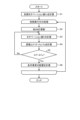
- FIG. 6 is a flowchart illustrating an example of a processing procedure executed by the information processing device.
- FIG. 7 is a diagram illustrating a computer that executes an information processing program.
- the information processing device calculates the motivation value for each worker's work using information (person information) indicating the personality of each worker, the results of a questionnaire survey on each worker's work, etc. Then, the information processing device calculates the allocation of workers so as to maximize the evaluation value including the motivation value of each worker. For example, the information processing device calculates the allocation of workers so as to maximize the sum of the above evaluation values of each worker.
- the information processing device calculates the motivation value F0 of each worker before the start of work, and calculates the allocation of workers to maximize the evaluation value including the motivation value F0 .
- the information processing device calculates the motivation value F of each worker after the start of work in the above allocation using personal information, questionnaire results, etc. of each worker after the start of work.
- the information processing device determines that there is a worker whose motivation value F after the start of work has decreased by a predetermined value or more compared to the motivation value F0 before the start of work, it recalculates the allocation of workers to maximize the evaluation value including the motivation value F of each worker.
- the information processing device outputs the recalculated allocation of workers.
- the information processing device can optimally allocate workers to each task, taking into account the motivation of the workers.
- the information processing device includes, for example, a task DB, a skill DB, a business requirement DB, a human information DB, a questionnaire result DB, a motivation requirement DB, and the like.
- the task DB is a DB that stores information indicating the tasks of each worker.
- the skill DB is a DB that stores information indicating the skills possessed by each worker and the level of those skills.
- the job requirements DB is a DB that stores, for each task, information indicating the skills required for that task and the level of those skills.
- the personnel information DB is a DB that stores personnel information about each worker.
- the survey result DB is a DB that stores the results of a survey regarding the tasks of each worker.
- the motivation requirements DB is a DB that stores, for each task, information indicating the secondary effects obtained by performing that task.
- the information processing device refers to various DBs and estimates the evaluation value of the three elements (expectation E, valence V, and instrumentality I; details will be described later) used in Bloom's expectancy theory. Note that the information processing device estimates the evaluation value of expectation E before each worker starts his/her work by referring to the skill DB and the task requirement DB, but when incorporating the subjectivity of the worker, it refers to the questionnaire result DB.
- the information processing device calculates the motivation value F0 of each worker before starting the work based on the estimated values of the evaluation values of each worker's expectation E, volition V, and instrumentality I.
- the information processing device calculates an arrangement that maximizes the evaluation values including the motivation value F0 of each worker.
- the motivation value F0 of each worker is stored in the storage unit.
- the information processing device performs text mining of each worker's communication log and measures the attractiveness (attractiveness V) of the secondary effects of each worker's performance of their work based on the results of emotion analysis of each worker.
- the secondary effects of performing tasks include, for example, acquiring skills through the performance of tasks, receiving a high evaluation, gaining discretion, feeling a sense of community with other workers, etc.
- the information processing device then updates the human information DB using the measurement results of the attractiveness (attractiveness V) of each secondary effect for each worker.
- the information processing device acquires the survey results answered by each worker, it updates the survey result DB using the survey results.
- the surveys are, for example, a survey about instrumentality I, a survey about expectations E, etc.
- a questionnaire about instrumentality I is a questionnaire about the likelihood that completing a task will lead to secondary effects.
- a questionnaire about expectancies E is a questionnaire about the likelihood that a task will be successful.
- the information processing device estimates the evaluation values of each worker's expectation E, volition V, and instrumentality I based on each updated DB.
- the information processing device then calculates each worker's motivation value F while performing their tasks based on the estimated evaluation values of each worker's expectation E, volition V, and instrumentality I.
- the information processing device determines that there is a worker whose motivation value F has decreased by a threshold value or more compared to motivation value F 0 , the information processing device recalculates the placement of each worker. For example, the information processing device calculates a combination of workers for each task that will maximize the evaluation value including the motivation of each worker.
- the information processing device can perform a reassignment that optimizes the evaluation score, including the motivation, of each worker.
- the information processing device 10 includes, for example, an input/output unit 11, a storage unit 12, and a control unit 13.
- the input/output unit 11 is an interface that handles the input and output of various data. For example, the input/output unit 11 accepts input of each worker's communication log, survey results for each worker, etc.
- the memory unit 12 stores data, programs, etc. that are referenced when the control unit 13 executes various processes.
- the memory unit 12 is realized by a semiconductor memory element such as a RAM (Random Access Memory) or a flash memory, or a storage device such as a hard disk or an optical disk.
- the memory unit 12 stores, for example, a duties DB, a skills DB, a business requirements DB, a people information DB, a survey result DB, a motivation requirements DB, a communication log, etc.
- the duties DB is a DB that stores information indicating the duties of each worker (see Figure 4).
- the skills DB is a DB that stores information indicating the skills and levels of each worker (see Figure 4). For example, the skills DB shown in Figure 4 indicates that the IT skill level of worker A is "5", the coordination ability level is "3", and the management ability level is "1".
- the job requirements DB is a DB that stores information indicating the skills required for each task and the level of those skills.
- the skills required for task “1” are “IT skills,” “adjustment skills,” and “management skills,” and the required levels for each skill are “5,” “2,” and “1.”
- the motivation requirement DB is a DB that stores information indicating the secondary effects (secondary results) obtained by performing each task.
- the motivation requirement DB shown in Figure 5 indicates that the secondary effects obtained by performing task "1" are “skill acquisition” and “receiving high marks.” It also indicates that the secondary effects obtained by performing task "2" are “skill acquisition” and "discretion.”
- the human information DB is a DB that stores human information about each worker.
- Human information is information that indicates the preferences and inclinations of the worker. Human information includes, for example, an attractiveness value for each secondary effect of the worker's performance of their duties (e.g., being able to acquire skills, receiving a high evaluation, gaining discretion, feeling a sense of cooperation with other workers, etc.).
- the survey result DB is a DB that stores the results of a survey regarding the duties of each worker.
- the survey results regarding duties include, for example, survey results regarding the likelihood that the performance of the duties will lead to secondary effects (instrumentality I) and survey results regarding the likelihood that the duties will be successful (expectations E).
- the survey result DB is updated and updated as new survey results are administered to each worker.
- the communication log is a log of communication between each worker.
- This communication log is, for example, a log of emails and chats sent by each worker.
- This communication log may be stored outside the information processing device 10. In that case, the information processing device 10 obtains the communication log via a network.
- the control unit 13 is responsible for controlling the entire information processing device 10.
- the functions of the control unit 13 are realized, for example, by a CPU (Central Processing Unit) executing a program stored in the storage unit 12.
- the control unit 13 includes, for example, a DB update unit 131, an estimation unit 134, a motivation calculation unit 138, a determination unit 139, and a placement calculation unit 140.
- the DB update section 131 includes a human information DB update section 132 and a questionnaire result DB update section 133 .
- the human information DB update unit 132 uses the communication log to update the human information of each worker stored in the human information DB.
- the human information DB update unit 132 uses the analysis results of the communication log to measure the attractiveness (attractiveness V) of each of the secondary effects obtained by the worker's performance of the work (e.g., being able to acquire skills, receiving a high evaluation, gaining discretion, feeling a sense of collaboration with other workers, etc.).
- the human information DB update unit 132 reflects the measurement results of the attractiveness V of the worker in the human information of the worker in the human information DB.
- the human information DB update unit 132 measures the attractiveness of "learning system verification skills" to a certain worker from the communication log.
- the human information DB update unit 132 extracts logs in which words related to the keyword "verification" appear and logs in the vicinity of the keyword from the communication log of the worker.
- words related to the keyword can be estimated using synonym estimation technology such as a thesaurus.
- the human information DB update unit 132 analyzes the emotions of the worker from the extracted log. The more positive the emotions of the person obtained from the above emotion analysis, the higher the attractiveness value for "** Acquiring system verification skills" is set by the human information DB update unit 132.
- the human information DB update unit 132 may extract logs based on scenes or situations estimated from the amount of speech of the person in the communication log, and analyze the emotions of the worker from the extracted logs.
- the survey result DB update unit 133 updates the survey results of each worker stored in the survey result DB using the survey results administered to each worker.
- the survey result DB update unit 133 uses the results of a survey on tooliness I administered to a worker to update the survey results on tooliness I of the worker stored in the survey result DB.
- the survey result DB update unit 133 uses the results of a survey on expectations E administered to a worker to update the survey results on expectations E of the worker stored in the survey result DB.
- the estimation unit 134 refers to each DB and estimates, for each worker, a subjective evaluation value of the likelihood of completing the task (evaluation value of expectation E), a subjective evaluation value of the attractiveness of the secondary effect of performing the task (evaluation value of volition V), and a subjective evaluation value of the likelihood that performing the task will result in a secondary effect (evaluation value of instrumentality I).
- the estimation unit 134 includes an expectation estimation unit 135, an attractiveness estimation unit 136, and an instrumentality estimation unit 137.
- the expectation estimation unit 135 estimates an evaluation value of the expectation E for each worker.
- the expectation E is a subjective probability that a worker can accomplish a task if he or she makes a certain effort.
- the expectation estimation unit 135 acquires the survey results of the worker's expectations E from the survey result DB. Then, the expectation estimation unit 135 estimates the evaluation value of the worker's expectations E based on the acquired survey results.
- the expectation estimation unit 135 may estimate the evaluation value of the expectations E as follows. For example, the expectation estimation unit 135 acquires the skills required for the worker's work and the level of those skills from the business requirement DB. The expectation estimation unit 135 also acquires the skills possessed by the worker and the level of those skills from the skill DB. Then, the expectation estimation unit 135 determines the difference between the level possessed by the worker of the skills required for the work and the level required for the work as the evaluation value of the expectations E.
- the expectation estimation unit 135 estimates the difference between the worker's skill level required for the job and the level required for the job as the evaluation value of expectation E.
- the expectation estimation unit 135 estimates the evaluation value of expectation E for worker A shown in Figure 4.
- the expectation estimation unit 135 acquires the levels of each skill possessed by worker A from the skill DB (IT skill level “5", adjustment ability level “3", management ability level “1”).
- the expectation estimation unit 135 refers to the task DB and identifies that worker A's task is "1".
- the expectation estimation unit 135 acquires the required levels of each skill required for task "1" from the business requirement DB (IT skill level "5", adjustment ability level "2", management ability level "1").
- the expectation estimation unit 135 calculates an evaluation value of the expectation E for each skill based on the difference between the level held by the worker and the required level.
- the evaluation value is a value obtained by correcting the difference in the level of each skill to a probability value.
- the expectation estimation unit 135 can estimate the evaluation value of the worker's expectation E.
- the attractiveness estimation unit 136 estimates an evaluation value of attractiveness V for each worker.
- the attractiveness V is a subjective evaluation of the attractiveness of each secondary effect (secondary result) obtained by performing a task.
- the attractiveness estimation unit 136 acquires the measurement result of the attractiveness V of a worker, which is included in the human information of the worker acquired from the human information DB, as the evaluation result of the attractiveness V of the worker.
- the attractiveness estimation unit 136 acquires the above measurement results of attractiveness V as the evaluation results of the worker's attractiveness V (see Figure 3).
- the tooliness estimation unit 137 estimates the evaluation value of tooliness I for each worker.
- Tooliness I is a subjective expectation that the performance of a task will result in a secondary effect (secondary result).
- the tooliness estimation unit 137 acquires the survey results regarding tooliness I of the worker from the survey result DB, and estimates the evaluation value of tooliness I from the survey results.
- the estimation unit 134 re-estimates the evaluation values of each worker's expectation E, volition V, and tooliness I at predetermined intervals or when the human information DB or the survey result DB is updated.
- the motivation calculation unit 138 calculates the motivation value F for the work of the worker based on the motivation requirement DB (see FIG. 5) and the evaluation values (see FIG. 3) of the worker's expectation E, volition V, and instrumentality I. Then, the motivation calculation unit 138 stores the calculated motivation value F for the work of the worker in the storage unit 12.
- the motivation calculation unit 138 refers to the motivation requirement DB and identifies the secondary effects that are obtained by the worker's performance of the task. For example, if the task of worker A is "1", the motivation calculation unit 138 identifies from the motivation requirement DB shown in FIG. 5 that the secondary effects of task "1" are "skill acquisition” and "receiving a high evaluation”.
- the motivation calculation unit 138 obtains the evaluation values of the expectation E, volition V, and instrumentality I for the task "1" of the worker A from the estimation unit 134. The motivation calculation unit 138 then substitutes the evaluation value of the expectation E for the task "1" of the worker A and the evaluation values of volition V and instrumentality I for "skill acquisition” and "receiving a high evaluation” into formula (2) to calculate the motivation value F.
- the motivation calculation unit 138 calculates the motivation value F for task "1" of worker A as follows:
- the motivation calculation unit 138 recalculates the motivation value F of the worker using the re-estimated evaluation values of the expectation E, volition V, and instrumentality I. This allows the motivation calculation unit 138 to calculate the latest motivation value F of each worker.
- the determination unit 139 acquires the latest motivation value F of each worker, and determines whether or not there is any worker whose acquired motivation value F has decreased by a predetermined threshold or more from the previous motivation value.
- the determination unit 139 determines whether or not there is a worker whose motivation value F after starting a task has decreased by a predetermined threshold value or more from the motivation value F 0 before starting the task.
- the allocation calculation unit 140 calculates the allocation of workers for each task so as to optimize the evaluation value including the motivation value F of each worker, and outputs the calculated allocation of workers for each task.
- the above evaluation value is a value calculated by taking into consideration, for example, each worker's skill, cost, etc. in addition to the motivation value F of each worker.
- the allocation calculation unit 140 calculates the allocation of workers for each task so as to optimize the evaluation values including the motivation value F of each worker. This allocation is set as the initial allocation. Then, after each worker starts working in the initial allocation, if the judgment unit 139 judges that there is a worker whose motivation value F has decreased by more than a predetermined threshold, the allocation calculation unit 140 again calculates the allocation of workers for each task so as to optimize the evaluation values including the motivation value F of each worker.
- the allocation calculation unit 140 calculates the allocation of workers for each task, for example, as follows. For example, first, the allocation calculation unit 140 calculates the motivation value F for each task of each worker. For example, the allocation calculation unit 140 acquires the evaluation values of the expectation E, volition V, and instrumentality I of worker A estimated by the estimation unit 134 (see FIG. 3). The allocation calculation unit 140 also acquires the secondary effects of each of tasks 1, 2, 3, and 4 shown in the motivation requirement DB (see FIG. 5). Then, based on the acquired evaluation values of the expectation E, volition V, and instrumentality I of worker A (see FIG. 3) and the secondary effects of each of tasks 1, 2, 3, and 4, the allocation calculation unit 140 calculates the motivation value when worker A is in charge of tasks 1, 2, 3, and 4 (see formula (3)).
- the placement calculation unit 140 also calculates the motivation values for each of the other workers when they are in charge of tasks 1, 2, 3, and 4, in the same manner as above.
- the placement calculation unit 140 calculates the placement of workers for each task (e.g., tasks 1, 2, 3, 4) based on the motivation value for each worker's task, so as to optimize the evaluation value including the motivation value of each worker. For example, the placement calculation unit 140 calculates the placement of workers for each task so that the sum of the evaluation value including the motivation value of each worker is as high as possible.
- the placement calculation unit 140 determines the tasks for each of the workers A and B based on the motivation value F for worker A when he is in charge of tasks 1, 2, 3, and 4, and the motivation value F for worker B when he is in charge of tasks 1, 2, 3, and 4, so that the total evaluation value of workers A and B is high.
- the placement calculation unit 140 can output a placement that optimizes the evaluation values, including the motivation values, of each worker.
- the motivation calculation unit 138 of the information processing device 10 calculates the motivation value (initial motivation value F 0 ) of each worker before the start of the work (S1). Then, the information processing device 10 calculates the arrangement of the workers based on the motivation value F 0 of each worker. After that, each worker performs the work in the above arrangement. Then, the information processing device 10 executes the following processes S2 to S6 while each worker is performing the work.
- the DB update unit 131 updates each DB (S2).
- the human information DB update unit 132 of the DB update unit 131 updates the human information of each worker stored in the human information DB using a communication log of each worker while performing their duties.
- the survey result DB update unit 133 updates the survey results of each worker stored in the survey result DB using the results of a survey conducted for each worker while each worker is performing their duties.
- the information processing device 10 calculates the motivation value F of each worker while performing the task (S3).
- the estimation unit 134 refers to each updated DB and re-estimates the evaluation value of expectation E, evaluation value of attractiveness V, and evaluation value of instrumentality I of each worker.
- the motivation calculation unit 138 then calculates the motivation value F for each worker's task based on the motivation requirement DB (see FIG. 5) and the evaluation values of expectation E, attractiveness V, and instrumentality I of each worker estimated by the estimation unit 134 (see FIG. 3).
- the information processing device 10 can output an arrangement that optimizes the evaluation value, including the motivation value, of each worker if the motivation value of any worker drops.
- each component of each unit shown in the figure is a functional concept, and does not necessarily have to be physically configured as shown in the figure.
- the specific form of distribution and integration of each device is not limited to that shown in the figure, and all or a part of it can be functionally or physically distributed and integrated in any unit depending on various loads, usage conditions, etc.
- each processing function performed by each device can be realized in whole or in any part by a CPU and a program executed by the CPU, or can be realized as hardware using wired logic.
- the information processing device 10 can be implemented by installing a program (information processing program) as package software or online software on a desired computer.
- the information processing device can function as the information processing device 10 by executing the above program on the information processing device.
- the information processing device referred to here includes mobile communication terminals such as smartphones, mobile phones, and PHS (Personal Handyphone System), and further terminals such as PDAs (Personal Digital Assistants).
- FIG. 7 is a diagram showing an example of a computer that executes an information processing program.
- the computer 1000 has, for example, a memory 1010 and a CPU 1020.
- the computer 1000 also has a hard disk drive interface 1030, a disk drive interface 1040, a serial port interface 1050, a video adapter 1060, and a network interface 1070. Each of these components is connected by a bus 1080.
- the memory 1010 includes a ROM (Read Only Memory) 1011 and a RAM (Random Access Memory) 1012.
- the ROM 1011 stores a boot program such as a BIOS (Basic Input Output System).
- BIOS Basic Input Output System
- the hard disk drive interface 1030 is connected to a hard disk drive 1090.
- the disk drive interface 1040 is connected to a disk drive 1100.
- a removable storage medium such as a magnetic disk or optical disk is inserted into the disk drive 1100.
- the serial port interface 1050 is connected to a mouse 1110 and a keyboard 1120, for example.
- the video adapter 1060 is connected to a display 1130, for example.
- the hard disk drive 1090 stores, for example, an OS 1091, an application program 1092, a program module 1093, and program data 1094. That is, the programs that define each process executed by the information processing device 10 are implemented as program modules 1093 in which computer-executable code is written.
- the program modules 1093 are stored, for example, in the hard disk drive 1090.
- a program module 1093 for executing processes similar to the functional configuration of the information processing device 10 is stored in the hard disk drive 1090.
- the hard disk drive 1090 may be replaced by an SSD (Solid State Drive).
- the data used in the processing of the above-described embodiment is stored as program data 1094, for example, in memory 1010 or hard disk drive 1090. Then, the CPU 1020 reads the program module 1093 or program data 1094 stored in memory 1010 or hard disk drive 1090 into RAM 1012 as necessary and executes it.
- the program module 1093 and program data 1094 are not limited to being stored in the hard disk drive 1090, but may be stored in, for example, a removable storage medium and read by the CPU 1020 via the disk drive 1100 or the like. Alternatively, the program module 1093 and program data 1094 may be stored in another computer connected via a network (such as a LAN (Local Area Network), WAN (Wide Area Network)). The program module 1093 and program data 1094 may then be read by the CPU 1020 from the other computer via the network interface 1070.
- a network such as a LAN (Local Area Network), WAN (Wide Area Network)
Landscapes
- Business, Economics & Management (AREA)
- Human Resources & Organizations (AREA)
- Engineering & Computer Science (AREA)
- Strategic Management (AREA)
- Entrepreneurship & Innovation (AREA)
- Economics (AREA)
- Operations Research (AREA)
- Game Theory and Decision Science (AREA)
- Development Economics (AREA)
- Marketing (AREA)
- Educational Administration (AREA)
- Quality & Reliability (AREA)
- Tourism & Hospitality (AREA)
- Physics & Mathematics (AREA)
- General Business, Economics & Management (AREA)
- General Physics & Mathematics (AREA)
- Theoretical Computer Science (AREA)
- Management, Administration, Business Operations System, And Electronic Commerce (AREA)
Abstract
情報処理装置は、各作業者が担務を開始する前に、担務についての主観的評価(期待E、誘意性V、道具性I)に基づき各作業者のモチベーション値F0を計算する。各作業者が担務を開始した後、情報処理装置は、各作業者のコミュニケーションログとアンケート結果に基づき、担務についての主観的評価(期待E、誘意性V、道具性I)再度推定し、その結果に基づきモチベーション値Fを計算する。ここで、情報処理装置がモチベーション値F0からモチベーション値Fが所定値以上減少している作業者がいると判定した場合、各作業者のモチベーション値を含む評価値を最適化するよう、各作業者の再配置を行う。
Description
本発明は、各業務に各作業者を最適に配置するための、情報処理装置、情報処理方法、および、情報処理プログラムに関する。
各作業者のスキルやコストに基づき、各業務に各作業者を最適に配置する技術が提案されている。
タレントパレット 自動配置の提案機能、[online]、[2023年6月16日検索]、インターネット<https://www.talent-palette.com/work/03/>
welldayと北里大学による「隠れ不調」の検知、[online]、[2023年6月16日検索]、インターネット<https://prtimes.jp/main/html/rd/p/000000020.000047158.html>
しかし、各作業者のスキルやコストに基づき各業務に各作業者を配置したとしても、配置先での業務が作業者のやる気を発揮させるものではない場合もある。よって、各作業者のモチベーションも含めて、各作業者を各業務に最適に配置することが重要である。
しかしながら、従来、上記のように業務に対する各作業者のモチベーションを評価する技術はなかったため、各作業者のモチベーションも含めて、各業務に作業者を最適に配置することはできなかった。そこで、本発明は、各作業者のモチベーションも含めて、各業務に作業者を最適に配置することを課題とする。
前記した課題を解決するため、本発明は、各作業者の担務と、前記各作業者のコミュニケーションログおよび担務に対するアンケート結果の分析結果とに基づき、作業者ごとに、当該作業者が担務に成功する見込みの主観的な評価値である第1の評価値、前記担務の遂行による副次的効果の魅力度の主観的な評価値である第2の評価値、および、前記担務の遂行が副次的効果に結実する見込みの主観的な評価値である第3の評価値を推定する推定部と、推定された前記各作業者の前記第1の評価値、前記第2の評価値、および、前記第3の評価値に基づき、前記各作業者が各担務を実行した場合のモチベーション値を計算し、計算した前記各作業者が各担務を実行した場合のモチベーション値に基づき、前記各作業者のモチベーション値を含む評価値を最適化するような各担務の作業者の配置を計算し、前記計算した各担務の作業者の配置を出力する配置計算部とを備えることを特徴とする。
本発明によれば、各作業者のモチベーションも含めて各業務に作業者を最適に配置することができる。
以下、図面を参照しながら、本発明を実施するための形態(実施形態)について説明する。本発明は、本実施形態に限定されない。なお、以下の説明において、情報処理装置は、作業者の担務に対するモチベーション値を推定する際、ブルームの期待理論を用いる場合を例に説明するが、これに限定されない。
[概要]
まず、本実施形態の情報処理装置の概要を説明する。情報処理装置は、各作業者のパーソナリティを示す情報(ヒト情報)、各作業者の担務に対するアンケート結果等を用いて、各作業者の担務に対するモチベーション値を計算する。そして、情報処理装置は、各作業者のモチベーション値を含む評価値を最大化させるような作業者の配置を計算する。例えば、情報処理装置は、各作業者の上記の評価値の合計が最大になるような作業者の配置を計算する。
まず、本実施形態の情報処理装置の概要を説明する。情報処理装置は、各作業者のパーソナリティを示す情報(ヒト情報)、各作業者の担務に対するアンケート結果等を用いて、各作業者の担務に対するモチベーション値を計算する。そして、情報処理装置は、各作業者のモチベーション値を含む評価値を最大化させるような作業者の配置を計算する。例えば、情報処理装置は、各作業者の上記の評価値の合計が最大になるような作業者の配置を計算する。
例えば、情報処理装置は、各作業者の担務の開始前におけるモチベーション値F0を計算し、そのモチベーション値F0を含む評価値を最大化させるような作業者の配置を計算する。その後、情報処理装置は、上記の配置での担務の開始後の各作業者のヒト情報、アンケート結果等を用いてモチベーション値Fを計算する。そして、情報処理装置は、担務の開始前のモチベーション値F0に対し、開始後のモチベーション値Fが所定値以上低減している作業者がいると判定した場合、各作業者のモチベーション値Fを含む評価値を最大化させるような作業者の配置を再計算する。そして、情報処理装置は、再計算した作業者の配置を出力する。
このようにすることで情報処理装置は、各担務に作業者を配置する際、作業者のモチベーションを考慮し最適に配置することができる。
[処理の概要]
次に図1を用いて、情報処理装置が実行する処理の概要を説明する。まず、情報処理装置が備えるDB(データベース)を説明する。情報処理装置は、例えば、担務DB、スキルDB、業務要件DB、ヒト情報DB、アンケート結果DB、モチベーション要件DB等を備える。
次に図1を用いて、情報処理装置が実行する処理の概要を説明する。まず、情報処理装置が備えるDB(データベース)を説明する。情報処理装置は、例えば、担務DB、スキルDB、業務要件DB、ヒト情報DB、アンケート結果DB、モチベーション要件DB等を備える。
担務DBは、各作業者の担務を示す情報を格納するDBである。スキルDBは、各作業者が持つスキルとそのスキルのレベルを示す情報を格納するDBである。業務要件DBは、担務ごとにその担務に必要とされるスキルとそのスキルのレベルを示す情報を格納するDBである。ヒト情報DBは、各作業者のヒト情報を格納するDBである。アンケート結果DBは、各作業者の担務に関するアンケート結果を格納するDBである。モチベーション要件DBは、担務ごとにその担務の遂行により得られる副次的な効果を示す情報を格納するDBである。
[担務の開始前の処理]
まず、各作業者の担務の開始前における処理を説明する。情報処理装置は、各種DBを参照して、ブルームの期待理論で用いられる3要素(期待E、誘意性V、道具性I。詳細は後記)の評価値を推定する。なお、情報処理装置は、各作業者の担務の開始前における期待Eの評価値の推定は、スキルDBと業務要件DBを参照して行うが、作業者の主観性を取り入れる場合には、アンケート結果DBを参照する。
まず、各作業者の担務の開始前における処理を説明する。情報処理装置は、各種DBを参照して、ブルームの期待理論で用いられる3要素(期待E、誘意性V、道具性I。詳細は後記)の評価値を推定する。なお、情報処理装置は、各作業者の担務の開始前における期待Eの評価値の推定は、スキルDBと業務要件DBを参照して行うが、作業者の主観性を取り入れる場合には、アンケート結果DBを参照する。
そして、情報処理装置は、各作業者の期待E、誘意性Vおよび道具性Iの評価値の推定値に基づき、各作業者の担務の開始前におけるモチベーション値F0を計算する。情報処理装置は、各作業者のモチベーション値F0を含む評価値を最大化するような配置を計算する。なお、各作業者のモチベーション値F0は記憶部に格納される。
[担務の開始後の処理]
その後、各作業者が上記の配置で担務を開始すると、情報処理装置は、例えば、各作業者のコミュニケーションログをテキストマイニングし、各作業者の感情分析した結果から、各作業者の担務の遂行による副次的な効果に対する魅力度(誘意性V)を測定する。
その後、各作業者が上記の配置で担務を開始すると、情報処理装置は、例えば、各作業者のコミュニケーションログをテキストマイニングし、各作業者の感情分析した結果から、各作業者の担務の遂行による副次的な効果に対する魅力度(誘意性V)を測定する。
担務の遂行による副次的効果は、例えば、担務の遂行によりスキルを習得することができる、高評価を得られる、裁量権を得られる、他の作業者との連携感を得られる等の効果である。そして、情報処理装置は、各作業者の副次的な効果それぞれに対する魅力度(誘意性V)の測定結果を用いて、ヒト情報DBを更新する。
また、情報処理装置は、各作業者が回答したアンケート結果を取得すると、そのアンケート結果を用いて、アンケート結果DBを更新する。アンケートは、例えば、道具性Iについてのアンケート、期待Eについてのアンケート等である。
道具性Iについてのアンケートは、例えば、担務の遂行が副次的な効果につながる見込みについてのアンケートである。期待Eについてのアンケートは、例えば、担務が成功する見込みについてのアンケートである。
情報処理装置は、更新された各DBに基づいて、各作業者の期待E、誘意性Vおよび道具性Iの評価値を推定する。そして、情報処理装置は、推定した各作業者の期待E、誘意性Vおよび道具性Iの評価値に基づき、各作業者の担務の遂行中におけるモチベーション値Fを算出する。
ここで、情報処理装置は、モチベーション値F0と比べてモチベーション値Fが閾値以上減少した作業者がいると判定した場合、各作業者の配置を再計算する。例えば、情報処理装置は、各作業者のモチベーションを含む評価値ができるだけ高くなるような各担務の作業者の組み合わせを計算する。
これにより、モチベーションが低下した作業者がいた場合、情報処理装置は、各作業者のモチベーションを含む評価値を最適化するような再配置を行うことができる。
[構成例]
次に、図2を用いて、情報処理装置10の構成例を説明する。情報処理装置10は、例えば、入出力部11、記憶部12、および、制御部13を備える。
次に、図2を用いて、情報処理装置10の構成例を説明する。情報処理装置10は、例えば、入出力部11、記憶部12、および、制御部13を備える。
入出力部11は、各種データの入出力を司るインタフェースである。入出力部11は、例えば、各作業者のコミュニケーションログ、各作業者へのアンケート結果等の入力を受け付ける。
記憶部12は、制御部13が各種処理を実行する際に参照されるデータ、プログラム等を記憶する。記憶部12は、RAM(Random Access Memory)、フラッシュメモリ(Flash Memory)等の半導体メモリ素子、または、ハードディスク、光ディスク等の記憶装置によって実現される。
記憶部12は、例えば、担務DB、スキルDB、業務要件DB、ヒト情報DB、アンケート結果DB、モチベーション要件DB、コミュニケーションログ等を記憶する。
担務DBは、各作業者の担務を示す情報を格納するDBである(図4参照)。スキルDBは、各作業者が持つスキルとそのレベルを示す情報を格納するDBである(図4参照)。例えば、図4に示すスキルDBにおいて、作業者AのITスキルのレベルは「5」であり、調整力のレベルは「3」であり、マネジメント力のレベルは「1」であることを示す。
業務要件DBは、担務ごとにその担務に必要とされるスキルとそのスキルのレベルを示す情報を格納するDBである。例えば、図4に示す業務要件DBにおいて、担務「1」に必要されるスキルは「ITスキル」、「調整力」、「マネジメント力」であり、それぞれのスキルに必要とされるレベルは「5」、「2」、「1」であることを示す。
モチベーション要件DBは、担務ごとに当該担務の遂行により得られる副次的な効果(第2次結果)を示す情報を格納するDBである。例えば、図5に示すモチベーション要件DBは、担務「1」の遂行により得られる副次的な効果は、「スキル習得」、「高評価の獲得」であることを示す。また、担務「2」の遂行により得られる副次的な効果は、「スキル習得」、「裁量権」であることを示す。
図2の説明に戻る。ヒト情報DBは、各作業者のヒト情報を格納するDBである。ヒト情報は、作業者の好みや指向性を示す情報である。ヒト情報は、例えば、作業者の担務の遂行による副次的な効果(例えば、スキルを習得することができる、高評価を得られる、裁量権を得えられる、他の作業者との連携感を得られる等)ごとの魅力度の値を含む。
アンケート結果DBは、各作業者の担務に関するアンケート結果を格納するDBである。担務に関するアンケート結果は、例えば、担務の遂行が副次的な効果につながる見込み(道具性I)についてのアンケート結果、担務が成功する見込み(期待E)についてのアンケート結果を含む。アンケート結果DBは、各作業者に対し新たなアンケート結果が実施されると追加、更新される。
コミュニケーションログは、各作業者同士のコミュニケーションのログである。このコミュニケーションログは、例えば、各作業者が送信したメールやチャット等のログである。このコミュニケーションログは、情報処理装置10の外部に蓄積されたものでもよい。その場合、情報処理装置10は、ネットワーク経由でコミュニケーションログを取得する。
制御部13は、情報処理装置10全体の制御を司る。制御部13の機能は、例えば、CPU(Central Processing Unit)が、記憶部12に記憶されるプログラムを実行することにより実現される。制御部13は、例えば、DB更新部131と、推定部134と、モチベーション計算部138と、判定部139と、配置計算部140とを備える。
(DB更新部)
DB更新部131は、ヒト情報DB更新部132と、アンケート結果DB更新部133とを備える。
DB更新部131は、ヒト情報DB更新部132と、アンケート結果DB更新部133とを備える。
(ヒト情報DB更新部)
ヒト情報DB更新部132は、コミュニケーションログを用いて、ヒト情報DBに格納される各作業者のヒト情報を更新する。
ヒト情報DB更新部132は、コミュニケーションログを用いて、ヒト情報DBに格納される各作業者のヒト情報を更新する。
例えば、ヒト情報DB更新部132は、コミュニケーションログの分析結果を用いて、作業者の担務の遂行により得られる副次的な効果(例えば、スキルを習得することができる、高評価を得られる、裁量権を得られる、他の作業者との連携感を得られる等)それぞれに関する魅力度(誘意性V)を測定する。ヒト情報DB更新部132は、当該作業者の誘意性Vの測定結果を、ヒト情報DBにおける当該作業者のヒト情報に反映させる。
例えば、ヒト情報DB更新部132が、コミュニケーションログから、ある作業者にとっての「**システムの検証スキルの習得」に関する魅力度を測定する場合を考える。この場合、ヒト情報DB更新部132は、当該作業者のコミュニケーションログからキーワード「検証」と関連する単語が登場しているログおよびその近辺のログを抽出する。なお、キーワードと関連する単語はシソーラス等の類語推定技術を用いることで推定可能である。
その後、ヒト情報DB更新部132は、抽出したログから当該作業者の感情を分析する。ヒト情報DB更新部132は、上記の感情の分析により得られた当該人物の感情がポジティブであるほど、「**システムの検証スキルの習得」に関する魅力度の値を高くする。
なお、担務の遂行により得られる副次的な効果の中には、例えば、裁量権を得られる、他の作業者との連携感を得られる等、1つのキーワードおよびその関連語だけでは、ログの抽出や感情分析が難しいものもある。このような副次的な効果については、ヒト情報DB更新部132は、例えば、コミュニケーションログにおける当該人物の発言量等から推定されるシーンやシチュエーションに基づきログを抽出し、抽出したログから当該作業者の感情を分析してもよい。
(アンケート結果DB更新部)
アンケート結果DB更新部133は、各作業者に対して行われたアンケート結果を用いて、アンケート結果DBに格納される各作業者のアンケート結果を更新する。
アンケート結果DB更新部133は、各作業者に対して行われたアンケート結果を用いて、アンケート結果DBに格納される各作業者のアンケート結果を更新する。
例えば、アンケート結果DB更新部133は、作業者に対して行われた道具性Iのアンケート結果を用いて、アンケート結果DBに格納される当該作業者の道具性Iのアンケート結果を更新する。また、アンケート結果DB更新部133は、作業者に対して行われた期待Eのアンケート結果を用いて、アンケート結果DBに格納される当該作業者の期待Eのアンケート結果を更新する。
(推定部)
推定部134は、各DBを参照し、作業者ごとに、担務を達成できる見込みの主観的評価値(期待Eの評価値)、担務の遂行による副次的効果の魅力度の主観的評価値(誘意性Vの評価値)、および、担務の遂行が副次的効果に結実する見込みの主観的評価値(道具性Iの評価値)を推定する。推定部134は、期待推定部135、誘意性推定部136、および、道具性推定部137を備える。
推定部134は、各DBを参照し、作業者ごとに、担務を達成できる見込みの主観的評価値(期待Eの評価値)、担務の遂行による副次的効果の魅力度の主観的評価値(誘意性Vの評価値)、および、担務の遂行が副次的効果に結実する見込みの主観的評価値(道具性Iの評価値)を推定する。推定部134は、期待推定部135、誘意性推定部136、および、道具性推定部137を備える。
(期待推定部)
期待推定部135は、作業者ごとの期待Eの評価値を推定する。期待Eは、作業者が一定の努力をすれば担務を達成できるという主観的な見込みである。
期待推定部135は、作業者ごとの期待Eの評価値を推定する。期待Eは、作業者が一定の努力をすれば担務を達成できるという主観的な見込みである。
例えば、期待推定部135は、アンケート結果DBから、作業者の期待Eのアンケート結果を取得する。そして、期待推定部135は、取得したアンケート結果に基づき、当該作業者の期待Eの評価値を推定する。
なお、作業者の期待Eのアンケート結果がない場合、期待推定部135は、以下のようにして期待Eの評価値を推定してもよい。例えば、期待推定部135は、作業者の担務について、その担務で要求されるスキルとそのスキルのレベルを業務要件DBから取得する。また、期待推定部135は、当該作業者の持つスキルとそのスキルのレベルをスキルDBから取得する。そして、期待推定部135は、その担務で要求されるスキルについて当該作業者の持つレベルと、その担務で要求されるレベルとの差分を期待Eの評価値とする。
つまり、当該作業者が持つスキルのレベルが、当該作業者の担務で要求されるスキルのレベルよりも高いほど、当該作業者がその担務を達成できる見込みが高いと考えられる。よって、期待推定部135は、担務で要求されるスキルについて当該作業者の持つレベルと、その担務で要求されるレベルとの差分を期待Eの評価値として推定する。
例えば、期待推定部135が、図4に示す作業者Aの期待Eの評価値を推定する場合を考える。この場合、まず、期待推定部135は、スキルDBから、作業者Aが持つ各スキルのレベル(ITスキルのレベル「5」、調整力のレベル「3」、マネジメント力のレベル「1」)を取得する。次に、期待推定部135は、担務DBを参照し、作業者Aの担務が「1」であることを特定する。その後、期待推定部135は、業務要件DBから、担務「1」に要求される各スキルの要求レベル(ITスキルのレベル「5」、調整力のレベル「2」、マネジメント力のレベル「1」)を取得する。
そして、期待推定部135は、それぞれのスキルについて、作業者が持つレベルと要求レベルとの差分に基づき期待Eの評価値を計算する。例えば、以下の式(1)に示すように、それぞれのスキルのレベルの差分を確率値に補正した値を評価値とする。

このようにすることで、期待推定部135は、作業者の期待Eの評価値を推定することができる。
(誘意性推定部)
誘意性推定部136は、作業者ごとの誘意性Vの評価値を推定する。誘意性Vは、担務の遂行により得られる副次的な効果(第2次結果)それぞれの魅力度の主観的評価である。
誘意性推定部136は、作業者ごとの誘意性Vの評価値を推定する。誘意性Vは、担務の遂行により得られる副次的な効果(第2次結果)それぞれの魅力度の主観的評価である。
例えば、誘意性推定部136は、ヒト情報DBから取得した作業者のヒト情報に含まれる当該作業者の誘意性Vの測定結果を、当該作業者の誘意性Vの評価結果として取得する。
例えば、作業者のヒト情報に含まれる当該作業者の誘意性Vの測定結果が、「スキル習得=0.8」、「高評価の獲得=0.6」、「裁量権=0.2」、「連携感=-0.5」である場合、誘意性推定部136は、上記の誘意性Vの測定結果を当該作業者の誘意性Vの評価結果として取得する(図3参照)。
(道具性推定部)
図2の説明に戻る。道具性推定部137は、作業者ごとの道具性Iの評価値を推定する。道具性Iは、担務の遂行が副次的な効果(第2次結果)に結実する主観的な見込みである。道具性推定部137は、アンケート結果DBから、当該作業者の道具性Iに関するアンケート結果を取得し、そのアンケート結果から道具性Iの評価値を推定する。
図2の説明に戻る。道具性推定部137は、作業者ごとの道具性Iの評価値を推定する。道具性Iは、担務の遂行が副次的な効果(第2次結果)に結実する主観的な見込みである。道具性推定部137は、アンケート結果DBから、当該作業者の道具性Iに関するアンケート結果を取得し、そのアンケート結果から道具性Iの評価値を推定する。
例えば、道具性推定部137は、作業者の道具性Iに関するアンケート結果から、「スキル習得=0.9」、「高評価の獲得=0.8」、「裁量権=0.3」、「連携感=0.4」という道具性Iの評価値を推定する(図3参照)。
なお、推定部134は、各作業者が担務を開始した後に、所定期間ごと、あるいは、ヒト情報DBまたはアンケート結果DBが更新されたタイミングで、各作業者の期待E、誘意性V、および、道具性Iの評価値を再度推定する。
(モチベーション計算部)
モチベーション計算部138は、モチベーション要件DB(図5参照)と、作業者の期待E、誘意性V、および、道具性Iの評価値(図3参照)とに基づき、当該作業者の担務に対するモチベーション値Fを計算する。そして、モチベーション計算部138は、計算した当該作業者の担務に対するモチベーション値Fを記憶部12に格納する。
モチベーション計算部138は、モチベーション要件DB(図5参照)と、作業者の期待E、誘意性V、および、道具性Iの評価値(図3参照)とに基づき、当該作業者の担務に対するモチベーション値Fを計算する。そして、モチベーション計算部138は、計算した当該作業者の担務に対するモチベーション値Fを記憶部12に格納する。
例えば、モチベーション計算部138は、モチベーション要件DBを参照し、作業者の担務の遂行により得られる副次的な効果を特定する。例えば、作業者Aの担務が「1」である場合、モチベーション計算部138は、図5に示すモチベーション要件DBから担務「1」の副次的な効果が「スキル習得」、「高評価の獲得」であることを特定する。
次に、モチベーション計算部138は、推定部134から作業者Aの担務「1」に対する期待E、誘意性V、および、道具性Iの評価値を取得する。そして、モチベーション計算部138は、作業者Aの担務「1」の期待Eの評価値と、誘意性Vおよび道具性Iの「スキル習得」、「高評価の獲得」に関する評価値とを式(2)に代入し、モチベーション値Fを計算する。

例えば、モチベーション計算部138は、図3に示す期待Eの評価値=0.5、誘意性Vの評価値(スキル習得=0.8、高評価の獲得=0.6)、道具性Iの評価値(スキル習得=0.9、高評価の獲得=0.8)を、式(2)に代入し、作業者Aの担務「1」のモチベーション値Fを計算する。例えば、モチベーション計算部138は、作業者Aの担務「1」のモチベーション値Fを、以下のように計算する。
モチベーション値F=0.5×(0.8×0.9×1+0.6×0.8×1+0.2×0.3×0+(-0.5)×0.4×0)
また、推定部134により作業者の期待E、誘意性Vおよび道具性Iの評価値が再推定された場合、モチベーション計算部138は、再推定された期待E、誘意性Vおよび道具性Iの評価値を用いて、当該作業者のモチベーション値Fを再計算する。これにより、モチベーション計算部138は、各作業者の最新のモチベーション値Fを計算することができる。
(判定部)
図2の説明に戻る。判定部139は、各作業者の最新のモチベーション値Fを取得し、取得したモチベーション値Fが、前回のモチベーション値よりも所定の閾値以上低下した作業者がいるか否かを判定する。
図2の説明に戻る。判定部139は、各作業者の最新のモチベーション値Fを取得し、取得したモチベーション値Fが、前回のモチベーション値よりも所定の閾値以上低下した作業者がいるか否かを判定する。
例えば、判定部139は、担務の開始後におけるモチベーション値Fが、担務の開始前のモチベーション値F0よりも所定閾値以上低下した作業者がいるか否かを判定する。
(配置計算部)
配置計算部140は、各作業者のモチベーション値Fを含む評価値を最適化するような担務ごとの作業者の配置を計算し、計算した担務ごとの作業者の配置を出力する。なお、上記の評価値は、例えば、各作業者のモチベーション値Fのほかに、各作業者のスキル、コスト等を考慮して計算される値である。
配置計算部140は、各作業者のモチベーション値Fを含む評価値を最適化するような担務ごとの作業者の配置を計算し、計算した担務ごとの作業者の配置を出力する。なお、上記の評価値は、例えば、各作業者のモチベーション値Fのほかに、各作業者のスキル、コスト等を考慮して計算される値である。
例えば、まず、配置計算部140は、各作業者のモチベーション値Fを含む評価値を最適化するような担務ごとの作業者の配置を計算する。この配置を初期配置とする。そして、初期配置で各作業者が担務を開始した後に、判定部139により、モチベーション値Fが所定閾値以上低下した作業者がいると判定された場合、配置計算部140は、再度、各作業者のモチベーション値Fを含む評価値を最適化するように、担務ごとの作業者の配置を計算する。
配置計算部140は、例えば、以下のようにして担務ごとの作業者の配置を計算する。例えば、まず、配置計算部140は、各作業者の担務ごとのモチベーション値Fを計算する。例えば、配置計算部140は、推定部134により推定された作業者Aの期待E、誘意性V、および、道具性Iの評価値(図3参照)を取得する。また、配置計算部140は、モチベーション要件DB(図5参照)に示される担務1,2,3,4それぞれの副次的な効果を取得する。そして、配置計算部140は、取得した作業者Aの期待E、誘意性V、および、道具性Iの評価値(図3参照)と、担務1,2,3,4それぞれの副次的な効果とに基づき、作業者Aが担務1,2,3,4を担当した場合のモチベーション値を計算する(式(3)参照)。

また、配置計算部140は、上記と同様に、他の各作業者が担務1,2,3,4を担当した場合のモチベーション値も計算する。
次に、配置計算部140は、各作業者の担務(例えば、担務1,2,3,4)ごとのモチベーション値に基づき、各作業者のモチベーション値を含む評価値を最適化するような担務ごとの作業者の配置を計算する。例えば、配置計算部140は、各作業者のモチベーション値を含む評価値の合計ができるだけ高くなるような担務ごとの作業者の配置を計算する。
例えば、配置計算部140は、作業者Aが担務1,2,3,4を担当した場合それぞれのモチベーション値Fと、作業者Bが担務1,2,3,4を担当した場合それぞれのモチベーション値Fとに基づき、作業者A,Bの評価値の合計が高くなるように、作業者A,Bそれぞれの担務を決定する。
このようにすることで、配置計算部140は、各作業者のモチベーション値を含む評価値を最適化するような配置を出力することができる。
[処理手順の例]
次に、図6を用いて、情報処理装置10が実行する処理手順の例を説明する。まず、情報処理装置10のモチベーション計算部138は、各作業者の担務の開始前におけるモチベーション値(初期モチベーション値F0)を計算する(S1)。そして、情報処理装置10は、各作業者のモチベーション値F0に基づき、作業者の配置を計算する。その後、各作業者は、上記の配置で担務を実行する。そして、情報処理装置10は、各作業者の担務の実行中、以下のS2~S6の処理を実行する。
次に、図6を用いて、情報処理装置10が実行する処理手順の例を説明する。まず、情報処理装置10のモチベーション計算部138は、各作業者の担務の開始前におけるモチベーション値(初期モチベーション値F0)を計算する(S1)。そして、情報処理装置10は、各作業者のモチベーション値F0に基づき、作業者の配置を計算する。その後、各作業者は、上記の配置で担務を実行する。そして、情報処理装置10は、各作業者の担務の実行中、以下のS2~S6の処理を実行する。
まず、DB更新部131は、各DBを更新する(S2)。例えば、DB更新部131のヒト情報DB更新部132は、各作業者の担務の実行中のコミュニケーションログを用いて、ヒト情報DBに格納される各作業者のヒト情報を更新する。また、アンケート結果DB更新部133は、各作業者の担務の実行中に、各作業者に対して行われたアンケート結果を用いて、アンケート結果DBに格納される各作業者のアンケート結果を更新する。
その後、情報処理装置10は、担務の実行中における各作業者のモチベーション値Fを計算する(S3)。例えば、推定部134は、更新された各DBを参照し、各作業者の期待Eの評価値、誘意性Vの評価値、道具性Iの評価値を再度推定する。そして、モチベーション計算部138は、モチベーション要件DB(図5参照)と、推定部134により推定された、各作業者の期待E、誘意性V、および、道具性Iの評価値(図3参照)とに基づき、各作業者の担務に対するモチベーション値Fを計算する。
その後、判定部139は、モチベーション値Fがモチベーション値F0よりも所定の閾値以上減少している人員がいるか否かを判定する。例えば、判定部139は、作業者ごとに、モチベーション値Fとモチベーション値F0との差分を計算し、変動ΔF=(F-FO)/F0を計算する(S4)。そして、判定部139は、作業者ごとにΔF<ΔFth(閾値)か否かを判定する(S5)。ここで、判定部139が、ΔF<ΔFthとなる作業者がいると判定した場合(S5でYes)、配置計算部140は、各作業者の担務ごとのモチベーション値Fに基づき、各作業者の配置を計算する(S6)。そして、配置計算部140は、計算した配置を出力する。一方、判定部139が、ΔF<ΔFthとなる作業者がいないと判定した場合(S5でNo)、S3へ戻る。
情報処理装置10が上記の処理を実行することで、いずれかの作業者のモチベーション値が低下した場合、各作業者のモチベーション値を含む評価値を最適化するような配置を出力することができる。
[システム構成等]
また、図示した各部の各構成要素は機能概念的なものであり、必ずしも物理的に図示のように構成されていることを要しない。すなわち、各装置の分散・統合の具体的形態は図示のものに限られず、その全部又は一部を、各種の負荷や使用状況等に応じて、任意の単位で機能的又は物理的に分散・統合して構成することができる。さらに、各装置にて行われる各処理機能は、その全部又は任意の一部が、CPU及び当該CPUにて実行されるプログラムにて実現され、あるいは、ワイヤードロジックによるハードウェアとして実現され得る。
また、図示した各部の各構成要素は機能概念的なものであり、必ずしも物理的に図示のように構成されていることを要しない。すなわち、各装置の分散・統合の具体的形態は図示のものに限られず、その全部又は一部を、各種の負荷や使用状況等に応じて、任意の単位で機能的又は物理的に分散・統合して構成することができる。さらに、各装置にて行われる各処理機能は、その全部又は任意の一部が、CPU及び当該CPUにて実行されるプログラムにて実現され、あるいは、ワイヤードロジックによるハードウェアとして実現され得る。
また、前記した実施形態において説明した処理のうち、自動的に行われるものとして説明した処理の全部又は一部を手動的に行うこともでき、あるいは、手動的に行われるものとして説明した処理の全部又は一部を公知の方法で自動的に行うこともできる。この他、上記文書中や図面中で示した処理手順、制御手順、具体的名称、各種のデータやパラメータを含む情報については、特記する場合を除いて任意に変更することができる。
[プログラム]
前記した情報処理装置10は、パッケージソフトウェアやオンラインソフトウェアとしてプログラム(情報処理プログラム)を所望のコンピュータにインストールさせることによって実装できる。例えば、上記のプログラムを情報処理装置に実行させることにより、情報処理装置を情報処理装置10として機能させることができる。ここで言う情報処理装置にはスマートフォン、携帯電話機やPHS(Personal Handyphone System)等の移動体通信端末、さらには、PDA(Personal Digital Assistant)等の端末等がその範疇に含まれる。
前記した情報処理装置10は、パッケージソフトウェアやオンラインソフトウェアとしてプログラム(情報処理プログラム)を所望のコンピュータにインストールさせることによって実装できる。例えば、上記のプログラムを情報処理装置に実行させることにより、情報処理装置を情報処理装置10として機能させることができる。ここで言う情報処理装置にはスマートフォン、携帯電話機やPHS(Personal Handyphone System)等の移動体通信端末、さらには、PDA(Personal Digital Assistant)等の端末等がその範疇に含まれる。
図7は、情報処理プログラムを実行するコンピュータの一例を示す図である。コンピュータ1000は、例えば、メモリ1010、CPU1020を有する。また、コンピュータ1000は、ハードディスクドライブインタフェース1030、ディスクドライブインタフェース1040、シリアルポートインタフェース1050、ビデオアダプタ1060、ネットワークインタフェース1070を有する。これらの各部は、バス1080によって接続される。
メモリ1010は、ROM(Read Only Memory)1011及びRAM(Random Access Memory)1012を含む。ROM1011は、例えば、BIOS(Basic Input Output System)等のブートプログラムを記憶する。ハードディスクドライブインタフェース1030は、ハードディスクドライブ1090に接続される。ディスクドライブインタフェース1040は、ディスクドライブ1100に接続される。例えば磁気ディスクや光ディスク等の着脱可能な記憶媒体が、ディスクドライブ1100に挿入される。シリアルポートインタフェース1050は、例えばマウス1110、キーボード1120に接続される。ビデオアダプタ1060は、例えばディスプレイ1130に接続される。
ハードディスクドライブ1090は、例えば、OS1091、アプリケーションプログラム1092、プログラムモジュール1093、プログラムデータ1094を記憶する。すなわち、上記の情報処理装置10が実行する各処理を規定するプログラムは、コンピュータにより実行可能なコードが記述されたプログラムモジュール1093として実装される。プログラムモジュール1093は、例えばハードディスクドライブ1090に記憶される。例えば、情報処理装置10における機能構成と同様の処理を実行するためのプログラムモジュール1093が、ハードディスクドライブ1090に記憶される。なお、ハードディスクドライブ1090は、SSD(Solid State Drive)により代替されてもよい。
また、上述した実施形態の処理で用いられるデータは、プログラムデータ1094として、例えばメモリ1010やハードディスクドライブ1090に記憶される。そして、CPU1020が、メモリ1010やハードディスクドライブ1090に記憶されたプログラムモジュール1093やプログラムデータ1094を必要に応じてRAM1012に読み出して実行する。
なお、プログラムモジュール1093やプログラムデータ1094は、ハードディスクドライブ1090に記憶される場合に限らず、例えば着脱可能な記憶媒体に記憶され、ディスクドライブ1100等を介してCPU1020によって読み出されてもよい。あるいは、プログラムモジュール1093及びプログラムデータ1094は、ネットワーク(LAN(Local Area Network)、WAN(Wide Area Network)等)を介して接続される他のコンピュータに記憶されてもよい。そして、プログラムモジュール1093及びプログラムデータ1094は、他のコンピュータから、ネットワークインタフェース1070を介してCPU1020によって読み出されてもよい。
10 情報処理装置
11 入出力部
12 記憶部
13 制御部
131 DB更新部
132 ヒト情報DB更新部
133 アンケート結果DB更新部
134 推定部
135 期待推定部
136 誘意性推定部
137 道具性推定部
138 モチベーション計算部
139 判定部
140 配置計算部
11 入出力部
12 記憶部
13 制御部
131 DB更新部
132 ヒト情報DB更新部
133 アンケート結果DB更新部
134 推定部
135 期待推定部
136 誘意性推定部
137 道具性推定部
138 モチベーション計算部
139 判定部
140 配置計算部
Claims (7)
- 各作業者の担務と、前記各作業者のコミュニケーションログおよび担務に対するアンケート結果の分析結果とに基づき、作業者ごとに、当該作業者が担務に成功する見込みの主観的な評価値である第1の評価値、前記担務の遂行による副次的効果の魅力度の主観的な評価値である第2の評価値、および、前記担務の遂行が副次的効果に結実する見込みの主観的な評価値である第3の評価値を推定する推定部と、
推定された前記各作業者の前記第1の評価値、前記第2の評価値、および、前記第3の評価値に基づき、前記各作業者が各担務を実行した場合のモチベーション値を計算し、計算した前記各作業者が各担務を実行した場合のモチベーション値に基づき、前記各作業者のモチベーション値を含む評価値を最適化するような各担務の作業者の配置を計算し、前記計算した各担務の作業者の配置を出力する配置計算部と
を備えることを特徴とする情報処理装置。 - 前記各作業者の担務の開始前および担務の開始前における、前記各作業者の前記第1の評価値、前記第2の評価値、および、前記第3の評価値に基づき、前記各作業者の担務の開始前におけるモチベーション値と担務の開始後におけるモチベーション値とを計算するモチベーション計算部と、
前記担務の開始後におけるモチベーション値が、前記担務の開始前のモチベーション値よりも所定閾値以上低下した作業者がいるか否かを判定する判定部とをさらに備え、
前記配置計算部は、
前記判定部により、前記モチベーション値が所定の閾値以上低下している作業者がいると判定された場合、前記各作業者のモチベーション値を含む評価値を最適化するような各担務の作業者の配置を計算し、前記計算した各担務の作業者の配置を出力する
ことを特徴とする請求項1に記載の情報処理装置。 - 前記判定部は、さらに、
前記担務の開始後における最新のモチベーション値が、前記担務の開始後における前回のモチベーション値よりも所定閾値以上低下した作業者がいるか否かを判定する
ことを特徴とする請求項2に記載の情報処理装置。 - 前記推定部は、
各作業者の担務の開始後、各作業者のコミュニケーションログおよび担務に対するアンケート結果の分析結果とに基づき、前記各作業者の前記第1の評価値、前記第2の評価値、および、前記第3の評価値を再度推定し、
前記モチベーション計算部は、
前記再度推定された前記各作業者の前記第1の評価値、前記第2の評価値、および、前記第3の評価値に基づき、前記各作業者の最新のモチベーション値を再計算する
ことを特徴とする請求項2に記載の情報処理装置。 - 前記担務の開始後、各作業者のコミュニケーションログの分析結果に基づき、前記各作業者の担務の遂行による副次的効果の魅力度の主観的な評価値を示すヒト情報を更新する第1の更新部と、
前記担務の開始後、各作業者の担務に対するアンケート結果に基づき、前記各作業者の担務に関するアンケート結果を更新する第2の更新部とをさらに備え、
前記推定部は、
更新された前記各作業者のヒト情報およびアンケート結果に基づき、前記各作業者の前記第1の評価値、前記第2の評価値、および、前記第3の評価値を再度推定する
ことを特徴とする請求項1に記載の情報処理装置。 - 情報処理装置により実行される情報処理方法であって、
各作業者の担務と、前記各作業者のコミュニケーションログおよび担務に対するアンケート結果の分析結果とに基づき、作業者ごとに、当該作業者が担務に成功する見込みの主観的な評価値である第1の評価値、前記担務の遂行による副次的効果の魅力度の主観的な評価値である第2の評価値、および、前記担務の遂行が副次的効果に結実する見込みの主観的な評価値である第3の評価値を推定する工程と、
推定された前記各作業者の前記第1の評価値、前記第2の評価値、および、前記第3の評価値に基づき、前記各作業者が各担務を実行した場合のモチベーション値を計算し、計算した前記各作業者が各担務を実行した場合のモチベーション値に基づき、前記各作業者のモチベーション値を含む評価値を最適化するような各担務の作業者の配置を計算し、前記計算した各担務の作業者の配置を出力する工程と
を含むことを特徴とする情報処理方法。 - 各作業者の担務と、前記各作業者のコミュニケーションログおよび担務に対するアンケート結果の分析結果とに基づき、作業者ごとに、当該作業者が担務に成功する見込みの主観的な評価値である第1の評価値、前記担務の遂行による副次的効果の魅力度の主観的な評価値である第2の評価値、および、前記担務の遂行が副次的効果に結実する見込みの主観的な評価値である第3の評価値を推定する工程と、
推定された前記各作業者の前記第1の評価値、前記第2の評価値、および、前記第3の評価値に基づき、前記各作業者が各担務を実行した場合のモチベーション値を計算し、計算した前記各作業者が各担務を実行した場合のモチベーション値に基づき、前記各作業者のモチベーション値を含む評価値を最適化するような各担務の作業者の配置を計算し、前記計算した各担務の作業者の配置を出力する工程と
をコンピュータに実行させるための情報処理プログラム。
Priority Applications (2)
| Application Number | Priority Date | Filing Date | Title |
|---|---|---|---|
| JP2025530838A JPWO2025009040A1 (ja) | 2023-07-03 | 2023-07-03 | |
| PCT/JP2023/024684 WO2025009040A1 (ja) | 2023-07-03 | 2023-07-03 | 情報処理装置、情報処理方法、および、情報処理プログラム |
Applications Claiming Priority (1)
| Application Number | Priority Date | Filing Date | Title |
|---|---|---|---|
| PCT/JP2023/024684 WO2025009040A1 (ja) | 2023-07-03 | 2023-07-03 | 情報処理装置、情報処理方法、および、情報処理プログラム |
Publications (1)
| Publication Number | Publication Date |
|---|---|
| WO2025009040A1 true WO2025009040A1 (ja) | 2025-01-09 |
Family
ID=94171730
Family Applications (1)
| Application Number | Title | Priority Date | Filing Date |
|---|---|---|---|
| PCT/JP2023/024684 Ceased WO2025009040A1 (ja) | 2023-07-03 | 2023-07-03 | 情報処理装置、情報処理方法、および、情報処理プログラム |
Country Status (2)
| Country | Link |
|---|---|
| JP (1) | JPWO2025009040A1 (ja) |
| WO (1) | WO2025009040A1 (ja) |
Citations (1)
| Publication number | Priority date | Publication date | Assignee | Title |
|---|---|---|---|---|
| JP2022186247A (ja) * | 2021-06-04 | 2022-12-15 | 株式会社東芝 | コミュニティ活性化装置及び方法 |
-
2023
- 2023-07-03 WO PCT/JP2023/024684 patent/WO2025009040A1/ja not_active Ceased
- 2023-07-03 JP JP2025530838A patent/JPWO2025009040A1/ja active Pending
Patent Citations (1)
| Publication number | Priority date | Publication date | Assignee | Title |
|---|---|---|---|---|
| JP2022186247A (ja) * | 2021-06-04 | 2022-12-15 | 株式会社東芝 | コミュニティ活性化装置及び方法 |
Non-Patent Citations (1)
| Title |
|---|
| "Introduction to Organizational Behavior, 2nd Edition", 1 March 2014, CHUOKEIZAI-SHA HOLODINGS, INC., ISBN: 978-4-502-08950-3, article HIRAKIMOTO, HIROYA, pages: 15 - 30, XP009560041 * |
Also Published As
| Publication number | Publication date |
|---|---|
| JPWO2025009040A1 (ja) | 2025-01-09 |
Similar Documents
| Publication | Publication Date | Title |
|---|---|---|
| Hagen | Do fixed-term contracts increase the long-term employment opportunities of the unemployed? | |
| CN110032641B (zh) | 计算机执行的、利用神经网络进行事件抽取的方法及装置 | |
| Dissanayaka et al. | Comparing contributors to time and cost performance in building projects | |
| CN111652381B (zh) | 数据集贡献度评估方法、装置、设备及可读存储介质 | |
| Roy et al. | A Bayesian nonparametric approach to marginal structural models for point treatments and a continuous or survival outcome | |
| CN109523237A (zh) | 基于用户偏好的众包任务推送方法及相关装置 | |
| CN111651264B (zh) | 物理机资源分配模型的获取方法、装置和计算机设备 | |
| CA3169288A1 (en) | Knowledge graph based reasoning recommendation system and method | |
| US8458663B2 (en) | Static code analysis | |
| CN111367872A (zh) | 用户行为分析方法、装置、电子设备及存储介质 | |
| US20200159799A1 (en) | Adjusting system actions, user profiles and content in a social network based upon detected skipped relationships | |
| KR102319805B1 (ko) | 머신러닝 모델을 기반으로 프로젝트 보상액을 예측하는 장치 및 방법 | |
| US10496751B2 (en) | Avoiding sentiment model overfitting in a machine language model | |
| CN109460943A (zh) | 关键绩效指标管理方法、设备、存储介质及装置 | |
| KR102195629B1 (ko) | 인공지능 학습데이터 생성을 위한 크라우드소싱 기반 프로젝트에서의 작업 능력 지수에 기반한 작업자 선정 방법 | |
| Lospinoso et al. | Statistical models for social network dynamics | |
| WO2023042287A1 (ja) | 採用支援装置、採用支援方法、及び採用支援プログラム | |
| WO2025009040A1 (ja) | 情報処理装置、情報処理方法、および、情報処理プログラム | |
| JP6718345B2 (ja) | テキスト分析方法、テキスト分析装置、及びプログラム | |
| CN115169881A (zh) | 任务分配方法、装置和电子设备 | |
| KR102183836B1 (ko) | 인공지능 학습 데이터 생성을 위한 크라우드소싱 기반 프로젝트의 작업 예상 소요시간에 기반한 자동 견적 산출 방법 | |
| CN113435746A (zh) | 用户工作量的评分方法、装置、电子设备及存储介质 | |
| CN119443883A (zh) | 评估项目管理效率的方法、装置、计算机设备及存储介质 | |
| CN112365148A (zh) | 基于多维度的职员排序方法、装置、设备及存储介质 | |
| CN116521986B (zh) | 基于行为序列的试题推荐方法、装置、设备及存储介质 |
Legal Events
| Date | Code | Title | Description |
|---|---|---|---|
| 121 | Ep: the epo has been informed by wipo that ep was designated in this application |
Ref document number: 23944292 Country of ref document: EP Kind code of ref document: A1 |
|
| ENP | Entry into the national phase |
Ref document number: 2025530838 Country of ref document: JP Kind code of ref document: A |
|
| WWE | Wipo information: entry into national phase |
Ref document number: 2025530838 Country of ref document: JP |
|
| NENP | Non-entry into the national phase |
Ref country code: DE |