WO2025006569A1 - Combinations of estrogen receptor degraders and cdk7 inhibitors for the treatment of cancer - Google Patents
Combinations of estrogen receptor degraders and cdk7 inhibitors for the treatment of cancer Download PDFInfo
- Publication number
- WO2025006569A1 WO2025006569A1 PCT/US2024/035566 US2024035566W WO2025006569A1 WO 2025006569 A1 WO2025006569 A1 WO 2025006569A1 US 2024035566 W US2024035566 W US 2024035566W WO 2025006569 A1 WO2025006569 A1 WO 2025006569A1
- Authority
- WO
- WIPO (PCT)
- Prior art keywords
- cancer
- compound
- samuraciclib
- pharmaceutically acceptable
- acceptable salt
- Prior art date
- Legal status (The legal status is an assumption and is not a legal conclusion. Google has not performed a legal analysis and makes no representation as to the accuracy of the status listed.)
- Ceased
Links
Classifications
-
- A—HUMAN NECESSITIES
- A61—MEDICAL OR VETERINARY SCIENCE; HYGIENE
- A61K—PREPARATIONS FOR MEDICAL, DENTAL OR TOILETRY PURPOSES
- A61K31/00—Medicinal preparations containing organic active ingredients
- A61K31/33—Heterocyclic compounds
- A61K31/395—Heterocyclic compounds having nitrogen as a ring hetero atom, e.g. guanethidine or rifamycins
- A61K31/495—Heterocyclic compounds having nitrogen as a ring hetero atom, e.g. guanethidine or rifamycins having six-membered rings with two or more nitrogen atoms as the only ring heteroatoms, e.g. piperazine or tetrazines
- A61K31/496—Non-condensed piperazines containing further heterocyclic rings, e.g. rifampin, thiothixene or sparfloxacin
-
- A—HUMAN NECESSITIES
- A61—MEDICAL OR VETERINARY SCIENCE; HYGIENE
- A61K—PREPARATIONS FOR MEDICAL, DENTAL OR TOILETRY PURPOSES
- A61K31/00—Medicinal preparations containing organic active ingredients
- A61K31/33—Heterocyclic compounds
- A61K31/395—Heterocyclic compounds having nitrogen as a ring hetero atom, e.g. guanethidine or rifamycins
- A61K31/495—Heterocyclic compounds having nitrogen as a ring hetero atom, e.g. guanethidine or rifamycins having six-membered rings with two or more nitrogen atoms as the only ring heteroatoms, e.g. piperazine or tetrazines
- A61K31/505—Pyrimidines; Hydrogenated pyrimidines, e.g. trimethoprim
- A61K31/519—Pyrimidines; Hydrogenated pyrimidines, e.g. trimethoprim ortho- or peri-condensed with heterocyclic rings
-
- A—HUMAN NECESSITIES
- A61—MEDICAL OR VETERINARY SCIENCE; HYGIENE
- A61K—PREPARATIONS FOR MEDICAL, DENTAL OR TOILETRY PURPOSES
- A61K45/00—Medicinal preparations containing active ingredients not provided for in groups A61K31/00 - A61K41/00
- A61K45/06—Mixtures of active ingredients without chemical characterisation, e.g. antiphlogistics and cardiaca
-
- A—HUMAN NECESSITIES
- A61—MEDICAL OR VETERINARY SCIENCE; HYGIENE
- A61P—SPECIFIC THERAPEUTIC ACTIVITY OF CHEMICAL COMPOUNDS OR MEDICINAL PREPARATIONS
- A61P35/00—Antineoplastic agents
Definitions
- Certain bifunctional compounds target specific cellular proteins for degradation via the ubiquitin-proteasome system.
- proteolysis targeting chimeric compounds i.e., “PROTAC® protein degraders”
- ER Estrogen Receptor
- Such bifunctional molecules exhibit a range of pharmacological activities consistent with the degradation of the ER including, but not limited to, treatment or amelioration of a disease condition such as cancer (e.g., breast cancer, uterine cancer, ovarian cancer, prostate cancer, endometrial cancer), or endometriosis.
- a bifunctional molecule of particular interest is (5)-3-(5-(4-((l-(4-((lR,25)-6-hydroxy-2- phenyl- 1 ,2,3 ,4-tetrahy dronaphthalen- 1 -y l)phenyl)piperidin-4-y l)methy l)piperazin- 1 -y 1)- 1 - oxoisoindolin-2-yl)piperidine-2, 6-dione or (35)-3-[l,3-dihydro-l-oxo-5-[4-[[l-[4-[(lR,25)- 1 ,2,3 ,4-tetrahy dro-6-hydroxy-2-phenyl- 1 -naphthal enylphenyl]-4-piperidinyl]methyl] - 1 - piperazinyl]-27/-isoindol-2-yl]-2,6-piperidinedi
- the present disclosure provides, in part, methods for administering Compound A, or a pharmaceutically acceptable salt thereof, to a subject in combination therapies, for treating cancer.
- This summary is provided to introduce a selection of concepts in a simplified form that are further described below in the detailed description. This summary is not intended to identify key features or essential features of the claimed subject matter, nor is it intended to be used in isolation as an aid in determining the scope of the claimed subject matter.
- kits for treating cancer comprising administering to a subject Compound A having a structure of: or a pharmaceutically acceptable salt thereof, in combination with a selective CDK7 inhibitor.
- the method comprises administering to a subject Compound A in combination with a selective CDK7 inhibitor.
- a daily dose of Compound A is administered to the subject.
- the daily dose of Compound A is 200 mg.
- the daily dose of Compound A is 100 mg.
- Compound A and the selective CDK7 inhibitor are administered concurrently or sequentially.
- Compound A is administered once per day (QD).
- Compound A is administered once per day (QD).
- the daily dose of Compound A is administered once per day (QD).
- Compound A or a pharmaceutically acceptable salt thereof, is administered orally to the subject.
- Compound A is administered orally to the subject.
- the daily dose of Compound A, or a pharmaceutically acceptable salt thereof is administered orally to the subject.
- the subject is in a fed state.
- the selective CDK7 inhibitor is samuraciclib, or pharmaceutically acceptable salt thereof.
- a daily dose of samuraciclib, or pharmaceutically acceptable salt thereof is administered to the subject.
- the daily dose of samuraciclib, or pharmaceutically acceptable salt thereof is 240 mg.
- the daily dose of samuraciclib, or pharmaceutically acceptable salt thereof is 360 mg.
- Compound A is administered daily in 28-day cycles and samuraciclib, or a pharmaceutically acceptable salt thereof, is administered once a day for each 28-day cycle.
- the selective CDK7 inhibitor is samuraciclib.
- a daily dose of samuraciclib is administered to the subject.
- the daily dose of samuraciclib is 240 mg.
- the daily dose of samuraciclib is 360 mg.
- Compound A is administered daily in 28-day cycles and samuraciclib is administered once a day for each 28-day cycle.
- the dose of samuraciclib, or pharmaceutically acceptable salt thereof is 240 mg. In embodiments, the dose of samuraciclib, or pharmaceutically acceptable salt thereof, is 360 mg. In embodiments, Compound A is administered daily in 28-day cycles and samuraciclib, or a pharmaceutically acceptable salt thereof, is administered daily in 28-day cycles.
- the dose of samuraciclib is 240 mg. In embodiments, the dose of samuraciclib is 360 mg. In embodiments, Compound A is administered daily in 28-day cycles and samuraciclib is administered once a day for each 28-day cycle.
- the cancer is breast cancer, lung cancer, colon cancer, brain cancer, head and neck cancer, prostate cancer, stomach cancer, pancreatic cancer, ovarian cancer, melanoma, endocrine cancer, uterine cancer, testicular cancer, or bladder cancer.
- the cancer is breast cancer, lung cancer, prostate cancer, pancreatic cancer, or ovarian cancer.
- the cancer is breast cancer, lung cancer, or prostate cancer.
- the cancer is breast cancer.
- the breast cancer is metastatic or locally advanced.
- the breast cancer is estrogen receptor positive (ER + ) breast cancer.
- the estrogen receptor positive (ER + ) breast cancer is human epidermal growth factor receptor 2 negative (HER2 ).
- the subject is human.
- the present disclosure provides combined preparations of
- a CDK7 inhibitor for simultaneous, separate, or sequential use in a method of treating cancer.
- FIGS. 1A and IB show the relative cell growth of MCF7 cells (FIG. 1A) and T47D cells (FIG. IB) over time for control (DMSO), samuraciclib, Compound A, and a combination of samuraciclib and Compound A. Means -/+ standard errors of the mean (SEM) of 5 independent experiments.
- FIGS. 3A-3C show the dose-response inhibition of MCF7 cell growth of Compound A (FIG. 3A), samuraciclib (FIG. 3B), and a combination of Compound A and samuraciclib (FIG. 3C). Data is representative of two independent experiments.
- FIG. 7 shows a scheme of sub-study C (Compound A + samuraciclib) design.
- PROTAC® protein degrader that targets estrogen receptor (ER) for the potential treatment of breast cancer.
- Compound A has been shown to be a useful modulator of targeted protein ubiquitination and degradation via the ubiquitin-proteasome pathway.
- Cyclin-dependent kinases and related serine/threonine protein kinases are important cellular enzymes that perform essential functions in regulating eukaryotic cell division and proliferation.
- the CDK catalytic units are activated by regulatory subunits known as cyclins. At least sixteen mammalian cyclins have been identified (Johnson DG, Walker CL. Cyclins and Cell Cycle Checkpoints. Annu. Rev. Pharmacol. Toxicol. (1999) 39:295-312).
- Cyclin B/CDK1, cyclin A/CDK2, cyclin E/CDK2, cyclin D/CDK4, cyclin D/CDK6, and likely other heterodynes are important regulators of cell cycle progression.
- cyclin/CDK heterodynes include regulation of transcription, DNA repair, differentiation, and apoptosis (Morgan DO, Cyclin-dependent kinases: engines, clocks, and microprocessors. Annu. Rev. Cell. Dev. Biol. (1997) 13:261-91).
- CDK7-CDK13 have been linked to transcription, only CDK1, 2, 4, and 6 show demonstrable association with the cell cycle.
- CDK7 has consolidated kinase activities, regulating both the cell cycle and transcription.
- CDK7 exists as a heterotrimeric complex and is believed to function as a CDKl/2-activating kinase (CAK), whereby phosphorylation of conserved residues in CDK1/2 by CDK7 is required for full catalytic CDK activity and cell cycle progression (Desai et al., “Effects of phosphorylation by CAK on cyclin binding by CDChand CDK2.
- CDK7 forms the kinase core of the RNA polymerase (RNAP) II general transcription factor complex and is charged with phosphorylating the C-terminal domain (CTD) of RNAP II, a requisite step in gene transcriptional initiation (Serizawa.
- RNAP RNA polymerase
- CTD C-terminal domain
- Samuraciclib displays 45-, 15-, 230- and 30-fold selectivity over CDK1, CDK2 , CDK5 and CDK9, respectively.
- Samuraciclib inhibits the growth of breast cancer cell lines with GI50 values between 0.2-0.3 pM.
- Samuraciclib has anti -tumor effects.
- Samuraciclib is a compound that has the structure:
- the methods of the present invention may be beneficial for treating cancer (e.g., breast cancer), and, indeed, may have one or more advantages or increased benefits when Compound A is used in combination another therapy, specifically a CDK7 inhibitor.
- cancer e.g., breast cancer
- a CDK7 inhibitor e.g., a CDK7 inhibitor
- preclinical data suggests that the combination of Compound A and samuraciclib show improved safety and efficacy, potential to reduce side effects, including adverse events; potential to overcome resistance mechanisms, such as resistance to endocrine therapy; and potential to achieve similar or improved safety and efficacy through dose modification or dosing regimens, over the monotherapies of Compound A and samuraciclib alone.
- the term “about” when used to modify a numerically defined parameter means that the parameter may vary by as much as 10% below or above the stated numerical value for that parameter.
- a dose of about 5 mg means 5 mg ⁇ 10%, i.e., it may vary from 4.5 mg to 5.5 mg.
- agents including, but not limited to, “agent,” “composition,” “compound,” “drug,” and “therapeutic agent” may be used interchangeably to refer to compounds included in the methods and uses of the present disclosure.
- the terms, “subject,” “participant,” and “patient,” are used interchangeably, to refer to any animal, including mammals. Mammals according to the disclosure include canine, feline, bovine, caprine, equine, ovine, porcine, rodents, lagomorphs, primates, humans, and the like, and encompass mammals in utero. In embodiments, the subject is a human. Human subjects may be of any gender and at any stage of development.
- the term “locally advanced or metastatic second line (2L) ER + HER2 breast cancer” refers to breast cancers in subjects who have received prior hormonal/endocrine therapy and chemotherapy in the locally advanced/metastatic setting and whose breast cancers have progressed.
- Compound A is a Biopharmaceutics Classification System Class IV compound (low solubility/low permeability). Compound A can interconvert to its epimer, Compound B:
- CDKs Cyclin-dependent kinases
- serine/threonine kinases are important cellular enzymes that perform essential functions in regulating cell division and proliferation.
- CDK inhibitors include pan-CDK inhibitors that target a broad spectrum of CDKs or selective CDK inhibitors that target specific CDK(s).
- Other embodiments also relate to the pharmaceutically acceptable acid addition salts of the compounds described herein. Suitable acid addition salts are formed from acids which form non-toxic salts.
- Non-limiting examples of suitable acid addition salts include, but are not limited to, the acetate, acid citrate, adipate, aspartate, benzoate, besylate, bicarbonate/carbonate, bisulphate/sulphate, bitartrate, borate, camsylate, citrate, cyclamate, edisylate, esylate, ethanesulfonate, formate, fumarate, gluceptate, gluconate, glucuronate, hexafluorophosphate, hibenzate, hydrochloride/chloride, hydrobromide/bromide, hydroiodide/iodide, isethionate, lactate, malate, maleate, malonate, mesylate, methanesulfonate, methylsulphate, naphthylate, 2-napsylate, nicotinate, nitrate, orotate,
- Suitable base addition salts are formed from bases that form non-toxic salts.
- suitable base salts include the aluminum, arginine, benzathine, calcium, choline, diethylamine, diolamine, glycine, lysine, magnesium, meglumine, olamine, potassium, sodium, tromethamine, and zinc salts.
- the compounds described herein that are basic in nature can form a wide variety of salts with various inorganic and organic acids.
- the acids that may be used to prepare pharmaceutically acceptable acid addition salts of such basic compounds described herein are those that form non-toxic acid addition salts, e.g., salts containing pharmacologically acceptable anions, such as the hydrochloride, hydrobromide, hydroiodide, nitrate, sulfate, bisulfate, phosphate, acid phosphate, isonicotinate, acetate, lactate, salicylate, citrate, acid citrate, tartrate, pantothenate, bitartrate, ascorbate, succinate, maleate, gentisinate, fumarate, gluconate, glucuronate, saccharate, formate, benzoate, glutamate, methanesulfonate, ethanesulfonate, benzenesulfonate, p-toluenesulfonate and
- the compounds described herein that are acidic in nature can form a wide variety of salts with various inorganic and organic bases.
- the bases that may be used to prepare pharmaceutically acceptable base salts of the compounds described herein are those that form non-toxic base salts with such compounds.
- Such non-toxic base salts include, but are not limited to, those derived from such pharmacologically acceptable cations such as alkali metal cations (e.g., potassium and sodium) and alkaline earth metal cations (e.g., calcium and magnesium), ammonium or water-soluble amine addition salts such as N-methylglucamine-(meglumine), and the lower alkanolammonium and other base salts of pharmaceutically acceptable organic amines.
- Hemisalts of acids and bases may also be formed, for example, hemisulphate, and hemicalcium salts.
- Compound A having a structure of: pharmaceutically acceptable salt thereof, in combination with a selective CDK7 inhibitor.
- the method comprises administering to a subject Compound A in combination with a selective CDK7 inhibitor.
- the daily dose of Compound A having a structure of: , or a pharmaceutically acceptable salt thereof is administered once per day (QD).
- Compound A, or a pharmaceutically acceptable salt thereof is administered once per day (QD).
- Compound A is administered once per day (QD).
- the daily dose of Compound A having a structure of: , or a pharmaceutically acceptable salt thereof, is administered orally to the subject.
- Compound A is administered orally to the subject.
- the subject is in a fed state.
- the dose of Compound A, or a pharmaceutically acceptable salt thereof is about 200 mg. In embodiments, the dose of Compound A is about 200 mg. In embodiments, the dose of Compound A is about 200
- the daily dose of Compound A having a structure of: thereof is 200 mg.
- the dose of Compound A, or a pharmaceutically acceptable salt thereof is 200 mg.
- the dose of Compound A is 200 mg.
- the daily dose of Compound A having a structure of: , or a pharmaceutically acceptable salt thereof is about 100 mg. In embodiments, the dose of Compound A, or a pharmaceutically acceptable salt thereof, is about 100 mg. In embodiments, the dose of Compound A is about 100 mg.
- the daily dose of Compound A having a structure of: , or a pharmaceutically acceptable salt thereof is 100 mg. In embodiments, the dose of Compound A, or a pharmaceutically acceptable salt thereof, is 100 mg. In embodiments, the dose of Compound A is 100 mg.
- Compound A and the selective CDK7 inhibitor are administered concurrently or sequentially.
- the selective CDK7 inhibitor is samuraciclib, or a pharmaceutically acceptable salt thereof. In embodiments, the selective CDK7 inhibitor is samuraciclib.
- Compound A, or a pharmaceutically acceptable salt thereof is administered daily in 28-day cycles. In certain embodiments, samuraciclib, or a pharmaceutically acceptable salt thereof, is administered orally once a day for each 28-day cycle. Alternatively, samuraciclib is administered orally once a day for each 28-day cycle.
- samuraciclib is administered at a dose of about 240 mg daily. In embodiments, samuraciclib, or a pharmaceutically acceptable salt thereof, is administered at a dose of 240 mg daily.
- samuraciclib is administered at a dose of about 360 mg daily. In embodiments, samuraciclib, or a pharmaceutically acceptable salt thereof, is administered at a dose of 360 mg daily.
- the cancer is breast cancer, lung cancer, colon cancer, brain cancer, head and neck cancer, prostate cancer, stomach cancer, pancreatic cancer, ovarian cancer, melanoma, endocrine cancer, uterine cancer, testicular cancer, or bladder cancer.
- the cancer is breast cancer, lung cancer, prostate cancer, pancreatic cancer, or ovarian cancer.
- the cancer is breast cancer, lung cancer, or prostate cancer.
- the breast cancer is metastatic or locally advanced.
- the breast cancer is estrogen receptor positive (ER + ) breast cancer.
- the subject is human.
- Compound A having the structure: thereof, for use according to any one of foregoing embodiments.
- a CDK7K inhibitor for simultaneous, separate, or sequential use in a method of treating cancer.
- the active agents e.g., Compound A or a pharmaceutically acceptable salt thereof, and a CDK7 inhibitor
- the active agents may be physically separated, thus allowing for their separate or sequential administration.
- treatment and “therapy,” as used herein, unless otherwise indicated, refer to the act of treating as “treating” is defined immediately above.
- beneficial or desired clinical results include, but are not limited to, one or more of the following: reducing the proliferation of (or destroying) neoplastic or cancerous cell; inhibiting metastasis or neoplastic cells; shrinking or decreasing the size of tumor; remission of the cancer; decreasing symptoms resulting from the cancer; increasing the quality of life of those suffering from the cancer; decreasing the dose of other medications required to treat the cancer; delaying the progression the cancer; curing the cancer; overcoming one or more resistance mechanisms of the cancer; and / or prolonging survival of patients the cancer.
- Positive therapeutic effects in cancer can be measured in a number of ways (see, for example, W. A. Weber, J. Nucl. Med. (2009) 5O:1S-1OS).
- ‘Fed condition” or “fed state” as used to describe a subject herein means that the subject has eaten less than 4 hours before a time point of interest, such as the time of administering Compound A. In embodiments, a subject in the fed state has not eaten for at most any of 4, 3, 2, 1, or 0.5 hours prior to administration of Compound A.
- An “amount” for use and for treating a subject refers to an amount that provides, in single or multiple doses, in combination with one or more other agents, a detectable response of any duration of time (transient, medium, or long term), a desired outcome in or an objective or subjective benefit to a subject of any measurable or detectable degree or for any duration of time (e.g., for hours, days, months, years, in remission or cured).
- Such amounts typically are effective to ameliorate a disease, or one, multiple or all adverse effects / symptoms, consequences, or complications of the disease, to a measurable extent, although reducing or inhibiting a progression or worsening of the disease, or providing stability (i.e., not worsening) state of the disease, is considered a satisfactory outcome.
- therapeutically effective amount also means an amount of an agent in combination with one or more other agents, effective for producing a desired therapeutic effect upon administration to a subject, for example, to stem the growth, or result in the shrinkage, of a cancerous tumor.
- a therapeutically effective amount refers to that amount that has the effect of (1) reducing the size of the tumor, (2) inhibiting (that is, slowing to some extent, preferably stopping) tumor metastasis emergence, (3) inhibiting to some extent (that is, slowing to some extent, preferably stopping) tumor growth or tumor invasiveness, and/or (4) relieving to some extent (or, preferably, eliminating) one or more signs or symptoms associated with the cancer.
- Therapeutic or pharmacological effectiveness of the doses and administration regimens also may be characterized as the ability to induce, enhance, maintain, or prolong disease control and/or overall survival in patients with these specific tumors, which may be measured as prolongation of the time before disease progression.
- ameliorate refers to any reduction in the extent, severity, frequency, and/or likelihood of a symptom or clinical sign characteristic of a particular disease.
- Symptom refers to any subjective evidence of disease or of a subject’s condition.
- Embodiments of the present invention provide a dose, dosage, and dosing regimen comprising administering to a subject an amount, or an effective amount of Compound A, or a pharmaceutically acceptable salt thereof.
- the amount, or the therapeutically effective amount can be a daily dose of about 200 mg.
- a daily dose of Compound A is 200 mg.
- a daily dose of Compound A is about 100 mg.
- a daily dose of Compound A is 100 mg.
- the daily dose of Compound A, or a pharmaceutically acceptable salt thereof is administered once per day (QD).
- Compound A is administered once per day (QD).
- the compounds disclosed herein may be administered orally.
- Oral administration may involve swallowing, so that the compound enters the gastrointestinal tract, or buccal or sublingual administration may be employed by which the compound enters the bloodstream directly from the mouth.
- the daily dose of Compound A, or a pharmaceutically acceptable salt thereof is administered orally.
- Compound A is administered orally to the subject.
- Compound A is administered orally to the subject.
- Compound A may be present in a pharmaceutical composition, which includes a pharmaceutically acceptable excipient.
- a “pharmaceutically acceptable excipient” refers to a component that may be included in the compositions described herein, is physiologically suitable for pharmaceutical use, and causes no significant adverse effects nor therapeutic effects to a subject.
- excipient is used herein to describe any ingredient other than the compound(s) of the invention. The choice of excipient will to a large extent depend on factors such as the mode of administration, the effect of the excipient on solubility and stability, and the nature of the dosage form.
- the compounds of the methods, uses, or combinations of the present invention may be formulated prior to administration.
- the formulation preferably will be adapted to the particular mode of administration.
- These compounds may be formulated with pharmaceutically acceptable excipients as known in the art and administered in a wide variety of dosage forms as known in the art.
- Dosage unit forms or pharmaceutical compositions suitable for oral administration include, but are not limited to tablets, capsules, such as gelatin capsules, pills, powders, granules, aqueous, and nonaqueous oral solutions and suspensions, packaged in containers adapted for subdivision into individual doses.
- the daily dosage of samuraciclib, or a pharmaceutically acceptable salt thereof is 120 mg/day, 240 mg/day, or 360 mg/day.
- a “continuous dosing schedule,” as used herein, is an administration or dosing regimen without dose interruptions, e.g., without days off treatment. Repetition of 28-day treatment cycles without dose interruptions between the treatment cycles is an example of a continuous dosing schedule.
- the compounds of the combination of the present invention can be administered in a continuous dosing schedule.
- the compounds of the combination disclosed herein can be administered concurrently in a continuous dosing schedule.
- Compound A, or a pharmaceutically acceptable salt thereof is administered once daily to comprise a complete cycle of 28-days. Repetition of 28-day treatment cycles is continued during treatment in accordance with the methods and uses of the present disclosure.
- kits comprising the therapeutic agents of the combination of the present disclosure and written instructions for administration of the therapeutic agents.
- the written instructions elaborate and qualify the modes of administration of the therapeutic agents, for example, for simultaneous or sequential administration of the therapeutic agents of the present disclosure.
- the written instructions elaborate and qualify the modes of administration of the therapeutic agents, for example, by specifying the days of administration for each of the therapeutic agents during a 28-day treatment cycle.
- kits for treating cancer in a subject comprising administering to the subject an effective amount of Compound A, or a pharmaceutically acceptable salt thereof, as described herein in combination with an amount of a selective CDK7 inhibitor.
- composition refers to the use of Compound A, or a pharmaceutically acceptable salt thereof, with one or more therapeutic agents, wherein Compound A, or a pharmaceutically acceptable salt thereof, and the one or more therapeutic agents are administered intermittently, concurrently, or sequentially, according to the same or different route of administration and according to the same or different dosage schedules.
- locally advanced breast cancer is defined by the U.S. National Comprehensive Cancer Network as a subset of breast cancer characterized by the most advanced breast tumors in the absence of distant metastasis, wherein the tumors are more than 5 cm in size with regional lymphadenopathy; tumors of any size with direct extension to the chest wall or skin, or both (including ulcer or satellite nodules), regardless of regional lymphadenopathy; presence of regional lymphadenopathy (clinically fixed or matted axillary lymph nodes, or any of infraclavicular, supraclavicular, or internal mammary lymphadenopathy) regardless of tumor stage. (Garg et al. Curr Oncol. 2015 Oct; 22(5): e409-10; National Comprehensive Cancer Network NCCN Clinical Practice Guidelines in Oncology: Breast Cancer. Fort Washington, PA: NCCN; 2015. Ver. 2.2015.)
- metastatic breast cancer refers to breast cancer that has spread beyond the breast and nearby lymph nodes to other parts of the body, e.g., bones, liver, lungs, or brain, (www. cancer, org/ cancer/br east-cancer. )
- CRPC castration resistant prostate cancer
- ER + estrogen receptor positive
- HER2 human epidermal growth factor receptor 2 negative
- HR hormone receptor
- HER2 + human epidermal growth factor receptor 2 positive
- NSCLC non-small cell lung cancer
- PR progesterone receptor
- the cancer is selected from lung cancer, mesothelioma, bone cancer, pancreatic cancer, skin cancer, cancer of the head or neck, cutaneous or intraocular melanoma, uterine cancer, ovarian cancer, rectal cancer, cancer of the anal region, stomach cancer, hepatic carcinoma, colon cancer, breast cancer, uterine cancer, carcinoma of the fallopian tubes, carcinoma of the endometrium, carcinoma of the cervix, carcinoma of the vagina, carcinoma of the vulva, Hodgkin’s disease, cancer of the esophagus, cancer of the small intestine, cancer of the endocrine system, cancer of the thyroid gland, cancer of the parathyroid gland, cancer of the adrenal gland, sarcoma of soft tissue, cancer of the urethra, cancer of the penis, prostate cancer, hematology malignancy, chronic or acute leukemia, lymphocytic lymphomas, cancer of the bladder, cancer of the kidney or ureter, renal cell
- the methods comprise treating cancer in a subject comprising administering to the subject an amount of the compounds described herein that are effective in treating the cancer.
- the cancer is breast, lung, colon, brain, head and neck, prostate, stomach, pancreatic, ovarian, melanoma, endocrine, uterine, testicular, or bladder.
- the cancer is breast, lung, prostate, pancreatic, or ovarian.
- the cancer is breast, lung, or prostate.
- the cancer is breast cancer.
- the breast cancer is metastatic breast cancer.
- the breast cancer is locally advanced breast cancer.
- the breast cancer is HR + breast cancer.
- the HR + breast cancer is PR + and/or ER + breast cancer.
- the breast cancer is PR + breast cancer.
- the breast cancer is ER + breast cancer.
- the breast cancer is ER + HER2' breast cancer.
- the breast cancer is ER + HER2 + breast cancer.
- the breast cancer is locally advanced or metastatic ER + breast cancer.
- the breast cancer is locally advanced or metastatic ER + HER2' breast cancer.
- the breast cancer is locally advanced or metastatic ER + HER2 + breast cancer.
- the breast cancer is metastatic, ER + , HER2' breast cancer.
- the breast cancer is metastatic, ER + , HER2' breast cancer that is also locally advanced.
- the lung cancer is non-small cell lung cancer.
- the lung cancer is locally advanced or metastatic non-small cell lung cancer.
- the prostate cancer is CRPC.
- the prostate cancer is locally advanced or metastatic CRPC.
- methods of treating solid tumors in a subject comprising administering to the subject an amount of the compounds described herein that are effective in treating the solid tumor.
- the solid tumor is breast, lung, colon, brain, head and neck, prostate, stomach, pancreatic, ovarian, melanoma, endocrine, uterine, testicular, or bladder.
- the solid tumor is breast, lung, prostate, pancreatic, or ovarian.
- the solid tumor is breast, lung, or prostate.
- the solid tumor is breast cancer.
- the breast cancer is HR + breast cancer.
- the HR + breast cancer is PR + and/or ER + breast cancer ER + breast cancer.
- the solid tumor is breast cancer.
- the breast cancer is ER + HER2 + breast cancer.
- the solid tumor is breast cancer.
- the breast cancer is locally advanced or metastatic ER + HER2' breast cancer.
- the solid tumor is breast cancer.
- the breast cancer is locally advanced or metastatic ER + HER2 + breast cancer.
- the solid tumor is lung cancer.
- the lung cancer is non-small cell lung cancer.
- the solid tumor is lung cancer.
- the lung cancer is locally advanced or metastatic non-small cell lung cancer.
- the method comprises treating hematologic tumors in a subject comprising administering to the subject an amount of the compounds described herein that is effective in treating the hematologic tumor.
- the hematologic tumor is leukemia, lymphoma, or multiple myeloma.
- the hematologic tumor is leukemia or lymphoma.
- the method comprises administering Compound A, or a pharmaceutically acceptable salt thereof, in combination with a selective CDK7 inhibitor to the subject.
- the method comprises administering Compound A, or a pharmaceutically acceptable salt thereof, in combination with a selective CDK7 inhibitor to the subject.
- Embodiment 1 A method for treating cancer comprising administering to a subject
- Compound A having a structure of: or a pharmaceutically acceptable salt thereof, in combination with a selective CDK7 inhibitor.
- Embodiment 2 The method of embodiment 1, wherein a daily dose of Compound A, or a pharmaceutically acceptable salt thereof, is administered to the subject.
- Embodiment 3 The method of embodiment 2, wherein the daily dose is 200 mg.
- Embodiment 3 A The method of embodiment 2, wherein the daily dose is 100 mg.
- Embodiment 4 The method of any one of embodiments 1 to 3, wherein Compound A and the selective CDK7 inhibitor are administered concurrently or sequentially.
- Embodiment 5 The method of any one of embodiments 1 to 4, wherein the daily dose of Compound A, or a pharmaceutically acceptable salt thereof, is administered once per day (QD).
- Embodiment 6 The method of any one of embodiments 1 to 5, wherein the daily dose of Compound A or a pharmaceutically acceptable salt thereof, is administered orally to the subject.
- Embodiment 6A The method of any one of embodiments 1 to 5, wherein the dose of Compound A or a pharmaceutically acceptable salt thereof, is administered orally to the subject.
- Embodiment 7 The method of any one of embodiments 1 to 6, wherein the subject is in a fed state.
- Embodiment 8 The method of any one of embodiments 1 to 7, wherein the selective CDK7 inhibitor is samuraciclib, or pharmaceutically acceptable salt thereof.
- Embodiment 9 The method of embodiment 8, wherein a daily dose of samuraciclib, or pharmaceutically acceptable salt thereof, is administered to the subject.
- Embodiment 9A The method of embodiment 8, wherein a dose of samuraciclib, or pharmaceutically acceptable salt thereof, is administered to the subject.
- Embodiment 10 The method of embodiment 9, wherein the daily dose of samuraciclib, or pharmaceutically acceptable salt thereof, is 240 mg.
- Embodiment 10A The method of embodiment 9A, wherein the dose of samuraciclib, or pharmaceutically acceptable salt thereof, is 240 mg.
- Embodiment 11 The method of embodiment 9, wherein the daily dose of samuraciclib, or pharmaceutically acceptable salt thereof, is 360 mg.
- Embodiment 11 A The method of embodiment 9A, wherein the dose of samuraciclib, or pharmaceutically acceptable salt thereof, is 360 mg.
- Embodiment 12 The method of any one of embodiments 8 to 11, wherein Compound A, or pharmaceutically acceptable salt thereof, is administered daily in 28-day cycles and samuraciclib, or a pharmaceutically acceptable salt thereof, is administered once a day for each 28-day cycle.
- Embodiment 13 The method of any one of embodiments 1 to 7, wherein the selective CDK7 inhibitor is samuraciclib.
- Embodiment 14 The method of embodiment 8, wherein a daily dose of samuraciclib is administered to the subject.
- Embodiment 15 The method of embodiment 9, wherein the daily dose of samuraciclib is 240 mg.
- Embodiment 16 The method of embodiment 9, wherein the daily dose of samuraciclib is 360 mg.
- Embodiment 17 The method of any one of embodiments 13 to 16, wherein Compound A, or pharmaceutically acceptable salt thereof, is administered daily in 28-day cycles and samuraciclib is administered once a day for each 28-day cycle.
- Embodiment 18 The method of any one of embodiments 1 to 17, wherein the cancer is breast cancer, lung cancer, colon cancer, brain cancer, head and neck cancer, prostate cancer, stomach cancer, pancreatic cancer, ovarian cancer, melanoma, endocrine cancer, uterine cancer, testicular cancer, or bladder cancer.
- Embodiment 19 The method of embodiment 18, wherein the cancer is breast cancer, lung cancer, prostate cancer, pancreatic cancer, or ovarian cancer.
- Embodiment 20 The method of embodiment 18, wherein the cancer is breast cancer, lung cancer, or prostate cancer.
- Embodiment 21 The method of embodiment 20, wherein the cancer is breast cancer.
- Embodiment 22 The method of embodiment 21, wherein the breast cancer is metastatic or locally advanced.
- Embodiment 23 The method of embodiment 21 or 22, wherein the breast cancer is estrogen receptor positive (ER+) breast cancer.
- ER+ estrogen receptor positive
- Embodiment 24 The method of embodiment 23, wherein the estrogen receptor positive (ER+) breast cancer is human epidermal growth factor receptor 2 negative (HER2-).
- ER+ estrogen receptor positive
- HER2- human epidermal growth factor receptor 2 negative
- Embodiment 25 The method of any one of embodiments 1 to 24, wherein the subject is human.
- Embodiment 26 A method for treating cancer comprising administering to a subject
- Compound A having a structure of: in combination with a selective CDK7 inhibitor.
- Embodiment 27 The method of embodiment 26, wherein a daily dose of Compound A is administered to the subject.
- Embodiment 28 The method of embodiment 27, wherein the daily dose is 200 mg.
- Embodiment 29 The method of any one of embodiments 26 to 28, wherein Compound A and the selective CDK7 inhibitor are administered concurrently or sequentially.
- Embodiment 30 The method of any one of embodiments 26 to 29, wherein the daily dose of Compound A is administered once per day (QD).
- Embodiment 31 The method of any one of embodiments 26 to 30, wherein the daily dose of Compound A is administered orally to the subject.
- Embodiment 32 The method of any one of embodiments 26 to 31, wherein the subject is in a fed state.
- Embodiment 33 The method of any one of embodiments 26 to 32, wherein the selective CDK7 inhibitor is samuraciclib, or pharmaceutically acceptable salt thereof.
- Embodiment 34 The method of embodiment 33, wherein a daily dose of samuraciclib, or pharmaceutically acceptable salt thereof, is administered to the subject.
- Embodiment 35 The method of embodiment 34, wherein the daily dose of samuraciclib, or pharmaceutically acceptable salt thereof, is 240 mg.
- Embodiment 36 The method of embodiment 34, wherein the daily dose of samuraciclib, or pharmaceutically acceptable salt thereof, is 360 mg.
- Embodiment 37 The method of any one of embodiments 33 to 36, wherein Compound A is administered daily in 28-day cycles and samuraciclib, or a pharmaceutically acceptable salt thereof, is administered once a day for each 28-day cycle.
- Embodiment 38 The method of any one of embodiments 26 to 32, wherein the selective CDK7 inhibitor is samuraciclib.
- Embodiment 39 The method of embodiment 38, wherein a daily dose of samuraciclib is administered to the subject.
- Embodiment 40 The method of embodiment 39, wherein the daily dose of samuraciclib is 240 mg.
- Embodiment 41 The method of embodiment 39, wherein the daily dose of samuraciclib is 360 mg.
- Embodiment 42 The method of any one of embodiments 38 to 41, wherein Compound A is administered daily in 28-day cycles and samuraciclib is administered once a day for each 28- day cycle.
- Embodiment 43 The method of any one of embodiments 26 to 42, wherein the cancer is breast cancer, lung cancer, colon cancer, brain cancer, head and neck cancer, prostate cancer, stomach cancer, pancreatic cancer, ovarian cancer, melanoma, endocrine cancer, uterine cancer, testicular cancer, or bladder cancer.
- Embodiment 44 The method of embodiment 43, wherein the cancer is breast cancer, lung cancer, prostate cancer, pancreatic cancer, or ovarian cancer.
- Embodiment 45 The method of embodiment 43, wherein the cancer is breast cancer, lung cancer, or prostate cancer.
- Embodiment 46 The method of embodiment 43, wherein the cancer is breast cancer.
- Embodiment 47 The method of embodiment 46, wherein the breast cancer is metastatic or locally advanced.
- Embodiment 48 The method of embodiment 46 or 47, wherein the breast cancer is estrogen receptor positive (ER+) breast cancer.
- ER+ estrogen receptor positive
- Embodiment 49 The method of embodiment 48, wherein the estrogen receptor positive (ER+) breast cancer is human epidermal growth factor receptor 2 negative (HER2-).
- Embodiment 50 The method of any one of embodiments 26 to 49, wherein the subject is human.
- Embodiment 51 Compound A: comprising administering Compound A or the pharmaceutically acceptable salt thereof to a subject in combination with a selective CDK7 inhibitor. for use in a method of treating cancer, the method comprising administering Compound A to a subject in combination with a selective CDK7 inhibitor.
- Embodiment 53 A combined preparation of:
- Embodiment 54 The combined preparation for use of embodiment 53, wherein the combined preparation is of (i) Compound A, and (ii) the selective CDK7 inhibitor.
- Embodiment 55 Compound A or the pharmaceutically acceptable salt thereof for use of embodiment 51, Compound A for use of embodiment 52, or the combined preparation for use of embodiment 53 or 54, wherein a daily dose of Compound A, or the pharmaceutically acceptable salt thereof, is administered to the subject.
- Embodiment 56 Compound A, the pharmaceutically acceptable salt thereof, or the combined preparation for use of embodiment 55, wherein the daily dose is 100 mg or 200 mg.
- Embodiment 57 Compound A, the pharmaceutically acceptable salt thereof, or the combined preparation for use of any one of embodiments 51 to 56, wherein the selective CDK7 inhibitor is administered concurrently with or sequentially to Compound A or the pharmaceutically acceptable salt thereof.
- Embodiment 58 Compound A, the pharmaceutically acceptable salt thereof, or the combined preparation for use of any one of embodiments 51 to 57, wherein the daily dose of Compound A, or the pharmaceutically acceptable salt thereof, is administered once per day (QD).
- Embodiment 59 Compound A, the pharmaceutically acceptable salt thereof, or the combined preparation for use of any one of embodiments 51 to 58, wherein the daily dose of Compound A or the pharmaceutically acceptable salt thereof, is administered orally to the subject.
- Embodiment 60 Compound A, the pharmaceutically acceptable salt thereof, or the combined preparation for use of any one of embodiments 51 to 59, wherein the subject is in a fed state.
- Embodiment 61 Compound A, the pharmaceutically acceptable salt thereof, or the combined preparation for use of any one of embodiments 51 to 60, wherein the selective CDK7 inhibitor is samuraciclib, or a pharmaceutically acceptable salt thereof.
- Embodiment 62 Compound A, the pharmaceutically acceptable salt thereof, or the combined preparation for use of embodiment 61, wherein a daily dose of samuraciclib, or pharmaceutically acceptable salt thereof, is administered to the subject.
- Embodiment 63 Compound A, the pharmaceutically acceptable salt thereof, or the combined preparation for use of embodiment 62, wherein the daily dose of samuraciclib, or pharmaceutically acceptable salt thereof, is 240 mg.
- Embodiment 64 Compound A, the pharmaceutically acceptable salt thereof, or the combined preparation for use of embodiment 62, wherein the daily dose of samuraciclib, or pharmaceutically acceptable salt thereof, is 360 mg.
- Embodiment 65 Compound A, the pharmaceutically acceptable salt thereof, or the combined preparation for use of any one of embodiments 61 to 64, wherein Compound A, or the pharmaceutically acceptable salt thereof, is administered daily in 28-day cycles and the samuraciclib, or pharmaceutically acceptable salt thereof, is administered once a day for each 28- day cycle.
- Embodiment 66 Compound A, the pharmaceutically acceptable salt thereof, or the combined preparation for use of any one of embodiments 51 to 60, wherein the selective CDK7 inhibitor is samuraciclib.
- Embodiment 67 Compound A, the pharmaceutically acceptable salt thereof, or the combined preparation for use of embodiment 61, wherein a daily dose of samuraciclib is administered to the subject.
- Embodiment 68 Compound A, the pharmaceutically acceptable salt thereof, or the combined preparation for use of embodiment 62, wherein the daily dose of samuraciclib is 240 mg.
- Embodiment 69 Compound A, the pharmaceutically acceptable salt thereof, or the combined preparation for use of embodiment 62, wherein the daily dose of samuraciclib is 360 mg.
- Embodiment 70 Compound A, the pharmaceutically acceptable salt thereof, or the combined preparation for use of any one of embodiments 66 to 69, wherein Compound A, or pharmaceutically acceptable salt thereof, is administered daily in 28-day cycles and samuraciclib is administered once a day for each 28-day cycle.
- Embodiment 71 Compound A, the pharmaceutically acceptable salt thereof, or the combined preparation for use of any one of embodiments 51 to 70, wherein the cancer is breast cancer, lung cancer, colon cancer, brain cancer, head and neck cancer, prostate cancer, stomach cancer, pancreatic cancer, ovarian cancer, melanoma, endocrine cancer, uterine cancer, testicular cancer, or bladder cancer.
- Embodiment 72 Compound A, the pharmaceutically acceptable salt thereof, or the combined preparation for use of embodiment 71, wherein the cancer is breast cancer, lung cancer, prostate cancer, pancreatic cancer, or ovarian cancer.
- Embodiment 73 Compound A, the pharmaceutically acceptable salt thereof, or the combined preparation for use of embodiment 71, wherein the cancer is breast cancer, lung cancer, or prostate cancer.
- Embodiment 74 Compound A, the pharmaceutically acceptable salt thereof, or the combined preparation for use of embodiment 73, wherein the cancer is breast cancer.
- Embodiment 75 Compound A, the pharmaceutically acceptable salt thereof, or the combined preparation for use of embodiment 74, wherein the breast cancer is metastatic or locally advanced.
- Embodiment 76 Compound A, the pharmaceutically acceptable salt thereof, or the combined preparation for use of embodiment 74 or 75, wherein the breast cancer is estrogen receptor positive (ER + ) breast cancer.
- ER + estrogen receptor positive
- Embodiment 77 Compound A, the pharmaceutically acceptable salt thereof, or the combined preparation for use of embodiment 76, wherein the estrogen receptor positive (ER + ) breast cancer is human epidermal growth factor receptor 2 negative (HER2 ).
- ER + estrogen receptor positive
- HER2 human epidermal growth factor receptor 2 negative
- Embodiment 78 Compound A, the pharmaceutically acceptable salt thereof, or the combined preparation for use of any one of embodiments 51 to 77, wherein the subject is human.
- CERAN complete estrogen receptor antagonist
- HER2 human epidermal growth factor receptor 2
- SERCA selective estrogen receptor covalent antagonist
- MCF7 or T47D cells were seeded in 6 well plates and treated with the indicated concentrations of compounds. The plates were then placed in the Incucyte® S3 Live-Cell Analysis System and images were acquired every 4 hours for a total of 5 days. Control cells were treated with DMSO. Data were analyzed using the Incucyte® Software v2020C, which quantified cell surface area coverage as confluence values. Relative growth was calculated for all timepoints for all growth conditions relative to the confluence value observed for the control at 120 hours (FIGs. 1A, IB, 2A, and 2B and Table 1). Graphing and statistical analyses were performed using Graphpad Prism (GraphPad Software).
- MCF7 or T47D cells were seeded at 2x10 3 cells in 200pL of media per well in 96 well plates and incubated overnight at 37°C.
- the effect of Compound A and samuraciclib on cell proliferation was measured for each drug individually at concentrations ranging from 100 nM to 0.046 nM (3-fold dilutions) (FIG. 3A and FIG. 5A) and 1000 nM to 0.46 nM (FIG. 3B and FIG. 5B), respectively, and for the combination the drug was used at concentrations ranging from 10 nM to 0.046 nM (3-fold dilutions) (FIG. 3C and FIG. 5C).
- FIGs. 1, 2, 3, 4, 5, and 6 show Compound A in combination with samuraciclib demonstrates enhanced efficacy in ER + breast cancer cells than as single agents.
- GI50 mean half-maximal growth inhibitory concentration
- TACTIVE-U is an umbrella study comprising multiple sub-studies that independently evaluate Compound A in participants with ER + A/MBC.
- Compound A will act as the backbone therapy given in combination with other anticancer agents thought to have clinical relevance in ER + breast cancer.
- the purpose of the umbrella study is to evaluate the safety, antitumor activity and pharmacokinetics (PK) of Compound A in combination with other approved and/or novel anticancer therapies thought to have clinical relevance in ER + breast cancer.
- Each sub-study under this umbrella design will be conducted in the tumor type ER + A/MBC. Each sub-study will be managed independently with its own specific eligibility criteria and data analysis plan.
- Sub-study C aims to evaluate the safety, antitumor activity and PK of Compound A in combination with samuraciclib in the treatment of participants with ER + /HER2‘ A/MBC.
- TACTIVE-U is an umbrella study comprising multiple sub-studies that independently evaluate Compound A in participants with ER + A/MBC.
- Compound A will act as the backbone therapy given in combination with other anticancer agents thought to have clinical relevance in ER + breast cancer.
- Sub-study C is a prospective, open-label, multi center, Phase lb/2 sub-study to evaluate the safety, antitumor activity, and PK of Compound A in combination with samuraciclib in the treatment of participants with ER + /HER2‘ A/MBC.
- Phase lb dose escalation/de-escalation phase to evaluate the safety and tolerability of Compound A in combination with samuraciclib and select up to two recommended doses for dose expansion for the combination (combination RDEs) via the mTPI-2 dose-finding design.
- Phase 2 if at least 2 dose levels from Phase lb (e.g., two combination RDEs) are considered tolerable, a randomized dose optimization Phase 2 will be conducted to further evaluate the safety, tolerability, PK and antitumor activity of Compound A in combination with samuraciclib to determine the RP2D of the combination. If only one dose level from Phase lb is considered tolerable, a single arm Phase 2 dose expansion will be conducted. [0254] In addition, the potential DDI between Compound A and samuraciclib will be evaluated, at the doses selected as RDE(s), in a DDI assessment cohort(s) with approximately 3-6 participants/ cohort.
- Phase 2 if at least 2 dose levels from Phase lb (e.g., two combination RDEs) are considered tolerable, a randomized dose optimization Phase 2 will be conducted to further evaluate the safety, tolerability, PK and antitumor activity of Compound A in combination with samuraciclib to determine the RP2D of
- Phase lb In Phase lb the starting dose level of Compound A will be 100 mg QD and the starting dose level of samuraciclib will be 240 mg QD. Up to 2 starting dose levels may be investigated for Compound A (100 mg QD and 200 mg QD), and for samuraciclib (240 mg QD and 360 mg QD). The decision to escalate the starting dose level of Compound A and samuraciclib will be using mTPI-2 decision criteria based on the number of DLT-evaluable participants and the number of DLTs in those participants during the DLT observation period.
- a minimum of 3 DLT-evaluable participants will be required in each cohort at a given dose level before a decision is made of de-escalating, escalating, or staying at the same dose level. Additional participants will be enrolled in a specific cohort to replace participants who are not considered DLT-evaluable, where required.
- Phase 2 In the Phase 2 portion of the study up to two RDEs will be further explored.
- Participants will be characterized at study entry according to TP53 mutation status and presence of liver metastases. To enable a balanced study population the sponsor may use their discretion to limit enrolment to approximately 30% for both TP53 mutation and presence of liver metastases.
- DDI Assessment Cohort(s) Participants in the DDI assessment cohort(s) will be treated with the combination agents as follows:
- Samuraciclib will be administered alone on Day -13 at the dose selected as RDE.
- Compound A will be administered QD alone from Day -10 to Day -4, inclusive at the dose selected as RDE.
- Samuraciclib will be administered in combination with Compound A on Day -3, followed by washout period of samuraciclib on Day -2 and Day -1 ; Compound A will continue to be administered QD alone during the washout period on Day -2 and Day -1.
- Compound A will then be administered QD in combination with samuraciclib QD starting on Cycle 1 Day 1 (C1D1).
- DDI assessment cohorts may be required to fully assess potential DDI at different dose levels.
- the participants from the DDI assessment cohort(s) will not be included in the DLT-evaluable population.
- Participants who discontinue or require a dose reduction of study drugs, and participant who misses 3 or more consecutive doses of study drugs prior to completion of the last PK sampling on Cycle 2 Day 1 (C2D1) may be considered unevaluable for PK analyses and may be replaced.
- Participants who miss any dose of study drugs or miss any of the PK samples on any of the PK days up to and including Cycle 2 Day 1 (C2D1), or who vomit within 6 hours after dosing on any of the PK days up to and including Cycle 2 Day 1 (C2D1) may be considered unevaluable for PK analyses and may be replaced.
- Approximately 67 participants will be treated in sub-study C, including approximately 15 participants in Phase lb and 40 participants in Phase 2 assuming 2 dose levels are carried forward, and 6-12 evaluable participants for the DDI cohort(s).
- the number of participants to be enrolled in Phase lb will depend on the observed safety profile, which will determine the number of participants at each dose level and the number of dose levels explored.
- At least 6 DLT- evaluable participants will be treated at the RDE(s) in Phase lb before proceeding to Phase 2. Based on the doses selected as RDE(s) for Phase 2, there will be one or more DDI assessment cohort(s) at the end of Phase lb, with approximately 3-6 parti cipants/cohort.
- Phase 2 approximately 20 participants for each arm will be enrolled and treated. If only one RDE is selected to move forward into Phase 2 dose expansion approximately 20 participants will be enrolled and treated.
- Tumor block collected at the time of diagnosis with local recurrent or metastatic disease or archival tumor tissue is required for inclusion.
- Adjuvant treatment if the disease-free interval between initiation of endocrine therapy and first line treatment of locally advanced or metastatic disease was >24 months.
- Participants must have at least 1 measurable lesion as defined by RECIST vl.l. Participants with bone lesions only can be included if at least one bone lesion has a measurable component as for RECIST vl.l.
- definitively treated eg, radiotherapy, stereotactic surgery
- clinically stable including participants with residual CNS symptoms/deficits
- discontinued anti-seizure medications and corticosteroids for at least 28 days prior to first dose of IMP.
- the screening period will occur within 28 days prior to first dose. Study intervention will be administered in 28-day cycles.
- the starting dose level of Compound A will be 100 mg QD, administered continuously on 28-day cycles and with food.
- the starting dose of samuraciclib will be 240 mg QD administered continuously on 28-day cycles with or without food.
Landscapes
- Health & Medical Sciences (AREA)
- General Health & Medical Sciences (AREA)
- Chemical & Material Sciences (AREA)
- Medicinal Chemistry (AREA)
- Veterinary Medicine (AREA)
- Public Health (AREA)
- Pharmacology & Pharmacy (AREA)
- Life Sciences & Earth Sciences (AREA)
- Animal Behavior & Ethology (AREA)
- Epidemiology (AREA)
- General Chemical & Material Sciences (AREA)
- Organic Chemistry (AREA)
- Nuclear Medicine, Radiotherapy & Molecular Imaging (AREA)
- Chemical Kinetics & Catalysis (AREA)
- Pharmaceuticals Containing Other Organic And Inorganic Compounds (AREA)
Abstract
Disclosed herein are methods for treating cancer comprising administering to a subject Compound A, or a pharmaceutically acceptable salt thereof, in combination with a selective CDK7 inhibitor.
Description
COMBINATIONS OF ESTROGEN RECEPTOR DEGRADERS AND CDK7 INHIBITORS FOR THE TREATMENT OF CANCER
Cross-Reference to Related Applications
[0001] The present application claims priority to U.S. Provisional Application 63/523,455, filed
June 27, 2023, the contents of which are herein incorporated by reference in their entirety.
Background of the Invention
[0002] Certain bifunctional compounds target specific cellular proteins for degradation via the ubiquitin-proteasome system. Examples of such proteolysis targeting chimeric compounds (i.e., “PROTAC® protein degraders”) that target the Estrogen Receptor (ER) for ubiquitination and subsequent degradation are disclosed in International Publication No. WO 2018/102725, which is incorporated herein by reference in its entirety. Such bifunctional molecules exhibit a range of pharmacological activities consistent with the degradation of the ER including, but not limited to, treatment or amelioration of a disease condition such as cancer (e.g., breast cancer, uterine cancer, ovarian cancer, prostate cancer, endometrial cancer), or endometriosis.
[0003] A bifunctional molecule of particular interest is (5)-3-(5-(4-((l-(4-((lR,25)-6-hydroxy-2- phenyl- 1 ,2,3 ,4-tetrahy dronaphthalen- 1 -y l)phenyl)piperidin-4-y l)methy l)piperazin- 1 -y 1)- 1 - oxoisoindolin-2-yl)piperidine-2, 6-dione or (35)-3-[l,3-dihydro-l-oxo-5-[4-[[l-[4-[(lR,25)- 1 ,2,3 ,4-tetrahy dro-6-hydroxy-2-phenyl- 1 -naphthal enylphenyl]-4-piperidinyl]methyl] - 1 - piperazinyl]-27/-isoindol-2-yl]-2,6-piperidinedione (referred to herein as “Compound A” or “Cpd A”), which has the molecular formula of C45H49N5O4 and the following structure:
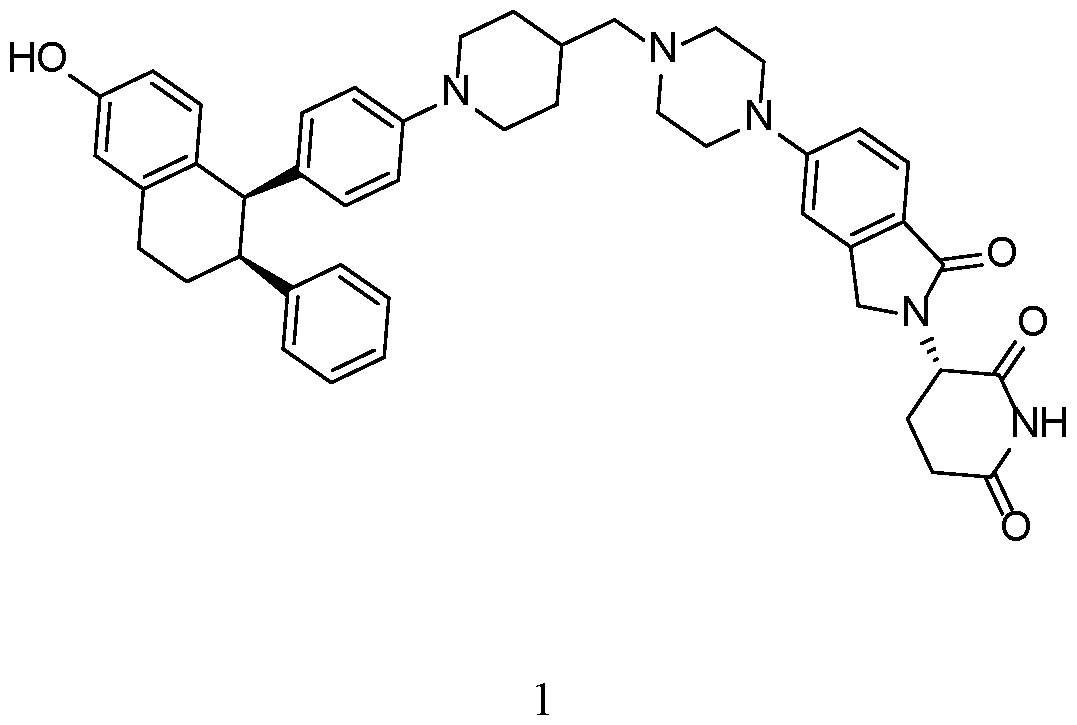 [0004] Compound A is under development as a PROTAC® protein degrader that targets estrogen receptor (ER) for the potential treatment of breast cancer and has been shown to be a useful modulator of targeted protein ubiquitination and degradation via the ubiquitin-proteasome pathway.
[0005] There is a need for improved therapies for the treatment of cancer, such as, for example, an oral therapy for treating cancers (e.g., breast cancer).
Summary of the Invention
[0006] The present disclosure provides, in part, methods for administering Compound A, or a pharmaceutically acceptable salt thereof, to a subject in combination therapies, for treating cancer. This summary is provided to introduce a selection of concepts in a simplified form that are further described below in the detailed description. This summary is not intended to identify key features or essential features of the claimed subject matter, nor is it intended to be used in isolation as an aid in determining the scope of the claimed subject matter.
[0007] Provided herein are methods for treating cancer comprising administering to a subject Compound A having a structure of:
 or a pharmaceutically acceptable salt thereof, in combination with a selective CDK7 inhibitor. In embodiments, the method comprises administering to a subject Compound A in combination with a selective CDK7 inhibitor.
[0008] In embodiments, a daily dose of Compound A is administered to the subject. In embodiments, the daily dose of Compound A is 200 mg.
[0009] In embodiments, the daily dose of Compound A is 100 mg.
[0010] In embodiments, Compound A and the selective CDK7 inhibitor are administered concurrently or sequentially.
[0011] In embodiments, Compound A, or a pharmaceutically acceptable salt thereof, is administered once per day (QD).
[0012] In embodiments, Compound A is administered once per day (QD).
[0013] In embodiments, the daily dose of Compound A is administered once per day (QD).
[0014] In embodiments, Compound A, or a pharmaceutically acceptable salt thereof, is administered orally to the subject.
[0015] In embodiments, Compound A is administered orally to the subject.
[0016] In embodiments, the daily dose of Compound A, or a pharmaceutically acceptable salt thereof, is administered orally to the subject.
[0017] In embodiments, the subject is in a fed state.
[0018] In embodiments, the selective CDK7 inhibitor is samuraciclib, or pharmaceutically acceptable salt thereof.
[0019] In embodiments, a daily dose of samuraciclib, or pharmaceutically acceptable salt thereof, is administered to the subject. In embodiments, the daily dose of samuraciclib, or pharmaceutically acceptable salt thereof, is 240 mg. In embodiments, the daily dose of
samuraciclib, or pharmaceutically acceptable salt thereof, is 360 mg. In embodiments, Compound A is administered daily in 28-day cycles and samuraciclib, or a pharmaceutically acceptable salt thereof, is administered once a day for each 28-day cycle.
[0020] In embodiments, the selective CDK7 inhibitor is samuraciclib. In embodiments, a daily dose of samuraciclib is administered to the subject. In embodiments, the daily dose of samuraciclib is 240 mg. In embodiments, the daily dose of samuraciclib is 360 mg. In embodiments, Compound A is administered daily in 28-day cycles and samuraciclib is administered once a day for each 28-day cycle.
[0021] In embodiments, the dose of samuraciclib, or pharmaceutically acceptable salt thereof, is 240 mg. In embodiments, the dose of samuraciclib, or pharmaceutically acceptable salt thereof, is 360 mg. In embodiments, Compound A is administered daily in 28-day cycles and samuraciclib, or a pharmaceutically acceptable salt thereof, is administered daily in 28-day cycles.
[0022] In embodiments, the dose of samuraciclib is 240 mg. In embodiments, the dose of samuraciclib is 360 mg. In embodiments, Compound A is administered daily in 28-day cycles and samuraciclib is administered once a day for each 28-day cycle.
[0023] In embodiments, the cancer is breast cancer, lung cancer, colon cancer, brain cancer, head and neck cancer, prostate cancer, stomach cancer, pancreatic cancer, ovarian cancer, melanoma, endocrine cancer, uterine cancer, testicular cancer, or bladder cancer. In embodiments, the cancer is breast cancer, lung cancer, prostate cancer, pancreatic cancer, or ovarian cancer. In embodiments, the cancer is breast cancer, lung cancer, or prostate cancer.
[0024] In embodiments, the cancer is breast cancer. In embodiments, the breast cancer is metastatic or locally advanced. In embodiments, the breast cancer is estrogen receptor positive (ER+) breast cancer. In embodiments, the estrogen receptor positive (ER+) breast cancer is human epidermal growth factor receptor 2 negative (HER2 ).
[0025] In embodiments, the subject is human.
[0026] It is to be understood that both the foregoing general description and the following detailed description are exemplary and explanatory only and are not restrictive of the invention, as claimed.
[0027] In some embodiments, the present disclosure provides combined preparations of
[0028] (i) a compound having a structure of:
 or a pharmaceutically acceptable salt thereof, and
(ii) a CDK7 inhibitor, for simultaneous, separate, or sequential use in a method of treating cancer.
Brief Description of the Drawings
[0029] FIGS. 1A and IB show the relative cell growth of MCF7 cells (FIG. 1A) and T47D cells (FIG. IB) over time for control (DMSO), samuraciclib, Compound A, and a combination of samuraciclib and Compound A. Means -/+ standard errors of the mean (SEM) of 5 independent experiments.
[0030] FIGS. 2A and 2B show the relative cell growth at day 5 of MCF7 cells (FIG. 2A) and T47D cells (FIG. 2B) over time for control (DMSO), samuraciclib, Compound A, and a combination of samuraciclib and Compound A. Means -/+ standard errors of the mean (SEM) of 5 independent experiments; **p=0.0025, **** p<0.0001.
[0031] FIGS. 3A-3C show the dose-response inhibition of MCF7 cell growth of Compound A (FIG. 3A), samuraciclib (FIG. 3B), and a combination of Compound A and samuraciclib (FIG. 3C). Data is representative of two independent experiments.
[0032] FIGS. 4A-4C show synergy analyses of Compound A and samuraciclib (in MCF7 cell line) using the Bliss (Independence) Model (FIG. 4A), Loewe (Additivity) Model (FIG. 4B), and the highest single agent (HSA) model (FIG. 4C).
[0033] FIGS. 5A-5C show the dose-response inhibition of T47D cell growth of Compound A (FIG. 5A), samuraciclib (FIG. 5B), and a combination of Compound A and samuraciclib (FIG. 5C). Data is representative of three independent experiments.
[0034] FIGS. 6A-6C show synergy analyses of Compound A and samuraciclib (in T47D cell line) using the Bliss (Independence) Model (FIG. 6A), Loewe (Additivity) Model (FIG. 6B), and the highest single agent (HSA) model (FIG. 6C).
[0035] FIG. 7 shows a scheme of sub-study C (Compound A + samuraciclib) design.
Detailed Description of the Invention
[0036] The present invention may be understood more readily by reference to the following detailed description of the embodiments of the invention and the Examples included herein. It is to be also understood that the terminology used herein is for the purpose of describing specific embodiments only and is not intended to be limiting.
[0037] (5)-3-(5-(4-((l-(4-((17?,25)-6-hydroxy-2-phenyl-l,2,3,4-tetrahydronaphthalen-l- yl)phenyl)piperidin-4-yl)methyl)piperazin-l -yl)-l -oxoisoindolin-2-yl)piperidine-2, 6-dione or (35)-3-[l,3-dihydro-l-oxo-5-[4-[[l-[4-[(17?,25)-l,2,3,4-tetrahydro-6-hydroxy-2-phenyl-l- naphthalenylphenyl]-4-piperidinyl]methyl]-l-piperazinyl]-27/-isoindol-2-yl]-2,6-piperidinedione (also referred to herein as “Compound A”) is a compound having the structure:

[0038] Compound A and pharmaceutically acceptable salts thereof are disclosed in International Publication Nos. WO 2018/102725, WO 2021/041348, International Application No.
PCT/US2024/033417, U.S. Patent Nos. 10,647,698, 10,899,742 and 11,104,666, and U.S.
Application Nos. 17/472,847, 17/548,842, and 17/873,748. The contents of each of the foregoing references are incorporated herein by reference in their entirety.
[0039] Cyclin-dependent kinases (CDKs) and related serine/threonine protein kinases are important cellular enzymes that perform essential functions in regulating eukaryotic cell division and proliferation. The CDK catalytic units are activated by regulatory subunits known as cyclins. At least sixteen mammalian cyclins have been identified (Johnson DG, Walker CL. Cyclins and Cell Cycle Checkpoints. Annu. Rev. Pharmacol. Toxicol. (1999) 39:295-312). Cyclin B/CDK1, cyclin A/CDK2, cyclin E/CDK2, cyclin D/CDK4, cyclin D/CDK6, and likely other heterodynes are important regulators of cell cycle progression. Additional functions of cyclin/CDK heterodynes include regulation of transcription, DNA repair, differentiation, and apoptosis (Morgan DO, Cyclin-dependent kinases: engines, clocks, and microprocessors. Annu. Rev. Cell. Dev. Biol. (1997) 13:261-91).
[0040] CDK inhibitors have been demonstrated to be useful in treating cancer. Increased activity or temporally abnormal activation of cyclin-dependent kinases has been shown to result in the
development of human tumors, and human tumor development is commonly associated with alterations in either the CDK proteins themselves or their regulators (Cordon-Cardo C. Mutations of cell cycle regulators: biological and clinical implications for human neoplasia. Am. J. Pathol. (1995) 147:545-560; Karp JE, Broder S. Molecular foundations of cancer: new targets for intervention. Nat. Med. (1995) 1:309-20; Hall M, Peters G. Genetic alterations of cyclins, cyclin-dependent kinases, and CDK inhibitors in human cancer. Adv. Cancer Res. (1996) 68:67- 108).
[0041] There are currently 20 known mammalian CDKs. While CDK7-CDK13 have been linked to transcription, only CDK1, 2, 4, and 6 show demonstrable association with the cell cycle. Unique among the mammalian CDKs, CDK7 has consolidated kinase activities, regulating both the cell cycle and transcription. In the cytosol, CDK7 exists as a heterotrimeric complex and is believed to function as a CDKl/2-activating kinase (CAK), whereby phosphorylation of conserved residues in CDK1/2 by CDK7 is required for full catalytic CDK activity and cell cycle progression (Desai et al., “Effects of phosphorylation by CAK on cyclin binding by CDChand CDK2. ” Mol. Cell Biol. 15, 345-350 (1995); Kaldis et al., “Analysis of CAK activities from human cells.” Eur. J. Biochem. 267, 4213-21 (2000); Larochelle et al., “Requirements for CDK7 in the assembly of CDKl/cyclin B and activation of CDK2 revealed by chemical genetics in human cells.” Mol. Cell 25, 839-50 (2007)). In the nucleus, CDK7 forms the kinase core of the RNA polymerase (RNAP) II general transcription factor complex and is charged with phosphorylating the C-terminal domain (CTD) of RNAP II, a requisite step in gene transcriptional initiation (Serizawa. Et al., “Association of CDK-activating kinase subunits with transcription factor TFIIH.” Nature 374, 280-82 (1995); Shiekhattar et al., “CDK-activating kinase complex is a component of human transcription factor TFIIH.” Nature 374, 283-87 (1995); Drapkin et al., “Human cyclin-dependent kinase-activating kinase exists in three distinct complexes.” Proc. Natl. Acad. Sci. U.S.A. 93, 6488-93 (1996); Liu. Et al., “Two cyclin- dependent kinases promote RNA polymerase II transcription and formation of the scaffold complex.” Mol. Cell Biol. 24, 1721-35 (2004); Akhtar etal., “TFIIH kinase places bivalent marks on the carboxy-terminal domain of RNA polymerase II.” Mol. Cell 34, 387-93 (2009); Glover-Cutter etal., “TFIIH-associated CDK7 kinase functions in phosphorylation of C-terminal domain Ser7 residues, promoter-proximal pausing, and termination by RNA polymerase II.”
Mol. Cell Biol. 29, 5455-64 (2009)). Together, the two functions of CDK7, i.e., CAK and CTD phosphorylation, support critical facets of cellular proliferation, cell cycling, and transcription.
[0042] (37?,47?)-4- [ [ [7-(benzy lamino)-3 -propan-2-y lpyrazolo[ 1 , 5 -a]pyrimidin- 5- yl]amino]methyl]piperidin-3-ol, (also referred to as “ samuraciclib” or “CT7001”) is a potent, selective, ATP-competitive and orally active CDK7 inhibitor, with an IC50 of 41 nM.
Samuraciclib displays 45-, 15-, 230- and 30-fold selectivity over CDK1, CDK2 , CDK5 and CDK9, respectively. Samuraciclib inhibits the growth of breast cancer cell lines with GI50 values between 0.2-0.3 pM. Samuraciclib has anti -tumor effects. Samuraciclib is a compound that has the structure:

[0043] Samuraciclib and pharmaceutically acceptable salts thereof are disclosed in International Publication No. WO 2015/124941, published August 27, 2015, and in U.S. Patent Nos. 9,932,344, issued April 3, 2018, and 10,414,772, issued September 17, 2019, and 10,927,119, issued February 23, 2021.
[0044] The methods of the present invention may be beneficial for treating cancer (e.g., breast cancer), and, indeed, may have one or more advantages or increased benefits when Compound A is used in combination another therapy, specifically a CDK7 inhibitor. Without wishing to be bound by theory, preclinical data suggests that the combination of Compound A and samuraciclib show improved safety and efficacy, potential to reduce side effects, including adverse events; potential to overcome resistance mechanisms, such as resistance to endocrine therapy; and potential to achieve similar or improved safety and efficacy through dose modification or dosing regimens, over the monotherapies of Compound A and samuraciclib alone.
Definitions
[0045] Unless otherwise defined herein, scientific, and technical terms used in connection with the present invention have the meanings that are commonly understood by those of ordinary skill in the art.
[0046] The invention described herein suitably may be practiced in the absence of any element(s) not specifically disclosed herein.
[0047] As used herein, the singular form “a,” “an,” and “the” include plural references unless indicated otherwise. For example, “a” substituent includes one or more substituents.
[0048] As used herein, the term “about” when used to modify a numerically defined parameter (e.g., the dose of a compound) means that the parameter may vary by as much as 10% below or above the stated numerical value for that parameter. For example, a dose of about 5 mg means 5 mg ± 10%, i.e., it may vary from 4.5 mg to 5.5 mg.
[0049] As used herein, terms, including, but not limited to, “agent,” “composition,” “compound,” “drug,” and “therapeutic agent” may be used interchangeably to refer to compounds included in the methods and uses of the present disclosure.
[0050] As used herein, the terms, “subject,” “participant,” and “patient,” are used interchangeably, to refer to any animal, including mammals. Mammals according to the disclosure include canine, feline, bovine, caprine, equine, ovine, porcine, rodents, lagomorphs, primates, humans, and the like, and encompass mammals in utero. In embodiments, the subject is a human. Human subjects may be of any gender and at any stage of development.
[0051] As used herein, the term “locally advanced or metastatic second line (2L) ER+HER2 breast cancer” refers to breast cancers in subjects who have received prior hormonal/endocrine therapy and chemotherapy in the locally advanced/metastatic setting and whose breast cancers have progressed.
[0052] (5)-3-(5-(4-((l-(4-((lR,25)-6-hydroxy-2-phenyl-l,2,3,4-tetrahydronaphthalen-l- yl)phenyl)piperidin-4-yl)methyl)piperazin-l -yl)-l -oxoisoindolin-2-yl)piperidine-2, 6-dione or (35)-3-[l,3-dihydro-l-oxo-5-[4-[[l-[4-[(lR,25)-l,2,3,4-tetrahydro-6-hydroxy-2-phenyl-l- naphthalenylphenyl]-4-piperidinyl]methyl]-l-piperazinyl]-27/-isoindol-2-yl]-2,6- piperidinedione (referred to herein as “Compound A”) has the structure:

[0053] Compound A is a Biopharmaceutics Classification System Class IV compound (low solubility/low permeability). Compound A can interconvert to its epimer, Compound B:

[0054] Preclinical data demonstrates that the exposure of Compound B is limited compared to Compound A (<26%). Compound B does not degrade the ER; however, Compound B shows similar antagonism of ER-dependent transcription compared to Compound A.
[0055] Cyclin-dependent kinases (CDKs) and related serine/threonine kinases are important cellular enzymes that perform essential functions in regulating cell division and proliferation. CDK inhibitors include pan-CDK inhibitors that target a broad spectrum of CDKs or selective CDK inhibitors that target specific CDK(s).
[0056] Other embodiments also relate to the pharmaceutically acceptable acid addition salts of the compounds described herein. Suitable acid addition salts are formed from acids which form non-toxic salts. Non-limiting examples of suitable acid addition salts, i.e., salts containing pharmacologically acceptable anions, include, but are not limited to, the acetate, acid citrate, adipate, aspartate, benzoate, besylate, bicarbonate/carbonate, bisulphate/sulphate, bitartrate, borate, camsylate, citrate, cyclamate, edisylate, esylate, ethanesulfonate, formate, fumarate, gluceptate, gluconate, glucuronate, hexafluorophosphate, hibenzate, hydrochloride/chloride, hydrobromide/bromide, hydroiodide/iodide, isethionate, lactate, malate, maleate, malonate, mesylate, methanesulfonate, methylsulphate, naphthylate, 2-napsylate, nicotinate, nitrate, orotate, oxalate, palmitate, pamoate, phosphate/hydrogen phosphate/dihydrogen phosphate, pyroglutamate, saccharate, stearate, succinate, tannate, tartrate, p-toluenesulfonate, tosylate, trifluoroacetate and xinofoate salts.
[0057] Additional embodiments relate to base addition salts of the compounds described herein. Suitable base addition salts are formed from bases that form non-toxic salts. Non-limiting examples of suitable base salts include the aluminum, arginine, benzathine, calcium, choline, diethylamine, diolamine, glycine, lysine, magnesium, meglumine, olamine, potassium, sodium, tromethamine, and zinc salts.
[0058] The compounds described herein that are basic in nature can form a wide variety of salts with various inorganic and organic acids. The acids that may be used to prepare pharmaceutically acceptable acid addition salts of such basic compounds described herein are those that form non-toxic acid addition salts, e.g., salts containing pharmacologically acceptable anions, such as the hydrochloride, hydrobromide, hydroiodide, nitrate, sulfate, bisulfate, phosphate, acid phosphate, isonicotinate, acetate, lactate, salicylate, citrate, acid citrate, tartrate, pantothenate, bitartrate, ascorbate, succinate, maleate, gentisinate, fumarate, gluconate, glucuronate, saccharate, formate, benzoate, glutamate, methanesulfonate, ethanesulfonate, benzenesulfonate, p-toluenesulfonate and pamoate [i.e., l,l ’-methylene-bis-(2-hydroxy-3- naphthoate)] salts. The compounds described herein that include a basic moiety, such as an
amino group, may form pharmaceutically acceptable salts with various amino acids, in addition to the acids mentioned above.
[0059] The compounds described herein that are acidic in nature can form a wide variety of salts with various inorganic and organic bases. The bases that may be used to prepare pharmaceutically acceptable base salts of the compounds described herein, are those that form non-toxic base salts with such compounds. Such non-toxic base salts include, but are not limited to, those derived from such pharmacologically acceptable cations such as alkali metal cations (e.g., potassium and sodium) and alkaline earth metal cations (e.g., calcium and magnesium), ammonium or water-soluble amine addition salts such as N-methylglucamine-(meglumine), and the lower alkanolammonium and other base salts of pharmaceutically acceptable organic amines.
[0060] Hemisalts of acids and bases may also be formed, for example, hemisulphate, and hemicalcium salts.
[0061] For a review on suitable salts, see Handbook of Pharmaceutical Salts: Properties, Selection, and Use by Stahl and Wermuth (Wiley-VCH, 2002). Methods for making pharmaceutically acceptable salts of compounds described herein are known to one of skill in the art.
Combinations
[0062] Provided herein are methods for treating cancer comprising administering to a subject
Compound A having a structure of:
 pharmaceutically acceptable salt thereof, in combination with a selective CDK7 inhibitor. In
embodiments, the method comprises administering to a subject Compound A in combination with a selective CDK7 inhibitor.
[0063] In embodiments, the daily dose of Compound A having a structure of:
 , or a pharmaceutically acceptable salt thereof, is administered once per day (QD). In embodiments, Compound A, or a pharmaceutically acceptable salt thereof, is administered once per day (QD).
[0064] In embodiments, Compound A is administered once per day (QD).
[0065] In embodiments, the daily dose of Compound A having a structure of:
 , or a pharmaceutically acceptable salt thereof, is administered orally to the subject. In embodiments, Compound A is administered orally to the subject.
[0066] In embodiments, the subject is in a fed state.
[0067] In embodiments, the daily dose of Compound A having a structure of:

[0068] In embodiments, the daily dose of Compound A having a structure of:
 thereof, is 200 mg. In embodiments, the dose of Compound A, or a pharmaceutically acceptable salt thereof, is 200 mg. In embodiments, the dose of Compound A is 200 mg.
[0069] In embodiments, the daily dose of Compound A having a structure of:
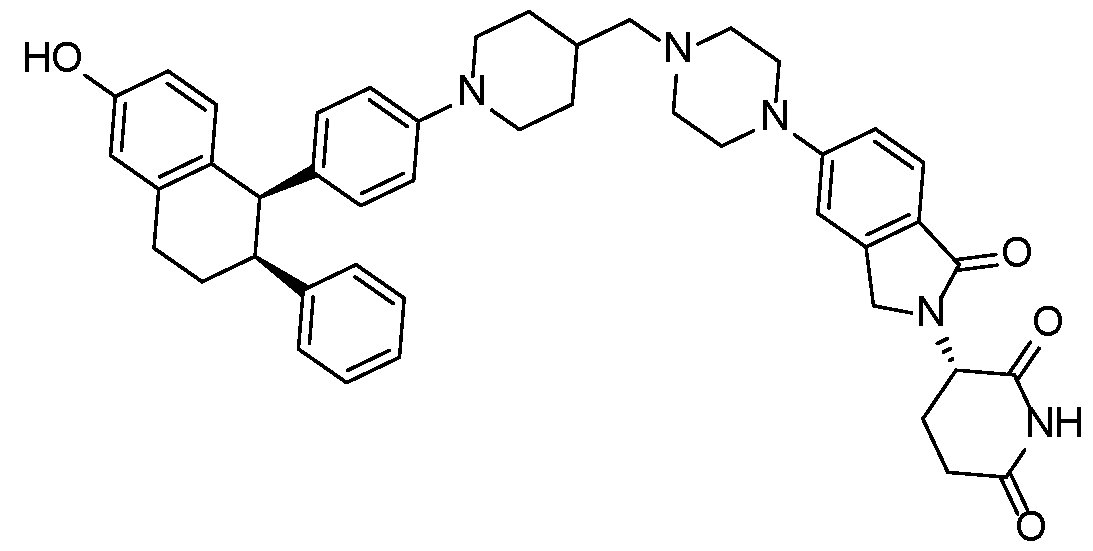 , or a pharmaceutically acceptable salt thereof, is about 100 mg. In embodiments, the dose of Compound A, or a pharmaceutically
acceptable salt thereof, is about 100 mg. In embodiments, the dose of Compound A is about 100 mg.
[0070] In embodiments, the daily dose of Compound A having a structure of:
 , or a pharmaceutically acceptable salt thereof, is 100 mg. In embodiments, the dose of Compound A, or a pharmaceutically acceptable salt thereof, is 100 mg. In embodiments, the dose of Compound A is 100 mg.
[0071] In embodiments, Compound A having a structure of:
 administered as a free base
(i.e., not as a pharmaceutically acceptable salt).
[0072] In embodiments, Compound A and the selective CDK7 inhibitor are administered concurrently or sequentially.
[0073] In embodiments, the selective CDK7 inhibitor is samuraciclib, or a pharmaceutically acceptable salt thereof. In embodiments, the selective CDK7 inhibitor is samuraciclib.
[0074] In embodiments, Compound A, or a pharmaceutically acceptable salt thereof, is administered daily in 28-day cycles. In certain embodiments, samuraciclib, or a pharmaceutically acceptable salt thereof, is administered orally once a day for each 28-day cycle. Alternatively, samuraciclib is administered orally once a day for each 28-day cycle.
[0075] In embodiments, samuraciclib, or a pharmaceutically acceptable salt thereof, is administered at a dose of about 240 mg daily. In embodiments, samuraciclib, or a pharmaceutically acceptable salt thereof, is administered at a dose of 240 mg daily.
[0076] In embodiments, samuraciclib, or a pharmaceutically acceptable salt thereof, is administered at a dose of about 360 mg daily. In embodiments, samuraciclib, or a pharmaceutically acceptable salt thereof, is administered at a dose of 360 mg daily.
[0077] In embodiments, the cancer is breast cancer, lung cancer, colon cancer, brain cancer, head and neck cancer, prostate cancer, stomach cancer, pancreatic cancer, ovarian cancer, melanoma, endocrine cancer, uterine cancer, testicular cancer, or bladder cancer.
[0078] In embodiments, the cancer is breast cancer, lung cancer, prostate cancer, pancreatic cancer, or ovarian cancer.
[0079] In embodiments, the cancer is breast cancer, lung cancer, or prostate cancer.
[0080] In embodiments, the cancer is breast cancer.
[0081] In embodiments, the breast cancer is metastatic or locally advanced.
[0082] In embodiments, the breast cancer is estrogen receptor positive (ER+) breast cancer.
[0083] In embodiments, the estrogen receptor positive (ER+) breast cancer is human epidermal growth factor receptor 2 negative (HER2 ).
[0084] In embodiments, the subject is human.
[0085] Also disclosed herein is Compound A having the structure:
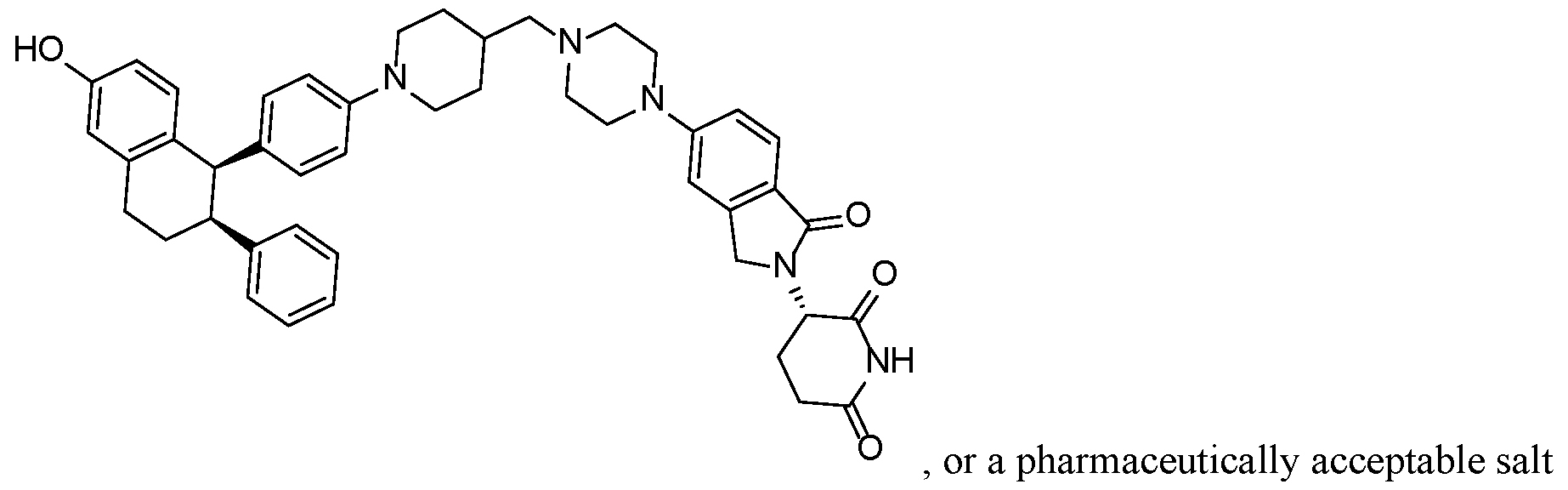 thereof, for use according to any one of foregoing embodiments.
[0086] Also disclosed herein are uses of Compound A having a structure of:
 the manufacture of a medicament according to any one of foregoing embodiments.
[0087] Each of the embodiments described herein may be combined with any other embodiment(s) described herein not inconsistent with the embodiment(s) with which it is combined.
Combined Preparations
[0088] Also provided herein are combined preparations of
(i) a compound having a structure of:
 or a pharmaceutically acceptable salt thereof, and
(ii) a CDK7K inhibitor, for simultaneous, separate, or sequential use in a method of treating cancer.
[0089] In the “combined preparations” recited herein, the active agents (e.g., Compound A or a pharmaceutically acceptable salt thereof, and a CDK7 inhibitor) may be physically separated, thus allowing for their separate or sequential administration.
Administration and Dosing
[0090] The terms “treat” and “treating” a cancer or a cancer-associated disease, as used herein, mean to administer a combination therapy according to the present disclosure to a subject, participant or patient having a cancer, or diagnosed with a cancer, to achieve at least one positive therapeutic effect, such as, for example, reduced number of cancer cells, reduced tumor size, reduced rate of cancer cell infiltration into peripheral organs, or reduced rate of tumor metastasis or tumor growth, reversing, alleviating, inhibiting the progress of, or preventing the disorder or condition to which such term applies, or one or more symptoms of such disorder or condition. The terms “treatment” and “therapy,” as used herein, unless otherwise indicated, refer to the act of treating as “treating” is defined immediately above. For the purposes of this disclosure, beneficial or desired clinical results include, but are not limited to, one or more of the following: reducing the proliferation of (or destroying) neoplastic or cancerous cell; inhibiting metastasis or neoplastic cells; shrinking or decreasing the size of tumor; remission of the cancer; decreasing symptoms resulting from the cancer; increasing the quality of life of those suffering from the cancer; decreasing the dose of other medications required to treat the cancer; delaying the
progression the cancer; curing the cancer; overcoming one or more resistance mechanisms of the cancer; and / or prolonging survival of patients the cancer. Positive therapeutic effects in cancer can be measured in a number of ways (see, for example, W. A. Weber, J. Nucl. Med. (2009) 5O:1S-1OS).
[0091] ‘ ‘Fed condition” or “fed state” as used to describe a subject herein, means that the subject has eaten less than 4 hours before a time point of interest, such as the time of administering Compound A. In embodiments, a subject in the fed state has not eaten for at most any of 4, 3, 2, 1, or 0.5 hours prior to administration of Compound A.
[0092] An “amount” for use and for treating a subject refers to an amount that provides, in single or multiple doses, in combination with one or more other agents, a detectable response of any duration of time (transient, medium, or long term), a desired outcome in or an objective or subjective benefit to a subject of any measurable or detectable degree or for any duration of time (e.g., for hours, days, months, years, in remission or cured). Such amounts typically are effective to ameliorate a disease, or one, multiple or all adverse effects / symptoms, consequences, or complications of the disease, to a measurable extent, although reducing or inhibiting a progression or worsening of the disease, or providing stability (i.e., not worsening) state of the disease, is considered a satisfactory outcome. The term “therapeutically effective amount” also means an amount of an agent in combination with one or more other agents, effective for producing a desired therapeutic effect upon administration to a subject, for example, to stem the growth, or result in the shrinkage, of a cancerous tumor. In reference to the treatment of cancer, a therapeutically effective amount refers to that amount that has the effect of (1) reducing the size of the tumor, (2) inhibiting (that is, slowing to some extent, preferably stopping) tumor metastasis emergence, (3) inhibiting to some extent (that is, slowing to some extent, preferably stopping) tumor growth or tumor invasiveness, and/or (4) relieving to some extent (or, preferably, eliminating) one or more signs or symptoms associated with the cancer. Therapeutic or pharmacological effectiveness of the doses and administration regimens also may be characterized as the ability to induce, enhance, maintain, or prolong disease control and/or overall survival in patients with these specific tumors, which may be measured as prolongation of the time before disease progression.
[0093] As used herein, “ameliorate” refers to any reduction in the extent, severity, frequency, and/or likelihood of a symptom or clinical sign characteristic of a particular disease. “Symptom” refers to any subjective evidence of disease or of a subject’s condition.
[0094] Embodiments of the present invention provide a dose, dosage, and dosing regimen comprising administering to a subject an amount, or an effective amount of Compound A, or a pharmaceutically acceptable salt thereof. The amount, or the therapeutically effective amount, can be a daily dose of about 200 mg. In another embodiment, a daily dose of Compound A is 200 mg. In another embodiment, a daily dose of Compound A is about 100 mg. In another embodiment, a daily dose of Compound A is 100 mg.
[0095] In embodiments, the daily dose of Compound A, or a pharmaceutically acceptable salt thereof, is administered once per day (QD).
[0096] In embodiments, Compound A, or a pharmaceutically acceptable salt thereof, is administered once per day (QD).
[0097] In embodiments, Compound A is administered once per day (QD).
[0098] The compounds disclosed herein may be administered orally. Oral administration may involve swallowing, so that the compound enters the gastrointestinal tract, or buccal or sublingual administration may be employed by which the compound enters the bloodstream directly from the mouth.
[0099] In embodiments, the daily dose of Compound A, or a pharmaceutically acceptable salt thereof, is administered orally.
[0100] In embodiments, Compound A, or a pharmaceutically acceptable salt thereof, is administered orally to the subject.
[0101] In embodiments, Compound A is administered orally to the subject.
[0102] Compound A, or a pharmaceutically acceptable salt thereof, may be present in a pharmaceutical composition, which includes a pharmaceutically acceptable excipient. A “pharmaceutically acceptable excipient” refers to a component that may be included in the compositions described herein, is physiologically suitable for pharmaceutical use, and causes no significant adverse effects nor therapeutic effects to a subject. The term “excipient” is used herein to describe any ingredient other than the compound(s) of the invention. The choice of excipient will to a large extent depend on factors such as the mode of administration, the effect of the excipient on solubility and stability, and the nature of the dosage form.
[0103] The compounds of the methods, uses, or combinations of the present invention may be formulated prior to administration. The formulation preferably will be adapted to the particular mode of administration. These compounds may be formulated with pharmaceutically acceptable excipients as known in the art and administered in a wide variety of dosage forms as known in the art. Dosage unit forms or pharmaceutical compositions suitable for oral administration include, but are not limited to tablets, capsules, such as gelatin capsules, pills, powders, granules, aqueous, and nonaqueous oral solutions and suspensions, packaged in containers adapted for subdivision into individual doses.
[0104] In embodiments, the daily dosage of samuraciclib, or a pharmaceutically acceptable salt thereof, is 120 mg/day, 240 mg/day, or 360 mg/day.
[0105] Repetition of the administration or dosing regimens may be conducted as necessary to achieve the desired reduction or diminution of cancer cells. A “continuous dosing schedule,” as used herein, is an administration or dosing regimen without dose interruptions, e.g., without days off treatment. Repetition of 28-day treatment cycles without dose interruptions between the treatment cycles is an example of a continuous dosing schedule. In embodiments, the compounds of the combination of the present invention can be administered in a continuous dosing schedule. In embodiments, the compounds of the combination disclosed herein can be administered concurrently in a continuous dosing schedule.
[0106] In embodiments, Compound A, or a pharmaceutically acceptable salt thereof, is administered once daily to comprise a complete cycle of 28-days. Repetition of 28-day treatment cycles is continued during treatment in accordance with the methods and uses of the present disclosure.
[0107] Also disclosed herein are kits comprising the therapeutic agents of the combination of the present disclosure and written instructions for administration of the therapeutic agents. In embodiments, the written instructions elaborate and qualify the modes of administration of the therapeutic agents, for example, for simultaneous or sequential administration of the therapeutic agents of the present disclosure. In embodiments, the written instructions elaborate and qualify the modes of administration of the therapeutic agents, for example, by specifying the days of administration for each of the therapeutic agents during a 28-day treatment cycle.
Methods of Treatment
[0108] In embodiments, provided herein are methods for treating cancer in a subject comprising administering to the subject an effective amount of Compound A, or a pharmaceutically acceptable salt thereof, as described herein in combination with an amount of a selective CDK7 inhibitor.
[0109] The term “combination,” as used herein, unless otherwise indicated, refers to the use of Compound A, or a pharmaceutically acceptable salt thereof, with one or more therapeutic agents, wherein Compound A, or a pharmaceutically acceptable salt thereof, and the one or more therapeutic agents are administered intermittently, concurrently, or sequentially, according to the same or different route of administration and according to the same or different dosage schedules.
[0110] The term “locally advanced,” as used herein, as it relates to cancer, may or may not be treated with curative intent. For example, locally advanced breast cancer (LABC) is defined by the U.S. National Comprehensive Cancer Network as a subset of breast cancer characterized by the most advanced breast tumors in the absence of distant metastasis, wherein the tumors are
more than 5 cm in size with regional lymphadenopathy; tumors of any size with direct extension to the chest wall or skin, or both (including ulcer or satellite nodules), regardless of regional lymphadenopathy; presence of regional lymphadenopathy (clinically fixed or matted axillary lymph nodes, or any of infraclavicular, supraclavicular, or internal mammary lymphadenopathy) regardless of tumor stage. (Garg et al. Curr Oncol. 2015 Oct; 22(5): e409-10; National Comprehensive Cancer Network NCCN Clinical Practice Guidelines in Oncology: Breast Cancer. Fort Washington, PA: NCCN; 2015. Ver. 2.2015.)
[0111] The term “metastatic” as used herein, as it relates to cancer, cannot be treated with curative intent. For example, metastatic breast cancer refers to breast cancer that has spread beyond the breast and nearby lymph nodes to other parts of the body, e.g., bones, liver, lungs, or brain, (www. cancer, org/ cancer/br east-cancer. )
[0112] Those skilled in the art will be able to recognize and diagnose locally advanced and metastatic cancer in a patient or subject.
[0113] For convenience, certain well-known abbreviations, may be used herein, including: castration resistant prostate cancer (CRPC), estrogen receptor positive (ER+), human epidermal growth factor receptor 2 negative (HER2 ), hormone receptor (HR), human epidermal growth factor receptor 2 positive (HER2+), non-small cell lung cancer (NSCLC), and progesterone receptor (PR).
[0114] In embodiments, the cancer is selected from lung cancer, mesothelioma, bone cancer, pancreatic cancer, skin cancer, cancer of the head or neck, cutaneous or intraocular melanoma, uterine cancer, ovarian cancer, rectal cancer, cancer of the anal region, stomach cancer, hepatic carcinoma, colon cancer, breast cancer, uterine cancer, carcinoma of the fallopian tubes, carcinoma of the endometrium, carcinoma of the cervix, carcinoma of the vagina, carcinoma of the vulva, Hodgkin’s disease, cancer of the esophagus, cancer of the small intestine, cancer of the endocrine system, cancer of the thyroid gland, cancer of the parathyroid gland, cancer of the adrenal gland, sarcoma of soft tissue, cancer of the urethra, cancer of the penis, prostate cancer, hematology malignancy, chronic or acute leukemia, lymphocytic lymphomas, cancer of the
bladder, cancer of the kidney or ureter, renal cell carcinoma, carcinoma of the renal pelvis, neoplasms of the central nervous system (CNS), primary CNS lymphoma, spinal axis tumors, glioblastoma, brain stem glioma, pituitary adenoma, head and neck cancer, and combinations of two or more of the foregoing cancers.
[0115] Also disclosed herein are methods of treating cancer in a subject. In embodiments, the methods comprise treating cancer in a subject comprising administering to the subject an amount of the compounds described herein that are effective in treating the cancer.
[0116] In embodiments, the cancer is breast, lung, colon, brain, head and neck, prostate, stomach, pancreatic, ovarian, melanoma, endocrine, uterine, testicular, or bladder.
[0117] In embodiments, the cancer is breast, lung, prostate, pancreatic, or ovarian.
[0118] In embodiments, the cancer is breast, lung, or prostate.
[0119] In embodiments, the cancer is breast cancer.
[0120] In embodiments, the breast cancer is metastatic breast cancer.
[0121] In embodiments, the breast cancer is locally advanced breast cancer.
[0122] In embodiments, the breast cancer is HR+ breast cancer.
[0123] In embodiments, the HR+ breast cancer is PR+ and/or ER+ breast cancer.
[0124] In some embodiments, the breast cancer is PR+ breast cancer.
[0125] In embodiments, the breast cancer is ER+ breast cancer.
[0126] In embodiments, the breast cancer is ER+ HER2' breast cancer.
[0127] In embodiments, the breast cancer is ER+ HER2+ breast cancer.
[0128] In embodiments, the breast cancer is locally advanced or metastatic ER+ breast cancer.
[0129] In embodiments, the breast cancer is locally advanced or metastatic ER+ HER2' breast cancer.
[0130] In embodiments, the breast cancer is locally advanced or metastatic ER+ HER2+ breast cancer.
[0131] In embodiments, the breast cancer is metastatic, ER+, HER2' breast cancer.
[0132] In embodiments, the breast cancer is metastatic, ER+, HER2' breast cancer that is also locally advanced.
[0133] In embodiments, the lung cancer is non-small cell lung cancer.
[0134] In embodiments, the lung cancer is locally advanced or metastatic non-small cell lung cancer.
[0135] In embodiments, the prostate cancer is CRPC.
[0136] In embodiments, the prostate cancer is locally advanced or metastatic CRPC.
[0137] Also disclosed herein are methods of treating solid tumors in a subject. In embodiments, disclosed herein are methods of treating solid tumors in a subject comprising administering to the subject an amount of the compounds described herein that are effective in treating the solid tumor.
[0138] In embodiments, the solid tumor is breast, lung, colon, brain, head and neck, prostate, stomach, pancreatic, ovarian, melanoma, endocrine, uterine, testicular, or bladder.
[0139] In embodiments, the solid tumor is breast, lung, prostate, pancreatic, or ovarian.
[0140] In embodiments, the solid tumor is breast, lung, or prostate.
[0141] In embodiments, the solid tumor is breast cancer. For example, in certain embodiments the breast cancer is HR+ breast cancer. In other embodiments, the HR+ breast cancer is PR+ and/or ER+ breast cancer ER+ breast cancer.
[0142] In embodiments, the solid tumor is breast cancer. For example, in certain embodiments, the breast cancer is ER+ HER2' breast cancer.
[0143] In embodiments, the solid tumor is breast cancer. For example, in certain embodiments, the breast cancer is ER+ HER2+ breast cancer.
[0144] In embodiments, the solid tumor is breast cancer. For example, in certain embodiments, the breast cancer is locally advanced or metastatic ER+ HER2' breast cancer.
[0145] In embodiments, the solid tumor is breast cancer. For example, in certain embodiments, the breast cancer is locally advanced or metastatic ER+ HER2+ breast cancer.
[0146] In embodiments, the solid tumor is lung cancer. For example, in certain embodiments, the lung cancer is non-small cell lung cancer.
[0147] In embodiments, the solid tumor is lung cancer. For example, in certain embodiments, the lung cancer is locally advanced or metastatic non-small cell lung cancer.
[0148] In embodiments, the solid tumor is prostate cancer. For example, in certain embodiments, the prostate cancer is CRPC.
[0149] In embodiments, the solid tumor is prostate cancer. For example, in certain embodiments, the prostate cancer is locally advanced or metastatic castration resistant prostate cancer.
[0150] Also disclosed herein are methods of treating hematologic tumors in a subject. In certain embodiments, the method comprises treating hematologic tumors in a subject comprising administering to the subject an amount of the compounds described herein that is effective in treating the hematologic tumor.
[0151] In embodiments, the hematologic tumor is leukemia, lymphoma, or multiple myeloma.
[0152] In embodiments, the hematologic tumor is leukemia or lymphoma.
[0153] Also disclosed herein are methods of treating cancer in a subject with locally advanced or metastatic ER+HER2‘ breast cancer, CRPC, or NSCLC whose disease progressed on or is intolerant to standard therapy.
[0154] Also disclosed herein are methods of treating cancer in a subject with locally advanced or metastatic ER+HER2‘ breast cancer, CRPC, or NSCLC whose disease progressed on or is intolerant to standard therapy.
[0155] Also disclosed herein are methods of treating cancer in a subject with locally advanced or metastatic second line (2L) ER+HER2‘ breast cancer who have received prior hormonal/endocrine therapy and chemotherapy in the locally advanced/metastatic setting. In embodiments, the method comprises administering Compound A, or a pharmaceutically acceptable salt thereof, in combination with a selective CDK7 inhibitor to the subject.
[0156] Also disclosed herein are methods of treating cancer in a subject with locally advanced or metastatic 2L+ ER+HER2' breast cancer who have received prior treatment with a CDK4/6 inhibitor. In embodiments, the method comprises administering Compound A, or a
pharmaceutically acceptable salt thereof, in combination with a selective CDK7 inhibitor to the subject.
Enumerated Embodiments
[0157] Embodiment 1: A method for treating cancer comprising administering to a subject
Compound A having a structure of:
 or a pharmaceutically acceptable salt thereof, in combination with a selective CDK7 inhibitor.
[0158] Embodiment 2: The method of embodiment 1, wherein a daily dose of Compound A, or a pharmaceutically acceptable salt thereof, is administered to the subject.
[0159] Embodiment 3 : The method of embodiment 2, wherein the daily dose is 200 mg.
[0160] Embodiment 3 A: The method of embodiment 2, wherein the daily dose is 100 mg.
[0161] Embodiment 4: The method of any one of embodiments 1 to 3, wherein Compound A and the selective CDK7 inhibitor are administered concurrently or sequentially.
[0162] Embodiment 5: The method of any one of embodiments 1 to 4, wherein the daily dose of Compound A, or a pharmaceutically acceptable salt thereof, is administered once per day (QD).
[0163] Embodiment 6: The method of any one of embodiments 1 to 5, wherein the daily dose of Compound A or a pharmaceutically acceptable salt thereof, is administered orally to the subject.
[0164] Embodiment 6A: The method of any one of embodiments 1 to 5, wherein the dose of Compound A or a pharmaceutically acceptable salt thereof, is administered orally to the subject.
[0165] Embodiment 7: The method of any one of embodiments 1 to 6, wherein the subject is in a fed state.
[0166] Embodiment 8: The method of any one of embodiments 1 to 7, wherein the selective CDK7 inhibitor is samuraciclib, or pharmaceutically acceptable salt thereof.
[0167] Embodiment 9: The method of embodiment 8, wherein a daily dose of samuraciclib, or pharmaceutically acceptable salt thereof, is administered to the subject.
[0168] Embodiment 9A: The method of embodiment 8, wherein a dose of samuraciclib, or pharmaceutically acceptable salt thereof, is administered to the subject.
[0169] Embodiment 10: The method of embodiment 9, wherein the daily dose of samuraciclib, or pharmaceutically acceptable salt thereof, is 240 mg.
[0170] Embodiment 10A: The method of embodiment 9A, wherein the dose of samuraciclib, or pharmaceutically acceptable salt thereof, is 240 mg.
[0171] Embodiment 11 : The method of embodiment 9, wherein the daily dose of samuraciclib, or pharmaceutically acceptable salt thereof, is 360 mg.
[0172] Embodiment 11 A: The method of embodiment 9A, wherein the dose of samuraciclib, or pharmaceutically acceptable salt thereof, is 360 mg.
[0173] Embodiment 12: The method of any one of embodiments 8 to 11, wherein Compound A, or pharmaceutically acceptable salt thereof, is administered daily in 28-day cycles and samuraciclib, or a pharmaceutically acceptable salt thereof, is administered once a day for each 28-day cycle.
[0174] Embodiment 13 : The method of any one of embodiments 1 to 7, wherein the selective CDK7 inhibitor is samuraciclib.
[0175] Embodiment 14: The method of embodiment 8, wherein a daily dose of samuraciclib is administered to the subject.
[0176] Embodiment 15: The method of embodiment 9, wherein the daily dose of samuraciclib is 240 mg.
[0177] Embodiment 16: The method of embodiment 9, wherein the daily dose of samuraciclib is 360 mg.
[0178] Embodiment 17: The method of any one of embodiments 13 to 16, wherein Compound A, or pharmaceutically acceptable salt thereof, is administered daily in 28-day cycles and samuraciclib is administered once a day for each 28-day cycle.
[0179] Embodiment 18: The method of any one of embodiments 1 to 17, wherein the cancer is breast cancer, lung cancer, colon cancer, brain cancer, head and neck cancer, prostate cancer, stomach cancer, pancreatic cancer, ovarian cancer, melanoma, endocrine cancer, uterine cancer, testicular cancer, or bladder cancer.
[0180] Embodiment 19: The method of embodiment 18, wherein the cancer is breast cancer, lung cancer, prostate cancer, pancreatic cancer, or ovarian cancer.
[0181] Embodiment 20: The method of embodiment 18, wherein the cancer is breast cancer, lung cancer, or prostate cancer.
[0182] Embodiment 21: The method of embodiment 20, wherein the cancer is breast cancer.
[0183] Embodiment 22: The method of embodiment 21, wherein the breast cancer is metastatic or locally advanced.
[0184] Embodiment 23: The method of embodiment 21 or 22, wherein the breast cancer is estrogen receptor positive (ER+) breast cancer.
[0185] Embodiment 24: The method of embodiment 23, wherein the estrogen receptor positive (ER+) breast cancer is human epidermal growth factor receptor 2 negative (HER2-).
[0186] Embodiment 25: The method of any one of embodiments 1 to 24, wherein the subject is human.
[0187] Embodiment 26: A method for treating cancer comprising administering to a subject
Compound A having a structure of:
 in combination with a selective CDK7 inhibitor.
[0188] Embodiment 27: The method of embodiment 26, wherein a daily dose of Compound A is administered to the subject.
[0189] Embodiment 28: The method of embodiment 27, wherein the daily dose is 200 mg.
[0190] Embodiment 29: The method of any one of embodiments 26 to 28, wherein Compound A and the selective CDK7 inhibitor are administered concurrently or sequentially.
[0191] Embodiment 30: The method of any one of embodiments 26 to 29, wherein the daily dose of Compound A is administered once per day (QD).
[0192] Embodiment 31: The method of any one of embodiments 26 to 30, wherein the daily dose of Compound A is administered orally to the subject.
[0193] Embodiment 32: The method of any one of embodiments 26 to 31, wherein the subject is in a fed state.
[0194] Embodiment 33: The method of any one of embodiments 26 to 32, wherein the selective CDK7 inhibitor is samuraciclib, or pharmaceutically acceptable salt thereof.
[0195] Embodiment 34: The method of embodiment 33, wherein a daily dose of samuraciclib, or pharmaceutically acceptable salt thereof, is administered to the subject.
[0196] Embodiment 35: The method of embodiment 34, wherein the daily dose of samuraciclib, or pharmaceutically acceptable salt thereof, is 240 mg.
[0197] Embodiment 36: The method of embodiment 34, wherein the daily dose of samuraciclib, or pharmaceutically acceptable salt thereof, is 360 mg.
[0198] Embodiment 37: The method of any one of embodiments 33 to 36, wherein Compound A is administered daily in 28-day cycles and samuraciclib, or a pharmaceutically acceptable salt thereof, is administered once a day for each 28-day cycle.
[0199] Embodiment 38: The method of any one of embodiments 26 to 32, wherein the selective CDK7 inhibitor is samuraciclib.
[0200] Embodiment 39: The method of embodiment 38, wherein a daily dose of samuraciclib is administered to the subject.
[0201] Embodiment 40: The method of embodiment 39, wherein the daily dose of samuraciclib is 240 mg.
[0202] Embodiment 41: The method of embodiment 39, wherein the daily dose of samuraciclib is 360 mg.
[0203] Embodiment 42: The method of any one of embodiments 38 to 41, wherein Compound A is administered daily in 28-day cycles and samuraciclib is administered once a day for each 28- day cycle.
[0204] Embodiment 43 : The method of any one of embodiments 26 to 42, wherein the cancer is breast cancer, lung cancer, colon cancer, brain cancer, head and neck cancer, prostate cancer, stomach cancer, pancreatic cancer, ovarian cancer, melanoma, endocrine cancer, uterine cancer, testicular cancer, or bladder cancer.
[0205] Embodiment 44: The method of embodiment 43, wherein the cancer is breast cancer, lung cancer, prostate cancer, pancreatic cancer, or ovarian cancer.
[0206] Embodiment 45: The method of embodiment 43, wherein the cancer is breast cancer, lung cancer, or prostate cancer.
[0207] Embodiment 46: The method of embodiment 43, wherein the cancer is breast cancer.
[0208] Embodiment 47: The method of embodiment 46, wherein the breast cancer is metastatic or locally advanced.
[0209] Embodiment 48: The method of embodiment 46 or 47, wherein the breast cancer is estrogen receptor positive (ER+) breast cancer.
[0210] Embodiment 49: The method of embodiment 48, wherein the estrogen receptor positive (ER+) breast cancer is human epidermal growth factor receptor 2 negative (HER2-).
[0211] Embodiment 50: The method of any one of embodiments 26 to 49, wherein the subject is human.
[0212] Embodiment 51 : Compound A:
 comprising administering Compound A or the pharmaceutically acceptable salt thereof to a subject in combination with a selective CDK7 inhibitor.
 for use in a method of treating cancer, the method comprising administering Compound A to a subject in combination with a selective CDK7 inhibitor.
[0214] Embodiment 53: A combined preparation of:
(i) Compound A:

(ii) a selective CDK7 inhibitor, for simultaneous, separate, or sequential use in a method of treating cancer.
[0215] Embodiment 54: The combined preparation for use of embodiment 53, wherein the combined preparation is of (i) Compound A, and (ii) the selective CDK7 inhibitor.
[0216] Embodiment 55: Compound A or the pharmaceutically acceptable salt thereof for use of embodiment 51, Compound A for use of embodiment 52, or the combined preparation for use of embodiment 53 or 54, wherein a daily dose of Compound A, or the pharmaceutically acceptable salt thereof, is administered to the subject.
[0217] Embodiment 56: Compound A, the pharmaceutically acceptable salt thereof, or the combined preparation for use of embodiment 55, wherein the daily dose is 100 mg or 200 mg.
[0218] Embodiment 57: Compound A, the pharmaceutically acceptable salt thereof, or the combined preparation for use of any one of embodiments 51 to 56, wherein the selective CDK7 inhibitor is administered concurrently with or sequentially to Compound A or the pharmaceutically acceptable salt thereof.
[0219] Embodiment 58: Compound A, the pharmaceutically acceptable salt thereof, or the combined preparation for use of any one of embodiments 51 to 57, wherein the daily dose of Compound A, or the pharmaceutically acceptable salt thereof, is administered once per day (QD).
[0220] Embodiment 59: Compound A, the pharmaceutically acceptable salt thereof, or the combined preparation for use of any one of embodiments 51 to 58, wherein the daily dose of Compound A or the pharmaceutically acceptable salt thereof, is administered orally to the subject.
[0221] Embodiment 60: Compound A, the pharmaceutically acceptable salt thereof, or the combined preparation for use of any one of embodiments 51 to 59, wherein the subject is in a fed state.
[0222] Embodiment 61: Compound A, the pharmaceutically acceptable salt thereof, or the combined preparation for use of any one of embodiments 51 to 60, wherein the selective CDK7 inhibitor is samuraciclib, or a pharmaceutically acceptable salt thereof.
[0223] Embodiment 62: Compound A, the pharmaceutically acceptable salt thereof, or the combined preparation for use of embodiment 61, wherein a daily dose of samuraciclib, or pharmaceutically acceptable salt thereof, is administered to the subject.
[0224] Embodiment 63: Compound A, the pharmaceutically acceptable salt thereof, or the combined preparation for use of embodiment 62, wherein the daily dose of samuraciclib, or pharmaceutically acceptable salt thereof, is 240 mg.
[0225] Embodiment 64: Compound A, the pharmaceutically acceptable salt thereof, or the combined preparation for use of embodiment 62, wherein the daily dose of samuraciclib, or pharmaceutically acceptable salt thereof, is 360 mg.
[0226] Embodiment 65: Compound A, the pharmaceutically acceptable salt thereof, or the combined preparation for use of any one of embodiments 61 to 64, wherein Compound A, or the pharmaceutically acceptable salt thereof, is administered daily in 28-day cycles and the samuraciclib, or pharmaceutically acceptable salt thereof, is administered once a day for each 28- day cycle.
31
[0227] Embodiment 66: Compound A, the pharmaceutically acceptable salt thereof, or the combined preparation for use of any one of embodiments 51 to 60, wherein the selective CDK7 inhibitor is samuraciclib.
[0228] Embodiment 67: Compound A, the pharmaceutically acceptable salt thereof, or the combined preparation for use of embodiment 61, wherein a daily dose of samuraciclib is administered to the subject.
[0229] Embodiment 68: Compound A, the pharmaceutically acceptable salt thereof, or the combined preparation for use of embodiment 62, wherein the daily dose of samuraciclib is 240 mg.
[0230] Embodiment 69: Compound A, the pharmaceutically acceptable salt thereof, or the combined preparation for use of embodiment 62, wherein the daily dose of samuraciclib is 360 mg.
[0231] Embodiment 70: Compound A, the pharmaceutically acceptable salt thereof, or the combined preparation for use of any one of embodiments 66 to 69, wherein Compound A, or pharmaceutically acceptable salt thereof, is administered daily in 28-day cycles and samuraciclib is administered once a day for each 28-day cycle.
[0232] Embodiment 71 : Compound A, the pharmaceutically acceptable salt thereof, or the combined preparation for use of any one of embodiments 51 to 70, wherein the cancer is breast cancer, lung cancer, colon cancer, brain cancer, head and neck cancer, prostate cancer, stomach cancer, pancreatic cancer, ovarian cancer, melanoma, endocrine cancer, uterine cancer, testicular cancer, or bladder cancer.
[0233] Embodiment 72: Compound A, the pharmaceutically acceptable salt thereof, or the combined preparation for use of embodiment 71, wherein the cancer is breast cancer, lung cancer, prostate cancer, pancreatic cancer, or ovarian cancer.
[0234] Embodiment 73: Compound A, the pharmaceutically acceptable salt thereof, or the combined preparation for use of embodiment 71, wherein the cancer is breast cancer, lung cancer, or prostate cancer.
[0235] Embodiment 74: Compound A, the pharmaceutically acceptable salt thereof, or the combined preparation for use of embodiment 73, wherein the cancer is breast cancer.
[0236] Embodiment 75: Compound A, the pharmaceutically acceptable salt thereof, or the combined preparation for use of embodiment 74, wherein the breast cancer is metastatic or locally advanced.
[0237] Embodiment 76: Compound A, the pharmaceutically acceptable salt thereof, or the combined preparation for use of embodiment 74 or 75, wherein the breast cancer is estrogen receptor positive (ER+) breast cancer.
[0238] Embodiment 77: Compound A, the pharmaceutically acceptable salt thereof, or the combined preparation for use of embodiment 76, wherein the estrogen receptor positive (ER+) breast cancer is human epidermal growth factor receptor 2 negative (HER2 ).
[0239] Embodiment 78: Compound A, the pharmaceutically acceptable salt thereof, or the combined preparation for use of any one of embodiments 51 to 77, wherein the subject is human.
EXAMPLES
[0240] In order that this invention may be better understood, the following examples are set forth. These examples are for purposes of illustration only and are not to be construed as limiting the scope of the invention in any manner.
[0241] Abbreviations used herein include:
• AE = adverse event;
• AUCtau = area under the plasma concentration-time curve over the dosing interval;
• ASCO = American Society of Clinical Oncology;
• CAP = chest, abdomen, and pelvis; College of American Pathologist;
• CBR = clinical benefit rate;
• CERAN = complete estrogen receptor antagonist;
• Cmax = maximum plasma concentration;
• CI = confidence interval;
• CNS = central nervous system;
• CR = complete response;
• ctDNA = circulating tumor DNA;
• DDI = drug-drug interaction;
• DLT = dose-limiting toxicity;
• DoR = duration of response;
• ECG = electrocardiogram;
• ECOG = Eastern Cooperative Oncology Group;
• ER = estrogen receptor;
• HER2 = human epidermal growth factor receptor 2;
• FIH = first-in-human;
• GI = gastrointestinal;
• IHC = immunohistochemistry;
• IMP = investigational medicinal product;
• IR = immediate-release;
• mBC = metastatic breast cancer;
• mTPI = modified toxicity probability interval;
• OR = objective response;
• ORR = overall response rate;
• PD = pharmacodynamics(s)/progressive disease;
• PPI = proton pump inhibitor;
• PR = partial response;
• RDE = recommended dose for expansion;
• RECIST = Response Evaluation Criteria in Solid Tumors;
• RP2D = recommended Phase 2 dose;
• QD = once daily;
• SAE = serious adverse event;
• SD = stable disease;
• SERCA = selective estrogen receptor covalent antagonist; and
• SERD = selective estrogen receptor down regulator.
Example 1: Enhanced Efficacy of Compound A in Combination with Samuraciclib in ER+ Breast Cancer Models
Live-cell imaging proliferation assay
[0242] MCF7 or T47D cells were seeded in 6 well plates and treated with the indicated concentrations of compounds. The plates were then placed in the Incucyte® S3 Live-Cell Analysis System and images were acquired every 4 hours for a total of 5 days. Control cells were treated with DMSO. Data were analyzed using the Incucyte® Software v2020C, which quantified cell surface area coverage as confluence values. Relative growth was calculated for all timepoints for all growth conditions relative to the confluence value observed for the control at 120 hours (FIGs. 1A, IB, 2A, and 2B and Table 1). Graphing and statistical analyses were performed using Graphpad Prism (GraphPad Software).
Table 1: Effects of ARV-471, Samuraciclib Alone or in Combination on Growth of MCF7 and T47D Cells

SEM=standard error of the mean
Dose-response matrix assay
[0243] MCF7 or T47D cells were seeded at 2x10³ cells in 200pL of media per well in 96 well plates and incubated overnight at 37°C. The effect of Compound A and samuraciclib on cell proliferation was measured for each drug individually at concentrations ranging from 100 nM to 0.046 nM (3-fold dilutions) (FIG. 3A and FIG. 5A) and 1000 nM to 0.46 nM (FIG. 3B and FIG. 5B), respectively, and for the combination the drug was used at concentrations ranging from 10 nM to 0.046 nM (3-fold dilutions) (FIG. 3C and FIG. 5C). At Day 5 cell viability was measured using Cell-Titer Gio (CTG) and CTG data were analyzed with the Combenefit Software Veroli GYD, Fornari C, Wang D, Mollard S, Bramhall JL, Richards FM, et al. Combenefit: an interactive platform for the analysis and visualization of drug combinations. Bioinformatics. 2016;32:2866-8).
Findings
[0244] FIGs. 1, 2, 3, 4, 5, and 6 show Compound A in combination with samuraciclib demonstrates enhanced efficacy in ER+ breast cancer cells than as single agents. Specifically, Compound A and samuraciclib caused a dose-dependent decrease in proliferation of MCF7 cells with mean half-maximal growth inhibitory concentration (GI50) values of 3.73 + 1.82 nM (n=2), and 123.15 + 7.35 nM (n=2), respectively. Modeling the synergy of Compound A and samuraciclib, as discussed above, showed modest evidence of synergy in all three models. However, in the Bliss model this was only seen to a lesser extent.
[0245] In addition, Compound A and samuraciclib caused a dose-dependent decrease in proliferation of T47D cells with mean half-maximal growth inhibitory concentration (GI50) values of 5.93 + 3.27 nM (n=3), and 63.05 + 2.55 nM (n=3), respectively. Modest evidence of synergy was observed with the Loewe and HSA models, but little to no synergy was detected in the Bliss model.
Example 2: TACTIVE-U: An Umbrella Study to Investigate the Safety and Antitumor Activity of Compound A in Combination With Other Medicines in Adults With ER+ Advanced or Metastatic Breast Cancer (ER+ A/MBC), Sub-study C (Compound A and Samuraciclib)
[0246] TACTIVE-U is an umbrella study comprising multiple sub-studies that independently evaluate Compound A in participants with ER+ A/MBC. Compound A will act as the backbone therapy given in combination with other anticancer agents thought to have clinical relevance in ER+ breast cancer. The purpose of the umbrella study is to evaluate the safety, antitumor activity and pharmacokinetics (PK) of Compound A in combination with other approved and/or novel anticancer therapies thought to have clinical relevance in ER+ breast cancer.
[0247] Each sub-study under this umbrella design will be conducted in the tumor type ER+ A/MBC. Each sub-study will be managed independently with its own specific eligibility criteria and data analysis plan.
[0248] Sub-study C aims to evaluate the safety, antitumor activity and PK of Compound A in combination with samuraciclib in the treatment of participants with ER+/HER2‘ A/MBC.
Objectives, Endpoints, and Estimands:
Phase 1


Phase 2


DDI Assessment


Overall Design
[0249] TACTIVE-U is an umbrella study comprising multiple sub-studies that independently evaluate Compound A in participants with ER+ A/MBC. Compound A will act as the backbone therapy given in combination with other anticancer agents thought to have clinical relevance in ER+ breast cancer.
[0250] Sub-study C is a prospective, open-label, multi center, Phase lb/2 sub-study to evaluate the safety, antitumor activity, and PK of Compound A in combination with samuraciclib in the treatment of participants with ER+/HER2‘ A/MBC.
[0251] The combination will be assessed in 2 parts in sub-study C:
[0252] Phase lb: dose escalation/de-escalation phase to evaluate the safety and tolerability of Compound A in combination with samuraciclib and select up to two recommended doses for dose expansion for the combination (combination RDEs) via the mTPI-2 dose-finding design.
[0253] Phase 2: if at least 2 dose levels from Phase lb (e.g., two combination RDEs) are considered tolerable, a randomized dose optimization Phase 2 will be conducted to further evaluate the safety, tolerability, PK and antitumor activity of Compound A in combination with samuraciclib to determine the RP2D of the combination. If only one dose level from Phase lb is considered tolerable, a single arm Phase 2 dose expansion will be conducted.
[0254] In addition, the potential DDI between Compound A and samuraciclib will be evaluated, at the doses selected as RDE(s), in a DDI assessment cohort(s) with approximately 3-6 participants/ cohort.
[0255] Phase lb: In Phase lb the starting dose level of Compound A will be 100 mg QD and the starting dose level of samuraciclib will be 240 mg QD. Up to 2 starting dose levels may be investigated for Compound A (100 mg QD and 200 mg QD), and for samuraciclib (240 mg QD and 360 mg QD). The decision to escalate the starting dose level of Compound A and samuraciclib will be using mTPI-2 decision criteria based on the number of DLT-evaluable participants and the number of DLTs in those participants during the DLT observation period.
[0256] A minimum of 3 DLT-evaluable participants will be required in each cohort at a given dose level before a decision is made of de-escalating, escalating, or staying at the same dose level. Additional participants will be enrolled in a specific cohort to replace participants who are not considered DLT-evaluable, where required.
[0257] In Phase lb the following cohorts are planned, assuming clearance of each Dose Level:
[0258] In the first cohort (Dose Level 1 ), the combination of Compound A 100 mg QD and samuraciclib 240 mg QD will be administered.
[0259] In the second cohort (Dose Level 2), the combination of Compound A 200 mg QD and samuraciclib 240 mg QD will be administered.
[0260] In the third cohort (Dose Level 3), the combination of Compound A 200 mg QD and samuraciclib 360 mg QD will be administered.
[0261] Phase 2: In the Phase 2 portion of the study up to two RDEs will be further explored.
[0262] Participants will be characterized at study entry according to TP53 mutation status and presence of liver metastases. To enable a balanced study population the sponsor may use their
discretion to limit enrolment to approximately 30% for both TP53 mutation and presence of liver metastases.
[0263] DDI Assessment Cohort(s): Participants in the DDI assessment cohort(s) will be treated with the combination agents as follows:
Lead-In:
[0264] Samuraciclib will be administered alone on Day -13 at the dose selected as RDE.
[0265] Wash-out period on Day -12 and Day -11 (two days).
[0266] Compound A will be administered QD alone from Day -10 to Day -4, inclusive at the dose selected as RDE.
[0267] Samuraciclib will be administered in combination with Compound A on Day -3, followed by washout period of samuraciclib on Day -2 and Day -1 ; Compound A will continue to be administered QD alone during the washout period on Day -2 and Day -1.
Combination Treatment Period:
[0268] Compound A will then be administered QD in combination with samuraciclib QD starting on Cycle 1 Day 1 (C1D1).
[0269] Depending on the doses selected for RDE(s), additional DDI assessment cohorts may be required to fully assess potential DDI at different dose levels. The participants from the DDI assessment cohort(s) will not be included in the DLT-evaluable population.
[0270] Participants who discontinue or require a dose reduction of study drugs, and participant who misses 3 or more consecutive doses of study drugs prior to completion of the last PK sampling on Cycle 2 Day 1 (C2D1) may be considered unevaluable for PK analyses and may be replaced. Participants who miss any dose of study drugs or miss any of the PK samples on any of
the PK days up to and including Cycle 2 Day 1 (C2D1), or who vomit within 6 hours after dosing on any of the PK days up to and including Cycle 2 Day 1 (C2D1), may be considered unevaluable for PK analyses and may be replaced.
Number of Participants
[0271] Approximately 67 participants will be treated in sub-study C, including approximately 15 participants in Phase lb and 40 participants in Phase 2 assuming 2 dose levels are carried forward, and 6-12 evaluable participants for the DDI cohort(s). The number of participants to be enrolled in Phase lb will depend on the observed safety profile, which will determine the number of participants at each dose level and the number of dose levels explored. At least 6 DLT- evaluable participants will be treated at the RDE(s) in Phase lb before proceeding to Phase 2. Based on the doses selected as RDE(s) for Phase 2, there will be one or more DDI assessment cohort(s) at the end of Phase lb, with approximately 3-6 parti cipants/cohort.
[0272] In the randomized dose optimization Phase 2 approximately 20 participants for each arm will be enrolled and treated. If only one RDE is selected to move forward into Phase 2 dose expansion approximately 20 participants will be enrolled and treated.
[0273] Note: “Enrolled” means a participant’s, or their legally authorized representative’s, agreement to participate in a clinical study following completion of the informed consent process and assignment to study intervention (Compound A and samuraciclib, or samuraciclib alone in the DDI cohort(s), as applicable).
Study Population
[0274] Key inclusion and exclusion criteria are listed below:
Inclusion Criteria
[0275] Participants must meet the following key inclusion criteria to be eligible for enrollment into the study:
[0276] Participants aged 18 years or older (or the minimum age of consent in accordance with local regulations) at screening.
[0277] Histological or cytological diagnosis of breast cancer. At time of enrollment this must not be amendable to surgical resection with curative intent (>1% ER+ stained cells as per local practice on the most recent tumor biopsy HER2' tumor by IHC or in-situ hybridization per ASCO/CAP):
• Participants who have bilateral breast cancers that are both ER+/HER2‘ are eligible.
• Tumor block collected at the time of diagnosis with local recurrent or metastatic disease or archival tumor tissue is required for inclusion.
[0278] Prior anti cancer therapies:
Phase lb and DDI cohort(s):
• Up to 2 lines of prior therapies for advanced/metastatic disease:
• <1 prior chemotherapy (no antibody-drug conjugates permitted)
• <2 prior endocrine-based therapies
• No prior experimental endocrine therapy (eg, SERD, CERAN, PROTAC, SERCA) or elacestrant permitted
1, and only 1, line of any prior CDK4/6 inhibitor- based regimen is required (independent of the setting, e.g., adjuvant or advanced/metastatic).
Phase 2:
• Participants must have documented objective disease progression while on or within 6 months after the end of the most recent therapy.
• Participants must have received an aromatase inhibitor in combination with a CDK4/6 inhibitor as the line of therapy preceding study entry for:
• Locally advanced or metastatic disease, participants must have received at least 6 months clinical benefit on this line of therapy to be eligible. Participants who received <6 months CDK4/6 inhibitor due to tolerability issues may still enter the study provided at least 6 months aromatase inhibitor was received.
OR
• Adjuvant treatment, if the disease-free interval between initiation of endocrine therapy and first line treatment of locally advanced or metastatic disease was >24 months.
[0279] Participants must have at least 1 measurable lesion as defined by RECIST vl.l. Participants with bone lesions only can be included if at least one bone lesion has a measurable component as for RECIST vl.l.
[0280] ECOG PS <1, no deterioration over the previous 2 weeks.
Exclusion Criteria
[0281] Participants with any of the following characteristics/conditions will be excluded:
1. Participants in visceral crisis at risk of life-threatening complications in the short term, including participants with massive uncontrolled effusions (pleural, pericardial, and/or peritoneal), pulmonary lymphangitis, and liver involvement >50%.
2. Participants with active bleeding, history of hemolytic anemia or marrow aplasia.
3. Participants with newly diagnosed brain metastases, or symptomatic CNS metastases, carcinomatous meningitis, or leptomeningeal disease as indicated by clinical symptoms, cerebral edema, and/or progressive growth. Participants with a history of CNS metastases or cord compression are eligible if they have been definitively treated (eg, radiotherapy, stereotactic surgery) and clinically stable (including participants with residual CNS symptoms/deficits) and discontinued anti-seizure medications and corticosteroids for at least 28 days prior to first dose of IMP.
4. Refractory nausea and vomiting, chronic GI disease, GI ulcer, GI bleeding, active inflammatory bowel disease, inability to swallow the formulated product, or previous, significant gastric bowel resection that would preclude adequate absorption of study interventions.
5. History of any other malignancies within the past three years, except for the following: (1) adequately treated basal or squamous cell carcinoma of the skin; (2) curatively treated in situ carcinoma of the cervix. All other malignancies must have been curatively treated with no evidence of disease for >3 years. Participants with inflammatory breast cancer are excluded.
Study Arms and Duration:
[0282] The screening period will occur within 28 days prior to first dose. Study intervention will be administered in 28-day cycles.
[0283] The starting dose level of Compound A will be 100 mg QD, administered continuously on 28-day cycles and with food. The starting dose of samuraciclib will be 240 mg QD administered continuously on 28-day cycles with or without food.
Equivalents
[0284] Those skilled in the art will recognize, or be able to ascertain, using no more than routine experimentation, numerous equivalents to the specific embodiments described specifically herein. Such equivalents are intended to be encompassed in the scope of the following claims.
[0285] The methods of the disclosure have been described herein by reference to certain preferred embodiments. However, as particular variations thereon will become apparent to those skilled in the art, based on the disclosure set forth herein, the disclosure is not to be considered as limited thereto.
[0286] Unless otherwise defined, all technical and scientific terms used herein have the same meaning as commonly understood by one of ordinary skill in the art to which this disclosure belongs. In the specification and claims, the singular forms also include the plural unless the context clearly dictates otherwise.
[0287] It is to be understood that at least some of the descriptions of the disclosure have been simplified to focus on elements that are relevant for a clear understanding of the disclosure, while eliminating, for purposes of clarity, other elements that those of ordinary skill in the art will appreciate may also comprise a portion of the disclosure. However, because such elements are well known in the art, and because they do not necessarily facilitate a better understanding of the disclosure, a description of such elements is not provided herein.
[0288] Further, to the extent that a method does not rely on the particular order of steps set forth herein, the particular order of the steps recited in a claim should not be construed as a limitation on that claim.
[0289] All patents, patent applications, references and publications cited herein are fully and completely incorporated by reference as if set forth in their entirety. Such documents are not admitted to be prior art to the present disclosure.
Claims
1. A method for treating cancer comprising administering to a subject Compound A having
 or a pharmaceutically acceptable salt thereof, in combination with a selective CDK7 inhibitor.
2. The method of claim 1, wherein Compound A, or a pharmaceutically acceptable salt thereof, is administered to the subject once a day.
3. The method of claim 2, wherein the dose of Compound A, or a pharmaceutically acceptable salt thereof, is 200 mg.
4. The method of claim 2, wherein the dose of Compound A, or a pharmaceutically acceptable salt thereof, is 100 mg.
5. The method of any one of claims 1 to 4, wherein Compound A, or a pharmaceutically acceptable salt thereof and the selective CDK7 inhibitor are administered concurrently or sequentially.
6. The method of any one of claims 1 to 5, wherein the dose of Compound A or a pharmaceutically acceptable salt thereof, is administered orally to the subject.
7. The method of any one of claims 1 to 6, wherein the subject is in a fed state.
8. The method of any one of claims 1 to 7, wherein the selective CDK7 inhibitor is samuraciclib, or a pharmaceutically acceptable salt thereof.
9. The method of claim 8, wherein samuraciclib, or pharmaceutically acceptable salt thereof, is administered to the subject once a day.
10. The method of claim 9, wherein the dose of samuraciclib, or a pharmaceutically acceptable salt thereof, is 240 mg.
11. The method of claim 9, wherein the dose of samuraciclib, or a pharmaceutically acceptable salt thereof, is 360 mg.
12. The method of any one of claims 8 to 11, wherein Compound A, or a pharmaceutically acceptable salt thereof, is administered daily in 28-day cycles and samuraciclib, or a pharmaceutically acceptable salt thereof, is administered once a day for each 28-day cycle.
13. The method of any one of claims 1 to 7, wherein the selective CDK7 inhibitor is samuraciclib.
14. The method of claim 13, wherein a dose of samuraciclib is administered to the subject once a day.
15. The method of claim 14, wherein the dose of samuraciclib is 240 mg.
16. The method of claim 14, wherein the dose of samuraciclib is 360 mg.
17. The method of any one of claims 13 to 16, wherein Compound A, or pharmaceutically acceptable salt thereof, is administered daily in 28-day cycles and samuraciclib is administered once a day for each 28-day cycle.
18. The method of any one of claims 1 to 17, wherein the cancer is breast cancer, lung cancer, colon cancer, brain cancer, head and neck cancer, prostate cancer, stomach cancer, pancreatic cancer, ovarian cancer, melanoma, endocrine cancer, uterine cancer, testicular cancer, or bladder cancer.
19. The method of claim 18, wherein the cancer is breast cancer, lung cancer, prostate cancer, pancreatic cancer, or ovarian cancer.
20. The method of claim 18, wherein the cancer is breast cancer, lung cancer, or prostate cancer.
21. The method of claim 20, wherein the cancer is breast cancer.
22. The method of claim 21, wherein the breast cancer is metastatic or locally advanced.
23. The method of claim 21 or 22, wherein the breast cancer is estrogen receptor positive (ER+) breast cancer.
24. The method of claim 23, wherein the estrogen receptor positive (ER+) breast cancer is human epidermal growth factor receptor 2 negative (HER2 ).
25. The method of any one of claims 1 to 24, wherein the subject is human.
26. A method for treating cancer comprising administering to a subject Compound A having
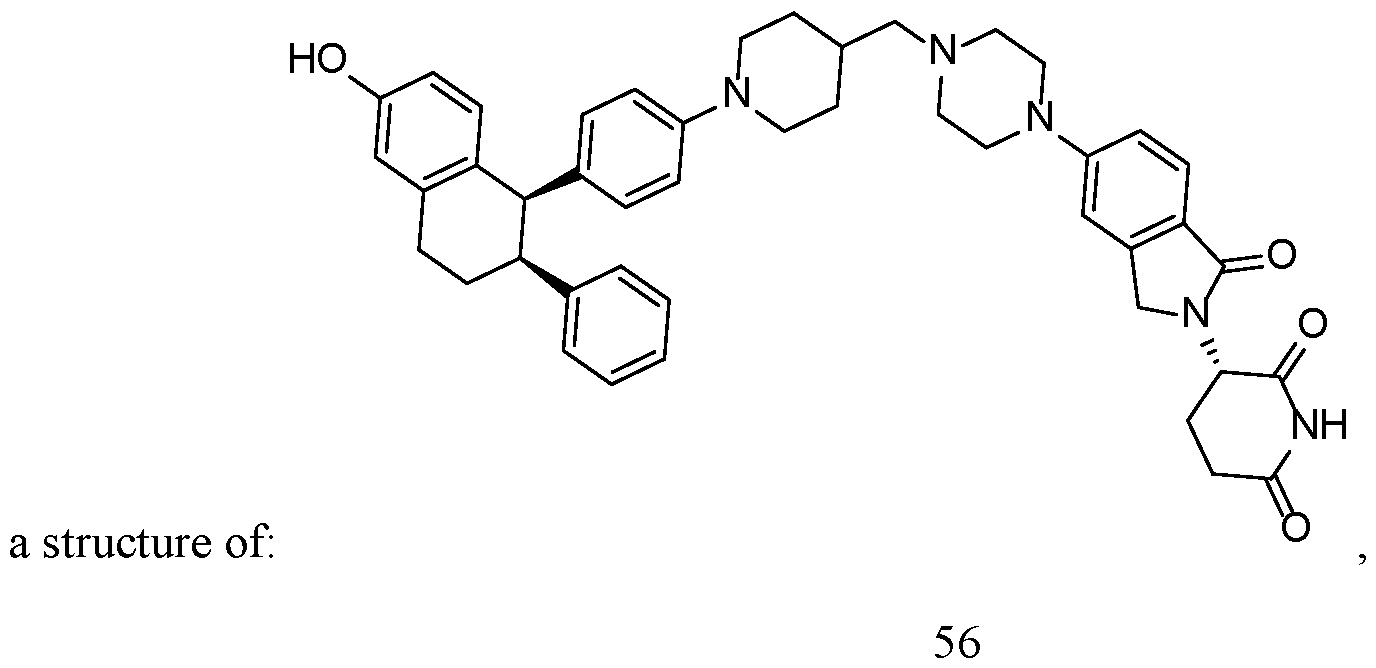 in combination with a selective CDK7 inhibitor.
27. The method of claim 26, wherein a daily dose of Compound A is administered to the subject.
28. The method of claim 27, wherein the daily dose is 200 mg.
29. The method of any one of claims 26 to 28, wherein Compound A and the selective CDK7 inhibitor are administered concurrently or sequentially.
30. The method of any one of claims 26 to 29, wherein the dose of Compound A is administered once per day (QD).
31. The method of any one of claims 26 to 30, wherein the dose of Compound A is administered orally to the subject.
32. The method of any one of claims 26 to 31 , wherein the subject is in a fed state.
33. The method of any one of claims 26 to 32, wherein the selective CDK7 inhibitor is samuraciclib, or pharmaceutically acceptable salt thereof.
34. The method of claim 33, wherein a dose of samuraciclib, or pharmaceutically acceptable salt thereof, is administered to the subject, once a day.
35. The method of claim 34, wherein the dose of samuraciclib, or pharmaceutically acceptable salt thereof, is 240 mg.
36. The method of claim 34, wherein the dose of samuraciclib, or pharmaceutically acceptable salt thereof, is 360 mg.
37. The method of any one of claims 33 to 36, wherein Compound A is administered daily in 28-day cycles and samuraciclib, or a pharmaceutically acceptable salt thereof, is administered once a day for each 28-day cycle.
38. The method of any one of claims 26 to 32, wherein the selective CDK7 inhibitor is samuraciclib.
39. The method of claim 38, wherein a dose of samuraciclib is administered to the subject, once a day.
40. The method of claim 39, wherein the dose of samuraciclib is 240 mg.
41. The method of claim 39, wherein the dose of samuraciclib is 360 mg.
42. The method of any one of claims 38 to 41, wherein Compound A is administered daily in
28-day cycles and samuraciclib is administered once a day for each 28-day cycle.
43. The method of any one of claims 26 to 42, wherein the cancer is breast cancer, lung cancer, colon cancer, brain cancer, head and neck cancer, prostate cancer, stomach cancer, pancreatic cancer, ovarian cancer, melanoma, endocrine cancer, uterine cancer, testicular cancer, or bladder cancer.
44. The method of claim 43, wherein the cancer is breast cancer, lung cancer, prostate cancer, pancreatic cancer, or ovarian cancer.
45. The method of claim 43, wherein the cancer is breast cancer, lung cancer, or prostate cancer.
46. The method of claim 43, wherein the cancer is breast cancer.
47. The method of claim 46, wherein the breast cancer is metastatic or locally advanced.
48. The method of claim 46 or 47, wherein the breast cancer is estrogen receptor positive (ER+) breast cancer.
49. The method of claim 48, wherein the estrogen receptor positive (ER+) breast cancer is human epidermal growth factor receptor 2 negative (HER2 ).
50. The method of any one of claims 26 to 49, wherein the subject is human.
Applications Claiming Priority (2)
| Application Number | Priority Date | Filing Date | Title |
|---|---|---|---|
| US202363523455P | 2023-06-27 | 2023-06-27 | |
| US63/523,455 | 2023-06-27 |
Publications (1)
| Publication Number | Publication Date |
|---|---|
| WO2025006569A1 true WO2025006569A1 (en) | 2025-01-02 |
Family
ID=92214381
Family Applications (1)
| Application Number | Title | Priority Date | Filing Date |
|---|---|---|---|
| PCT/US2024/035566 Ceased WO2025006569A1 (en) | 2023-06-27 | 2024-06-26 | Combinations of estrogen receptor degraders and cdk7 inhibitors for the treatment of cancer |
Country Status (2)
| Country | Link |
|---|---|
| TW (1) | TW202500147A (en) |
| WO (1) | WO2025006569A1 (en) |
Citations (3)
| Publication number | Priority date | Publication date | Assignee | Title |
|---|---|---|---|---|
| WO2015124941A1 (en) | 2014-02-21 | 2015-08-27 | Cancer Research Technology Limited | Pyrazolo[1,5-a]pyrimidine-5,7-diamine compounds as cdk inhibitors and their therapeutic use |
| WO2018102725A1 (en) | 2016-12-01 | 2018-06-07 | Arvinas, Inc. | Tetrahydronaphthalene and tetrahydroisoquinoline derivatives as estrogen receptor degraders |
| WO2021041348A1 (en) | 2019-08-26 | 2021-03-04 | Arvinas Operations, Inc. | Methods of treating breast cancer with tetrahydronaphthalene derivatives as estrogen receptor degraders |
-
2024
- 2024-06-26 WO PCT/US2024/035566 patent/WO2025006569A1/en not_active Ceased
- 2024-06-26 TW TW113123878A patent/TW202500147A/en unknown
Patent Citations (9)
| Publication number | Priority date | Publication date | Assignee | Title |
|---|---|---|---|---|
| WO2015124941A1 (en) | 2014-02-21 | 2015-08-27 | Cancer Research Technology Limited | Pyrazolo[1,5-a]pyrimidine-5,7-diamine compounds as cdk inhibitors and their therapeutic use |
| US9932344B2 (en) | 2014-02-21 | 2018-04-03 | Cancer Research Technology Limited | Pyrazolo[1,5-A]pyrimidine-5,7-diamine compounds as CDK inhibitors and their therapeutic use |
| US10414772B2 (en) | 2014-02-21 | 2019-09-17 | Imperial Innovations Limited | Pyrazolo[1,5-A]pyrimidine-5,7-diamine compounds as CDK inhibitors and their therapeutic use |
| US10927119B2 (en) | 2014-02-21 | 2021-02-23 | Ip2Ipo Innovations Limited | Pyrazolo[1,5-a]pyrimidine-5,7-diamine compounds as CDK inhibitors and their therapeutic use |
| WO2018102725A1 (en) | 2016-12-01 | 2018-06-07 | Arvinas, Inc. | Tetrahydronaphthalene and tetrahydroisoquinoline derivatives as estrogen receptor degraders |
| US10647698B2 (en) | 2016-12-01 | 2020-05-12 | Arvinas Operations, Inc. | Tetrahydronaphthalene and tetrahydroisoquinoline derivatives as estrogen receptor degraders |
| US10899742B1 (en) | 2016-12-01 | 2021-01-26 | Arvinas Operations, Inc. | Tetrahydronaphthalene and tetrahydroisoquinoline derivatives as estrogen receptor degraders |
| US11104666B2 (en) | 2016-12-01 | 2021-08-31 | Arvinas Operations, Inc. | Tetrahydronaphthalene and tetrahydroisoquinoline derivatives as estrogen receptor degraders |
| WO2021041348A1 (en) | 2019-08-26 | 2021-03-04 | Arvinas Operations, Inc. | Methods of treating breast cancer with tetrahydronaphthalene derivatives as estrogen receptor degraders |
Non-Patent Citations (23)
| Title |
|---|
| AKHTAR ET AL.: "TFIIH kinase places bivalent marks on the carboxy-terminal domain of RNA polymerase II", MOL. CELL, vol. 34, 2009, pages 387 - 93 |
| COOMBES R. C. ET AL: "Dose escalation and expansion cohorts in patients with advanced breast cancer in a Phase I study of the CDK7-inhibitor samuraciclib", NATURE COMMUNICATIONS, vol. 14, no. 1, 24 July 2023 (2023-07-24), UK, XP093202741, ISSN: 2041-1723, DOI: 10.1038/s41467-023-40061-y * |
| CORDON-CARDO C: "Mutations of cell cycle regulators: biological and clinical implications for human neoplasia", AM. J. PATHOL., vol. 147, 1995, pages 545 - 560, XP008005329 |
| DESAI ET AL.: "Effects of phosphorylation by CAK on cyclin binding by CDCl and CDK2", MOL. CELL BIOL., vol. 15, 1995, pages 345 - 350, XP002405789 |
| DRAPKIN ET AL.: "Human cyclin-dependent kinase-activating kinase exists in three distinct complexes", PROC. NATL. ACAD. SCI. U.S.A., vol. 93, 1996, pages 6488 - 93 |
| FORNARI CWANG DMOLLARD SBRAMHALL JLRICHARDS FM ET AL.: "Combenefit: an interactive platform for the analysis and visualization of drug combinations", BIOINFORMATICS, vol. 32, 2016, pages 2866 - 8 |
| GARG ET AL., CURR ONCOL., vol. 22, no. 5, October 2015 (2015-10-01), pages 409 - 10 |
| GLOVER-CUTTER ET AL.: "TFIIH-associated CDK7 kinase functions in phosphorylation of C-terminal domain Ser7 residues, promoter-proximal pausing, and termination by RNA polymerase II", MOL. CELL BIOL., vol. 29, 2009, pages 5455 - 64 |
| GUARDUCCI C ET AL: "Abstract PD7-12: Inhibition of CDK7 overcomes resistance to CDK4/6 inhibitors in hormone receptor positive breast cancer cells", CANCER RESEARCH, vol. 79, 15 February 2019 (2019-02-15), pages PD7 - 12, XP093202750, DOI: 10.1158/1538-7445.SABCS18-PD7-12 * |
| HALL MPETERS G: "Genetic alterations of cyclins, cyclin-dependent kinases, and CDK inhibitors in human cancer", ADV. CANCER RES., vol. 68, 1996, pages 67 - 108 |
| HETAL PATEL ET AL: "ICEC0942, an Orally Bioavailable Selective Inhibitor of CDK7 for Cancer Treatment", MOLECULAR CANCER THERAPEUTICS, vol. 17, no. 6, 15 March 2018 (2018-03-15), US, pages 1156 - 1166, XP055590768, ISSN: 1535-7163, DOI: 10.1158/1535-7163.MCT-16-0847 * |
| JOHNSON DGWALKER CL.: "Cyclins and Cell Cycle Checkpoints", ANNU. REV. PHARMACOL. TOXICOL., vol. 39, 1999, pages 295 - 312 |
| KALDIS ET AL.: "Analysis of CAK activities from human cells", EUR. J. BIOCHEM., vol. 267, 2000, pages 4213 - 21 |
| KARP JEBRODER S: "Molecular foundations of cancer: new targets for intervention", NAT. MED., vol. 1, 1995, pages 309 - 20, XP037115720, DOI: 10.1038/nm0495-309 |
| LAROCHELLE ET AL.: "Requirements for CDK7 in the assembly of CDK1/cyclin B and activation of CDK2 revealed by chemical genetics in human cells", MOL. CELL, vol. 25, 2007, pages 839 - 50 |
| LIU. ET AL.: "Two cyclin-dependent kinases promote RNA polymerase II transcription and formation of the scaffold complex", MOL. CELL BIOL., vol. 24, 2004, pages 1721 - 35 |
| MORGAN DO: "Cyclin-dependent kinases: engines, clocks, and microprocessors", ANNU. REV. CELL. DEV. BIOL., vol. 13, 1997, pages 261 - 91, XP008121072, DOI: 10.1146/annurev.cellbio.13.1.261 |
| QIN HUI ET AL: "Overview of PROTACs Targeting the Estrogen Receptor: Achievements for Biological and Drug Discovery", CURRENT MEDICINAL CHEMISTRY, vol. 29, no. 22, 1 July 2022 (2022-07-01), NL, pages 3922 - 3944, XP093099169, ISSN: 0929-8673, DOI: 10.2174/0929867328666211110101018 * |
| SERIZAWA. ET AL.: "Association of CDK-activating kinase subunits with transcription factor TFIIH", NATURE, vol. 374, 1995, pages 280 - 82 |
| SHIEKHATTAR ET AL.: "CDK-activating kinase complex is a component of human transcription factor TFIIH", NATURE, vol. 374, 1995, pages 283 - 87 |
| SNYDER LAWRENCE B: "The Discovery of ARV-471, an Orally Bioavailable Estrogen Receptor Degrading PROTAC for the Treatment of Patients with Breast Cancer", AACR ANNUAL MEETING 2021, 21 May 2021 (2021-05-21), XP093202706, Retrieved from the Internet <URL:https://s3.us-east-1.amazonaws.com/arvinas-assets.investeddigital.com/scientific-publications/AACR21_ARV471_Structure_Disclosure_2021-08-06-014540_nkje.pdf> [retrieved on 20240906] * |
| STAHLWERMUTH: "Handbook of Pharmaceutical Salts: Properties, Selection, and Use", 2002, WILEY-VCH |
| W. A. WEBER, J. NUCL. MED., vol. 50, 2009, pages 1S - 108 |
Also Published As
| Publication number | Publication date |
|---|---|
| TW202500147A (en) | 2025-01-01 |
Similar Documents
| Publication | Publication Date | Title |
|---|---|---|
| RU2492864C2 (en) | Method of treating cancer carrying egfr mutations | |
| US20190275049A1 (en) | Combination of an EGFR T790M Inhibitor and a CDK Inhibitor for the Treatment of Non-Small Cell Lung Cancer | |
| TWI866427B (en) | Dosage regimens of estrogen receptor degraders | |
| US20240016781A1 (en) | Treatment of kras mutant cancers | |
| US20200281923A1 (en) | Use of parp inhibitor in treating chemotherapy-resistant ovarian cancer or breast cancer | |
| US20120308562A1 (en) | Methods of treating mesothelioma with a pi3k inhibitor compound | |
| US20240180906A1 (en) | Combination of Talazoparib and an Anti-Androgen for the Treatment of DDR Gene Mutated Metastatic Castration-Sensitive Prostate Cancer | |
| WO2023031798A1 (en) | Dosing regimen for a tead inhibitor | |
| WO2024167904A1 (en) | Dosage regimens of estrogen receptor degraders in combination with an mtor inhibitor | |
| EP4719399A1 (en) | Combinations of estrogen receptor degraders and akt inhibitors | |
| WO2017164887A1 (en) | Pulse dosing regimen and methods for treatment | |
| TW202500147A (en) | Combinations of estrogen receptor degraders and cdk7 inhibitors | |
| TWI915832B (en) | Combinations of estrogen receptor degraders and cdk4 inhibitors | |
| WO2024206147A1 (en) | Dosage regimens of estrogen receptor degraders | |
| HK40127185A (en) | Dosage regimens of estrogen receptor degraders | |
| US20260069588A1 (en) | Vepdegestrant for use in treating cancer | |
| WO2025229127A1 (en) | A halogenated-heteroaryl kinase inhibitor for treating soft tissue sarcoma and vascular tumors | |
| WO2024049922A1 (en) | Vepdegestrant for use in treating cancer | |
| JP2025540124A (en) | How to Treat Breast Cancer | |
| WO2024015506A1 (en) | Methods of treating estrogen receptor-mediated disorders | |
| WO2025122470A1 (en) | Combination therapies for treatment of breast cancer | |
| AU2024304092A1 (en) | Use of akt inhibitor in preparation of drug for preventing or treating breast cancer | |
| WO2022191870A1 (en) | Treating cancer in patient having co-occurring genetic alteration in fgfr2 and a cancer driver gene | |
| TW201325592A (en) | Phosphatidylinositol 3-kinase inhibitors for the treatment of cancer |
Legal Events
| Date | Code | Title | Description |
|---|---|---|---|
| 121 | Ep: the epo has been informed by wipo that ep was designated in this application |
Ref document number: 24751856 Country of ref document: EP Kind code of ref document: A1 |
|
| NENP | Non-entry into the national phase |
Ref country code: DE |
|
| 122 | Ep: pct application non-entry in european phase |
Ref document number: 24751856 Country of ref document: EP Kind code of ref document: A1 |