WO2025005074A1 - Therapeutic agent for nonalcholic stetohepatitis - Google Patents
Therapeutic agent for nonalcholic stetohepatitis Download PDFInfo
- Publication number
- WO2025005074A1 WO2025005074A1 PCT/JP2024/022947 JP2024022947W WO2025005074A1 WO 2025005074 A1 WO2025005074 A1 WO 2025005074A1 JP 2024022947 W JP2024022947 W JP 2024022947W WO 2025005074 A1 WO2025005074 A1 WO 2025005074A1
- Authority
- WO
- WIPO (PCT)
- Prior art keywords
- nash
- opc
- pharmaceutically acceptable
- liver
- acceptable salt
- Prior art date
- Legal status (The legal status is an assumption and is not a legal conclusion. Google has not performed a legal analysis and makes no representation as to the accuracy of the status listed.)
- Ceased
Links
Classifications
-
- A—HUMAN NECESSITIES
- A61—MEDICAL OR VETERINARY SCIENCE; HYGIENE
- A61P—SPECIFIC THERAPEUTIC ACTIVITY OF CHEMICAL COMPOUNDS OR MEDICINAL PREPARATIONS
- A61P1/00—Drugs for disorders of the alimentary tract or the digestive system
- A61P1/16—Drugs for disorders of the alimentary tract or the digestive system for liver or gallbladder disorders, e.g. hepatoprotective agents, cholagogues, litholytics
-
- A—HUMAN NECESSITIES
- A61—MEDICAL OR VETERINARY SCIENCE; HYGIENE
- A61K—PREPARATIONS FOR MEDICAL, DENTAL OR TOILETRY PURPOSES
- A61K31/00—Medicinal preparations containing organic active ingredients
- A61K31/33—Heterocyclic compounds
- A61K31/395—Heterocyclic compounds having nitrogen as a ring hetero atom, e.g. guanethidine or rifamycins
- A61K31/41—Heterocyclic compounds having nitrogen as a ring hetero atom, e.g. guanethidine or rifamycins having five-membered rings with two or more ring hetero atoms, at least one of which being nitrogen, e.g. tetrazole
- A61K31/425—Thiazoles
- A61K31/427—Thiazoles not condensed and containing further heterocyclic rings
-
- A—HUMAN NECESSITIES
- A61—MEDICAL OR VETERINARY SCIENCE; HYGIENE
- A61P—SPECIFIC THERAPEUTIC ACTIVITY OF CHEMICAL COMPOUNDS OR MEDICINAL PREPARATIONS
- A61P29/00—Non-central analgesic, antipyretic or antiinflammatory agents, e.g. antirheumatic agents; Non-steroidal antiinflammatory drugs [NSAID]
-
- A—HUMAN NECESSITIES
- A61—MEDICAL OR VETERINARY SCIENCE; HYGIENE
- A61P—SPECIFIC THERAPEUTIC ACTIVITY OF CHEMICAL COMPOUNDS OR MEDICINAL PREPARATIONS
- A61P3/00—Drugs for disorders of the metabolism
- A61P3/06—Antihyperlipidemics
Definitions
- the present invention relates to a therapeutic agent for nonalcholic stetohepatitis (NASH).
- NASH nonalcholic stetohepatitis
- Nonalcoholic fatty liver disease is a liver disease which mainly comprises the fatty liver excluding such causes as alcoholic liver disease, viral liver disease, and drug-induced liver injury.
- NAFLD is estimated to affect 25% of the adult population worldwide (NPL 1).
- NASH Nonalcoholic steatohepatitis
- NASH is a serious medical and public health burden due to the high mortality rate from liver-related and cardiovascular events (NPL 2).
- NAFLD metabolic dysfunction-associated steatotic liver disease
- MASH metabolic dysfunction-associated steatohepatitis
- NASH simple fatty liver
- NPLs 4, 5 simple fatty liver
- Pathological diagnosis by liver biopsy is considered essential for the differential diagnosis. It is reported that 59% of patients undergoing liver biopsy are diagnosed with NASH. The estimated prevalence of NASH ranges from 1.5% to 6.45% (NPL1).
- NASH is characterized by inflammation with hepatocellular damage caused by intrahepatic fat. Therefore, it is proposed to score steatosis, lobular inflammation, and ballooning of hepatocytes in liver biopsy specimens, and to evaluate the sum of these scores as the NAFLD Activity Score (NAS) as a representative index of pathological diagnostic criteria. NASH is further classified according to the stage of fibrosis, as most cases show fibrosis of the liver. The stage of fibrosis is strongly associated with both total and liver-related mortality, and thus it is important to assess the degree of liver fibrosis (NPLs 4-6).
- NAS NAFLD Activity Score
- NPL1 type 2 diabetes mellitus, obesity, hypertension, dyslipidemia, and others. These complications increase cardiovascular risks and are also associated with the progression of liver-related pathologies (NPL 7).
- NASH has significant medical economic impacts on the world. While the FDA approved Rezdiffra (resmetirom) on 14 March 2024 as the first treatment for adult NASH with fibrosis (NPL 8), there remains a significant unmet medical need for the disease.
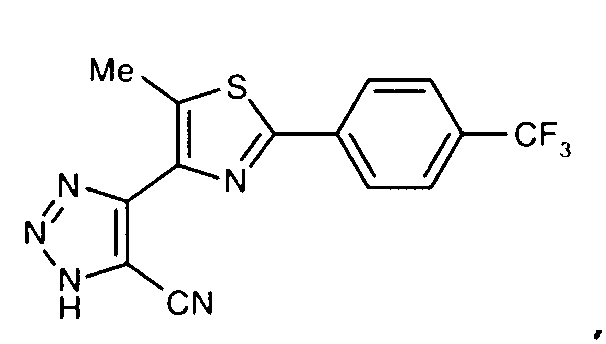
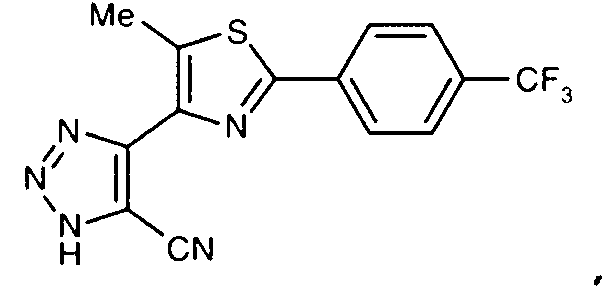
- PTL 1 discloses 5-[5-methyl-2-(4-trifluoromethyl-phenyl)-thiazol-4-yl]-3H-[1,2,3]triazole-4-carbonitrile, represented by the following structural formula: as an example of a compound that ameliorates hyperglycemia by promoting citric acid cycle activity.
- NPL 9 also describes that the above compound (“OPC-163493" in the literature) is a novel mitochondrial uncoupling agent targeting liver, and describes by the experimental results that it showed potent anti-diabetic effects in several animal diabetes models, whether type 2 or type 1 diabetes, that it reduced blood pressure in stroke-prone spontaneously hypertensive rats (SHRSP), delaying the onset of stroke-related symptoms and extending survival, that it also showed an ameliorative effect on renal dysfunction such as albuminuria in SHRSP, and that OPC-163493 exerted the beneficial effects on blood vessels by increasing the bioavailability of nitric oxide in the vascular endothelium. Furthermore, OPC-163493 is also known to possess a high safety profile (NPL 10).
- NPL 1 Younossi, Z. M., et al. Global epidemiology of nonalcoholic fatty liver disease-Meta-analytic assessment of prevalence, incidence, and outcomes. Hepatology 2016, 64, 73-84.
- NPL 2 Younossi, Z. M., et al. The economic and clinical burden of nonalcoholic fatty liver disease in the United States and Europe. Hepatology 2016, 64, 1577-1586.
- NPL 3 Rinella ME, et al. A multi-society Delphi consensus statement on new fatty liver disease nomenclature.
- the problem of the present invention is to provide a safe and effective therapeutic agent for NASH.
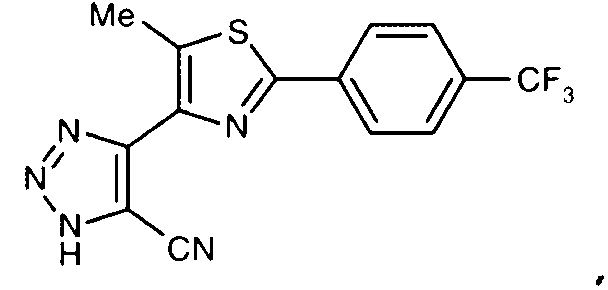
- the inventors of the present invention found that 5-[5-methyl-2-(4-trifluoromethyl-phenyl)-thiazol-4-yl]-3H-[1,2,3]triazole-4-carbonitrile (hereinafter referred to as "OPC-163493”), represented by the following structural formula: has hepatoprotective, fatty liver ameliorative, NASH pathology ameliorative, antifibrotic, and hepatomegaly inhibitory effects in NASH model mice from doses lower than those at which antidiabetic effects are observed, thereby leading to the completion of the present invention. Namely, the present invention includes the following embodiments.
- a therapeutic, preventative and/or diagnostic medicament for NASH comprising OPC-163493 or a pharmaceutically acceptable salt thereof.
- a therapeutic, preventative and/or diagnostic pharmaceutical composition for NASH comprising OPC-163493 or a pharmaceutically acceptable salt thereof.
- a method for treating, preventing and/or diagnosing NASH in a subject which comprises administering to the subject an effective amount of OPC-163493 or a pharmaceutically acceptable salt thereof.
- OPC-163493 or a pharmaceutically acceptable salt thereof in the present invention has hepatoprotective, fatty liver ameliorative, NASH pathology ameliorative, antifibrotic, and hepatomegaly inhibitory effects from doses lower than those at which antidiabetic effects are observed. Through such effects, the compound can exert a more potent therapeutic effect on NASH than conventional agents. Thus, the present invention can provide a safe and effective therapeutic agent for NASH.
- FIG. 1 Figure 1 shows the concentration of alanine aminotransferase (ALT) in blood after administration of each test compound.
- Figure 2 shows the NAS (NAFLD activity score) after administration of each test compound.
- Figure 3a shows steatosis after administration of each test compound, and Figure 3b shows ballooning after administration of each test compound.
- Figure 4 shows the fibrosis area after administration of each test compound.
- Figure 5a shows the liver weight after administration of each test compound, and Figure 5b shows the liver weight/body weight ratio (LW/BW) after administration of each test compound.
- NASH Nonalcoholic steatohepatitis
- NAS nonalcoholic steatohepatitis
- NASH is particularly one that can be treated, prevented and/or diagnosed by the pharmacological effects (hepatoprotective, fatty liver ameliorative, NASH pathology ameliorative, antifibrotic, and hepatomegaly inhibitory effects) of OPC-163493 or a pharmaceutically acceptable salt thereof, and that is difficult to be treated, etc. with the other compounds.
- Such NASH can be identified, for example, by confirming that in a subject who is or may be suffering from NASH, the administration of OPC-163493 or a pharmaceutically acceptable salt thereof is effective whereas that of the other NASH-developing compounds (e.g., obeticholic acid) are ineffective.
- treat means to treat a disease condition in a subject (patient), including to inhibit (e.g., inhibit or delay progression), alleviate, lighten, ameliorate, cure a disease condition, and the like.
- prevent means to substantially prevent or delay the occurrence (onset or expression) of a disease state, including to reduce the risk of occurrence.
- diagnosis means to determine (judge) a disease state in a subject (patient), including to determine whether the subject (patient) has a disease, to determine the degree or progression of the disease state, to determine the effectiveness of treatment for the disease, to determine whether there is a risk of recurrence of the disease after treatment, and the like.
- subject refers to a human or non-human mammal (e.g., monkey, chimpanzee, muntjac, dog, cat, pig, cow, sheep, goat, mouse, rat, guinea pig, etc.).
- a human or non-human mammal e.g., monkey, chimpanzee, muntjac, dog, cat, pig, cow, sheep, goat, mouse, rat, guinea pig, etc.
- OPC-163493 or a pharmaceutically acceptable salt thereof can be synthesized, for example, by the process described in WO 2015/008872 A1.
- OPC-163493 comprises three tautomers in the triazole moiety.
- the structural formula above shows one tautomer of OPC-163493, and OPC-163493 is not limited to, but also includes the other two tautomers.
- OPC-163493 can readily form a pharmaceutically acceptable salt with common pharmaceutically acceptable acids because of its basic group.
- acids include inorganic acids (e.g., hydrochloric acid, hydrobromic acid, nitric acid, sulfuric acid, phosphoric acid, etc.); and organic acids (e.g., methanesulfonic acid, p-toluenesulfonic acid, acetic acid, citric acid, tartaric acid, maleic acid, fumaric acid, malic acid, lactic acid, etc.); and the like.
- OPC-163493 can readily form a pharmaceutically acceptable salt by reacting with pharmaceutically acceptable basic compounds because of its acidic group.
- bases include inorganic bases (e.g., sodium hydroxide, potassium hydroxide, calcium hydroxide, sodium carbonate, potassium carbonate, sodium hydrogen carbonate, potassium hydrogen carbonate, etc.); and organic bases (e.g., methylamine, diethylamine, trimethylamine, triethylamine, ethanolamine, diethanolamine, triethanolamine, ethylenediamine, tris(hydroxymethyl)methylamine, dicyclohexylamine, N,N'-dibenzylethylenediamine, guanidine, pyridine, picoline, choline, etc.); and ammonium salts; and the like.
- OPC-163493 may form a salt with amino acids, for example, lysine, arginine, aspartic acid, glutamic acid, and the like.
- OPC-163493 and a pharmaceutically acceptable salt thereof also encompass each of its various solvates (e.g., hydrates, ethanolates, etc.) and crystalline polymorphs.
- OPC-163493 and a pharmaceutically acceptable salt thereof may be a co-crystal or a co-crystal salt.
- a "co-crystal” or “co-crystal” salt herein means a crystalline substance composed of two or more molecules, unique solids at room temperature, each having different physical properties (e.g., structure, melting point, heat of melting, etc.). Co-crystal and co-crystal salts can be produced by applying known co-crystallization methods.
- OPC-163493 also encompasses isotope-labeled compounds that are identical to OPC-163493 except those one or more atoms are replaced by one or more atoms having a specific atomic mass or mass number.
- isotope that can be incorporated into OPC-163493 encompass hydrogen, carbon, nitrogen, oxygen, sulfur, and fluorine isotopes such as 2 H, 3 H, 13 C, 14 C, 15 N, 18 O, 17 O, and 18 F, respectively.
- Certain isotope-labeled OPC-163493 containing the above isotopes and/or other isotopes of other atoms (e.g., the compounds incorporating radioisotopes such as 3 H and 14 C), is useful in drug tissue distribution assay and/or substrate tissue distribution assay. Tritiated (i.e., 3 H) and carbon-14 (i.e., 14 C) isotopes are particularly preferred due to the ease of their preparation and detectability. In addition, substitution by heavier isotopes, such as deuterium (i.e., 2 H), can be expected to provide certain therapeutic benefits due to improvements in metabolic stability (e.g., increases in in vivo half-life or decreases in dose requirements).
- An isotopically labeled compound of OPC-163493 can be prepared by replacing a non-isotopically labeled reagent with a readily available isotopically labeled reagent in the OPC-163493 production process.
- compositions comprising OPC-163493 or a pharmaceutically acceptable salt thereof (hereinafter referred to as “the compound” unless otherwise noted) as active ingredient.
- compositions are formulations of the compound in the form of ordinary pharmaceutical compositions, and are prepared using commonly used carriers, diluents and/or excipients such as fillers, bulking agents, binders, humectants, disintegrants, surface active agents and lubricants (also together referred to as “pharmaceutically acceptable carriers” in the description).
- compositions can be selected from a variety of forms according to the therapeutic purpose, and representative examples include tablets, pills, powder, liquid, suspension, emulsion, granules, capsules, suppositories, injections (liquid, suspension, etc.), and the like.
- a wide range of known carriers can be used when molding into tablet form, and examples include excipients such as lactose, white sugar, sodium chloride, dextrose, urea, starch, calcium carbonate, kaolin, crystalline cellulose; binding agents such as water, ethanol, propanol, single syrup, dextrose solution, starch solution, gelatin solution, carboxymethylcellulose, shellac, methylcellulose, potassium phosphate, polyvinylpyrrolidone; disintegrants such as dried starch, sodium alginate, agar powder, laminaran powder, sodium bicarbonate, calcium carbonate, polyoxyethylene sorbitan fatty acid esters, sodium lauryl sulfate, monoglycerides of stearic acid, starch, lactose; disintegration inhibitors such as white sugar, stearic acid, cocoa butter, hydrogenated oil; absorption enhancers such as quaternary ammonium base, sodium lauryl sulfate; moisturizers such as g
- the tablets can be coated with ordinary coating materials as needed, for example, sugar-coated, gelatin-coated, enteric-coated, film-coated, or double- or multilayered tablets.
- a wide range of known carriers can be used when molding into pill form, and examples include excipients such as glucose, lactose, starch, cocoa fat, hardened vegetable oil, kaolin, talc; binding agents such as gum arabic powder, tragacanth powder, gelatin, ethanol; disintegrants such as laminaran, agar; and the like.
- a wide range of known carriers can be used when molding into suppository forms, and examples include polyethylene glycol, cocoa fat, higher alcohol, esters of higher alcohol, gelatin, semi-synthetic glyceride, and the like.
- the liquid, emulsion and suspension are sterilized and preferably isotonic to blood.
- a wide range of known carriers can be used when molding into such liquid, emulsion and suspension forms, and examples include water, ethanol, propylene glycol, ethoxylated isostearyl alcohol, polyoxylated isostearyl alcohol, polyoxyethylene sorbitan fatty acid esters, and the like.
- a sufficient amount of salt, glucose or glycerin may be included in the pharmaceutical formulation to prepare an isotonic solution, and the usual dissolution aid, buffer, painless agent, etc., and if necessary, coloring, preservative, flavoring, flavoring, sweetening agent, etc., and/or another pharmaceutical may be included.
- the amount of the compound contained in a pharmaceutical composition is not particularly limited and can be selected from a wide range, but it is usually preferable to include 1 to 70% by weight of the compound in a pharmaceutical composition.
- compositions are administered in various dose forms and/or in a method appropriate to the age, sex, disease state, and other conditions of a subject (especially human).
- a subject especially human
- they are administered orally.
- injection forms they can be administered intravenously alone or in combination with a normal supplement such as glucose or amino acid, or even administered intramuscularly, intradermally, subcutaneously, or intraperitoneally, as needed.
- suppository form they are administered intrarectally.
- the dose of the above pharmaceutical compositions may be selected according to their direction and/or the age, sex, extent of disease, and other conditions of the subject (especially humans), and is typically about 0.001 to 100 mg, preferably about 0.001 to 50 mg per 1 kg of body weight per day, divided into one to several doses.
- the above dose varies according to various conditions, and therefore, in some cases, a dose lower than the above range may be sufficient, while in other cases, a dose higher than the above range may be necessary.
- the present compound possesses excellent hepatoprotective, fatty liver ameliorative, NASH pathology ameliorative, antifibrotic, and hepatomegaly inhibitory effects, as shown in the examples below.
- the above “hepatoprotective effects” herein include the effect of decreasing the concentration of ALT in the blood.
- the above “NASH pathology ameliorative effects” include the effect of reducing NAS.
- the above “fatty liver ameliorative effects” include the effect of decreasing steatosis.
- antifibrotic effects include the effect of inhibiting the expansion of fibrosis area.
- hepatomegaly inhibitory effects include the effect of decreasing liver weight. The compound has these effects from doses lower than those at which antidiabetic effects are observed.
- the compound can exert a more potent therapeutic effect on NASH than conventional agents.
- the dose of this compound (OPC) to achieve an effect equivalent to that achieved with a given dose of obeticholic acid (OCA), which has been proven to ameliorate NASH is significantly lower than the dose of OCA.
- OCA obeticholic acid
- NPL 9 an excellent safety profile
- the present invention provides a medicament for the treatment, prevention and/or diagnosis of NASH, comprising the compound as active ingredient.
- the present invention also provides a hepatoprotective agent comprising the compound as active ingredient.
- the present invention also provides fatty liver ameliorative agent comprising the compound as active ingredient.
- the present invention also provides a NASH pathology ameliorative agent comprising the compound as active ingredient.
- the present invention also provides antifibrotic agent comprising the compound as active ingredient.
- the present invention also provides a hepatomegaly inhibitory agent comprising the compound as active ingredient.
- the present invention also provides a therapeutic, preventative and/or diagnostic pharmaceutical composition for NASH, comprising the compound as active ingredient and a pharmaceutically acceptable carrier or excipient.
- the present invention also provides the compound for use in the treatment, prevention and/or diagnosis of NASH.
- the present invention also provides use of the compound in the manufacture of a therapeutic, preventative and/or diagnostic medicament or pharmaceutical composition for NASH.
- the present invention also provides a method for treating, preventing and/or diagnosing NASH, which comprises administering to the subject an effective amount of the compound.
- Example 1 The present compound OPC-163493 (OPC) was synthesized by the process described in WO 2015/008872 A1.
- the control compound obeticholic acid (6-ethyl-kenodeoxycholic acid, OCA) was purchased from Fujifilm Wako Pure Chemicals Co. Each test compound was prepared in 5% gum arabic solution to 10 mL/kg for each dose.
- the STAM mouse model used to evaluate the test compounds is an animal model that exhibits disease progression similar to that of human NASH, with a background of late-stage type 2 diabetes and the disease progressing in the following order: fatty liver, NASH, fibrosis, cirrhosis, and liver cancer.
- mice Two-day-old C57BL/6J male mice were subcutaneously administered 200 ⁇ g/body of streptozotocin. At 4 weeks of age, mice were fed high-fat diet (57% fat, HFD32; Nippon Crea Co., Ltd.) replaced with normal diet to generate NASH-induced STAM mice. At 6 weeks of age, they were divided into groups based on body weight as an indicator.
- high-fat diet 57% fat, HFD32; Nippon Crea Co., Ltd.
- the groups consisted of the following 6 groups: 8 normal mice without streptozotocin (Normal), 8 NASH-induced STAM mice/vehicle (Vehicle; 5% gum arabic solution), 8 STAM mice/low dose of OPC (OPC-L; 0.6 mg/kg/day), 8 STAM mice/OPC medium dose (OPC-M; 2 mg/kg/day), 8 STAM mice/OPC high dose (OPC-H; 6 mg/kg/day), and 8 STAM mice/OCA (20 mg/kg/day).
- OPC OPC
- Each dose per time was 0.3 mg/kg for the low OPC dose, 1 mg/kg for the medium OPC dose, 3 mg/kg for the high OPC dose, and 10 mg/kg for the OCA dose, respectively.
- their body weights were measured daily before the first dose and were reflected in the daily doses. No individual was found to drop out of the study in health state observation during the administration period, and autopsies were performed on all cases the day after the last dose. At necropsy, the animals were killed by exsanguination after blood collection by cardiac puncture under isoflurane anesthesia.
- the collected whole blood was transferred into a heparin (Novoheparin; Mochida Pharmaceutical Co., Ltd.) treated polypropylene tube and centrifuged at 1000 g for 15 min at 4°C, then plasma was obtained.
- the plasma was stored at -80°C until ALT measurement.
- the liver was harvested, washed with cold saline, and weighed. Two pieces of liver tissue were cut from the left lateral lobe for pathology specimens.
- ALT in plasma was measured using a FUJI DRI-CHEM 7000 (Fujifilm).
- the sections of liver tissue were fixed in Bouin's solution for 24 hours and blocked by paraffin embedding to prepare section slides.
- HE-stain Lily-Meyer hematoxylin; Mutoh Chemical Co., Ltd., Eosin; Fujifilm Wako Pure Chemicals Co., Ltd.
- Sirius Red-stain Pichrosirius red; Fujifilm Wako Pure Chemicals Co., Ltd.
- NAS evaluation the three parameters (steatosis, intralobular inflammation, and ballooning of hepatocytes) were scored according to Kleiner's criteria (Kleiner, D. E., et al.
- Fibrosis area was measured by capturing images of a Sirius Red-stained section at 200x magnification in bright field with a digital camera (DFC295; Leica) and quantifying the positive area in 5 fields per section using ImageJ software (National Institute of Health).
- the OPC-treated group showed the same trend of decreased ballooning as the OCA-treated group.
- the STAM mouse group treated with vehicle (Vehicle) showed a 0.84% increase in fibrosis area from normal mice (Normal), while the OPC-treated group showed a significant fibrosis inhibition effect from the low dose to the same level as the OCA-treated group (antifibrotic effect).
- the STAM mouse group treated with vehicle (Vehicle) showed significant liver enlargement from normal mice (Normal), while the OPC-treated group showed a significant reduction in liver weight to the same extent as the OCA-treated group (hepatomegaly inhibitory effect).
- OPC showed NASH ameliorative effect from the dose of 0.6 mg/kg/day (minimum effective dose, MED), which was equivalent to that of OCA 20 mg/kg/day, which has been proven to ameliorate NASH in human clinical studies (Randomized Global Phase 3 Study to Evaluate the Impact on NASH With Fibrosis of Obeticholic Acid Treatment (REGENERATE), ClinicalTrials.gov:NCT02548351)(OCA/OPC dose ratio was 33-fold).
- MED minimum effective dose
- the present invention enables to provide OPC-163493 as a safe and effective therapeutic agent for NASH, a disease that is still a serious medical and public health burden with low treatment satisfaction and no therapeutic agent.
Landscapes
- Health & Medical Sciences (AREA)
- Veterinary Medicine (AREA)
- Chemical & Material Sciences (AREA)
- Medicinal Chemistry (AREA)
- Pharmacology & Pharmacy (AREA)
- Life Sciences & Earth Sciences (AREA)
- Animal Behavior & Ethology (AREA)
- General Health & Medical Sciences (AREA)
- Public Health (AREA)
- Chemical Kinetics & Catalysis (AREA)
- General Chemical & Material Sciences (AREA)
- Organic Chemistry (AREA)
- Nuclear Medicine, Radiotherapy & Molecular Imaging (AREA)
- Bioinformatics & Cheminformatics (AREA)
- Engineering & Computer Science (AREA)
- Hematology (AREA)
- Epidemiology (AREA)
- Obesity (AREA)
- Diabetes (AREA)
- Pain & Pain Management (AREA)
- Rheumatology (AREA)
- Gastroenterology & Hepatology (AREA)
- Pharmaceuticals Containing Other Organic And Inorganic Compounds (AREA)
Abstract
The present invention relates to a safe and effective therapeutic agent for nonalcoholic steatohepatitis (NASH), more specifically, a therapeutic, preventative and/or diagnostic medicament for NASH, comprising 5-[5-methyl-2-(4-trifluoromethyl-phenyl)-thiazol-4-yl]-3H-[1,2,3]triazole-4-carbonitrile, represented by the following structural formula or a pharmaceutically acceptable salt thereof.
Description
The present invention relates to a therapeutic agent for nonalcholic stetohepatitis (NASH).
Nonalcoholic fatty liver disease (NAFLD) is a liver disease which mainly comprises the fatty liver excluding such causes as alcoholic liver disease, viral liver disease, and drug-induced liver injury. NAFLD is estimated to affect 25% of the adult population worldwide (NPL 1). Nonalcoholic steatohepatitis (NASH), a progressive form of NAFLD, is a disease progressing in the following order: liver metabolic failure, cirrhosis, end-stage liver disease requiring liver transplantation and hepatocellular carcinoma. NASH is a serious medical and public health burden due to the high mortality rate from liver-related and cardiovascular events (NPL 2).
Recently, the terms NAFLD and NASH have been discouraged, and it has been recommended that the terms metabolic dysfunction-associated steatotic liver disease (MASLD) and metabolic dysfunction-associated steatohepatitis (MASH) are used, respectively, almost interchangeably (NPL 3).
Recently, the terms NAFLD and NASH have been discouraged, and it has been recommended that the terms metabolic dysfunction-associated steatotic liver disease (MASLD) and metabolic dysfunction-associated steatohepatitis (MASH) are used, respectively, almost interchangeably (NPL 3).
According to the NAFLD/NASH clinical practice guidelines 2020 of the Japanese Society of Gastroenterology and the Japan Society of Hepatology, when treating NASH, the differential diagnosis is required between NASH and simple fatty liver (NAFL), which does not progress further from the fatty liver (NPLs 4, 5). Pathological diagnosis by liver biopsy is considered essential for the differential diagnosis. It is reported that 59% of patients undergoing liver biopsy are diagnosed with NASH. The estimated prevalence of NASH ranges from 1.5% to 6.45% (NPL1).
NASH is characterized by inflammation with hepatocellular damage caused by intrahepatic fat. Therefore, it is proposed to score steatosis, lobular inflammation, and ballooning of hepatocytes in liver biopsy specimens, and to evaluate the sum of these scores as the NAFLD Activity Score (NAS) as a representative index of pathological diagnostic criteria. NASH is further classified according to the stage of fibrosis, as most cases show fibrosis of the liver. The stage of fibrosis is strongly associated with both total and liver-related mortality, and thus it is important to assess the degree of liver fibrosis (NPLs 4-6).
Most NASH patients are complicated by type 2 diabetes mellitus, obesity, hypertension, dyslipidemia, and others (NPL1). These complications increase cardiovascular risks and are also associated with the progression of liver-related pathologies (NPL 7).
As described above, NASH has significant medical economic impacts on the world. While the FDA approved Rezdiffra (resmetirom) on 14 March 2024 as the first treatment for adult NASH with fibrosis (NPL 8), there remains a significant unmet medical need for the disease.
PTL 1 discloses 5-[5-methyl-2-(4-trifluoromethyl-phenyl)-thiazol-4-yl]-3H-[1,2,3]triazole-4-carbonitrile, represented by the following structural formula:
as an example of a compound that ameliorates hyperglycemia by promoting citric acid cycle activity.
NPL 9 also describes that the above compound ("OPC-163493" in the literature) is a novel mitochondrial uncoupling agent targeting liver, and describes by the experimental results that it showed potent anti-diabetic effects in several animal diabetes models, whether type 2 or type 1 diabetes, that it reduced blood pressure in stroke-prone spontaneously hypertensive rats (SHRSP), delaying the onset of stroke-related symptoms and extending survival, that it also showed an ameliorative effect on renal dysfunction such as albuminuria in SHRSP, and that OPC-163493 exerted the beneficial effects on blood vessels by increasing the bioavailability of nitric oxide in the vascular endothelium.
Furthermore, OPC-163493 is also known to possess a high safety profile (NPL 10).
NPL 9 also describes that the above compound ("OPC-163493" in the literature) is a novel mitochondrial uncoupling agent targeting liver, and describes by the experimental results that it showed potent anti-diabetic effects in several animal diabetes models, whether type 2 or type 1 diabetes, that it reduced blood pressure in stroke-prone spontaneously hypertensive rats (SHRSP), delaying the onset of stroke-related symptoms and extending survival, that it also showed an ameliorative effect on renal dysfunction such as albuminuria in SHRSP, and that OPC-163493 exerted the beneficial effects on blood vessels by increasing the bioavailability of nitric oxide in the vascular endothelium.
Furthermore, OPC-163493 is also known to possess a high safety profile (NPL 10).
[NPL 1] Younossi, Z. M., et al. Global epidemiology of nonalcoholic fatty liver disease-Meta-analytic assessment of prevalence, incidence, and outcomes. Hepatology 2016, 64, 73-84.
[NPL 2] Younossi, Z. M., et al. The economic and clinical burden of nonalcoholic fatty liver disease in the United States and Europe. Hepatology 2016, 64, 1577-1586.
[NPL 3] Rinella ME, et al. A multi-society Delphi consensus statement on new fatty liver disease nomenclature. J Hepatol 2023 June 20; DOI: https://doi.org/10.1016/j.jhep.2023.06.003
[NPL 4] Tokushige, K., et al. Evidence-based clinical practice guidelines for nonalcoholic fatty liver disease/nonalcoholic steatohepatitis 2020. J Gastroenterol 2021, 56, 951-963.
[NPL 5] Tokushige, K., et al. Evidence-based clinical practice guidelines for nonalcoholic fatty liver disease/nonalcoholic steatohepatitis 2020. Hepatol Res 2021, 51, 1013-1025.
[NPL 6] Kleiner, D. E., et al. Design and validation of a histological scoring system for nonalcoholic fatty liver disease. Hepatology 2005, 41, 1313-1321.
[NPL 7] Pais, R., et al. A systematic review of follow-up biopsies reveals disease progression in patients with non-alcoholic fatty liver. J Hepatol 2013, 59, 550-6.
[NPL 8] FDA NEWS RELEASE on 14 March 2024. URL: https://www.fda.gov/news-events/press-announcements/fda-approves-first-treatment-patients-liver-scarring-due-fatty-liver-disease
[NPL 9] Kanemoto, N., et al. Antidiabetic and cardiovascular beneficial effects of a liver-localized mitochondrial uncoupler. Nat Commun 2019, 10, 2172.
[NPL 10] Inoue, Y., et al. Preclinical safety profile of a liver-localized mitochondrial uncoupler: OPC-163493. EXCLI J 2022, 21, 213-235
[NPL 2] Younossi, Z. M., et al. The economic and clinical burden of nonalcoholic fatty liver disease in the United States and Europe. Hepatology 2016, 64, 1577-1586.
[NPL 3] Rinella ME, et al. A multi-society Delphi consensus statement on new fatty liver disease nomenclature. J Hepatol 2023 June 20; DOI: https://doi.org/10.1016/j.jhep.2023.06.003
[NPL 4] Tokushige, K., et al. Evidence-based clinical practice guidelines for nonalcoholic fatty liver disease/nonalcoholic steatohepatitis 2020. J Gastroenterol 2021, 56, 951-963.
[NPL 5] Tokushige, K., et al. Evidence-based clinical practice guidelines for nonalcoholic fatty liver disease/nonalcoholic steatohepatitis 2020. Hepatol Res 2021, 51, 1013-1025.
[NPL 6] Kleiner, D. E., et al. Design and validation of a histological scoring system for nonalcoholic fatty liver disease. Hepatology 2005, 41, 1313-1321.
[NPL 7] Pais, R., et al. A systematic review of follow-up biopsies reveals disease progression in patients with non-alcoholic fatty liver. J Hepatol 2013, 59, 550-6.
[NPL 8] FDA NEWS RELEASE on 14 March 2024. URL: https://www.fda.gov/news-events/press-announcements/fda-approves-first-treatment-patients-liver-scarring-due-fatty-liver-disease
[NPL 9] Kanemoto, N., et al. Antidiabetic and cardiovascular beneficial effects of a liver-localized mitochondrial uncoupler. Nat Commun 2019, 10, 2172.
[NPL 10] Inoue, Y., et al. Preclinical safety profile of a liver-localized mitochondrial uncoupler: OPC-163493. EXCLI J 2022, 21, 213-235
The problem of the present invention is to provide a safe and effective therapeutic agent for NASH.
As a result of conducting extensive studies to solve the above-mentioned problems, the inventors of the present invention found that 5-[5-methyl-2-(4-trifluoromethyl-phenyl)-thiazol-4-yl]-3H-[1,2,3]triazole-4-carbonitrile (hereinafter referred to as "OPC-163493"), represented by the following structural formula:
has hepatoprotective, fatty liver ameliorative, NASH pathology ameliorative, antifibrotic, and hepatomegaly inhibitory effects in NASH model mice from doses lower than those at which antidiabetic effects are observed, thereby leading to the completion of the present invention.
Namely, the present invention includes the following embodiments.
[1] A therapeutic, preventative and/or diagnostic medicament for NASH, comprising OPC-163493 or a pharmaceutically acceptable salt thereof.
[2] A therapeutic, preventative and/or diagnostic pharmaceutical composition for NASH, comprising OPC-163493 or a pharmaceutically acceptable salt thereof.
[3] OPC-163493 or a pharmaceutically acceptable salt thereof for use in the treatment, prevention and/or diagnosis of NASH.
[4] Use of OPC-163493 or a pharmaceutically acceptable salt thereof in the manufacture of a therapeutic, preventative and/or diagnostic medicament or pharmaceutical composition for NASH.
[5] A method for treating, preventing and/or diagnosing NASH in a subject which comprises administering to the subject an effective amount of OPC-163493 or a pharmaceutically acceptable salt thereof.
Namely, the present invention includes the following embodiments.
[1] A therapeutic, preventative and/or diagnostic medicament for NASH, comprising OPC-163493 or a pharmaceutically acceptable salt thereof.
[2] A therapeutic, preventative and/or diagnostic pharmaceutical composition for NASH, comprising OPC-163493 or a pharmaceutically acceptable salt thereof.
[3] OPC-163493 or a pharmaceutically acceptable salt thereof for use in the treatment, prevention and/or diagnosis of NASH.
[4] Use of OPC-163493 or a pharmaceutically acceptable salt thereof in the manufacture of a therapeutic, preventative and/or diagnostic medicament or pharmaceutical composition for NASH.
[5] A method for treating, preventing and/or diagnosing NASH in a subject which comprises administering to the subject an effective amount of OPC-163493 or a pharmaceutically acceptable salt thereof.
OPC-163493 or a pharmaceutically acceptable salt thereof in the present invention has hepatoprotective, fatty liver ameliorative, NASH pathology ameliorative, antifibrotic, and hepatomegaly inhibitory effects from doses lower than those at which antidiabetic effects are observed. Through such effects, the compound can exert a more potent therapeutic effect on NASH than conventional agents. Thus, the present invention can provide a safe and effective therapeutic agent for NASH.
[Fig. 1] Figure 1 shows the concentration of alanine aminotransferase (ALT) in blood after administration of each test compound.
[Fig. 2] Figure 2 shows the NAS (NAFLD activity score) after administration of each test compound.
[Fig. 3] Figure 3a shows steatosis after administration of each test compound, and Figure 3b shows ballooning after administration of each test compound.
[Fig. 4] Figure 4 shows the fibrosis area after administration of each test compound.
[Fig. 5] Figure 5a shows the liver weight after administration of each test compound, and Figure 5b shows the liver weight/body weight ratio (LW/BW) after administration of each test compound.
[Fig. 2] Figure 2 shows the NAS (NAFLD activity score) after administration of each test compound.
[Fig. 3] Figure 3a shows steatosis after administration of each test compound, and Figure 3b shows ballooning after administration of each test compound.
[Fig. 4] Figure 4 shows the fibrosis area after administration of each test compound.
[Fig. 5] Figure 5a shows the liver weight after administration of each test compound, and Figure 5b shows the liver weight/body weight ratio (LW/BW) after administration of each test compound.
In the present description, "Nonalcoholic steatohepatitis (NASH)" is defined as fat accumulation in more than 5% of hepatocytes, accompanied by hepatocellular damage (ballooning degeneration of hepatocytes) and inflammation. In a classification published by the NASH Clinical Research Network in 2005, a NAFLD activity score (NAS) was proposed, scoring liver specimens by the degree of steatosis (0-3), parenchymatous inflammation (0-2), and the frequency of the degree of ballooned hepatocytes (0-2), with a total score of 2 or less indicating non-NASH, 3-4 indicating borderline, and 5 or more indicating NASH (see NPL 6).
Among these, NASH is particularly one that can be treated, prevented and/or diagnosed by the pharmacological effects (hepatoprotective, fatty liver ameliorative, NASH pathology ameliorative, antifibrotic, and hepatomegaly inhibitory effects) of OPC-163493 or a pharmaceutically acceptable salt thereof, and that is difficult to be treated, etc. with the other compounds. Such NASH can be identified, for example, by confirming that in a subject who is or may be suffering from NASH, the administration of OPC-163493 or a pharmaceutically acceptable salt thereof is effective whereas that of the other NASH-developing compounds (e.g., obeticholic acid) are ineffective.
Among these, NASH is particularly one that can be treated, prevented and/or diagnosed by the pharmacological effects (hepatoprotective, fatty liver ameliorative, NASH pathology ameliorative, antifibrotic, and hepatomegaly inhibitory effects) of OPC-163493 or a pharmaceutically acceptable salt thereof, and that is difficult to be treated, etc. with the other compounds. Such NASH can be identified, for example, by confirming that in a subject who is or may be suffering from NASH, the administration of OPC-163493 or a pharmaceutically acceptable salt thereof is effective whereas that of the other NASH-developing compounds (e.g., obeticholic acid) are ineffective.
In the present description, "treat", "treating" or "treatment" means to treat a disease condition in a subject (patient), including to inhibit (e.g., inhibit or delay progression), alleviate, lighten, ameliorate, cure a disease condition, and the like.
In the present description, "prevent", "preventing" or "prevention" means to substantially prevent or delay the occurrence (onset or expression) of a disease state, including to reduce the risk of occurrence.
In the present description, "diagnose", "diagnosing" or "diagnosis" means to determine (judge) a disease state in a subject (patient), including to determine whether the subject (patient) has a disease, to determine the degree or progression of the disease state, to determine the effectiveness of treatment for the disease, to determine whether there is a risk of recurrence of the disease after treatment, and the like.
In the present description, "prevent", "preventing" or "prevention" means to substantially prevent or delay the occurrence (onset or expression) of a disease state, including to reduce the risk of occurrence.
In the present description, "diagnose", "diagnosing" or "diagnosis" means to determine (judge) a disease state in a subject (patient), including to determine whether the subject (patient) has a disease, to determine the degree or progression of the disease state, to determine the effectiveness of treatment for the disease, to determine whether there is a risk of recurrence of the disease after treatment, and the like.
In the present description, "subject" refers to a human or non-human mammal (e.g., monkey, chimpanzee, muntjac, dog, cat, pig, cow, sheep, goat, mouse, rat, guinea pig, etc.).
In the present description, "OPC-163493 or a pharmaceutically acceptable salt thereof" can be synthesized, for example, by the process described in WO 2015/008872 A1.
OPC-163493 comprises three tautomers in the triazole moiety. The structural formula above shows one tautomer of OPC-163493, and OPC-163493 is not limited to, but also includes the other two tautomers.
OPC-163493 can readily form a pharmaceutically acceptable salt with common pharmaceutically acceptable acids because of its basic group. Examples of such "acids" include inorganic acids (e.g., hydrochloric acid, hydrobromic acid, nitric acid, sulfuric acid, phosphoric acid, etc.); and organic acids (e.g., methanesulfonic acid, p-toluenesulfonic acid, acetic acid, citric acid, tartaric acid, maleic acid, fumaric acid, malic acid, lactic acid, etc.); and the like.
OPC-163493 can readily form a pharmaceutically acceptable salt by reacting with pharmaceutically acceptable basic compounds because of its acidic group. Examples of such "basic compounds" include inorganic bases (e.g., sodium hydroxide, potassium hydroxide, calcium hydroxide, sodium carbonate, potassium carbonate, sodium hydrogen carbonate, potassium hydrogen carbonate, etc.); and organic bases (e.g., methylamine, diethylamine, trimethylamine, triethylamine, ethanolamine, diethanolamine, triethanolamine, ethylenediamine, tris(hydroxymethyl)methylamine, dicyclohexylamine, N,N'-dibenzylethylenediamine, guanidine, pyridine, picoline, choline, etc.); and ammonium salts; and the like.
Furthermore, OPC-163493 may form a salt with amino acids, for example, lysine, arginine, aspartic acid, glutamic acid, and the like.
OPC-163493 can readily form a pharmaceutically acceptable salt by reacting with pharmaceutically acceptable basic compounds because of its acidic group. Examples of such "basic compounds" include inorganic bases (e.g., sodium hydroxide, potassium hydroxide, calcium hydroxide, sodium carbonate, potassium carbonate, sodium hydrogen carbonate, potassium hydrogen carbonate, etc.); and organic bases (e.g., methylamine, diethylamine, trimethylamine, triethylamine, ethanolamine, diethanolamine, triethanolamine, ethylenediamine, tris(hydroxymethyl)methylamine, dicyclohexylamine, N,N'-dibenzylethylenediamine, guanidine, pyridine, picoline, choline, etc.); and ammonium salts; and the like.
Furthermore, OPC-163493 may form a salt with amino acids, for example, lysine, arginine, aspartic acid, glutamic acid, and the like.
OPC-163493 and a pharmaceutically acceptable salt thereof also encompass each of its various solvates (e.g., hydrates, ethanolates, etc.) and crystalline polymorphs.
OPC-163493 and a pharmaceutically acceptable salt thereof may be a co-crystal or a co-crystal salt. A "co-crystal" or "co-crystal" salt herein means a crystalline substance composed of two or more molecules, unique solids at room temperature, each having different physical properties (e.g., structure, melting point, heat of melting, etc.). Co-crystal and co-crystal salts can be produced by applying known co-crystallization methods.
OPC-163493 also encompasses isotope-labeled compounds that are identical to OPC-163493 except those one or more atoms are replaced by one or more atoms having a specific atomic mass or mass number. Examples of the isotope that can be incorporated into OPC-163493 encompass hydrogen, carbon, nitrogen, oxygen, sulfur, and fluorine isotopes such as 2H, 3H, 13C, 14C, 15N, 18O, 17O, and 18F, respectively. Certain isotope-labeled OPC-163493, containing the above isotopes and/or other isotopes of other atoms (e.g., the compounds incorporating radioisotopes such as 3H and 14C), is useful in drug tissue distribution assay and/or substrate tissue distribution assay. Tritiated (i.e., 3H) and carbon-14 (i.e., 14C) isotopes are particularly preferred due to the ease of their preparation and detectability. In addition, substitution by heavier isotopes, such as deuterium (i.e., 2H), can be expected to provide certain therapeutic benefits due to improvements in metabolic stability (e.g., increases in in vivo half-life or decreases in dose requirements). An isotopically labeled compound of OPC-163493 can be prepared by replacing a non-isotopically labeled reagent with a readily available isotopically labeled reagent in the OPC-163493 production process.
The following is a description of pharmaceutical compositions comprising OPC-163493 or a pharmaceutically acceptable salt thereof (hereinafter referred to as "the compound" unless otherwise noted) as active ingredient.
The above pharmaceutical compositions are formulations of the compound in the form of ordinary pharmaceutical compositions, and are prepared using commonly used carriers, diluents and/or excipients such as fillers, bulking agents, binders, humectants, disintegrants, surface active agents and lubricants (also together referred to as "pharmaceutically acceptable carriers" in the description).
Such pharmaceutical compositions can be selected from a variety of forms according to the therapeutic purpose, and representative examples include tablets, pills, powder, liquid, suspension, emulsion, granules, capsules, suppositories, injections (liquid, suspension, etc.), and the like.
A wide range of known carriers can be used when molding into tablet form, and examples include excipients such as lactose, white sugar, sodium chloride, dextrose, urea, starch, calcium carbonate, kaolin, crystalline cellulose; binding agents such as water, ethanol, propanol, single syrup, dextrose solution, starch solution, gelatin solution, carboxymethylcellulose, shellac, methylcellulose, potassium phosphate, polyvinylpyrrolidone; disintegrants such as dried starch, sodium alginate, agar powder, laminaran powder, sodium bicarbonate, calcium carbonate, polyoxyethylene sorbitan fatty acid esters, sodium lauryl sulfate, monoglycerides of stearic acid, starch, lactose; disintegration inhibitors such as white sugar, stearic acid, cocoa butter, hydrogenated oil; absorption enhancers such as quaternary ammonium base, sodium lauryl sulfate; moisturizers such as glycerin, starch; adsorbents such as starch, lactose, kaolin, bentonite, colloidal silicate; lubricants such as refined talc, stearate, boric acid powder, polyethylene glycol; and the like.
Furthermore, the tablets can be coated with ordinary coating materials as needed, for example, sugar-coated, gelatin-coated, enteric-coated, film-coated, or double- or multilayered tablets.
A wide range of known carriers can be used when molding into pill form, and examples include excipients such as glucose, lactose, starch, cocoa fat, hardened vegetable oil, kaolin, talc; binding agents such as gum arabic powder, tragacanth powder, gelatin, ethanol; disintegrants such as laminaran, agar; and the like.
A wide range of known carriers can be used when molding into suppository forms, and examples include polyethylene glycol, cocoa fat, higher alcohol, esters of higher alcohol, gelatin, semi-synthetic glyceride, and the like.
When prepared as injection form, the liquid, emulsion and suspension are sterilized and preferably isotonic to blood. A wide range of known carriers can be used when molding into such liquid, emulsion and suspension forms, and examples include water, ethanol, propylene glycol, ethoxylated isostearyl alcohol, polyoxylated isostearyl alcohol, polyoxyethylene sorbitan fatty acid esters, and the like. In this case, a sufficient amount of salt, glucose or glycerin may be included in the pharmaceutical formulation to prepare an isotonic solution, and the usual dissolution aid, buffer, painless agent, etc., and if necessary, coloring, preservative, flavoring, flavoring, sweetening agent, etc., and/or another pharmaceutical may be included.
The amount of the compound contained in a pharmaceutical composition is not particularly limited and can be selected from a wide range, but it is usually preferable to include 1 to 70% by weight of the compound in a pharmaceutical composition.
There is no particular limitation on the method of administration of the above pharmaceutical compositions, and they are administered in various dose forms and/or in a method appropriate to the age, sex, disease state, and other conditions of a subject (especially human). For example, in tablet, pill, liquid, suspension, emulsion, granule, and capsule forms, they are administered orally. In injection forms, they can be administered intravenously alone or in combination with a normal supplement such as glucose or amino acid, or even administered intramuscularly, intradermally, subcutaneously, or intraperitoneally, as needed. In suppository form, they are administered intrarectally.
The dose of the above pharmaceutical compositions may be selected according to their direction and/or the age, sex, extent of disease, and other conditions of the subject (especially humans), and is typically about 0.001 to 100 mg, preferably about 0.001 to 50 mg per 1 kg of body weight per day, divided into one to several doses.
The above dose varies according to various conditions, and therefore, in some cases, a dose lower than the above range may be sufficient, while in other cases, a dose higher than the above range may be necessary.
The present compound possesses excellent hepatoprotective, fatty liver ameliorative, NASH pathology ameliorative, antifibrotic, and hepatomegaly inhibitory effects, as shown in the examples below.
The above "hepatoprotective effects" herein include the effect of decreasing the concentration of ALT in the blood.
The above "NASH pathology ameliorative effects" include the effect of reducing NAS.
The above "fatty liver ameliorative effects" include the effect of decreasing steatosis.
The above "antifibrotic effects" include the effect of inhibiting the expansion of fibrosis area.
The above "hepatomegaly inhibitory effects" include the effect of decreasing liver weight.
The compound has these effects from doses lower than those at which antidiabetic effects are observed.
Through such effects, the compound can exert a more potent therapeutic effect on NASH than conventional agents. For example, the dose of this compound (OPC) to achieve an effect equivalent to that achieved with a given dose of obeticholic acid (OCA), which has been proven to ameliorate NASH, is significantly lower than the dose of OCA.
Furthermore, the compound has an excellent safety profile (NPL 9).
Therefore, the compound can be applied to such as a safe and effective therapeutic agent for NASH.
The above "hepatoprotective effects" herein include the effect of decreasing the concentration of ALT in the blood.
The above "NASH pathology ameliorative effects" include the effect of reducing NAS.
The above "fatty liver ameliorative effects" include the effect of decreasing steatosis.
The above "antifibrotic effects" include the effect of inhibiting the expansion of fibrosis area.
The above "hepatomegaly inhibitory effects" include the effect of decreasing liver weight.
The compound has these effects from doses lower than those at which antidiabetic effects are observed.
Through such effects, the compound can exert a more potent therapeutic effect on NASH than conventional agents. For example, the dose of this compound (OPC) to achieve an effect equivalent to that achieved with a given dose of obeticholic acid (OCA), which has been proven to ameliorate NASH, is significantly lower than the dose of OCA.
Furthermore, the compound has an excellent safety profile (NPL 9).
Therefore, the compound can be applied to such as a safe and effective therapeutic agent for NASH.
Thus, in one embodiment, the present invention provides a medicament for the treatment, prevention and/or diagnosis of NASH, comprising the compound as active ingredient.
In one embodiment, the present invention also provides a hepatoprotective agent comprising the compound as active ingredient.
In one embodiment, the present invention also provides fatty liver ameliorative agent comprising the compound as active ingredient.
In one embodiment, the present invention also provides a NASH pathology ameliorative agent comprising the compound as active ingredient.
In one embodiment, the present invention also provides antifibrotic agent comprising the compound as active ingredient.
In one embodiment, the present invention also provides a hepatomegaly inhibitory agent comprising the compound as active ingredient.
In one embodiment, the present invention also provides a therapeutic, preventative and/or diagnostic pharmaceutical composition for NASH, comprising the compound as active ingredient and a pharmaceutically acceptable carrier or excipient.
In one embodiment, the present invention also provides the compound for use in the treatment, prevention and/or diagnosis of NASH.
In one embodiment, the present invention also provides use of the compound in the manufacture of a therapeutic, preventative and/or diagnostic medicament or pharmaceutical composition for NASH.
In one embodiment, the present invention also provides a method for treating, preventing and/or diagnosing NASH, which comprises administering to the subject an effective amount of the compound.
Disclosures of all patent and non-patent literature cited in the present description are incorporated in the present description in their entirety by reference.
The present invention is described in detail in the following by referring to examples, which do not limit the invention.
Example 1
(Test compound)
The present compound OPC-163493 (OPC) was synthesized by the process described in WO 2015/008872 A1. The control compound obeticholic acid (6-ethyl-kenodeoxycholic acid, OCA) was purchased from Fujifilm Wako Pure Chemicals Co. Each test compound was prepared in 5% gum arabic solution to 10 mL/kg for each dose.
(Test compound)
The present compound OPC-163493 (OPC) was synthesized by the process described in WO 2015/008872 A1. The control compound obeticholic acid (6-ethyl-kenodeoxycholic acid, OCA) was purchased from Fujifilm Wako Pure Chemicals Co. Each test compound was prepared in 5% gum arabic solution to 10 mL/kg for each dose.
(NASH model animal STAM mouse)
The STAM mouse model used to evaluate the test compounds is an animal model that exhibits disease progression similar to that of human NASH, with a background of late-stage type 2 diabetes and the disease progressing in the following order: fatty liver, NASH, fibrosis, cirrhosis, and liver cancer. It has characteristics such as (i) ballooned degenerative cell, a characteristic pathology of human NASH; (ii) the phenomenon of burnout NASH, in which fat droplets diminish as fibrosis progresses; (iii) fibrosis develops from the central venous periphery; (iv) mild elevation of ALT, a marker of liver damage; and an effect of the test compound can be evaluated by NAS and fibrosis degree, which are the clinical endpoints of NASH (Fujii, M., et al. A murine model for non-alcoholic steatohepatitis showing evidence of association between diabetes and hepatocellular carcinoma. Med Mol Morphol 2013, 46, 141-52.).
More than 600 studies have been conducted using STAM mice to evaluate drug efficacy, which have been published in papers and at conferences, and the 15 or more test compounds evaluated by SMC Laboratories, Inc. have advanced to the clinical stage (As of May 2021, SMC Laboratories website:https://www.smccro-lab.com/jp/cell/).
The STAM mouse model used to evaluate the test compounds is an animal model that exhibits disease progression similar to that of human NASH, with a background of late-stage type 2 diabetes and the disease progressing in the following order: fatty liver, NASH, fibrosis, cirrhosis, and liver cancer. It has characteristics such as (i) ballooned degenerative cell, a characteristic pathology of human NASH; (ii) the phenomenon of burnout NASH, in which fat droplets diminish as fibrosis progresses; (iii) fibrosis develops from the central venous periphery; (iv) mild elevation of ALT, a marker of liver damage; and an effect of the test compound can be evaluated by NAS and fibrosis degree, which are the clinical endpoints of NASH (Fujii, M., et al. A murine model for non-alcoholic steatohepatitis showing evidence of association between diabetes and hepatocellular carcinoma. Med Mol Morphol 2013, 46, 141-52.).
More than 600 studies have been conducted using STAM mice to evaluate drug efficacy, which have been published in papers and at conferences, and the 15 or more test compounds evaluated by SMC Laboratories, Inc. have advanced to the clinical stage (As of May 2021, SMC Laboratories website:https://www.smccro-lab.com/jp/cell/).
(Test Method)
Two-day-old C57BL/6J male mice were subcutaneously administered 200 μg/body of streptozotocin. At 4 weeks of age, mice were fed high-fat diet (57% fat, HFD32; Nippon Crea Co., Ltd.) replaced with normal diet to generate NASH-induced STAM mice. At 6 weeks of age, they were divided into groups based on body weight as an indicator. The groups consisted of the following 6 groups: 8 normal mice without streptozotocin (Normal), 8 NASH-induced STAM mice/vehicle (Vehicle; 5% gum arabic solution), 8 STAM mice/low dose of OPC (OPC-L; 0.6 mg/kg/day), 8 STAM mice/OPC medium dose (OPC-M; 2 mg/kg/day), 8 STAM mice/OPC high dose (OPC-H; 6 mg/kg/day), and 8 STAM mice/OCA (20 mg/kg/day). For 21 days, from 6 weeks to 9 weeks of age, the test compound was administered orally twice a day. Each dose per time was 0.3 mg/kg for the low OPC dose, 1 mg/kg for the medium OPC dose, 3 mg/kg for the high OPC dose, and 10 mg/kg for the OCA dose, respectively. During the administration period, their body weights were measured daily before the first dose and were reflected in the daily doses. No individual was found to drop out of the study in health state observation during the administration period, and autopsies were performed on all cases the day after the last dose. At necropsy, the animals were killed by exsanguination after blood collection by cardiac puncture under isoflurane anesthesia. The collected whole blood was transferred into a heparin (Novoheparin; Mochida Pharmaceutical Co., Ltd.) treated polypropylene tube and centrifuged at 1000 g for 15 min at 4°C, then plasma was obtained. The plasma was stored at -80°C until ALT measurement. After the death from exsanguination, the liver was harvested, washed with cold saline, and weighed. Two pieces of liver tissue were cut from the left lateral lobe for pathology specimens.
ALT in plasma was measured using a FUJI DRI-CHEM 7000 (Fujifilm).
The sections of liver tissue were fixed in Bouin's solution for 24 hours and blocked by paraffin embedding to prepare section slides. The slides were stained with HE-stain (Lilly-Meyer hematoxylin; Mutoh Chemical Co., Ltd., Eosin; Fujifilm Wako Pure Chemicals Co., Ltd.) and Sirius Red-stain (Pichrosirius red; Fujifilm Wako Pure Chemicals Co., Ltd.), respectively. After those slides were blinded, HE-stained slide was used for NAS evaluation and Sirius Red-stained slide was used for fibrosis area measurement.
In NAS evaluation, the three parameters (steatosis, intralobular inflammation, and ballooning of hepatocytes) were scored according to Kleiner's criteria (Kleiner, D. E., et al. Design and validation of a histological scoring system for nonalcoholic fatty liver disease. Hepatology 2005, 41, 1313-21.), and the sum of these three parameters was defined as NAS.
Fibrosis area was measured by capturing images of a Sirius Red-stained section at 200x magnification in bright field with a digital camera (DFC295; Leica) and quantifying the positive area in 5 fields per section using ImageJ software (National Institute of Health).
Two-day-old C57BL/6J male mice were subcutaneously administered 200 μg/body of streptozotocin. At 4 weeks of age, mice were fed high-fat diet (57% fat, HFD32; Nippon Crea Co., Ltd.) replaced with normal diet to generate NASH-induced STAM mice. At 6 weeks of age, they were divided into groups based on body weight as an indicator. The groups consisted of the following 6 groups: 8 normal mice without streptozotocin (Normal), 8 NASH-induced STAM mice/vehicle (Vehicle; 5% gum arabic solution), 8 STAM mice/low dose of OPC (OPC-L; 0.6 mg/kg/day), 8 STAM mice/OPC medium dose (OPC-M; 2 mg/kg/day), 8 STAM mice/OPC high dose (OPC-H; 6 mg/kg/day), and 8 STAM mice/OCA (20 mg/kg/day). For 21 days, from 6 weeks to 9 weeks of age, the test compound was administered orally twice a day. Each dose per time was 0.3 mg/kg for the low OPC dose, 1 mg/kg for the medium OPC dose, 3 mg/kg for the high OPC dose, and 10 mg/kg for the OCA dose, respectively. During the administration period, their body weights were measured daily before the first dose and were reflected in the daily doses. No individual was found to drop out of the study in health state observation during the administration period, and autopsies were performed on all cases the day after the last dose. At necropsy, the animals were killed by exsanguination after blood collection by cardiac puncture under isoflurane anesthesia. The collected whole blood was transferred into a heparin (Novoheparin; Mochida Pharmaceutical Co., Ltd.) treated polypropylene tube and centrifuged at 1000 g for 15 min at 4°C, then plasma was obtained. The plasma was stored at -80°C until ALT measurement. After the death from exsanguination, the liver was harvested, washed with cold saline, and weighed. Two pieces of liver tissue were cut from the left lateral lobe for pathology specimens.
ALT in plasma was measured using a FUJI DRI-CHEM 7000 (Fujifilm).
The sections of liver tissue were fixed in Bouin's solution for 24 hours and blocked by paraffin embedding to prepare section slides. The slides were stained with HE-stain (Lilly-Meyer hematoxylin; Mutoh Chemical Co., Ltd., Eosin; Fujifilm Wako Pure Chemicals Co., Ltd.) and Sirius Red-stain (Pichrosirius red; Fujifilm Wako Pure Chemicals Co., Ltd.), respectively. After those slides were blinded, HE-stained slide was used for NAS evaluation and Sirius Red-stained slide was used for fibrosis area measurement.
In NAS evaluation, the three parameters (steatosis, intralobular inflammation, and ballooning of hepatocytes) were scored according to Kleiner's criteria (Kleiner, D. E., et al. Design and validation of a histological scoring system for nonalcoholic fatty liver disease. Hepatology 2005, 41, 1313-21.), and the sum of these three parameters was defined as NAS.
Fibrosis area was measured by capturing images of a Sirius Red-stained section at 200x magnification in bright field with a digital camera (DFC295; Leica) and quantifying the positive area in 5 fields per section using ImageJ software (National Institute of Health).
(Result)
As shown in Figure 1, there was a significant increase in ALT in the STAM mouse group treated with vehicle (Vehicle) compared to normal mice (Normal), while there was a significant decrease in ALT in the OPC treated group (hepatoprotective effect).
As shown in Figure 2, the STAM mouse group treated with vehicle (Vehicle) showed a 4.8 increase in NAS compared to normal mice (Normal), while the OPC-treated group showed a decrease in NAS from the low dose to the same level as the OCA-treated group (NASH pathology ameliorative effect).
As shown in Figure 3a, steatosis was significantly suppressed in the OPC-treated group from the low dose to the same level as in the OCA-treated group (fatty liver ameliorative effect). As shown in Figure 3b, the OPC-treated group showed the same trend of decreased ballooning as the OCA-treated group.
As shown in Figure 4, the STAM mouse group treated with vehicle (Vehicle) showed a 0.84% increase in fibrosis area from normal mice (Normal), while the OPC-treated group showed a significant fibrosis inhibition effect from the low dose to the same level as the OCA-treated group (antifibrotic effect).
As shown in Figures 5a and 5b, the STAM mouse group treated with vehicle (Vehicle) showed significant liver enlargement from normal mice (Normal), while the OPC-treated group showed a significant reduction in liver weight to the same extent as the OCA-treated group (hepatomegaly inhibitory effect).
As shown in Figure 1, there was a significant increase in ALT in the STAM mouse group treated with vehicle (Vehicle) compared to normal mice (Normal), while there was a significant decrease in ALT in the OPC treated group (hepatoprotective effect).
As shown in Figure 2, the STAM mouse group treated with vehicle (Vehicle) showed a 4.8 increase in NAS compared to normal mice (Normal), while the OPC-treated group showed a decrease in NAS from the low dose to the same level as the OCA-treated group (NASH pathology ameliorative effect).
As shown in Figure 3a, steatosis was significantly suppressed in the OPC-treated group from the low dose to the same level as in the OCA-treated group (fatty liver ameliorative effect). As shown in Figure 3b, the OPC-treated group showed the same trend of decreased ballooning as the OCA-treated group.
As shown in Figure 4, the STAM mouse group treated with vehicle (Vehicle) showed a 0.84% increase in fibrosis area from normal mice (Normal), while the OPC-treated group showed a significant fibrosis inhibition effect from the low dose to the same level as the OCA-treated group (antifibrotic effect).
As shown in Figures 5a and 5b, the STAM mouse group treated with vehicle (Vehicle) showed significant liver enlargement from normal mice (Normal), while the OPC-treated group showed a significant reduction in liver weight to the same extent as the OCA-treated group (hepatomegaly inhibitory effect).
From the above results, OPC showed NASH ameliorative effect from the dose of 0.6 mg/kg/day (minimum effective dose, MED), which was equivalent to that of OCA 20 mg/kg/day, which has been proven to ameliorate NASH in human clinical studies (Randomized Global Phase 3 Study to Evaluate the Impact on NASH With Fibrosis of Obeticholic Acid Treatment (REGENERATE), ClinicalTrials.gov:NCT02548351)(OCA/OPC dose ratio was 33-fold). These results demonstrate the potent NASH therapeutic effect of OPC, and provide hope for its therapeutic effect in human clinical practice.
The above results and the fact that the MED of OPC for the diabetes model was 2 mg/kg/day as shown in NPL 7 led us to show that OPC are pharmacodynamically superior as a NASH therapeutic agent (diabetes MED/NASH MED dose ratio of 3.3-fold).
The above results and the fact that the MED of OPC for the diabetes model was 2 mg/kg/day as shown in NPL 7 led us to show that OPC are pharmacodynamically superior as a NASH therapeutic agent (diabetes MED/NASH MED dose ratio of 3.3-fold).
Thus, the present invention enables to provide OPC-163493 as a safe and effective therapeutic agent for NASH, a disease that is still a serious medical and public health burden with low treatment satisfaction and no therapeutic agent.
Claims (5)
- A therapeutic, preventative and/or diagnostic medicament for nonalcoholic steatohepatitis (NASH), comprising 5-[5-methyl-2-(4-trifluoromethyl-phenyl)-thiazol-4-yl]-3H-[1,2,3]triazole-4-carbonitrile, represented by the following structural formula:

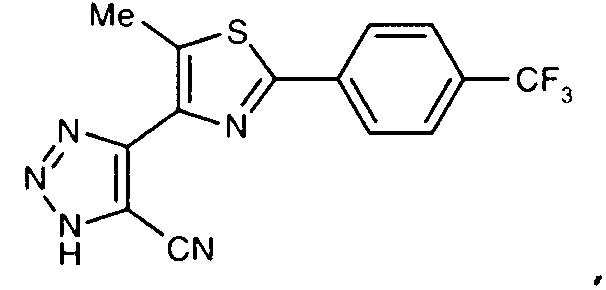
- A therapeutic, preventative and/or diagnostic pharmaceutical composition for nonalcoholic steatohepatitis (NASH), comprising 5-[5-methyl-2-(4-trifluoromethyl-phenyl)-thiazol-4-yl]-3H-[1,2,3]triazole-4-carbonitrile, represented by the following structural formula:
- 5-[5-methyl-2-(4-trifluoromethyl-phenyl)-thiazol-4-yl]-3H-[1,2,3]triazole-4-carbonitrile, represented by the following structural formula:
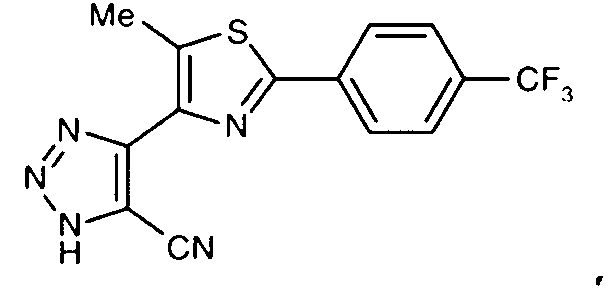
- Use of 5-[5-methyl-2-(4-trifluoromethyl-phenyl)-thiazol-4-yl]-3H-[1,2,3]triazole-4-carbonitrile, represented by the following structural formula:

- A method for treating, preventing and/or diagnosing nonalcoholic steatohepatitis (NASH) in a subject, which comprises administering to the subject an effective amount of 5-[5-methyl-2-(4-trifluoromethyl-phenyl)-thiazol-4-yl]-3H-[1,2,3]triazole-4-carbonitrile, represented by the following structural formula:
Applications Claiming Priority (2)
| Application Number | Priority Date | Filing Date | Title |
|---|---|---|---|
| JP2023104403 | 2023-06-26 | ||
| JP2023-104403 | 2023-06-26 |
Publications (1)
| Publication Number | Publication Date |
|---|---|
| WO2025005074A1 true WO2025005074A1 (en) | 2025-01-02 |
Family
ID=93939064
Family Applications (1)
| Application Number | Title | Priority Date | Filing Date |
|---|---|---|---|
| PCT/JP2024/022947 Ceased WO2025005074A1 (en) | 2023-06-26 | 2024-06-25 | Therapeutic agent for nonalcholic stetohepatitis |
Country Status (1)
| Country | Link |
|---|---|
| WO (1) | WO2025005074A1 (en) |
-
2024
- 2024-06-25 WO PCT/JP2024/022947 patent/WO2025005074A1/en not_active Ceased
Non-Patent Citations (3)
| Title |
|---|
| GOEDEKE LEIGH, SHULMAN GERALD I.: "Therapeutic potential of mitochondrial uncouplers for the treatment of metabolic associated fatty liver disease and NASH", MOLECULAR METABOLISM, ELSEVIER, vol. 46, 1 April 2021 (2021-04-01), pages 101178, XP093254751, ISSN: 2212-8778, DOI: 10.1016/j.molmet.2021.101178 * |
| KANEMOTO NAOHIDE, OKAMOTO TAKASHI, TANABE KOJI, SHIMADA TAKAHIRO, MINOSHIMA HITOMI, HIDOH YUYA, AOYAMA MASASHI, BAN TAKASHI, KOBAY: "Antidiabetic and cardiovascular beneficial effects of a liver-localized mitochondrial uncoupler", NATURE COMMUNICATIONS, NATURE PUBLISHING GROUP, UK, vol. 10, no. 1, UK, XP093254747, ISSN: 2041-1723, DOI: 10.1038/s41467-019-09911-6 * |
| KATO, MASAKI: " NAFLD/NASH and diabetes mellitus", PHARMA MEDICA, JP, vol. 37, no. 9, 1 January 2019 (2019-01-01), JP , pages 35 - 40, XP009559760, ISSN: 0289-5803 * |
Similar Documents
| Publication | Publication Date | Title |
|---|---|---|
| US11786501B2 (en) | Nitroxyl donors with improved therapeutic index | |
| JP6092628B2 (en) | Method and apparatus for synthesizing contrast agents and intermediates thereof | |
| RS51787B (en) | MODIFICATION OF PIRFENIDONE TREATMENT FOR PATIENTS WITH ATYPICAL Hepatic Function | |
| JP2019531320A (en) | Combination comprising SSAO / VAP-1 inhibitor and SGLT2 inhibitor, use thereof | |
| HK1251170A1 (en) | Nitroxyl donors with improved therapeutic index | |
| EP3317274A1 (en) | Use of chloroquine and clemizole compounds for treatment of inflammatory and cancerous conditions | |
| CN121846117A (en) | Quinoline derivatives for the treatment of inflammatory diseases | |
| JP7202892B2 (en) | Prophylactic and therapeutic agent for non-alcoholic fatty liver disease | |
| EP2236137A1 (en) | Pharmaceutical composition for treatment of fatty liver diseases | |
| CA3175131A1 (en) | Treatment or prevention method for chronic heart failure | |
| TW200817000A (en) | New paediatric indications for direct thrombin inhibitors | |
| EP2128171A1 (en) | Agent for prevention or treatment of iron overload | |
| WO2025005074A1 (en) | Therapeutic agent for nonalcholic stetohepatitis | |
| KR101436644B1 (en) | Diabetes treatment | |
| TW202333763A (en) | A composition for postprandial anti-hyperglycemia comprising coffee extract | |
| WO2020092376A1 (en) | Treating non-alcoholic steatohepatitis (nash) | |
| EP4483878A1 (en) | Composition for preventing or treating valvular calcification | |
| KR20180040113A (en) | Pharmaceutical composition comprising NAADP antagonist for prevention or treatment of Malignant hyperthermia | |
| KR20220083000A (en) | Pharmaceutical composition for prevention or treatment of bone disease containing Clemastine or pharmaceutically acceptable salts thereof as an active ingredient | |
| JP2004292366A (en) | 1,2-dioxane compound | |
| HK1216857B (en) | Nitroxyl donors with improved therapeutic index |
Legal Events
| Date | Code | Title | Description |
|---|---|---|---|
| 121 | Ep: the epo has been informed by wipo that ep was designated in this application |
Ref document number: 24831934 Country of ref document: EP Kind code of ref document: A1 |
|
| NENP | Non-entry into the national phase |
Ref country code: DE |