WO2025003754A1 - Use of glycerides for lnp formulations - Google Patents
Use of glycerides for lnp formulations Download PDFInfo
- Publication number
- WO2025003754A1 WO2025003754A1 PCT/IB2024/000334 IB2024000334W WO2025003754A1 WO 2025003754 A1 WO2025003754 A1 WO 2025003754A1 IB 2024000334 W IB2024000334 W IB 2024000334W WO 2025003754 A1 WO2025003754 A1 WO 2025003754A1
- Authority
- WO
- WIPO (PCT)
- Prior art keywords
- lipid
- optionally substituted
- alkyl
- alkenyl
- formula
- Prior art date
- Legal status (The legal status is an assumption and is not a legal conclusion. Google has not performed a legal analysis and makes no representation as to the accuracy of the status listed.)
- Ceased
Links
Classifications
-
- A—HUMAN NECESSITIES
- A61—MEDICAL OR VETERINARY SCIENCE; HYGIENE
- A61K—PREPARATIONS FOR MEDICAL, DENTAL OR TOILETRY PURPOSES
- A61K9/00—Medicinal preparations characterised by special physical form
- A61K9/0012—Galenical forms characterised by the site of application
- A61K9/0019—Injectable compositions; Intramuscular, intravenous, arterial, subcutaneous administration; Compositions to be administered through the skin in an invasive manner
-
- A—HUMAN NECESSITIES
- A61—MEDICAL OR VETERINARY SCIENCE; HYGIENE
- A61K—PREPARATIONS FOR MEDICAL, DENTAL OR TOILETRY PURPOSES
- A61K47/00—Medicinal preparations characterised by the non-active ingredients used, e.g. carriers or inert additives; Targeting or modifying agents chemically bound to the active ingredient
- A61K47/06—Organic compounds, e.g. natural or synthetic hydrocarbons, polyolefins, mineral oil, petrolatum or ozokerite
- A61K47/08—Organic compounds, e.g. natural or synthetic hydrocarbons, polyolefins, mineral oil, petrolatum or ozokerite containing oxygen, e.g. ethers, acetals, ketones, quinones, aldehydes, peroxides
- A61K47/14—Esters of carboxylic acids, e.g. fatty acid monoglycerides, medium-chain triglycerides, parabens or PEG fatty acid esters
-
- A—HUMAN NECESSITIES
- A61—MEDICAL OR VETERINARY SCIENCE; HYGIENE
- A61K—PREPARATIONS FOR MEDICAL, DENTAL OR TOILETRY PURPOSES
- A61K9/00—Medicinal preparations characterised by special physical form
- A61K9/48—Preparations in capsules, e.g. of gelatin, of chocolate
- A61K9/50—Microcapsules having a gas, liquid or semi-solid filling; Solid microparticles or pellets surrounded by a distinct coating layer, e.g. coated microspheres, coated drug crystals
- A61K9/51—Nanocapsules; Nanoparticles
- A61K9/5107—Excipients; Inactive ingredients
- A61K9/513—Organic macromolecular compounds; Dendrimers
-
- A—HUMAN NECESSITIES
- A61—MEDICAL OR VETERINARY SCIENCE; HYGIENE
- A61P—SPECIFIC THERAPEUTIC ACTIVITY OF CHEMICAL COMPOUNDS OR MEDICINAL PREPARATIONS
- A61P31/00—Antiinfectives, i.e. antibiotics, antiseptics, chemotherapeutics
- A61P31/12—Antivirals
- A61P31/14—Antivirals for RNA viruses
-
- A—HUMAN NECESSITIES
- A61—MEDICAL OR VETERINARY SCIENCE; HYGIENE
- A61P—SPECIFIC THERAPEUTIC ACTIVITY OF CHEMICAL COMPOUNDS OR MEDICINAL PREPARATIONS
- A61P37/00—Drugs for immunological or allergic disorders
- A61P37/02—Immunomodulators
- A61P37/04—Immunostimulants
Definitions
- Lipid-containing nanoparticle compositions have proven effective as transport vehicles into cells and/or intracellular compartments for biologically active substances such as small molecule drugs, proteins, and nucleic acids.
- Such compositions generally include one or more ionizable (e.g., cationic) lipids, phospholipids including polyunsaturated lipids, cholesterol-based lipids, and/or lipids containing polyethylene glycol (PEGylated lipids).
- a composition comprising a lipid nanoparticle (LNP), wherein the LNP comprises: (I) an ionizable lipid; (II) a glyceride or an acylglycol; and (III) one or more lipids selected from the group consisting of: (a) a structural lipid; (b) a helper lipid; and (c) a stealth lipid.
- the LNP comprises: (I) an ionizable lipid; (II) a glyceride or an acylglycol; (III) a structural lipid; (IV) a helper lipid; and (V) a stealth lipid.
- the present disclosure further provides a composition comprising a lipid nanoparticle (LNP), wherein the LNP comprises: (I) an ionizable lipid having a structure according to 755643: SA9-383PC Formula CAT-I or CAT-II, as defined herein; (II) a glyceride or an acylglycol; (III) a structural lipid, (IV) a stealth lipid; and (V) a helper lipid.
- LNP lipid nanoparticle
- the LNP comprises: (I) an ionizable lipid having a structure according to Formula CAT-I or CAT-II, as defined herein; (II) a glyceride or an acylglycol having a structure according to Formula I or II, as defined herein; (III) a structural lipid, (IV) a stealth lipid; and (V) a helper lipid.
- the present disclosure further provides an LNP as described herein, further comprising a nucleic acid molecule, wherein the nucleic acid molecule is encapsulated in the LNP.
- the nucleic acid molecule is an mRNA molecule.
- the present disclosure provides lipid nanoparticle (LNP) formulations for delivering cargo, such as a nucleic acid molecule (e.g., mRNA), to a target cell.
- the LNPs of the present disclosure comprise an ionizable lipid, a glyceride or an acylglycol, and at least one of a structural lipid, a helper lipid, and a stealth lipid (e.g., PEGylated).
- the LNPs comprise an ionizable lipid, a glyceride or an acylglycol, a structural lipid, a helper lipid, and a stealth lipid.
- LNP formulations of the present disclosure comprising hEPO mRNA were found to significantly improve protein expression over control formulations. 755643: SA9-383PC Definitions Unless otherwise defined herein, scientific and technical terms used in this application shall have the meanings that are commonly understood by those of ordinary skill in the art.
- delivery encompasses both local and systemic delivery.
- delivery of mRNA encompasses situations in which an mRNA is delivered to a target tissue and the encoded protein is expressed and retained within the target tissue (also referred to as “local distribution” or “local delivery”), and situations in which an mRNA is delivered to a target tissue and the encoded protein is expressed and secreted into patient's circulation system (e.g., serum) and systematically distributed and taken up by other tissues (also referred to as “systemic distribution” or “systemic delivery).
- patient's circulation system e.g., serum
- expression of a nucleic acid sequence refers to translation of an mRNA into a polypeptide, assemble multiple polypeptides (e.g., heavy chain or light chain of antibody) into an intact protein (e.g., antibody) and/or post-translational modification of a polypeptide or fully assembled protein (e.g., antibody).
- expression and production are used inter-changeably.
- a “functional” biological molecule is a biological molecule in a form in which it exhibits a property and/or activity by which it is characterized.
- the term “half-life” is the time required for a quantity such as nucleic acid or protein concentration or activity to fall to half of its value as measured at the beginning of a time period.
- the terms “improve,” “increase” or “reduce,” or grammatical equivalents indicate values that are relative to a baseline measurement, such as a measurement in the same individual prior to initiation of the treatment described herein, or a measurement in a control subject (or multiple control subject) in the absence of the treatment described herein.
- a “control subject” is a subject afflicted with the same form of disease as the subject being treated, who is about the same age as the subject being treated.
- mRNA messenger RNA
- mRNA refers to a polynucleotide that encodes at least one polypeptide.
- mRNA as used herein encompasses both modified and unmodified RNA.
- mRNA may contain one or more coding and non-coding regions.
- mRNA can be purified from natural sources, produced using recombinant expression systems and optionally purified, chemically synthesized, etc.
- an mRNA is or comprises natural nucleosides (e.g., adenosine, guanosine, cytidine, uridine); nucleoside analogs (e.g., 2-aminoadenosine, 2-thiothymidine, inosine, pyrrolo-pyrimidine, 3-methyl adenosine, 5-methylcytidine, C-5 propynyl-cytidine, C-5 propynyl-uridine, 2-aminoadenosine, C5-bromouridine, C5-fluorouridine, C5-iodouridine, C5-propynyl-uridine, C5-propynyl-cytidine, C5-methylcytidine, 2-aminoadenosine, 7- deazaadenosine, 7-deazaguanosine, 8-oxoadenosine, 8-oxoguanosine, O(6)-methyl
- the mRNA comprises one or more nonstandard nucleotide residues.
- the nonstandard nucleotide residues may include, e.g., 5-methyl-cytidine (“5mC”), pseudouridine (“ ⁇ U”), and/or 2-thio-uridine (“2sU”). See, e.g., U.S. Pat. No.8,278,036 or WO2011012316 for a discussion of such residues and their incorporation into mRNA.
- the mRNA may be RNA, which is defined as RNA in which 25% of U residues are 2-thio- uridine and 25% of C residues are 5-methylcytidine.
- RNA is disclosed US Patent Publication US20120195936 and international publication WO2011012316, both of which are hereby incorporated by reference in their entirety.
- the presence of nonstandard nucleotide residues may render an mRNA more stable and/or less immunogenic than a control mRNA with the same sequence but containing only standard residues.
- the mRNA may comprise one or more nonstandard nucleotide residues chosen from isocytosine, pseudoisocytosine, 5-bromouracil, 5- propynyluracil, 6-aminopurine, 2-aminopurine, inosine, diaminopurine and 2-chloro-6- aminopurine cytosine, as well as combinations of these modifications and other nucleobase modifications.
- Certain embodiments may further include additional modifications to the furanose ring or nucleobase. Additional modifications may include, for example, sugar modifications or substitutions (e.g., one or more of a 2′-O-alkyl modification, a locked nucleic acid (LNA)).
- LNA locked nucleic acid
- the RNAs may be complexed or hybridized with additional polynucleotides and/or peptide polynucleotides (PNA).
- PNA polynucleotides and/or peptide polynucleotides
- the sugar modification is a 2′-O-alkyl modification
- such modification may include, but are not limited to a 2′-deoxy-2′-fluoro modification, a 2′-O-methyl modification, a 2′-O- methoxyethyl modification and a 2′-deoxy modification.
- any of these modifications may be present in 0-100% of the nucleotides—for example, more than 0%, 1%, 10%, 25%, 50%, 75%, 85%, 90%, 95%, or 100% of the constituent nucleotides individually or in combination.
- nucleic acid encompasses RNA as well as single and/or double-stranded DNA and/or cDNA.
- pharmaceutically acceptable refers to substances that, within the scope of sound medical judgment, are suitable for use in contact with the tissues of human beings and animals without excessive toxicity, irritation, allergic response, or other problem or complication, commensurate with a reasonable benefit/risk ratio.
- systemic distribution refers to a delivery or distribution mechanism or approach that affect the entire body or an entire organism. Typically, systemic distribution or delivery is accomplished via body's circulation system, e.g., blood stream.
- the term “subject” refers to a human or any non-human animal (e.g., mouse, rat, rabbit, dog, cat, cattle, swine, sheep, horse or primate).
- a human includes pre- and post-natal forms.
- a subject is a human being.
- a subject can be a patient, which refers to a human presenting to a medical provider for diagnosis or treatment of a disease.
- the term “subject” is used herein interchangeably with “individual” or “patient.”
- a subject can be afflicted with or is susceptible to a disease or disorder but may or may not display symptoms of the disease or disorder.
- target tissues refers to any tissue that is affected by a disease to be treated. In some embodiments, target tissues include those tissues that display disease-associated pathology, symptom, or feature.
- the term “therapeutically effective amount” of a therapeutic agent means an amount that is sufficient, when administered to a subject suffering from or susceptible to a disease, disorder, and/or condition, to treat, diagnose, prevent, and/or delay the onset of the symptom(s) of the disease, disorder, and/or condition. It will be appreciated by those of ordinary skill in the art that a therapeutically effective amount is typically administered via a dosing regimen comprising at least one unit dose.
- treatment is defined as the application or administration of a therapeutic agent to a patient, or application or administration of a therapeutic agent to an isolated tissue or cell line from a patient (e.g., for diagnosis or ex vivo applications), who has a disorder or disease as described herein, a symptom thereof; or the potential to develop such disorder or disease, where the purpose of the application or administration is to cure, heal, alleviate, relieve, alter, remedy, ameliorate, improve or affect the disorder or disease, or its symptoms.
- Such treatments may be specifically tailored or modified, based on knowledge obtained from the field of pharmacogenomics.
- prevent means no disorder or disease development if none had occurred, or no further disorder or disease development if there had already been development of the disorder or disease. Also considered is the ability of one to prevent some or all of the symptoms associated with the disorder or disease. Definitions of specific functional groups and chemical terms are described in more detail below. Compounds described herein can comprise one or more asymmetric centers, and thus can exist in various isomeric forms, e.g., enantiomers and/or diastereomers.
- the compounds described herein can be in the form of an individual enantiomer, diastereomer or geometric isomer, or can be in the form of a mixture of stereoisomers, including racemic mixtures and mixtures enriched in one or more stereoisomer.
- Isomers can be isolated from mixtures by methods known to those skilled in the art, including chiral high performance liquid chromatography (HPLC) and the formation and crystallization of chiral salts; or preferred isomers can be prepared by asymmetric syntheses. See, for example, Jacques et al., Enantiomers. Racemates and Resolutions (Wiley Interscience, New York, 1981); Wilen et al., Tetrahedron 33:2725 (1977); Eliel, E.
- an alkyl group has 1 to 5 carbon atoms (“C1-5 alkyl”). In some embodiments, an alkyl group has 1 to 4 carbon atoms (“C1-4 alkyl”). In some embodiments, an alkyl group has 1 to 3 carbon atoms (“C1-3 alkyl”). In some embodiments, an alkyl group has 1 to 2 carbon atoms (“C1-2 alkyl”). In some embodiments, an alkyl group has 1 carbon atom (“C1 alkyl”). In some embodiments, an alkyl group has 2 to 6 carbon atoms (“C2-6 alkyl”).
- C1-6 alkyl groups include, without limitation, methyl (C1), ethyl (C2), n-propyl (C3), isopropyl (C3), n-butyl (C4), tert-butyl (C4), sec-butyl (C4), iso-butyl (C4), n-pentyl (C5), 3-pentanyl (C5), amyl (C5), neopentyl (C5), 3-methyl-2-butanyl (C5), tertiary amyl (C5), and n-hexyl (C6).
- heteroalkyl refers to an alkyl group as defined herein which further includes at least one heteroatom (e.g., 1 to 25, e.g., 1, 2, 3, or 4 heteroatoms) selected from oxygen, sulfur, nitrogen, boron, silicon, and phosphorus within (i.e., inserted between adjacent carbon atoms of) and/or placed at one or more terminal position(s) of the parent chain.
- a heteroalkyl group refers to a saturated group having from 1 to 50 carbon atoms and 1 or more heteroatoms within the parent chain (“heteroC1-50 alkyl”).
- a heteroalkyl group refers to a saturated group having from 1 to 40 carbon atoms and 1 or more heteroatoms within the parent chain (“heteroC1-40 alkyl”). In certain embodiments, a heteroalkyl group refers to a saturated group having from 1 to 30 carbon atoms and 1 or more heteroatoms within the parent chain (“heteroC1-30 alkyl”). In certain embodiments, a heteroalkyl group refers to a saturated group having from 1 to 20 carbon atoms and 1 or more heteroatoms within the parent chain (“heteroC1-20 alkyl”).
- a heteroalkyl group refers to a saturated group having from 1 to 10 carbon atoms and 1 or more heteroatoms within the parent chain (“heteroC1-10 alkyl”). In some embodiments, a heteroalkyl group is a saturated group having 1 to 9 carbon atoms and 755643: SA9-383PC 1 or more heteroatoms within the parent chain (“heteroC1-9 alkyl”). In some embodiments, a heteroalkyl group is a saturated group having 1 to 8 carbon atoms and 1 or more heteroatoms within the parent chain (“heteroC1-8 alkyl”).
- a heteroalkyl group is a saturated group having 1 to 7 carbon atoms and 1 or more heteroatoms within the parent chain (“heteroC1-7 alkyl”). In some embodiments, a heteroalkyl group is a saturated group having 1 to 6 carbon atoms and 1 or more heteroatoms within the parent chain (“heteroC1-6 alkyl”). In some embodiments, a heteroalkyl group is a saturated group having 1 to 5 carbon atoms and 1 or 2 heteroatoms within the parent chain (“heteroC1-5 alkyl”). In some embodiments, a heteroalkyl group is a saturated group having 1 to 4 carbon atoms and 1 or 2 heteroatoms within the parent chain (“heteroC1-4 alkyl”).
- a heteroalkyl group is a saturated group having 1 to 3 carbon atoms and 1 heteroatom within the parent chain (“heteroC1-3 alkyl”). In some embodiments, a heteroalkyl group is a saturated group having 1 to 2 carbon atoms and 1 heteroatom within the parent chain (“heteroC1-2 alkyl”). In some embodiments, a heteroalkyl group is a saturated group having 1 carbon atom and 1 heteroatom (“heteroC1 alkyl”). In some embodiments, a heteroalkyl group is a saturated group having 2 to 6 carbon atoms and 1 or 2 heteroatoms within the parent chain (“heteroC2-6 alkyl”).
- each instance of a heteroalkyl group is independently unsubstituted (an “unsubstituted heteroalkyl”) or substituted (a “substituted heteroalkyl”) with one or more substituents.
- the heteroalkyl group is an unsubstituted heteroC1-50 alkyl.
- the heteroalkyl group is a substituted heteroC1-50 alkyl.
- alkenyl refers to a radical of a straight-chain or branched hydrocarbon group having from 2 to 50 carbon atoms and one or more carbon-carbon double bonds (e.g., 1, 2, 3, or 4 double bonds) (“C2-50 alkenyl”).
- an alkenyl group has 2 to 40 carbon atoms (“C2-40 alkenyl”). In some embodiments, an alkenyl group has 2 to 30 carbon atoms (“C2-30 alkenyl”). In some embodiments, an alkenyl group has 2 to 20 carbon atoms (“C2-20 alkenyl”). In some embodiments, an alkenyl group has 2 to 10 carbon atoms (“C2-10 alkenyl”). In some embodiments, an alkenyl group has 2 to 9 carbon atoms (“C2-9 alkenyl”). In some embodiments, an alkenyl group has 2 to 8 carbon atoms (“C2-8 alkenyl”).
- an alkenyl group has 2 to 7 carbon atoms (“C2-7 alkenyl”). In some embodiments, an alkenyl group has 2 to 6 carbon atoms (“C2-6 alkenyl”). In some embodiments, an alkenyl group has 2 to 5 carbon atoms (“C2-5 alkenyl”). In some embodiments, an alkenyl group has 2 to 4 carbon atoms (“C2-4 alkenyl”). In some embodiments, an alkenyl group has 2 to 3 carbon atoms (“C2-3 alkenyl”). In some 755643: SA9-383PC embodiments, an alkenyl group has 2 carbon atoms (“C2 alkenyl”).
- the one or more carbon- carbon double bonds can be internal (such as in 2-butenyl) or terminal (such as in 1-butenyl).
- C2-4 alkenyl groups include, without limitation, ethenyl (C2), 1-propenyl (C3), 2-propenyl (C3), 1-butenyl (C4), 2-butenyl (C4), butadienyl (C4), and the like.
- C2-6 alkenyl groups include the aforementioned C2-4 alkenyl groups as well as pentenyl (C5), pentadienyl (C5), hexenyl (C6), and the like.
- alkenyl examples include heptenyl (C7), octenyl (C8), octatrienyl (C8), and the like. Unless otherwise specified, each instance of an alkenyl group is independently unsubstituted (an “unsubstituted alkenyl”) or substituted (a “substituted alkenyl”) with one or more substituents. In certain embodiments, the alkenyl group is an unsubstituted C2-50 alkenyl. In certain embodiments, the alkenyl group is a substituted C2-50 alkenyl.
- heteroalkenyl refers to an alkenyl group as defined herein which further includes at least one heteroatom (e.g., 1 to 25, e.g., 1, 2, 3, or 4 heteroatoms) selected from oxygen, sulfur, nitrogen, boron, silicon, and phosphorus within (i.e., inserted between adjacent carbon atoms of) and/or placed at one or more terminal position(s) of the parent chain.
- a heteroalkenyl group refers to a group having from 2 to 50 carbon atoms, at least one double bond, and 1 or more heteroatoms within the parent chain (“heteroC2-50 alkenyl”).
- a heteroalkenyl group refers to a group having from 2 to 40 carbon atoms, at least one double bond, and 1 or more heteroatoms within the parent chain (“heteroC2-40 alkenyl”). In certain embodiments, a heteroalkenyl group refers to a group having from 2 to 30 carbon atoms, at least one double bond, and 1 or more heteroatoms within the parent chain (“heteroC2-30 alkenyl”). In certain embodiments, a heteroalkenyl group refers to a group having from 2 to 20 carbon atoms, at least one double bond, and 1 or more heteroatoms within the parent chain (“heteroC2-20 alkenyl”).
- a heteroalkenyl group refers to a group having from 2 to 10 carbon atoms, at least one double bond, and 1 or more heteroatoms within the parent chain (“heteroC2-10 alkenyl”). In some embodiments, a heteroalkenyl group has 2 to 9 carbon atoms at least one double bond, and 1 or more heteroatoms within the parent chain (“heteroC2-9 alkenyl”). In some embodiments, a heteroalkenyl group has 2 to 8 carbon atoms, at least one double bond, and 1 or more heteroatoms within the parent chain (“heteroC2-8 alkenyl”).
- a heteroalkenyl group has 2 to 7 carbon atoms, at least one double bond, and 1 or more heteroatoms within the parent chain (“heteroC2-7 alkenyl”). In some embodiments, a heteroalkenyl group has 2 to 6 carbon atoms, at least one double bond, and 1 or more heteroatoms within the parent chain (“heteroC2-6 alkenyl”). In some embodiments, a 755643: SA9-383PC heteroalkenyl group has 2 to 5 carbon atoms, at least one double bond, and 1 or 2 heteroatoms within the parent chain (“heteroC2-5 alkenyl”).
- a heteroalkenyl group has 2 to 4 carbon atoms, at least one double bond, and for 2 heteroatoms within the parent chain (“heteroC2-4 alkenyl”). In some embodiments, a heteroalkenyl group has 2 to 3 carbon atoms, at least one double bond, and 1 heteroatom within the parent chain (“heteroC2-3 alkenyl”). In some embodiments, a heteroalkenyl group has 2 to 6 carbon atoms, at least one double, bond, and 1 or 2 heteroatoms within the parent chain (“heteroC2-6 alkenyl”).
- each instance of a heteroalkenyl group is independently unsubstituted (an “unsubstituted heteroalkenyl”) or substituted (a “substituted heteroalkenyl”) with one or more substituents.
- the heteroalkenyl group is an unsubstituted heteroC2-50 alkenyl.
- the heteroalkenyl group is a substituted heteroC2-50 alkenyl.
- alkynyl refers to a radical of a straight-chain or branched hydrocarbon group having from 2 to 50 carbon atoms and one or more carbon-carbon triple bonds (e.g., 1, 2, 3, or 4 triple bonds) and optionally one or more double bonds (e.g., 1, 2, 3, or 4 double bonds) (“C2-50 alkynyl”).
- An alkynyl group that has one or more triple bonds and one or more double bonds is also referred to as an “ene-yne”.
- an alkynyl group has 2 to 40 carbon atoms (“C2-40 alkynyl”).
- an alkynyl group has 2 to 30 carbon atoms (“C2-30 alkynyl”).
- an alkynyl group has 2 to 20 carbon atoms (“C2-20 alkynyl”). In some embodiments, an alkynyl group has 2 to 10 carbon atoms (“C2-10 alkynyl”). In some embodiments, an alkynyl group has 2 to 9 carbon atoms (“C2-9 alkynyl”). In some embodiments, an alkynyl group has 2 to 8 carbon atoms (“C2-8 alkynyl”). In some embodiments, an alkynyl group has 2 to 7 carbon atoms (“C2-7 alkynyl”). In some embodiments, an alkynyl group has 2 to 6 carbon atoms (“C2-6 alkynyl”).
- an alkynyl group has 2 to 5 carbon atoms (“C2-5 alkynyl”). In some embodiments, an alkynyl group has 2 to 4 carbon atoms (“C2-4 alkynyl”). In some embodiments, an alkynyl group has 2 to 3 carbon atoms (“C2-3 alkynyl”). In some embodiments, an alkynyl group has 2 carbon atoms (“C2 alkynyl”).
- the one or more carbon- carbon triple bonds can be internal (such as in 2-butynyl) or terminal (such as in 1-butynyl).
- C2-4 alkynyl groups include, without limitation, ethynyl (C2), 1-propynyl (C3), 2-propynyl (C3), 1-butynyl (C4), 2-butynyl (C4), and the like.
- Examples of C2-6 alkenyl groups include the aforementioned C2-4 alkynyl groups as well as pentynyl (C5), hexynyl (C6), and the like.
- Additional examples of alkynyl include heptynyl (C7), octynyl (C8), and the like.
- each instance of an alkynyl group is independently 755643: SA9-383PC unsubstituted (an “unsubstituted alkynyl”) or substituted (a “substituted alkynyl”) with one or more substituents.
- the alkynyl group is an unsubstituted C2-50 alkynyl.
- the alkynyl group is a substituted C2-50 alkynyl.
- heteroalkynyl refers to an alkynyl group as defined herein which further includes at least one heteroatom (e.g., 1 to 25, e.g., 1, 2, 3, or 4 heteroatoms) selected from oxygen, sulfur, nitrogen, boron, silicon, and phosphorus within (i.e., inserted between adjacent carbon atoms of) and/or placed at one or more terminal position(s) of the parent chain.
- a heteroalkynyl group refers to a group having from 2 to 50 carbon atoms, at least one triple bond, and 1 or more heteroatoms within the parent chain (“heteroC2-50 alkynyl”).
- a heteroalkynyl group refers to a group having from 2 to 40 carbon atoms, at least one triple bond, and 1 or more heteroatoms within the parent chain (“heteroC2-40 alkynyl”). In certain embodiments, a heteroalkynyl group refers to a group having from 2 to 30 carbon atoms, at least one triple bond, and 1 or more heteroatoms within the parent chain (“heteroC2-30 alkynyl”). In certain embodiments, a heteroalkynyl group refers to a group having from 2 to 20 carbon atoms, at least one triple bond, and 1 or more heteroatoms within the parent chain (“heteroC2-20 alkynyl”).
- a heteroalkynyl group refers to a group having from 2 to 10 carbon atoms, at least one triple bond, and 1 or more heteroatoms within the parent chain (“heteroC2-10 alkynyl”). In some embodiments, a heteroalkynyl group has 2 to 9 carbon atoms, at least one triple bond, and 1 or more heteroatoms within the parent chain (“heteroC2-9 alkynyl”). In some embodiments, a heteroalkynyl group has 2 to 8 carbon atoms, at least one triple bond, and 1 or more heteroatoms within the parent chain (“heteroC2-8 alkynyl”).
- a heteroalkynyl group has 2 to 7 carbon atoms, at least one triple bond, and 1 or more heteroatoms within the parent chain (“heteroC2-7 alkynyl”). In some embodiments, a heteroalkynyl group has 2 to 6 carbon atoms, at least one triple bond, and 1 or more heteroatoms within the parent chain (“heteroC2-6 alkynyl”). In some embodiments, a heteroalkynyl group has 2 to 5 carbon atoms, at least one triple bond, and 1 or 2 heteroatoms within the parent chain (“heteroC2-5 alkynyl”).
- a heteroalkynyl group has 2 to 4 carbon atoms, at least one triple bond, and for 2 heteroatoms within the parent chain (“heteroC2-4 alkynyl”). In some embodiments, a heteroalkynyl group has 2 to 3 carbon atoms, at least one triple bond, and 1 heteroatom within the parent chain (“heteroC2-3 alkynyl”). In some embodiments, a heteroalkynyl group has 2 to 6 carbon atoms, at least one triple bond, and 1 or 2 heteroatoms within the parent chain (“heteroC2-6 alkynyl”).
- each instance of a heteroalkynyl group is independently unsubstituted 755643: SA9-383PC (an “unsubstituted heteroalkynyl”) or substituted (a “substituted heteroalkynyl”) with one or more substituents.
- the heteroalkynyl group is an unsubstituted heteroC2-50 alkynyl. In certain embodiments, the heteroalkynyl group is a substituted heteroC2-50 alkynyl.
- “carbocyclyl” or “carbocyclic” refers to a radical of a non-aromatic cyclic hydrocarbon group having from 3 to 10 ring carbon atoms (“C3-10 carbocyclyl”) and zero heteroatoms in the non-aromatic ring system.
- a carbocyclyl group has 3 to 8 ring carbon atoms (“C3-8 carbocyclyl”).
- a carbocyclyl group has 3 to 7 ring carbon atoms (“C3-7 carbocyclyl”).
- a carbocyclyl group has 3 to 6 ring carbon atoms (“C3-6 carbocyclyl”).
- a carbocyclyl group has 4 to 6 ring carbon atoms (“C4-6 carbocyclyl”). In some embodiments, a carbocyclyl group has 5 to 6 ring carbon atoms (“C5-6 carbocyclyl”). In some embodiments, a carbocyclyl group has 5 to 10 ring carbon atoms (“C5-10 carbocyclyl”).
- Exemplary C3-6 carbocyclyl groups include, without limitation, cyclopropyl (C3), cyclopropenyl (C3), cyclobutyl (C4), cyclobutenyl (C4), cyclopentyl (C5), cyclopentenyl (C5), cyclohexyl (C6), cyclohexenyl (C6), cyclohexadienyl (C6), and the like.
- Exemplary C3-8 carbocyclyl groups include, without limitation, the aforementioned C3-6 carbocyclyl groups as well as cycloheptyl (C7), cycloheptenyl (C7), cycloheptadienyl (C7), cycloheptatrienyl (C7), cyclooctyl (C8), cyclooctenyl (C8), bicyclo[2.2.1]heptanyl (C7), bicyclo[2.2.2]octanyl (C8), and the like.
- Exemplary C3-10 carbocyclyl groups include, without limitation, the aforementioned C3-8 carbocyclyl groups as well as cyclononyl (C9), cyclononenyl (C9), cyclodecyl (C10), cyclodecenyl (C10), octahydro-1H-indenyl (C9), decahydronaphthalenyl (C10), spiro[4.5]decanyl (C10), and the like.
- the carbocyclyl group is either monocyclic (“monocyclic carbocyclyl”) or polycyclic (e.g., containing a fused, bridged or spiro ring system such as a bicyclic system (“bicyclic carbocyclyl”) or tricyclic system (“tricyclic carbocyclyl”)) and can be saturated or can contain one or more carbon-carbon double or triple bonds.
- Carbocyclyl also includes ring systems wherein the carbocyclyl ring, as defined above, is fused with one or more aryl or heteroaryl groups wherein the point of attachment is on the carbocyclyl ring, and in such instances, the number of carbons continue to designate the number of carbons in the carbocyclic ring system. Unless otherwise specified, each instance of a carbocyclyl group is independently unsubstituted (an “unsubstituted carbocyclyl”) or substituted (a “substituted carbocyclyl”) with one or more substituents. In 755643: SA9-383PC certain embodiments, the carbocyclyl group is an unsubstituted C3-10 carbocyclyl.
- the carbocyclyl group is a substituted C3-10 carbocyclyl.
- “carbocyclyl” or “carbocyclic” is referred to as a “cycloalkyl”, i.e., a monocyclic, saturated carbocyclyl group having from 3 to 10 ring carbon atoms (“C3- 10 cycloalkyl”).
- a cycloalkyl group has 3 to 8 ring carbon atoms (“C3- 8 cycloalkyl”).
- a cycloalkyl group has 3 to 6 ring carbon atoms (“C3- 6, cycloalkyl”).
- a cycloalkyl group has 4 to 6 ring carbon atoms (“C4- 6 cycloalkyl”). In some embodiments, a cycloalkyl group has 5 to 6 ring carbon atoms (“C5-6 cycloalkyl”). In some embodiments, a cycloalkyl group has 5 to 10 ring carbon atoms (“C5- 10 cycloalkyl”). Examples of C5-6 cycloalkyl groups include cyclopentyl (C5) and cyclohexyl (C5). Examples of C3-6 cycloalkyl groups include the aforementioned C5-6 cycloalkyl groups as well as cyclopropyl (C3) and cyclobutyl (C4).
- C3-8 cycloalkyl groups include the aforementioned C3-6 cycloalkyl groups as well as cycloheptyl (C7) and cyclooctyl (C8).
- each instance of a cycloalkyl group is independently unsubstituted (an “unsubstituted cycloalkyl”) or substituted (a “substituted cycloalkyl”) with one or more substituents.
- the cycloalkyl group is an unsubstituted C3-10 cycloalkyl.
- the cycloalkyl group is a substituted C3-10 cycloalkyl.
- heterocyclyl refers to a radical of a 3- to 14- membered non-aromatic ring system having ring carbon atoms and 1 or more (e.g., 1, 2, 3, or 4) ring heteroatoms, wherein each heteroatom is independently selected from oxygen, sulfur, nitrogen, boron, silicon, and phosphorus (“3-14 membered heterocyclyl”).
- the point of attachment can be a carbon or nitrogen atom, as valency permits.
- a heterocyclyl group can either be monocyclic (“monocyclic heterocyclyl”) or polycyclic (e.g., a fused, bridged or spiro ring system such as a bicyclic system (“bicyclic heterocyclyl”) or tricyclic system (“tricyclic heterocyclyl”)), and can be saturated or can contain one or more carbon-carbon double or triple bonds.
- Heterocyclyl polycyclic ring systems can include one or more heteroatoms in one or both rings.
- Heterocyclyl also includes ring systems wherein the heterocyclyl ring, as defined above, is fused with one or more carbocyclyl groups wherein the point of attachment is either on the carbocyclyl or heterocyclyl ring, or ring systems wherein the heterocyclyl ring, as defined above, is fused with one or more aryl or heteroaryl groups, wherein the point of attachment is on the heterocyclyl ring, and in such instances, the number of ring members continue to designate the number of ring members in the heterocyclyl ring system.
- each instance of heterocyclyl is independently unsubstituted (an “unsubstituted heterocyclyl”) or substituted (a “substituted heterocyclyl”) with one or more substituents.
- the heterocyclyl group is an unsubstituted 3-14 membered heterocyclyl.
- the heterocyclyl group is a substituted 3-14 membered heterocyclyl.
- a heterocyclyl group is a 5-10 membered non-aromatic ring system having ring carbon atoms and 1 or more (e.g., 1, 2, 3, or 4) ring heteroatoms, wherein each heteroatom is independently selected from oxygen, sulfur, nitrogen, boron, silicon, and phosphorus (“5-10 membered heterocyclyl”).
- a heterocyclyl group is a 5-8 membered non-aromatic ring system having ring carbon atoms and 1 or more (e.g., 1, 2, 3, or 4) ring heteroatoms, wherein each heteroatom is independently selected from oxygen, sulfur, nitrogen, boron, silicon, and phosphorus (“5-8 membered heterocyclyl”).
- a heterocyclyl group is a 5-6 membered non-aromatic ring system having ring carbon atoms and 1 or more (e.g., 1, 2, 3, or 4) ring heteroatoms, wherein each heteroatom is independently selected from oxygen, sulfur, nitrogen, boron, silicon, and phosphorus (“5-6 membered heterocyclyl”).
- the 5-6 membered heterocyclyl has 1 or more (e.g., 1, 2, or 3) ring heteroatoms selected from oxygen, sulfur, nitrogen, boron, silicon, and phosphorus.
- the 5-6 membered heterocyclyl has 1 or 2 ring heteroatoms selected from oxygen, sulfur, nitrogen, boron, silicon, and phosphorus.
- the 5-6 membered heterocyclyl has 1 ring heteroatom selected from oxygen, sulfur, nitrogen, boron, silicon, and phosphorus.
- Exemplary 3-membered heterocyclyl groups containing 1 heteroatom include, without limitation, azirdinyl, oxiranyl, thiorenyl.
- Exemplary 4-membered heterocyclyl groups containing 1 heteroatom include, without limitation, azetidinyl, oxetanyl and thietanyl.
- Exemplary 5-membered heterocyclyl groups containing 1 heteroatom include, without limitation, tetrahydrofuranyl, dihydrofuranyl, tetrahydrothiophenyl, dihydrothiophenyl, pyrrolidinyl, dihydropyrrolyl and pyrrolyl-2,5-dione.
- Exemplary 5-membered heterocyclyl groups containing 2 heteroatoms include, without limitation, dioxolanyl, oxathiolanyl and dithiolanyl.
- Exemplary 5-membered heterocyclyl groups containing 3 heteroatoms include, without limitation, triazolinyl, oxadiazolinyl, and thiadiazolinyl.
- Exemplary 6-membered heterocyclyl groups containing 1 heteroatom include, without limitation, piperidinyl, tetrahydropyranyl, dihydropyridinyl, and thianyl.
- Exemplary 6-membered heterocyclyl groups containing 2 heteroatoms include, without limitation, piperazinyl, morpholinyl, dithianyl, dioxanyl.
- Exemplary 6-membered heterocyclyl groups containing 2 heteroatoms 755643: SA9-383PC include, without limitation, triazinanyl.
- Exemplary 7-membered heterocyclyl groups containing 1 heteroatom include, without limitation, azepanyl, oxepanyl and thiepanyl.
- Exemplary 8-membered heterocyclyl groups containing 1 heteroatom include, without limitation, azocanyl, oxecanyl and thiocanyl.
- Exemplary bicyclic heterocyclyl groups include, without limitation, indolinyl, isoindolinyl, dihydrobenzofuranyl, dihydrobenzothienyl, tetrahydrobenzothienyl, tetrahydrobenzofuranyl, tetrahydroindolyl, tetrahydroquinolinyl, tetrahydroisoquinolinyl, decahydroquinolinyl, decahydroisoquinolinyl, octahydrochromenyl, octahydroisochromenyl, decahydronaphthyridinyl, decahydro-1,8- naphthyridinyl, octahydropyrrolo[3,2-b]pyrrole,
- aryl refers to a radical of a monocyclic or polycyclic (e.g., bicyclic or tricyclic) 4n+2 aromatic ring system (e.g., having 6, 10, or 14 ⁇ electrons shared in a cyclic array) having 6-14 ring carbon atoms and zero heteroatoms provided in the aromatic ring system (“C6-14 aryl”).
- an aryl group has 6 ring carbon atoms (“C6 aryl”; e.g., phenyl).
- an aryl group has 10 ring carbon atoms (“C10 aryl”; e.g., naphthyl such as 1-naphthyl and 2-naphthyl).
- an aryl group has 14 ring carbon atoms (“C14 aryl”; e.g., anthracyl).
- Aryl also includes ring systems wherein the aryl ring, as defined above, is fused with one or more carbocyclyl or heterocyclyl groups wherein the radical or point of attachment is on the aryl ring, and in such instances, the number of carbon atoms continue to designate the number of carbon atoms in the aryl ring system.
- each instance of an aryl group is independently unsubstituted (an “unsubstituted aryl”) or substituted (a “substituted aryl”) with one or more substituents.
- the aryl group is an unsubstituted C6-14 aryl.
- the aryl group is a substituted C6-14 aryl.
- heteroaryl refers to a radical of a 5-14 membered monocyclic or polycyclic (e.g., bicyclic or tricyclic) 4n+2 aromatic ring system (e.g., having 6, 10, or 14 ⁇ electrons shared in a cyclic array) having ring carbon atoms and 1 or more (e.g., 1, 2, 3, or 4 ring heteroatoms) ring heteroatoms provided in the aromatic ring system, wherein each heteroatom is independently selected from oxygen, sulfur, nitrogen, boron, silicon, and 755643: SA9-383PC phosphorus (“5-14 membered heteroaryl”).
- heteroaryl groups that contain one or more nitrogen atoms
- the point of attachment can be a carbon or nitrogen atom, as valency permits.
- Heteroaryl polycyclic ring systems can include one or more heteroatoms in one or both rings.
- “Heteroaryl” includes ring systems wherein the heteroaryl ring, as defined above, is fused with one or more carbocyclyl or heterocyclyl groups wherein the point of attachment is on the heteroaryl ring, and in such instances, the number of ring members continue to designate the number of ring members in the heteroaryl ring system.
- Heteroaryl also includes ring systems wherein the heteroaryl ring, as defined above, is fused with one or more aryl groups wherein the point of attachment is either on the aryl or heteroaryl ring, and in such instances, the number of ring members designates the number of ring members in the fused polycyclic (aryl/heteroaryl) ring system.
- Polycyclic heteroaryl groups wherein one ring does not contain a heteroatom e.g., indolyl, quinolinyl, carbazolyl, and the like
- the point of attachment can be on either ring, i.e., either the ring bearing a heteroatom (e.g., 2-indolyl) or the ring that does not contain a heteroatom (e.g., 5-indolyl).
- a heteroaryl group is a 5-10 membered aromatic ring system having ring carbon atoms and 1 or more (e.g., 1, 2, 3, or 4) ring heteroatoms provided in the aromatic ring system, wherein each heteroatom is independently selected from oxygen, sulfur, nitrogen, boron, silicon, and phosphorus (“5-10 membered heteroaryl”).
- a heteroaryl group is a 5-8 membered aromatic ring system having ring carbon atoms and 1 or more (e.g., 1, 2, 3, or 4) ring heteroatoms provided in the aromatic ring system, wherein each heteroatom is independently selected from oxygen, sulfur, nitrogen, boron, silicon, and phosphorus (“5-8 membered heteroaryl”).
- a heteroaryl group is a 5-6 membered aromatic ring system having ring carbon atoms and 1 or more (e.g., 1, 2, 3, or 4) ring heteroatoms provided in the aromatic ring system, wherein each heteroatom is independently selected from oxygen, sulfur, nitrogen, boron, silicon, and phosphorus (“5-6 membered heteroaryl”).
- the 5-6 membered heteroaryl has 1 or more (e.g., 1, 2, or 3) ring heteroatoms selected from oxygen, sulfur, nitrogen, boron, silicon, and phosphorus.
- the 5-6 membered heteroaryl has 1 or 2 ring heteroatoms selected from oxygen, sulfur, nitrogen, boron, silicon, and phosphorus.
- the 5-6 membered heteroaryl has 1 ring heteroatom selected from oxygen, sulfur, nitrogen, boron, silicon, and phosphorus.
- each instance of a heteroaryl group is independently unsubstituted (an “unsubstituted heteroaryl”) or substituted (a “substituted heteroaryl”) with one or more substituents.
- the heteroaryl group is an unsubstituted 5-14 membered 755643: SA9-383PC heteroaryl.
- the heteroaryl group is a substituted 5-14 membered heteroaryl.
- Exemplary 5-membered heteroaryl groups containing 1 heteroatom include, without limitation, pyrrolyl, furanyl and thiophenyl.
- Exemplary 5-membered heteroaryl groups containing 2 heteroatoms include, without limitation, imidazolyl, pyrazolyl, oxazolyl, isoxazolyl, thiazolyl, and isothiazolyl.
- Exemplary 5-membered heteroaryl groups containing 3 heteroatoms include, without limitation, triazolyl, oxadiazolyl, and thiadiazolyl.
- Exemplary 5-membered heteroaryl groups containing 4 heteroatoms include, without limitation, tetrazolyl.
- Exemplary 6-membered heteroaryl groups containing 1 heteroatom include, without limitation, pyridinyl.
- Exemplary 6-membered heteroaryl groups containing 2 heteroatoms include, without limitation, pyridazinyl, pyrimidinyl, and pyrazinyl.
- Exemplary 6-membered heteroaryl groups containing 3 or 4 heteroatoms include, without limitation, triazinyl and tetrazinyl, respectively.
- Exemplary 7-membered heteroaryl groups containing 1 heteroatom include, without limitation, azepinyl, oxepinyl, and thiepinyl.
- Exemplary 5,6- bicyclic heteroaryl groups include, without limitation, indolyl, isoindolyl, indazolyl, benzotriazolyl, benzothiophenyl, isobenzothiophenyl, benzofuranyl, benzoisofuranyl, benzimidazolyl, benzoxazolyl, benzisoxazolyl, benzoxadiazolyl, benzthiazolyl, benzisothiazolyl, benzthiadiazolyl, indolizinyl, and purinyl.
- Exemplary 6,6-bicyclic heteroaryl groups include, without limitation, naphthyridinyl, pteridinyl, quinolinyl, isoquinolinyl, cinnolinyl, quinoxalinyl, phthalazinyl, and quinazolinyl.
- Exemplary tricyclic heteroaryl groups include, without limitation, phenanthridinyl, dibenzofuranyl, carbazolyl, acridinyl, phenothiazinyl, phenoxazinyl and phenazinyl.
- the term “partially unsaturated” refers to a ring moiety that includes at least one double or triple bond.
- partially unsaturated is intended to encompass rings having multiple sites of unsaturation, but is not intended to include aromatic groups (e.g., aryl or heteroaryl moieties) as herein defined.
- aromatic groups e.g., aryl or heteroaryl moieties
- saturated refers to a ring moiety that does not contain a double or triple bond, i.e., the ring contains all single bonds.
- alkylene is the divalent moiety of alkyl
- alkenylene is the divalent moiety of alkenyl
- alkynylene is the divalent moiety of alkynyl
- heteroalkylene is the divalent moiety of heteroalkyl
- heteroalkenylene is the divalent moiety of heteroalkenyl
- heteroalkynylene is the divalent moiety of heteroalkynyl
- carbocyclylene is the divalent moiety of carbocyclyl
- 755643: SA9-383PC heterocyclylene is the divalent moiety of heterocyclyl
- arylene is the divalent moiety of aryl
- heteroarylene is the divalent moiety of heteroaryl.
- alkyl, alkenyl, alkynyl, heteroalkyl, heteroalkenyl, heteroalkynyl, carbocyclyl, heterocyclyl, aryl, and heteroaryl groups, as defined herein, are, in certain embodiments, optionally substituted, as defined in the variable definitions for the compounds provided herein.
- substituted means that at least one hydrogen present on a group is replaced with a permissible substituent, e.g., a substituent which upon substitution results in a stable compound, e.g., a compound which does not spontaneously undergo transformation such as by rearrangement, cyclization, elimination, or other reaction.
- a “substituted” group has a substituent at one or more substitutable positions of the group, and when more than one position in any given structure is substituted, the substituent is either the same or different at each position.
- substituted is contemplated to include substitution with all permissible substituents of organic compounds, any of the substituents described herein that results in the formation of a stable compound.
- the present invention contemplates any and all such combinations in order to arrive at a stable compound.
- heteroatoms such as nitrogen may have hydrogen substituents and/or any suitable substituent as described herein which satisfy the valencies of the heteroatoms and results in the formation of a stable moiety.
- halo or halogen refers to fluorine (fluoro, —F), chlorine (chloro, —Cl), bromine (bromo, —Br), or iodine (iodo, —I).
- a “counterion” is a negatively charged group associated with a positively charged quarternary amine in order to maintain electronic neutrality.
- Exemplary counterions include halide ions (e.g., F—, Cl—, Br—, I—), NO3-, ClO4-, OH—, H2PO4-, HSO4-, sulfonate ions (e.g., methansulfonate, trifluoromethanesulfonate, p-toluenesulfonate, benzenesulfonate, 10-camphor sulfonate, naphthalene-2-sulfonate, naphthalene-1-sulfonic acid-5-sulfonate, ethan-1-sulfonic acid-2-sulfonate, and the like), and carboxylate ions (e.g., acetate, ethanoate, propanoate, benzoate, glycerate, lactate, tartrate, glycolate, and the like).
- halide ions e.g., F—, Cl—, Br—, I—
- Nitrogen atoms can be substituted or unsubstituted as valency permits, and include primary, secondary, tertiary, and quaternary nitrogen atoms.
- the substituent present on a nitrogen atom is a nitrogen protecting group (also referred to as an amino protecting group). Nitrogen protecting groups are well known in the art and include those described in detail in Protecting Groups in Organic Synthesis, T. W. Greene and P. G. M. Wuts, 3rd edition, John Wiley & Sons, 1999, incorporated herein by reference. 755643: SA9-383PC
- the substituent present on an oxygen atom is an oxygen protecting group (also referred to as a hydroxyl protecting group).
- Oxygen protecting groups are well known in the art and include those described in detail in Protecting Groups in Organic Synthesis, T. W. Greene and P. G. M. Wuts, 3rd edition, John Wiley & Sons, 1999, incorporated herein by reference.
- the substituent present on a sulfur atom is a sulfur protecting group (also referred to as a thiol protecting group).
- Sulfur protecting groups are well known in the art and include those described in detail in Protecting Groups in Organic Synthesis, T. W. Greene and P. G. M. Wuts, 3rd edition, John Wiley & Sons, 1999, incorporated herein by reference.
- a “polymer” refers to a compound comprised of at least 3 (e.g., at least 10, 20, 30, 40, 50, 60, 70, 80, 90, 100, etc.) repeating covalently bound structural units. “Attached” refers to the covalent attachment of a group.
- lipophilic refers to the ability of a group to dissolve in fats, oils, lipids, and lipophilic non-polar solvents such as hexane or toluene.
- a lipophilic group refers to an unsubstituted n-alkyl or unsubstituted n-alkenyl group having 6 to 50 carbon atoms, e.g., 6 to 40, 6 to 30, 6 to 20, 8 to 20, 8 to 19, 8 to 18, 8 to 17, 8 to 16, or 8 to 15 carbon atoms.
- compositions of the Present Lipid Nanoparticles The present disclosure provides a composition comprising a lipid nanoparticle (LNP).
- LNP lipid nanoparticle
- the LNP comprises at least an ionizable lipid, a glyceride or an acylglycol, and at least one of a structural lipid, a helper lipid, and a stealth lipid.
- the LNP comprises an ionizable lipid, a glyceride or an acylglycol, and a structural lipid.
- the LNP comprises an ionizable lipid, a glyceride or an acylglycol, and a 755643: SA9-383PC helper lipid.
- the LNP comprises an ionizable lipid, a glyceride or an acylglycol, and a stealth lipid.
- the LNP comprises an ionizable lipid, a glyceride or an acylglycol, a structural lipid, and a helper lipid. In some embodiments, the LNP comprises an ionizable lipid, a glyceride or an acylglycol, a structural lipid, and a stealth lipid. In some embodiments, the LNP comprises an ionizable lipid, a glyceride or an acylglycol, a helper lipid, and a stealth lipid.
- the LNP comprises an ionizable lipid, a glyceride or an acylglycol, a structural lipid, a helper lipid, and a stealth lipid.
- Ionizable/Cationic Lipids An ionizable lipid facilitates mRNA encapsulation and may be a cationic lipid. A cationic lipid affords a positively charged environment at low pH to facilitate efficient encapsulation of the negatively charged mRNA drug substance. In some embodiments, the ionizable lipid is a cationic lipid.
- the cationic lipid has a structure according to Formula CAT-I: (CAT-I), or a pharmaceutically acceptable salt thereof, wherein: p is an integer of between 1 and 9, inclusive; each instance of R 2 is independently hydrogen or optionally substituted C 1-6 alkyl; each instance of L is independently an optionally substituted alkylene, optionally substituted alkenylene, optionally substituted alkynylene, optionally substituted heteroalkylene, optionally substituted heteroalkenylene, optionally substituted heteroalkynylene, optionally substituted carbocyclylene, optionally substituted heterocyclylene, optionally substituted arylene, or optionally substituted heteroarylene, or combination thereof; each instance of R 6 and R 7 is independently a group of formula (i), (ii), or (iii); 755643: SA9-383PC Formulae (i), (ii), and (iii) are: wherein: each instance of R′ is independently hydrogen or optionally substituted alkyl; X is O,
- a group of formula (i) represents a group of formula (i-a) or a group of formula (i-b): 755643: SA9-383PC wherein each variable is independently as defined above and described herein.
- a group of formula (i) is a group of formula (i-a).
- a group of formula (i) is a group of formula (i-b).
- each of R 6 and R 7 is independently a group of formula (i).
- each of R 6 and R 7 is independently a group of formula (ii). In some embodiments of the lipid of Formula CAT-I, each of R 6 and R 7 is independently a group of formula (iii). In some embodiments of the lipid of Formula CAT-I, each of R 6 and R 7 is independently a group of formula (i-a). In some embodiments of the lipid of Formula CAT-I, each of R 6 and R 7 is independently a group of formula (i-b). In some embodiments of the lipid of Formula CAT-I, each instance of R′ is hydrogen. In some embodiments of the lipid of Formula CAT-I, L is an optionally substituted alkylene.
- p is an integer of between 1 and 9, inclusive. In certain embodiments of the lipid of Formula CAT-I, p is 1. In certain embodiments of the lipid of Formula CAT-I, p is 2. In certain embodiments of the lipid of Formula CAT-I, p is 3. In certain embodiments of the lipid of Formula CAT-I, p is 4. In certain embodiments of the lipid of Formula CAT-I, p is 5. In certain embodiments of the lipid of Formula CAT-I, p is 6. In certain embodiments of the lipid of Formula CAT-I, p is 7. In certain embodiments of the lipid of Formula CAT-I, p is 8.
- p is 9.
- the lipid has a structure according to Formula CAT-Ia: 755643: SA9-383PC or a pharmaceutically acceptable salt thereof, wherein each variable is independently as defined above and described herein.
- L is an optionally substituted alkylene; e.g., optionally substituted C 1-50 alkylene, optionally substituted C 1-40 alkylene, optionally substituted C 1-30 alkylene, optionally substituted C 1-20 alkylene, optionally substituted C 4-20 alkylene, optionally substituted C 6-20 alkylene, optionally substituted C 8- 20 alkylene, optionally substituted C 10-20 alkylene, optionally substituted C 1-6 alkylene, optionally substituted C 2-6 alkylene, optionally substituted C 3-6 alkylene, optionally substituted C 4-6 alkylene, optionally substituted C 4-5 alkylene, or optionally substituted C 3-4 alkylene.
- optionally substituted alkylene e.g., optionally substituted C 1-50 alkylene, optionally substituted C 1-40 alkylene, optionally substituted C 1-30 alkylene, optionally substituted C 1-20 alkylene, optionally substituted C 4-20 alkylene, optionally substituted C 6-20 alkylene,
- L is optionally substituted C 1 alkylene. In some embodiments of the lipid of Formula CAT-I, L is optionally substituted C 2 alkylene. In some embodiments of the lipid of Formula CAT-I, L is optionally substituted C 3 alkylene. In some embodiments of the lipid of Formula CAT-I, L is optionally substituted C 4 alkylene. In some embodiments of the lipid of Formula CAT-I, L is optionally substituted C 5 alkylene. In some embodiments of the lipid of Formula CAT-I, L is optionally substituted C 6 alkylene. In some embodiments of the lipid of Formula CAT-I, L is optionally substituted C 7 alkylene.
- L is optionally substituted C 8 alkylene. In some embodiments of the lipid of Formula CAT-I, L is —CH 2 —. In some embodiments of the lipid of Formula CAT-I, L is —(CH 2 ) 2 —. In some embodiments of the lipid of Formula CAT-I, L is —(CH 2 ) 3 —. In some embodiments of the lipid of Formula CAT-I, L is — (CH 2 ) 4 —. In some embodiments of the lipid of Formula CAT-I, L is —(CH 2 ) 5 —. In some embodiments of the lipid of Formula CAT-I, L is —(CH 2 ) 6 —.
- L is —(CH 2 ) 7 —. In some embodiments of the lipid of Formula CAT-I, L is —(CH 2 ) 8 —. In certain embodiments of the lipid of Formula CAT-I, L is an optionally substituted alkenylene, e.g., optionally substituted C 2-50 alkenylene, optionally substituted C 2- 40 alkenylene, optionally substituted C 2-30 alkenylene, optionally substituted C 2-20 alkenylene, optionally substituted C 4-20 alkenylene, optionally substituted C 6-20 alkenylene, optionally substituted C 8-20 alkenylene, optionally substituted C 10-20 alkenylene, optionally substituted C 2- 6 alkenylene, optionally substituted C 3-6 alkenylene, optionally substituted C 4-6 alkenylene, optionally substituted C 4-5 alkenylene, or optionally substituted C 3-4 alkenylene.
- optionally substituted alkenylene e.g., optionally substituted C 2-50
- L is an optionally substituted alkynylene, e.g., optionally substituted C 2-50 alkynylene, optionally substituted C 2- 40 alkynylene, optionally substituted C 2-30 alkynylene, optionally substituted C 2-20 alkynylene, 755643: SA9-383PC optionally substituted C 4-20 alkynylene, optionally substituted C 6-20 alkynylene, optionally substituted C 8-20 alkynylene, optionally substituted C 10-20 alkynylene, optionally substituted C 2- 6 alkynylene, optionally substituted C 3-6 alkynylene, optionally substituted C 4-6 alkynylene, optionally substituted C 4-5 alkynylene, or optionally substituted C 3-4 alkynylene.
- optionally substituted alkynylene e.g., optionally substituted C 2-50 alkynylene, optionally substituted C 2- 40 alkynylene, optionally substituted C 2-30 alkynylene,
- L is an optionally substituted heteroalkylene; e.g., optionally substituted heteroC 1-50 alkylene, optionally substituted heteroC 1-40 alkylene, optionally substituted heteroC 1-30 alkylene, optionally substituted heteroC 1-20 alkylene, optionally substituted heteroC 4-20 alkylene, optionally substituted heteroC 6-20 alkylene, optionally substituted heteroC 8-20 alkylene, optionally substituted heteroC 1-20 alkylene, optionally substituted heteroC 1-6 alkylene, optionally substituted heteroC 2-6 alkylene, optionally substituted heteroC 3-6 -alkylene, optionally substituted heteroC 4-6 alkylene, optionally substituted heteroC 4-5 alkylene, or optionally substituted heteroC 3-4 alkylene.
- optionally substituted heteroalkylene e.g., optionally substituted heteroC 1-50 alkylene, optionally substituted heteroC 1-40 alkylene, optionally substituted heteroC 1-30 alkylene, optionally substituted heteroC 1-20 alkylene, optional
- L is an optionally substituted heteroalkenylene, e.g., optionally substituted heteroC 2-50 alkenylene, optionally substituted heteroC 2-40 alkenylene, optionally substituted heteroC 2-30 alkenylene, optionally substituted heteroC 2-20 alkenylene, optionally substituted heteroC 4-20 alkenylene, optionally substituted heteroC 6-20 alkenylene, optionally substituted heteroC 8-20 alkenylene, optionally substituted heteroC 10-20 alkenylene, optionally substituted heteroC 2-6 alkenylene, optionally substituted heteroC 3-6 alkenylene, optionally substituted heteroC 4-6 alkenylene, optionally substituted heteroC 4-5 alkenylene, or optionally substituted heteroC 3-4 alkenylene.
- optionally substituted heteroalkenylene e.g., optionally substituted heteroC 2-50 alkenylene, optionally substituted heteroC 2-40 alkenylene, optionally substituted heteroC 2-30 alkenylene, optionally substituted heteroC 2-20 al
- L is an optionally substituted heteroalkynylene, e.g., optionally substituted heteroC 2-50 alkynylene, optionally substituted heteroC 2-40 alkynylene, optionally substituted heteroC 2-30 alkynylene, optionally substituted heteroC 2-20 alkynylene, optionally substituted heteroC 4-20 alkynylene, optionally substituted heteroC 6-20 alkynylene, optionally substituted heteroC 8-20 alkynylene, optionally substituted heteroC 10-20 alkynylene, optionally substituted heteroC 2-6 alkynylene, optionally substituted heteroC 3-6 alkynylene, optionally substituted heteroC 4-6 alkynylene, optionally substituted heteroC 4-5 alkynylene, or optionally substituted heteroC 3-4 alkynylene.
- optionally substituted heteroalkynylene e.g., optionally substituted heteroC 2-50 alkynylene, optionally substituted heteroC 2-40 alkynylene, optionally substituted hetero
- L is an optionally substituted carbocyclylene, e.g., optionally substituted C 3-10 carbocyclylene, optionally substituted C 5- 8 carbocyclylene, optionally substituted C 5-6 carbocyclylene, optionally substituted C 5 carbocyclylene, or optionally substituted C 6 carbocyclylene.
- L is an optionally substituted heterocyclylene, e.g., optionally substituted 3-14 membered heterocyclylene, optionally substituted 3-10 membered heterocyclylene, optionally substituted 5-8 membered heterocyclylene, optionally substituted 5-6 membered heterocyclylene, optionally substituted 5-membered heterocyclylene, or optionally substituted 6-membered heterocyclylene.
- L is an optionally substituted arylene, e.g., optionally substituted phenylene. In some embodiments, L is optionally substituted phenylene.
- L is substituted phenylene. In some embodiments, L is unsubstituted phenylene. In certain embodiments of the lipid of Formula CAT-I, L is an optionally substituted heteroarylene, e.g., optionally substituted 5-14 membered heteroarylene, optionally substituted 5-10 membered heteroarylene, optionally substituted 5-6 membered heteroarylene, optionally substituted 5-membered heteroarylene, or optionally substituted 6- membered heteroarylene.
- optionally substituted heteroarylene e.g., optionally substituted 5-14 membered heteroarylene, optionally substituted 5-10 membered heteroarylene, optionally substituted 5-6 membered heteroarylene, optionally substituted 5-membered heteroarylene, or optionally substituted 6- membered heteroarylene.
- the lipid has a structure according to Formula CAT-Ib: or a pharmaceutically acceptable salt thereof, wherein each variable is independently as defined above and described herein, and wherein 1 is an integer between 1 and 10.
- q is an integer between 2 and 10, inclusive.
- q is an integer between 2 and 8, inclusive.
- q is an integer between 2 and 6, inclusive.
- q is 3 or 4.
- q is 1.
- q is 2. In certain embodiments of the lipid of Formula CAT-Ib, q is 3. In certain embodiments of the lipid of Formula CAT-Ib, q is 4. In certain embodiments of the lipid of Formula CAT-Ib, q is 5. In certain embodiments of the lipid of Formula CAT- 755643: SA9-383PC Ib, q is 6. In certain embodiments of the lipid of Formula CAT-Ib, q is 7. In certain embodiments of the lipid of Formula CAT-Ib, q is 8. In some embodiments of the lipid of Formula CAT-I, R 6 is a group of formula (i).
- R 6 is a group of formula (i-a). In some embodiments of the lipid of Formula CAT-I, R 6 is a group of formula (i-a1): R L OH (i-a1). In some embodiments of the lipid of Formula CAT-I, R 6 is a group of formula (i-b). In some embodiments of the lipid of Formula CAT-I, R 6 is a group of formula (ii). In some embodiments of the lipid of Formula CAT-I, R 6 is a group of formula (iii). In some embodiments of the lipid of Formula CAT-I, R 7 is a group of formula (i).
- R 7 is a group of formula (i-a). In some embodiments of the lipid of Formula CAT-I, R 7 is a group of formula (i-a1). In some embodiments of the lipid of Formula CAT-I, R 7 is a group of formula (i-b). In some embodiments of the lipid of Formula CAT-I, R 7 is a group of formula (ii). In some embodiments of the lipid of Formula CAT-I, R 7 is a group of formula (iii). In some embodiments of the lipid of Formula CAT-I, each instance of R 6 and R 7 is independently a group of the formula (i).
- each instance of R 6 and R 7 is independently a group of the formula (i-a). In some embodiments of the lipid of Formula CAT-I, each instance of R 6 and R 7 is independently a group of the formula (i-b). In some embodiments of the lipid of Formula CAT-I, each instance of R 6 and R 7 is independently a group of the formula (ii). In some embodiments of the lipid of Formula CAT-I, each instance of R 6 and R 7 is independently a group of the formula (iii). In some embodiments of the lipid of Formula CAT-I, R 6 and R 7 are the same. In some embodiments of the lipid of Formula CAT-I, R 6 and R 7 are different.
- R 6 and R 7 are the same group of formula (i-a1): R L OH (i-a1), wherein R L is as defined above and described herein. 755643: SA9-383PC
- R 6 and R 7 are the same group of formula a1), wherein R L is optionally substituted C 1-50 alkyl, optionally substituted C 2-50 alkenyl, optionally substituted C 2-50 alkynyl, optionally substituted heteroC 1-50 alkyl, optionally substituted heteroC 2-50 alkenyl, or optionally substituted heteroC 2-50 alkynyl.
- R 6 and R 7 are the same group of formula a1), wherein R is optionally substituted C 5-25 alkyl, optionally substituted C 5-25 alkenyl, optionally substituted C 5-25 alkynyl, optionally substituted heteroC 5-25 alkyl, optionally substituted heteroC 5-25 alkenyl, or optionally substituted heteroC 5-25 alkynyl.
- R 6 and R 7 are the same group of formula OH (i-a1), wherein R L is optionally substituted C 5-15 alkyl, optionally substituted C 5-15 alkenyl, optionally substituted C 5-15 alkynyl, optionally substituted heteroC 5-15 alkyl, optionally substituted heteroC 5-15 alkenyl, or optionally substituted heteroC 5-15 alkynyl.
- R 6 and R 7 are the same group of formula a1), wherein R L is optionally substituted C 1-50 alkyl.
- R 6 and R 7 are the same group of formula 755643: SA9-383PC a1), wherein R L is optionally substituted C 5-25 alkyl. In some embodiments of the lipid of Formula CAT-I, R 6 and R 7 are the same group of formula a1), wherein R L is optionally substituted C 5-20 alkyl. In some embodiments of the lipid of Formula CAT-I, R 6 and R 7 are the same group of formula a1), wherein R L is optionally substituted C 5-15 alkyl. In some embodiments of the lipid of Formula CAT-I, R 2 is hydrogen. In some embodiments of the lipid of Formula CAT-I, at least one instance of R 2 is hydrogen.
- each instance of R 2 is hydrogen.
- R 2 is optionally substituted C 1- 6 alkyl, optionally substituted C 2-6 alkyl, optionally substituted C 3-6 alkyl, optionally substituted C 4-6 alkyl, optionally substituted C 4-5 alkyl, or optionally substituted C 3-4 alkyl.
- at least one instance of R 2 is optionally substituted C 1-6 alkyl.
- each instance of R′ is independently hydrogen or optionally substituted alkyl.
- R′ is hydrogen. In some embodiments of the lipid of Formula CAT-I, R′ is substituted alkyl. In certain embodiments of the lipid of Formula CAT-I, at least one instance of R′ is hydrogen. In certain embodiments of the lipid of Formula CAT-I, at least two instances of R′ are hydrogen. In certain embodiments of the lipid of Formula CAT-I, each instance of R′ is hydrogen. In certain embodiments of the lipid of Formula CAT-I, at least one instance of R′ is optionally substituted alkyl, e.g., methyl.
- lipid of Formula CAT-I at least two instances of R′ are optionally substituted alkyl, e.g., methyl. In some embodiments of the lipid of Formula CAT-I, at least one instance of R′ is hydrogen, and at least one instance of R′ is optionally substituted alkyl. In certain embodiments of the lipid of Formula CAT-I, one instance of R′ is optionally substituted alkyl, and the rest are hydrogen.
- X is O, S, or NR X . In some embodiments of the lipid of Formula CAT-I, X is O.
- X is S. In some embodiments of the lipid of Formula CAT-I, X is NR X , wherein R X is as defined above and described herein. As generally defined above with respect to the lipid of Formula CAT-I, R X is hydrogen, optionally substituted alkyl, optionally substituted alkenyl, optionally substituted alkynyl, optionally substituted carbocyclyl, optionally substituted heterocyclyl, optionally substituted aryl, optionally substituted heteroaryl, or a nitrogen protecting group. In some embodiments of the lipid of Formula CAT-I, R X is hydrogen.
- R X is optionally substituted alkyl. In some embodiments of the lipid of Formula CAT-I, R X is optionally substituted alkenyl. In some embodiments of the lipid of Formula CAT-I, R X is optionally substituted alkynyl. In some embodiments of the lipid of Formula CAT-I, R X is optionally substituted carbocyclyl. In some embodiments of the lipid of Formula CAT-I, R X is optionally substituted heterocyclyl. In some embodiments of the lipid of Formula CAT-I, R X is optionally substituted aryl.
- R X is optionally substituted heteroaryl. In some embodiments of the lipid of Formula CAT-I, R X is a nitrogen protecting group. As generally defined above with respect to the lipid of Formula CAT-I, Y is O, S, or NR Y . In some embodiments of the lipid of Formula CAT-I, Y is O. In some embodiments of the lipid of Formula CAT-I, Y is S. In some embodiments of the lipid of Formula CAT-I, Y is NR Y , wherein R Y is as defined above and described herein.
- R Y is hydrogen, optionally substituted alkyl, optionally substituted alkenyl, optionally substituted alkynyl, optionally substituted carbocyclyl, optionally substituted heterocyclyl, optionally substituted aryl, optionally substituted heteroaryl, or a nitrogen protecting group.
- R Y is hydrogen.
- R Y is optionally substituted alkyl.
- R Y is optionally substituted alkenyl.
- R Y is optionally substituted alkynyl. In some embodiments of the lipid of 755643: SA9-383PC Formula CAT-I, R Y is optionally substituted carbocyclyl. In some embodiments of the lipid of Formula CAT-I, R Y is optionally substituted heterocyclyl. In some embodiments of the lipid of Formula CAT-I, R Y is optionally substituted aryl. In some embodiments of the lipid of Formula CAT-I, R Y is optionally substituted heteroaryl. In some embodiments of the lipid of Formula CAT-I, R Y is a nitrogen protecting group.
- R P is hydrogen, optionally substituted alkyl, optionally substituted alkenyl, optionally substituted alkynyl, optionally substituted carbocyclyl, optionally substituted heterocyclyl, optionally substituted aryl, optionally substituted heteroaryl, an oxygen protecting group when attached to an oxygen atom, a sulfur protecting group when attached to a sulfur atom, or a nitrogen protecting group when attached to a nitrogen atom.
- R P is hydrogen.
- R P is optionally substituted alkyl.
- R P is optionally substituted alkenyl. In some embodiments of the lipid of Formula CAT-I, R P is optionally substituted alkynyl. In some embodiments of the lipid of Formula CAT-I, R P is optionally substituted carbocyclyl. In some embodiments of the lipid of Formula CAT-I, R P is optionally substituted heterocyclyl. In some embodiments of the lipid of Formula CAT-I, R P is optionally substituted aryl. In some embodiments of the lipid of Formula CAT-I, R P is optionally substituted heteroaryl. In some embodiments of the lipid of Formula CAT-I, R P is an oxygen protecting group when attached to an oxygen atom.
- R P is a sulfur protecting group when attached to a sulfur atom. In some embodiments of the lipid of Formula CAT-I, R P is a nitrogen protecting group when attached to a nitrogen atom.
- R L is optionally substituted C 1-50 alkyl, optionally substituted C 2-50 alkenyl, optionally substituted C 2-50 alkynyl, optionally substituted heteroC 1-50 alkyl, optionally substituted heteroC 2- 50 alkenyl, optionally substituted heteroC 2-50 alkynyl, or a polymer.
- R L is optionally substituted C 1- 50 alkyl. In some embodiments of the lipid of Formula CAT-I, R L is optionally substituted C 2- 30 alkyl. In some embodiments of the lipid of Formula CAT-I, R L is optionally substituted C 2- 20 alkyl. In some embodiments of the lipid of Formula CAT-I, R L is optionally substituted C 2- 15 alkyl. In some embodiments of the lipid of Formula CAT-I, R L is optionally substituted C 2- 10 alkyl. 755643: SA9-383PC In some embodiments of the lipid of Formula CAT-I, R L is optionally substituted C 6- 50 alkyl.
- R L is optionally substituted C 6- 30 alkyl. In some embodiments of the lipid of Formula CAT-I, R L is optionally substituted C 6- 20 alkyl. In some embodiments of the lipid of Formula CAT-I, R L is optionally substituted C 6- 15 alkyl. In some embodiments of the lipid of Formula CAT-I, R L is optionally substituted C 6- 10 alkyl. In some embodiments of the lipid of Formula CAT-I, for example, in any of the above embodiments, R L is a substituted alkyl group. In some embodiments of the lipid of Formula CAT-I, R L is an unsubstituted alkyl group.
- R L is an optionally substituted straight-chain alkyl group. In some embodiments of the lipid of Formula CAT-I, R L is a substituted straight-chain alkyl group. In some embodiments of the lipid of Formula CAT-I, R L is an unsubstituted straight-chain alkyl group. In some embodiments of the lipid of Formula CAT-I, R L is an optionally substituted branched alkyl group. In some embodiments of the lipid of Formula CAT-I, R L is a substituted branched alkyl group. In some embodiments of the lipid of Formula CAT-I, R L is an unsubstituted branched alkyl group.
- R L is an unsubstituted alkyl.
- exemplary unsubstituted alkyl groups include, but are not limited to, —CH 3 , —C 2 H 5 , —C 3 H 7 , —C 4 H 9 , —C 5 H 11 , —C 6 H 13 , —C 7 H 15 , —C 8 H 17 , —C 9 H 19 , —C 10 H 21 , —C 11 H 23 , —C 12 H 25 , —C 13 H 27 , —C 14 H 29 , —C 15 H 31 , —C 16 H 33 , —C 17 H 35 , —C 18 H 37 , — C 19 H 39 , —C 20 H 41 —C 21 H 43 , —C 22 H 45 , —C 23 H 47 , —C 24 H 49 , and —C 25 H 51 .
- At least one instance of R L is a substituted alkyl.
- at least one instance of R L is an alkyl substituted with one or more fluorine substituents.
- exemplary fluorinated alkyl groups include, but are not limited to:
- R L is optionally substituted C 2- alkenyl. In some embodiments of the lipid of Formula CAT-I, R L is optionally substituted 755643: SA9-383PC C 2-30 alkenyl. In some embodiments of the lipid of Formula CAT-I, R L is optionally substituted C 2-20 alkenyl. In some embodiments of the lipid of Formula CAT-I, R L is optionally substituted C 2-18 alkenyl. In some embodiments of the lipid of Formula CAT-I, R L is optionally substituted C 2-15 alkenyl.
- R L is optionally substituted C 2-10 alkenyl. In some embodiments of the lipid of Formula CAT-I, R L is optionally substituted C 6- 50 alkenyl. In some embodiments of the lipid of Formula CAT-I, R L is optionally substituted C 6-30 alkenyl. In some embodiments of the lipid of Formula CAT-I, R L is optionally substituted C 6-20 alkenyl. In some embodiments of the lipid of Formula CAT-I, R L is optionally substituted C 6-18 alkenyl. In some embodiments of the lipid of Formula CAT-I, R L is optionally substituted C 6-15 alkenyl.
- R L is optionally substituted C 6-10 alkenyl. In some embodiments of the lipid of Formula CAT-I, for example, in any of the above embodiments, R L is a substituted alkyl group. In some embodiments of the lipid of Formula CAT-I, R L is an unsubstituted alkyl group. In some embodiments of the lipid of Formula CAT-I, R L is an optionally substituted straight-chain alkenyl group. In some embodiments of the lipid of Formula CAT-I, R L is a substituted straight-chain alkenyl group.
- R L is an unsubstituted straight-chain alkenyl group. In some embodiments of the lipid of Formula CAT-I, R L is an optionally substituted branched alkenyl group. In some embodiments of the lipid of Formula CAT-I, R L is a substituted branched alkenyl group. In some embodiments of the lipid of Formula CAT-I, R L is an unsubstituted branched alkenyl group. Exemplary unsubstituted alkenyl group include, but are not limited to:
- lipid of Formula CAT-I wherein R L is defined as a C 6- 50 alkyl or C 6-50 alkenyl groups
- lipophilic groups also referred to as a “lipid tail”.
- Lipophilic groups comprise a group of molecules that include fats, waxes, oils, fatty acids, and the like. Lipid tails present in these lipid groups can be saturated and unsaturated, depending on whether or not the lipid tail comprises double bonds.
- the lipid tail can also comprise different lengths, often categorized as medium (i.e., with tails between 7-12 carbons, e.g., C 7-12 alkyl or C 7-12 alkenyl), long (i.e., with tails greater than 12 carbons and up to 22 carbons, e.g., C 13-22 alkyl or C 13-22 alkenyl), or very long (i.e., with tails greater than 22 carbons, e.g., C 23-30 alkyl or C 23-30 alkenyl).
- R L is optionally substituted C 2- 50 alkynyl.
- R L is optionally substituted C 2-30 alkynyl. In some embodiments of the lipid of Formula CAT-I, R L is optionally substituted C 2-20 alkynyl. In some embodiments of the lipid of Formula CAT-I, R L is optionally substituted C 2-15 alkynyl. In some embodiments of the lipid of Formula CAT-I, R L is optionally substituted C 2-10 alkynyl. In some embodiments of the lipid of Formula CAT-I, R L is optionally substituted C 6- 50 alkynyl. In some embodiments of the lipid of Formula CAT-I, R L is optionally substituted C 6-30 alkynyl.
- R L is optionally substituted C 6-20 alkynyl. In some embodiments of the lipid of Formula CAT-I, R L is optionally substituted C 6-15 alkynyl. In some embodiments of the lipid of Formula CAT-I, R L is optionally substituted C 6-10 alkynyl. In some embodiments of the lipid of Formula CAT-I, for example, in any of the above embodiments, R L is a substituted alkynyl group. In some embodiments of the lipid of Formula CAT-I, R L is an unsubstituted alkynyl group.
- R L is an optionally substituted straight-chain alkynyl group. In some embodiments of 755643: SA9-383PC the lipid of Formula CAT-I, R L is an optionally substituted straight-chain alkynyl group. In some embodiments of the lipid of Formula CAT-I, R L is a substituted straight-chain alkynyl group. In some embodiments of the lipid of Formula CAT-I, R L is an unsubstituted straight- chain alkynyl group. In some embodiments of the lipid of Formula CAT-I, R L is an optionally substituted branched alkynyl group.
- R L is a substituted branched alkynyl group. In some embodiments of the lipid of Formula CAT-I, R L is an unsubstituted branched alkynyl group. In some embodiments of the lipid of Formula CAT-I, R L is optionally substituted heteroC 1-50 alkyl. In some embodiments of the lipid of Formula CAT-I, R L is optionally substituted heteroC 2-30 alkyl. In some embodiments of the lipid of Formula CAT-I, R L is optionally substituted heteroC 2-20 alkyl. In some embodiments of the lipid of Formula CAT-I, R L is optionally substituted heteroC 2-15 alkyl.
- R L is optionally substituted heteroC 2-10 alkyl. In some embodiments of the lipid of Formula CAT-I, R L is optionally substituted heteroC 6-50 alkyl. In some embodiments of the lipid of Formula CAT-I, R L is optionally substituted heteroC 6-30 alkyl. In some embodiments of the lipid of Formula CAT-I, R L is optionally substituted heteroC 6-20 alkyl. In some embodiments of the lipid of Formula CAT-I, R L is optionally substituted heteroC 6-15 alkyl. In some embodiments of the lipid of Formula CAT-I, R L is optionally substituted heteroC 6-10 alkyl.
- R L is a substituted heteroalkyl group.
- R L is an unsubstituted heteroalkyl group.
- R L is an optionally substituted straight-chain heteroalkyl group.
- R L is a substituted straight-chain heteroalkyl group.
- R L is an unsubstituted straight- chain heteroalkyl group.
- R L is optionally substituted heteroC 2-20 alkenyl. In some embodiments of the lipid of Formula CAT- I, R L is optionally substituted heteroC 2-15 alkenyl. In some embodiments of the lipid of Formula CAT-I, R L is optionally substituted heteroC 2-10 alkenyl. In some embodiments of the lipid of Formula CAT-I, R L is optionally substituted heteroC 6-50 alkenyl. In some embodiments of the lipid of Formula CAT-I, R L is optionally 755643: SA9-383PC substituted heteroC 6-30 alkenyl.
- R L is optionally substituted heteroC 6-20 alkenyl. In some embodiments of the lipid of Formula CAT- I, R L is optionally substituted heteroC 6-15 alkenyl. In some embodiments of the lipid of Formula CAT-I, R L is optionally substituted heteroC 6-10 alkenyl. In some embodiments of the lipid of Formula CAT-I, for example, in any of the above embodiments, R L is a substituted heteroalkenyl group. In some embodiments of the lipid of Formula CAT-I, R L is an unsubstituted heteroalkenyl group.
- R L is an optionally substituted straight-chain heteroalkenyl group. In some embodiments of the lipid of Formula CAT-I, R L is a substituted straight-chain heteroalkenyl group. In some embodiments of the lipid of Formula CAT-I, R L is an unsubstituted straight-chain heteroalkenyl group. In some embodiments of the lipid of Formula CAT-I, R L is an optionally substituted branched heteroalkenyl group. In some embodiments of the lipid of Formula CAT-I, R L is a substituted branched heteroalkenyl group.
- R L is an unsubstituted branched heteroalkenyl group. In some embodiments of the lipid of Formula CAT-I, R L is optionally substituted heteroC 2-50 alkynyl. In some embodiments of the lipid of Formula CAT-I, R L is optionally substituted heteroC 2-30 alkynyl. In some embodiments of the lipid of Formula CAT-I, R L is optionally substituted heteroC 2-20 alkynyl. In some embodiments of the lipid of Formula CAT- I, R L is optionally substituted heteroC 2-15 alkynyl.
- R L is optionally substituted heteroC 2-10 alkynyl. In some embodiments of the lipid of Formula CAT-I, R L is optionally substituted heteroC 6-50 alkynyl. In some embodiments of the lipid of Formula CAT-I, R L is optionally substituted heteroC 6-30 alkynyl. In some embodiments of the lipid of Formula CAT-I, R L is optionally substituted heteroC 6-20 alkynyl. In some embodiments of the lipid of Formula CAT- I, R L is optionally substituted heteroC 6-15 alkynyl. In some embodiments of the lipid of Formula CAT-I, R L is optionally substituted heteroC 6-10 alkynyl.
- Exemplary polymers include, but are not limited to, cellulose polymers (e.g., hydroxyethylcellulose, ethylcellulose, carboxymethylcellulose, methyl cellulose, hydroxypropylmethylcellulose (HPMC)), dextran polymers, polymaleic acid polymers, poly(acrylic acid) polymers, poly(vinylalcohol) polymers, polyvinylpyrrolidone (PVP) polymers, and polyethyleneglycol (PEG) polymers, and combinations thereof.
- R L is a lipophilic, hydrophobic and/or non-polar group.
- R L is a lipophilic group.
- R L is a hydrophobic group. In some embodiments of the lipid of Formula CAT-I, R L is a non-polar group. In some embodiments of the lipid of Formula CAT-I, when an R L group is depicted as bisecting a carbon-carbon bond, e.g., of the formula (i), it is understood that R L may be bonded to either carbon. Various combinations of the above embodiments of Formula CAT-I are contemplated herein. In some embodiments, the lipid of Formula CAT-I has a structure according to Formula CAT-Ic:
- the lipid of Formula CAT-I has a structure according to Formula CAT-Id: wherein each of R 2 and R L is independently as defined above and described herein.
- R L is C 1-20 alkyl or C 2-20 alkenyl.
- R L is C6-20 alkyl or C6-20 alkenyl.
- the lipid of Formula CAT-II has a structure according to Formula CAT-IIa: or a pharmaceutically acceptable salt thereof. In some embodiments, the lipid of Formula CAT-II has a structure according to Formula CAT-IIb: 755643: SA9-383PC or a pharmaceutically acceptable salt thereof. In some embodiments, the lipid of Formula CAT-II has a structure according to Formula CAT-IIc: or a pharmaceutically acceptable salt thereof. In some embodiments of the lipid of Formula CAT-II, A 1 and Z 1 are the same. In some embodiments of the lipid of Formula CAT-II, A 1 and Z 1 are different.
- a 1 is , wherein the left hand side of the depicted structure is bound to the -(CH 2 )a-.
- a 1 is , wherein the left hand side of the depicted structure is bound to the -(CH 2 )a-.
- S A 1 is S , wherein the left hand side of the depicted structure is bound to the -(CH2)a- .
- O I n some embodiments of the lipid of Formula CAT-II, Z 1 is , wherein the right hand side of the depicted structure is bound to the -(CH 2 )a-. In some embodiments of O the lipid of Formula CAT-II, Z 1 is , wherein the right hand side of the depicted structure is bound to the -(CH 2 )a-. In some embodiments of the lipid of Formula CAT-II, Z 1 is , wherein the right hand side of the depicted structure is bound to the - (CH 2 )a-.
- I n some embodiments of the lipid of Formula CAT-II, A 1 is , wherein the left hand side of the depicted structure is bound to the -(CH2)a-, and Z 1 is , wherein the right hand side of the depicted structure is bound to the -(CH 2 )a-.
- I n some embodiments of the lipid of Formula CAT-II, A 1 is , wherein the left hand side of the depicted structure is bound to the -(CH2)a-, and Z 1 is , wherein the right hand side of the depicted structure is bound to the -(CH 2 )a-.
- I n some embodiments of the lipid of Formula CAT-II, A 1 is , wherein the left hand side of the depicted structure is bound to the -(CH 2 )a-, and Z 1 is , wherein the right hand side of the depicted structure is bound to the -(CH 2 )a-.
- I n some embodiments of the lipid of Formula CAT-II, A 1 is , wherein the left hand side of the depicted structure is bound to the -(CH2)a-, and Z 1 is , wherein the right hand side of the depicted structure is bound to the -(CH 2 )a-.
- I n some embodiments of the lipid of Formula CAT-II, A 1 is , wherein the left hand side of the depicted structure is bound to the -(CH2)a-, and Z 1 is , wherein the right hand side of the depicted structure is bound to the -(CH 2 )a-.
- I n some embodiments of the lipid of Formula CAT-II, A 1 is , wherein the left hand side of the depicted structure is bound to the -(CH 2 )a-, and Z 1 is , wherein the right hand side of the depicted structure is bound to the -(CH 2 )a-.
- a 1 is , wherein the left hand side of the depicted structure is bound to the -(CH2)a-, and Z 1 is , wherein the right hand side of the depicted structure is bound to the -(CH 2 )a-.
- a 1 is , wherein the left hand side of the depicted structure is bound to the -(CH2)a-, and Z 1 is , wherein the right hand side of the depicted structure is bound to the -(CH 2 )a-.
- a 1 is , wherein the left hand side of the depicted structure is bound to the -(CH 2 )a-, and Z 1 is , wherein the right hand side of the depicted structure is bound to the -(CH 2 )a-.
- R 1A and R 1B are each independently selected from: , 755643: SA9-383PC , .
- each a is independently selected from 2, 3 and 4.
- each a is the same.
- each a is different.
- R 1A and R 1B are -W 1 -X 1 -Y 1 .
- each W 1 is independently selected from optionally substituted C A-B alkyl and optionally substituted C C-D alkenyl
- C A-B is C 1-20 and C C-D is C 2-20. In some embodiments C A-B is C 1-15 and C C-D is C 2-15 . In some embodiments C A-B is C 1-10 and C C-D is C 2-10 . In some embodiments C A-B is C 3-15 and C C-D is C 3-15 . In some embodiments C A- B is C 3-10 and C C-D is C 3-10 . In some embodiments C A-B is C 3-8 and C C-D is C 3-8 .
- R 1A and R IB are each independently selected from optionally substituted C 5-50 alkyl, optionally substituted C 5-50 alkenyl, optionally substituted C 5-50 alkynyl, optionally substituted C 5-50 acyl, and -W 1 -X 1 -Y 1 , wherein -W 1 -X 1 -Y 1 is as defined herein.
- R 1A and R IB are each independently selected from optionally substituted C 5-50 alkyl, optionally substituted C 5-50 alkenyl, optionally substituted C 5-50 alkynyl, and optionally substituted C 5-50 acyl.
- R 1A and R IB are each independently selected from optionally substituted C 5-30 alkyl, optionally substituted C 5-30 alkenyl, optionally substituted C 5-30 alkynyl, optionally substituted C 5-30 acyl and -W 1 -X 1 -Y 1 , wherein -W 1 -X 1 -Y 1 is as defined herein.
- R 1A and R IB are each independently selected from optionally substituted C 5-30 alkyl, optionally substituted C 5-30 alkenyl, optionally substituted C 5-30 alkynyl, and optionally substituted C 5-30 acyl.
- R 1A and R IB are each: independently selected from optionally substituted C 5-20 alkyl, optionally substituted C 5-20 alkenyl, optionally substituted C 5-20 alkynyl, optionally substituted C 5-20 acyl, and -W 1 -X 1 -Y 1 , wherein -W 1 -X 1 -Y 1 .
- R 1A and R IB are each independently selected from optionally substituted C 5-20 alkyl, optionally substituted C 5-20 alkenyl, optionally substituted C 5-20 alkynyl, and optionally substituted C 5-20 acyl.
- R 1A and R IB are each independently optionally substituted C 5-50 alkyl. In some embodiments of the lipid of Formula CAT-II, R 1A and R IB are each independently optionally substituted C 5-30 alkyl. In some embodiments of the lipid of Formula CAT-II, R 1A and R IB are each independently optionally substituted C 5-20 alkyl. In some embodiments of the lipid of Formula CAT-II, R 1A and R IB are each independently optionally substituted C 5-15 alkyl. In some embodiments of the lipid of Formula CAT-II, R 1A and R IB are each independently C 5-50 alkyl.
- R 1A and R IB are each independently C 5-30 alkyl. In some embodiments of the lipid of Formula CAT-II, R 1A 755643: SA9-383PC and R IB are each independently C 5-20 alkyl. In some embodiments of the lipid of Formula CAT-II, R 1A and R IB are each independently C 5-15 alkyl. In some embodiments of the lipid of Formula CAT-II, R 1A and R IB are each independently optionally substituted C 5-50 alkenyl. In some embodiments of the lipid of Formula CAT-II, R 1A and R IB are each independently optionally substituted C 5-30 alkenyl.
- R 1A and R IB are each independently optionally substituted C 5-20 alkenyl. In some embodiments of the lipid of Formula CAT-II, R 1A and R IB are each independently optionally substituted C 5-15 alkenyl. In some embodiments of the lipid of Formula CAT-II, R 1A and R IB are each independently C 5-50 alkenyl. In some embodiments of the lipid of Formula CAT-II, R 1A and R IB are each independently C 5-30 alkenyl. In some embodiments of the lipid of Formula CAT- II, R 1A and R IB are each independently C 5-20 alkenyl.
- R 1A and R IB are each independently C 5-15 alkenyl. In some embodiments of the lipid of Formula CAT-II, R 1A and R IB are each independently optionally substituted C 5-50 alkynyl. In some embodiments of the lipid of Formula CAT-II, R 1A and R IB are each independently optionally substituted C 5-30 alkynyl. In some embodiments of the lipid of Formula CAT-II, R 1A and R IB are each independently optionally substituted C 5-20 alkynyl. In some embodiments of the lipid of Formula CAT-II, R 1A and R IB are each independently optionally substituted C 5-15 alkynyl.
- R 1A and R IB are each independently C 5-50 alkynyl. In some embodiments of the lipid of Formula CAT-II, R 1A and R IB are each independently C 5-30 alkynyl. In some embodiments of the lipid of Formula CAT- II, R 1A and R IB are each independently C 5-20 alkynyl. In some embodiments of the lipid of Formula CAT-II, R 1A and R IB are each independently C 5-15 alkynyl. In some embodiments of the lipid of Formula CAT-II, R 1A and R IB are not optionally substituted.
- each R 1A is the same. In some embodiments of the lipid of Formula CAT-II, each R 1A is different. In some embodiments of the lipid of Formula CAT-II, each R IB is the same. In some embodiments of the lipid of Formula CAT-II, each R IB is different. In some embodiments of the lipid of Formula CAT-II, R 1A and R IB are the same. In some embodiments of the lipid of Formula CAT-II, R 1A and R 1B are different.
- the lipid of Formula CAT-II is GL-HEPES-E3-E10-DS-3-E18- 1 (2-(4-(2-((3-(Bis((Z)-2-hydroxyoctadec-9-en-1- 755643: SA9-383PC yl)amino)propyl)disulfaneyl)ethyl)piperazin-1-yl)ethyl 4-(bis(2- hydroxydecyl)amino)butanoate), having the following structure: .
- the lipid of Formula CAT-II is 2-(4-(3-((4-(bis((Z)-2- hydroxyoctadec-9-en-1-yl)amino)butyl)disulfaneyl)propyl)piperazin-1-yl)ethyl 4-(bis(2- hydroxydecyl)amino)butanoate, having the following structure:
- the lipid of Formula CAT- is GL-HEPES-E3-E12-DS-4- E10, (2-(4-(2-((3-(bis(2-hydroxydecyl)amino)butyl)disulfaneyl)ethyl)piperazin-1-yl)ethyl 4- (bis(2-hydroxydodecyl)amino)butanoate), having the following structure: .
- the lipid of Formula CAT-II is GL-HEPES-E3-E12-DS-3- E14 (2-(4-(2-((3-(Bis(2-hydroxytetradecyl)amino)propyl)disulfaneyl)ethyl)piperazin-1- yl)ethyl 4-(bis(2-hydroxydodecyl)amino)butanoate), having the following structure: 755643: SA9-383PC .
- Additional examples of cationic lipids suitable for LNPs of the present disclosure are described in WO 2022221688, which is incorporated by reference herein in its entirety.
- the cationic lipid has a structure according to Formula CAT-III: (CAT-III), or a pharmaceutically acceptable salt thereof, wherein: one of L 1 or L 2 is -O(C ⁇ O)-, -(C ⁇ O)O-, -C( ⁇ O)-, -O-, -S(O) x -, -S-S-, -C( ⁇ O)S-, - SC( ⁇ O)-, -NR a C( ⁇ O)-, -C( ⁇ O)NR a -, -NR a C( ⁇ O)NR a -, -OC( ⁇ O)NR a - or -NR a C( ⁇ O)O-, and the other of L 1 or L 2 is -O(C ⁇ O)-, -(C ⁇ O)
- the cationic lipid has a structure according to Formula CAT-IV: (CAT-IV), or a pharmaceutically acceptable salt thereof, wherein: R1 is selected from the group consisting of C5-30 alkyl, C5-20 alkenyl, -R*YR′′, -YR′′, and -R′′M′R′; R 2 and R 3 are independently selected from the group consisting of H, C 1-14 alkyl, C 2- 14 alkenyl, -R*YR′′, -YR′′, and -R*OR′′, or R 2 and R 3 , together with the atom to which they are attached, form a heterocycle or carbocycle; R 4 is selected from the group consisting of a C 3-6 carbocycle, -(CH 2 ) n Q, - (CH 2 ) n CHQR, -CHQR, -CQ(R) 2 , and unsubstituted C 1-6 alkyl, where Q is selected from a carb
- the lipid of Formula CAT-V has a structure according to Formula CAT-Va: (CAT-Va), or a pharmaceutically acceptable salt thereof.
- the lipid of Formula CAT-V has a structure according to Formula CAT-Vb: (CAT-Vb), or a pharmaceutically acceptable salt thereof.
- R 2 is optionally substituted alkyl or -W 1 -X 1 .
- R 2 is optionally substituted alkyl.
- R 2 is alkyl.
- R 2 is -W 1 -X 1 .
- each W 1 is independently optionally substituted alkylene.
- each W 1 is independently alkylene.
- the lipid of Formula CAT-V is IM-001 ((3R,3aR,6R,6aR)- hexahydrofuro[3,2-b]furan-3,6-diyl bis(4-(bis(2-hydroxydodecyl)amino)butanoate)), having the following structure: , or a pharmaceutically acceptable salt thereof.
- the lipid of Formula CAT-V is IS-001 ((3R,3aR,6S,6aR)- hexahydrofuro[3,2-b]furan-3,6-diyl bis(4-(bis(2-hydroxydodecyl)amino)butanoate)), having the following structure: , or a pharmaceutically acceptable salt thereof.
- R 1 and R 2 are independently selected from the group consisting of linear or branched (C 5 -C 30 ) alkyl and linear or branched (C 2 -C 30 ) alkenyl, wherein each alkyl and alkenyl are optionally substituted with one –OH group.
- R 1 and R 2 are independently linear or branched (C 5 -C 30 ) alkyl substituted with one –OH group.
- R 1 and R 2 are independently linear (C 5 -C 30 ) alkyl substituted with one – OH group.
- R 4 and R 5 together with the N atom to which they are attached form: a 5 to 6 membered cycloalkyl or heterocycle comprising 1 to 4 heteroatoms selected from O, N and S, or a 5 to 6 membered heteroaryl comprising 1 to 4 heteroatoms selected from O, N and S.
- R 4 and R 5 together with the N atom to which they are attached form a 5 to 6 membered heteroaryl comprising 1 to 4 heteroatoms selected from O, N and S.
- R 4 and R 5 together with the N atom to which they are attached form an imidazolyl group.
- R 6 and R 7 are independently selected from the group consisting of linear or branched (C 1 -C 30 ) alkyl and linear or branched (C 2 -C 30 ) alkenyl.
- R 6 and R 7 are independently linear or branched (C 1 -C 30 ) alkyl.
- R 6 and R 7 are independently linear (C 1 -C 30 ) alkyl.
- the lipid of Formula CAT-VI is A2H7iiT6 (N-(1-((3-(1H- imidazol-1-yl)propyl)amino)-4-((4-(bis(2-hydroxytetradecyl)amino)butyl)disulfaneyl)-1- oxobutan-2-yl)-5-(bis(2-hydroxydecyl)amino)pentanamide), having the following structure: , or a pharmaceutically acceptable salt thereof.
- the cationic lipid is MC3, having the following structure: .
- the cationic lipid is SM-102 (9-heptadecanyl 8- ⁇ (2- hydroxyethyl)[6-oxo-6-(undecyloxy)hexyl]amino ⁇ octanoate), having the following structure: 755643: SA9-383PC .
- the cationic lipid is ALC-0315 [(4- hydroxybutyl)azanediyl]di(hexane-6,1-diyl) bis(2-hexyldecanoate), having the following structure: .
- the cationic lipid is cOrn-EE1, having the following structure: .
- the cationic lipid is BAL-005 (bis(3-(bis(2- hydroxydodecyl)amino)propyl) 2,2’-(methylazanediyl)diacetate), having the following structure: .
- the cationic lipid is BAL-020 (bis(3-(bis(2- hydroxydodecyl)amino)propyl) 3-hydroxy-3-methylpentanedioate), having the following structure: .
- the cationic lipid is HEP-E4-E12 [(2,5-dimethylpiperazine-1,4- diyl)bis(ethane-2,1-diyl) bis(5-(bis(2-hydroxydodecyl)amino)pentanoate)], having the following structure: .
- the cationic lipid is TL1-12D-DMA (tris(5- (octanoyloxy)pentyl) 2-((3-(dimethylamino)propanoyl)oxy)propane-1,2,3-tricarboxylate), having the following structure: .
- the cationic lipid may be selected from the group comprising cKK-E10; OF-02; [(6Z,9Z,28Z,31Z)-heptatriaconta-6,9,28,31-tetraen-19-yl] 4- (dimethylamino)butanoate (D-Lin-MC3-DMA); 2,2-dilinoleyl-4-dimethylaminoethyl-[1,3]- dioxolane (DLin-KC2-DMA); 1,2-dilinoleyloxy-N,N-dimethyl-3-aminopropane (DLin- DMA); di((Z)-non-2-en-1-yl) 9-((4-(dimethylamino)butanoyl)oxy)heptadecanedioate (L319); 9-heptadecanyl 8- ⁇ (2-hydroxyethyl)[6-oxo-6-(undecyloxy
- the cationic lipid is biodegradable. In some embodiments, the cationic lipid is not biodegradable. In some embodiments, the cationic lipid is cleavable. In some embodiments, the cationic lipid is not cleavable. Cationic lipids are described in further detail in Dong et al. (PNAS.111(11):3955-60. 2014); Fenton et al. (Adv Mater.28:2939.2016); U.S. Pat. No.9,512,073; U.S. Pat. No.
- Glycerides and Acylglycols are hydrophobic ester compounds formed from glycerol and fatty acids that facilitate delivery of the LNPs. Accordingly, LNPs of the present disclosure that include a glyceride or an acylglycol may exhibit improved delivery efficiency compared to LNPs that don’t include a glyceride or an acylglycol.
- the glyceride or acylglycol is a monoglyceride, a diglyceride, a triglyceride or a diacylglycol. In some embodiments, the glyceride or is a monoglyceride, a diglyceride, or a triglyceride. In some embodiments, the glyceride is a monoglyceride. In 755643: SA9-383PC some embodiments, the glyceride is a diglyceride. In some embodiments, a glyceride is a triglyceride. In some embodiments, the acylglycol is a diacylglycol.
- the glyceride or acylglycol has a structure according to Formula I or Formula II: (I) (II) wherein: R G1 , R G2 , and R G3 are each independently H, -C (1-25) alkyl, -C (1-25) alkenyl, -C(O)C (1- 25) alkyl, or -C(O)C (1-25) alkenyl, wherein the -C (1-25) alkyl, -C (1-25) alkenyl, -C(O)C (1-25) alkyl, and -C(O)C (1-25) alkenyl are optionally substituted with one to three groups independently selected from -OC(O)C (1-25) alkyl, -OC(O)C (1-25) alkenyl, -C(O)OC (1-25) alkyl, -C(O)OC (1-25) alkenyl, - OC (1-25) alkyl, -OC (1-25) alkenyl, -
- the glyceride or acylglycol has a structure according to Formula I or Formula II, wherein: R G1 , R G2 , and R G3 are each independently H, -C (1-25) alkyl, -C (1-25) alkenyl, -C(O)C (1- 25) alkyl, or -C(O)C (1-25) alkenyl; provided that no more than two of R G1 , R G2 and R G3 are H; R G4 is -C (1-25) alkyl, -C (1-25) alkenyl, -C(O)C (1-25) alkyl, or -C(O)C (1-25) alkenyl; R G5 is H, -C (1-25) alkyl, -C (1-25) alkenyl, -C(O)C (1-25) alkyl, or -C(O)C (1-25) alkenyl.
- the glyceride or acylglycol has a structure according to Formula I: 755643: SA9-383PC R G2 O O O R G1 RG3 wherein: R G1 , R G2 , and R G3 are each independently H, -C (1-25) alkyl, -C (1-25) alkenyl, -C(O)C (1- 25)alkyl, or -C(O)C(1-25)alkenyl, wherein the -C(1-25)alkyl, -C(1-25)alkenyl, -C(O)C(1-25)alkyl, and -C(O)C (1-25) alkenyl are optionally substituted with one to three groups independently selected from -OC(O)C (1-25) alkyl, -OC(O)C (1-25) alkenyl, -C(O)OC (1-25) alkyl, -C(O)OC (1-25) alkenyl, - OC (1-25) alky
- the glyceride or acylglycol has a structure according to Formula I: wherein: R G1 , R G2 , and R G3 are each independently H, -C (1-25) alkyl, -C (1-25) alkenyl, -C(O)C (1- 25) alkyl, or -C(O)C (1-25) alkenyl, wherein the -C (1-25) alkyl, -C (1-25) alkenyl, -C(O)C (1-25) alkyl, and -C(O)C (1-25) alkenyl are optionally substituted with one to three groups independently selected from -OC(O)C (1-25) alkyl, -OC(O)C (1-25) alkenyl, -C(O)OC (1-25) alkyl, -C(O)OC (1-25) alkenyl, - OC (1-25) alkyl, -OC (1-25) alkenyl, -C(O)C (1-25) alken
- the glyceride or acylglycol of Formula I has a structure according to Formula Ia or Ib: (Ia) (Ib) wherein R G1 and R G2 are each independently -C (1-25) alkyl, -C (1-25) alkenyl, -C(O)C (1- 25) alkyl, or -C(O)C (1-25) alkenyl, each of which is optionally substituted with one to three groups independently selected from -OC(O)C (1-25) alkyl, -OC(O)C (1-25) alkenyl, -C(O)OC (1- 25) alkyl, -C(O)OC (1-25) alkenyl, -OC (1-25) alkyl, -OC (1-25) alkenyl, -C(O)C (1-25) alkyl, and - C(O)C (1-25) alkenyl.
- R G1 and R G2 are each independently -C (1-25) alkyl, -C (1-2
- R G1 is -C (1- 25) alkyl, -C (1-25) alkenyl, -C(O)C (1-25) alkyl, or -C(O)C (1-25) alkenyl. In some embodiments of the glyceride or acylglycol of Formula Ia, R G1 is -C (11- 25) alkyl, -C (11-25) alkenyl, -C(O)C (11-25) alkyl, or -C(O)C (11-25) alkenyl.
- the glyceride or acylglycol of Formula I has a structure according to Formula Ib: wherein R G2 is -C (1-25) alkyl, -C (1-25) alkenyl, -C(O)C (1-25) alkyl, or -C(O)C (1-25) alkenyl, each of which is optionally substituted with one to three groups independently selected from - OC(O)C (1-25) alkyl, -OC(O)C (1-25) alkenyl, -C(O)OC (1-25) alkyl, -C(O)OC (1-25) alkenyl, -OC (1- 25) alkyl, -OC (1-25) alkenyl, -C(O)C (1-25) alkyl, and -C(O)C (1-25) alkenyl.
- R G2 is -C (1-25) alkyl, -C (1-25) alkenyl, -C(O)C (1-25) alkyl, or -
- R G2 is -C (1- 25) alkyl, -C (1-25) alkenyl, -C(O)C (1-25) alkyl, or -C(O)C (1-25) alkenyl. In some embodiments of the glyceride or acylglycol of Formula Ib, R G2 is -C (11- 25) alkyl, -C (11-25) alkenyl, -C(O)C (11-25) alkyl, or -C(O)C (11-25) alkenyl.
- R G1 and R G2 are each independently -C (1-25) alkyl, -C (1-25) alkenyl, -C(O)C (1-25) alkyl, or -C(O)C (1- 25) alkenyl.
- R G1 and R G2 are each independently -C (11-25) alkyl, -C (11-25) alkenyl, -C(O)C (11-25) alkyl, or -C(O)C (11- 25) alkenyl.
- the glyceride or acylglycol of Formula I has a structure according to Formula Ic or Id: (Ic) (Id) wherein R G1 , R G2 , and R G3 are each independently -C(1-25)alkyl, -C(1-25)alkenyl, - C(O)C (1-25) alkyl, or -C(O)C (1-25) alkenyl, each of which is optionally substituted with one to three groups independently selected from -OC(O)C (1-25) alkyl, -OC(O)C (1-25) alkenyl, - C(O)OC (1-25) alkyl, -C(O)OC (1-25) alkenyl, -OC (1-25) alkyl, -OC (1-25) alkenyl, -C(O)C (1-25) alkyl, and -C(O)C (1-25) alkenyl.
- R G1 , R G2 , and R G3 are each independently -C
- the glyceride or acylglycol of Formula I has a structure according to Formula Ic: wherein R G1 and R G2 are each independently -C (1-25) alkyl, -C (1-25) alkenyl, -C(O)C (1- 25) alkyl, or -C(O)C (1-25) alkenyl, each of which is optionally substituted with one to three groups independently selected from -OC(O)C (1-25) alkyl, -OC(O)C (1-25) alkenyl, -C(O)OC (1- 25) alkyl, -C(O)OC (1-25) alkenyl, -OC (1-25) alkyl, -OC (1-25) alkenyl, -C(O)C (1-25) alkyl, and - C(O)C (1-25) alkenyl.
- R G1 and R G2 are each independently -C (1-25) alkyl, -C (1-25) alkenyl, -C(O
- R G1 and R G2 are each independently -C (1-25) alkyl, -C (1-25) alkenyl, -C(O)C (1-25) alkyl, or -C(O)C (1-25) alkenyl.
- R G1 and R G2 are each independently -C(O)C (1-25) alkyl or -C(O)C (1-25) alkenyl.
- the glyceride or acylglycol of Formula I has a structure according to Formula Id: 755643: SA9-383PC (Id) wherein R G1 and R G3 are each independently -C (1-25) alkyl, -C (1-25) alkenyl, -C(O)C (1- 25) alkyl, or -C(O)C (1-25) alkenyl, each of which is optionally substituted with one to three groups independently selected from -OC(O)C (1-25) alkyl, -OC(O)C (1-25) alkenyl, -C(O)OC (1- 25) alkyl, -C(O)OC (1-25) alkenyl, -OC (1-25) alkyl, -OC (1-25) alkenyl, -C(O)C (1-25) alkyl, and - C(O)C (1-25) alkenyl.
- R G1 and R G3 are each independently -C (1-25) alkyl, -C
- R G1 and R G3 are each independently -C (1-25) alkyl, -C (1-25) alkenyl, -C(O)C (1-25) alkyl, or -C(O)C (1-25) alkenyl.
- R G1 , R G2 , and R G3 are each independently -C(O)C (1-25) alkyl or -C(O)C (1-25) alkenyl.
- R G1 is - C(O)C (3-25) alkyl or -C(O)C (3-25) alkenyl.
- R G2 is - C(O)C (1-25) alkyl or -C(O)C (1-25) alkenyl.
- R G3 is - C(O)C (3-25) alkyl or -C(O)C (3-25) alkenyl.
- the glyceride or acylglycol of Formula I has a structure according to Formula Ie: wherein R G1 , R G2 , and R G3 are each independently -C(1-25)alkyl, -C(1-25)alkenyl, - C(O)C (1-25) alkyl, or -C(O)C (1-25) alkenyl, each of which is optionally substituted with one to three groups independently selected from -OC(O)C (1-25) alkyl, -OC(O)C (1-25) alkenyl, - C(O)OC (1-25) alkyl, -C(O)OC (1-25) alkenyl, -OC (1-25) alkyl, -OC (1-25) alkenyl, -C(O)C (1-25) alkyl, and -C(O)C (1-25) alkenyl.
- R G1 , R G2 , and R G3 are each independently -C(1-25)alkyl, -C(
- the glyceride or acylglycol of Formula I has a structure according to Formula Ie, wherein R G1 , R G2 , and R G3 are each independently -C (1-25) alkyl, -C (1- 25) alkenyl, -C(O)C (1-25) alkyl, or -C(O)C (1-25) alkenyl. 755643: SA9-383PC
- R G1 is - C(O)C (1-25) alkyl or -C(O)C (1-25) alkenyl.
- R G2 is - C(O)C (1-25) alkyl or -C(O)C (1-25) alkenyl, each of which is optionally substituted with one to three groups independently selected from -OC(O)C (1-25) alkyl, -OC(O)C (1-25) alkenyl, - C(O)OC (1-25) alkyl, -C(O)OC (1-25) alkenyl, -OC (1-25) alkyl, -OC (1-25) alkenyl, -C(O)C (1-25) alkyl, and -C(O)C (1-25) alkenyl.
- R G3 is - C(O)C (1-25) alkyl or -C(O)C (1-25) alkenyl.
- R G1 is -C(O)C (1-25) alkyl or -C(O)C (1-25) alkenyl;
- R G2 is -C(O)C (1-25) alkyl or -C(O)C (1-25) alkenyl, each of which is optionally substituted with one to three groups independently selected from -OC(O)C (1-25) alkyl, -OC(O)C (1- 25) alkenyl, -C(O)OC (1-25) alkyl, -C(O)OC (1-25) alkenyl, -OC (1-25) alkyl, -OC (1-25) alkenyl, - C(O)C (1-25) alkenyl, - C(O)C (1-25)
- R G1 , R G2 , and R G3 are each independently -C(O)C (7-21) alkyl or -C(O)C (7-21) alkenyl.
- the glyceride or acylglycol has a structure according to Formula II: wherein: R G4 is -C (1-25) alkyl, -C (1-25) alkenyl, -C(O)C (1-25) alkyl, or -C(O)C (1-25) alkenyl, each of which is optionally substituted with one to three groups independently selected from - OC(O)C (1-25) alkyl, -OC(O)C (1-25) alkenyl, -C(O)OC (1-25) alkyl, -C(O)OC (1-25) alkenyl, -OC (1- 25) alkyl, -OC (1-25) alkenyl, -C(O)C (1-25) alkyl, and -C(O)C (1-25) alkenyl; R G5 is H, -C (1-25) alkyl, -C (1-25) alkenyl, -C(O)C (1-25) alkyl, or -C(O
- the glyceride or acylglycol of Formula II has a structure according to Formula IIa or IIb: (IIa) (IIb) wherein R G4 and R G5 are each independently -C (1-25) alkyl, -C (1-25) alkenyl, -C(O)C (1- 25) alkyl, or -C(O)C (1-25) alkenyl, each of which is optionally substituted with one to three groups independently selected from -OC(O)C (1-25) alkyl, -OC(O)C (1-25) alkenyl, -C(O)OC (1- 25) alkyl, -C(O)OC (1-25) alkenyl, -OC (1-25) alkyl, -OC (1-25) alkenyl, -C(O)C (1-25) alkyl, and - C(O)C (1-25) alkenyl.
- R G4 and R G5 are each independently -C (1-25) alkyl, -C
- the glyceride or acylglycol of Formula II has a structure according to Formula IIa: wherein R G4 is -C (1-25) alkyl, -C (1-25) alkenyl, -C(O)C (1-25) alkyl, or -C(O)C (1-25) alkenyl, each of which is optionally substituted with one to three groups independently selected from - OC(O)C (1-25) alkyl, -OC(O)C (1-25) alkenyl, -C(O)OC (1-25) alkyl, -C(O)OC (1-25) alkenyl, -OC (1- 25) alkyl, -OC (1-25) alkenyl, -C(O)C (1-25) alkyl, and -C(O)C (1-25) alkenyl.
- R G4 is -C (1-25) alkyl, -C (1-25) alkenyl, -C(O)C (1-25) alkyl, or -
- the glyceride or acylglycol of Formula II has a structure according to Formula IIa, wherein R G4 is -C (1-25) alkyl, -C (1-25) alkenyl, -C(O)C (1-25) alkyl, or - C(O)C (1-25) alkenyl.
- the glyceride or acylglycol of Formula II has a structure according to Formula IIb: wherein R G4 and R G5 are each independently -C (1-25) alkyl, -C (1-25) alkenyl, -C(O)C (1- 25) alkyl, or -C(O)C (1-25) alkenyl, each of which is optionally substituted with one to three groups independently selected from -OC(O)C (1-25) alkyl, -OC(O)C (1-25) alkenyl, -C(O)OC (1- 25) alkyl, -C(O)OC (1-25) alkenyl, -OC (1-25) alkyl, -OC (1-25) alkenyl, -C(O)C (1-25) alkyl, and - C(O)C (1-25) alkenyl.
- R G4 and R G5 are each independently -C (1-25) alkyl, -C (1-25) alkenyl, -C(O
- the glyceride or acylglycol of Formula II has a structure according to Formula IIb, wherein R G4 and R G5 are each independently -C (1-25) alkyl, -C (1- 25) alkenyl, -C(O)C (1-25) alkyl, or -C(O)C (1-25) alkenyl.
- R G4 and R G5 are each independently -C (1-25) alkyl, -C (1-25) alkenyl, -C(O)C (1-25) alkyl, or - C(O)C (1-25) alkenyl.
- R G4 and R G5 are each independently -C(O)C (1-25) alkyl or -C(O)C (1-25) alkenyl.
- the glyceride or acylglycol is selected from the group consisting of: 1-C16 Ether MG O (S) OH HO H OH Monoolein O OH O C 18(plasm) MG O H O H OH OH Monolinolein O OH O O 08:0 DG O OH O H O O 10:0 DG O OH O H O O 12:0 DG O OH O H O O 14:0 DG O OH O H O O O 15:0-18:1 DG O OH O O O O O 16:0 Ethylene O Glycol O O O 16:0 DG O OH O H O O 16:0-18:1 DG O OH O H O O 18:0 DG O OH O H O 755643: SA9-383PC O O O Diolein OH O O O O 8:0-16:0 DG O OH O H O O O 8:0-18:2 DG O OH O H O O O 8:0-20:4 DG O
- the glyceride or acylglycol is C18(plasm) MG. In some embodiments, the glyceride or acylglycol is 08:0 DG. In some embodiments, the glyceride or acylglycol is 10:0 DG. In some embodiments, the glyceride or acylglycol is 12:0 DG. In 755643: SA9-383PC some embodiments, the glyceride or acylglycol is 14:0 DG. In some embodiments, the glyceride or acylglycol is 15:0-18:1 DG. In some embodiments, the glyceride or acylglycol is 16:0 ethylene glycol.
- the glyceride or acylglycol is 16:0 DG. In some embodiments, the glyceride or acylglycol is 16:0-18:1 DG. In some embodiments, the glyceride or acylglycol is 18:0 DG. In some embodiments, the glyceride or acylglycol is 18:0-16:0 DG. In some embodiments, the glyceride or acylglycol is 18:0-18:2 DG. In some embodiments, the glyceride or acylglycol is 18:0-20:4 DG. In some embodiments, the glyceride or acylglycol is 18:0-22:6 DG.
- the glyceride or acylglycol is 18:1 ethylene glycol. In some embodiments, the glyceride or acylglycol is 18:1 DG. In some embodiments, the glyceride or acylglycol is tributyrin. In some embodiments, the glyceride or acylglycol is tricaproin. In some embodiments, the glyceride or acylglycol is trioctanoin. In some embodiments, the glyceride or acylglycol is 15:0-18:1-15:0 TG.
- the glyceride or acylglycol is 16:0-(12-PAHSA)-18:1 TG.
- the glyceride or acylglycol is selected from the group consisting of: (S 1-C16 Ether MG O ) OH HO H OH Monoolein O OH O OH Monolinolein O OH O O O O Diolein OH O O O 18:1-2:0 DG O OH O H O O O O O O O O O O O 18:1-2:0 DG O OH O H O O O O O O Dilinolein OH O O O O O O O Tricaprin O O H O O O O O Trilaurin O O H O 755643: SA9-383PC
- the glyceride or acylglycol is 1-C16 ether MG.
- the glyceride or acylglycol is 18:1-2:0 DG. In some embodiments, the glyceride or acylglycol is trilaurin. In some embodiments, the glyceride or acylglycol is trilinolein. In some embodiments, the glyceride or acylglycol is glyceryl trinonadeanoate. In some embodiments, the glyceride or acylglycol is tripalmitin.
- the glyceride or acylglycol is selected from the group consisting of: OH Monoolein O OH O OH Monolinolein O OH O 755643: SA9-383PC
- the glyceride or acylgycol is monoolein.
- the glyceride or acylglycol is monolinolein.
- the glyceride or acylglycol is trimyristin.
- the glyceride or acylglycol is tristearin.
- the glyceride or acylglycol is triarchidin.
- the glyceride or acylglycol is selected from: O O Diolein OH O O O O O Tricaprin O O H O O O O Triolein O O H O 755643: SA9-383PC
- the glyceride or acylglycol is diolein.
- the glyceride or acylglycol is tricaprin.
- the glyceride or acylglycol is triolein.
- the glyceride or acylglycol is hydrolyzable by lipase.
- Structural Lipids The structural lipid component provides stability to the lipid bilayer structure within the nanoparticle.
- the LNPs comprise one or more structural lipids.
- Suitable cholesterol-based lipids include, for example: DC-Choi (N,N-dimethyl-N- ethylcarboxamidocholesterol), l,4-bis(3-N-oleylamino-propyl)piperazine (Gao et al., Biochem Biophys Res Comm. (1991) 179:280; Wolf et al., BioTechniques (1997) 23:139; U.S. Pat.
- imidazole cholesterol ester (“ICE”; WO2011/068810), sitosterol (22,23- dihydrostigmasterol), ⁇ -sitosterol, sitostanol, fucosterol, stigmasterol (stigmasta-5,22-dien-3- ol), ergosterol; desmosterol (3ß-hydroxy-5,24-cholestadiene); lanosterol (8,24-lanostadien- 3b-ol); 7-dehydrocholesterol ( ⁇ 5,7-cholesterol); dihydrolanosterol (24,25-dihydrolanosterol); zymosterol (5 ⁇ -cholesta-8,24-dien-3ß-ol); lathosterol (5 ⁇ -cholest-7-en-3ß-ol); diosgenin ((3 ⁇ ,25R)-spirost-5-en-3-ol); campesterol (campest-5-en-3ß-ol); campestanol (5a-camp
- the structural lipid is cholesterol.
- Stealth Lipids The stealth lipid component provides control over particle size and stability of the nanoparticle. The addition of such components may prevent complex aggregation and provide a means for increasing circulation lifetime and increasing the delivery of the lipid- nucleic acid pharmaceutical composition to target tissues.
- the stealth lipid is a polyethylene glycol-conjugated (PEGylated) lipid. These components may be selected to rapidly exchange out of the pharmaceutical composition in vivo (see, e.g., U.S. Pat.5,885,613).
- Contemplated PEGylated lipids include, but are not limited to, a polyethylene glycol (PEG) chain of up to 5 kDa in length covalently attached to a lipid with alkyl chain(s) of C 6 - C 20 (e.g., C 8 , C 10 , C 12 , C 14 , C 16 , or C 18 ) length, such as a derivatized ceramide (e.g., N- octanoyl-sphingosine-1-[succinyl(methoxypolyethylene glycol)] (C8 PEG ceramide)).
- PEG polyethylene glycol
- the PEGylated lipid is 1,2-dimyristoyl-rac-glycero-3- methoxypolyethylene glycol (DMG-PEG); 1,2-distearoyl-sn-glycero-3- phosphoethanolamine-polyethylene glycol (DSPE- PEG); 1,2-dilauroyl-sn-glycero-3- phosphoethanolamine-polyethylene glycol (DLPE-PEG); or 1,2-distearoyl-rac-glycero- polyethelene glycol (DSG-PEG).
- DMG-PEG 1,2-dimyristoyl-rac-glycero-3- methoxypolyethylene glycol
- DSPE- PEG 1,2-distearoyl-sn-glycero-3- phosphoethanolamine-polyethylene glycol
- DLPE-PEG 1,2-dilauroyl-sn-glycero-3- phosphoethanolamine-polyethylene glycol
- DSG-PEG 1,2-dist
- the PEG is PEG2000 (or PEG-2K).
- the PEGylated lipid herein is DMG-PEG2000, DSPE-PEG2000, DLPE-PEG2000, DSG- PEG2000, or C8 PEG2000.
- the PEGylated lipid is dimyristoyl- PEG2000 (DMG-PEG2000).
- Helper Lipids A helper lipid enhances the structural stability of the LNP and helps the LNP in endosome escape. It improves uptake and release of the mRNA drug payload.
- the helper lipid is a zwitterionic lipid.
- helper lipid can have fusogenic properties for enhancing uptake and release of the drug payload.
- helper lipids are 1,2-dioleoyl-SN-glycero-3-phosphoethanolamine (DOPE); 1,2-distearoyl-sn-glycero-3-phosphocholine (DSPC); 1,2-dioleoyl-sn-glycero-3- phospho-L-serine (DOPS); 1,2-dielaidoyl-sn-glycero-3-phosphoethanolamine (DEPE); and 1,2-dioleoyl-sn-glycero-3-phosphocholine (DPOC), dipalmitoylphosphatidylcholine (DPPC), 1,2-dilauroyl-sn-glycero-3-phosphocholine (DLPC), 1,2-Distearoylphosphatidylethanolamine (DSPE), and 1,2-dilauroyl-sn-glycero-3-phosphoethanolamine
- DOPE 1,2-dio
- helper lipids are dioleoylphosphatidylcholine (DOPC), dioleoylphosphatidylglycerol (DOPG), dipalmitoylphosphatidylglycerol (DPPG), palmitoyloleoylphosphatidylcholine (POPC), palmitoyloleoyl-phosphatidylethanolamine (POPE), dioleoyl-phosphatidylethanolamine 4-(N-maleimidomethyl)-cyclohexane-l- carboxylate (DOPE-mal), dipalmitoyl phosphatidyl ethanolamine (DPPE), dimyristoylphosphoethanolamine (DMPE), phosphatidylserine, sphingolipids, cerebrosides, gangliosides, 16-O-monomethyl PE, 16-O-dimethyl PE, 18-1-trans PE, l-stearoyl-2-oleoyl- phosphatidyethanol
- the helper lipid is DOPE.
- the LNP comprises (I) a cationic lipid; (II) a glyceride or an acylglycol selected from the group consisting of 1-C16 ether MG, monoolein, C18(plasm) MG, monolinolein, 08:0 DG, 10:0 DG, 12:0 DG, 14:0 DG, 15:0-18:1 DG, 16:0 ethylene glycol, 16:0 DG, 16:0-18:1 DG, 18:0 DG, diolein, 18:0-16:0 DG, 18:0-18:2 DG, 18:0-20:4 DG, 18:0-22:6 DG, 18:1 ethylene glycol, 18:1 DG, 18:1-2:0 DG, dilinolein, tributyrin, tricapro
- the LNP comprises (I) a cationic lipid; (II) a glyceride or an acylglycol selected from the group consisting of 1-C16 ether MG, monoolein, C18(plasm) MG, monolinolein, 08:0 DG, 10:0 DG, 12:0 DG, 14:0 DG, 15:0-18:1 DG, 16:0 ethylene glycol, 16:0 DG, 16:0-18:1 DG, 18:0 DG, diolein, 18:0-16:0 DG, 18:0-18:2 DG, 18:0-20:4 DG, 18:0-22:6 DG, 18:1 ethylene glycol, 18:1 DG, 18:1-2:0 DG, dilinolein, tributyrin, tricaproin, trioctanoin, tricaprin, trilaurin, trimyristin, 15:0-18:1-15:0 TG, 16:
- the LNP comprises (I) a cationic lipid; (II) a glyceride or an acylglycol selected from the group consisting of 1-C16 ether MG, monoolein, C18(plasm) MG, monolinolein, 08:0 DG, 10:0 DG, 12:0 DG, 14:0 DG, 15:0-18:1 DG, 16:0 ethylene glycol, 16:0 DG, 16:0-18:1 DG, 18:0 DG, diolein, 18:0-16:0 DG, 18:0-18:2 DG, 18:0-20:4 DG, 18:0-22:6 DG, 18:1 ethylene glycol, 18:1 DG, 18:1-2:0 DG, dilinolein, tributyrin, tricaproin, trioctanoin, tricaprin, trilaurin, trimyristin, 15:0-18:1-15:0 TG, 16:
- the LNP comprises (I) a cationic lipid; (II) a glyceride or an acylglycol selected from the group consisting of 1-C16 ether MG, monoolein, C18(plasm) MG, monolinolein, 08:0 DG, 10:0 DG, 12:0 DG, 14:0 DG, 15:0-18:1 DG, 16:0 ethylene glycol, 16:0 DG, 16:0-18:1 DG, 18:0 DG, diolein, 18:0-16:0 DG, 18:0-18:2 DG, 18:0-20:4 DG, 18:0-22:6 DG, 18:1 ethylene glycol, 18:1 DG, 18:1-2:0 DG, dilinolein, tributyrin, tricaproin, trioctanoin, tricaprin, trilaurin, trimyristin, 15:0-18:1-15:0 TG, 16:
- the LNP comprises (I) a cationic lipid; (II) a glyceride or an acylglycol selected from the group consisting of monoolein, monolinolein, diolein, 18:1-2:0 755643: SA9-383PC DG, dilinolein, tributyrin, tricaproin, trioctanoin, tricaprin, trilaurin, trimyristin, tristearin, triolein, trilinolein, glyceryl trinonadecanoate, triarachidin, tripalmitin and a combination thereof; (III) a structural lipid; (IV) a helper lipid; and (V) a stealth lipid.
- a cationic lipid a cationic lipid
- the LNP comprises (I) a cationic lipid; (II) a glyceride or an acylglycol selected from the group consisting of monoolein, monolinolein, diolein, 18:1-2:0 DG, dilinolein, tricaprin, trilaurin, trimyristin, tristearin, triolein, trilinolein, glyceryl trinonadecanoate, triarachidin, tripalmitin and a combination thereof; (III) a structural lipid; (IV) a helper lipid; and (V) a stealth lipid.
- the LNP comprises (I) a cationic lipid; (II) a glyceride or an acylglycol selected from the group consisting of monoolein, monolinolein, diolein, tricaprin, trimyristin, tristearin, triolein, triarachidin, and a combination thereof; (III) a structural lipid; (IV) a helper lipid; and (V) a stealth lipid.
- the LNP comprises (I) a cationic lipid; (II) a glyceride or an acylglycol selected from the group consisting of diolein, tricaprin, triolein, and a combination thereof; (III) a structural lipid; (IV) a helper lipid; and (V) a stealth lipid.
- the LNP comprises (I) a cationic lipid having a structure according to Formula CAT-I or Formula CAT-II; (II) a glyceride or an acylglycol; and (III) a structural lipid.
- the LNP comprises (I) a cationic lipid having a structure according to Formula CAT-I or Formula CAT-II; (II) a glyceride or an acylglycol; and (III) a helper lipid.
- the LNP comprises (I) a cationic lipid having a structure according to Formula CAT-I or Formula CAT-II; (II) a glyceride or an acylglycol; and (III) a stealth lipid.
- the LNP comprises (I) a cationic lipid having a structure according to Formula CAT-I or Formula CAT-II; (II) a glyceride or an acylglycol; (III) a structural lipid; (IV) a helper lipid; and (V) a stealth lipid.
- the LNP comprises (I) a cationic lipid having a structure according to Formula CAT-I; (II) a glyceride or an acylglycol; (III) a structural lipid; (IV) a helper lipid; and (V) a stealth lipid.
- the LNP comprises (I) a cationic lipid having a structure according to Formula CAT-II; (II) a glyceride or an acylglycol; (III) a structural lipid; (IV) a helper lipid; and (V) a stealth lipid.
- the LNP comprises (I) a cationic lipid that is cKK-E10, OF-02, or GL-HEPES-E3-E12-DS-4-E10; (II) a glyceride or an acylglycol; (III) a structural lipid; (IV) a helper lipid; and (V) a stealth lipid.
- the LNP comprises (I) a cationic lipid that is TL1-12D-DMA, HEP-E4-E12, BAL-020, or BAL-005; (II) a glyceride or an acylglycol; (III) a structural lipid; (IV) a helper lipid; and (V) a stealth lipid.
- the LNP comprises (I) a cationic lipid having a structure according to Formula CAT-I or Formula CAT-II; (II) a glyceride or an acylglycol having a structure according to Formula I or Formula II; and (III) a structural lipid.
- the LNP comprises (I) a cationic lipid having a structure according to Formula CAT-I or Formula CAT-II; (II) a glyceride or an acylglycol having a structure according to Formula I or Formula II; and (III) a helper lipid.
- the LNP comprises (I) a cationic lipid having a structure according to Formula CAT-I or Formula CAT-II; (II) a glyceride or an acylglycol having a structure according to Formula I or Formula II; and (III) a stealth lipid.
- the LNP comprises (I) a cationic lipid having a structure according to Formula CAT-I or Formula CAT-II; (II) a glyceride or an acylglycol having a structure according to Formula I or Formula II; (III) a structural lipid; (IV) a helper lipid; and (V) a stealth lipid.
- the LNP comprises (I) a cationic lipid having a structure according to Formula CAT-I; (II) a glyceride or an acylglycol having a structure according to Formula I or Formula II; (III) a structural lipid; (IV) a helper lipid; and (V) a stealth lipid.
- the LNP comprises (I) a cationic lipid having a structure according to Formula CAT-II; (II) a glyceride or an acylglycol having a structure according to Formula I or Formula II; (III) a structural lipid; (IV) a helper lipid; and (V) a stealth lipid.
- the LNP comprises (I) a cationic lipid having a structure according to Formula CAT-I or Formula CAT-II; (II) a glyceride or an acylglycol having a structure according to Formula I; (III) a structural lipid; (IV) a helper lipid; and (V) a stealth lipid.
- the LNP comprises (I) a cationic lipid having a structure according to Formula CAT-I or Formula CAT-II; (II) a glyceride or an acylglycol having a structure according to Formula Ia or Formula Ib; (III) a structural lipid; (IV) a helper lipid; and (V) a stealth lipid.
- the LNP comprises (I) a cationic lipid having a structure according to Formula CAT-I or Formula CAT-II; (II) a glyceride or an acylglycol having a structure according to Formula Ic or Formula Id; (III) a structural lipid; (IV) a helper lipid; and (V) a stealth lipid.
- the LNP comprises (I) a cationic lipid having a structure according to Formula CAT-I or Formula CAT-II; (II) a glyceride or an acylglycol having a structure according to Formula Ie; (III) a structural lipid; (IV) a helper lipid; and (V) a stealth lipid.
- the LNP comprises (I) a cationic lipid having a structure according to Formula CAT-I or Formula CAT-II; (II) a glyceride or an acylglycol having a structure according to Formula I, Formula Ia, Formula Ib, Formula Ic, Formula Id, or Formula Ie; (III) a structural lipid; (IV) a helper lipid; and (V) a stealth lipid.
- the LNP comprises (I) a cationic lipid having a structure according to Formula CAT-I; (II) a glyceride or an acylglycol having a structure according to Formula I, Formula Ia, Formula Ib, Formula Ic, Formula Id, or Formula Ie; (III) a structural lipid; (IV) a helper lipid; and (V) a stealth lipid.
- the LNP comprises (I) a cationic lipid having a structure according to Formula CAT-II; (II) a glyceride or an acylglycol having a structure according to Formula I, Formula Ia, Formula Ib, Formula Ic, Formula Id, or Formula Ie; (III) a structural lipid; (IV) a helper lipid; and (V) a stealth lipid.
- the LNP comprises (I) a cationic lipid having a structure according to Formula CAT-I or Formula CAT-II; (II) a glyceride or an acylglycol having a structure according to Formula II; (III) a structural lipid; (IV) a helper lipid; and (V) a stealth lipid.
- the LNP comprises (I) a cationic lipid having a structure according to Formula CAT-I or Formula CAT-II; (II) a glyceride or an acylglycol having a structure according to Formula IIa or Formula IIb; (III) a structural lipid; (IV) a helper lipid; and (V) a stealth lipid.
- the LNP comprises (I) a cationic lipid having a structure according to Formula CAT-I; (II) a glyceride or an acylglycol having a structure according to Formula IIa or Formula IIb; (III) a structural lipid; (IV) a helper lipid; and (V) a stealth lipid.
- the LNP comprises (I) a cationic lipid having a structure according to Formula CAT-II; (II) a glyceride or an acylglycol having a structure according 755643: SA9-383PC to Formula IIa or Formula IIb; (III) a structural lipid; (IV) a helper lipid; and (V) a stealth lipid.
- the LNP comprises (I) a cationic lipid having a structure according to Formula CAT-I or Formula CAT-II; (II) a glyceride or an acylglycol having a structure according to Formula I, Formula Ia, Formula Ib, Formula Ic, Formula Id, Formula Ie, Formula II, Formula IIa, or Formula IIb; (III) a structural lipid; (IV) a helper lipid; and (V) a stealth lipid.
- the LNP comprises (I) a cationic lipid having a structure according to Formula CAT-II; (II) a glyceride or an acylglycol having a structure according to Formula I, Formula Ia, Formula Ib, Formula Ic, Formula Id, Formula Ie, Formula II, Formula IIa, or Formula IIb; (III) a structural lipid; (IV) a helper lipid; and (V) a stealth lipid.
- the LNP comprises (I) a cationic lipid having a structure according to Formula CAT-I; (II) a glyceride or an acylglycol selected from the group consisting of 1-C16 ether MG, monoolein, C18(plasm) MG, monolinolein, 08:0 DG, 10:0 DG, 12:0 DG, 14:0 DG, 15:0-18:1 DG, 16:0 ethylene glycol, 16:0 DG, 16:0-18:1 DG, 18:0 DG, diolein, 18:0-16:0 DG, 18:0-18:2 DG, 18:0-20:4 DG, 18:0-22:6 DG, 18:1 ethylene glycol, 18:1 DG, 18:1-2:0 DG, dilinolein, tributyrin, tricaproin, trioctanoin, tricaprin, trilaurin, trimyristin, 15:0
- the LNP comprises (I) a cationic lipid having a structure according to Formula CAT-II; (II) a glyceride or an acylglycol selected from the group consisting of 1-C16 ether MG, monoolein, C18(plasm) MG, monolinolein, 08:0 DG, 10:0 DG, 12:0 DG, 14:0 DG, 15:0-18:1 DG, 16:0 ethylene glycol, 16:0 DG, 16:0-18:1 DG, 18:0 DG, diolein, 18:0-16:0 DG, 18:0-18:2 DG, 18:0-20:4 DG, 18:0-22:6 DG, 18:1 ethylene glycol, 18:1 DG, 18:1-2:0 DG, dilinolein, tributyrin, tricaproin, trioctanoin, tricaprin, trilauri
- the LNP comprises (I) a cationic lipid having a structure according to Formula CAT-I or Formula CAT-II; (II) a glyceride or an acylglycol selected from the group consisting of monoolein, monolinolein, diolein, 18:1-2:0 DG, dilinolein, tributyrin, tricaproin, trioctanoin, tricaprin, trilaurin, trimyristin, tristearin, triolein, trilinolein, glyceryl trinonadecanoate, triarachidin, tripalmitin and a combination thereof; (III) a structural lipid; (IV) a helper lipid; and (V) a stealth lipid.
- the LNP comprises (I) a cationic lipid having a structure according to Formula CAT-I; (II) a glyceride or an acylglycol selected from the group consisting of monoolein, monolinolein, diolein, 18:1-2:0 DG, dilinolein, tributyrin, tricaproin, trioctanoin, tricaprin, trilaurin, trimyristin, tristearin, triolein, trilinolein, glyceryl trinonadecanoate, triarachidin, tripalmitin and a combination thereof; (III) a structural lipid; (IV) a helper lipid; and (V) a stealth lipid.
- a cationic lipid having a structure according to Formula CAT-I a structure according to Formula CAT-I
- a glyceride or an acylglycol selected from the group consisting of monoolein, monolin
- the LNP comprises (I) a cationic lipid having a structure according to Formula CAT-II; (II) a glyceride or an acylglycol selected from the group consisting of monoolein, monolinolein, diolein, 18:1-2:0 DG, dilinolein, tributyrin, tricaproin, trioctanoin, tricaprin, trilaurin, trimyristin, tristearin, triolein, trilinolein, glyceryl trinonadecanoate, triarachidin, tripalmitin and a combination thereof; (III) a structural lipid; (IV) a helper lipid; and (V) a stealth lipid.
- a cationic lipid having a structure according to Formula CAT-II a structure according to Formula CAT-II
- a glyceride or an acylglycol selected from the group consisting of monoolein
- the LNP comprises (I) a cationic lipid having a structure according to Formula CAT-I or Formula CAT-II; (II) a glyceride or an acylglycol selected from the group consisting of monoolein, monolinolein, diolein, 18:1-2:0 DG, dilinolein, tricaprin, trilaurin, trimyristin, tristearin, triolein, trilinolein, glyceryl trinonadecanoate, triarachidin, tripalmitin and a combination thereof; (III) a structural lipid; (IV) a helper lipid; and (V) a stealth lipid.
- the LNP comprises (I) a cationic lipid having a structure according to Formula CAT-I; (II) a glyceride or an acylglycol selected from the group consisting of monoolein, monolinolein, diolein, 18:1-2:0 DG, dilinolein, tricaprin, trilaurin, trimyristin, tristearin, triolein, trilinolein, glyceryl trinonadecanoate, triarachidin, tripalmitin and a combination thereof; (III) a structural lipid; (IV) a helper lipid; and (V) a stealth lipid.
- a cationic lipid having a structure according to Formula CAT-I a structure according to Formula CAT-I
- a glyceride or an acylglycol selected from the group consisting of monoolein, monolinolein, diolein, 18:1-2:0 DG, dil
- the LNP comprises (I) a cationic lipid having a structure according to Formula CAT-II; (II) a glyceride or an acylglycol selected from the group consisting of monoolein, monolinolein, diolein, 18:1-2:0 DG, dilinolein, tricaprin, trilaurin, trimyristin, tristearin, triolein, trilinolein, glyceryl trinonadecanoate, triarachidin, tripalmitin and a combination thereof; (III) a structural lipid; (IV) a helper lipid; and (V) a stealth lipid.
- a cationic lipid having a structure according to Formula CAT-II a structure according to Formula CAT-II
- a glyceride or an acylglycol selected from the group consisting of monoolein, monolinolein, diolein, 18:1-2:0 DG,
- the LNP comprises (I) a cationic lipid having a structure according to Formula CAT-I or Formula CAT-II; (II) a glyceride or an acylglycol selected from the group consisting of monoolein, monolinolein, diolein, tricaprin, trimyristin, tristearin, triolein, triarachidin, and a combination thereof; (III) a structural lipid; (IV) a helper lipid; and (V) a stealth lipid.
- the LNP comprises (I) a cationic lipid having a structure according to Formula CAT-I; (II) a glyceride or an acylglycol selected from the group consisting of monoolein, monolinolein, diolein, tricaprin, trimyristin, tristearin, triolein, triarachidin, and a combination thereof; (III) a structural lipid; (IV) a helper lipid; and (V) a stealth lipid.
- the LNP comprises (I) a cationic lipid having a structure according to Formula CAT-II; (II) a glyceride or an acylglycol selected from the group consiting of monoolein, monolinolein, diolein, tricaprin, trimyristin, tristearin, triolein, triarachidin, and a combination thereof; (III) a structural lipid; (IV) a helper lipid; and (V) a stealth lipid
- the LNP comprises (I) a cationic lipid having a structure according to Formula CAT-I or Formula CAT-II; (II) a glyceride or an acylglycol selected from the group consisting of diolein, tricaprin, triolein, and a combination thereof; (III) a structural lipid; (IV) a helper lipid; and (V) a stealth lipid.
- the LNP comprises (I) a cationic lipid having a structure according to Formula CAT-I; (II) a glyceride or an acylglycol selected from the group consisting of diolein, tricaprin, triolein, and a combination thereof; (III) a structural lipid; (IV) a helper lipid; and (V) a stealth lipid.
- the LNP comprises (I) a cationic lipid having a structure according to Formula CAT-II; (II) a glyceride or an acylglycol selected from the group consiting of diolein, tricaprin, triolein, and a combination thereof; (III) a structural lipid; (IV) a helper lipid; and (V) a stealth lipid.
- the LNP comprises (I) a cationic lipid that is cKK-E10, OF-02 or GL-HEPES-E3-E12-DS-4-E10; (II) a glyceride or an acylglycol selected from the group consisting of 1-C16 ether MG, monoolein, C18(plasm) MG, monolinolein, 08:0 DG, 10:0 DG, 12:0 DG, 14:0 DG, 15:0-18:1 DG, 16:0 ethylene glycol, 16:0 DG, 16:0-18:1 DG, 18:0 DG, diolein, 18:0-16:0 DG, 18:0-18:2 DG, 18:0-20:4 DG, 18:0-22:6 DG, 18:1 ethylene glycol, 18:1 DG, 18:1-2:0 DG, dilinolein, tributyrin, tricaproin, trioctano
- the LNP comprises (I) a cationic lipid that is cKK-E10, OF-02 or GL-HEPES-E3-E12-DS-4-E10; (II) a glyceride or an acylglycol selected from the group consisting of monoolein, monolinolein, diolein, 18:1-2:0 DG, dilinolein, tributyrin, tricaproin, trioctanoin, tricaprin, trilaurin, trimyristin, tristearin, triolein, trilinolein, glyceryl trinonadecanoate, triarachidin, tripalmitin and a combination thereof; (III) a structural lipid; (IV) a helper lipid; and (V) a stealth lipid.
- a cationic lipid that is cKK-E10, OF-02 or GL-HEPES-E3-E12-DS-4-E10
- the LNP comprises (I) a cationic lipid that is cKK-E10, OF-02 or GL-HEPES-E3-E12-DS-4-E10; (II) a glyceride or an acylglycol selected from the group consisting of monoolein, monolinolein, diolein, 18:1-2:0 DG, dilinolein, tricaprin, trilaurin, trimyristin, tristearin, triolein, trilinolein, glyceryl trinonadecanoate, triarachidin, tripalmitin and a combination thereof; (III) a structural lipid; (IV) a helper lipid; and (V) a stealth lipid.
- a cationic lipid that is cKK-E10, OF-02 or GL-HEPES-E3-E12-DS-4-E10
- a glyceride or an acylglycol selected from the group
- the LNP comprises (I) a cationic lipid that is cKK-E10, OF-02 or GL-HEPES-E3-E12-DS-4-E10; (II) a glyceride or an acylglycol selected from the group consisting of monoolein, monolinolein, diolein, tricaprin, trimyristin, tristearin, triolein, triarachidin, and a combination thereof; (III) a structural lipid; (IV) a helper lipid; and (V) a stealth lipid.
- a cationic lipid that is cKK-E10, OF-02 or GL-HEPES-E3-E12-DS-4-E10
- a glyceride or an acylglycol selected from the group consisting of monoolein, monolinolein, diolein, tricaprin, trimyristin, tristearin, triolein, triarachidin, and a combination
- the LNP comprises (I) a cationic lipid that is cKK-E10, OF-02 or GL-HEPES-E3-E12-DS-4-E10; (II) a glyceride or an acylglycol selected from the group consisting of diolein, tricaprin, triolein, and a combination thereof; (III) a structural lipid; (IV) a helper lipid; and (V) a stealth lipid.
- the LNP comprises (I) GL-HEPES-E3-E12-DS-4-E10; (II) a glyceride or an acylglycol selected from the group consisting of 1-C16 ether MG, monoolein, C18(plasm) MG, monolinolein, 08:0 DG, 10:0 DG, 12:0 DG, 14:0 DG, 15:0-18:1 DG, 16:0 ethylene glycol, 16:0 DG, 16:0-18:1 DG, 18:0 DG, diolein, 18:0-16:0 DG, 18:0-18:2 DG, 18:0-20:4 DG, 18:0-22:6 DG, 18:1 ethylene glycol, 18:1 DG, 18:1-2:0 DG, dilinolein, tributyrin, tricaproin, trioctanoin, tricaprin, trilaurin
- the LNP comprises (I) GL-HEPES-E3-E12-DS-4-E10; (II) a glyceride or an acylglycol selected from the group consisting of monoolein, monolinolein, diolein, 18:1-2:0 DG, dilinolein, tributyrin, tricaproin, trioctanoin, tricaprin, trilaurin, trimyristin, tristearin, triolein, trilinolein, glyceryl trinonadecanoate, triarachidin, tripalmitin and a combination thereof; (III) a structural lipid; (IV) a helper lipid; and (V) a stealth lipid.
- a glyceride or an acylglycol selected from the group consisting of monoolein, monolinolein, diolein, 18:1-2:0 DG, dilinolein, tributyr
- the LNP comprises (I) GL-HEPES-E3-E12-DS-4-E10; (II) a glyceride or an acylglycol selected from the group consisting of monoolein, monolinolein, diolein, 18:1-2:0 DG, dilinolein, tricaprin, trilaurin, trimyristin, tristearin, triolein, trilinolein, glyceryl trinonadecanoate, triarachidin, tripalmitin and a combination thereof; (III) a structural lipid; (IV) a helper lipid; and (V) a stealth lipid.
- a glyceride or an acylglycol selected from the group consisting of monoolein, monolinolein, diolein, 18:1-2:0 DG, dilinolein, tricaprin, trilaurin, trimyristin, tristearin, triolein, tril
- the LNP comprises (I) GL-HEPES-E3-E12-DS-4-E10; (II) a glyceride or an acylglycol selected from the group consisting of diolein, dilinolein, trimyristin, tristearin, triarachidin, and a combination thereof; (III) a structural lipid; (IV) a helper lipid; and (V) a stealth lipid.
- the LNP comprises (I) GL-HEPES-E3-E12-DS-4-E10; (II) a glyceride or an acylglycol selected from the group consisting of trimyristin, tristearin, and a combination thereof; and (III) one or more lipids selected from the group consisting of a structural lipid, a helper lipid, and a stealth lipid.
- the LNP comprises (I) GL-HEPES-E3-E12-DS-4-E10; (II) a glyceride or an acylglycol selected from the group consisting of trimyristin, tristearin, and a combination thereof; (III) a structural lipid; (IV) a helper lipid; and (V) a stealth lipid.
- the LNP comprises (I) GL-HEPES-E3-E12-DS-4-E10; (II) trimyristin; and (III) one or more lipids selected from the group consisting of a structural lipid, a helper lipid, and a stealth lipid.
- the LNP comprises (I) GL-HEPES-E3-E12-DS-4-E10; (II) trimyristin; (III) a structural lipid; (IV) a helper lipid; and (V) a stealth lipid.
- the LNP comprises (I) GL-HEPES-E3-E12-DS-4-E10; (II) a glyceride or an acylglycol selected from the group consisting of 1-C16 ether MG, monoolein, C18(plasm) MG, monolinolein, 08:0 DG, 10:0 DG, 12:0 DG, 14:0 DG, 15:0-18:1 DG, 16:0 ethylene glycol, 16:0 DG, 16:0-18:1 DG, 18:0 DG, diolein, 18:0-16:0 DG, 18:0-18:2 DG, 18:0-20:4 DG, 18:0-22:6 DG, 18:1 ethylene glycol, 18:1 DG, 18:1-2:0 DG, dilinolein, tributyrin, tricaproin, trioctanoin, tricaprin, trilaurin, trimyristin, 15:0
- the LNP comprises (I) GL-HEPES-E3-E12-DS-4-E10; (II) a glyceride or an acylglycol selected from the group consisting of monoolein, monolinolein, diolein, 18:1-2:0 DG, dilinolein, tributyrin, tricaproin, trioctanoin, tricaprin, trilaurin, trimyristin, tristearin, triolein, trilinolein, glyceryl trinonadecanoate, triarachidin, tripalmitin and a combination thereof; (III) cholesterol; (IV) DOPE; and (V) DMG-PEG2000.
- a glyceride or an acylglycol selected from the group consisting of monoolein, monolinolein, diolein, 18:1-2:0 DG, dilinolein, tributyrin, tricaproin,
- the LNP comprises (I) GL-HEPES-E3-E12-DS-4-E10; (II) a glyceride or an acylglycol selected from the group consisting of monoolein, monolinolein, diolein, 18:1-2:0 DG, dilinolein, tricaprin, trilaurin, trimyristin, tristearin, triolein, trilinolein, glyceryl trinonadecanoate, triarachidin, tripalmitin and a combination thereof; (III) cholesterol; (IV) DOPE; and (V) DMG-PEG2000.
- a glyceride or an acylglycol selected from the group consisting of monoolein, monolinolein, diolein, 18:1-2:0 DG, dilinolein, tricaprin, trilaurin, trimyristin, tristearin, triolein, trilinolein, gly
- the LNP comprises (I) GL-HEPES-E3-E12-DS-4-E10; (II) a glyceride or an acylglycol selected from the group consisting of diolein, dilinolein, trimyristin, tristearin, triarachidin, and a combination thereof; (III) cholesterol; (IV) DOPE; and (V) DMG-PEG2000.
- the LNP comprises (I) GL-HEPES-E3-E12-DS-4-E10; (II) trimyristin; (III) cholesterol; (IV) DOPE; and (V) DMG-PEG2000.
- the LNP comprises (I) a cationic lipid that is TL1-12D-DMA, HEP-E4-E12, BAL-020, or BAL-005; (II) a glyceride or an acylglycol selected from the group consisting of 1-C16 ether MG, monoolein, C18(plasm) MG, monolinolein, 08:0 DG, 10:0 DG, 12:0 DG, 14:0 DG, 15:0-18:1 DG, 16:0 ethylene glycol, 16:0 DG, 16:0-18:1 DG, 18:0 DG, diolein, 18:0-16:0 DG, 18:0-18:2 DG, 18:0-20:4 DG, 18:0-22:6 DG, 18:1 ethylene glycol, 18:1 DG, 18:1-2:0 DG, dilinolein, tributyrin, tricaproin, trioctan
- the LNP comprises (I) a cationic lipid that is TL1-12D-DMA, HEP-E4-E12, BAL-020, or BAL-005; (II) a glyceride or an acylglycol selected from the group consisting of monoolein, monolinolein, diolein, 18:1-2:0 DG, dilinolein, tributyrin, tricaproin, trioctanoin, tricaprin, trilaurin, trimyristin, tristearin, triolein, trilinolein, glyceryl trinonadecanoate, triarachidin, tripalmitin and a combination thereof; (III) a structural lipid; (IV) a helper lipid; and (V) a stealth lipid.
- a cationic lipid that is TL1-12D-DMA, HEP-E4-E12, BAL-020, or BAL-00
- the LNP comprises (I) a cationic lipid that is TL1-12D-DMA, HEP-E4-E12, BAL-020, or BAL-005; (II) a glyceride or an acylglycol selected from the group consisting of monoolein, monolinolein, diolein, 18:1-2:0 DG, dilinolein, tricaprin, trilaurin, trimyristin, tristearin, triolein, trilinolein, glyceryl trinonadecanoate, triarachidin, tripalmitin and a combination thereof; (III) a structural lipid; (IV) a helper lipid; and (V) a stealth lipid.
- a cationic lipid that is TL1-12D-DMA, HEP-E4-E12, BAL-020, or BAL-005
- a glyceride or an acylglycol selected from
- the LNP comprises (I) a cationic lipid that is TL1-12D-DMA, HEP-E4-E12, BAL-020, or BAL-005; (II) a glyceride or an acylglycol selected from the group consisting of monoolein, monolinolein, diolein, tricaprin, trimyristin, tristearin, triolein, triarachidin, and a combination thereof; (III) a structural lipid; (IV) a helper lipid; and (V) a stealth lipid.
- a cationic lipid that is TL1-12D-DMA, HEP-E4-E12, BAL-020, or BAL-005
- a glyceride or an acylglycol selected from the group consisting of monoolein, monolinolein, diolein, tricaprin, trimyristin, tristearin, triolein, triarachidin, and
- the LNP comprises (I) a cationic lipid that is TL1-12D-DMA, HEP-E4-E12, BAL-020, or BAL-005; (II) a glyceride or an acylglycol selected from the group consisting of diolein, tricaprin, triolein, and a combination thereof; (III) a structural lipid; (IV) a helper lipid; and (V) a stealth lipid.
- the LNP comprises (I) a cationic lipid having a structure according to Formula CAT-V; (II) a glyceride or an acylglycol; and (III) one or more lipids selected from the group consisting of (a) a structural lipid, (b) a helper lipid, and (c) a stealth lipid.
- the LNP comprises (I) a cationic lipid having a structure according to Formula CAT-V; (II) a glyceride or an acylglycol having a structure according to Formula I, Formula Ia, Formula Ib, Formula Ic, Formula Id, Formula Ie, Formula II, Formula IIa, or Formula IIb; (III) a structural lipid; (IV) a helper lipid; and (V) a stealth lipid.
- the LNP comprises (I) a cationic lipid having a structure according to Formula CAT-V; (II) a glyceride or an acylglycol having a structure according 755643: SA9-383PC to Formula I, Formula Ia, Formula Ib, Formula Ic, Formula Id, Formula Ie, Formula II, Formula IIa, or Formula IIb; (III) a structural lipid; (IV) a helper lipid; and (V) a stealth lipid.
- the LNP comprises (I) a cationic lipid having a structure according to Formula CAT-V; (II) a glyceride or an acylglycol selected from the group consisting of 1-C16 ether MG, monoolein, C18(plasm) MG, monolinolein, 08:0 DG, 10:0 DG, 12:0 DG, 14:0 DG, 15:0-18:1 DG, 16:0 ethylene glycol, 16:0 DG, 16:0-18:1 DG, 18:0 DG, diolein, 18:0-16:0 DG, 18:0-18:2 DG, 18:0-20:4 DG, 18:0-22:6 DG, 18:1 ethylene glycol, 18:1 DG, 18:1-2:0 DG, dilinolein, tributyrin, tricaproin, trioctanoin, tricaprin, trilaurin, trimyristin, 15:0
- the LNP comprises (I) a cationic lipid having a structure according to Formula CAT-V; (II) a glyceride or an acylglycol selected from the group consisting of monoolein, monolinolein, diolein, 18:1-2:0 DG, dilinolein, tributyrin, tricaproin, trioctanoin, tricaprin, trilaurin, trimyristin, tristearin, triolein, trilinolein, glyceryl trinonadecanoate, triarachidin, tripalmitin and a combination thereof; (III) a structural lipid; (IV) a helper lipid; and (V) a stealth lipid.
- a cationic lipid having a structure according to Formula CAT-V a structure according to Formula CAT-V
- a glyceride or an acylglycol selected from the group consisting of monoolein, monolin
- the LNP comprises (I) a cationic lipid having a structure according to Formula CAT-V; (II) a glyceride or an acylglycol selected from the group consisting of monoolein, diolein, dilinolein, tricaprin, trimyristin, tristearin, triolein, trilinolein, glyceryl trinonadecanoate, triarachidin, and a combination thereof; (III) a structural lipid; (IV) a helper lipid; and (V) a stealth lipid.
- a cationic lipid having a structure according to Formula CAT-V a structure according to Formula CAT-V
- a glyceride or an acylglycol selected from the group consisting of monoolein, diolein, dilinolein, tricaprin, trimyristin, tristearin, triolein, trilinolein, glyceryl trin
- the LNP comprises (I) a cationic lipid having a structure according to Formula CAT-V; (II) a glyceride or an acylglycol selected from the group consisting of diolein, tricaprin, trimyristin, tristearin, triolein, trilinolein, glyceryl trinonadecanoate, triarachidin, and a combination thereof; (III) a structural lipid; (IV) a helper lipid; and (V) a stealth lipid.
- the LNP comprises (I) a cationic lipid having a structure according to Formula CAT-V; (II) a glyceride or an acylglycol selected from the group consisting of tricaprin, trimyristin, triolein, glyceryl trinonadecanoate, triarachidin, and a combination thereof; (III) a structural lipid; (IV) a helper lipid; and (V) a stealth lipid.
- the LNP comprises (I) a cationic lipid that is IM-001 or IS- 001; (II) a glyceride or an acylglycol having a structure according to Formula I, Formula Ia, Formula Ib, Formula Ic, Formula Id, Formula Ie, Formula II, Formula IIa, or Formula IIb; 755643: SA9-383PC (III) a structural lipid; (IV) a helper lipid; and (V) a stealth lipid.
- the LNP comprises (I) a cationic lipid having a structure according to Formula CAT-V; (II) a glyceride or an acylglycol having a structure according to Formula I, Formula Ia, Formula Ib, Formula Ic, Formula Id, Formula Ie, Formula II, Formula IIa, or Formula IIb; (III) a structural lipid; (IV) a helper lipid; and (V) a stealth lipid.
- the LNP comprises (I) a cationic lipid that is IM-001 or IS- 001; (II) a glyceride or an acylglycol selected from the group consisting of 1-C16 ether MG, monoolein, C18(plasm) MG, monolinolein, 08:0 DG, 10:0 DG, 12:0 DG, 14:0 DG, 15:0-18:1 DG, 16:0 ethylene glycol, 16:0 DG, 16:0-18:1 DG, 18:0 DG, diolein, 18:0-16:0 DG, 18:0- 18:2 DG, 18:0-20:4 DG, 18:0-22:6 DG, 18:1 ethylene glycol, 18:1 DG, 18:1-2:0 DG, dilinolein, tributyrin, tricaproin, trioctanoin, tricaprin, trilaurin, trimyristin, 15:0
- the LNP comprises (I) a cationic lipid that is IM-001 or IS- 001; (II) a glyceride or an acylglycol selected from the group consisting of monoolein, monolinolein, diolein, 18:1-2:0 DG, dilinolein, tributyrin, tricaproin, trioctanoin, tricaprin, trilaurin, trimyristin, tristearin, triolein, trilinolein, glyceryl trinonadecanoate, triarachidin, tripalmitin and a combination thereof; (III) a structural lipid; (IV) a helper lipid; and (V) a stealth lipid.
- a cationic lipid that is IM-001 or IS- 001
- a glyceride or an acylglycol selected from the group consisting of monoolein, monolinolein, diolein, 18
- the LNP comprises (I) a cationic lipid that is IM-001 or IS- 001; (II) a glyceride or an acylglycol selected from the group consisting of monoolein, diolein, dilinolein, tricaprin, trimyristin, tristearin, triolein, trilinolein, glyceryl trinonadecanoate, triarachidin, and a combination thereof; (III) a structural lipid; (IV) a helper lipid; and (V) a stealth lipid.
- the LNP comprises (I) a cationic lipid that is IM-001 or IS- 001; (II) a glyceride or an acylglycol selected from the group consisting of diolein, tricaprin, trimyristin, tristearin, triolein, trilinolein, glyceryl trinonadecanoate, triarachidin, and a combination thereof; (III) a structural lipid; (IV) a helper lipid; and (V) a stealth lipid.
- the LNP comprises (I) a cationic lipid that is IM-001 or IS- 001; (II) a glyceride or an acylglycol selected from the group consisting of tricaprin, trimyristin, triolein, glyceryl trinonadecanoate, triarachidin, and a combination thereof; (III) a structural lipid; (IV) a helper lipid; and (V) a stealth lipid.
- the LNP comprises (I) a cationic lipid having a structure according to Formula CAT-VI; (II) a glyceride or an acylglycol; and (III) one or more lipids selected from the group consisting of (a) a structural lipid, (b) a helper lipid, and (c) a stealth lipid.
- the LNP comprises (I) a cationic lipid having a structure according to Formula CAT-VI; (II) a glyceride or an acylglycol having a structure according to Formula I, Formula Ia, Formula Ib, Formula Ic, Formula Id, Formula Ie, Formula II, Formula IIa, or Formula IIb; (III) a structural lipid; (IV) a helper lipid; and (V) a stealth lipid.
- the LNP comprises (I) a cationic lipid having a structure according to Formula CAT-V; (II) a glyceride or an acylglycol having a structure according to Formula I, Formula Ia, Formula Ib, Formula Ic, Formula Id, Formula Ie, Formula II, Formula IIa, or Formula IIb; (III) a structural lipid; (IV) a helper lipid; and (V) a stealth lipid.
- the LNP comprises (I) a cationic lipid having a structure according to Formula CAT-VI; (II) a glyceride or an acylglycol selected from the group consisting of 1-C16 ether MG, monoolein, C18(plasm) MG, monolinolein, 08:0 DG, 10:0 DG, 12:0 DG, 14:0 DG, 15:0-18:1 DG, 16:0 ethylene glycol, 16:0 DG, 16:0-18:1 DG, 18:0 DG, diolein, 18:0-16:0 DG, 18:0-18:2 DG, 18:0-20:4 DG, 18:0-22:6 DG, 18:1 ethylene glycol, 18:1 DG, 18:1-2:0 DG, dilinolein, tributyrin, tricaproin, trioctanoin, tricaprin, trilaurin, trimyristin, 15:0
- the LNP comprises (I) a cationic lipid having a structure according to Formula CAT-VI; (II) a glyceride or an acylglycol selected from the group consisting of monoolein, monolinolein, diolein, 18:1-2:0 DG, dilinolein, tributyrin, tricaproin, trioctanoin, tricaprin, trilaurin, trimyristin, tristearin, triolein, trilinolein, glyceryl trinonadecanoate, triarachidin, tripalmitin and a combination thereof; (III) a structural lipid; (IV) a helper lipid; and (V) a stealth lipid.
- a cationic lipid having a structure according to Formula CAT-VI a structure according to Formula CAT-VI
- a glyceride or an acylglycol selected from the group consisting of monoolein, monolin
- the LNP comprises (I) a cationic lipid having a structure according to Formula CAT-VI; (II) a glyceride or an acylglycol selected from the group consisting of monoolein, diolein, dilinolein, tricaprin, trimyristin, tristearin, triolein, trilinolein, glyceryl trinonadecanoate, triarachidin, and a combination thereof; (III) a structural lipid; (IV) a helper lipid; and (V) a stealth lipid.
- a cationic lipid having a structure according to Formula CAT-VI a structure according to Formula CAT-VI
- a glyceride or an acylglycol selected from the group consisting of monoolein, diolein, dilinolein, tricaprin, trimyristin, tristearin, triolein, trilinolein, glyceryl trin
- the LNP comprises (I) a cationic lipid having a structure according to Formula CAT-VI; (II) a glyceride or an acylglycol selected from the group 755643: SA9-383PC consisting of monoolein, diolein, tricaprin, trimyristin, tristearin, triolein, glyceryl trinonadecanoate, and a combination thereof; (III) a structural lipid; (IV) a helper lipid; and (V) a stealth lipid.
- the LNP comprises (I) a cationic lipid having a structure according to Formula CAT-VI; (II) a glyceride or an acylglycol selected from the group consisting of monoolein, diolein, tricaprin, triolein, and a combination thereof; (III) a structural lipid; (IV) a helper lipid; and (V) a stealth lipid.
- the LNP comprises (I) a cationic lipid that is A2H7iiT6; (II) a glyceride or an acylglycol having a structure according to Formula I, Formula Ia, Formula Ib, Formula Ic, Formula Id, Formula Ie, Formula II, Formula IIa, or Formula IIb; (III) a structural lipid; (IV) a helper lipid; and (V) a stealth lipid.
- the LNP comprises (I) a cationic lipid having a structure according to Formula CAT-V; (II) a glyceride or an acylglycol having a structure according to Formula I, Formula Ia, Formula Ib, Formula Ic, Formula Id, Formula Ie, Formula II, Formula IIa, or Formula IIb; (III) a structural lipid; (IV) a helper lipid; and (V) a stealth lipid.
- the LNP comprises (I) a cationic lipid that is A2H7iiT6; (II) a glyceride or an acylglycol selected from the group consisting of 1-C16 ether MG, monoolein, C18(plasm) MG, monolinolein, 08:0 DG, 10:0 DG, 12:0 DG, 14:0 DG, 15:0-18:1 DG, 16:0 ethylene glycol, 16:0 DG, 16:0-18:1 DG, 18:0 DG, diolein, 18:0-16:0 DG, 18:0-18:2 DG, 18:0-20:4 DG, 18:0-22:6 DG, 18:1 ethylene glycol, 18:1 DG, 18:1-2:0 DG, dilinolein, tributyrin, tricaproin, trioctanoin, tricaprin, trilaurin, trimyristin, 15:0-18
- the LNP comprises (I) a cationic lipid that is A2H7iiT6; (II) a glyceride or an acylglycol selected from the group consisting of monoolein, monolinolein, diolein, 18:1-2:0 DG, dilinolein, tributyrin, tricaproin, trioctanoin, tricaprin, trilaurin, trimyristin, tristearin, triolein, trilinolein, glyceryl trinonadecanoate, triarachidin, tripalmitin and a combination thereof; (III) a structural lipid; (IV) a helper lipid; and (V) a stealth lipid.
- a cationic lipid that is A2H7iiT6
- a glyceride or an acylglycol selected from the group consisting of monoolein, monolinolein, diolein, 18:1-2
- the LNP comprises (I) a cationic lipid that is A2H7iiT6; (II) a glyceride or an acylglycol selected from the group consisting of monoolein, diolein, dilinolein, tricaprin, trimyristin, tristearin, triolein, trilinolein, glyceryl trinonadecanoate, triarachidin, and a combination thereof; (III) a structural lipid; (IV) a helper lipid; and (V) a stealth lipid.
- a cationic lipid that is A2H7iiT6
- a glyceride or an acylglycol selected from the group consisting of monoolein, diolein, dilinolein, tricaprin, trimyristin, tristearin, triolein, trilinolein, glyceryl trinonadecanoate, triarachidin,
- the LNP comprises (I) a cationic lipid that is A2H7iiT6; (II) a glyceride or an acylglycol selected from the group consisting of diolein, tricaprin, trimyristin, tristearin, triolein, trilinolein, glyceryl trinonadecanoate, triarachidin, and a combination thereof; (III) a structural lipid; (IV) a helper lipid; and (V) a stealth lipid.
- the LNP comprises (I) a cationic lipid that is A2H7iiT6; (II) a glyceride or an acylglycol selected from the group consisting of tricaprin, trimyristin, triolein, glyceryl trinonadecanoate, triarachidin, and a combination thereof; (III) a structural lipid; (IV) a helper lipid; and (V) a stealth lipid.
- the cationic lipid may comprise a molar ratio from about 1% to about 90%, about 2% to about 70%, about 5% to about 50%, about 10% to about 40% of the total lipid present in the lipid nanoparticle, or about 20% to about 70% of the total lipid present in the lipid nanoparticle. In some embodiments, the cationic lipid may comprise a molar ratio between 35% and 55% of the total lipid present in the lipid nanoparticle. In some embodiments, the cationic lipid may comprise a molar ratio of about 40% of the total lipid present in the lipid nanoparticle. In some embodiments, the cationic lipid may comprise a molar ratio of about 45% of the total lipid present in the lipid nanoparticle.
- the cationic lipid may comprise a molar ratio of about 50% of the total lipid present in the lipid nanoparticle. In some embodiments, the structural lipid may comprise a molar ratio from about 5% to about 90%, or about 10 % to about 70% of the total lipid present in the lipid nanoparticle. In some embodiments, the structural lipid may comprise a molar ratio between 20% and 35% of the total lipid present in the lipid nanoparticle. In some embodiments, the structural lipid may comprise a molar ratio of about 25% of the total lipid present in the lipid nanoparticle. In some embodiments, the structural lipid may comprise a molar ratio of about 28.5% of the total lipid present in the lipid nanoparticle.
- the helper lipid and the glyceride or acylglycol may comprise a combined molar ratio from about 2% to about 90%, or about 5 % to about 70% of the total lipid present in the lipid nanoparticle. In some embodiments, the helper lipid and the glyceride or acylglycol may comprise a combined molar ratio between 10% and 35% of the total lipid present in the lipid nanoparticle. In some embodiments, the helper lipid and the glyceride or acylglycol may comprise a combined molar ratio between 15% and 35% of the total lipid present in the lipid nanoparticle.
- the helper lipid and the glyceride or acylglycol may comprise a combined molar ratio of about 30% of the total lipid present in the lipid nanoparticle. 755643: SA9-383PC
- the helper lipid may comprise a molar ratio from about 2% to about 90%, or about 5% to about 70% of the total lipid present in the lipid nanoparticle.
- the helper lipid may comprise a molar ratio between 10% and 35% of the total lipid present in the lipid nanoparticle.
- the helper lipid may comprise a molar ratio between 15% and 35% of the total lipid present in the lipid nanoparticle.
- the helper lipid may comprise a molar ratio of about 25% of the total lipid present in the lipid nanoparticle.
- the glyceride or acylglycol may comprise a molar ratio from about 1% to about 20%, about 1% to about 20%, about 1% to about 15%, or about 1% to about 10% of the total lipid present in the lipid nanoparticle.
- the glyceride or acylglycol may comprise a molar ratio between 1% and 15% of the total lipid present in the lipid nanoparticle.
- the glyceride or acylglycol may comprise a molar ratio between 1% and 10% of the total lipid present in the lipid nanoparticle. In some embodiments, the glyceride or acylglycol may comprise a molar ratio of about 5% of the total lipid present in the lipid nanoparticle. In some embodiments, the stealth (e.g., PEGylated) lipid may comprise a molar ratio from about 0% to about 20%, about 0.5% to about 20%, about 1% to about 15%, or about 1% to about 10% of the total lipid present in the lipid nanoparticle.
- the stealth (e.g., PEGylated) lipid may comprise a molar ratio between 0.25% and 2.75% of the total lipid present in the lipid nanoparticle. In some embodiments, the stealth (e.g., PEGylated) lipid may comprise a molar ratio between 0.25% and 8.75% of the total lipid present in the lipid nanoparticle. In some embodiments, the stealth (e.g., PEGylated) lipid may comprise a molar ratio of about 1.5% of the total lipid present in the lipid nanoparticle.
- the stealth (e.g., PEGylated) lipid may comprise a molar ratio of about 3% of the total lipid present in the lipid nanoparticle.
- the LNP comprises the cationic lipid at a molar ratio between 35% and 45%; the structural lipid at a molar ratio between 20% and 35%, the stealth lipid at a molar ratio between 0.25% and 8.75%, and the helper lipid and the glyceride or acylglycol at a combined molar ratio between 10% and 35%.
- the LNP comprises the cationic lipid at a molar ratio of about 40%; the structural lipid at a molar ratio of about 28.5%; the stealth lipid at a molar ratio of about 1.5%, and the helper lipid and glyceride or acylglycol at a combined molar ratio of about 30%.
- the LNP comprises GL-HEPES-E3-E12-DS-4-E10 at a molar ratio between 35% and 45%; cholesterol at a molar ratio between 20% and 35%, DMG- 755643: SA9-383PC PEG2000 at a molar ratio between 0.25% and 8.75%, and DOPE and trimyristin at a combined molar ratio between 10% and 35%.
- the LNP comprises GL-HEPES-E3-E12-DS-4-E10 at a molar ratio between 35% and 45%; cholesterol at a molar ratio between 20% and 35%, DMG- PEG2000 at a molar ratio between 0.25% and 8.75%, DOPE at a molar ratio between 15% and 35%, and trimyristin at a molar ratio between 1% and 10%.
- the LNP comprises GL-HEPES-E3-E12-DS-4-E10 at a molar ratio of about 40%, cholesterol at a molar ratio of about 28.5%, DMG-PEG2000 at a molar ratio of about 1.5%, and DOPE and trimyristin at a combined molar ratio of about 30%.
- the LNP comprises GL-HEPES-E3-E12-DS-4-E10 at a molar ratio of about 40%, cholesterol at a molar ratio of about 28.5%, DMG-PEG2000 at a molar ratio of about 1.5%, DOPE at a molar ratio of about 25%, and trimyristin at a molar ratio of about 5%.
- the molar amount of the cationic lipid is first determined based on a desired N/P ratio, where N is the number of nitrogen atoms in the cationic lipid and P is the number of phosphate groups in the mRNA to be transported by the LNP.
- N is the number of nitrogen atoms in the cationic lipid
- P is the number of phosphate groups in the mRNA to be transported by the LNP.
- the molar amount of each of the other lipids is calculated based on the molar amount of the cationic lipid and the molar ratio selected. These molar amounts are then converted to weights using the molecular weight of each lipid.
- the active ingredient of the present LNP composition may be an mRNA that encodes a polypeptide of interest.
- the polypeptide is an antigen.
- the polypeptide is a therapeutic polypeptide.
- the therapeutic polypeptide may be an antibody (e.g., an antibody heavy chain or an antibody light chain.
- the therapeutic polypeptide may be an enzyme.
- the mRNA molecule encapsulated by the present disclosure LNPs may comprise at least one ribonucleic acid (RNA) comprising an ORF encoding a polypeptide of interest.
- the mRNA further comprises at least one 5’ UTR, 3’ UTR, a poly(A) tail, and/or a 5’ cap.
- A.5’ Cap An mRNA 5’ cap can provide resistance to nucleases found in most eukaryotic cells and promote translation efficiency. Several types of 5’ caps are known.
- a 7- methylguanosine cap (also referred to as “m 7 G” or “Cap-0”), comprises a guanosine that is linked through a 5’ – 5’ - triphosphate bond to the first transcribed nucleotide.
- a 5' cap is typically added as follows: first, an RNA terminal phosphatase removes one of the terminal phosphate groups from the 5’ nucleotide, leaving two terminal phosphates; guanosine triphosphate (GTP) is then added to the terminal phosphates via a guanylyl transferase, producing a 5 ‘5 ‘5 triphosphate linkage; and the 7-nitrogen of guanine is then methylated by a methyltransferase.
- GTP guanosine triphosphate
- cap structures include, but are not limited to, m7G(5’)ppp, (5’(A,G(5’)ppp(5’)A, and G(5’)ppp(5’)G. Additional cap structures are described in U.S.
- 5’-capping of polynucleotides may be completed concomitantly during the in vitro- transcription reaction using the following chemical RNA cap analogs to generate the 5’- guanosine cap structure according to manufacturer protocols: 3’-O-Me-m7G(5’)ppp(5’)G (the ARCA cap); G(5’)ppp(5’)A; G(5’)ppp(5’)G; m7G(5’)ppp(5’)A; m7G(5’)ppp(5’)G; m7G(5')ppp(5')(2'OMeA)pG; m7G(5')ppp(5')(2'OMeA)pU; m7G(5')ppp(5')(2'OMeG)pG (New England BioLab
- Cap 1 structure may be generated using both vaccinia virus capping enzyme and a 2’-O methyl-transferase to generate: m7G(5’)ppp(5’)G- 2’-O-methyl.
- Cap 2 structure may be generated from the Cap 1 structure followed by the 2’- O-methylation of the 5’-antepenultimate nucleotide using a 2’-O methyl-transferase.
- Cap 3 structure may be generated from the Cap 2 structure followed by the 2’-O-methylation of the 5’-preantepenultimate nucleotide using a 2’-O methyl-transferase.
- the mRNA of the disclosure comprises a 5’ cap selected from the group consisting of 3’-O-Me-m7G(5’)ppp(5’)G (the ARCA cap), G(5’)ppp(5’)A, G(5’)ppp(5’)G, m7G(5’)ppp(5’)A, m7G(5’)ppp(5’)G, m7G(5')ppp(5')(2'OMeA)pG, m7G(5')ppp(5')(2'OMeA)pU, and m7G(5')ppp(5')(2'OMeG)pG.
- a 5’ cap selected from the group consisting of 3’-O-Me-m7G(5’)ppp(5’)G (the ARCA cap), G(5’)ppp(5’)A, G(5’)ppp(5’)G, m7G(5’
- the mRNA of the disclosure comprises a 5’ cap of: 755643: SA9-383PC .
- UTR Untranslated Region
- the mRNA of the disclosure includes a 5’ and/or 3’ untranslated region (UTR).
- the 5’ UTR starts at the transcription start site and continues to the start codon but does not include the start codon.
- the 3’ UTR starts immediately following the stop codon and continues until the transcriptional termination signal.
- the mRNA disclosed herein may comprise a 5’ UTR that includes one or more elements that affect an mRNA’s stability or translation.
- a 5’ UTR may be about 10 to 5,000 nucleotides in length.
- a 5’ UTR may be about 50 to 500 nucleotides in length.
- the 5’ UTR is at least about 10 nucleotides in length, about 20 nucleotides in length, about 30 nucleotides in length, about 40 nucleotides in length, about 50 nucleotides in length, about 100 nucleotides in length, about 150 nucleotides in length, about 200 nucleotides in length, about 250 nucleotides in length, about 300 nucleotides in length, about 350 nucleotides in length, about 400 nucleotides in length, about 450 nucleotides in length, about 500 nucleotides in length, about 550 nucleotides in length, about 600 nucleotides in length, about 650 nucleotides in length, about 700 nucleotides in length, about 750 nucleotides in length, about 800 nucleotides in length, about 850 nucleotides in length, about
- the mRNA disclosed herein may comprise a 3’ UTR comprising one or more of a polyadenylation signal, a binding site for proteins that affect an mRNA’s stability of location in a cell, or one or more binding sites for miRNAs.
- a 3’ UTR may be 50 to 5,000 nucleotides in length or longer. In some embodiments, a 3’ UTR may be 50 to 1,000 nucleotides in length or longer.
- the 3’ UTR is at least about 50 nucleotides in length, about 100 nucleotides in length, about 150 nucleotides in length, about 200 nucleotides in length, about 250 nucleotides in length, about 300 nucleotides in length, about 350 nucleotides in length, about 400 nucleotides in length, about 450 nucleotides in length, about 500 nucleotides in length, about 550 nucleotides in length, about 600 nucleotides in length, about 650 nucleotides in length, about 700 nucleotides in length, about 750 nucleotides in length, about 800 nucleotides in length, about 850 nucleotides in length, about 900 nucleotides in length, about 950 nucleotides in length, about 1,000 nucleotides in length, about 1,500 nucleotides in length, about 2,000 nucleotides in length, about 2,500 nucleotides in length, about
- the mRNA disclosed herein may comprise a 5’ or 3’ UTR that is derived from a gene distinct from the one encoded by the mRNA transcript (i.e., the UTR is a heterologous UTR).
- the 5’ and/or 3’ UTR sequences can be derived from mRNA which are stable (e.g., globin, actin, GAPDH, tubulin, histone, or citric acid cycle enzymes) to increase the stability of the mRNA.
- a 5’ UTR sequence may include a partial sequence of a CMV immediate-early 1 (IE1) gene, or a fragment thereof, to improve the nuclease resistance and/or improve the half-life of the mRNA.
- IE1 immediate-early 1
- a sequence encoding human growth hormone (hGH), or a fragment thereof, to the 3’ end or untranslated region of the mRNA improve the stability and/or pharmacokinetic properties (e.g., half-life) of the mRNA relative to their unmodified counterparts, and include, for example, modifications made to improve such mRNA resistance to in vivo nuclease digestion.
- exemplary 5’ UTRs include a sequence derived from a CMV immediate-early 1 (IE1) gene (U.S. Publication Nos.2014/0206753 and 2015/0157565, each of which is incorporated herein by reference), or the sequence GGGAUCCUACC (U.S. Publication No.
- the 5’ UTR may be derived from the 5’ UTR of a TOP gene.
- TOP genes are typically characterized by the presence of a 5’-terminal oligopyrimidine (TOP) tract.
- TOP genes are characterized by growth-associated translational regulation.
- TOP genes with a tissue specific translational regulation 755643: SA9-383PC are also known.
- the 5’ UTR derived from the 5’ UTR of a TOP gene lacks the 5’ TOP motif (the oligopyrimidine tract) (e.g., U.S.
- the 5’ UTR is derived from a ribosomal protein Large 32 (L32) gene (U.S. Publication No.2017/0029847, supra).
- the 5’ UTR is derived from the 5’ UTR of an hydroxysteroid (17-b) dehydrogenase 4 gene (HSD17B4) (U.S. Publication No.2016/0166710, supra).
- the 5’ UTR is derived from the 5’ UTR of an ATP5A1 gene (U.S.
- an internal ribosome entry site is used instead of a 5’ UTR.
- the 5’UTR comprises a nucleic acid sequence reproduced below: GGACAGAUCGCCUGGAGACGCCAUCCACGCUGUUUUGACCUCCAUAGAA GACACCGGGACCGAUCCAGCCUCCGCGGCCGGGAACGGUGCAUUGGAACGCGG AUUCCCCGUGCCAAGAGUGACUCACCGUCCUUGACACG.
- the 3’UTR comprises a nucleic acid sequence reproduced below: CGGGUGGCAUCCCUGUGACCCCUCCCCAGUGCCUCUCCUGGCCCUGGAA GUUGCCACUCCAGUGCCCACCAGCCUUGUCCUAAUAAAAUUAAGUUGCAUC.
- the 5’ UTR and 3’UTR are described in further detail in WO2012/075040, incorporated herein by reference.
- C. Polyadenylated Tail As used herein, the terms “poly(A) sequence,” “poly(A) tail,” and “poly(A) region” refer to a sequence of adenosine nucleotides at the 3’ end of the mRNA molecule.
- the poly(A) tail may confer stability to the mRNA and protect it from exonuclease degradation.
- the poly(A) tail may enhance translation.
- the poly(A) tail is essentially homopolymeric.
- a poly(A) tail of 100 adenosine nucleotides may have essentially a length of 100 nucleotides.
- the poly(A) tail may be interrupted by at least one nucleotide different from an adenosine nucleotide (e.g., a nucleotide that is not an adenosine nucleotide).
- a poly(A) tail of 100 adenosine nucleotides may have a length of more than 100 nucleotides (comprising 100 adenosine 755643: SA9-383PC nucleotides and at least one nucleotide, or a stretch of nucleotides, that are different from an adenosine nucleotide).
- the poly(A) tail comprises the sequence AAAAAAAAAAAAAAAAAAAAAAAAAAAAAAAAAAGCAUAUGACUAAAAAAAAAAAAAAAAAAAAAAAAAAAAAAAAAAAAAAAAAAAAAAAAAAAAAAAAAAAAAAAAAAAAAAAAAAAAAAAAAAAAAAAAAAAAAAAAAAAAAAAAAAAAAAAAAAAAAAAAAAAAAAAAAAAAAAAAAAAAAAAAAAAAAAAAAAAAAAAAAAAAAAAAAAAAAAAAAAAAAAAAAAAAAAAAAAAAAAAAAAAAAAAAAAAAAAAAAAAAAAAAAAAAAAAAAAAAAAAAAAAAAA
- the term likewise relates to corresponding sequences in a DNA molecule (e.g., a “poly(T) sequence”).
- the poly(A) tail may comprise about 10 to about 500 adenosine nucleotides, about 10 to about 200 adenosine nucleotides, about 40 to about 200 adenosine nucleotides, or about 40 to about 150 adenosine nucleotides.
- the length of the poly(A) tail may be at least about 10, 50, 75, 100, 150, 200, 250, 300, 350, 400, 450, or 500 adenosine nucleotides.
- the poly(A) tail of the nucleic acid is obtained from a DNA template during RNA in vitro transcription.
- the poly(A) tail is obtained in vitro by common methods of chemical synthesis without being transcribed from a DNA template.
- poly(A) tails are generated by enzymatic polyadenylation of the RNA (after RNA in vitro transcription) using commercially available polyadenylation kits and corresponding protocols, or alternatively, by using immobilized poly(A)polymerases, e.g., using methods and means as described in WO2016/174271.
- the nucleic acid may comprise a poly(A) tail obtained by enzymatic polyadenylation, wherein the majority of nucleic acid molecules comprise about 100 (+/-20) to about 500 (+/- 50) or about 250 (+/-20) adenosine nucleotides.
- the nucleic acid may comprise a poly(A) tail derived from a template DNA and may additionally comprise at least one additional poly(A) tail generated by enzymatic polyadenylation, e.g., as described in WO2016/091391.
- the nucleic acid comprises at least one polyadenylation signal.
- the nucleic acid may comprise at least one poly(C) sequence.
- poly(C) sequence is intended to be a sequence of cytosine nucleotides of up to about 200 cytosine nucleotides.
- the poly(C) sequence comprises about 10 to about 200 cytosine nucleotides, about 10 to about 100 cytosine nucleotides, about 20 to about 70 cytosine nucleotides, about 20 to about 60 cytosine 755643: SA9-383PC nucleotides, or about 10 to about 40 cytosine nucleotides.
- the poly(C) sequence comprises about 30 cytosine nucleotides.
- D. Chemical Modification The mRNA disclosed herein may be modified or unmodified.
- the mRNA may comprise at least one chemical modification.
- the mRNA disclosed herein may contain one or more modifications that typically enhance RNA stability. Exemplary modifications can include backbone modifications, sugar modifications, or base modifications.
- the disclosed mRNA may be synthesized from naturally occurring nucleotides and/or nucleotide analogues (modified nucleotides) including, but not limited to, purines (adenine (A) and guanine (G)) or pyrimidines (thymine (T), cytosine (C), and uracil (U)).
- the disclosed mRNA may be synthesized from modified nucleotide analogues or derivatives of purines and pyrimidines, such as, e.g., 1-methyl-adenine, 2-methyl-adenine, 2-methylthio-N-6-isopentenyl-adenine, N6-methyl-adenine, N6-isopentenyl-adenine, 2-thio-cytosine, 3-methyl-cytosine, 4-acetyl- cytosine, 5-methyl-cytosine, 2,6-diaminopurine, 1-methyl-guanine, 2-methyl-guanine, 2,2- dimethyl-guanine, 7-methyl-guanine, inosine, 1-methyl-inosine, pseudouracil (5-uracil), dihydro-uracil, 2-thio-uracil, 4-thio-uracil, 5-carboxymethylaminomethyl-2-thio-uracil, 5- (carboxyhydroxymethyl)-uracil, 5-
- the disclosed mRNA may comprise at least one chemical modification including, but not limited to, pseudouridine, N1-methylpseudouridine, 2- thiouridine, 4’-thiouridine, 5-methylcytosine, 2-thio-l-methyl-1-deaza-pseudouridine, 2-thio- l-methyl-pseudouridine, 2-thio-5-aza-uridine, 2-thio-dihydropseudouridine, 2-thio- dihydrouridine, 2-thio-pseudouridine, 4-methoxy-2-thio-pseudouridine, 4-methoxy- pseudouridine, 4-thio-l-methyl-pseudouridine, 4-thio-pseudouridine, 5-aza-uridine, dihydropseudouridine, 5-methyluridine, 5-methyluridine, 5-methoxyuridine, and 2’-O-methyl uridine.
- pseudouridine N1-methylpseudouridine
- the chemical modification is selected from the group consisting of pseudouridine, N1-methylpseudouridine, 5-methylcytosine, 5-methoxyuridine, and a combination thereof. In some embodiments, the chemical modification comprises N1-methylpseudouridine. In some embodiments, at least 20%, at least 30%, at least 40%, at least 50%, at least 60%, at least 70%, at least 80%, at least 85%, at least 90%, at least 95%, or 100% of the uracil nucleotides in the mRNA are chemically modified.
- At least 20%, at least 30%, at least 40%, at least 50%, at least 60%, at least 70%, at least 80%, at least 85%, at least 90%, at least 95%, or 100% of the uracil nucleotides in the ORF are chemically modified.
- the preparation of such analogues is described, e.g., in U.S. Pat. No.4,373,071, U.S. Pat. No.4,401,796, U.S. Pat. No.4,415,732, U.S. Pat. No.4,458,066, U.S. Pat. No. 4,500,707, U.S. Pat. No.4,668,777, U.S. Pat. No.4,973,679, U.S. Pat.
- mRNA Synthesis The mRNAs disclosed herein may be synthesized according to any of a variety of methods. For example, mRNAs according to the present disclosure may be synthesized via in vitro transcription (IVT). Some methods for in vitro transcription are described, e.g., in Geall et al. (2013) Semin. Immunol.25(2): 152-159; Brunelle et al. (2013) Methods Enzymol.530:101-14.
- IVT is typically performed with a linear or circular DNA template containing a promoter, a pool of ribonucleotide triphosphates, a buffer system that may include DTT and magnesium ions, an appropriate RNA polymerase (e.g., T3, T7, or SP6 RNA polymerase), DNase I, pyrophosphatase, and/or RNase inhibitor.
- RNA polymerase e.g., T3, T7, or SP6 RNA polymerase
- DNase I e.g., pyrophosphatase
- RNase inhibitor e.g., RNase inhibitor.
- the exact conditions may vary according to the specific application.
- the presence of these reagents is generally undesirable in a final mRNA product and these reagents can be considered impurities or contaminants which can be purified or removed to provide a clean and/or homogeneous mRNA that is suitable for therapeutic use.
- the LNP or the LNP formulation may be multi-valent.
- the LNP may carry mRNAs that encode more than one polypeptide (e.g., 755643: SA9-383PC antigen), such as two, three, four, five, six, seven, eight, nine, ten, or more polypeptides.
- the LNP may carry multiple mRNA molecules, each encoding a different polypeptide; or carry a polycistronic mRNA that can be translated into more than one polypeptide (e.g., each polypeptide-coding sequence is separated by a nucleotide linker encoding a self-cleaving peptide such as a 2A peptide).
- An LNP carrying different mRNA molecules typically comprises (encapsulate) multiple copies of each mRNA molecule.
- an LNP carrying or encapsulating two different mRNA molecules typically carries multiple copies of each of the two different mRNA molecules.
- a single LNP formulation may comprise multiple kinds (e.g., two, three, four, five, six, seven, eight, nine, ten, or more) of LNPs, each kind carrying a different mRNA.
- Buffer and Other Components To stabilize the nucleic acid and/or LNPs (e.g., to prolong the shelf-life of the vaccine product), to facilitate administration of the LNP pharmaceutical composition, and/or to enhance in vivo expression of the nucleic acid, the nucleic acid and/or LNP can be formulated in combination with one or more carriers, targeting ligands, stabilizing reagents (e.g., preservatives and antioxidants), and/or other pharmaceutically acceptable excipients.
- stabilizing reagents e.g., preservatives and antioxidants
- the LNP compositions of the present disclosure can be provided as a frozen liquid form or a lyophilized form.
- cryoprotectants may be used, including, without limitations, sucrose, trehalose, glucose, mannitol, mannose, dextrose, and the like.
- the cryoprotectant may constitute 5-30% (w/v) of the LNP composition.
- the LNP composition comprises trehalose, e.g., at 5-30% (e.g., 10%) (w/v).
- the LNP compositions may be frozen (or lyophilized and cryopreserved) at -20 o C to -80 o C.
- the LNP compositions may be provided to a patient in an aqueous buffered solution – thawed if previously frozen, or if previously lyophilized, reconstituted in an aqueous buffered solution at bedside.
- the buffered solution may be isotonic and suitable for e.g., intramuscular or intradermal injection.
- the buffered solution is a phosphate-buffered saline (PBS).
- LNPs can be prepared by various techniques presently known in the art.
- multilamellar vesicles may be prepared according to conventional techniques, such as by depositing a selected lipid on the inside wall of a suitable container or vessel by dissolving the lipid in an appropriate solvent, and then evaporating the solvent to leave a thin film on the inside of the vessel or by spray drying. An aqueous phase may then be added to the vessel with a vortexing motion that results in the formation of MLVs.
- Unilamellar vesicles can then be formed by homogenization, sonication or extrusion of the multilamellar vesicles.
- unilamellar vesicles can be formed by detergent removal techniques.
- Various methods are described in US 2011/0244026, US 2016/0038432, US 2018/0153822, US 2018/0125989, and PCT/US2020/043223 (filed July 23, 2020) and can be used to practice the present invention.
- One exemplary process entails encapsulating mRNA by mixing it with a mixture of lipids, without first pre-forming the lipids into lipid nanoparticles, as described in US 2016/0038432.
- Another exemplary process entails encapsulating mRNA by mixing pre-formed LNPs with mRNA, as described in US 2018/0153822.
- the process of preparing mRNA-loaded LNPs includes a step of heating one or more of the solutions to a temperature greater than ambient temperature, the one or more solutions being the solution comprising the pre-formed lipid nanoparticles, the solution comprising the mRNA and the mixed solution comprising the LNP-encapsulated mRNA.
- the process includes the step of heating one or both of the mRNA solution and the pre-formed LNP solution, prior to the mixing step.
- the process includes heating one or more of the solutions comprising the pre- formed LNPs, the solution comprising the mRNA and the solution comprising the LNP- encapsulated mRNA, during the mixing step. In some embodiments, the process includes the step of heating the LNP- encapsulated mRNA, after the mixing step. In some embodiments, the temperature to which one or more of the solutions is heated is or is greater than about 30°C, 37°C, 40°C, 45°C, 50°C, 55°C, 60°C, 65°C, or 70°C.
- the temperature to which one or more of the solutions is heated ranges from about 25-70°C, about 30-70°C, about 35-70°C, about 40-70°C, about 45-70°C, about 50-70°C, or about 60- 70°C. In some embodiments, the temperature is about 65°C.
- mRNA may be directly dissolved in a buffer solution described herein.
- an mRNA solution may be generated by mixing an 755643: SA9-383PC mRNA stock solution with a buffer solution prior to mixing with a lipid solution for encapsulation.
- an mRNA solution may be generated by mixing an mRNA stock solution with a buffer solution immediately before mixing with a lipid solution for encapsulation.
- a suitable mRNA stock solution may contain mRNA in water or a buffer at a concentration at or greater than about 0.2 mg/ml, 0.4 mg/ml, 0.5 mg/ml, 0.6 mg/ml, 0.8 mg/ml, 1.0 mg/ml, 1.2 mg/ml, 1.4 mg/ml, 1.5 mg/ml, or 1.6 mg/ml, 2.0 mg/ml, 2.5 mg/ml, 3.0 mg/ml, 3.5 mg/ml, 4.0 mg/ml, 4.5 mg/ml, or 5.0 mg/ml.
- an mRNA stock solution is mixed with a buffer solution using a pump.
- exemplary pumps include but are not limited to gear pumps, peristaltic pumps and centrifugal pumps.
- the buffer solution is mixed at a rate greater than that of the mRNA stock solution.
- the buffer solution may be mixed at a rate at least 1x, 2x, 3x, 4x, 5x, 6x, 7x, 8x, 9x, 10x, 15x, or 20x greater than the rate of the mRNA stock solution.
- a buffer solution is mixed at a flow rate ranging between about 100-6000 ml/minute (e.g., about 100-300 ml/minute, 300-600 ml/minute, 600-1200 ml/minute, 1200-2400 ml/minute, 2400-3600 ml/minute, 3600-4800 ml/minute, 4800-6000 ml/minute, or 60-420 ml/minute).
- a buffer solution is mixed at a flow rate of, or greater than, about 60 ml/minute, 100 ml/minute, 140 ml/minute, 180 ml/minute, 220 ml/minute, 260 ml/minute, 300 ml/minute, 340 ml/minute, 380 ml/minute, 420 ml/minute, 480 ml/minute, 540 ml/minute, 600 ml/minute, 1200 ml/minute, 2400 ml/minute, 3600 ml/minute, 4800 ml/minute, or 6000 ml/minute.
- an mRNA stock solution is mixed at a flow rate ranging between about 10-600 ml/minute (e.g., about 5-50 ml/minute, about 10-30 ml/minute, about 30-60 ml/minute, about 60-120 ml/minute, about 120-240 ml/minute, about 240-360 ml/minute, about 360-480 ml/minute, or about 480-600 ml/minute).
- a flow rate ranging between about 10-600 ml/minute (e.g., about 5-50 ml/minute, about 10-30 ml/minute, about 30-60 ml/minute, about 60-120 ml/minute, about 120-240 ml/minute, about 240-360 ml/minute, about 360-480 ml/minute, or about 480-600 ml/minute).
- an mRNA stock solution is mixed at a flow rate of or greater than about 5 ml/minute, 10 ml/minute, 15 ml/minute, 20 ml/minute, 25 ml/minute, 30 ml/minute, 35 ml/minute, 40 ml/minute, 45 ml/minute, 50 ml/minute, 60 ml/minute, 80 ml/minute, 100 ml/minute, 200 ml/minute, 300 ml/minute, 400 ml/minute, 500 ml/minute, or 600 ml/minute.
- the process of incorporation of a desired mRNA into a lipid nanoparticle is referred to as “loading.” Exemplary methods are described in Lasic et al., FEBS Lett. (1992) 312:255-8.
- the LNP-incorporated nucleic acids may be completely or partially located in the interior space of the lipid nanoparticle, within the bilayer membrane of the lipid nanoparticle, or associated with the exterior surface of the lipid nanoparticle membrane.
- the incorporation of an mRNA into lipid nanoparticles is also referred to herein as “encapsulation” wherein the 755643: SA9-383PC nucleic acid is entirely or substantially contained within the interior space of the lipid nanoparticle.
- Suitable LNPs may be made in various sizes.
- decreased size of lipid nanoparticles is associated with more efficient delivery of an mRNA.
- Selection of an appropriate LNP size may take into consideration the site of the target cell or tissue and to some extent the application for which the lipid nanoparticle is being made.
- a variety of methods known in the art are available for sizing of a population of lipid nanoparticles. Preferred methods herein utilize Zetasizer Nano ZS (Malvern Panalytical) to measure LNP particle size. In one protocol, 10 ⁇ l of an LNP sample are mixed with 990 ⁇ l of 10% trehalose. This solution is loaded into a cuvette and then put into the Zetasizer machine.
- the z-average diameter (nm), or cumulants mean, is regarded as the average size for the LNPs in the sample.
- the Zetasizer machine can also be used to measure the polydispersity index (PDI) by using dynamic light scattering (DLS) and cumulant analysis of the autocorrelation function.
- PDI polydispersity index
- DLS dynamic light scattering
- Average LNP diameter may be reduced by sonication of formed LNP. Intermittent sonication cycles may be alternated with quasi-elastic light scattering (QELS) assessment to guide efficient lipid nanoparticle synthesis.
- QELS quasi-elastic light scattering
- the majority of purified LNPs i.e., greater than about 50%, 55%, 60%, 65%, 70%, 75%, 80%, 85%, 90%, 95%, 96%, 97%, 98%, or 99% of the LNPs, have a size of about 70-150 nm (e.g., about 145 nm, about 140 nm, about 135 nm, about 130 nm, about 125 nm, about 120 nm, about 115 nm, about 110 nm, about 105 nm, about 100 nm, about 95 nm, about 90 nm, about 85 nm, or about 80 nm).
- nm e.g., about 145 nm, about 140 nm, about 135 nm, about 130 nm, about 125 nm, about 120 nm, about 115 nm, about 110 nm, about 105 nm, about 100 nm, about 95 nm, about 90
- substantially all (e.g., greater than 80 or 90%) of the purified lipid nanoparticles have a size of about 70-150 nm (e.g., about 145 nm, about 140 nm, about 135 nm, about 130 nm, about 125 nm, about 120 nm, about 115 nm, about 110 nm, about 105 nm, about 100 nm, about 95 nm, about 90 nm, about 85 nm, or about 80 nm).
- about 70-150 nm e.g., about 145 nm, about 140 nm, about 135 nm, about 130 nm, about 125 nm, about 120 nm, about 115 nm, about 110 nm, about 105 nm, about 100 nm, about 95 nm, about 90 nm, about 85 nm, or about 80 nm.
- the LNPs in the present composition have an average size of less than 150 nm, less than 120 nm, less than 100 nm, less than 90 nm, less than 80 nm, less than 70 nm, less than 60 nm, less than 50 nm, less than 30 nm, or less than 20 nm.
- greater than about 70%, 75%, 80%, 85%, 90%, 95%, 96%, 97%, 98%, 99% of the LNPs in the present composition have a size ranging from about 40-90 nm (e.g., about 45-85 nm, about 50-80 nm, about 55-75 nm, about 60-70 nm), about 40-90 nm (e.g., about 45-85 nm, about 50-80 nm, about 55-75 nm, about 60-70 nm), or about 50-70 nm (e.g., 55-65 nm) are particular suitable for pulmonary delivery via nebulization.
- about 40-90 nm e.g., about 45-85 nm, about 50-80 nm, about 55-75 nm, about 60-70 nm
- about 50-70 nm e.g., 55-65 nm
- the dispersity, or measure of heterogeneity in size of molecules (PDI), of LNPs in a pharmaceutical composition provided by the present invention is less than about 0.5.
- an LNP has a PDI of less than about 0.5, less than about 0.4, less than about 0.3, less than about 0.28, less than about 0.25, less than about 0.23, less than about 0.20, less than about 0.18, less than about 0.16, less than about 0.14, less than about 0.12, less than about 0.10, or less than about 0.08.
- the PDI may be measured by a Zetasizer machine as described above.
- a lipid nanoparticle has an encapsulation efficiency of between 50% and 99%; or greater than about 60, 65, 70, 75, 80, 85, 90, 92, 95, 98, or 99%.
- lipid nanoparticles for use herein have an encapsulation efficiency of at least 90% (e.g., at least 91, 92, 93, 94, or 95%).
- an LNP has a N/P ratio of between 1 and 10.
- a lipid nanoparticle has a N/P ratio above 1, about 1, about 2, about 3, about 4, about 5, about 6, about 7, or about 8.
- a typical LNP herein has an N/P ratio of 4.
- a pharmaceutical composition according to the present invention contains at least about 0.5 ⁇ g, 1 ⁇ g, 5 ⁇ g, 10 ⁇ g, 100 ⁇ g, 500 ⁇ g, or 1000 ⁇ g of encapsulated mRNA.
- a pharmaceutical composition contains about 0.1 ⁇ g to 1000 ⁇ g, at least about 0.5 ⁇ g, at least about 0.8 ⁇ g, at least about 1 ⁇ g, at least about 5 ⁇ g, at least about 8 ⁇ g, at least about 10 ⁇ g, at least about 50 ⁇ g, at least about 100 ⁇ g, at least about 500 ⁇ g, or at least about 1000 ⁇ g of encapsulated mRNA.
- Packaging and Use of the mRNA-LNP The mRNA-LNP can be packaged for parenteral (e.g., intramuscular, intradermal, subcutaneous, or intravenous) administration or nasopharyngeal (e.g., intranasal) administration.
- compositions may be in the form of an extemporaneous formulation, where the LNP composition is lyophilized and reconstituted with a physiological buffer (e.g., PBS) just before use.
- the compositions also may be shipped and provided in the form of an 755643: SA9-383PC aqueous solution or a frozen aqueous solution and can be directly administered to subjects without reconstitution (after thawing, if previously frozen).
- the present disclosure provides an article of manufacture, such as a kit, that provides the mRNA-LNP in a single container, or provides the mRNA-LNP in one container and a physiological buffer for reconstitution in another container.
- the container(s) may contain a single-use dosage or multi-use dosage.
- the containers may be pre-treated glass vials or ampules.
- the article of manufacture may include instructions for use as well.
- the present invention provides methods of preventing or treating a disease or disorder by administering the composition of the invention to a subject in need thereof.
- the subject is suffering from or susceptible to an infection.
- scientific and technical terms used in connection with the present invention shall have the meanings that are commonly understood by those of ordinary skill in the art. Exemplary methods and materials are described below, although methods and materials similar or equivalent to those described herein can also be used in the practice or testing of the present invention. In case of conflict, the present specification, including definitions, will control.
- the term refers to a range of values that fall within 10%, 9%, 8%, 7%, 6%, 5%, 4%, 3%, 2%, 1%, or less in either direction (greater than or less 755643: SA9-383PC than) of the stated reference value unless otherwise stated or otherwise evident from the context.
- a composition comprising a lipid nanoparticle (LNP)
- the LNP comprises: (I) an ionizable lipid; (II) a glyceride or an acylglycol; and (III) one or more lipids selected from the group consisting of: (a) a structural lipid; (b) a helper lipid; and (c) a stealth lipid.
- the LNP comprises: (I) an ionizable lipid; (II) a glyceride or an acylglycol; (III) a structural lipid; (IV) a helper lipid; and (V) a stealth lipid.
- the glyceride or acylglycol is a monoglyceride, a diglyceride, a triglyceride, or a diacylglycol.
- the glyceride or acylglycol has a structure according to Formula I or Formula II: (I) (II) wherein: R G1 , R G2 , and R G3 are each independently H, -C (1-25) alkyl, -C (1-25) alkenyl, -C(O)C (1- 25) alkyl, or -C(O)C (1-25) alkenyl, wherein the -C (1-25) alkyl, -C (1-25) alkenyl, -C(O)C (1-25) alkyl, and -C(O)C (1-25) alkenyl are optionally substituted with one to three groups independently selected from -OC(O)C (1-25) alkyl, -OC(O)C (1-25)
- the glyceride or acylglycol has a structure according to Formula I: wherein: R G1 , R G2 , and R G3 are each independently H, -C (1-25) alkyl, -C (1-25) alkenyl, -C(O)C (1- 25) alkyl, or -C(O)C (1-25) alkenyl, wherein the -C (1-25) alkyl, -C (1-25) alkenyl, -C(O)C (1-25) alkyl, and -C(O)C (1-25) alkenyl are optionally substituted with one to three groups independently selected from -OC(O)C (1-25) alkyl, -OC(O)C (1-25) alkenyl, -C(O)OC (1-25) alkyl, -C(O)OC (1-25) alkenyl, - OC (1-25) alkyl, -OC (1-25) alkenyl, - OC (1-25) alkyl,
- the glyceride or acylglycol has a structure according to Formula Ia or Ib: (Ia) (Ib) wherein R G1 and R G2 are each independently -C (1-25) alkyl, -C (1-25) alkenyl, -C(O)C (1- 25) alkyl, or -C(O)C (1-25) alkenyl, each of which is optionally substituted with one to three groups independently selected from -OC(O)C (1-25) alkyl, -OC(O)C (1-25) alkenyl, -C(O)OC (1- 25) alkyl, -C(O)OC (1-25) alkenyl, -OC (1-25) alkyl, -OC (1-25) alkenyl, -C(O)C (1-25) alkyl, and - C(O)C (1-25) alkenyl.
- R G1 and R G2 are each independently -C (1-25) alkyl, -C (1-25) alken
- the glyceride or acylglycol has a structure according to Formula Ia or Ib, wherein: R G1 and R G2 are each independently -C (1-25) alkyl, -C (1-25) alkenyl, - C(O)C (1-25) alkyl, or -C(O)C (1-25) alkenyl.
- R G1 and R G2 are each independently -C (11-25) alkyl, -C (11-25) alkenyl, -C(O)C (11-25) alkyl, or -C(O)C (11-25) alkenyl.
- the glyceride or acylglycol has a structure according to Formula Ic or Id: 755643: SA9-383PC (Ic) (Id) wherein R G1 , R G2 , and R G3 are each independently -C (1-25) alkyl, -C (1-25) alkenyl, - C(O)C (1-25) alkyl, or -C(O)C (1-25) alkenyl, each of which is optionally substituted with one to three groups independently selected from -OC(O)C (1-25) alkyl, -OC(O)C (1-25) alkenyl, - C(O)OC (1-25) alkyl, -C(O)OC (1-25) alkenyl, -OC (1-25) alkyl, -OC (1-25) alkenyl, -C(O)C (1-25) alkyl, and -C(O)C (1-25) alkenyl.
- R G1 , R G2 , and R G3
- the glyceride or acylglycol has a structure according to Formula Ic or Id, wherein: R G1 , R G2 , and R G3 are each independently -C(O)C (1-25) alkyl or - C(O)C (1-25) alkenyl.
- the glyceride or acylglycol has a structure according to Formula Ic or Id, wherein: R G1 is -C(O)C (3-25) alkyl or -C(O)C (3-25) alkenyl; R G2 is -C(O)C (1- 25) alkyl or -C(O)C (1-25) alkenyl; and R G3 is -C(O)C (3-25) alkyl or -C(O)C (3-25) alkenyl.
- the glyceride or acylglycol has a structure according to Formula Ie: wherein R G1 , R G2 , and R G3 are each independently -C (1-25) alkyl, -C (1-25) alkenyl, -C(O)C (1- 25) alkyl, or -C(O)C (1-25) alkenyl, each of which is optionally substituted with one to three groups independently selected from -OC(O)C (1-25) alkyl, -OC(O)C (1-25) alkenyl, -C(O)OC (1- 25) alkyl, -C(O)OC (1-25) alkenyl, -OC (1-25) alkyl, -OC (1-25) alkenyl, -C(O)C (1-25) alkyl, and - C(O)C (1-25) alkenyl.
- R G1 , R G2 , and R G3 are each independently -C (1-25) alkyl, -C (1-2
- the glyceride or acylglycol has a structure according to Formula Ie, wherein R G1 is -C(O)C (1-25) alkyl or -C(O)C (1-25) alkenyl; R G2 is -C(O)C (1-25) alkyl or -C(O)C (1-25) alkenyl, each of which is optionally substituted with one to three groups independently selected from -OC(O)C(1-25)alkyl, -OC(O)C(1-25)alkenyl, -C(O)OC(1-25)alkyl, - C(O)OC (1-25) alkenyl, -OC (1-25) alkyl, -OC (1-25) alkenyl, -C(O)C (1-25) alkyl, and -C(O)C (1- 25) alkenyl; and R G3 is -C(O)C (1-25) alkyl or -C(O)C (1-25) alkenyl; and R G
- the glyceride or acylglycol has a structure according to Formula Ie, wherein R G1 , R G2 , and R G3 are each independently -C(O)C (7-21) alkyl or -C(O)C (7- 21) alkenyl.
- the glyceride or acylglycol has a structure according to Formula IIa or IIb: 755643: SA9-383PC (IIa) (IIb) wherein R G4 and R G5 are each independently -C (1-25) alkyl, -C (1-25) alkenyl, -C(O)C (1- 25) alkyl, or -C(O)C (1-25) alkenyl, each of which is optionally substituted with one to three groups independently selected from -OC(O)C (1-25) alkyl, -OC(O)C (1-25) alkenyl, -C(O)OC (1- 25) alkyl, -C(O)OC (1-25) alkenyl, -OC (1-25) alkyl, -OC (1-25) alkenyl, -C(O)C (1-25) alkyl, and - C(O)C (1-25) alkenyl.
- R G4 and R G5 are each independently -C (1-25) al
- the glyceride or acylglycol has a structure according to Formula IIa or IIb, wherein R G4 and R G5 are each independently -C(O)C (1-25) alkyl or - C(O)C(1-25)alkenyl.
- R G4 and R G5 are each independently -C(O)C (1-25) alkyl or - C(O)C(1-25)alkenyl.
- the glyceride or acylglycol is hydrolyzable by lipase.
- the glyceride or acylglycol is selected from the group consisting of: G O (S) 1-C16 Ether M OH HO H OH Monoolein O OH O C 18(plasm) MG O H O H OH OH Monolinolein O OH O O 08:0 DG O OH O H O O 10:0 DG O OH O H O O 12:0 DG O OH O H O O 14:0 DG O OH O H O O O 15:0-18:1 DG O OH O O O O 16:0 Ethylene O Glycol O O O 16:0 DG O OH O H O 755643: SA9-383PC O :0-18:1 DG O OH O H O O 18:0 DG O OH O H O O O O Diolein OH O O O :0-16:0 DG O OH O H O O O :0-18:2 DG O OH O H O O O O :0-20:4 DG O OH
- the ionizable lipid has the following structure: In a 27 th embodiment, the ionizable lipid has the following structure: In a 28 th embodiment, the ionizable lipid has a structure according to Formula CAT- II: (CAT-II), or a pharmaceutically acceptable salt thereof, wherein: A 1 is selected from , wherein the left hand side of each depicted structure is bound to the -(CH 2 )a-; Z 1 is selected from , wherein the right hand side of each depicted structure is bound to the -(CH 2 )a-; 755643: SA9-383PC R 1A and R 1B are each independently selected from optionally substituted alkyl, optionally substituted alkenyl, optionally substituted alkynyl, optionally substituted acyl, and -W 1 -X 1 -Y 1
- the ionizable lipid has a structure according to Formula CAT- IIa: (CAT-IIa), or a pharmaceutically acceptable salt thereof.
- the ionizable lipid has the following structure: 755643: SA9-383PC .
- the ionizable lipid has a structure according to Formula CAT- Vb: 755643: SA9-383PC (CAT-Vb), or a pharmaceutically acceptable salt thereof, wherein R 2 is alkyl.
- the ionizable lipid has the following structure: , or a pharmaceutically acceptable salt thereof.
- the ionizable lipid has the following structure: , or a pharmaceutically acceptable salt thereof.
- the ionizable lipid has the following structure: 755643: SA9-383PC N N OH NH H N N OH O O HO N S S O H , or a pharmaceutically acceptable salt thereof.
- the ionizable lipid is selected from the group consisting of: OH O N NH HO OF-02 OH HN N O O H OH O C 8 H 17 C 8 H 17 OH N HN cKK-E10 NH N HO C 8 H 17 C 8 H 17 O OH O O N HO N HO N GL- OH N S S OH HEPES- E3-E12- DS-4-E10 OH HO O O N BAL-005 N O O N HO OH OH HO O OH O BAL-020 N O O N OH OH 755643: SA9-383PC GL- Asymm- OH OH 004 N O N O N S N S OH HO C
- the helper lipid is1,2-dioleoyl-SN-glycero-3- phosphoethanolamine (DOPE); 1,2-distearoyl-sn-glycero-3-phosphocholine (DSPC); 1,2- dioleoyl-sn-glycero-3-phospho-L-serine (DOPS); 1,2-dielaidoyl-sn-glycero-3- phosphoethanolamine (DEPE); and 1,2-dioleoyl-sn-glycero-3-phosphocholine (DPOC), dipalmitoylphosphatidylcholine (DPPC), 1,2-dilauroyl-sn-glycero-3-phosphocholine (DLPC), 1,2-Distearoylphosphatidylethanolamine (DSPE), or 1,2-dilauroyl-sn-glycero-3- phosphoethanolamine (DLPE).
- DOPE 1,2-distearoyl-sn-glycero-3- phosphocholine
- the helper lipid is 1,2-dioleoyl-SN-glycero-3- phosphoethanolamine (DOPE).
- DOPE 1,2-dioleoyl-SN-glycero-3- phosphoethanolamine
- the stealth lipid is a polyethylene glycol-conjugated (PEGylated) lipid.
- the stealth lipid is a polyethylene glycol-conjugated (PEGylated) lipid, wherein the PEGylated lipid is 1,2-dimyristoyl-rac-glycero-3- methoxypolyethylene glycol (DMG-PEG), 1,2-distearoyl-sn-glycero-3- phosphoethanolamine-polyethylene glycol (DSPE-PEG), 1,2-dilauroyl-sn-glycero-3- phosphoethanolamine-polyethylene glycol (DLPE-PEG), or 1,2-distearoyl-rac-glycero- polyethelene glycol (DSG-PEG).
- DMG-PEG 1,2-dimyristoyl-rac-glycero-3- methoxypolyethylene glycol
- DSPE-PEG 1,2-distearoyl-sn-glycero-3- phosphoethanolamine-polyethylene glycol
- DLPE-PEG 1,2-dilauroyl-s
- the stealth lipid is a polyethylene glycol-conjugated (PEGylated) lipid, wherein the PEGylated lipid is dimyristoyl-PEG2000 (DMG-PEG).
- the LNP comprises: the ionizable lipid at a molar ratio between 35% and 55%, the structural lipid at a molar ratio between 20% and 35%, the stealth lipid at a molar ratio between 0.25% and 2.75%, and the helper lipid and the glyceride or acylglycol at a combined molar ratio of between 10% and 35%.
- the LNP comprises: the ionizable lipid at a molar ratio of 40%, the structural lipid at a molar ratio 28.5%, the stealth lipid at a molar ratio of 1.5%, and the helper lipid and the glyceride or acylglycol at a combined molar ratio of 30%.
- the LNP comprises: (I) GL-HEPES-E3-E12-DS-4-E10; (II) trimyristin; (III) cholesterol; (IV) DOPE; and (V) DMG-PEG2000.
- the LNP comprises GL-HEPES-E3-E12-DS-4-E10 at a molar ratio between 35% and 45%; cholesterol at a molar ratio between 20% and 35%, DMG- 755643: SA9-383PC PEG2000 at a molar ratio between 0.25% and 8.75%, DOPE at a molar ratio between 15% and 35%, and trimyristin at a molar ratio between 1% and 10%.
- the LNP comprises GL-HEPES-E3-E12-DS-4-E10 at a molar ratio of about 40%, cholesterol at a molar ratio of about 28.5%, DMG-PEG2000 at a molar ratio of about 1.5%, DOPE at a molar ratio of about 25%, and trimyristin at a molar ratio of about 5%.
- the composition further comprises a nucleic acid molecule, wherein the nucleic acid molecule is encapsulated in the LNP.
- the LNP comprises 1-20, optionally 5-10 or 6-8, nucleic acid molecules.
- the nucleic acid molecule is an mRNA molecule.
- the nucleic acid molecule is an mRNA molecule, wherein the mRNA molecule encodes an antigen, optionally a viral antigen or a bacterial antigen.
- the LNP encapsulates two or more mRNA molecules, wherein each mRNA molecule encodes a different antigen, optionally wherein the different antigens are from the same pathogen or from different pathogens.
- the composition comprises two or more LNPs, wherein each LNP encapsulates an mRNA encoding a different antigen, optionally wherein the different antigens are from the same pathogen or from different pathogens.
- the composition is formulated for intramuscular injection.
- the composition comprises a phosphate-buffer saline.
- the composition comprises trehalose, optionally at 10% (w/v) of the composition.
- a method of eliciting an immune response in a subject in need thereof comprising administering to the subject, optionally intramuscularly, intranasally, intravenously, subcutaneously, or intradermally, a prophylactically effective amount of the composition of any of embodiments 51 to 59.
- a method of preventing an infection or reducing one or more symptoms of an infection is provided, the method comprising administering to the subject, optionally intramuscularly, intranasally, intravenously, subcutaneously, or intradermally, a prophylactically effective amount of the composition of any of embodiments 51 to 59.
- the method of the 60 th or 61 st embodiment comprises administering to the subject one or more doses of the composition, each dose comprising 1- 250, optionally 2.5., 5, 15, 45, or 135, ⁇ g of mRNA. 755643: SA9-383PC
- the method of the 60 th , 61 st , or 62 nd embodiment comprises administering to the subject two doses of the composition with an interval of 2-6, optionally 4, weeks.
- a use of a composition of any of embodiments 51 to 59 for the manufacture of a medicament for use in treating a subject in need thereof, optionally in the method of any of embodiments 60 to 63, is provided.
- the composition of any of embodiments 51 to 59 is provided for use in treating a subject in need thereof, optionally in a method of any of embodiments 60 to 63.
- a kit is provided, wherein the kit comprises a container comprising a single-use or multi-use dosage of the composition of any of embodiments 51 to 59, optionally wherein the container is a vial or a pre-filled syringe or injector.
- Example 1 – Formulations The glycerides described herein can be used in the preparation of lipid nanoparticles according to methods known in the art. For example, suitable methods include methods described in WO 2018/089801, which is hereby incorporated by reference in its entirety.
- Process A relates to a conventional method of encapsulating mRNA by mixing mRNA with a mixture of lipids, without first pre-forming the lipids into lipid nanoparticles.
- an ethanolic solution of a mixture of lipids (cationic 755643: SA9-383PC lipid, phosphatidylethanolamine, cholesterol, and polyethylene glycol-lipid), at a fixed lipid to mRNA ratio, were combined with an aqueous buffered solution of target mRNA at an acidic pH under controlled conditions to yield a suspension of uniform LNPs.
- the resulting nanoparticle suspensions were diluted to final concentration, filtered, and stored frozen at ⁇ 80°C until use.
- Lipid nanoparticle formulations were prepared by Process A at the molar ratios lipids disclosed in Table 1 below.
- the Polydispersity Index (PdI) of lipid nanoparticles can be determined by diluting the formulation in 10% trehalose at about 0.1 mg/ml mRNA concentration and then measuring the size on Malvern zetasizer.
- the lipid nanoparticle size can be obtained with Malvern Zetasizer Nano-ZS.
- Dynamic light scattering (DLS) measurements were performed using a Malvern Instruments Zetasizer with a backscattering detector angle of 173° and a 4-mW, 633-nm He- Ne laser (Worcestershire, UK). The samples were analyzed by diluting in 10% trehalose and measuring the size and Polydispersity Index (PdI) in an optical grade polystyrene cuvette.
- mice were dosed with 0.1 ⁇ g in 30 ⁇ L of LNPs by a single intramuscular (IM) injection into the gastrocnemius leg muscle. Blood samples were taken 6- and 24-hours post injection and hEPO levels were measured in the blood serum of the mice using an ELISA assay according to the manufacture’s protocol. All LNPs were provided at 1.5:40:28.5:25:5 (PEG:cat:chol:help:glyceride), where PEG is DMG-PEG-2000, cat is the cationic lipid, and help is DOPE.
- WO2022/099003 A1 also describes an in vivo assay for intramuscular administration (e.g. on page 46, paragraph [00206]).
- EPO Expression of TL1-12D-DMA LNPs Glyceride Mean SD TL1-12D-DMA Control / no glyceride 1 0.2 755643: SA9-383PC Tricaprin 1.2 0.4 Trimyristin 1 0.2 Tristearin 0.9 0.3 Triolein 1.4 0.6 Dilinolein 0.7 0.4 Monolinolein 0.6 0.3 Table 6.
- EPO Expression of HEP-E4-E12 LNPs Glyceride Mean SD HEP-E4-E12 Control / no glyceride 1 0.1 Tricaprin 0.6 0.1 Triolein 0.8 0.2 Table 7.
- mice Groups of Balb/c mice (Mus musculus) as per the treatment group were immunized under isoflurane anesthesia with a dose of 0.4 ug per mouse in 0.05 mL of Modified Kenya H3 mRNA-lipid nanoparticles via the IM route in the quadriceps, on day 0 in one hind leg and day 21 in the contralateral leg. Mice were evaluated for a minimum of 3 days post-administration and any animal that lost displayed severe clinical signs after the veterinarian’s assessment was euthanized by administration of 5 mg/kg of meloxicam by subcutaneous injection.
- RDE receptor-destroying enzyme
- Enzyme 755643 SA9-383PC was inactivated by a 30-minute incubation period at 56°C followed by addition of six parts PBS for a final dilution of 1/10.
- HAI assays were performed in V-bottom 96-well plates using four hemagglutinating units (HAU) of virus and 0.5% turkey RBC.
- the reference serum for each strain was included as a positive control on every assay plate.
- Each plate also included a back-titration to confirm the antigen dose (4 HAU/25pl) as well as a negative control sample (PBS or naive control serum).
- the HAI titer was determined as the highest dilution of serum resulting in complete inhibition of hemagglutination.
- HAI titers were increased using tricaprin for both cKK-E10 (Table 10) and OF- 02 (Table 11) at the composition of 1.5:40:28.5:25:5 (DMG-PEG-2000:Ionizable lipid:cholesterol:DOPE:glyceride).
- Table 10 HAI Assay with cKK-E10 LNPs Composition Mean SD cKK-E10 + tricaprin 381 5.19 cKK-E10 – tricaprin 233 1.79 Table 11.
- HAI Assay with GL-HEPES-E3-E12-DS-4-E10 LNPs Composition Mean SD N GL-HEPES-E3-E12- 190 4.76 8 DS-4-E10 GL-HEPES-E3-E12- 381 2.43 8 DS-4-E10 + Trimyristin GL-HEPES-E3-E12- 207 3.22 8 DS-4-E10 + Tristearin
Landscapes
- Health & Medical Sciences (AREA)
- Life Sciences & Earth Sciences (AREA)
- Chemical & Material Sciences (AREA)
- Animal Behavior & Ethology (AREA)
- Pharmacology & Pharmacy (AREA)
- Veterinary Medicine (AREA)
- Public Health (AREA)
- Medicinal Chemistry (AREA)
- General Health & Medical Sciences (AREA)
- Engineering & Computer Science (AREA)
- Epidemiology (AREA)
- General Chemical & Material Sciences (AREA)
- Chemical Kinetics & Catalysis (AREA)
- Immunology (AREA)
- Bioinformatics & Cheminformatics (AREA)
- Virology (AREA)
- Organic Chemistry (AREA)
- Nuclear Medicine, Radiotherapy & Molecular Imaging (AREA)
- Oil, Petroleum & Natural Gas (AREA)
- Molecular Biology (AREA)
- Oncology (AREA)
- Communicable Diseases (AREA)
- Physics & Mathematics (AREA)
- Biomedical Technology (AREA)
- Nanotechnology (AREA)
- Optics & Photonics (AREA)
- Dermatology (AREA)
- Pharmaceuticals Containing Other Organic And Inorganic Compounds (AREA)
- Microbiology (AREA)
- Mycology (AREA)
- Medicinal Preparation (AREA)
- Medicines That Contain Protein Lipid Enzymes And Other Medicines (AREA)
- Proteomics, Peptides & Aminoacids (AREA)
Abstract
Description


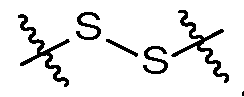


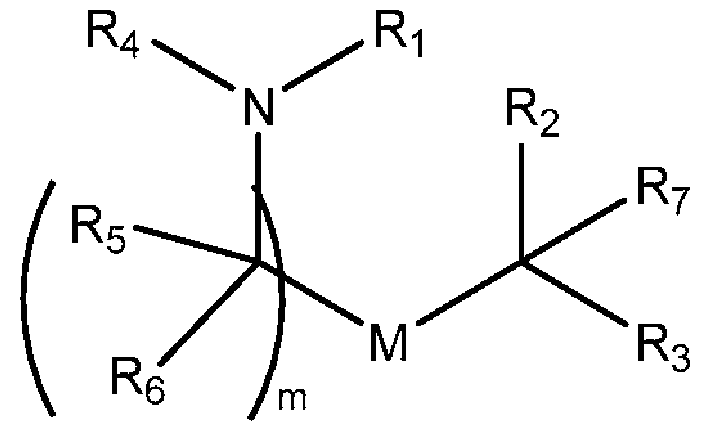


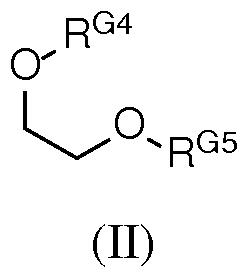


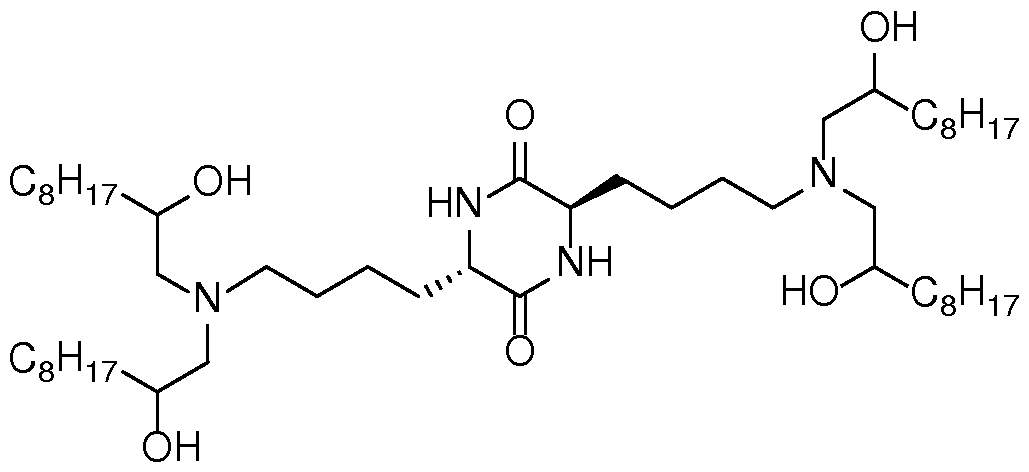

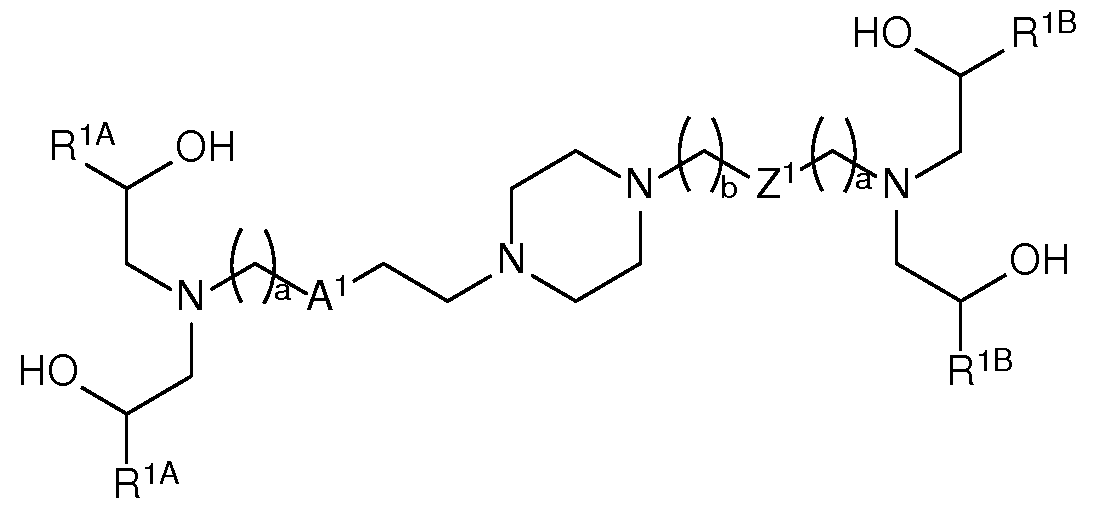



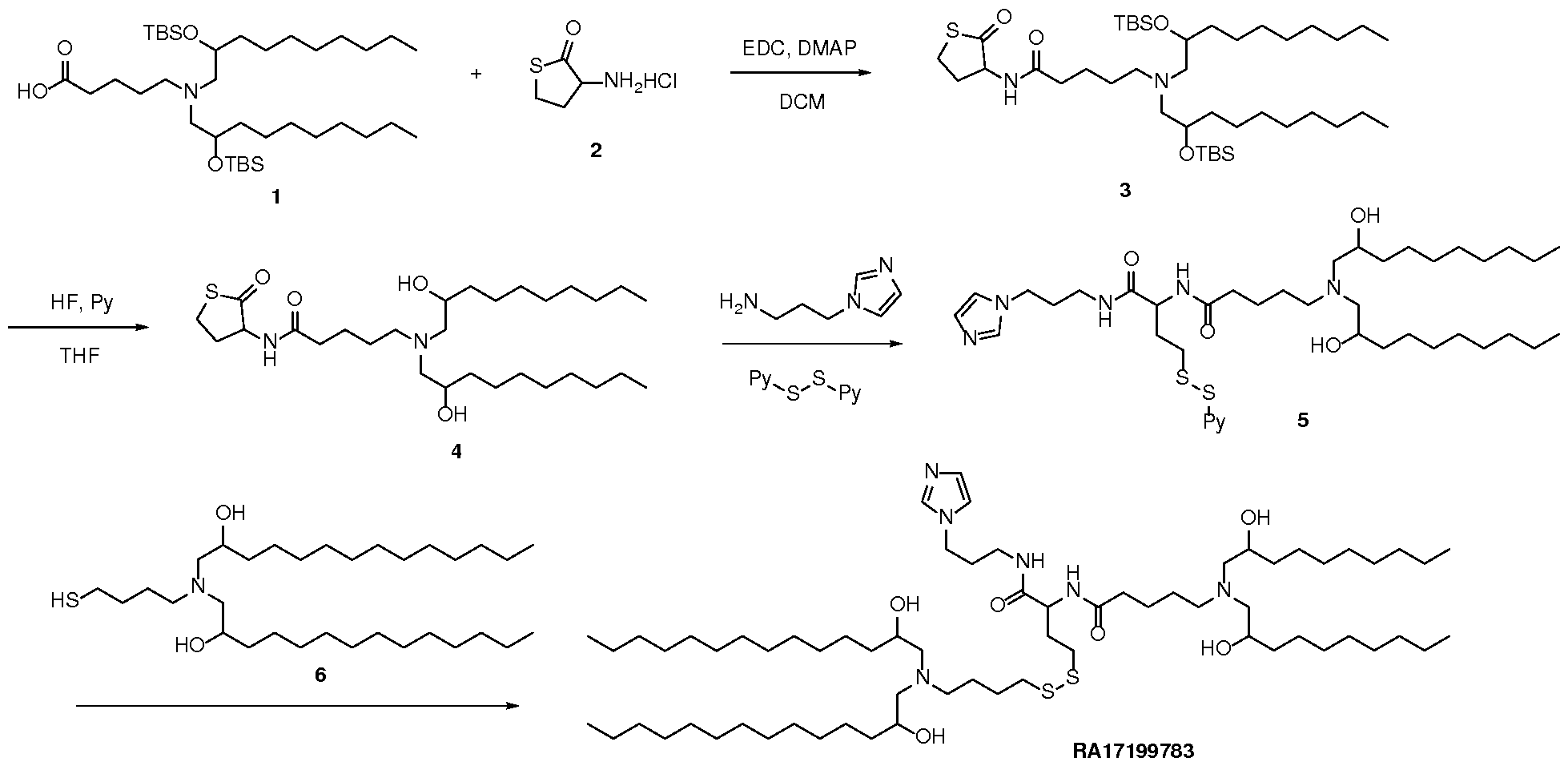


Claims

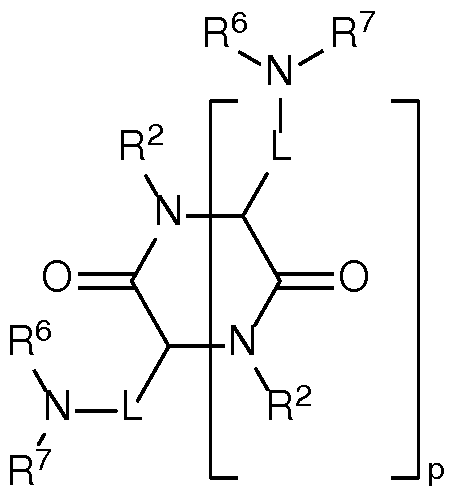
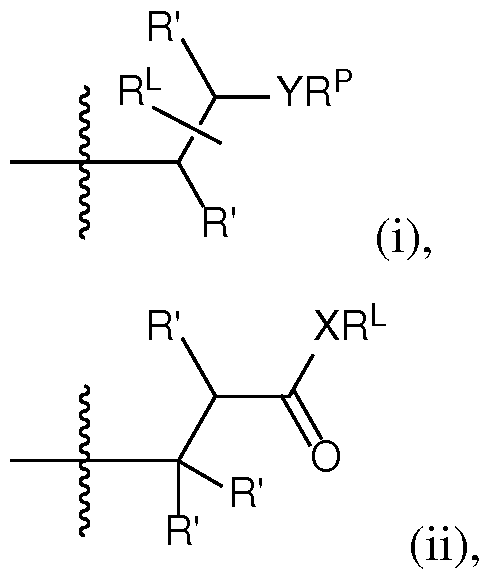


Priority Applications (5)
| Application Number | Priority Date | Filing Date | Title |
|---|---|---|---|
| CN202480043486.9A CN121398801A (en) | 2023-06-28 | 2024-06-28 | Use of glycerides for LNP formulations |
| EP24751327.8A EP4734959A1 (en) | 2023-06-28 | 2024-06-28 | Use of glycerides for lnp formulations |
| KR1020267002520A KR20260028828A (en) | 2023-06-28 | 2024-06-28 | Uses of Glycerides for LNP Formulations |
| AU2024310332A AU2024310332A1 (en) | 2023-06-28 | 2024-06-28 | Use of glycerides for lnp formulations |
| IL325528A IL325528A (en) | 2023-06-28 | 2025-12-22 | Use of glycerides for lnp formulations |
Applications Claiming Priority (2)
| Application Number | Priority Date | Filing Date | Title |
|---|---|---|---|
| EP23306047 | 2023-06-28 | ||
| EP23306047.4 | 2023-06-28 |
Publications (1)
| Publication Number | Publication Date |
|---|---|
| WO2025003754A1 true WO2025003754A1 (en) | 2025-01-02 |
Family
ID=87801610
Family Applications (1)
| Application Number | Title | Priority Date | Filing Date |
|---|---|---|---|
| PCT/IB2024/000334 Ceased WO2025003754A1 (en) | 2023-06-28 | 2024-06-28 | Use of glycerides for lnp formulations |
Country Status (7)
| Country | Link |
|---|---|
| EP (1) | EP4734959A1 (en) |
| KR (1) | KR20260028828A (en) |
| CN (1) | CN121398801A (en) |
| AU (1) | AU2024310332A1 (en) |
| IL (1) | IL325528A (en) |
| TW (1) | TW202515513A (en) |
| WO (1) | WO2025003754A1 (en) |
Cited By (2)
| Publication number | Priority date | Publication date | Assignee | Title |
|---|---|---|---|---|
| WO2025129333A1 (en) * | 2023-12-18 | 2025-06-26 | Nanovation Therapeutics Inc. | Lipid nanoparticles having non-polar lipids for nucleic acid delivery to the liver |
| WO2025196065A1 (en) * | 2024-03-20 | 2025-09-25 | Sanofi | Novel homocysteine based lipids and their use for delivery of nucleic acids |
Citations (4)
| Publication number | Priority date | Publication date | Assignee | Title |
|---|---|---|---|---|
| WO2000006120A1 (en) * | 1998-07-31 | 2000-02-10 | Korea Institute Of Science And Technology | Lipid emulsion and solid lipid nanoparticle as a gene or drug carrier |
| WO2018119514A1 (en) * | 2016-12-28 | 2018-07-05 | Precision Nanosystems Inc. | Compositions for transfecting resistant cell types |
| US20220142923A1 (en) * | 2020-11-06 | 2022-05-12 | Sanofi | LIPID NANOPARTICLES FOR DELIVERING mRNA VACCINES |
| WO2023079507A1 (en) * | 2021-11-05 | 2023-05-11 | Sanofi | Respiratory syncytial virus rna vaccine |
-
2024
- 2024-06-28 EP EP24751327.8A patent/EP4734959A1/en active Pending
- 2024-06-28 KR KR1020267002520A patent/KR20260028828A/en active Pending
- 2024-06-28 WO PCT/IB2024/000334 patent/WO2025003754A1/en not_active Ceased
- 2024-06-28 TW TW113124385A patent/TW202515513A/en unknown
- 2024-06-28 CN CN202480043486.9A patent/CN121398801A/en active Pending
- 2024-06-28 AU AU2024310332A patent/AU2024310332A1/en active Pending
-
2025
- 2025-12-22 IL IL325528A patent/IL325528A/en unknown
Patent Citations (4)
| Publication number | Priority date | Publication date | Assignee | Title |
|---|---|---|---|---|
| WO2000006120A1 (en) * | 1998-07-31 | 2000-02-10 | Korea Institute Of Science And Technology | Lipid emulsion and solid lipid nanoparticle as a gene or drug carrier |
| WO2018119514A1 (en) * | 2016-12-28 | 2018-07-05 | Precision Nanosystems Inc. | Compositions for transfecting resistant cell types |
| US20220142923A1 (en) * | 2020-11-06 | 2022-05-12 | Sanofi | LIPID NANOPARTICLES FOR DELIVERING mRNA VACCINES |
| WO2023079507A1 (en) * | 2021-11-05 | 2023-05-11 | Sanofi | Respiratory syncytial virus rna vaccine |
Cited By (2)
| Publication number | Priority date | Publication date | Assignee | Title |
|---|---|---|---|---|
| WO2025129333A1 (en) * | 2023-12-18 | 2025-06-26 | Nanovation Therapeutics Inc. | Lipid nanoparticles having non-polar lipids for nucleic acid delivery to the liver |
| WO2025196065A1 (en) * | 2024-03-20 | 2025-09-25 | Sanofi | Novel homocysteine based lipids and their use for delivery of nucleic acids |
Also Published As
| Publication number | Publication date |
|---|---|
| KR20260028828A (en) | 2026-03-04 |
| IL325528A (en) | 2026-02-01 |
| CN121398801A (en) | 2026-01-23 |
| EP4734959A1 (en) | 2026-05-06 |
| AU2024310332A1 (en) | 2026-02-12 |
| TW202515513A (en) | 2025-04-16 |
Similar Documents
| Publication | Publication Date | Title |
|---|---|---|
| TWI850613B (en) | Lipid compound, composition thereof, pharmaceutical composition thereof, method for preparing lipid nanoparticles and use thereof | |
| KR102951683B1 (en) | Lipid nanoparticles | |
| AU2024310332A1 (en) | Use of glycerides for lnp formulations | |
| JP2025510229A (en) | Novel ionized lipids and lipid nanoparticles and methods of using them | |
| CN115850104A (en) | Ionizable lipid compounds | |
| JP2024542188A (en) | Novel ionizable lipids and lipid nanoparticles and methods of using them - Patents.com | |
| WO2024255882A1 (en) | Ionizable lipid for muscle-specific delivery | |
| CN117430541B (en) | Compounds and compositions thereof for delivery to cells | |
| TW202543584A (en) | Lipid nanoparticles targeting muscle | |
| JP2025538939A (en) | Lipid compounds and uses thereof | |
| JP2025540651A (en) | Lipid compounds and compositions for delivery of active agents - Patent Application 20070122997 | |
| CN116211831A (en) | Lipid Matrix Topical Injection Formulations | |
| WO2025134071A1 (en) | Malic and glutaric acid based ionizable lipids | |
| EP4734960A1 (en) | Sterol analogs in lipid nanoparticle formulations | |
| JP2025530781A (en) | Novel ionizable lipids and lipid nanoparticles and methods of use thereof | |
| WO2025141521A1 (en) | Lipids having dendritic moieties | |
| WO2026053147A1 (en) | Helper lipids and lnp compositions comprising same | |
| EP4385523A1 (en) | Lipid-based topical injection formulations | |
| JP7813399B2 (en) | Long-acting spleen-targeted cationic lipid compounds containing a benzene ring structure, compositions containing same and uses - Patent Application 20070122997 | |
| WO2026081995A1 (en) | Ionizable lipid containing heteroaromatic ring structure | |
| WO2026061537A1 (en) | Rapidly metabolized lipid compound | |
| WO2025237387A1 (en) | Lipid composition | |
| HK40085287A (en) | Lipid nanoparticles | |
| WO2025161943A1 (en) | Lipid compound and lipid nanoparticle for delivery | |
| TW202346273A (en) | Novel lipids for delivery of nucleic acid segments |
Legal Events
| Date | Code | Title | Description |
|---|---|---|---|
| 121 | Ep: the epo has been informed by wipo that ep was designated in this application |
Ref document number: 24751327 Country of ref document: EP Kind code of ref document: A1 |
|
| WWE | Wipo information: entry into national phase |
Ref document number: MX/A/2025/015721 Country of ref document: MX |
|
| WWE | Wipo information: entry into national phase |
Ref document number: 325528 Country of ref document: IL |
|
| WWE | Wipo information: entry into national phase |
Ref document number: 202617003960 Country of ref document: IN |
|
| ENP | Entry into the national phase |
Ref document number: 1020267002520 Country of ref document: KR Free format text: ST27 STATUS EVENT CODE: A-0-1-A10-A15-NAP-PA0105 (AS PROVIDED BY THE NATIONAL OFFICE) |
|
| WWE | Wipo information: entry into national phase |
Ref document number: 1020267002520 Country of ref document: KR |
|
| WWE | Wipo information: entry into national phase |
Ref document number: AU2024310332 Country of ref document: AU |
|
| WWE | Wipo information: entry into national phase |
Ref document number: 2024751327 Country of ref document: EP |
|
| NENP | Non-entry into the national phase |
Ref country code: DE |
|
| WWE | Wipo information: entry into national phase |
Ref document number: 11202508780V Country of ref document: SG |
|
| WWP | Wipo information: published in national office |
Ref document number: 11202508780V Country of ref document: SG |
|
| ENP | Entry into the national phase |
Ref document number: 2024751327 Country of ref document: EP Effective date: 20260128 |
|
| WWP | Wipo information: published in national office |
Ref document number: 325528 Country of ref document: IL |
|
| ENP | Entry into the national phase |
Ref document number: 2024751327 Country of ref document: EP Effective date: 20260128 |
|
| ENP | Entry into the national phase |
Ref document number: 2024310332 Country of ref document: AU Date of ref document: 20240628 Kind code of ref document: A |
|
| WWP | Wipo information: published in national office |
Ref document number: 1020267002520 Country of ref document: KR |
|
| WWP | Wipo information: published in national office |
Ref document number: 202617003960 Country of ref document: IN |