WO2024259075A1 - Polymer formulations for delivery of polynucleotides - Google Patents
Polymer formulations for delivery of polynucleotides Download PDFInfo
- Publication number
- WO2024259075A1 WO2024259075A1 PCT/US2024/033764 US2024033764W WO2024259075A1 WO 2024259075 A1 WO2024259075 A1 WO 2024259075A1 US 2024033764 W US2024033764 W US 2024033764W WO 2024259075 A1 WO2024259075 A1 WO 2024259075A1
- Authority
- WO
- WIPO (PCT)
- Prior art keywords
- pharmaceutical formulation
- seq
- rsv
- polynucleotide
- antibody
- Prior art date
- Legal status (The legal status is an assumption and is not a legal conclusion. Google has not performed a legal analysis and makes no representation as to the accuracy of the status listed.)
- Ceased
Links
Classifications
-
- A—HUMAN NECESSITIES
- A61—MEDICAL OR VETERINARY SCIENCE; HYGIENE
- A61K—PREPARATIONS FOR MEDICAL, DENTAL OR TOILETRY PURPOSES
- A61K47/00—Medicinal preparations characterised by the non-active ingredients used, e.g. carriers or inert additives; Targeting or modifying agents chemically bound to the active ingredient
- A61K47/50—Medicinal preparations characterised by the non-active ingredients used, e.g. carriers or inert additives; Targeting or modifying agents chemically bound to the active ingredient the non-active ingredient being chemically bound to the active ingredient, e.g. polymer-drug conjugates
- A61K47/51—Medicinal preparations characterised by the non-active ingredients used, e.g. carriers or inert additives; Targeting or modifying agents chemically bound to the active ingredient the non-active ingredient being chemically bound to the active ingredient, e.g. polymer-drug conjugates the non-active ingredient being a modifying agent
- A61K47/56—Medicinal preparations characterised by the non-active ingredients used, e.g. carriers or inert additives; Targeting or modifying agents chemically bound to the active ingredient the non-active ingredient being chemically bound to the active ingredient, e.g. polymer-drug conjugates the non-active ingredient being a modifying agent the modifying agent being an organic macromolecular compound, e.g. an oligomeric, polymeric or dendrimeric molecule
- A61K47/58—Medicinal preparations characterised by the non-active ingredients used, e.g. carriers or inert additives; Targeting or modifying agents chemically bound to the active ingredient the non-active ingredient being chemically bound to the active ingredient, e.g. polymer-drug conjugates the non-active ingredient being a modifying agent the modifying agent being an organic macromolecular compound, e.g. an oligomeric, polymeric or dendrimeric molecule obtained by reactions only involving carbon-to-carbon unsaturated bonds, e.g. poly[meth]acrylate, polyacrylamide, polystyrene, polyvinylpyrrolidone, polyvinylalcohol or polystyrene sulfonic acid resin
-
- A—HUMAN NECESSITIES
- A61—MEDICAL OR VETERINARY SCIENCE; HYGIENE
- A61K—PREPARATIONS FOR MEDICAL, DENTAL OR TOILETRY PURPOSES
- A61K47/00—Medicinal preparations characterised by the non-active ingredients used, e.g. carriers or inert additives; Targeting or modifying agents chemically bound to the active ingredient
- A61K47/30—Macromolecular organic or inorganic compounds, e.g. inorganic polyphosphates
- A61K47/32—Macromolecular compounds obtained by reactions only involving carbon-to-carbon unsaturated bonds, e.g. carbomers, poly(meth)acrylates, or polyvinyl pyrrolidone
-
- A—HUMAN NECESSITIES
- A61—MEDICAL OR VETERINARY SCIENCE; HYGIENE
- A61K—PREPARATIONS FOR MEDICAL, DENTAL OR TOILETRY PURPOSES
- A61K48/00—Medicinal preparations containing genetic material which is inserted into cells of the living body to treat genetic diseases; Gene therapy
- A61K48/0008—Medicinal preparations containing genetic material which is inserted into cells of the living body to treat genetic diseases; Gene therapy characterised by an aspect of the 'non-active' part of the composition delivered, e.g. wherein such 'non-active' part is not delivered simultaneously with the 'active' part of the composition
- A61K48/0025—Medicinal preparations containing genetic material which is inserted into cells of the living body to treat genetic diseases; Gene therapy characterised by an aspect of the 'non-active' part of the composition delivered, e.g. wherein such 'non-active' part is not delivered simultaneously with the 'active' part of the composition wherein the non-active part clearly interacts with the delivered nucleic acid
- A61K48/0041—Medicinal preparations containing genetic material which is inserted into cells of the living body to treat genetic diseases; Gene therapy characterised by an aspect of the 'non-active' part of the composition delivered, e.g. wherein such 'non-active' part is not delivered simultaneously with the 'active' part of the composition wherein the non-active part clearly interacts with the delivered nucleic acid the non-active part being polymeric
-
- A—HUMAN NECESSITIES
- A61—MEDICAL OR VETERINARY SCIENCE; HYGIENE
- A61K—PREPARATIONS FOR MEDICAL, DENTAL OR TOILETRY PURPOSES
- A61K48/00—Medicinal preparations containing genetic material which is inserted into cells of the living body to treat genetic diseases; Gene therapy
- A61K48/005—Medicinal preparations containing genetic material which is inserted into cells of the living body to treat genetic diseases; Gene therapy characterised by an aspect of the 'active' part of the composition delivered, i.e. the nucleic acid delivered
-
- A—HUMAN NECESSITIES
- A61—MEDICAL OR VETERINARY SCIENCE; HYGIENE
- A61K—PREPARATIONS FOR MEDICAL, DENTAL OR TOILETRY PURPOSES
- A61K9/00—Medicinal preparations characterised by special physical form
- A61K9/0012—Galenical forms characterised by the site of application
- A61K9/007—Pulmonary tract; Aromatherapy
- A61K9/0073—Sprays or powders for inhalation; Aerolised or nebulised preparations generated by other means than thermal energy
-
- A—HUMAN NECESSITIES
- A61—MEDICAL OR VETERINARY SCIENCE; HYGIENE
- A61P—SPECIFIC THERAPEUTIC ACTIVITY OF CHEMICAL COMPOUNDS OR MEDICINAL PREPARATIONS
- A61P31/00—Antiinfectives, i.e. antibiotics, antiseptics, chemotherapeutics
- A61P31/12—Antivirals
- A61P31/14—Antivirals for RNA viruses
-
- C—CHEMISTRY; METALLURGY
- C07—ORGANIC CHEMISTRY
- C07K—PEPTIDES
- C07K16/00—Immunoglobulins [IG], e.g. monoclonal or polyclonal antibodies
- C07K16/08—Immunoglobulins [IG], e.g. monoclonal or polyclonal antibodies against material from viruses
- C07K16/10—RNA viruses
- C07K16/102—Coronaviridae (F)
- C07K16/104—Severe acute respiratory syndrome coronavirus 2 [SARS‐CoV‐2]
-
- C—CHEMISTRY; METALLURGY
- C12—BIOCHEMISTRY; BEER; SPIRITS; WINE; VINEGAR; MICROBIOLOGY; ENZYMOLOGY; MUTATION OR GENETIC ENGINEERING
- C12N—MICROORGANISMS OR ENZYMES; COMPOSITIONS THEREOF; PROPAGATING, PRESERVING, OR MAINTAINING MICROORGANISMS; MUTATION OR GENETIC ENGINEERING; CULTURE MEDIA
- C12N15/00—Mutation or genetic engineering; DNA or RNA concerning genetic engineering, vectors, e.g. plasmids, or their isolation, preparation or purification; Use of hosts therefor
- C12N15/09—Recombinant DNA-technology
- C12N15/87—Introduction of foreign genetic material using processes not otherwise provided for, e.g. co-transformation
- C12N15/88—Introduction of foreign genetic material using processes not otherwise provided for, e.g. co-transformation using microencapsulation, e.g. using amphiphile liposome vesicle
-
- A—HUMAN NECESSITIES
- A61—MEDICAL OR VETERINARY SCIENCE; HYGIENE
- A61K—PREPARATIONS FOR MEDICAL, DENTAL OR TOILETRY PURPOSES
- A61K39/00—Medicinal preparations containing antigens or antibodies
- A61K2039/505—Medicinal preparations containing antigens or antibodies comprising antibodies
-
- A—HUMAN NECESSITIES
- A61—MEDICAL OR VETERINARY SCIENCE; HYGIENE
- A61K—PREPARATIONS FOR MEDICAL, DENTAL OR TOILETRY PURPOSES
- A61K39/00—Medicinal preparations containing antigens or antibodies
- A61K2039/51—Medicinal preparations containing antigens or antibodies comprising whole cells, viruses or DNA/RNA
- A61K2039/53—DNA (RNA) vaccination
-
- A—HUMAN NECESSITIES
- A61—MEDICAL OR VETERINARY SCIENCE; HYGIENE
- A61K—PREPARATIONS FOR MEDICAL, DENTAL OR TOILETRY PURPOSES
- A61K47/00—Medicinal preparations characterised by the non-active ingredients used, e.g. carriers or inert additives; Targeting or modifying agents chemically bound to the active ingredient
- A61K47/06—Organic compounds, e.g. natural or synthetic hydrocarbons, polyolefins, mineral oil, petrolatum or ozokerite
- A61K47/08—Organic compounds, e.g. natural or synthetic hydrocarbons, polyolefins, mineral oil, petrolatum or ozokerite containing oxygen, e.g. ethers, acetals, ketones, quinones, aldehydes, peroxides
- A61K47/12—Carboxylic acids; Salts or anhydrides thereof
-
- C—CHEMISTRY; METALLURGY
- C07—ORGANIC CHEMISTRY
- C07K—PEPTIDES
- C07K2317/00—Immunoglobulins specific features
- C07K2317/70—Immunoglobulins specific features characterized by effect upon binding to a cell or to an antigen
- C07K2317/76—Antagonist effect on antigen, e.g. neutralization or inhibition of binding
-
- C—CHEMISTRY; METALLURGY
- C07—ORGANIC CHEMISTRY
- C07K—PEPTIDES
- C07K2317/00—Immunoglobulins specific features
- C07K2317/90—Immunoglobulins specific features characterized by (pharmaco)kinetic aspects or by stability of the immunoglobulin
- C07K2317/92—Affinity (KD), association rate (Ka), dissociation rate (Kd) or EC50 value
Definitions
- Respiratory Syncytial Virus is a common respiratory virus that is the leading cause of lower respiratory tract disease in young children and older adults. Nearly all children have been infected by RSV by age 2, and about 60,000 annual in-hospital deaths in children under 5 are caused by this pathogen. The transmission of RSV occurs through aerosolized droplets, and can readily spread through close contact. There are currently no vaccines available for RSV, despite the heavy disease burden, and a single FDA-approved treatment is restricted to passive immunoprophylaxis for high-risk infants because of its high cost and modest efficacy. Due to the high prevalence in sensitive populations and lack of treatment options, there is a need for additional RSV treatments.
- Nucleic acid-based therapeutics hold the potential to treat diseases with a protein target, including RSV, influenza, SARS-CoV-2, and other viral infections.
- DNA therapeutics have been used.
- the use of DNA therapeutics confers risks that could be mitigated through alternative nucleic acid based therapeutics, such as RNA therapeutics.
- RNA therapeutics confers risks that could be mitigated through alternative nucleic acid based therapeutics, such as RNA therapeutics.
- mRNA rather than DNA could mitigate the risk of insertional mutagenesis and also confer the ability to transfect non-dividing cells, such as respiratory epithelial cells, the primary cell type infected by RSV and are slowly dividing or terminally differentiated.
- IVTT In vitro transcribed mRNA can be programmed to express neutralizing antibodies against the viral pathogen, RSV, and has been demonstrated in the lung, albeit using invasive intra-tracheal delivery. Accordingly, the development of an effective delivery system for such therapeutics remains a critical hurdle for clinical adoption of mRNA therapeutics for use in the treatment of respiratory infection.
- FIGs. 1A-1D are schematics of mRNA structures encoding antibodies.
- FIG. 1A depicts an mRNA domain map for a heavy chain and a light chain (“double”) encoded antibody.
- FIG. IB depicts an antibody encoded by the mRNA depicted in FIG. 1A.
- FIG. 1C depicts an mRNA domain map for a light chain-linker-heavy chain (“single”) encoded antibody.
- FIG. ID depicts an antibody encoded by the mRNA depicted in FIG. 1C.
- Antibodies disclosed herein for example, the RSV nABs ADI-14442, ADI-15618, or Palivizumad, or the SARS-CoV-2 nABs COV2-2832, COV2-2130, COV2-2196, or LY-COV1404 may be delivered in embodiments illustrated in FIGs 1A-1D.
- FIGs. 2A-2C are charts depicting in vitro expression, binding, and in vitro neutralization of the mRNA single encoded antibodies using different sized GS linkers (lx, 2x, 3x, or 4x).
- FIG. 2A is a chart depicting in vitro expression of RSV-neutralizing antibodies with control, lx, 2x, 3x, or 4x linker. Antibodies were expressed on the surface of 293F cells. Expression was measured by flow cytometry following anti-human Fc- Alexa 647 antibody staining.
- FIG. 2B is a chart depicting binding of RSV-neutralizing antibodies to an RSV F protein with lx, 2x, 3x, or 4x linker.
- FIG. 2C is a chart depicting in vitro neutralization of RSV-neutralizing antibodies with lx, 2x, 3x, or 4x linker.
- the expi293F cells expressing the antibody were treated with phospholipase C to release the antibody from the cell surface. RSV was then combined with the antibody to infect expi293F cells. Neutralization was measured by flow cytometry following Pali-Alexa 647 staining.
- FIGs. 3A-3E are charts depicting binding and in vitro neutralization of RSV and SARS-CoV-2 antibodies using single or double architecture depicted in FIG. 1.
- FIG. 3A is a chart depicting binding of RSV-neutralizing antibodies aADI- 14442 double, aADI- 14442 single with 4x linker, and aLY-CoV1404 single with 4x linker to an RSV F.
- PLC-cleaved mAbs were treated on antigen-expressing 293F cells. Binding was measured by flow cytometry following anti-human Fc- Alexa 647 antibody staining.
- FIG. 3A is a chart depicting binding of RSV-neutralizing antibodies aADI- 14442 double, aADI- 14442 single with 4x linker, and aLY-CoV1404 single with 4x linker to an RSV F.
- PLC-cleaved mAbs were treated on antigen-expressing 293F cells. Binding was measured by flow
- FIG. 3B is a chart depicting in vitro neutralization of RSV-neutralizing antibodies aADI-15618 double, aADI-15618 single with 4x linker, and aLY-CoV1404 single with 4x linker.
- the expi293F cells expressing the antibody were treated with phospholipase C to release the antibody from the cell surface. RSV was then combined with the antibody to infect expi293F cells. Neutralization was measured by flow cytometry following Pali-Alexa 647 staining.
- FIG. 3C is a chart depicting binding of RSV-neutralizing antibodies aADI-15618 double, aADI-15618 single with 4x linker, and aLY-CoV1404 single with 4x linker to an RSV F.
- FIG. 3D is a chart depicting in vitro neutralization of RSV-neutralizing antibodies aADI-15618 double, aADI-15618 single with 4x linker, and aLY-CoV1404 single with 4x linker.
- the expi293F cells expressing the antibody were treated with phospholipase C to release the antibody from the cell surface. RSV was then combined with the antibody to infect expi293F cells. Neutralization was measured by flow cytometry following Pali-Alexa 647 staining.
- 3E is a chart depicting binding of SARS-CoV-2-neutralizing antibodies to a SARS-CoV-2 S protein with single or double architecture.
- Antibodies with single architecture use a 4x linker.
- PLC-cleaved mAbs were treated on antigen-expressing 293F cells. Binding was measured by flow cytometry following anti-human Fc-Alexa 647 antibody staining.
- FIGs. 4A-4B are charts depicting the percentage of live cells expressing antibody aCOV2-2832 following challenge with SARS-CoV-2 infection.
- FIG. 4A depicts the percentage of live cells expressing double or single antibody architectures corresponding to COV2-2832, COV2-2130, COV2-2196, or Palivizumad.
- a cytopathic effect assay (CPE) assay was used to measure cell viability after 72 h infection.
- FIG. 4B depicts the percentage of live cells expressing combinations of two single antibody architectures using a 4x linker.
- the single antibody architectures correspond to COV2-2832, COV2-2130, COV2-2196, COV2-2832 + COV2-2130, COV2-2832 + COV2-2196, COV2-2130 + COV2-2196, or Palivizumad.
- CPE cytopathic effect assay
- PFU plaque forming units
- FIG. 5C depicts confocal microscopy images of cells expressing anchored antibodies using single or double architecture that were subsequently treated with RSV. Cells were stained using anti-human Fc-Alexa 647 (red), anti-RSV N (green), anti-pan RSV (blue), and DAPI (white).
- FIGs. 6A-B are charts depicting expression data of RSV F in mice nebulized with an mRNA polymer conjugate comprising a double or single architecture at different polymer ratios.
- FIG. 6A is a chart depicting RSV F gene expression in mouse lung. Mice were treated with 50ug single mRNA with a 4x linker at different ratios of polymer to mRNA (25: 1; 50:1, or 100: 1) via nebulization, then inoculated with 10 5 PFU/mouse of RSV. RSV F expression is measured by qRT-PCR and was performed using primers for RSV F protein and depicted relative to GAPDH expression.
- FIG. 6B is a chart depicting RSV F gene expression in mouse lung.
- mice were treated with 50ug of single mRNA at a 25: 1 ratio of polymer to mRNA via nebulization or with 50ug of double mRNA at a 100: 1 ratio of polymer to mRNA via nebulization, then inoculated with 10 5 PFU/mouse of RSV.
- RSV F expression is measured by qRT-PCR was performed using primers for RSV F protein, and depicted relative to GAPDH expression.
- FIGs. 7A-7B are charts depicting potency of aCOV2-2832 (double) / aCOV2-2832 Fab-Fc (single) architectures of SARS-CoV-2 antibodies in hamsters.
- FIG. 7A is a chart depicting fold change of SARS-CoV-2 in hamster lung. Hamsters were treated with 400ug single or double mRNA architecture at a ratio of 25: 1 (polymer: mRNA) via nebulization. After 36-40h, hamsters were then inoculated with WAI. qRT-PCR was performed and fold change of SARS-CoV-2 is depicted normalized to 18S.
- FIG. 7B is a chart depicting PFU (lung titer) in hamster lung.
- Hamsters were treated with 400ug single or double mRNA architecture at a ratio of 25: 1 (polymermRNA) via nebulization. After 36-40h, hamsters were then inoculated with WAI. SARS-CoV-2 infection is depicted by PFU.
- FIGs. 8A-8B are charts depicting expression data of RSV F in mice nebulized with different concentrations of ADI-14442 or ADI-15618 single mRNA architectures.
- FIG. 8A is a chart depicting RSV F gene expression in mouse lung. Mice were treated with lOOug, 50ug, 25ug, 12.5ug, 6.25ug, or Oug per mouse of the single ADI-14442 mRNA via nebulization, then inoculated with 10 5 PFU/mouse of RSV. qRT-PCR was performed using primers for RSV F. RSV F expression is depicted relative to 18S expression.
- FIG. 8B is a chart depicting RSV F gene expression in mouse lung.
- mice were treated with lOOug, 50ug, 25ug, 12.5ug, 6.25ug, or Oug per mouse of the single ADI-15618 mRNA via nebulization, then inoculated with 10 5 PFU/mouse of RSV.
- RSV F expression is depicted relative to 28S expression.
- FIGs. 9A-9C are charts depicting potency of different doses of aCOV2-2832 Fab-Fc single architectures of SARS-CoV-2 antibodies in hamsters.
- FIG. 9A is a chart depicting fold change of SARS-CoV-2 in hamster lung.
- Hamsters were treated with 400ug, 300ug, 200ug, lOOug, 50ug, or Oug of aCOV2-2832 Fab-Fc single architecture mRNA at a ratio of 25: 1 (polymer: mRNA) via nebulization. After 36-40h, hamsters were inoculated with WAI. After 2 days post infection, lungs were harvested.
- FIG. 9B is a chart depicting PFU (lung titer) in hamster lung.
- Hamsters were treated with 400ug, 300ug, 200ug, lOOug, 50ug, or Oug of aCOV2-2832 Fab-Fc single architecture mRNA at a ratio of 25: 1 (polymermRNA) via nebulization.
- WAI a ratio of 25: 1 (polymermRNA)
- 9C is a chart depicting PFU (lung titer) in hamster lung.
- Hamsters were treated with 400ug, 300ug, 200ug, lOOug, 50ug, or Oug of aCOV2-2832 Fab-Fc single architecture mRNA at a ratio of 25: 1
- FIGs. 10A-10B depict mRNA distribution in the hamster lung.
- the reporter mRNA (nanoluciferase) is representative of the mRNA distribution after nebulization in a hamster. The mRNA was delivered by nebulization at a 0.3 mg/kg dose (about 30ug) at a ratio of 50: 1 (polymer: mRNA).
- FIG. 10A is an RNAscope image of hamster lung nebulized with nanoluciferase mRNA showing mRNA+DAPI (left) staining and mRNA only staining (right).
- FIG. 10B is an RNAscope image of hamster lung nebulized with nanoluciferase mRNA. The left column show the hamster lung at the lowest resolution. The middle image depicts the hamster lung at higher resolution. The right image depicts the aNLuc (nanoluciferase) mRNA as indicated by the yellow arrows.
- FIG. 11 depicts the procedure followed for the experiments described in Example 7 of the present disclosure.
- FIG. 12 depicts the procedure followed for the experiments described in Example 8 of the present disclosure.
- FIG. 13 depicts the procedure followed for the experiments described in Example 9 of the present disclosure.
- FIG. 14 depicts the procedure followed for the experiments described in Example 10 of the present disclosure.
- the disclosure provides methods of treating or preventing respiratory diseases such as
- the polynucleotide e.g., mRNA
- the polynucleotide of the pharmaceutical compositions described herein is selected from any one or more of the polynucleotide sequences in Table 1 and/or a polynucleotide encoding for any of the antibody sequences or binding portions thereof in Table 1.
- the disclosure provides a pharmaceutical formulation comprising a polynucleotide encoding a neutralizing antibody and a polymer comprising a repeating monomeric unit, wherein the monomeric unit comprises one or more thioether moieties and one or more bisphenol moieties represented by:
- the one or more thioether moieties are independently selected from , .g., .
- the one or more thioether moieties are independently selected from .
- the monomeric unit comprises 1-5 bisphenol moieties, such as 2, 3, or 4 bisphenol moieties.
- the disclosure provides a pharmaceutical formulation comprising a polynucleotide encoding a neutralizing antibody and a polymer comprising a repeating monomeric unit, wherein the monomeric unit comprises one or more thioether moieties , eutical formulation comprising a polynucleotide encoding a neutralizing antibody and a polymer comprising a repeating monomeric unit, wherein the monomeric unit comprises one or more thioether moieties represented by , and one or more bisphenol ester moieties represented by In certain embodiments, the monomeric unit comprises a thioether moiety represented by . In certain embodiments, the monomeric unit comprises 1-5 bisphenol ester moi eties.
- the monomeric unit comprises 2, 3, or 4 bisphenol ester moieties. In certain embodiments, the monomeric unit comprises 2 or 3 bisphenol ester moieties. In certain embodiments, a monomeric unit further comprises one or more amine groups. In certain embodiments, the one or more amine groups are selected from alkyldiamines. In certain embodiments, the alkyldiamine groups are independently selected from: In certain embodiments, the monomeric unit comprises 1, 2, or 3 alkyldiamines. In certain embodiments, the monomeric unit comprises 2 or 3 alkyldiamines. In certain embodiments, the monomeric unit further comprises one or more terminal amine groups. In certain embodiments, the terminal amine group is selected from a terminal alkyldiamine.
- the terminal alkyldiamine is selected from: In certain embodiments, the terminal alkyldiamine is selected from: . In certain embodiments, one or more of the amine groups and terminal amine groups are formylated. In certain embodiments, the polymer comprises 5 to 100 monomeric units, such as 10 to 80 monomeric units, 5 to 50 monomeric units, 20 to 50 monomeric units, 30 to 60 monomeric units, or 40 to 50 monomeric units.
- the disclosure provides a pharmaceutical formulation comprising: (a) a polynucleotide encoding a neutralizing antibody and (b) a polymer wherein the polymer is prepared by the method comprising contacting a compound of formula solvent.
- the dithiol is selected from such as
- the dithiol is selected from In some embodiments, the one
- the solvent is polar aprotic.
- the polar aprotic solvent comprises N, V-dimethylformamide, DMSO, THF, acetonitrile, acetone or a combination thereof.
- the polar aprotic solvent comprises N,N- dimethylformamide.
- the contacting a compound of formula dithiol is in a mole ratio of about 5: 1 to about 20: 1, such as about 8: 1 to about 15: 1.
- the contacting a compound of formula alkyldiamine is in a mole ratio of about 2: 1 to about 8: 1, such as about 2: 1 to about 5: 1.
- the formulation comprises polynucleotide to polymer in a weight ratio of about 1 :40 to about 1 :20, such as about 1 :25.
- the polymer and the polynucleotide are complexed in nanoparticles, e.g., nanoparticles suspended in an aqueous media.
- the nanoparticles have an average diameter of from 75 nm to 300 nm, 100 nm to 250 nm, 100 nm to 200 nm or 75 nm to 150 nm.
- the nanoparticles have an average diameter of about 110 nm to about 160 nm, such as about 120 to about 160 nm.
- the formulation has a poly dispersity index of nanoparticles of about 0.1 to about 0.3, such as about 0.1.
- the nanoparticles have a zeta potential of 45 mV or greater, such as 50 mV or greater, such as 50 to 80 mV, such as 55 to 65 mV.
- the formulation has a pH of 6 or less, or 5.5 or less, or 5 or less.
- the neutralizing antibody is an anti-RSV antibody or a binding fragment thereof.
- the anti-RSV antibody is a highly specific, high affinity, and highly potent neutralizing anti-RSV antibody or antigen-binding fragments thereof which neutralizes at least one, but preferably both, of subtype A and subtype B RSV viral strains, and which preferentially recognize PreF relative to PostF conformations of the F protein.
- this disclosure provides formulations with polynucleotides encoding anti- RSV and anti-HMPV cross-neutralizing antibodies and antigen-binding fragments thereof.
- the pharmaceutical formulations described herein may be used to treat or prevent respiratory disease such as RSV.
- the antibodies and pharmaceutical compositions described herein may provide a method of inhibiting that process and as such, may be used for preventing infection of a patient exposed to, or at risk for acquiring an infection with RSV, or for treating and/or ameliorating one or more symptoms associated with RSV infection in a patient exposed to, or at risk for acquiring an infection with RSV, or suffering from infection with RSV.
- the antibodies described herein may also be used to prevent or to treat an RSV infection in a patient who may experience a more severe form of the RSV infection due to an underlying or pre-existing medical condition.
- the antibodies encoded by the polynucleotides herein may be full-length (for example, an IgGl or IgG4 antibody) or may comprise only an antigen-binding portion (for example, a Fab, F(ab')2 or scFv fragment), and may be modified to affect functionality, e.g., to eliminate residual effector functions.
- the polynucleotides of the disclosure encode isolated antibodies or antigen-binding fragments thereof that specifically bind to Respiratory Syncytial Virus (RSV) F protein (F).
- the RSV antibody comprises ADI-14442, ADI-15618, Palivizumab, fragments thereof, or a combination thereof.
- the polynucleotides of the disclosure encode isolated antibodies or antigen-binding fragments thereof that specifically bind to SARS-CoV-2 Spike protein (S).
- the antibody is a SARS-CoV-2 antibody.
- the antibody comprises COV2-2832, COV2-2130, COV2-2196, LY-COV1404, fragements thereof, or combinations thereof.
- the polynucleotides of the disclosure encode isolated antibodies or antigen-binding fragments thereof and are delivered as single polynucleotides. In certain embodiments, the polynucleotides of the disclosure encode isolated antibodies or antigen-binding fragments thereof and are delivered as one or more polynucleotides. In certain embodiments, the polynucleotides of the disclosure encode isolated antibodies or antigenbinding fragments thereof and are delivered as two polynucleotides. In certain embodiments, the polynucleotides of the disclosure encode isolated antibodies or antigen-binding fragments thereof and are delivered as two or more polynucleotides.
- the polynucleotides of the disclosure encode isolated antibodies or antigen-binding fragments thereof and are delivered as three polynucleotides. In certain embodiments, the polynucleotides of the disclosure encode isolated antibodies or antigen-binding fragments thereof and are delivered as four polynucleotides. In certain embodiments, two or more polynucleotides are delivered in a pharmaceutical formulation, wherein each of the polynucleotides encode a different isolated antibody or antigen-binding fragment thereof.
- CDRH1 comprises at least 70% identical, at least 75% identical, 80% identical, at least 85% identical, at least 90% identical, at least 95% identical, at least 96% identical, at least 97% identical, at least 98% identical, at least 99%, and/or all percentages of identity in between to the sequence of SEQ ID NO: 13.
- CDRH2 comprises at least 70% identical, at least 75% identical, 80% identical, at least 85% identical, at least 90% identical, at least 95% identical, at least 96% identical, at least 97% identical, at least 98% identical, at least 99%, and/or all percentages of identity in between to the sequence of SEQ ID NO: 14.
- CDRH3 comprises at least 70% identical, at least 75% identical, 80% identical, at least 85% identical, at least 90% identical, at least 95% identical, at least 96% identical, at least 97% identical, at least 98% identical, at least 99%, and/or all percentages of identity in between to the sequence of SEQ ID NO: 15.
- CDRL1 comprises at least 70% identical, at least 75% identical, 80% identical, at least 85% identical, at least 90% identical, at least 95% identical, at least 96% identical, at least 97% identical, at least 98% identical, at least 99%, and/or all percentages of identity in between to the sequence of SEQ ID NO: 16.
- CDRL2 comprises at least 70% identical, at least 75% identical, 80% identical, at least 85% identical, at least 90% identical, at least 95% identical, at least 96% identical, at least 97% identical, at least 98% identical, at least 99%, and/or all percentages of identity in between, to the sequence of SEQ ID NO: 17.
- CDRL3 comprises at least 70% identical, at least 75% identical, 80% identical, at least 85% identical, at least 90% identical, at least 95% identical, at least 96% identical, at least 97% identical, at least 98% identical, at least 99%, and/or all percentages of identity in between, to the sequence of SEQ ID NO: 18.
- CDRH1 comprises at least 70% identical, at least 75% identical, 80% identical, at least 85% identical, at least 90% identical, at least 95% identical, at least 96% identical, at least 97% identical, at least 98% identical, at least 99%, and/or all percentages of identity in between, to the sequence of SEQ ID NO: 19.
- CDRH2 comprises at least 70% identical, at least 75% identical, 80% identical, at least 85% identical, at least 90% identical, at least 95% identical, at least 96% identical, at least 97% identical, at least 98% identical, at least 99%, and/or all percentages of identity in between, to the sequence of SEQ ID NO: 20.
- CDRH3 comprises at least 70% identical, at least 75% identical, 80% identical, at least 85% identical, at least 90% identical, at least 95% identical, at least 96% identical, at least 97% identical, at least 98% identical, at least 99%, and/or all percentages of identity in between, to the sequence of SEQ ID NO: 21.
- CDRL1 comprises at least 70% identical, at least 75% identical, 80% identical, at least 85% identical, at least 90% identical, at least 95% identical, at least 96% identical, at least 97% identical, at least 98% identical, at least 99%, and/or all percentages of identity in between, to the sequence of SEQ ID NO: 22.
- CDRL2 comprises at least 70% identical, at least 75% identical, 80% identical, at least 85% identical, at least 90% identical, at least 95% identical, at least 96% identical, at least 97% identical, at least 98% identical, at least 99%, and/or all percentages of identity in between, to the sequence of SEQ ID NO: 23.
- CDRL3 comprises at least 70% identical, at least 75% identical, 80% identical, at least 85% identical, at least 90% identical, at least 95% identical, at least 96% identical, at least 97% identical, at least 98% identical, at least 99%, and/or all percentages of identity in between, to the sequence of SEQ ID NO: 24.
- the antibody or antibody fragment is encoded by one or more polynucleotides.
- the polynucleotide is RNA.
- the polynucleotide is mRNA.
- the polynucleotide comprises about 60%, 65%, 70%, 75%, 80%, 85%, 90%, 91%, 92%, 93%, 94%, 95%, 96%, 97%, 98%, or 99% sequence identity to any one of the sequences set forth in SEQ ID NOs: 1, 2, 3, 4, 5, or 6.
- the polynucleotide is mRNA.
- the polynucleotide comprises about 60%, 65%, 70%, 75%, 80%, 85%, 90%, 91%, 92%, 93%, 94%, 95%, 96%, 97%, 98%, or 99% sequence identity to one or more of the sequences set forth in SEQ ID NOs: 1, 2, 3, 4, 5, or 6. In some embodiments, the polynucleotide comprises anywhere from about 60% to about 80%, about 70% to about 90%, about 80% to about 100%, about 70% to about 100%, or about 75% to about 99% sequence identity to any one of the sequences set forth in SEQ ID NOs: 1, 2, 3, 4, 5, or 6.
- the polynucleotide comprises anywhere from about 60% to about 80%, about 70% to about 90%, about 80% to about 100%, about 70% to about 100%, or about 75% to about 99% sequence identity to one or more of the sequences set forth in SEQ ID NOs: 1, 2, 3, 4, 5, or 6. In some embodiments, the polynucleotide comprises a sequence selected from any one of the sequences set forth in SEQ ID NOs: 1, 2, 3, 4, 5, or 6. In some embodiments, the polynucleotide comprises a sequence selected from one or more of the sequences set forth in SEQ ID NOs: 1, 2, 3, 4, 5, or 6.
- the anti-RSV antibody or binding fragment thereof comprises a variable heavy region.
- the variable heavy region comprises about 60%, 65%, 70%, 75%, 80%, 85%, 90%, 91%, 92%, 93%, 94%, 95%, 96%, 97%, 98%, or 99% sequence identity to one or both of the sequences set forth in SEQ ID NOs: 9 or 10.
- the variable heavy region comprises anywhere from about 60% to about 80%, about 70% to about 90%, about 80% to about 100%, about 70% to about 100%, or about 75% to about 99% sequence identity to one or both of the sequences set forth in SEQ ID NOs: 9 or 10.
- variable heavy region comprises one or both of the sequences set forth in SEQ ID NOs: 9 or 10.
- the variably heavy region is encoded for by a polynucleotide or fragment thereof.
- the polynucleotide encoding the variable heavy region comprises RNA.
- the polynucleotide encoding the variable heavy region comprises mRNA.
- the anti-RSV antibody or binding fragment thereof comprises a variable light region.
- the variable light region comprises about 60%, 65%, 70%, 75%, 80%, 85%, 90%, 91%, 92%, 93%, 94%, 95%, 96%, 97%, 98%, or 99% sequence identity to one or both of the sequences set forth in SEQ ID NOs: 11 or 12.
- the variable light region comprises anywhere from about 60% to about 80%, about 70% to about 90%, about 80% to about 100%, about 70% to about 100%, or about 75% to about 99% sequence identity to one or both of the sequences set forth in SEQ ID NOs: 11 or 12.
- variable light region comprises a sequence selected from one or both of the sequences set forth in SEQ ID NOs: 11 or 12.
- the variably light region is encoded for by a polynucleotide or fragment thereof.
- the polynucleotide encoding the variable light region comprises RNA.
- the polynucleotide encoding the variable light region comprises mRNA.
- the anti-RSV antibody or binding fragment thereof comprises: a CDRH1 comprising the amino acid sequence of SEQ ID NO: 13, a CDRH2 comprising the amino acid sequence of SEQ ID NO: 14, a CDRH3 comprising the amino acid sequence of SEQ ID NO: 15, a CDRL1 comprising the amino acid sequence of SEQ ID NO: 16, a CDRL2 comprising the amino acid sequence of SEQ ID NO: 17, and a CDRL3 comprising the amino acid sequence of SEQ ID NO: 18.
- the anti-RSV antibody or binding fragment thereof comprises about 60%, 65%, 70%, 75%, 80%, 85%, 90%, 91%, 92%, 93%, 94%, 95%, 96%, 97%, 98%, or 99% sequence identity to SEQ ID NO: 13, about 60%, 65%, 70%, 75%, 80%, 85%, 90%, 91%, 92%, 93%, 94%, 95%, 96%, 97%, 98%, or 99% sequence identity to SEQ ID NO: 14, about 60%, 65%, 70%, 75%, 80%, 85%, 90%, 91%, 92%, 93%, 94%, 95%, 96%, 97%, 98%, or 99% sequence identity to SEQ ID NO: 15, about 60%, 65%, 70%, 75%, 80%, 85%, 90%, 91%, 92%, 93%, 94%, 95%, 96%, 97%, 98%, or 99% sequence identity to SEQ ID NO: 16, about 60%, 65%, 70%, 75%, 80%, 85%, 90%, 91%, 9
- the CDRs comprise anywhere from about 60% to about 80%, about 70% to about 90%, about 80% to about 100%, about 70% to about 100%, or about 75% to about 99% sequence identity to any one of the sequences set forth in SEQ ID NOs: 13, 14, 15, 16, 17, or 18. In some embodiments, the CDRs comprise anywhere from about 60% to about 80%, about 70% to about 90%, about 80% to about 100%, about 70% to about 100%, or about 75% to about 99% sequence identity to one or more of the sequences set forth in SEQ ID NOs: 13, 14, 15, 16, 17, or 18. In some embodiments, the CDRs are encoded for by one or more polynucleotides or fragments thereof.
- the polynucleotide encoding the CDRs comprise RNA. In some embodiments, the polynucleotide encoding the CDRs comprise mRNA.
- the anti-RSV antibody or binding fragment thereof comprises: a CDRH1 comprising the amino acid sequence of SEQ ID NO: 19, a CDRH2 comprising the amino acid sequence of SEQ ID NO: 20, a CDRH3 comprising the amino acid sequence of SEQ ID NO: 21, a CDRL1 comprising the amino acid sequence of SEQ ID NO: 22, a CDRL2 comprising the amino acid sequence of SEQ ID NO: 23, and a CDRL3 comprising the amino acid sequence of SEQ ID NO: 24.
- the anti-RSV antibody or binding fragment thereof comprises about 60%, 65%, 70%, 75%, 80%, 85%, 90%, 91%, 92%, 93%, 94%, 95%, 96%, 97%, 98%, or 99% sequence identity to SEQ ID NO: 19, about 60%, 65%, 70%, 75%, 80%, 85%, 90%, 91%, 92%, 93%, 94%, 95%, 96%, 97%, 98%, or 99% sequence identity to SEQ ID NO: 20, about 60%, 65%, 70%, 75%, 80%, 85%, 90%, 91%, 92%, 93%, 94%, 95%, 96%, 97%, 98%, or 99% sequence identity to SEQ ID NO: 21, about 60%, 65%, 70%, 75%, 80%, 85%, 90%, 91%, 92%, 93%, 94%, 95%, 96%, 97%, 98%, or 99% sequence identity to SEQ ID NO: 22, about 60%, 65%, 70%, 75%, 80%, 85%, 90%, 91%, 9
- the CDRs comprise anywhere from about 60% to about 80%, about 70% to about 90%, about 80% to about 100%, about 70% to about 100%, or about 75% to about 99% sequence identity to any one of the sequences set forth in SEQ ID NOs: 19, 20, 21, 22, or 23. In some embodiments, the CDRs comprise anywhere from about 60% to about 80%, about 70% to about 90%, about 80% to about 100%, about 70% to about 100%, or about 75% to about 99% sequence identity to one or more of the sequences set forth in SEQ ID Nos: 19, 20, 21, 22, or 23. In some embodiments, the CDRs are encoded for by one or more polynucleotides or fragments thereof. In some embodiments, the polynucleotide encoding the CDRs comprise RNA. In some embodiments, the polynucleotide encoding the CDRs comprise mRNA.
- the polynucleotide further comprises a linker.
- the linker couples one or more fragments of an antibody.
- the linker couples one or more fragments of the polynucleotide.
- the nucleic acid comprises a flexible linker.
- the linker is a cleavable linker.
- the linker is a polylinker.
- the linker comprises about 60%, 65%, 70%, 75%, 80%, 85%, 90%, 91%, 92%, 93%, 94%, 95%, 96%, 97%, 98%, or 99% sequence identity to SEQ ID NO: 25.
- the linker comprises anywhere from about 60% to about 80%, about 70% to about 90%, about 80% to about 100%, about 70% to about 100%, or about 75% to about 99% sequence identity to SEQ ID NO: 25.
- the linker comprises SEQ ID NO: 25.
- the linker comprises a GGGGS moiety which is referred to herein as a lx GS linker.
- the linker comprises a lx, 2x, 3x, 4x, 5x, 6x, 7x, 8x, 9x, lOx, l lx, 12x, 13x, 14x, 15x, 16x, 17x, 18x, 19x, 20x or more GS linker.
- the linker is selected from a 3x, 4x or 5x GS linker, such as a 4x GS linker.
- the linker affects the neutralizing capacity of the encoded antibody.
- the linker affects the binding capacity of the encoded antibody.
- the linker affects the stability of the encoded antibody.
- a longer linker improves the stability of the encoded antibody.
- the linker affects the expression of the encoded antibody.
- a longer linker improves the expression of the encoded antibody.
- the linker couples a constant light chain to a variable heavy chain.
- the linker couples a heavy light chain to a constant heavy chain. In some embodiments, the linker couples a variable light chain to a variable heavy chain. In some embodiments, the linker couples a constant light chain to a constant heavy chain. In some embodiments, the linker couples any two or three components of the mRNA. In some embodiments, the mRNA does not comprise a linker.
- the polynucleotide further comprises a signal peptide.
- the signal peptide directs the polynucleotide to a cellular compartment.
- the signal peptide directs the polynucleotide to the nucleus.
- the signal peptide directs the polynucleotide to the endoplasmic reticulum.
- the signal peptide directs the polynucleotide to the surface of the endoplasmic reticulum.
- the signal peptide directs the polynucleotide to be translated at the surface of the endoplasmic reticulum.
- the signal peptide directs the protein to be deposited in the lumen of the endoplasmic reticulum after translation.
- the signal peptide comprises a secretion signal.
- the signal peptide comprises about 60%, 65%, 70%, 75%, 80%, 85%, 90%, 91%, 92%, 93%, 94%, 95%, 96%, 97%, 98%, or 99% sequence identity to one or both of the sequences set forth in SEQ ID NO: 26 or 29.
- the signal peptide comprises anywhere from about 60% to about 80%, about 70% to about 90%, about 80% to about 100%, about 70% to about 100%, or about 75% to about 99% sequence identity to one or both of the sequences set forth in SEQ D NO: 26 or 29. In some embodiments, the signal peptide comprises one or both of the sequences set forth in SEQ ID NO: 26 or 29.
- the polynucleotide of the pharmaceutical formulations described herein further comprise an anchor.
- the anchor links the antibody or fragment thereof encoded by the polynucleotide to the extracellular surface of a plasma membrane.
- the anchor that links the antibody or fragment thereof to the extracellular surface of a plasma membrane improves the half-life of the antibody.
- the anchor reversibly couples the antibody or fragment thereof to a protein in a target cell.
- the anchor is cleavable.
- the protein is a plasma membrane protein in a plasma membrane of a cell.
- the anchor is a lipid anchor.
- the anchor is a glycophosphatidylinositol anchor. In some embodiments, the anchor is a glycophosphatidylinositol anchor, the anchor comprises about 60%, 65%, 70%, 75%, 80%, 85%, 90%, 91%, 92%, 93%, 94%, 95%, 96%, 97%, 98%, or 99% sequence identity to one or both of the sequences set forth in SEQ ID NO: 27 or 30. In some embodiments, the signal peptide comprises anywhere from about 60% to about 80%, about 70% to about 90%, about 80% to about 100%, about 70% to about 100%, or about 75% to about 99% sequence identity to one or both of the sequences set forth in SEQ D NO: 27 or 30.
- the anchor comprises one or both of the sequences set forth in SEQ ID NO: 27 or 30.
- the linker couples an antibody to the plasma membrane of a cell. In some embodiments, the linker reversibly couples an antibody to the plasma membrane of a cell. In some embodiments, the reversibly coupling of an antibody to the plasma membrane of a cell can be disrupted by a protease.
- the polynucleotide of the pharmaceutical formulations described herein further comprises a 5’ Untranslated Region (UTR).
- the 5’ UTR affects translation of the polynucleotide.
- the 5’ UTR controls translation of the polynucleotide.
- the 5’ UTR comprises one or more ribosome binding sites.
- the 5’ UTR comprises a Kozak sequence.
- the 5’ UTR recruits one or more ribosomes to a translational start codon.
- the 5’ UTR affects secondary structure of the mRNA.
- the 5’ UTR affects tertiary structure of the mRNA.
- the 5’ UTR can be modified and/or mutated to affect the translation of the mRNA.
- the polynucleotide of the pharmaceutical formulations described herein further comprises a 3’ Untranslated Region (UTR).
- the 3’ UTR affects the half-life of the polynucleotide.
- the 3’ UTR comprises a polyadenylated tail.
- the length of the 3’ UTR affects the transcription efficiency of the polynucleotide.
- the 3’ UTR comprises about 60%, 65%, 70%, 75%, 80%, 85%, 90%, 91%, 92%, 93%, 94%, 95%, 96%, 97%, 98%, or 99% sequence identity to any one of the sequences set forth in SEQ ID NO: 28, 31, or 32. In some embodiments, the 3’ UTR comprises about 60%, 65%, 70%, 75%, 80%, 85%, 90%, 91%, 92%, 93%, 94%, 95%, 96%, 97%, 98%, or 99% sequence identity to one or more of the sequences set forth in SEQ ID NO: 28, 31, or 32.
- the 3’ UTR comprises anywhere from about 60% to about 80%, about 70% to about 90%, about 80% to about 100%, about 70% to about 100%, or about 75% to about 99% sequence identity to any one of the sequences set forth in SEQ ID NO: 28, 31, or 32. In some embodiments, the 3’ UTR comprises anywhere from about 60% to about 80%, about 70% to about 90%, about 80% to about 100%, about 70% to about 100%, or about 75% to about 99% sequence identity to one or more of the sequences set forth in SEQ ID NO: 28, 31, or 32. In some embodiments, the 3’ UTR comprises any one of the sequences set forth in SEQ ID NO: 28, 31, or 32. In some embodiments, the 3’ UTR comprises one or more of the sequences set forth in SEQ ID NO: 28, 31, or 32.
- the disclosure provides a method comprising administering a pharmaceutical formulation to the lungs of a subject in need thereof.
- the pharmaceutical formulation is administered as nebulized droplets by a nebulizer.
- the nebulizer is a jet nebulizer or a vibrating mesh nebulizer.
- the nebulized droplets have an average droplet diameter of from 2 pm to about 8 pm, such as from about 4 pm to about 7 pm, such as from about 4 pm to about 6 pm.
- the pharmaceutical formulation is a pharmaceutical formulation provided herein.
- the disclosure provides pharmaceutical formulations comprising polynucleotides encoding for two or more neutralizing antibodies or fragments thereof.
- polynucleotides included in a pharmaceutical formulation e.g., 1, 2, 3 or more polynucleotides, may encode two or more antibodies targeting influenza A virus, two or more antibodies targeting SARS-CoV-2, or antibodies targeting a combination of influenza A virus, RSV, and/or SARS-CoV-2.
- pharmaceutical formulations comprise polynucleotides encoding for two or more anti-RSV antibodies.
- pharmaceutical formulations comprise polynucleotides encoding for one or more anti-RSV antibodies and polynucleotides encoding for one or more additional antibody selected from antibodies targeting influenza A and SARS-CoV-2.
- the pharmaceutical formulations described herein comprise polynucleotides encoding an antibody or fragment thereof described in U.S. Patent No.
- the pharmaceutical formulations described herein may be used in the treatment or prevention of one or more symptoms associated with a respiratory virus selected from RSV, SARS-CoV-2, influenza A or a combination thereof. In certain embodiments, the pharmaceutical formulations described herein may be used in the treatment or prevention of one or more symptoms associated with a respiratory virus selected from a mutated RSV, mutated SARS-CoV-2, mutated influenza A or a combination thereof.
- a round bottomed flask equipped with a magnetic stir bar was charged with biselectrophile (monomer A, 1 equiv.), linker nucleophile(s) (monomer(s) B, 0 - 0.7 total equiv.), branching nucleophile(s) (monomer(s) C, 0 - 0.8 total equiv.), and solvent (1 mL per 50 mg - 1 g of material) under inert gas.
- the reaction mixture was stirred for 4 hr at 23 - 60 °C and then stirred for 48 hr at 60 - 120 °C.
- Polymers were stored at -20 °C.
- bisphenol a diglycidyl ether diacrylate 9.08 g, 18.7 mmol, 1 equivalent
- ethanedithiol 176 mg, 1.87 mmol, 0.1 equiv
- the polymer was then purified by dropwise addition into cold anhydrous diethyl ether (280mL) containing 0.1% glacial acetic acid in a 500 mL RB under vigorous stirring. Once the dropwise addition is completed, the mixture was allowed to settle for 10 minutes. The whitecolored supernatant was discarded and the sedimented sticky polymer was washed further with diethyl ether containing 0.1% glacial acetic acid under stirring for 15 minutes. This washing process was repeated until the ether layer was transparent.
- mRNA molecules selected from SEQ ID NOs: 1-6 were formulated with Polymer 76.
- the mRNA was first diluted to 1 mg/mL in sodium acetate buffer (pH 5.0). Polymer 76 was dissolved in the same sodium acetate buffer at 50 mg/mL. An equal volume of mRNA and polymer solution was then combined and incubated for 10 minutes; the final concentration of mRNA and polymer is 0.5 mg/mL and 25 mg/mL, respectively.
- anchored mAbs were expressed on the surface of 293F cells (FIGs. 2A-2C).
- the antibodies were made by transfecting expi293F cells with the antibody coding sequence then treated with phospholipase C (PLC) to release the antibody from the cell.
- PLC phospholipase C
- Anchored mAbs were expressed on the surface of 293F cells.
- the PLC-cleaved mAbs were introduced to antigen-expressing 293F cells for quantification in a binding assay (FIGs.
- Anchored mAbs were expressed on the surface of Vero cells.
- a cytopathic effect (CPE) assay was assessed to measure cell viability after 72 h infection by determining the percentage of live cells (FIGs. 4A and 4B).
- Anchored mAbs were expressed on the surface of Vero cells. Expression of the mAbs was measured by flow cytometry following anti-human Fc-Alexa 647 antibody staining.
- the supernatant was used for a plaque reduction assay (FIG. 5A) and the cell lysate was used for quantitative real time PCR (qRT-PCR; FIG. 5B).
- qRT-PCR quantitative real time PCR
- mice were treated with aADI-14442 (double) or aADI-14442 Fab-Fc (single) at a dose of g mRNA/mouse and 10 5 PFU/mouse of RSV.
- the lungs were homogenized in Trizol and mRNA was extracted. Gene expression was measured via qRT-PCR using primers specific for RSV F (FIG. 6A and 6B)
- mice were treated with aCOV2-2832 (double) or aCOV2-2832 Fab-Fc (single) at a dose of 400 mg mRNA/hamster (25: 1 concentration of polymer to mRNA).
- the lungs were homogenized in DMEM, and the mRNA was extracted using Trizol.
- a PFU assay (FIG. 7B) and qRT-PCR (FIG. 7A) were performed.
- mice were treated with aADI-14442 single (FIG. 8A) and aADI-15618 single (FIG. 8B) at doses of 100, 50, 25, 12.5, 6.25, and 0 mg mRNA/mouse and 105 PFU/mouse of RSV.
- the lungs were homogenized in DMEM and mRNA was extracted using Trizol. The mRNA was examined for gene expression using qRT-PCR with primers for RSV F.
- mice were treated with aCOV2-2832 Fab-Fc (single architecture depicted in FIG. 1) at doses of 400, 300, 200, 100, 50, and 0 mg mRNA/hamster (25: 1 concentration of polymer to mRNA).
- the lungs were homogenized in DMEM, and mRNA was extracted using Trizol. The mRNA was examined for gene expression using qRT-PCR for SARS-CoV-2 N (FIGs. 9A and 9B)
- Tether Therapeutics, Inc. entered into a joint research agreement with Georgia Tech Research Corporation, Inc. and Emory University prior to filing this application.
Landscapes
- Health & Medical Sciences (AREA)
- Life Sciences & Earth Sciences (AREA)
- Chemical & Material Sciences (AREA)
- Genetics & Genomics (AREA)
- Engineering & Computer Science (AREA)
- General Health & Medical Sciences (AREA)
- Organic Chemistry (AREA)
- Medicinal Chemistry (AREA)
- Public Health (AREA)
- Molecular Biology (AREA)
- Bioinformatics & Cheminformatics (AREA)
- Veterinary Medicine (AREA)
- Animal Behavior & Ethology (AREA)
- Biotechnology (AREA)
- Pharmacology & Pharmacy (AREA)
- Epidemiology (AREA)
- Biochemistry (AREA)
- Wood Science & Technology (AREA)
- Virology (AREA)
- Zoology (AREA)
- Biomedical Technology (AREA)
- General Engineering & Computer Science (AREA)
- Biophysics (AREA)
- Plant Pathology (AREA)
- Physics & Mathematics (AREA)
- Microbiology (AREA)
- Pulmonology (AREA)
- Proteomics, Peptides & Aminoacids (AREA)
- Inorganic Chemistry (AREA)
- Otolaryngology (AREA)
- Immunology (AREA)
- Communicable Diseases (AREA)
- Oncology (AREA)
- Chemical Kinetics & Catalysis (AREA)
- General Chemical & Material Sciences (AREA)
- Nuclear Medicine, Radiotherapy & Molecular Imaging (AREA)
- Peptides Or Proteins (AREA)
- Pharmaceuticals Containing Other Organic And Inorganic Compounds (AREA)
- Medicines Containing Antibodies Or Antigens For Use As Internal Diagnostic Agents (AREA)
Abstract
Respiratory Syncytial Virus (RSV) is a common respiratory virus that is the leading cause of lower respiratory tract disease in young children and older adults. There is no current therapeutic that effectively treats RSV. The disclosure herein describes compositions and methods for treating and/or preventing RSV.
Description
POLYMER FORMULATIONS FOR DELIVERY OF POLYNUCLEOTIDES
CROSS-REFERENCE
[001] This application claims the benefit of U.S. Provisional Application No. 63/521,032, filed June 14, 2023, which is incorporated herein by reference in its entirety.
INCORPORATION BY REFERENCE OF SEQUENCE LISTING
[002] The present application is being filed along with a Sequence Listing in electronic format. The Sequence Listing is provided as a file entitled 64916-702_601.XML, created May 31, 2024, which is 45.4 kilobytes in size. The information in the electronic format of the Sequence Listing is incorporated by reference in its entirety.
INCORPORATION BY REFERENCE
[003] All publications, patents, and patent applications mentioned in this specification are herein incorporated by reference to the same extent as if each individual publication, patent, or patent application was specifically and individually indicated to be incorporated by reference.
BACKGROUND
[004] Respiratory Syncytial Virus (RSV) is a common respiratory virus that is the leading cause of lower respiratory tract disease in young children and older adults. Nearly all children have been infected by RSV by age 2, and about 60,000 annual in-hospital deaths in children under 5 are caused by this pathogen. The transmission of RSV occurs through aerosolized droplets, and can readily spread through close contact. There are currently no vaccines available for RSV, despite the heavy disease burden, and a single FDA-approved treatment is restricted to passive immunoprophylaxis for high-risk infants because of its high cost and modest efficacy. Due to the high prevalence in sensitive populations and lack of treatment options, there is a need for additional RSV treatments.
[005] Nucleic acid-based therapeutics hold the potential to treat diseases with a protein target, including RSV, influenza, SARS-CoV-2, and other viral infections. In the majority of gene therapy clinical trials to date, DNA therapeutics have been used. The use of DNA therapeutics, however, confers risks that could be mitigated through alternative nucleic acid based therapeutics, such as RNA therapeutics. In particular, the use of mRNA rather than DNA could mitigate the risk of insertional mutagenesis and also confer the ability to transfect non-dividing cells, such as respiratory epithelial cells, the primary cell type infected by RSV and are slowly
dividing or terminally differentiated. In vitro transcribed (IVT)-mRNA can be programmed to express neutralizing antibodies against the viral pathogen, RSV, and has been demonstrated in the lung, albeit using invasive intra-tracheal delivery. Accordingly, the development of an effective delivery system for such therapeutics remains a critical hurdle for clinical adoption of mRNA therapeutics for use in the treatment of respiratory infection.
BRIEF DESCRIPTION OF THE DRAWINGS
[006] The novel features of the disclosure are set forth with particularity in the appended claims. A better understanding of the features and advantages of the present disclosure will be obtained by reference to the following detailed description that sets forth illustrative embodiments, in which the principles of the disclosure are utilized, and the accompanying drawings of which:
[007] FIGs. 1A-1D are schematics of mRNA structures encoding antibodies. FIG. 1A depicts an mRNA domain map for a heavy chain and a light chain (“double”) encoded antibody. FIG. IB depicts an antibody encoded by the mRNA depicted in FIG. 1A. FIG. 1C depicts an mRNA domain map for a light chain-linker-heavy chain (“single”) encoded antibody. FIG. ID depicts an antibody encoded by the mRNA depicted in FIG. 1C. Antibodies disclosed herein, for example, the RSV nABs ADI-14442, ADI-15618, or Palivizumad, or the SARS-CoV-2 nABs COV2-2832, COV2-2130, COV2-2196, or LY-COV1404 may be delivered in embodiments illustrated in FIGs 1A-1D.
[008] FIGs. 2A-2C are charts depicting in vitro expression, binding, and in vitro neutralization of the mRNA single encoded antibodies using different sized GS linkers (lx, 2x, 3x, or 4x). FIG. 2A is a chart depicting in vitro expression of RSV-neutralizing antibodies with control, lx, 2x, 3x, or 4x linker. Antibodies were expressed on the surface of 293F cells. Expression was measured by flow cytometry following anti-human Fc- Alexa 647 antibody staining. FIG. 2B is a chart depicting binding of RSV-neutralizing antibodies to an RSV F protein with lx, 2x, 3x, or 4x linker. PLC-cleaved mAbs were treated on RSV. Binding was measured by flow cytometry following anti-human Fc- Alexa 647 antibody staining. FIG. 2C is a chart depicting in vitro neutralization of RSV-neutralizing antibodies with lx, 2x, 3x, or 4x linker. The expi293F cells expressing the antibody were treated with phospholipase C to release the antibody from the cell surface. RSV was then combined with the antibody to infect expi293F cells. Neutralization was measured by flow cytometry following Pali-Alexa 647 staining.
[009] FIGs. 3A-3E are charts depicting binding and in vitro neutralization of RSV and SARS-CoV-2 antibodies using single or double architecture depicted in FIG. 1. FIG. 3A is a chart depicting binding of RSV-neutralizing antibodies aADI- 14442 double, aADI- 14442 single
with 4x linker, and aLY-CoV1404 single with 4x linker to an RSV F. PLC-cleaved mAbs were treated on antigen-expressing 293F cells. Binding was measured by flow cytometry following anti-human Fc- Alexa 647 antibody staining. FIG. 3B is a chart depicting in vitro neutralization of RSV-neutralizing antibodies aADI-15618 double, aADI-15618 single with 4x linker, and aLY-CoV1404 single with 4x linker. The expi293F cells expressing the antibody were treated with phospholipase C to release the antibody from the cell surface. RSV was then combined with the antibody to infect expi293F cells. Neutralization was measured by flow cytometry following Pali-Alexa 647 staining. FIG. 3C is a chart depicting binding of RSV-neutralizing antibodies aADI-15618 double, aADI-15618 single with 4x linker, and aLY-CoV1404 single with 4x linker to an RSV F. PLC-cleaved mAbs were treated on antigen-expressing 293F cells. Binding was measured by flow cytometry following anti-human Fc- Alexa 647 antibody staining. FIG. 3D is a chart depicting in vitro neutralization of RSV-neutralizing antibodies aADI-15618 double, aADI-15618 single with 4x linker, and aLY-CoV1404 single with 4x linker. The expi293F cells expressing the antibody were treated with phospholipase C to release the antibody from the cell surface. RSV was then combined with the antibody to infect expi293F cells. Neutralization was measured by flow cytometry following Pali-Alexa 647 staining. FIG. 3E is a chart depicting binding of SARS-CoV-2-neutralizing antibodies to a SARS-CoV-2 S protein with single or double architecture. Antibodies with single architecture use a 4x linker. PLC-cleaved mAbs were treated on antigen-expressing 293F cells. Binding was measured by flow cytometry following anti-human Fc-Alexa 647 antibody staining.
[0010] FIGs. 4A-4B are charts depicting the percentage of live cells expressing antibody aCOV2-2832 following challenge with SARS-CoV-2 infection. FIG. 4A depicts the percentage of live cells expressing double or single antibody architectures corresponding to COV2-2832, COV2-2130, COV2-2196, or Palivizumad. Antibodies with single architecture use a 4x linker. The antibodies were anchored and expressed on the Vero cell surface. The cells were then treated with SARS-CoV-2 and variants (MOI=0.1). A cytopathic effect assay (CPE) assay was used to measure cell viability after 72 h infection. FIG. 4B depicts the percentage of live cells expressing combinations of two single antibody architectures using a 4x linker. The single antibody architectures correspond to COV2-2832, COV2-2130, COV2-2196, COV2-2832 + COV2-2130, COV2-2832 + COV2-2196, COV2-2130 + COV2-2196, or Palivizumad. The antibodies were anchored and expressed on the Vero cell surface. The cells were then treated with SARS-CoV-2 and variants (MOI=0.1). A cytopathic effect assay (CPE) assay was used to measure cell viability after 72 h infection.
[0011] FIGs. 5A-5C depict protection against RSV infection (MOI=1) in antibody-expressing Vero cells. FIG. 5A is a chart depicting copy number of RSV F in the cell lysate of cells
expressing anchored antibodies using single or double architecture that were subsequently infected with RSV (MOI=0.1). Antibodies with single architecture use a 4x linker. Copy number was measured by qRT-PCR. FIG. 5B is a chart depicting plaque forming units (PFU) in the supernatant from cells expressing anchored antibodies using single or double architecture that were subsequently infected with RSV (MOI=0.1). Antibodies with single architecture use a 4x linker. Expression was measured by flow cytometry following anti-human Fc-Alexa 647 antibody staining. FIG. 5C depicts confocal microscopy images of cells expressing anchored antibodies using single or double architecture that were subsequently treated with RSV. Cells were stained using anti-human Fc-Alexa 647 (red), anti-RSV N (green), anti-pan RSV (blue), and DAPI (white).
[0012] FIGs. 6A-B are charts depicting expression data of RSV F in mice nebulized with an mRNA polymer conjugate comprising a double or single architecture at different polymer ratios. FIG. 6A is a chart depicting RSV F gene expression in mouse lung. Mice were treated with 50ug single mRNA with a 4x linker at different ratios of polymer to mRNA (25: 1; 50:1, or 100: 1) via nebulization, then inoculated with 105 PFU/mouse of RSV. RSV F expression is measured by qRT-PCR and was performed using primers for RSV F protein and depicted relative to GAPDH expression. FIG. 6B is a chart depicting RSV F gene expression in mouse lung. Mice were treated with 50ug of single mRNA at a 25: 1 ratio of polymer to mRNA via nebulization or with 50ug of double mRNA at a 100: 1 ratio of polymer to mRNA via nebulization, then inoculated with 105 PFU/mouse of RSV. RSV F expression is measured by qRT-PCR was performed using primers for RSV F protein, and depicted relative to GAPDH expression.
[0013] FIGs. 7A-7B are charts depicting potency of aCOV2-2832 (double) / aCOV2-2832 Fab-Fc (single) architectures of SARS-CoV-2 antibodies in hamsters. FIG. 7A is a chart depicting fold change of SARS-CoV-2 in hamster lung. Hamsters were treated with 400ug single or double mRNA architecture at a ratio of 25: 1 (polymer: mRNA) via nebulization. After 36-40h, hamsters were then inoculated with WAI. qRT-PCR was performed and fold change of SARS-CoV-2 is depicted normalized to 18S. FIG. 7B is a chart depicting PFU (lung titer) in hamster lung. Hamsters were treated with 400ug single or double mRNA architecture at a ratio of 25: 1 (polymermRNA) via nebulization. After 36-40h, hamsters were then inoculated with WAI. SARS-CoV-2 infection is depicted by PFU.
[0014] FIGs. 8A-8B are charts depicting expression data of RSV F in mice nebulized with different concentrations of ADI-14442 or ADI-15618 single mRNA architectures. FIG. 8A is a chart depicting RSV F gene expression in mouse lung. Mice were treated with lOOug, 50ug, 25ug, 12.5ug, 6.25ug, or Oug per mouse of the single ADI-14442 mRNA via nebulization, then
inoculated with 105 PFU/mouse of RSV. qRT-PCR was performed using primers for RSV F. RSV F expression is depicted relative to 18S expression. FIG. 8B is a chart depicting RSV F gene expression in mouse lung. Mice were treated with lOOug, 50ug, 25ug, 12.5ug, 6.25ug, or Oug per mouse of the single ADI-15618 mRNA via nebulization, then inoculated with 105 PFU/mouse of RSV. RSV F expression is depicted relative to 28S expression.
[0015] FIGs. 9A-9C are charts depicting potency of different doses of aCOV2-2832 Fab-Fc single architectures of SARS-CoV-2 antibodies in hamsters. FIG. 9A is a chart depicting fold change of SARS-CoV-2 in hamster lung. Hamsters were treated with 400ug, 300ug, 200ug, lOOug, 50ug, or Oug of aCOV2-2832 Fab-Fc single architecture mRNA at a ratio of 25: 1 (polymer: mRNA) via nebulization. After 36-40h, hamsters were inoculated with WAI. After 2 days post infection, lungs were harvested. qRT-PCR was performed for SARS-CoV-2 N. Fold change of SARS-CoV-2 is depicted normalized to 18S. FIG. 9B is a chart depicting PFU (lung titer) in hamster lung. Hamsters were treated with 400ug, 300ug, 200ug, lOOug, 50ug, or Oug of aCOV2-2832 Fab-Fc single architecture mRNA at a ratio of 25: 1 (polymermRNA) via nebulization. After 36-40h, hamsters were inoculated with WAI. After 2 days post infection, lungs were harvested. SARS-CoV-2 infection is depicted by PFU. FIG. 9C is a chart depicting PFU (lung titer) in hamster lung. Hamsters were treated with 400ug, 300ug, 200ug, lOOug, 50ug, or Oug of aCOV2-2832 Fab-Fc single architecture mRNA at a ratio of 25: 1
(polymer: mRNA) via nebulization. After 36-40h, hamsters were inoculated with WAI. After 2 days post infection, lungs were harvested. Reduction in plaque titer is shown by quantification of PFU.
[0016] FIGs. 10A-10B depict mRNA distribution in the hamster lung. The reporter mRNA (nanoluciferase) is representative of the mRNA distribution after nebulization in a hamster. The mRNA was delivered by nebulization at a 0.3 mg/kg dose (about 30ug) at a ratio of 50: 1 (polymer: mRNA). FIG. 10A is an RNAscope image of hamster lung nebulized with nanoluciferase mRNA showing mRNA+DAPI (left) staining and mRNA only staining (right). FIG. 10B is an RNAscope image of hamster lung nebulized with nanoluciferase mRNA. The left column show the hamster lung at the lowest resolution. The middle image depicts the hamster lung at higher resolution. The right image depicts the aNLuc (nanoluciferase) mRNA as indicated by the yellow arrows.
[0017] FIG. 11 depicts the procedure followed for the experiments described in Example 7 of the present disclosure.
[0018] FIG. 12 depicts the procedure followed for the experiments described in Example 8 of the present disclosure.
[0019] FIG. 13 depicts the procedure followed for the experiments described in Example 9 of the present disclosure.
[0020] FIG. 14 depicts the procedure followed for the experiments described in Example 10 of the present disclosure.
DETAILED DESCRIPTION
[0021] The disclosure provides methods of treating or preventing respiratory diseases such as
RSV by administering polynucleotides to the lungs of a subject in need thereof. In certain embodiments, the polynucleotide, e.g., mRNA, is administered in a pharmaceutical formulation with a polymer, e.g., polymer 76. In certain embodiments, the polynucleotide of the pharmaceutical compositions described herein is selected from any one or more of the polynucleotide sequences in Table 1 and/or a polynucleotide encoding for any of the antibody sequences or binding portions thereof in Table 1.
[0022] In certain aspects, the disclosure provides a pharmaceutical formulation comprising a polynucleotide encoding a neutralizing antibody and a polymer comprising a repeating monomeric unit, wherein the monomeric unit comprises one or more thioether moieties and one or more bisphenol moieties represented by:
 In certain embodiments, the one or more thioether moieties are independently selected from
 , .g., . In certain embodiments, the one or more thioether moieties are independently selected from
 . In certain embodiments, the monomeric unit comprises 1-5 bisphenol moieties, such as 2, 3, or 4 bisphenol moieties.
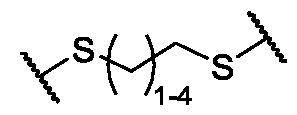
[0023] In some aspects, the disclosure provides a pharmaceutical formulation comprising a polynucleotide encoding a neutralizing antibody and a polymer comprising a repeating monomeric unit, wherein the monomeric unit comprises one or more thioether moieties
 , eutical formulation comprising a polynucleotide encoding a neutralizing antibody and a polymer comprising a repeating monomeric unit, wherein the monomeric unit comprises one or more thioether moieties represented by
 , and one or more bisphenol ester moieties
represented by
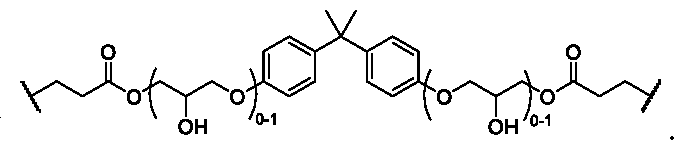 In certain embodiments, the monomeric unit comprises a thioether moiety represented by
 . In certain embodiments, the monomeric unit comprises 1-5 bisphenol ester moi eties. In certain embodiments, the monomeric unit comprises 2, 3, or 4 bisphenol ester moieties. In certain embodiments, the monomeric unit comprises 2 or 3 bisphenol ester moieties. In certain embodiments, a monomeric unit further comprises one or more amine groups. In certain embodiments, the one or more amine groups are selected from alkyldiamines. In certain embodiments, the alkyldiamine groups are independently selected from:
 In certain embodiments, the monomeric unit comprises 1, 2, or 3 alkyldiamines. In certain embodiments, the monomeric unit comprises 2 or 3 alkyldiamines. In certain embodiments, the monomeric unit further comprises one or more terminal amine groups. In certain embodiments, the terminal amine group is selected from a terminal alkyldiamine. In certain embodiments, the terminal alkyldiamine is selected from:
 In certain embodiments, the terminal alkyldiamine is selected from:
 . In certain embodiments, one or more of the amine groups and terminal amine groups are formylated. In certain embodiments, the polymer comprises 5 to 100 monomeric units, such as 10 to 80 monomeric units, 5 to 50 monomeric units, 20 to 50 monomeric units, 30 to 60 monomeric units, or 40 to 50 monomeric units.
[0024] In some aspects, the disclosure provides a pharmaceutical formulation comprising: (a) a polynucleotide encoding a neutralizing antibody and (b) a polymer wherein the polymer is prepared by the method comprising contacting a compound of formula
 solvent. In some embodiments, the dithiol is selected from
 such as

In some embodiments, the dithiol is selected from
 In some embodiments, the one
CH3
HN^, or more alkyldiamines are independently selected from
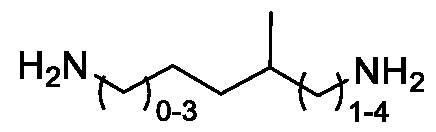 °-4 and
 . In some embodiments, the solvent is polar aprotic. In some embodiments, the polar aprotic solvent comprises N, V-dimethylformamide, DMSO, THF, acetonitrile, acetone or a combination thereof. In some embodiments, the polar aprotic solvent comprises N,N- dimethylformamide. In some embodiments, the contacting a compound of formula
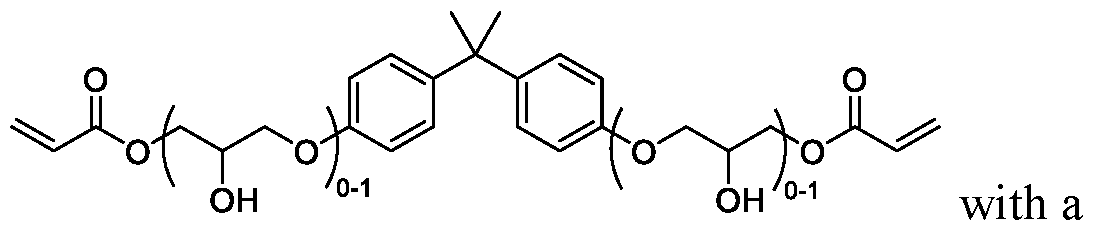 dithiol is in a mole ratio of about 5: 1 to about 20: 1, such as about 8: 1 to about 15: 1. In some embodiments, the mole ratio of dithiol to
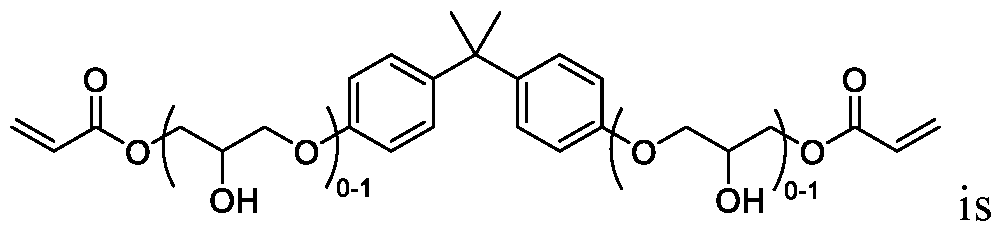 about 10:1. In some embodiments, the contacting a compound of formula
 alkyldiamine is in a mole ratio of about 2: 1 to about 8: 1, such as about 2: 1 to about 5: 1.
[0025] In some embodiments, the formulation comprises polynucleotide to polymer in a weight ratio of about 1 :40 to about 1 :20, such as about 1 :25. In some embodiments, the polymer and the polynucleotide are complexed in nanoparticles, e.g., nanoparticles suspended in an aqueous media. In some embodiments, the nanoparticles have an average diameter of from 75 nm to 300 nm, 100 nm to 250 nm, 100 nm to 200 nm or 75 nm to 150 nm. In some embodiments, the nanoparticles have an average diameter of about 110 nm to about 160 nm, such as about 120 to about 160 nm. In some embodiments, the formulation has a poly dispersity index of nanoparticles of about 0.1 to about 0.3, such as about 0.1. In some embodiments, the nanoparticles have a zeta potential of 45 mV or greater, such as 50 mV or greater, such as 50 to 80 mV, such as 55 to 65 mV. In some embodiments, the formulation has a pH of 6 or less, or 5.5 or less, or 5 or less.
[0026] In some embodiments, the neutralizing antibody is an anti-RSV antibody or a binding fragment thereof. In some embodiments, the anti-RSV antibody is a highly specific, high affinity, and highly potent neutralizing anti-RSV antibody or antigen-binding fragments thereof which neutralizes at least one, but preferably both, of subtype A and subtype B RSV viral strains, and which preferentially recognize PreF relative to PostF conformations of the F protein. In some embodiments, this disclosure provides formulations with polynucleotides encoding anti- RSV and anti-HMPV cross-neutralizing antibodies and antigen-binding fragments thereof.
[0027] In some embodiments, the pharmaceutical formulations described herein may be used to treat or prevent respiratory disease such as RSV. Given the role that the F protein plays in fusion of the virus with the cell and in cell to cell transmission of the virus, the antibodies and pharmaceutical compositions described herein may provide a method of inhibiting that process and as such, may be used for preventing infection of a patient exposed to, or at risk for acquiring an infection with RSV, or for treating and/or ameliorating one or more symptoms associated with RSV infection in a patient exposed to, or at risk for acquiring an infection with RSV, or suffering from infection with RSV. The antibodies described herein may also be used to prevent or to treat an RSV infection in a patient who may experience a more severe form of the RSV infection due to an underlying or pre-existing medical condition.
[0028] In certain embodiments, the antibodies encoded by the polynucleotides herein may be full-length (for example, an IgGl or IgG4 antibody) or may comprise only an antigen-binding portion (for example, a Fab, F(ab')2 or scFv fragment), and may be modified to affect functionality, e.g., to eliminate residual effector functions. In certain embodiments, the polynucleotides of the disclosure encode isolated antibodies or antigen-binding fragments thereof that specifically bind to Respiratory Syncytial Virus (RSV) F protein (F). In some embodiments, the RSV antibody comprises ADI-14442, ADI-15618, Palivizumab, fragments thereof, or a combination thereof.
[0029] In certain embodiments, the polynucleotides of the disclosure encode isolated antibodies or antigen-binding fragments thereof that specifically bind to SARS-CoV-2 Spike protein (S). In some embodiments, the antibody is a SARS-CoV-2 antibody. In some embodiments, the antibody comprises COV2-2832, COV2-2130, COV2-2196, LY-COV1404, fragements thereof, or combinations thereof.
[0030] In certain embodiments, the polynucleotides of the disclosure encode isolated antibodies or antigen-binding fragments thereof and are delivered as single polynucleotides. In certain embodiments, the polynucleotides of the disclosure encode isolated antibodies or antigen-binding fragments thereof and are delivered as one or more polynucleotides. In certain embodiments, the polynucleotides of the disclosure encode isolated antibodies or antigenbinding fragments thereof and are delivered as two polynucleotides. In certain embodiments, the polynucleotides of the disclosure encode isolated antibodies or antigen-binding fragments thereof and are delivered as two or more polynucleotides. In certain embodiments, the polynucleotides of the disclosure encode isolated antibodies or antigen-binding fragments thereof and are delivered as three polynucleotides. In certain embodiments, the polynucleotides of the disclosure encode isolated antibodies or antigen-binding fragments thereof and are delivered as four polynucleotides. In certain embodiments, two or more polynucleotides are
delivered in a pharmaceutical formulation, wherein each of the polynucleotides encode a different isolated antibody or antigen-binding fragment thereof.
[0031] In certain embodiments, CDRH1 comprises at least 70% identical, at least 75% identical, 80% identical, at least 85% identical, at least 90% identical, at least 95% identical, at least 96% identical, at least 97% identical, at least 98% identical, at least 99%, and/or all percentages of identity in between to the sequence of SEQ ID NO: 13. In certain embodiments, CDRH2 comprises at least 70% identical, at least 75% identical, 80% identical, at least 85% identical, at least 90% identical, at least 95% identical, at least 96% identical, at least 97% identical, at least 98% identical, at least 99%, and/or all percentages of identity in between to the sequence of SEQ ID NO: 14. In certain embodiments, CDRH3 comprises at least 70% identical, at least 75% identical, 80% identical, at least 85% identical, at least 90% identical, at least 95% identical, at least 96% identical, at least 97% identical, at least 98% identical, at least 99%, and/or all percentages of identity in between to the sequence of SEQ ID NO: 15. In certain embodiments, CDRL1 comprises at least 70% identical, at least 75% identical, 80% identical, at least 85% identical, at least 90% identical, at least 95% identical, at least 96% identical, at least 97% identical, at least 98% identical, at least 99%, and/or all percentages of identity in between to the sequence of SEQ ID NO: 16. In certain embodiments, CDRL2 comprises at least 70% identical, at least 75% identical, 80% identical, at least 85% identical, at least 90% identical, at least 95% identical, at least 96% identical, at least 97% identical, at least 98% identical, at least 99%, and/or all percentages of identity in between, to the sequence of SEQ ID NO: 17. In certain embodiments, CDRL3 comprises at least 70% identical, at least 75% identical, 80% identical, at least 85% identical, at least 90% identical, at least 95% identical, at least 96% identical, at least 97% identical, at least 98% identical, at least 99%, and/or all percentages of identity in between, to the sequence of SEQ ID NO: 18.
[0032] In certain embodiments, CDRH1 comprises at least 70% identical, at least 75% identical, 80% identical, at least 85% identical, at least 90% identical, at least 95% identical, at least 96% identical, at least 97% identical, at least 98% identical, at least 99%, and/or all percentages of identity in between, to the sequence of SEQ ID NO: 19. In certain embodiments, CDRH2 comprises at least 70% identical, at least 75% identical, 80% identical, at least 85% identical, at least 90% identical, at least 95% identical, at least 96% identical, at least 97% identical, at least 98% identical, at least 99%, and/or all percentages of identity in between, to the sequence of SEQ ID NO: 20. In certain embodiments, CDRH3 comprises at least 70% identical, at least 75% identical, 80% identical, at least 85% identical, at least 90% identical, at least 95% identical, at least 96% identical, at least 97% identical, at least 98% identical, at least 99%, and/or all percentages of identity in between, to the sequence of SEQ ID NO: 21. In
certain embodiments, CDRL1 comprises at least 70% identical, at least 75% identical, 80% identical, at least 85% identical, at least 90% identical, at least 95% identical, at least 96% identical, at least 97% identical, at least 98% identical, at least 99%, and/or all percentages of identity in between, to the sequence of SEQ ID NO: 22. In certain embodiments, CDRL2 comprises at least 70% identical, at least 75% identical, 80% identical, at least 85% identical, at least 90% identical, at least 95% identical, at least 96% identical, at least 97% identical, at least 98% identical, at least 99%, and/or all percentages of identity in between, to the sequence of SEQ ID NO: 23. In certain embodiments, CDRL3 comprises at least 70% identical, at least 75% identical, 80% identical, at least 85% identical, at least 90% identical, at least 95% identical, at least 96% identical, at least 97% identical, at least 98% identical, at least 99%, and/or all percentages of identity in between, to the sequence of SEQ ID NO: 24.
[0033] In some embodiments, the antibody or antibody fragment is encoded by one or more polynucleotides. In some embodiments, the polynucleotide is RNA. In some embodiments, the polynucleotide is mRNA. In some embodiments, the polynucleotide comprises about 60%, 65%, 70%, 75%, 80%, 85%, 90%, 91%, 92%, 93%, 94%, 95%, 96%, 97%, 98%, or 99% sequence identity to any one of the sequences set forth in SEQ ID NOs: 1, 2, 3, 4, 5, or 6. In some embodiments, the polynucleotide is mRNA. In some embodiments, the polynucleotide comprises about 60%, 65%, 70%, 75%, 80%, 85%, 90%, 91%, 92%, 93%, 94%, 95%, 96%, 97%, 98%, or 99% sequence identity to one or more of the sequences set forth in SEQ ID NOs: 1, 2, 3, 4, 5, or 6. In some embodiments, the polynucleotide comprises anywhere from about 60% to about 80%, about 70% to about 90%, about 80% to about 100%, about 70% to about 100%, or about 75% to about 99% sequence identity to any one of the sequences set forth in SEQ ID NOs: 1, 2, 3, 4, 5, or 6. In some embodiments, the polynucleotide comprises anywhere from about 60% to about 80%, about 70% to about 90%, about 80% to about 100%, about 70% to about 100%, or about 75% to about 99% sequence identity to one or more of the sequences set forth in SEQ ID NOs: 1, 2, 3, 4, 5, or 6. In some embodiments, the polynucleotide comprises a sequence selected from any one of the sequences set forth in SEQ ID NOs: 1, 2, 3, 4, 5, or 6. In some embodiments, the polynucleotide comprises a sequence selected from one or more of the sequences set forth in SEQ ID NOs: 1, 2, 3, 4, 5, or 6.
Table 1. Sequences


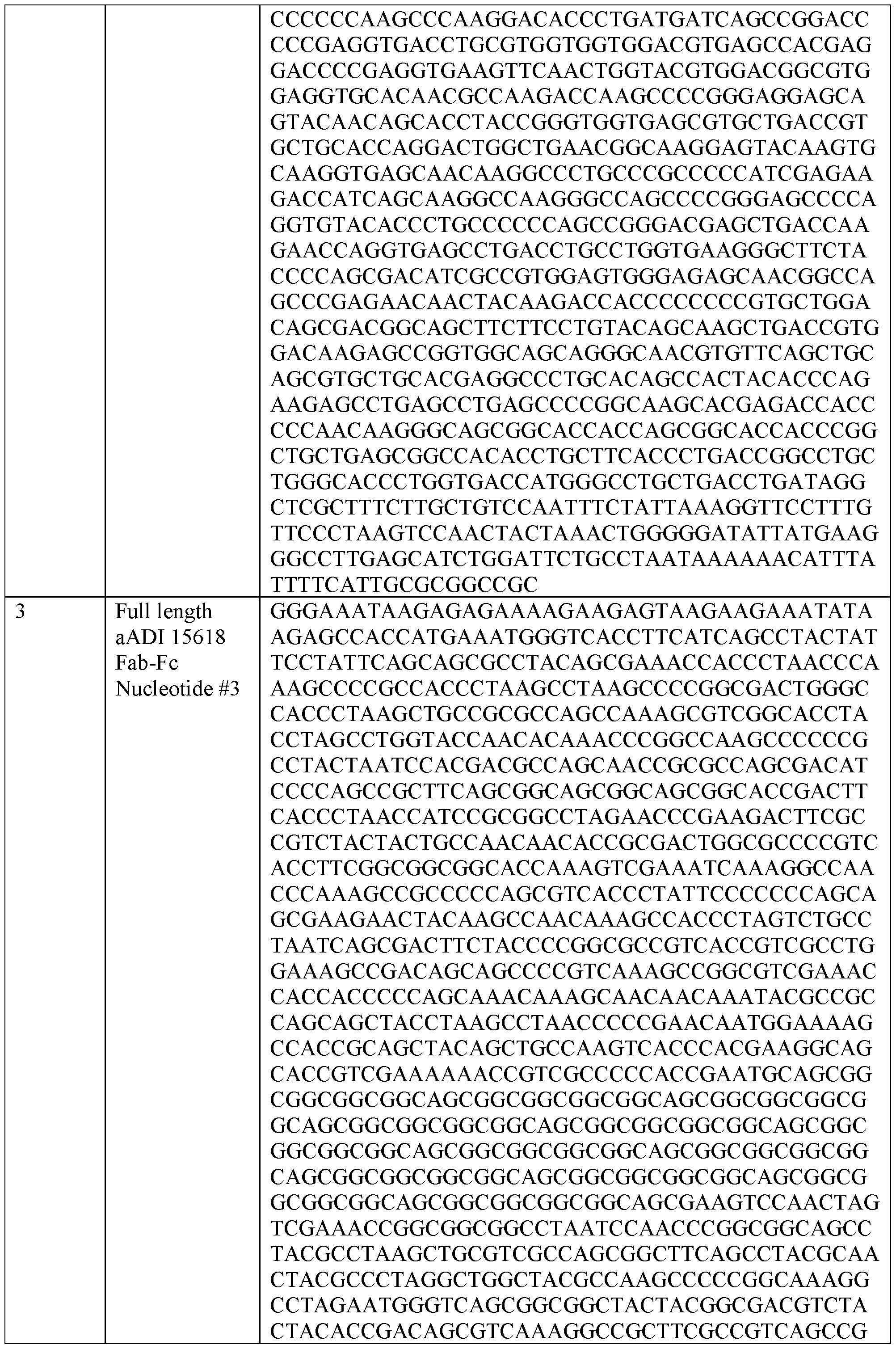


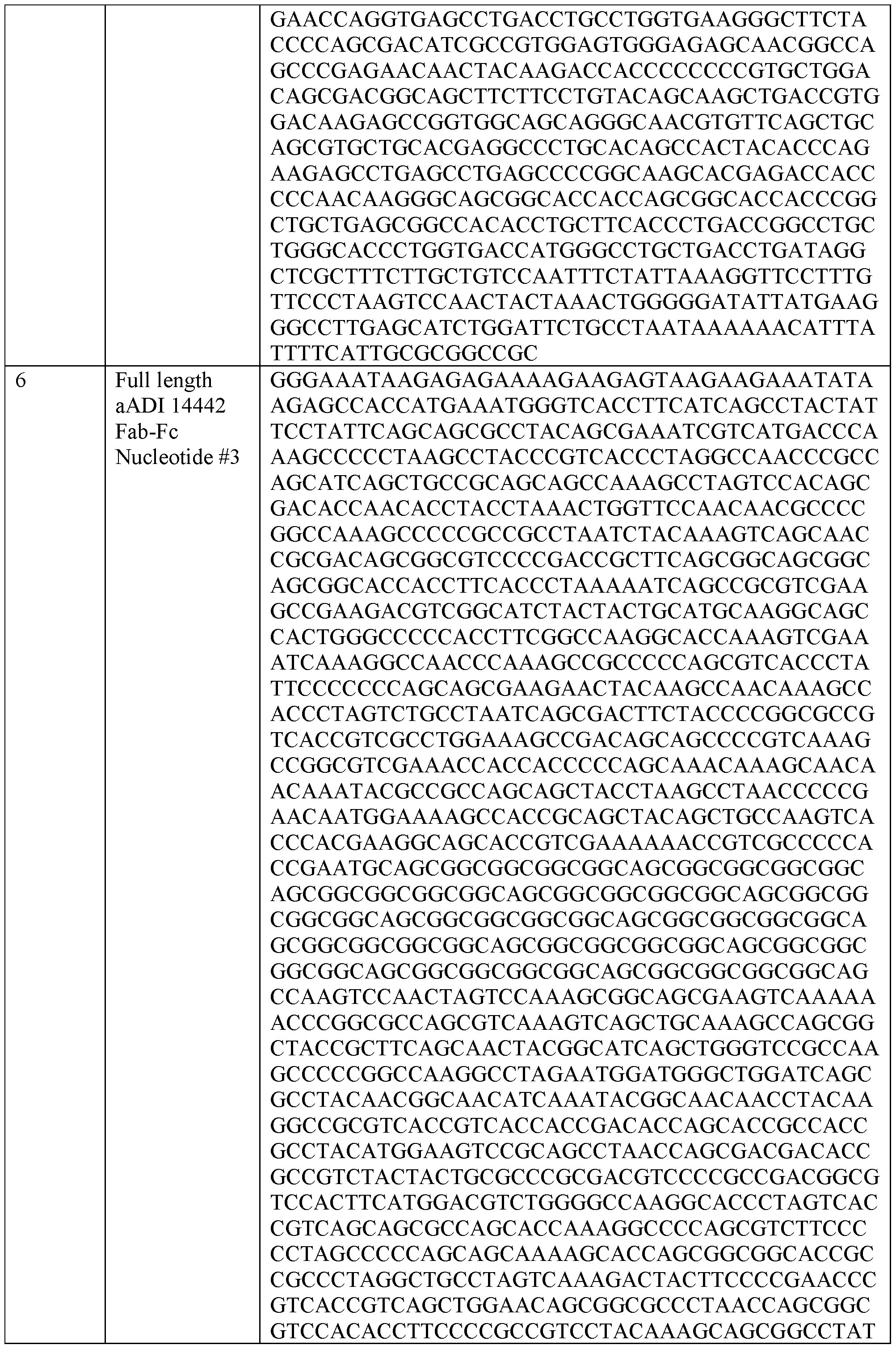

[0034] In some embodiments, the anti-RSV antibody or binding fragment thereof comprises a variable heavy region. In some embodiments, the variable heavy region comprises about 60%, 65%, 70%, 75%, 80%, 85%, 90%, 91%, 92%, 93%, 94%, 95%, 96%, 97%, 98%, or 99% sequence identity to one or both of the sequences set forth in SEQ ID NOs: 9 or 10. In some embodiments, the variable heavy region comprises anywhere from about 60% to about 80%, about 70% to about 90%, about 80% to about 100%, about 70% to about 100%, or about 75% to about 99% sequence identity to one or both of the sequences set forth in SEQ ID NOs: 9 or 10. In some embodiments, the variable heavy region comprises one or both of the sequences set forth in SEQ ID NOs: 9 or 10. In some embodiments, the variably heavy region is encoded for by a polynucleotide or fragment thereof. In some embodiments, the polynucleotide encoding the variable heavy region comprises RNA. In some embodiments, the polynucleotide encoding the variable heavy region comprises mRNA.
[0035] In some embodiments, the anti-RSV antibody or binding fragment thereof comprises a variable light region. In some embodiments, the variable light region comprises about 60%, 65%, 70%, 75%, 80%, 85%, 90%, 91%, 92%, 93%, 94%, 95%, 96%, 97%, 98%, or 99%
sequence identity to one or both of the sequences set forth in SEQ ID NOs: 11 or 12. In some embodiments, the variable light region comprises anywhere from about 60% to about 80%, about 70% to about 90%, about 80% to about 100%, about 70% to about 100%, or about 75% to about 99% sequence identity to one or both of the sequences set forth in SEQ ID NOs: 11 or 12. In some embodiments, the variable light region comprises a sequence selected from one or both of the sequences set forth in SEQ ID NOs: 11 or 12. In some embodiments, the variably light region is encoded for by a polynucleotide or fragment thereof. In some embodiments, the polynucleotide encoding the variable light region comprises RNA. In some embodiments, the polynucleotide encoding the variable light region comprises mRNA.
[0036] In some embodiments, the anti-RSV antibody or binding fragment thereof comprises: a CDRH1 comprising the amino acid sequence of SEQ ID NO: 13, a CDRH2 comprising the amino acid sequence of SEQ ID NO: 14, a CDRH3 comprising the amino acid sequence of SEQ ID NO: 15, a CDRL1 comprising the amino acid sequence of SEQ ID NO: 16, a CDRL2 comprising the amino acid sequence of SEQ ID NO: 17, and a CDRL3 comprising the amino acid sequence of SEQ ID NO: 18. In some embodiments, the anti-RSV antibody or binding fragment thereof comprises about 60%, 65%, 70%, 75%, 80%, 85%, 90%, 91%, 92%, 93%, 94%, 95%, 96%, 97%, 98%, or 99% sequence identity to SEQ ID NO: 13, about 60%, 65%, 70%, 75%, 80%, 85%, 90%, 91%, 92%, 93%, 94%, 95%, 96%, 97%, 98%, or 99% sequence identity to SEQ ID NO: 14, about 60%, 65%, 70%, 75%, 80%, 85%, 90%, 91%, 92%, 93%, 94%, 95%, 96%, 97%, 98%, or 99% sequence identity to SEQ ID NO: 15, about 60%, 65%, 70%, 75%, 80%, 85%, 90%, 91%, 92%, 93%, 94%, 95%, 96%, 97%, 98%, or 99% sequence identity to SEQ ID NO: 16, about 60%, 65%, 70%, 75%, 80%, 85%, 90%, 91%, 92%, 93%, 94%, 95%, 96%, 97%, 98%, or 99% sequence identity to SEQ ID NO: 17, and/or about 60%, 65%, 70%, 75%, 80%, 85%, 90%, 91%, 92%, 93%, 94%, 95%, 96%, 97%, 98%, or 99% sequence identity to SEQ ID NO: 18. In some embodiments, the CDRs comprise anywhere from about 60% to about 80%, about 70% to about 90%, about 80% to about 100%, about 70% to about 100%, or about 75% to about 99% sequence identity to any one of the sequences set forth in SEQ ID NOs: 13, 14, 15, 16, 17, or 18. In some embodiments, the CDRs comprise anywhere from about 60% to about 80%, about 70% to about 90%, about 80% to about 100%, about 70% to about 100%, or about 75% to about 99% sequence identity to one or more of the sequences set forth in SEQ ID NOs: 13, 14, 15, 16, 17, or 18. In some embodiments, the CDRs are encoded for by one or more polynucleotides or fragments thereof. In some embodiments, the polynucleotide encoding the CDRs comprise RNA. In some embodiments, the polynucleotide encoding the CDRs comprise mRNA.
[0037] In some embodiments, the anti-RSV antibody or binding fragment thereof comprises: a CDRH1 comprising the amino acid sequence of SEQ ID NO: 19, a CDRH2 comprising the amino acid sequence of SEQ ID NO: 20, a CDRH3 comprising the amino acid sequence of SEQ ID NO: 21, a CDRL1 comprising the amino acid sequence of SEQ ID NO: 22, a CDRL2 comprising the amino acid sequence of SEQ ID NO: 23, and a CDRL3 comprising the amino acid sequence of SEQ ID NO: 24. In some embodiments, the anti-RSV antibody or binding fragment thereof comprises about 60%, 65%, 70%, 75%, 80%, 85%, 90%, 91%, 92%, 93%, 94%, 95%, 96%, 97%, 98%, or 99% sequence identity to SEQ ID NO: 19, about 60%, 65%, 70%, 75%, 80%, 85%, 90%, 91%, 92%, 93%, 94%, 95%, 96%, 97%, 98%, or 99% sequence identity to SEQ ID NO: 20, about 60%, 65%, 70%, 75%, 80%, 85%, 90%, 91%, 92%, 93%, 94%, 95%, 96%, 97%, 98%, or 99% sequence identity to SEQ ID NO: 21, about 60%, 65%, 70%, 75%, 80%, 85%, 90%, 91%, 92%, 93%, 94%, 95%, 96%, 97%, 98%, or 99% sequence identity to SEQ ID NO: 22, about 60%, 65%, 70%, 75%, 80%, 85%, 90%, 91%, 92%, 93%, 94%, 95%, 96%, 97%, 98%, or 99% sequence identity to SEQ ID NO: 23, and/or about 60%, 65%, 70%, 75%, 80%, 85%, 90%, 91%, 92%, 93%, 94%, 95%, 96%, 97%, 98%, or 99% sequence identity to SEQ ID NO: 24. In some embodiments, the CDRs comprise anywhere from about 60% to about 80%, about 70% to about 90%, about 80% to about 100%, about 70% to about 100%, or about 75% to about 99% sequence identity to any one of the sequences set forth in SEQ ID NOs: 19, 20, 21, 22, or 23. In some embodiments, the CDRs comprise anywhere from about 60% to about 80%, about 70% to about 90%, about 80% to about 100%, about 70% to about 100%, or about 75% to about 99% sequence identity to one or more of the sequences set forth in SEQ ID Nos: 19, 20, 21, 22, or 23. In some embodiments, the CDRs are encoded for by one or more polynucleotides or fragments thereof. In some embodiments, the polynucleotide encoding the CDRs comprise RNA. In some embodiments, the polynucleotide encoding the CDRs comprise mRNA.
[0038] In some embodiments, the polynucleotide further comprises a linker. In some embodiments, the linker couples one or more fragments of an antibody. In some embodiments, the linker couples one or more fragments of the polynucleotide. In some embodiments, the nucleic acid comprises a flexible linker. In some embodiments, the linker is a cleavable linker. In some embodiments, the linker is a polylinker. In some embodiments, the linker comprises about 60%, 65%, 70%, 75%, 80%, 85%, 90%, 91%, 92%, 93%, 94%, 95%, 96%, 97%, 98%, or 99% sequence identity to SEQ ID NO: 25. In some embodiments, the linker comprises anywhere from about 60% to about 80%, about 70% to about 90%, about 80% to about 100%, about 70% to about 100%, or about 75% to about 99% sequence identity to SEQ ID NO: 25. In some embodiments, the linker comprises SEQ ID NO: 25. In some embodiments, the linker
comprises a GGGGS moiety which is referred to herein as a lx GS linker. In some embodiments, the linker comprises a lx, 2x, 3x, 4x, 5x, 6x, 7x, 8x, 9x, lOx, l lx, 12x, 13x, 14x, 15x, 16x, 17x, 18x, 19x, 20x or more GS linker. In certain embodiments, the linker is selected from a 3x, 4x or 5x GS linker, such as a 4x GS linker. In some embodiments, the linker affects the neutralizing capacity of the encoded antibody. In some embodiments, the linker affects the binding capacity of the encoded antibody. In some embodiments, the linker affects the stability of the encoded antibody. In some embodiments, a longer linker improves the stability of the encoded antibody. In some embodiments, the linker affects the expression of the encoded antibody. In some embodiments, a longer linker improves the expression of the encoded antibody. In some embodiments, the linker couples a constant light chain to a variable heavy chain. In some embodiments, the linker couples a heavy light chain to a constant heavy chain. In some embodiments, the linker couples a variable light chain to a variable heavy chain. In some embodiments, the linker couples a constant light chain to a constant heavy chain. In some embodiments, the linker couples any two or three components of the mRNA. In some embodiments, the mRNA does not comprise a linker.
[0039] In some embodiments, the polynucleotide further comprises a signal peptide. In some embodiments, the signal peptide directs the polynucleotide to a cellular compartment. In some embodiments, the signal peptide directs the polynucleotide to the nucleus. In some embodiments, the signal peptide directs the polynucleotide to the endoplasmic reticulum. In some embodiments, the signal peptide directs the polynucleotide to the surface of the endoplasmic reticulum. In some embodiments, the signal peptide directs the polynucleotide to be translated at the surface of the endoplasmic reticulum. In some embodiments, the signal peptide directs the protein to be deposited in the lumen of the endoplasmic reticulum after translation. In some embodiments, the signal peptide comprises a secretion signal. In some embodiments, the signal peptide comprises about 60%, 65%, 70%, 75%, 80%, 85%, 90%, 91%, 92%, 93%, 94%, 95%, 96%, 97%, 98%, or 99% sequence identity to one or both of the sequences set forth in SEQ ID NO: 26 or 29. In some embodiments, the signal peptide comprises anywhere from about 60% to about 80%, about 70% to about 90%, about 80% to about 100%, about 70% to about 100%, or about 75% to about 99% sequence identity to one or both of the sequences set forth in SEQ D NO: 26 or 29. In some embodiments, the signal peptide comprises one or both of the sequences set forth in SEQ ID NO: 26 or 29.
[0040] In some embodiments, the polynucleotide of the pharmaceutical formulations described herein further comprise an anchor. In some embodiments, the anchor links the antibody or fragment thereof encoded by the polynucleotide to the extracellular surface of a plasma membrane. In some embodiments, the anchor that links the antibody or fragment thereof to the
extracellular surface of a plasma membrane improves the half-life of the antibody. In some embodiments, the anchor reversibly couples the antibody or fragment thereof to a protein in a target cell. In some embodiments, the anchor is cleavable. In some embodiments, the protein is a plasma membrane protein in a plasma membrane of a cell. In some embodiments, the anchor is a lipid anchor. In some embodiments, the anchor is a glycophosphatidylinositol anchor. In some embodiments, the anchor is a glycophosphatidylinositol anchor, the anchor comprises about 60%, 65%, 70%, 75%, 80%, 85%, 90%, 91%, 92%, 93%, 94%, 95%, 96%, 97%, 98%, or 99% sequence identity to one or both of the sequences set forth in SEQ ID NO: 27 or 30. In some embodiments, the signal peptide comprises anywhere from about 60% to about 80%, about 70% to about 90%, about 80% to about 100%, about 70% to about 100%, or about 75% to about 99% sequence identity to one or both of the sequences set forth in SEQ D NO: 27 or 30. In some embodiments, the anchor comprises one or both of the sequences set forth in SEQ ID NO: 27 or 30. In some embodiments, the linker couples an antibody to the plasma membrane of a cell. In some embodiments, the linker reversibly couples an antibody to the plasma membrane of a cell. In some embodiments, the reversibly coupling of an antibody to the plasma membrane of a cell can be disrupted by a protease.
[0041] In some embodiments, the polynucleotide of the pharmaceutical formulations described herein further comprises a 5’ Untranslated Region (UTR). In some embodiments, the 5’ UTR affects translation of the polynucleotide. In some embodiments, the 5’ UTR controls translation of the polynucleotide. In some embodiments, the 5’ UTR comprises one or more ribosome binding sites. In some embodiments, the 5’ UTR comprises a Kozak sequence. In some embodiments, the 5’ UTR recruits one or more ribosomes to a translational start codon. In some embodiments, the 5’ UTR affects secondary structure of the mRNA. In some embodiments, the 5’ UTR affects tertiary structure of the mRNA. In some embodiments, the 5’ UTR can be modified and/or mutated to affect the translation of the mRNA.
[0042] In some embodiments, the polynucleotide of the pharmaceutical formulations described herein further comprises a 3’ Untranslated Region (UTR). In some embodiments, the 3’ UTR affects the half-life of the polynucleotide. In some embodiments, the 3’ UTR comprises a polyadenylated tail. In some embodiments, the length of the 3’ UTR affects the transcription efficiency of the polynucleotide. In some embodiments, the 3’ UTR comprises about 60%, 65%, 70%, 75%, 80%, 85%, 90%, 91%, 92%, 93%, 94%, 95%, 96%, 97%, 98%, or 99% sequence identity to any one of the sequences set forth in SEQ ID NO: 28, 31, or 32. In some embodiments, the 3’ UTR comprises about 60%, 65%, 70%, 75%, 80%, 85%, 90%, 91%, 92%, 93%, 94%, 95%, 96%, 97%, 98%, or 99% sequence identity to one or more of the sequences set forth in SEQ ID NO: 28, 31, or 32. In some embodiments, the 3’ UTR comprises anywhere from
about 60% to about 80%, about 70% to about 90%, about 80% to about 100%, about 70% to about 100%, or about 75% to about 99% sequence identity to any one of the sequences set forth in SEQ ID NO: 28, 31, or 32. In some embodiments, the 3’ UTR comprises anywhere from about 60% to about 80%, about 70% to about 90%, about 80% to about 100%, about 70% to about 100%, or about 75% to about 99% sequence identity to one or more of the sequences set forth in SEQ ID NO: 28, 31, or 32. In some embodiments, the 3’ UTR comprises any one of the sequences set forth in SEQ ID NO: 28, 31, or 32. In some embodiments, the 3’ UTR comprises one or more of the sequences set forth in SEQ ID NO: 28, 31, or 32.
Table 2. Antibody component protein sequence


[0043] In some aspects, the disclosure provides a method comprising administering a pharmaceutical formulation to the lungs of a subject in need thereof. In some embodiments, the pharmaceutical formulation is administered as nebulized droplets by a nebulizer. In some embodiments, the nebulizer is a jet nebulizer or a vibrating mesh nebulizer. In some embodiments, the nebulized droplets have an average droplet diameter of from 2 pm to about 8 pm, such as from about 4 pm to about 7 pm, such as from about 4 pm to about 6 pm. In some embodiments, the pharmaceutical formulation is a pharmaceutical formulation provided herein. [0044] In certain embodiments, the disclosure provides pharmaceutical formulations comprising polynucleotides encoding for two or more neutralizing antibodies or fragments thereof. For example, polynucleotides included in a pharmaceutical formulation, e.g., 1, 2, 3 or more polynucleotides, may encode two or more antibodies targeting influenza A virus, two or more antibodies targeting SARS-CoV-2, or antibodies targeting a combination of influenza A virus, RSV, and/or SARS-CoV-2. In certain embodiments, pharmaceutical formulations comprise polynucleotides encoding for two or more anti-RSV antibodies. In certain embodiments, pharmaceutical formulations comprise polynucleotides encoding for one or more
anti-RSV antibodies and polynucleotides encoding for one or more additional antibody selected from antibodies targeting influenza A and SARS-CoV-2.
[0045] In certain embodiments, the pharmaceutical formulations described herein comprise polynucleotides encoding an antibody or fragment thereof described in U.S. Patent No.
11,312,761, the contents of which are incorporated by reference herein.
[0046] In certain embodiments, the pharmaceutical formulations described herein may be used in the treatment or prevention of one or more symptoms associated with a respiratory virus selected from RSV, SARS-CoV-2, influenza A or a combination thereof. In certain embodiments, the pharmaceutical formulations described herein may be used in the treatment or prevention of one or more symptoms associated with a respiratory virus selected from a mutated RSV, mutated SARS-CoV-2, mutated influenza A or a combination thereof.
EXAMPLES
[0047] The following examples are provided to further illustrate some embodiments of the present disclosure, but are not intended to limit the scope of the disclosure; it will be understood by their exemplary nature that other procedures, methodologies, or techniques known to those skilled in the art may alternatively be used.
[0048] While preferred embodiments of the present disclosure have been shown and described herein, it will be obvious to those skilled in the art that such embodiments are provided by way of example only. Numerous variations, changes, and substitutions will now occur to those skilled in the art without departing from the disclosure. It should be understood that various alternatives to the embodiments of the present disclosure may be employed in practicing the present disclosure. It is intended that the following claims define the scope of the present disclosure and that methods and structures within the scope of these claims and their equivalents be covered thereby.
General Synthetic Procedures
[0049] A round bottomed flask equipped with a magnetic stir bar was charged with biselectrophile (monomer A, 1 equiv.), linker nucleophile(s) (monomer(s) B, 0 - 0.7 total equiv.), branching nucleophile(s) (monomer(s) C, 0 - 0.8 total equiv.), and solvent (1 mL per 50 mg - 1 g of material) under inert gas. The reaction mixture was stirred for 4 hr at 23 - 60 °C and then stirred for 48 hr at 60 - 120 °C. The mixture was then cooled to room temperature and end cap amine(s) were added (monomer D, 0 - 2 equiv.) and further stirred for 24 hr. The polymer was then purified by dropwise precipitation into cold diethyl ether acidified with glacial acetic acid, and centrifuged at 1200 G for 3 min. The supernatant was discarded and this process was
repeated until the supernatant was transparent and then the polymer was dried under vacuum.
Polymers were stored at -20 °C.
Example 1 — Polymer 76
[0050] Polymer 76 was prepared in a 250 mL round-bottomed flask (RB) equipped with a magnetic stir bar and rubber septum was charged with bisphenol a diglycidyl ether diacrylate (9.08 g, 18.7 mmol, 1 equivalent), ethanedithiol (176 mg, 1.87 mmol, 0.1 equiv.) (d=l .12, V= 176 mg/1.12 =157 pL) 2-morpholinoethan-l -amine (974mg (982 pL), 7.5 mmol, 0.4 equivalent), N1 -methylpropane- 1,3 -diamine (330 mg (391 pL), 3.75 mmol, 0.2equiv.) and DMF (70 mL) under argon. The mixture was stirred at 40 °C for 4 hours and then stirred at 90°C for 48 hours. The mixture was then cooled to room temperature and 2-methylpentane-l,5-diamine (3.25 g (3.776 mL), 28 mmol, 1.5 equiv.) was added by syringe and the reaction mixture was stirred for another 24 hours.
[0051] The polymer was then purified by dropwise addition into cold anhydrous diethyl ether (280mL) containing 0.1% glacial acetic acid in a 500 mL RB under vigorous stirring. Once the dropwise addition is completed, the mixture was allowed to settle for 10 minutes. The whitecolored supernatant was discarded and the sedimented sticky polymer was washed further with diethyl ether containing 0.1% glacial acetic acid under stirring for 15 minutes. This washing process was repeated until the ether layer was transparent. The sticky polymers were washed two more times with fresh diethyl ether (pure) (free from glacial acetic acid) and socked in pure diethyl ether for 12h under stirring at room temperature (RT) to completely remove the ether soluble impurities. Ether discarded and dried under vacuum for 48 h. A yellowish-white powder was obtained. Polymers were stored at-20 °C.
Example 2 - Polymer 76 Complexes with anti-RSV encoding mRNA
[0052] Various mRNA molecules selected from SEQ ID NOs: 1-6 were formulated with Polymer 76. The mRNA was first diluted to 1 mg/mL in sodium acetate buffer (pH 5.0). Polymer 76 was dissolved in the same sodium acetate buffer at 50 mg/mL. An equal volume of mRNA and polymer solution was then combined and incubated for 10 minutes; the final concentration of mRNA and polymer is 0.5 mg/mL and 25 mg/mL, respectively.
Example 3- Procedure for Experiments in Figures 2A-2C
[0053] To determine the optimal linker sequence and size, in vitro expression, binding, and in vitro neutralization of the mRNA single encoded antibodies using different sized GS linkers (lx, 2x, 3x, or 4x), anchored mAbs were expressed on the surface of 293F cells (FIGs. 2A-2C). The
antibodies were made by transfecting expi293F cells with the antibody coding sequence then treated with phospholipase C (PLC) to release the antibody from the cell.
[0054] Expression of the anchored mAbs was measured by flow cytometry following staining with anti -human Fc-Alexa 647 antibodies. In vitro expression of RSV-neutralizing antibodies with control, lx, 2x, 3x, or 4x linker was measured by flow cytometry following anti-human Fc- Alexa 647 antibody staining (FIG. 2A). Binding of RSV-neutralizing antibodies against an RSV F protein with lx, 2x, 3x, or 4x linker was measured. The mAbs were cleaved by PLC-cleaved and treated on RSV. Binding was measured by flow cytometry following anti -human Fc-Alexa 647 antibody staining (FIG. 2B). In vitro neutralization of RSV-neutralizing antibodies with lx, 2x, 3x, or 4x linker was determined. The expi293F cells expressing the antibody were treated with PLC to release the antibody from the cell surface. RSV was then combined with the antibody to infect expi293F cells. Neutralization was measured by flow cytometry following Pali-Alexa 647 staining.
Example 4- Procedure for Experiments in Figures 3A-3E
[0055] Anchored mAbs were expressed on the surface of 293F cells. The PLC-cleaved mAbs were introduced to antigen-expressing 293F cells for quantification in a binding assay (FIGs.
3 A, 3C, and 3E) or RSV for neutralization assay (FIGs. 3B and 3D). Binding was measured by flow cytometry following anti-human Fc-Alexa 647 antibody staining. Neutralization was measured by flow cytometry following Pali-Alexa 647 staining.
Example 5- Procedure for Experiments in Figures 4A-4B
[0056] Anchored mAbs were expressed on the surface of Vero cells. Various SARS-CoV-2 and variants (WAI, Delta, and Omicron; MOI=0.1) were introduced to Vero cells expressing mAbs. A cytopathic effect (CPE) assay was assessed to measure cell viability after 72 h infection by determining the percentage of live cells (FIGs. 4A and 4B).
Example 6- Procedure for Experiments in Figures 5A-5C
[0057] Anchored mAbs were expressed on the surface of Vero cells. Expression of the mAbs was measured by flow cytometry following anti-human Fc-Alexa 647 antibody staining. The RSV (MOI=0.1) was introduced to the mAb-expressing Vero cells. The supernatant was used for a plaque reduction assay (FIG. 5A) and the cell lysate was used for quantitative real time PCR (qRT-PCR; FIG. 5B). For confocal microscopy, the cells were stained using anti-human Fc-Alexa 647 (red), anti-RSV N (green), anti-pan RSV (blue), and DAPI (white) (FIG. 5C).
Example 7- Procedure for Experiments in Figures 6A-6B
[0058] Mice were treated with aADI-14442 (double) or aADI-14442 Fab-Fc (single) at a dose of g mRNA/mouse and 105 PFU/mouse of RSV. The lungs were homogenized in Trizol and mRNA was extracted. Gene expression was measured via qRT-PCR using primers specific for RSV F (FIG. 6A and 6B)
Example 8- Procedure for Experiments in Figures 7A-7B
[0059] Mice were treated with aCOV2-2832 (double) or aCOV2-2832 Fab-Fc (single) at a dose of 400 mg mRNA/hamster (25: 1 concentration of polymer to mRNA). The lungs were homogenized in DMEM, and the mRNA was extracted using Trizol. A PFU assay (FIG. 7B) and qRT-PCR (FIG. 7A) were performed.
Example 9- Procedure for Experiments in Figures 8A-8B (RSVA2)
[0060] Mice were treated with aADI-14442 single (FIG. 8A) and aADI-15618 single (FIG. 8B) at doses of 100, 50, 25, 12.5, 6.25, and 0 mg mRNA/mouse and 105 PFU/mouse of RSV. The lungs were homogenized in DMEM and mRNA was extracted using Trizol. The mRNA was examined for gene expression using qRT-PCR with primers for RSV F.
Example 10- Procedure for Experiments in Figures 9A-9C (SARS-CoV-2)
[0061] Mice were treated with aCOV2-2832 Fab-Fc (single architecture depicted in FIG. 1) at doses of 400, 300, 200, 100, 50, and 0 mg mRNA/hamster (25: 1 concentration of polymer to mRNA). The lungs were homogenized in DMEM, and mRNA was extracted using Trizol. The mRNA was examined for gene expression using qRT-PCR for SARS-CoV-2 N (FIGs. 9A and 9B)
[0062] Additional procedures for preparing and testing compositions of the application are described in PCT Application No. PCT/US2022/081249, the contents of which are incorporated herein in its entirety.
[0063] Tether Therapeutics, Inc. entered into a joint research agreement with Georgia Tech Research Corporation, Inc. and Emory University prior to filing this application.
Claims
1. A pharmaceutical formulation comprising a polynucleotide encoding a neutralizing antibody and a polymer comprising a repeating monomeric unit, wherein the monomeric unit comprises one or more thioether moieties and one or more bisphenol moieties represented by:

2. The pharmaceutical formulation of claim 1, wherein the one or more thioether moieties are independently selected from

3. The pharmaceutical formulation of claim 2, wherein the one or more thioether moieties are represented

4. The pharmaceutical formulation of claims 1 to 3, wherein the monomeric unit comprises

5. The pharmaceutical formulation of claims 1 to 4, wherein the monomeric unit comprises 1-5 bisphenol moieties, such as 2, 3, or 4 bisphenol moieties.
6. A pharmaceutical formulation comprising a polynucleotide encoding a neutralizing antibody and a polymer comprising a repeating monomeric unit, wherein the monomeric unit

7. The pharmaceutical formulation of claim 6, wherein the monomeric unit comprises a thioether moiety represented by

8. The pharmaceutical formulation of claim 6 or 7, wherein the monomeric unit comprises 1-5 bisphenol ester moieties.
9. The pharmaceutical formulation of claim 8, wherein the monomeric unit comprises 2, 3, or 4 bisphenol ester moieties.
10. The pharmaceutical formulation of claim 9, wherein the monomeric unit comprises 2 or 3 bisphenol ester moieties.
11. The pharmaceutical formulation of any one of claims 1 to 10, wherein a monomeric unit further comprises one or more amine groups.
12. The pharmaceutical formulation of claim 11, wherein the one or more amine groups are selected from alkyldiamines.
13. The pharmaceutical formulation of claim 12, wherein the alkyldiamine groups are independently selected from:

14. The pharmaceutical formulation of claim 12 or 13, wherein the monomeric unit comprises 1, 2, or 3 alkyldiamines.
15. The pharmaceutical formulation of claim 14, wherein the monomeric unit comprises 2 or 3 alkyldiamines.
16. The pharmaceutical formulation any one of claims 1 to 15, wherein the monomeric unit further comprises one or more terminal amine groups.
17. The pharmaceutical formulation of claim 16, wherein the terminal amine group is selected from a terminal alkyldiamine.
18. The pharmaceutical formulation of claim 17, wherein the terminal alkyldiamine is

19. The pharmaceutical formulation of claim 18, wherein the terminal alkyldiamine is selected from:

20. The pharmaceutical formulation of any one of claims 11 to 19, wherein one or more of the amine groups and terminal amine groups are formylated.
21. The pharmaceutical formulation of any one of claims 1 to 20, wherein the polymer comprises 5 to 100 monomeric units, such as 10 to 80 monomeric units, 5 to 50 monomeric units, 20 to 50 monomeric units, 30 to 60 monomeric units, or 40 to 50 monomeric units.
22. A pharmaceutical formulation comprising: (a) a polynucleotide encoding a neutralizing antibody and (b) a polymer wherein the polymer is prepared by the method comprising
contacting a compound of formula
 i thiol and one or more alkyldiamines in a solvent.
23. The pharmaceutical formulation of claim 22, wherein the dithiol is selected from
 such as HS^^SH
24. The pharmaceutical formulation of claim 22 or 23, wherein the one or more alkyldiamines are independently selected from
 and

25. The pharmaceutical formulation of any one of claims 22 to 24, wherein the solvent is polar aprotic.
26. The pharmaceutical formulation of claim 25, wherein the polar aprotic solvent comprises A -di methyl form am ide, DMSO, THF, acetonitrile, acetone or a combination thereof.
27. The pharmaceutical formulation of claim 26, wherein the polar aprotic solvent comprises A'A-dimethylform amide.
28. The pharmaceutical formulation of any one of claims 22 to 27, wherein the contacting a compound of formula
 dithiol is in a mole ratio of about 5: 1 to about 20: 1, such as about 8: 1 to about 15: 1.
29. The pharmaceutical formulation of claim 28, wherein the mole ratio of dithiol to

30. The pharmaceutical formulation of any one of claims 22 to 28, wherein the contacting a compound of formula
 mole ratio of about 2: 1 to about 8: 1, such as about 2: 1 to about 5: 1.
31. The pharmaceutical formulation of any one of claims 1 to 30, wherein the formulation comprises polynucleotide to polymer in a weight ratio of about 1 :40 to about 1 :20, such as about 1 :25.
32. The pharmaceutical formulation of any one of claims 1 to 31, wherein the polymer and the polynucleotide are complexed in nanoparticles, e.g., suspended in an aqueous media.
33. The pharmaceutical formulation of claim 32, wherein the nanoparticles have an average diameter of from 75 nm to 300 nm, 100 nm to 250 nm, 100 nm to 200 nm or 75 nm to 150 nm.
34. The pharmaceutical formulation of claim 32, wherein the nanoparticles have an average diameter of about 110 nm to about 160 nm, such as about 120 to about 160 nm.
35. The pharmaceutical formulation of claim of any one of claims 32 to 34, wherein the formulation has a poly dispersity index of nanoparticles of about 0.1 to about 0.3, such as about 0.1.
36. The pharmaceutical formulation of any one of claims 32 to 35, wherein the nanoparticles have a zeta potential of 45 mV or greater, such as 50 mV or greater, such as 50 to 80 mV, such as 55 to 65 mV.
37. The pharmaceutical formulation of any one of claims 1 to 36, wherein the formulation has a pH of 6 or less, or 5.5 or less, or 5 or less.
38. The pharmaceutical formulation of any one of claims 1 to 37, wherein the neutralizing antibody is an anti-RSV antibody or a binding fragment thereof.
39. The pharmaceutical formulation of any one of claims 1 to 38, wherein the polynucleotide is mRNA.
40. The pharmaceutical formulation of claim 39, wherein the polynucleotide comprises about 60%, 65%, 70%, 75%, 80%, 85%, 90%, 91%, 92%, 93%, 94%, 95%, 96%, 97%, 98%, or 99% sequence identity to SEQ ID NOs: 1, 2, 3, 4, 5, or 6.
41. The pharmaceutical formulation of claim 40, wherein the polynucleotide comprises a sequence selected from SEQ ID NOs: 1, 2, 3, 4, 5, or 6.
42. The pharmaceutical formulation of claim 38, wherein the anti-RSV antibody or binding fragment thereof comprises a variable heavy region.
43. The pharmaceutical formulation of claim 42, wherein the variable heavy region comprises about 60%, 65%, 70%, 75%, 80%, 85%, 90%, 91%, 92%, 93%, 94%, 95%, 96%, 97%, 98%, or 99% sequence identity to SEQ ID NOs: 9 or 10.
44. The pharmaceutical formulation of claim 42, wherein the variable heavy region comprises a sequence selected from SEQ ID NOs: 9 or 10.
45. The pharmaceutical formulation of any one of claims 38-44, wherein the anti-RSV antibody or binding fragment thereof comprises a variable light region.
46. The pharmaceutical formulation of claim 45, wherein the variable light region comprises about 60%, 65%, 70%, 75%, 80%, 85%, 90%, 91%, 92%, 93%, 94%, 95%, 96%, 97%, 98%, or 99% sequence identity to SEQ ID NOs: 11 or 12.
47. The pharmaceutical formulation of claim 45, wherein the variable light region comprises a sequence selected from SEQ ID NOs: 11 or 12.
48. The pharmaceutical formulation of any one of claims 1 to 47, wherein the anti-RSV antibody or binding fragment thereof comprises: a CDRH1 comprising the amino acid sequence of SEQ ID NO: 13; a CDRH2 comprising the amino acid sequence of SEQ ID NO: 14; a CDRH3 comprising the amino acid sequence of SEQ ID NO: 15; a CDRL1 comprising the amino acid sequence of SEQ ID NO: 16; a CDRL2 comprising the amino acid sequence of SEQ ID NO: 17; and a CDRL3 comprising the amino acid sequence of SEQ ID NO: 18.
49. The pharmaceutical formulation of any one of claims 1 to 47, wherein the anti-RSV antibody or binding fragment thereof comprises: a CDRH1 comprising the amino acid sequence of SEQ ID NO: 19; a CDRH2 comprising the amino acid sequence of SEQ ID NO: 20; a CDRH3 comprising the amino acid sequence of SEQ ID NO: 21; a CDRL1 comprising the amino acid sequence of SEQ ID NO: 22; a CDRL2 comprising the amino acid sequence of SEQ ID NO: 23; and a CDRL3 comprising the amino acid sequence of SEQ ID NO: 24.
50. The pharmaceutical formulation of any one of claims 1 to 49, wherein the polynucleotide further comprises a linker.
51. The pharmaceutical formulation of claim 50, wherein the linker comprises about 60%, 65%, 70%, 75%, 80%, 85%, 90%, 91%, 92%, 93%, 94%, 95%, 96%, 97%, 98%, or 99% sequence identity to SEQ ID NO: 25.
52. The pharmaceutical formulation of claim 50, wherein the linker comprises SEQ ID NO: 25.
53. The pharmaceutical formulation of any one of claims 1 to 52, wherein the polynucleotide further comprises a signal peptide.
54. The pharmaceutical formulation of claim 53, wherein the signal peptide comprises about 60%, 65%, 70%, 75%, 80%, 85%, 90%, 91%, 92%, 93%, 94%, 95%, 96%, 97%, 98%, or 99% sequence identity to SEQ ID NO: 26 or 29.
55. The pharmaceutical formulation of claim 53, wherein the signal peptide comprises SEQ ID NO: 26 or 29.
56. The pharmaceutical formulation of any one of claims 1 to 52, wherein the polynucleotide further comprises an anchor.
57. The pharmaceutical formulation of claim 56, wherein the anchor reversibly couples the antibody or fragment thereof to a protein or lipid in a target cell.
58. The pharmaceutical formulation of claim 57, wherein the protein is a plasma membrane protein in a plasma membrane of the target cell.
59. The pharmaceutical formulation of claim 58, wherein the anchor is a glycophosphatidylinositol anchor.
60. The pharmaceutical formulation of claims 56 to 59, wherein the anchor comprises about 60%, 65%, 70%, 75%, 80%, 85%, 90%, 91%, 92%, 93%, 94%, 95%, 96%, 97%, 98%, or 99% sequence identity to SEQ ID NO: 27 or 30.
61. The pharmaceutical formulation of claims 56 to 59, wherein the anchor comprises SEQ ID NO: 27 or 30.
62. The pharmaceutical formulation of any one of claims 1 to 61, wherein the polynucleotide further comprises a 3’ Untranslated Region (UTR).
63. The pharmaceutical formulation of claim 62, wherein the 3’ UTR comprises about 60%, 65%, 70%, 75%, 80%, 85%, 90%, 91%, 92%, 93%, 94%, 95%, 96%, 97%, 98%, or 99% sequence identity to SEQ ID NO: 28, 31, or 32.
64. The pharmaceutical formulation of claim 62, wherein the 3’ UTR comprises SEQ ID NO: 28, 31, or 32.
65. A method comprising administering a pharmaceutical formulation of any one of claims 1 to 64 to the lungs of a subject in need thereof.
66. The method of claim 65, wherein the pharmaceutical formulation is administered as nebulized droplets by a nebulizer.
67. The method of embodiment 66, wherein the nebulizer is a jet nebulizer or a vibrating mesh nebulizer.
68. The method of claim 66, wherein the nebulized droplets have an average droplet diameter of from 2 pm to about 8 pm, such as from about 4 pm to about 7 pm, such as from about 4 pm to about 6 pm.
Applications Claiming Priority (2)
| Application Number | Priority Date | Filing Date | Title |
|---|---|---|---|
| US202363521032P | 2023-06-14 | 2023-06-14 | |
| US63/521,032 | 2023-06-14 |
Publications (1)
| Publication Number | Publication Date |
|---|---|
| WO2024259075A1 true WO2024259075A1 (en) | 2024-12-19 |
Family
ID=91738624
Family Applications (1)
| Application Number | Title | Priority Date | Filing Date |
|---|---|---|---|
| PCT/US2024/033764 Ceased WO2024259075A1 (en) | 2023-06-14 | 2024-06-13 | Polymer formulations for delivery of polynucleotides |
Country Status (1)
| Country | Link |
|---|---|
| WO (1) | WO2024259075A1 (en) |
Citations (2)
| Publication number | Priority date | Publication date | Assignee | Title |
|---|---|---|---|---|
| WO2018075961A1 (en) * | 2016-10-21 | 2018-04-26 | Adimab, Llc | Anti-respiratory syncytial virus antibodies, and methods of their generation and use |
| WO2018075954A2 (en) * | 2016-10-21 | 2018-04-26 | Adimab, Llc | Anti-respiratory syncytial virus antibodies, and methods of their generation and use |
-
2024
- 2024-06-13 WO PCT/US2024/033764 patent/WO2024259075A1/en not_active Ceased
Patent Citations (3)
| Publication number | Priority date | Publication date | Assignee | Title |
|---|---|---|---|---|
| WO2018075961A1 (en) * | 2016-10-21 | 2018-04-26 | Adimab, Llc | Anti-respiratory syncytial virus antibodies, and methods of their generation and use |
| WO2018075954A2 (en) * | 2016-10-21 | 2018-04-26 | Adimab, Llc | Anti-respiratory syncytial virus antibodies, and methods of their generation and use |
| US11312761B2 (en) | 2016-10-21 | 2022-04-26 | Adimab, Llc | Anti-respiratory syncytial virus antibodies, and methods of their generation and use |
Non-Patent Citations (4)
| Title |
|---|
| LINDSAY KEVIN E. ET AL: "Aerosol Delivery of Synthetic mRNA to Vaginal Mucosa Leads to Durable Expression of Broadly Neutralizing Antibodies against HIV (including Supplemental Information)", MOLECULAR THERAPY, vol. 28, no. 3, 10 January 2020 (2020-01-10), US, pages 805 - 819, XP093203372, ISSN: 1525-0016, DOI: 10.1016/j.ymthe.2020.01.002 * |
| LOO CHING-YEE ET AL: "Recent Advances in Inhaled Nanoformulations of Vaccines and Therapeutics Targeting Respiratory Viral Infections", ENVIRONMENTAL SCIENCE AND POLLUTION RESEARCH, vol. 40, no. 5, 25 April 2023 (2023-04-25), Berlin/Heidelberg, pages 1015 - 1036, XP093202979, ISSN: 0724-8741, DOI: 10.1007/s11095-023-03520-1 * |
| ROTOLO LAURA ET AL: "Species-agnostic polymeric formulations for inhalable messenger RNA delivery to the lung - Supplementary Information", NATURE MATERIALS, 28 November 2022 (2022-11-28), pages 1 - 45, XP093202230 * |
| ROTOLO LAURA ET AL: "Species-agnostic polymeric formulations for inhalable messenger RNA delivery to the lung", NATURE MATERIALS, vol. 22, no. 3, 28 November 2022 (2022-11-28), London, pages 369 - 379, XP093202211, ISSN: 1476-1122, DOI: 10.1038/s41563-022-01404-0 * |
Similar Documents
| Publication | Publication Date | Title |
|---|---|---|
| JP7536737B2 (en) | Novel vaccines against HPV and HPV-related diseases | |
| TWI877396B (en) | A bispecific antibody against novel coronavirus and its application | |
| WO2022148374A1 (en) | Fully human broad-spectrum neutralizing antibody 76e1 against coronavirus, and use thereof | |
| WO2022171134A1 (en) | Antibody-drug conjugate comprising anti-cldn18.2 antibody or antigen-binding fragment thereof and use thereof | |
| CN117126271A (en) | Humanized neutralizing antibody and bispecific antibody of targeting fever with thrombocytopenia syndrome virus envelope protein | |
| WO2021082573A1 (en) | Anti-il-4r single-domain antibody and use thereof | |
| WO2023179546A1 (en) | Construct of nanobody s43 and application thereof | |
| JP2018533937A (en) | Antibodies against hepatitis B surface antigen and uses thereof | |
| CN102333789B (en) | Anti-herpes simplex virus antibodies and methods of use thereof | |
| WO2023179543A1 (en) | Nano-antibody r14 construct and application thereof | |
| WO2025016453A1 (en) | Bispecific antibody, drug conjugate thereof, and use thereof | |
| TW202434623A (en) | Bispecific antibody against broad-spectrum novel coronavirus | |
| WO2021190553A1 (en) | ANTI-IL-1β ANTIBODY, AND PHARMACEUTICAL COMPOSITION CONTAINING SAME, AND USE THEREOF | |
| AU2023321114A1 (en) | C-type single domain antibody for neutralizing respiratory syncytial virus, and use | |
| KR20110071139A (en) | Ligands with Binding Specificity for DCCSIP | |
| WO2025029562A1 (en) | Dna vaccines for eliciting t cell immunity in the lung | |
| CN116120438B (en) | Nanobody of targeting novel coronavirus RBD structural domain and derivative protein thereof | |
| WO2023071953A1 (en) | Anti-cd26 antibody and use thereof | |
| WO2019042282A1 (en) | Polypeptide and antibody bound to polypeptide | |
| WO2022188829A1 (en) | Sars-cov-2 antibody and application thereof | |
| JP2023520038A (en) | Vectors and their use for making virus-like particles | |
| WO2021039873A1 (en) | Composite protein monomer having non-structural protein of virus supported thereon, aggregate of composite protein monomer, and component vaccine comprising aggregate as active ingredient | |
| CN105814077A (en) | Binding molecules capable of neutralizing rabies viruses | |
| WO2026098538A1 (en) | Neutralizing antibody against human parainfluenza virus type 3 and use thereof | |
| TWI904315B (en) | Human lifr antigen binding protein and its preparation method and application |
Legal Events
| Date | Code | Title | Description |
|---|---|---|---|
| 121 | Ep: the epo has been informed by wipo that ep was designated in this application |
Ref document number: 24737286 Country of ref document: EP Kind code of ref document: A1 |
|
| NENP | Non-entry into the national phase |
Ref country code: DE |
|
| 122 | Ep: pct application non-entry in european phase |
Ref document number: 24737286 Country of ref document: EP Kind code of ref document: A1 |