WO2024258976A1 - Statin derivatives and methods of using the same - Google Patents
Statin derivatives and methods of using the same Download PDFInfo
- Publication number
- WO2024258976A1 WO2024258976A1 PCT/US2024/033626 US2024033626W WO2024258976A1 WO 2024258976 A1 WO2024258976 A1 WO 2024258976A1 US 2024033626 W US2024033626 W US 2024033626W WO 2024258976 A1 WO2024258976 A1 WO 2024258976A1
- Authority
- WO
- WIPO (PCT)
- Prior art keywords
- compound
- alkyl
- alkynyl
- alkenyl
- alkoxyl
- Prior art date
- Legal status (The legal status is an assumption and is not a legal conclusion. Google has not performed a legal analysis and makes no representation as to the accuracy of the status listed.)
- Ceased
Links
Classifications
-
- C—CHEMISTRY; METALLURGY
- C07—ORGANIC CHEMISTRY
- C07D—HETEROCYCLIC COMPOUNDS
- C07D495/00—Heterocyclic compounds containing in the condensed system at least one hetero ring having sulfur atoms as the only ring hetero atoms
- C07D495/02—Heterocyclic compounds containing in the condensed system at least one hetero ring having sulfur atoms as the only ring hetero atoms in which the condensed system contains two hetero rings
- C07D495/04—Ortho-condensed systems
-
- A—HUMAN NECESSITIES
- A61—MEDICAL OR VETERINARY SCIENCE; HYGIENE
- A61P—SPECIFIC THERAPEUTIC ACTIVITY OF CHEMICAL COMPOUNDS OR MEDICINAL PREPARATIONS
- A61P25/00—Drugs for disorders of the nervous system
-
- C—CHEMISTRY; METALLURGY
- C07—ORGANIC CHEMISTRY
- C07D—HETEROCYCLIC COMPOUNDS
- C07D213/00—Heterocyclic compounds containing six-membered rings, not condensed with other rings, with one nitrogen atom as the only ring hetero atom and three or more double bonds between ring members or between ring members and non-ring members
- C07D213/02—Heterocyclic compounds containing six-membered rings, not condensed with other rings, with one nitrogen atom as the only ring hetero atom and three or more double bonds between ring members or between ring members and non-ring members having three double bonds between ring members or between ring members and non-ring members
- C07D213/04—Heterocyclic compounds containing six-membered rings, not condensed with other rings, with one nitrogen atom as the only ring hetero atom and three or more double bonds between ring members or between ring members and non-ring members having three double bonds between ring members or between ring members and non-ring members having no bond between the ring nitrogen atom and a non-ring member or having only hydrogen or carbon atoms directly attached to the ring nitrogen atom
- C07D213/24—Heterocyclic compounds containing six-membered rings, not condensed with other rings, with one nitrogen atom as the only ring hetero atom and three or more double bonds between ring members or between ring members and non-ring members having three double bonds between ring members or between ring members and non-ring members having no bond between the ring nitrogen atom and a non-ring member or having only hydrogen or carbon atoms directly attached to the ring nitrogen atom with substituted hydrocarbon radicals attached to ring carbon atoms
- C07D213/44—Radicals substituted by doubly-bound oxygen, sulfur, or nitrogen atoms, or by two such atoms singly-bound to the same carbon atom
-
- C—CHEMISTRY; METALLURGY
- C07—ORGANIC CHEMISTRY
- C07D—HETEROCYCLIC COMPOUNDS
- C07D277/00—Heterocyclic compounds containing 1,3-thiazole or hydrogenated 1,3-thiazole rings
- C07D277/60—Heterocyclic compounds containing 1,3-thiazole or hydrogenated 1,3-thiazole rings condensed with carbocyclic rings or ring systems
- C07D277/62—Benzothiazoles
- C07D277/64—Benzothiazoles with only hydrocarbon or substituted hydrocarbon radicals attached in position 2
-
- C—CHEMISTRY; METALLURGY
- C07—ORGANIC CHEMISTRY
- C07D—HETEROCYCLIC COMPOUNDS
- C07D491/00—Heterocyclic compounds containing in the condensed ring system both one or more rings having oxygen atoms as the only ring hetero atoms and one or more rings having nitrogen atoms as the only ring hetero atoms, not provided for by groups C07D451/00 - C07D459/00, C07D463/00, C07D477/00 or C07D489/00
- C07D491/02—Heterocyclic compounds containing in the condensed ring system both one or more rings having oxygen atoms as the only ring hetero atoms and one or more rings having nitrogen atoms as the only ring hetero atoms, not provided for by groups C07D451/00 - C07D459/00, C07D463/00, C07D477/00 or C07D489/00 in which the condensed system contains two hetero rings
- C07D491/04—Ortho-condensed systems
- C07D491/044—Ortho-condensed systems with only one oxygen atom as ring hetero atom in the oxygen-containing ring
- C07D491/052—Ortho-condensed systems with only one oxygen atom as ring hetero atom in the oxygen-containing ring the oxygen-containing ring being six-membered
-
- C—CHEMISTRY; METALLURGY
- C07—ORGANIC CHEMISTRY
- C07D—HETEROCYCLIC COMPOUNDS
- C07D513/00—Heterocyclic compounds containing in the condensed system at least one hetero ring having nitrogen and sulfur atoms as the only ring hetero atoms, not provided for in groups C07D463/00, C07D477/00 or C07D499/00 - C07D507/00
- C07D513/02—Heterocyclic compounds containing in the condensed system at least one hetero ring having nitrogen and sulfur atoms as the only ring hetero atoms, not provided for in groups C07D463/00, C07D477/00 or C07D499/00 - C07D507/00 in which the condensed system contains two hetero rings
- C07D513/04—Ortho-condensed systems
Definitions
- statin derivatives e.g., stathmin-2
- a disease or disorder e.g., neurodegenerative diseases
- TDP-43 RNA binding protein binding protein binding protein
- TARDBP neuronal growth-associated protein Stathmin-2
- STMN2 Aberrant splicing (with inclusion of an abnormal ‘cryptic’ exon 2a) and premature polyadenylation of STMN2 leads to a reduction of STMN2 protein level in response to nuclear loss of TDP-43 in cultured neurons, with this cryptic exon signature also detectable in tissues from patients with sporadic and familial forms of ALS and FTD, and patients with Alzheimer’s disease associated with TDP-43 pathology.
- STMN2 is a binding partner of tubulin heterodimers, which is related to neurite outgrowth and axonal regeneration. Thus, modulation of STMN2 is a therapeutic target applicable for the treatment of ALS. [0004]
- therapies for ALS are non-target driven and of limited efficacy.
- HMG-CoA reductase inhibitors are compounds capable of increasing STMN2.
- statins are compounds capable of increasing STMN2.
- the disclosure arises from a need to provide further compounds for the modulation of STMN2 activity with improved therapeutic potential.
- compounds with improved physicochemical, pharmacological and/or pharmaceutical properties are compounds with improved physicochemical, pharmacological and/or pharmaceutical properties.
- the present disclosure provides a compound of Formula (I’): , or a is a single or double bond, as valency allows; is a single or double bond, wherein the double bond is the (E) isomer; or N; A 1 is CR A1 , N, O, or S; A2 is CRA2, N, O, or S; A 3 is CR A3 , N, O, or S, wherein at least one A 1 , A 2 , or A 3 is S; R1 is C6-C10 aryl or 5- to 10-membered heteroaryl, wherein the aryl or heteroaryl is optionally substituted with one or more halo, -CN, -OH, -NH 2 , C 1 -C 6 alkyl, C 2 -C 6 alkenyl, C2-C6 alkynyl, C1-C6 alkoxyl, or C1-C6 haloalkyl;
- MGBI-001/001WO (a) when R2 is cyclopropyl, X1 is N, A1 is CRA1, and A2 is CRA2, then at least one of R A1 and R A2 is not H; and (b) when R2 is cyclopropyl, X1 is N, A1 is CRA1, and A2 is CH, then RA1 is not ethyl.
- the present disclosure provides a compound of Formula (II’): , or a is a double bond, wherein the double bond is the (E) or (Z) isomer; 6 -C 10 aryl or 5- to 10-membered heteroaryl, wherein the aryl or heteroaryl is optionally substituted with one or more R1a; each R1a independently is halo, -CN, -OH, -NH2, C1-C6 alkyl, C2-C6 alkenyl, C2-C6 alkynyl, C 1 -C 6 alkoxyl, or C 1 -C 6 haloalkyl; R2 is C3-C10 cycloalkyl or methyl; R 3 is H, C 1 -C 6 alkyl, C 2 -C 6 alkenyl, C 2 -C 6 alkynyl, C 1 -C 6 alkoxyl, or C 1 -C 6 haloalkyl; R4 is H,
- the present disclosure provides a compound obtainable by, or obtained by, a method for preparing a compound as described herein (e.g., a method comprising one or more steps described in Schemes 1-7).
- the present disclosure provides a pharmaceutical composition comprising a compound of the present disclosure, or a pharmaceutically acceptable salt thereof, and one or more pharmaceutically acceptable excipient, diluent, or carrier, or a combination thereof.
- the present disclosure provides an intermediate as described herein, being suitable for use in a method for preparing a compound as described herein (e.g., the intermediate is selected from the intermediates described in Examples 1-2).
- the present disclosure provides a method of modulating stathmin-2 (STMN2) activity (e.g., in vitro or in vivo) with aa compound of the present disclosure or a pharmaceutically acceptable salt thereof.
- STMN2 stathmin-2
- the present disclosure provides a method of treating or preventing a disease or disorder disclosed herein in a subject in need thereof, comprising administering to the subject a compound of the present disclosure or a pharmaceutically acceptable salt thereof, or a pharmaceutical composition of the present disclosure.
- the present disclosure provides a method of treating a disease or disorder disclosed herein in a subject in need thereof, comprising administering to the subject a compound of the present disclosure or a pharmaceutically acceptable salt thereof, or a pharmaceutical composition of the present disclosure.
- the present disclosure provides a compound of the present disclosure or a pharmaceutically acceptable salt thereof for use in modulating STMN2 activity (e.g., in vitro or in vivo).
- the present disclosure provides a compound of the present disclosure or a pharmaceutically acceptable salt thereof for use in treating or preventing a disease or disorder disclosed herein.
- the present disclosure provides a compound of the present disclosure or a pharmaceutically acceptable salt thereof for use in treating a disease or disorder disclosed herein.
- the present disclosure provides use of a compound of the present disclosure or a pharmaceutically acceptable salt thereof in the manufacture of a medicament for modulating STMN2 activity (e.g., in vitro or in vivo).
- Attorney Docket No. MGBI-001/001WO [0017]
- the present disclosure provides use of a compound of the present disclosure or a pharmaceutically acceptable salt thereof in the manufacture of a medicament for treating or preventing a disease or disorder disclosed herein.
- the present disclosure provides use of a compound of the present disclosure or a pharmaceutically acceptable salt thereof in the manufacture of a medicament for treating a disease or disorder disclosed herein.
- the disease or disorder is a neurodegenerative disease (e.g., Amyotrophic Lateral Sclerosis (ALS)).
- ALS Amyotrophic Lateral Sclerosis
- the disease or disorder is associated with axonal degeneration, axonal damage, or axonopathy.
- the neurodegenerative disease is associated with axonal degeneration, axonal damage, or axonopathy.
- the present disclosure provides a method of preparing a compound of the present disclosure.
- the present disclosure provides a method of preparing a compound, comprising one or more steps described herein.
- all technical and scientific terms used herein have the same meaning as commonly understood by one of ordinary skill in the art to which this disclosure belongs. In the specification, the singular forms also include the plural unless the context clearly dictates otherwise. Although methods and materials similar or equivalent to those described herein can be used in the practice or testing of the present disclosure, suitable methods and materials are described below. All publications, patent applications, patents and other references mentioned herein are incorporated by reference. The references cited herein are not admitted to be prior art to the claimed invention. In the case of conflict, the present specification, including definitions, will control.
- FIG. 1 depicts compound activity in WT (left) and TDP-43 mutant (right) SH-SY5Y cells, wherein darker grey correlates to higher relative light unit (RLU) per cell.
- FIG.2 depicts compounds of the present disclosure activity across mutant TDP-43 cell lines as compared to known controls.
- the present disclosure relates to statin derivatives, prodrugs, and pharmaceutically acceptable salts thereof, which may modulate stathmin-2 (STMN2) expression or activity and are accordingly useful in methods of treatment of the human or animal body.
- the present disclosure also relates to processes for the preparation of these compounds, to pharmaceutical compositions comprising them and to their use in the treatment of disorders in which STMN2 is implicated, such as neurodegenerative diseases or disorders or diseases or disorders associated with axonopathy.
- alkyl As used herein, “alkyl”, “C1, C2, C3, C4, C5 or C6 alkyl” or “C1-C 6 alkyl” is intended to include C 1 , C 2 , C 3 , C 4 , C 5 or C 6 straight chain (linear) saturated aliphatic hydrocarbon groups and C3, C4, C5 or C6 branched saturated aliphatic hydrocarbon groups.
- C 1 -C 6 alkyl is intends to include C 1 , C 2 , C 3 , C 4 , C 5 and C 6 alkyl groups.
- alkyl examples include, moieties having from one to six carbon atoms, such as, but not limited to, methyl, ethyl, n-propyl, i-propyl, n-butyl, s-butyl, t-butyl, n-pentyl, i-pentyl, or n-hexyl.
- a straight chain or branched alkyl has six or fewer carbon atoms (e.g., C 1 -C 6 for straight chain, Attorney Docket No. MGBI-001/001WO C3-C6 for branched chain), and in another embodiment, a straight chain or branched alkyl has four or fewer carbon atoms.
- optionally substituted alkyl refers to unsubstituted alkyl or alkyl having designated substituents replacing one or more hydrogen atoms on one or more carbons of the hydrocarbon backbone.
- substituents can include, for example, alkyl, alkenyl, alkynyl, halogen, hydroxyl, alkylcarbonyloxy, arylcarbonyloxy, alkoxycarbonyloxy, aryloxycarbonyloxy, carboxylate, alkylcarbonyl, arylcarbonyl, alkoxycarbonyl, aminocarbonyl, alkylaminocarbonyl, dialkylaminocarbonyl, alkylthiocarbonyl, alkoxyl, phosphate, phosphonato, phosphinato, amino (including alkylamino, dialkylamino, arylamino, diarylamino and alkylarylamino), acylamino (including alkylcarbonylamino), acylamino (including alky
- alkenyl includes unsaturated aliphatic groups analogous in length and possible substitution to the alkyls described above, but that contain at least one double bond.
- alkenyl includes straight chain alkenyl groups (e.g., ethenyl, propenyl, butenyl, pentenyl, hexenyl, heptenyl, octenyl, nonenyl, decenyl), and branched alkenyl groups.
- a straight chain or branched alkenyl group has six or fewer carbon atoms in its backbone (e.g., C 2 -C 6 for straight chain, C 3 -C 6 for branched chain).
- C2-C6 includes alkenyl groups containing two to six carbon atoms.
- C 3 -C 6 includes alkenyl groups containing three to six carbon atoms.
- optionally substituted alkenyl refers to unsubstituted alkenyl or alkenyl having designated substituents replacing one or more hydrogen atoms on one or more hydrocarbon backbone carbon atoms.
- substituents can include, for example, alkyl, alkenyl, alkynyl, halogen, hydroxyl, alkylcarbonyloxy, arylcarbonyloxy, alkoxycarbonyloxy, aryloxycarbonyloxy, carboxylate, alkylcarbonyl, arylcarbonyl, alkoxycarbonyl, aminocarbonyl, alkylaminocarbonyl, dialkylaminocarbonyl, alkylthiocarbonyl, alkoxyl, phosphate, phosphonato, phosphinato, amino (including alkylamino, dialkylamino, arylamino, diarylamino and alkylarylamino), acylamino (including alkylcarbonylamino, arylcarbonylamino, carbamoyl and ureido), amidino, imino, sulfhydryl, alkylthio, arylthio, thiocarboxylate, sul
- alkynyl includes unsaturated aliphatic groups analogous in length and possible substitution to the alkyls described above, but which contain at least one Attorney Docket No. MGBI-001/001WO triple bond.
- alkynyl includes straight chain alkynyl groups (e.g., ethynyl, propynyl, butynyl, pentynyl, hexynyl, heptynyl, octynyl, nonynyl, decynyl), and branched alkynyl groups.
- a straight chain or branched alkynyl group has six or fewer carbon atoms in its backbone (e.g., C 2 -C 6 for straight chain, C 3 -C 6 for branched chain).
- C2-C6 includes alkynyl groups containing two to six carbon atoms.
- C3- C 6 includes alkynyl groups containing three to six carbon atoms.
- C 2 -C 6 alkenylene linker” or “C2-C6 alkynylene linker” is intended to include C2, C3, C4, C5 or C6 chain (linear or branched) divalent unsaturated aliphatic hydrocarbon groups.
- C 2 - C 6 alkenylene linker is intended to include C2, C3, C4, C5 and C6 alkenylene linker groups.
- optionally substituted alkynyl refers to unsubstituted alkynyl or alkynyl having designated substituents replacing one or more hydrogen atoms on one or more hydrocarbon backbone carbon atoms.
- substituents can include, for example, alkyl, alkenyl, alkynyl, halogen, hydroxyl, alkylcarbonyloxy, arylcarbonyloxy, alkoxycarbonyloxy, aryloxycarbonyloxy, carboxylate, alkylcarbonyl, arylcarbonyl, alkoxycarbonyl, aminocarbonyl, alkylaminocarbonyl, dialkylaminocarbonyl, alkylthiocarbonyl, alkoxyl, phosphate, phosphonato, phosphinato, amino (including alkylamino, dialkylamino, arylamino, diarylamino and alkylarylamino), acylamino (including alkylcarbonylamino, arylcarbonylamino, carbamoyl and ureido), amidino, imino, sulfhydryl, alkylthio, arylthio, thiocarboxylate, sul
- optionally substituted moieties include both the unsubstituted moieties and the moieties having one or more of the designated substituents.
- substituted heterocyclyl includes those substituted with one or more alkyl groups, such as 2,2,6,6-tetramethyl- piperidinyl and 2,2,6,6-tetramethyl-1,2,3,6-tetrahydropyridinyl.
- cycloalkyl refers to a saturated or partially unsaturated hydrocarbon monocyclic or polycyclic (e.g., fused, bridged, or spiro rings) system having 3 to 30 carbon atoms (e.g., C3-C12, C3-C10, or C3-C8).
- cycloalkyl examples include, but are not limited to, cyclopropyl, cyclobutyl, cyclopentyl, cyclohexyl, cycloheptyl, cyclooctyl, cyclopentenyl, cyclohexenyl, cycloheptenyl, 1,2,3,4-tetrahydronaphthalenyl, and adamantyl.
- polycyclic cycloalkyl only one of the rings in the cycloalkyl needs to be non- aromatic.
- heterocyclyl refers to a saturated or partially unsaturated 3- 8 membered monocyclic, 7-12 membered bicyclic (fused, bridged, or spiro rings), or 11-14 membered tricyclic ring system (fused, bridged, or spiro rings) having one or more heteroatoms (such as O, N, S, P, or Se), e.g., 1 or 1-2 or 1-3 or 1-4 or 1-5 or 1-6 heteroatoms, or e.g. ⁇ 1, 2, 3, 4, 5, or 6 heteroatoms, independently selected from the group consisting of nitrogen, oxygen and sulfur, unless specified otherwise.
- heteroatoms such as O, N, S, P, or Se
- heterocyclyl groups include, but are not limited to, piperidinyl, piperazinyl, pyrrolidinyl, dioxanyl, tetrahydrofuranyl, isoindolinyl, indolinyl, imidazolidinyl, pyrazolidinyl, oxazolidinyl, isoxazolidinyl, triazolidinyl, oxiranyl, azetidinyl, oxetanyl, thietanyl, 1,2,3,6-tetrahydropyridinyl, tetrahydropyranyl, dihydropyranyl, pyranyl, morpholinyl, tetrahydrothiopyranyl, 1,4-diazepanyl, 1,4-oxazepanyl, 2-oxa-5- azabicyclo[2.2.1]heptanyl, 2,5-diazabicyclo[2.2.1]heptanyl, 2-oxa
- variable X cycloalkyl or heterocyclyl
- variable X cycloalkyl or heterocyclyl
- the two attachments could be at the same atom or different atoms of the cycloalkyl or heterocyclyl.
- aryl includes groups with aromaticity, including “conjugated,” or multicyclic systems with one or more aromatic rings and do not contain any heteroatom in the ring structure.
- aryl includes both monovalent species and divalent species. Examples of aryl groups include, but are not limited to, phenyl, biphenyl, naphthyl and the like.
- heteroaryl is intended to include a stable 5-, 6-, or 7- membered monocyclic or 7-, 8-, 9-, 10-, 11- or 12-membered bicyclic aromatic heterocyclic Attorney Docket No.
- MGBI-001/001WO ring which consists of carbon atoms and one or more heteroatoms, e.g., 1 or 1-2 or 1-3 or 1-4 or 1-5 or 1-6 heteroatoms, or e.g. ⁇ 1, 2, 3, 4, 5, or 6 heteroatoms, independently selected from the group consisting of nitrogen, oxygen and sulfur.
- the nitrogen atom may be substituted or unsubstituted (i.e., N or NR wherein R is H or other substituents, as defined).
- heteroaryl groups examples include pyrrole, furan, thiophene, thiazole, isothiazole, imidazole, triazole, tetrazole, pyrazole, oxazole, isoxazole, isothiazole, pyridine, pyrazine, pyridazine, pyrimidine, and the like.
- Heteroaryl groups can also be fused or bridged with alicyclic or heterocyclic rings, which are not aromatic so as to form a multicyclic system (e.g., 4,5,6,7-tetrahydrobenzo[c]isoxazolyl).
- aryl and heteroaryl include multicyclic aryl and heteroaryl groups, e.g., tricyclic, bicyclic, e.g., naphthalene, benzoxazole, benzodioxazole, benzothiazole, benzoimidazole, benzothiophene, quinoline, isoquinoline, naphthrydine, indole, benzofuran, purine, benzofuran, deazapurine, or indolizine.
- the cycloalkyl, heterocyclyl, aryl, or heteroaryl ring can be substituted at one or more ring positions (e.g., the ring-forming carbon or heteroatom such as N) with such substituents as described above, for example, alkyl, alkenyl, alkynyl, halogen, hydroxyl, alkoxy, alkylcarbonyloxy, arylcarbonyloxy, alkoxycarbonyloxy, aryloxycarbonyloxy, carboxylate, alkylcarbonyl, alkylaminocarbonyl, aralkylaminocarbonyl, alkenylaminocarbonyl, alkylcarbonyl, arylcarbonyl, aralkylcarbonyl, alkenylcarbonyl, alkoxycarbonyl, aminocarbonyl, alkylthiocarbonyl, phosphate, phosphonato, phosphinato, amino (including alkylamino, dialkylamino,
- Aryl and heteroaryl groups can also be fused or bridged with alicyclic or heterocyclic rings, which are not aromatic so as to form a multicyclic system (e.g., tetralin, methylenedioxyphenyl such as benzo[d][1,3]dioxole-5-yl).
- a multicyclic system e.g., tetralin, methylenedioxyphenyl such as benzo[d][1,3]dioxole-5-yl.
- “about” refers to a recited amount, value, or duration ⁇ 10 %, ⁇ 8 %, ⁇ 6 %, ⁇ 5 %, ⁇ 4 %, ⁇ 2 %, ⁇ 1 %, or ⁇ 0.5 %. In other embodiments, “about” refers to a recited amount, value, or duration ⁇ 10 %, ⁇ 8 %, ⁇ 6 Attorney Docket No. MGBI-001/001WO %, ⁇ 5 %, ⁇ 4 %, or ⁇ 2 %. In other embodiments, “about” refers to a recited amount, value, or duration ⁇ 5 %.
- “about” refers to a listed amount, value, or duration ⁇ 2 % or ⁇ 1 %.
- these terms refer to the recited temperature or temperature range ⁇ 5 °C, ⁇ 2 °C, or ⁇ 1 °C.
- the term “about” refers to the recited temperature or temperature range ⁇ 2 °C.
- the term “substituted,” means that any one or more hydrogen atoms on the designated atom is replaced with a selection from the indicated groups, provided that the designated atom’s normal valency is not exceeded, and that the substitution results in a stable compound.
- Stable compound and “stable structure” are meant to indicate a compound that is sufficiently robust to survive isolation to a useful degree of purity from a reaction mixture, and formulation into an efficacious therapeutic agent. [0047] When a bond to a substituent is shown to cross a bond connecting two atoms in a ring, then such substituent may be bonded to any atom in the ring.
- hydroxy or “hydroxyl” includes groups with an -OH or -O- .
- halo or “halogen” refers to fluoro, chloro, bromo and iodo.
- haloalkyl or “haloalkoxyl” refers to an alkyl or alkoxyl substituted with one or more halogen atoms.
- optionally substituted haloalkyl refers to unsubstituted haloalkyl having designated substituents replacing one or more hydrogen atoms on one or more Attorney Docket No. MGBI-001/001WO hydrocarbon backbone carbon atoms.
- substituents can include, for example, alkyl, alkenyl, alkynyl, halogen, hydroxyl, alkylcarbonyloxy, arylcarbonyloxy, alkoxycarbonyloxy, aryloxycarbonyloxy, carboxylate, alkylcarbonyl, arylcarbonyl, alkoxycarbonyl, aminocarbonyl, alkylaminocarbonyl, dialkylaminocarbonyl, alkylthiocarbonyl, alkoxyl, phosphate, phosphonato, phosphinato, amino (including alkylamino, dialkylamino, arylamino, diarylamino and alkylarylamino), acylamino (including alkylcarbonylamino, arylcarbonylamino, carbamoyl and ureido), amidino, imino, sulfhydryl, alkylthio, arylthio, thiocarboxylate, sul
- alkoxy or “alkoxyl” includes substituted and unsubstituted alkyl, alkenyl and alkynyl groups covalently linked to an oxygen atom.
- alkoxy groups or alkoxyl radicals include, but are not limited to, methoxy, ethoxy, isopropyloxy, propoxy, butoxy and pentoxy groups.
- substituted alkoxy groups include halogenated alkoxy groups.
- the alkoxy groups can be substituted with groups such as alkenyl, alkynyl, halogen, hydroxyl, alkylcarbonyloxy, arylcarbonyloxy, alkoxycarbonyloxy, aryloxycarbonyloxy, carboxylate, alkylcarbonyl, arylcarbonyl, alkoxycarbonyl, aminocarbonyl, alkylaminocarbonyl, dialkylaminocarbonyl, alkylthiocarbonyl, alkoxyl, phosphate, phosphonato, phosphinato, amino (including alkylamino, dialkylamino, arylamino, diarylamino, and alkylarylamino), acylamino (including alkylcarbonylamino, arylcarbonylamino, carbamoyl and ureido), amidino, imino, sulfhydryl, alkylthio, arylthio, thiocarboxylate, s
- halogen substituted alkoxy groups include, but are not limited to, fluoromethoxy, difluoromethoxy, trifluoromethoxy, chloromethoxy, dichloromethoxy and trichloromethoxy.
- the expressions “one or more of A, B, or C,” “one or more A, B, or C,” “one or more of A, B, and C,” “one or more A, B, and C,” “selected from the group consisting of A, B, and C”, “selected from A, B, and C”, and the like are used interchangeably and all refer to a selection from a group consisting of A, B, and/or C, i.e., one or more As, one or more Bs, one or more Cs, or any combination thereof, unless indicated otherwise.
- compositions are described as having, including, or comprising specific components, it is contemplated that compositions also consist essentially of, or consist of, the recited components. Similarly, where methods or processes are described as having, including, or comprising specific process steps, the processes also consist essentially of, or consist of, the recited processing steps.
- any description of a method of treatment or prevention includes use of the compounds to provide such treatment or prevention as is described herein. It is to be further understood, unless otherwise stated, any description of a method of treatment or prevention includes use of the compounds to prepare a medicament to treat or prevent such condition. The treatment or prevention includes treatment or prevention of human or non-human animals including rodents and other disease models. [0061] It is to be understood that, unless otherwise stated, any description of a method of treatment includes use of the compounds to provide such treatment as is described herein.
- any description of a method of treatment includes use of the compounds to prepare a medicament to treat such condition.
- the treatment includes treatment of human or non-human animals including rodents and other disease models.
- the term “subject” includes human and non-human animals, as well as cell lines, cell cultures, tissues, and organs.
- the subject is a mammal.
- the mammal can be e.g., a human or appropriate non-human mammal, such as primate, mouse, rat, dog, cat, cow, horse, goat, camel, sheep or a pig.
- the subject can also be a bird or fowl.
- the subject is a human.
- the term “subject in need thereof” refers to a subject having a disease or having an increased risk of developing the disease.
- the subject in need thereof has a pathologic deficiency in STMN2.
- a subject in need thereof can be one who has been previously diagnosed or identified as having a disease or disorder disclosed herein.
- a subject in need thereof can also be one who is suffering from a disease or disorder disclosed herein.
- a subject in need thereof can be one who has an increased risk of developing such disease or disorder relative to the population at large (i.e., a subject who is predisposed to developing such disorder relative to the population at large).
- a subject in need thereof can have a refractory or resistant disease or disorder disclosed herein (i.e., a disease or disorder disclosed herein that does not respond or has not yet responded to treatment).
- the subject may be resistant at start of treatment or may become resistant during treatment.
- the subject in need thereof received and failed all known effective therapies for a disease or disorder disclosed herein.
- the subject in need thereof received at least one prior therapy.
- the term “treating” or “treat” describes the management and care of a patient for the purpose of combating a disease, condition, or disorder and includes the administration of a compound of the present disclosure, or a pharmaceutically acceptable salt, polymorph or solvate thereof, to alleviate the symptoms or complications of a disease, condition or disorder, or to eliminate the disease, condition or disorder.
- the term “treat” can also include treatment of a cell in vitro or an animal model. It is to be appreciated that references to “treating” or “treatment” include the alleviation of established symptoms of a condition.
- Treating” or “treatment” of a state, disorder or condition therefore includes: (1) preventing or delaying the appearance of clinical symptoms of the state, disorder or condition developing in a human that may be afflicted with or predisposed to the state, disorder or condition but does not yet experience or display clinical or subclinical symptoms of the state, disorder or condition, (2) inhibiting the state, disorder or condition, i.e., arresting, reducing or delaying the development of the disease or a relapse thereof (in case of maintenance treatment) or at least one clinical or subclinical symptom thereof, or (3) relieving or attenuating the disease, i.e., causing regression of the state, disorder or condition or at least one of its clinical or subclinical symptoms.
- a compound of the present disclosure can or may also be used to prevent a relevant disease, condition or disorder, or used to identify suitable candidates for such purposes.
- the term “preventing,” “prevent,” or “protecting against” describes reducing or eliminating the onset of the symptoms or complications of such disease, condition or disorder.
- one skilled in the art may refer to general reference texts for detailed descriptions of known techniques discussed herein or equivalent techniques. These texts include Ausubel et al., Current Protocols in Molecular Biology, John Wiley and Sons, Inc.
- compositions comprising any compound described herein in combination with one or more pharmaceutically acceptable excipient, diluent, adjuvant, carrier, or a combination thereof.
- pharmaceutically acceptable excipient diluent, adjuvant, carrier, or a combination thereof.
- pharmaceutical composition is a formulation containing the compounds of the present disclosure in a form suitable for administration to a subject.
- the pharmaceutical composition is in bulk or in unit dosage form.
- the unit dosage form is any of a variety of forms, including, for example, a capsule, an IV bag, a tablet, a single pump on an aerosol inhaler or a vial.
- the quantity of active ingredient (e.g., a formulation of the disclosed compound or salt, hydrate, solvate or isomer thereof) in a unit dose of composition is an effective amount and is varied according to the particular treatment involved.
- active ingredient e.g., a formulation of the disclosed compound or salt, hydrate, solvate or isomer thereof
- the dosage will also depend on the route of administration. A variety of routes are contemplated, including oral, pulmonary, rectal, parenteral, transdermal, subcutaneous, intravenous, intramuscular, intraperitoneal, inhalational, buccal, sublingual, intrapleural, intrathecal, intranasal, and the like.
- Dosage forms for the topical or transdermal administration of a compound of this disclosure include powders, sprays, ointments, pastes, creams, lotions, gels, solutions, patches and inhalants.
- the active compound is mixed under sterile conditions with a pharmaceutically acceptable carrier, and with any preservatives, buffers, or propellants that are required.
- the term “pharmaceutically acceptable” refers to those compounds, anions, cations, materials, compositions, carriers, and/or dosage forms which are, within the scope of sound medical judgment, suitable for use in contact with the tissues of human beings and animals without excessive toxicity, irritation, allergic response, or other problem or complication, commensurate with a reasonable benefit/risk ratio.
- pharmaceutically acceptable excipient means an excipient that is useful in preparing a pharmaceutical composition that is generally safe, non-toxic and neither biologically nor otherwise undesirable, and includes excipient that is acceptable for veterinary use as well as human pharmaceutical use.
- a “pharmaceutically acceptable excipient” as used in the specification and claims includes both one and more than one such excipient.
- routes of administration include parenteral, e.g., intravenous, intradermal, subcutaneous, oral (e.g., ingestion), inhalation, transdermal (topical), and transmucosal administration.
- Solutions or suspensions used for parenteral, intradermal, or subcutaneous application can include the following components: a sterile diluent such as water for injection, saline solution, fixed oils, polyethylene glycols, glycerine, propylene glycol or other synthetic solvents; antibacterial agents such as benzyl alcohol or methyl parabens; antioxidants such as ascorbic acid or sodium Attorney Docket No. MGBI-001/001WO bisulfite; chelating agents such as ethylenediaminetetraacetic acid; buffers such as acetates, citrates or phosphates, and agents for the adjustment of tonicity such as sodium chloride or dextrose.
- a sterile diluent such as water for injection, saline solution, fixed oils, polyethylene glycols, glycerine, propylene glycol or other synthetic solvents
- antibacterial agents such as benzyl alcohol or methyl parabens
- antioxidants such as ascorbic acid or
- the pH can be adjusted with acids or bases, such as hydrochloric acid or sodium hydroxide.
- the parenteral preparation can be enclosed in ampoules, disposable syringes or multiple dose vials made of glass or plastic.
- a compound or pharmaceutical composition of the disclosure can be administered to a subject in many of the well-known methods currently used for chemotherapeutic treatment.
- a compound of the disclosure may be injected into the blood stream or body cavities or taken orally or applied through the skin with patches.
- the dose chosen should be sufficient to constitute effective treatment but not so high as to cause unacceptable side effects.
- the state of the disease condition e.g., a disease or disorder disclosed herein
- the health of the patient should preferably be closely monitored during and for a reasonable period after treatment.
- the term “therapeutically effective amount” refers to an amount of a pharmaceutical agent to treat, ameliorate, or prevent an identified disease or condition, or to exhibit a detectable therapeutic or inhibitory effect. The effect can be detected by any assay method known in the art.
- the precise effective amount for a subject will depend upon the subject’s body weight, size, and health; the nature and extent of the condition; and the therapeutic or combination of therapeutics selected for administration.
- the dosage may vary within this range depending upon the dosage form employed, sensitivity of the patient, and the route of administration.
- Dosage and administration are adjusted to provide sufficient levels of the active agent(s) or to maintain the desired effect.
- Factors which may be taken into account include the severity of the disease state, general health of the subject, age, weight, and gender of the subject, diet, time and frequency of administration, drug combination(s), reaction sensitivities, and tolerance/response to therapy.
- Long-acting pharmaceutical compositions may be administered every 3 to 4 days, every week, or once every two weeks depending on half-life and clearance rate of the particular formulation.
- compositions containing active compounds of the present disclosure may be manufactured in a manner that is generally known, e.g., by means of conventional mixing, dissolving, granulating, dragee-making, levigating, emulsifying, encapsulating, entrapping, or lyophilizing processes.
- Pharmaceutical compositions may be formulated in a conventional manner using one or more pharmaceutically acceptable carriers comprising excipients and/or auxiliaries that facilitate processing of the active compounds into Attorney Docket No. MGBI-001/001WO preparations that can be used pharmaceutically.
- the appropriate formulation is dependent upon the route of administration chosen.
- compositions suitable for injectable use include sterile aqueous solutions (where water soluble) or dispersions and sterile powders for the extemporaneous preparation of sterile injectable solutions or dispersion.
- suitable carriers include physiological saline, bacteriostatic water, Cremophor EL ⁇ (BASF, Parsippany, N.J.) or phosphate buffered saline (PBS).
- the composition must be sterile and should be fluid to the extent that easy syringeability exists. It must be stable under the conditions of manufacture and storage and must be preserved against the contaminating action of microorganisms such as bacteria and fungi.
- the carrier can be a solvent or dispersion medium containing, for example, water, ethanol, polyol (for example, glycerol, propylene glycol, and liquid polyethylene glycol, and the like), cyclodextrins and suitable mixtures thereof.
- the proper fluidity can be maintained, for example, by the use of a coating such as lecithin, by the maintenance of the required particle size in the case of dispersion and by the use of surfactants.
- Prevention of the action of microorganisms can be achieved by various antibacterial and antifungal agents, for example, parabens, chlorobutanol, phenol, ascorbic acid, thimerosal, and the like.
- Sterile injectable solutions can be prepared by incorporating the active compound in the required amount in an appropriate solvent with one or a combination of ingredients enumerated above, as required, followed by filtered sterilization.
- dispersions are prepared by incorporating the active compound into a sterile vehicle that contains a basic dispersion medium and the required other ingredients from those enumerated above.
- Oral compositions generally include an inert diluent or an edible pharmaceutically acceptable carrier. They can be enclosed in gelatin capsules or compressed into tablets. For the purpose of oral therapeutic administration, the active compound can be incorporated with excipients and used in the form of tablets, troches, capsules or sachets. Oral compositions can Attorney Docket No.
- MGBI-001/001WO also be prepared using a fluid carrier for use as a mouthwash, wherein the compound in the fluid carrier is applied orally and swished and expectorated or swallowed.
- Pharmaceutically compatible binding agents, and/or adjuvant materials can be included as part of the composition.
- the tablets, pills, capsules, troches and the like can contain any of the following ingredients, or compounds of a similar nature: a binder such as microcrystalline cellulose, gum tragacanth or gelatin; an excipient such as starch or lactose, a disintegrating agent such as alginic acid, Primogel, or corn starch; a lubricant such as magnesium stearate or Sterotes; a glidant such as colloidal silicon dioxide; a sweetening agent such as sucrose or saccharin; or a flavoring agent such as peppermint, methyl salicylate, orange flavoring.
- a binder such as microcrystalline cellulose, gum tragacanth or gelatin
- an excipient such as starch or lactose, a disintegrating agent such as alginic acid, Primogel, or corn starch
- a lubricant such as magnesium stearate or Sterotes
- a glidant such as colloidal silicon dioxide
- a sweetening agent
- the compounds are delivered in the form of an aerosol spray from pressured container or dispenser, which contains a suitable propellant, e.g., a gas such as carbon dioxide, or a nebulizer.
- a suitable propellant e.g., a gas such as carbon dioxide, or a nebulizer.
- Systemic administration can also be by transmucosal or transdermal means.
- penetrants appropriate to the barrier to be permeated are used in the formulation.
- penetrants are generally known in the art, and include, for example, for transmucosal administration, detergents, bile salts, and fusidic acid derivatives.
- Transmucosal administration can be accomplished through the use of nasal sprays, powders or suppositories.
- the active compounds are formulated into ointments, salves, gels, or creams as generally known in the art.
- the active compounds can be prepared with pharmaceutically acceptable carriers that will protect the compound against rapid elimination from the body, such as a controlled release formulation, including implants and microencapsulated delivery systems.
- a controlled release formulation including implants and microencapsulated delivery systems.
- Biodegradable, biocompatible polymers can be used, such as ethylene vinyl acetate, polyanhydrides, polyglycolic acid, collagen, polyorthoesters, and polylactic acid. Methods for preparation of such formulations will be apparent to those skilled in the art.
- the materials can also be obtained commercially from Alza Corporation and Nova Pharmaceuticals, Inc.
- Liposomal suspensions can also be used as pharmaceutically acceptable carriers. These can be prepared according to methods known to those skilled in the art, for example, as described in U.S. Pat. No.4,522,811. [0083] It is especially advantageous to formulate oral or parenteral compositions in dosage unit form for ease of administration and uniformity of dosage.
- Dosage unit form as used herein refers to physically discrete units suited as unitary dosages for the subject to be treated; each unit containing a predetermined quantity of active compound calculated to produce the desired therapeutic effect in association with the required pharmaceutical carrier. The specification for Attorney Docket No.
- the dosage unit forms of the disclosure are dictated by and directly dependent on the unique characteristics of the active compound and the particular therapeutic effect to be achieved.
- the pharmaceutical compositions can be included in a container, pack, or dispenser together with instructions for administration.
- the pharmaceutical compositions can be included in a container, pack, or dispenser together with instructions for administration.
- the pharmaceutical compositions can be included in a container, pack, or dispenser together with instructions for administration.
- the pharmaceutical compositions can be included in a container, pack, or dispenser together with instructions for administration.
- all of these forms are also contemplated within the scope of the claimed disclosure.
- the term “pharmaceutically acceptable salts” refer to derivatives of the compounds of the present disclosure wherein the parent compound is modified by making acid or base salts thereof.
- Examples of pharmaceutically acceptable salts include, but are not limited to, mineral organic acid salts of basic residues such as amines, alkali organic salts of acidic residues such as carboxylic acids, and the like.
- the pharmaceutically acceptable salts include the conventional non-toxic salts or the quaternary ammonium salts of the parent compound formed, for example, from non-toxic inorganic organic acids.
- such conventional non-toxic salts include, but are not limited to, those derived from inorganic and organic acids selected from 2-acetoxybenzoic, 2-hydroxyethane sulfonic, acetic, ascorbic, benzene sulfonic, benzoic, bicarbonic, carbonic, citric, edetic, ethane disulfonic, 1,2-ethane sulfonic, fumaric, glucoheptonic, gluconic, glutamic, glycolic, glycollyarsanilic, hexylresorcinic, hydrabamic, hydrobromic, hydrochloric, hydroiodic, hydroxymaleic, hydroxynaphthoic, isethionic, lactic, lactobionic, lauryl sulfonic, maleic, malic, mandelic, methane sulfonic, napsylic, nitric, oxalic, pamoic, pantothenic, phenylacetic, phosphoric,
- the pharmaceutically acceptable salt is a sodium salt, a potassium salt, a calcium salt, a magnesium salt, a diethylamine salt, a choline salt, a meglumine salt, a benzathine salt, a tromethamine salt, an ammonia salt, an arginine salt, or a lysine salt.
- salts include hexanoic acid, cyclopentane propionic acid, pyruvic acid, malonic acid, 3-(4-hydroxybenzoyl)benzoic acid, cinnamic acid, 4-chlorobenzenesulfonic acid, 2-naphthalenesulfonic acid, 4-toluenesulfonic acid, camphorsulfonic acid, 4-methylbicyclo-[2.2.2]-oct-2-ene-1-carboxylic acid, 3- phenylpropionic acid, trimethylacetic acid, tertiary butylacetic acid, muconic acid, and the like.
- the present disclosure also encompasses salts formed when an acidic proton present in the parent compound either is replaced by a metal ion, e.g., an alkali metal ion, an alkaline earth Attorney Docket No. MGBI-001/001WO ion, or an aluminum ion; or coordinates with an organic base such as ethanolamine, diethanolamine, triethanolamine, tromethamine, N-methylglucamine, and the like.
- a metal ion e.g., an alkali metal ion, an alkaline earth Attorney Docket No. MGBI-001/001WO ion, or an aluminum ion
- an organic base such as ethanolamine, diethanolamine, triethanolamine, tromethamine, N-methylglucamine, and the like.
- the ratio of the compound to the cation or anion of the salt can be 1:1, or any ratio other than 1:1, e.g., 3:1, 2:1, 1:2, or 1:3.
- the compounds, or pharmaceutically acceptable salts thereof are administered orally, nasally, transdermally, pulmonary, inhalationally, buccally, sublingually, intraperitoneally, subcutaneously, intramuscularly, intravenously, rectally, intrapleurally, intrathecally and parenterally.
- the compound is administered orally.
- the dosage regimen utilizing the compounds is selected in accordance with a variety of factors including type, species, age, weight, sex and medical condition of the patient; the severity of the condition to be treated; the route of administration; the renal and hepatic function of the patient; and the particular compound or salt thereof employed.
- the compounds described herein, and the pharmaceutically acceptable salts thereof are used in pharmaceutical preparations in combination with a pharmaceutically acceptable carrier or diluent.
- suitable pharmaceutically acceptable carriers include inert solid fillers or diluents and sterile aqueous organic solutions.
- the compounds will be present in such pharmaceutical compositions in amounts sufficient to provide the desired dosage amount in the range described herein.
- All percentages and ratios used herein, unless otherwise indicated, are by weight. Other features and advantages of the present disclosure are apparent from the different examples.
- the present disclosure provides a compound of Formula (I’): , or a is a single or double bond, as valency allows; is a single or double bond, wherein the double bond is the (E) isomer; or N; A1 is CRA1, N, O, or S; A2 is CRA2, N, O, or S; A3 is CRA3, N, O, or S, wherein at least one A1, A2, or A3 is S; R1 is C6-C10 aryl or 5- to 10-membered heteroaryl, wherein the aryl or heteroaryl is optionally substituted with one or more halo, -CN, -OH, -NH 2 , C 1 -C 6 alkyl, C 2 -C 6 alkenyl, C2-C6 alkynyl, C1-C6 alkoxyl, or C1-C6 haloalkyl; R 2 is C 3 -C 10
- each R3 independently is H, C1-C6 alkyl, C2-C6 alkenyl, C2-C6 alkynyl, C1-C6 alkoxyl, or C 1 -C 6 haloalkyl;
- RA1 is H, C1-C6 alkyl, C2-C6 alkenyl, C2-C6 alkynyl, C1-C6 alkoxyl, C1-C6 haloalkyl, or C 3 -C 10 cycloalkyl;
- RA2 is H, C1-C6 alkyl, C2-C6 alkenyl, C2-C6 alkynyl, C1-C6 alkoxyl, C1-C6 haloalkyl, C 3 -C 10 cycloalkyl, C 6 -C 10 aryl, or 5- to 10-membered heteroaryl; and
- RA3 is H, C1-C6 alkyl, C2-C6 alkenyl, C2-C6
- the present disclosure provides a compound of Formula (I’), or a pharmaceutically acceptable salt thereof, wherein: is a single or double bond, as valency allows; is a single or double bond, wherein the double bond is the (E) isomer; or N;
- a 1 is CR A1 , N, O, or S;
- A2 is CRA2, N, O, or S;
- A3 is CRA3, N, O, or S, wherein at least one A1, A2, or A3 is S;
- R1 is C6-C10 aryl or 5- to 10-membered heteroaryl, wherein the aryl or heteroaryl is optionally substituted with one or more halo, -CN, -OH, -NH2, C1-C6 alkyl, C2-C6 alkenyl, C2-C6 alkynyl, C1-C6 alkoxyl, or C1-C6 haloalkyl;
- R2 is C3-C10 cycloalkyl;
- the present disclosure provides a compound of Formula (I): , or a is a single or double bond, as valency allows; or N; A 1 is CR A1 , N, O, or S; A2 is CRA2, N, O, or S; A 3 is CR A3 , N, O, or S, wherein at least one A 1 , A 2 , or A 3 is S; R1 is C6-C10 aryl or 5- to 10-membered heteroaryl optionally substituted with one or more halo, -CN, -OH, -NH 2 , C 1 -C 6 alkyl, C 2 -C 6 alkenyl, C 2 -C 6 alkynyl, C 1 -C 6 alkoxyl, or C 1 - C6 haloalkyl; R 2 is C 3 -C 10 cycloalkyl; R3 is H, C1-C6 alkyl, C2-C6 alkenyl, C2-C6
- the compound of Formula (I’) is a compound of Formula (I).
- the compound is of Formula (I), or a pharmaceutically acceptable salt thereof, wherein: is a single or double bond, as valency allows; or N; N, O, or S; A 2 is CR A2 , N, O, or S; A3 is CRA3, N, O, or S, wherein at least one A1, A2, or A3 is S; R 1 is C 6 -C 10 aryl or 5- to 10-membered heteroaryl optionally substituted with one or more halo, -CN, -OH, -NH2, C1-C6 alkyl, C2-C6 alkenyl, C2-C6 alkynyl, C1-C6 alkoxyl, or C1- C 6 haloalkyl; R2 is C3-C10 cycloalkyl; R 3 is H, C
- the present disclosure provides a compound of Formula (I): , or a is a single or double bond, as valency allows; or N; A1 is CRA1, N, O, or S; Attorney Docket No. MGBI-001/001WO A2 is CRA2, N, O, or S; A 3 is CR A3 , N, O, or S, wherein at least one A 1 , A 2 , or A 3 is S; R1 is C6-C10 aryl or 5- to 10-membered heteroaryl optionally substituted with one or more halo, -CN, -OH, -NH 2 , C 1 -C 6 alkyl, C 2 -C 6 alkenyl, C 2 -C 6 alkynyl, C 1 -C 6 alkoxyl, or C 1 - C6 haloalkyl; R 2 is C 3 -C 10 cycloalkyl; R3 is H, C1-C6 alkyl, C2-
- the present disclosure provides a compound of Formula (I): , or a is a single or double bond, as valency allows; or N; A 1 is CR A1 , N, O, or S; A2 is CRA2, N, O, or S; A3 is CRA3, N, O, or S, wherein at least one A1, A2, or A3 is S; R 1 is C 6 -C 10 aryl or 5- to 10-membered heteroaryl optionally substituted with one or more halo, -CN, -OH, -NH2, C1-C6 alkyl, C2-C6 alkenyl, C2-C6 alkynyl, C1-C6 alkoxyl, or C1- C 6 haloalkyl; R2 is C3-C10 cycloalkyl; R 3 is H, C 1 -C 6 alkyl, C 2 -C 6 alkenyl, C 2 -C 6 alkynyl, C 1 -C
- the present disclosure provides a compound of Formula (I): Attorney Docket No. MGBI-001/001WO , or a is a single or double bond, as valency allows; or N; A1 is CRA1, N, O, or S; A 2 is CR A2 , N, O, or S; A3 is CRA3, N, O, or S, wherein at least one A1, A2, or A3 is S; R 1 is C 6 -C 10 aryl or 5- to 10-membered heteroaryl optionally substituted with one or more halo, -CN, -OH, -NH2, C1-C6 alkyl, C2-C6 alkenyl, C2-C6 alkynyl, C1-C6 alkoxyl, or C1- C 6 haloalkyl; R2 is C3-C10 cycloalkyl; R 3 is H, C 1 -C 6 alkyl, C 2 -C 6 alkenyl, C 2 -C 6 alkenyl
- the present disclosure provides a compound of Formula (I): , or a is a single or double bond, as valency allows; or N; A1 is CRA1, N, O, or S; A 2 is CR A2 , N, O, or S; Attorney Docket No.
- MGBI-001/001WO A3 is CRA3, N, O, or S, wherein at least one A1, A2, or A3 is S;
- R 1 is C 6 -C 10 aryl or 5- to 10-membered heteroaryl optionally substituted with one or more halo, -CN, -OH, -NH2, C1-C6 alkyl, C2-C6 alkenyl, C2-C6 alkynyl, C1-C6 alkoxyl, or C1- C 6 haloalkyl;
- R2 is C3-C10 cycloalkyl;
- R 3 is H, C 1 -C 6 alkyl, C 2 -C 6 alkenyl, C 2 -C 6 alkynyl, C 1 -C 6 alkoxyl, or C 1 -C 6 haloalkyl;
- RA1 is H, C1 or C3-C6 alkyl, C2-C6 alkenyl, C2-C6 alkyny
- MGBI-001/001WO RA3 is H, C1-C6 alkyl, C2-C6 alkenyl, C2-C6 alkynyl, C1-C6 alkoxyl, or C1-C6 haloalkyl, provided that: (a) when R 2 is cyclopropyl, X 1 is N, A 1 is CR A1 , and A 2 is CR A2 , then at least one of RA1 and RA2 is not H; and (b) when R 2 is cyclopropyl, X 1 is N, A 1 is CR A1 , and A 2 is CH, then R A1 is not ethyl.
- variables Y, X1, A1, A2, A 3 , B 1 , B 2 , R 1 , R 2 , R 3 , R A1 , R A2 , and R A3 can each be, where applicable, selected from the groups described herein, and any group described herein for any of variables Y, X1, A1, A2, A3, B 1 , B 2 , R 1 , R 2 , R 3 , R A1 , R A2 , and R A3 can be combined, where applicable, with any group described herein for one or more of the remainder of variables Y, X1, A1, A2, A3, B1, B2, R1, R 2 , R 3 , R A1 , R A2 , and R A3 .
- X 1 is CH or N.
- X1 is CH.
- X1 is N.
- a 1 is CR A1 , N, O, or S.
- A1 is CRA1.
- A1 is CH.
- a 1 is N.
- a 1 is O. In some embodiments, A1 is S. [0119] In some embodiments, A 2 is CR A2 , N, O, or S. [0120] In some embodiments, A2 is CRA2. In some embodiments, A2 is CH. [0121] In some embodiments, A 2 is N. In some embodiments, A 2 is O. In some embodiments, A2 is S. [0122] In some embodiments, A 3 is CR A3 , N, O, or S. [0123] In some embodiments, A3 is CRA3. In some embodiments, A3 is CH. [0124] In some embodiments, A 3 is N. In some embodiments, A 3 is O. In some embodiments, A3 is S.
- At least one A 1 , A 2 , or A 3 is S.
- B1 is H. [0127] In some embodiments, B1 is -OH. [0128] In some embodiments, B2 is H. [0129] In some embodiments, B2 is -OH. [0130] In some embodiments, Y is H. Attorney Docket No. MGBI-001/001WO [0131] In some embodiments, Y is -C(O)OR3. In some embodiments, Y is -C(O)OH. In some embodiments, Y is -C(O)OMe. [0132] In some embodiments, Y is -C(O)N(R3)2.
- Y is -C(O)NH2. In some embodiments, Y is -C(O)NH(Me). In some embodiments, Y is -C(O)N(Me) 2 . [0133] In some embodiments, R1 is C6-C10 aryl or 5- to 10-membered heteroaryl.
- R 1 is C 6 -C 10 aryl or 5- to 10-membered heteroaryl optionally substituted with one or more halo, -CN, -OH, -NH2, C1-C6 alkyl, C2-C6 alkenyl, C2-C6 alkynyl, C 1 -C 6 alkoxyl, or C 1 -C 6 haloalkyl.
- R1 is C6-C10 aryl or 5- to 10-membered heteroaryl substituted with one or more halo, -CN, -OH, -NH 2 , C 1 -C 6 alkyl, C 2 -C 6 alkenyl, C 2 -C 6 alkynyl, C 1 -C 6 alkoxyl, or C1-C6 haloalkyl.
- R 1 is C 6 -C 10 aryl or 5- to 10-membered heteroaryl substituted with one or more halo.
- R 1 is C 6 -C 10 aryl or 5- to 10-membered heteroaryl substituted with one halo.
- R1 is C6-C10 aryl. [0139] In some embodiments, R1 is C6-C10 aryl optionally substituted with one or more halo, -CN, -OH, -NH2, C1-C6 alkyl, C2-C6 alkenyl, C2-C6 alkynyl, C1-C6 alkoxyl, or C1-C6 haloalkyl.
- R 1 is C 6 -C 10 aryl substituted with one or more halo, -CN, -OH, -NH2, C1-C6 alkyl, C2-C6 alkenyl, C2-C6 alkynyl, C1-C6 alkoxyl, or C1-C6 haloalkyl.
- R 1 is C 6 -C 10 aryl substituted with one or more halo.
- R1 is C6-C10 aryl substituted with one halo.
- R 1 is C 6 aryl.
- R1 is C6 aryl substituted with one or more halo, -CN, -OH, - NH 2 , C 1 -C 6 alkyl, C 2 -C 6 alkenyl, C 2 -C 6 alkynyl, C 1 -C 6 alkoxyl, or C 1 -C 6 haloalkyl.
- R1 is C6 aryl substituted with one or more halo.
- R 1 is C 6 aryl substituted with one halo.
- R1 is 5- to 10-membered heteroaryl.
- R 1 is 5- to 10-membered heteroaryl optionally substituted with one or more halo, -CN, -OH, -NH2, C1-C6 alkyl, C2-C6 alkenyl, C2-C6 alkynyl, C1-C6 alkoxyl, or C 1 -C 6 haloalkyl.
- R1 is 5- to 10-membered heteroaryl substituted with one or more halo, -CN, -OH, -NH 2 , C 1 -C 6 alkyl, C 2 -C 6 alkenyl, C 2 -C 6 alkynyl, C 1 -C 6 alkoxyl, or C 1 - C6 haloalkyl.
- R 1 is 5- to 10-membered heteroaryl substituted with one or more halo.
- R 1 is 5- to 10-membered heteroaryl substituted with one halo.
- R1 is 6-membered heteroaryl.
- R 1 is 6-membered heteroaryl optionally substituted with one or more halo, -CN, -OH, -NH2, C1-C6 alkyl, C2-C6 alkenyl, C2-C6 alkynyl, C1-C6 alkoxyl, or C1- C 6 haloalkyl.
- R1 is 6-membered heteroaryl substituted with one or more halo, -CN, -OH, -NH 2 , C 1 -C 6 alkyl, C 2 -C 6 alkenyl, C 2 -C 6 alkynyl, C 1 -C 6 alkoxyl, or C 1 -C 6 haloalkyl.
- R1 is 6-membered heteroaryl substituted with one or more halo.
- R 1 is 6-membered heteroaryl substituted with one halo.
- R1 is 6-membered heteroaryl substituted with two halo.
- R1 is 6-membered heteroaryl substituted with one halo and one methyl.
- R 1 is substituted, at least, at the 4-position.
- R2 is C3-C10 cycloalkyl.
- R2 is C3 cycloalkyl (cyclopropyl).
- R 2 is C 4 cycloalkyl (cyclobutyl).
- R2 is C5 cycloalkyl.
- R2 is C6 cycloalkyl.
- R 2 is C 7 cycloalkyl. In some embodiments, R 2 is C 8 cycloalkyl. In some embodiments, R2 is C9 cycloalkyl. In some embodiments, R2 is C10 cycloalkyl. [0170] In some embodiments, R 2 is C 5 -C 10 cycloalkyl. In some embodiments, R 2 is bridged C5-C10 cycloalkyl. In some embodiments, R2 is bicyclic C5-C10 cycloalkyl. [0171] In some .
- R 3 is H.
- R3 is C1-C6 alkyl, C2-C6 alkenyl, C2-C6 alkynyl, C1-C6 alkoxyl, or C 1 -C 6 haloalkyl.
- R3 is C1-C6 alkyl.
- R 3 is methyl. In some embodiments, R 3 is ethyl.
- R3 is propyl. In some embodiments, R3 is butyl. In some embodiments, R3 is pentyl. In some embodiments, R 3 is hexyl. In some embodiments, R 3 is isopropyl. In some embodiments, R3 is isobutyl. In some embodiments, R3 is isopentyl. In some embodiments, R3 is isohexyl. In some embodiments, R 3 is secbutyl. In some embodiments, R 3 is secpentyl. In some embodiments, R3 is sechexyl. In some embodiments, R3 is tertbutyl.
- R 3 is C 2 -C 6 alkenyl (e.g., ethenyl, propenyl, butenyl). [0178] In some embodiments, R3 is C2-C6 alkynyl (e.g., ethynyl, propynyl, butynyl). [0179] In some embodiments, R 3 is C 1 -C 6 alkoxyl. Attorney Docket No. MGBI-001/001WO [0180] In some embodiments, R3 is methoxyl. In some embodiments, R3 is ethoxyl. In some embodiments, R 3 is propoxyl. In some embodiments, R 3 is butoxyl.
- R 3 is pentoxyl. In some embodiments, R3 is hexoxyl. [0181] In some embodiments, R 3 is C 1 -C 6 haloalkyl. [0182] In some embodiments, R3 is halomethyl. In some embodiments, R3 is haloethyl. In some embodiments, R 3 is halopropyl. In some embodiments, R 3 is halobutyl. In some embodiments, R3 is halopentyl. In some embodiments, R3 is halohexyl.
- At least one R 3 is C 1 -C 6 alkyl, C 2 -C 6 alkenyl, C 2 -C 6 alkynyl, C1-C6 alkoxyl, or C1-C6 haloalkyl. [0184] In some embodiments, at least one R 3 is C 1 -C 6 alkyl. [0185] In some embodiments, at least one R3 is methyl. In some embodiments, at least one R3 is ethyl. In some embodiments, at least one R 3 is propyl. In some embodiments, at least one R 3 is butyl. In some embodiments, at least one R3 is pentyl.
- At least one R3 is hexyl. In some embodiments, at least one R 3 is isopropyl. In some embodiments, at least one R3 is isobutyl. In some embodiments, at least one R3 is isopentyl. In some embodiments, at least one R3 is isohexyl. In some embodiments, at least one R3 is secbutyl. In some embodiments, at least one R3 is secpentyl. In some embodiments, at least one R3 is sechexyl. In some embodiments, at least one R3 is tertbutyl.
- At least one R 3 is C 2 -C 6 alkenyl (e.g., ethenyl, propenyl, butenyl). [0187] In some embodiments, at least one R3 is C2-C6 alkynyl (e.g., ethynyl, propynyl, butynyl). [0188] In some embodiments, at least one R3 is C1-C6 alkoxyl. [0189] In some embodiments, at least one R 3 is methoxyl. In some embodiments, at least one R3 is ethoxyl. In some embodiments, at least one R3 is propoxyl. In some embodiments, at least one R 3 is butoxyl.
- At least one R 3 is pentoxyl. In some embodiments, at least one R3 is hexoxyl. [0190] In some embodiments, at least one R 3 is C 1 -C 6 haloalkyl. [0191] In some embodiments, at least one R3 is halomethyl. In some embodiments, at least one R 3 is haloethyl. In some embodiments, at least one R 3 is halopropyl. In some embodiments, at least one R3 is halobutyl. In some embodiments, at least one R3 is halopentyl. In some embodiments, at least one R 3 is halohexyl. [0192] In some embodiments, R3 is H or methyl.
- R A1 is H, C 1 -C 6 alkyl, C 2 -C 6 alkenyl, C 2 -C 6 alkynyl, C 1 -C 6 alkoxyl, C1-C6 haloalkyl, or C3-C10 cycloalkyl.
- RA1 is H, C1-C6 alkyl, C2-C6 alkenyl, C2-C6 alkynyl, C1-C6 alkoxyl, or C 1 -C 6 haloalkyl.
- RA1 is H.
- R A1 is C 1 -C 6 alkyl, C 2 -C 6 alkenyl, C 2 -C 6 alkynyl, C 1 -C 6 alkoxyl, or C1-C6 haloalkyl. [0197] In some embodiments, R A1 is C 1 -C 6 alkyl. [0198] In some embodiments, RA1 is methyl. In some embodiments, RA1 is ethyl. In some embodiments, R A1 is propyl. In some embodiments, R A1 is butyl. In some embodiments, R A1 is pentyl. In some embodiments, RA1 is hexyl.
- RA1 is isopropyl. In some embodiments, R A1 is isobutyl. In some embodiments, R A1 is isopentyl. In some embodiments, RA1 is isohexyl. In some embodiments, RA1 is secbutyl. In some embodiments, RA1 is secpentyl. In some embodiments, R A1 is sechexyl. In some embodiments, R A1 is tertbutyl. [0199] In some embodiments, RA1 is C2-C6 alkenyl (e.g., ethenyl, propenyl, butenyl).
- R A1 is C 2 -C 6 alkynyl (e.g., ethynyl, propynyl, butynyl).
- RA1 is C1-C6 alkoxyl.
- RA1 is methoxyl.
- RA1 is ethoxyl.
- RA1 is propoxyl.
- RA1 is butoxyl.
- RA1 is pentoxyl.
- RA1 is hexoxyl.
- R A1 is C 1 -C 6 haloalkyl.
- RA1 is halomethyl. In some embodiments, RA1 is haloethyl. In some embodiments, R A1 is halopropyl. In some embodiments, R A1 is halobutyl. In some embodiments, RA1 is halopentyl. In some embodiments, RA1 is halohexyl. [0205] In some embodiments, R A1 is C 3 -C 10 cycloalkyl. [0206] In some embodiments, RA1 is C3 cycloalkyl (cyclopropyl). [0207] In some embodiments, R A1 is C 4 cycloalkyl (cyclobutyl).
- RA1 is C5 cycloalkyl. In some embodiments, RA1 is C6 cycloalkyl. In some embodiments, R A1 is C 7 cycloalkyl. In some embodiments, R A1 is C 8 cycloalkyl. In some embodiments, RA1 is C9 cycloalkyl. In some embodiments, RA1 is C10 cycloalkyl. [0209] In some embodiments, RA1 is C5-C10 cycloalkyl. In some embodiments, RA1 is bridged C 5 -C 10 cycloalkyl. In some embodiments, R A1 is bicyclic C 5 -C 10 cycloalkyl.
- RA1 is H, methyl, or cyclopropyl.
- R A1 is H or methyl.
- RA2 is H, C1-C6 alkyl, C2-C6 alkenyl, C2-C6 alkynyl, C1-C6 alkoxyl, C 1 -C 6 haloalkyl, C 3 -C 10 cycloalkyl, C 6 -C 10 aryl, or 5- to 10-membered heteroaryl.
- RA2 is H, C1-C6 alkyl, C2-C6 alkenyl, C2-C6 alkynyl, C1-C6 alkoxyl, C 1 -C 6 haloalkyl, C 6 -C 10 aryl, or 5- to 10-membered heteroaryl.
- RA2 is H, C1-C6 alkyl, C2-C6 alkenyl, C2-C6 alkynyl, C1-C6 alkoxyl, or C 1 -C 6 haloalkyl.
- RA2 is H.
- RA2 is C1-C6 alkyl.
- R A2 is methyl.
- R A2 is ethyl.
- RA2 is propyl.
- RA2 is butyl.
- RA2 is pentyl.
- R A2 is hexyl.
- R A2 is isopropyl.
- RA2 is isobutyl.
- RA2 is isopentyl.
- R A2 is isohexyl.
- R A2 is secbutyl.
- R A2 is secpentyl. In some embodiments, RA2 is sechexyl. In some embodiments, RA2 is tertbutyl. [0225] In some embodiments, R A2 is C 2 -C 6 alkenyl (e.g., ethenyl, propenyl, butenyl). [0226] In some embodiments, RA2 is C2-C6 alkynyl (e.g., ethynyl, propynyl, butynyl). [0227] In some embodiments, R A2 is C 1 -C 6 alkoxyl. [0228] In some embodiments, RA2 is methoxyl.
- RA2 is ethoxyl. In some embodiments, R A2 is propoxyl. In some embodiments, R A2 is butoxyl. In some embodiments, RA2 is pentoxyl. In some embodiments, RA2 is hexoxyl. [0229] In some embodiments, R A2 is C 1 -C 6 haloalkyl. Attorney Docket No. MGBI-001/001WO [0230] In some embodiments, RA2 is halomethyl. In some embodiments, RA2 is haloethyl. In some embodiments, R A2 is halopropyl. In some embodiments, R A2 is halobutyl.
- RA2 is halopentyl. In some embodiments, RA2 is halohexyl. [0231] In some embodiments, R A2 is C 3 -C 10 cycloalkyl. [0232] In some embodiments, RA2 is C3 cycloalkyl (cyclopropyl). [0233] In some embodiments, R A2 is C 4 cycloalkyl (cyclobutyl). [0234] In some embodiments, RA2 is C5 cycloalkyl. In some embodiments, RA2 is C6 cycloalkyl. In some embodiments, R A2 is C 7 cycloalkyl. In some embodiments, R A2 is C 8 cycloalkyl.
- RA2 is C9 cycloalkyl. In some embodiments, RA2 is C10 cycloalkyl. [0235] In some embodiments, RA2 is C5-C10 cycloalkyl. In some embodiments, RA2 is bridged C 5 -C 10 cycloalkyl. In some embodiments, R A2 is bicyclic C 5 -C 10 cycloalkyl. [0236] In some embodiments, RA2 is H, methyl, or cyclopropyl. [0237] In some embodiments, R A2 is H or methyl.
- RA3 is H, C1-C6 alkyl, C2-C6 alkenyl, C2-C6 alkynyl, C1-C6 alkoxyl, C1-C6 haloalkyl, C3-C10 cycloalkyl, 3- to 10-membered heterocyclyl optionally substituted with one or more C1-C6 alkyl, C6-C10 aryl, or 5- to 10-membered heteroaryl optionally substituted with one or more C1-C6 alkyl.
- R A3 is H, C 1 -C 6 alkyl, C 2 -C 6 alkenyl, C 2 -C 6 alkynyl, C 1 -C 6 alkoxyl, or C1-C6 haloalkyl.
- R A3 is H.
- RA3 is C1-C6 alkyl, C2-C6 alkenyl, C2-C6 alkynyl, C1-C6 alkoxyl, or C 1 -C 6 haloalkyl.
- RA3 is C1-C6 alkyl.
- R A3 is methyl.
- R A3 is ethyl. In some embodiments, RA3 is propyl. In some embodiments, RA3 is butyl. In some embodiments, RA3 is pentyl. In some embodiments, R A3 is hexyl. In some embodiments, R A3 is isopropyl. In some embodiments, RA3 is isobutyl. In some embodiments, RA3 is isopentyl. In some embodiments, R A3 is isohexyl. In some embodiments, R A3 is secbutyl. In some embodiments, R A3 is secpentyl. In some embodiments, RA3 is sechexyl. In some embodiments, RA3 is tertbutyl.
- R A3 is C 2 -C 6 alkenyl (e.g., ethenyl, propenyl, butenyl).
- RA3 is C2-C6 alkynyl (e.g., ethynyl, propynyl, butynyl).
- R A3 is C 1 -C 6 alkoxyl. Attorney Docket No. MGBI-001/001WO [0247]
- RA3 is methoxyl.
- RA3 is ethoxyl.
- R A3 is propoxyl.
- R A3 is butoxyl.
- RA3 is pentoxyl. In some embodiments, RA3 is hexoxyl. [0248] In some embodiments, R A3 is C 1 -C 6 haloalkyl. [0249] In some embodiments, RA3 is halomethyl. In some embodiments, RA3 is haloethyl. In some embodiments, R A3 is halopropyl. In some embodiments, R A3 is halobutyl. In some embodiments, RA3 is halopentyl. In some embodiments, RA3 is halohexyl. [0250] In some embodiments, R A3 is C 3 -C 10 cycloalkyl.
- RA3 is C3 cycloalkyl (cyclopropyl). [0252] In some embodiments, R A3 is C 4 cycloalkyl (cyclobutyl). [0253] In some embodiments, RA3 is C5 cycloalkyl. In some embodiments, RA3 is C6 cycloalkyl. In some embodiments, R A3 is C 7 cycloalkyl. In some embodiments, R A3 is C 8 cycloalkyl. In some embodiments, RA3 is C9 cycloalkyl. In some embodiments, RA3 is C10 cycloalkyl.
- RA3 is C5-C10 cycloalkyl. In some embodiments, RA3 is bridged C5-C10 cycloalkyl. In some embodiments, RA3 is bicyclic C5-C10 cycloalkyl. [0255] In some embodiments, RA3 is 3- to 10-membered heterocyclyl. [0256] In some embodiments, RA3 is 3-membered heterocyclyl. In some embodiments, RA3 is 4-membered heterocyclyl. In some embodiments, R A3 is 5-membered heterocyclyl. In some embodiments, RA3 is 6-membered heterocyclyl. In some embodiments, RA3 is 7-membered heterocyclyl.
- R A3 is 8-membered heterocyclyl. In some embodiments, RA3 is 9-membered heterocyclyl. In some embodiments, RA3 is 10-membered heterocyclyl. [0257] In some embodiments, R A3 is 3- to 10-membered heterocyclyl optionally substituted with one or more C1-C6 alkyl. [0258] In some embodiments, R A3 is 3- to 10-membered heterocyclyl substituted with one or more C1-C6 alkyl. [0259] In some embodiments, R A3 is C 6 -C 10 aryl. [0260] In some embodiments, RA3 is C6 aryl.
- R A3 is 5- to 10-membered heteroaryl.
- RA3 is 5- to 10-membered heteroaryl optionally substituted with one or more C 1 -C 6 alkyl.
- RA3 is 5- to 10-membered heteroaryl substituted with one or more C 1 -C 6 alkyl.
- RA3 is 5- to 6-membered heteroaryl. Attorney Docket No. MGBI-001/001WO [0265] In some embodiments, RA3 is 5- to 6-membered heteroaryl optionally substituted with one or more C 1 -C 6 alkyl.
- RA3 is 5- to 6-membered heteroaryl substituted with one or more C 1 -C 6 alkyl.
- RA3 is H, methyl, phenyl, cyclopropyl, cyclobutyl, cyclohexyl, . or methyl.
- R 2 is cyclopropyl
- X 1 is N
- a 1 is CR A1
- a 2 is CR A2
- RA1 is not H.
- R 2 when R 2 is cyclopropyl, X 1 is N, A 1 is CR A1 , and A 2 is CR A2 , then RA2 is not H.
- R 2 when R 2 is cyclopropyl, X 1 is N, A 1 is CR A1 , and A 2 is CH, then RA1 is not ethyl.
- the compound of Formula (I) or Formula (I’) is of Formula (I’): , or a [0274] In some embodiments, the compound of Formula (I) or Formula (I’) is of Formula (I- a), (I-b), (I-c), or (I-d): a), Attorney Docket No. MGBI-001/001WO , or , or a [0275] In some embodiments, the compound of Formula (I) or Formula (I’) is of Formula (I’- a), (I’-b), (I’-c), or (I’-d): a), b), Attorney Docket No.
- the compound of Formula (I) or Formula (I’) is of Formula (I- h), (I-i), (I-j), or (I-k): , , or Attorney Docket No.
- the compound of Formula (I) or Formula (I’) is of Formula (I’- h), (I’-i), (I’-j), or (I’-k): , i), Attorney Docket No. MGBI-001/001WO or , or a C1-C6 alkyl, C 2 -C 6 alkenyl, C 2 -C 6 alkynyl, C 1 -C 6 alkoxyl, or C 1 -C 6 haloalkyl, and n is 0, 1, 2, 3, or 4.
- the compound of Formula (I) or Formula (I’) is of Formula (I- l), (I-m), (I-n), or (I-o): l), Attorney Docket No. MGBI-001/001WO , or , or a C 1 -C 6 alkyl, C2-C6 alkenyl, C2-C6 alkynyl, C1-C6 alkoxyl, or C1-C6 haloalkyl, and n is 0, 1, 2, 3, or 4. [0281] In some embodiments, the compound of Formula (I) or Formula (I’) is of Formula (I’- l), (I’-m), (I’-n), or (I’-o): Attorney Docket No. MGBI-001/001WO ,, or
- the present disclosure provides a compound of Formula (II’): , or a is a double bond, wherein the double bond is the (E) or (Z) isomer; 1 s 6 -C 10 aryl or 5- to 10-membered heteroaryl, wherein the aryl or heteroaryl is optionally substituted with one or more R1a; each R 1a independently is halo, -CN, -OH, -NH 2 , C 1 -C 6 alkyl, C 2 -C 6 alkenyl, C 2 -C 6 alkynyl, C1-C6 alkoxyl, or C1-C6 haloalkyl; R 2 is C 3 -C 10 cycloalkyl or methyl; R3 is H, C1-C6 alky
- the present disclosure provides a compound of Formula (II’), or a pharmaceutically acceptable salt thereof, wherein: is a double bond, wherein the double bond is the (E) or (Z) isomer; C 10 aryl or 5- to 10-membered heteroaryl, wherein the aryl or heteroaryl is optionally substituted with one or more R1a; each R 1a independently is halo, -CN, -OH, -NH 2 , C 1 -C 6 alkyl, C 2 -C 6 alkenyl, C 2 -C 6 alkynyl, C1-C6 alkoxyl, or C1-C6 haloalkyl; R 2 is C 3 -C 10 cycloalkyl or methyl; R3 is H, C1-C6 alkyl, C2-C6 alkenyl, C2-C6 alkynyl, C1-C6 alkoxyl, or C
- R5 is H, C1-C6 alkyl, C2-C6 alkenyl, C2-C6 alkynyl, C1-C6 alkoxyl, C1-C6 haloalkyl, or C 3 -C 10 cycloalkyl, wherein the alkyl, alkenyl, alkynyl, alkoxyl, haloalkyl or C 3 -C 10 cycloalkyl is optionally substituted with one or more C1-C6 alkoxy or -O(C3-C10 cycloalkyl), or R 5 and one R 1a , together with the intervening atoms, form 3- to 10-membered heterocyclyl; and m is 0 or 1, provided that: (b) when R 1 is monosubstituted C 6 aryl substituted by one fluoro, R 2 is cyclopropyl.
- the present disclosure provides a compound of Formula (II): , or a R 1 is C 6 -C 10 aryl or 5- to 10-membered heteroaryl optionally substituted with one or more halo, -CN, -OH, -NH2, C1-C6 alkyl, C2-C6 alkenyl, C2-C6 alkynyl, C1-C6 alkoxyl, or C1- C 6 haloalkyl; R2 is C3-C10 cycloalkyl or methyl; R 3 is H, C 1 -C 6 alkyl, C 2 -C 6 alkenyl, C 2 -C 6 alkynyl, C 1 -C 6 alkoxyl, or C 1 -C 6 haloalkyl; R4 is C3-C10 cycloalkyl, 3- to 10-membered heterocyclyl, C1-C6 alkyl, C2-C6 alkenyl, C 2 -C 6
- the present disclosure provides a compound of Formula (II): , or a R1 is C6-C10 aryl or 5- to 10-membered heteroaryl optionally substituted with one or more halo, -CN, -OH, -NH 2 , C 1 -C 6 alkyl, C 2 -C 6 alkenyl, C 2 -C 6 alkynyl, C 1 -C 6 alkoxyl, or C 1 - C6 haloalkyl; R 2 is C 3 -C 10 cycloalkyl; R3 is H, C1-C6 alkyl, C2-C6 alkenyl, C2-C6 alkynyl, C1-C6 alkoxyl, or C1-C6 haloalkyl; Attorney Docket No.
- R4 is C4-C10 cycloalkyl, 3- to 10-membered heterocyclyl, C1-C6 alkyl, C2-C6 alkenyl, C 2 -C 6 alkynyl, C 1 -C 6 alkoxyl, or C 1 -C 6 haloalkyl; and R5 is H, C1-C6 alkyl, C2-C6 alkenyl, C2-C6 alkynyl, C1-C6 alkoxyl, or C1-C6 haloalkyl, wherein the alkyl, alkenyl, alkynyl, alkoxyl, or haloalkyl is optionally substituted with one or more C1-C6 alkoxy, provided that: (a) when R2 is cyclopropyl, and R5 is C1 alkyl substituted by C1 alkoxy, then R4 is not isopropyl.
- the present disclosure provides a compound of Formula (II): , or a R 1 is C 6 -C 10 aryl or 5- to 10-membered heteroaryl optionally substituted with one or more halo, -CN, -OH, -NH2, C1-C6 alkyl, C2-C6 alkenyl, C2-C6 alkynyl, C1-C6 alkoxyl, or C1- C 6 haloalkyl; R2 is C3-C10 cycloalkyl; R 3 is H, C 1 -C 6 alkyl, C 2 -C 6 alkenyl, C 2 -C 6 alkynyl, C 1 -C 6 alkoxyl, or C 1 -C 6 haloalkyl; R4 is C3-C10 cycloalkyl, 3- to 10-membered heterocyclyl, C1-C2 or C4-C6 alkyl, C2-C6 alkenyl, C 2 haloalkyl, C
- the present disclosure provides a compound of Formula (II): , Attorney Docket No. MGBI-001/001WO or a pharmaceutically acceptable salt thereof, wherein: R 1 is C 6 -C 10 aryl or 5- to 10-membered heteroaryl optionally substituted with one or more halo, -CN, -OH, -NH2, C1-C6 alkyl, C2-C6 alkenyl, C2-C6 alkynyl, C1-C6 alkoxyl, or C1- C 6 haloalkyl; R2 is C3-C10 cycloalkyl; R 3 is H, C 1 -C 6 alkyl, C 2 -C 6 alkenyl, C 2 -C 6 alkynyl, C 1 -C 6 alkoxyl, or C 1 -C 6 haloalkyl; R4 is C4-C10 cycloalkyl, 3- to 10-membered heterocyclyl, C1-C
- variables R 1 , R 1a , R 2 , R3, R4, and R5 can each be, where applicable, selected from the groups described herein, and any group described herein for any of variables R 1 , R 1a , R 2 , R 3 , R 4 , and R 5 can be combined, where applicable, with any group described herein for one or more of the remainder of variables R1, R1a, R2, R3, R4, and R5.
- R1 is C6-C10 aryl or 5- to 10-membered heteroaryl.
- R1 is C6-C10 aryl or 5- to 10-membered heteroaryl, wherein the aryl or heteroaryl is optionally substituted with one or more R 1a .
- R1 is C6-C10 aryl or 5- to 10-membered heteroaryl, wherein the aryl or heteroaryl is substituted with one or more R 1a .
- R1 is C6-C10 aryl or 5- to 10-membered heteroaryl optionally substituted with one or more halo, -CN, -OH, -NH 2 , C 1 -C 6 alkyl, C 2 -C 6 alkenyl, C 2 -C 6 alkynyl, C1-C6 alkoxyl, or C1-C6 haloalkyl.
- R1 is C6-C10 aryl or 5- to 10-membered heteroaryl substituted with one or more halo, -CN, -OH, or -NH 2 .
- R1 is C6-C10 aryl or 5- to 10-membered heteroaryl substituted with one or more halo.
- R1 is C6-C10 aryl or 5- to 10-membered heteroaryl substituted with one halo.
- R1 is C6-C10 aryl.
- R 1 is C 6 -C 10 aryl optionally substituted with one or more halo, -CN, -OH, -NH2, C1-C6 alkyl, C2-C6 alkenyl, C2-C6 alkynyl, C1-C6 alkoxyl, or C1-C6 haloalkyl.
- R 1 is C 6 -C 10 aryl substituted with one or more halo, -CN, -OH, -NH2, C1-C6 alkyl, C2-C6 alkenyl, C2-C6 alkynyl, C1-C6 alkoxyl, or C1-C6 haloalkyl.
- R 1 is C 6 -C 10 aryl substituted with one or more halo.
- R1 is C6-C10 aryl substituted with one halo.
- R1 is C6 aryl.
- R1 is C6 aryl optionally substituted with one or more halo, -CN, -OH, -NH2, C1-C6 alkyl, C2-C6 alkenyl, C2-C6 alkynyl, C1-C6 alkoxyl, or C1-C6 haloalkyl.
- R 1 is C 6 aryl substituted with one or more halo, -CN, -OH, - NH2, C1-C6 alkyl, C2-C6 alkenyl, C2-C6 alkynyl, C1-C6 alkoxyl, or C1-C6 haloalkyl.
- R 1 is C 6 aryl optionally substituted with one or more halo, -CN, -OH, or -NH2.
- R 1 is C 6 aryl substituted with one or more halo, -CN, -OH, or - NH2.
- R 1 is C 6 aryl substituted with one or more halo.
- R1 is C6 aryl substituted with one halo.
- R 1 is 5- to 10-membered heteroaryl.
- R1 is 5- to 10-membered heteroaryl optionally substituted with one or more halo, -CN, -OH, -NH 2 , C 1 -C 6 alkyl, C 2 -C 6 alkenyl, C 2 -C 6 alkynyl, C 1 -C 6 alkoxyl, or C1-C6 haloalkyl.
- R 1 is 5- to 10-membered heteroaryl substituted with one or more halo, -CN, -OH, -NH2, C1-C6 alkyl, C2-C6 alkenyl, C2-C6 alkynyl, C1-C6 alkoxyl, or C1- C 6 haloalkyl.
- Attorney Docket No. MGBI-001/001WO [0319]
- R1 is 5- to 10-membered heteroaryl substituted with one or more halo.
- R1 is 5- to 10-membered heteroaryl substituted with one halo.
- R 1 is 6-membered heteroaryl.
- R1 is 6-membered heteroaryl optionally substituted with one or more halo, -CN, -OH, -NH 2 , C 1 -C 6 alkyl, C 2 -C 6 alkenyl, C 2 -C 6 alkynyl, C 1 -C 6 alkoxyl, or C 1 - C6 haloalkyl.
- R 1 is 6-membered heteroaryl substituted with one or more halo, -CN, -OH, -NH2, C1-C6 alkyl, C2-C6 alkenyl, C2-C6 alkynyl, C1-C6 alkoxyl, or C1-C6 haloalkyl.
- R 1 is 6-membered heteroaryl substituted with one or more halo.
- R1 is 6-membered heteroaryl substituted with one halo. , or , . Attorney Docket No. MGBI-001/001WO . 2-position. 3-position.
- R1 is substituted, at least, at the 4-position.
- each R 1a independently is halo, -CN, -OH, -NH 2 , C 1 -C 6 alkyl, C2-C6 alkenyl, C2-C6 alkynyl, C1-C6 alkoxyl, or C1-C6 haloalkyl.
- at least one R 1a is halo (e.g., Cl, F, I, Br).
- at least one R1a is -CN.
- at least one R 1a is -OH.
- At least one R1a is -NH2. [0337] In some embodiments, at least one R 1a is C 1 -C 6 alkyl. [0338] In some embodiments, R1a is methyl. In some embodiments, R1a is ethyl. In some embodiments, R 1a is propyl. In some embodiments, R 1a is butyl. In some embodiments, R 1a is pentyl. In some embodiments, R1a is hexyl. In some embodiments, R1a is isopropyl. In some embodiments, R1a is isobutyl. In some embodiments, R1a is isopentyl.
- R1a is isohexyl. In some embodiments, R1a is secbutyl. In some embodiments, R1a is secpentyl. In some embodiments, R1a is sechexyl. In some embodiments, R1a is tertbutyl. [0339] In some embodiments, R 1a is C 2 -C 6 alkenyl (e.g., ethenyl, propenyl, butenyl). [0340] In some embodiments, R1a is C2-C6 alkynyl (e.g., ethynyl, propynyl, butynyl).
- R 1a is C 1 -C 6 alkoxyl.
- R1a is methoxyl. In some embodiments, R1a is ethoxyl. In some embodiments, R 1a is propoxyl. In some embodiments, R 1a is butoxyl. In some embodiments, R1a is pentoxyl. In some embodiments, R1a is hexoxyl.
- R 1a is C 1 -C 6 haloalkyl.
- R1a is halomethyl. In some embodiments, R1a is haloethyl. In some embodiments, R 1a is halopropyl.
- R2 is C6 cycloalkyl. In some embodiments, R 2 is C 7 cycloalkyl. In some embodiments, R 2 is C 8 cycloalkyl. In some embodiments, R2 is C9 cycloalkyl. In some embodiments, R2 is C10 cycloalkyl. [0350] In some embodiments, R 2 is C 5 -C 10 cycloalkyl. In some embodiments, R 2 is bridged C5-C10 cycloalkyl. In some embodiments, R2 is bicyclic C5-C10 cycloalkyl. [0351] In some embodiments, R2 is . [0352] In some .
- R 3 is H.
- R3 is C1-C6 alkyl, C2-C6 alkenyl, C2-C6 alkynyl, C1-C6 alkoxyl, or C1-C6 haloalkyl.
- R3 is C1-C6 alkyl.
- R3 is methyl.
- R3 is ethyl.
- R 3 is propyl.
- R 3 is butyl. In some embodiments, R 3 is pentyl. In some embodiments, R3 is hexyl. In some embodiments, R3 is isopropyl. In some embodiments, R 3 is isobutyl. In some embodiments, R 3 is isopentyl. In some embodiments, R 3 is isohexyl. In some embodiments, R3 is secbutyl. In some embodiments, R3 is secpentyl. In some embodiments, R 3 is sechexyl. In some embodiments, R 3 is tertbutyl.
- R 3 is hexoxyl. [0362] In some embodiments, R3 is C1-C6 haloalkyl. Attorney Docket No. MGBI-001/001WO [0363] In some embodiments, R3 is halomethyl. In some embodiments, R3 is haloethyl. In some embodiments, R 3 is halopropyl. In some embodiments, R 3 is halobutyl. In some embodiments, R3 is halopentyl. In some embodiments, R3 is halohexyl.
- R 4 is H, C 3 -C 10 cycloalkyl, 3- to 10-membered heterocyclyl, C1-C6 alkyl, C2-C6 alkenyl, C2-C6 alkynyl, C1-C6 alkoxyl, or C1-C6 haloalkyl. [0365] In some embodiments, R 4 is H.
- R4 is C3-C10 cycloalkyl, 3- to 10-membered heterocyclyl, C1- C 6 alkyl, C 2 -C 6 alkenyl, C 2 -C 6 alkynyl, C 1 -C 6 alkoxyl, or C 1 -C 6 haloalkyl.
- R4 is C3-C10 cycloalkyl, 3- to 10-membered heterocyclyl, C2- C 6 alkenyl, C 2 -C 6 alkynyl, C 1 -C 6 alkoxyl, or C 1 -C 6 haloalkyl.
- R4 is C3-C10 cycloalkyl. [0369] In some embodiments, R 4 is C 3 cycloalkyl (cyclopropyl). [0370] In some embodiments, R4 is C4 cycloalkyl (cyclobutyl). [0371] In some embodiments, R 4 is C 5 cycloalkyl. In some embodiments, R 4 is C 6 cycloalkyl. In some embodiments, R4 is C7 cycloalkyl. In some embodiments, R4 is C8 cycloalkyl. In some embodiments, R4 is C9 cycloalkyl. In some embodiments, R4 is C10 cycloalkyl.
- R4 is C5-C10 cycloalkyl. In some embodiments, R4 is bridged C5-C10 cycloalkyl. In some embodiments, R4 is bicyclic C5-C10 cycloalkyl. [0373] In some embodiments, R 4 is 3- to 10-membered heterocyclyl. [0374] In some embodiments, R4 is 3-membered heterocyclyl. In some embodiments, R4 is 4-membered heterocyclyl. In some embodiments, R 4 is 5-membered heterocyclyl. In some embodiments, R4 is 6-membered heterocyclyl. In some embodiments, R4 is 7-membered heterocyclyl.
- R 4 is 8-membered heterocyclyl. In some embodiments, R4 is 9-membered heterocyclyl. In some embodiments, R4 is 10-membered heterocyclyl. [0375] In some embodiments, R 4 is C 1 -C 6 alkyl, C 2 -C 6 alkenyl, C 2 -C 6 alkynyl, C 1 -C 6 alkoxyl, or C1-C6 haloalkyl. [0376] In some embodiments, R 4 is C 1 -C 6 alkyl. [0377] In some embodiments, R4 is methyl. In some embodiments, R4 is ethyl. In some embodiments, R 4 is propyl.
- R 4 is butyl. In some embodiments, R 4 is pentyl. In some embodiments, R4 is hexyl. In some embodiments, R4 is isopropyl. In some embodiments, R 4 is isobutyl. In some embodiments, R 4 is isopentyl. In some embodiments, R 4 is isohexyl. In some embodiments, R4 is secbutyl. In some embodiments, R4 is secpentyl. In some embodiments, R 4 is sechexyl. In some embodiments, R 4 is tertbutyl.
- R4 is C2-C6 alkenyl (e.g., ethenyl, propenyl, butenyl). Attorney Docket No. MGBI-001/001WO [0379] In some embodiments, R4 is C2-C6 alkynyl (e.g., ethynyl, propynyl, butynyl). [0380] In some embodiments, R 4 is C 1 -C 6 alkoxyl. [0381] In some embodiments, R4 is methoxyl. In some embodiments, R4 is ethoxyl. In some embodiments, R 4 is propoxyl. In some embodiments, R 4 is butoxyl.
- R 4 is pentoxyl. In some embodiments, R4 is hexoxyl. [0382] In some embodiments, R 4 is C 1 -C 6 haloalkyl. [0383] In some embodiments, R4 is halomethyl. In some embodiments, R4 is haloethyl. In some embodiments, R 4 is halopropyl. In some embodiments, R 4 is halobutyl. In some embodiments, R4 is halopentyl. In some embodiments, R4 is halohexyl. [0384] In some . [0385] In some .
- R 5 is H, C 1 -C 6 alkyl, C 2 -C 6 alkenyl, C 2 -C 6 alkynyl, C 1 -C 6 alkoxyl, C1-C6 haloalkyl, or C3-C10 cycloalkyl, wherein the alkyl, alkenyl, alkynyl, alkoxyl, haloalkyl or C 3 -C 10 cycloalkyl is optionally substituted with one or more C 1 -C 6 alkoxy or - O(C3-C10 cycloalkyl).
- R 5 is H, C 1 -C 6 alkyl, C 2 -C 6 alkenyl, C 2 -C 6 alkynyl, C 1 -C 6 alkoxyl, C1-C6 haloalkyl, or C3-C10 cycloalkyl, wherein the alkyl, alkenyl, alkynyl, alkoxyl, haloalkyl or C 3 -C 10 cycloalkyl is substituted with one or more C 1 -C 6 alkoxy or -O(C 3 -C 10 cycloalkyl).
- R5 is H, C1-C6 alkyl, C2-C6 alkenyl, C2-C6 alkynyl, C1-C6 alkoxyl, or C 1 -C 6 haloalkyl, wherein the alkyl, alkenyl, alkynyl, alkoxyl, or haloalkyl is substituted with one or more C1-C6 alkoxy.
- R 5 is H.
- R5 is C1-C6 alkyl.
- R 5 is C 1 -C 6 alkyl optionally substituted with one or more C 1 -C 6 alkoxy or -O(C3-C10 cycloalkyl).
- R 5 is C 1 -C 6 alkyl substituted with one or more C 1 -C 6 alkoxy or -O(C3-C10 cycloalkyl).
- R 5 is C 1 -C 6 alkyl optionally substituted with one or more C 1 -C 6 alkoxy.
- R 5 is C 1 -C 6 alkyl substituted with one or more C 1 -C 6 alkoxy.
- R5 is methyl. In some embodiments, R5 is ethyl. In some embodiments, R5 is propyl. In some embodiments, R 5 is butyl. In some embodiments, R 5 is pentyl. In some embodiments, R5 is hexyl. In some embodiments, R5 is isopropyl. In some embodiments, R5 is isobutyl. In some embodiments, R5 is isopentyl. In some embodiments, R5 is isohexyl. In some embodiments, R5 is secbutyl. In some embodiments, R5 is secpentyl. In some embodiments, R5 is sechexyl. In some embodiments, R5 is tertbutyl.
- R 5 is methyl optionally substituted with one or more C 1 -C 6 alkoxy. In some embodiments, R5 is ethyl optionally substituted with one or more C1-C6 alkoxy. In some embodiments, R 5 is propyl optionally substituted with one or more C 1 -C 6 alkoxy. In some embodiments, R5 is butyl optionally substituted with one or more C1-C6 alkoxy. In some embodiments, R 5 is pentyl optionally substituted with one or more C 1 -C 6 alkoxy. In some embodiments, R5 is hexyl optionally substituted with one or more C1-C6 alkoxy.
- R 5 is isopropyl optionally substituted with one or more C 1 -C 6 alkoxy. In some embodiments, R5 is isobutyl optionally substituted with one or more C1-C6 alkoxy. In some embodiments, R 5 is isopentyl optionally substituted with one or more C 1 -C 6 alkoxy. In some embodiments, R5 is isohexyl optionally substituted with one or more C1-C6 alkoxy. In some embodiments, R 5 is secbutyl optionally substituted with one or more C 1 -C 6 alkoxy. In some embodiments, R5 is secpentyl optionally substituted with one or more C1-C6 alkoxy.
- R 5 is sechexyl optionally substituted with one or more C 1 -C 6 alkoxy. In some embodiments, R5 is tertbutyl optionally substituted with one or more C1-C6 alkoxy. Attorney Docket No. MGBI-001/001WO [0400] In some embodiments, R5 is methyl substituted with one or more C1-C6 alkoxy. In some embodiments, R 5 is ethyl substituted with one or more C 1 -C 6 alkoxy. In some embodiments, R5 is propyl substituted with one or more C1-C6 alkoxy. In some embodiments, R5 is butyl substituted with one or more C 1 -C 6 alkoxy.
- R 5 is pentyl substituted with one or more C1-C6 alkoxy. In some embodiments, R5 is hexyl substituted with one or more C1- C 6 alkoxy. In some embodiments, R 5 is isopropyl substituted with one or more C 1 -C 6 alkoxy. In some embodiments, R5 is isobutyl substituted with one or more C1-C6 alkoxy. In some embodiments, R 5 is isopentyl substituted with one or more C 1 -C 6 alkoxy. In some embodiments, R5 is isohexyl substituted with one or more C1-C6 alkoxy.
- R 5 is secbutyl substituted with one or more C 1 -C 6 alkoxy. In some embodiments, R 5 is secpentyl substituted with one or more C1-C6 alkoxy. In some embodiments, R5 is sechexyl substituted with one or more C 1 -C 6 alkoxy. In some embodiments, R 5 is tertbutyl substituted with one or more C1-C6 alkoxy. [0401] In some embodiments, R 5 is methyl optionally substituted with one or more -O(C 3 -C 10 cycloalkyl). In some embodiments, R5 is ethyl optionally substituted with one or more -O(C3- C10 cycloalkyl).
- R5 is propyl optionally substituted with one or more - O(C3-C10 cycloalkyl). In some embodiments, R5 is butyl optionally substituted with one or more -O(C3-C10 cycloalkyl). In some embodiments, R5 is pentyl optionally substituted with one or more -O(C 3 -C 10 cycloalkyl). In some embodiments, R 5 is hexyl optionally substituted with one or more -O(C3-C10 cycloalkyl). In some embodiments, R5 is isopropyl optionally substituted with one or more -O(C 3 -C 10 cycloalkyl).
- R 5 is isobutyl optionally substituted with one or more -O(C3-C10 cycloalkyl). In some embodiments, R5 is isopentyl optionally substituted with one or more -O(C 3 -C 10 cycloalkyl). In some embodiments, R5 is isohexyl optionally substituted with one or more -O(C3-C10 cycloalkyl). In some embodiments, R 5 is secbutyl optionally substituted with one or more -O(C 3 -C 10 cycloalkyl). In some embodiments, R5 is secpentyl optionally substituted with one or more - O(C 3 -C 10 cycloalkyl).
- R 5 is sechexyl optionally substituted with one or more -O(C3-C10 cycloalkyl). In some embodiments, R5 is tertbutyl optionally substituted with one or more -O(C 3 -C 10 cycloalkyl). [0402] In some embodiments, R5 is methyl substituted with one or more -O(C3-C10 cycloalkyl). In some embodiments, R 5 is ethyl substituted with one or more -O(C 3 -C 10 cycloalkyl). In some embodiments, R5 is propyl substituted with one or more -O(C3-C10 cycloalkyl).
- R 5 is butyl substituted with one or more -O(C 3 -C 10 cycloalkyl). In some embodiments, R5 is pentyl substituted with one or more -O(C3-C10 cycloalkyl). In some Attorney Docket No. MGBI-001/001WO embodiments, R5 is hexyl substituted with one or more -O(C3-C10 cycloalkyl). In some embodiments, R 5 is isopropyl substituted with one or more -O(C 3 -C 10 cycloalkyl). In some embodiments, R5 is isobutyl substituted with one or more -O(C3-C10 cycloalkyl).
- R 5 is isopentyl substituted with one or more -O(C 3 -C 10 cycloalkyl). In some embodiments, R5 is isohexyl substituted with one or more -O(C3-C10 cycloalkyl). In some embodiments, R 5 is secbutyl substituted with one or more -O(C 3 -C 10 cycloalkyl). In some embodiments, R5 is secpentyl substituted with one or more -O(C3-C10 cycloalkyl). In some embodiments, R 5 is sechexyl substituted with one or more -O(C 3 -C 10 cycloalkyl).
- R5 is tertbutyl substituted with one or more -O(C3-C10 cycloalkyl).
- R 5 is C 2 -C 6 alkenyl (e.g., ethenyl, propenyl, butenyl).
- R5 is C2-C6 alkenyl optionally substituted with one or more C1- C 6 alkoxy.
- R5 is C2-C6 alkenyl substituted with one or more C1-C6 alkoxy.
- R 5 is C 2 -C 6 alkynyl (e.g., ethynyl, propynyl, butynyl). [0407] In some embodiments, R5 is C2-C6 alkynyl optionally substituted with one or more C1- C6 alkoxy. [0408] In some embodiments, R5 is C2-C6 alkynyl substituted with one or more C1-C6 alkoxy. [0409] In some embodiments, R5 is C1-C6 alkoxyl. [0410] In some embodiments, R 5 is C 1 -C 6 alkoxyl optionally substituted with one or more C 1 - C6 alkoxy.
- R 5 is C 1 -C 6 alkoxyl substituted with one or more C 1 -C 6 alkoxy.
- R5 is methoxyl. In some embodiments, R5 is ethoxyl. In some embodiments, R 5 is propoxyl. In some embodiments, R 5 is butoxyl. In some embodiments, R 5 is pentoxyl. In some embodiments, R5 is hexoxyl.
- R 5 is methoxyl optionally substituted with one or more C 1 -C 6 alkoxy. In some embodiments, R5 is ethoxyl optionally substituted with one or more C1-C6 alkoxy.
- R 5 is propoxyl optionally substituted with one or more C 1 -C 6 alkoxy. In some embodiments, R5 is butoxyl optionally substituted with one or more C1-C6 alkoxy. In some embodiments, R 5 is pentoxyl optionally substituted with one or more C 1 -C 6 alkoxy. In some embodiments, R5 is hexoxyl optionally substituted with one or more C1-C6 alkoxy. [0414] In some embodiments, R5 is methoxyl substituted with one or more C1-C6 alkoxy. In some embodiments, R 5 is ethoxyl substituted with one or more C 1 -C 6 alkoxy.
- R5 is propoxyl substituted with one or more C1-C6 alkoxy.
- R5 is butoxyl substituted with one or more C1-C6 alkoxy.
- R 5 is pentoxyl substituted with one or more C 1 -C 6 alkoxy.
- R5 is hexoxyl substituted with one or more C1-C6 alkoxy.
- R 5 is C 1 -C 6 haloalkyl.
- R5 is C1-C6 haloalkyl optionally substituted with one or more C 1 -C 6 alkoxy.
- R5 is C1-C6 haloalkyl substituted with one or more C1-C6 alkoxy.
- R5 is halomethyl.
- R5 is haloethyl.
- R 5 is halopropyl.
- R 5 is halobutyl.
- R5 is halopentyl.
- R5 is halohexyl.
- R 5 is halomethyl optionally substituted with one or more C 1 -C 6 alkoxy.
- R5 is haloethyl optionally substituted with one or more C1-C6 alkoxy.
- R 5 is halopropyl optionally substituted with one or more C 1 - C6 alkoxy.
- R5 is halobutyl optionally substituted with one or more C1- C6 alkoxy.
- R5 is halopentyl optionally substituted with one or more C1-C6 alkoxy.
- R5 is halohexyl optionally substituted with one or more C1-C6 alkoxy. [0420]
- R 5 is halomethyl substituted with one or more C 1 -C 6 alkoxy.
- R5 is haloethyl substituted with one or more C1-C6 alkoxy. In some embodiments, R 5 is halopropyl substituted with one or more C 1 -C 6 alkoxy. In some embodiments, R5 is halobutyl substituted with one or more C1-C6 alkoxy. In some embodiments, R 5 is halopentyl substituted with one or more C 1 -C 6 alkoxy. In some embodiments, R5 is halohexyl substituted with one or more C1-C6 alkoxy. [0421] In some embodiments, R 5 and one R 1a , together with the intervening atoms, form 3- to 10-membered heterocyclyl.
- R 5 and one R 1a together with the intervening atoms, form tetrahydropyranyl.
- R 5 is –(CH 2 )-OCH 3 , –(CH 2 )-O-cyclopropyl, cyclopropyl, or H.
- R5 is –(CH2)-OCH3, –(CH2)-O-cyclopropyl, or H.
- R 5 is –(CH 2 )-OCH 3 or H.
- R4 when R2 is cyclopropyl, and R5 is C1 alkyl substituted by C1 alkoxy, then R 4 is not isopropyl.
- Attorney Docket No. MGBI-001/001WO [0427]
- R1 is monosubstituted C6 aryl substituted by one fluoro
- R 2 is cyclopropyl
- R 5 is C 1 alkyl substituted by C 1 alkoxy
- R 4 when R2 is methyl, then R4 is not C1-C6 alkyl.
- the compound of Formula (II) or Formula (II’) is of Formula (II-a) or (II-b): or , or a [0430]
- the compound of Formula (II) or Formula (II’) is of Formula (II-c): R 1a c), or a -NH2, C1-C6 alkyl, C 2 -C 6 alkenyl, C 2 -C 6 alkynyl, C 1 -C 6 alkoxyl, or C 1 -C 6 haloalkyl, and n is 0, 1, 2, 3, or 4.
- the compound of Formula (II) or Formula (II’) is of Formula (II-d) or (II-e): Attorney Docket No. MGBI-001/001WO or , or a -NH2, C1-C6 alkyl, C2-C6 alkenyl, C2-C6 alkynyl, C1-C6 alkoxyl, or C1-C6 haloalkyl, and n is 0, 1, 2, 3, or 4.
- the compound of Formula (II) or Formula (II’) is of Formula (II-f) or (II-g): or , or a Attorney Docket No.
- the compound of Formula (II) or Formula (II’) is of Formula (II-h): h), or a -NH 2 , C 1 -C 6 alkyl, C2-C6 or n is 0, 1, 2, 3, or 4.
- the compound of Formula (II) or Formula (II’) is of Formula (II-i) or (II-j): or j), Attorney Docket No.
- MGBI-001/001WO or a pharmaceutically acceptable salt thereof, wherein R1a is halo, -CN, -OH, -NH2, C1-C6 alkyl, C 2 -C 6 alkenyl, C 2 -C 6 alkynyl, C 1 -C 6 alkoxyl, or C 1 -C 6 haloalkyl, and n is 0, 1, 2, 3, or 4.
- R1a is halo, -CN, -OH, -NH2, C1-C6 alkyl, C 2 -C 6 alkenyl, C 2 -C 6 alkynyl, C 1 -C 6 alkoxyl, or C 1 -C 6 haloalkyl, and n is 0, 1, 2, 3, or 4.
- Compounds [0435] the compound is selected from the compounds described in Table 1, or a prodrug or pharmaceutically acceptable salt thereof.
- the compound is selected from the compounds described in Table 1, or a pharmaceutically acceptable salt thereof.
- the compound is selected from the compounds described in Table 2, or a prodrug or pharmaceutically acceptable salt thereof.
- the compound is selected from the compounds described in Table 2, or a pharmaceutically acceptable salt thereof.
- the compound is selected from the prodrugs of compounds described in Table 2, or a pharmaceutically acceptable salt thereof.
- the compound is selected from the compounds described in Table 2.
- the compound is selected from the compounds described in Table 2A, or a prodrug or pharmaceutically acceptable salt thereof.
- the compound is selected from the compounds described in Table 2A, or a pharmaceutically acceptable salt thereof.
- the compound is selected from the prodrugs of compounds described in Table 2A, or a pharmaceutically acceptable salt thereof.
- the compound is selected from the compounds described in Table 2A.
- the compound is selected from the compounds described in Table 3, or a prodrug or pharmaceutically acceptable salt thereof.
- the compound is selected from the compounds described in Table 3, or a pharmaceutically acceptable salt thereof.
- the compound is selected from the prodrugs of compounds described in Table 3, or a pharmaceutically acceptable salt thereof.
- the compound is selected from the compounds described in Table 3. Table 1. Compound N o.
- the compound is a pharmaceutically acceptable salt of any one of the compounds described in Table 1.
- the compound is a pharmaceutically acceptable salt of any one of the compounds described in Table 1A.
- the compound is a pharmaceutically acceptable salt of any one of the compounds described in Table 2.
- the compound is an isotopic derivative of any one of prodrugs of the compounds described in Table 1, or a pharmaceutically acceptable salt thereof.
- the compound is an isotopic derivative of any one of the compounds described in Table 1.
- the compound is an isotopic derivative of any one of the compounds described in Table 1A, or a prodrug or pharmaceutically acceptable salt thereof.
- the compound is an isotopic derivative of any one of the compounds described in Table 1A, or a pharmaceutically acceptable salt thereof.
- the compound is an isotopic derivative of any one of prodrugs of the compounds described in Table 1A, or a pharmaceutically acceptable salt thereof.
- the compound is an isotopic derivative of any one of the compounds described in Table 2A, or a prodrug or pharmaceutically acceptable salt thereof.
- the compound is an isotopic derivative of any one of the compounds described in Table 2A, or a pharmaceutically acceptable salt thereof.
- the compound is an isotopic derivative of any one of prodrugs of the compounds described in Table 2A, or a pharmaceutically acceptable salt thereof.
- the compound is an isotopic derivative of any one of the compounds described in Table 2A.
- the compound is an isotopic derivative of any one of the compounds described in Table 3, or a prodrug or pharmaceutically acceptable salt thereof.
- the compound is an isotopic derivative of any one of the compounds described in Table 3, or a pharmaceutically acceptable salt thereof.
- the compound is an isotopic derivative of any one of prodrugs of the compounds described in Table 3, or a pharmaceutically acceptable salt thereof.
- the compound is an isotopic derivative of any one of the compounds described in Table 3.
- the pharmaceutically acceptable salt is a sodium salt.
- the isotopic derivative can generally be prepared by carrying out the procedures disclosed in the Schemes and/or in the Examples described herein, by substituting an isotopically labeled reagent for a non-isotopically labeled reagent.
- the isotopic derivative is a deuterium labeled compound.
- the isotopic derivative is a deuterium labeled compound of any one of the compounds of the Formulae disclosed herein.
- an isotopic derivative of a compound of Formula (I) or Formula (II) is isotopically enriched with regard to, or labelled with, one or more isotopes as compared to the corresponding compound of Formula (I) or Formula (II).
- the isotopic derivative is enriched with regard to, or labelled with, one or more atoms selected from 2 H, 13 C, 14 C, 15 N, 18 O, 29 Si, 31 P, Attorney Docket No. MGBI-001/001WO and 34 S.
- the isotopic derivative is a deuterium labeled compound (i.e., being enriched with 2 H with regard to one or more atoms thereof).
- the compound is a 18 F labeled compound. In some embodiments, the compound is a 123 I labeled compound, a 124 I labeled compound, a 125 I labeled compound, a 129 I labeled compound, a 131 I labeled compound, a 135 I labeled compound, or any combination thereof. In some embodiments, the compound is a 33 S labeled compound, a 34 S labeled compound, a compound, a 36 S labeled compound, or any combination thereof.
- the 18 F, 123 I, 124 I, 125 I, 129 I, 131 I, 135 I, 32 S, 34 S, 35 S, and/or 36 S labeled compound can be prepared using any of a variety of art-recognized techniques.
- the deuterium labeled compound can generally be prepared by carrying out the procedures disclosed in the Schemes and/or in the Examples described herein, by substituting a 18 F, 123 I, 124 I, 125 I, 129 I, 131 I, 135 I, 3 S, 34 S, 35 S, and/or 36 S labeled reagent for a non-isotope labeled reagent.
- a compound of the invention or a pharmaceutically acceptable salt or solvate thereof that contains one or more of the aforementioned 18 F, 123 I, 124 I, 125 I, 129 I, 131 I, 135 I, 32 S, 34 S, 35 S, and 36 S atom(s) is within the scope of the invention. Further, substitution with isotope (e.g,, 18 F, 123 I, 124 I, 125 I, 129 I, 131 I, 135 I, 3 S, 34 S, 35 S, and/or 36 S) may afford certain therapeutic advantages resulting from greater metabolic stability, e.g., increased in vivo half-life or reduced dosage requirements.
- a suitable pharmaceutically acceptable salt of a compound of the disclosure is, for example, an acid-addition salt of a compound of the disclosure which is sufficiently basic, for example, an acid-addition salt with, for example, an inorganic organic acid, for example hydrochloric, hydrobromic, sulfuric, phosphoric, trifluoroacetic, formic, citric methane sulfonate or maleic acid.
- a suitable pharmaceutically acceptable salt of a compound of the disclosure which is sufficiently acidic is an alkali metal salt, for example a sodium or potassium salt, an alkaline earth metal salt, for example a calcium or magnesium salt, an Attorney Docket No.
- MGBI-001/001WO ammonium salt or a salt with an organic base which affords a pharmaceutically acceptable cation for example a salt with methylamine, dimethylamine, diethylamine, trimethylamine, piperidine, morpholine or tris-(2-hydroxyethyl)amine.
- a pharmaceutically acceptable cation for example a salt with methylamine, dimethylamine, diethylamine, trimethylamine, piperidine, morpholine or tris-(2-hydroxyethyl)amine.
- Such particular configuration is not to be construed as limiting the disclosure to one or another isomer, tautomer, regioisomer or stereoisomer, nor does it exclude mixtures of isomers, tautomers, regioisomers or stereoisomers.
- the presentation of a compound herein in a particular configuration intends to encompass, and to refer to, each of the available isomers, tautomers, regioisomers, and stereoisomers of the compound, or any mixture thereof; while the presentation further intends to refer to the specific configuration of the compound. [0493] It will be understood that while compounds disclosed herein may be presented without specified configuration (e.g., without specified stereochemistry).
- Such presentation intends to encompass all available isomers, tautomers, regioisomers, and stereoisomers of the compound.
- the presentation of a compound herein without specified configuration intends to refer to each of the available isomers, tautomers, regioisomers, and stereoisomers of the compound, or any mixture thereof.
- the term “isomerism” means compounds that have identical molecular formulae but differ in the sequence of bonding of their atoms or in the arrangement of their atoms in space.
- stereoisomers that differ in the arrangement of their atoms in space are termed “stereoisomers.” Stereoisomers that are not mirror images of one another are termed “diastereoisomers,” and stereoisomers that are non-superimposable mirror images of each other are termed “enantiomers” or sometimes optical isomers. A mixture containing equal amounts of individual enantiomeric forms of opposite chirality is termed a “racemic mixture.” [0495] As used herein, the term “chiral center” refers to a carbon atom bonded to four nonidentical substituents. [0496] As used herein, the term “chiral isomer” means a compound with at least one chiral center.
- a stereoisomer may be characterized by the absolute configuration (R or S) of that chiral center.
- Absolute configuration refers to the arrangement in space of the Attorney Docket No. MGBI-001/001WO substituents attached to the chiral center.
- the substituents attached to the chiral center under consideration are ranked in accordance with the Sequence Rule of Cahn, Ingold and Prelog. (Cahn et al., Angew. Chem. Inter. Edit.
- the term “geometric isomer” means the diastereomers that owe their existence to hindered rotation about double bonds or a cycloalkyl linker (e.g., 1,3-cyclobutyl).
- atropic isomers are a type of stereoisomer in which the atoms of two isomers are arranged differently in space. Atropic isomers owe their existence to a restricted rotation caused by hindrance of rotation of large groups about a central bond. Such atropic isomers typically exist as a mixture, however as a result of recent advances in chromatography techniques, it has been possible to separate mixtures of two atropic isomers in select cases.
- tautomer is one of two or more structural isomers that exist in equilibrium and is readily converted from one isomeric form to another. This conversion results in the formal migration of a hydrogen atom accompanied by a switch of adjacent conjugated double bonds. Tautomers exist as a mixture of a tautomeric set in solution. In solutions where tautomerization is possible, a chemical equilibrium of the tautomers will be reached. The exact ratio of the tautomers depends on several factors, including temperature, solvent and pH. The concept of tautomers that are interconvertible by tautomerisations is called tautomerism. Of the various types of tautomerism that are possible, two are commonly observed.
- keto-enol tautomerism a simultaneous shift of electrons and a hydrogen atom Attorney Docket No. MGBI-001/001WO occurs.
- Ring-chain tautomerism arises as a result of the aldehyde group (-CHO) in a sugar chain molecule reacting with one of the hydroxy groups (-OH) in the same molecule to give it a cyclic (ring-shaped) form as exhibited by glucose.
- -CHO aldehyde group
- -OH hydroxy groups
- An enantiomer can be characterised by the absolute configuration of its asymmetric center and is described by the R- and S-sequencing rules of Cahn and Prelog, or by the manner in which the molecule rotates the plane of polarized light and designated as dextrorotatory or levorotatory (i.e., as (+) or (-)-isomers respectively).
- a chiral compound can exist as either individual enantiomer or as a mixture thereof.
- a mixture containing equal proportions of the enantiomers is called a “racemic mixture”.
- the compounds of this disclosure may possess one or more asymmetric centers; such compounds can therefore be produced as individual (R)- or (S)-stereoisomers or as mixtures thereof.
- Suitable anions include chloride, bromide, iodide, sulfate, bisulfate, sulfamate, nitrate, phosphate, citrate, methanesulfonate, trifluoroacetate, glutamate, glucuronate, glutarate, malate, maleate, succinate, fumarate, tartrate, tosylate, salicylate, lactate, naphthalenesulfonate, and acetate (e.g., trifluoroacetate).
- pharmaceutically acceptable anion refers to an anion suitable for forming a pharmaceutically acceptable salt.
- a salt can also be formed between a cation and a negatively charged group (e.g., carboxylate) on a substituted compound disclosed herein.
- Suitable cations include sodium ion, potassium ion, magnesium ion, calcium ion, and an ammonium cation such as tetramethylammonium ion or diethylamine ion.
- the substituted compounds disclosed herein also include those salts containing quaternary nitrogen atoms.
- the compounds of the present disclosure for example, the salts of the compounds, can exist in either hydrated or unhydrated (the anhydrous) form or as solvates with other solvent molecules.
- Nonlimiting examples of hydrates include monohydrates, dihydrates, etc.
- Nonlimiting examples of solvates include ethanol solvates, acetone solvates, etc.
- the term “solvate” means solvent addition forms that contain either stoichiometric or non-stoichiometric amounts of solvent. Some compounds have a tendency to trap a fixed molar ratio of solvent molecules in the crystalline solid state, thus forming a solvate. If the solvent is water, the solvate formed is a hydrate; and if the solvent is alcohol, the solvate formed is an alcoholate. Hydrates are formed by the combination of one or more molecules of water with one molecule of the substance in which the water retains its molecular state as H 2 O.
- analog refers to a chemical compound that is structurally similar to another but differs slightly in composition (as in the replacement of one atom by an atom of a different element or in the presence of a particular functional group, or the replacement of one functional group by another functional group). Thus, an analog is a compound that is similar or comparable in function and appearance, but not in structure origin to the reference compound.
- derivative refers to compounds that have a common core structure and are substituted with various groups as described herein. Attorney Docket No.
- bioisostere refers to a compound resulting from the exchange of an atom or of a group of atoms with another, broadly similar, atom or group of atoms.
- the objective of a bioisosteric replacement is to create a new compound with similar biological properties to the parent compound.
- the bioisosteric replacement may be physicochemically or topologically based.
- Examples of carboxylic acid bioisosteres include, but are not limited to, acyl sulfonamides, tetrazoles, sulfonates and phosphonates. See, e.g., Patani and LaVoie, Chem.
- crystalline materials may be analysed using conventional techniques such as X-Ray Powder Diffraction analysis, Differential Scanning Calorimetry, Thermal Gravimetric Analysis, Diffuse Reflectance Infrared Fourier Transform (DRIFT) spectroscopy, Near Infrared (NIR) spectroscopy, solution and/or solid state nuclear magnetic resonance spectroscopy.
- DRIFT Diffuse Reflectance Infrared Fourier Transform
- NIR Near Infrared
- solution and/or solid state nuclear magnetic resonance spectroscopy The water content of such crystalline materials may be determined by Karl Fischer analysis.
- Compounds of any one of the Formulae disclosed herein may exist in a number of different tautomeric forms and references to compounds of Formula (I) or Formula (II) include all such forms.
- tautomeric forms include keto-, enol-, and enolate-forms, as in, for example, the following tautomeric pairs: keto/enol (illustrated below), imine/enamine, amide/imino alcohol, amidine/amidine, nitroso/oxime, thioketone/enethiol, and nitro/aci-nitro.
- keto/enol illustrated below
- imine/enamine imine/enamine
- amide/imino alcohol amidine/amidine
- nitroso/oxime thioketone/enethiol
- nitro/aci-nitro H O OH H + O-
- a reference herein to a compound of Formula (I) or Formula (II) that Attorney Docket No. MGBI-001/001WO contains an amine function also includes the N-oxide.
- a compound contains several amine functions, one or more than one nitrogen atom may be oxidised to form an N-oxide.
- Particular examples of N-oxides are the N-oxides of a tertiary amine or a nitrogen atom of a nitrogen-containing heterocycle.
- N-oxides can be formed by treatment of the corresponding amine with an oxidizing agent such as hydrogen peroxide or a peracid (e.g. a peroxycarboxylic acid), see for example Advanced Organic Chemistry, by Jerry March, 4th Edition, Wiley Interscience, pages.
- N-oxides can be made by the procedure of L. W. Deady (Syn. Comm. 1977, 7, 509-514) in which the amine compound is reacted with meta- chloroperoxybenzoic acid (mCPBA), for example, in an inert solvent such as dichloromethane.
- mCPBA meta- chloroperoxybenzoic acid
- the compounds of any one of the Formulae disclosed herein may be administered in the form of a prodrug which is broken down in the human or animal body to release a compound of the disclosure.
- a prodrug may be used to alter the physical properties and/or the pharmacokinetic properties of a compound of the disclosure.
- a prodrug can be formed when the compound of the disclosure contains a suitable group or substituent to which a property- modifying group can be attached.
- prodrugs include derivatives containing in vivo cleavable alkyl or acyl substituents at the ester or amide group in any one of the Formulae disclosed herein.
- the present disclosure includes those compounds of any one of the Formulae disclosed herein as defined hereinbefore when made available by organic synthesis and when made available within the human or animal body by way of cleavage of a prodrug thereof.
- the present disclosure includes those compounds of any one of the Formulae disclosed herein that are produced by organic synthetic means and also such compounds that are produced in the human or animal body by way of metabolism of a precursor compound, that is a compound of any one of the Formulae disclosed herein may be a synthetically-produced compound or a metabolically-produced compound.
- a suitable pharmaceutically acceptable prodrug of a compound of any one of the Formulae disclosed herein is one that is based on reasonable medical judgment as being suitable for administration to the human or animal body without undesirable pharmacological activities and without undue toxicity.
- Various forms of prodrug have been described, for example in the following documents: a) Methods in Enzymology, Vol. 42, p. 309-396, edited by K. Widder, et al. (Academic Press, 1985); b) Design of Pro-drugs, edited by H. Bundgaard, (Elsevier, 1985); c) A Textbook of Drug Design and Development, edited by Krogsgaard- Larsen and H.
- Bundgaard Chapter 5 “Design and Application of Pro-drugs”, by H. Bundgaard p.113-191 (1991); d) H. Bundgaard, Advanced Drug Delivery Reviews, 8, 1-38 (1992); e) H. Attorney Docket No. MGBI-001/001WO Bundgaard, et al., Journal of Pharmaceutical Sciences, 77, 285 (1988); f) N. Kakeya, et al., Chem. Pharm. Bull., 32, 692 (1984); g) T. Higuchi and V. Stella, “Pro-Drugs as Novel Delivery Systems”, A.C.S. Symposium Series, Volume 14; and h) E.
- a suitable pharmaceutically acceptable prodrug of a compound of any one of the Formulae disclosed herein that possesses a hydroxy group is, for example, an in vivo cleavable ester or ether thereof.
- An in vivo cleavable ester or ether of a compound of any one of the Formulae disclosed herein containing a hydroxy group is, for example, a pharmaceutically acceptable ester or ether which is cleaved in the human or animal body to produce the parent hydroxy compound.
- Suitable pharmaceutically acceptable ester forming groups for a hydroxy group include inorganic esters such as phosphate esters (including phosphoramidic cyclic esters). Further suitable pharmaceutically acceptable ester forming groups for a hydroxy group include C1-C10 alkanoyl groups such as acetyl, benzoyl, phenylacetyl and substituted benzoyl and phenylacetyl groups, C 1 -C 10 alkoxycarbonyl groups such as ethoxycarbonyl, N,N-(C 1 -C 6 alkyl)2carbamoyl, 2-dialkylaminoacetyl and 2-carboxyacetyl groups.
- inorganic esters such as phosphate esters (including phosphoramidic cyclic esters).
- Further suitable pharmaceutically acceptable ester forming groups for a hydroxy group include C1-C10 alkanoyl groups such as acetyl, benzoyl, phenylacetyl and substituted
- Suitable pharmaceutically acceptable ether forming groups for a hydroxy group include ⁇ -acyloxyalkyl groups such as acetoxymethyl and pivaloyloxymethyl groups.
- a suitable pharmaceutically acceptable prodrug of a compound of any one of the Formulae disclosed herein that possesses a carboxy group is, for example, an in vivo cleavable amide thereof, for example an amide formed with an amine such as ammonia, a C1-4alkylamine such as methylamine, a (C 1 -C 4 alkyl) 2 amine such as dimethylamine, N-ethyl-N-methylamine or diethylamine, a C1-C4 alkoxy-C2-C4 alkylamine such as 2-methoxyethylamine, a phenyl-C1- C 4 alkylamine such as benzylamine and amino acids such as glycine or an ester thereof.
- an amine such as ammonia
- a C1-4alkylamine such as methylamine
- a (C 1 -C 4 alkyl) 2 amine such as dimethylamine, N-ethyl-N-methylamine or diethylamine
- a suitable pharmaceutically acceptable prodrug of a compound of any one of the Formulae disclosed herein that possesses an amino group is, for example, an in vivo cleavable amide derivative thereof.
- Suitable pharmaceutically acceptable amides from an amino group include, for example an amide formed with C1-C10 alkanoyl groups such as an acetyl, benzoyl, phenylacetyl and substituted benzoyl and phenylacetyl groups.
- Examples of ring substituents on the phenylacetyl and benzoyl groups include aminomethyl, N-alkylaminomethyl, N,N- Attorney Docket No.
- the in vivo effects of a compound of any one of the Formulae disclosed herein may be exerted in part by one or more metabolites that are formed within the human or animal body after administration of a compound of any one of the Formulae disclosed herein. As stated hereinbefore, the in vivo effects of a compound of any one of the Formulae disclosed herein may also be exerted by way of metabolism of a precursor compound (a prodrug).
- the present disclosure excludes any individual compounds not possessing the biological activity defined herein.
- the present disclosure provides a method of preparing a compound of the present disclosure.
- the present disclosure provides a method of a compound, comprising one or more steps as described herein.
- the present disclosure provides a compound obtainable by, or obtained by, or directly obtained by a method for preparing a compound as described herein.
- the present disclosure provides an intermediate as described herein, being suitable for use in a method for preparing a compound as described herein.
- the compounds of the present disclosure can be prepared by any suitable technique known in the art. Particular processes for the preparation of these compounds are described further in the accompanying examples.
- protecting groups see one of the many general texts on the subject, for example, ‘Protective Groups in Organic Synthesis’ by Theodora Green (publisher: John Wiley & Sons).
- Protecting groups may be removed by any convenient method described in the literature or known to the skilled chemist as appropriate for the removal of the protecting group in question, such methods being chosen so as to effect removal of the protecting group with the minimum disturbance of groups elsewhere in the molecule.
- reactants include, for example, groups such as amino, carboxy or hydroxy it may be desirable to protect the group in some of the reactions mentioned herein.
- a suitable protecting group for an amino or alkylamino group is, for example, an acyl group, for example an alkanoyl group such as acetyl, an alkoxycarbonyl group, for example a methoxycarbonyl, ethoxycarbonyl, or t-butoxycarbonyl group, an arylmethoxycarbonyl group, for example benzyloxycarbonyl, or an aroyl group, for example benzoyl.
- the deprotection conditions for the above protecting groups necessarily vary with the choice of protecting group.
- an acyl group such as an alkanoyl or alkoxycarbonyl group or an aroyl group may be removed by, for example, hydrolysis with a suitable base such as an alkali metal hydroxide, for example lithium or sodium hydroxide.
- a suitable base such as an alkali metal hydroxide, for example lithium or sodium hydroxide.
- an acyl group such as a tert-butoxycarbonyl group may be removed, for example, by treatment with a suitable acid as hydrochloric, sulfuric or phosphoric acid or trifluoroacetic acid and an arylmethoxycarbonyl group such as a benzyloxycarbonyl group may be removed, for example, by hydrogenation over a catalyst such as palladium on carbon, or by treatment with a Lewis acid for example boron tris(trifluoroacetate).
- a suitable alternative protecting group for a primary amino group is, for example, a phthaloyl group which may be removed by treatment with an alkylamine, for example dimethylaminopropylamine, or with hydrazine.
- a suitable protecting group for a hydroxy group is, for example, an acyl group, for example an alkanoyl group such as acetyl, an aroyl group, for example benzoyl, or an arylmethyl group, for example benzyl.
- the deprotection conditions for the above protecting groups will necessarily vary with the choice of protecting group.
- an acyl group such as an alkanoyl or an aroyl group may be removed, for example, by hydrolysis with a suitable base such as an alkali metal hydroxide, for example lithium, sodium hydroxide or ammonia.
- an arylmethyl group such as a benzyl group may be removed, for example, by hydrogenation over a catalyst such as palladium on carbon.
- a suitable protecting group for a carboxy group is, for example, an esterifying group, for example a methyl or an ethyl group which may be removed, for example, by hydrolysis with a base such as sodium hydroxide, or for example a tert-butyl group which may be Attorney Docket No. MGBI-001/001WO removed, for example, by treatment with an acid, for example an organic acid such as trifluoroacetic acid, or for example a benzyl group which may be removed, for example, by hydrogenation over a catalyst such as palladium on carbon.
- the processes may then further comprise the additional steps of: (i) removing any protecting groups present; (ii) converting the compound Formula (I) or Formula (II) into another compound of Formula (I) or Formula (II); (iii) forming a pharmaceutically acceptable salt, hydrate or solvate thereof; and/or (iv) forming a prodrug thereof.
- the resultant compounds of Formula (I) or Formula (II) can be isolated and purified using techniques well known in the art.
- the reaction of the compounds is carried out in the presence of a suitable solvent, which is preferably inert under the respective reaction conditions.
- suitable solvents comprise but are not limited to hydrocarbons, such as hexane, petroleum ether, benzene, toluene or xylene; chlorinated hydrocarbons, such as trichlorethylene, 1,2- dichloroethane, tetrachloromethane, chloroform or dichloromethane; alcohols, such as methanol, ethanol, isopropanol, n-propanol, n-butanol or tert-butanol; ethers, such as diethyl ether, diisopropyl ether, tetrahydrofuran (THF), 2-methyltetrahydrofuran, cyclopentylmethyl ether (CPME), methyl tert-butyl ether (MTBE) or dioxane; glycol ethers,
- reaction temperature is suitably between about -100 °C and 300 °C, depending on the reaction step and the conditions used.
- Reaction times are generally in the range between a fraction of a minute and several days, depending on the reactivity of the respective compounds and the respective reaction conditions. Suitable reaction times are readily determinable by methods known in the art, for example reaction monitoring. Based on the reaction temperatures given above, suitable reaction times generally lie in the range between 10 minutes and 48 hours.
- some of the compounds of the present disclosure can readily be synthesized by reacting other compounds of the present disclosure under suitable conditions, for instance, by converting one particular functional group being present in a compound of the present disclosure, or a suitable precursor molecule thereof, into another one by applying standard synthetic methods, like reduction, oxidation, addition or substitution reactions; those methods are well known to the skilled person.
- the skilled person will apply – whenever necessary or useful – synthetic protecting (or protective) groups; suitable protecting groups as well as methods for introducing and removing them are well- known to the person skilled in the art of chemical synthesis and are described, in more detail, in, e.g., P.G.M. Wuts, T.W.
- Attorney Docket No. MGBI-001/001WO Scheme 6 base may provide 6-C (step 1).
- Amine mediated cyclization with the olefin (6-D) provides the dihydropyridine ring (step 2).
- the ring system may then be oxidized (step 3) followed by selective reduction of one ester (step 4) and methylation may provide the methyl ether (6-h; step 5).
- the halide may then be treated with a phosphine source to provide the corresponding phosphine or phosphonate (step 8).
- ester reduction (step 12) and conversion to the halide (7-O, step 13) may be followed by treatment with a phosphine source to provide the corresponding phosphine or phosphonate (step 14).
- a phosphine source to provide the corresponding phosphine or phosphonate (step 14).
- Olefination with Attorney Docket No. MGBI-001/001WO commercially available aldehyde (step 15) followed by global deprotection of 7-Q may afford 7-R.
- preparation of Intermediate A may begin with aqueous base mediated condensation of an aldehyde and ketone (step 8) followed by a Michael reaction with a keto- ester (step 10) followed by cyclization may yield the Intermediate A.
- Bio Assays Compounds designed, selected and/or optimized by methods described above, once produced, can be characterized using a variety of assays known to those skilled in the art to determine whether the compounds have biological activity.
- the molecules can be characterized by conventional assays, including but not limited to those assays described below, to determine whether they have a predicted activity, binding activity and/or binding specificity.
- high-throughput screening can be used to accelerate analysis using such assays. As a result, it can be possible to rapidly screen the molecules described herein for activity, using techniques known in the art. General methodologies for performing high- throughput screening are described, for example, in Devlin (1998) High Throughput Screening, Marcel Dekker; and U.S. Patent No.
- High-throughput assays can use one or more different assay techniques including, but not limited to, those described below.
- Various in vitro or in vivo biological assays are may be suitable for detecting the effect of the compounds of the present disclosure. These in vitro or in vivo biological assays can include, but are not limited to, enzymatic activity assays, electrophoretic mobility shift assays, reporter gene assays, in vitro cell viability assays, and the assays described herein.
- the biological assay is described in the Examples herein.
- STMN2 has been shown to be implicated not only for axonal regeneration, but also for the maintenance of neuromuscular junctions.
- lentivirus-mediated replacement of STMN2 in TDP-43 deficient iPSC-neurons can restore axonal re-growth following axotomy, demonstrating that supplementing STMN2 levels may result in axonal regeneration despite TDP-43 loss-of-function causing the mis-splicing of thousands of other genes.
- Attorney Docket No. MGBI-001/001WO [0559]
- a compound of the instant disclosure inhibits HMG-CoA reductase.
- inhibition of HMG-CoA reductase correlates to increased STMN2 expression.
- the compounds of the present disclosure may be screened and validated using a nanoluciferase assay.
- cell e.g., TDP-mut STMN2-NLuc SH-SY5Y cells
- cell e.g., TDP-mut STMN2-NLuc SH-SY5Y cells
- the compounds of the present disclosure may be screened using a neurite extension assay (e.g., in SH-SY5Y cells).
- Pharmaceutical Compositions [0564] In some aspects, the present disclosure provides a pharmaceutical composition comprising a compound of the present disclosure as an active ingredient.
- the present disclosure provides a pharmaceutical composition comprising at least one compound of each of the formulae described herein, or a pharmaceutically acceptable salt or solvate thereof, and one or more pharmaceutically acceptable carrier, diluent, adjuvant, excipient, or a combination thereof.
- the present disclosure provides a pharmaceutical composition comprising a compound described in Table 1, Table 1A, Table 2, Table 2A, or Table 3.
- the present disclosure provides a pharmaceutical composition comprising at least one compound selected from Table 1, Table 1A, Table 2, Table 2A, or Table 3.
- composition is intended to encompass a product comprising the specified ingredients in the specified amounts, as well as any product which results, directly or indirectly, from combination of the specified ingredients in the specified amounts.
- composition can be formulated for oral administration in forms such as tablets, capsules (each of which includes sustained release or timed release formulations), pills, powders, granules, elixirs, tinctures, suspensions, syrups and emulsions.
- the compounds of present disclosure can also be formulated for intravenous (bolus or in- fusion), intraperitoneal, topical, subcutaneous, intramuscular or transdermal (e.g., patch) administration, all using forms well known to those of ordinary skill in the pharmaceutical arts.
- the formulation of the present disclosure may be in the form of an aqueous solution comprising an aqueous vehicle.
- the aqueous vehicle component may comprise water and at least one pharmaceutically acceptable excipient. Suitable acceptable excipients include those Attorney Docket No.
- solubility enhancing agent examples include cyclodextrin, such as those selected from the group consisting of hydroxypropyl- ⁇ -cyclodextrin, methyl- ⁇ -cyclodextrin, randomly methylated- ⁇ -cyclodextrin, ethylated- ⁇ -cyclodextrin, triacetyl- ⁇ -cyclodextrin, peracetylated- ⁇ -cyclodextrin, carboxymethyl- ⁇ -cyclodextrin, hydroxyethyl- ⁇ -cyclodextrin, 2-hydroxy-3- (trimethylammonio)propyl- ⁇ -cyclodextrin, glucosyl- ⁇ -cyclodextrin, sulfated ⁇ -cyclodextrin (S- ⁇ -CD), maltosyl- ⁇ -cyclodextrin, ⁇ -cyclodextrin sulfobutyl ether, branched- ⁇ -cyclodextrin, hydroxy
- Any suitable chelating agent can be used.
- a suitable chelating agent include those selected from the group consisting of ethylenediaminetetraacetic acid and metal salts thereof, disodium edetate, trisodium edetate, and tetrasodium edetate, and mixtures thereof.
- Any suitable preservative can be used.
- Examples of a preservative include those selected from the group consisting of quaternary ammonium salts such as benzalkonium halides (preferably benzalkonium chloride), chlorhexidine gluconate, benzethonium chloride, cetyl pyridinium chloride, benzyl bromide, phenylmercury nitrate, phenylmercury acetate, phenylmercury neodecanoate, merthiolate, methylparaben, propylparaben, sorbic acid, potassium sorbate, sodium benzoate, sodium propionate, ethyl p-hydroxybenzoate, propylaminopropyl biguanide, and butyl-p-hydroxybenzoate, and sorbic acid, and mixtures thereof.
- quaternary ammonium salts such as benzalkonium halides (preferably benzalkonium chloride), chlorhexidine gluconate, benzethon
- the aqueous vehicle may also include a tonicity agent to adjust the tonicity (osmotic pressure).
- the tonicity agent can be selected from the group consisting of a glycol (such as propylene glycol, diethylene glycol, triethylene glycol), glycerol, dextrose, glycerin, mannitol, potassium chloride, and sodium chloride, and a mixture thereof.
- the aqueous vehicle may also contain a viscosity/suspending agent.
- the formulation may contain a pH modifying agent.
- the pH modifying agent is typically a mineral acid or metal hydroxide base, selected from the group of potassium hydroxide, sodium hydroxide, and hydrochloric acid, and mixtures thereof, and preferably sodium hydroxide and/or hydrochloric acid.
- the aqueous vehicle may also contain a buffering agent to stabilize the pH.
- the buffer is selected from the group consisting of a phosphate buffer (such as sodium dihydrogen phosphate and disodium hydrogen phosphate), a borate buffer (such as boric acid, or salts thereof including disodium tetraborate), a citrate buffer (such as citric acid, or salts thereof including sodium citrate), and ⁇ -aminocaproic acid, and mixtures thereof.
- the formulation may further comprise a wetting agent.
- Suitable classes of wetting agents include those selected from the group consisting of polyoxypropylene-polyoxyethylene block copolymers (poloxamers), polyethoxylated ethers of castor oils, polyoxyethylenated sorbitan esters (polysorbates), polymers of oxyethylated octyl phenol (Tyloxapol), polyoxyl 40 stearate, fatty acid glycol esters, fatty acid glyceryl esters, sucrose fatty esters, and polyoxyethylene fatty esters, and mixtures thereof.
- Oral compositions generally include an inert diluent or an edible pharmaceutically acceptable carrier. They can be enclosed in gelatin capsules or compressed into tablets.
- the active compound can be incorporated with excipients and used in the form of tablets, troches, or capsules.
- Oral compositions can also be prepared using a fluid carrier for use as a mouthwash, wherein the compound in the fluid carrier is applied orally and swished and expectorated or swallowed.
- Pharmaceutically compatible binding agents, and/or adjuvant materials can be included as part of the composition.
- the tablets, pills, capsules, troches and the like can contain any of the following ingredients, or compounds of a similar nature: a binder such as microcrystalline cellulose, gum tragacanth or gelatin; an excipient such as starch or lactose, a disintegrating agent such as alginic acid, Primogel, or corn starch; a lubricant such as magnesium stearate or Sterotes; a glidant such as Attorney Docket No. MGBI-001/001WO colloidal silicon dioxide; a sweetening agent such as sucrose or saccharin; or a flavoring agent such as peppermint, methyl salicylate, orange flavoring.
- a binder such as microcrystalline cellulose, gum tragacanth or gelatin
- an excipient such as starch or lactose, a disintegrating agent such as alginic acid, Primogel, or corn starch
- a lubricant such as magnesium stearate or Sterotes
- a glidant
- composition which comprises a compound of the disclosure as defined hereinbefore, or a pharmaceutically acceptable salt, hydrate or solvate thereof, in association with a pharmaceutically acceptable diluent or carrier.
- compositions of the disclosure may be in a form suitable for oral use (for example as tablets, lozenges, hard or soft capsules, aqueous or oily suspensions, emulsions, dispersible powders or granules, syrups or elixirs), for topical use (for example as creams, ointments, gels, or aqueous or oily solutions or suspensions), for administration by inhalation (for example as a finely divided powder or a liquid aerosol), for administration by insufflation (for example as a finely divided powder) or for parenteral administration (for example as a sterile aqueous or oily solution for intravenous, subcutaneous, intramuscular, intraperitoneal or intramuscular dosing or as a suppository for rectal dosing).
- oral use for example as tablets, lozenges, hard or soft capsules, aqueous or oily suspensions, emulsions, dispersible powders or granules, syrups or
- compositions of the disclosure may be obtained by conventional procedures using conventional pharmaceutical excipients, well known in the art.
- compositions intended for oral use may contain, for example, one or more coloring, sweetening, flavoring and/or preservative agents.
- An effective amount of a compound of the present disclosure for use in therapy is an amount sufficient to treat or prevent a STMN2 related condition referred to herein, slow its progression and/or reduce the symptoms associated with the condition.
- An effective amount of a compound of the present disclosure for use in therapy is an amount sufficient to treat a STMN2 related condition referred to herein, slow its progression and/or reduce the symptoms associated with the condition.
- the present disclosure provides a method of modulating STMN2 expression with a compound of the present disclosure or a pharmaceutically acceptable salt thereof.
- a method of modulating STMN2 expression e.g., in vitro or in vivo
- an effective amount of a compound of the present disclosure or a pharmaceutically acceptable salt thereof e.g., in vitro or in vivo
- the present disclosure provides a method of modulating STMN2 expression (e.g., in vitro or in vivo) with a compound of the present disclosure or a pharmaceutically acceptable salt thereof.
- the present disclosure provides a method of modulating STMN2 expression (e.g., in vitro or in vivo) with an effective amount of a pharmaceutical composition comprising a compound of the present disclosure or a pharmaceutically acceptable salt thereof.
- the present disclosure provides a method of modulating STMN2 expression (e.g., in vitro or in vivo) with a pharmaceutical composition comprising a compound of the present disclosure or a pharmaceutically acceptable salt thereof.
- the present disclosure provides a method of increasing neurite outgrowth in a subject in need thereof, comprising administering to the subject a therapeutically effective amount of a compound of the present disclosure or a pharmaceutically acceptable salt thereof.
- the present disclosure provides a method of increasing neurite outgrowth in a subject in need thereof, comprising administering to the subject a compound of the present disclosure or a pharmaceutically acceptable salt thereof.
- the present disclosure provides a method of increasing axon growth in a subject in need thereof, comprising administering to the subject a therapeutically effective amount of a compound of the present disclosure or a pharmaceutically acceptable salt thereof.
- the present disclosure provides a method of increasing axon growth in a subject in need thereof, comprising administering to the subject a compound of the present disclosure or a pharmaceutically acceptable salt thereof.
- the present disclosure provides a method of treating or preventing a disease or disorder disclosed herein in a subject in need thereof, comprising administering to the subject a therapeutically effective amount of a compound of the present disclosure or a pharmaceutically acceptable salt thereof.
- the present disclosure provides a method of treating a disease or disorder disclosed herein in a subject in need thereof, comprising administering to the subject a therapeutically effective amount of a compound of the present disclosure or a pharmaceutically acceptable salt thereof, or a pharmaceutical composition of the present disclosure.
- the present disclosure provides a method of treating or preventing a disease or disorder disclosed herein in a subject in need thereof, comprising administering to the subject a compound of the present disclosure or a pharmaceutically acceptable salt thereof.
- the present disclosure provides a method of treating a disease or disorder disclosed herein in a subject in need thereof, comprising administering to the subject a compound of the present disclosure or a pharmaceutically acceptable salt thereof, or a pharmaceutical composition of the present disclosure.
- the disease or disorder is associated with an implicated STMN2 expression.
- the disease or disorder is a disease or disorder in which STMN2 expression is implicated.
- the neurodegenerative disease is associated with axonal degeneration, axonal damage, or axonopathy.
- the neurodegenerative disease is associated with axonal degeneration.
- the neurodegenerative disease is associated with axonal damage.
- the neurodegenerative disease is associated with axonopathy.
- the present disclosure provides a method of treating or preventing a neurodegenerative disease or disorder in a subject in need thereof, comprising administering to the subject a therapeutically effective amount of a compound of the present disclosure or a pharmaceutically acceptable salt thereof, or a pharmaceutical composition of the present disclosure.
- the present disclosure provides a method of treating a neurodegenerative disease or disorder in a subject in need thereof, comprising administering to Attorney Docket No. MGBI-001/001WO the subject a therapeutically effective amount of a compound of the present disclosure or a pharmaceutically acceptable salt thereof, or a pharmaceutical composition of the present disclosure.
- the present disclosure provides a method of treating or preventing a neurodegenerative disease or disorder in a subject in need thereof, comprising administering to the subject a compound of the present disclosure or a pharmaceutically acceptable salt thereof, or a pharmaceutical composition of the present disclosure.
- the present disclosure provides a method of treating a neurodegenerative disease or disorder in a subject in need thereof, comprising administering to the subject a compound of the present disclosure or a pharmaceutically acceptable salt thereof, or a pharmaceutical composition of the present disclosure.
- the present disclosure provides a method of treating or preventing a axonopathy in a subject in need thereof, comprising administering to the subject a therapeutically effective amount of a compound of the present disclosure or a pharmaceutically acceptable salt thereof, or a pharmaceutical composition of the present disclosure.
- the present disclosure provides a method of treating axonopathy in a subject in need thereof, comprising administering to the subject a therapeutically effective amount of a compound of the present disclosure or a pharmaceutically acceptable salt thereof, or a pharmaceutical composition of the present disclosure.
- the present disclosure provides a method of treating or preventing axonopathy in a subject in need thereof, comprising administering to the subject a compound of the present disclosure or a pharmaceutically acceptable salt thereof, or a pharmaceutical composition of the present disclosure.
- the present disclosure provides a method of treating axonopathy in a subject in need thereof, comprising administering to the subject a compound of the present disclosure or a pharmaceutically acceptable salt thereof, or a pharmaceutical composition of the present disclosure.
- the present disclosure provides a compound of the present disclosure or a pharmaceutically acceptable salt thereof, or a pharmaceutical composition of the present disclosure for use in modulating STMN2 expression.
- the present disclosure provides a compound of the present disclosure or a pharmaceutically acceptable salt thereof for use in modulating STMN2 expression (e.g., in vitro or in vivo).
- the present disclosure provides a compound of the present disclosure or a pharmaceutically acceptable salt thereof for use in modulating STMN2 expression (e.g., in vitro or in vivo).
- the present disclosure provides a compound of the present disclosure or a pharmaceutically acceptable salt thereof for use in the treatment and/or prevention of a disease in a patient, wherein the disease is characterized by a loss of STMN2 expression.
- the present disclosure provides a compound of the present disclosure or a pharmaceutically acceptable salt thereof, or a pharmaceutical composition of the present disclosure for use in increasing neurite outgrowth.
- the present disclosure provides a compound of the present disclosure or a pharmaceutically acceptable salt thereof for use in increasing neurite outgrowth. [0622] In some aspects, the present disclosure provides a compound of the present disclosure or a pharmaceutically acceptable salt thereof, or a pharmaceutical composition of the present disclosure for use in increasing axon growth. [0623] In some aspects, the present disclosure provides a compound of the present disclosure or a pharmaceutically acceptable salt thereof for use in increasing axon growth. [0624] In some aspects, the present disclosure provides a compound of the present disclosure or a pharmaceutically acceptable salt thereof, or a pharmaceutical composition of the present disclosure for use in treating or preventing a disease or disorder.
- the present disclosure provides a compound of the present disclosure or a pharmaceutically acceptable salt thereof for use in treating or preventing a disease or disorder disclosed herein.
- the present disclosure provides a compound of the present disclosure or a pharmaceutically acceptable salt thereof for use in treating a disease or disorder disclosed herein.
- the present disclosure provides a compound of the present disclosure or a pharmaceutically acceptable salt thereof for use in treating or preventing a neurodegenerative disease or disorder in a subject in need thereof.
- the present disclosure provides a compound of the present disclosure or a pharmaceutically acceptable salt thereof for use in treating a neurodegenerative disease or disorder in a subject in need thereof.
- the present disclosure provides a compound of the present disclosure or a pharmaceutically acceptable salt thereof for use in treating or preventing axonopathy in a subject in need thereof.
- Attorney Docket No. MGBI-001/001WO [0630]
- the present disclosure provides a compound of the present disclosure or a pharmaceutically acceptable salt thereof for use in treating axonopathy in a subject in need thereof.
- the present disclosure provides use of a compound of the present disclosure or a pharmaceutically acceptable salt thereof in the manufacture of a medicament for modulating STMN2 expression (e.g., in vitro or in vivo).
- the present disclosure provides use of a compound of the present disclosure or a pharmaceutically acceptable salt thereof in the manufacture of a medicament for increasing neurite outgrowth. [0633] In some aspects, the present disclosure provides use of a compound of the present disclosure or a pharmaceutically acceptable salt thereof in the manufacture of a medicament for increasing axon growth. [0634] In some aspects, the present disclosure provides use of a compound of the present disclosure or a pharmaceutically acceptable salt thereof in the manufacture of a medicament for treating or preventing a disease or disorder disclosed herein. [0635] In some aspects, the present disclosure provides use of a compound of the present disclosure or a pharmaceutically acceptable salt thereof in the manufacture of a medicament for treating a disease or disorder disclosed herein.
- the present disclosure provides use of a compound of the present disclosure or a pharmaceutically acceptable salt thereof in the manufacture of a medicament for treating or preventing a neurodegenerative disease or disorder in a subject in need thereof.
- the present disclosure provides use of a compound of the present disclosure or a pharmaceutically acceptable salt thereof in the manufacture of a medicament for treating a neurodegenerative disease or disorder in a subject in need thereof.
- the present disclosure provides use of a compound of the present disclosure or a pharmaceutically acceptable salt thereof in the manufacture of a medicament for treating or preventing axonopathy in a subject in need thereof.
- the present disclosure provides use of a compound of the present disclosure or a pharmaceutically acceptable salt thereof in the manufacture of a medicament for treating axonopathy in a subject in need thereof.
- the present disclosure provides compounds that function as modulators of STMN2 activity.
- modulation results in an increase of STMN2 expression.
- Attorney Docket No. MGBI-001/001WO [0642]
- modulation results in an increase of STMN2 expression via inhibition of HMG-CoA-reductase.
- the present disclosure provides compounds that function as inhibitors of HMG-CoA-reductase.
- Effectiveness of compounds of the disclosure can be determined by industry-accepted assays/ disease models according to standard practices of elucidating the same as described in the art and are found in the current general knowledge.
- the present disclosure also provides a method of treating a disease or disorder in which STMN2 activity is implicated in a subject in need of such treatment, said method comprising administering to said subject a compound, or a pharmaceutically acceptable salt thereof, or a pharmaceutical composition as defined herein.
- the disease or disorder is associated with a TDP43-induced STMN2 deficiency.
- the disease or disorder is a neurodegenerative disease or disorder associated with a TDP43-induced STMN2 deficiency.
- the disease or disorder is associated with phenotypic axonopathy.
- the phenotypic axonopathy is caused by injury, insult, or aging.
- the phenotypic axonopathy is caused by brain injury or brain insult.
- the disease or disorder is associated with decreased axon growth.
- the disease or disorder is associate with decreased neurite outgrowth.
- the disease or disorder is a synaptic disorder.
- the synaptic disorder is associated with a synaptic deficiency.
- the synaptic deficiency is associated with a neurological disease or disorder.
- the disease or disorder has a deficiency in synaptic function.
- the disorder is a spinal injury.
- the disorder is a nerve injury.
- the neurodegenerative disease or disorder is selected from Amyotrophic Lateral Sclerosis (ALS), Parkinson’s Disease (PD), Alzheimer’s Disease (AD), Frontotemporal Dementia (FTD), Inclusion Body Myopathies (IBM), Rett Syndrome, Alexander Syndrome, Perry Syndrome, Limbic-predominant Age-related TDP-43 Attorney Docket No. MGBI-001/001WO Encephalopathy Neuropathologic Change (LATE-NC), Lewy Body Dementia (LBD), Peripheral neuropathies (chemotherapy induced neuropathy, injury induced), and Autism spectrum disorder.
- ALS Amyotrophic Lateral Sclerosis
- PD Parkinson’s Disease
- AD Alzheimer’s Disease
- FTD Frontotemporal Dementia
- IBM Inclusion Body Myopathies
- Rett Syndrome Rett Syndrome
- Alexander Syndrome Alexander Syndrome
- Perry Syndrome Limbic-predominant Age-related TDP-43
- LATE-NC Lewy Body Dementia
- Peripheral neuropathies
- an axonopathy associated with Amyotrophic Lateral Sclerosis ALS
- Parkinson’s Disease PD
- Alzheimer’s Disease AD
- Frontotemporal Dementia FDD
- Inclusion Body Myopathies IBM
- LATE-NC Lewy Body Dementia
- Peripheral neuropathies chemotherapy induced neuropathy, injury induced
- Autism spectrum disorder axonopathy associated with Amyotrophic Lateral Sclerosis (ALS), Parkinson’s Disease (PD), Alzheimer’s Disease (AD), Frontotemporal Dementia (FTD), Inclusion Body Myopathies (IBM), Rett Syndrome, Alexander Syndrome, Perry Syndrome, Limbic-predominant Age-related TDP-43 Encephalopathy Neuropathologic Change (LATE-NC), Lewy Body Dementia (LBD), Peripheral neuropathies (chemotherapy induced neuropathy
- the neurodegenerative disease or disorder is Alzheimer’s Disease (AD).
- the neurodegenerative disease or disorder is Frontotemporal Dementia (FTD).
- the neurodegenerative disease or disorder is Inclusion Body Myopathies (IBM).
- the neurodegenerative disease or disorder is Rett Syndrome.
- the neurodegenerative disease or disorder is Alexander Syndrome.
- the neurodegenerative disease or disorder is Perry Syndrome.
- the neurodegenerative disease or disorder is Limbic- predominant Age-related TDP-43 Encephalopathy Neuropathologic Change (LATE-NC).
- the neurodegenerative disease or disorder is Lewy Body Dementia (LBD).
- the neurodegenerative disease or disorder is a peripheral neuropathy (e.g.., chemotherapy induced neuropathy or injury induced neuropathy).
- the neurodegenerative disease or disorder is Autism spectrum disorder.
- Attorney Docket No. MGBI-001/001WO Routes of Administration Compounds of the present disclosure, or pharmaceutically acceptable salts thereof, may be administered alone as a sole therapy or can be administered in addition with one or more other substances and/or treatments. Such conjoint treatment may be achieved by way of the simultaneous, sequential or separate administration of the individual components of the treatment.
- therapeutic effectiveness may be enhanced by administration of an adjuvant (i.e., by itself the adjuvant may only have minimal therapeutic benefit, but in combination with another therapeutic agent, the overall therapeutic benefit to the individual is enhanced).
- the benefit experienced by an individual may be increased by administering the compound of Formula (I'), Formula (I), Formula (II’), or Formula (II) with another therapeutic agent (which also includes a therapeutic regimen) that also has therapeutic benefit.
- the compound of the present disclosure In the instances where the compound of the present disclosure is administered in combination with other therapeutic agents, the compound of the disclosure need not be administered via the same route as other therapeutic agents, and may, because of different physical and chemical characteristics, be administered by a different route.
- the compound of the disclosure may be administered orally to generate and maintain good blood levels thereof, while the other therapeutic agent may be administered intravenously.
- the initial administration may be made according to established protocols known in the art, and then, based upon the observed effects, the dosage, modes of administration and times of administration can be modified by the skilled clinician.
- the particular choice of other therapeutic agent will depend upon the diagnosis of the attending physicians and their judgment of the condition of the individual and the appropriate treatment protocol. According to this aspect of the disclosure there is provided a combination for use in the treatment of a disease in which STMN2 activity is implicated comprising a compound of the disclosure as defined hereinbefore, or a pharmaceutically acceptable salt thereof, and another suitable agent.
- a pharmaceutical composition which comprises a compound of the disclosure, or a pharmaceutically acceptable salt thereof, in combination with a suitable, in association with a pharmaceutically acceptable diluent or carrier.
- compounds of Formula (I’), Formula (I), Formula (II’), or Formula (II) and pharmaceutically acceptable salts thereof are also useful as Attorney Docket No. MGBI-001/001WO pharmacological tools in the development and standardization of in vitro and in vivo test systems for the evaluation of the effects of modulators of STMN2 activity in laboratory animals such as dogs, rabbits, monkeys, mini-pigs, rats and mice, as part of the search for new therapeutic agents.
- any of the alternate embodiments of macromolecules of the present disclosure described herein also apply.
- the compounds of the disclosure or pharmaceutical compositions comprising these compounds may be administered to a subject by any convenient route of administration, whether systemically/ peripherally or topically (i.e., at the site of desired action).
- Routes of administration include, but are not limited to, oral (e.g.
- transdermal including, e.g., by a patch, plaster, etc.
- transmucosal including, e.g., by a patch, plaster, etc.
- intranasal e.g., by nasal spray or powder
- ocular e.g., by eye drops
- pulmonary e.g., by inhalation or insufflation therapy using, e.g., via an aerosol, e.g., through the mouth or nose
- rectal e.g., by suppository or enema
- vaginal e.g., by pessary
- parenteral for example, by injection, including subcutaneous, intradermal, intramuscular, intravenous, intra-arterial, intracardiac, intrathecal, intraspinal, intracapsular, subcapsular, intraorbital, intraperitoneal, intratracheal, subcuticular, intraarticular, subarachnoid, and intrasternal; by implant
- neutral compounds of Formula (I’), Formula (I), Formula (II’), or Formula (II) are synthesized and tested in the examples. It is understood that the neutral compounds of Formula (I) or Formula (II) may be converted to the corresponding pharmaceutically acceptable salts of the compounds using routine techniques in the art (e.g., by saponification of an ester to the carboxylic acid salt, or by hydrolyzing an amide to form a corresponding carboxylic acid and then converting the carboxylic acid to a carboxylic acid salt).
- the compound of Formula (I’), Formula (I), Formula (II’), or Formula (II) is the sodium salt of the compound.
- Detection methods are photo- diode array (PDA).
- MS mode was positive electrospray ionization. MS range was 50-1050.
- Mobile phase Ramp from 5% ACN (0.01875% TFA) in water (0.0375% TFA) to 95% ACN in water in 0.60 min, Flow rate is set at 2.0mL/min; then hold at 95% ACN for 0.18 minutes Flow rate is set at 2.0mL/min; return back to 5% ACN in water and hold for 0.02 min. Flow rate is set at 2.0mL/min.
- compound 10 is the sodium salt of compound 10.
- Attorney Docket No. MGBI-001/001WO [0705] 1.5 mL was added TFA (0.5 mL). The mixture was stirred at 25 °C for 0.5 hr under N2. LCMS showed the starting material was consumed completely and the product was detected. The reaction mixture was concentrated under reduced pressure.
- LC/MS HALO C1890A 2.7um 3.0x30mm.
- Detection methods are diode array detector (DAD). MS mode was positive electrospray ionization. MS range was 50-1050.
- Mobile phase Ramp from 5% ACN (0.018%TFA) in water (0.037%TFA) to 95% ACN in 3.0min, Flow rate is set at 1.0mL/min; then hold at 95% ACN for 0.60 minutes Flow rate is set from 1.0mL/min to 1.5mL/min; return back to 5% ACN in water and hold for 0.40 min. Flow rate is set at 1.5mL/min.
- Example 3 Synthesis of (3R,5S,E)-7-(5-cyclopropyl-7-(4-fluorophenyl)thiazolo[5,4- b]pyridin-6-yl)-3,5-dihydroxyhept-6-enoic acid Attorney Docket No. MGBI-001/001WO [0706] Step 1. A solution of formic acid (23.63 g, 513.38 mmol, 3 eq) and Ac2O (19.22 g, 188.24 mmol, 1.1 eq) in THF (100 mL) was stirred at 70 °C for 3 hours. Compound 1 (22 g, 171.13 mmol, 1 eq) was added at 25 °C.
- reaction mixture was added to saturated sodium bicarbonate solution (500 mL) at 25 °C, and then extracted with EtOAc (500mL ⁇ 3). The combined organic layers were washed with brine (200 mL), dried over anhydrous Na2SO4, filtered and concentrated under reduced pressure. The residue was purified by reversed-phase HPLC (column: Daisogel C18 250*70mm*10um; mobile phase: [water (ammonia hydroxide v/v)-ACN]; gradient: 16%-46% B over 23 min) to afford compound 5 (1.20 g, 38.22% yield) as a white solid.
- Step 5 To a solution of compound 5 (1.20 g, 7.03 mmol, 1 eq) and compound 5A (1.48 g, 10.55 mmol, 1.5 eq) in dioxane (10 mL) and H 2 O (1 mL) was added Cs 2 CO 3 (4.58 g, 14.07 mmol, 2 eq) and Pd(dppf)Cl2.CH2Cl2 (574.36 mg, 703.32 ⁇ mol, 0.1 eq).
- MS mode was positive electrospray ionization. MS range was 50-1050.
- Mobile phase Ramp from 5% ACN (0.01875%TFA) in water (0.0375%TFA) to 95% ACN in water in 0.60 min, Flow rate was set at 2.0mL/min; then hold at 95% ACN for 0.18 minutes Flow rate was set at 2.0mL/min; return back to 5% ACN in water and hold for 0.02 min. Flow rate was set at 2.0mL/min. [0711] Step 6. To in DCM (14 mL) was added m-CPBA (2.47 g, 12.16 mmol, 85% purity, 2 eq). The mixture was stirred at 25 °C for 8 hours under N 2 .
- LC/MS Gemini@5umNX-C18110A 2*30mm, 5um.
- Detection methods are photo-diode array (PDA).
- MS mode was positive electrospray ionization. MS range was 50-1050.
- Mobile phase Ramp from 5% ACN in water (0.025% NH3•H2O) to 95% ACN in water in 0.70 min, Flow rate was set at 1.7mL/min, then hold at 95% ACN for 0.20 min Flow rate was set at 1.7mL/min; return back to 5% ACN in water and hold for 0.10 min.
- LC/MS The column used for chromatography was a Kinetex® EVO C182.1x30mm 5um. Detection methods are photo-diode array (PDA). MS mode was positive electrospray ionization. MS range was 50-1050.
- Mobile phase Ramp from 5% ACN (0.01875%TFA) in water (0.0375%TFA) to 95% ACN in water in 0.60 min, Flow rate was set at 2.0mL/min; then hold at 95% ACN for 0.18 minutes Flow rate was set at 2.0mL/min; return back to 5% ACN in water and hold for 0.02 min. Flow rate was set at 2.0mL/min.
- Step compound 8A (1.66 g, 19.34 mmol, 4 eq) in dioxane (12 mL) and H 2 O (1.2 mL) was added Cs 2 CO 3 (3.15 g, 9.67 mmol, 2 eq) and Pd(dppf)Cl2 (353.82 mg, 483.56 ⁇ mol, 0.1 eq). The mixture was stirred at 100 °C for 2 hours under N 2 . LCMS showed 82% of desired compound was detected. The reaction mixture was concentrated under reduced pressure. The residue was purified by flash column chromatography on silica gel (0-5% EtOAc in PE) to afford compound 9 (1.45 g, 99.83% yield) as a white solid.
- compound 10 is the sodium salt of compound 10.
- LC/MS Kinetex® EVO C183.0x50mm 2.6um.
- Detection methods are photo-diode array (PDA).
- MS mode was positive electrospray ionization. MS range was 50-1050.
- Mobile phase Ramp from 5% ACN (0.01875%TFA) in water (0.0375%TFA) to 95% ACN in 3.40 min, Flow rate was set at 0.9mL/min; then hold at 95% ACN for 0.30 minutes, Flow rate was set at ,0.9mL/min; return back to 5% ACN in water and hold for 0.30 min. Flow rate was set at 1.2mL/min.
- Step 2 To a solution of compound 2 (55 g, 258.66 mmol, 1 eq) in MeOH (500 mL) was added NaOH (1 M, 0.25 eq). The mixture was stirred at 25 °C for 0.5 hour. LCMS showed 100% of desired compound was detected. The reaction was concentrated under reduced pressure.
- MS range was 50-1050.
- Mobile phase A was 0.04% TFA in water
- mobile phase B was 0.02% TFA in HPLC grade acetonitrile.
- the gradient was 5- Attorney Docket No. MGBI-001/001WO 95% B in 0.60 min, flow rate was 2.0 mL/min; then hold at 95% ACN for 0.18 minutes, flow rate was 2.0 mL/min; return back to 5% ACN in water and hold for 0.02 min, flow rate was 2.0 mL/min.
- Step 3 Step 3.
- Step 4 in DCM (140 mL) was added m-CPBA (35.95 g, 177.10 mmol, 85% purity, 2 eq). The mixture was stirred at 25 °C for 16 hours under N 2 . LCMS showed 86% of desired compound was detected. The reaction was added to aq.Na2SO3 (100 mL). Wet starch potassium iodide test paper was used to test the quenching liquid.
- test paper was still white in the acid system.
- the combined organic layers were washed with brine (100 mL), dried over anhydrous Na2SO4, Attorney Docket No. MGBI-001/001WO filtered and concentrated under reduced pressure.
- the residue was purified by flash column chromatography on silica gel (0 - 6% MeOH in DCM) to give compound 5 (5.99 mg, 40.70% yield) as yellow oil.
- Step compound 6B (8.27 g, 59.14 mmol, 1.5 eq) in dioxane (70 mL) and H2O (7 mL) was added Cs2CO3 (25.69 g, 78.85 mmol, 2 eq) and Pd (dppf) Cl 2 .CH 2 Cl 2 (3.22 g, 3.94 mmol, 0.1 eq).
- MS mode was positive electrospray ionization. MS range was 50-1050. Mobile phase A was 0.04% TFA in water, and mobile phase B was 0.02% TFA in HPLC grade acetonitrile. The gradient was 5-95% B in 0.60 min, flow rate was 2.0 mL/min; then hold at 95% ACN for 0.18 minutes, flow rate was 2.0 mL/min; return back to 5% ACN in water and hold for 0.02 min, flow rate was 2.0 mL/min. [0725] Step 7. To eq) in DCM (100 mL) was added m-CPBA (15.12 g, 87.60 mmol, 2 eq). The mixture was stirred at 25 °C for 10 hours under N2.
- LC/MS Gemini@5umNX-C18 110A 2*30mm, 5um.
- Detection methods are photo-diode array (PDA).
- MS mode was positive electrospray ionization. MS range was 50-1050.
- Mobile phase Ramp from 0% ACN in water (0.025% NH3•H2O) to 60% ACN in water in 0.70 min, Flow rate was set at 1.7mL/min, then hold at 60% ACN for 0.20 min Flow rate was set at 1.7mL/min; return back to 0% ACN in water and hold for 0.10 min. Flow rate was set at 1.7mL/min.
- LC/MS The column used for chromatography was a Kinetex® EVO C182.1x30mm 5um. Detection methods are Photo- Diode Array (PDA). MS mode was positive electrospray ionization. MS range was 50-1050. Mobile phase A was 0.04% TFA in water, and mobile phase B was 0.02% TFA in HPLC grade acetonitrile. The gradient was 5-95% B in 0.60 min, flow rate was 2.0 mL/min; then hold at 95% ACN for 0.18 minutes, flow rate was 2.0 mL/min; return back to 5% ACN in water and hold for 0.02 min, flow rate was 2.0 mL/min.
- PDA Photo- Diode Array
- MS range was 50-1050.
- Mobile phase A was 0.04% TFA in water
- mobile phase B was 0.02% TFA in HPLC grade acetonitrile.
- the gradient was 5-95% B in 0.60 min, flow rate was 2.0 mL/min; then hold at 95% ACN for 0.18 minutes, flow rate was 2.0 mL/min; return back to 5% ACN in water and hold for 0.02 min, flow rate was 2.0 mL/min.
- LC/MS Kinetex® XBridge C183.0*50mm, 5um.
- Detection methods are photo-diode array (PDA).
- MS mode was positive electrospray ionization. MS range was 50-1050.
- Mobile phase Ramp from 0% ACN in water (0.025% NH3•H2O) to 60% ACN in 3.00 min, Flow rate was set at 0.9mL/min; then hold at 60% ACN for 0.70 minutes Flow rate was set at 0.9mL/min; return back to 0% ACN in water and hold for 0.30 min. Flow rate was set at 1.2mL/min.
- Example 5
- Step 1 To a solution of compound 1 (10 g, 61.29 mmol, 1 eq) in EtOH (100 mL) was added compound 1A (7.12 g, 122.59 mmol, 8.92 mL, 2 eq), S (3.93 g, 122.59 mmol, 2 eq) and diethylamine (13.45 g, 183.88 mmol, 18.94 mL, 3 eq).
- LC/MS Kinetex® EVO C182.1x30mm 5um.
- Detection methods are photo-diode array (PDA).
- MS mode was positive electrospray ionization. MS range was 50-1050.
- Mobile phase Ramp from 5% ACN (0.01875% TFA) in water (0.0375% TFA) to 95% ACN in water in 0.60 min, Flow rate is set at 2.0 mL/min; then Attorney Docket No. MGBI-001/001WO hold at 95% ACN for 0.18 minutes, Flow rate is set at 2.0 mL/min; return back to 5% ACN in water and hold for 0.02 min.
- Step (20 mL) was added 3-cyclopropyl-3-oxo-propanenitrile (2.90 g, 26.61 mmol, 2 eq) and H 2 SO 4 (2.61 g, 26.61 mmol, 1.42 mL, 2 eq).
- the mixture was stirred at 100 °C for 1 hour.
- LCMS showed reactant was consumed completely and one peak with 56% desired mass was detected.
- the reaction quenched by adding water 50 mL at 25 °C.
- Mobile phase Ramp from 5% ACN (0.01875% TFA) in water (0.0375% TFA) to 95% ACN in water in 0.60 min, Flow rate is set at 2.0 mL/min; then hold at 95% ACN for 0.18 minutes, Flow rate is set at 2.0 mL/min; return back to 5% ACN in water and hold for 0.02 min. Flow rate is set at 2.0 mL/min.
- MS range was 50-1050.
- Mobile phase Ramp from 5% ACN (0.01875% TFA) in water (0.0375% TFA) to 95% ACN in water in 0.60 min, Flow rate is set at 2.0mL/min; then hold at 95% ACN for 0.18 minutes, Flow rate is set at 2.0 mL/min; return back to 5% ACN in water and hold for 0.02 min. Flow rate is set at 2.0 mL/min.
- [0735] (8 mL) was added NaBH 4 (136.12 mg, 3.60 mmol, 1.5 eq) at 0 °C under N 2 atmosphere. The mixture was degassed and purged with N2 for 3 times and stirred at 25 °C for 1 hour under N2 atmosphere.
- MS range was 50-1050.
- Mobile phase Ramp from 5% ACN (0.01875% TFA) in water (0.0375% TFA) to 95% ACN in water in 0.60 min, Flow rate is set at 2.0 mL/min; then hold at 95% ACN for 0.18 minutes, Flow rate is set at 2.0 mL/min; return back to 5% ACN in water and hold for 0.02 min. Flow rate is set at 2.0 mL/min. [0736] (3 mL) was added PPh3 (494.18 mg, 1.88 mmol, 2 eq) and CBr4 (468.62 mg, 1.41 mmol, 1.5 eq) at 0 °C. The mixture was stirred at 25 °C for 1 hour.
- LC/MS Attorney Docket No. MGBI-001/001WO Kinetex® EVO C183.0x50 mm 2.6 um. Detection methods are PDA. MS mode was positive electrospray ionization. MS range was 50-1050.
- Mobile phase Ramp from 5% ACN (0.01875% TFA) in water (0.0375% TFA) to 95% ACN in 2.40 min, Flow rate is set at 1.2mL/min; then hold at 95% ACN for 0.30 minutes, Flow rate is set at 1.2 mL/min; return back to 5% ACN in water and hold for 0.30 min.
- Flow rate is set at 1.2 mL/min. was added HCl (1 M, 734.86 ⁇ L, 2 eq) . The mixture was stirred at 45 °C for 12 hours. Then NaOH (1.5 M, 1.22 mL, 5 eq) was added to the solution. The mixture was stirred at 45 °C for 1 hour. LCMS showed reactant was consumed completely and one peak with 100% desired mass was detected. The mixture was concentrated under reduced pressure to give a residue.
- LC/MS Kinetex® XBridge C18 3.0*50 mm, 5um. Detection methods are PDA. MS mode was positive electrospray ionization. MS range was 50-1050.
- Mobile phase Ramp from 5% ACN in water (0.025% NH3•H2O) to 95% ACN in 3.00 min, Flow rate is set at 0.9 mL/min; then hold at 95% ACN for 0.70 minutes, Flow rate is set at 0.9 mL/min; return back to 5% ACN in water and hold for 0.30 min. Flow rate is set at 1.2 mL/min. Example 6.
- Step 1 A compound 1A (11.05 g, 61.29 mmol, 1 g, in EtOH (100 mL) was degassed and purged with N2 for 3 times, and then the mixture was stirred at 50 °C for 15 hours under N 2 atmosphere. LCMS showed 63% of desired compound was detected. The mixture was concentrated under reduced pressure.
- MS mode was positive electrospray ionization. MS range was 50-1050.
- Mobile phase Ramp from 5% ACN (0.01875%TFA) in water (0.0375%TFA) to 95% ACN in water in 0.60 min, Flow rate is set at 2.0mL/min; then hold at 95% ACN for 0.18 min, Flow rate is set at 2.0mL/min; return back to 5% ACN in water and hold for 0.02 min, Flow rate is set at 2.0mL/min.
- Step 2A (1.48 g, 13.60 mmol, 2 eq) in AcOH (15 mL) was added concentrated H2SO4 (1.33 g, 13.60 mmol, 724.98 ⁇ L, 2 eq) and the mixture was stirred at 100 °C for 2 hours. LCMS showed the reactant was consumed completely and 58% of desired product was observed. The mixture was poured into saturated aqueous Na 2 CO 3 (200 mL) and extracted with EtOAc (200 mL ⁇ 3). The combined organic layers were dried over anhydrous Na2SO4 and concentrated under reduced Attorney Docket No. MGBI-001/001WO pressure.
- LC/MS Kinetex® EVO C182.1x30mm 5um.
- Detection methods are photo-diode array (PDA). MS mode was positive electrospray ionization. MS range was 50-1050.
- Mobile phase Ramp from 5% ACN (0.01875%TFA) in water (0.0375%TFA) to 95% ACN in water in 0.60 min, Flow rate is set at 2.0mL/min; then hold at 95% ACN for 0.18 min, Flow rate is set at 2.0mL/min; return back to 5% ACN in water and hold for 0.02 min, Flow rate is set at 2.0mL/min.
- compound 4 is the sodium salt of compound 4.
- Attorney Docket No. MGBI-001/001WO [0746] (4 mL) was added NaBH4 (72.90 mg, 1.93 mmol, 1.5 eq) and the mixture was stirred at 25 °C under N2 for 2 hours. LCMS showed the reactant was consumed completely and 92% of desired product was observed. The reaction was quenched with saturated aqueous NH4Cl (20 mL) and the mixture was extracted with EtOAc (30 mL ⁇ 3). The combined organic layers were concentrated under reduced pressure. The crude product was purified by flash column chromatography on silica gel (0-10% EtOAc in PE) to give compound 5 (355 mg, 88.18% yield) as yellow oil.
- LC/MS Kinetex® EVO C182.1x30mm 5um.
- Detection methods are photo-diode array (PDA).
- MS mode was positive electrospray ionization. MS range was 50-1050.
- Mobile phase Ramp from 5% ACN (0.01875%TFA) in water (0.0375%TFA) to 95% ACN in water in 0.60 min, Flow rate is set at 2.0mL/min; then hold at 95% ACN for 0.18 min, Flow rate is set at 2.0mL/min; return back to 5% ACN in water and hold for 0.02 min, Flow rate is set at 2.0mL/min.
- compound 5 is the sodium salt of compound 5.
- [0748] (5 mL) was added PPh 3 (594.22 mg, 2.27 mmol, 2 eq) and CBr 4 (563.49 mg, 1.70 mmol, 1.5 eq) at 0 °C and the mixture was stirred at 25 °C for 1 hour.
- LCMS showed the reactant was consumed completely and 80% of desired product was observed.
- the mixture was concentrated under reduced pressure.
- the crude product was purified by flash column chromatography on silica gel (0-5% EtOAc in PE) to give compound 6 (256 mg, 60.06% yield) as a white solid.
- LCMS (ESI+): m/z 376.0 (M+1), RT: 0.570 min.
- LC/MS Kinetex® EVO C182.1x30mm 5um. Attorney Docket No. MGBI-001/001WO Detection methods are photo-diode array (PDA). MS mode was positive electrospray ionization. MS range was 50-1050.
- Mobile phase Ramp from 5% ACN (0.01875%TFA) in water (0.0375%TFA) to 95% ACN in water in 0.60 min, Flow rate is set at 2.0mL/min; then hold at 95% ACN for 0.18 min, Flow rate is set at 2.0mL/min; return back to 5% ACN in water and hold for 0.02 min, Flow rate is set at 2.0mL/min.
- compound 6 is the sodium salt of compound 6.
- Detection methods are photo-diode array (PDA).
- MS mode was positive electrospray ionization. MS range was 50-1050.
- Mobile phase Ramp from 5% ACN (0.01875%TFA) in water (0.0375%TFA) to 95% ACN in water in 0.60 min, Flow rate is set at 2.0mL/min; then hold at 95% ACN for 0.18 min, Flow rate is set at 2.0mL/min; return back to 5% ACN in water and hold for 0.02 min, Flow rate is set at 2.0mL/min.
- compound 8 is the sodium salt of compound 8. was added HCl (1 M, 658.38 ⁇ L, 2 eq) and the mixture was stirred at 45 °C for 16 hours. Aqueous NaOH (193.11 mg, 724.22 ⁇ mol, 15% purity, 2.2 eq) was added and the mixture was stirred at 45 °C for 0.5 hour. LCMS showed the reactant was consumed completely and 99% of desired product was observed.
- the mixture was purified by prep-HPLC (column: CD02-Waters Xbidge BEH C18150*25*10um; mobile phase: [water (NH3.H2O)-ACN]; gradient: 11%-41% B over 10 min) to afford (3R,5S,E)-7-(6-cyclopropyl-4-(4-fluorophenyl)-3- methylthieno[2,3-b]pyridin-5-yl)-3,5-dihydroxyhept-6-enoic acid sodium salt (104.80 mg, 72.11% yield) as a white solid.
- Example 7
- Step 2 A mixture of compound 2 (6.6 g, 28.06 mmol, 1 eq), compound 2B (6.12 g, 56.10 mmol, 2 eq) and H 2 SO 4 (5.50 g, 56.10 mmol, 2 eq) in AcOH (80 mL) was degassed and purged with N2 for 3 times, then the mixture was stirred at 100 °C for 1 hour under N2 atmosphere. LCMS showed desired MS was observed. After cooling to room temperature, the reaction mixture was diluted with H2O (100 mL) and extracted with EtOAc (100 mL ⁇ 3).
- MS mode was positive electrospray ionization. MS range was 50-1050.
- Mobile phase Ramp from 5% ACN (0.01875% TFA) in water (0.0375% TFA) to 95% ACN in water in 0.60 min, Flow rate is set at 2.0mL/min; then Attorney Docket No. MGBI-001/001WO hold at 95% ACN for 0.18 minutes Flow rate is set at 2.0mL/min; return back to 5% ACN in water and hold for 0.02 min. Flow rate is set at 2.0mL/min.
- compound 4 is the sodium salt of compound 4.
- LC/MS Kinetex® EVO C18 2.1x30mm 5um. Detection methods are photo-diode array (PDA). MS mode was positive electrospray ionization. MS range was 50-1050.
- Mobile phase Ramp from 5% ACN (0.01875% TFA) in water (0.0375% TFA) to 95% ACN in water in 0.60 min, Flow rate is set at 2.0mL/min; then hold at 95% ACN for 0.18 minutes Flow rate is set at 2.0mL/min; return back to 5% ACN in water and hold for 0.02 min. Flow rate is set at 2.0mL/min.
- compound 5 is the sodium salt of compound 5.
- LC/MS Kinetex® EVO C18 2.1x30mm 5um. Detection methods are photo-diode array (PDA). MS mode was positive electrospray ionization. MS range was 50-1050.
- Mobile phase Ramp from 5% ACN (0.01875% TFA) in water (0.0375% TFA) to 95% ACN in water in 0.60 min, Flow rate is set at 2.0mL/min; then hold at 95% ACN for 0.18 minutes Flow rate is set at 2.0mL/min; return back to 5% ACN in water and hold for 0.02 min. Flow rate is set at 2.0mL/min.
- compound 6 is the sodium salt of compound 6.
- Mobile phase Ramp from 5% ACN (0.01875% TFA) in water (0.0375% TFA) to 95% ACN in water in 0.60 min, Flow rate is set at 2.0mL/min; then hold at 95% ACN for 0.18 minutes Flow rate is set at 2.0mL/min; return back to 5% ACN in water and hold for 0.02 min. Flow rate is set at 2.0mL/min.
- compound 7 is the sodium salt of compound 7.
- LC/MS Kinetex® EVO C182.1x30mm 5um.
- Detection methods are photo-diode array (PDA). MS mode was positive electrospray ionization. MS range was 50-1050.
- Mobile phase Ramp from 5% ACN (0.01875% TFA) in water (0.0375% TFA) to 95% ACN in water in 0.60 min, Flow rate is set at 2.0mL/min; then hold at 95% ACN for 0.18 minutes Flow rate is set at 2.0mL/min; return back to 5% ACN in water and hold for 0.02 min. Flow rate is set at 2.0 mL/min.
- compound 8 is the sodium salt of compound 8. was added HCl (1.5 M, 1.5 eq), then the mixture was stirred at 45 °C for 14 hours under N2 atmosphere. NaOH (1 M, 2 eq) was added and stirred at 45 °C for 2 hours under N 2 atmosphere. LCMS showed the starting material was consumed completely and desired MS was observed.
- the reaction mixture was purified by prep-HPLC (column: CD02-Waters Xbidge BEH C18 Attorney Docket No.
- Mobile phase Ramp from 5% ACN (0.01875% TFA) in water (0.0375% TFA) to 95% ACN in water in 3.4 min, Flow rate is set at 0.9 mL/min; then hold at 95% ACN for 0.3 minutes Flow rate is set 0.9 mL/min; return back to 5% ACN in water and hold for 0.3 min.
- Mobile phase Ramp from 5% ACN (0.01875% TFA) in water (0.0375% TFA) to 95% ACN in water in 0.60 min, Flow rate is set at 2.0mL/min; then hold at 95% ACN for 0.18 minutes Flow rate is set at 2.0mL/min; return back to 5% ACN in water and hold for 0.02 min. Flow rate is set at 2.0mL/min.
- Step 2 To a solution of compound 2 (5 g, 19.37 mmol, 1 eq) in dioxane (50 mL) and H 2 O (10 mL) was added K 2 CO 3 (8.03 g, 58.11 mmol, 3 eq) and compound 2A (6.45 g, 29.05 mmol, 1.5 eq) and Pd(dppf)Cl2 (1.42 g, 1.94 mmol, 0.1 eq). The mixture was stirred at 100 °C for 12 hours.
- MS mode was positive electrospray ionization. MS range was 50- 1050.
- Mobile phase Ramp from 5% ACN (0.01875% TFA) in water (0.0375% TFA) to 95% ACN in water in 0.60 min, Flow rate is set at 2.0mL/min; then hold at 95% ACN for 0.18 minutes Flow rate is set at 2.0mL/min; return back to 5% ACN in water and hold for 0.02 min. Flow rate is set at 2.0mL/min.
- Step (30 mL) was added NBS (7.81 g, 43.90 mmol, 4 eq) and the mixture was stirred at 50 °C for 3 hours.
- Detection methods are photo-diode array (PDA).
- MS mode was positive electrospray ionization. MS range was 50-1050.
- Mobile phase Ramp from 5% ACN (0.01875% TFA) in water (0.0375% TFA) to 95% ACN in water in 0.60 min, Flow rate is set at 2.0mL/min; then hold at 95% ACN for 0.18 minutes Flow rate is set at 2.0mL/min; return back to 5% ACN in water and hold for 0.02 min. Flow rate is set at 2.0mL/min.
- Mobile phase Ramp from 5% ACN (0.01875% TFA) in water (0.0375% TFA) to 95% ACN in water in 0.60 min, Flow rate is set at 2.0mL/min; then hold at 95% ACN for 0.18 minutes Flow rate is set at 2.0mL/min; return back to 5% ACN in water and hold for 0.02 min. Flow rate is set at 2.0mL/min.
- Step 5 To a solution of compound 5 (3.5 g, 11.17 mmol, 1 eq) in DCM (35 mL) was added BBr 3 (13.99 g, 55.84 mmol, 5.38 mL, 5 eq) at -78 °C under N 2 . The mixture was stirred at -78 °C for 0.25 hour. Then the reaction mixture was allowed to warm to 20 °C and stirred for 1.75 hours. The reaction was combined with a paralleled batch (1.5 g compound 5 was used), quenched by adding ice-water (100 mL). The mixture was diluted with sat.
- Mobile phase Ramp from 5% ACN (0.01875% TFA) in water (0.0375% TFA) to 95% ACN in water in 0.60 min, Flow rate is set at 2.0mL/min; then hold at 95% ACN for 0.18 minutes Flow rate is set at 2.0mL/min; return back to 5% ACN in water and hold for 0.02 min. Flow rate is set at 2.0mL/min.
- MGBI-001/001WO (1.19 g, 4.64 mmol, 4 eq) in DMF (5 mL) was added Xphos Pd G4 (99.72 mg, 115.90 ⁇ mol, 0.1 eq) and N-cyclohexyl-N-methyl-cyclohexanamine (1.70 g, 8.69 mmol, 1.84 mL, 7.5 eq).
- the mixture was stirred at 90 °C for 20 hours.
- the mixture was combined with a paralleled batch (0.5 g compound 7 was used), diluted with H 2 O (60 mL) and extracted with EtOAc (60 mL ⁇ 2). The combined organic layers were dried over Na2SO4, filtered and concentrated under reduced pressure.
- LC/MS Kinetex® EVO C183.0x50mm 2.6um.
- Detection methods are photo- diode array (PDA). MS mode was positive electrospray ionization. MS range was 50-1050.
- Mobile phase Ramp from 30% ACN (0.01875%TFA) in water (0.0375%TFA) to 90% ACN in 2.00 min, Flow rate is set at 0.9mL/min; then ramp from 90% ACN in water to 100% ACN in 1.70 min, Flow rate is set at 0.9mL/min; return back to 30% ACN in water and hold for 0.30 min. Flow rate is set at 1.2mL/min.
- compound 8 is the sodium salt of compound 8.
- LC/MS XBridge C183.0*50mm, 5um.
- Detection methods are photo- diode array (PDA).
- MS mode was positive electrospray ionization. MS range was 50-1050.
- Mobile phase Ramp from 5% ACN in water (0.025% NH3•H2O) to 95% ACN in 3.00 min, Flow rate is set at 0.9mL/min; then hold at 95% ACN for 0.70 minutes Flow rate is set at 0.9mL/min; return back to 5% ACN in water and hold for 0.30 min. Flow rate is set at 1.2mL/min.
- LC/MS Kinetex® EVO C18 2.1x30mm 5um.
- Detection methods are photo-diode array (PDA).
- MS mode was positive electrospray ionization. MS range was 50-1050.
- Mobile phase Ramp from 5% ACN (0.01875% TFA) in water (0.0375% TFA) to 95% ACN in water in 0.60 min, Flow rate is set at 2.0mL/min; then hold at 95% ACN for 0.18 minutes Flow rate is set at 2.0mL/min; return back to 5% ACN in water and hold for 0.02 min. Flow rate is set at 2.0mL/min.
- Mobile phase Ramp from 5% ACN (0.01875% TFA) in water (0.0375% TFA) to 95% ACN in water in 0.60 min, Flow rate is set at 2.0mL/min; then hold at 95% ACN for 0.18 minutes Flow rate is set at 2.0mL/min; return back to 5% ACN in water and hold for 0.02 min. Flow rate is set at 2.0mL/min.
- Step 7 To a solution of compound 7 (2.5 g, 11.40 mmol, 1 eq) in DCM (25 mL) was added BBr3 (1 M, 34.20 mL, 3 eq) at 0 °C under N2 atmosphere. The mixture was stirred at 0 °C for 2 hours under N2 atmosphere.
- Mobile phase Ramp from 5% ACN (0.01875% TFA) in water (0.0375% TFA) to 95% ACN in water Attorney Docket No. MGBI-001/001WO in 0.60 min, Flow rate is set at 2.0mL/min; then hold at 95% ACN for 0.18 minutes Flow rate is set at 2.0mL/min; return back to 5% ACN in water and hold for 0.02 min. Flow rate is set at 2.0mL/min. [0787] Step (20 mL) was added NBS (1.35 g, 7.60 mmol, 1.2 eq). The mixture was stirred at 25 °C for 1 hour. LCMS showed the starting material was consumed completely and desired MS was observed.
- LC/MS Kinetex® EVO C18 2.1x30mm 5um. Detection methods are photo-diode array (PDA). MS mode was positive electrospray ionization. MS range was 50-1050.
- Mobile phase Ramp from 5% ACN (0.01875% TFA) in water (0.0375% TFA) to 95% ACN in water in 0.60 min, Flow rate is set at 2.0mL/min; then hold at 95% ACN for 0.18 minutes Flow rate is set at 2.0mL/min; return back to 5% ACN in water and hold for 0.02 min. Flow rate is set at 2.0mL/min.
- compound 12 is the sodium salt of compound 12.
- Detection methods are photo- diode array (PDA).
- MS mode was positive electrospray ionization. MS range was 50-1050.
- Mobile phase Ramp from 5% ACN (0.01875% TFA) in water (0.0375% TFA) to 95% ACN in water in 0.60 min, Flow rate is set at 2.0mL/min; then hold at 95% ACN for 0.18 minutes Flow rate is set at 2.0mL/min; return back to 5% ACN in water and hold for 0.02 min. Flow rate is set at 2.0mL/min.
- Step 2 To a solution of compound 2 (4 g, 15.44 mmol, 1 eq) and NaNO 2 (1.60 g, 23.16 mmol, 1.5 eq) in DMF (120 mL) was added dropwise BF3.Et2O (4.38 g, 30.87 mmol, 3.80 mL, 2 eq). The mixture was stirred at 25 °C for 5 hours. The reaction mixture was combined with a paralleled batch (4 g compound 2 was used), quenched by adding H2O (100 mL) and extracted with EtOAc 300 mL (150 mL ⁇ 2). The combined organic layers were dried over Na2SO4, filtered and concentrated under reduced pressure.
- MGBI-001/001WO 5% ACN (0.01875% TFA) in water (0.0375% TFA) to 95% ACN in water in 0.60 min, Flow rate is set at 2.0mL/min; then hold at 95% ACN for 0.18 minutes Flow rate is set at 2.0mL/min; return back to 5% ACN in water and hold for 0.02 min. Flow rate is set at 2.0mL/min.
- Step compound 3A (5.09 g, 22.94 mmol, 1 eq) in dioxane (60 mL) and H 2 O (12 mL) was added K 2 CO 3 (9.51 g, 68.82 mmol, 3 eq) and Pd(dppf)Cl2 (1.68 g, 2.29 mmol, 0.1 eq). The mixture was stirred at 100 °C under N 2 for 12 hours. The reaction mixture was filtered and the filter cake was washed with EtOAc (100 mL). The filtrate was diluted with H2O (200 mL) and extracted with EtOAc (150 mL ⁇ 2).
- Mobile phase Ramp from 5% ACN (0.01875% TFA) in water (0.0375% TFA) to 95% ACN in water in 0.60 min, Flow rate is set at 2.0mL/min; then hold at 95% ACN for 0.18 minutes Flow rate is set at 2.0mL/min; return back to 5% ACN in water and hold for 0.02 min. Flow rate is set at 2.0mL/min.
- MS mode was positive electrospray ionization. MS range was 50-1050.
- Mobile phase Ramp from 5% ACN (0.01875% TFA) in water (0.0375% TFA) to 95% ACN in water in 0.60 min, Flow rate is set at 2.0mL/min; then hold at 95% ACN for 0.18 minutes Flow rate is set at 2.0mL/min; return back to 5% ACN in water and hold for 0.02 min. Flow rate is set at 2.0mL/min.
- Detection methods are photo-diode array (PDA).
- MS mode was positive electrospray ionization. MS range was 50-1050.
- Mobile phase Ramp from 30% ACN (0.01875%TFA) in water (0.0375%TFA) to 90% ACN in 2.00 min, Flow rate is set at 0.9mL/min; then ramp from 90% ACN in water to 100% ACN in 1.70 min, Flow rate is set at 0.9mL/min; return back to 30% ACN in water and hold for 0.30 min. Flow rate is set at 1.2mL/min.
- compound 9 is the sodium salt of compound 9.
- Detection methods are photo- diode array (PDA).
- MS mode was positive electrospray ionization. MS range was 50-1050.
- Mobile phase Ramp from 5% ACN in water (0.025% NH3•H2O) to 95% ACN in 3.00 min, Flow rate is set at 0.9mL/min; then hold at 95% ACN for 0.70 minutes Flow rate is set at 0.9mL/min; return back to 5% ACN in water and hold for 0.30 min. Flow rate is set at 1.2mL/min.
- LC/MS Kinetex® EVO C182.1x30mm 5um.
- Detection methods are Photo-Diode Array (PDA).
- MS mode was positive electrospray ionization. MS range was 50-1050.
- Mobile phase A was 0.04% TFA in water, and mobile phase B was 0.02% TFA in HPLC grade acetonitrile. The gradient was 5- 95% B in 0.60 min, Flow rate was 2.0 mL/min; then hold at 95% ACN for 0.18 minutes, Flow rate was 2.0 mL/min; return back to 5% ACN in water and hold for 0.02 min, Flow rate was 2.0 mL/min.
- Step 2 CDI (3.04 g, 18.73 mmol, 1.05 eq) in THF (40 mL) was degassed and purged with N2 for 3 times and then the mixture was stirred at 60 °C for 1 hour under N2 atmosphere.
- MS mode was positive electrospray ionization. MS range was 50-1050.
- Mobile phase A was 0.04% TFA in water, and mobile phase B was 0.02% TFA in HPLC grade acetonitrile. The gradient was 5-95% B in 0.60 min, Flow rate was 2.0 mL/min; then hold at 95% ACN for 0.18 min, Flow rate was 2.0 mL/min; return back to 5% ACN in water and hold for 0.02 min, Flow rate was 2.0 mL/min.
- Attorney Docket No. MGBI-001/001WO [0808] (20 mL) was added g, was for 1 hour.
- Mobile phase A was 0.04% TFA in water, and mobile phase B was 0.02% TFA in HPLC grade acetonitrile.
- the gradient was 5-95% B in 0.60 min, Flow rate was 2.0 mL/min; then hold at 95% ACN for 0.18 min, Flow rate was 2.0 mL/min; return back to 5% ACN in water and hold for 0.02 min, Flow rate was 2.0 mL/min.
- Step (20 mL) was added LiAlH4 (1 M, 4.59 mL, 1 eq) and the mixture was stirred at 0 °C for 2 hours. LCMS showed the reactant was consumed completely and 86% of desired product was observed.
- MGBI-001/001WO (ESI+): m/z 416.1 (M+1), RT: 0.517 min.
- MS mode was positive electrospray ionization. MS range was 50-1050. Mobile phase A was 0.04% TFA in water, and mobile phase B was 0.02% TFA in HPLC grade acetonitrile. The gradient was 5-95% B in 0.60 min, Flow rate was 2.0 mL/min; then hold at 95% ACN for 0.18 min, Flow rate was 2.0 mL/min; return back to 5% ACN in water and hold for 0.02 min, Flow rate was 2.0 mL/min.
- Step 8 To a solution of compound 6 (1.45 g, 2.53 mmol, 1 eq) in THF (5 mL) was added LiAlH 4 (288.49 mg, 7.60 mmol, 3 eq) at 0 °C under N 2 and the mixture was stirred at 50 °C for 1.5 hours. LCMS showed 62% of compound 6 remained and 31% of desired product was observed. The reaction was quenched by adding EtOAc (10 mL), water (0.29 mL) and 15% aqueous NaOH (0.29 mL). The resulting suspension was filtered. The filtrate was dried over anhydrous Na 2 SO 4 and concentrated under reduced pressure.
- Mobile phase A was 0.04% TFA in water, and mobile phase B was 0.02% TFA in HPLC grade acetonitrile.
- the gradient was 5-95% B in 0.60 min, Flow rate was 2.0 mL/min; then hold at 95% ACN for 0.18 min, Flow rate was 2.0 mL/min; return back to 5% ACN in water and hold for 0.02 min, Flow rate Attorney Docket No. MGBI-001/001WO was 2.0 mL/min. [0813] (8 mL) was added was at 1 hour. LCMS showed the reactant was consumed completely and 88% of desired product was observed. The reaction was quenched by adding water (20 mL) and extracted with EtOAc (20 mL ⁇ 3).
- LC/MS Kinetex® EVO C182.1x30mm 5um. Detection methods are Photo-Diode Array (PDA).
- MS mode was positive electrospray ionization. MS range was 50-1050.
- Mobile phase A was 0.04% TFA in water, and mobile phase B was 0.02% TFA in HPLC grade acetonitrile. The gradient was 5-95% B in 0.60 min, Flow rate was 2.0 mL/min; then hold at 95% ACN for 0.18 min, Flow rate was 2.0 mL/min; return back to 5% ACN in water and hold for 0.02 min, Flow rate was 2.0 mL/min.
- LC/MS Kinetex® EVO C182.1x30mm 5um.
- Detection methods are Photo-Diode Array (PDA).
- MS mode was positive electrospray ionization. MS range was 50-1050.
- Mobile phase A was 0.04% TFA in water, and mobile phase B was 0.02% TFA in HPLC grade acetonitrile.
- the gradient was 5-95% B in 0.60 min, Flow rate was 2.0 mL/min; then hold at 95% ACN for 0.18 min, Flow rate was 2.0 mL/min; return back to 5% ACN in water and hold for 0.02 min, Flow rate was 2.0 mL/min.
- compound 12 is the sodium salt of compound 12. was added HCl (1.5 M, 228.69 ⁇ L, 2 eq) and the mixture was stirred at 45 °C for 16 hours. NaOH (20.58 mg, 514.56 ⁇ mol, 3 eq) was added and the mixture was stirred at 45 °C for 1 hour. LCMS showed the reactant was consumed completely and 91% of desired product was observed.
- the mixture was purified by prep-HPLC (column: Phenomenex luna C18 150*25mm* 10um; mobile phase: [water (FA)-ACN]; gradient: 51%-81% B over 10 min) to give (3R,5S,E)-7-(6-(bicyclo[1.1.1]pentan-1-yl)-4-(2-chloro-4-fluorophenyl)-2- cyclopropyl-5-(methoxymethyl)pyridin-3-yl)-3,5-dihydroxyhept-6-enoic acid sodium salt (45.63 mg, 51.56% yield) as a brown solid.
- LC/MS Kinetex® EVO C183.0x50mm 2.6um.
- Detection methods are photo-diode array (PDA).
- MS mode was positive electrospray Attorney Docket No. MGBI-001/001WO ionization. MS range was 50-1050.
- Mobile phase Ramp from 5% ACN (0.01875%TFA) in water (0.0375%TFA) to 95% ACN in 3.40 min, Flow rate is set at 0.9mL/min; then hold at 95% ACN for 0.30 min, Flow rate is set at 0.9mL/min; return back to 5% ACN in water and hold for 0.30 min, Flow rate is set at 1.2mL/min.
- Example 12 Ramp from 5% ACN (0.01875%TFA) in water (0.0375%TFA) to 95% ACN in 3.40 min, Flow rate is set at 0.9mL/min; then hold at 95% ACN for 0.30 min, Flow rate is set at 0.9mL/min; return back to 5% ACN in water and hold for 0.30 min, Flow rate is set at 1.2mL/min.
- Mobile phase Ramp from 5% ACN (0.01875% TFA) in water (0.0375% TFA) to 95% ACN in water in 0.60 min, Flow rate is set at 2.0mL/min; then hold at 95% ACN for 0.18 minutes Flow rate is set at 2.0mL/min; return back to 5% ACN in water and hold for 0.02 min. Flow rate is set at 2.0mL/min. g, 9.53 mmol, 1 eq) and AcOH (572.41 mg, 9.53 mmol, 1 eq) in EtOH (25 mL) was degassed and Attorney Docket No. MGBI-001/001WO purged with N2 for 3 times, then the mixture was stirred at 100 °C for 40 hours under N2 atmosphere.
- Mobile phase Ramp from 5% ACN (0.01875% TFA) in water (0.0375% TFA) to 95% ACN in water in 0.60 min, Flow rate is set at 2.0mL/min; then hold at 95% ACN for 0.18 minutes Flow rate is set at 2.0mL/min; return back to 5% ACN in water and hold for 0.02 min. Flow rate is set at 2.0mL/min. [0821] mg, 4.35 mmol, 1 eq) in toluene. (25 mL) was degassed and purged with N2 for 3 times, and then the mixture was stirred at 100 °C for 1 hour under N 2 atmosphere. LCMS showed the starting material was consumed completely and desired product was observed. The reaction mixture was concentrated under reduced pressure.
- Detection methods are photo-diode array (PDA).
- MS mode was positive electrospray ionization. MS range was 50-1050.
- Mobile phase Ramp from 5% ACN (0.01875% TFA) in water (0.0375% TFA) to 95% ACN in water in 0.60 min, Flow rate is set at 2.0mL/min; then hold at 95% ACN for 0.18 minutes Flow rate is set at 2.0mL/min; return back to 5% ACN in water and hold for 0.02 min. Flow rate is set at 2.0mL/min. was added NaH (201.32 mg, 5.03 mmol, 60% purity, 2 eq) at 0 °C under N2.
- Mobile phase Ramp from 5% ACN (0.01875% TFA) in water (0.0375% TFA) to 95% ACN in water in 0.60 min, Flow rate is set at 2.0mL/min; then hold at 95% ACN for 0.18 minutes Flow rate is set at 2.0mL/min; return back to 5% ACN in water and hold for 0.02 min. Flow rate is set at 2.0mL/min. mL) was added LAH (275.22 mg, 7.25 mmol, 3 eq) at 0 °C. The mixture was stirred at 50 °C for 1 hour under N 2 atmosphere. LCMS showed the starting material was remained and desired product was observed.
- MS range was 50- 1050.
- Mobile phase Ramp from 5% ACN (0.01875% TFA) in water (0.0375% TFA) to 95% ACN in water in 0.60 min, Flow rate is set at 2.0mL/min; then hold at 95% ACN for 0.18 minutes Flow rate is set at 2.0mL/min; return back to 5% ACN in water and hold for 0.02 min. Flow rate is set at 2.0mL/min.
- Attorney Docket No. MGBI-001/001WO mL) was mg, at was stirred at this temperature for 0.5 hour, then CH 3 I (369.35 mg, 2.60 mmol, 1.5 eq) was added dropwise at 0 °C.
- LC/MS Kinetex® EVO C18 2.1x30mm 5um. Detection methods are photo-diode array (PDA). MS mode was positive electrospray ionization. MS range was 50-1050.
- Mobile phase Ramp from 5% ACN (0.01875% TFA) in water (0.0375% TFA) to 95% ACN in water in 0.60 min, Flow rate is set at 2.0mL/min; then hold at 95% ACN for 0.18 minutes Flow rate is set at 2.0mL/min; return back to 5% ACN in water and hold for 0.02 min. Flow rate is set at 2.0mL/min. [0826] mL) was added TBAF (1 M, 2.79 mL, 2 eq).
- LC/MS Kinetex® EVO C18 2.1x30mm 5um. Detection methods are photo-diode array (PDA). MS mode was positive electrospray ionization. MS range was 50-1050.
- Mobile phase Ramp from 5% ACN (0.01875% TFA) in water (0.0375% TFA) to 95% ACN in water in 0.60 min, Flow rate is set at 2.0mL/min; then hold at 95% ACN for 0.18 minutes Flow rate is set at 2.0mL/min; return back to 5% ACN in water and hold for 0.02 min. Flow rate is set at 2.0mL/min.
- LC/MS Kinetex® EVO C182.1x30mm 5um. Detection methods are photo-diode array (PDA). MS mode was positive electrospray ionization. MS range was 50-1050.
- Mobile phase Ramp from 5% ACN (0.01875% TFA) in water (0.0375% TFA) to 95% ACN in water in 0.60 min, Flow rate is set at 2.0mL/min; then hold at 95% ACN for 0.18 minutes Flow rate is set at 2.0mL/min; return back to 5% ACN in water and hold for 0.02 min. Flow rate is set at 2.0mL/min.
- LC/MS Kinetex® EVO C182.1x30mm 5um. Detection methods are photo-diode array (PDA). MS mode was positive electrospray ionization. MS range was 50-1050.
- Mobile phase Ramp from 5% ACN (0.01875% TFA) in water (0.0375% TFA) to 95% ACN in water in 0.60 min, Flow rate is set at 2.0mL/min; then hold at 95% ACN for 0.18 minutes Flow rate is set at 2.0mL/min; return back to 5% ACN in water and hold for 0.02 min. Flow rate is set at 2.0mL/min.
- LC/MS Kinetex® EVO C182.1x30mm 5um.
- Detection methods are photo-diode array (PDA).
- MS mode was positive electrospray ionization. MS range was 50-1050.
- Mobile phase Ramp from 5% ACN (0.01875% TFA) in water (0.0375% TFA) to 95% ACN in water in 0.60 min, Flow rate is set at 2.0mL/min; then hold at 95% ACN Attorney Docket No. MGBI-001/001WO for 0.18 minutes Flow rate is set at 2.0mL/min; return back to 5% ACN in water and hold for 0.02 min.
- Step 12 To a solution compound 12 (100 mg, 150.59 ⁇ mol, 1 eq) in CH 3 CN (1 mL) was added HCl (1.5 M, 1.5 eq) and the mixture was stirred at 45 °C for 16 hours under N2 atmosphere. LCMS showed desired product was observed.
- the mixture was purified by prep- HPLC (column: Phenomenex luna C18150*25mm* 10um; mobile phase: [water (FA)-ACN]; gradient: 45%-75% B over 10 min) to afford (3R,5S,E)-7-(6-(bicyclo[1.1.1]pentan-1-yl)-2- cyclopropyl-4-(4-fluorophenyl)-5-(methoxymethyl)pyridin-3-yl)-3,5-dihydroxyhept-6- enoic acid (18.90 mg, 23.98% yield) as a white solid.
- LC/MS Kinetex® EVO C183.0x50mm 2.6um Detection methods are photo-diode array (PDA&ELSD). MS mode was positive electrospray ionization. MS range was 50-1050.
- Mobile phase Ramp from 5% ACN (0.01875% TFA) in water (0.0375% TFA) to 95% ACN in water in 3.4 min, Flow rate is set at 0.9 mL/min; then hold at 95% ACN for 0.3 minutes Flow rate is set 0.9 mL/min; return back to 5% ACN in water and hold for 0.3 min. Flow rate is set at 1.2mL/min.
- Step 2 Ramp from 5% ACN (0.01875% TFA) in water (0.0375% TFA) to 95% ACN in water in 0.60 min, Flow rate is set at 2.0mL/min; then hold at 95% ACN for 0.18 minutes Flow rate is set at 2.0mL/min; return back to 5% ACN in water and hold for 0.02 min. Flow rate is set at 2.0mL/min.
- Step 2 To a solution of compound 2A (25 g, 249.72 mmol, 1 eq) in THF (300 mL) was added CDI (42.56 g, 262.20 mmol, 1.05 eq) and the mixture was stirred at 60 °C for 1 hour.
- Step 3 A mixture of compound 2C (21 g, 86.36 mmol, 1 eq) and NH4HCO3 (13.66 g, 172.74 mmol, 2 eq) in EtOH (210 mL) was degassed and purged with N 2 for 3 times and the mixture was stirred at 25 °C for 16 hours under N2 atmosphere.
- the reaction mixture was Attorney Docket No. MGBI-001/001WO filtered and concentrated under reduced pressure. The residue was purified by flash column chromatography on silica gel (0 to 5% EtOAc in PE) to afford compound 2D (11 g, 90% purity 67.74% yield) as yellow oil.
- Mobile phase Ramp from 5% ACN (0.01875% TFA) in water (0.0375% TFA) to 95% ACN in water in 0.60 min, Flow rate is set at 2.0mL/min; then hold at 95% ACN for 0.18 minutes Flow rate is set at 2.0mL/min; return back to 5% ACN in water and hold for 0.02 min. Flow rate is set at 2.0mL/min. [0837] mL) was added LiAlH 4 (1 M, 3.04 mL, 1 eq) at 0 °C under N 2 . The mixture was stirred at 0 °C for 3 hours under N2 atmosphere. LCMS showed the desired MS was observed.
- MS range was 50-1050.
- Mobile phase Ramp from 5% ACN (0.01875% TFA) in water (0.0375% TFA) to 95% ACN in water in 0.60 min, Flow rate is set at 2.0mL/min; then hold at 95% ACN for 0.18 minutes Flow rate is set at 2.0mL/min; return back to 5% ACN in water and hold for 0.02 min. Flow rate is set at 2.0 mL/min.
- Mobile phase Ramp from 5% ACN (0.01875% TFA) in water (0.0375% TFA) to 95% ACN in water in 0.60 min, Flow rate is set at 2.0mL/min; then hold at 95% ACN for 0.18 minutes Flow rate is set at 2.0mL/min; return back to 5% ACN in water and hold for 0.02 min. Flow rate is set at 2.0mL/min. [0839] was added LAH (316.34 mg, 8.33 mmol, 4 eq) at 0 °C. The mixture was stirred at 50 °C for 1 hour under N 2 atmosphere. LCMS showed the starting material was remained and desired product was observed.
- Detection methods are photo-diode array (PDA).
- MS mode was positive electrospray ionization. MS range was 50-1050.
- Mobile phase Ramp from 5% ACN (0.01875% TFA) in water (0.0375% TFA) to 95% ACN in water in 0.60 min, Flow rate is set at 2.0mL/min; then hold at 95% ACN for 0.18 minutes Flow rate is set at 2.0mL/min; return back to 5% ACN in water and hold for 0.02 min. Flow rate is set at 2.0mL/min.
- LC/MS Kinetex® EVO C182.1x30mm 5um. Detection methods are photo-diode array (PDA). MS mode was positive electrospray ionization. MS range was 50-1050.
- Mobile phase Ramp from 5% ACN (0.01875% TFA) in water (0.0375% TFA) to 95% ACN in water in 0.60 min, Flow rate is set at 2.0mL/min; then hold at 95% ACN for 0.18 minutes Flow rate is set at 2.0mL/min; return back to 5% ACN in water and hold for 0.02 min. Flow rate is set at 2.0mL/min. Attorney Docket No.
- Mobile phase Ramp from 5% ACN (0.01875% TFA) in water (0.0375% TFA) to 95% ACN in water in 0.60 min, Flow rate is set at 2.0mL/min; then hold at 95% ACN for 0.18 minutes Flow rate is set at 2.0mL/min; return back to 5% ACN in water and hold for 0.02 min. Flow rate is set at 2.0mL/min. mg, 2.31 mmol, 1.5 eq) and K 2 CO 3 (425.21 mg, 3.08 mmol, 2 eq) in THF (15 mL) was degassed and purged with N2 for 3 times, and the mixture was stirred at 25 °C for 16 hours under N2 atmosphere.
- LC/MS HALO C1890A 2.7um 3.0x30mm Detection methods are photo-diode array (DAD&ELSD). MS mode was positive electrospray ionization. MS range was 50-1050.
- Mobile phase Ramp from 5% ACN (0.018% TFA) in water (0.037% TFA) to 95% ACN in water in 3.0 min, Flow rate is set at 1.0mL/min; then hold at 95% ACN for 0.6 minutes Flow rate is set from 1.0mL/min to 1.5mL/min; return back to 5% ACN in water and hold for 0.4 min. Flow rate is set at 1.5mL/min.
- compound 10 is the sodium salt of compound 10.
- LC/MS Kinetex® EVO C18 3.0x50mm 2.6um Detection methods are photo-diode array (PDA&ELSD). MS mode was positive electrospray ionization. MS range was 50-1050.
- Mobile phase Ramp from 5% ACN (0.01875% TFA) in water (0.0375% TFA) to 95% ACN in water in 3.4 min, Flow rate is set at 0.9 mL/min; then hold at 95% ACN for 0.3 minutes Flow rate is set 0.9 mL/min; return back to 5% ACN in water and hold for 0.3 min. Flow rate is set at 1.2mL/min.
- Mobile phase Ramp from 5% ACN (0.01875% TFA) in water (0.0375% TFA) to 95% ACN in water in 0.60 min, Flow rate is set at 2.0 mL/min; then hold at 95% ACN for 0.18 minutes, Flow rate is set at 2.0 mL/min; return back to 5% ACN in water and hold for 0.02 min. Flow rate is set at 2.0 mL/min.
- Step (70 mL) was degassed and purged with N2 for 3 times, then LiAlH4 (1 M, 17.04 mL, 1 eq) was added dropwise to the solution at 0 °C. The mixture was stirred at 25 °C for 1 hour under N 2 atmosphere.
- LC/MS Kinetex® EVO C182.1x30 mm 5um.
- Detection methods are photo- diode array (PDA).
- MS mode was positive electrospray ionization. MS range was 50-1050.
- Mobile phase Ramp from 5% ACN (0.01875% TFA) in water (0.0375% TFA) to 95% ACN in water in 0.60 min, Flow rate is set at 2.0 mL/min; then hold at 95% ACN for 0.18 minutes Flow rate is set at 2.0 mL/min; return back to 5% ACN in water and hold for 0.02 min. Flow rate is set at 2.0 mL/min.
- LC/MS Kinetex® EVO C182.1x30mm 5um.
- Detection methods are photo-diode array (PDA).
- MS mode was positive electrospray ionization. MS range was 50-1050.
- Mobile phase Ramp from 5% ACN (0.01875% TFA) in water (0.0375% TFA) to 95% ACN in water in 0.60 min, Flow rate is set at 2.0 mL/min; then hold at 95% ACN for 0.18 minutes, Flow rate is set at 2.0 mL/min; return back to 5% ACN in water and hold for 0.02 min. Flow rate is set at 2.0 mL/min.
- LC/MS Kinetex® EVO C182.1x30 mm 5um.
- Detection methods are photo- diode array (PDA). MS mode was positive electrospray ionization. MS range was 50-1050.
- Mobile phase Ramp from 5% ACN (0.01875% TFA) in water (0.0375% TFA) to 95% ACN in water in 0.60 min, Flow rate is set at 2.0 mL/min; then hold at 95% ACN for 0.18 minutes, Flow rate is set at 2.0 mL/min; return back to 5% ACN in water and hold for 0.02 min. Flow rate is set at 2.0 mL/min.
- LC/MS Kinetex® EVO C182.1x30 mm 5um.
- Detection methods are photo-diode array (PDA).
- MS mode was positive electrospray ionization. MS range was 50-1050.
- Mobile phase Ramp from 5% ACN (0.01875% TFA) in water (0.0375% TFA) to 95% ACN in water in 0.60 min, Flow rate is set at 2.0 mL/min; then hold at 95% ACN for 0.18 minutes, Flow rate is set at 2.0 mL/min; return back to 5% ACN in water and hold for 0.02 min. Flow rate is set at 2.0 mL/min.
- LC/MS Kinetex® EVO C182.1x30 mm 5um.
- Detection methods are photo- diode array (PDA).
- MS mode was positive electrospray ionization. MS range was 50-1050.
- Attorney Docket No. MGBI-001/001WO Mobile phase Ramp from 5% ACN (0.01875% TFA) in water (0.0375% TFA) to 95% ACN in water in 0.60 min, Flow rate is set at 2.0 mL/min; then hold at 95% ACN for 0.18 minutes, Flow rate is set at 2.0 mL/min; return back to 5% ACN in water and hold for 0.02 min.
- LC/MS Kinetex® EVO C182.1x30 mm 5um. Detection methods are photo-diode array (PDA). MS mode was positive electrospray ionization. MS range was 50-1050.
- Mobile phase Ramp from 5% ACN (0.01875% TFA) in water (0.0375% TFA) to 95% ACN in water in 0.60 min, Flow rate is set at 2.0 mL/min; then hold at 95% ACN for 0.18 minutes, Flow rate is set at 2.0 mL/min; return back to 5% ACN in water and hold for 0.02 min. Flow rate is set at 2.0 mL/min.
- MS mode was positive electrospray ionization. MS range was 50-1050.
- Mobile phase Ramp from 5% ACN (0.01875% TFA) in water (0.0375% TFA) to 95% ACN in water in 0.60 min, Flow rate is set at 2.0 mL/min; then hold at 95% ACN for 0.18 minutes, Flow rate is set at 2.0 mL/min; return back to 5% ACN in water and hold for 0.02 min. Flow rate is set at 2.0 mL/min.
- LC/MS Kinetex® EVO C183.0x50 mm 2.6 um. Detection methods are PDA&ELSD. MS mode was positive electrospray ionization. MS range was 50-1050.
- Mobile phase Ramp from 5% ACN (0.01875% TFA) in water (0.0375% TFA) to 95% ACN in 3.40 min, Flow rate is set at 0.9 mL/min; then hold at 95% ACN for 0.30 minutes, Flow rate is set at 0.9 mL/min; Attorney Docket No. MGBI-001/001WO return back to 5% ACN in water and hold for 0.30 min.
- compound 11 is the sodium salt of compound 11. .
- NaOH 1.5 M, 595.12 ⁇ L, 5 eq
- the mixture was stirred at 45 °C for 1 hour.
- LCMS showed reactant was consumed completely and one peak with 75% desired mass was detected.
- the mixture was concentrated under reduced pressure.
- LC/MS Kinetex® EVO C183.0x50 mm 2.6 um. Detection methods are PDA&ELSD. MS mode was positive electrospray ionization. MS range was 50-1050.
- Mobile phase Ramp from 5% ACN (0.01875% TFA) in water (0.0375% TFA) to 95% ACN in 3.40 min, Flow rate is set at 0.9 mL/min; then hold at 95% ACN for 0.30 minutes, Flow rate is set at 0.9 mL/min; return back to 5% ACN in water and hold for 0.30 min. Flow rate is set at 1.2 mL/min.
- Step 1 A mixture of compound 1 (5 g, 32.01 mmol, 1 eq), compound 1A (3.97 g, 32.01 mmol, 3.38 mL, 1 eq), piperidine (136.30 mg, 1.60 mmol, 158.08 ⁇ L, 0.05 eq) and AcOH (192.25 mg, 3.20 mmol, 183.27 ⁇ L, 0.1 eq) in Toluene (50 mL) was degassed and purged with N 2 for 3 times, and then the mixture was stirred at 100 °C for 3 hours under N 2 atmosphere. LCMS showed desired compound was observed. The reaction mixture was concentrated under reduced pressure.
- Mobile phase Ramp from 5% ACN (0.01875% TFA) in water (0.0375% TFA) to 95% ACN in water in 0.60 min, Flow rate is set at 2.0 mL/min; then hold at 95% ACN for 0.18 minutes, Flow rate is set at 2.0 mL/min; return back to 5% ACN in water and hold for 0.02 min. Flow rate is set at 2.0 mL/min.
- 2B (3.33 g, 19.67 mmol, 1 eq) in EtOH (50 mL) was added AcOH (1.18 g, 19.67 mmol, 1.13 mL, 1 eq). The mixture was stirred at 80 °C for 40 hours under N 2 atmosphere.
- Mobile phase Ramp from 5% ACN (0.01875% TFA) in water (0.0375% TFA) to 95% ACN in water in 0.60 min, Flow rate is set at 2.0 mL/min; then hold at 95% ACN for 0.18 minutes, Flow rate is set at 2.0 mL/min; return back to 5% ACN in water and hold for 0.02 min. Flow rate is set at 2.0 mL/min.
- Step (40 mL) was degassed and purged with N2 for 3 times, then LiAlH4 (1 M, 8.94 mL, 0.8 eq) was added dropwise to the solution at 0 °C. The mixture was stirred at 25 °C for 1 hour under N 2 atmosphere.
- MS mode was positive electrospray ionization. MS range was 50-1050.
- Mobile phase Ramp from 5% ACN (0.01875% TFA) in water (0.0375% TFA) to 95% ACN in water in 0.60 min, Flow rate is set at 2.0 mL/min; then hold at 95% ACN for 0.18 minutes, Flow rate is set at 2.0 mL/min; return back to 5% ACN in water and hold for 0.02 min. Flow rate is set at 2.0 mL/min. [0861] (30 mL) was degassed and purged with N2 for 3 times, and NaH (701.18 mg, 17.53 mmol, 231.10 ⁇ L, 60% purity, 2 eq) was added to the solution at 0 °C.
- LC/MS Kinetex® EVO C18 2.1x30mm 5um.
- Detection methods are photo-diode array (PDA).
- MS mode was positive electrospray ionization. MS range was 50-1050.
- Mobile phase Ramp from 5% ACN (0.01875% TFA) in water (0.0375% TFA) to 95% ACN in water in 0.60 min, Flow Attorney Docket No. MGBI-001/001WO rate is set at 2.0 mL/min; then hold at 95% ACN for 0.18 minutes, Flow rate is set at 2.0 mL/min; return back to 5% ACN in water and hold for 0.02 min.
- Flow rate is set at 2.0 mL/min. [0862] (30 mL) was degassed and purged with N 2 for 3 times, then LiAlH 4 (651.81 mg, 17.18 mmol, 3 eq) was added slowly to the solution at 0 °C. The mixture was stirred at 25 °C for 2 hours under N2 atmosphere. LCMS showed reactant was consumed completely and one main peak with 86% desired mass was detected. The reaction mixture was quenched by adding slowly H2O (0.7 mL), 15% NaOH solution (0.7 mL) and H 2 O (2.1 mL) at 0 °C.
- LC/MS Kinetex® EVO C18 2.1x30mm 5um.
- Detection methods are photo-diode array (PDA).
- MS mode was positive electrospray ionization. MS range was 50-1050.
- Mobile phase Ramp from 5% ACN (0.01875% TFA) in water (0.0375% TFA) to 95% ACN in water in 0.60 min, Flow rate is set at 2.0 mL/min; then hold at 95% ACN for 0.18 minutes, Flow rate is set at 2.0 mL/min; return back to 5% ACN in water and hold for 0.02 min. Flow rate is set at 2.0 mL/min.
- F F F
- Step 7 A mixture of compound 7 (3 g, 5.51 mmol, 1 eq) in THF (30 mL) was degassed and purged with N 2 for 3 times, then NaH (440.53 mg, 11.01 mmol, 60% purity, 2 eq) was added slowly to the solution at 0 °C. The mixture was stirred at 0 °C for 30 min under N2 atmosphere. Then MeI (1.17 g, 8.26 mmol, 514.21 ⁇ L, 1.5 eq) was added dropwise to the solution. The mixture was stirred at 25 °C for 1 hr under N2 atmosphere.
- LC/MS Kinetex® EVO C182.1x30mm 5um. Detection methods are photo- diode array (PDA). MS mode was positive electrospray ionization. MS range was 50-1050.
- Mobile phase Ramp from 5% ACN (0.01875% TFA) in water (0.0375% TFA) to 95% ACN in water in 0.60 min, Flow rate is set at 2.0 mL/min; then hold at 95% ACN for 0.18 minutes, Flow rate is set at 2.0 mL/min; return back to 5% ACN in water and hold for 0.02 min. Flow rate is set at 2.0 mL/min. [0864] (10 mL) was added TBAF (1 M, 4.70 mL, 2 eq).
- LC/MS Kinetex® EVO C18 2.1x30mm 5um.
- Detection methods are photo-diode array (PDA).
- MS mode was positive electrospray ionization. MS range was 50-1050.
- Mobile phase Ramp from 5% ACN (0.01875% TFA) in water (0.0375% TFA) to 95% ACN in water in 0.60 min, Flow rate is set at 2.0 mL/min; then hold at 95% ACN for 0.18 minutes, Flow rate is set at 2.0 mL/min; return back to 5% ACN in water and hold for 0.02 min. Flow rate is set at 2.0 mL/min.
- LC/MS Kinetex® EVO C182.1x30mm 5um. Detection methods are photo-diode array (PDA). MS mode was positive electrospray ionization. MS range was 50-1050.
- Mobile phase Ramp from 5% ACN (0.01875% TFA) in water (0.0375% TFA) to 95% ACN in water in 0.60 min, Flow rate is set at 2.0 mL/min; then hold at 95% ACN for 0.18 minutes, Flow rate is set at 2.0mL/min; return back to 5% ACN in water and hold for 0.02 min. Flow rate is set at 2.0 mL/min.
- LC/MS Kinetex® EVO C18 2.1x30mm 5um. Detection methods are photo-diode array (PDA). MS mode was positive electrospray ionization. MS range was 50-1050.
- Mobile phase Ramp from 5% ACN (0.01875% TFA) in water (0.0375% TFA) to 95% ACN in water in 0.60 min, Flow rate is set at 2.0 mL/min; then hold at 95% ACN for 0.18 minutes, Flow rate is set at 2.0mL/min; return back to 5% ACN in water and hold for 0.02 min. Flow rate is set at 2.0 mL/min.
- LC/MS Kinetex® EVO C183.0x50 mm 2.6 um. Detection methods are PDA & ELSD. MS mode was positive electrospray ionization. MS range was 50-1050.
- Mobile phase Ramp from 5% ACN (0.01875% TFA) in Attorney Docket No. MGBI-001/001WO water (0.0375% TFA) to 95% ACN in 3.40 min, Flow rate is set at 0.9 mL/min; then hold at 95% ACN for 0.30 minutes, Flow rate is set at 0.9 mL/min; return back to 5% ACN in water and hold for 0.30 min.
- compound 12 is the sodium salt of compound 12.
- HCl (1 M, 380.48 ⁇ L, 2 eq).
- NaOH 1.5 M, 760.95 ⁇ L, 5 eq
- the mixture was stirred at 45 °C for 1 hr.
- LCMS showed reactant was consumed completely and one peak with 97% desired mass was detected.
- the mixture was concentrated under reduced pressure to give a residue.
- LC/MS Kinetex® EVO C183.0x50 mm 2.6 um. Detection methods are PDA & ELSD. MS mode was positive electrospray ionization. MS range was 50-1050.
- Mobile phase Ramp from 5% ACN (0.01875% TFA) in water (0.0375% TFA) to 95% ACN in 3.40 min, Flow rate is set at 0.9 mL/min; then hold at 95% ACN for 0.30 minutes, Flow rate is set at 0.9 mL/min; return back to 5% ACN in water and hold for 0.30 min. Flow rate is set at 1.2 mL/min.
- MS mode was positive electrospray ionization. MS range was 50-1050.
- Mobile phase Ramp from 5% ACN (0.01875%TFA) in water (0.0375%TFA) to 95% ACN in water in 0.60 min, Flow rate is set at 2.0mL/min; then hold at 95% ACN for 0.18 min, Flow rate is set at 2.0mL/min; return back to 5% ACN in water and hold for 0.02 min, Flow rate is set at 2.0mL/min.
- Detection methods are photo-diode array (PDA).
- MS mode was positive electrospray ionization. MS range was 50-1050.
- Mobile phase Ramp from 5% ACN Attorney Docket No. MGBI-001/001WO (0.01875%TFA) in water (0.0375%TFA) to 95% ACN in water in 0.60 min, Flow rate is set at 2.0mL/min; then hold at 95% ACN for 0.18 min, Flow rate is set at 2.0mL/min; return back to 5% ACN in water and hold for 0.02 min, Flow rate is set at 2.0mL/min. [0872] Step 3: To MeCN (100 mL) was added NBS (7.75 g, 43.53 mmol, 1.05 eq).
- MS range was 50- 1050.
- Mobile phase Ramp from 5% ACN (0.01875%TFA) in water (0.0375%TFA) to 95% ACN in water in 0.60 min, Flow rate is set at 2.0mL/min; then hold at 95% ACN for 0.18 min, Flow rate is set at 2.0mL/min; return back to 5% ACN in water and hold for 0.02 min, Flow rate is set at 2.0mL/min.
- Mobile phase Ramp from 5% ACN (0.01875%TFA) in water (0.0375%TFA) to 95% ACN in water in 0.60 min, Flow rate is set at 2.0mL/min; then hold at 95% ACN for 0.18 min, Flow rate is set at 2.0mL/min; return back to 5% ACN in water and hold for 0.02 min, Flow rate is set at 2.0mL/min.
- Mobile phase Ramp from 5% ACN (0.01875%TFA) in water (0.0375%TFA) to 95% ACN in water in 0.60 min, Flow rate is set at 2.0mL/min; then hold at 95% ACN for 0.18 min, Flow rate is set at 2.0mL/min; return back to 5% ACN in water and hold for 0.02 min, Flow rate is set at 2.0mL/min.
- Step 8 To a solution of compound 8 (580 mg, 2.09 mmol, 1 eq) in 1,2-dichloroethane (5 mL) was added oxalyl chloride (530.93 mg, 4.18 mmol, 366.16 ⁇ L, 2 eq) and DMF (15.29 mg, 209.15 ⁇ mol, 16.09 ⁇ L, 0.1 eq) and the mixture was stirred at 40 °C for 16 hours. LCMS showed the reactant was consumed completely and 85% of desired product was observed. The mixture was combined with a paralleled batch (330 mg compound 8 was used) and concentrated under reduced pressure.
- oxalyl chloride 530.93 mg, 4.18 mmol, 366.16 ⁇ L, 2 eq
- DMF 15.29 mg, 209.15 ⁇ mol, 16.09 ⁇ L, 0.1 eq
- MGBI-001/001WO 2.0mL/min then hold at 95% ACN for 0.18 min, Flow rate is set at 2.0mL/min; return back to 5% ACN in water and hold for 0.02 min, Flow rate is set at 2.0mL/min. (312.31 mg, 2.03 mmol, 1.5 eq), XPhos Pd G3 (114.48 mg, 135.24 ⁇ mol, 0.1 eq), K 3 PO 4 (861.24 mg, 4.06 mmol, 3 eq) in dioxane (5 mL) and H2O (0.5 mL) was degassed and purged with N2 for 3 times and the mixture was stirred at 100 °C under N 2 for 2 hours.
- Mobile phase Ramp from 5% ACN (0.01875%TFA) in water (0.0375%TFA) to 95% ACN in water in 0.60 min, Flow rate is set at 2.0mL/min; then hold at 95% ACN for 0.18 min, Flow rate is set at 2.0mL/min; return back to 5% ACN in water and hold for 0.02 min, Flow rate is set at 2.0mL/min. [0879] (6 mL) was added LiAlH 4 (1 M, 1.79 mL, 1.1 eq) at 0 °C and the mixture was stirred at 0 °C for 2 hours. LCMS showed the reactant was consumed completely and 81% of desired product was observed.
- Mobile phase Ramp from 5% ACN (0.01875%TFA) in water (0.0375%TFA) to 95% ACN in water in 0.60 min, Flow rate is set at 2.0mL/min; then hold at 95% ACN for 0.18 min, Flow rate is set at 2.0mL/min; return back to 5% ACN in water and hold for 0.02 min, Flow rate is set at 2.0mL/min. [0880] (10 mL) was added PPh3 (845.05 mg, 3.22 mmol, 2 eq) and CBr4 (801.34 mg, 2.42 mmol, 1.5 eq) at 0 °C then the mixture was stirred at 25 °C under N2 for 1 hour.
- Mobile phase Ramp from 5% ACN (0.01875%TFA) in water (0.0375%TFA) to 95% ACN in water in 0.60 min, Flow rate is set at 2.0mL/min; then hold at 95% ACN for 0.18 min, Flow rate is set at 2.0mL/min; return back to 5% ACN in water and hold for 0.02 min, Flow rate is set at 2.0mL/min.
- toluene 5 mL
- PPh3 484.59 mg, 1.85 mmol, 1.5 eq
- the mixture was stirred at 110 °C under N 2 for 6 hours.
- LCMS showed the reactant was consumed completely and 24% of desired Attorney Docket No. MGBI-001/001WO product was observed.
- Mobile phase Ramp from 5% ACN (0.01875%TFA) in water (0.0375%TFA) to 95% ACN in water in 0.60 min, Flow rate is set at 2.0mL/min; then hold at 95% ACN for 0.18 min, Flow rate is set at 2.0mL/min; return back to 5% ACN in water and hold for 0.02 min, Flow rate is set at 2.0mL/min. was added K 2 CO 3 (510.65 mg, 3.69 mmol, 3 eq) and the mixture was stirred at 25 °C for 0.5 hour. Compound 13A (381.77 mg, 1.48 mmol, 1.2 eq) was added and the mixture was stirred at 25 °C under N2 for 16 hours.
- LC/MS XBridge C183.0*50mm, 5um.
- Detection methods are photo-diode array (PDA).
- MS mode was positive electrospray ionization. MS range was 50-1050.
- Mobile phase Ramp from 5% ACN in water (0.025% NH3.H2O) to 95% ACN in 3.00 min, Flow rate is set at 0.9mL/min; then hold at 95% ACN for 0.70 min, Flow rate is set at 0.9mL/min; return back to 5% ACN in water and hold for 0.30 min, Flow rate is set at 1.2mL/min.
- compound 14 is the sodium salt of compound 14.
- Attorney Docket No. MGBI-001/001WO (1 was was Aqueous NaOH (103.68 mg, 388.89 ⁇ mol, 15% purity, 2.2 eq) was added and the mixture was stirred at 45 °C for 0.5 hour. LCMS showed the reactant was consumed completely and 88% of desired product was observed.
- the mixture was purified by prep-HPLC (column: Waters Xbridge 150*25mm* 5um; mobile phase: [water (NH3.H2O)-ACN]; gradient: 10%-40% B over 12 min) to afford (3R,5S,E)-7-(2,6-dicyclopropyl-4-(4-fluoro-2-methylphenyl)-5- (methoxymethyl)pyridin-3-yl)-3,5-dihydroxyhept-6-enoate sodium salt (32 mg, 38.55% yield) as a white solid.
- LC/MS Kinetex® EVO C183.0x50mm 2.6um.
- Detection methods are photo-diode array (PDA).
- MS mode was positive electrospray ionization. MS range was 50-1050.
- Mobile phase Ramp from 5% ACN (0.01875%TFA) in water (0.0375%TFA) to 95% ACN in 3.40 min, Flow rate is set at 0.9mL/min; then hold at 95% ACN for 0.30 min, Flow rate is set at 0.9mL/min; return back to 5% ACN in water and hold for 0.30 min, Flow rate is set at 1.2mL/min.
- Example 17 Example 17
- Step 1 To a solution of compound 1 (5.00 g, 29.38 mmol, 1 eq) and compound 1A (3.65 g, 29.38 mmol, 3.10 mL, 1 eq) in toluene (50 mL) was added piperidine (125.07 mg, 1.47 mmol, 0.05 eq) and AcOH (176.41 mg, 2.94 mmol, 0.1 eq).
- Mobile phase A was 0.04% TFA in water, and mobile phase B was 0.02% TFA in HPLC grade acetonitrile.
- the gradient was 5-95% B in 0.60 min, flow rate was 2.0 mL/min; then hold at 95% ACN for 0.18 minutes, flow rate was 2.0 mL/min; return back to 5% ACN in water and hold for 0.02 min, flow rate was 2.0 mL/min.
- 2A (3.83 g, 22.62 mmol, 1 eq) in EtOH (60 mL) was added AcOH (1.36 g, 22.62 mmol, 1.29 mL, 1 eq). The mixture was stirred at 100 °C for 16 hours under N 2 .
- LC/MS Kinetex® EVO C18 2.1x30mm 5um. Detection methods are Photo-Diode Array (PDA). MS mode was positive electrospray ionization. MS range was 50-1050. Mobile phase A was 0.04% TFA in water, and mobile phase B was 0.02% TFA in HPLC grade acetonitrile. The gradient was 5-95% B in 0.60 min, flow rate was 2.0 mL/min; then hold at 95% ACN for 0.18 minutes, flow rate was 2.0 mL/min; return back to 5% ACN in water and hold for 0.02 min, flow rate was 2.0 mL/min. Attorney Docket No.
- Step THF (2 mL) was added LAH (676.05 mg, 17.81 mmol, 3 eq) at 0 °C. The mixture was stirred at 25 °C for 1 hour under N2. LCMS showed no Reactant remained and 95% of desired compound was detected. The reaction was cooled to 0°C, water (0.7 mL) was slowly added to the reaction, followed by 15% aq.
- MS range was 50-1050.
- Mobile phase A was 0.04% TFA in water
- mobile phase B was 0.02% TFA in HPLC grade acetonitrile.
- the gradient was 5-95% B in 0.60 min, flow rate was 2.0 mL/min; then hold at 95% ACN for 0.18 minutes, flow rate was 2.0 mL/min; return back to 5% ACN in water and hold for 0.02 min, flow rate was 2.0 mL/min.
- Step 7 To a solution of compound 7 (2.1 g, 5.91 mmol, 1 eq) in DCM (20 mL) was added PPh 3 (3.10 g, 11.82 mmol, 2 eq) and CBr 4 (2.94 g, 8.86 mmol, 1.5 eq) at 0 °C. The mixture was stirred at 25 °C for 1 hour under N2. LCMS showed no Reactant remained and 22% of desired compound was detected. The reaction mixture was concentrated under reduced pressure. The residue was purified by flash column chromatography on silica gel (0-5% EtOAc in PE) to give compound 8 (2.03 g, 82.13% yield) as a yellow oil.
- LC/MS Kinetex® EVO C182.1x30mm 5um.
- Detection methods are Photo-Diode Array (PDA).
- MS mode was positive electrospray ionization. MS range was 50- 1050.
- Mobile phase A was 0.04% TFA in water, and mobile phase B was 0.02% TFA in HPLC grade acetonitrile. The gradient was 5-95% B in 0.60 min, flow rate was 2.0 mL/min; then hold at 95% ACN for 0.18 minutes, flow rate was 2.0 mL/min; return back to 5% ACN in water and hold for 0.02 min, flow rate was 2.0 mL/min.
- Detection methods are Photo-Diode Array (PDA).
- MS mode was positive electrospray ionization. MS range was 50-1050.
- Mobile phase A was 0.04% TFA in water, and mobile phase B was 0.02% TFA in HPLC grade acetonitrile. The gradient was 5-95% B in 0.60 min, flow rate was 2.0 mL/min; then hold at 95% ACN for 0.18 minutes, flow rate was 2.0 mL/min; return back to 5% ACN in water and hold for 0.02 min, flow rate was 2.0 mL/min.
- K2CO3 (1.34 g, 9.70 mmol, 2 eq
- compound 9A (1.88 g, 7.27 mmol, 1.5 eq).
- compound 10 is the sodium salt of compound 10.
- Attorney Docket No. MGBI-001/001WO was . was 95% of desired compound was detected.
- LC/MS Kinetex® EVO C18 3.0x50mm 2.6um.
- Detection methods are photo-diode array (PDA).
- MS mode was positive electrospray ionization. MS range was 50-1050.
- Mobile phase Ramp from 5% ACN (0.01875%TFA) in water (0.0375%TFA) to 95% ACN in 3.40 min, Flow rate is set at 0.9mL/min; then hold at 95% ACN for 0.30 minutes, Flow rate is set at 0.9mL/min; return back to 5% ACN in water and hold for 0.30 min. Flow rate is set at 1.2mL/min.
- MS range was 50-1050.
- Mobile phase Ramp from 5% ACN (0.01875% TFA) in water (0.0375% TFA) to 95% ACN in water in 0.60 min, Flow rate is set at 2.0mL/min; then hold at 95% ACN for 0.18 minutes Flow rate is set at 2.0mL/min; return back to 5% ACN in water and hold for 0.02 min. Flow rate is set at 2.0mL/min.
- Step 3 DMF (30 mL) was added NBS (2.23 g, 12.55 mmol, 0.8 eq). The mixture was stirred at 25 °C for 1 hour . LCMS showed the starting material was consumed completely and desired product was observed.
- MS range was 50-1050.
- Mobile phase Ramp from 5% ACN (0.01875% TFA) in water (0.0375% TFA) to 95% ACN in water in 0.60 min, Flow rate is set at 2.0mL/min; then hold at 95% ACN for 0.18 minutes Flow rate is set at 2.0mL/min; return back to 5% ACN in water and hold for 0.02 min. Flow rate is set at 2.0mL/min.
- MS range was 50-1050.
- Mobile phase Ramp from 5% ACN (0.01875% TFA) in water (0.0375% TFA) to 95% ACN in water in 0.60 min, Flow rate is set at 2.0mL/min; then hold at 95% ACN for 0.18 minutes Flow rate is set at 2.0mL/min; return back to 5% ACN in water and hold for 0.02 min. Flow rate is set at 2.0mL/min.
- compound 7 is the sodium salt of compound 7.
- LC/MS Kinetex® XBridge C183.0*50mm, 5um.
- Mobile phase Ramp from 5% ACN in water (0.025% NH3.H2O) to 95% ACN in 3.00 min, Flow rate is set at 0.9mL/min; then hold at 95% ACN for 0.70 minutes Flow rate is set at 0.9mL/min; return back to 5% ACN in water and hold for 0.30 min. Flow rate is set at 1.2mL/min. Column temperature at 40 °C and detector wavelength from 210 nm to 265 nm.
- Step 1 A mixture of compound 1 (10 g, 39.35 mmol, 1 eq), compound 1A (16.90 g, 196.76 mmol, 5 eq), Cs2CO3 (38.47 g, 118.06 mmol, 3 eq), Pd(dppf)Cl2 (1.44 g, 1.97 mmol, 0.05 eq) and H2O (10 mL) in dioxane (100 mL) was degassed and purged with N2 for 3 times, and then the mixture was stirred at 100 °C for 15 hours under N 2 atmosphere.
- LC/MS Kinetex® EVO C18 2.1x30mm 5um. Detection methods are photo-diode array (PDA &ELSD). MS mode was positive electrospray ionization. MS range was 50-1050.
- Mobile phase Ramp from 5% ACN (0.01875% TFA) in water (0.0375% TFA) to 95% ACN in water in 0.60 min, Flow rate is set at 2.0mL/min; then hold at 95% ACN for 0.18 minutes Flow rate is set at 2.0mL/min; return back to 5% ACN in water and hold for 0.02 min. Flow rate is set at 2.0mL/min.
- LC/MS Kinetex® EVO C18 2.1x30mm 5um. Detection methods are photo-diode array (PDA &ELSD). MS mode was positive electrospray ionization. MS range was 50-1050.
- Mobile phase Ramp from 5% ACN (0.01875% TFA) in water (0.0375% TFA) to 95% ACN in water in 0.60 min, Flow rate is set at 2.0mL/min; then hold at 95% ACN for 0.18 minutes Flow rate is set at 2.0mL/min; return back to 5% ACN in water and hold for 0.02 min. Flow rate is set at 2.0mL/min.
- Step 3 To a solution of compound 3 (5 g, 14.52 mmol, 1 eq) in DMF (50 mL) and MeOH (50 mL) was added Et3N (2.94 g, 29.05 mmol, 2 eq) and Pd(dppf)Cl2 (5.31 g, 7.26 Attorney Docket No. MGBI-001/001WO mmol, 0.5 eq). The suspension was degassed and purged with CO for 3 times. The mixture was stirred under CO (45 Psi) at 80 °C for 16 hours. LCMS showed desired MS was observed. The reaction mixture was concentrated under reduced pressure.
- MS mode was positive electrospray ionization. MS range was 50-1050.
- Mobile phase Ramp from 5% ACN (0.01875% TFA) in water (0.0375% TFA) to 95% ACN in water in 0.60 min, Flow rate is set at 2.0mL/min; then hold at 95% ACN for 0.18 minutes Flow rate is set at 2.0mL/min; return back to 5% ACN in water and hold for 0.02 min. Flow rate is set at 2.0mL/min. [0907] and THF (30 mL) was added Pd/C (259.46 mg, 243.81 umol, 10% purity) under N2 atmosphere. The suspension was degassed and purged with H2 for 3 times.
- Mobile phase Ramp from 5% ACN (0.01875% TFA) in water (0.0375% TFA) to 95% ACN in water in 0.60 min, Flow rate is set at 2.0mL/min; then hold at 95% ACN for 0.18 minutes Flow rate is set at 2.0mL/min; return back to 5% ACN in water and hold for 0.02 min. Flow rate is set at 2.0mL/min.
- Attorney Docket No. MGBI-001/001WO [0908] Step was added TEA mg, g, . mixture was stirred at 0 °C for 1 hour under N2 atmosphere. LCMS showed the starting material was consumed completely and desired MS was observed.
- Mobile phase Ramp from 5% ACN (0.01875% TFA) in water (0.0375% TFA) to 95% ACN in water in 0.60 min, Flow rate is set at 2.0mL/min; then hold at 95% ACN for 0.18 minutes Flow rate is set at 2.0mL/min; return back to 5% ACN in water and hold for 0.02 min. Flow rate is set at 2.0mL/min.
- LC/MS Kinetex® EVO C182.1x30mm 5um.
- Detection methods are photo-diode array (PDA).
- MS mode was Attorney Docket No. MGBI-001/001WO positive electrospray ionization. MS range was 50-1050.
- Mobile phase Ramp from 5% ACN (0.01875% TFA) in water (0.0375% TFA) to 95% ACN in water in 0.60 min, Flow rate is set at 2.0mL/min; then hold at 95% ACN for 0.18 minutes Flow rate is set at 2.0mL/min; return back to 5% ACN in water and hold for 0.02 min.
- LC/MS Kinetex® EVO C182.1x30mm 5um.
- Detection methods are photo-diode array (PDA). MS mode was positive electrospray ionization. MS range was 50- 1050.
- Mobile phase Ramp from 5% ACN (0.01875% TFA) in water (0.0375% TFA) to 95% ACN in water in 0.60 min, Flow rate is set at 2.0mL/min; then hold at 95% ACN for 0.18 minutes Flow rate is set at 2.0mL/min; return back to 5% ACN in water and hold for 0.02 min. Flow rate is set at 2.0mL/min.
- LC/MS Kinetex® EVO C182.1x30mm 5um. Detection methods are photo- diode array (PDA). MS mode was positive electrospray ionization. MS range was 50-1050.
- Mobile phase Ramp from 5% ACN (0.01875% TFA) in water (0.0375% TFA) to 95% ACN in water in 0.60 min, Flow rate is set at 2.0mL/min; then hold at 95% ACN for 0.18 minutes Flow rate is set at 2.0mL/min; return back to 5% ACN in water and hold for 0.02 min. Flow rate is set at 2.0mL/min.
- Mobile phase Ramp from 5% ACN (0.01875% TFA) in water (0.0375% TFA) to 95% ACN in water in 0.60 min, Flow rate is set at 2.0mL/min; then hold at 95% ACN for 0.18 minutes Flow rate is set at 2.0mL/min; return back to 5% ACN in water and hold for 0.02 min. Flow rate is set at 2.0 mL/min.
- 10A (476.07 mg, 1.84 mmol, 1.5 eq) in THF (10 mL) was added K 2 CO 3 (339.62 mg, 2.46 Attorney Docket No. MGBI-001/001WO mmol, 2 eq), then the mixture was stirred at 25 °C for 15 hours under N2 atmosphere.
- Mobile phase Ramp from 5% ACN (0.018% TFA) in water (0.037% TFA) to 95% ACN in water in 3.0 min, Flow rate is set at 1.0mL/min; then hold at 95% ACN for 0.6 minutes Flow rate is set from 1.0mL/min to 1.5mL/min; return back to 5% ACN in water and hold for 0.4 min.
- compound 11 is the sodium salt of compound 11. (1 mL) was added HCl (1.5 M, 184.47 ⁇ L, 1.5 eq) and the mixture was stirred at 45 °C for 2 hours under N 2 atmosphere. NaOH (1 M, 368.95 ⁇ L, 2 eq) was added and the mixture was stirred at 45 °C for 2 hours under N2 atmosphere. LCMS showed the starting material was consumed completely and desired MS was observed.
- reaction mixture was purified by prep-HPLC (column: Waters Xbridge 150*25mm* 5um; mobile phase: [water (NH 3 .H 2 O)-ACN]; gradient: 16%-36% B over 10 min) to afford (3R,5S,E)-7-(4- (2-chloro-4-fluorophenyl)-2,6-dicyclopropylpyridin-3-yl)-3,5-dihydroxyhept-6-enoic acid sodium salt (26.56 mg, 30.71% yield) as a white solid.
- Mobile phase Ramp from 5% ACN (0.018% TFA) in water (0.037% TFA) to 95% ACN in water in 3.0 min, Flow rate is set at 1.0mL/min; then hold at 95% ACN for 0.6 minutes Flow rate is set from 1.0mL/min to 1.5mL/min; return back to 5% ACN in water and hold for 0.4 min. Flow rate is set at 1.5mL/min.
- MS range was 50-1050.
- Mobile phase Ramp from 5% ACN (0.01875%TFA) in water (0.0375%TFA) to 95% ACN in water in 0.60 min, Flow rate is set at 2.0mL/min; then hold at 95% ACN for 0.18 minutes Flow rate is set at 2.0mL/min; return back to 5% ACN in water and hold for 0.02 min. Flow rate is set at 2.0mL/min.
- Step 2 To a solution of ethyl compound 1A (5 g, 32.01 mmol, 1 eq) in EtOH (50 mL) was added ammonium acetate (4.94 g, 64.03 mmol, 2 eq) and the mixture was stirred at 80 °C for 16 hours. LCMS showed 28% of reactant remained and 49% of desired product was observed. The mixture was combined with a paralleled batch (5 g compound 1A was used) and concentrated under reduced pressure to give a crude product.
- LC/MS Kinetex® EVO C18 2.1x30mm 5um. Detection methods are photo-diode array (PDA). MS mode was positive electrospray ionization. MS range was 50-1050.
- Mobile phase Ramp from 5% ACN (0.01875%TFA) in water (0.0375%TFA) to 95% ACN in water in 0.60 min, Flow rate is set at 2.0mL/min; then hold at 95% ACN for 0.18 minutes Flow rate is set at 2.0mL/min; return back to 5% ACN in water and hold for 0.02 min. Flow rate is set at 2.0mL/min.
- Detection methods are photo- diode array (PDA).
- MS mode was positive electrospray ionization. MS range was 50-1050.
- Mobile phase Ramp from 5% ACN (0.01875%TFA) in water (0.0375%TFA) to 95% ACN in water in 0.60 min, Flow rate is set at 2.0mL/min; then hold at 95% ACN for 0.18 minutes Flow rate is set at 2.0mL/min; return back to 5% ACN in water and hold for 0.02 min. Flow rate is set at 2.0mL/min.
- Detection methods are photo- diode array (PDA).
- MS mode was positive electrospray ionization. MS range was 50-1050.
- Mobile phase Ramp from 5% ACN (0.01875%TFA) in water (0.0375%TFA) to 95% ACN in water in 0.60 min, Flow rate is set at 2.0mL/min; then hold at 95% ACN for 0.18 minutes Flow rate is set at 2.0mL/min; return back to 5% ACN in water and hold for 0.02 min. Flow rate is set at 2.0mL/min. [0920] (20 mL) was added LiAlH4 (1 M, 2.93 mL, 0.55 eq) and the mixture was stirred at 0 °C for 2 hours.
- Mobile phase Ramp from 5% ACN (0.01875%TFA) in water (0.0375%TFA) to 95% ACN in water in 0.60 min, Flow rate is set at 2.0mL/min; then hold at 95% ACN for 0.18 minutes Flow rate is set at 2.0mL/min; return back to 5% ACN in water and hold for 0.02 min. Flow rate is set at 2.0mL/min. [0923] (5 mL) was added PPh 3 (724.87 mg, 2.76 mmol, 2 eq) and CBr 4 (687.38 mg, 2.07 mmol, 1.5 eq) at 0 °C, the mixture was warmed to 25 °C and stirred for 1 hour under N2.
- Mobile phase Ramp from 5% ACN (0.01875%TFA) in water (0.0375%TFA) to 95% ACN in water in 0.60 min, Flow rate is set at 2.0mL/min; then hold at 95% ACN for 0.18 minutes Flow rate is set at 2.0mL/min; return back to 5% ACN in water and hold for 0.02 min. Flow rate is set at 2.0mL/min.
- Step 9 To a mixture of compound 8 (380 mg, 894.68 ⁇ mol, 1eq) in toluene (4 mL) was degassed under vacuum and purged with N 2 for three times. PPh 3 (351.99 mg, 1.34 mmol, 1.5 eq) was added to the mixture, the mixture was heated to 110 °C and stirred for 1 hour under N 2 . LCMS showed the desired mass was detected, the starting material was consumed. The reaction mixture was concentrated under vacuum to give compound 9 (614 mg, 99.89% yield) as a white solid which was used directly in the next step.
- LC/MS Kinetex® EVO C182.1x30mm 5um.
- Detection methods are photo- diode array (PDA).
- MS mode was positive electrospray ionization. MS range was 50-1050.
- Mobile phase Ramp from 5% ACN (0.01875%TFA) in water (0.0375%TFA) to 95% ACN in water in 0.60 min, Flow rate is set at 2.0mL/min; then hold at 95% ACN for 0.18 minutes Flow rate is set at 2.0mL/min; return back to 5% ACN in water and hold for 0.02 min. Flow rate is set at 2.0mL/min.
- MS mode was positive electrospray ionization. MS range was 50-1050.
- Mobile phase Ramp from 5% ACN Attorney Docket No. MGBI-001/001WO (0.01875%TFA) in water (0.0375%TFA) to 95% ACN in water in 0.60 min, Flow rate is set at 2.0mL/min; then hold at 95% ACN for 0.18 minutes Flow rate is set at 2.0mL/min; return back to 5% ACN in water and hold for 0.02 min. Flow rate is set at 2.0mL/min.
- compound 10 is the sodium salt of compound 10. was added HCl (1 M, 102.37 ⁇ L, 2eq), the mixture was heated to 45 °C for 12 hours.
- LC/MS Kinetex® EVO C18 3.0x50mm 2.6um.
- Detection methods are photo-diode array (PDA).
- MS mode was positive electrospray ionization. MS range was 50-1050.
- Mobile phase Ramp from 5% ACN (0.01875%TFA) in water (0.0375%TFA) to 95% ACN in 3.40 min, Flow rate is set at 0.9mL/min; then hold at 95% ACN for 0.30 minutes, Flow rate is set at ,0.9mL/min; return back to 5% ACN in water and hold for 0.30 min.
- Flow rate is set at 1.2mL/min.
- Example 21 Biological Activity of the Compounds of the Present Disclosure
- the biological activity of the compounds of the present disclosure is determined utilizing the assay described herein.
- Cell culture and transfection [0929] Neuroblastoma cells (ATCC) were cultured in DMEM/F12 (Gibco) supplemented with 10% fetal-bovine serum (Omega) and 1% penicillin-streptomycin (Gibco) at 37 °C with Attorney Docket No. MGBI-001/001WO 5% CO2.
- RNA targeting STMN2 C-terminus was designed (Benchling webtool) and cloned into pSpCas9–2A-green fluorescent protein (GFP) plasmid (px458-Addgene) using the BbsI restriction site.
- the sequence for guided RNA targeting STMN2 was: TGTCTGGCTGAAGCAAGGGA.
- overlapping fragments of 800bp STMN2 homology arms flanking Nanoluciferase (NLuc, Promega) were generated and ligated into pUC57 backbone.
- a 42bp GS-linker was also included 5’ to NLuc to prevent steric hindrance of the reporter to the final STMN2 exon.
- Fragments were ligated using Gibson Assembly and nucleofected simultaneously with pSpCas9–2A-GFP-gRNA plasmid using the Amaxa Nucleofector (assay A-023). Forty-eight hours following electroporation, cells were collected, and GFP-positive cells sorted and single-cell seeded into 96-well plates using the SH800S Sony cell sorter. Individual clones were expanded and DNA was extracted for PCR amplification of the STMN2 Ex5 genomic locus using primers within NLuc and outside the STMN25’ homology arm to confirm presence of the insert.
- Neurite outgrowth staining kit (ThermoFisher, A15001) was then applied according to manufacturer instructions and fluorescence measured using a plate reader. Fluorescence was then normalised against cell count as RFU/cell. Immunoblotting [0933] Total-cells extracts were collected in radioimmunoprecipitation lysis buffer (RIPA buffer). Proteins concentrations were determined by BCA assay (Bio-Rad) and equal amounts of total protein were boiled in SDS sample buffer for 10 min before running in 4-20% acrylamide gel.
- RIPA buffer radioimmunoprecipitation lysis buffer
- Proteins were transferred to PVDF, and blocked in 5% milk solution in tris- buffered saline and 0.1% Tween-20 (TBST) for 1 h before overnight incubation with the following primary antibodies: anti-TDP-43 (1:1,000) (ProteinTech, 10782–2-AP), anti- stathmin-2 (1:10,000) (MAB6930, R&D Systems), anti-GAPDH (1:5,000) (ab8245, Abcam). Immunoblots were washed in TBST and probed with horseradish peroxidase-conjugated secondary antibodies diluted 1:5,000 for 1 h at room temperature (Abcam), before being imaged using Chemidoc MP (Biorad).
- RNA sequencing was carried out on an Illumina HiSeq 4000 platform with a median of 25M reads per sample. Fifty-base-pair single-end FASTQ files were obtained using the Illumina demultiplexing pipeline. STAR and RSEM were used to align the reads to the human reference sequence HG38 and to calculate the raw counts and transcripts per million values for genes, respectively.
- FIG 1 depicts biological activity of compounds of the present disclosure tested tested in both WT (left) and TDP-43 mutant (right) SH-SY5Y cells, wherein TDP-43 mutant cells exhibit lower levels of endogenous STMN2. Each compoud was tested in triplicate in log doses ranging 0.01uM – 10uM.
- Table A provides EC 50 for compounds of the present disclosure in WT TDP-32 and mutant TDP-43 cell lines (“A” means ⁇ 0.1 ⁇ M; “B” means ⁇ 0.1 ⁇ M and ⁇ 0.5 ⁇ M; “C” means ⁇ 0.5 and ⁇ 1.0 ⁇ M; “D” means ⁇ 1.0 and ⁇ 5.0 ⁇ M; “E” means ⁇ 5.0 and ⁇ 10 ⁇ M; “F” means ⁇ 10 ⁇ M).
- Table A WT TDP-32 ( ⁇ M) mut TDP-43 ( ⁇ M) Attorney Docket No.
Landscapes
- Chemical & Material Sciences (AREA)
- Organic Chemistry (AREA)
- Health & Medical Sciences (AREA)
- General Chemical & Material Sciences (AREA)
- Nuclear Medicine, Radiotherapy & Molecular Imaging (AREA)
- Neurosurgery (AREA)
- Biomedical Technology (AREA)
- Chemical Kinetics & Catalysis (AREA)
- Bioinformatics & Cheminformatics (AREA)
- Medicinal Chemistry (AREA)
- Neurology (AREA)
- Engineering & Computer Science (AREA)
- Pharmacology & Pharmacy (AREA)
- Life Sciences & Earth Sciences (AREA)
- Animal Behavior & Ethology (AREA)
- General Health & Medical Sciences (AREA)
- Public Health (AREA)
- Veterinary Medicine (AREA)
- Pharmaceuticals Containing Other Organic And Inorganic Compounds (AREA)
Abstract
Description





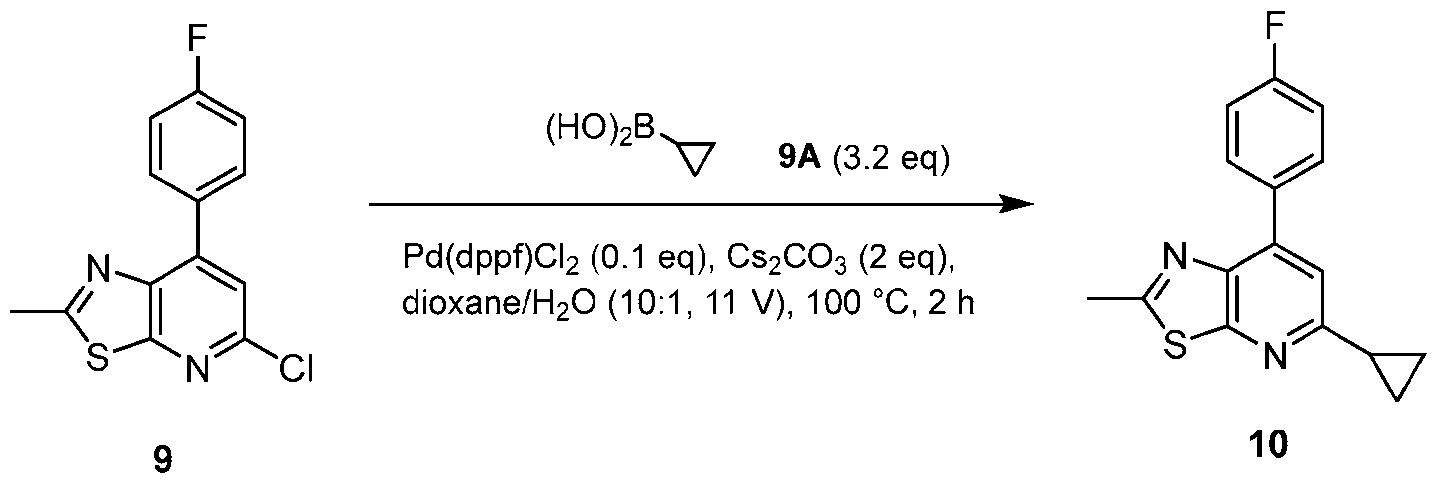


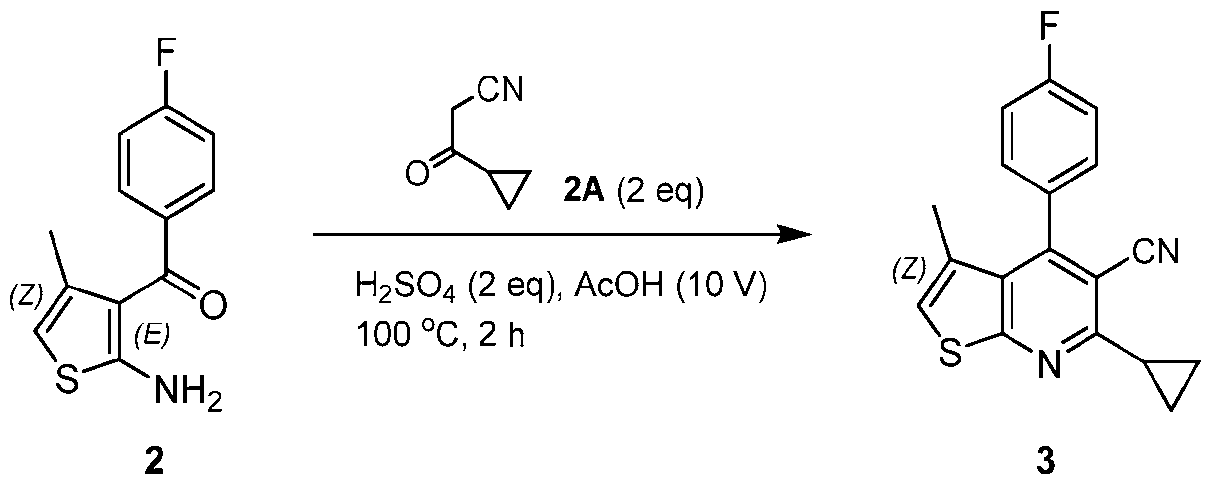





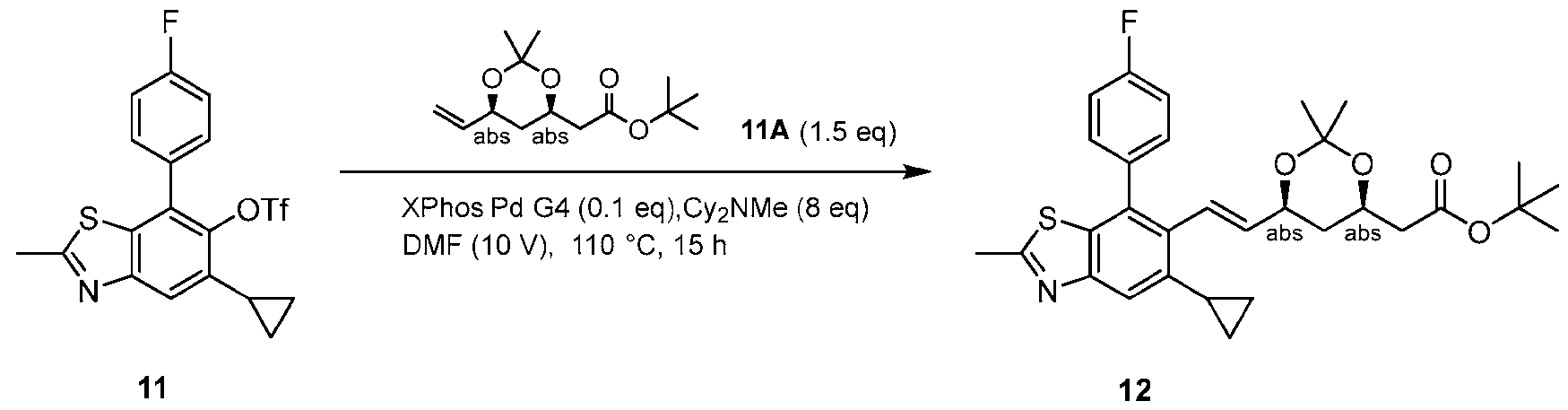


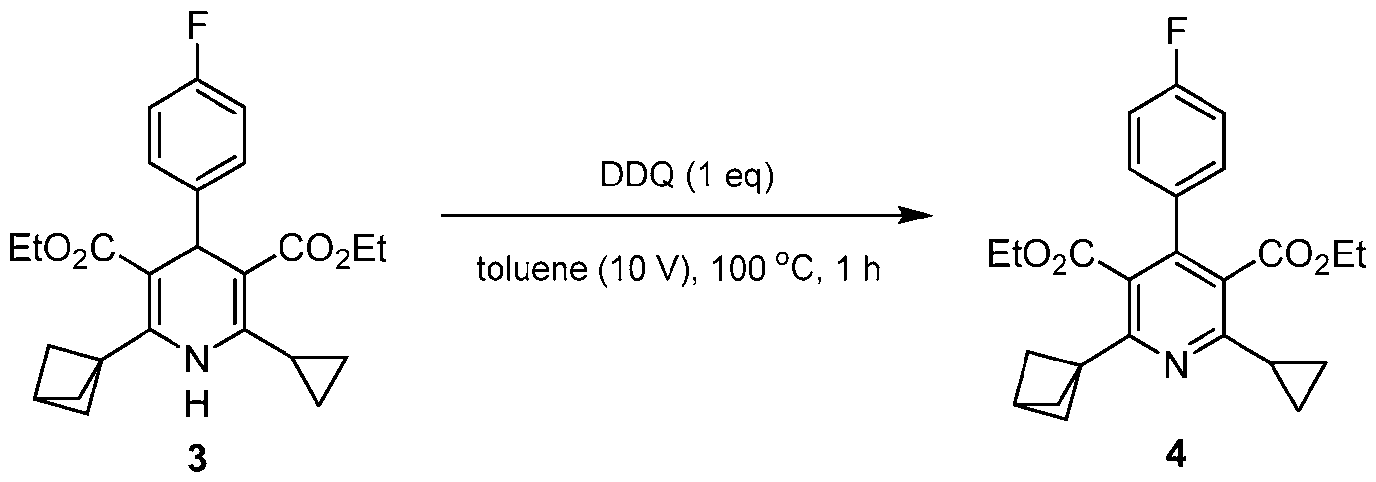


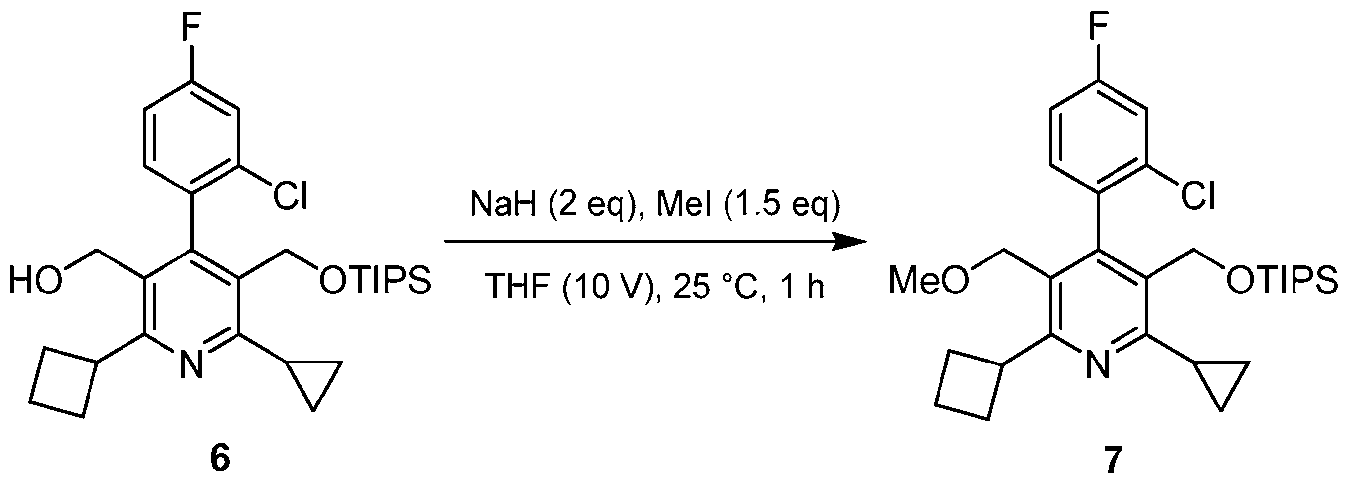


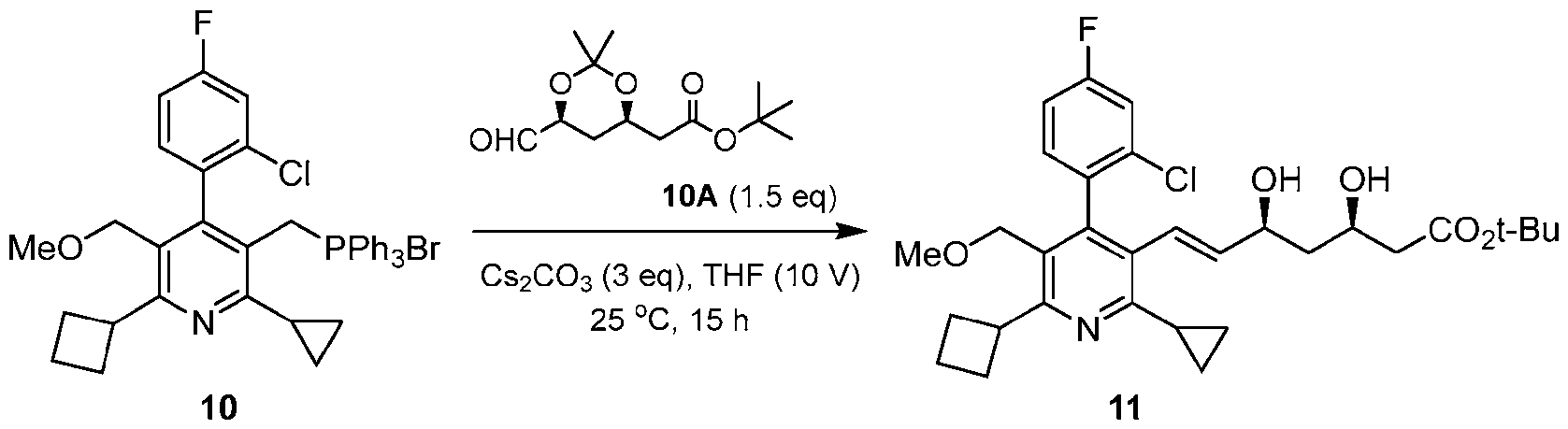


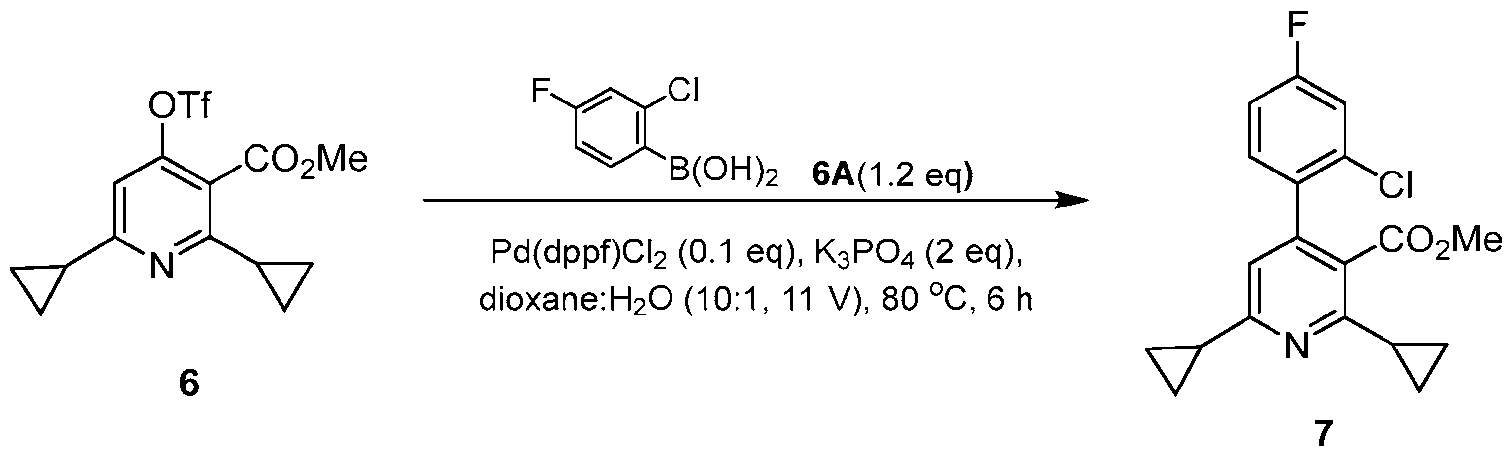


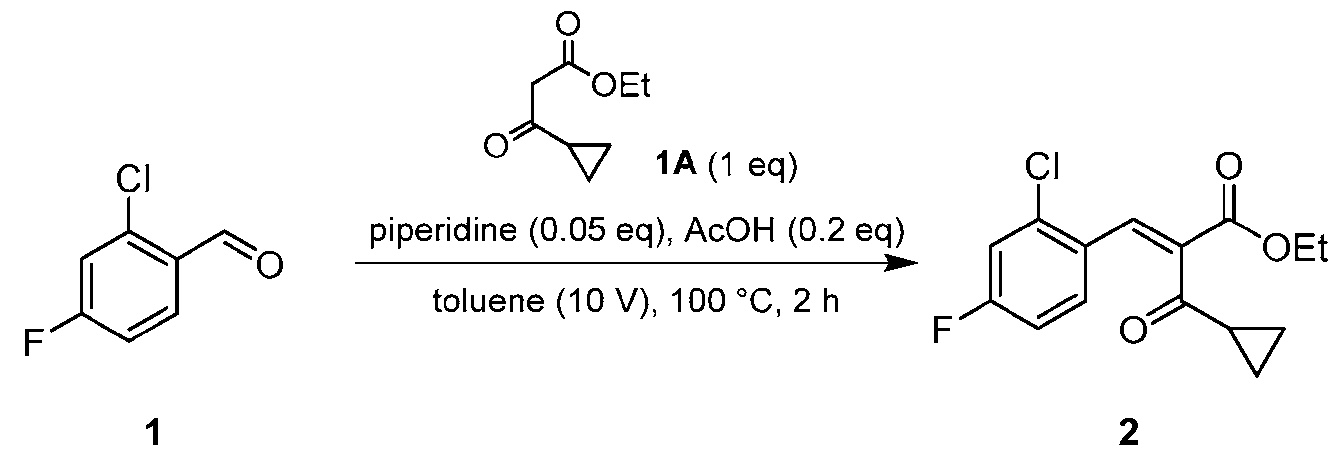


Claims


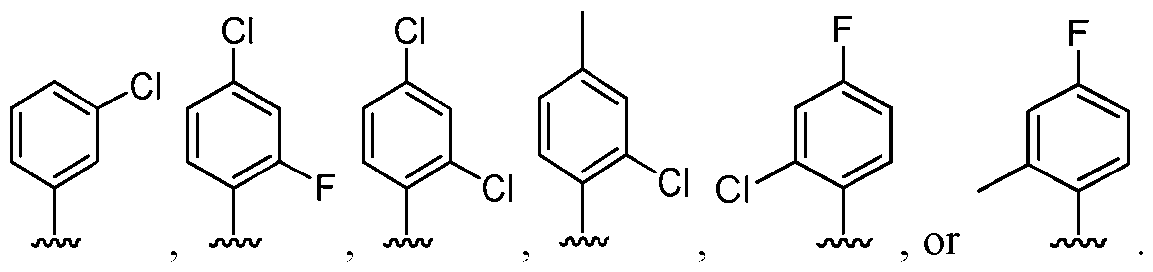


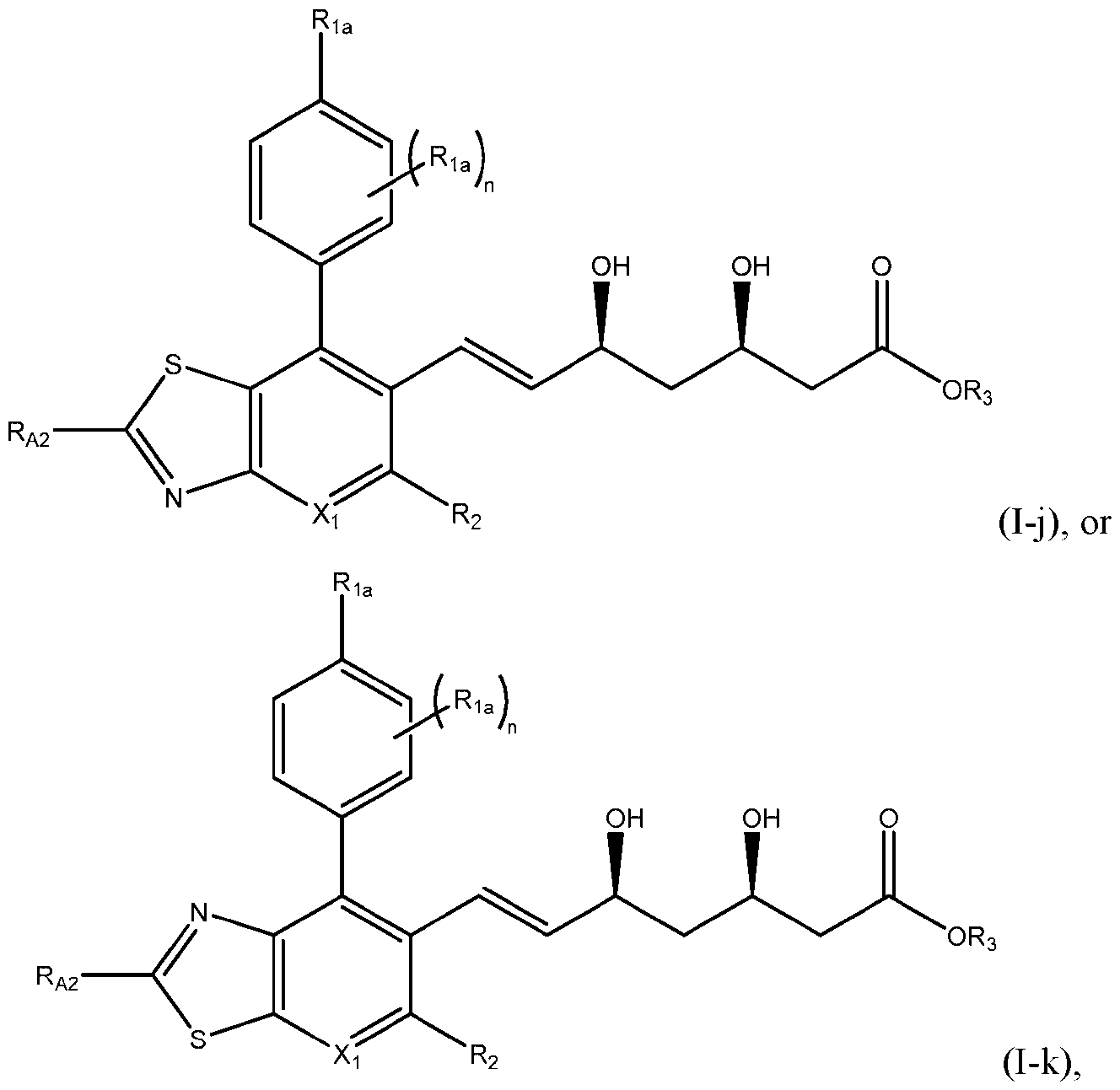


Priority Applications (3)
| Application Number | Priority Date | Filing Date | Title |
|---|---|---|---|
| EP24740276.1A EP4724426A1 (en) | 2023-06-12 | 2024-06-12 | Statin derivatives and methods of using the same |
| CN202480052631.XA CN122029151A (en) | 2023-06-12 | 2024-06-12 | Statin derivatives and methods of use thereof |
| JP2025572314A JP2026521511A (en) | 2023-06-12 | 2024-06-12 | Statin derivatives and methods using the same |
Applications Claiming Priority (4)
| Application Number | Priority Date | Filing Date | Title |
|---|---|---|---|
| US202363472434P | 2023-06-12 | 2023-06-12 | |
| US63/472,434 | 2023-06-12 | ||
| US202363611822P | 2023-12-19 | 2023-12-19 | |
| US63/611,822 | 2023-12-19 |
Publications (1)
| Publication Number | Publication Date |
|---|---|
| WO2024258976A1 true WO2024258976A1 (en) | 2024-12-19 |
Family
ID=91856020
Family Applications (1)
| Application Number | Title | Priority Date | Filing Date |
|---|---|---|---|
| PCT/US2024/033626 Ceased WO2024258976A1 (en) | 2023-06-12 | 2024-06-12 | Statin derivatives and methods of using the same |
Country Status (4)
| Country | Link |
|---|---|
| EP (1) | EP4724426A1 (en) |
| JP (1) | JP2026521511A (en) |
| CN (1) | CN122029151A (en) |
| WO (1) | WO2024258976A1 (en) |
Citations (6)
| Publication number | Priority date | Publication date | Assignee | Title |
|---|---|---|---|---|
| US4522811A (en) | 1982-07-08 | 1985-06-11 | Syntex (U.S.A.) Inc. | Serial injection of muramyldipeptides and liposomes enhances the anti-infective activity of muramyldipeptides |
| EP0306929A2 (en) * | 1987-09-08 | 1989-03-15 | Warner-Lambert Company | 6-[[(Substituted)pyridin-3-YL]alkyl]-and alkenyl]-tetrahydro-4-hydroxypyran-2-one inhibitors of cholesterol biosynthesis |
| EP0367235A1 (en) * | 1988-11-02 | 1990-05-09 | Nissan Chemical Industries Ltd. | Thienopyridine type mevalonolactones |
| US5763263A (en) | 1995-11-27 | 1998-06-09 | Dehlinger; Peter J. | Method and apparatus for producing position addressable combinatorial libraries |
| WO2020150290A2 (en) * | 2019-01-14 | 2020-07-23 | President And Fellows Of Harvard College | Methods and compositions for restoring stmn2 levels |
| WO2023060173A1 (en) * | 2021-10-06 | 2023-04-13 | Aquinnah Pharmaceuticals, Inc. | Compounds, compositions and methods of use |
-
2024
- 2024-06-12 JP JP2025572314A patent/JP2026521511A/en active Pending
- 2024-06-12 EP EP24740276.1A patent/EP4724426A1/en active Pending
- 2024-06-12 CN CN202480052631.XA patent/CN122029151A/en active Pending
- 2024-06-12 WO PCT/US2024/033626 patent/WO2024258976A1/en not_active Ceased
Patent Citations (6)
| Publication number | Priority date | Publication date | Assignee | Title |
|---|---|---|---|---|
| US4522811A (en) | 1982-07-08 | 1985-06-11 | Syntex (U.S.A.) Inc. | Serial injection of muramyldipeptides and liposomes enhances the anti-infective activity of muramyldipeptides |
| EP0306929A2 (en) * | 1987-09-08 | 1989-03-15 | Warner-Lambert Company | 6-[[(Substituted)pyridin-3-YL]alkyl]-and alkenyl]-tetrahydro-4-hydroxypyran-2-one inhibitors of cholesterol biosynthesis |
| EP0367235A1 (en) * | 1988-11-02 | 1990-05-09 | Nissan Chemical Industries Ltd. | Thienopyridine type mevalonolactones |
| US5763263A (en) | 1995-11-27 | 1998-06-09 | Dehlinger; Peter J. | Method and apparatus for producing position addressable combinatorial libraries |
| WO2020150290A2 (en) * | 2019-01-14 | 2020-07-23 | President And Fellows Of Harvard College | Methods and compositions for restoring stmn2 levels |
| WO2023060173A1 (en) * | 2021-10-06 | 2023-04-13 | Aquinnah Pharmaceuticals, Inc. | Compounds, compositions and methods of use |
Non-Patent Citations (26)
| Title |
|---|
| "Bioreversible Carriers in Drug Design", 1987, PERGAMON PRESS |
| "Methods in Enzymology", vol. 42, 1985, ACADEMIC PRESS, pages: 309 - 396 |
| "Remington: the Science and Practice of Pharmacy", 1995, MACK PUBLISHING CO. |
| "Remington's Pharmaceutical Sciences", 1990, MACK PUBLISHING CO. |
| AUSUBEL ET AL.: "Current Protocols in Molecular Biology", 2005, JOHN WILEY AND SONS, INC. |
| BUNDGAARD ET AL., JOURNAL OF PHARMACEUTICAL SCIENCES, vol. 77, 1988, pages 285 |
| CAHN ET AL., ANGEW. CHEM., vol. 1966, no. 78, pages 413 |
| CAHN ET AL., ANGEW. CHEM., vol. 5, no. 385, 1966, pages 511 |
| CAHN ET AL., EXPERIENTIA, vol. 1956, no. 12, pages 81 |
| CAHN, J. CHEM. EDUC., vol. 1964, no. 41, pages 116 |
| CAHNINGOLD, J. CHEM. SOC., 1951, pages 612 |
| FINGL ET AL., THE PHARMACOLOGICAL BASIS OF THERAPEUTICS, 1975 |
| GREENE, T.W.WUTS, P.G. M.: "Protective Groups in Organic Synthesis", 1999, JOHN WILEY & SONS |
| H. BUNDGAARD, ADVANCED DRUG DELIVERY REVIEWS, vol. 8, 1992, pages 1 - 38 |
| H. BUNDGAARD: "A Textbook of Drug Design and Development", 1991, article "Design and Application of Pro-drugs", pages: 113 - 191 |
| HUBER ROLAND G. ET AL: "Abstract", ANNALS OF CLINICAL AND TRANSLATIONAL NEUROLOGY, vol. 10, no. 2, 1 February 2023 (2023-02-01), GB, pages 150 - 165, XP093207759, ISSN: 2328-9503, Retrieved from the Internet <URL:https://onlinelibrary.wiley.com/doi/full-xml/10.1002/acn3.51697> DOI: 10.1002/acn3.51697 * |
| L. FIESERM. FIESER: "Fieser and Fieser's Reagents for organic Synthesis", 1994, JOHN WILEY AND SONS |
| L. W. DEADY, SYN. COMM., vol. 1977, no. 7, pages 509 - 514 |
| N. KAKEYA ET AL., CHEM. PHARM. BULL., vol. 32, 1984, pages 692 |
| P.G.M. WUTST.W. GREENE: "Greene's Protective Groups in Organic Synthesis", 2006, JOHN WILEY & SONS |
| PATANILAVOIE, CHEM. REV., vol. 96, 1996, pages 3147 - 3176 |
| R. LAROCK: "Comprehensive Organic Transformations", 1989, VCH PUBLISHERS |
| SAMBROOK ET AL.: "Molecular Cloning, A Laboratory Manual", 2000, COLD SPRING HARBOR PRESS |
| SMITH, M. B.MARCH, J.: "March's Advanced Organic Chemistry: Reactions, Mechanisms, and Structure", 2001, JOHN WILEY AND SONS |
| T. HIGUCHIV. STELLA: "Pro-Drugs as Novel Delivery Systems", A.C.S. SYMPOSIUM SERIES, vol. 14 |
| VILLALOBOS-NOVA KARLA ET AL: "Bringing the Spotlight to Tau and TDP-43 in Frontotemporal Dementia: A Review of Promising Chemical Compounds", CURRENT MEDICINAL CHEMISTRY, vol. 29, no. 38, 1 November 2022 (2022-11-01), NL, pages 5903 - 5924, XP093207703, ISSN: 0929-8673, Retrieved from the Internet <URL:https://www.eurekaselect.com/204386/article> DOI: 10.2174/0929867329666220508175340 * |
Also Published As
| Publication number | Publication date |
|---|---|
| JP2026521511A (en) | 2026-06-30 |
| EP4724426A1 (en) | 2026-04-15 |
| CN122029151A (en) | 2026-05-12 |
Similar Documents
| Publication | Publication Date | Title |
|---|---|---|
| US12503475B2 (en) | Bicyclic-heterocycle derivatives and their uses as orexin-2 receptor agonists | |
| US12312350B2 (en) | Compounds for inhibiting NLRP3 and uses thereof | |
| US20230331720A1 (en) | Medium- or macro-cyclic benzyl-substituted heterocycle derivatives and their uses as orexin-2 receptor agonists | |
| US20240239744A1 (en) | 2-(3-ethynylbenzyl)-substituted heterocycle derivatives and related uses | |
| US20250236629A1 (en) | Medium- or macro-cyclic benzyl-substituted heterocycle derivatives and related uses | |
| EP4486445A1 (en) | Bicyclic-heterocycle derivatives and related uses | |
| JP2009524690A (en) | Compound | |
| US12312351B2 (en) | Pyrido-[3,4-d]pyridazine amine derivatives useful as NLRP3 inhibitors | |
| WO2024026419A1 (en) | Quinoxaline derivatives as pik3 alpha modulators | |
| WO2022266426A1 (en) | 6-(heterocycloalkyl-oxy)-quinazoline derivatives and uses thereof | |
| WO2022266425A1 (en) | 3-cyano-quinoline derivatives and uses thereof | |
| US20230002366A1 (en) | Indene derivatives useful in treating pain and inflammation | |
| WO2022087422A9 (en) | Pyrrolidine-3-carboxamide derivatives and related uses | |
| EP4724426A1 (en) | Statin derivatives and methods of using the same | |
| NL2031175B1 (en) | Dhcr24 inhibitory compounds | |
| WO2022266427A1 (en) | 4-(aryl-methyl-amino)-quinazoline derivatives and uses thereof | |
| US20250361238A1 (en) | 1,4-diphenyl-1h-indazole and 1-pyridin-2-yl-4-phenyl-1h-indazole derivatives as pd-1/pd-l1 modulators for the treatment of cancer | |
| WO2025175247A1 (en) | Imidazo-pyrazine derivatives and their use in the treatment of neurologic disorders | |
| WO2025222049A1 (en) | 2-((1-oxo-2,3-dihydro-1h-inden-5-yl)oxy)acetic acid derivatives and related uses | |
| HK40100030A (en) | Compounds for inhibiting nlrp3 and uses thereof | |
| JP2024542743A (en) | 5-Pyrimidinecarboxamide derivatives and methods of use thereof |
Legal Events
| Date | Code | Title | Description |
|---|---|---|---|
| 121 | Ep: the epo has been informed by wipo that ep was designated in this application |
Ref document number: 24740276 Country of ref document: EP Kind code of ref document: A1 |
|
| ENP | Entry into the national phase |
Ref document number: 2025572314 Country of ref document: JP Kind code of ref document: A |
|
| ENP | Entry into the national phase |
Ref document number: 2024740276 Country of ref document: EP Effective date: 20260112 |
|
| WWE | Wipo information: entry into national phase |
Ref document number: 2024740276 Country of ref document: EP |
|
| NENP | Non-entry into the national phase |
Ref country code: DE |
|
| ENP | Entry into the national phase |
Ref document number: 2024740276 Country of ref document: EP Effective date: 20260112 |
|
| ENP | Entry into the national phase |
Ref document number: 2024740276 Country of ref document: EP Effective date: 20260112 |
|
| ENP | Entry into the national phase |
Ref document number: 2024740276 Country of ref document: EP Effective date: 20260112 |
|
| ENP | Entry into the national phase |
Ref document number: 2024740276 Country of ref document: EP Effective date: 20260112 |
|
| WWP | Wipo information: published in national office |
Ref document number: 2024740276 Country of ref document: EP |