WO2024258937A1 - Biomarkers and methods of treatment of follicular lymphoma - Google Patents
Biomarkers and methods of treatment of follicular lymphoma Download PDFInfo
- Publication number
- WO2024258937A1 WO2024258937A1 PCT/US2024/033562 US2024033562W WO2024258937A1 WO 2024258937 A1 WO2024258937 A1 WO 2024258937A1 US 2024033562 W US2024033562 W US 2024033562W WO 2024258937 A1 WO2024258937 A1 WO 2024258937A1
- Authority
- WO
- WIPO (PCT)
- Prior art keywords
- expression level
- treatment
- subject
- gene expression
- gcb
- Prior art date
- Legal status (The legal status is an assumption and is not a legal conclusion. Google has not performed a legal analysis and makes no representation as to the accuracy of the status listed.)
- Ceased
Links
Classifications
-
- A—HUMAN NECESSITIES
- A61—MEDICAL OR VETERINARY SCIENCE; HYGIENE
- A61P—SPECIFIC THERAPEUTIC ACTIVITY OF CHEMICAL COMPOUNDS OR MEDICINAL PREPARATIONS
- A61P35/00—Antineoplastic agents
-
- C—CHEMISTRY; METALLURGY
- C07—ORGANIC CHEMISTRY
- C07K—PEPTIDES
- C07K14/00—Peptides having more than 20 amino acids; Gastrins; Somatostatins; Melanotropins; Derivatives thereof
- C07K14/435—Peptides having more than 20 amino acids; Gastrins; Somatostatins; Melanotropins; Derivatives thereof from animals; from humans
- C07K14/46—Peptides having more than 20 amino acids; Gastrins; Somatostatins; Melanotropins; Derivatives thereof from animals; from humans from vertebrates
- C07K14/47—Peptides having more than 20 amino acids; Gastrins; Somatostatins; Melanotropins; Derivatives thereof from animals; from humans from vertebrates from mammals
-
- C—CHEMISTRY; METALLURGY
- C12—BIOCHEMISTRY; BEER; SPIRITS; WINE; VINEGAR; MICROBIOLOGY; ENZYMOLOGY; MUTATION OR GENETIC ENGINEERING
- C12Q—MEASURING OR TESTING PROCESSES INVOLVING ENZYMES, NUCLEIC ACIDS OR MICROORGANISMS; COMPOSITIONS OR TEST PAPERS THEREFOR; PROCESSES OF PREPARING SUCH COMPOSITIONS; CONDITION-RESPONSIVE CONTROL IN MICROBIOLOGICAL OR ENZYMOLOGICAL PROCESSES
- C12Q1/00—Measuring or testing processes involving enzymes, nucleic acids or microorganisms; Compositions therefor; Processes of preparing such compositions
- C12Q1/68—Measuring or testing processes involving enzymes, nucleic acids or microorganisms; Compositions therefor; Processes of preparing such compositions involving nucleic acids
- C12Q1/6876—Nucleic acid products used in the analysis of nucleic acids, e.g. primers or probes
- C12Q1/6883—Nucleic acid products used in the analysis of nucleic acids, e.g. primers or probes for diseases caused by alterations of genetic material
- C12Q1/6886—Nucleic acid products used in the analysis of nucleic acids, e.g. primers or probes for diseases caused by alterations of genetic material for cancer
-
- C—CHEMISTRY; METALLURGY
- C12—BIOCHEMISTRY; BEER; SPIRITS; WINE; VINEGAR; MICROBIOLOGY; ENZYMOLOGY; MUTATION OR GENETIC ENGINEERING
- C12Q—MEASURING OR TESTING PROCESSES INVOLVING ENZYMES, NUCLEIC ACIDS OR MICROORGANISMS; COMPOSITIONS OR TEST PAPERS THEREFOR; PROCESSES OF PREPARING SUCH COMPOSITIONS; CONDITION-RESPONSIVE CONTROL IN MICROBIOLOGICAL OR ENZYMOLOGICAL PROCESSES
- C12Q2600/00—Oligonucleotides characterized by their use
- C12Q2600/106—Pharmacogenomics, i.e. genetic variability in individual responses to drugs and drug metabolism
-
- C—CHEMISTRY; METALLURGY
- C12—BIOCHEMISTRY; BEER; SPIRITS; WINE; VINEGAR; MICROBIOLOGY; ENZYMOLOGY; MUTATION OR GENETIC ENGINEERING
- C12Q—MEASURING OR TESTING PROCESSES INVOLVING ENZYMES, NUCLEIC ACIDS OR MICROORGANISMS; COMPOSITIONS OR TEST PAPERS THEREFOR; PROCESSES OF PREPARING SUCH COMPOSITIONS; CONDITION-RESPONSIVE CONTROL IN MICROBIOLOGICAL OR ENZYMOLOGICAL PROCESSES
- C12Q2600/00—Oligonucleotides characterized by their use
- C12Q2600/158—Expression markers
Definitions
- FL follicular lymphoma
- FLIPI FL-Intemational Prognostic Index
- FLIPI-2 FL-Intemational Prognostic Index
- PRIMA-PI Rodriguez-Sevilla et al.
- TME markers 2021 June: Suppl 1 :83-87; Tobin et al., 2019 Dec. 1; 37(34):3300-3309).
- the prognostic value of TME markers appears to be dependent on the treatment regimens and may have been modified by the widespread use of immuno-chemotherapy (Bolen et al., 2021 May 13; 137(19):2704-2707, Xerri et al., 2017 June; 64: 128-136).
- the COO defined by gene profiling has enabled a molecular classification of diffuse large B-cell lymphoma (DLBCL) between prognostically favorable germinal center (GC) and unfavorable ABC subtypes (Schmitz et al., N Engl J Med., 2018 Apr 12; 378(15): 1396-1407, Wienand et al., Hematol Oncol. 2021 Jun; 39 suppl 1 :24-30, Wright et al. Cancer Cell 2020 Apr 13 ;37(4): 551-568).
- a similar subcategorization has long been considered as irrelevant to FL.
- microRNA profiles associated with a “late” GC B-cell phenotype with increased JRF4/MUM1 expression (Leich et al., Blood 2011 Nov 17; 118(20):5550-5558). It is also supported by the recent observation of discrete steps of plasmablastic differentiation starting from a subset of light zone GC B cells and of a distinct subpopulation composed of memory B cell precursors within the GC (Holmes et al. J Exp Med 2020 Oct 5; 217(10): e20200483).
- a method for identifying a subject as having an Activated/Memory B-cell like (ABC/MEM-like) follicular lymphoma comprising: (a) determining the gene expression level of at least one biomarker in a sample from the subject, wherein the biomarker is selected from the group consisting of TTC28, FOXP1, DOPEY2, IQSEC1, PTPRJ, SLA, CXXC5, PDE4B, TCF4, MPEG1, KIAA1211, SCPEP1, RASL11A, LM02, HS2ST1, ENPP3, SH3RF1, SCIMP, CCDC138, and SHCBP1; (b) determining a composite score based on the gene expression level of the at least one biomarker; and (c) identifying the subject as having ABC/MEM-like FL based on the composite score.
- the biomarker is selected from the group consisting of TTC28, FOXP1, DOPEY2, IQSEC1, PTPRJ, SLA
- the method further comprises administering to the subject identified as having ABC/MEM-like FL a treatment of ABC/MEM-like FL comprising a therapeutically effective amount of an immunomodulatory drug (IMiD®) and/or a cereblon E3 ligase modulating compound.
- IMD® immunomodulatory drug
- a method of selectively treating a subject having FL comprising: (a) determining the gene expression level of at least one biomarker in a sample of the subject, wherein the biomarker is selected from the group consisting of: TTC28, FOXP1, DOPEY2, IQSEC1, PTPRJ, SLA, CXXC5, PDE4B, TCF4, MPEG1, KIAA1211, SCPEP1, RASL11A, LM02, HS2ST1, ENPP3, SH3RF1, SCIMP, CCDC138, and SHCBP1; (b) determining a composite score based on the gene expression level of the at least one biomarker; (c) identifying the subject as having ABC/MEM-like FL based on the composite score; and (d) administering to the subject identified as having ABC/MEM-like FL a treatment of ABC/MEM- like FL comprising a therapeutically effective amount of an IMiD® and/or a cereblon E3
- a method of identifying a subject who is likely to be responsive to a treatment of ABC/MEM-like FL or predicting the responsiveness of a subject to a treatment of ABC/MEM-like FL comprising: (a) determining the gene expression level of at least one biomarker in a sample of the subject, wherein the biomarker is selected from the group consisting of: TTC28, FOXP1, DOPEY2, IQSEC1, PTPRJ, SLA, CXXC5, PDE4B, TCF4, MPEG1, KIAA1211, SCPEP1, RASL11A, LM02, HS2ST1, ENPP3, SH3RF1, SCIMP, CCDC138, and SHCBP1; (b) determining a composite score based on the gene expression level of the at least one biomarker; (c) identifying or predicting the subject as being likely to be responsive to the treatment of ABC/MEM-like FL based on the composite score, wherein the treatment of ABC/
- the IMiD® is selected from the group consisting of lenalidomide, pomalidomide, and thalidomide, and enantiomers, mixture of enantiomers, tautomers, isotopologs, and pharmaceutically acceptable salts thereof.
- the cereblon E3 ligase modulating compound is selected from the group consisting of iberdomide and a compound of Formula (I) and enantiomers, mixture of enantiomers, tautomers, isotopologs, and pharmaceutically acceptable salts thereof.
- the IMiD® and/or cereblon E3 ligase modulating compound is selected from the group consisting of lenalidomide, pomalidomide, thalidomide, iberdomide, and a compound of Formula (I) and enantiomers, mixture of enantiomers, tautomers, isotopologs, and pharmaceutically acceptable salts thereof.
- the treatment of ABC/MEM-like FL further comprises a therapeutically effective amount of an anti-CD20 antibody.
- the anti- CD20 antibody is selected from the group consisting of rituximab, obinutuzumab, ocrelizumab, and combinations thereof.
- the treatment of ABC/MEM-like FL comprises therapeutically effective amounts of rituximab and lenalidomide, or an enantiomer, mixture of enantiomers, tautomer, isotopolog, or pharmaceutically acceptable salt thereof.
- the treatment of ABC/MEM-like FL comprises therapeutically effective amounts of rituximab and a compound of Formula (I) or an enantiomer, mixture of enantiomers, tautomer, isotopolog, or pharmaceutically acceptable salt thereof.
- the treatment of ABC/MEM-like FL improves overall survival, PFS, and/or FFS of the subject having ACB/MEM-like FL.
- the composite score is determined based on the gene expression levels of TTC28, FOXP1, DOPEY2, IQSEC1, PTPRJ, SLA, CXXC5, PDE4B, TCF4, MPEG1, KIAA1211, SCPEP1, RASL11A, LM02, HS2ST1, ENPP3, SH3RF1, SCIMP, CCDC138, and SHCBP1.
- the composite score is determined based on the sum of weighted gene expression levels of TTC28, FOXP1, DOPEY2, IQSEC1, PTPRJ, SLA, CXXC5, PDE4B, TCF4, MPEG1, KIAA1211, SCPEP1, RASL11A, LM02, HS2ST1, ENPP3, SH3RF1, SCIMP, CCDC138, and SHCBP1.
- the composite score is determined based on the following formula: (-12.90235 x the gene expression level of TTC28) + (-17.20497 x the gene expression level of FOXP1) + (-14.08426 x the gene expression level of DOPEY2) + (-14.14635 x the gene expression level of IQSEC1) + (-15.78924 x the gene expression level of PTPRJ) + (-13.44714 x the gene expression level of SLA) + (-13.21572 x the gene expression level of CXXC5) + (-14.31872 x the gene expression level of PDE4B) + (-18.17919 x the gene expression level of TCF4) + (-16.21973 x the gene expression level of MPEG1) + (15.81861 x the gene expression level of KIAA1211) + (15.97033 x the gene expression level of SCPEP1) + (17.50829 x the gene expression level of RASL11A) + (17.18333 x the gene expression level of LM02
- the subject is identified as having ABC/MEM-like FL or is identified or predicted as being likely to be responsive to the treatment of ABC/MEM-like FL if the composite score is lower than a predetermined value, optionally the predetermined value is zero.
- the subject is identified as having ABC/MEM-like FL or is identified or predicted as being likely to be responsive to the treatment of ABC/MEM-like FL if the composite score is lower than a reference score.
- the reference score is derived from a healthy subject or a population of healthy subjects and is calculated the same way as the composite score.
- a method of identifying a subject as having a Germinal Center B-Cell like (GCB-like) follicular lymphoma comprising: (a) determining the gene expression level of at least one biomarker in a sample from the subject, wherein the biomarker is selected from the group consisting of TTC28, FOXP1, D0PEY2, IQSEC1, PTPRJ, SLA, CXXC5, PDE4B, TCF4, MPEG1, KIAA1211, SCPEP1, RASL11A, LM02, HS2ST1, ENPP3, SH3RF1, SCIMP, CCDC138, and SHCBP1; (b) determining a composite score based on the gene expression level of the at least on biomarker; and (c) identifying the subject as having the GCB-like FL based on the composite score.
- the method further comprises administering to the subject identified as having GCB-like FL a treatment of
- a method of selectively treating a subject having FL comprising: (a) determining the gene expression level of at least one biomarker in a sample of the subject, wherein the biomarker is selected from the group consisting of: TTC28, FOXP1, DOPEY2, IQSEC1, PTPRJ, SLA, CXXC5, PDE4B, TCF4, MPEG1, KIAA1211, SCPEP1, RASL11A, LM02, HS2ST1, ENPP3, SH3RF1, SCIMP, CCDC138, and SHCBP1; (b) determining a composite score based on the gene expression level of the at least one biomarker; (c) identifying the subject as having GCB-like FL based on the composite score; and (d) administering to the subject identified as having GCB-like FL a therapeutically effective amount of a GCB-like FL treatment.
- the biomarker is selected from the group consisting of: TTC28, FOXP1, DOPEY2, IQSEC1,
- a method of identifying a subject who is likely to be responsive to a treatment of GCB-like FL or predicting the responsiveness of a subject to a treatment of GCB-like FL comprising: (a) determining the gene expression level of at least one biomarker in a sample of the subject, wherein the biomarker is selected from the group consisting of: TTC28, FOXP1, DOPEY2, IQSEC1, PTPRJ, SLA, CXXC5, PDE4B, TCF4, MPEG1, KIAA1211, SCPEP1, RASL11A, LM02, HS2ST1, ENPP3, SH3RF1, SCIMP, CCDC138, and SHCBP1; (b) determining a composite score based on the gene expression level of the at least one biomarker; and (c) identifying or predicting the subject as being likely to be responsive to the treatment of GCB-like FL based on the composite score.
- the method further comprises
- the treatment of GCB-like FL comprises a therapeutically effective amount of an IMiD®, a cereblon E3 ligase modulating compound, an anti-CD20 antibody, a chemotherapeutic agent, or a combination thereof. In certain embodiments, the treatment of GCB-like FL comprises a therapeutically effective amount of a cereblon E3 ligase modulating compound, an anti-CD20 antibody, a chemotherapeutic agent, or a combination thereof.
- the IMiD® and/or cereblon E3 ligase modulating compound is selected from the group consisting of lenalidomide, pomalidomide, thalidomide, iberdomide, and a compound of Formula (I) and enantiomers, mixture of enantiomers, tautomers, isotopologs, and pharmaceutically acceptable salts thereof.
- the anti-CD20 antibody is selected from the group consisting of rituximab, obinutuzumab, ocrelizumab, and combinations thereof.
- the chemotherapeutic agent is selected from the group consisting of cyclophosphamide, doxorubicin hydrochloride, vincristine sulfate, and combinations thereof.
- the treatment of GCB-like FL comprises the therapeutically effective amounts of the anti-CD20 antibody and the chemotherapeutic agent.
- the treatment of GCB-like FL comprises the therapeutically effective amounts of rituximab, cyclophosphamide, doxorubicin hydrochloride, and vincristine sulfate.
- the treatment of GCB-like FL comprises the therapeutically effective amounts of rituximab, cyclophosphamide, doxorubicin hydrochloride, vincristine sulfate, and prednisone [0027]
- the treatment of GCB-like FL comprises the therapeutically effective amounts of the IMiD® and the anti-CD20 antibody.
- the treatment of GCB-like FL comprises the therapeutically effective amounts of rituximab and lenalidomide, or an enantiomer, mixture of enantiomers, tautomer, isotopolog, or pharmaceutically acceptable salt thereof.
- the treatment of GCB-like FL comprises the therapeutically effective amounts of rituximab and a compound of Formula (I) or an enantiomer, mixture of enantiomers, tautomer, isotopolog, or pharmaceutically acceptable salt thereof.
- the composite score is determined based on the gene expression levels of TTC28, FOXP1, DOPEY2, IQSEC1, PTPRJ, SLA, CXXC5, PDE4B, TCF4, MPEG1, KIAA1211, SCPEP1, RASL11A, LM02, HS2ST1, ENPP3, SH3RF1, SCIMP, CCDC138, and SHCBP1.
- the composite score is determined based on the sum of weighted gene expression levels of TTC28, FOXP1, DOPEY2, IQSEC1, PTPRJ, SLA, CXXC5, PDE4B, TCF4, MPEG1, KIAA1211, SCPEP1, RASL11A, LM02, HS2ST1, ENPP3, SH3RF1, SCIMP, CCDC138, and SHCBP1.
- the composite score is determined based on the following formula: (-12.90235 x the gene expression level of TTC28) + (-17.20497 x the gene expression level of FOXP1) + (-14.08426 x the gene expression level of DOPEY2) + (-14.14635 x the gene expression level of IQSEC1) + (-15.78924 x the gene expression level of PTPRJ) + (-13.44714 x the gene expression level of SLA) + (-13.21572 x the gene expression level of CXXC5) + (-14.31872 x the gene expression level of PDE4B) + (-18.17919 x the gene expression level of TCF4) + (-16.21973 x the gene expression level of MPEG1) + (15.81861 x the gene expression level of KIAA1211) + (15.97033 x the gene expression level of SCPEP1) + (17.50829 x the gene expression level of RASL11A) + (17.18333 x the gene expression level of LM02
- the subject is identified as having GCB-like FL or is identified or predicted as being likely to be responsive to the treatment of GCB-like FL if the composite score is higher than a predetermined value, optionally the predetermined value is zero.
- the subject is identified as having GCB-like FL or is identified or predicted as being likely to be responsive to the treatment of GCB-like FL if the composite score is higher than a reference score.
- the reference score is derived from a healthy subject or a population of healthy subjects and is calculated the same way as the composite score.
- the gene expression level of the at least one biomarker is mRNA level. In certain embodiments, the gene expression level is measured by RNA sequencing. In certain embodiments, the gene expression level is measured by PCR-based quantification methods.
- a method of identifying a subject as having an ABC/MEM-like FL comprising: (a) determining the protein expression levels of FOXP1, LM02, CD22, and MUM1; and (b) identifying the subject as having the ABC/MEM-like FL based on the protein expression levels of FOXP1, LM02, CD22, and MUM1.
- the method further comprises administering to the subject identified as having ABC/MEM-like FL a therapeutically effective amount of an immunomodulatory drug (IMiD®) and/or a cereblon E3 ligase modulating compound.
- IMD® immunomodulatory drug
- a method of selectively treating a subject having FL comprising: (a) determining the protein expression levels of FOXP1, LM02, CD22, and MUM1; (b) identifying the subject as having ABC/MEM-like FL based on the protein expression levels of FOXP1, LM02, CD22, and MUM1; and (c) administering to the subject identified as having ABC/MEM-like FL a therapeutically effective amount of an IMiD® and/or a cereblon E3 ligase modulating compound.
- a method of identifying a subject who is likely to be responsive to a treatment of ABC/MEM-like FL or predicting the responsiveness of a subject to a treatment of ABC/MEM-like FL comprising: (a) determining the protein expression levels of FOXP1, LM02, CD22, and MUM1; and (b) identifying or predicting the subject as being likely to be responsive to the treatment of ABC/MEM-like FL based on the protein expression levels of FOXP1, LM02, CD22, and MUM1, wherein the treatment of ABC/MEM-like FL comprises an IMiD® and/or a cereblon E3 ligase modulating compound.
- the method further comprises administering the treatment of ABC/MEM-like FL to the subject likely to be responsive to the treatment of ABC/MEM-like FL.
- the IMiD® and/or cereblon E3 ligase modulating compound is selected from the group consisting of lenalidomide, pomalidomide, thalidomide, iberdomide, and a compound of Formula (I) and enantiomers, mixture of enantiomers, tautomers, isotopologs, and pharmaceutically acceptable salts thereof.
- the treatment of ABC/MEM-like FL further comprises a therapeutically effective amount of an anti-CD20 antibody.
- the anti- CD20 antibody is selected from the group consisting of rituximab, obinutuzumab, ocrelizumab, and combinations thereof.
- the treatment of ABC/MEM-like FL comprises therapeutically effective amounts of rituximab and lenalidomide, or an enantiomer, mixture of enantiomers, tautomer, isotopolog, or pharmaceutically acceptable salt thereof.
- the treatment of ABC/MEM-like FL comprises therapeutically effective amounts of rituximab and a compound of Formula (I) or an enantiomer, mixture of enantiomers, tautomer, isotopolog, or pharmaceutically acceptable salt thereof.
- the treatment of ABC/MEM-like FL improves overall survival, PFS, and/or FFS of the subject having ACB/MEM-like FL.
- the protein expression levels of FOXP1, LM02, CD22, and MUM1 are protein levels.
- the protein levels are measured using immunohistochemistry (IHC).
- the protein levels are measured using other antibody-based imaging and quantification methods such as Multiplexed Ion Beam Imaging (MIBI) and Imaging Mass Cytometry (IMC).
- MIBI Multiplexed Ion Beam Imaging
- IMC Imaging Mass Cytometry
- the subject is identified as having ABC/MEM-like FL or is identified or predicted as being likely to be responsive to the treatment of ABC/MEM-like FL if (i) the protein expression level of FOXP1 is strong or moderate and the protein expression level of LM02 is weak or negative; (ii) the protein expression level of FOXP1 is close to the protein expression level of LM02 (equally strong, moderate, or weak) or otherwise noninformative, and the protein expression level of CD22 is weak; or (iii) the protein expression level of FOXP1 is close to that of LM02 (equally strong, moderate, or weak) or otherwise noninformative, and the protein expression level of CD22 is moderate or otherwise noninformative and the percentage of MUM1 positive cells in the sample is greater than about 15%.
- the subject is identified as having ABC/MEM-like FL or is identified or predicted as being likely to be responsive to the treatment of ABC/MEM-like FL if (i) the percentage of FOXP1 positive cells in the sample is more than about 50% and the percentage of LM02 positive cells in the sample is less than about 50%, and the difference between the percentage of FOXP1 positive cells in the sample and the percentage of LM02 positive cells in the sample is about 20% or more; (ii) if the difference between the percentage of FOXP1 positive cells in the sample and the percentage of LM02 positive cells in the sample is less than about 20%, and the percentage of CD22 positive cells in the sample is less than about 20%; or (iii) if the difference between the percentage of FOXP1 positive cells in the sample and the percentage of LM02 positive cells in the sample is less than about 20%, and the percentage of CD22 positive cells in the sample is between about 20% and about 80%, and the percentage of MUM1 positive cells in the sample is greater than about 15%.
- a method of identifying a subject as having a GCB- like FL comprising: (a) determining the protein expression levels of FOXP1, LM02, CD22, and MUM1; and (b) identifying the subject as having the GCB-like FL based on the protein expression levels of FOXP1, LM02,, CD22, and MUM1.
- the method further comprises administering to the subject identified as having GCB-like FL a treatment of GCB-like FL.
- a method of selectively treating a subject having FL comprising: (a) determining the protein expression levels of FOXP1, LM02, CD22, and MUM1; (b) identifying the subject as having GCB-like FL based on the protein expression levels of FOXP1, LM02, CD22, and MUM1; and (c) administering to the subject identified as having GCB-like FL a therapeutically effective amount of GCB-like FL treatment.
- a method of identifying a subject who is likely to be responsive to a treatment of GCB-like FL or predicting the responsiveness of a subject to a treatment of GCB-like FL comprising: (a) determining the protein expression levels of FOXP1, LM02, CD22, and MUM1; and (b) identifying or predicting the subject as being likely to be responsive to the treatment of GCB-like FL based on the protein expression levels of FOXP1, LM02, CD22, and MUM1; and optionally (c) administering the treatment of GCB-like FL to the subject likely to be responsive to the treatment of GCB-like FL.
- a method of identifying a subject who is likely to be responsive to a treatment of GCB-like FL or predicting the responsiveness of a subject to a treatment of GCB-like FL if: (i) the protein expression level of LM02 is strong or moderate and the protein expression level of FOXP1 is weak or negative; (ii) the protein expression level of LM02 is close to that of FOXP1 (equally strong, moderate, or weak) or otherwise noninformative, and the protein expression level of CD22 is strong; or (iii) the protein expression level of LM02 is close to that of FOXP1 (equally strong, moderate, or weak) or otherwise noninformative, and the protein expression level of CD22 is moderate or otherwise noninformative, and the percentage of MUM1 positive cells in the sample is less than about 10%.
- the subject is identified as having GCB-like FL or is identified or predicted as being likely to be responsive to the treatment of GCB-like FL if (i) the percentage of LM02 positive cells in the sample is more than about 50% and the percentage of F0XP1 positive cells in the sample is less than about 50%, and the difference between the percentage of LM02 positive cells in the sample and the percentage of FOXP1 positive cells in the sample is about 20% or more, (ii) if the difference between the percentage of FOXP1 positive cells in the sample and the percentage of LM02 positive cells in the sample is less than about 20%, and the percentage of CD22 cells in the sample is greater than about 80%; or (iii) if the difference between the percentage of FOXP1 positive cells in the sample and the percentage of LM02 positive cells in the sample is less than about 20%, the percentage of CD22 positive cells in the sample is between about 20% and about 80%, and the percentage of MUM1 positive cells in the sample is less than about 10%.
- the treatment of GCB-like FL comprises a therapeutically effective amount of an IMiD®, a cereblon E3 ligase modulating compound, an anti-CD20 antibody, a chemotherapeutic agent, or a combination thereof. In certain embodiments, the treatment of GCB-like FL comprises a therapeutically effective amount of a cereblon E3 ligase modulating compound, an anti-CD20 antibody, a chemotherapeutic agent, or a combination thereof.
- the IMiD® and/or cereblon E3 ligase modulating compound is selected from the group consisting of lenalidomide, pomalidomide, thalidomide, iberdomide, and a compound of Formula (I) and enantiomers, mixture of enantiomers, tautomers, isotopologs, and pharmaceutically acceptable salts thereof.
- the anti-CD20 antibody is selected from the group consisting of rituximab, obinutuzumab, ocrelizumab, and combinations thereof.
- the chemotherapeutic agent is selected from the group consisting of cyclophosphamide, doxorubicin hydrochloride, vincristine sulfate, and combinations thereof.
- the treatment of GCB-like FL comprises the therapeutically effective amounts of the anti-CD20 antibody and the chemotherapeutic agent.
- the treatment of GCB-like FL comprises the therapeutically effective amounts of rituximab, cyclophosphamide, doxorubicin hydrochloride, and vincristine sulfate. In certain embodiments, the treatment of GCB-like FL comprises the therapeutically effective amounts of rituximab, cyclophosphamide, doxorubicin hydrochloride, vincristine sulfate, and prednisone.
- the treatment of GCB-like FL comprises the therapeutically effective amounts of the IMiD® and the anti-CD20 antibody. In certain embodiments, the treatment of GCB-like FL comprises the therapeutically effective amounts of the cereblon E3 ligase modulating compound and the anti-CD20 antibody.
- the treatment of GCB-like FL comprises the therapeutically effective amounts of rituximab and lenalidomide, or an enantiomer, mixture of enantiomers, tautomer, isotopolog, or pharmaceutically acceptable salt thereof.
- the treatment of GCB-like FL comprises the therapeutically effective amounts of rituximab and a compound of Formula (I) or an enantiomer, mixture of enantiomers, tautomer, isotopolog, or pharmaceutically acceptable salt thereof.
- the protein expression levels of FOXP1, LM02, CD22, and MUM1 are protein levels.
- the protein levels are measured using immunohistochemistry (IHC). In certain embodiments, the protein levels are measured using other antibody-based imaging and quantification methods such as Multiplexed Ion Beam Imaging (MIBI) and Imaging Mass Cytometry (IMC).
- MIBI Multiplexed Ion Beam Imaging
- IMC Imaging Mass Cytometry
- the sample is a tumor biopsy.
- kits for performing the methods disclosed herein comprising an agent for determining (i) the gene expression level of at least one biomarker selected from the group consisting of TTC28, FOXP1, DOPEY2, IQSEC1, PTPRJ, SLA, CXXC5, PDE4B, TCF4, MPEG1, KIAA1211, SCPEP1, RASL11A, LM02, HS2ST1, ENPP3, SH3RF1, SCIMP, CCDC138, and SHCBP1 or (ii) the protein expression levels of FOXP1, LM02, CD22, and MUM1.
- the kit comprises an agent for determining (i) the gene expression level of at least one biomarker selected from the group consisting of TTC28, FOXP1, DOPEY2, IQSEC1, PTPRJ, SLA, CXXC5, PDE4B, TCF4, MPEG1, KIAA1211, SCPEP1, RASL11A, LM02, HS2ST1, ENPP3, SH3RF1, SCIMP, CCDC138
- the kit further comprises a tool for obtaining the sample. In certain embodiments, the kit further comprises an instruction on interpreting the determined expression level. 4. BRIEF DESCRIPTION OF THE DRAWINGS
- FIG. 1 depicts a heat map of a 20 gene based Linear Predictor Score (LPS20) which classifies patients by either Activated/Memory B-cell like (ABC/MEM-like) (as indicated by thick arrow) FL or Germinal Center B-Cell like (GCB-like FL) (as indicated by thin arrow).
- LPS20 Linear Predictor Score
- FIG. 2A depicts a progression free survival (PFS) curve of ABC/MEM-like patients (as indicated by thick arrow) and GCB-like patients (as indicated by thin arrow) treated with rituximab plus chemotherapy drugs (R-chemo), such as cyclophosphamide, doxorubicin, and hydrochloride (R-CHOP).
- R-chemo chemotherapy drugs
- FIG. 2B depicts a PFS curve of ABC-MEM-like patients (as indicated by thick arrow) and GCB-like patients (as indicated by thin arrow) treated with a combination of lenalidomide plus rituximab (R2, also disclosed as R+R herein).
- FIG. 3A depicts a PFS curve of ABC/MEM-like patients (as indicated by thick arrow) and GCB-like patients (as indicated by thin arrow) in the PRIMA FL cohort who have been treated with R-chemo.
- FIG. 3B depicts a FFS curve of ABC/MEM-like patients (as indicated by thick arrow) and GCB-like patients (as indicated by thin arrow) in the BCCA FL cohort who have been treated with R-chemo.
- FIG. 4 depicts a mutation profile in ABC/MEM-like patients compared to GCB-like patients.
- FIG. 5 depicts a diagram of the algorithm used to subtype formalin-fixed, paraffin- embedded (FFPE) FL biopsies.
- FIG. 6A depicts immunohistochemistry (IHC) of FOXP1 and LM02 on whole sections of FFPE biopsy samples that were classified as ABC/MEM-like FL (FOXP1 strong staining and LM02 weak staining).
- FIG. 6B depicts immunohistochemistry (IHC) of FOXP1 and LM02 on whole sections of FFPE biopsy samples that were classified as GCB-like FL (FOXP1 weak staining and LM02 strong staining).
- FIGS. 7A depicts immunohistochemistry (IHC) of FOXP1, LM02, CD22, and MUM1 on whole sections of FFPE biopsy samples that were classified as GCB-like FL (FOXP1 weak staining, LM02 strong staining, CD22 strong staining, and MUM1 weak staining).
- FIG. 7B depicts immunohistochemistry (IHC) FOXP1, LM02, CD22, and MUM1 on whole sections of FFPE biopsy samples that were classified as ABC/MEM-like FL (FOXP1 moderate staining, LM02 moderate staining, CD22 weak staining, and MUM1 stained between 10% and 15% of the cells).
- FIG. 8 depicts immunohistochemistry (IHC) of FOXP1, LM02, CD22, and MUM1 on whole sections of FFPE biopsy samples. 5. DETAILED DESCRIPTION OF THE INVENTION
- follicular lymphoma Provided herein are methods of using certain biomarkers in identifying subtypes of follicular lymphoma, selectively treating the subtypes of follicular lymphoma, and identifying a subject who is likely to be responsive and predicting the responsiveness of a subject to a FL treatment.
- follicular lymphoma e.g., ACE/MEM-like follicular lymphoma and GCB-like follicular lymphoma
- ACE/MEM-like follicular lymphoma e.g., ACE/MEM-like follicular lymphoma and GCB-like follicular lymphoma
- ACE/MEM-like follicular lymphoma patients were high-risk subgroup with inferior outcome when treated with R-chemo (rituximab plus chemotherapy) but not with R 2 (lenalidomide plus rituximab).
- the terms “treat,” “treating,” and “treatment” refer to an action that occurs while a patient is suffering from the specified cancer (e.g., a specific type of follicular lymphoma, e.g., ACE/MEM-like follicular lymphoma, GCB- like follicular lymphoma), which reduces the severity of the cancer or retards or slows the progression of the cancer.
- a specific type of follicular lymphoma e.g., ACE/MEM-like follicular lymphoma, GCB- like follicular lymphoma
- the terms “compound” and “treatment compound” are used interchangeably, and include the compound of formula (I) or a tautomer, isotopolog, or pharmaceutically acceptable salt thereof. It is to be understood that the compounds provided herein may contain chiral centers. Such chiral centers may be of either the (R) or (5) configuration, or may be a mixture thereof. It is to be understood that the chiral centers of the compounds provided herein may undergo epimerization in vivo. As such, one of skill in the art will recognize that administration of a compound in its (R) form is equivalent, for compounds that undergo epimerization in vivo, to administration of the compound in its (S) form.
- Optically active (+) and (-), (R)- and (5)-, or (D)- and (L)-isomers may be prepared using chiral synthons or chiral reagents, or resolved using conventional techniques, such as chromatography on a chiral stationary phase. In the description herein, if there is any discrepancy between a chemical name and chemical structure, the structure controls.
- sensitivity or “sensitive” when made in reference to a cancer treatment is a relative term which refers to the degree of effectiveness of the cancer treatment in lessening or decreasing the progress of a tumor or the cancer being treated.
- increased sensitivity when used in reference to treatment of a cell or tumor in connection with a compound refers to an increase of, at least about 5%, or more, in the effectiveness of the cancer treatment.
- the term “therapeutically effective amount” of a cancer treatment is an amount sufficient to provide a therapeutic benefit in the treatment or management of a cancer, or to delay or minimize one or more symptoms associated with the presence of the cancer.
- a therapeutically effective amount of a compound means an amount of therapeutic agent, alone or in combination with other therapies, which provides a therapeutic benefit in the treatment or management of the cancer.
- the term “therapeutically effective amount” can encompass an amount that improves overall therapy, reduces or avoids symptoms or causes of cancer, or enhances the therapeutic efficacy of another therapeutic agent.
- the term also refers to the amount of a compound that is sufficient to elicit the biological or medical response of a biological molecule (e.g., a protein, enzyme, RNA, or DNA), cell, tissue, system, animal, or human, which is being sought by a researcher, veterinarian, medical doctor, or clinician.
- a biological molecule e.g., a protein, enzyme, RNA, or DNA
- cell tissue, system, animal, or human, which is being sought by a researcher, veterinarian, medical doctor, or clinician.
- responsiveness refers to the degree of effectiveness of the treatment in lessening or decreasing the symptoms of a cancer, e.g., follicular lymphoma, being treated.
- the term “increased responsiveness” when used in reference to a treatment of a cell or a subject refers to an increase in the effectiveness in lessening or decreasing the symptoms of the disease compared to a reference treatment (e.g., of the same cell or subject, or of a different cell or subject) when measured using any methods known in the art.
- the increase in the effectiveness is at least about 5%, at least about 10%, at least about 20%, at least about 30%, at least about 40%, or at least about 50%.
- an “effective subject response,” “effective patient response,” and “effective patient tumor response” refer to any increase in the therapeutic benefit to the patient.
- An “effective patient tumor response” can be, for example, about 5%, about 10%, about 25%, about 50%, or about 100% decrease in the rate of progress of the tumor.
- An “effective patient tumor response” can be, for example, about 5%, about 10%, about 25%, about 50%, or about 100% decrease in the physical symptoms of a cancer.
- An “effective patient tumor response” can also be, for example, about 5%, about 10%, about 25%, about 50%, about 100%, about 200%, or more increase in the response of the patient, as measured by any suitable means, such as gene expression, cell counts, assay results, tumor size, etc.
- An improvement in the cancer (e.g., follicular lymphoma or a subtype thereof) or cancer- related disease can be characterized as a complete or partial response.
- “Complete response” refers to an absence of clinically detectable disease with normalization of any previously abnormal radiographic studies, bone marrow, and cerebrospinal fluid (CSF) or abnormal monoclonal protein measurements.
- “Partial response” refers to at least about 10%, about 20%, about 30%, about 40%, about 50%, about 60%, about 70%, about 80%, or about 90% decrease in all measurable tumor burden (z.e., the number of malignant cells present in the subject, or the measured bulk of tumor masses or the quantity of abnormal monoclonal protein) in the absence of new lesions.
- treatment contemplates both a complete and a partial response.
- the term “likelihood” generally refers to an increase in the probability of an event.
- the term “likelihood” when used in reference to the effectiveness of a patient tumor response generally contemplates an increased probability that the rate of tumor progress or tumor cell growth will decrease.
- the term “likelihood” when used in reference to the effectiveness of a patient tumor response can also generally mean the increase of indicators, such as mRNA or protein expression, that may evidence an increase in the progress in treating the tumor.
- predict generally means to determine or tell in advance.
- the term “predict” can mean that the likelihood of the outcome of the cancer treatment can be determined at the outset, before the treatment has begun, or before the treatment period has progressed substantially.
- a “biological marker” or “biomarker” is a substance whose detection indicates a particular biological state, such as, for example, the presence of a type of cancer.
- biomarkers can be determined individually. In other embodiments, several biomarkers can be measured simultaneously.
- the term “source” when used in reference to a reference sample refers to the origin of a sample.
- a sample that is taken from blood would have a reference sample that is also taken from blood.
- a sample that is taken from bone marrow would have a reference sample that is also taken from the bone marrow.
- RNA nucleic acid molecule at least complementary in part to a region of one of the two nucleic acid strands of the gene.
- expression as used herein also refers to the translation from the RNA molecule to give a protein, a polypeptide, or a portion thereof.
- a “biological marker” or “biomarker” is a substance whose detection indicates a particular biological state, such as, for example, the presence of a type of cancer. In certain embodiments, biomarkers can be determined individually. In other embodiments, several biomarkers can be measured simultaneously.
- polypeptide and “protein,” as used interchangeably herein, refer to a polymer of three or more amino acids in a serial array, linked through peptide bonds.
- polypeptide includes proteins, protein fragments, protein analogues, oligopeptides, and the like.
- polypeptide as used herein can also refer to a peptide.
- the amino acids making up the polypeptide may be naturally derived, or may be synthetic.
- the polypeptide can be purified from a biological sample.
- polypeptide, protein, or peptide also encompasses modified polypeptides, proteins, and peptides, e.g., glycopolypeptides, glycoproteins, or glycopeptides; or lipopolypeptides, lipoproteins, or lipopeptides.
- a “biomarker” indicates a change in the level of mRNA expression that may correlate with the risk or progression of a disease, or with the susceptibility of the disease to a given treatment.
- the biomarker is a nucleic acid, such as mRNA or cDNA.
- a “biomarker” indicates a change in the level of polypeptide or protein expression that may correlate with the risk or progression of a disease, or patient's susceptibility to treatment.
- the biomarker can be a polypeptide or protein, or a fragment thereof.
- the relative level of specific proteins can be determined by methods known in the art. For example, antibody -based methods, such as an immunoblot, immunohistochemistry, enzyme-linked immunosorbent assay (ELISA), or other methods can be used.
- level refers to the amount, accumulation, or rate of a molecule.
- a level can be represented, for example, by the amount or the rate of synthesis of a messenger RNA (mRNA) encoded by a gene, the amount or the rate of synthesis of a polypeptide or protein encoded by a gene, or the amount or the rate of synthesis of a biological molecule accumulated in a cell or biological fluid.
- mRNA messenger RNA
- level refers to an absolute amount of a molecule in a sample or a relative amount of the molecule, determined under steady-state or non-steady-state conditions.
- determining generally refer to any form of measurement, and include determining whether an element is present or not. These terms include quantitative and/or qualitative determinations. Assessing may be relative or absolute.
- the term “pharmaceutically acceptable salt” encompasses non-toxic acid and base addition salts of the compound to which the term refers.
- Acceptable non-toxic acid addition salts include those derived from organic and inorganic acids know in the art, which include, for example, hydrochloric acid, hydrobromic acid, phosphoric acid, sulfuric acid, methanesulphonic acid, acetic acid, tartaric acid, lactic acid, succinic acid, citric acid, malic acid, maleic acid, sorbic acid, aconitic acid, salicylic acid, phthalic acid, embolic acid, enanthic acid, and the like.
- bases that can be used to prepare pharmaceutically acceptable base addition salts of such acidic compounds are those that form non-toxic base addition salts, z.e., salts containing pharmacologically acceptable cations such as, but not limited to, alkali metal or alkaline earth metal salts (calcium, magnesium, sodium, or potassium salts in particular).
- Suitable organic bases include, but are not limited to, N,N-dibenzylethylenediamine, chloroprocaine, choline, diethanolamine, ethylenediamine, meglumaine (N-methylglucamine), lysine, and procaine.
- solvate means a compound provided herein or a salt thereof that further includes a stoichiometric or non-stoichiometric amount of solvent bound by non-covalent intermolecular forces. Where the solvent is water, the solvate is a hydrate.
- stereoisomer encompasses all enantiomerically/stereomerically pure and enantiomerically/stereomerically enriched compounds of this invention.
- stereoisomer or “stereoisomerically pure” means one stereoisomer of a compound that is substantially free of other stereoisomers of that compound.
- a stereoisomerically pure compound having one chiral center will be substantially free of the opposite enantiomer of the compound.
- a stereoisomerically pure compound having two chiral centers will be substantially free of other diastereomers of the compound.
- a typical stereoisomerically pure compound comprises greater than about 80% by weight of one stereoisomer of the compound and less than about 20% by weight of other stereoisomers of the compound, greater than about 90% by weight of one stereoisomer of the compound and less than about 10% by weight of the other stereoisomers of the compound, greater than about 95% by weight of one stereoisomer of the compound and less than about 5% by weight of the other stereoisomers of the compound, or greater than about 97% by weight of one stereoisomer of the compound and less than about 3% by weight of the other stereoisomers of the compound.
- the compounds can have chiral centers and can occur as racemates, individual enantiomers or diastereomers, and mixtures thereof. All such isomeric forms are included within the embodiments provided herein, including mixtures thereof.
- tautomer refers to isomeric forms of a compound that are in equilibrium with each other.
- concentrations of the isomeric forms will depend on the environment the compound is found in and may be different depending upon, for example, whether the compound is a solid or is in an organic or aqueous solution.
- pyrazoles may exhibit the following isomeric forms, which are referred to as tautomers of each other:
- stereoisomerically pure forms of such compounds are encompassed by the embodiments provided herein.
- mixtures comprising equal or unequal amounts of the enantiomers of a particular compound may be used in methods and compositions provided herein.
- These isomers may be asymmetrically synthesized or resolved using standard techniques such as chiral columns or chiral resolving agents. See, e.g., Jacques, J., et al., Enantiomers, Racemates and Resolutions (Wiley-Interscience, New York, 1981); Wilen, S. H., et al., Tetrahedron 33:2725 (1977); Eliel, E.
- an “isotopolog” or “isotopologue” refers to an isotopically enriched compound.
- isotopically enriched refers to an atom or compound having an isotopic composition other than the natural isotopic composition of that atom or compound.
- Radiolabeled and isotopically enriched compounds are useful as therapeutic agents, e.g., a hematological cancer and inflammation therapeutic agents, research reagents, e.g., binding assay reagents, and diagnostic agents, e.g., in vivo imaging agents. All isotopic variations of the compounds as described herein whether radioactive or not, are intended to be encompassed within the scope of the embodiments provided herein.
- Exemplary isotopologs include deuterium, carbon-13, or nitrogen-15 enriched compounds.
- an isotopolog can be a deuterium enriched compound, such as Compound 1, 2, or 3, where the deuteration occurs on the chiral center.
- the term “about” or “approximately” means an acceptable error for a particular value as determined by one of ordinary skill in the art, which depends in part on how the value is measured or determined. In certain embodiments, the term “about” or “approximately” means within 1, 2, 3, or 4 standard deviations. In certain embodiments, the term “about” or “approximately” means within 50%, 20%, 15%, 10%, 9%, 8%, 7%, 6%, 5%, 4%, 3%, 2%, 1%, 0.5%, or 0.05% of a given value or range.
- pretreatment refers to prior to administration of a treatment.
- the terms “patient” and “subject” refer to an animal, such as a mammal.
- the patient or subject is a human.
- the patient or subject is a non-human animal, such as a dog, cat, farm animal (e.g., horse, pig, or donkey), chimpanzee, or monkey.
- the patient or subject is a human with follicular lymphoma (e.g., ABC/MEM-like FL) in need of treatment.
- the present disclosure provides methods of using the expression levels (e.g., mRNA levels or protein levels) of certain biomarkers in identifying a subject as having a subtype of follicular lymphoma (FL), selectively treating a subtype of FL, and identifying a subject who is likely to be responsive and predicting the responsiveness of a subject to a FL treatment.
- the subtype of FL is Activated/Memory B-cell like (ABC/MEM-like) FL.
- the subtype of FL is Germinal Center B-Cell like (GCB-like) FL.
- a method of identifying a subject as having an ABC/MEM-like FL comprising: (a) determining the gene expression level of at least one biomarker in a sample from the subject; (b) determining a composite score based on the gene expression level of the at least one biomarker; and (c) identifying the subject as having ABC/MEM-like FL based on the composite score.
- the method further comprises treating the subject with an ABC/MEM-like FL treatment (e.g., an ABC/MEM-like FL treatment as disclosed in Section 5.3).
- a method of selectively treating a subject having FL comprising: (a) determining the gene expression level of at least one biomarker in a sample from the subject; (b) determining a composite score based on the gene expression level of the at least one biomarker; (c) identifying the subject as having ABC/MEM-like FL based on the composite score; and (d) administering to the subject identified as having ABC/MEM-like FL an ABC/MEM-like FL treatment (e.g, an ABC/MEM-like FL treatment as disclosed in Section 5.3).
- a method identifying a subject who is likely to be responsive to a treatment of ABC/MEM-like FL or predicting the responsiveness of a subject to a treatment of ABC/MEM-like FL comprising (a) determining the gene expression level of at least one biomarker in a sample of the subject, (b) determining a composite score based on the gene expression level of the at least one biomarker; (c) identifying or predicting the subject as being likely to be responsive to the treatment of ABC/MEM-like FL based on the composite score.
- the method further comprises administering the treatment of ABC/MEM-like FL to the subject likely to be responsive to the treatment of ABC/MEM-like FL.
- the ABC/MEM-like treatment disclosed herein comprises a therapeutically effective amount of an immunomodulatory drug (IMiD®).
- the ABC/MEM-like treatment disclosed herein comprises a therapeutically effective amount of a cereblon E3 ligase modulating compound.
- the ABC/MEM-like treatment further comprises a therapeutically effective amount of an anti-CD20 antibody.
- the ABC/MEM-like treatment comprises a combination of therapeutically effective amounts of the IMiD® and/or the cereblon E3 ligase modulating compounds, and the anti-CD20 antibody. Further description of the ABC/MEM-like treatment discloses herein is provided in Section 5.3.
- a method of identifying a subject as having a GCB-like FL comprising: (a) determining the gene expression level of at least one biomarker in a sample from the subject; (b) determining a composite score based on the gene expression level of the at least one biomarker; and (c) identifying the subject as having GCB-like FL based on the composite score.
- the method further comprises treating the subject with a GCB-like FL treatment (e.g., a GCB-like FL treatment as disclosed in Section 5.3).
- a method of selectively treating a subject having FL comprising: (a) determining the gene expression level of at least one biomarker in a sample; (b) determining a composite score based on the gene expression level of the at least one biomarker; (c) identifying the subject as having GCB-like FL based on the composite score; and (d) administering to the subject identified as having GCB-like FL a GCB-like FL treatment (e.g., a GCB-like FL treatment as disclosed in Section 5.3).
- a method identifying a subject who is likely to be responsive to a treatment of GCB-like FL or predicting the responsiveness of a subject to a treatment of GCB-like FL comprising (a) determining the gene expression level of at least one biomarker in a sample of the subject, (b) determining a composite score based on the gene expression level of the at least one biomarker; (c) identifying or predicting the subject as being likely to be responsive to the treatment of GCB-like FL based on the composite score.
- the method further comprises administering the treatment of GCB-like FL to the subject likely to be responsive to the treatment of GCB-like FL.
- the GCB-like treatment disclosed herein comprises a therapeutically effective amount of an immunomodulatory drug (IMiD®), an anti-CD20 antibody, a chemotherapeutic agent, or a combination thereof.
- the GCB-like treatment comprises a combination of therapeutically effective amounts of an IMiD® and an anti-CD20 antibody.
- the GCB-like treatment disclosed herein comprises a therapeutically effective amount of a cereblon E3 ligase modulating compound, an anti-CD20 antibody, a chemotherapeutic agent, or a combination thereof.
- the GCB-like treatment comprises a combination of therapeutically effective amounts of a cereblon E3 ligase modulating compound and an anti-CD20 antibody. In certain embodiments, the GCB-like treatment comprises a combination of therapeutically effective amounts of an anti-CD20 antibody and at least one chemotherapeutic agent. In certain embodiments, the GCB-like treatment comprises a combination of therapeutically effective amounts of an anti-CD20 antibody and two or more (e.g., two, three, four, five) chemotherapeutic agents. In certain embodiments, the GCB-like treatment disclosed herein further comprises a steroid hormone.
- the GCB-like treatment comprises a combination of therapeutically effective amounts of an anti-CD20 antibody, at least one chemotherapeutic agent, and a steroid hormone. In certain embodiments, the GCB-like treatment comprises a combination of therapeutically effective amounts of an anti-CD20 antibody, and two or more (e.g., two, three, four, five) chemotherapeutic agents, and a steroid hormone. Further description of the GCB-like treatment disclosed herein is provided in Section 5.3.
- the methods disclosed herein further comprises obtaining the sample from the subject.
- the biomarker is selected from the group consisting of TTC28, FOXP1, DOPEY2, IQSEC1, PTPRJ, SLA, CXXC5, PDE4B, TCF4, MPEG1, KIAA1211, SCPEP1, RASL11A, LM02, HS2ST1, ENPP3, SH3RF1, SCIMP, CCDC138, and SHCBP1.
- the subject is a subject having FL or suspected of having FL. In certain embodiments, the subject is a human subject.
- the sample is a peripheral blood sample.
- the sample is a tissue sample.
- the sample is a tumor biopsy.
- the sample disclosed herein comprises FL cells. More detailed description of the sample (e.g., biological sample) is provided in Section 5.5 below.
- the composite score is a gene signature comprising a set of genes found to be increased or decreased in a subject with one subtype of FL (e.g., ABC/MEM- like FL) compared to a subject with another subtype of FL (e.g., GCB-like FL).
- the composite score indicates a subject having ABC/MEM-like FL.
- the composite score indicates a subject having GCB-like FL.
- the composite score is determined based on the gene expression level of one or more biomarkers selected from the group consisting of: TTC28, FOXP1, DOPEY2, IQSEC1, PTPRJ, SLA, CXXC5, PDE4B, TCF4, MPEG1, KIAA1211, SCPEP1, RASL11A, LM02, HS2ST1, ENPP3, SH3RF1, SCIMP, CCDC138, and SHCBP1.
- biomarkers selected from the group consisting of: TTC28, FOXP1, DOPEY2, IQSEC1, PTPRJ, SLA, CXXC5, PDE4B, TCF4, MPEG1, KIAA1211, SCPEP1, RASL11A, LM02, HS2ST1, ENPP3, SH3RF1, SCIMP, CCDC138, and SHCBP1.
- the composite score is determined based on the gene expression level of one, two, three, four, five, six, seven, eight, nine, ten, eleven, twelve, thirteen, fourteen, fifteen, sixteen, seventeen, eighteen, nineteen, or twenty biomarkers selected from the group consisting of: TTC28, FOXP1, DOPEY2, IQSEC1, PTPRJ, SLA, CXXC5, PDE4B, TCF4, MPEG1, KIAA1211, SCPEP1, RASL11A, LM02, HS2ST1, ENPP3, SH3RF1, SCIMP, CCDC138, and SHCBP1.
- biomarkers selected from the group consisting of: TTC28, FOXP1, DOPEY2, IQSEC1, PTPRJ, SLA, CXXC5, PDE4B, TCF4, MPEG1, KIAA1211, SCPEP1, RASL11A, LM02, HS2ST1, ENPP3, SH3RF1, SCIMP, CCDC138, and SHCBP1.
- the composite score is calculated as the weighted sum of the gene expression level of one or more biomarkers selected from the group consisting of: TTC28, FOXP1, DOPEY2, IQSEC1, PTPRJ, SLA, CXXC5, PDE4B, TCF4, MPEG1, KIAA1211, SCPEP1, RASL11A, LM02, HS2ST1, ENPP3, SH3RF1, SCIMP, CCDC138, and SHCBP1.
- biomarkers selected from the group consisting of: TTC28, FOXP1, DOPEY2, IQSEC1, PTPRJ, SLA, CXXC5, PDE4B, TCF4, MPEG1, KIAA1211, SCPEP1, RASL11A, LM02, HS2ST1, ENPP3, SH3RF1, SCIMP, CCDC138, and SHCBP1.
- the composite score is calculated as follows: (gene expression level of TTC28 x weight of TTC28) + (gene expression level of FOXP1 x weight of FOXP1) + (gene expression level of D0PEY2 x weight of D0PEY2) + (gene expression level of IQSEC1 x weight of IQSEC1) + (gene expression level of PTPRJ x weight of PTPRJ) + (gene expression level of SLA x weight of SLA) + (gene expression level of CXXC5 x weight of CXXC5) + (gene expression level of PDE4B x weight of PDE4B) + (gene expression level of TCF4 x weight of TCF4) + (gene expression level of MPEG1 x weight of MPEG1) + (gene expression level of KIAA1211 x weight of KIAA1211) + (gene expression level of SCPEP1 x weight of SCPEP1) + (gene expression level of RA
- the composite score is calculated as follows: (gene expression level of TTC28 x weight of TTC28) + (gene expression level of FOXP1 x weight of FOXP1) + (gene expression level of DOPEY2 x weight of DOPEY2) + (gene expression level of IQSEC1 x weight of IQSEC1) + (gene expression level of PTPRJ x weight of PTPRJ) + (gene expression level of SLA x weight of SLA) + (gene expression level of CXXC5 x weight of CXXC5) + (gene expression level of PDE4B x weight of PDE4B) + (gene expression level of TCF4 x weight of TCF4) + (gene expression level of MPEG1 x weight of MPEG1).
- the composite score is calculated as follows: (gene expression level of KIAA1211 x weight of KIAA1211) + (gene expression level of SCPEP1 x weight of SCPEP1) + (gene expression level of RASL11 A x weight of RASL11 A) + (gene expression level of LM02 x weight of LM02) + (gene expression level of HS2ST1 x weight of HS2ST1) + (gene expression level of ENPP3 x weight of ENPP3) + (gene expression level of SH3RF1 x weight of SH3RF1) + (gene expression level of SCIMP x weight of SCIMP) + (gene expression level of CCDC138 x weight of CCDC138) + (gene expression level of SHCBP1 x weight of SHCBP1).
- the weighted value for the gene expression level of one or more or all biomarkers selected from the group consisting of: TTC28, FOXP1, DOPEY2, IQSEC1, PTPRJ, SLA, CXXC5, PDE4B, TCF4, and MPEG1 is less than zero. In certain embodiments, the weighted value for the gene expression level of one or more or all biomarkers selected from the group consisting of: TTC28, FOXP1, DOPEY2, IQSEC1, PTPRJ, SLA, CXXC5, PDE4B, TCF4, and MPEG1 is between about -20 and about -10.
- the weighted value for the gene expression level of one or more or all biomarkers selected from the group consisting of: TTC28, FOXP1, D0PEY2, IQSEC1, PTPRJ, SLA, CXXC5, PDE4B, TCF4, and MPEG1 is between about -19 and about -12, between about -19 and about -13, between about -18 and about -12, or between about -18 and about -13.
- the weighted value for the gene expression level of one or more or all biomarkers selected from the group consisting of: KIAA1211, SCPEP1, RASL11 A, LM02, HS2ST1, ENPP3, SH3RF1, SCIMP, CCDC138, and SHCBP1 is more than zero. In certain embodiments, the weighted value for the gene expression level of one or more or all biomarkers selected from the group consisting of: KIAA1211, SCPEP1, RASL11 A, LM02, HS2ST1, ENPP3, SH3RF1, SCIMP, CCDC138, and SHCBP1 is between about 10 and about 20.
- the weighted value for the gene expression level of one or more or all biomarkers selected from the group consisting of: KIAA1211, SCPEP1, RASL11 A, LM02, HS2ST1, ENPP3, SH3RF1, SCIMP, CCDC138, and SHCBP1 is between about 15 and about 19 or between about 15 and about 18.
- the composite score is calculated as follows: (gene expression level of TTC28 x -12.90235) + (gene expression level of FOXP1 x -17.20497) + (gene expression level of DOPEY2 x -14.08426) + (gene expression level of IQSEC1 x -14.14635) + (gene expression level of PTPRJ x -15.78924) + (gene expression level of SLA x -13 44714) + (gene expression level of CXXC5 x -13.21572) + (gene expression level of PDE4B x - 14.31872) + (gene expression level of TCF4 x -18.17919) + (gene expression level of MPEG1 x -16.21973) + (gene expression level of KIAA1211 x 15.81861) + (gene expression level of SCPEP1 x 15.97033) + (gene expression level of RASL11A x 17.50829) + (
- the composite score is calculated as follows: (gene expression level of TTC28 x -12.9) + (gene expression level of FOXP1 x -17.2) + (gene expression level of DOPEY2 x -14.1) + (gene expression level of IQSEC1 x -14.1) + (gene expression level of PTPRJ x -15.8) + (gene expression level of SLA x -13.4) + (gene expression level of CXXC5 x -13.2) + (gene expression level of PDE4B x -14.3) + (gene expression level of TCF4 x -18.2) + (gene expression level of MPEG1 x -16.2) + (gene expression level of KIAA1211 x 15.8) + (gene expression level of SCPEP1 x 16.0) + (gene expression level of RASL11 A x 17.5) + (gene expression level of LM02 x 17.2) + (gene expression level of HS2
- the composite score is calculated as follows: (gene expression level of TTC28 x -12.90235) + (gene expression level of FOXP1 x -17.20497) + (gene expression level of DOPEY2 x -14.08426) + (gene expression level of IQSEC1 x -14.14635) + (gene expression level of PTPRJ x -15.78924) + (gene expression level of SLA x -13 44714) + (gene expression level of CXXC5 x -13.21572) + (gene expression level of PDE4B x - 14.31872) + (gene expression level of TCF4 x -18.17919) + (gene expression level of MPEG1 x -16.21973).
- the composite score is calculated as follows: (gene expression level ofKIAA1211 x 15.81861) + (gene expression level of SCPEPl x 15.97033) + (gene expression level of RASL11A x 17.50829) + (gene expression level of LM02 x 17.18333) + (gene expression level of HS2ST1 x 15.22055) + (gene expression level of ENPP3 x 15.22908) + (gene expression level of SH3RF1 x 15.60008) + (gene expression level of SCIMP x 18.07827) + (gene expression level of CCDC138 x 15 04494) + (gene expression level of SHCBPl x 15.84456).
- the composite score is calculated as follows: (gene expression level of TTC28 x -12.9) + (gene expression level of FOXP1 x -17.2) + (gene expression level of DOPEY2 x -14.1) + (gene expression level of IQSEC1 x -14.1) + (gene expression level of PTPRJ x -15.8) + (gene expression level of SLA x -13.4) + (gene expression level of CXXC5 x -13.2) + (gene expression level of PDE4B x -14.3) + (gene expression level of TCF4 x -18.2) + (gene expression level of MPEG1 x -16.2).
- the composite score is calculated as follows: (gene expression level of KIAA1211 x 15.8) + (gene expression level of SCPEP1 x 16.0) + (gene expression level of RASL11 A x 17.5) + (gene expression level of LM02 x 17.2) + (gene expression level of HS2ST1 x 15.2) + (gene expression level of ENPP3 x 15.2) + (gene expression level of SH3RF1 x 15.6) + (gene expression level of SCIMP x 18.1) + (gene expression level of CCDC138 x 15.0) + (gene expression level of SHCBP1 x 15.8).
- a subject is identified as having ABC/MEM-like FL or is identified or predicted as being likely to be responsive to the treatment of ABC/MEM-like FL if the composite score is lower than a predetermined value.
- a subject is identified as having GCB-like FL or is identified or predicted as being likely to be responsive to the treatment of GCB-like FL if the composite score is higher than a predetermined value.
- the predetermined value is zero or about zero.
- a subject is identified as having ABC/MEM-like FL or is identified or predicted as being likely to be responsive to the treatment of ABC/MEM-like FL if the composite score is lower than a reference score.
- a subject is identified as having GCB-like FL or is identified or predicted as being likely to be responsive to the treatment of GCB-like FL if the composite score is higher than a reference score.
- the reference score is derived from a healthy subject or a population of healthy subjects.
- the reference score is calculated the same way as the composite score.
- the reference score is zero or about zero.
- a method of identifying a subject as having an ABC/MEM-like FL comprising: (a) determining the protein expression levels of FOXP1, LM02, CD22, and MUM1 in a sample from the subject; and (b) identifying the subject as having ABC/MEM-like FL based on the protein expression levels of FOXP1, LM02, CD22, and MUM1.
- the method further comprises treating the subject with an ABC/MEM-like FL treatment (e.g., an ABC/MEM-like FL treatment as disclosed in Section 5.3).
- a method of selectively treating a subject having FL comprising: (a) determining the protein expression levels of FOXP1, LM02, CD22, and MUM1 in a sample of the subject; (b) identifying the subject as having ABC/MEM-like FL based on the protein expression levels of FOXP1, LM02, CD22, and MUM1; and (c) administering to the subject identified as having ABC/MEM-like FL an ABC/MEM-like FL treatment (e.g., an ABC/MEM-like FL treatment as disclosed in Section 5.3).
- a method identifying a subject who is likely to be responsive to a treatment of ABC/MEM-like FL e.g, an ABC/MEM-like FL treatment as disclosed in section 5.3
- a method identifying a subject who is likely to be responsive to a treatment of ABC/MEM-like FL comprising (a) determining the protein expression levels of FOXP1, LM02, CD22, and MUM1 in a sample of the subject; and (b) identifying or predicting the subject as being likely to be responsive to the treatment of ABC/MEM-like FL based on the protein expression levels of FOXP1, LM02, CD22, and MUM1.
- the method further comprises administering the treatment of ABC/MEM -like FL to the subject likely to be responsive to the treatment of ABC/MEM -like FL.
- the ABC/MEM-like treatment disclosed herein comprises a therapeutically effective amount of an immunomodulatory drug (IMiD®).
- the ABC/MEM-like treatment disclosed herein comprises a therapeutically effective amount of a cereblon E3 ligase modulating compound.
- the ABC/MEM-like treatment further comprises a therapeutically effective amount of an anti-CD20 antibody.
- the ABC/MEM-like treatment comprises a combination of therapeutically effective amounts of the IMiD® and/or cereblon E3 ligase modulating compound, and anti-CD20 antibody. Further description of the ABC/MEM-like treatment discloses herein is provided in Section 5.3.
- a method of identifying a subject as having a GCB-like FL comprising: (a) determining the protein expression levels of FOXP1, LM02, CD22, and MUM1 in a sample from the subject; and (b) identifying the subject as having GCB- like FL based on the protein expression levels of FOXP1, LM02, CD22, and MUM1.
- the method further comprises treating the subject with a GCB-like FL treatment (e.g., a GCB-like FL treatment as disclosed in Section 5.3).
- a method of selectively treating a subject having FL comprising: (a) determining the protein expression levels of FOXP1, LM02, CD22, and MUM1 in a sample; (b) identifying the subject as having GCB-like FL based on the protein expression levels of FOXP1, LM02, CD22, and MUM1; and (c) administering to the subject identified as having GCB-like FL a GCB-like FL treatment (e.g., a GCB-like FL treatment as disclosed in Section 5.3).
- a method identifying a subject who is likely to be responsive to a treatment of GCB-like FL e.g., a GCB-like FL treatment as disclosed in section 5.3
- a method identifying a subject who is likely to be responsive to a treatment of GCB-like FL comprising (a) determining the protein expression levels of FOXP1, LM02, CD22, and MUM1 in a sample of the subject; and (b) identifying or predicting the subject as being likely to be responsive to the treatment of GCB-like FL based on the protein expression levels of FOXP1, LM02, CD22, and MUM1.
- the method further comprises administering the treatment of GCB -like FL to the subject likely to be responsive to the treatment of GCB -like FL.
- the GCB-like treatment disclosed herein comprises a therapeutically effective amount of an immunomodulatory drug (IMiD®), an anti-CD20 antibody, a chemotherapeutic agent, or a combination thereof.
- the GCB-like treatment comprises a combination of therapeutically effective amounts of an IMiD® and an anti-CD20 antibody.
- the GCB-like treatment disclosed herein comprises a therapeutically effective amount of a cereblon E3 ligase modulating compound, an anti-CD20 antibody, a chemotherapeutic agent, or a combination thereof.
- the GCB-like treatment comprises a combination of therapeutically effective amounts of a cereblon E3 ligase modulating compound and an anti-CD20 antibody. In certain embodiments, the GCB-like treatment comprises a combination of therapeutically effective amounts of an anti-CD20 antibody and at least one chemotherapeutic agent. In certain embodiments, the GCB-like treatment comprises a combination of therapeutically effective amounts of an anti-CD20 antibody and two or more (e.g., two, three, four, five) chemotherapeutic agents. In certain embodiments, the GCB-like treatment disclosed herein further comprises a steroid hormone.
- the GCB-like treatment comprises a combination of therapeutically effective amounts of an anti-CD20 antibody, at least one chemotherapeutic agent, and a steroid hormone. In certain embodiments, the GCB-like treatment comprises a combination of therapeutically effective amounts of an anti-CD20 antibody, and two or more (e.g., two, three, four, five) chemotherapeutic agents, and a steroid hormone.
- the methods disclosed herein further comprises obtaining the sample from the subject.
- the expression levels of FOXP1, LM02, CD22, and MUM1 are the protein levels of FOXP1, LM02, CD22, and MUM1.
- the protein levels of FOXP1, LM02, CD22, and MUM1 are measured using immunohistochemistry (IHC).
- the protein levels of FOXP1, LM02, CD22, and MUM1 are measured using Multiplexed Ion Beam Imaging (MIBI).
- MIBI Multiplexed Ion Beam Imaging
- the protein levels of FOXP1, LM02, CD22, and MUM1 are measuring using Imaging Mass Cytometry (IMC). Additional methods for measuring protein levels of FOXP1, LM02, and MUM1 are disclosed in Section 5.6.
- the expression level of a protein is determined based on whether a cell is positive or negative for the protein.
- the expression level of FOXP1, LM02, CD22, and MUM1 is determined based on whether a cell is positive or negative for FOXP1, LM02, CD22, and MUM1.
- a cell is positive for FOXP1, LM02, CD22, or MUM1 if there is strong or moderate staining of the respective protein in the cell.
- a cell is negative for FOXP1, LM02, CD22, or MUM1 if there is weak or no staining of the respective protein in the cell.
- the subject is identified as having ABC/MEM-like FL or is identified or predicted as being likely to be responsive to the treatment of ABC/MEM-like FL if the protein expression level of FOXP1 is strong or moderate and the protein expression level of LM02 is weak or negative.
- the subject is identified as having ABC/MEM-like FL or is identified or predicted as being likely to be responsive to the treatment of ABC/MEM-like FL if the protein expression level of FOXP1 is significantly different from the protein expression level of LM02, where the percentage of FOXP1 positive cells in the sample is more than about 50% and the percentage of LM02 positive cells in the sample is less than about 50%, and the difference between the percentage of FOXP1 positive cells in the sample and the percentage of LM02 positive cells in the sample is about 20% or more.
- the subject is identified as having ABC/MEM-like FL or is identified or predicted as being likely to be responsive to the treatment of ABC/MEM-like FL if the protein expression level of FOXP1 is close to the protein expression level of LM02 (equally strong, moderate, or weak) or otherwise noninformative, and the protein expression level of CD22 is weak.
- the subject is identified as having ABC/MEM-like FL if the protein expression level of FOXP1 is close to that of the protein expression level of LM02 (equally strong, moderate or weak) or otherwise noninformative, and the protein expression level of CD22 is moderate or otherwise noninformative and the percentage of MUM1 positive cells in the sample is greater than about 15%.
- the protein expression level of CD22 is weak if the percentage of CD22 positive cells in the sample is less than about 20%. In certain embodiments, the protein expression level of CD22 is moderate or otherwise noninformative if the percentage of CD22 positive cells in the sample is between about 20% and about 80%. In certain embodiments, the protein expression level of FOXP1 is close to that of the protein expression level of LM02 (equally strong, moderate or weak) or otherwise noninformative if the difference between the percentage of FOXP1 positive cells in the sample and the percentage of LM02 positive cells in the sample is less than about 20%.
- the subject is identified as having ABC/MEM-like FL or is identified or predicted as being likely to be responsive to the treatment of ABC/MEM-like FL if (i) the percentage of FOXP1 positive cells in the sample is more than about 50% and the percentage of LM02 positive cells in the sample is less than about 50%, and the difference between the percentage of FOXP1 positive cells in the sample and the percentage of LM02 positive cells in the sample is about 20% or more; (ii) if the difference between the percentage of FOXP1 positive cells in the sample and the percentage of LM02 positive cells in the sample is less than about 20%, and the percentage of CD22 positive cells in the sample is less than about 20%; or (iii) if the difference between the percentage of FOXP1 positive cells in the sample and the percentage of LM02 positive cells in the sample is less than about 20%, and the percentage of CD22 positive cells in the sample is between about 20% and about 80%, and the percentage of MUM1 positive cells in the sample is greater than about 15%.
- the subject is identified as having GCB-like FL or is identified or predicted as being likely to be responsive to the treatment of GCB-like FL if the protein expression level of FOXP1 is weak or negative and the protein expression level of LM02 is strong or moderate.
- the subject is identified as having GCB-like FL or is identified or predicted as being likely to be responsive to the treatment of GCB-like FL if the protein expression level of F0XP1 is significantly different from the protein expression level of LM02, where the percentage of F0XP1 positive cells in the sample is less than about 50% and the percentage of LM02 positive cells in the sample is more than about 50%, and difference between the percentage of FOXP1 positive cells in the sample and the percentage of LM02 positive cells in the sample is about 20% or more.
- the subject is identified as having GCB-like FL or is identified or predicted as being likely to be responsive to the treatment of GCB-like FL if the protein expression level of LM02 is close to that of the protein expression level of FOXP1 (equally strong, moderate, or weak) or otherwise noninformative, and the protein expression level of CD22 is strong.
- the subject is identified as having GCB-like FL or is identified or predicted as being likely to be responsive to the treatment of GCB-like FL if the protein expression level of LM02 is close to that of FOXP1 (equally strong, moderate, or weak) or otherwise noninformative, and the protein expression level of CD22 is moderate or otherwise noninformative, and the percentage of MUM1 positive cells in the sample is less than about 10%.
- the protein expression level of LM02 is close to that of the protein expression level of FOXP1 (equally strong, moderate, or weak) or otherwise noninformative if the difference between the percentage of FOXP1 positive cells in the sample and the percentage of LM02 positive cells in the sample is less than about 20%.
- the protein expression level of CD22 is strong if the percentage of CD22 positive cells in the sample is greater than about 80%. In certain embodiments, the protein expression level of CD22 is moderate or otherwise noninformative if the percentage of CD22 positive cells in the sample is between about 20% and about 80%.
- the subject is identified as having GCB-like FL or is identified or predicted as being likely to be responsive to the treatment of GCB-like FL if (i) the percentage of LM02 positive cells in the sample is more than about 50% and the percentage of FOXP1 positive cells in the sample is less than about 50%, and the difference between the percentage of LM02 positive cells in the sample and the percentage of FOXP1 positive cells in the sample is about 20% or more, (ii) if the difference between the percentage of FOXP1 positive cells in the sample and the percentage of LM02 positive cells in the sample is less than about 20%, and the percentage of CD22 cells in the sample is greater than about 80%; or (iii) if the difference between the percentage of FOXP1 positive cells in the sample and the percentage of LM02 positive cells in the sample is less than about 20%, the percentage of CD22 positive cells in the sample is between about 20% and about 80%, and the percentage of MUM1 positive cells in the sample is less than about 10%.
- strong, moderate, weak, or negative protein level is determined by staining intensity measured by immunohistochemistry methods.
- One skilled in the art would understand how to determine strong, moderate, weak, and negative protein levels using methods known in the art (e.g., H-score, Allred-score, and Immunoreactive score).
- the ABC/MEM-like treatment discloses herein comprises a therapeutically effective amount of an immunomodulatory drug (IMiD®).
- the ABC/MEM-like treatment disclosed herein comprises a therapeutically effective amount of a cereblon E3 ligase modulating compound.
- the ABC/MEM-like treatment further comprises a therapeutically effective amount of an anti-CD20 antibody.
- the ABC/MEM-like treatment comprises a combination of therapeutically effective amounts of the IMiD® and/or the cereblon E3 ligase modulating compound, and the anti-CD20 antibody.
- the IMiD® and/or cereblon E3 ligase modulating compound is selected from the group consisting of lenalidomide, pomalidomide, thalidomide, iberdomide, and a compound of formula (I) and enantiomers, mixture of enantiomers, tautomers, isotopologs, and pharmaceutically acceptable salts thereof.
- the IMiD® is selected from the group consisting of lenalidomide, pomalidomide, and thalidomide, and enantiomers, mixture of enantiomers, tautomers, isotopologs, and pharmaceutically acceptable salts thereof.
- the cereblon E3 ligase modulating compound is selected from the group consisting of iberdomide and a compound of Formula (I) and enantiomers, mixture of enantiomers, tautomers, isotopologs, and pharmaceutically acceptable salts thereof.
- the cereblon E3 ligase modulating compound is selected from the group consisting of lenalidomide, pomalidomide, thalidomide, iberdomide, and a compound of Formula (I) and enantiomers, mixture of enantiomers, tautomers, isotopologs, and pharmaceutically acceptable salts thereof.
- the ABC/MEM-like treatment comprises therapeutically effective amounts of rituximab and lenalidomide, or an enantiomer, mixture of enantiomers, tautomer, isotopolog, or pharmaceutically acceptable salt thereof.
- the ABC/MEM-like treatment discloses herein comprises therapeutically effective amounts of rituximab and a compound of Formula (I) or an enantiomer, mixture of enantiomers, tautomer, isotopolog, or pharmaceutically acceptable salt thereof.
- the GCB-like treatment disclosed herein comprises a therapeutically effective amount of an IMiD®, a cereblon E3 ligase modulating compound, an anti-CD20 antibody, a chemotherapeutic agent, or a combination thereof.
- the GCB-like treatment comprises a combination of the IMiD® and an anti-CD20 antibody.
- the GCB-like treatment comprises a combination of the cereblon E3 ligase modulating compound and an anti-CD20 antibody.
- the GCB-like treatment comprises a combination of the anti-CD20 antibody and chemotherapeutic agent.
- the GCB-like treatment comprises a combination of the anti-CD20 antibody and two or more chemotherapeutic agents (e.g., two, three, four, five or more chemotherapeutic agents). In certain embodiments, the GCB-like treatment comprises a combination of the anti-CD20 antibody and three chemotherapeutic agents. In certain embodiments, the GCB-like treatment disclosed herein further comprises a steroid hormone. In certain embodiments, the GCB-like treatment comprises a combination of therapeutically effective amounts of an anti-CD20 antibody, at least one chemotherapeutic agent, and a steroid hormone.
- the GCB-like treatment comprises a combination of therapeutically effective amounts of an anti-CD20 antibody, and two or more chemotherapeutic agents (e.g., two, three, four, five or more chemotherapeutic agents) chemotherapeutic agents, and a steroid hormone.
- the GCB-like treatment comprises a combination of the anti-CD20 antibody, three chemotherapeutic agents, and a steroid hormone.
- the GCB-like treatment disclosed herein comprises therapeutically effective amounts of rituximab and lenalidomide, or an enantiomer, mixture of enantiomers, tautomer, isotopolog, or pharmaceutically acceptable salt thereof.
- the GCB-like treatment comprises a combination of the cereblon E3 ligase modulating compound and rituximab.
- the IMiD® and/or cereblon E3 ligase modulating compound disclosed herein is selected from the group consisting of lenalidomide, pomalidomide, thalidomide, iberdomide, and a compound of formula (I) or enantiomers, mixture of enantiomers, tautomers, isotopologs, and pharmaceutically acceptable salts thereof.
- the IMiD® is selected from the group consisting of lenalidomide, pomalidomide, and thalidomide, and enantiomers, mixture of enantiomers, tautomers, isotopologs, and pharmaceutically acceptable salts thereof.
- the cereblon E3 ligase modulating compound is selected from the group consisting of iberdomide and a compound of Formula (I) and enantiomers, mixture of enantiomers, tautomers, isotopologs, and pharmaceutically acceptable salts thereof.
- the cereblon E3 ligase modulating compound is selected from the group consisting of lenalidomide, pomalidomide, thalidomide, iberdomide, and a compound of Formula (I) and enantiomers, mixture of enantiomers, tautomers, isotopologs, and pharmaceutically acceptable salts thereof.
- the GCB-like treatment disclosed herein comprises therapeutically effective amounts of rituximab and a compound of Formula (I) or an enantiomer, mixture of enantiomers, tautomer, isotopolog, or pharmaceutically acceptable salt thereof.
- the GCB-like treatment disclosed herein comprises therapeutically effective amounts of rituximab, cyclophosphamide, doxorubicin hydrochloride, and vincristine sulfate.
- the GCB-like treatment comprises a combination of an anti- CD20 antibody, a chemotherapeutic agent, and a steroid hormone.
- the steroid hormone is prednisone.
- the GCB-like treatment discloses herein comprises therapeutically effective amounts of rituximab, cyclophosphamide, doxorubicin hydrochloride, vincristine sulfate, and prednisone
- Therapeutic agents in a combination therapy can be administered at the same time or as a separate course of treatment.
- the term “in combination” does not restrict the order in which therapies (e.g., prophylactic and/or therapeutic agents) are administered to a patient with a disease or disorder.
- Administration of a second treatment provided herein, to a patient can occur simultaneously or sequentially by the same or different routes of administration.
- the suitability of a particular route of administration employed for a particular active agent will depend on the active agent itself (e.g., whether it can be administered orally without decomposing prior to entering the blood stream).
- IMiD®s disclosed herein comprise a group of compounds that can be useful to treat several types of human diseases, including certain cancers.
- the term “immunomodulatory compound” can encompass cereblon (CRBN) modulators.
- a CRBN modulator is an agent that can modulate at least one of CRBN’s biological activities directly or indirectly.
- a CRBN modulator is an agent that can physically bind to CRBN.
- a CRBN modulator does not directly bind to CRBN, but can otherwise exert an effect via a CRBN mediated pathway.
- CRBN a component of the DDBl-CUL4a-Rocl ubiquitin ligase complex
- certain immunomodulatory compounds e.g., thalidomide, lenalidomide, and pomalidomide. It is believed that the interactions of CRBN with certain immunomodulatory compounds mediate their antiproliferative effects in multiple myeloma (MM) cells (Lopez-Girona et aL, Leukemia 2012; Zhu et al., Blood 2011, 118, Abstract 127).
- MM myeloma
- CRBN is encoded by a 25 kb gene on chromosome 6, consisting of 11 exons and 10 introns.
- alternative splicing process can potentially generate multiple functional proteins as well as variants of a protein from a single gene having different structural organization and functional activity.
- Truncated proteins that have lost interaction domains or critical functional amino acid residues may create non-functional or aberrant CRBN proteins that may interfere with the functions of the full-length CRBN protein and reduce or alter the therapeutic activity of a treatment compound that exerts its activity via its interactions with the full-length CRBN protein.
- CRBN autosomal recessive nonsyndromic mental retardation
- DDB1 was originally identified as a nucleotide excision repair protein that associates with damaged DNA binding protein 2 (DDB2). Its defective activity causes the repair defect in the patients with xeroderma pigmentosum complementation group E (XPE). DDB1 also appears to function as a component of numerous distinct DCX (DDBl-CUL4-X-box) E3 ubiquitin-protein ligase complexes which mediate the ubiquitination and subsequent proteasomal degradation of target proteins. CRBN has also been identified as a target for the development of therapeutic agents for diseases of the cerebral cortex.
- binding to CRBN or one or more substrates of CRBN is required for the beneficial effects of certain treatment compounds provided herein.
- the compound provided herein to treat CFS can induce CRBN to undergo conformational changes.
- the use of a treatment compound provided herein leads to a distinct conformational change or other alteration in the properties of the CRBN surface, and a resulting distinct phenotypic response.
- compounds disclosed herein are cereblon E3 ligase modulating compounds.
- a cereblon E3 ligase modulating compound is an agent that can modulate at least one of cereblon E3 ligase’s biological activities directly or indirectly.
- the cereblon E3 ligase modulating compound is an IMiD®.
- the IMiD® is selected from the group consisting of lenalidomide, pomalidomide, and thalidomide, and enantiomers, mixture of enantiomers, tautomers, isotopologs, and pharmaceutically acceptable salts thereof.
- the cereblon E3 ligase modulating compound is selected from the group consisting of iberdomide and a compound of Formula (I) and enantiomers, mixture of enantiomers, tautomers, isotopologs, and pharmaceutically acceptable salts thereof.
- the cereblon E3 ligase modulating compound is selected from the group consisting of lenalidomide, pomalidomide, thalidomide, iberdomide, and a compound of Formula (I) and enantiomers, mixture of enantiomers, tautomers, isotopologs, and pharmaceutically acceptable salts thereof.
- the cereblon E3 ligase modulating compound is iberdomide (Lopez-Girona et aL, Leukemia volume 26, pages 2326-2335 (2012); Bjorklund et al., Leukemia. 2020; 34(4): 1197-1201), or an enantiomer, mixture of enantiomers, tautomer, isotopolog, or pharmaceutically acceptable salt thereof.
- the cereblon E3 ligase modulating compound is (S)-2-(2,6- dioxopiperi din-3 -yl)-4-((2-fluoro-4-((3-morpholinoazeti din- 1- yl)methyl)benzyl)amino)isoindoline-l, 3-dione (Compound 1): or a tautomer, isotopolog, or pharmaceutically acceptable salt thereof.
- the cereblon E3 ligase modulating compound is (R)-2-(2,6- dioxopiperi din-3 -yl)-4-((2-fluoro-4-((3-morpholinoazeti din- 1- yl)methyl)benzyl)amino)isoindoline-l, 3-dione (Compound 2): or a tautomer, isotopolog or pharmaceutically acceptable salt thereof.
- the cereblon E3 ligase modulating compound comprises a mixture of (S)-2-(2, 6-dioxopiperi din-3 -yl)-4-((2-fluoro-4-((3-morpholinoazeti din- 1- yl)methyl)benzyl)amino)isoindoline-l, 3-dione, and (R)-2-(2,6-dioxopiperidin-3-yl)-4-((2- fluoro-4-((3-morpholinoazetidin-l-yl)methyl)benzyl)amino)isoindoline-l, 3-dione (Compound 3): or an enantiomer, mixture of enantiomers, tautomer, isotopolog, or pharmaceutically acceptable salt thereof.
- the cereblon E3 ligase modulating compound or a pharmaceutically acceptable salt, solvate, hydrate, stereoisomer, tautomer or racemic mixtures thereof, such as any of the compounds described in this section can be administered to a subject orally, topically or parenterally in the conventional form of preparations, such as capsules, microcapsules, tablets, granules, powder, troches, pills, suppositories, injections, suspensions, syrups, patches, creams, lotions, ointments, gels, sprays, solutions and emulsions.
- preparations such as capsules, microcapsules, tablets, granules, powder, troches, pills, suppositories, injections, suspensions, syrups, patches, creams, lotions, ointments, gels, sprays, solutions and emulsions.
- Suitable formulations can be prepared by methods commonly employed using conventional, organic or inorganic additives, such as an excipient (e.g, sucrose, starch, mannitol, sorbitol, lactose, glucose, cellulose, talc, calcium phosphate or calcium carbonate), a binder (e.g, cellulose, methylcellulose, hydroxymethylcellulose, polypropylpyrrolidone, polyvinylpyrrolidone, gelatin, gum arabic, polyethyleneglycol, sucrose or starch), a disintegrator (e.g., starch, carboxymethylcellulose, hydroxypropyl starch, low substituted hydroxypropylcellulose, sodium bicarbonate, calcium phosphate or calcium citrate), a lubricant (e.g., magnesium stearate, light anhydrous silicic acid, talc or sodium lauryl sulfate), a flavoring agent (e.g., citric acid, menthol, glycine or orange powder),
- the effective amount of the compounds in the pharmaceutical composition may be at a level that will exercise the desired effect; about 0.001 mg/kg of a subject’s body weight to about 1 mg/kg of a subject’s body weight in unit dosage for both oral and parenteral administration.
- the cereblon E3 ligase modulating compound or a pharmaceutically acceptable salt, solvate, hydrate, stereoisomer, tautomer or racemic mixtures thereof can be prepared by methods known to one of skill in the art, for example, according to the procedure described in U.S. Patent No. 8,518,972 B2, or U.S. Application No. 16/390,815, which are each incorporated herein by reference in their entirety.
- one or more additional cereblon E3 ligase modulating compounds can be used in combination with the administration of a treatment described herein to treat a subject with FL.
- the one or more additional cereblon E3 ligase modulating compounds can be administered prior to, concurrently with, or subsequent to the administration of a treatment described herein.
- Administration of a cancer treatment, such as an antibody or chemotherapy, and a cereblon E3 ligase modulating compound to a patient can occur simultaneously or sequentially by the same or different routes of administration.
- the suitability of a particular route of administration employed for a particular cereblon E3 ligase modulating compound will depend on the cereblon E3 ligase modulating compound itself (e.g., whether it can be administered orally without decomposing prior to entering the blood stream) and the condition of lymphoma (e.g., FL) being treated.
- Routes of administration for cereblon E3 ligase modulating compounds are known to those of ordinary skill in the art. See, e.g., Physicians’ Desk Reference.
- a subject having ABC/MEM-like FL is administered an IMiD® and/or a cereblon E3 ligase modulating compound.
- a subject having ABC/MEM-like FL is administered an IMiD® and/or a cereblon E3 ligase modulating compound selected from the group consisting of thalidomide, lenalidomide, pomalidomide, iberdomide, and the compound of formula (I) or an enantiomer, mixture of enantiomers, tautomer, isotopolog, or pharmaceutically acceptable salt thereof.
- the IMiD and/or cereblon E3 ligase modulating compound administered to a subject having ABC/MEM-like FL improves the overall survival, progression free survival (PFS), and/or failure-free survival (FFS) of the subject having ABC/MEM-like FL.
- progression-free survival (PFS) refers to the time from the date of treatment to the first of either disease progression, relapse or death from any cause.
- failure-free survival (FFS) refers to absence of secondary therapy for FL, non-relapse mortality, and recurrent or progressive malignancy during treatment.
- a subject having GCB-like FL is administered an IMiD® and/or a cereblon E3 ligase modulating compound.
- a subject having GCB-like FL is administered an IMiD® and/or a cereblon E3 ligase modulating compound comprising modulator selected from the group consisting of thalidomide, lenalidomide, pomalidomide, iberdomide, and the compound of formula (I), or an enantiomer, mixture of enantiomers, tautomer, isotopolog, or pharmaceutically acceptable salt thereof.
- the ABC/MEM-like treatment comprises an anti-CD20 antibody.
- the ABC/MEM-like treatment comprises an anti-CD20 antibody selected from the group consisting of rituximab, obinutuzumab, and ocrelizumab.
- the GCB-like treatment comprises an anti-CD20 antibody.
- the GCB-like treatment comprises an anti-CD20 antibody selected from the group consisting of rituximab, obinutuzumab, and ocrelizumab.
- the chemotherapeutic agent is selected from the group consisting of cyclophosphamide, doxorubicin, vincristine, bendamustine, doxorubicin, etoposide, methotrexate, cytarabine, vincristine, ifosfamide, melphalan, oxaliplatin, dexamethasone, or a stereoisomer, mixture of stereoisomers, tautomer, isotopolog, prodrug, or pharmaceutically acceptable salt thereof.
- samples e.g., biological samples
- the patient can be male or female, and can be an adult, child or infant.
- Samples can be analyzed at a time during an active phase of FL, or when FL is inactive.
- a sample is obtained from a patient prior, concurrently with and/or subsequent to administration of a drug described herein.
- a sample is obtained from a patient prior to administration of a drug described herein.
- more than one sample from a patient can be obtained.
- the biological sample is a tissue biopsy.
- the biological sample is a tumor biopsy.
- the biological sample is a lymph node biopsy.
- the biological sample is a biopsy of an affected lymph node (e.g, a lymph node comprising tumor cells).
- the biological sample is an excisional or core needle biopsy of affected lymph node.
- the tissue biopsy e.g., biopsy of an affected lymph node
- the FFPE slide can be used to (i) extract RNA for gene expression classification; (ii) immunofluorescence histochemistry (IF) staining or similar imaging-based platform such as MIBI and IMC for protein-based classification.
- the sample used in the methods provided herein comprises body fluids from a subject.
- body fluids include blood (e.g., peripheral whole blood, peripheral blood), blood plasma, amniotic fluid, aqueous humor, bile, cerumen, cowper’s fluid, pre-ejaculatory fluid, chyle, chyme, female ejaculate, interstitial fluid, lymph, menses, breast milk, mucus, pleural fluid, pus, saliva, sebum, semen, serum, sweat, tears, urine, vaginal lubrication, vomit, water, feces, internal body fluids, including cerebrospinal fluid surrounding the brain and the spinal cord, synovial fluid surrounding bone joints, intracellular fluid is the fluid inside cells, and vitreous humour the fluids in the eyeball.
- blood e.g., peripheral whole blood, peripheral blood
- blood plasma e.g., amniotic fluid, aqueous humor, bile, cerumen, cowper’s fluid
- the sample is a blood sample.
- the blood sample can be obtained using conventional techniques as described in, e.g., Innis et al, editors, PCR Protocols (Academic Press, 1990).
- White blood cells can be separated from blood samples using convention techniques or commercially available kits, e.g., RosetteSep kit (Stein Cell Technologies, Vancouver, Canada).
- Sub-populations of white blood cells can be further isolated using conventional techniques, e.g., magnetically activated cell sorting (MACS) (Miltenyi Biotec, Auburn, California) or fluorescently activated cell sorting (FACS) (Becton Dickinson, San Jose, California).
- MCS magnetically activated cell sorting
- FACS fluorescently activated cell sorting
- the blood sample is from about 0.1 mL to about 10.0 mL, from about 0.2 mL to about 7 mL, from about 0.3 mL to about 5 mL, from about 0.4 mL to about 3.5 mL, or from about 0.5 mL to about 3 mL.
- the blood sample is about 0.3 mL, 0.4 mL, 0.5 mL, 0.6 mL, 0.7 mL, 0.8 mL, 0.9 mL, 1.0 mL, 1.5 mL, 2.0 mL, 2.5 mL, 3.0 mL, 3.5 mL, 4.0 mL, 4.5 mL, 5.0 mL, 6.0 mL, 7.0 mL, 8.0 mL, 9.0 mL, or 10.0 mL.
- the sample used in the present methods comprises a biopsy (e.g, a tumor biopsy).
- the biopsy can be from any organ or tissue, for example, skin, liver, lung, heart, colon, kidney, bone marrow, teeth, lymph node, hair, spleen, brain, breast, or other organs.
- the sample used in the methods described herein comprises a tumor biopsy. Any biopsy technique known by those skilled in the art can be used for isolating a sample from a subject, for instance, open biopsy, close biopsy, core biopsy, incisional biopsy, excisional biopsy, or fine needle aspiration biopsy.
- the sample used in the methods provided herein is obtained from the subject prior to the patient receiving a treatment for FL.
- the sample is obtained from the patient during the subject receiving a treatment for FL.
- the sample is obtained from the patient after the patient received a treatment for FL.
- the treatment comprises administering a compound described herein (e.g., a compound of Formula (I) to the subject.
- the sample used in the methods provided herein comprises a plurality of cells.
- Such cells can include any type of cells, e.g., stem cells, blood cells (e.g., peripheral blood mononuclear cells), lymphocytes, B cells, T cells, monocytes, granulocytes, immune cells, or tumor or cancer cells.
- the tumor or cancer cells or a tumor tissue such as a tumor biopsy or a tumor explants.
- T cells include, for example, helper T cells (effector T cells or Th cells), cytotoxic T cells (CTLs), memory T cells, and regulatory T cells.
- the cells used in the methods provided herein are CD3 + T cells, e.g., as detected by flow cytometry.
- the number of T cells used in the methods can range from a single cell to about 10 9 cells.
- B cells include, for example, plasma B cells, dendritic cells, memory B cells, Bl cells, B2 cells, marginal-zone B cells, and follicular B cells.
- B cells can express immunoglobulins (antibodies, B cell receptor
- specific cell populations can be obtained using a combination of commercially available antibodies (e.g., Quest Diagnostic (San Juan Capistrano, Calif.); Dako (Denmark)).
- Quest Diagnostic San Juan Capistrano, Calif.
- Dako Dako (Denmark)
- the sample used in the methods provided herein is from a diseased tissue from a FL patient.
- the number of cells used in the methods provided herein can range from a single cell to about 10 9 cells.
- the number of cells used in the methods provided herein is about 1 x 10 4 cells, 5 x 10 4 cells, 1 x io 5 cells, 5 x io 5 cells, 1 x io 6 cells, 5 x io 6 cells, 1 x io 7 cells, 5 x io 7 cells, 1 x 10 8 cells, or 5 x io 8 cells.
- the number and type of cells collected from a subject can be monitored, for example, by measuring changes in morphology and cell surface markers using standard cell detection techniques such as flow cytometry, cell sorting, immunocytochemistry (e.g, staining with tissue specific or cell-marker specific antibodies) fluorescence activated cell sorting (FACS), magnetic activated cell sorting (MACS), by examination of the morphology of cells using light or confocal microscopy, and/or by measuring changes in gene expression using techniques well known in the art, such as PCR and gene expression profiling. These techniques can be used, too, to identify cells that are positive for one or more particular markers.
- standard cell detection techniques such as flow cytometry, cell sorting, immunocytochemistry (e.g, staining with tissue specific or cell-marker specific antibodies) fluorescence activated cell sorting (FACS), magnetic activated cell sorting (MACS), by examination of the morphology of cells using light or confocal microscopy, and/or by measuring changes in gene expression using techniques well known in the art
- Fluorescence activated cell sorting is a well-known method for separating particles, including cells, based on the fluorescent properties of the particles (Kamarch, 1987, Methods Enzymol, 151 : 150-165). Laser excitation of fluorescent moieties in the individual particles results in a small electrical charge allowing electromagnetic separation of positive and negative particles from a mixture.
- cell surface marker-specific antibodies or ligands are labeled with distinct fluorescent labels. Cells are processed through the cell sorter, allowing separation of cells based on their ability to bind to the antibodies used. FACS sorted particles may be directly deposited into individual wells of 96-well or 384-well plates to facilitate separation and cloning.
- subsets of cells are used in methods provided herein.
- Methods to sort and isolate specific populations of cells are well-known in the art and can be based on cell size, morphology, or intracellular or extracellular markers.
- Such methods include, but are not limited to, flow cytometry, flow sorting, FACS, bead-based separation such as magnetic cell sorting, size-based separation (e.g., a sieve, an array of obstacles, or a filter), sorting in a microfluidics device, antibody-based separation, sedimentation, affinity adsorption, affinity extraction, density gradient centrifugation, laser capture microdissection, etc.
- the gene expression levels of TTC28, FOXP1, DOPEY2, IQSEC1, PTPRJ, SLA, CXXC5, PDE4B, TCF4, MPEG1, KIAA1211, SCPEP1, RASL11A, LM02, HS2ST1, ENPP3, SH3RF1, SCIMP, CCDC138, or SHCBP1 are determined by measuring the mRNA levels of these genes.
- Several methods of detecting or quantitating mRNA levels are known in the art. Exemplary methods include but are not limited to northern blots, ribonuclease protection assays, PCR-based methods, and the like.
- the mRNA sequence can be used to prepare a probe that is at least partially complementary. The probe can then be used to detect the mRNA sequence in a sample, using any suitable assay, such as PCR-based methods, Northern blotting, a dipstick assay, and the like.
- a nucleic acid assay for testing for immunomodulatory activity in a biological sample can be prepared.
- An assay typically contains a solid support and at least one nucleic acid contacting the support, where the nucleic acid corresponds to at least a portion of an mRNA of TTC28, FOXP1, DOPEY2, IQSEC1, PTPRJ, SLA, CXXC5, PDE4B, TCF4, MPEG1, KIAA1211, SCPEP1, RASL11A, LM02, HS2ST1, ENPP3, SH3RF1, SCIMP, CCDC138, or SHCBP1.
- the assay can also have a means for detecting the altered expression of the mRNA in the sample.
- the assay method can be varied depending on the type of mRNA information desired.
- Exemplary methods include but are not limited to Northern blots and PCR-based methods (e.g, RT-qPCR). Methods such as RT-qPCR can also accurately quantitate the amount of the mRNA in a sample.
- any suitable assay platform can be used to determine the presence of the mRNA in a sample.
- an assay may be in the form of a dipstick, a membrane, a chip, a disk, a test strip, a filter, a microsphere, a slide, a multiwell plate, or an optical fiber.
- An assay system may have a solid support on which a nucleic acid corresponding to the mRNA is attached.
- the solid support may comprise, for example, a plastic, silicon, a metal, a resin, glass, a membrane, a particle, a precipitate, a gel, a polymer, a sheet, a sphere, a polysaccharide, a capillary, a film a plate, or a slide.
- the assay components can be prepared and packaged together as a kit for detecting an mRNA.
- the nucleic acid can be labeled, if desired, to make a population of labeled mRNAs.
- a sample can be labeled using methods that are well known in the art (e.g, using DNA ligase, terminal transferase, or by labeling the RNA backbone, etc.; see, e.g., Ausubel, et al., Short Protocols in Molecular Biology, 3 rd ed., Wiley & Sons 1995 and Sambrook et al., Molecular Cloning: A Laboratory Manual, Third Edition, 2001 Cold Spring Harbor, N. Y.).
- the sample is labeled with fluorescent label.
- Exemplary fluorescent dyes include but are not limited to xanthene dyes, fluorescein dyes, rhodamine dyes, fluorescein isothiocyanate (FITC), 6 carboxyfluorescein (FAM), 6 carboxy-2’,4’,7’,4,7-hexachlorofluorescein (HEX), 6 carboxy 4’, 5’ dichloro 2’, 7’ dimethoxyfluorescein (JOE or J), N,N,N’,N’ tetramethyl 6 carboxyrhodamine (TAMRA or T), 6 carboxy x rhodamine (ROX or R), 5 carboxyrhodamine 6G (R6G5 or G5), 6 carboxyrhodamine 6G (R6G6 or G6), and rhodamine 110; cyanine dyes, e.g., Cy3, Cy5 and Cy7 dyes; Alexa dyes, e.g., Alexa-fluor-555; cou
- a typical mRNA assay method can contain the steps of 1) obtaining surface-bound subject probes; 2) hybridization of a population of mRNAs to the surface-bound probes under conditions sufficient to provide for specific binding (3) post- hybridization washes to remove nucleic acids not bound in the hybridization; and (4) detection of the hybridized mRNAs.
- the reagents used in each of these steps and their conditions for use may vary depending on the particular application.
- hybridization can be carried out under suitable hybridization conditions, which may vary in stringency as desired. Typical conditions are sufficient to produce probe/target complexes on a solid surface between complementary binding members, i.e., between surface-bound subject probes and complementary mRNAs in a sample. In certain embodiments, stringent hybridization conditions may be employed.
- hybridization is typically performed under stringent hybridization conditions.
- Standard hybridization techniques e.g., under conditions sufficient to provide for specific binding of target mRNAs in the sample to the probes
- Several guides to general techniques are available, e.g., Tijssen, Hybridization with Nucleic Acid Probes, Parts I and II (Elsevier, Amsterdam 1993).
- Tijssen Hybridization with Nucleic Acid Probes, Parts I and II (Elsevier, Amsterdam 1993.
- the surface bound polynucleotides are typically washed to remove unbound nucleic acids. Washing may be performed using any convenient washing protocol, where the washing conditions are typically stringent, as described above. The hybridization of the target mRNAs to the probes is then detected using standard techniques.
- PCR-based methods can also be used to follow the expression of the genes of TTC28, FOXP1, DOPEY2, IQSEC1, PTPRJ, SLA, CXXC5, PDE4B, TCF4, MPEG1, KIAA1211, SCPEP1, RASL11A, LM02, HS2ST1, ENPP3, SH3RF1, SCIMP, CCDC138, or SHCBP1.
- PCR methods can be found in the literature.
- PCR assays can be found in U.S. Patent No. 6,927,024, which is incorporated by reference herein in its entirety.
- RT-PCR methods can be found in U.S. Patent No. 7,122,799, which is incorporated by reference herein in its entirety.
- a method of fluorescent in situ PCR is described in U.S. Patent No. 7,186,507, which is incorporated by reference herein in its entirety.
- RT-qPCR Real-Time Reverse Transcription-PCR
- RNA targets Bustin, et cd.. 2005, Clin. Sci., 109:365-379.
- Quantitative results obtained by RT-qPCR are generally more informative than qualitative data.
- RT-qPCR-based assays can be useful to measure mRNA levels during cell-based assays.
- the RT-qPCR method is also useful to monitor patient therapy. Examples of RT-qPCR-based methods can be found, for example, in U.S. Patent No. 7,101,663, which is incorporated by reference herein in its entirety.
- real-time PCR in contrast to regular reverse transcriptase-PCR and analysis by agarose gels, real-time PCR gives quantitative results.
- An additional advantage of real-time PCR is the relative ease and convenience of use.
- Instruments for real-time PCR such as the Applied Biosystems 7500, are available commercially, as are the reagents, such as TaqMan Sequence Detection chemistry.
- TaqMan® Gene Expression Assays can be used, following the manufacturer’s instructions.
- kits are pre-formulated gene expression assays for rapid, reliable detection and quantification of human, mouse and rat mRNA transcripts.
- An exemplary PCR program for example, is 50°C for 2 minutes, 95°C for 10 minutes, 40 cycles of 95°C for 15 seconds, then 60°C for 1 minute.
- the data can be analyzed, for example, using a 7500 Real-Time PCR System Sequence Detection software vl.3 using the comparative CT relative quantification calculation method. Using this method, the output is expressed as a fold-change of expression levels.
- the threshold level can be selected to be automatically determined by the software. In certain embodiments, the threshold level is set to be above the baseline but sufficiently low to be within the exponential growth region of an amplification curve.
- RNA transcript(s) may be measured using techniques known to one skilled in the art.
- the amount of one, two, three, four, five or more RNA transcripts is measured using deep sequencing, such as ILLUMINA® RNASeq, ILLUMINA® next generation sequencing (NGS), ION TORRENTTM RNA next generation sequencing, 454TM pyrosequencing, or Sequencing by Oligo Ligation Detection (SOLIDTM).
- deep sequencing such as ILLUMINA® RNASeq, ILLUMINA® next generation sequencing (NGS), ION TORRENTTM RNA next generation sequencing, 454TM pyrosequencing, or Sequencing by Oligo Ligation Detection (SOLIDTM).
- the amount of multiple RNA transcripts is measured using a microarray and/or gene chip.
- the amount of one, two, three or more RNA transcripts is determined by RT-PCR.
- the amount of one, two, three or more RNA transcripts is measured by RT-qPCR. Techniques for conducting these assays are known to one skilled in the art.
- NanoString e.g., nCounter® miRNA Expression Assays provided by NanoString® Technologies
- NanoString is used for analyzing RNA transcripts.
- the protein expression levels of FOXP1, LM02, and MUM1 are determined by measuring the protein levels of FOXP1, LM02, and MUM1.
- Several protein detection and quantitation methods can be used to measure the level of proteins. Any suitable protein quantitation method can be used.
- antibody -based methods are used. Exemplary methods that can be used include but are not limited to immunoblotting (western blot), enzyme-linked immunosorbent assay (ELISA), immunohistochemistry, flow cytometry, cytometric bead array, mass spectroscopy, Multiplexed Ion Beam Imaging (MIBI) Imaging Mass Cytometry (IMC), and the like.
- ELISA enzyme-linked immunosorbent assay
- MIBI Multiplexed Ion Beam Imaging
- IMC Imaging Mass Cytometry
- the protein level is determined by immunohistochemistry (IHC).
- IHC refers to a lab test that uses antibodies to test for certain antigens (markers) in a sample of tissue, and is a process of detecting antigens (e.g., proteins) in cells of a tissue section by exploiting the principle of antibodies binding specifically to antigens in biological tissues.
- the antibodies are usually linked to an enzyme or a fluorescent dye.
- the enzyme or dye is activated, and the antigen can then be seen under a microscope.
- IHC can be used to help diagnose diseases, such as cancer. It may also be used to help tell the difference between different types of cancer.
- IHC can be used to image discrete components in tissues by using appropriately-labeled antibodies to bind specifically to their target antigens in situ. IHC makes it possible to visualize and document the high-resolution distribution and localization of specific cellular components within cells and within their proper histological context. While there are multiple approaches and permutations in IHC methodology, all of the steps involved can be generally separated into two groups: sample preparation and sample staining. In certain embodiments, IHC is based on the immunostaining of thin sections of tissues attached to individual glass slides. Multiple small sections can be arranged on a single slide for comparative analysis, a format referred to as a tissue microarray. In other embodiments, IHC is performed by using high-throughput sample preparation and staining.
- samples can be viewed by either light or fluorescence microscopy.
- antigen detection in tissue can be performed using an antibody conjugated to an enzyme (horseradish peroxidase) and utilized a colorimetric substrate that could be detected by light microscopy.
- the sample e.g., a tissue from the patient
- the sample has been snap frozen in liquid nitrogen, isopentane or dry ice.
- the sample e.g., a tissue from the patient
- FFPE paraffin wax
- the tissue or sections of the tissue can be mounted on slides prior to staining.
- the IHC-free-floating technique may be used, where the entire IHC procedure is performed in liquid to increase antibody binding and penetration and slide mounting only takes place upon experimental completion. IHC-free-floating appears to be most popular in neuroscience research.
- the tissue can be embedded in acrylate resins such as glycol methacrylate (GMA), a technique referred to as IHC-resin.
- GMA glycol methacrylate
- IHC can be performed using the method described in the Examples section below.
- kits for performing a method provided herein comprising an agent for determining the expression levels (e.g., mRNA levels or protein levels) of certain biomarkers for identifying a subject as having a subtype of follicular lymphoma (FL), selectively treating a subtype of FL, and identifying a subject who is likely to be responsive and predicting the responsiveness of a subject to a FL treatment.
- the subtype of FL is Activated/Memory B- cell like (ABC/MEM-like) FL.
- the subtype of FL is Germinal Center B-Cell like (GCB-like) FL.
- the kit comprises an instruction for identifying a subject as having a subtype of FL, selectively treating a subtype of FL, and/or identifying a subject who is likely to be responsive and predicting the responsiveness of a subject to a FL treatment.
- kits for identifying a subject as having an ABC/MEM-like FL comprising an agent for determining the gene expression level of at least one biomarker in a sample from the subject.
- the kit further comprises instructions for determining a composite score based on the gene expression level of the at least one biomarker; and identifying the subject as having ABC/MEM-like FL based on the composite score.
- the kit further comprises instructions for administering a treatment of ABC/MEM-like FL to the subject identified as having ABC/MEM- like FL.
- the kit further comprises a tool for obtaining a sample from a subject.
- kits for selectively treating a subject having FL comprising an agent for determining the gene expression level of at least one biomarker in a sample.
- the kit further comprises instructions for determining a composite score based on the gene expression level of the at least one biomarker; identifying the subject as having ABC/MEM-like FL based on the composite score; and administering to the subject identified as having ABC/MEM-like FL an ABC/MEM-like FL treatment (e.g., an ABC/MEM-like FL treatment as disclosed in Section 5.3).
- the kit further comprises a tool for obtaining a sample from a subject.
- kits for identifying a subject who is likely to be responsive to a treatment of ABC/MEM-like FL or predicting the responsiveness of a subject to a treatment of ABC/MEM-like FL comprising an agent for determining the gene expression level of at least one biomarker in a sample of the subject.
- the kit further comprises instructions for determining a composite score based on the gene expression level of the at least one biomarker; and identifying or predicting the subject as being likely to be responsive to the treatment of ABC/MEM-like FL based on the composite score.
- the kit further comprises instructions for administering the treatment of ABC/MEM -like FL to the subject likely to be responsive to the treatment of ABC/MEM -like FL.
- the kit further comprises a tool for obtaining a sample from a subject.
- kits for identifying a subject as having a GCB-like FL comprising an agent for determining the gene expression level of at least one biomarker in a sample from the subject.
- the kit further comprises determining a composite score based on the gene expression level of the at least one biomarker; and identifying the subject as having GCB-like FL based on the composite score.
- the kit further comprises instructions for administering a treatment of GCB-like FL to the subject identified as having GCB-like FL.
- the kit further comprises a tool for obtaining a sample from a subject.
- kits for selectively treating a subject having FL comprising an agent for determining the gene expression level of at least one biomarker in a sample.
- the kit further comprises determining a composite score based on the gene expression level of the at least one biomarker; identifying the subject as having GCB-like FL based on the composite score; and administering to the subject identified as having GCB-like FL a GCB-like FL treatment (e.g., a GCB-like FL treatment as disclosed in Section 5.3).
- the kit further comprises a tool for obtaining a sample from a subject.
- kits for identifying a subject who is likely to be responsive to a treatment of GCB-like FL or predicting the responsiveness of a subject to a treatment of GCB-like FL comprising an agent for determining the gene expression level of at least one biomarker in a sample of the subject.
- the kit further comprises determining a composite score based on the gene expression level of the at least one biomarker; (c) identifying or predicting the subject as being likely to be responsive to the treatment of GCB-like FL based on the composite score.
- the kit further comprises instructions for administering the treatment of GCB -like FL to the subject likely to be responsive to the treatment of GCB-like FL.
- the kit further comprises a tool for obtaining a sample from a subject.
- the biomarker is selected from the group consisting of TTC28, FOXP1, DOPEY2, IQSEC1, PTPRJ, SLA, CXXC5, PDE4B, TCF4, MPEG1, KIAA1211, SCPEP1, RASL11A, LM02, HS2ST1, ENPP3, SH3RF1, SCIMP, CCDC138, and SHCBP1.
- the sample is a peripheral blood sample.
- the sample is a tissue sample.
- the sample is a tumor biopsy.
- the sample disclosed herein comprises FL cells. More detailed description of the sample (e.g., biological sample) is provided in Section 5.5 below.
- kits comprise instructions for determining the composite score based on the gene expression level of at least on biomarker.
- the kits comprise agents for determining the gene expression level of one, two, three, four, five, six, seven, eight, nine, ten, eleven, twelve, thirteen, fourteen, fifteen, sixteen, seventeen, eighteen, nineteen, or twenty biomarkers selected from the group consisting of: TTC28, FOXP1, DOPEY2, IQSEC1, PTPRJ, SLA, CXXC5, PDE4B, TCF4, MPEG1, KIAA1211, SCPEP1, RASL11A, LM02, HS2ST1, ENPP3, SH3RF1, SCIMP, CCDC138, and SHCBP1.
- kits comprise instructions for calculating the composite score as disclosed in Section 5.2
- the kits comprise instructions for calculating the composite score as disclosed in Section 5.2
- the kit further comprises instructions for identifying a subject as having an ABC/MEM-like FL, comprising agents for determining the protein expression levels of FOXP1, LM02, CD22, and MUM1 in a sample from the subject.
- the kit further comprises instructions for identifying the subject as having ABC/MEM-like FL based on the protein expression levels of FOXP1, LM02, CD22, and MUM1.
- the kit further comprises instructions for administering a treatment of ABC/MEM-like FL to the subject identified as having ABC/MEM-like FL.
- the kit further comprises a tool for obtaining a sample from a subject.
- kits for selectively treating a subject having FL comprising an agent for determining the protein expression levels of FOXP1, LM02, CD22, and MUM1 in a sample.
- the kit further comprises instructions for identifying the subject as having ABC/MEM-like FL based on the protein expression levels of FOXP1, LM02, CD22, and MUM1; and administering to the subject identified as having ABC/MEM-like FL an ABC/MEM-like FL treatment (e.g., an ABC/MEM-like FL treatment as disclosed in Section 5.3).
- the kit further comprises a tool for obtaining a sample from a subject.
- kits for identifying a subject who is likely to be responsive to a treatment of ABC/MEM-like FL e.g., an ABC/MEM-like FL treatment as disclosed in section 5.3
- predicting the responsiveness of a subject to a treatment of ABC/MEM-like FL comprising an agent for determining the protein expression levels of FOXP1, LM02, CD22, and MUM1 in a sample of the subject.
- the kit further comprises instructions for identifying or predicting the subject as being likely to be responsive to the treatment of ABC/MEM-like FL based on the protein expression levels of FOXP1, LM02, CD22, and MUM1.
- the kit further comprises instructions for administering the ABC/MEM-like FL treatment to the subject likely to be responsive to a treatment of ABC/MEM-like FL.
- the kit further comprises a tool for obtaining a sample from a subject.
- kits for identifying a subject as having a GCB-like FL comprising an agent for determining the protein expression levels of FOXP1, LM02, CD22, and MUM1 in a sample from the subject.
- the kit further comprises instructions for identifying the subject as having GCB-like FL based on the protein expression levels of FOXP1, LM02, CD22, and MUM1.
- the kit further comprises instructions for administering a treatment of GCB-like FL to the subject identified as having a GCB-like FL.
- the kit further comprises a tool for obtaining a sample from a subject.
- kits for selectively treating a subject having FL comprising an agent for determining the protein expression levels of FOXP1, LM02, CD22, and MUM1 in a sample.
- the kit further comprises instructions for identifying the subject as having GCB-like FL based on the protein expression levels of FOXP1, LM02, CD22, and MUM1; and administering to the subject identified as having GCB-like FL a GCB-like FL treatment (e.g., a GCB-like FL treatment as disclosed in Section 5.3).
- the kit further comprises a tool for obtaining a sample from a subject.
- kits for identifying a subject who is likely to be responsive to a treatment of GCB-like FL or predicting the responsiveness of a subject to a treatment of GCB-like FL comprising an agent for determining the protein expression levels of FOXP1, LM02, CD22, and MUM1 in a sample of the subject.
- the kit further comprises instructions for identifying or predicting the subject as being likely to be responsive to the treatment of GCB-like FL based on the protein expression levels of FOXP1, LM02, CD22, and MUM1.
- the kit further comprises instructions for administering the GCB-like FL treatment to the subject identified as likely to be responsive to the treatment of GCB-like FL.
- the kit further comprises a tool for obtaining a sample from a subject.
- the ABC/MEM-like treatment disclosed herein comprises a therapeutically effective amount of an immunomodulatory drug (IMiD®).
- the ABC/MEM-like treatment disclosed herein comprises a therapeutically effective amount of a cereblon E3 ligase modulating compound.
- the ABC/MEM-like treatment further comprises a therapeutically effective amount of an anti-CD20 antibody.
- the ABC/MEM-like treatment comprises a combination of therapeutically effective amounts of the IMiD® and anti-CD20 antibody.
- the ABC/MEM-like treatment comprises a combination of therapeutically effective amounts of the cereblon E3 ligase modulating compound and anti-CD20 antibody. Further description of the ABC/MEM-like treatment discloses herein is provided in Section 5.3.
- the GCB-like treatment disclosed herein comprises a therapeutically effective amount of an immunomodulatory drug (IMiD®), an anti-CD20 antibody, a chemotherapeutic agent, or a combination thereof.
- the GCB-like treatment comprises a combination of therapeutically effective amounts of an IMiD® and an anti-CD20 antibody.
- the GCB-like treatment disclosed herein comprises a therapeutically effective amount of a cereblon E3 modulating compound, an anti- CD20 antibody, a chemotherapeutic agent, or a combination thereof.
- the GCB-like treatment comprises a combination of therapeutically effective amounts of a cereblon E3 modulating compound and an anti-CD20 antibody. In certain embodiments, the GCB-like treatment comprises a combination of therapeutically effective amounts of an anti- CD20 antibody and at least one chemotherapeutic agent. In certain embodiments, the GCB-like treatment comprises a combination of therapeutically effective amounts of an anti-CD20 antibody and two or more (e.g., two, three, four, five) chemotherapeutic agents. In certain embodiments, the GCB-like treatment disclosed herein further comprises a steroid hormone.
- the GCB-like treatment comprises a combination of therapeutically effective amounts of an anti-CD20 antibody, at least one chemotherapeutic agent, and a steroid hormone. In certain embodiments, the GCB-like treatment comprises a combination of therapeutically effective amounts of an anti-CD20 antibody, and two or more chemotherapeutic agents (e.g., two, three, four, five or more chemotherapeutic agents) chemotherapeutic agents, and a steroid hormone. In certain embodiments, the GCB-like treatment comprises a combination of the anti-CD20 antibody, three chemotherapeutic agents, and a steroid hormone. Further description of the GCB-like treatment disclosed herein is provided in Section 5.3.
- kits further comprise an agent for measuring the protein level of the biomarker.
- the kits further comprise instructions for using the agent to measure the protein level of FOXP1, LM02, CD22, and MUM1.
- the kits further comprise instructions for using the agent to measure the protein levels of FOXP1, LM02, CD22, and MUM1 using immunohistochemistry (IHC).
- IHC immunohistochemistry
- kits provide instructions for identifying a subject as having ABC/MEM-like FL or identifying or predicting a subject as being likely to be responsive to the treatment of ABC/MEM-like FL if: (i) the protein expression level of FOXP1 is strong or moderate and the protein expression level of LM02 is weak or negative; (ii) the protein expression level of FOXP1 is close to the protein expression level of LM02 (equally strong, moderate, or weak) or otherwise noninformative, and the protein expression level of CD22 is weak; or (iii) the protein expression level of FOXP1 is close to that of LM02 (equally strong, moderate, or weak) or otherwise noninformative, and the protein expression level of CD22 is moderate or otherwise noninformative, and the percentage of MUM1 positive cells in the sample is greater than about 15%.
- kits provide instructions for identifying a subject as having ABC/MEM-like FL or identifying or predicting a subject as being likely to be responsive to the treatment of ABC/MEM-like FL if: (i) the percentage of FOXP1 positive cells in the sample is more than about 50% and the percentage of LM02 positive cells in the sample is less than about 50%, and the difference between the percentage of FOXP1 positive cells in the sample and the percentage of LM02 positive cells in the sample is about 20% or more; (ii) the difference between the percentage of FOXP1 positive cells in the sample and the percentage of LM02 positive cells in the sample is less than about 20%, and the percentage of CD22 positive cells in the sample is less than about 20%; or (iii) the difference between the percentage of FOXP1 positive cells in the sample and the percentage of LM02 positive cells in the sample is less than about 20%, and the percentage of CD22 positive cells in the sample is between about 20% and about 80%, and the percentage of M
- kits provide instructions for identifying a subject as having GCB-like FL or identifying or predicting a subject as being likely to be responsive to the treatment of GCB-like FL if: (i) the expression level of LM02 is strong or moderate and the expression level of FOXP1 is weak or negative; (ii) the expression level of LM02 is close to that of FOXP1 (equally strong, moderate, or weak) or otherwise noninformative, and the expression level of CD22 is strong; or (iii) the expression level of LM02 is close to that of FOXP1 (equally strong, moderate, or weak) or otherwise noninformative, and the expression level of CD22 is moderate or otherwise noninformative, and the percentage of MUM1 positive cells in the sample is less than about 10%.
- kits provide instructions for identifying a subject as having GCB-like FL or identifying or predicting a subject as being likely to be responsive to the treatment of GCB-like FL if: (i) the percentage of LM02 positive cells in the sample is more than about 50% and the percentage of FOXP1 positive cells in the sample is less than about 50%, and the difference between the percentage of LM02 positive cells in the sample and the percentage of FOXP1 positive cells in the sample is about 20% or more; (ii) the difference between the percentage of FOXP1 positive cells in the sample and the percentage of LM02 positive cells in the sample is less than about 20%, and the percentage of CD22 cells in the sample is greater than about 80%; or (iii) the difference between the percentage of FOXP1 positive cells in the sample and the percentage of LM02 positive cells in the sample is less than about 20%, the percentage of CD22 positive cells in the sample is between about 20% and about 80%, and the percentage of MUM1 positive
- a kit comprises a reagent or reagents necessary for carrying out an assay(s) described herein, in one or more other containers.
- the kit comprises a solid support, and a means for detecting the RNA or protein expression of at least one biomarker in a biological sample.
- a kit may employ, for example, a dipstick, a membrane, a chip, a disk, a test strip, a filter, a microsphere, a slide, a multiwell plate, or an optical fiber.
- the solid support of the kit can be, for example, a plastic, silicon, a metal, a resin, glass, a membrane, a particle, a precipitate, a gel, a polymer, a sheet, a sphere, a polysaccharide, a capillary, a film, a plate, or a slide.
- the kit comprises, in one or more containers, components for conducting RT-PCR, RT-qPCR, deep sequencing, or a microarray such as NanoString assay.
- the kit comprises a solid support, nucleic acids contacting the support, where the nucleic acids are complementary to at least 10, 20, 50, 100, 200, 350, or more bases of mRNA, and a means for detecting the expression of the mRNA in a biological sample.
- the kit comprises, in one or more containers, components for conducting assays that can determine one or more protein levels, such flow cytometry, ELISA, or IHC.
- kits may comprise materials and reagents required for measuring RNA or protein.
- such kits include microarrays, wherein the microarray is comprised of oligonucleotides and/or DNA and/or RNA fragments which hybridize to one or more of TTC28, FOXP1, DOPEY2, IQSEC1, PTPRJ, SLA, CXXC5, PDE4B, TCF4, MPEG1, KIAA1211, SCPEP1, RASL11A, LM02, HS2ST1, ENPP3, SH3RF1, SCIMP, CCDC138, and SHCBP1.
- kits may include primers for PCR of either the RNA product or the cDNA copy of the RNA product of the genes or subset of genes, or both.
- such kits may include primers for PCR as well as probes for Quantitative PCR.
- such kits may include multiple primers and multiple probes wherein some of said probes have different fluorophores so as to permit multiplexing of multiple products of a gene product or multiple gene products.
- such kits may further include materials and reagents for creating cDNA from RNA.
- such kits may include antibodies specific for FOXP1, LM02, CD22, and MUM1.
- kits may additionally comprise materials and reagents for isolating RNA and/or proteins from a biological sample.
- such kits may include materials and reagents for synthesizing cDNA from RNA isolated from a biological sample.
- such kits may include, a computer program product embedded on computer readable media for predicting whether a patient is responsive to a compound as described herein.
- the kits may include a computer program product embedded on a computer readable media along with instructions.
- antibody based kits can comprise, for example, (1) a first antibody (which may or may not be attached to a solid support) which binds to a peptide, polypeptide or protein of interest; and, optionally, (2) a second, different antibody which binds to either the peptide, polypeptide or protein, or the first antibody and is conjugated to a detectable label (e.g., a fluorescent label, radioactive isotope or enzyme).
- the antibody -based kits may also comprise beads for conducting an immunoprecipitation. Each component of the antibody-based kits is generally in its own suitable container. Thus, these kits generally comprise distinct containers suitable for each antibody.
- kits may comprise instructions for performing the assay and methods for interpreting and analyzing the data resulting from the performance of the assay.
- the kits contain instructions for predicting whether a FL patient is a patient having the ABC/MEM-like subtype or GCB-like subtype of FL.
- solid phase supports are used for purifying proteins, labeling samples, or carrying out the solid phase assays.
- solid phases suitable for carrying out the methods disclosed herein include beads, particles, colloids, single surfaces, tubes, multi-well plates, microtiter plates, slides, membranes, gels, and electrodes.
- the solid phase is a particulate material (e.g., a bead), it is, in one embodiment, distributed in the wells of multi-well plates to allow for parallel processing of the solid phase supports.
- biomarker selected from the group consisting of TTC28, FOXP1, D0PEY2, IQSEC1, PTPRJ, SLA, CXXC5, PDE4B, TCF4, MPEG1, KIAA1211, SCPEP1, RASL11A, LM02, HS2ST1, ENPP3, SH3RF1, SCIMP, CCDC138, and SHCBP1;
- a method of selectively treating a subject having FL comprising:
- biomarker selected from the group consisting of: TTC28, FOXP1, D0PEY2, IQSEC1, PTPRJ, SLA, CXXC5, PDE4B, TCF4, MPEG1, KIAA1211, SCPEP1, RASL11A, LM02, HS2ST1, ENPP3, SH3RF1, SCIMP, CCDC138, and SHCBP1;
- a method of identifying a subject who is likely to be responsive to a treatment of ABC/MEM-like FL or predicting the responsiveness of a subject to a treatment of ABC/MEM- like FL comprising:
- biomarker selected from the group consisting of: TTC28, FOXP1, D0PEY2, IQSEC1, PTPRJ, SLA, CXXC5, PDE4B, TCF4, MPEG1, KIAA1211, SCPEP1, RASL11A, LM02, HS2ST1, ENPP3, SH3RF1, SCIMP, CCDC138, and SHCBP1;
- IMiD® and/or cereblon E3 ligase modulating compound is selected from the group consisting of lenalidomide, pomalidomide, thalidomide, iberdomide, and a compound of Formula (I) and enantiomers, mixture of enantiomers, tautomers, isotopologs, and pharmaceutically acceptable salts thereof.
- anti-CD20 antibody is selected from the group consisting of rituximab, obinutuzumab, ocrelizumab, and combinations thereof.
- the composite score is determined based on the sum of weighted gene expression levels of TTC28, FOXP1, DOPEY2, IQSEC1, PTPRJ, SLA, CXXC5, PDE4B, TCF4, MPEG1, KIAA1211, SCPEP1, RASL11A, LM02, HS2ST1, ENPP3, SH3RF1, SCIMP, CCDC138, and SHCBP1.
- a method of identifying a subject as having a Germinal Center B-Cell like (GCB-like) follicular lymphoma (FL), comprising:
- biomarker selected from the group consisting of TTC28, FOXP1, DOPEY2, IQSEC1, PTPRJ, SLA, CXXC5, PDE4B, TCF4, MPEG1, KIAA1211, SCPEP1, RASL11A, LM02, HS2ST1, ENPP3, SH3RF1, SCIMP, CCDC138, and SHCBP1;
- a method of selectively treating a subject having FL comprising:
- biomarker selected from the group consisting of: TTC28, FOXP1, D0PEY2, IQSEC1, PTPRJ, SLA, CXXC5, PDE4B, TCF4, MPEG1, KIAA1211, SCPEP1, RASL11A, LM02, HS2ST1, ENPP3, SH3RF1, SCIMP, CCDC138, and SHCBP1;
- a method of identifying a subject who is likely to be responsive to a treatment of GCB- like FL or predicting the responsiveness of a subject to a treatment of GCB-like FL comprising:
- biomarker selected from the group consisting of: TTC28, FOXP1, D0PEY2, IQSEC1, PTPRJ, SLA, CXXC5, PDE4B, TCF4, MPEG1, KIAA1211, SCPEP1, RASL11A, LM02, HS2ST1, ENPP3, SH3RF1, SCIMP, CCDC138, and SHCBP1;
- GCB-like FL comprises a therapeutically effective amount of an IMiD®, a cereblon E3 ligase modulating compound, an anti-CD20 antibody, a chemotherapeutic agent, or a combination thereof.
- IMiD® and/or cereblon E3 ligase modulating compound is selected from the group consisting of lenalidomide, pomalidomide, thalidomide, iberdomide, and a compound of Formula (I) and enantiomers, mixture of enantiomers, tautomers, isotopologs, and pharmaceutically acceptable salts thereof.
- chemotherapeutic agent is selected from the group consisting of cyclophosphamide, doxorubicin hydrochloride, vincristine sulfate, and combinations thereof.
- GCB-like FL comprises the therapeutically effective amounts of rituximab, cyclophosphamide, doxorubicin hydrochloride, vincristine sulfate, and prednisone.
- a method of identifying a subject as having an ABC/MEM-like FL comprising:
- a method of selectively treating a subject having FL comprising:
- a method of identifying a subject who is likely to be responsive to a treatment of ABC/MEM-like FL or predicting the responsiveness of a subject to a treatment of ABC/MEM- like FL comprising:
- IMiD® and/or cereblon E3 ligase modulating compound is selected from the group consisting of lenalidomide, pomalidomide, thalidomide, iberdomide, and a compound of Formula (I) and enantiomers, mixture of enantiomers, tautomers, isotopologs, and pharmaceutically acceptable salts thereof.
- the protein expression level of FOXP1 is close to the protein expression level of LM02 (equally strong, moderate, or weak) or otherwise noninformative, and the protein expression level of CD22 is weak; or
- the protein expression level of FOXP1 is close to that of LM02 (equally strong, moderate, or weak) or otherwise noninformative, and the protein expression level of CD22 is moderate or otherwise noninformative, and the percentage of MUM1 positive cells in the sample is greater than about 15%.
- a method of identifying a subject as having a GCB-like FL comprising:
- a method of selectively treating a subject having FL comprising:
- a method of identifying a subj ect who is likely to be responsive to a treatment of GCB- like FL or predicting the responsiveness of a subject to a treatment of GCB-like FL comprising:
- IMiD® IMiD®
- cereblon E3 ligase modulating compound an anti-CD20 antibody, a chemotherapeutic agent, or a combination thereof.
- the IMiD® and/or cereblon E3 ligase modulating compound is selected from the group consisting of lenalidomide, pomalidomide, thalidomide, iberdomide, and a compound of Formula (I) and enantiomers, mixture of enantiomers, tautomers, isotopologs, and pharmaceutically acceptable salts thereof.
- anti-CD20 antibody is selected from the group consisting of rituximab, obinutuzumab, ocrelizumab, and combinations thereof.
- chemotherapeutic agent is selected from the group consisting of cyclophosphamide, doxorubicin hydrochloride, vincristine sulfate, and combinations thereof.
- GCB-like FL comprises the therapeutically effective amounts of rituximab, cyclophosphamide, doxorubicin hydrochloride, vincristine sulfate, and prednisone.
- GCB-like FL comprises the therapeutically effective amounts of rituximab and lenalidomide, or an enantiomer, mixture of enantiomers, tautomer, isotopolog, or pharmaceutically acceptable salt thereof.
- the protein expression level of LM02 is close to that of FOXP1 (equally strong, moderate, or weak) or otherwise noninformative, and the protein expression level of CD22 is strong; or
- the protein expression level of LM02 is close to that of FOXP1 (equally strong, moderate, or weak) or otherwise noninformative, and the protein expression level of CD22 is moderate or otherwise noninformative, and the percentage of MUM1 positive cells in the sample is less than about 10%.
- the percentage of LM02 positive cells in the sample is more than about 50% and the percentage of FOXP1 positive cells in the sample is less than about 50%, and the difference between the percentage of LM02 positive cells in the sample and the percentage of FOXP1 positive cells in the sample is about 20% or more;
- kits for performing the method of any one of embodiments 1-67 comprising an agent for determining (i) the gene expression level of at least one biomarker selected from the group consisting of TTC28, FOXP1, DOPEY2, IQSEC1, PTPRJ, SLA, CXXC5, PDE4B, TCF4, MPEG1, KIAA1211, SCPEP1, RASL11A, LM02, HS2ST1, ENPP3, SH3RF1, SCIMP, CCDC138, and SHCBP1 or (ii) the protein expression levels of FOXP1, LM02, CD22, and MUM1.
- an agent for determining i) the gene expression level of at least one biomarker selected from the group consisting of TTC28, FOXP1, DOPEY2, IQSEC1, PTPRJ, SLA, CXXC5, PDE4B, TCF4, MPEG1, KIAA1211, SCPEP1, RASL11A, LM02, HS2ST1, ENPP3, SH3RF1, SCIMP, C
- kit of embodiment 68 wherein the kit further comprises a tool for obtaining the sample.
- FFPE paraffin-embedded
- FFPE samples from 324 patients with confirmed FL histology were available for DNA and mRNA extraction using a Maxwell ® device according to the supplier instructions. Shavings from each FFPE block were obtained from areas of interest containing malignant follicles representative of the entire biopsy sample. The 324 informative patient set displayed slightly better survival compared to the whole Relevance cohort for both PFS and OS.
- RNA counts were quantified at the gene level using salmon based on the transcript definitions from Gencode version 24. The counts were normalized for library size using DESeq2 sizeF actor normalization and log2 transformed after adding a pseudo-count value of 1. Low expressed genes defined as genes expressed in less than about 10 samples at a minimum of 0.2 counts per million were discarded.
- ICA Independent Component Analysis
- the resulting clusters were filtered based on the following criteria: 1) poorly concordant clusters grouping genes that were part of the same initial clusters in less than 50% (on average) of the ICA runs were discarded; 2) clusters containing few than 20 genes were utilized; and 3) clusters who score variation was mainly driven by a few outlier samples with standard deviation of the cluster score greater than 1.5 * median absolute deviation.
- a linear Predictor Score classifier was designed to classify samples into either an ABC/MEM-like subtype of FL or a GCB-like subtype of FL based on the top-most discriminant genes.
- a differential analysis was performed on an initial classification of samples defined by unsupervised hierarchical clustering (Euclidean distance, ward.D2) on the combined standardized expression of all genes from both signatures combined.
- Moderated t-statistics were computed for each of the genes from both signatures for differentiating both clusters, and the top 10 protein coding genes were selected in both directions (20 genes).
- a Linear Predictor Score was then computed by using the t-statistics associated with the 20 genes as weights and multiplying by the individual standardized expression of the genes. This process was performed using the LPS package (vl.0.16) in the R computing environment, which computes the LPS20 score as the weighted sum of the 20 genes’ expression values, and classifies cases with respect to the score threshold.
- RNAseq immunohistochemistry
- IHC immunohistochemistry
- F0XP1 (clone D35D10, Cell Signaling Technologies, Ozyme) was used at a dilution of 1/200 (Envision Flex diluent, Agilent Technologies) after heat induced epitope retrieval during 20 minutes in ER2 buffer (pH9, Leica Biosystems).
- LM02 (Ready -to- use, clone RBT-LMO2, BioSB, Diagomics) was used after heat induced epitope retrieval during 30 minutes in ER1 buffer (pH6, Leica Biosystems). Both FOXP1 and LM02 immunostainings were performed using a LEICA Bond polymer DAB refine detection kit on a Leica BOND RX automated slide Stainer (Leica Biosystems).
- GES gene expression signatures
- two GES displayed opposite and treatment-dependent associations with progression free survival (PFS).
- GCB-like FL Cases Show a Mutation Profile Reminiscent of GC-DLBCLs, whereas ABC/MEM- like FL Cases are Enriched in Mutations of KMT2D and A TPases Genes
- GC-subtype cFL cases exhibited a WES profile reminiscent of GC-DLBCLs, with high frequency of mutations targeting TNFSFR14, EZH2, STAT6, SOCS1, HVCN1, KLHL6 and GNAI2 (FIG. 4).
- GC-like FLs showed over-representation of TNFSFR14, EZH2, SOCS1 and STAT6 mutations.
- ABC/MEM FL cases displayed a higher number of mutations of KMT2D, ATP6V1B2, ATP6AP1 (FIG. 4).
- FISH analysis was informative for 342 cases (including 16 cases with only 1 or 2 informative FISH probes). Out of these 342 cases, the number of cases with informative RNAseq was 255, 256 and 253 for BCL2, BCL6 and MYC, respectively. BCL2 and BCL6 rearrangement were observed in 312 /342 cases (91%) and in 50/342 cases (14.5%); respectively. Ip36 deletion was present in 49 cases (14.5%), whereas MYC rearrangement was detected in 6 cases (1.75%) including 5 cases with MYC/BCL2 double hit.
- the sample contained weak staining for FOXP1, strong staining for LM02, strong staining for CD22, and weak staining for MUM1
- the sample was classified as GCB-like FL (FIG. 7A).
- MUM1 can also be used when there is no clear difference between FOXP1 and LM02 and weak staining for CD22.
- the sample contained moderate staining for both FOXP1 and LM02, weak staining for CD22, and MUM1 stained positive in greater than about 15% of the cells, then the sample was classified as ABC/MEM-like FL (FIG. 7B).
- FLCM score a simple and reliable IHC algorithm was developed using 4 antibodies (FLCM score) which retains sufficient information to assess this subtyping using routine FFPE samples in future cohorts, and thus represents a promising theragnostic tool.
- the FLCM score identified ABC/MEM-like FL patients as a high-risk subgroup with inferior outcome when treated with R-chemo.
- R2 the immunomodulatory regimen
- ABC/MEM-like FL patients have a good prognosis compared to ABC/MEM-like FL patients treated with R-chemo.
Landscapes
- Health & Medical Sciences (AREA)
- Chemical & Material Sciences (AREA)
- Life Sciences & Earth Sciences (AREA)
- Organic Chemistry (AREA)
- Medicinal Chemistry (AREA)
- General Health & Medical Sciences (AREA)
- Toxicology (AREA)
- General Chemical & Material Sciences (AREA)
- Biochemistry (AREA)
- Genetics & Genomics (AREA)
- Zoology (AREA)
- Molecular Biology (AREA)
- Biophysics (AREA)
- Proteomics, Peptides & Aminoacids (AREA)
- Chemical Kinetics & Catalysis (AREA)
- Gastroenterology & Hepatology (AREA)
- Nuclear Medicine, Radiotherapy & Molecular Imaging (AREA)
- Pharmacology & Pharmacy (AREA)
- Animal Behavior & Ethology (AREA)
- Public Health (AREA)
- Veterinary Medicine (AREA)
- Pharmaceuticals Containing Other Organic And Inorganic Compounds (AREA)
Abstract
Description


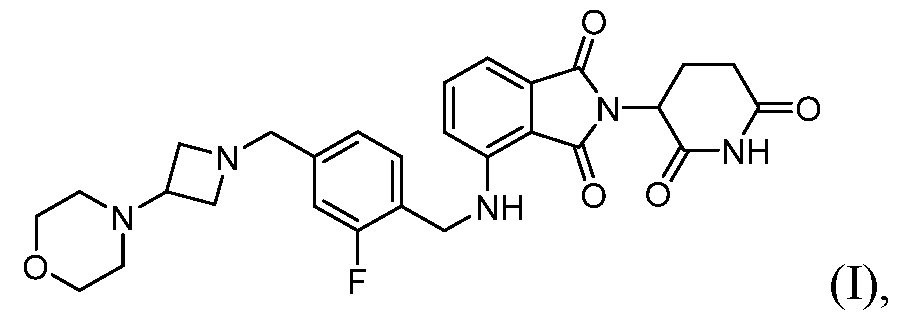


Claims


Priority Applications (1)
| Application Number | Priority Date | Filing Date | Title |
|---|---|---|---|
| EP24824052.5A EP4727959A1 (en) | 2023-06-13 | 2024-06-12 | Biomarkers and methods of treatment of follicular lymphoma |
Applications Claiming Priority (2)
| Application Number | Priority Date | Filing Date | Title |
|---|---|---|---|
| US202363507966P | 2023-06-13 | 2023-06-13 | |
| US63/507,966 | 2023-06-13 |
Publications (1)
| Publication Number | Publication Date |
|---|---|
| WO2024258937A1 true WO2024258937A1 (en) | 2024-12-19 |
Family
ID=93852599
Family Applications (1)
| Application Number | Title | Priority Date | Filing Date |
|---|---|---|---|
| PCT/US2024/033562 Ceased WO2024258937A1 (en) | 2023-06-13 | 2024-06-12 | Biomarkers and methods of treatment of follicular lymphoma |
Country Status (2)
| Country | Link |
|---|---|
| EP (1) | EP4727959A1 (en) |
| WO (1) | WO2024258937A1 (en) |
Citations (4)
| Publication number | Priority date | Publication date | Assignee | Title |
|---|---|---|---|---|
| US20180223368A1 (en) * | 2015-03-18 | 2018-08-09 | Memorial Sloan Ketteting Cancer Center | Methods for diagnosing and treating follicular lymphoma |
| US20200118646A1 (en) * | 2018-10-10 | 2020-04-16 | Celgene Corporation | Methods of classifying diffuse large b-cell lymphoma |
| US20210071258A1 (en) * | 2017-09-01 | 2021-03-11 | Juno Therapeutics, Inc. | Gene expression and assessment of risk of developing toxicity following cell therapy |
| WO2022248573A2 (en) * | 2021-05-28 | 2022-12-01 | Centre Hospitalier Universitaire De Nantes | Non-invasive diagnosis of subclinical rejection |
-
2024
- 2024-06-12 EP EP24824052.5A patent/EP4727959A1/en active Pending
- 2024-06-12 WO PCT/US2024/033562 patent/WO2024258937A1/en not_active Ceased
Patent Citations (4)
| Publication number | Priority date | Publication date | Assignee | Title |
|---|---|---|---|---|
| US20180223368A1 (en) * | 2015-03-18 | 2018-08-09 | Memorial Sloan Ketteting Cancer Center | Methods for diagnosing and treating follicular lymphoma |
| US20210071258A1 (en) * | 2017-09-01 | 2021-03-11 | Juno Therapeutics, Inc. | Gene expression and assessment of risk of developing toxicity following cell therapy |
| US20200118646A1 (en) * | 2018-10-10 | 2020-04-16 | Celgene Corporation | Methods of classifying diffuse large b-cell lymphoma |
| WO2022248573A2 (en) * | 2021-05-28 | 2022-12-01 | Centre Hospitalier Universitaire De Nantes | Non-invasive diagnosis of subclinical rejection |
Non-Patent Citations (1)
| Title |
|---|
| KRIDEL ROBERT, MOTTOK ANJA, FARINHA PEDRO, BEN-NERIAH SUSANA, ENNISHI DAISUKE, ZHENG YVONNE, CHAVEZ ELIZABETH A., SHULHA HENNADY P: "Cell of origin of transformed follicular lymphoma", BLOOD, vol. 126, no. 18, 29 October 2015 (2015-10-29), AMSTERDAM, NL, pages 2118 - 2127, XP093258982, ISSN: 0006-4971, DOI: 10.1182/blood-2015-06-649905 * |
Also Published As
| Publication number | Publication date |
|---|---|
| EP4727959A1 (en) | 2026-04-22 |
Similar Documents
| Publication | Publication Date | Title |
|---|---|---|
| US20240027458A1 (en) | Genotypic and Phenotypic Analysis of Circulating Tumor Cells to Monitor Tumor Evolution in Prostate Cancer Patients | |
| JP2023116530A (en) | Single-cell genomic profiling of circulating tumor cells (CTCs) in metastatic disease to characterize disease heterogeneity | |
| JP2011521630A (en) | Methods for diagnosing renal allograft rejection using genomics or proteomic expression profiling | |
| CN113194934B (en) | Methods of treating solid tumor cancer using cryptocephalosporin and biomarkers | |
| US20120190042A1 (en) | Protein biomarkers and therapeutic targets for osteoarthritis | |
| US20210405055A1 (en) | Single cell genomic profiling of circulating tumor cells (ctcs) in metastatic disease to characterize disease heterogeneity | |
| WO2018222979A1 (en) | Methods of determining therapies based on single cell characterization of circulating tumor cells (ctcs) in metastatic disease | |
| US20210230662A1 (en) | Methods for the Treatment of Solid Tumor Cancers Using Illudins and Biomarkers | |
| JP2024515558A (en) | Methods for detecting cancer using genome-wide cfDNA fragmentation profiles | |
| Fuller | A little piece of mind: Best practices for brain tumor intraoperative consultation | |
| CA3115804A1 (en) | Gene expression profiles for b-cell lymphoma and uses thereof | |
| JP2013535688A (en) | Methods and kits for tolerance diagnosis and / or prognosis in liver transplantation | |
| US11448650B2 (en) | Methods for diagnosing high-risk cancer using polysialic acid and one or more tissue-specific biomarkers | |
| WO2016196451A1 (en) | Methods for monitoring polymorphonuclear myeloid derived suppressor cells | |
| EP4727959A1 (en) | Biomarkers and methods of treatment of follicular lymphoma | |
| EP2089716A1 (en) | Method for the diagnosis of leukemia | |
| CN116949181B (en) | Molecular marker MAGEB4 for predicting prognosis survival of osteosarcoma patient and application thereof | |
| RU2801094C1 (en) | Method of determining the risk group for patients with multiple myeloma complicated by plasmacytoma | |
| US20230028818A1 (en) | Methods for using extracellular microvesicles with syncytiotrophoblast markers to diagnose preeclampsia | |
| WO2013037813A1 (en) | Methods for prognosis of diffuse large b-cell lymphoma | |
| KR20240162441A (en) | Extramammary Pajet disease biomarkers and uses thereof | |
| WO2015200524A1 (en) | Biomarkers for human monocyte myeloid-derived suppressor cells | |
| Prendergast | A Comparison Study of the Proteins and Extracellular Vesicles Secreted by Uveal Melanoma Cells | |
| WO2022226038A1 (en) | Compositions and methods for treatment of invasive cancers | |
| HK40104645A (en) | Diagnostic marker for hepatic cancer development in chronic hepatic disease |
Legal Events
| Date | Code | Title | Description |
|---|---|---|---|
| 121 | Ep: the epo has been informed by wipo that ep was designated in this application |
Ref document number: 24824052 Country of ref document: EP Kind code of ref document: A1 |
|
| ENP | Entry into the national phase |
Ref document number: 2025572259 Country of ref document: JP Kind code of ref document: A |
|
| WWE | Wipo information: entry into national phase |
Ref document number: 2024824052 Country of ref document: EP |
|
| NENP | Non-entry into the national phase |
Ref country code: DE |
|
| ENP | Entry into the national phase |
Ref document number: 2024824052 Country of ref document: EP Effective date: 20260113 |
|
| ENP | Entry into the national phase |
Ref document number: 2024824052 Country of ref document: EP Effective date: 20260113 |
|
| ENP | Entry into the national phase |
Ref document number: 2024824052 Country of ref document: EP Effective date: 20260113 |
|
| ENP | Entry into the national phase |
Ref document number: 2024824052 Country of ref document: EP Effective date: 20260113 |
|
| WWP | Wipo information: published in national office |
Ref document number: 2024824052 Country of ref document: EP |