WO2024258900A2 - Plasmodium falciparum blood stage inhibitors - Google Patents
Plasmodium falciparum blood stage inhibitors Download PDFInfo
- Publication number
- WO2024258900A2 WO2024258900A2 PCT/US2024/033498 US2024033498W WO2024258900A2 WO 2024258900 A2 WO2024258900 A2 WO 2024258900A2 US 2024033498 W US2024033498 W US 2024033498W WO 2024258900 A2 WO2024258900 A2 WO 2024258900A2
- Authority
- WO
- WIPO (PCT)
- Prior art keywords
- compound
- mhz
- chlorophenyl
- methyl
- nmr
- Prior art date
- Legal status (The legal status is an assumption and is not a legal conclusion. Google has not performed a legal analysis and makes no representation as to the accuracy of the status listed.)
- Ceased
Links
Classifications
-
- A—HUMAN NECESSITIES
- A61—MEDICAL OR VETERINARY SCIENCE; HYGIENE
- A61K—PREPARATIONS FOR MEDICAL, DENTAL OR TOILETRY PURPOSES
- A61K31/00—Medicinal preparations containing organic active ingredients
- A61K31/33—Heterocyclic compounds
- A61K31/395—Heterocyclic compounds having nitrogen as a ring hetero atom, e.g. guanethidine or rifamycins
- A61K31/55—Heterocyclic compounds having nitrogen as a ring hetero atom, e.g. guanethidine or rifamycins having seven-membered rings, e.g. azelastine, pentylenetetrazole
- A61K31/551—Heterocyclic compounds having nitrogen as a ring hetero atom, e.g. guanethidine or rifamycins having seven-membered rings, e.g. azelastine, pentylenetetrazole having two nitrogen atoms, e.g. dilazep
-
- C—CHEMISTRY; METALLURGY
- C07—ORGANIC CHEMISTRY
- C07D—HETEROCYCLIC COMPOUNDS
- C07D249/00—Heterocyclic compounds containing five-membered rings having three nitrogen atoms as the only ring hetero atoms
- C07D249/02—Heterocyclic compounds containing five-membered rings having three nitrogen atoms as the only ring hetero atoms not condensed with other rings
- C07D249/08—1,2,4-Triazoles; Hydrogenated 1,2,4-triazoles
- C07D249/10—1,2,4-Triazoles; Hydrogenated 1,2,4-triazoles with hetero atoms or with carbon atoms having three bonds to hetero atoms with at the most one bond to halogen, e.g. ester or nitrile radicals, directly attached to ring carbon atoms
-
- A—HUMAN NECESSITIES
- A61—MEDICAL OR VETERINARY SCIENCE; HYGIENE
- A61K—PREPARATIONS FOR MEDICAL, DENTAL OR TOILETRY PURPOSES
- A61K31/00—Medicinal preparations containing organic active ingredients
- A61K31/33—Heterocyclic compounds
- A61K31/395—Heterocyclic compounds having nitrogen as a ring hetero atom, e.g. guanethidine or rifamycins
- A61K31/41—Heterocyclic compounds having nitrogen as a ring hetero atom, e.g. guanethidine or rifamycins having five-membered rings with two or more ring hetero atoms, at least one of which being nitrogen, e.g. tetrazole
- A61K31/4164—1,3-Diazoles
-
- A—HUMAN NECESSITIES
- A61—MEDICAL OR VETERINARY SCIENCE; HYGIENE
- A61K—PREPARATIONS FOR MEDICAL, DENTAL OR TOILETRY PURPOSES
- A61K31/00—Medicinal preparations containing organic active ingredients
- A61K31/33—Heterocyclic compounds
- A61K31/395—Heterocyclic compounds having nitrogen as a ring hetero atom, e.g. guanethidine or rifamycins
- A61K31/41—Heterocyclic compounds having nitrogen as a ring hetero atom, e.g. guanethidine or rifamycins having five-membered rings with two or more ring hetero atoms, at least one of which being nitrogen, e.g. tetrazole
- A61K31/4192—1,2,3-Triazoles
-
- A—HUMAN NECESSITIES
- A61—MEDICAL OR VETERINARY SCIENCE; HYGIENE
- A61K—PREPARATIONS FOR MEDICAL, DENTAL OR TOILETRY PURPOSES
- A61K31/00—Medicinal preparations containing organic active ingredients
- A61K31/33—Heterocyclic compounds
- A61K31/395—Heterocyclic compounds having nitrogen as a ring hetero atom, e.g. guanethidine or rifamycins
- A61K31/41—Heterocyclic compounds having nitrogen as a ring hetero atom, e.g. guanethidine or rifamycins having five-membered rings with two or more ring hetero atoms, at least one of which being nitrogen, e.g. tetrazole
- A61K31/4196—1,2,4-Triazoles
-
- A—HUMAN NECESSITIES
- A61—MEDICAL OR VETERINARY SCIENCE; HYGIENE
- A61K—PREPARATIONS FOR MEDICAL, DENTAL OR TOILETRY PURPOSES
- A61K31/00—Medicinal preparations containing organic active ingredients
- A61K31/33—Heterocyclic compounds
- A61K31/395—Heterocyclic compounds having nitrogen as a ring hetero atom, e.g. guanethidine or rifamycins
- A61K31/41—Heterocyclic compounds having nitrogen as a ring hetero atom, e.g. guanethidine or rifamycins having five-membered rings with two or more ring hetero atoms, at least one of which being nitrogen, e.g. tetrazole
- A61K31/42—Oxazoles
- A61K31/421—1,3-Oxazoles, e.g. pemoline, trimethadione
-
- A—HUMAN NECESSITIES
- A61—MEDICAL OR VETERINARY SCIENCE; HYGIENE
- A61K—PREPARATIONS FOR MEDICAL, DENTAL OR TOILETRY PURPOSES
- A61K31/00—Medicinal preparations containing organic active ingredients
- A61K31/33—Heterocyclic compounds
- A61K31/395—Heterocyclic compounds having nitrogen as a ring hetero atom, e.g. guanethidine or rifamycins
- A61K31/41—Heterocyclic compounds having nitrogen as a ring hetero atom, e.g. guanethidine or rifamycins having five-membered rings with two or more ring hetero atoms, at least one of which being nitrogen, e.g. tetrazole
- A61K31/4245—Oxadiazoles
-
- A—HUMAN NECESSITIES
- A61—MEDICAL OR VETERINARY SCIENCE; HYGIENE
- A61K—PREPARATIONS FOR MEDICAL, DENTAL OR TOILETRY PURPOSES
- A61K31/00—Medicinal preparations containing organic active ingredients
- A61K31/33—Heterocyclic compounds
- A61K31/395—Heterocyclic compounds having nitrogen as a ring hetero atom, e.g. guanethidine or rifamycins
- A61K31/41—Heterocyclic compounds having nitrogen as a ring hetero atom, e.g. guanethidine or rifamycins having five-membered rings with two or more ring hetero atoms, at least one of which being nitrogen, e.g. tetrazole
- A61K31/425—Thiazoles
- A61K31/426—1,3-Thiazoles
-
- A—HUMAN NECESSITIES
- A61—MEDICAL OR VETERINARY SCIENCE; HYGIENE
- A61K—PREPARATIONS FOR MEDICAL, DENTAL OR TOILETRY PURPOSES
- A61K31/00—Medicinal preparations containing organic active ingredients
- A61K31/33—Heterocyclic compounds
- A61K31/395—Heterocyclic compounds having nitrogen as a ring hetero atom, e.g. guanethidine or rifamycins
- A61K31/41—Heterocyclic compounds having nitrogen as a ring hetero atom, e.g. guanethidine or rifamycins having five-membered rings with two or more ring hetero atoms, at least one of which being nitrogen, e.g. tetrazole
- A61K31/425—Thiazoles
- A61K31/427—Thiazoles not condensed and containing further heterocyclic rings
-
- A—HUMAN NECESSITIES
- A61—MEDICAL OR VETERINARY SCIENCE; HYGIENE
- A61K—PREPARATIONS FOR MEDICAL, DENTAL OR TOILETRY PURPOSES
- A61K31/00—Medicinal preparations containing organic active ingredients
- A61K31/33—Heterocyclic compounds
- A61K31/395—Heterocyclic compounds having nitrogen as a ring hetero atom, e.g. guanethidine or rifamycins
- A61K31/41—Heterocyclic compounds having nitrogen as a ring hetero atom, e.g. guanethidine or rifamycins having five-membered rings with two or more ring hetero atoms, at least one of which being nitrogen, e.g. tetrazole
- A61K31/425—Thiazoles
- A61K31/429—Thiazoles condensed with heterocyclic ring systems
-
- A—HUMAN NECESSITIES
- A61—MEDICAL OR VETERINARY SCIENCE; HYGIENE
- A61K—PREPARATIONS FOR MEDICAL, DENTAL OR TOILETRY PURPOSES
- A61K31/00—Medicinal preparations containing organic active ingredients
- A61K31/33—Heterocyclic compounds
- A61K31/395—Heterocyclic compounds having nitrogen as a ring hetero atom, e.g. guanethidine or rifamycins
- A61K31/435—Heterocyclic compounds having nitrogen as a ring hetero atom, e.g. guanethidine or rifamycins having six-membered rings with one nitrogen as the only ring hetero atom
- A61K31/44—Non condensed pyridines; Hydrogenated derivatives thereof
- A61K31/4418—Non condensed pyridines; Hydrogenated derivatives thereof having a carbocyclic group directly attached to the heterocyclic ring, e.g. cyproheptadine
-
- A—HUMAN NECESSITIES
- A61—MEDICAL OR VETERINARY SCIENCE; HYGIENE
- A61K—PREPARATIONS FOR MEDICAL, DENTAL OR TOILETRY PURPOSES
- A61K31/00—Medicinal preparations containing organic active ingredients
- A61K31/33—Heterocyclic compounds
- A61K31/395—Heterocyclic compounds having nitrogen as a ring hetero atom, e.g. guanethidine or rifamycins
- A61K31/435—Heterocyclic compounds having nitrogen as a ring hetero atom, e.g. guanethidine or rifamycins having six-membered rings with one nitrogen as the only ring hetero atom
- A61K31/44—Non condensed pyridines; Hydrogenated derivatives thereof
- A61K31/4427—Non condensed pyridines; Hydrogenated derivatives thereof containing further heterocyclic ring systems
- A61K31/4439—Non condensed pyridines; Hydrogenated derivatives thereof containing further heterocyclic ring systems containing a five-membered ring with nitrogen as a ring hetero atom, e.g. omeprazole
-
- A—HUMAN NECESSITIES
- A61—MEDICAL OR VETERINARY SCIENCE; HYGIENE
- A61K—PREPARATIONS FOR MEDICAL, DENTAL OR TOILETRY PURPOSES
- A61K31/00—Medicinal preparations containing organic active ingredients
- A61K31/33—Heterocyclic compounds
- A61K31/395—Heterocyclic compounds having nitrogen as a ring hetero atom, e.g. guanethidine or rifamycins
- A61K31/435—Heterocyclic compounds having nitrogen as a ring hetero atom, e.g. guanethidine or rifamycins having six-membered rings with one nitrogen as the only ring hetero atom
- A61K31/44—Non condensed pyridines; Hydrogenated derivatives thereof
- A61K31/445—Non condensed piperidines, e.g. piperocaine
- A61K31/4523—Non condensed piperidines, e.g. piperocaine containing further heterocyclic ring systems
- A61K31/454—Non condensed piperidines, e.g. piperocaine containing further heterocyclic ring systems containing a five-membered ring with nitrogen as a ring hetero atom, e.g. pimozide, domperidone
-
- A—HUMAN NECESSITIES
- A61—MEDICAL OR VETERINARY SCIENCE; HYGIENE
- A61K—PREPARATIONS FOR MEDICAL, DENTAL OR TOILETRY PURPOSES
- A61K31/00—Medicinal preparations containing organic active ingredients
- A61K31/33—Heterocyclic compounds
- A61K31/395—Heterocyclic compounds having nitrogen as a ring hetero atom, e.g. guanethidine or rifamycins
- A61K31/435—Heterocyclic compounds having nitrogen as a ring hetero atom, e.g. guanethidine or rifamycins having six-membered rings with one nitrogen as the only ring hetero atom
- A61K31/44—Non condensed pyridines; Hydrogenated derivatives thereof
- A61K31/455—Nicotinic acids, e.g. niacin; Derivatives thereof, e.g. esters, amides
-
- A—HUMAN NECESSITIES
- A61—MEDICAL OR VETERINARY SCIENCE; HYGIENE
- A61K—PREPARATIONS FOR MEDICAL, DENTAL OR TOILETRY PURPOSES
- A61K31/00—Medicinal preparations containing organic active ingredients
- A61K31/33—Heterocyclic compounds
- A61K31/395—Heterocyclic compounds having nitrogen as a ring hetero atom, e.g. guanethidine or rifamycins
- A61K31/495—Heterocyclic compounds having nitrogen as a ring hetero atom, e.g. guanethidine or rifamycins having six-membered rings with two or more nitrogen atoms as the only ring heteroatoms, e.g. piperazine or tetrazines
- A61K31/496—Non-condensed piperazines containing further heterocyclic rings, e.g. rifampin, thiothixene or sparfloxacin
-
- A—HUMAN NECESSITIES
- A61—MEDICAL OR VETERINARY SCIENCE; HYGIENE
- A61K—PREPARATIONS FOR MEDICAL, DENTAL OR TOILETRY PURPOSES
- A61K31/00—Medicinal preparations containing organic active ingredients
- A61K31/33—Heterocyclic compounds
- A61K31/395—Heterocyclic compounds having nitrogen as a ring hetero atom, e.g. guanethidine or rifamycins
- A61K31/495—Heterocyclic compounds having nitrogen as a ring hetero atom, e.g. guanethidine or rifamycins having six-membered rings with two or more nitrogen atoms as the only ring heteroatoms, e.g. piperazine or tetrazines
- A61K31/4965—Non-condensed pyrazines
- A61K31/497—Non-condensed pyrazines containing further heterocyclic rings
-
- A—HUMAN NECESSITIES
- A61—MEDICAL OR VETERINARY SCIENCE; HYGIENE
- A61K—PREPARATIONS FOR MEDICAL, DENTAL OR TOILETRY PURPOSES
- A61K31/00—Medicinal preparations containing organic active ingredients
- A61K31/33—Heterocyclic compounds
- A61K31/395—Heterocyclic compounds having nitrogen as a ring hetero atom, e.g. guanethidine or rifamycins
- A61K31/495—Heterocyclic compounds having nitrogen as a ring hetero atom, e.g. guanethidine or rifamycins having six-membered rings with two or more nitrogen atoms as the only ring heteroatoms, e.g. piperazine or tetrazines
- A61K31/498—Pyrazines or piperazines ortho- and peri-condensed with carbocyclic ring systems, e.g. quinoxaline, phenazine
-
- A—HUMAN NECESSITIES
- A61—MEDICAL OR VETERINARY SCIENCE; HYGIENE
- A61K—PREPARATIONS FOR MEDICAL, DENTAL OR TOILETRY PURPOSES
- A61K31/00—Medicinal preparations containing organic active ingredients
- A61K31/33—Heterocyclic compounds
- A61K31/395—Heterocyclic compounds having nitrogen as a ring hetero atom, e.g. guanethidine or rifamycins
- A61K31/495—Heterocyclic compounds having nitrogen as a ring hetero atom, e.g. guanethidine or rifamycins having six-membered rings with two or more nitrogen atoms as the only ring heteroatoms, e.g. piperazine or tetrazines
- A61K31/50—Pyridazines; Hydrogenated pyridazines
- A61K31/501—Pyridazines; Hydrogenated pyridazines not condensed and containing further heterocyclic rings
-
- A—HUMAN NECESSITIES
- A61—MEDICAL OR VETERINARY SCIENCE; HYGIENE
- A61K—PREPARATIONS FOR MEDICAL, DENTAL OR TOILETRY PURPOSES
- A61K31/00—Medicinal preparations containing organic active ingredients
- A61K31/33—Heterocyclic compounds
- A61K31/395—Heterocyclic compounds having nitrogen as a ring hetero atom, e.g. guanethidine or rifamycins
- A61K31/495—Heterocyclic compounds having nitrogen as a ring hetero atom, e.g. guanethidine or rifamycins having six-membered rings with two or more nitrogen atoms as the only ring heteroatoms, e.g. piperazine or tetrazines
- A61K31/505—Pyrimidines; Hydrogenated pyrimidines, e.g. trimethoprim
- A61K31/506—Pyrimidines; Hydrogenated pyrimidines, e.g. trimethoprim not condensed and containing further heterocyclic rings
-
- A—HUMAN NECESSITIES
- A61—MEDICAL OR VETERINARY SCIENCE; HYGIENE
- A61K—PREPARATIONS FOR MEDICAL, DENTAL OR TOILETRY PURPOSES
- A61K31/00—Medicinal preparations containing organic active ingredients
- A61K31/33—Heterocyclic compounds
- A61K31/395—Heterocyclic compounds having nitrogen as a ring hetero atom, e.g. guanethidine or rifamycins
- A61K31/535—Heterocyclic compounds having nitrogen as a ring hetero atom, e.g. guanethidine or rifamycins having six-membered rings with at least one nitrogen and one oxygen as the ring hetero atoms, e.g. 1,2-oxazines
- A61K31/536—Heterocyclic compounds having nitrogen as a ring hetero atom, e.g. guanethidine or rifamycins having six-membered rings with at least one nitrogen and one oxygen as the ring hetero atoms, e.g. 1,2-oxazines ortho- or peri-condensed with carbocyclic ring systems
-
- A—HUMAN NECESSITIES
- A61—MEDICAL OR VETERINARY SCIENCE; HYGIENE
- A61K—PREPARATIONS FOR MEDICAL, DENTAL OR TOILETRY PURPOSES
- A61K31/00—Medicinal preparations containing organic active ingredients
- A61K31/33—Heterocyclic compounds
- A61K31/395—Heterocyclic compounds having nitrogen as a ring hetero atom, e.g. guanethidine or rifamycins
- A61K31/535—Heterocyclic compounds having nitrogen as a ring hetero atom, e.g. guanethidine or rifamycins having six-membered rings with at least one nitrogen and one oxygen as the ring hetero atoms, e.g. 1,2-oxazines
- A61K31/5375—1,4-Oxazines, e.g. morpholine
- A61K31/5377—1,4-Oxazines, e.g. morpholine not condensed and containing further heterocyclic rings, e.g. timolol
-
- A—HUMAN NECESSITIES
- A61—MEDICAL OR VETERINARY SCIENCE; HYGIENE
- A61K—PREPARATIONS FOR MEDICAL, DENTAL OR TOILETRY PURPOSES
- A61K31/00—Medicinal preparations containing organic active ingredients
- A61K31/33—Heterocyclic compounds
- A61K31/395—Heterocyclic compounds having nitrogen as a ring hetero atom, e.g. guanethidine or rifamycins
- A61K31/535—Heterocyclic compounds having nitrogen as a ring hetero atom, e.g. guanethidine or rifamycins having six-membered rings with at least one nitrogen and one oxygen as the ring hetero atoms, e.g. 1,2-oxazines
- A61K31/5375—1,4-Oxazines, e.g. morpholine
- A61K31/538—1,4-Oxazines, e.g. morpholine ortho- or peri-condensed with carbocyclic ring systems
-
- A—HUMAN NECESSITIES
- A61—MEDICAL OR VETERINARY SCIENCE; HYGIENE
- A61P—SPECIFIC THERAPEUTIC ACTIVITY OF CHEMICAL COMPOUNDS OR MEDICINAL PREPARATIONS
- A61P33/00—Antiparasitic agents
- A61P33/02—Antiprotozoals, e.g. for leishmaniasis, trichomoniasis, toxoplasmosis
- A61P33/06—Antimalarials
-
- C—CHEMISTRY; METALLURGY
- C07—ORGANIC CHEMISTRY
- C07B—GENERAL METHODS OF ORGANIC CHEMISTRY; APPARATUS THEREFOR
- C07B59/00—Introduction of isotopes of elements into organic compounds ; Labelled organic compounds per se
- C07B59/002—Heterocyclic compounds
-
- C—CHEMISTRY; METALLURGY
- C07—ORGANIC CHEMISTRY
- C07D—HETEROCYCLIC COMPOUNDS
- C07D213/00—Heterocyclic compounds containing six-membered rings, not condensed with other rings, with one nitrogen atom as the only ring hetero atom and three or more double bonds between ring members or between ring members and non-ring members
- C07D213/02—Heterocyclic compounds containing six-membered rings, not condensed with other rings, with one nitrogen atom as the only ring hetero atom and three or more double bonds between ring members or between ring members and non-ring members having three double bonds between ring members or between ring members and non-ring members
- C07D213/04—Heterocyclic compounds containing six-membered rings, not condensed with other rings, with one nitrogen atom as the only ring hetero atom and three or more double bonds between ring members or between ring members and non-ring members having three double bonds between ring members or between ring members and non-ring members having no bond between the ring nitrogen atom and a non-ring member or having only hydrogen or carbon atoms directly attached to the ring nitrogen atom
- C07D213/24—Heterocyclic compounds containing six-membered rings, not condensed with other rings, with one nitrogen atom as the only ring hetero atom and three or more double bonds between ring members or between ring members and non-ring members having three double bonds between ring members or between ring members and non-ring members having no bond between the ring nitrogen atom and a non-ring member or having only hydrogen or carbon atoms directly attached to the ring nitrogen atom with substituted hydrocarbon radicals attached to ring carbon atoms
- C07D213/44—Radicals substituted by doubly-bound oxygen, sulfur, or nitrogen atoms, or by two such atoms singly-bound to the same carbon atom
- C07D213/46—Oxygen atoms
- C07D213/50—Ketonic radicals
-
- C—CHEMISTRY; METALLURGY
- C07—ORGANIC CHEMISTRY
- C07D—HETEROCYCLIC COMPOUNDS
- C07D213/00—Heterocyclic compounds containing six-membered rings, not condensed with other rings, with one nitrogen atom as the only ring hetero atom and three or more double bonds between ring members or between ring members and non-ring members
- C07D213/02—Heterocyclic compounds containing six-membered rings, not condensed with other rings, with one nitrogen atom as the only ring hetero atom and three or more double bonds between ring members or between ring members and non-ring members having three double bonds between ring members or between ring members and non-ring members
- C07D213/04—Heterocyclic compounds containing six-membered rings, not condensed with other rings, with one nitrogen atom as the only ring hetero atom and three or more double bonds between ring members or between ring members and non-ring members having three double bonds between ring members or between ring members and non-ring members having no bond between the ring nitrogen atom and a non-ring member or having only hydrogen or carbon atoms directly attached to the ring nitrogen atom
- C07D213/60—Heterocyclic compounds containing six-membered rings, not condensed with other rings, with one nitrogen atom as the only ring hetero atom and three or more double bonds between ring members or between ring members and non-ring members having three double bonds between ring members or between ring members and non-ring members having no bond between the ring nitrogen atom and a non-ring member or having only hydrogen or carbon atoms directly attached to the ring nitrogen atom with hetero atoms or with carbon atoms having three bonds to hetero atoms with at the most one bond to halogen, e.g. ester or nitrile radicals, directly attached to ring carbon atoms
- C07D213/78—Carbon atoms having three bonds to hetero atoms, with at the most one bond to halogen, e.g. ester or nitrile radicals
- C07D213/81—Amides; Imides
-
- C—CHEMISTRY; METALLURGY
- C07—ORGANIC CHEMISTRY
- C07D—HETEROCYCLIC COMPOUNDS
- C07D233/00—Heterocyclic compounds containing 1,3-diazole or hydrogenated 1,3-diazole rings, not condensed with other rings
- C07D233/54—Heterocyclic compounds containing 1,3-diazole or hydrogenated 1,3-diazole rings, not condensed with other rings having two double bonds between ring members or between ring members and non-ring members
- C07D233/66—Heterocyclic compounds containing 1,3-diazole or hydrogenated 1,3-diazole rings, not condensed with other rings having two double bonds between ring members or between ring members and non-ring members with hetero atoms or with carbon atoms having three bonds to hetero atoms with at the most one bond to halogen, e.g. ester or nitrile radicals, directly attached to ring carbon atoms
- C07D233/90—Carbon atoms having three bonds to hetero atoms with at the most one bond to halogen, e.g. ester or nitrile radicals
-
- C—CHEMISTRY; METALLURGY
- C07—ORGANIC CHEMISTRY
- C07D—HETEROCYCLIC COMPOUNDS
- C07D237/00—Heterocyclic compounds containing 1,2-diazine or hydrogenated 1,2-diazine rings
- C07D237/02—Heterocyclic compounds containing 1,2-diazine or hydrogenated 1,2-diazine rings not condensed with other rings
- C07D237/06—Heterocyclic compounds containing 1,2-diazine or hydrogenated 1,2-diazine rings not condensed with other rings having three double bonds between ring members or between ring members and non-ring members
- C07D237/10—Heterocyclic compounds containing 1,2-diazine or hydrogenated 1,2-diazine rings not condensed with other rings having three double bonds between ring members or between ring members and non-ring members with hetero atoms or with carbon atoms having three bonds to hetero atoms with at the most one bond to halogen, e.g. ester or nitrile radicals, directly attached to ring carbon atoms
- C07D237/24—Carbon atoms having three bonds to hetero atoms with at the most one bond to halogen
-
- C—CHEMISTRY; METALLURGY
- C07—ORGANIC CHEMISTRY
- C07D—HETEROCYCLIC COMPOUNDS
- C07D239/00—Heterocyclic compounds containing 1,3-diazine or hydrogenated 1,3-diazine rings
- C07D239/02—Heterocyclic compounds containing 1,3-diazine or hydrogenated 1,3-diazine rings not condensed with other rings
- C07D239/24—Heterocyclic compounds containing 1,3-diazine or hydrogenated 1,3-diazine rings not condensed with other rings having three or more double bonds between ring members or between ring members and non-ring members
- C07D239/28—Heterocyclic compounds containing 1,3-diazine or hydrogenated 1,3-diazine rings not condensed with other rings having three or more double bonds between ring members or between ring members and non-ring members with hetero atoms or with carbon atoms having three bonds to hetero atoms with at the most one bond to halogen, directly attached to ring carbon atoms
-
- C—CHEMISTRY; METALLURGY
- C07—ORGANIC CHEMISTRY
- C07D—HETEROCYCLIC COMPOUNDS
- C07D241/00—Heterocyclic compounds containing 1,4-diazine or hydrogenated 1,4-diazine rings
- C07D241/02—Heterocyclic compounds containing 1,4-diazine or hydrogenated 1,4-diazine rings not condensed with other rings
- C07D241/10—Heterocyclic compounds containing 1,4-diazine or hydrogenated 1,4-diazine rings not condensed with other rings having three double bonds between ring members or between ring members and non-ring members
- C07D241/14—Heterocyclic compounds containing 1,4-diazine or hydrogenated 1,4-diazine rings not condensed with other rings having three double bonds between ring members or between ring members and non-ring members with hetero atoms or with carbon atoms having three bonds to hetero atoms with at the most one bond to halogen, e.g. ester or nitrile radicals, directly attached to ring carbon atoms
- C07D241/24—Carbon atoms having three bonds to hetero atoms with at the most one bond to halogen, e.g. ester or nitrile radicals
-
- C—CHEMISTRY; METALLURGY
- C07—ORGANIC CHEMISTRY
- C07D—HETEROCYCLIC COMPOUNDS
- C07D249/00—Heterocyclic compounds containing five-membered rings having three nitrogen atoms as the only ring hetero atoms
- C07D249/02—Heterocyclic compounds containing five-membered rings having three nitrogen atoms as the only ring hetero atoms not condensed with other rings
- C07D249/04—1,2,3-Triazoles; Hydrogenated 1,2,3-triazoles
-
- C—CHEMISTRY; METALLURGY
- C07—ORGANIC CHEMISTRY
- C07D—HETEROCYCLIC COMPOUNDS
- C07D263/00—Heterocyclic compounds containing 1,3-oxazole or hydrogenated 1,3-oxazole rings
- C07D263/02—Heterocyclic compounds containing 1,3-oxazole or hydrogenated 1,3-oxazole rings not condensed with other rings
- C07D263/30—Heterocyclic compounds containing 1,3-oxazole or hydrogenated 1,3-oxazole rings not condensed with other rings having two or three double bonds between ring members or between ring members and non-ring members
- C07D263/32—Heterocyclic compounds containing 1,3-oxazole or hydrogenated 1,3-oxazole rings not condensed with other rings having two or three double bonds between ring members or between ring members and non-ring members with only hydrogen atoms, hydrocarbon or substituted hydrocarbon radicals, directly attached to ring carbon atoms
-
- C—CHEMISTRY; METALLURGY
- C07—ORGANIC CHEMISTRY
- C07D—HETEROCYCLIC COMPOUNDS
- C07D263/00—Heterocyclic compounds containing 1,3-oxazole or hydrogenated 1,3-oxazole rings
- C07D263/02—Heterocyclic compounds containing 1,3-oxazole or hydrogenated 1,3-oxazole rings not condensed with other rings
- C07D263/30—Heterocyclic compounds containing 1,3-oxazole or hydrogenated 1,3-oxazole rings not condensed with other rings having two or three double bonds between ring members or between ring members and non-ring members
- C07D263/34—Heterocyclic compounds containing 1,3-oxazole or hydrogenated 1,3-oxazole rings not condensed with other rings having two or three double bonds between ring members or between ring members and non-ring members with hetero atoms or with carbon atoms having three bonds to hetero atoms with at the most one bond to halogen, e.g. ester or nitrile radicals, directly attached to ring carbon atoms
-
- C—CHEMISTRY; METALLURGY
- C07—ORGANIC CHEMISTRY
- C07D—HETEROCYCLIC COMPOUNDS
- C07D271/00—Heterocyclic compounds containing five-membered rings having two nitrogen atoms and one oxygen atom as the only ring hetero atoms
- C07D271/02—Heterocyclic compounds containing five-membered rings having two nitrogen atoms and one oxygen atom as the only ring hetero atoms not condensed with other rings
- C07D271/10—1,3,4-Oxadiazoles; Hydrogenated 1,3,4-oxadiazoles
-
- C—CHEMISTRY; METALLURGY
- C07—ORGANIC CHEMISTRY
- C07D—HETEROCYCLIC COMPOUNDS
- C07D277/00—Heterocyclic compounds containing 1,3-thiazole or hydrogenated 1,3-thiazole rings
- C07D277/02—Heterocyclic compounds containing 1,3-thiazole or hydrogenated 1,3-thiazole rings not condensed with other rings
- C07D277/20—Heterocyclic compounds containing 1,3-thiazole or hydrogenated 1,3-thiazole rings not condensed with other rings having two or three double bonds between ring members or between ring members and non-ring members
- C07D277/32—Heterocyclic compounds containing 1,3-thiazole or hydrogenated 1,3-thiazole rings not condensed with other rings having two or three double bonds between ring members or between ring members and non-ring members with hetero atoms or with carbon atoms having three bonds to hetero atoms with at the most one bond to halogen, e.g. ester or nitrile radicals, directly attached to ring carbon atoms
- C07D277/56—Carbon atoms having three bonds to hetero atoms with at the most one bond to halogen
-
- C—CHEMISTRY; METALLURGY
- C07—ORGANIC CHEMISTRY
- C07D—HETEROCYCLIC COMPOUNDS
- C07D401/00—Heterocyclic compounds containing two or more hetero rings, having nitrogen atoms as the only ring hetero atoms, at least one ring being a six-membered ring with only one nitrogen atom
- C07D401/02—Heterocyclic compounds containing two or more hetero rings, having nitrogen atoms as the only ring hetero atoms, at least one ring being a six-membered ring with only one nitrogen atom containing two hetero rings
- C07D401/04—Heterocyclic compounds containing two or more hetero rings, having nitrogen atoms as the only ring hetero atoms, at least one ring being a six-membered ring with only one nitrogen atom containing two hetero rings directly linked by a ring-member-to-ring-member bond
-
- C—CHEMISTRY; METALLURGY
- C07—ORGANIC CHEMISTRY
- C07D—HETEROCYCLIC COMPOUNDS
- C07D401/00—Heterocyclic compounds containing two or more hetero rings, having nitrogen atoms as the only ring hetero atoms, at least one ring being a six-membered ring with only one nitrogen atom
- C07D401/02—Heterocyclic compounds containing two or more hetero rings, having nitrogen atoms as the only ring hetero atoms, at least one ring being a six-membered ring with only one nitrogen atom containing two hetero rings
- C07D401/06—Heterocyclic compounds containing two or more hetero rings, having nitrogen atoms as the only ring hetero atoms, at least one ring being a six-membered ring with only one nitrogen atom containing two hetero rings linked by a carbon chain containing only aliphatic carbon atoms
-
- C—CHEMISTRY; METALLURGY
- C07—ORGANIC CHEMISTRY
- C07D—HETEROCYCLIC COMPOUNDS
- C07D401/00—Heterocyclic compounds containing two or more hetero rings, having nitrogen atoms as the only ring hetero atoms, at least one ring being a six-membered ring with only one nitrogen atom
- C07D401/02—Heterocyclic compounds containing two or more hetero rings, having nitrogen atoms as the only ring hetero atoms, at least one ring being a six-membered ring with only one nitrogen atom containing two hetero rings
- C07D401/12—Heterocyclic compounds containing two or more hetero rings, having nitrogen atoms as the only ring hetero atoms, at least one ring being a six-membered ring with only one nitrogen atom containing two hetero rings linked by a chain containing hetero atoms as chain links
-
- C—CHEMISTRY; METALLURGY
- C07—ORGANIC CHEMISTRY
- C07D—HETEROCYCLIC COMPOUNDS
- C07D403/00—Heterocyclic compounds containing two or more hetero rings, having nitrogen atoms as the only ring hetero atoms, not provided for by group C07D401/00
- C07D403/02—Heterocyclic compounds containing two or more hetero rings, having nitrogen atoms as the only ring hetero atoms, not provided for by group C07D401/00 containing two hetero rings
- C07D403/04—Heterocyclic compounds containing two or more hetero rings, having nitrogen atoms as the only ring hetero atoms, not provided for by group C07D401/00 containing two hetero rings directly linked by a ring-member-to-ring-member bond
-
- C—CHEMISTRY; METALLURGY
- C07—ORGANIC CHEMISTRY
- C07D—HETEROCYCLIC COMPOUNDS
- C07D403/00—Heterocyclic compounds containing two or more hetero rings, having nitrogen atoms as the only ring hetero atoms, not provided for by group C07D401/00
- C07D403/02—Heterocyclic compounds containing two or more hetero rings, having nitrogen atoms as the only ring hetero atoms, not provided for by group C07D401/00 containing two hetero rings
- C07D403/06—Heterocyclic compounds containing two or more hetero rings, having nitrogen atoms as the only ring hetero atoms, not provided for by group C07D401/00 containing two hetero rings linked by a carbon chain containing only aliphatic carbon atoms
-
- C—CHEMISTRY; METALLURGY
- C07—ORGANIC CHEMISTRY
- C07D—HETEROCYCLIC COMPOUNDS
- C07D403/00—Heterocyclic compounds containing two or more hetero rings, having nitrogen atoms as the only ring hetero atoms, not provided for by group C07D401/00
- C07D403/02—Heterocyclic compounds containing two or more hetero rings, having nitrogen atoms as the only ring hetero atoms, not provided for by group C07D401/00 containing two hetero rings
- C07D403/12—Heterocyclic compounds containing two or more hetero rings, having nitrogen atoms as the only ring hetero atoms, not provided for by group C07D401/00 containing two hetero rings linked by a chain containing hetero atoms as chain links
-
- C—CHEMISTRY; METALLURGY
- C07—ORGANIC CHEMISTRY
- C07D—HETEROCYCLIC COMPOUNDS
- C07D405/00—Heterocyclic compounds containing both one or more hetero rings having oxygen atoms as the only ring hetero atoms, and one or more rings having nitrogen as the only ring hetero atom
- C07D405/02—Heterocyclic compounds containing both one or more hetero rings having oxygen atoms as the only ring hetero atoms, and one or more rings having nitrogen as the only ring hetero atom containing two hetero rings
- C07D405/12—Heterocyclic compounds containing both one or more hetero rings having oxygen atoms as the only ring hetero atoms, and one or more rings having nitrogen as the only ring hetero atom containing two hetero rings linked by a chain containing hetero atoms as chain links
-
- C—CHEMISTRY; METALLURGY
- C07—ORGANIC CHEMISTRY
- C07D—HETEROCYCLIC COMPOUNDS
- C07D409/00—Heterocyclic compounds containing two or more hetero rings, at least one ring having sulfur atoms as the only ring hetero atoms
- C07D409/02—Heterocyclic compounds containing two or more hetero rings, at least one ring having sulfur atoms as the only ring hetero atoms containing two hetero rings
- C07D409/12—Heterocyclic compounds containing two or more hetero rings, at least one ring having sulfur atoms as the only ring hetero atoms containing two hetero rings linked by a chain containing hetero atoms as chain links
-
- C—CHEMISTRY; METALLURGY
- C07—ORGANIC CHEMISTRY
- C07D—HETEROCYCLIC COMPOUNDS
- C07D413/00—Heterocyclic compounds containing two or more hetero rings, at least one ring having nitrogen and oxygen atoms as the only ring hetero atoms
- C07D413/02—Heterocyclic compounds containing two or more hetero rings, at least one ring having nitrogen and oxygen atoms as the only ring hetero atoms containing two hetero rings
- C07D413/04—Heterocyclic compounds containing two or more hetero rings, at least one ring having nitrogen and oxygen atoms as the only ring hetero atoms containing two hetero rings directly linked by a ring-member-to-ring-member bond
-
- C—CHEMISTRY; METALLURGY
- C07—ORGANIC CHEMISTRY
- C07D—HETEROCYCLIC COMPOUNDS
- C07D413/00—Heterocyclic compounds containing two or more hetero rings, at least one ring having nitrogen and oxygen atoms as the only ring hetero atoms
- C07D413/02—Heterocyclic compounds containing two or more hetero rings, at least one ring having nitrogen and oxygen atoms as the only ring hetero atoms containing two hetero rings
- C07D413/06—Heterocyclic compounds containing two or more hetero rings, at least one ring having nitrogen and oxygen atoms as the only ring hetero atoms containing two hetero rings linked by a carbon chain containing only aliphatic carbon atoms
-
- C—CHEMISTRY; METALLURGY
- C07—ORGANIC CHEMISTRY
- C07D—HETEROCYCLIC COMPOUNDS
- C07D413/00—Heterocyclic compounds containing two or more hetero rings, at least one ring having nitrogen and oxygen atoms as the only ring hetero atoms
- C07D413/02—Heterocyclic compounds containing two or more hetero rings, at least one ring having nitrogen and oxygen atoms as the only ring hetero atoms containing two hetero rings
- C07D413/12—Heterocyclic compounds containing two or more hetero rings, at least one ring having nitrogen and oxygen atoms as the only ring hetero atoms containing two hetero rings linked by a chain containing hetero atoms as chain links
-
- C—CHEMISTRY; METALLURGY
- C07—ORGANIC CHEMISTRY
- C07D—HETEROCYCLIC COMPOUNDS
- C07D417/00—Heterocyclic compounds containing two or more hetero rings, at least one ring having nitrogen and sulfur atoms as the only ring hetero atoms, not provided for by group C07D415/00
- C07D417/02—Heterocyclic compounds containing two or more hetero rings, at least one ring having nitrogen and sulfur atoms as the only ring hetero atoms, not provided for by group C07D415/00 containing two hetero rings
- C07D417/12—Heterocyclic compounds containing two or more hetero rings, at least one ring having nitrogen and sulfur atoms as the only ring hetero atoms, not provided for by group C07D415/00 containing two hetero rings linked by a chain containing hetero atoms as chain links
-
- C—CHEMISTRY; METALLURGY
- C07—ORGANIC CHEMISTRY
- C07D—HETEROCYCLIC COMPOUNDS
- C07D513/00—Heterocyclic compounds containing in the condensed system at least one hetero ring having nitrogen and sulfur atoms as the only ring hetero atoms, not provided for in groups C07D463/00, C07D477/00 or C07D499/00 - C07D507/00
- C07D513/02—Heterocyclic compounds containing in the condensed system at least one hetero ring having nitrogen and sulfur atoms as the only ring hetero atoms, not provided for in groups C07D463/00, C07D477/00 or C07D499/00 - C07D507/00 in which the condensed system contains two hetero rings
- C07D513/04—Ortho-condensed systems
-
- Y—GENERAL TAGGING OF NEW TECHNOLOGICAL DEVELOPMENTS; GENERAL TAGGING OF CROSS-SECTIONAL TECHNOLOGIES SPANNING OVER SEVERAL SECTIONS OF THE IPC; TECHNICAL SUBJECTS COVERED BY FORMER USPC CROSS-REFERENCE ART COLLECTIONS [XRACs] AND DIGESTS
- Y02—TECHNOLOGIES OR APPLICATIONS FOR MITIGATION OR ADAPTATION AGAINST CLIMATE CHANGE
- Y02A—TECHNOLOGIES FOR ADAPTATION TO CLIMATE CHANGE
- Y02A50/00—TECHNOLOGIES FOR ADAPTATION TO CLIMATE CHANGE in human health protection, e.g. against extreme weather
- Y02A50/30—Against vector-borne diseases, e.g. mosquito-borne, fly-borne, tick-borne or waterborne diseases whose impact is exacerbated by climate change
Definitions
- combination therapies are now used to overcome widespread resistance to legacy antimalarials such as chloroquine and the rapid development and spread of resistance to new antimalarials such as mefloquine.
- combination therapies include a fast-acting component paired with a long- lasting component.
- the fast-acting component is an artemisinin analog which results in rapid reduction of blood parasitemia (10 12 parasites in an infected individual) to prevent or reverse malaria symptoms while the long-acting component completely removes all parasites from the patient, resulting in cure.
- successful use of malaria control strategies including ACTs have resulted in a remarkable decrease in cases and deaths.
- the disclosure in one aspect, relates to compounds that inhibit Plasmodium falciparum asexual blood stage parasites (PfABS) and other Plasmodium species.
- the compounds exhibit sub- millimolar potency against the intraerythrocytic stages of Plasmodium falciparum.
- the compounds are soluble in aqueous solutions at pH 7.4, making them suitable for oral administration to patients. Also disclosed are methods of making the compounds, pharmaceutical compositions comprising the same, and methods of treating or preventing malaria using the same.
- FIG.1 shows potency of APZ-2199 or APZ-2161 against W2 parent and resistant clones.
- Clones C were generated against AP-2161
- Clones D were generated against APZ-2199.
- Datapoints represent a pEC 50 (-log EC 50 , M) calculated from an independent experiment, bars represent SD, *p ⁇ 0.05, **p ⁇ 0.01 Wilcoxon test.
- each of R1a-R1e is independently selected from hydrogen, Cl, CH 3 , OCH 3 , CH 2 CH 3 , CF3, CH(CH 3 ) 2 , OCF 3 , OCF 2 H, CF 2 H, cyclobutyl, cyclopentyl, cyclohexyl, or any combination thereof; wherein Ar is a 5- or 6-membered aromatic or heteroaromatic ring; wherein each of R 2a -R 2c , if present, is hydrogen, C1-C4 linear or branched alkyl, or when R 4 is present, one of R 2a -R 2c and R 4 together form a C1-C4 alkyl bridge; wherein X is NR 8 or is absent; wherein R 8 is C1-C
- the compound has the structure wherein R1a, R1b, R1d, and R1e are hydrogen and R1c is selected from hydrogen, Cl, CH 3 , OCH 3 , CH 2 CH 3 , CF 3 , CH(CH 3 ) 2 OCF 3 , OCF 2 H, CF 2 H, cyclobutyl, cyclopentyl, or cyclohexyl.
- R 1a and R 1b are hydrogen
- R 1c is selected from hydrogen, Cl, CH 3 , OCH 3 , CH 2 CH 3 , CF 3 , CH(CH 3 ) 2 , OCF 3 , OCF 2 H, CF 2 H, cyclobutyl, cyclopentyl, or cyclohexyl
- R 1d and R 1e are independently selected from hydrogen, Cl, and CH 3 .
- the compound has the structure
- each of R 2a -R 2c if present, is hydrogen or methyl, or when R 4 is present, one of R 2a -R 2c and R 4 together form a C1 alkyl bridge.
- R3 can be , wherein R 4 is hydrogen, methyl, ethyl, isopropyl, tert-butyl, CD 3 , or together with R 5 forms a substituted or unsubstituted cycloalkyl or heterocycloalkyl, group containing from 3 to 9 ring atoms, or R 4 and one of R 2a -R 2c , if present, together form a C1 alkyl bridge; and R 5 is selected from substituted or unsubstituted C3-C9 cycloalkyl, heterocycloalkyl, aryl, or heteroaryl, or together with R 4 forms a substituted or unsubstituted cycloalkyl or heterocycloalkyl group containing from 3 to 9 ring atoms.
- R 3 can be selected from [0017]
- R 4 can be H, methyl, ethyl, isopropyl, tert-butyl, or CD 3
- R 5 is ; furthermore, each of R7a-R7e is independently selected from hydrogen, halogen, hydroxyl, cyano, nitro, substituted or unsubstituted C1-C4 linear or branched alkyl, alkoxy, alkylsulfonyl, substituted or unsubstituted amino, substituted or unsubstituted amide, or any combination thereof.
- R 3 can be , while R 7a and R are hydrogen; and R is 7b 7c selected from Cl, CH 3 , OCH 3 , CN, H, SO 2 CH 3 , COCH 3 , NO 2 , NHCOCH 3 , CF 3 , OH, F, N(CH 3 ) 2 , CH 2 CH 3 , CH(CH 3 ) 2 , or C(CH 3 ) 3 ; and while R 7d is selected from Cl, H, CH 3 , or CF 3 ; and while R 7e is selected from H or CH 3 .
- R 7a , R 7b , R 7d , and R 7e are hydrogen and R 7c is selected from Cl or CH 3 .
- R3 can be , and R6a-R6e are independently selected from Cl, CH 3 , OCH 3 , CN, H, SO 2 CH 3 , COCH 3 , NO 2 , NHCOCH 3 , CF 3 , OH, F, N(CH 3 ) 2 , CH 2 CH 3 , CH(CH 3 ) 2 , C(CH 3 ) 3 , or any combination thereof.
- R 6a , R 6b , R 6d , and R 6e are hydrogen, and R 6c is selected from Cl or methyl.
- X is absent.
- X is present and R 8 is H or methyl.
- Ar can be selected from
- the compound can have a formula , or any combination thereof.
- the compound can be selected from
- the compound can be selected from , or any combination thereof.
- the compounds have Formula II: wherein R 10 is selected from substituted or unsubstituted C5-C6 cycloalkyl, substituted or u nsubstituted C5-C6 heterocycloalkyl, or wherein Z is NH or is absent, wherein each of R 1a -R 1e is independently selected from hydrogen, Cl, CH 3 , OCH 3 , CH 2 CH 3 , CF3, CH(CH 3 ) 2 , OCF3, OCF2H, CF2H, cyclobutyl, cyclopentyl, cyclohexyl, or any combination thereof; wherein R 9 is -Y-R 13 ; wherein Y is selected from OR 12 or NR 11 R 12 ; wherein R 11 is C1-C4 alkyl; wherein R 12 is a substituted or unsubstituted C5-C
- R 10 can be [0027]
- R 11 when present, is methyl, ethyl, isopropyl, tert-butyl, or CD 3 .
- R 11 and R 12 together form a fused bicyclic heterocycloalkyl or heteroaryl ring system.
- disclosed herein are pharmaceutical compositions including a disclosed compound or a pharmaceutically acceptable salt thereof.
- the pharmaceutical compositions can have an EC 50 against Plasmodium falciparum asexual blood stages (W2) of less than or equal to 1 ⁇ M, or less than orequalto 0.1 ⁇ M.
- the infection can be malaria.
- the method includes administering a therapeutically effective amount of a disclosed compound or pharmaceutical composition to the subject.
- the malaria can be a drug-resistant strain of malaria.
- the method can include administering at least one additional anti-malarial treatment to the subject.
- the at least one anti-malarial treatment can be atovaquone- proguanil, chloroquine, doxycycline, mefloquine, primaquine, tafenoquine, artesunate, clindamycin, hydroxychloroquine, quinidine gluconate-sulfate, quinine dihydrochloride, quinine sulfate, or any combination thereof.
- ratios, concentrations, amounts, and other numerical data can be expressed herein in a range format. It will be further understood that the endpoints of each of the ranges are significant both in relation to the other endpoint, and independently of the other endpoint. It is also understood that there are a number of values disclosed herein, and that each value is also herein disclosed as “about” that particular value in addition to the value itself. For example, if the value “10” is disclosed, then “about 10” is also disclosed. Ranges can be expressed herein as from “about” one particular value, and/or to “about” another particular value. Similarly, when values are expressed as approximations, by use of the antecedent “about,” it will be understood that the particular value forms a further aspect.
- a further aspect includes from the one particular value and/or to the other particular value.
- ranges excluding either or both of those included limits are also included in the disclosure, e.g. the phrase “x to y” includes the range from ‘x’ to ‘y’ as well as the range greater than ‘x’ and less than ‘y’.
- the range can also be expressed as an upper limit, e.g.
- ‘about x, y, z, or less’ and should be interpreted to include the specific ranges of ‘about x’, ‘about y’, and ‘about z’ as well as the ranges of ‘less than x’, less than y’, and ‘less than z’.
- the phrase ‘about x, y, z, or greater’ should be interpreted to include the specific ranges of ‘about x’, ‘about y’, and ‘about z’ as well as the ranges of ‘greater than x’, greater than y’, and ‘greater than z’.
- the phrase “about ‘x’ to ‘y’”, where ‘x’ and ‘y’ are numerical values includes “about ‘x’ to about ‘y’”.
- a numerical range of “about 0.1% to 5%” should be interpreted to include not only the explicitly recited values of about 0.1% to about 5%, but also include individual values (e.g., about 1%, about 2%, about 3%, and about 4%) and the sub-ranges (e.g., about 0.5% to about 1.1%; about 5% to about 2.4%; about 0.5% to about 3.2%, and about 0.5% to about 4.4%, and other possible sub-ranges) within the indicated range.
- the terms “about,” “approximate,” “at or about,” and “substantially” mean that the amount or value in question can be the exact value or a value that provides equivalent results or effects as recited in the claims or taught herein.
- an “effective amount” refers to an amount that is sufficient to achieve the desired modification of a physical property of the composition or material.
- an “effective amount” of a compound refers to an amount that is sufficient to achieve the desired improvement in the property modulated by the formulation component, e.g. achieving the prevention or effective treatment of a malaria infection.
- the specific level in terms of wt% in a composition required as an effective amount will depend upon a variety of factors including the strain of malaria, age and weight of patient, and any concurrent treatments or preventatives being administered.
- an ethylene glycol residue in a polyester refers to one or more -OCH 2 CH 2 O- units in the polyester, regardless of whether ethylene glycol was used to prepare the polyester.
- a sebacic acid residue in a polyester refers to one or more -CO(CH 2 ) 8 CO- moieties in the polyester, regardless of whether the residue is obtained by reacting sebacic acid or an ester thereof to obtain the polyester.
- the permissible substituents include acyclic and cyclic, branched and unbranched, carbocyclic and heterocyclic, and aromatic and nonaromatic substituents of organic compounds.
- Illustrative substituents include, for example, those described below.
- the permissible substituents can be one or more and the same or different for appropriate organic compounds.
- the heteroatoms, such as nitrogen can have hydrogen substituents and/or any permissible substituents of organic compounds described herein which satisfy the valences of the heteroatoms. This disclosure is not intended to be limited in any manner by the permissible substituents of organic compounds.
- substitution or “substituted with” include the implicit proviso that such substitution is in accordance with permitted valence of the substituted atom and the substituent, and that the substitution results in a stable compound, e.g., a compound that does not spontaneously undergo transformation such as by rearrangement, cyclization, elimination, etc. It is also contemplated that, in certain aspects, unless expressly indicated to the contrary, individual substituents can be further optionally substituted (i.e., further substituted or unsubstituted). [0050] In defining various terms, “A 1 ,” “A 2 ,” “A 3 ,” and “A 4 ” are used herein as generic symbols to represent various specific substituents.
- aliphatic or “aliphatic group,” as used herein, denotes a hydrocarbon moiety that may be straight-chain (i.e., unbranched), branched, or cyclic (including fused, bridging, and spirofused polycyclic) and may be completely saturated or may contain one or more units of unsaturation, but which is not aromatic. Unless otherwise specified, aliphatic groups contain 1-20 carbon atoms.
- Aliphatic groups include, but are not limited to, linear or branched, alkyl, alkenyl, and alkynyl groups, and hybrids thereof such as (cycloalkyl)alkyl, (cycloalkenyl)alkyl or (cycloalkyl)alkenyl.
- alkyl as used herein is a branched or unbranched saturated hydrocarbon group of 1 to 24 carbon atoms, such as methyl, ethyl, n-propyl, isopropyl, n-butyl, isobutyl, s-butyl, t-butyl, n-pentyl, isopentyl, s-pentyl, neopentyl, hexyl, heptyl, octyl, nonyl, decyl, dodecyl, tetradecyl, hexadecyl, eicosyl, tetracosyl, and the like.
- the alkyl group can be cyclic or acyclic.
- the alkyl group can be branched or unbranched.
- the alkyl group can also be substituted or unsubstituted.
- the alkyl group can be substituted with one or more groups including, but not limited to, alkyl, cycloalkyl, alkoxy, amino, ether, halide, hydroxy, nitro, silyl, sulfo-oxo, or thiol, as described herein.
- a “lower alkyl” group is an alkyl group containing from one to six (e.g., from one to four) carbon atoms.
- alkyl group can also be a C1 alkyl, C1-C2 alkyl, C1-C3 alkyl, C1-C4 alkyl, C1-C5 alkyl, C1-C6 alkyl, C1-C7 alkyl, C1-C8 alkyl, C1- C9 alkyl, C1-C10 alkyl, and the like up to and including a C1-C24 alkyl.
- alkyl is generally used to refer to both unsubstituted alkyl groups and substituted alkyl groups; however, substituted alkyl groups are also specifically referred to herein by identifying the specific substituent(s) on the alkyl group.
- halogenated alkyl or “haloalkyl” specifically refers to an alkyl group that is substituted with one or more halide, e.g., fluorine, chlorine, bromine, or iodine.
- halogenated alkyl specifically refers to an alkyl group that is substituted with one or more halide, e.g., fluorine, chlorine, bromine, or iodine.
- monohaloalkyl specifically refers to an alkyl group that is substituted with a single halide, e.g. fluorine, chlorine, bromine, or iodine.
- polyhaloalkyl specifically refers to an alkyl group that is independently substituted with two or more halides, i.e.
- alkoxyalkyl specifically refers to an alkyl group that is substituted with one or more alkoxy groups, as described below.
- aminoalkyl specifically refers to an alkyl group that is substituted with one or more amino groups.
- hydroxyalkyl specifically refers to an alkyl group that is substituted with one or more hydroxy groups.
- cycloalkyl refers to both unsubstituted and substituted cycloalkyl moieties
- the substituted moieties can, in addition, be specifically identified herein; for example, a particular substituted cycloalkyl can be referred to as, e.g, an “alkylcycloalkyl.”
- a substituted alkoxy can be specifically referred to as, e.g., a “halogenated alkoxy”
- a particular substituted alkenyl can be, e.g. , an “alkenylalcohol,” and the like.
- the practice of using a general term, such as “cycloalkyl,” and a specific term, such as “alkylcycloalkyl,” is not meant to imply that the general term does not also include the specific term.
- cycloalkyl as used herein is a non-aromatic carbon-based ring composed of at least three carbon atoms.
- examples of cycloalkyl groups include, but are not limited to, cyclopropyl, cyclobutyl, cyclopentyl, cyclohexyl, norbomyl, and the like.
- heterocycloalkyl is a type of cycloalkyl group as defined above, and is included within the meaning of the term “cycloalkyl,” where at least one of the carbon atoms of the ring is replaced with a heteroatom such as, but not limited to, nitrogen, oxygen, sulfur, or phosphorus.
- the cycloalkyl group and heterocycloalkyl group can be substituted or unsubstituted.
- the cycloalkyl group and heterocycloalkyl group can be substituted with one or more groups including, but not limited to, alkyl, cycloalkyl, alkoxy, amino, ether, halide, hydroxy, nitro, silyl, sulfo-oxo, or thiol as described herein.
- alkanediyl refers to a divalent saturated aliphatic group, with one or two saturated carbon atom(s) as the point(s) of attachment, a linear or branched, cyclo, cyclic or acyclic structure, no carbon-carbon double or triple bonds, and no atoms other than carbon and hydrogen.
- the groups, — CH 2 — (methylene), — CH 2 CH 2 — , —CH 2 C(CH 3 ) 2 CH 2 - , and — CH 2 CH 2 CH 2 — are non- limiting examples of alkanediyl groups.
- Alkoxy also includes polymers of alkoxy groups as just described; that is, an alkoxy can be a polyether such as —OA 1 —OA 2 or —OA 1 —(OA 2 ) a —OA 3 , where “a” is an integer of from 1 to 200 and A 1 , A 2 , and A 3 are alkyl and/or cycloalkyl groups.
- alkenyl as used herein is a hydrocarbon group of from 2 to 24 carbon atoms with a structural formula containing at least one carbon-carbon double bond.
- the alkenyl group can be substituted with one or more groups including, but not limited to, alkyl, cycloalkyl, alkoxy, alkenyl, cycloalkenyl, alkynyl, cycloalkynyl, aryl, heteroaryl, aldehyde, amino, carboxylic acid, ester, ether, halide, hydroxy, ketone, azide, nitro, silyl, sulfo-oxo, or thiol, as described herein.
- groups including, but not limited to, alkyl, cycloalkyl, alkoxy, alkenyl, cycloalkenyl, alkynyl, cycloalkynyl, aryl, heteroaryl, aldehyde, amino, carboxylic acid, ester, ether, halide, hydroxy, ketone, azide, nitro, silyl, sulfo-oxo, or thiol, as described here
- Examples of cycloalkenyl groups include, but are not limited to, cyclopropenyl, cyclobutenyl, cyclopentenyl, cyclopentadienyl, cyclohexenyl, cyclohexadienyl, norbornenyl, and the like.
- heterocycloalkenyl is a type of cycloalkenyl group as defined above, and is included within the meaning of the term “cycloalkenyl,” where at least one of the carbon atoms of the ring is replaced with a heteroatom such as, but not limited to, nitrogen, oxygen, sulfur, or phosphorus.
- the cycloalkenyl group and heterocycloalkenyl group can be substituted or unsubstituted.
- the cycloalkenyl group and heterocycloalkenyl group can be substituted with one or more groups including, but not limited to, alkyl, cycloalkyl, alkoxy, alkenyl, cycloalkenyl, alkynyl, cycloalkynyl, aryl, heteroaryl, aldehyde, amino, carboxylic acid, ester, ether, halide, hydroxy, ketone, azide, nitro, silyl, sulfo-oxo, or thiol as described herein.
- alkynyl as used herein is a hydrocarbon group of 2 to 24 carbon atoms with a structural formula containing at least one carbon-carbon triple bond.
- the alkynyl group can be unsubstituted or substituted with one or more groups including, but not limited to, alkyl, cycloalkyl, alkoxy, alkenyl, cycloalkenyl, alkynyl, cycloalkynyl, aryl, heteroaryl, aldehyde, amino, carboxylic acid, ester, ether, halide, hydroxy, ketone, azide, nitro, silyl, sulfo-oxo, or thiol, as described herein.
- groups including, but not limited to, alkyl, cycloalkyl, alkoxy, alkenyl, cycloalkenyl, alkynyl, cycloalkynyl, aryl, heteroaryl, aldehyde, amino, carboxylic acid, ester, ether, halide, hydroxy, ketone, azide, nitro, silyl, sulfo-oxo, or
- cycloalkynyl as used herein is a non-aromatic carbon-based ring composed of at least seven carbon atoms and containing at least one carbon-carbon triple bound.
- cycloalkynyl groups include, but are not limited to, cycloheptynyl, cyclooctynyl, cyclononynyl, and the like.
- heterocycloalkynyl is a type of cycloalkenyl group as defined above, and is included within the meaning of the term “cycloalkynyl,” where at least one of the carbon atoms of the ring is replaced with a heteroatom such as, but not limited to, nitrogen, oxygen, sulfur, or phosphorus.
- the cycloalkynyl group and heterocycloalkynyl group can be substituted or unsubstituted.
- the cycloalkynyl group and heterocycloalkynyl group can be substituted with one or more groups including, but not limited to, alkyl, cycloalkyl, alkoxy, alkenyl, cycloalkenyl, alkynyl, cycloalkynyl, aryl, heteroaryl, aldehyde, amino, carboxylic acid, ester, ether, halide, hydroxy, ketone, azide, nitro, silyl, sulfo-oxo, or thiol as described herein.
- aromatic group refers to a ring structure having cyclic clouds of delocalized ⁇ electrons above and below the plane of the molecule, where the ⁇ clouds contain (4n+2) ⁇ electrons.
- aromaticity is found in Morrison and Boyd, Organic Chemistry, (5th Ed., 1987), Chapter 13, entitled “ Aromaticity,” pages 477-497, incorporated herein by reference.
- aromatic group is inclusive of both aryl and heteroaryl groups.
- aryl as used herein is a group that contains any carbon-based aromatic group including, but not limited to, benzene, naphthalene, phenyl, biphenyl, anthracene, and the like.
- the aryl group can be substituted or unsubstituted.
- the aryl group can be substituted with one or more groups including, but not limited to, alkyl, cycloalkyl, alkoxy, alkenyl, cycloalkenyl, alkynyl, cycloalkynyl, aryl, heteroaryl, aldehyde, — NH 2 , carboxylic acid, ester, ether, halide, hydroxy, ketone, azide, nitro, silyl, sulfo-oxo, or thiol as described herein.
- biasing is a specific type of aryl group and is included in the definition of “aryl.”
- the aryl group can be a single ring structure or comprise multiple ring structures that are either fused ring structures or attached via one or more bridging groups such as a carbon-carbon bond.
- biaryl to two aryl groups that are bound together via a fused ring structure, as in naphthalene, or are attached via one or more carbon-carbon bonds, as in biphenyl.
- amine or “amino” as used herein are represented by the formula — NA 1 A 2 , where A 1 and A 2 can be, independently, hydrogen or alkyl, cycloalkyl, alkenyl, cycloalkenyl, alkynyl, cycloalkynyl, aryl, or heteroaryl group as described herein.
- a specific example of amino is — NH 2 .
- alkylamino as used herein is represented by the formula — NH(-alkyl) and —N(-alkyl) 2 , where alkyl is a described herein.
- Representative examples include, but are not limited to, methylamino group, ethylamino group, propylamino group, isopropylamino group, butylamino group, isobutylamino group, (sec-butyl)amino group, (tert-butyl)amino group, pentylamino group, isopentylamino group, (tert- pentyl)amino group, hexylamino group, dimethylamino group, diethylamino group, dipropylamino group, diisopropylamino group, dibutylamino group, diisobutylamino group, di(sec-butyl)amino group, di(tert- butyl)amino
- carboxylic acid as used herein is represented by the formula —C(O)OH.
- esteer as used herein is represented by the formula —OC(O)A 1 or —C(O)OA 1 , where A 1 can be alkyl, cycloalkyl, alkenyl, cycloalkenyl, alkynyl, cycloalkynyl, aryl, or heteroaryl group as described herein.
- polyester as used herein is represented by the formula —(A 1 O(O)C-A 2 - C(O)O) a — or —(A 1 O(O)C-A 2 -OC(O)) a —, where A 1 and A 2 can be, independently, an alkyl, cycloalkyl, alkenyl, cycloalkenyl, alkynyl, cycloalkynyl, aryl, or heteroaryl group described herein and “a” is an integer from 1 to 500. “Polyester” is as the term used to describe a group that is produced by the reaction between a compound having at least two carboxylic acid groups with a compound having at least two hydroxyl groups.
- ether as used herein is represented by the formula A 1 OA 2 , where A 1 and A 2 can be, independently, an alkyl, cycloalkyl, alkenyl, cycloalkenyl, alkynyl, cycloalkynyl, aryl, or heteroaryl group described herein.
- polyether as used herein is represented by the formula —(A 1 O-A 2 O) a —, where A 1 and A 2 can be, independently, an alkyl, cycloalkyl, alkenyl, cycloalkenyl, alkynyl, cycloalkynyl, aryl, or heteroaryl group described herein and “a” is an integer of from 1 to 500.
- Examples of polyether groups include polyethylene oxide, polypropylene oxide, and polybutylene oxide.
- halo halogen or halide,” as used herein can be used interchangeably and refer to F, Cl, Br, or I.
- pseudohalide pseudohalogen or “pseudohalo,” as used herein can be used interchangeably and refer to functional groups that behave substantially similar to halides. Such functional groups include, by way of example, cyano, thiocyanato, azido, trifluoromethyl, trifluoromethoxy, perfluoroalkyl, and perfluoroalkoxy groups.
- heteroalkyl refers to an alkyl group containing at least one heteroatom.
- heteroatoms include, but are not limited to, O, N, Si, P and S, wherein the nitrogen, phosphorous and sulfur atoms are optionally oxidized, and the nitrogen heteroatom is optionally quaternized.
- Heteroalkyls can be substituted as defined above for alkyl groups.
- heteroaryl refers to an aromatic group that has at least one heteroatom incorporated within the ring of the aromatic group. Examples of heteroatoms include, but are not limited to, nitrogen, oxygen, sulfur, and phosphorus, where N-oxides, sulfur oxides, and dioxides are permissible heteroatom substitutions.
- the heteroaryl group can be substituted or unsubstituted.
- heteroaryl group can be substituted with one or more groups including, but not limited to, alkyl, cycloalkyl, alkoxy, amino, ether, halide, hydroxy, nitro, silyl, sulfo-oxo, or thiol as described herein.
- Heteroaryl groups can be monocyclic, or alternatively fused ring systems.
- Heteroaryl groups include, but are not limited to, furyl, imidazolyl, pyrimidinyl, tetrazolyl, thienyl, pyridinyl, pyrrolyl, N-methylpyrrolyl, quinolinyl, isoquinolinyl, pyrazolyl, triazolyl, thiazolyl, oxazolyl, isoxazolyl, oxadiazolyl, thiadiazolyl, isothiazolyl, pyridazinyl, pyrazinyl, benzofuranyl, benzodioxolyl, benzothiophenyl, indolyl, indazolyl, benzimidazolyl, imidazopyridinyl, pyrazolopyridinyl, and pyrazolopyrimidinyl.
- heteroaryl groups include, but are not limited to, pyridinyl, pyridazinyl, pyrimidinyl, pyrazinyl, thiophenyl, pyrazolyl, imidazolyl, benzo[d]oxazolyl, benzo[d]thiazolyl, quinolinyl, quinazolinyl, indazolyl, imidazo[1,2- b]pyridazinyl, imidazo[1,2-a]pyrazinyl, benzo[c][1,2,5]thiadiazolyl, benzo[c][1,2,5]oxadiazolyl, and pyrido[2,3-b]pyrazinyl.
- heterocycle or “heterocyclyl,” as used herein can be used interchangeably and refer to single and multi-cyclic aromatic or non-aromatic ring systems in which at least one of the ring members is other than carbon.
- Heterocycle includes pyridine, pyrimidine, furan, thiophene, pyrrole, isoxazole, isothiazole, pyrazole, oxazole, thiazole, imidazole, oxazole, including, 1,2,3- oxadiazole, 1,2,5-oxadiazole and 1,3,4-oxadiazole, thiadiazole, including, 1,2,3-thiadiazole, 1,2,5- thiadiazole, and 1,3,4-thiadiazole, triazole, including, 1,2,3-triazole, 1,3,4-triazole, tetrazole, including 1,2,3,4-tetrazole and 1,2,4,5-tetrazole, pyridazine, pyrazine, triazine, including
- heterocyclyl group can also be a C2 heterocyclyl, C2-C3 heterocyclyl, C2-C4 heterocyclyl, C2-C5 heterocyclyl, C2-C6 heterocyclyl, C2-C7 heterocyclyl, C2-C8 heterocyclyl, C2-C9 heterocyclyl, C2-C10 heterocyclyl, C2-C11 heterocyclyl, and the like up to and including a C2-C18 heterocyclyl.
- a C2 heterocyclyl comprises a group which has two carbon atoms and at least one heteroatom, including, but not limited to, aziridinyl, diazetidinyl, dihydrodiazetyl, oxiranyl, thiiranyl, and the like.
- a C5 heterocyclyl comprises a group which has five carbon atoms and at least one heteroatom, including, but not limited to, piperidinyl, tetrahydropyranyl, tetrahydrothiopyranyl, diazepanyl, pyridinyl, and the like.
- bicyclic heterocycle or “bicyclic heterocyclyl” as used herein refers to a ring system in which at least one of the ring members is other than carbon.
- Bicyclic heterocyclyl encompasses ring systems wherein an aromatic ring is fused with another aromatic ring, or wherein an aromatic ring is fused with a non-aromatic ring.
- Bicyclic heterocyclyl encompasses ring systems wherein a benzene ring is fused to a 5- or a 6-membered ring containing 1, 2 or 3 ring heteroatoms or wherein a pyridine ring is fused to a 5- or a 6-membered ring containing 1, 2 or 3 ring heteroatoms.
- Bicyclic heterocyclic groups include, but are not limited to, indolyl, indazolyl, pyrazolo[1,5-a]pyridinyl, benzofuranyl, quinolinyl, quinoxalinyl, 1,3- benzodioxolyl, 2,3-dihydro-1,4-benzodioxinyl, 3,4-dihydro-2H-chromenyl, 1H-pyrazolo[4,3-c]pyridin-3- yl; 1H-pyrrolo[3,2-b]pyridin-3-yl; and 1H-pyrazolo[3,2-b]pyridin-3-yl.
- heterocycloalkyl refers to an aliphatic, partially unsaturated or fully saturated, 3- to 14-membered ring system, including single rings of 3 to 8 atoms and bi- and tricyclic ring systems.
- the heterocycloalkyl ring-systems include one to four heteroatoms independently selected from oxygen, nitrogen, and sulfur, wherein a nitrogen and sulfur heteroatom optionally can be oxidized and a nitrogen heteroatom optionally can be substituted.
- heterocycloalkyl groups include, but are not limited to, pyrrolidinyl, pyrazolinyl, pyrazolidinyl, imidazolinyl, imidazolidinyl, piperidinyl, piperazinyl, oxazolidinyl, isoxazolidinyl, morpholinyl, thiazolidinyl, isothiazolidinyl, and tetrahydrofuryl.
- hydroxyl or “hydroxy” as used herein is represented by the formula —OH.
- ketone as used herein is represented by the formula A 1 C(O)A 2 , where A 1 and A 2 can be, independently, an alkyl, cycloalkyl, alkenyl, cycloalkenyl, alkynyl, cycloalkynyl, aryl, or heteroaryl group as described herein.
- Azide or “azido” as used herein is represented by the formula —N 3 .
- nitro as used herein is represented by the formula —NO 2 .
- nitrile or “cyano” as used herein is represented by the formula —CN.
- sil as used herein is represented by the formula —SiA 1 A 2 A 3 , where A 1 , A 2 , and A 3 can be, independently, hydrogen or an alkyl, cycloalkyl, alkoxy, alkenyl, cycloalkenyl, alkynyl, cycloalkynyl, aryl, or heteroaryl group as described herein.
- sulfo-oxo is represented by the formulas —S(O)A 1 , —S(O) 2 A 1 , — OS(O) 2 A 1 , or —OS(O) 2 OA 1 , where A 1 can be hydrogen or an alkyl, cycloalkyl, alkenyl, cycloalkenyl, alkynyl, cycloalkynyl, aryl, or heteroaryl group as described herein.
- sulfonyl is used herein to refer to the sulfo-oxo group represented by the formula —S(O) 2 A 1 , where A 1 can be hydrogen or an alkyl, cycloalkyl, alkenyl, cycloalkenyl, alkynyl, cycloalkynyl, aryl, or heteroaryl group as described herein.
- a 1 S(O) 2 A 2 is represented by the formula A 1 S(O) 2 A 2 , where A 1 and A 2 can be, independently, an alkyl, cycloalkyl, alkenyl, cycloalkenyl, alkynyl, cycloalkynyl, aryl, or heteroaryl group as described herein.
- sulfoxide as used herein is represented by the formula A 1 S(O)A 2 , where A 1 and A 2 can be, independently, an alkyl, cycloalkyl, alkenyl, cycloalkenyl, alkynyl, cycloalkynyl, aryl, or heteroaryl group as described herein.
- thiol as used herein is represented by the formula —SH.
- R 1 ,” “R 2 ,” “R 3 ,”... “R n ,” where n is an integer, as used herein can, independently, possess one or more of the groups listed above.
- R 1 is a straight chain alkyl group
- one of the hydrogen atoms of the alkyl group can optionally be substituted with a hydroxyl group, an alkoxy group, an alkyl group, a halide, and the like.
- a first group can be incorporated within second group or, alternatively, the first group can be pendant (i.e., attached) to the second group.
- an alkyl group comprising an amino group the amino group can be incorporated within the backbone of the alkyl group.
- the amino group can be attached to the backbone of the alkyl group.
- the nature of the group(s) that is (are) selected will determine if the first group is embedded or attached to the second group.
- compounds of the invention may contain “optionally substituted” moieties.
- substituted whether preceded by the term “optionally” or not, means that one or more hydrogens of the designated moiety are replaced with a suitable substituent.
- an “optionally substituted” group may have a suitable substituent at each substitutable position of the group, and when more than one position in any given structure may be substituted with more than one substituent selected from a specified group, the substituent may be either the same or different at every position.
- Combinations of substituents envisioned by this invention are preferably those that result in the formation of stable or chemically feasible compounds.
- individual substituents can be further optionally substituted (i.e., further substituted or unsubstituted).
- Suitable monovalent substituents on a substitutable carbon atom of an “optionally substituted” group are independently halogen; –(CH 2 ) 0–4 R ⁇ ; –(CH 2 ) 0–4 OR ⁇ ; -O(CH 2 ) 0-4 R o , –O–(CH 2 ) 0–4 C(O)OR°; – (CH 2 ) 0–4 CH(OR ⁇ ) 2 ; –(CH 2 ) 0–4 SR ⁇ ; –(CH 2 ) 0–4 Ph, which may be substituted with R°; –(CH 2 ) 0–4 O(CH 2 ) 0–1 Ph which may be substituted with R°;
- Suitable monovalent substituents on R° are independently halogen, -(CH 2 ) 0-2 Ro, -(haloRo), -(CH 2 ) 0- 2 OH, -(CH 2 ) 0-2 ORo, -(CH 2 ) 0-2 CH(ORo) 2 ; -O(haloRo), -CN, -N 3 , -(CH 2 ) 0-2 C(O)Ro, -(CH 2 ) 0-2 C(O)OH, -(CH 2 ) 0-2 C(O)ORo, -(CH 2 ) 0-2 SRo, -(CH 2 )O- 2 SH, -(CH 2 ) 0-2 NH 2 , -(CH 2 ) 0-2 NHRo, - (CH 2 ) 0-2 NRo2, -NO 2 , -
- -OSiR* 3 .
- -C(O)SRo (C 1-4 straight or branched alkylene)C(O)ORo, or -SSRo wherein each Ro is unsubstituted or where preceded by “halo” is substituted only with one or more halogens, and is independently selected from C 1-4 aliphatic, -CH 2 Ph, -O(CH 2 ) 0-1 Ph, or a 5-6-membered saturated, partially unsaturated, or aryl ring having 0-4 heteroatoms independently selected from nitrogen, oxygen, or sulfur.
- Suitable divalent substituents that are bound to vicinal substitutable carbons of an “optionally substituted” group include: -O(CR* 2 ) 2-3 O-, wherein each independent occurrence of R* is selected from hydrogen, Ci-6 aliphatic which may be substituted as defined below, or an unsubstituted 5-6-membered saturated, partially unsaturated, or aryl ring having 0-4 heteroatoms independently selected from nitrogen, oxygen, or sulfur.
- Suitable substituents on the aliphatic group of R* include halogen, -Ro, -(haloRo), -OH, -ORo, - O(haloRo), -CN, -C(O)OH, -C(O)ORo, -NH 2 , -NHRo, -NRo 2 , or -NO2, wherein each Ro is unsubstituted or where preceded by “halo” is substituted only with one or more halogens, and is independently C 1- 4 aliphatic, -CH 2 Ph, -0(CH 2 ) 0-1 Ph, or a 5-6-membered saturated, partially unsaturated, or aryl ring having 0-4 heteroatoms independently selected from nitrogen, oxygen, or sulfur.
- Suitable substituents on a substitutable nitrogen of an “optionally substituted” group include -R'. wherein each is independently hydrogen, C 1-6 aliphatic which may be substituted as defined below, unsubstituted -OPh, or an unsubstituted 5-6-membered saturated, partially unsaturated, or aryl ring having 0-4 heteroatoms independently selected from nitrogen, oxygen, or sulfur, or, notwithstanding the definition above, two independent occurrences of . taken together with their intervening atom(s) form an unsubstituted 3-12-membered saturated, partially unsaturated, or aryl mono- or bicyclic ring having 0-4 heteroatoms independently selected from nitrogen, oxygen, or sulfur.
- Suitable substituents on the aliphatic group of are independently halogen, -Ro, -(haloRo), -OH, -ORo, -O(haloRo), -CN, -C(O)OH, -C(O)ORo, -NH 2 , -NHRo, -NRo 2 , or -NO 2 , wherein each Ro is unsubstituted or where preceded by “halo” is substituted only with one or more halogens, and is independently C 1-4 aliphatic, -CH 2 Ph, -O(CH 2 ) 0-1 Ph, or a 5-6-membered saturated, partially unsaturated, or aryl ring having 0-4 heteroatoms independently selected from nitrogen, oxygen, or sulfur.
- leaving group refers to an atom (or a group of atoms) with electron withdrawing ability that can be displaced as a stable species, taking with it the bonding electrons.
- suitable leaving groups include halides and sulfonate esters, including, but not limited to, triflate, mesylate, tosylate, and brosylate.
- hydrolysable group and “hydrolysable moiety” refer to a functional group capable of undergoing hydrolysis, e.g., under basic or acidic conditions.
- hydrolysable residues include, without limitation, acid halides, activated carboxylic acids, and various protecting groups known in the art (see, for example, “Protective Groups in Organic Synthesis,” T. W. Greene, P. G. M. Wuts, Wiley- Interscience, 1999).
- organic residue defines a carbon containing residue, i.e., a residue comprising at least one carbon atom, and includes but is not limited to the carbon-containing groups, residues, or radicals defined hereinabove.
- Organic residues can contain various heteroatoms, or be bonded to another molecule through a heteroatom, including oxygen, nitrogen, sulfur, phosphorus, or the like. Examples of organic residues include but are not limited alkyl or substituted alkyls, alkoxy or substituted alkoxy, mono or di- substituted amino, amide groups, etc.
- Organic residues can preferably comprise 1 to 18 carbon atoms, 1 to 15, carbon atoms, 1 to 12 carbon atoms, 1 to 8 carbon atoms, 1 to 6 carbon atoms, or 1 to 4 carbon atoms.
- an organic residue can comprise 2 to 18 carbon atoms, 2 to 15, carbon atoms, 2 to 12 carbon atoms, 2 to 8 carbon atoms, 2 to 4 carbon atoms, or 2 to 4 carbon atoms.
- a very close synonym of the term “residue” is the term “radical,” which as used in the specification and concluding claims, refers to a fragment, group, or substructure of a molecule described herein, regardless of how the molecule is prepared.
- a 2,4-thiazolidinedione radical in a particular compound has the structure: regardless of whether thiazolidinedione is used to prepare the compound.
- the radical for example an alkyl
- the radical can be further modified (i.e., substituted alkyl) by having bonded thereto one or more “substituent radicals.”
- the number of atoms in a given radical is not critical to the present invention unless it is indicated to the contrary elsewhere herein.
- “Organic radicals,” as the term is defined and used herein, contain one or more carbon atoms.
- An organic radical can have, for example, 1-26 carbon atoms, 1-18 carbon atoms, 1-12 carbon atoms, 1-8 carbon atoms, 1-6 carbon atoms, or 1-4 carbon atoms.
- an organic radical can have 2-26 carbon atoms, 2-18 carbon atoms, 2-12 carbon atoms, 2-8 carbon atoms, 2-6 carbon atoms, or 2-4 carbon atoms.
- Organic radicals often have hydrogen bound to at least some of the carbon atoms of the organic radical.
- One example, of an organic radical that comprises no inorganic atoms is a 5, 6, 7, 8-tetrahydro-2- naphthyl radical.
- an organic radical can contain 1-10 inorganic heteroatoms bound thereto or therein, including halogens, oxygen, sulfur, nitrogen, phosphorus, and the like.
- organic radicals include but are not limited to an alkyl, substituted alkyl, cycloalkyl, substituted cycloalkyl, mono-substituted amino, di-substituted amino, acyloxy, cyano, carboxy, carboalkoxy, alkylcarboxamide, substituted alkylcarboxamide, dialkylcarboxamide, substituted dialkylcarboxamide, alkylsulfonyl, alkylsulfinyl, thioalkyl, thiohaloalkyl, alkoxy, substituted alkoxy, haloalkyl, haloalkoxy, aryl, substituted aryl, heteroaryl, heterocyclic, or substituted heterocyclic radicals, wherein the terms are defined elsewhere herein.
- Inorganic radicals contain no carbon atoms and therefore comprise only atoms other than carbon.
- Inorganic radicals comprise bonded combinations of atoms selected from hydrogen, nitrogen, oxygen, silicon, phosphorus, sulfur, selenium, and halogens such as fluorine, chlorine, bromine, and iodine, which can be present individually or bonded together in their chemically stable combinations.
- Inorganic radicals have 10 or fewer, or preferably one to six or one to four inorganic atoms as listed above bonded together.
- inorganic radicals include, but not limited to, amino, hydroxy, halogens, nitro, thiol, sulfate, phosphate, and like commonly known inorganic radicals.
- the inorganic radicals do not have bonded therein the metallic elements of the periodic table (such as the alkali metals, alkaline earth metals, transition metals, lanthanide metals, or actinide metals), although such metal ions can sometimes serve as a pharmaceutically acceptable cation for anionic inorganic radicals such as a sulfate, phosphate, or like anionic inorganic radical.
- Inorganic radicals do not comprise metalloids elements such as boron, aluminum, gallium, germanium, arsenic, tin, lead, or tellurium, or the noble gas elements, unless otherwise specifically indicated elsewhere herein.
- a formula with chemical bonds shown only as solid lines and not as wedges or dashed lines contemplates each possible isomer, e.g., each enantiomer and diastereomer, and a mixture of isomers, such as a racemic or scalemic mixture.
- Compounds described herein can contain one or more asymmetric centers and, thus, potentially give rise to diastereomers and optical isomers.
- the present invention includes all such possible diastereomers as well as their racemic mixtures, their substantially pure resolved enantiomers, all possible geometric isomers, and pharmaceutically acceptable salts thereof. Mixtures of stereoisomers, as well as isolated specific stereoisomers, are also included.
- the products of such procedures can be a mixture of stereoisomers.
- a 50:50 mixture of enantiomers is referred to as a racemic mixture.
- Many of the compounds described herein can have one or more chiral centers and therefore can exist in different enantiomeric forms.
- a chiral carbon can be designated with an asterisk (*).
- bonds to the chiral carbon are depicted as straight lines in the disclosed formulas, it is understood that both the (R) and (S) configurations of the chiral carbon, and hence both enantiomers and mixtures thereof, are embraced within the formula.
- the disclosed compounds can be isotopically-labeled or isotopically-substituted compounds identical to those described, but for the fact that one or more atoms are replaced by an atom having an atomic mass or mass number different from the atomic mass or mass number typically found in nature.
- isotopes that can be incorporated into compounds of the invention include isotopes of hydrogen, carbon, nitrogen, oxygen, sulfur, fluorine and chlorine, such as 2 H, 3 H, 13 C, 14 C, 15 N, 18 O, 17 O, 35 S, 18 F, and 36 Cl, respectively.
- Compounds further comprise prodrugs thereof and pharmaceutically acceptable salts of said compounds or of said prodrugs which contain the aforementioned isotopes and/or other isotopes of other atoms are within the scope of this invention.
- Certain isotopically-labeled compounds of the present invention for example those into which radioactive isotopes such as 3 H and 14 C are incorporated, are useful in drug and/or substrate tissue distribution assays. Tritiated, i.e., 3 H, and carbon- 14, i.e., 14 C, isotopes are particularly preferred for their ease of preparation and detectability.
- Isotopically labeled compounds of the present invention and prodrugs thereof can generally be prepared by carrying out the procedures below, by substituting a readily available isotopically labeled reagent for a non- isotopically labeled reagent.
- the compounds described in the invention can be present as a solvate.
- the solvent used to prepare the solvate is an aqueous solution, and the solvate is then often referred to as a hydrate.
- the compounds can be present as a hydrate, which can be obtained, for example, by crystallization from a solvent or from aqueous solution.
- a solvent or from aqueous solution can be obtained, for example, by crystallization from a solvent or from aqueous solution.
- solvent or water molecules can combine with the compounds according to the invention to form solvates and hydrates.
- the invention includes all such possible solvates.
- co-crystal means a physical association of two or more molecules which owe their stability through non-covalent interaction.
- One or more components of this molecular complex provide a stable framework in the crystalline lattice.
- the guest molecules are incorporated in the crystalline lattice as anhydrates or solvates, see e.g. “Crystal Engineering of the Composition of Pharmaceutical Phases. Do Pharmaceutical Co-crystals Represent a New Path to Improved Medicines?” Almarasson, O., et al., The Royal Society of Chemistry, 1889-1896, 2004.
- Examples of co-crystals include p-toluenesulfonic acid and benzenesulfonic acid.
- ketones with an a-hydrogen can exist in an equilibrium of the keto form and the enol form.
- amides with an N-hydrogen can exist in an equilibrium of the amide form and the imidic acid form. Unless stated to the contrary, the invention includes all such possible tautomers.
- polymorphic forms or modifications It is known that chemical substances form solids which are present in different states of order which are termed polymorphic forms or modifications.
- the different modifications of a polymorphic substance can differ greatly in their physical properties.
- the compounds according to the invention can be present in different polymorphic forms, with it being possible for particular modifications to be metastable. Unless stated to the contrary, the invention includes all such possible polymorphic forms.
- a structure of a compound can be represented by a formula: which is understood to be equivalent to a formula: wherein n is typically an integer. That is, R n is understood to represent five independent substituents, R n(a) , R n(b) , R n(c) , R n(d) , and R n(e) .
- independent substituents it is meant that each R substituent can be independently defined. For example, if in one instance R n(a) is halogen, then R n(b) is not necessarily halogen in that instance.
- Certain materials, compounds, compositions, and components disclosed herein can be obtained commercially or readily synthesized using techniques generally known to those of skill in the art.
- the starting materials and reagents used in preparing the disclosed compounds and compositions are either available from commercial suppliers such as Aldrich Chemical Co., (Milwaukee, Wis.), Acros Organics (Morris Plains, N.J.), Fisher Scientific (Pittsburgh, Pa.), or Sigma (St.
- administering can refer to an administration that is oral, topical, intravenous, subcutaneous, transcutaneous, transdermal, intramuscular, intra-joint, parenteral, intra-arteriole, intradermal, intraventricular, intraosseous, intraocular, intracranial, intraperitoneal, intralesional, intranasal, intracardiac, intraarticular, intracavernous, intrathecal, intravireal, intracerebral, and intracerebroventricular, intratympanic, intracochlear, rectal, vaginal, by inhalation, by catheters, stents or via an implanted reservoir or other device that administers, either actively or passively (e.g.
- a composition the perivascular space and adventitia can contain a composition or formulation disposed on its surface, which can then dissolve or be otherwise distributed to the surrounding tissue and cells.
- parenteral can include subcutaneous, intravenous, intramuscular, intra-articular, intra-synovial, intrasternal, intrathecal, intrahepatic, intralesional, and intracranial injections or infusion techniques. Administration can be continuous or intermittent.
- a preparation can be administered therapeutically; that is, administered to treat an existing disease or condition.
- a preparation can be administered prophylactically; that is, administered for prevention of a disease or condition.
- therapeutic agent can refer to any substance, compound, molecule, and the like, which can be biologically active or otherwise can induce a pharmacologic, immunogenic, biologic and/or physiologic effect on a subject to which it is administered to by local and/or systemic action.
- a therapeutic agent can be a primary active agent, or in other words, the component(s) of a composition to which the whole or part of the effect of the composition is attributed.
- a therapeutic agent can be a secondary therapeutic agent, or in other words, the component(s) of a composition to which an additional part and/or other effect of the composition is attributed.
- the term therefore encompasses those compounds or chemicals traditionally regarded as drugs, vaccines, and biopharmaceuticals including molecules such as proteins, peptides, hormones, nucleic acids, gene constructs and the like.
- therapeutic agents are described in well-known literature references such as the Merck Index (14th edition), the Physicians' Desk Reference (64th edition), and The Pharmacological Basis of Therapeutics (12th edition), and they include, without limitation, medicaments; vitamins; mineral supplements; substances used for the treatment, prevention, diagnosis, cure or mitigation of a disease or illness; substances that affect the structure or function of the body, or pro-drugs, which become biologically active or more active after they have been placed in a physiological environment.
- the term “therapeutic agent” includes compounds or compositions for use in all of the major therapeutic areas including, but not limited to, adjuvants; anti- infectives such as antibiotics and antiviral agents; analgesics and analgesic combinations, anorexics, anti- inflammatory agents, anti-epileptics, local and general anesthetics, hypnotics, sedatives, antipsychotic agents, neuroleptic agents, antidepressants, anxiolytics, antagonists, neuron blocking agents, anticholinergic and cholinomimetic agents, antimuscarinic and muscarinic agents, antiadrenergics, antiarrhythmics, antihypertensive agents, hormones, and nutrients, antiarthritics, antiasthmatic agents, anticonvulsants, antihistamines, antinauseants, antineoplastics, antipruritics, antipyretics; antispasmodics, cardiovascular preparations (including calcium channel blockers, beta-block
- the agent may be a biologically active agent used in medical, including veterinary, applications and in agriculture, such as with plants, as well as other areas.
- therapeutic agent also includes without limitation, medicaments; vitamins; mineral supplements; substances used for the treatment, prevention, diagnosis, cure or mitigation of disease or illness; or substances which affect the structure or function of the body; or pro- drugs, which become biologically active or more active after they have been placed in a predetermined physiological environment.
- attachment can refer to covalent or non-covalent interaction between two or more molecules.
- Non-covalent interactions can include ionic bonds, electrostatic interactions, van der Walls forces, dipole-dipole interactions, dipole-induced-dipole interactions, London dispersion forces, hydrogen bonding, halogen bonding, electromagnetic interactions, ⁇ - ⁇ interactions, cation- ⁇ interactions, anion- ⁇ interactions, polar ⁇ -interactions, and hydrophobic effects.
- subject can refer to a vertebrate organism, such as a mammal (e.g. human).
- Subject can also refer to a cell, a population of cells, a tissue, an organ, or an organism, preferably to human and constituents thereof.
- the terms “treating” and “treatment” can refer generally to obtaining a desired pharmacological and/or physiological effect.
- the effect can be, but does not necessarily have to be, prophylactic in terms of preventing or partially preventing a disease, symptom or condition thereof, such as malaria.
- the effect can be therapeutic in terms of a partial or complete cure of a disease, condition, symptom or adverse effect attributed to the disease, disorder, or condition.
- treatment can include any treatment of malaria in a subject, particularly a human and can include any one or more of the following: (a) preventing the disease from occurring in a subject which may be predisposed to the disease but has not yet been diagnosed as having it; (b) inhibiting the disease, i.e., arresting its development; and (c) relieving the disease, i.e., mitigating or ameliorating the disease and/or its symptoms or conditions.
- treatment can refer to both therapeutic treatment alone, prophylactic treatment alone, or both therapeutic and prophylactic treatment.
- Those in need of treatment can include those already with the disorder and/or those in which the disorder is to be prevented.
- treating can include inhibiting the disease, disorder or condition, e.g., impeding its progress; and relieving the disease, disorder, or condition, e.g., causing regression of the disease, disorder and/or condition.
- Treating the disease, disorder, or condition can include ameliorating at least one symptom of the particular disease, disorder, or condition, even if the underlying pathophysiology is not affected, e.g., such as treating the pain of a subject by administration of an analgesic agent even though such agent does not treat the cause of the pain.
- dose can refer to physically discrete units suitable for use in a subject, each unit containing a predetermined quantity of a disclosed compound and/or a pharmaceutical composition thereof calculated to produce the desired response or responses in association with its administration.
- therapeutic can refer to treating, healing, and/or ameliorating a disease, disorder, condition, or side effect, or to decreasing in the rate of advancement of a disease, disorder, condition, or side effect.
- effective amount can refer to the amount of a disclosed compound or pharmaceutical composition provided herein that is sufficient to effect beneficial or desired biological, emotional, medical, or clinical response of a cell, tissue, system, animal, or human.
- an effective amount can be administered in one or more administrations, applications, or dosages.
- the term can also include within its scope amounts effective to enhance or restore to substantially normal physiological function.
- therapeutically effective amount refers to an amount that is sufficient to achieve the desired therapeutic result or to have an effect on undesired symptoms, but is generally insufficient to cause adverse side effects.
- the specific therapeutically effective dose level for any particular patient will depend upon a variety of factors including the disorder being treated and the severity of the disorder; the specific composition employed; the age, body weight, general health, sex and diet of the patient; the time of administration; the route of administration; the rate of excretion of the specific compound employed; the duration of the treatment; drugs used in combination or coincidental with the specific compound employed and like factors within the knowledge and expertise of the health practitioner and which may be well known in the medical arts.
- the desired response can be inhibiting the progression of the disease or condition. This may involve only slowing the progression of the disease temporarily. However, in other instances, it may be desirable to halt the progression of the disease permanently.
- the desired response to treatment of the disease or condition also can be delaying the onset or even preventing the onset of the disease or condition.
- the effective daily dose can be divided into multiple doses for purposes of administration. Consequently, single dose compositions can contain such amounts or submultiples thereof to make up the daily dose.
- the dosage can be adjusted by the individual physician in the event of any contraindications.
- a maximum dose of the pharmacological agents of the invention (alone or in combination with other therapeutic agents) be used, that is, the highest safe dose according to sound medical judgment. It will be understood by those of ordinary skill in the art however, that a patient may insist upon a lower dose or tolerable dose for medical reasons, psychological reasons or for virtually any other reasons.
- a response to a therapeutically effective dose of a disclosed compound and/or pharmaceutical composition can be measured by determining the physiological effects of the treatment or medication, such as the decrease or lack of disease symptoms following administration of the treatment or pharmacological agent. Other assays will be known to one of ordinary skill in the art and can be employed for measuring the level of the response.
- the amount of a treatment may be varied for example by increasing or decreasing the amount of a disclosed compound and/or pharmaceutical composition, by changing the disclosed compound and/or pharmaceutical composition administered, by changing the route of administration, by changing the dosage timing and so on.
- Dosage can vary, and can be administered in one or more dose administrations daily, for one or several days. Guidance can be found in the literature for appropriate dosages for given classes of pharmaceutical products. [0121] As used herein, the term “prophylactically effective amount” refers to an amount effective for preventing onset or initiation of a disease or condition.
- the term “prevent” or “preventing” refers to precluding, averting, obviating, forestalling, stopping, or hindering something from happening, especially by advance action. It is understood that where reduce, inhibit or prevent are used herein, unless specifically indicated otherwise, the use of the other two words is also expressly disclosed.
- pharmaceutically acceptable describes a material that is not biologically or otherwise undesirable, i.e., without causing an unacceptable level of undesirable biological effects or interacting in a deleterious manner.
- pharmaceutically acceptable salts means salts of the active principal agents which are prepared with acids or bases that are tolerated by a biological system or tolerated by a subject or tolerated by a biological system and tolerated by a subject when administered in a therapeutically effective amount.
- base addition salts can be obtained by contacting the neutral form of such compounds with a sufficient amount of the desired base, either neat or in a suitable inert solvent.
- pharmaceutically acceptable base addition salts include, but are not limited to; sodium, potassium, calcium, ammonium, organic amino, magnesium salt, lithium salt, strontium salt or a similar salt.
- acid addition salts can be obtained by contacting the neutral form of such compounds with a sufficient amount of the desired acid, either neat or in a suitable inert solvent.
- pharmaceutically acceptable acid addition salts include, but are not limited to; those derived from inorganic acids like hydrochloric, hydrobromic, nitric, carbonic, monohydrogencarbonic, phosphoric, monohydrogenphosphoric, dihydrogenphosphoric, sulfuric, monohydrogensulfuric, hydriodic, or phosphorous acids and the like, as well as the salts derived from relatively nontoxic organic acids like acetic, propionic, isobutyric, maleic, malonic, benzoic, succinic, suberic, fumaric, lactic, mandelic, phthalic, benzenesulfonic, p-tolylsulfonic, citric, tartaric, methanesulfonic, and the like.
- esters of compounds of the present disclosure which hydrolyze in vivo and include those that break down readily in the human body to leave the parent compound or a salt thereof.
- examples of pharmaceutically acceptable, non-toxic esters of the present disclosure include C 1 -to-C 6 alkyl esters and C 5 -to-C 7 cycloalkyl esters, although C 1 -to-C 4 alkyl esters are preferred. Esters of disclosed compounds can be prepared according to conventional methods.
- esters can be appended onto hydroxy groups by reaction of the compound that contains the hydroxy group with acid and an alkylcarboxylic acid such as acetic acid, or with acid and an arylcarboxylic acid such as benzoic acid.
- the pharmaceutically acceptable esters are prepared from compounds containing the carboxylic acid groups by reaction of the compound with base such as triethylamine and an alkyl halide, for example with methyl iodide, benzyl iodide, cyclopentyl iodide or alkyl triflate. They also can be prepared by reaction of the compound with an acid such as hydrochloric acid and an alcohol such as ethanol or methanol.
- amide refers to non-toxic amides of the present disclosure derived from ammonia, primary C 1 -to-C 6 alkyl amines and secondary C 1 -to-C 6 dialkyl amines. In the case of secondary amines, the amine can also be in the form of a 5- or 6-membered heterocycle containing one nitrogen atom. Amides derived from ammonia, C 1 -to-C 3 alkyl primary amides and C 1 -to-C 2 dialkyl secondary amides are preferred. Amides of disclosed compounds can be prepared according to conventional methods.
- Pharmaceutically acceptable amides can be prepared from compounds containing primary or secondary amine groups by reaction of the compound that contains the amino group with an alkyl anhydride, aryl anhydride, acyl halide, or aroyl halide.
- the pharmaceutically acceptable amides are prepared from compounds containing the carboxylic acid groups by reaction of the compound with base such as triethylamine, a dehydrating agent such as dicyclohexyl carbodiimide or carbonyl diimidazole, and an alkyl amine, dialkylamine, for example with methylamine, diethylamine, and piperidine.
- compositions can contain a compound of the present disclosure in the form of a pharmaceutically acceptable prodrug.
- pharmaceutically acceptable prodrug or “prodrug” represents those prodrugs of the compounds of the present disclosure which are, within the scope of sound medical judgment, suitable for use in contact with the tissues of humans and lower animals without undue toxicity, irritation, allergic response, and the like, commensurate with a reasonable benefit/risk ratio, and effective for their intended use.
- Prodrugs of the present disclosure can be rapidly transformed in vivo to a parent compound having a structure of a disclosed compound, for example, by hydrolysis in blood.
- a thorough discussion is provided in T. Higuchi and V. Stella, Pro-drugs as Novel Delivery Systems, V.14 of the A.C.S. Symposium Series, and in Edward B. Roche, ed., Bioreversible Carriers in Drug Design, American Pharmaceutical Association and Pergamon Press (1987).
- the term “derivative” refers to a compound having a structure derived from the structure of a parent compound (e.g., a compound disclosed herein) and whose structure is sufficiently similar to those disclosed herein and based upon that similarity, would be expected by one skilled in the art to exhibit the same or similar activities and utilities as the claimed compounds, or to induce, as a precursor, the same or similar activities and utilities as the claimed compounds.
- exemplary derivatives include salts, esters, amides, salts of esters or amides, and N-oxides of a parent compound.
- contacting refers to bringing a disclosed compound or pharmaceutical composition in proximity to a cell, a target protein, or other biological entity together in such a manner that the disclosed compound or pharmaceutical composition can affect the activity of the a cell, target protein, or other biological entity, either directly; i.e., by interacting with the cell, target protein, or other biological entity itself, or indirectly; i.e., by interacting with another molecule, co-factor, factor, or protein on which the activity of the cell, target protein, or other biological entity itself is dependent.
- pharmaceutically acceptable co-crystal means one that is compatible with the other ingredients of the formulation and not deleterious to the recipient thereof.
- the disclosed compounds can be isolated as solvates and, in particular, as hydrates of a disclosed compound, which can be obtained, for example, by crystallization from a solvent or from aqueous solution.
- solvates and hydrates can be obtained, for example, by crystallization from a solvent or from aqueous solution.
- one, two, three or any arbitrary number of solvate or water molecules can combine with the compounds according to the invention to form solvates and hydrates.
- the disclosed compounds can be used in the form of salts derived from inorganic or organic acids.
- Pharmaceutically acceptable salts include salts of acidic or basic groups present in the disclosed compounds.
- Suitable pharmaceutically acceptable salts include base addition salts, including alkali metal salts, e.g., sodium or potassium salts; alkaline earth metal salts, e.g., calcium or magnesium salts; and salts formed with suitable organic ligands, e.g., quaternary ammonium salts, which may be similarly prepared by reacting the drug compound with a suitable pharmaceutically acceptable base.
- alkali metal salts e.g., sodium or potassium salts
- alkaline earth metal salts e.g., calcium or magnesium salts
- suitable organic ligands e.g., quaternary ammonium salts
- the salts can be prepared in situ during the final isolation and purification of the compounds of the present disclosure; or following final isolation by reacting a free base function, such as a secondary or tertiary amine, of a disclosed compound with a suitable inorganic or organic acid; or reacting a free acid function, such as a carboxylic acid, of a disclosed compound with a suitable inorganic or organic base.
- Acidic addition salts can be prepared in situ during the final isolation and purification of a disclosed compound, or separately by reacting moieties comprising one or more nitrogen groups with a suitable acid.
- acids which may be employed to form pharmaceutically acceptable acid addition salts include such inorganic acids as hydrochloric acid, sulfuric acid and phosphoric acid and such organic acids as oxalic acid, maleic acid, succinic acid and citric acid.
- salts further include, but are not limited, to the following: hydrochloride, hydrobromide, hydroiodide, nitrate, sulfate, bisulfate, phosphate, acid phosphate, isonicotinate, acetate, lactate, salicylate, citrate, tartrate, pantothenate, bitartrate, ascorbate, succinate, maleate, gentisinate, fumarate, gluconate, glucaronate, saccharate, formate, benzoate, glutamate, methanesulfonate, ethanesulfonate, benzensulfonate, p-toluenesulfonate, butyrate, camphorate, camphorsulfonate, digluconate, glycerophosphate, hemisulfate, heptanoate, hexanoate, fumarate, hydrochloride, 2-hydroxyethanesulfonate (iseth)
- basic nitrogen-containing groups can be quatemized with such agents as lower alkyl halides, such as methyl, ethyl, propyl, and butyl chloride, bromides, and iodides; dialkyl sulfates like dimethyl, diethyl, dibutyl, and diamyl sulfates, long chain halides such as decyl, lauryl, myristyl and stearyl chlorides, bromides and iodides, aralkyl halides like benzyl and phenethyl bromides, and others.
- lower alkyl halides such as methyl, ethyl, propyl, and butyl chloride, bromides, and iodides
- dialkyl sulfates like dimethyl, diethyl, dibutyl, and diamyl sulfates
- long chain halides such as decyl, lauryl, myristyl and
- Basic addition salts can be prepared in situ during the final isolation and purification of a disclosed compound, or separately by reacting carboxylic acid moieties with a suitable base such as the hydroxide, carbonate or bicarbonate of a pharmaceutical acceptable metal cation or with ammonia, or an organic primary, secondary or tertiary amine.
- a suitable base such as the hydroxide, carbonate or bicarbonate of a pharmaceutical acceptable metal cation or with ammonia, or an organic primary, secondary or tertiary amine.
- Pharmaceutical acceptable salts include, but are not limited to, cations based on the alkali and alkaline earth metals, such as sodium, lithium, potassium, calcium, magnesium, aluminum salts and the like, as well as nontoxic ammonium, quaternary ammonium, and amine cations, including, but not limited to ammonium, tetramethylammonium, tetraethylammonium, methylamine, dimethylamine, trimethylamine, triethylamine, ethylamine, and the like.
- Other representative organic amines useful for the formation of base addition salts include diethylamine, ethylenediamine, ethanolamine, diethanolamine, piperazine and the like.
- bases which may be used in the preparation of pharmaceutically acceptable salts include the following: ammonia, L-arginine, benethamine, benzathine, calcium hydroxide, choline, deanol, diethanolamine, diethylamine, 2-(diethylamino)-ethanol, ethanolamine, ethylenediamine, N-methyl-glucamine, hydrabamine, 1H-imidazole, L-lysine, magnesium hydroxide, 4-(2-hydroxyethyl)-morpholine, piperazine, potassium hydroxide, 1-(2-hydroxyethyl)- pyrrolidine, secondary amine, sodium hydroxide, triethanolamine, tromethamine and zinc hydroxide.
- the present disclosure relates to pharmaceutical compositions comprising a therapeutically effective amount of at least one disclosed compound, at least one product of a disclosed method, or a pharmaceutically acceptable salt thereof.
- pharmaceutically-acceptable carriers means one or more of a pharmaceutically acceptable diluents, preservatives, antioxidants, solubilizers, emulsifiers, coloring agents, releasing agents, coating agents, sweetening, flavoring and perfuming agents, and adjuvants.
- the disclosed pharmaceutical compositions can be conveniently presented in unit dosage form and prepared by any of the methods well known in the art of pharmacy and pharmaceutical sciences.
- the disclosed pharmaceutical compositions comprise a therapeutically effective amount of at least one disclosed compound, at least one product of a disclosed method, or a pharmaceutically acceptable salt thereof as an active ingredient, a pharmaceutically acceptable carrier, optionally one or more other therapeutic agent, and optionally one or more adjuvant.
- the disclosed pharmaceutical compositions include those suitable for oral administration, although the most suitable route in any given case will depend on the particular host, and nature and severity of the conditions for which the active ingredient is being administered.
- the disclosed pharmaceutical composition can be formulated to allow administration orally.
- the present disclosure also relates to a pharmaceutical composition
- a pharmaceutical composition comprising a pharmaceutically acceptable carrier or diluent and, as active ingredient, a therapeutically effective amount of a disclosed compound, a product of a disclosed method of making, a pharmaceutically acceptable salt, a hydrate thereof, a solvate thereof, a polymorph thereof, or a stereochemically isomeric form thereof.
- a disclosed compound, a product of a disclosed method of making, a pharmaceutically acceptable salt, a hydrate thereof, a solvate thereof, a polymorph thereof, or a stereochemically isomeric form thereof, or any subgroup or combination thereof may be formulated into various pharmaceutical forms for administration purposes.
- compositions can be prepared from pharmaceutically acceptable non-toxic bases or acids.
- salts of the disclosed compounds are those wherein the counter ion is pharmaceutically acceptable.
- salts of acids and bases which are non-pharmaceutically acceptable may also find use, for example, in the preparation or purification of a pharmaceutically acceptable compound. All salts, whether pharmaceutically acceptable or not, are contemplated by the present disclosure.
- Pharmaceutically acceptable acid and base addition salts are meant to comprise the therapeutically active non-toxic acid and base addition salt forms which the disclosed compounds are able to form.
- a disclosed compound comprising an acidic group or moiety e.g., a carboxylic acid group
- such a disclosed compound may comprise an isolation step comprising treatment with a suitable inorganic or organic base.
- a suitable inorganic or organic base may be desirable in practice to initially isolate a compound from the reaction mixture as a pharmaceutically unacceptable salt and then simply convert the latter back to the free acid compound by treatment with an acidic reagent, and subsequently convert the free acid to a pharmaceutically acceptable base addition salt.
- base addition salts can be readily prepared using conventional techniques, e.g., by treating the corresponding acidic compounds with an aqueous solution containing the desired pharmacologically acceptable cations and then evaporating the resulting solution to dryness, preferably under reduced pressure.
- Bases which can be used to prepare the pharmaceutically acceptable base-addition salts of the base compounds are those which can form non-toxic base-addition salts, i.e., salts containing pharmacologically acceptable cations such as, alkali metal cations (e.g., lithium, potassium and sodium), alkaline earth metal cations (e.g., calcium and magnesium), ammonium or other water-soluble amine addition salts such as N- methylglucamine-(meglumine), lower alkanolammonium and other such bases of organic amines.
- pharmacologically acceptable cations such as, alkali metal cations (e.g., lithium, potassium and sodium), alkaline earth metal cations (e.g., calcium and magnesium), ammonium or other water-soluble amine addition salts such as N- methylglucamine-(meglumine), lower alkanolammonium and other such bases of organic amines.
- derived from pharmaceutically acceptable organic non-toxic bases include primary, secondary, and tertiary amines, as well as cyclic amines and substituted amines such as naturally occurring and synthesized substituted amines.
- such pharmaceutically acceptable organic non-toxic bases include, but are not limited to, ammonia, methylamine, ethylamine, propylamine, isopropylamine, any of the four butylamine isomers, betaine, caffeine, choline, dimethylamine, diethylamine, diethanolamine, dipropylamine, diisopropylamine, di-n-butylamine, N,N'-dibenzylethylenediamine, pyrrolidine, piperidine, morpholine, trimethylamine, triethylamine, tripropylamine, tromethamine, 2- diethylaminoethanol, 2-dimethylaminoethanol, ethanolamine, quinuclidine, pyridine, quinoline
- a disclosed compound comprising a protonatable group or moiety, e.g., an amino group
- a pharmaceutically acceptable salt can be used to prepare a pharmaceutically acceptable salt.
- such a disclosed compound may comprise an isolation step comprising treatment with a suitable inorganic or organic acid.
- Acid addition salts can be readily prepared using conventional techniques, e.g., by treating the corresponding basic compounds with an aqueous solution containing the desired pharmacologically acceptable anions and then evaporating the resulting solution to dryness, preferably under reduced pressure. Alternatively, they also can be prepared by treating the free base form of the disclosed compound with a suitable pharmaceutically acceptable non-toxic inorganic or organic acid.
- Acids that can be used to prepare the pharmaceutically acceptable acid-addition salts of the base compounds are those which can form non-toxic acid-addition salts, i.e., salts containing pharmacologically acceptable anions formed from their corresponding inorganic and organic acids.
- Exemplary, but non-limiting, inorganic acids include hydrochloric hydrobromic, sulfuric, nitric, phosphoric and the like.
- Exemplary, but non-limiting, organic acids include acetic, benzenesulfonic, benzoic, camphorsulfonic, citric, ethanesulfonic, fumaric, gluconic, glutamic, isethionic, lactic, maleic, malic, mandelicmethanesulfonic, mucic, pamoic, pantothenic, succinic, tartaric, p-toluenesulfonic acid and the like.
- the acid-addition salt comprises an anion formed from hydrobromic, hydrochloric, maleic, phosphoric, sulfuric, and tartaric acids.
- a pharmaceutical carrier can take a wide variety of forms depending on the form of preparation desired for administration, e.g., oral.
- the pharmaceutical compositions of the present disclosure can be presented as discrete units suitable for oral administration such as capsules, cachets or tablets each containing a predetermined amount of the active ingredient.
- compositions can be presented as a powder, as granules, as a solution, as a suspension in an aqueous liquid, as a non-aqueous liquid, as an oil-in-water emulsion or as a water-in-oil liquid emulsion.
- the compounds of the present disclosure, and/or pharmaceutically acceptable salt(s) thereof can also be administered by controlled release means and/or delivery devices.
- the compositions can be prepared by any of the methods of pharmacy. In general, such methods include a step of bringing into association the active ingredient with the carrier that constitutes one or more necessary ingredients.
- compositions are prepared by uniformly and intimately admixing the active ingredient with liquid carriers or finely divided solid carriers or both.
- the product can then be conveniently shaped into the desired presentation.
- unit dosage form refers to physically discrete units suitable as unitary dosages, each unit containing a predetermined quantity of active ingredient calculated to produce the desired therapeutic effect in association with the required pharmaceutical carrier.
- a “unit dosage form” is taken to mean a single dose wherein all active and inactive ingredients are combined in a suitable system, such that the patient or person administering the drug to the patient can open a single container or package with the entire dose contained therein, and does not have to mix any components together from two or more containers or packages.
- Typical examples of unit dosage forms are tablets (including scored or coated tablets), capsules or pills for oral administration; single dose vials for injectable solutions or suspension; suppositories for rectal administration; powder packets; wafers; and segregated multiples thereof. This list of unit dosage forms is not intended to be limiting in any way, but merely to represent typical examples of unit dosage forms.
- compositions disclosed herein comprise a compound of the present disclosure (or pharmaceutically acceptable salts thereof) as an active ingredient, a pharmaceutically acceptable carrier, and optionally one or more additional therapeutic agents.
- the disclosed pharmaceutical compositions can include a pharmaceutically acceptable carrier and a disclosed compound, or a pharmaceutically acceptable salt thereof.
- a disclosed compound, or pharmaceutically acceptable salt thereof can also be included in a pharmaceutical composition in combination with one or more other therapeutically active compounds.
- the instant compositions include compositions suitable for oral administration, although the most suitable route in any given case will depend on the particular host, and nature and severity of the conditions for which the active ingredient is being administered.
- the pharmaceutical compositions can be conveniently presented in unit dosage form and prepared by any of the methods well known in the art of pharmacy.
- the compounds described herein are typically to be administered in admixture with suitable pharmaceutical diluents, excipients, extenders, or carriers (termed herein as a pharmaceutically acceptable carrier, or a carrier) suitably selected with respect to the intended form of administration and as consistent with conventional pharmaceutical practices.
- suitable pharmaceutical diluents, excipients, extenders, or carriers suitably selected with respect to the intended form of administration and as consistent with conventional pharmaceutical practices.
- the deliverable compound will be in a form suitable for oral administration.
- Carriers include solids or liquids, and the type of carrier is chosen based on the type of administration being used.
- the compounds may be administered as a dosage that has a known quantity of the compound.
- oral administration can be a preferred dosage form, and tablets and capsules represent the most advantageous oral dosage unit forms in which case solid pharmaceutical carriers are obviously employed.
- compositions for oral dosage form may be suitable depending upon clinical population (e.g., age and severity of clinical condition), solubility properties of the specific disclosed compound used, and the like.
- the disclosed compounds can be used in oral dosage forms such as pills, powders, granules, elixirs, tinctures, suspensions, syrups, and emulsions.
- any convenient pharmaceutical media can be employed.
- oral liquid preparations such as suspensions, elixirs and solutions
- carriers such as starches, sugars, microcrystalline cellulose, diluents, granulating agents, lubricants, binders, disintegrating agents, and the like
- oral solid preparations such as powders, capsules and tablets.
- tablets and capsules are the preferred oral dosage units whereby solid pharmaceutical carriers are employed.
- tablets can be coated by standard aqueous or nonaqueous techniques.
- the disclosed pharmaceutical compositions in an oral dosage form can comprise one or more pharmaceutical excipient and/or additive.
- Non-limiting examples of suitable excipients and additives include gelatin, natural sugars such as raw sugar or lactose, lecithin, pectin, starches (for example corn starch or amylose), dextran, polyvinyl pyrrolidone, polyvinyl acetate, gum arabic, alginic acid, tylose, talcum, lycopodium, silica gel (for example colloidal), cellulose, cellulose derivatives (for example cellulose ethers in which the cellulose hydroxy groups are partially etherified with lower saturated aliphatic alcohols and/or lower saturated, aliphatic oxyalcohols, for example methyl oxypropyl cellulose, methyl cellulose, hydroxypropyl methyl cellulose, hydroxypropyl methyl cellulose phthalate), fatty acids as well as magnesium, calcium or aluminum salts of fatty acids with 12 to 22 carbon atoms, in particular saturated (for example stearates), emulsifiers, oils and fats
- auxiliary substances useful in preparing an oral dosage form are those which cause disintegration (so-called disintegrants), such as: cross-linked polyvinyl pyrrolidone, sodium carboxymethyl starch, sodium carboxymethyl cellulose or microcrystalline cellulose.
- Conventional coating substances may also be used to produce the oral dosage form.
- Plasticizing agents that may be considered as coating substances in the disclosed oral dosage forms are: citric and tartaric acid esters (acetyl-triethyl citrate, acetyl tributyl-, tributyl-, triethyl-citrate); glycerol and glycerol esters (glycerol diacetate, -triacetate, acetylated monoglycerides, castor oil); phthalic acid esters (dibutyl-, diamyl-, diethyl-, dimethyl-, dipropyl-phthalate), di-(2-methoxy- or 2-ethoxyethyl)- phthalate, ethylphthalyl glycolate, butylphthalylethyl glycolate and butylglycolate; alcohols (propylene glycol, polyethylene glycol of various chain lengths), adipates (diethyladipate, di-(2-methoxy- or 2- ethoxy
- suitable binders, lubricants, disintegrating agents, coloring agents, flavoring agents, flow-inducing agents, and melting agents may be included as carriers.
- the pharmaceutical carrier employed can be, for example, a solid, liquid, or gas.
- solid carriers include, but are not limited to, lactose, terra alba, sucrose, glucose, methylcellulose, dicalcium phosphate, calcium sulfate, mannitol, sorbitol talc, starch, gelatin, agar, pectin, acacia, magnesium stearate, and stearic acid.
- liquid carriers are sugar syrup, peanut oil, olive oil, and water.
- gaseous carriers include carbon dioxide and nitrogen.
- a binder can include, for example, starch, gelatin, natural sugars such as glucose or beta-lactose, corn sweeteners, natural and synthetic gums such as acacia, tragacanth, or sodium alginate, carboxymethylcellulose, polyethylene glycol, waxes, and the like.
- Lubricants used in these dosage forms include sodium oleate, sodium stearate, magnesium stearate, sodium benzoate, sodium acetate, sodium chloride, and the like.
- a disintegrator can include, for example, starch, methyl cellulose, agar, bentonite, xanthan gum, and the like.
- an oral dosage form such as a solid dosage form, can comprise a disclosed compound that is attached to polymers as targetable drug carriers or as a prodrug.
- Suitable biodegradable polymers useful in achieving controlled release of a drug include, for example, polylactic acid, polyglycolic acid, copolymers of polylactic and polyglycolic acid, caprolactones, polyhydroxy butyric acid, polyorthoesters, polyacetals, polydihydropyrans, polycyanoacylates, and hydrogels, preferably covalently crosslinked hydrogels.
- Tablets may contain the active ingredient in admixture with non-toxic pharmaceutically acceptable excipients which are suitable for the manufacture of tablets.
- excipients may be, for example, inert diluents, such as calcium carbonate, sodium carbonate, lactose, calcium phosphate or sodium phosphate; granulating and disintegrating agents, for example, corn starch, or alginic acid; binding agents, for example starch, gelatin or acacia, and lubricating agents, for example magnesium stearate, stearic acid or talc.
- the tablets may be uncoated or they may be coated by known techniques to delay disintegration and absorption in the gastrointestinal tract and thereby provide a sustained action over a longer period.
- a tablet containing a disclosed compound can be prepared by compression or molding, optionally with one or more accessory ingredients or adjuvants.
- Compressed tablets can be prepared by compressing, in a suitable machine, the active ingredient in a free-flowing form such as powder or granules, optionally mixed with a binder, lubricant, inert diluent, surface active or dispersing agent. Molded tablets can be made by molding in a suitable machine, a mixture of the powdered compound moistened with an inert liquid diluent.
- a solid oral dosage form such as a tablet, can be coated with an enteric coating to prevent ready decomposition in the stomach.
- enteric coating agents include, but are not limited to, hydroxypropylmethylcellulose phthalate, methacrylic acid-methacrylic acid ester copolymer, polyvinyl acetate-phthalate and cellulose acetate phthalate.
- Akihiko Hasegawa “Application of solid dispersions of Nifedipine with enteric coating agent to prepare a sustained-release dosage form” Chem. Pharm. Bull.33:1615-1619 (1985).
- enteric coating materials may be selected on the basis of testing to achieve an enteric coated dosage form designed ab initio to have a preferable combination of dissolution time, coating thicknesses and diametral crushing strength (e.g., see S. C. Porter et al.
- an oral dosage form can be a solid dispersion with a water soluble or a water insoluble carrier.
- an oral dosage form can be in a liquid dosage form, including those that are ingested, or alternatively, administered as a mouth wash or gargle.
- a liquid dosage form can include aqueous suspensions, which contain the active materials in admixture with excipients suitable for the manufacture of aqueous suspensions.
- oily suspensions may be formulated by suspending the active ingredient in a vegetable oil, for example arachis oil, olive oil, sesame oil or coconut oil, or in a mineral oil such as liquid paraffin. Oily suspensions may also contain various excipients.
- the pharmaceutical compositions of the present disclosure may also be in the form of oil-in-water emulsions, which may also contain excipients such as sweetening and flavoring agents.
- water particularly sterile water, or physiologically acceptable organic solvents, such as alcohols (ethanol, propanol, isopropanol, 1,2-propylene glycol, polyglycols and their derivatives, fatty alcohols, partial esters of glycerol), oils (for example peanut oil, olive oil, sesame oil, almond oil, sunflower oil, soya bean oil, castor oil, bovine hoof oil), paraffins, dimethyl sulfoxide, triglycerides and the like.
- alcohols ethanol, propanol, isopropanol, 1,2-propylene glycol, polyglycols and their derivatives, fatty alcohols, partial esters of glycerol
- oils for example peanut oil, olive oil, sesame oil, almond oil, sunflower oil, soya bean oil, castor oil, bovine hoof oil
- paraffins dimethyl sulfoxide, triglycerides and the like.
- a liquid dosage form such as a drinkable solutions
- the following substances may be used as stabilizers or solubilizers: lower aliphatic mono- and multivalent alcohols with 2-4 carbon atoms, such as ethanol, n-propanol, glycerol, polyethylene glycols with molecular weights between 200-600 (for example 1 to 40% aqueous solution), diethylene glycol monoethyl ether, 1,2-propylene glycol, organic amides, for example amides of aliphatic C1-C6-carboxylic acids with ammonia or primary, secondary or tertiary C1-C4-amines or C1-C4-hydroxy amines such as urea, urethane, acetamide, N-methyl acetamide, N,N-diethyl acetamide, N,N-dimethyl acetamide, lower aliphatic amines and diamines with 2-6 carbon atoms, such as
- solubilizers and emulsifiers such as the following non-limiting examples can be used: polyvinyl pyrrolidone, sorbitan fatty acid esters such as sorbitan trioleate, phosphatides such as lecithin, acacia, tragacanth, polyoxyethylated sorbitan monooleate and other ethoxylated fatty acid esters of sorbitan, polyoxyethylated fats, polyoxyethylated oleotriglycerides, linolizated oleotriglycerides, polyethylene oxide condensation products of fatty alcohols, alkylphenols or fatty acids or also 1-methyl-3-(2-hydroxyethyl)imidazolidone-(2).
- solubilizers and emulsifiers such as the following non-limiting examples can be used: polyvinyl pyrrolidone, sorbitan fatty acid esters such as sorbitan trioleate, phosphatides such
- polyoxyethylated means that the substances in question contain polyoxyethylene chains, the degree of polymerization of which generally lies between 2 and 40 and in particular between 10 and 20.
- Polyoxyethylated substances of this kind may for example be obtained by reaction of hydroxyl group- containing compounds (for example mono- or diglycerides or unsaturated compounds such as those containing oleic acid radicals) with ethylene oxide (for example 40 Mol ethylene oxide per 1 Mol glyceride).
- ethylene oxide for example 40 Mol ethylene oxide per 1 Mol glyceride.
- oleotriglycerides are olive oil, peanut oil, castor oil, sesame oil, cottonseed oil, com oil. See also Dr. H. P. Fiedler “Lexikon der Hillsstoffe fur Pharmazie, Kostnetik und angrenzende füre” 1971, pages 191-195.
- a liquid dosage form can further comprise preservatives, stabilizers, buffer substances, flavor correcting agents, sweeteners, colorants, antioxidants and complex formers and the like.
- Complex formers which may be for example be considered are: chelate formers such as ethylene diamine retrascetic acid, nitrilotriacetic acid, diethylene triamine pentacetic acid and their salts.
- a liquid dosage form with physiologically acceptable bases or buffers may optionally be necessary to stabilize a liquid dosage form with physiologically acceptable bases or buffers to a pH range of approximately 6 to 9. Preference may be given to as neutral or weakly basic a pH value as possible (up to pH 8).
- ⁇ -, ⁇ - or ⁇ -cyclodextrins or their derivatives in particular hydroxyalkyl substituted cyclodextrins, e.g. 2-hydroxypropyl- ⁇ -cyclodextrin or sulfobutyl- ⁇ -cyclodextrin.
- co-solvents such as alcohols may improve the solubility and/or the stability of the compounds according to the present disclosure in pharmaceutical compositions.
- a disclosed liquid dosage form can further comprise liposome delivery systems, such as small unilamellar vesicles, large unilamellar vesicles, and multilamellar vesicles.
- liposomes can be formed from a variety of phospholipids, such as cholesterol, stearylamine, or phosphatidylcholines.
- a virtual high-throughput screen was conducted. From an initial library of over 200,000 drug-like compounds, hits were identified using virtual docking studies. Compounds were PAINS filtered and scored. An in vitro blood stage assay removed 37 compounds, leaving 2 active hits, which were used as scaffolds for structure activity relationship (SAR) studies in order to optimize solubility, in vitro activity, and other properties.
- SAR structure activity relationship
- Tetrahydrofuran (THF) was distilled from benzophenone and sodium metal under a positive pressure argon atmosphere immediately before use.
- Column chromatography was carried out using Sorbtec silica gel 60 A (particle size 40-63 ⁇ m) and analytical thin layer chromatography was performed on 0.25 mm silica gel 60 F254 precoated plates from EMD Millipore. Microwave reactions were performed in an Anton Paar Monowave 400.
- EA ethyl acetate
- Hex hexanes
- MeOH methanol
- DCM dichloromethane
- LC-MS liquid chromatography -mass spectrometry
- TLC thin layer chromatography
- HATU 1-((dimethylamino)(dimethyliminio)methyl)-1H-[1,2,3]triazolo[4,5-b]pyridine 3-oxide hexafluorophosphate(V)
- EDC HC1 N-Ethyl-N'-(3-dimethylaminopropyl)carbodiimide hydrochloride
- Xantphos (9,9-dimethyl-9H-xanthene-4,5-diyl)bis(diphenylphosphane).
- reaction mixture was heated at 150 °C for 5 minutes in a microwave reactor (Anton Paar Monowave 400). Once cooled to 70 °C, the reaction mixture was filtered through celite and washed with ethyl acetate and minimal water. The filtrate was transferred to a separatory funnel and extracted thrice with diethyl ether. The combined organic layers were dried over sodium sulfate and concentrated in vacuo to afford the title compound. The crude product was purified by flash column chromatography to afford the title compound.
- General Procedure D [0176] In a flame-dried round bottom flask under argon, the respective amide (1 equiv) was dissolved in anhydrous N,N-dimethylformamide (0.20 M).
- reaction mixture was diluted in water and dichloromethane and the aqueous layer was extracted thrice with dichloromethane. The combined organic layers were dried over sodium sulfate and concentrated in vacuo to afford the title compound as a light yellow solid (56%).
- reaction mixture was diluted in dichloromethane (0.25 M), filtered through a pad of celite, and the filtrate was concentrated in vacuo.
- the resulting residue was diluted in water (0.53 M), heated at reflux for 10 minutes, then cooled to 0 °C.
- the resulting white precipitate was isolated via vacuum filtration and immediately carried into the next step without further purification due to product instability.
- reaction mixture After 30 minutes at 0 °C, the reaction mixture was warmed to room temperature and stirred for 2 hours. Upon complete diol consumption of the diol, the reaction mixture was concentrated in vacuo. The resulting residue was diluted in water and extracted thrice with dichloromethane. The combined organic layers were washed with brine, dried over sodium sulfate, and concentrated in vacuo. The crude product was purified by flash column chromatography with hexanes/ethyl acetate, followed by recrystallization from dichloromethane/hexanes to afford the title compound as a light yellow solid (36%).
- ester (0.282 mmol, 1 equiv) was dissolved in tetrahydrofuran (0.24 M) and water (0. 12 M). Following addition of lithium hydroxide monohydrate (0.338 mmol, 1.2 equiv), the reaction mixture was stirred at room temperature for 12 hours. Upon complete consumption of ester, the reaction mixture was basified to pH 12-13 with sodium hydroxide (3 M) and extracted thrice with dichloromethane. The aqueous layer was then acidified to pH 2-3 with hydrochloric acid (3 M). The formed precipitate was isolated via vacuum filtration to afford the title compound as a white solid (69%).
- the resulting white solid (urotropinium salt) was transferred to a round bottom flask, dissolved in ethanol (0.04 M) and concentrated hydrochloric acid (0.4 M), and heated to reflux for 2 hours. The reaction mixture was concentrated to half in vacuo. The light-yellow precipitate was isolated by vacuum filtration and carried into the next step without further purification.
- the resulting white solid (urotropinium salt) was transferred to a round bottom flask, dissolved in ethanol (0.04 M) and concentrated hydrochloric acid (0.4 M), and heated to reflux for 2 hours. The reaction mixture was concentrated to half in vacuo. The light-yellow precipitate was isolated by vacuum filtration and carried into the next step without further purification.
- ethyl 5 -( ⁇ -tolyl)thiazole-2-carboxylate [0198]
- ethyl 2-oxo-2-((2-oxo-2-( ⁇ -tolyl)ethyl)amino)acetate (1.04 mmol, 1 equiv) was dissolved in anhydrous dichloromethane (0.38 M) and phosphorus pentasulfide (2.08 mmol, 2 equiv) was added.
- the reaction mixture was heated to reflux for 5 hours, then cooled to room temperature and quenched via the slow addition of water.
- ester ethyl 5-(p-tolyl)thiazole-2-carboxylate
- ester (1.01 mmol, 1 equiv) was dissolved in tetrahydrofuran (0. 13 M) and water (0.40 M). Following addition of lithium hydroxide monohydrate (3.03 mmol, 3 equiv), the reaction mixture was stirred at room temperature for 12 hours. Upon complete consumption of ester, the reaction mixture was basified to pH 12-13 with sodium hydroxide (3 M) and extracted thrice with dichloromethane. The aqueous layer was then acidified to pH 2-3 with hydrochloric acid (3 M). The formed precipitate was isolated via vacuum filtration to afford the title compound as a white solid.
- reaction mixture was stirred for an additional 4 hours at room temperature, then 12 hours at 50 °C.
- reaction mixture was concentrated in vacuo to remove tetrahydrofuran, diluted with water, and extracted thrice with dichloromethane. The combined organic layers were dried over sodium sulfate and concentrated in vacuo.
- the crude product was purified by flash column chromatography with hexanes/ethyl acetate to afford the title compound as a yellow solid (97%).
- 6-( ⁇ -tolyl)picolinic acid was prepared via General Procedure B at a 1.49 mmol scale. The crude product was purified by acid-base extraction to afford the title compound as a white solid (33%).
- 1 H NMR (500 MHz, CD 3 OD) ⁇ 8.08 - 7.93 (m, 5H), 7.28 (d, J 7.9 Hz, 2H), 2.37 (s, 3H); 13 C NMR (125 MHz, CD 3 OD) ⁇ 166.72, 157.45, 147.55, 139.56, 138.25, 135.26, 129.11, 126.87, 123.56, 122.54, 19.91.
- 6-(6-(trifluoromethyl)pyridin-3-yl)pyrazine-2-carboxylic acid was prepared via General Procedure B at a 3. 15 mmol scale. The crude product was purified by acid-base extraction to afford the title compound as a gray solid (47%).
- 6-pyrimidine-4-carboxamide Representative Intermediate 6-fo-tolyl )pyrimidine-4-carboxylic acid
- 6-( ⁇ -tolyl)pyrimidine-4-carboxylic acid was prepared via General Procedure B at a 1.58 mmol scale. The crude product was purified by acid-base extraction to afford the title compound as a light pink solid (41%).
- 1 H NMR 500 MHz, (CD 3 ) 2 SO) ⁇ 9.38 - 9.32 (m, 1H), 8.47 - 8.40 (m, 1H), 8.
- the reaction mixture was filtered through a pad of celite and extracted thrice with ethyl acetate. The combined organic layers were dried over sodium sulfate and concentrated in vacuo. The crude product was purified by flash column chromatography with hexanes/ethyl acetate, followed by recrystallization from dichloromethane/hexanes to afford the title compound as a light orange crystalline solid (41%).
- N-methyl-N, 1-di- ⁇ -tolyl- 1H- 1,2,4-triazole-3-carboxamide was prepared via General Procedure A from 1-(p-tolyl)- 177-1, 2, 4-triazole-3 -carboxylic acid.
- the crude product was purified by flash column chromatography with hexanes/ethyl acetate to afford title compound as a white pearlescent solid (47%).
- NA-ncthyl-N-phcnyl- 1-(p-tolyl)- 1H- 1,2,4-triazole-3-carboxamide was prepared via General Procedure A from 1-(p-tolyl)-1H-1,2,4-triazole-3-carboxylic acid.
- the crude product was purified by flash column chromatography with hexanes/ethyl acetate to afford title compound as a fluffy white solid (61%).
- 1-(4-fluorophenyl)-N-methyl-N-( ⁇ -tolyl)-1H-1,2,4-triazole-3-carboxamide was prepared via General Procedure A from 1-(4-fluorophenyl)-1H-1,2,4-triazole-3-carboxylic acid.
- the crude product was purified by flash column chromatography with hexanes/ethyl acetate to afford title compound as a light yellow solid (99%).
- N-(4-(fert-butyl)phenyl)-1-(4-chlorophenyl)-1H-1,2,4-triazole-3-carboxamide was prepared via General Procedure A from 1-(4-chlorophenyl)- 1H-1,2,4-triazole-3-carboxylic acid.
- the crude product was purified by flash column chromatography with hexanes/ethyl acetate to afford title compound as a lustrous yellow solid (60%).
- N 1-bis(4-chlorophenyl)-N-methyl-1H-1,2,4-triazole-3-carboxamide was prepared via General Procedure A from 1-(4-chlorophenyl)-1H-1,2,4-triazole-3-carboxylic acid.
- the crude product was purified by flash column chromatography with hexanes/ethyl acetate to afford title compound as a white solid (96%).
- N,1-bis(4-chlorophenyl )-1H-1,2,4-triazole-3-carboxamide (APZ-2042) [0240] N, 1-bis(4-chlorophenyl)- 1H-1, 2, 4-triazole-3 -carboxamide was prepared via General Procedure A from 1-(4-chlorophenyl)-1H-1,2,4-triazole-3-carboxylic acid. The crude product was purified by flash column chromatography with hexanes/ethyl acetate to afford title compound as a tan solid (65%).
- N-(4-(fert-butyl)phenyl)-1-(4-chlorophenyl)-N-methyl- 1H- 1,2,4-triazole-3-carboxamide was prepared via General Procedure A from 1-(4-chlorophenyl)-1H-1,2,4-triazole-3-carboxylic acid.
- N-(4-acetyl phenyl )- 1 -(4-chlorophenyl )-N-methyl- 1H- 1 ,2,4-triazole-3-carboxamide was prepared via General Procedure A from 1-(4-chlorophenyl)- 1H-1, 2, 4-triazole-3 -carboxylic acid.
- the crude product was purified by flash column chromatography with hexanes/ethyl acetate to afford title compound as a yellow solid (85%).
- N-(4-acetylphenyl)-1-(4-chlorophenyl)-1H-1,2,4-triazole-3-carboxamide was prepared via General Procedure A from 1-(4-chlorophenyl)-1H-1,2,4-triazole-3-carboxylic acid.
- the crude product was purified by flash column chromatography with hexanes/ethyl acetate to afford title compound as a tan solid (72%).
- N-(3.4-dimethylpheny )- 1 -(4-isopropylphenyl )-N-methyl - 1H- 1 ,2,4-triazole-3 -carboxamide was prepared via General Procedure A from 1-(4-isopropylphenyl)-1H-1,2,4-friazole-3-carboxylic acid.
- the crude product was purified by flash column chromatography with hexanes/ethyl acetate to afford title compound as a lustrous white solid (67%).
- N-(4-chlorophenyl)- 1 -(4-isopropylphenyl )-N-methyl- 1H- 1 ,2,4-friazole-3 -carboxamide prepared via General Procedure A from 1-(4-isopropylphenyl)-1H-1,2,4-friazole-3-carboxylic acid.
- the crude product was purified by flash column chromatography with hexanes/ethyl acetate to afford title compound as a light yellow solid (92%).
- N-(4-chlorophenyl )- 1 -(4-ethylphenyl )-N-methyl- 1H- 1 ,2,4-triazole-3 -carboxamide was prepared via General Procedure A from 1-(4-ethylphenyl)-1H-1,2,4-triazole-3-carboxylic acid.
- the crude product was purified by flash column chromatography with hexanes/ethyl acetate to afford title compound as a white solid (62%).
- mp 154-156 °C; (70% EA/Hex) 0.29; 1 H NMR (500 MHz, CDCl 3 ) ⁇ 8.31 (s, 1H),
- N-methyl-N-(pyridin-4-yl)-1-( ⁇ -tolyl)- 1H- 1,2,4-triazole-3-carboxamide was prepared via General Procedure A from 1-( ⁇ -tolyl)- 1H- 1,2,4-triazole-3-carboxylic acid.
- the crude product was purified by flash column chromatography with dichloromethane/methanol acetate to afford title compound as a lustrous light yellow solid (91%).
- N-cyclohexyl-N-methyl-1-( ⁇ -tolyl)-1H-1,2,4-triazole-3-carboxamide was prepared via General Procedure A from 1-( ⁇ -tolyl)-1H-1,2,4-triazole-3-carboxylic acid.
- the crude product was purified by flash column chromatography with hexanes/ethyl acetate to afford title compound as a white oil (95%).
- N-cyclopentyl-N-methyl-1-( ⁇ -tolyl)- 1H-1, 2, 4-triazole-3 -carboxamide was prepared via General Procedure A from 1 -( ⁇ -tolyl)- 1H- 1,2,4-triazole-3-carboxylic acid.
- the crude product was purified by flash column chromatography with hexanes/ethyl acetate to afford title compound as a white oil (55%).
- R f (80% EA/Hex) 0.32; 1 H NMR (500 MHz, CDCT.
- N-methyl-N-(thiazol-2-yl)-1-( ⁇ -tolyl)-1H-1,2,4-triazole-3-carboxamide was prepared via General Procedure A from 1-( ⁇ -tolyl)-1H-1,2,4-triazole-3-carboxylic acid.
- the crude product was purified by flash column chromatography with dichloromethane/methanol to afford title compound as a lustrous light yellow solid (61%).
- 1-(4-chlorophenyl)-N-methyl-N-(thiazol-2-yl)-1H-1,2,4-triazole-3-carboxamide was prepared via General Procedure A from 1-(4-chlorophenyl)-1H-1,2,4-triazole-3-carboxylic acid.
- the crude product was purified by flash column chromatography with dichloromethane/methanol to afford title compound as a lustrous orange solid (50%).
- N 1-bis(4-chlorophenyl)-N-methyl-1H-1,2,3-triazole-4-carboxamide was prepared via General Procedure A from 1-(4-chlorophenyl)- 1H- 1,2,3-triazole-4-carboxylic acid.
- the crude product was purified by flash column chromatography with hexanes/ethyl acetate to afford title compound as a lustrous white solid (82%).
- N-(4-chlorophenyl)-N-methyl- 1 -( ⁇ -tolyl)- 1H- 1,2,3-triazole-4-carboxamide was prepared via General Procedure A from l -( ⁇ -tolyl)- 1H- l .2.3-triazole-4-carboxylic acid.
- the crude product was purified by flash column chromatography with hexanes/ethyl acetate to afford title compound as a white solid (72%).
- N,2-bis(4-chlorophenyl)-N-methylthiazole-5-carboxamide was prepared via General Procedure A from 2-(4-chlorophenyl)thiazole-5-carboxylic acid.
- the crude product was purified by flash column chromatography with hexanes/ethyl acetate to afford title compound as a white solid (80%).
- N-(4-chlorophenyl)-N-methyl-2-( ⁇ -tolyl)thiazole-5-carboxamide was prepared via General Procedure A from 2-( ⁇ -tolyl)thiazole-5 -carboxylic acid.
- the crude product was purified by flash column chromatography with hexanes/ethyl acetate to afford title compound as a fluffy white solid (67%).
- N-(4-chlorophenyl)-N-methyl-5-( ⁇ -tolyl)thiazole-2-carboxamide (APZ-2094) [0276] N-(4-chlorophenyl)-N-methyl-5-( ⁇ -tolyl)thiazole-2-carboxamide was prepared via General Procedure A from 5-( ⁇ -tolyl)thiazole-2 -carboxylic acid. The crude product was purified by flash column chromatography with hexanes/ethyl acetate to afford title compound as a light yellow solid (89%).
- N-methyl-N. l-di- ⁇ -tolyl- 1H- 1,2,3-triazole-4-carboxamide was prepared via General Procedure A from 1-( ⁇ -tolyl)-1H-1,2,3-triazole-4-carboxylic acid.
- the crude product was purified by flash column chromatography with hexanes/ethyl acetate to afford title compound as a white solid (24%).
- N,5-bis(4-chlorophenyl)-N-methyl- 1H-imidazole-2-carboxamide was prepared via General Procedure A from 5-(4-chlorophenyl)- 1H-imidazole-2-carboxylic acid.
- the crude product was purified by flash column chromatography with hexanes/ethyl acetate to afford title compound as a white solid (65%).
- N-(4-chlorophenyl)-N-methyl-5-( ⁇ -tolyl)- 1H-imidazole-2-carboxamide was prepared via General Procedure A from 5-( ⁇ -tolyl)- 1H-imidazole-2-carboxylic acid.
- the crude product was purified by flash column chromatography with hexanes/ethyl acetate to afford title compound as a white solid (76%).
- N,5-bis(4-chlorophenyl)-N-methylthiazole-2-carboxamide was prepared via General Procedure A from 5-(4-chlorophenyl)thiazole-2-carboxylic acid.
- N-(4-chlorophenyl)-N-methyl-2-( ⁇ -tolyl)- 1H-imidazole-5-carboxamide was prepared via General Procedure A from 2-( ⁇ -tolyl)- 1H-imidazole-5-carboxylic acid.
- the crude product was purified by flash column chromatography with hexanes/ethyl acetate, followed by preparatory TLC to afford title compound as a white solid (51%).
- N,2-bis(4-chlorophenyl)-N-methyl-1H-imidazole-5-carboxamide was prepared via General Procedure A from 2-(4-chlorophenyl)-1H-imidazole-5 -carboxylic acid.
- the crude product was purified by flash column chromatography with hexanes/ethyl acetate, followed by preparatory TLC to afford title compound as a white solid (32%).
- N,2-bis(4-chlorophenyl)- N,4-dimethyloxazole-5-carboxamide was prepared via General Procedure A from 2-(4-chlorophenyl)-4-methyloxazole-5 -carboxylic acid.
- the crude product was purified by flash column chromatography with hexanes/ethyl acetate to afford title compound as a lustrous white solid (67%).
- N-(4-chlorophenyl)-N,4-dimethyl-2-( ⁇ -tolyl)oxazole-5 -carboxamide was prepared via General Procedure A from 4-methyl-2-( ⁇ -tolyl)oxazole-5-carboxyhc acid.
- N 5 -bis(4-chlorophenyl)-N-methyloxazole-2 -carboxamide was prepared via General Procedure A from 5 -(4-chlorophenyl)oxazole-2 -carboxylic acid.
- the crude product was purified by flash column chromatography with hexanes/ethyl acetate to afford title compound as a white solid (82%).
- N-(4-chlorophenyl)-N-methyl-5-( ⁇ -tolyl)oxazole-2-carboxamide was prepared via General Procedure A from 5-( ⁇ -tolyl)oxazole-2-carboxylic acid.
- the crude product was purified by flash column chromatography with hexanes/ethyl acetate to afford title compound as a white solid (90%).
- N-(1-(4-chlorophenyl)-1H-1,2,4-triazol-3-yl)-4-methylbenzamide was prepared from 1-(4- chlorophenyl)-1H-1,2,4-triazol-3-amine and 4-methylbenzoyl chloride as previously described for 4- chloro-N-(1-( ⁇ -tolyl)-1H-1,2,4-triazol-3-yl)benzamide.
- the crude product was purified by flash column chromatography with hexanes/ethyl acetate to afford title compound as a yellow solid (70%).
- N-( 1-(4-chlorophenyl)-1H-1,2,4-triazol-3-yl)-N,4-dimethylbenzamide was prepared via General Procedure A from N-(1-(4-chlorophenyl)-1H-1,2,4-triazol-3-yl)-4-methylbenzamide.
- the crude product was purified by flash column chromatography with hexanes/ethyl acetate to afford title compound as a white solid (60%).
- R f (50% EA/Hex) 0.32;
- N,4-dimethyl-N-( 1 -(p-tolyl)- 1H- 1 ,2,4-triazol-3-yl)benzamide was prepared via General Procedure A from 4-methyl-N-(1-( ⁇ -tolyl)-1H-1,2,4-triazol-3-yl)benzamide.
- the crude product was purified by flash column chromatography with hexanes/ethyl acetate to afford title compound as a lustrous white solid (86%).
- N-(3,4-dimethylphenyl )- 1 -(4-ethylphenyl )-N-methyl- 1H- 1 ,2,4-triazole-3 -carboxamide was prepared via General Procedure A from 1-(4-ethylphenyl)- 1H- 1,2,4-triazole-3-carboxylic acid.
- the crude product was purified by flash column chromatography with hexanes/ethyl acetate to afford title compound as a white solid (50%).
- N-methyl-N-(m-tolyl)-1-( ⁇ -tolyl)-1H-1,2,4-triazole-3-carboxamide was prepared via General Procedure A from 1-( ⁇ -tolyl)-1H-1,2,4-triazole-3-carboxylic acid.
- the crude product was purified by flash column chromatography with hexanes/ethyl acetate to afford title compound as a lustrous off-white solid (78%).
- N, 5 -bis(4-chlorophenyl )-N-( methyl -d 3 )oxazole-2 -carboxamide was prepared via General Procedure D from N,5-bis(4-chlorophenyl)oxazole-2-carboxamide with iodomethane-d 3 in place of iodomethane.
- the crude product was purified by flash column chromatography with hexanes/ethyl acetate to afford title compound as a light yellow solid (64%).
- (4-chlorophenyl)(5-(4-chlorophenyl)oxazol-2-yl)methanone was prepared from 5-(4- chlorophenyl)-N-mcthoxy-N-methyloxazole-2-carboxamide as previously described for (4- chlorophenyl)(4-(4-chlorophenyl)pyridin-2-yl)methanone.
- the crude product was purified by flash column chromatography with hexanes/ethyl acetate to afford title compound as a lustrous light yellow solid (63%).
- (4-chlorophenyl)(4-(4-chlorophenyl)pyridin-2-yl)methanone (APZ-2182) [0306] (4-chlorophenyl)(4-(4-chlorophenyl)pyridin-2-yl)methanone was prepared from 4-(4- chlorophenyl)-N-mcthoxy-N-methylpicolinamide as described herein. The crude product was purified by flash column chromatography with hexanes/ethyl acetate to afford title compound as a fluffy white solid (45%).
- N.4-bis(4-chlorophenyl)-N-(methyl-d 3 )picolinamide was prepared via General Procedure D from N,4-bis(4-chlorophenyl)picolinamide with iodomethane-d 3 in place of iodomethane.
- the crude product was purified by flash column chromatography with hexanes/ethyl acetate to afford title compound as a white solid (22%).
- N-methyl-N.5-di- ⁇ -tolyloxazole-2-carboxamide was prepared via General Procedure A from 5-(p- tolyl)oxazole-2 -carboxylic acid.
- the crude product was purified by flash column chromatography with hexanes/ethyl acetate, followed by recrystallization in dichloromethane/hexanes to afford title compound as a white solid (73%).
- N-(4-chlorophenyl)-N-methyl-2-( ⁇ -tolyl)pyrimidine-4-carboxamide was prepared via General Procedure A from 2-( ⁇ -tolyl )pyrimidine-4-carboxy lie acid.
- the crude product was purified by flash column chromatography with hexanes/ethyl acetate, followed by recrystallization in dichloromethane/hexanes to afford title compound as a white solid (48%).
- 5-(4-chlorophenyl)-N-methyl-N-( ⁇ -tolyl)oxazole-2-carboxamide was prepared via General Procedure A from 5-(4-chlorophenyl)oxazole-2-carboxylic acid.
- the crude product was purified by flash column chromatography with hexanes/ethyl acetate, followed by recrystallization in dichloromethane/hexanes to afford title compound as a white solid (51%).
- N,2-bis(4-chlorophenyl)-N-methylpyrimidine-4-carboxamide was prepared via General Procedure A from 2-(4-chlorophenyl)pyrimidine-4-carboxylic acid.
- the crude product was purified by flash column chromatography with hexanes/ethyl acetate, followed by recrystallization in dichloromethane/hexanes to afford title compound as a white solid (35%).
- N-(4-chlorophenyl)-N-methyl-5-( ⁇ -tolyl)-l,3,4-oxadiazole-2-carboxamide was prepared via General Procedure A from 5-( ⁇ -tolyl)-l, 3, 4-oxadiazole-2 -carboxylic acid.
- the crude product was purified by flash column chromatography with hexanes/ethyl acetate, followed by recrystallization in dichloromethane/hexanes to afford title compound as a white solid (67%).
- N,5-bis(4-chlorophenyl)-N-methyl-l,3,4-oxadiazole-2-carboxamide was prepared via General Procedure A from 5-(4-chlorophenyl)-l,3,4-oxadiazole-2-carboxylic acid.
- the crude product was purified by flash column chromatography with hexanes/ethyl acetate, followed by recrystallization in dichloromethane/hexanes to afford title compound as a lustrous off-white solid (71%).
- N-(4-chlorophenyl)-N-methyl-6-( ⁇ -tolyl)r)yrimidine-4-carboxamide (APZ-2346) [0314] N-(4-chlorophenyl)-N-methyl-6-( ⁇ -tolyl)pyrimidine-4-carboxamide was prepared via General Procedure A from 6-( ⁇ -tolyl )pyrimidine-4-carboxy lie acid. The crude product was purified by flash column chromatography with hexanes/ethyl acetate to afford title compound as a white solid (45%).
- N,6-bis(4-chlorophenyl)-N-methylpyrimidine-4-carboxamide was prepared via General Procedure A from 6-(4-chlorophenyl)pyrimidine-4-carboxylic acid.
- the crude product was purified by flash column chromatography with hexanes/ethyl acetate to afford title compound as a white solid (25%).
- N-(4-chlorophenyl)-N-methyl-6-( ⁇ -tolyl)picolinamide was prepared via General Procedure A from 6-( ⁇ -tolyl)picolinic acid.
- the crude product was purified by flash column chromatography with hexanes/ethyl acetate to afford title compound as an orange solid (64%).
- N,6-bis(4-chlorophenyl)-N-methylpicolinamide was prepared via General Procedure A from 6-(4- chlorophenyl)picolinic acid.
- the crude product was purified by flash column chromatography with hexanes/ethyl acetate, followed by recrystallization in dichloromethane/hexanes to afford title compound as a white solid (47%).
- 6-(4-chlorophenyl)-N-methyl-N-( ⁇ -tolyl)pyrazine-2 -carboxamide was prepared via General Procedure A from 6-(4-chlorophenyl)pyrazine-2 -carboxylic acid.
- the crude product was purified by flash column chromatography with hexanes/ethyl acetate, followed by recrystallization in dichloromethane/hexanes to afford title compound as a lustrous light yellow solid (52%).
- N-methyl-N.6-di-/)-tolylpyrazinc-2 -carboxamide was prepared via General Procedure A from 6-(p- tolyl)pyrazine-2 -carboxylic acid. The crude product was purified by flash column chromatography with hexanes/ethyl acetate to afford title compound as a lustrous white solid (78%).
- N.4-bis(4-chlorophenyl)-N-methylpyrimidine-2 -carboxamide was prepared via General Procedure A from 4-(4-chlorophenyl)pyrimidine-2-carboxylic acid.
- the crude product was purified by flash column chromatography with hexanes/ethyl acetate, followed by recrystallization in dichloromethane/hexanes to afford title compound as a lustrous white solid (53%).
- N-(4-chlorophenyl)-N-methyl-4-( ⁇ -tolyl)pyrimidine-2 -carboxamide was prepared via General Procedure A from 4-( ⁇ -tolyl)pyrimidine-2-carboxylic acid.
- the crude product was purified by flash column chromatography with hexanes/ethyl acetate, followed by recrystallization in dichloromethane/hexanes to afford title compound as a fluffy white solid (69%).
- N-(4-chlorophenyl)-5-(4-ethylphenyl)-N-methyloxazole-2-carboxamide (A W-02-2196) [0322] N-(4-chlorophenyl)-5-(4-ethylphenyl)-N-methyloxazole-2 -carboxamide was prepared via General Procedure A from 5-(4-ethylphenyl)oxazole-2-carboxylic acid. The crude product was purified by flash column chromatography with hexanes/ethyl acetate, followed by recrystallization in dichloromethane/hexanes to afford title compound as a lustrous white solid (73%).
- N-(4-chlorophenyl)-5-(4-isopropylphenyl)-N-methyloxazole-2-carboxamide was prepared via General Procedure A from 5-(4-isopropylphenyl)oxazole-2-carboxylic acid.
- the crude product was purified by flash column chromatography with hexanes/ethyl acetate, followed by recrystallization in dichloromethane/hexanes to afford title compound as a lustrous white solid (57%).
- N-(4-chlorophenyl)-N-methyl-5-(4-(trifluoromethyl)phenyl)oxazole-2-carboxamide was prepared via General Procedure A from 5-(4-(trifluoromethyl)phenyl)oxazole-2-carboxylic acid.
- the crude product was purified by flash column chromatography with hexanes/ethyl acetate, followed by recrystallization in dichloromethane/hexanes to afford title compound as a lustrous white solid (49%).
- N-methyl-N.4-di- ⁇ -tolylpyrimidine-2-carboxamide was prepared via General Procedure A from 4- ( ⁇ -tolyl)pyrimidine-2 -carboxylic acid.
- the crude product was purified by flash column chromatography with hexanes/ethyl acetate, followed by recrystallization in dichloromethane/hexanes to afford title compound as a lustrous white solid (72%).
- N-(4-chlorophenyl )-N -methyl-6-(4-(trifluoromethyl)phenyl)pyrazine-2-carboxamide was prepared via General Procedure A from 6-(4-(trifluoromethyl)phenyl)pyrazine-2-carboxylic acid.
- the crude product was purified by flash column chromatography with hexanes/ethyl acetate, followed by recrystallization in dichloromethane/hexanes to afford title compound as a lustrous tan solid (81%).
- N-(4-chlorophenyl)-4-(4-ethylphenyl)-N-methylpyrimidine-2-carboxamide was prepared via General Procedure A from 4-(4-ethylphenyl)pyrimidine-2 -carboxylic acid.
- the crude product was purified by flash column chromatography with hexanes/ethyl acetate, followed by recrystallization in dichloromethane/hexanes to afford title compound as a lustrous off-white solid (81%).
- N-(4-chlorophenyl)-N-methyl-4-(4-(trifluoromethyl)phenyl)pyrimidine-2-carboxamide was prepared via General Procedure A from 4-(4-(trifluoromethyl)phenyl)pyrimidine-2-carboxylic acid.
- the crude product was purified by flash column chromatography with hexanes/ethyl acetate, followed by recrystallization in dichloromethane/hexanes to afford title compound as a fluffy white solid (78%).
- N-(4-chlorophenyl)-6-(4-isopropylphenyl)-N-methylpyrazine-2-carboxamide was prepared via General Procedure A from 6-(4-isopropylphenyl)pyrazine-2-carboxylic acid.
- the crude product was purified by flash column chromatography with hexanes/ethyl acetate, followed by recrystallization in dichloromethane/hexanes to afford title compound as a lustrous off-white solid (68%).
- N-(4-chlorophenyl)-4-(4-isopropylphenyl)-N-methylpyrimidine-2-carboxamide (APZ-2218) [0332] N-(4-chlorophenyl)-4-(4-isopropylphenyl)-N-methylpyrimidine-2 -carboxamide was prepared via General Procedure A from 4-(4-isopropylphenyl)pyrimidine-2-carboxylic acid. The crude product was purified by flash column chromatography with hexanes/ethyl acetate, followed by recrystallization in dichloromethane/hexanes to afford title compound as a white solid (73%).
- morpholino(6-(4-(trifluoromethyl)phenyl)pyrazin-2-yl)methanone was prepared via General Procedure A from 6-(4-(trifluoromethyl)phenyl)pyrazine-2-carboxylic acid.
- the crude product was purified by flash column chromatography with hexanes/ethyl acetate, followed by recrystallization in dichloromethane/hexanes to afford title compound as a fluffy white solid (85%).
- piperidin-1-yl(6-(4-(trifluoromethyl)phenyl)pyrazin-2-yl)methanone was prepared via General Procedure A from 6-(4-(trifluoromethyl)phenyl)pyrazine-2 -carboxylic acid.
- the crude product was purified by flash column chromatography with hexanes/ethyl acetate, followed by recrystallization in dichloromethane/hexanes to afford title compound as a lustrous light yellow solid 54%).
- N-cyclopentyl-N-methyl-6-(4-(trifluoromethyl)phenyl)pyrazine-2-carboxamide was prepared via General Procedure A from 6-(4-(trifluoromethyl)phenyl)pyrazine-2 -carboxylic acid.
- N-methyl-N-( 1 -methylpyrrolidin-3-yl)-6-(4-(trifluoromethyl)phenyl)pyrazine-2 -carboxamide was prepared via General Procedure A from 6-(4-(trifluoromethyl)phenyl)pyrazine-2-carboxylic acid.
- the crude product was purified by flash column chromatography with dichloromethane/methanol, followed by preparatory TLC (8% MeOH/DCM) to afford title compound as a yellow oil (47%).
- R f (10% MeOH/DCM) 0.22; 1 H NMR (500 MHz, CDCL, rotameric mixture, both forms reported) 69.11 (s, 0.6H), 9.
- N-methyl-N-(tefrahydrofuran-3-yl)-6-(4-(trifluoromethyl)phenyl)pyrazine-2-carboxamide was prepared via General Procedure A from 6-(4-(frifluoromethyl)phenyl)pyrazine-2-carboxylic acid.
- the crude product was purified by flash column chromatography with hexanes/ethyl acetate, followed by recrystallization in dichloromethane/hexanes to afford title compound as a light yellow solid (51%).
- N-(5-chloropyridin-2-yl)-N-methyl-6-(4-(frifluoromethyl)phenyl)pyrazine-2 -carboxamide was prepared via General Procedure A from 6-(4-(trifluoromethyl)phenyl)pyrazine-2-carboxylic acid.
- the crude product was purified by flash column chromatography with hexanes/ethyl acetate to afford title compound as a white solid (52%).
- N-(6-chloropy ridazin-3 -yl)-N-methyl-6-(4-(trifluoromethyl)phenyl)pyrazine-2-carboxamide was prepared via General Procedure A from 6-(4-(frifluoromethyl)phenyl)pyrazine-2-carboxylic acid.
- the crude product was purified by flash column chromatography with hexanes/ethyl acetate to afford title compound as a fluffy white solid (66%).
- N-(1,1-dioxidotefrahydrothiophen-3-yl)-N-methyl-6-(4-(trifluoromethyl)phenyl)pyrazine-2- carboxamide was prepared via General Procedure A from 6-(4-(frifluoromethyl)phenyl)pyrazine-2- carboxylic acid.
- the crude product was purified by flash column chromatography with hexanes/ethyl acetate, followed by recrystallization in dichloromethane/hexanes to afford title compound as a light yellow solid (77%).
- N-methyl-N-(pyrimidin-4-yl)-6-(4-(trifluoromethyl)phenyl)pyrazine-2 -carboxamide was prepared via General Procedure A from 6-(4-(trifluoromethyl)phenyl)pyrazine-2-carboxylic acid.
- the crude product was purified by flash column chromatography with hexanes/ethyl acetate, followed by preparatory TLC (40% EA/Hex) to afford title compound as a light yellow solid (59%).
- N-methyl-N-(pyridin-4-yl)-6-(4-(trifluoromethyl)phenyl)pyrazine-2 -carboxamide was prepared via General Procedure A from 6-(4-(trifluoromethyl)phenyl)pyrazine-2 -carboxylic acid.
- the crude product was purified by flash column chromatography with hexanes/ethyl acetate to afford title compound as a fluffy white solid (53%).
- N-methyl-N-(thiazol-5-yl)-6-(4-(trifluoromethyl)phenyl)pyrazine-2 -carboxamide was prepared via General Procedure D from N-(thiazol-5-yl)-6-(4-(trifluoromethyl)phenyl)pyrazine-2-carboxamide.
- the crude product was purified by flash column chromatography with hexanes/ethyl acetate to afford title compound as an off-white solid (29%).
- N-methyl-N-(1-methyl-1H-pyrazol-4-yl)-6-(4-(trifluoromethyl)phenyl)pyrazine-2-carboxamide was prepared via General Procedure E from N-( 1 -methyl- 1H-pyrazol-4-yl)-6-(4-
- N-methyl-N-(5 -methylisoxazol-3 -yl)-6-(4-(trifluoromethyl)phenyl)pyrazine-2-carboxamide was prepared via General Procedure E from N-(5-methylisoxazol-3-yl)-6-(4-(trifluoromethyl)phenyl)pyrazine- 2-carboxamide.
- the crude product was purified by flash column chromatography with hexanes/ethyl acetate to afford title compound as a lustrous white solid (59%).
- N-( 4-chlorophcnyl )-N-methyl- 1 -(4-(trifluoromethyl)phenyl)- 1H- 1 ,2,4-triazole-3-carboxamide was prepared via General Procedure F from 1-(4-(trifluoromethyl)phenyl)-1H-1,2,4-triazole-3-carboxylic acid.
- the crude product was purified by flash column chromatography with hexanes/ethyl acetate, followed by recrystallization in dichloromethane/hexanes to afford title compound as a fluffy tan solid (31%).
- N-methyl-N-( 3 -methylisoxazol-5 -yl)-6-(4-(trifluoromethyl)phenyl)pyrazine-2-carboxamide was prepared via General Procedure D from N-(3-methylisoxazol-5-yl)-6-(4-(trifluoromethyl)phenyl)pyrazine- 2-carboxamide.
- N-methyl-N-(5-methylthiazol-2-yl)-6-(4-(trifluoromethyl)phenyl)pyrazine-2-carboxamide was prepared via General Procedure D from N-(5-methylthiazol-2-yl)-6-(4-(trifluoromethyl)phenyl)pyrazine-2- carboxamide.
- the crude product was purified by flash column chromatography with hexanes/ethyl acetate to afford title compound as a white solid (16%).
- N-methyl-N-(thiazol-2-yl)-6-(4-(trifluoromethyl)phenyl)pyrazine-2-carboxamide was prepared via General Procedure D from N-(thiazol-2-yl)-6-(4-(trifluoromethyl)phenyl)pyrazine-2-carboxamide.
- N-(4-chlorophenyl)-N-methyl-6-(2-methyl-4-(trifluoromethyl)phenyl)pyrazine-2-carboxamide was prepared via General Procedure A from 6-(2-methyl-4-(trifluoromethyl)phenyl)pyrazine-2-carboxylic acid.
- the crude product was purified by flash column chromatography with hexanes/ethyl acetate, followed by recrystallization in dichloromethane/hexanes to afford title compound as a fluffy white solid (49%).
- N-(4-chloro-2-methylphenyl)-N-methyl-6-(6-(trifluoromethyl)pyridin-3-yl)pyrazine-2- carboxamide was prepared via General Procedure E from N-(4-chloro-2-methylphenyl)-6-(6- (trifluoromethyl)pyridin-3-yl)pyrazine-2-carboxamide.
- the crude product was purified by flash column chromatography with hexanes/ethyl acetate to afford title compound as a fluffy white solid (66%).
- N-(5-chloro-3-methylpyridin-2-yl)-N-methyl-6-(6-(trifluoromethyl)pyridin-3-yl)pyrazine-2- carboxamide was prepared via General Procedure E from N-(5-chloro-3-methylpyridin-2-yl)-6-(6- (trifluoromethyl)pyridin-3-yl)pyrazine-2-carboxamide.
- the crude product was purified by flash column chromatography with hexanes/ethyl acetate to afford title compound as a white solid (46%).
- N-(4-chloro-2-methoxyphenyl)-N-methyl-6-(6-(trifluoromethyl)pyridin-3-yl)pyrazine-2- carboxamide was prepared via General Procedure E from N-(4-chloro-2-methoxyphenyl)-6-(6- (trifluoromethyl)pyridin-3-yl)pyrazine-2-carboxamide.
- the crude product was purified by flash column chromatography with hexanes/ethyl acetate to afford title compound as a light yellow solid (80%).
- N-(4-chloro-2-methoxyphenyl)-N-(methyl-d 3 )-6-(6-(trifluoromethyl)pyridin-3-yl)pyrazine-2- carboxamide was prepared via General Procedure E from N-(4-chloro-2-methoxyphenyl)-6-(6- (trifluoromethyl)pyridin-3-yl)pyrazine-2-carboxamide with iodomethane-d 3 in place of iodomethane.
- the crude product was purified by flash column chromatography with hexanes/ethyl acetate to afford title compound as a light yellow solid (79%).
- N-(4-chlorophenyl)-N-(methyl-d 3 )-6-(4-(trifluoromethoxy)phenyl)pyrazine-2-carboxamide was prepared via General Procedure E from N-(4-chlorophenyl)-6-(4-(trifluoromethoxy)phenyl)pyrazine-2- carboxamide with iodomethane-d 3 in place of iodomethane.
- the crude product was purified by flash column chromatography with hexanes/ethyl acetate to afford title compound as a lustrous light yellow solid (92%).
- N-(4-chloro-2-methoxyphenyl)-N-methyl-6-(4-(trifluoromethoxy)phenyl)pyrazine-2 -carboxamide was prepared via General Procedure E from N-(4-chloro-2-methoxyphenyl)-6-(4- (trifluoromethoxy)phenyl)pyrazine-2-carboxamide with iodomethane-d 3 in place of iodomethane.
- the crude product was purified by flash column chromatography with hexanes/ethyl acetate, followed by recrystallization in dichloromethane/hexanes to afford title compound as a lustrous white solid (95%).
- N-(4-chloro-2-methoxyphenyl)-N-(methyl-d 3 )-6-(4-(trifluoromethoxy)phenyl)pyrazine-2- carboxamide was prepared via General Procedure E from N-(4-chloro-2-methoxyphenyl)-6-(4- (trifluoromethoxy)phenyl)pyrazine-2 -carboxamide with iodomethane-d 3 in place of iodomethane.
- the crude product was purified by flash column chromatography with hexanes/ethyl acetate, followed by recrystallization in dichloromethane/hexanes to afford title compound as a lustrous white solid (90%).
- N-(4-chlorophenyl)-N-methyl-6-((4-(trifluoromethyl)phenyl)amino)pyrazine-2-carboxamide was prepared via General Procedure A from 6-((4-(trifluoromethyl)phenyl)amino)pyrazine-2 -carboxylic acid.
- the crude product was purified by flash column chromatography with hexanes/ethyl acetate to afford title compound as ayellow solid (30%).
- N-(4-chlorophenyl)-N-methyl-1-( ⁇ -tolyl)-1H-1,2,4-triazole-3-carboxamide (APZ-2078) [0363] N-(4-chlorophenyl)-N-methyl- 1 - ( ⁇ -tolyl )- 1H- 1,2,4-triazole-3-carboxamide was prepared using General Procedure A from 1-( ⁇ -tolyl)-1H-1,2,4-triazole-3-carboxylic acid. The crude product was purified by flash column chromatography with hexanes/ethyl acetate to afford the title compound as a white solid (11%).
- N-(4-chlorophenyl )- 1 -(4-methoxyphenyl )-N-methyl- 1H- 1 ,2,4-triazole-3 -carboxamide was prepared using General Procedure A from 1 - (4-methoxyphenyl)- 1H- 1,2,4-triazole-3 -carboxy lie acid.
- the crude product was purified by flash column chromatography with hexanes/ethyl acetate to afford the title compound as an off-white solid (31%).
- N-(4-chlorophenyl)- l -( ⁇ -tolyl)- 1H-1, 2, 4-triazole-3 -carboxamide was prepared using General Procedure A from 1-( ⁇ -tolyl)-1H-1,2,4-triazole-3-carboxylic acid.
- the crude product was purified by flash column chromatography with hexanes/ethyl acetate to afford the title compound as a white solid (10%).
- N-(3.4-dimethyl phenyl )- 1 - (4-mcthoxy phenyl )-N -methyl- 1H- 1 ,2,4-triazole-3 -carboxamide was prepared using General Procedure A from 1 - (4-mcthoxy phenyl)- 1H- 1,2,4-triazole-3 -carboxy lie acid.
- the crude product was purified by flash column chromatography with hexanes/ethyl acetate to afford the title compound as a white solid (47%).
- N-(3,4-dimethylphcnyl)-N-methyl- 1 -( ⁇ -tolyl )- 1H- 1,2,4-triazole-3-carboxamide was prepared using General Procedure A from 1-( ⁇ -tolyl)-1H-1,2,4-triazole-3-carboxylic acid. The crude product was purified by flash column chromatography with hexanes/ethyl acetate to afford the title compound as a white solid (11%).
- N 1-bis(4-methoxyphenyl)-N-methyl-1H-1,2,4-triazole-3-carboxamide was prepared using General Procedure A from 1-(4-methoxyphenyl)-1H-1,2,4-triazole-3-carboxylic acid.
- N-(4-methoxyphenyl)-N-methyl-1-( ⁇ -tolyl )-1H- 1,2,4-triazole-3 -carboxamide was prepared using General Procedure A from 1 - ( ⁇ -tolyl )- 1H- 1,2,4-triazole-3 -carboxy lie acid.
- the crude product was purified by flash column chromatography with hexanes/ethyl acetate to afford the title compound as a white solid (25%).
- N,5-bis(4-chlorophenyl)-N-methylnicotinamide was prepared using General Procedure C from 5- bromo-N-(4-chlorophenyl)-N-methylnicotinamide.
- the crude product was purified by flash column chromatography with hexanes/ethyl acetate to afford the title compound as a white solid (70%).
- N,4-bis(4-chlorophenyl)-N-methylpicolinamide was prepared using General Procedure C from 5- bromo-N-(4-chlorophenyl)-N-methylnicotinamide.
- the crude product was purified by flash column chromatography with hexanes/ethyl acetate to afford the title compound as a white solid (5%).
- N-(4-chlorophenyl)-N-methyl-4-( ⁇ -tolyl)picolinamide was prepared using General Procedure A from 5-bromo-N-(4-chlorophenyl)-N-methylnicotinamide. The crude product was purified by flash column chromatography with hexanes/ethyl acetate to afford the title compound as a white solid (56%).
- N,2-bis(4-chlorophenyl)-N,4-dimethylthiazole-5-carboxamide was prepared using General Procedure A from 2-(4-chlorophenyl)-4-methylthiazole-5-carboxylic acid.
- the crude product was purified by flash column chromatography with hexanes/ethyl acetate to afford the title compound as an orange solid (94%).
- N-(4-chlorophenyl)-N-methyl-5-( ⁇ -tolyl)nicotinamide was prepared using General Procedure A from 5-bromo-N-(4-chlorophenyl)-N-methylnicotinamide.
- the crude product was purified by flash column chromatography with hexanes/ethyl acetate to afford the title compound as a white solid (26%).
- reaction mixture was then cooled to 0 °C and EDC HC1 (0.791 mmol, 3.0 equiv) was added and stirred for 1 hour at 0 °C. After 1 hour, the reaction was allowed to warm to room temperature and stirred for 23 hours.
- the reaction mixture was concentrated in vacuo, diluted with water, and extracted thrice with dichloromethane. The combined organic layers were dried over sodium sulfate, filtered, and concentrated in vacuo.
- the crude product was purified by flash column chromatography with hexanes/ethyl acetate to afford the title compound as a yellow solid (33%).
- N-(4-chlorophenyl)-N-(methyl-d 3 )-5-(4-(trifluoromethyl)phenyl)nicotinamide was prepared using General Procedure E from N-(4-chlorophenyl)-5-(4-(trifluoromethyl)phenyl)nicotinamide.
- the crude product was purified by flash column chromatography with hexanes/ethyl acetate to afford the title compound as an off-white solid (16%).
- N-methyl-N-( ⁇ -tolyl)-5-(4-(trifluoromethyl)phenyl)nicotinamide was prepared using General Procedure A from 5-(4-(trifluoromethyl)phenyl)nicotinic acid.
- the crude product was purified by flash column chromatography with hexanes/ethyl acetate to afford the title compound as a white solid (50%).
- N-(4-chlorophenyl)-N-methyl-2-( ⁇ -tolyl)isonicotinamide was prepared using General Procedure A from 2-( ⁇ -tolyl)isonicotinic acid.
- the crude product was purified by flash column chromatography with hexanes/ethyl acetate to afford the title compound as a white solid (64%).
- N,2-bis(4-chlorophenyl)-N-methylisonicotinamide was prepared using General Procedure A from 2-(4-chlorophenyl)isonicotinic acid.
- the crude product was purified by flash column chromatography with hexanes/ethyl acetate to afford the title compound as a white solid (15%).
- N-(4-chlorophenyl)-N-methyl-6-( ⁇ -tolyl)r)yrazine-2-carboxamide (APZ-2184) [0384] N-(4-chlorophenyl)-N-methyl-6-( ⁇ -tolyl)pyrazine-2-carboxamide was prepared using General Procedure A from 6-( ⁇ -tolyl)pyrazine-2 -carboxylic acid. The crude product was purified by flash column chromatography with hexanes/ethyl acetate to afford the title compound as a white solid (96%).
- N, 6-bis(4-chlorophenyl)-N-methylpyrazine-2 -carboxamide was prepared using General Procedure A from 6-(4-chlorophenyl)pyrazine-2-carboxylic acid. The crude product was purified by flash column chromatography with hexanes/ethyl acetate to afford the title compound as a white solid (55%).
- N-(4-chlorophenyl)-N-methyl-6-( ⁇ -tolyl)pyridazine-4-carboxamide was prepared using General Procedure A from 6-( ⁇ -tolyl)pyridazine-4-carboxylic acid.
- the crude product was purified by flash column chromatography with hexanes/ethyl acetate to afford the title compound as an off-white solid (55%).
- N.6-bisf4-chlorophenyl)-N-methylpyridazinc-4-carboxamide was prepared using General Procedure A from 6-(4-chlorophenyl)pyridazine-4-carboxylic acid. The crude product was purified by flash column chromatography with hexanes/ethyl acetate to afford the title compound as a white solid (63%).
- N-(4-chlorophenyl)-N-methyl-6-(4-(trifluoromethoxy)phenyl)pyrazine-2 -carboxamide was prepared using General Procedure A from 6-(4-(trifluoromethoxy)phenyl)pyrazine-2 -carboxylic acid.
- the crude product was purified by flash column chromatography with hexanes/ethyl acetate to afford the title compound as a white solid (63%).
- N-(4-chlorophenyl )-6-(4-(di fl uoromethyl )phenyl ⁇ )-N -methylpyrazine-2-carboxamide was prepared using General Procedure A from 6-(4-(difluoromethyl)phenyl)pyrazine-2-carboxylic acid.
- the crude product was purified by flash column chromatography with hexanes/ethyl acetate to afford the title compound as a white solid (12%).
- N-(tert-butyl)-N-(4-chlorophenyl)-6-(4-(trifluoromethyl)phenyl)pyrazine-2-carboxamide was prepared using General Procedure A from 6-(4-(trifluoromethyl)phenyl)pyrazine-2-carboxylic acid.
- the crude product was purified by flash column chromatography with hexanes/ethyl acetate to afford the title compound as an off-white solid (81%).
- N-(4-chloro-2-methylphenyl)-6-(4-(trifluoromethyl)phenyl)pyrazine-2 -carboxamide was prepared using General Procedure A from 6-(4-(trifluoromethyl)phenyl)pyrazine-2-carboxylic acid.
- the crude product was purified by flash column chromatography with hexanes/ethyl acetate to afford the title compound as a yellow solid (24%).
- N-(4-chloro-2-methoxyphenyl)-N-methyl-6-(4-(trifluoromethyl)phenyl)pyrazine-2-carboxamide was prepared using General Procedure F from N-(4-chloro-2-methoxyphenyl)-6-(4- (frifluoromethyl)phenyl)pyrazine-2-carboxamide.
- the crude product was purified by flash column chromatography with hexanes/ethyl acetate to afford the title compound as a white solid (80%).
- N-(4-chloro-2,6-dimethylphenyl)-N-methyl-6-(4-(frifluoromethyl)phenyl)pyrazine-2- carboxamide was prepared using General Procedure F from N-(4-chloro-2,6-dimethylphenyl)-6-(4- (frifluoromethyl)phenyl)pyrazine-2-carboxamide.
- the crude product was purified by flash column chromatography with hexanes/ethyl acetate to afford the title compound as a white solid (25%).
- N-(4-chloro-2-methylphenyl)-N-methyl-6-(4-(trifluoromethyl)phenyl)pyrazine-2-carboxamide was prepared using General Procedure F from N-(4-chloro-2-methylphenyl)-6-(4- (trifluoromethyl)phenyl)pyrazine-2-carboxamide.
- the crude product was purified by flash column chromatography with hexanes/ethyl acetate to afford the title compound as a white solid (51%).
- N-(4-chloro-2-(trifluoromethoxy)phenyl)-N-methyl-6-(4-(trifluoromethyl)phenyl)pyrazine-2- carboxamide was prepared using General Procedure F from N-(4-chloro-2-(trifluoromethoxy)phenyl)-6-(4- (frifluoromethyl)phenyl)pyrazine-2-carboxamide.
- the crude product was purified by flash column chromatography with hexanes/ethyl acetate to afford the title compound as a white solid (83%).
- N-(4-chloro-2-hydroxyphenyl)-N-methyl-6-(4-(trifluoromethyl)phenyl)pyrazine-2-carboxamide was prepared using General Procedure F from N-(2-((tert-butyldimethylsilyl)oxy)-4-chlorophenyl)-6-(4- (trifluoromethyl)phenyl)pyrazine-2-carboxamide.
- the crude product was purified by flash column chromatography with hexanes/ethyl acetate to afford the title compound as an off-white solid (37%).
- N-(4-chlorophenyl)-6-(4,4-difluoropiperidin-1-yl)-N-methylpyrazine-2-carboxamide was prepared using General Procedure A from 6-(4,4-difluoropiperidin-1-yl)pyrazine-2-carboxylic acid.
- the crude product was purified by flash column chromatography with hexanes/ethyl acetate to afford the title compound as ayellow solid (60%).
- N-( 4-chlorophcnyl )-N -methyl-6-(4-(trifluoromethyl)piperidin- 1 -yl)pyrazine-2 -carboxamide was prepared using General Procedure A from 6-(4-(trifluoromethyl)piperidin-1-yl)pyrazine-2-carboxylic acid.
- the crude product was purified by flash column chromatography with hexanes/ethyl acetate to afford the title compound as a yellow solid (49%).
- N-(2-amino-4-chlorophenyl)-N-methyl-6-(4-(trifluoromethyl)phenyl)pyrazine-2-carboxamide was prepared using General Procedure A from 6-(4-(trifluoromethyl)phenyl)pyrazine-2-carboxylic acid.
- the crude product was purified by flash column chromatography with hexanes/ethyl acetate to afford the title compound as a yellow-white solid (1%).
- N-(4-chlorophenyl)-N-isopropyl-6-(4-(trifluoromethoxy)phenyl)pyrazine-2 -carboxamide was prepared using General Procedure A from 6-(4-(trifluoromethoxy)phenyl)pyrazine-2 -carboxylic acid.
- the crude product was purified by flash column chromatography with hexanes/ethyl acetate to afford the title compound as a white solid (38%).
- N-methyl-1-phenyl-N-( ⁇ -tolyl)-1H-1,2,4-triazole-3- carboxamide was prepared via General Procedure A from 1 -phenyl- 1H- 1,2,4-triazole-3-carboxylic acid.
- the crude product was purified by flash column chromatography with hexanes/ethyl acetate to afford the title compound as a pale-yellow solid (94%).
- N-methyl-N, 1-diphenyl- 1H- 1,2,4-triazole-3-carboxamide was prepared via General Procedure A from (1-phenyl-1H-1,2,4-triazole-3-carboxylic acid. The crude product was purified by flash column chromatography with hexanes/ethyl acetate to afford title compound as a white solid (69%).
- N,2-bis(4-chlorophenyl)-N-methyloxazole-5-carboxamide (APZ-2117)
- N, 2-bis(4-chlorophenyl)-N-methyloxazole-5 -carboxamide was prepared via General Procedure A from 2-(4-chlorophenyl)oxazole-5 -carboxylic acid. The crude product was purified by flash column chromatography with hexanes/ethyl acetate to afford the title compound as a yellow solid (88%).
- N-(4-chlorophenyl)-N-methyl-2-( ⁇ -tolyl)oxazole-5 -carboxamide was prepared via General Procedure A from 2-( ⁇ -tolyl)oxazole-5-carboxylic acid.
- the crude product was purified by flash column chromatography with hexanes/ethyl acetate to afford the title compound as a pale-yellow solid (78%).
- N-(4-chlorophenyl)-N-isopropyl-4-(4-(trifluoromethyl)phenyl)pyrimidine-2-carboxamide was prepared via General Procedure A from 4-(4-(trifluoromethyl)phenyl)pyrimidine-2-carboxylic acid.
- the crude product was purified by flash column chromatography with hexanes/ethyl acetate to afford the title compound as a fluffy, white crystal (68%).
- N-(4-chlorophenyl)-N-ethyl-4-(4-(trifluoromethyl)phenyl)pyrimidine-2 -carboxamide was prepared via General Procedure A from 4-(4-(trifluoromethyl)phenyl)pyrimidine-2-carboxylic acid.
- the crude product was purified by flash column chromatography with hexanes/ethyl acetate to afford the title compound as a fluffy, white crystal (54%).
- N-(4-chlorophenyl)-N-isopropyl-6-(4-(trifluoromethyl)phenyl)pyrazine-2-carboxamide (APZ-2266) [0419] N-(4-chlorophenyl)-N-isopropyl-6-(4-(frifluoromethyl)phenyl)pyrazine-2 -carboxamide was prepared via General Procedure A from 6-(4-(frifluoromethyl)phenyl)pyrazine-2-carboxylic acid. The crude product was purified by flash column chromatography with hexanes/ethyl acetate to afford the title compound as a fluffy, white crystal (21%).
- N-(4-chlorophenyl )-N -ethyl-6-(4-(frifluoromethyl)phenyl)pyrazine-2-carboxamide was prepared via General Procedure A from 6-(4-(trifluoromethyl)phenyl)pyrazine-2 -carboxylic acid.
- the crude product was purified by flash column chromatography with hexanes/ethyl acetate to afford the title compound as a fluffy, white crystal (33%).
- N-(4-chlorophenyl)-N-(methyl-d 3 )-6-(4-(trifluoromethyl)phenyl)pyrazine-2 -carboxamide was prepared via General Procedure E from N-(4-chlorophenyl)-6-(4-(trifluoromethyl)phenyl)pyrazine-2- carboxamide.
- the crude product was purified by flash column chromatography with hexanes/ethyl acetate to afford title compound as a fluffy, white crystal (13%).
- N-(4-chlorophenyl)-6-(4-cyclobutylphenyl)-N-methylpyrazine-2-carboxamide was prepared via General Procedure F from 6-(4-cyclobutylphenyl)pyrazine-2-carboxylic acid.
- the crude product was purified by flash column chromatography with hexanes/ethyl acetate, followed by recrystallization from dichloromethane/hexanes to afford the title compound as a fluffy, white crystal (47%).
- N-(4-chlorophenyl)-6-(4-cyclohexylphenyl)-N-methylpyrazine-2 -carboxamide was prepared via General Procedure F from 6-(4-cyclohexylphenyl)pyrazine-2 -carboxylic acid.
- the crude product was purified by flash column chromatography with hexanes/ethyl acetate, followed by recrystallization from dichloromethane/hexanes to afford the title compound as a fluffy, white crystal (34%).
- N-(4-chlorophenyl)-6-(4-cyclopentylphenyl)-N-methylpyrazine-2-carboxamide (APZ-2293 )
- N-(4-chlorophenyl)-6-(4-cyclopentylphenyl)-N-methylpyrazine-2-carboxamide was prepared via General Procedure F from 6-(4-cyclopentylphenyl)pyrazine-2 -carboxylic acid. The crude product was purified by flash column chromatography with hexanes/ethyl acetate, followed by recrystallization from dichloromethane/hexanes to afford the title compound as a fluffy, white crystal (26%).
- N-(4-chlorophenyl)-N-methyl-5-(4-(trifluoromethyl)phenyl)nicotinamide was prepared via General Procedure C from 5-bromo-N-(4-chlorophenyl)-N-methylnicotinamide.
- the crude product was purified by flash column chromatography with hexanes/ethyl acetate to afford the title compound as a white solid (34%).
- N-(4-chlorophenyl)-5-(4-ethylphenyl)-N-methylnicotinamide was prepared via General Procedure C from 5-bromo-N-(4-chlorophenyl)-N-methylnicotinamide.
- the crude product was purified by flash column chromatography with hexanes/ethyl acetate to afford the title compound as a cloudy white oil (3%).
- N-(6-chloropyridin-3-yl)-N-methyl-6-(4-(trifluoromethyl)phenyl)pyrazine-2 -carboxamide was prepared via General Procedure D from N-(6-chloropyridin-3-yl)-6-(4-(trifluoromethyl)phenyl)pyrazine-2- carboxamide.
- the crude product was purified by flash column chromatography with hexanes/ethyl acetate to afford the title compound as a white solid (36%).
- N-(4-chlorophenyl)-N-methyl-6-(6-(trifluoromethyl)pyridin-3-yl)pyrazine-2 -carboxamide was prepared via General Procedure F from 6-(6-(trifluoromethyl)pyridin-3-yl)pyrazine-2 -carboxylic acid.
- the crude product was purified by flash column chromatography with hexanes/ethyl acetate to afford the title compound as a white solid (51%).
- N-methyl-N-(6-methylpyridazin-3-yl)-6-(4-(trifluoromethyl)phenyl)pyrazine-2-carboxamide was prepared via General Procedure D from N-(6-methylpyridazin-3-yl)-6-(4- (trifluoromethyl)phenyl)pyrazine-2-carboxamide.
- the crude product was purified by flash column chromatography with hexanes/ethyl acetate to afford the title compound as a brown solid (15%).
- N-methyl-N-(5-methylpyridin-2-yl)-6-(4-(trifluoromethyl)phenyl)pyrazine-2-carboxamide (APZ- 2264) [0431] N-methyl-N-(5-methylpyridin-2-yl)-6-(4-(frifluoromethyl)phenyl)pyrazine-2-carboxamide was prepared via General Procedure E from N-(5-methylpyridin-2-yl)-6-(4-(frifluoromethyl)phenyl)pyrazine- 2-carboxamide. The crude product was purified by flash column chromatography with hexanes/ethyl acetate to afford the title compound as a white solid (12%).
- N-methyl-N-(6-methylpyridin-3-yl)-6-(4-(frifluoromethyl)phenyl)pyrazine-2-carboxamide was prepared via General Procedure E from N-(6-methylpyridin-3-yl)-6-(4-(frifluoromethyl)phenyl)pyrazine- 2-carboxamide.
- the crude product was purified by flash column chromatography (hexanes/ethyl acetate) to afford the title compound as a white solid (26%).
- N-(4-chlorophenyl)-5-(4-isopropylphenyl)-N-methylnicotinamide was prepared via General Procedure F 5-bromo-N-(4-chlorophenyl)-N-methylnicotinamide.
- the crude product was purified by flash column chromatography with hexanes/ethyl acetate to afford the title compound as an oil (20%).
- N-methyl-N-(2-methylthiazol-5-yl)-6-(4-(trifluoromethyl)phenyl)pyrazine-2-carboxamide was prepared via General Procedure D from N-(2-methylthiazol-5-yl)-6-(4-(trifluoromethyl)phenyl)pyrazine-2- carboxamide.
- the crude product was purified by flash column chromatography with hexanes/ethyl acetate to afford title compound as a light yellow solid (21%).
- N-(4-chlorophenyl)-6-(4-(difluoromethoxy)phenyl)-N-methylpyrazine-2-carboxamide was prepared via General Procedure B from 6-chloro-N-(4-chlorophenyl)-N-methylpyrazine-2-carboxamide.
- the crude product was purified by flash column chromatography with hexanes/ethyl acetate to afford title compound as a light yellow solid (28%).
- N-(4-ethynylphenyl)-N-methyl-6-(4-(frifluoromethyl)phenyl)pyrazine-2-carboxamide was prepared via General Procedure D from N-(4-ethynylphenyl)-6-(4-(frifluoromethyl)phenyl)pyrazine-2- carboxamide.
- the crude product was purified by flash column chromatography with hexanes/ethyl acetate to afford title compound as a fluffy light orange solid (63%).
- N-(4-cyclopropylphenyl)-N-methyl-6-(4-(trifluoromethyl)phenyl)pyrazine-2 -carboxamide (APZ- 2350) [0438] N-(4-cyclopropylphenyl)-N-methyl-6-(4-(trifluoromethyl)phenyl)pyrazine-2 -carboxamide was prepared via General Procedure E from N-(4-cyclopropylphenyl)-6-(4-(trifluoromethyl)phenyl)pyrazine-2- carboxamide. The crude product was purified by flash column chromatography with hexanes/ethyl acetate to afford title compound as ayellow solid (6.4%).
- N-(4-chlorophenyl)-N-methyl-6-(4-methylpiperazin- 1-yl)pyrazine-2 -carboxamide was prepared via General Procedure A from 6-(4-methylpiperazin-1-yl)pyrazine-2 -carboxylic acid.
- N-(4-chlorophenyl)-N-methyl-6-(3-methyl-4-(trifluoromethyl)phenyl)pyrazine-2-carboxamide was prepared via General Procedure A from 6-(3-methyl-4-(trifluoromethyl)phenyl)pyrazine-2-carboxylic acid.
- the crude product was purified by flash column chromatography with hexanes/ethyl acetate to afford the title compound as a white pearlescent solid (76%).
- N-(4- fluorophenyl )-N -methyl-6-(4-(trifluoromethyl)phenyl)pyrazine-2-carboxamide was prepared via General Procedure E from N-(4-fluorophenyl)-6-(4-(trifluoromethyl)phenyl)pyrazine-2-carboxamide.
- the crude product was purified by flash column chromatography with hexanes/ethyl acetate to afford the title compound as a white pearlescent solid (57%).
- N-(4-chloro-2-methoxyphenyl)-N-(methyl-d 3 )-6-(4-(trifluoromethyl)phenyl)pyrazine-2- carboxamide was prepared via General Procedure E from N-(4-chloro-2-methoxyphenyl)-6-(4- (trifluoromethyl)phenyl)pyrazine-2 -carboxamide with iodomethane-d 3 in place of iodomethane.
- the crude product was purified by flash column chromatography with hexanes/ethyl acetate to afford the title compound as a white pearlescent solid (50%).
- N-(4-chlorophenyl)-N-methyl-6-morpholinopyrazine-2-carboxamide was prepared via General Procedure A from 6-morpholinopyrazine-2-carboxylic acid.
- the crude product was purified by flash column chromatography with hexanes/ethyl acetate to afford the title compound as a buff pearlescent solid (78%).
- N-(4-chlorophenyl)-N-methyl-6-(piperazin-1-yl)pyrazine-2-carboxamide (APZ-2354) [0445] N-(4-chlorophenyl)-N-methyl-6-(piperazin-1-yl)pyrazine-2 -carboxamide was prepared from tertbutyl 4-(6-((4-chlorophenyl)(methyl)carbamoyl)pyrazin-2-yl)piperazine-l -carboxylate (0.116 mmol, 1 equiv) and trimethylsilyl chloride (0.579 mmol, 5 equiv), which were dissolved in methanol (0.20 M) and stirred at room temperature for 4 hours.
- N-(4-chlorophenyl )-N -ethyl-6-(4-(trifluoromethoxy)phenyl)pyrazine-2-carboxamide was prepared via General Procedure A from 6-(4-(trifluoromethoxy)phenyl)pyrazine-2-carboxylic acid.
- the crude product was purified by flash column chromatography with hexanes/ethyl acetate to afford the title compound as a white pearlescent solid (82%).
- 6a 6-phenylpyrazine-2-carboxamide
- 6b 6-phenylpyrazine-2-carboxamide
- Chemotype 9 (generic structure not pictured) is defined as other chemotypes wherein potency against the intraerythrocytic stages of Plasmodium falciparum is in the micromolar range or greater. Biological data for the chemotypes pictured in Scheme 1 as well as Chemotype 9 is presented in Tables 2- 11 below.
- Potency against blood stage parasites was determined by seeding 384-well microtiter plates with 40 ⁇ L per well of culture media and human blood infected with ring stage parasites at 2% parasitemia. Plates were then treated using by transferring 40 nL of compound from the source plate into the assay plate using a pin tool. After 72 hrs, plates were fixed, stained, and parasite growth quantified via high-content imaging using the methods previously described (PMID: 33792305). Cytotoxicity was determined by seeding 2,000 HepG2 cells in 40 ⁇ L per well of collagen-coated 384-well microtiter plates and, after 24hrs, treating with a source plate using a pin tool as described above.
- Solubility tended to decrease with an increase in the number of lipophilic groups and a decrease in the number of nitrogens.
- IVIEWGA In vitro evolution and whole genome analysis
- IVIEWGA is one method used extensively in malaria parasites for target discovery.
- parasites are exposed to a sublethal concentration of a compound with antiparasitic activity. Once resistance is observed, the genomes of the resistant clones are analyzed using whole genome sequencing (WGS) and are compared to the sensitive parent clone to identify the genetic basis of resistance.
- WGS whole genome sequencing
- we generated APZ-resistant parasites to both frontrunners by treating cultures of 108 P. falciparum W2 strain parasites with 10x EC 50 constantly over two weeks.
Landscapes
- Chemical & Material Sciences (AREA)
- Organic Chemistry (AREA)
- Health & Medical Sciences (AREA)
- Veterinary Medicine (AREA)
- General Health & Medical Sciences (AREA)
- Life Sciences & Earth Sciences (AREA)
- Animal Behavior & Ethology (AREA)
- Pharmacology & Pharmacy (AREA)
- Public Health (AREA)
- Medicinal Chemistry (AREA)
- Epidemiology (AREA)
- Tropical Medicine & Parasitology (AREA)
- Chemical Kinetics & Catalysis (AREA)
- General Chemical & Material Sciences (AREA)
- Nuclear Medicine, Radiotherapy & Molecular Imaging (AREA)
- Pharmaceuticals Containing Other Organic And Inorganic Compounds (AREA)
Abstract
Description


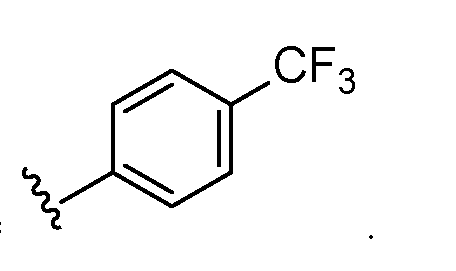


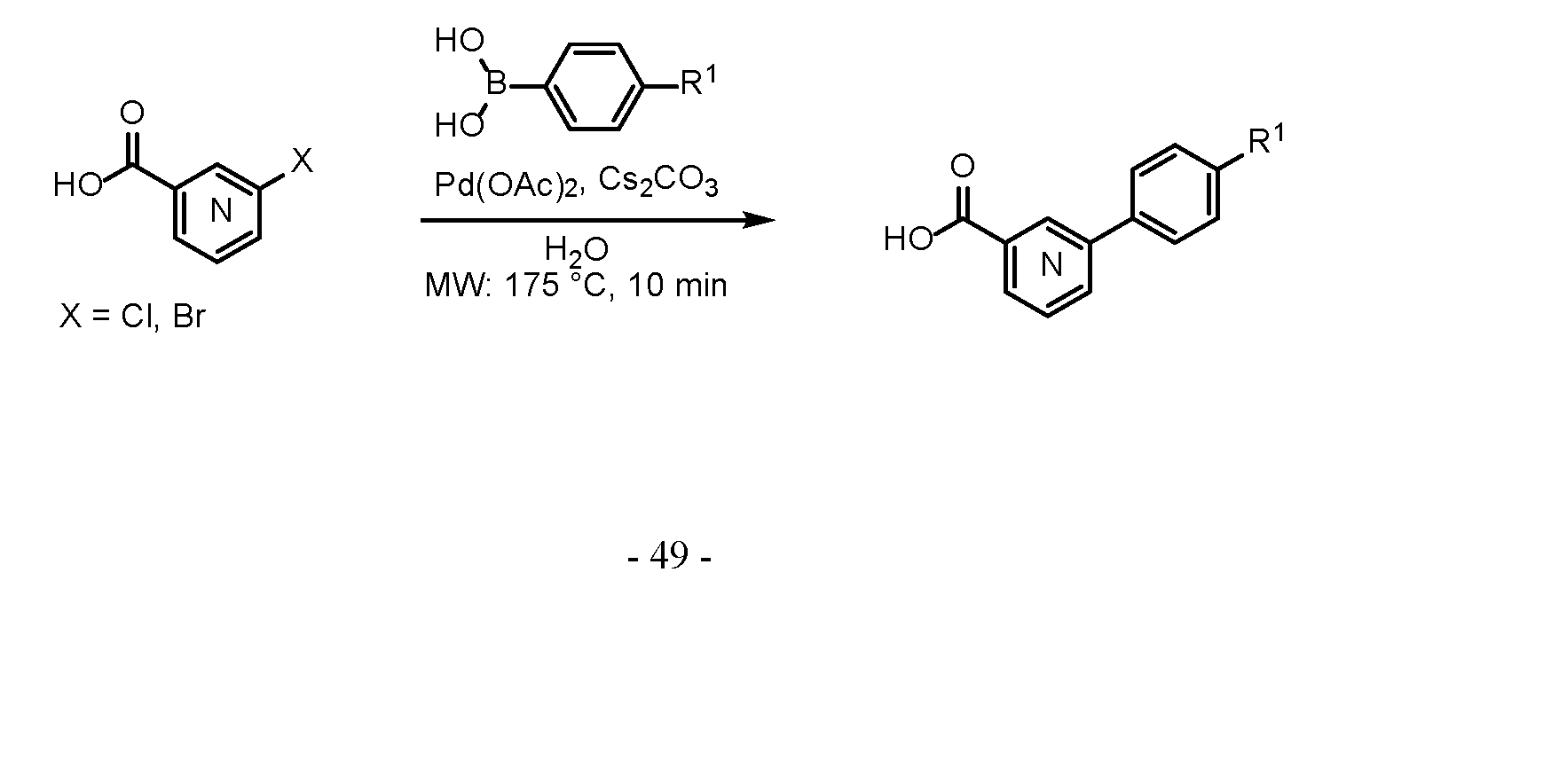



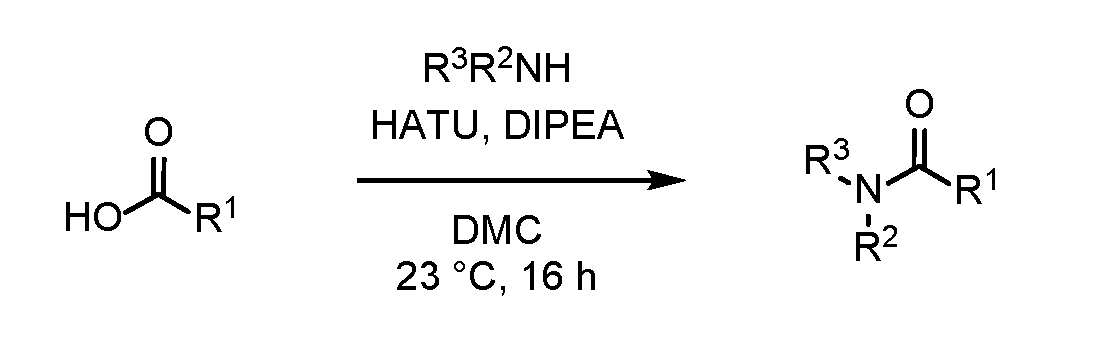


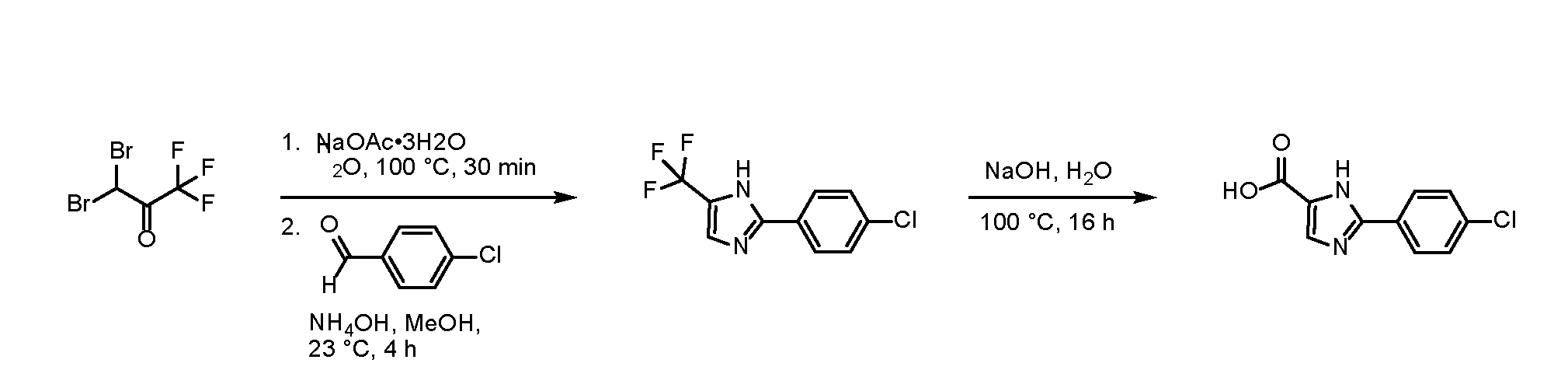


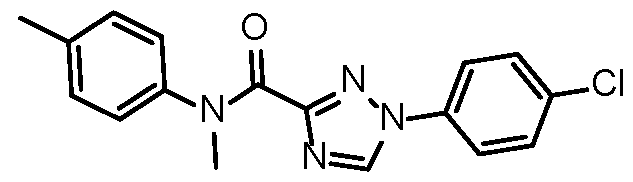


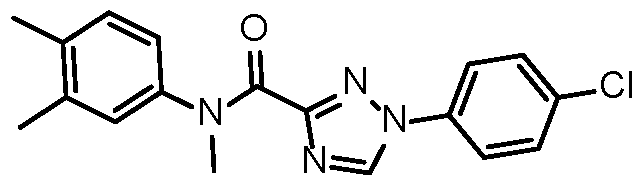


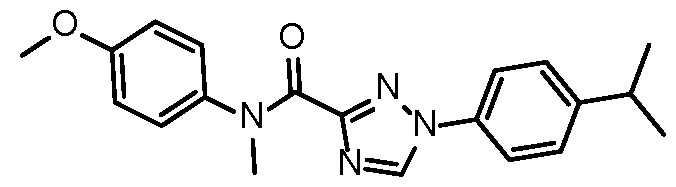


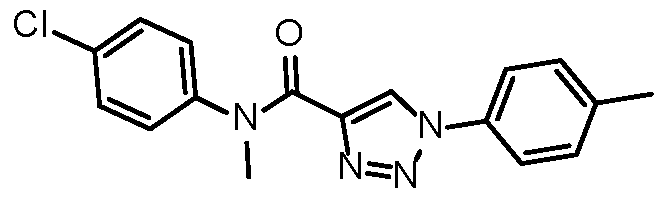


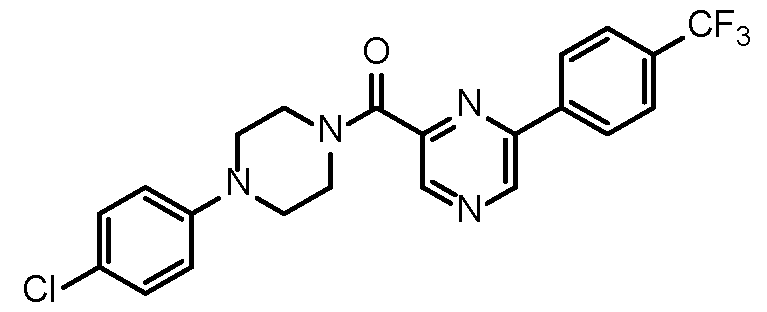


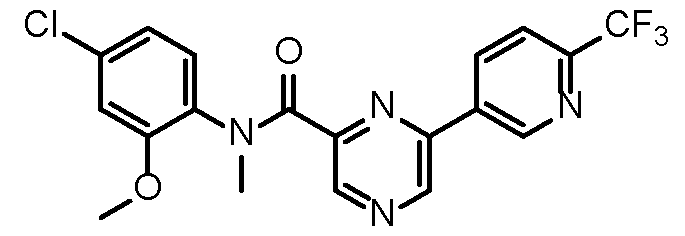


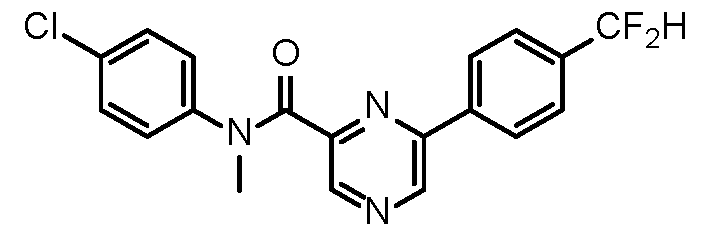


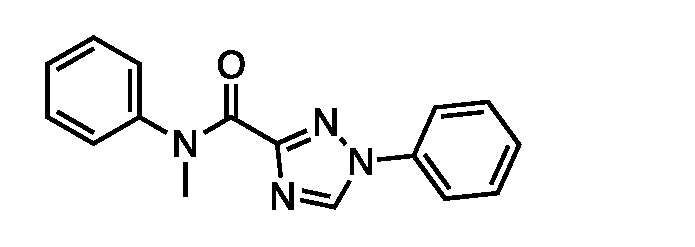

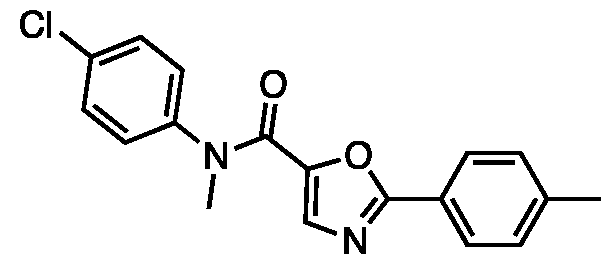


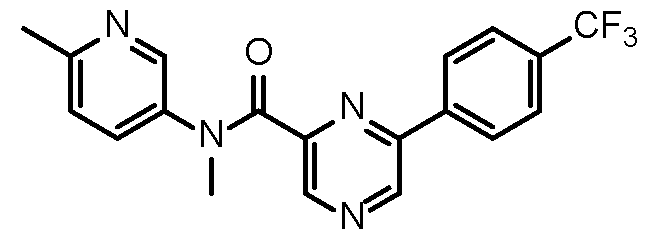
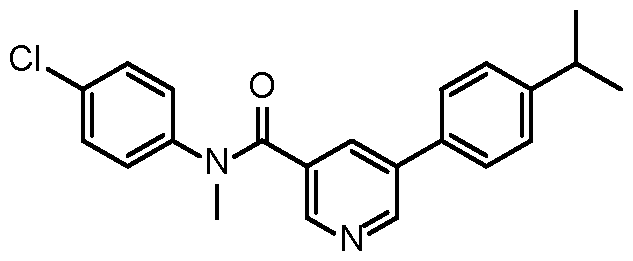


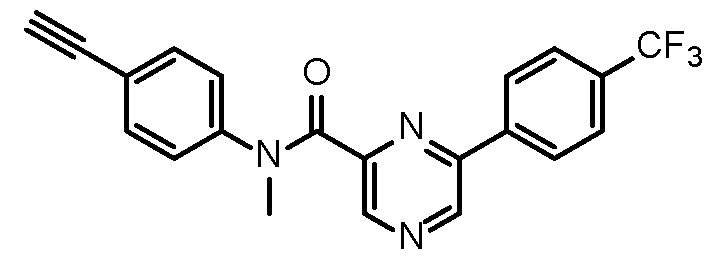


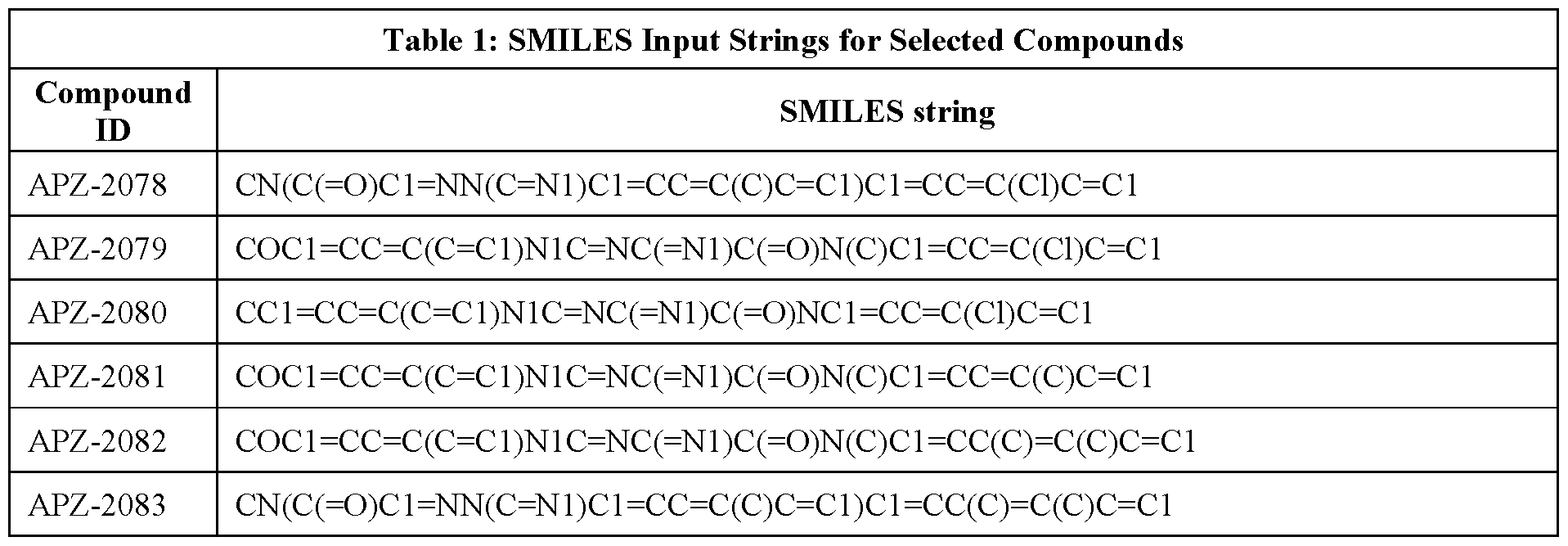


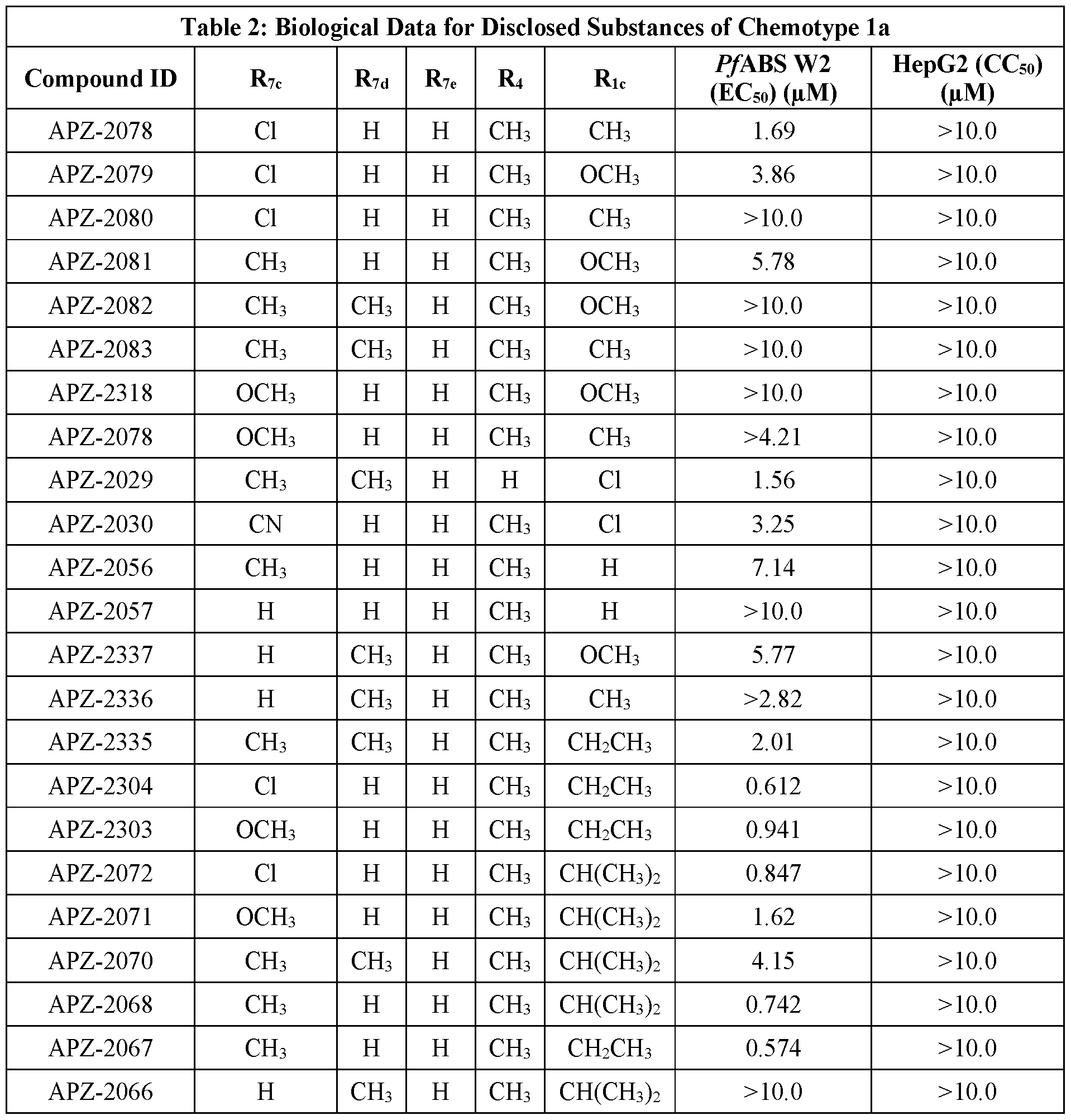


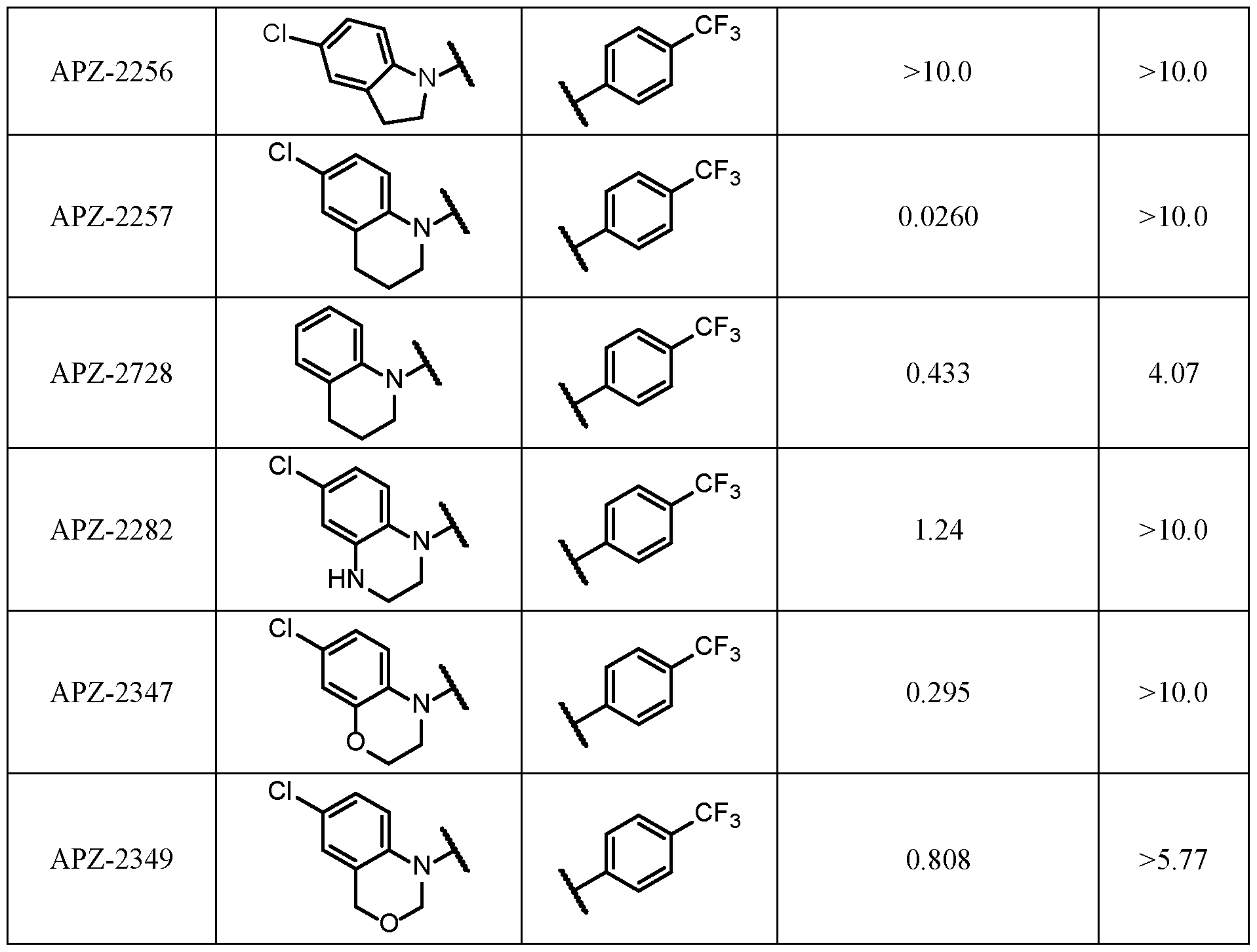


Claims


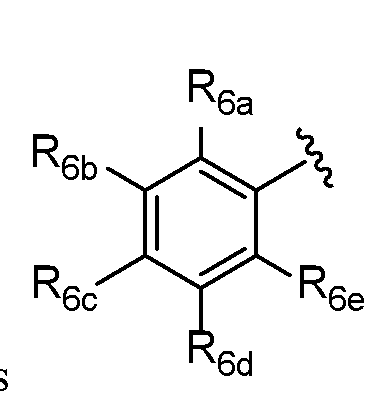


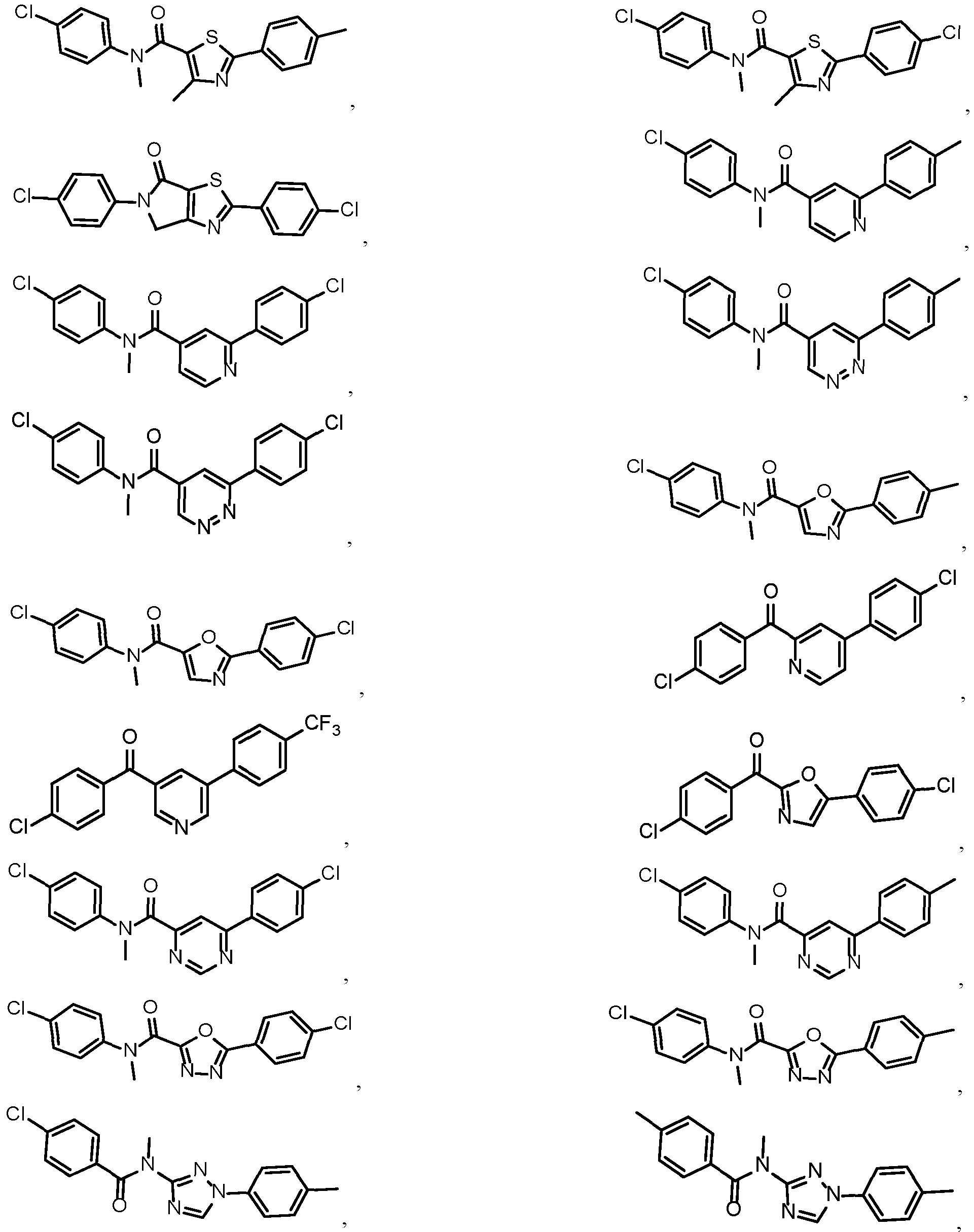

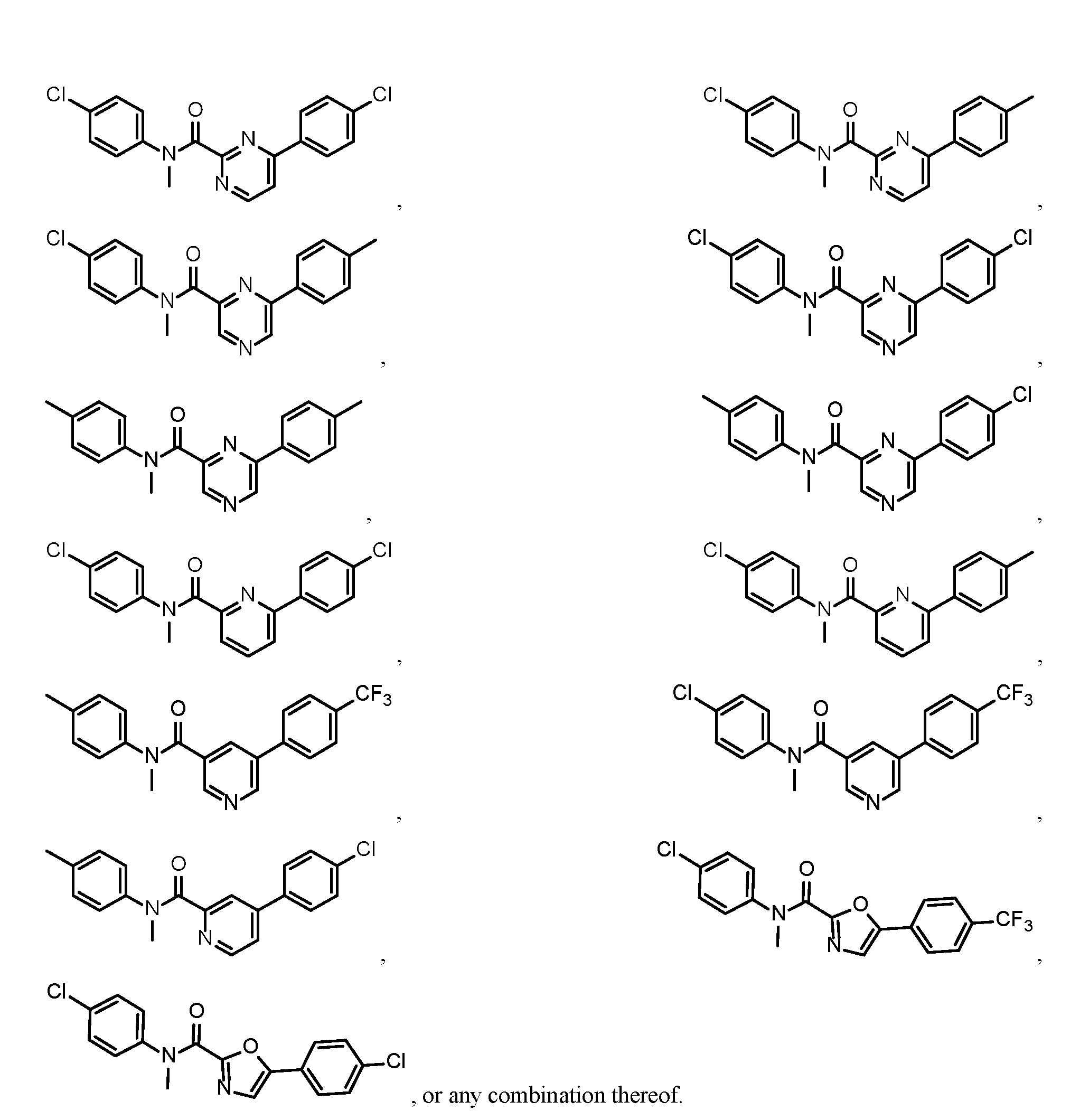


Priority Applications (5)
| Application Number | Priority Date | Filing Date | Title |
|---|---|---|---|
| AU2024305453A AU2024305453A1 (en) | 2023-06-13 | 2024-06-12 | Plasmodium falciparum blood stage inhibitors |
| KR1020267000543A KR20260040225A (en) | 2023-06-13 | 2024-06-12 | Plasmodium palsiparum blood phase inhibitor |
| EP24824031.9A EP4727549A2 (en) | 2023-06-13 | 2024-06-12 | Plasmodium falciparum blood stage inhibitors |
| CN202480045450.4A CN121568694A (en) | 2023-06-13 | 2024-06-12 | Plasmodium falciparum erythrophase inhibitors |
| US19/417,523 US20260097046A1 (en) | 2023-06-13 | 2025-12-12 | Plasmodium falciparum blood stage inhibitors |
Applications Claiming Priority (2)
| Application Number | Priority Date | Filing Date | Title |
|---|---|---|---|
| US202363507757P | 2023-06-13 | 2023-06-13 | |
| US63/507,757 | 2023-06-13 |
Related Child Applications (1)
| Application Number | Title | Priority Date | Filing Date |
|---|---|---|---|
| US19/417,523 Continuation-In-Part US20260097046A1 (en) | 2023-06-13 | 2025-12-12 | Plasmodium falciparum blood stage inhibitors |
Publications (2)
| Publication Number | Publication Date |
|---|---|
| WO2024258900A2 true WO2024258900A2 (en) | 2024-12-19 |
| WO2024258900A3 WO2024258900A3 (en) | 2025-04-17 |
Family
ID=93852865
Family Applications (1)
| Application Number | Title | Priority Date | Filing Date |
|---|---|---|---|
| PCT/US2024/033498 Ceased WO2024258900A2 (en) | 2023-06-13 | 2024-06-12 | Plasmodium falciparum blood stage inhibitors |
Country Status (6)
| Country | Link |
|---|---|
| US (1) | US20260097046A1 (en) |
| EP (1) | EP4727549A2 (en) |
| KR (1) | KR20260040225A (en) |
| CN (1) | CN121568694A (en) |
| AU (1) | AU2024305453A1 (en) |
| WO (1) | WO2024258900A2 (en) |
Family Cites Families (4)
| Publication number | Priority date | Publication date | Assignee | Title |
|---|---|---|---|---|
| US6897240B2 (en) * | 2002-05-08 | 2005-05-24 | The Regents Of The University Of California | Thio semicarbazone and semicarbazone inhibitors of cysteine proteases and methods of their use |
| CA2893200C (en) * | 2012-12-03 | 2018-04-24 | The Scripps Research Institute | C20'-urea derivatives of vinca alkaloids |
| MY195528A (en) * | 2016-03-17 | 2023-01-30 | Hoffmann La Roche | 5-Ethyl-4-Methyl-Pyrazole-3-Carboxamide Derivative Having Activity as Agonist of Taar |
| JPWO2021200934A1 (en) * | 2020-03-30 | 2021-10-07 |
-
2024
- 2024-06-12 AU AU2024305453A patent/AU2024305453A1/en active Pending
- 2024-06-12 KR KR1020267000543A patent/KR20260040225A/en active Pending
- 2024-06-12 WO PCT/US2024/033498 patent/WO2024258900A2/en not_active Ceased
- 2024-06-12 EP EP24824031.9A patent/EP4727549A2/en active Pending
- 2024-06-12 CN CN202480045450.4A patent/CN121568694A/en active Pending
-
2025
- 2025-12-12 US US19/417,523 patent/US20260097046A1/en active Pending
Also Published As
| Publication number | Publication date |
|---|---|
| KR20260040225A (en) | 2026-03-24 |
| US20260097046A1 (en) | 2026-04-09 |
| EP4727549A2 (en) | 2026-04-22 |
| AU2024305453A1 (en) | 2026-01-08 |
| WO2024258900A3 (en) | 2025-04-17 |
| CN121568694A (en) | 2026-02-24 |
Similar Documents
| Publication | Publication Date | Title |
|---|---|---|
| JP4909068B2 (en) | Carboxamide derivatives | |
| EP1442019B1 (en) | Amide derivatives as glycogen synthase kinase 3-beta inhibitors | |
| US10077259B2 (en) | Bicyclic heterocyclic derivatives as bromodomain inhibitors | |
| AU2002363176B2 (en) | Heteroaryl amines as glycogen synthase kinase 3Beta inhibitors (GSK3 inhibitors) | |
| US9079889B2 (en) | Kinase inhibitors and methods of their use | |
| DK3002278T3 (en) | guanidine | |
| US20230124492A1 (en) | Compositions and methods for substituted 7-(piperazin-1-yl)pyrazolo[1,5-a]pyrimidine analogs as inhibitors of kras | |
| TWI458719B (en) | Non-nucleoside reverse transcriptase inhibitors | |
| EP2298747B1 (en) | Triazole derivative or salt thereof | |
| TW201103901A (en) | Substituted piperidines as CCR3 antagonists | |
| AU2002363174A1 (en) | Amide derivatives as glycogen synthase kinase 3-beta inhibitors | |
| NO322808B1 (en) | Pyrimidine derivatives, as well as their use and pharmaceutical composition. | |
| AU2002363176A1 (en) | Heteroaryl amines as glycogen synthase kinase 3Beta inhibitors (GSK3 inhibitors) | |
| WO2007038669A2 (en) | Diarylamine-containing compounds and compositions, and their use as modulators of c-kit receptors | |
| WO2010109122A1 (en) | Nicotinamide derivatives, preparation thereof, and therapeutic use thereof as anticancer drugs | |
| EP1685125A1 (en) | Pyrrol derivatives | |
| JP2003522771A (en) | Benzoxazole derivatives as TNF and PDE-IV inhibitors | |
| US20260097046A1 (en) | Plasmodium falciparum blood stage inhibitors | |
| US20250122185A1 (en) | Compositions and methods comprising substituted n-(2-chloro-6-methylphenyl)-2-((6-(6-membered heterocycloalkyl)-2-methylpyrimidin-4-yl)amino)thiazole-5-carboxamide analogues | |
| CN121335897A (en) | 1,3-thiazole and 1,2,4-thiadiazole are CD38 inhibitors used to treat CNS conditions. | |
| US20250289780A1 (en) | N,n'-diphenyl-4,4'-biphenyldicarboxamide analogs and their use in cancer treatment | |
| US20260098012A1 (en) | Tetrahydroacridinone analogues for treatment and prevention of malaria | |
| WO2014072903A1 (en) | Novel aminomethyl-phenol derivatives as antimalarial agents | |
| EP4472630A2 (en) | Selective agents targeting mycobacterium tuberculosis | |
| WO2026050190A1 (en) | Smyd3 protacs for the treatment of hpv-negative squamous cell carcinoma |
Legal Events
| Date | Code | Title | Description |
|---|---|---|---|
| WWE | Wipo information: entry into national phase |
Ref document number: AU2024305453 Country of ref document: AU |
|
| ENP | Entry into the national phase |
Ref document number: 2025573708 Country of ref document: JP Kind code of ref document: A |
|
| REG | Reference to national code |
Ref country code: BR Ref legal event code: B01A Ref document number: 112025027533 Country of ref document: BR |
|
| ENP | Entry into the national phase |
Ref document number: 2024305453 Country of ref document: AU Date of ref document: 20240612 Kind code of ref document: A |
|
| WWE | Wipo information: entry into national phase |
Ref document number: 2024824031 Country of ref document: EP |
|
| NENP | Non-entry into the national phase |
Ref country code: DE |
|
| ENP | Entry into the national phase |
Ref document number: 2024824031 Country of ref document: EP Effective date: 20260113 |
|
| ENP | Entry into the national phase |
Ref document number: 2024824031 Country of ref document: EP Effective date: 20260113 |
|
| ENP | Entry into the national phase |
Ref document number: 2024824031 Country of ref document: EP Effective date: 20260113 |
|
| ENP | Entry into the national phase |
Ref document number: 2024824031 Country of ref document: EP Effective date: 20260113 |
|
| 121 | Ep: the epo has been informed by wipo that ep was designated in this application |
Ref document number: 24824031 Country of ref document: EP Kind code of ref document: A2 |
|
| WWP | Wipo information: published in national office |
Ref document number: 2024824031 Country of ref document: EP |