WO2024253594A1 - Small molecule based method of modifying t cells - Google Patents
Small molecule based method of modifying t cells Download PDFInfo
- Publication number
- WO2024253594A1 WO2024253594A1 PCT/SG2024/050382 SG2024050382W WO2024253594A1 WO 2024253594 A1 WO2024253594 A1 WO 2024253594A1 SG 2024050382 W SG2024050382 W SG 2024050382W WO 2024253594 A1 WO2024253594 A1 WO 2024253594A1
- Authority
- WO
- WIPO (PCT)
- Prior art keywords
- cells
- cell
- car
- tcr
- stem
- Prior art date
- Legal status (The legal status is an assumption and is not a legal conclusion. Google has not performed a legal analysis and makes no representation as to the accuracy of the status listed.)
- Ceased
Links
Classifications
-
- A—HUMAN NECESSITIES
- A61—MEDICAL OR VETERINARY SCIENCE; HYGIENE
- A61P—SPECIFIC THERAPEUTIC ACTIVITY OF CHEMICAL COMPOUNDS OR MEDICINAL PREPARATIONS
- A61P35/00—Antineoplastic agents
-
- C—CHEMISTRY; METALLURGY
- C12—BIOCHEMISTRY; BEER; SPIRITS; WINE; VINEGAR; MICROBIOLOGY; ENZYMOLOGY; MUTATION OR GENETIC ENGINEERING
- C12N—MICROORGANISMS OR ENZYMES; COMPOSITIONS THEREOF; PROPAGATING, PRESERVING, OR MAINTAINING MICROORGANISMS; MUTATION OR GENETIC ENGINEERING; CULTURE MEDIA
- C12N5/00—Undifferentiated human, animal or plant cells, e.g. cell lines; Tissues; Cultivation or maintenance thereof; Culture media therefor
- C12N5/06—Animal cells or tissues; Human cells or tissues
- C12N5/0602—Vertebrate cells
- C12N5/0634—Cells from the blood or the immune system
- C12N5/0636—T lymphocytes
-
- C—CHEMISTRY; METALLURGY
- C12—BIOCHEMISTRY; BEER; SPIRITS; WINE; VINEGAR; MICROBIOLOGY; ENZYMOLOGY; MUTATION OR GENETIC ENGINEERING
- C12N—MICROORGANISMS OR ENZYMES; COMPOSITIONS THEREOF; PROPAGATING, PRESERVING, OR MAINTAINING MICROORGANISMS; MUTATION OR GENETIC ENGINEERING; CULTURE MEDIA
- C12N2510/00—Genetically modified cells
Definitions
- the present disclosure relates generally to the field of cell biology.
- the present disclosure relates to T cell reprogramming.
- CAR-T chimeric-antigen-receptor T cell
- the present disclosure provides a method of modifying T cells during T cell activation, comprising modifying T cells by contacting the T cells with an inhibitory agent for prolyl hydroxylase.
- the present disclosure provides a method of preparing modified T cells, comprising modifying T cells during T cell activation by contacting the T cells with an inhibitory agent for prolyl hydroxylase, wherein the modifying comprises increasing the expansion rate of T cells compared to unmodified T cells.
- the present disclosure provides a method of producing Chimeric Antigen Receptor (CAR) T cells, comprising: modifying T cells during T cell activation by contacting the T cells with an inhibitory agent for prolyl hydroxylase, introducing a CAR transgene into the modified T cells of (a) to produce CAR-T cells; and harvesting the CAR-T cells after (b).
- CAR Chimeric Antigen Receptor
- the present disclosure provides a method of producing T Cell Receptor (TCR) T cells comprising: (i) modifying T cells during T cell activation by contacting the T cells with an inhibitory agent of prolyl hydroxylase, (ii) introducing a TCR transgene into the modified T cells of (i) to produce TCR-T cells; and (iii) harvesting the TCR-T cells after (ii).
- TCR T Cell Receptor
- the present disclosure provides a modified T cell obtained by the method as disclosed herein.
- the present disclosure provides a CAR-T cell obtained by the method as disclosed herein
- the present disclosure provides a TCR-T cell obtained by the method as disclosed herein
- the present disclosure provides a method of treating or alleviating a cancer in a subject, comprising administering a therapeutically effective amount of a CAR-T cell as disclosed herein, or a TCR-T cell as disclosed herein to the subject in need thereof.
- the present disclosure provides a method of inducing long-term antitumor effect in a subject having a cancer, comprising administering a therapeutically effective amount of a CAR-T cell as disclosed herein, or a TCR-T cell as disclosed herein to the subject in need thereof.
- the present disclosure provides a method of reducing tumor size in a subject having a cancer, comprising administering a therapeutically effective amount of a CAR-T cell as disclosed herein, or a TCR-T cell as disclosed herein to the subject in need thereof.
- the present disclosure provides a method of increasing memory T cell and CAR-T cell sternness in vivo in a subject, comprising administering a therapeutically effective amount of a CAR-T cell as disclosed herein, or a TCR-T cell as disclosed herein to the subject in need thereof.
- the present disclosure provides a method of increasing tumor infiltration of T cells in a subject having a cancer, comprising administering a therapeutically effective amount of a CAR-T cell as disclosed herein, or a TCR-T cell as disclosed herein to the subject in need thereof
- the present disclosure provides a method of increasing the in vivo expansion rate of CAR-T cells or TCR-T cells in a subject, comprising administering a therapeutically effective amount of a CAR-T cell as disclosed herein, or a TCR-T cell as disclosed herein to the subject in need thereof.
- Figure 1 compares the cells generated by conventional CAR-T method, and the STEM-T method as described herein upon ex vivo expansion.
- the T-cells used for generating CAR-T or STEM CAR-T are obtained from peripheral blood mononuclear cells (PBMC) from anonymous donor subjects.
- Figure 1A shows the T cell growth curve of both CAR-T and STEM CAR-T cells over 42 days. Comparing to CAR-T cells obtained from a conventional method, STEM CAR-T cells expand faster and result in higher total number of CAR-T cells.
- Figure IB and Figure 1C show the flow analysis results of cytokines interferon gamma (IFN- y) and interleukin 2 (IL-2) expression, respectively in CAR-T and STEM CAR-T cells over 20 days.
- STEM CAR-T cells exhibit higher or comparable level of cytokine production, which mediates the immune response in the body.
- Figure ID provides a flow analysis of T cell factor 1 (TCF1) among the total number CAR-T cells.
- TCF1 marks the population of stem-like precursors CD8+ T cells characterized by high self-renewal capacity, proliferative potential, and polyfunctionality. Compared to conventional CAR-T, STEM CAR-T cells show higher sternness.
- Figure IE and Figure IF further provide the percentages of the stem cell-like memory T cell (T SC m) subtype and central memory T cell (T cm ) subtype, respectively, among total number of CAR-T cells. Therefore, the STEM CAR-T cells obtained using the STEM modification method as described herein exhibits advantageous characteristics compared to conventional CAR-T cells including: faster in vitro expansion, higher cytokine production, improved sternness, and increased memory T cell population.
- Figure 2 compares the effects of STEM CAR-T cells and conventional CAR-T cells after 6 rounds of co-culturing with target tumor cells.
- the T-cells used for generating CAR-T or STEM CAR-T are obtained from peripheral blood mononuclear cells (PBMC) from anonymous donor subjects.
- Figure 2A shows the expression of exhaustion markers PD1 and Tim3 for both R0R1 targeting conventional CAR-T and STEM CAR-T cells after the 6 th coculture with MDA-MB-231 cells.
- T cell exhaustion refers to a condition in which T cells lose their cell effector functions and self-renewal capacity, such as killing cancer cells or cells infected with a virus over prolonged activation
- Exhausted T cells in cancer show high expression levels of inhibitory receptors, such as PD-1, CTLA-4, TIM-3, LAG-3, BTLA and TIGIT, and reduced effector cytokine production, such as IL-2, TNF-a, IL N- and GzmB.
- inhibitory receptors such as PD-1, CTLA-4, TIM-3, LAG-3, BTLA and TIGIT
- reduced effector cytokine production such as IL-2, TNF-a, IL N- and GzmB.
- a decrease forPDl and Tim3 markers in STEM CAR-T cells shows reduced exhaustion in STEM CAR-T cells, thereby allowing prolonged actions of the STEM CAR-T cells in the subject.
- Figure 2B measures the CAR-T mediated cytotoxicity for both R0R1 targeting conventional CAR-T and STEM CAR-T cells when co-cultured with MDA- MB-231 cells stably expressing luciferase.
- STEM CAR-T has higher cytotoxicity than conventional CAR-T cells as measured by luciferase-based cell cytotoxicity assay.
- the CAR-T cells are injected to NSG mice pre-injected with MDA-MB-231-LN cells which bear the target tumor xenograft.
- Figure 2C shows the number of CAR-T or STEM CAR- T cells in mouse blood after 1, 2, 3, and 4 weeks after injection.
- STEM CAR- T cells are higher compared to conventional CAR-T throughout the entire 28 days (4 weeks) after injection, indicating long lasting in vivo persistency.
- Figure 2D shows tumor growth curves in mice with injection of conventional CAR-T and STEM CAR-T, respectively. Control mice are treated with vehicle, which is phosphate buffered saline (PBS).
- PBS phosphate buffered saline
- STEM CAR-T group shows most tumor volume reduction within 19 days after infusion, comparing to conventional CAR-T method. Therefore, STEM CAR-T cells show reduced T cell exhaustion and cytotoxicity in vivo.
- STEM CAR-T cells after infusion in mice, show significant higher number of cell counts in blood (Figure 2C), and results in stronger anti-tumor efficacy in a mouse model.
- FIG. 3 compares exemplary CAR-T cells (HER2) produced using conventional CAR-T and STEM CAR-T methods as described herein for T cell exhaustion.
- the T-cells used for generating CAR-T or STEM CAR-T are obtained from peripheral blood mononuclear cells (PBMC) from anonymous donor subjects.
- PBMC peripheral blood mononuclear cells
- Exhausted T cells in cancer show high expression levels of inhibitory receptors, such as PD1 and Tim3 which are used as markers for T cell exhaustion.
- the HER2 specific STEM CAR-T cells show reduction in the exhaustion markers, indicating delayed exhaustion compared to conventional CAR-T cells.
- FIG. 4 investigates the cell proliferation rate of human epidermal growth factor receptor 2 (HER2)-specific STEM CAR-T cells upon treatment with prolyl hydroxylase inhibitors as exemplified herein.
- the T-cells used for generating CAR-T or STEM CAR-T are obtained from peripheral blood mononuclear cells (PBMC) from anonymous donor subjects.
- PBMC peripheral blood mononuclear cells
- STEM CAR-T cells comprises the step of T cell activation, engineered receptor induction, and small molecule treatment with prolyl hydroxylase inhibitor
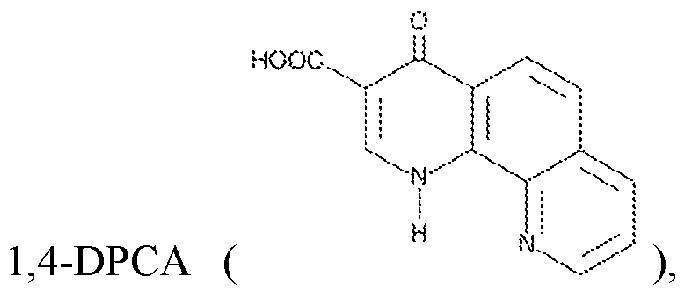
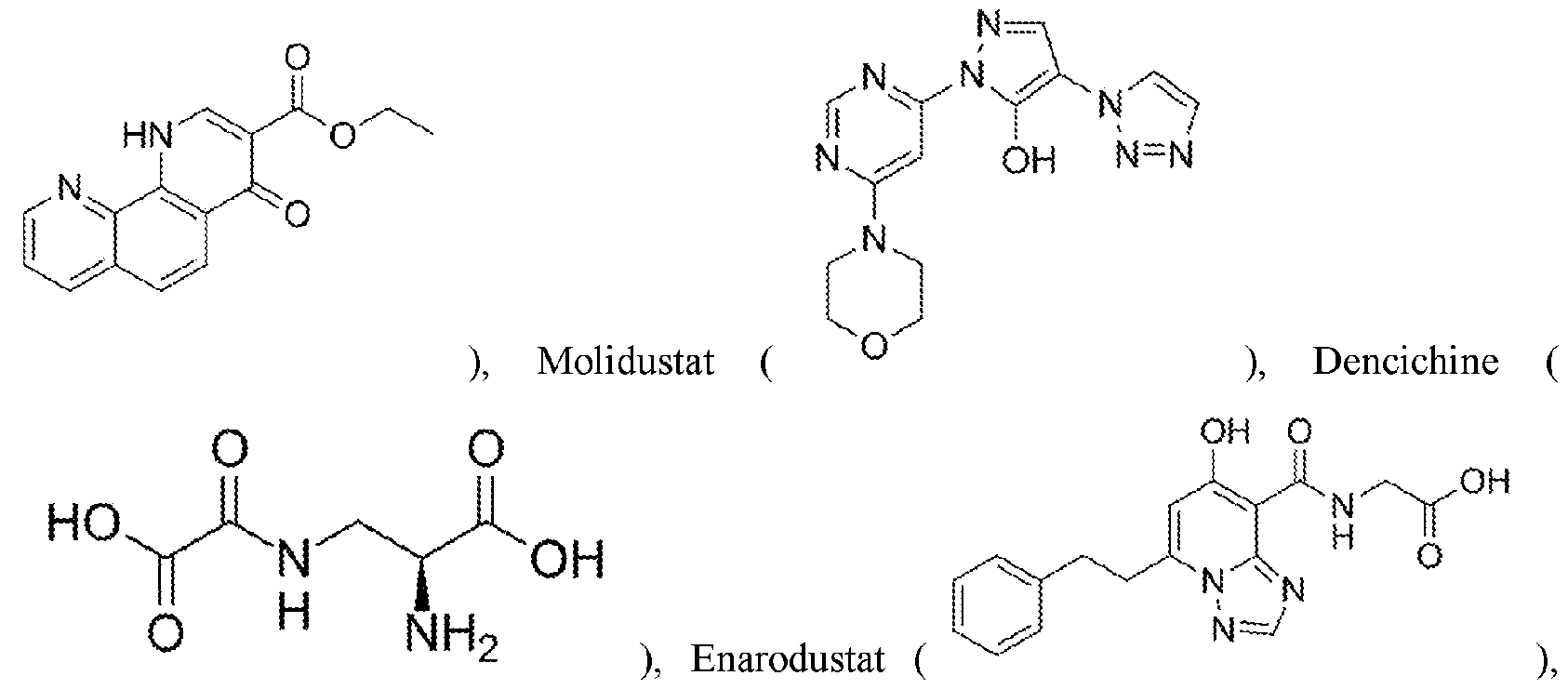
- Figure 4A shows the cell count after treatment of T cells with exemplary prolyl hydroxylase inhibitors 1,4-DPCA, 1,4-DPCA ethyl ester, Molidustat, Enarodustat, Roxadustat, 10X2 and Daprodustat.
- the STEM CAR-T cells show a higher number of cells as illustrated in CAR-T (HER2) cell count 12 days after treatment with prolyl hydroxylase inhibitors compared to DMSO-treated negative control (i.e. conventional CAR-T cells).
- Figure 4B shows the cell count after treatment of T cells with exemplary prolyl hydroxylase inhibitors and concurrent CD3/28 antibody stimulation compared to a DMSO negative control (i.e. conventional CAR- T cells).
- a DMSO negative control i.e. conventional CAR- T cells.
- the increased cell counts after treatment with exemplary prolyl hydroxylase inhibitors demonstrated increased proliferation/expansion rate of the STEM CAR-T cells, with T cell activation induced by the incubation with CD3/28 antibody. Therefore, the STEM method as described herein is capable of producing higher number of STEM CAR-T cells for the purpose of subsequent administration to the patient.
- Figure 5 measures the percentage cell population of each T cell subtype among total number of CAR-T cells in HER2-targeting STEM CAR-T 8 days after exemplary prolyl hydroxylase inhibitors treatment and CD3/28 antibody stimulation.
- the T-cells used for generating CAR-T or STEM CAR-T are obtained from peripheral blood mononuclear cells (PBMC) from anonymous donor subjects.
- STEM CAR-T cells treated with exemplary prolyl hydroxylase inhibitors show higher number of T cell factor 1 (TCF1) positive cells and naive T cell (T n ).
- TCF1 T cell factor 1
- T scm stem central memory T cell
- T cm central memory T cell
- the population percentage of effector T cell (T e ff) and effector memory T cell (T em ) are maintained at low percentage relative to the total CAR-T cell population, comparing to the DMSO treated negative control (conventional CAR-T cells).
- Naive T (Tn) cells , stem cell-like memory T (T SC m) cells and central memorylike (T cm ) cells exhibit high levels of sternness, with exceptional capabilities of self-renewal, longevity, and multipotent differentiation, compared to highly differentiated and short-lived T effector memory-like (T em ) cells, and highly differentiated T effector-like (T e n) cells.
- the STEM CAR-T cells as described herein show improved sternness compared to conventional CAR-T cells, as demonstrated by higher population percentage of less differentiated cell types (T n , Tcm, Tscm) and lower population percentage of differentiated cell types (T em , T e n).
- T n , Tcm, Tscm higher population percentage of less differentiated cell types
- T em , T e n lower population percentage of differentiated cell types
- FIG. 6 shows that prolyl hydroxylase inhibitors increase proliferation and sternness in exemplary R0R1 targeting STEM CAR-T cells (while maintaining differentiated T cells (Tem and T e fr) at low percentage.
- the T-cells used for generating CAR-T or STEM CAR-T are obtained from peripheral blood mononuclear cells (PBMC) from anonymous donor subjects.
- the prolyl hydroxylase inhibitor used for generating STEM CAR-T in this figure is 1,4-DPCA- ethyl-ester.
- exemplary STEM CAR-T cells targeting receptor tyrosine kinase-like orphan receptor 1 (R0R1) proliferate faster compared to conventional CAR-T cells.
- FIG. 6B, Figure 6C, and Figure 6D show an increase in the naive T cell population (Tn), stem cell-like memory T (T scm ), and T central memory-like (T cm ) cells in STEM CAR-T (ROR1) cells compared to conventional CAR-T cells, indicating an increase in less differentiated cell subtypes.
- Figure 6E and Figure 6F show comparable low percentages of cell population of differentiated cell types (T em , and T e ff, respectively) in STEM CAR-T (ROR1) cells compared to conventional CAR-T cells.
- TCF1 T cell factor 1
- FIG. 7 shows that prolyl hydroxylase inhibitors increase proliferation and sternness in exemplary HER2 targeting STEM CAR-T cells (while maintaining differentiated T cells (Tem and T e ff) at low percentage.
- the T-cells used for generating CAR-T or STEM CAR-T are obtained from peripheral blood mononuclear cells (PBMC) from anonymous donor subjects.
- the prolyl hydroxylase inhibitor used for generating STEM CAR-T in this figure is 1,4-DPCA- ethyl-ester.
- exemplary STEM CAR-T cells targeting HER2 proliferate faster compared to conventional CAR-T cells
- Figure 7B and Figure 7C show an increase in the naive T cell population (T n ) and stem cell-like memory T (T SC m) in STEM CAR-T (HER2) cells compared to conventional CAR-T cells, indicating an increase in less differentiated cell subtypes.
- Figure 7D, Figure 7E, and Figure 8F show maintenance of the percentage of cell population of differentiated cell types (Tcm, T em , and T e ff, respectively) at low levels in STEM CAR-T (HER2) cells compared to conventional CAR-T cells
- TCF1 T cell factor 1
- Figure 7G A higher number of T cell factor 1 (TCF1) positive cells is observed in Figure 7G for STEM CAR-T (HER2) cells. Therefore, CAR-T cells produced by STEM method show increased proliferation and sternness compared to the conventional method.
- Figure 8 shows increased pro-inflammatory cytokines secretion and lysis against antigen expressing cancer cells and delayed exhaustion status in ROR1 targeting STEM CAR- T cells compared to conventional CAR-T.
- the T-cells used for generating CAR-T or STEM CAR-T are obtained from peripheral blood mononuclear cells (PBMC) from anonymous donor subjects.
- the prolyl hydroxylase inhibitor used for generating STEM CAR-T in this figure is 1,4-DPCA-ethyl-ester.
- the STEM CAR-T (R0R1) cells still show a higher secretion of cytokines such as interferon gamma (fFN-y), interleukin 2 (IL-2), and tumor necrosis factor a (TNFa) compared to conventional CAR-T cells.
- fFN-y interferon gamma
- IL-2 interleukin 2
- TNFa tumor necrosis factor a
- STEM CAR-T shows about a two-fold enhancement in cytotoxicity towards triple negative breast cancer (TNBC) cells, demonstrating effective anti-tumor ability without reduction in efficacy due to exhaustion of T cells.
- TNBC triple negative breast cancer
- Figure 9 shows increased pro-inflammatory cytokines secretion and lysis against antigen expressing cancer cells and delayed exhaustion status in HER2 targeting STEM CAR- T cells compared to conventional CAR-T.
- the T-cells used for generating CAR-T or STEM CAR-T are obtained from peripheral blood mononuclear cells (PBMC) from anonymous donor subjects
- the prolyl hydroxylase inhibitor used for generating STEM CAR-T in this figure is 1,4-DPCA-ethyl-ester.
- STEM CAR-T HER2 cells
- cytokines such as interferon gamma (IFN-y), interleukin 2 (IL-2), and tumor necrosis factor a (TNFa) compared to conventional CAR-T cells.
- IFN-y interferon gamma
- IL-2 interleukin 2
- TNFa tumor necrosis factor a
- STEM CAR-T shows about doubled cytotoxicity towards triple negative breast cancer (TNBC) cells, demonstrating effective antitumor ability without reduction in efficacy due to exhaustion of T cells.
- TNBC triple negative breast cancer
- FIG. 10 provides ex vivo T cell viability data for exemplary prolyl hydroxylase inhibitors, 1,4-DPCA, 1,4-DPCA ethyl ester, Molidustat, Dencichine, Enarodustat, Roxadustat, IOX2 and Daprodustat.
- the T cells are activated in CD3/28 antibody in a cell culture medium with the addition of different prolyl hydroxylase inhibitors for 5 days.
- the T- cells used for generating CAR-T or STEM CAR-T are obtained from peripheral blood mononuclear cells (PBMC) from anonymous donor subjects. The antibody and inhibitor are removed from the cell culture medium from day 5 onwards.
- PBMC peripheral blood mononuclear cells
- prolyl hydroxylase inhibitors show an increase in number of viable T cell relative to the number of total viable T cells of the negative control (DMSO) group, indicating improved T cell viability with treatment of prolyl hydroxylase inhibitors.
- the T cell proliferation rate for each prolyl hydroxylase inhibitor is calculated based on the number of viable T-cell relative to the number viable T-cell in the DMSO-treated group.
- FIG 11 shows ex vivo CAR-T cell count for STEM CAR-T cells targeting ROR1/HER2/EGFR/CD19, respectively, compared to conventional CAR-T.
- the T-cells used for generating CAR-T or STEM CAR-T are obtained from peripheral blood mononuclear cells (PBMC) from anonymous donor subjects.
- PBMC peripheral blood mononuclear cells
- To generate CAR T cells bulk PBMCs were activated on day 0 using CD3 and CD28.
- a prolyl hydroxylase inhibitor, in this case 1,4- DPCA ethyl ester or an equivalent volume of DMSO was added to the cell culture on day 0.
- cells were transduced with the lentivirus expressing the respective CAR.
- Figure 12 provides in vivo tumor volume in different xenograft cancer models in mice after administration with CAR-T cells obtained using conventional methods or STEM modification method as disclosed herein.
- the T-cells used for generating CAR-T or STEM CAR-T are obtained from peripheral blood mononuclear cells (PBMC) from anonymous donor subjects
- Figure 12A shows the tumor volume over time in DLD-1 xenograft model for colorectal cancer upon treatment with CAR-T cells targeting EGFR.
- PBS phosphate buffered saline
- the CAR-T cells produced using STEM method as described herein show the lowest tumor volume within 16 days post injection.
- Figure 12B shows the tumor volume overtime in DLD-1 xenograft model for colorectal cancer upon treatment with CAR-T cells targeting HER2.
- Figure 12C shows the tumor volume over time in MB361 xenograft model for breast cancer upon treatment with CAR-T cells targeting HER2.
- the exemplary cancer disease models demonstrate that the STEM method as described herein increases CAR-T cell anti-tumor activity in vivo.
- FIG. 13 profiles the CAR-T cells in xenograft model for colorectal cancer post administration.
- the T-cells used for generating CAR-T or STEM CAR-T are obtained from peripheral blood mononuclear cells (PBMC) from anonymous donor subjects.
- PBMC peripheral blood mononuclear cells
- the circulating CAR-T cells in the blood are quantified.
- the number of EGFR targeting STEM CAR-T cells are highest compared to the PBS-treated vehicle control group and the conventional CAR-T cell-treated group upon administration in DLD-1 xenograft colorectal cancer model.
- Figure 13B provides the population percentage of the number of T cm and T S cm among total CAR-T cells produced using conventional CAR-T method, and STEM T method in vivo, in DLD-1 colorectal cancer model
- the percentage of T cm and T scm population was measured from the blood of the mouse taken 13 days post-CAR-T cells injection.
- the significant increase in T SC m and T cm population indicates increased sternness of STEM CAR-T cells.
- the number of HER2 targeting STEM CAR-T cells are highest compared to the PBS-treated vehicle control and the conventional CAR-T cell groups upon administration in the MDA-MB-361 breast cancer mouse model.
- Figure 13D provides the population percentage of the number of T cm and T scm among total CAR-T cells produced using conventional CAR-T method, and STEM T method in vivo, in MDA-MB-361 model breast cancer model.
- the percentage of T cm and T SC m population was measured from the blood of the mouse taken 13 days post-CAR-T cells injection.
- the significant increase in T SC m and T cm populations indicates increased sternness of STEM CAR-T cells. Therefore, as demonstrated herein, STEM CAR-T cells obtained using the STEM method as described herein are present in large number in blood circulation even 2 weeks after administration.
- the STEM CAR-T cells show improved sternness compared to conventional CAR-T cells in vivo.
- Figure 14 shows the in vivo CAR-T cell count, tumor volume, and intratumoral CAR- T cell percentages in immune resistant triple negative breast cancer (TNBC) breast tumor mouse model MB231-LN treated with STEM CAR-T cells and conventional CAR-T cells.
- TNBC triple negative breast cancer
- the T-cells used for generating CAR-T or STEM CAR-T are obtained from peripheral blood mononuclear cells (PBMC) from anonymous donor subjects.
- PBMC peripheral blood mononuclear cells
- Figure 14A when treated with STEM CAR T-cells, the volume of the tumor grows much slower compared to the conventional CAR-T cells-treated and the PBS-treated vehicle control groups 19 days after the injection.
- the number of circulating CAR-T cells counted for the STEM CAR-T group is also significantly higher than the other two groups.
- Figure 14B profiles the intratumoral CAR-T cell subtypes.
- the percentage of CAR-T cells infiltrating the tumor mass is quantified for STEM CAR-T (R0R1) and conventional CAR-T.
- a much higher infiltration of CAR-T cells is identified for the cells obtained using the STEM method as described herein, demonstrating improved tumor infiltration ability of STEM CAR-T cells.
- the population of central memory CAR-T cells (T C m) shows an increase for the STEM CAR-T group.
- STEM CAR-T cells also show a small increase in the cytokine IFNY+ population of CAR-T cell within tumor. Therefore, the STEM T method as described herein renders stronger anti-cancer activity for CAR-T cells and increases CAR-T cells tumor infiltration in solid tumor tissue.
- Figure 15 shows the in vivo CAR-T cell count, tumor volume, and probability of survival in DLD-1 colorectal cancer xenograft mouse model treated with exemplary STEM CAR-T cells compared to conventional CAR-T cells.
- the T-cells used for generating CAR-T or STEM CAR-T are obtained from peripheral blood mononuclear cells (PBMC) from anonymous donor subjects. The data in this figure was obtained from the same mice.
- PBMC peripheral blood mononuclear cells
- FIG. 15A the growth of the tumor has been reduced upon injection of STEM CAR-T (EGFR1 -targeting) and the suppression effect is long lasting for over 50 days.
- Figure 15B shows the number of CAR-T cells circulating in blood obtained from the mice treated with PBS, conventional CAR-T cells and STEM CAR-T cells.
- STEM CAR-T cells-treated mice exhibit a higher number of cells in blood compared to conventional CAR-T cells and the negative control over a prolonged period of time.
- Figure 15C provides a survival curve for DLD-1 colorectal cancer xenograft mouse model treated with the CAR-T cells.
- the three groups only STEM CAR-T cells-injected mice show high probably of survival over 80 days post injection.
- T cells modified using the STEM method as described herein demonstrate superior anti-tumor characteristics compared to the non-modified T cells.
- small molecule refers to any organic compound with low molecular weight that may regulate a biological process.
- Many drugs are small molecules. The small size of the molecule allows it to enter cells easily, and are therefore often used as drugs targeting cellular proteins to affect molecular pathways. Conventionally, small molecule drugs have a size on the order of about 1 nm, or a molecular weight below about 500 Da
- T cell refers to an important type of white blood cell and play a central role in the adaptive immune response.
- T cells are differentiated from hematopoietic stem cells, which are stem cells in the bone marrow. T cells can be distinguished from other lymphocytes by the presence of a T-cell receptor (TCR) on their cell surface.
- TCR T-cell receptor
- helper T cells the CD4+ T cells
- cytotoxic T cells or “killer T cells”.
- the CD8+ T cells are able to directly kill virus-infected cells, as well as cancer cells, and utilises cytokines to recruit other types of cells when mounting an immune response.
- the CD4+ cells function by further activating memory B cells and cytotoxic T cells, which leads to a larger immune response.
- naive T cells refers to the immature T cells that have differentiated in the thymus. After the encounter with its cognate antigen within the periphery, a naive T cell will be matured. The differentiation and activation of T cells is dependent on signals transduced by three different receptors: TCRs (including the CD4 and CD8 receptors that respond to MHC-II displayed antigens and MHC-I displayed antigens, respectively), costimulatory receptors, and cytokine receptors These signals drive naive T cells to differentiate into effector T cells or memory T cells.
- effector T cells or “T e ff” refers to a subset of T lymphocytes that have a relatively short lifespan. Effector T cells actively respond to a stimulus and carry out the functions of an immune response. Effector T cells can be cytotoxic T cells (CD8+), helper T cells (CD4+), and regulatory T cells (T reg ).
- CD8+ cytotoxic T cells
- CD4+ helper T cells
- T reg regulatory T cells
- memory T cells refers to a subset of T lymphocytes that are capable of mediating a faster and more potent immune response upon encounter with antigens they have prior exposure to. These cells are long-lived and can quickly expand to large numbers of effector T cells to protect against subsequent exposure to the same antigen.
- Memory T cells can be CD4+ cells, or CD8+ cells, depending on the type of antigen encountered.
- Memory T cells comprise several subtypes.
- the memory T cells include stem cell memory T (T SC m) cells and central memory T (T cm ) cells, which have different specific phenotypes and functions.
- T SC m stem cell memory T
- T cm central memory T cells
- Central memory T cells have several attributes in common with stem cells, the most important being the ability of self-renewal, mainly because of high level of phosphorylation on key transcription factor STAT5.
- effector memory T cells refers to another subtype of the memory T cells which express CD45RO but lack expression of CCR7 and L-selectin. Due to the lack the CCR7 lymph node-homing receptors, unlike central memory T cells, effector memory T cells are found in the peripheral circulation and tissues. Effector memory T cells are primarily active as the CDS variants, thus being mainly responsible for cytotoxic action against pathogens. T em cells express higher levels of receptors responsible for migration to inflamed tissues and have a stronger immediate effector function than T cm cells.
- stem cell-like memory T cells refer to another subtype of the memory T cells which express increased levels of CD95, IL-2Rp, CXCR3, and LFA-1 compared with naive T cell.
- T scm cells are CD45RO-, CCR7+, CD45RA+, CD62L+ (L-selectin), CD27+, CD28+, and IL-7Ra+.
- Stem cell-like memory T cells exhibit characteristics of long lifespan, consistent self-renewing, rapid differentiation into effector T cells, and apoptosis resistance.
- iPSC or “induced pluripotent stem cells” refers to pluripotent stem cells derived from skin or blood cells, for example, that have been reprogrammed back into an embryonic-like pluripotent state that enables the development of an unlimited source of any type of human cell.
- iPSC induced T cells iPSC derived T cells
- T-iPSCs refers to T cells that are re-differentiated from induced pluripotent stem cells. iPSC-derived T cells are phenotypically defined, expandable, and as functional as physiological T cells.
- the term “immunotherapy” refers to a method of treatment or prevention of disease by stimulation of the immune system to activate or suppress an immune response.
- cellular immunotherapy or “adoptive cell therapy” refers to a type of immunotherapy in which patients’ own immune cells are given to the patients to help the body fight diseases such as cancer.
- the immune cells can be expanded ex vivo to improve in the total number of cells, or are engineered to target specific tumor cell types.
- the term “adoptive T cell immunotherapy therapy” refers to an adoptive cell therapy that utilises T cells
- CAR or “chimeric-antigen-receptor” refers to a recombinant receptor for antigens which redirect the specificity and function of T lymphocytes and/or other immune cells in a single molecule such that they are programmed to target tumor-associated antigens.
- Chimeric antigen receptors usually consist of an extracellular domain that binds to a specific antigen on tumor cells, a transmembrane domain and intracellular domains that provide signals for T cell activation to attack tumor cells.
- CAR-T cells or “chimeric antibody receptor engineered T cell” refers to engineered T cells that express cancer specific artificial chimeric-antigenreceptor (CAR), which can be used in an adoptive T cell immunotherapy therapy.
- the T cells are obtained from patient’s blood and are produced ex vivo. Large number of CAR-T cells are given to the patient by infusion to treat diseases such as cancer.
- TCR-T cells or “T cell receptor (TCR) T cells” refers to T cell receptor (TCR)-engineered T cells that are directed to target against specific tumor markers.
- TCR T cell receptor
- Both CAR-T and TCR-T cell therapies improve the ability of T cell receptors to recognize and attack specific antigenic cell antigens by means of genetic modification.
- CAR-T directly changes one part of the T cell receptor into a specific antibody, allowing T cells to directly attack cancer cells under the guidance of antibodies.
- TCR-T is capable of interacting with peptide-major histocompatibility complex (pMHC) generated from intracellular antigen proteolysis.
- pMHC peptide-major histocompatibility complex
- CAR-T cells require several carefully performed steps, and quality control testing is performed throughout the entire protocol.
- the conventional CAR-T cell production process/method as referred to herein involves: (1) isolating leukocytes from the subject; (2) enrichment of T cells from the leukocytes, (3) activation of T cells and coincubation of the T cells with viral vector encoding the CAR; and (4) expansion of CAR-T cells and final formulation.
- T cell activation refers to the process by which an antigen- presenting cell (APC) activates a T cell.
- APC antigen-presenting cell
- Methods of activating T cells for the purpose of immunotherapy are known in the art.
- APCs autologous antigen-presenting cells
- Anti-CD3 antibodies can be used alone or in combination with feeder cells and growth factors, such as IL-2, which has been commonly used by a person skilled in the art.
- beads coated with anti-CD3/anti-CD28 monoclonal antibodies can be used
- cancer or “malignancy” refers to a large group of diseases that can start in almost any organ or tissue ofthe body when abnormal cells grow uncontrollably and go beyond their usual boundaries to invade adjoining parts of the body and/or spread to other organs.
- tumor is a collection of cells/tissues grown in a lump due to the uncontrollable multiplication of abnormal or damaged cells. Tumors can be cancerous or non-cancerous (benign). Cancerous tumors spread into, or invade, nearby tissues and can travel to distant places in the body to form new tumors (metastasis). As used herein, the term “solid tumor” refers to one group of tumor that usually does not contain cysts or liquid areas. Examples of solid tumors are sarcomas, carcinomas, and lymphomas.
- differentiation refers to the process in which a stem cell changes from a less specialized cell type to a more specialized type, involving a switch from proliferation to specialization. Differentiation changes a cell's size, shape, membrane potential, metabolic activity, and responsiveness to signals. These changes are largely due to highly controlled modifications in gene expression and are the study of epigenetics.
- stem cell refers to a cell with the potential to self-renew and to develop into many different specialised functional types of cells in the body (differentiation).
- stemness refers to the ability for a cell to self-renewal and differentiate.
- stem cells can be categorized into the following groups: (1) totipotent stem cells: cells that can differentiate into all cell types; (2) pluripotent stem cells: cells that can differentiate into almost all cell types; (3) multipotent stem cells: cells that can differentiate into a related family of cell types; (4) oligopotent stem cells: cells that can differentiate into a few different cells; (5) unipotent stem cells: cells that can produce one cell type only.
- the term “memory” refers to the population of memory T cells among the total T cell population. Therefore, the expression “enrichment of memory” or “improved memory” described the increase in population percentage of memory T cells such as stem cell memory T (T scm ) cells, central memory T (T cm ) cells, and effector memory T (T em ) cells. As exemplified in Figures 14, 15, and 24, STEM CAR-T cells show an overall T cell memory enrichment characterised by the increase in the population percentage of Tscm and Tcm cells compared to conventional CAR-T cells.
- exhaustion refers to a dysfunctional and hyporesponsive cellular state commonly observed in response to persistent antigen exposure, for example, in chronic infection.
- T cell exhaustion refers to such state associated with T cells characterised by progressive loss of T cell effector functions and self-renewal capacity in tumor microenvironment, thereby limiting the efficacy of immunotherapy. Therefore, T cell exhaustion is often associated with poor tumor control in patients.
- prolyl hydroxylase As used herein, the term “prolyl hydroxylase”, “procollagen-proline dioxygenase”, or “prolyl 4-hydroxylase” refers to a member of the class of enzymes known as alphaketoglutarate-dependent hydroxylases (EC number: 1.14.11.2). Prolyl hydroxylase catalyses proline residues from diverse protein substrates irreversibly to (2S,4R)-4-hydroxyproline (Elyp). Such hydroxylation reaction is the most common post-translational modification in humans. 0055] As used herein, the term “prolyl hydroxylase inhibitor” refers to agents that inhibit the enzymatic activity directly or indirectly. For example, the prolyl hydroxylase inhibitors can be, but are not limited to 1,4-DPCA ethyl ester (
- TNBC triple negative breast cancer
- HER-2 human epidermal growth factor receptor 2
- ER estrogen receptors
- PR progesterone receptors
- T cell reprogramming refers to the process that set somatic cell fate and restoration of a cell to the pluripotent state for reconstruction of cell fate.
- T cell reprogramming refers to the process of altering the function, phenotype, or differentiation state of T cells to enhance their therapeutic potential.
- modification refers to the process as disclosed herein which induces changes in the characteristics of T cells.
- the changes include, for example, increasing the expansion rate of modified T cells compared to unmodified T cells, improving ex vivo sternness of modified T cells compared to unmodified T cells, increasing population of T memory cell in the modified T cells compared to unmodified T cells, increasing antigen specific cytotoxicity of modified T cells compared to unmodified T cells, and reducing exhaustion of modified T cells compared to unmodified T cells DETAILED DESCRIPTION
- the present disclosure provides a small molecule-based T cell modification method to induce T cell reprogramming, leading to increase in T cell sternness and enrichment of memory T cell populations
- the method described herein applies to T cells in general, and can be incorporated with existing T-cell based cellular therapies such as CAR-T or TCR-TCR-T.
- the methods described herein effectively shorten the ex vivo manufacturing timeline.
- the resulting modified T cells show durable anti-tumor effects and improved proliferation and viability of T cells in vivo.
- the modification methods as described herein has the potential to overcome the current hurdles of cellular immunotherapy in solid tumors, which includes the lack of in vivo persistence and durable anti-tumor response due to fast T cell exhaustion in the tumor microenvironment
- the present disclosure provides a method of modifying T cells.
- the method of modifying T cells is an in vitro or ex vivo method.
- the method described herein can take place during T cell activation.
- the method comprises contacting the T cells with an inhibitory agent for prolyl hydroxylase.
- the time period for modifying the T cells can be about 1 day, about 3 days, about 4 days, about 5 days, about 6 days, and about 7 days.
- the duration of modifying the T cells can be about 1 to 5 days, about 2 to 5 days, about 3 to 5 days, about 4 to 5 days, about 2 to 3 days, about 2 to 4 days, about 3 to 4 days, about 2 to 6 days, about 1 to 7 days, about 2 to 7 days, about 3 to 6 days, about 3 to 7 days, about 4 to 6 days, about 4 to 7 days, about 5 to 6 days, and about 5 to 7 days.
- the duration of modifying the T cells can be about 1 to 5 days.
- the duration of modifying the T cells can be less than a week.
- the term “inhibitory agent” generally refers to an agent that directly or indirectly slows, suppresses, or interferes with the enzymatic activity of prolyl hydroxylase.
- the inhibitory agent can include, but is not limited to: a compound, a small molecule drug, an enzyme, an antibody, a nucleic acid, a protein, a polymer, or a combination thereof.
- prolyl hydroxylase “procollagen-proline dioxygenase”, or “prolyl 4- hydroxylase” refers to a member of the class of enzymes known as alpha-ketoglutarate- dependent hydroxylases (EC number: 1.14. 11.2).
- Prolyl hydroxylase catalyses proline residues from diverse protein substrates irreversibly to (2S,4R)-4-hydroxyproline (Hyp). Such hydroxylation reaction is the most common post-translational modification in humans. Therefore, a person skilled in the art would appreciate that an agent that, regardless of its mechanism of action, inhibits or reduces the hydroxylation activity of prolyl hydroxylase, would be suitable for the purpose as described herein
- the inhibitory agent for prolyl hydroxylase is a small molecule prolyl hydroxylase inhibitor.
- the small molecule prolyl hydroxylase inhibitor can be comprised in a cell culture medium, such as a T cell culture medium to allow contacting of the inhibitory agent for prolyl hydroxylase with T cells.
- a cell culture medium such as a T cell culture medium
- other ways of contacting an inhibitory agent with T cells are well known in the art.
- the inhibitory agent for prolyl hydroxylase is a small molecule inhibitor.
- small molecule drugs have a size on the order of about 1 nm, or a molecular weight below about 500 Da.
- Small molecule inhibitor drugs for prolyl hydroxylase have been actively developed due to its clinical relevance for the treatment of diseases such as chronic kidney diseases.
- the prolyl hydroxylase inhibitors can be, but are not limited to: ethyl ester ( example, the small molecule inhibitor for prolyl hydroxylase is 1,4-DPCA-ester ( described herein, for example, the concentration of the small molecule prolyl hydroxylase inhibitor can be about 0.5 pM, about 0.75 pM, about 1 pM, about 1.25 pM, about 1.5 pM, about 1.75 pM, about 2 pM, about 2.25 pM, about 2.5 pM, about 2.75 pM, or about 3 pM.
- the small molecule inhibitor for prolyl hydroxylase is 1,4-DPCA-ester
- concentration of the small molecule prolyl hydroxylase inhibitor can be about 0.5 pM, about 0.75 pM, about 1 pM, about 1.25 pM, about 1.5 pM, about 1.75 pM, about 2 pM, about 2.25 pM, about 2.5 pM, about 2.75 pM, or about
- the concentration ranges of the small molecule prolyl hydroxylase inhibitor can be about 1.25 pM to about 1 75 pM, about 1 pM to about 2 pM, about 0.75 pM to about 2.25 pM, about 0.5 pM to about 2.5 pM, about 0.25 pM to about 2.75 pM. In one example, the concentration of the small molecule prolyl hydroxylase inhibitor is about 1 pM.
- concentration of the small molecule prolyl hydroxylase inhibitor is about 1 pM.
- the present disclosure provides a method of preparing modified T cells.
- the method as described herein comprises modifying T cells during T cell activation by contacting the T cells with an inhibitory agent for prolyl hydroxylase.
- the modifying comprises increasing the expansion rate of T cells, compared to unmodified T cells.
- the ex vivo proliferation rate of isolated T cells is measured after treatment with an inhibitory agent for prolyl hydroxylase. All treated T cells expressing different CAR show increased proliferation compared to the control group, which is the conventional CAR-T cells.
- the viability of T cells treated with eight exemplary inhibitory agents for prolyl hydroxylase also shows significant increase, according to Figure 10, which contributes to the increase in expansion rate of T cells as well.
- the modified T cells comprise an increasing population of memory T cell among the total T cell population, compared to unmodified T cells.
- the populations of Naive T cells (Tn), stem-like memory T-cell (T scm ) and central memory T cell (Tcm) are higher than DMSO-treated control group 12 days post treatment.
- modifying T cells comprises improving the ex vivo T cell sternness, compared to unmodified T cells.
- sternness refers to the ability for a cell to self-renewal and differentiate.
- the TCF1 expression is higher than DMSO at D5 and D8 post treatment.
- the modifying of T cells comprises increasing antigen specific cytotoxicity of the modified T cells, compared to unmodified T cells.
- Figure 2B which provides a comparison between modified STEM CAR-T cells and conventional unmodified CAR-T cells in mediating cytotoxicity in cancer cells.
- Modified cells show almost doubled cytotoxicity compared to unmodified ones, and the effect is proportional to the increase of effector (E) to target (T) ratio. Therefore, the modification method as disclosed herein provides effective improvement in cytotoxicity against target cells, such as cancer cells.
- the modified T cells comprises reducing T cell exhaustion in vivo, compared to unmodified T cells.
- R0R1 targeting CAR-T cells modified with the method as described herein show reduction of exhaustion markers such as PD1 and Tim3 after 6 co-cultures with tumor cells.
- Figures 8 and 9 provide additional examples of modified STEM CAR-T cells (targeting R0R1 and HER2, respectively). Both modified T cells targeting R0R1 and HER2 show increased pro- inflammatory cytokines secretion and lysis against antigen expressing cancer cells and delayed exhaustion status over prolonged treatment of 5 to 6 co-culture cycles. Therefore, the modification method as described herein reduces T cell exhaustion compared to unmodified T cells in vivo.
- the method described herein applies to T cells in general, and can be incorporated with existing T-cell based cellular therapies.
- the modified T cells obtained using the method disclosed herein can be used for adoptive T cell immunotherapy.
- the modified T cells obtained using the method disclosed herein can be used for Chimeric Antigen Receptor (CAR) T cell therapy.
- the modified T cells obtained using the method disclosed herein can be used for T Cell Receptor (TCR) T cell therapy.
- CAR Chimeric Antigen Receptor
- TCR T Cell Receptor
- the present disclosure provides a method of producing Chimeric Antigen Receptor (CAR) T cells.
- the method comprises modifying T cells as disclosed herein.
- the method comprises modifying T cells during T cell activation by contacting the T cells with an inhibitory agent for prolyl hydroxylase.
- Methods of activating T cells are known in the art.
- APCs autologous antigen-presenting cells
- Anti-CD3 antibodies can be used alone or in combination with feeder cells and growth factors, such as IL -2, which have been commonly used by a person skilled in the art.
- the T cell activation can be induced by anti-CD3 antibody and /or anti-CD28 antibody.
- beads coated with anti-CD3/anti-CD28 monoclonal antibodies can be used.
- other cytokines such as IL17 or IL15 can also be used.
- the method of producing Chimeric Antigen Receptor (CAR) T cells comprises modifying T cells during T cell activation by contacting the T cells with an inhibitory agent for prolyl hydroxylase, and introducing a CAR transgene into the modified T cells to produce CAR-T cells.
- Methods of designing a CAR transgene and methods of introducing a CAR transgene into T cells are known in the art.
- the CAR transgene comprises a target sequence that allows recognition and clearance of tumor cells by CAR-T cells.
- CLL-1 C-type lectin-like molecule-1
- CD19 CD20
- B cell maturation antigen (BCMA) B cell maturation antigen
- HER2, R0R1 HER2, R0R1, and EGFP1.
- CLL-1 C-type lectin-like molecule-1
- BCMA B cell maturation antigen
- HER2 R0R1
- EGFP1 EGFP1
- the present disclosure in Figure 9 provides modified STEM CAR-T cells targeting HER2 for treatment of breast cancer.
- FIG 13 for example, provides modified STEM CAR-T cells targeting EGFR for treatment of colorectal cancer. Based on the disease to be treated and the genotype of the tumor specifically targeted, a person skilled in the art would be able to design a suitable CAR transgene.
- the manufacture process for CAR-T cells involves, briefly: (1) isolating leukocytes from the subject; (2) enrichment of T cells from the leukocytes; (3) activation of T cells and co-incubation of the T cells with viral vector encoding the CAR.
- the CAR transgene is introduced into the modified T cells using a lentivirus.
- the steps of modifying the T cells and the step of introducing a CAR transgene are carried out simultaneously or sequentially.
- a person skilled in the art would be able to follow the teaching of the present disclosure and the available protocols for introducing a CAR transgene into the modified T cells as described herein.
- the method of producing Chimeric Antigen Receptor (CAR) T cells comprises modifying T cells during T cell activation by contacting the T cells with an inhibitory agent for prolyl hydroxylase, introducing a CAR transgene into the modified T cells to produce CAR-T cells, and harvesting the CAR-T cells obtained
- the modifying T cells during T cell activation increases the number of CAR-T cells harvested.
- the harvested CAR-T cells can be preserved, for example, by cry opreservation, or infused into a patient in need.
- a chimeric-antigen-receptor (CAR) cassette is introduced via lentivirus.
- the CAR-T cells are collected 2 days later for injection.
- the entire manufacturing process takes less than one week.
- the method utilizes the small molecule prolyl hydroxylase inhibitor compound at a low dose and for a relatively short term, thereby incurring minimum cost during manufacture and allowing an easy scale-up of standard operational procedures.
- the present disclosure provides a method of producing T Cell Receptor (TCR) T cells.
- TCR T Cell Receptor
- engineered T cell receptor (TCR) therapy involves treating cancer cells with the patient’s activated T lymphocytes. Both strategies give T cells new receptors to enable more effective targeting of cancer cells.
- the method comprises modifying T cells as disclosed herein.
- the method comprises modifying T cells during T cell activation by contacting the T cells with an inhibitory agent for prolyl hydroxylase Methods of activating T cells are known in the art. For example, autologous antigen-presenting cells (APCs) can be isolated and purified from the patient for T cell activation.
- APCs autologous antigen-presenting cells
- Anti-CD3 antibodies can be used alone or in combination with feeder cells and growth factors, such as IL-2, which has been commonly used by a person skilled in the art.
- the T cell activation can be induced by anti- CD3 antibody and /or anti-CD28 antibody.
- beads coated with anti-CD3/anti-CD28 monoclonal antibodies can be used.
- other cytokines such as IL17 or IL15 can also be used.
- the method of producing T Cell Receptor (TCR) T cells comprises modifying T cells during T cell activation by contacting the T cells with an inhibitory agent for prolyl hydroxylase, and introducing a TCR transgene into the modified T cells to produce TCR- T cells.
- TCR transgene comprises a target sequence that allows recognition and clearance of tumor cells by TCR-T cells. Based on the disease to be treated and the genotype of the tumor specifically targeted, a person skilled in the art would be able to design a suitable TCR transgene. A person skilled in the art would also be able to follow the teaching of the present disclosure and the available protocols for introducing a TCR transgene into the modified T cells as described herein.
- the method of producing T Cell Receptor (TCR) T cells comprises modifying T cells during T cell activation by contacting the T cells with an inhibitory agent for prolyl hydroxylase, introducing a TCR transgene into the modified T cells to produce TCR-T cells, and harvesting the TCR-T cells obtained.
- the modifying T cells during T cell activation increases the number of TCR-T cells harvested.
- the harvested TCR-T cells can be preserved, for example, by cryopreservation, or infused into a patient in need.
- the harvested CAR-T or TCR-T cells can be used for adoptive T cell immunotherapy.
- the harvested CAR-T or TCR- T cells show reduced T cell exhaustion after repeated tumor antigen stimulations compared to unmodified T cells.
- T cell exhaustion refers to a condition in which T cells lose their ability to kill certain cells, such as cancer cells or cells infected with a virus over prolonged activation.
- Exhausted T cells in cancer show high expression levels of inhibitory receptors, such as PD-1, CTLA-4, TIM-3, LAG-3, BTLA and TIGIT, and reduced effector cytokine production, such as IL-2, TNF-a, IFN-y and GzmB.
- the reduction of T cell exhaustion can be characterized by the changes in the expression levels of T cell exhaustion markers compared to unmodified T cells.
- the reduced T cell exhaustion is characterized by reduced expression of T cell exhaustion markers PD-1 and TIM-3 compared to unmodified T cells.
- the reduced T cell exhaustion is characterized by reduced upregulation of T cell exhaustion markers PD-1 and TIM-3 compared to unmodified T cells.
- reduction of exhaustion markers are observed in STEM CAR-T cells after prolonged exposure to tumor cells.
- the harvested CAR-T or TCR-T cells show increased level of cytokine release compared to unmodified CAR-T or TCR-T cells.
- T cells as the major effector cells in cellular immunity, produce cytokines in immune responses to mediate inflammation and regulate other types of immune cells.
- the activation and proliferation of CAR-T and TCR-T cells release primary cytokines such as IL1, IFN-y, and TNF, which induce the activation of other immune cells, such as macrophages, DCs, and monocytes. These cells then produce excessive amounts of secondary cytokines, such as IL6, IL10, and IL5.
- Cytokines can regulate the growth, apoptosis, activation, and differentiation of target cells. Significant correlations between the concentration of cytokines are reported with the prognosis of cancer patients.
- the cytokines released by the harvested C AR- T or TCR-T cells can be, but are not limited to IFN-y, IL-2, antigen Ki67, and TNFa.
- the T cells can be isolated T cells, derived from stem cells or iPSC induced T cells.
- the T cells are isolated from a sample from a subject.
- the subject can be a healthy subject, or a subject who receives cellular immunotherapy.
- the subject can be at risk of being diagnosed for having a cancer, or has been diagnosed for having a cancer, or is being treated for a cancer.
- T cells can be obtained from blood, hematopoietic stem cell-derived lymphoid progenitor cells, embryonic stem cell (ESC), or induced pluripotent stem cell (iPSC)-derived T cells.
- the samples for T cell isolation can be, but are not limited to a blood sample, or a surgically removed tumor sample.
- the sample comprises peripheral blood mononuclear cell (PBMC).
- PBMC peripheral blood mononuclear cell
- the present disclosure provides a modified T cell obtained by the methods described herein.
- the present disclosure provides a CAR-T cell obtained by the methods described herein.
- the present disclosure provides a TCR-T cell obtained by the methods described herein.
- the present disclosure provides the modified T cell as disclosed herein, the CAR-T cell as disclosed herein, or the TCR-T cell as disclosed herein for use in therapy.
- the present disclosure provides a method of treating or alleviating a cancer in a subject.
- the treatment or alleviation outcome in the subject can be evaluated based on established clinical standards.
- assessments can include but are not limited to: general function, quality of life (QOL), pain, cognition, fatigue, and objective measures such as tumor size and overall survival (OS) and progression-free survival (PFS).
- QOL quality of life
- OS overall survival
- PFS progression-free survival
- the present disclosure provides a method of inducing long-term antitumor effect in a subject having a cancer.
- the present disclosure provides a method of reducing tumor size in a subject having a cancer.
- the present disclosure provides a method of increasing memory T cell and CAR-T cell sternness in vivo in a subject.
- the present disclosure provides a method of increasing tumor infiltration of T cells in a subject having cancer.
- the present disclosure provides a method of increasing the in vivo expansion rate of CAR-T cells or TCR-T cells in a subject.
- the methods as described herein comprise administering a therapeutically effective amount of the modified T cell as described herein, administering a therapeutically effective amount of a CAR-T cell as described herein, or administering a therapeutically effective amount of a TCR-T cell as described herein to the subject in need thereof.
- pharmaceutically effective amount is generally an amount sufficient to reduce the severity and/or frequency of symptoms, eliminate the symptoms and/or underlying cause, prevent the occurrence of symptoms and/or their underlying cause, and/or improve or remediate the damage that results from or is associated with the disease state (e.g., relieving the infection).
- a person skilled in the art is able to determine a pharmaceutically effective amount for the CAR-T or the TCR-T cells as described herein, the composition, or the pharmaceutical composition as disclosed herein based on considerations such as disease state, body size, administration frequencies and route.
- Any pharmaceutical or medical composition described herein can be administered together with an acceptable pharmaceutical excipient and/or additive, and/or carrier. Such additional components are well know in the art.
- the administration of the CAR-T cell or the TCR-T cell can be by intravenous infusion.
- a person skilled in the art would appreciate that other administration routes can be applicable for intact delivery of the cells to the subject.
- the administration can be a one-time (single dose) administration or a repeated administration.
- the CAR-T cell or the TCR-T cell is formulated as single units for administration.
- the CAR-T cell or the TCR-T cell is formulated as multiple units for administration, such as two, three or four units per day or per week.
- the amount and frequence of administration can be determined accordingly by a person skilled in the art based on the disease state and/or the subject’s condition, for example.
- the modified cells, the CAR-T cell or the TCR-T cell as described herein can be used in combination with other agents.
- an anti-cancer agent or a therapeutic agent for the control of symptoms, or an agent to improve the delivery efficiency of the cells.
- the modified cells, the CAR-T cell or the TCR-T cell as described herein can be used in combination with other anti-cancer therapies.
- the present disclosure provides the use of the modified T cell as disclosed herein, the CAR-T cell as disclosed herein, or the TCR-T cell as disclosed herein in the manufacture of a medicament for treating a cancer.
- the present disclosure provides the use of the modified T cell as disclosed herein, the CAR-T cell as disclosed herein, or the TCR-T cell as disclosed herein in the manufacture of a medicament for inducing longterm anti -tumor effect in a subject having a cancer.
- the present disclosure provides the use of the modified T cell as disclosed herein, the CAR-T cell as disclosed herein, or the TCR-T cell as disclosed herein in the manufacture of a medicament for reducing tumor size in a subject having a cancer.
- the present disclosure provides the use of the modified T cell as disclosed herein, the CAR-T cell as disclosed herein, or the TCR-T cell as disclosed herein in the manufacture of a medicament for increasing memory T cell and C AR- T cell sternness in vivo in a subject.
- the present disclosure provides the use of the modified T cell as disclosed herein, the CAR-T cell as disclosed herein, or the TCR-T cell as disclosed herein in the manufacture of a medicament for increasing tumor infiltration of T cells in a subject having a cancer.
- the present disclosure provides the use of the modified T cell as disclosed herein, the CAR-T cell as disclosed herein, or the TCR-T cell as disclosed herein in the manufacture of a medicament for increasing the in vivo expansion rate of CAR-T cells or TCR-T cells in a subject.
- the subject can have a cancer, or is at risk of having cancer.
- the cancer is a benign or malignant cancer.
- Methods and clinical standards for determining whether a cancer is a benign or malignant cancer is known to a person skilled in the art.
- the cancer can include, but is not limited to: leukemia, myeloma, sarcoma, melanoma, lymphoma, cancer of the breast, colon, bladder, prostate, lung, kidney, pancreas, liver, uterus, ovary, or testicle.
- the cancer is a solid tumor cancer.
- the cancer can include, but is not limited to: melanoma, sarcoma, melanoma, lymphoma, cancer of the breast, colon, bladder, prostate, lung, kidney, pancreas, liver, uterus, ovary, or testicle.
- the cancer can be: B-lymphoma cells (RAJI) and breast cancer cells (TNBC: MDA-MB231-LN, HER2+: MDA-MB-361, SkBr3, BT-474).
- the methods provided in the present disclosure are advantageous compared to existing technologies because the methods as disclosed herein identified prolyl hydroxylase inhibitory agents which can promote T cell sternness and suppresses T cell exhaustion.
- the methods described herein allow the application of the prolyl hydroxylase inhibitory agents as described herein during CAR-T manufacturing to generate modified CAR-T cells with higher proliferation potential and higher memory T cell percentage compared to conventional CAR- T cells.
- Customized modified T cells for example, STEM CAR-T cells or TCR-T cells
- Example 1 Conventional and STEM CAR-T cell preparation
- Dav 0 T cell activation and modification
- PBMCs peripheral blood mononuclear cells
- T cell activation medium containing: ImL T cell culture medium (Stemcell Technology TmmunoCultTM-XF T Cell Medium, catalogue number: 10981); 10 ng/mL human IL2; 10 pL of CD3/CD28 beads (Miltenyi Biotec T cell TransAct CD3/ CD28 beads, catalogue number: 130-128-758).
- 2 pM 1,4-DPCA-ester or any prolyl hydroxylase inhibitor can be added on day 0 of T cell activation to the T cell activation medium.
- Conventional CAR T cells are generated without addition of prolyl hydroxylase inhibitor or treated with vehicle for the prolyl hydroxylase inhibitor, which is DMSO.
- Dav 5 - Dav 12 Conventional CAR-T and STEM CAR-T cell expansion
- T cell expansion medium (contains: 1 mL T cell culture medium (Stemcell Technology lmmunoCultTM-XF T Cell Medium, catalogue number: 10981); 10 ng/mL human IL7; 10 ng/mL human IL15
- culture 2 pM 1 ,4-DPCA-ester or any prolyl hydroxylase inhibitor can be added to T cell expansion medium may be added in this step, but the additional of 1,4-DPCA-ester or any prolyl hydroxylase inhibitor is optional in this step.
- Conventional CAR T cells are generated without addition of prolyl hydroxylase inhibitor or treated with vehicle for the prolyl hydroxylase inhibitor, which is DMSO.
- T cell expansion can be continued at 0.25 x 10 6 cells / mL of T cell expansion medium.
- STEM-T technology as disclosed herein is for modification of T cells in general, which could be applied to T cell based adoptive immunotherapies such as CAR-T or TCR-T therapies.
- An exemplary protocol for STEM-T cell modification / reprogramming and expansion is provided below. [OOlOllDav 0: T cell activation
- T cell activation medium containing: ImL T cell culture medium (Stemcell Technology ImmunoCultTM-XF T Cell Medium, catalogue number: 10981); 2 pM 1,4-DPCA-ester or any prolyl hydroxylase inhibitor (added on day 0 of T cell activation); 10 ng/mL human IL2; 10 pL of CD3/CD28 beads (Miltenyi Biotec T cell TransAct CD3/ CD28 beads, catalogue number: 130-128-758).
- T cell expansion medium (contains: 1 mL T cell culture medium (Stemcell Technology ImmunoCultTM-XF T Cell Medium, catalogue number: 10981); 10 ng/mL human IL7; 10 ng/mL human IL15; or optionally 2 pM 1,4-DPCA-ester or any prolyl hydroxylase inhibitor.
- the addition 1,4-DPCA-ester or any prolyl hydroxylase inhibitor is optional during T cell expansion step.
- T cell expansion can be continued at 0.25 x 10 6 cells / mL of T cell expansion medium.
- STEM T cells will be ready for harvest and use from day 7 to day 12 whenever the cells reach a sufficient amount.
- Example 3 Co-culture experiment and exhaustion assay: [00103] Cancer cells were seeded in 24 well plate for 1 day to form monolayers. Culture media of cancer cell was then removed, and CAR T cells were subsequently added to the cancer cells 72 hours. Co-cultured CAR T cells were subsequently used for flow cytometry to check for PD1 and Tim3 expression for exhaustion cell population (that is PD1+Tim3+).
- Coculture cytotoxicity assays were performed using a luciferase-based killing assay with CAR T cells incubated with cancer cells stably expressing luciferase at indicated effector to target (E:T) ratios. After 48 hours of co-culture, lx luciferase substrate luciferinwas added to the cells and the chemiluminescent signals were detected by GlowMAX Explorer (Promega). The measurement was used to indicate cell viability against cancer cells without coculture. Percent cell cytotoxicity was calculated using the formula below:
- % cytotoxicity 100 X 100 % XLuciferase measurement of noncocuitured samples.’
- Example 5 CAR T-cell and STEM CAR-T cell manufacturing
- PBMCs peripheral blood mononuclear cells
- To generate CAR- T cells bulk PBMCs were activated on day 0 using 10 pL T Cell Transact containing CD3 and CD28 for each million PBMCs, cultured in ImmunoCultTM-XF T Cell Expansion Medium (Stemcell Technologies; Cat. No. 10981) or any other suitable medium for culturing T cells, supplemented with 10 ng/mL recombinant human IL2 for 5 days.
- prolyl hydroxylase inhibitor is added to the culture medium on day 0.
- the culture for conventional T cells is provided with an equivalent volume of DMSO on day 0.
- cells were transduced with 100 pL CARlentivirus inthe presence of 6 pg/mL polybrene.
- CD3/CD28 agonist beads were removed on day 5 by washing the cells twice in lx PBS.
- Cells were further expanded in ImmunoCultTM-XF T Cell Expansion Medium containing 5 ng/mL recombinant human 1L7 and 10 ng/mL recombinant 1L15, maintaining a density of 0.25 million cells/mL from day 5 onwards.
- the conventional CAR T cells and STEM CAR T cells were sub-cultured under the same conditions every 3 days.
- CAR-T cells are ready to be used on day 7. [00107] To characterize the expansion rate and differentiation profiles of CAR-T cells, manual cell counts were conducted and recorded on day indicated.
- NSG mice were injected with 2* 10 6 MDA-MB-231 cells, 5x 10 6 cells MDA-MB-361 cells or 2* 10 6 DLD-1 cells suspended in 50 pL of phosphate buffer saline (PBS) to establish human breast or colon cancer models ROR1 , HER2 or EGFR1 -targeting CAR T cells were injected into relevant mouse models at 2* 10 6 , 0.5x 10 6 and 2.5* 10 6 cells in 200 LLL of PBS, respectively, through intravenous injection. The volume of the tumour on the mice were measured twice per week. Blood was collected from the mice through retro-orbital sinus for FACS analysis once per week. The data are shown in Figures 12-15 of the specification.
Landscapes
- Health & Medical Sciences (AREA)
- Engineering & Computer Science (AREA)
- Life Sciences & Earth Sciences (AREA)
- Organic Chemistry (AREA)
- Chemical & Material Sciences (AREA)
- Biomedical Technology (AREA)
- Zoology (AREA)
- Immunology (AREA)
- Bioinformatics & Cheminformatics (AREA)
- Genetics & Genomics (AREA)
- General Health & Medical Sciences (AREA)
- Wood Science & Technology (AREA)
- Biotechnology (AREA)
- General Chemical & Material Sciences (AREA)
- Veterinary Medicine (AREA)
- General Engineering & Computer Science (AREA)
- Microbiology (AREA)
- Cell Biology (AREA)
- Chemical Kinetics & Catalysis (AREA)
- Nuclear Medicine, Radiotherapy & Molecular Imaging (AREA)
- Hematology (AREA)
- Biochemistry (AREA)
- Pharmacology & Pharmacy (AREA)
- Animal Behavior & Ethology (AREA)
- Public Health (AREA)
- Medicinal Chemistry (AREA)
- Medicines Containing Material From Animals Or Micro-Organisms (AREA)
Abstract
Description




Claims
Priority Applications (2)
| Application Number | Priority Date | Filing Date | Title |
|---|---|---|---|
| EP24819697.4A EP4724570A1 (en) | 2023-06-07 | 2024-06-07 | Small molecule based method of modifying t cells |
| CN202480042414.2A CN121368631A (en) | 2023-06-07 | 2024-06-07 | Method for modifying T cells based on small molecules |
Applications Claiming Priority (2)
| Application Number | Priority Date | Filing Date | Title |
|---|---|---|---|
| SG10202301612V | 2023-06-07 | ||
| SG10202301612V | 2023-06-07 |
Publications (1)
| Publication Number | Publication Date |
|---|---|
| WO2024253594A1 true WO2024253594A1 (en) | 2024-12-12 |
Family
ID=93794585
Family Applications (1)
| Application Number | Title | Priority Date | Filing Date |
|---|---|---|---|
| PCT/SG2024/050382 Ceased WO2024253594A1 (en) | 2023-06-07 | 2024-06-07 | Small molecule based method of modifying t cells |
Country Status (3)
| Country | Link |
|---|---|
| EP (1) | EP4724570A1 (en) |
| CN (1) | CN121368631A (en) |
| WO (1) | WO2024253594A1 (en) |
Citations (2)
| Publication number | Priority date | Publication date | Assignee | Title |
|---|---|---|---|---|
| WO2017079113A1 (en) * | 2015-11-02 | 2017-05-11 | The United States Of America, As Represented By The Secretary, Department Of Healh And Human Services | Methods of producing t cell populations using prolyl hydroxylase domain-containing protein inhibitors |
| WO2020081987A1 (en) * | 2018-10-18 | 2020-04-23 | Board Of Regents The University Of Texas System | Methods for production of tissue resident memory-like t cells and use thereof |
-
2024
- 2024-06-07 CN CN202480042414.2A patent/CN121368631A/en active Pending
- 2024-06-07 WO PCT/SG2024/050382 patent/WO2024253594A1/en not_active Ceased
- 2024-06-07 EP EP24819697.4A patent/EP4724570A1/en active Pending
Patent Citations (2)
| Publication number | Priority date | Publication date | Assignee | Title |
|---|---|---|---|---|
| WO2017079113A1 (en) * | 2015-11-02 | 2017-05-11 | The United States Of America, As Represented By The Secretary, Department Of Healh And Human Services | Methods of producing t cell populations using prolyl hydroxylase domain-containing protein inhibitors |
| WO2020081987A1 (en) * | 2018-10-18 | 2020-04-23 | Board Of Regents The University Of Texas System | Methods for production of tissue resident memory-like t cells and use thereof |
Non-Patent Citations (2)
| Title |
|---|
| CLEVER DAVID, ROYCHOUDHURI RAHUL, CONSTANTINIDES MICHAEL G., ASKENASE MICHAEL H., SUKUMAR MADHUSUDHANAN, KLEBANOFF CHRISTOPHER A.,: "Oxygen Sensing by T Cells Establishes an Immunologically Tolerant Metastatic Niche", CELL, ELSEVIER, AMSTERDAM NL, vol. 166, no. 5, 1 August 2016 (2016-08-01), Amsterdam NL , pages 1117 - 1131.e14, XP093250350, ISSN: 0092-8674, DOI: 10.1016/j.cell.2016.07.032 * |
| TYRAKIS PETROS A., PALAZON ASIS, MACIAS DAVID, LEE KIAN. L., PHAN ANTHONY. T., VELIÇA PEDRO, YOU JIA, CHIA GRACE S., SIM JINGWEI, : "S-2-hydroxyglutarate regulates CD8+ T-lymphocyte fate", NATURE, SPRINGER NATURE LIMITED, LONDON, vol. 540, no. 7632, 1 December 2016 (2016-12-01), London, pages 236 - 241, XP093250339, ISSN: 0028-0836, DOI: 10.1038/nature20165 * |
Also Published As
| Publication number | Publication date |
|---|---|
| EP4724570A1 (en) | 2026-04-15 |
| CN121368631A (en) | 2026-01-20 |
Similar Documents
| Publication | Publication Date | Title |
|---|---|---|
| US11766456B2 (en) | Method for culturing natural killer cells using T cells | |
| US20250034223A1 (en) | Compositions and methods for expanding ex vivo natural killer cells and therapeutic uses thereof | |
| Song et al. | IL‐12/IL‐18‐preactivated donor NK cells enhance GVL effects and mitigate GvHD after allogeneic hematopoietic stem cell transplantation | |
| JP2020174685A (en) | Improved cell culture method for adoptive cell therapy | |
| EP2794859B1 (en) | Method for producing natural killer cells, natural killer cells produced thereby, and composition for treating cancers and infectious diseases containing the same | |
| US9925220B2 (en) | Method of expanding double negative T cells | |
| US20160208216A1 (en) | Methods of cell culture for adoptive cell therapy | |
| CN102575231B (en) | Process for production of cytokine-induced killer cells | |
| KR20120091012A (en) | Process for production of natural killer cells | |
| Kiaei et al. | Advances in natural killer cell therapies for breast cancer | |
| CN116490607A (en) | Tumor infiltrating lymphocyte culture medium and its application | |
| Liu et al. | A new perspective: Exploring future therapeutic strategies for cancer by understanding the dual role of B lymphocytes in tumor immunity | |
| Nakazawa et al. | Establishment of an efficient ex vivo expansion strategy for human natural killer cells stimulated by defined cytokine cocktail and antibodies against natural killer cell activating receptors | |
| US20240228964A9 (en) | Highly Potent M-CENK Cells And Methods | |
| JP2025072455A (en) | Method for producing highly pure and highly efficient naturally killed cells and its use | |
| Lin et al. | Engineering CD5-targeting CAR-NK cells from peripheral blood for the treatment of CD5-positive hematological malignancies | |
| Wang et al. | Prospects for γδ T cells and chimeric antigen receptor γδ T cells in cancer immunotherapy | |
| Deng et al. | Prospects and limitations of NK cell adoptive therapy in clinical applications | |
| Chen et al. | Sequential treatment with aT19 cells generates memory CAR-T cells and prolongs the lifespan of Raji-B-NDG mice | |
| JP2023509388A (en) | An improved process for culturing tumor-infiltrating lymphocytes for therapeutic use | |
| Van Elssen et al. | NK cell therapy after hematopoietic stem cell transplantation: can we improve anti-tumor effect? | |
| TWI764896B (en) | Efficient NKT cell activation technology | |
| WO2024253594A1 (en) | Small molecule based method of modifying t cells | |
| Chen et al. | A rapid ex vivo co-culture of memory-like NK and activated T cells enhances anti-tumor response in gastric cancer. | |
| Low et al. | Immune cell selection and isolation |
Legal Events
| Date | Code | Title | Description |
|---|---|---|---|
| 121 | Ep: the epo has been informed by wipo that ep was designated in this application |
Ref document number: 24819697 Country of ref document: EP Kind code of ref document: A1 |
|
| WWE | Wipo information: entry into national phase |
Ref document number: 2024819697 Country of ref document: EP |
|
| NENP | Non-entry into the national phase |
Ref country code: DE |
|
| ENP | Entry into the national phase |
Ref document number: 2024819697 Country of ref document: EP Effective date: 20260107 |
|
| ENP | Entry into the national phase |
Ref document number: 2024819697 Country of ref document: EP Effective date: 20260107 |
|
| WWE | Wipo information: entry into national phase |
Ref document number: 11202508176R Country of ref document: SG |
|
| WWP | Wipo information: published in national office |
Ref document number: 11202508176R Country of ref document: SG |
|
| ENP | Entry into the national phase |
Ref document number: 2024819697 Country of ref document: EP Effective date: 20260107 |
|
| ENP | Entry into the national phase |
Ref document number: 2024819697 Country of ref document: EP Effective date: 20260107 |
|
| WWP | Wipo information: published in national office |
Ref document number: 2024819697 Country of ref document: EP |