WO2024253582A1 - A nanoparticle composition and related methods thereof - Google Patents
A nanoparticle composition and related methods thereof Download PDFInfo
- Publication number
- WO2024253582A1 WO2024253582A1 PCT/SG2024/050368 SG2024050368W WO2024253582A1 WO 2024253582 A1 WO2024253582 A1 WO 2024253582A1 SG 2024050368 W SG2024050368 W SG 2024050368W WO 2024253582 A1 WO2024253582 A1 WO 2024253582A1
- Authority
- WO
- WIPO (PCT)
- Prior art keywords
- nanoparticle composition
- glycero
- mol
- mrna
- lipid
- Prior art date
- Legal status (The legal status is an assumption and is not a legal conclusion. Google has not performed a legal analysis and makes no representation as to the accuracy of the status listed.)
- Ceased
Links
Classifications
-
- A—HUMAN NECESSITIES
- A61—MEDICAL OR VETERINARY SCIENCE; HYGIENE
- A61P—SPECIFIC THERAPEUTIC ACTIVITY OF CHEMICAL COMPOUNDS OR MEDICINAL PREPARATIONS
- A61P31/00—Antiinfectives, i.e. antibiotics, antiseptics, chemotherapeutics
- A61P31/04—Antibacterial agents
-
- A—HUMAN NECESSITIES
- A61—MEDICAL OR VETERINARY SCIENCE; HYGIENE
- A61K—PREPARATIONS FOR MEDICAL, DENTAL OR TOILETRY PURPOSES
- A61K47/00—Medicinal preparations characterised by the non-active ingredients used, e.g. carriers or inert additives; Targeting or modifying agents chemically bound to the active ingredient
- A61K47/06—Organic compounds, e.g. natural or synthetic hydrocarbons, polyolefins, mineral oil, petrolatum or ozokerite
- A61K47/26—Carbohydrates, e.g. sugar alcohols, amino sugars, nucleic acids, mono-, di- or oligo-saccharides; Derivatives thereof, e.g. polysorbates, sorbitan fatty acid esters or glycyrrhizin
-
- A—HUMAN NECESSITIES
- A61—MEDICAL OR VETERINARY SCIENCE; HYGIENE
- A61K—PREPARATIONS FOR MEDICAL, DENTAL OR TOILETRY PURPOSES
- A61K9/00—Medicinal preparations characterised by special physical form
- A61K9/14—Particulate form, e.g. powders, Processes for size reducing of pure drugs or the resulting products, Pure drug nanoparticles
- A61K9/19—Particulate form, e.g. powders, Processes for size reducing of pure drugs or the resulting products, Pure drug nanoparticles lyophilised, i.e. freeze-dried, solutions or dispersions
-
- A—HUMAN NECESSITIES
- A61—MEDICAL OR VETERINARY SCIENCE; HYGIENE
- A61K—PREPARATIONS FOR MEDICAL, DENTAL OR TOILETRY PURPOSES
- A61K9/00—Medicinal preparations characterised by special physical form
- A61K9/48—Preparations in capsules, e.g. of gelatin, of chocolate
- A61K9/50—Microcapsules having a gas, liquid or semi-solid filling; Solid microparticles or pellets surrounded by a distinct coating layer, e.g. coated microspheres, coated drug crystals
- A61K9/51—Nanocapsules; Nanoparticles
- A61K9/5107—Excipients; Inactive ingredients
- A61K9/5123—Organic compounds, e.g. fats, sugars
-
- A—HUMAN NECESSITIES
- A61—MEDICAL OR VETERINARY SCIENCE; HYGIENE
- A61P—SPECIFIC THERAPEUTIC ACTIVITY OF CHEMICAL COMPOUNDS OR MEDICINAL PREPARATIONS
- A61P31/00—Antiinfectives, i.e. antibiotics, antiseptics, chemotherapeutics
- A61P31/12—Antivirals
- A61P31/14—Antivirals for RNA viruses
-
- A—HUMAN NECESSITIES
- A61—MEDICAL OR VETERINARY SCIENCE; HYGIENE
- A61P—SPECIFIC THERAPEUTIC ACTIVITY OF CHEMICAL COMPOUNDS OR MEDICINAL PREPARATIONS
- A61P35/00—Antineoplastic agents
-
- C—CHEMISTRY; METALLURGY
- C12—BIOCHEMISTRY; BEER; SPIRITS; WINE; VINEGAR; MICROBIOLOGY; ENZYMOLOGY; MUTATION OR GENETIC ENGINEERING
- C12N—MICROORGANISMS OR ENZYMES; COMPOSITIONS THEREOF; PROPAGATING, PRESERVING, OR MAINTAINING MICROORGANISMS; MUTATION OR GENETIC ENGINEERING; CULTURE MEDIA
- C12N15/00—Mutation or genetic engineering; DNA or RNA concerning genetic engineering, vectors, e.g. plasmids, or their isolation, preparation or purification; Use of hosts therefor
- C12N15/09—Recombinant DNA-technology
- C12N15/87—Introduction of foreign genetic material using processes not otherwise provided for, e.g. co-transformation
- C12N15/88—Introduction of foreign genetic material using processes not otherwise provided for, e.g. co-transformation using microencapsulation, e.g. using amphiphile liposome vesicle
Definitions
- the present disclosure relates broadly to a nanoparticle composition, a method of preparing said composition and related uses.
- Nanoparticles have been used as carriers to deliver therapeutic, prophylactic and/or biological agents.
- these NPs need to be further processed through processes such freeze-drying or lyophilization to extend its shelf life for transport or long-term storage.
- lipid nanoparticles such as lipid nanoparticles as non-viral nanocarriers to deliver messenger ribonucleic acid (mRNA).
- mRNA messenger ribonucleic acid
- Pfizer/BioNTech and Moderna SARS- CoV-2 mRNA vaccines lipids are used as the carrier.
- the lipids in Pfizer/BioNTech SARS-CoV-2 mRNA vaccine assemble with mRNA to form lipid nanoparticles (LNPs), which are taken up by immune cells via endocytosis to stimulate the immune cells.
- LNPs lipid nanoparticles
- thermal stability of these mRNA LNPs is challenging, which results in expensive cold-chain logistics.
- current COVID-19 mRNA vaccines require storage at ultra cold temperatures and cold chain transport (- 80°C and -20°C are required to store and transport Pfizer/BioNTech and Moderna SARS-CoV-2 mRNA vaccines, respectively). Therefore, cold-chain logistics may be mitigated by lyophilization of mRNA LNPs.
- freeze-drying or lyophilization
- lyophilization involves removing water from a frozen sample through sublimation and desorption processes. This entails freezing the sample, followed by primary drying via sublimation and secondary drying via desorption.
- the freeze-drying process may generate various stresses that could destabilise the NPs. Examples of destabilization include NP aggregation (resulting in increased size), reorganization of lipid components within LNPs, and a decrease in the transfection efficiency of the LNPs.
- nanoparticle composition for delivery of a therapeutic, prophylactic and/or biological agent, the nanoparticle composition comprising: a compound represented by general formula (1 ) or ionized form thereof
- R 1 , R 2 , and R 4 to R 8 are each independently H, optionally substituted alkyl, optionally substituted alkenyl, or optionally substituted alkynyl, R 3 is optionally substituted alkylene, optionally substituted alkenylene, or optionally substituted alkynylene, and
- R 9 and R 10 are each independently a hydrophobic tail or contains at least one of the groups defined above for R 4 to R 8 ; a therapeutic, prophylactic and/or biological agent that is encapsulated by the compound of general formula (1) to form nanoparticles; and a cryoprotectant.
- R 1 and R 2 are each H; R 3 comprises alkylene; and R 9 and R 10 each independently comprises alkyl, where the alkyl contains at least 5 carbon atoms.
- R 4 to R 8 are each H.
- the compound is represented by formula (1A):
- the therapeutic, prophylactic and/or biological agent comprises a nucleic acid.
- the nucleic acid comprises messenger ribonucleic acid (mRNA).
- mRNA messenger ribonucleic acid
- the nanoparticle composition further comprises an ionizable lipid that is different from the compound of general formula (1 ).
- the ionizable lipid that is different from the compound of general formula (1 ) comprises ALC-0315.
- the ratio of the compound of general formula (1 ) to the ionizable lipid that is different from said compound is 1 : 1 - 20.
- the composition further comprises neutral/helper lipid, sterol, and polyethylene glycol (PEG)-modified lipid.
- PEG polyethylene glycol
- the compound of general formula (1 ), the neutral/helper lipid, the sterol, and the PEG-modified lipid are mixed at a molar ratio of 1 - 70 : 1 - 20 : 10 - 60 : 1 - 20.
- the neutral/helper lipid is selected from the group consisting of 1 ,2-distearoyl-sn-glycero-3-phosphocholine (DSPC), 1 ,2-dioleoyl- sn-glycero-3-phosphoethanolamine (DOPE), 1 ,2-dilinoleoyl-sn-glycero-3- phosphocholine (DLPC), 1 ,2-dimyristoyl-sn-glycero-phosphocholine (DMPC),
- the PEG-modified lipid is selected from 2- [(polyethylene glycol)-2000]-N,N-ditetradecylacetamide (ALC-0159), R-3-[(cu- methoxy-poly(ethylene glycol)2000)carbamoyl]-1 ,2-dimyristyloxlpropyl-3-amine (PEG-c-DOMG), 3-N-[( ⁇ x)-methoxypoly (ethyleneglycol)2000)carbamoyl]-1 ,2- dimyristyloxy-propylamine (PEG-S-DMG), PEG-DMPE (1 ,2-dimyristoyl-sn- glycero-3-phosphoethanolamine-N-[(polyethylene glycol)-methoxy] (sodium salt)), PEG-DPPC, PEG-DSPE lipid and combinations thereof.
- ALC-0159 2- [(polyethylene glycol)-2000]-N,N-ditetradecylacetamide
- the cryoprotectant comprises a carbohydrate source selected from at least one of maltose, sucrose, trehalose, mannitol, glucose, fructose, lactose, galactose, ribose, xylose, mannose, arabinose, and combinations thereof.
- the cryoprotectant is present in an amount falling in the range of from 1 w/v% to 30 w/v% with respect to the total volume of the composition.
- the nanoparticle composition is in a lyophilized form or a freeze-thawed form.
- the therapeutic and/or prophylactic agent and/or biological agent is encapsulated at an encapsulation efficiency of at least 60%.
- the nanoparticles have a zeta potential in the range of from -10 mV to +10 mV.
- the nanoparticles have a polydispersity index (PDI) in the range of from 0.01 to 0.5. In one embodiment, the nanoparticles have a particle size in the range of from 50 nm to 1200 nm.
- PDI polydispersity index
- nanoparticle composition as disclosed herein for use in medicine.
- nanoparticle composition as disclosed herein in the manufacture of a medicament for inducing an immune response in a subject in need thereof.
- the nanoparticle composition as disclosed herein for use in inducing an immune response in a subject in need thereof, wherein said nanoparticle composition or lyophilized nanoparticle composition is to be administered to the subject.
- a method of inducing an immune response in a subject comprising the step of administering to the subject a therapeutically effective amount of a nanoparticle composition as disclosed herein.
- the immune response is specific to a coronavirus or to cancer or to bacteria.
- the coronavirus is a SARS-CoV-2 coronavirus.
- a method of preparing the nanoparticle composition as disclosed herein comprising: preparing an aqueous composition comprising a therapeutic and/or prophylactic agent and/or biological agent; mixing the aqueous composition with the compound general formula (1 ), a helper lipid, a sterol, and a PEG-modified lipid to obtain nanoparticles encapsulating the therapeutic and/or prophylactic agent and/or biological agent; adding a cryoprotectant to the nanoparticles.
- the mixing step is carried out in the presence of a further ionizable lipid that is different from the compound of general formula (1 ).
- the compound of general formula (1 ) and the ionizable lipid that is different from said compound are mixed together in a ratio of 1 : 1 - 20.
- the term “particle” as used herein broadly refers to a discrete entity or a discrete body.
- the particle described herein can include an organic, an inorganic, a composite particle or a biological particle.
- the particle used described herein may also be a macro-particle that is formed by an aggregate of a plurality of subparticles or a fragment of a small object.
- the particle of the present disclosure may be spherical, substantially spherical, or non-spherical, such as irregularly shaped particles or ellipsoidally shaped particles.
- size when used to refer to the particle broadly refers to the largest dimension of the particle.
- the term “size” when used in the context of nanoparticle can refer to the diameter of the nanoparticle although it is not limited as such.
- the term “size” when the particle is substantially spherical can refer to the diameter of the particle; or when the particle is substantially non- spherical, the term “size” can refer to the largest length of the particle.
- nano as used herein is to be interpreted broadly to include dimensions in a nanoscale, i.e., less than about 1000 nm, about 1 nm to less than about 1000 nm, about 1 nm to about 900 nm, about 1 nm to about 800 nm, about 1 nm to about 700 nm, about 1 nm to about 600 nm, about 1 nm to about 500 nm, about 1 nm to about 400 nm, about 1 nm to about 300 nm, about 1 nm to about 200 nm, or from about 1 nm to about 100 nm.
- nanostructures may include structures that have at least one dimension in the range of no more than said range.
- the term “nanostructures”, “nanoparticles”, “nanomaterials” and the like as used herein may include structures that have at least one dimension that is no more than about 100 nm, no more than about 90 nm, no more than about 80 nm, no more than about 70 nm, no more than about 60 nm, no more than about 50 nm, no more than about 40 nm, no more than about 30 nm, no more than about 20 nm, or no more than about 10 nm.
- micro as used herein is to be interpreted broadly to include dimensions from about 1 micron to about 1000 microns, about 1 micron to less than about 1000 microns, about 1 micron to about 900 microns, about 1 micron to about 800 microns, about 1 micron to about 700 microns, about 1 micron to about 600 microns, about 1 micron to about 500 microns, about 1 micron to about 400 microns, about 1 micron to about 300 microns, about 1 micron to about 200 microns, about 1 micron to about 100 microns, or from about 1 micron to about 5 microns. In various embodiments, particles of about 5 microns or lesser may be useful for intranasal spray delivery.
- treatment refers to both therapeutic treatment and prophylactic or preventative measures, wherein the object is to prevent or slow down (lessen) a medical condition, which includes but is not limited to diseases, symptoms and disorders.
- a medical condition also includes a body’s response to a disease or disorder, e.g., inflammation.
- Those in need of such treatment include those already with a medical condition as well as those prone to getting the medical condition or those in whom a medical condition is to be prevented.
- the term "therapeutically effective amount" of a compound is intended to refer to an amount that is sufficient or capable of preventing or at least slowing down (lessening) a medical condition, such as infectious/contagious diseases, viral infections (i.e. diseases caused by virus), bacterial infections (i.e. diseases caused by bacteria), fungal infections (i.e. diseases caused by fungi), parasitic infections (i.e. diseases caused by parasite), respiratory diseases, or the like or combinations thereof.
- infectious/contagious diseases i.e. diseases caused by virus
- bacterial infections i.e. diseases caused by bacteria
- fungal infections i.e. diseases caused by fungi
- parasitic infections i.e. diseases caused by parasite
- respiratory diseases or the like or combinations thereof.
- Dosages and administration of compounds, compositions and formulations of the present disclosure may be determined by one of ordinary skill in the art of clinical pharmacology or pharmacokinetics.
- An effective amount of the active agent of the present disclosure to be employed therapeutically will depend, for example, upon the therapeutic objectives, the route of administration, and the condition of the patient. Accordingly, it may be necessary for the therapist to titer the dosage and modify the route of administration as required to obtain the optimal therapeutic effect.
- subject is intended to broadly refer to any animal, such as a mammal, and including humans. Exemplary subjects include but are not limited to humans and non-human primates.
- subject as used herein also includes patients and non-patients.
- patient refers to individuals suffering or are likely to suffer from a medical condition such as infectious/contagious diseases, viral infections (i.e. diseases caused by virus), bacterial infections (i.e. diseases caused by bacteria), fungal infections (i.e. diseases caused by fungi), parasitic infections (i.e. diseases caused by parasite), respiratory diseases, or the like or combinations thereof, while “non-patients” refer to individuals not suffering and are likely to not suffer from the medical condition.
- Non-patients include healthy individuals, non-diseased individuals and/or an individual free from the medical condition.
- the term "mammal” includes vertebrate such as a human or a large veterinary mammal (e.g., horses, cattle, deer, sheep, llamas, goats, pigs).
- alkyl as a group or part of a group refers to a straight or branched aliphatic hydrocarbon group having 1 to 20 carbon atoms, 1 to 10 carbon atoms, 1 to 6 carbon atoms, or 1 , 2, 3, 4, 5, 6, 7, 8, 9, 10, 11 , 12, 13, 14, 15, 16, 17, 18, 19, or 20 carbon atoms.
- Suitable straight and branched alkyl substituents include methyl, ethyl, n-propyl, 2-propyl, isopropyl, n- butyl, isobutyl, sec-butyl, t-butyl, hexyl, amyl, 1 ,2-dimethylpropyl, 1 ,1 - dimethylpropyl, pentyl, isopentyl, hexyl, 4-methylpentyl, 1 -methylpentyl, 2- methylpentyl, 3-methylpentyl, 2,2-dimethylbutyl, 3,3-dimethylbutyl, 1 ,2- dimethylbutyl, 1 ,3-dimethylbutyl, 1 ,2,2-trimethylpropyl, 1 ,1 ,2-trimethylpropyl, 2- ethylpentyl, 3-ethylpentyl, heptyl, 1 -methylhexyl, 2,2-dimethyl
- alkenyl as a group or part of a group denotes an aliphatic hydrocarbon group containing at least one carbon-carbon double bond and which may be straight or branched having 2 to 20 carbon atoms, 2 to 10 carbon atoms, 2 to 6 carbon atoms, or 2, 3, 4, 5, 6, 7, 8, 9, 10, 11 , 12, 13, 14, 15, 16, 17, 18, 19 or 20 carbon atoms in the chain.
- the group may contain a plurality of double bonds and the orientation about each double bond is independently E or Z.
- alkenyl groups include, but are not limited to, ethenyl, vinyl, allyl, 1 - methylvinyl, 1 -propenyl, 2-propenyl, 2-methyl-1 -propenyl, 2-methyl-1 -propenyl, 1 -butenyl, 2-butenyl, 3-butentyl, 1 ,3-butadienyl, 1 -pentenyl, 2-pententyl, 3- pentenyl, 4-pentenyl, 1 ,3-pentadienyl, 2,4-pentadienyl, 1 ,4-pentadienyl, 3- methyl-2-butenyl, 1 -hexenyl, 2-hexenyl, 3-hexenyl, 1 ,3-hexadienyl, 1 ,4- hexadienyl, 2-methylpentenyl, 1 -heptenyl, 2-heptentyl, 3-heptenyl,
- alkynyl as a group or part of a group denotes an aliphatic hydrocarbon group containing at least one carbon-carbon triple bond and which may be straight or branched having 2 to 20 carbon atoms, 2 to 10 carbon atoms, 2 to 6 carbon atoms, or 2, 3, 4, 5, 6, 7, 8, 9, 10, 11 , 12, 13, 14, 15, 16, 17, 18, 19 or 20 carbon atoms in the chain.
- the group may contain a plurality of triple bonds.
- alkynyl groups include, but are not limited to, acetylenyl, propynyl, 1 - butynyl, 2-butynyl, 3-butynyl, 1 -pentynyl, 2-pentynyl, 3-methyl-1 -butynyl, 4- pentynyl, 1 -hexynyl, 2-hexynyl, 5-hexynyl, 1 -heptynyl, 2-heptynyl, 6-heptynyl, 1 - octynyl, 2-octynyl, 7-octynyl, 1-nonynyl, 2-nonynyl, 8-nonynyl, 1 -decynyl, 2- decynyl, 9-decynyl and the like.
- the group may be a terminal group or a bridging group.
- amine group or the like is intended to broadly refer to a group containing -NR2, where R is independently a hydrogen or an organic group.
- the group may be a terminal group or a bridging group.
- optionally substituted when used to describe a chemical structure or moiety, refers to the chemical structure or moiety wherein one or more of its hydrogen atoms is optionally substituted with a chemical moiety or functional group such as alcohol, alkoxy, alkanoyloxy, alkoxycarbonyl, alkenyl, alkyl (e g., methyl, ethyl, propyl, t-butyl), alkynyl, alkylcarbonyloxy (-OC(O)alkyl), amide (-C(O)NH-alkyl- or -alkylNHC(O)alkyl), amine (such as alkylamino, arylamino, arylalkylamino), aryl, aryloxy, azo, carbamoyl (-NHC(O)O-alkyl- or -OC(O)NH-alkyl), carbamyl (e.g., CONH2, as well as CONH-alkyl, CON
- Coupled or “connected” as used in this description are intended to cover both directly connected or connected through one or more intermediate means, unless otherwise stated.
- the disclosure may have disclosed a method and/or process as a particular sequence of steps. However, unless otherwise required, it will be appreciated that the method or process should not be limited to the particular sequence of steps disclosed. Other sequences of steps may be possible. The particular order of the steps disclosed herein should not be construed as undue limitations. Unless otherwise required, a method and/or process disclosed herein should not be limited to the steps being carried out in the order written. The sequence of steps may be varied and still remain within the scope of the disclosure.
- nanoparticle composition exemplary, non-limiting embodiments of a nanoparticle composition and related methods/uses thereto are disclosed hereinafter.
- nanoparticle composition for delivery of a therapeutic, prophylactic and/or biological agent, the nanoparticle composition comprising: a compound represented by general formula (1 ) or ionized form thereof,
- R 1 , R 2 , and R 4 to R 8 are each independently H, optionally substituted alkyl, optionally substituted alkenyl, or optionally substituted alkynyl,
- R 3 is optionally substituted alkylene, optionally substituted alkenylene, or optionally substituted alkynylene, and
- R 9 and R 10 are each independently a hydrophobic tail/chain/group or contains at least one of the groups defined above for R 4 to R 8 ; a therapeutic, prophylactic and/or biological agent that is encapsulated by the compound of general formula (1) to form nanoparticles; and a cryoprotectant.
- the compound of general formula (1 ) is part of an ionizable lipid component of the composition. In various embodiments, the compound of general formula (1 ) is part of the total lipid/lipid derivative component/content in the composition.
- R 1 and R 2 are each independently selected from H, optionally substituted alkyl, optionally substituted alkenyl or optionally substituted alkynyl.
- R 1 and R 2 may be selected from methyl, ethyl, n-propyl, isopropyl, n-butyl, isobutyl, sec-butyl, t-butyl, hexyl, amyl, 1 ,2- dimethylpropyl, 1 ,1 -dimethylpropyl, pentyl, isopentyl, hexyl, 4-methylpentyl, 1 - methylpentyl, 2-methylpentyl, 3-methylpentyl, 2,2-dimethylbutyl, 3,3- dimethylbutyl, 1 ,2-dimethylbutyl, 1 ,3-dimethylbutyl, 1 ,2,2-trimethylpropyl, 1 ,1 ,2- trimethylpropyl, 2 -ethyl, n
- R 1 and R 2 are both H.
- -NR 1 R 2 is -NH2 or a primary amine group and the compound comprises a primary (1 °) amine group (e.g., an ionizable primary amine group).
- either R 1 or R 2 is H.
- -NR 1 R 2 is -NHR 2 or -NR 1 H (i.e., secondary amine group) and the compound comprises a secondary (2°) amine group (e g., an ionizable secondary amine group).
- both R 1 and R 2 are not H.
- R 1 and R 2 are each independently selected from optionally substituted alkyl, optionally substituted alkenyl or optionally substituted alkynyl or combinations thereof.
- -NR 1 R 2 is a tertiary amine group and the compound comprises a tertiary (3°) amine group (e.g., an ionizable tertiary amine group).
- the compound comprises one or more amine group(s) that is/are ionizable and/or capable of being ionized.
- the amine group may be a primary (1 °) amine, i.e., when R 1 and R 2 are each H.
- the compound is ionizable and/or capable of being ionized and/or exists in an ionized form at e.g. , physiological pH.
- the ionizable property of the compound allows for embodiments of the compound to be used as an encapsulation/loading agent, delivery vehicle/system and/or transfection vehicle/system.
- the compound is designed/configured to allow loading/encapsulation of one or more types of molecules or cargoes.
- the compound is also designed/configured to allow the loaded/encapsulated agent to be released from said compound and/or subsequently delivered to a desired target (e.g., cell, cytosol, tissue, or organ).
- a desired target e.g., cell, cytosol, tissue, or organ.
- the molecules/cargoes to be loaded/encapsulated onto/into/within the compound may include but is not limited to a therapeutic agent, a prophylactic agent, a biological agent or the like.
- the molecules/cargoes to be loaded/encapsulated comprises a nucleic acid.
- the molecules/cargoes to be loaded/encapsulated may be a nucleic acid selected from ribonucleic acid (RNA), messenger ribonucleic acid (mRNA), small interfering ribonucleic acid (siRNA), deoxyribonucleic acid (DNA), plasmid deoxyribonucleic acid (pDNA), oligonucleotides such as antisense oligonucleotide (ASO) or the like or combinations thereof.
- the molecules/cargoes to be loaded/encapsulated comprises therapeutics.
- the molecules/cargoes to be loaded/encapsulated may be therapeutics selected from negatively charged therapeutics, drug molecule, vaccine (e.g., Severe Acute Respiratory Syndrome Coronavirus 2" (SARS-CoV-2) vaccine etc.) or the like or combinations thereof.
- the compound is suitable for use in encapsulating and/or delivering one or more therapeutic agent, prophylactic agent and/or biological agent to a desired target (e.g., subject, cell, cytosol, tissue, or organ).
- the compound represented by general formula (1 ) is capable of being ionized (e.g., protonated) at a pH range of from 3 to physiological pH (or neutral pH) such that the nanoparticle composition encapsulates a therapeutic and/or prophylactic agent and/or biological agent that is coupled/bonded/linked/bound to the nanoparticle composition.
- NR 1 R 2 is a group that is ionizable or capable of being ionized at a pH range of from 3 to physiological pH.
- the compound represented by general formula (1 ) is capable of being ionized (e g., protonated) at physiological pH (or neutral pH) such that the composition encapsulates a therapeutic and/or prophylactic agent and/or biological agent that is coupled/bonded/linked/bound to the nanoparticle composition.
- the therapeutic and/or prophylactic agent and/or biological agent may be coupled/bonded/linked/bound to the nanoparticle composition via electrostatic interaction and/or other physical interactions.
- the therapeutic and/or prophylactic agent and/or biological agent is electrostatically and/or physically coupled/bonded/linked/bound to the nanoparticle composition.
- the compound is designed/configured to be ionizable at a pH range of from about 3 to about physiological pH, depending on the type or nature of the amine group(s).
- the compound is capable of being ionized at a pH range of from about 3.0 to about 7.8, from about 3.1 to about 7.7, from about 3.2 to about 7.6, from about 3.3 to about 7.5, from about 3.4 to about 7.4, from about 3.5 to about 7.3, from about 3.6 to about 7.2, from about 3.7 to about 7.1 , from about 3.8 to about 7.0, from about 3.9 to about 6.9, from about 4.0 to about 6.8, from about 4.1 to about 6.7, from about 4.2 to about 6.6, from about 4.3 to about 6.5, from about 4.4 to about 6.4, from about 4.5 to about 6.3, from about 4.6 to about 6.2, from about 4.7 to about 6.1 , from about 4.8 to about 6.0, from about 4.9 to about 5.9, from about 5.0 to about 5.8, from about
- the compound comprises primary amine
- the compound is capable of being ionized at physiological pH range of from about 7.00 to about 7.80, from about 7.05 to about 7.75, from about 7.10 to about 7.70, from about 7.15 to about 7.65, from about 7.20 to about 7.60, from about 7.25 to about 7.55, from about 7.30 to about 7.50, from about 7.35 to about 7.45, about 7.36, about 7.37, about 7.38, about 7.39, about 7.40, about 7.41 , about 7.42, about 7.43, about 7.44, or about 7.45.
- the compound is in an ionized form, where -NR 1 R 2 has been ionized to become a positively charged group.
- -NR 1 R 2 is ionized/protonated at a pH range of from about 3 to physiological pH (or about neutral pH) to become a positively charged group/ion/cation.
- the compound comprises primary amine (i.e., -NR 1 R 2 is a primary amine)
- -NR 1 R 2 is ionized at physiological pH (or about neutral pH) to become a positively charged group/ion/cation.
- -NR 1 R 2 is ionized at a pH range of from about 3 to about 5, or about pH 4 to become a positively charged group/ion/cation.
- - NR 1 R 2 is protonated to become -NR 1 R 2 H + .
- both R 1 and R 2 are H, then -NR 1 R 2 may be protonated to become -NHs +
- lipid compounds that contain a primary amine group (e.g., when R 1 and R 2 are both H)
- these lipids are protonated readily in water, leading to a positively charged molecule that condenses molecules/cargoes (e.g., nucleic acid such as mRNA) into lipid nanoparticles (LNPs) through electrostatic and/or other physical interactions, forming encapsulated LNPs (e.g., mRNA LNPs).
- molecules/cargoes e.g., nucleic acid such as mRNA
- LNPs lipid nanoparticles
- mRNA LNPs may enter the endolysosomes where they fuse with endolysosomal membrane, leading to release of the encapsulated mRNA into cytosol for transfection (e.g., gene transfection).
- the nanoparticle composition is suitable for use in the encapsulation, delivery and/or transfection of one or more therapeutic agent, prophylactic agent and/or biological agent e.g., to a desired target (such as subject, cell, cytosol, tissue or organ).
- a desired target such as subject, cell, cytosol, tissue or organ.
- the compound comprises a lipid compound.
- the term “compound” may comprise and/or may be used interchangeably with the terms “lipid”, “lipid compound”, “ionizable lipid”, “ionizable lipid compound”, ‘cationic lipid compound”, “ionizable cationic lipid compound” or the like.
- the compound is amphiphilic/amphipathic and comprises hydrophilic and hydrophobic parts.
- the lipid part of the compound is hydrophobic, while groups such as the amine and/or hydroxyl groups in the compound are hydrophilic.
- the compound comprises hydrophilic part(s) at the amine groups (e.g., ionizable NR 1 R 2 ).
- the compound comprises hydrophobic parts/tails/chains/groups at both R 9 and R 10 .
- the hydrophobic tail/chain/group at R 9 and R 10 each independently comprises optionally substituted alkyl.
- the alkyl may have at least 5, at least 6, at least 7, at least 8, at least 9, at least 10, at least 11 , at least 12, at least 13, at least 14, at least 15, at least 16, at least 17, at least 18, at least 19, or at least 20 carbon atoms.
- R 9 and R 10 may be each independently C y H2y+i, where y ⁇ 5, y ⁇ 6, y ⁇ 7, y ⁇ 8, y ⁇ 9, y ⁇ 10, y ⁇ 11 , y ⁇ 12, y ⁇ 13, y ⁇ 14, y ⁇ 15, y ⁇ 16, y ⁇ 17, y ⁇ 18, y ⁇ 19, or y > 20.
- the presence of hydrophobic parts/tails/chains/groups in the compound aids in imparting improved cellular uptake and/or transfection, thereby leading to a higher and/or better transfection efficiency.
- R 3 comprises alkylene.
- R 3 may be selected from methylene, ethylene, n-propylene, isopropylene, n-butylene, isobutylene, sec-butylene, t-butylene, hexylene, amylene, 1 ,2-dimethylpropylene, 1 , 1 -dimethylpropylene, pentylene, isopentylene, hexylene, 4-methylpentylene, 1 -methylpentylene, 2-methylpentylene, 3- methylpentylene,2,2-dimethylbutylene,3,3-dimethylbutylene,1 ,2- dimethylbutylene,1 ,3-dimethylbutylene,1 ,2,2-trimethylpropylene,1 ,1 ,2- trimethylpropylene, 2-ethylpentylene, 3-ethylpentylene, heptylene, 1 - methylhexylene,
- R 4 to R 8 are each H.
- R 9 and R 10 may be identical or different. In various embodiments, R 9 and R 10 are not H at the same time or are both not H. For example, only one of R 9 and R 10 may be H (i. e. , when R 9 is H, R 10 is not H or vice versa). In various embodiments, only one of R 9 and R 10 is a hydrophobic tail/chain/group. For example, when R 9 is H, R 10 is a hydrophobic tail/chain/group, and vice versa. In various embodiments, both R 9 and R 10 are hydrophobic tails/chains/groups. For example, R 9 and R 10 each independently comprises alkyl, where the alkyl contains at least 5 carbon atoms.
- R 9 and R 10 may each be independently selected from hexyl, amyl, 1 ,2-dimethylpropyl, 1 ,1 - dimethylpropyl, pentyl, isopentyl, hexyl, 4-methylpentyl, 1 -methylpentyl, 2- methylpentyl, 3-methylpentyl, 2,2-dimethylbutyl, 3,3-dimethylbutyl, 1 ,2- dimethylbutyl, 1 ,3-dimethylbutyl, 1 ,2,2-trimethylpropyl, 1 , 1 ,2-trimethylpropyl, 2- ethylpentyl, 3-ethylpentyl, heptyl, 1 -methylhexyl, 2,2-dimethylpentyl, 3,3- dimethylpentyl, 4,4-dimethylpentyl, 1 ,2-dimethylpentyl, 1 ,3-dimethylpentyl, 1 ,
- the compound is represented by formula (1 A):
- the nanoparticle composition further comprises an ionizable lipid that is different from the compound of general formula (1 ).
- the ionizable lipid that is different from the compound of general formula (1 ) is part of an ionizable lipid component of the composition.
- the ionizable lipid that is different from the compound of general formula (1 ) is part of the total lipid/lipid derivative content/component in the composition.
- the ionizable lipid comprises (4- hydroxybutyl)azanediyl]di(hexane-6, 1 -diyl) bis(2-hexyldecanoate) (ALC-0315), 8-[(2-hydroxyethyl)[6-oxo-6-(undecyloxy)hexyl]amino]-octanoic acid, 1 - octylnonyl ester (SM-102), (6Z,9Z,28Z,31Z)-Heptatriaconta-6,9,28,31-tetraen- 19-yl 4-(dimethylamino)butanoate (D-Lin-MC3-DMA), heptadecan-9-yl (z)-n-(((4- (dimethylamino)butyl)thio)carbonyl)-n-(2-(non-2-en-1 -yloxy)-2-
- the compound of general formula (1 ) and the ionizable lipid that is different from said compound are present in a molar ratio of 1 : about 1 - 20, 1 : about 1 - 19, 1 : about 1 - 18, 1 : about 1 - 17, 1 : about 1 - 16, 1: about 1 -15, 1: about 1 -14, 1: about 1 -13, 1: about 1 -12, 1: about 1 -11, 1: about 1 -10, 1: about 1 -9, 1: about 1 -8, 1: about 1 -7, 1: about 1 -6, 1 : about 1 -5, 1 : about 1 -4, 1 : about 1 -3, 1 : about 1 - 2, 1 : 1 , 1 : 9, or 1: 4.
- the nanoparticle composition comprises nanoparticles formed from the compound represented by general formula (1) or ionized form thereof.
- nanoparticles may comprise and/or may be used interchangeably with the terms “lipid nanoparticles’’, “encapsulated lipid nanoparticles”, “loaded lipid nanoparticles”, “LNPs” or the like.
- the cryoprotectant comprises a carbohydrate source.
- the carbohydrate source may be selected from at least one of maltose, sucrose, trehalose, mannitol, glucose, fructose, lactose, galactose, ribose, xylose, mannose, arabinose, or the like and combinations thereof.
- the cryoprotectant is present in an amount falling in the range of from about from about 1 w/v% to 30 w/v%, from about 2 w/v% to 29 w/v%, from about 3 w/v% to 28 w/v%, from about 4 w/v% to 27 w/v%, from about 5 w/v% to 26 w/v%, from about 6 w/v% to 25 w/v%, from about 7 w/v% to 24 w/v%, from about 8 w/v% to 23 w/v%, from about 9 w/v% to 22 w/v%, from about 10 w/v% to 21 w/v%, from about 11 w/v% to 20 w/v%, from about 12 w/v% to 19 w/v%, from about 13 w/v% to 18 w/v%, from about 14 w/v% to 17 w/v%, from about 15 w/v% to
- the concentration of cryoprotectants used enables the composition to be suitable for in vivo applications. It will be appreciated that when the concentration of cryoprotectant with respect to the total volume of the composition is too high, the nanoparticle solution may be hypertonic and therefore unsuitable for in vivo applications.
- the nanoparticle composition is in a lyophilized/freeze-dried form or a freeze-thawed form.
- the compound represented by general formula (1 ) may strengthen the binding of the therapeutic and/or prophylactic agent and/or biological agent to the nanoparticle composition, stabilizing the therapeutic and/or prophylactic agent and/or biological agent during the lyophilization process.
- the nanoparticle composition further comprises: neutral/helper lipid; sterol; and polyethylene glycol (PEG)-modified lipid.
- the neutral/helper lipid, sterol, and PEG-modified lipid are part of the total lipid/lipid derivative content/component in the composition.
- polyethylene glycol (PEG)-modified lipid may comprise and/or may be used interchangeably with the terms “PEGylated lipid” and “lipid modified with PEG”.
- the compound represented by general formula (1 ) or its ionized form thereof, neutral/helper lipid, sterol, and PEG-modified lipid are mixed/dissolved in an organic solvent.
- any organic solvent that effectively serves as a medium to contain the components of the reaction mixture e.g., reactants/substrates
- the organic solvent is capable of substantially dissolving the components present in the mixture.
- the organic solvent may comprise ethanol, isopropanol, acetonitrile, ethyl acetate, methanol, tetrahydrofuran, dimethyl sulfoxide, dimethylformamide or the like or combinations thereof.
- the compound represented by general formula (1 ) or its ionized form thereof, the neutral/helper lipid, the sterol, and the PEG- modified lipid are mixed/dissolved at a molar ratio of about 1 - 70 : 1 - 20 : 10 - 60 : 1 - 20.
- the compound or its ionized form thereof, neutral/helper lipid, sterol, and PEG-modified lipid may be mixed/dissolved at a molar ratio of about 40 - 60 : about 2 - 20 : about 30 - 50 : about 1 - 5.
- said ionizable lipid, the compound represented by general formula (1 ) or its ionized form thereof, the neutral/helper lipid, the sterol, and the PEG-modified lipid are mixed/dissolved at a molar ratio of about 30 - 50: about 1 - 10 : about 2 - 20 : about 30 - 50 : about 1 - 5.
- the compound represented by general formula (1 ) or its ionized form thereof, the neutral/helper lipid, the sterol, and the PEG- modified lipid are mixed/dissolved at a molar ratio of about 54.6: 7.9: 36.1 : 1 .4.
- the ionizable lipid that is different from the compound represented by general formula (1 ), the compound represented by general formula (1 ) or its ionized form thereof, the neutral/helper lipid, the sterol, and the PEG-modified lipid are mixed/dissolved at a molar ratio of about 41.7: 4.6: 9.4: 42.7: 1.6.
- the ionizable lipid that is different from the compound represented by general formula (1 ), the compound represented by general formula (1 ) or its ionized form thereof, the neutral/helper lipid, the sterol, and the PEG-modified lipid are mixed/dissolved at a molar ratio of about 37.0: 9.3: 9.4: 42.7: 1.6.
- the nanoparticle composition comprises from about 1 mol% to about 60 mol%, from about 2 mol% to about 59 mol%, from about 3 mol% to about 58 mol%, or from about 4 mol% to about 57 mol%, from about 5 mol% to about 56 mol%, from about 6 mol% to about 55 mol%, from about 7 mol% to about 54 mol%, from about 8 mol% to about 53 mol%, from about 9 mol% to about 52 mol%, from about 10 mol% to about 51 mol%, from about 11 mol% to about 50 mol%, from about 12 mol% to about 49 mol%, from about 13 mol% to about 48 mol%, from about 14 mol% to about 47 mol%, from about 15 mol% to about 46 mol%, from about 16 mol% to about 45 mol%, from about 17 mol% to about 44 mol%, from about 18 mol% to about 43 mol%, from about 19 mol
- the nanoparticle composition comprises from about 40 mol% to about 60 mol%, from about 41 mol% to about 59 mol%, from about 42 mol% to about 58 mol%, from about 43 mol% to about 57 mol%, from about 44 mol% to about 56 mol%, from about 45 mol% to about 55 mol%, from about 46 mol% to about 54 mol%, from about 47 mol% to about 53 mol%, from about 48 mol% to about 52 mol%, from about 49 mol% to about 51 mol%, about 50 mol%, or about 54.6 mol% of the compound represented by general formula (1 ) with respect to the total amount of lipid/lipid derivatives present (e.g., compound of general formula (1 ), neutral/helper lipid, sterol, (PEG)-modified lipid).
- the compound represented by general formula (1 ) with respect to the total amount of lipid/lipid derivatives present (e.g., compound of general formula (1 ), neutral/helper lipid
- the nanoparticle composition comprises from about 1 mol% to about 10 mol%, from about 2 mol% to about 9 mol%, from about 3 mol% to about 8 mol%, from about 4 mol% to about 7 mol%, from about 5 mol% to about 6 mol%, about 5.5 mol%, about 4.6 mol%, or about 9.3 mol% of compound represented by general formula (1 ) and from about 30 mol% to about 50 mol%, from about 31 mol% to about 49 mol%, from about 32 mol% to about 48 mol%, from about 33 mol% to about 47 mol%, from about 34 mol% to about 46 mol%, from about 35 mol% to about 45 mol%, from about 36 mol% to about 44 mol%, from about 37 mol% to about 43 mol%, from about 38 mol% to about 42 mol%, from about 39 mol%
- the compound represented by general formula (1 ) the ionizable lipid that is different from the compound represented by general formula (1 ) are the major components of the nanoparticle composition.
- the neutral/helper lipid is selected from the group consisting of 1 ,2-distearoyl-sn-glycero-3-phosphocholine (DSPC), 1 ,2-dioleoyl- sn-glycero-3-phosphoethanolamine (DOPE), 1 ,2-dilinoleoyl-sn-glycero-3- phosphocholine (DLPC), 1 ,2-dimyristoyl-sn-glycero-phosphocholine (DMPC),
- the nanoparticle composition comprises from about 1 mol% to about 20 mol%, from about 2 mol% to about 19 mol%, from about 3 mol% to about 18 mol%, from about 4 mol% to about 17 mol%, from about 5 mol% to about 16 mol%, from about 6 mol% to about 15 mol%, from about 7 mol% to about 14 mol%, from about 8 mol% to about 13 mol%, from about 9 mol% to about 12 mol%, from about 10 mol% to about 11 mol%, about 10.5 mol%, about 7.9 mol%, or about 9.4 mol% of the neutral/helper lipid with respect to the total amount of lipid/lipid derivatives present (e.g., compound of general formula (1 ), neutral/helper lipid, sterol, (PEG)-modified lipid and optionally the ionizable lipid that is different from formula (1)).
- the neutral/helper lipid e.g., compound of general formula (1 ), neutral/
- the sterol is selected from cholesterol, fecosterol, sitosterol, ergosterol, campesterol, stigmasterol, brassicasterol, avenasterol and the like and combinations thereof.
- the nanoparticle composition comprises from about 20 mol% to about 60 mol%, from about 21 mol% to about 59 mol%, from about 22 mol% to about 58 mol%, from about 23 mol% to about 57 mol%, from about 24 mol% to about 56 mol%, from about 25 mol% to about 55 mol%, from about 26 mol% to about 54 mol%, from about 27 mol% to about 53 mol%, from about 28 mol% to about 52 mol%, from about 29 mol% to about 51 mol%, from about 30 mol% to about 50 mol%, from about 31 mol% to about 49 mol%, from about 32 mol% to about 48 mol%, from about 33 mol% to about 47 mol%, from about 34 mol% to about 46 mol%, from about 35 mol% to about 45 mol%, from about 36 mol% to about 44 mol%, from about 37 mol% to about 43 mol%, from about 38 mol% to
- the PEG-modified lipid is selected from PEG- modified phosphatidylethanolamines, PEG-modified phosphatidic acids, PEG- modified ceramides, PEG-modified dialkylamines, PEG-modified diacylglycerols, PEG-modified dialkylglycerols, or the like or combinations thereof.
- PEG-modified/PEGylated lipid examples include, but is not limited to, 2-[(polyethylene glycol)-2000]-N,N-ditetradecylacetamide (ALC-0159), R-3-[(cu-methoxy- poly(ethylene glycol)2000)carbamoyl]-1 ,2-dimyristyloxlpropyl-3-amine (PEG-c- DOMG), 3-N-[(co-methoxypoly (ethyleneglycol)2000)carbamoyl]-1 ,2- dimyristyloxy-propylamine (PEG-S-DMG), PEG-DMPE (1 ,2-dimyristoyl-sn- glycero-3-phosphoethanolamine-N-[(polyethylene glycol)-methoxy] (sodium salt)), PEG-DPPC, PEG-DSPE lipid, and the like and combinations thereof.
- ALC-0159 2-[(polyethylene glycol)-2000]-N,N-dite
- the nanoparticle composition comprises from about 1 mol% to about 5 mol%, from about 1 mol% to about 4 mol%, from about 1 mol% to about 3 mol%, from about 1 mol% to about 2 mol%, about 1.6 mol%, or about 1 .4 mol% of the PEG-modified lipid with respect to the total amount of lipid/lipid derivatives present (e.g., compound of general formula (1 ), neutral/helper lipid, sterol, (PEG)-modified lipid and optionally the ionizable lipid that is different from formula (1 )).
- the PEG-modified lipid e.g., compound of general formula (1 ), neutral/helper lipid, sterol, (PEG)-modified lipid and optionally the ionizable lipid that is different from formula (1 )
- the therapeutic agent, prophylactic agent and/or biological agent is provided in an aqueous buffer.
- the aqueous buffer may be sodium acetate.
- the nanoparticles have a N:P or N/P ratio (i.e. , molar ratio of ionizable nitrogen atoms in the compound (e.g., ionizable lipid compound) to phosphate groups in the therapeutic agent, prophylactic agent and/or biological agent (e.g., nucleic acid) is from about 2:1 to about 40:1 .
- N:P or N/P ratio i.e. , molar ratio of ionizable nitrogen atoms in the compound (e.g., ionizable lipid compound) to phosphate groups in the therapeutic agent, prophylactic agent and/or biological agent (e.g., nucleic acid) is from about 2:1 to about 40:1 .
- the nanoparticles may have a N:P or N/P ratio that is from about 2:1 to about 40:1 , from about 3:1 to about 39:1 , from about 4:1 to about 38:1 , from about 5:1 to about 37: 1 , from about 6: 1 to about 36: 1 , from about 7: 1 to about 35: 1 , from about 8:1 to about 34:1 , from about 9:1 to about 33:1 , from about 10:1 to about 32:1 , from about 11 :1 to about 31 :1 , from about 12:1 to about 30: 1 , from about 13:1 to about 29:1 , from about 14:1 to about 28:1 , from about 15:1 to about 27:1 , from about 16:1 to about 26:1 , from about 17:1 to about 25:1 , from about 18:1 to about 24: 1 , from about 19:1 to about 23: 1 , from about 20: 1 to about 22: 1 , or about 21 :1.
- the therapeutic and/or prophylactic agent and/or biological agent is encapsulated at an encapsulation efficiency of at least about 20 %, at least about 25 %, at least about 30 %, at least about 35 %, at least about
- the nanoparticles have a zeta potential in the range of from about -10 mV to about +10 mV, from about -10 mV to about 10 mV, from about -9 mV to about 9 mV, from about -8 mV to about 8 mV, from about -7 mV to about 7 mV, from about -6 mV to about 6 mV, from about -5 mV to about 5 mV, from about -4 mV to about 4 mV, from about -3 mV to about 3 mV, from about -2 mV to about 2 mV, from about -1 mV to about 1 mV, or about 0 mV in saline (e.g., phosphate-buffered saline (PBS)) or in a physiological environment.
- the nanoparticles have a substantially neutral surface charge, making the nanoparticles suitable/desirable for in viv
- the nanoparticles have a polydispersity index (PDI) in the range of from about 0.01 to about 1.0, from about 0.05 to about 0.95, from about 0.1 to about 0.9, from about 0.15 to about 0.85, from about 0.2 to about 0.8, from about 0.25 to about 0.75, from about 0.3 to about 0.7, from about 0.35 to about 0.65, from about 0.4 to about 0.6, from about 0.45 to about 0.55, or about 0.5.
- PDI polydispersity index
- the nanoparticles have a particle size (diameter) in the range of from about 50 nm to about 1200 nm, from about 100 nm to about 1150 nm, from about 150 nm to about 1100 nm, from about 200 nm to about 1050 nm, from about 250 nm to about 1000 nm, from about 300 nm to about 950 nm, from about 350 nm to about 900 nm, from about 400 nm to about 850 nm, from about 450 nm to about 800 nm, from about 500 nm to about 750 nm, from about 550 nm to about 700 nm, from about 600 nm to about 650 nm, or about 625 nm.
- nanoparticles with a larger size may be used as nasal spray formulations.
- the cell translation efficiency using FLuc mRNA is at least about 40.0%, at least about 50.0%, at least about 60.0%, at least about 70.0%, at least about 80.0%, at least about 90.0%, at least about 95.0%, at least about 96.0%, at least about 97.0%, at least about 98.0%, at least about 99.0%, at least about 99.5%, at least about 99.9%, or about 100% of that mediated by the LNPs without lyophilization.
- the nanoparticles have a cell transfection efficiency that is comparable to or no less or higher than that of corresponding nanoparticles using solely ALC-0315 as the ionizable lipid under similar conditions.
- the cell transfection efficiency may be at least about 40 %, at least about 50 %, at least about 60 %, at least about 70 %, at least about 80 %, at least about 90%, at least about 100% to about 800 %, at least from about 150 % to about 750 %, at least from about 200 % to about 700 %, at least from about 250 % to about 650 %, at least from about 300 % to about 600 %, at least from about 350 % to about 550 %, at least from about 400 % to about 500 %, or at least about 450 % of that of corresponding nanoparticles using ALC-0315 as the ionizable lipid under similar conditions.
- the nanoparticle composition is biocompatible, i.e., the nanoparticle composition is compatible with biological systems or parts of the biological systems without substantially or significantly eliciting an adverse physiological response such as a toxic reaction/response (e.g., cytotoxicity), an undesirable immune reaction/response, an injury or the like when used on the human or animal body.
- the nanoparticle composition is substantially devoid of substances that elicit an adverse physiological response.
- the nanoparticles (e.g., lipid nanoparticles) in the nanoparticle composition are capable of binding therapeutic agent, prophylactic agent and/or biological agent (e.g., RNA) effectively and/or providing high transfection efficiency without causing/inducing substantial or any cytotoxicity.
- embodiments of the method are straightforward to perform and have a low production/manufacturing cost (i.e., cost effective) as they may be carried out simply in 3 synthetic/reaction steps. It will be appreciated that currently available or known methods require at least 5 or at least 6 synthetic/reaction steps to produce ionizable lipid compounds in the art.
- embodiments of the method are scalable and/or have substantially high scalability.
- the cyclic anhydride represented by general formula (3) comprises succinic anhydride or the like.
- the coupling agent comprises carbodiimide.
- the coupling agent may be 1 -ethyl-3-(3- dimethylaminopropyl)carbodiimide hydrochloride (EDC), N,N'- dicyclohexylcarbodiimide (DCC), N,N’-Diisopropylcarbodiimide (DIC), or the like or combinations thereof.
- the amine compound represented by general formula (6) comprises ethylenediamine (EDA), /V,/V-dimethyldipropylenetriamine, or the like or combinations thereof.
- step (a-iii) comprises reacting an amine compound represented by general formula (6) with the second intermediate compound represented by general formula (5) in a molar ratio of from about 1 :1 to about 5:1.
- the step (a-iii) may comprise reacting an amine compound represented by general formula (6) with the second intermediate compound represented by general formula (5) in a molar ratio of from about 1 :1 to about 5:1 , about 1 :1 , about 2:1 , about 3:1 , about 4: 1 or about 5:1.
- the amine compound represented by general formula (6) may be provided in excess (e.g., slight excess) to ensure that a desired molar ratio is achieved between the amine compound represented by general formula (6) and the second intermediate compound represented by general formula (5).
- the reacting step (a-iii) comprises adding the second intermediate compound represented by general formula (5) in a dropwise manner to the amine compound represented by general formula (6).
- the reacting step (a-i), (a-ii) and/or (a-iii) comprises one or more of the following steps: dispersing, mixing, stirring, dissolving, sonicating and/or ultrasonicating.
- the reacting step (a-i), (a-ii) and/or (a-iii) is/are performed in the presence of an organic solvent.
- any organic solvent that effectively serves as a medium to contain the components of the reaction mixture e.g., reactants/substrates
- the organic solvent is capable of substantially dissolving the components present in the reaction mixture.
- the organic solvent may be a dry or anhydrous organic solvent such as dry or anhydrous dichloromethane (DCM).
- the reacting step (a-i), (a-ii) and/or (a-iii) is/are carried out in an inert atmosphere.
- the step(s) of dispersing, mixing and/or stirring may be performed in the presence of an inert gas such as argon or nitrogen or in the absence of reactive gases such as oxygen (e.g., dissolved oxygen).
- the reacting step (a-i), (a-ii) and/or (a-iii) is/are performed over a time duration of from about 1 hour to about 72 hours, from about 2 hours to about 60 hours, from about 3 hours to about 48 hours, from about 4 hours to about 36 hours, from about 5 hours to about 24 hours, or from about 6 hours to about 12 hours.
- the reacting step (a-i) and/or (a-ii) are optionally performed at room temperature e.g., that is from about 20°C to about 30°C, about 21 °C, about 22°C, about 23°C, about 24°C, about 25°C, about 26°C, about 27°C, about 28°C, about 29°C, or about 30°C.
- the reacting step (a-iii) is optionally performed at a temperature that is from about -30°C to about -80°C, from about -35°C to about -75°C, from about -40°C to about -70°C, from about -45°C to about -65°C, from about -50°C to about -60°C, or about -55°C, e.g., to control reaction kinetics.
- the reacting step may be performed in a dry ice bath.
- the method further comprises:
- step (b-i) a step of isolating the first intermediate compound after step (a-i);
- step (b-ii) a step of isolating the second intermediate compound after step (a-ii); and (b-iii) a step of isolating the compound represented by general formula (1 ) after step (a-iii).
- the isolating step(s) comprises one or more of the following steps: re-dissolving, purifying, centrifuging, quenching, washing, precipitating and/or recrystallizing the first intermediate compound, the second intermediate compound and/or the compound represented by general formula (1 ).
- the step(s) of purifying, centrifuging, quenching and/or washing may be repeated at least 1 time, at least 2 times, at least 3 times, at least 4 times, at least 5 times, at least 6 times, at least 7 times, at least 8 times, at least 9 times, at least 10 times, at least 15 times, at least 20 times with a washing medium.
- the isolating step is performed to remove by-products from the first intermediate compound, the second intermediate compound and/or the compound represented by general formula (1 ).
- the washing medium comprises aqueous medium/solutions such as salt solution or deionized water.
- the salt solution may be bicarbonate salts such as sodium bicarbonate, chloride salts such as sodium chlorine (brine).
- the salt solution comprises highly concentrated/saturated salt solution.
- the method further comprises one or more of the following post reaction steps: drying the first intermediate compound, the second intermediate compound and/or the compound represented by general formula (1 ), optionally under low temperature (e.g., freeze drying), under vacuum.
- the step(s) of drying may be performed in the presence of a drying agent such as magnesium sulfate, sodium sulfate, calcium chloride or combinations thereof.
- step (a-iv) is present and is performed at a pH range of from about 3 to about physiological pH.
- step (a-iv) is performed at a pH range of from about 3.0 to about 7.8, from about 3.1 to about 7.7, from about 3.2 to about 7.6, from about 3.3 to about 7.5, from about 3.4 to about 7.4, from about 3.5 to about 7.3, from about 3.6 to about 7.2, from about 3.7 to about 7.1 , from about 3.8 to about 7.0, from about 3.9 to about 6.9, from about 4.0 to about 6.8, from about 4.1 to about 6.7, from about 4.2 to about 6.6, from about 4.3 to about 6.5, from about 4.4 to about 6.4, from about 4.5 to about 6.3, from about 4.6 to about 6.2, from about 4.7 to about 6.1 , from about 4.8 to about 6.0, from about 4.9 to about 5.9, from about 5.0 to about 5.8, from about 5.1 to about 5.7, from about 5.2 to about 5.6,
- a method of preparing the nanoparticle composition comprising: preparing an aqueous composition comprising therapeutic and/or prophylactic agent and/or biological agent; mixing the aqueous composition with the compound represented by general formula (1 ), a helper lipid, a sterol, and a PEG-modified lipid to obtain nanoparticles encapsulating the therapeutic and/or prophylactic agent and/or biological agent; adding a cryoprotectant to the nanoparticles.
- the step of preparing the aqueous composition comprises mixing therapeutic and/or prophylactic agent and/or biological agent in an aqueous buffer.
- the aqueous buffer may be sodium acetate (10 mM).
- the mixing step is performed at a pH value of from about 2 to about 6, from about 2.5 to about 5.5, from about 3 to about 5, from about 3.5 to about 4.5, or about 4.
- the composition as disclosed herein comprises organic phase (e.g., ethanol).
- the aqueous composition comprises aqueous phase.
- the step of mixing the aqueous composition with the composition comprises mixing the aqueous composition with the composition as described herein at a volume ratio of the aqueous phase to organic phase from about 10:1 to about 1:1.
- the aqueous phase may be mixed with the organic phase at a volume ratio of from about 10: 1 to about 1:1, at about 9:1, at about 8:1, at about 7:1, at about 6:1, at about 5:1, at about 4:1, at about 3:1, or at about 2:1.
- the step of mixing the aqueous composition with the composition comprises injecting (e.g., direct injecting) the composition into the aqueous composition.
- the step of mixing the aqueous composition with the composition is carried out in the presence of a further ionizable lipid that is different from the compound of general formula (1).
- the compound of general formula (1 ) and the ionizable lipid that is different from said compound are mixed together in a molar ratio of 1 : about 1 - 20, 1 : about 1 -19, 1: about 1 -18, 1: about 1 -17, 1: about 1 -16, 1: about 1 -15, 1: about 1 - 14, 1: about 1 -13, 1: about 1 -12, 1: about 1 -11, 1: about 1 -10, 1: about 1 -9, 1: about 1 -8, 1: about 1 -7, 1: about 1 -6, 1: about 1 -5, 1: about 1 -4, 1 : about 1 -3, 1 : about 1 - 2, 1 : 1 , 1 : 9, or 1 : 4.
- the step of mixing the aqueous composition with the composition comprises micro-mixing, e.g., microfluidic mixing using a microfluidic device.
- the micro-mixing may be performed via passive mixing using passive micromixers such as T-shaped or Y-shaped microfluidic mixers parallel lamination, sequential, focusing enhanced mixers or droplet micromixers.
- the micro-mixing may also be performed via active mixing using external forces such as pressure field, electrokinetic, dielectrophoretic, electrowetting, magnetohydrodynamic or ultrasound.
- microfluidic mixing comprises mixing the two compositions (i.e., aqueous composition and composition disclosed herein) in a controlled manner and/or with a specif ied/fixed/control led mixing ratio, the interaction between the two compositions (e.g., between ionizable lipid and therapeutic, prophylactic and/or biological agent) is regulated, thereby producing nanoparticles with a smaller particle size and/or with a narrow size distribution or homogeneity (e g., smaller PDI).
- the two compositions i.e., aqueous composition and composition disclosed herein
- the method further comprises removing the organic phase (e.g., ethanol) and the unencapsulated components after the nanoparticles are formed following step (c-ii).
- removing the organic phase may include diluting the resultant LNPs in 0.9% saline or PBS buffer or Tris buffer and subsequently subjecting the resultant LNPs to centrifugal ultrafiltration to remove residual organic solvents that are present.
- removing the organic phase may include dialysing the nanoparticles to remove residual organic solvents that are present.
- removal of the organic phase through dialysis may improve the encapsulation efficiency of the therapeutic and/or prophylactic agent and/or biological agent.
- a carrier, nanocarrier or delivery system/vehicle comprising the nanoparticle composition as disclosed herein.
- a vaccine composition comprising the nanoparticle composition as disclosed herein.
- a carrier e.g., for the treatment or prophylaxis of one or more of the diseases, disorders or conditions mentioned herein.
- a carrier, a nanocarrier, a delivery system/vehicle, a nanoparticle composition disclosed herein for use in the treatment or prophylaxis of a disease, disorder or condition the use of said carrier, a nanocarrier, a delivery system/vehicle, a nanoparticle composition in the manufacture of a medicament as therapeutics for the treatment or prophylaxis of a disease, disorder or condition and/or a method of treatment or prophylaxis of a disease, disorder or condition, comprising a step of administering (e g., in a therapeutically effective amount of) said carrier, a nanocarrier, a delivery system/vehicle, a nanoparticle composition to a subject (e.g., vertebrate such as a human or a large veterinary mammal (e.g., horses, cattle, deer, sheep, llamas, goats, pigs) in need thereof.
- a subject e.g., vertebrate such as a human or a
- the disease, disorder, or condition may be selected from the group consisting of infectious/contagious diseases, viral infections (i.e. , diseases caused by virus), bacterial infections (i.e., diseases caused by bacteria), fungal infections (i.e., diseases caused by fungi), cancer, respiratory diseases or the like, or combinations thereof.
- the types of diseases may vary depending on the therapeutic, prophylactic, and/or biological cargo encapsulated.
- the disease, disorder, or condition is mediated by a coronavirus (e.g., severe acute respiratory syndrome coronavirus such as SARS-CoV-2 or SARS-CoV-1 ).
- the disease, disorder, or condition may be SARS-CoV-2 coronavirus disease.
- a carrier in a therapeutically effective amount of said carrier, a nanocarrier, a delivery system/vehicle, a nanoparticle composition to a subject (e.g., vertebrate such as a human or a large veterinary mammal (e.g., horses, cattle, deer, sheep, llamas, goats, pigs)) in need thereof.
- a subject e.g., vertebrate such as a human or a large veterinary mammal (e.g., horses, cattle, deer, sheep, llamas, goats, pigs) in need thereof.
- a carrier, a nanocarrier, a delivery system/vehicle, a nanoparticle composition disclosed herein for use in inducing an immune response in a subject e.g., vertebrate such as a human or a large veterinary mammal (e.g., horses, cattle, deer, sheep, llamas, goats, pigs)
- a subject e.g., vertebrate such as a human or a large veterinary mammal (e.g., horses, cattle, deer, sheep, llamas, goats, pigs)
- the use of said carrier, a nanocarrier, a delivery system/vehicle, a nanoparticle composition in the manufacture of a medicament for inducing an immune response in a subject and/or a method of inducing an immune response in a subject, comprising a step of administering (e.g., in a therapeutically effective amount of) said carrier, a nanocarrier, a delivery system/vehicle
- an immune response in the subject is to be induced through the administration of the nanoparticle composition thereto.
- the subject by inducing an immune response in the subject, the subject is protected against various diseases, disorders, or conditions e.g., infectious/contagious diseases, viral infections (i.e., diseases caused by virus), bacterial infections (i.e., diseases caused by bacteria), fungal infections (i.e., diseases caused by fungi), cancer, respiratory diseases or the like, or combinations thereof as mentioned herein.
- the types of diseases may vary depending on the therapeutic, prophylactic, and/or biological cargo encapsulated.
- the carrier, nanocarrier, delivery system/vehicle, nanoparticle composition may be delivered to a subject in the form of or as a component of a vaccine.
- the disease, disorder or condition is mediated by a coronavirus (e.g., severe acute respiratory syndrome coronavirus such as SARS-CoV-2 or SARS-CoV-1 ).
- a coronavirus e.g., severe acute respiratory syndrome coronavirus such as SARS-CoV-2 or SARS-CoV-1
- the disease, disorder or condition may be SARS-CoV-2 coronavirus disease.
- the carrier, nanocarrier, delivery system/vehicle, compound or ionized form thereof, nanoparticle composition, prepared from embodiments of the method disclosed herein comprises one or more of the following characteristics or properties: broad applicability (e.g., can be used to encapsulate, deliver and/or transfect a wide range of therapeutic, prophylactic and/or biological reagents), nanosized, substantially neutral surface charge, high encapsulation efficiency (e.g., > 20%), high transfection efficiency, high stability, low toxicity (e.g., low cytotoxicity), low production/synthesis cost, therefore making them suitable for in vivo applications that require efficient cellular uptake and/or gene transfection.
- broad applicability e.g., can be used to encapsulate, deliver and/or transfect a wide range of therapeutic, prophylactic and/or biological reagents
- nanosized substantially neutral surface charge
- high encapsulation efficiency e.g., > 20%
- high transfection efficiency e.g., > 20%
- FIG. 1 shows a three-phase diagram of water across various temperature and pressure conditions to elucidate the principle of freeze-drying/lyophilization. Water vaporizes from the samples through sublimation and desorption processes during the freeze-drying/lyophilization step, which involves freezing the sample followed by primary and secondary drying, as described in Example 1 , part 1 .5.
- FIG. 2 shows the experimental setup 100 for the freeze- drying/lyophilization process in accordance with various embodiments disclosed herein.
- a sample 102 is connected to freeze-dryer 106 via vacuum pump tubing 104 and immersed in a bucket of dry ice 108 to maintain its temperature during the procedure.
- FIG. 3 shows the freeze-dried/lyophilized mRNA LNP formulations with different formulations in accordance with various embodiments disclosed herein. All samples contain 20% sucrose and exhibit a spongy matrix appearance after lyophilization.
- FIG. 4 is a gel electrophoresis graph showing the electrophoretic mobility of mRNA in LNPs made from ALC-0315 without and with sucrose at concentrations of 5 %, 10 %, and 20 % in accordance with various embodiments disclosed herein before freeze-drying. The electrophoresis was conducted at 100 V for 20 min. A DNA ladder, RiboRuler High Range RNA Ladder (Thermo Scientific) and free CleanCap® Firefly Luciferase mRNA (300 ng) were included as controls in the gel.
- FIG. 5 is a gel electrophoresis graph showing the electrophoretic mobility of mRNA in LNPs made from ALC-0315 without and with sucrose at concentrations of 5 %, 10 %, and 20 % in accordance with various embodiments disclosed herein after 4 days of freeze-drying process (Groups 2 to 5).
- the electrophoretic mobility of mRNA in LNPs made from ALC-0315 without freeze- drying was also included in Lane 3 (Group 1 ).
- the electrophoresis was conducted at 100 V for 20 min.
- RiboRuler High Range RNA Ladder Thermo Scientific
- free CleanCap® Firefly Luciferase mRNA 300 ng
- FIG. 6 is a gel electrophoresis graph showing the electrophoretic mobility of mRNA in LNPs made from DTD-NH2 with sucrose in accordance with various embodiments disclosed herein before freeze-drying. The electrophoresis was conducted at 100 V for 20 min. A DNA ladder and free CleanCap® Firefly Luciferase mRNA (1000 ng and 500 ng) were included as controls in the gel.
- FIG. 7 is a gel electrophoresis graph showing the electrophoretic mobility of mRNA in LNPs made from DTD-NH2 without and with sucrose at concentrations of 5 %, 10 %, and 20 % in accordance with various embodiments disclosed herein after 4 days of freeze-drying process (Groups 2 to 5).
- the electrophoretic mobility of mRNA in LNPs made from DTD-NH2 without freeze- drying was also included in Lane 3 (Group 1 ).
- the electrophoresis was conducted at 100 V for 20 min.
- a DNA ladder and free CleanCap® Firefly Luciferase mRNA (300 ng) were included as controls in the gel.
- FIG. 8 is a graph showing the encapsulation efficiency of mRNA in LNPs made from only ALC-0315 or only DTD-NH2 without and with sucrose at concentrations of 5 %, 10 %, and 20 % in accordance with various embodiments disclosed herein after 4 days of freeze-drying process.
- the encapsulation efficiencies of mRNA in LNPs made from only ALC-0315 or only DTD-NH2 without freeze-drying were also shown as controls.
- FIG. 9 is a graph showing the cell viability of HeLa cells when incubated with mRNA in LNPs made from only ALC-0315 or only DTD-NH2 without and with sucrose at concentrations of 5 %, 10 %, and 20 % in accordance with various embodiments disclosed herein after 4 days of freeze-drying process.
- the cell viability of untreated HeLa cells and of HeLa cells when incubated with mRNA in LNPs made from only ALC-0315 or only DTD-NH2 without freeze-drying were also shown as controls.
- FIG. 10 is a graph showing the mRNA transfection of HeLa cells treated with LNPs made from only ALC-0315 or only DTD-NH2 without and with sucrose at concentrations of 5 %, 10 %, and 20 % in accordance with various embodiments disclosed herein after 4 days of freeze-drying process.
- the mRNA transfection of untreated HeLa cells as well as of HeLa cells treated with LNPs made from only ALC-0315 or only DTD-NH2 without freeze-drying were also shown as controls.
- FIG. 11 is a graph showing the encapsulation efficiency of mRNA in LNPs made from only ALC-0315 or only DTD-NH2 without and with sucrose at concentrations of 5 %, 10 %, and 20 % in accordance with various embodiments disclosed herein after freeze-thawing or 1 day of freeze-drying process.
- the encapsulation efficiencies of mRNA in LNPs made from only ALC-0315 or only DTD-NH2 without freeze-drying were also shown as controls.
- FIG. 11 is a graph showing the encapsulation efficiency of mRNA in LNPs made from only ALC-0315 or only DTD-NH2 without and with sucrose at concentrations of 5 %, 10 %, and 20 % in accordance with various embodiments disclosed herein after freeze-thawing or 1 day of freeze-drying process.
- the encapsulation efficiencies of mRNA in LNPs made from only ALC-0315 or only DTD-NH2 without freeze-drying were also shown as
- FIG. 12 is a graph showing the cell viability of HeLa cells when incubated with mRNA in LNPs made from only ALC-0315 or only DTD-NH2 without and with sucrose at concentrations of 5 %, 10 %, and 20 % in accordance with various embodiments disclosed herein after freeze-thawing or 1 day of freeze-drying process.
- the cell viability of untreated HeLa cells and of HeLa cells when incubated with mRNA in LNPs made from only ALC-0315 or only DTD-NH2 without freeze-drying were also shown as controls.
- FIG. 13 is a graph showing the mRNA transfection of HeLa cells treated with LNPs made from only ALC-0315 or only DTD-NH2 without and with sucrose at concentrations of 5 %, 10 %, and 20 % in accordance with various embodiments disclosed herein after 4 days of freeze-drying process.
- the mRNA transfection of untreated HeLa cells as well as of HeLa cells treated with LNPs made from only ALC-0315 or only DTD-NH2 without freeze-drying were also shown as controls.
- FIG. 14 is a graph showing the particle size distribution of mRNA LNPs made from only ALC-0315 before freeze-drying in accordance with various embodiments disclosed herein.
- FIG. 15 is a graph showing the particle size distribution of mRNA LNPs made from ALC-0315 and DTD-NH2 at a molar ratio of 9: 1 before freeze-drying in accordance with various embodiments disclosed herein.
- FIG. 16 is a graph showing the particle size distribution of mRNA LNPs made from ALC-0315 and DTD-NH2 at a molar ratio of 8: 2 before freeze-drying in accordance with various embodiments disclosed herein.
- FIG. 17 is a graph showing the particle size distribution of mRNA LNPs made from only ALC-0315 without sucrose without freeze-drying in accordance with various embodiments disclosed herein.
- FIG. 18 is a graph showing the particle size distribution of mRNA LNPs made from only ALC-0315 with 20 % sucrose without freeze-drying in accordance with various embodiments disclosed herein.
- FIG. 19 is a graph showing the particle size distribution of mRNA LNPs made from only ALC-0315 with 20 % sucrose after freeze-thawing in accordance with various embodiments disclosed herein.
- FIG. 20 is a graph showing the particle size distribution of mRNA LNPs made from ALC-0315 and DTD-NH2 at a molar ratio of 9: 1 after freeze-thawing in accordance with various embodiments disclosed herein.
- FIG. 21 is a graph showing the particle size distribution of mRNA LNPs made from ALC-0315 and DTD-NH2 at a molar ratio of 8: 2 after freeze-thawing in accordance with various embodiments disclosed herein.
- FIG. 22 is a graph showing the particle size distribution of mRNA LNPs made from only ALC-0315 without sucrose after freeze-drying in accordance with various embodiments disclosed herein.
- FIG. 23 is a graph showing the particle size distribution of mRNA LNPs made from ALC-0315 and DTD-NH2 at a molar ratio of 9: 1 without sucrose after freeze-drying in accordance with various embodiments disclosed herein.
- FIG. 24 is a graph showing the particle size distribution of mRNA LNPs made from ALC-0315 and DTD-NH2 at a molar ratio of 8: 2 without sucrose after freeze-drying in accordance with various embodiments disclosed herein.
- FIG. 25 is a graph showing the particle size distribution of mRNA LNPs made from only ALC-0315 with 20 % sucrose after freeze-drying in accordance with various embodiments disclosed herein.
- FIG. 26 is a graph showing the particle size distribution of mRNA LNPs made from ALC-0315 and DTD-NH2 at a molar ratio of 9: 1 with 20 % sucrose after freeze-drying in accordance with various embodiments disclosed herein.
- FIG. 27 is a graph showing the particle size distribution of mRNA LNPs made from ALC-0315 and DTD-NH2 at a molar ratio of 8: 2 with 20 % sucrose after freeze-drying in accordance with various embodiments disclosed herein.
- FIG. 28 is a graph showing the luciferase expression mediated by different mRNA LNP formulations in Balb/c mice, in accordance with various embodiments disclosed herein.
- the in vivo study was conducted on Balb/c mice via intravenous injection (tail vein), each mouse received a dose of 1 pg mRNA/100 pL. Imaging was performed at 6 hours and 24 hours post-administration of mRNA LNPs.
- the ALC-0315 groups consisted of 6 mice before freeze-drying (lyophilization) and 7 mice after lyophilization while the ALC-0315:DTD-NH2 (9: 1 ) group consisted of 7 mice after lyophilization.
- a "Naive" group served as the control group without any treatment.
- FIG. 29 shows 1 H NMR spectrum of DTD-NH2 in CD3OD, prepared in accordance with various embodiments of the method disclosed herein.
- freeze-drying/lyophilization procedures involves freezing the sample, followed by primary drying via sublimation and secondary drying via desorption to remove the water.
- the freeze-drying process may generate various stresses that could destabilise the NPs. Examples of destabilization include NP aggregation (resulting in increased size), reorganization of lipid components within LNPs, and a decrease in the transfection efficiency of the LNPs.
- nanoparticle compositions prepared in accordance with various embodiments disclosed herein are able to mitigate the negative effects typically experienced during freeze- drying/lyophilization to provide lyophilized/freeze dried compositions with enhanced stability.
- Example embodiments are not necessarily mutually exclusive as some may be combined with one or more embodiments to form new example embodiments.
- the example embodiments should not be construed as limiting the scope of the disclosure.
- Example 1 Materials and Methods
- Triton®-X100 and Tris-EDTA were purchased from Promega (Madison, Wl, USA). AlamarBlue, gel loading buffer, and Pierce Firefly Luciferase Glow assay kit were purchased from Invitrogen (Waltham, MA, USA). Other reagents used were analytical grade.
- mRNA LNPs mRNA-loaded Lipid Nanoparticles
- CleanCap® Firefly Luciferase mRNA was purchased from Trilink Biotechnologies and was encapsulated in all LNP formulations. LNPs were prepared in a controlled mixing process between the mRNA-containing aqueous phase and ethanolic lipid mixture using the NanoAssemblr Ignite microfluidic system (Precision NanoSystems Inc ), at a volume ratio of 3:1 , 12 mL/min flow rate. In the aqueous phase, mRNA was diluted in 10 mM sodium acetate buffer, pH 4.
- MedChem Express helper lipid 1 ,2-distearoyl-sn-glycero- 3-phosphorylcholine
- PEG-lipid ALC-0159 MedChem Express
- N/P ratio of 6 between the ionizable lipid and mRNA was used throughout the study. Removal of ethanol and unencapsulated components were achieved by diluting the resultant LNPs in 0.9% saline and subsequent centrifugal ultrafiltration using Vivaspin Ultrafiltration Units (MWCO: 30,000 Da, PES; Satorius).
- LNPs were mixed with sucrose and/or maltose to achieve various %w/v (0%, 5%, 10% and 20%), and were subsequently frozen in glass vials at -80°C overnight.
- Frozen LNP samples were subjected to lyophilization for 24 h or 96 h at -48°C, 0.021 mBar using the Labconco benchtop freeze-dryer. Lyophilized LNP samples were reconstituted for 1 h with nuclease-free water, using the same volume prior to lyophilization.
- LNP samples subjected to freeze-thaw were thawed at 4°C on the same day when the lyophilized LNP samples were reconstituted. All LNP samples were stored at 4°C before usage.
- mRNA Encapsulation Efficiency (EE) and Concentration mRNA encapsulation efficiency and concentration in each LNP sample were determined using the Quant-iT RiboGreen RNA assay (Invitrogen). Briefly, LNPs were diluted with 1x TE buffer in the presence and absence of 5% Triton X-100, and incubated at 37°C for 20 min. Fluorescence intensity was measured using a microplate reader (Tecan Spark Multimode Microplate Reader) at 485 nm excitation and 528nm emission wavelengths. mRNA concentrations were obtained by means of a standard curve plotted using linear regression of fluorescence intensity against the concentration of mRNA standards.
- mRNA encapsulation efficiency was determined using the following equation: where (Concentration)totai refers to calculated mRNA concentration of LNPs in presence of 5% Triton X-100 and (Concentration)unencapsuiated refers to calculated mRNA concentration of LNPs in absence of 5% Triton X-100.
- LNP samples were diluted in 0.9% saline, and particle sizes and polydispersity (PDI) were measured in polystyrene cuvettes via dynamic light scattering using the Zetasizer Ultra (Malvern Panalytical). Measurements were obtained from 3 runs of 20 readings each. LNP diameters are reported as mean z-average ⁇ standard deviation and PDI are reported as mean ⁇ standard deviation.
- HeLa cells were cultured in 1x Dulbecco’s Modified Eagle Medium (high D-glucose, L- Glutamine, no sodium pyruvate; Gibco) supplemented with 10% Fetal Bovine Serum (FBS) (Gibco) and 1 % Penicillin/Streptomycin (Gibco) and were maintained at 37°C, 5% CO2 in an incubator.
- FBS Fetal Bovine Serum
- Penicillin/Streptomycin Gibco
- HeLa cells were seeded onto 96-well microplates one day prior to treatment at a seeding density of 10,000 cells per well in complete growth media and incubated at 37°C overnight. Old culture media from each well was replaced by fresh culture media containing each LNP sample at a dose of 100 ng mRNA per well. mRNA concentrations of the LNP samples were determined prior to each cellular treatment. Culture media in the control wells were replaced with fresh culture media without LNPs. HeLa cells were incubated at 37°C with 5%
- Transfection efficiency of the LNP-treated cells was determined using the Pierce® Firefly Luciferase Glow Assay (Thermo Scientific) after LNP treatment.
- the assay working reagent was prepared by mixing the cell lysis buffer (diluted to 1 x using 1 x PBS, pH 7.4) with the Firefly Glow Assay Buffer in a 1 :1 v/v ratio, and D-Luciferin was added to a final concentration of 0.3 mg/ml.
- LNPs-containing media was aspirated and assay working reagent was applied onto the cells, such that 30 pg of D-Luciferin was added into each well.
- Example 3 the experiments conducted in Example 1 above can be summarized as follows. Firstly, LNPs were formulated and buffer- exchanged with 0.9% saline. Subsequently, mRNA-loaded LNPs were synthesized, divided into different aliquots, and added with cryo- or lyoprotectants. Before the addition of cryo- or lyoprotectants, the mRNA-loaded LNPs were characterized for particle size, PDI, and zeta potential using gel electrophoresis and the Quant-iT RiboGreen RNA assay. Afterwards, the mixtures were frozen at -80°C overnight and freeze-dried for varying durations in accordance with the various embodiments as disclosed herein. The freeze-dried samples were then reconstituted with nuclease-free water to their original volume before freezedying. Subsequent to reconstitution, characterization as previously described was conducted, and transfection efficiency and cell viability were assessed using HeLa cells.
- Example 2 Preparation and Characterization of mRNA-Loaded Lipid Nanoparticles (mRNA LNPs) Comprising either ALC-0315 or DTD-NH2 Before and After One Day or Four Days of Lyophilization
- the mRNA LNPs were made using a microfluidic device and preparation conditions are listed in Tables 1 and 2.
- the major component is the ionizable lipid.
- the mRNA LNPs formed from ALC-0315 and DTD- NH2 had an average size of 85.6 and 101.5 nm, respectively, narrow size distribution and a zeta potential close to neutral (Tables 3 and 4), which is desirable for in vivo application. After 6 days of storage at 4°C, the size of mRNA LNPs made from either ALC-0315 or DTD-NH2 remained unchanged (Tables 3 and 4).
- Table 3 Particle size, size distribution, and zeta potential of mRNA LNPs made from ALC-0315 before and after 4 days of freeze-drying (lyophilization).
- the samples with FD indicate they are lyophilized samples, and the rest are samples without lyophilization.
- Table 4 Particle size, size distribution, and zeta potential of mRNA LNPs made from DTD-NH2 before and after 4 days of freeze-drying (lyophilization).
- the samples with FD indicate they are lyophilized samples, and the rest are samples without lyophilization.
- mRNA binding efficiency of the mRNA LNPs before and after 4 days of lyophilisation was evaluated using the gel retardation assay. As shown in FIG. 4, the retardation of mRNA movement from ALC-0315 LNPs was observed with and without sucrose, suggesting good encapsulation of mRNA in the LNPs. However, free mRNA molecules were observed in FIG.
- mRNA LNPs formed from either ALC-0315 or DTD- NH2 were between 145 nm and 254 nm with narrow size distribution (PDI: 0.16-0.30) (Tables 5 and 6).
- Table 5 Particle size, size distribution and zeta potential of mRNA LNPs made from ALC-0315 before and after 1 day of freeze-drying (lyophilization) (FT: freeze-thaw; FD: freeze-dry).
- the reduction in EE of mRNA in ALC-0315 LNPs might be due to degradation of mRNA and/or because mRNA was pulled out from the core of LNPs to the surface of LNPs during the freeze-drying process.
- DTD-NH2 LNPs were able to stabilize mRNA during one day of freeze-drying process in the presence of 5%, 10% or 20% sucrose.
- Encapsulation efficiency (EE%) of mRNA in ALC-0315 and DTD-NH2 LNPs FT: freeze-thaw; FD: freeze-dry.
- sucrose at 5%, 10% or 20% protected the stability of mRNA in LNPs made from either ALC-0315 or DTD-NH2 during one day of freeze-drying process.
- the particle size of the mRNA lipids after one day of lyophilization process remained less than 250 nm, depending on the amount of sucrose used. 10-20% sucrose gave smaller size of freeze-dried mRNA LNPs.
- cryoprotectant sucrose (10-20%) gave better protection of mRNA stability during one day of lyophilization process for the mRNA-loaded ALC-0315 LNPs, yielding -54-55% transfection efficiency as compared to the mRNA LNPs before lyophilisation.
- lipid DTD-NH2 as the ionizable lipid and 5% or 20% sucrose were used during 4 days of lyophilisation process, mRNA stability in DTD-NH2 LNPs was fully protected, leading to no loss in transfection efficiency.
- Four days of lyophilization process led to large particle size with wide size distribution of mRNA LNPs made from either ALC-0315 or DTD-NH2 even in the presence of sucrose.
- Example 3 Preparation and Characterization of mRNA-Loaded Lipid Nanoparticles (mRNA LNPs) Comprising either ALC-0315 or ALC-0315 with DTD-NH2 Before and After Lyophilization
- the mRNA LNPs were made using a microfluidic device and preparation conditions are listed in Tables 9 to 11. Samples with 20% sucrose had a spongy matrix appearance after lyophilization as depicted in FIG. 3. All freeze-dried samples were subsequently reconstituted to form opalescent solutions that are well-dissolved. Table 12 presents the characteristics of the mRNA LNPs, including particle size, PDI, zeta potential, and final encapsulation efficiency.
- FIGS. 14 to 18 display the particle size distribution of mRNA LNPs made from ALC-0315 or a mixture of ALC-0315 and DTD-NH2 in mole ratios of 9:1 and 8:2. As shown in FIGS.
- the particle size distribution showed uniformity (single peak) before freeze-drying/lyophilization.
- aggregation of mRNA LNPs occurred after lyophilization in the absence of a cryoprotectant, indicated by multiple peaks in FIGS. 22 to 24.
- no aggregation was observed in the presence of 20% sucrose after lyophilization, as demonstrated by the single peak in FIGS. 25 to 27.
- LNPs were prepared by microfluidics Table 12. Characterizations of mRNA LNPs (total volume of 2.0 mL) from only ALC-0315 or ALC-0315 and DTD-NH2 in a molar ratio of 9: 1 or 8: 2 (particle size, PDI, zeta potential, final encapsulation efficiency). o> co
- Table 13 demonstrates that the inclusion of sucrose as a cryoprotectant in mRNA LNPs and the lyophilization process do not affect cell viability. Additionally, it is evident from Table 13 that mixing ALC-0315 with DTD-NH2 in mRNA LNPs helps preserve greater mRNA transfection efficiency.
- the luminescence intensities after lyophilization for mRNA LNPs containing both ALC-0315 and DTD-NH2 at molar ratios of 9:1 (4031 RLU) and 8:2 (6203 RLU) with 20% sucrose as a cryoprotectant are higher than those of mRNA LNPs containing only ALC- 0315 (1267 RLU) with 20% sucrose as a cryoprotectant.
- each mouse received a dose of 1 pg mRNA/100 pL. Imaging was performed at 6 hours and 24 hours post-administration of mRNA LNPs.
- the ALC- 0315 groups consisted of 6 mice before freeze-drying (lyophilization) and 7 mice after lyophilization. Additionally, the ALC-0315:DTD-NH2 (9: 1 ) group consisted of 7 mice after lyophilization.
- a "Naive" group served as the control group without any treatment. It was observed that mixing ALC-0315 with DTD-NH2 in mRNA LNPs preserved significantly higher mRNA transfection efficiency in mice compared to using ALC-0315 alone.
- the total flux after lyophilization for mRNA LNPs containing both ALC-0315 and DTD-NH2 at molar ratios of 9:1 is higher than that of mRNA LNPs containing only ALC-0315, as illustrated in FIG. 28
Landscapes
- Health & Medical Sciences (AREA)
- Life Sciences & Earth Sciences (AREA)
- Chemical & Material Sciences (AREA)
- Engineering & Computer Science (AREA)
- General Health & Medical Sciences (AREA)
- Animal Behavior & Ethology (AREA)
- Public Health (AREA)
- Pharmacology & Pharmacy (AREA)
- Medicinal Chemistry (AREA)
- Veterinary Medicine (AREA)
- Organic Chemistry (AREA)
- Bioinformatics & Cheminformatics (AREA)
- Genetics & Genomics (AREA)
- General Chemical & Material Sciences (AREA)
- Chemical Kinetics & Catalysis (AREA)
- Molecular Biology (AREA)
- Epidemiology (AREA)
- Nuclear Medicine, Radiotherapy & Molecular Imaging (AREA)
- Biomedical Technology (AREA)
- General Engineering & Computer Science (AREA)
- Physics & Mathematics (AREA)
- Oncology (AREA)
- Biochemistry (AREA)
- Zoology (AREA)
- Wood Science & Technology (AREA)
- Communicable Diseases (AREA)
- Virology (AREA)
- Biotechnology (AREA)
- Plant Pathology (AREA)
- Oil, Petroleum & Natural Gas (AREA)
- Biophysics (AREA)
- Optics & Photonics (AREA)
- Microbiology (AREA)
- Nanotechnology (AREA)
- Pharmaceuticals Containing Other Organic And Inorganic Compounds (AREA)
Abstract
Description


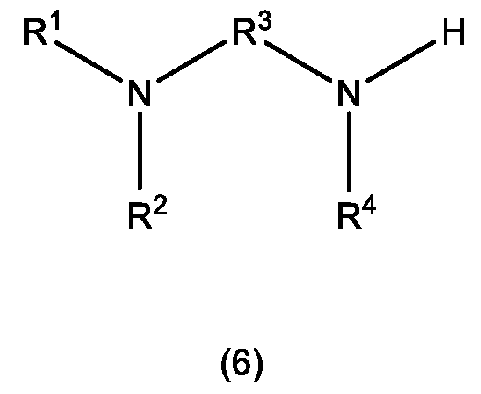








Claims


Priority Applications (2)
| Application Number | Priority Date | Filing Date | Title |
|---|---|---|---|
| CN202480037537.7A CN121263399A (en) | 2023-06-06 | 2024-06-06 | Nanoparticle compositions and related methods |
| EP24819685.9A EP4724419A1 (en) | 2023-06-06 | 2024-06-06 | A nanoparticle composition and related methods thereof |
Applications Claiming Priority (2)
| Application Number | Priority Date | Filing Date | Title |
|---|---|---|---|
| SG10202301594V | 2023-06-06 | ||
| SG10202301594V | 2023-06-06 |
Publications (1)
| Publication Number | Publication Date |
|---|---|
| WO2024253582A1 true WO2024253582A1 (en) | 2024-12-12 |
Family
ID=93794589
Family Applications (1)
| Application Number | Title | Priority Date | Filing Date |
|---|---|---|---|
| PCT/SG2024/050368 Ceased WO2024253582A1 (en) | 2023-06-06 | 2024-06-06 | A nanoparticle composition and related methods thereof |
Country Status (3)
| Country | Link |
|---|---|
| EP (1) | EP4724419A1 (en) |
| CN (1) | CN121263399A (en) |
| WO (1) | WO2024253582A1 (en) |
Citations (1)
| Publication number | Priority date | Publication date | Assignee | Title |
|---|---|---|---|---|
| WO2023091787A1 (en) * | 2021-11-22 | 2023-05-25 | Senda Biosciences, Inc. | Novel ionizable lipids and lipid nanoparticles and methods of using the same |
-
2024
- 2024-06-06 CN CN202480037537.7A patent/CN121263399A/en active Pending
- 2024-06-06 EP EP24819685.9A patent/EP4724419A1/en active Pending
- 2024-06-06 WO PCT/SG2024/050368 patent/WO2024253582A1/en not_active Ceased
Patent Citations (1)
| Publication number | Priority date | Publication date | Assignee | Title |
|---|---|---|---|---|
| WO2023091787A1 (en) * | 2021-11-22 | 2023-05-25 | Senda Biosciences, Inc. | Novel ionizable lipids and lipid nanoparticles and methods of using the same |
Non-Patent Citations (4)
| Title |
|---|
| DONG, Y. ET AL.: "Bisethylnorspermine Lipopolyamine as Potential Delivery Vector for Combination Drug/ Gene Anticancer Therapies", PHARMACEUTICAL RESEARCH, vol. 27, no. 9, 25 June 2010 (2010-06-25), pages 1927 - 1938, XP019828028, [retrieved on 20240805], DOI: 10.1007/S11095-010-0197-4 * |
| HOU, X. ET AL.: "Lipid nanoparticles for mRNA delivery", NATURE REVIEWS MATERIALS, vol. 6, 10 August 2021 (2021-08-10), pages 1078 - 1094, XP037634156, [retrieved on 20240805], DOI: 10.1038/S41578-021-00358-0 * |
| SUN, D. ET AL.: "Structure and Function of Cationic and Ionizable Lipids for Nucleic Acid Delivery", PHARMACEUTICAL RESEARCH, vol. 40, no. 1, 4 January 2023 (2023-01-04), pages 27 - 46, XP093155125, [retrieved on 20240805], DOI: 10.1007/S11095-022-03460-2 * |
| XU, Y. ET AL.: "Rational design and combinatorial chemistry of ionizable lipids for RNA delivery", JOURNAL OF MATERIALS CHEMISTRY B, vol. 11, no. 28, 5 June 2023 (2023-06-05), pages 6527 - 6539, XP093119335, [retrieved on 20240805], DOI: 10.1039/D3TB00649B * |
Also Published As
| Publication number | Publication date |
|---|---|
| EP4724419A1 (en) | 2026-04-15 |
| CN121263399A (en) | 2026-01-02 |
Similar Documents
| Publication | Publication Date | Title |
|---|---|---|
| US8192753B2 (en) | pH-sensitive cationic lipids, and liposomes and nanocapsules containing the same | |
| CN103906504B (en) | The method for preparing the lipidic nanoparticles for medicine delivery | |
| JP2023549011A (en) | Lipid formulations for gene editing | |
| AU2021329702B2 (en) | Lipid nanoparticle | |
| CN118434711A (en) | A highly efficient and low-toxic lipid delivery vector for DNA and RNA | |
| JP2026048786A (en) | Phenolic acid lipid-based cationic lipids | |
| CN114306279A (en) | Lipid nanoparticle system based on corosolic acid or its analogs, preparation method and application thereof | |
| CN118845700A (en) | Lipid nanoparticles for delivering nucleic acid drugs and preparation method and use thereof | |
| KR102465349B1 (en) | Novel Ionizable Lipids and Lipid Nanoparticles Comprising Thereof | |
| CN118852306A (en) | A steroid-cationic lipid compound and its application | |
| EP4671238A1 (en) | IONIZABLE LIPID WITH SULFIDE AND LIPIDNANOPARTICLES SO THAT | |
| CN118255678B (en) | Ionizable lipid compound and application thereof | |
| CN117623978A (en) | Biodegradable amino acid-derived ionizable lipids and preparation methods and applications thereof | |
| CN120359208A (en) | Ionizable lipids and uses thereof | |
| CN118178664A (en) | A lipid material for nucleic acid delivery and its use | |
| CN101015699A (en) | Polyethylene glycol-phosphatidyl ethanolamine polymer or medicinal acid addition salt and application thereof in pharmacy | |
| WO2024232832A1 (en) | A compound for preparing lipid nanoparticles encapsulating an agent, nanoparticle composition comprising said compound and related methods thereof | |
| EP4724419A1 (en) | A nanoparticle composition and related methods thereof | |
| Nóbrega et al. | Non-viral vectors for gene therapy | |
| WO2024181917A1 (en) | A compound for preparing lipid nanoparticles encapsulating an agent, nanoparticle composition comprising said compound and related methods thereof | |
| WO2025259188A1 (en) | A compound for preparing lipid nanoparticles encapsulating an agent, nanoparticle composition comprising said compound and related methods thereof | |
| WO2025090023A1 (en) | A compound for preparing lipid nanoparticles encapsulating an agent, nanoparticle composition comprising said compound, and related methods thereof | |
| WO2025048714A1 (en) | A compound for preparing lipid nanoparticles encapsulating an agent, nanoparticle composition comprising said compound and related methods thereof | |
| WO2025080209A1 (en) | A compound for preparing lipid nanoparticles encapsulating an agent, nanoparticle composition comprising said compound and related methods thereof | |
| CN121378377A (en) | Ionizable sterol derivatives for delivery of therapeutic agents and their uses |
Legal Events
| Date | Code | Title | Description |
|---|---|---|---|
| 121 | Ep: the epo has been informed by wipo that ep was designated in this application |
Ref document number: 24819685 Country of ref document: EP Kind code of ref document: A1 |
|
| WWE | Wipo information: entry into national phase |
Ref document number: 11202507329P Country of ref document: SG |
|
| WWP | Wipo information: published in national office |
Ref document number: 11202507329P Country of ref document: SG |
|
| WWE | Wipo information: entry into national phase |
Ref document number: 2024819685 Country of ref document: EP |
|
| NENP | Non-entry into the national phase |
Ref country code: DE |
|
| ENP | Entry into the national phase |
Ref document number: 2024819685 Country of ref document: EP Effective date: 20260107 |
|
| ENP | Entry into the national phase |
Ref document number: 2024819685 Country of ref document: EP Effective date: 20260107 |
|
| ENP | Entry into the national phase |
Ref document number: 2024819685 Country of ref document: EP Effective date: 20260107 |
|
| ENP | Entry into the national phase |
Ref document number: 2024819685 Country of ref document: EP Effective date: 20260107 |
|
| ENP | Entry into the national phase |
Ref document number: 2024819685 Country of ref document: EP Effective date: 20260107 |
|
| WWP | Wipo information: published in national office |
Ref document number: 2024819685 Country of ref document: EP |