WO2024252638A1 - 情報処理装置、情報処理方法、及びプログラム - Google Patents
情報処理装置、情報処理方法、及びプログラム Download PDFInfo
- Publication number
- WO2024252638A1 WO2024252638A1 PCT/JP2023/021426 JP2023021426W WO2024252638A1 WO 2024252638 A1 WO2024252638 A1 WO 2024252638A1 JP 2023021426 W JP2023021426 W JP 2023021426W WO 2024252638 A1 WO2024252638 A1 WO 2024252638A1
- Authority
- WO
- WIPO (PCT)
- Prior art keywords
- information
- words
- information processing
- unit
- processing device
- Prior art date
- Legal status (The legal status is an assumption and is not a legal conclusion. Google has not performed a legal analysis and makes no representation as to the accuracy of the status listed.)
- Ceased
Links
Images


Classifications
-
- G—PHYSICS
- G06—COMPUTING OR CALCULATING; COUNTING
- G06F—ELECTRIC DIGITAL DATA PROCESSING
- G06F16/00—Information retrieval; Database structures therefor; File system structures therefor
- G06F16/30—Information retrieval; Database structures therefor; File system structures therefor of unstructured textual data
Definitions
- the present invention relates to an information processing device, an information processing method, and a program.
- a text summarization device that summarizes the contents of texts (documents) collected by a user in accordance with the user's interests (see, for example, Patent Document 1).
- Non-Patent Document 1 There is also known technology that counts the frequency with which words that make up a sentence appear in collected information, and analyzes the topics and trends of the sentences based on the frequency of occurrence (see, for example, Non-Patent Document 1).
- information such as government documents, news releases, and media articles contain a large amount of descriptions about the future.
- the embodiment of the present invention has been made in consideration of the above problems, and provides an information processing device that can efficiently extract information that could be an important turning point for future scenarios from a large amount of information.
- an information processing device has a collection unit that collects multiple pieces of information that suggest the future, an analysis unit that performs morphological analysis on the multiple pieces of information and registers keywords and words related to the keywords as co-occurring words, an evaluation unit that calculates an evaluation value that indicates the extent to which the co-occurring words are contained in the input information, and an output unit that outputs a summary result in which information with an evaluation value equal to or greater than a predetermined value is summarized with the co-occurring words as a viewpoint.
- an information processing device that can efficiently extract information that could be an important turning point for future scenarios from a large amount of information.
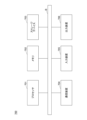
- FIG. 1 is a diagram illustrating an example of the configuration of an information processing device according to an embodiment of the present invention.
- FIG. 1 is a diagram for explaining an overview of a process according to the present embodiment.
- 6 is a flowchart illustrating an example of processing of the information processing device according to the present embodiment.
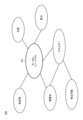
- FIG. 4 is a diagram for explaining co-occurring words according to the embodiment.
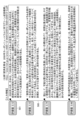
- 11A and 11B are diagrams showing an example of input information and evaluation values according to the present embodiment.
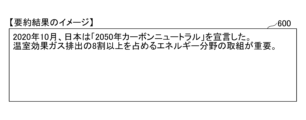
- FIG. 13 is a diagram showing an image of a summary result according to the embodiment.
- FIG. 2 is a diagram illustrating an example of a hardware configuration of a computer according to the present embodiment.
- ⁇ Configuration of information processing device> 1 is a diagram showing an example of the configuration of an information processing device according to this embodiment.
- the information processing device 100 is an information processing device having a computer configuration, or a system composed of multiple computers.
- the information processing device 100 realizes each functional configuration, such as an input unit 101, a collection unit 102, an analysis unit 103, an evaluation unit 104, a summary unit 105, and an output unit 106, by executing a predetermined program, for example. At least a part of each of the above functional configurations may be realized by hardware.
- the information processing device 100 stores a crawling DB (database) 111, a co-occurring word DB 112, etc., in a storage device or the like provided in the information processing device 100.
- the input unit 101 is an interface for inputting materials to be analyzed, keywords, setting information, etc., into the information processing device 100.
- the collection unit 102 executes a collection process to collect multiple pieces of information that suggest the future. For example, the collection unit 102 collects government documents, news releases, media information, etc. by web crawling, and stores them in the crawling DB 111, etc. The collection unit 102 also collects (extracts) multiple pieces of information from the collected information, such as descriptions of future plans or predictions, and various roadmaps.
- web crawling is a technique for crawling the web and collecting necessary information according to a purpose.
- a robot called a "web crawler (site crawler)" can roam around a web site and collect necessary information in a short amount of time.
- the analysis unit 103 performs morphological analysis on the multiple pieces of information collected by the collection unit 102, and executes an analysis process to register keywords and words related to the keywords as co-occurring words. For example, the analysis unit 103 performs morphological analysis on the multiple pieces of information collected by the collection unit 102, and quantifies the distance between words, thereby registering keywords related to the future and words related to the keywords as "co-occurring words" in the co-occurring word DB 112.
- co-occurring words are words that are often used together when a certain keyword appears.
- the evaluation unit 104 executes an evaluation process to calculate an evaluation value indicating how many co-occurring words are included in the input information. For example, the evaluation unit 104 uses the co-occurring word DB 112 to calculate an evaluation value that quantifies how many co-occurring words are included in the text of the input information to be analyzed, which has been entered by a user or the like, for each predetermined structural unit (e.g., sentence, paragraph, or section, etc.).
- the summarization unit 105 executes a summarization process that summarizes information (e.g., sentences, paragraphs, or sections) whose evaluation value calculated by the evaluation unit 104 is equal to or greater than a predetermined value, from the perspective of co-occurring words.
- information e.g., sentences, paragraphs, or sections
- the output unit 106 executes an output process to output a summary result in which the information whose evaluation value calculated by the evaluation unit 104 is equal to or greater than a predetermined value is summarized from the viewpoint of co-occurring words. For example, the output unit 106 outputs the summary result summarized by the summarization unit 105.
- the output unit 106 may use an external cloud service or the like to obtain a summary result in which information whose evaluation value calculated by the evaluation unit 104 is equal to or greater than a predetermined value is summarized from the perspective of co-occurring words.
- the information processing device 100 does not need to have a summarization unit 105.
- the crawling DB 111 is a database in which the collection unit 102 stores information collected by web crawling. The collection unit 102 periodically crawls the web based on the web information stored in the crawling DB 111, and updates the web information stored in the crawling DB 111.
- the co-occurring word DB 112 is a database in which the analysis unit 103 registers co-occurring words.
- each functional configuration of the information processing device 100 shown in FIG. 1 is one example.
- the crawling DB 111 or the co-occurring word DB 112 may be stored in a storage server external to the information processing device 100, or in cloud storage.
- each functional configuration of the information processing device 100 shown in FIG. 1 may be distributed across multiple computers.
- each functional configuration of the information processing device 100 is not limited to a physical computer, and may be realized by a program executed on a computer such as a virtual machine on a cloud server, for example.
- the collection unit 102 collects a plurality of pieces of information on the Web 201, such as descriptions of the future or various roadmaps, by Web crawling based on a keyword designated by the user (step S1).
- the analysis unit 103 uses the information collected by the collection unit 102 as teacher data to quantify the distance between the keyword and other words, and registers the information as a "co-occurring word" in the co-occurring word DB 112 (step S2).
- the evaluation unit 104 uses the co-occurring word DB 112 to calculate an evaluation value that quantitatively evaluates how many co-occurring words are included in the sentence of the input information 202 (step S3). Furthermore, the output unit 106 outputs a summary result 203 that summarizes sentences with an evaluation value calculated by the evaluation unit 104 that is equal to or greater than a predetermined value, with the co-occurring words being the viewpoint.
- FIG. 3 is a flowchart showing an example of processing by the information processing device according to this embodiment. This processing shows an example of specific processing of an information processing method executed by, for example, the information processing device 100 having the functional configurations described in FIG. 1.
- step S301 the collection unit 102 crawls the web and collects, for example, government documents, news releases, media information, etc.
- step S302 the collection unit 102 extracts information suggesting the future (e.g., future plans, future predictions, or roadmaps, etc.) from the collected information.
- future e.g., future plans, future predictions, or roadmaps, etc.
- the information processing device 100 retrieves multiple pieces of information suggesting the future from the Web using "carbon neutral" as a keyword in steps S301 and S302.
- step S303 the analysis unit 103 performs morphological analysis on the information extracted by the collection unit 102, and registers words that are likely to be used together with the keyword as "co-occurring words" in the co-occurring word DB 112.
- FIG. 4 is a diagram for explaining co-occurring words according to this embodiment.
- keyword 401 is "carbon neutral.”
- the analysis unit 103 registers the keyword 401 and words that are likely to be used together with keyword 401 (e.g., decarbonization, energy, hydrogen, storage battery, renewable, and wind power) as co-occurring words 400 in the co-occurring word DB 112.
- keyword 401 e.g., decarbonization, energy, hydrogen, storage battery, renewable, and wind power
- step S304 the evaluation unit 104 quantitatively evaluates how many "co-occurring words" are included in the sentence for each of the various pieces of input information.
- FIG. 5 is a diagram showing an image of input information and evaluation values according to this embodiment.
- Input information 500 is information to be analyzed (e.g., government documents, news releases, media articles, etc.) that is input by a user to information processing device 100.
- evaluation unit 104 calculates the probability that "co-occurring words" are included for each paragraph in the text included in input information 500, and sets this as evaluation value 501.
- evaluation unit 104 is not limited to calculating evaluation values for each paragraph, and may calculate evaluation values for each sentence, section, or page, for example.
- step S305 the output unit 106 outputs a summary result in which "co-occurring words" are specified as a viewpoint for a text (e.g., a sentence, a paragraph, or a section) whose evaluation value calculated by the evaluation unit 104 is equal to or greater than a predetermined value.
- the output unit 106 uses the summarization unit 105 or an external summarization service to summarize paragraphs whose evaluation value is equal to or greater than a predetermined value from among the input information 500 shown in FIG. 5, and outputs, as an example, a summary result 600 as shown in FIG. 6.
- the information processing device 100 can efficiently extract information that may be an important branching point of a future scenario from a large amount of information.
- ⁇ Hardware configuration example> Hard configuration of information processing device
- the information processing apparatus 100 has, for example, the hardware configuration of a computer 700 as shown in Fig. 5.
- the information processing apparatus 100 is configured by a plurality of computers 700.
- FIG. 7 is a diagram showing an example of the hardware configuration of a computer according to this embodiment.
- the information processing device 100 has, for example, the hardware configuration of a computer 700 as shown in FIG. 5.
- the computer 700 has a processor 701, a memory 702, a storage device 703, a communication device 704, an input device 705, an output device 706, and a bus B, etc.
- the processor 701 is, for example, an arithmetic device such as a CPU (Central Processing Unit) that realizes various functions by executing a specific program.
- the memory 702 is a storage medium readable by the computer 700, and includes, for example, a RAM (Random Access Memory) and a ROM (Read Only Memory).
- the storage device 703 is a computer-readable storage medium, and may include, for example, a HDD (Hard Disk Drive), an SSD (Solid State Drive), various optical disks, and magneto-optical disks.
- the communication device 704 includes one or more pieces of hardware (communication devices) for communicating with other devices via a wireless or wired network.
- the input device 705 is an input device (e.g., a keyboard, mouse, microphone, switch, button, sensor, etc.) that accepts input from the outside.
- the output device 706 is an output device (e.g., a display, speaker, LED lamp, etc.) that outputs to the outside.
- the input device 705 and the output device 706 may be integrated into one configuration (e.g., an input/output device such as a touch panel display).
- the bus B is commonly connected to each of the above components and transmits, for example, address signals, data signals, and various control signals.
- the processor 701 is not limited to a CPU, and may be, for example, a DSP (Digital Signal Processor), a PLD (Programmable Logic Device), or an FPGA (Field Programmable Gate Array).
- the information processing device 100 in this embodiment may be realized not only by a dedicated device but also by a general-purpose computer.
- a program for realizing this function may be recorded on a computer-readable recording medium, and the program recorded on the recording medium may be read into a computer system and executed to realize the function.
- the "computer system” here includes hardware such as an OS and peripheral devices.
- “computer-readable recording media” includes various storage devices such as portable media such as flexible disks, optical magnetic disks, ROMs, and CD-ROMs, as well as hard disks built into computer systems. Furthermore, “computer-readable recording media” may also include devices that dynamically hold a program for a short period of time, such as a communication line when transmitting a program via a network such as the Internet or a communication line such as a telephone line, and devices that hold a program for a certain period of time, such as volatile memory inside a computer system that serves as a server or client in such cases.
- the above program may be for realizing some of the functions described above, or may be capable of realizing the functions described above in combination with a program already recorded in the computer system, or may be realized using hardware such as a PLD (Programmable Logic Device) or FPGA (Field Programmable Gate Array).
- PLD Programmable Logic Device
- FPGA Field Programmable Gate Array
- This specification discloses at least the following information processing device, information processing method, and program.
- (Section 1) A collection department that collects multiple pieces of information that suggest the future, an analysis unit that performs morphological analysis on the plurality of pieces of information and registers keywords and words related to the keywords as co-occurring words; an evaluation unit that calculates an evaluation value indicating how much the co-occurring words are included in the input information; an output unit that outputs a summary result obtained by summarizing the information with an evaluation value equal to or greater than a predetermined value with respect to the co-occurring words; An information processing device having the above configuration.
- (Section 2) A collection department that collects multiple pieces of information that suggest the future, an analysis unit that performs morphological analysis on the plurality of pieces of information and registers keywords and words related to the keywords as co-occurring words; an evaluation unit that calculates an evaluation value indicating how much the co-occurring words are included in the input information; an output unit that outputs a summary result obtained by summar
- the information processing device collects the plurality of pieces of information, including government documents, news releases, or media information, by web crawling.
- the analysis unit registers, in a database, words that are likely to be used together with the keyword as the co-occurring words.
- the evaluation unit calculates the evaluation value for each predetermined unit of the input information,
- the output unit outputs the summary result obtained by summarizing the constituent units whose evaluation values are equal to or greater than a predetermined value. 4.
- the information processing device according to any one of claims 1 to 3.
- FIG. 5 An information processing device, A process of collecting multiple pieces of information that suggest the future; A process of performing a morphological analysis on the plurality of pieces of information and registering keywords and words related to the keywords as co-occurring words; A process of calculating an evaluation value indicating how much the co-occurring words are included in the input information to be analyzed; a process of outputting a summary result obtained by summarizing the information with an evaluation value equal to or greater than a predetermined value from the viewpoint of the co-occurring words; An information processing method.
- (Section 6) A process of collecting multiple pieces of information that suggest the future; A process of performing a morphological analysis on the plurality of pieces of information and registering keywords and words related to the keywords as co-occurring words; A process of calculating an evaluation value indicating how much the co-occurring words are included in the input information to be analyzed; a process of outputting a summary result obtained by summarizing the information with an evaluation value equal to or greater than a predetermined value from the viewpoint of the co-occurring words; A storage medium that stores a program that causes a computer to execute the program.
Landscapes
- Engineering & Computer Science (AREA)
- Theoretical Computer Science (AREA)
- Data Mining & Analysis (AREA)
- Databases & Information Systems (AREA)
- Physics & Mathematics (AREA)
- General Engineering & Computer Science (AREA)
- General Physics & Mathematics (AREA)
- Information Retrieval, Db Structures And Fs Structures Therefor (AREA)
Abstract
未来のシナリオの重要な分岐点となり得る情報を、大量の情報の中から効率的に抽出することができるように、情報処理装置は、未来を示唆する複数の情報を収集する収集部と、前記複数の情報を形態素解析して、キーワードと、前記キーワードに関連する単語とを共起ワードとして登録する分析部と、入力情報に対して、前記共起ワードがどれぐらい含まれているかを示す評価値を算出する評価部と、前記評価値が所定値以上の情報を、前記共起ワードを観点として要約した要約結果を出力する出力部と、を有する。
Description
本発明は、情報処理装置、情報処理方法、及びプログラムに関する。
ユーザが収集したテキスト(文書)等について、その内容を当該ユーザの関心に沿って要約するテキスト要約装置が知られている(例えば、特許文献1参照)。
また、収集した情報の中で、文章を構成する単語が出現する頻度をカウントし、その数の大小から文章の話題やトレンドを分析する技術が知られている(例えば、非特許文献1参照)。
"AIテキストマイニング by ユーザーローカル"、[平成5年6月1日検索]、インターネット、<URL:https://textmining.userlocal.jp/>
例えば、政府文書、ニュースリリース、又はメディア記事といった情報の中には、未来に関する記述が大量に含まれている。このような大量の情報の中から、例えば、未来のシナリオの重要な分岐点となりうる情報を効率的に抽出したいという要求がある。
しかし、従来の技術では、未来のシナリオの重要な分岐点となりうる情報を、大量の情報の中から効率的に抽出することはできないという課題がある。
本発明の実施形態は、上記の課題に鑑みてなされたものであって、未来のシナリオの重要な分岐点となり得る情報を、大量の情報の中から効率的に抽出することができる情報処理装置を提供する。
上記の課題を解決するため、本発明の実施形態に係る情報処理装置は、未来を示唆する複数の情報を収集する収集部と、前記複数の情報を形態素解析して、キーワードと、前記キーワードに関連する単語とを共起ワードとして登録する分析部と、入力情報に対して、前記共起ワードがどれぐらい含まれているかを示す評価値を算出する評価部と、前記評価値が所定値以上の情報を、前記共起ワードを観点として要約した要約結果を出力する出力部と、を有する。
本発明の実施形態によれば、未来のシナリオの重要な分岐点となり得る情報を、大量の情報の中から効率的に抽出することができる情報処理装置を提供することができる。
以下、図面を参照して本発明の実施の形態(本実施形態)を説明する。以下で説明する実施形態は一例に過ぎず、本発明が適用される実施形態は、以下の実施形態に限られない。
<情報処理装置の構成>
図1は、本実施形態に係る情報処理装置の構成例を示す図である。情報処理装置100は、コンピュータの構成を備えた情報処理装置、又は複数のコンピュータで構成されるシステムである。情報処理装置100は、例えば、所定のプログラムを実行することにより、入力部101、収集部102、分析部103、評価部104、要約部105、及び出力部106等の各機能構成を実現している。なお、上記の各機能構成のうち、少なくとも一部は、ハードウェアによって実現されるものであってもよい。
図1は、本実施形態に係る情報処理装置の構成例を示す図である。情報処理装置100は、コンピュータの構成を備えた情報処理装置、又は複数のコンピュータで構成されるシステムである。情報処理装置100は、例えば、所定のプログラムを実行することにより、入力部101、収集部102、分析部103、評価部104、要約部105、及び出力部106等の各機能構成を実現している。なお、上記の各機能構成のうち、少なくとも一部は、ハードウェアによって実現されるものであってもよい。
また、情報処理装置100は、例えば、情報処理装置100が備えるストレージデバイス等に、クローリングDB(Database)111、及び共起ワードDB112等を記憶している。
入力部101は、情報処理装置100に、分析対象となる資料、キーワード、及び設定情報等を入力するためのインタフェースである。
収集部102は、未来を示唆する複数の情報を収集する収集処理を実行する。例えば、収集部102は、Webクローリングにより、政府文書、ニュースリリース、又はメディア情報等を収集し、クローリングDB111等に記憶する。また、収集部102は、収集した情報の中から、未来の計画又は予測等に関する記述、及び各種のロードマップ等の複数の情報を収集(抽出)する。
ここで、Webクローリングとは、目的に応じてWeb上を巡回し必要な情報を収集する技術である。例えば、「Webクローラ(サイトクローラ)」と呼ばれるロボットがWebサイトを回遊し、短時間で必要な情報を収集することができる。
分析部103は、収集部102が収集した複数の情報を形態素解析して、キーワードと、当該キーワードに関連する単語とを共起ワードとして登録する分析処理を実行する。例えば、分析部103は、収集部102が収集した複数の情報を形態素解析して、単語間の距離を定量化することで、未来に関するキーワードと、当該キーワードに関連する単語を「共起ワード」として、共起ワードDB112に登録する。ここで、共起ワードとは、あるキーワードが出現する際に、同時に使われることが多い単語である。
評価部104は、入力情報に対して、共起ワードがどれぐらい含まれているかを示す評価値を算出する評価処理を実行する。例えば、評価部104は、共起ワードDB112を用いて、ユーザ等が入力した分析対象となる入力情報の文章中に、共起ワードがどれぐらい含まれるかを、所定の構成単位(例えば、文、段落、又はセクション等)ごとに定量化した評価値を算出する。
要約部105は、評価部104が算出した評価値が所定値以上の情報(例えば、文、段落、又はセクション等)を、共起ワードを観点として要約する要約処理を実行する。
出力部106は、評価部104が算出した評価値が所定値以上の情報を、共起ワードを観点として要約した要約結果を出力する出力処理を実行する。例えば、出力部106は、要約部105が要約した要約結果を出力する。
別の一例として、出力部106は、外部のクラウドサービス等を利用して、評価部104が算出した評価値が所定値以上の情報を、共起ワードを観点として要約した要約結果を取得してもよい。この場合、情報処理装置100は、要約部105を有していなくてもおい。
クローリングDB111は、収集部102が、Webクローリングで収集した情報を記憶するデータベースである。収集部102は、クローリングDB111に記憶したWeb情報に基づいて、定期的にWeb上を巡回し、クローリングDB111に記憶したWeb情報を更新する。共起ワードDB112は、分析部103が、共起ワードを登録するデータベースである。
なお、図1に示した、情報処理装置100の構成は一例である。例えば、クローリングDB111、又は共起ワードDB112は、情報処理装置100の外部のストレージサーバ、又はクラウドストレージ等に記憶されていてもよい。また、図1に示した、情報処理装置100の各機能構成は、複数のコンピュータに分散して設けられていてもよい。また、情報処理装置100の各機能構成は、物理コンピュータに限られず、例えば、クラウドサーバ上の仮想マシン等のコンピュータで実行されるプログラムによって実現されるものであってもよい。
(処理の概要)
図2は、本実施形態に係る処理の概要について説明するための図である。収集部102は、例えば、ユーザが指定したキーワードに基づいて、Webクローリングにより、未来に関する記述、又は各種のロードマップ等のWeb201上の複数の情報を収集する(ステップS1)。また、分析部103は、収集部102が収集した情報を教師データとして、キーワードと他の単語との間の距離を定量化し、「共起ワード」として共起ワードDB112に登録する(ステップS2)。
図2は、本実施形態に係る処理の概要について説明するための図である。収集部102は、例えば、ユーザが指定したキーワードに基づいて、Webクローリングにより、未来に関する記述、又は各種のロードマップ等のWeb201上の複数の情報を収集する(ステップS1)。また、分析部103は、収集部102が収集した情報を教師データとして、キーワードと他の単語との間の距離を定量化し、「共起ワード」として共起ワードDB112に登録する(ステップS2)。
続いて、評価部104は、共起ワードDB112を用いて、入力情報202の文章中に共起ワードがどれぐらい含まれるかを定量評価した評価値を算出する(ステップS3)。また、出力部106は、評価部104が算出した評価値が所定値以上の文章に対して、共起ワードを観点として要約した要約結果203を出力する。
これにより、情報処理装置100は、未来のシナリオの重要な分岐点となり得る情報を、大量の情報の中から効率的に抽出することができる。
<処理の流れ>
続いて、本実施形態に係る情報処理方法の処理の流れについて詳細に説明する。
続いて、本実施形態に係る情報処理方法の処理の流れについて詳細に説明する。
図3は、本実施形態に係る情報処理装置の処理の例を示すフローチャートである。この処理は、例えば、図1で説明した各機能構成を有する情報処理装置100が実行する情報処理方法の具体的な処理の一例を示している。
ステップS301において、収集部102は、Web上をクローリングし、例えば、政府文書、ニュースリリース、又はメディア情報等を収集する。
ステップS302において、収集部102は、収集した情報から、未来を示唆する情報(例えば、未来の計画、未来の予測、又はロードマップ等)を抽出する。
具体的な一例として、ユーザが、キーワード「カーボンニュートラル」を指定した場合、情報処理装置100は、ステップS301、S302において、Web上から、「カーボンニュートラル」をキーワードとして、未来を示唆する複数の情報を取得する。
ステップS303において、分析部103は、収集部102が抽出した情報を形態素解析し、キーワードと共に使用される確率が高い単語を「共起ワード」として、共起ワードDB112に登録する。
図4は、本実施形態に係る共起ワードについて説明するための図である。例えば、キーワード401が「カーボンニュートラル」であるものとする。この場合、分析部103は、キーワード401と共に使用される確率が高い単語(例えば、脱炭素、エネルギー、水素、蓄電池、再生可能、及び風力等)と、キーワード401とを、共起ワード400として共起ワードDB112に登録する。
ステップS304において、評価部104は、入力された様々な情報に対して、「共起ワード」が文章中にどれぐらい含まれるかを定量的に評価する。
図5は、本実施形態に係る入力情報、及び評価値のイメージを示す図である。入力情報500は、ユーザが情報処理装置100に入力する分析対象となる情報(例えば、政府文書、ニュースリリース、又はメディア記事等)である。図5の例では、評価部104は、入力情報500に含まれる文章に対して、段落ごとに「共起ワード」が含まれる確率を算出し、評価値501としている。なお、評価部104は、段落ごとに限られず、例えば、文ごと、セクションごと、又はページごとに、評価値を算出してもよい。
ステップS305において、出力部106は、評価部104が算出した評価値が所定値以上の文章(例えば、文、段落、又はセクション等)に対して、「共起ワード」を観点として指定した要約結果を出力する。例えば、出力部106は、要約部105、又は外部の要約サービス等を利用して、図5に示すような入力情報500のうち、評価値が所定値以上の段落を要約して、一例として、図6に示すような要約結果600を出力する。
図3の処理により、情報処理装置100は、未来のシナリオの重要な分岐点となり得る情報を、大量の情報の中から効率的に抽出することができる
<ハードウェア構成例>
(情報処理装置のハードウェア構成)
情報処理装置100は、例えば、図5に示すようなコンピュータ700のハードウェア構成を有している。或いは、情報処理装置100は、複数のコンピュータ700によって構成される。
<ハードウェア構成例>
(情報処理装置のハードウェア構成)
情報処理装置100は、例えば、図5に示すようなコンピュータ700のハードウェア構成を有している。或いは、情報処理装置100は、複数のコンピュータ700によって構成される。
図7は、本実施形態に係るコンピュータのハードウェア構成の例を示す図である。情報処理装置100は、例えば、図5に示すようなコンピュータ700のハードウェア構成を有している。図7の例では、コンピュータ700は、プロセッサ701、メモリ702、ストレージデバイス703、通信装置704、入力装置705、出力装置706、及びバスB等を有する。
プロセッサ701は、例えば、所定のプログラムを実行することにより、様々な機能を実現するCPU(Central Processing Unit)等の演算装置である。メモリ702は、コンピュータ700が読み取り可能な記憶媒体であり、例えば、RAM(Random Access Memory)、ROM(Read Only Memory)等を含む。ストレージデバイス703は、コンピュータ読み取り可能な記憶媒体であり、例えば、HDD(Hard Disk Drive)、SSD(Solid State Drive)、各種の光ディスク、及び光磁気ディスク等を含み得る。
通信装置704は、無線、又は有線のネットワークを介して他の装置と通信を行うための1つ以上のハードウェア(通信デバイス)を含む。入力装置705は、外部からの入力を受け付ける入力デバイス(例えば、キーボード、マウス、マイクロフォン、スイッチ、ボタン、センサ等)である。出力装置706は、外部への出力を実施する出力デバイス(例えば、ディスプレイ、スピーカ、LEDランプ等)である。なお、入力装置705と出力装置706とは、一体となった構成(例えば、タッチパネルディスプレイ等の入出力装置)であってもよい。
バスBは、上記の各構成要素に共通に接続され、例えば、アドレス信号、データ信号、及び各種の制御信号等を伝送する。なお、プロセッサ701は、CPUに限られず、例えば、DSP(Digital Signal Processor)、PLD(Programmable Logic Device)、又はFPGA(Field Programmable Gate Array)等であってもよい。
(補足)
本実施形態における情報処理装置100は、専用装置による実現に限らず、汎用コンピュータで実現するようにしてもよい。その場合、この機能を実現するためのプログラムをコンピュータ読み取り可能な記録媒体に記録して、この記録媒体に記録されたプログラムをコンピュータシステムに読み込ませ、実行することによって実現してもよい。なお、ここでいう「コンピュータシステム」とは、OSや周辺機器等のハードウェアを含むものとする。
本実施形態における情報処理装置100は、専用装置による実現に限らず、汎用コンピュータで実現するようにしてもよい。その場合、この機能を実現するためのプログラムをコンピュータ読み取り可能な記録媒体に記録して、この記録媒体に記録されたプログラムをコンピュータシステムに読み込ませ、実行することによって実現してもよい。なお、ここでいう「コンピュータシステム」とは、OSや周辺機器等のハードウェアを含むものとする。
また、「コンピュータ読み取り可能な記録媒体」とは、フレキシブルディスク、光磁気ディスク、ROM、CD-ROM等の可搬媒体、コンピュータシステムに内蔵されるハードディスク等の様々な記憶装置を含む。さらに「コンピュータ読み取り可能な記録媒体」とは、インターネット等のネットワークや電話回線等の通信回線を介してプログラムを送信する場合の通信線のように、短時間の間、動的にプログラムを保持するもの、その場合のサーバやクライアントとなるコンピュータシステム内部の揮発性メモリのように、一定時間プログラムを保持しているものも含んでもよい。
また上記プログラムは、前述した機能の一部を実現するためのものであっても良く、さらに前述した機能をコンピュータシステムにすでに記録されているプログラムとの組み合わせで実現できるものであっても良く、PLD(Programmable Logic Device)やFPGA(Field Programmable Gate Array)等のハードウェアを用いて実現されるものであってもよい。
<実施形態の効果>
本実施形態によれば、未来のシナリオの重要な分岐点となり得る情報を、大量の情報の中から効率的に抽出することができる情報処理装置を提供することができる。
本実施形態によれば、未来のシナリオの重要な分岐点となり得る情報を、大量の情報の中から効率的に抽出することができる情報処理装置を提供することができる。
<実施形態のまとめ>
本明細書には、少なくとも下記各項の情報処理装置、情報処理方法、及びプログラムが開示されている。
(第1項)
未来を示唆する複数の情報を収集する収集部と、
前記複数の情報を形態素解析して、キーワードと、前記キーワードに関連する単語とを共起ワードとして登録する分析部と、
入力情報に対して、前記共起ワードがどれぐらい含まれているかを示す評価値を算出する評価部と、
前記評価値が所定値以上の情報を、前記共起ワードを観点として要約した要約結果を出力する出力部と、
を有する、情報処理装置。
(第2項)
前記収集部は、Webクローリングにより、政府文書、ニュースリリース、又はメディア情報を含む前記複数の情報を収集する、第1項に記載の情報処理装置。
(第3項)
前記分析部は、前記キーワードと共に使用される確率が高い単語を前記共起ワードとしてデータベースに登録する、第1項又は第2項に記載の情報処理装置。
(第4項)
前記評価部は、前記入力情報の所定の構成単位ごとに、前記評価値を算出し、
前記出力部は、前記評価値が所定値以上の前記構成単位を要約した前記要約結果を出力する、
第1項~第3項のいずれかに記載の情報処理装置。
(第5項)
情報処理装置が、
未来を示唆する複数の情報を収集する処理と、
前記複数の情報を形態素解析して、キーワードと、前記キーワードに関連する単語とを共起ワードとして登録する処理と、
分析対象となる入力情報に対して、前記共起ワードがどれぐらい含まれているかを示す評価値を算出する処理と、
前記評価値が所定値以上の情報を、前記共起ワードを観点として要約した要約結果を出力する処理と、
を実行する、情報処理方法。
(第6項)
未来を示唆する複数の情報を収集する処理と、
前記複数の情報を形態素解析して、キーワードと、前記キーワードに関連する単語とを共起ワードとして登録する処理と、
分析対象となる入力情報に対して、前記共起ワードがどれぐらい含まれているかを示す評価値を算出する処理と、
前記評価値が所定値以上の情報を、前記共起ワードを観点として要約した要約結果を出力する処理と、
をコンピュータに実行させる、プログラムを記憶した記憶媒体。
本明細書には、少なくとも下記各項の情報処理装置、情報処理方法、及びプログラムが開示されている。
(第1項)
未来を示唆する複数の情報を収集する収集部と、
前記複数の情報を形態素解析して、キーワードと、前記キーワードに関連する単語とを共起ワードとして登録する分析部と、
入力情報に対して、前記共起ワードがどれぐらい含まれているかを示す評価値を算出する評価部と、
前記評価値が所定値以上の情報を、前記共起ワードを観点として要約した要約結果を出力する出力部と、
を有する、情報処理装置。
(第2項)
前記収集部は、Webクローリングにより、政府文書、ニュースリリース、又はメディア情報を含む前記複数の情報を収集する、第1項に記載の情報処理装置。
(第3項)
前記分析部は、前記キーワードと共に使用される確率が高い単語を前記共起ワードとしてデータベースに登録する、第1項又は第2項に記載の情報処理装置。
(第4項)
前記評価部は、前記入力情報の所定の構成単位ごとに、前記評価値を算出し、
前記出力部は、前記評価値が所定値以上の前記構成単位を要約した前記要約結果を出力する、
第1項~第3項のいずれかに記載の情報処理装置。
(第5項)
情報処理装置が、
未来を示唆する複数の情報を収集する処理と、
前記複数の情報を形態素解析して、キーワードと、前記キーワードに関連する単語とを共起ワードとして登録する処理と、
分析対象となる入力情報に対して、前記共起ワードがどれぐらい含まれているかを示す評価値を算出する処理と、
前記評価値が所定値以上の情報を、前記共起ワードを観点として要約した要約結果を出力する処理と、
を実行する、情報処理方法。
(第6項)
未来を示唆する複数の情報を収集する処理と、
前記複数の情報を形態素解析して、キーワードと、前記キーワードに関連する単語とを共起ワードとして登録する処理と、
分析対象となる入力情報に対して、前記共起ワードがどれぐらい含まれているかを示す評価値を算出する処理と、
前記評価値が所定値以上の情報を、前記共起ワードを観点として要約した要約結果を出力する処理と、
をコンピュータに実行させる、プログラムを記憶した記憶媒体。
以上、本実施形態について説明したが、本発明はかかる特定の実施形態に限定されるものではなく、特許請求の範囲に記載された本発明の要旨の範囲内において、種々の変形・変更が可能である。
100 情報処理装置
102 収集部
103 分析部
104 評価部
106 出力部
112 共起ワードDB(データベース)
700 コンピュータ
102 収集部
103 分析部
104 評価部
106 出力部
112 共起ワードDB(データベース)
700 コンピュータ
Claims (6)
- 未来を示唆する複数の情報を収集する収集部と、
前記複数の情報を形態素解析して、キーワードと、前記キーワードに関連する単語とを共起ワードとして登録する分析部と、
入力情報に対して、前記共起ワードがどれぐらい含まれているかを示す評価値を算出する評価部と、
前記評価値が所定値以上の情報を、前記共起ワードを観点として要約した要約結果を出力する出力部と、
を有する、情報処理装置。 - 前記収集部は、Webクローリングにより、政府文書、ニュースリリース、又はメディア情報を含む前記複数の情報を収集する、請求項1に記載の情報処理装置。
- 前記分析部は、前記キーワードと共に使用される確率が高い単語を前記共起ワードとしてデータベースに登録する、請求項1に記載の情報処理装置。
- 前記評価部は、前記入力情報の所定の構成単位ごとに、前記評価値を算出し、
前記出力部は、前記評価値が所定値以上の前記構成単位を要約した前記要約結果を出力する、
請求項1乃至3のいずれか一項に記載の情報処理装置。 - 情報処理装置が、
未来を示唆する複数の情報を収集する処理と、
前記複数の情報を形態素解析して、キーワードと、前記キーワードに関連する単語とを共起ワードとして登録する処理と、
分析対象となる入力情報に対して、前記共起ワードがどれぐらい含まれているかを示す評価値を算出する処理と、
前記評価値が所定値以上の情報を、前記共起ワードを観点として要約した要約結果を出力する処理と、
を実行する、情報処理方法。 - 未来を示唆する複数の情報を収集する処理と、
前記複数の情報を形態素解析して、キーワードと、前記キーワードに関連する単語とを共起ワードとして登録する処理と、
分析対象となる入力情報に対して、前記共起ワードがどれぐらい含まれているかを示す評価値を算出する処理と、
前記評価値が所定値以上の情報を、前記共起ワードを観点として要約した要約結果を出力する処理と、
をコンピュータに実行させる、プログラム。
Priority Applications (2)
| Application Number | Priority Date | Filing Date | Title |
|---|---|---|---|
| PCT/JP2023/021426 WO2024252638A1 (ja) | 2023-06-08 | 2023-06-08 | 情報処理装置、情報処理方法、及びプログラム |
| JP2025525883A JPWO2024252638A1 (ja) | 2023-06-08 | 2023-06-08 |
Applications Claiming Priority (1)
| Application Number | Priority Date | Filing Date | Title |
|---|---|---|---|
| PCT/JP2023/021426 WO2024252638A1 (ja) | 2023-06-08 | 2023-06-08 | 情報処理装置、情報処理方法、及びプログラム |
Publications (1)
| Publication Number | Publication Date |
|---|---|
| WO2024252638A1 true WO2024252638A1 (ja) | 2024-12-12 |
Family
ID=93795696
Family Applications (1)
| Application Number | Title | Priority Date | Filing Date |
|---|---|---|---|
| PCT/JP2023/021426 Ceased WO2024252638A1 (ja) | 2023-06-08 | 2023-06-08 | 情報処理装置、情報処理方法、及びプログラム |
Country Status (2)
| Country | Link |
|---|---|
| JP (1) | JPWO2024252638A1 (ja) |
| WO (1) | WO2024252638A1 (ja) |
Citations (2)
| Publication number | Priority date | Publication date | Assignee | Title |
|---|---|---|---|---|
| JP2010128677A (ja) * | 2008-11-26 | 2010-06-10 | Nippon Telegr & Teleph Corp <Ntt> | テキスト要約装置、その方法およびプログラム |
| JP2019212083A (ja) * | 2018-06-06 | 2019-12-12 | Zホールディングス株式会社 | 情報提供装置、情報提供方法、およびプログラム |
-
2023
- 2023-06-08 WO PCT/JP2023/021426 patent/WO2024252638A1/ja not_active Ceased
- 2023-06-08 JP JP2025525883A patent/JPWO2024252638A1/ja active Pending
Patent Citations (2)
| Publication number | Priority date | Publication date | Assignee | Title |
|---|---|---|---|---|
| JP2010128677A (ja) * | 2008-11-26 | 2010-06-10 | Nippon Telegr & Teleph Corp <Ntt> | テキスト要約装置、その方法およびプログラム |
| JP2019212083A (ja) * | 2018-06-06 | 2019-12-12 | Zホールディングス株式会社 | 情報提供装置、情報提供方法、およびプログラム |
Also Published As
| Publication number | Publication date |
|---|---|
| JPWO2024252638A1 (ja) | 2024-12-12 |
Similar Documents
| Publication | Publication Date | Title |
|---|---|---|
| CN110457439B (zh) | 一站式智能写作辅助方法、装置和系统 | |
| US10360307B2 (en) | Automated ontology building | |
| AU2017345199B2 (en) | Methods and systems for identifying a level of similarity between a plurality of data representations | |
| US9318027B2 (en) | Caching natural language questions and results in a question and answer system | |
| US20160299955A1 (en) | Text mining system and tool | |
| US20160085740A1 (en) | Generating training data for disambiguation | |
| WO2022106538A1 (en) | Methods and systems for reuse of data item fingerprints in generation of semantic maps | |
| US20190005120A1 (en) | System for determination of automated response follow-up | |
| US20200118022A1 (en) | Determining Comprehensiveness of Question Paper Given Syllabus | |
| US20150356456A1 (en) | Real-Time or Frequent Ingestion by Running Pipeline in Order of Effectiveness | |
| US10210193B2 (en) | Ingestion plan based on table uniqueness | |
| Senekal et al. | Open source intelligence (OSINT) for conflict monitoring in contemporary South Africa: Challenges and opportunities in a big data context | |
| CN114064859A (zh) | 知识抽取方法、装置、设备、介质和程序产品 | |
| US9916375B2 (en) | Extraction of concept-based summaries from documents | |
| US20120323918A1 (en) | Method and system for document clustering | |
| Riadsolh et al. | Cloud-Based Sentiment Analysis for Measuring Customer Satisfaction in the Moroccan Banking Sector Using Na? ve Bayes and Stanford NLP | |
| CN111126034B (zh) | 医学变量关系的处理方法及装置、计算机介质和电子设备 | |
| WO2024252638A1 (ja) | 情報処理装置、情報処理方法、及びプログラム | |
| CN110096692B (zh) | 一种语义信息处理方法和装置 | |
| US9558269B2 (en) | Extracting and mining of quote data across multiple languages | |
| Moharil et al. | Integrated Feedback Analysis And Moderation Platform Using Natural Language Processing | |
| CN118656829B (zh) | 接口路径信息的处理方法及装置、存储介质及电子设备 | |
| CN111222918A (zh) | 关键词挖掘方法、装置、电子设备及存储介质 | |
| Yaqub et al. | Analysis of COVID-19 Gov PK app user reviews to determine online privacy concerns of Pakistani citizens | |
| Juneja et al. | Summarization and Analysis of Text Using Network Theory |
Legal Events
| Date | Code | Title | Description |
|---|---|---|---|
| 121 | Ep: the epo has been informed by wipo that ep was designated in this application |
Ref document number: 23940736 Country of ref document: EP Kind code of ref document: A1 |
|
| ENP | Entry into the national phase |
Ref document number: 2025525883 Country of ref document: JP Kind code of ref document: A |
|
| NENP | Non-entry into the national phase |
Ref country code: DE |