WO2024252636A1 - 情報処理装置、情報処理方法、及びプログラム - Google Patents
情報処理装置、情報処理方法、及びプログラム Download PDFInfo
- Publication number
- WO2024252636A1 WO2024252636A1 PCT/JP2023/021423 JP2023021423W WO2024252636A1 WO 2024252636 A1 WO2024252636 A1 WO 2024252636A1 JP 2023021423 W JP2023021423 W JP 2023021423W WO 2024252636 A1 WO2024252636 A1 WO 2024252636A1
- Authority
- WO
- WIPO (PCT)
- Prior art keywords
- data
- learning
- communication
- unit
- feature
- Prior art date
- Legal status (The legal status is an assumption and is not a legal conclusion. Google has not performed a legal analysis and makes no representation as to the accuracy of the status listed.)
- Ceased
Links
Images



Classifications
-
- H—ELECTRICITY
- H04—ELECTRIC COMMUNICATION TECHNIQUE
- H04L—TRANSMISSION OF DIGITAL INFORMATION, e.g. TELEGRAPHIC COMMUNICATION
- H04L43/00—Arrangements for monitoring or testing data switching networks
- H04L43/04—Processing captured monitoring data, e.g. for logfile generation
Definitions
- This disclosure relates to an information processing device, an information processing method, and a program.
- the bandwidth of a link that accommodates one or more communication lines is designed based on the contracted bandwidth, which is the upper limit of the communication speed according to the contract, for each of one or more communication lines that transmit information transmitted and received by multiple communication devices.
- the number of communication lines accommodated in the link and the contracted bandwidth of each communication line may change over time.
- communication data volume measurements which are the amount of communication data sent and received per unit time (e.g., 1 second) by multiple communication devices via their respective communication ports, and to design the link bandwidth based on the communication data volume measurements so that communication quality is guaranteed (so that communication data is not discarded).
- communication quality is guaranteed (so that communication data is not discarded).
- the bandwidth of a link is designed to be the sum of the contracted bandwidths of all the communication lines accommodated in the link in order to ensure quality, the bandwidth utilization efficiency will be low if the utilization rate of many of the multiple communication lines is low.
- Patent Document 1 discloses a technology that guarantees the communication quality of each of multiple communication lines accommodated in a link and suppresses a decrease in bandwidth utilization efficiency.
- a model is learned that outputs a probability density distribution function of the communication data volume measurement value per unit time during the period when the contracted bandwidth for the period (design period) in which communication will be performed from now on is input.
- the model is optimized so that the output value of the objective function including a term for optimizing the probability density distribution function is reduced based on the contracted bandwidth of each communication line during the observation period and the communication data volume measurement value for the link. Then, when the probability density distribution function is estimated using the model, the link bandwidth per unit time is estimated based on the probability density distribution function so that communication on the link is guaranteed with a predetermined probability.
- Patent Document 1 there was a demand for providing learning data that would enable a learning model (model) to learn with high accuracy while reducing the time required for learning.
- the purpose of this disclosure is to provide an information processing device, information processing method, and program that provide learning data that enables a learning model to learn with high accuracy while reducing the time required for learning.
- the information processing device includes a communication interface unit that receives communication data volume measurement value data indicating a communication data volume measurement value of a link including one or more communication lines for each measurement unit time during a period in which communication is performed, and line data including a contracted bandwidth for each of the one or more communication lines, a first calculation unit that generates a predetermined number of patterns of feature data related to the contracted bandwidth, the feature data including a mutually different number of feature values, and a first learning model for the predetermined number of patterns that learns each of the predetermined number of patterns of feature data and the communication data volume corresponding to each of the feature data for each first unit time, and calculates a first prediction accuracy for each of the predetermined number of first learning models.
- a second calculation unit a third calculation unit that determines whether the first prediction accuracy is equal to or greater than a predetermined accuracy threshold; a fourth calculation unit that generates, for each of a plurality of second unit times, a plurality of learning data including feature data trained by the first learning model whose first prediction accuracy is determined to be equal to or greater than the predetermined accuracy threshold, and a communication data amount corresponding to the feature data, and trains the plurality of learning data in a plurality of second learning models, respectively, and calculates a second prediction accuracy of each of the plurality of second learning models; and a selection unit that selects one of the plurality of learning data based on the second prediction accuracy.
- the information processing method disclosed herein is an information processing method executed by an information processing device, and includes the steps of receiving communication data volume measurement value data indicating communication data volume measurement values of a link including one or more communication lines for each measurement unit time during a period in which communication is performed, and line data including a contracted bandwidth for each of the one or more communication lines, generating a predetermined number of patterns of feature data related to the contracted bandwidth, the feature data including a mutually different number of features, and training a first learning model for the predetermined number of patterns with each of the predetermined number of patterns of feature data and the communication data volume corresponding to each of the feature data for each first unit time, and training each of the predetermined number of patterns of first learning models.
- the method includes the steps of: calculating a first prediction accuracy; judging whether the first prediction accuracy is equal to or greater than a predetermined accuracy threshold; defining a plurality of mutually different times that are equal to or less than the first unit time as second unit times; generating a plurality of learning data including feature data trained by a learning model whose first prediction accuracy is determined to be equal to or greater than the predetermined accuracy threshold for each of the second unit times, and a communication data amount corresponding to the feature data; training the plurality of learning data in a plurality of second learning models, respectively, and calculating a second prediction accuracy for each of the plurality of second learning models; and selecting one of the plurality of learning data based on the second prediction accuracy.
- the program disclosed herein causes a computer to function as the information processing device described above.
- the information processing device, information processing method, and program disclosed herein can provide learning data that enables a learning model to learn with high accuracy while reducing the time required for learning.
- FIG. 1 is a block diagram illustrating an example of a functional configuration of a communication system that transmits line data to an information processing device according to an embodiment of the present disclosure.
- FIG. 2 is a schematic diagram illustrating an example of line data.
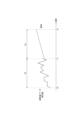
- 1A and 1B are diagrams illustrating an example of measured values of communication data volume during an observation period and an example of bandwidth during a design period.
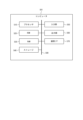
- FIG. 2 is a block diagram illustrating an example of a functional configuration of an information processing device according to an embodiment of the present disclosure.
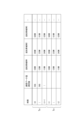
- FIG. 4 is a schematic diagram showing an example of feature amount data of a predetermined number of patterns.
- FIG. 11 is a diagram illustrating an example of learning data including feature amount data and communication data amount for each second unit time that are different from each other. 4 is a flowchart showing an example of an operation of the information processing device shown in FIG. 1 .
- FIG. 2 is a hardware block diagram of the information processing device.
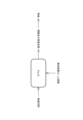
- FIG. 1 is a diagram for explaining input and output in a conventional model.
- the information processing device 1 receives line data in communication by a communication system 3 as shown in FIG. 1 from the communication system 3.
- the line data will be described in detail later.
- the communication system 3 includes a plurality of communication devices 31 and 32, a link 33, and a storage device 34.
- the multiple communication devices 31 and 32 each have a communication port 31a and a communication port 32a, and transmit and receive information via the communication port 31a and the communication port 32a, respectively.
- Link 33 is an information transmission path for multiple communication devices 31 and communication devices 32 to communicate with each other.
- Link 33 includes one or more communication lines 331.
- Communication line 331 transmits information transmitted from multiple communication devices 31 and communication devices 32. Specifically, communication line 331 transmits information transmitted from communication device 31 to communication device 32, and transmits information transmitted from communication device 32 to communication device 31. Note that information transmitted by each of communication devices 31 and 32 may be transmitted by any one of one or more communication lines 331.
- the storage device 34 is configured to include a memory.
- the memory may be a HDD (Hard Disk Drive), SSD (Solid State Drive), EEPROM (Electrically Erasable Programmable Read-Only Memory), ROM (Read Only Memory), RAM (Random Access Memory), or the like.
- the storage device 34 stores line data.
- the line data includes communication data volume measurement value data indicating the communication data volume measurement value of the link 33 including one or more communication lines 331 for each measurement unit time during the period when communication was performed (observation period Tx), as shown in Figures 2 and 3, and the contracted bandwidth BWj (j is an integer) of each of the one or more communication lines.
- the line data may also include the contracted bandwidth for each measurement unit time of the link 33 including one or more communication lines 331 during a design period Tv after the observation period Tx.
- the information processing device 1 includes a communication interface unit (communication I/F unit) 11 , an input unit 12 , a calculation processing unit 13 , a storage unit 14 , an output unit 15 , and a data bus 16 .
- the communication interface unit 11 is configured by a communication interface.
- standards such as Ethernet (registered trademark), FDDI (Fiber Distributed Data Interface), and Wi-Fi (registered trademark) may be used for the communication interface.
- the input unit 12 is configured by an input interface.
- the input interface is, for example, a physical key, a capacitive key, a pointing device, a touch screen integrated with a display, or a microphone.
- the calculation processing unit 13 is configured by a controller.
- the controller may be configured by dedicated hardware such as an ASIC (Application Specific Integrated Circuit) or an FPGA (Field-Programmable Gate Array), or may be configured by a processor, or may be configured to include both.
- the storage unit 14 is configured by a memory.
- the output unit 15 is configured by an output interface.
- the output interface may be, for example, a display or a speaker.
- the output interface may include a communication interface.
- the communication interface unit 11 receives line data.
- the line data includes communication data volume measurement data indicating the communication data volume measurement value of the link 33 including one or more communication lines 331 for each measurement unit time during the period when communication was performed (observation period Tx), and the contracted bandwidth BWj of each of the one or more communication lines.
- the communication interface unit 11 can also receive line data from the storage device 34.
- the communication interface unit 11 may also receive line data including the contracted bandwidth for each measurement unit time for the link 33 including one or more communication lines 331 during the design period Tv after the observation period Tx.
- the input unit 12 may accept input of parameters, programs, etc. input by an operator.
- the input unit 12 may also accept input of parameters, programs, etc. output by a network controller, etc.
- the input unit 12 can accept the input of a predetermined number of patterns N.
- the predetermined number of patterns N is the number of feature data generated by the first calculation unit 131 of the calculation processing unit 13, which will be described in detail later.
- the input unit 12 can accept the input of a threshold value.
- the threshold value is a value used when the calculation processing unit 13, which will be described in detail later, determines the accuracy of the learning model.
- the calculation processing unit 13 has a first calculation unit 131, a second calculation unit 132, a third calculation unit 133, a fourth calculation unit 134, a fifth calculation unit 135, and a selection unit 136.
- the first calculation unit 131 generates a predetermined number N of patterns of feature data including a different number of features related to the contracted bandwidth BWj included in the line data received by the communication interface unit 11.
- the feature can be an amount representing a feature related to the contracted bandwidth BWj.
- the feature may be an amount representing a feature related to the contracted bandwidth BWj and information other than the contracted bandwidth BWj (e.g., communication data volume measurement data).
- the predetermined number N of patterns may be a predetermined value, and the input may be accepted by the input unit 12.
- the first calculation unit 131 can generate feature data using an existing feature engineering method such as one-hot encoding.
- the first calculation unit 131 generates feature data for pattern P1 including 10 feature amounts from feature amount F1 to feature amount F10, generates feature data for pattern P2 including 20 feature amounts from feature amount F1 to feature amount F20, and generates feature data for pattern PN (N is an integer) including 100 feature amounts from feature amount F1 to feature amount F100.
- the first calculation unit 131 can generate feature data for pattern PK (K is an integer from 1 to N) including a set number of feature amounts, not limited to 10, 20, or 100.
- the second calculation unit 132 trains a first learning model of a predetermined number of patterns N on each of the feature data generated by the first calculation unit 131 for each first unit time and the communication data amount corresponding to each of the feature data.
- the first unit time may be set arbitrarily. The longer the first unit time, the shorter the time required for learning by the first learning model.
- the first unit time may be, for example, several hours.
- the corresponding communication data amount may be calculated based on the communication data amount measurement value corresponding to the contract bandwidth BWj included in the line data used to generate the feature data.
- the communication data amount may be a statistical value of the communication data amount measurement value within the first unit time.
- the statistical value may be appropriately selected depending on the application, and may be, for example, an average value, a sum value, a maximum value, or a maximum value excluding outliers.
- the second calculation unit 132 may train a plurality of learning models on each of the feature data of the predetermined number of patterns N and the communication data amount corresponding to the feature data, using known early stopping.
- the second calculation unit 132 also calculates the first prediction accuracy of each of the first learning models of the predetermined number of patterns N. Specifically, the second calculation unit 132 predicts the communication data amount based on the feature amount data, using the learning models of the predetermined number of patterns N that have been made to learn the relationship between each of the feature amount data of the predetermined number of patterns N and the corresponding communication data amount. Specifically, the second calculation unit 132 inputs feature amount data whose corresponding communication data amount is known to each of the first learning models, and causes each of the first learning models to output the communication data amount. Then, the second calculation unit 132 calculates the first prediction accuracy of the first learning model by comparing the communication data amount predicted by the first learning model with the known communication data amount.
- the second calculation unit 132 may predict the communication data amount measurement value using the feature amount data made to learn the first learning model and a part of the teacher data that is the communication data amount corresponding to the feature amount data, and calculate the first prediction accuracy.
- the first prediction accuracy may be an error of the communication data amount predicted by the first learning model with respect to the known communication data amount.
- the third calculation unit 133 determines whether the first prediction accuracy calculated by the second calculation unit 132 is equal to or greater than a predetermined accuracy threshold. Specifically, the third calculation unit 133 determines whether any of the first prediction accuracy is equal to or greater than a predetermined accuracy threshold. The third calculation unit 133 may determine whether the error of the communication data volume measurement value predicted by the first learning model with respect to the known communication data volume measurement value is less than a predetermined error threshold. Without being limited thereto, the third calculation unit 133 can determine whether the first prediction accuracy is less than the predetermined accuracy threshold by any method.
- the third calculation unit 133 determines that any of the first prediction accuracies is less than the predetermined accuracy threshold, the first calculation unit 131 and the second calculation unit 132 execute the process again. At this time, the first calculation unit 131 generates feature amount data of a predetermined number N of patterns that is different from the feature amount data already generated. Furthermore, if the third calculation unit 133 determines that any of the first prediction accuracies is equal to or greater than the predetermined accuracy threshold, the fourth calculation unit 134 executes the process.
- the fourth calculation unit 134 generates a plurality of learning data including feature data trained by a first learning model whose first prediction accuracy is determined to be equal to or greater than a predetermined accuracy threshold for each second unit time, and a communication data amount corresponding to the feature data, for each second unit time, as shown in FIG. 6, and the communication data amount corresponding to the feature data.
- the communication data amount corresponding to the feature data can be a statistical value of the communication data amount measurement value for each second unit time.
- the statistical value may be appropriately selected depending on the application, and can be, for example, an average value, a total value, a maximum value, or a maximum value excluding outliers. Note that although the values of the feature and communication data amount are omitted in FIG. 6, values are actually shown in each column corresponding to the values of the feature and communication data amount for each second unit time.
- the second unit time can be T 0 ⁇ 1, T 0 ⁇ 2, T 0 ⁇ 3, ..., T 0 ⁇ M (M is an integer) which is an integer multiple of the smallest unit time T 0. That is, the fourth calculation unit 134 can generate a plurality of learning data in which the second unit time is T 0 ⁇ 1, T 0 ⁇ 2, T 0 ⁇ 3, ..., T 0 ⁇ M (M is an integer) which is an integer multiple of the smallest unit time T 0.
- the smallest unit time may be appropriately determined according to the desired prediction accuracy of the learning model. For example, when a prediction is required that takes into account the influence of fluctuations in the feature amount at intervals of several minutes, the smallest unit time T 0 can be several minutes.
- the number of features in the feature data trained by the first learning model, in which the third calculation unit 133 has determined that the first prediction accuracy is equal to or greater than the predetermined accuracy threshold is 80.
- the minimum unit time is 5 minutes.
- the fourth calculation unit 134 generates learning data including feature data containing 80 feature values F1 to F80 and the amount of communication data corresponding to the feature data every 5 minutes, with the second unit time being 5 minutes.
- the fourth calculation unit 134 generates learning data including feature data containing 80 feature values F1 to F80 and the amount of communication data corresponding to the feature data every 5 minutes x M (minutes), with the second unit time being 5 minutes x M (minutes).
- M 20.
- the fourth calculation unit 134 If there are multiple first learning models whose first prediction accuracy has been determined by the third calculation unit 133 to be equal to or greater than a predetermined accuracy threshold, the fourth calculation unit 134 generates multiple mutually different second learning data for each unit time, each having the number of features included in the feature data learned by the first learning model.
- the fifth calculation unit 135 trains each of the multiple pieces of learning data generated by the fourth calculation unit 134 into multiple second learning models. At this time, the fifth calculation unit 135 may train each of the multiple pieces of learning data into the multiple second learning models using well-known early stopping.
- the fifth calculation unit 135 also calculates the second prediction accuracy of each of the multiple second learning models. Specifically, the fifth calculation unit 135 predicts the communication data volume using multiple second learning models that have been trained with multiple learning data. Specifically, the fifth calculation unit 135 inputs feature data with a corresponding communication data volume known to each second learning model, and causes the second learning model to output the communication data volume. Then, the second calculation unit 132 calculates the second prediction accuracy of the second learning model by comparing the communication data volume predicted by the second learning model with the known communication data volume. At this time, the fifth calculation unit 135 may predict the communication data volume using a portion of the learning data trained by the second learning model, and calculate the second prediction accuracy. The second prediction accuracy may also be an error of the communication data volume predicted by the second learning model with respect to the known communication data volume.
- the selection unit 136 selects one of the multiple pieces of learning data based on the second prediction accuracy. Specifically, the selection unit 136 selects learning data that satisfies a predetermined condition from the multiple pieces of learning data that have been trained by a second learning model and whose second prediction accuracy has been determined to be equal to or greater than a predetermined accuracy threshold.
- the specified condition can be that the second prediction accuracy is the highest, and in such a configuration, the selection unit 136 selects the learning data used to learn the second learning model with the highest second prediction accuracy from among the second learning models whose second prediction accuracy is determined to be equal to or greater than the specified accuracy threshold.
- the specified condition can be that the unit time is the longest, and in such a configuration, the selection unit 136 selects the learning data with the longest second unit time from among the learning data used to learn the second learning model whose second prediction accuracy is determined to be equal to or greater than the specified accuracy threshold.
- the storage unit 14 may store line data received by the communication interface unit 11.
- the storage unit 14 may also store feature data generated by the first calculation unit 131.
- the storage unit 14 may also store threshold data indicating a threshold value at which input is accepted by the input unit 12.
- the storage unit 14 may also store learning data generated by the second calculation unit 132.
- the storage unit 14 may also store the above-mentioned learning models (first learning model and second learning model).
- the output unit 15 can output the learning data selected by the selection unit 136.
- the data bus 16 transmits information output by any one of the functional units among the communication interface unit 11, the input unit 12, the calculation processing unit 13, the memory unit 14, and the output unit 15 to a functional unit other than the functional unit.
- Fig. 7 is a flowchart showing an example of the operation of the information processing device 1 according to the present embodiment.
- the operation of the information processing device 1 described with reference to Fig. 7 corresponds to an example of an information processing method executed by the information processing device 1 according to the present embodiment.
- step S11 the communication interface unit 11 receives communication data volume measurement data indicating the communication data volume measurement value of the link 33 including one or more communication lines 331 for each measurement unit time during the period in which communication was performed, and line data including the contracted bandwidth of each of the one or more communication lines.
- step S12 the first calculation unit 131 generates a predetermined number N of patterns of feature data related to the contracted bandwidth, each pattern including a different number of features.
- step S13 the second calculation unit 132 trains a first learning model with a predetermined number of patterns N on each of the feature data for each first unit time and the communication data volume corresponding to each of the feature data, and calculates a first prediction accuracy for each of the first learning models with a predetermined number of patterns N.
- step S14 the third calculation unit 133 determines whether the first prediction accuracies are equal to or greater than a predetermined accuracy threshold. Specifically, the third calculation unit 133 determines whether any of the first prediction accuracies are equal to or greater than a predetermined accuracy threshold. If it is determined that none of the first prediction accuracies are equal to or greater than the predetermined accuracy threshold, the information processing device 1 returns to step S12.
- step S15 the fourth calculation unit 134 sets a plurality of mutually different times that are equal to or less than the first unit time as second unit times, and generates a plurality of learning data for each of the second unit times, the learning data including feature data trained by the first learning model whose first prediction accuracy has been determined to be equal to or greater than a predetermined accuracy threshold, and the communication data amount corresponding to the feature data.
- step S16 the fifth calculation unit 135 trains the multiple learning data into multiple second learning models, respectively, and calculates the second prediction accuracy of each of the multiple second learning models.
- the selection unit 136 selects one of the multiple pieces of learning data based on the second prediction accuracy.
- the selection unit 136 may select the learning data used to train the second learning model with the highest second prediction accuracy among the second learning models whose second prediction accuracy is determined to be equal to or greater than a predetermined accuracy threshold.
- the selection unit 136 may also select the learning data with the longest second unit time among the learning data used to train the second learning model whose second prediction accuracy is determined to be equal to or greater than a predetermined accuracy threshold.
- the information processing device 1 includes a communication interface unit 11 that receives communication data volume measurement value data indicating communication data volume measurement values of a link 33 including one or more communication lines 331 for each measurement unit time during which communication is performed, and line data including a contracted bandwidth for each of the one or more communication lines; a first calculation unit 131 that generates feature data for a predetermined number N of patterns including different numbers of feature values related to the contracted bandwidth; and a first learning model for the predetermined number N of patterns that learns each of the feature data for the predetermined number N of patterns and the communication data volume corresponding to each of the feature data for each first unit time, and calculates a first prediction accuracy for each of the first learning models for the predetermined number N of patterns.
- the apparatus includes a second calculation unit 132, a third calculation unit 133 that determines whether the first prediction accuracy is equal to or greater than a predetermined accuracy threshold, a fourth calculation unit 134 that generates a plurality of learning data including feature amount data trained by a first learning model whose first prediction accuracy is determined to be equal to or greater than a predetermined accuracy threshold for each of the second unit times, the feature amount data being trained by a first learning model whose first prediction accuracy is determined to be equal to or greater than a predetermined accuracy threshold, and a communication data amount corresponding to the feature amount data, a fifth calculation unit 135 that trains the plurality of learning data in a plurality of second learning models, respectively, and calculates a second prediction accuracy of each of the plurality of second learning models, and a selection unit 136 that selects one of the plurality of learning data based on the second prediction accuracy.
- the information processing device 1 can provide learning data that allows the learning model to learn with high accuracy while suppressing the time required for learning. Specifically, the information processing device 1 first trains a first learning model with a predetermined number of patterns N on each of feature data for a first unit time and the communication data amount corresponding to each of the feature data, and determines whether or not the first learning model has a first prediction accuracy equal to or greater than a predetermined accuracy threshold, and can identify feature data required for generating a learning model having a first prediction accuracy equal to or greater than a predetermined accuracy threshold.
- the information processing device 1 generates a second learning model trained with learning data in which the granularity of data is finer by including feature data identified for each second unit time less than the first unit time, and selects the second learning model based on the second prediction accuracy of the second learning model.
- the information processing device 1 can identify feature data required to generate a learning model with an accuracy equal to or greater than a predetermined accuracy threshold, and identify learning data required to generate a learning model with an accuracy equal to or greater than a predetermined accuracy threshold.
- the information processing device 1 can provide the identified learning data and cause the learning model to learn. Therefore, the information processing device 1 can train the learning model with learning data that can achieve the desired prediction accuracy while reducing the time required for learning.
- the bandwidth of the communication system 3 can be appropriately designed using the communication data volume predicted with the desired prediction accuracy by such a learning model.
- the information processing device 1 of this embodiment can efficiently provide learning data that achieves the desired prediction accuracy.
- FIG. 8 is a block diagram showing a schematic configuration of a computer 501 functioning as the information processing device 1.
- the computer 501 may be a general-purpose computer, a dedicated computer, a workstation, a PC (Personal Computer), an electronic notepad, or the like.
- the program instructions may be program code, code segments, or the like for performing necessary tasks.
- computer 501 includes processor 510, ROM 520, RAM 530, storage 540, input section 550, output section 560, and communication interface (I/F) 570. Each component is connected to each other via bus 580 so as to be able to communicate with each other.
- Processor 510 is specifically a CPU (Central Processing Unit), MPU (Micro Processing Unit), GPU (Graphics Processing Unit), DSP (Digital Signal Processor), SoC (System on a Chip), etc., and may be composed of multiple processors of the same or different types.
- Processor 510 controls each component and executes various types of arithmetic processing. That is, processor 510 reads a program from ROM 520 or storage 540, and executes the program using RAM 530 as a working area. Processor 510 controls each of the components and executes various types of arithmetic processing according to the program stored in ROM 520 or storage 540. In the above-described embodiment, the program related to the present disclosure is stored in ROM 520 or storage 540.
- the program may be stored in a storage medium that is readable by computer 501. Using such a storage medium, the program can be installed in computer 501.
- the storage medium on which the program is stored may be a non-transitory storage medium.
- the non-transitory storage medium is not particularly limited, and may be, for example, a CD-ROM, a DVD-ROM, or a USB (Universal Serial Bus) memory.
- the program may be in a form that is downloaded from an external device via a network.
- ROM 520 stores various programs and data.
- RAM 530 temporarily stores programs or data as a working area.
- Storage 540 is composed of a HDD (Hard Disk Drive) or SSD (Solid State Drive), and stores various programs and data including the operating system.
- the input unit 550 includes one or more input interfaces that accept input operations from a user and acquire information based on the user's operations.
- the input unit 550 is a pointing device, a keyboard, a mouse, etc., but is not limited to these.
- the output unit 560 includes one or more output interfaces that output information.
- the output unit 560 is a display that outputs information as a video, or a speaker that outputs information as an audio, but is not limited to these. Note that if the output unit 560 is a touch panel type display, it also functions as the input unit 550.
- the communication interface 570 is an interface for communicating with external devices.
- a communication interface for receiving communication data volume measurement value data indicating a communication data volume measurement value of a link including one or more communication lines for each measurement unit time during a period in which communication is performed, and line data including a contracted bandwidth for each of the one or more communication lines; and a controller, the controller comprising: generating a predetermined number of patterns of feature quantity data, each pattern including a different number of feature quantities, for the contracted bandwidth; a first learning model having the predetermined number of patterns learn each of the feature data of the predetermined number of patterns and a communication data amount corresponding to each of the feature data for each first unit time, and calculates a first prediction accuracy of each of the first learning models having the predetermined number of patterns; determining whether the first prediction accuracy is equal to or greater than a predetermined accuracy threshold; a plurality of different times that are equal to or shorter than the first unit time are defined as second unit times, and for each of the plurality of second unit times, a plurality of learning
- An information processing method executed by an information processing device, receiving communication data volume measurement value data indicating a communication data volume measurement value of a link including one or more communication lines for each measurement unit time during a period in which communication is performed, and line data including a contracted bandwidth for each of the one or more communication lines; generating a predetermined number of patterns of feature quantity data, each pattern including a different number of feature quantities, for the contracted bandwidth; a first learning model having the predetermined number of patterns learn each of the feature data of the predetermined number of patterns and a communication data amount corresponding to each of the feature data for each first unit time, and calculates a first prediction accuracy of each of the first learning models having the predetermined number of patterns; determining whether the first prediction accuracy is equal to or greater than a predetermined accuracy threshold; a plurality of different times that are equal to or shorter than the first unit time are defined as second unit times, and for each of the plurality of second unit times, a plurality of pieces of learning data are generated, the learning data including feature data trained by a learning
Landscapes
- Engineering & Computer Science (AREA)
- Data Mining & Analysis (AREA)
- Computer Networks & Wireless Communication (AREA)
- Signal Processing (AREA)
- Data Exchanges In Wide-Area Networks (AREA)
Abstract
本開示に係る情報処理装置(1)は、通信インターフェース部(11)と、互いに異なる数の特徴量を含む、所定パターン数の特徴量データを生成する第1算出部(131)と、第1の単位時間ごとの、特徴量データそれぞれと、通信データ量とをそれぞれ所定パターン数の第1の学習モデルに学習させ、第1の予測精度を算出する第2算出部(132)と、第1の予測精度が所定の精度閾値以上であるか否かを判定する第3算出部(133)と、複数の第2の単位時間ごとに、第1の予測精度が所定の精度閾値以上であると判定された第1の学習モデルに学習させた特徴量データと、通信データ量とを含む複数の学習データを生成する第4算出部(134)と、複数の学習データをそれぞれ複数の第2の学習モデルに学習させ、第2の予測精度を算出する第5算出部(135)と、複数の学習データからいずれかの学習データを選択する選択部(136)と、を備える。
Description
本開示は、情報処理装置、情報処理方法、及びプログラムに関する。
従来、複数の通信装置によって送受信される情報を伝送する1以上の通信回線それぞれにおける、契約に応じた通信速度の上限値である契約帯域に基づいて、1以上の通信回線を収容するリンクの帯域を設計することが知られている。ここで、リンクに収容されている通信回線の数、及び通信回線それぞれの契約帯域は時間の経過に伴って変化することがある。
例えば、複数の通信装置がそれぞれの通信ポートを介して、単位時間(例えば1秒)に送受信する通信データの量である通信データ量測定値を測定し、通信データ量測定値に基づいて、通信の品質が保証されるように(通信データが廃棄されないように)、リンクの帯域を設計することが知られている。具体的には、信頼度99%で通信の品質を保証する場合、99%の時間で通信データを保証する(99%の時間で通信データが廃棄されない)ような帯域を設計する必要がある。
一方、品質を確実に保証するために、リンクに収容される全ての通信回線の契約帯域の合計をリンクの帯域として設計すると、複数の通信回線の多くにおいて利用率が低い場合に、帯域の利用効率が低くなる。
特許文献1には、リンクに収容されている複数の通信回線それぞれの通信品質を保証するとともに、帯域の利用効率の低下を抑制する技術が開示されている。特許文献1に開示されている技術では、図9に示すように、既に通信が実行された期間(観測期間)における単位時間ごとの契約帯域と、該期間における単位時間ごとの通信データ量測定値とを機械学習することによって、これから通信が実行される期間(設計期間)における契約帯域を入力すると、該期間における単位時間ごとの通信データ量測定値の確率密度分布関数を出力するモデルを学習する。このとき、観測期間における通信回線それぞれの契約帯域と、リンクにおける通信データ量測定値に基づいて、確率密度分布関数を最適化するための項を含む目的関数の出力値が小さくなるように、モデルが最適化される。そして、モデルを用いて確率密度分布関数が推定されると、該確率密度分布関数に基づいてリンクにおける通信が所定の確率で保証されるような、単位時間ごとのリンクの帯域が推定される。
しかしながら、特許文献1に記載された技術において、学習モデル(モデル)が学習に要する時間を抑制しつつ、高い精度で学習することができる学習データを提供することが求められていた。
上記のような問題点に鑑みてなされた本開示の目的は、学習モデルが、学習に要する時間を抑制しつつ、高い精度で学習することができる学習データを提供する情報処理装置、情報処理方法、及びプログラムを提供することにある。
上記課題を解決するため、本開示に係る情報処理装置は、通信が実行された期間における測定単位時間ごとの、1以上の通信回線を含むリンクの通信データ量測定値を示す通信データ量測定値データ、及び前記1以上の通信回線それぞれの契約帯域を含む回線データを受信する通信インターフェース部と、前記契約帯域に関する、互いに異なる数の特徴量を含む、所定パターン数の特徴量データを生成する第1算出部と、第1の単位時間ごとの、前記所定パターン数の特徴量データそれぞれと、それぞれの該特徴量データに対応する通信データ量とをそれぞれ前記所定パターン数の第1の学習モデルに学習させ、前記所定パターン数の第1の学習モデルそれぞれの第1の予測精度を算出する第2算出部と、前記第1の予測精度が所定の精度閾値以上であるか否かを判定する第3算出部と、前記第1の単位時間以下の時間である、互いに異なる複数の時間をそれぞれ第2の単位時間とし、複数の前記第2の単位時間ごとに、第1の予測精度が所定の精度閾値以上であると判定された前記第1の学習モデルに学習させた特徴量データと、該特徴量データに対応する通信データ量とを含む複数の学習データを生成する第4算出部と、複数の学習データをそれぞれ複数の第2の学習モデルに学習させ、該複数の第2の学習モデルそれぞれの第2の予測精度を算出する第5算出部と、前記第2の予測精度に基づいて、前記複数の学習データからいずれかの学習データを選択する選択部と、を備える。
また、上記課題を解決するため、本開示に係る情報処理方法は、情報処理装置が実行する情報処理方法であって、通信が実行された期間における測定単位時間ごとの、1以上の通信回線を含むリンクの通信データ量測定値を示す通信データ量測定値データ、及び前記1以上の通信回線それぞれの契約帯域を含む回線データを受信するステップと、前記契約帯域に関する、互いに異なる数の特徴量を含む、所定パターン数の特徴量データを生成するステップと、第1の単位時間ごとの、前記所定パターン数の特徴量データそれぞれと、それぞれの該特徴量データに対応する通信データ量とをそれぞれ前記所定パターン数の第1の学習モデルに学習させ、前記所定パターン数の第1の学習モデルそれぞれの第1の予測精度を算出するステップと、前記第1の予測精度が所定の精度閾値以上であるか否かを判定するステップと、前記第1の単位時間以下の時間である、互いに異なる複数の時間をそれぞれ第2の単位時間とし、複数の前記第2の単位時間ごとに、第1の予測精度が所定の精度閾値以上であると判定された学習モデルに学習させた特徴量データと、該特徴量データに対応する通信データ量とを含む複数の学習データを生成するステップと、複数の学習データをそれぞれ複数の第2の学習モデルに学習させ、該複数の第2の学習モデルそれぞれの第2の予測精度を算出するステップと、前記第2の予測精度に基づいて、前記複数の学習データからいずれかの学習データを選択するステップと、を含む。
また、上記課題を解決するため、本開示に係るプログラムは、コンピュータを、上述した情報処理装置として機能させる。
本開示に係る情報処理装置、情報処理方法、及びプログラムによれば、学習モデルが、学習に要する時間を抑制しつつ、高い精度で学習することができる学習データを提供することができる。
以下、本開示の実施形態について図面を参照して説明する。
本開示の実施形態に係る情報処理装置1は、図1に示すような通信システム3から、該通信システム3による通信における回線データを受信する。回線データについては、追って詳細に説明する。
<通信システムの構成>
ここで、図1を参照して、通信システム3について説明する。
ここで、図1を参照して、通信システム3について説明する。
通信システム3は、複数の通信装置31及び通信装置32と、リンク33と、記憶装置34とを備える。
複数の通信装置31及び通信装置32は、それぞれ通信ポート31a及び通信ポート32aを有し、それぞれ通信ポート31a及び通信ポート32aを介して、情報を送受信する。
リンク33は、複数の通信装置31及び通信装置32が互いに通信するための情報の伝送路である。リンク33は、1以上の通信回線331を含む。通信回線331は、複数の通信装置31及び通信装置32から送信された情報を伝送する。具体的には、通信回線331は、通信装置31から送信された情報を通信装置32に伝送し、通信装置32から送信された情報を通信装置31に伝送する。なお、通信装置31及び通信装置32それぞれによって送信された情報は、1以上の通信回線331のうちのいずれかの通信回線331によって伝送されてよい。
記憶装置34は、メモリを含んで構成される。メモリは、HDD(Hard Disk Drive)、SSD(Solid State Drive)、EEPROM(Electrically Erasable Programmable Read-Only Memory)、ROM(Read Only Memory)およびRAM(Random Access Memory)等であってよい。記憶装置34は、回線データを記憶する。回線データは、図2及び図3に示すような、通信が実行された期間(観測期間Tx)における測定単位時間ごとの、1以上の通信回線331を含むリンク33の通信データ量測定値を示す通信データ量測定値データ、及び1以上の通信回線それぞれの契約帯域BWj(jは整数)を含む。また、回線データは、観測期間Txより後の設計期間Tvにおける1以上の通信回線331を含むリンク33における測定単位時間ごとの契約帯域を含んでもよい。
<情報処理装置の構成>
図4に示すように、情報処理装置1は、通信インターフェース部(通信I/F部)11と、入力部12と、演算処理部13と、記憶部14と、出力部15と、データバス16とを備える。
図4に示すように、情報処理装置1は、通信インターフェース部(通信I/F部)11と、入力部12と、演算処理部13と、記憶部14と、出力部15と、データバス16とを備える。
通信インターフェース部11は、通信インターフェースによって構成される。通信インターフェースには、例えば、イーサネット(登録商標)、FDDI(Fiber Distributed Data Interface)、Wi-Fi(登録商標)等の規格が用いられてもよい。入力部12は、入力インターフェースによって構成される。入力インターフェースは、例えば、物理キー、静電容量キー、ポインティングデバイス、ディスプレイと一体的に設けられたタッチスクリーン、又はマイクである。演算処理部13は、コントローラによって構成される。コントローラは、ASIC(Application Specific Integrated Circuit)、FPGA(Field-Programmable Gate Array)等の専用のハードウェアによって構成されてもよいし、プロセッサによって構成されてもよいし、双方を含んで構成されてもよい。記憶部14は、メモリによって構成される。出力部15は、出力インターフェースによって構成される。出力インターフェースは、例えば、ディスプレイ又はスピーカであってよい。出力インターフェースは、通信インターフェースを含んでもよい。
通信インターフェース部11は、回線データを受信する。上述したように、回線データは、通信が実行された期間(観測期間Tx)における測定単位時間ごとの、1以上の通信回線331を含むリンク33の通信データ量測定値を示す通信データ量測定値データ、及び1以上の通信回線それぞれの契約帯域BWjを含む。また、通信インターフェース部11は、記憶装置34から回線データを受信することができる。また、通信インターフェース部11は、観測期間Txより後の設計期間Tvにおける1以上の通信回線331を含むリンク33における測定単位時間ごとの契約帯域を含む回線データを受信してもよい。
入力部12は、オペレータによって入力されたパラメータ、プログラム等の入力を受け付けてもよい。また、入力部12は、ネットワークコントローラ等によって出力されたパラメータ、プログラム等の入力を受け付けてもよい。
具体的には、入力部12は、所定パターン数Nの入力を受け付けることができる。所定パターン数Nは、追って詳細に説明する、演算処理部13の第1算出部131が生成する特徴量データの数である。入力部12は、閾値の入力を受け付けることができる。閾値は、追って詳細に説明する、演算処理部13が学習モデルの精度を判定するときに用いられる値である。
演算処理部13は、第1算出部131と、第2算出部132と、第3算出部133と、第4算出部134と、第5算出部135と、選択部136とを有する。
第1算出部131は、通信インターフェース部11によって受信された回線データに含まれる契約帯域BWjに関する、互いに異なる数の特徴量を含む、所定パターン数Nの特徴量データを生成する。特徴量は、契約帯域BWjに関する特徴を表す量とすることができる。特徴量は、契約帯域BWjと、該契約帯域BWjとは異なる情報(例えば、通信データ量測定値データ)とに関する特徴を表す量であってもよい。また、上述したように、所定パターン数Nは、予め定められた値であって、入力部12によって入力が受け付けられていてよい。第1算出部131は、ワンホットエンコーディング等の既存の特徴量エンジニアリングの手法を用いて特徴量データを生成することができる。
図5に示す例では、第1算出部131は、特徴量F1から特徴量F10までの10個の特徴量を含むパターンP1の特徴量データを生成し、特徴量F1から特徴量F20までの20個の特徴量を含むパターンP2の特徴量データを生成し、特徴量F1から特徴量F100までの100個の特徴量を含むパターンPN(Nは整数)の特徴量データを生成する。また、第1算出部131は、10個、20個、又は100個に限らず、設定された数の特徴量を含むパターンPK(Kは1からNの整数)の特徴量データを生成することができる。
第2算出部132は、第1の単位時間ごとの、第1算出部131によって生成された所定パターン数Nの特徴量データそれぞれと、該特徴量データそれぞれに対応する通信データ量とをそれぞれ所定パターン数Nの第1の学習モデルに学習させる。第1の単位時間は任意に設定されてよい。第1の単位時間が長いほど、第1の学習モデルによる学習に要する時間が低減される。第1の単位時間は、例えば、数時間とすることができる。対応する通信データ量は、特徴量データを生成するために用いられた、回線データに含まれる契約帯域BWjに対応する通信データ量測定値に基づいて算出されてよい。例えば、通信データ量は、第1の単位時間内での通信データ量測定値の統計値とすることができる。統計値は、用途に応じて適宜選択されてよく、例えば、平均値、合計値、最大値、又は外れ値を除く最大値とすることができる。また、第2算出部132は、公知のearly stoppingを用いて、所定パターン数Nの特徴量データと、特徴量データに対応する通信データ量とをそれぞれ複数の学習モデルに学習させてよい。
また、第2算出部132は、所定パターン数Nの第1の学習モデルそれぞれの第1の予測精度を算出する。具体的には、第2算出部132は、所定パターン数Nの特徴量データそれぞれと、対応する通信データ量との関係をそれぞれ学習させた所定パターン数Nの学習モデルを用いて、それぞれ特徴量データに基づいて通信データ量を予測する。具体的には、第2算出部132は、それぞれの第1の学習モデルに、対応する通信データ量が既知である特徴量データを入力して、通信データ量をそれぞれ出力させる。そして、第2算出部132は、第1の学習モデルによって予測された通信データ量を既知の通信データ量と比較することによって第1の学習モデルの第1の予測精度を算出する。このとき、第2算出部132は、第1の学習モデルに学習させた特徴量データと該特徴量データに対応する通信データ量である教師データの一部を用いて、通信データ量測定値を予測し、第1の予測精度を算出してもよい。第1の予測精度は、既知の通信データ量に対する、第1の学習モデルによって予測された通信データ量の誤差であってもよい。
第3算出部133は、第2算出部132によって算出された第1の予測精度が所定の精度閾値以上であるか否かを判定する。具体的には、第3算出部133は、第1の予測精度のいずれかが所定の精度閾値以上であるか否かを判定する。第3算出部133は、既知の通信データ量測定値に対する、第1の学習モデルによって予測された通信データ量測定値の誤差が所定の誤差閾値未満であるか否かを判定してもよい。これに限られず、第3算出部133は、任意の手法により、第1の予測精度が所定の精度閾値未満であるか否かを判定することができる。
なお、第3算出部133によって、第1の予測精度のいずれもが所定の精度閾値未満であると判定された場合、第1算出部131及び第2算出部132は、再び処理を実行する。このとき、第1算出部131は、既に生成した特徴量データとは異なる、所定パターン数Nの特徴量データを生成する。また、第3算出部133によって、第1の予測精度のいずれかが所定の精度閾値以上であると判定された場合、第4算出部134が処理を実行する。
第4算出部134は、図6に示すような、第1の単位時間以下の時間である、互いに異なる複数の時間をそれぞれ第2の単位時間とし、該第2の単位時間ごとに、第1の予測精度が所定の精度閾値以上であると判定された第1の学習モデルに学習させた特徴量データと、該特徴量データに対応する通信データ量とを含む複数の学習データを生成する。このとき、特徴量データに対応する通信データ量は、第2の単位時間ごとの通信データ量測定値の統計値とすることができる。上述したように、統計値は、用途に応じて適宜選択されてよく、例えば、平均値、合計値、最大値、又は外れ値を除く最大値とすることができる。なお、図6では、特徴量及び通信データ量の値は省略されているが、実際には、第2の単位時間ごとの特徴量及び通信データ量の値に対応する各欄に値が示されている。
第2の単位時間は、最小の単位時間T0の整数倍である、T0×1、T0×2、T0×3、・・・、T0×M(Mは整数)とすることができる。すなわち、第4算出部134は、最小の単位時間T0の整数倍である、T0×1、T0×2、T0×3、・・・、T0×M(Mは整数)をそれぞれ第2の単位時間とする、複数の学習データを生成することができる。最小の単位時間は、学習モデルの、所望する予測精度に応じて適宜決定されてよい。例えば、数分間隔での特徴量の変動の影響を鑑みた予測を必要とする場合、最小の単位時間T0は、数分とすることができる。
図6に示す例では、第3算出部133によって、第1の予測精度が所定の精度閾値以上であると判定された第1の学習モデルに学習させた特徴量データが有する数の特徴量の数は80である。また、最小の単位時間は5分である。この場合、第4算出部134は、第2の単位時間を5分として、5分ごとに、80個の特徴量F1~F80を含む特徴量データと、該特徴量データに対応する通信データ量を含む学習データを生成する。また、第4算出部134は、第2の単位時間を5分×2=10分として、10分ごとに、80個の特徴量F1~F80を含む特徴量データと、該特徴量データに対応する通信データ量を含む学習データを生成する。同様にして、第4算出部134は、第2の単位時間を5分×M(分)として、5分×M(分)ごとに80個の特徴量F1~F80を含む特徴量データと、該特徴量データに対応する通信データ量とを含む学習データを生成する。図6に示す例では、M=20である。
なお、第3算出部133によって、第1の予測精度が所定の精度閾値以上であると判定された第1の学習モデルが複数ある場合、第4算出部134は、それぞれの第1の学習モデルが学習した特徴量データに含まれる数の特徴量を有する、互いに異なる複数の第2の単位時間ごとの学習データを生成する。
第5算出部135は、第4算出部134によって生成された複数の学習データをそれぞれ複数の第2の学習モデルに学習させる。このとき、第5算出部135は、公知のearly stoppingを用いて、複数の学習データをそれぞれ複数の第2の学習モデルに学習させてよい。
また、第5算出部135は、複数の第2の学習モデルそれぞれの第2の予測精度を算出する。具体的には、第5算出部135は、複数の学習データをそれぞれ学習させた複数の第2の学習モデルを用いて、通信データ量を予測する。具体的には、第5算出部135は、それぞれの第2の学習モデルに、対応する通信データ量が既知である特徴量データを入力して、通信データ量を出力させる。そして、第2算出部132は、第2の学習モデルによって予測された通信データ量を、既知の通信データ量と比較することによって第2の学習モデルの第2の予測精度を算出する。このとき、第5算出部135は、第2の学習モデルに学習させた学習データの一部を用いて通信データ量を予測し、第2の予測精度を算出してもよい。また、第2の予測精度は、既知の通信データ量に対する、第2の学習モデルによって予測された通信データ量の誤差であってもよい。
選択部136は、第2の予測精度に基づいて、複数の学習データからいずれかの学習データを選択する。具体的には、選択部136は、複数の学習データのうちの、第2の予測精度が所定の精度閾値以上であると判定された第2の学習モデルに学習させた学習データから所定の条件を満たす学習データを選択する。
例えば、所定の条件は、第2の予測精度が最も高いという条件とすることができ、このような構成において、選択部136は、第2の予測精度が所定の精度閾値以上であると判定された第2の学習モデルのうちの、第2の予測精度が最も高い第2の学習モデルの学習に用いられた学習データを選択する。また、例えば、所定の条件は、単位時間が最も長いという条件とすることができ、このような構成において、選択部136は、第2の予測精度が所定の精度閾値以上であると判定された第2の学習モデルの学習に用いられた学習データのうちの、第2の単位時間が最も長い学習データを選択する。
図4に戻って、記憶部14は、通信インターフェース部11によって受信された回線データを記憶してよい。また、記憶部14は、第1算出部131によって生成された特徴量データを記憶してよい。また、記憶部14は、入力部12によって入力が受け付けられた閾値を示す閾値データを記憶してよい。また、記憶部14は、第2算出部132によって生成された学習データを記憶してよい。また、記憶部14は、上述した学習モデル(第1の学習モデル及び第2の学習モデル)を記憶してよい。
出力部15は、選択部136によって選択された学習データを出力することができる。
データバス16は、通信インターフェース部11、入力部12、演算処理部13、記憶部14、及び出力部15のうちのいずれかの機能部が出力した情報を該機能部とは異なる機能部に伝送する。
<情報処理装置の動作>
ここで、本実施形態に係る情報処理装置1の動作について、図7を参照して説明する。図7は、本実施形態に係る情報処理装置1の動作の一例を示すフローチャートである。図7を参照して説明する情報処理装置1における動作は、本実施形態に係る、情報処理装置1が実行する情報処理方法の一例に相当する。
ここで、本実施形態に係る情報処理装置1の動作について、図7を参照して説明する。図7は、本実施形態に係る情報処理装置1の動作の一例を示すフローチャートである。図7を参照して説明する情報処理装置1における動作は、本実施形態に係る、情報処理装置1が実行する情報処理方法の一例に相当する。
ステップS11において、通信インターフェース部11は、通信が実行された期間における測定単位時間ごとの、1以上の通信回線331を含むリンク33の通信データ量測定値を示す通信データ量測定値データ、及び1以上の通信回線それぞれの契約帯域を含む回線データを受信する。
ステップS12において、第1算出部131は、契約帯域に関する、互いに異なる数の特徴量を含む、所定パターン数Nの特徴量データを生成する。
ステップS13において、第2算出部132は、第1の単位時間ごとの、所定パターン数Nの特徴量データそれぞれと、それぞれの該特徴量データに対応する通信データ量とをそれぞれ所定パターン数Nの第1の学習モデルに学習させ、所定パターン数Nの第1の学習モデルそれぞれの第1の予測精度を算出する。
ステップS14において、第3算出部133は、第1の予測精度が所定の精度閾値以上であるか否かを判定する。具体的には、第3算出部133は、第1の予測精度のいずれかが所定の精度閾値以上であるか否かを判定する。第1の予測精度のいずれもが所定の精度閾値以上でないと判定された場合、情報処理装置1は、ステップS12に戻る。
ステップS15において、第4算出部134は、第1の単位時間以下の時間である、互いに異なる複数の時間をそれぞれ第2の単位時間とし、複数の第2の単位時間ごとに、第1の予測精度が所定の精度閾値以上であると判定された第1の学習モデルに学習させた特徴量データと、該特徴量データに対応する通信データ量とを含む複数の学習データを生成する。
ステップS16において、第5算出部135は、複数の学習データをそれぞれ複数の第2の学習モデルに学習させ、該複数の第2の学習モデルそれぞれの第2の予測精度を算出する。
ステップS17において、選択部136は、第2の予測精度に基づいて、複数の学習データからいずれかの学習データを選択する。このとき、選択部136は、第2の予測精度が所定の精度閾値以上であると判定された第2の学習モデルのうちの、第2の予測精度が最も高い第2の学習モデルの学習に用いられた学習データを選択してもよい。また、選択部136は、第2の予測精度が所定の精度閾値以上であると判定された第2の学習モデルの学習に用いられた学習データのうちの、第2の単位時間が最も長い学習データを選択してもよい。
以上、説明したように、本実施形態に係る情報処理装置1は、通信が実行された期間における測定単位時間ごとの、1以上の通信回線331を含むリンク33の通信データ量測定値を示す通信データ量測定値データ、及び1以上の通信回線それぞれの契約帯域を含む回線データを受信する通信インターフェース部11と、契約帯域に関する、互いに異なる数の特徴量を含む、所定パターン数Nの特徴量データを生成する第1算出部131と、第1の単位時間ごとの、所定パターン数Nの特徴量データそれぞれと、それぞれの該特徴量データに対応する通信データ量とをそれぞれ所定パターン数Nの第1の学習モデルに学習させ、所定パターン数Nの第1の学習モデルそれぞれの第1の予測精度を算出する第2算出部132と、第1の予測精度が所定の精度閾値以上であるか否かを判定する第3算出部133と、第1の単位時間以下の時間である、互いに異なる複数の時間をそれぞれ第2の単位時間とし、複数の第2の単位時間ごとに、第1の予測精度が所定の精度閾値以上であると判定された第1の学習モデルに学習させた特徴量データと、該特徴量データに対応する通信データ量とを含む複数の学習データを生成する第4算出部134と、複数の学習データをそれぞれ複数の第2の学習モデルに学習させ、該複数の第2の学習モデルそれぞれの第2の予測精度を算出する第5算出部135と、第2の予測精度に基づいて、前記複数の学習データからいずれかの学習データを選択する選択部136と、を備える。
これにより、情報処理装置1は、学習モデルが、学習に要する時間を抑制しつつ、高い精度で学習することができる学習データを提供することができる。具体的に説明すると、情報処理装置1は、まず、第1の単位時間ごとの、所定パターン数Nの特徴量データそれぞれと、それぞれの該特徴量データに対応する通信データ量とをそれぞれ所定パターン数Nの第1の学習モデルに学習させて、所定の精度閾値以上の第1の予測精度を有するか否かを判定し、所定の精度閾値以上の第1の予測精度を有する学習モデルが生成されるために要する特徴量データを特定することができる。そのうえで、情報処理装置1は、第1の単位時間以下の第2の単位時間ごとに特定された特徴量データを含むことによって、データの粒度が細かくなった学習データを学習させた第2の学習モデルを生成し、該第2の学習モデルの第2の予測精度に基づいて第2の学習モデルを選択する。このように、情報処理装置1は、所定の精度閾値以上の学習モデルを生成するために必要な特徴量データを特定し、所定の精度閾値以上の学習モデルを生成するために必要な学習データを特定することができる。これにより、情報処理装置1は、特定された学習データを提供し、学習モデルに学習させることができる。したがって、情報処理装置1は、学習に要する時間を抑制しつつ、所望の予測精度を実現することができる学習データを学習モデルに学習させることができる。また、このような学習モデルにより、所望の予測精度で予測された通信データ量を用いて、適切に通信システム3の帯域が設計され得る。
また、仮に、所定のパターン数ごと、かつ、設定され得る全ての第2の単位時間ごとに学習データを作成する場合、すなわち、所定のパターン数に第2の単位時間の数を乗じた数の学習データを作成する場合に比べて、本実施形態の情報処理装置1は、効率的に所望の予測精度を実現する学習データを提供することができる。
<プログラム>
上述した情報処理装置1は、コンピュータによって実現することができる。また、情報処理装置1としてコンピュータを機能させるためのプログラムが提供されてもよい。また、該プログラムは、記憶媒体に記憶されてもよいし、ネットワークを通して提供されてもよい。図8は、情報処理装置1として機能するコンピュータ501の概略構成を示すブロック図である。ここで、コンピュータ501は、汎用コンピュータ、専用コンピュータ、ワークステーション、PC(Personal Computer)、電子ノートパッドなどであってもよい。プログラム命令は、必要なタスクを実行するためのプログラムコード、コードセグメントなどであってもよい。
上述した情報処理装置1は、コンピュータによって実現することができる。また、情報処理装置1としてコンピュータを機能させるためのプログラムが提供されてもよい。また、該プログラムは、記憶媒体に記憶されてもよいし、ネットワークを通して提供されてもよい。図8は、情報処理装置1として機能するコンピュータ501の概略構成を示すブロック図である。ここで、コンピュータ501は、汎用コンピュータ、専用コンピュータ、ワークステーション、PC(Personal Computer)、電子ノートパッドなどであってもよい。プログラム命令は、必要なタスクを実行するためのプログラムコード、コードセグメントなどであってもよい。
図8に示すように、コンピュータ501は、プロセッサ510と、ROM520と、RAM530と、ストレージ540と、入力部550と、出力部560と、通信インターフェース(I/F)570とを備える。各構成は、バス580を介して相互に通信可能に接続されている。プロセッサ510は、具体的にはCPU(Central Processing Unit)、MPU(Micro Processing Unit)、GPU(Graphics Processing Unit)、DSP(Digital Signal Processor)、SoC(System on a Chip)などであり、同種又は異種の複数のプロセッサにより構成されてもよい。
プロセッサ510は、各構成の制御、及び各種の演算処理を実行する。すなわち、プロセッサ510は、ROM520又はストレージ540からプログラムを読み出し、RAM530を作業領域としてプログラムを実行する。プロセッサ510は、ROM520又はストレージ540に記憶されているプログラムに従って、上記各構成の制御及び各種の演算処理を行う。上述した実施形態では、ROM520又はストレージ540に、本開示に係るプログラムが記憶されている。
プログラムは、コンピュータ501が読み取り可能な記憶媒体に記憶されていてもよい。このような記憶媒体を用いれば、プログラムをコンピュータ501にインストールすることが可能である。ここで、プログラムが記憶された記憶媒体は、非一時的(non-transitory)記憶媒体であってもよい。非一時的記憶媒体は、特に限定されるものではないが、例えば、CD-ROM、DVD-ROM、USB(Universal Serial Bus)メモリなどであってもよい。また、このプログラムは、ネットワークを介して外部装置からダウンロードされる形態としてもよい。
ROM520は、各種プログラム及び各種データを記憶する。RAM530は、作業領域として一時的にプログラム又はデータを記憶する。ストレージ540は、HDD(Hard Disk Drive)又はSSD(Solid State Drive)により構成され、オペレーティングシステムを含む各種プログラム及び各種データを記憶する。
入力部550は、ユーザの入力操作を受け付けて、ユーザの操作に基づく情報を取得する1つ以上の入力インターフェースを含む。例えば、入力部550は、ポインティングデバイス、キーボード、マウスなどであるが、これらに限定されない。
出力部560は、情報を出力する1つ以上の出力インターフェースを含む。例えば、出力部560は、情報を映像で出力するディスプレイ、又は情報を音声で出力するスピーカであるが、これらに限定されない。なお、出力部560は、タッチパネル方式のディスプレイである場合には、入力部550としても機能する。
通信インターフェース570は、外部の装置と通信するためのインターフェースである。
以上の実施形態に関し、更に以下の付記を開示する。
[付記項1]
通信が実行された期間における測定単位時間ごとの、1以上の通信回線を含むリンクの通信データ量測定値を示す通信データ量測定値データ、及び前記1以上の通信回線それぞれの契約帯域を含む回線データを受信する通信インターフェースと、
コントローラと、を備え、前記コントローラは、
前記契約帯域に関する、互いに異なる数の特徴量を含む、所定パターン数の特徴量データを生成し、
第1の単位時間ごとの、前記所定パターン数の特徴量データそれぞれと、それぞれの該特徴量データに対応する通信データ量とをそれぞれ前記所定パターン数の第1の学習モデルに学習させ、前記所定パターン数の第1の学習モデルそれぞれの第1の予測精度を算出し、
前記第1の予測精度が所定の精度閾値以上であるか否かを判定し、
前記第1の単位時間以下の時間である、互いに異なる複数の時間をそれぞれ第2の単位時間とし、複数の前記第2の単位時間ごとに、第1の予測精度が所定の精度閾値以上であると判定された前記第1の学習モデルに学習させた特徴量データと、該特徴量データに対応する通信データ量とを含む複数の学習データを生成し、
複数の学習データをそれぞれ複数の第2の学習モデルに学習させ、該複数の第2の学習モデルそれぞれの第2の予測精度を算出し、
前記第2の予測精度に基づいて、前記複数の学習データからいずれかの学習データを選択する、情報処理装置。
[付記項2]
前記コントローラは、前記第2の予測精度が所定の精度閾値以上であると判定された第2の学習モデルのうちの、前記第2の予測精度が最も高い第2の学習モデルの学習に用いられた学習データを選択する、付記項1に記載の情報処理装置。
[付記項3]
前記コントローラは、前記第2の予測精度が所定の精度閾値以上であると判定された第2の学習モデルの学習に用いられた学習データのうちの、前記第2の単位時間が最も長い学習データを選択する、付記項1に記載の情報処理装置。
[付記項4]
情報処理装置が実行する情報処理方法であって、
通信が実行された期間における測定単位時間ごとの、1以上の通信回線を含むリンクの通信データ量測定値を示す通信データ量測定値データ、及び前記1以上の通信回線それぞれの契約帯域を含む回線データを受信し、
前記契約帯域に関する、互いに異なる数の特徴量を含む、所定パターン数の特徴量データを生成し、
第1の単位時間ごとの、前記所定パターン数の特徴量データそれぞれと、それぞれの該特徴量データに対応する通信データ量とをそれぞれ前記所定パターン数の第1の学習モデルに学習させ、前記所定パターン数の第1の学習モデルそれぞれの第1の予測精度を算出し、
前記第1の予測精度が所定の精度閾値以上であるか否かを判定し、
前記第1の単位時間以下の時間である、互いに異なる複数の時間をそれぞれ第2の単位時間とし、複数の前記第2の単位時間ごとに、第1の予測精度が所定の精度閾値以上であると判定された学習モデルに学習させた特徴量データと、該特徴量データに対応する通信データ量とを含む複数の学習データを生成し、
複数の学習データをそれぞれ複数の第2の学習モデルに学習させ、該複数の第2の学習モデルそれぞれの第2の予測精度を算出し、
前記第2の予測精度に基づいて、前記複数の学習データからいずれかの学習データを選択する、情報処理方法。
[付記項5]
コンピュータによって実行可能なプログラムを記憶した非一時的記憶媒体であって、前記コンピュータを、付記項1から3のいずれか一項に記載の情報処理装置として機能させるプログラムを記憶した非一時的記憶媒体。
[付記項1]
通信が実行された期間における測定単位時間ごとの、1以上の通信回線を含むリンクの通信データ量測定値を示す通信データ量測定値データ、及び前記1以上の通信回線それぞれの契約帯域を含む回線データを受信する通信インターフェースと、
コントローラと、を備え、前記コントローラは、
前記契約帯域に関する、互いに異なる数の特徴量を含む、所定パターン数の特徴量データを生成し、
第1の単位時間ごとの、前記所定パターン数の特徴量データそれぞれと、それぞれの該特徴量データに対応する通信データ量とをそれぞれ前記所定パターン数の第1の学習モデルに学習させ、前記所定パターン数の第1の学習モデルそれぞれの第1の予測精度を算出し、
前記第1の予測精度が所定の精度閾値以上であるか否かを判定し、
前記第1の単位時間以下の時間である、互いに異なる複数の時間をそれぞれ第2の単位時間とし、複数の前記第2の単位時間ごとに、第1の予測精度が所定の精度閾値以上であると判定された前記第1の学習モデルに学習させた特徴量データと、該特徴量データに対応する通信データ量とを含む複数の学習データを生成し、
複数の学習データをそれぞれ複数の第2の学習モデルに学習させ、該複数の第2の学習モデルそれぞれの第2の予測精度を算出し、
前記第2の予測精度に基づいて、前記複数の学習データからいずれかの学習データを選択する、情報処理装置。
[付記項2]
前記コントローラは、前記第2の予測精度が所定の精度閾値以上であると判定された第2の学習モデルのうちの、前記第2の予測精度が最も高い第2の学習モデルの学習に用いられた学習データを選択する、付記項1に記載の情報処理装置。
[付記項3]
前記コントローラは、前記第2の予測精度が所定の精度閾値以上であると判定された第2の学習モデルの学習に用いられた学習データのうちの、前記第2の単位時間が最も長い学習データを選択する、付記項1に記載の情報処理装置。
[付記項4]
情報処理装置が実行する情報処理方法であって、
通信が実行された期間における測定単位時間ごとの、1以上の通信回線を含むリンクの通信データ量測定値を示す通信データ量測定値データ、及び前記1以上の通信回線それぞれの契約帯域を含む回線データを受信し、
前記契約帯域に関する、互いに異なる数の特徴量を含む、所定パターン数の特徴量データを生成し、
第1の単位時間ごとの、前記所定パターン数の特徴量データそれぞれと、それぞれの該特徴量データに対応する通信データ量とをそれぞれ前記所定パターン数の第1の学習モデルに学習させ、前記所定パターン数の第1の学習モデルそれぞれの第1の予測精度を算出し、
前記第1の予測精度が所定の精度閾値以上であるか否かを判定し、
前記第1の単位時間以下の時間である、互いに異なる複数の時間をそれぞれ第2の単位時間とし、複数の前記第2の単位時間ごとに、第1の予測精度が所定の精度閾値以上であると判定された学習モデルに学習させた特徴量データと、該特徴量データに対応する通信データ量とを含む複数の学習データを生成し、
複数の学習データをそれぞれ複数の第2の学習モデルに学習させ、該複数の第2の学習モデルそれぞれの第2の予測精度を算出し、
前記第2の予測精度に基づいて、前記複数の学習データからいずれかの学習データを選択する、情報処理方法。
[付記項5]
コンピュータによって実行可能なプログラムを記憶した非一時的記憶媒体であって、前記コンピュータを、付記項1から3のいずれか一項に記載の情報処理装置として機能させるプログラムを記憶した非一時的記憶媒体。
上述の実施形態は代表的な例として説明したが、本開示の趣旨及び範囲内で、多くの変更及び置換ができることは当業者に明らかである。したがって、本発明は、上述の実施形態によって制限するものと解するべきではなく、請求の範囲から逸脱することなく、種々の変形又は変更が可能である。例えば、実施形態の構成図に記載の複数の構成ブロックを1つに組み合わせたり、あるいは1つの構成ブロックを分割したりすることが可能である。
1 情報処理装置
3 通信システム
11 通信インターフェース部
12 入力部
13 演算処理部
14 記憶部
15 出力部
16 データバス
31、32 通信装置
31a、32a 通信ポート
33 リンク
34 記憶装置
131 第1算出部
132 第2算出部
133 第3算出部
134 第4算出部
135 第5算出部
136 選択部
331 通信回線
501 コンピュータ
510 プロセッサ
520 ROM
530 RAM
540 ストレージ
550 入力部
560 出力部
570 通信インターフェース
580 バス
3 通信システム
11 通信インターフェース部
12 入力部
13 演算処理部
14 記憶部
15 出力部
16 データバス
31、32 通信装置
31a、32a 通信ポート
33 リンク
34 記憶装置
131 第1算出部
132 第2算出部
133 第3算出部
134 第4算出部
135 第5算出部
136 選択部
331 通信回線
501 コンピュータ
510 プロセッサ
520 ROM
530 RAM
540 ストレージ
550 入力部
560 出力部
570 通信インターフェース
580 バス
Claims (5)
- 通信が実行された期間における測定単位時間ごとの、1以上の通信回線を含むリンクの通信データ量測定値を示す通信データ量測定値データ、及び前記1以上の通信回線それぞれの契約帯域を含む回線データを受信する通信インターフェース部と、
前記契約帯域に関する、互いに異なる数の特徴量を含む、所定パターン数の特徴量データを生成する第1算出部と、
第1の単位時間ごとの、前記所定パターン数の特徴量データそれぞれと、それぞれの該特徴量データに対応する通信データ量とをそれぞれ前記所定パターン数の第1の学習モデルに学習させ、前記所定パターン数の第1の学習モデルそれぞれの第1の予測精度を算出する第2算出部と、
前記第1の予測精度が所定の精度閾値以上であるか否かを判定する第3算出部と、
前記第1の単位時間以下の時間である、互いに異なる複数の時間をそれぞれ第2の単位時間とし、複数の前記第2の単位時間ごとに、第1の予測精度が所定の精度閾値以上であると判定された前記第1の学習モデルに学習させた特徴量データと、該特徴量データに対応する通信データ量とを含む複数の学習データを生成する第4算出部と、
複数の学習データをそれぞれ複数の第2の学習モデルに学習させ、該複数の第2の学習モデルそれぞれの第2の予測精度を算出する第5算出部と、
前記第2の予測精度に基づいて、前記複数の学習データからいずれかの学習データを選択する選択部と、
を備える情報処理装置。 - 前記選択部は、前記第2の予測精度が所定の精度閾値以上であると判定された第2の学習モデルのうちの、前記第2の予測精度が最も高い第2の学習モデルの学習に用いられた学習データを選択する、請求項1に記載の情報処理装置。
- 前記選択部は、前記第2の予測精度が所定の精度閾値以上であると判定された第2の学習モデルの学習に用いられた学習データのうちの、前記第2の単位時間が最も長い学習データを選択する、請求項1に記載の情報処理装置。
- 情報処理装置が実行する情報処理方法であって、
通信が実行された期間における測定単位時間ごとの、1以上の通信回線を含むリンクの通信データ量測定値を示す通信データ量測定値データ、及び前記1以上の通信回線それぞれの契約帯域を含む回線データを受信するステップと、
前記契約帯域に関する、互いに異なる数の特徴量を含む、所定パターン数の特徴量データを生成するステップと、
第1の単位時間ごとの、前記所定パターン数の特徴量データそれぞれと、それぞれの該特徴量データに対応する通信データ量とをそれぞれ前記所定パターン数の第1の学習モデルに学習させ、前記所定パターン数の第1の学習モデルそれぞれの第1の予測精度を算出するステップと、
前記第1の予測精度が所定の精度閾値以上であるか否かを判定するステップと、
前記第1の単位時間以下の時間である、互いに異なる複数の時間をそれぞれ第2の単位時間とし、複数の前記第2の単位時間ごとに、第1の予測精度が所定の精度閾値以上であると判定された学習モデルに学習させた特徴量データと、該特徴量データに対応する通信データ量とを含む複数の学習データを生成するステップと、
複数の学習データをそれぞれ複数の第2の学習モデルに学習させ、該複数の第2の学習モデルそれぞれの第2の予測精度を算出するステップと、
前記第2の予測精度に基づいて、前記複数の学習データからいずれかの学習データを選択するステップと、を含む情報処理方法。 - コンピュータを、請求項1から3のいずれか一項に記載の情報処理装置として機能させるためのプログラム。
Priority Applications (2)
| Application Number | Priority Date | Filing Date | Title |
|---|---|---|---|
| JP2025525881A JPWO2024252636A1 (ja) | 2023-06-08 | 2023-06-08 | |
| PCT/JP2023/021423 WO2024252636A1 (ja) | 2023-06-08 | 2023-06-08 | 情報処理装置、情報処理方法、及びプログラム |
Applications Claiming Priority (1)
| Application Number | Priority Date | Filing Date | Title |
|---|---|---|---|
| PCT/JP2023/021423 WO2024252636A1 (ja) | 2023-06-08 | 2023-06-08 | 情報処理装置、情報処理方法、及びプログラム |
Publications (1)
| Publication Number | Publication Date |
|---|---|
| WO2024252636A1 true WO2024252636A1 (ja) | 2024-12-12 |
Family
ID=93795687
Family Applications (1)
| Application Number | Title | Priority Date | Filing Date |
|---|---|---|---|
| PCT/JP2023/021423 Ceased WO2024252636A1 (ja) | 2023-06-08 | 2023-06-08 | 情報処理装置、情報処理方法、及びプログラム |
Country Status (2)
| Country | Link |
|---|---|
| JP (1) | JPWO2024252636A1 (ja) |
| WO (1) | WO2024252636A1 (ja) |
Citations (2)
| Publication number | Priority date | Publication date | Assignee | Title |
|---|---|---|---|---|
| WO2022168163A1 (ja) * | 2021-02-02 | 2022-08-11 | 日本電信電話株式会社 | 生成装置、方法、及びプログラム |
| WO2022244174A1 (ja) * | 2021-05-20 | 2022-11-24 | 日本電信電話株式会社 | 帯域推定装置、帯域推定方法およびプログラム |
-
2023
- 2023-06-08 JP JP2025525881A patent/JPWO2024252636A1/ja active Pending
- 2023-06-08 WO PCT/JP2023/021423 patent/WO2024252636A1/ja not_active Ceased
Patent Citations (2)
| Publication number | Priority date | Publication date | Assignee | Title |
|---|---|---|---|---|
| WO2022168163A1 (ja) * | 2021-02-02 | 2022-08-11 | 日本電信電話株式会社 | 生成装置、方法、及びプログラム |
| WO2022244174A1 (ja) * | 2021-05-20 | 2022-11-24 | 日本電信電話株式会社 | 帯域推定装置、帯域推定方法およびプログラム |
Also Published As
| Publication number | Publication date |
|---|---|
| JPWO2024252636A1 (ja) | 2024-12-12 |
Similar Documents
| Publication | Publication Date | Title |
|---|---|---|
| US12579331B2 (en) | Material design apparatus, material design method, and material design program | |
| CA3094557C (en) | Method and apparatus for determining status of network device | |
| CN107133118A (zh) | 一种故障诊断模型训练方法、故障诊断方法及相关装置 | |
| CN113099476B (zh) | 网络质量检测方法、装置、设备及存储介质 | |
| CN102893258A (zh) | 开发软件的方法及装置 | |
| US20210081785A1 (en) | Information processing device and method, and recording medium storing information processing program | |
| WO2019187289A1 (ja) | 評価システム、評価方法および評価用プログラム | |
| JP5687122B2 (ja) | ソフトウェア評価装置、ソフトウェア評価方法およびシステム評価装置 | |
| CN114296872B (zh) | 用于容器集群管理系统的调度方法及装置 | |
| US7469393B2 (en) | Method and device for supporting verification, and computer product | |
| JPWO2012093469A1 (ja) | 性能評価装置及び性能評価方法 | |
| CN112346977A (zh) | 量子云计算平台软件功能测评方法和装置 | |
| CN110990256A (zh) | 开源代码检测方法、装置及计算机可读存储介质 | |
| WO2024252637A1 (ja) | 情報処理装置、情報処理方法、及びプログラム | |
| JP5793228B1 (ja) | 欠陥数予測装置及び欠陥数予測プログラム | |
| US20210279575A1 (en) | Information processing apparatus, information processing method, and storage medium | |
| US20240095559A1 (en) | Steady range determination system, steady range determination method, and computer readable medium | |
| JPWO2016143337A1 (ja) | 情報処理装置、情報処理方法、及び、プログラム | |
| JP7743927B2 (ja) | 修正データ決定装置、修正データ決定方法及びプログラム | |
| US20220374268A1 (en) | Container management device and storage medium storing container management program | |
| WO2024166392A1 (ja) | モデル学習装置、推定装置、モデル学習方法、推定方法、及びプログラム | |
| WO2024180648A1 (ja) | 情報処理装置、情報処理方法、プログラム | |
| JP7399724B2 (ja) | 情報処理装置、情報処理方法、およびプログラム | |
| CN113472551B (zh) | 网络流量预测方法、装置和存储介质 | |
| CN114356862A (zh) | 数据统计方法、装置、电子设备、存储介质及产品 |
Legal Events
| Date | Code | Title | Description |
|---|---|---|---|
| 121 | Ep: the epo has been informed by wipo that ep was designated in this application |
Ref document number: 23940734 Country of ref document: EP Kind code of ref document: A1 |
|
| ENP | Entry into the national phase |
Ref document number: 2025525881 Country of ref document: JP Kind code of ref document: A |
|
| NENP | Non-entry into the national phase |
Ref country code: DE |