WO2024249608A2 - Fruit with increased fruit size, antioxidants, and resistance to blossom end rot - Google Patents
Fruit with increased fruit size, antioxidants, and resistance to blossom end rot Download PDFInfo
- Publication number
- WO2024249608A2 WO2024249608A2 PCT/US2024/031632 US2024031632W WO2024249608A2 WO 2024249608 A2 WO2024249608 A2 WO 2024249608A2 US 2024031632 W US2024031632 W US 2024031632W WO 2024249608 A2 WO2024249608 A2 WO 2024249608A2
- Authority
- WO
- WIPO (PCT)
- Prior art keywords
- plant
- fruit
- agpase
- seq
- adp
- Prior art date
- Legal status (The legal status is an assumption and is not a legal conclusion. Google has not performed a legal analysis and makes no representation as to the accuracy of the status listed.)
- Ceased
Links
Classifications
-
- A—HUMAN NECESSITIES
- A61—MEDICAL OR VETERINARY SCIENCE; HYGIENE
- A61K—PREPARATIONS FOR MEDICAL, DENTAL OR TOILETRY PURPOSES
- A61K31/00—Medicinal preparations containing organic active ingredients
- A61K31/16—Amides, e.g. hydroxamic acids
- A61K31/17—Amides, e.g. hydroxamic acids having the group >N—C(O)—N< or >N—C(S)—N<, e.g. urea, thiourea, carmustine
-
- C—CHEMISTRY; METALLURGY
- C12—BIOCHEMISTRY; BEER; SPIRITS; WINE; VINEGAR; MICROBIOLOGY; ENZYMOLOGY; MUTATION OR GENETIC ENGINEERING
- C12N—MICROORGANISMS OR ENZYMES; COMPOSITIONS THEREOF; PROPAGATING, PRESERVING, OR MAINTAINING MICROORGANISMS; MUTATION OR GENETIC ENGINEERING; CULTURE MEDIA
- C12N9/00—Enzymes; Proenzymes; Compositions thereof; Processes for preparing, activating, inhibiting, separating or purifying enzymes
- C12N9/10—Transferases (2.)
- C12N9/12—Transferases (2.) transferring phosphorus containing groups, e.g. kinases (2.7)
- C12N9/1241—Nucleotidyltransferases (2.7.7)
-
- A—HUMAN NECESSITIES
- A01—AGRICULTURE; FORESTRY; ANIMAL HUSBANDRY; HUNTING; TRAPPING; FISHING
- A01H—NEW PLANTS OR NON-TRANSGENIC PROCESSES FOR OBTAINING THEM; PLANT REPRODUCTION BY TISSUE CULTURE TECHNIQUES
- A01H1/00—Processes for modifying genotypes ; Plants characterised by associated natural traits
- A01H1/12—Processes for modifying agronomic input traits, e.g. crop yield
-
- A—HUMAN NECESSITIES
- A61—MEDICAL OR VETERINARY SCIENCE; HYGIENE
- A61K—PREPARATIONS FOR MEDICAL, DENTAL OR TOILETRY PURPOSES
- A61K31/00—Medicinal preparations containing organic active ingredients
- A61K31/33—Heterocyclic compounds
- A61K31/335—Heterocyclic compounds having oxygen as the only ring hetero atom, e.g. fungichromin
- A61K31/337—Heterocyclic compounds having oxygen as the only ring hetero atom, e.g. fungichromin having four-membered rings, e.g. taxol
-
- A—HUMAN NECESSITIES
- A61—MEDICAL OR VETERINARY SCIENCE; HYGIENE
- A61K—PREPARATIONS FOR MEDICAL, DENTAL OR TOILETRY PURPOSES
- A61K33/00—Medicinal preparations containing inorganic active ingredients
- A61K33/24—Heavy metals; Compounds thereof
- A61K33/243—Platinum; Compounds thereof
-
- A—HUMAN NECESSITIES
- A61—MEDICAL OR VETERINARY SCIENCE; HYGIENE
- A61P—SPECIFIC THERAPEUTIC ACTIVITY OF CHEMICAL COMPOUNDS OR MEDICINAL PREPARATIONS
- A61P35/00—Antineoplastic agents
-
- C—CHEMISTRY; METALLURGY
- C07—ORGANIC CHEMISTRY
- C07K—PEPTIDES
- C07K16/00—Immunoglobulins [IG], e.g. monoclonal or polyclonal antibodies
- C07K16/18—Immunoglobulins [IG], e.g. monoclonal or polyclonal antibodies against material from animals or humans
- C07K16/28—Immunoglobulins [IG], e.g. monoclonal or polyclonal antibodies against material from animals or humans against receptors, cell surface antigens or cell surface determinants
- C07K16/2887—Immunoglobulins [IG], e.g. monoclonal or polyclonal antibodies against material from animals or humans against receptors, cell surface antigens or cell surface determinants against CD20
-
- C—CHEMISTRY; METALLURGY
- C12—BIOCHEMISTRY; BEER; SPIRITS; WINE; VINEGAR; MICROBIOLOGY; ENZYMOLOGY; MUTATION OR GENETIC ENGINEERING
- C12N—MICROORGANISMS OR ENZYMES; COMPOSITIONS THEREOF; PROPAGATING, PRESERVING, OR MAINTAINING MICROORGANISMS; MUTATION OR GENETIC ENGINEERING; CULTURE MEDIA
- C12N15/00—Mutation or genetic engineering; DNA or RNA concerning genetic engineering, vectors, e.g. plasmids, or their isolation, preparation or purification; Use of hosts therefor
- C12N15/09—Recombinant DNA-technology
- C12N15/63—Introduction of foreign genetic material using vectors; Vectors; Use of hosts therefor; Regulation of expression
- C12N15/79—Vectors or expression systems specially adapted for eukaryotic hosts
- C12N15/82—Vectors or expression systems specially adapted for eukaryotic hosts for plant cells, e.g. plant artificial chromosomes (PACs)
- C12N15/8241—Phenotypically and genetically modified plants via recombinant DNA technology
- C12N15/8261—Phenotypically and genetically modified plants via recombinant DNA technology with agronomic (input) traits, e.g. crop yield
- C12N15/8262—Phenotypically and genetically modified plants via recombinant DNA technology with agronomic (input) traits, e.g. crop yield involving plant development
-
- C—CHEMISTRY; METALLURGY
- C12—BIOCHEMISTRY; BEER; SPIRITS; WINE; VINEGAR; MICROBIOLOGY; ENZYMOLOGY; MUTATION OR GENETIC ENGINEERING
- C12N—MICROORGANISMS OR ENZYMES; COMPOSITIONS THEREOF; PROPAGATING, PRESERVING, OR MAINTAINING MICROORGANISMS; MUTATION OR GENETIC ENGINEERING; CULTURE MEDIA
- C12N15/00—Mutation or genetic engineering; DNA or RNA concerning genetic engineering, vectors, e.g. plasmids, or their isolation, preparation or purification; Use of hosts therefor
- C12N15/09—Recombinant DNA-technology
- C12N15/63—Introduction of foreign genetic material using vectors; Vectors; Use of hosts therefor; Regulation of expression
- C12N15/79—Vectors or expression systems specially adapted for eukaryotic hosts
- C12N15/82—Vectors or expression systems specially adapted for eukaryotic hosts for plant cells, e.g. plant artificial chromosomes (PACs)
- C12N15/8241—Phenotypically and genetically modified plants via recombinant DNA technology
- C12N15/8261—Phenotypically and genetically modified plants via recombinant DNA technology with agronomic (input) traits, e.g. crop yield
- C12N15/8271—Phenotypically and genetically modified plants via recombinant DNA technology with agronomic (input) traits, e.g. crop yield for stress resistance, e.g. heavy metal resistance
-
- C—CHEMISTRY; METALLURGY
- C12—BIOCHEMISTRY; BEER; SPIRITS; WINE; VINEGAR; MICROBIOLOGY; ENZYMOLOGY; MUTATION OR GENETIC ENGINEERING
- C12Y—ENZYMES
- C12Y207/00—Transferases transferring phosphorus-containing groups (2.7)
- C12Y207/07—Nucleotidyltransferases (2.7.7)
- C12Y207/07027—Glucose-1-phosphate adenylyltransferase (2.7.7.27), i.e. ADP-glucose pyrophosphorylase
-
- A—HUMAN NECESSITIES
- A61—MEDICAL OR VETERINARY SCIENCE; HYGIENE
- A61K—PREPARATIONS FOR MEDICAL, DENTAL OR TOILETRY PURPOSES
- A61K39/00—Medicinal preparations containing antigens or antibodies
- A61K2039/505—Medicinal preparations containing antigens or antibodies comprising antibodies
-
- A—HUMAN NECESSITIES
- A61—MEDICAL OR VETERINARY SCIENCE; HYGIENE
- A61K—PREPARATIONS FOR MEDICAL, DENTAL OR TOILETRY PURPOSES
- A61K39/00—Medicinal preparations containing antigens or antibodies
- A61K2039/545—Medicinal preparations containing antigens or antibodies characterised by the dose, timing or administration schedule
Definitions
- sink tissues mainly in the form of sucrose, or transformed into transitory starch in the plastids, a carbon reservoir that accumulates during the day and is degraded at night to provide carbon and energy when photosynthesis is nonfunctional (Stitt and Zeeman, “Starch Turnover: Pathways, Regulation and Role in Growth,” Curr Opin Plant Biol 15:282–292 (2012)).
- starch In dedicated storage sinks (e.g., seeds and tubers), starch accumulates for long-term energy storage. However, in other heterotrophic organs, such as reproductive tissues, starch constitutes a temporary carbon storage that is rapidly remobilized during specific developmental stages (Hedhly et al., “Starch Turnover and Metabolism During Flower and Early Embryo Development,” Plant Physiol 172:2388–2402 (2016)). Although the pattern of accumulation can vary between fruit species, several fruit store starch early during fruit growth, and degrade it during ripening (Roch et al., “Fruit Salad in the Lab: Comparing Botanical Species to Help Deciphering Fruit Primary Metabolism,” Front Plant Sci 10:836 (2019)).
- Tomato Solanum lycopersicum
- sucrose import and metabolism are considered major factors contributing to fruit sink strength and metabolic composition.
- Zanor et al. “RNA Interference of LIN5 in Tomato Confirms its Role In Controlling Brix Content, Uncovers the Influence of Sugars on the Levels of Fruit Hormones, and Demonstrates the Importance of Sucrose Cleavage for Normal Fruit Development and Fertility,” Plant Physiol 150:1204–1218 (2009); Ruan et al., “Molecular Regulation of Seed and Fruit Set,” Trends
- starch An additional proposed role for starch is to act as a buffer for carbon supply fluctuations during fruit set and growth under abiotic stress conditions (Ruan et al., “Molecular Regulation of Seed and Fruit Set,” Trends Plant Sci 17:656–665 (2012); Roch et al., “Fruit Salad in the Lab: Comparing Botanical Species to Help Deciphering Fruit Primary Metabolism,” Front Plant Sci 10:836 (2019); Yu et al., “Starch and Sugars as Determinants of Postharvest Shelf Life and Quality: Some New and Surprising Roles,” Curr Opin Biotechnol 78:102844 (2022)).
- the physiological significance of starch accumulation and metabolism during fruit development is not fully understood.
- Starch metabolism is also critical in plant tolerance to abiotic stress, serving as a carbon reserve that is remobilized to release energy, sugars, and derived metabolites needed for stress mitigation (Pommerrenig et al., “In Concert: Orchestrated Changes in Carbohydrate Homeostasis are Critical for Plant Abiotic Stress Tolerance,” Plant Cell Physiol 59:1290–1299 (2016); Dong and Beckles, “Dynamic Changes in the Starch-Sugar Interconversion Within Plant Source and Sink Tissues Promote a Better Abiotic Stress Response,” J Plant Physiol 234– 235:80–93 (2019)).
- Starch accumulation can be induced in certain organs and developmental stages in response to various abiotic stresses (Dong and Beckles, “Dynamic Changes in the Starch-Sugar Interconversion Within Plant Source and Sink Tissues Promote a Better Abiotic Stress Response,” J Plant Physiol 234– 235:80–93 (2019)), and enzymes involved in starch metabolism are tightly regulated during environmental stress (Thalmann and Santelia, “Starch as a Determinant of Plant Fitness Under Abiotic Stress,” New Phytol 214:943–951 (2017); Fàbregas and Fernie, “The Metabolic Response to Drought,” J Exp Bot 70:1077–1085 (2019)).
- sugars can function as ROS scavengers, osmoprotectants, and protein and membrane stabilizers.
- sugars can act as signaling molecules, thus participating in stress perception, signaling, and gene expression regulation during abiotic stress responses (Saddhe et al., “Plant Sugars: Homeostasis and Transport Under Abiotic Stress in Plants. Physiol Plant 171:739–755 (2021)).
- BER causes the presence of damaged and necrotic tissue at the distal end in fruit that typically first appears in the placenta, and later affects the pericarp.
- BER is induced by environmental stress, such as drought, although it is also thought that calcium deficiency plays a role in BER incidence (Topcu et al., “Blossom-End Rot: A Century-Old Problem in Tomato (Solanum lycopersicum L.) and Other Vegetables,” Mol Hort 2:1 (2022)). Due to these factors, BER is difficult to manage in diverse agricultural settings. Effective solutions to reduce or prevent the incidence of BER and impart BER resistance to fruit are needed. [0009] This disclosure is directed to overcoming these and other deficiencies in the art.
- One aspect of the present disclosure relates to a method for imparting blossom end rot resistance to fruit from a plant.
- the method comprises modifying a plant or a plant cell to reduce or eliminate the expression, stability, and/or activity of ADP-glucose pyrophosphorylase (AGPase) protein, where the reduction or elimination of the expression, stability, and/or activity of AGPase protein is effective in reducing or eliminating starch synthesis and imparting blossom end rot resistance to fruit from the plant or a plant produced from the plant cell, as compared to fruit from a plant without the modification.
- AGPase ADP-glucose pyrophosphorylase
- Another aspect of the present disclosure relates to a method of increasing size of fruit from a plant.
- the method comprises modifying a plant or a plant cell to reduce or eliminate the expression, stability, and/or activity of ADP-glucose pyrophosphorylase (AGPase) protein, where the reduction or elimination of the expression, stability, and/or activity of AGPase protein is effective in reducing or eliminating starch synthesis and increasing fruit size in fruit from the plant or a plant produced from the plant cell, as compared to fruit from a plant without the modification.
- a further aspect of the present disclosure relates to a method of increasing antioxidants in fruit from a plant.
- the method comprises modifying a plant or a plant cell to reduce or eliminate the expression, stability, and/or activity of ADP-glucose pyrophosphorylase (AGPase) protein, where the reduction or elimination of the expression, stability, and/or activity of AGPase protein is effective in reducing or eliminating starch synthesis and increasing antioxidant levels in a fruit from the plant or a plant produced from the plant cell, as compared to a fruit from a plant without the modification.
- AGPase ADP-glucose pyrophosphorylase
- AGPase modified ADP-glucose pyrophosphorylase
- Yet another aspect of the present disclosure relates to a plant cell comprising an inhibitory polynucleotide targeting an AGPase gene encoding an AGPase protein, wherein the expression, stability, and/or activity of the AGPase protein is reduced or eliminated in the plant cell as compared to a plant cell without the inhibitory polynucleotide.
- a further aspect of the present disclosure relates to a nucleic acid construct comprising a nucleotide sequence targeting an AGPase gene comprising: (i) a guide RNA, or (ii) an inhibitory polynucleotide, a 5’ heterologous DNA promoter sequence, and a 3’ terminator sequence.
- Another aspect of the present disclosure relates to a method of breeding for enhanced blossom end rot resistance.
- the method comprises providing a candidate plant, analyzing the candidate plant for the presence, in its genome, of a modified ADP-glucose pyrophosphorylase (AGPase) polynucleotide encoding an AGPase protein, wherein the expression, stability, and/or activity of said AGPase protein is reduced or eliminated as compared to a plant without the modification, identifying, based on said analyzing, a candidate plant suitable for breeding that includes in its genome, the modified ADP-glucose pyrophosphorylase (AGPase) polynucleotide, and breeding the identified plant with at least one other plant.
- AGPase modified ADP-glucose pyrophosphorylase
- Yet another aspect of the present disclosure relates to a method for imparting blossom end rot resistance to fruit from a plant.
- the method comprises modifying a plant or a plant cell to reduce or eliminate the expression, stability, and/or activity of ADP-glucose pyrophosphorylase (AGPase) protein, where the reduction or elimination of the expression, stability, and/or activity of AGPase protein is effective in reducing or eliminating starch synthesis and imparting blossom end rot resistance to fruit from the plant or a plant produced from the plant cell, as compared to fruit from a plant without the modification, and selectively expressing a functional AGPase protein in non-fruit tissues.
- AGPase ADP-glucose pyrophosphorylase
- agravitropic tomato mutant adpressa (adp) was found to carry a mutation in the gene encoding the small subunit of ADP-glucose pyrophosphorylase (AGPase), which abolished starch synthesis.
- AGPase ADP-glucose pyrophosphorylase
- FIGs.1A-1D show the characterization of the tomato mutant adpressa (adp).
- FIG. 1C is an illustration of map-based cloning of adp.
- FIG. 1D is a photograph of Lugol staining of starch in wild type and adp vegetative tissues. Starch is revealed by dark purple-blue color in root (left), stem (middle) and leaves (right). Arrows show the starch granules as aggregated spots at the root tip, and at the innermost layer of the cortex in stems.
- FIGs. 2A-2B show starch content in wild type and adp throughout fruit development.
- FIG. 2A is a photograph of Lugol staining of fruit cross sections revealing starch as a dark blue color.
- FIG. 2B is a graph of starch quantification in pericarp and placenta dissected from WT, adp and APS1pro::APS1 (CL) fruit at four developmental stages (dpa (days post anthesis), MG (mature green)).
- FIGs. 3A-3F show phenotypic characteristics of WT, adp and CL fruit.
- FIG. 3A is a representative photograph of fruit
- FIG. 3B is a graph of fruit weight
- FIG. 3C is a graph of fruit volume of WT, adp and CL (dpa (days post anthesis), MG (mature green)).
- * p-value ⁇ 0.05
- ** p-value ⁇ 0.001
- n 70.
- FIG. 3D is a graph of time to the breaker stage in WT, adp and CL fruit.
- FIG. 3E is a photograph of representative pictures showing BER symptoms (white arrow) in fruit grown under water stress.
- FIGs.4A-4F are graphs, diagrams, and heat maps of transcriptome analysis of adp fruit.
- FIG. 4A is a graph of the number of differentially expressed genes (“DEGs”) in placenta and pericarp and
- FIG. 4B is a Venn diagram showing DEGs shared between 6 dpa, 20 dpa, mature green (MG) and ripe fruit. UP, upregulated; DOWN, downregulated.
- FIG. 4C is a heatmap showing the expression profiles of five DEGs shared between different fruit stages in placenta and pericarp. Columns from left to right on each arrow: 6 dpa, 20 dpa, MG, and ripe.
- FIG. 4D and 4E are graphs of selected gene ontology (“GO”) terms enriched in up- and downregulated genes at different developmental stages. Columns from left to right on each arrow: 6 dpa, 20 dpa, MG, and ripe. Point size represents the number of DEGs (Count) in each GO term. All GO terms significantly enriched (adjusted p ⁇ 0.05) in each tissue and developmental stage are listed in Table 4.
- FIG. 4F is a heatmap showing examples of gene expression changes related to TOR signaling, cell cycle related pathways, DNA repair, and epigenetic and stress responses, in the placenta of adp fruit at 6 dpa, 20 dpa and MG stage. [0023] FIG.
- FIG. 6 is a heatmap of metabolomic analysis of the placenta of adp, WT and CL fruit at 20 dpa.
- FIG. 7A-7C show lipid related gene expression and metabolite changes in adp fruit.
- FIG. 7A is a heatmap showing expression profiles of lipid related DEGs in placenta and pericarp at different developmental stages. Columns from left to right on each arrow for each genotype: 6 dpa, 20 dpa, MG, and ripe.
- FIG. 7B is a lipidomic analysis of the placenta of adp, WT and CL fruit at 20 dpa. The heatmap shows lipids with significant changes (FDR ⁇ 0.05) in both, adp vs. WT and adp vs. CL comparisons. Data can be found in Table 8. Sample replicates are labeled 1-4.
- FIG. 7A is a heatmap showing expression profiles of lipid related DEGs in placenta and pericarp at different developmental stages. Columns from left to right on each arrow for each genotype: 6 dpa, 20 dpa, MG, and ripe.
- FIG. 7B is a lipidomic analysis of
- FIG. 8 is an illustration of an overview of metabolic changes in the placenta of growing adp fruit compared to WT and CL. Metabolites with reduced levels, or genes downregulated in adp are shown in blue. Metabolites with increased levels, or genes upregulated in adp are shown in red. Metabolites not measured or without significant changes are shown in black.
- ADCS Aminodeoxychorismate synthase
- DGK Diacylglycerol kinase
- ELO Elongation of fatty acids protein
- GAPDH Glyceraldehyde-3-phosphate dehydrogenase
- GPAT Glycerol-3- phosphate acyltransferase
- HMG 3-Hydroxy-3-methylglutaryl
- IPCS1 Phosphatidylinositol:ceramide inositolphosphotransferase
- LACS Long-chain acyl-CoA synthetase
- LCB2 LONG-CHAIN BASE2 subunit of serine palmitoyltransferase
- LKR Lysine- ketoglutarate reductase
- PA Phoshatidic acid
- PI Phosphatidyl inositol
- PIP Phoshatidic acid
- PI Phosphatidyl ino
- FIGs. 11A-11B shows the global gene expression differences between adp, WT and CL fruit tissues. Principal component (FIG. 11A) and hierarchical clustering (FIG.
- FIG. 11B shows graphs of the expression of cell wall and ethylene-related genes in the pericarp of adp, WT and CL fruit at the MG stage.
- FIG. 13 shows graphs of changes in levels of soluble sugars throughout fruit development in adp, WT and CL fruit. MG: mature green.
- FIGs. 14A-14C show graphs of clustering of the metabolite profiles of placenta (Pl) and pericarp (Pe) from adp, WT and CL fruit at different developmental stages. Principal component (FIGs. 14A and 14B), and hierarchical clustering (FIG. 14C) analysis of metabolites identified by GC/MS. Sample replicates are shown as identically colored circles in (FIG. 14A) and (FIG.
- FIGs. 15A-15D show graphs of principal component analysis of metabolites of adp, WT and CL placenta tissue from 20 dpa fruit. Metabolites were identified by untargeted LC-MS/MS using: C18-NEG (FIG. 15A), C18-POS (FIG. 15B), HILIC-NEG (FIG. 15C) and HILIC-POS (FIG. 15D). Negative mode (NEG) and positive mode (POS). Sample replicates are shown as identically colored circles. [0034] FIGs.
- FIGs. 16A-16F show graphs of clustering of the lipidomic profiles of placenta and pericarp from adp, WT and CL fruit at different developmental stages.
- Principal component analysis FIGS. 16A-16D
- hierarchical clustering analysis FIGS. 16E-16F
- Sample replicates are shown as identically colored circles (FIGs. 16A-16D) or numbered 1 to 4 (FIGs. 16E-16F).
- MG mature green.
- RR ripe.
- FIG. 17A-17B show photographs of lipid droplet accumulation in adp fruit placenta at 20 dpa visualized by staining with BODIPY (green).
- FIG. 17A the left panels show fluorescence only (505 nm excitation; 515 nm emission) and the right panels show merged bright light and florescence images.
- FIG. 17B shows a higher magnification of the area enclosed by a black rectangle in (FIG. 17A).
- Scale bar 670 ⁇ m in (FIG.17A), 260 ⁇ m in (FIG. 17B).
- FIGs.18A-18D show the characterization of the tomato aps1 CRISPR mutant aps1-CR13 and phenotypic comparison with aps1-adp.
- FIG. 18A APS1 gene structure indicating the position of the aps1-adp and aps1-CR13 mutations. Red dashed lines indicate base pair deletions. Change in amino acids are also shown in red. WT, wild type.
- FIG. 18B APS1 protein diagram showing the characteristic motifs and domains labeled, the frame shift (white X) and the premature stop codon (asterisk) in the two aps1 mutants (aps1-adp and aps1-CR13).
- FIG. 18C 6-week-old wild-type (WT) plants and aps1 mutants grown in greenhouse conditions showing the decumbent stems of aps1-adp (Ailsa Craig, AC, background) and aps1-CR13 (M82 background).
- FIG. 18D Lugol staining of starch in wild-type and aps1 mutant leaf tissues. Starch accumulation is revealed by dark purple–blue color.
- FIG. 19A-19E shows expression levels of promoter of tomato genes STM3 (Solyc01g092950) (FIG. 1A), SIMBP24 (Solyc01g105800)(FIG. 19B), and ⁇ CA1 (Solyc02g086820) (FIG.
- FIG. 20A-20C shows the expression levels of melon promoters MELO3C022515 (FIG. 20A), MELO3C007716 (FIG. 20B), and MELO3C009958 (FIG. 20C) in different plant tissues.
- Embodiments of the disclosure relate to methods of imparting blossom end rot resistance, increasing size, and increasing antioxidant content of fruit, and compositions useful in imparting blossom end rot resistance, increasing size, and increasing antioxidant content of fruit are also provided.
- the definitions and embodiments described in this, and other sections are intended to be applicable to all embodiments and aspects of the present application herein described for which they are suitable as would be understood by a person skilled in the art.
- Singular forms “a”, “an”, and “the” include plural references unless the context clearly dictates otherwise.
- a reference to “a method” includes one or more methods, and/or steps of the type described herein and/or which will become apparent to those persons skilled in the art upon reading this disclosure.
- reference to “a compound” includes both a single compound and a plurality of different compounds.
- the term “about” includes being within a statistically meaningful range of a value. Such a range can be within an order of magnitude, such as within 10% or within 5% of a given value or range.
- the term “and/or” as used herein means that the listed items are present, or used, individually or in combination. In effect, this term means that “at least one of” or “one or more” of the listed items is used or present.
- the term “comprising” and its derivatives, as used herein, are intended to be open ended terms that specify the presence of the stated features, elements, components, groups, integers, and/or steps, but do not exclude the presence of other unstated features, elements, components, groups, integers and/or steps.
- the foregoing also applies to words having similar meanings such as the terms, “including”, “involving”, “having”, and their derivatives.
- the term “consisting” and its derivatives, as used herein, are intended to be closed terms that specify the presence of the stated features, elements, components, groups, integers, and/or steps, but exclude the presence of other unstated features, elements, components, groups, integers and/or steps.
- a “nucleic acid”, “nucleotide”, or “polynucleotide” is a polymeric compound comprised of covalently linked subunits called nucleotides.
- Nucleic acids include polyribonucleic acid (“RNA”) and polydeoxyribonucleic acid (“DNA”), both of which may be single-stranded or double-stranded.
- DNA includes, but is not limited to, cDNA, genomic DNA, plasmid DNA, synthetic DNA, and semi-synthetic DNA. DNA may be linear, circular, or supercoiled.
- a “gene” refers to an assembly of nucleotides that encode a functional RNA or a polypeptide and includes cDNA and genomic DNA nucleic acids.
- Gene also refers to a nucleic acid fragment that expresses a specific protein or polypeptide, optionally including regulatory sequences preceding (5’ noncoding sequences) and following (3’ noncoding sequences) the coding sequence.
- Endogenous gene refers to a native gene in its natural location in the genome of an organism.
- a “foreign” gene, “heterologous” gene, or “exogenous” gene refers to a gene not normally found in the host organism, but that is introduced into the host organism by gene transfer. Heterologous genes can comprise native genes inserted into a non- native organism, or chimeric genes, such as a native gene under control of a different promoter than its endogenous promoter.
- a “transgene” is a gene that has been introduced into the genome by a transformation or transfection procedure.
- a “foreign” gene or “exogenous” gene refers to a gene not normally found in the host organism, but that is introduced into the host organism by gene transfer. Foreign genes can comprise native genes inserted into a nonnative location, or organisms, as well as chimeric genes.
- a “coding region” is a portion of a nucleic acid, which is transcribed and translated into a polypeptide or protein.
- a “polypeptide” is a naturally occurring or synthetic peptide, oligopeptide, polypeptide, gene product, expression product, or protein comprising an amino acid sequence, where the amino acids are joined to each other by peptide bonds or modified peptide bonds.
- fragment when referring to a polynucleotide or polypeptide will be understood to mean a nucleotide or polypeptide sequence of reduced length relative to the reference nucleic acid or polypeptide sequence (e.g., a wild type) and comprising, over the common portion, a nucleotide or polypeptide sequence identical to the reference sequence.
- Such a fragment according to the present disclosure may be, where appropriate, included in a larger polynucleotide or polypeptide of which it is a constituent.
- Such fragments comprise, or alternatively consist of, oligonucleotides or polypeptides ranging in length from at least 8, 10, 12, 15, 18, 20 to 25, 30, 40, 50, 70, 80, 100, 200, 500, 1000, 1500, or any number or range therein, consecutive nucleotides of a nucleic acid or amino acids of a polypeptide described herein.
- a “reference sequence” means a nucleic acid or amino acid sequence used as a comparator for another nucleic acid or amino acid sequence, respectively, when determining sequence identity.
- a reference sequence can be a wildtype sequence or a sequence that has not been modified as described herein.
- Sequence identity refers to the exactness of a match between a reference sequence and a sequence being compared to it when optimally aligned. For example, sequence alignments and percent identity calculations may be determined using a variety of comparison methods designed to detect homologous sequences including, but not limited to, the Multalin program (Corpet, “Multiple Sequence Alignment with Hierarchical Clustering,” Nucleic Acids Res.
- Sequences may also be aligned using algorithms known in the art including, but not limited to, CLUSTAL V algorithm or the BLASTN or BLAST 2 sequence programs.
- plant cell includes cells, protoplasts, cell tissue cultures from which plants can be regenerated, calli, clumps, and cells that are intact in plants or parts of plants (plant parts) including, but not limited to seeds, leaves, stems, roots, vegetative buds, floral buds, meristems, embryos, hypocotyls, cotyledons, endosperm, sepals, petals, pistils, carpels, stamens, anthers, microspores, pollen, pollen tubes, ovules, nucellar tissue, ovaries, and other plant tissue or cells.
- the plant cell is a protoplast.
- ADP-Glucose Pyrophosphorylase Genes, Proteins, and Subunits [0054] One aspect of the present disclosure relates to a method for imparting blossom end rot resistance to fruit from a plant.
- the method comprises modifying a plant or a plant cell to reduce or eliminate the expression, stability, and/or activity of an ADP-glucose pyrophosphorylase (AGPase) protein, where the reduction or elimination of the expression, stability, and/or activity of AGPase protein is effective in reducing or eliminating starch synthesis and imparting blossom end rot resistance to fruit from the plant or a plant produced from the plant cell, as compared to fruit from a plant without the modification.
- AGPase ADP-glucose pyrophosphorylase
- methods of the present disclosure comprise modifying a plant or a plant cell to reduce or eliminate the expression, stability, and/or activity of an ADP- glucose pyrophosphorylase (“AGPase”) protein.
- AGPase is enzyme that catalyzes the first committed step in starch synthesis.
- AGPase synthesizes ADP-glucose from Glucose-1 phosphate and ATP.
- AGPase typically functions as a heterotetramer of two AGPase small subunits (“APS”) and two AGPase large subunits (“APL”).
- some embodiments of the disclosure involve modifying a plant or a plant cell to reduce or eliminate the expression, stability, and/or activity of one or more APS subunits and/or one or more APL subunits as described infra relative to an unmodified, or wild-type APS subunit and/or APL subunit.
- Starch content in various tissues in a plant can be detected by any means known in the art. For example, starch can be detected by staining with Lugol’s solultion as shown in FIGs.1D, FIG. 2A, and FIGs. 9A-B. Starch can also be quantified as shown in FIG.
- the AGPase polypeptide or protein is an ADP-glucose pyrophosphorylase small subunit (APS) protein and/or an ADP-glucose pyrophosphorylase large subunit (APL) protein.
- APS ADP-glucose pyrophosphorylase small subunit
- APL ADP-glucose pyrophosphorylase large subunit
- the polynucleotide or gene (or fragment or variant thereof) in some embodiments of the disclosure is an ADP-glucose pyrophosphorylase small subunit (APS) gene and/or an ADP-glucose pyrophosphorylase large subunit (APL) gene.
- the AGPase gene comprises an ADP-glucose pyrophosphorylase small subunit (APS) coding sequence or an ADP-glucose pyrophosphorylase large subunit (APL) coding sequence.
- a plant may comprise one or more than one endogenous APS and/or APL subunit gene(s).
- tomato Solanum lycopersicum
- tomato APS1 is expressed in all tissue types, while tomato APS2 is only expressed in the first roots, and APS3 is only expressed in the stamen.
- the ADP-glucose pyrophosphorylase protein whose expression, stability, and/or activity is reduced or eliminated is the expression product of an APS or APL gene that is expressed in the leaves and/or developing fruit of the plant.
- Endogenous ADP-glucose pyrophosphorylase small subunit (APS) and large subunit (APL) genes, coding sequences, and amino acid sequences from various plant species are disclosed herein as SEQ ID NOs:1-129 (see Tables 1 and 13, infra). These endogenous (which may also be referred to as unmodified, wild-type, target, or reference) sequences are used in various embodiments of the disclosure to generate modified ADP-glucose pyrophosphorylase small subunits and/or large subunits that reduce or eliminate the expression, stability, and/or activity of AGPase.
- the APS gene is an APS1 gene from Solanum lycopersicum (i.e., Solgenomics.net Accession No. Solyc07g056140, which is hereby incorporated by reference in its entirety).
- the genomic sequence (SEQ ID NO:1), coding sequence (SEQ ID NO:2), and amino acid sequence (SEQ ID NO:3) of Solanum lycopersicum APS1 are provided in Table 13 infra.
- the APS gene is an APS2 gene from Solanum lycopersicum (i.e., Solgenomics.net Accession No. Solyc08g015670, which is hereby incorporated by reference in its entirety).
- the genomic sequence (SEQ ID NO:4), coding sequence (SEQ ID NO:5), and amino acid sequence (SEQ ID NO:6) of Solanum lycopersicum APS2 are provided in Table 13 infra.
- the APS gene is an APS3 gene from Solanum lycopersicum (i.e., Solgenomics.net Accession No. Solyc12g011120, which is hereby incorporated by reference in its entirety).
- the genomic sequence (SEQ ID NO:7), coding sequence (SEQ ID NO:8), and amino acid sequence (SEQ ID NO:9) of Solanum lycopersicum APS3 are provided in Table 13 infra.
- the APS gene encoding an AGPase protein of embodiments of the present disclosure comprises the nucleotide sequence encoding the amino acid sequence of any one of SEQ ID NOs:3, 6, 9, 21, 24, 36, 39, 42, 54, 66, 69, 81, 93, 105, 117, and 120, or having at least 90% sequence identity to the amino acid sequence of any one of SEQ ID NOs:3, 6, 9, 21, 24, 36, 39, 42, 54, 66, 69, 81, 93, 105, 117, and 120.
- the APS gene encoding an AGPase protein may comprise at least 75%, 76%, 77%, 78%, 79%, 80%, 81%, 82%, 83%, 84%, 85%, 86%, 87%, 88%, 89%, 90%, 91%, 92%, 93%, 94%, 95%, 96%, 97%, 98%, or 99% sequence identity to the genomic, coding, or amino acid sequence of any one of SEQ ID NOs:1-9, 19-24, 34-42, 52-54, 64-69, 79-81, 91-93, 103-105, and 115-120.
- the APL gene is an APL1 gene from Solanum lycopersicum (i.e., Solgenomics.net Accession No. Solyc01g079790, which is hereby incorporated by reference in its entirety).
- the genomic sequence (SEQ ID NO:10), coding sequence (SEQ ID NO:11), and amino acid sequence (SEQ ID NO:12) of Solanum lycopersicum APL1 are provided in Table 13 infra.
- the APL gene is an APL2 gene from Solanum lycopersicum (i.e., Solgenomics.net Accession No. Solyc07g019440, which is hereby incorporated by reference in its entirety).
- the genomic sequence (SEQ ID NO:13), coding sequence (SEQ ID NO:14), and amino acid sequence (SEQ ID NO:15) of Solanum lycopersicum APL2 are provided in Table 13 infra.
- the APL gene is an APL3 gene from Solanum lycopersicum (i.e., Solgenomics.net Accession No. Solyc01g109790, which is hereby incorporated by reference in its entirety).
- the genomic sequence (SEQ ID NO:16), coding sequence (SEQ ID NO:17), and amino acid sequence (SEQ ID NO:18) of Solanum lycopersicum APL3 are provided in Table 13 infra.
- the APL gene comprises the nucleotide sequence encoding the protein sequence of any one of SEQ ID NOs:12, 15, 18, 27, 30, 33, 45, 48, 51, 57, 60, 63, 72, 75, 78, 84, 87, 90, 96, 99, 102, 108, 111, 114, 123, 126, and 129 or having at least 90% sequence identity to the amino acid sequence of any one of SEQ ID NOs:12, 15, 18, 27, 30, 33, 45, 48, 51, 57, 60, 63, 72, 75, 78, 84, 87, 90, 96, 99, 102, 108, 111, 114, 123, 126, and 129.
- the APL gene encoding an AGPase protein may comprise at least 75%, 76%, 77%, 78%, 79%, 80%, 81%, 82%, 83%, 84%, 85%, 86%, 87%, 88%, 89%, 90%, 91%, 92%, 93%, 94%, 95%, 96%, 97%, 98%, or 99% sequence identity to the genomic, coding, or amino acid sequence of any one of SEQ ID Nos:10-18, 25-33, 43-51, 55-63, 70-78, 82-90, 94-102, 106-114, and 121- 129. Table 1.
- modifying a plant or plant cell to reduce or eliminate the expression, stability, and/or activity of an ADP-glucose pyrophosphorylase (AGPase) protein comprises: (i) introducing a mutation into a coding sequence and/or a regulatory sequence of an AGPase gene encoding the AGPase protein; or (ii) introducing into the plant or plant cell an inhibitory polynucleotide targeting the AGPase gene encoding the AGPase protein.
- a “regulatory sequence” is a sequence that regulates the expression and/or activity of a gene or protein.
- the expression stability, and/or activity of an AGPase can be reduced or eliminated by mutating one or more APS and/or APL genes.
- the one or more APS and/or APL genes in a plant or plant cell has a mutation that inhibits normal expression, stability, and/or activity of the gene or the protein encoded by the gene.
- the terms “mutation” or “genome edit” mean a human-induced change in the genetic sequence compared to a wild type or reference sequence (i.e., a sequence that exists in nature).
- mutations are those that cause the gene coding sequence or a promoter to not be expressed or to have a reduced level of mRNA expression, or those that reduce the activity, expression, or stability of the encoded protein.
- the methods of the present disclosure comprise introducing the mutation by mutagenesis or genome editing.
- modify encompass modifying by, e.g., mutation or genome editing.
- a mutation may be, without limitation, a “substitution mutation”, which is a change in the nucleic acid sequence that results in the substitution of an amino acid for another amino acid; a “nonsense mutation” or “stop codon mutation”, which is a change in the nucleic acid sequence that results in the introduction of a premature stop codon and thus the termination of translation (resulting in a truncated protein); an “insertion mutation” of one or more amino acids, due to one or more codons having been added in the coding sequence of the nucleic acid; a “deletion mutation” of one or more amino acids, due to one or more codons having been deleted in the coding sequence of the nucleic acid; and a “frameshift mutation”, resulting in the nucleic acid sequence being translated in a different frame downstream of the mutation, or any combination of mutation types.
- a frameshift mutation can have various causes, such as the insertion, deletion, substitution, and/or duplication of one or more nucleotides. Mutations that affect pre-mRNA splicing (splice junction mutations) can also result in frameshifts.
- the reading frame may be altered through incorrect splicing, or one or more introns may be retained, or alternate splice donors or acceptors may be generated, or splicing may be initiated at an alternate position (e.g., within an intron), or alternate polyadenylation signals may be generated.
- the mutation is an insertion, a deletion, a substitution mutation, or any combination thereof.
- the mutation is a “knock-out” mutation.
- a “knock-out” mutation is a mutant allele having no functional AGPase expression, i.e., the mutant allele produces no AGPase protein having the ability to synthesize ADP-glucose from Glucose-1 phosphate and ATP, in a plant cell in vivo.
- Knock-out mutant AGPase alleles include, for instance, insertion and/or deletion mutations that disrupt the coding region, delete a portion or the entire coding region, and frameshift or stop-codon mutations that lead to a substantial or entire deletion of the protein.
- a knock-out APS allele may comprise a mutation that disrupts or deletes the regulatory sequence containing the allosteric activator, glycerate 3-phosphate, binding site (e.g., see FIG.1C). Any stop codon, frame shift, or splice site mutation that leads to a C-terminal truncation of the APS protein that includes the allosteric activator, glycerate 3-phosphate, binding site will result in a full knock-out APS allele.
- An exemplary mutation in Solanum lycopersicum APS1 causing a reduction or elimination of the expression, stability, and/or activity of AGPase protein, which is effective in reducing or eliminating starch synthesis and imparting blossom end rot resistance to fruit, comprises a deletion of the T residue at nucleotide position 1,321 of SEQ ID NO:2 resulting in a frameshift mutation (1321delT; FIG. 1C).
- the nucleotide sequence of the Solanum lycopersicum APS1 mutation 1321delT is provided as SEQ ID NO:130, as follows: GCAGATACTACGAGACTGAT (SEQ ID NO:130).
- the APS gene is an APS1 gene comprising a deletion mutation corresponding to the deletion mutation of SEQ ID NO:130, resulting in a frameshift mutation.
- Other exemplary knock-out mutations include substitution mutations, insertions, and/or deletions in the nucleotide sequence encoding the allosteric activator, glycerate 3- phosphate, binding site itself, i.e., nucleotides 1512-1563 of SEQ ID NO:2 (corresponding to amino acid positions 504-521 of SEQ ID NO:3), and in similar allosteric binding site regions of other APS genes described herein (see Table 13).
- regulatory regions of APS1 include the ATP binding site at nucleotides 558-582 of SEQ ID NO:2 (corresponding to amino acid positions 186-194 of SEQ ID NO:3), the catalytic site at nucleotides 638-666 of SEQ ID NO:2 (corresponding to amino acid positions 213-222 of SEQ ID NO:3), and the glucose-1 phosphate binding site starting at nucleotides 789-1062 of SEQ ID NO:2 (corresponding to amino acid positions 263-354 of SEQ ID NO:3), and similar sequences of regulatory regions in APS genes described herein (see, e.g., Table 13).
- Exemplary knock-out mutations of APL1 include substitution mutations, insertions, or deletions in the nucleotide sequence encoding the allosteric activator, glycerate 3-phosphate, binding site itself, i.e., nucleotides 1494-1545 of SEQ ID NO:11 (corresponding to amino acid positions 498-515 of SEQ ID NO:12), and in similar allosteric binding site regions of other APL genes described herein (see, e.g., Table 13).
- regulatory regions of APL1 include the ATP binding site at nucleotides 537-561 of SEQ ID NO:11 (corresponding to amino acid positions 179-187 of SEQ ID NO:12), the catalytic site at nucleotides 627-653 of SEQ ID NO:11 (corresponding to amino acid positions 209-218 of SEQ ID NO:12), and the glucose-1 phosphate binding site starting at nucleotides 777-801 of SEQ ID NO:11 (corresponding to amino acid positions 259-267 of SEQ ID NO:12), and in similar sequences of regulatory regions in APL genes described herein (see, e.g., Table 13).
- a mutation may be introduced by mutagenesis such as by treatment with a mutagenic agent.
- a mutagenic agent can be used for embodiments of the present disclosure.
- mutagens creating point mutations, deletions, insertions, rearrangements, transversions, transitions, or any combination thereof may be used.
- Suitable radiation mutagens include, without limitation, ultraviolet light, x-rays, gamma rays, and fast neutrons.
- Suitable chemical mutagens include, but are not limited to, ethyl methanesulfonate (EMS), methylmethane sulfonate (MMS), N-ethyl-N-nitrosourea (ENU), triethylmelamine (TEM), N-methyl-N-nitrosourea (MNU), procarbazine, chlorambucil, cyclophosphamide, diethyl sulfate, acrylamide monomer, melphalan, nitrogen mustard, vincristine, dimethylnitrosamine, N- methyl-N’-nitro-nitrosoguanidine 25 (MNNG), nitrosoguanidine, 2-aminopurine, 7, 12 dimethyl- benz(a)anthracene (DMBA), ethylene oxide, hexamethylphosphoramide, bisulfan, diepoxyalkanes (diepoxyoctane (DEO), diepoxybutane (DEB), 2-methoxy-6-ch
- a mutation may be introduced by genome editing.
- Genome editing is a type of genetic engineering in which DNA is inserted, replaced, or removed, or any combination thereof, from a genome using artificially engineered nucleases or “molecular scissors.”
- the nucleases typically create double-stranded breaks (“DSBs”) at desired locations in the genome and harness the cell’s endogenous mechanisms to repair the induced break by processes of homology dependent repair (“HDR”) or nonhomologous end-joining (“NHEJ”).
- HDR homology dependent repair
- NHEJ nonhomologous end-joining
- ZFNs Zinc finger nucleases
- TALENs Transcription Activator-Like Effector Nucleases
- CRISPR Clustered Regularly Interspaced Short Palindromic Repeats
- Any method of genome editing may be used in the embodiments of the present application. [0077] Use of systems for gene editing has been widely described.
- CRISPR guide RNA in conjunction with CRISPR/Cas technology to target RNA is described in Wiedenheft et al., “RNA-Guided Genetic Silencing Systems in Bacteria and Archaea,” Nature 482:331-338 (2012); Zhang et al., “Multiplex Genome Engineering Using CRISPR/Cas Systems,” Science 339:819-23 (2013); and Gaj et al., “ZFN, TALEN, and CRISPR/Cas-based Methods for Genome Engineering,” Cell 31:397-405 (2013), which are hereby incorporated by reference in their entirety.
- CRISPR/Cas type RNA-guided endonucleases provide an efficient system for inducing genetic modifications in genomes of many organisms and can be used in the methods described herein to introduce one or more genetic modifications in a plant genome.
- genome editing nucleases include Cas1, Cas1B, Cas2, Cas3, Cas4, Cas5, Cas6, Cas7, Cas8, Cas9 (also known as Csn1 and Csx12), Cas10, Csy1, Csy2, Csy3, Cse1, Cse2, Csc1, Csc2, Csa5, Csn2, Csm2, Csm3, Csm4, Csm5, Csm6, Cmr1, Cmr3, Cmr4, Cmr5, Cmr6, Csb1, Csb2, Csb3, Csx17, Csx14, Csx10, Csx16, CsaX, Csx3, Csx1, Csx15, Csf
- a fusion protein to Cas9 is a cytidine deaminase–Cas9 fusion protein used in cytidine base editing to mutate nucleotides in target genes without generating double- strand breaks as described in Komor et al., “Programmable Editing of a Target Base in Genomic DNA without Double-Stranded DNA Cleavage,” Nature 533:420-424 (2016), which is hereby incorporated by reference in its entirety.
- the guide RNA is a combination of the endogenous bacterial CRISPR RNA (“crRNA”) and trans-activating crRNA (“tracrRNA”) into a single chimeric guide RNA (“gRNA”) transcript.
- the gRNA combines the targeting specificity of the crRNA with the scaffolding properties of the tracrRNA into a single transcript.
- the genomic target sequence can be modified or permanently disrupted.
- the gRNA/Cas9 complex is recruited to the target sequence by the base-pairing between the gRNA sequence which has a region of the complementarity to the target sequence in the genomic DNA.
- the genomic target sequence must also contain the correct Protospacer Adjacent Motif (“PAM”) sequence immediately following the target sequence.
- PAM Protospacer Adjacent Motif
- the binding of the gRNA/Cas9 complex localizes the Cas9 to the genomic target sequence so that the wild type Cas9 can cut both strands of DNA causing a DSB.
- Cas9 generates DSBs through the combined activity of two nuclease domains, RuvC and HNH. Cas9 will cut 3- 4 nucleotides upstream of the PAM sequence.
- a DSB can be repaired through one of two general repair pathways: (1) NHEJ DNA repair pathway or (2) the HDR pathway.
- the NHEJ repair pathway often results in insertions/deletions (InDels) at the DSB site that can lead to frameshifts and/or premature stop codons, effectively disrupting the open reading frame (ORF) of the targeted gene.
- the HDR pathway requires the presence of a repair template, which is used to fix the DSB. HDR faithfully copies the sequence of the repair template to the cut target sequence.
- Specific nucleotide changes can be introduced into a targeted gene by the use of HDR with a repair template.
- CRISPR specificity can be controlled by level of homology and binding strength of the specific gRNA for a given gene target, or by modification of the Cas endonuclease itself.
- a D10A mutant of the RuvC domain retains only the HNH domain and generates a DNA nick rather than a DSB.
- the genomic target sequence can be modified and/or permanently disrupted.
- the guide RNA/gene editing endonuclease complex is recruited to the target sequence by the base-pairing between the guide RNA sequence and the complementary sequence of the target sequence in the genomic DNA.
- CRISPR gene editing is used to generate an AGPase gene mutation by causing nucleotide insertions or deletions (indels) at the DSB site.
- a point mutation, insertions, deletions, or any combination thereof can be generated in an AGPase gene.
- one or more AGPase gene targets (such as one or more APS genes, one or more APL genes, or combinations of one or more APS and APL genes) can be modified using CRISPR gene editing in a single experiment using single or multiple guide RNAs having specificity for the different gene targets.
- two AGPase gene targets are mutated.
- more than two AGPase genes are mutated.
- one or more mutations reduce AGPase gene expression by 10%, 15%, 20%, 25%, 30%, 35%, 40%, 45%, 50%, 55%, 60%, 65%, 70%, 75%, 80%, 85%, 90%, 95%, 96%, 97%, 98%, 99%, or 100% (i.e., no expression product is produced by the cell), or any number or range therein, as compared to the amount of AGPase gene expression in a control.
- one or more mutations reduce APS gene expression by 10%, 15%, 20%, 25%, 30%, 35%, 40%, 45%, 50%, 55%, 60%, 65%, 70%, 75%, 80%, 85%, 90%, 95%, 96%, 97%, 98%, 99%, or 100% (i.e., no expression product is produced by the cell), or any number or range therein, as compared to the amount of APS gene expression in a control.
- one or more mutations reduce APL gene expression by 10%, 15%, 20%, 25%, 30%, 35%, 40%, 45%, 50%, 55%, 60%, 65%, 70%, 75%, 80%, 85%, 90%, 95%, 96%, 97%, 98%, 99%, or 100% (i.e., no expression product is produced by the cell), or any number or range therein, as compared to the amount of APL gene expression in a control.
- one or more mutations reduce the amount of functional AGPase protein by at least 10%, 15%, 20%, 25%, 30%, 35%, 40%, 45%, 50%, 55%, 60%, 65%, 70%, 75%, 80%, 85%, 90%, 95%, 96%, 97%, 98%, 99%, or 100% (i.e., no functional AGPase protein having the ability to synthesize ADP-glucose from Glucose-1 phosphate and ATP is produced by the cell), or any number or range therein, as compared to the amount of the functional AGPase protein produced by the cell not comprising the mutant AGPase allele.
- a “non-functional” AGPase protein e.g., a truncated AGPase protein having no detectable biological activity in vivo; (ii) the reduction in the absolute amount of the functional AGPase protein (e.g., reduced amount of AGPase protein being made due to the mutation in the AGPase gene); or (iii) the production of an AGPase protein with significantly reduced detectable biological activity (such as an AGPase protein in which one or more regulatory amino acid residues that are crucial for the biological activity of the encoded AGPase protein, are substituted or deleted), each as compared to the activity of a functional wild type (or unmodified) AGPase protein.
- a “non-functional” AGPase protein e.g., a truncated AGPase protein having no detectable biological activity in vivo
- the reduction in the absolute amount of the functional AGPase protein e.g.,
- one or more mutations reduce the amount of functional APS protein by at least 10%, 15%, 20%, 25%, 30%, 35%, 40%, 45%, 50%, 55%, 60%, 65%, 70%, 75%, 80%, 85%, 90%, 95%, 96%, 97%, 98%, 99%, or 100% (i.e., no functional protein is produced by the cell) or any number or range therein, as compared to the amount of the functional APS protein produced by the cell not comprising the mutant APS allele.
- one or more mutations reduce the amount of functional APL protein by at least 10%, 15%, 20%, 25%, 30%, 35%, 40%, 45%, 50%, 55%, 60%, 65%, 70%, 75%, 80%, 85%, 90%, 95%, 96%, 97%, 98%, 99%, or 100% (i.e., no functional protein is produced by the cell) or any number or range therein as compared to the amount of the functional APL protein produced by the cell not comprising the mutant APL allele.
- the methods of the present dislosure further comprise introducing into the plant or plant cell an inhibitory polynucleotide targeting the AGPase gene encoding the AGPase protein.
- a plant or plant cell of this and other aspects of the present disclosure may comprise an inhibitory polynucleotide targeting one or more AGPase genes to reduce their expression.
- an inhibitory polynucleotide may be an antisense polynucleotide or an RNA inhibitor (RNAi) polynucleotide capable of down-regulating gene expression of one or more APS and/or APL subunits of AGPase.
- RNA interference occurs when an organism recognizes double-stranded RNA molecules and hydrolyzes them.
- the resulting hydrolysis products are small RNA fragments of 19-24 nucleotides in length, called small interfering RNAs (siRNAs) or microRNAs (miRNAs).
- siRNAs small interfering RNAs
- miRNAs microRNAs
- the siRNAs then hybridize to mRNAs (or other RNAs) and cause hydrolysis of the RNA.
- Most plant miRNAs show extensive base pairing to, and guide cleavage of their target mRNAs.
- RNAi pathway can be exploited in plants by using recombinant technology, which entails transforming a plant with a vector comprising DNA that when expressed produces a dsRNA homologous or nearly homologous to a gene target.
- the gene target can be homologous to an endogenous plant RNA.
- RNA interference in plants can also be referred to as post-transcriptional gene silencing or RNA silencing and can be triggered by expression of an antisense strand of a target sequence of interest.
- a plant is transformed with DNA that is incorporated into the plant genome, and when expressed produces a dsRNA that is complementary to a gene of interest, which can be an endogenous plant gene (e.g., AGPase), leading to the reduction or elimination of expression of that gene.
- a gene of interest e.g., AGPase
- the inhibitory polynucleotide is an RNAi polynucleotide comprising a sense polynucleotide strand comprising at least 20 contiguous nucleotides from an AGPase gene sequence, and an antisense polynucleotide strand that hybridizes to the sense polynucleotide strand, where the sense and the antisense polynucleotide strand form a duplex.
- the RNAi polynucleotide comprises a sense polynucleotide strand comprising at least 20, 30, 40, 50, 60, 70, 80, 90, 100, 200, 300, 400 or more than 400 contiguous nucleotides from an AGPase sequence, and an antisense polynucleotide strand that hybridizes to the sense polynucleotide strand, wherein the sense and the antisense polynucleotide strand form a duplex.
- the RNAi polynucleotide comprises a sense polynucleotide strand 20-400 contiguous nucleotides from an AGPase sequence, and an antisense polynucleotide strand that hybridizes to the sense polynucleotide strand, wherein the sense and the antisense polynucleotide strand form a duplex.
- RNAi constructs may also include a polynucleotide sequence that separates the sense and antisense strands to facilitate duplex formation.
- the RNAi polynucleotide further comprises a polynucleotide sequence heterologous to the sense and antisense polynucleotides.
- the RNAi polynucleotide comprises an intron.
- the inhibitory polynucleotide comprises an antisense polynucleotide.
- the inhibitory polynucleotide comprises an antisense polynucleotide of an AGPase coding sequence of at least 20 base pairs (bp), 25 bp, 30 bp, 35bp, 40 bp, 45 bp, 50 bp, 55 bp, 60 bp, 65 bp, 70 bp, 75 bp, 80 bp, 85 bp, 90 bp, 95 bp, 100 bp, 125 bp, 150 bp, 175 bp, 200 bp, 300 bp, 400 bp, 500 bp, 600 bp, 700 bp, 800 bp, 900 bp, or greater than 1000 bp, or any number of base pairs or range of base
- the inhibitory polynucleotide reduces AGPase gene expression by 10%, 15%, 20%, 25%, 30%, 35%, 40%, 45%, 50%, 55%, 60%, 65%, 70%, 75%, 80%, 85%, 90%, 95%, 96%, 97%, 98%, 99%, or 100% (i.e., no expression product is produced by the cell), or any amount or range therein, as compared to the amount of AGPase gene expression in a control.
- the inhibitory polynucleotide reduces APS gene expression by 30%, 40%, 50%, 60%, 70%, 80%, 90%, 95% or 100% (i.e., no expression product is produced by the cell), or any number or range therein, as compared to the amount of APS gene expression in a control.
- the inhibitory polynucleotide reduces APL gene expression by 10%, 15%, 20%, 25%, 30%, 35%, 40%, 45%, 50%, 55%, 60%, 65%, 70%, 75%, 80%, 85%, 90%, 95%, 96%, 97%, 98%, 99%, or 100% (i.e., no expression is produced by the cell), or any number or range therein, as compared to the amount of APL gene expression in a control.
- the inhibitory polynucleotide reduces the amount of functional AGPase protein by at least 10%, 15%, 20%, 25%, 30%, 35%, 40%, 45%, 50%, 55%, 60%, 65%, 70%, 75%, 80%, 85%, 90%, 95%, 96%, 97%, 98%, 99%, or 100% (i.e., no functional protein is produced by the cell) as compared to the amount of the functional AGPase protein produced by the cell not comprising the inhibitory polynucleotide.
- the inhibitory polynucleotide reduces the amount of functional APS protein by at least 10%, 15%, 20%, 25%, 30%, 35%, 40%, 45%, 50%, 55%, 60%, 65%, 70%, 75%, 80%, 85%, 90%, 95%, 96%, 97%, 98%, 99%, or 100% (i.e., no functional protein is produced by the cell), or any number or range therein, as compared to the amount of the functional APS protein produced by the cell not comprising the mutant APS allele.
- the inhibitory polynucleotide reduces the amount of functional APL protein by at least 10%, 15%, 20%, 25%, 30%, 35%, 40%, 45%, 50%, 55%, 60%, 65%, 70%, 75%, 80%, 85%, 90%, 95%, 96%, 97%, 98%, 99%, or 100% (i.e., no functional protein is produced by the cell) or any number or range therein, as compared to the amount of the functional APL protein produced by the cell not comprising the mutant APL allele.
- Plant Cells, Plants, & Fruits [0093]
- a plant comprises the plant cell of any of the embodiments of the present disclosure. Also provided is the fruit of a plant of any of the embodiments disclosed herein.
- the fruit, plant, or plant cell is from the Solanaceae family. In some embodiments, the fruit, plant, or plant cell is tomato (Solanum lycopersicum).
- a “fruit” is the mature ovary of a flowering plant that is typically edible. In some embodiments, the fruit is a tomato fruit.
- the type of a tomato fruit is a cherry, bell, blocky, currant, deep round oval or roma, elongated, flattened globe, grape, hybrid, heirloom, long blocky, long pointed, oxheart, pear, beefsteak, round, small pear, small pointed, stuffer, tomatillo, processing, or plum shape.
- a tomato fruit has a skin colour dark, bi-color, deep pink, golden, green, orange, pink, red, white, or yellow color.
- the tomato plant is indeterminate, determinate, or dwarf. In some embodiments the tomato plant is an open-pollinated or hybrid plant.
- the tomato cultivar is, without limitation, Alicante, Amish Paste, Aunt Ruby's German Green, Azoychka, Beefsteak, Berkeley Tie-Dye Green, Better Boy, Big Beef, Big Mama, Big Rainbow, Blaby Special, Black Beauty, Black Cherry, Black Icicle, Black Krim, Brandywine, Breonice, Campari, Canario, Carbon, Celebrity, Cherokee Purple, Cherry Bambelo, Cherry Nebula, Chocolate Pear, Dad's Sunset, Dester, Dr.
- the tomato cultivar is not Condine Red or Ailsa Craig.
- the fruit, plant, or plant cell is from the Solanaceae family. In some embodiments, the fruit, plant, or plant cell is from the Cucurbitaceae family. In some embodiments, the fruit, plant, or plant cell is from the Solanaceae or Cucurbitaceae family. In some embodiments, the fruit, plant, or plant cell is from the genus Solanum, Capsicum, Cucurbita, Cucumis, or Citrullus. In some embodiments, the fruit, plant, or plant cell is from the genus Solanum.
- the fruit, plant, or plant cell is from the genus Capsicum, Cucurbita, Cucumis, or Citrullus.
- the fruit or plant is, or the plant cell is from, a tomato, eggplant, pepper, squash, zucchini, cucumber, or melon.
- the fruit or plant is (or plant cell is from) an eggplant, pepper, zucchini, cucumber, watermelon, pumpkin, squash, or melon.
- Exemplary melons include, without limitation, calabash, bitter melon, banana melon, crane melon, cantaloupe, Charentais melon, honeydew, winter melon, canary melon, and muskmelon.
- Exemplary squashes include, without limitation, butternet, crookneck, acorn, banana, butternet, carnival, delicata, and spaghetti.
- Blossom End Rot, Fruit Size, & Antioxidants [0101] Blossom end rot can occur in response to environmental stress such as drought, or due to other factors, such as nutritional stress.
- the fruit of the modified plants of the present disclosure has reduced levels of blossom end rot as compared to fruit from a plant without the modification.
- a plant without the modification as described herein may be, e.g., a wildtype plant.
- blossom end rot is reduced in the fruit by 10%, 15%, 20%, 25%, 30%, 35%, 40%, 45%, 50%, 55%, 60%, 65%, 70%, 75%, 80%, 85%, 90%, 95%, 96%, 97%, 98%, 99%, or 100% (i.e, no blossom end rot), or any number or range therein, as compared to the amount of blossom end rot in fruit from a plant without the modification.
- the fruit has reduced or no blossom end rot under normal growth or water stress conditions as compared to fruit from a plant without the modification.
- water stress conditions are conditions in which the plant is grown in a pot with a volumetric water content (“VWC”) of less than 40-50% VWC or in a field or garden with 10-95% less water than is typically provided to a crop.
- VWC volumetric water content
- the water stress conditions comprise irregular watering.
- the water stress conditions comprise pot VWC of 35%, 30%, 25%, 20%, 15%, 10%, 5%, or any number or range of VWC therein.
- water stress conditions occur during fruit development.
- water stress conditions occur in the period from 0 dpa (days post anthesis) to 30 dpa. [0102]
- the plant of the present disclosure is grown indoors.
- the plant is grown hydroponically or aeroponically. In some embodiments, the plant is grown outdoors (e.g., in a field or a garden).
- Another aspect of the present disclosure relates to a method of increasing size of fruit from a plant.
- the method comprises modifying a plant or a plant cell to reduce or eliminate the expression, stability, and/or activity of an ADP-glucose pyrophosphorylase (AGPase) protein, where the reduction or elimination of the expression, stability, and/or activity of AGPase protein is effective in reducing or eliminating starch synthesis and increasing fruit size in fruit from the plant or a plant produced from the plant cell, as compared to fruit from a plant without the modification.
- AGPase ADP-glucose pyrophosphorylase
- the fruit of the modified plants of the present disclosure has increased fruit size as compared to fruit from a plant without the modification.
- increased fruit size comprises an increase in fruit weight.
- the fruit of the modified plants has an increase in fruit weight of at least 5%, 6%, 7%, 8%, 9%, 10%, 11%, 12%, 13%, 14%, 15%, or any number or range therein, as compared to fruit from a plant without the modification.
- the increased fruit size comprises an increase in fruit weight by at least 10% compared to fruit from a plant without the modification.
- increased fruit size comprises an increase in fruit volume.
- the fruit of the modified plants has an increase in fruit volume of at least 1%, 2%, 3%, 4%, 5%, 6%, 7%, 8%, 9%, 10%, 11%, 12%, 13%, 14%, 15%, or any number or range therein, as compared to fruit from a plant without the modification.
- the increased fruit size comprises an increase in fruit volume by at least 5% compared to fruit from a plant without the modification.
- the method comprises modifying a plant or a plant cell to reduce or eliminate the expression, stability, and/or activity of an ADP-glucose pyrophosphorylase (AGPase) protein, where the reduction or elimination of the expression, stability, and/or activity of AGPase protein is effective in reducing or eliminating starch synthesis and increasing antioxidant levels in a fruit from the plant or a plant produced from the plant cell, as compared to a fruit from a plant without the modification.
- AGPase ADP-glucose pyrophosphorylase
- the fruit of the modified plants of the present disclosure has increased antioxidants compared to fruit from a plant without the modification.
- the increased antioxidants comprise raffinose, phenolics, and/or pyridoxal.
- the antioxidants are increased by 1.1-fold to 3-fold, or any number or range therein, as compared to fruit from a plant without the modification.
- AGPase modified ADP-glucose pyrophosphorylase
- Yet another aspect of the present disclosure relates to a plant cell comprising an inhibitory polynucleotide targeting an AGPase gene encoding an AGPase protein, wherein the expression, stability, and/or activity of the AGPase protein is reduced or eliminated in the plant cell as compared to a plant cell without the inhibitory polynucleotide.
- a further aspect of the present disclosure relates to a nucleic acid construct comprising a nucleotide sequence targeting an AGPase gene comprising: (i) a guide RNA, or (ii) an inhibitory polynucleotide, a 5’ heterologous DNA promoter sequence; and a 3’ terminator sequence.
- the guide RNA targets one or more AGPase genes, APS genes, and/or APL genes.
- the inhibitory polynucletide targets one or more AGPase genes, APS genes, and/or APL genes.
- a “nucleic acid construct” or “vector” is a nucleic acid, plasmid, or virus used to transfer coding information to a host cell.
- the vector contains sequences directing transcription and translation of the relevant gene, a selectable marker, and sequences allowing autonomous replication or chromosomal integration.
- Suitable “expression vectors” comprise a region 5' of the gene which harbors transcriptional initiation controls and a region 3' of the DNA fragment which controls transcriptional termination.
- the DNA sequence in the expression vector is operably linked to appropriate expression control sequences, including a promoter, to direct RNA synthesis and protein expression.
- “Operably linked” means an association between polynucleotide (e.g., nucleic acid) sequences on a single nucleic acid molecule such that the function of one is affected by the other.
- a promoter is operably linked to a coding sequence when the coding sequence is under the transcriptional control of the promoter. Coding sequences can be operably linked to regulatory sequences in sense or antisense orientation.
- the expression vector can contain one or more selectable marker genes to provide a phenotypic trait for selection of a transformed host cell. Useful selectable markers include dihydrofolate reductase or neomycin resistance for eukaryotic cell culture, or tetracycline or ampicillin resistance in E. coli.
- the vector may be introduced into the host cell(s) using any of a variety of techniques, including transformation, transfection, transduction, viral infection, gene guns, Ti-mediated gene transfer, calcium phosphate transfection, DEAE-Dextran-mediated transfection, lipofection, or electroporation.
- vectors include, but are not limited to, viral particles, baculovirus, phage, plasmids, phagemids, cosmids, fosmids, bacterial artificial chromosomes, viral DNA, such as vaccinia and adenovirus, Ti vectors, P1-based artificial chromosomes, yeast plasmids, Bacillus vectors, and Aspergillus vectors.
- Examples of bacterial vectors include, but are not limited to, pQE vectors, pBluescript plasmids, pNH vectors, and lambda-ZAP vectors.
- Examples of eukaryotic vectors include pXT1, pSG5, pSVK3, pBPV, pMSG, and pSVLSV40 vectors.
- U.S. Patent No. 4,237,224 to Cohen and Boyer which is hereby incorporated by reference in its entirety, describes the production of expression systems in the form of recombinant plasmids using restriction enzyme cleavage and ligation with DNA ligase.
- promoters refers to a nucleic acid fragment capable of controlling transcription of another nucleic acid fragment.
- a promoter is a non-coding genomic DNA sequence, usually upstream (5′) to and operably linked to the relevant coding sequence, and its primary function is to act as a binding site for RNA polymerase to initiate transcription by the RNA polymerase.
- a promoter may also include distal enhancer or repressor elements, which can be located as much as several thousand base pairs from the start site of transcription.
- RNA including functional RNA, or the expression of polypeptide for operably linked encoding nucleotide sequences, as the transcribed RNA ultimately may be translated into the corresponding polypeptide. Promoters vary in their “strength” (i.e., their ability to promote transcription).
- the nucleotide sequence of the promoter determines the nature of the RNA polymerase binding and other related protein factors that attach to the RNA polymerase and/or promoter, and the rate of RNA synthesis.
- a “constitutive” promoter is a promoter that is active under most environmental and developmental conditions.
- An “inducible” promoter is a promoter that is active under environmental or developmental regulation.
- Suitable constitutive promoters that are functional in a plant cell include, but are not limited to, the cauliflower mosaic virus 35S (CaMV35S) promoter, a tandem 35S promoter, a cauliflower mosaic virus 19S promoter, a figwart mosaic virus 35S (FMV35S) promoter, a nopaline synthase gene promoter, an octopine synthase gene promoter, a potato or tomato protease inhibitor I or II gene promoter, and a ubiquitin promoter.
- CaMV35S cauliflower mosaic virus 35S
- FMV35S figwart mosaic virus 35S
- Suitable inducible promoters that are functional in a plant cell may include, but are not limited to, a phenylalanine ammonia-lyase gene promoter, a chalcone synthase gene promoter, a pathogenesis-related protein gene promoter, a copper-inducible regulatory element, tetracycline, and chlor-tetracycline-inducible regulatory elements.
- a “tissue-specific” promoter is a promoter that primarily are functional in a specific tissue type.
- tissue specific promoters can be employed which regulate expression in only one or some tissues or organs, such as leaves, roots, fruit, seeds, anthers, ovaries, pollen, meristem, stems or flowers, or parts thereof.
- Methods for identifying and characterizing promoter regions in plant genomic DNA include, for example, those described in the following references: Jordano et al., Plant Cell, 1:855-866 (1989); Bustos et al., Plant Cell, 1:839-854 (1989); Green et al., EMBO J., 7:4035-4044 (1988); Meier et al., Plant Cell, 3:309- 316 (1991); and Zhang et al., Plant Physiology, 110:1069-1079 (1996).
- tissue-specific promoters include, without limitation, B29 promoter, CD14 promoter, CD43 promoter, CD45 promoter, CD68 promoter, desmin promoter, elastase-1 promoter, endoglin promoter, fibronectin promoter, Flt-1 promoter, GFAP promoter, GPIIb promoter, ICAM-2 promoter, INF-(3 promoter, Mb promoter, NphsI promoter, OG-2 promoter, SP-B promoter, SYN1 promoter, and WASP promoter.
- the tissue-specific ES promoter from tomato is particularly useful for directing gene expression so that a desired gene product is located in fruits (see, e.g., Lincoln et al.
- the 5’ heterologous DNA promoter sequence is a tissue-specific promoter.
- the tissue-specific promoter is a promoter identified on the ePlant database (available on the world wide web at bar.utoronto.ca/eplant_tomato, incorporated herein by reference) or on the Melonet database (available on the world wide web at melonnet-db.dna.affrc.go.jp/ap/mvw, incorporated herein by reference).
- the tissue-specific promoter is a promoter of the tomato gene STM3 (Solyc01g092950) which is mostly expressed in leaf and root tissues, but not in fruits.
- the tissue-spefici promoter is a promoter of the tomato gene SIMBP24 (Solyc01g105800) which is mosly expressed in leaf and root tissues, but not in fruits.
- the Solyc01g105800 tissue specific promoter has been assembled with the APS1 into the pGWB401 backbone (See FIG. 19A).
- the tissue-spefici promoter is a promoter of the tomato gene ⁇ CA1 (Solyc02g086820) which is mosly expressed in leaf tissues, but not in fruits.
- the Solyc02g086820 tissue specific promoter has been assembled with the APS1 into the pGWB401 backbone (See FIG. 19B).
- the tissue-specific promoter is a promoter of melon gene MELO3C022515 which is primarly expressed in plant flowers (FIG 20A). In certain embodiments, the tissue-specific promoter is a promoter of melon gene MELO3C007716 which is primarly expressed in plant leaves stems and roots (FIG 20B). In certain embodiments, the tissue-specific promoter is a promoter of melon gene MELO3C00958 which is primarly expressed in plant seeds and leaves (FIG 20C). Other exemplary tissue-specific promoter can be found in Table 14.
- Promoters may also be plant-specific promoters, or promoters that function in plants.
- a wide variety of plant promoters are known to those of ordinary skill in the art, as are other regulatory elements that may be used alone or in combination with promoters.
- nucleic acid construct The protein-encoding nucleic acid, a promoter molecule of choice, a suitable 3′ regulatory region and, if desired, polyadenylation signals and/or a reporter gene, are incorporated into a vector-expression system of choice to prepare a nucleic acid construct using standard cloning procedures known in the art, such as described by Sambrook et al., Molecular Cloning: A Laboratory Manual, Third Edition, Cold Spring Harbor: Cold Spring Harbor Laboratory Press, New York (2001), which is hereby incorporated by reference in its entirety. [0125] Single or multiple nucleic acids may be ligated into an appropriate vector, under the control of one or more suitable promoters, to prepare a nucleic acid construct.
- the expression vector cromprising the nucleic acid construct.
- the expression vector further comprises a genome editing nuclease.
- a cell is transformed with the nucleic acid construct.
- the cell is a bacterial cell or a plant cell.
- a transformed plant cell may be regenerated into a plant by any method known in the art.
- a plant is transformed with the nucleic acid construct.
- Fruit from the plant or a plant grown from the plant cell of any of the embodiments of the present disclosure are also contemplated.
- a plant seed produced from the plant of any of the embodiments of the present disclosure is contemplated.
- Plant Breeding [0128] Another aspect of the present disclosure relates to a method of breeding for enhanced blossom end rot resistance.
- the method comprises providing a candidate plant, analyzing the candidate plant for the presence, in its genome, of a modified ADP-glucose pyrophosphorylase (AGPase) polynucleotide encoding an AGPase protein, wherein the expression, stability, and/or activity of said AGPase protein is reduced or eliminated as compared to a plant without the modification, identifying, based on said analyzing, a candidate plant suitable for breeding that includes in its genome, the modified ADP-glucose pyrophosphorylase (AGPase) polynucleotide, and breeding the identified plant with at least one other plant.
- AGPase modified ADP-glucose pyrophosphorylase
- identifying the presence of a modified AGPase polynucleotide sequence is achieved based on sequencing the sequences set forth herein, by identifying a sequence based on homology to the sequences set forth herein.
- a molecular marker is developed to identify a modified AGPase polynucleotide sequence. Sequencing can be accomplished, for example, using next generation sequencing, Sanger sequencing, TaqMan assays, UniTaq assays, real-time PCR assays, digital PCR, microarray, hybridization or other detection methods.
- analyzing the candidate plant for the presence, in its genome, of a modified ADP-glucose pyrophosphorylase (AGPase) polynucleotide encoding an AGPase protein, wherein the expression, stability, and/or activity of said AGPase protein is reduced or eliminated as compared to a plant without the modification involves isolating nucleic acids from the plant or plant part, analyzing nucleic acids from the plant, or plant parts for the presence of the modified AGPase polynucleotide, and detecting the modified AGPase polynucleotide.
- AGPase ADP-glucose pyrophosphorylase
- identifying comprises sequencing the nucleic acids of one or more AGPases from the plant, or plant part. In some embodiments, identifying comprises detecting a mutation corresponding to 1321delT of SEQ ID NO:130. In some embodiments, identifying comprises detecting the nucleotide sequence of SEQ ID NO:130. In some embodiments, analyzing the candidate plant for a modified AGPase involves testing starch content. In some embodiments, testing starch content involves staining with iodine or Lugol’s reagent.
- said identifying comprises detecting a plant or fruit with no or low staining with iodine or Lugol’s reagent, compared to a plant without a modified AGPase.
- testing starch content involves quantifying starch enzymatically.
- the method comprises modifying a plant or a plant cell to reduce or eliminate the expression, stability, and/or activity of ADP-glucose pyrophosphorylase (AGPase) protein, where the reduction or elimination of the expression, stability, and/or activity of AGPase protein is effective in reducing or eliminating starch synthesis and imparting blossom end rot resistance to fruit from the plant or a plant produced from the plant cell, as compared to fruit from a plant without the modification, and selectively expressing a functional AGPase protein in non-fruit tissues.
- AGPase ADP-glucose pyrophosphorylase
- the methods of the present disclosure comprise selectively expressing a functional AGPase in the non-fruit tissue of the plant.
- “Selectively expressed” or “selectively expressing” means that expression of the functional AGPase is targeted to a particular non-fruit tissue or tissue types.
- Selective expression may be performed by introducing a nucleic acid construct comprising a functional AGPase gene operably linked to a non-fruit specific promoter into a plant or plant cell.
- a functional AGPase unmutated or unmodified
- a polynucleotide encoding a functional AGPase corresponding to the modified AGPase is operably linked to a non-fruit specific promoter (or a promoter that does not drive expression during fruit development) is introduced into the plant having a modified AGPase.
- a polynucleotide encoding the functional APS1 gene operably linked to a non-fruit specific promoter is introduced into the plant.
- Example 1 Materials and Methods used for Examples 2-6 [0139] Plant growth conditions and sample collection. Seed stocks for wild type (Solanum lycopersicum, LA2838A) and the adp mutant (S. lycopersicum, LA3763) were obtained from the Tomato Genetics Resource Center (TGRC) at the University of California, Davis. Tomato plants were grown in a greenhouse at Georgia University (Ithaca, NY, USA) with a light/dark photoperiod of 16/8 h. Soil moisture sensors (MAS-1, Decagon Devices, Pullman, USA) were used to monitor pot volumetric water content (VWC) and to regulate an irrigation system to maintain 40-50% VWC.
- TGRC Tomato Genetics Resource Center
- Map-based cloning To identify the gene responsible for the adp mutation, an F2 mapping population was generated by crossing adp to Solanum pimpinellifolium (LA1589), and this population was phenotyped for agravitropism at the seedling stage on vertical petri dishes.
- RNA isolation, sequencing and analysis Dissected pericarp and placenta were ground in liquid nitrogen and total RNA was isolated using an RNeasy Mini Kit (Qiagen).
- Strand-specific libraries were constructed according to Zhong et al., “High-Throughput Illumina Strand-Specific RNA Sequencing Library Preparation,” Cold Spring Harb Protoc 8:940-9 (2011), which is hereby incorporated by reference in its entirety, and sequenced on an Illumina NextSeq 500 from a single end for 75 cycles.
- RNA-Seq reads were aligned to the ribosomal RNA database (Quast et al., “The SILVA ribosomal RNA gene database project: improved data processing and web-based tools,” Nucleic Acids Res 41:D590–D596 (2013), which is hereby incorporated by reference in its entirety) using Bowtie (Langmead et al., “Ultrafast and Memory-Efficient Alignment of Short DNA Sequences to the Human Genome,” Genome Biol 10:R25 (2009), which is hereby incorporated by reference in its entirety) and the mappable reads discarded.
- the resulting high- quality cleaned reads were aligned to the tomato Heinz 1706 reference genome (The Tomato Genome Consortium, “The Tomato Genome Sequence Provides Insights into Fleshy Fruit Evolution,” Nature 485:635–641 (2012), which is hereby incorporated by reference in its entirety) SL 3.0 with gene models iTAG3.2 using HISAT (Kim et al., “HISAT: A Fast Spliced Aligner with Low Memory Requirements,” Nat Methods 12:357–360 (2015), which is hereby incorporated by reference in its entirety) and raw counts for each tomato gene were derived and normalized to reads per kilobase of transcript per million mapped reads (RPKM).
- RPKM mapped reads
- Pairwise Pearson correlation coefficient values between biological replicates were calculated with log2- transformed RPKM values (i.e., log2 [RPKM + 1]) using the cor function in the R program (www.r-project.org). Pairwise Pearson correlation coefficient values between biological replicates ranged from 0.88 to 1.00.
- PCA was performed to compare the log2-transformed RPKM values of the expressed gene profiles among genotypes, tissue-types and stages, using the prcomp function in R v3.5.1.
- Soluble sugars and starch measurements were performed according to Vargas-Ortiz et al., “Grain Amaranths are Defoliation Tolerant Crop Species Capable of Utilizing Stem and Root Carbohydrate Reserves to Sustain Vegetative and Reproductive Growth After Leaf Loss,” PLoS One 8:e67879 (2013), which is hereby incorporated by reference in its entirety. Briefly, 50 mg of frozen tissue were extracted in 50 mM Hepes KOH (pH 7.4), 5 mM MgCl2, 80% ethanol (v/v), three times at 80°C.
- Soluble extracts were then combined and assayed enzymatically for glucose, fructose and sucrose in a microplate reader (Synergy 2, BioTeck Instruments).
- the insoluble starch pellets were dissolved in 0.25 ml 10 mM KOH at 95°C for 1h.
- Starch was hydrolyzed in 50 mM sodium acetate buffer (pH 5.5) at 37°C overnight by the addition of 10 units of ⁇ -amylase and 10 units of amyloglucosidase and solubilized sugars were enzymatically assayed for glucose, as mentioned above.
- LC-MS/MS analysis was performed using orthogonal UPLC separation strategies (reversed phase and HILIC), in both positive and negative ionization modes to maximize identification of metabolites. Chromatographic separation was performed on a Vanquish UHPLC system coupled to a Q ExactiveTM Hybrid Quadrupole-Orbitrap High Resolution Mass Spectrometer (Thermo Fisher Scientific, San Jose, CA, USA).
- a SeQuant ZIC pHILIC column (5 ⁇ m, 2.1 x 150 mm) and a Thermo Accucore Vanquish C18+, 1.5 ⁇ m column (2.1 mm id x 100 mm) were used for the HILIC and Reversed phase methods, respectively.
- Acquired MS1 and DDMS2 files, in both positive and negative ion mode were processed separately in Compound Discoverer 2.1 using untargeted workflow (5 ppm mass tolerance and 0.1 min RT tolerance).
- Successful compound annotation was assessed using an in-house spectral library and references retrieved from the database mzCloud (www.mzcloud.org) with best match scores > 80%.
- Glycerolipids were analyzed using LC-MS according to Lapidot-Cohen et al., (2020). Briefly, samples were extracted using methyltert-butyl ether (MTBE) and injected in an ultra-performance liquid chromatography (UPLC) system (Waters Acquity UPLC) with a lipophilic column (BEH C81.7 ⁇ m) coupled to a Q Exactive mass spectrometer in positive and negative ionization modes (UPLC-MS).
- UPLC ultra-performance liquid chromatography
- Metabolomic data analyses (statistical analysis, PCA, hierarchical clustering and heat-maps) were performed using MetaboAnalyst 4.0 (Chong et al., “Using MetaboAnalyst 4.0 for Comprehensive and Integrative Metabolomics Data Analysis,” Curr Protoc Bioinformatics 68:e86 (2019), which is hereby incorporated by reference in its entirety).
- MetaboAnalyst 4.0 Chong et al., “Using MetaboAnalyst 4.0 for Comprehensive and Integrative Metabolomics Data Analysis,” Curr Protoc Bioinformatics 68:e86 (2019), which is hereby incorporated by reference in its entirety).
- Fluorescence Microscopy Fluorescence Microscopy.
- Equatorial sections of tomato fruit were incubated with 1 ⁇ g/ml of the fluorophore BODIPY (4,4-difluoro-3a,4adiaza-s-indacene) 505/515 (ThermoFisher Scientific, USA) for 15 min, in the dark, and then rinsed three times with water. Samples were observed with a Leica M205 stereomicroscope using 505 nm and 515 nm as excitation and emission wavelengths, respectively. [0149] Data Availability. Raw transcriptome sequencing reads have been deposited in the National Center for Biotechnology Information BioProject database under the accession no. PRJNA912612.
- Example 2 Characterization of adpressa as a Starch-Deficient Tomato Mutant
- the adpressa (adp) mutant (Solanum lycopersicum, LA3763) was initially isolated in the tomato cultivar Condine Red as a radiation induced mutation and described as having directionless hypocotyl growth and a crawling growth habit (Stubbe, “Mutanten derWrittomate Lycopersicon Esculentum Miller III. DieVolpflanze 7: 82–112 (1959), which is hereby incorporated by reference in its entirety).
- a mapping strategy using a F2 population derived from a cross between adp and the wild tomato Solanum pimpinellifolium was employed.
- the adp mutation mapped to an 86 Kb region of chromosome 7 that contained 11 genes including Solyc07g056140 encoding the ADP-glucose pyrophosphorylase (AGPase) small subunit, APS1 (FIG. 1C).
- AGPase ADP-glucose pyrophosphorylase
- AGPase catalyzes the conversion of glucose 1-phosphate and ATP into ADP-glucose and inorganic pyrophosphate, a rate-limiting step in the starch biosynthesis pathway (Geigenberger P., “Regulation of Starch Biosynthesis in Response to a Fluctuating Environment,” Plant Physiol 155:1566–1577 (2011), which is hereby incorporated by reference in its entirety).
- this candidate gene was further investigated.
- the starch content was determined by Lugol staining in wild type (WT) and adp tissues.
- a blue stain after treatment with Lugol reagent indicates the presence of starch.
- WT plants showed starch accumulation in the root tip, stem cross sections, and leaves, while adp plants showed no Lugol staining (FIG. 1D).
- Transgenic complementation of adp with a construct comprising the APS1 gene with 2.1 kb upstream and 0.5 kb downstream regions (APS1pro::APS1; CL), generated plants with restored levels of starch (FIGs. 9A-B).
- Example 3 Fruit Development in adpressa
- WT wild type
- CL wild type
- starch accumulated in the pericarp, septum and placenta at the early stages of fruit development, and its level decreased at the onset of ripening (FIGs. 2A-B).
- the starch content was greater in the internal tissues (e.g., placenta) than in the pericarp (FIG. 2B), where it only accumulated in the inner cell layers (FIG. 2A).
- adp fruits were remarkably resistant to blossom end rot (BER), a common physiological disorder in tomato that is induced by environmental stress (Topcu et al., “Blossom-End Rot: A Century-Old Problem in Tomato (Solanum lycopersicum L.) and Other Vegetables,” Mol Hort 2:1 (2022), which is hereby incorporated by reference in its entirety), such as drought.
- BER incidence in adp WT and adp plants were subjected to water deficit conditions by lowering pot volumetric water content (VWC) to 30% VWC (Nicolas et al., 2022) 5 to 7 days after flowering (DAF), and BER occurrence was assessed.
- VWC pot volumetric water content
- DAF flowering
- MICRORCHIDIA MICRORCHIDIA (MORC) gene, predicted to be involved in heterochromatin condensation and gene silencing (Koch et al., “MORC Proteins: Novel Players in Plant and Animal Health,” Front Plant Sci 8:1720 (2017), which is hereby incorporated by reference in its entirety), a transcription factor of the BSD (mammalian BTF2-like transcription factors, Drosophila synapse-associated proteins and yeast DOS2-like proteins) family (Fan et al., “A Novel BSD Domain-Containing Transcription Factor Controls Vegetative Growth, Leaf Senescence, and Fruit Quality in Tomato,” J Exp Bot 71:6945–6957 (2020), which is hereby incorporated by reference in its entirety), and a gene encoding a serine/threonine-protein phosphatase, all upregulated in adp.
- BSD mouse BTF2-like transcription factors, Drosophila synapse-associated proteins and yeast DOS2-like proteins
- Downregulated DEGs showed a significant enrichment with GO terms related to photosynthesis and glucose related pathways in the placenta at 20 dpa.
- GO terms related to ripening processes such as cell wall organization, pectin catabolism and ethylene biosynthesis were primarily associated with DEGs downregulated in the adp pericarp at MG (FIG. 4E).
- These categories comprised ripening-related genes encoding cell wall-modifying enzymes such as expansin, xyloglucan endotransglycosylase/glycosylase, pectin methylestherase, and polygalacturonase, and ethylene-related genes, which all showed reduced expression levels in adp pericarp at the MG stage (FIG. 12).
- GO terms associated with stress responses were enriched in DEGs from various developmental stages and tissues.
- oxidative stress e.g., glutathione S-transferases
- heat shock proteins e.g., heat shock proteins
- abiotic stress related transcription factors belonging to the C-REPEAT BINDING FACTOR CBF; Haake et al., “Transcription Factor CBF4 is a Regulator of Drought Adaptation in Arabidopsis,” Plant Physiol 130:639–648 (2002), which is hereby incorporated by reference in its entirety; Medina et al., 2011), HEAT SHOCK FACTOR (HSF; Pérez-Salamó et al., “The Heat Shock Factor A4A Confers Salt Tolerance and is Regulated by Oxidative Stress and the Mitogen-Activated Protein Kinases MPK3 and MPK6,” Plant Physiol 165:319–
- genes associated with sterol biosynthesis, lipid signaling, and phospholipid metabolism increased in expression at the MG and ripe stage.
- adp tissues showed an overall decrease in amino acid content, especially amino acids derived from the tricarboxylic acid (TCA) cycle, such as asparagine, aspartic acid, glutamic acid, glutamine, lysine, threonine, proline and ornithine.
- TCA tricarboxylic acid
- the citric acid content was also lower in adp, at the 20 dpa stage, while levels of quinic acid 3- caffeoyl, a phenolic organic acid, were higher at 6 dpa.
- Organic acids derived from the TCA cycle such as citric acid, trans-aconitic acid and isocitric acid, were also lower in adp.
- nucleosides and nucleotides e.g., pseudouridine, adenine and adenosine
- their derivatives e.g., zeatin
- Tomato fruit development is accompanied by a transient accumulation of starch which is thought to act as a carbon reservoir to support sink strength, buffer fluctuations in energy supply, and contribute to sugar accumulation at ripening (Ruan et al., “Molecular Regulation of Seed and Fruit Set,” Trends Plant Sci 17:656–665 (2012); Colombié et al., “Respiration Climacteric in Tomato Fruits Elucidated by Constraint-Based Modelling,” New Phytol 213:1726–1739 (2017); Roch et al., “Fruit Salad in the Lab: Comparing Botanical Species to Help Deciphering Fruit Primary Metabolism,” Front Plant Sci 10:836 (2019), each of which is hereby incorporated by reference in its entirety).
- MORC Proteins A member of the MORC protein family, involved in chromatin remodeling (Koch et al., “MORC Proteins: Novel Players in Plant and Animal Health,” Front Plant Sci 8:1720 (2017); Xue et al., “Arabidopsis MORC Proteins Function in the Efficient Establishment of RNA Directed DNA Methylation,” Nat Commun 12:4292 (2021), each of which is hereby incorporated by reference in its entirety), was strongly upregulated in adp tissues at all developmental stages (FIG. 4C).
- Arabidopsis MORC mutants show modified photosynthesis efficiency accompanied by stunted growth and increased starch accumulation (van Tol et al., “An Arabidopsis Mutant with High Operating Efficiency of Photosystem II and Low Chlorophyll Fluorescence,” Sci Rep 7:3314 (2017), which is hereby incorporated by reference in its entirety). This is consistent with the data from this study showing that, in reverse, starch deficiency associates with greater MORC expression and fruit growth. The fact that starch content may be inversely correlated with MORC expression and cell growth suggests a link between sugar metabolism/signaling and MORC- mediated transcriptional gene silencing.
- the transcriptional response to starch deficiency also involved a significant increase in expression of TOR signaling genes, including the TOR kinase and its associated proteins (FIG. 4F).
- the TOR pathway is involved in sugar sensing and is a key regulator integrating environmental and nutrient signals to control growth and development (Ryabova et al., “Target of Rapamycin Kinase: Central Regulatory Hub for Plant Growth and Metabolism,” J Exp Bot 70:2211–2216 (2019); McCready et al., “The Importance of TOR Kinase in Plant Development,” Front Plant Sci 11:16 (2020), each of which is hereby incorporated by reference in its entirety).
- Metabolomics data highlighted substantial changes in the profile of glycerolipids, the main structural components of cellular membranes (Yu et al., “Mechanisms and Functions of Membrane Lipid Remodeling in Plants,” Plant J 107:37–53 (2021), which is hereby incorporated by reference in its entirety) which in the growing fruit (20 dpa) was reflected in a strong decrease in MGDG and DGDG and, in ripe tissue, by a decrease in the level of membrane lipid unsaturation (FIG. 7B).
- FIG. 7A The lower expression of a glycerol 3-phosphate acyltransferase and/or the potential redirection of glycerolipid biosynthesis towards phosphatidic acid (PA), due to increased expression of LPAAT and DGK encoding genes (FIG. 7A, FIG. 8), could contribute to the decrease in MGDG and DGDG.
- This transcriptome data also suggests upregulation of the biosynthesis of sphingolipids, long chain fatty acids, and sterols in adp (FIG. 7A). Whether this translates into elevated levels of these compounds will need to be validated using a targeted metabolite analysis approach. It was also observed an enhanced accumulation of LD in the septum of adp fruit (FIG. 7C, Supplemental FIG.
- a striking phenotypic trait of adp fruit was their total lack of BER symptoms even when subjected to water stress, which is a common trigger of BER (FIG. 3E-F; FIG. 2A-B).
- BER a common trigger of BER
- tomato, as well as other fruit crops e.g., peppers, squash, cucumber, and melon
- environmental stresses cause BER, characterized by water-soaked tissues and necrosis.
- Changes in adp fruit included an upregulation of genes encoding enzymes involved in suppressing oxidative damage, and transcription factors involved in the adaptive response to various abiotic stresses (FIG. 4F).
- metabolites involved in tolerance to stress and ROS quenching such as raffinose, phenolics or pyridoxal, showed increased levels in adp (FIG. 6, Table 6).
- the lipid composition changes observed in adp could also lead to a better protection of fruit tissues from stress, therefore contributing to the BER resistant phenotype.
- Lipid remodeling of cell membranes is a critical mechanism countering loss of membrane integrity and cell death during stress responses (Yu et al., “Mechanisms and Functions of Membrane Lipid Remodeling in Plants,” Plant J 107:37–53 (2021), which is hereby incorporated by reference in its entirety).
- the lipid-related changes in adp mimic lipid-remodeling responses triggered by abiotic stresses, such as cold, heat or drought (FIG. 7B-C). These include a reduction in MGDG levels, increase in TGA accumulation and a decrease in the degree of membrane lipid unsaturation (de Vries.
- r 3 r e P - . _ xi 3 x o 7 0 a _ t g o y x 0 0 n is _ 8 - 7 6 ni s h t / * e -* o t V e a l D p h t R e r / e A 0 e n e e l n t e a K 5 n l e p B 0 i b a f S Q 4 r t Y t a _ e 0 m 9 0 o * d * e * R m o * d * g V t V * ni f D r g a e D ni f 0 l V 0 e A h b D - S A 0 n o 8 3 n e N n ni 3 u g ni A
- Tomato Solanum lycopersicum Heinz ITAG 4.1
- eggplant Solanum melongena V3
- pepper Capsicum annuum cv CM334 v1.55 sequences are from solgenomics.net.
- Cucumber (Cucumis sativus L. var. sativus cv. 9930 v3)
- squash Cucurbita maxima Rimu
- zucchini Cucurbita pepo
- melon Cucumis melo DHL92 v3.6.1
- watermelon Ciitrullus lanatus 97103 v1
- pumpkin Cucurbita moschata Rifu sequences are from cucurbitgenomics.org.
- Exemplary eggplant sequences include APS1 (Accession No. SMEL_007g292070), APS2 (Accession No. SMEL_008g302690.1.01), APL1 (Accession No. SMEL_001g137380.1), APL2 (Accession No. SMEL_006g246970.1.01), APL3 (Accession No. SMEL_001g117310.1.01), each of which is hereby incorporated by reference in its entirety).
- Exemplary pepper sequences include APS1 (Accession No. CA07g15620), APS2 (Accession No. CA00g10930), APS3 (Accession No.
- Exemplary cucumber sequences include APS1 (Accession No. CsaV3_7G002310), APL1 (Accession No. CsaV3_3G013570.1), APL2 (Accession No. CsaV3_3G045370.1), APL3 (Accession No. CsaV3_2G014910.1), each of which is hereby incorporated by reference in its entirety).
- Exemplary squash sequences include APS1 (Accession No. CmaCh19G008330), APS3 (Accession No. CmaCh11G013000.1), APL1 (Accession No. CmaCh14G016860.1), APL2 (Accession No. CmaCh09G001450), APL3 (Accession No. CmaCh02G003870), each of which is hereby incorporated by reference in its entirety).
- Exemplary zucchini sequences include APS1 (Accession No. Cp4.1LG15g06700), APL1 (Accession No. Cp4.1LG03g10860.1), APL2 (Accession No.
- Exemplary melon sequences include APS1 (Accession No. MELO3C024175.2.1), APL1 (Accession No. MELO3C006552), APL2 (Accession No. MELO3C003812), APL3 (Accession No. MELO3C023310), each of which is hereby incorporated by reference in its entirety).
- Exemplary watermelon sequences include APS1 (Accession No. Cla015710), APL1 APL1 (Accession No. Cla021651), APL2 (Accession No.
- Exemplary pumpkin sequences include APS1 (Accession No. CmoCh19G008490), APS3 (Accession No. CmoCh11G018220), APL1 (Accession No. CmoCh14G017310), APL2 (Accession No. CmoCh09G001430), APL3 (Accession No. CmoCh02G003940), each of which is hereby incorporated by reference in its entirety).
- Exemplary APS and APL Sequences are set forth in the Sequence Listing that is incorporated herein by reference.
- Organism Gene Name, Sequence Type (Accession No.) (SEQ ID NO:) Solanum lycopersicum APS1 Genomic Sequence (Solyc07g056140) (SEQ ID NO:1) >Solyc07g056140_SL4.0ch07 SL4.0ch07:63906315..63911061_APS1_tomato_genomic Solanum melongena APS2 Genomic Sequence (SMEL_008g302690) (SEQ ID NO:22) > SMEL_008g302690_SMEL3Ch08:12017224..12020376_APS2_eggplant_genomic Capsicum annuum APL1 Genomic Sequence (CA01g24580) (SEQ ID NO:43) >CA01g24580_ Pepper1.55ch01:194778153..194782547_APL1_pepper_genomic >CmaCh19G008330_APS1_squash_genomic Cu
Landscapes
- Health & Medical Sciences (AREA)
- Life Sciences & Earth Sciences (AREA)
- Chemical & Material Sciences (AREA)
- Genetics & Genomics (AREA)
- Organic Chemistry (AREA)
- General Health & Medical Sciences (AREA)
- Engineering & Computer Science (AREA)
- Medicinal Chemistry (AREA)
- Wood Science & Technology (AREA)
- Bioinformatics & Cheminformatics (AREA)
- Zoology (AREA)
- Molecular Biology (AREA)
- General Engineering & Computer Science (AREA)
- Biochemistry (AREA)
- Animal Behavior & Ethology (AREA)
- Public Health (AREA)
- Veterinary Medicine (AREA)
- Pharmacology & Pharmacy (AREA)
- Biomedical Technology (AREA)
- Biotechnology (AREA)
- Epidemiology (AREA)
- Biophysics (AREA)
- Microbiology (AREA)
- Immunology (AREA)
- Plant Pathology (AREA)
- Cell Biology (AREA)
- Physics & Mathematics (AREA)
- Proteomics, Peptides & Aminoacids (AREA)
- Inorganic Chemistry (AREA)
- Chemical Kinetics & Catalysis (AREA)
- General Chemical & Material Sciences (AREA)
- Nuclear Medicine, Radiotherapy & Molecular Imaging (AREA)
- Environmental Sciences (AREA)
- Developmental Biology & Embryology (AREA)
- Botany (AREA)
- Breeding Of Plants And Reproduction By Means Of Culturing (AREA)
- Pharmaceuticals Containing Other Organic And Inorganic Compounds (AREA)
Abstract
The present disclosure is directed to methods and compositions for increasing resistance to blossom end rot in fruit, increasing fruit size, and increasing antioxidant content in fruits. Embodiments of the disclosure also include plant cells, plants, and fruits including a modified ADP-glucose pyrophosphorylase (AGPase). Also included are nucleic acid constructs, and methods of breeding for enhanced blossom end rot resistance.
Description
FRUIT WITH INCREASED FRUIT SIZE, ANTIOXIDANTS, AND RESISTANCE TO BLOSSOM END ROT CROSS-REFERENCE TO RELATED APPLICATIONS [0001] This application claims priority of US Provisional application number 63/504,949 filed May 30, 2023, the entire contents being incorporated herein by reference as though set forth in full. STATEMENT REGARDING FEDERALLY SPONSORED RESEARCH OR DEVELOPMENT [0002] This invention was made with government support under grant number IOS1339287 awarded by the National Science Foundation, and grant number 2019-67013-29240 awarded by the U.S. Department of Agriculture. The government has certain rights in the invention. INCORPORATION-BY-REFERENCE OF MATERIAL SUBMITTED IN ELECTRONIC FORM [0003] The Contents of the electronic sequence listing (BTCO-102-PCT.xml; Size: 413,534 bytes; and Date of Creation: May 30, 2024) is herein incorporated by reference in its entirety. FIELD [0004] The present disclosure is directed to methods and compositions for increasing resistance to blossom end rot in fruit, increasing fruit size, and increasing antioxidant content in fruits. BACKGROUND [0005] The regulation of carbohydrate availability is crucial in plant growth and development under both favorable and challenging conditions. Appropriate carbon partitioning between photosynthetically active source tissues, such as leaves, and sink tissues, such as fruits and roots, is required for optimal plant growth and reproductive development. Starch, the major
carbohydrate store in plants, plays a key role in maintaining sugar homeostasis in a fluctuating environment (MacNeill et al., “Starch as a Source, Starch as a Sink: The Bifunctional Role of Starch in Carbon Allocation,” J Exp Bot 68:4433–4453 (2017)). In source organs fixed carbon is exported to sink tissues, mainly in the form of sucrose, or transformed into transitory starch in the plastids, a carbon reservoir that accumulates during the day and is degraded at night to provide carbon and energy when photosynthesis is nonfunctional (Stitt and Zeeman, “Starch Turnover: Pathways, Regulation and Role in Growth,” Curr Opin Plant Biol 15:282–292 (2012)). The metabolic activity of photosynthetic leaves and phloem unloading has an effect on sugar accumulation in sink tissues, where carbohydrate metabolism and accumulation are also tightly regulated (Osorio et al., “An Update on Source-to-Sink Carbon Partitioning in Tomato,” Front Plant Sci 5:516 (2014)) to coordinate photoassimilate delivery and consumption. Sucrose allocated to sink tissues can be metabolized for starch biosynthesis, which acts as a more or less stable carbohydrate storage, depending on the nature of the sink tissue (MacNeill et al., “Starch as a Source, Starch as a Sink: The Bifunctional Role of Starch in Carbon Allocation,” J Exp Bot 68:4433–4453 (2017)). In dedicated storage sinks (e.g., seeds and tubers), starch accumulates for long-term energy storage. However, in other heterotrophic organs, such as reproductive tissues, starch constitutes a temporary carbon storage that is rapidly remobilized during specific developmental stages (Hedhly et al., “Starch Turnover and Metabolism During Flower and Early Embryo Development,” Plant Physiol 172:2388–2402 (2016)). Although the pattern of accumulation can vary between fruit species, several fruit store starch early during fruit growth, and degrade it during ripening (Roch et al., “Fruit Salad in the Lab: Comparing Botanical Species to Help Deciphering Fruit Primary Metabolism,” Front Plant Sci 10:836 (2019)). [0006] Tomato (Solanum lycopersicum) is an important fruit crop and a model system for fleshy fruit development. During tomato fruit development, the majority of photoassimilates are imported as sucrose from the leaves, therefore, sucrose import and metabolism are considered major factors contributing to fruit sink strength and metabolic composition (Fridman et al., “A Recombination Hotspot Delimits a Wild-Species Quantitative Trait Locus for Tomato Sugar Content to 484 bp Within an Invertase Gene,” PNAS 97:4718–4723 (2000); Zanor et al., “RNA Interference of LIN5 in Tomato Confirms its Role In Controlling Brix Content, Uncovers the Influence of Sugars on the Levels of Fruit Hormones, and Demonstrates the Importance of Sucrose Cleavage for Normal Fruit Development and Fertility,” Plant Physiol 150:1204–1218
(2009); Ruan et al., “Molecular Regulation of Seed and Fruit Set,” Trends Plant Sci 17:656–665 (2012); Beauvoit et al., “Model-Assisted Analysis of Sugar Metabolism Throughout Tomato Fruit Development Reveals Enzyme and Carrier Properties in Relation to Vacuole Expansion,” Plant Cell 26:3224–3242 (2014)). Tomato fruit store carbon as transitory starch, which peaks during fruit growth (Schaffer and Petreikov, “Sucrose-to-Starch Metabolism in Tomato Fruit Undergoing Transient Starch Accumulation,” Plant Physiol 113:739–746 (1997)) and is mobilized during ripening. It has been proposed that this transient starch accumulation contributes to maintaining sink strength during fruit development, and to fuel ripening associated metabolism (Osorio et al., “An Update on Source-to-Sink Carbon Partitioning in Tomato,” Front Plant Sci 5:516 (2014); Quinet et al., “Tomato Fruit Development and Metabolism,” Front Plant Sci. 10:1554 (2019)). A positive correlation has been found between the size of the starch pool and the final levels of fruit soluble sugars (Baxter et al., “Fruit Carbohydrate Metabolism in an Introgression Line of Tomato with Increased Fruit Soluble Solids,” Plant Cell Physiol 46:425– 437 (2005); Petreikov et al., “Carbohydrate Balance and Accumulation During Development of Near-Isogenic Tomato Lines Differing in the AGPase-L1 Allele,” J Amer Soc Hort Sci 134:134– 140 (2009); Powell et al., “Uniform Ripening Encodes a Golden 2-Like Transcription Factor Regulating Tomato Fruit Chloroplast Development,” Science 336:1711–1715 (2012); Sagar et al “SlARF4, An Auxin Response Factor Involved in the Control of Sugar Metabolism During Tomato Fruit Development,” Plant Physiol 161:1362–1374 (2013)), and between the activity levels of ADP-glucose pyrophosphorylase (AGPase), a limiting enzyme in starch synthesis (Geigenberger P., “Regulation of Starch Biosynthesis in Response to a Fluctuating Environment,” Plant Physiol 155:1566–1577 (2011)), and fruit sugar content at ripening (Centeno et al., “Malate Plays a Crucial Role in Starch Metabolism, Ripening, and Soluble Solid Content of Tomato Fruit and Affects Postharvest Softening,” Plant Cell 23:162–184 (2011); Hou et al., “Responses of Water Accumulation and Solute Metabolism in Tomato Fruit to Water Scarcity and Implications for Main Fruit Quality Variables,” J Exp Bot 71:1249–1264 (2020)). Thus, it has been suggested that degradation of the starch accumulated in the immature fruit contributes to an increase in sugar levels in the ripe fruit (Quinet et al., “Tomato Fruit Development and Metabolism,” Front Plant Sci. 10:1554 (2019)), which support the metabolic changes associated with ripening (Biais et al., “Remarkable Reproducibility of Enzyme Activity Profiles in Tomato Fruits Grown Under Contrasting Environments Provides a Roadmap for
Studies of Fruit Metabolism,” Plant Physiol 164:1204–1221 (2014)). An additional proposed role for starch is to act as a buffer for carbon supply fluctuations during fruit set and growth under abiotic stress conditions (Ruan et al., “Molecular Regulation of Seed and Fruit Set,” Trends Plant Sci 17:656–665 (2012); Roch et al., “Fruit Salad in the Lab: Comparing Botanical Species to Help Deciphering Fruit Primary Metabolism,” Front Plant Sci 10:836 (2019); Yu et al., “Starch and Sugars as Determinants of Postharvest Shelf Life and Quality: Some New and Surprising Roles,” Curr Opin Biotechnol 78:102844 (2022)). However, the physiological significance of starch accumulation and metabolism during fruit development is not fully understood. [0007] Starch metabolism is also critical in plant tolerance to abiotic stress, serving as a carbon reserve that is remobilized to release energy, sugars, and derived metabolites needed for stress mitigation (Pommerrenig et al., “In Concert: Orchestrated Changes in Carbohydrate Homeostasis are Critical for Plant Abiotic Stress Tolerance,” Plant Cell Physiol 59:1290–1299 (2018); Dong and Beckles, “Dynamic Changes in the Starch-Sugar Interconversion Within Plant Source and Sink Tissues Promote a Better Abiotic Stress Response,” J Plant Physiol 234– 235:80–93 (2019)). Starch accumulation can be induced in certain organs and developmental stages in response to various abiotic stresses (Dong and Beckles, “Dynamic Changes in the Starch-Sugar Interconversion Within Plant Source and Sink Tissues Promote a Better Abiotic Stress Response,” J Plant Physiol 234– 235:80–93 (2019)), and enzymes involved in starch metabolism are tightly regulated during environmental stress (Thalmann and Santelia, “Starch as a Determinant of Plant Fitness Under Abiotic Stress,” New Phytol 214:943–951 (2017); Fàbregas and Fernie, “The Metabolic Response to Drought,” J Exp Bot 70:1077–1085 (2019)). An increase in sugar supply, caused by activation of starch mobilization, may play an important role in withstanding the effects of abiotic stress. As highly hydroxylated soluble molecules, sugars can function as ROS scavengers, osmoprotectants, and protein and membrane stabilizers. In addition, sugars can act as signaling molecules, thus participating in stress perception, signaling, and gene expression regulation during abiotic stress responses (Saddhe et al., “Plant Sugars: Homeostasis and Transport Under Abiotic Stress in Plants. Physiol Plant 171:739–755 (2021)). Accordingly, a tight control of sugar homeostasis, through starch or sucrose metabolism, is required during the stress response to maintain or even increase sugar levels under challenging environmental conditions (Pommerrenig et al., “In Concert:
Orchestrated Changes in Carbohydrate Homeostasis are Critical for Plant Abiotic Stress Tolerance,” Plant Cell Physiol 59:1290–1299 (2018); Saddhe et al., “Plant Sugars: Homeostasis and Transport Under Abiotic Stress in Plants. Physiol Plant 171:739–755 (2021)). Although starch-sugar interconversions have been suggested as a key determinant of plant fitness under abiotic stress (Thalmann and Santelia, “Starch as a Determinant of Plant Fitness Under Abiotic Stress,” New Phytol 214:943–951 (2017); Dong and Beckles, “Dynamic Changes in the Starch- Sugar Interconversion Within Plant Source and Sink Tissues Promote a Better Abiotic Stress Response,” J Plant Physiol 234– 235:80–93 (2019)), most information about the contribution of starch turnover to the plant stress response has been obtained from Arabidopsis and cereal grains. Notably, the role of starch metabolism in the regulation of carbon use during fruit development under abiotic stress conditions, remains largely unexplored (Ma et al., “Molecular Genetic Analyses of Abiotic Stress Responses During Plant Reproductive Development,” J Exp Bot 71:2870–2885 (2020); Yu et al., “Starch and Sugars as Determinants of Postharvest Shelf Life and Quality: Some New and Surprising Roles,” Curr Opin Biotechnol 78:102844 (2022)). [0008] Blossom end rot (BER) is a disease affecting tomato fruit as well as other fruits such as peppers, watermelons, and eggplants, resulting in significant yield losses worldwide. BER causes the presence of damaged and necrotic tissue at the distal end in fruit that typically first appears in the placenta, and later affects the pericarp. BER is induced by environmental stress, such as drought, although it is also thought that calcium deficiency plays a role in BER incidence (Topcu et al., “Blossom-End Rot: A Century-Old Problem in Tomato (Solanum lycopersicum L.) and Other Vegetables,” Mol Hort 2:1 (2022)). Due to these factors, BER is difficult to manage in diverse agricultural settings. Effective solutions to reduce or prevent the incidence of BER and impart BER resistance to fruit are needed. [0009] This disclosure is directed to overcoming these and other deficiencies in the art. SUMMARY [0010] One aspect of the present disclosure relates to a method for imparting blossom end rot resistance to fruit from a plant. The method comprises modifying a plant or a plant cell to reduce or eliminate the expression, stability, and/or activity of ADP-glucose pyrophosphorylase (AGPase) protein, where the reduction or elimination of the expression, stability, and/or activity of AGPase protein is effective in reducing or eliminating starch synthesis and imparting blossom
end rot resistance to fruit from the plant or a plant produced from the plant cell, as compared to fruit from a plant without the modification. [0011] Another aspect of the present disclosure relates to a method of increasing size of fruit from a plant. The method comprises modifying a plant or a plant cell to reduce or eliminate the expression, stability, and/or activity of ADP-glucose pyrophosphorylase (AGPase) protein, where the reduction or elimination of the expression, stability, and/or activity of AGPase protein is effective in reducing or eliminating starch synthesis and increasing fruit size in fruit from the plant or a plant produced from the plant cell, as compared to fruit from a plant without the modification. [0012] A further aspect of the present disclosure relates to a method of increasing antioxidants in fruit from a plant. The method comprises modifying a plant or a plant cell to reduce or eliminate the expression, stability, and/or activity of ADP-glucose pyrophosphorylase (AGPase) protein, where the reduction or elimination of the expression, stability, and/or activity of AGPase protein is effective in reducing or eliminating starch synthesis and increasing antioxidant levels in a fruit from the plant or a plant produced from the plant cell, as compared to a fruit from a plant without the modification. [0013] Another aspect of the present disclosure relates to a plant cell comprising a nucleic acid molecule comprising a modified ADP-glucose pyrophosphorylase (AGPase) gene encoding an AGPase protein or fragment thereof, where the expression, stability, and/or activity of the AGPase protein is reduced or eliminated in the plant cell as compared to a plant cell without the modification. [0014] Yet another aspect of the present disclosure relates to a plant cell comprising an inhibitory polynucleotide targeting an AGPase gene encoding an AGPase protein, wherein the expression, stability, and/or activity of the AGPase protein is reduced or eliminated in the plant cell as compared to a plant cell without the inhibitory polynucleotide. [0015] A further aspect of the present disclosure relates to a nucleic acid construct comprising a nucleotide sequence targeting an AGPase gene comprising: (i) a guide RNA, or (ii) an inhibitory polynucleotide, a 5’ heterologous DNA promoter sequence, and a 3’ terminator sequence. [0016] Another aspect of the present disclosure relates to a method of breeding for enhanced blossom end rot resistance. The method comprises providing a candidate plant,
analyzing the candidate plant for the presence, in its genome, of a modified ADP-glucose pyrophosphorylase (AGPase) polynucleotide encoding an AGPase protein, wherein the expression, stability, and/or activity of said AGPase protein is reduced or eliminated as compared to a plant without the modification, identifying, based on said analyzing, a candidate plant suitable for breeding that includes in its genome, the modified ADP-glucose pyrophosphorylase (AGPase) polynucleotide, and breeding the identified plant with at least one other plant. [0017] Yet another aspect of the present disclosure relates to a method for imparting blossom end rot resistance to fruit from a plant. The method comprises modifying a plant or a plant cell to reduce or eliminate the expression, stability, and/or activity of ADP-glucose pyrophosphorylase (AGPase) protein, where the reduction or elimination of the expression, stability, and/or activity of AGPase protein is effective in reducing or eliminating starch synthesis and imparting blossom end rot resistance to fruit from the plant or a plant produced from the plant cell, as compared to fruit from a plant without the modification, and selectively expressing a functional AGPase protein in non-fruit tissues. [0018] As disclosed herein, the agravitropic tomato mutant adpressa (adp) was found to carry a mutation in the gene encoding the small subunit of ADP-glucose pyrophosphorylase (AGPase), which abolished starch synthesis. The effects of the lack of starch accumulation on the fruit were evaluated. Fruit development was largely unaffected, although adp fruit showed an increased size and a slight delay in ripening. It was surprisingly shown that the starch deficiency correlated with a remarkable resistance of the fruit to blossom-end-rot (BER), an environmental stress-induced physiological disorder. To assess the broader implications of the starch deficiency, changes in the adp fruit transcriptome and metabolome were analyzed and molecular pathways affected by the altered sugar metabolism were identified. These results suggested that disabling starch biosynthesis caused an important transcriptional reprograming and triggered metabolic shifts affecting central carbon metabolic pathways and lipid metabolism. The data also indicated that the molecular and metabolic changes in adp were potentially mediated by epigenetic regulators and the activation of sugar signaling, leading to enhanced growth and stress response pathways. These results provided insights into the role of carbohydrate metabolism in regulating fruit development and stress responses, with broad relevance for the development of strategies to enhance fruit stress tolerance.
BRIEF DESCRIPTION OF THE DRAWINGS [0019] FIGs.1A-1D show the characterization of the tomato mutant adpressa (adp). FIG. 1A is a photograph of wild type (WT) and adp six-week-old plants grown in greenhouse conditions showing the decumbent stems of adp. Scale bar = 10 cm. FIG. 1B is a photograph of root agravitropism of seedlings grown in agar plates. Scale bar = 1 cm. FIG. 1C is an illustration of map-based cloning of adp. The adp mutation mapped to an 86 kb region of chromosome 7 that contained 11 gene models including Solanum lycopersicum APS1 (SEQ ID NO:1) shown with the single base pair deletion in red (SEQ ID NO:130). A protein diagram shows the characteristic motifs and domains labeled, the frame shift (white X) and the premature stop codon (asterisk). FIG. 1D is a photograph of Lugol staining of starch in wild type and adp vegetative tissues. Starch is revealed by dark purple-blue color in root (left), stem (middle) and leaves (right). Arrows show the starch granules as aggregated spots at the root tip, and at the innermost layer of the cortex in stems. Scale bars: root = 150 µm; stem = 1 mm; leaves = 10 mm. [0020] FIGs. 2A-2B show starch content in wild type and adp throughout fruit development. FIG. 2A is a photograph of Lugol staining of fruit cross sections revealing starch as a dark blue color. FIG. 2B is a graph of starch quantification in pericarp and placenta dissected from WT, adp and APS1pro::APS1 (CL) fruit at four developmental stages (dpa (days post anthesis), MG (mature green)). Statistically significant differences were determined using Student’s t-test: *** = p-value < 0.0001, n = 12. Scale bar = 10 mm. [0021] FIGs. 3A-3F show phenotypic characteristics of WT, adp and CL fruit. FIG. 3A is a representative photograph of fruit, FIG. 3B is a graph of fruit weight and FIG. 3C is a graph of fruit volume of WT, adp and CL (dpa (days post anthesis), MG (mature green)). Statistically significant differences were determined using Student’s t-test: * = p-value < 0.05, ** = p-value < 0.001, n = 70. FIG. 3D is a graph of time to the breaker stage in WT, adp and CL fruit. Statistically significant differences were determined using Student’s t-test: * = p-value < 0.05, n = 50. FIG. 3E is a photograph of representative pictures showing BER symptoms (white arrow) in fruit grown under water stress. FIG. 3F is a graph showing BER incidence in WT, adp and CL fruit under control and water stress conditions. BER incidence was calculated as (number of tagged fruit with BER symptoms / total number of tagged fruit per plant) ×100. Data are means (± SD) of three independent experiments (n > 150). Each experiment was performed using 5
plants per genotype and at least 10 fruit per plant. None of the adp fruit were affected by BER. Scale bar = 1 cm. [0022] FIGs.4A-4F are graphs, diagrams, and heat maps of transcriptome analysis of adp fruit. FIG. 4A is a graph of the number of differentially expressed genes (“DEGs”) in placenta and pericarp and FIG. 4B is a Venn diagram showing DEGs shared between 6 dpa, 20 dpa, mature green (MG) and ripe fruit. UP, upregulated; DOWN, downregulated. FIG. 4C is a heatmap showing the expression profiles of five DEGs shared between different fruit stages in placenta and pericarp. Columns from left to right on each arrow: 6 dpa, 20 dpa, MG, and ripe. FIGs. 4D and 4E are graphs of selected gene ontology (“GO”) terms enriched in up- and downregulated genes at different developmental stages. Columns from left to right on each arrow: 6 dpa, 20 dpa, MG, and ripe. Point size represents the number of DEGs (Count) in each GO term. All GO terms significantly enriched (adjusted p < 0.05) in each tissue and developmental stage are listed in Table 4. FIG. 4F is a heatmap showing examples of gene expression changes related to TOR signaling, cell cycle related pathways, DNA repair, and epigenetic and stress responses, in the placenta of adp fruit at 6 dpa, 20 dpa and MG stage. [0023] FIG. 5 shows box plots of changes in levels of sugars and amino acids in adp, WT and CL placenta throughout fruit development. Box plots show the distribution dynamics of a subset of the metabolites identified by GC/MS with significant changes (FDR < 0.05) in both, adp vs. WT and adp vs. CL, comparisons. MG, mature green. Statistically significant differences were determined using Student’s t-test (* = p-value < 0.05). Data can be found in Table 6. [0024] FIG. 6 is a heatmap of metabolomic analysis of the placenta of adp, WT and CL fruit at 20 dpa. The heatmap shows metabolites identified by untargeted LC-MS/MS with significant changes (FDR < 0.05) in both adp vs. WT and adp vs. CL pairwise comparisons. Only metabolites with best match score > 80% to an in-house spectral library and/or mzcloud references are shown. Data can be found in Table 7. Individual columns represent biological replicates of WT, CL and adp. Fold changes are indicated in blue (decreased level) and red (increased level). [0025] FIGs. 7A-7C show lipid related gene expression and metabolite changes in adp fruit. FIG. 7A is a heatmap showing expression profiles of lipid related DEGs in placenta and pericarp at different developmental stages. Columns from left to right on each arrow for each genotype: 6 dpa, 20 dpa, MG, and ripe. FIG. 7B is a lipidomic analysis of the placenta of adp,
WT and CL fruit at 20 dpa. The heatmap shows lipids with significant changes (FDR < 0.05) in both, adp vs. WT and adp vs. CL comparisons. Data can be found in Table 8. Sample replicates are labeled 1-4. FIG. 7C shows photographs of lipid droplet accumulation in the septum of 20 dpa adp fruit, visualized by staining with BODIPY (green). Top: fluorescence only (505 nm excitation; 515 nm emission). Bottom: merged bright light and florescence images. Scale bar = 260 µm. [0026] FIG. 8 is an illustration of an overview of metabolic changes in the placenta of growing adp fruit compared to WT and CL. Metabolites with reduced levels, or genes downregulated in adp are shown in blue. Metabolites with increased levels, or genes upregulated in adp are shown in red. Metabolites not measured or without significant changes are shown in black. Red arrows show the pathway to lipid biosynthesis predicted to be enhanced in adp. ADCS, Aminodeoxychorismate synthase; DGK, Diacylglycerol kinase; ELO, Elongation of fatty acids protein; GAPDH, Glyceraldehyde-3-phosphate dehydrogenase; GPAT, Glycerol-3- phosphate acyltransferase; HMG, 3-Hydroxy-3-methylglutaryl; IPCS1, Phosphatidylinositol:ceramide inositolphosphotransferase; LACS, Long-chain acyl-CoA synthetase; LCB2, LONG-CHAIN BASE2 subunit of serine palmitoyltransferase; LKR, Lysine- ketoglutarate reductase; PA, Phoshatidic acid; PI, Phosphatidyl inositol; PIP, phosphatidylinositol-4-phosphate. [0027] FIGs. 9A-9B show photographs of Lugol staining of WT, adp, and CL transgenic lines complemented with the SlAPS1 genomic clone: leaves (FIG. 9A) and fruit (FIG. 9B). Scale bar = 10 mm. [0028] FIG. 10 shows photographs of the development of BER symptoms during fruit growth. For each genotype the top panel shows a distal end view of the fruit and the bottom panel shows a distal cross-section. Scale bar = 1 cm. [0029] FIGs. 11A-11B shows the global gene expression differences between adp, WT and CL fruit tissues. Principal component (FIG. 11A) and hierarchical clustering (FIG. 11B) analyses of gene expression in placenta and pericarp from 6 dpa, 20 dpa, mature green (MG) and ripe fruit are shown. Sample replicates are shown as identically colored circles (FIG. 11A) or identical font color (FIG. 11B). [0030] FIG. 12 shows graphs of the expression of cell wall and ethylene-related genes in the pericarp of adp, WT and CL fruit at the MG stage. Expression data (RPKM) are the mean (±
SD) of three biological replicates. Statistically significant differences were determined using Student’s t-test: ** = p-value < 0.001, n = 3. ACS2: Aminocyclopropane-1-carboxylate synthase (ACC) 2; ACS4: ACC synthase 4; ACO6: 1-aminocyclopropane-1-carboxylate oxidase 6; ETR4: ethylene receptor 4; EXP1: Expansin 1; PM3: Pectin methylesterase 3; XTH5: Xyloglucan endotransglucosylase-hydrolase 5; PG: Polygalacturonase. [0031] FIG. 13 shows graphs of changes in levels of soluble sugars throughout fruit development in adp, WT and CL fruit. MG: mature green. Data are means (± SD) of three independent experiments, with four biological replicates per experiment. Statistically significant differences were determined using Student’s t-test: * = p-value < 0.05, ** = p-value < 0.001, n = 12. [0032] FIGs. 14A-14C show graphs of clustering of the metabolite profiles of placenta (Pl) and pericarp (Pe) from adp, WT and CL fruit at different developmental stages. Principal component (FIGs. 14A and 14B), and hierarchical clustering (FIG. 14C) analysis of metabolites identified by GC/MS. Sample replicates are shown as identically colored circles in (FIG. 14A) and (FIG. 14B) and labeled 1 to 4 in (FIG. 14C). MG, mature green. RR, ripe. [0033] FIGs. 15A-15D show graphs of principal component analysis of metabolites of adp, WT and CL placenta tissue from 20 dpa fruit. Metabolites were identified by untargeted LC-MS/MS using: C18-NEG (FIG. 15A), C18-POS (FIG. 15B), HILIC-NEG (FIG. 15C) and HILIC-POS (FIG. 15D). Negative mode (NEG) and positive mode (POS). Sample replicates are shown as identically colored circles. [0034] FIGs. 16A-16F show graphs of clustering of the lipidomic profiles of placenta and pericarp from adp, WT and CL fruit at different developmental stages. Principal component analysis (FIGs. 16A-16D) and hierarchical clustering analysis (FIGs. 16E-16F) of compounds identified using an untargeted LC/MS analysis with both negative (NEG) and positive (POS) modes. Sample replicates are shown as identically colored circles (FIGs. 16A-16D) or numbered 1 to 4 (FIGs. 16E-16F). MG, mature green. RR, ripe. [0035] FIGs. 17A-17B show photographs of lipid droplet accumulation in adp fruit placenta at 20 dpa visualized by staining with BODIPY (green). In both (FIG. 17A) and (FIG. 17B) the left panels show fluorescence only (505 nm excitation; 515 nm emission) and the right panels show merged bright light and florescence images. (FIG. 17B) shows a higher
magnification of the area enclosed by a black rectangle in (FIG. 17A). Scale bar = 670 µm in (FIG.17A), 260 µm in (FIG. 17B). [0036] FIGs.18A-18D show the characterization of the tomato aps1 CRISPR mutant aps1-CR13 and phenotypic comparison with aps1-adp. (FIG. 18A) APS1 gene structure indicating the position of the aps1-adp and aps1-CR13 mutations. Red dashed lines indicate base pair deletions. Change in amino acids are also shown in red. WT, wild type. (FIG. 18B) APS1 protein diagram showing the characteristic motifs and domains labeled, the frame shift (white X) and the premature stop codon (asterisk) in the two aps1 mutants (aps1-adp and aps1-CR13). (FIG. 18C) 6-week-old wild-type (WT) plants and aps1 mutants grown in greenhouse conditions showing the decumbent stems of aps1-adp (Ailsa Craig, AC, background) and aps1-CR13 (M82 background). (FIG. 18D) Lugol staining of starch in wild-type and aps1 mutant leaf tissues. Starch accumulation is revealed by dark purple–blue color. [0037] FIG. 19A-19E shows expression levels of promoter of tomato genes STM3 (Solyc01g092950) (FIG. 1A), SIMBP24 (Solyc01g105800)(FIG. 19B), and βCA1 (Solyc02g086820) (FIG. 19D). Also shown are construct maps of promoters of tomato gene SIMBP24 (Solyc01g105800)(FIG. 19C) and tomato gene βCA1 (Solyc02g086820)(FIG. 19E) assembled with APS1 into a pGWB401 backbone. [0038] FIG. 20A-20C shows the expression levels of melon promoters MELO3C022515 (FIG. 20A), MELO3C007716 (FIG. 20B), and MELO3C009958 (FIG. 20C) in different plant tissues. DETAILED DESCRIPTION [0039] Embodiments of the disclosure relate to methods of imparting blossom end rot resistance, increasing size, and increasing antioxidant content of fruit, and compositions useful in imparting blossom end rot resistance, increasing size, and increasing antioxidant content of fruit are also provided. [0040] Unless otherwise indicated, the definitions and embodiments described in this, and other sections are intended to be applicable to all embodiments and aspects of the present application herein described for which they are suitable as would be understood by a person skilled in the art.
[0041] Singular forms “a”, “an”, and “the” include plural references unless the context clearly dictates otherwise. Thus, for example, a reference to “a method” includes one or more methods, and/or steps of the type described herein and/or which will become apparent to those persons skilled in the art upon reading this disclosure. In another example, reference to “a compound” includes both a single compound and a plurality of different compounds. [0042] The term “about” includes being within a statistically meaningful range of a value. Such a range can be within an order of magnitude, such as within 10% or within 5% of a given value or range. [0043] The term “and/or” as used herein means that the listed items are present, or used, individually or in combination. In effect, this term means that “at least one of” or “one or more” of the listed items is used or present. [0044] In understanding the scope of the present disclosure, the term “comprising” and its derivatives, as used herein, are intended to be open ended terms that specify the presence of the stated features, elements, components, groups, integers, and/or steps, but do not exclude the presence of other unstated features, elements, components, groups, integers and/or steps. The foregoing also applies to words having similar meanings such as the terms, “including”, “involving”, “having”, and their derivatives. The term “consisting” and its derivatives, as used herein, are intended to be closed terms that specify the presence of the stated features, elements, components, groups, integers, and/or steps, but exclude the presence of other unstated features, elements, components, groups, integers and/or steps. [0045] A “nucleic acid”, “nucleotide”, or “polynucleotide” is a polymeric compound comprised of covalently linked subunits called nucleotides. Nucleic acids include polyribonucleic acid (“RNA”) and polydeoxyribonucleic acid (“DNA”), both of which may be single-stranded or double-stranded. DNA includes, but is not limited to, cDNA, genomic DNA, plasmid DNA, synthetic DNA, and semi-synthetic DNA. DNA may be linear, circular, or supercoiled. [0046] A “gene” refers to an assembly of nucleotides that encode a functional RNA or a polypeptide and includes cDNA and genomic DNA nucleic acids. “Gene” also refers to a nucleic acid fragment that expresses a specific protein or polypeptide, optionally including regulatory sequences preceding (5’ noncoding sequences) and following (3’ noncoding sequences) the coding sequence. “Endogenous gene” refers to a native gene in its natural
location in the genome of an organism. A “foreign” gene, “heterologous” gene, or “exogenous” gene refers to a gene not normally found in the host organism, but that is introduced into the host organism by gene transfer. Heterologous genes can comprise native genes inserted into a non- native organism, or chimeric genes, such as a native gene under control of a different promoter than its endogenous promoter. A “transgene” is a gene that has been introduced into the genome by a transformation or transfection procedure. A “foreign” gene or “exogenous” gene refers to a gene not normally found in the host organism, but that is introduced into the host organism by gene transfer. Foreign genes can comprise native genes inserted into a nonnative location, or organisms, as well as chimeric genes. [0047] A “coding region” is a portion of a nucleic acid, which is transcribed and translated into a polypeptide or protein. [0048] A “polypeptide” is a naturally occurring or synthetic peptide, oligopeptide, polypeptide, gene product, expression product, or protein comprising an amino acid sequence, where the amino acids are joined to each other by peptide bonds or modified peptide bonds. [0049] The term “fragment” when referring to a polynucleotide or polypeptide will be understood to mean a nucleotide or polypeptide sequence of reduced length relative to the reference nucleic acid or polypeptide sequence (e.g., a wild type) and comprising, over the common portion, a nucleotide or polypeptide sequence identical to the reference sequence. Such a fragment according to the present disclosure may be, where appropriate, included in a larger polynucleotide or polypeptide of which it is a constituent. Such fragments comprise, or alternatively consist of, oligonucleotides or polypeptides ranging in length from at least 8, 10, 12, 15, 18, 20 to 25, 30, 40, 50, 70, 80, 100, 200, 500, 1000, 1500, or any number or range therein, consecutive nucleotides of a nucleic acid or amino acids of a polypeptide described herein. [0050] A “reference sequence” means a nucleic acid or amino acid sequence used as a comparator for another nucleic acid or amino acid sequence, respectively, when determining sequence identity. A reference sequence can be a wildtype sequence or a sequence that has not been modified as described herein. [0051] “Sequence identity,” “percent identity,” or “% identical” refers to the exactness of a match between a reference sequence and a sequence being compared to it when optimally aligned. For example, sequence alignments and percent identity calculations may be determined using a variety of comparison methods designed to detect homologous sequences including, but
not limited to, the Multalin program (Corpet, “Multiple Sequence Alignment with Hierarchical Clustering,” Nucleic Acids Res. 16:10881-90 (1988), which is hereby incorporated by reference in its entirety) or the Megalign® program of the LASERGENE® bioinformatics computing suite (DNASTAR® Inc., Madison, Wis.). Sequences may also be aligned using algorithms known in the art including, but not limited to, CLUSTAL V algorithm or the BLASTN or BLAST 2 sequence programs. [0052] As used herein, the term “plant cell” includes cells, protoplasts, cell tissue cultures from which plants can be regenerated, calli, clumps, and cells that are intact in plants or parts of plants (plant parts) including, but not limited to seeds, leaves, stems, roots, vegetative buds, floral buds, meristems, embryos, hypocotyls, cotyledons, endosperm, sepals, petals, pistils, carpels, stamens, anthers, microspores, pollen, pollen tubes, ovules, nucellar tissue, ovaries, and other plant tissue or cells. In some embodiments, the plant cell is a protoplast. [0053] Preferences and options for a given aspect, feature, embodiment, or parameter of the disclosure should, unless the context indicates otherwise, be regarded as having been disclosed in combination with any and all preferences and options for all other aspects, features, embodiments, and parameters of the disclosure. ADP-Glucose Pyrophosphorylase Genes, Proteins, and Subunits [0054] One aspect of the present disclosure relates to a method for imparting blossom end rot resistance to fruit from a plant. The method comprises modifying a plant or a plant cell to reduce or eliminate the expression, stability, and/or activity of an ADP-glucose pyrophosphorylase (AGPase) protein, where the reduction or elimination of the expression, stability, and/or activity of AGPase protein is effective in reducing or eliminating starch synthesis and imparting blossom end rot resistance to fruit from the plant or a plant produced from the plant cell, as compared to fruit from a plant without the modification. [0055] This aspect of the present disclosure can be carried out with any of the embodiments disclosed herein. [0056] In some embodiments, methods of the present disclosure comprise modifying a plant or a plant cell to reduce or eliminate the expression, stability, and/or activity of an ADP- glucose pyrophosphorylase (“AGPase”) protein. AGPase is enzyme that catalyzes the first committed step in starch synthesis. AGPase synthesizes ADP-glucose from Glucose-1 phosphate and ATP. AGPase typically functions as a heterotetramer of two AGPase small subunits (“APS”)
and two AGPase large subunits (“APL”). Accordingly, some embodiments of the disclosure involve modifying a plant or a plant cell to reduce or eliminate the expression, stability, and/or activity of one or more APS subunits and/or one or more APL subunits as described infra relative to an unmodified, or wild-type APS subunit and/or APL subunit. [0057] Starch content in various tissues in a plant can be detected by any means known in the art. For example, starch can be detected by staining with Lugol’s solultion as shown in FIGs.1D, FIG. 2A, and FIGs. 9A-B. Starch can also be quantified as shown in FIG. 2B by digestion with α-amylase and amyloglucosidase as described in Vargas-Ortiz et al., “Grain Amaranths are Defoliation Tolerant Crop Species Capable of Utilizing Stem and Root Carbohydrate Reserves to Sustain Vegetative and Reproductive Growth After Leaf Loss,” PLoS One 8:e67879 (2013), which is hereby incorporated by reference in its entirety. [0058] In some embodiments of the disclosure, the AGPase polypeptide or protein (or fragment or variant thereof) is an ADP-glucose pyrophosphorylase small subunit (APS) protein and/or an ADP-glucose pyrophosphorylase large subunit (APL) protein. Accordingly, the polynucleotide or gene (or fragment or variant thereof) in some embodiments of the disclosure is an ADP-glucose pyrophosphorylase small subunit (APS) gene and/or an ADP-glucose pyrophosphorylase large subunit (APL) gene. In some embodiments, the AGPase gene comprises an ADP-glucose pyrophosphorylase small subunit (APS) coding sequence or an ADP-glucose pyrophosphorylase large subunit (APL) coding sequence. [0059] A plant may comprise one or more than one endogenous APS and/or APL subunit gene(s). The expression of these various subunit genes may vary by level, tissue type, developmental timing, as well as in response to various environmental factors, as non-limiting examples. For example, tomato (Solanum lycopersicum) includes three APS subunit genes. Tomato APS1 is expressed in all tissue types, while tomato APS2 is only expressed in the first roots, and APS3 is only expressed in the stamen. In some embodiments, the ADP-glucose pyrophosphorylase protein whose expression, stability, and/or activity is reduced or eliminated is the expression product of an APS or APL gene that is expressed in the leaves and/or developing fruit of the plant. [0060] Endogenous ADP-glucose pyrophosphorylase small subunit (APS) and large subunit (APL) genes, coding sequences, and amino acid sequences from various plant species are disclosed herein as SEQ ID NOs:1-129 (see Tables 1 and 13, infra). These endogenous (which
may also be referred to as unmodified, wild-type, target, or reference) sequences are used in various embodiments of the disclosure to generate modified ADP-glucose pyrophosphorylase small subunits and/or large subunits that reduce or eliminate the expression, stability, and/or activity of AGPase. [0061] In some embodiments, the APS gene is an APS1 gene from Solanum lycopersicum (i.e., Solgenomics.net Accession No. Solyc07g056140, which is hereby incorporated by reference in its entirety). The genomic sequence (SEQ ID NO:1), coding sequence (SEQ ID NO:2), and amino acid sequence (SEQ ID NO:3) of Solanum lycopersicum APS1 are provided in Table 13 infra. In some embodiments, the APS gene is an APS2 gene from Solanum lycopersicum (i.e., Solgenomics.net Accession No. Solyc08g015670, which is hereby incorporated by reference in its entirety). The genomic sequence (SEQ ID NO:4), coding sequence (SEQ ID NO:5), and amino acid sequence (SEQ ID NO:6) of Solanum lycopersicum APS2 are provided in Table 13 infra. In some embodiments, the APS gene is an APS3 gene from Solanum lycopersicum (i.e., Solgenomics.net Accession No. Solyc12g011120, which is hereby incorporated by reference in its entirety). The genomic sequence (SEQ ID NO:7), coding sequence (SEQ ID NO:8), and amino acid sequence (SEQ ID NO:9) of Solanum lycopersicum APS3 are provided in Table 13 infra. [0062] Additional exemplary endogenous APS sequences from Solanum melogena, Capsicum annuum, Cucumis sativus, Cucurbita maxima, Cucurbita pepo, Cucumis melo, Cucurbita moschata, and Citrullus lanatus are described in Tables 1 and 13 infra and are intended to illustrate the various types of AGPase APS sequences that are useful in embodiments of the present disclosure. [0063] Accordingly, in some embodiments, the APS gene encoding an AGPase protein of embodiments of the present disclosure comprises the nucleotide sequence encoding the amino acid sequence of any one of SEQ ID NOs:3, 6, 9, 21, 24, 36, 39, 42, 54, 66, 69, 81, 93, 105, 117, and 120, or having at least 90% sequence identity to the amino acid sequence of any one of SEQ ID NOs:3, 6, 9, 21, 24, 36, 39, 42, 54, 66, 69, 81, 93, 105, 117, and 120. Due to genetic variation that can occur between various species and/or varieties of the plants described herein, the APS gene encoding an AGPase protein may comprise at least 75%, 76%, 77%, 78%, 79%, 80%, 81%, 82%, 83%, 84%, 85%, 86%, 87%, 88%, 89%, 90%, 91%, 92%, 93%, 94%, 95%, 96%, 97%,
98%, or 99% sequence identity to the genomic, coding, or amino acid sequence of any one of SEQ ID NOs:1-9, 19-24, 34-42, 52-54, 64-69, 79-81, 91-93, 103-105, and 115-120. [0064] In some embodiments, the APL gene is an APL1 gene from Solanum lycopersicum (i.e., Solgenomics.net Accession No. Solyc01g079790, which is hereby incorporated by reference in its entirety). The genomic sequence (SEQ ID NO:10), coding sequence (SEQ ID NO:11), and amino acid sequence (SEQ ID NO:12) of Solanum lycopersicum APL1 are provided in Table 13 infra. In some embodiments, the APL gene is an APL2 gene from Solanum lycopersicum (i.e., Solgenomics.net Accession No. Solyc07g019440, which is hereby incorporated by reference in its entirety). The genomic sequence (SEQ ID NO:13), coding sequence (SEQ ID NO:14), and amino acid sequence (SEQ ID NO:15) of Solanum lycopersicum APL2 are provided in Table 13 infra. In some embodiments, the APL gene is an APL3 gene from Solanum lycopersicum (i.e., Solgenomics.net Accession No. Solyc01g109790, which is hereby incorporated by reference in its entirety). The genomic sequence (SEQ ID NO:16), coding sequence (SEQ ID NO:17), and amino acid sequence (SEQ ID NO:18) of Solanum lycopersicum APL3 are provided in Table 13 infra. [0065] Additional exemplary endogenous APL sequences from Solanum melogena, Capsicum annuum, Cucumis sativus, Cucurbita maxima, Cucurbita pepo, Cucumis melo, Cucurbita moschata, and Citrullus lanatus are described in Tables 1 and 13 infra and are intended to illustrate the various types of AGPase APL sequences that are useful in the embodiments of the present disclosure. [0066] In some embodiments, the APL gene comprises the nucleotide sequence encoding the protein sequence of any one of SEQ ID NOs:12, 15, 18, 27, 30, 33, 45, 48, 51, 57, 60, 63, 72, 75, 78, 84, 87, 90, 96, 99, 102, 108, 111, 114, 123, 126, and 129 or having at least 90% sequence identity to the amino acid sequence of any one of SEQ ID NOs:12, 15, 18, 27, 30, 33, 45, 48, 51, 57, 60, 63, 72, 75, 78, 84, 87, 90, 96, 99, 102, 108, 111, 114, 123, 126, and 129. Due to genetic variation that can occur between various species and/or varieties of the plants described herein, the APL gene encoding an AGPase protein may comprise at least 75%, 76%, 77%, 78%, 79%, 80%, 81%, 82%, 83%, 84%, 85%, 86%, 87%, 88%, 89%, 90%, 91%, 92%, 93%, 94%, 95%, 96%, 97%, 98%, or 99% sequence identity to the genomic, coding, or amino acid sequence of any one of SEQ ID Nos:10-18, 25-33, 43-51, 55-63, 70-78, 82-90, 94-102, 106-114, and 121- 129.
Table 1. Exemplary Endogenous AGPase Sequences Crop AGPase Subunits SEQ ID NOs: APS1, APS2, APS3 1-3, 4-6, 7-9 4 9
 Modifications of AGPase: Mutagenesis & Genome Editing [0067] In some embodiments of the disclosure, modifying a plant or plant cell to reduce or eliminate the expression, stability, and/or activity of an ADP-glucose pyrophosphorylase (AGPase) protein comprises: (i) introducing a mutation into a coding sequence and/or a regulatory sequence of an AGPase gene encoding the AGPase protein; or (ii) introducing into the plant or plant cell an inhibitory polynucleotide targeting the AGPase gene encoding the AGPase protein. As used herein, a “regulatory sequence” is a sequence that regulates the expression and/or activity of a gene or protein.
[0068] In some embodiments of the disclosure, the expression stability, and/or activity of an AGPase can be reduced or eliminated by mutating one or more APS and/or APL genes. In some embodiments, the one or more APS and/or APL genes in a plant or plant cell has a mutation that inhibits normal expression, stability, and/or activity of the gene or the protein encoded by the gene. [0069] The terms “mutation” or “genome edit” mean a human-induced change in the genetic sequence compared to a wild type or reference sequence (i.e., a sequence that exists in nature). In some embodiments, mutations are those that cause the gene coding sequence or a promoter to not be expressed or to have a reduced level of mRNA expression, or those that reduce the activity, expression, or stability of the encoded protein. In some embodiments, the methods of the present disclosure comprise introducing the mutation by mutagenesis or genome editing. The terms “modify”, “modifying,” and the like used herein encompass modifying by, e.g., mutation or genome editing. [0070] A mutation may be, without limitation, a “substitution mutation”, which is a change in the nucleic acid sequence that results in the substitution of an amino acid for another amino acid; a “nonsense mutation” or “stop codon mutation”, which is a change in the nucleic acid sequence that results in the introduction of a premature stop codon and thus the termination of translation (resulting in a truncated protein); an “insertion mutation” of one or more amino acids, due to one or more codons having been added in the coding sequence of the nucleic acid; a “deletion mutation” of one or more amino acids, due to one or more codons having been deleted in the coding sequence of the nucleic acid; and a “frameshift mutation”, resulting in the nucleic acid sequence being translated in a different frame downstream of the mutation, or any combination of mutation types. A frameshift mutation can have various causes, such as the insertion, deletion, substitution, and/or duplication of one or more nucleotides. Mutations that affect pre-mRNA splicing (splice junction mutations) can also result in frameshifts. A “splice junction mutation”, which alters or abolishes the correct splicing of the pre-mRNA sequence, resulting in a protein of different amino acid sequence than the wild type. For example, one or more exons may be skipped during RNA splicing, resulting in a protein lacking the amino acids encoded by the skipped exons. Alternatively, the reading frame may be altered through incorrect splicing, or one or more introns may be retained, or alternate splice donors or acceptors may be generated, or splicing may be initiated at an alternate position (e.g., within an intron), or alternate
polyadenylation signals may be generated. Accordingly, in some embodiments, the mutation is an insertion, a deletion, a substitution mutation, or any combination thereof. In some embodiments, the mutation is a “knock-out” mutation. [0071] As used herein, a “knock-out” mutation is a mutant allele having no functional AGPase expression, i.e., the mutant allele produces no AGPase protein having the ability to synthesize ADP-glucose from Glucose-1 phosphate and ATP, in a plant cell in vivo. Knock-out mutant AGPase alleles include, for instance, insertion and/or deletion mutations that disrupt the coding region, delete a portion or the entire coding region, and frameshift or stop-codon mutations that lead to a substantial or entire deletion of the protein. For example, a knock-out APS allele may comprise a mutation that disrupts or deletes the regulatory sequence containing the allosteric activator, glycerate 3-phosphate, binding site (e.g., see FIG.1C). Any stop codon, frame shift, or splice site mutation that leads to a C-terminal truncation of the APS protein that includes the allosteric activator, glycerate 3-phosphate, binding site will result in a full knock-out APS allele. [0072] An exemplary mutation in Solanum lycopersicum APS1 causing a reduction or elimination of the expression, stability, and/or activity of AGPase protein, which is effective in reducing or eliminating starch synthesis and imparting blossom end rot resistance to fruit, comprises a deletion of the T residue at nucleotide position 1,321 of SEQ ID NO:2 resulting in a frameshift mutation (1321delT; FIG. 1C). The nucleotide sequence of the Solanum lycopersicum APS1 mutation 1321delT is provided as SEQ ID NO:130, as follows: GCAGATACTACGAGACTGAT (SEQ ID NO:130). [0073] In some embodiments, the APS gene is an APS1 gene comprising a deletion mutation corresponding to the deletion mutation of SEQ ID NO:130, resulting in a frameshift mutation. [0074] Other exemplary knock-out mutations include substitution mutations, insertions, and/or deletions in the nucleotide sequence encoding the allosteric activator, glycerate 3- phosphate, binding site itself, i.e., nucleotides 1512-1563 of SEQ ID NO:2 (corresponding to amino acid positions 504-521 of SEQ ID NO:3), and in similar allosteric binding site regions of other APS genes described herein (see Table 13). Other regulatory regions of APS1 include the ATP binding site at nucleotides 558-582 of SEQ ID NO:2 (corresponding to amino acid positions 186-194 of SEQ ID NO:3), the catalytic site at nucleotides 638-666 of SEQ ID NO:2
(corresponding to amino acid positions 213-222 of SEQ ID NO:3), and the glucose-1 phosphate binding site starting at nucleotides 789-1062 of SEQ ID NO:2 (corresponding to amino acid positions 263-354 of SEQ ID NO:3), and similar sequences of regulatory regions in APS genes described herein (see, e.g., Table 13). Exemplary knock-out mutations of APL1 include substitution mutations, insertions, or deletions in the nucleotide sequence encoding the allosteric activator, glycerate 3-phosphate, binding site itself, i.e., nucleotides 1494-1545 of SEQ ID NO:11 (corresponding to amino acid positions 498-515 of SEQ ID NO:12), and in similar allosteric binding site regions of other APL genes described herein (see, e.g., Table 13). Other regulatory regions of APL1 include the ATP binding site at nucleotides 537-561 of SEQ ID NO:11 (corresponding to amino acid positions 179-187 of SEQ ID NO:12), the catalytic site at nucleotides 627-653 of SEQ ID NO:11 (corresponding to amino acid positions 209-218 of SEQ ID NO:12), and the glucose-1 phosphate binding site starting at nucleotides 777-801 of SEQ ID NO:11 (corresponding to amino acid positions 259-267 of SEQ ID NO:12), and in similar sequences of regulatory regions in APL genes described herein (see, e.g., Table 13). [0075] In some embodiments, a mutation may be introduced by mutagenesis such as by treatment with a mutagenic agent. Any suitable mutagenic agent can be used for embodiments of the present disclosure. For example, mutagens creating point mutations, deletions, insertions, rearrangements, transversions, transitions, or any combination thereof may be used. Suitable radiation mutagens include, without limitation, ultraviolet light, x-rays, gamma rays, and fast neutrons. Suitable chemical mutagens include, but are not limited to, ethyl methanesulfonate (EMS), methylmethane sulfonate (MMS), N-ethyl-N-nitrosourea (ENU), triethylmelamine (TEM), N-methyl-N-nitrosourea (MNU), procarbazine, chlorambucil, cyclophosphamide, diethyl sulfate, acrylamide monomer, melphalan, nitrogen mustard, vincristine, dimethylnitrosamine, N- methyl-N’-nitro-nitrosoguanidine 25 (MNNG), nitrosoguanidine, 2-aminopurine, 7, 12 dimethyl- benz(a)anthracene (DMBA), ethylene oxide, hexamethylphosphoramide, bisulfan, diepoxyalkanes (diepoxyoctane (DEO), diepoxybutane (DEB), 2-methoxy-6-chloro-9[3-(ethyl-2- chloro-ethyl) aminopropylamino] acridine dihydrochloride (ICR-170), sodium azide, formaldehyde, or combinations thereof. [0076] In some embodiments, a mutation may be introduced by genome editing. Genome editing is a type of genetic engineering in which DNA is inserted, replaced, or removed, or any combination thereof, from a genome using artificially engineered nucleases or “molecular
scissors.” The nucleases typically create double-stranded breaks (“DSBs”) at desired locations in the genome and harness the cell’s endogenous mechanisms to repair the induced break by processes of homology dependent repair (“HDR”) or nonhomologous end-joining (“NHEJ”). Four main families of engineered nucleases include: Zinc finger nucleases (“ZFNs”), Transcription Activator-Like Effector Nucleases (“TALENs”), the Clustered Regularly Interspaced Short Palindromic Repeats (“CRISPR”) system, and engineered meganuclease with re-engineered homing endonucleases. Any method of genome editing may be used in the embodiments of the present application. [0077] Use of systems for gene editing has been widely described. For example, the use of CRISPR guide RNA in conjunction with CRISPR/Cas technology to target RNA is described in Wiedenheft et al., “RNA-Guided Genetic Silencing Systems in Bacteria and Archaea,” Nature 482:331-338 (2012); Zhang et al., “Multiplex Genome Engineering Using CRISPR/Cas Systems,” Science 339:819-23 (2013); and Gaj et al., “ZFN, TALEN, and CRISPR/Cas-based Methods for Genome Engineering,” Cell 31:397-405 (2013), which are hereby incorporated by reference in their entirety. [0078] CRISPR/Cas type RNA-guided endonucleases provide an efficient system for inducing genetic modifications in genomes of many organisms and can be used in the methods described herein to introduce one or more genetic modifications in a plant genome. Non-limiting examples of genome editing nucleases include Cas1, Cas1B, Cas2, Cas3, Cas4, Cas5, Cas6, Cas7, Cas8, Cas9 (also known as Csn1 and Csx12), Cas10, Csy1, Csy2, Csy3, Cse1, Cse2, Csc1, Csc2, Csa5, Csn2, Csm2, Csm3, Csm4, Csm5, Csm6, Cmr1, Cmr3, Cmr4, Cmr5, Cmr6, Csb1, Csb2, Csb3, Csx17, Csx14, Csx10, Csx16, CsaX, Csx3, Csx1, Csx15, Csf1, Csf2, Csf3, Csf4, Cpf1, CasX, CasY, Mad7, or homologs, modified versions, and endonuclease inactive versions thereof. An example of a fusion protein to Cas9 is a cytidine deaminase–Cas9 fusion protein used in cytidine base editing to mutate nucleotides in target genes without generating double- strand breaks as described in Komor et al., “Programmable Editing of a Target Base in Genomic DNA without Double-Stranded DNA Cleavage,” Nature 533:420-424 (2016), which is hereby incorporated by reference in its entirety. [0079] There are two distinct components to a CRISPR/Cas system, a guide RNA and an endonuclease, such as Cas9. The guide RNA is a combination of the endogenous bacterial CRISPR RNA (“crRNA”) and trans-activating crRNA (“tracrRNA”) into a single chimeric guide
RNA (“gRNA”) transcript. The gRNA combines the targeting specificity of the crRNA with the scaffolding properties of the tracrRNA into a single transcript. When the gRNA and Cas9 are expressed in the cell, the genomic target sequence can be modified or permanently disrupted. The gRNA/Cas9 complex is recruited to the target sequence by the base-pairing between the gRNA sequence which has a region of the complementarity to the target sequence in the genomic DNA. For successful binding of Cas9, the genomic target sequence must also contain the correct Protospacer Adjacent Motif (“PAM”) sequence immediately following the target sequence. The binding of the gRNA/Cas9 complex localizes the Cas9 to the genomic target sequence so that the wild type Cas9 can cut both strands of DNA causing a DSB. Cas9 generates DSBs through the combined activity of two nuclease domains, RuvC and HNH. Cas9 will cut 3- 4 nucleotides upstream of the PAM sequence. A DSB can be repaired through one of two general repair pathways: (1) NHEJ DNA repair pathway or (2) the HDR pathway. The NHEJ repair pathway often results in insertions/deletions (InDels) at the DSB site that can lead to frameshifts and/or premature stop codons, effectively disrupting the open reading frame (ORF) of the targeted gene. The HDR pathway requires the presence of a repair template, which is used to fix the DSB. HDR faithfully copies the sequence of the repair template to the cut target sequence. Specific nucleotide changes can be introduced into a targeted gene by the use of HDR with a repair template. CRISPR specificity can be controlled by level of homology and binding strength of the specific gRNA for a given gene target, or by modification of the Cas endonuclease itself. For example, a D10A mutant of the RuvC domain, retains only the HNH domain and generates a DNA nick rather than a DSB. [0080] When the guide RNA and the gene editing endonuclease are expressed in the cell, the genomic target sequence can be modified and/or permanently disrupted. The guide RNA/gene editing endonuclease complex is recruited to the target sequence by the base-pairing between the guide RNA sequence and the complementary sequence of the target sequence in the genomic DNA. [0081] In some embodiments, CRISPR gene editing is used to generate an AGPase gene mutation by causing nucleotide insertions or deletions (indels) at the DSB site. In some embodiments, a point mutation, insertions, deletions, or any combination thereof, can be generated in an AGPase gene. In yet other embodiments, one or more AGPase gene targets (such as one or more APS genes, one or more APL genes, or combinations of one or more APS and
APL genes) can be modified using CRISPR gene editing in a single experiment using single or multiple guide RNAs having specificity for the different gene targets. In some embodiments, two AGPase gene targets are mutated. In other embodiments, more than two AGPase genes are mutated. Thus, a wide range of genetic modifications using the described methods and CRISPR gene editing can be attained. [0082] In some embodiments, one or more mutations reduce AGPase gene expression by 10%, 15%, 20%, 25%, 30%, 35%, 40%, 45%, 50%, 55%, 60%, 65%, 70%, 75%, 80%, 85%, 90%, 95%, 96%, 97%, 98%, 99%, or 100% (i.e., no expression product is produced by the cell), or any number or range therein, as compared to the amount of AGPase gene expression in a control. In some embodiments, one or more mutations reduce APS gene expression by 10%, 15%, 20%, 25%, 30%, 35%, 40%, 45%, 50%, 55%, 60%, 65%, 70%, 75%, 80%, 85%, 90%, 95%, 96%, 97%, 98%, 99%, or 100% (i.e., no expression product is produced by the cell), or any number or range therein, as compared to the amount of APS gene expression in a control. In further embodiments, one or more mutations reduce APL gene expression by 10%, 15%, 20%, 25%, 30%, 35%, 40%, 45%, 50%, 55%, 60%, 65%, 70%, 75%, 80%, 85%, 90%, 95%, 96%, 97%, 98%, 99%, or 100% (i.e., no expression product is produced by the cell), or any number or range therein, as compared to the amount of APL gene expression in a control. [0083] In some embodiments, one or more mutations reduce the amount of functional AGPase protein by at least 10%, 15%, 20%, 25%, 30%, 35%, 40%, 45%, 50%, 55%, 60%, 65%, 70%, 75%, 80%, 85%, 90%, 95%, 96%, 97%, 98%, 99%, or 100% (i.e., no functional AGPase protein having the ability to synthesize ADP-glucose from Glucose-1 phosphate and ATP is produced by the cell), or any number or range therein, as compared to the amount of the functional AGPase protein produced by the cell not comprising the mutant AGPase allele. Also encompassed is (i) the production of a “non-functional” AGPase protein (e.g., a truncated AGPase protein) having no detectable biological activity in vivo; (ii) the reduction in the absolute amount of the functional AGPase protein (e.g., reduced amount of AGPase protein being made due to the mutation in the AGPase gene); or (iii) the production of an AGPase protein with significantly reduced detectable biological activity (such as an AGPase protein in which one or more regulatory amino acid residues that are crucial for the biological activity of the encoded AGPase protein, are substituted or deleted), each as compared to the activity of a functional wild type (or unmodified) AGPase protein. In some embodiments, one or more mutations reduce the
amount of functional APS protein by at least 10%, 15%, 20%, 25%, 30%, 35%, 40%, 45%, 50%, 55%, 60%, 65%, 70%, 75%, 80%, 85%, 90%, 95%, 96%, 97%, 98%, 99%, or 100% (i.e., no functional protein is produced by the cell) or any number or range therein, as compared to the amount of the functional APS protein produced by the cell not comprising the mutant APS allele. In some embodiments, one or more mutations reduce the amount of functional APL protein by at least 10%, 15%, 20%, 25%, 30%, 35%, 40%, 45%, 50%, 55%, 60%, 65%, 70%, 75%, 80%, 85%, 90%, 95%, 96%, 97%, 98%, 99%, or 100% (i.e., no functional protein is produced by the cell) or any number or range therein as compared to the amount of the functional APL protein produced by the cell not comprising the mutant APL allele. Inhibitory Polynucleotides [0084] In some embodiments, the methods of the present dislosure further comprise introducing into the plant or plant cell an inhibitory polynucleotide targeting the AGPase gene encoding the AGPase protein. A plant or plant cell of this and other aspects of the present disclosure may comprise an inhibitory polynucleotide targeting one or more AGPase genes to reduce their expression. Methods for reducing gene expression involving the expression of “inhibitory polynucleotide” sequences in plants are known in the art, and include, but are not limited to, cosuppression, antisense suppression, double-stranded RNA (dsRNA) interference, hairpin RNA (hpRNA) interference, intron-containing hairpin RNA (ihpRNA) interference, transcriptional gene silencing, and micro RNA (miRNA) interference, as non-limiting examples. [0085] For example, an inhibitory polynucleotide may be an antisense polynucleotide or an RNA inhibitor (RNAi) polynucleotide capable of down-regulating gene expression of one or more APS and/or APL subunits of AGPase. [0086] RNA interference (RNAi) occurs when an organism recognizes double-stranded RNA molecules and hydrolyzes them. The resulting hydrolysis products are small RNA fragments of 19-24 nucleotides in length, called small interfering RNAs (siRNAs) or microRNAs (miRNAs). The siRNAs then hybridize to mRNAs (or other RNAs) and cause hydrolysis of the RNA. Most plant miRNAs show extensive base pairing to, and guide cleavage of their target mRNAs. [0087] The RNAi pathway can be exploited in plants by using recombinant technology, which entails transforming a plant with a vector comprising DNA that when expressed produces a dsRNA homologous or nearly homologous to a gene target. The gene target can be
homologous to an endogenous plant RNA. RNA interference in plants can also be referred to as post-transcriptional gene silencing or RNA silencing and can be triggered by expression of an antisense strand of a target sequence of interest. In general, a plant is transformed with DNA that is incorporated into the plant genome, and when expressed produces a dsRNA that is complementary to a gene of interest, which can be an endogenous plant gene (e.g., AGPase), leading to the reduction or elimination of expression of that gene. [0088] In some embodiments, the inhibitory polynucleotide is an RNAi polynucleotide comprising a sense polynucleotide strand comprising at least 20 contiguous nucleotides from an AGPase gene sequence, and an antisense polynucleotide strand that hybridizes to the sense polynucleotide strand, where the sense and the antisense polynucleotide strand form a duplex. In some embodiments, the RNAi polynucleotide comprises a sense polynucleotide strand comprising at least 20, 30, 40, 50, 60, 70, 80, 90, 100, 200, 300, 400 or more than 400 contiguous nucleotides from an AGPase sequence, and an antisense polynucleotide strand that hybridizes to the sense polynucleotide strand, wherein the sense and the antisense polynucleotide strand form a duplex. In some embodiments, the RNAi polynucleotide comprises a sense polynucleotide strand 20-400 contiguous nucleotides from an AGPase sequence, and an antisense polynucleotide strand that hybridizes to the sense polynucleotide strand, wherein the sense and the antisense polynucleotide strand form a duplex. [0089] RNAi constructs may also include a polynucleotide sequence that separates the sense and antisense strands to facilitate duplex formation. In some embodiments, the RNAi polynucleotide further comprises a polynucleotide sequence heterologous to the sense and antisense polynucleotides. In some embodiments, the RNAi polynucleotide comprises an intron. [0090] In some embodiments, the inhibitory polynucleotide comprises an antisense polynucleotide. In some embodiments, the inhibitory polynucleotide comprises an antisense polynucleotide of an AGPase coding sequence of at least 20 base pairs (bp), 25 bp, 30 bp, 35bp, 40 bp, 45 bp, 50 bp, 55 bp, 60 bp, 65 bp, 70 bp, 75 bp, 80 bp, 85 bp, 90 bp, 95 bp, 100 bp, 125 bp, 150 bp, 175 bp, 200 bp, 300 bp, 400 bp, 500 bp, 600 bp, 700 bp, 800 bp, 900 bp, or greater than 1000 bp, or any number of base pairs or range of base pairs between 20 bp and 1000 bp. [0091] In some embodiments, the inhibitory polynucleotide reduces AGPase gene expression by 10%, 15%, 20%, 25%, 30%, 35%, 40%, 45%, 50%, 55%, 60%, 65%, 70%, 75%, 80%, 85%, 90%, 95%, 96%, 97%, 98%, 99%, or 100% (i.e., no expression product is produced
by the cell), or any amount or range therein, as compared to the amount of AGPase gene expression in a control. In some embodiments, the inhibitory polynucleotide reduces APS gene expression by 30%, 40%, 50%, 60%, 70%, 80%, 90%, 95% or 100% (i.e., no expression product is produced by the cell), or any number or range therein, as compared to the amount of APS gene expression in a control. In further embodiments, the inhibitory polynucleotide reduces APL gene expression by 10%, 15%, 20%, 25%, 30%, 35%, 40%, 45%, 50%, 55%, 60%, 65%, 70%, 75%, 80%, 85%, 90%, 95%, 96%, 97%, 98%, 99%, or 100% (i.e., no expression is produced by the cell), or any number or range therein, as compared to the amount of APL gene expression in a control. [0092] In some embodiments, the inhibitory polynucleotide reduces the amount of functional AGPase protein by at least 10%, 15%, 20%, 25%, 30%, 35%, 40%, 45%, 50%, 55%, 60%, 65%, 70%, 75%, 80%, 85%, 90%, 95%, 96%, 97%, 98%, 99%, or 100% (i.e., no functional protein is produced by the cell) as compared to the amount of the functional AGPase protein produced by the cell not comprising the inhibitory polynucleotide. In some embodiments, the inhibitory polynucleotide reduces the amount of functional APS protein by at least 10%, 15%, 20%, 25%, 30%, 35%, 40%, 45%, 50%, 55%, 60%, 65%, 70%, 75%, 80%, 85%, 90%, 95%, 96%, 97%, 98%, 99%, or 100% (i.e., no functional protein is produced by the cell), or any number or range therein, as compared to the amount of the functional APS protein produced by the cell not comprising the mutant APS allele. In some embodiments, the inhibitory polynucleotide reduces the amount of functional APL protein by at least 10%, 15%, 20%, 25%, 30%, 35%, 40%, 45%, 50%, 55%, 60%, 65%, 70%, 75%, 80%, 85%, 90%, 95%, 96%, 97%, 98%, 99%, or 100% (i.e., no functional protein is produced by the cell) or any number or range therein, as compared to the amount of the functional APL protein produced by the cell not comprising the mutant APL allele. Plant Cells, Plants, & Fruits [0093] In some embodiments, a plant comprises the plant cell of any of the embodiments of the present disclosure. Also provided is the fruit of a plant of any of the embodiments disclosed herein. [0094] In some embodiments, the fruit, plant, or plant cell is from the Solanaceae family. In some embodiments, the fruit, plant, or plant cell is tomato (Solanum lycopersicum).
[0095] As used herein, a “fruit” is the mature ovary of a flowering plant that is typically edible. In some embodiments, the fruit is a tomato fruit. [0096] In some embodiments, the type of a tomato fruit is a cherry, bell, blocky, currant, deep round oval or roma, elongated, flattened globe, grape, hybrid, heirloom, long blocky, long pointed, oxheart, pear, beefsteak, round, small pear, small pointed, stuffer, tomatillo, processing, or plum shape. [0097] In some embodiments, a tomato fruit has a skin colour dark, bi-color, deep pink, golden, green, orange, pink, red, white, or yellow color. [0098] In some embodiments, the tomato plant is indeterminate, determinate, or dwarf. In some embodiments the tomato plant is an open-pollinated or hybrid plant. [0099] In some embodiments, the tomato cultivar is, without limitation, Alicante, Amish Paste, Aunt Ruby's German Green, Azoychka, Beefsteak, Berkeley Tie-Dye Green, Better Boy, Big Beef, Big Mama, Big Rainbow, Blaby Special, Black Beauty, Black Cherry, Black Icicle, Black Krim, Brandywine, Breonice, Campari, Canario, Carbon, Celebrity, Cherokee Purple, Cherry Bambelo, Cherry Nebula, Chocolate Pear, Dad's Sunset, Dester, Dr. Wyche's Yellow, Early Girl, Ed's Millennium, Emerald Evergreen, Enchantment, Ferreira, Ferris Wheel, Flamenco, Fourth of July, Garden Peach, Gardener's Delight, German Johnson, German Lunchbox, German Pink, Giulietta F1, Granadero, Great White, Green Doctors, Green Giant, Green Zebra, Hanover tomato, Henderson's Pink Ponderosa, Heinz, Hillbilly, Hungarian Heart, Japanese Black Trifele, Jersey Boy, Jubilee, Juliet, Kellogg's Breakfast, Kentucky Beefsteak, Kumato, Lillian's Yellow, Malakhitovaya Shkatulka, Matt's Wild Cherry, McDreamy, Micro Tom, Millionaire, Moneymaker, Monterosa, Montserrat, Mortgage Lifter, Mr. Stripey, Mushroom Basket, M82, Napa Rose Blush, Orange Hat, Orange Icicle, Pantano Romanesco, Paul Robeson, Pink Boar, Plum tomato, Raf tomato, Raspberry Lyanna, Rebekah Allen, Rebellion, Red Currant, Roma, Rosa de Barbastro, Rosella, Rutgers, San Marzano, Santorini, Sasha Altai, Scorpio (Skorpion), Stupice, Super Sweet 100, Thorburn's Terra-cotta, Tigerella, Tiny Tim, Tomaccio, Tomkin, Traveller / Arkansas Traveler, True Black Brandywine, Violet Jasper (Tzi Bi U), Viva Italia, Wagner Blue Green, White Queen, Yellow Brandywine, Yellow Pear, or hybrid thereof. In some embodiments, the tomato cultivar is not Condine Red or Ailsa Craig.
[0100] In some embodiments, the fruit, plant, or plant cell is from the Solanaceae family. In some embodiments, the fruit, plant, or plant cell is from the Cucurbitaceae family. In some embodiments, the fruit, plant, or plant cell is from the Solanaceae or Cucurbitaceae family. In some embodiments, the fruit, plant, or plant cell is from the genus Solanum, Capsicum, Cucurbita, Cucumis, or Citrullus. In some embodiments, the fruit, plant, or plant cell is from the genus Solanum. In some embodiments, the fruit, plant, or plant cell is from the genus Capsicum, Cucurbita, Cucumis, or Citrullus. In some embodiments, the fruit or plant is, or the plant cell is from, a tomato, eggplant, pepper, squash, zucchini, cucumber, or melon. In some embodiments, the fruit or plant is (or plant cell is from) an eggplant, pepper, zucchini, cucumber, watermelon, pumpkin, squash, or melon. Exemplary melons include, without limitation, calabash, bitter melon, banana melon, crane melon, cantaloupe, Charentais melon, honeydew, winter melon, canary melon, and muskmelon. Exemplary squashes include, without limitation, butternet, crookneck, acorn, banana, butternet, carnival, delicata, and spaghetti. Blossom End Rot, Fruit Size, & Antioxidants [0101] Blossom end rot can occur in response to environmental stress such as drought, or due to other factors, such as nutritional stress. In some embodiments, the fruit of the modified plants of the present disclosure has reduced levels of blossom end rot as compared to fruit from a plant without the modification. A plant without the modification as described herein may be, e.g., a wildtype plant. In some embodiments, blossom end rot is reduced in the fruit by 10%, 15%, 20%, 25%, 30%, 35%, 40%, 45%, 50%, 55%, 60%, 65%, 70%, 75%, 80%, 85%, 90%, 95%, 96%, 97%, 98%, 99%, or 100% (i.e, no blossom end rot), or any number or range therein, as compared to the amount of blossom end rot in fruit from a plant without the modification. In some embodiments, the fruit has reduced or no blossom end rot under normal growth or water stress conditions as compared to fruit from a plant without the modification. As used herein, “water stress conditions” are conditions in which the plant is grown in a pot with a volumetric water content (“VWC”) of less than 40-50% VWC or in a field or garden with 10-95% less water than is typically provided to a crop. In some embodiments, the water stress conditions comprise irregular watering. In some embodiments, the water stress conditions comprise pot VWC of 35%, 30%, 25%, 20%, 15%, 10%, 5%, or any number or range of VWC therein. In some embodiments, water stress conditions occur during fruit development. In some embodiments, water stress conditions occur in the period from 0 dpa (days post anthesis) to 30 dpa.
[0102] In some embodiments, the plant of the present disclosure is grown indoors. In some embodiments, the plant is grown hydroponically or aeroponically. In some embodiments, the plant is grown outdoors (e.g., in a field or a garden). [0103] Another aspect of the present disclosure relates to a method of increasing size of fruit from a plant. The method comprises modifying a plant or a plant cell to reduce or eliminate the expression, stability, and/or activity of an ADP-glucose pyrophosphorylase (AGPase) protein, where the reduction or elimination of the expression, stability, and/or activity of AGPase protein is effective in reducing or eliminating starch synthesis and increasing fruit size in fruit from the plant or a plant produced from the plant cell, as compared to fruit from a plant without the modification. [0104] This aspect of the present disclosure can be carried out with any of the embodiments disclosed herein. [0105] In some embodiments, the fruit of the modified plants of the present disclosure has increased fruit size as compared to fruit from a plant without the modification. In some embodiments, increased fruit size comprises an increase in fruit weight. In some embodiments, the fruit of the modified plants has an increase in fruit weight of at least 5%, 6%, 7%, 8%, 9%, 10%, 11%, 12%, 13%, 14%, 15%, or any number or range therein, as compared to fruit from a plant without the modification. In some embodiments, the increased fruit size comprises an increase in fruit weight by at least 10% compared to fruit from a plant without the modification. In some embodiments, increased fruit size comprises an increase in fruit volume. In some embodiments, the fruit of the modified plants has an increase in fruit volume of at least 1%, 2%, 3%, 4%, 5%, 6%, 7%, 8%, 9%, 10%, 11%, 12%, 13%, 14%, 15%, or any number or range therein, as compared to fruit from a plant without the modification. In some embodiments, the increased fruit size comprises an increase in fruit volume by at least 5% compared to fruit from a plant without the modification. [0106] A further aspect of the present disclosure relates to a method of increasing antioxidants in fruit from a plant. The method comprises modifying a plant or a plant cell to reduce or eliminate the expression, stability, and/or activity of an ADP-glucose pyrophosphorylase (AGPase) protein, where the reduction or elimination of the expression, stability, and/or activity of AGPase protein is effective in reducing or eliminating starch
synthesis and increasing antioxidant levels in a fruit from the plant or a plant produced from the plant cell, as compared to a fruit from a plant without the modification. [0107] This aspect of the present disclosure can be carried out with any of the embodiments disclosed herein. [0108] Antioxidants are substances that can remove or inhibit potentially damaging oxidation. In some embodiments, the fruit of the modified plants of the present disclosure has increased antioxidants compared to fruit from a plant without the modification. In some embodiments, the increased antioxidants comprise raffinose, phenolics, and/or pyridoxal. In some embodiments, the antioxidants are increased by 1.1-fold to 3-fold, or any number or range therein, as compared to fruit from a plant without the modification. [0109] Another aspect of the present disclosure relates to a plant cell comprising a nucleic acid molecule comprising a modified ADP-glucose pyrophosphorylase (AGPase) gene encoding an AGPase protein or fragment thereof, wherein the expression, stability, and/or activity of the AGPase protein is reduced or eliminated in the plant cell as compared to a plant cell without the modification. [0110] Yet another aspect of the present disclosure relates to a plant cell comprising an inhibitory polynucleotide targeting an AGPase gene encoding an AGPase protein, wherein the expression, stability, and/or activity of the AGPase protein is reduced or eliminated in the plant cell as compared to a plant cell without the inhibitory polynucleotide. [0111] These aspects of the present disclosure can be carried out with any of the embodiments disclosed herein. Nucleic Acid Constructs [0112] A further aspect of the present disclosure relates to a nucleic acid construct comprising a nucleotide sequence targeting an AGPase gene comprising: (i) a guide RNA, or (ii) an inhibitory polynucleotide, a 5’ heterologous DNA promoter sequence; and a 3’ terminator sequence. [0113] In some embodiments, the guide RNA targets one or more AGPase genes, APS genes, and/or APL genes. In some embodiments, the inhibitory polynucletide targets one or more AGPase genes, APS genes, and/or APL genes. [0114] A “nucleic acid construct” or “vector” is a nucleic acid, plasmid, or virus used to transfer coding information to a host cell. Typically, the vector contains sequences directing
transcription and translation of the relevant gene, a selectable marker, and sequences allowing autonomous replication or chromosomal integration. Suitable “expression vectors” comprise a region 5' of the gene which harbors transcriptional initiation controls and a region 3' of the DNA fragment which controls transcriptional termination. [0115] The DNA sequence in the expression vector is operably linked to appropriate expression control sequences, including a promoter, to direct RNA synthesis and protein expression. “Operably linked” means an association between polynucleotide (e.g., nucleic acid) sequences on a single nucleic acid molecule such that the function of one is affected by the other. For example, a promoter is operably linked to a coding sequence when the coding sequence is under the transcriptional control of the promoter. Coding sequences can be operably linked to regulatory sequences in sense or antisense orientation. The expression vector can contain one or more selectable marker genes to provide a phenotypic trait for selection of a transformed host cell. Useful selectable markers include dihydrofolate reductase or neomycin resistance for eukaryotic cell culture, or tetracycline or ampicillin resistance in E. coli. The vector may be introduced into the host cell(s) using any of a variety of techniques, including transformation, transfection, transduction, viral infection, gene guns, Ti-mediated gene transfer, calcium phosphate transfection, DEAE-Dextran-mediated transfection, lipofection, or electroporation. Examples of vectors include, but are not limited to, viral particles, baculovirus, phage, plasmids, phagemids, cosmids, fosmids, bacterial artificial chromosomes, viral DNA, such as vaccinia and adenovirus, Ti vectors, P1-based artificial chromosomes, yeast plasmids, Bacillus vectors, and Aspergillus vectors. Examples of bacterial vectors include, but are not limited to, pQE vectors, pBluescript plasmids, pNH vectors, and lambda-ZAP vectors. Examples of eukaryotic vectors include pXT1, pSG5, pSVK3, pBPV, pMSG, and pSVLSV40 vectors. [0116] U.S. Patent No. 4,237,224 to Cohen and Boyer, which is hereby incorporated by reference in its entirety, describes the production of expression systems in the form of recombinant plasmids using restriction enzyme cleavage and ligation with DNA ligase. These recombinant plasmids are then introduced by means of transformation and replicated in unicellular cultures including prokaryotic organisms and eukaryotic cells grown in tissue culture. [0117] Depending upon the targeted expression profile in a cell or tissue type, or developmental timeframe, any one of a number of suitable promoters may be used. A “promoter” refers to a nucleic acid fragment capable of controlling transcription of another nucleic acid
fragment. A promoter is a non-coding genomic DNA sequence, usually upstream (5′) to and operably linked to the relevant coding sequence, and its primary function is to act as a binding site for RNA polymerase to initiate transcription by the RNA polymerase. A promoter may also include distal enhancer or repressor elements, which can be located as much as several thousand base pairs from the start site of transcription. The terms “capable of controlling expression” or “initiating transcription”, refer to the primary function of a promoter. Additionally, there is “expression” of RNA, including functional RNA, or the expression of polypeptide for operably linked encoding nucleotide sequences, as the transcribed RNA ultimately may be translated into the corresponding polypeptide. Promoters vary in their “strength” (i.e., their ability to promote transcription). The nucleotide sequence of the promoter determines the nature of the RNA polymerase binding and other related protein factors that attach to the RNA polymerase and/or promoter, and the rate of RNA synthesis. [0118] A “constitutive” promoter is a promoter that is active under most environmental and developmental conditions. An “inducible” promoter is a promoter that is active under environmental or developmental regulation. Suitable constitutive promoters that are functional in a plant cell include, but are not limited to, the cauliflower mosaic virus 35S (CaMV35S) promoter, a tandem 35S promoter, a cauliflower mosaic virus 19S promoter, a figwart mosaic virus 35S (FMV35S) promoter, a nopaline synthase gene promoter, an octopine synthase gene promoter, a potato or tomato protease inhibitor I or II gene promoter, and a ubiquitin promoter. Suitable inducible promoters that are functional in a plant cell may include, but are not limited to, a phenylalanine ammonia-lyase gene promoter, a chalcone synthase gene promoter, a pathogenesis-related protein gene promoter, a copper-inducible regulatory element, tetracycline, and chlor-tetracycline-inducible regulatory elements. [0119] A “tissue-specific” promoter is a promoter that primarily are functional in a specific tissue type. For example, tissue specific promoters can be employed which regulate expression in only one or some tissues or organs, such as leaves, roots, fruit, seeds, anthers, ovaries, pollen, meristem, stems or flowers, or parts thereof. Methods for identifying and characterizing promoter regions in plant genomic DNA include, for example, those described in the following references: Jordano et al., Plant Cell, 1:855-866 (1989); Bustos et al., Plant Cell, 1:839-854 (1989); Green et al., EMBO J., 7:4035-4044 (1988); Meier et al., Plant Cell, 3:309- 316 (1991); and Zhang et al., Plant Physiology, 110:1069-1079 (1996). Non-limiting examples
of tissue-specific promoters include, without limitation, B29 promoter, CD14 promoter, CD43 promoter, CD45 promoter, CD68 promoter, desmin promoter, elastase-1 promoter, endoglin promoter, fibronectin promoter, Flt-1 promoter, GFAP promoter, GPIIb promoter, ICAM-2 promoter, INF-(3 promoter, Mb promoter, NphsI promoter, OG-2 promoter, SP-B promoter, SYN1 promoter, and WASP promoter. [0120] The tissue-specific ES promoter from tomato is particularly useful for directing gene expression so that a desired gene product is located in fruits (see, e.g., Lincoln et al. “Diverse Mechanisms for the Regulation of Ehylene-Inducible Gene Expression,” Proc Natl Acad Sci USA 84:2793-2797 (1988), which is hereby incorporated by reference in its entirety). An example of a seed-specific promoter is the promoter from the gene encoding oleosin from Arabidopsis (Genbank Accession No. Z17657, which is hereby incorporated by reference in its entirety). Other exemplary promoters are described in Fernandez et al., “Flexible Tools for Gene Expression and Silencing in Tomato,” Plant Physiology 151: 1729-1740 (2009) (which is hereby incorporated by reference in its entirety). In some embodiments, the 5’ heterologous DNA promoter sequence is a tissue-specific promoter. In certain embodiments, the tissue- specific promoter is a promoter identified on the ePlant database (available on the world wide web at bar.utoronto.ca/eplant_tomato, incorporated herein by reference) or on the Melonet database (available on the world wide web at melonnet-db.dna.affrc.go.jp/ap/mvw, incorporated herein by reference). [0121] In certain embodiments, the tissue-specific promoter is a promoter of the tomato gene STM3 (Solyc01g092950) which is mostly expressed in leaf and root tissues, but not in fruits. In certain emboidments, the tissue-spefici promoter is a promoter of the tomato gene SIMBP24 (Solyc01g105800) which is mosly expressed in leaf and root tissues, but not in fruits. The Solyc01g105800 tissue specific promoter has been assembled with the APS1 into the pGWB401 backbone (See FIG. 19A). In certain emboidments, the tissue-spefici promoter is a promoter of the tomato gene βCA1 (Solyc02g086820) which is mosly expressed in leaf tissues, but not in fruits. The Solyc02g086820 tissue specific promoter has been assembled with the APS1 into the pGWB401 backbone (See FIG. 19B). [0122] In certain embodiments, the tissue-specific promoter is a promoter of melon gene MELO3C022515 which is primarly expressed in plant flowers (FIG 20A). In certain embodiments, the tissue-specific promoter is a promoter of melon gene MELO3C007716 which
is primarly expressed in plant leaves stems and roots (FIG 20B). In certain embodiments, the tissue-specific promoter is a promoter of melon gene MELO3C00958 which is primarly expressed in plant seeds and leaves (FIG 20C). Other exemplary tissue-specific promoter can be found in Table 14. Table 14: Tissue Specific Promoters Promoter Tiss e of Ex ression
 GSSP3 Green Tissues GSSP5 Green Tissues
 [0123] Promoters may also be plant-specific promoters, or promoters that function in plants. A wide variety of plant promoters are known to those of ordinary skill in the art, as are other regulatory elements that may be used alone or in combination with promoters. [0124] The protein-encoding nucleic acid, a promoter molecule of choice, a suitable 3′ regulatory region and, if desired, polyadenylation signals and/or a reporter gene, are incorporated into a vector-expression system of choice to prepare a nucleic acid construct using standard cloning procedures known in the art, such as described by Sambrook et al., Molecular Cloning: A Laboratory Manual, Third Edition, Cold Spring Harbor: Cold Spring Harbor Laboratory Press, New York (2001), which is hereby incorporated by reference in its entirety. [0125] Single or multiple nucleic acids may be ligated into an appropriate vector, under the control of one or more suitable promoters, to prepare a nucleic acid construct. In some embodiments, the expression vector cromprising the nucleic acid construct. In some embodiments, the expression vector further comprises a genome editing nuclease. [0126] Once the nucleic acid molecule has been inserted into an expression vector, it is ready to be incorporated into a host cell. Recombinant molecules can be introduced into cells via transformation, particularly transduction, conjugation, lipofection, protoplast fusion, mobilization, particle bombardment, or electroporation. “Transformation” or “transforming” refers to the introduction of a nucleic acid into a host organism. Host organisms containing a transformed nucleic acid construct or DNA fragment may be referred to as “transgenic” or “recombinant” organisms.
[0127] In some embodiments, a cell is transformed with the nucleic acid construct. In some embodiments, the cell is a bacterial cell or a plant cell. A transformed plant cell may be regenerated into a plant by any method known in the art. In some embodiments, a plant is transformed with the nucleic acid construct. Fruit from the plant or a plant grown from the plant cell of any of the embodiments of the present disclosure are also contemplated. In some embodiments, a plant seed produced from the plant of any of the embodiments of the present disclosure is contemplated. Plant Breeding [0128] Another aspect of the present disclosure relates to a method of breeding for enhanced blossom end rot resistance. The method comprises providing a candidate plant, analyzing the candidate plant for the presence, in its genome, of a modified ADP-glucose pyrophosphorylase (AGPase) polynucleotide encoding an AGPase protein, wherein the expression, stability, and/or activity of said AGPase protein is reduced or eliminated as compared to a plant without the modification, identifying, based on said analyzing, a candidate plant suitable for breeding that includes in its genome, the modified ADP-glucose pyrophosphorylase (AGPase) polynucleotide, and breeding the identified plant with at least one other plant. [0129] This aspect of the present disclosure can be carried out with any of the embodiments disclosed herein. [0130] In some embodiments, identifying the presence of a modified AGPase polynucleotide sequence is achieved based on sequencing the sequences set forth herein, by identifying a sequence based on homology to the sequences set forth herein. In some embodiments, a molecular marker is developed to identify a modified AGPase polynucleotide sequence. Sequencing can be accomplished, for example, using next generation sequencing, Sanger sequencing, TaqMan assays, UniTaq assays, real-time PCR assays, digital PCR, microarray, hybridization or other detection methods. [0131] In some embodiments, analyzing the candidate plant for the presence, in its genome, of a modified ADP-glucose pyrophosphorylase (AGPase) polynucleotide encoding an AGPase protein, wherein the expression, stability, and/or activity of said AGPase protein is reduced or eliminated as compared to a plant without the modification involves isolating nucleic acids from the plant or plant part, analyzing nucleic acids from the plant, or plant parts for the
presence of the modified AGPase polynucleotide, and detecting the modified AGPase polynucleotide. [0132] In some embodiments, identifying comprises sequencing the nucleic acids of one or more AGPases from the plant, or plant part. In some embodiments, identifying comprises detecting a mutation corresponding to 1321delT of SEQ ID NO:130. In some embodiments, identifying comprises detecting the nucleotide sequence of SEQ ID NO:130. In some embodiments, analyzing the candidate plant for a modified AGPase involves testing starch content. In some embodiments, testing starch content involves staining with iodine or Lugol’s reagent. In some embodiments, said identifying comprises detecting a plant or fruit with no or low staining with iodine or Lugol’s reagent, compared to a plant without a modified AGPase. In some embodiments, testing starch content involves quantifying starch enzymatically. [0133] In some embodiments, the breeding involves crossing, making hybrids, backcrossing, self-crossing, double haploid breeding, and/or combinations thereof. Selective Expression of AGPase [0134] Yet another aspect of the present disclosure relates to a method for imparting blossom end rot resistance to fruit from a plant. The method comprises modifying a plant or a plant cell to reduce or eliminate the expression, stability, and/or activity of ADP-glucose pyrophosphorylase (AGPase) protein, where the reduction or elimination of the expression, stability, and/or activity of AGPase protein is effective in reducing or eliminating starch synthesis and imparting blossom end rot resistance to fruit from the plant or a plant produced from the plant cell, as compared to fruit from a plant without the modification, and selectively expressing a functional AGPase protein in non-fruit tissues. [0135] This aspect of the present disclosure can be carried out with any of the embodiments disclosed herein. [0136] In some embodiments, the methods of the present disclosure comprise selectively expressing a functional AGPase in the non-fruit tissue of the plant. “Selectively expressed” or “selectively expressing” means that expression of the functional AGPase is targeted to a particular non-fruit tissue or tissue types. Selective expression may be performed by introducing a nucleic acid construct comprising a functional AGPase gene operably linked to a non-fruit specific promoter into a plant or plant cell. For example, a functional AGPase (unmutated or
unmodified) could be expressed in non-fruit tissue (such as leaves) to restore starch synthesis in non-fruit tissues. [0137] In some embodiments, a polynucleotide encoding a functional AGPase corresponding to the modified AGPase is operably linked to a non-fruit specific promoter (or a promoter that does not drive expression during fruit development) is introduced into the plant having a modified AGPase. For example, in an embodiment where a mutated APS1 gene is present, a polynucleotide encoding the functional APS1 gene operably linked to a non-fruit specific promoter (or a promoter that does not drive expression during fruit development) is introduced into the plant. [0138] The following examples are provided to illustrate embodiments of the present disclosure but are by no means intended to limit its scope. EXAMPLES Example 1 – Materials and Methods used for Examples 2-6 [0139] Plant growth conditions and sample collection. Seed stocks for wild type (Solanum lycopersicum, LA2838A) and the adp mutant (S. lycopersicum, LA3763) were obtained from the Tomato Genetics Resource Center (TGRC) at the University of California, Davis. Tomato plants were grown in a greenhouse at Cornell University (Ithaca, NY, USA) with a light/dark photoperiod of 16/8 h. Soil moisture sensors (MAS-1, Decagon Devices, Pullman, USA) were used to monitor pot volumetric water content (VWC) and to regulate an irrigation system to maintain 40-50% VWC. Flowers were tagged and manually pollinated at anthesis, and fruits were harvested at 6 days post anthesis (dpa), 20 dpa, and at the mature green (MG, ~ 35 dpa) and ripe (breaker + 8 days) stages, from 10 randomly selected individual plants per genotype. [0140] To assess BER incidence, water stress was applied by lowering pot VWC to 30% (Nicolas et al “Spatiotemporal Dynamics of The Tomato Fruit Transcriptome Under Prolonged Water Stress,” Plant Physiology 190:2557–2578 (2022), which is hereby incorporated by reference in its entirety) 5 to 7 days after flowers were tagged and pollinated. Five plants per genotype were used with at least 10 fruit per plant, and BER incidence was assessed in fruit at 30 dpa. The experiment was repeated three times. [0141] Map-based cloning. To identify the gene responsible for the adp mutation, an F2 mapping population was generated by crossing adp to Solanum pimpinellifolium (LA1589), and
this population was phenotyped for agravitropism at the seedling stage on vertical petri dishes. Approximately 200 agravitropic seedlings were genotyped using PCR markers, across chromosome 7, designed based on indels and SNP positions according to the tomato Heinz 1706 reference genome (The Tomato Genome Consortium, “The Tomato Genome Sequence Provides Insights into Fleshy Fruit Evolution,” Nature 485:635–641 (2012), which is hereby incorporated by reference in its entirety). [0142] RNA isolation, sequencing and analysis. Dissected pericarp and placenta were ground in liquid nitrogen and total RNA was isolated using an RNeasy Mini Kit (Qiagen). Strand-specific libraries were constructed according to Zhong et al., “High-Throughput Illumina Strand-Specific RNA Sequencing Library Preparation,” Cold Spring Harb Protoc 8:940-9 (2011), which is hereby incorporated by reference in its entirety, and sequenced on an Illumina NextSeq 500 from a single end for 75 cycles. After removing adapter and low-quality sequences using Trimmomatic (Bolger et al., Trimmomatic: A Flexible Trimmer for Illumina Sequence Data,” Bioinformatics 30:2114–2120 (2014), which is hereby incorporated by reference in its entirety), RNA-Seq reads were aligned to the ribosomal RNA database (Quast et al., “The SILVA ribosomal RNA gene database project: improved data processing and web-based tools,” Nucleic Acids Res 41:D590–D596 (2013), which is hereby incorporated by reference in its entirety) using Bowtie (Langmead et al., “Ultrafast and Memory-Efficient Alignment of Short DNA Sequences to the Human Genome,” Genome Biol 10:R25 (2009), which is hereby incorporated by reference in its entirety) and the mappable reads discarded. The resulting high- quality cleaned reads were aligned to the tomato Heinz 1706 reference genome (The Tomato Genome Consortium, “The Tomato Genome Sequence Provides Insights into Fleshy Fruit Evolution,” Nature 485:635–641 (2012), which is hereby incorporated by reference in its entirety) SL 3.0 with gene models iTAG3.2 using HISAT (Kim et al., “HISAT: A Fast Spliced Aligner with Low Memory Requirements,” Nat Methods 12:357–360 (2015), which is hereby incorporated by reference in its entirety) and raw counts for each tomato gene were derived and normalized to reads per kilobase of transcript per million mapped reads (RPKM). Genes were considered expressed if their averaged RPKM among replicates was ≥1. Pairwise Pearson correlation coefficient values between biological replicates were calculated with log2- transformed RPKM values (i.e., log2 [RPKM + 1]) using the cor function in the R program (www.r-project.org). Pairwise Pearson correlation coefficient values between biological
replicates ranged from 0.88 to 1.00. PCA was performed to compare the log2-transformed RPKM values of the expressed gene profiles among genotypes, tissue-types and stages, using the prcomp function in R v3.5.1. The log2-transformed (RPKM+1) values of all the genes were used for hierarchical clustering using dist (method = “Euclidean") function and hclust (method = “average") function in R. Raw read count data were imported to edgeR (Robinson et al., “edgeR: A Bioconductor Package for Differential Expression Analysis of Digital Gene Expression Data,” Bioinformatics 26:139–140 (2010), which is hereby incorporated by reference in its entirety) to identify differentially expressed genes (DEGs) between each pair of adp and control samples with a cutoff of absolute fold change ≥ 1.5 and false discovery rate (FDR) < 0.05. Gene annotations, iTAG3.2 gene ontology (GO) terms, were obtained from the PANTHER classification system version 10 (Mi et al., 2016). GO enrichment analysis was performed for GO Biological Process Complete using the Bioconductor R library clusterProfiler (Yu et al., “ClusterProfiler: An R Package for Comparing Biological Themes Among Gene Clusters,” OMICS 16:284–287 (2012), which is hereby incorporated by reference in its entirety), applying a hypergeometric test with FDR correction (adjusted p value < 0.05). [0143] Metabolite analysis. Soluble sugars and starch measurements were performed according to Vargas-Ortiz et al., “Grain Amaranths are Defoliation Tolerant Crop Species Capable of Utilizing Stem and Root Carbohydrate Reserves to Sustain Vegetative and Reproductive Growth After Leaf Loss,” PLoS One 8:e67879 (2013), which is hereby incorporated by reference in its entirety. Briefly, 50 mg of frozen tissue were extracted in 50 mM Hepes KOH (pH 7.4), 5 mM MgCl2, 80% ethanol (v/v), three times at 80°C. Soluble extracts were then combined and assayed enzymatically for glucose, fructose and sucrose in a microplate reader (Synergy 2, BioTeck Instruments). The insoluble starch pellets were dissolved in 0.25 ml 10 mM KOH at 95°C for 1h. Starch was hydrolyzed in 50 mM sodium acetate buffer (pH 5.5) at 37°C overnight by the addition of 10 units of α-amylase and 10 units of amyloglucosidase and solubilized sugars were enzymatically assayed for glucose, as mentioned above. [0144] Metabolite extraction, derivatization, standard addition, and sample injection for GC-MS were performed according to Osorio et al., “Profiling Primary Metabolites of Tomato Fruit with Gas Chromatography/Mass Spectrometry,” Methods Mol Biol 860:101–109 (2012), which is hereby incorporated by reference in its entirety. The mass spectra were cross-referenced with those in the Golm Metabolome Database (Kopka et al., “GMD@CSB.DB: The Golm
Metabolome Database,” Bioinformatics 21:1635–1638 (2005), which is hereby incorporated by reference in its entirety). [0145] For untargeted LC-MS/MS analysis, frozen samples were extracted with 80% MeOH and homogenized in a Tissue Lyser for 3 min at 25/s. Methanolic extracts were centrifuged twice for 10 min at 12000 rpm and supernatants were stored at -80℃ until analysis. LC-MS/MS analysis was performed using orthogonal UPLC separation strategies (reversed phase and HILIC), in both positive and negative ionization modes to maximize identification of metabolites. Chromatographic separation was performed on a Vanquish UHPLC system coupled to a Q Exactive™ Hybrid Quadrupole-Orbitrap High Resolution Mass Spectrometer (Thermo Fisher Scientific, San Jose, CA, USA). A SeQuant ZIC pHILIC column (5 μm, 2.1 x 150 mm) and a Thermo Accucore Vanquish C18+, 1.5 μm column (2.1 mm id x 100 mm) were used for the HILIC and Reversed phase methods, respectively. Acquired MS1 and DDMS2 files, in both positive and negative ion mode were processed separately in Compound Discoverer 2.1 using untargeted workflow (5 ppm mass tolerance and 0.1 min RT tolerance). Successful compound annotation was assessed using an in-house spectral library and references retrieved from the database mzCloud (www.mzcloud.org) with best match scores > 80%. [0146] Glycerolipids were analyzed using LC-MS according to Lapidot-Cohen et al., (2020). Briefly, samples were extracted using methyltert-butyl ether (MTBE) and injected in an ultra-performance liquid chromatography (UPLC) system (Waters Acquity UPLC) with a lipophilic column (BEH C81.7 μm) coupled to a Q Exactive mass spectrometer in positive and negative ionization modes (UPLC-MS). [0147] Metabolomic data analyses (statistical analysis, PCA, hierarchical clustering and heat-maps) were performed using MetaboAnalyst 4.0 (Chong et al., “Using MetaboAnalyst 4.0 for Comprehensive and Integrative Metabolomics Data Analysis,” Curr Protoc Bioinformatics 68:e86 (2019), which is hereby incorporated by reference in its entirety). [0148] Fluorescence Microscopy. Equatorial sections of tomato fruit were incubated with 1µg/ml of the fluorophore BODIPY (4,4-difluoro-3a,4adiaza-s-indacene) 505/515 (ThermoFisher Scientific, USA) for 15 min, in the dark, and then rinsed three times with water. Samples were observed with a Leica M205 stereomicroscope using 505 nm and 515 nm as excitation and emission wavelengths, respectively.
[0149] Data Availability. Raw transcriptome sequencing reads have been deposited in the National Center for Biotechnology Information BioProject database under the accession no. PRJNA912612. Example 2 – Characterization of adpressa as a Starch-Deficient Tomato Mutant [0150] The adpressa (adp) mutant (Solanum lycopersicum, LA3763) was initially isolated in the tomato cultivar Condine Red as a radiation induced mutation and described as having directionless hypocotyl growth and a crawling growth habit (Stubbe, “Mutanten der Kulturtomate Lycopersicon Esculentum Miller III. Die Kulturpflanze 7: 82–112 (1959), which is hereby incorporated by reference in its entirety). The mutation was later introgressed into the Ailsa Craig cultivar (Solanum lycopersicum, LA2838A) by five backcrosses, and the adp gene was putatively assigned to chromosome 7 (Smith and Ritchie, “A Collection of Near-Isogenic Lines of Tomato: Research Tool of the Future?,” Plant Mol Biol Rep 1:41–45 (1983), which is hereby incorporated by reference in its entirety). Morphological analysis under greenhouse growth conditions showed that adp plants were shorter and with decumbent stem growth (FIG. 1A). In addition, adp seedlings grown in agar plates displayed agravitropic root growth (FIG. 1B). [0151] To identify the adp gene, a mapping strategy using a F2 population derived from a cross between adp and the wild tomato Solanum pimpinellifolium (LA1589) was employed. The adp mutation mapped to an 86 Kb region of chromosome 7 that contained 11 genes including Solyc07g056140 encoding the ADP-glucose pyrophosphorylase (AGPase) small subunit, APS1 (FIG. 1C). AGPase catalyzes the conversion of glucose 1-phosphate and ATP into ADP-glucose and inorganic pyrophosphate, a rate-limiting step in the starch biosynthesis pathway (Geigenberger P., “Regulation of Starch Biosynthesis in Response to a Fluctuating Environment,” Plant Physiol 155:1566–1577 (2011), which is hereby incorporated by reference in its entirety). Given the role of starch in gravitropism (Morita and Tasaka, “Gravity Sensing and Signaling,” Curr Opin Plant Biol 7:712–718 (2004), which is hereby incorporated by reference in its entirety) this candidate gene was further investigated. Sanger sequencing of this genomic region identified a single base deletion close to the 3’ end of the AGPase coding sequence that resulted in a frame shift and premature stop codon, producing a protein missing 44 amino acids at the C-terminus (FIG. 1C), the region containing the allosteric activator, glycerate 3-phosphate, binding site (Geigenberger P., “Regulation of Starch Biosynthesis in Response to a
Fluctuating Environment,” Plant Physiol 155:1566–1577 (2011), which is hereby incorporated by reference in its entirety). [0152] To further confirm that the mutation in APS1 was responsible for the adp phenotype, the starch content was determined by Lugol staining in wild type (WT) and adp tissues. A blue stain after treatment with Lugol reagent indicates the presence of starch. WT plants showed starch accumulation in the root tip, stem cross sections, and leaves, while adp plants showed no Lugol staining (FIG. 1D). Transgenic complementation of adp with a construct comprising the APS1 gene with 2.1 kb upstream and 0.5 kb downstream regions (APS1pro::APS1; CL), generated plants with restored levels of starch (FIGs. 9A-B). Example 3 – Fruit Development in adpressa [0153] The effect of the adp mutation on the starch content of the fruit at different stages of development by comparing adp to wild type (WT, Ailsa Craig) and CL. In WT and CL fruit, starch accumulated in the pericarp, septum and placenta at the early stages of fruit development, and its level decreased at the onset of ripening (FIGs. 2A-B). The starch content was greater in the internal tissues (e.g., placenta) than in the pericarp (FIG. 2B), where it only accumulated in the inner cell layers (FIG. 2A). Consistent with the starch deficiency observed in the vegetative tissues, no starch staining was observed in the adp fruit throughout development (FIGs. 2A-B). Transgenic complementation of adp also restored levels of starch in the fruit (FIG. 2B and FIGS. 9A-B). To investigate the phenotypic effects of the lack of starch accumulation in the fruit, fruit growth and the time to reach ripening was monitored (FIGs. 3A-D). The overall phenotype of adp fruit was similar to WT, except for a slightly larger size and weight and a minor delay in ripening (~1 day). However, it was observed that adp fruits were remarkably resistant to blossom end rot (BER), a common physiological disorder in tomato that is induced by environmental stress (Topcu et al., “Blossom-End Rot: A Century-Old Problem in Tomato (Solanum lycopersicum L.) and Other Vegetables,” Mol Hort 2:1 (2022), which is hereby incorporated by reference in its entirety), such as drought. To further test BER incidence in adp, WT and adp plants were subjected to water deficit conditions by lowering pot volumetric water content (VWC) to 30% VWC (Nicolas et al., 2022) 5 to 7 days after flowering (DAF), and BER occurrence was assessed. The presence of damaged and necrotic tissue, characteristic of BER, was observed appearing first in the placenta, and later affecting the pericarp, in fruit from the WT and complemented lines (FIG. 10) but not from adp. Evaluation of the BER incidence under
control and water stress conditions, showed that adp fruit were never affected by BER (FIGS. 3E-F). Example 4 – Transcriptional Changes in adpressa Fruit [0154] To evaluate the effect of the starch deficiency on the fruit transcriptome, an RNA- seq analysis of placenta and pericarp tissues collected from adp, WT and CL fruits at four developmental stages spanning growth and ripening was performed (Table 2). Table 2. Total Mapped Reads per Sample Samples No. reads % mapped Samples No. reads % mapped Pericarp_WT_6dpa_rep1 11,632,708 94.98 Pericarp_WT_MG_rep1 7,587,173 96.68
 Pericarp_CL_20dpa_rep1 12,484,732 96.05 Pericarp_CL_Ripe_rep1 12,106,508 95.27 Pericarp_CL_20dpa_rep2 10,241,110 95.45 Pericarp_CL_Ripe_rep2 8,629,593 95.33
 separation of samples mostly by fruit developmental stage and tissue type (FIGs 11A-B). A distinct clustering between starch containing (CL and WT) and starchless (adp) fruit was also revealed for all tissues and developmental stages, suggesting major transcriptional changes in adp fruit (FIGs. 11A-B). To increase the confidence of identifying gene expression changes due solely to differences in fruit starch content, differentially expressed genes (DEGs) common to both comparisons: adp vs. CL and adp vs. WT were focused on. The number of DEGs was higher in placenta than in pericarp (FIG. 4A), which correlated with their relative starch content (FIG. 2B). Similarly, the number of DEGs was higher at 20 days post anthesis (dpa), when the placenta starch content peaks, than at 6 dpa at the beginning of the starch accumulation. A higher number of DEGs was identified at the mature green (MG) stage, which marks the end of the starch accumulation phase and is characterized by active starch hydrolysis (FIG. 4A). Overall, upregulated genes were prevalent over downregulated genes in most developmental stages and tissues (FIG. 4A). Except for a significant overlap between 20 dpa and MG developmental stages in placenta, DEGs showed high developmental stage-specificity (FIG. 4B). However, several DEGs were common to pericarp and placenta at different fruit stages (FIG. 4C, Table 3). These included a MICRORCHIDIA (MORC) gene, predicted to be involved in heterochromatin condensation and gene silencing (Koch et al., “MORC Proteins: Novel Players in Plant and Animal Health,” Front Plant Sci 8:1720 (2017), which is hereby incorporated by reference in its entirety), a transcription factor of the BSD (mammalian BTF2-like transcription factors, Drosophila synapse-associated proteins and yeast DOS2-like proteins) family (Fan et al., “A Novel BSD Domain-Containing Transcription Factor Controls Vegetative Growth, Leaf Senescence, and Fruit Quality in Tomato,” J Exp Bot 71:6945–6957 (2020), which is hereby incorporated by reference in its entirety), and a gene encoding a serine/threonine-protein phosphatase, all upregulated in adp. Genes downregulated in adp, at all stages and in all tissues,
included a transcription factor of the homeodomain-leucine zipper (HD-Zip) family and APS1. The fact that APS1 transcript levels decreased in adp fruit, suggested that the presence of a non- functional APS1 protein had a negative effect on the expression of this gene (FIG. 4C). [0156] To gain insight into biological processes altered in response to starch deficiency in the fruit, a gene ontology (GO) term enrichment analysis of DEGs downregulated or upregulated in adp fruit at different developmental stages was performed (FIGs. 4D-E, Table 4). [0157] GO terms related to the Target Of Rapamycin (TOR) signaling pathway, regulation of cell growth, DNA repair and epigenetic pathways were predominantly enriched in DEGs upregulated in the placenta at the 20 dpa and MG stages, when starch accumulation peaks in WT fruit (FIG. 4D). Examples of genes in the TOR pathway, cell cycle, chromatin remodeling and gene silencing, that show an increase in expression in the placenta of adp fruit during the starch accumulation period, are shown in FIG. 4F and Table 5. In Table 5, the biological pathway column was manually curated based on the closest homologs in Arabidopsis (TAIR BLAST P best hit). Downregulated DEGs showed a significant enrichment with GO terms related to photosynthesis and glucose related pathways in the placenta at 20 dpa. GO terms related to ripening processes such as cell wall organization, pectin catabolism and ethylene biosynthesis were primarily associated with DEGs downregulated in the adp pericarp at MG (FIG. 4E). These categories comprised ripening-related genes encoding cell wall-modifying enzymes such as expansin, xyloglucan endotransglycosylase/glycosylase, pectin methylestherase, and polygalacturonase, and ethylene-related genes, which all showed reduced expression levels in adp pericarp at the MG stage (FIG. 12). [0158] GO terms associated with stress responses, such as oxidative stress or heat stress response were enriched in DEGs from various developmental stages and tissues. For example, several genes encoding enzymes involved in oxidative stress (e.g., glutathione S-transferases), heat shock proteins and abiotic stress related transcription factors belonging to the C-REPEAT BINDING FACTOR (CBF; Haake et al., “Transcription Factor CBF4 is a Regulator of Drought Adaptation in Arabidopsis,” Plant Physiol 130:639–648 (2002), which is hereby incorporated by reference in its entirety; Medina et al., 2011), HEAT SHOCK FACTOR (HSF; Pérez-Salamó et al., “The Heat Shock Factor A4A Confers Salt Tolerance and is Regulated by Oxidative Stress and the Mitogen-Activated Protein Kinases MPK3 and MPK6,” Plant Physiol 165:319–334 (2014), which is hereby incorporated by reference in its entirety), Ethylene Responsive Factor
(ERF; Bahieldin et al., “Ethylene Responsive Transcription Factor ERF109 Retards PCD and Improves Salt Tolerance in Plant,” BMC Plant Biol 16:216 (2016), which is hereby incorporated by reference in its entirety) and Nuclear Factor-Y (NF-Y; Sato et al “Arabidopsis DPB3-1, a DREB2A Interactor, specifically Enhances Heat Stress-Induced Gene Expression by Forming a Heat Stress-Specific Transcriptional Complex with NF-Y Subunits,” Plant Cell 26:4954–4973 (2014), which is hereby incorporated by reference in its entirety) families, were up-regulated in adp during fruit growth (FIG. 4F, Table 5). [0159] Several GO terms associated with lipid metabolism such as glycerolipid metabolism, sphingolipid biosynthesis, sterol metabolism or fatty acid biosynthesis, were associated to DEG in adp placenta and pericarp (FIG. 4D-E). Analysis of lipid-related gene expression changes (FIG. 7A, Table 5) showed genes involved in sphingolipid metabolism and genes encoding acyltransferases, and lipases implicated in membrane lipid remodeling and in the generation of lipid derived signals, among the DEGs upregulated in the placenta of developing adp fruit, while at the ripe stage upregulated genes comprised those involved in lipid catabolism, sterol biosynthesis and genes encoding fatty acid desaturases. In the pericarp, genes associated with sterol biosynthesis, lipid signaling, and phospholipid metabolism increased in expression at the MG and ripe stage. In contrast, several genes encoding lipoxygenases involved in fatty acid oxidation and the oxylipin/jasmonic acid pathway, were downregulated in adp at the ripe stage (FIG. 7A, Table 4). Example 5 – Metabolite Changes in adpressa Fruit [0160] To determine the effects of starch deficiency on fruit metabolism, changes in metabolite composition in pericarp and placenta from adp fruit compared to WT and CL were analyzed. First, levels of the soluble sugars, glucose, fructose, and sucrose, which are sources of carbon for starch biosynthesis, were quantified using an enzymatic method (Vargas-Ortiz et al., 2013). Surprisingly, despite their close link with starch metabolism, the levels of glucose, fructose, and sucrose were only slightly affected, with an increase in glucose levels (~1.4 x) at 20 dpa and a decrease (~0.8 x) in ripe fruit being the major changes (FIG. 13). [0161] To further investigate the metabolic changes in adp, GC/MS was used to profile primary metabolism compounds (Osorio et al., “Profiling Primary Metabolites of Tomato Fruit with Gas Chromatography/Mass Spectrometry,” Methods Mol Biol 860:101–109 (2012), which is hereby incorporated by reference in its entirety). This analysis showed distinct clusters for
each genotype, with replicates for WT and CL tissues showing a closer profile separated from adp (FIGs. 14A-C). Samples separated first according to developmental stages and then by tissue at 6 dpa and the ripe stage but were grouped first by tissue and then by stage at 20 dpa and MG (FIG.14C). A total of 20 amino acids, 12 sugars, 4 organic acids were quantified, as well as putrescine and phosphoric acid. Significant changes (FDR < 0.05) in both, adp vs. WT and adp vs. CL, comparisons were found for 20 metabolites in the placenta, and 15 metabolites in the pericarp, in at least one developmental stage (FIG. 5, Table 6). Bold font indicates significantly lower content in adp vs. both WT and CL fruit (FDR<0.05), and bold italics font indicates significantly higher content in adp vs. both WT and CL fruit (FDR<0.05). These included changes in glucose content, consistent with the sugar enzymatic assay results. Additionally, a significant increase in glucose 6-phosphate (Glc-6-P), a metabolic hub connecting glycolysis and the pentose phosphate pathway, with a key role in energy metabolism, was observed in adp fruit at all developmental stages and tissue. In contrast, adp tissues showed an overall decrease in amino acid content, especially amino acids derived from the tricarboxylic acid (TCA) cycle, such as asparagine, aspartic acid, glutamic acid, glutamine, lysine, threonine, proline and ornithine. The citric acid content was also lower in adp, at the 20 dpa stage, while levels of quinic acid 3- caffeoyl, a phenolic organic acid, were higher at 6 dpa. [0162] To maximize identification of metabolites with altered levels in adp fruit, an untargeted LC-MS/MS analysis using reversed phase and hydrophilic interaction liquid chromatography (HILIC) was also performed, in both positive and negative ionization modes. The placenta of 20 dpa fruit, the tissue that accumulates the highest level of starch in WT and CL lines was analyzed (FIG. 2B). Principal component analysis showed that sample replicates separated according to genotype, with WT and CL samples being closer together than to adp samples (FIGs. 15A-D). 243 metabolites were found showing significant changes (FDR < 0.05) in both, adp vs. WT and adp vs. CL comparisons, from which 75 were successfully annotated (Table 7). All listed metabolites showed significant changes in adp vs. both WT and CL (FDR<0.05). This analysis confirmed GC/MS data and showed an increase in soluble sugars (e.g., glucose, Glc-6-P and fructose) and a decrease in the content of several amino acids (e.g., Asn, Asp, Ala, Gln, Glu, Orn, Phe and Pro), and amino acid derivatives (e.g., spermidine and pyroglutamic acid), in adp (FIG. 6). Organic acids derived from the TCA cycle, such as citric acid, trans-aconitic acid and isocitric acid, were also lower in adp. Interestingly, there was also
an increase in nucleosides and nucleotides (e.g., pseudouridine, adenine and adenosine) and their derivatives (e.g., zeatin), as well as changes in the levels of stress-related metabolites. The latest included a decrease in pipecolic acid (Wang et al., “Pipecolic Acid Confers Systemic Immunity by Regulating Free Radicals,” Sci Adv 4:eaar4509 (2018), which is hereby incorporated by reference in its entirety) and increases in raffinose, an abiotic stress tolerance mediator (Van den Ende, “Multifunctional Fructans and Raffinose Family Oligosaccharides,” Front Plant Sci 4: 247, which is hereby incorporated by reference in its entirety), and various compounds with reactive oxygen species quenching capacity, such as pyridoxal (Czégény et al., “Multiple Roles for Vitamin B6 in Plant Acclimation to UV-B,” Sci Rep 9:1259 (2019), which is hereby incorporated by reference in its entirety) and phenolics (FIG. 6). [0163] Since the transcriptome data suggested that the adp mutation affected lipid metabolism, a lipidomic analysis comparing adp to the WT and CL fruit tissues was performed. Several classes of glycerolipids were identified and quantified using LC/MS and an in-house library (Lapidot-Cohen et al., “Liquid Chromatography-Mass Spectrometry (LC-MS)-Based Analysis for Lipophilic Compound Profiling in Plants,” Curr Protoc Plant Biol 5:e20109 (2020), which is hereby incorporated by reference in its entirety). PCA and hierarchical clustering analysis of the samples are shown in FIGs. 16A-F. Major differences in the glycerolipid profile of adp tissues were detected, which showed significant changes in 70 and 16 annotated compounds from placenta and pericarp, respectively, in both, adp vs. WT and adp vs. CL, comparisons (Table 8). Italics font indicates significantly higher content in adp vs. both WT and CL fruit (FDR<0.05), and regular font indicates significantly lower content in adp vs. both WT and CL fruit (FDR<0.05). Notably, an important decrease in the chloroplast membrane lipids, monogalactosyldiacylglycerols (MGDGs) and digalactosyldiacylglycerols (DGDGs), was observed in the placenta of adp fruit at the 20 dpa stage, the peak of starch accumulation in WT and CL lines (FIG. 7B). At the ripe stage, significant differences involved a general decrease in the degree of desaturation of MGDGs, DGDGs and sulfoquinovosyldiacylglycerols (SQDG), and changes in levels and desaturation of some phospholipids (FIG. 7B). [0164] Mutants in starch biosynthesis have been shown to redirect carbon to lipid synthesis which accumulate as triacylglycerols (TAG) in lipid droplets (LDs) (Yu et al., “Starch Deficiency Enhances Lipid Biosynthesis and Turnover in Leaves,” Plant Physiol 178:118–129 (2018); Xu et al., “Upregulated Lipid Biosynthesis at the Expense of Starch Production in Potato
(Solanum Tuberosum) Vegetative Tissues Via Simultaneous Downregulation of ADP-Glucose Pyrophosphorylase and Sugar Dependent1 Expressions,” Front Plant Sci. 10:1444 (2019); each of which is hereby incorporated by reference in its entirety). Further indication of changes in lipid metabolism in adp was obtained by the visualization of lipid droplets in 20 dpa adp fruit. Fruit sections stained with the fluorophore BODIPY 505/515, which primarily stains neutral storage LDs (Govender et al., “BODIPY Staining, an Alternative to the Nile Red Fluorescence Method for the Evaluation of Intracellular Lipids in Microalgae,” Bioresour Technol 114:507- 511 (2012), which is hereby incorporated by reference in its entirety), revealed an accumulation of LDs in the adp septum (FIG. 7C), and to a lesser extent in the placenta (FIGs. 17A-B), while they were not detected in WT and CL lines. This suggests a buildup of lipids stored as TAGs as a consequence of the starch deficiency in adp. [0165] A summary of the metabolic changes in the placenta of growing adp fruit as a result of the starch deficiency is shown in FIG. 8. Example 6 – Discussion of Examples 2-5 [0166] Tomato fruit development is accompanied by a transient accumulation of starch which is thought to act as a carbon reservoir to support sink strength, buffer fluctuations in energy supply, and contribute to sugar accumulation at ripening (Ruan et al., “Molecular Regulation of Seed and Fruit Set,” Trends Plant Sci 17:656–665 (2012); Colombié et al., “Respiration Climacteric in Tomato Fruits Elucidated by Constraint-Based Modelling,” New Phytol 213:1726–1739 (2017); Roch et al., “Fruit Salad in the Lab: Comparing Botanical Species to Help Deciphering Fruit Primary Metabolism,” Front Plant Sci 10:836 (2019), each of which is hereby incorporated by reference in its entirety). However, despite these suggested key roles of starch, the impact that transitory starch accumulation has on transcriptional and metabolic pathways during fruit development is still unknown. Starch biosynthesis mutants in Arabidopsis (Streb and Zeeman, “Starch Metabolism in Arabidopsis,” The Arabidopsis Book 10:e0160 (2012), which is hereby incorporated by reference in its entirety) and grain crop species (Baysal et al., “Inactivation of Rice Starch Branching Enzyme IIb Triggers Broad and Unexpected Changes in Metabolism by Transcriptional Reprogramming,” PNAS 117:26503–26512 (2020); Finegan et al., “Genetic Perturbation of the Starch Biosynthesis in Maize Endosperm Reveals Sugar-Responsive Gene Networks,” Front Plant Sci 12:800326 (2022), each of which is hereby incorporated by reference in its entirety) have provided insight on the molecular and
physiological effects of perturbing starch metabolism, however, starch-deficient mutants have not been characterized in fleshy fruit species to date. [0167] The identification of the adp mutation in tomato was investigated and found to be a consequence of a deletion in the AGPase small subunit, which renders adp plants unable to synthesize starch. The effect of starch deficiency on fruit growth and development was investigated, and the transcriptional and metabolic responses that are triggered in the fruit by the lack of starch accumulation were analyzed. [0168] Surprisingly, the lack of starch biosynthesis did not cause major changes in fruit development except for an increase in size and weight (FIG. 3). One of the significant metabolic effects of the starch deficiency was the higher levels of soluble sugars, mainly glucose (FIG. 5 and FIG. 13) which can act as a signaling molecule and osmolyte to stimulate cell division and expansion, respectively (Wang and Ruan, “Regulation of Cell Division and Expansion by Sugar and Auxin Signaling,” Front Plant Sci 4:163 (2013); Lastdrager et al., “Sugar Signals and the Control of Plant Growth and Development,” J Exp Bot 65:799–807 (2014), each of which is hereby incorporated by reference in its entirety). Therefore, the higher soluble sugar content could be stimulating fruit growth in adp fruit. [0169] Although there were only minor changes in fruit development, the lack of starch synthesis generated an important transcriptional remodeling in adp fruit. This was especially significant in the tissue (placenta) and developmental stages (20 dpa, MG) corresponding to higher levels of starch accumulation in WT fruit (FIGs. 2A-B and FIG. 4A). DEGs in adp were enriched with genes involved in small RNA biogenesis and chromatin remodeling, suggesting that changes in adp fruit may be the result of post-transcriptional and/or epigenetic regulation. A member of the MORC protein family, involved in chromatin remodeling (Koch et al., “MORC Proteins: Novel Players in Plant and Animal Health,” Front Plant Sci 8:1720 (2017); Xue et al., “Arabidopsis MORC Proteins Function in the Efficient Establishment of RNA Directed DNA Methylation,” Nat Commun 12:4292 (2021), each of which is hereby incorporated by reference in its entirety), was strongly upregulated in adp tissues at all developmental stages (FIG. 4C). Arabidopsis MORC mutants show modified photosynthesis efficiency accompanied by stunted growth and increased starch accumulation (van Tol et al., “An Arabidopsis Mutant with High Operating Efficiency of Photosystem II and Low Chlorophyll Fluorescence,” Sci Rep 7:3314 (2017), which is hereby incorporated by reference in its entirety). This is consistent with the data
from this study showing that, in reverse, starch deficiency associates with greater MORC expression and fruit growth. The fact that starch content may be inversely correlated with MORC expression and cell growth suggests a link between sugar metabolism/signaling and MORC- mediated transcriptional gene silencing. [0170] The transcriptional response to starch deficiency also involved a significant increase in expression of TOR signaling genes, including the TOR kinase and its associated proteins (FIG. 4F). The TOR pathway is involved in sugar sensing and is a key regulator integrating environmental and nutrient signals to control growth and development (Ryabova et al., “Target of Rapamycin Kinase: Central Regulatory Hub for Plant Growth and Metabolism,” J Exp Bot 70:2211–2216 (2019); McCready et al., “The Importance of TOR Kinase in Plant Development,” Front Plant Sci 11:16 (2020), each of which is hereby incorporated by reference in its entirety). Glucose upregulates the TOR pathway and glucose-TOR signaling dictates transcriptional reprogramming involving central and secondary metabolism, cell cycle, transcription, signaling, transport and protein folding (Xiong et al., “Glucose-TOR Signalling Reprograms the Transcriptome and Activates Meristems,” Nature 496:181–186 (2013), which is hereby incorporated by reference in its entirety). The repression of TOR expression in Arabidopsis caused an increase in starch content (Caldana et al., “Systemic Analysis of Inducible Target of Rapamycin Mutants Reveal a General Metabolic Switch Controlling Growth in Arabidopsis thaliana,” Plant J 73:897–909 (2013), which is hereby incorporated by reference in its entirety), and it has recently been shown that, in algae, starch deficiency upregulates TOR activity (Mallén-Ponce et al., “Photosynthetic Assimilation of CO2 Regulates TOR Activity,” PNAS 119:e2115261119 (2022), which is hereby incorporated by reference in its entirety), suggesting a link between the TOR pathway and starch metabolism. These results indicate that part of the transcriptional changes in adp might be mediated by the glucose-TOR signaling pathway and triggered by the increase in glucose content during fruit growth (FIG. 5; FIG. 13; Table 6). Significant gene expression changes in adp also included upregulation of genes encoding cell cycle related proteins (e.g. cyclins, DNA repair proteins, myosins, formins, actin- cross-linking protein; FIG. 4, Table 4). The potential stimulation of cell cycle in adp is also supported by an increase in trans-zeatin (FIG. 6), the prevalent plant cytokinin, in the placenta of adp fruit. Consistent with this observation, higher levels of cytokinin have been found in AGPase-deficient pea embryos (Weigelt et al., “ADP-Glucose Pyrophosphorylase-Deficient Pea
Embryos Reveal Specific Transcriptional and Metabolic Changes of Carbon-Nitrogen Metabolism and Stress Responses,” Plant Physiol 149:395–411 (2009), which is hereby incorporated by reference in its entirety). These results suggest a positive regulation of the cell cycle, growth promotion, and stimulation of cytokinin-mediated cell proliferation, possibly through an activation of the TOR pathway in adp. [0171] Ripening-related transcriptional changes in adp fruit which occurred mainly in the pericarp and included downregulation of genes involved in ethylene biosynthesis and of multiple cell wall modifying genes was also observed (FIG. 12) associated with ripening (Quinet et al., “Tomato Fruit Development and Metabolism,” Front Plant Sci. 10:1554 (2019), which is hereby incorporated by reference in its entirety). These changes, together with the slight delay of adp fruit to reach the ripening phase, further suggest that starch hydrolysis at the end of the growth period may influence the onset of ripening (Colombié et al., “Respiration Climacteric in Tomato Fruits Elucidated by Constraint-Based Modelling,” New Phytol 213:1726–1739 (2017), which is hereby incorporated by reference in its entirety). However, the absence of major changes in fruit ripening capability in adp indicates that starch hydrolysis is not required for the initiation and completion of the ripening process in tomato. [0172] Changes in the metabolite composition of adp fruit indicate that the disruption of starch synthesis causes an important redirection of metabolic flux (FIG. 8, FIGs. 14A-C, and FIGs. 15A-D). During fruit growth, higher levels of soluble sugars in adp were observed together with an increase in glucose-6-P, and a decrease in amino acids and TCA cycle organic acids (FIG. 5 and FIG. 6). This could be caused by the redirection of the acetyl CoA pool towards fatty acid biosynthesis, and/or to an elevated metabolism of TCA cycle intermediates, and amino acids, to support the higher fruit growth in adp. The overall decrease in amino acids in adp, contrasts with the increase in amino acid levels observed in rice starch mutants (Baysal et al., “Inactivation of Rice Starch Branching Enzyme IIb Triggers Broad and Unexpected Changes in Metabolism by Transcriptional Reprogramming,” PNAS 117:26503–26512 (2020), which is hereby incorporated by reference in its entirety). In pea embryos, the reduction in AGPase expression caused a decrease in levels of certain amino acids, while an increase in others (Weigelt et al., “ADP-Glucose Pyrophosphorylase-Deficient Pea Embryos Reveal Specific Transcriptional and Metabolic Changes of Carbon-Nitrogen Metabolism and Stress Responses,” Plant Physiol 149:395–411 (2009), which is hereby incorporated by reference in its entirety).
Therefore, it is likely that different species, tissues, organs, and developmental stages differ in how carbon flux is redirected, and which metabolite pools are affected in absence of starch synthesis. These results also suggest that metabolic adjustments in adp involve channeling the excess of sugars into specific branches fueled by the glycolytic pathway. For example, the downregulation of transketolase and ribulose-phosphate 3-epimerase observed in adp could result in glucose-6-P and ribulose-5-P being directed towards nucleotide and nucleoside synthesis, causing an increase in the levels of these metabolites (FIG. 6 and FIG. 8). [0173] Disruption of starch synthesis in adp also resulted in the remodeling of the lipid metabolism. Metabolomics data highlighted substantial changes in the profile of glycerolipids, the main structural components of cellular membranes (Yu et al., “Mechanisms and Functions of Membrane Lipid Remodeling in Plants,” Plant J 107:37–53 (2021), which is hereby incorporated by reference in its entirety) which in the growing fruit (20 dpa) was reflected in a strong decrease in MGDG and DGDG and, in ripe tissue, by a decrease in the level of membrane lipid unsaturation (FIG. 7B). The lower expression of a glycerol 3-phosphate acyltransferase and/or the potential redirection of glycerolipid biosynthesis towards phosphatidic acid (PA), due to increased expression of LPAAT and DGK encoding genes (FIG. 7A, FIG. 8), could contribute to the decrease in MGDG and DGDG. This transcriptome data also suggests upregulation of the biosynthesis of sphingolipids, long chain fatty acids, and sterols in adp (FIG. 7A). Whether this translates into elevated levels of these compounds will need to be validated using a targeted metabolite analysis approach. It was also observed an enhanced accumulation of LD in the septum of adp fruit (FIG. 7C, Supplemental FIG. S9), indicative of increased TGA levels. This underscores the redirection of carbon skeletons towards fatty acid and lipid biosynthesis due to a disruption in starch biosynthesis. Although both septum and placenta accumulate starch in WT fruit (FIG. 2A), LDs were present preferentially in the septum, suggesting tissue specificity in the capacity for TGA accumulation (Lu et al., “Spatial Analysis of Lipid Metabolites and Expressed Genes Reveals Tissue-Specific Heterogeneity of Lipid Metabolism in High- and Low- Oil Brassica Napus L. Seeds,” Plant J 94:915–932 (2018), which is hereby incorporated by reference in its entirety). [0174] A striking phenotypic trait of adp fruit was their total lack of BER symptoms even when subjected to water stress, which is a common trigger of BER (FIG. 3E-F; FIG. 2A-B). In tomato, as well as other fruit crops (e.g., peppers, squash, cucumber, and melon), environmental
stresses cause BER, characterized by water-soaked tissues and necrosis. Calcium deficiency (Ho and White, “A Cellular Hypothesis for the Induction of Blossom-End Rot in Tomato Fruit,” Ann Bot 95:571–581 (2005); De Freitas et al., “Role of Pectin Methylesterases in Cellular Calcium Distribution and Blossom-End Rot Development in Tomato Fruit,” Plant J 71:824–835 (2012), each of which is hereby incorporated by reference in its entirety), and increased ROS production (Saure, “Why Calcium Deficiency is not the Cause of Blossom-End Rot in Tomato and Pepper Fruit – A Reappraisal,” Sci Hortic 174:151–154 (2014); De Freitas et al., “Role of Pectin Methylesterases in Cellular Calcium Distribution and Blossom-End Rot Development in Tomato Fruit,” Plant J 71:824–835 (2012); Hagassou et al., “Blossom End-Rot in Tomato (Solanum lycopersicum L.): A Multi-Disciplinary Overview of Inducing Factors and Control Strategies,” Scientia Horticulturae 249: 49–58 (2019), each of which is hereby incorporated by reference in its entirety) have been suggested as the origins of BER. However, the molecular mechanisms underlying this physiological disorder are not understood and still a matter of debate (Topcu et al., “Blossom-End Rot: A Century-Old Problem in Tomato (Solanum lycopersicum L.) and Other Vegetables,” Mol Hort 2:1 (2022); Hagassou et al., “Blossom End-Rot in Tomato (Solanum lycopersicum L.): A Multi-Disciplinary Overview of Inducing Factors and Control Strategies,” Scientia Horticulturae 249: 49–58 (2019), each of which is hereby incorporated by reference in its entirety). A link with carbohydrate metabolism has also been suggested after observations of higher levels of symplastic starch in pepper fruits affected by BER (Turhan et al., “Blossom-End Rot is Associated with Impairment of Sugar Metabolism and Growth of Pepper (Capsicum Annuum L.) Fruits,” J Hortic Sci Biotechnol 81:921–927 (2006), which is hereby incorporated by reference in its entirety). The data disclosed herein suggest that sugar metabolism plays a central role in BER resistance. In adp this resistance could potentially be an indirect consequence of TOR-mediated activation of cell growth and survival (Gonzalez and Rallis, “The TOR Signaling Pathway in Spatial and Temporal Control of Cell Size and Growth,” Front Cell and Dev Biol 5:61 (2017), which is hereby incorporated by reference in its entirety) (FIG.4F, Table 5), together with the promotion of abiotic stress responses and stress adaptation (Fu et al., “Target of Rapamycin Signaling in Plant Stress Responses,” Plant Physiol 182:1613– 1623 (2020); Haq et al., “Roles of TOR Signaling in Nutrient Deprivation and Abiotic Stress,” J Plant Physiol 274:153716 (2022), each of which is hereby incorporated by reference in its entirety). Changes in adp fruit included an upregulation of genes encoding
enzymes involved in suppressing oxidative damage, and transcription factors involved in the adaptive response to various abiotic stresses (FIG. 4F). Similarly, metabolites involved in tolerance to stress and ROS quenching, such as raffinose, phenolics or pyridoxal, showed increased levels in adp (FIG. 6, Table 6). In addition to an up-regulation of stress-related pathways, the lipid composition changes observed in adp could also lead to a better protection of fruit tissues from stress, therefore contributing to the BER resistant phenotype. Lipid remodeling of cell membranes is a critical mechanism countering loss of membrane integrity and cell death during stress responses (Yu et al., “Mechanisms and Functions of Membrane Lipid Remodeling in Plants,” Plant J 107:37–53 (2021), which is hereby incorporated by reference in its entirety). The lipid-related changes in adp mimic lipid-remodeling responses triggered by abiotic stresses, such as cold, heat or drought (FIG. 7B-C). These include a reduction in MGDG levels, increase in TGA accumulation and a decrease in the degree of membrane lipid unsaturation (de Vries. and Ischebeck, “Ties Between Stress and Lipid Droplets Pre-Date Seeds,” Trends Plant Sci 25:1203– 1214 (2020); Yu et al., “Mechanisms and Functions of Membrane Lipid Remodeling in Plants,” Plant J 107:37–53 (2021), each of which is hereby incorporated by reference in its entirety). Both TGA accumulation and a decrease in the degree of membrane lipid unsaturation have been associated with heat stress in tomato fruit (Almeida et al., “A Transcriptomic, Metabolomic and Cellular Approach to the Physiological Adaptation of Tomato Fruit to High Temperature,” Plant, Cell & Environ 44:2211–2229 (2021), which is hereby incorporated by reference in its entirety). Furthermore, genes involved in PA formation and sphingolipid biosynthesis (FIG. 7A, Table 5), both with a role during abiotic stress responses (Yao and Xue, “Phosphatidic Acid Plays Key Roles Regulating Plant Development and Stress Responses,” J Integr Plant Biol 60:851–863 (2018); Huby et al., “Sphingolipids: Towards an Integrated View of Metabolism During the Plant Stress Response,” New Phytol 225:659–670 (2020); each of which is hereby incorporated by reference in its entirety), were expressed at higher levels in adp growing fruit. [0175] In summary, these results indicate that the starch deficiency in adp causes major transcriptional and metabolic adjustments affecting core metabolic pathways (FIG. 8). The lack of carbon flux into starch generates a greater abundance of sugars, increased carbon reallocation towards lipid biosynthesis, and modification of gene expression that leads to enhanced growth and stress-protection responses. This study offers insights into the significance of starch metabolism for fruit growth and ripening and highlights the link between sugar metabolism and
resistance to cellular damage in fruit tissues, which can open new paths to improve fruit yield and quality under abiotic stress conditions. [0176] Accession Numbers. The accession number of the genes mentioned in Examples 1-6 can be found in Tables 9-12. Sequence data can be found in the Solanaceae Genomics Network (SGN) database (solgenomics.net/organism/Solanum_lycopersicum/genome; ITAG Release 3.2).
s e p e e i p R i g at , R, sl G G G G
 a c i r TI( o c C - _ 2 -e ) y p c p s _ 3 l y 1 . or p A n a o s I e to e to r t r p l A ( H o o s Do_ e n y li Pn Vn in1 . u 0 e s e l e r nY o i 9 di 0 t 8 9 o ( lc e r t h st s s r p r p -S e e a k m s e s A c ( e r s a E d 7 - Me s 1 i a t mTo m a f P 0 e r 2 1 o c x o oi t K 0 o e 3 1 y c s a x yl o b a e a l c k c k c n il a - r r P e t e s o p y r _ 2 a l N S na e t o d C e o B n 0 h t / e 2 3 ul g b oe a r l c d K 0 uGo ni e t - S h I D k o h o o i s h s h t o t S H s e a di r a o t 3 e a l o r 2 d B 0 D R OA 0 nG i - r 1 T P m y n2 h e A 0 y l T m a a t c D s A s a 6. t ae -t ae a t p u e c s- n r i e t x c o r l c uW g K y h A w t n S D o H D AoA * - e M l l H H G e R e e u N e 7 b 0 A B M Ae s A A P 1 P C 7 1 e l P P R G A A eB d ) 2 . 1 1 1 1 1 1 1 1 1 1 1 1 1 1 1 1 1 e 3 r . G 3. . 3. . 3. . 3. . 3. . 3. . 3. . 3. . 3. . 2. . 3. . 2. . 3. . 2. . 3. . 3. . 1 1 . . 3 1 . . 3 1 . . 3 1 . . 2 1 . . 3 aA 0 0 0 0 0 0 0 0 0 0 0 0 0 0 . 2 hSI( 9 8 5 8 3 4 1 4 9 5 4 9 1 3 0 6 2 3 0 1 0 2 0 3 0 9 0 9 0 8 0 6 0 8 T 2 8 4 9 9 8 6 5 4 9 5 8 3 1 6 2 2 1 s r 2 1 e 0 7 4 6 6 5 5 3 3 3 6 1 1 9 8 5 7 8 3 9 6 7 2 3 6 1 0 9 4 4 6 2 Gi E f g 0 g 0 0 0 0 0 0 0 0 0 0 8 0 1 1 5 0 7 0 2 0 0 0 6 0 8 0 7 0 3 0 i 7 0 6 g 0 7 g 0 7 g 0 6 g 0 6 g 0 8 g 0 2 g 0 3 g 2 g 2 g 6 g 3 g 3 g 7 g 2 g 1 g 6 g 4 g 2 g 0 g 7 t n c y c y c y c 0 1 0 0 0 0 0 0 1 0 0 0 1 0 y c y c y c y c y c y c y c y c y c y c y c y c c c c c c c De l f d I o l S o l S o l S o l S o l S o l S o l l l l l l l l y l y l y l y l y l y l y l S o S o S o S o S o S o S o S o S o S o S o S o S o S o S o S o ts 0 i 2 0 8 0 8 0 4 0 4 0 5 0 4 0 9 0 1 0 0 0 0 0 0 0 0 0 0 0 0 0 L 9 2 5 3 1 9 8 4 9 9 3 8 0 6 6 5 2 4 3 9 1 5 2 8 3 3 9 1 9 6 8 2 6 2 8 2 1 7 4 6 6 5 5 3 3 3 6 1 1 9 8 5 7 8 3 9 6 7 2 3 6 1 0 9 4 4 6 1 2 .3 0 e g 0 7 g 0 6 g 0 0 0 0 0 0 0 0 0 8 0 1 1 5 0 7 0 2 0 0 0 6 0 8 0 7 0 3 0 7 g 7 g 6 g 6 g 8 g 2 g 3 g 2 g 2 g 6 g 3 g 3 g 7 g 2 g 1 g g g g g l s b u c 0 c 0 y c 0 y c 0 y c 0 y c 0 y c 0 y c 0 0 1 0 0 0 0 0 0 1 6 0 4 0 2 0 0 1 7 0 y c y c y c y c y c y c y c y c y c y c y c y c y c c c a T o l L o l S o l S o l S o l S o l S o l S o l S o l S o l S o l l l l l l l l l y l y l y l S o S o S o S o S o S o S o S o S o S o S o S o S
 I( o r n e t 3 . 0 n o h y n o s i h t O o e A E Ra i D tis c s d 2 i d s a r p l a o c n i yl i i b m a e a t r t r t e t o_ o r p y Wl i a r s t x it y 5 8 p s e e m R 9 r _ d l e o n a e n d m s - 3 n n n i r t e d i o e t t a e t u o m m l g r e x r g o b pr x9 m l o S y 2 a f o d i b- at x o o ( n P 5 2 R s a n y i x B ni 2 3 o h n BG S 4 n i c n a o h r k ae il- x o m r o a l 2 1 e p r e p a f osi / e ni ni f -S o t b o t e B 0 n i o e U / Tx e u t o r o d e t h c p s oR 9 o ti n o l c r e d e r c e p u e - U s / r x n 1 i D o b l c x or ni g c D p n A e t c mA p a l c G N A O A A r P y H r P W M o I h P u i N D u S s P a 1 R U W- F y C e P r a i Z M e o0 d u R H A A N I R )2 . 3 1 . G 2 1 1 1 1 1 1 1 1 1 1 1 1 1 1 1 1 1 . . 3 0 . . 2 0 . . 3 0 . . 2 0 . . 3 0 . . 3 0 . . 3 0 . . 3 0 . . 2 0 . . 2 0 . . 1 0 . . 3 0 . . 3 0 . . 2 . 3 . 2 . 2 1 . 3 1 . 3 1 . 3 1 . 2 1 . 2 1 . 3 1 . 3 1 . 2 0 . 0 . 0 . 0 . 0 . 0 . 0 . 0 . 0 . 0 . 0 . 0 . A 9 4 4 0 6 9 3 5 8 0 2 3 5 1 7 7 3 0 3 5 5 0 7 6 7 5 5 8 6 9 2 1 3 7 6 0 7 TI( 5 r 2 6 5 0 2 1 1 6 6 0 1 9 5 2 8 1 9 8 9 0 8 3 8 3 5 1 8 7 0 5 3 2 3 5 0 8 1 1 4 9 7 7 2 0 9 7 4 5 7 8 0 2 7 e 0 0 0 0 0 7 5 2 5 3 6 0 5 5 8 7 6 9 6 if g i 7 g 5 g 1 g 6 g 0 9 g 0 9 g 0 3 g 0 2 g 0 2 g 0 1 g 0 2 g 0 5 g 0 3 g 0 4 g 0 8 g 0 0 1 0 0 0 0 0 0 0 7 g 1 g 8 g 1 g 4 g 7 g 2 g 9 g 1 g 1 g 2 t 0 c 0 c 1 c 0 c 0 c 0 c 0 c 0 c 0 c 1 0 0 0 0 0 0 1 0 0 0 0 0 0 0 0 0 n y y y y y y y y y c y c y c y c y c y c y c y c y c y c y c y c c c c c c e d l I o l S o l S o l S o l S o l l l l l l l l l l l l l l l y l y l y l y l y l y l S o S o S o S o S o S o S o S o S o S o S o S o S o S o S o S o S o S o S o S o S o S 09 0 0 0 0 0 0 0 0 0 0 0 0 0 0 0 0 0 0 0 0 0 0 0 0 0 4 4 0 6 9 3 5 8 0 2 3 5 1 7 7 3 0 3 5 5 9 0 3 7 5 6 7 5 5 8 6 9 2 1 3 7 6 7 5 6 0 1 6 0 9 2 1 8 8 3 8 7 0 5 3 2 3 5 0 8 1 1 4 9 7 7 2 0 9 7 4 5 7 8 0 2 2 5 2 1 6 1 5 8 9 0 8 1 7 5 2 5 3 6 7 0 0 0 0 0 0 0 0 0 0 0 0 5 5 8 7 6 9 6 g g g g g g g g g g g 0 g 0 g 0 g 0 g 0 g 0 g 0 g 1 g 0 g 0 g 0 g 0 g 0 0 0 s 7 0 5 0 1 1 6 0 9 0 9 0 3 0 2 0 2 1 2 5 3 4 8 7 1 8 1 4 7 2 9 g 1 g 1 g 2 uc c o y c y c y c y c y c y c y c 0 y c 1 y c 0 y c 0 y c 0 c 0 c 0 c 0 c 1 c 0 c 0 c 0 c 0 c 0 c 0 c 0 c 0 c 0 c l o l o l o l y y y y y y y y y y y y y y y o l o l o l o l o l o l o l o l o l o l o l o l l l l l l l l l l l L S S S S S S S S S S S S S S S o S o S o S o S o S o S o S o S o S o S o S
 n o 0 it 8 Re r p B-s VH- o e r e o r o e pYo c s an -c i e ll A ( - . n i 0 u 0 l g p- RV9 J o it b 2 o s mR 3 m e pMsi s l e ki a t n i _ 3 u r 9 i R 1 a t v5 1 e C b -l p / y r pr oc i G 1 u l i k po oe r 8 6 c u 1 y l - A _ YU 2 pir e k r l ar U 8 o c oc i X 3 e r n l-1 n a e a e r t 6 0 g l n i r t W: n e e n i 1 o pl e s 3 F / 7 0 c s il- a lo u t t 6 0 s y r t 0 1 e s a n a h - on n a n t S a Ho r t A a h ol a l c l c a tnAor e e t o t o o Au q c l G 4 y l o c DG r u P NAn a e u c c c u c r Ao a tnAes c K T A K1 I e 0 p R Al a u u m N N e P 0 At S r P h P S T e s a CT Ao F l 6 G GI 0 R Ar T i a D V t S 0 Ax E e P 0 i n A D o I S L )2 . 3 1 . 2 1 . 2 1 . 3 1 . 3 1 . 2 1 . 1 1 . 3 1 . 3 1 . 3 1 . 3 1 . 3 1 . 2 1 . 3 1 . 1 1 . 3 1 . 3 1 . 2 1 . 3 1 . 1 1 . 1 1 . 2 1 . 3 1 . 1 . G . A 0 . 0 . 0 . 0 . 0 . 5 . 0 . 0 . 0 . . . . . . . . . . . . . 2. 3. 7 4 7 9 2 8 4 1 8 0 6 0 9 0 2 0 5 4 9 0 1 0 1 0 4 0 2 5 8 7 4 0 1 0 0 0 I( 2 5 1 2 6 2 5 4 9 4 4 9 5 0 1 6 0 T 6 7 7 2 2 3 6 3 1 9 4 8 7 4 5 5 2 2 9 4 6 1 5 4 4 0 7 0 6 1 8 7 8 8 6 1 5 0 7 8 5 0 8 0 5 7 6 8 3 9 7 r e 0 i f g 0 i 0 g 0 1 2 g 0 0 0 0 1 0 0 0 0 0 0 0 0 0 8 0 6 0 0 1 0 1 0 1 5 0 9 0 1 7 g 0 2 g 0 2 g 0 2 g 0 5 g 0 1 g 0 1 g 0 1 g 0 2 g 0 2 g 1 4 g g g g g g g g g g g 0 0 0 1 0 2 0 1 1 2 0 2 0 1 0 1 0 1 0 3 0 1 t c c c c c c c c c c c c c c c c 0 n y y y y y y y y y c c c c c c c c e d l l l l l l l l l y l y l y l y l y l y l y l y l y l y l y l y l y y y I o S o S o S o S o S o S o S o S o S o S o S o S o S o S o S o S o S o S o S o S o l S o l S o l S o S 07 0 4 0 7 0 9 0 2 5 8 0 4 0 1 0 8 0 6 0 9 0 2 0 4 0 0 0 0 5 7 0 0 0 0 2 5 1 2 6 2 5 9 1 1 4 2 8 4 1 1 6 0 6 7 2 6 1 4 5 7 4 4 9 7 4 6 4 8 9 8 5 6 0 5 4 7 5 5 5 8 2 2 9 4 6 1 5 7 2 3 3 9 8 4 0 0 1 7 5 7 6 8 3 9 7 0 0 0 0 0 8 1 0 8 0 0 8 6 0 0 0 5 9 g g g g g 0 g 0 g 1 g 0 g 0 g 0 g 0 g 0 g 0 g 0 g 0 g 0 g 0 0 1 1 1 0 0 s 0 1 2 1 7 0 2 0 2 2 5 1 1 1 2 2 4 0 1 2 1 g 2 g 2 g 1 g 1 g 1 g 3 g 1 uc c o y c y c y c 0 y c 0 y c 0 y c 0 y c 0 y c 0 c 0 c 1 c 0 c 0 c 0 c 0 c 1 c 0 c 0 c 0 c 0 c 0 c 0 c 0 c l o l y y y y y y y y y y y y y y y y o l o l o l o l o l o l o l o l o l o l o l o l l l l l l l l l l l L S S S S S S S S S S S S S o S o S o S o S o S o S o S o S o S o S o S
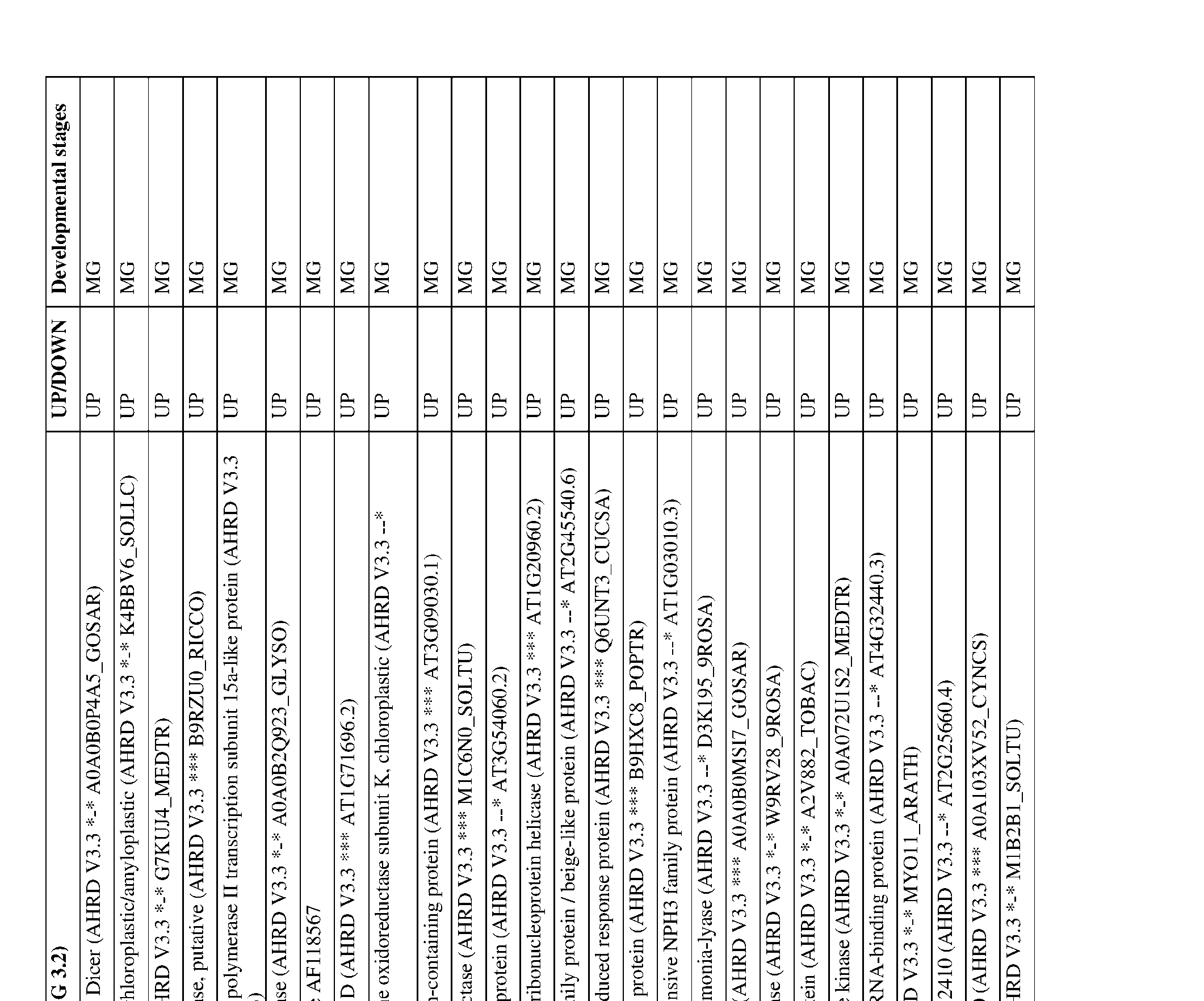 n o u it n h t y l o n e t o fo5 1 y l u o u y or p r G p t c p e q- Uo d p H ) NZ n i h u x o M n e l p ti er s a f -c n n d i i i p n n a i l d y lo k i n p l o r t p -r ec o d 1 e f e s 1- e d m a o h t at b i s p ) o t 1 ) a l y _ O d - l a e s o b or t a i b ) o t u n o r n o r nn o d h c x A r a o ( T A b y l a i de A( a x P ( KP * y l g yl o br DH/ e r ni 0 ADB o 4 i s m s - r e m o t l y - n A A ( p e e r T i R t s o y r h b c y o s t P A n E t S - F o P m- - o P o p a c N NT o y 5 D p y o B h T m U W H h o R h e P h P N y l R o P c e R R n a y L l P M m e y C T C )2 . 3 1 . 2 1 . 1 1 . 1 1 . 3 1 . 1 1 . 3 1 . 3 1 . 3 1 . 1 1 . 1 . 1 . 1 . 1 . 1 . 1 . 1 . 1 . 1 . 1 . 1 . 1 . 1 . 1 . 1 . 1 . 1 . G . A 0 . 5 . 5 . 0 . 7 . 0 . 0 . 0 . 1 5 . 3 5 . 1. 3. 2. 3. 1. 1. 3. 3. 1. 1. 3. 3. 3. 1. 3. 1. 1 0 0 5 0 0 0 5 3 0 0 3 0 0 0 0 5 0 0 I( 2 9 5 2 6 2 7 4 6 4 7 9 1 0 1 5 1 4 1 0 0 2 6 3 9 1 0 2 7 0 0 9 5 1 7 0 T 6 5 3 8 7 6 0 2 9 4 6 2 6 6 1 4 7 9 8 3 6 6 2 5 0 6 5 4 6 8 4 4 5 3 9 3 r 0 2 5 5 5 6 6 7 8 6 4 9 1 4 1 4 e 0 1 1 0 7 7 5 1 8 9 0 6 3 1 8 1 8 1 8 if g 0 g 0 g 0 g 0 g 0 g 0 g 0 g 0 g 0 g 0 g 1 0 0 0 0 0 0 0 0 0 0 0 0 0 0 0 i 0 t 1 5 0 7 0 1 0 1 0 6 0 8 0 4 0 2 0 9 0 4 g 0 1 g 0 6 g 0 2 g 1 3 g 0 5 g 0 2 g 0 2 g 0 5 g g g g g g g g 0 6 0 2 1 4 0 2 0 6 0 2 0 5 0 2 0 n c e y c y c y c y c y c y c y c y c c c c c c c c c c c c c c c c c c c d l l l l l l l l y l y l y l y l y l y l y l y l y l y l y l y y y y y y y y I o S o S o S o S o S o S o S o S o S o S o S o S o S o S o S o S o S o S o l S o l S o l S o l S o l S o l S o l S o l S o S 01 5 0 5 5 0 6 7 7 0 6 0 7 0 1 5 1 5 1 0 1 5 0 0 2 0 6 0 3 5 9 3 1 0 0 0 2 3 0 0 0 0 5 0 0 2 9 2 2 4 4 9 0 5 4 0 7 0 0 9 5 1 7 0 6 5 3 2 6 4 9 3 6 5 6 4 8 4 4 5 3 9 3 0 2 5 8 5 7 5 6 6 0 6 2 7 9 8 4 1 6 1 6 0 1 7 7 8 6 2 0 5 6 6 4 9 1 4 1 4 0 0 0 0 0 0 0 0 0 0 0 1 0 7 0 5 0 1 0 8 0 9 0 0 0 6 0 3 0 1 0 8 0 1 8 1 8 s g g g g g g g g g g g g g g 0 0 0 0 0 1 5 0 7 0 1 0 1 0 6 g g g g g g g g g g g g g 0 8 0 4 0 2 0 9 0 4 0 1 0 6 0 2 1 3 0 5 0 2 2 5 6 2 4 2 6 2 5 2 uc c o y c y c y c y c y c y c y c y c y c y c y c y c y c y c y c 0 y c 0 c 0 c 0 c 1 c 0 c 0 c 0 c 0 c 0 c 0 c l o l o l o l o l o l o l o l y y y y y y y y y y y o l o l o l o l o l o l o l o l o l o l l l l l l l l l l L S S S S S S S S S S S S S S S S S o S o S o S o S o S o S o S o S o S o S
 TI( l g t n a u a e p l e p e r n) i 1 e . t al a it a t ) 1 . u s e r- n a e n i r p t p C r e n o s o c n b r ) 2 . e to r b s _ er 5 Z tis o A e p x e r y li h ci a 0 r m4 6 e r n s - e r i s 0 53 t a n h e oi c s a e e C I c h e t ki p Ry l - a n r tl a c 0 98 r p m e -c i Go it N e a t D r o - o l 0 b c i m 4 o e r e a f -e o d 5 x n C 2 niti eff e r id e 8 p t sa 3 e r a r m d u t o l i n r s p - oc i _ 7 g s y s o i a y s ni n t x n i r t S J h m o i 7 4 w m poD 1 n i o a r t 6 0 o h n i c - m m o i c Gu q l e GM y P o s e a t p s o d n u qGn k m o t p s n a r D o o l b u O2 T i b l si 5 T h e a t b n i nRo n a i b 3 T s a oAo A U W H e t - F e L P S A U e C R D A A D o P T C - F K e P 9 Bh P 3 n B M U A U l p h P 0 Ah P )2 . 3 1 . 3 1 . 3 1 . 3 1 . 1 1 . 2 1 . 3 1 . 2 1 . 1 1 . 3 1 . 1 . 1 . 1 . 1 . 1 . 1 . 1 . 1 . 1 . 1 . 1 . 1 . 1 . 1 . 1 . G . A 0 . 0 . 0 . 8 . 0 . 0 . 0 . 5 . 3 0 . 1 0 . 1 7 . 3 5 . 2 0 . 3 0 . 3 0 . 3. 3. 3. 1. 1. 1. 3. 3. 1. 6 0 4 3 1 9 5 9 5 5 7 5 4 8 2 8 9 0 0 0 0 5 5 3 0 0 3 1 4 5 6 7 7 2 4 0 1 3 2 0 4 1 2 3 9 1 1 4 7 4 5 4 6 9 0 6 TI( 1 2 7 5 0 2 8 8 2 1 5 5 7 3 6 5 2 7 5 4 5 0 1 5 1 0 6 0 1 3 0 6 2 7 2 r e 0 0 1 0 0 0 0 0 3 0 0 0 0 0 8 0 6 0 0 0 8 0 5 0 6 0 8 0 1 1 1 1 3 1 2 8 9 8 if g i 2 g 0 1 g 0 3 g 0 2 g g g g g g g g g g g g g g g 0 g 0 g 0 g 0 g 0 g 0 g 0 1 1 9 0 7 0 3 0 0 1 4 0 2 0 2 0 0 0 2 0 7 0 6 1 3 3 1 1 2 4 2 2 t c c c c c c c c 0 0 0 0 1 0 0 0 0 0 n y c c c c c c c c c c c c c c c c c e d l y I o l y S o l y S o l y S o l y S o l y S o l y S o l y S o l y S o l y S o l y S o l y S o l y S o l y y y y y y y y y y y S o l S o l S o l S o l S o l S o l S o l S o l S o l S o l S o l S o S 06 0 0 4 0 1 8 5 0 5 0 7 0 4 5 2 0 9 0 4 7 6 5 7 0 4 0 1 0 2 0 4 0 2 0 9 0 1 5 7 5 5 3 6 0 9 0 0 3 6 1 3 7 9 0 9 8 5 2 5 5 8 7 8 3 1 6 5 5 7 2 2 7 0 5 3 0 1 3 1 4 4 4 0 3 6 7 2 5 2 8 1 5 0 4 5 0 1 5 1 0 6 1 0 2 2 0 3 0 0 8 6 0 8 5 6 8 1 1 3 1 2 8 9 8 g 0 g 1 g 0 g 0 g 0 g 0 g 0 g 0 g 0 g 0 g 0 g 0 g 0 g 0 0 0 1 1 0 0 0 0 0 0 s 2 0 1 3 2 1 9 7 3 0 4 2 2 0 2 g 7 g 6 g 1 g 3 g 3 g 1 g 1 g 2 g 4 g 2 g 2 uc c 0 o y c 0 l y c 0 y c 1 y c 0 y c 0 y c 0 y c 1 y c 0 y c 0 y c 0 y c 0 y c 0 y c 0 0 0 0 0 1 0 0 0 0 0 y c y c y c y c y c y c y c y c y c y c y c y o l o l o l o l o l o l o l o l o l o l o l o l l l l l l l l l l l l l L S S S S S S S S S S S S o S o S o S o S o S o S o S o S o S o S o S o S o S
 n ki oi l t a b- a h . 0 p / o a r si t - r Rp _ e o p T E l e A 4 - a fr C e e e r s a p t a r d A p ( e 7 Hy s n i p so h . 0 y li y h y s o a t n m i s s i ni l e d 0 5 d i c p e O a r m_ 5 oT v e VK I R e g e g h t p i y m si y h i 3 k il o Dn x en h p ci - r 5 - 8 m e d c yl o ili m u d d i 6 o n t b A c 5 o a lo i dHc i r t 1 51 D ( 2 70 n i ni f ni n f y s n i m d- e s - p 1 4 6 0 n a g e s en8 0 a f l oh G m a G l o l 1 T n i uc a T F T a tnA 0 D C A 0 e to cn cn P e to A A a N l at 1 c A 0 mI n i t r or c i c Gx u4 o b o - c P n u S N a c a h m A8 C e P r P i Z i Z T C r P N R a e P o u e T - l D A D A A V H A D A D t c S A G S S L A F A U )2 . 3 1 . G 1 1 1 1 1 1 1 1 1 1 1 1 1 . . 3 5 . . 1 0 . . 1 5 . . 2 5 . . 2 0 . . 1 0 . . 3 5 . . 1 0 . . 3 3 . . 3 . 1 . 3 1 . 3 1 . 1 1 . 3 1 . 1 1 . 1 1 . 3 1 . 1 1 . 2 1 . 1 1 . 2 1 . 2 1 . 3 0 . 0 . 0 . 0 . 0 . 2 . 0 . 3 . 5 . 0 . 3 . . . . . A 7 4 1 0 3 5 0 5 1 5 9 0 7 1 5 4 2 3 4 0 5 9 3 1 0 7 0 1 3 9 0 0 0 3 0 1 TI( 8 r 0 0 8 1 2 0 9 1 2 5 2 0 4 3 1 0 2 8 6 9 6 6 1 2 6 9 8 9 2 9 8 2 7 5 1 3 5 0 6 9 8 1 5 7 6 1 4 5 1 5 9 e 0 0 7 6 8 7 8 6 8 8 7 8 0 0 4 3 1 2 8 if g i 7 g 0 0 3 g 0 0 5 g 0 0 2 g 0 0 5 g 0 0 2 g 0 1 5 g 0 0 1 g 0 0 6 g 0 0 2 g 0 0 2 g 0 0 0 0 0 0 0 1 0 0 0 0 0 0 6 g 0 2 g 0 7 g 2 g 1 g 3 g 2 g 1 g 1 g 1 g 2 g 5 g 5 g 2 t c c c c c c 0 0 0 0 0 0 0 1 1 0 0 0 n y y y y y y c y c y c y c y c y c y c y c y c y c y c y c c c c c c c c e d l I o l S o l l l l l l l l l l l l l l l y l y l y l y l y l y l y l y l S o S o S o S o S o S o S o S o S o S o S o S o S o S o S o S o S o S o S o S o S o S o S o S 57 0 1 5 3 5 0 0 1 0 9 5 7 0 1 3 5 0 4 0 2 0 3 0 4 0 0 2 5 0 9 3 3 5 0 3 0 3 0 0 0 4 0 5 5 5 0 2 3 2 9 6 1 0 7 1 9 0 3 1 8 0 1 0 1 5 4 0 6 6 1 2 6 9 8 9 2 9 8 2 7 5 1 3 5 0 6 9 8 1 5 7 6 1 5 5 0 8 2 9 2 0 1 8 7 6 8 7 8 6 8 4 1 9 0 0 0 0 0 0 0 0 0 8 7 8 0 0 4 3 1 2 8 g g g g g g g g g 0 g 0 g 0 g 0 g 0 g 0 g 0 g 0 g 0 g 0 g 1 g 0 g 0 0 0 0 s 7 0 3 0 5 0 2 0 5 0 2 1 5 0 1 6 2 2 6 2 7 2 1 3 2 1 1 1 g 2 g 5 g 5 g 2 uc c o y c y c y c y c y c y c 0 y c 0 y c 0 y c 0 c 0 c 0 c 0 c 0 c 0 c 0 c 0 c 0 c 0 c 1 c 1 c 0 c 0 c 0 c l o l o l y y y y y y y y y y y y y y y y o l o l o l o l o l o l o l o l o l o l o l o l l l l l l l l l l l L S S S S S S S S S S S S S S o S o S o S o S o S o S o S o S o S o S o S
 TI( h c _ n t 6 ) a F d y e d 3 a .0 R r e t a a l ( T ) e r 0 I L3 . t p ni d cn po T I - L3 A ( R y c d M U e g l y T P e s a ot a T I L oi t m C s Yh e ne H p 3 9 m m y o -S 1 n 0 i A8 5 e p n i o i b z l c . 1 y A3 n i H et A el i R E o y d i r t a O P kil- h tn t il i c A a i 7 t d mX l o e d 5 3 A ( l r n o p h c- S E na p U Q 1 1 c i - c rt m N o UV QDo ( r n a t- F I b h _ m p s 8 ni s y s 1 T a f U Q o 0 h -PGi s r e L s Ga u i A / n i Rp i s L R e o6 1 ili e s A r n A n NA 0 oc l M5 T o y A N t s P a W3 tn c l 0 m WH1- o E E e t h Ht b o l C oj W A D A A A A M D i S O T r t e t O LT Ae P a C 2 a A - 1 O L A ( n S e l D O K C E a p L - 1 9 Bu l S a c Bl a S M O L )2 . 3 1 . G 1 1 . . 1 1 . 3 1 . 3 1 . 3 1 . 2 1 . 3 1 . 1 1 . 1 1 . 1 1 . 3 1 . 1 1 . 3 1 . 1 1 . 3 1 . 1 1 . 3 1 . 3 1 . 3 1 . 3 1 . 3 1 . 2 1 . 2 1 . 3 1 . 1 A 5 . 5 . 0 . 0 . 0 . 0 . 0 . 4 . 0 . 5 . 0 . . . . . . . . . . . . . . 4 5 3 4 5 5 7 0 1 8 6 0 9 0 5 0 2 0 1 0 4 0 3 0 0 0 4 0 5 0 6 0 9 0 2 0 0 I( 9 5 5 5 1 5 3 0 1 2 2 5 3 1 8 7 2 T 8 8 1 2 9 8 1 1 4 3 1 2 7 1 8 8 7 4 1 2 1 6 2 5 3 1 9 5 0 8 6 0 9 0 6 3 0 9 0 6 0 6 1 1 8 8 9 0 1 2 9 8 0 6 r e 0 i f g 0 i 2 g 0 5 g 0 2 g 0 6 g 0 1 0 0 0 0 0 0 0 0 0 1 0 0 1 1 8 0 7 0 8 0 2 1 7 0 1 g 5 g 3 g 6 g 3 g 4 g 3 g 9 g 2 g 2 g 0 g g g g g g g g g g t 0 0 0 0 0 0 0 0 0 0 0 0 0 0 0 6 0 3 0 1 0 6 0 1 0 8 0 0 1 2 1 3 0 6 0 n c y c y c y c y c y c y c y c y c y c y c y c c c c c c c c c c c c c c e d l l l l l l l l l l l y l y l y l y l y l y l y l y l y l y l y l y l y y I o S o S o S o S o S o S o S o S o S o S o S o S o S o S o S o S o S o S o S o S o S o S o l S o l S o S 54 5 5 0 3 0 4 0 5 0 5 0 7 4 0 0 1 5 8 0 6 0 9 0 5 0 0 0 0 0 0 0 0 0 0 0 0 9 5 5 5 1 5 3 2 1 4 3 0 4 5 6 9 2 7 2 8 1 9 1 4 1 7 0 8 1 9 2 0 2 6 5 9 3 6 1 0 8 0 8 0 7 1 4 8 1 9 2 1 6 2 5 3 8 2 8 1 3 2 1 1 5 8 0 0 1 2 9 8 0 6 0 0 0 0 0 0 3 9 6 6 1 8 0 1 8 7 8 2 7 g g g g g g 1 g 0 g 0 g 0 g 0 g 0 g 0 g 0 g 0 g 0 g 1 g 0 g 0 1 0 0 0 1 0 s 2 0 5 0 2 0 6 0 1 0 5 3 6 3 4 3 9 2 2 0 6 3 1 g 6 g 1 g 8 g 0 g 2 g 3 g 6 uc c o y c y c y c y c 0 y c 0 y c 0 y c 0 y c 0 c 0 c 0 c 0 c 0 c 0 c 0 c 0 c 0 c 0 c 0 c 0 c 1 c 1 c 0 c 0 c l o l y y y y y y y y y y y y y y y y y o l o l o l o l o l o l o l o l o l o l o l o l l l l l l l l l l l l L S S S S S S S S S S S S S o S o S o S o S o S o S o S o S o S o S o S o S
 n a r c . e e d x5 e 7 r-s Z 3 L e A d- n a r t e a l H u A n a d n i c ed e r p . 0 e e p 5 y r A ( e y h e f s r p p s a n C ( kil e r E oi t t at s e e o b 5 - 4 u ri U 1 U H ) t l y m e r ( r t e e t e g S 3 n i o r e n o8 u o c f i 8 l e m s o r e t n a n a - g M w r t n ni u_ 6 on L n i S d 2 i DGv o 5 1 Q P ( h t e d i n i O B / m p t n i di va r 4 u l t a Gs- ani h c ati r t n d o n e t i a s s n n r d i t 5 P n D tsi A E 1 T r t e A 0 WD t O A m- p n e e G p R 2 P a tu n a t l si fo r t e 5 T P T ti o h t y o c i p i kn fl e t a x p l x uI 7 A G H D A R A L N O P i r A A l g P H s I T A A C C A L U u S E E M G )2 . 3 1 . 3 1 . 3 1 . 1 1 . 2 1 . 1 1 . 3 1 . 3 1 . 3 1 . 2 1 . 1 1 . 1 1 . 1 1 . 3 1 . 3 1 . 2 1 . 3 1 . 3 1 . 1 1 . 3 1 . 3 1 . 1 . 1 . 1 . 1 . 1 . G . 0 . 0 . 0 . 0 . . . . . . . . . . . . . . . . 1. 3. 3. 3. 3. 3. A 4 0 5 2 4 6 2 0 6 4 0 4 0 0 1 0 0 7 2 0 7 0 0 9 7 0 5 0 0 0 0 0 6 3 0 7 4 0 2 9 0 0 0 0 0 5 0 0 0 0 0 4 0 7 6 8 8 9 0 5 0 9 7 3 5 2 6 7 1 5 3 3 8 TI( 9 r 9 6 6 3 1 3 1 8 7 8 9 7 9 1 0 6 7 6 5 6 2 1 2 7 2 0 4 2 2 8 7 8 6 e 0 0 0 0 0 0 0 1 1 8 0 9 0 0 0 0 0 0 0 6 0 5 0 6 0 8 0 1 0 6 0 9 3 5 7 9 7 0 if g i 1 g g g g g g g g g g g g g g g g g g 0 g 0 g 0 g 0 g 0 g 0 g 0 g 0 8 0 5 0 5 0 0 1 3 0 3 0 3 0 0 1 2 1 4 7 9 8 0 9 9 0 7 9 3 7 4 9 8 8 t c c c c c c c c c c 0 c 0 c 0 c 0 c 1 c 0 c 0 c 1 c 0 c 0 c 0 0 0 0 0 0 n e y y y y y y y y y y y c c c c c c d l l l l y y y y y y y y y y y y y y y I o S o S o S o l S o l S o l S o l S o l S o l S o l S o l S o l S o l S o l l l l l l l l l l l l S o S o S o S o S o S o S o S o S o S o S o S o S 04 0 5 0 4 0 2 0 4 0 0 0 0 0 2 0 0 0 0 0 0 0 0 0 0 0 0 5 0 0 0 0 0 0 2 6 6 4 1 7 7 0 9 7 5 0 0 0 6 3 7 4 2 9 4 0 7 6 8 8 9 0 5 0 9 7 5 6 1 3 8 9 6 3 3 8 8 7 1 0 6 7 6 3 2 7 5 3 8 9 6 1 1 7 5 6 2 1 2 7 2 0 4 2 2 8 7 6 0 0 0 0 0 9 0 9 0 1 1 8 0 9 0 0 0 0 0 0 0 6 0 5 0 6 0 8 1 6 9 3 5 7 9 7 0 s g g g g g g g g 0 0 0 0 0 0 0 0 0 0 1 g g g g g g g g g g g g g g g g g g 0 8 0 5 0 5 0 0 1 3 0 3 0 3 0 0 1 2 1 4 0 7 9 8 0 9 9 0 7 9 3 7 4 9 8 8 uc c o y c y c y c y c y c y c y c y c y c y c 0 y c 0 y c 0 c 1 c 0 c 0 c 1 c 0 c 0 c 0 c 0 c 0 c 0 c 0 c 0 c l o l o l o l o l y y y y y y y y y y y y y y o l o l o l o l o l o l o l o l o l o l o l l l l l l l l l l l L S S S S S S S S S S S S S S S o S o S o S o S o S o S o S o S o S o S o S
 n o p l a . 0 e e e to m i pe D A R n ix ( o e s a p s y h p s t e . 0 ol - c ni o o a p s r p l c . _ u0 L U 3 e dnR P p s L L L . 0 oi t s at n t a e 8 5 m m r r t m4 2 o r o r p e -1 H o A ( d s e a n e e d r t e e r i g y -d m e m- 7 9 n e s 2 y c 7 o m e o r- e n d k il e 5 5 A 26 U Q E 1 e p X e 1 e r- A A A3 a i U Q U Q U 7 Q 8 4 o y n Gh c h c ni e s r x x n n e l oGn i d n - n i G 6 0 d- D 1 x G n C v B a e 5 T o t o y t e y t s o d 6 l x a t ul o r o p u i t i o c y c h u l 1 T m a B u N n O o e d 3 TW B o WWW OA 0 A 0 p y O 3 T A A H A C C y c A a P G e P L We p t e G A- 1 L WU S A A L AA P A H L O L O L A )2 . 3 1 . G 3 1 1 1 1 1 1 1 1 1 1 1 1 1 1 1 1 1 1 1 1 1 1 1 1 . . 3. . 3. . 1. . 2. . 3. . 1. . 1. . 4. . 3. . 1. . 3. . 3. . 3. . 3. . 3. . 1. . 3. . 3. . 1. . 1. . 3. . 1. . 1 . 1 A 0 0 0 5 0 0 5 0 0 0 0 0 0 0 0 . . 6 9 0 1 6 8 4 1 7 6 7 7 5 1 4 0 0 0 0 0 0 0 0 0 0 9 0 5 8 1 9 7 8 1 2 4 0 6 5 6 1 9 7 7 3 4 7 5 8 7 4 8 1 TI( 4 r 1 0 2 6 8 7 0 9 9 9 4 4 5 2 6 5 4 6 3 0 7 4 9 0 8 0 3 4 5 7 8 4 e 1 8 0 9 0 0 0 8 0 8 0 1 0 6 0 7 0 9 0 5 0 6 0 7 0 6 2 8 5 6 0 5 5 5 5 0 5 if g g g g g g g g g g g g g 0 g 0 g 0 g 0 g 0 g 1 g 0 g 0 g 0 g 0 g 0 0 i 3 0 3 0 2 0 7 0 2 1 2 4 1 2 1 7 7 9 6 7 2 7 6 1 7 0 6 4 g 6 g 7 t c c c c c 0 c 0 c 1 c 0 c 0 c 0 c 0 c 0 c 0 c 0 c 0 0 0 0 0 1 0 0 0 0 n e y y y y y y y y y y y y y y y c y c y c y c y c y c y c y c y c y c y d l I o l S o l S o l S o l S o l S o l S o l S o l S o l S o l l l l l l l l l l l l l l l S o S o S o S o S o S o S o S o S o S o S o S o S o S o S o S 06 0 0 0 6 5 4 0 7 0 5 0 0 0 0 0 0 0 0 0 0 0 0 0 0 0 0 0 0 9 1 8 1 6 7 7 5 1 4 9 0 5 8 1 9 7 8 1 2 4 0 6 5 6 1 9 7 3 7 5 8 7 4 8 1 4 0 2 6 8 7 0 9 9 7 4 3 7 9 8 3 5 8 1 8 9 4 4 5 2 6 5 4 6 0 4 0 0 4 7 4 1 0 9 0 0 0 8 0 8 0 1 0 6 0 7 0 9 0 5 0 6 0 7 0 6 2 8 5 6 0 5 5 5 5 0 5 g g g g g g g g g g g g g 0 g 0 g 0 g 0 g 0 g 1 g 0 g 0 g 0 g 0 g 0 g 0 s 3 0 3 0 2 0 7 0 2 1 2 0 4 0 1 1 2 0 1 7 7 9 6 7 2 7 6 1 7 0 6 4 6 g 7 uc c o y c y c y c y c y c y c y c y c 0 y c 0 y c 0 y c 0 c 0 c 0 c 0 c 0 c 0 c 0 c 0 c 1 c 0 c 0 c 0 c 0 c l o l o l o l y y y y y y y y y y y y y y o l o l o l o l o l o l o l o l o l o l o l l l l l l l l l l l L S S S S S S S S S S S S S S o S o S o S o S o S o S o S o S o S o S o S
 . 3 ) V ) R D E T 3 P ) . 3 R B O O S V HA *- C I P D ( - 3 N_ _ 8 J Y L R H ) ) A . 3 1 4 L E G O F V K G 9 _ 9 A ( C I 3 C e D I 0 B G I * A n i R ) e R 6 0 e _ 3 C s a H * A * S 2 tor A C ci l A ( 0 A 3 . 3 B 0 p X E e H h 5 e * V A 0 g ni S 9 T A ki l ** D A n i B ) _ 21 N - V R 3 3 R ** a t ** A P t r . 3 H * n o * c 3 Y G n o 1 e d t c V A ( 3 . - . a 3 f D n i 3 ni V H P 60 ne A p g R 0 e d n i H e t V a m D _ 1 A or D R o d 2 R X Z A - t c ( p ar e s y li H e 0 s 7 H 0 A ( T 9 * P * T e t a r A ( a l 0 e A * A ( n i u ma 2 or F v * 3. e t a f -T d P : i t -- 3 A m s e x G y hma t 3 V 4r ) o o r d o b r 2 D h ] -F ot e a k f u . P 3 , p ,j V .3 R t c H a f ) c n Ao i t e y t g c o n i a f i l- ) e n s a A S A D N R G A nV h r p n i o i nOD H A ( o i L p 3 t a H : -r ei a tn t p e g R 9 n i A ( TI( 9- i t ni i C Y n_ T I L ) 6 . r r o a c i r - c s o l a _ h 5 e to e r s a n l i 5 9 0 c- t a n Wp n oi t u d c it A at o M 8 U 1 l y e p a r t e dRe i n k e o n o yr Z Q 0 2 c a [ e r x i d i R c 9 or e t a n yl n r a k 1 EWG 2 -l y h c l e a hi oWp a v ur A a E u E*- T c l e l a * * O L A A K r T H* * h C y P )2 . 3 1 . 2 1 . 3 1 . 2 1 . 2 1 . 1 1 . 1 . 1 . 1 . G . A 0 . . . . 2. 3. 1. 1. 6 0 5 0 0 0 8 0 7 0 0 0 0 TI( 5 6 7 1 6 7 1 5 3 8 7 9 9 9 0 0 9 9 0 8 6 6 1 5 0 r e 0 0 1 0 0 6 0 5 0 8 0 6 0 5 if g i 2 g g g g g g g 0 g 1 2 0 1 0 1 1 6 2 2 7 0 t n c c c c 0 c 1 c 0 c 0 c 1 c e y d l y I o l y S o l y S o l y y y y y S o l S o l S o l S o l S o l S o S 06 0 5 0 0 0 8 0 7 0 1 0 3 0 7 0 5 7 1 6 7 5 9 6 0 9 8 8 9 9 0 0 9 0 0 6 6 6 5 1 8 5 6 0 5 g 0 g 1 g 0 g 0 g 0 0 0 0 s 2 1 2 1 1 6 g 2 g 2 g 7 g 0 uc c 0 o y c 0 l y c 1 y c 0 y c 1 y c 0 0 1 y c y c y c y o l o l o l o l l l l l L S S S S o S o S o S o S o S
t nuo C 2 1 1 1 1 1 1 1 2 1 1 1 1 1 7 6 5 5 4 4 4 4 3
 si s s n n n C n o l t a n e e ci l b a q e h t o g c i t a g t a d i t g tl yl p s y s o o i t e s a a n w y s m m o t s di d i o b e r n m y s n ni l l I h o r i u g I e n i e h c a a l ug n i a l s a e r i b a r u ni n r k g is o t i b pil p il a t m e a l u s a l o r t p s b a t a p e r s a d l of o t c i a o l e r n t a e f l r l e ni u n i ot s e n n e or o g a c d i l e i b n o r e i a l m e r e r v i e n i e sn yx e vi gi s e sn At ull s s e o s r n a e t p or e o c p l e n e s y c e h t y i l h n i t p c m e a r c a h e r t c r a n ul t o r l d e i A ti p i N s m y o l e t o o or p o s b e r ti a s R o o O p s ne c y t r t p r r e g s p c n i s i c l D p p p r c p T e r m hc 9 i 9 1 r 5 7 6 5 4 5 3 0 5 2 1 3 4 9 6 6 8 5 4 6 0 6 9 2 4 7 0 2 5 6 9 1 4 7 8 2 7 9 1 6 8 8 5 2 5 7 5 1 2 6 8 2 4 9 5 4 0 5 0 2 5 n E D 4 I 3 6 0 0 9 0 0 1 7 9 9 6 6 5 6 6 9 4 0 6 6 5 6 4 9 7 9 3 0 9 1 6 9 0 0 0 0 0 0 0 4 0 0 0 4 0 0 0 0 0 1 3 9 0 0 4 0 0 1 3 3 0 : 0 : 0 : 0 : 0 : 0 : 0 : 0 : 0 : 0 : 0 0 : 0 0 : 0 0 : 0 0 : 0 0 : 0 0 : 0 0 : 0 0 : 0 0 0 0 0 : 0 : 0 : 0 : 0 : yg O O O O O O O O O O O O O O O O O O O O O O O G G G G G G G G G G G G G G G G G G G G G G G ol otn N N N N N N O e P P P P P P P P W W W W W W O O O O O O P P P P P P P P P ne r e U t _ U_ U U U U U U D D D D D D U _ U U U U U U U U a _ a _ a _ a _ a _ a _ a _ a _ a Gs ul a p a _ p a _ p a _ p a _ p a _ p a _ p a _ p a _ p a _ p a _ p a _ p a _ p a p p d p d p d p d p d p d p d p d p d .4 C d 6 d _ 6 d e a t _ 6 d a t _ 6 d a _ 6 d a _ 6 d a _ 6 d a _ 6 d a _ 6 d d d d d 0 0 0 0 0 0 0 0 0 a _ 6 a _ 6 a _ 6 a _ 6 a _ 6 a _ 2 a _ 2 a _ 2 a _ 2 a _ 2 2 2 2 2 a _a _a _a _a _a l b n e n t n t n t n t n t n t n t n t n t n t n t t t t t t t t t t t c e e e e e e e e e e e n e n e n e n e n e n e n e n e n n n a c a c a c a c a c c c c c c c c c c c c c c c e c e c e c a T l P l P l P l P l a P l a P l a P l a P l a P l a P l a P l a P l a P l a P l a a a a a a a a P l P l P l P l P l P l P l P l P
t nuo
 v it h t a s g i c g i ca n oi t t e t h l h t , e r l p a o d i fo ci l e t ah g er y so g a l ot i b n i u m si se gi s l i s p , si I o x s e fo s e m o l o le b a p s n i o s s es d i n g e e r d i pil h t o t h t n h t m e o t r s h c o t c t f e r i m h p a p e co no c a pi r e s s o n g y s e s n n y s o i t n a y s y s - n e s o - n g e s e s e r r p ps yt ti v i ti e t s e c ni o t o o p o to r e y g r e o to o t i et o nil o c o t A A r a f ur f o o p r h p p s h s p e r h n p e g n e h o p h o p s l p r p e r i k ul n g e p N D N R 20 3 3 5 1 5 9 6 5 1 8 8 9 0 6 8 1 6 3 6 3 8 0 4 6 6 7 9 1 4 6 7 9 0 6 7 9 7 4 0 9 8 9 D 0 6 9 1 6 5 9 9 6 9 2 8 9 6 6 1 0 6 0 6 2 6 3 6 I 0 0 0 0 0 0 3 0 0 0 1 0 0 0 0 0 1 0 3 0 0 0 0 0 0 0 0 0 0 0 0 0 0 0 0 0 0 0 0 0 0 0 0 0 0 0 0 : : : : : : : : : : : : : 0 : 0 : 0 : 0 : O O O O O O O O O O O O O O O O O G G G G G G G G G G G G G G G G G N N N N N N N N N N P P P P P W W W W W W W W W W O O O O O O O O O O r U _ U _ U _ U _ U _ D _ D _ D _ D _ D _ D _ D _ D _ D D P P e t s a p a a a a a a a a a a a a _ a _ a U d p d p d p d p d p d p d p d p d p d p p p p p _ U_ ul 0 0 0 0 0 0 0 0 0 0 d 0 d 0 d 0 d 0 d 0 G G C 2_ 2_ 2_ 2_ 2_ 2_ 2 2 2 2 2 2 2 2 2 M M at a t a t a t a t a t _a t _a t _a _a _a _a _a _a _a _a _a n n n n t t t t t t t t t e e e e n e n e n e n e n e n e n e n n n n n n c l c l c a l c a l c a l c e e e e e e a a a l c a l c a l c a l c a c a c a c a c a c a c a c a P P P P P P P P P l P l P l P l P l P l P l P l P
t nuo
 ss p ec c i i l d c it e sn p n n o it o i y g- i d t e s r b e t ri g n o o o h y l o l e i u r q t a n e d D- o h m fo d n n a n o i i a p i e t e p b a p t s o e p s v e o h e e i b c i l a yl a t p s d i e p n cn a r t a m r g r p l c r d u p e o i u r e r o p b h lo o i t e r t s- ni b e r h c t a t A N m R An a c d i o l o y r n i - e t A A ) 3 p A r e c ud ef e e r l b m a m n i et n p i l N d ul Rn l b e e c m o > c e r p N D N R -1 ( N y R l o g r p e t u n i o o c d e r o l m s e i o t m r p 07 9 2 2 0 4 7 3 7 0 1 5 1 6 2 4 3 8 3 4 6 5 9 9 7 6 5 6 2 3 6 7 0 0 8 2 2 2 9 2 4 6 0 6 9 6 6 3 6 5 0 4 6 4 0 7 0 7 0 2 6 D I 3 0 0 9 0 0 1 0 4 0 9 4 3 0 0 6 0 6 0 0 0 0 0 0 0 0 0 0 0 0 0 0 0 0 0 0 0 0 0 : : : : : 0 : 0 : 0 : 0 : 0 : 0 : 0 : 0 : 0 : 0 : 0 : O O O O O O O O O O O O O O O O G G G G G G G G G G G G G G G G r P P P P P P P P P P P P P P P P e t s U_ U_ U_ U_ U_ U_ U_ U_ U_ U_ U_ U_ U_ U_ U_ U_ ul G G G G G G G G G G G G G G G G C M_ M t _ M t _ M t _ M at _ M at _ M at _ M at _ M M M M M M M M a a a a t _a _a _a _a _a _a _a _a n n n n n n n n t n t n t n t n t n t t t e e e e e e e n n n c e e e e e e e e e a l c a l c a l c a l c a l c a l c a l c a l c a l c a l c a l c a c a c a c a c a P P P P P P P P P P P l P l P l P l P l P
t nuo
 g g r n o o or n e l c t al p s c il o o t c t a u a t l e oi t c i s s d i p s ov s e n ni l e i t a n p d d a un u g n a r t o b n i l y a l o y m n c s r d o f a l e x o u v o n a n i co y so n m o e t y l e n e o e p n i e r e a t a di h t t e i m y h c- n g er l a o t r t n si s r p i b gi s r s o n i -' 3 e d A d i v i a c r A a h m c i i d d i ca s s oi t e m o e sn o i y l ci l en R m O o r e to A N m ir t a go N p s A t o oi A c e c a l v i u ti s s o d o l p a o o t e t b e a l y T h c r p N R R m y p g e r t n e R r m h N e N p i R l o t m R t o f r g p e r o s e o t p n e e r m r p a c h t e 92 6 7 3 5 3 2 8 7 1 2 8 4 7 4 2 0 8 8 8 8 0 3 6 7 6 8 9 1 3 3 9 2 0 1 1 4 9 2 6 5 7 0 0 9 D 1 1 5 1 3 6 2 6 1 7 1 2 4 6 4 4 7 9 3 1 0 0 9 0 6 6 I 3 0 5 0 4 0 3 0 0 0 0 0 1 0 4 0 0 6 0 4 0 0 3 0 0 0 2 0 0 9 0 0 2 0 4 5 4 6 0 1 9 0 3 0 3 0 0 0 3 5 0 0 0 0 : 0 : 0 : 0 : 0 : 0 : 0 : 0 0 0 0 : : : 0 : 0 : 0 : 0 : 0 : 0 : 0 : 0 : 0 : 0 : 0 : O O O O O O O O O O O O O O O O O O O O O G G G G G G G G G G G G G G G G G G G G G N N N N P P P P P P P P P P W W W W r P P P P P P P O O O O et s U_ U_ U_ U_ U_ U_ U_ U_ U_ U_ U_ U_ U_ U_ U_ U_ U_ D_ D_ D_ D_ ul G G G G G G G G G G G G G G G G G G G G G C M_ M t _ M t _ M t _ M M M M M M M M M M M M M M M M M a a a a t _a t _a t _a t _a t _a t _a t _a t _a t _a t _a t _a _a _a _a _a _a _a n n n n n n n n n n n n n n t n t n t n t n t n t n t e e e e e e e e e e e e n c l c l c l c e e e e e e e e e a a a a l c a l c a l c a l c a l c a l c a l c a l c a l c a l c a l c a l c a c a c a c a c a c a P P P P P P P P P P P P P P P l P l P l P l P l P l P
t nuo
 cit r p o e o o s b a f o o o m b a r p o b a a c r p i a e s w e o m b c i b d i m b c il no t e s o r t e c i t a l l n i i l o e ot o b p m g l l c m lo e b- e n o d i n m s es a t s a e r d i n i e a o n e c fo m l n il b l a m e t e y l c a r e l u b e p l a b l a y t e c a a p c i o n r a p r t n c e o n sn n e pi g l a e r m a d c u t y t n m l s r rt n w e n y c o r -t e l m a y e t p it e i e f p i il l b d i o l n h o n n e a f r h c e d o s i ur l f i l b k e c i g p i c l l e s e c c i a m l p p - L r e t s ni c h l p u s 70 2 3 2 3 0 2 5 3 0 4 8 9 5 8 9 2 0 9 8 4 9 5 0 8 8 6 0 8 5 4 1 6 5 2 0 9 5 D 9 6 0 7 6 8 9 6 1 9 6 6 9 6 5 0 0 6 5 1 8 6 3 I 0 0 0 0 5 0 0 0 0 0 3 0 1 0 0 6 0 0 4 0 4 7 0 0 7 0 0 9 0 0 6 0 0 6 9 9 2 0 1 0 0 0 0 0 0 0 0 0 0 0 : 0 : 0 : 0 : 0 : 0 9 : : : : : 0 : 0 : 0 : 0 : 0 : 0 : 0 : 1 : O O O O O O O O O O O O O O O O O O G G G G G G G G G G G G G G G G G G N N N N N N N N W W W W W W W W r O O O O O O O O et s D_ D_ D_ D_ D_ D_ D P P P P P P P P P P _ D_ U_ U U U U U U U U U ul G G G G G G G G _ _ _ _ _ _ _ _ _ R R R R R C M_ M M M M M M M R R R R R R R R R R R R R R R at _a t _a t _a t _a t _a t _a t _a t _a t _a _a _a _a _a _a _a _a _a n n n n n n n n n t n t n t n t n t n t n t t t e e e e e e e e n n n c l c e e e e e e e e e e a a l c a l c a l c a l c a l c a l c a l c a l c a l c a l c a l c a c a c a c a c a c a P P P P P P P P P P P P l P l P l P l P l P l P
t nuo
 D a t l e e e a n o r ro ull m h t d i h t n e b a p t a t c a zi r e n t i e c i t l e e c e l bi f oi t r p o t s g ps e p n t or t c ol g y s c a n ys o it g II t a ci l i f i c d n a a m b a g av h t y h n y b t e o r a l c il x e l l d a p a s y h e h na c e rt a s v e n i oi o b n i oi b pi r c e c s l l o y b a o t g m r y l o o t i a e y s si c o i u t m g er o b at m o t o t o t et o d n e y n e pi r n i m p i a-a n i s pi n a a r e h p a c l l a l l a e s m n a f l c oi b s en e s e e d e n s v i t a a c o c n e sn e s e s l r t m o r n i w w e A h i k o l t l n i n n af r b ti l u m y h l y t s y l o t l l o n N c o o ul a p i e t o o o s m e a t s ur f x p o l a x o o l c l l p s i r R p o p h c e p e c e c r e r e s m a t t s y p s c e l r e c g e m t i n e t h o c r p s p p e s p r e s r e r 27 8 5 3 4 5 3 8 0 5 0 8 0 3 7 6 9 0 9 5 4 5 5 7 0 9 2 1 3 5 2 2 9 1 2 8 2 5 4 8 4 1 7 7 5 1 2 1 9 3 5 5 4 0 D 8 9 8 9 1 6 1 4 1 9 0 9 5 4 5 5 2 5 1 6 9 0 9 3 6 2 9 7 2 8 0 2 6 5 4 I 0 0 0 4 0 3 0 3 0 1 4 4 7 0 0 0 9 1 0 0 9 0 0 1 5 4 6 0 1 5 9 0 2 4 9 0 0 0 0 0 0 0 0 0 0 9 1 0 0 0 0 0 0 0 0 0 0 0 0 0 0 0 0 0 0 0 0 : : : : : : : 0 : 0 : 0 : 0 : 0 : 0 : 0 : 0 : 0 : 0 : 0 : 0 : 0 : 0 : 0 : 0 : 0 : 0 : O O O O O O O O O O O O O O O O O O O O O O O O O G G G G G G G G G G G G G G G G G G G G G G G G G N N N N N N N N N N N N N N N W W W P P P W W W W W W W W W W W W O O O O O O O O O P P P P re P P P O O O O O O U U U D D D D D D D D D D D D U ts U _ U U U u _ U_ U_ D_ D_ D_ _ l a _ a _ a _ _ _ _ _ _ _ _ _ _ _ _ a _ a _ a _ a R p p p a p a p a p a p a p a p a p a p a p a p a p a p p d p d p d p d C R R _ R R _ R R _ R R _ R R _ R d _ 6 d d d d d d d d d d d d d d 0 0 0 0 _ 6 _ 6 _ 6 _ 6 _ 6 _ 6 _ 6 _ 6 _ 6 _ 6 6 6 6 6 2 2 2 2 at a n t a t a t a t a t p e n e n e n e n e n e r p p p p p p p p p _ p _ p _ p _ p _ p _ p _ p _ p _ p a r a r a r a r a r a r a r a r a r a r a r r r r r r r r a c c c c c c c c c c c a c a c a c a a a a a c l c a l c a l c a l c a l c a i l r i e r i e r i e r i e r i i i i i i i i i c i c i c i c i c i e r e r e r e r e r r r r r r r r r r P P P P P P P P P P P P P P P e P e P e P e P e P e P e P e P e P e P
t nuo
 al ug i d ci l r p n ys h t n n n y s o c il c il o e o r n e n a c il er o o e m b l a t c i t o o e i b y s i b p s o ba r i a o b c m a d a g r o ba vi l t a a c h t e oi b e n i r t e e l c p e a t a o s m o l y l l o a o l l a t e a w ge ll n i n n t y s e l h c p i e s m l n y e d c r c m p m l A n i wl A wl d n e c c e p oi y b h t e r a t y s x f o e i d p i l l e c N x o D o r t h l c e c N l R e i c p i l 68 5 4 0 9 8 5 3 9 2 5 8 0 2 5 9 2 9 4 1 8 7 0 6 7 8 9 1 5 9 0 5 4 0 6 2 4 3 5 2 D 3 9 6 0 2 4 2 9 6 5 6 I 4 2 0 4 5 0 4 9 0 0 9 0 0 9 1 6 6 7 6 9 1 6 3 1 6 0 1 0 3 0 0 0 0 0 0 5 1 4 7 0 0 0 0 0 0 0 0 0 0 0 0 0 0 0 0 0 0 0 0 0 0 0 : : : : : : : : : : : : 0 : 0 : 0 : 0 : 0 : O O O O O O O O O O O O O O O O O G G G G G G G G G G G G G G G G G N N N N N N N W W W W W W W N N O O O O O O O D D D D W W re t s _ a _ p a _ a _ D a _ D a _ D a _ P P P P P P P P O O a U d p d p d p d p d p p _ U_ U_ U_ U_ U_ U_ U_ D_ D_ ul C 0 0 d d G G G G G G G G G G 2 0 0 0 0 0 _ 2 _ 2 _ 2 _ 2 2 2 M M M M M M M M M M p p p p _ p _ p _ p _ p _ _ _ _ _ _ _ _ _ r r r r r r r r p r p r p r p r p p p p p a ci a a a a a a a a a a a r a r a r a r a r a r c ir c ir c ir c ir c ir c ir c ir c i c i c i c i c i c i c i c i c i e e e e e e e e r e r e r e r e r r r r r P P P P P P P P P P P P e P e P e P e P e P
t nuo
 n a e c m e g e r t s y so r p ci l a u g n o i i b c i o l b u g g y n s t r i d a a i o w w y s u d o i t i o o oi o a e l eg u c m p d f i o l r a c b o t t e a t e r b p s o t o t b r p m i e l c n al u l lg l a e s d i n c a h t a n c e n l n v e i pi r n i n p a m l i r t l a e sn e s e n n e r l c a ro o a e l a c a t s m l c i o i t a y ul o w o y s i t t a ti l w o o l u l a n a r e g r e c l y ll x e p s ytt c e r a f oi c b e p g e n ur y f x d i l o p i l l e p s p s y c e r e r h d t x e e l d s o i c p i l m s g r n o e e g n e 37 1 1 6 4 0 5 3 3 8 0 6 5 8 9 5 4 5 3 3 1 5 1 2 1 0 4 5 9 6 5 0 9 4 8 0 3 8 0 4 6 4 1 1 9 5 3 1 8 8 9 6 0 2 6 6 9 5 3 9 1 8 6 5 2 4 9 4 9 6 9 9 6 9 2 0 0 D I 0 0 1 0 4 0 0 0 0 0 0 0 4 0 4 0 0 0 3 0 0 4 0 0 0 9 1 9 0 9 1 4 4 6 0 6 0 0 0 0 0 0 0 0 0 0 0 0 0 0 0 : : : 0 : 0 : 0 : 0 : 0 : 0 : 0 : 0 : 0 : 0 : 0 : 0 : 0 : 0 : 0 : 0 : 0 : 0 : O O O O O O O O O O O O O O O O O O O O O G G G G G G G G G G G G G G G G G G G G G N N N N N N N N N N N N N N N N N N W W W W W W W W W W W W W W W W W W re O O O O O O O O O O O O O O O O O O D D D D D D D D D D D D D D D D P P P ts _ _ _ _ _ _ _ _ _ _ _ _ _ _ _ _ D_ D_ U_ U U ul G G G G G G G G G G G G G G G G G G _ _ C M R _ M _ M _ M _ M _ M _ M M M M M M M M M M M M R R R R R p p p p p p _ p _ p _ p _ p _ p _ _ _ _ _ _ _ _ _ _ r r r r r r r r r r r p r p r p r p r p r p p p p p a ci a a a a a a a a a a a a a a a r a r a r a r a r a r c ir c ir c ir c ir c ir c ir c ir c ir c ir c i c i c i c i c i c i c i c i c i c i c i e e e e e e e e e e r e r e r e r e r e r r r r r r P P P P P P P P P P P P P P P e P e P e P e P e P e P
t nuo
 c y c o y c o y c lo 0 0 y c c c c l l l y l y l y l y l S S S 0 o S o S o S o o / 0 / / 4 / / / S / S / 3 0 9 0 1 0 0 0 0 0 0 6 9 8 1 0 0 1 8 8 0 6 0 2 7 9 g 6 1 9 4 3 1 1 5 8 0 9 8 6 9 5 6 6 4 0 0 g 0 0 0 0 0 0 0 6 0 1 0 4 g g c y g g g g g g 0 1 1 l o 8 1 6 8 7 1 c 1 c 0 c 0 0 0 0 0 1 y y y S / c y c c c c c l l l l y l y l y l y y o o o 0 o 0 o o o l o l S S S 0 2 S 6 2 S S S S o S p de t s 2 0 2 3 3 3 3 u - 0- 0- 0- 0- 0 2 - 0 2 - 0 2 - 0- j E E E E E E E E E d 3 4 8 9 1 1 1 5 8 9 9 A . 4 . 3 4 . 3 1 . 3 1 . 8 0 5 5 1 . 3 . 1 . 3 . 4 -6- eso s t c n o s it e c s s s s urf pi s s o e co e r s c e s r p r c h g s c p o u e o e c D r p o c r i r t e c i p o r c h t c p il c i h tn s s t e ht i lo s s s s o l b o y s e c n a o y t s b a e t co e r t r t o e b a o t i b r p o e i m r p s p o t s m e e m d i c it b d i cit e t n s e a e a s r t o t c a y l n i o p i c a y lo h p no e t x a e l a ytt c y l y ytt c y so p s a l m l x o f l g h a h a f g a p e r m 81 8 0 3 3 6 9 8 0 1 3 5 1 0 3 3 1 6 0 5 4 9 4 6 6 9 7 D I 1 6 0 0 6 0 0 6 0 0 1 6 1 6 5 0 3 0 0 6 0 1 0 0 0 0 0 0 0 0 0 0 0 : : : : : : : 0 : 0 : O O O O O O O O O G G G G G G G G G N N N N N N N re P P W W W W W W W O O O O O O O ts U_ U_ D_ D_ D_ D D D D ul _ _ _ _ C R R R R R R R _ R _ R _ R _ R R R R R R R R p _ _ _ _ _ r p r p r p r p p p p p a a a a r a r a r a r r c ir c ir c ir c i c i c i c i a ci a ci e e e r e r e r e r r r P P P P P P e P e P e P
y n o n a w i t oi h t a l t a a u l u p g l ac e i l c e e g r lc h e r ta h t a l l a l l a l l a l l a l l a l l a l l a l l a l l a l l a l l a l l a l l a l l a l l a l l a l l a
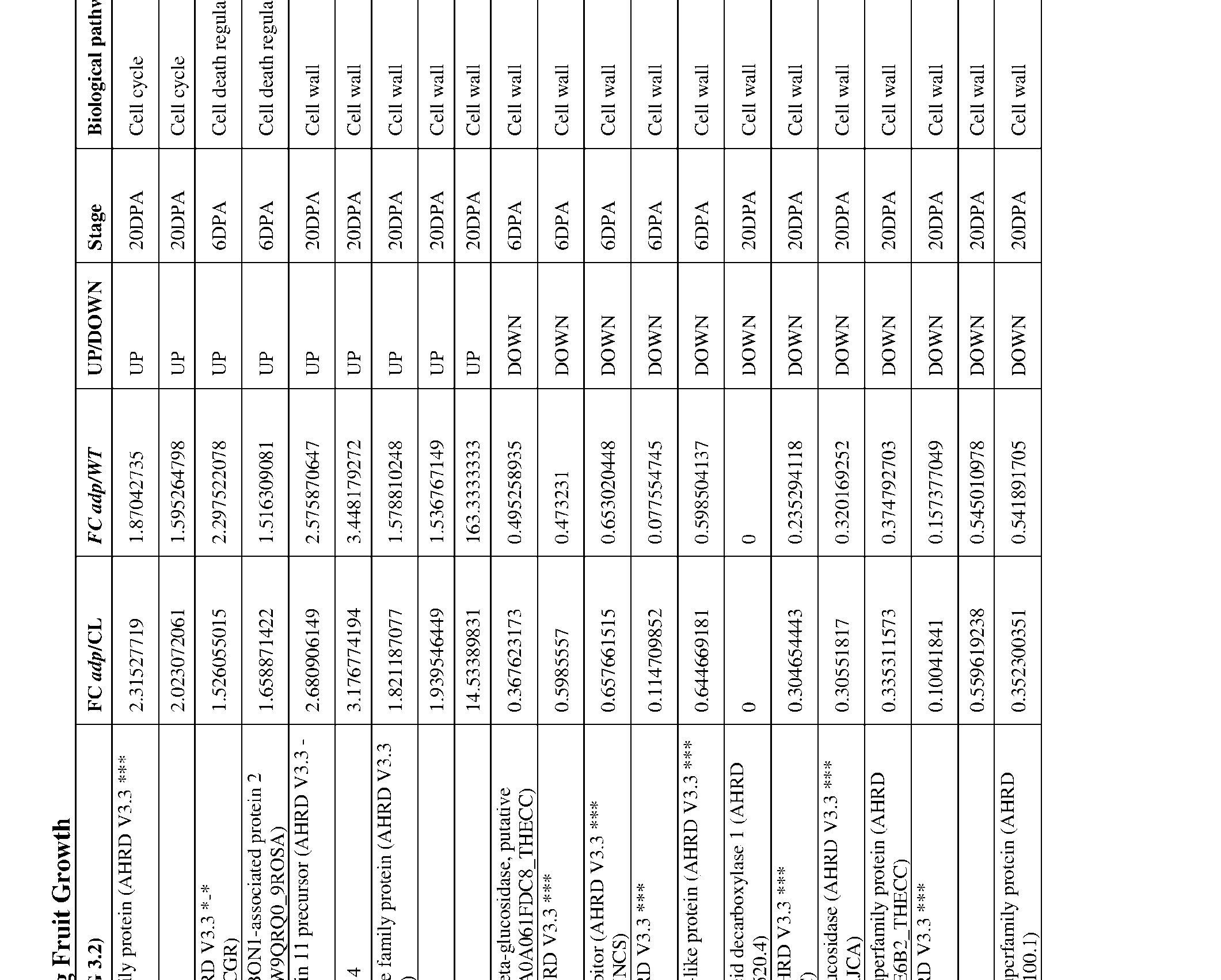 u Dn e t O r o a l P o I _ T L 3 . e 1 1 c e e l 3 2 5 5 o r - o 3 . e s O e s H e On O o r 3 T s a O T e b N- e 0 e O - e T 2 t i b E A3 Vki l- 7 2 r p y t e G X ut c d n 3 a Vr e S t a _ r e 9 t s a S _ y s P u c Ana c _ 9 -3 , Z s a As a S _ 3 s a A at i t at e r- 1 R B i h 1 U K Q AG ni s c a 5 T ni a l e 9 Y n s e s e 3 y l 9 e 0 e P s _ 8 ul g *- ul Y1 T n 1 y l ** y l e 9 P A- y l ** ne o c n i L n i n i 0 D R R4 T n n s a D U 3 1 t 3 o l P T * g 5 1 * t 3 G * n a n l c l W B a i t A n g a c R n i t n i t a t ul -P 3 o Wa c n i 3 a n i 3 l y H 9 c y x a A 0 OHOA * p x c e ** e t y n l o u l Hc e C 4 c e A 0 c A e 1 l e A 0 D. 3 d n 3 9 u l A 0 t c e . 3 t c A A t e 1 T c e . 3 P A C B C B A L A ( C - e P * e p GA ( P K P A P M C L U V E Q G A P V P M E P V pda ) 2 . 3 1 . 1 . 1 . 1 . 1 . 1 1 1 1 1 1 1 1 1 1 1 1 1 1 1 1 ni G 3. 2 2 3 3 . 3 . 3 . 2 . 2 . 2 . 3 . 1 . 3 . 3 . 3 . 2 . 2 . 3 . 3 . 2 . 3 0 . 0 . 0 . 0 . 0 . 0 . 0 . 0 . 0 . 0 . 0 . 0 . 0 . 0 . 0 . 0 . . . . . s A 9 4 5 5 1 6 9 5 1 7 6 8 0 6 5 1 1 2 6 8 9 2 1 3 3 7 0 6 0 7 0 1 0 1 0 3 GT I( 3 1 0 3 5 1 6 0 5 5 0 0 1 9 8 5 9 8 6 4 5 5 9 5 9 6 1 5 9 8 2 8 2 8 E D r f e 0 0 6 0 9 0 7 0 1 0 2 0 0 0 8 0 4 0 0 0 0 0 5 0 7 0 0 0 5 0 5 0 0 0 5 0 0 0 if g i 5 g 1 g 9 g 1 g 4 g 9 g 3 g 1 g 0 g 2 g 6 g 1 g g g g g g g 0 g 0 g o t 0 n c 1 y c 0 y c 0 0 0 0 1 1 1 0 1 3 0 6 0 9 0 2 1 2 1 5 0 3 0 4 0 4 0 y c y c y c y c y c y c y c y c y c y c y c y c y c y c y c y c c c se e l l d I o l S o l S o l S o l S o l S o l S o l S o l S o l S o l S o l S o l S o l l l l l y l y l y l S o S o S o S o S o S o S o S o S p ma 0 0 0 x 9 E 4 5 5 1 0 6 9 0 5 1 0 7 6 0 8 0 0 6 5 0 1 1 0 2 6 0 8 9 0 1 2 0 8 1 0 9 3 0 6 3 0 5 7 0 9 6 0 9 7 0 1 0 1 0 3 3 0 5 1 6 0 5 5 0 0 9 5 8 4 5 1 9 2 2 . 1 3 6 9 7 1 2 0 8 4 0 5 6 5 8 8 8 5 0 e g 0 0 0 0 0 0 0 0 0 5 7 0 5 5 0 5 0 0 5 g 1 g 9 g 1 g g g g g 0 g 0 g 0 g 0 g 0 g 0 g 0 g 0 g 0 g 0 g 0 g 0 g l s b u c 0 c 1 0 0 4 0 9 0 3 0 1 1 0 1 2 1 6 0 1 1 3 0 6 0 9 0 2 1 2 1 5 0 3 0 4 0 4 y c y c y c y c y c y c y c y c y c y c y c y c c c c c c c c 0 c a T o l L o l S o l S o l S o l S o l S o l l l l l l y l y l y l y l y l y l y l y l y l S o S o S o S o S o S o S o S o S o S o S o S o S o S o S o S
ya gn gn gn gn gn gn g g g g w ht i k i c k i c k i i i ni ni ni ni c k c k c k c k c k c k c k a if if if if if if if i i c i pl f a f a f a f a f a f a f f a f f a f f a f a g g g g g g g g
 n e s s O - v 4 o 1 - 0 o . e O H i d e O e O S . S . m t E 0 . ni s 9 n r p . 0 it n o a a n r e S t _ 0 8 a e Gs s Ar p 3 r Vki S_ A a ( n Mki S _ ki _ m a 3 f U Vn i S m a 3 e V o VAm3 m a Vy l K 0 o it g 1 6 t cu n a s e 9 0 0 h n 2 T or c ** a l l- a n 5 I n c D 1 l 6 - n 8 l 9 - 2 t J n T n a 8 f d Y* f 1 o e d F / * -e A 0 pir n i n 7 0 o l g m U 3 i * o D i X i s n i 0 i C i Mi s Dm1 CD m * CDn c s i n o - n i t 4 g s An i 3 u R m o g l m m o R o RR o A G3 RRo A a t G n l y a t e c C o * t . c Hr C y A r D r C y Hr AOH r N. OHts n a n 3 b e 4 4 t y * c 3 a Ao 4 o 0 o 4 o 4 Ah 0 A h N I 3 A i *- r o T A x P K A m * A V V ( F K M G A F K F K M ( C A M ( C D R V M ( H * T c A )2 . 3 1 . 1 . 1 . 1 . 1 . 1 . 1 . 1 . 1 . 1 . 1 . 1 1 1 1 1 1 1 1 1 1 G 3. 4 A 0 . 3 2 0 . 1 0 . 3 0 . 3 0 . 3 3 3 2 2 . 3 . 3 . 2 . 3 . 2 . 3 . 3 . 3 . 3 . 2 0 . 0 . 0 . 0 . 0 . 0 . 0 . 0 . 0 . 0 . 0 . 0 . 0 . 0 . 0 . 0 5 8 0 9 1 3 8 5 9 3 4 6 6 4 5 0 2 6 2 1 1 5 6 4 5 3 7 8 1 8 2 8 8 2 TI( 2 9 9 1 9 0 4 7 6 0 0 1 9 6 4 0 0 5 1 1 5 1 0 2 0 9 5 8 5 1 8 6 8 5 r e 0 1 0 0 1 0 6 0 0 0 6 0 9 0 1 0 7 0 8 0 9 0 7 0 6 0 0 0 0 0 7 0 0 0 6 0 i f g i 9 g 0 3 g 0 6 g 0 4 g 0 1 g 0 1 g 0 2 g 0 0 g 1 9 g 2 g 2 g 8 g 1 g 2 g 6 g 1 g 9 g 9 g 6 g 1 g 8 t c c c c 0 0 1 0 0 0 0 1 0 0 0 0 0 n y y y y c y c y c y c y c y c y c y c y c y c y c y c y c y c y c y c c e l o l o l o l o l o l o l o l o l o l o l o l o l o l l l l l l y l y l d I S S S S S S S S S S S S S o S o S o S o S o S o S o S o S 02 0 0 0 0 0 5 8 9 3 5 3 0 6 0 4 0 0 0 6 0 1 0 5 0 4 0 3 0 8 0 1 0 8 0 2 0 8 0 8 0 2 2 0 9 1 9 8 4 9 6 4 0 6 9 5 6 2 4 2 0 1 0 6 5 5 1 7 1 5 1 0 2 0 5 5 8 8 9 1 0 7 0 1 6 0 6 9 1 7 8 9 8 1 6 5 0 1 0 0 1 0 0 0 0 0 9 7 6 0 0 7 0 6 g g g g g g g 0 0 0 0 0 0 0 0 0 0 0 9 3 6 4 1 g g g g g g g g g g g g g g s 0 0 0 0 0 1 0 2 0 0 1 9 0 2 0 2 1 8 0 1 0 2 0 6 0 1 1 9 0 9 0 6 0 1 8 uc c y c y c y c y c y c y c y c y c y c y c y c y c c c c c c c 0 c 0 c o l o l o l o l o l o l o l l l l l l y l y l y l y l y l y l y l y l y l L S S S S S S o S o S o S o S o S o S o S o S o S o S o S o S o S o S o S
ya w ht A A a N N l g g g g g r r r n n p i i i ri ri ri ri Ri s Ri s oit oit
 n . e . p . e 2 a E E R a 0 s . n n o a n r l it m o o c 1 - 8 7 2 n i t 3 i 3 b g Do it i s o n i Y 3 pir y l 3 2 m m - l HR RNRe t 9 a mB E mA a e X 5 2 e h e 3 h e . 3 a r O t S a r S t _ e V m l G 2 si a r A ( BHP 2 Bor _ 3 o Ksi * l c F 1 k i d l Vd l Vl _ 9 l 3 at d ni 1 a 1 mn i 0 1 c s n i n D ait T m ut n i n i A ( B 0 n i p e 2 3 d 7 m-* un 6 0 l- a r D a r D y s 8 9 y s N o 2 a GmGh a t o Rn A c e e 2 D 3 r e c R e c R o c o c H nn F 3 Nm o 2 An e t t He A e t t k Ae t k R F A. o A e H H C D S o T r h T g i n o 0 a r or si A s s *- N u r t or or il 0 or i l- 9 N** N3 b i 0 c i y l Ay l Ay l 1 y l 4 A d A c A H c A T p H ( e * D S p P 1 A P 1 W S * D V R A D G ( G ( G M G K )2 . 3 1 . 1 . 1 . 1 . 1 1 1 1 1 1 1 1 1 1 1 1 1 1 G 2. 2 3 3 . 3 . 3 . 2 . 3 . 2 . 2 . 2 . 3 . 3 . 2 . 3 . 3 . 2 . 1 0 . 0 . 0 . 0 . 0 . 0 . 0 . 0 . 0 . 0 . 0 . 0 . 0 . . . . . A 2 0 1 9 2 3 8 6 0 4 9 4 2 6 8 0 8 1 2 0 0 3 0 3 0 3 0 7 0 0 TI( 2 9 0 6 7 1 1 6 1 0 2 0 6 0 2 5 8 2 6 5 8 6 2 0 9 1 9 6 8 r 5 e 0 9 0 5 0 0 0 8 0 5 0 9 0 5 0 4 0 6 0 5 0 9 0 0 0 0 0 8 0 5 9 if g i 7 g 0 2 g 1 6 g 0 1 g 1 g 4 g 2 g 5 g 2 g 9 g 7 g 1 g 0 g 0 1 g 0 4 g 0 4 g 0 9 g 2 t 0 0 0 0 0 1 0 0 0 1 1 0 0 0 1 n c y c y c y c y c y c y c y c y c y c y c y c y c y c c c c c e l o l o l o l o l o l o l o l o l l l l l y l y l y l y l y l d I S S S S S S S S o S o S o S o S o S o S o S o S o S o S 02 0 1 0 2 0 8 0 0 0 9 0 2 0 8 0 0 0 8 0 1 0 2 0 0 0 3 0 3 0 0 0 0 9 3 6 4 4 6 6 0 0 0 5 2 3 7 0 2 9 0 6 7 1 1 1 2 6 2 5 6 0 1 6 5 9 5 0 8 5 9 5 4 8 6 8 2 9 9 8 0 0 0 0 0 0 0 6 5 9 0 0 8 0 5 9 g g g g g 0 0 0 0 0 0 0 0 0 0 0 7 2 6 g g g g g g g g g g g g g s 0 1 0 1 0 1 0 4 0 2 0 5 0 2 1 9 0 7 0 1 0 0 1 1 1 4 0 4 0 9 2 uc c y c y c y c y c y c y c y c y c y c y c c c c c c 0 c 1 c o l o l o l o l o l o l l l l l y l y l y l y l y l y l y l y l L S S S S S o S o S o S o S o S o S o S o S o S o S o S o S o S
ya y a y a -o - in e n e l n l er l l er n o n i k e l e l e t e e o o o o w w ht h w h i i o m m t y y y a l b b b i n b i i n i n i n i d m m m m d i i d i a n n t a t a h p oit oit p e p A t h t o p / A / C / E / E / F / G / G / A / A / A / A / i l p i p / L i / L / l e m m m m m m m m m m m m m m m
 TI r e L r _ ( f s L e f s L L o i o h D i c h D3 7 L u t l P e D_ 1 s a d r p r p o h s a o- xo Oa g d e Yy ) 3 g y _ 1 a tu e _ 5 o n i S Ko h D R k l L L n n a O S n a O t S a t R t R Ha t HWg- 0 c a- R HD i 8 x ol c ol c c y r e f s 0 2 2 R E n i R 9 h ed . 0 h t e l W g s o an T 2 m a 1 p s o o Hr e O oi t rtl _ 6 rtl _ 8 ul g A ( ul g A ( DD- B 0 N o - A ( U n y c y c x n n o a ni l ill N_ no B e 3 9 m y R t ek e g V c Q i * h p A ( c y S l _ a t y o s S y s Kl y n i l y n 1 i 6 l y t A 0 4 , 2 i 1 n i 7 n o o e i n i n i d r t l e e r 0 6 i h * t - t * an 4 3 x Q 9 -e or 2 7 t a ** o r e 9 v g l 3 n o c W C o c E Cot c e t ot 0 e c e t Ac a A- a 0 t e t A k o o r o m m n i d i e b e b C 3 a t s 3 . e g G 5 o r d Wni d 0 s y Am3 e c it at y c L n y l 4 y l 4 o o 0 - * N* o 0 t a a b b i * A G5 3 o T y * V A H- h 0 o r . 3 y l a i B 4 A G K G Ka L r p a L r p A e B r p y c - 1 - 1 m a m a i g Q y C r a * y L e d A A V Gu p D K )2 . 3 1 . 1 . 1 . 1 1 1 1 1 1 1 1 1 1 1 1 1 1 1 1 G 1. 1. 3. . 3. . 3. . 3 . 2 . 3 . 3 . 3 . 3 . 3 . 3 . 3 . 3 . 2 . 3 . 3 . 3 A 0 0 0 0 0 . . . . . . . . . . . . . . 0 I( 5 0 5 3 5 9 5 5 0 7 3 0 0 0 0 0 0 0 0 0 0 0 0 0 4 0 9 3 6 8 3 1 3 3 7 0 0 7 T 2 3 6 3 4 3 9 8 9 5 3 8 4 1 6 5 6 6 4 3 r 9 4 1 0 4 9 1 9 9 6 0 3 0 1 7 8 4 5 e 0 0 1 1 0 0 0 0 9 4 4 0 7 8 5 1 1 6 9 1 if g i 9 g 0 7 g 0 3 g 0 1 g 0 7 g 0 2 g 0 0 0 0 0 0 0 0 0 0 0 1 0 2 g 2 g 7 g 4 g 3 g 2 g 8 g 6 g 6 g 7 g 8 g 2 g 3 t c c c c c c 1 0 0 0 0 0 0 0 0 0 0 0 0 n e y y y y y y c c c c c c c c c c c c c l o l o l o l o l o l y o l y o l y y y y y y y y y y y o l l l l l l l l l l l d I S S S S S S S S o S o S o S o S o S o S o S o S o S o S o S 00 0 0 0 3 0 9 0 5 0 3 0 0 0 9 0 3 0 0 0 0 0 0 0 0 0 0 5 5 5 5 7 4 9 9 5 6 3 8 3 1 3 3 7 0 0 7 2 3 6 3 4 3 8 1 9 9 8 6 4 1 6 5 6 6 4 3 9 4 1 0 4 9 0 9 4 4 0 0 7 3 0 1 7 8 4 5 0 0 1 1 0 0 0 0 0 0 0 0 8 0 5 0 1 1 6 9 1 g g g g g g g g g g g g g g 0 g 0 0 0 1 9 7 3 1 7 2 2 2 7 4 3 2 8 6 6 g 7 g g g s uc 0 0 0 0 0 0 1 0 0 0 0 0 0 0 0 0 8 2 3 c c c c c c c c c c c c c c c c 0 c 0 c 0 o y y y y y y y y y y y y y y y y y c l o l o l o l o l o l o l o l o l o l o l o l o l o l o l o l o l y o l y o l L S S S S S S S S S S S S S S S S S S o S
y i t r a w h i d d d d d d d d d d d d d d o p r l p r l p l d e l yn yn yn t p i i i i i i i i i i i i i i i p i p i p i p i p i p i p i p i p i p i p i p i p i p i cu e h e h e A h N a p L / L / L / L / L / L / L / L / L / L / L / L / L / L / L / N / P / P / P / R / l m m m m m m m m m m m m m m m m m m m m
 n l y p s S A o . 3 4 RT Ae s . 3 ni R e s or e l y dit . 3 o- m. a 0 s a O T o 8 1 o Vp- 7 h Gp 4 L n n . 0 e W C- o p- 1 m oi t d it o h Y R C- VU* a l Va 0 a l c y d it a h V 7- f L 0 0 pil _ o 8 p i 1 l b r a B 5 3 -l * o r S n i c n i c 3 9 m o F l y -e Vo d at a o h p lo O_ l yn D S / ** o r h A o d D C0 r d l g a o 2 n p s l h p s D n i D4 o h T / A e 0 c Ho r ** y p 1 5 yx yx 8 4 r h H 9 o n i n Do r o ti s S ol R 1 HS 3 . y h R - Hg A n y h y c p s o R G o h H m M5 p s C C s a Anit 0 e c 3 P 1 T or or G 5 c ot B m an a l a R p r n A h Po n C a i P I mA ( N3 b * G V AA ( o L* b a * A i p a d h P - 1 A ( - 8 RT o O Ah P 5 p * Qi L* o * i A B 0 y l . 3 A G VCA d 0 d Ay d h y h T Ay * C* n * i c - He DA t ( n I )2 . 3 1 . 1 . 1 . 1 . 1 . 1 . 1 . 1 . 1 . 1 . 1 1 1 1 1 1 1 1 1 1 2 3 1 3 3 3 3 3 3 2 . . . . . . . . . . G . 0 . 0 . 0 . 0 . 0 . 0 . 0 . . . 3. 3. 3. 3. 3. 3. 1. 3. 3. 4. A 9 6 9 2 1 9 8 1 9 7 3 0 7 0 7 0 9 0 2 0 3 0 3 0 1 0 2 0 4 0 1 0 6 0 4 0 5 TI( 6 r 8 6 4 2 7 5 1 2 8 4 7 2 0 2 5 0 9 2 7 4 9 5 0 8 3 6 6 9 7 4 2 4 4 8 0 1 e 0 3 0 4 0 3 0 7 0 3 0 5 0 8 0 4 0 3 0 8 0 1 0 0 0 6 0 5 0 6 0 7 0 5 6 8 if g i 0 g 1 2 g 0 3 g 0 7 g 0 9 g 0 7 g 0 7 g 0 2 g 0 5 g 0 6 g 8 g 7 g 1 g 6 g 7 g 6 g 0 6 g 0 4 g 0 6 g 1 t c c c c c c c 0 0 0 0 0 0 0 0 0 0 0 n e y y y y y c c c c c c c c c c c c c l o l S o l l l y l y l y l y l y l y l y l y l y l y l y l y l y l y l y l d I S o S o S o S o S o S o S o S o S o S o S o S o S o S o S o S o S o S o S 09 0 9 0 1 0 8 0 9 0 7 0 3 0 7 0 7 0 9 0 2 0 3 0 3 0 1 0 2 0 4 0 1 0 0 0 6 2 9 1 7 1 8 7 0 5 9 7 9 0 3 6 6 4 5 6 6 4 2 5 2 4 2 2 0 2 4 5 8 6 7 2 4 0 8 3 4 3 7 3 5 8 4 3 8 1 0 6 9 4 4 8 1 0 0 0 0 0 0 0 0 0 0 0 0 0 5 6 7 5 6 8 g g g g g g g g g g g g 0 0 0 0 0 0 0 0 2 3 7 9 7 7 2 5 6 8 g g g g g g g g s 1 0 0 0 0 0 0 0 0 7 1 6 7 6 6 4 6 1 uc c y c y c y c y c y c c c c 0 c 0 c 0 c 0 c 0 c 0 c 0 c 0 c 0 c 0 c 0 c o l o l o l l l y l y l y l y l y l y l y l y l y l y l y l y l y l y l y l L S S o S o S o S o S o S o S o S o S o S o S o S o S o S o S o S o S o S o S
y c e a a l n w o r i m n ht g i a r a e t e t o i t a g i p S u / S h a h a / p h s s s t a s p s i i i si si si si si si si si si si si si d a l T / m m m o h o s h e s h e s h e s h e s h e s h e s h e s h e s h e s h e s h e s h e s h e s h e s h e h r g
 n C e s O e s o 2 L . a i u 4 a a x oi t d i a o o c S _ h t . 3 a l h p 7 m e HA. 3 m e 3 I m e 0 8 m 0 e Aol 0 s Am e . 3 r s d e T B u g a e sa a l l l l y . 3 a l l l l y . 3 a l l o b 5 0 t n ul 0 e ni V ot e - e 0 s At s A ( UVt s ** t s 3 80 t s ** n a ** t s Vn s o a c N 0 R m e l c y h h p V y h h p V y h - G 3 o e n t g or -P A ZmD Xa i R k s o n l 0 y u As ot n i Q D e t WR y s ot * y s 3 o t Gy s * r t * y s D 1 o t 3 p c 3 o t R h c o o t l s B 0 ot a v i m t y c p r o r o r D p ol R o r o r D p ol R o r U / T GA n D H a b * o o Ho . 3 o T o . 3 . 3 o Hi n A 0 a t e t o l H o l H o l N* A a C U6 Q h T A ( r T i R* * h P r p O L A ( h P Vh p Ah P Vh L Vh P A ( Ma r t A o T u p s e h c h C A ( h c h C A ( h c I R* * )2 . 3 1 . 1 . 1 . 1 . 1 . 1 . 1 . 1 . 1 . 1 . 1 . 1 . 1 . 1 . 1 . 1 . 1 . 1 . 1 . 1 . 1 G 3. 3. 3. 2. 3. 2. 1. 3. 3. 3. 3. 3. 3. 3. 2. 1. 2. 3 3 3 . 1 A 0 0 0 0 0 0 0 0 0 0 0 0 0 0 . . . . 5 I( 6 4 4 6 1 0 3 2 8 2 2 8 0 5 4 0 2 8 7 3 0 2 0 4 0 6 0 3 0 8 0 5 0 7 0 4 T 6 2 4 8 5 4 6 3 9 2 2 0 7 0 7 0 7 3 r 6 e 0 8 6 1 1 5 0 3 9 6 4 7 3 8 6 0 6 0 5 6 4 3 7 7 5 0 1 7 5 0 5 0 5 0 2 1 if g 0 g 0 g 0 g 1 g 0 g 2 g 0 g 0 g 0 g 0 g 0 g 0 g 0 g 0 g 0 g 0 g 0 1 0 1 i 8 0 8 0 7 0 0 1 3 0 6 0 0 0 2 0 6 0 6 0 8 7 3 0 3 2 g 3 g 1 g 3 g 3 t c c c c c c 0 1 0 0 0 1 0 0 0 0 0 0 n y y y c c c c c c c c c c c c c c c e l o l o l y o l y o l y o l y o l y o l y o l y o l y o l y o l y o l y o l y o l y o l y S o l y S o l y l y l y l d I S S S S S S S S S S S S S S S o S o S o S o S 05 0 4 0 6 0 0 0 2 0 2 0 8 0 5 0 0 0 8 0 0 0 0 0 0 0 0 0 0 0 6 4 1 3 8 2 0 4 7 3 0 2 4 6 3 8 5 7 4 6 2 4 8 5 4 2 6 3 9 2 2 0 7 0 7 0 7 3 6 8 6 1 0 9 4 3 6 6 5 4 7 5 1 5 5 5 2 0 0 1 5 3 6 7 8 0 0 6 3 7 0 7 0 0 0 1 g g 0 g 0 g 1 g 0 g 2 g 0 g 0 g 0 g 0 g 0 g 0 g 0 g 0 g 0 g 0 g 0 g 1 g 0 g 1 8 8 7 0 3 6 0 2 6 6 0 8 7 3 0 3 2 3 g s 0 0 0 1 0 0 0 0 0 0 1 0 0 0 1 1 3 3 uc c y c y c y c y c y c y c y c y c y c c c c c c 0 c 0 c 0 c 0 c 0 c 0 c o l o l o l o l o l l l l l y l y l y l y l y l y l y l y l y l y l y l y l L S S S S o S o S o S o S o S o S o S o S o S o S o S o S o S o S o S o S o S
ya n o n o n o n n o n o n n o n o n o n o n o n o n o n o n o n o n o n o n n w i t i t i t o i i t i t o i i t i t i t i t i t i t i t i t i t i t i i o i o i ht a d a d a t d a a d a t d a a d a d a d a d a d a d a a a a t a t a t a t a a p a a a d a a d a a a a d d d d d d d d l r g r g r a g r g r g r a g r g r g r g r g r a a a a a a a a a a g r g r g r g r g r g r g r g r g r g r g
 n o T l a L n P i a y l O P x 4 m. 0 ni x 6 x 1 x 1 n o d i x 5 x 7 x 6 o _ 9 o n i A- _ e H it ZAt e O S Mi e a S P mA 0 i m_ 0 o b 1 a - Gf 9 8 t i u o b 2 - Go b- 8 3 o b 6 0 e O T o b 6 5 o b 2 Go b 1 Gb r 3 6 r p . 3 e to R B 5 0 m o A ( at O** m_ o P* x 0 s a m di o 0 d o B d 0 A x 0 a f U n x YU / 3 T iti 2 u 0 q i G bu U / 1 T U / G- 2T U / A 0 s a _ ni 1 - C U / G- 3T U / 2 - T U / 2 T a c ol 4 V l 2 cit r r D p A_ ni s J F r Rx 3 1 p e 7 h c e vi n / B 3 i r t 4 J t U o Ao MGAq GAG GAe t 0 FG GAGAa Oa o h B ot t n A T . B 3 a K p A b * V M7 b N* i 4 y l N* NAN* o NAN* N* t e * I e P T 0 - O A U* * - F 9 B I R- b T * U A o P I R- * I R* - I R* * r P 3 B I R* - I R* * I R* * M* p s H * AA b ( - A F 2 t P a * C* y * h a t P u p )2 . 3 1 . 1 . 1 . 1 . 1 . 1 . 1 . 1 . 1 . 1 . 1 . 1 . 1 . 1 . 1 . 1 . 1 . 1 . 1 . 1 1 G 3. 1 A 0 . 3 0 . 3 0 . 2 0 . 2 0 . 3 0 . 1 0 . 2 0 . 2 0 . 3 0 . 3 0 . 2 0 . 2 0 . 2 0 . 3 0 . 3. 3. 2. . 3. . 3. 2 4 2 1 0 1 6 5 4 6 7 7 6 3 1 0 0 0 0 0 0 I( 4 0 8 5 1 7 8 6 6 2 1 1 9 8 4 5 1 1 8 T 2 r 8 5 0 6 0 3 4 8 0 8 6 7 1 5 0 5 0 7 4 7 0 4 8 5 6 7 9 1 9 4 6 4 6 1 9 0 5 e 0 0 1 0 0 0 1 0 0 6 1 0 2 0 6 7 4 9 5 6 7 if g i 4 g 0 4 g 1 g 7 g 4 g 1 g 3 g 1 g 0 1 g 0 2 g 0 2 g 0 7 g 0 1 g 0 7 g 0 1 g 0 4 g 0 7 g 0 1 g 0 2 g 0 2 g 9 t 0 0 0 0 1 0 1 1 0 0 0 1 0 1 0 0 0 1 0 0 n c y c y c y c y c y c y c y c y c y c y c y c y c y c y c y c y c y c y c y c c e l o l o l o l o l o l o l o l o l o l o l o l o l o l o l o l o l o l l y l y l d I S S S S S S S S S S S S S S S S S o S o S o S o S 02 0 4 0 2 0 1 0 0 0 1 0 6 0 5 0 4 0 6 0 7 0 7 0 0 0 0 0 0 0 0 0 4 0 8 5 1 7 8 6 6 2 1 1 6 3 1 8 4 5 1 1 8 2 5 6 3 8 8 7 5 5 7 4 9 4 5 7 1 4 4 1 0 8 0 0 4 0 6 1 0 0 6 1 7 0 8 6 9 9 6 6 9 5 0 0 1 0 0 0 1 0 0 0 0 2 0 6 7 4 9 5 6 7 g g g g g g g g g g 0 0 0 0 0 0 0 0 0 0 0 4 4 1 7 4 1 3 1 1 g g g g g g g g g g g s 0 0 0 0 0 1 0 2 2 7 1 7 1 4 7 1 2 2 9 uc c y c y c y c y c c c 1 c 1 c 0 c 0 c 0 c 1 c 0 c 1 c 0 c 0 c 0 c 1 c 0 c 0 c o l o l o l l y l y l y l y l y l y l y l y l y l y l y l y l y l y l y l y l y l L S S o S o S o S o S o S o S o S o S o S o S o S o S o S o S o S o S o S o S o S
ya n o n s o i s si si si e s e s s w i t h t a i t a c i a n n en en f c i e g e g e g e g g n g g g g g g g g g g g g i n i n i n i n i n i n i n i n i n n n n p l i f d i o o do i b oi b oi b oi b s s s e s s e s s e s s e s s e s s e s s e s s i i i i e s s e s s e s s s e s e s e
 A s a e e 4 o ) T e V i R 3 f 0 o e I( r e f s Z I m A- s a 4 l a R r G D mT p M_ r p R a T r t l r p R e k k i i ) l - Ad i ru ns * a * r t l . 3 s B n 3 n L a G r n l l ** r p Md _ it ** d i D T _ o n - r e f 3 R P l T H o s a 6 1 l a P a i yli T P l- 3 e R 5 . 0 s a At p D R or - d i r t 3 . a i Vr t 4 T ot a c 3 . gn 7 o 8 e l c 3 t . p R1 H6 i a r t M _ l y s s n a A A ( o O b PmRmO _ o s R o s P r dn mO P g 3 3 ni _ 3 e p H o y h 5 3 r Vdn D R l y A a f m s 3 Vi d 3 u 3 e n Vpo A ( R t at l y 8 o t Ho rtl *- i - n i r c 5 o b *- o _ 1 o a f _ - b 0 d 0 I n i 5 4 kNc ir A ( i d U - . 6 Do Hd it ** g 2 1 n U D i b 2 7 o D c i G r t e 1 6 n e n c R T e d y h 3 s a i d W 0I i r 3 i r B h c p o t e t D I p a Gn i et W R t a n i et A UR h c ot A ( o e l * n i c 3 c U / R- A0 b ir R a t v it 0 n a- 6 a t e . B - S 3 d i i c 9 S . S P i B 0 3 3 0 3 9 a l e c 5 o r t o N / Hi e . i l 1 H Ay l Hn a t A r 9 B e d T r 8 e r R 4 A ki u 3 p 1 AN 0 o Ae u 0 A N m V M A V A M A P Q T p t U ( M l N V S U ( R A p ( P p A )2 . 3 1 . 1 . 1 . 1 . 1 . 1 . 1 . 1 1 1 1 1 1 1 1 1 1 1 1 3 2 2 3 3 3 3 . 3 . 3 . . . . . . . . . . G . 0 . 0 . 0 . 0 . 0 . 0 . 0 . 0 . 3 0 . 3 2 2 3 2 3 3 3 3 0 . 0 . . . . . . . . A 6 8 4 3 6 2 7 4 3 3 9 7 0 3 3 3 4 5 5 8 2 0 3 7 0 4 0 0 0 0 0 0 0 6 6 8 5 6 1 0 0 TI( 1 4 2 6 2 7 4 0 1 8 9 7 1 8 4 8 9 0 6 7 7 8 8 0 2 2 0 9 7 3 6 4 9 9 0 7 6 3 r e 0 i f g 0 g 0 g 1 g 0 g 0 g 0 g 0 g 0 g 0 g 0 g 0 g 0 g 0 3 g 0 5 g 0 7 8 1 g 0 g 0 0 i 5 0 2 1 4 0 1 0 4 0 4 0 3 0 2 0 5 0 6 0 1 0 1 1 1 1 1 0 1 1 4 g g 0 8 2 5 t c c c c c c c c c c c c c c c c 0 c 0 0 n y y y y y y y y y y y y y y y y y c y c e l l l l l l l l l l l l l l l l l l y l d I o S o S o S o S o S o S o S o S o S o S o S o S o S o S o S o S o S o S o S 06 0 4 0 6 0 0 0 0 0 0 0 0 0 0 0 0 0 0 0 0 8 3 2 7 4 3 9 0 3 4 5 2 7 0 6 5 6 1 0 0 1 2 2 4 3 1 7 9 3 3 5 8 3 4 6 8 9 7 3 6 4 4 6 7 0 8 7 1 8 4 8 9 6 7 8 2 0 9 0 7 6 3 0 0 0 1 0 0 0 0 0 0 7 0 8 0 2 9 3 5 7 8 1 g g g g g g g g g g 0 g 0 0 0 0 0 0 0 0 5 2 4 1 4 4 3 2 5 6 1 g 1 g 1 g g g g g g s uc 0 1 0 0 0 0 0 0 0 0 0 1 1 1 0 1 4 8 2 5 c c c c c c c c c c c c c c 1 c 0 c 0 0 0 o y y y y y y y y y y y y y y y c c c l o l o l o l o l o l o l o l o l o l o l o l o l o l o l y o l y o l y y o l o l L S S S S S S S S S S S S S S S S S S o S
ya n i w ht g a n g g g g g i n i n i n i n i n i n i u x i m c p s s s s s s s s s s s s u l u i m cl u i m n n i m cl u i i k ni k e l s e e e e s e s c o t o t a s a s a s a a a a a c a c a c a c y y n i ni ni ni n i n i l e e e e e e C C K k k k K K
 ( t p o e p t 6 p k i _ 9 k T k T 2 e e t 1 e r _ n e 3 . p o a gn Z I g Ani _ 8 g C c n I a f 3 1 r p G L u i l- dn T i l- Ai l- Ap s . 0 n T 9 n in or . 0 e to _ 1 s a e T P h D R R yl i O P i p t o 3 V & i d Mf a c X E i d R _ n Ge k M n ix ni l i b 9 - ni l Dni l De r 5 7 o p 5 0 oe r p e 2 1 r p G n k i r o l - O P c ir HT P m_ 7 t c i o r 3 n t D A i b _ n n - 2 J i z J 7 i 7 b No it 5 a T i l- 0 u 1 B a u d mV 9 u d _ 0 u d _ 0 n in 3 2 m o A 0 h t k il 2 3 o X t R m ro _ 1 - e A ( 9 a f e V n a t R N AI 0 l o F LGAB S gn AL l a m u i 9 1 o 7 J o 7 J i kGc- / o Ae n - Gp e 9 B o d t p e Rn 1 i c yli K 0 s a T n n A e H R * * P A ( m N R 4 B S C* * N R 9 B ol e * P I A 0 * H A m l S a c l C a A C0 m l Aa V C0 m l Q a V C0 o t 4 Qy c T Aw* i T* r m * e r 1 c s o f T Ae * R- u e * s c P e I R 9 u B e LmA a f 0 n i M A K9 B )2 . 3 1 . 1 . 1 . 1 . 1 . 1 . 1 . 1 . 1 . 1 . 1 . 1 . 1 . 1 . 1 . 1 . 1 . 1 1 1 G 3. 3 A 0 . 3 0 . 2 0 . 2 0 . 3 0 . 3 0 . 3 0 . 3 0 . 1 0 . 2 0 . 2 0 . 3 0 . 2 0 . 3. 2. 1. . 3. . 1. . 3. 7 9 2 5 0 9 9 4 6 0 4 5 6 0 0 0 0 0 0 0 I( 3 9 0 4 8 1 4 3 7 0 7 0 8 1 0 2 8 3 T 3 r 6 7 5 1 4 0 5 8 2 8 5 3 1 6 1 4 1 7 1 5 6 7 9 3 4 0 9 3 3 8 1 9 6 6 7 e 0 0 0 0 0 0 1 9 7 9 7 7 5 7 6 8 1 7 0 7 if g i 3 g t 0 4 g 0 7 g g g g 0 g 0 g 0 g 0 g 0 g 0 g 0 g 0 g 0 g 0 g 0 g 0 g 0 g 0 0 1 1 0 3 0 3 0 1 0 1 1 2 0 1 1 1 1 7 0 0 1 7 0 2 0 5 0 2 0 2 1 8 0 n c y c y c y c y c y c y c y c y c y c y c y c y c y c y c y c y c y c c c e l o l o l o l o l o l o l o l o l o l o l o l o l o l o l o l l y l y l y l d I S S S S S S S S S S S S S S S o S o S o S o S o S 07 0 9 0 2 0 5 0 0 0 9 0 9 0 4 0 6 0 0 0 4 0 0 0 0 0 0 0 0 0 3 9 0 4 8 1 4 3 7 0 7 5 6 0 8 1 0 2 8 3 3 7 1 0 8 8 3 6 1 4 7 5 7 3 0 3 8 9 6 6 5 4 5 2 5 1 9 7 9 1 1 6 9 4 9 3 1 6 7 0 0 0 0 0 0 1 0 0 7 7 5 7 6 8 1 7 0 7 g g g g g g g g g 0 0 0 0 0 0 0 0 0 0 0 3 4 7 0 1 3 3 1 g g g g g g g g g g g s 0 0 0 1 0 0 0 1 2 1 1 7 0 7 2 5 2 2 8 uc c y c y c y c y c c c 0 c 1 c 0 c 1 c 1 c 0 c 1 c 0 c 0 c 0 c 0 c 1 c 0 c o l o l o l l y l y l y l y l y l y l y l y l y l y l y l y l y l y l y l y l L S S o S o S o S o S o S o S o S o S o S o S o S o S o S o S o S o S o S o S
ya w ht e s e s e s e s n i et n i et n i e s s s s s s s s s s s s s a an an an a o o to e s e s e s e s e s e s e s e s e s e s e s e s e s pl i k i k i k ni k r P e s r P e s r P e s no no no no no no no no no no no no no
 n yl i n c p s T n o . p s _ 5 Ar o P A P p r . p F oi t m Ao af _ 1 e r . 3 h ci e t G o F i fi . 3 o Ao r p 0 2 o Na m9 B r p A r p en i d 9 n _ n i ( h x O e n ix O en F 9 k c I R s a t Vr - l p 0 8 k 9 _ e r p D 1 c e Vh p * e r ht e 1 2 h p 2 T o d * e g d e R 1 n o i l c i b 5 P o P_ s a o P_ o i _ 0 o _ 5 c k c 5 c o 2 o 3 at e X/ Dn 6 p D * k il 3 * n t a 5 r - d 4 d i d 4 h t 1 h s D 1 h H o Z e R y 0 s n i * / e - n i 9 x * i f i 1 d A 0 We r S e r S K k h s s V n s a n n i K 7 ni r i e Hc l u i e mA- 0 n R o He to 3 r . 3 n G ir m r 1 T e t B o * o b 3 . c c o A y h N 7 p R 9 o i J I x or o i J I a t N P -t a 5 S 6 G . t a 3 t a Q A * - 3 n * U Vi s 0 e s A D H Wh 9 h 9 u l G0 e H9 T e 9 A K D S A ( L a f A NA ( P Ve s o f r P Z s a D c T B e P T B Q B 7 1 e h A H A )2 . 3 1 . 1 1 1 1 1 1 1 1 1 1 1 1 1 1 1 1 1 1 1 1 . 3 . 3 . 3 . 3 . 3 . 2 . 3 . 3 . 2 . 1 . 3 . 3 . 3 . 3 . 2 . 2 . 2 . 1 . G . 0 . 0 . 0 . 0 . 0 . 0 . 0 . 0 . 0 . 0 . 0 . 0 . 0 . 0 . 0 . . . . 3. A 2 7 1 8 0 6 7 7 2 5 8 3 5 4 3 0 1 2 2 9 8 5 3 0 6 5 5 0 1 0 3 0 6 0 3 0 2 TI( 1 6 5 0 4 8 0 8 2 5 4 6 0 7 7 9 7 1 8 6 1 0 8 6 3 1 9 3 5 6 6 7 4 2 r e 0 i f g 0 g 0 g 0 0 0 1 0 0 0 8 0 0 1 0 0 1 0 0 0 8 0 0 0 1 0 1 1 7 0 1 1 8 0 i 1 1 5 0 2 g 0 1 g 0 5 g 0 7 g 0 2 g 1 1 g 0 2 g 0 1 g 0 4 g 0 9 g 0 5 g 0 3 g 0 5 g 0 2 g 3 g 6 g 3 g 3 t c c c c c c c c c c c c c 1 0 0 0 0 n e y y y y y y y y y y c c c c c c c l o l o l o l o l o l S o l S o l l l y l y l y l y l y l y l y l y l y l y l d I S S S S S o S o S o S o S o S o S o S o S o S o S o S o S o S 02 0 0 0 0 0 0 0 0 0 0 0 0 0 0 0 0 0 0 0 7 1 8 0 6 7 7 2 5 8 3 5 4 3 0 1 2 2 9 8 5 3 0 6 8 5 1 5 8 1 3 3 9 6 5 3 6 2 1 5 4 0 2 4 0 7 7 9 7 1 6 0 6 1 3 4 6 0 8 8 5 6 1 0 8 0 0 1 0 8 0 1 6 7 2 0 0 0 0 0 0 0 0 0 1 0 0 0 0 0 1 7 1 8 g g g g g g g g g g g g g g 0 1 0 1 0 1 5 2 1 5 7 2 1 2 1 4 9 g g g g g g s 1 0 0 0 0 0 1 0 0 0 5 3 5 2 3 6 3 3 uc c y c y c y c y c y c y c c c c 0 c 0 c 0 c 0 c 0 c 1 c 0 c 0 c 0 c 0 c o l o l o l o l l l y l y l y l y l y l y l y l y l y l y l y l y l y l y l L S S S o S o S o S o S o S o S o S o S o S o S o S o S o S o S o S o S o S
ya w ht s e s e s e s e s e s e s e s e s e s e s e s e s s s s s s s s s a sn sn sn sn sn sn sn s s s s s e s e s e s e s e s e s e s e s e s p o o o o n n n n n n n n n n n n n n l o o o o o o o o o o o o o o o o o
 ( n s - S x H o E 1 A e r e D s F 1 o i d r O n i C A s s b i yl I L R b l 2 T o t it a O e S m s en R 9 o H e A a t h _ 5 P S o i _ 6 v i ( A ( p s 6 ( E 0 e k il f s n i r x 6 0 p O S O _ e S e _ p S _ x I ( o R e t a O S t a O S h i A l n i m_ AHan a A es e s e r - A s a - n n a M _ e 1 o d Ak d i 3 i e x 4 4 t a 3 d _ De 0 s a e h _ 5 e h _ 5 e a f 8 1 UA ( o i S 2 ** o I s C B H s h t H 4 t a a l a l dn 0 A d ix i s r t 0 n d 4 l B 0 e r A- No r Kb r r ix G d ix I s C B I s C B s a n i MQ n i t cn e g * nn s a l Y -r C4 F e a t n e l u l Y 3 r et a l t a t uo * o r e f i p J a a C a C * e e i 7 o i h * J a * n F 5 e p Yo u 7 c s M S 9 o r R e S 9 o r s e a l Ys 4 a l Ye t 4 o e t r or M 7 We t Oo u r f a i r 3 o . t 3 A G D W * P d L G T * D D S Q A Q P B P C F C F P p D L p B s V )2 . 3 1 . 1 . 1 . 1 . 1 . 1 . 1 . 1 . 1 . 1 . 1 . 1 . 1 . 1 . 1 . 1 . 1 . 1 . 1 . 1 1 G 3. 1. 3. 4. 3. 2. 1. 3. 3. 1. 2. 3. 3. 3. 1. 3. 3 1 3 . 1 . 2 A 0 0 0 0 0 0 0 0 0 0 0 0 0 . . . . . 0 I( 6 3 3 1 5 4 5 4 6 3 6 9 7 9 8 6 1 8 3 8 0 6 0 5 0 9 0 1 0 8 0 9 0 2 0 6 T 3 9 0 2 6 5 5 7 0 7 1 3 2 1 1 6 6 7 6 3 4 9 0 0 0 4 5 1 7 7 0 5 6 4 9 0 0 5 9 5 0 3 8 4 6 1 1 6 8 9 0 4 4 5 r e 0 i f g 0 g 0 g 0 g 1 g 1 g 0 g 0 g 0 g 0 g 0 g 1 g 0 g 0 g 0 g 0 g 0 0 1 0 0 0 i 2 0 1 1 7 0 8 0 1 0 1 0 7 0 4 0 7 7 2 1 3 6 0 4 g 9 g 0 g 1 g 2 g 8 t c c c c c 0 0 1 0 0 0 1 0 0 1 0 1 0 n y y c c c c c c c c c c c c c c c c e l o l y o l y o l y o l y o l y o l y o l y o l y o l y o l y o l y o l y o l y o l y S o l y S o l y l y l y l y l d I S S S S S S S S S S S S S S o S o S o S o S o S 00 0 3 0 1 0 4 0 4 0 3 0 9 0 9 0 6 0 0 0 0 0 0 0 0 0 0 0 0 6 3 5 5 6 6 7 1 8 3 8 6 5 9 1 8 9 2 6 3 0 6 5 0 8 7 1 3 2 1 1 6 6 7 6 3 4 9 9 2 5 0 4 1 7 5 4 0 5 5 3 4 1 6 9 4 5 0 7 0 0 5 7 0 6 9 0 9 0 8 6 1 8 0 4 0 g 0 g 0 g 0 g 1 g 1 g 0 g 0 g 0 g 0 g 0 g 1 g 0 g 0 g 0 g 0 g 0 g 0 g 1 g 0 0 2 1 7 8 1 1 7 4 7 7 2 1 3 6 0 4 9 g g s 0 1 0 0 0 0 0 0 0 0 1 0 0 0 0 1 2 8 uc c y c y c y c y c y c y c y c y c y c c c c c 1 c 0 c 0 c 1 c 0 c 1 c 0 c o l o l o l o l o l l l l l y l y l y l y l y l y l y l y l y l y l y l y l L S S S S o S o S o S o S o S o S o S o S o S o S o S o S o S o S o S o S o S
ya ro ro ro r r r r r r r r r r r r t t t ot o ot ot ot ot ot o o o o o w ht s s s c a c c c a e s f a f a a t c c a c a c a c a c t a c t a c t a c t a c t a c a p n e s e s g g g g f f f f f f f f f f f f l o no no n i l a n i l a n i l a n i l n a o i n t o i n t o i n a f t o it n n oi o i n t o i n t o i n t o i n t o i n t o i n t o i n t o i n t o i n t o it
 ( e n s B e t _ o e n s a 3 . o c n 0 p s p s d N g y _ li 6 c s d U-n no -n C C3 c s 3 a f O o l 3 r t U 2 o a it n e O T r p O S k il oe r O T - yr 3 -t a oe r K 0 e r e R ni b Mni 6 d mD n a ni b R P i a 9 B p s i a 9 B r . e 3 n a . r 3 r e P- . _ xi 3 x o 7 0 a _ t g o yx 0 0 n is _ 8 - 76 ni s h t / * e -* o t V e a l D p h t R e r / e A 0 en e el n t e a K 5 n l e p B 0 i b a f S Q 4 r t Y t a _ e 0 m 90 o * d * e * R m o * d * g Vt V * ni f D r g ae D ni f 0 l V 0 e Ah b D - S A 0 n o 8 3 n e N n ni 3 u g ni A y y e T AD K p D3 n ix D3 c R l c R c ci RDA n p A i L 4 f Qe D1 e f r . B e d e S 3 Ve H D r * RA ( We S * h * t h r A E t E - C0 A R C R* G* R e r * W- D . C7 E S B 3 u V A S . B 3 n Vi H Z A ( u H NAn ( i H Z 9 s B a H B AA* ( M* * )2 . 3 1 . 1 . 1 . 1 . 1 . 1 . 1 . 1 . 1 . 1 . 1 . 1 . 1 . 1 . 1 . 1 . 1 1 1 1 1 1 3 3 3 3 2 2 3 1 1 1 2 3 3 1 3 . . . . . . G . 0 . 0 . 0 . 0 . 0 . 0 . 0 . 0 . 0 . 0 . 0 . . . . 3. 3. 2. 3. 3. 3. 3. A 8 1 5 7 6 7 8 5 6 2 7 2 7 7 7 9 7 2 1 0 2 0 1 0 3 0 2 0 4 0 2 0 1 0 3 0 6 0 6 0 2 TI( 9 r 9 7 0 7 1 6 6 6 0 3 7 8 7 1 4 6 5 9 1 8 7 9 2 0 6 9 2 3 0 0 1 1 8 6 0 7 2 e 0 0 0 0 2 0 7 0 7 0 0 1 5 0 7 0 0 0 2 1 3 0 1 0 0 0 2 0 5 0 2 0 1 0 9 0 5 0 0 1 5 0 i f g i 1 g 0 7 g 0 7 g 0 5 g 0 0 g 1 0 g 1 1 g 0 0 g 1 2 g 0 8 g 0 3 g 0 6 g 0 0 g 1 8 g 7 g 5 g 7 g 2 g 2 g 3 g 1 g 7 t c c c c c c c c c c c 0 0 0 0 1 0 0 0 0 n e y y y y y y y y c c c c c c c c c c c l o l o l o l S o l S o l l l y l y l y l y l y l y l y l y l y l y l y l y l y l y l d I S S S o S o S o S o S o S o S o S o S o S o S o S o S o S o S o S o S o S 08 0 5 0 6 0 8 0 6 0 7 0 7 0 7 0 7 0 2 0 1 0 2 0 1 0 3 0 2 0 4 0 2 0 1 0 3 0 6 0 0 1 7 7 5 2 2 7 9 3 8 1 6 9 8 9 0 9 3 0 6 2 9 7 7 1 6 6 6 0 7 7 4 5 1 7 2 6 2 1 6 7 9 0 0 2 7 7 0 5 7 0 2 3 1 0 2 5 0 1 8 0 2 0 0 0 0 0 0 1 0 0 0 1 0 0 0 0 2 1 9 5 0 5 g g g g g g g g g g g g g g 0 0 0 0 0 1 0 1 7 7 5 0 0 1 0 2 8 3 6 g g g g g g g g s 0 0 0 0 1 1 0 1 0 0 0 8 7 5 7 2 2 3 1 7 uc c y c y c y c y c y c y c c c c 0 c 0 c 1 c 0 c 0 c 0 c 0 c 1 c 0 c 0 c 0 c 0 c o l o l o l o l l l y l y l y l y l y l y l y l y l y l y l y l y l y l y l y l y l L S S S o S o S o S o S o S o S o S o S o S o S o S o S o S o S o S o S o S o S o S
ya ro ro ro ro ro ro ro ro ro ro ro ro ro ro ro ro ro ro ro ro w t h c t t t t t t t t t t t t t t t t t t t t a c a c c c c c c c c c c c c c c c c c c a f f a f a f a f a f a f a f a f a f a f a f a f a f a f a f a f a f a f a f p n l o i n t o i n t o i n t o i n t o i n t o i n t o i n t o i n t o i n t o i n t o i n t o i n t o i n t o i n t o i n t o i n t o i n t o i n t o i n t o it
 TI e t * p ( or * r S d n - p s . _ i c Mn Kn e E i c o N d L oi _ n pi pi sn r _ i c Noit B r p p 3 e g O e t o * ps 3 e r D 3 R u _ i Y c e l 8 z 3 , L a r t 9_ u el T 2 e t G t 1 pi 3 2 a r t E 9 r r _ c s c s o p 7 n Hu el T 2 pi r V E d L e t L n . oi t x 3 o Vni f R 9 a l _ u g e r . - 3 n H9 4 - F n 6 Vo it K A x Ni a Qx o 9 1 x 7 0 a l ug X r cs Kx o 9 1 n a n p s i r a r e r a Ax 7 0 c s n H O _ a l S at b o o e D c n 0 e i B e r n a r A ( 0 f K s o b o M 4 m* b 1 o * -S T o b O o A 0 e r H n a G 7 b 1 8 - S T t t Y Y e mG n o d 1 o 6 b a o A 0 r t 1 e r _ N- 7 9 nn mR o H z 8 - f S e l D R d A 9 n i y Hy n i 0 H c e K h e t A y l m* d * f 3 . D1 F e A - A r t 0 D1 F e l 0 e A * m* n i V p i A * K R K R y C Am* B R 6 1 T 6 D ( o x u h a t E A ( e or 0 o o * o 3 A* o * x u E z 0 A* h t A0 o * Y6 A4 A H D W D p A S H * D V M * H * a L B A M * W W e N A H * M Q W K )2 . 3 1 . 1 . 1 . 1 . 1 . 1 . 1 1 1 1 1 1 1 1 1 1 1 1 1 1 1 2 3 3 1 3 3 . . . . . . . . . . . . . . . G . 0 . 0 . 0 . 0 . 0 . 3 2 2 3 3 3 3 2 3 3 1 3 3 3 2 0 . . . . . . . . . . . . . . . A 3 7 8 8 2 8 5 4 5 8 0 0 0 0 0 0 0 0 0 0 0 0 0 0 0 0 0 3 0 3 4 2 7 9 1 7 7 1 1 4 5 3 TI( 4 7 7 0 1 2 8 3 3 2 1 3 5 2 8 7 9 5 0 6 2 3 9 1 8 7 7 5 7 5 6 3 1 7 9 5 2 4 9 2 r e 0 i f g 0 g 0 g 0 3 7 8 7 8 3 6 1 6 8 9 1 9 7 3 1 1 g 0 0 0 0 0 0 0 1 0 0 0 0 0 0 0 0 0 i 9 0 5 8 2 g 6 g 2 g 8 g 1 g 2 g 6 g 6 g 3 g 2 g 2 g 3 g 9 g 3 g 8 g 6 g 9 g 1 t 0 0 1 0 0 0 1 1 0 0 0 0 1 0 0 0 0 0 0 1 n c c c c c c c c c c c c c c c c c c c c c e y l y l y l y l y l y l y l y l y l y l y l y l y l y l y l y l y l y l y l y l y l d I o S o S o S o S o S o S o S o S o S o S o S o S o S o S o S o S o S o S o S o S o S 03 0 8 0 2 0 5 0 5 0 0 0 3 0 0 0 3 0 4 0 2 0 7 0 9 0 1 0 7 0 7 0 1 0 1 0 4 0 5 0 7 8 8 4 8 0 1 5 8 9 0 2 9 8 7 7 6 1 9 2 3 4 7 7 1 8 3 2 3 2 7 5 6 3 1 7 5 5 3 7 5 4 9 2 0 0 2 3 3 7 8 7 8 3 6 1 6 8 9 1 9 7 3 1 1 g 0 0 0 0 0 0 0 0 0 0 1 0 0 0 0 0 0 0 0 0 9 g g g g g g g g g g g g g g g g g g g g s 0 5 8 2 6 2 8 1 2 6 6 3 2 2 3 9 3 8 6 9 1 uc c 0 c 0 c 1 c 0 c 0 c 0 c 1 c 1 c 0 c 0 c 0 c 0 c 1 c 0 c 0 c 0 c 0 c 0 c 0 c 1 c o y l y l y l y l y l y l y l y l y l y l y l y l y l y l y l y l y l y l y l y l y l L o S o S o S o S o S o S o S o S o S o S o S o S o S o S o S o S o S o S o S o S o S
y m s a u i n s i w n m n d io n ht o u i n o i n oi n oi e e n i n i n i n i r r a m i c k l o o t v d i l a t l a t l a t di t di t e t e t e t e t a g a g p a y l m a a C C l n o n I o p i i e e e p L M M e p e o r o r o r o r u u / / / F / / / / / / M / P / P / p / p / p / p / S / S /
 ( d t t r t _ r t r t O s n e t O S ro _ 8 ro P 7 e t Vi dn B ro 9 o R i s er DT UD R- di I 0 n o A 0 l D a R l D a R p s R t a t i 3 T o lo r p R 9 P D i AR b O e T p s l a B 4 i a l e _ 9 p s 9 4 p s 9 0 s yx D i b M - p X s K g l e D PH n E V r N pil 0 ir At e Ht e Hn a 9 l rt _ i c A m d et _ H _ n 0 G n - m6 a r o i K t a r t - Nn a r t Hn a r t A 0 o R ( Hm3 n 0 a r t G 5 ur n a M A _ O ( o h A 0 a l ** mA ( mA ( e 0 6 a f ** o h a l C b a A ( osi H 2 t l t c ** o 1 W 9 B P u i 1 d i h T n i p o * y n i y n i d i Gr * e r N n i x U ot e * n T A A ( U t l c 1 I e t s Au 3 v e t v e t t S o 3 2 C - QR / e t 9 i s r i 3 n AZ 0 C B** C B** B S c B l AC* u n Oo o * c . a o a o p 9 j a . s 9 t o o r B 4 a C0 B* o I MR P r p h P* a 3 e r p e r p e 3 R a p r e o n d i . 3 A W M A * A * O A A * M D * V V H H P W M V S R W Y p P * i B V )2 . 3 1 . 1 . 1 . 1 1 1 1 1 1 1 1 1 1 1 1 1 1 1 1 1 1 3 1 3 . . . . . . . . . . . . . . . . . . G . A 0 . . 2. 3. 3. 2. 3. 3. 3. 3. 2. 2. 2. 3. 3. 3. 2. 2. 3. 3. 4 0 7 0 6 0 9 0 6 0 3 0 6 0 5 0 8 0 4 0 8 0 9 0 0 0 4 0 9 0 7 0 7 0 7 0 8 0 0 I( 9 4 9 4 2 4 3 1 7 6 7 6 2 2 3 3 5 9 9 T 0 r 8 6 5 6 0 5 2 6 0 5 7 6 0 9 5 8 0 6 0 4 0 2 1 7 2 1 9 8 4 8 8 1 2 8 5 7 e 0 0 0 0 0 0 0 0 0 0 1 0 0 4 1 9 7 5 6 4 9 if g i 4 g 0 5 g 0 4 g 0 7 g 0 3 g 8 g 2 g 3 g 5 g 5 g 1 g 0 1 g 0 1 g 0 2 g 0 9 g 0 1 g 0 3 g 0 3 g 0 8 g 0 8 g 3 t c c c 0 0 1 0 0 0 0 1 1 1 0 0 0 0 0 0 0 n e y l y y c y c y c y c y c y c y c y c y c y c y c y c y c y c y c y c y c y c y o l o l o l o l o l o l o l o l o l o l o l o l o l o l o l o l o l o l o l l d I S S S S S S S S S S S S S S S S S S S o S o S 04 0 7 0 6 0 9 0 6 0 3 0 6 0 5 0 8 0 4 0 8 0 9 0 0 0 4 0 0 0 0 0 0 0 9 4 9 4 2 4 3 1 7 6 7 6 2 2 9 7 7 7 8 9 9 0 6 6 5 6 5 6 9 8 6 4 2 7 3 3 5 4 8 2 5 8 5 0 2 0 7 0 5 0 0 0 1 2 1 9 8 8 1 8 7 0 0 0 0 0 0 0 0 0 0 1 0 4 1 9 7 5 6 4 9 g g g g g g g g g g g 0 0 0 0 0 0 0 0 0 0 4 5 4 7 3 8 2 3 5 5 g g g g g g g g g g s 0 0 0 0 0 0 1 0 1 1 1 2 9 1 3 3 8 8 3 uc c y c y c y c y c y c c c 0 c 0 c 0 c 1 c 1 c 1 c 0 c 0 c 0 c 0 c 0 c 0 c 0 c o l o l o l l l y l y l y l y l y l y l y l y l y l y l y l y l y l y l y l y l L S S o S o S o S o S o S o S o S o S o S o S o S o S o S o S o S o S o S o S o S
ya w ht r a a r g a g r e t r e t p u u a a l S / S / W / W /
 N W O N N N D/ P P W W W O O O U U D D D T 3 6 4 3 4 2 8 7 W / 1 1 8 2 4 2 pd 0 a 9 5 8 9 1 7 0 C 3 6 9 6 8 3 8 . 0 3 4 . 4 5 2 3 F 1 0 . 0 . 0 L 9 2 9 9 5 C/ 1 5 p 8 2 6 6 6 9 d 2 2 9 0 6 4 7 4 5 9 a 9 3 1 0 9 9 1 C 5 . 5 4 6 7 4 F 3 . 0 . 0 . 0 DR D R H H A( A ( T E T E E 9 E . 2 WS W n i r S e t e r e o tr ) t ) r p 1 o C ro C c . 4 )2 p s L L p s L i L s ni n i .3 n a n r O S a O S r t e to G tr r t n i r a _ 4 r _ 4 e p A T g a g I 5 ci ( u s K J u T n a s n l a B s 4 l B 4 r b n i r oi n a t o Kn K m t e n i t a i t t o c ** o i t e * c ** m s e * a a l n r i 3 r 3 m p n d A i . B 3 i d Vi . B 3 s a o V l p n o t )2 . 3 1 . 1 1 1 G 3. . 3 . 2 . 3 A 0 . 7 0 . 0 . 0 ( 8 3 6 3 4 TI 7 4 6 5 8 6 r 9 e 0 6 0 5 0 6 if g g g 0 g i 3 0 4 0 0 8 t c 1 0 n c c c e y l y l y l y l d I o S o S o S o S 07 0 0 0 8 3 3 4 7 6 6 8 9 4 5 6 0 6 5 6 g 0 0 0 3 g g g s uc 0 4 c 0 0 1 8 0 y c y c c o l o l y l y l L S o S o S o S
d e t s 3 7 6 2 3 2 3 2 7 0 3 0 2 7 9 5 1 5 0 3 4 - 9 E 1 2 0 3 2 4 0 5 6 7 7 4 4 4 4 5 8 9 2 9 6 8 7 9 4 8 7 6 0 5 6 3 2 2 2 2 3 6 5 5 3 6 9 6 5 5 5 6 2
 fit j a . 0 0 0 9 2 0 0 6 9 0 0 5 0 n p . 0 . 0 . 0 . 0 . 0 . 0 . 0 . 0 . 0 . 0 . 0 . 0 . 0 0 . 0 0 . 0 2 . 0 0 . 0 8 . 0 9 . 0 5 . 0 0 . 0 5 . 0 e dI ) s C 6 e F ( 9 1 4 3 5 0 8 7 6 4 4 7 8 6 3 7 2 4 3 1 1 9 6 8 4 0 6 9 9 7 til 2 g 9 9 1 o . 8 7 6 . 1 0 2 . 0 0 3 6 0 4 3 7 3 3 3 8 9 9 4 7 7 0 6 4 9 8 5 4 8 7 8 8 4 3 2 7 3 9 2 4 0 . 3 0 2 5 6 7 0 1 1 0 6 6 8 3 9 0 9 5 2 2 6 1 0 2 7 7 5 0 3 0 9 0 0 2 8 0 o l 0 - 0 - 0 - 0 - . 0 . 0 - . 0 - . 0 - . 0 - . 0 - . 0 - . 0 - . 0 - . 0 - . 1 - . 0 - . 0 - . 0 . 0 . 0 - . 0 . 0 ba T te W. s 6 5 1 2 3 6 4 5 1 0 7 0 6 8 6 5 2 7 8 1 9 6 8 v M 3 p y d r a C 7 0 F 8 . 2 0 0 6 . 6 9 0 8 . 9 5 0 9 . 2 7 0 0 . 9 9 1 6 . 8 0 0 5 . 3 0 0 9 . 9 8 8 0 9 . 2 5 5 5 9 7 4 8 8 6 0 1 4 0 6 . 6 4 1 2 5 5 2 8 2 7 1 7 0 7 . 3 0 9 . 6 0 6 . 5 0 8 . 4 0 4 . 6 0 8 . 8 0 5 . 3 0 0 . 2 1 0 . 3 1 9 . 5 0 1 . 5 1 0 . 1 a mi r d e i n P e d i i e ni c e a n i c a n c i e ni e e r e n n i s n i -l e n a l e n n a i h e d i d i ni e ni g a c it a l a A m m i c en e noi y t e n i h a l y e e n p ot ni s e c a c a s n r a r a - e B a t a t ue l i c nis h g a l p s p s a t t c e a ti n e ni l ni oe r p o r n i c i r c i l n A A A b A u G l u G l o u G s e I e L y L - n M O r O h o r y l P r P e S h T r T y T a t V i a C M ah C s s .6 d i d i e c a c a l o c i b n i n a a m g A r T O
8 8 8 9
 o l . 0 . 0 . 0 . 0 . 0 - . 1 . 0 . 0 . 0 - . 0 - . 0 . 0 - . 0 . 0 . 0 - . 0 L C .s 6 5 5 6 5 8 6 8 2 5 5 7 4 6 v p 4 9 5 4 5 3 4 7 8 5 1 3 d 2 7 7 3 6 0 1 7 2 3 4 9 7 9 3 4 9 5 0 7 7 7 1 1 8 a C F 1 . 1 0 . 1 0 . 1 0 . 1 9 . 0 7 . 2 1 . 1 0 . 1 9 . 0 9 . 0 0 . 1 8 . 0 0 . 1 0 . 9 1 8 . 4 0 0 . 1 de 1 t s 0 u 0 6 8 6 3 2 5 0 8 6 2 3 2 1 6 9 8 3 j 1 6 5 8 8 5 5 3 0 - 8 3 6 3 6 9 2 6 2 3 2 3 a. 0 p 0 . 2 0 2 . 2 0 0 . 7 0 6 . 8 E 0 8 . 0 8 0 4 . 2 0 1 0 . 8 7 0 8 . 6 0 0 9 . 8 6 0 8 . 4 6 0 2 . 7 7 0 0 . 0 7 0 0 0 2 . 6 0 9 . 8 0 8 . 8 0 8 . 0 )C F 4 6 7 8 9 3 9 2 0 8 4 4 6 9 7 5 3 2 7 ( 7 3 7 1 3 0 0 0 2 7 8 5 4 8 7 9 2 5 5 1 5 6 7 2 8 1 2 0 8 4 1 0 8 5 8 1 0 0 3 0 9 8 2 6 1 3 0 7 g o l 1 . 0 2 . 0 1 . 0 0 . 0 . 0 5 - . 8 1 1 . 6 0 0 . 0 . 0 - . 0 9 1 - . 0 . 0 9 1 - . 0 0 0 . 0 . 0 3 0 - . 0 T W. s 8 1 5 9 8 0 8 8 8 3 8 1 1 6 9 v 5 3 8 5 3 7 3 3 3 9 4 9 3 6 4 8 5 0 6 8 0 5 5 6 pd a C F 1 . 1 1 . 1 0 . 1 0 . 1 9 . 4 0 9 . 3 2 1 . 4 1 0 . 9 1 9 . 7 0 9 . 4 0 1 . 2 1 8 . 4 0 1 . 0 1 0 . 7 1 9 . 2 0 0 . 1 - -3 d i - - c l 1- d i c d a c e - o lo c i a i a c c i l i -6 6 l ti t n e c y n n o ot - e t - e t o s c e s e s e e s a h e s a ni o i so e t a o r e so n i i r c o h ni o t e c a a l o c ot so o c p s ot h p t s c a n I- n I- h ps e s u t c n a m e so s e p s u ff l Qa c a -4 c r G- 1 u l u G r c F u S u l o c Gh u p r o F h l p a o y o y o o c G m mh p u l F a d i a Gc a h l R y r t X u o P h P s l r a r o h s r s g a s et o c -l a u g o en u g s u s a h l a l a u s a l ni a ni a p s r wd o a g ll e t l e csi M Mh p u S e C a l e r M
 til . p . 0 . 0 . 0 . 0 . 0 . 1 . 0 . 0 . 0 . 0 . 0 . 0 . 0 . 0 . 0 . 0 . 0 . 0 . 0 . 0 . 0 oba ) t C 2 7 4 6 8 0 6 7 4 0 1 4 1 6 2 4 5 4 3 5 1 1 7 7 7 8 e F ( 9 9 7 8 4 3 2 3 1 5 2 4 7 1 1 5 6 1 4 8 7 6 2 1 9 6 7 3 2 9 9 0 3 8 5 9 8 4 1 5 5 0 5 8 9 1 6 5 2 2 2 3 0 7 1 1 0 6 2 8 6 4 1 3 4 3 9 6 1 3 1 3 3 M g o l . 0 - . 0 - . 0 0 - . 0 . 0 - . 1 - . 0 4 0 - . 0 . 0 - . 0 - . 0 - . 0 9 0 - . 0 . 0 - . 0 - . 0 3 0 - . 0 . 0 4 1 4 0 - . 0 . 0 . 0 - yr A T T a N E W . 9 8 3 8 7 4 5 3 7 2 1 9 4 5 4 mi C s 6 A v 7 2 7 4 7 5 6 2 8 7 5 9 8 1 6 2 7 0 6 3 6 9 8 5 3 7 8 3 3 5 3 7 7 3 8 7 8 3 3 1 7 6 2 1 0 4 8 8 2 4 4 9 2 r P L G P p M d a C F 9 . 0 8 . 0 5 . 0 0 . 1 8 . 0 3 . 0 8 . 0 0 . 1 9 . 0 8 . 0 9 . 0 8 . 0 0 . 1 7 . 0 8 . 0 7 . 0 0 . 9 1 8 . 0 0 1 . 2 1 0 . 9 1 7 . 0 ni s eg e d i e d e i c n a e n i c a n i a e e e ni r e ni n e s h n i g - e n a e n a d a c it n a c i n i ni c e i e no l y n i l a l e n in h p e i n c a n r C a a r p a l a p - A m at B a t m u a t u n el i cu ni s i h t t e ht e c a i y n e o o t i s e c n n e i lo ni r e r p y o r n i l i r t . l )t A s A s A A e b G l u G l o G s I e L y L - M O r O h P r P e S h T r T y T a V i C n oc s ( s 6 d i d i c a e c a l o c b n i i n a a m g r T A O
 v 9 p 0 7 2 6 7 8 4 8 5 5 1 2 4 2 8 4 1 1 6 3 4 1 d 9 3 7 2 7 3 3 1 0 4 6 5 2 5 6 1 9 7 6 8 9 7 8 6 6 a C F 8 . 0 8 . 0 1 . 1 1 . 1 0 . 1 0 . 1 8 . 2 9 . 0 8 . 0 5 . 0 5 . 0 7 . 0 9 . 0 0 . 9 1 9 . 1 0 9 . 3 0 0 . 1 de t s 7 u 3 9 1 3 5 7 3 9 2 1 0 9 5 0 0- 3 2 8 4 7 5 2 5 5 7 9 7 3 2 0 3 0 3 0 3 9 j 4 a . 6 8 p 4 . 6 9 0 8 . 6 4 0 4 . 2 7 0 E 6 0 2 9 4 8 2 2 7 1 1 8 0 0 . 0 0 0 . 9 0 4 . 3 0 3 . 6 5 8 . 8 0 6 . 0 0 0 . 0 5 0 2 2 6 6 0 0 . 0 0 . 0 5 . 0 5 . 0 5 . 0 7 . 0 8 . 0 )C 9 6 5 8 5 3 F ( 2 3 1 2g 4 2 9 7 9 1 4 0 5 7 3 0 9 8 1 0 4 5 3 2 6 2 8 9 8 7 5 1 1 5 0 3 1 9 1 8 1 5 3 4 9 8 4 63 o . 0 1 0 . 9 1 . 8 1 . 3 1 . 6 0 . 6 3 . 3 0 0 1 8 . 5 0 0 . 9 1 4 . 0 8 1 0 1 2 0 7 0 . 0 2 0 A l - 0 0 0 0 0 1 . 0 . 0 - - - . 0 . 0 . 0 - . 0 T T N E W .s 2 8 9 9 6 4 4 9 1 8 2 6 4 5 7 9 1 C 4 3 0 9 4 6 1 1 5 1 5 A v L 4 2 9 7 2 1 3 3 6 7 6 G P p 8 1 0 4 1 3 1 9 0 4 0 7 5 2 7 6 8 1 3 7 1 4 1 M d a C F . 0 . 1 . 1 . 1 . 1 . 1 . 2 0 . 1 0 . 1 5 . 0 4 . 0 7 . 0 1 . 1 0 . 1 0 . 1 9 . 0 0 . 1 -3- l di d i ca c a c i - - 6 - - e t 6- e t l o -l o ti o s ti s e t c a i h n o e s en c ir ci c l y n ot 4- e e s e so e s e s a h e soa h nit o nI o nI p s e r ut on e i c o h l i a n i oe Muff c a 1 l - n di ot o c t c or c o c p s t c p s c a - o - oo h s o c a m so s e r p s Q a c a Gc a c a l u l u G r F u S u l o Gh u p r o F h l p a y y p G m m- c 1 u l F a d i Gc a a h l R y t X u o P h d i P c a s s l r a r s o h s r g a g e t o c -l a u g o en us u s a h l a l a u s a l ni a ni a p s r wd o a g ll e t l e csi M Mh p u S e C a l e r M
d e t s 9 6 7 6 6 0 2 7 6 0 1 6 3 2 3 6 0 0 6 6 2 2 7 0 1 3 3 1 3 6 1 2 6 1 2 2 1 6 2 2 7 2 8 8 9 6 1 1 9 2 6 2 3 7 8 2 1 2 0 7 2 2 9 8 5 7 1 6 1 3 3 6
 s a 1 0 0 4 4 0 6 6 5 7 2 5 4 e . t p . 0 . 0 . 0 . 0 . 0 . 0 . 0 . 0 . 0 . 0 . 0 . 0 . 0 0 . 0 0 . 0 7 . 0 4 . 0 7 . 0 5 . 0 6 . 0 3 . 0 7 . 0 il ob ) C a 9 8 9 2 9 1 9 3 2 6 9 3 3 5 7 3 7 8 6 5 5 8 5 7 3 7 9 8 8 t F ( 5 e 2 g 9 8 5 o l . 3 9 0 1 . 3 0 1 7 5 7 7 6 5 3 . 0 6 4 4 2 8 7 8 9 3 5 0 0 1 0 3 4 2 5 5 3 1 6 4 2 4 0 9 8 4 6 0 5 . 0 9 4 5 0 1 0 . 0 . 0 . 0 1 . 6 0 0 . 4 0 0 . 2 0 1 6 . 0 8 0 8 0 . 0 . 0 3 4 . 0 1 0 . 1 0 . 3 0 1 . 5 0 0 . 3 0 1 6 . 0 3 0 . 0 0 0 . 0 0 . 0 M - - - - - - - - - - - y T ra W. s 3 6 6 1 2 0 6 7 2 4 1 5 2 7 2 7 2 0 5 8 8 7 7 1 5 9 2 mi v 1 r p d P a C 6 8 F 6 . 0 8 0 9 . 0 6 0 9 . 4 1 0 0 . 6 8 1 9 . 0 2 0 7 . 6 2 0 9 . 8 4 0 0 . 4 3 1 0 . 3 4 1 0 . 9 5 1 0 . 5 6 1 9 . 4 1 0 9 . 0 4 0 3 . 8 0 1 4 . 1 7 0 0 . 9 9 1 0 . 3 6 1 0 . 9 8 4 5 1 0 . 5 7 5 1 9 . 2 0 0 . 9 1 9 . 0 ni s e eg e d i e d i n ir e ni n n i c a n i c a n c a e i e ni e e n n e n i e s n n -l e a l e n a a n i h e d i i g a c c d i c r it r a l a A m m i cu n e oi y t e n i h l y e e n p o o t nis e a a h n a a - C a l p s p s a t B a t a t e l i cu ni s h t c a t i n e nil n ir e r p o r n i c i r c i l . e ) A A A b A u G l u G l o G s e I e L y L - n M O r O h o y l P r P e S h T r T y T a t V i a C M tn oc s ( s d d i 6 i e c a c a l o c i b n i n a a m g A r T O
d e t s 3 1 4 2 6 5 7 8 4 9 3 2 7 9 7 8 6 7 8 7 3 5 5 2 7 7 7 9 4 0 1 0 9 6 0 2 9 5 1 2 1 3 7 9 9 5 4 8 3 1 4 4
 L C .sv 9 5 p 8 1 8 4 5 1 3 1 2 3 4 4 8 6 3 1 2 8 9 9 7 7 2 9 4 d 2 2 3 9 2 1 0 1 3 2 6 4 7 a C F 0 . 1 9 . 0 0 . 1 9 . 0 0 . 1 0 . 7 2 0 . 1 1 0 . 8 1 0 . 4 1 2 . 3 1 6 . 7 0 9 . 5 0 0 . 1 1 0 . 3 1 0 . 0 1 0 . 1 de t s 4 u 8 1 9 9 1 5 0 9 8 9 1 3 7 j 1 0 6 3 4 2 7 2 5 - 6 1 2 8 2 9 1 5 9 6 3 0 9 2 0 0 7 0 7 E 1 4 7 3 9 0 7 0 6 0 5 5 4 7 0 a . p 3 . 0 7 . 0 6 . 0 4 . 0 6 . 0 2 . 3 7 . 0 7 . 0 4 . 0 1 . 1 0 0 . 0 0 1 . 5 0 8 . 7 0 7 . 4 0 5 . 7 0 4 . 0 )C 4 6 6 F 9 5 9 0 8 6 7 3 3 5 5 4 1 6 5 9 ( 6 8 6 0 6 5 2 4 0 6 1 3 0 7 2 1 0 0 0 2 8 9 9 9 2g 9 0 3 0 5 9 2 4 0 5 0 5 8 7 6 2 1 0 1 0 4 0 0 o l . 0 - . 0 4 0 - . 6 0 1 . 8 0 0 . 2 0 0 . 3 1 0 . 1 0 0 . 4 0 0 . 6 0 2 . 0 . 0 - . 0 - . 0 - . 0 9 0 - . 0 . 0 - T W. s 1 9 8 9 2 7 6 2 1 3 7 9 8 v 3 8 2 4 8 4 1 9 0 2 8 9 1 5 9 3 4 0 3 6 1 1 8 1 3 pd a C 3 F 9 . 7 0 9 . 3 0 0 . 2 1 1 . 5 1 0 . 3 1 0 . 2 2 0 . 1 1 0 . 2 1 0 . 0 1 2 . 7 1 5 . 3 0 8 . 9 0 9 . 9 0 9 . 6 0 0 . 9 1 9 . 0 - - 3- l 1 -l d i c d c a - - ot o c i a i c c i l i 6 6 l i ti n e e c y n ot -4 e e s e s e -e e t - e t o s s a h e s a h ni o soe t ah o r s u o n i i r c o h ni oe c a -1- no o c ot s u f f l Qa c a d i t c u Gc a a l l c o o u r c p s ot t c p s c a n I- n I- p s e s t c n a m e so s e p s G r c F u S u l o Gh u p r o F h l p a o y o yo o G m mh c p u l F a d i a Gc a h l R y r t X u o P h P l s r s sr a r o g a s e h u u g t o c -l a g o en s u s a h l a l a u s a l ni a ni a p s r wd o a g ll e t l e csi M Mh p u S e C a l e r M
d e t s 8 9 3 8 2 5 3 8 0 3 5 0 3 3 8 0 5 6 5 9 1 5 2 7 8 5 7 5 8 5 1 9 3 2 0 3 6 5 8 6 6 5 4 3 9 5 3 8 9 3 6 6 8 3 3 8 3 4 3 7 8 4 8 0 0 3 8 0 0 7 8
 se j a . 6 9 0 4 0 0 2 7 2 4 5 7 4 4 0 ti p . 0 . 0 . 0 . 0 . 0 . 0 . 0 . 0 . 0 . 0 . 0 . 0 . 0 . 0 . 0 4 . 0 2 . 0 9 . 0 9 . 0 3 . 0 9 . 0 9 . 0 l ob ) a C 4 9 7 2 2 2 2 8 3 7 6 0 8 4 4 6 7 6 8 2 2 5 8 9 4 3 5 3 5 6 2 te F ( 3 2g 8 1 9 0 2 . 0 0 8 8 6 . 2 8 1 . 2 8 3 . 0 9 7 . 1 7 5 . 6 2 3 . 2 4 9 3 4 . 1 1 8 2 2 9 4 2 7 3 0 7 0 2 1 8 0 3 1 0 1 0 7 9 1 4 1 6 4 0 5 7 4 5 7 2 4 5 0 0 0 0 1 0 0 0 0 M o l 0 - . 0 0 - 0 - 0 - 0 - 0 - 0 - 0 - . 0 . 0 - . 0 - . 0 - . 0 - . 0 - . 0 - . 0 - . 0 . 0 . 0 - . 0 - . 0 yr T a W. s 9 2 6 1 2 8 5 3 2 4 1 2 6 5 0 2 0 2 9 0 2 6 3 0 8 4 7 1 1 3 mi v 0 r 8 0 0 3 2 4 1 6 9 2 1 7 9 5 7 6 4 2 8 0 8 4 4 8 0 1 9 3 3 2 2 6 6 8 9 4 5 9 1 8 8 3 P p d a C F 8 . 0 0 . 1 6 . 0 9 . 0 7 . 0 6 . 0 6 . 0 7 . 0 7 . 0 0 . 1 8 . 0 9 . 0 9 . 3 0 9 . 1 0 6 . 7 0 8 . 0 0 9 . 3 0 0 . 0 1 0 . 2 1 9 . 9 0 9 . 0 0 0 . 1 ni s eg d e i ni n e d i r e ah e n i c e a n i c a n c i e ni e e e n n i s n i n e n a n -l e a l n n i h e d i d i i g a cit a l a A m m i c e u n e oi y t e n i a l y e e n p ot ni s e c a c a C n r a r a - .) a l p s p s a t B a t a t e e l i c nis h t c a hti n e ni l ni oe r p o r n i c i c i l b A u l u l o u s e I e L y L - n r h o r y l P r P e S h T r y a r t i a t A A A G G G M O O T T V C M no C s s ( d i 6 d i e c a c a l o c i b n i n a a m g A r T O
8 6 7 7 9 8
 g o l . 1 0 - . 0 0 . 0 0 . 0 0 0 . 6 0 5 . 3 1 1 . 0 . 0 - . 0 - . 0 - . 0 - . 0 - . 0 0 - . 0 . 0 - . 0 - L C .s 6 v 1 7 7 5 1 4 7 5 4 5 2 4 8 7 3 1 7 6 7 0 6 4 8 0 7 4 1 2 3 8 3 4 5 8 8 2 4 p d C 4 F . 2 0 . 0 1 . 1 1 . 0 1 . 5 1 . 0 2 . 7 1 . 5 0 8 . 9 0 9 . 6 7 3 0 0 0 0 9 1 9 0 9 . 4 0 9 . 2 9 . 0 0 . 8 8 . 9 9 . G a 0 0 1 0 0 M de t s 3 u 8 8 6 2 5 4 8 4 6 0 0- 6 5 8 7 4 0 8 7 1 1 6 8 8 4 9 j 5 a . 7 6 p 8 . 2 9 0 7 . 5 8 0 5 . 0 1 E 6 4 2 4 6 0 7 4 7 4 0 2 3 7 0 4 . 6 0 4 . 6 0 7 . 5 1 8 . 6 0 9 . 7 0 2 . 6 0 9 . 1 0 5 . 1 0 8 . 6 6 7 0 0 9 . 0 9 . 0 2 . 0 7 . 0 )C 2 7 F 9 4 4 1 3 6 3 4 6 2 4 ( 5 0 6 2 g 7 2 0 . 5 0 4 7 4 3 3 3 3 4 7 3 5 1 9 7 - . 6 0 4 0 8 0 9 5 3 9 9 8 3 4 1 0 4 1 7 8 8 0 1 8 - . 0 0 5 3 - . 2 0 3 4 - . 1 1 7 0 - 0 . 2 0 - . 0 0 0 2 5 0 o l 0 0 . 0 . 0 . 0 . 1 0 . 0 0 0 . 0 0 - . 0 - . 0 - . 0 - T W. s 9 v 2 5 1 9 5 7 5 9 7 3 2 4 7 5 5 0 2 0 2 8 4 8 7 5 2 9 1 0 4 2 7 9 5 1 2 0 d C 5 . 6 . 4 . 3 . 6 0 . 1 0 . 7 9 . 0 5 7 6 0 p 9 9 0 0 0 . 7 7 . 8 9 . 8 0 . 4 9 . 8 9 9 9 6 8 6 9 a F 0 0 1 1 1 3 0 1 0 0 1 0 . 0 . 0 . 0 . 0 - - d i -3 d i - c l 1- l c a d i c d a e - - l o o c i a i ca c c i l i y n no 6 t e e s -e e t 6 a -e s e t a o ti n s t o i so e t n e a o r s e c o n i i r o n i o o t e c c al s oc o e t so s o h p ot h i p t c n I- n I- h p e s u t c n m e s c s e h ps u ff a l a -4 u l cu r r c c s c s a u u l o ur o l a o y o y so o c a o u l a a h l y r t o Qa c G- 1 G F S Gh p F h p G m mh p F G R X u P h P l s r s sr a r o g a s e h u u g t o c -l a g o en s u s a h l a l a u s a l ni a ni a p s r wd o a g ll e t l e csi M Mh p u S e C a l e r M
d e 7 t 2 1 4 2 1 3 6 5 5 1 5 5 2 5 8 8 5 3 1 5 8 2 9 0 5 4 7 5 7 0 5 0 7 4 2 - 7 3 6 s 9 4 6 2 6 4 4 3 9 0 0 3 1 1 uj d 4 0 3 0 0 0 7 0 0 0 0 0 1 0 0 0 0 4 1 0 2 1 0 0 4 0 1 4 0 0 7 0 1 1 1 E 9 8 4 0 0 0 0 0 6 2 0 0 0 0 0 0
 a M W 6 4 n 2 2 8 1 6 1 2 4 5 5 1 6 1 6 2 5 6 2 4 1 5 3 9 1 9 1 3 2 9 1 4 1 8 1 i d ei fi P 3 O 2 4 O P t 9 7 4 1 6 1 6 6 O 2 e O N N 5 1 1 5 O 9 O O O O O O N O 6 5 2 O 4 O 5 6 n a l 5 2 1 2 1 4 8 2 1 3 1 3 2 3 3 1 N 0 2 O O 4 1 0 1 O O d u 3 1 0 1 5 1 2 1 0 1 8 2 I m s r H H H H H H H H H H H H H H 1 e o 6 3 1 0 1 6 0 2 5 2 7 2 7 2 8 1 0 H H H H 1 6 6 0 t F C C C C C C C C C C 7 C 1 C 6 C 9 C 1 C 1 C 5 C 6 C il oba S te G E O P S G E G E S O S O S O S O S O S O S O G E M e d N _ N_ N_ P_ P_ G E P_ P_ P G E P S P S S N C o _ 8 I O P _ _ C C C C N C C C N C O P _ C O P O P _ C L _ 8 I L I I I _ 8 I I I _ 8 I _ 8 I _ 8 _ 8 I ni M 1 C I H 1 C I L H I L H I L H I H 1 C L I L H I L H I H 1 C L I H 1 C L I H 1 C 1 C L I H s eg e p n e - g - - c n e i t ao d i -3 o r e ' 4 a t β e - β- - a l) l n ah -1 c y n c a - l a y p c ) t c xy a , 7 c x o , 6 r e O- O- D - i d i d e - y o β e s ne c l a e d e s e s C e s . o g l y e d -3 7 n - i r at o r doo n a , 3u ql D- -5 e -5 e e - s nil l y o c h p h c y h o e l y on n e t o o y n n i x u l yn c o e yxy h β- e , 3 di s , 3 di s o e n o h o l u l yx yx -y x xd l - n a e a a l e b Mh a m - p s c o r g l H- h d a e m a d y y h 2-) p s t o p r t e O- di e d m s n i o c n i o c ni f i s c l u r e s G- - 4 o r o h oa r L- M- a ' 3 o d i ul d i ul f a on y t e f- o ) _ d y t e r d e fi o t ) a a D- o - dn -2 Ht e o h y h r t n i cu n a g- n a g- R- e d e c Ocu + (- 3( h i e t My hn e k + (- T N αh p N U - L - 3 mR 2 ( h p ( l y -' 2 e t t e l g y c Dy c D D A A - 1 l g D - 3 Da t - 4 - 5 o c - 2 D
d e 8 t 8 3 5 3 5 7 0 8 9 5 9 1 4 5 2 4 7 5 7 2 8 1 6 2 0 8 9 5 0 3 1 6 3 0 0 2 1 4 3 4 - 2 6 s 0 0 8 2 1 1 6 3 1 5 E 9 6 0 7
 el g o i e 0 . 8 0 . 6 4 0 . 2 8 0 . 2 0 0 . 0 . 0 . . 0 . 5 . 0 . 0 . . 0 . 0 . 1 7 6 2 2 9 0 0 8 0 6 1 0 6 0 2 9 2 5 7 5 M W 1 2 2 2 1 2 1 2 2 7 2 1 7 6 1 5 2 P 5 6 S 8 3 5 2 2 P 8 9 O 6 3 4 9 3 O 4 O O O O O O O N O O O N alu O 2 1 2 1 0 N 2 1 N 2 3 O 2 7 4 1 O 8 8 1 N 4 1 m 8 r H H o 1 H 1 H 9 H H 7 H H 3 1 H H H H H 9 H H F 8 C 1 0 C 1 C 6 C 8 1 C 1 C 2 8 C 1 C 6 8 C 3 2 C 1 0 C 1 6 C 1 C 8 1 C 1 C S O G E S O S S S S S S S G E S S P O S S O O O _ N_ P_ P_ P_ P_ P e O d P O P O P N O P O P C o _ 8 _ 8 _ 8 _ 8 _ 8 _ 8 I C C C O P O P _ C C C L I L I I _ 8 _ 8 I I I M 1 C 1 C 1 C 1 C 1 C 1 C I H I L H I L H I H 1 C 1 C L I L H I L H I H dl a n e l e t - 3- or e ) e t a e l d y a n h o a d m i t - e 6 , c io d i i c i c d e l ] y p ] o i - o - x n 3 - l ni o yx o l y o r d i to y c m2 -l n e a en n a il - 9 6 -) l y ol y me mt a h t t e e t e t e c a c i n x a yx y o c i h t c c o i r - 3 t e - u n - ) d e e s e Zo 9 n e on a l h p m- ao n c e in l l y s - o r t e -4 a h l a l b y i ru E( t a o t a ([- c e - e y h so 2n - 8 l a e g ax o e r m - d y e n i d p a 3 -) d y h m- c c xo y zx a t 1 i -7ox a di neor o 1,) g u c jn u l h ps 2-) d a 9- c ) e - t e Z d a 2 h p -l a t _ l y z u b 6 h _ t h o r o b o l dir i r- a 4 N _ 3 h i y n Dh e i S Z 4 ( D ( -) eoi d i S d c a - r D y b d p p - 2 y h y h Z( 9 o d i G Cc a - o Dh p R 2 x ( e H9( [ r t e l m i t y p rt ( y no h t e bx 3 p o _ 1 a N h C y P D- β
d e t 6 5 9 5 0- 5 6 9 4 4 2 7 6 8 7 3 8 7 8 2 2 5 9 2 6 1 8 5 2 8 4 9 1 2 2 1 6 9 7 0- 4 5 5 s 0 E 1 8 0 7 0 0 7 1 1 0 8 0 2 1 3 4 E 1 0 1 6 9 0
 M W 7 2 2 1 3 1 2 8 2 5 1 2 5 1 0 9 1 9 1 7 1 5 1 0 1 6 8 2 7 S 3 7 O 5 O 6 8 3 6 3 5 S 2 O 3 4 O O O O O 4 O O N al 4 5 N 4 3 O N 3 2 2 u 1 0 1 O N 2 1 6 1 1 2 1 O O N 8 3 O N O 3 2 O mr H 2 H 8 H 5 H H H 1 H H 8 H 6 H 7 H H 1 6 7 6 H 4 1 1 1 4 5 0 1 2 1 7 1 1 7 3 0 H H H H 1 H o F C C C C C C C C C C 2 C 1 C 6 C 8 C 2 C 4 C 1 C 3 C S S G E G E S S S O S S G E G E G E G E e O O N_ N_ O O P_ O N_ N S S S _ N_ N S S _ d P o _ P 8 _ 1 8 C I C I P _ P 1 L I L I 8 _ 8 C I P O L I _ P 8 _ 8 C I C L I O P O I L I _ P O 8 _ P 8 _ 8 C I C L I O P O H I L H I _ P 8 _ 8 M C C H H 1 C 1 C H 1 C 1 C H 1 C 1 C 1 C H 1 C 1 C ci x no r e t e h n i c - - y yxax e d i c u a -5 c i o ) l y l g o r e h - 3 t a a d o i s zn , o e b e 4 s , z - 3 n - e 1- ne l b o h y d n yol o c _ 2- o z d t H- y - 1 e o r n e i c e n A i c i l m yx e d i l a e x - n l o l y y r d p y 6 c l - t b a o n i c a o Da r y ni ur e x x y h x o r -) y e n a l d y yx c i t nit s o y l g ru c i n i l a y l e l y y p c h t n i o r o h n - o r c l R 6 n i c e i yx h i or c a e e l c l y a t n v l g l ma n e o h c c ud i u y S r e n d y t e A6 , - e d Hm i d i -5 4 d , y y h h i l o t e - c d Ru s - 4o b D r - 3 d y L n h - ir o L u p u l n o o t y a oc G- e h p y or s y h y t e N P l g c a - 2 L A - 2 r t c a , 1 2 ( r t t i - 3 M e 1 ( - 2 _ 2 a c _ 2 i d D T S D P H C L M
d e 4 t 3 2 s 0 2 2 5 7 7 9 2 4 2 6 2 7 7 5 7 4 1 4 4 2 5 1 6 5 0 2 5 0 4 8 3 0 4 0 4 0 9 8 6 4 4 4 5 0 9 2 0 1 1 9 8 9 6 4 8 8 3 5 0 3 6 2 8 8 2 6 5 5 2 4 9 5 6 -E
 2P 6 5 O 3 O 4 5 3 1 1 O al 3 5 u O O 2 2 1 O O 2 O N N 4 N 5 O O O O 5 O N 2 2 O 3 2 N 3 4 5 3 3 0 4 2 4 1 2 O O O N O O m 4 1 4 1 1 1 8 6 0 1 4 r H H H H H H H H H H 7 H H 4 H 6 H 1 H 4 H 8 H 5 H 6 H 8 H o F 3 C 6 C 3 C 6 1 2 C 9 C 7 C 8 C 5 C 1 C 5 C 3 C 1 C 3 C 4 C 7 C 2 C 6 C 5 C 4 C 5 C GE S G S S G S G S S N S S O _ P E O S S O E _ N_ P_ P_ N_ G E O P E S O G E S O G E G E _ N_ P_ N_ P_ N_ N e C O P O P C C C O P O P C C N C C O P C O P _ do I L M I _ 8 _ I I I _ _ I I _ I I _ I C I C I C I C I H 1 8 C 1 C L I L H I L H I 8 H 1 8 C 1 C L I L H I 8 H 1 C L I L H I 8 H 1 C L I L H I _ 8 H 1 C L I L H I L H I H - n e e n i i d i -2 e L-y h p s m o e e d s e c a -na r d i c d i - t a e xe o t n a e so e y h t a c i l e y a 3 l a e - n on i e c u n s n d i - - 6 p- c d i ca _ 2- d y 6 ) m l , y h e 1 e t i d r d a t a e a h i r y g l i b e n o t l e d u y h e b x n l ol a mi c a 4-y , 5 H i r y c a a y h t a r i r a a i me p d o c x -y 2- e t u c i e c iv S 3 h t d l so p s o - 4 e -' o r r e A- e S M - dn l n i il or xor n i bo nil m u _e a l t c o d u - s nil 6' , d y y p - - M )- ) - ) + ol y h y h m o c d o h d n x u a r Rm i o u h p e n ao 4 , h i en -2 (- ( (- a -) t e e d a i y l y h t e y h en e d O v N y P 2 ( D n e r F i d s P r t r p ' 2 r t o H 4 N D - L D MS ( Ml a D G - 5 mi d o A - 2 e L
d e 3 t 6 2 3 0 1 8 6 7 1 9 9 9 2 1 9 6 6 4 4 5 8 1 8 1 6 9 8 8 6 2 4 0 3 2 8 8 2 9 8 0 2 5 9 5 5 7 s 1 1 3 0 1 0 3 0 8 5 0 9 1 3 2 1 2 4 0 2 7 8 4 7 2 2 6 2 9 3 1 0 6
 S 4 1 1 1 5 2 O 4 O O 5 0 O 1 O O O N 2 N 6 3 2 2 N 1 O 4 4 2 6 5 3 N 3 4 l C 4 8 al 8 1 O O O N 3 1 0 2 O O O O O 7 1 O O 3 2 O O u mr H 3 1 0 2 2 1 8 4 0 1 o 2 H H H H H H H H 8 H 8 H 4 2 H 1 H 6 H H 6 H 6 H H 8 4 H 1 H F 1 C 6 0 2 1 2 C 9 C 6 C 5 C 6 C 7 C 1 C 1 C 5 C 5 C 6 C 6 C 3 C 1 C 5 C 3 C 1 C 4 C 7 C GE S S G S G G G G N O P O P E N S S G O P S E N G S G G S G E G E E e _ _ _ _ O d C P O P E _ O P _ E O E E O E N_ E N_ N_ o I C L I C I C I _ N 8 _ 8 _ 8 C I _ 8 C I N _ P N N P N 8 _ 8 _ 8 _ 8 _ 8 _ 8 C I N _8 C I C I M I L H I L H I L H I H 1 C 1 C 1 C L I H 1 C L I H 1 C 1 C 1 C 1 C 1 C 1 C L I L H 1 C I L H I H e di e - s e -) : s - e oc e ni s d i n + ( s a ' 1 n -l c i - o d y h o d t n : a - s i s c a e A u n l i y l- e s c a o - _ g m o c i n i DM] 2 : n d i i d u e s i c e p α m o r , s αM] o r c in ly a s - e b r o 6 L -l t c r e u q : c N, 6 y h u o Δ ; a n i t 1 _ e d c i c q o ot c A -5 e p y : o Δ ; a h t ot t e r F l a o z tr e s D a ' - vo n al o t 2 3 e 2 i Z - e s r a a d zn u c y ci r ci r e r i F t - c -y no - a n x 3x tr e s D y r p o n , o r al ol 0 6 E- e h m o u l N )- x e b i c a 7 9 -s D- ot c h a t a t B - ) - L l g r a r 2-) d y i a h 7 9 ) − o c a c N s G- , A D 6 m i (- O -2 m i l Nr T D - 2 , 1 S [ a . n s G7 3 a r t i n a u Bur f i d l u G l 2 (- - G _ 1 D L -s y h u f h D i h - 4 - 3 R 2 ( i d i m i e. (- u Dc a S [ r T 5 3 D l G
d e t 2 5 0 0- 2 5 9 0 0- 8 5 8 0- 3 5 2 5 0- 6 1 8 1 7 1 0 2 5 4 5 5 5 2 0 6 9 3 9 5 0 2 7 - 0 0 s 3 E 3 E 1 E 0 E 5 5 0 7 9 5 5 1 0 6 1 3 2 6 7 E 2 0 1 8
 M W 3 1 1 1 1 1 1 1 2 1 1 2 8 9 8 1 1 1 1 1 3 2 3 S P O O O 6 6 2 8 O 3 O 7 3 4 O 2 2 3 O O P 6 2 O 2 O 2 O 3 4 O 2 P al 6 N N N N N N 6 3 N 6 u 1 m 9 O 8 3 1 N 7 2 1 2 N 1 O O 0 N N O O N N 6 O r H H H H H H 1 H 7 H 1 H 9 H 6 H 2 H 7 7 2 6 9 9 1 9 o 3 H H H H H H H H F 1 C 4 C 6 C 6 C 4 C 5 C 6 C 5 C 7 C 3 C 7 C 8 C 3 C 5 C 2 C 6 C 4 C 5 C 7 C 4 C GE G E G E G E G E G E G E G E S G E G E G S N G S S S G O P E S O P S _ N N N E N N N N E N N N e _ _ _ d C o I C L I C I C I N _ CI O P _ _ _ CI C I C I O P O P N _ _ _ _ CI C I C I C I O P _ CI O P M I L H I L H I L H I _ 8 H 1 C L I _ 8 H 1 C L I L H I L H I _ 8 _ H 1 8 _ 8 C 1 C 1 C L I L H I L H I L H I _ 8 _ H 1 C L I 8 H 1 C - t D- u e t d e β- e b l y n i ] a h y d h i e e d i c a - t or a h z n - o i h p s d l e n i c a ci r - L e p s o d i a l n c e 2- t ) oh a z ni e d i c y -l c yo e e a a - n il ol n i y d i c p- n e -3- lo n i it n -4 m i d i t n u b y h l g h - p- b e ni d i ni cit e L- h l or mt e a 3 l b y or e h c a l -or y i c a o c o) e t n i e L- 4 e - y m 4 xe - o a Or s n c a l l d o u r a n i y p c o u e r c i r t p s hti n a o A x - yxc i 2oo i o r e x c o r c y o l h A h r t i i c A n r l a O ([ b r d e y l d y g p - s -) n i p l o + ( my Ah c t i e l A n i A M- yxe s a -s mB m a ~ x n a A- A t si 6 e ~ni oo l s e dur t N - 1 y h l g T C - L - L O - L - 4 - 2 a c n a G - 4 H e n s h P - L - 2 m O r t ΥG ( H Ny l - 1 e t
d e 8 t 3 5 6 7 0- 5 7 8 8 4 4 1 2 2 2 4 0 3 8 6 3 9 2 3 7 4 6 7 7 5 8 4 1 7 3 1 5 3 1 0 9 7 0- 7 8 8 s 0 E 0 8 3 4 0 9 0 2 0 4 8 5 6 E 6 8 1 8 2 0
 M W 1 . . 1 2 2 4 1 5 1 4 1 0 3 3 1 6 4 9 8 6 2 0 1 8 1 1 2 4 2 4 7 1 2 0 3 1 1 4 6 O 5 5 5 3 6 O 3 0 O 3 O O 3 4 O 3 4 1 2 2 O O O 3 3 al 4 O 6 N O O O N 2 3 4 N O u O N N m 6 5 1 N 9 O 6 1 1 7 1 N 7 6 3 N 7 0 2 O N N N 2 1 4 3 O N 6 7 1 N r H H H H H H H H 6 1 1 1 6 1 H 5 o F 4 C 9 C 5 C 4 C 6 0 H H H H H H H H H C 1 C S 4 1 C 2 C 3 1 0 C 1 C 7 C 9 C 8 C 9 C 3 C 8 C 1 C S 4 C GE S O S O G E S O S O S G E S G E G E S N_ P_ P_ N_ P_ P O S O S S S S S O _ P N P N N P e _ C C C C C C C O P _ _ O P O P O P _ O P O P _ _ do I L I I I I I I I L I L I L I L I L I L I _ 8 C I C L I I L I _ 8 _ 8 _ 8 C I LI _ 8 _ 8 C I C L I L M H H H H H H H 1 C H H 1 C 1 C 1 C H 1 C 1 C I H I H di c c a d i - l i o 2- o-) c n ) - xl -e n -l e y n i a a t R) S - o)l y h t - 6 ax m e n i ci d i u d i 6 , 5 , 5 - y e , 2o a t a l d y g r n c a c ir b e c R y hm- - } y u l e A h a- e d i ol a c i a t o di n oi a c 5 , R 4, xot e } y 7, a t cxo ] l G d y e - ul e d ) l L n ( o i c a m r a m h t ) d it r S 4Rr d m y x o] 3- ) o l l y o i e - n a en h e nis G e a t -l h t ) d c i e m l m y o h r p a t T- a t a t e c a , S 3 , y hxol y E y h - r t in mi c d l o - a n i c a y t a t e c m a t e - u l ) n G .- e c u l u p s 3 , R 2 i d r - / Ad i G- d e A- R ( [ - 4 d - y 2 2 - ([ t { e 1- - mn e 5 , 4 a l m A au a z r y m d L e c u l u a e - g - e l n T m i t y - ) a- Gd e l a N M s a L +. ( - 4 c a L r ( L 2 ( { ( , 3 h ( n a - 6 i d i d , 3 β L - L e b - L a g C R ( N - L r ( M
d e 5 t s 0 6 - 7 5 0 2 E 6 1 - 2 3 1 4 2 5 0 4 5 1 3 3 5 5 6 5 5 5 1 1 5 E 2 1 1 0 1 4 - 0 0 E 1 0 - 5 4 2 2 0 E 3 0 3 0 2 0 6 7 - 0 E - 5 4 9 2 2 6 E 1 9 0 1 6 6 3 2 6 2 3 8
 M W 1 1 3 . 1 9 6 3 1 6 . 1 4 . 9 7 8 4 1 3 1 9 2 1 1 0 2 9 1 4 1 4 1 9 2 6 2 2 3 2 1 1 4 2 1 P 2 3 3 2 O 2 3 3 O 3 6 9 2 2 O O 2 O N 3 2 O N O 2 O 5 N 2 N 2 O 8 O 7 O 4 O 2 3 O O O 3 2 3 O O N O al N N N 5 O N 8 N N 5 N u m 9 8 7 1 1 1 1 O 6 N 4 N 1 N 0 2 2 0 2 5 3 N 4 1 r H H H H H H 5 H 1 H 8 H H 9 H 1 1 1 1 H 1 1 7 H 1 5 4 4 5 7 6 3 6 4 1 H H H H 1 5 6 8 H H H 7 H o F C C C C C C C C C C S C C 6 C 6 C 5 C 1 C 9 C 9 C 5 C 2 C 6 C S O S S S G P O P S S O P S O P E G N E S O G P S E G E G E G E S G E G E S O P S S e _ _ d C o I C O P O P _ C O P _ _ N_ _ C C C C O N P _ N_ N_ N_ N_ N_ _ C C C C O P C C C O P O P L I I L I _ 8 _ 8 I LI _ 8 I L I I I I L I L I L I _ 8 I L I L I L I L _ 8 I L I L I L _ 8 _ 8 M H H 1 C 1 C H 1 C H H H H 1 C I H I H I H I H 1 C I H I H I H 1 C 1 C e e d i e t a e c i c a c i e n i l n a n i il v r d i o t n '- s a p 5- l e d i n i o e t c i nil n d i c a m - n e i a h m o o e e i r n i n o i o h l r e n e ni y h i so e e c a c i a t 2 1- do p s a t e c o u n i e p e P- m ) g a l r o n y a r r - x y h l po i s g β o t e o n i y L a t e n r e n i a M l t a c in no u l G ) S t y n e h a + (- p - d a or r a o c l a -) p l - 3 1 ) g d i i P , h p l g n i oP o r t a -) N D s y P - A - 1 L r d M n e m i - Dy h - 3 h p - 2 L p D s S o i p d i u A -' 5 h t - - l v e (- od i -p di D D G M D S 9 ( x Oc a s a r noMy P m + ( d i U mU ( - L o T - Dc a
d e 5 t 8 2 6 1 9 5 8 5 8 9 3 6 3 4 6 2 7 1 1 1 3 5 1 2 8 5 2 6 4 7 6 0 4 2 6 2 6 6 5 3 4 7 0 1 6 7 6 5 7 s 8 0 1 4 0 1 0 2 5 3 7 5 9 1 0 3 4 1 4 2 0 2 9 8 3 2 0
 3 6 6 O 4 O 7 5 6 6 O 2 O 3 2 N 2 O N N 3 O 4 3 0 1 O O O 4 4 3 3 O N 3 N al N N O O 3 7 O 2 5 O N 4 u 4 5 8 1 6 1 5 5 N P N N O 6 3 O N P O N 3 O 7 1 7 1 m 1 r H 1 H H H H 7 4 H O 9 H 7 8 H 8 9 7 O 8 9 1 6 H H o F 7 C 9 0 C 1 0 C 1 3 H H C 3 C 5 C 3 H 8 C 5 C 9 1 H H C 2 C 6 C 8 C 4 H H H H 0 0 H 4 C 5 C 9 C 5 C 1 C 1 C S S S O P O P S S G G E G N E N S G G E G N G S E G N E G E S G E G S _ _ E _ _ E _ E _ N_ N N E e O d P C C O P O P N C C O P N C N O P _ C O P _ N O P o _ 8 I L I I L I _ 8 _ 8 _ 8 I L I I L I _ 8 _ 8 I LI _ 8 _ 8 I C L I C I I L I L I _ 8 C I L _ 8 _ 8 M 1 C H H 1 C 1 C 1 C H H 1 C 1 C H 1 C 1 C H H H 1 C I H 1 C 1 C i m - a e d t e -) a t d d i d i - i c -l y e - u l -4 nil S 5 e b i s l o c a c n d i d i c i a - D D- - β - e d i A s c d i e - o - n n L- ni l 1 a - g ) ol -s o nr 2 , a y - a r e c a c a m c i r a β- l y di s c a i r c a n i a t e a r l g- l y v- n i y tu a r p- h L p 3- y p n il c i c i a t m Osoon d i o c c i h c i r e b s - u f d i u l ma mb t -l L- l a na l ot or r xo ul u -6 na a r a xo p s n l 1 ; e ob i e c a G t ul e e -l m y nl g Ay - a c y -p 4x ( od i y l y ox 5 , - b r c a r o p r a t o s c - d e o b r a l p o h d g i a o g x p s i r o r o c - O o y P y - l P p y r -) n y a p y p c i r ol o d o y c r t u i c i r h o p e r y t n o y P o r h e c i T A d R- ni c i -a - i t a s n Gn i o m - ma y tl o t y c m L- tu N l g s a Na c c L y h 3 ( p S D - 4 h P - 4 - L E ( e g xl g s I - 4 y P - L O C e d C at I a g ± Î l g
d e 6 t 3 3 8 6 3 1 6 4 2 0 5 3 4 5 4 0- 3 6 8 1 2 6 5 2 8 6 6 3 7 5 3 1 3 6 2 9 8 3 0- 6 9 4 7 4 5 4 6 5 s 5 0 3 6 6 E 9 5 3 5 1 0 E 8 5 5 5 6 2 2 0 3 0 5 0 9 7 6 2 7 2
 o e . . . . . . . . . . . . . . . . . . . . . M W 3 3 7 2 1 1 2 2 8 1 4 1 7 1 2 1 2 1 4 1 4 2 6 1 2 1 6 1 3 2 1 3 6 2 4 1 6 2 7 1 6 1 3 O 6 S 6 6 5 S 5 4 O N 3 P N 4 8 P 2 7 2 6 O 2 2 O O O 2 5 O O 2 O 3 P O 2 2 N 2 2 O N O 2 2 N O al 4 O 2 N N N N 6 N N 6 N u 2 7 m r H 1 O 7 H 6 1 O O O N N 1 6 1 9 O 6 8 1 0 2 1 0 2 O 1 H 1 H 7 H 8 H 6 H 8 H 5 H 1 1 1 1 7 1 H H 1 H 6 1 1 0 H H H H H H 1 4 5 3 9 6 5 6 5 9 4 1 H 1 H H o F C C C C C C C C C C C 9 C 7 C 3 C 9 C 1 C 1 C 5 C 1 C 6 C 9 C GE G N E G E G E S S S O S O G E S S S S G E _ N_ G E N_ G E N_ G E P_ P S S _ N_ G E N G E ed C o I C L I N _8 C I N _8 C I N O _ P O _ C I P O _ C I C I P O _ P O _ P O _ P O _ P O _ P _ N _ _ C I N _ M I L H I H 1 C L I H 1 C L I 8 H 1 8 C 1 C L I 8 H 1 C L I L H I 8 H 1 8 8 8 8 8 8 C 1 C 1 C 1 C 1 C 1 C 1 C L I 8 H 1 C di c d i e -3 - - - l y l y c i e n c a l - i n i g 1 r e n i c a e r e e d l y m m b r n i - c i u n e l o G l s c y r a o l a c m i y n i t h t d i n h o T- n i n y h m a a t a t o c t e t u l u l s a n a l n i e g m o u in or c a i h t u l a l a e e n i d l a e u l a r yt G-a e n G-a -L a - l y e s -a m l b a t a h o m y h p s co o c d y c i e G-a l y d i r e t a G h -a -a u e b mn in men o r n e l m y h r a p s o r d A-s h i d nit M o - m n e m c y p s mmo r yt mi c o u i h mi cu d y h P a - N p m t r e -Lo h P d i y t a g h n - 6 c M- β h p - 3 c a i d a r t , 5 i ) -( m h P r e l g o mmn i -u a g e l t e a g e l h N - L a g - L p S - L h p a g a g m a l g - L - L M- L - L e d i - Dc a L D
d e 8 t 4 3 3 6 s 6 0 3 9 2 9 7 6 6 5 4 5 8 1 9 1 5 4 3 0 -E 9 5 4 0 6 9 7 0 3 7 1 8 8 8 7 3 0 -E
 p s i l B M 9 8 6 6 8 u ol t h Cs z e B c ta) 3. 4. m d M% ( 1 8 2 9 ] ni 9 1 3 0 3 4 9 6 0 4 4 9 3 3 0 8 6 8 3 1 Tm 0 . 0 . 3 . 1 . 0 . 7 . 1 6 5 6 6 3 3 4 8 R [ 1 6 8 9 6 1 . 7 . 9 . 3 . 8 . 8 . 9 r al 7 8 4 9 7 4 1 8 4 9 uc t 2 9 4 2 5 1 9 7 8 4 6 2 7 5 9 6 0 1 2 6 1 1 1 5 1 9 0 0 7 8 0 el h g 0 . 9 . 1 . 1 0 0 1 1 5 1 3 0 6 0 4 0 o i e 5 M W 6 3 1 9 . 2 4 . 9 4 . 7 0 . 9 0 . 1 4 . 3 2 . 1 8 . 6 . 0 1 1 2 2 1 1 3 1 6 4 1 7 1 9 2 2 4 5 6 2 1 O O O O P O 3 2 2 6 0 N 4 N N 6 7 N N 5 5 1 al O 8 O O 8 4 2 O O O u 1 m 1 4 5 1 1 1 3 2 5 r H H 1 H H 8 6 H H H 8 1 1 o F 9 C 4 C 9 4 H H C 1 C 6 C 6 4 C 1 0 H H H C 1 0 C 2 C 2 S 5 C 7 C 7 C S G E G G G N E N G E E N G E G E S G E G N E G N E N e O d P _ _ _ C C N C N N O P E N _ _ _ C C C o _ 8 I L I L _ 8 I L _ 8 _ 8 _ 8 _ 8 I I I M 1 C I H I H 1 C I H 1 C 1 C 1 C 1 C L I L H I L H I H e ni n - -t n i a n l a d i l y p a l e l a - y - ne a l 4 - c a ma t c d i h i l a o h y n yx e c i ul en c a n ml o h hp e p l e or a h p d y - t 2- a r n i a c g c -L e o n e i ht c i l y po p so e - β t - a r or l y l y t r h- l t u yul s - o a i s n o e a t d e z a i r p h P e s m ) a p a m - h t e a p 4- ) h t go l a mr m u my t y l m c Gd i a r t os I d i - o l N R 3 ( u f ns a Ms a e t a R ( e mx x o O a g - L - p - Lx o i C - 2 c a O- 7 u- 2
 d al e c a if d a g n i y g o u q l n i n i a y u q u q a g o t o t o t a a o t a a o t n i a a o t o t o t o t a a o t o t o t n i a a o c a l c a l c a l go c a go c a u q go c a c a c a c a go c a c a c a u q go i i t p n i o ofl c ai ofl ofl no a a a n l o a n l o a ofl n l a l a l a l a n l a l a l a ofl n n L g M u S r T u S u S M i g D i g D i g D M i g D M i o g D u S M i g D i g D i g D i o g D M i g D i g D i D u o S M e dI 0 : s 2 3 3 : 2 2 6 3 : 3 : 1 : 3 : 2 : 2 : 3 : 5 : 0 4 : 4 : 2 : 2 : 5 : 0 : 4 : 0 : 0 : 6 3 : d 3 6 : : 2 : 3 6 3 4 3 2 3 2 3 4 3 4 3 4 3 6 3 8 : 3 2 3 6 3 8 3 6 3 2 3 6 3 2 3 6 3 4 3 2 : 3 6 6 3 i D I _ pi k G D G 0 5 G G G D G G G G D G G D G G G D G G G G G 3 D G G G G G l a G D D D D D D D D D D D D D e G D D D G o P G G G G G G G D G G G G G G G G G D G r M Q S A T Q S Q S M D D D M D M D Q S M D D D D M D D D Q S M ec yl G e do S O G E S O G E G E S O S O S O S O S O S O S S G E S S S S S S S S S G E S ni M P N P N N P P P P P P O P O P N O P O P O P O P O P O P O P O P O P N O P s egn a a a a a a a a a a a a a h e a a p p p p p p p p p p p p a p a p a a a a a a a a g C t p d d d d d d d d d d d d d d d p d p d p d p d p d p d p d p d 0 0 0 0 0 0 0 0 0 0 0 0 0 0 0 G G S 6 2 2 2 2 2 2 2 2 2 2 2 2 2 2 2 0 2 0 2 0 2 0 2 0 2 0 2 0 2 M M .8 e l e a t b u n a t n a t n a t n a t n a t n a t n a t n a t n a t n a t n a t n a t n a t n a t n a t n a t n a t n a t n a t n a t n a t a t a t a t ss e c e e e e e e e e e e e e e e e e e e e e n e n e n e n a c a c a c a c a c a c a c a c a c a c a c a c a c a c a c a c a c a c a c a c a c a c e a c a c a T i T l P l P l P l P l P l P l P l P l P l P l P l P l P l P l P l P l P l P l P l P l P l P l P l a P l P
 ss l y o a d v ov l y d l lc i t o o d a n i i u n i u t y s d l ys d l y o s t c d l d l d l d l d l ot e a o t a y s y s y s y s y s c a c l y ot l y d l l y ot ot ot l y ov y c o t c o t c l a o t c o t o t o t o t l a l d g l i t c a a l d a i t y s d a o t i t c a a l c a a l c a a l d a i t o a n i d h ip p s q q h p a l a l a l go a l c a l c a l c a l c a l go y h p go h p c a l h p go go go h p u q i o ofl ofl so a L h P u S u S h P g i a g a g no a g a g a g a a n c o a i so no so a so no no no so ofl D i D i D M i D i D i g D i g D i D M r T h P M h P g i D h P M M M h P u S 2: 0 : 1 : 0 3 4 0 2 3 : 4 2 : 4 : 23 4 : 6 2 : 6 0 : 4 0 : 2 1 : 6 : 6 : 3 4 5 : : 2 : 1 : : 6 3 6 4 3 6 6 1 : D I 1 4 3 2 3 1 : 3 3 3 3 3 3 3 3 0 0 : 3 3 3 2 2 3 _ : k G G 4 G G G G G G G G G G 6 2 : G G 1 : G G G : G a 2 3 D D 3 D D D D D D D D D D 0 P P S S P G G G G 4 D 4 G 3 D 2 4 D D D 8 G G G 3 D e C Q Q G G G G G G G G D D D M D D D D D M A T S P G M G P D S P M M M C P Q S edo S G G S S S S S S S S S S S S S S S S S M O P E N E G N E N O P O P O P O P O P O P O P O P O P O P O G P E N O G P E N O G P E N O G P O P O P O P E N egat G G G G G G G G G G G G S M M M M M M M M M M M M R R R R R R R R R R R R R R R R R R R R R R R R R R e a t u n a t n a t n a t n a t n a t n a t n a t n a t n a t n a t n a t n a t n a t n a t n a t n a t n a t n a t n a t n a t n a t n a t a t a t ss e e e e e e e e e e e e e e e e e e e e e e n e n e n i c a l c a l c a l c a l c a l c a l c a l c a l c a l c a l c a l c a l c a l c a l c a l c a l c a l c a l c a l c a l c a l c a l c e a l c a l c a T P P P P P P P P P P P P P P P P P P P P P P P P l P
 ss l y l a d y l y ot l i t d a i t d a i t c e a c l y ov d l l y e l y l di t o y n i s ot di t c ot l y l y l y ov l y d l ov d l ov l y l y l y e y l c al di t di t di t on i di t y s ot o y n i s ot on i di t di t di t c e y l c yl c a a g l a u c a g l a a a a u a c u c a a a g l g l d h ip p h h g s p s p s o y c h ps q a l h ps y c go h p h p h p q h p a l q a l u q h p h p h p y c y c i o o o no a i o ofl a L h P h P h P g M r T h P u S i o a i no so so so ofl so a g D h P r T M h P h P h P u S h P i ofl a g ofl so so so a i a i D u S i D u S h P h P h P r T r T 6: 6 6 6 : D I 3 9 : 5 : : 6 _ 4 5 : 6 3 3 6 : 4 0 3 3 : 3 : 4 3 : 4 : 4 6 : 6 8 6 : 3 2 3 6 3 4 3 3 6 3 5 : : 2 : 4 k 0 : a 0 2 : 1 : G 5 4 2 4 0 4 D 6 G G 3 G G 5 : 5 G 6 D D 0 D : : : 6 6 3 4 G 6 G G 4 : 5 : 5 5 D G D G 6 3 2 0 P S P S P S P M T G P Q S G 4 G D S G 3 3 D 3 D D 4 4 G G e A P A T M I P C P E P Q S E P G D Q S G D Q S G P S P S P A T A T edo G E G E G E S S G E G E S G E S S G E S S G E S S G E S G G G G S S M N N N O P O P N N O P N O P O P N O P O P N O P O P N O P E N E N E N E N O P O P e a ga p a p a p a p a p t S R R R R R R R R R R R R R R R R R R R R R R R R R R R R R R R R R R R R R R R d d d d d R 0 2 0 2 0 2 0 2 0 2 e a t a t a t a t a t a t a t a t a t a t a t a t a t a t a t a t a t a t a t a t p r p p p p u n s s e n e n e n e n e n e n e n e n e n e n e n e n e n e n e n e n e n e n e n e a r c a r c a r c a r a i c a c a c a c a c a c a c a c a c a c a c a c a c a c a c a c a c a c a c a c i r i r i r ci r ci r T l P l P l P l P l P l P l P l P l P l P l P l P l P l P l P l P l P l P l a P l P e P e P e P e P e P
 L o l - - - . 0 - - - - - - - C. s 9 9 5 5 7 1 2 9 v 5 5 4 1 0 6 8 1 9 8 8 4 7 0 4 8 1 8 7 9 2 4 5 pd C 2 6 . 2 5 8 6 7 5 9 6 9 6 8 6 6 6 2 6 2 6 2 5 a F 0 . 0 . 0 . 1 . 0 . 0 . 0 . 0 . 0 . 0 . 0 ) n i 7 1 6 7 6 7 8 9 7 3 7 7 4 2 7 1 6 7 9 0 0 2 5 3 6 4 m( 5 3 6 7 9 7 2 9 8 5 1 4 2 1 8 7 7 6 0 5 6 2 2 8 T .3 7 . 3 . 2 . 2 . 0 9 . .3 3 1 . 4 1 . 2 2 2 5 R 1 7 5 6 6 5 1 5 5 . 6 . 6 2 6 3 6 1 8 2 1 1 3 2 5 3 7 4 8 0 8 8 2 5 9 6 1 4 1 7 0 9 7 0 2 9 2 2 5 9 2 9 9 1 7 4 7 3 8 5 1 5 9 2 6 9 3 3 9 3 6 8 2 8 4 4 7 z . 0 5 . m 9 0 4 . 5 . 5 . 4 . 7 . 4 . 4 . 4 5 . 1 6 . 7 7 8 1 8 5 2 3 7 6 0 8 7 7 9 7 7 7 1 8 9 8 5 8 3 8 3 8 3 9 l o l o l l r e e r o r o r c e c e c e n i y l y l y l c yl l or m g l g l g l g l e a c l y o c y n a i c y a i e c ai l y o c ai y l gl l a h d l d l nilo d l tiso d e l n ir y c or t e y so y so h c y s l or n i y s e s a i ss e c l y v l a o vo y ov l o e c y ov l y d l ys lc y l d d g l i t ah n i u n i di t n i y l di t on di t i q u q a h u q g l a h i u a h o t ca p y c p s of i a i o l ofl p so ofl y c ai p s q o ofl p so l a L r T h P u S u S h P u S r T h P u S h P g i D 4 D I 9 : : 3 : 1 : 3 : _ 4 3 2 3 2 3 4 3 8 : 6 : 63 4 3 k 5 : 8 G G 6 : 4 5 6 : 5 : G a G 3 D D 6 3 G G D G 6 0 4 D e P A T E P Q S Q S C P Q S A 3 D T I P Q S S P G D edo S S G S S S M O P O P E G N E G N O P E G N O P E G N E G N E N O P e a a ga p t d p d G S 0 2 0 2 M R R R R R R R R R R R R R R R R e p r p r p r p r p p p p p p p us a s c a c a c a r c a r c a r r r r r c a c a a a a i i r e i r e i r e i r e i r e i r e i r c e i r c e i r c e i r c e i r T P P P P P P P P P P e P


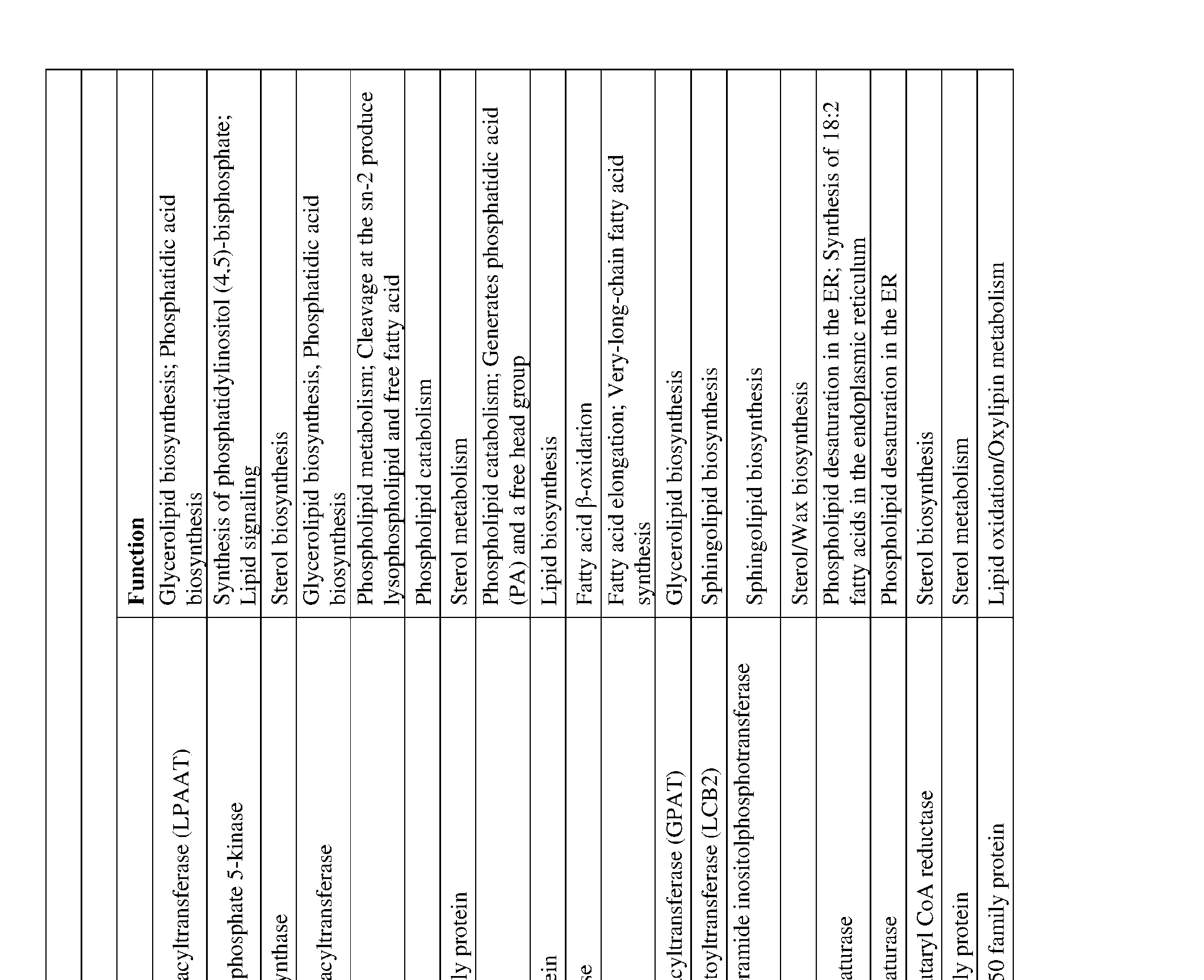


Claims
WHAT IS CLAIMED: 1. A plant cell comprising: a heterologous nucleic acid molecule having a) a modified ADP-glucose pyrophosphorylase (AGPase) sequence encoding an altered AGPase protein subunit or fragment thereof, or b) an inhibitory polynucleotide sequence targeting an AGPase gene encoding an AGPase protien, wherein the expression, stability, and/or activity of the AGPase protein is reduced or eliminated in the plant cell as compared to a plant cell without the modification.
2. The plant cell of claim 1, wherein the nucleic acid molecule comprises a modified ADP-glucose pyrophosphorylase (AGPase) sequence encoding an altered AGPase protein subunit or fragment thereof.
3. The plant cell according to claim 1 or 2, wherein said heterologous nucleic acid is a modified ADP-glucose pyrophosphorylase small subunit (APS) polynucleotide encoding an amino acid sequence that is at least 90% identical to any one of SEQ ID NOs: 3, 6, 9, 21, 24, 36, 39, 42, 54, 66, 69, 81, 93, 105, 117, and 120.
4. The plant cell according to claim 3, wherein the amino acid sequence is at least 90% identical to SEQ ID NO: 3, 6, or 9.
5. The plant cell according to claim 3, wherein the amino acid sequence is at least 90% identical to SEQ ID NO: 54.
6. The plant cell according to any one of claims 1-5, wherein the modified APS polynucleotide is SEQ ID NO: 130 comprising a deletion causing a frameshift mutation.
7. The plant cell according to claim 1 or 2, wherein said heterologous nucleic acid is a modified ADP-glucose pyrophosphorylase large subunit (APL) polynucleotide encoding
an amino acid sequence that is at least 90% identical to any one of SEQ ID NOs: 12, 15, 18, 27, 30, 33, 45, 48, 51, 57, 60, 63, 72, 75, 78, 84, 87, 90, 96, 99, 102, 108, 111, 114, 123, 126, and 129.
8. The plant cell according to claim 7, wherein the amino acid sequence is at least 90% identical to SEQ ID NO: 12, 15, or 18.
9. The plant cell according to claim 7, wherein the amino acid sequence is at least 90% identical to SEQ ID NO: 57, 60, or 63.
10. The plant cell according to any one of claims 1-9, further comprising a second nucleic acid molecule encoding a functional AGPase protein operably linked to a promoter which functions in a non-fruit tissue of the plant.
11. The plant cell of claim 10, wherein the tissue specific promoter is selected from the promoters listed in table 14.
12. A plant comprising the plant cell of any one of claims 1-11.
13. The plant or plant cell according to claim 12, which is a member of the Cucurbitaceae family.
14. The plant or plant cell according to claim 13, wherein the plant or plant cell is selected from the genus Cucurbita, Cucumis, or Citrullus.
15. The plant or plant cell according to claim 13, wherein the plant or plant cell is selected from a zucchini, cucumber, watermelon, pumpkin, squash, or melon.
16. The plant or plant cell according to claim 12, which is a member of the Solanaceae family.
17. The plant or plant cell according to claim 16, wherein the plant or plant cell is from the genus Solanum or Capsicum.
18. The plant or plant cell according to claim 17, wherein the plant or plant cell is an eggplant or pepper.
19. The plant or plant cell according to claim 17, wherein the plant or plant cell is selected from a tomato plant or tomato plant cell.
20. The tomato plant or plant cell according to claim 19, selected from Alicante, Amish Paste, Aunt Ruby's German Green, Azoychka, Beefsteak, Berkeley Tie-Dye Green, Better Boy, Big Beef, Big Mama, Big Rainbow, Blaby Special, Black Beauty, Black Cherry, Black Icicle, Black Krim, Brandywine, Breonice, Campari, Canario, Carbon, Celebrity, Cherokee Purple, Cherry Bambelo, Cherry Nebula, Chocolate Pear, Dad's Sunset, Dester, Dr. Wyche's Yellow, Early Girl, Ed's Millennium, Emerald Evergreen, Enchantment, Ferreira, Ferris Wheel, Flamenco, Fourth of July, Garden Peach, Gardener's Delight, German Johnson, German Lunchbox, German Pink, Giulietta F1, Granadero, Great White, Green Doctors, Green Giant, Green Zebra, Hanover tomato, Henderson's Pink Ponderosa, Heinz, Hillbilly, Hungarian Heart, Japanese Black Trifele, Jersey Boy, Jubilee, Juliet, Kellogg's Breakfast, Kentucky Beefsteak, Kumato, Lillian's Yellow, Malakhitovaya Shkatulka, Matt's Wild Cherry, McDreamy, Micro Tom, Millionaire, Moneymaker, Monterosa, Montserrat, Mortgage Lifter, Mr. Stripey, Mushroom Basket, M82, Napa Rose Blush, Orange Hat, Orange Icicle, Pantano Romanesco, Paul Robeson, Pink Boar, Plum tomato, Raf tomato, Raspberry Lyanna, Rebekah Allen, Rebellion, Red Currant, Roma, Rosa de Barbastro, Rosella, Rutgers, San Marzano, Santorini, Sasha Altai, Scorpio (Skorpion), Stupice, Super Sweet 100, Thorburn's Terra-cotta, Tigerella, Tiny Tim, Tomaccio, Tomkin, Traveller / Arkansas Traveler, True Black Brandywine, Violet Jasper (Tzi Bi U), Viva Italia, Wagner Blue Green, White Queen, Yellow Brandywine, Yellow Pear, or hybrids thereof.
21. A fruit of the plant according to any one of claims 12-20.
22. A method of enhancing at least one of blossom end rot resistance to, size of, or antioxidants in fruit from a plant comprising: a) introducing, into a plant cell, an exogenous nucleic acid molecule comprising i) a modified ADP-glucose pyrophosphorylase (AGPase) sequence encoding an altered AGPase subunit protein or fragment thereof, or ii) an inhibitory polynucleotide sequence targeting an AGPase gene encoding an AGPase protein, and b) regenerating a transgenic plant from the plant cell.
23. The method of claim 22, wherein the nucleic acid molecule comprises a modified ADP-glucose pyrophosphorylase (AGPase) sequence encoding an altered AGPase subunit protein or fragment thereof.
24. The method of claim 22 or 23, wherein said reduction or elimination of the expression, stability, and/or activity of AGPase protein is effective in reducing or eliminating starch synthesis and a) imparting blossom end rot resistance to fruit from the plant or a plant produced from the plant cell, as compared to fruit from a plant without the modification, and/or b) increasing fruit size in fruit from the plant or a plant produced from the plant cell, as compared to fruit from a plant without the modification, and/or c) increasing antioxidant levels in a fruit from the plant or a plant produced from the plant cell, as compared to a fruit from a plant without the modification.
25. The method of claim 24, wherein the increased fruit size comprises an increase in fruit weight by at least 10%.
26. The method of claim 24, wherein the increased fruit size comprises an increase in fruit volume by at least 5%.
27. The method of claim 24, wherein the increased antioxidants comprise raffinose, phenolics, and/or pyridoxal.
28. The method according to claim 22 or 23, wherein said heterologous nucleic acid is a modified ADP-glucose pyrophosphorylase small subunit (APS) polynucleotide encoding an amino acid sequence that is at least 90% identical to any one of SEQ ID NOs: 3, 6, 9, 21, 24, 36, 39, 42, 54, 66, 69, 81, 93, 105, 117, and 120.
29. The method of claim 28, wherein the amino acid sequence is at least 90% identical to SEQ ID NO: 3, 6, or 9.
30. The method according to claim 28, wherein the amino acid sequence is at least 90% identical to SEQ ID NO: 54.
31. The method according to any one of claims 22-30, wherein the modified APS polynucleotide is SEQ ID NO: 130 and comprises a deletion mutation causing a frameshift mutation.
32. The method according to claim 22 or 23, wherein said heterologous nucleic acid is a modified ADP-glucose pyrophosphorylase large subunit (APL) polynucleotide encoding an amino acid sequence that is at least 90% identical to any one of SEQ ID NOs: 12, 15, 18, 27, 30, 33, 45, 48, 51, 57, 60, 63, 72, 75, 78, 84, 87, 90, 96, 99, 102, 108, 111, 114, 123, 126, and 129.
33. The method according to claim 32, wherein the amino acid sequence is at least 90% identical to SEQ ID NO: 12, 15, or 18.
34. The method according to claim 32, wherein the amino acid sequence is at
least 90% identical to SEQ ID NO: 57, 60, or 63.
35. The method according to anyone of claims 22-34, wherein the modified AGPase gene comprises a mutation in a coding sequence and/or regulatory sequence.
36. The method of claim 35, wherein the mutation is an insertion, a deletion, a substitution mutation, or any combination thereof.
37. The method according to claim 22, further comprising introducing a second nucleic acid molecule encoding a functional AGPase protein operably linked to a promoter which functions in a non-fruit tissue of the plant.
38. The method of claim 37, wherein the tissue specific promoter is selected from the promoters listed in table 14.
39. A plant or plant cell produced from the method of any one of claims 22- 38.
40. A nucleic acid construct comprising: a nucleotide sequence targeting an AGPase encoding nucleic acid comprising: (i) a guide RNA; or (ii) an inhibitory polynucleotide; a 5’ heterologous DNA promoter sequence; and a 3’ terminator sequence.
41. An expression vector comprising the nucleic acid construct according to claim 40.
42. The nucleic acid construct of claim 40 or the expression vector of claim 41, further comprising a genome editing nuclease.
43. The nucleic acid construct of claim 40 or the expression vector of claim 41, targeting a sequence present in a small subunit of said AGPase gene (APS) and inhibiting expression of a protein having an amino acid sequence selected from any one of SEQ ID NOs: 3, 6, 9, 21, 24, 36, 39, 42, 54, 66, 69, 81, 93, 105, 117, and 120, or having at least 90% sequence identity to any one of SEQ ID NOs: 3, 6, 9, 21, 24, 36, 39, 42, 54, 66, 69, 81, 93, 105, 117, and 120.
44. The nucleic acid construct or the expression vector of claim 43, for inhibition of an amino acid sequence at least 90% identical to SEQ ID NO: 3, 6, or 9.
45. The nucleic acid construct or the expression vector of claim 43, for inhibition of expression of an amino acid sequence at least 90% identical to SEQ ID NO: 54.
46. The nucleic acid construct or the expression vector of claim 43, wherein the modified APS polynucleotide is SEQ ID NO: 130 and comprises a deletion causing a frameshift mutation.
47. The nucleic acid construct of claim 40 or the expression vector of claim 41, targeting a sequence present in a small subunit of said AGPase gene (APL) and inhibiting expression of an amino acid sequence selected from of any one of SEQ ID NOs: 12, 15, 18, 27, 30, 33, 45, 48, 51, 57, 60, 63, 72, 75, 78, 84, 87, 90, 96, 99, 102, 108, 111, 114, 123, 126, and 129 or having at least 90% sequence identity to any one of SEQ ID NOs:12, 15, 18, 27, 30, 33, 45, 48, 51, 57, 60, 63, 72, 75, 78, 84, 87, 90, 96, 99, 102, 108, 111, 114, 123, 126, and 129.
48. The nucleic acid construct or the expression vector of claim 47, for inhibiting expression of an amino acid sequence at least 90% identical to SEQ ID NO: 12, 15, or 18.
49. The nucleic acid construct or the expression vector of claim 47, for inhibiting expression of an amino acid sequence at least 90% identical to SEQ ID NO: 57, 60, or 63.
50. The nucleic acid construct of claim 40 or the expression vector of claim 41, further comprising a second nucleic acid molecule encoding a functional AGPase protein operably linked to a promoter which functions in a non-fruit tissue of the plant.
51. A cell transformed with the nucleic acid construct according to any one of claims 40-50.
52. The cell according to claim 51, wherein the cell is a bacterial cell or a plant cell.
53. A plant transformed with the nucleic acid construct according to any one of claims 40-50.
54. The cell or plant according to claim 52 or 53, wherein the plant cell or plant is from the Solanaceae or Cucurbitaceae family.
55. The cell or plant according to any one of claims 51-54, selected from a tomato, eggplant, pepper, zucchini, cucumber, watermelon, pumpkin, squash, or melon.
56. The cell or plant according to any one of claims 51-55, selected from the genus Solanum, Capsicum, Cucurbita, Cucumis, or Citrullus.
57. The cell or plant according to any one of claims 51-55, which is a tomato plant or tomato plant cell.
58. A fruit from the plant, or plant grown from the plant cell, according to any one of claims 51-57.
59. A plant seed produced from the plant according to any one of claims 51- 58.
60. A method for breeding plants having enhanced blossom end rot resistance, said method comprising: providing a candidate plant or plant part; analyzing the candidate plant or plant part for the presence, in its genome, of a modified ADP-glucose pyrophosphorylase (AGPase) polynucleotide encoding an AGPase subunit protein, wherein the expression, stability, and/or activity of said AGPase subunit protein is reduced or eliminated as compared to a plant without the modification; identifying, based on said analyzing, a candidate plant suitable for breeding that includes in its genome, the modified AGPase polynucleotide; and breeding the identified plant with at least one other plant.
61. The method according to claim 60, wherein said analyzing comprises: isolating nucleic acids from the plant or plant part; analyzing nucleic acids from the plant or plant part for the presence of the modified AGPase polynucleotide; and detecting the modified AGPase polynucleotide.
62. The method according to claim 60, wherein said breeding comprises crossing, making hybrids, backcrossing, self-crossing, double haploid breeding, and/or combinations thereof.
63. The method according to any one of claims 60-62, wherein said AGPase comprises a modified ADP-glucose pyrophosphorylase small subunit (APS) polynucleotide encoding an amino acid sequence that is at least 90% identical to any one of SEQ ID NOs:3, 6, 9, 21, 24, 36, 39, 42, 54, 66, 69, 81, 93, 105, 117, and 120.
64. The method of claim 63, wherein the amino acid sequence is SEQ ID NO: 3, 6, or 9.
65. The method according to claim 63, wherein the amino acid sequence isSEQ ID NO: 54.
66. The method according to claim 63, wherein the modified APS polynucleotide is an APS1 polynucleotide comprising the deletion mutation of SEQ ID NO:130 resulting in a frameshift mutation.
67. The method according to any one of claims 60-62, said AGPase comprises a modified ADP-glucose pyrophosphorylase large subunit (APL) polynucleotide, a encoding the amino acid sequence that has at least 90% identity with SEQ ID NOs:12, 15, 18, 27, 30, 33, 45, 48, 51, 57, 60, 63, 72, 75, 78, 84, 87, 90, 96, 99, 102, 108, 111, 114, 123, 126, and 129.
68. The method according to claim 67, wherein the amino acid sequence is to SEQ ID NO: 12, 15, or 18.
69. The method according to claim 67, wherein the amino acid sequence is SEQ ID NO: 57, 60, or 63.
70. The method according to any one of claims 60-69, wherein the plant is from the Solanaceae or Cucurbitaceae family.
71. The method of claim 60-70, wherein the plant is selected from a a tomato, eggplant, pepper, zucchini, cucumber, watermelon, pumpkin, squash, or melon.
72. The method according to any one of claims 60-71, wherein the plant is from the genus Solanum, Capsicum, Cucurbita, Cucumis, or Citrullus.
73. The method according to any one of claims 60-72, wherein the plant or plant cell is a tomato plant or tomato plant cell.
74. A fruit from the plant, or plant grown from the plant cell, according to any one of claims 60-73.
75. A method of imparting blossom end rot resistance to fruit from a plant comprising: modifying a plant or a plant cell to reduce or eliminate the expression, stability, and/or activity of an ADP-glucose pyrophosphorylase (AGPase) subunit protein, wherein said reduction or elimination of the expression, stability, and/or activity of AGPase protein is effective in reducing or eliminating starch synthesis and imparting blossom end rot resistance to fruit from the plant or a plant produced from the plant cell, as compared to fruit from a plant without the modification; and selectively expressing a functional AGPase protein in non-fruit tissues.
Applications Claiming Priority (2)
| Application Number | Priority Date | Filing Date | Title |
|---|---|---|---|
| US202363504949P | 2023-05-30 | 2023-05-30 | |
| US63/504,949 | 2023-05-30 |
Publications (2)
| Publication Number | Publication Date |
|---|---|
| WO2024249608A2 true WO2024249608A2 (en) | 2024-12-05 |
| WO2024249608A3 WO2024249608A3 (en) | 2025-04-03 |
Family
ID=93658441
Family Applications (1)
| Application Number | Title | Priority Date | Filing Date |
|---|---|---|---|
| PCT/US2024/031632 Ceased WO2024249608A2 (en) | 2023-05-30 | 2024-05-30 | Fruit with increased fruit size, antioxidants, and resistance to blossom end rot |
Country Status (2)
| Country | Link |
|---|---|
| US (1) | US20260083691A1 (en) |
| WO (1) | WO2024249608A2 (en) |
Cited By (3)
| Publication number | Priority date | Publication date | Assignee | Title |
|---|---|---|---|---|
| CN119932036A (en) * | 2024-12-13 | 2025-05-06 | 扬州大学 | A gene SlLHP1 regulating tomato parthenocarpy and its encoding protein and application |
| CN120442650A (en) * | 2025-05-09 | 2025-08-08 | 青岛农业大学 | Application of MdERF77 gene in plant resistance to saline-alkali stress |
| CN120591437A (en) * | 2025-05-26 | 2025-09-05 | 中国农业科学院郑州果树研究所 | An InDel molecular marker related to peach fruit weight and its application |
Family Cites Families (2)
| Publication number | Priority date | Publication date | Assignee | Title |
|---|---|---|---|---|
| WO2017117633A1 (en) * | 2016-01-07 | 2017-07-13 | Commonwealth Scientific And Industrial Research Organisation | Plants with modified traits |
| CN109642238A (en) * | 2016-06-22 | 2019-04-16 | 本森希尔生物系统股份有限公司 | Increase plant growth and yield using ADP- glucose pyrophosphorylase sequence |
-
2024
- 2024-05-30 WO PCT/US2024/031632 patent/WO2024249608A2/en not_active Ceased
-
2025
- 2025-12-01 US US19/405,201 patent/US20260083691A1/en active Pending
Cited By (3)
| Publication number | Priority date | Publication date | Assignee | Title |
|---|---|---|---|---|
| CN119932036A (en) * | 2024-12-13 | 2025-05-06 | 扬州大学 | A gene SlLHP1 regulating tomato parthenocarpy and its encoding protein and application |
| CN120442650A (en) * | 2025-05-09 | 2025-08-08 | 青岛农业大学 | Application of MdERF77 gene in plant resistance to saline-alkali stress |
| CN120591437A (en) * | 2025-05-26 | 2025-09-05 | 中国农业科学院郑州果树研究所 | An InDel molecular marker related to peach fruit weight and its application |
Also Published As
| Publication number | Publication date |
|---|---|
| WO2024249608A3 (en) | 2025-04-03 |
| US20260083691A1 (en) | 2026-03-26 |
Similar Documents
| Publication | Publication Date | Title |
|---|---|---|
| Nunez-Palenius et al. | Melon fruits: genetic diversity, physiology, and biotechnology features | |
| Dong et al. | GDSL esterase/lipase genes in Brassica rapa L.: genome-wide identification and expression analysis | |
| Zheng et al. | Isolation and characterization of carotenoid cleavage dioxygenase 4 genes from different citrus species | |
| US20220090118A1 (en) | Powdery mildew resistant cannabis plants | |
| US20190085355A1 (en) | Drought tolerant maize | |
| EP3095863B1 (en) | Parthenocarpy regulation gene and use thereof | |
| CN108588112B (en) | Application of Tomato SlMPK20 Gene in Creation of Tomato Male Sterile Line | |
| WO2023154887A1 (en) | Methods and compositions for increasing protein and/or oil content and modifying oil profile in a plant | |
| Nicolas et al. | Starch deficiency in tomato causes transcriptional reprogramming that modulates fruit development, metabolism, and stress responses | |
| Pan et al. | Loss-function-of a UMP kinase leads to impaired chloroplast development and photosynthesis efficiency in cucumber | |
| CN103403168A (en) | Methods to obtain drought resistant plants | |
| Sharma et al. | CRISPR/Cas9: efficient and emerging scope for Brassica crop improvement | |
| Abdullah et al. | The Application of CRISPR Technology for Functional Genomics in Oil Palm and Coconut | |
| JP7560883B2 (en) | Fruit plants that exhibit high temperature tolerance, high yield and parthenocarpy | |
| Zhang et al. | Application of Transgenic Technology in Identification for Gene Function on Grasses. | |
| CA3166209A1 (en) | Methods for increasing powdery mildew resistance in cannabis | |
| Jiang et al. | Efficient gene editing and overexpression of gametophyte transformation in a model fern | |
| Dhansu et al. | Insights into biotechnological interventions for sugarcane improvement | |
| Ammar et al. | Crop productivity enhancement: Agricultural biotechnology viewpoint | |
| Beauchet | Study of the function of FW2. 2, a plasmodesmata-located protein | |
| US12270041B2 (en) | ROP—deficient plants having high water use efficiency | |
| Neves | Functional analysis of the SlGRAS10 gene in tomato fruit ripening | |
| Soares | The study of GRAS transcription factors involvement in fruit ripening and fruit response against Botrytis cinerea | |
| Rhee et al. | Induction of virus-induced gene silencing and in planta validation in cucurbits using the CFMMV-Cm vector | |
| Gargiulo | VOCs perception in Solanum lycopersicum: multiple approaches to a complex problem. Percezione dei VOCs in Solanum lycopersicum: diversi approcci per lo studio di un problema complesso |
Legal Events
| Date | Code | Title | Description |
|---|---|---|---|
| 121 | Ep: the epo has been informed by wipo that ep was designated in this application |
Ref document number: 24816403 Country of ref document: EP Kind code of ref document: A2 |
|
| NENP | Non-entry into the national phase |
Ref country code: DE |
|
| 122 | Ep: pct application non-entry in european phase |
Ref document number: 24816403 Country of ref document: EP Kind code of ref document: A2 |