WO2024249290A2 - Compounds with antifungal properties - Google Patents
Compounds with antifungal properties Download PDFInfo
- Publication number
- WO2024249290A2 WO2024249290A2 PCT/US2024/030955 US2024030955W WO2024249290A2 WO 2024249290 A2 WO2024249290 A2 WO 2024249290A2 US 2024030955 W US2024030955 W US 2024030955W WO 2024249290 A2 WO2024249290 A2 WO 2024249290A2
- Authority
- WO
- WIPO (PCT)
- Prior art keywords
- mbx
- alkyl
- compound
- pharmaceutically acceptable
- acceptable salt
- Prior art date
- Legal status (The legal status is an assumption and is not a legal conclusion. Google has not performed a legal analysis and makes no representation as to the accuracy of the status listed.)
- Ceased
Links
Classifications
-
- A—HUMAN NECESSITIES
- A61—MEDICAL OR VETERINARY SCIENCE; HYGIENE
- A61K—PREPARATIONS FOR MEDICAL, DENTAL OR TOILETRY PURPOSES
- A61K45/00—Medicinal preparations containing active ingredients not provided for in groups A61K31/00 - A61K41/00
- A61K45/06—Mixtures of active ingredients without chemical characterisation, e.g. antiphlogistics and cardiaca
-
- A—HUMAN NECESSITIES
- A61—MEDICAL OR VETERINARY SCIENCE; HYGIENE
- A61K—PREPARATIONS FOR MEDICAL, DENTAL OR TOILETRY PURPOSES
- A61K31/00—Medicinal preparations containing organic active ingredients
- A61K31/33—Heterocyclic compounds
- A61K31/395—Heterocyclic compounds having nitrogen as a ring hetero atom, e.g. guanethidine or rifamycins
- A61K31/41—Heterocyclic compounds having nitrogen as a ring hetero atom, e.g. guanethidine or rifamycins having five-membered rings with two or more ring hetero atoms, at least one of which being nitrogen, e.g. tetrazole
- A61K31/4164—1,3-Diazoles
- A61K31/4174—Arylalkylimidazoles, e.g. oxymetazolin, naphazoline, miconazole
-
- A—HUMAN NECESSITIES
- A61—MEDICAL OR VETERINARY SCIENCE; HYGIENE
- A61K—PREPARATIONS FOR MEDICAL, DENTAL OR TOILETRY PURPOSES
- A61K31/00—Medicinal preparations containing organic active ingredients
- A61K31/33—Heterocyclic compounds
- A61K31/395—Heterocyclic compounds having nitrogen as a ring hetero atom, e.g. guanethidine or rifamycins
- A61K31/41—Heterocyclic compounds having nitrogen as a ring hetero atom, e.g. guanethidine or rifamycins having five-membered rings with two or more ring hetero atoms, at least one of which being nitrogen, e.g. tetrazole
- A61K31/4196—1,2,4-Triazoles
-
- A—HUMAN NECESSITIES
- A61—MEDICAL OR VETERINARY SCIENCE; HYGIENE
- A61K—PREPARATIONS FOR MEDICAL, DENTAL OR TOILETRY PURPOSES
- A61K31/00—Medicinal preparations containing organic active ingredients
- A61K31/33—Heterocyclic compounds
- A61K31/395—Heterocyclic compounds having nitrogen as a ring hetero atom, e.g. guanethidine or rifamycins
- A61K31/435—Heterocyclic compounds having nitrogen as a ring hetero atom, e.g. guanethidine or rifamycins having six-membered rings with one nitrogen as the only ring hetero atom
- A61K31/44—Non condensed pyridines; Hydrogenated derivatives thereof
- A61K31/4427—Non condensed pyridines; Hydrogenated derivatives thereof containing further heterocyclic ring systems
- A61K31/444—Non condensed pyridines; Hydrogenated derivatives thereof containing further heterocyclic ring systems containing a six-membered ring with nitrogen as a ring heteroatom, e.g. amrinone
-
- A—HUMAN NECESSITIES
- A61—MEDICAL OR VETERINARY SCIENCE; HYGIENE
- A61K—PREPARATIONS FOR MEDICAL, DENTAL OR TOILETRY PURPOSES
- A61K31/00—Medicinal preparations containing organic active ingredients
- A61K31/33—Heterocyclic compounds
- A61K31/395—Heterocyclic compounds having nitrogen as a ring hetero atom, e.g. guanethidine or rifamycins
- A61K31/435—Heterocyclic compounds having nitrogen as a ring hetero atom, e.g. guanethidine or rifamycins having six-membered rings with one nitrogen as the only ring hetero atom
- A61K31/44—Non condensed pyridines; Hydrogenated derivatives thereof
- A61K31/445—Non condensed piperidines, e.g. piperocaine
- A61K31/4523—Non condensed piperidines, e.g. piperocaine containing further heterocyclic ring systems
- A61K31/4545—Non condensed piperidines, e.g. piperocaine containing further heterocyclic ring systems containing a six-membered ring with nitrogen as a ring hetero atom, e.g. pipamperone, anabasine
-
- A—HUMAN NECESSITIES
- A61—MEDICAL OR VETERINARY SCIENCE; HYGIENE
- A61K—PREPARATIONS FOR MEDICAL, DENTAL OR TOILETRY PURPOSES
- A61K31/00—Medicinal preparations containing organic active ingredients
- A61K31/33—Heterocyclic compounds
- A61K31/395—Heterocyclic compounds having nitrogen as a ring hetero atom, e.g. guanethidine or rifamycins
- A61K31/495—Heterocyclic compounds having nitrogen as a ring hetero atom, e.g. guanethidine or rifamycins having six-membered rings with two or more nitrogen atoms as the only ring heteroatoms, e.g. piperazine or tetrazines
- A61K31/496—Non-condensed piperazines containing further heterocyclic rings, e.g. rifampin, thiothixene or sparfloxacin
-
- A—HUMAN NECESSITIES
- A61—MEDICAL OR VETERINARY SCIENCE; HYGIENE
- A61K—PREPARATIONS FOR MEDICAL, DENTAL OR TOILETRY PURPOSES
- A61K31/00—Medicinal preparations containing organic active ingredients
- A61K31/33—Heterocyclic compounds
- A61K31/395—Heterocyclic compounds having nitrogen as a ring hetero atom, e.g. guanethidine or rifamycins
- A61K31/495—Heterocyclic compounds having nitrogen as a ring hetero atom, e.g. guanethidine or rifamycins having six-membered rings with two or more nitrogen atoms as the only ring heteroatoms, e.g. piperazine or tetrazines
- A61K31/505—Pyrimidines; Hydrogenated pyrimidines, e.g. trimethoprim
- A61K31/506—Pyrimidines; Hydrogenated pyrimidines, e.g. trimethoprim not condensed and containing further heterocyclic rings
Definitions
- the present invention relates to compounds and methods for treating fungal infections.
- Fungi are members of a kingdom of eukaryotic organisms that are considered distinct from plants and animals. Unlike plant and animal cells, they are characterised by the presence of a cell wall containing chitin. Many plant and animal diseases are attributed to fungi, either from infection of a host or through their production of toxic metabolites. Serious fungal infections, usually caused by fungal species such as Candida spp. and Aspergillus spp., are common in immunocompromised and other susceptible patient populations. They are frequent causes of morbidity and mortality in hospitalized patients and in HIV, cancer, transplant, COVID-19, and influenza A patients.
- Aspergillus fumigatus is the Aspergillus species causing invasive aspergillosis, which is a life-threatening disease with a high mortality rate of 60-90%. Incidence of aspergillosis has increased, with increasing numbers of immunocompromised patients. Infections by Candida are commonly treated with antifungal azoles which target lanosterol demethylase, an essential enzyme in ergosterol synthesis, the major component of the fungal membrane. However the usefulness of azoles is impaired by the emergence of azole-resistant fungus, such as in Candida species such as Candida glabrata. Further, azole treatment can result in trailing growth, with surviving fungal cells becoming reservoirs for rebound infection.
- methods are provided for treating fungal infection in a subject.
- the methods comprise administering to the subject an analog thereof, a derivative thereof, or a pharmaceutically acceptable salt of any of the foregoing; or an analog thereof, a derivative thereof, or a pharmaceutically acceptable salt of any of the foregoing.
- novel compounds which have a structure of Formula (III) or Formula (IV): as well as pharmaceutically acceptable sales of such compounds. Also provided are pharmaceutical compositions comprising one or more of the novel compounds.
- methods are provided for potentiating antifungal activity of an azole antifungal agent, by administering to a subject one or more of the compounds or pharmaceutical compositions described herein.
- the subject has, is suspected of having, or is at risk of having has an azole-resistant fungal infection, such as an infection caused an azole-resistant Aspergillus species.
- FIG. 1 shows Synthetic Scheme 1, which can be used for the synthesis ofMBX-7591, an analog thereof, or a derivative thereof.
- FIG. 2 shows Synthetic Scheme 2, which can be used for the synthesis of MBX-7498, an analog thereof, or a derivative thereof.
- the present invention relates to compounds and pharmaceutical compositions, as well as methods of treating a subject having a fungal infection by administering such compounds and compositions.
- the present invention also relates to compounds, compositions, and their use for potentiating antifungal agents, such as azoles, against drug-resistant fungus.
- the present disclosure provides compounds, compositions and methods which inhibit growth of fungus more effectively, including with lower concentrations of antifungal agents.
- the terms “approximately” and “about” mean to within an acceptable limit or amount to one having ordinary skill in the art.
- the term “about” generally refers to plus or minus 15% of the indicated number. For example, “about 10” may indicate a range of 8.5 to 11.5.
- “approximately the same” means that one of ordinary skill in the art considers the items being compared to be the same.
- numeric ranges are provided for various parameters or data. It should be understood that numeric ranges also disclose include each intervening value within the range, to the tenth of the unit of the lower limit, unless the context clearly dictates otherwise. It should also be understood that the upper and lower limits may each be included or excluded in a range.
- analog refers to a compound that has a structure similar to an “original” compound (z.e., the compound of which it is an analog), but having one or more structural variations (such as by having one, two, or more different atoms, or by having one, two or more different functional groups), and that retains the same or a substantially similar biological function as the original compound.
- derivative refers to a chemical compound related structurally to an original compound, and which can be made from the original compound in one or more steps. The general physical and chemical properties of a derivative are also similar to the original compound.
- substituted and substituted in the context of the chemical molecules or groups discussed herein, refer to replacement of one or more hydrogen atoms on such molecules with a non-hydrogen atom or group.
- substituents include Ci-Cs-alkyl, Ci-Cs-haloalkyl, halo, C1-C3- alkoxy, and oxo.
- the first atom can be another substituent or a point of attachment to another group in the compound.
- substituents on a five-membered group the terms “para”, “meta”, and “ortho” refer to the placement of a substituent relative to the point of attachment of the pyridyl ring.
- the structure below is described as 4 pyridyl with the X substituent in the ortho position and the Y substituent in the meta position:
- alkyl and “alkane” refers to a linear, branched or cyclic alkyl, unless the context indicates otherwise.
- an alkyl can have 1, 2, 3, 4, 5, 6, 7, 8, 9, 10, 11, 12, 13, 14, 15, 16, 17, 18, 19, 20, 21, 22, 23 or 24 carbons, or a range formed by any of those numbers, including but not limited to C1-C3, C1-C4, C1-C6, C3-C8, or C4-C8.
- alkyl groups examples include methyl, ethyl, propyl, isopropyl, //-butyl, sec-butyl, isobutyl, te/7-butyl, pentyl, isoamyl, hexyl, and the like.
- Alkyl groups may be unsubstituted or substituted, as defined above.
- haloalkyl refers to an alkyl group substituted with one or more halogen atoms. Nonlimiting examples include trifluoromethyl, tri fluoroethyl, pentafluoroethyl, 2,2,2-trichloroethyl, chloromethyl, and the like.
- cycloalkyl refers to a ring system comprising alkyl groups, such as a monocyclic ring, a bicyclic ring, a fused ring system, or a bridged ring system, each which may be optionally substituted by one or more substituents.
- alkenyl and alkene refers to a linear, branched or cyclic hydrocarbon, unless the context indicates otherwise, and having one or more carbon-carbon double bonds.
- an alkenyl can have 2, 3, 4, 5, 6, 7, 8, 9, 10, 11, 12, 13, 14, 15, 16, 17, 18, 19, 20, 21, 22, 23 or 24 carbons, or a range formed by any of those numbers, including but not limited to C2- C3 alkene, C2-C4 alkene, C2-C6 alkene, and C3-C6 alkene.
- alkenyl groups include ethenyl, 1 -propenyl, 2-propenyl (allyl), /.w-propenyl, 2-methyl-l-propenyl, 1-butenyl, and 2- butenyl.
- Alkenyl groups may be unsubstituted or substituted by one or more suitable substituents, as defined above.
- haloalkenyl refers to an alkenyl group substituted with one or more halogen atoms.
- cycloalkenyl refers to one or more rings having an alkenyl group, such as a monocyclic ring, a bicyclic ring, a fused ring system, or a bridged ring system, each which may be optionally substituted by one or more substituents.
- alkynyl refers to a linear, branched or cyclic hydrocarbon, unless the context indicates otherwise, and having one or more carbon-carbon triple bonds.
- an alkynyl can have 2, 3, 4, 5, 6, 7, 8, 9, 10, 11, 12, 13, 14, 15, 16, 17, 18, 19, 20, 21, 22, 23 or 24 carbons, or a range formed by any of those numbers, including but not limited to C2- C3 alkyne, C2-C6 alkyne, and C3-C6 alkyne.
- Alkynyl groups include, but are not limited to, ethynyl, propynyl, and butynyl.
- Alkynyl groups may be unsubstituted or substituted by one or more suitable substituents, as defined above
- haloalkynyl refers to an alkynyl group substituted with one or more halogen atoms.
- cycloalkynyl refers a ring system having an alkynyl group, such as a monocyclic ring, a bicyclic ring, a fused ring system, or a bridged ring system, each which may be optionally substituted by one or more substituents.
- a description of the group such as an alkyl group using the recitation of a range of 1-24 carbon atoms (e.g., C1-C24), 1-6 carbon atoms (e.g., Ci-Ce), 1-4 carbon atoms (e.g., C1-C4), 1-3 carbon atoms (e.g., C1-C3), or 2-24 carbon atoms (e g., C2-C24) encompasses and specifically describes an alkyl group having any of 1, 2, 3, 4, 5, 6, 7, 8, 9, 10, 11, 12, 13, 14, 15, 16, 17, 18, 19, 20, 21, 22, 23 and 24 carbon atoms, as appropriate, as well as any sub-range thereof (e.g., 1-2 carbon atoms, 1-3 carbon atoms, 1-4 carbon atoms, 1-5 carbon atoms, 1-6 carbon atoms, 1-7 carbon atoms, 1-8 carbon atoms, 1-9 carbon atoms, 1-10 carbon atoms, 1-11 carbon atoms, 1-12 carbon atoms,
- a Ci-4 substituted alkyl refers to a Ci-4 alkyl, which can be substituted with groups having more than, e.g., 4 carbon atoms.
- Heteroalkyl refers respectively to an alkyl group, an alkenyl group and an alkynyl group, in which one or more carbon atoms have been replaced with a heteroatom, such as, O, N, or S. Any carbons within the alkyl group, the alkenyl group or the alkynyl group can be replaced independently with a heteroatom (O, N, or S), meaning the first carbon, the terminal carbon or an internal carbon.
- the resulting heteroalkyl groups are, respectively, an alkoxy group (e.g., — OCH3, etc.), an amine alkyl (e.g., — NHCH3, — N(CH?)2, etc.), or a thioalkyl group (e.g., — SCH3).
- a heteroatom e.g., O, N, or S
- the resulting heteroalkyl groups are, respectively, an alkoxy group (e.g., — OCH3, etc.), an amine alkyl (e.g., — NHCH3, — N(CH?)2, etc.), or a thioalkyl group (e.g., — SCH3).
- the resulting heteroalkyl groups are, respectively, an alkyl ether (e.g., — CH2CH2 — O — CH3, etc.), an alkyl amine (e.g., — CH2NHCH3, — CH 2 N(CH 3 )2, etc ), or a thioalkyl ether (e.g., — CH2 — S — CH3).
- an alkyl ether e.g., — CH2CH2 — O — CH3, etc.
- an alkyl amine e.g., — CH2NHCH3, — CH 2 N(CH 3 )2, etc
- a thioalkyl ether e.g., — CH2 — S — CH3
- the resulting heteroalkyl groups are, respectively, a hydroxyalkyl group (e.g., — CH2CH2 — OH), an aminoalkyl group (e.g., — CH2NH2), or an alkyl thiol group (e.g., — CH2CH2 — SH).
- a heteroalkyl group, a heteroalkenyl group, or an heteroalkynyl group can have, for example, 1 to 24 carbon atoms.
- a Ci-Ce heteroalkyl group means a heteroalkyl group having 1 to 6 carbon atoms.
- a “substituted heteroalkyl”, a “substituted heteroalkenyl”, or a “substituted heteroalkynyl” means a heteroalkyl, a heteroalkenyl or a heteroalkynyl as defined herein in which one or more hydrogen atom has been replaced with a non-hydrogen substituent as defined in the” substituted” definition.
- aryl refers to an unsubstituted or substituted aromatic carbocyclic substituent, as commonly understood in the art, such as phenyl, naphthyl, anthracyl, indanyl, and the like. It is understood that the term aryl applies to cyclic substituents that are planar and comprise 4n+2 electrons, according to Huckel's Rule.
- Aryl groups may be unsubstituted or substituted by one or more suitable substituents, as defined above.
- halosubstituted aryl refer to aryl substituted with one or more halogen atoms or halogen-containing substituents.
- fluorosubstituted aryl refer to aryl substituted with one or more fluorine atoms or fluorine-containing substituents.
- Arylalkyl refers to an acyclic alkyl group in which one of the hydrogen atoms bonded to a carbon atom, typically a terminal carbon atom, is replaced with an aryl group.
- Typical arylalkyl groups include, but are not limited to, benzyl, 2-phenylethan-l-yl, naphthylmethyl, 2-naphthylethan-l-yl, naphthobenzyl, 2-naphthophenylethan-l-yl and the like.
- the arylalkyl group can comprise 6 to 24 carbon atoms, e g., the alkyl carbon atoms and the aryl carbon atoms add up to 6 to 24 carbon atoms.
- Aryl groups may be unsubstituted or substituted by one or more suitable substituents, as defined above.
- carbonyl refers to a substituent comprising a carbon double bonded to an oxygen.
- substituents include aldehydes, ketones, carboxylic acids, esters, amides, carbonates, and carbamates.
- Carbonyl groups may be unsubstituted or substituted by one or more suitable substituents, as defined above.
- amino refers to any nitrogen-containing moiety.
- Non-limiting examples of the amino group are NH2- (primary), RHN- (secondary), and R2N(tertiary) where R is alkyl, alkenyl, alkynyl, aryl, heterocyclic, or heteroaryl.
- RHN- and R2N groups may be unsubstituted or substituted, as defined above.
- azole refers to a five-membered aromatic heterocyclic system with at least one nitrogen in the ring which typically has additional oxygen, sulfur or additional nitrogen(s) within the five-membered ring.
- examples of azole include imidazoles, pyrazoles, triazoles, tetrazoles, oxazoles, isoxazoles, and oxadiazoles such as furazan (1,2,5-oxadiazoles).
- a large number of active antifungal agents have an azole functionality as part of their structure; such an antifungal agent is generally referred to as an “antifungal azole”, an “azole antifungal agent” or an “azole”.
- Examples of azole antifungal agents include ketoconazole, fluconazole, itraconazole, miconazole, voriconazole, posaconazole and ravuconazole.
- heteroaryl refers to a monocyclic or bicyclic 5- or 6-membered ring system, wherein the heteroaryl group is unsaturated and satisfies Huckel's rule.
- Non-limiting examples of heteroaryl groups include furanyl, thiophenyl, pyrrolyl, pyrazolyl, imidazolyl, 1,2,3- triazolyl, 1,2,4-triazolyl, isoxazolyl, oxazolyl, isothiazolyl, thiazolyl, l,3,4-oxadiazol-2-yl, 1,2,4- oxadiazol-2-yl, 5-methyl-l,3,4-oxadiazole, 3-methyl-l,2,4-oxadiazole, pyridinyl, pyrimidinyl, pyrazinyl, triazinyl, benzofuranyl, benzothiophenyl, indolyl, quinolinyl, isoquino
- heterocycle or “heterocyclyl” refers to a monocyclic, bicyclic, or tricyclic moiety containing 1 to 4 heteroatoms selected from O, N, and S. Heterocyclyl groups optionally contain one or more double bonds.
- Heterocyclyl groups include, but are not limited to, azetidinyl, tetrahydrofuranyl, imidazolidinyl, pyrrolidinyl, piperidinyl, piperazinyl, oxazolidinyl, thiazolidinyl, pyrazolidinyl, thiomorpholinyl, tetrahydrothiazinyl, tetrahydro-thiadiazinyl, morpholinyl, oxetanyl, tetrahydrodiazinyl, oxazinyl, oxathiazinyl, indolinyl, isoindolinyl, quinuclidinyl, chromanyl, isochromanyl, and benzoxazinyl.
- Nonlimiting examples of monocyclic saturated or partially saturated ring systems are tetrahydrofuran-2-yl, tetrahydrofuran-3-yl, imidazolidin-l-yl, imidazolidin-2-yl, imidazolidin-4-yl, pyrrolidin-l-yl, pyrrolidin-2-yl, pyrrolidin-3-yl, piperidin-l-yl, piperidin-2-yl, piperidin-3-yl, piperazin-l-yl, piperazin-2-yl, piperazin-3 -yl, l,3-oxazolidin-3-yl, isothiazolidine, l,3-thiazolidin-3-yl, 1,2- pyrazolidin-2-yl, 1 ,3-pyrazolidin-l-yl, thiomorpholin-yl, l,2-tetrahydrothiazin-2-yl, 1,3- tetrahydrothia
- Halogen or “halo” refers to fluorine, chlorine, bromine, and iodine.
- the term “chiral” refers to molecules which have the property of non- superimposability of the minor image partner, while the term “achiral” refers to molecules which are superimposable on their minor image partner.
- the compounds of the present disclosure may contain one or more chiral centers and/or double bonds and, therefore, exist as stereoisomers, such as geometric isomers, enantiomers or diastereomers.
- the present compounds and pharmaceutical compositions include various stereoisomers of these compounds and mixtures thereof.
- Mixtures of enantiomers or diastereomers may be designated ( ⁇ ) in nomenclature, but it should also be noted that a chemical structure or formula may denote a chiral center implicitly.
- all graphical depictions of chemical compounds, structures and formulas encompass and constitute disclosures of all stereoisomers of the depicted specified compounds, structures and formulas, unless the depiction indicates otherwise.
- stereoisomers refers to compounds which have identical chemical constitution, but differ with regard to the arrangement of the atoms or groups in space. These compounds may be designated by using one or more symbols “R” or “S,” or “+” or depending on the configuration of substituents around the stereogenic carbon atom(s) and or the optical rotation observed.
- Diastereomer refers to a stereoisomer with two or more centers or axes of chirality and whose molecules are not mirror images of one another. Diastereomers typically have different physical properties, e.g., melting points, boiling points, spectral properties, and reactivities. Mixtures of diastereomers may separate under high resolution analytical procedures such as electrophoresis and chromatography.
- Enantiomers refer to two stereoisomers of a compound which are non- superimposable mirror images of one another. A mixture of enantiomers at a ratio other than 1 : 1 is a “scalemic” mixture.
- the compounds of the present disclosure may have chiral centers, e.g., chiral carbon atoms. Such compounds thus include racemic mixtures of all stereoisomers, including enantiomers, diastereomers, and atropisomers.
- the compounds disclosed herein include enriched or resolved optical isomers at any or all asymmetric, chiral atoms.
- compositions disclosed herein also include racemic mixtures of all stereoisomers, including enantiomers, diastereomers, and atropisomers of compounds disclosed herein.
- the present compounds include enriched or resolved optical isomers at any or all asymmetric, chiral atoms.
- the chiral centers apparent from the depictions are provided as the chiral isomers or racemic mixtures.
- racemic and diastereomeric mixtures, as well as the individual optical isomers isolated or synthesized, substantially free of their enantiomeric or diastereomeric partners are all within the scope of the invention.
- the racemic mixtures can be separated into their individual, substantially optically pure isomers through well-known techniques such as, for example, the separation of diastereomeric salts formed with optically active adjuncts, e.g., acids or bases followed by conversion back to the optically active substances.
- optically active adjuncts e.g., acids or bases followed by conversion back to the optically active substances.
- the desired optical isomer can also be synthesized by means of stereospecific reactions, beginning with the appropriate stereoisomer of the desired starting material.
- the present compounds include any or all of the stereochemical forms, including any enantiomeric or diastereomeric forms and geometric isomers of the compounds described, or mixtures thereof. Unless stereochemistry is explicitly indicated in a chemical structure or name, the structure or name is intended to embrace all possible stereoisomers, including geometric isomers, of a compound depicted. Compositions comprising a compound of the invention are also intended, such as a composition of substantially pure compound, including a specific stereochemical form, including a specific geometric isomer, thereof.
- compositions comprising a mixture of compounds of the invention in any ratio are also embraced by the invention, including mixtures of two or more stereochemical forms of a compound of the invention in any ratio, such that racemic, non-racemic, enantio-enriched and scalemic mixtures of a compound are embraced, or mixtures thereof.
- a compound disclosed herein is greater than 50% a single enantiomer, alternatively at least 80%, at least 90%, at least 95%, at least 98%, or at least 99% a single enantiomer. In some embodiments, a compound disclosed herein is greater than 50% a single diastereomer, alternatively at least 80%, at least 90%, at least 95%, at least 98%, or at least 99% a single diastereomer.
- a pharmaceutical composition comprises a compound as disclosed herein, where the compound is greater than 50% a single enantiomer, alternatively at least 80%, at least 90%, at least 95%, at least 98%, or at least 99% a single enantiomer.
- a composition disclosed herein is greater than 50% a single diastereomer.
- a pharmaceutical composition comprises a compound as disclosed herein, where the compound is greater than 50% a single diastereomer, alternatively at least 80%, at least 90%, at least 95%, at least 98%, or at least 99% a single diastereomer.
- compositions comprising, consisting essentially of, or consisting of an enantiopure compound, which composition may comprise, consist essentially of, or consist of at least about 50%, 60%, 70%, 80%, 90%, 95%, 96%, 97%, 98%, 99%, or 100% of a single enantiomer of a given compound (e.g., at least about 99% of an R enantiomer of a given compound).
- “pharmaceutically acceptable salt” refers to a salt of a compound that is pharmaceutically acceptable and that possesses (or can be converted to a form that possesses) the desired pharmacological activity of the parent compound.
- Pharmaceutically acceptable salts are generally regarded as safe and suitable for use without undue toxicity, irritation, allergic response, and the like, commensurate with a reasonable benefit/risk ratio.
- Examples of “pharmaceutically acceptable salts” of the compounds disclosed herein include salts derived from an appropriate base, such as an alkali metal (for example, sodium), an alkaline earth metal (for example, magnesium), ammonium and NX4 + (wherein X is C1-C4 alkyl).
- Pharmaceutically acceptable salts of a nitrogen atom or an amino group include for example salts of organic carboxylic acids such as acetic, benzoic, camphorsulfonic, citric, glucohept onic, gluconic, lactic, fumaric, tartaric, maleic, malonic, malic, mandelic, isethionic, lactobionic, succinic, 2-napththalenesulfonic, oleic, palmitic, propionic, stearic, and trimethylacetic acids; organic sulfonic acids, such as methanesulfonic, ethanesulfonic, benzenesulfonic and p-toluenesulfonic acids; and inorganic acids, such as hydrochloric, hydrobromic, sulfuric, nitric, phosphoric and sulfamic acids.
- organic carboxylic acids such as acetic, benzoic, camphorsulfonic, citric, glucohept
- Pharmaceutically acceptable salts of a compound of a hydroxy group include the anion of said compound in combination with a suitable cation such as Na + and NX4 + (wherein X is independently selected from H or a C1-C4 alkyl group).
- Pharmaceutically acceptable salts also include salts formed when an acidic proton present in the parent compound is replaced by either a metal ion, e.g., an alkali metal ion, an alkaline earth ion, or an aluminum ion; or coordinates with an organic base such as diethanolamine, triethanolamine, N-methylglucamine and the like. Also included in this definition are ammonium and substituted or quatemized ammonium salts.
- salts of active ingredients of the present compounds will typically be pharmaceutically acceptable, i.e., they will be salts derived from a physiologically acceptable acid or base.
- salts of acids or bases which are not pharmaceutically acceptable may also find use, for example, in the preparation or purification of a compound disclosed herein. All salts, whether or not derived from a physiologically acceptable acid or base, are within the scope of the present invention.
- Metal salts typically are prepared by reacting the metal hydroxide with a compound disclosed herein.
- metal salts which are prepared in this way are salts containing Li + , Na + , and K + .
- a less soluble metal salt can be precipitated from the solution of a more soluble salt by addition of the suitable metal compound.
- salts may be formed from acid addition of certain organic and inorganic acids, e.g., HC1, HBr, H2SO4, FFPCh or organic sulfonic acids, to basic centers, such as amines.
- organic and inorganic acids e.g., HC1, HBr, H2SO4, FFPCh or organic sulfonic acids
- basic centers such as amines.
- fungal infection is used broadly herein to indicate that a subject may have, or contain, or carry, the fungus in question, i.e. that the fungus may be present in or on the subject, and this may include any site or location in or on the body of the subject. It is not necessary that the infection of the subject present as a clinical disease (i.e. that the infection result in clinical symptoms in the subject), although this is of course encompassed.
- a subject who is suspected to be infected or who is at risk of infection may be a subject who has been exposed to the fungus or to an infected subject, or a subject presenting with clinical signs or symptoms of infection (in the case of a suspected infection), or a subject who is susceptible to infection, whether generally (e.g. due to the clinical status of the subject) or particularly to the fungus in question.
- the term “fungal infection of a plant” should be construed in line with this.
- the term “effective amount” as employed herein is an amount of a compound of the invention that achieves the effect which is intended with its application.
- the amount of a compound of the invention which constitutes an “effective amount” will vary depending on the compound, the intended use, the disease state and its severity, the age of the patient to be treated, and the like. The effective amount can be determined routinely by one of ordinary skill in the art.
- the term “subject” as used herein includes humans and other animals, particularly mammals, and other organisms. Thus, the compounds, compositions and methods of the present invention are applicable to both human therapy and veterinary applications. In a preferred embodiment the subject is a mammal, and in a most preferred embodiment the subject is human.
- treating covers the treatment of a diseasestate in an animal or plant, which disease-state is characterized by pathogen invasion and includes at least one of: (i) preventing the disease-state from occurring in an animal or plant, in particular, when such animal or plant is predisposed to the disease-state but has not yet been diagnosed as having it; (ii) inhibiting the disease-state, i.e., arresting its development; and (iii) relieving the disease-state, i.e., causing regression of the disease-state.
- the animal is a mammal, more preferably a human.
- the term “in a subject” is used broadly herein to include sites or locations inside a subject or on a subject, e.g. an external body surface, and may include in particular infection of a medical device e.g. an implanted or “in-dwelling” medical device.
- a medical device e.g. an implanted or “in-dwelling” medical device.
- the term “in a patient” should be understand in the same way.
- antifungal agent is intended to mean a substance capable of inhibiting or preventing the growth, viability and/or reproduction of a fungal cell.
- Preferable antifungal agents are those capable of preventing or treating a fungal infection in an animal or plant.
- a preferable antifungal agent is a broad spectrum antifungal agent.
- an antifungal agent can also be specific to one or more particular species of fungus.
- antimycotic agent may be used in place of antifungal agent, and is considered to be interchangeable unless the context indicates otherwise.
- the terms “potentiating antifungal activity” and “improving efficacy of an antifungal agent” generally encompass any improving or enhancing of the antifungal effect of the antifungal agent, e.g. so that the antifungal effect of the antifungal agent is increased or enhanced in any way over the antifungal effect of the antifungal agent seen in the absence of the present compounds. This may be seen for example in a stronger effect of the anti-fungal agent in inhibiting growth and/or viability of the fungi, a requirement for less anti-fungal agent in order to achieve the same effect seen in the absence of the present compounds, or a increased effectiveness seen as increased speed or rate of action, an inhibitory effect being seen in less time than in the absence of the present compounds.
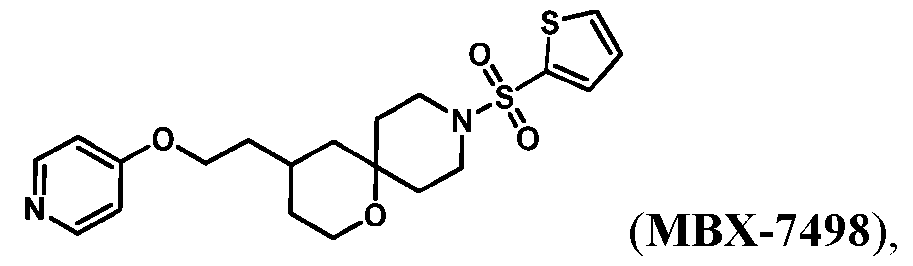
- novel compounds which are analogs or derivatives of MBX-7591 or MBX-7498 are provided.
- the inventors discovered that MBX- 7498 and MBX-7591 exhibit consistent potentiation activity with fluconazole, are highly selective, moderately water soluble, and have a good ratio of sp 3 /sp 2 carbons. Analogs were designed with the objective of overcoming low microsomal stability and high CYP3A4 inhibition, while maintaining/ improving the antifungal activity.
- A. fumigatus possess intrinsic resistance to fluconazole with MICs well over 256 pg/ml for A. fumigatus clinical isolates. It was theorized that screening for fluconazole potentiators would be a promising first step in identifying potentially novel small molecules that increase the activity of a well-tolerated and widely available class of antifungal drugs. Identifying small molecules that potentiate fluconazole activity and inhibit mold growth significantly increases likelihood of identifying inhibitors and/or identifying a new class of established infection relevant antifungal drugs.
- Exemplary analogs and derivatives of MBX-7591 and MBX-7498 include, but are not limited, to the following:
- MBX-7591 an analog thereof, a derivative thereof, or a pharmaceutically acceptable salt of any of the foregoing
- MBX-7498 an analog thereof, a derivative thereof, or a pharmaceutically acceptable salt of any of the foregoing.
- FIG. 1 shows Synthetic Scheme 1, which can be used for the synthesis of MBX-7591, an analog thereof, or a derivative thereof. The compounds and reactions shown in FIG. 1 are described in more detail below.
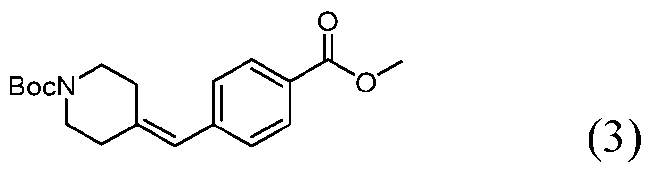
- FIG. 2 shows Synthetic Scheme 2, which can be used for the synthesis of MBX-7498, an analog thereof, or a derivative thereof.
- the compounds and reactions shown in FIG. 2 are described in more detail below.
- a method for treating a fungal infection in a subject by administering to the subject MBX-7591, an analog thereof, a derivative thereof, or a pharmaceutically acceptable salt of any of the foregoing; or MBX-7498, an analog thereof, a derivative thereof, or a pharmaceutically acceptable salt of any of the foregoing.
- a method for treating a fungal infection in a subject comprises administering to the subject a pharmaceutical composition described by the present disclosure, or a compound described by the present disclosure, or a pharmaceutically acceptable salt thereof.
- a method of potentiating antifungal activity of an azole antifungal agent comprises administering to a subject a pharmaceutical composition described herein, or a compound described herein, in combination with an azole antifungal agent administered to the subject.
- an antifungal agent is administered to the subject, before, after or simulatenously with the administration of one or more of MBX-7591, an analog thereof, a derivative thereof, or a pharmaceutically acceptable salt of any of the foregoing; or MBX-7498, an analog thereof, a derivative thereof, or a pharmaceutically acceptable salt of any of the foregoing.
- Antifungal agents include, but are not limited to, polyene antifungals such as natamycin, rimocidin, nystatin, amphotericin B, candicin, hamycin, perimycin; azole antifungals (which includes imidazole antifungals and triazole antifungals), such as the imidazole antifungals miconazole, ketoconazole, clotrimazole, econazole, omoconazole, bifonazole, butoconazole, fenticonazole, isoconazole, oxiconazole, sertaconazole, sulconazole, tioconazole; and the triazole antifungals fluconazole, fosfluconazole, itraconazole, isavuconazole, ravuconazole, posaconazole, voriconazole, terconazole, albaconazole; thiazole antifungals, such
- the antifungal drug may be used in any convenient form, including any pharmaceutically acceptable salt or hydrate.
- the references to the antifungal drugs listed above extends to any isomeric form in which the compound may exist as well as mixtures of two or more isomers, e.g. racemic mixtures.
- the antifungal agent is a drug that is typically administered systemically, e g. amphotericin B, hamycin, ketoconazole, fluconazole, fosfluconazole, itraconazole, posaconazole, voriconazole, terbinafine, echinocandin antifungals (e.g. anidulafungin, caspofungin, micafungin), and flucytosine.
- a drug typically administered systemically, e g. amphotericin B, hamycin, ketoconazole, fluconazole, fosfluconazole, itraconazole, posaconazole, voriconazole, terbinafine, echinocandin antifungals (e.g. anidulafungin, caspofungin, micafungin), and flucytosine.
- the antifungal is a drug that is typically administered as a non- systemic treatment, e.g. as a topical treatment.
- drugs include, but are not limited to, natamycin, nystatin, amphotericin B, candicin, hamycin, perimycin, miconazole, ketoconazole, clotrimazole, econazole, omoconazole, bifonazole, butoconazole, fenticonazole, isoconazole, oxiconazole, sertaconazole, sulconazole, tioconazole, fluconazole, fosfluconazole, isavuconazole, ravuconazole, terconazole, albaconazole, abafungin, allylamine antifungals (e.g. terbinafine, naftifm, butenafine, amorolfine), ciclopirox and
- antifungal agents include, but are not limited to, benzimidazole fungicides (e.g. albendazole, benomyl, carbendazim, chlorfenazole, cypendazole, debacarb, fuberidazole, mecarbinzid, rabenzazole, thiabendazole); benzimidazole precursor fungicides (e.g. furophanate, thiophanate, thiophanate-methyl); benzothiazole fungicides (e.g. bentaluron, benthiavalicarb, benthiazole, chi Tavernthi azone, probenazole); botanical fungicides (e.g.
- bridged diphenyl fungicides e.g. bithionol, dichlorophen, diphenylamine, hexachlorophene, parinol
- carbamate fungicides e.g. benthiavalicarb, furophanate, iodocarb, iprovalicarb, propamocarb, pyribencarb, thiophanate, thiophanate-methyl
- benzimidazolylcarbamate fungicides e.g.
- albendazole benomyl, carbendazim, cypendazole, debacarb, mecarbinzid
- carbanilate fungicides e.g. diethofencarb, Ivdingjunzhi, pyraclostrobin, pyrametostrobin
- conazole (imidazole) fungicides e.g. climbazole, clotrimazole, imazalil, oxpoconazole, prochloraz, triflumizole
- conazole (triazole) fungicides e g.
- amide fungicides e.g. carpropamid, chloraniformethan, cyflufenamid, diclocymet, diclocymet, dimoxystrobin, fenoxanil, flumetover, furametpyr, isopyrazam, mandipropamid, metominostrobin, orysastrobin, penthiopyrad, prochloraz, quinazamid, silthiofam, triforine, xiwojunan); acylamino acid fungicides (e.g.
- furanilide fungicides e.g. fenfuram, furalaxyl, furcarbanil, methfuroxam
- sulfonanilide fungicides e.g. flusulfamide
- benzamide fungicides e.g. benzohydroxamic acid, fluopicolide, fluopyram, tioxymid, trichlamide, zarilamid, zoxamide
- furamide fungicides e.g. cyclafuramid, furmecyclox
- phenylsulfamide fungicides e.g.
- dichlofluanid, tolylfluanid sulfonamide fungicides
- sulfonamide fungicides e.g. amisulbrom, cyazofamid
- valinamide fungicides e.g. benthiavalicarb, iprovalicarb
- antibiotic fungicides e.g. aureofungin, blasticidin-S, cycloheximide, griseofulvin, kasugamycin, moroxydin, polyoxins, polyoxorim, validamycin
- strobilurin fungicides e g. fluoxastrobin
- methoxyacrylate strobilurin fungicides e.g.
- azoxystrobin bifujunzhi, coumoxystrobin, enestroburin, jiaxiangjunzhi, picoxystrobin, pyraoxystrobin
- methoxycarbanilate strobilurin fungicides e.g. Ivdingjunzhi, pyraclostrobin, pyrametostrobin
- methoxyiminoacetamide strobilurin fungicides e.g. dimoxystrobin, metominostrobin, orysastrobin, xiwojunan
- methoxyiminoacetate strobilurin fungicides e.g.
- aromatic fungicides e.g. biphenyl, chlorodinitronaphthalenes, chloroneb, chlorothalonil, cresol, dicloran, fenjuntong, hexachlorobenzene, pentachlorophenol, quintozene, sodium pentachlorophenoxide, tecnazene
- arsenical fungicides e.g. asomate, urbacide
- aryl phenyl ketone fungicides e.g. metrafenone, yriofenone
- copper fungicides e.g.
- acypetacs-copper Bordeaux mixture, Burgundy mixture, Cheshunt mixture, copper acetate, copper carbonate (basic), copper hydroxide, copper naphthenate, copper oleate, copper oxychloride, copper silicate, copper sulfate, copper sulfate (basic), copper zinc chromate, cufraneb, cuprobam, cuprous oxide, mancopper, oxine-copper, saisentong, thiodiazole-copper); cyanoacrylate fungicides (e.g. benzamacril, phenamacril); dicarboximide fungicides (e.g.
- dichlorophenyl dicarboximide fungicides e.g. chlozolinate, dichlozoline, iprodione, isovaledione, myclozolin, procymidone, vinclozolin
- phthalimide fungicides e.g. captafol, captan, ditalimfos, folpet, thiochlorfenphim
- dinitrophenol fungicides e.g.
- dithiocarbamate fungicides e.g. amobam, asomate, azithiram, carbamorph, cufraneb, cuprobam, disulfiram, ferbam, metam, nabam, tecoram, thiram, urbacide, ziram
- cyclic dithiocarbamate fungicides e.g. dazomet, etem, milneb
- polymeric dithiocarbamate fungicides e.g.
- dithiolane fungicides e.g. isoprothiolane, saijunmao
- fumigant fungicides e.g. dithioether, methyl bromide
- hydrazide fungicides e.g. benquinox, saijunmao
- imidazole fungicides e.g.
- organophosphorus fungicides e.g. ampropylfos, ditalimfos, EBP, edifenphos, fosetyl, hexylthiofos, inezin, iprobenfos izopamfos, kejunlin, phosdiphen, pyrazophos, tolclofos-methyl, triamiphos
- organotin fungicides e.g.
- decafentin, fentin, tributyltin oxide oxathiin fungicides (e.g. carboxin, oxycarboxin); oxazole fungicides (e.g. chlozolinate, dichlozoline, dingjunezuo, drazoxolon, famoxadone, hymexazol, metazoxolon, myclozolin, oxadixyl, vinclozolin); polysulfide fungicides (e.g. barium polysulfide, calcium polysulfide, potassium polysulfide, sodium polysulfide); pyrazole fungicides (e.g.
- pyrimidine fungicides e.g. bupirimate, diflumetorim, dimethirimol, ethirimol, fenarimol, ferimzone, nuarimol, triarimol
- anilinopyrimidine fungicides e.g. cyprodinil, mepanipyrim, pyrimethanil
- pyrrole fungicides e.g.
- thiazole fungicides e.g. ethaboxam, isotianil, metsulfovax, octhilinone, thiabendazole, thifluzamide
- thiazolidine fungicides e.g. flutianil, thiadifluor
- thiocarbamate fungicides e.g. methasulfocarb, prothiocarb
- thiophene fungicides e.g. ethaboxam, silthiofam
- triazine fungicides e g. anilazine
- triazole fungicides e.g.
- acypetacs-zinc copper zinc chromate, cufraneb, mancozeb, metiram, polycarbamate, polyoxorim-zinc, propineb, zinc naphthenate, zinc thiazole, zineb, ziram); acibenzolar, acypetacs, allyl alcohol, benzalkonium chloride, bethoxazin, bromothalonil, chitosan, chloropicrin, DBCP, dehydroacetic acid, diclomezine, diethyl pyrocarbonate, ethylicin, fenaminosulf, fenitropan, fenpropidin, furfural, hexachlorobutadiene, methyl iodide, methyl isothiocyanate, nitrostyrene, nitrothal-isopropyl, OCH, 2-phenylphenol, phthalide, piperalin, propamidine, proquinazid, pyroqui
- the antifungal agent may be used in any convenient form, including any functionally acceptable salt.
- the references to the antifungal agents listed above extends to any isomeric form in which the compound may exist as well as mixtures of two or more isomers, e.g. racemic mixtures.
- the antifungal agent is an azole antifungal, such as fluconazole, itraconazole, ketoconazole, miconazole, voriconazole, or a combination thereof.
- Factors affecting dosage regimens for administration of the present componud to a subject include the type, age, weight, sex, diet, and condition of the subject; the type and severity of the fungal infection; pharmacological considerations, such as the activity, efficacy, pharmacokinetic, and toxicology profiles of the particular compound or salt used; whether a drug delivery system is utilized; and the specific drug combination.
- the present compound may be administered at any suitable frequency and may be administered substantially simultaneous with, or independent from, an antifungal agent.
- the antifungal agent may be also administered at any suitable frequency and may be administered substantially simultaneous with, or independent from, the present compound.
- the present compound and an antifungal agent may be co-administered to the subject from the same pharmaceutical composition or from separate pharmaceutical compositions.
- the present compound and an antifungal agent may be co-administered in a substantially simultaneous manner (e.g., or within about 5 min of each other), in a sequential manner, or both. It is contemplated, for example, that such combination therapies may include administering one therapeutic agent multiple times between the administrations of the other.
- the time period between the administration of each agent may range from a few seconds (or less) to several hours or days, and will depend on, for example, the properties of each composition and active ingredient (e.g., potency, solubility, bioavailability, half-life, and kinetic profde), as well as the condition of the patient.
- properties of each composition and active ingredient e.g., potency, solubility, bioavailability, half-life, and kinetic profde
- the present methods are contemplated for use with a fungus, e.g. any eukaryotic organism with a cell wall containing chitin, or any organism classified as belonging to the taxonomic kingdom Fungi.
- the fungus may be a member of the taxonomic phyla Ascomycota (i.e.
- Neolectomycetes from the taxonomic class Neolectomycetes, Pneumocystidomycetes, Schizosaccharomycetes, Taphrinomycetes, Arthoniomycetes, Dothideomycetes, Geoglossomycetes, Eurotiomycetes, Laboulbeniomycetes, Lecanoromycetes, Leotiomycetes, Lichinomycetes, Orbiliomycetes, Pezizomycetes, Sordariomycetes, Saccharomycetes); Basidiomycota (i.e.
- Chytridiomycota i.e. from the taxonomic class Chytridiomycetes or Monoblepharidomycetes
- Glomeromycota i.e. from the taxonomic class Glomeromycetes
- Zygomycota i.e.
- fungus extends to the spores that may be produced by certain species of fungus, e.g.
- the “fungus” may be a sporangiospore, a zygospore, an acospore, a basidiospore, an aeciospore, a urediospore, a teliospore, a conidiospore, or a mitospore.
- the fungus is an animal and/or a plant pathogen, an animal and/or a plant parasite, or involved in the spoilage or decomposition of organic materials (e.g. foodstuffs and cellulose-based products).
- the fungus may be a pathogen that is usually benign to healthy subjects with an uncompromised immune system, but such a fungus can establish an infection in subjects whose immune system is compromised in some way.
- the fungus may also be a fungus that produces a mycotoxin that affects animals, typically by poisoning them or inducing allergic reactions.
- the fungus may be a plant pathogen that can establish an infection in one or more types of plants, or specifically on seeds, flowers, fruits, roots, bark or leaves of plants.
- the fungus of the fungal infection may be the causative agent of an aspergillosis (i.e. fungi from the taxonomic genus Aspergillus, e.g. Aspergillus fumigatus, Aspergillus flavus, Aspergillus clavatus, Aspergillus terrus, Aspergillus niger),' a candidiasis (i.e. fungi from the taxonomic genus Candida, e.g.
- an aspergillosis i.e. fungi from the taxonomic genus Aspergillus, e.g. Aspergillus fumigatus, Aspergillus flavus, Aspergillus clavatus, Aspergillus terrus, Aspergillus niger
- a candidiasis i.e. fungi from the taxonomic genus Candida, e.g.
- Blastomyces dermatitidis Blastomyces dermatitidis),' a mycetoma (e.g. Actinomadura pelletieri, Acremonium strictum, Actinomadura madurae, Aspergillus nidulans, Noetestudina rosatii, Phaeoacremonium krajdenii, Pseudallescheria boydii, Curvularia lunata, Exophiala jeanselmei, Leptosphaeria senegalensis, Leptosphaeria tompkinsii, Madurella grisea, Madurella mycetomatis, Pyrenochaeta romer oi); paracoccidioidomycosis (e.g.
- Paracoccidioides brasiliensis pneumocystosis (e.g. Pneumocystis jirovecii ,' fusariosis (e.g. the Busarium solani complex: Fusarium oxysporum, Fusarium verticillioides, Fusarium proliferatum, Fusarium monilifromey, a phaeohyphomy cosis (e g. fungi from the genus Alternaria, Exophiala jeanselmei),' an alternariosis (i.e. fungi from the genus Alternaria, e.g. Alternaria alternata),' rhinosporidiosis (e.g.
- Rhinosporidium seeberiy a microsporidiosis (e.g. Enterocytozoon bieneusi, Encephalitozoon intestinalis), basidiobolomycosis (e.g. Basidiobolus ranarum) a conidiobolomycosis (e.g. Conidiobolus coronatus, Conidiobolus incongruity, a mucormycosis (e g. Rhizopus oryzae, Mucor indicus Absidia corymbifera, Syncephalastrum racemosum),' a trichosporonosis (e.g.
- Trichosporon spp Trichosporon asahii, Trichosporon inkin, Trichosporon asteroides, Trichosporon cutaneum, Trichosporon mucoides, Trichosporon ovoides, Trichosporon pullulans, Trichosporon loubieri, Trichosporon japonicum), a chromoblastomycosis (Fonsecaea pedrosoi, Fonsecaea compacta, Phialophora verrucosa),' geotrichosis (e.g. Geotrichum candidum),' wishescheriasis (e.g. Pseudallescheria boydii ,' sporotrichosis (e.g.
- Epidermophyton floccosum Microsporum canis, Microsporum audouinii, Microsporum gypseum, Trichophyton inlerdigilale mentagrophytes, Trichophyton verrucosum, Trichophyton violaceum Trichophyton canis, Trichophyton tonsurans, Trichophyton schoenleini, Trichophyton rubrum, Trichophyton concentricum),' a piedra (e.g.
- Hortaea wasneckii, Piedraia hortae, Malassezia furfur, Trichosporon spp, Trichosporon beigelii), a pityrosporum folliculitishnalassezia folliculitis (i.e. fungi from the genera Malassezia, e.g. Malassezia globosa, Malassezia restricta).
- Other fungal species capable of acting as an animal pathogen include, Malassezia pachydermatis, Scedosporium prolificans, Acremonium kiliense, and Paecilomyces lilacinus.
- the fungus is a species from the taxonomic genus Aspergillus, such as. Aspergillus niger, Aspergillus fumigatus, Aspergillus flavus, Aspergillus clavatus or Aspergillus terrus, in particular Aspergillus fumigatus.
- the fungal infection is a drug-resistant fungal infection.
- the fungal infection is a multi-drug resistant (MDR) fungal infection.
- MDR multi-drug resistant
- the fungal infection is an azole-resistant fungal infection.
- the fungal infection is caused by an azole resistant Aspergillus species.
- a minimum inhibitory concentration (MIC) of one of the present compounds or an antifungal agent (or both) is the concentration that prevents growth of a fungus, compared to the growth of the fungus in the absence of the present compound or antifungal agent.
- a “drug-resistant fungal infection” refers to infection by a fungus resistant to one or more antifungal agents.
- An assay that determines minimum inhibitory concentration (MIC) can be used to identify assay whether a fungus is drug-resistant.
- the relevant tolerance of a fungus to an antifungal agent is measured by determining the lowest concentration of antifungal agent that causes complete inhibition of growth.
- a fungus resistant to an antifungal agent will have a substantially greater MIC value for the antifungal agent than that of the reference fungus sensitive to the antifungal agent or a typical, or a wild type, version of the fungus.
- a drug-resistant fungus has a MIC value for the antifungal agent that is at least 2, 4, 8, 16, or more, times higher than the MIC value of a reference fungal strain that is sensitive to the antifungal agent or a typical or a wild type version of the fungus.
- a fungus may be considered resistant to an antifungal agent if the fungus has a MIC value for the antifungal agent that is greater than the maximum safe circulating concentration of the antifungal agent in the subject. More functionally, a fungus may be considered to be resistant to an antifungal agent if an infection associated with that fungus is unresponsive to or insufficiently affected by the maximum safe dose of the antifungal agent.
- the fungus of a fungal infection may be resistant to more than one antifungal agent, or more particularly it may be resistant to more than one class of antifungal agent, e.g. the fungus may be resistant to at least 2 or 3, or at least 4, 5, 6, 7, 8, 9 or 10 antifungal agents or classes thereof.
- Those fungi that are resistant to more than 3 classes of antifungal agent are multi-drug resistant (MDR) or have an MDR phenotype.
- reducing resistance means a measurable reduction in the above-described indicators of the resistance (or measurable increase in susceptibility or measurable decrease in tolerance) to the antifungal agent displayed by the fungus. It generally refers to the observed phenotype of the treated fungus and should not necessarily be considered to equate to a reversal, to any extent, at the mechanistic level of any particular resistance mechanism. The effects of the present compounds in reducing resistance to an antifungal agent or in potentiating an antifungal agents may be seen irrespective of the mechanism of resistance to the antifungal agent.
- the present compounds will measurably reduce the MIC value of the resistant fungus for the antifungal agent, e.g. the MIC value for the antifungal will be reduced by a factor of at least 2, at least 3, at least 4, at least 10, or by an even higher factor, compared to the MIC value of the fungus for the antifungal agent in the absence of the present compounds.
- the fungal infection to be treated occurs in or on a surface in a human subject, a non-human animal subject, or a plant.
- surfaces including human, animal or plant bodies or parts thereof, for instance limbs, organs, seeds, flowers, fruits, roots, bark and leaves, icluding tissues and organs.
- surfaces of human or non-human animal bodies also include, but are not limited to, any surface in the oral cavity (e.g. teeth, gingiva, gingival crevice, periodontal pocket) the reproductive tract (e.g. cervix, uterus, fallopian tubes), the peritoneum, middle ear, prostate, urinary tract, vascular intima, the eye (i.e.
- ocular tissue e.g. the conjunctiva, corneal tissue, lachrymal duct, lachrymal gland, eyelid
- lung tissue e.g. bronchial and alveolial
- heart valves e.g. bronchial and alveolial
- gastrointestinal tract skin, scalp, nails
- wounds particularly chronic wounds and surgical wounds, which may be topical or internal wounds.
- Other surfaces include the exterior of organs, particularly those undergoing transplantation, for example, heart, lungs, kidney, liver, heart valve, pancreas, intestine, corneal tissue, arterial and venous grafts and skin.
- the location of the subject's infection is not restricted and may be any of the sites or locations in a subject described above.
- Administering the present compounds and the antifungal agent to the subject preferably results in the infected location being contacted with the present compounds and antifungal agent in amounts sufficient to treat the infection.
- the subject's infection may be acute, or alternatively chronic, e.g. an infection that has persisted for at least 5 or at least 10 days, particularly at least 20 days, more particularly at least 30 days, most particularly at least 40 days.
- the present methods or uses of the compounds and pharmaceutical compositions comprises a step in which the subject is identified (e g. diagnosed) as having or suspected to have a fungal infection or being a candidate that is at risk of or susceptible to an fungal infection.
- the subject is diagnosed as having a drug-resistant fungal infection, before being administered one or more of the present compounds and an antifungal agent.
- the subject is diagnosed as having an azole- resistant fungal infection, before being administered one or more of the present compounds and an azole antifungal agent.
- compositions comprising one or more of the present compounds are provided.
- Such compositions comprise an effective amount of the present compound in combination with a pharmaceutically acceptable carrier, and, optionally, one or more other active agents, diluents, fillers, or excipients.
- An excipient is a compound that improves or provides a desirable physical property to a composition.
- An excipient useful in a composition described herein includes, but is not limited to, emulsifying agents, pH buffering agents, approved dyes and colorants; dispersing agents, cosolvents, gelling agents, and drying agents.
- compositions comprising the present compound include those suitable for administration to an individual by any medically acceptable route including, but not limited to, parenteral, subcutaneous, intramuscular, intravenous, auricular (ear), ocular, intra-articular, intrabronchial, intraabdominal, intracapsular, intracartilaginous, intracavitary, intracelial, intracerebellar, intracerebroventricular, intracolic, intracervical, intragastric, intrahepatic, intramyocardial, intraosteal, intrapelvic, intrapericardiac, intraperitoneal, intrapleural, intraprostatic, intrapulmonary (e.g., by inhalation or insufflation), intrarectal, intrarenal, intraretinal, intraspinal, intrasy novi al, intrathoracic, intrauterine, intravesical, bolus, vaginal, oral, rectal, buccal, sublingual, intranasal, and transdermal.
- parenteral subcutaneous, intramuscular, intra
- compositions may, where appropriate, be conveniently presented in discrete dosage units.
- the pharmaceutical compositions may also comprise an antifungal agent.
- the present compound is present in the pharmaceutical composition in an amount effective to potentiate the antifungal agent or increase its efficacity in inhibiting fungal growth.
- Oral pharmaceutical compositions or dosage units include capsules, cachets, or tablets which contain a predetermined amount of the present compound in a powder or granule form, in a solution, in a suspension, or as an emulsion.
- the present compound may also be in a bolus, electuary, or paste.
- Tablets and capsules for oral administration may contain excipients such as binding agents, fillers, lubricants, disintegrants, or wetting agents.
- the tablets may be coated.
- Oral liquid pharmaceutical compositions include aqueous or oily suspensions, solutions, emulsions, syrups, or elixirs, or may be provided as a dry product for reconstitution before use.
- Such liquid preparations may contain additives such as suspending agents, emulsifying agents, nonaqueous vehicles (such as edible oils), or preservatives.
- the pharmaceutical composition is formulated for parenteral administration (e.g., by injection as a bolus or by continuous infusion) and may be provided in unit doses within ampoules, prefilled syringes, small volume infusion, or in multidose containers with an added preservative.
- Pharmaceutical compositions may be suspensions, solutions, or emulsions in oily or aqueous vehicles, and may contain formulatory agents such as suspending, stabilizing, and/or dispersing agents.
- the present compound may be provided in powder form, for reconstitution with a suitable vehicle, such as sterile water.
- compositions may be as ointments, creams, gels, jellies, or lotions, or incorporated into a transdermal patch.
- transdermal patches may contain penetration enhancers.
- Ointments and creams may be formulated with an aqueous or oily base comprising one or more suitable thickening and/or gelling agents.
- Lotions may be formulated with an aqueous or oily base and will in general also contain one or more emulsifying agents, stabilizing agents, dispersing agents, suspending agents, thickening agents, or coloring agents.
- Compositions suitable for topical administration in the oral cavity include lozenges; pastilles; and mouthwashes comprising the present compound in a suitable liquid carrier.
- compositions may be for rectal administration (e.g., a suppository), wherein the carrier is a solid.
- suitable carriers include cocoa butter and other materials commonly used in the art, and the suppositories may be conveniently formed by admixture of a present compound with the softened or melted carrier(s) followed by chilling and shaping in molds.
- compositions suitable for vaginal administration may be presented as pessaries, tampons, creams, gels, pastes, foams, or sprays containing in addition to a present compound.
- the present compounds may be provided in a liquid spray or dispersible powder or in the form of drops.
- Drops may be formulated with an aqueous or nonaqueous base also comprising one more dispersing agents, solubilizing agents, or suspending agents.
- Liquid sprays may conveniently be delivered from pressurized packs.
- the present compounds may be delivered from an insufflator, nebulizer, a pressurized pack, or other convenient means of delivering an aerosol spray. Pressurized packs may comprise a suitable propellant.
- the present compounds may be within a dry powder composition.
- the powder composition may be presented in unit dosage form in capsules or cartridges, or in gelatin or blister packs from which the powder may be administered with the aid of an inhalator or insufflator.
- compositions comprising one of the present compounds may also be formulated for treating a fungal infection of the eye (via eye drops) or of the ear (via ear drops).
- the pharmaceutical compositions may be adapted or formulated to give a sustained or time-delayed release of the present compound.
- a screening protocol that utilizes a bioluminescent A. fumigatus strain to identify small molecules that potentiate the activity of the triazole antifungal drug fluconazole is described in Opperman TJ, et al., “Luciferase-Based High-Throughput Screen with Aspergillus fumigatus to Identify Antifungal Small Molecules”, Methods Mol Biol. 2023; 2658: 17-34.
- 10 3 spores of a luminescent strain of A. fumigatus are added to each well of an assay plate containing 40 pL glucose minimal medium (GMM) supplemented with 32 pg fluconazole/mL.
- GMM glucose minimal medium
- Screening assays were developed and optimized to identify compounds that A) increase filamentous fungal susceptibility to the azole anti-fungal agent fluconazole, and B) inhibit filamentous fungal growth in hypoxic conditions.
- the rationale for the dual screen was based on the phenotypes associated with inhibition of e, Aspergillus fumigatus SrbA pathway in work previously published by the Cramer laboratory. Willger SD, et al., “A sterol -regulatory element binding protein is required for cell polarity, hypoxia adaptation, azole drug resistance, and virulence in Aspergillus fumigatus.” PLoS Pathog. 2008 Nov;4(l l):el000200.
- the sensitive luminescence-based reporter assay was chosen for screening compounds for activity, as it had been validated at Microbiotix, Inc. for use in a robust and sensitive cell-based assay for compounds that potentiate fluconazole and inhibit hypoxic growth.
- Assay parameters were optimized for each screen, including growth medium, incubation time and temperature, density of fungal spores in the inoculum, and luminescence detection reagent. Additional optimized parameters were the concentration of fluconazole that was used in the screen for compounds that increase susceptibility to fluconazole, and the oxygen concentration for the hypoxic growth screen. The optimized parameters for both screening assays are summarized below.
- the optimized parameters are as follows: growth medium, glucose minimal medium (GMM); incubation time, 18 h; temperature, 37 °C; spore density, 10 3 spores/well; fluconazole concentration, 8x the MIC of he ArbdB mutant (32 pg/ml)]; positive control, 4* the MIC of voriconazole (1 pg/ml) vs. WT; luminescence detection reagent, 5 pl BrightGlo reagent (Promega) per well.
- Analogs of MBX-7591 were made by changing the thiophene group, thereby scanning the binding pocket for a potential hydrogen bonding. It was found that swapping the thiophene of MBX-7591 for another electron rich furan (MBX-7732) resulted in a 4-fold loss in potency compared to MBX-7591. Analogs reducing the electron density of thiophene (MBX- 8095) or the thiazole isomers (MBX-8098 & MBX-8099) led to more than 4-fold loss in potentiating the fluconazole.
- the heteroaromatic substituents (MBX-8146, MBX-8186) also maintain activity in the morpholine series, in contrast to the variations observed in MBX-8089 and MBX-8095, while an amide linker (MBX-8188) replacing a methylene and a sterically hindered morpholine (MBX-8190) are not tolerated.
Landscapes
- Health & Medical Sciences (AREA)
- Chemical & Material Sciences (AREA)
- Medicinal Chemistry (AREA)
- Pharmacology & Pharmacy (AREA)
- Epidemiology (AREA)
- Life Sciences & Earth Sciences (AREA)
- Animal Behavior & Ethology (AREA)
- General Health & Medical Sciences (AREA)
- Public Health (AREA)
- Veterinary Medicine (AREA)
- Pharmaceuticals Containing Other Organic And Inorganic Compounds (AREA)
Abstract
Description






Claims


Priority Applications (3)
| Application Number | Priority Date | Filing Date | Title |
|---|---|---|---|
| AU2024281873A AU2024281873A1 (en) | 2023-05-26 | 2024-05-24 | Compounds with antifungal properties |
| EP24816202.6A EP4719384A2 (en) | 2023-05-26 | 2024-05-24 | Compounds with antifungal properties |
| CN202480035333.XA CN121218986A (en) | 2023-05-26 | 2024-05-24 | Compounds with antifungal properties |
Applications Claiming Priority (2)
| Application Number | Priority Date | Filing Date | Title |
|---|---|---|---|
| US202363469306P | 2023-05-26 | 2023-05-26 | |
| US63/469,306 | 2023-05-26 |
Publications (2)
| Publication Number | Publication Date |
|---|---|
| WO2024249290A2 true WO2024249290A2 (en) | 2024-12-05 |
| WO2024249290A3 WO2024249290A3 (en) | 2025-02-06 |
Family
ID=93658858
Family Applications (1)
| Application Number | Title | Priority Date | Filing Date |
|---|---|---|---|
| PCT/US2024/030955 Ceased WO2024249290A2 (en) | 2023-05-26 | 2024-05-24 | Compounds with antifungal properties |
Country Status (4)
| Country | Link |
|---|---|
| EP (1) | EP4719384A2 (en) |
| CN (1) | CN121218986A (en) |
| AU (1) | AU2024281873A1 (en) |
| WO (1) | WO2024249290A2 (en) |
Family Cites Families (2)
| Publication number | Priority date | Publication date | Assignee | Title |
|---|---|---|---|---|
| WO2004033427A1 (en) * | 2002-10-11 | 2004-04-22 | Astrazeneca Ab | 1,4-disubstituted piperidine derivatives and their use as 11-betahsd1 inhibitors |
| GB0623209D0 (en) * | 2006-11-21 | 2007-01-03 | F2G Ltd | Antifungal agents |
-
2024
- 2024-05-24 CN CN202480035333.XA patent/CN121218986A/en active Pending
- 2024-05-24 WO PCT/US2024/030955 patent/WO2024249290A2/en not_active Ceased
- 2024-05-24 EP EP24816202.6A patent/EP4719384A2/en active Pending
- 2024-05-24 AU AU2024281873A patent/AU2024281873A1/en active Pending
Also Published As
| Publication number | Publication date |
|---|---|
| CN121218986A (en) | 2025-12-26 |
| EP4719384A2 (en) | 2026-04-08 |
| AU2024281873A1 (en) | 2025-12-11 |
| WO2024249290A3 (en) | 2025-02-06 |
Similar Documents
| Publication | Publication Date | Title |
|---|---|---|
| TWI660671B (en) | Synergistic fungicidal mixtures for fungal control in cereals | |
| US11065228B2 (en) | Antifungal agents | |
| ES2807849T3 (en) | Oxadiazole derivatives microbicides | |
| ES2534516T3 (en) | Fungicidal heterocyclic compounds | |
| DK2485592T3 (en) | Synergistic fungicidal compounds for mushrooms fight in cereals | |
| CN106061259B (en) | Synergistic fungicidal mixture for fungal control in cereals | |
| ES2842550T3 (en) | Microbiocide thiazole derivatives | |
| ES2643082T3 (en) | Fungicides of substituted benzene | |
| ES2712668T3 (en) | Synergistic fungicidal compositions | |
| CN104023540A (en) | Compounds with nematicidal activity | |
| BR112020000463A2 (en) | microbiocidal oxadiazole derivatives | |
| WO2024249290A2 (en) | Compounds with antifungal properties | |
| KR101620377B1 (en) | Secondary 8-hydroxyquinoline-7-carboxamide derivatives for use as antifungal agents | |
| RS63746B1 (en) | ANTIFUNGAL AGENTS WITH ENHANCED ACTIVITY IN ACID PH | |
| EA020487B1 (en) | New secondary 8-hydroxyquinoline-7-carboxamide derivatives | |
| TWI721015B (en) | Prophylactic or therapeutic agent for keratomycosis | |
| CN115594641A (en) | Compound containing benzyl 1,2,3-triazole structure and application of compound as bactericide | |
| ES2810752T3 (en) | Oxadiazole derivatives microbicides | |
| JP2017214366A (en) | Hydrazone compound and pest control agent | |
| WO2024163405A1 (en) | Boron containing compounds and their uses | |
| CN113616641A (en) | Application of 3-phenylindole derivative in preparation of antifungal drugs | |
| WO2025149010A1 (en) | Pyrrole compound and use thereof | |
| JP2024120189A (en) | Thienouracil compounds and pest control agents | |
| HK1242316A1 (en) | Antifungal agents | |
| HK1242316B (en) | Antifungal agents |
Legal Events
| Date | Code | Title | Description |
|---|---|---|---|
| ENP | Entry into the national phase |
Ref document number: 2025568444 Country of ref document: JP Kind code of ref document: A |
|
| WWE | Wipo information: entry into national phase |
Ref document number: 2025568444 Country of ref document: JP |
|
| WWE | Wipo information: entry into national phase |
Ref document number: AU2024281873 Country of ref document: AU |
|
| ENP | Entry into the national phase |
Ref document number: 2024281873 Country of ref document: AU Date of ref document: 20240524 Kind code of ref document: A |
|
| NENP | Non-entry into the national phase |
Ref country code: DE |
|
| WWE | Wipo information: entry into national phase |
Ref document number: 2024816202 Country of ref document: EP |
|
| ENP | Entry into the national phase |
Ref document number: 2024816202 Country of ref document: EP Effective date: 20260102 |
|
| ENP | Entry into the national phase |
Ref document number: 2024816202 Country of ref document: EP Effective date: 20260102 |
|
| 121 | Ep: the epo has been informed by wipo that ep was designated in this application |
Ref document number: 24816202 Country of ref document: EP Kind code of ref document: A2 |
|
| ENP | Entry into the national phase |
Ref document number: 2024816202 Country of ref document: EP Effective date: 20260102 |
|
| ENP | Entry into the national phase |
Ref document number: 2024816202 Country of ref document: EP Effective date: 20260102 |
|
| ENP | Entry into the national phase |
Ref document number: 2024816202 Country of ref document: EP Effective date: 20260102 |
|
| ENP | Entry into the national phase |
Ref document number: 2024816202 Country of ref document: EP Effective date: 20260102 |
|
| WWP | Wipo information: published in national office |
Ref document number: 2024816202 Country of ref document: EP |