WO2024201787A1 - 映像管理システム、映像管理方法および記録媒体 - Google Patents
映像管理システム、映像管理方法および記録媒体 Download PDFInfo
- Publication number
- WO2024201787A1 WO2024201787A1 PCT/JP2023/012818 JP2023012818W WO2024201787A1 WO 2024201787 A1 WO2024201787 A1 WO 2024201787A1 JP 2023012818 W JP2023012818 W JP 2023012818W WO 2024201787 A1 WO2024201787 A1 WO 2024201787A1
- Authority
- WO
- WIPO (PCT)
- Prior art keywords
- worker
- video
- work
- image
- identify
- Prior art date
- Legal status (The legal status is an assumption and is not a legal conclusion. Google has not performed a legal analysis and makes no representation as to the accuracy of the status listed.)
- Ceased
Links
Images


Classifications
-
- G—PHYSICS
- G06—COMPUTING OR CALCULATING; COUNTING
- G06T—IMAGE DATA PROCESSING OR GENERATION, IN GENERAL
- G06T1/00—General purpose image data processing
-
- H—ELECTRICITY
- H04—ELECTRIC COMMUNICATION TECHNIQUE
- H04N—PICTORIAL COMMUNICATION, e.g. TELEVISION
- H04N7/00—Television systems
- H04N7/18—Closed-circuit television [CCTV] systems, i.e. systems in which the video signal is not broadcast
Definitions
- This disclosure relates to video management systems, etc.
- analysis of work within the manufacturing process is conducted to make work more efficient, improve quality, and ensure safety.
- the results of the work analysis are used, for example, by a manager who manages the manufacturing process to improve work procedures.
- Work analysis is conducted, for example, by the manager viewing footage of the work and checking whether the work is being performed correctly and in accordance with the work procedures. Furthermore, when using footage to analyze work, it may be required that individuals not be identified in the footage of the workers in order to protect the workers' personal information.
- the motion analysis system of Patent Document 1 extracts scenes in which a worker is performing the motion indicated by the motion information from a video of the worker's actions. The motion analysis system of Patent Document 1 then displays the extracted video.
- Patent Documents 1 and 2 In the technology described in Patent Documents 1 and 2, if work analysis is made possible, it may be difficult to prevent the identification of workers.
- the present disclosure aims to provide a video management system and the like that can solve the above problems, while enabling analysis of work and obtaining video that does not identify workers.
- the video management system disclosed herein includes an acquisition means for acquiring video footage of a work area, a work information acquisition means for acquiring information related to the work content, an identification means for identifying at least one of the work and the item performed by the worker shown in the video, a conversion means for converting the video into an image in which at least a part of a body part that can identify the worker has been processed based on the identification result and the information related to the work content, and an output means for outputting the converted video.
- the video management method disclosed herein acquires video footage of a work area, acquires information about the work content, identifies at least one of the work being performed by the worker and the items captured in the video, and, based on the results of the identification and the information about the work content, converts the video into video in which at least a portion of the body part that can identify the worker has been altered, and outputs the converted video.
- the recording medium of the present disclosure non-temporarily records a video management program that causes a computer to execute the following processes: acquiring video of a work area; acquiring information about the work content; identifying at least one of the work and the item being performed by the worker shown in the video; converting the video into video in which at least a part of a body part that can identify the worker is modified based on the results of the identification and the information about the work content; and outputting the converted video.
- This disclosure makes it possible to obtain footage that does not identify the worker while still allowing analysis of the work.
- FIG. 1 is a diagram illustrating an example of a configuration of a video management system according to an embodiment of the present disclosure.
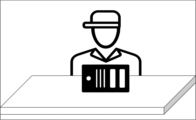
- FIG. 13 is a diagram showing an example of an image captured of a work area in an embodiment of the present disclosure.
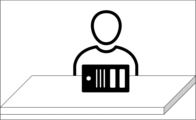
- 1 is a diagram showing an example of an image obtained by processing an image captured of a work area in an embodiment of the present disclosure.
- FIG. FIG. 13 is a diagram showing an example of an image captured of a work area in an embodiment of the present disclosure.
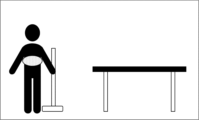
- 1 is a diagram showing an example of an image obtained by processing an image captured of a work area in an embodiment of the present disclosure.
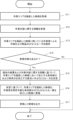
- FIG. FIG. 1 is a diagram illustrating an example of an operation flow of a video management system according to an embodiment of the present disclosure.
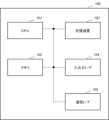
- FIG. 1 is a diagram illustrating an example of a hardware configuration of a video management system according to an embodiment of the present disclosure.
- FIG. 1 is a diagram showing an example of the configuration of a video management system 10.
- the video management system 10 basically comprises an acquisition unit 11, a work information acquisition unit 12, an identification unit 13, a conversion unit 14, and an output unit 15.
- the video management system 10 also comprises, for example, a storage unit 16.
- the video management system 10 is a system that converts, for example, a video of a work area into an image in which the body parts that can identify the worker are processed while the work remains in an analyzable state.
- the video management system 10 is a system that converts a video of a work area into an image in which the body parts that can identify the worker are not visible.
- the video management system 10 is a system that converts a video of a work area into an image in which the body parts that can identify the worker are hidden.
- the video management system 10 converts a video of a work area into an image in which the body parts that can identify the worker are replaced with objects, masked, or reduced in image quality.
- the image replaced with a line drawing may also include an image in which the body of the worker is replaced with a line drawing.
- the line drawing is, for example, an image in which the outline of the worker who is shown in the video is shown by a line.
- Figure 2 is a diagram showing an example of a frame image included in a video of a work area.
- Figure 3 is a diagram showing an example of an image frame included in a video of a work area before processing is performed to make the worker unidentifiable.
- the example image in Figure 2 is an image before processing is performed to hide body parts that can identify the worker.
- a worker is assembling a product placed on a workbench.
- the worker can be identified from his/her face shown in the image.
- Figure 3 is a diagram showing an example of an image of a frame included in a video of a work area that has been processed to make it impossible to identify the worker.
- the example image in Figure 3 is the image in the example of Figure 2 that has been processed to make it impossible to identify the worker.
- processing has been carried out to replace the body parts of the worker with line drawings.
- a person viewing the image will not be able to identify the worker from the face of the worker shown in the image.
- only the hand parts may be left in their pre-processing state.
- the video management system 10 uses image recognition to identify at least one of the work performed by the worker and the item from the video of the work area. Then, based on the identification result and information on the work content, converts the video of the work area into an image in which at least a part of the body part that can identify the worker is processed. Also, for example, if the worker can be identified from the identified item, the video management system 10 converts the video of the work area into an image in which the body part where the worker is wearing the identifiable item is processed.
- the video management system 10 converts the video of the work area into video in which parts other than the worker's hands are masked. Also, when it is sufficient to analyze that work is being performed, the video management system 10 may convert the video of the work area into video in which the body of the worker is replaced with a line drawing. For example, when it is possible to analyze the procedure of work by knowing the changes in standing positions within the work area, the video management system 10 may convert the video of the work area into video in which the body of the worker is replaced with a line drawing. In this way, by converting into video that hides body parts that are not used during analysis based on information about the content of the work, it is possible to convert into video that does not allow the worker to be identified while still being able to analyze the work by viewing the video.
- the acquisition unit 11 acquires a video of a work area.
- the video of work is, for example, a video captured so as to show the work performed by a worker in the work area.
- the work area is, for example, an area in a manufacturing process in a factory where one or more workers perform specified work.
- the work performed by the worker is, for example, work related to the manufacture of a product.
- the work related to the manufacture of a product is, for example, product assembly, product processing, product inspection, product packaging, product transportation, equipment operation, or storage shelf organization.
- the work performed by the worker in the manufacture of a product may be equipment inspection, equipment repair, or equipment assembly.
- the work related to the manufacture of a product may also include food preparation.
- the work related to the manufacture of a product is not limited to the above.
- the work performed by the worker may also be cleaning, driving, exercise, instructing others, guiding, security, medical treatment, dispensing medicine, and operating equipment.
- the work performed by the worker is not limited to the
- the acquisition unit 11 acquires video of the work area captured by a camera installed in a position where the work area can be captured. If there is a surveillance system monitoring the work area, the acquisition unit 11 may acquire video of the work area via a server of the surveillance system. The acquisition unit 11 may also acquire video of the work area via a storage medium.
- the work information acquisition unit 12 acquires information related to the work content.
- the work information acquisition unit 12 acquires information related to the work content, for example, from a production management server that manages the work area.
- the information related to the work content is, for example, information that makes it possible to extract what kind of video may be required when performing analysis using video.
- the information related to the work content is, for example, information that makes it possible to identify at least one of the work to be analyzed and the body part to be analyzed.
- the information related to the work content is, for example, information that makes it possible to identify the items that a person viewing the video wants to check from the video when viewing the video.
- the information on the work content is, for example, information on at least one of the following items: the purpose of the work, the type of work, the product to be analyzed, the person performing the work, the tools used in the work, and the work procedure.
- the purpose of the work is information that can identify the body part to be analyzed, such as preparing parts and preparing for the work, assembling parts to make an intermediate product, obtaining inspection results, or transporting and storing on a shelf.
- the purpose of the work is not limited to the above.
- the type of work is information that can identify the body part to be analyzed from the content of the work, such as preparation, reporting, assembly, inspection, transport, cleaning, or repair.
- the type of work is not limited to the above.
- the information on the work content may include at least one of the subject of analysis and the purpose of analysis using a video of the work area.
- the subject of analysis is, for example, information on at least one of the following items: the product to be analyzed, the person performing the work to be analyzed, the body part to be analyzed, the tools to be analyzed, and the work to be analyzed.
- the purpose of the analysis is, for example, information that can tell what movement of which body part is to be analyzed from the purpose.
- the information on the work content is not limited to the above.
- the identification unit 13 identifies at least one of the work and the object shown in the video of the work area. For example, the identification unit 13 detects a worker shown in the video of the work area. The identification unit 13 then identifies the work being performed by the worker based on the detected time-series movements of the worker. For example, the identification unit 13 uses an identification model to identify the areas in which the work and the object are shown in each frame image included in the video, and at least one of the work and the object shown in the video of the work area. The identification unit 13 may also use the identification model to identify the positions in which each body part of the worker is shown in each frame image included in the video. The identification unit 13 also uses the identification model to identify the sections in which the work and the object are shown in the video of the work area.
- the identification unit 13 may identify at least one of the work and the item shown in the video of the work area based on the information on the work content.
- the identification unit 13, for example, refers to the information on the work content and identifies whether at least one of the work and the item indicated in the information on the work content is shown in the video of the work area. For example, when the information on the work content is a work procedure, the identification unit 13 identifies the work indicated in the work procedure from each of the frame images included in the video of the work area.
- the identification unit 13 may also identify, for example, a section in the video of the work area in which each of the work indicated in the work procedure is shown.
- the identification unit 13 may also identify an item indicated in the work procedure from each of the frame images included in the video of the work area.
- the identification unit 13 may, for example, identify a section in the video of the work area in which each of the items indicated in the work procedure is shown.
- the identification model may identify the contour of the body of the worker shown in the video.
- the identification model may also identify the position where a specified body part of the worker shown in the video is shown.
- the identification model may identify both the contour of the body of the worker shown in the video and the position where the specified body part is shown.
- the specified body part is, for example, a body part that allows a person viewing the video to identify the worker shown in the video.
- the specified body part is, for example, the face of the worker.
- the specified body part is not limited to the face of the worker.
- the specified body part is, for example, set by the operator of the video management system 10 or the manager of the work area.
- the identification model may identify an item worn by a worker.
- the identification model for example, identifies an item worn by a worker that can identify the worker.
- Items that can identify a worker include, for example, a nameplate, the worker's identification number, a mark indicating a qualification held, a mark indicating a rank, clothing indicating a qualification held, and clothing indicating a rank.
- Clothing indicating a rank is, for example, an armband, a badge, and a hat. Clothing indicating a rank is not limited to the above. Items that can identify a worker may be a watch or jewelry that can make it possible to identify an individual from their owner. Furthermore, items that can identify a worker are not limited to the above.
- the identification model may identify the tools used by the worker.
- the identification model may also identify the product or equipment on which the worker is working. For example, if a worker can be identified from the tools he or she is using, the identification model may identify the tools he or she is using.
- the discrimination model is, for example, a machine learning model using a neural network.
- the discrimination model is generated, for example, by learning the relationship between an image showing a worker and information indicating the area in which the worker is shown.
- the discrimination model may be generated, for example, by learning the relationship between an image showing a worker and information indicating the area in which each of the worker's body parts is shown.
- the discrimination model may be generated by learning the relationship between an image showing a worker and information indicating the area in which the worker is shown, and the type of work the worker is performing.
- the training data used to generate the discrimination model may be selected as appropriate depending on the discrimination target of the discrimination model.
- the discrimination model is generated, for example, in a system external to the video management system 10.
- the identification unit 13 may use multiple identification models to identify the work and items shown in the video. For example, the identification unit 13 uses an identification model that identifies an area in the video where the worker's body is shown to identify the area in the frame image where the worker is shown. The identification unit 13 then identifies the position of the worker's hands in the frame image, for example, using an identification model that identifies the positions of the worker's body parts from the video. The identification unit 13 identifies the position of the worker's hands in the frame image, for example, using an identification model that identifies the position of the worker's body from the video. The identification unit 13 also identifies the item held by the worker at the identified position, using an identification model that identifies the type of item. The identification unit 13 may also identify at least one of the work performed by the worker and the item shown in the video, using a different identification model for each work included in the workflow.
- the conversion unit 14 converts the video of the work area into an image in which at least a part of the body part that can identify the worker has been processed, based on the result of the identification and information on the work content.
- the conversion unit 14, for example, converts the video of the work area into an image that has been processed to hide at least a part of the body part that can identify the worker.
- the conversion unit 14 determines the body part to be processed and the degree of processing, based on the result of the identification and information on the work content. Then, the conversion unit 14 converts the video of the work area into an image in which at least a part of the body part that can identify the worker has been processed, based on the determined body part to be processed and the degree of processing. Determining the degree of processing means, for example, determining at least one of the extent to which the body part is to be processed and the degree to which the body part is to be made invisible.
- the conversion unit 14 converts the video of the work area into video in which at least some of the body parts that can identify the worker have been processed, for example, based on criteria for processing the body parts that can identify the worker.
- the criteria for processing the body parts that can identify the worker are set, for example, based on information related to the work content.
- the criteria for processing the body parts that can identify the worker are set by the operator of the video management system 10 or the manager of the work area.
- the criteria for processing body parts that can identify a worker are, for example, the body parts to be hidden by processing and the degree of processing to hide the body parts.
- the body parts to be hidden by processing may be multiple body parts.
- the conversion unit 14 processes the body parts of the worker other than the hands.
- the conversion unit 14 processes, for example, the face of the body part of the worker.
- the conversion unit 14 may also determine criteria for processing body parts that can identify the worker, based on the identification result by the identification unit 13 and information on the work content. For example, when the information on the work content is a work procedure, the conversion unit 14 identifies body parts necessary for each task included in the work procedure. The conversion unit 14 then identifies body parts that are not necessary for the task as targets to be hidden by processing. For example, the conversion unit 14 determines criteria for processing body parts that can identify the worker by identifying body parts that are not necessary for the task as targets to be hidden by processing.
- the conversion unit 14 determines, for example, a criterion for processing a body part that can identify a worker, based on a body part that needs to be confirmed from the purpose or subject of the analysis.
- the purpose of the analysis is, for example, information indicating which work is to be analyzed and how.
- the purpose of the analysis is information indicating the confirmation of detailed hand movements in assembly work.
- the purpose of the analysis is not limited to the above.
- the subject of the analysis is information indicating at least one of the worker, the body part of the worker, and the product that are the subject of the analysis of the video. The subject of the analysis is not limited to the above.
- the conversion unit 14 determines, for example, a criterion for processing a body part that can identify a worker, so that the hand part is not hidden. Furthermore, when the purpose of the analysis is to determine the order of work, when the order of work can be determined from the product to be assembled or the tool used, the conversion unit 14 may determine a criterion for processing a body part that can identify a worker, so that the hand part of the worker is hidden.
- the conversion unit 14 also determines the degree of processing to hide the worker's body parts.
- the conversion unit 14 determines the range of the body parts of the worker to be hidden by processing and the extent to which the body parts are made invisible.
- the conversion unit 14 determines the degree of processing to hide the body parts of the worker based on, for example, whether the body parts that can identify the worker are body parts that need to be analyzed for the work content. For example, if the body parts that can identify the worker are body parts that are body parts that are not necessary for the work content analysis, the conversion unit 14 determines, for example, to convert the body parts that can identify the worker into objects. In this case, the conversion unit 14 determines, for example, the range of the body parts to be converted into objects.
- the conversion unit 14 determines the range of body parts other than the hands to be converted into objects. Also, for example, in the case of assembly work using a screwdriver while wearing a magnifying glass, the conversion unit 14 may determine the range of body parts to be converted into objects, excluding the body parts wearing the magnifying glass. When converted into objects, the body parts hidden by processing are made invisible to the viewer of the video.
- the conversion unit 14 decides, for example, to lower the resolution of the body part that can identify the worker.
- the conversion unit 14 decides, for example, the range in which the resolution is to be lowered and the degree to which the resolution is to be lowered.
- the conversion unit 14 determines the degree to which the resolution is to be lowered so that the body part on which the loupe is worn is included in the range in which the resolution is to be lowered.
- the conversion unit 14 may lower the resolution to different degrees for the part of the face on which the loupe is worn and the part on which the loupe is not worn. For example, by making the extent of the reduction in the resolution of the part of the face on which the loupe is worn narrower than that of the part on which the loupe is not worn, it is possible to prevent the identification of an individual while enabling the analysis of the state in which the loupe is worn. Furthermore.
- the criteria indicating the degree to which the resolution is to be lowered are set, for example, by the operator of the video management system 10 or the manager of the work area. For example, the conversion unit 14 may determine the degree to which the resolution of a body part that can identify a worker is to be reduced based on the level of personal information that can be identified from that body part.
- the conversion unit 14 may process at least a portion of the body parts that can identify the worker, with a degree of processing based on the identification result of the identification unit 13. That is, the conversion unit 14 may change the degree of processing of at least a portion of the body parts that can identify the worker, based on the identification result of the identification unit 13. For example, even if the resolution is reduced to hide the body parts that can identify the worker, it may be possible to identify an individual by a combination of items that can identify the worker and are visible even at low resolution. For this reason, the conversion unit 14, for example, reduces the resolution of the parts where an item that can identify the worker is attached, more than the parts where the item is not attached.
- the conversion unit 14 may determine at least one of the body parts to be processed and the degree to which the body parts are to be processed in an image of a frame included in a video of the work area based on the attributes of the worker. The conversion unit 14 may also determine at least one of the body parts to be processed and the degree to which the body parts are to be processed based on the attributes of the worker, based on the rank or affiliation of the worker. For example, the conversion unit 14 determines the standard for the body parts to be processed so that a greater proportion of the body parts are hidden when a worker in the manufacturing process is an equipment maintenance contractor than when the worker belongs to the manufacturing process. The conversion unit 14 determines the standard for the degree to which the body parts are processed so that a greater proportion of the body parts are hidden when a worker in the manufacturing process is an equipment maintenance contractor than when the worker belongs to the manufacturing process.
- the conversion unit 14 may determine at least one of the body parts to be processed in the image of the frame included in the video captured in the work area and the degree to which the body parts are to be processed, based on the protection level of personal information.
- the protection level of personal information is set, for example, by the manager of the work area.
- the conversion unit 14 determines the criteria for the body parts to be processed and the degree to which the body parts are to be processed, based on the protection level of personal information set in the work area, for example.
- the conversion unit 14 may also determine the criteria for processing the body parts based on the protection level of personal information set for the information indicated by the worker's clothing detected by the identification unit 13.
- the conversion unit 14 determines the criteria for processing such that, for example, the range of the body parts to be hidden and the degree to which the body parts are hidden increases as the protection level of personal information increases. For example, when a high level of protection of personal information is required, the conversion unit 14 determines the criteria for processing such that all body parts that can identify an individual are hidden. Furthermore, in cases where affiliation can be determined but the individual must not be identified, the conversion unit 14 determines the standard of processing so that the body part where the attachment that allows affiliation to be determined is worn is in a visible state. Furthermore, in cases where the protection level of personal information is set in multiple stages, the conversion unit 14 may determine the range of the body part to be processed and the degree to which the body part is to be processed by selecting a stage that is set according to the protection level of personal information.
- the conversion unit 14 may determine at least one of the body parts to be hidden in the image of a frame included in the video of the work area and the degree to which the body parts are hidden, based on the attributes of the person viewing the converted video. For example, when the person viewing the video is a general worker, the conversion unit 14 determines the criteria for processing the body parts so that the range of the body parts to be hidden and the degree to which the body parts are hidden are greater than when a supervisor views the video.
- the conversion unit 14 processes each of the frame images included in the video of the work area based on the determined criteria to hide body parts that can identify the worker. For example, the conversion unit 14 processes each of the frame images included in the video of the work area in the section where the identification unit 13 detected work, based on the determined criteria, to hide body parts that can identify the worker. For example, the conversion unit 14 processes each of the frame images included in the video of the work area in the section where the identification unit 13 detected work, based on the determined criteria, to hide body parts that can identify the worker, based on the determined criteria. The conversion unit 14 converts the video of the work area by processing each of the frame images included in the video of the section where the identification unit 13 detected work, based on the determined criteria.
- the conversion unit 14 converts the video of the work area by processing the video to hide the body parts that can identify the worker, based on the positions of the body parts identified by the identification unit 13 and the criteria for processing the body parts that can identify the worker.
- the conversion unit 14 converts the video of the work area, for example, into an image in which the body parts that can identify the worker are replaced with objects, masked, or have lowered image quality.
- the conversion unit 14 for example, replaces body parts that can identify a worker with an object in an image of a frame included in a video of a work area.
- the conversion unit 14 may convert body parts that can identify a worker into shapes defined for each body part.
- the conversion unit 14 may convert body parts that can identify a worker into shapes of colors defined for each body part.
- the conversion unit 14 may convert body parts that can identify a worker into illustrations depicting each body part.
- the conversion unit 14 may convert body parts that can identify a worker into shapes defined for the work or shapes of colors defined for the work.
- the manner in which body parts are replaced with objects is not limited to the above.
- the conversion unit 14 for example, masks areas including body parts that can identify the worker in an image of a frame included in a video of a work area.
- the conversion unit 14 performs masking by, for example, superimposing a mosaic pattern on the areas including body parts that can identify the worker.
- the conversion unit 14 may also mask areas including body parts that can identify the worker by, for example, painting the areas including body parts that can identify the worker with a color that is determined according to the body part.
- the manner of masking areas including body parts that can identify the worker is not limited to the above.
- the conversion unit 14 processes an image of a frame included in a video of a work area to reduce the resolution of an area including a body part that can identify the worker.
- the conversion unit 14 may vary the degree to which the resolution is reduced depending on the body part. For example, the conversion unit 14 reduces the resolution of an area that shows a body part that can easily identify the worker, such as the worker's face, to a greater extent than areas that show other body parts.
- the manner in which the resolution of an area including a body part that can identify the worker is reduced is not limited to the above. Furthermore, the manner in which an area including a body part that can identify the worker is processed in an image of a frame included in a video of a work area is not limited to the above.
- the conversion unit 14 may use the conversion model to convert the video of the work area into an image in which at least a part of the body part that can identify the worker has been processed.
- the conversion model is, for example, a learning model that processes a part of the image of a frame included in the video.
- the conversion model processes the part of the image in which the body part to be processed is shown by replacing it with a line drawing, replacing the image with an object, masking, or reducing the resolution.
- the conversion unit 14 receives the position of the body part in the image, the conversion criterion, and the image, and outputs an image converted into an image in which the body part that can identify the worker is hidden.
- the conversion model is generated, for example, by deep learning using a neural network.
- the conversion model is generated, for example, by learning the conversion criterion and the relationship between the image before processing and the image after conversion.
- the conversion model is generated, for example, in a system external to the video management system.
- the conversion unit 14 may process the body parts on which the item that can identify the worker is worn in each of the frame images included in the video based on the identification result of the identification unit 13. For example, when an item that can identify the worker is shown in the identification result of the identification unit 13, the conversion unit 14 may reduce the resolution of the body parts on which the item that can identify the worker is worn. Furthermore, for example, when an item that can identify the worker is shown in the identification result of the identification unit 13, the conversion unit 14 may replace the area on which the item that can identify the worker is worn with an object defined according to the item.
- Figure 4 is a diagram showing an example of a frame image included in a video of a work area.
- the example image in Figure 4 is an image before processing has been performed to hide body parts that could identify a worker.
- a worker is standing next to a workbench, holding cleaning tools, with his back visible in the image.
- a nameplate showing the worker's name is attached. Therefore, in the example image in Figure 4, for example, the worker can be identified from the nameplate visible in the image.
- Figure 5 shows an example of an image frame included in a video of a work area that has been processed to make it impossible to identify the worker.
- the example image in Figure 5 is the image in the example of Figure 4 that has been processed to make it impossible to identify the worker.
- processing has been applied to reduce the resolution of the portion showing the nameplate.
- a person viewing the image will be unable to identify the worker from the nameplate shown in the image.
- the conversion unit 14 may process the video of the work area to hide the tools used by the worker.
- the conversion unit 14 may also process the video of the work area to hide the product or device on which the worker is working. For example, if the worker can be identified from the tools he or she is using, the conversion unit 14 processes the video of the work area to hide the tools he or she is using.
- the conversion unit 14 may process frame images of the footage of the work area that are included in sections where the identification unit 13 has not identified work, so that the worker cannot be identified.
- the conversion unit 14 may also process frame images of the footage of the work area that are included in sections where the identification unit 13 has not identified work, so that the entire image cannot be seen.
- the output unit 15 for example, outputs the video converted by the conversion unit 14.
- the output unit 15 outputs the video converted by the conversion unit 14 to a storage means connected to a video management system via a network, for example.
- the output unit 15 may output the video converted by the conversion unit 14 to the storage unit 16.
- the output unit 15 may output information indicating the content of the conversion performed by the conversion unit 14. For example, the output unit 15 outputs information regarding the section in the video that was converted by the conversion unit 14, the part that was processed by the conversion unit 14, and the degree of the processing.
- the storage unit 16 stores, for example, video footage of the work area.
- the storage unit 16 also stores an identification model.
- the identification model may be stored in a storage means external to the video management system 10.
- the storage unit 16 may also store a conversion model.
- the conversion model may be stored in a storage means external to the video management system 10.
- the storage unit 16 may store video footage converted by the conversion unit 14.
- the storage unit 16 may also store information indicating the content of the conversion performed by the conversion unit 14.
- FIG. 10 This section describes an example of the operation of the video management system 10 to convert a video of a work area into an image in which body parts that can identify a worker have been processed.
- Figure 6 shows an example of the operation flow when the video management system 10 converts a video of a work area into an image in which body parts that can identify a worker have been processed.
- the acquisition unit 11 acquires an image of the work area (step S11). For example, the acquisition unit 11 acquires an image of the work area captured by a camera installed so as to be able to capture the work area.
- the work information acquisition unit 12 also acquires information about the work content (step S12).
- the identification unit 13 identifies at least one of the work performed by the worker and the items captured in the image of the work area (step S13).
- the identification unit 13 identifies at least one of the work performed by the worker and the items captured in the image of the work area, for example, using an identification model.
- the conversion unit 14 determines at least one of the body parts to be processed in the video of the work area and the degree to which the body parts will be processed, based on the result of the identification and information related to the work content (step S15). After determining at least one of the body parts to be processed and the degree to which the body parts will be processed, the conversion unit 14 converts the video of the work area into an image in which at least some of the body parts that can identify the worker have been processed, based on the determination (step S16).
- the output unit 15 outputs the video converted by the conversion unit 14 (step S17).
- step S13 If the result of the identification in step S13 is that there is a section in the video that is to be converted (No in step S14), the video management system 10 ends the process of converting, for example, a video of a work area into a video in which a body part that can identify a worker has been edited.
- the video management system 10 identifies at least one of the work performed by the worker and the item captured in the video of the work area. Then, based on the identification result and information on the work content, the video management system 10 converts the video of the work area into a video in which at least a part of the body part that can identify the worker is processed. By converting the video of the work area based on the identification result and information on the work content, the video management system 10 can, for example, convert the video of the work area into a video in which the body part that can identify the worker is not visible, while leaving the area necessary for analysis of the work. When analyzing work in the work area using a video, it may be necessary to protect the personal information of the worker while enabling analysis of the work.
- the video management system 10 can protect the personal information while allowing analysis of the work captured in the video. In this way, by using the video management system 10, it is possible to obtain a video in which the worker is not identified while enabling analysis of the work.
- the video management system 10 can, for example, change the degree of processing of body parts that can identify a worker based on the identification results of the video taken of the work area, thereby more appropriately balancing the protection of personal information about the work and maintaining video content suitable for analyzing the work.
- the video management system 10 can prevent a worker from being identified from the items he or she is wearing, for example, by processing the body parts on which the worker is wearing items that can identify the worker in the video taken of the work area.
- FIG. 7 shows an example of the configuration of a computer 100 that executes a computer program that performs each process in the video management system 10.
- the computer 100 comprises a CPU (Central Processing Unit) 101, memory 102, a storage device 103, an input/output I/F (Interface) 104, and a communication I/F 105.
- CPU Central Processing Unit
- I/F Interface
- the CPU 101 reads out and executes computer programs for performing each process from the storage device 103.
- the CPU 101 may be configured as a combination of multiple CPUs.
- the CPU 101 may also be configured as a combination of a CPU and another type of processor.
- the CPU 101 may be configured as a combination of a CPU and a GPU (Graphics Processing Unit).
- the memory 102 is configured from a DRAM (Dynamic Random Access Memory) or the like, and temporarily stores the computer programs executed by the CPU 101 and data being processed.
- the storage device 103 stores the computer programs executed by the CPU 101.
- the storage device 103 is configured from, for example, a non-volatile semiconductor storage device. Other storage devices such as a hard disk drive may be used for the storage device 103.
- the input/output I/F 104 is an interface that accepts input from an operator and outputs display data, etc.
- the communication I/F 105 is an interface that transmits and receives data to and from other information processing devices.
- the computer programs used to execute each process can also be distributed by storing them on a computer-readable recording medium that non-temporarily records data.
- a computer-readable recording medium for example, a magnetic tape for recording data or a magnetic disk such as a hard disk can be used.
- an optical disk such as a CD-ROM (Compact Disc Read Only Memory) can also be used as the recording medium.
- a non-volatile semiconductor memory device can also be used as the recording medium.
- An acquisition means for acquiring an image of a work area A work information acquisition means for acquiring information related to work content; An identification means for identifying at least one of an operation performed by a worker and an object shown in the image; a conversion means for converting the image into an image in which at least a part of a body part that can identify the worker is processed based on the result of the identification and information about the work content; and an output means for outputting the converted video.
- the conversion means converts the image into an image that has been processed to hide at least a part of a body part that can identify the worker. 2.
- the conversion means changes a degree of processing of at least a part of a body part by which the worker can be identified based on a result of the identification. 3.
- the information regarding the work content includes information for identifying at least one of the work to be analyzed and the body part to be analyzed. 4.
- a video management system according to any one of claims 1 to 3.
- the conversion means converts the image into at least one of an image in which at least a part of a body part that can identify the worker is replaced with an object, a masked image, and an image with reduced image quality. 5.
- a video management system according to any one of claims 1 to 4.
- the conversion means converts the video into an image in which a body part on which an item that can identify a worker is attached is processed. 5.
- a video management system according to any one of claims 1 to 4.
- Appendix 7 At least one of the body part to be processed and the degree to which the body part is processed is set based on an attribute of the worker. 7.
- a video management system according to any one of claims 1 to 6.
- Appendix 8 At least one of the body part to be processed and the degree of processing the body part is set based on the attributes of a person viewing the converted video. 7. A video management system according to any one of claims 1 to 6.
- the output means outputs information indicating the content of the conversion performed by the conversion means. 10.
- a video management system according to any one of appendix 1 to 9.
- a video management method comprising:
- Appendix 12 A process of acquiring an image of a work area; A process of obtaining information about the work content; A process for identifying at least one of an operation performed by a worker and an object captured in the video; A process of converting the image into an image in which at least a part of a body part that can identify the worker is processed based on the result of the identification and information about the work content; and a recording medium for non-temporarily recording a video management program that causes a computer to execute the process of outputting the converted video.
Landscapes
- Engineering & Computer Science (AREA)
- Physics & Mathematics (AREA)
- General Physics & Mathematics (AREA)
- Theoretical Computer Science (AREA)
- Multimedia (AREA)
- Signal Processing (AREA)
- General Factory Administration (AREA)
Abstract
Description
作業エリアを撮影した映像を取得する取得手段と、
作業内容に関する情報を取得する作業情報取得手段と、
前記映像に映っている作業者による作業および物品の少なくとも一方を識別する識別手段と、
前記識別の結果および前記作業内容に関する情報に基づいて、前記映像を、作業者を特定できる身体部分のうち少なくとも一部を加工した映像に変換する変換手段と、
変換した映像を出力する出力手段と
を備える映像管理システム。
変換手段は、前記映像を、作業者を特定できる身体部分の少なくとも一部を隠す加工をした映像に変換する、
付記1に記載の映像管理システム。
前記変換手段は、前記識別の結果に基づいて、作業者を特定できる身体部分のうち少なくとも一部を加工する度合いを変化させる、
付記1または2に記載の映像管理システム。
前記作業内容に関する情報は、分析対象となる作業および分析対象となる身体部分の少なくとも一方を特定する情報を含む、
付記1から3いずれかに記載の映像管理システム。
前記変換手段は、前記映像を、作業者を特定できる身体部分のうち少なくとも一部を、オブジェクトに置換した映像、マスキングした映像、および、画質を下げた映像の少なくともいずれかに変換する、
付記1から4いずれかに記載の映像管理システム。
前記変換手段は、前記映像を、作業者を特定できる物品が装着されている身体部分を加工した画像に変換する、
付記1から4いずれかに記載の映像管理システム。
加工する対象の身体部分、および、身体部分を加工する度合いのうち少なくとも一方は、作業者の属性に基づいて設定される、
付記1から6いずれかに記載の映像管理システム。
加工する対象の身体部分、および、身体部分を加工する度合いのうち少なくとも一方は、変換された映像を閲覧する人物の属性に基づいて設定される、
付記1から6いずれかに記載の映像管理システム。
加工する対象の身体部分、および、身体部分を加工する度合いの少なくとも一方は、個人情報の保護レベルに基づいて設定される、
付記1から6いずれかに記載の映像管理システム。
前記出力手段は、前記変換手段が行った変換の内容を示す情報を出力する、
付記1から9いずれかに記載の映像管理システム。
作業エリアを撮影した映像を取得し、
作業内容に関する情報を取得し、
前記映像に映っている作業者による作業および物品の少なくとも一方を識別し、
前記識別の結果および前記作業内容に関する情報に基づいて、前記映像を、作業者を特定できる身体部分のうち少なくとも一部を加工した映像に変換し、
変換した映像を出力する、
を備える映像管理方法。
作業エリアを撮影した映像を取得する処理と、
作業内容に関する情報を取得する処理と、
前記映像に映っている作業者による作業および物品の少なくとも一方を識別する処理と、
前記識別の結果および前記作業内容に関する情報に基づいて、前記映像を、作業者を特定できる身体部分のうち少なくとも一部を加工した映像に変換する処理と、
変換した映像を出力する処理と
をコンピュータに実行させる映像管理プログラムを非一時的に記録する記録媒体。
11 取得部
12 作業情報取得部
13 識別部
14 変換部
15 出力部
16 記憶部
100 コンピュータ
101 CPU
102 メモリ
103 記憶装置
104 入出力I/F
105 通信I/F
Claims (12)
- 作業エリアを撮影した映像を取得する取得手段と、
作業内容に関する情報を取得する作業情報取得手段と、
前記映像に映っている作業者による作業および物品の少なくとも一方を識別する識別手段と、
前記識別の結果および前記作業内容に関する情報に基づいて、前記映像を、作業者を特定できる身体部分のうち少なくとも一部を加工した映像に変換する変換手段と、
変換した映像を出力する出力手段と
を備える映像管理システム。 - 変換手段は、前記映像を、作業者を特定できる身体部分の少なくとも一部を隠す加工をした映像に変換する、
請求項1に記載の映像管理システム。 - 前記変換手段は、前記識別の結果に基づいて、作業者を特定できる身体部分のうち少なくとも一部を加工する度合いを変化させる、
請求項1または2に記載の映像管理システム。 - 前記作業内容に関する情報は、分析対象となる作業および分析対象となる身体部分の少なくとも一方を特定する情報を含む、
請求項1から3いずれかに記載の映像管理システム。 - 前記変換手段は、前記映像を、作業者を特定できる身体部分のうち少なくとも一部を、オブジェクトに置換した映像、マスキングした映像、および、画質を下げた映像の少なくともいずれかに変換する、
請求項1から4いずれかに記載の映像管理システム。 - 前記変換手段は、前記映像を、作業者を特定できる物品が装着されている身体部分を加工した画像に変換する、
請求項1から4いずれかに記載の映像管理システム。 - 加工する対象の身体部分、および、身体部分を加工する度合いのうち少なくとも一方は、作業者の属性に基づいて設定される、
請求項1から6いずれかに記載の映像管理システム。 - 加工する対象の身体部分、および、身体部分を加工する度合いのうち少なくとも一方は、変換された映像を閲覧する人物の属性に基づいて設定される、
請求項1から6いずれかに記載の映像管理システム。 - 加工する対象の身体部分、および、身体部分を加工する度合いの少なくとも一方は、個人情報の保護レベルに基づいて設定される、
請求項1から6いずれかに記載の映像管理システム。 - 前記出力手段は、前記変換手段が行った変換の内容を示す情報を出力する、
請求項1から9いずれかに記載の映像管理システム。 - 作業エリアを撮影した映像を取得し、
作業内容に関する情報を取得し、
前記映像に映っている作業者による作業および物品の少なくとも一方を識別し、
前記識別の結果および前記作業内容に関する情報に基づいて、前記映像を、作業者を特定できる身体部分のうち少なくとも一部を加工した映像に変換し、
変換した映像を出力する、
を備える映像管理方法。 - 作業エリアを撮影した映像を取得する処理と、
作業内容に関する情報を取得する処理と、
前記映像に映っている作業者による作業および物品の少なくとも一方を識別する処理と、
前記識別の結果および前記作業内容に関する情報に基づいて、前記映像を、作業者を特定できる身体部分のうち少なくとも一部を加工した映像に変換する処理と、
変換した映像を出力する処理と
をコンピュータに実行させる映像管理プログラムを非一時的に記録する記録媒体。
Priority Applications (2)
| Application Number | Priority Date | Filing Date | Title |
|---|---|---|---|
| JP2025509401A JPWO2024201787A5 (ja) | 2023-03-29 | 映像管理システム、映像管理方法および映像管理プログラム | |
| PCT/JP2023/012818 WO2024201787A1 (ja) | 2023-03-29 | 2023-03-29 | 映像管理システム、映像管理方法および記録媒体 |
Applications Claiming Priority (1)
| Application Number | Priority Date | Filing Date | Title |
|---|---|---|---|
| PCT/JP2023/012818 WO2024201787A1 (ja) | 2023-03-29 | 2023-03-29 | 映像管理システム、映像管理方法および記録媒体 |
Publications (1)
| Publication Number | Publication Date |
|---|---|
| WO2024201787A1 true WO2024201787A1 (ja) | 2024-10-03 |
Family
ID=92903608
Family Applications (1)
| Application Number | Title | Priority Date | Filing Date |
|---|---|---|---|
| PCT/JP2023/012818 Ceased WO2024201787A1 (ja) | 2023-03-29 | 2023-03-29 | 映像管理システム、映像管理方法および記録媒体 |
Country Status (1)
| Country | Link |
|---|---|
| WO (1) | WO2024201787A1 (ja) |
Citations (2)
| Publication number | Priority date | Publication date | Assignee | Title |
|---|---|---|---|---|
| JP2007213181A (ja) * | 2006-02-08 | 2007-08-23 | Advanced Telecommunication Research Institute International | プライバシー保護画像生成装置 |
| JP2019079357A (ja) * | 2017-10-26 | 2019-05-23 | Kddi株式会社 | 所定画像領域をマスクした撮影映像を学習映像として選択する学習映像選択装置、プログラム及び方法 |
-
2023
- 2023-03-29 WO PCT/JP2023/012818 patent/WO2024201787A1/ja not_active Ceased
Patent Citations (2)
| Publication number | Priority date | Publication date | Assignee | Title |
|---|---|---|---|---|
| JP2007213181A (ja) * | 2006-02-08 | 2007-08-23 | Advanced Telecommunication Research Institute International | プライバシー保護画像生成装置 |
| JP2019079357A (ja) * | 2017-10-26 | 2019-05-23 | Kddi株式会社 | 所定画像領域をマスクした撮影映像を学習映像として選択する学習映像選択装置、プログラム及び方法 |
Also Published As
| Publication number | Publication date |
|---|---|
| JPWO2024201787A1 (ja) | 2024-10-03 |
Similar Documents
| Publication | Publication Date | Title |
|---|---|---|
| Jeelani et al. | Automating and scaling personalized safety training using eye-tracking data | |
| Han et al. | A vision-based motion capture and recognition framework for behavior-based safety management | |
| US8694443B2 (en) | System and method for automatically distinguishing between customers and in-store employees | |
| JP2020201772A (ja) | 姿勢分析プログラム、および、姿勢分析装置 | |
| JP2008047110A (ja) | 動き検出を使用したプロセスセグメンテーションのシステムおよび方法 | |
| IL299513A (en) | Game activity monitoring systems and methods | |
| JP6857840B2 (ja) | 管理装置、管理方法及び管理プログラム | |
| KR20210025945A (ko) | 지능형 영상 분석 기술에 기반한 통합 교육 관리 시스템 및 그 방법 | |
| WO2021020500A1 (ja) | 情報処理装置、及び、マーケティング活動支援装置 | |
| Ratthi et al. | Human height estimation using AI-assisted computer vision for intelligent video surveillance system | |
| US11537639B2 (en) | Re-identification of physical objects in an image background via creation and storage of temporary data objects that link an object to a background | |
| WO2024201787A1 (ja) | 映像管理システム、映像管理方法および記録媒体 | |
| Jeelani et al. | Real-world mapping of gaze fixations using instance segmentation for road construction safety applications | |
| US20100157051A1 (en) | System and method for detecting and deterring rfid tag related fraud | |
| JP7500895B1 (ja) | 作業管理装置、作業管理システム、および、作業管理方法 | |
| Rajan et al. | Virtual dressing room with web deployment | |
| CN116097321A (zh) | 用于面部特征信息生成的方法和系统 | |
| CN117456450A (zh) | 一种安全生产工作人员规范管理监测方法及系统 | |
| JP7504894B2 (ja) | 技術的機器に関する監査記録を提供するためのコンピュータ実装方法、システム、およびコンピュータプログラム | |
| CN112329611A (zh) | 目标检测方法、装置、电子设备及存储介质 | |
| JP2004128615A (ja) | 人物監視システム | |
| JP7754210B2 (ja) | 管理装置、管理方法及びプログラム | |
| CN119479038B (zh) | 一种基于深度学习的机械制造车间员工安全佩戴检测及人脸识别方法 | |
| Uma et al. | Biometric attendance prediction using face recognition method | |
| Ivaschenko et al. | Production control based on a quality guarantor computer vision system |
Legal Events
| Date | Code | Title | Description |
|---|---|---|---|
| 121 | Ep: the epo has been informed by wipo that ep was designated in this application |
Ref document number: 23930426 Country of ref document: EP Kind code of ref document: A1 |
|
| ENP | Entry into the national phase |
Ref document number: 2025509401 Country of ref document: JP Kind code of ref document: A |
|
| WWE | Wipo information: entry into national phase |
Ref document number: 2025509401 Country of ref document: JP |
|
| NENP | Non-entry into the national phase |
Ref country code: DE |
|
| 122 | Ep: pct application non-entry in european phase |
Ref document number: 23930426 Country of ref document: EP Kind code of ref document: A1 |