WO2024201734A1 - 認証システム、端末、認証サーバ、認証方法、及び記録媒体 - Google Patents
認証システム、端末、認証サーバ、認証方法、及び記録媒体 Download PDFInfo
- Publication number
- WO2024201734A1 WO2024201734A1 PCT/JP2023/012602 JP2023012602W WO2024201734A1 WO 2024201734 A1 WO2024201734 A1 WO 2024201734A1 JP 2023012602 W JP2023012602 W JP 2023012602W WO 2024201734 A1 WO2024201734 A1 WO 2024201734A1
- Authority
- WO
- WIPO (PCT)
- Prior art keywords
- private key
- terminal
- certificate
- authentication
- user
- Prior art date
- Legal status (The legal status is an assumption and is not a legal conclusion. Google has not performed a legal analysis and makes no representation as to the accuracy of the status listed.)
- Ceased
Links
Images


Classifications
-
- G—PHYSICS
- G06—COMPUTING OR CALCULATING; COUNTING
- G06F—ELECTRIC DIGITAL DATA PROCESSING
- G06F21/00—Security arrangements for protecting computers, components thereof, programs or data against unauthorised activity
- G06F21/30—Authentication, i.e. establishing the identity or authorisation of security principals
- G06F21/44—Program or device authentication
-
- H—ELECTRICITY
- H04—ELECTRIC COMMUNICATION TECHNIQUE
- H04L—TRANSMISSION OF DIGITAL INFORMATION, e.g. TELEGRAPHIC COMMUNICATION
- H04L9/00—Cryptographic mechanisms or cryptographic arrangements for secret or secure communications; Network security protocols
- H04L9/14—Cryptographic mechanisms or cryptographic arrangements for secret or secure communications; Network security protocols using a plurality of keys or algorithms
-
- H—ELECTRICITY
- H04—ELECTRIC COMMUNICATION TECHNIQUE
- H04L—TRANSMISSION OF DIGITAL INFORMATION, e.g. TELEGRAPHIC COMMUNICATION
- H04L9/00—Cryptographic mechanisms or cryptographic arrangements for secret or secure communications; Network security protocols
- H04L9/32—Cryptographic mechanisms or cryptographic arrangements for secret or secure communications; Network security protocols including means for verifying the identity or authority of a user of the system or for message authentication, e.g. authorization, entity authentication, data integrity or data verification, non-repudiation, key authentication or verification of credentials
Definitions
- This disclosure relates to an authentication system, a terminal, an authentication server, an authentication method, and a recording medium.
- Patent document 1 discloses a method for authenticating a user by verifying whether the user has signed a nonce sent from an authentication server with his or her own private key.
- One example of the objective of this disclosure is to provide an authentication system that can verify the authenticity of a user and a terminal while protecting confidential information of the user and the terminal during authentication via a network.
- the authentication system has a terminal and an authentication server for using a network system from the terminal.
- the terminal has a security function means for generating a first private key corresponding to a user certificate linked to an endorsement key and a second private key corresponding to a device certificate linked to the endorsement key, and signing specific data with the respective private keys, and a transmission/reception means for transmitting signature data signed with the first private key and the second private key to the authentication server by cryptographic communication.
- the authentication server has a verification means for verifying the signature data using a user certificate and a device certificate stored in advance, and a connection means for enabling the terminal to connect to the network system if the user and device can be verified.
- the terminal includes a security function means for generating a first private key corresponding to a user certificate linked to an endorsement key and a second private key corresponding to a device certificate linked to the endorsement key, and signing specific data with the respective private keys, and a transmission/reception means for transmitting signature data signed with the first private key and the second private key to an authentication server that authenticates the user and device by cryptographic communication.
- the authentication server in one aspect of the present disclosure includes a verification means for verifying the user and device by using a user certificate and a device certificate stored in advance for signature data received from the terminal to be authenticated, the signature data being signed with a first private key corresponding to a user certificate linked to an endorsement key and a second private key corresponding to a device certificate linked to the endorsement key, and a connection means for enabling the terminal to connect to a network system when the user and the device can be verified.
- an authentication method is an authentication method in which an authentication server authenticates a terminal that uses a network system, in which the terminal generates a first private key corresponding to a user certificate linked to an endorsement key and a second private key corresponding to a device certificate linked to the endorsement key, signs specific data using the respective private keys, and transmits the signature data signed with the first private key and the second private key to the authentication server via cryptographic communication, and the authentication server verifies the signature data using the user certificate and device certificate stored in advance, and if verification is successful, enables the terminal to connect to the network system.
- the recording medium stores a program that causes a computer to execute the following: generate a first private key corresponding to a user certificate linked to an endorsement key, and a second private key corresponding to a device certificate linked to the endorsement key, sign specific data with the respective private keys, and transmit the signature data signed with the first private key and the second private key to an authentication server that authenticates the user and device through cryptographic communication.
- the recording medium stores a program that causes a computer to execute the following: verifying, using a user certificate and device certificate stored in advance, signature data that is received from a terminal to be authenticated and that is signed with a first private key corresponding to a user certificate linked to an endorsement key and a second private key corresponding to a device certificate linked to the endorsement key, and if the verification is successful, enabling the terminal to connect to a network system.
- One example of the effect of this disclosure is that it becomes possible to verify the authenticity of a user and a terminal while protecting the confidential information of the user and the confidential information of the user's terminal.
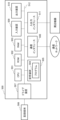
- FIG. 1 is a block diagram showing a configuration of an authentication system according to the present disclosure.
- FIG. 2 is a diagram showing a hardware configuration in which the terminal, the certificate authority server, and the authentication server in the present disclosure are realized by a computer device and its peripheral devices.
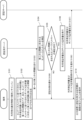
- FIG. 3 is a flowchart showing the operation of the authentication system in the present disclosure.
- FIG. 4 is a flowchart showing the operation of the authentication system according to the present disclosure.
- FIG. 1 is a block diagram showing a configuration of an authentication system 10 according to the present disclosure.
- the authentication system 10 includes a terminal 100, a certificate authority server 200, and an authentication server 300, which are connected to each other via a network. Although a single terminal 100 is illustrated in FIG. 1, there may be multiple terminals 100 that connect to a network system.
- the network system includes services or systems used on the network.
- the authentication system 10 is a system for verifying the authenticity of a user and a terminal when connecting to the network system. Authenticity refers to, for example, a property for verifying that the user and terminal are genuine, and not a spoofed user or terminal.
- FIG. 2 is a diagram showing an example of a hardware configuration in which each of the terminal 100, the authentication authority server 200, and the authentication server 300 in the first embodiment of the present disclosure is realized by a computer device 500 including a processor.
- the terminal 100, the authentication authority server 200, and the authentication server 300 each include a CPU (Central Processing Unit) 501, memories such as a ROM (Read Only Memory) 502 and a RAM (Random Access Memory) 503, a storage device 505 such as a hard disk for storing a program 504, a communication I/F (Interface) 508 for network connection, and an input/output interface 511 for inputting and outputting data.
- the terminal 100, the authentication authority server 200, and the authentication server 300 are connected to each component via a bus 512.
- the CPU 501 operates the OS to control the terminal 100, the certificate authority server 200, and the authentication server 300 according to the first embodiment of the present invention.
- the CPU 501 also reads programs and data from a recording medium 506 mounted in, for example, a drive device 507 into memory.
- the CPU 501 also functions as a means for implementing each component of the terminal 100, the certificate authority server 200, and the authentication server 300 according to the first embodiment, or as a part of these components, and executes the processes or commands in the flowcharts shown in Figures 3 and 4, which will be described later, based on the programs.
- the recording medium 506 is, for example, an optical disk, a flexible disk, a magneto-optical disk, an external hard disk, or a semiconductor memory.
- a recording medium that is part of the storage device is a non-volatile storage device, and the program is recorded therein.
- the program may also be downloaded from an external computer (not shown) that is connected to a communication network.
- the input device 509 is realized, for example, by a mouse, keyboard, or built-in key buttons, and is used for input operations.
- the input device 509 is not limited to a mouse, keyboard, or built-in key buttons, and may be, for example, a touch panel.
- the output device 510 is realized, for example, by a display, and is used to check the output.
- the terminal 100, the certification authority server 200, and the authentication server 300 in FIG. 1 are realized by the computer hardware shown in FIG. 2.
- the means for realizing each component of the terminal 100, the certification authority server 200, and the authentication server 300 are not limited to the configurations described in this specification.
- the terminal 100 is a device for using a network system, and includes a user authentication unit 101, a security function unit 102, and a transmission/reception unit 103.
- the user authentication unit 101 collates identification information that identifies a user.
- the identification information includes one or more pieces of biometric information such as veins, fingerprints, palms, irises, voice, and faces, or a PIN code.
- the user authentication unit 101 accepts identification information input by a user.
- the user authentication unit 101 may also obtain the user's identification information by reading data in an IC card that stores the identification information.
- the user authentication unit 101 also collates the input identification information with the user's identification information stored in the terminal 100, and signs in to the terminal 100 if a match is successful.
- the security function unit 102 includes a tamper-resistant storage area.
- the security function unit 102 is an area that is difficult for a malicious third party to tamper with.
- the security function unit 102 is configured with a hardware cryptographic module, one example of which is a TPM (Trusted Platform Module), but is not limited to this as long as the configuration can achieve tamper resistance.
- TPM Trusted Platform Module
- the TPM has a high level of tamper resistance, as it is difficult to tamper with the OS, hardware, or through physical hacking from the outside.
- the security function unit 102 stores an endorsement key that was enclosed during the manufacturing process of the terminal 100.
- the endorsement key is assigned a unique identifier for each hardware cryptographic module and is used to identify the hardware cryptographic module.
- the security function unit 102 uses a random number generation circuit to generate a pair of a first private key and a first public key corresponding to a user certificate for authenticating the network system, and a pair of a second private key and a second public key corresponding to the device certificate.
- the user certificate and the device certificate are each linked to an endorsement key.
- the pair of the first private key and the first public key is used to verify the user, and the pair of the second private key and the second public key is used to verify the terminal 100.
- Each of the private keys is, for example, a private key in an AIK (Attestation Identity Key), and is paired with the user certificate and the device certificate stored in the authentication server 300.
- Each security function unit 102 stores each of the generated private keys in the storage area of the hardware cryptographic module.
- the transmission unit 113 transmits each of the generated public keys to the certification authority server 200.
- the certificate authority server 200 includes an authentication information storage unit 201 , a verification unit 202 , a certificate issuing unit 203 , and a transmission unit 204 .
- the authentication information storage unit 201 stores the endorsement key certificate of the terminal 100.
- the endorsement key certificate includes endorsement key information and is received from the terminal 100 or the vendor of the terminal 100.
- the verification unit 202 verifies the existence of the terminal 100 by a known method using the endorsement key certificate and the endorsement key information contained in the second public key received from the terminal 100. If the verification unit 202 is able to verify the existence of the terminal 100, it outputs the first and second public keys to the certificate issuing unit 203. On the other hand, if the verification unit 202 is unable to verify the existence, it notifies the terminal 100 of that effect.
- the certificate issuing unit 203 can verify the second public key, it issues a device certificate by signing the second public key with the certificate authority's signature generation key. Similarly, it issues a user certificate by signing the first public key with the certificate authority's signature generation key.
- the certificate issuing unit 203 issues these certificates based on, for example, X.509.
- the certificate issuing unit 203 may set a validity period for each certificate.
- the transmitting unit 204 transmits the issued device certificate and user certificate to the authentication server 300. Each certificate may be encrypted using a specified method to enhance security. The transmitting unit 204 also notifies the terminal 100 that registration of the device certificate and user certificate has been completed.
- Terminal 100 When the user authentication unit 101 receives identification information input by a user, it compares the input identification information with the user's identification information stored in the terminal 100, and if a match is successful, the user signs in to the terminal 100 using the input identification information. The user authentication unit 101 also transmits an authentication request to the authentication server 300 to request verification of the user and the terminal 100. The user authentication unit 101 transmits the authentication request using encrypted communication such as SSL (Secure Sockets Layer) or TLS (Transport Layer Security).
- SSL Secure Sockets Layer
- TLS Transport Layer Security
- the security function unit 102 signs the specified data using each of the private keys, the first private key corresponding to the user certificate and the second private key corresponding to the device certificate. Specifically, the security function unit 102 first signs the nonce sent from the authentication server 300 using either the first private key or the second private key, and the transmission/reception unit 103 transmits the signature data to the authentication server 300. After that, the security function unit 102 signs the signed nonce sent again from the authentication server 300 using the other private key.
- the transmitting/receiving unit 103 receives a nonce transmitted by cryptographic communication from the authentication server 300. It also transmits signature data signed with each private key to the authentication server 300 by cryptographic communication.
- the authentication server 300 includes an authentication information storage unit 301, a transmission/reception unit 302, a verification unit 303, and a connection unit 304.
- the authentication information storage unit 301 stores a user certificate and a device certificate for authentication of the network system in association with each other. These certificates are issued by the certificate authority server 200 and are used to verify the signature data received from the terminal 100.
- the transmission/reception unit 302 When the transmission/reception unit 302 receives an authentication request from the terminal 100, it transmits a nonce to the terminal 100 by cryptographic communication. Furthermore, when the transmission/reception unit 302 receives signature data signed with one of the private keys, it transmits the signed nonce to the terminal 100 by cryptographic communication. When the transmission/reception unit 302 receives signature data signed with both the first and second private keys, it outputs the signature data to the verification unit 303.
- the verification unit 303 verifies the signature data using the user certificate and device certificate.
- the verification method used by the verification unit 303 is a known method, for example, the verification unit 303 verifies the user and device by decrypting the signature data using the public key written in each certificate. Note that if a validity period is set for each certificate, the verification unit 303 also verifies whether or not the validity period is still valid.
- connection unit 304 can verify the user and device, it controls the network between the terminal 100 and the network system to enable the terminal 100 to connect to the network system. If at least one of the user and the device cannot be verified, the connection unit 304 notifies the terminal 100 of that fact.
- ⁇ Flowchart> 3 and 4 are flowcharts showing an overview of the operation of the authentication system 10 in the present disclosure. The processes according to these flowcharts may be executed based on program control by the above-mentioned processor. Note that the flowchart in Fig. 3 shows the operation when a user certificate and a device certificate are registered in the authentication server 300, and the flowchart in Fig. 4 shows the operation when authentication of a user and a terminal 100 is executed.
- the security function unit 102 generates a pair of a first private key and a first public key corresponding to the user certificate linked to the endorsement key, and a pair of a second private key and a second public key corresponding to the device certificate linked to the endorsement key (step S102).
- the security function unit 102 stores each of the generated first and second private keys in the security function unit 102, and the transmission/reception unit 103 transmits each of the first and second public keys to the certification authority server 200 (step S103).
- the verification unit 202 verifies the endorsement key included in the second public key (step S104). If the verification is successful (S105; YES), the certificate issuing unit 203 issues a user certificate and a device certificate (step S106), and the transmitting unit 204 transmits them to the authentication server 300 (step S107), and the transmitting unit 204 notifies the authentication server 300 that the certificate registration has been completed (step S108). On the other hand, if the verification is not successful (S105; NO), the transmitting unit 204 notifies the authentication server 300 that the verification has failed (step S109). Finally, the output device 510 of the terminal 100 displays a message indicating that the authentication has failed or that the certificate registration has been completed (step S110). This completes the operation of the authentication system 10 to register the user certificate and the device certificate.
- the user authentication unit 101 of the terminal 100 signs in to the terminal 100 with the identification information input by the user (step S111), and transmits an authentication request to the authentication server 300 (step S112).
- the transmission/reception unit 302 transmits a nonce to the terminal 100 (step S113).
- the security function unit 102 signs the nonce using either the first private key or the second private key (step S114), and transmits the signature data to the authentication server 300 (step S115).
- the authentication server 300 transmits the signature data signed with either private key again to the terminal 100 (step S116), and the security function unit 102 signs the nonce using the other private key (step S117), and transmits it again to the authentication server 300 (step S118).
- the verification unit 303 when the verification unit 303 receives the signature data signed with both private keys, it verifies the signature data using the user certificate and device certificate (step S119). If the verification is successful (S120; YES), the connection unit 304 enables the terminal 100 to connect to the network system (step S121). On the other hand, if the verification is unsuccessful (S120; NO), the transmission/reception unit 302 notifies the terminal 100 that the authentication has failed (step S122), and displays the fact that the authentication has failed on the output device 510 of the terminal 100 (step S123). This completes the authentication system 10's operation of authenticating the user and the device.
- the security function unit 102 of the terminal 100 signs the nonce sent from the authentication server 300 using the respective private keys, that is, the first private key corresponding to the user certificate and the second private key corresponding to the device certificate, and the verification unit 303 of the authentication server 300 verifies the signature data using the user certificate and the device certificate. This makes it possible to verify that the network system is being accessed using a genuine user and device. Therefore, it can be verified that the user and terminal 100 are not being spoofed.
- the authentication system 10 performs verification using signature data in which a nonce is signed with each private key and these certificates, without using information about the user and the terminal 100. Therefore, verification is possible while protecting the private information of the user who is to be authenticated and the private information of the terminal 100.
- an endorsement key that identifies the hardware cryptographic module is linked to the user certificate, device certificate, and the private key corresponding to them. This makes it possible to verify not only the authenticity of the terminal 100, but also the existence of the terminal 100.
- the cryptographic communication for exchanging data when signing using one of the first and second private keys is the same as the cryptographic communication for exchanging data when signing using the other private key.
- different cryptographic communication may be used for exchanging data when signing each signature. That is, the security function unit 102 signs a nonce received from the authentication server 300 by the first cryptographic communication when connecting to the network system, using one of the first and second private keys, and transmits the signature data to the authentication server 300 by the first cryptographic communication via the transmission/reception unit 103.
- the security function unit 102 signs a nonce with signature data received from the authentication server 300 by the second cryptographic communication, using the other private key, and transmits the signature data signed with the first and second private keys to the authentication server 300 by the second cryptographic communication via the transmission/reception unit 103.
- the security function unit 102 may also sign the nonce received from the authentication server 300 when connecting to the network system, using an aggregate signature formed by aggregating the first private key and the second private key.
- an aggregate signature for example, a Schnorr signature can be used. In this case, the number of data exchanges when sending the signature data can be reduced, and the transmission load on the network can be reduced.
- An example of a network system to which the authentication system 10 of the present disclosure can be applied is an automatic driving system.
- the authentication system 10 authenticates the user by verifying the authenticity of the user and the terminal 100 installed in the user's vehicle.
- the user can use the automatic driving system in his or her own vehicle.
- Another network system to which the authentication system 10 of the present disclosure can be applied is a car rental system.
- the user certificate contains information regarding the validity period, and the validity period is set to correspond to the rental time of the car.
- the authentication system 10 verifies the authenticity of the user and the terminal 100 installed in the car used by the user, and verifies whether the user certificate is within the validity period.
- the user is authenticated only when the user certificate is within the validity period, and connection to the system for driving the car is possible only during the rental time.
- An authentication system having a terminal and an authentication server for using a network system from the terminal, the terminal generates a first private key corresponding to a user certificate linked to an endorsement key and a second private key corresponding to a device certificate linked to the endorsement key, and signs predetermined data using the respective private keys; and a transmission/reception means for transmitting signature data signed with each of the first private key and the second private key to the authentication server by cryptographic communication; a verification unit configured to verify the signature data by using the user certificate and the device certificate stored in advance in the authentication server; and a connection means for enabling said terminal to connect to said network system if a user and a device can be verified.
- the security function means signs a nonce received from the authentication server by cryptographic communication when connecting to the network system, using either one of the first private key and the second private key, and transmits the signature data to the authentication server via the transmission/reception means by cryptographic communication; 2.
- the authentication system of claim 1 wherein after the signature data is transmitted, a nonce with the signature data received from the authentication server via the cryptographic communication is signed using the other private key, and the signature data signed with the first private key and the second private key is transmitted to the authentication server via the transmission and reception means via the cryptographic communication.
- the security function means signs a nonce received from the authentication server through first cryptographic communication at the time of connection to the network system, using either the first private key or the second private key, and transmits signature data to the authentication server through the first cryptographic communication via the transmitting/receiving means; 2.
- the authentication system of claim 1 further comprising: a first private key for signing a nonce with signature data received from the authentication server through second cryptographic communication, the second private key for signing a nonce with signature data received from the authentication server through second cryptographic communication; and the second private key for signing the signature data to the authentication server through the transmission and reception means.
- the user certificate includes information regarding a validity period; 5.
- the authentication system further includes a certificate authority server; a verification means for verifying the existence of the terminal when the certificate authority server receives a request for issuance of the device certificate from the terminal; and a certificate issuing means for issuing the user certificate and the device certificate if the existence of the user certificate and the device certificate is confirmed.
- Appendix 7 The authentication system according to any one of appendixes 1 to 6, wherein the network system is an autonomous driving system.
- a security function means for generating a first private key corresponding to a user certificate linked to an endorsement key and a second private key corresponding to a device certificate linked to the endorsement key, and signing predetermined data with each of the private keys; a transmission/reception means for transmitting signature data signed with each of the first private key and the second private key to an authentication server that authenticates a user and a device by cryptographic communication.
- Appendix 10 a verification means for verifying a user and a device by using a user certificate and a device certificate stored in advance for signature data received from a terminal to be authenticated and signed with a first private key corresponding to a user certificate linked to an endorsement key and a second private key corresponding to a device certificate linked to the endorsement key; and a connection means for enabling the terminal to connect to a network system if the user and the device can be verified.
- an authentication server authenticates a terminal that uses a network system
- the terminal generates a first private key corresponding to a user certificate linked to an endorsement key and a second private key corresponding to a device certificate linked to the endorsement key, and signs predetermined data using the respective private keys; transmitting signature data signed with the first private key and the second private key to the authentication server by cryptographic communication; the authentication server verifies the signature data using the user certificate and the device certificate that are stored in advance; If the authentication is successful, the terminal is allowed to connect to the network system.
- a recording medium storing a program for causing a computer to execute the following: sending signature data signed with each of the first private key and the second private key to an authentication server that authenticates users and devices through cryptographic communication.
- a recording medium that stores a program that causes a computer to execute the following steps: verifying signature data received from a terminal to be authenticated, the signature data being signed with a first private key corresponding to a user certificate linked to an endorsement key, and a second private key corresponding to a device certificate linked to the endorsement key, using the user certificate and device certificate that are stored in advance, and if verification is successful, enabling the terminal to connect to a network system.
- REFERENCE SIGNS LIST 10 Authentication system 100 Terminal 101 User authentication unit 102 Security function unit 103 Transmission/reception unit 200 Certificate authority server 201 Authentication information storage unit 202 Verification unit 203 Certificate issuing unit 204 Transmission unit 300 Authentication server 301 Authentication information storage unit 302 Transmission/reception unit 303 Verification unit 304 Connection unit 500 Computer device 501 CPU 502 ROM 503 RAM 504 Program 505 Storage device 506 Recording medium 507 Drive device 508 Communication interface 509 Input device 510 Output device 511 Input/output interface 512 Bus
Landscapes
- Engineering & Computer Science (AREA)
- Computer Security & Cryptography (AREA)
- Computer Networks & Wireless Communication (AREA)
- Signal Processing (AREA)
- Theoretical Computer Science (AREA)
- Computer Hardware Design (AREA)
- Software Systems (AREA)
- Physics & Mathematics (AREA)
- General Engineering & Computer Science (AREA)
- General Physics & Mathematics (AREA)
- Management, Administration, Business Operations System, And Electronic Commerce (AREA)
Abstract
Description
図1は、本開示における認証システム10の構成を示すブロック図である。認証システム10は、端末100、認証局サーバ200及び認証サーバ300を有し、これらは互いにネットワークを介して接続されている。図1では、端末100単体が図示されているが、ネットワークシステムに接続を行う複数の端末100が存在していてもよい。ネットワークシステムとは、ネットワーク上で利用するサービス又はシステムを含む。認証システム10は、ネットワークシステムに接続する際の利用者及び端末の真正性を検証するためのシステムである。真正性とは、例えば、なりすましの利用者や端末ではなく、本物の利用者及び端末であることを確かめるための性質を指す。
まず、認証に用いる利用者証明書及びデバイス証明書を認証サーバ300に登録する方法について説明する。
図1に示すように、端末100は、ネットワークシステムを利用するためのデバイスである。図1に示すように、利用者認証部101と、セキュリティ機能部102と送受信部103と、を備える。
図1に示すように、認証局サーバ200は、認証情報記憶部201と検証部202と証明書発行部203と送信部204を備える。
次に、認証サーバ300に登録された利用者証明書及びデバイス証明書を用いて、利用者及びデバイスを認証する方法を説明する。
利用者認証部101は、利用者から入力された識別情報を受付すると、入力された識別情報と、端末100内に格納されている利用者の識別情報とを照合し、照合できた場合に、入力された識別情報で端末100にサインインする。また、利用者認証部101は、利用者及び端末100の検証を要求する認証要求を認証サーバ300に送信する。利用者認証部101は、SSL(Secure Sockets Layer)又はTLS(Transport Layer Security)等の暗号通信を利用して認証要求を送信する。
認証サーバ300は、認証情報記憶部301と送受信部302と検証部303と接続部304を備える。認証情報記憶部301は、ネットワークシステムの認証のための利用者証明書及びデバイス証明書を紐づけて格納している。これらの証明書は、認証局サーバ200で発行されたものであり、端末100から受信した署名データを検証するため証明書である。
図3及び図4は、本開示における認証システム10の動作の概要を示すフローチャートである。これらのフローチャートによる処理は、前述したプロセッサによるプログラム制御に基づいて、実行されてもよい。なお、図3のフローチャートは、利用者証明書及びデバイス証明書を認証サーバ300に登録する際の動作であり、図4のフローチャートは、利用者及び端末100の認証を実行する際の動作である。
本開示の第一の実施形態の変形例について説明する。上述した第一の実施形態では、第一の秘密鍵及び第二の秘密鍵のいずれかの一方の秘密鍵を用いて署名を行う際にデータをやり取りする暗号通信と、他方の秘密鍵を用いて署名を行う際にデータをやり取りする暗号通信が同一であった。これに対し、各署名を行う際のデータのやり取りに別の暗号通信を用いてもよい。すなわち、セキュリティ機能部102は、ネットワークシステムへの接続時に認証サーバ300から第一の暗号通信により受信したノンスに対して、第一の秘密鍵及び第二の秘密鍵のいずれかの一方の秘密鍵を用いて署名を行い、送受信部103を介して第一の暗号通信により署名データを認証サーバ300に送信する。また、セキュリティ機能部102は、認証サーバ300から第二の暗号通信により受信した署名データ付きのノンスに対して、他方の秘密鍵を用いて署名を行い、送受信部103を介して第二の暗号通信により認証サーバ300に第一の秘密鍵及び第二の秘密鍵で署名された署名データを送信する。
本開示の認証システム10を適用可能なネットワークシステムとしては、例えば、自動運転システムが挙げられる。この場合、認証システム10は、利用者と利用者の自動車に搭載された端末100の真正性を検証することで、利用者の認証を行う。このシステムでは、利用者が認証されると、利用者が自身の自動車で自動運転システムを利用することができる。
端末と当該端末からネットワークシステムを利用するための認証サーバとを有する認証システムであって、
前記端末は、エンドースメントキーに紐づけされた利用者証明書に対応した第一の秘密鍵、及び、前記エンドースメントキーに紐づけされたデバイス証明書に対応した第二の秘密鍵のそれぞれを生成し、所定のデータに対して、それぞれの秘密鍵を用いて署名する、セキュリティ機能手段と、
前記第一の秘密鍵及び前記第二の秘密鍵のそれぞれで署名された署名データを暗号通信により前記認証サーバに送信する、送受信手段と、を備え、
前記認証サーバは、予め保持している前記利用者証明書及び前記デバイス証明書を用いて前記署名データを検証する、検証手段と、
利用者及びデバイスを検証できた場合に、前記端末の前記ネットワークシステムへの接続を可能にさせる、接続手段と、を備える、認証システム。
前記セキュリティ機能手段は、前記ネットワークシステムへの接続時に前記認証サーバから暗号通信により受信したノンスに対して、前記第一の秘密鍵及び前記第二の秘密鍵のいずれかの一方の秘密鍵を用いて署名を行い、前記送受信手段を介して前記認証サーバに署名データを暗号通信により送信し、
前記署名データの送信後、前記認証サーバから前記暗号通信により受信した署名データ付きのノンスに対して、他方の秘密鍵を用いて署名を行い、前記送受信手段を介して前記認証サーバに前記第一の秘密鍵及び前記第二の秘密鍵で署名された署名データを前記暗号通信により送信する、付記1に記載の認証システム。
前記セキュリティ機能手段は、前記ネットワークシステムへの接続時に前記認証サーバから第一の暗号通信により受信したノンスに対して、前記第一の秘密鍵及び前記第二の秘密鍵のいずれかの一方の秘密鍵を用いて署名を行い、前記送受信手段を介して前記第一の暗号通信により前記認証サーバに署名データを送信し、
前記署名データの送信後、前記認証サーバから第二の暗号通信により受信した署名データ付きのノンスに対して、他方の秘密鍵を用いて署名を行い、前記送受信手段を介して前記第二の暗号通信により前記認証サーバに前記第一の秘密鍵及び前記第二の秘密鍵で署名された署名データを送信する、付記1に記載の認証システム。
前記セキュリティ機能手段は、前記ネットワークシステムへの接続時に前記認証サーバから暗号通信により受信したノンスに対して、前記第一の秘密鍵と前記第二の秘密鍵とが集約された秘密鍵を用いて署名を行う、付記1に記載の認証システム。
前記利用者証明書は、有効期間に関する情報を含み、
前記認証サーバは、前記有効期間内にのみ、前記端末の前記ネットワークシステムへの接続を許可する、付記1~4のいずれかに記載の認証システム。
前記認証システムは、認証局サーバを更に含み、
前記認証局サーバは、前記端末から前記デバイス証明書の発行が要求された場合に、前記端末の実存性を検証する、検証手段と、
実存性が確認できた場合に、前記利用者証明書及び前記デバイス証明書を発行する、証明書発行手段と、を備える、付記1~5いずれかに記載の認証システム。
前記ネットワークシステムは、自動運転システムである、付記1~6のいずれかに記載の認証システム。
前記ネットワークシステムは、自動車のレンタルシステムであり、前記利用者証明書は、レンタル時間に対応した有効期間が設定されている。付記1~6のいずれかに記載の認証システム。
エンドースメントキーに紐づけされた利用者証明書に対応した第一の秘密鍵、及び、前記エンドースメントキーに紐づけされたデバイス証明書に対応した第二の秘密鍵のそれぞれを生成し、所定のデータに対して、それぞれの秘密鍵を用いて署名する、セキュリティ機能手段と、
前記第一の秘密鍵及び前記第二の秘密鍵のそれぞれで署名された署名データを暗号通信により利用者及びデバイスを認証する認証サーバに送信する、送受信手段と、を備える、端末。
認証対象の端末から受信した、エンドースメントキーに紐づけされた利用者証明書に対応した第一の秘密鍵、及び、前記エンドースメントキーに紐づけされたデバイス証明書に対応した第二の秘密鍵のそれぞれで署名された署名データについて、予め保持している前記利用者証明書及び前記デバイス証明書を用いて、利用者及びデバイスを検証する、検証手段と、
利用者とデバイスを検証できた場合に、前記端末のネットワークシステムへの接続を可能にさせる、接続手段とを備える、認証サーバ。
認証サーバがネットワークシステムを利用する端末を認証する認証方法あって、
前記端末は、エンドースメントキーに紐づけされた利用者証明書に対応した第一の秘密鍵、及び、前記エンドースメントキーに紐づけされたデバイス証明書に対応した第二の秘密鍵のそれぞれを生成し、所定のデータに対して、それぞれの秘密鍵を用いて署名し、
前記第一の秘密鍵及び前記第二の秘密鍵でそれぞれ署名された署名データを暗号通信により前記認証サーバに送信し、
前記認証サーバは、予め保持している前記利用者証明書及び前記デバイス証明書を用いて前記署名データを検証し、
検証できた場合に、前記端末の前記ネットワークシステムへの接続を可能にさせる、認証方法。
エンドースメントキーに紐づけされた利用者証明書に対応した第一の秘密鍵、及び、前記エンドースメントキーに紐づけされたデバイス証明書に対応した第二の秘密鍵のそれぞれを生成し、所定のデータに対して、それぞれの秘密鍵を用いて署名し、
前記第一の秘密鍵及び前記第二の秘密鍵のそれぞれで署名された署名データを暗号通信により利用者及びデバイスを認証する認証サーバに送信する、ことをコンピュータに実行させるプログラムを格納する記録媒体。
認証対象の端末から受信した、エンドースメントキーに紐づけされた利用者証明書に対応した第一の秘密鍵、及び、前記エンドースメントキーに紐づけされたデバイス証明書に対応した第二の秘密鍵のそれぞれで署名された署名データについて、予め保持している前記利用者証明書及び前記デバイス証明書を用いて検証し、検証できた場合に、前記端末のネットワークシステムへの接続を可能にさせる、ことをコンピュータに実行させるプログラムを格納する記録媒体。
100 端末
101 利用者認証部
102 セキュリティ機能部
103 送受信部
200 認証局サーバ
201 認証情報記憶部
202 検証部
203 証明書発行部
204 送信部
300 認証サーバ
301 認証情報記憶部
302 送受信部
303 検証部
304 接続部
500 コンピュータ装置
501 CPU
502 ROM
503 RAM
504 プログラム
505 記憶装置
506 記録媒体
507 ドライブ装置
508 通信インターフェース
509 入力装置
510 出力装置
511 入出力インターフェース
512 バス
Claims (13)
- 端末と当該端末からネットワークシステムを利用するための認証サーバとを有する認証システムであって、
前記端末は、エンドースメントキーに紐づけされた利用者証明書に対応した第一の秘密鍵、及び、前記エンドースメントキーに紐づけされたデバイス証明書に対応した第二の秘密鍵のそれぞれを生成し、所定のデータに対して、それぞれの秘密鍵を用いて署名する、セキュリティ機能手段と、
前記第一の秘密鍵及び前記第二の秘密鍵のそれぞれで署名された署名データを暗号通信により前記認証サーバに送信する、送受信手段と、を備え、
前記認証サーバは、予め保持している前記利用者証明書及び前記デバイス証明書を用いて前記署名データを検証する、検証手段と、
利用者及びデバイスを検証できた場合に、前記端末の前記ネットワークシステムへの接続を可能にさせる、接続手段と、を備える、認証システム。 - 前記セキュリティ機能手段は、前記ネットワークシステムへの接続時に前記認証サーバから暗号通信により受信したノンスに対して、前記第一の秘密鍵及び前記第二の秘密鍵のいずれかの一方の秘密鍵を用いて署名を行い、前記送受信手段を介して前記認証サーバに署名データを暗号通信により送信し、
前記署名データの送信後、前記認証サーバから前記暗号通信により受信した署名データ付きのノンスに対して、他方の秘密鍵を用いて署名を行い、前記送受信手段を介して前記認証サーバに前記第一の秘密鍵及び前記第二の秘密鍵で署名された署名データを前記暗号通信により送信する、請求項1に記載の認証システム。 - 前記セキュリティ機能手段は、前記ネットワークシステムへの接続時に前記認証サーバから第一の暗号通信により受信したノンスに対して、前記第一の秘密鍵及び前記第二の秘密鍵のいずれかの一方の秘密鍵を用いて署名を行い、前記送受信手段を介して前記第一の暗号通信により前記認証サーバに署名データを送信し、
前記署名データの送信後、前記認証サーバから第二の暗号通信により受信した署名データ付きのノンスに対して、他方の秘密鍵を用いて署名を行い、前記送受信手段を介して前記第二の暗号通信により前記認証サーバに前記第一の秘密鍵及び前記第二の秘密鍵で署名された署名データを送信する、請求項1に記載の認証システム。 - 前記セキュリティ機能手段は、前記ネットワークシステムへの接続時に前記認証サーバから暗号通信により受信したノンスに対して、前記第一の秘密鍵と前記第二の秘密鍵とが集約された秘密鍵を用いて署名を行う、請求項1に記載の認証システム。
- 前記利用者証明書は、有効期間に関する情報を含み、
前記認証サーバは、前記有効期間内にのみ、前記端末の前記ネットワークシステムへの接続を許可する、請求項1~4のいずれか一項に記載の認証システム。 - 前記認証システムは、認証局サーバを更に含み、
前記認証局サーバは、前記端末から前記デバイス証明書の発行が要求された場合に、前記端末の実存性を検証する、検証手段と、
実存性が確認できた場合に、前記利用者証明書及び前記デバイス証明書を発行する、証明書発行手段と、を備える、請求項1~5いずれか一項に記載の認証システム。 - 前記ネットワークシステムは、自動運転システムである、請求項1~6のいずれか一項に記載の認証システム。
- 前記ネットワークシステムは、自動車のレンタルシステムであり、前記利用者証明書は、レンタル時間に対応した有効期間が設定されている。請求項1~6のいずれか一項に記載の認証システム。
- エンドースメントキーに紐づけされた利用者証明書に対応した第一の秘密鍵、及び、前記エンドースメントキーに紐づけされたデバイス証明書に対応した第二の秘密鍵のそれぞれを生成し、所定のデータに対して、それぞれの秘密鍵を用いて署名する、セキュリティ機能手段と、
前記第一の秘密鍵及び前記第二の秘密鍵のそれぞれで署名された署名データを暗号通信により利用者及びデバイスを認証する認証サーバに送信する、送受信手段と、を備える、端末。 - 認証対象の端末から受信した、エンドースメントキーに紐づけされた利用者証明書に対応した第一の秘密鍵、及び、前記エンドースメントキーに紐づけされたデバイス証明書に対応した第二の秘密鍵のそれぞれで署名された署名データについて、予め保持している前記利用者証明書及び前記デバイス証明書を用いて、利用者及びデバイスを検証する、検証手段と、
利用者とデバイスを検証できた場合に、前記端末のネットワークシステムへの接続を可能にさせる、接続手段とを備える、認証サーバ。 - 認証サーバがネットワークシステムを利用する端末を認証する認証方法あって、
前記端末は、エンドースメントキーに紐づけされた利用者証明書に対応した第一の秘密鍵、及び、前記エンドースメントキーに紐づけされたデバイス証明書に対応した第二の秘密鍵のそれぞれを生成し、所定のデータに対して、それぞれの秘密鍵を用いて署名し、
前記第一の秘密鍵及び前記第二の秘密鍵でそれぞれ署名された署名データを暗号通信により前記認証サーバに送信し、
前記認証サーバは、予め保持している前記利用者証明書及び前記デバイス証明書を用いて前記署名データを検証し、
検証できた場合に、前記端末の前記ネットワークシステムへの接続を可能にさせる、認証方法。 - エンドースメントキーに紐づけされた利用者証明書に対応した第一の秘密鍵、及び、前記エンドースメントキーに紐づけされたデバイス証明書に対応した第二の秘密鍵のそれぞれを生成し、所定のデータに対して、それぞれの秘密鍵を用いて署名し、
前記第一の秘密鍵及び前記第二の秘密鍵のそれぞれで署名された署名データを暗号通信により利用者及びデバイスを認証する認証サーバに送信する、ことをコンピュータに実行させるプログラムを格納する記録媒体。 - 認証対象の端末から受信した、エンドースメントキーに紐づけされた利用者証明書に対応した第一の秘密鍵、及び、前記エンドースメントキーに紐づけされたデバイス証明書に対応した第二の秘密鍵のそれぞれで署名された署名データについて、予め保持している前記利用者証明書及び前記デバイス証明書を用いて検証し、検証できた場合に、前記端末のネットワークシステムへの接続を可能にさせる、ことをコンピュータに実行させるプログラムを格納する記録媒体。
Priority Applications (2)
| Application Number | Priority Date | Filing Date | Title |
|---|---|---|---|
| JP2025509354A JPWO2024201734A5 (ja) | 2023-03-28 | 認証システム、端末、認証サーバ、認証方法、及びプログラム | |
| PCT/JP2023/012602 WO2024201734A1 (ja) | 2023-03-28 | 2023-03-28 | 認証システム、端末、認証サーバ、認証方法、及び記録媒体 |
Applications Claiming Priority (1)
| Application Number | Priority Date | Filing Date | Title |
|---|---|---|---|
| PCT/JP2023/012602 WO2024201734A1 (ja) | 2023-03-28 | 2023-03-28 | 認証システム、端末、認証サーバ、認証方法、及び記録媒体 |
Publications (1)
| Publication Number | Publication Date |
|---|---|
| WO2024201734A1 true WO2024201734A1 (ja) | 2024-10-03 |
Family
ID=92904316
Family Applications (1)
| Application Number | Title | Priority Date | Filing Date |
|---|---|---|---|
| PCT/JP2023/012602 Ceased WO2024201734A1 (ja) | 2023-03-28 | 2023-03-28 | 認証システム、端末、認証サーバ、認証方法、及び記録媒体 |
Country Status (1)
| Country | Link |
|---|---|
| WO (1) | WO2024201734A1 (ja) |
Citations (4)
| Publication number | Priority date | Publication date | Assignee | Title |
|---|---|---|---|---|
| JP2009094984A (ja) * | 2007-10-12 | 2009-04-30 | Kddi Corp | 属性認証システム、同システムにおける属性認証方法およびプログラム |
| US20200244469A1 (en) * | 2019-01-30 | 2020-07-30 | Safenet Inc. | Method for handling data in a secure container |
| WO2021049041A1 (ja) * | 2019-09-13 | 2021-03-18 | エヌ・ティ・ティ・コミュニケーションズ株式会社 | 車両制御システム、情報処理装置、媒体、車両制御装置及びコンピュータプログラム |
| JP2021114201A (ja) * | 2020-01-20 | 2021-08-05 | 富士通株式会社 | 検証方法、プログラム、および情報処理装置 |
-
2023
- 2023-03-28 WO PCT/JP2023/012602 patent/WO2024201734A1/ja not_active Ceased
Patent Citations (4)
| Publication number | Priority date | Publication date | Assignee | Title |
|---|---|---|---|---|
| JP2009094984A (ja) * | 2007-10-12 | 2009-04-30 | Kddi Corp | 属性認証システム、同システムにおける属性認証方法およびプログラム |
| US20200244469A1 (en) * | 2019-01-30 | 2020-07-30 | Safenet Inc. | Method for handling data in a secure container |
| WO2021049041A1 (ja) * | 2019-09-13 | 2021-03-18 | エヌ・ティ・ティ・コミュニケーションズ株式会社 | 車両制御システム、情報処理装置、媒体、車両制御装置及びコンピュータプログラム |
| JP2021114201A (ja) * | 2020-01-20 | 2021-08-05 | 富士通株式会社 | 検証方法、プログラム、および情報処理装置 |
Also Published As
| Publication number | Publication date |
|---|---|
| JPWO2024201734A1 (ja) | 2024-10-03 |
Similar Documents
| Publication | Publication Date | Title |
|---|---|---|
| US8132722B2 (en) | System and method for binding a smartcard and a smartcard reader | |
| US8943311B2 (en) | System and methods for online authentication | |
| US8689290B2 (en) | System and method for securing a credential via user and server verification | |
| CN102834830B (zh) | 从id-令牌中读取属性的程序 | |
| US9083533B2 (en) | System and methods for online authentication | |
| US20090293111A1 (en) | Third party system for biometric authentication | |
| US20090037729A1 (en) | Authentication factors with public-key infrastructure | |
| US9350538B2 (en) | Revocation status using other credentials | |
| US20120272307A1 (en) | Multi-Factor Authentication Using A Smartcard | |
| US20130219481A1 (en) | Cyberspace Trusted Identity (CTI) Module | |
| WO2007094165A1 (ja) | 本人確認システムおよびプログラム、並びに、本人確認方法 | |
| TWM623435U (zh) | 使用多安全層級驗證客戶身分與交易服務之系統 | |
| CA2786271A1 (en) | Anytime validation for verification tokens | |
| EP3485600B1 (en) | Method for providing secure digital signatures | |
| JP2004508619A (ja) | トラステッド・デバイス | |
| US7073062B2 (en) | Method and apparatus to mutually authentication software modules | |
| TWI772908B (zh) | 以線上快速認證之硬體載具認證並簽章之系統及方法 | |
| KR101868564B1 (ko) | 사용자 본인 확인(identification) 등록과 로컬 인증을 연계한 사용자 인증 장치 및 방법 | |
| WO2024201734A1 (ja) | 認証システム、端末、認証サーバ、認証方法、及び記録媒体 | |
| CN115987598A (zh) | 一种基于WebAuthn协议的国密算法身份认证系统、方法和装置 | |
| TWI828001B (zh) | 使用多安全層級驗證客戶身分與交易服務之系統及方法 | |
| EP4250209B1 (en) | Devices, methods and a system for secure electronic payment transactions | |
| KR101522136B1 (ko) | 지정 단말을 경유하는 카드와 서버 간 종단 간 인증 방법 | |
| TWI813905B (zh) | 以線上快速認證之認證機制啟用數位憑證之系統及方法 |
Legal Events
| Date | Code | Title | Description |
|---|---|---|---|
| 121 | Ep: the epo has been informed by wipo that ep was designated in this application |
Ref document number: 23930374 Country of ref document: EP Kind code of ref document: A1 |
|
| ENP | Entry into the national phase |
Ref document number: 2025509354 Country of ref document: JP Kind code of ref document: A |
|
| WWE | Wipo information: entry into national phase |
Ref document number: 2025509354 Country of ref document: JP |
|
| NENP | Non-entry into the national phase |
Ref country code: DE |
|
| 122 | Ep: pct application non-entry in european phase |
Ref document number: 23930374 Country of ref document: EP Kind code of ref document: A1 |