WO2024190856A1 - 抗bcma抗体およびキメラ抗原受容体 - Google Patents
抗bcma抗体およびキメラ抗原受容体 Download PDFInfo
- Publication number
- WO2024190856A1 WO2024190856A1 PCT/JP2024/009945 JP2024009945W WO2024190856A1 WO 2024190856 A1 WO2024190856 A1 WO 2024190856A1 JP 2024009945 W JP2024009945 W JP 2024009945W WO 2024190856 A1 WO2024190856 A1 WO 2024190856A1
- Authority
- WO
- WIPO (PCT)
- Prior art keywords
- cells
- seq
- antigen
- car
- antibody
- Prior art date
- Legal status (The legal status is an assumption and is not a legal conclusion. Google has not performed a legal analysis and makes no representation as to the accuracy of the status listed.)
- Ceased
Links
Images






Classifications
-
- A—HUMAN NECESSITIES
- A61—MEDICAL OR VETERINARY SCIENCE; HYGIENE
- A61K—PREPARATIONS FOR MEDICAL, DENTAL OR TOILETRY PURPOSES
- A61K35/00—Medicinal preparations containing materials or reaction products thereof with undetermined constitution
- A61K35/12—Materials from mammals; Compositions comprising non-specified tissues or cells; Compositions comprising non-embryonic stem cells; Genetically modified cells
- A61K35/14—Blood; Artificial blood
- A61K35/17—Lymphocytes; B-cells; T-cells; Natural killer cells; Interferon-activated or cytokine-activated lymphocytes
-
- A—HUMAN NECESSITIES
- A61—MEDICAL OR VETERINARY SCIENCE; HYGIENE
- A61K—PREPARATIONS FOR MEDICAL, DENTAL OR TOILETRY PURPOSES
- A61K39/00—Medicinal preparations containing antigens or antibodies
-
- A—HUMAN NECESSITIES
- A61—MEDICAL OR VETERINARY SCIENCE; HYGIENE
- A61K—PREPARATIONS FOR MEDICAL, DENTAL OR TOILETRY PURPOSES
- A61K39/00—Medicinal preparations containing antigens or antibodies
- A61K39/395—Antibodies; Immunoglobulins; Immune serum, e.g. antilymphocytic serum
-
- A—HUMAN NECESSITIES
- A61—MEDICAL OR VETERINARY SCIENCE; HYGIENE
- A61P—SPECIFIC THERAPEUTIC ACTIVITY OF CHEMICAL COMPOUNDS OR MEDICINAL PREPARATIONS
- A61P35/00—Antineoplastic agents
- A61P35/02—Antineoplastic agents specific for leukemia
-
- A—HUMAN NECESSITIES
- A61—MEDICAL OR VETERINARY SCIENCE; HYGIENE
- A61P—SPECIFIC THERAPEUTIC ACTIVITY OF CHEMICAL COMPOUNDS OR MEDICINAL PREPARATIONS
- A61P37/00—Drugs for immunological or allergic disorders
- A61P37/02—Immunomodulators
- A61P37/04—Immunostimulants
-
- C—CHEMISTRY; METALLURGY
- C07—ORGANIC CHEMISTRY
- C07K—PEPTIDES
- C07K14/00—Peptides having more than 20 amino acids; Gastrins; Somatostatins; Melanotropins; Derivatives thereof
- C07K14/435—Peptides having more than 20 amino acids; Gastrins; Somatostatins; Melanotropins; Derivatives thereof from animals; from humans
-
- C—CHEMISTRY; METALLURGY
- C07—ORGANIC CHEMISTRY
- C07K—PEPTIDES
- C07K14/00—Peptides having more than 20 amino acids; Gastrins; Somatostatins; Melanotropins; Derivatives thereof
- C07K14/435—Peptides having more than 20 amino acids; Gastrins; Somatostatins; Melanotropins; Derivatives thereof from animals; from humans
- C07K14/705—Receptors; Cell surface antigens; Cell surface determinants
-
- C—CHEMISTRY; METALLURGY
- C07—ORGANIC CHEMISTRY
- C07K—PEPTIDES
- C07K16/00—Immunoglobulins [IG], e.g. monoclonal or polyclonal antibodies
-
- C—CHEMISTRY; METALLURGY
- C07—ORGANIC CHEMISTRY
- C07K—PEPTIDES
- C07K16/00—Immunoglobulins [IG], e.g. monoclonal or polyclonal antibodies
- C07K16/18—Immunoglobulins [IG], e.g. monoclonal or polyclonal antibodies against material from animals or humans
- C07K16/28—Immunoglobulins [IG], e.g. monoclonal or polyclonal antibodies against material from animals or humans against receptors, cell surface antigens or cell surface determinants
-
- C—CHEMISTRY; METALLURGY
- C07—ORGANIC CHEMISTRY
- C07K—PEPTIDES
- C07K19/00—Hybrid peptides, i.e. peptides covalently bound to nucleic acids, or non-covalently bound protein-protein complexes
-
- C—CHEMISTRY; METALLURGY
- C12—BIOCHEMISTRY; BEER; SPIRITS; WINE; VINEGAR; MICROBIOLOGY; ENZYMOLOGY; MUTATION OR GENETIC ENGINEERING
- C12N—MICROORGANISMS OR ENZYMES; COMPOSITIONS THEREOF; PROPAGATING, PRESERVING, OR MAINTAINING MICROORGANISMS; MUTATION OR GENETIC ENGINEERING; CULTURE MEDIA
- C12N15/00—Mutation or genetic engineering; DNA or RNA concerning genetic engineering, vectors, e.g. plasmids, or their isolation, preparation or purification; Use of hosts therefor
- C12N15/09—Recombinant DNA-technology
- C12N15/11—DNA or RNA fragments; Modified forms thereof; Non-coding nucleic acids having a biological activity
- C12N15/62—DNA sequences coding for fusion proteins
-
- C—CHEMISTRY; METALLURGY
- C12—BIOCHEMISTRY; BEER; SPIRITS; WINE; VINEGAR; MICROBIOLOGY; ENZYMOLOGY; MUTATION OR GENETIC ENGINEERING
- C12N—MICROORGANISMS OR ENZYMES; COMPOSITIONS THEREOF; PROPAGATING, PRESERVING, OR MAINTAINING MICROORGANISMS; MUTATION OR GENETIC ENGINEERING; CULTURE MEDIA
- C12N15/00—Mutation or genetic engineering; DNA or RNA concerning genetic engineering, vectors, e.g. plasmids, or their isolation, preparation or purification; Use of hosts therefor
- C12N15/09—Recombinant DNA-technology
- C12N15/63—Introduction of foreign genetic material using vectors; Vectors; Use of hosts therefor; Regulation of expression
-
- C—CHEMISTRY; METALLURGY
- C12—BIOCHEMISTRY; BEER; SPIRITS; WINE; VINEGAR; MICROBIOLOGY; ENZYMOLOGY; MUTATION OR GENETIC ENGINEERING
- C12N—MICROORGANISMS OR ENZYMES; COMPOSITIONS THEREOF; PROPAGATING, PRESERVING, OR MAINTAINING MICROORGANISMS; MUTATION OR GENETIC ENGINEERING; CULTURE MEDIA
- C12N15/00—Mutation or genetic engineering; DNA or RNA concerning genetic engineering, vectors, e.g. plasmids, or their isolation, preparation or purification; Use of hosts therefor
- C12N15/09—Recombinant DNA-technology
- C12N15/63—Introduction of foreign genetic material using vectors; Vectors; Use of hosts therefor; Regulation of expression
- C12N15/74—Vectors or expression systems specially adapted for prokaryotic hosts other than E. coli, e.g. Lactobacillus, Micromonospora
-
- C—CHEMISTRY; METALLURGY
- C12—BIOCHEMISTRY; BEER; SPIRITS; WINE; VINEGAR; MICROBIOLOGY; ENZYMOLOGY; MUTATION OR GENETIC ENGINEERING
- C12N—MICROORGANISMS OR ENZYMES; COMPOSITIONS THEREOF; PROPAGATING, PRESERVING, OR MAINTAINING MICROORGANISMS; MUTATION OR GENETIC ENGINEERING; CULTURE MEDIA
- C12N15/00—Mutation or genetic engineering; DNA or RNA concerning genetic engineering, vectors, e.g. plasmids, or their isolation, preparation or purification; Use of hosts therefor
- C12N15/09—Recombinant DNA-technology
- C12N15/63—Introduction of foreign genetic material using vectors; Vectors; Use of hosts therefor; Regulation of expression
- C12N15/79—Vectors or expression systems specially adapted for eukaryotic hosts
- C12N15/80—Vectors or expression systems specially adapted for eukaryotic hosts for fungi
-
- C—CHEMISTRY; METALLURGY
- C12—BIOCHEMISTRY; BEER; SPIRITS; WINE; VINEGAR; MICROBIOLOGY; ENZYMOLOGY; MUTATION OR GENETIC ENGINEERING
- C12N—MICROORGANISMS OR ENZYMES; COMPOSITIONS THEREOF; PROPAGATING, PRESERVING, OR MAINTAINING MICROORGANISMS; MUTATION OR GENETIC ENGINEERING; CULTURE MEDIA
- C12N15/00—Mutation or genetic engineering; DNA or RNA concerning genetic engineering, vectors, e.g. plasmids, or their isolation, preparation or purification; Use of hosts therefor
- C12N15/09—Recombinant DNA-technology
- C12N15/63—Introduction of foreign genetic material using vectors; Vectors; Use of hosts therefor; Regulation of expression
- C12N15/79—Vectors or expression systems specially adapted for eukaryotic hosts
- C12N15/80—Vectors or expression systems specially adapted for eukaryotic hosts for fungi
- C12N15/81—Vectors or expression systems specially adapted for eukaryotic hosts for fungi for yeasts
-
- C—CHEMISTRY; METALLURGY
- C12—BIOCHEMISTRY; BEER; SPIRITS; WINE; VINEGAR; MICROBIOLOGY; ENZYMOLOGY; MUTATION OR GENETIC ENGINEERING
- C12N—MICROORGANISMS OR ENZYMES; COMPOSITIONS THEREOF; PROPAGATING, PRESERVING, OR MAINTAINING MICROORGANISMS; MUTATION OR GENETIC ENGINEERING; CULTURE MEDIA
- C12N5/00—Undifferentiated human, animal or plant cells, e.g. cell lines; Tissues; Cultivation or maintenance thereof; Culture media therefor
- C12N5/10—Cells modified by introduction of foreign genetic material
-
- C—CHEMISTRY; METALLURGY
- C12—BIOCHEMISTRY; BEER; SPIRITS; WINE; VINEGAR; MICROBIOLOGY; ENZYMOLOGY; MUTATION OR GENETIC ENGINEERING
- C12P—FERMENTATION OR ENZYME-USING PROCESSES TO SYNTHESISE A DESIRED CHEMICAL COMPOUND OR COMPOSITION OR TO SEPARATE OPTICAL ISOMERS FROM A RACEMIC MIXTURE
- C12P21/00—Preparation of peptides or proteins
- C12P21/02—Preparation of peptides or proteins having a known sequence of two or more amino acids, e.g. glutathione
Definitions
- the present invention relates to an antibody specific to B cell maturation antigen (BCMA), an antigen-binding fragment thereof, and a chimeric antigen receptor containing said fragment.
- BCMA B cell maturation antigen
- BCMA also known as CD269 or TNFRSF17
- BCMA is a member of the tumor necrosis factor receptor superfamily and its ligands are B cell-activating factor (BAFF) and proliferation-inducing ligand (APRIL). Binding of BCMA to BAFF or APRIL activates NF-kB and induces upregulation of anti-apoptotic Bcl-2 members, such as Bcl-xL or Bcl-2 and Mcl-1.
- BAFF B cell-activating factor
- APRIL proliferation-inducing ligand
- BCMA expression is restricted to the B cell lineage, being expressed in plasmablasts, plasma cells and some mature B cells, and increasing during peripheral B cell differentiation. However, it is not expressed in most B cells, including naive B cells, memory B cells and germinal center B cells, and in other organs. BCMA is also highly expressed in cancer cells, and has been detected in cells from patients with multiple myeloma (MM), plasma cell leukemia (PL) and Hodgkin's lymphoma (HL).
- MM multiple myeloma
- PL plasma cell leukemia
- HL Hodgkin's lymphoma
- CAR-T cells T cells genetically modified to express chimeric antigen receptors (CARs) (CAR-T cells) are being developed.
- CARs contain an antigen recognition domain and a T cell activation domain.
- CARs can target without being restricted by MHC by utilizing the antigen-binding properties of monoclonal antibodies.
- MHC multiple myeloma
- the object of the present invention is to provide a CAR that targets BCMA, an anti-BCMA antibody that targets BCMA, and an antigen-binding fragment thereof.
- BCMA complementarity determining region
- amino acid sequences of the VL domain and the VH domain are selected from the group consisting of the following (1) to (6): (1) SEQ ID NOs: 37 and 38, (2) SEQ ID NOs: 39 and 40, (3) SEQ ID NOs: 41 and 42, (4) SEQ ID NOs: 43 and 44, (5) SEQ ID NOs: 45 and 46, and (6) SEQ ID NOs: 47 and 48.
- [3] The antibody or antigen-binding fragment thereof according to [1] or [2], wherein the antibody or antigen-binding fragment thereof is selected from the group consisting of IgG, Fab, Fab', F(ab')2, Fv, scFv, and single domain antibody (dAB).
- [4] The antigen-binding fragment of [3], wherein the antigen-binding fragment is an scFv.
- [5] A nucleic acid encoding the antibody or antigen-binding fragment thereof according to any one of [1] to [4].
- a chimeric antigen receptor comprising (i) an antigen-binding domain, (ii) a transmembrane domain, and (iii) an intracellular domain, A CAR, wherein the antigen-binding domain comprises the antigen-binding fragment according to any one of [1] to [4].
- the intracellular domain comprises a costimulatory domain and an activation domain.
- the costimulatory domain comprises an intracellular fragment of CD28.
- the activation domain comprises an intracellular fragment of CD3 ⁇ .
- a vector comprising a nucleic acid encoding the antibody or antigen-binding fragment thereof according to [5], or a nucleic acid encoding the CAR according to [10].
- a cell comprising a nucleic acid encoding the antibody or antigen-binding fragment thereof according to [5], or a nucleic acid encoding the CAR according to [10].
- a pharmaceutical composition comprising the cell according to [13] as an active ingredient.
- a method for producing a cell expressing a CAR comprising a step of transducing a nucleic acid encoding the antibody or antigen-binding fragment thereof according to [5], a nucleic acid encoding the CAR according to [10], or the vector according to [11] into the cell.
- the present invention provides an antibody specific to BCMA and its antigen-binding fragment, a chimeric antigen receptor (CAR) useful in the field of genetically modified immune cell therapy targeting BCMA, a nucleic acid encoding the CAR, a vector containing the nucleic acid, a cell expressing the CAR, a method for producing the cell, a pharmaceutical composition containing the cell as an active ingredient, and a method for preventing (including prevention of recurrence, the same applies below) or treating a disease, characterized by administering the pharmaceutical composition to a subject.
- Cells expressing the CAR of the present invention have a high killing ability against cells expressing BCMA, and are expected to have a high therapeutic effect.
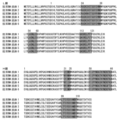
- FIG. 1 is a diagram comparing the amino acid sequences of anti-BCMA antibodies 1 to 6.
- FIG. 1 shows the structure of BCMA-CAR.
- FIG. 1 shows cell signaling intensity of BCMA-CAR-expressing cells.
- FIG. 1 is a diagram comparing the linker lengths of anti-BCMA antibodies.
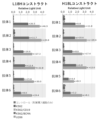
- FIG. 1 shows measurement of cytotoxic activity of BCMA-CAR-expressing cells.
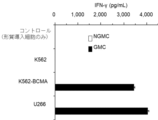
- FIG. 1 shows IFN- ⁇ production in BCMA-CAR-expressing cells.
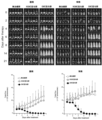
- FIG. 13 shows in vivo bioluminescence imaging of luciferase activity in tumor cells over time after infusion of BCMA-CAR-expressing cells, and a graph showing the numerical values of luminescence intensity.
- FIG. 1 shows the effect of BCMA-CAR-expressing cells in suppressing the progression of anemia.
- FIG. 1 shows the effect of BCMA-CAR-expressing cells in suppressing the progression of anemia.
- FIG. 13 shows the inhibitory effect of BCMA-CAR-expressing cell therapy on the progression of bone region.
- FIG. 13 shows the inhibitory effect of BCMA-CAR-expressing cell therapy on the progression of bone region.
- the present invention provides an antibody that specifically binds to human BCMA, or a fragment of said antibody that specifically binds to human BCMA.
- the antibody and fragment thereof comprise the amino acid sequences of complementarity determining region (CDR) 1, CDR2, and CDR3 of the VL region, and CDR1, CDR2, and CDR3 of the VH region, derived from any one selected from the group consisting of anti-B cell maturation antigen (BCMA) antibodies 1 to 6 shown in the Examples below.
- the amino acid sequences of the complementarity determining regions CDR1 to 3 of the VL region, and CDR1 to 3 of the VH region are shown in (1) to (6) below, respectively.
- SEQ ID NOs: 1 to 6 (2) SEQ ID NOs: 7 to 12, (3) SEQ ID NOs: 13 to 18, (4) SEQ ID NOs: 19 to 24, (5) SEQ ID NOs: 25 to 30, (6) SEQ ID NOs: 31 to 36.
- the amino acid sequences of the VL and VH regions of the anti-BCMA or antigen-binding fragment thereof of the present invention are selected from the group consisting of (1) to (6) below.
- amino acid sequences of the VL CDRs and VH CDRs of anti-BCMA antibodies 1 to 6 of the present invention are shown in Table 1 below.
- Anti-BCMA antibody 1 which is an example of an antibody of the present invention, has CDRs 1 to 3 in the VL region that are composed of the amino acid sequences of SEQ ID NOs: 1 to 3, respectively, and CDRs 1 to 3 in the VH region that are composed of the amino acid sequences of SEQ ID NOs: 4 to 6, respectively, and for example, the VL region and VH region contain the amino acids of SEQ ID NOs: 37 and 38, respectively, and for example, the VL region and VH region contain the nucleic acid sequences of SEQ ID NOs: 49 and 50, respectively.
- Anti-BCMA antibody 2 which is an example of an antibody of the present invention, has CDRs 1 to 3 in the VL region that are composed of the amino acid sequences of SEQ ID NOs: 7 to 9, respectively, and CDRs 1 to 3 in the VH region that are composed of the amino acid sequences of SEQ ID NOs: 10 to 12, respectively, and for example, the VL region and VH region contain the amino acids of SEQ ID NOs: 39 and 40, respectively, and for example, the VL region and VH region contain the nucleic acid sequences of SEQ ID NOs: 51 and 52, respectively.
- Anti-BCMA antibody 3 which is an example of an antibody of the present invention, has CDRs 1 to 3 in the VL region that are composed of the amino acid sequences of SEQ ID NOs: 13 to 15, respectively, and CDRs 1 to 3 in the VH region that are composed of the amino acid sequences of SEQ ID NOs: 16 to 18, respectively, and for example, the VL region and VH region contain the amino acids of SEQ ID NOs: 41 and 42, respectively, and for example, the VL region and VH region contain the nucleic acid sequences of SEQ ID NOs: 53 and 54, respectively.
- Anti-BCMA antibody 4 which is an example of an antibody of the present invention, has CDRs 1 to 3 in the VL region that are composed of the amino acid sequences of SEQ ID NOs: 19 to 21, respectively, and CDRs 1 to 3 in the VH region that are composed of the amino acid sequences of SEQ ID NOs: 22 to 24, respectively, and for example, the VL region and VH region contain the amino acids of SEQ ID NOs: 43 and 44, respectively, and for example, the VL region and VH region contain the nucleic acid sequences of SEQ ID NOs: 55 and 56, respectively.
- Anti-BCMA antibody 5 which is an example of an antibody of the present invention, has CDRs 1 to 3 of the VL region consisting of the amino acid sequences of SEQ ID NOs: 25 to 27, respectively, and CDRs 1 to 3 of the VH region consisting of the amino acid sequences of SEQ ID NOs: 28 to 30, respectively, and for example, the VL region and VH region contain the amino acids of SEQ ID NOs: 45 and 46, respectively, and for example, the VL region and VH region contain the nucleic acid sequences of SEQ ID NOs: 57 and 58, respectively.
- Anti-BCMA antibody 6 which is an example of an antibody of the present invention, has CDRs 1 to 3 of the VL region consisting of the amino acid sequences of SEQ ID NOs: 31 to 33, respectively, and CDRs 1 to 3 of the VH region consisting of the amino acid sequences of SEQ ID NOs: 34 to 36, respectively, and for example, the VL region and VH region contain the amino acids of SEQ ID NOs: 47 and 48, respectively, and for example, the VL region and VH region contain the nucleic acid sequences of SEQ ID NOs: 59 and 60, respectively.
- the above anti-BCMA antibodies 1 to 6 may contain one or more mutations as long as they specifically bind to human BCMA.
- further examples of the antibodies or antigen-binding fragments thereof of the present invention include antibodies or antigen-binding fragments thereof that contain a VL region and a VH region containing amino acid sequences selected from the group consisting of the following (1') to (6') and have specific binding to human BCMA: (1') (i) an amino acid sequence of SEQ ID NO: 37, or a variant amino acid sequence of SEQ ID NO: 37, which comprises one or more mutations; and (ii) an amino acid sequence of SEQ ID NO: 38, or a variant amino acid sequence of SEQ ID NO: 38, which comprises one or more mutations, wherein at least one of (i) and (ii) is a variant amino acid sequence.
- the term "mutation" includes deletion, addition, insertion, and substitution of amino acid residues.
- the one or more mutations may be any combination of deletion, addition, insertion, and substitution of amino acid residues.
- the substitution of the amino acid residue may be either conservative or non-conservative, but is preferably conservative.
- Conservative substitution is a substitution between amino acid residues having similar properties that does not substantially alter the activity of the peptide, and is well known to those skilled in the art. For example, substitution between non-polar (hydrophobic) amino acids, substitution between polar (neutral) amino acids, substitution between basic amino acids, and substitution between acidic amino acids are included.
- non-polar (hydrophobic) amino acids examples include alanine, valine, isoleucine, leucine, proline, tryptophan, phenylalanine, methionine, etc.
- polar (neutral) amino acids examples include glycine, serine, threonine, tyrosine, glutamine, asparagine, cysteine, etc.
- basic amino acids examples include arginine, histidine, and lysine.
- acidic amino acids examples include aspartic acid and glutamic acid.
- the one or more mutations are preferably in a region other than the CDR.
- the one or more mutations may be, for example, 1 to 10 mutations, preferably 1 to 9, 8, 7, 6, 5, 4, 3 or 2 mutations, more preferably 1 to 3 mutations, and even more preferably 1 or 2 mutations.
- the mutant amino acid sequence is, for example, an amino acid sequence having at least 80%, 85%, 90%, 91%, 92%, 93%, 94%, 95%, 96%, 97%, 98%, or 99% sequence identity to any of the amino acid sequences of SEQ ID NOs: 37 to 48.
- the percent (%) identity is determined by aligning the reference amino acid sequence and the comparison amino acid sequence to maximize the percent identity.
- the percent (%) identity can be determined using a method known in the art, for example, BLAST, FASTA, etc.
- an “antibody” is an immunoglobulin that specifically binds to an antigen and may comprise at least two heavy chains (H chains) and two light chains (L chains) inter-connected by disulfide bonds, or antigen-binding molecules thereof.
- Each H chain comprises a VH region and a heavy chain constant region.
- the heavy chain constant region comprises three constant domains, namely CH1, CH2 and CH3.
- Each light chain comprises a VL region and a light chain constant region.
- the light chain constant region comprises one constant domain, namely the CL region.
- the VH and VL regions may be further subdivided into conserved regions called framework regions (FR) and regions of hypervariability called complementarity determining regions (CDR).
- FR framework regions
- CDR complementarity determining regions
- VH and VL each comprise three CDRs and four FRs, arranged from amino-terminus to carboxy-terminus in the following order: FR1, CDR1, FR2, CDR2, FR3, CDR3 and FR4.
- the variable regions of the heavy and light chains contain antigen-binding sites that interact with antigens.
- antibody includes, for example, monoclonal antibodies, polyclonal antibodies, recombinant antibodies, multispecific antibodies (including bispecific antibodies), human antibodies, humanized antibodies, antibody variants, chimeric antibodies, synthetic antibodies, antibody light chain monomers, antibody heavy chain monomers, antibody light chain dimers, antibody heavy chain dimers, antibody light chain-antibody heavy chain pairs, intrabodies, antibody fusions (antibody conjugates), single chain antibodies (scFv), affibodies, Fab fragments, F(ab')2 fragments, disulfide-linked Fv (sdFv), anti-idiotypic (anti-Id) antibodies (including, for example, anti-anti-Id antibodies), minibodies, domain antibodies, antibody mimetics, and antigen-binding fragments of any of the above.
- IgA, IgD, IgE, IgG, and IgM There are major classes of antibodies, IgA, IgD, IgE, IgG, and IgM, and based on the amino acid sequence of the heavy chain constant domain, they are known as alpha ( ⁇ ), delta ( ⁇ ), epsilon ( ⁇ ), gamma ( ⁇ ), and mu ( ⁇ ), which give rise to antibodies of the classes IgA, IgD, IgE, IgG, including subclasses such as IgG1, IgG2, IgG3, and IgG4, and IgM, respectively. Based on the amino acid sequence of the light chain constant domain, they are known as subclasses, such as kappa ( ⁇ ) or lambda ( ⁇ ).
- the antibodies of the present invention may be of any class or subclass.
- Antigen-binding fragment refers to any antigen-binding molecule that contains the antigen-binding portion (e.g., CDR) of an antibody.
- the antigen-binding fragment of the present invention contains the CDR derived from the antibody of the present invention, and examples thereof include, but are not limited to, Fab, Fab', F(ab')2, Fv fragments, linear antibodies, scFv, single domain antibodies, and multispecific antibodies formed from antigen-binding molecules.
- the antigen-binding fragment of the present invention may be in any of the above forms, and an example of one embodiment is scFv.
- the scFv is a VH and VL heterodimer covalently linked by a linker peptide.
- the linker peptide is, for example, a peptide of about 10 amino acids to about 25 amino acids, which is rich in glycine for flexibility, as well as rich in serine or threonine for solubility.
- the linker can either link the N-terminus of the VH region to the C-terminus of the VL region, or link the C-terminus of the VH region to the N-terminus of the VL region. That is, the order from the N-terminus may be VL-linker-VH or VH-linker-VL.
- Linker sequences useful in the present invention include, but are not limited to, glycine/serine linkers, such as GGGSGGGSGGGS (SEQ ID NO: 61), Gly4Ser(G4S) linkers, such as (G4S)3 linkers (SEQ ID NO: 62: GGGGSGGGGSGGGGGS) and (G4S)4 linkers (SEQ ID NO: 63: GGGGSGGGGSGGGGSGGGGS), and the linker sequence GGSSRSSSSGGGGGSGGGG (SEQ ID NO: 64).
- scFv maintains the specificity of the original immunoglobulin despite the removal of the constant region and the introduction of the linker.
- the antibodies and antigen-binding fragments thereof of the present invention may have FRs derived from antibodies 1 to 6, or may have FRs derived from different antibodies, for example, FRs derived from antibodies of different animal species, so long as they retain the ability to bind to human BCMA.
- Antibodies and antigen-binding fragments thereof produced by grafting the CDRs provided by the present invention to other FRs by methods well known to those skilled in the art are also encompassed by the present invention.
- the antibodies of the present invention may have a constant region derived from antibodies 1 to 6, or may have a constant region of other antibodies, for example, antibodies derived from different animal species.
- the binding affinity of the antibody of the present invention to the antigen can generally be expressed by the dissociation constant (KD).
- KD dissociation constant
- Affinity can be measured and/or expressed in many ways known in the art, including but not limited to the equilibrium dissociation constant (KD) and equilibrium association constant (KA).
- KD is calculated from the quotient of koff/kon, while KA is calculated from the quotient of kon/koff.
- kon refers to the association rate constant of, for example, an antibody to an antigen
- koff refers to the dissociation constant of, for example, an antibody to an antigen.
- kon and koff can be determined by techniques known to those skilled in the art, such as BIACORETM or KinExA.
- the present invention includes a chimeric antigen receptor (CAR) comprising (i) an antigen-binding domain, (ii) a transmembrane domain, and (iii) an intracellular domain, wherein the antigen-binding domain comprises an anti-BCMA antibody of the present invention or an antigen-binding fragment thereof.
- the CAR of the present invention is a recombinant receptor. Nucleic acids encoding these receptors are easily introduced into immune cells, including T cells, by techniques known in the art and expressed by the cells. The immune cells recognize BCMA through the CAR and are activated via the CAR bound to BCMA at the same time, attacking and destroying cells expressing BCMA. When BCMA is present on tumor cells, the immune cells expressing the CAR can damage and kill the tumor cells.
- the antigen-binding domain contained in the CAR of the present invention is a polypeptide having six CDRs derived from any of the anti-BCMA antibodies 1 to 6 of the present invention, and is preferably an antigen-binding fragment of the antibodies 1 to 6, for example, one or more scFvs.
- the antigen-binding domain optionally including a spacer domain and a leader peptide described below, may also be referred to as an extracellular domain.
- the CAR of the present invention may include a hinge domain or spacer domain between the antigen-binding domain and the transmembrane domain.
- hinge domain and “spacer domain” are used interchangeably.
- This domain contains up to 300 amino acids, preferably 10 to 100 amino acids, and most preferably 25 to 50 amino acids.
- the spacer domain is preferably a sequence that promotes binding between the CAR and the antigen and enhances signal transduction into the cell. Examples of amino acids that are expected to promote binding include cysteine, charged amino acids, or amino acids such as serine or threonine within a potential glycosylation site, and can be used as amino acids that constitute the spacer domain.
- the spacer domain may be a whole or a part of amino acid numbers 118 to 178 of the hinge region of CD8 ⁇ (NCBI RefSeq: NP_001759.3), amino acid numbers 135 to 195 of CD8 ⁇ (GenBank: AAA35664.1), amino acid numbers 315 to 396 of CD4 (NCBI RefSeq: NP_000607.1), or amino acid numbers 137 to 152 of CD28 (NCBI RefSeq: NP_006130.1).
- a part of the constant region of an antibody H chain or L chain (CH1 region or CL region) may also be used as the spacer domain.
- the spacer domain may be an artificially designed sequence.
- the CAR of the present invention may be designed to be a multimer, particularly a dimer. For example, CAR is multimerized (dimerized) by inserting cysteine into the spacer domain and/or transmembrane domain.
- the CAR of the present invention may further comprise a leader peptide (also referred to herein as a "signal peptide” or “leader sequence”) at its N-terminus.
- a leader peptide also referred to herein as a "signal peptide” or "leader sequence”
- Polynucleotide and polypeptide sequences of leader peptides are known in the art.
- the leader peptide of the GM-CSF receptor can be used.
- the CAR of the present invention comprises a transmembrane domain that directly or indirectly links the antigen-binding domain and the intracellular domain.
- the CAR of the present invention may also comprise an optional linker sequence or spacer sequence between these domains.
- the transmembrane domain may be derived from a natural polypeptide or may be artificially designed.
- the transmembrane domain derived from a natural polypeptide can be obtained from any membrane-binding protein or transmembrane protein.
- the transmembrane domains of the ⁇ and ⁇ chains of the T cell receptor can be used.
- the artificially designed transmembrane domain may also be a polypeptide that mainly contains hydrophobic residues such as leucine and valine. Also preferably, triplets of phenylalanine, tryptophan and/or valine are found at each end of the artificial transmembrane domain.
- a short oligopeptide or polypeptide linker for example a linker consisting of a sequence of 2 to 10 amino acids in length, can be placed between the transmembrane domain and the intracellular domain.
- a linker sequence having a glycine-serine consecutive sequence can be used.
- the transmembrane domain can be a transmembrane domain having a sequence of amino acids 153 to 180 of CD28 (NCBI RefSeq: NP_006130.1).
- a transmembrane domain can be a transmembrane domain having a sequence of amino acids 162 to 183 of GITR (NCBI RefSeq: NP_004186.1).
- the CAR of the present invention comprises an intracellular domain.
- the intracellular domain is a molecule capable of transmitting a signal into a cell when an antigen-binding domain present in the same molecule binds (interacts) with an antigen. It is known that a signal generated only through the T cell receptor (TCR) complex is insufficient for activating T cells, and that a secondary or costimulatory signal is also required.
- TCR T cell receptor
- Natural T cell activation signals are transmitted by two different types of cytoplasmic signaling sequences, i.e., a sequence (activation domain) that initiates antigen-dependent primary activation via the TCR complex, and a sequence (costimulatory domain) that acts antigen-independently to provide a secondary or costimulatory signal.
- the CAR of the present invention comprises the activation domain and/or the costimulatory domain as the intracellular domain.
- Activation domains may contain signal transduction motifs known as immunoreceptor tyrosine-based activation motifs (ITAMs) [Nature, vol. 338, pp. 383-384 (1989)].
- Activation domains that can be used in the present invention include, for example, ITAMs derived from CD3 ⁇ , FcR ⁇ , FcR ⁇ , CD3 ⁇ , CD3 ⁇ , CD3 ⁇ , CD5, CD22, CD79a, CD79b, and CD66d.
- amino acid numbers 51 to 164 of CD3 ⁇ (NCBI RefSeq: NP_932170.1), amino acid numbers 45 to 86 of Fc ⁇ RI ⁇ (NCBI RefSeq: NP_004097.1), amino acid numbers 201 to 244 of Fc ⁇ RI ⁇ (NCBI RefSeq: NP_000130.1), amino acid numbers 139 to 182 of CD3 ⁇ (NCBI RefSeq: NP_000064.1), amino acid numbers 128 to 171 of CD3 ⁇ (NCBI RefSeq: NP_000723.1), and amino acid number 15 of CD3 ⁇ (NCBI RefSeq: NP_000724.1).
- amino acid numbers 402 to 495 of CD5 (NCBI RefSeq: NP_055022.2), amino acid numbers 707 to 847 of CD22 (NCBI RefSeq: NP_001762.2), amino acid numbers 166 to 226 of CD79a (NCBI RefSeq: NP_001774.1), amino acid numbers 182 to 229 of CD79b (NCBI RefSeq: NP_000617.1), and amino acid numbers 177 to 252 of CD66d (NCBI RefSeq: NP_001806.2), and variants thereof having the same function as these.
- the amino acid numbers based on the NCBI RefSeq ID and GenBank amino acid sequence information described in this specification are numbers assigned to the full length precursors of each protein (including signal peptide sequences, etc.).
- Co-stimulatory domains include sequences derived from, for example, CD2, CD4, CD5, CD8 ⁇ , CD8 ⁇ , CD28, CD134, CD137, ICOS, and CD154.
- Specific examples include amino acid numbers 236-351 of CD2 (NCBI RefSeq: NP_001758.2), amino acid numbers 421-458 of CD4 (NCBI RefSeq: NP_000607.1), amino acid numbers 402-495 of CD5 (NCBI RefSeq: NP_055022.2), amino acid numbers 207-235 of CD8 ⁇ (NCBI RefSeq: NP_001759.3), amino acid numbers 196-210 of CD8 ⁇ (GenBank: AAA35664.1), and CD Examples of such peptides include peptides having the sequences of amino acid numbers 181 to 220 of CD137 (4-1BB, NCBI RefSeq: NP_001552.2), amino acid numbers 214 to 255 of CD134 (OX40, NCBI RefSeq:
- the present invention includes CARs that contain one or more, for example two or three, activation domains or costimulatory domains as the intracellular domain.
- Particularly preferred examples include CARs that contain the activation domain of CD3 ⁇ as the intracellular domain, and CARs that contain the activation domain of CD3 ⁇ and the costimulatory domain of CD28 as the intracellular domain.
- CARs in which multiple intracellular domains of the same type are linked in tandem are also included in the present invention.
- an oligopeptide linker or a polypeptide linker can be inserted between each domain contained in the intracellular domain to link them.
- a linker consisting of 2 to 10 amino acids in length can be used.
- a linker having a glycine-serine consecutive sequence can be used.
- the present invention provides a nucleic acid encoding the antibody or antigen-binding fragment thereof of (1) and the CAR of (2).
- the nucleic acid of the present invention can express the antibody, antigen-binding fragment thereof, or CAR of the present invention in a cell.
- the nucleic acid encoding the VL region and VH region of the anti-BCMA antibody 1 of the present invention has, for example, the nucleic acid sequence of SEQ ID NO: 49 and 50
- the nucleic acid encoding the VL region and VH region of the anti-BCMA antibody 2 of the present invention has, for example, the nucleic acid sequence of SEQ ID NO: 51 and 52
- the nucleic acid encoding the VL region and VH region of the anti-BCMA antibody 3 of the present invention has, for example, the nucleic acid sequence of SEQ ID NO: 53 and 54
- the nucleic acid encoding the VL region and VH region of the anti-BCMA antibody 4 of the present invention has, for example, the nucleic acid sequence of SEQ ID NO: 55 and 56
- the nucleic acid encoding the VL region and VH region of the anti-BCMA antibody 5 of the present invention has, for example, the nucleic acid sequence of SEQ ID NO: 57 and 58
- nucleic acid of the present invention is not limited, and single-stranded nucleic acid, double-stranded nucleic acid, DNA, or RNA can be used.
- DNA include double-stranded DNA, single-stranded DNA, and cDNA
- RNA examples include mRNA.
- the nucleic acids of the present invention can be linked to nucleic acids having a promoter sequence so as to be expressed in a cell.
- promoters include promoters that constitutively promote expression of a gene or an operably linked construct, and promoters that induce expression of a gene or an operably linked construct by the action of a drug, etc. (e.g., tetracycline or doxorubicin).
- the nucleic acids of the present invention can also be linked to nucleic acids comprising other regulatory elements that cooperate with the promoter or transcription initiation site, such as enhancer sequences or terminator sequences, to obtain efficient transcription of the nucleic acid.
- the nucleic acid of the invention is a nucleic acid that is codon-optimized for expression in a particular host cell.
- the present invention provides a vector comprising the nucleic acid of the present invention described above in (3).
- the vector of the present invention can deliver and express the antibody, antigen-binding fragment thereof, or CAR of the present invention in a desired cell.
- the multiple peptides when expressing multiple polypeptides, may be transcribed and translated by separate promoters, or may be transcribed and translated by a single promoter using an internal ribosome entry site (IRES).
- IRS internal ribosome entry site
- a nucleic acid encoding a polypeptide in which multiple polypeptides are connected to each other via a self-cleaving peptide may be transcribed and translated by a single promoter.
- a vector that can be used in the present invention contains an appropriate control sequence that is functionally linked to the nucleic acid of the present invention so as to express the nucleic acid of the present invention in an appropriate host cell.
- control sequence include a promoter for transcribing the nucleic acid of the present invention, an arbitrary operator sequence for controlling transcription, a ribosome binding site sequence, an enhancer, a polyadenylation sequence, and a sequence that controls the termination of transcription or translation.
- promoters that control transcription in mammalian cells include mammalian-derived promoters (PGK promoter, EF1- ⁇ promoter, ⁇ -globin promoter, etc.), virus-derived promoters (CMV promoter, SV40 promoter, MMLV-LTR promoter, HIV-LTR promoter, etc.), and artificially constructed promoters (CAG promoter, etc.).
- the vector may contain various sequences known to those skilled in the art, such as restriction enzyme cleavage sites, marker genes (selection genes) such as drug resistance genes, signal sequences, leader sequences, etc., as necessary. These various sequences or sites can be appropriately selected and used by those skilled in the art depending on the type of polypeptide to be expressed, the host cell to be used, the culture medium, and other conditions.
- the vector of the present invention may contain, in addition to the nucleic acid of the present invention, a gene that can serve as a marker for confirming that the vector has been introduced into a cell (e.g., a drug resistance gene, a gene encoding a reporter enzyme, or a gene encoding a fluorescent protein) or a therapeutic gene.
- a gene that can serve as a marker for confirming that the vector has been introduced into a cell e.g., a drug resistance gene, a gene encoding a reporter enzyme, or a gene encoding a fluorescent protein
- Vectors that can be used in the present invention include vectors that are integrated into the genome of a host cell, vectors that are not integrated, and episomal vectors that exist in the cytoplasm and replicate autonomously.
- plasmid vectors virus vectors, transposon vectors, artificial chromosomes, etc. can be preferably used.
- virus vectors retrovirus vectors (including oncoretrovirus vectors, lentivirus vectors, and pseudotype vectors), adenovirus vectors, adeno-associated virus (AAV) vectors, simian virus vectors, vaccinia virus vectors, Sendai virus vectors, Epstein-Barr virus (EBV) vectors, HSV vectors, and other virus vectors can be used.
- retrovirus vectors including oncoretrovirus vectors, lentivirus vectors, and pseudotype vectors
- AAV adeno-associated virus vectors
- simian virus vectors simian virus vectors
- vaccinia virus vectors Sendai virus
- virus vectors those that have been deficient in replication ability so that the virus cannot replicate autonomously in infected cells are preferred.
- Various virus vectors and methods for producing them are well known to those skilled in the art.
- commercially available virus vectors may be used in the present invention.
- Non-viral vectors can also be used in combination with condensing agents such as liposomes and cationic lipids.
- the nucleic acid of the present invention can be introduced into cells by calcium phosphate transfection, DEAE-dextran, electroporation, and particle bombardment.
- the present invention provides cells expressing the antibody or antigen-binding fragment thereof of (1) above and the CAR of (2) above.
- the origin of the cells of the present invention is not particularly limited, and cells derived from mammals, for example, human cells, or cells derived from non-human mammals such as monkeys, mice, rats, pigs, horses, and dogs, can be used.
- the cells of the present invention are preferably human cells.
- the antibodies of the present invention or antigen-binding fragments thereof can be produced by culturing the cells of the present invention.
- the type of cells of the present invention is not particularly limited, and any cell can be used.
- cells collected, isolated, or purified from body fluids, tissues, or organs such as blood (peripheral blood, umbilical cord blood, etc.) or bone marrow, or cells obtained by differentiating the above-mentioned cells or reprogramming them to produce pluripotent stem cells (iPSCs) can be used (see, for example, Themeli et al. 2013).
- PBMCs Peripheral blood mononuclear cells
- immune cells umbilical cord blood mononuclear cells
- fibroblasts fibroblasts
- adipocyte precursors hepatocytes
- skin keratinocytes mesenchymal stem cells
- adipose stem cells various cancer cell lines
- neural stem cells can be used.
- NK cells or T cells precursor cells of T cells (hematopoietic stem cells, lymphocyte precursor cells, etc.), or cell populations containing them can be used.
- T cells include CD8-positive T cells, CD4-positive T cells, regulatory T cells, cytotoxic T cells, and tumor-infiltrating lymphocytes.
- the cell population containing T cells and precursor cells of T cells includes PBMCs.
- the above-mentioned cells may be collected from a living body, obtained by expanding cells collected from a living body, or established as a cell line. Furthermore, cells obtained by differentiation from pluripotent stem cells (ES cells, iPS cells, etc.), such as immune cells, may be used as the cells of the present invention.
- ES cells pluripotent stem cells
- iPS cells can be produced from a clone of T cells that has the ability to recognize and damage specific cells, and then differentiated to obtain T cells.
- the T cells thus obtained have the same specific cytotoxic activity as the starting T cell clone, and are in a more undifferentiated state.
- a nucleic acid encoding the antibody of the present invention or a vector carrying said nucleic acid is introduced into a cell suitable for producing a recombinant protein.
- said cells include Chinese hamster ovary (CHO) cell lines and immortalized cells originating from lymphatic tissue.
- CHO cells deficient in dihydrofolate reductase (DHFR) are suitable as host cells for producing antibodies.
- immune cells refers to all cells involved in immune function in the body, including hematopoietic stem cells, neutrophils, basophils, macrophages, lymphocytes (B cells and T cells), monocytes, dendritic cells, natural killer (NK) cells, plasma cells, etc. Of these, T cells and NK cells are preferred for the present invention. Note that “immune cells” in this specification also include “immune cell precursor cells” that have the ability to differentiate into the above-mentioned immune cells.
- nucleic acid When transplantation of the cells of the present invention or cells differentiated from the cells of the present invention into an organism is desired, it is preferable to introduce the nucleic acid into the organism itself or into cells taken from the same organism.
- the cells of the present invention may express the antibody or antigen-binding fragment thereof, or the CAR of the present invention, and may further express a polypeptide (enzyme, antibody, cytokine, receptor, etc.) or a nucleic acid (siRNA, etc.) that is useful for treating a disease.
- a polypeptide enzyme, antibody, cytokine, receptor, etc.
- a nucleic acid siRNA, etc.
- target cells refers to cells that are desired to be reduced or eliminated in a patient, and examples thereof include tumor cells and cells infected with a pathogen.
- the target cells are preferably tumor cells, and more preferably hematopoietic tumor cells and solid tumor cells.
- Immune cells expressing the CAR of the present invention have the ability to recognize cells expressing BCMA and destroy those cells through their cytotoxic activity.
- This cytotoxic activity can be evaluated by known methods.
- the cytotoxic activity of the cells of the present invention against target cells labeled with a radioactive substance, fluorescent substance, etc. can be evaluated by measuring the intensity of the radioactivity or fluorescent substance released from the target cells destroyed by the cells of the present invention. It can also be detected by measuring the amount of cytokines such as GM-CSF and IFN- ⁇ that are specifically released from the cells of the present invention or target cells.
- the present invention provides a method for producing a cell, comprising the step of introducing the nucleic acid of the present invention described in (3) above into a cell. That is, the cell of the present invention described in (5) above can be produced by the method for producing a cell of the present invention.
- This step is usually carried out ex vivo.
- it can be produced by transforming cells ex vivo using the nucleic acid (3) or the vector (4).
- cells derived from mammals such as humans, or cells derived from non-human mammals, such as monkeys, mice, rats, pigs, cows, and dogs, can be used.
- mammals such as humans
- non-human mammals such as monkeys, mice, rats, pigs, cows, and dogs
- the above-mentioned cells may be collected from a living body, expanded and cultured, or established as a cell line.
- the efficiency of nucleic acid introduction into cells can be improved by stimulating the cells before the introduction of the nucleic acid or vector.
- a specific type of cell can be enriched.
- PBMCs are cultured in the presence of an anti-CD3 antibody
- the ratio of T cells is improved.
- PBMCs are cultured in the presence of an anti-CD3 antibody and retronectin, a recombinant fibronectin fragment, a cell population rich in CD8-positive T cells can be obtained.
- Non-viral vectors can also be used in the present invention when used in combination with adjuvants such as liposomes, cationic lipids, and polyethyleneimine.
- the nucleic acid of the present invention can be introduced into cells by calcium phosphate transfection, DEAE-dextran, electroporation, and particle bombardment.
- Retroviral particles or lentiviral particles can also be produced using 293 cells or 293T cells, which have high transfection efficiency.
- Many types of viral vectors produced based on retroviruses and lentiviruses, as well as packaging cells and packaging kits that can be used to package the vectors, are widely available commercially from various companies.
- the number of cells can be expanded by culturing the cells into which the nucleic acid of the present invention has been introduced outside the body.
- a medium suitable for the cells may be used, and may be selected from known or commercially available media.
- media that can be used for culturing lymphocytes and other immune cells are known to those skilled in the art, and media with various compositions are commercially available. These media include those containing human or animal serum (e.g., fetal bovine serum; FBS or FCS), xeno-free media, media that do not contain unknown components (defined media), etc., and may be selected according to the purpose.
- culture vessels plates, petri dishes, flasks, bags, culture tanks, etc.
- culture conditions may be the same as those for normal cell culture (e.g., 32 to 37°C, 5% CO2, etc.).
- operations such as adding fresh medium to the culture at appropriate time intervals to dilute the culture, replacing the medium, and replacing the cell culture vessel can be performed.
- composition of the Present Invention provides a pharmaceutical composition comprising the cell of the present invention described in (5), for example, an immune cell expressing the CAR of the present invention, as an active ingredient.
- the pharmaceutical composition of the present invention may comprise a pharmaceutical acceptable excipient.
- compositions are well known to those skilled in the art, and include, for example, phosphate buffered saline (e.g., 0.01 M phosphate, 0.138 M NaCl, 0.0027 M KCl, pH 7.4), an aqueous solution containing a mineral acid salt such as hydrochloride, hydrobromide, phosphate, or sulfate, physiological saline, a solution of glycol or ethanol, and a salt of an organic acid such as acetate, propionate, malonate, or benzoate. Auxiliaries such as wetting agents or emulsifiers, and pH buffers may also be used. Pharmaceutically acceptable excipients are also described in Remington's Pharmaceutical Sciences (Mack Pub.
- the pharmaceutical composition of the present invention may be in a known form suitable for parenteral administration, for example, injection or infusion.
- the pharmaceutical composition of the present invention may further contain formulation auxiliary agents such as suspending agents, preservatives, stabilizers and/or dispersing agents, and preservatives to extend the shelf life during storage.
- the present invention also provides pharmaceutical compositions other than cell medicines.
- the antibody and its antigen-binding fragment of the present invention can be used to prepare antibody-drug conjugates (ADCs) in combination with anticancer drugs or other drugs.
- the conjugates can specifically deliver drugs to cells, tissues, etc. that express BCMA.
- the antibody or antigen-binding fragment can be bound to a drug by an appropriate means, taking into account the structure of the drug.
- the present invention can be used to prepare bispecific antibodies.
- a bispecific T cell-inducing antibody (BiTE) in which the antigen-binding fragment of the present invention is bound to an antigen-binding fragment of an anti-CD3 antibody exerts an antitumor effect by inducing T cells to BCMA-expressing cells.
- a bispecific antibody can be prepared by recombinant DNA technology using the nucleic acid of the present invention and a nucleic acid encoding another antibody or a fragment thereof.
- the present invention provides a method for preventing or treating a disease, comprising administering the pharmaceutical composition of the present invention described in (7) above to a subject.
- the disease to which the pharmaceutical composition of the present invention, for example, cells expressing the CAR of the present invention, is administered may be any disease sensitive to cells contained in the composition as an active ingredient, and examples thereof include, but are not limited to, diseases associated with cells expressing BMCA.
- diseases that can be prevented or treated by the pharmaceutical composition of the present invention include B cell-related diseases, and include multiple myeloma (MM), non-Hodgkin's lymphoma (NHL), B cell proliferation of indeterminate grade, lymphomatoid granulomatosis, post-transplant lymphoproliferative disorder, immunoregulatory disorders, rheumatoid arthritis, myasthenia gravis, idiopathic thrombocytopenic purpura, antiphospholipid syndrome, Chagas disease, Graves' disease, Wegener's granulomatosis, polyarteritis nodosa, Sjogren's syndrome, pemphigus vulgaris, scleroderma, multiple sclerosis, antiphospholipid syndrome, ANCA-associated vasculitis, Goodpasture's disease, Kawasaki disease, autoimmune hemolytic anemia and rapidly progressive glomerulonephritis, heavy chain disease, primary or immune cell-associated amyloidosis, or monoclonal MM
- MM includes overt multiple myeloma, smoldering multiple myeloma, plasma cell leukemia, nonsecretory myeloma, IgD myeloma, osteosclerotic myeloma, isolated plasmacytoma of bone, and extramedullary plasmacytoma.
- NHL includes Burkitt's lymphoma, chronic lymphocytic leukemia/small lymphocytic lymphoma (CLL/SLL), diffuse large B-cell lymphoma, follicular lymphoma, immunoblastic large cell lymphoma, precursor B-lymphoblastic lymphoma, and mantle cell lymphoma.
- the pharmaceutical composition may be administered intradermally, subcutaneously, intravenously, or systemically or locally to the affected area or nearby tissue, for example, subcutaneously.
- the dosage may be adjusted appropriately depending on the age, weight, administration method, etc. of the subject to be administered. In such cases, the number of administrations and the administration interval in the case of multiple administrations should also be taken into consideration.
- the subject to be administered is an animal, preferably a mammal, such as a human, or a non-human mammal such as a monkey, mouse, rat, pig, horse, or dog. More preferably, the subject is a human.
- a ligand that binds to the CAR expressed by the cells of the present invention is administered to a subject to which the cells of the present invention have been administered, thereby inducing proliferation of the cells of the present invention in the body and/or extending the duration of the cells in the body.
- a method of administering the ligand there are no particular limitations on the method of administering the ligand, but an appropriate method is selected taking into consideration the distribution of the cells of the present invention in the body, etc.
- the dosage and administration schedule of the ligand may also be appropriately set taking into consideration the type and dosage of cells to be combined, the type of disease, etc.
- Example 1 Cloning of anti-BCMA antibody Three BALB/c mice were immunized with Recombinant Human BCMA/TNFRSF17 Fc Chimera (R&D Systems, Cat. No. 193-BC) by the iliac lymph node method. The iliac lymph nodes of the immunized mice were collected, and lymphocytes were fused with SP2/0 myeloma cells to clone antibody-producing hybridomas. Total RNA was extracted from six hybridoma clones producing anti-human BCMA antibodies using NucleoSpin RNA (Takara Bio). Using 350 ng of hybridoma-derived total RNA as a template, reverse transcription (RT reaction) was performed using SMARTer RACE 5'/3' Kit (Takara Bio) to synthesize cDNA.
- RT reaction reverse transcription
- PCR of the DNA encoding the VL region was performed using a primer pair consisting of a UPM sense primer corresponding to the 5' end of the 5'-RACE cDNA (sequence number 67: GATTACGCCAAGCTTCTCATTCCTGTTGAAGCTCTTGACAAT) and an antisense primer corresponding to the end of the L chain constant region of mIgG1 (sequence number 68: GATTACGCCAAGCTTCTCAATTTTCTTGTCCACCTTGGTGC), while PCR of the DNA encoding the VH region was performed using a primer pair consisting of a UPM sense primer corresponding to the 5' end of the 5'-RACE cDNA and an antisense primer corresponding to the end of the CH1 end of the H chain constant region of mIgG1.
- PCR was performed using 2.5 ⁇ L of the solution after the RT reaction (cDNA solution) diluted 5.5-fold with Tricine-EDTA Buffer, adding 10x sense primer, 50 nM antisense primer, 2x SeqAmp Buffer, and SeqAmp DNA polymerase (Takara Bio) to make a total volume of 50 ⁇ L, and repeating 25 cycles of 94°C for 30 seconds, 68°C for 30 seconds, and 72°C for 3 minutes in a TaKaRa PCR Thermal Cycler Dice (Takara Bio).
- the PCR products were separated by agarose gel electrophoresis, and the amplified variable region DNA fragments, i.e., DNA encoding the LV region and HV region, were cloned. That is, after electrophoresis, the bands corresponding to the amplified fragments were cut out as gel blocks, and the DNA was purified using NucleoSpin Gel and PCR Clean-up (Takara Bio Inc.), and an In-Fusion reaction with the cloning vector was carried out.
- variable region DNA fragments were determined by sequencing the plasmids in which their insertion was confirmed using 3.2 pmol of M13 reverse primer (SEQ ID NO: 69: CAGGAAACAGCTATGAC) and M13 forward primer (SEQ ID NO: 70: GTAAAACGACGGCCAGT).
- the CDR1 of the L chain was 24th to 38th amino acids, CDR2 was 54th to 60th, and CDR3 was 113th to 121st.
- CDR1 of the H chain was located at amino acids 31-35, CDR2 at 50-66, and CDR3 at 99-110.
- the antibodies thus obtained are called anti-BCMA antibodies 1-6.
- the sequences of the CDR, VL, and VH of anti-BCMA antibodies 1-6 are shown in Tables 2-1 to 2-5.
- a comparison of the amino acid sequences of anti-BCMA antibodies 1-6 is shown in Figure 1.
- Example 2 Anti-BCMA CAR (1) Construction of CAR expression vector plasmid CARs containing antigen-binding fragments of each anti-BCMA antibody obtained in Example 1 were prepared. A nucleic acid was prepared encoding a CAR containing, from the N-terminus, a signal peptide sequence of a GM-CSF receptor, a VL region of an anti-BCMA antibody, a linker sequence (18 amino acids, SEQ ID NO: 64, also referred to as "18aa linker”), a VH region of an anti-BCMA antibody, an extracellular region, a transmembrane region and an intracellular region of CD28, and a CD3 ⁇ intracellular region. This CAR was named BCMA-CAR.
- the 293T cell line and the PG13 cell line were cultured in DMEM/F-12 medium supplemented with 10% fetal bovine serum (FBS) and 100 U/mL Penicillin-Streptomycin.
- FBS fetal bovine serum
- each retroviral vector solution was prepared by the procedure shown below.
- a transient retroviral vector supernatant was prepared in 293T cells.
- Retroviral packaging plasmids Gag-pol expression plasmid pGP, VSV-G expression plasmid pVSV-G (Uchibori R, et al. Mol Ther Oncolytics. 2018; 12: 16-25.)
- retroviral plasmid pMEI-5/BCMA-CAR were introduced into 293T cells by the calcium phosphate method, and the cells were cultured for 7 hours under conditions of 37°C and 5% CO2 .
- the entire medium was replaced with DMEM/F-12 medium supplemented with 5 mM sodium butyrate (STEMCELL Technologies Inc.) at a final concentration, and the cells were cultured for 16 hours at 37°C and 5% CO2 .
- the entire medium was replaced with DMEM/F-12 medium, and the cells were cultured for 24 hours at 32°C and 5% CO2 .
- the cells were centrifuged at 2,000 ⁇ g for 10 minutes to recover the virus vector supernatant, and then filtered using a 0.45 ⁇ m filter to remove cell debris.
- Retro-X Concentrator (Takara Bio Inc.) was added to the virus supernatant, mixed, and then allowed to stand overnight at 4°C. The mixture was centrifuged at 2,000 ⁇ g for 10 minutes, and the pellet was resuspended in 1 mL of DMEM/F-12 medium to obtain a concentrated virus solution.
- a retroviral vector was produced using the PG13 cell line as a packaging cell line. That is, PG13 cells seeded on a 6-well plate were exposed to the purified virus solution in the presence of 8 ⁇ g/mL polybrene, and left for 7 hours in an incubator set at 37° C. and 5% CO 2 , after which 1 mL of DMEM/F-12 medium was added and left in the incubator overnight. The next day, the entire medium was replaced and left for 6 hours in an incubator set at 37° C. and 5% CO 2 , after which the transduced cells were detached and the entire amount was passaged to a T-75 flask.
- the cells were cultured for 7 to 10 days in an incubator set at 37° C. and 5% CO 2.
- the cells detached from the wells by trypsin treatment were seeded on a 12-well plate and cultured for 3 to 4 days in an incubator set at 37° C. and 5% CO 2 .
- the cells were detached from the wells by trypsinization, and 3/4 of the cells were resuspended in a cryopreservation solution (Cell Banker: manufactured by Nippon Zenyaku Kogyo Co., Ltd.) and frozen and stored in a -80°C freezer.
- the remaining 1/4 of the cells were seeded on a 12-well plate and cultured for 3-4 days in an incubator set at 37°C and 5% CO2.
- the entire medium was replaced with DMEM/F-12 medium supplemented with sodium butyrate at a final concentration of 5 mM.
- the culture was left to stand for 48 hours in an incubator set at 32°C and 5% CO2 .
- the culture was centrifuged at 2,000 x g for 10 minutes, and the supernatant was collected and filtered using a 0.45 ⁇ m filter to remove cell debris, resulting in a retroviral vector solution.
- retroviral vector solution was collected and the titer (Retrovirus Titer Set (for Real Time PCR): Takara Bio) was measured, and the remainder was dispensed into cryo-ceramic tubes and frozen and stored in a -80°C freezer until use.
- a stably producing retroviral vector clone was established by measuring and selecting the virus supernatant titer (Retrovirus Titer Set (for Real Time PCR)) of each clone.
- the thawed frozen preserved cells were seeded in a T-75 flask, and then expanded to a T-225 flask. When the cells reached confluence, the medium was replaced with DMEM/F-12 medium supplemented with 5 mM sodium butyrate at a final concentration.
- the retroviral vector solution was collected in the same manner as described above, dispensed into cryo-ceramic tubes, and frozen and stored in a -80°C freezer until use.
- a self-inactivating retroviral vector solution carrying an expression cassette having a switch function that induces expression of a luciferase gene in response to an activation signal from CAR was prepared by the procedure shown below.
- This expression cassette can test the function of BCMA-CAR.
- a transient retroviral vector supernatant was prepared in 293T cells.
- Retroviral packaging plasmids (Gag-pol expression plasmid pGP, VSV-G expression plasmid pVSV-G) and retroviral plasmid pRetro-X Q/BR6N-ELuc were introduced into 293T cells by the calcium phosphate method, and the cells were cultured for 7 hours under conditions of 37°C and 5% CO2 (Uchibori R, et al. Mol Ther Oncolytics. 2018; 12: 16-25.). The entire medium was replaced with DMEM/F-12 medium supplemented with 5 mM sodium butyrate (STEMCELL Technologies Inc.) at a final concentration, and the cells were cultured for 16 hours at 37° C. and 5% CO 2.
- the entire medium was replaced with DMEM/F-12 medium, and the cells were cultured for 24 hours at 32° C. and 5% CO 2. After the culture, the cells were centrifuged at 2,000 ⁇ g for 10 minutes to recover the viral vector supernatant, and then filtered using a 0.45 ⁇ m filter to remove cell debris.
- RetroNectin-conjugated virus infection method J Biochem. 2001 Sep; 130(3): 331-4
- 20 ⁇ g/mL RetroNectin solution (manufactured by Takara Bio) diluted with PBS was added at 0.5 mL/well to a 24-well plate with an untreated surface and allowed to stand at 4°C.
- the RetroNectin solution was removed, and blocking solution (phosphate buffered saline (PBS) supplemented with 2% bovine serum albumin (BSA)) was added at 0.5 mL/well, and the plate was allowed to stand at room temperature for 30 minutes to perform blocking treatment.
- PBS phosphate buffered saline
- BSA bovine serum albumin
- Example BR6N-ELuc retrovirus vector solution (diluted to 4.0 x 10 9 copies/mL with PBS) prepared in Example 2-(3) was added to each RetroNectin-coated plate at 0.5 mL/well.
- the plate to which the retrovirus was added was set in a centrifuge kept at 32°C and centrifuged at 32°C and 1,960 x g for 2 hours to promote adsorption of virus particles onto RetroNectin.
- the virus dilution solution was removed from the plate and washed with 1 mL of PBS supplemented with 1% BSA.
- Jurkat cells (diluted to 4.0 x 10 5 cells/mL with RPMI1640 medium) were added to the virus-adsorbed plate at 1 mL/well and centrifuged at 32°C and 1,960 x g for 10 minutes. The plate was left to stand overnight in an incubator set at 37°C and 5% CO 2 to perform transduction. The transduced Jurkat cells were collected the next day, suspended in 7.5 mL of RPMI 1640 medium, and placed in an incubator set at 37°C and 5% CO2 (Day 1). In order to isolate single cell clones by limiting dilution at the subconfluent stage, the cells were cultured for 7 to 10 days in an incubator set at 37°C and 5% CO2 .
- the cells were collected from the wells, seeded on a 12-well plate, and cultured for 3 to 4 days in an incubator set at 37°C and 5% CO2 .
- the cells were collected from the wells, seeded on a T-25 flask, and cultured for 3 to 4 days in an incubator set at 37°C and 5% CO2 .
- 1.0 x 10⁵ cells/well were seeded on a 96-well white microplate for luminescence signal detection, and the remaining cells were seeded on a T-75 flask to continue the culture.
- TPA (12-O-tetradecanoylphorbol 13-acetate) and Ionomycin were added to the cells seeded on a 96-well white microplate, and 24 hours later, luciferase assay was performed to measure the luminescence intensity.
- Cells with low luminescence intensity in the non-stimulated group and excellent luminescence intensity ratio between the non-stimulated group and the stimulated group were used as transduced Jurkat cells (Jurkat/iELuc cells) to be used in the functional assay of BCMA-CAR.
- Jurkat/iELuc cells were expanded to a T-225 flask, and when they reached confluence, they were suspended in a freezing storage solution (Cell Banker: manufactured by Nippon Zenyaku Kogyo Co., Ltd.), dispensed into freezing ceramic tubes, and frozen and stored in a -80°C freezer until use.
- Cell Banker manufactured by Nippon Zenyaku Kogyo Co., Ltd.
- the prepared transduced cells were collected on Day 7, and mixed with chronic myeloid leukemia cell line K562 cells, K562 cells expressing BCMA (K562-BCMA), or human myeloma cell line U266 cells expressing BCMA in a 96-well white microplate for luminescence signal detection at an effector:target ratio of 1:1, and co-cultured for 18 hours in an incubator set at 37°C and 5% CO2 .
- Bright-Glo Luciferase Assay reagent Promega was added to measure the luminescence intensity of the transduced cells. The results are shown in Figure 3.
- non-transduced cells Jurkat cells and Jurkat/iELuc cells
- Bright-Glo Luciferase Assay reagent Promega
- FIG. 4 shows that in Jurkat/iELuc cells transduced with BCMA-CAR, a BCMA-specific increase in luminescence intensity was observed.
- the L20H construct had the highest reactivity, with the luminescence intensity of the control (transduced cells only) being low, and the luminescence intensity ratio of the control group to the U266 co-culture group being 62.8 times.
- BCMA-CAR(L20H) A CAR having an LH construct derived from antibody 1 and a linker length of 20 is designated as BCMA-CAR(L20H), and its amino acid sequence is shown in SEQ ID NO: 65.
- the base sequence of the nucleic acid encoding BCMA-CAR(L20H) is shown in SEQ ID NO: 66 (Table 3).
- Example 3 Evaluation of anti-BCMA-CAR (1) Transduction of anti-BCMA-CAR construct into T cells Peripheral blood was collected from volunteers who had given informed consent into BD Vacutainer CPT mononuclear cell isolation blood collection tubes, and the peripheral blood mononuclear cells (PBMCs) separated by centrifugation at 25°C and 1,500 ⁇ g for 15 minutes were collected, and plasma was also collected.
- PBMCs peripheral blood mononuclear cells
- PBMCs were washed twice with CELLOTION (Nihon Zenyaku Kogyo Co., Ltd.), mixed with a mixture of cell cryopreservation solution CP-1 (Kyokuto Pharmaceutical Industrial Co., Ltd.), human serum albumin (HSA) (Albuminar; CSL Behring) and RPMI, and frozen and stored at -80°C until use. Plasma was inactivated for 30 minutes in a water bath set at 56°C, and frozen and stored at -80°C until use.
- CELLOTION Non Zenyaku Kogyo Co., Ltd.
- CP-1 Korean serum albumin
- HSA human serum albumin
- Plasma was inactivated for 30 minutes in a water bath set at 56°C, and frozen and stored at -80°C until use.
- CD3 Monoclonal Antibody (OKT3) (Thermo Fisher Scientific)
- 20 ⁇ g/mL RetroNectin (Takara Bio) diluted with ACD-A solution (Terumo) were added to a 6-well plate with an untreated surface at 1 mL/well, and the plate was left to stand for 3 hours in an incubator set at 37°C and 5% CO2 , and then left overnight at 4°C to prepare an OKT3/RetroNectin-coated plate.
- PBMC peripheral blood mononuclear cells
- GT-T551 medium Takara Bio
- IL-2 0.1% inactivated autologous plasma
- the above cell suspension was added at 6.5 mL/well to an OKT3/RetroNectin-coated plate that had been washed three times with DMEM/F-12 medium (containing no FBS or penicillin-streptomycin).
- DMEM/F-12 medium containing no FBS or penicillin-streptomycin.
- the plate was left in an incubator set at 37°C and 5% CO2 for four days to promote activation and proliferation of T cells in the PBMCs.
- a RetroNectin-conjugated virus infection method was used for transduction of T cells.
- a RetroNectin-coated 24-well plate was prepared by adsorbing a retroviral vector solution containing a nucleic acid encoding BCMA-CAR (L20H) derived from antibody 1 prepared in Example 2-(6) using the same procedure as in Example 2-(4).
- 4 mL/well of T cells activated with OKT3/Retronectin diluted to 4.0 ⁇ 10 5 cells/mL with GT-T551 medium supplemented with 175 IU/mL IL-2 and 0.1% heat-inactivated autologous plasma was added to this plate, and centrifuged at 32° C. and 1,960 ⁇ g for 10 minutes.
- the plate was left to stand overnight in an incubator set at 37° C. and 5% CO 2 for transduction.
- the transduced T cells were collected the next day, suspended in 30 mL of basal medium (GT-T551 medium (Takara Bio) supplemented with 0.1% heat-inactivated autologous plasma) supplemented with IL-2 at a final concentration of 175 IU/mL, and placed in an incubator set at 37°C and 5% CO2 (Day 1). On Days 4, 7, 9, and 11, an equal volume of basal medium supplemented with IL-2 at a final concentration of 175 IU/mL was added. On Day 14, the cells were collected and washed with CELLOTION.
- basal medium GT-T551 medium (Takara Bio) supplemented with 0.1% heat-inactivated autologous plasma
- IL-2 at a final concentration of 175 IU/mL
- the transduced cells (GMC) prepared in Example 3-(1) were mixed with chronic myeloid leukemia cell line K562 cells, BCMA-expressing K562 cells (K562-BCMA), or BCMA-expressing human myeloma cell line U266 cells in a V-bottom 96-well microplate at effector:target ratios of 25:1, 12.5:1, 6.25:1, or 3.13:1, and co-cultured for 18 hours in an incubator set at 37° C. and 5% CO 2.
- non-transduced cells (NGMC) were also co-cultured in the same manner.
- the microplate was centrifuged at 250 ⁇ g and room temperature for 10 minutes, and the supernatant was dispensed into a flat-bottom 96-well microplate at 100 ⁇ L/well, and the cytotoxic activity was measured using an LDH Cytotoxicity Detection Kit (Takara Bio Inc.) As shown in Figure 5, T cells expressing BCMA-CAR showed BCMA-specific cytotoxic activity.
- Example 3-(1) IFN- ⁇ Production by CAR-transduced T cells
- the transduced cells prepared in Example 3-(1) were mixed with K562 cells, K562-BCMA cells, and human myeloma cell line U266 cells in RPMI-1640 Medium (Invitrogen) containing 1% final concentration of BSA at an effector:target ratio of 1:1, transferred to a V-bottom 96-well microplate, and co-cultured for 18 hours in an incubator set at 37° C. and 5% CO 2.
- the microplate was centrifuged at 250 ⁇ g, room temperature, and for 10 minutes, and the supernatant was collected, and IFN- ⁇ production was measured using Human IFN gamma ELISA Ready-SET-Go (eBioscience).
- T cells expressing BCMA-CAR were shown to produce IFN- ⁇ in a BCMA-specific manner.
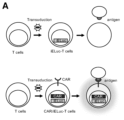
- Figure 8 shows in vivo bioluminescence imaging of the luciferase activity of tumor cells over time after infusion and the luciferase activity in response to CAR signals, as well as a graph quantifying the luminescence intensity.
- iELuc-T cell-treated group partial activation of the infused cells was observed, but the tumor cells continued to grow thereafter (B, C, F, and G in Fig. 8-2 and Fig. 8-3).
- the CAR/iELuc-T cell-treated group systemic activation of the infused cells was observed, and the tumor cells disappeared (D, E, H, and I in Fig. 8-2 and Fig. 8-3). It was confirmed that the infused CAR-T cells exhibited tumor cell-specific cytotoxicity. Interestingly, the activation of the infused T cells also rapidly decreased with the disappearance of the tumor cells.
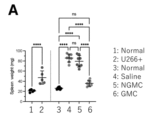
- Erythropoiesis occurs in structural and functional units of bone marrow, called erythroblastic islands (EBIs). After partial maturation in the bone marrow, reticulocytes enter the blood where they become mature erythrocytes. Myeloma cells infiltrating the bone marrow damage the function and structure of EBIs by secreting cytokines. The total number of macrophages in the bone marrow of MM patients is inversely correlated with the area of bone marrow infiltration by myeloma cells.
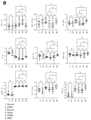
- FIG. 9B Hematological parameters before and 21 days after treatment are shown in Figure 9B.
- WBC white blood cells
- RBC red blood cells
- Hb hemoglobin
- Hf hematocrit
- MCV mean corpuscular volume
- MCH mean corpuscular hemoglobin
- MCHC mean corpuscular hemoglobin concentration
- PLT platelet count
- Reti reticulocyte count.
- mice treated with saline and NGMC showed a tendency toward anemia over time, with reduced red blood cells and reticulocytes.
- mice treated with GMC the progression of anemia was prevented and was similar to that observed in normal mice ( Figure 9-2, B).
- BS/BV is the bone surface area/volume ratio
- BS/TV is the bone volume per tissue volume
- Tb.Th is the trabecular width
- Tb.N is the trabecular number
- Tb.Sp is the trabecular center distance.
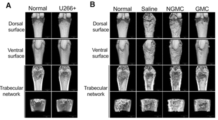
- mice showed slightly more advanced bone lesions than normal mice. However, the bone surface was similar to that of normal mice (Fig. 10-1 and Fig. 10-2, A, C). Mice treated with saline or NGMC showed progressive bone lesions. Severe destruction of the condyles and bone surface was observed (Fig. 10-1 and Fig. 10-2, B, C). In contrast, in mice treated with GMC, the progression of bone lesions was strongly prevented, and the bone surface was similar to that of normal mice. Due to the short observation period, the phenomenon observed in this study is thought to be a reduction in the progression of bone lesions, rather than an improvement caused by GMC administration.
- the present invention provides a CAR useful in the field of genetically modified immune cell therapy targeting BCMA, a nucleic acid encoding the CAR, a vector containing the nucleic acid, a cell expressing the chimeric receptor, a method for producing the cell, a pharmaceutical composition containing the cell as an active ingredient, and a method for preventing (including prevention of recurrence, the same applies below) or treating a disease, characterized by administering the pharmaceutical composition to a subject.
- Cells expressing the CAR of the present invention have a high killing ability against cells expressing BCMA, and are expected to have a high therapeutic effect.
Landscapes
- Health & Medical Sciences (AREA)
- Life Sciences & Earth Sciences (AREA)
- Chemical & Material Sciences (AREA)
- Genetics & Genomics (AREA)
- Organic Chemistry (AREA)
- Engineering & Computer Science (AREA)
- General Health & Medical Sciences (AREA)
- Zoology (AREA)
- Bioinformatics & Cheminformatics (AREA)
- Biomedical Technology (AREA)
- Wood Science & Technology (AREA)
- Biotechnology (AREA)
- Biochemistry (AREA)
- General Engineering & Computer Science (AREA)
- Molecular Biology (AREA)
- Medicinal Chemistry (AREA)
- Immunology (AREA)
- Biophysics (AREA)
- Microbiology (AREA)
- Proteomics, Peptides & Aminoacids (AREA)
- Physics & Mathematics (AREA)
- Public Health (AREA)
- Plant Pathology (AREA)
- Mycology (AREA)
- Veterinary Medicine (AREA)
- Pharmacology & Pharmacy (AREA)
- Animal Behavior & Ethology (AREA)
- Cell Biology (AREA)
- General Chemical & Material Sciences (AREA)
- Epidemiology (AREA)
- Chemical Kinetics & Catalysis (AREA)
- Nuclear Medicine, Radiotherapy & Molecular Imaging (AREA)
- Gastroenterology & Hepatology (AREA)
- Hematology (AREA)
- Toxicology (AREA)
- Oncology (AREA)
- Developmental Biology & Embryology (AREA)
- Virology (AREA)
- Peptides Or Proteins (AREA)
- Micro-Organisms Or Cultivation Processes Thereof (AREA)
Abstract
Description
[1] 軽鎖可変(VL)領域及び重鎖可変(VH)領域を含む抗ヒトB細胞成熟抗原(BCMA)抗体又はその抗原結合フラグメントであって、VL領域の相補性決定領域(CDR)1、CDR2及びCDR3並びにVH領域のCDR1、CDR2及びCDR3のアミノ酸配列が、それぞれ以下の(1)~(6)からなる群より選択される配列番号に示されたアミノ酸配列である抗体又はその抗原結合フラグメント:
(1)配列番号1~6、
(2)配列番号7~12、
(3)配列番号13~18、
(4)配列番号19~24、
(5)配列番号25~30、および
(6)配列番号31~36。
[2] 前記VL領域及びVH領域のアミノ酸配列が、以下の(1)~(6)からなる群より選択される請求項1記載の抗体又はその抗原結合フラグメント:
(1)配列番号37及び38、
(2)配列番号39及び40、
(3)配列番号41及び42、
(4)配列番号43及び44、
(5)配列番号45及び46、および
(6)配列番号47及び48。
[3] 前記抗体又はその抗原結合フラグメントは、IgG、Fab、Fab’、F(ab’)2、Fv、scFv、及びシングルドメイン抗体(dAB)からなる群から選択される、[1]又は[2]に記載の抗体又はその抗原結合フラグメント。
[4] 前記抗原結合フラグメントはscFvである、[3]に記載の抗原結合フラグメント。
[5] [1]~[4]のいずれか1項に記載の抗体又はその抗原結合フラグメントをコードする核酸。
[6] (i)抗原結合ドメインと、(ii)膜貫通ドメインと、(iii)細胞内ドメインとを含むキメラ抗原受容体(CAR)であって、
前記抗原結合ドメインが、[1]~[4]のいずれか1項に記載の抗原結合フラグメント含む、CAR。
[7] 前記細胞内ドメインが共刺激ドメイン及び活性化ドメインを含む、[6]に記載のCAR。
[8] 前記共刺激ドメインがCD28の細胞内フラグメントを含む、[7]に記載のCAR。
[9] 前記活性化ドメインがCD3ζの細胞内フラグメントを含む、[7]又は[8]に記載のCAR。
[10] [6]~[9]のいずれか一項に記載のCARをコードする核酸。
[11] [5]に記載の抗体又はその抗原結合フラグメントをコードする核酸もしくは[10]に記載のCARをコードする核酸を含むベクター。
[12] [5]に記載の抗体又はその抗原結合フラグメントをコードする核酸もしくは[10]に記載のCARをコードする核酸を含む細胞。
[13] 前記細胞は、T細胞である、[12]に記載の細胞。
[14] [13]に記載の細胞を有効成分として含む医薬組成物。
[15] CARを発現する細胞を製造する方法であって、細胞に、[5]に記載の抗体又はその抗原結合フラグメントをコードする核酸、[10]に記載のCARをコードする核酸もしくは[11]に記載のベクターを形質導入する工程含む、方法。
本発明は、ヒトBCMAに特異的に結合する抗体、または前記抗体の、ヒトBCMAに特異的に結合するフラグメントを提供する。前記抗体およびそのフラグメントは、下記実施例に示す抗B細胞成熟抗原(BCMA)抗体1~6からなる群より選択されるいずれかに由来するVL領域の相補性決定領域(CDR)1、CDR2及びCDR3、並びにVH領域のCDR1、CDR2及びCDR3のアミノ酸配列を含む。前記のVL領域の相補性決定領域CDR1~3、およびVH領域のCDR1~3のアミノ酸配列は、それぞれ以下の(1)~(6)に示される。
(1)配列番号1~6、
(2)配列番号7~12、
(3)配列番号13~18、
(4)配列番号19~24、
(5)配列番号25~30、
(6)配列番号31~36。
(1)配列番号37及び38、
(2)配列番号39及び40、
(3)配列番号41及び42、
(4)配列番号43及び44、
(5)配列番号45及び46、および
(6)配列番号47及び48。
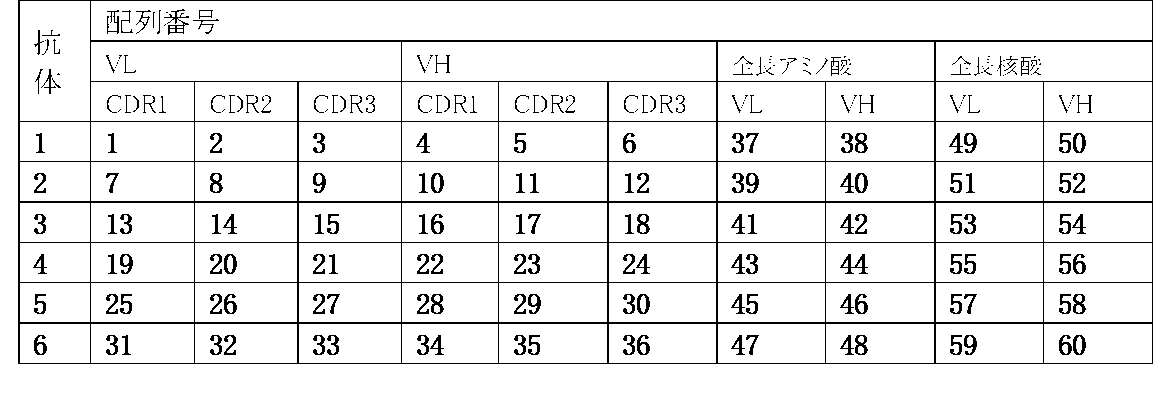
(1’)(i)配列番号37のアミノ酸配列、又は配列番号37のアミノ酸配列において1以上の変異を含む変異アミノ酸配列、及び(ii)配列番号38のアミノ酸配列、又は配列番号38のアミノ酸配列において1以上の変異を含む変異アミノ酸配列、ここに、前記(i)及び(ii)の少なくとも一方は変異アミノ酸配列である、
(2’)(i)配列番号39のアミノ酸配列、又は配列番号39のアミノ酸配列において1以上の変異を含む変異アミノ酸配列、及び(ii)配列番号40のアミノ酸配列、又は配列番号40のアミノ酸配列において1以上の変異を含む変異アミノ酸配列、ここに、前記(i)及び(ii)の少なくとも一方は変異アミノ酸配列である、
(3’)(i)配列番号41のアミノ酸配列、又は配列番号41のアミノ酸配列において1以上の変異を含む変異アミノ酸配列、及び(ii)配列番号42のアミノ酸配列、又は配列番号42のアミノ酸配列において1以上の変異を含む変異アミノ酸配列、ここに、前記(i)及び(ii)の少なくとも一方は変異アミノ酸配列である、
(4’)(i)配列番号43のアミノ酸配列、又は配列番号43のアミノ酸配列において1以上の変異を含む変異アミノ酸配列、及び(ii)配列番号44のアミノ酸配列、又は配列番号44のアミノ酸配列において1以上の変異を含む変異アミノ酸配列、ここに、前記(i)及び(ii)の少なくとも一方は変異アミノ酸配列である、
(5’)(i)配列番号45のアミノ酸配列、又は配列番号45のアミノ酸配列において1以上の変異を含む変異アミノ酸配列、及び(ii)配列番号46のアミノ酸配列、又は配列番号46のアミノ酸配列において1以上の変異を含む変異アミノ酸配列、ここに、前記(i)及び(ii)の少なくとも一方は変異アミノ酸配列である、
(6’)(i)配列番号47のアミノ酸配列、又は配列番号47のアミノ酸配列において1以上の変異を含む変異アミノ酸配列、及び(ii)配列番号48のアミノ酸配列、又は配列番号48のアミノ酸配列において1以上の変異を含む変異アミノ酸配列、ここに、前記(i)及び(ii)の少なくとも一方は変異アミノ酸配列である。
本発明は、(i)抗原結合ドメインと、(ii)膜貫通ドメインと、(iii)細胞内ドメインとを含むキメラ抗原受容体(CAR)であって、前記抗原結合ドメインが、本発明の抗BCMA抗体又はその抗原結合フラグメントを含む、CARを含む。本発明のCARは、組換え受容体である。これらの受容体をコードする核酸は、当該技術分野で知られている技術によりT細胞を含む免疫細胞に容易に導入され、その細胞によって発現される。CARによりBCMAを認識し、同時にBCMAに結合したCARを介して活性化された免疫細胞は、BCMAを発現する細胞を攻撃して破壊させる。腫瘍細胞上にBCMAが存在する場合、CARを発現する免疫細胞は、腫瘍細胞を傷害、死滅させることができる。
本発明のCARに含まれる抗原結合ドメインは、本発明の抗BCMA抗体1~6のいずれかに由来する6つのCDRを有するポリペプチドであり、好ましくは抗体1~6の抗原結合フラグメント、例えば1種以上のscFvである。抗原結合ドメインは、場合により後述のスペーサードメイン、リーダーペプチドも含めて、細胞外ドメインと呼ぶこともある。
本発明のCARは、抗原結合ドメインと細胞内ドメインを直接的又は間接的に連結する膜貫通ドメインを含む。また、本発明のCARは、これらのドメインの間に、任意にリンカー配列やスペーサー配列を含みうる。膜貫通ドメインは天然のポリペプチドに由来するものでもよく、人為的に設計したものでもよい。天然のポリペプチド由来の膜貫通ドメインは、任意の膜結合タンパク質又は膜貫通タンパク質から取得することができる。例えば、T細胞受容体のα、β鎖、CD3ζ鎖、CD28、CD3ε、CD45、CD4、CD5、CD8、CD9、CD16、CD22、CD33、CD37、CD64、CD80、CD86、CD134、CD137、ICOS、CD154、GITRの膜貫通ドメインを使用することができる。また、人為的に設計された膜貫通ドメインは、ロイシン及びバリンなどの疎水性残基を主に含むポリペプチドであってもよい。また、フェニルアラニン、トリプトファン及び/又はバリンのトリプレットが、人工膜貫通ドメインの各末端に見出されることが好ましい。場合により、短いオリゴペプチドリンカー又はポリペプチドリンカー、例えば長さが2~10個のアミノ酸配列からなるリンカーを、膜貫通ドメインと細胞内ドメインとの間に配置することができる。特にグリシン-セリン連続配列を有するリンカー配列を使用することができる。本発明の一態様として、膜貫通ドメインはCD28(NCBI RefSeq:NP_006130.1)のアミノ酸番号153~180の配列を有する膜貫通ドメインが使用できる。更に別の態様として、GITR(NCBI RefSeq:NP_004186.1)のアミノ酸番号162~183の配列を有する膜貫通ドメインが使用できる。
本発明のCARは、細胞内ドメインを含む。細胞内ドメインは、同一分子内に存在する抗原結合ドメインが抗原と結合(相互作用)した際に、細胞内にシグナルを伝達することが可能な分子である。T細胞受容体(TCR)の複合体のみを介して発生されたシグナルは、T細胞の活性化に不十分であること、そして二次又は共刺激シグナルも必要であることが知られている。天然のT細胞活性化シグナルは、2つの異なる種類の細胞質シグナル伝達配列、すなわちTCR複合体を介して抗原依存的一次活性化を開始させる配列(活性化ドメイン)及び抗原非依存的に作用して二次又は共刺激シグナルを提供する配列(共刺激ドメイン)によって伝達されている。好適な態様において、本発明のCARは、細胞内ドメインとして、前記活性化ドメイン及び/又は共刺激ドメインを含む。
本発明は、前記(1)の抗体又はその抗原結合フラグメント及び前記(2)のCARをコードする核酸を提供する。本発明の核酸は、細胞内で本発明の抗体、その抗原結合フラグメント又はCARを発現することができる。本発明の抗BCMA抗体1のVL領域及びVH領域をコードする核酸は、例えば配列番号49及び50の核酸配列を有し、本発明の抗BCMA抗体2のVL領域及びVH領域をコードする核酸は、例えば配列番号51及び52の核酸配列を有し、本発明の抗BCMA抗体3のVL領域及びVH領域をコードする核酸は、例えば配列番号53及び54の核酸配列を有し、本発明の抗BCMA抗体4のVL領域及びVH領域をコードする核酸は、例えば配列番号55及び56の核酸配列を有し、本発明の抗BCMA抗体5のVL領域及びVH領域をコードする核酸は、例えば配列番号57及び58の核酸配列を有し、本発明の抗BCMA抗体6のVL領域及びVH領域をコードする核酸は、例えば配列番号59及び60の核酸配列を有する。
本発明は、前記(3)の本発明の核酸を含むベクターを提供する。本発明のベクターは、所望の細胞に本発明の抗体、その抗原結合フラグメント又はCARを運び、発現させることができる。
本発明は、前記(1)の抗体又はその抗原結合フラグメント及び前記(2)のCARを発現する細胞を提供する。本発明の細胞の由来は特に限定されず、哺乳動物由来の細胞、例えば、ヒト細胞、またはサル、マウス、ラット、ブタ、ウマ、およびイヌなどの非ヒト哺乳動物由来の細胞を使用することができる。本発明の細胞は、好適には、ヒト細胞である。本発明の細胞を培養することにより、本発明の抗体又はその抗原結合フラグメントを製造することができる。
本発明は、前記(3)の本発明の核酸を細胞に導入する工程を含む、細胞の製造方法を提供する。すなわち、本発明の細胞の製造方法により、前記(5)の本発明の細胞を製造することができる。
本発明は、前記(5)の本発明の細胞、例えば本発明のCARを発現する免疫細胞を有効成分として含む医薬組成物を提供する。本発明の医薬組成物は、薬学上許容可能な賦形剤を含むことができる。薬学上許容可能な賦形剤は、当業者にはよく知られており、例えば、リン酸緩衝生理食塩水(例えば、0.01Mリン酸塩、0.138M NaCl、0.0027M KCl、pH7.4)、塩酸塩、臭化水素酸塩、リン酸塩、硫酸塩などの鉱酸塩を含有する水溶液、生理食塩液、グリコール又はエタノールなどの溶液及び酢酸塩、プロピオン酸塩、マロン酸塩、安息香酸塩などの有機酸の塩を含む。湿潤剤又は乳化剤などの補助剤、及びpH緩衝剤も使用することができる。薬学上許容可能な賦形剤は、Remington’s Pharmaceutical Sciences(Mack Pub.Co.、N.J.1991)にも記載される。本発明の医薬組成物は、非経口投与、例えば、注射又は注入に適した公知の形態とすることができる。本発明の医薬組成物は更に、懸濁化剤、保存剤、安定化剤及び/又は分散剤などの製剤補助剤、保存中の有効期限を延ばすために保存剤を含んでいてもよい。
本発明は、前記(7)の本発明の医薬組成物を対象に投与することを特徴とする疾病の予防または治療方法を提供する。本発明の医薬組成物、例えば本発明のCARを発現する細胞が投与される疾病としては、前記組成物に有効成分として含まれる細胞に感受性を示す疾患であればよく、BMCAを発現する細胞が関連する疾患が例示されるが、これらに限定はされない。本発明の医薬組成物により予防または治療される疾患としては、例えば、B細胞関連疾患が例示され、多発性骨髄腫(MM)、非ホジキンリンパ腫(NHL)、不確定な悪性度のB細胞増殖、リンパ腫様肉芽腫症、移植後リンパ増殖性障害、免疫調節性障害、関節リウマチ、重症筋無力症、特発性血小板減少性紫斑病、抗リン脂質抗体症候群、シャーガス病、グレーブス病、ウェゲナー肉芽腫症、結節性多発動脈炎、シェーグレン症候群、尋常性天疱瘡、強皮症、多発性硬化症、抗リン脂質抗体症候群、ANCA関連血管炎、グッドパスチャー病、川崎病、自己免疫性溶血性貧血及び急速進行性糸球体腎炎、重鎖病、原発性もしくは免疫細胞関連アミロイドーシス、または意義不明の単クローン性免疫グロブリン血症が含まれる。MMには、顕性多発性骨髄腫、くすぶり型多発性骨髄腫、形質細胞性白血病、非分泌型骨髄腫、IgD骨髄腫、骨硬化性骨髄腫、骨の孤立性形質細胞腫、及び髄外性形質細胞腫が含まれる。NHLは、バーキットリンパ腫、慢性リンパ球性白血病/小リンパ球性リンパ腫(CLL/SLL)、びまん性大細胞型B細胞リンパ腫、濾胞性リンパ腫、免疫芽球性大細胞型リンパ腫、前駆Bリンパ芽球性リンパ腫、及びマントル細胞リンパ腫が含まれる。
BALB/cマウス3匹へRecombinant Human BCMA/TNFRSF17 Fc Chimera(R&D Systems社製、Cat. No. 193-BC)を腸骨リンパ節法で免疫した。免疫したマウスの腸骨リンパ節を採取してリンパ球とSP2/0ミエローマ細胞を融合し、抗体産生ハイブリドーマをクローニングした。抗ヒトBCMA抗体を産生するハイブリドーマ6クローンからNucleoSpin RNA(タカラバイオ社製)を用いて全RNAを抽出した。350ngのハイブリドーマ由来全RNAを鋳型とし、SMARTer RACE 5’/3’ Kit(タカラバイオ社製)を用いて逆転写反応(RT反応)を行い、cDNAを合成した。
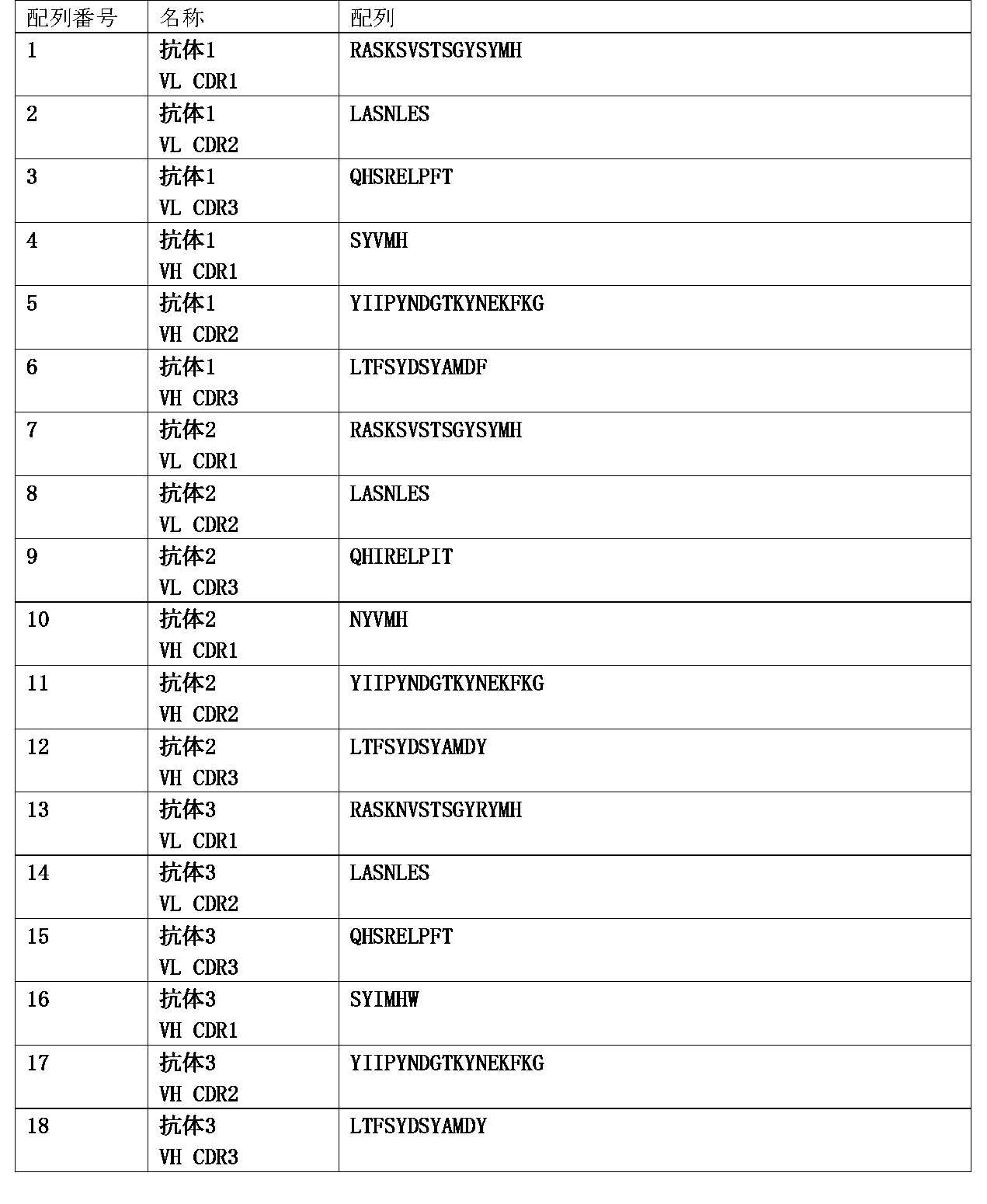
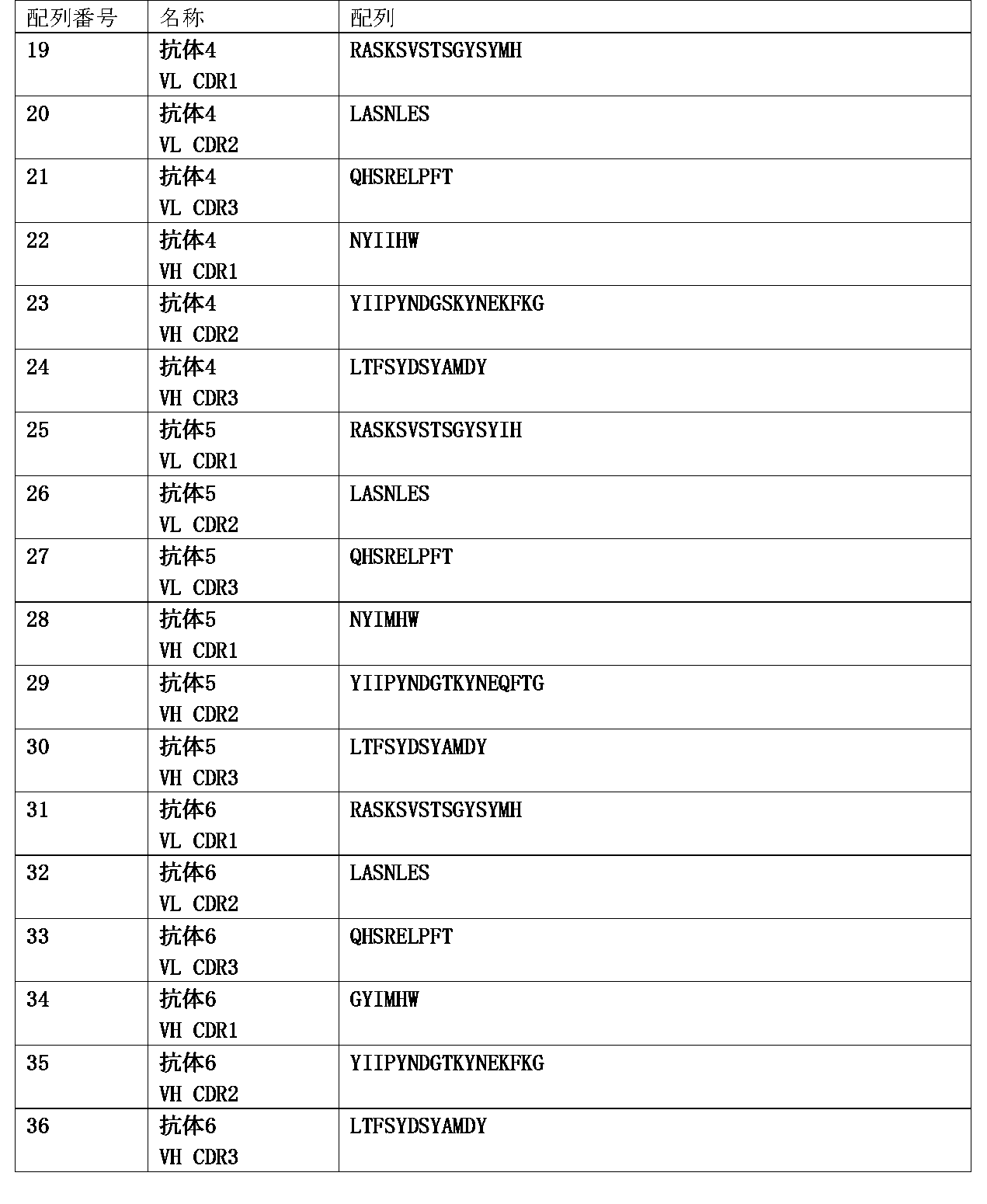

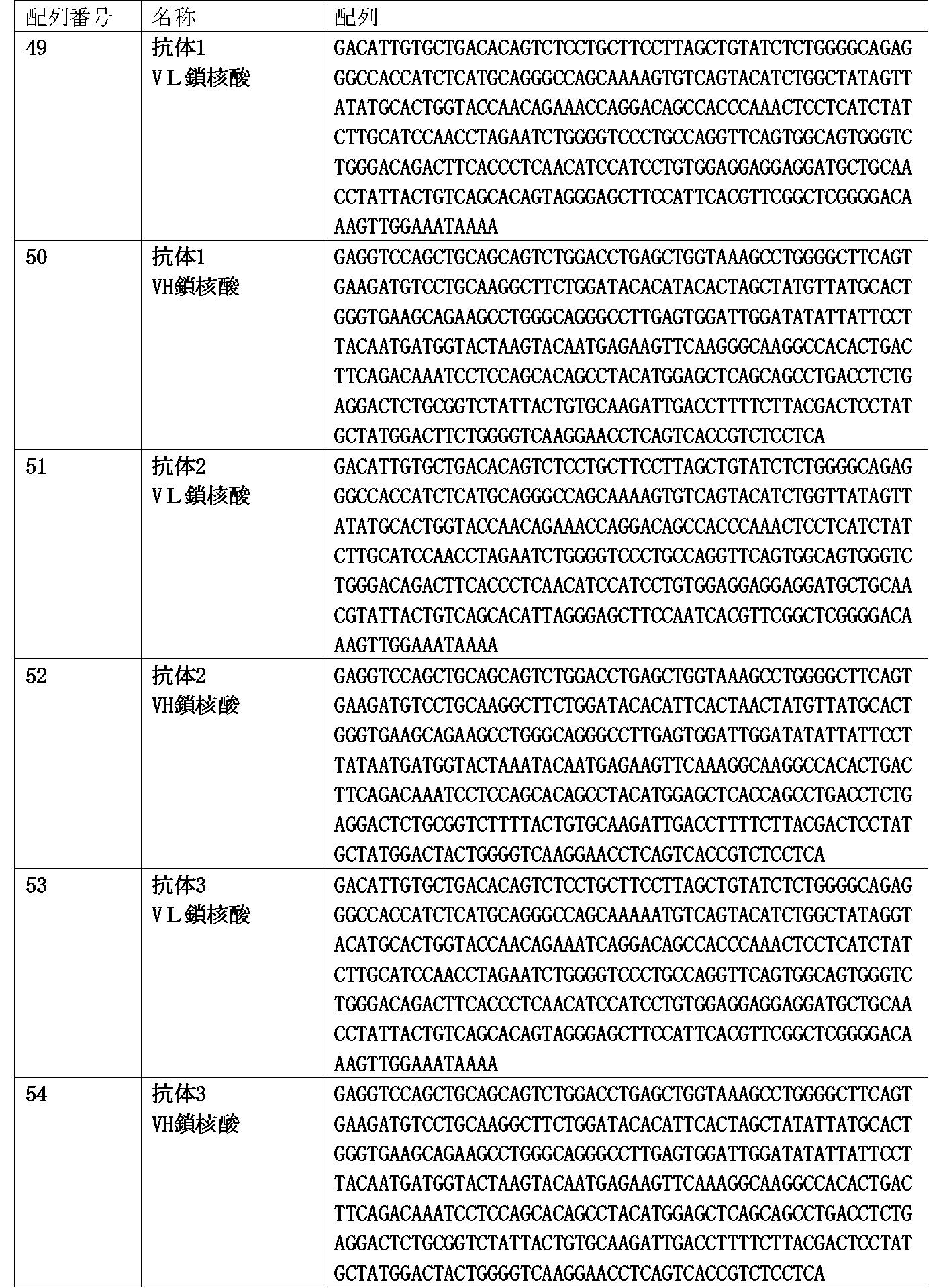

(1)CAR発現ベクタープラスミドの構築
実施例1で取得した各抗BCMA抗体の抗原結合フラグメントを含むCARを作製した。N末端より、GM-CSF受容体のシグナルペプチド配列、抗BCMA抗体のVL領域、リンカー配列(18アミノ酸、配列番号64、「18aaリンカー」ともいう)、抗BCMA抗体のVH領域、CD28の細胞外領域、膜貫通領域および細胞内領域、ならびにCD3ζ細胞内領域を含むCARをコードする核酸を作製した。このCARをBCMA-CARと命名した。VH領域とVL領域の順を入れ替えたCARをコードする核酸も作製した。なお、VH領域とVL領域の順序を区別して表現する場合は、BCMA-CARのLHコンストラクトまたはHLコンストラクトと称する。さらに、リンカー長を区別して表現する場合は、例えば18アミノ酸長リンカーの場合、BCMA-CARのL18HコンストラクトまたはH18Lコンストラクトと称する。これらのCARの構造を図2に示す。この核酸をpMEI-5 DNAベクター(タカラバイオ社製)に挿入してレトロウイルスプラスミドpMEI-5/BCMA-CARを調製した。
293T細胞株とPG13細胞株(ATCC CRL-10686)は、特に断らない限り、10%ウシ胎児血清(FBS)および100 U/mL Penicillin-Streptomycinを添加したDMEM/F-12培地で培養した。
Jurkat細胞株(ECACC EC88042803)およびその形質導入細胞は、特に断らない限り、10%ウシ胎児血清(FBS)および100 U/mL Penicillin-Streptomycinを添加したRPMI1640培地で培養した。
Jurkat細胞への形質導入には、RetroNectin結合ウイルス感染法(J Biochem. 2001 Sep;130(3):331-4)を用いた。PBSで希釈した20μg/mL RetroNectin溶液(タカラバイオ社製)を表面未処理の24ウェルプレートに0.5mL/ウェル加えて4℃で放置した。RetroNectin溶液を除き、ブロッキング溶液(2% ウシ血清アルブミン(BSA)を添加したリン酸緩衝生理食塩水(PBS))を0.5mL/ウェル加え、室温で30分間静置してブロッキング処理を行った。ブロッキング溶液を除き、PBSを0.5mL/ウェル加えて一度洗浄し、PBSを除去した。実施例実施例2-(3)で調製したBR6N-ELucレトロウイルスベクター溶液(PBSで4.0×109 copies/mLに希釈)をRetroNectinコートプレート上にそれぞれ0.5mL/ウェル加えた。32℃に保温した遠心機にレトロウイルスを加えたプレートをセットし、32℃、1,960×gの条件で2時間遠心し、RetroNectin上へのウイルス粒子の吸着を促した。プレートからウイルス希釈液を除去し、1% BSAを添加したPBS 1mLで洗浄した。Jurkat細胞(RPMI1640培地で4.0×10⁵ cells/mLに希釈)をウイルス吸着済みのプレートに1mL/ウェル加え、32℃、1,960×gの条件で10分間遠心した。プレートは37℃、5% CO2に設定したインキュベータ内に一晩静置して形質導入を行った。形質導入したJurkat細胞を翌日に回収し、RPMI1640培地7.5mLに懸濁し、37℃、5% CO2に設定したインキュベータ内に静置した(Day1)。サブコンフルエントに達した段階で限界希釈法により単一細胞クローンを単離するために、37℃、5% CO2に設定したインキュベータ内で7~10日間培養した。ウェルから細胞を採取し、12ウェルプレートに播種して37℃、5% CO2に設定したインキュベータ内で3~4日間培養した。ウェルから細胞を採取し、T-25フラスコに播種して37℃、5% CO2に設定したインキュベータ内で3~4日間培養した。1.0×10⁵ cells/wellを発光シグナル検出用の96ウェルホワイトマイクロプレートに播種し、残りの細胞はT-75フラスコに播種して培養を継続した。96ウェルホワイトマイクロプレートに播種した細胞にTPA(12-O-Tetradecanoylphorbol 13-acetate)およびIonomycinを添加して、24時間後にルシフェラーゼアッセイを行って発光強度を測定した。無刺激群の発光強度が低値であり、かつ無刺激群と刺激群の発光強度比が優れている細胞を、BCMA-CARの機能検定として用いる形質導入Jurkat細胞(Jurkat/iELuc細胞)とした。Jurkat/iELuc細胞はT-225フラスコへと拡大培養を行い、コンフルエントに達した時点で凍結保存液(セルバンカー:日本全薬工業株式会社製)に懸濁して凍結セラムチューブに分注し、使用時まで-80℃フリーザー内で冷凍保存した。
(抗BCMA-CARの機能検定)
Jurkat/iELuc細胞への形質導入には、RetroNectin結合ウイルス感染法を用いた。実施例2-(4)と同じ操作でBCMA-CARレトロウイルスを吸着させたRetroNectinコート24ウェルプレートにJurkat/iELuc細胞(RPMI1640培地で4.0×105 cells/mLに希釈)を1mL/ウェル加え、32℃、1,960×gの条件で10分間遠心した。プレートは37℃、5% CO2に設定したインキュベータ内に一晩静置して形質導入を行った。形質導入したJurkat/iELuc細胞を翌日に回収し、RPMI1640培地7.5mLに懸濁し、37℃、5% CO2に設定したインキュベータ内に静置した(Day1)。
抗BCMA抗体1由来のLHコンストラクトについて、実施例2-(1)と同様の手順でリンカーアミノ酸長を15残基(L15H、配列番号62)または20残基(L20H、配列番号63)に置換したレトロウイルスプラスミドを構築し、レトロウイルスベクター溶液をそれぞれ調製した。実施例2-(2)~(5)と同様の手順でJurkat/iELuc細胞に形質導入し、K562細胞、K562-BCMA細胞、又はU266細胞と、発光シグナル検出用の96ウェルホワイトマイクロプレートにエフェクター:ターゲット比1:1で混和し、37℃、5% CO2に設定したインキュベータ内に18時間静置して共培養した。コントロールとして、形質導入していない細胞(Jurkat細胞およびJurkat/iELuc細胞)も同様に共培養した。Bright-Glo Luciferase Assay試薬(Promega社製)を添加して、形質導入細胞の発光強度を測定した。その結果を図4に示す。図4に示す通り、BCMA-CARを形質導入したJurkat/iELuc細胞では、BCMA特異的に発光強度の増加が観察された。特にL20Hコンストラクトは、コントロール(形質導入細胞のみ)の発光強度が低く、かつコントロール群とU266共培養群の発光強度比が62.8倍と、最も反応性に優れていた。抗体1由来のLHコンストラクトを有しリンカーの長さが20であるCARをBCMA-CAR(L20H)とし、そのアミノ酸配列を配列番号65に示す。また、BCMA-CAR(L20H)をコードする核酸の塩基配列を配列番号66に示す(表3)。
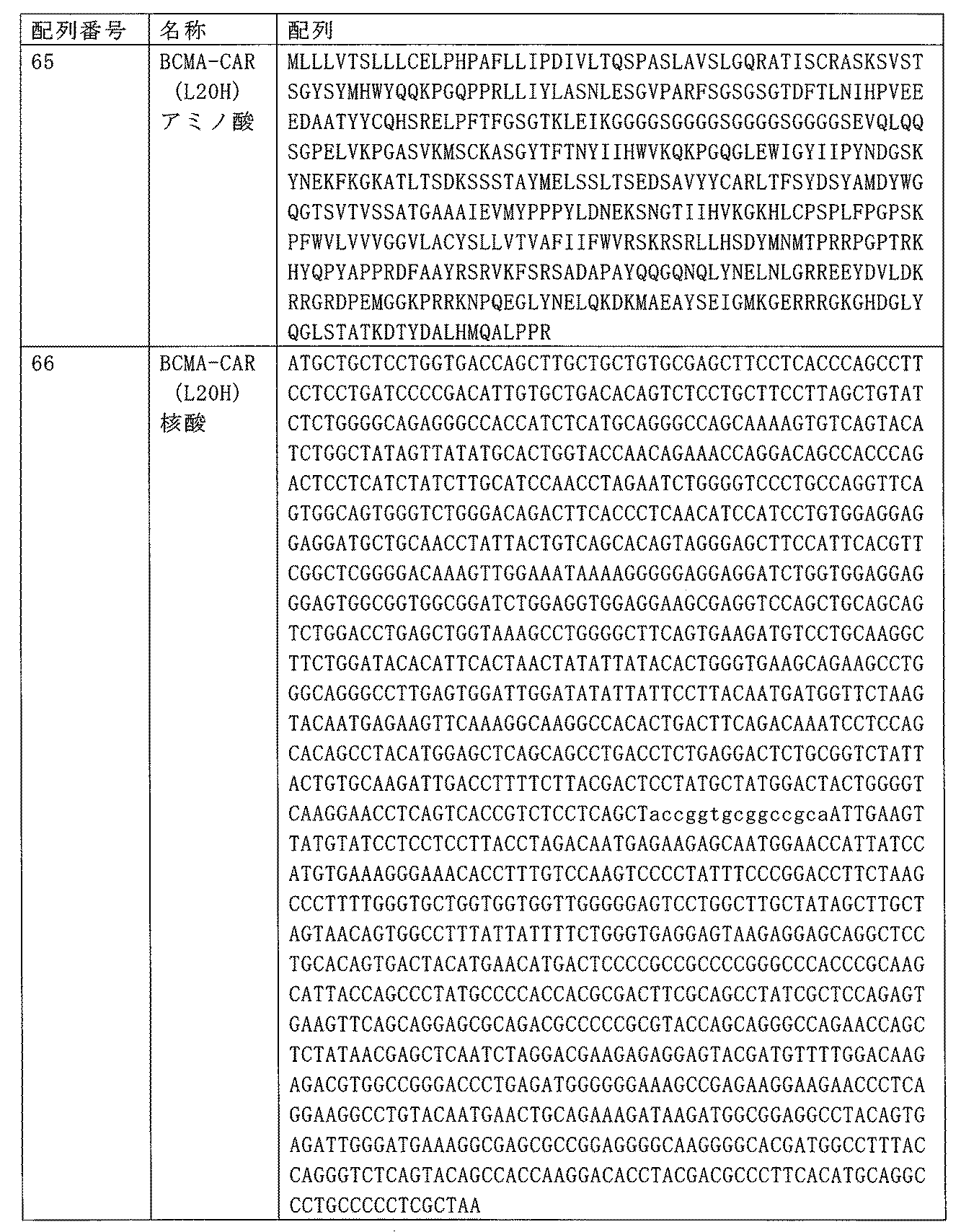
(1)抗BCMA-CAR構築物のT細胞への形質導入
インフォームド・コンセントが得られたボランティアから末梢血をBD バキュテイナCPT単核球分離用採血管に採取し、25℃、1,500×gの条件で15分間遠心して分離された末梢血単核球(PBMC: peripheral blood mononuclear cells)と血漿をそれぞれ回収した。PBMCはCELLOTION(日本全薬工業株式会社製)で2回洗浄し、細胞凍結保存液CP-1(Kyokuto pharmaceutical industrial co. ltd.社製)とヒト血清アルブミン(HSA)(Albuminar; CSL Behring社製)とRPMIの混合液に混和して-80℃で使用時まで凍結保存した。血漿は56℃に設定したウォータバスで30分の非働化処理を行い、-80℃で使用時まで凍結保存した。
実施例3-(1)で作製された形質導入細胞(GMC)を、慢性骨髄性白血病細胞株K562細胞、BCMAを発現するK562細胞(K562-BCMA)、又はBCMAを発現するヒト骨髄腫細胞株U266細胞と、V底96ウェルマイクロプレートでエフェクター:ターゲット比25:1、12.5:1、6.25:1、3.13:1で混和し、37℃、5% CO2に設定したインキュベータ内に18時間静置して共培養した。コントロールとして、形質導入していない細胞(NGMC)も同様に共培養した。250×g、室温、10分間の条件でマイクロプレートを遠心した後、上清を100μL/ウェルずつ平底96ウェルマイクロプレートに分取し、LDH Cytotoxicity Detection Kit(タカラバイオ社製)を用いて細胞傷害活性を測定した。図5に示す通り、BCMA-CARを発現するT細胞はBCMA特異的に細胞傷害活性を示した。
実施例3-(1)で作製した形質導入細胞を、K562細胞、K562-BCMA細胞、ヒト骨髄腫細胞株U266細胞をエフェクター:ターゲット比1:1でBSAを終濃度1%添加したRPMI-1640 Medium(Invitrogen社製)に混和してV底96ウェルマイクロプレートに移し、37℃、5% CO2に設定したインキュベータ内に18時間静置して共培養した。250×g、室温、10分間の条件でマイクロプレートを遠心した後に上清を分取し、Human IFN gamma ELISA Ready-SET-Go (eBioscience社製)を用いてIFN-γの産生を測定した。図6に示す通り、BCMA-CARを発現するT細胞はBCMA特異的にIFN-γを産生することを示した。
免疫不全NOGマウスに、Emeraldルシフェラーゼ遺伝子を形質導入したヒト骨髄腫細胞株U266細胞を尾静脈から1x10⁶個接種し、その42日後に実施例3-(1)で作製したCAR形質導入細胞を2x10⁶個輸注した(各n=10)。各形質導入T細胞の輸注後の経時的な腫瘍細胞のルシフェラーゼ活性のインビボ生物発光イメージングと、発光強度を数値化したグラフを図7に示す。BCMA-CARを発現するT細胞はin vivoにおける高い抗腫瘍活性が確認された。
誘導性遺伝子発現システム(Uchibori Rら、Mol Ther Oncolytics 2019、12:16-25)を使用して、注入されたCAR-T細胞が腫瘍特異的応答を示したかどうかを分析した。iELuc-TはCARのシグナルに応答してルシフェラーゼを発現するT細胞である。CARを発現しないiELuc-T細胞(iELuc-T細胞処理グループ)とCARを発現するiELuc-T細胞(CAR/iELuc-T細胞処理グループ)を、実施例3-(4)と同様に担がんマウスに輸注した(図8-1中、A)。グループの輸注後の経時的な腫瘍細胞のルシフェラーゼ活性とCARのシグナルに応答したルシフェラーゼ活性のインビボ生物発光イメージングと、発光強度を数値化したグラフを図8に示す。iELuc-T細胞処理グループでは、注入された細胞の部分的な活性化が観察されたが、その後も腫瘍細胞は増殖を続けた(図8-2および図8-3中、B、C、F、およびG)。対照的に、CAR/iELuc-T細胞処理グループでは、注入された細胞の全身的な活性化が観察され、腫瘍細胞が消失した(図8-2および図8-3中、D、E、H、およびI)。注入されたCAR-T細胞は腫瘍細胞特異的な細胞傷害性反応を示すことが確認された。興味深いことに、注入されたT細胞の活性化も、腫瘍細胞の消失とともに急速に減少した。
赤血球生成は骨髄の構造単位および機能単位で起こり、赤芽球島(EBI)と呼ばれる。骨髄内で部分的に成熟した後、網赤血球は血液に入り、そこで成熟赤血球になる。骨髄に浸潤した骨髄腫細胞は、サイトカインを分泌することによってEBIの機能と構造を損傷する。MM患者の骨髄内のマクロファージの総数は、骨髄腫細胞による骨髄浸潤の面積と逆相関する。EBIのセントラルマクロファージは骨髄マクロファージ全体のわずかな割合であるが、骨髄のセントラルマクロファージ集団が比例して減少すると、EBI数と赤血球生成活性が低下する。担がんマウス(U266+)では正常マウス(Normal)に比べて脾臓重量が顕著に増加していることが判明した。これは、骨髄へのU266細胞の浸潤が正常な髄内造血を阻害し、その結果脾臓での髄外造血が亢進したためと考えられる。脾臓の重量もGMC治療グループで正常よりも高いものの減少し、正常な重量に戻ったことが示された(図9-1、A)。
マイクロCTを使用して骨梁の形態を評価した(図10-1および図10-2)。図10-2中、BS/BVは骨表面積/体積比、BS/TVは組織体積あたりの骨体積、Tb.Thは骨梁幅、Tb.Nは骨梁数、Tb.Spは骨梁中心距離を示す。
Claims (15)
- 軽鎖可変(VL)領域及び重鎖可変(VH)領域を含む抗ヒトB細胞成熟抗原(BCMA)抗体又はその抗原結合フラグメントであって、VL領域の相補性決定領域(CDR)1、CDR2及びCDR3並びにVH領域のCDR1、CDR2及びCDR3のアミノ酸配列が、それぞれ以下の(1)~(6)からなる群より選択される配列番号に示されたアミノ酸配列である抗体又はその抗原結合フラグメント:
(1)配列番号1~6、
(2)配列番号7~12、
(3)配列番号13~18、
(4)配列番号19~24、
(5)配列番号25~30、および
(6)配列番号31~36。 - 前記VL領域及びVH領域のアミノ酸配列が、以下の(1)~(6)からなる群より選択される請求項1記載の抗体又はその抗原結合フラグメント:
(1)配列番号37及び38、
(2)配列番号39及び40、
(3)配列番号41及び42、
(4)配列番号43及び44、
(5)配列番号45及び46、および
(6)配列番号47及び48。 - 前記抗体又はその抗原結合フラグメントは、IgG、Fab、Fab’、F(ab’)2、Fv、scFv、及びシングルドメイン抗体(dAB)からなる群から選択される、請求項1又は2に記載の抗体又はその抗原結合フラグメント。
- 前記抗原結合フラグメントはscFvである、請求項3に記載の抗原結合フラグメント。
- 請求項1~4のいずれか1項に記載の抗体又はその抗原結合フラグメントをコードする核酸。
- (i)抗原結合ドメインと、(ii)膜貫通ドメインと、(iii)細胞内ドメインとを含むキメラ抗原受容体(CAR)であって、
前記抗原結合ドメインが、請求項1~4のいずれか1項に記載の抗原結合フラグメント含む、CAR。 - 前記細胞内ドメインが共刺激ドメイン及び活性化ドメインを含む、請求項6に記載のCAR。
- 前記共刺激ドメインがCD28の細胞内フラグメントを含む、請求項7に記載のCAR。
- 前記活性化ドメインがCD3ζの細胞内フラグメントを含む、請求項7又は8に記載のCAR。
- 請求項6~9のいずれか1項に記載のCARをコードする核酸。
- 請求項5に記載の抗体又はその抗原結合フラグメントをコードする核酸もしくは請求項10に記載のCARをコードする核酸を含むベクター。
- 請求項5に記載の抗体又はその抗原結合フラグメントをコードする核酸もしくは請求項10に記載のCARをコードする核酸を含む細胞。
- 前記細胞は、T細胞である、請求項12に記載の細胞。
- 請求項13に記載の細胞を有効成分として含む医薬組成物。
- CARを発現する細胞を製造する方法であって、細胞に、請求項5に記載の抗体又はその抗原結合フラグメントをコードする核酸、請求項10に記載のCARをコードする核酸、もしくは請求項11に記載のベクターを形質導入する工程含む、方法。
Priority Applications (1)
| Application Number | Priority Date | Filing Date | Title |
|---|---|---|---|
| JP2025506920A JPWO2024190856A1 (ja) | 2023-03-15 | 2024-03-14 |
Applications Claiming Priority (2)
| Application Number | Priority Date | Filing Date | Title |
|---|---|---|---|
| JP2023-041191 | 2023-03-15 | ||
| JP2023041191 | 2023-03-15 |
Publications (1)
| Publication Number | Publication Date |
|---|---|
| WO2024190856A1 true WO2024190856A1 (ja) | 2024-09-19 |
Family
ID=92755292
Family Applications (1)
| Application Number | Title | Priority Date | Filing Date |
|---|---|---|---|
| PCT/JP2024/009945 Ceased WO2024190856A1 (ja) | 2023-03-15 | 2024-03-14 | 抗bcma抗体およびキメラ抗原受容体 |
Country Status (2)
| Country | Link |
|---|---|
| JP (1) | JPWO2024190856A1 (ja) |
| WO (1) | WO2024190856A1 (ja) |
Citations (1)
| Publication number | Priority date | Publication date | Assignee | Title |
|---|---|---|---|---|
| US20210015870A1 (en) * | 2018-04-03 | 2021-01-21 | Promab Biotechnologies, Inc. | Bcma-car-t cells |
-
2024
- 2024-03-14 WO PCT/JP2024/009945 patent/WO2024190856A1/ja not_active Ceased
- 2024-03-14 JP JP2025506920A patent/JPWO2024190856A1/ja active Pending
Patent Citations (1)
| Publication number | Priority date | Publication date | Assignee | Title |
|---|---|---|---|---|
| US20210015870A1 (en) * | 2018-04-03 | 2021-01-21 | Promab Biotechnologies, Inc. | Bcma-car-t cells |
Non-Patent Citations (2)
| Title |
|---|
| ANONYMOUS: "Home / BTNL8 / Recombinant Human BTNL8 Fc Chimera Protein, CF", R&D SYSTEMS WEBSITE, 1 January 2024 (2024-01-01), XP093209080, Retrieved from the Internet <URL:https://www.rndsystems.com/products/recombinant-human-btnl8-fc-chimera-protein-cf_9359-bt?gad_source=1&gclid=Cj0KCQjwjNS3BhChARIsAOxBM6pPW98IwNwYe1inOUHPMhUxUMesRCrNz2waNxT6Vn2Vx-1Y01wPU3oaAspjEALw_wcB&gclsrc=aw.ds> * |
| BERAHOVICH ROBERT ET AL: "CAR-T Cells Based on Novel BCMA Monoclonal Antibody Block Multiple Myeloma Cell Growth.", CANCERS, MDPI AG, CH, vol. 10, no. 9, 11 September 2018 (2018-09-11), CH , XP002790575, ISSN: 2072-6694, DOI: 10.3390/cancers10090323 * |
Also Published As
| Publication number | Publication date |
|---|---|
| JPWO2024190856A1 (ja) | 2024-09-19 |
Similar Documents
| Publication | Publication Date | Title |
|---|---|---|
| US12540191B2 (en) | Engineered immune cells targeting BCMA and their uses thereof | |
| US20240294639A1 (en) | Antigen-binding proteins targeting cd56 and methods of producing thereof | |
| JP7737740B2 (ja) | 抗gpc3一本鎖抗体を含むcar | |
| AU2019203823B2 (en) | CS1-specific chimeric antigen receptor engineered immune effector cells | |
| CN107208047B (zh) | 靶向b-细胞成熟抗原的嵌合抗原受体及其用途 | |
| US20170296623A1 (en) | INHIBITORY CHIMERIC ANTIGEN RECEPTOR (iCAR OR N-CAR) EXPRESSING NON-T CELL TRANSDUCTION DOMAIN | |
| CA3050835A1 (en) | Bcma-targeting antibody and use thereof | |
| CA3014067A1 (en) | Modified cells for immunotherapy | |
| JP2019527537A (ja) | キメラ抗原受容体と、bcmaに結合するcar−t細胞 | |
| CN111587254B (zh) | 包含抗cd38和抗cd138嵌合抗原受体的t-细胞及其用途 | |
| KR102804751B1 (ko) | Cxcr5에 결합하는 키메라 항원 수용체 및 car-t 세포 | |
| WO2019124468A1 (ja) | ヒトメソセリンを特異的に認識する細胞表面分子、il-7、及びccl19を発現する免疫担当細胞 | |
| AU2021318297B2 (en) | Immune Synapse-Stabilizing Chimeric Antigen Receptor (CAR) T Cell | |
| KR20240157693A (ko) | 세포 면역요법을 위한 막-결합 il-12 | |
| US20250026855A1 (en) | Antigen-binding proteins targeting melanoma differentiation antigens and uses thereof | |
| KR20220167330A (ko) | Cd22-표적화된 키메라 항원 수용체, 그의 제조 방법 및 그의 적용 | |
| HK40110123A (zh) | 靶向bcma的工程化免疫细胞及其用途 | |
| HK40063360A (en) | Compositions and methods of chimeric autoantibody receptor t cells | |
| CN120173106A (zh) | 靶向cd276人源化抗体、嵌合抗原受体及其应用 | |
| HK40033926A (en) | T-cells comprising anti-cd38 and anti-cd138 chimeric antigen receptors and uses thereof | |
| HK40062446B (zh) | 靶向bcma的工程化免疫细胞及其用途 | |
| HK40033926B (zh) | 包含抗cd38和抗cd138嵌合抗原受体的t-细胞及其用途 | |
| HK40001773A (en) | Chimeric antigen receptors targeting fc receptor-like 5 and uses thereof |
Legal Events
| Date | Code | Title | Description |
|---|---|---|---|
| 121 | Ep: the epo has been informed by wipo that ep was designated in this application |
Ref document number: 24770959 Country of ref document: EP Kind code of ref document: A1 |
|
| ENP | Entry into the national phase |
Ref document number: 2025506920 Country of ref document: JP Kind code of ref document: A |
|
| WWE | Wipo information: entry into national phase |
Ref document number: 2025506920 Country of ref document: JP |
|
| NENP | Non-entry into the national phase |
Ref country code: DE |
|
| 122 | Ep: pct application non-entry in european phase |
Ref document number: 24770959 Country of ref document: EP Kind code of ref document: A1 |