WO2024166708A1 - 装着型音響出力装置、及び制御方法 - Google Patents
装着型音響出力装置、及び制御方法 Download PDFInfo
- Publication number
- WO2024166708A1 WO2024166708A1 PCT/JP2024/002378 JP2024002378W WO2024166708A1 WO 2024166708 A1 WO2024166708 A1 WO 2024166708A1 JP 2024002378 W JP2024002378 W JP 2024002378W WO 2024166708 A1 WO2024166708 A1 WO 2024166708A1
- Authority
- WO
- WIPO (PCT)
- Prior art keywords
- output
- sound
- processing unit
- control processing
- user
- Prior art date
- Legal status (The legal status is an assumption and is not a legal conclusion. Google has not performed a legal analysis and makes no representation as to the accuracy of the status listed.)
- Ceased
Links
Images






Classifications
-
- G—PHYSICS
- G11—INFORMATION STORAGE
- G11B—INFORMATION STORAGE BASED ON RELATIVE MOVEMENT BETWEEN RECORD CARRIER AND TRANSDUCER
- G11B20/00—Signal processing not specific to the method of recording or reproducing; Circuits therefor
- G11B20/10—Digital recording or reproducing
-
- G—PHYSICS
- G11—INFORMATION STORAGE
- G11B—INFORMATION STORAGE BASED ON RELATIVE MOVEMENT BETWEEN RECORD CARRIER AND TRANSDUCER
- G11B27/00—Editing; Indexing; Addressing; Timing or synchronising; Monitoring; Measuring tape travel
-
- H—ELECTRICITY
- H04—ELECTRIC COMMUNICATION TECHNIQUE
- H04R—LOUDSPEAKERS, MICROPHONES, GRAMOPHONE PICK-UPS OR LIKE ACOUSTIC ELECTROMECHANICAL TRANSDUCERS; ELECTRIC HEARING AIDS; PUBLIC ADDRESS SYSTEMS
- H04R1/00—Details of transducers, loudspeakers or microphones
- H04R1/10—Earpieces; Attachments therefor ; Earphones; Monophonic headphones
-
- H—ELECTRICITY
- H04—ELECTRIC COMMUNICATION TECHNIQUE
- H04R—LOUDSPEAKERS, MICROPHONES, GRAMOPHONE PICK-UPS OR LIKE ACOUSTIC ELECTROMECHANICAL TRANSDUCERS; ELECTRIC HEARING AIDS; PUBLIC ADDRESS SYSTEMS
- H04R3/00—Circuits for transducers
Definitions
- the present invention relates to a wearable audio output device and a control method.
- Non-Patent Document 1 a technology has been developed to protect hearing by displaying a warning when the cumulative amount of sound exposure per unit time (e.g., one week) exceeds a threshold value (see Non-Patent Document 1).
- Non-Patent Document 1 is based on the premise that the user is aware of and proactively protects their hearing, and there is an issue that users who are unaware of the need to protect their hearing cannot use it and therefore their hearing is not protected. There is also a demand for technology that can more appropriately protect the user's hearing.
- the present invention has been made to solve the above problems, and its purpose is to provide a wearable sound output device and control method that can more appropriately protect the user's hearing.
- one aspect of the present invention is a wearable audio output device that can be worn on a user's ear, and is equipped with a control processing unit that measures the continuous playback period of an output sound output to the user's ear, and when the continuous playback period reaches a preset processing threshold, executes specific processing on the output sound to make the user aware of an overload on the ear.
- Another aspect of the present invention is a wearable sound output device that can be worn on a user's ear, and is equipped with a control processing unit that measures the amount of sound exposure received by the user from the output sound output to the user's ear, and when the accumulated value of the amount of sound exposure reaches a preset processing threshold, executes specific processing on the output sound to make the user aware of overload on the ear.
- Another aspect of the present invention is a control method for a wearable audio output device that can be worn on a user's ear, in which a control processing unit measures a continuous playback period of an output sound output to the user's ear, and when the continuous playback period reaches a preset processing threshold, executes a specific process on the output sound that makes the user aware of an overload on the ear.
- Another aspect of the present invention is a control method for a wearable sound output device that can be worn on a user's ear, in which a control processing unit measures the amount of sound exposure received by the user from the output sound output to the user's ear, and when the accumulated value of the amount of sound exposure reaches a preset processing threshold, executes a specific process on the output sound that makes the user aware of an overload on the ear.
- the present invention allows for more appropriate protection of the user's hearing.
- FIG. 1 is a block diagram showing an example of an audio system according to a first embodiment.
- FIG. 4 is a diagram illustrating an example of a display by a basic control application of the host device in the first embodiment.
- 5 is a flowchart showing an example of an operation of the headphones according to the first embodiment.
- 10 is a flowchart showing another example of the operation of the headphones according to the first embodiment.
- FIG. 2 is a diagram illustrating an example of an operation of the audio system according to the first embodiment.
- FIG. 11 is a block diagram showing an example of an audio system according to a second embodiment.
- FIG. 11 is a diagram illustrating an example of the operation of the audio system according to the second embodiment.
- 10 is a flowchart showing an example of an operation of the headphones according to the second embodiment.
- FIG. 11 is a block diagram showing an example of an audio system according to a third embodiment.
- 13 is a flowchart showing an example of the operation of headphones according to the third embodiment.
- FIG. 13
- FIG. 1 is a block diagram showing an example of an audio system 1 according to the present embodiment. As shown in FIG. 1, the audio system 1 includes headphones 10 and a host device 20 .
- the host device 20 (an example of an external device) is a device that controls the output sound output by the headphones 10, and is, for example, an external device such as a smartphone, a music player, a personal computer, a tablet terminal, etc. In this embodiment, the host device 20 will be described as being a smartphone.
- the host device 20 includes a wireless communication unit 21 , an input unit 22 , a display unit 23 , a host storage unit 24 , and a host control unit 25 .
- the wireless communication unit 21 (an example of a communication unit) is, for example, a wireless communication device such as Bluetooth (registered trademark), and performs communication with the headphones 10 via wireless communication.
- the input unit 22 is an input device such as a keyboard or a touch sensor, which receives various types of input information from a user and outputs the received various types of input information to the host control unit 25 .
- the display unit 23 (an example of an output unit) is, for example, a display device such as a liquid crystal display, etc.
- the display unit 23 displays various information supplied from the host control unit 25.
- the host storage unit 24 is, for example, a storage unit such as a RAM (Random Access Memory) or a flash memory.
- the host storage unit 24 stores various information used by the host device 20.
- the host storage unit 24 includes a music data storage unit 241 and a volume setting storage unit 242.
- the music data storage unit 241 is configured, for example, with a non-volatile memory such as a flash memory, and stores music data that is played and output to the headphones 10 by the player processing unit 252 described below.
- a non-volatile memory such as a flash memory
- the volume setting storage unit 242 is configured, for example, with a non-volatile memory such as a flash memory, and stores the volume value of the headphones 10.
- the host control unit 25 is, for example, a processor including a CPU (Central Processing Unit), and performs overall control of the host device 20.
- the host control unit 25 executes various processes based on an OS (Operating System).
- the OS is, for example, iOS (registered trademark), Android (registered trademark), Windows (registered trademark), etc.
- the host control unit 25 includes an OS processing unit 251 , a player processing unit 252 , and a basic control unit 253 .
- the OS processing unit 251 is a functional unit that is realized by having the CPU execute an OS program stored in a storage unit (not shown).
- the OS processing unit 251 executes the processing of various functions provided by the OS.
- the player processing unit 252 is a functional unit that is realized by having the CPU execute an audio player application program (hereinafter, sometimes referred to as an app) stored in a storage unit (not shown).
- the player processing unit 252 converts, for example, music data stored in the music data storage unit 241 into playback data of an audio signal, and transmits it to the headphones 10 via the wireless communication unit 21.
- the player processing unit 252 also executes volume setting for the headphones 10 in response to user operation via the input unit 22. For example, when setting the volume for the headphones 10, the player processing unit 252 transmits a volume value to the headphones 10 via the wireless communication unit 21. When setting the volume for the headphones 10, the player processing unit 252 also changes the volume setting storage unit 242 to a volume value that corresponds to the volume setting.
- the basic control unit 253 is a functional unit that is realized by having the CPU execute a basic control application program stored in a storage unit (not shown).
- the basic control application is an application program that executes basic control of the headphones 10, and executes, for example, displaying the battery charge status of the headphones 10, setting the auto power off time, setting signal processing (for example, noise cancellation, equalizer processing, etc.), and settings for hearing protection.
- the basic control unit 253 when performing setting processing for hearing protection, obtains setting information for each function for hearing protection from the headphones 10 via the wireless communication unit 21, displays the information on the display unit 23, and enables the setting of each function to be changed by the input unit 22.
- the basic control unit 253 transmits the changed setting information to the headphones 10 via the wireless communication unit 21.
- a display example by the basic control unit 253 (basic control application) will be described with reference to FIG.
- FIG. 2 is a diagram showing an example of a display by the basic control application of the host device 20 in this embodiment.
- 2A shows an example of a display of the menu screen G1 of the basic control application.
- the basic control unit 253 displays the battery charge state, the designation button BT1 of "LISTENING CARE", the "AMBIENT” button BT2, and the like as the menu screen G1 of the basic control application.
- a “SOUND” setting button BT2 and an auto power off time setting button BT3 are displayed on the display unit 23.
- the menu screen G1 of the basic control application shows that the "AMBIENT SOUND” setting is “OFF” (ambient sound transparency processing is set to off) and the auto power off time setting is “OFF” (auto power off time function is set to off).
- the basic control unit 253 displays a setting screen G2 for each function for hearing protection on the display unit 23, as shown in FIG. 2(b).
- the settings for each function for hearing protection are as follows: "VOL down at power on” function is enabled, the down amount (volume reduction amount) is “2 dB”, “VOL down during pause playback” function is enabled, and the down amount is “2 dB”.
- the setting screen G2 also shows that the "VOL down during ANC” (VOL down during ANC (Active Noise Control) noise reduction process) function is enabled, the down amount is “3 dB”, and the “Maximum volume limit” function is enabled, with the setting value set to "85 dB”.
- the setting screen G2 also shows that the "Continuous playback action” function is enabled, and detailed settings are possible.
- headphones 10 can be worn on the user's ears, and are, for example, wireless headphones.
- Headphones 10 may be of an earphone type that is inserted into the user's ear, or of a type that is worn on the user's head. Headphones 10 output (emit) sound based on playback data supplied from host device 20.
- the headphones 10 include a wireless communication unit 11 , an HP amplifier 12 (headphone amplifier), a speaker 13 , a storage unit 14 , and a control unit 15 .
- the wireless communication unit 11 is, for example, a wireless communication device such as Bluetooth (registered trademark), and performs wireless communication with the host device 20.
- the wireless communication unit 11 is used to receive playback data and volume settings from the host device 20, and to transmit and receive setting information for each function for hearing protection described above.
- the HP amplifier 12 outputs a sound signal that is an amplified version of the sound data acquired from the control unit 15 to the speaker 13, causing the speaker 13 to output sound.
- the HP amplifier 12 executes processes such as outputting the sound signal, stopping the output, and changing the volume based on control instructions from the control unit 15.
- the storage unit 14 is, for example, a RAM, a flash memory, or the like.
- the storage unit 14 stores various information used by the headphones 10.
- the storage unit 14 includes a volume setting storage unit 141, a processing setting storage unit 142, a playback time storage unit 143, and an interruption time storage unit 144.
- the volume setting memory unit 141 is a memory unit configured, for example, by RAM, and stores the volume value set in the HP amplifier 12.
- the processing setting storage unit 142 is a storage unit configured with a non-volatile memory such as a flash memory, and stores the setting information for each function for hearing protection described above.
- the setting information for each function stored in the processing setting storage unit 142 is information that has been set in advance by the host device 20.
- the playback time memory unit 143 (an example of a playback period memory unit) is a memory unit configured, for example, with a RAM, and stores the continuous playback time Tplay (continuous playback period) by the headphones 10.
- the pause time memory unit 144 (an example of a pause period memory unit) is a memory unit configured, for example, with a RAM, and stores a playback pause time Tpause (playback pause period) that indicates the time (period) during which playback of sound output by the headphones 10 was paused.
- Tpause playback pause period
- the control unit 15 is, for example, a processor including a CPU, and performs overall control of the headphones 10.
- the control unit 15 includes a signal processing unit 151 and a control processing unit 152.
- the signal processing unit 151 generates sound data by performing signal processing such as sound quality adjustment on the playback data received from the host device 20 via the wireless communication unit 11, and outputs the sound data to the HP amplifier 12. Furthermore, when the signal processing unit 151 is set not to perform signal processing such as sound quality adjustment, it outputs the received playback data as sound data to the HP amplifier 12.
- the control processing unit 152 changes the volume setting of the HP amplifier 12 based on the volume setting information received from the host device 20 via the wireless communication unit 11 , and stores the volume setting in the volume setting storage unit 141 . Furthermore, when a predetermined condition is satisfied, the control processing section 152 executes a specific process on the output sound of the headphones 10 to make the user aware of ear overload.
- the control processing unit 152 measures the continuous playback time Tplay of the output sound output to the user's ears, and when the continuous playback time Tplay reaches a preset processing threshold, executes a specific process on the output sound that makes the user aware of ear overload.
- the control processing unit 152 executes, for example, the following (Process 1) to (Process 6) as specific processes for the output sound.
- the control processing unit 152 stops output of the output sound.
- the volume amount to be reduced is stored in the process setting storage unit 142 and is information set by the host device 20.
- the control processing unit 152 acquires the volume value from the volume setting storage unit 141, and then decreases the acquired volume value by the amount of the volume to be decreased (for example, by one level), changes the setting of the HP amplifier 12, and stores the new decreased volume value in the volume setting storage unit 141.
- the control processing unit 152 also transmits the new volume value to the host device 20 via the wireless communication unit 11.
- the control processing unit 152 After suspending the output of the output sound, the control processing unit 152 outputs a warning sound and then resumes the output of the output sound. Note that the warning sound may be a voice message to call attention. (Process 4) The control processing unit 152 stops output of the output sound, and then outputs a warning sound. (Process 5) After suspending the output of the output sound, the control processing unit 152 outputs a warning sound, and then reduces the volume value of the output sound by a preset volume amount and resumes the output of the output sound.
- the control processing unit 152 After stopping the output of the output sound, the control processing unit 152 outputs a warning message to the host device 20 that can be connected to the headphones 10.
- the control processing unit 152 transmits a request to output the warning message to the host device 20 via the wireless communication unit 11, and the basic control unit 253 of the host device 20 causes the display unit 23 to display the warning message in response to the request to output the warning message.
- the warning message is, for example, "Your ears need a rest! If you take a rest today, you'll be able to enjoy listening tomorrow!, or "Give your ears a little rest today.”
- the control processing unit 152 selects one of the above-mentioned processes (Process 1) to (Process 6) depending on the processing settings stored in the processing setting memory unit 142, and executes it as a specific process for the output sound that makes the user aware of ear overload.
- control processing unit 152 calculates the continuous playback time Tplay using the following formula (1) in response to a timer interrupt process that occurs every second, for example.
- the control processing unit 152 acquires the continuous playback time Tplay stored in the playback time storage unit 143, adds "1" to it using formula (1), calculates a new continuous playback time Tplay, and stores the calculated new continuous playback time Tplay in the playback time storage unit 143.
- control processing unit 152 initializes the continuous playback time Tplay (sets it to "0" (zero)) when the playback pause time Tpause, during which the output of the output sound is continuously paused, reaches a preset initialization threshold. For example, in response to a timer interrupt every second, the control processing unit 152 calculates the playback pause time Tpause using the following formula (2) when the output sound is not being played.
- the control processing unit 152 acquires the playback pause time Tpause stored in the pause time memory unit 144, adds "1" to it using equation (2), calculates a new playback pause time Tpause, and stores the calculated new playback pause time Tpause in the pause time memory unit 144.
- the control processing unit 152 When the playback pause time Tpause stored in the pause time memory unit 144 reaches the initialization threshold, the control processing unit 152 initializes the continuous playback time Tplay. In other words, the control processing unit 152 stores "0" in the playback time memory unit 143 as the continuous playback time Tplay.
- the amount of volume to be lowered and information on whether or not to execute the process are stored in the process setting storage unit 142 and are information set by the host device 20.
- the amount of volume reduction and information on whether or not to execute the process are stored in the process setting storage unit 142 and are information set by the host device 20.
- control processing unit 152 reduces the volume value of the output sound by a preset volume amount. Note that the amount of volume reduction and information on whether or not to execute the processing are stored in the processing setting storage unit 142, and are information set by the host device 20.
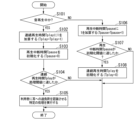
- FIG. 3 is a flowchart showing an example of the operation of the headphones 10 in this embodiment.
- an example of the interrupt processing of the headphones 10 that is executed every specific unit period (e.g., every second) is described.
- step S101 the control processing unit 152 of the headphones 10 first determines whether sound is being played back (step S101).
- the control processing unit 152 determines whether sound is being played back by, for example, referring to the state of a flag indicating sound playback by the signal processing unit 151. If sound is being played back (step S101: YES), the control processing unit 152 advances the process to step S102. If sound is not being played back (step S101: NO), the control processing unit 152 advances the process to step S106.
- step S102 the control processing unit 152 adds "1" to the continuous playback time Tplay.
- the control processing unit 152 acquires the continuous playback time Tplay stored in the playback time storage unit 143, adds "1" to it using the above-mentioned formula (1), calculates a new continuous playback time Tplay, and stores it in the playback time storage unit 143.
- control processing unit 152 initializes the playback pause time Tpause (step S103).
- the control processing unit 152 stores "0" as the playback pause time Tpause in the pause time storage unit 144.
- control processing unit 152 determines whether the continuous playback time Tplay has reached a processing threshold (e.g., threshold Ts1) (step S104). If the continuous playback time Tplay has reached the processing threshold (step S104: YES), the control processing unit 152 advances the process to step S105. If the continuous playback time Tplay has not reached the processing threshold (step S104: NO), the control processing unit 152 ends the interrupt process and returns to the process before the interrupt.
- a processing threshold e.g., threshold Ts1
- step S105 the control processing unit 152 executes a specific process (processing for hearing protection) on the output sound to make the user aware of ear overload.
- the control processing unit 152 executes one of the above-mentioned processes (processing 1) to (processing 6) according to the process settings stored in the process setting storage unit 142, for example, and ends the interrupt process.
- step S106 the control processing unit 152 adds "1" to the playback pause time Tpause.
- the control processing unit 152 acquires the playback pause time Tpause stored in the pause time storage unit 144, adds "1" to it using the above-mentioned formula (2), calculates a new playback pause time Tpause, and stores it in the pause time storage unit 144.
- control processing unit 152 determines whether the playback pause time Tpause has reached an initialization threshold (e.g., threshold Tr1) (step S107). If the playback pause time Tpause has reached the initialization threshold (step S107: YES), the control processing unit 152 proceeds to step S108. If the playback pause time Tpause has not reached the initialization threshold (step S107: NO), the control processing unit 152 ends the interrupt process and returns to the process before the interrupt.
- an initialization threshold e.g., threshold Tr1
- step S108 the control processing unit 152 initializes the continuous playback time Tplay.
- the control processing unit 152 stores "0" as the continuous playback time Tplay in the playback time storage unit 143.
- the control processing unit 152 ends the interrupt processing and returns to the processing before the interrupt.
- FIG. 4 is a flowchart showing another example of the operation of the headphones 10 in this embodiment.
- the control processing unit 152 of the headphones 10 determines whether or not the noise removal process has been started by changing from an off state to an on state (step S111). If the noise removal process has been started by changing from an off state to an on state (step S111: YES), the control processing unit 152 advances the process to step S112. If the noise removal process has not been started (step S111: NO), the control processing unit 152 returns the process to step S111.
- step S112 the control processing unit 152 sets the volume value by lowering it by one level (one step).
- the control processing unit 152 obtains the volume amount (level amount) by which the volume value is to be lowered from the processing setting storage unit 142.
- the control processing unit 152 also obtains the volume value from the volume setting storage unit 141, and lowers the obtained volume value by the volume amount (level amount) obtained from the processing setting storage unit 142, thereby changing the settings of the HP amplifier 12.
- the control processing unit 152 also stores the new lowered volume value in the volume setting storage unit 141.
- the control processing unit 152 also transmits the new volume value to the host device 20 via the wireless communication unit 11.
- control processing unit 152 determines whether the noise removal process has changed from an ON state to an OFF state (step S113). If the noise removal process has changed from an ON state to an OFF state (step S113: YES), the control processing unit 152 returns the volume value to the original state (step S114) and returns the process to step S111. If the noise removal process has not changed to an OFF state (step S111: NO), the control processing unit 152 returns the process to step S113.
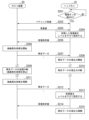
- FIG. 5 is a diagram showing an example of the operation of the audio system 1 according to the present embodiment.
- a specific process processing for hearing protection
- processing for lowering the volume value of the output sound when the headphones 10 are turned on and when playback is started after playback has been interrupted will be described.
- the headphones 10 of the audio system 1 first determine whether or not power-on has been detected (step S201). If the control unit 15 of the headphones 10 detects power-on due to a user's power-on operation (step S201: YES), the process proceeds to step S202. If the control unit 15 does not detect power-on (step S201: NO), the process returns to step S201.
- step S202 the headphones 10 execute a pairing process with the host device 20. As part of the pairing process, the headphones 10 establish a wireless communication connection.
- the host device 20 transmits the volume value to the headphones 10 (step S203).
- the player processing unit 252 of the host device 20 transmits the volume value stored in the volume setting storage unit 242 to the headphones 10 via the wireless communication unit 21.
- control processing unit 152 of the headphones 10 lowers the level of the received volume value and sets it (step S204).
- the control processing unit 152 lowers the received volume value by the volume (level) acquired from the processing setting storage unit 142, and changes the setting of the HP amplifier 12.
- the control processing unit 152 also stores the new lowered volume value as the volume setting value in the volume setting storage unit 141.
- control processing unit 152 transmits the volume setting value to the host device 20 (step S205).
- the control processing unit 152 transmits the volume setting value to the host device 20 via the wireless communication unit 11, and the host device 20 stores the received volume setting value in the volume setting storage unit 242.
- the host device 20 starts the music playback process (step S206).
- the player processing unit 252 of the host device 20 reads the music data stored in the music data storage unit 241 in response to the user's operation of the input unit 22, and starts the music playback process.
- the host device 20 transmits the playback data to the headphones 10 (step S207).
- the player processing unit 252 converts the music data stored in the music data storage unit 241 into playback data of an audio signal, and transmits the data to the headphones 10 via the wireless communication unit 21.
- the player processing unit 252 continues transmitting the playback data.
- the headphones 10 start outputting the sound of the reproduced data (step S208).
- the host device 20 interrupts transmission of the reproduced data in response to an operation by the user (step S209).
- the headphones 10 interrupts the sound output of the reproduction data (step S210).
- the host device 20 also resumes transmission of the playback data in response to a user operation (step S211).
- the player processing unit 252 transmits the playback data to the headphones 10 via the wireless communication unit 21 (step S212).
- control processing unit 152 sets the volume value by lowering the level (step S213).
- the control processing unit 152 lowers the volume value acquired from the volume setting storage unit 141 by the volume (level) acquired from the processing setting storage unit 142, and changes the setting of the HP amplifier 12.
- the control processing unit 152 also stores the new lowered volume value in the volume setting storage unit 141 as the volume setting value.
- control processing unit 152 transmits the volume setting value to the host device 20 (step S214).
- the control processing unit 152 transmits the volume setting value to the host device 20 via the wireless communication unit 11, and the host device 20 stores the received volume setting value in the volume setting storage unit 242.
- the headphones 10 resumes outputting the sound of the playback data in response to the transmission of the playback data from the host device 20 (step S215).
- control processing unit 152 may obtain the volume setting value when the headphones 10 are turned on from the volume setting memory unit 141 of the headphones 10.
- the headphones 10 are wearable audio output devices that can be worn on the ears of a user, and include a control processing unit 152.
- the control processing unit 152 measures the continuous playback time Tplay (continuous playback period) of the output sound output to the user's ears, and when the continuous playback time Tplay reaches a preset processing threshold (for example, threshold Ts1), executes specific processing on the output sound that makes the user aware of ear overload.
- a preset processing threshold for example, threshold Ts1
- the headphones 10 (wearable audio output device) according to this embodiment executes specific processing on the output sound that makes the user aware of ear overload when the continuous playback time Tplay reaches a processing threshold (e.g., threshold Ts1) (when specific conditions are met), thereby reducing the burden on the user's ears.
- a processing threshold e.g., threshold Ts1
- the headphones 10 according to this embodiment can reduce the burden on the user's ears even if the user is unaware of the need for hearing protection, and can more appropriately protect the user's hearing.
- control processing unit 152 initializes (clears to zero) the continuous playback time Tplay when the playback pause time Tpause (playback pause period) during which the output of the output sound is continuously paused reaches a preset initialization threshold value (e.g., threshold value Tr1).
- a preset initialization threshold value e.g., threshold value Tr1
- the headphones 10 initialize the continuous playback time Tplay when playback is interrupted for a certain period of time, so that the continuous playback time Tplay can be measured appropriately and the user's hearing can be more appropriately protected.
- control processing unit 152 stops the output of the output sound as a specific process for the output sound (for example, sets the volume value to "0", (Process 1) described above).
- the headphones 10 according to the present embodiment can more appropriately protect the user's hearing by stopping the output of the output sound (stopping the reproduction).
- the control processing unit 152 reduces the volume value of the output sound by a preset volume amount and continues outputting the output sound (processing 2 described above).
- the headphones 10 according to the present embodiment can more appropriately protect the user's hearing by lowering the volume value of the output sound and continuing reproduction.
- the control processing unit 152 outputs a warning sound after interrupting the output of the output sound, and then resumes the output of the output sound (resume of playback after outputting a warning sound, as described above in (Process 3)).
- the headphones 10 according to the present embodiment can more appropriately protect the user's hearing by alerting the user with a warning sound.
- control processing unit 152 outputs a warning sound after stopping the output of the output sound as a specific process for the output sound (stopping playback and outputting a warning sound, as described above in (Process 4)).
- the headphones 10 according to this embodiment can more appropriately protect the user's hearing by alerting the user with a warning sound and by stopping the output of the sound (stopping playback).
- control processing unit 152 performs a specific process on the output sound by suspending the output of the output sound, outputting a warning sound, and then lowering the volume value of the output sound by a preset volume amount and resuming the output of the output sound (pausing playback, outputting a warning sound, lowering the volume value, and resuming playback, as described above (Process 5)).
- the headphones 10 according to this embodiment can more appropriately protect the user's hearing by alerting the user with a warning sound and continuing playback at a reduced volume of the output sound.
- control processing unit 152 performs a specific process on the output sound by outputting a warning message to the host device 20 (external device) that can be connected to the headphones 10 after stopping the output of the output sound (after stopping playback, the warning message is displayed on the host device 20, as described above in (Process 6)).
- the headphones 10 according to this embodiment can more appropriately protect the user's hearing by alerting the user with a warning message after stopping the playback of the output sound.
- control processing unit 152 when the control processing unit 152 resumes output of the output sound after suspending the output of the output sound, the control processing unit 152 lowers the volume value of the output sound by a preset volume amount before resuming the output. In addition, when the headphones 10 are powered on, the control processing unit 152 lowers the volume value of the output sound by a preset volume amount.
- the headphones 10 according to this embodiment can automatically reduce the strain on the user's ears by lowering the volume value when the playback of the output sound is resumed or when the power is turned on, for example, if the volume value gradually increases while the user is listening to music or the like through the headphones 10. Therefore, the headphones 10 according to this embodiment can more appropriately protect the user's hearing.
- control processing unit 152 when noise removal processing is started on the output sound, the control processing unit 152 reduces the volume value of the output sound by a preset volume amount.
- the headphones 10 according to this embodiment can automatically reduce the strain on the user's ears while maintaining the ease with which the output sound can be heard by lowering the volume value of the output sound when the noise removal process is started. Therefore, the headphones 10 according to this embodiment can more appropriately protect the user's hearing.
- the control method according to the present embodiment is a control method for headphones 10 (wearable sound output device) that can be worn on the ears of a user, and includes a control processing step in which the control processing unit 152 measures a continuous playback period of an output sound output to the ears of the user, and when the continuous playback period reaches a preset processing threshold, executes a specific process on the output sound that makes the user aware of ear overload.
- the control method according to the present embodiment has the same effect as the headphones 10 described above, and can reduce the burden on the user's ears, thereby more appropriately protecting the user's hearing.
- an audio system 1a and headphones 10a according to a second embodiment will be described with reference to the drawings.
- a modified example will be described in which the last volume value is lowered (reset) to a preset initial volume value when the playback of the output sound is resumed or when the power is turned on.
- FIG. 6 is a block diagram showing an example of an audio system 1a according to the second embodiment.
- an audio system 1a includes headphones 10a and a host device 20.
- the same components as those in Fig. 1 are given the same reference numerals and the description thereof will be omitted.
- the basic control unit 253 acquires the initial volume value specified by the user via the input unit 22, and transmits the acquired initial volume value to the headphones 10a via the wireless communication unit 21.
- the basic control unit 253 provides a designation button for designating the initial volume value on the menu screen, and when the user presses the designation button, acquires the volume value stored in the volume setting storage unit 242 as the initial volume value.
- the initial volume value is, for example, the volume value that is easiest for the user to hear, and is set by the user pressing a designated button while listening to the output sound of the headphones 10a.
- the headphones 10a include a wireless communication unit 11, an HP amplifier 12, a speaker 13, a storage unit 14a, and a control unit 15a.
- the storage unit 14 a includes a volume setting storage unit 141 , a processing setting storage unit 142 , a playback time storage unit 143 , an interruption time storage unit 144 , and a volume initial value storage unit 145 .
- the volume initial value storage unit 145 is configured, for example, with a non-volatile memory such as a flash memory, and stores the volume initial value set by the user through processing by the basic control unit 253 of the host device 20.
- the control unit 15a is, for example, a processor including a CPU, and performs overall control of the headphones 10a.
- the control unit 15a includes a signal processing unit 151 and a control processing unit 152a.
- the control processing unit 152a is similar to the control processing unit 152 of the first embodiment, but differs from the first embodiment in that processing related to the initial volume value is added.
- the control processing unit 152a receives a volume initial value (volume initial value) from the host device 20 via the wireless communication unit 11, it stores the received volume initial value (volume initial value) in the volume initial value memory unit 145.
- control processing unit 152a changes the setting of the HP amplifier 12 to the volume value of the output sound based on the volume initial value stored in the volume initial value storage unit 145.
- control processing unit 152a stores the volume initial value in the volume setting storage unit 141, and transmits the volume initial value to the host device 20 via the wireless communication unit 11.
- the control processing unit 152a changes the volume value to the initial volume value. It should be noted that, if the initial volume value is equal to or greater than the current volume value, the control processing unit 152a does not change the volume value to the initial volume value.
- control processing unit 152a when the headphones 10a are powered on, the control processing unit 152a also changes the last set volume value of the output sound to the initial volume value. Note that the control processing unit 152a determines whether or not subsequent processing can be performed according to the setting information of each function stored in the processing setting storage unit 142.
- FIG. 7 is a diagram showing an example of the operation of the sound system 1a according to this embodiment.
- the processing of the acoustic system 1a shown in FIG. 7 is an example of the case where this embodiment is applied to the processing of the first embodiment shown in FIG.
- step S401 to step S403 are similar to the processes from step S201 to step S203 shown in FIG. 5, so their description will be omitted here.
- step S404 the control processing unit 152a of the headphones 10a obtains the initial volume value stored in the initial volume value storage unit 145.
- control processing unit 152a sets the initial volume value (step S405).
- the control processing unit 152a sets the initial volume value in the HP amplifier 12 and stores the initial volume value in the volume setting storage unit 141.
- step S406 to step S413 is similar to the processing from step S205 to step S212 shown in FIG. 5, and therefore description thereof will be omitted here.
- step S409 the headphones 10a output sound at the volume value of the initial volume value.
- step S414 the control processing unit 152a executes the same process as in step S405. Moreover, the subsequent processes of steps S415 and S416 are similar to the processes of steps S214 and S215 shown in FIG. 5, and therefore description thereof will be omitted here.
- the processing of this embodiment is applied to the processing shown in FIG. 5 of the first embodiment, but the processing of this embodiment may also be applied to the processing shown in FIG. 5 of the first embodiment.
- FIG. 8 is a flowchart showing an example of the operation of the headphones 10a according to the present embodiment.
- the control processing unit 152a of the headphones 10a determines whether the volume setting value is equal to or less than the initial volume value (the initial volume value is equal to or greater than the volume value of the current output sound) (step S451). If the volume setting value is equal to or less than the initial volume value (the initial volume value is equal to or greater than the volume value of the current output sound) (step S451: YES), the control processing unit 152a ends the process. If the volume setting value is greater than the initial volume value (the initial volume value is less than the volume value of the current output sound) (step S451: NO), the control processing unit 152a advances the process to step S452.
- step S452 the control processing unit 152a sets the volume value to the initial volume value.
- the control processing unit 152a changes the setting by transmitting the initial volume value stored in the volume initial value storage unit 145 to the HP amplifier 12, instead of the volume setting value acquired from the volume setting storage unit 141.
- the control processing unit 152a also stores the initial volume value in the volume setting storage unit 141.
- the control processing unit 152a ends processing in S404 or S414.
- the control processing unit 152a when the control processing unit 152a resumes output of the output sound after interrupting the output of the output sound, it changes the volume value (volume value) of the output sound to the volume initial value (volume initial value) that is preset by the host device 20 that can be connected to the headphones 10a, and resumes the output. In addition, when the headphones 10a are powered on, the control processing unit 152a changes the volume value of the output sound that was last set to the volume initial value (volume initial value).
- the headphones 10a according to this embodiment can automatically reduce the strain on the user's ears by lowering the volume to an appropriate initial volume value when the playback of the output sound is resumed or when the power is turned on, for example, if the volume value gradually increases while the user is listening to music or the like through the headphones 10a. Therefore, the headphones 10a according to this embodiment can more appropriately protect the user's hearing.
- the control processing unit 152a changes the volume value of the output sound to the initial volume value and resumes.
- the headphones 10a according to the present embodiment can appropriately and reliably reduce the volume value using the initial volume value.
- FIG. 9 is a block diagram showing an example of an audio system 1b according to the third embodiment.
- an audio system 1b includes headphones 10b and a host device 20.
- the same components as those in Fig. 1 are given the same reference numerals and the description thereof will be omitted.
- the headphones 10b include a wireless communication unit 11, an HP amplifier 12, a speaker 13, a storage unit 14b, and a control unit 15b.
- the storage unit 14 b includes a volume setting storage unit 141 , a processing setting storage unit 142 , and a sound exposure storage unit 146 .
- the sound exposure amount storage unit 146 is, for example, configured with a RAM, and stores the integrated sound exposure amount E. Note that the sound exposure amount storage unit 146 is initialized when the headphones 10b are powered on, and "0" is stored as the integrated sound exposure amount E.
- the control unit 15b includes a signal processing unit 151 and a control processing unit 152b.
- the basic processing of the control processing unit 152b is similar to that of the control processing unit 152 of the first embodiment, but differs from the first embodiment in that an integrated value E of sound exposure is used instead of the continuous playback time Tplay.
- the control processing unit 152b measures the amount of sound exposure received by the user due to the output sound output to the user's ears, and when the accumulated value E of the amount of sound exposure reaches a preset processing threshold (e.g., threshold value Es1), executes one of the above-mentioned processes (Process 1) to (Process 6) as a specific process for the output sound to make the user aware of ear overload.
- the control processing unit 152a measures the accumulated value E of the amount of sound exposure, for example, by using a timer interrupt process every second.
- control processing unit 152a calculates the accumulated value E of the amount of sound exposure based on the effective value of the output sound in response to the timer interrupt every second when the output sound is being played, using the following formula (3).
- the RMS value indicates the effective value of the output sound in a unit period.
- Const indicates a normalization constant.
- the control processing unit 152b acquires the integrated value E of the acoustic exposure amount stored in the acoustic exposure amount storage unit 146, calculates a new integrated value E of the acoustic exposure amount using formula (3), and stores the new integrated value E in the acoustic exposure amount storage unit 146.
- the control processing unit 152b also selects one of the above-mentioned processes (Process 1) to (Process 6) according to the process settings stored in the process setting storage unit 142, and executes it as a specific process for the output sound.
- the other processes are similar to those of the control processing unit 152 in the first embodiment, so their description will be omitted here.
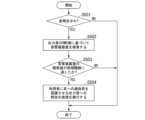
- FIG. 10 is a flowchart showing an example of the operation of the headphones 10b in this embodiment.
- an example of interrupt processing of the headphones 10b executed at specific unit periods for example, every second
- step S501 the control processing unit 152b of the headphones 10b first determines whether sound is being played back (step S501).
- the control processing unit 152b determines whether sound is being played back by, for example, referring to the state of a flag indicating sound playback (sound output) by the signal processing unit 151. If sound is being played back (step S501: YES), the control processing unit 152b advances the process to step S502. If sound is not being played back (step S501: NO), the control processing unit 152b ends the interrupt process and returns to the process before the interrupt.
- step S502 the control processing unit 152b accumulates the sound exposure amount based on the RMS value of the output sound.
- the control processing unit 152b acquires the accumulated value E of the sound exposure amount stored in the sound exposure amount storage unit 146, calculates a new accumulated value E of the sound exposure amount using the above-mentioned formula (3), and stores the calculated new accumulated value E of the sound exposure amount in the sound exposure amount storage unit 146.
- control processing unit 152b determines whether the integrated value E of the sound exposure amount has reached a processing threshold (e.g., threshold Es1) (step S503). If the integrated value E of the sound exposure amount has reached the processing threshold (step S503: YES), the control processing unit 152b advances the process to step S504. If the integrated value E of the sound exposure amount has not reached the processing threshold (step S503: NO), the control processing unit 152b ends the interrupt process.
- a processing threshold e.g., threshold Es1
- step S504 the control processing unit 152b executes a specific process (processing for hearing protection) on the output sound to make the user aware of ear overload.
- the control processing unit 152b selects one of the above-mentioned processes (processing 1) to (processing 6) according to the process settings stored in the process setting storage unit 142, and executes it as the specific process on the output sound.
- the control processing unit 152b ends the interrupt process.
- the headphones 10b are wearable sound output devices that can be worn on the ears of a user, and include a control processing unit 152b.
- the control processing unit 152b measures the amount of sound exposure received by the user due to the output sound output to the user's ears, and when the integrated value E of the amount of sound exposure reaches a preset processing threshold (e.g., threshold Es1), executes specific processing on the output sound that makes the user aware of ear overload.
- a preset processing threshold e.g., threshold Es1
- the headphones 10b according to this embodiment executes specific processing on the output sound that makes the user aware of ear overload, thereby reducing the burden on the user's ears. Furthermore, the headphones 10b according to this embodiment can reduce the burden on the user's ears even if the user is unaware of the need for hearing protection, thereby more appropriately protecting the user's hearing.
- a processing threshold e.g., threshold Es1
- the headphones 10b according to this embodiment can reduce the burden on the user's ears even if the user is unaware of the need for hearing protection, thereby more appropriately protecting the user's hearing.
- control processing unit 152b calculates the sound exposure amount based on the effective value (RMS value) of the output sound.
- RMS value effective value of the output sound
- the control method according to the present embodiment is a control method for headphones 10b that can be worn on the ears of a user, and includes a control processing step in which a control processing unit 152b measures the amount of sound exposure received by the user due to the output sound output to the user's ear, and when an integrated value E of the amount of sound exposure reaches a preset processing threshold (e.g., threshold Es1), executes a specific process on the output sound that makes the user recognize ear overload.
- a preset processing threshold e.g., threshold Es1
- an audio system 1c according to a fourth embodiment will be described with reference to the drawings.
- a wireless earphone 10c which is an insert earphone separated into left and right, is used as the wearable sound output device instead of the headphones 10 (10a, 10b).
- the wireless earphone 10c is used instead of the headphones 10 of the first embodiment.
- FIG. 11 is a block diagram showing an example of an audio system 1c according to this embodiment.
- an audio system 1c includes a wireless earphone 10c and a host device 20.
- the wireless earphone 10c (an example of a wearable audio output device) is a wireless earphone with independent left and right earphones.
- the wireless earphone 10c includes a left earphone 10c-L and a right earphone 10c-R.
- the left earphone 10c-L includes a wireless communication unit 11, an HP amplifier 12a, a speaker 13a, a memory unit 14, and a control unit 15.
- the HP amplifier 12a is similar to the HP amplifier 12 in the first embodiment, except that it has a monaural output.
- the speaker 13a is similar to the speaker 13 in the first embodiment, except that it is a monaural output.
- the configuration of the right earphone 10c-R is similar to that of the left earphone 10c-L, and therefore a description thereof will be omitted here.
- the operation of the audio system 1c according to this embodiment is similar to that of the first embodiment, except that the host device 20 connects via wireless communication to two earphones, the left earphone 10c-L and the right earphone 10c-R of the wireless earphone 10c, instead of the headphones 10, and therefore a description thereof will be omitted here.
- the wireless earphone 10c includes the left earphone 10c-L and the right earphone 10c-R.
- Each of the left earphone 10c-L and the right earphone 10c-R includes the control processing unit 152 described above.
- the wireless earphone 10c has the same effect as the first embodiment, and can reduce the burden on the user's ears and more appropriately protect the user's hearing even if the user is unaware of the need to protect their hearing.
- the present invention is not limited to the above-described embodiments, and can be modified without departing from the spirit of the present invention.
- the headphones 10 (10a, 10b) or the wireless earphones 10c are connected to the host device 20 via wireless communication, but this is not limited to this, and the connection may be made via wired communication, for example.
- control processing unit 152 reduces the volume value of the output sound by a preset volume amount, but for example, a lower limit value for the volume value to be reduced may be set, and control may be performed so that the volume value does not fall below the lower limit value.
- the host device 20 changes the volume value setting of the headphones 10 (10a, 10b) or the wireless earphones 10c, but this is not limited to this, and the volume value setting may also be changed by a setting button provided on the headphones 10 (10a, 10b) or the wireless earphones 10c.
- the headphones 10 (10a, 10b) or the wireless earphones 10c perform signal processing and volume setting change processing, but this is not limited to this, and the host device 20 may perform signal processing and volume setting change processing.
- control processing unit 152b calculates the amount of sound exposure based on the effective value of the output sound, but this is not limited to this, and the amount of sound exposure may be calculated based on other parameters, such as a volume value, for example.
- the amount of sound exposure can be calculated using simplified processing, and since the amount of sound exposure calculated using the volume value is larger than the amount of sound exposure calculated using the RMS value, a safety margin can be ensured.
- LSI Large Scale Integration
- Each of the above-mentioned functions may be processed as an individual piece, or may be integrated into a processor by integrating some or all of them.
- the method of integrated circuit processing is not limited to LSI, and may be realized by a dedicated circuit or a general-purpose processor.
- an integrated circuit processing technology that can replace LSI appears due to advances in semiconductor technology, an integrated circuit using that technology may be used.
Landscapes
- Engineering & Computer Science (AREA)
- Signal Processing (AREA)
- Physics & Mathematics (AREA)
- Acoustics & Sound (AREA)
- Circuit For Audible Band Transducer (AREA)
- Signal Processing For Digital Recording And Reproducing (AREA)
- Management Or Editing Of Information On Record Carriers (AREA)
Abstract
装着型音響出力装置は、利用者の耳に装着可能な装着型音響出力装置であって、前記利用者の耳に出力する出力音の連続再生期間を計測し、当該連続再生期間が、予め設定された処理閾値に達した場合に、前記利用者に前記耳への過負荷を認識させる前記出力音への特定の処理を実行する制御処理部を備える。前記制御処理部は、前記出力音の出力が連続して中断されている再生中断期間が、予め設定された初期化閾値に達した場合に、前記連続再生期間を初期化する。
Description
本発明は、装着型音響出力装置、及び制御方法に関する。
近年、聴覚保護のために、単位時間あたり(例えば、1週間)の音響暴露量の積算値が閾値を上回った場合に、注意喚起を表示する技術が知られている(非特許文献1を参照)。
「Headphone notifications on your iPhone, iPod touch, or Apple Watch」、[online]、Apple Inc.、[令和4年9月20日検索]、インターネット<URL: https://support.apple.com/en-us/HT211903>
しかしながら、非特許文献1に記載の技術では、利用者が自覚して主体的に聴覚保護を行うことを前提としており、聴覚保護の自覚がない利用者は使用できずに保護されないという課題があった。また、利用者の聴覚をより適切に保護することができる技術が求められている。
本発明は、上記問題を解決すべくなされたもので、その目的は、利用者の聴覚をより適切に保護することができる装着型音響出力装置、及び制御方法を提供することにある。
上記問題を解決するために、本発明の一態様は、利用者の耳に装着可能な装着型音響出力装置であって、前記利用者の耳に出力する出力音の連続再生期間を計測し、当該連続再生期間が、予め設定された処理閾値に達した場合に、前記利用者に前記耳への過負荷を認識させる前記出力音への特定の処理を実行する制御処理部を備える装着型音響出力装置である。
また、本発明の一態様は、利用者の耳に装着可能な装着型音響出力装置であって、前記利用者の耳に出力する出力音によって前記利用者が受けた音響暴露量を計測し、当該音響暴露量の積算値が、予め設定された処理閾値に達した場合に、前記利用者に前記耳への過負荷を認識させる前記出力音への特定の処理を実行する制御処理部を備える装着型音響出力装置である。
また、本発明の一態様は、利用者の耳に装着可能な装着型音響出力装置の制御方法であって、制御処理部が、前記利用者の耳に出力する出力音の連続再生期間を計測し、当該連続再生期間が、予め設定された処理閾値に達した場合に、前記利用者に前記耳への過負荷を認識させる前記出力音への特定の処理を実行する制御方法である。
また、本発明の一態様は、利用者の耳に装着可能な装着型音響出力装置の制御方法であって、制御処理部が、前記利用者の耳に出力する出力音によって前記利用者が受けた音響暴露量を計測し、当該音響暴露量の積算値が、予め設定された処理閾値に達した場合に、前記利用者に前記耳への過負荷を認識させる前記出力音への特定の処理を実行する制御方法である。
本発明によれば、利用者の聴覚をより適切に保護することができる。
以下、本発明の一実施形態による装着型音響出力装置、及び制御方法について、図面を参照して説明する。
[第1の実施形態]
図1は、本実施形態による音響システム1の一例を示すブロック図である。
図1に示すように、音響システム1は、ヘッドホン10と、ホスト装置20とを備える。
図1は、本実施形態による音響システム1の一例を示すブロック図である。
図1に示すように、音響システム1は、ヘッドホン10と、ホスト装置20とを備える。
ホスト装置20(外部装置の一例)は、ヘッドホン10が出力する出力音を制御する装置であり、例えば、スマートホン、ミュージックプレーヤ、パーソナルコンピュータ、タブレット端末などの外部装置である。本実施形態では、ホスト装置20が、スマートホンであるものとして、説明する。
ホスト装置20は、無線通信部21と、入力部22と、表示部23と、ホスト記憶部24と、ホスト制御部25とを備える。
ホスト装置20は、無線通信部21と、入力部22と、表示部23と、ホスト記憶部24と、ホスト制御部25とを備える。
無線通信部21(通信部の一例)は、例えば、Bluetooth(登録商標)などの無線通信デバイスであり、ヘッドホン10との間で、無線通信による通信を行う。
入力部22は、例えば、キーボードやタッチセンサなどの入力装置であり、利用者からの各種入力情報を受け付け、受け付けた各種入力情報をホスト制御部25に出力する。
入力部22は、例えば、キーボードやタッチセンサなどの入力装置であり、利用者からの各種入力情報を受け付け、受け付けた各種入力情報をホスト制御部25に出力する。
表示部23(出力部の一例)は、例えば、液晶ディスプレイなどの表示装置である。表示部23は、ホスト制御部25から供給された各種情報を表示する。
ホスト記憶部24は、例えば、RAM(Random Access Memory)、フラッシュメモリなどの記憶部である。ホスト記憶部24は、ホスト装置20が利用する各種情報を記憶する。ホスト記憶部24は、楽曲データ記憶部241と、音量設定記憶部242とを備える。
ホスト記憶部24は、例えば、RAM(Random Access Memory)、フラッシュメモリなどの記憶部である。ホスト記憶部24は、ホスト装置20が利用する各種情報を記憶する。ホスト記憶部24は、楽曲データ記憶部241と、音量設定記憶部242とを備える。
楽曲データ記憶部241は、例えば、フラッシュメモリなどの不揮発性メモリにより構成され、後述するプレーヤ処理部252によって、ヘッドホン10に再生出力される楽曲データを記憶する。
音量設定記憶部242は、例えば、フラッシュメモリなどの不揮発性メモリにより構成され、ヘッドホン10の音量値を記憶する。
ホスト制御部25は、例えば、CPU(Central Processing Unit)を含むプロセッサであり、ホスト装置20を統括的に制御する。ホスト制御部25は、OS(Operating System)に基づいて各種処理を実行する。OSは、例えば、iOS(登録商標)や、Android(登録商標)、Windows(登録商標)などである。
ホスト制御部25は、OS処理部251と、プレーヤ処理部252と、基本制御部253とを備える。
ホスト制御部25は、OS処理部251と、プレーヤ処理部252と、基本制御部253とを備える。
OS処理部251は、CPUに不図示の記憶部が記憶するOSプログラムを実行させることで実現される機能部である。OS処理部251は、OSが備える各種機能の処理を実行する。
プレーヤ処理部252は、CPUに不図示の記憶部が記憶するオーディオプレーヤのアプリケーションプログラム(以下、アプリということがある)を実行させることで実現される機能部である。プレーヤ処理部252は、例えば、楽曲データ記憶部241が記憶する楽曲データを音信号の再生データに変換して、無線通信部21を介して、ヘッドホン10に送信する。
また、プレーヤ処理部252は、入力部22を介した利用者の操作に応じて、ヘッドホン10の音量設定を実行する。プレーヤ処理部252は、例えば、ヘッドホン10の音量設定を行う際に、無線通信部21を介して、ヘッドホン10に音量値を送信する。また、プレーヤ処理部252は、ヘッドホン10の音量設定を行う際に、音量設定記憶部242を、音量設定に応じた音量値に変更する。
基本制御部253は、CPUに不図示の記憶部が記憶する基本制御アプリのプログラムを実行させることで実現される機能部である。基本制御アプリは、ヘッドホン10の基本制御を実行するアプリケーションプログラムであり、例えば、ヘッドホン10のバッテリ充電状態の表示、オートパワーオフ時間の設定、信号処理(例えば、ノイズキャンセル、イコライザ処理など)の設定、及び聴覚保護のための設定、等を実行する。
基本制御部253は、例えば、聴覚保護のための設定処理を行う場合に、無線通信部21を介して、ヘッドホン10から聴覚保護のための各機能の設定情報を取得し、表示部23に表示するとともに、入力部22による各機能の設定変更を可能にする。基本制御部253は、聴覚保護のための各機能の設定変更があった場合に、変更された設定情報を、無線通信部21を介して、ヘッドホン10に送信する。
ここで、図2を参照して、基本制御部253(基本制御アプリ)による表示例について説明する。
ここで、図2を参照して、基本制御部253(基本制御アプリ)による表示例について説明する。
図2は、本実施形態におけるホスト装置20の基本制御アプリによる表示例を示す図である。
図2(a)は、基本制御アプリのメニュー画面G1の表示例を示している。図2(a)に示すように、基本制御部253は、基本制御アプリのメニュー画面G1として、バッテリ充電状態、「LISTENING CARE」の指定ボタンBT1、「AMBIENT
SOUND」の設定ボタンBT2、オートパワーオフ時間の設定ボタンBT3を表示部23に表示する。
図2(a)は、基本制御アプリのメニュー画面G1の表示例を示している。図2(a)に示すように、基本制御部253は、基本制御アプリのメニュー画面G1として、バッテリ充電状態、「LISTENING CARE」の指定ボタンBT1、「AMBIENT
SOUND」の設定ボタンBT2、オートパワーオフ時間の設定ボタンBT3を表示部23に表示する。
図2(a)に示す例では、基本制御アプリのメニュー画面G1は、「AMBIENT SOUND」の設定が、“OFF”(環境音の透過処理がオフ設定)状態であり、オートパワーオフ時間の設定が、“OFF”(オートパワーオフ時間の機能をオフ設定)状態であることを示している。
また、図2(a)において、利用者による入力部22の操作によって、「LISTENING CARE」の指定ボタンBT1が押下されると、基本制御部253は、図2(b)に示すような聴覚保護のための各機能の設定画面G2を、表示部23に表示する。
図2(b)に示す例である設定画面G2では、聴覚保護のための各機能の設定(Listening Care Volumeオプション設定)として、「パワーオン時VOLダウン」の機能が有効であり、ダウン量(音量低下量)が“2dB”であり、「ポーズ再生時VOLダウン」の機能が有効であり、ダウン量が“2dB”であることを示している。また、設定画面G2では、「ANC時VOLダウン」(ノイズ除去処理のANC(Active Noise Control)時のVOLダウン)の機能が有効であり、ダウン量が“3dB”であり、「最大ボリューム制限」(最大音量制限)の機能が有効であり、設定値が“85dB” であることを示している。また、設定画面G2では、「連続再生アクション」の機能が有効であり、詳細設定が可能であることを示している。
図1の説明に戻り、ヘッドホン10(装着型音響出力装置の一例)は、利用者の耳に装着可能であり、例えば、ワイヤレスヘッドホンである。ヘッドホン10は、利用者の耳に挿入するイヤホンタイプでもよいし、利用者の頭部に装着するタイプであってもよい。ヘッドホン10は、ホスト装置20から供給された再生データに基づく音を出力(放音)する。
ヘッドホン10は、無線通信部11と、HPアンプ12(ヘッドホンアンプ)と、スピーカ13と、記憶部14と、制御部15とを備える。
無線通信部11は、例えば、Bluetooth(登録商標)などの無線通信デバイスであり、ホスト装置20との間で、無線通信による通信を行う。無線通信部11は、ホスト装置20からの再生データ、及び音量設定の受信や、上述した聴覚保護のための各機能の設定情報の送受信に利用される。
無線通信部11は、例えば、Bluetooth(登録商標)などの無線通信デバイスであり、ホスト装置20との間で、無線通信による通信を行う。無線通信部11は、ホスト装置20からの再生データ、及び音量設定の受信や、上述した聴覚保護のための各機能の設定情報の送受信に利用される。
HPアンプ12は、制御部15から取得した音データを増幅した音信号をスピーカ13に出力して、スピーカ13から音を出力させる。HPアンプ12は、制御部15からの制御指示に基づいて、音信号の出力、出力停止、音量変更などの処理を実行する。
記憶部14は、例えば、RAM、フラッシュメモリなどの記憶部である。記憶部14は、ヘッドホン10が利用する各種情報を記憶する。記憶部14は、音量設定記憶部141と、処理設定記憶部142と、再生時間記憶部143と、中断時間記憶部144とを備える。
音量設定記憶部141は、例えば、RAMなどにより構成された記憶部であり、HPアンプ12において設定されている音量値を記憶する。
処理設定記憶部142は、フラッシュメモリなどの不揮発性メモリにより構成された記憶部であり、上述した聴覚保護のための各機能の設定情報を記憶する。処理設定記憶部142が記憶する各機能の設定情報は、ホスト装置20によって予め設定された情報である。
再生時間記憶部143(再生期間記憶部の一例)は、例えば、RAMなどにより構成された記憶部であり、ヘッドホン10による連続再生時間Tplay(連続再生期間)を記憶する。
中断時間記憶部144(中断期間記憶部の一例)は、例えば、RAMなどにより構成された記憶部であり、ヘッドホン10による音出力の再生が中断した時間(期間)を示す再生中断時間Tpause(再生中断期間)を記憶する。
制御部15は、例えば、CPUを含むプロセッサであり、ヘッドホン10を統括的に制御する。制御部15は、信号処理部151と、制御処理部152とを備える。
信号処理部151は、ホスト装置20から無線通信部11を介して受信した再生データに対して、例えば、音質調整などの信号処理を実行した音データを生成し、HPアンプ12に音データを出力する。また、信号処理部151は、音質調整などの信号処理を行わない設定である場合に、受信した再生データを音データとして、HPアンプ12に出力する。
制御処理部152は、無線通信部11を介して、ホスト装置20から受信した音量定情報に基づいて、HPアンプ12の音量設定変更を行うとともに、音量設定記憶部141に音量設定を記憶させる。
また、制御処理部152は、予め定められた所定の条件を満たした場合に、利用者に耳への過負荷を認識させるヘッドホン10の出力音への特定の処理を実行する。
また、制御処理部152は、予め定められた所定の条件を満たした場合に、利用者に耳への過負荷を認識させるヘッドホン10の出力音への特定の処理を実行する。
制御処理部152は、例えば、利用者の耳に出力する出力音の連続再生時間Tplayを計測し、当該連続再生時間Tplayが、予め設定された処理閾値に達した場合に、利用者に耳への過負荷を認識させる出力音への特定の処理を実行する。
制御処理部152は、出力音への特定の処理として、例えば、下記の(処理1)~(処理6)の処理を実行する。
制御処理部152は、出力音への特定の処理として、例えば、下記の(処理1)~(処理6)の処理を実行する。
(処理1)制御処理部152は、出力音の出力を停止する。
(処理2)制御処理部152は、出力音の音量値を、予め設定された音量分(例えば、1レベル(=3dB)分)を低下させて、出力音の出力を継続する。低下させる音量分は、処理設定記憶部142に記憶されており、ホスト装置20によって設定された情報である。
(処理2)制御処理部152は、出力音の音量値を、予め設定された音量分(例えば、1レベル(=3dB)分)を低下させて、出力音の出力を継続する。低下させる音量分は、処理設定記憶部142に記憶されており、ホスト装置20によって設定された情報である。
制御処理部152は、音量設定記憶部141から音量値を取得し、取得した音量値を、低下させる音量分(例えば、1レベル分)低下させて、HPアンプ12の設定変更を行うとともに、低下させた新しい音量値を音量設定記憶部141に記憶させる。また、制御処理部152は、無線通信部11を介して、新しい音量値を、ホスト装置20に送信する。
(処理3)制御処理部152は、出力音の出力を中断した後に、警告音を出力して、出力音の出力を再開する。なお、警告音は、注意を喚起するメッセージの音声であってもよい。
(処理4)制御処理部152は、出力音の出力を停止した後に、警告音を出力する。
(処理5)制御処理部152は、出力音の出力を中断した後に、警告音を出力して、さらに出力音の音量値を、予め設定された音量分を低下させて、出力音の出力を再開する。
(処理4)制御処理部152は、出力音の出力を停止した後に、警告音を出力する。
(処理5)制御処理部152は、出力音の出力を中断した後に、警告音を出力して、さらに出力音の音量値を、予め設定された音量分を低下させて、出力音の出力を再開する。
(処理6)制御処理部152は、出力音の出力を停止した後に、警告メッセージを、ヘッドホン10に接続可能なホスト装置20に出力させる。制御処理部152は、無線通信部11を介して、警告メッセージの出力要求をホスト装置20に送信し、ホスト装置20の基本制御部253は、警告メッセージの出力要求に応じて、表示部23に、警告メッセージを表示させる。
ここで、警告メッセージは、例えば、「耳が休みを求めています!今日をお休みすれば、明日も楽しく聴けますよ!」、「今日は少し耳を休めましょう」などである。
また、制御処理部152は、例えば、処理設定記憶部142が記憶している処理設定に応じて、上述した(処理1)~(処理6)のいずれかの処理を選択して、利用者に耳への過負荷を認識させる出力音への特定の処理として実行する。
また、制御処理部152は、例えば、処理設定記憶部142が記憶している処理設定に応じて、上述した(処理1)~(処理6)のいずれかの処理を選択して、利用者に耳への過負荷を認識させる出力音への特定の処理として実行する。
また、制御処理部152は、例えば、1秒ごとのタイマ割り込み処理に応じて、出力音が再生中である場合に、下記の式(1)を用いて、連続再生時間Tplayを算出する。
Tplay+=1 ・・・ (1)
制御処理部152は、再生時間記憶部143が記憶する連続再生時間Tplayを取得し、式(1)により、“1”を加算して、新たな連続再生時間Tplayを算出し、算出した新たな連続再生時間Tplayを再生時間記憶部143に記憶させる。
また、制御処理部152は、出力音の出力が連続して中断されている再生中断時間Tpauseが、予め設定された初期化閾値に達した場合に、連続再生時間Tplayを初期化する(“0”(ゼロ)にする)。制御処理部152は、例えば、1秒ごとのタイマ割り込みに応じて、出力音が再生中でない場合に、下記の式(2)を用いて、再生中断時間Tpauseを算出する。
Tpause+=1 ・・・ (2)
制御処理部152は、中断時間記憶部144が記憶する再生中断時間Tpauseを取得し、式(2)により、“1”を加算して、新たな再生中断時間Tpauseを算出し、算出した新たな再生中断時間Tpauseを中断時間記憶部144に記憶させる。
制御処理部152は、中断時間記憶部144が記憶する再生中断時間Tpauseが、初期化閾値に達した場合に、連続再生時間Tplayを初期化する。すなわち、制御処理部152は、連続再生時間Tplayとして、“0”を、再生時間記憶部143に記憶させる。
また、制御処理部152は、出力音の出力を中断した後に、出力音の出力を再開する場合に、出力音の音量値を、予め設定された音量分(例えば、1レベル(=3dB)分)を低下させて再開する。なお、低下させる音量分及び当該処理を実行するか否かの情報は、処理設定記憶部142に記憶されており、ホスト装置20によって設定された情報である。
また、制御処理部152は、ヘッドホン10の電源投入時(電源オン時)に、出力音の音量値を、予め設定された音量分(例えば、1レベル(=3dB)分)を低下させる。なお、低下させる音量分及び当該処理を実行するか否かの情報は、処理設定記憶部142に記憶されており、ホスト装置20によって設定された情報である。
また、制御処理部152は、ヘッドホン10の出力音に対して、ノイズ除去処理が開始された場合に、出力音の音量値を、予め設定された音量分を低下させる。なお、低下させる音量分及び当該処理を実行するか否かの情報は、処理設定記憶部142に記憶されており、ホスト装置20によって設定された情報である。
次に、図面を参照して、本実施形態による音響システム1の動作について説明する。
まず、図3及び図4を参照して、音響システム1のヘッドホン10の動作について説明する。
まず、図3及び図4を参照して、音響システム1のヘッドホン10の動作について説明する。
図3は、本実施形態におけるヘッドホン10の動作の一例を示すフローチャートである。ここでは、特定の単位期間ごと(例えば、1秒ごと)に実行されるヘッドホン10の割り込み処理の一例について説明する。
図3に示すように、ヘッドホン10の制御処理部152は、例えば、1秒ごとのタイマ割り込みが発生すると、まず、音再生中であるか否かを判定する(ステップS101)。制御処理部152は、例えば、信号処理部151による音再生を示すフラグの状態を参照して、音再生中であるか否かを判定する。制御処理部152は、音再生中である場合(ステップS101:YES)に、処理をステップS102に進める。また、制御処理部152は、音再生中でない場合(ステップS101:NO)に、ステップS106に進める。
ステップS102において、制御処理部152は、連続再生時間Tplayに“1”を加算する。制御処理部152は、再生時間記憶部143が記憶する連続再生時間Tplayを取得し、上述した式(1)により、“1”を加算して、新たな連続再生時間Tplayを算出し、再生時間記憶部143に記憶させる。
次に、制御処理部152は、再生中断時間Tpauseを初期化する(ステップS103)。制御処理部152は、再生中断時間Tpauseとして、“0”を、中断時間記憶部144に記憶させる。
次に、制御処理部152は、連続再生時間Tplayが、処理閾値(例えば、閾値Ts1)に達したか否かを判定する(ステップS104)。制御処理部152は、連続再生時間Tplayが、処理閾値に達した場合(ステップS104:YES)に、処理をステップS105に進める。また、制御処理部152は、連続再生時間Tplayが、処理閾値に達していない場合(ステップS104:NO)に、割り込み処理を終了し、割り込み前の処理に戻す。
ステップS105において、制御処理部152は、利用者に耳への過負荷を認識させる出力音への特定の処理(聴覚保護のための処理)を実行する。制御処理部152は、例えば、処理設定記憶部142が記憶している処理設定に応じて、上述した(処理1)~(処理6)のいずれかの処理を実行して、割り込み処理を終了する。
また、ステップS106において、制御処理部152は、再生中断時間Tpauseに“1”を加算する。制御処理部152は、中断時間記憶部144が記憶する再生中断時間Tpauseを取得し、上述した式(2)により、“1”を加算して、新たな再生中断時間Tpauseを算出し、中断時間記憶部144に記憶させる。
次に、制御処理部152は、再生中断時間Tpauseが、初期化閾値(例えば、閾値Tr1)に達したか否かを判定する(ステップS107)。制御処理部152は、再生中断時間Tpauseが、初期化閾値に達した場合(ステップS107:YES)に、処理をステップS108に進める。また、制御処理部152は、再生中断時間Tpauseが、初期化閾値に達していない場合(ステップS107:NO)に、割り込み処理を終了し、割り込み前の処理に戻す。
ステップS108において、制御処理部152は、連続再生時間Tplayを初期化する。制御処理部152は、連続再生時間Tplayとして、“0”を、再生時間記憶部143に記憶させる。ステップS108の処理後に、制御処理部152は、割り込み処理を終了し、割り込み前の処理に戻す。
次に、図4を参照して、ヘッドホン10の出力音に対して、ノイズ除去処理(例えば、ANC処理)が開始された場合に、出力音の音量値を低下させる特定の処理(聴覚保護のための処理)を実行する一例について説明する。
図4は、本実施形態におけるヘッドホン10の動作の別の一例を示すフローチャートである。
図4は、本実施形態におけるヘッドホン10の動作の別の一例を示すフローチャートである。
図4に示すように、ヘッドホン10の制御処理部152は、ノイズ除去処理がオフ状態からオン状態になって開始されたか否かを判定する(ステップS111)。制御処理部152は、ノイズ除去処理がオフ状態からオン状態になって開始された場合(ステップS111:YES)に、処理をステップS112に進める。また、制御処理部152は、ノイズ除去処理が開始されていない場合(ステップS111:NO)に、処理をステップS111に戻す。
ステップS112において、制御処理部152は、音量値を1レベル(1段階)下げて設定する。制御処理部152は、処理設定記憶部142から音量値の低下する音量分(レベル分)を取得する。また、制御処理部152は、音量設定記憶部141から音量値を取得し、取得した音量値を、処理設定記憶部142から取得した音量分(レベル分)低下させて、HPアンプ12の設定変更を行う。
また、制御処理部152は、低下させた新しい音量値を音量設定記憶部141に記憶させる。また、制御処理部152は、無線通信部11を介して、新しい音量値を、ホスト装置20に送信する。
次に、制御処理部152は、ノイズ除去処理がオン状態からオフ状態になったか否かを判定する(ステップS113)。制御処理部152は、ノイズ除去処理がオン状態からオフ状態になった場合(ステップS113:YES)に、音量値を元に戻して(ステップS114)、処理をステップS111に戻す。また、制御処理部152は、ノイズ除去処理がオフ状態になっていない場合(ステップS111:NO)に、処理をステップS113に戻す。
次に、図5を参照して、本実施形態による音響システム1の動作の一例について説明する。
図5は、本実施形態による音響システム1の動作の一例を示す図である。ここでは、ヘッドホン10の電源オン時、及び再生中断後の再生時における出力音の音量値を低下させる特定の処理(聴覚保護のための処理)について説明する。
図5は、本実施形態による音響システム1の動作の一例を示す図である。ここでは、ヘッドホン10の電源オン時、及び再生中断後の再生時における出力音の音量値を低下させる特定の処理(聴覚保護のための処理)について説明する。
図5に示すように、音響システム1のヘッドホン10は、まず、電源オンを検出したか否かを判定する(ステップS201)。ヘッドホン10の制御部15は、利用者の電源オンの操作によって、電源オンを検出した場合(ステップS201:YES)に、処理をステップS202に進める。また、制御部15は、電源オンを検出していない場合(ステップS201:NO)に、処理をステップS201に戻す。
ステップS202において、ヘッドホン10は、ホスト装置20との間で、ペアリング処理を実行する。ヘッドホン10は、ペアリング処理として、無線通信接続する。
次に、ホスト装置20は、音量値をヘッドホン10に送信する(ステップS203)。例えば、ホスト装置20のプレーヤ処理部252は、音量設定記憶部242が記憶する音量値を、無線通信部21を介して、ヘッドホン10に送信する。
次に、ヘッドホン10の制御処理部152は、受信した音量値を、レベルを下げて設定する(ステップS204)。制御処理部152は、受信した音量値を、処理設定記憶部142から取得した音量分(レベル分)低下させて、HPアンプ12の設定変更を行う。また、制御処理部152は、低下させた新しい音量値を音量設定値として、音量設定記憶部141に記憶させる。
次に、制御処理部152は、音量設定値をホスト装置20に送信する(ステップS205)。制御処理部152は、無線通信部11を介して、音量設定値をホスト装置20に送信し、ホスト装置20は、受信した音量設定値を、音量設定記憶部242に記憶させる。
次に、ホスト装置20は、楽曲再生処理を開始する(ステップS206)。ホスト装置20のプレーヤ処理部252は、利用者による入力部22の操作に応じて、楽曲データ記憶部241が記憶する楽曲データを読み出して、楽曲再生処理を開始する。
次に、ホスト装置20は、再生データをヘッドホン10に送信する(ステップS207)。プレーヤ処理部252は、楽曲データ記憶部241が記憶する楽曲データを音信号の再生データに変換して、無線通信部21を介して、ヘッドホン10に送信する。なお、プレーヤ処理部252は、再生データの送信を継続する。
次に、ヘッドホン10は、再生データの音出力を開始する(ステップS208)。
次に、ホスト装置20は、利用者の操作に応じて、再生データの送信を中断する(ステップS209)。
次に、ヘッドホン10は、ホスト装置20からの再生データの送信中断に応じて、再生データの音出力を中断する(ステップS210)。
次に、ホスト装置20は、利用者の操作に応じて、再生データの送信を中断する(ステップS209)。
次に、ヘッドホン10は、ホスト装置20からの再生データの送信中断に応じて、再生データの音出力を中断する(ステップS210)。
また、ホスト装置20は、利用者の操作に応じて、再生データの送信を再開する(ステップS211)。プレーヤ処理部252は、無線通信部21を介して、再生データをヘッドホン10に送信する(ステップS212)。
次に、制御処理部152は、音量値を、レベルを下げて設定する(ステップS213)。制御処理部152は、音量設定記憶部141から取得した音量値を、処理設定記憶部142から取得した音量分(レベル分)低下させて、HPアンプ12の設定変更を行う。また、制御処理部152は、低下させた新しい音量値を音量設定値として、音量設定記憶部141に記憶させる。
次に、制御処理部152は、音量設定値をホスト装置20に送信する(ステップS214)。制御処理部152は、無線通信部11を介して、音量設定値をホスト装置20に送信し、ホスト装置20は、受信した音量設定値を、音量設定記憶部242に記憶させる。
次に、ヘッドホン10は、ホスト装置20からの再生データの送信に応じて、再生データの音出力を再開する(ステップS215)。
なお、上述した図5に示す処理において、制御処理部152は、ヘッドホン10の電源オン時の音量設定値を、ヘッドホン10の音量設定記憶部141から取得してもよい。
以上説明したように、本実施形態によるヘッドホン10(装着型音響出力装置)は、利用者の耳に装着可能な装着型音響出力装置であって、制御処理部152を備える。制御処理部152は、利用者の耳に出力する出力音の連続再生時間Tplay(連続再生期間))を計測し、当該連続再生時間Tplayが、予め設定された処理閾値(例えば、閾値Ts1)に達した場合に、利用者に耳への過負荷を認識させる出力音への特定の処理を実行する。
これにより、本実施形態によるヘッドホン10(装着型音響出力装置)は、連続再生時間Tplayが、処理閾値(例えば、閾値Ts1)に達した場合(特定条件を満たした場合)に、利用者に耳への過負荷を認識させる出力音への特定の処理を実行するため、利用者の耳への負担を低減することができる。また、本実施形態によるヘッドホン10は、利用者が聴覚保護の自覚がない場合でも、利用者の耳への負担を低減することができ、利用者の聴覚をより適切に保護することができる。
また、本実施形態では、制御処理部152は、出力音の出力が連続して中断されている再生中断時間Tpause(再生中断期間)が、予め設定された初期化閾値(例えば、閾値Tr1)に達した場合に、連続再生時間Tplayを初期化(ゼロクリア)する。
これにより、本実施形態によるヘッドホン10は、一定期間、再生が中断した場合に、連続再生時間Tplayを初期化するため、連続再生時間Tplayを適切に計測することができ、利用者の聴覚をより適切に保護することができる。
また、本実施形態では、制御処理部152は、出力音への特定の処理として、出力音の出力を停止する(例えば、音量値を“0”にする、上述した(処理1))。
これにより、本実施形態によるヘッドホン10は、出力音の出力を停止する(再生停止する)ことで、利用者の聴覚をより適切に保護することができる。
これにより、本実施形態によるヘッドホン10は、出力音の出力を停止する(再生停止する)ことで、利用者の聴覚をより適切に保護することができる。
また、本実施形態では、制御処理部152は、出力音への特定の処理として、出力音の音量値を、予め設定された音量分を低下させて、出力音の出力を継続する(上述した(処理2))。
これにより、本実施形態によるヘッドホン10は、出力音の音量値を低下させて再生継続することで、利用者の聴覚をより適切に保護することができる。
これにより、本実施形態によるヘッドホン10は、出力音の音量値を低下させて再生継続することで、利用者の聴覚をより適切に保護することができる。
また、本実施形態では、制御処理部152は、出力音への特定の処理として、出力音の出力を中断した後に、警告音を出力して、出力音の出力を再開する(警告音を出力した再生再開、上述した(処理3))。
これにより、本実施形態によるヘッドホン10は、警告音により利用者に注意喚起を行うため、利用者の聴覚をより適切に保護することができる。
これにより、本実施形態によるヘッドホン10は、警告音により利用者に注意喚起を行うため、利用者の聴覚をより適切に保護することができる。
また、本実施形態では、制御処理部152は、出力音への特定の処理として、出力音の出力を停止した後に、警告音を出力する(再生停止して、警告音を出力、上述した(処理4))。
これにより、本実施形態によるヘッドホン10は、警告音により利用者に注意喚起を行うとともに、出力音の出力を停止する(再生停止する)ことで、利用者の聴覚をより適切に保護することができる。
また、本実施形態では、制御処理部152は、出力音への特定の処理として、出力音の出力を中断した後に、警告音を出力して、さらに出力音の音量値を、予め設定された音量分を低下させて、出力音の出力を再開する(再生中断して、警告音を出力後、音量値を低下させて再生再開、上述した(処理5))。
これにより、本実施形態によるヘッドホン10は、警告音により利用者に注意喚起を行うとともに、出力音の音量値を低下させて再生継続することで、利用者の聴覚をより適切に保護することができる。
また、本実施形態では、制御処理部152は、出力音への特定の処理として、出力音の出力を停止した後に、警告メッセージを、ヘッドホン10に接続可能なホスト装置20(外部装置)に出力させる(再生停止した後、警告メッセージをホスト装置20に表示、上述した(処理6))。
これにより、本実施形態によるヘッドホン10は、出力音を再生停止した後に、警告メッセージにより利用者に注意喚起を行うことで、利用者の聴覚をより適切に保護することができる。
また、本実施形態では、制御処理部152は、出力音の出力を中断した後に、出力音の出力を再開する場合に、出力音の音量値を、予め設定された音量分を低下させて再開する。また、制御処理部152は、ヘッドホン10が電源オンされた場合に、出力音の音量値を、予め設定された音量分を低下させる。
これにより、本実施形態によるヘッドホン10は、例えば、利用者が楽曲などをヘッドホン10で聴いているうちに、徐々に音量値が大きくなった場合に、出力音の再生の再開時、又は、電源オン時に、音量値を低下させることで、利用者の耳への負担を自動的に軽減することができる。よって、本実施形態によるヘッドホン10は、利用者の聴覚をより適切に保護することができる。
また、本実施形態では、制御処理部152は、出力音に対して、ノイズ除去処理が開始された場合に、出力音の音量値を、予め設定された音量分を低下させる。
なお、ノイズ除去処理が実行されると、環境雑音が低減するため、出力音が聴き易くなるため、その分、出力音の音量値を低下させることが可能である。そのため、本実施形態によるヘッドホン10は、ノイズ除去処理が開始された場合に、出力音の音量値を低下させることで、出力音の聴き易さを維持しつつ、利用者の耳への負担を自動的に軽減することができる。よって、本実施形態によるヘッドホン10は、利用者の聴覚をより適切に保護することができる。
また、本実施形態による制御方法は、利用者の耳に装着可能なヘッドホン10(装着型音響出力装置)の制御方法であって、制御処理ステップを含む。制御処理ステップにおいて、制御処理部152が、利用者の耳に出力する出力音の連続再生期間を計測し、当該連続再生期間が、予め設定された処理閾値に達した場合に、利用者に耳への過負荷を認識させる出力音への特定の処理を実行する。
これにより、本実施形態による制御方法は、上述したヘッドホン10と同様の効果を奏し、利用者の耳への負担を低減することができ、利用者の聴覚をより適切に保護することができる。
これにより、本実施形態による制御方法は、上述したヘッドホン10と同様の効果を奏し、利用者の耳への負担を低減することができ、利用者の聴覚をより適切に保護することができる。
[第2の実施形態]
次に、図面を参照して、第2の実施形態による音響システム1a及びヘッドホン10aについて説明する。本実施形態では、出力音の再生の再開時、又は、電源オン時に、最後に設定されている音量値を、予め設定された音量初期値に低下(再設定)させる変形例について説明する。
次に、図面を参照して、第2の実施形態による音響システム1a及びヘッドホン10aについて説明する。本実施形態では、出力音の再生の再開時、又は、電源オン時に、最後に設定されている音量値を、予め設定された音量初期値に低下(再設定)させる変形例について説明する。
図6は、第2の実施形態による音響システム1aの一例を示すブロック図である。
図6に示すように、音響システム1aは、ヘッドホン10aと、ホスト装置20とを備える。なお、図6において、上述した図1と同一の構成について、同一の符号を付与して、その説明を省略する。
図6に示すように、音響システム1aは、ヘッドホン10aと、ホスト装置20とを備える。なお、図6において、上述した図1と同一の構成について、同一の符号を付与して、その説明を省略する。
基本制御部253は、入力部22を介して、利用者によって指定された音量初期値を取得し、取得した音量初期値を、無線通信部21を介して、ヘッドホン10aに送信する。基本制御部253は、例えば、メニュー画面に、音量初期値を指定する指定ボタンを設けて、利用者が当該指定ボタンを押下した際に、音量設定記憶部242に記憶されている音量値を、音量初期値として取得する。
なお、音量初期値は、例えば、利用者が最も聴き易い音量値であり、利用者がヘッドホン10aの出力音を聞きながら指定ボタンを押下することで設定される。
ヘッドホン10aは、無線通信部11と、HPアンプ12と、スピーカ13と、記憶部14aと、制御部15aとを備える。
記憶部14aは、音量設定記憶部141と、処理設定記憶部142と、再生時間記憶部143と、中断時間記憶部144と、音量初期値記憶部145とを備える。
記憶部14aは、音量設定記憶部141と、処理設定記憶部142と、再生時間記憶部143と、中断時間記憶部144と、音量初期値記憶部145とを備える。
音量初期値記憶部145は、例えば、フラッシュメモリなどの不揮発性メモリにより構成され、ホスト装置20の基本制御部253の処理により、利用者によって設定された音量初期値を記憶する。
制御部15aは、例えば、CPUを含むプロセッサであり、ヘッドホン10aを統括的に制御する。制御部15aは、信号処理部151と、制御処理部152aとを備える。
制御処理部152aは、第1の実施形態の制御処理部152と同様であるが、音量初期値に関する処理が追加されている点が、第1の実施形態と異なる。
制御処理部152aは、無線通信部11を介して、ホスト装置20から音量初期値(音量初期値)を受信した場合に、受信した音量初期値(音量初期値)を音量初期値記憶部145に記憶させる。
制御処理部152aは、無線通信部11を介して、ホスト装置20から音量初期値(音量初期値)を受信した場合に、受信した音量初期値(音量初期値)を音量初期値記憶部145に記憶させる。
また、制御処理部152aは、出力音の出力を中断した後に、出力音の出力を再開する場合に、出力音の音量値を、音量初期値記憶部145が記憶する音量初期値によりHPアンプ12の設定変更を行う。また、制御処理部152aは、音量初期値を音量設定記憶部141に記憶させるとともに、無線通信部11を介して、音量初期値を、ホスト装置20に送信する。
このように、制御処理部152aは、出力音の出力を中断して再開する場合に、音量値を音量初期値に変更する。
なお、制御処理部152aは、音量初期値が、現在の音量値以上である場合に、音量初期値への変更を実行しない。
なお、制御処理部152aは、音量初期値が、現在の音量値以上である場合に、音量初期値への変更を実行しない。
また、制御処理部152aは、ヘッドホン10aが電源オンされた場合も同様に、最後に設定された出力音の音量値を音量初期値に変更する。なお、制御処理部152aは、処理設定記憶部142が記憶する各機能の設定情報に応じて、この後の処理の可否を判定する。
次に、図面を参照して、本実施形態による音響システム1aの動作について説明する。
図7は、本実施形態による音響システム1aの動作の一例を示す図である。
図7に示す音響システム1aの処理は、上述した図5に示す第1の実施形態の処理に、本実施形態を適用した場合の一例である。
図7は、本実施形態による音響システム1aの動作の一例を示す図である。
図7に示す音響システム1aの処理は、上述した図5に示す第1の実施形態の処理に、本実施形態を適用した場合の一例である。
図7において、ステップS401からステップS403までの処理は、図5に示すステップS201からステップS203までの処理と同様であるため、ここではその説明を省略する。
ステップS404において、ヘッドホン10aの制御処理部152aは、音量初期値記憶部145が記憶する音量初期値を取得する。
次に、制御処理部152aは、音量初期値を設定する(ステップS405)。制御処理部152aは、音量初期値をHPアンプ12に設定し、音量初期値を音量設定記憶部141に記憶させる。
続く、ステップS406からステップS413までの処理は、図5に示すステップS205からステップS212までの処理と同様であるため、ここではその説明を省略する。なお、ステップS409の処理では、ヘッドホン10aは、音量初期値の音量値により、音出力を行う。
また、ステップS414において、制御処理部152aは、ステップS405と同様の処理を実行する。
また、続く、ステップS415及びステップS416の処理は、図5に示すステップS214及びステップS215の処理と同様であるため、ここではその説明を省略する。
また、続く、ステップS415及びステップS416の処理は、図5に示すステップS214及びステップS215の処理と同様であるため、ここではその説明を省略する。
なお、図7に示す一例では、第1の実施形態の図5に示す処理に、本実施形態の処理を適用しているが、第1の実施形態の図5に示す処理に、本実施形態の処理を適用してもよい。
次に、図8を参照して、本実施形態におけるヘッドホン10aの動作について説明する。
図8は、本実施形態におけるヘッドホン10aの動作の一例を示すフローチャートである。ここでは、上述した図7に示すS405又はS414の処理の詳細について説明する。
図8は、本実施形態におけるヘッドホン10aの動作の一例を示すフローチャートである。ここでは、上述した図7に示すS405又はS414の処理の詳細について説明する。
図8に示すように、ヘッドホン10aの制御処理部152aは、音量初期値を使用する際に、音量設定値が、音量初期値以下(音量初期値が、現在の出力音の音量値以上)であるか否かを判定する(ステップS451)。制御処理部152aは、音量設定値が、音量初期値以下(音量初期値が、現在の出力音の音量値以上)である場合(ステップS451:YES)に、処理を終了する。また、制御処理部152aは、音量設定値が、音量初期値より大きい(音量初期値が、現在の出力音の音量値より小さい)場合(ステップS451:NO)に、処理をステップS452に進める。
ステップS452において、制御処理部152aは、音量値を音量初期値に設定する。制御処理部152aは、音量設定記憶部141から取得した音量設定値に代えて、音量初期値記憶部が145が記憶する音量初期値をHPアンプ12に送信して設定変更を行う。また、制御処理部152aは、音量初期値を音量設定記憶部141に記憶させる。ステップS452の処理後に、制御処理部152aは、S404又はS414の処理を終了する。
以上説明したように、本実施形態によるヘッドホン10aでは、制御処理部152aは、出力音の出力を中断した後に、出力音の出力を再開する場合に、出力音の音量値(音量値)を、ヘッドホン10aに接続可能なホスト装置20によって予め設定された音量初期値(音量初期値)に変更して再開する。また、制御処理部152aは、ヘッドホン10aが電源オンされた場合に、最後に設定された出力音の音量値を、音量初期値(音量初期値)に変更する。
これにより、本実施形態によるヘッドホン10aは、例えば、利用者が楽曲などをヘッドホン10aで聴いているうちに、徐々に音量値が大きくなった場合に、出力音の再生の再開時、又は、電源オン時に、適切な音量初期値に低下させることで、利用者の耳への負担を自動的に軽減することができる。よって、本実施形態によるヘッドホン10aは、利用者の聴覚をより適切に保護することができる。
また、本実施形態では、制御処理部152aは、音量初期値が、現在の出力音の音量値より小さい場合に、出力音の音量値を、音量初期値に変更して再開する。
これにより、本実施形態によるヘッドホン10aは、音量初期値により、適切、且つ確実に、音量値を低下させることができる。
これにより、本実施形態によるヘッドホン10aは、音量初期値により、適切、且つ確実に、音量値を低下させることができる。
[第3の実施形態]
次に、図面を参照して、第3の実施形態による音響システム1b及びヘッドホン10bについて説明する。本実施形態では、上述した出力音への特定の処理を実行する所定の条件に、連続再生時間Tplayの代わりに、音響暴露量を適用する変形例について説明する。
次に、図面を参照して、第3の実施形態による音響システム1b及びヘッドホン10bについて説明する。本実施形態では、上述した出力音への特定の処理を実行する所定の条件に、連続再生時間Tplayの代わりに、音響暴露量を適用する変形例について説明する。
図9は、第3の実施形態による音響システム1bの一例を示すブロック図である。
図9に示すように、音響システム1bは、ヘッドホン10bと、ホスト装置20とを備える。なお、図9において、上述した図1と同一の構成について、同一の符号を付与して、その説明を省略する。
図9に示すように、音響システム1bは、ヘッドホン10bと、ホスト装置20とを備える。なお、図9において、上述した図1と同一の構成について、同一の符号を付与して、その説明を省略する。
ヘッドホン10bは、無線通信部11と、HPアンプ12と、スピーカ13と、記憶部14bと、制御部15bとを備える。
記憶部14bは、音量設定記憶部141と、処理設定記憶部142と、音響暴露量記憶部146とを備える。
記憶部14bは、音量設定記憶部141と、処理設定記憶部142と、音響暴露量記憶部146とを備える。
音響暴露量記憶部146は、例えば、RAMにより構成され、音響暴露量の積算値Eを記憶する。なお、音響暴露量記憶部146は、ヘッドホン10bの電源オン時に初期化され、音響暴露量の積算値Eとして“0”が記憶される。
制御部15bは、信号処理部151と、制御処理部152bとを備える。
制御処理部152bの基本的な処理は、第1の実施形態の制御処理部152と同様であるが、連続再生時間Tplayの代わりに、音響暴露量の積算値Eを用いている点が、第1の実施形態と異なる。
制御処理部152bの基本的な処理は、第1の実施形態の制御処理部152と同様であるが、連続再生時間Tplayの代わりに、音響暴露量の積算値Eを用いている点が、第1の実施形態と異なる。
制御処理部152bは、利用者の耳に出力する出力音によって利用者が受けた音響暴露量を計測し、当該音響暴露量の積算値Eが、予め設定された処理閾値(例えば、閾値Es1)に達した場合に、利用者に耳への過負荷を認識させる出力音への特定の処理として、上述した(処理1)~(処理6)のいずれかの処理を実行する。制御処理部152aは、例えば、1秒ごとのタイマ割り込み処理を利用して、音響暴露量の積算値Eを計測する。制御処理部152aは、音響暴露量の積算値Eを計測する際に、1秒ごとのタイマ割り込みに応じて、出力音が再生中である場合に、下記の式(3)を用いて、出力音の実効値に基づいて、音響暴露量の積算値Eを算出する。
E += RMS値×Const ・・・ (3)
ここで、RMS値は、単位期間における出力音の実効値を示している。また、Constは、正規化定数を示している。
制御処理部152bは、音響暴露量記憶部146が記憶する音響暴露量の積算値Eを取得し、式(3)により、新たな音響暴露量の積算値Eを算出し、音響暴露量記憶部146に記憶させる。
また、制御処理部152bは、例えば、処理設定記憶部142が記憶している処理設定に応じて、上述した(処理1)~(処理6)のいずれかの処理を選択して、出力音への特定の処理として実行する。その他の処理は、第1の実施形態の制御処理部152と同様であるため、ここではその説明を省略する。
次に、図面を参照して、本実施形態による音響システム1bの動作について説明する。
図10は、本実施形態におけるヘッドホン10bの動作の一例を示すフローチャートである。ここでは、特定の単位期間ごと(例えば、1秒ごと)に実行されるヘッドホン10bの割り込み処理の一例について説明する。
図10は、本実施形態におけるヘッドホン10bの動作の一例を示すフローチャートである。ここでは、特定の単位期間ごと(例えば、1秒ごと)に実行されるヘッドホン10bの割り込み処理の一例について説明する。
図10に示すように、ヘッドホン10bの制御処理部152bは、例えば、1秒ごとのタイマ割り込みが発生すると、まず、音再生中であるか否かを判定する(ステップS501)。制御処理部152bは、例えば、信号処理部151による音再生(音出力)を示すフラグの状態を参照して、音再生中であるか否かを判定する。制御処理部152bは、音再生中である場合(ステップS501:YES)に、処理をステップS502に進める。また、制御処理部152bは、音再生中でない場合(ステップS501:NO)に、割り込み処理を終了し、割り込み前の処理に戻す。
ステップS502において、制御処理部152bは、出力音のRMS値に基づいて音響暴露量を積算する。制御処理部152bは、音響暴露量記憶部146が記憶する音響暴露量の積算値Eを取得し、上述した式(3)により、新たな音響暴露量の積算値Eを算出し、算出した新たな音響暴露量の積算値Eを音響暴露量記憶部146に記憶させる。
次に、制御処理部152bは、音響暴露量の積算値Eが、処理閾値(例えば、閾値Es1)に達したか否かを判定する(ステップS503)。制御処理部152bは、音響暴露量の積算値Eが、処理閾値に達した場合(ステップS503:YES)に、処理をステップS504に進める。また、制御処理部152bは、音響暴露量の積算値Eが、処理閾値に達していない場合(ステップS503:NO)に、割り込み処理を終了する。
ステップS504において、制御処理部152bは、利用者に耳への過負荷を認識させる出力音への特定の処理(聴覚保護のための処理)を実行する。制御処理部152bは、例えば、処理設定記憶部142が記憶している処理設定に応じて、上述した(処理1)~(処理6)のいずれかの処理を選択して、出力音への特定の処理として実行する。ステップS504の処理後に、制御処理部152bは、割り込み処理を終了する。
以上説明したように、本実施形態によるヘッドホン10b(装着型音響出力装置)は、利用者の耳に装着可能な装着型音響出力装置であって、制御処理部152bを備える。制御処理部152bは、利用者の耳に出力する出力音によって利用者が受けた音響暴露量を計測し、当該音響暴露量の積算値Eが、予め設定された処理閾値(例えば、閾値Es1)に達した場合に、利用者に耳への過負荷を認識させる出力音への特定の処理を実行する。
これにより、本実施形態によるヘッドホン10bは、音響暴露量の積算値Eが、処理閾値(例えば、閾値Es1)に達した場合(所定の条件を満たした場合)に、利用者に耳への過負荷を認識させる出力音への特定の処理を実行するため、利用者の耳への負担を低減することができる。また、本実施形態によるヘッドホン10bは、利用者が聴覚保護の自覚がない場合でも、利用者の耳への負担を低減することができ、利用者の聴覚をより適切に保護することができる。
また、本実施形態では、制御処理部152bは、出力音の実効値(RMS値)に基づいて、音響暴露量を算出する。
これにより、本実施形態によるヘッドホン10bは、出力音の実効値を用いることで、より正確に音響暴露量を算出することができる。
これにより、本実施形態によるヘッドホン10bは、出力音の実効値を用いることで、より正確に音響暴露量を算出することができる。
また、本実施形態による制御方法は、利用者の耳に装着可能なヘッドホン10bの制御方法であって、制御処理ステップを含む。制御処理ステップにおいて、制御処理部152bが、利用者の耳に出力する出力音によって利用者が受けた音響暴露量を計測し、当該音響暴露量の積算値Eが、予め設定された処理閾値(例えば、閾値Es1)に達した場合に、利用者に耳への過負荷を認識させる出力音への特定の処理を実行する。
これにより、本実施形態による制御方法は、上述したヘッドホン10bと同様の効果を奏し、利用者の耳への負担を低減することができ、利用者の聴覚をより適切に保護することができる。
これにより、本実施形態による制御方法は、上述したヘッドホン10bと同様の効果を奏し、利用者の耳への負担を低減することができ、利用者の聴覚をより適切に保護することができる。
[第4の実施形態]
次に、図面を参照して、第4の実施形態による音響システム1cについて説明する。
第4の実施形態では、装着型音響出力装置として、ヘッドホン10(10a、10b)の代わりに、左右に分離された挿入イヤホンであるワイヤレスイヤホン10cを用いた場合の変形例について説明する。ここでは、一例として、第1の実施形態のヘッドホン10の代わりにワイヤレスイヤホン10cを用いた場合の例を説明する。
次に、図面を参照して、第4の実施形態による音響システム1cについて説明する。
第4の実施形態では、装着型音響出力装置として、ヘッドホン10(10a、10b)の代わりに、左右に分離された挿入イヤホンであるワイヤレスイヤホン10cを用いた場合の変形例について説明する。ここでは、一例として、第1の実施形態のヘッドホン10の代わりにワイヤレスイヤホン10cを用いた場合の例を説明する。
図11は、本実施形態による音響システム1cの一例を示すブロック図である。
図11に示すように、音響システム1cは、ワイヤレスイヤホン10cと、ホスト装置20とを備える。
図11に示すように、音響システム1cは、ワイヤレスイヤホン10cと、ホスト装置20とを備える。
なお、図11において、上述した図1と同一の構成について、同一の符号を付与して、その説明を省略する。ここでは、第1の実施形態から変更になっている構成のみ説明する。
ワイヤレスイヤホン10c(装着型音響出力装置の一例)は、左右のイヤホンが独立したワイヤレス方式のイヤホンである。ワイヤレスイヤホン10cは、左イヤホン10c-Lと、右イヤホン10c-Rとを備える。
ワイヤレスイヤホン10c(装着型音響出力装置の一例)は、左右のイヤホンが独立したワイヤレス方式のイヤホンである。ワイヤレスイヤホン10cは、左イヤホン10c-Lと、右イヤホン10c-Rとを備える。
左イヤホン10c-Lは、無線通信部11と、HPアンプ12aと、スピーカ13aと、記憶部14と、制御部15とを備える。
HPアンプ12aは、モノラル出力である点を除いて、第1の実施形態におけるHPアンプ12と同様である。
スピーカ13aは、モノラル出力である点を除いて、第1の実施形態におけるスピーカ13と同様である。
スピーカ13aは、モノラル出力である点を除いて、第1の実施形態におけるスピーカ13と同様である。
また、右イヤホン10c-Rの構成は、左イヤホン10c-Lと同様であるため、ここではその説明を省略する。
また、本実施形態による音響システム1cの動作は、ホスト装置20が、ヘッドホン10の代わりに、ワイヤレスイヤホン10cの左イヤホン10c-Lと右イヤホン10c-Rとの2つのイヤホンに対して無線通信で接続する点を除いて、第1の実施形態と同様であるため、ここではその説明を省略する。
また、本実施形態による音響システム1cの動作は、ホスト装置20が、ヘッドホン10の代わりに、ワイヤレスイヤホン10cの左イヤホン10c-Lと右イヤホン10c-Rとの2つのイヤホンに対して無線通信で接続する点を除いて、第1の実施形態と同様であるため、ここではその説明を省略する。
以上説明したように、本実施形態によるワイヤレスイヤホン10cは、左イヤホン10c-Lと、右イヤホン10c-Rとを備える。左イヤホン10c-Lと、右イヤホン10c-Rとのそれぞれは、上述した制御処理部152を備える。
これにより、本実施形態によるワイヤレスイヤホン10cは、第1の実施形態と同様の効果を奏し、利用者が聴覚保護の自覚がない場合でも、利用者の耳への負担を低減することができ、利用者の聴覚をより適切に保護することができる。
なお、本発明は、上記の各実施形態に限定されるものではなく、本発明の趣旨を逸脱しない範囲で変更可能である。
例えば、上記の各実施形態において、ヘッドホン10(10a、10b)又はワイヤレスイヤホン10cと、ホスト装置20との間を無線通信によって接続する例を説明したが、これに限定されるものではなく、例えば、有線通信により接続してもよい。
例えば、上記の各実施形態において、ヘッドホン10(10a、10b)又はワイヤレスイヤホン10cと、ホスト装置20との間を無線通信によって接続する例を説明したが、これに限定されるものではなく、例えば、有線通信により接続してもよい。
また、上記の各実施形態において、制御処理部152(152a、152b)が、出力音の音量値を、予め設定された音量分を低下させる例を説明したが、例えば、低下させる音量値の下限値を設定して、当該下限値以下の音量値にならないように、制御してもよい。
また、上記の各実施形態において、ホスト装置20がヘッドホン10(10a、10b)又はワイヤレスイヤホン10cの音量値の設定を変更する例を説明したが、これに限定されるものではなく、ヘッドホン10(10a、10b)又はワイヤレスイヤホン10cに設けられた設定ボタンにより、音量値の設定が変更されてもよい。
また、上記の各実施形態において、ヘッドホン10(10a、10b)又はワイヤレスイヤホン10cが、信号処理や音量設定変更の処理を行う例を説明したが、これに限定されるものではなく、ホスト装置20が、信号処理や音量設定変更の処理を行うようにしてもよい。
また、上記の第3の実施形態において、制御処理部152bが、出力音の実効値に基づいて、音響暴露量を算出する例を説明したが、これに限定されるものではなく、例えば、音量値など、他のパラメータに基づいて、音響暴露量を算出してもよい。
なお、音量値を用いて音響暴露量を算出する場合には、簡易処理により音響暴露量を算出できるとともに、音量値による音響暴露量は、RMS値による音響暴露量に比べて大きめの値で算出されるため、安全マージンを確保できる。
また、上記の第3の実施形態において、第1の実施形態に適用する例を説明したが、これに限定されるものではなく、第3の実施形態を第2の実施形態に適用してもよい。
また、上記の第4の実施形態において、第1の実施形態に適用する例を説明したが、これに限定されるものではなく、第4の実施形態を第2又は第3の実施形態に適用してもよい。
また、上記の第4の実施形態において、第1の実施形態に適用する例を説明したが、これに限定されるものではなく、第4の実施形態を第2又は第3の実施形態に適用してもよい。
また、上述した機能の一部又は全部を、LSI(Large Scale Integration)等の集積回路として実現してもよい。上述した各機能は個片にプロセッサ化してもよいし、一部、又は全部を集積してプロセッサ化してもよい。また、集積回路化の手法はLSIに限らず専用回路、又は汎用プロセッサで実現してもよい。また、半導体技術の進歩によりLSIに代替する集積回路化の技術が出現した場合、当該技術による集積回路を用いてもよい。
1,1a,1b,1c…音響システム、10,10a,10b…ヘッドホン、10c…ワイヤレスイヤホン、10c-R…右イヤホン、10c-L…左イヤホン、11,21…無線通信部、12,12a…HPアンプ、13,13a…スピーカ、14,14a,14b…記憶部、15,15a,15b…制御部、20…ホスト装置、22…入力部、23…表示部、24…ホスト記憶部、25…ホスト制御部、141,242…音量設定記憶部、142…処理設定記憶部、143…再生時間記憶部、144…中断時間記憶部、145…音量初期値記憶部、146…音響暴露量記憶部、151…信号処理部、152,152a,152b…制御処理部、241…楽曲データ記憶部、251…OS処理部、252…プレーヤ処理部、253…基本制御部
Claims (15)
- 利用者の耳に装着可能な装着型音響出力装置であって、
前記利用者の耳に出力する出力音の連続再生期間を計測し、当該連続再生期間が、予め設定された処理閾値に達した場合に、前記利用者に前記耳への過負荷を認識させる前記出力音への特定の処理を実行する制御処理部を備える
装着型音響出力装置。 - 前記制御処理部は、前記出力音の出力が連続して中断されている再生中断期間が、予め設定された初期化閾値に達した場合に、前記連続再生期間を初期化する
請求項1に記載の装着型音響出力装置。 - 利用者の耳に装着可能な装着型音響出力装置であって、
前記利用者の耳に出力する出力音によって前記利用者が受けた音響暴露量を計測し、当該音響暴露量の積算値が、予め設定された処理閾値に達した場合に、前記利用者に前記耳への過負荷を認識させる前記出力音への特定の処理を実行する制御処理部を備える
装着型音響出力装置。 - 前記制御処理部は、前記出力音への特定の処理として、前記出力音の出力を停止する
請求項1から請求項3のいずれか一項に記載の装着型音響出力装置。 - 前記制御処理部は、前記出力音への特定の処理として、前記出力音の音量値を、予め設定された音量分を低下させて、前記出力音の出力を継続する
請求項1から請求項3のいずれか一項に記載の装着型音響出力装置。 - 前記制御処理部は、前記出力音への特定の処理として、前記出力音の出力を中断した後に、警告音を出力して、前記出力音の出力を再開する
請求項1から請求項3のいずれか一項に記載の装着型音響出力装置。 - 前記制御処理部は、前記出力音への特定の処理として、前記出力音の出力を停止した後に、警告音を出力する
請求項1から請求項3のいずれか一項に記載の装着型音響出力装置。 - 前記制御処理部は、前記出力音への特定の処理として、前記出力音の出力を中断した後に、警告音を出力して、さらに前記出力音の音量値を、予め設定された音量分を低下させて、前記出力音の出力を再開する
請求項1から請求項3のいずれか一項に記載の装着型音響出力装置。 - 前記制御処理部は、前記出力音への特定の処理として、前記出力音の出力を停止した後に、警告メッセージを、前記装着型音響出力装置に接続可能な外部装置に出力させる
請求項1から請求項3のいずれか一項に記載の装着型音響出力装置。 - 前記制御処理部は、前記出力音の出力を中断した後に、前記出力音の出力を再開する場合に、前記出力音の音量値を、予め設定された音量分を低下させて再開する
請求項1から請求項3のいずれか一項に記載の装着型音響出力装置。 - 前記制御処理部は、前記出力音の出力を中断した後に、前記出力音の出力を再開する場合に、前記出力音の音量値を、前記装着型音響出力装置に接続可能な外部装置によって予め設定された音量初期値に変更して再開する
請求項1から請求項3のいずれか一項に記載の装着型音響出力装置。 - 前記制御処理部は、前記音量初期値が、現在の前記出力音の音量値より小さい場合に、前記出力音の音量値を、前記音量初期値に変更して再開する
請求項11に記載の装着型音響出力装置。 - 前記制御処理部は、前記出力音に対して、ノイズ除去処理が開始された場合に、前記出力音の音量値を、予め設定された音量分を低下させる
請求項1から請求項3のいずれか一項に記載の装着型音響出力装置。 - 利用者の耳に装着可能な装着型音響出力装置の制御方法であって、
制御処理部が、前記利用者の耳に出力する出力音の連続再生期間を計測し、当該連続再生期間が、予め設定された処理閾値に達した場合に、前記利用者に前記耳への過負荷を認識させる前記出力音への特定の処理を実行する
制御方法。 - 利用者の耳に装着可能な装着型音響出力装置の制御方法であって、
制御処理部が、前記利用者の耳に出力する出力音によって前記利用者が受けた音響暴露量を計測し、当該音響暴露量の積算値が、予め設定された処理閾値に達した場合に、前記利用者に前記耳への過負荷を認識させる前記出力音への特定の処理を実行する
制御方法。
Applications Claiming Priority (2)
| Application Number | Priority Date | Filing Date | Title |
|---|---|---|---|
| JP2023-016544 | 2023-02-07 | ||
| JP2023016544A JP2024111872A (ja) | 2023-02-07 | 2023-02-07 | 装着型音響出力装置、及び制御方法 |
Publications (1)
| Publication Number | Publication Date |
|---|---|
| WO2024166708A1 true WO2024166708A1 (ja) | 2024-08-15 |
Family
ID=92262432
Family Applications (1)
| Application Number | Title | Priority Date | Filing Date |
|---|---|---|---|
| PCT/JP2024/002378 Ceased WO2024166708A1 (ja) | 2023-02-07 | 2024-01-26 | 装着型音響出力装置、及び制御方法 |
Country Status (2)
| Country | Link |
|---|---|
| JP (1) | JP2024111872A (ja) |
| WO (1) | WO2024166708A1 (ja) |
Citations (3)
| Publication number | Priority date | Publication date | Assignee | Title |
|---|---|---|---|---|
| US20080025525A1 (en) * | 2006-07-31 | 2008-01-31 | Compal Electronics, Inc. | Method for controlling volume of earphone |
| JP2008159094A (ja) * | 2006-12-20 | 2008-07-10 | Yamaha Corp | 音量制御装置とプログラム |
| US20130202121A1 (en) * | 2010-03-25 | 2013-08-08 | Archiveades Georgiou | Method and System |
-
2023
- 2023-02-07 JP JP2023016544A patent/JP2024111872A/ja active Pending
-
2024
- 2024-01-26 WO PCT/JP2024/002378 patent/WO2024166708A1/ja not_active Ceased
Patent Citations (3)
| Publication number | Priority date | Publication date | Assignee | Title |
|---|---|---|---|---|
| US20080025525A1 (en) * | 2006-07-31 | 2008-01-31 | Compal Electronics, Inc. | Method for controlling volume of earphone |
| JP2008159094A (ja) * | 2006-12-20 | 2008-07-10 | Yamaha Corp | 音量制御装置とプログラム |
| US20130202121A1 (en) * | 2010-03-25 | 2013-08-08 | Archiveades Georgiou | Method and System |
Also Published As
| Publication number | Publication date |
|---|---|
| JP2024111872A (ja) | 2024-08-20 |
Similar Documents
| Publication | Publication Date | Title |
|---|---|---|
| US10390125B2 (en) | Controlling operation of a media device based upon whether a presentation device is currently being worn by a user | |
| CN110326305B (zh) | 入耳式耳机的离头检测 | |
| US10264365B2 (en) | User-specified occluding in-ear listening devices | |
| US9628893B2 (en) | Method of auto-pausing audio/video content while using headphones | |
| TWI575964B (zh) | 用於智慧音量曝露且整合揚聲器之聲壓感測器 | |
| WO2014061578A1 (ja) | 電子機器、及び音響再生方法 | |
| US20090245537A1 (en) | Automatic ipod volume adjustment | |
| US20040151336A1 (en) | Handheld device having an auto-volume control means for earphone plugging and controlling method thereof | |
| KR101659410B1 (ko) | 개인사용 스마트기기와 이어폰 조합의 사운드최적화 장치 및 방법 | |
| US11565172B2 (en) | Information processing apparatus, information processing method, and information processing apparatus-readable recording medium | |
| JPWO2014054215A1 (ja) | 補聴器 | |
| US20060002574A1 (en) | Canal hearing device with transparent mode | |
| WO2017215654A1 (zh) | 一种防止音效突变的方法及终端 | |
| CN114071307A (zh) | 耳机的音量调节方法、装置、设备及介质 | |
| WO2023284430A1 (zh) | 音量调节方法、终端设备以及计算机可读存储介质 | |
| JP2024111872A (ja) | 装着型音響出力装置、及び制御方法 | |
| EP1505802A1 (en) | Handheld device having an auto-volume control means for earphone plugging and controlling method thereof | |
| WO2024161830A1 (ja) | 音響システム、装着型音響出力装置、制御方法、及びプログラム | |
| KR101267059B1 (ko) | 휴대용 단말기에서 청력 저하를 방지하기 위한 장치 및방법 | |
| TWM503720U (zh) | 智慧型音量控制耳機 | |
| JP6315898B2 (ja) | 伝導型補聴器及び伝導型補聴器用アプリ | |
| CN105307012A (zh) | 一种电视音量调节方法及装置 | |
| CN108307046B (zh) | 一种通话管理方法及终端 | |
| KR101312112B1 (ko) | 개인용 음향기기에 연결된 이어폰으로 출력되는 소음량 모니터링 방법 | |
| KR102507322B1 (ko) | 사용자단말기를 이용하여 셀프 피팅이 가능한 보청기 시스템 및 이를 이용한 피팅 방법 |
Legal Events
| Date | Code | Title | Description |
|---|---|---|---|
| 121 | Ep: the epo has been informed by wipo that ep was designated in this application |
Ref document number: 24753152 Country of ref document: EP Kind code of ref document: A1 |
|
| NENP | Non-entry into the national phase |
Ref country code: DE |
|
| 122 | Ep: pct application non-entry in european phase |
Ref document number: 24753152 Country of ref document: EP Kind code of ref document: A1 |