WO2024166458A1 - 配置計画生成システム、配置計画生成方法及び配置計画生成プログラム - Google Patents
配置計画生成システム、配置計画生成方法及び配置計画生成プログラム Download PDFInfo
- Publication number
- WO2024166458A1 WO2024166458A1 PCT/JP2023/039082 JP2023039082W WO2024166458A1 WO 2024166458 A1 WO2024166458 A1 WO 2024166458A1 JP 2023039082 W JP2023039082 W JP 2023039082W WO 2024166458 A1 WO2024166458 A1 WO 2024166458A1
- Authority
- WO
- WIPO (PCT)
- Prior art keywords
- placement
- space
- dimensional
- arrangement
- information
- Prior art date
- Legal status (The legal status is an assumption and is not a legal conclusion. Google has not performed a legal analysis and makes no representation as to the accuracy of the status listed.)
- Ceased
Links
Images


Classifications
-
- B—PERFORMING OPERATIONS; TRANSPORTING
- B65—CONVEYING; PACKING; STORING; HANDLING THIN OR FILAMENTARY MATERIAL
- B65G—TRANSPORT OR STORAGE DEVICES, e.g. CONVEYORS FOR LOADING OR TIPPING, SHOP CONVEYOR SYSTEMS OR PNEUMATIC TUBE CONVEYORS
- B65G1/00—Storing articles, individually or in orderly arrangement, in warehouses or magazines
- B65G1/02—Storage devices
- B65G1/04—Storage devices mechanical
- B65G1/137—Storage devices mechanical with arrangements or automatic control means for selecting which articles are to be removed
-
- G—PHYSICS
- G06—COMPUTING OR CALCULATING; COUNTING
- G06F—ELECTRIC DIGITAL DATA PROCESSING
- G06F30/00—Computer-aided design [CAD]
- G06F30/20—Design optimisation, verification or simulation
-
- G—PHYSICS
- G06—COMPUTING OR CALCULATING; COUNTING
- G06Q—INFORMATION AND COMMUNICATION TECHNOLOGY [ICT] SPECIALLY ADAPTED FOR ADMINISTRATIVE, COMMERCIAL, FINANCIAL, MANAGERIAL OR SUPERVISORY PURPOSES; SYSTEMS OR METHODS SPECIALLY ADAPTED FOR ADMINISTRATIVE, COMMERCIAL, FINANCIAL, MANAGERIAL OR SUPERVISORY PURPOSES, NOT OTHERWISE PROVIDED FOR
- G06Q10/00—Administration; Management
- G06Q10/04—Forecasting or optimisation specially adapted for administrative or management purposes, e.g. linear programming or "cutting stock problem"
Definitions
- the present disclosure relates to a layout plan generation system, a layout plan generation method, and a layout plan generation program that optimize the placement of objects to be placed in a placement space for a certain period of time.
- Products, parts, materials, etc. may be stored for a certain period of time in a storage area.
- the products to be stored change over time, so the products must be appropriately placed in the storage area in accordance with the changes over time.
- a placement schedule for placing products in the storage area has been created manually.
- a technology for creating a shipping plan for loading products to be transported into a ship's hold is also known as a technology for dealing with a similar problem (see, for example, Patent Document 1).
- products to be transported are classified into product groups to be transported, packaging forms for the product groups to be transported are created, and a product group placement plan is created based on the shape and size of the product group packaging forms in a plan view and the shape and size of the bottom of the ship's hold.
- a method for solving a polygon packing problem in which multiple polygons are packed into a single rectangle without overlapping each other is used.
- one aspect of the present disclosure aims to easily obtain an arrangement plan for efficiently arranging objects to be arranged in an arrangement space, the objects changing over time.
- a placement plan generation system that generates a placement plan for placement objects to be placed in a placement space for a certain period of time, and includes: a dimension acquisition unit that acquires dimensional information representing at least the size of each placement object in an n-dimensional space (n is an integer equal to or greater than 1); a placement period acquisition unit that acquires placement period information representing the placement period for placing the placement object in the placement space; an occupancy information configuration unit that configures (n+1)-dimensional occupancy information representing the space and period occupied by the placement object in an (n+1)-dimensional virtual space defined by n-dimensional spatial axes and time axes based on the dimensional information and placement period information; a placement unit that places the placement object in the (n+1)-dimensional virtual placement space consisting of the n-dimensional spatial and time axes of the placement space using a predetermined algorithm that optimizes the placement of (n+1)-dimensional objects in the (n+1)-dimensional space based
- a layout plan generation method in a layout plan generation system that generates a layout plan for a placement object to be placed in a placement space for a certain period of time, and includes a dimension acquisition step of acquiring dimensional information representing at least the size of each placement object in an n-dimensional space (n is an integer equal to or greater than 1), a placement period acquisition step of acquiring placement period information representing the placement period for placing the placement object in the placement space, an occupancy information configuration step of configuring (n+1)-dimensional occupancy information representing the space and period occupied by the placement object in an (n+1)-dimensional virtual space defined by n-dimensional spatial axes and time axes based on the dimensional information and the placement period information, a placement step of placing the placement object in an (n+1)-dimensional virtual placement space consisting of the n-dimensional spatial and time axes of the placement space by a predetermined algorithm that optimizes the placement of (n+1)-dimensional objects in the
- a placement plan generation program for causing a computer to function as a placement plan generation system that generates a placement plan for placement objects to be placed in a placement space for a certain period of time, and includes in the computer a dimension acquisition function that acquires dimensional information representing at least the size of each placement object in an n-dimensional space (n is an integer of 1 or more), a placement period acquisition function that acquires placement period information representing the placement period for placing the placement object in the placement space, and a time axis defined by an n-dimensional spatial axis and a time axis based on the dimensional information and the placement period information
- the system realizes an occupancy information configuration function that configures (n+1)-dimensional occupancy information that represents the space and period that a placement object occupies in an (n+1)-dimensional virtual space, a placement function that uses a predetermined algorithm to optimize the placement of (n+1)-dimensional objects in the (n+1)-dimensional space based on
- occupancy information is generated based on the dimensional information and placement period information of the placement object.
- the occupancy information is information that represents a virtual placement object expanded in one dimension by adding a time axis to the dimensional information. Therefore, the occupancy information represents the space that the placement object occupies in the placement space, as well as the time that the space is occupied by the placement object, as a size along the time axis in an (n+1)-dimensional virtual space including the time axis.
- the placement object in the virtual placement space using a predetermined algorithm, it is possible to easily generate a placement plan that takes into account the fluctuation of the placement object over time, as a packing problem in which virtual placement objects represented in (n+1) dimensions by the occupancy information are placed in the virtual placement space expanded to (n+1) dimensions by adding a time axis to the placement space, which is an n-dimensional space.
- the placement unit may place the objects to be placed according to a predetermined algorithm, with no freedom on the time axis in the virtual layout space.
- the above aspect makes it possible to obtain an appropriate placement plan for placing objects with fixed placement periods in a placement space.
- the placement unit when placing one placement object in a virtual layout space in which one or more placement objects are placed, may place the one placement object in a space excluding the space occupied by placement objects that have already been placed in the virtual layout space corresponding to the placement period of the one placement object, using a specified algorithm that optimizes the placement of n-dimensional objects in an n-dimensional space, with the number of dimensions in the specified algorithm reduced by one.
- the generation of a placement plan for placing one placement object can be reduced to the problem of placing one placement object in a virtual placement space, taking into account the virtual space occupied by the placement object that has already been placed in the virtual placement space for a period corresponding to the placement period of the placement object. Therefore, in order to solve this problem, a predetermined algorithm for optimizing the placement of n-dimensional objects in an n-dimensional space can be applied, making it easy to generate a placement plan.
- the dimension acquisition unit acquires dimension information representing the size of each placement object in two-dimensional space
- the occupancy information construction unit constructs three-dimensional occupancy information representing the space and period of time that the placement object occupies in a three-dimensional virtual space defined by the two-dimensional spatial axis and the time axis
- the placement unit may place the placement objects in the three-dimensional virtual placement space consisting of the two-dimensional spatial and time axes of the placement space using a predetermined algorithm that optimizes the placement of three-dimensional objects in the three-dimensional space based on the occupancy information of each placement object and placement space information including the shape and dimensions of the placement space in the two-dimensional space.
- the above aspect makes it easy to generate a layout plan for efficiently arranging objects to be placed in a two-dimensional layout space.
- the specified algorithm may be an algorithm for solving a packing problem, and may be any one of the Bottom-Left method, the Best-Fit method, the Next-Fit method, and the Sequence-Pair method.
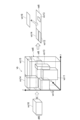
- FIG. 2 is a block diagram showing a functional configuration of a layout plan generating system and a layout plan generating device.
- FIG. 2 is a diagram illustrating a hardware configuration of a layout plan generating device.
- FIG. 10 is a diagram illustrating an example of arrangement space information.
- 10A and 10B are diagrams illustrating an example of size information and arrangement period information of an arrangement object, and an example of occupancy information.
- 11A and 11B are diagrams illustrating a layout process for arranging a virtual layout object represented by occupancy information in a virtual layout space.
- 13 is a diagram showing a schematic diagram of a placement process for placing a placement object in a virtual placement space corresponding to a placement period of the placement object.
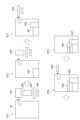
- FIG. 1 is a diagram for explaining an outline of a Bottom-Left method, which is an example of a predetermined algorithm.
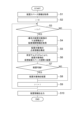
- 13 is a flowchart showing the process of a layout plan generating method.
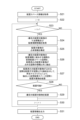
- 13 is a flowchart showing the process of a layout plan generating method.
- FIG. 1 is a block diagram showing the functional configuration of a layout plan generation system and a layout plan generation device according to this embodiment.
- the layout plan generation system 1 of this embodiment is configured to include a layout plan generation device 10.
- the layout plan generation system 1 generates a layout plan for a layout object to be placed in a layout space for a certain period of time.
- the layout plan generating device 10 is configured by a computer including a processor 101, and functionally comprises a layout space information acquisition unit 11, a dimension acquisition unit 12, a layout period acquisition unit 13, an occupancy information configuration unit 14, a layout unit 15, and an output unit 16.
- Each of these functional units 11 to 16 is realized by loading a program P1 (layout plan generating program) into the processor 101, which will be described with reference to FIG. 2, and executing the program.
- P1 layout plan generating program
- each of the functional units 11 to 16 is configured in the layout plan generating device 10, they may also be configured in a distributed manner across multiple computers.
- the layout plan generating device 10 also includes storage means such as a layout space information storage unit 17, a layout target object information storage unit 18, and a layout information storage unit 19.
- these storage units 17 to 19 are configured in the layout plan generating device 10, but they may also be configured in other devices that are configured to be accessible from the layout plan generating device 10. Each storage unit will be described later.
- FIG. 2 is a diagram showing an example of the hardware configuration of the layout plan generating device 10, and shows a computer 100 that functions as the layout plan generating device 10.
- the computer 100 has the following hardware components: a processor 101, a main memory unit 102, an auxiliary memory unit 103, and a communication unit 104.
- Processor 101 is a computing device that executes an operating system and application programs. Examples of processors include a CPU (Central Processing Unit) and a GPU (Graphics Processing Unit), but the type of processor 101 is not limited to these.
- processor 101 may be a combination of dedicated circuits.
- the dedicated circuits may be programmable circuits such as FPGAs (Field-Programmable Gate Arrays), or other types of circuits.
- the main memory unit 102 is a device that stores programs for implementing the layout plan generation device 10 or the layout plan generation system 1, calculation results output from the processor 101, and the like.
- the main memory unit 102 is configured, for example, from at least one of a ROM (Read Only Memory) and a RAM (Random Access Memory).
- the auxiliary memory unit 103 is generally a device capable of storing a larger amount of data than the main memory unit 102.
- the auxiliary memory unit 103 is configured, for example, by a non-volatile storage medium such as a hard disk or a flash memory.
- the auxiliary memory unit 103 stores a program P1 for causing the computer 100 to function as the layout plan generating device 10 or the layout plan generating system 1, and various data.
- a layout plan generating program for realizing the layout plan generating device 10 or the layout plan generating system 1 is implemented as the program P1.
- the respective memories 17-19 may be configured as any of the main memory unit 102, the auxiliary memory unit 103, and other memory elements.
- the communication unit 104 is a device that performs data communication with other computers via a communication network.
- the communication unit 104 is configured, for example, by a network card or a wireless communication module.
- Each functional element of the layout plan generating device 10 is realized by loading a corresponding program P1 onto the processor 101 or the main memory unit 102 and having the processor 101 execute the program.
- the program P1 includes code for realizing each functional element of the layout plan generating device 10.
- the processor 101 operates the communication unit 104 in accordance with the program P1, and executes reading and writing of data in the main memory unit 102 or the auxiliary memory unit 103. Through such processing, each functional element of the layout plan generating device 10 or the layout plan generating system 1 is realized.
- the program P1 may be provided in a form that is fixedly recorded on a tangible recording medium such as a CD-ROM, DVD-ROM, or semiconductor memory.
- the program P1 may be provided via a communications network as a data signal superimposed on a carrier wave.
- a layout plan is generated for arranging objects to be placed in a layout space, which is a two-dimensional plane, without overlapping in the height direction.
- a layout plan is generated for arranging objects to be placed in a layout space, which is a two-dimensional plane, without overlapping in the height direction.
- the number of dimensions of the layout space and the objects to be placed are not limited.
- the placement space information acquisition unit 11 acquires placement space information including the shape and dimensions in an n-dimensional space (n is an integer equal to or greater than 1) of the placement space in which the placement object is to be placed. In this embodiment, as described above, the placement space information acquisition unit 11 acquires placement space information including the dimensions in the two-dimensional space of the placement space, which is a two-dimensional plane.
- FIG. 3 is a diagram showing a schematic example of placement space information.
- the placement space information rs has a two-dimensional planar (xy plane) shape, and includes dimensions (97 m, 17 m) along the x-axis and y-axis.
- the placement space information may be stored in advance, for example, in the placement space information storage unit 17.
- the placement space information storage unit 17 is a storage means that stores placement space information.
- the placement space information acquisition unit 11 acquires the placement space information from the placement space information storage unit 17.
- the dimension acquisition unit 12 acquires dimensional information that represents the size of each placement object in n-dimensional space.
- the placement period acquisition unit 13 acquires placement period information that indicates the placement period during which the placement object is to be placed in the placement space.
- the dimensional information and placement period information may be stored in advance in the placement object information storage unit 18 as placement object information.
- the placement object information storage unit 18 is a storage means that stores placement object information including dimensional information and placement period information.
- the dimension acquisition unit 12 and the placement period acquisition unit 13 acquire the dimensional information and placement period information from the placement object information storage unit 18 as placement object information.
- the occupancy information construction unit 14 constructs (n+1)-dimensional occupancy information representing the space and period occupied by the object to be placed in the (n+1)-dimensional virtual space defined by n-dimensional spatial axes and a time axis based on the dimensional information and the placement period information.
- n 2
- the occupancy information construction unit 14 constructs three-dimensional occupancy information representing the space and period occupied by the object to be placed in the three-dimensional virtual space defined by two-dimensional spatial axes and a one-dimensional time axis.
- Occupancy information is information that represents a virtual placement object that has been expanded in one dimension by adding placement period information along the time axis to the dimensional information. Therefore, the occupancy information represents not only the space that the placement object occupies in the placement space, but also the time that the object occupies that space as a size along the time axis in a (n+1)-dimensional virtual space that includes the time axis.
- FIG. 4 is a diagram that shows an example of dimensional information and placement period information of a placement object, as well as an example of occupancy information.
- the dimension acquisition unit 12 acquires dimensional information sz.
- the dimensional information sz represents the dimensions (5 m x 5 m) of the placement object along the x-axis and y-axis in a two-dimensional space (xy plane).
- the placement period acquisition unit 13 also acquires placement period information dt.
- the placement period information dt includes the start and end dates (2022/10/1-2022/11/1) of the period during which the placement object is placed in the placement space.
- the occupancy information configuration unit 14 configures occupancy information oc based on the dimension information sz and the placement period information dt.
- the occupancy information oc represents the space and time occupied by the placement object as a three-dimensional virtual placement object in a three-dimensional virtual space consisting of the x-axis, y-axis and time axis in a two-dimensional space (xy plane).
- the length along the time axis t in the occupancy information oc represents the placement period from the start dt1 to the end dt2 during which the placement object is placed in the placement space.
- the placement unit 15 places the placement objects in a (n+1)-dimensional virtual placement space consisting of the n-dimensional space and time axis of the placement space, using a predetermined algorithm that optimizes the placement of (n+1)-dimensional objects in an (n+1)-dimensional space based on the occupancy information and placement space information of each placement object.
- n 2
- the placement unit 15 places virtual three-dimensional placement objects represented by occupancy information in a three-dimensional virtual placement space consisting of the two-dimensional space of the placement space and the one-dimensional time axis, using a predetermined algorithm that optimizes the placement of three-dimensional objects in a three-dimensional space.
- the specified algorithm may be, for example, a well-known algorithm for solving the so-called packing problem, in which rectangular objects are packed into a rectangular space.
- Known algorithms for solving packing problems include, for example, the Bottom-Left method, the Best-Fit method, the Next-Fit method, and the Sequence-Pair method.
- algorithms for solving three-dimensional packing problems that extend these algorithms to three dimensions are known, such as the Deepest-Bottom-Left method, which is an extension of the Bottom-Left method to three dimensions.
- FIG. 5 is a diagram showing a schematic diagram of a placement process in which a virtual placement object represented by occupancy information is placed in a virtual placement space.
- the placement unit 15 places the virtual placement object vo1 (vo) in a three-dimensional virtual placement space vs consisting of the two-dimensional space and time axis (t) of the placement space, using a predetermined algorithm.
- the virtual placement object vo is expressed as a three-dimensional object consisting of the planar shape of the placement object in the xy plane and a size along the time axis (t) corresponding to the placement period.
- the placement unit 15 places the virtual placement object vo1 in the virtual placement space vs in which the virtual placement object vo0 (vo) has already been placed, using a predetermined algorithm.
- the placement unit 15 may perform placement using a specified algorithm for solving the three-dimensional crowding problem, with no degree of freedom for the time axis of the virtual placement object vo1.
- the placement unit 15 may set the degree of freedom for the time axis of the virtual placement object vo1 according to the room for changing the placement period, and perform the placement using a predetermined algorithm for solving the three-dimensional crowding problem.
- the placement unit 15 may place the one placement object by using a specified algorithm that optimizes the placement of n-dimensional objects in an n-dimensional space obtained by reducing the number of dimensions in the aforementioned specified algorithm by one, with a constraint that the space, excluding the space occupied by placed placement objects, in the virtual placement space corresponding to the placement period of the one placement object is not available for placement.
- n 2
- a specific algorithm that optimizes the placement of two-dimensional objects in a two-dimensional space is used to place one placement object in a virtual placement space corresponding to the placement period of the one placement object, with the constraint that the space, excluding the space occupied by the placed placement object, is not available for placement.
- FIG. 6 is a diagram showing a schematic diagram of a placement process in which a placement object is placed in a virtual placement space corresponding to the placement period of the placement object.
- a virtual placement object vo16 is placed in a virtual placement space vs in which virtual placement objects vo11, vo12, vo13, vo14, and vo15 have already been placed.
- the placement unit 15 extracts the virtual placement space vs of the period equivalent to the placement period dt6 of the virtual placement object vo16 as the virtual placement space vs6. Since the placement periods of the placed virtual placement objects vo12, vo13, and vo14 overlap with the virtual period vt6 in the virtual placement space vs6, the placement unit 15 places the virtual placement object vo16 in the virtual placement space vs6 other than the non-placeable space by imposing a constraint that the space occupied by the placed virtual placement objects vo12, 13, and 14 in the virtual placement space vs6 is non-placeable space. As shown in the figure, the placement unit 15 can place the virtual placement object vo16 in the virtual placement space vs6 by a predetermined algorithm that optimizes the placement of two-dimensional objects in a two-dimensional space.
- the generation of a placement plan for placing one placement object can be reduced to the problem of placing the one placement object in a virtual placement space, taking into account the virtual space occupied by the placement object already placed in the virtual placement space for a period corresponding to the placement period of the one placement object. Therefore, in order to solve the packing problem of placing one placement object in the virtual placement space, a well-known algorithm for optimizing the placement of two-dimensional objects in a two-dimensional space can be applied, making it easy to generate a placement plan.
- Figure 7 is a diagram that outlines the Bottom-Left method for placing (packing) objects in a two-dimensional space.
- the Bottom-Left method is generally an algorithm for placing multiple rectangular objects in a rectangular space.
- an object is placed at the bottommost possible position in the space, and if there are multiple bottommost possible positions (if not limited to one position), the object is placed at the leftmost position among those positions.
- step ST1 object ob1 is placed at the bottom left end, which is the lowest position among the positions in the space sp that can be placed and the leftmost position among those positions.
- step ST3 object ob2 is placed at a position where its left end abuts object ob1, which is the leftmost position among the positions where its bottom end abuts the bottom end of space sp.
- step ST4 object ob3 is placed at a position where its left edge abuts the left edge of space sp, among the positions where its bottom edge abuts the top edge of object ob2.
- step ST4 object ob4 is placed at a position where its left edge abuts the left edge of space sp, among the positions where its bottom edge abuts the top edge of object ob1.
- the output unit 16 outputs placement information representing the virtual placement space in which the placement objects are placed.
- the placement information includes at least the position in the virtual placement space in which each placement object is placed.
- the placement information may further include the placement period in the virtual placement space of each placement object.
- the manner in which the output unit 16 outputs the placement information is not limited.
- the output unit 16 may store the placement information in the placement information storage unit 19.
- the placement information storage unit 19 is a storage means for storing the placement information.
- the output unit 16 may also display the placement information on a predetermined display means such as a display.
- the output unit 16 may also transmit the placement information to another computer such as a terminal.
- FIG. 8 is a flowchart showing the processing contents of the layout plan generation method implemented in the layout plan generation system 1.
- step S1 the placement space information acquisition unit 11 acquires placement space information including the shape and dimensions of the placement space in an n-dimensional space (n is an integer equal to or greater than 1).
- step S2 the variable i is set to 0 (zero).
- step S3 it is determined whether the variable i is less than a predetermined number k.
- the variable i is the number of placement objects that have already been placed.
- the predetermined number k is the number of placement objects that are to be placed. If it is determined that the variable i is less than the predetermined number k, the process proceeds to step S4. On the other hand, if it is not determined that the variable i is less than the predetermined number k, the process proceeds to step S10.
- step S4 the dimension acquisition unit 12 acquires dimension information of the i-th placement object.
- the placement period acquisition unit 13 acquires placement period information of the i-th placement object.
- step S5 the occupancy information configuration unit 14 configures (n+1)-dimensional occupancy information representing the space and period occupied by the placement object in the (n+1)-dimensional virtual space defined by n-dimensional spatial axes and one-dimensional time axis, based on the dimensional information and placement period information.
- step S6 the placement unit 15 attempts to place the placement object in the virtual placement space using a predetermined algorithm based on the occupancy information and placement space information of the placement object.
- step S7 the placement unit 15 determines whether placement is possible. If it is determined that placement is possible, the process proceeds to step S8. On the other hand, if it is not determined that placement is possible, the process proceeds to step S9.
- step S8 the placement unit 15 places the placement object in the virtual placement space.
- step S9 the variable i is incremented, and the process returns to step S3.
- the output unit 16 outputs placement information representing the virtual placement space in which the placement object is placed.
- FIG. 9 is a flowchart showing the processing contents of another example of the layout plan generation method implemented in the layout plan generation system 1.
- step S21 the placement space information acquisition unit 11 acquires placement space information including the shape and dimensions of the placement space in an n-dimensional space (n is an integer equal to or greater than 1).
- step S22 the variable i is set to 0 (zero).
- step S23 it is determined whether the variable i is less than a predetermined number k.
- the variable i is the number of placement objects that have already been placed.
- the predetermined number k is the number of placement objects that are to be placed. If it is determined that the variable i is less than the predetermined number k, the process proceeds to step S24. On the other hand, if it is not determined that the variable i is less than the predetermined number k, the process proceeds to step S31.
- step S24 the dimension acquisition unit 12 acquires dimension information of the i-th placement object.
- the placement period acquisition unit 13 acquires placement period information of the i-th placement object.
- step S25 the occupancy information configuration unit 14 configures (n+1)-dimensional occupancy information representing the space and period occupied by the placement object in the (n+1)-dimensional virtual space defined by n-dimensional spatial axes and one-dimensional time axis, based on the dimensional information and placement period information.
- step S26 the placement unit 15 extracts the virtual placement space for the period corresponding to the placement period of the i-th placement object, together with information about the space occupied by the placement objects that have already been placed during that period.
- step S27 the placement unit 15 imposes a constraint that the space occupied by the placed placement object in the virtual placement space is unavailable for placement, and attempts to place the placement object in the virtual placement space extracted in step S26 using a predetermined algorithm.
- step S28 the placement unit 15 determines whether placement is possible. If it is determined that placement is possible, the process proceeds to step S29. On the other hand, if it is not determined that placement is possible, the process proceeds to step S30.
- step S29 the placement unit 15 places the placement object in the virtual placement space.
- step S30 the variable i is incremented, and the process returns to step S23.
- the output unit 16 outputs placement information representing the virtual placement space in which the placement object is placed.
- occupancy information is generated based on the dimensional information and layout period information of the placement object.
- the occupancy information is information that represents a virtual placement object expanded in one dimension by adding a time axis to the dimensional information. Therefore, the occupancy information represents the space that the placement object occupies in the placement space, as well as the time that the space is occupied by the placement object, as a size along the time axis in a (n+1)-dimensional virtual space including the time axis.
- the placement object in the virtual placement space using a predetermined algorithm, it is possible to easily generate a placement plan that takes into account the fluctuation of the placement object over time, as a packing problem in which the virtual placement space space expanded to (n+1) dimensions by adding a time axis to the placement space, which is an n-dimensional space, is arranged to arrange the virtual placement object represented in (n+1) dimensions by the occupancy information.
- the layout plan generation system 1 of this embodiment can be applied to the problem of arranging objects having a one-dimensional size in a layout space that is expressed in one dimension.
- An arrangement plan generation system for generating an arrangement plan for an arrangement object to be arranged in an arrangement space for a certain period of time, a dimension acquisition unit that acquires dimension information representing at least a size in an n-dimensional space (n is an integer equal to or greater than 1) of each placement object; an arrangement period acquisition unit that acquires arrangement period information representing an arrangement period during which the arrangement object is to be arranged in the arrangement space; an occupancy information constructing unit that constructs (n+1)-dimensional occupancy information representing a space and a period that the placement object occupies in a (n+1)-dimensional virtual space defined by n-dimensional spatial axes and a time axis based on the size information and the placement period information; a placement unit that places the placement objects in a (n+1)-dimensional virtual placement space consisting of n-dimensional space and time axes of the placement space, using a predetermined algorithm that optimizes the placement of (n+1)-dimensional objects in the (n+1)-dimensional space, based
- the layout plan generating system according to [1]. [3] the placement unit, when placing one placement object in the virtual placement space in which one or more placement objects have been placed, places the one placement object in a space excluding a space occupied by the placement object that has already been placed in the virtual placement space corresponding to a placement period of the one placement object, by a predetermined algorithm that optimizes the placement of n-dimensional objects in an n-dimensional space, the number of dimensions in the predetermined algorithm being reduced by one;
- the layout plan generating system according to [2].
- the dimension acquisition unit acquires the dimension information representing a size of each placement object in a two-dimensional space;
- the occupancy information constructing unit constructs three-dimensional occupancy information representing a space and a period of time that the placement object occupies in a three-dimensional virtual space defined by a two-dimensional spatial axis and a time axis;
- the placement unit places the placement objects in a three-dimensional virtual placement space consisting of the two-dimensional space and time axis of the placement space, using a predetermined algorithm that optimizes the placement of three-dimensional objects in a three-dimensional space, based on the occupancy information of each placement object and placement space information including a shape and a size of the placement space in the two-dimensional space;
- the layout plan generating system according to [1] or [2].
- the predetermined algorithm is an algorithm for solving a packing problem, and is any one of a Bottom-Left method, a Best-Fit method, a Next-Fit method, and a Sequence-Pair method.
- the layout plan generating system according to any one of [1] to [4].
- a layout plan generation method in a layout plan generation system that generates a layout plan of a layout object to be placed in a layout space for a certain period of time, comprising: a dimension acquisition step of acquiring dimension information representing at least a size in an n-dimensional space (n is an integer equal to or greater than 1) of each placement object; an arrangement period acquisition step of acquiring arrangement period information representing an arrangement period during which the arrangement object is to be arranged in the arrangement space; an occupancy information construction step of constructing (n+1)-dimensional occupancy information representing a space and a period that the placement object occupies in a (n+1)-dimensional virtual space defined by n-dimensional spatial axes and a time axis based on the size information and the placement period information; a placement step of placing the placement objects in a (n+1)-dimensional virtual placement space consisting of n-dimensional space and time axes of the placement space, using a predetermined algorithm that optimizes the placement of (n+1)-dimensional objects in the (n+1)-dimensional space, based
- Reference Signs List 1 Layout plan generation system 10 Layout plan generation device 11 Layout space information acquisition unit 12 Dimension acquisition unit 13 Layout period acquisition unit 14 Occupancy information configuration unit 15 Layout unit 16 Output unit 17 Layout space information storage unit 18 Layout target object information storage unit 19 Layout information storage unit P1 Program
Landscapes
- Engineering & Computer Science (AREA)
- Business, Economics & Management (AREA)
- Theoretical Computer Science (AREA)
- Physics & Mathematics (AREA)
- Human Resources & Organizations (AREA)
- Economics (AREA)
- Strategic Management (AREA)
- General Physics & Mathematics (AREA)
- General Business, Economics & Management (AREA)
- Development Economics (AREA)
- Quality & Reliability (AREA)
- Tourism & Hospitality (AREA)
- Marketing (AREA)
- Game Theory and Decision Science (AREA)
- Entrepreneurship & Innovation (AREA)
- Operations Research (AREA)
- Computer Hardware Design (AREA)
- Evolutionary Computation (AREA)
- Geometry (AREA)
- General Engineering & Computer Science (AREA)
- Mechanical Engineering (AREA)
- Processing Or Creating Images (AREA)
Abstract
配置計画生成システムは、各配置対象物の寸法情報を取得する寸法取得部と、配置対象物の配置期間情報を取得する配置期間取得部と、寸法情報及び配置期間情報に基づいて、n次元の空間軸及び時間軸により定義される(n+1)次元の仮想空間を配置対象物が占有するスペース及び期間を表す(n+1)次元の占有情報を構成する占有情報構成部と、各配置対象物の占有情報及び配置スペース情報に基づいて、所定のアルゴリズムにより、n次元の空間及び時間軸からなる(n+1)次元の仮想配置スペース空間に配置対象物を配置する配置部と、配置対象物が配置された仮想配置スペース空間を表す配置情報を出力する出力部とを備える。
Description
本開示は、配置スペースに一定期間配置される配置対象物の、配置スペースにおける配置を最適化する配置計画生成システム、配置計画生成方法及び配置計画生成プログラムに関する。
製品、部品及び資材等は、それらを保管するための置き場に一定期間保管されることがある。保管対象の製品等は時期に応じて変わるため、その時間軸に応じた変化に応じて、製品等を適切に置き場に配置しなければならない。従来、製品等を置き場に配置するための配置スケジュールは、人手により作成されていた。また、類似の問題を扱う技術として、輸送対象製品を船倉に積み込むための船積み計画を作成する技術が知られている(例えば、特許文献1参照)。この技術では、輸送対象製品を輸送対象製品群に分類し、輸送対象製品群の荷姿を作成し、製品群の荷姿の平面視上の形状及び大きさと船倉の底面の形状及び大きさとに基づいて、製品群の配置計画が作成される。製品群の配置に際しては、複数の多角形を互いに重ならないようにして一つの矩形の中に詰め込む多角形詰込み問題を解く手法等が利用される。
製品等の配置対象物を所定の配置スペースに一定期間配置するための配置計画を人手により作成することは、非常に困難であり、また、多大な時間を要していた。また、工場等における敷地を配置スペースとする場合において、人手による配置計画の策定では効率改善に限界があり、配置スペースが足りなくなる場合があった。このような場合には、工場等以外の敷地を一時的に借りることが行われており、その借用コスト及び製品等の輸送コストが嵩んでいた。さらに、製品等の形状に対応する長方形を、配置スペースの形状に対応する長方形の中に詰め込む、いわゆる長方形詰め込み問題を解決するための既存の手法では、ある時点における静的な配置を解決することは可能であるが、配置対象物が時間経過に応じて変化するような動的な配置の問題を解決できなかった。
そこで、本開示の一側面は、時間の経過に伴い変動する配置対象物を配置スペースに効率的に配置する配置計画を容易に得ることを目的とする。
上記課題を解決するために、本開示の一側面に係る配置計画生成システムは、配置スペースに一定期間配置される配置対象物の配置計画を生成する配置計画生成システムであって、各配置対象物のn次元空間(nは1以上の整数)における少なくとも大きさを表す寸法情報を取得する寸法取得部と、配置対象物を配置スペースに配置する配置期間を表す配置期間情報を取得する配置期間取得部と、寸法情報及び配置期間情報に基づいて、n次元の空間軸及び時間軸により定義される(n+1)次元の仮想空間を配置対象物が占有するスペース及び期間を表す(n+1)次元の占有情報を構成する占有情報構成部と、各配置対象物の占有情報及び配置スペースのn次元空間における形状及び寸法を含む配置スペース情報に基づいて、(n+1)次元の空間における(n+1)次元の物の配置を最適化する所定のアルゴリズムにより、配置スペースのn次元の空間及び時間軸からなる(n+1)次元の仮想配置スペース空間に配置対象物を配置する配置部と、配置対象物が配置された仮想配置スペース空間を表す配置情報を出力する出力部と、を備える。
上記課題を解決するために、本開示の一側面に係る配置計画生成方法は、配置スペースに一定期間配置される配置対象物の配置計画を生成する配置計画生成システムにおける配置計画生成方法であって、各配置対象物のn次元空間(nは1以上の整数)における少なくとも大きさを表す寸法情報を取得する寸法取得ステップと、配置対象物を配置スペースに配置する配置期間を表す配置期間情報を取得する配置期間取得ステップと、寸法情報及び配置期間情報に基づいて、n次元の空間軸及び時間軸により定義される(n+1)次元の仮想空間を配置対象物が占有するスペース及び期間を表す(n+1)次元の占有情報を構成する占有情報構成ステップと、各配置対象物の占有情報及び配置スペースのn次元空間における形状及び寸法を含む配置スペース情報に基づいて、(n+1)次元の空間における(n+1)次元の物の配置を最適化する所定のアルゴリズムにより、配置スペースのn次元の空間及び時間軸からなる(n+1)次元の仮想配置スペース空間に配置対象物を配置する配置ステップと、配置対象物が配置された仮想配置スペース空間を表す配置情報を出力する出力ステップと、を有する。
上記課題を解決するために、本開示の一側面に係る配置計画生成プログラムは、コンピュータを、配置スペースに一定期間配置される配置対象物の配置計画を生成する配置計画生成システムとして機能させるための配置計画生成プログラムであって、コンピュータに、各配置対象物のn次元空間(nは1以上の整数)における少なくとも大きさを表す寸法情報を取得する寸法取得機能と、配置対象物を配置スペースに配置する配置期間を表す配置期間情報を取得する配置期間取得機能と、寸法情報及び配置期間情報に基づいて、n次元の空間軸及び時間軸により定義される(n+1)次元の仮想空間を配置対象物が占有するスペース及び期間を表す(n+1)次元の占有情報を構成する占有情報構成機能と、各配置対象物の占有情報及び配置スペースのn次元空間における形状及び寸法を含む配置スペース情報に基づいて、(n+1)次元の空間における(n+1)次元の物の配置を最適化する所定のアルゴリズムにより、配置スペースのn次元の空間及び時間軸からなる(n+1)次元の仮想配置スペース空間に配置対象物を配置する配置機能と、配置対象物が配置された仮想配置スペース空間を表す配置情報を出力する出力機能と、を実現させる。
上記の側面によれば、配置対象物の寸法情報及び配置期間情報に基づいて、占有情報が生成される。占有情報は、寸法情報に対して時間軸を加えることにより1次元拡張された仮想の配置対象物を表す情報である。従って、占有情報は、配置スペースにおいて配置対象物が占めるスペースに加えて、当該スペースを占有する時間を、時間軸を含む(n+1)次元の仮想空間における、時間軸に沿う大きさとして表す。そして、n次元の空間である配置スペースに対して時間軸を加えることにより(n+1)次元に拡張された仮想配置スペース空間に対して、占有情報により(n+1)次元で表される仮想の配置対象物を配置する詰め込み問題として、所定のアルゴリズムにより仮想配置スペース空間に配置対象物を配置することにより、時間の経過に伴う配置対象物の変動が考慮された配置計画を容易に生成できる。
他の側面に係る配置計画生成システムでは、配置部は、仮想配置スペース空間における時間軸に対する自由度をなしとして、所定のアルゴリズムによる配置対象物の配置を実施することとしてもよい。
上記の側面によれば、配置期間が固定された配置対象物を配置スペースに配置するための適切な配置計画を得ることが可能となる。
他の側面に係る配置計画生成システムでは、配置部は、1以上の配置対象物が配置された仮想配置スペース空間に、一の配置対象物を配置するに際して、所定アルゴリズムにおける次元数を1次元減じた、n次元の空間におけるn次元の物の配置を最適化する所定のアルゴリズムにより、一の配置対象物の配置期間に相当する仮想配置スペース空間における、配置済みの配置対象物が占める空間を除く空間に一の配置対象物を配置することとしてもよい。
上記の側面によれば、一の配置対象物を配置する配置計画の生成を、一の配置対象物の配置期間に相当する期間の仮想配置スペース空間に配置済みの配置対象物が占める仮想空間を考慮して、一の配置対象物を仮想配置スペース空間に配置する問題に帰結させることができる。従って、当該問題の解決のために、n次元の空間におけるn次元の物の配置を最適化するための所定のアルゴリズムを適用できるので、容易に配置計画を生成できる。
他の側面に係る配置計画生成システムでは、寸法取得部は、各配置対象物の2次元空間における大きさを表す寸法情報を取得し、占有情報構成部は、2次元の空間軸及び時間軸により定義される3次元の仮想空間を配置対象物が占有するスペース及び期間を表す3次元の占有情報を構成し、配置部は、各配置対象物の占有情報及び配置スペースの2次元空間における形状及び寸法を含む配置スペース情報に基づいて、3次元の空間における3次元の物の配置を最適化する所定のアルゴリズムにより、配置スペースの2次元の空間及び時間軸からなる3次元の仮想配置スペース空間に配置対象物を配置することとしてもよい。
上記の側面によれば、配置対象物を平面の配置スペースに効率的に配置するための配置計画を容易に生成できる。
他の側面に係る配置計画生成システムでは、所定のアルゴリズムは、詰め込み問題を解決するアルゴリズムであって、Bottom-Left法、Best-Fit法、Next-Fit法及びSequence-Pair法のうちのいずれかであることとしてもよい。
上記の側面によれば、列挙されたアルゴリズムのいずれかを適用することにより、配置対象物を効率的に配置スペースに配置できる好適な配置計画を生成できる。
本開示の一側面によれば、時間の経過に伴い変動する配置対象物を配置スペースに効率的に配置する配置計画を容易に得ることが可能となる。
以下、添付図面を参照しながら本開示の実施形態を詳細に説明する。なお、図面の説明において同一又は同等の要素には同一の符号を付し、重複する説明を省略する。
図1は、本実施形態に係る配置計画生成システム及び配置計画生成装置の機能構成を示すブロック図である。本実施形態の配置計画生成システム1は、配置計画生成装置10を含んで構成される。配置計画生成システム1は、配置スペースに一定期間配置される配置対象物の配置計画を生成する。
配置計画生成装置10は、図1に示されるように、プロセッサ101を含むコンピュータにより構成され、機能的には、配置スペース情報取得部11、寸法取得部12、配置期間取得部13、占有情報構成部14、配置部15及び出力部16を備える。これらの各機能部11~16は、図2を参照して説明されるプロセッサ101にプログラムP1(配置計画生成プログラム)が読み込まれて、そのプログラムが実行されることにより実現される。各機能部の説明は後述する。なお、本実施形態では、各機能部11~16が、配置計画生成装置10に構成されることとしているが、複数のコンピュータに分散して構成されることとしてもよい。
また、配置計画生成装置10は、配置スペース情報記憶部17、配置対象物情報記憶部18及び配置情報記憶部19といった記憶手段を備える。なお、これらの記憶部17~19は、図1に示す例では、配置計画生成装置10に構成されることとしているが、配置計画生成装置10からアクセス可能に構成された他の装置に構成されてもよい。各記憶部の説明は後述する。
図2は、配置計画生成装置10のハードウェア構成の一例を示す図であって、配置計画生成装置10として機能するコンピュータ100を示す。
一例として、コンピュータ100はハードウェア構成要素として、プロセッサ101、主記憶部102、補助記憶部103、および通信部104を備える。
プロセッサ101は、オペレーティングシステムおよびアプリケーションプログラムを実行する演算装置である。プロセッサの例としてCPU(Central Processing Unit)およびGPU(Graphics Processing Unit)が挙げられるが、プロセッサ101の種類はこれらに限定されない。例えば、プロセッサ101は専用回路の組合せでもよい。専用回路はFPGA(Field-Programmable Gate Array)のようなプログラム可能な回路でもよいし、他の種類の回路でもよい。
主記憶部102は、配置計画生成装置10又は配置計画生成システム1を実現するためのプログラム、プロセッサ101から出力された演算結果などを記憶する装置である。主記憶部102は例えばROM(Read Only Memory)およびRAM(Random Access Memory)のうちの少なくとも一つにより構成される。
補助記憶部103は、一般に主記憶部102よりも大量のデータを記憶することが可能な装置である。補助記憶部103は例えばハードディスク、フラッシュメモリなどの不揮発性記憶媒体によって構成される。補助記憶部103は、コンピュータ100を配置計画生成装置10又は配置計画生成システム1として機能させるためのプログラムP1と各種のデータとを記憶する。本実施形態では、配置計画生成装置10又は配置計画生成システム1を実現させる配置計画生成プログラムは、プログラムP1として実装される。また、各記憶部17~19が配置計画生成装置10に含まれる場合には、各記憶部17~19は、主記憶部102、補助記憶部103及びその他の記憶素子のいずれかに構成されてもよい。
通信部104は、通信ネットワークを介して他のコンピュータとの間でデータ通信を実行する装置である。通信部104は例えばネットワークカードまたは無線通信モジュールにより構成される。
配置計画生成装置10の各機能要素は、プロセッサ101または主記憶部102の上に、対応するプログラムP1を読み込ませてプロセッサ101にそのプログラムを実行させることで実現される。プログラムP1は、配置計画生成装置10の各機能要素を実現するためのコードを含む。プロセッサ101はプログラムP1に従って通信部104を動作させ、主記憶部102または補助記憶部103におけるデータの読み出しおよび書き込みを実行する。このような処理により、配置計画生成装置10又は配置計画生成システム1の各機能要素が実現される。
プログラムP1は、CD-ROM、DVD-ROM、半導体メモリなどの有形の記録媒体に固定的に記録された上で提供されてもよい。あるいは、プログラムP1は、搬送波に重畳されたデータ信号として通信ネットワークを介して提供されてもよい。
再び図1を参照して、配置計画生成装置10の各機能部及び各記憶部を説明する。なお、以下に説明する本実施形態の配置計画生成装置10の一例では、2次元の平面である配置スペースに、高さ方向に重ならせることなく配置対象物を配置するための配置計画が生成される。しかしながら、配置スペース及び配置される配置対象物の次元数は限定されない。
配置スペース情報取得部11は、配置対象物が配置される配置スペースのn次元空間(nは1以上の整数)における形状及び寸法を含む配置スペース情報を取得する。本実施形態では、前述のとおり、配置スペース情報取得部11は、2次元の平面である配置スペースの2次元空間における寸法等を含む配置スペース情報を取得する。
図3は、配置スペース情報の例を模式的に示す図である。図3に示されるように、配置スペース情報rsは、2次元の平面(xy平面)形状を有し、x軸及びy軸に沿うそれぞれの寸法(97m,17m)を含む。配置スペース情報は、例えば、予め配置スペース情報記憶部17に記憶されていてもよい。即ち、配置スペース情報記憶部17は、配置スペース情報を記憶している記憶手段である。この場合には、配置スペース情報取得部11は、配置スペース情報記憶部17から配置スペース情報を取得する。
寸法取得部12は、各配置対象物のn次元空間における大きさを表す寸法情報を取得する。寸法情報は、n次元空間に設定されたn本の各座標軸に沿った寸法を表す情報であってもよく、また、配置対象物の大きさ及び形状を表す情報であってもよい。本実施形態では、n=2として、寸法取得部12は、配置対象物の2次元空間における寸法を表す寸法情報を取得する。また、寸法情報は、配置対象物の実体が3次元のオブジェクトである場合には、平面に配置されたときの平面上を占める形状及び寸法を表す情報であってもよい。
配置期間取得部13は、配置対象物を配置スペースに配置する配置期間を表す配置期間情報を取得する。
寸法情報及び配置期間情報は、配置対象物情報として配置対象物情報記憶部18に予め記憶されていてもよい。即ち、配置対象物情報記憶部18は、寸法情報及び配置期間情報を含む配置対象物情報を記憶している記憶手段である。寸法取得部12及び配置期間取得部13は、配置対象物情報記憶部18から寸法情報及び配置期間情報を配置対象物情報として取得する。
占有情報構成部14は、寸法情報及び配置期間情報に基づいて、n次元の空間軸及び時間軸により定義される(n+1)次元の仮想空間を配置対象物が占有するスペース及び期間を表す(n+1)次元の占有情報を構成する。本実施形態では、n=2として、占有情報構成部14は、2次元の空間軸及び1次元の時間軸により定義される3次元の仮想空間を配置対象物が占有するスペース及び期間を表す3次元の占有情報を構成する。
占有情報は、寸法情報に対して時間軸に沿う配置期間情報を加えることにより1次元拡張された、仮想の配置対象物を表す情報である。従って、占有情報は、配置スペースにおいて配置対象物が占めるスペースに加えて、当該スペースを占有する時間を、時間軸を含む(n+1)次元の仮想空間における、時間軸に沿う大きさとして表す。
図4は、配置対象物の寸法情報及び配置期間情報の例、並びに、占有情報の例を模式的に示す図である。図4に例示されるように、寸法取得部12は、寸法情報szを取得する。寸法情報szは、配置対象物の2次元空間(xy平面)におけるx軸及びy軸に沿った寸法(5m×5m)を表す。
また、配置期間取得部13は、配置期間情報dtを取得する。配置期間情報dtは、配置対象物が配置スペースに配置される期間の始期及び終期(2022/10/1-2022/11/1)を含む。
占有情報構成部14は、寸法情報sz及び配置期間情報dtに基づいて占有情報ocを構成する。図4に例示されるように、占有情報ocは、2次元空間(xy平面)におけるx軸及びy軸並びに時間軸からなる3次元の仮想空間における、配置対象物が占めるスペース及び時間を、3次元の仮想の配置対象物として表す。占有情報ocにおける時間軸tに沿う長さは、配置対象物が配置スペースに配置される始期dt1から終期dt2までの配置期間を表す。
配置部15は、各配置対象物の占有情報及び配置スペース情報に基づいて、(n+1)次元の空間における(n+1)次元の物の配置を最適化する所定のアルゴリズムにより、配置スペースのn次元の空間及び時間軸からなる(n+1)次元の仮想配置スペース空間に配置対象物を配置する。
本実施形態では、n=2として、配置部15は、3次元空間において3次元の物の配置を最適化する所定のアルゴリズムにより、配置スペースの2次元の空間及び1次元の時間軸からなる3次元の仮想配置スペース空間に、占有情報により表される仮想の3次元の配置対象物を配置する。
所定のアルゴリズムには、例えば、長方形状のスペースに長方形状のオブジェクトを詰め込む、いわゆる詰め込み問題を解決する周知のアルゴリズムを適用できる。詰め込み問題を解決するアルゴリズムとしては、例えば、Bottom-Left法、Best-Fit法、Next-Fit法及びSequence-Pair法等が知られている。また、これらのアルゴリズムを3次元に拡張した、3次元の詰め込み問題を解決するためのアルゴリズムが知られており、例えば、Bottom-Left法を3次元に拡張したDeepest-Bottom-Left法が知られている。
図5は、占有情報により表される仮想の配置対象物を仮想配置スペース空間に配置する配置処理を模式的に示す図である。配置部15は、配置スペースの2次元の空間及び時間軸(t)からなる3次元の仮想配置スペース空間vsに、仮想配置対象物vo1(vo)を、所定のアルゴリズムを用いて配置する。仮想配置対象物voは、配置対象物のxy平面における平面形状及び配置期間に相当する時間軸(t)に沿う大きさからなる、3次元のオブジェクトとして表現される。具体的には、図5に示される例では、配置部15は、所定のアルゴリズムにより、仮想配置対象物vo0(vo)が配置済みの仮想配置スペース空間vsに、仮想配置対象物vo1を配置する。
なお、配置対象物を配置スペースに配置する期間が、配置期間情報に示される配置期間に固定されている場合、即ち、当該配置対象物の配置期間を他の配置対象物の配置状況等に応じて変更する余地がない場合には、配置部15は、仮想配置対象物vo1の時間軸に対する自由度をなしとして、3次元の詰め込み問題を解決するための所定のアルゴリズムを用いて、配置を実施してもよい。
一方で、配置対象物を配置スペースに配置する期間を変更する余地がある場合には、配置部15は、配置期間の変更の余地に応じた仮想配置対象物vo1の時間軸に対する自由度を設定して、3次元の詰め込み問題を解決するための所定のアルゴリズムを用いて、配置を実施してもよい。
また、配置部15は、1以上の配置対象物が配置された仮想配置スペース空間に、一の配置対象物を配置するに際して、前述の所定アルゴリズムにおける次元数を1次元減じたn次元の空間におけるn次元の物の配置を最適化する所定のアルゴリズムにより、一の配置対象物の配置期間に相当する仮想配置スペース空間における、配置済みの配置対象物が占める空間を除く空間に、その空間を配置不可空間とする制約を付して、一の配置対象物を配置してもよい。
本実施形態では、n=2として、2次元の空間における2次元の物の配置を最適化する所定のアルゴリズムにより、一の配置対象物の配置期間に相当する仮想配置スペース空間における、配置済みの配置対象物が占める空間を除く空間に、その空間を配置不可空間とする制約を付して、一の配置対象物を配置する。
図6は、配置対象物の配置期間に相当する仮想配置スペース空間に、配置対象物を配置する配置処理を模式的に示す図である。図6に示される例では、仮想配置対象物vo11,vo12,vo13,vo14,vo15が既に配置された仮想配置スペース空間vsに仮想配置対象物vo16が配置される。
配置部15は、仮想配置対象物vo16の配置期間dt6に相当する期間の仮想配置スペース空間vsを、仮想配置スペース空間vs6として抽出する。仮想配置スペース空間vs6における仮想期間vt6には、配置済みの仮想配置対象物vo12,vo13,vo14の配置期間が重複しているので、配置部15は、仮想配置スペース空間vs6における配置済みの仮想配置対象物vo12,13,14が占める空間を配置不可空間とする制約を付して、仮想配置対象物vo16を配置不可空間以外の仮想配置スペース空間vs6に配置する。図示されるように、配置部15は、2次元の空間における2次元の物の配置を最適化する所定のアルゴリズムにより、仮想配置スペース空間vs6に仮想配置対象物vo16を配置することができる。
このように、図6に示される例では、一の配置対象物を配置する配置計画の生成を、一の配置対象物の配置期間に相当する期間の仮想配置スペース空間に配置済みの配置対象物が占める仮想空間を考慮して、一の配置対象物を仮想配置スペース空間に配置する問題に帰結させることができる。従って、一の配置対象物を仮想配置スペース空間に配置する詰め込み問題の解決のために、2次元の空間における2次元の物の配置を最適化するための周知のアルゴリズムを適用できるので、容易に配置計画を生成できる。
図7は、2次元空間にオブジェクトを配置する(詰め込む)Bottom-Left法を概略的に説明する図である。Bottom-Left法は、一般的には、長方形の空間に複数の長方形のオブジェクトを配置するアルゴリズムである。Bottom-Left法では、オブジェクトは、空間の配置可能な位置のうちの最も下の位置に配置され、配置可能な最も下の位置が複数ある場合(1つの位置に限定されない場合)には、その位置のうちの最も左の位置に配置される。
図7では、ステップST1に示されるように、空間spにオブジェクトob1~ob4を配置する例が説明される。ステップST2において、オブジェクトob1は、空間spの配置可能な位置のうちの最も下の位置であり、その位置のうちの最も左の位置である、左下端部に配置される。
ステップST3において、オブジェクトob2は、下端が空間spの下端に接する位置のうちの最も左の位置である、オブジェクトob1に左端が接する位置に配置される。
ステップST4において、オブジェクトob3は、下端がオブジェクトob2の上端に接する位置のうちの、左端が空間spの左端に接する位置に配置される。
ステップST4において、オブジェクトob4は、下端がオブジェクトob1の上端に接する位置のうちの、左端が空間spの左端に接する位置に配置される。
再び図1を参照して、出力部16は、配置対象物が配置された仮想配置スペース空間を表す配置情報を出力する。配置情報は、少なくとも、仮想配置スペース空間における各配置対象物が配置された位置を含む。配置情報は、各配置対象物の仮想配置スペース空間における配置期間を更に含んでもよい。
出力部16による配置情報の出力の態様は限定されない。出力部16は、配置情報を配置情報記憶部19に記憶させてもよい。即ち、配置情報記憶部19は、配置情報を記憶させるための記憶手段である。
また、出力部16は、配置情報をディスプレイ等の所定の表示手段に表示させてもよい。また、出力部16は、配置情報を端末等の他のコンピュータに送信してもよい。
次に、図8を参照して、本実施形態の配置計画生成システム1の動作の例について説明する。図8は、配置計画生成システム1において実施される配置計画生成方法の処理内容を示すフローチャートである。
ステップS1において、配置スペース情報取得部11は、配置スペースのn次元空間(nは1以上の整数)における形状及び寸法を含む配置スペース情報を取得する。
ステップS2において、変数iが0(ゼロ)にセットされる。続くステップS3において、変数iが所定数k未満であるか否かが判定される。変数iは、配置処理済みの配置対象物の数である。所定数kは、配置対象の配置対象物の数である。変数iが所定数k未満であると判定された場合には、処理はステップS4に進む。一方、変数iが所定数k未満であると判定されなかった場合には、処理はステップS10に進む。
ステップS4において、寸法取得部12は、i番目の配置対象物の寸法情報を取得する。また、配置期間取得部13は、i番目の配置対象物の配置期間情報を取得する。
ステップS5において、占有情報構成部14は、寸法情報及び配置期間情報に基づいて、n次元の空間軸及び1次元の時間軸により定義される(n+1)次元の仮想空間を配置対象物が占有するスペース及び期間を表す(n+1)次元の占有情報を構成する。
ステップS6において、配置部15は、配置対象物の占有情報及び配置スペース情報に基づいて、所定のアルゴリズムにより、仮想配置スペース空間に配置対象物を配置することを試みる。
ステップS7において、配置部15は、配置可能であるか否かを判断する。配置可能であると判断された場合には、処理はステップS8に進む。一方、配置可能であると判断されなかった場合には、処理はステップS9に進む。
ステップS8において、配置部15は、配置対象物を仮想配置スペース空間に配置する。ステップS9において、変数iはインクリメントされ、処理はステップS3に戻る。
処理がステップS3からステップS10に進められると、出力部16は、配置対象物が配置された仮想配置スペース空間を表す配置情報を出力する。
次に、図9を参照して、本実施形態の配置計画生成システム1の動作の他の例について説明する。図9は、配置計画生成システム1において実施される配置計画生成方法の他の例の処理内容を示すフローチャートである。
ステップS21において、配置スペース情報取得部11は、配置スペースのn次元空間(nは1以上の整数)における形状及び寸法を含む配置スペース情報を取得する。
ステップS22において、変数iが0(ゼロ)にセットされる。続くステップS23において、変数iが所定数k未満であるか否かが判定される。変数iは、配置処理済みの配置対象物の数である。所定数kは、配置対象の配置対象物の数である。変数iが所定数k未満であると判定された場合には、処理はステップS24に進む。一方、変数iが所定数k未満であると判定されなかった場合には、処理はステップS31に進む。
ステップS24において、寸法取得部12は、i番目の配置対象物の寸法情報を取得する。また、配置期間取得部13は、i番目の配置対象物の配置期間情報を取得する。
ステップS25において、占有情報構成部14は、寸法情報及び配置期間情報に基づいて、n次元の空間軸及び1次元の時間軸により定義される(n+1)次元の仮想空間を配置対象物が占有するスペース及び期間を表す(n+1)次元の占有情報を構成する。
ステップS26において、配置部15は、i番目の配置対象物の配置期間に相当する期間の仮想配置スペース空間を、その期間に配置済みの配置対象物が占める空間の情報と共に抽出する。
ステップS27において、配置部15は、仮想配置スペース空間における配置済みの配置対象物が占める空間を配置不可空間とする制約を付して、所定アルゴリズムを用いて、ステップS26において抽出した仮想配置スペース空間に配置対象物を配置することを試みる。
ステップS28において、配置部15は、配置可能であるか否かを判断する。配置可能であると判断された場合には、処理はステップS29に進む。一方、配置可能であると判断されなかった場合には、処理はステップS30に進む。
ステップS29において、配置部15は、配置対象物を仮想配置スペース空間に配置する。ステップS30において、変数iはインクリメントされ、処理はステップS23に戻る。
処理がステップS23からステップS31に進められると、出力部16は、配置対象物が配置された仮想配置スペース空間を表す配置情報を出力する。
以上説明した本実施形態の配置計画生成システム1、配置計画生成装置10、配置計画生成方法及び配置計画生成プログラムによれば、配置対象物の寸法情報及び配置期間情報に基づいて、占有情報が生成される。占有情報は、寸法情報に対して時間軸を加えることにより1次元拡張された仮想の配置対象物を表す情報である。従って、占有情報は、配置スペースにおいて配置対象物が占めるスペースに加えて、当該スペースを占有する時間を、時間軸を含む(n+1)次元の仮想空間における、時間軸に沿う大きさとして表す。そして、n次元の空間である配置スペースに対して時間軸を加えることにより(n+1)次元に拡張された仮想配置スペース空間に対して、占有情報により(n+1)次元で表される仮想の配置対象物を配置する詰め込み問題として、所定のアルゴリズムにより仮想配置スペース空間に配置対象物を配置することにより、時間の経過に伴う配置対象物の変動が考慮された配置計画を容易に生成できる。
以上、本開示をその実施形態に基づいて詳細に説明した。しかし、本開示は上記実施形態に限定されるものではない。本開示は、その要旨を逸脱しない範囲で様々な変形が可能である。
本実施形態では、n=2として、2次元の平面である配置スペースに、高さ方向に重ならせることなく配置対象物を配置するための配置計画が生成される例を示したが、nは2に限定されない。例えば、n=1として、細長いラックに棒状の物を配置する場合には、本実施形態の配置計画生成システム1は、1次元で表される配置スペースに1次元の大きさを有する配置対象物を配置する問題に適用可能である。さらに、n=3,4,・・であってもよい。
以下、本開示の要旨を示す。
[1]
配置スペースに一定期間配置される配置対象物の配置計画を生成する配置計画生成システムであって、
各配置対象物のn次元空間(nは1以上の整数)における少なくとも大きさを表す寸法情報を取得する寸法取得部と、
前記配置対象物を前記配置スペースに配置する配置期間を表す配置期間情報を取得する配置期間取得部と、
前記寸法情報及び前記配置期間情報に基づいて、n次元の空間軸及び時間軸により定義される(n+1)次元の仮想空間を前記配置対象物が占有するスペース及び期間を表す(n+1)次元の占有情報を構成する占有情報構成部と、
各配置対象物の前記占有情報及び前記配置スペースのn次元空間における形状及び寸法を含む配置スペース情報に基づいて、(n+1)次元の空間における(n+1)次元の物の配置を最適化する所定のアルゴリズムにより、前記配置スペースのn次元の空間及び時間軸からなる(n+1)次元の仮想配置スペース空間に前記配置対象物を配置する配置部と、
前記配置対象物が配置された前記仮想配置スペース空間を表す配置情報を出力する出力部と、
を備える配置計画生成システム。
[2]
前記配置部は、前記仮想配置スペース空間における時間軸に対する自由度をなしとして、前記所定のアルゴリズムによる前記配置対象物の配置を実施する、
[1]に記載の配置計画生成システム。
[3]
前記配置部は、1以上の配置対象物が配置された前記仮想配置スペース空間に、一の配置対象物を配置するに際して、前記所定アルゴリズムにおける次元数を1次元減じた、n次元の空間におけるn次元の物の配置を最適化する所定のアルゴリズムにより、前記一の配置対象物の配置期間に相当する仮想配置スペース空間における、配置済みの前記配置対象物が占める空間を除く空間に前記一の配置対象物を配置する、
[2]に記載の配置計画生成システム。
[4]
前記寸法取得部は、各配置対象物の2次元空間における大きさを表す前記寸法情報を取得し、
前記占有情報構成部は、2次元の空間軸及び時間軸により定義される3次元の仮想空間を前記配置対象物が占有するスペース及び期間を表す3次元の占有情報を構成し、
前記配置部は、各配置対象物の前記占有情報及び前記配置スペースの2次元空間における形状及び寸法を含む配置スペース情報に基づいて、3次元の空間における3次元の物の配置を最適化する所定のアルゴリズムにより、前記配置スペースの2次元の空間及び時間軸からなる3次元の仮想配置スペース空間に前記配置対象物を配置する、
[1]または[2]に記載の配置計画生成システム。
[5]
前記所定のアルゴリズムは、詰め込み問題を解決するアルゴリズムであって、Bottom-Left法、Best-Fit法、Next-Fit法及びSequence-Pair法のうちのいずれかである、
[1]~[4]のいずれかに記載の配置計画生成システム。
[6]
配置スペースに一定期間配置される配置対象物の配置計画を生成する配置計画生成システムにおける配置計画生成方法であって、
各配置対象物のn次元空間(nは1以上の整数)における少なくとも大きさを表す寸法情報を取得する寸法取得ステップと、
前記配置対象物を前記配置スペースに配置する配置期間を表す配置期間情報を取得する配置期間取得ステップと、
前記寸法情報及び前記配置期間情報に基づいて、n次元の空間軸及び時間軸により定義される(n+1)次元の仮想空間を前記配置対象物が占有するスペース及び期間を表す(n+1)次元の占有情報を構成する占有情報構成ステップと、
各配置対象物の前記占有情報及び前記配置スペースのn次元空間における形状及び寸法を含む配置スペース情報に基づいて、(n+1)次元の空間における(n+1)次元の物の配置を最適化する所定のアルゴリズムにより、前記配置スペースのn次元の空間及び時間軸からなる(n+1)次元の仮想配置スペース空間に前記配置対象物を配置する配置ステップと、
前記配置対象物が配置された前記仮想配置スペース空間を表す配置情報を出力する出力ステップと、
を有する配置計画生成方法。
[7]
コンピュータを、配置スペースに一定期間配置される配置対象物の配置計画を生成する配置計画生成システムとして機能させるための配置計画生成プログラムであって、
前記コンピュータに、
各配置対象物のn次元空間(nは1以上の整数)における少なくとも大きさを表す寸法情報を取得する寸法取得機能と、
前記配置対象物を前記配置スペースに配置する配置期間を表す配置期間情報を取得する配置期間取得機能と、
前記寸法情報及び前記配置期間情報に基づいて、n次元の空間軸及び時間軸により定義される(n+1)次元の仮想空間を前記配置対象物が占有するスペース及び期間を表す(n+1)次元の占有情報を構成する占有情報構成機能と、
各配置対象物の前記占有情報及び前記配置スペースのn次元空間における形状及び寸法を含む配置スペース情報に基づいて、(n+1)次元の空間における(n+1)次元の物の配置を最適化する所定のアルゴリズムにより、前記配置スペースのn次元の空間及び時間軸からなる(n+1)次元の仮想配置スペース空間に前記配置対象物を配置する配置機能と、
前記配置対象物が配置された前記仮想配置スペース空間を表す配置情報を出力する出力機能と、
を実現させる配置計画生成プログラム。
[1]
配置スペースに一定期間配置される配置対象物の配置計画を生成する配置計画生成システムであって、
各配置対象物のn次元空間(nは1以上の整数)における少なくとも大きさを表す寸法情報を取得する寸法取得部と、
前記配置対象物を前記配置スペースに配置する配置期間を表す配置期間情報を取得する配置期間取得部と、
前記寸法情報及び前記配置期間情報に基づいて、n次元の空間軸及び時間軸により定義される(n+1)次元の仮想空間を前記配置対象物が占有するスペース及び期間を表す(n+1)次元の占有情報を構成する占有情報構成部と、
各配置対象物の前記占有情報及び前記配置スペースのn次元空間における形状及び寸法を含む配置スペース情報に基づいて、(n+1)次元の空間における(n+1)次元の物の配置を最適化する所定のアルゴリズムにより、前記配置スペースのn次元の空間及び時間軸からなる(n+1)次元の仮想配置スペース空間に前記配置対象物を配置する配置部と、
前記配置対象物が配置された前記仮想配置スペース空間を表す配置情報を出力する出力部と、
を備える配置計画生成システム。
[2]
前記配置部は、前記仮想配置スペース空間における時間軸に対する自由度をなしとして、前記所定のアルゴリズムによる前記配置対象物の配置を実施する、
[1]に記載の配置計画生成システム。
[3]
前記配置部は、1以上の配置対象物が配置された前記仮想配置スペース空間に、一の配置対象物を配置するに際して、前記所定アルゴリズムにおける次元数を1次元減じた、n次元の空間におけるn次元の物の配置を最適化する所定のアルゴリズムにより、前記一の配置対象物の配置期間に相当する仮想配置スペース空間における、配置済みの前記配置対象物が占める空間を除く空間に前記一の配置対象物を配置する、
[2]に記載の配置計画生成システム。
[4]
前記寸法取得部は、各配置対象物の2次元空間における大きさを表す前記寸法情報を取得し、
前記占有情報構成部は、2次元の空間軸及び時間軸により定義される3次元の仮想空間を前記配置対象物が占有するスペース及び期間を表す3次元の占有情報を構成し、
前記配置部は、各配置対象物の前記占有情報及び前記配置スペースの2次元空間における形状及び寸法を含む配置スペース情報に基づいて、3次元の空間における3次元の物の配置を最適化する所定のアルゴリズムにより、前記配置スペースの2次元の空間及び時間軸からなる3次元の仮想配置スペース空間に前記配置対象物を配置する、
[1]または[2]に記載の配置計画生成システム。
[5]
前記所定のアルゴリズムは、詰め込み問題を解決するアルゴリズムであって、Bottom-Left法、Best-Fit法、Next-Fit法及びSequence-Pair法のうちのいずれかである、
[1]~[4]のいずれかに記載の配置計画生成システム。
[6]
配置スペースに一定期間配置される配置対象物の配置計画を生成する配置計画生成システムにおける配置計画生成方法であって、
各配置対象物のn次元空間(nは1以上の整数)における少なくとも大きさを表す寸法情報を取得する寸法取得ステップと、
前記配置対象物を前記配置スペースに配置する配置期間を表す配置期間情報を取得する配置期間取得ステップと、
前記寸法情報及び前記配置期間情報に基づいて、n次元の空間軸及び時間軸により定義される(n+1)次元の仮想空間を前記配置対象物が占有するスペース及び期間を表す(n+1)次元の占有情報を構成する占有情報構成ステップと、
各配置対象物の前記占有情報及び前記配置スペースのn次元空間における形状及び寸法を含む配置スペース情報に基づいて、(n+1)次元の空間における(n+1)次元の物の配置を最適化する所定のアルゴリズムにより、前記配置スペースのn次元の空間及び時間軸からなる(n+1)次元の仮想配置スペース空間に前記配置対象物を配置する配置ステップと、
前記配置対象物が配置された前記仮想配置スペース空間を表す配置情報を出力する出力ステップと、
を有する配置計画生成方法。
[7]
コンピュータを、配置スペースに一定期間配置される配置対象物の配置計画を生成する配置計画生成システムとして機能させるための配置計画生成プログラムであって、
前記コンピュータに、
各配置対象物のn次元空間(nは1以上の整数)における少なくとも大きさを表す寸法情報を取得する寸法取得機能と、
前記配置対象物を前記配置スペースに配置する配置期間を表す配置期間情報を取得する配置期間取得機能と、
前記寸法情報及び前記配置期間情報に基づいて、n次元の空間軸及び時間軸により定義される(n+1)次元の仮想空間を前記配置対象物が占有するスペース及び期間を表す(n+1)次元の占有情報を構成する占有情報構成機能と、
各配置対象物の前記占有情報及び前記配置スペースのn次元空間における形状及び寸法を含む配置スペース情報に基づいて、(n+1)次元の空間における(n+1)次元の物の配置を最適化する所定のアルゴリズムにより、前記配置スペースのn次元の空間及び時間軸からなる(n+1)次元の仮想配置スペース空間に前記配置対象物を配置する配置機能と、
前記配置対象物が配置された前記仮想配置スペース空間を表す配置情報を出力する出力機能と、
を実現させる配置計画生成プログラム。
1 配置計画生成システム
10 配置計画生成装置
11 配置スペース情報取得部
12 寸法取得部
13 配置期間取得部
14 占有情報構成部
15 配置部
16 出力部
17 配置スペース情報記憶部
18 配置対象物情報記憶部
19 配置情報記憶部
P1 プログラム
10 配置計画生成装置
11 配置スペース情報取得部
12 寸法取得部
13 配置期間取得部
14 占有情報構成部
15 配置部
16 出力部
17 配置スペース情報記憶部
18 配置対象物情報記憶部
19 配置情報記憶部
P1 プログラム
Claims (7)
- 配置スペースに一定期間配置される配置対象物の配置計画を生成する配置計画生成システムであって、
各配置対象物のn次元空間(nは1以上の整数)における少なくとも大きさを表す寸法情報を取得する寸法取得部と、
前記配置対象物を前記配置スペースに配置する配置期間を表す配置期間情報を取得する配置期間取得部と、
前記寸法情報及び前記配置期間情報に基づいて、n次元の空間軸及び時間軸により定義される(n+1)次元の仮想空間を前記配置対象物が占有するスペース及び期間を表す(n+1)次元の占有情報を構成する占有情報構成部と、
各配置対象物の前記占有情報及び前記配置スペースのn次元空間における形状及び寸法を含む配置スペース情報に基づいて、(n+1)次元の空間における(n+1)次元の物の配置を最適化する所定のアルゴリズムにより、前記配置スペースのn次元の空間及び時間軸からなる(n+1)次元の仮想配置スペース空間に前記配置対象物を配置する配置部と、
前記配置対象物が配置された前記仮想配置スペース空間を表す配置情報を出力する出力部と、
を備える配置計画生成システム。 - 前記配置部は、前記仮想配置スペース空間における時間軸に対する自由度をなしとして、前記所定のアルゴリズムによる前記配置対象物の配置を実施する、
請求項1に記載の配置計画生成システム。 - 前記配置部は、1以上の配置対象物が配置された前記仮想配置スペース空間に、一の配置対象物を配置するに際して、前記所定のアルゴリズムにおける次元数を1次元減じた、n次元の空間におけるn次元の物の配置を最適化する所定のアルゴリズムにより、前記一の配置対象物の配置期間に相当する仮想配置スペース空間における、配置済みの前記配置対象物が占める空間を除く空間に前記一の配置対象物を配置する、
請求項2に記載の配置計画生成システム。 - 前記寸法取得部は、各配置対象物の2次元空間における大きさを表す前記寸法情報を取得し、
前記占有情報構成部は、2次元の空間軸及び時間軸により定義される3次元の仮想空間を前記配置対象物が占有するスペース及び期間を表す3次元の占有情報を構成し、
前記配置部は、各配置対象物の前記占有情報及び前記配置スペースの2次元空間における形状及び寸法を含む配置スペース情報に基づいて、3次元の空間における3次元の物の配置を最適化する所定のアルゴリズムにより、前記配置スペースの2次元の空間及び時間軸からなる3次元の仮想配置スペース空間に前記配置対象物を配置する、
請求項1または2に記載の配置計画生成システム。 - 前記所定のアルゴリズムは、詰め込み問題を解決するアルゴリズムであって、Bottom-Left法、Best-Fit法、Next-Fit法及びSequence-Pair法のうちのいずれかである、
請求項1に記載の配置計画生成システム。 - 配置スペースに一定期間配置される配置対象物の配置計画を生成する配置計画生成システムにおける配置計画生成方法であって、
各配置対象物のn次元空間(nは1以上の整数)における少なくとも大きさを表す寸法情報を取得する寸法取得ステップと、
前記配置対象物を前記配置スペースに配置する配置期間を表す配置期間情報を取得する配置期間取得ステップと、
前記寸法情報及び前記配置期間情報に基づいて、n次元の空間軸及び時間軸により定義される(n+1)次元の仮想空間を前記配置対象物が占有するスペース及び期間を表す(n+1)次元の占有情報を構成する占有情報構成ステップと、
各配置対象物の前記占有情報及び前記配置スペースのn次元空間における形状及び寸法を含む配置スペース情報に基づいて、(n+1)次元の空間における(n+1)次元の物の配置を最適化する所定のアルゴリズムにより、前記配置スペースのn次元の空間及び時間軸からなる(n+1)次元の仮想配置スペース空間に前記配置対象物を配置する配置ステップと、
前記配置対象物が配置された前記仮想配置スペース空間を表す配置情報を出力する出力ステップと、
を有する配置計画生成方法。 - コンピュータを、配置スペースに一定期間配置される配置対象物の配置計画を生成する配置計画生成システムとして機能させるための配置計画生成プログラムであって、
前記コンピュータに、
各配置対象物のn次元空間(nは1以上の整数)における少なくとも大きさを表す寸法情報を取得する寸法取得機能と、
前記配置対象物を前記配置スペースに配置する配置期間を表す配置期間情報を取得する配置期間取得機能と、
前記寸法情報及び前記配置期間情報に基づいて、n次元の空間軸及び時間軸により定義される(n+1)次元の仮想空間を前記配置対象物が占有するスペース及び期間を表す(n+1)次元の占有情報を構成する占有情報構成機能と、
各配置対象物の前記占有情報及び前記配置スペースのn次元空間における形状及び寸法を含む配置スペース情報に基づいて、(n+1)次元の空間における(n+1)次元の物の配置を最適化する所定のアルゴリズムにより、前記配置スペースのn次元の空間及び時間軸からなる(n+1)次元の仮想配置スペース空間に前記配置対象物を配置する配置機能と、
前記配置対象物が配置された前記仮想配置スペース空間を表す配置情報を出力する出力機能と、
を実現させる配置計画生成プログラム。
Priority Applications (1)
| Application Number | Priority Date | Filing Date | Title |
|---|---|---|---|
| JP2024576103A JP7810290B2 (ja) | 2023-02-08 | 2023-10-30 | 配置計画生成システム、配置計画生成方法及び配置計画生成プログラム |
Applications Claiming Priority (2)
| Application Number | Priority Date | Filing Date | Title |
|---|---|---|---|
| JP2023017739 | 2023-02-08 | ||
| JP2023-017739 | 2023-02-08 |
Publications (1)
| Publication Number | Publication Date |
|---|---|
| WO2024166458A1 true WO2024166458A1 (ja) | 2024-08-15 |
Family
ID=92262819
Family Applications (1)
| Application Number | Title | Priority Date | Filing Date |
|---|---|---|---|
| PCT/JP2023/039082 Ceased WO2024166458A1 (ja) | 2023-02-08 | 2023-10-30 | 配置計画生成システム、配置計画生成方法及び配置計画生成プログラム |
Country Status (2)
| Country | Link |
|---|---|
| JP (1) | JP7810290B2 (ja) |
| WO (1) | WO2024166458A1 (ja) |
Citations (4)
| Publication number | Priority date | Publication date | Assignee | Title |
|---|---|---|---|---|
| JPH10275175A (ja) * | 1997-02-03 | 1998-10-13 | Fujitsu Ltd | スペースに物を配置する配置装置および方法 |
| WO2014167704A1 (ja) * | 2013-04-12 | 2014-10-16 | 株式会社日立製作所 | 配置データの処理装置と処理方法、及び物品の入出庫作業方法 |
| WO2016121120A1 (ja) * | 2015-01-30 | 2016-08-04 | 技術研究組合次世代3D積層造形技術総合開発機構 | 3次元造形システム、情報処理装置、3次元造形モデル配置方法および3次元造形モデル配置プログラム |
| JP2021128717A (ja) * | 2020-02-17 | 2021-09-02 | Jfeプロジェクトワン株式会社 | プラント設計支援システム |
Family Cites Families (1)
| Publication number | Priority date | Publication date | Assignee | Title |
|---|---|---|---|---|
| CN105102786A (zh) * | 2013-04-12 | 2015-11-25 | 丰田自动车株式会社 | 具备窜缸混合气回流装置与增压器的内燃机的冷却装置 |
-
2023
- 2023-10-30 WO PCT/JP2023/039082 patent/WO2024166458A1/ja not_active Ceased
- 2023-10-30 JP JP2024576103A patent/JP7810290B2/ja active Active
Patent Citations (4)
| Publication number | Priority date | Publication date | Assignee | Title |
|---|---|---|---|---|
| JPH10275175A (ja) * | 1997-02-03 | 1998-10-13 | Fujitsu Ltd | スペースに物を配置する配置装置および方法 |
| WO2014167704A1 (ja) * | 2013-04-12 | 2014-10-16 | 株式会社日立製作所 | 配置データの処理装置と処理方法、及び物品の入出庫作業方法 |
| WO2016121120A1 (ja) * | 2015-01-30 | 2016-08-04 | 技術研究組合次世代3D積層造形技術総合開発機構 | 3次元造形システム、情報処理装置、3次元造形モデル配置方法および3次元造形モデル配置プログラム |
| JP2021128717A (ja) * | 2020-02-17 | 2021-09-02 | Jfeプロジェクトワン株式会社 | プラント設計支援システム |
Also Published As
| Publication number | Publication date |
|---|---|
| JPWO2024166458A1 (ja) | 2024-08-15 |
| JP7810290B2 (ja) | 2026-02-03 |
Similar Documents
| Publication | Publication Date | Title |
|---|---|---|
| EP3940649B1 (en) | Methods and systems for constructing ray tracing acceleration structures | |
| US8217962B2 (en) | Single-pass bounding box calculation | |
| US20090184956A1 (en) | Method, medium, and system for compressing and decoding mesh data in three-dimensional mesh model | |
| Isenburg et al. | Generating raster DEM from mass points via TIN streaming | |
| US10019802B2 (en) | Graphics processing unit | |
| US20100036647A1 (en) | Efficient computation of Voronoi diagrams of general generators in general spaces and uses thereof | |
| US20150346922A1 (en) | Arranging components in a two-dimensional area | |
| US12585395B2 (en) | Data storage | |
| US20220051363A1 (en) | Task execution in a simd processing unit with parallel groups of processing lanes | |
| US20160054923A1 (en) | Device and Method for Processing Placement Data, and Method for Loading and Unloading Article | |
| US20250252657A1 (en) | Multi-view image generation apparatus and method, and graphics processing unit | |
| CN114781140A (zh) | 激光雷达点云仿真方法、装置和计算机设备 | |
| JP7810290B2 (ja) | 配置計画生成システム、配置計画生成方法及び配置計画生成プログラム | |
| WO2024072703A1 (en) | Spatial test of bounding volumes for rasterization | |
| EP1852827B1 (en) | Image processing device and image processing method | |
| KR101547366B1 (ko) | 병렬 프로세서용 어드레싱 디바이스 | |
| CN116228516A (zh) | 图像卷积方法、装置、系统、计算机设备及存储介质 | |
| EP3940650A1 (en) | Methods and systems for constructing ray tracing acceleration structures | |
| CN111739084B (zh) | 图片处理方法、图集处理方法、计算机设备和存储介质 | |
| CN114022518A (zh) | 图像的光流信息获取方法、装置、设备和介质 | |
| US12554244B2 (en) | 3D model file storage method, 3D model file reconstruction method and 3D printing method | |
| US20220092409A1 (en) | Neural network processing | |
| US11995148B2 (en) | Electronic apparatus for performing deconvolution calculation and controlling method thereof | |
| US20250037376A1 (en) | Accelerated geometry processing using parallel processing systems | |
| US12141224B2 (en) | Information processing apparatus, information processing method, and information processing program |
Legal Events
| Date | Code | Title | Description |
|---|---|---|---|
| 121 | Ep: the epo has been informed by wipo that ep was designated in this application |
Ref document number: 23921281 Country of ref document: EP Kind code of ref document: A1 |
|
| WWE | Wipo information: entry into national phase |
Ref document number: 2024576103 Country of ref document: JP |
|
| NENP | Non-entry into the national phase |
Ref country code: DE |
|
| 122 | Ep: pct application non-entry in european phase |
Ref document number: 23921281 Country of ref document: EP Kind code of ref document: A1 |